Blog

  • Tesla’s unexpected solution to speed up the roll-out of charging points: the foldable Supercharger

    Tesla’s unexpected solution to speed up the roll-out of charging points: the foldable Supercharger

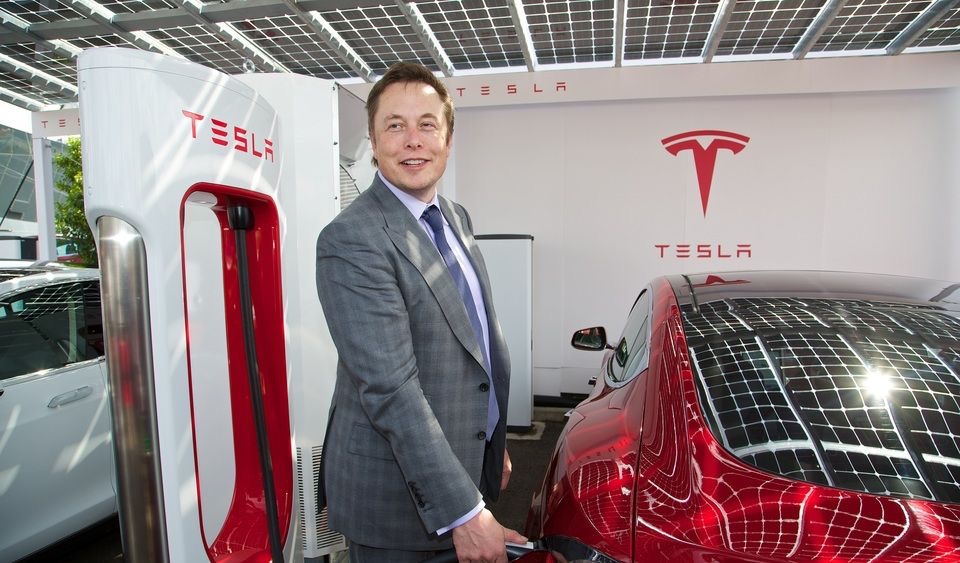
    Tesla continues to innovate, not with a car or a battery, but with a new way of charging our electric vehicles. The American manufacturer has just unveiled a new generation of charging stations, dubbed the ‘Folding Unit Supercharger’. It’s a solution that’s as simple as it is original: prefabricated, foldable stations that drastically reduce installation costs and time.

    source: Tesla

    A foldable terminal for faster delivery and lower costs

    In fact, Tesla is not only seeking to improve the power output of its charging stations, but also to rethink how they are deployed. These new V4 Superchargers come as factory-assembled units that can be transported in a folded state and then deployed directly on site. 

    In practical terms, each unit features eight charging points and sits on a hinged metal base. Once on site, the structure is simply unfolded, as the cables have already been installed beforehand. 

    This choice significantly simplifies on-site operations, with less electrical and civil engineering work required. As a result, Tesla reports a cost reduction of around 20% and installation times cut in half. In an industry where the race for profitability is constant, the American firm has made a major breakthrough.

    source: Tesla

    Optimised logistics to roll out more charging points

    It’s not just the installation that’s being rethought – the entire supply chain is being overhauled. Thanks to this foldable design, two units can be transported on a single lorry, allowing for up to 33% more charging points per delivery. 

    In practice, this makes it possible to increase the number of charging points deployed across the country whilst reducing transport costs – a major challenge as Tesla continues to rapidly expand its network. Indeed, by way of comparison, the older prefabricated units allowed up to 12 charging points to be transported per lorry, compared with up to 16 with this new generation. 

    Another notable development is that these stations require less human intervention. Once installed, they can be commissioned without the need for a dedicated technician, which further reduces lead times and costs and simplifies operation. 

    Up to 500 kW: a significant boost in performance

    As the design evolves, so does the power output. These new Superchargers are based on V4 technology, capable of delivering up to 500 kW of power – double that of the previous V3 stations, which were limited to 250 kW. 

    This expansion is a direct response to market developments, with electric vehicles increasingly capable of handling fast charging, particularly on 800 V architectures. In practice, this further reduces charging times and improves the user experience on long journeys. Each V4 cabinet can power up to eight charging points. 

    source: Tesla

    A strategic lever to accelerate the Tesla network

    With this innovation, Tesla is not only seeking to improve its technology, but also to address a key issue: the speed at which its network is rolled out.

    Today, the manufacturer already has several thousand stations worldwide, with a network comprising over 75,000 charging points. With the rapid rise of electric vehicles, the issue is no longer just the performance of the charging points, but their availability.

    In this context, these foldable Superchargers appear to be a direct response. By reducing costs, installation times and complexity, Tesla is enabling itself to open new stations more quickly, and, of course, the quality of the infrastructure is becoming ever more efficient.

    source: Tesla

    A new approach to charging infrastructure

    Tesla is changing the way it approaches charging. Until now, innovation has mainly focused on the power output and technology of charging stations. From now on, it will also focus on their industrial design and deployment.

    In practice, this approach could set a precedent. For in a market where all manufacturers are stepping up their efforts in the electric vehicle sector, the ability to rapidly roll out a charging network is becoming a key competitive advantage.

    source: Michael Wolf, Penig

    The first European trials are already underway at the Berlin Gigafactory. According to several sources, the first roll-outs in France are expected to take place in the second quarter of 2026, targeting major motorways (A6, A7, A10) – a timetable that would help ease pressure on the network ahead of the summer holiday rush.

  • Trump’s electric vehicle reset continues in 2026: how the US President is prioritising consumers, workers and common sense

    Trump’s electric vehicle reset continues in 2026: how the US President is prioritising consumers, workers and common sense

    In 2025, President Donald J. Trump launched what many now describe as the most significant shift in modern US automotive policy. By 2026, the results of this reset were becoming clear. Whilst the Biden administration had spent years attempting to impose electric vehicle mandates on Americans, regardless of cost, infrastructure or practicality, President Trump had chosen a different path: one rooted in freedom, economic realism and consumer choice.

    source: Le rouleur électrique

    Contrary to the narrative pushed by the media, President Trump did not ‘kill’ electric vehicles. On the contrary, he saved the EV sector from government overreach, restoring balance, innovation and consumer confidence to an industry that had been stifled by mandates, subsidies and ideological pressure.

    Trump’s reset of EV policy, launched in 2025 and continued in 2026, represents a strategic realignment that prioritises American consumers, American workers and American manufacturers.

    The problem Trump has inherited: forced electrification

    Even before President Trump returned to the White House, the electric vehicle market was already facing serious challenges. Despite massive federal subsidies, EV adoption had stalled. Prices were rising, dealerships’ stockyards were filling up with unsold electric cars, and the charging infrastructure was lagging far behind the promises made by policymakers in Washington.

    Middle-class families felt increasingly pressured to buy cars they neither wanted nor could afford.

    The Biden administration’s EV strategy was based on coercion rather than consumer choice. Through aggressive Corporate Average Fuel Economy standards, EPA regulations and global climate commitments, Americans were essentially being told: buy electric or pay the price.

    This price included:

    • Higher vehicle costs
    • A reduction in consumer choice
    • Production inconsistencies
    • Concerns about the electricity grid
    • Growing public scepticism towards EV policy

    President Trump has changed his stance: technological transitions cannot be imposed by government decree.

    Trump’s core philosophy: let the market decide

    From the start of his second term in 2025, Trump made his position clear. Electric vehicles must succeed, but only if they succeed in the market.

    His EV framework was based on several key principles:

    • No compulsory mandate
    • No artificial demand created by regulation
    • No penalties for petrol or hybrid vehicles
    • No bureaucratic micromanagement of consumers

    Instead, the Trump administration has focused on restoring competition, affordability and technological innovation.

    By 2026, this approach had begun to stabilise the EV industry. Car manufacturers can plan effectively, consumers can choose freely, and the development of EVs continues without the distortions caused by government mandates.

    source: AFP

    The “Freedom Means Affordable Cars” initiative

    One of the most significant policies introduced in 2025, and which is now shaping the market in 2026, is the Trump administration’s ‘Freedom Means Affordable Cars’ initiative.

    The programme has revised the fuel economy and emissions standards that had previously been used to indirectly encourage the adoption of electric vehicles.

    By resetting the CAFE standards to realistic and technology-neutral levels, the administration:

    • Has reduced regulatory costs for car manufacturers
    • Has helped to bring down vehicle prices
    • Has enabled EVs, hybrids and petrol-powered vehicles to compete on a level playing field
    • Has eliminated disguised EV mandates
    source: US Department of Transportation

    Federal transport estimates predicted that the reform would save US consumers more than $100 billion over five years.

    Equally important, the lifting of government pressure has helped to reduce the political stigma attached to EVs.

    Why might lower costs speed up the uptake of EVs?

    Many climate activists argued that the adoption of EVs needed to be enforced. Trump’s approach proved the opposite.

    By reducing regulatory costs across the automotive sector, manufacturers have gained greater flexibility to:

    • Improving battery technology
    • Increase autonomy
    • Reduce purchase prices
    • Focus on designs that consumers actually want

    As EV technology improves and costs naturally fall, consumer adoption becomes sustainable. Throughout 2026, innovation in EVs and hybrid vehicles continues within the industry without the instability caused by rigid government mandates.

    “America First” manufacturing

    A key pillar of Trump’s economic strategy is the revitalisation of domestic manufacturing.

    The government has introduced policies designed to encourage Americans to buy vehicles manufactured in the United States. A key measure allows buyers to deduct up to $10,000 a year in car loan interest for domestically assembled vehicles.

    Politics:

    • Encourages the purchase of vehicles manufactured in America
    • Strengthens domestic supply chains
    • Reward manufacturers who invest in American workers

    Unlike previous subsidy schemes, which often benefited foreign supply chains, Trump’s policies aim to keep the economic value of EV production within the United States.

    source: Ford

    Ending dependence on foreign countries

    The production of electric vehicles relies heavily on critical minerals such as lithium, cobalt, nickel and rare earth elements, many of which are currently dominated by China.

    In response to this vulnerability, the Trump administration has stepped up policies focused on energy and mining independence, including:

    • Streamlining domestic mining permits
    • Expansion of strategic minerals development
    • Investment in battery research in the United States
    • Reducing reliance on Chinese supply chains

    This strategy ensures that America’s electric vehicle future does not become a national security vulnerability.

    source: China Stringer Network

    Infrastructural realism 

    The Biden administration had promised millions of charging points across the country but has delivered far fewer.

    Trump has taken a different approach, focusing on practical infrastructure development rather than ambitious federal promises.

    How to take it:

    • Encouraged private-sector investment in charging networks
    • Has reduced approval delays
    • Has concentrated infrastructure along the main travel corridors
    • Has given Member States greater flexibility in planning

    This market-driven model has begun to expand access to charging more effectively, particularly in suburban and rural areas that had previously been neglected.

    source: Tesla

    Protecting working-class Americans

    Perhaps the most politically significant aspect of Trump’s EV policy is his rejection of what critics describe as EV elitism.

    Previous mandates disproportionately affected:

    • Rural families
    • Farmers
    • The craftspeople
    • Van owners
    • Pensioners on a fixed income

    By safeguarding consumer choice – including petrol, diesel, hybrid and electric vehicles – the Trump administration has ensured that Americans are not penalised for their transport needs.

    This fairness has helped to restore public confidence in the automotive market as a whole.

    source: entraid

    A stronger automotive industry by 2026 

    Car manufacturers had repeatedly warned that aggressive EV mandates could destabilise the industry.

    On the contrary, the Trump administration has worked closely with:

    • American car manufacturers
    • Dealer associations
    • Trade unions
    • Independent suppliers

    The result is an automotive industry with greater flexibility to:

    • Balancing the production of EVs and conventional vehicles
    • Protecting American jobs
    • Adapting to actual consumer demand
    • Competing on a global scale

    The EV reset continues

    As 2026 unfolds, the effects of President Trump’s electric vehicle reset are becoming increasingly apparent.

    The development of electric vehicles continues. Innovation remains strong. But the market is now driven by consumer choice rather than government mandates.

    President Trump hasn’t given up on electric vehicles – he’s repositioned them.

    By rejecting coercion, restoring affordability, defending consumer freedom and prioritising American workers, Trump has laid the foundations for an EV future built on economic strength and national sovereignty.

    And under this model, innovation – rather than government pressure – will determine which technologies ultimately prevail.

  • The era of clean energy: why rising oil prices and global conflicts are accelerating the electric vehicle revolution

    The era of clean energy: why rising oil prices and global conflicts are accelerating the electric vehicle revolution

    The ongoing tensions between the United States and Iran serve as yet another reminder to the world of just how deeply intertwined global politics and the oil markets are. Whenever instability arises in major oil-producing regions, the effects quickly ripple out across the global economy. Rising oil prices, higher fuel costs and supply disruptions are often the first signs of such crises. As petrol prices soar and uncertainty spreads across energy markets, a key question is once again being asked around the world: is the future of transport electric?

    Here are the main reasons why the current oil crisis and geopolitical instability are strengthening the case for electric vehicles.

    1. Oil wars have always shaped the global economy

    For over a century, oil has been one of the most strategically important resources on Earth. Countries have formed alliances, waged wars and shaped their foreign policies around energy supplies.

    When conflicts break out in major oil-producing regions, the markets react immediately. Shipping routes become vulnerable, supply chains are threatened and energy prices rise sharply.

    The Middle East remains one of the world’s most important oil-producing regions. A large proportion of global oil exports passes through strategic narrow sea lanes such as the Strait of Hormuz. Any military escalation in the region immediately raises concerns about disruptions to oil supplies.

    source: FMM Graphic Design Studio

    History has repeatedly shown that global conflicts in oil-producing regions can lead to significant price rises. These price rises affect transport, manufacturing, agriculture and almost every sector of the economy.

    2. Rising oil prices have a direct impact on consumers

    When oil prices rise, the most immediate impact is felt at the petrol pump. Drivers suddenly find themselves facing higher fuel costs, which can significantly increase household expenditure.

    Higher petrol prices also affect the cost of goods and services. Transport companies have to spend more on fuel, airlines face higher operating costs, and freight rates are rising. These increased costs often feed through to the wider economy, contributing to inflation.

    Families who rely heavily on petrol-powered vehicles feel the pinch most acutely. Long commutes, transport needs and daily journeys become more expensive when oil prices rise.

    This cycle has repeated itself time and again throughout modern history whenever geopolitical tensions have disrupted energy markets.

    3. Electric vehicles are breaking our dependence on oil

    Electric vehicles offer a key advantage over traditional petrol cars: they do not rely on oil.

    Instead of petrol or diesel, EVs run on electricity, which can be generated from a variety of energy sources, including natural gas, nuclear power, hydroelectricity, solar power and wind power.

    This flexibility significantly reduces the impact of oil market volatility on transport. When oil prices rise due to a conflict, drivers of electric vehicles are largely shielded from these price shocks.

    Electromobility enables countries to rely more on domestic energy production rather than on imported oil, thereby strengthening national energy security.

    4. Lower operating costs for drivers

    One of the main advantages of electric vehicles is that they are cheaper to run than petrol cars.

    Electricity is generally cheaper than petrol on a per-kilometre basis. Even when electricity prices fluctuate, they rarely experience the dramatic spikes that oil markets often face.

    EV drivers can also charge their vehicles at home, avoiding the need for frequent stops at petrol stations.

    In the long term, fuel savings can add up to a significant amount, particularly during periods when petrol prices rise due to geopolitical crises.

    5. Electric vehicles require less maintenance

    Traditional petrol engines contain hundreds of moving parts, including pistons, valves, exhaust systems and complex mechanical components.

    These systems require regular maintenance, such as oil changes, engine servicing and exhaust repairs.

    Electric vehicles are much simpler mechanically. They use electric motors with far fewer moving parts and do not require engine oil, spark plugs or complex transmission systems.

    This reduced mechanical complexity means that EV owners often incur lower maintenance costs over the vehicle’s lifetime.

    source: LaCentrale

    6. Battery technology has improved rapidly

    The first electric vehicles were criticised for their limited range and long charging times. However, battery technology has advanced dramatically in recent years.

    Modern EVs can now travel hundreds of kilometres on a single charge, making them practical for both daily commutes and long-distance journeys.

    Fast-charging networks are expanding rapidly, enabling drivers to recharge a significant portion of their battery in a short space of time.

    As battery costs continue to fall and efficiency improves, electric vehicles are becoming more affordable and accessible to a wider range of consumers.

    source: Ionity


    7. Expanding charging infrastructure

    One of the main challenges to EV adoption in the past was the lack of charging infrastructure. This situation is changing rapidly.

    Governments and private companies are investing billions of dollars in expanding charging networks in cities, on motorways and in rural areas.

    Public charging stations are becoming more common in shopping centres, office buildings, car parks and residential areas.

    As charging networks expand, owning an electric vehicle is becoming more convenient and accessible for millions of drivers.

    source: Driveco

    8. Environmental benefits of electric vehicles

    Electric vehicles produce no exhaust emissions, which helps to reduce air pollution in cities.

    Transport is one of the biggest contributors to global carbon emissions, and the switch to electric vehicles can significantly reduce the environmental impact.

    Cleaner transport also improves public health by reducing harmful pollutants that contribute to respiratory diseases.

    As renewable energy sources continue to expand, the environmental benefits of electric vehicles will increase even further.

    9. Economic opportunities in the EV industry

    The electric vehicle revolution is creating major economic opportunities around the world.

    New industries are emerging in the fields of battery manufacturing, charging infrastructure, software systems and electric mobility services.

    Countries that invest heavily in EV technology can secure leading positions in the future automotive market.

    Battery manufacturing, in particular, is becoming a strategic industry, as batteries power both electric vehicles and renewable energy storage systems.

    10. Energy independence for nations

    Reducing dependence on imported oil can strengthen national security and economic stability.

    Countries that are heavily reliant on oil imports are often vulnerable to international conflicts and supply disruptions.

    Electric vehicles enable countries to power their transport systems using locally generated electricity, thereby reducing their dependence on global oil markets.

    This change could lead to more stable energy systems and reduce geopolitical vulnerabilities.

    source: econord

    11. Consumer demand is growing rapidly

    Public interest in electric vehicles has grown significantly over the past decade.

    Many drivers are attracted by the combination of lower running costs, environmental benefits and advanced technology.

    Car manufacturers are responding to this demand by expanding their ranges of electric vehicles and investing heavily in electrification.

    As more models become available, consumers have more choice when switching to electric vehicles.

    source: BYD

    12. Geopolitical conflicts are accelerating the transition

    Whenever the oil markets are disrupted by conflict or political instability, the appeal of electric vehicles increases.

    Rising petrol prices highlight the vulnerability of transport systems that rely on oil.

    Electric vehicles offer a path towards more stable and predictable transport costs.

    For many consumers, repeated oil crises reinforce the view that moving away from petrol-powered vehicles could be the wisest choice in the long term.

    Conclusion

    The current tensions affecting global oil markets serve as a reminder of just how vulnerable traditional energy systems can be. When geopolitical conflicts disrupt oil supplies, the economic consequences are felt around the world.

    Electric vehicles offer a powerful alternative to this cycle. By reducing dependence on oil and enabling transport to run on a variety of energy sources, EVs can help create a more resilient and stable energy future.

    Technological advances, infrastructure expansion and growing consumer interest are already driving the global shift towards electric mobility.

    As global conflicts continue to affect the oil markets, the transition to electric vehicles could accelerate even further.

    What began as a technological innovation is now becoming a cornerstone of the future transport system. The electric vehicle revolution is no longer a distant possibility; it is rapidly becoming a defining feature of the modern energy era.

  • Xiaomi SU7 V2: over 15,000 orders in 34 minutes – a flying start

    Xiaomi SU7 V2: over 15,000 orders in 34 minutes – a flying start

    Barely launched, the new version of its SU7 electric saloon has already achieved impressive commercial success, with over 15,000 orders in just 34 minutes, according to CarNewsChina. A few days later, more than 30,000 units had already been snapped up. This strong start confirms the Chinese giant’s ambition in the automotive market, just two years after its entry into the sector.

    source: Xiaomi

    Two years after its launch, Xiaomi is stepping up a gear with the SU7 V2

    Two years after unveiling its first electric saloon, Xiaomi continues to step up a gear. Unveiled in 2024, the first version of the SU7 had already made a big impression, with over 380,000 units sold, confirming the manufacturer’s ability to quickly establish itself in a highly competitive market, marked in particular by the presence of the BYD Seal, the Tesla Model 3 and the XPeng P7+.

    Against this backdrop of commercial success despite increased competition, the brand unveiled a facelifted version of its model on 19 March 2026, often referred to as the SU7 V2.

    source: Xiaomi

    A version 2 that’s clearly a step up

    With this new version, Xiaomi retains the signature dimensions of the first-generation Xiaomi SU7, measuring 5 metres long and 2 metres wide, with a wheelbase of 3 metres. It features a 105-litre front boot, coupled with a boot capacity of over 510 litres. The lighting signature has been redesigned, particularly at the front with slimmer headlights, whilst the aerodynamics have been further refined, with a particularly low drag coefficient of around 0.195 – a key factor in optimising both performance and range.

    source: Xiaomi

    Inside, Xiaomi remains true to its technological DNA. The cabin is centred around a large 16.1-inch central screen, complemented by a digital instrument cluster and a head-up display. The system runs on HyperOS, designed to provide seamless integration with the Xiaomi ecosystem, including smartphones and connected devices. In practical terms, this enables deep app integration, advanced voice commands and interface customisation. Space on board is optimised thanks to the electric architecture, with a generous wheelbase that benefits passengers, whilst perceived quality is enhanced with more refined materials and a finish that, according to the press release, targets the premium segment.

    source: Xiaomi

    But it is above all in technical terms that this Version 2 stands out. Xiaomi claims improved performance thanks to the integration of Xiaomi HyperEngine V6s Plus technology. This enables the vehicle to accelerate from 0 to 100 km/h in just 3.08 seconds and reach a top speed of 265 km/h. The real breakthrough, however, lies in the battery. Depending on the version, the SU7 can now boast a range of up to 902 km for the ‘Pro’ version, a figure that places it among the market leaders. There are also developments on the charging front: “Ultra-fast charging has also been improved, offering up to 670 km of CLTC range in 15 minutes and charging from 10% to 80% in 12 minutes.”

    An instant commercial success

    Success was not long in coming. As soon as orders opened, the SU7 V2 received over 15,000 reservations in 34 minutes, a figure that illustrates the anticipation surrounding the model. In the days that followed, over 30,000 units had already been snapped up, according to the group’s CEO, Lei Jun, confirming the flying start mentioned at the beginning of this article.

    In fact, this launch has outperformed that of the first generation, which had already enjoyed a high-profile launch. Above all, it shows that Xiaomi has successfully built on the success of the first-generation SU7, capitalising on its brand image, technological positioning and aggressive pricing strategy. Indeed, the V2 is available from €27,500 for the standard version, €31,300 for the Pro and €38,000 for the Max.

    source: Xiaomi

    A rising trend to watch out for

    With over 30,000 orders in just a few days, Xiaomi has demonstrated that it is no longer merely a newcomer, but a major player capable of making its mark on the market. The SU7 V2, with its record-breaking range, cutting-edge technology and competitive pricing, is a perfect illustration of this rise to prominence.

    It now remains to be seen how this will stand the test of time, particularly in terms of production capacity and the conquest of international markets. It is worth noting that Xiaomi is set to launch in Europe in 2027.

  • Opel is entering Formula E and maintaining Stellantis' presence

    Opel is entering Formula E and maintaining Stellantis' presence

    The German brand, part of the Stellantis group, has officially confirmed its entry into Formula E from the 2026–2027 season, for a four-year period. This announcement is not merely a return to competition, but reflects a broader commitment to accelerating its transition to electric vehicles, within a sporting context that is already deeply ingrained in Opel’s DNA.

    source: Opel

    Opel replaces the DS and enters the GEN4 era

    The news is out: from Season 13 of the ABB FIA Formula E World Championship, Opel will be joining the fray and replacing DS Automobiles within the Stellantis line-up. The Blitz brand will compete with an official works team, named the Opel GSE Formula E Team.

    source: Opel

    This schedule coincides with the arrival of the new generation of electric single-seaters, the GEN4, which marks a technological breakthrough in the sport. Power output will increase from 350 kW (416 hp) to 600 kW (816 hp), with permanent all-wheel drive and regenerative braking capacity rising to 700 kW, compared with 600 kW today.

    This news has delighted Jeff Dodds, CEO of Formula E: “We are delighted to welcome Opel as a new works team. Opel brings a rich history in motorsport, recognised technical expertise and a fresh energy to the grid. Its involvement confirms Formula E’s key role in the transition to electric mobility.”

    source: Opel

    Formula E, a global showcase for electric mobility

    Since its inception in 2014 under the auspices of the FIA, Formula E has gradually established itself as the leading championship for fully electric single-seaters. Its format is based on street races, known as E-Prix, held in major international cities. For the 2025–2026 season, the calendar features 17 races across 10 countries. The aim is to combine motor racing with, above all, sustainable development.

    Formula E has also established itself as a genuine technological testing ground. Manufacturers use it to test their electric solutions under extreme conditions, accelerate the development of their technologies and strengthen their reputation in the field of electromobility. Against this backdrop, Opel’s involvement appears to be a strategic choice, in line with developments in the sector.

    source: Formula E

    A direct link to Opel’s electric strategy

    Opel’s entry into Formula E is part of the transformation the brand has been undergoing for several years. Since joining Stellantis in 2021, the brand has significantly accelerated its shift towards electric vehicles, offering an electrified version of each of its models. The goal is now clear: to become a 100% electric brand in Europe by 2028.

    In this context, motorsport becomes another tool for embodying this transition. As Florian Huettl, the brand’s CEO, explains: “Joining Formula E marks a new milestone for Opel in our transition towards an electric future. With the arrival of the GEN4 cars from next season onwards, this is the ideal time to join this 100% electric competition. Our Opel GSE Formula E Team will embody what our brand stands for: German engineering, bold design and electrified performance.”

    You may not be familiar with the abbreviation GSE, but it stands for Grand Sport Electric – a designation already used on the highest-performance production models, such as the Opel Mokka GSE and, coming soon, the Corsa GSE.

    source: Opel

    Stellantis is overhauling its motorsport strategy

    Opel’s entry into Formula E is also part of a wider reorganisation within the Stellantis group. Following the successive commitments by DS, then Maserati and, more recently, Citroën, the group is adjusting its motorsport strategy.

    DS’s withdrawal at the end of the 2025–2026 season is therefore accompanied by a commitment to maintaining a strong presence in the sport, notably through Opel and Citroën, which recently announced that it was extending its involvement. The aim is to better align the motorsport programmes with the product strategies of the various brands, using competition as a direct tool for the development and promotion of production electric vehicles.

    source: DS Automobiles

    A return to the top level of motor racing

    With this announcement, Opel is also marking its return to an FIA world championship, several decades after its involvement in rallying. However, the brand is not starting from scratch. It can draw on a wealth of experience in motorsport, as well as more recent initiatives, such as the launch in 2021 of the ADAC Opel Electric Rally Cup, the first all-electric one-make rally championship.

    source: Opel

    This technical and sporting foundation provides a strong basis for tackling Formula E, which is an extremely demanding and high-level discipline, both in terms of technology and competition.

    A new milestone in the manufacturer’s electrification journey

    By entering Formula E, Opel is positioning itself as a major player in electric mobility in Europe. In a rapidly evolving sector, racing is becoming an extension of standard production models, where part of the technological and industrial battle is now being fought.

    source: Opel

    It remains to be seen whether the brand with the lightning bolt logo will manage to compete on a par with the top teams in this competition right from the very first Grand Prix.

  • Volvo is set to unveil the all-electric EX60 at the 2026 Paris Motor Show

    Volvo is set to unveil the all-electric EX60 at the 2026 Paris Motor Show

    Just a few days after unveiling the Volvo EX60, the Swedish brand has announced that it will present its new electric SUV at the 2026 Paris Motor Show. This model is being positioned as a major milestone in its transition to an all-electric range, highlighting its strategic role in expanding its offering in the most competitive segment of today’s automotive market.

    source: Volvo

    A European premiere at the Paris Motor Show

    In its press release, Volvo Cars notes that the EX60 is the very first mid-size electric SUV built on its new SPA3 platform, a technical architecture completely redesigned for electric vehicles and which will underpin all of the brand’s future models. The announcement of its presence at the 2026 Paris Motor Show confirms that Volvo sees this Parisian event as a key moment to showcase to the general public the direction the brand is taking in the electrification of its range, all just one year ahead of its centenary.

    Indeed, the Paris Motor Show has always been one of the industry’s major events, and Volvo is well aware of this: unveiling the EX60 in Paris means showcasing the car in a demanding European market, where expectations regarding range, in-car technology and safety are particularly high. In practice, this presence in Paris helps establish the EX60 as one of the flagship models of the 2026 electric vehicle year.

    The press release states: “With this new model, produced in Sweden at Volvo’s Torslanda plant, Volvo Cars is making its debut in the world’s largest electric vehicle segment, and the EX60 has everything it takes to set the standard.”

    source: Volvo

    An exterior design that reflects the shift to electric vehicles

    In terms of styling, it features a design that is both modern and true to Volvo’s Scandinavian identity. At the front, the LED headlights incorporate the ‘Thor’s Hammer’ light signature already seen on other Volvo electric models. The side lines are taut, with a profile that lends this SUV both elegance and dynamism, whilst remaining instantly recognisable as a Volvo.

    According to the press release, the SPA3 platform – designed exclusively for the Swedish brand’s new SUV and built from the ground up for electric power – allows for a rethink of the vehicle’s proportions. The images speak for themselves: it features a long wheelbase and a relatively low profile for an SUV, which helps to maximise interior space whilst enhancing aerodynamics.

    source: Volvo

    Inside, the materials appear to have been chosen for their quality and durability, with a particular focus on ergonomics and passenger comfort. The infotainment system, featuring a dual-screen setup (11.4-inch for the driver and 15-inch for the central display), is understated and enhances the cabin’s sleek design. In addition to frameless windows, a panoramic roof is fitted as standard to enhance the sense of space and light.

    source: Volvo

    In addition to the interior features, the group has announced a range of driver-assistance systems, such as over-the-air (OTA) updates, made possible by the power of the software developed by Volvo: “Years of focused engineering efforts and investment have enabled Volvo to develop software capabilities that only a handful of players in the industry have managed to achieve,” said Håkan Samuelsson, CEO of Volvo Cars.

    Under the bonnet: two batteries, three performance levels

    Technically speaking, the EX60 is available in several versions that differ in terms of their powertrain and battery capacity. Built on the SPA3 platform, it features an 800 V electrical architecture that enables rapid charging times, taking less than 20 minutes to go from 10% to 80% at fast-charging stations, which is now a crucial factor in the wider public’s acceptance of electric vehicles.

    source: Volvo

    The entry-level version is powered by a rear motor producing just over 300 horsepower, paired with a battery pack of around 80 kWh, giving it a range of around 620 km. It offers well-rounded performance, accelerating from 0 to 100 km/h in just over 6 seconds and reaching a top speed of 180 km/h.

    The all-wheel-drive version delivers around 400 horsepower thanks to a second motor, with a battery capacity of approximately 91 kWh and a range of up to 660 km. Performance has improved accordingly, with 0–100 km/h achieved in under 5 seconds.

    Finally, the top-of-the-range version delivers over 500 horsepower and is powered by a 112 kWh battery, offering a range of up to 810 km. In practice, this figure places the EX60 at the top of its class.

    A strategic step in Volvo’s electrification programme

    The announcement that the EX60 will be on display at the 2026 Paris Motor Show is part of a much broader roadmap for Volvo. The Swedish brand has already stated its aim of having an all-electric range by 2030, and the EX60 is a tangible embodiment of that ambition.

    In a highly competitive European market subject to strict environmental standards, Volvo is confident it will come out on top. In addition to this vehicle, the Swedish brand promises a grand entrance at this winter’s Paris Motor Show. Expect “a true ode to the Scandinavian landscape”.

  • Royal Mail launches the UK’s first 100% electric postal flights

    Royal Mail launches the UK’s first 100% electric postal flights

    This is a first for the UK. Royal Mail, the regional airline Loganair and the US manufacturer Beta Technologies have officially launched electric flights under real-world conditions, carrying postal cargo on board. A major step forward for electric aviation in the UK.

    source: BETA Technologies

    Electric flights in real-world conditions

    The first 100% electric demonstration flight took place on 20 March, between Glasgow and Dundee. Although it was a demonstration flight, it carried a representative sample of mail, including letters and parcels. The aim is to simulate a route that could become a daily service between the various delivery addresses operated by Royal Mail.

    The aim of this flight is clear: to gather concrete data on the performance of an electric aircraft in everyday commercial use, as Luke Farajallah, CEO of Loganair, explains:

    “This is a historic moment for European aviation. We’re not talking about concepts or prototypes, but a concrete programme of flights across our network, which will provide valuable data on the performance of an electric aircraft in real-world conditions.”

    source: Loganair

    The Alia CTOL: an electric aircraft designed for commercial operation

    But whilst this flight went smoothly and appears to have been a success, let’s talk about the aircraft at the heart of this programme: the Alia CTOL, in its CX300 cargo version, developed by Beta Technologies.

    Unlike other projects, such as eVTOLs, which take off like helicopters, this aircraft does not require new infrastructure and can use conventional runways – a key factor for its deployment, but one that could also act as a hindrance.

    In technical terms, the aircraft offers performance that is particularly well suited to regional routes:

    • a range of approximately 622 km
    • a maximum load capacity of 560 kg
    • a top speed of up to 283 km/h
    • a charging time of between 20 and 40 minutes thanks to BETA’s fast-charging system
    source: BETA Technologies

    An ideal testing ground: Scotland

    Although these demonstrations took place between Glasgow and Dundee, they are not limited to a single route. In fact, they form part of a strategic regional network covering several Scottish airports: Glasgow, Dundee, Aberdeen, Inverness, Wick and the Orkney Islands.

    This is by no means a trivial choice, as Scotland, with its Highlands and numerous islands, offers an environment that is particularly well-suited to this type of technology. In some areas, road and sea transport options are limited, as Simon Newitt of Beta Technologies points out:

    • “Scotland’s geography makes it one of the most suitable environments in the world for electric aviation. A programme like this, involving real-world routes and an experienced operator such as Loganair, is exactly what is needed to validate the technology.”
    source: urbanairmobilitynews

    For Royal Mail, which is responsible for delivering post across the whole of the UK – serving nearly 32 million addresses every day – these trials address a very real challenge. As Chris Paxton of Royal Mail points out:

    • “This is a significant step towards making electric parcel flights a reality for some of the UK’s most remote communities. “By working with Loganair and BETA Technologies, we are proud to be the first UK delivery company to trial an electric aircraft, supporting our path to net-zero by 2040 whilst continuing to serve the 32 million addresses across the UK.”
    source: Royal Mail

    An important milestone for Europe

    With these flights, the UK has become one of the first European countries to authorise the transport of cargo using electric aircraft in real-world conditions, under the supervision of the Civil Aviation Authority. Meanwhile, Norway has already conducted structured, quasi-commercial but still experimental trials using the Beta Alia CX300 electric aircraft.

    source: Beta

    In the short term, these trials should help assess the economic and operational viability of the model. In the longer term, they could pave the way for the wider adoption of this type of aircraft on regional routes, particularly in the most remote areas.

    A new step towards decarbonising transport

    Through this programme, Royal Mail, Loganair and Beta Technologies aim to demonstrate that a more sustainable alternative is possible, without compromising on service continuity.

    In an aviation sector that remains largely dependent on fossil fuels, these first electric flights under real-world conditions could well mark the start of a more profound shift.

  • Leapmotor opens its first innovation centre in Europe

    Leapmotor opens its first innovation centre in Europe

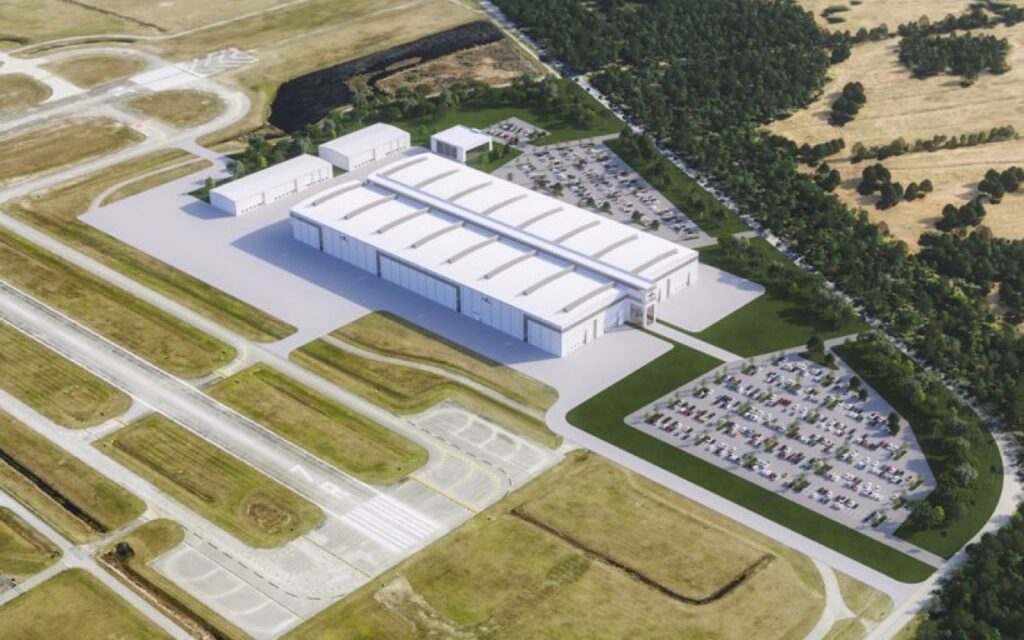
    The Chinese manufacturer Leapmotor has announced the opening of its very first European innovation centre in Munich, Germany. This strategic project marks a shift from simply exporting to Europe to establishing a genuine local presence in the European market.
    source: Leapmotor

    An innovation hub at the heart of the European automotive ecosystem

    Leapmotor has chosen to set up its new hub in Munich, in the Schwabing-Freimann district. This is by no means a trivial choice, as the German city has established itself as one of Europe’s leading centres for automotive innovation, situated close to the R&D centres of many long-established manufacturers such as BMW, Audi and Mercedes-Benz.

    Opened on 20 March 2026, this European innovation centre aims to coordinate the brand’s design and development activities across the continent. Leapmotor is no longer content simply to export its models: the manufacturer now wants to design vehicles tailored to the expectations of European customers.

    From design to R&D: a strategic hub for future models

    In practical terms, this new centre will play a key role in the brand’s transformation. In particular, it will be responsible for developing Leapmotor’s future design language, adopting an approach that combines advanced technology with aesthetics better suited to European standards. The site will also be responsible for designing new concepts, incorporating market trends and the specific expectations of local consumers. 

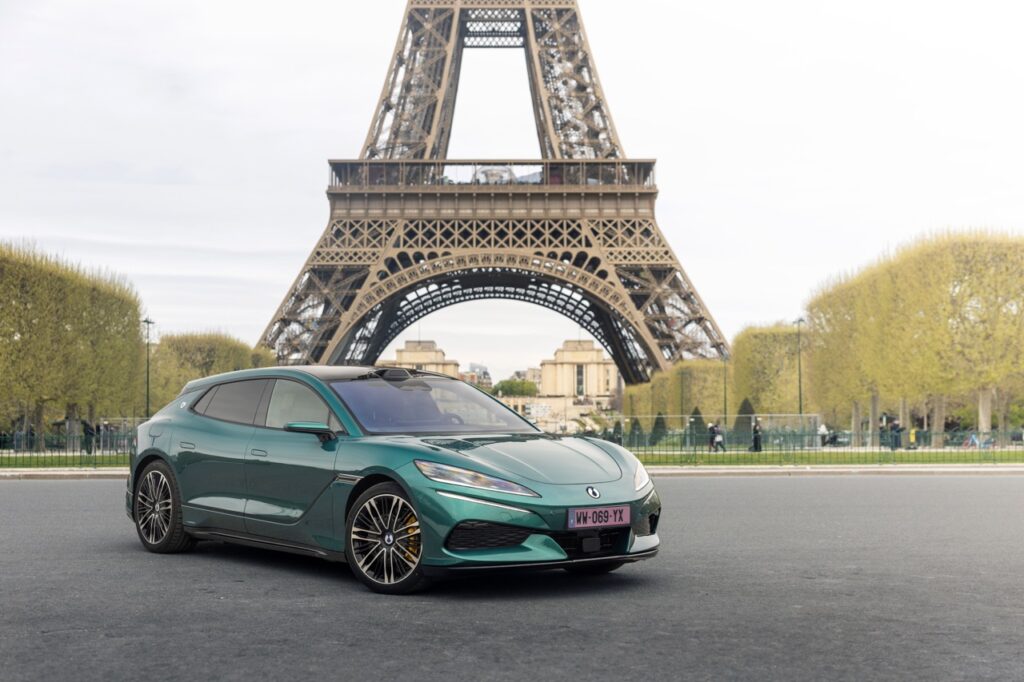
    At the launch event, Yu Shuyue, director of Leapmotor’s global design centre, outlined the brand’s design philosophy using the new B03X as an example. Indeed, the new Leapmotor model aims to set a new benchmark among world-class SUVs

    source: Leapmotor

    This centre forms part of a global organisation centred around three hubs: Munich, Hangzhou and Shanghai. This tri-regional structure is designed to enable Leapmotor to develop vehicles for the international market whilst retaining its brand identity.

    A move that forms part of a broader European strategy

    The opening of this innovation centre is no coincidence. It forms part of a broader strategy for expansion in Europe, driven in particular by the partnership with Stellantis.

    Since 2023, following Stellantis’ acquisition of a 51% stake in the company, the two groups have formed a strategic alliance aimed at accelerating the distribution of Leapmotor vehicles outside China. This collaboration has taken the form of a joint venture dedicated to international operations, enabling Leapmotor to draw on Stellantis’ industrial and commercial network in Europe.

    source: Stellantis

    So, naturally, this new centre based in Germany represents a further step forward in the Chinese manufacturer’s international ambitions. Locating its design operations directly in Europe is a key factor in adapting effectively and sustainably to the specific characteristics of the European market.
    A record-breaking 2025 that is accelerating international expansion

    The launch in Bavaria comes on the heels of record sales figures set in 2025. Indeed, the company, based in Hangzhou, China, delivered 596,555 vehicles worldwide, representing a 103% increase compared to 2024. The fourth quarter was particularly strong, with 201,039 registrations (+66.4% compared to the same period the previous year).

    Financially, the brand also reached a significant milestone by turning a profit for the first time, with a net profit of around 540 million yuan. Its turnover, meanwhile, reached 64.73 billion yuan, an increase of more than 100% year-on-year.

    These results will enable Leapmotor to accelerate its international expansion, particularly in Europe, a key market for the coming years.

    source: Leapmotor

    A turning point in the manufacturer’s strategy

    With the opening of this European innovation centre, Leapmotor is clearly taking its business to the next level. In an increasingly competitive European market, where expectations regarding design, quality and user experience are particularly high, this move could well prove to be the deciding factor.

    It remains to be seen how this new approach will be reflected in the brand’s future models.

  • Stellantis announces its grand return to the 2026 Paris Motor Show

    Stellantis announces its grand return to the 2026 Paris Motor Show

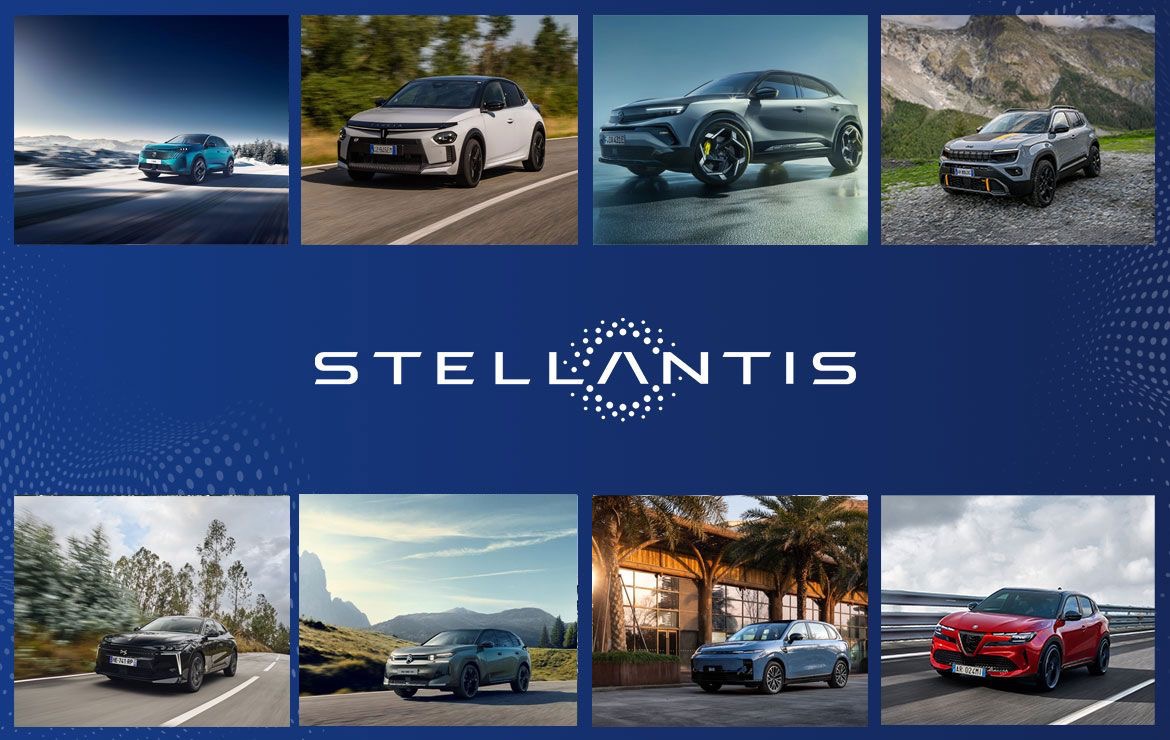
    After several years of keeping a low profile, the Stellantis group is changing its strategy. At the 2026 Paris Motor Show, the manufacturer is announcing a major comeback: eight brands and around sixty vehicles. This is a way of re-establishing itself as a key player at a Parisian motor show that is gradually regaining its influence.

    source: Stellantis

    A strategic return to a trade fair that is once again a must-attend event

    The 91st Paris Motor Show will take place from 12 to 18 October 2026 at the Parc des Expositions de la Porte de Versailles in Paris. This is a major event for the European automotive industry, particularly as the 2024 edition had already seen a resurgence in interest, attracting over 500,000 visitors compared to fewer than 400,000 for the 2022 edition.

    Against the backdrop of the Paris Motor Show’s resurgent popularity, Stellantis’s strong comeback is a strategic move. The group, which had significantly scaled back its presence at previous editions, is now making a genuine shift in strategy. Its participation is set to be more than double that of 2024, both in terms of floor space and the number of vehicles on display.

    source: Mondial de l’Auto

    An XXL stand to make a lasting impression

    This is one of the most notable points in the press release. Stellantis plans to occupy 5,340 m² in Hall 6, making it one of the largest spaces at the show. At this stand, the group will exhibit more than 60 vehicles and promises a “multisensory experience”, designed as an immersive journey exploring Stellantis’s design, performance and functionality.

    The aim is clear: to capture the attention of an ever-growing audience at a trade fair that is expected to attract several hundred thousand visitors once again.

    Eight brands showcasing the full diversity of the group

    For this return, Stellantis is showcasing a broad selection of its portfolio, with eight brands on display: Alfa Romeo, Citroën, DS Automobiles, Fiat, Lancia, Leapmotor, Opel and Peugeot. This presence enables the group to cover the entire market, from the entry-level segment to the premium segment, including new forms of electric mobility.

    To be more specific, several highlights have already been announced. As for DS Automobiles, the new DS N°7 will be showcased as a technological and stylistic showcase. At Lancia, the new Gamma will mark the brand’s return to the family crossover segment. Finally, the presence of Leapmotor illustrates the group’s openness to new partners, with the B03, a compact electric saloon that will make its European debut. And as mentioned, Opel is returning to Paris after a 10-year absence: “We are looking forward to celebrating Opel’s return to the Paris Motor Show with the public in October,” says Florian Huettl, CEO of Opel.

    source: Leapmotor

    A strategic showcase for the group’s electrification drive

    Beyond simply showcasing its models, Stellantis aims to make this stand a true showcase for its strategy. The group is highlighting a unique portfolio capable of meeting every need, from urban micro-mobility to long family journeys.

    This massive return also reflects a desire to better communicate this transformation. At a time when the energy transition can still be difficult for the general public to grasp, Stellantis is adopting a more immersive and educational approach. The idea is not to focus solely on the vehicles, but to view the motor show as an opportunity to raise awareness of each of the brand’s projects amongst the widest possible audience.

    source: Opel

    A strong signal for the Paris Motor Show

    This strong comeback also sends a broader message. After a period in which motor shows seemed to be losing their relevance, Stellantis’s investment confirms that these events remain key channels for reaching the public.

    With over 5,000 m² of floor space and around 60 vehicles on display, the group is turning Paris into a true European showcase. It’s a way of testing a new approach to presenting its range, combining product demonstrations, storytelling and an immersive experience.

  • 2025: a record year for Chinese car manufacturer XPeng

    2025: a record year for Chinese car manufacturer XPeng

    On 20 March 2026, XPeng released its financial results for the fourth quarter and the full year of 2025. Beyond the figures, it is above all an underlying trend that is being confirmed: the brand is entering a new phase of maturity, driven by rising sales volumes, improved profitability and an increasingly assertive technology strategy.

    source: XPeng

    A dramatic increase in deliveries

    This is arguably the most striking figure for the 2025 financial year. XPeng delivered 429,445 vehicles over the course of the year, representing a significant increase of 126% compared with 2024. This performance clearly positions the manufacturer among the most dynamic players in the Chinese market, despite an environment marked by increasingly fierce competition. Indeed, electric vehicles are becoming the norm, and manufacturers worldwide are redoubling their ingenuity to create increasingly high-performance electric vehicles at ever-lower prices.

    Let’s return to XPeng, where this sales momentum really picked up towards the end of last year. Indeed, the fourth quarter confirmed this upward trend, with 116,249 vehicles delivered during the period – a record high for the Chinese manufacturer. These figures were driven in particular by the success of the new models, but also by a much more efficient production process than before. The result: XPeng ended the year on a particularly strong note, in line with its ambitions to move upmarket and achieve mass-market appeal.

    source: XPeng

    Revenue up sharply, driven by volume growth

    This rise in deliveries has, unsurprisingly, been accompanied by a significant increase in revenue. In the fourth quarter alone, XPeng generated 22.25 billion yuan, up by around 38% year-on-year. 

    Over the course of the year, revenue has followed the same trend, driven by both higher volumes and the gradual move upmarket of certain models. Analysts estimate that annual turnover could exceed 76 billion yuan, representing a very significant increase. 

    We are therefore dealing with a manufacturer that is no longer merely in a phase of commercial growth, but is beginning to establish a more robust business model.

    source: XPeng

    A first step towards profitability

    Another key highlight from the press release: the final quarter of 2025 marked the first profitable quarter in XPeng’s history. By the end of 2025, the manufacturer reported a net profit of around 380 million yuan, having recorded significant losses just a year earlier. 

    This improvement can be attributed to several factors: better cost control, economies of scale resulting from increased volumes, and a more coherent product strategy.

    Although profitability remains fragile on an annual basis, the brand is clearly on the right track, and the 2026 results will need to be monitored to see whether it has managed to maintain this momentum.

    A technology strategy that is becoming central

    But it would be a mistake to reduce XPeng solely to its financial results. The manufacturer is simultaneously undergoing a more profound transformation, increasingly positioning itself as a technology company.

    The integration of its own chips, the development of advanced driver-assistance systems and the use of on-board artificial intelligence are becoming key elements of its value proposition.

    source: XPeng

    XPeng is going even further by monetising some of these technologies, notably through industrial partnerships. Its collaboration with the Volkswagen Group is the most concrete example of this, involving joint development projects and revenue opportunities linked to technology services. 

    In a Chinese market where expectations are changing rapidly, this shift towards software and user experience is becoming a key strategic driver.

    A trend that is spreading internationally

    Finally, this growth is no longer confined to the domestic market. XPeng is stepping up its international expansion, particularly in Europe, where the brand continues to expand its presence.

    In 2025, for example, the manufacturer sold over 22,000 vehicles across Europe, including more than 3,000 in France. 

    At the same time, XPeng is preparing to enter new markets, particularly in Latin America, reflecting an increasingly assertive global strategy. 

    XPeng enters a new dimension

    By 2025, XPeng will have clearly established itself as a major player. The manufacturer is becoming a well-established company, capable of balancing production volumes, revenue and innovation. In an industry where competition is becoming increasingly fierce, this growing maturity could well prove decisive in the years to come.