Blog

  • Which countries are leading the electromobility race?

    Which countries are leading the electromobility race?

    Electric cars, charging points, state-of-the-art batteries:
    electromobility is everywhere. But not all countries are moving at the same pace: which are the most committed to this revolution? Between industrial strategies, public policies and technological innovations, the battle for electromobility is being fought on a global scale.
    Credit: frimufilms

    China, the locomotive of electromobility

    It’s hard to compete with China. The Middle Kingdom has not only theorised electromobility, it has industrialised it at lightning speed. Since the early 2000s, the Chinese government has invested heavily in this technology, with massive subsidies, quotas imposed on manufacturers and support for local companies such as BYD, NIO and CATL.

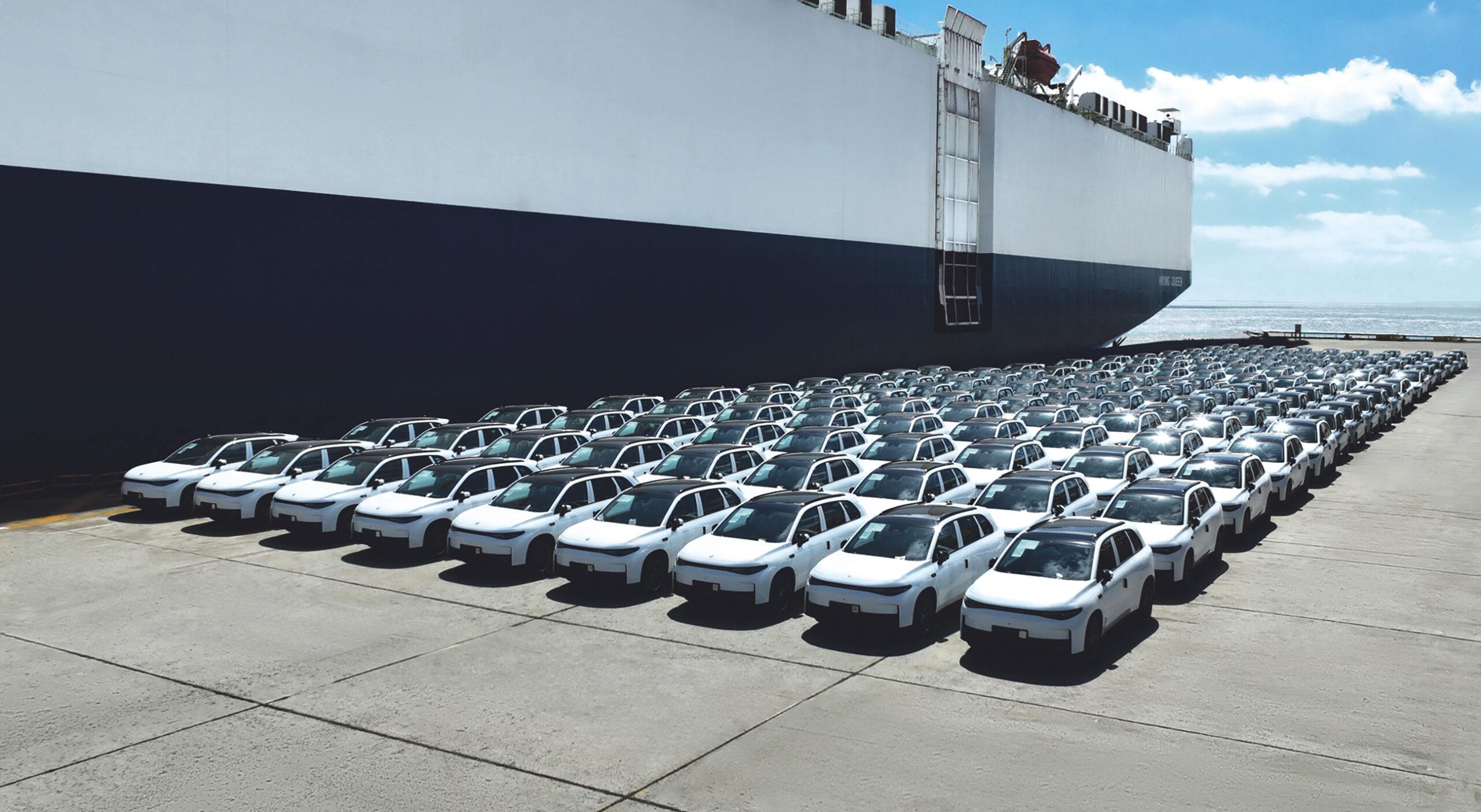
    The result: with a market share of almost 28%, China is the world leader in electric vehicles. What’s more, the country already has more than 13 million charging points and is exporting cars, batteries and charging points to Europe on a massive scale. We’re no longer talking about a local market, but a global industrial powerhouse.

    Europe: ambitious… but heterogeneous

    In Europe, electromobility is making great strides, driven by clear objectives: an end to sales of new combustion-powered cars by 2035, increasingly strict CO2 standards, purchase subsidies and the deployment of charging stations across the continent. Europe also stands out for its innovation ecosystem, particularly in recharging infrastructure (Spark Alliance) and batteries (Verkor, ACC).

    But behind these ambitions lie very different realities:

    ● Norway is the all-round champion: over 90% of new cars are electric.

    ● France, Germany and the Netherlands are making steady progress, with a growing network of charging points and increasingly accessible vehicles.

    ● Other European countries, such as Italy and Spain, are still lagging behind, held back by the cost of electric vehicles.
    held back by the cost of vehicles or the lack of infrastructure.

    For the European Union, the battle is not over. The Old Continent remains dependent on Asia for some of its components, and there are still major differences between countries. To catch up, Europe is counting on its start-ups and industrial innovation.

    Credit: Freepik

    United States: Tesla in the lead, but mixed fortunes

    When it comes to electromobility, the United States is often associated with Tesla, the powerhouse of the global market. But beyond Elon Musk’s company, the country is lagging behind in a number of areas. Although the adoption of electric vehicles is growing (around 15% of sales), it is still held back by a network of charging points that is still inadequate, particularly outside the major cities.

    With the election of Joe Biden in 2020, the situation has changed. The government introduced a number of key measures, including purchase subsidies, support for local battery manufacturing and a target of 50% electric vehicles by 2030.

    But the US territory is vast, and the States are uneven in their commitments: while California is pushing hard, other States such as Wyoming remain cautious. What’s more, competition between manufacturers is still dominated by Tesla, in the absence of a genuine made-in-the-USA alternative… for the time being.

    Electromobility is no longer an option: it’s a global trend. And basically, everyone is moving in the same direction. What’s changing is the method: China is imposing itself, Europe is supervising and innovating, and the United States is relying on its leader. But one thing is certain: the race is on, and more and more countries are getting involved in this battle, which will be won not just by the number of cars sold, but also by batteries, charging stations, innovation and the ability to involve an entire population in this change.
  • Electric cars: 5 essential applications for owners

    Electric cars: 5 essential applications for owners

    Here’s our selection of five must-have applications to improve your journeys and manage your charging as well as your expenses when you own an electric car.

    A Better Routeplanner (ABRP) – Pay options

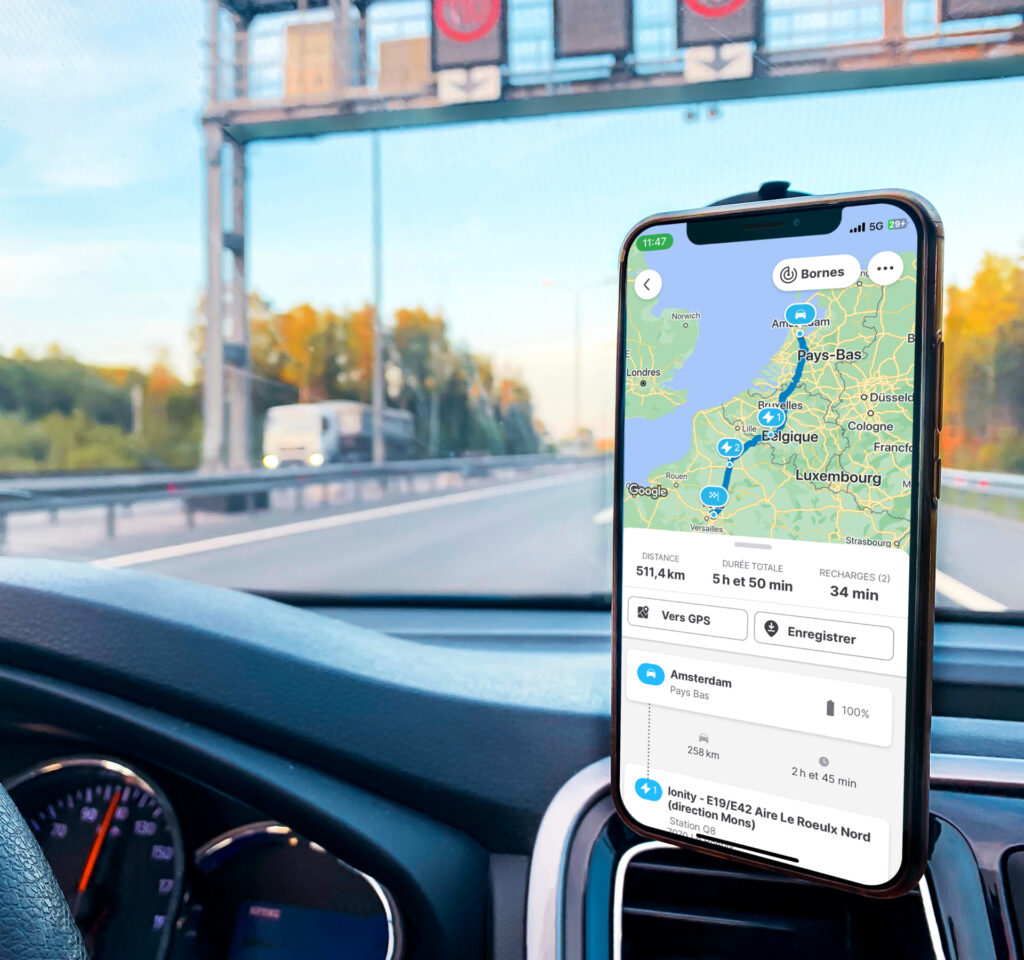
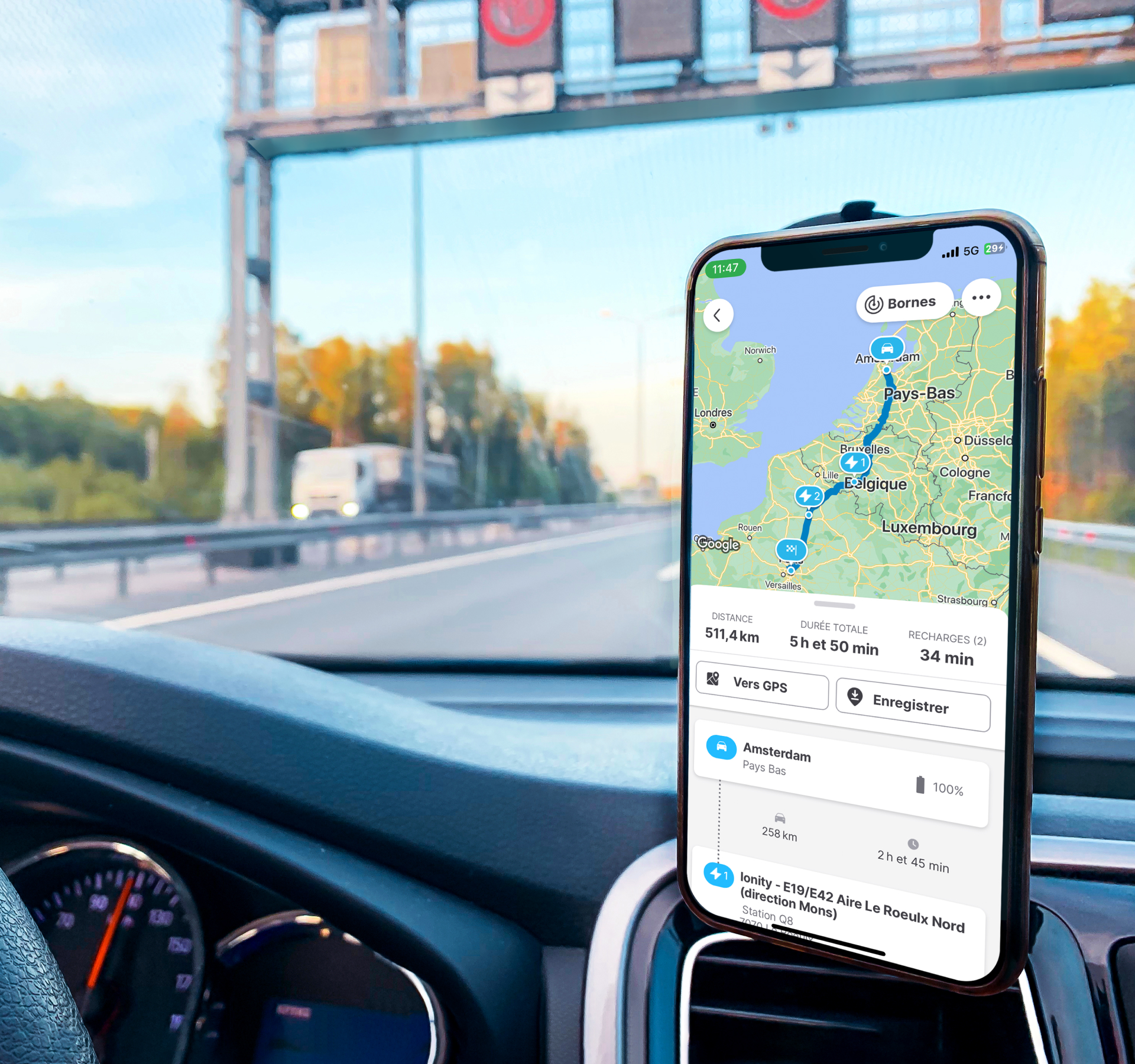
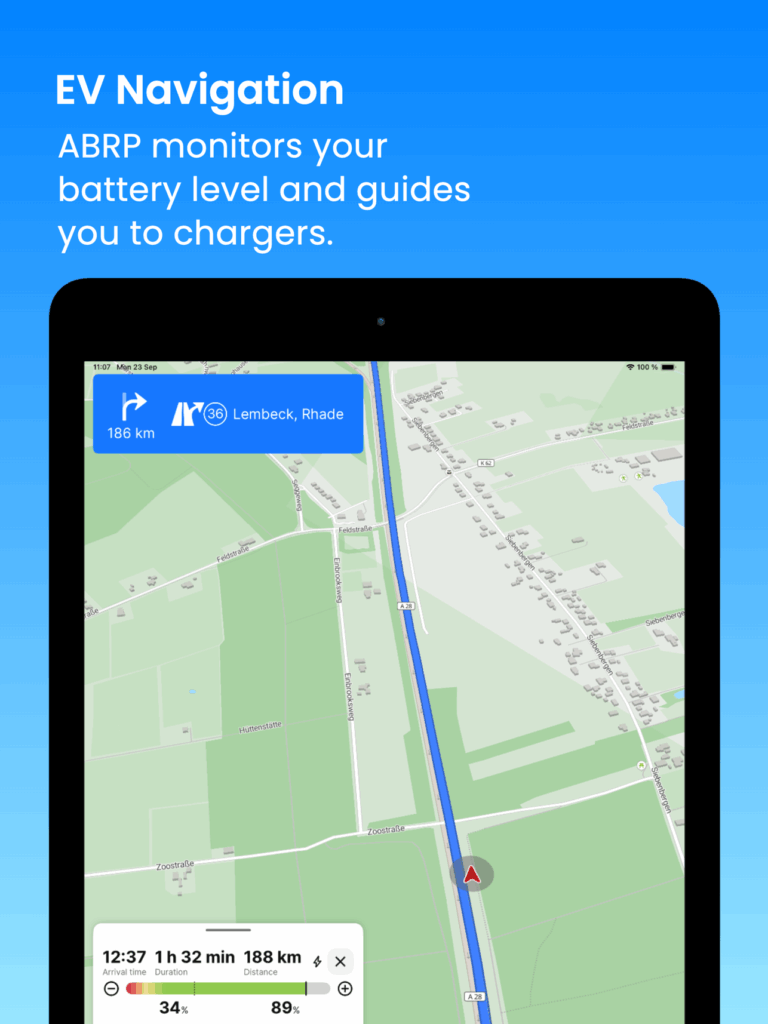
    ABRP, for A Better Route Planner, is one of the most highly rated of all the electric mobility apps. By entering the model name of your electric car and your destination, you can plan your journey. Is that all there is to it? No, because it takes into account a number of factors that are often overlooked by other map apps, including the car’s actual range, the weather, available recharging points and… the type of road! For those who live in the mountains, for example, that’s a detail that really doesn’t matter! The paid premium version also allows you to connect your vehicle directly to the app to get real-time information and the most accurate remaining range estimate possible, adjusted in real time according to your driving style, right down to wind speed.

    Credit: abetterrouteplanner.com

    Chargemap – Chargeable options

    Chargemap, a French application, makes it easy to locate charging points all over Europe, but what sets it apart above all is the interactive aspect of its map. You can find out immediately whether a charging point is available or not, or whether it has broken down (but that never happens…), as well as its power or compatibility with your car. Using this information, drivers can plan a journey directly from the app. A chargeable option, Chargemap Pass, lets you use your account to pay for your top-up.

    Credit: en.chargemap.com

    ChargePrice – Free

    While switching to electric power generally saves money, the price from one charging point to another often varies much more than from one petrol pump to another. This is mainly due to the multiplication of subscriptions, energy suppliers, the energy source itself and the location of the charging point – in short, so many factors that can lose the consumer. This is where the ChargePrice application comes in, acting as a price comparator. It locates the cheapest charging points around the driver and even goes so far as to provide an estimate of the total cost of recharging, taking into account the type of car and the user’s subscription.

    Credit: en.chargeprice.app

    Dreev – Free

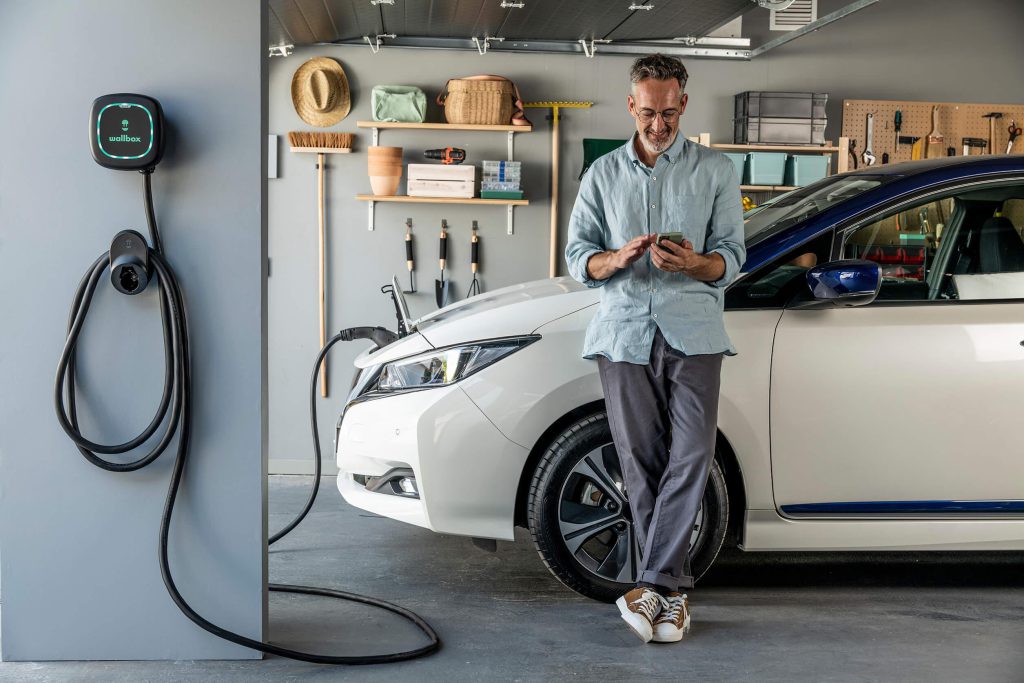
    Dreev is the result of a collaboration between EDF and the Californian company Nuvve, which specialises in Vehicle-to-Grid (V2G) recharging. In other words, cars that can send electricity back to the grid. So it’s only natural that Dreev should specialise in the ‘intelligent management’ of electric vehicle recharging. This means you can control and programme your charging point to optimise it as much as possible, both in terms of energy used and expenditure, as well as deciding whether or not to send energy back to the grid to discharge it (and save money in the process).

    Credit: dreev.com

    PlugShare – Pay-per-click ad-free option

    PlugShare is one of the best-rated applications for quickly locating charging points around the world. It’s all powered by users themselves, who share their opinions and photos of almost 500,000 charging points. It also lets you plan your journey according to your subscription and the type of socket you are looking for.

    Credit: www.plugshare.com
  • BYD sets its sights on the European supercar market

    BYD sets its sights on the European supercar market

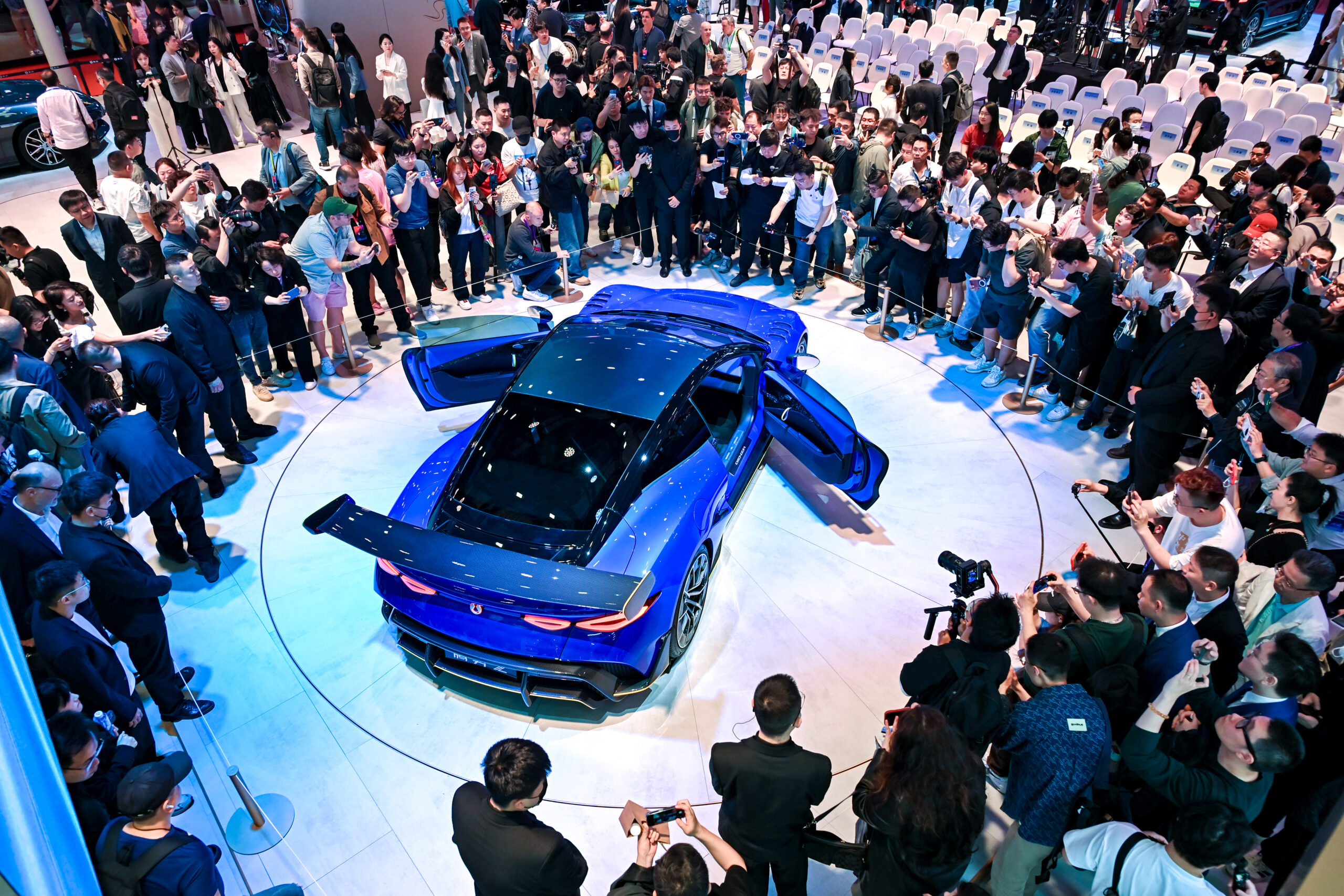
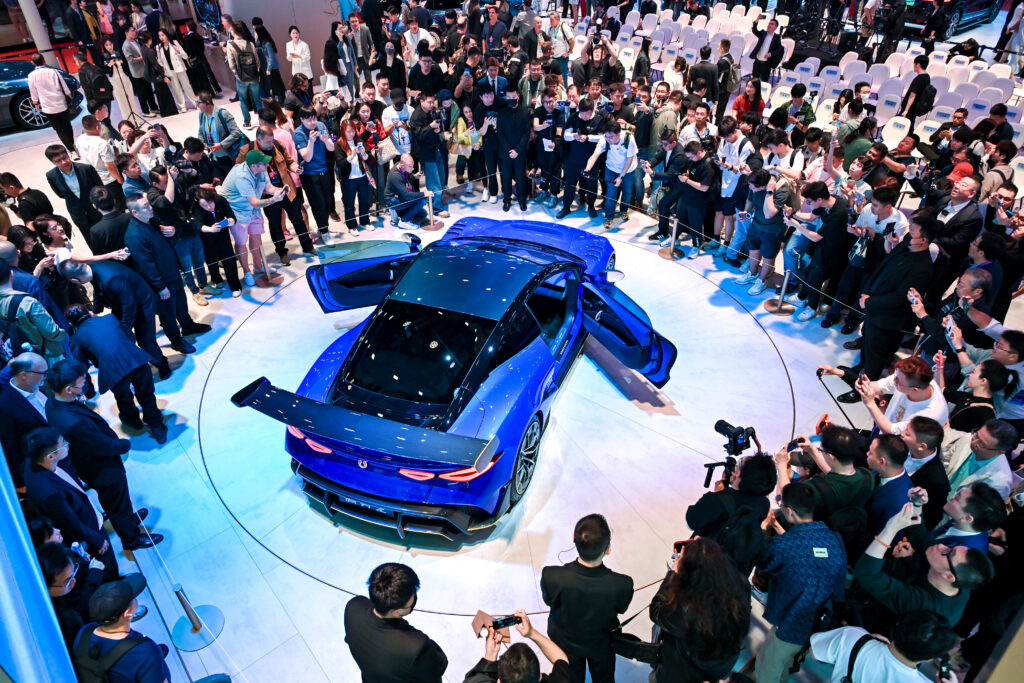
    Presented at the Shanghai Motor Show from 23 April to 2 May 2025, the new Denza marks a turning point for the top-of-the-range subsidiary of Chinese giant BYD.

    Credit : Denza®

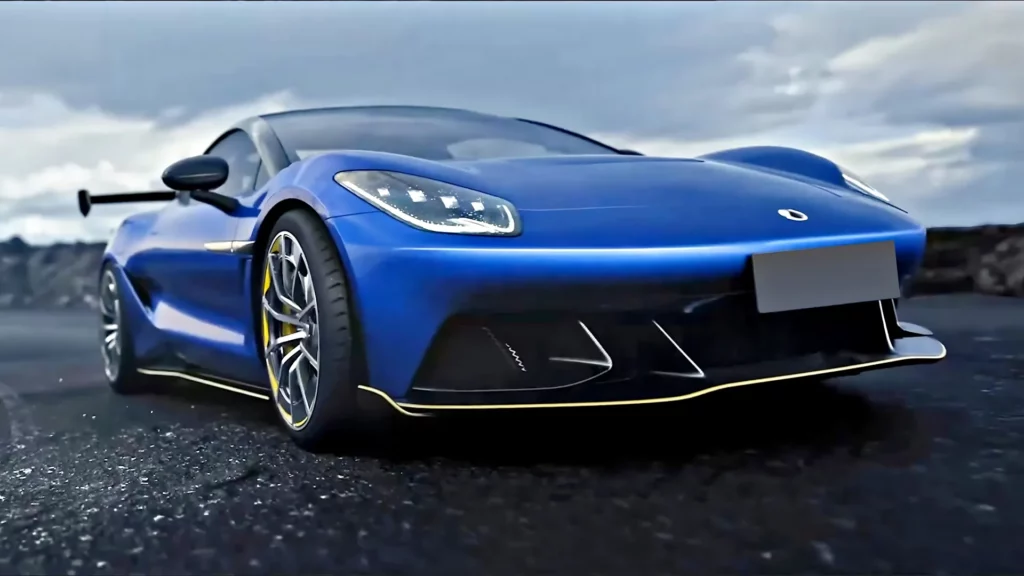
    With its sleek design and low-slung silhouette worthy of a GT sports car, this newcomer is impressive. But where it comes as a surprise is its price, estimated at around 60,000 euros including tax in France… a price well below that of the rivals against which it intends to compete, starting with the Porsche 911 and its many variants. With its sharp lines, aggressive front blade and oversized rear spoiler, BYD reveals a clearly assertive sporty style.

    Performance

    The Chinese firm is remaining discreet about its technical specifications, but everything suggests that it intends to hit hard. Its parent company, BYD, which is well on the way to dethroning Tesla as the world’s biggest seller of electric cars, has been developing top-quality batteries for some years now. This latest model could be inspired by the Denza Z9GT, a 950-horsepower station wagon developed entirely by BYD.

    Credit : Denza®

    Technical side

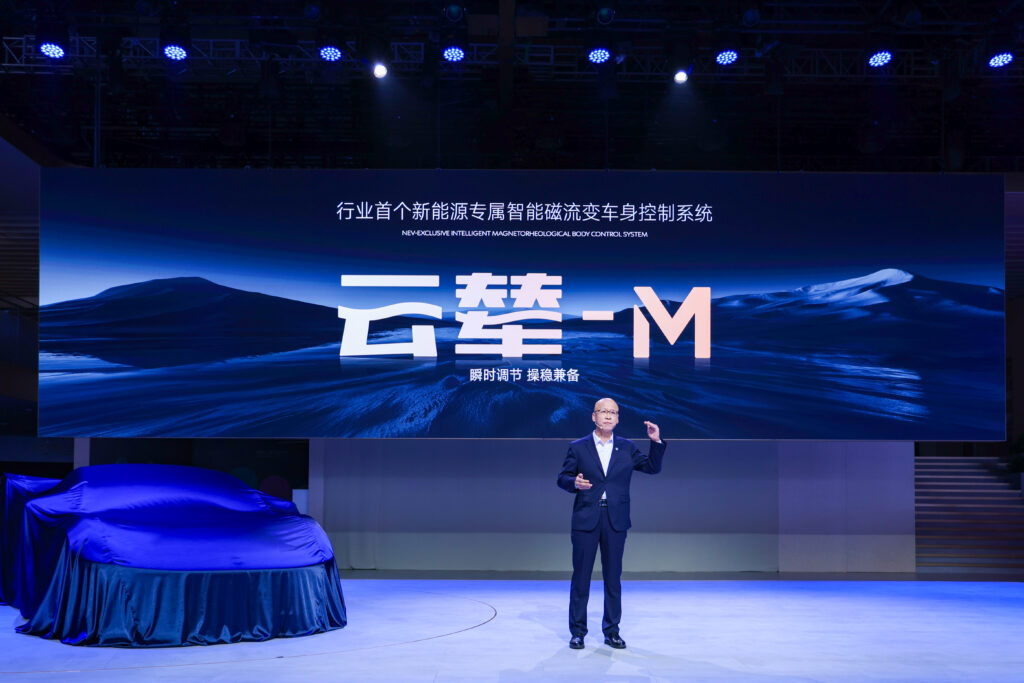
    For the moment, what we do know is that this technological jewel, unveiled in Shanghai, features a new adaptive magnetic suspension capable of reacting in less than 10 milliseconds. This new sports car also features ‘steer-by-wire’ steering, an innovative system with no direct mechanical link between the steering wheel and the wheels. Everything is managed with the help of artificial intelligence. The result is greater precision when cornering, making the car more accessible on the racetrack, and enhanced suppleness, whether driving in the city or on the motorway. It can also adjust the resistance of the steering wheel according to the situation and reduce vibrations, for unprecedented driving comfort. Still at the concept stage, the latest Denza could go into production as early as 2026.

    Credit : Denza®
  • BMW: Will the shift to electric vehicles be too tight?

    BMW: Will the shift to electric vehicles be too tight?

    Since its beginnings, BMW has cultivated a distinctive image, built on a distinctive driving experience and a recognisable visual identity. As the internal combustion engine reaches the end of its life cycle, a major change is on the horizon. More than just a technological shift, BMW is planning an in-depth transformation from 2025 onwards.

    Credit: BMW

    Vision Neue Klasse”: a strong new identity

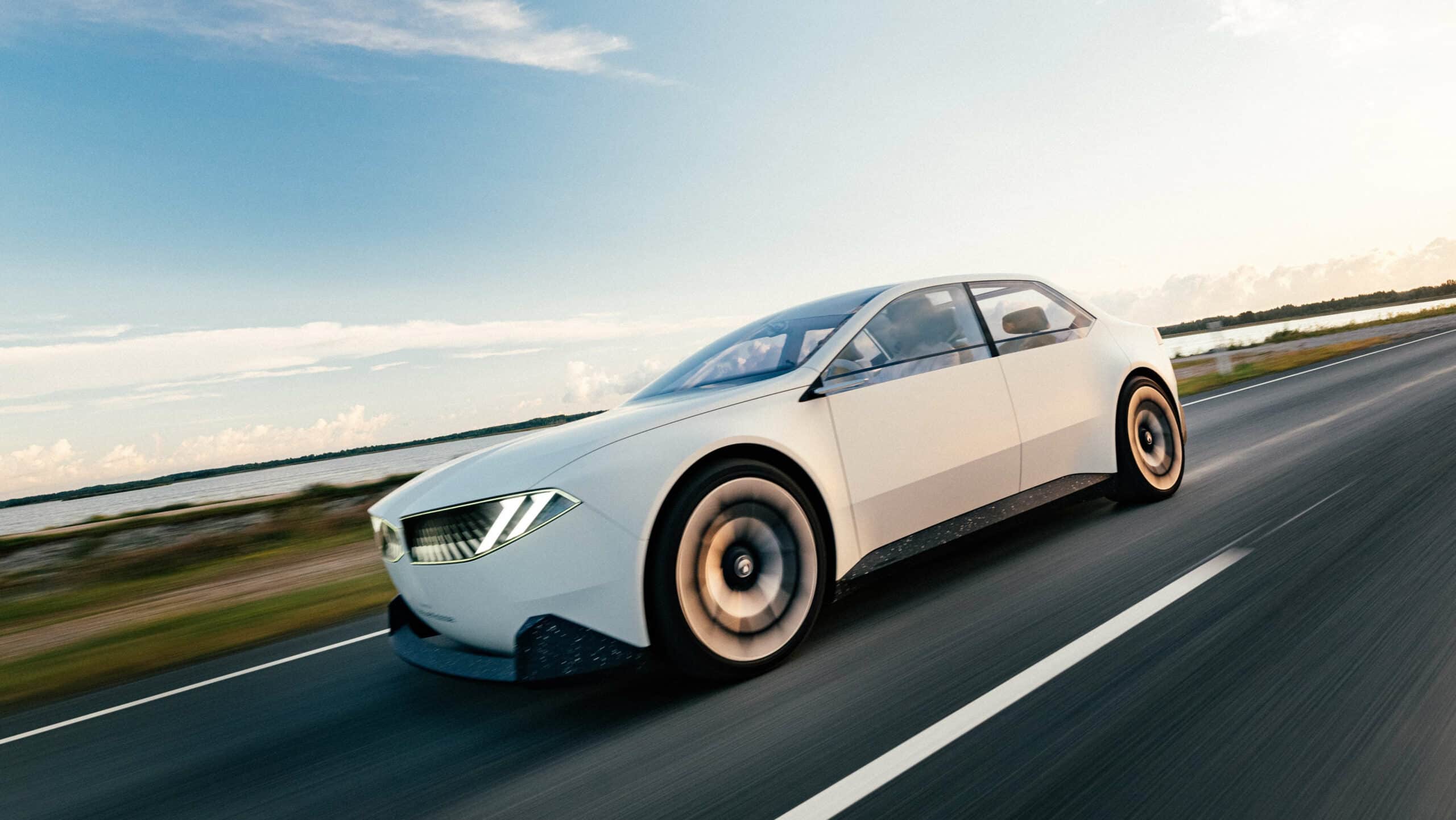
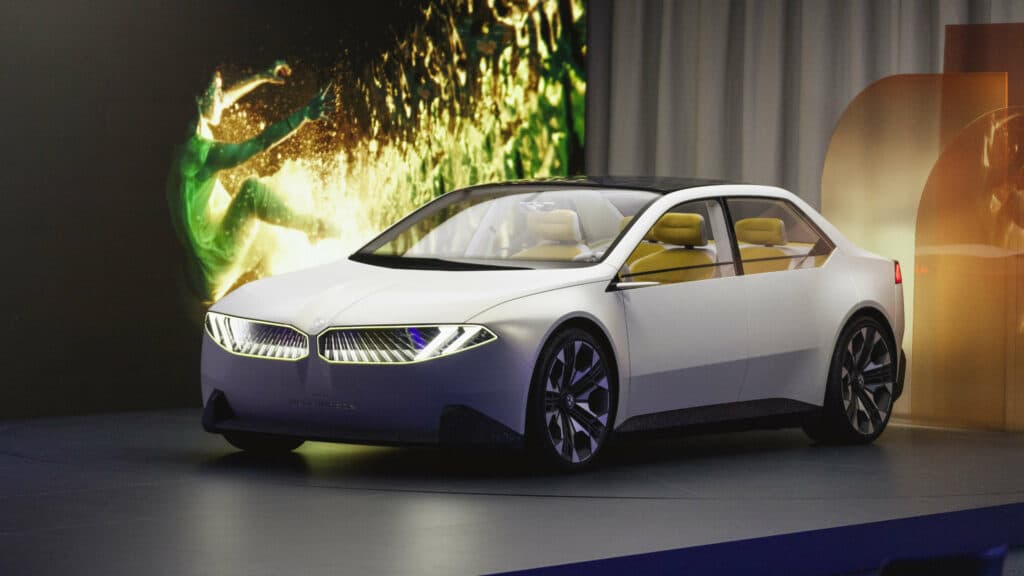
    Like its German competitors, BMW plans to stop selling combustion-powered vehicles by 2035. This transition to electric vehicles has already begun with a solid range (iX, i4, i7, etc.), and will accelerate with the arrival of the Neue Klasse in 2025. Initial sketches were unveiled in 2023, followed in 2024 by a first version of the Vision Neue Klasse. The style adopted is marked by strong ambition, symbolising a new era focused on innovation. BMW is not content simply to develop the engine, but is also completely rethinking the vehicle platform and interface.

    On the programme:

    ● New electric technology, BMW’s 6th generation, with cylindrical batteries providing up to 30% more range and a 30% reduction in recharging time.

    ● A centralised electronic system that adjusts driving in real time (braking, acceleration, energy recovery) for greater fluidity and responsiveness.

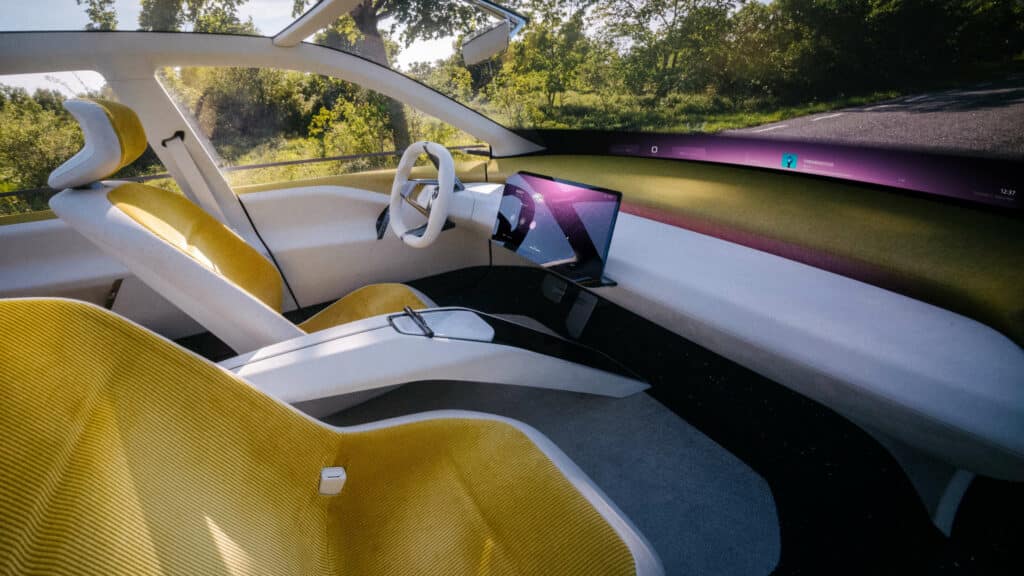
    ● A more intuitive and personalised interface, with a redesigned head-up display (“Panoramic Vision”) covering the full width of the windscreen.

    ● Advanced semi-autonomous driving functions, capable of taking over certain journeys.

    ● Optimised energy management, adapted to the journey, the driver’s habits and the road conditions.

    With a sleek interior design and a focus on connectivity and intelligence, this new generation aims to appeal to both purists and new users.

    Credit: BMW

    A drastic change of face

    This development raises questions, as BMW has long been built around a loyal community, often attached to the sensations of combustion engines and the traditional aesthetics of the brand. This transition represents a challenge, particularly in terms of exterior design and visual identity.

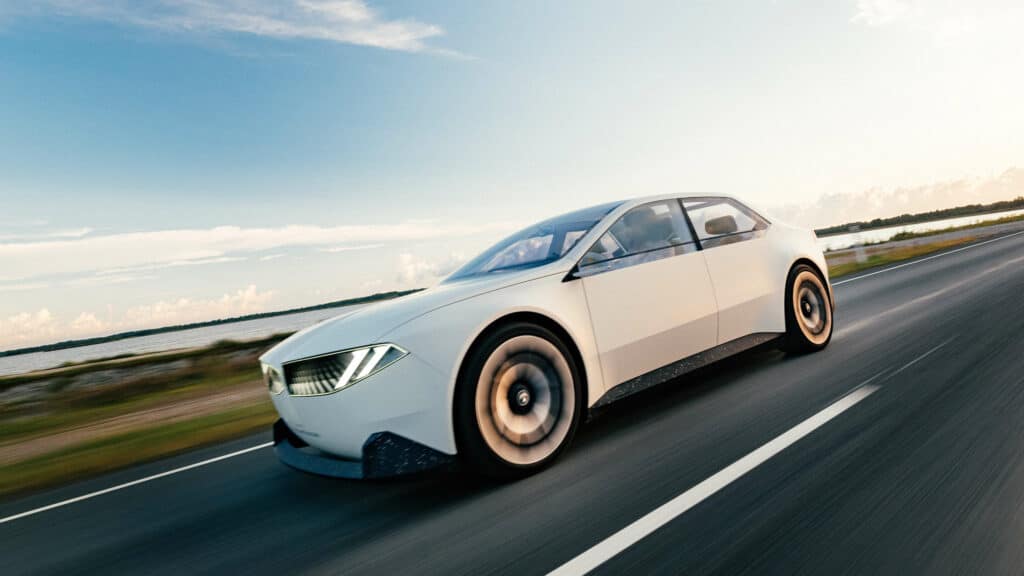
    The Vision Neue Klasse concept features a futuristic front end, praised for its slim lines and the integration of LED headlights. However, the rear end and overall silhouette drew mixed reactions. Some consider the lines less dynamic and the rear-view mirrors more massive than in the past. On social networking sites, some consumers have expressed their disappointment, saying that the styling is a far cry from what they expected from a BMW.

    Credit: BMW

    A necessary and well-considered development

    With the Neue Klasse, BMW is showing its intention to look to the future. This choice is not an abandonment of the past, but an evolution. By focusing on increased autonomy and maintained performance, the brand wants to demonstrate that it is possible to maintain the pleasure of driving in a different way. The success of this transition will depend in part on BMW’s ability to bring together its longstanding customers and new electric mobility enthusiasts.

    A bridge between tradition and modernity

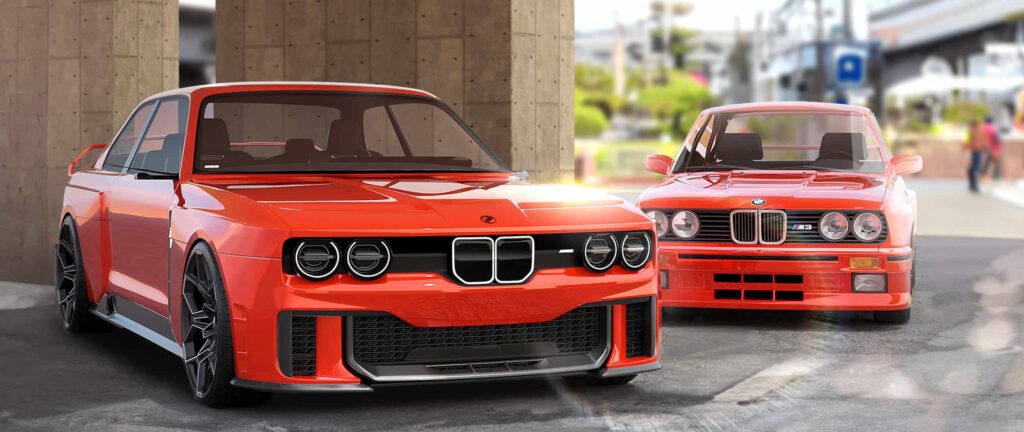
    The dialogue between BMW purists and new fans could be based on proposals such as that of independent Korean designer Ihn Lee. He has imagined a fusion between the iconic 1980 M3 E30, a benchmark in automotive design, and the first visuals of the Neue Klasse. The result is a compact two-door that combines elegance and character: four round lights at the front, this time LED, a wide grille inspired by the era but modernised, a more pronounced front bumper, and square side panels and arches reminiscent of classic BMW styling. The rear end is clearly inspired by the Neue Klasse, while retaining its 80s heritage. This proposal illustrates how tradition and innovation can be reconciled.

    Credit: BMW
  • EPZs abolished: a black week for French ecology…

    EPZs abolished: a black week for French ecology…

    It was a decision that sent shockwaves through the environmental community: low-emission zones (ZFE) were abolished by the National Assembly on Wednesday 28 May 2025. This measure, designed to limit pollution in large conurbations, was buried as part of the bill to simplify economic life.

    Credit: Guillaume Laurens / Actu Toulouse

    An unlikely political resonance

    Initially, it was the Rassemblement National (RN) that launched the offensive against the ZFEs, in the name of “freedom of movement” for all vehicles, regardless of their Crit’Air sticker… But this crusade on behalf of cars has found an unexpected echo even in the ranks opposed to the far right. On the left of the political spectrum, La France insoumise (LFI) also voted to abolish these zones, denouncing a socially unfair measure. According to the Insoumis, the EPZs primarily penalise low-income workers who depend on their vehicles to get to work or, quite simply, to do their job (in certain sectors of activity).

    Dejection for the Greens…

    Marine Tondelier, national secretary of Europe Écologie Les Verts (EELV), had this to say about the decision, which she described as a “dramatic turning point”. On her X account (formerly Twitter), she expressed her indignation: ” This is the worst week for ecology in a long time. She points the finger at a motley majority, ranging from the RN to LFI, via a few Macronist MPs, who voted to abolish the EPZs, adopted by 98 votes to 51.

    A step backwards for the environment?

    The abolition of the EPZs is part of a wider trend to question environmental policies, which are often criticised for being technocratic or out of touch with social issues. The political signal, however, is unequivocal: in the midst of a climate crisis, France is choosing to ease an ecological constraint in the name of economic accessibility, even if it means compromising the long-term dynamic initiated several years ago.

    Ironically, however, these zones were supported by President Emmanuel Macron and implemented under the government of Édouard Philippe. In 2022, our Head of State announced, following his re-election: ” The policy I will pursue over the next five years will be ecological or it won’t be. ” Three years on, the ecological course set by the presidential party raises questions.

  • Emmanuel Macron in Douai for the launch of the Gigafactory-AESC

    Emmanuel Macron in Douai for the launch of the Gigafactory-AESC

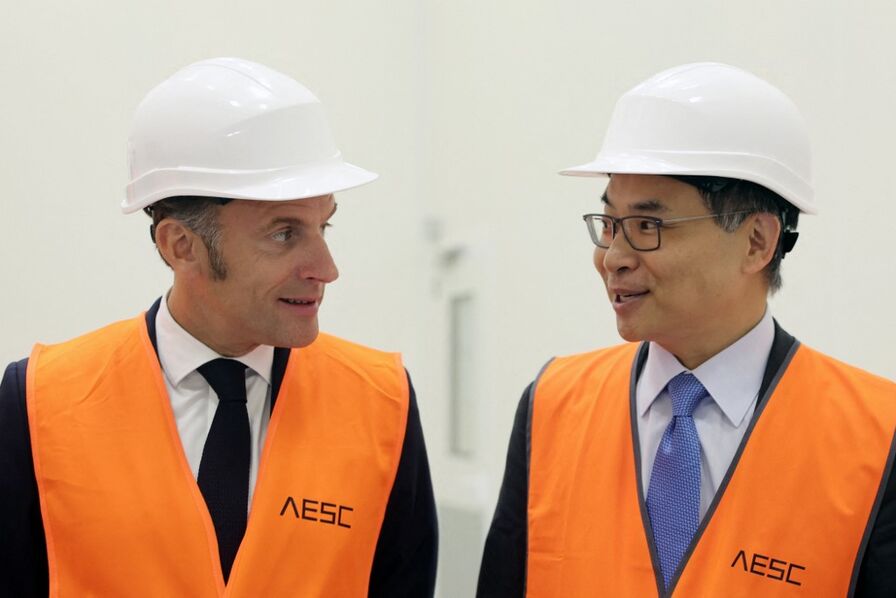
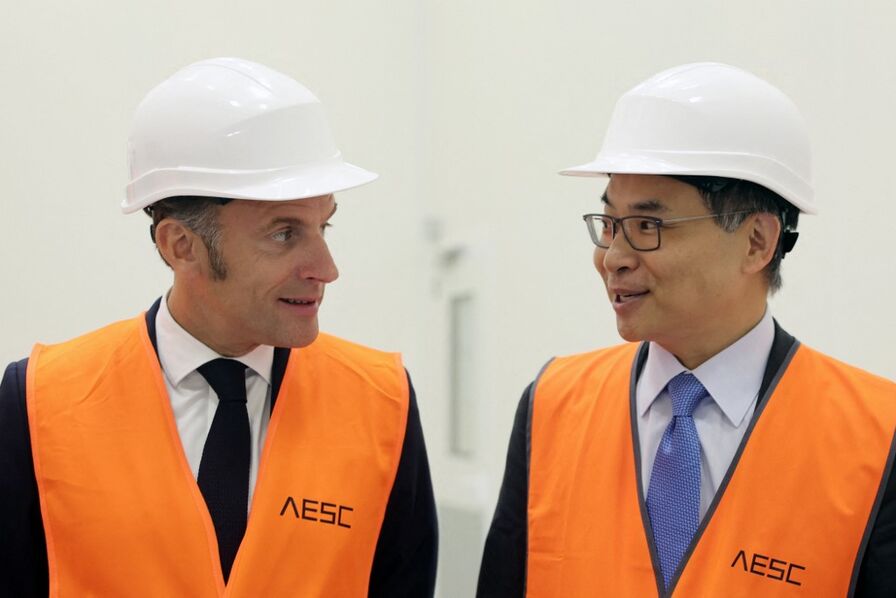
    On Tuesday 3 June, Emmanuel Macron visited Douai to inaugurate the AESC Gigafactory, a huge factory specialising in the production of batteries for electric cars. The Gigafactory, developed in partnership with the Chinese group Envision AESC, is part of the Renault ElectriCity industrial cluster, dedicated to 100% electric vehicles.

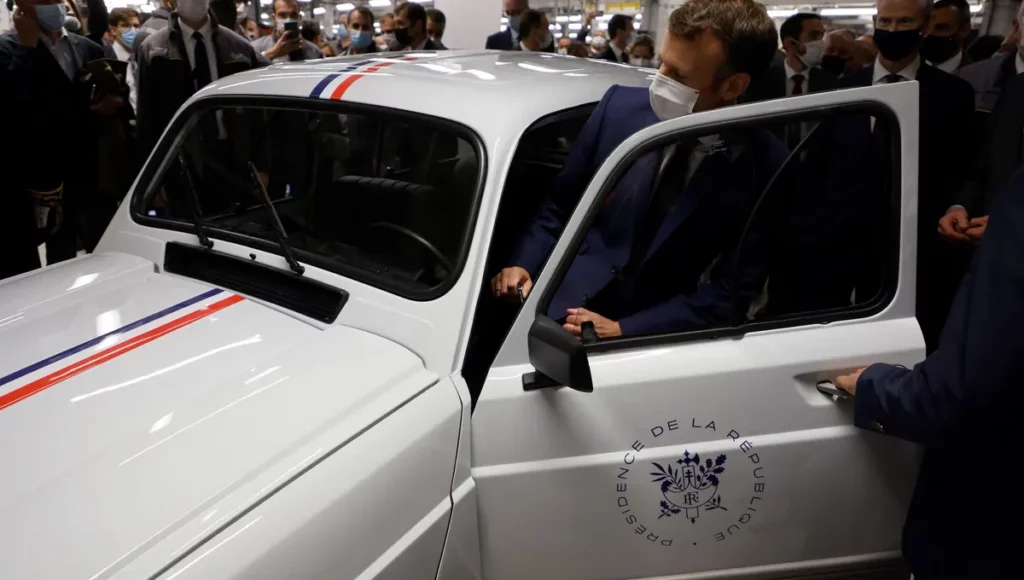
    Designed to produce batteries for the new Renault electric range, this “gigafactory” will eventually produce an annual energy capacity of between 24 and 30 GWh… By way of comparison, that’s enough to power an average town of 5,000 inhabitants for a year. In reality, this new “Gigafactory” alone will supply batteries for around 200,000 electric cars a year by 2030. It will produce batteries for Renault’s reinvented iconic models, such as the R5 and the future electric R4.

    Credit: Teresa SUAREZ

    A national industrial and ecological ambition

    The inauguration of the AESC Gigafactory in Douai is part of a wider strategy of reindustrialisation and energy transition called “Renault ElectriCity”, with a total investment of almost €2 billion, including €1.3 billion for the Douai plant alone.

    Launched in 2021, this project brings together three strategic sites in Hauts-de-France: Douai, Maubeuge and Ruitz, with the ambition of making the region the centre of gravity for electric cars in Europe. The aim of the project is to produce up to 400,000 electric vehicles a year at the three production plants, and to relocate some of the manufacturing to France. “Renault ElectriCity” aims to create a complete ecosystem, from battery manufacture to final vehicle assembly, with the support of key partners such as Envision AESC.

    This inauguration marks a further step forward for Renault, which is affirming its determination to make Hauts-de-France the nerve centre of its 100% electric ecosystem, as part of its “Renaulution” transformation strategy. These initiatives illustrate the drive to strengthen France’s industrial sovereignty, with the aim of reducing its dependence on imported Asian batteries.

    On the financial side, the European Commission has authorised €48 million in aid to support the construction of this lithium-ion battery plant, underlining its importance to France’s economic development and competitiveness in this field. The Douai site alone is expected to create more than 1,000 jobs by 2030.

    Credit: Maxpp

    A major socio-economic impact

    In Douai, Emmanuel Macron also stressed the importance of initiatives of this kind for the economic revitalisation of the region, which has historically suffered from industrial decline. The Head of State even went so far as to say: ” There’s no need to be fatalistic or gloomy. Times are tough, but what you are embodying here today shows that ecology and the economy can go hand in hand if we invest, if we have a long-term strategy and consistency.

    Credit: Ludovic Marin
  • Electric Vehicles: China’s big moves in Africa

    Electric Vehicles: China’s big moves in Africa

    The Middle Kingdom and the Cradle of Humankind have forged increasingly strong economic ties over the past several years. Electric mobility is no exception and plays an ever-growing role in these relations. Let’s focus on the latest Chinese establishments across the African continent, from Morocco to South Africa, including Nigeria, Ivory Coast, Rwanda, Egypt, and Kenya.

    The ideal partner

    Before diving into specifics, it’s essential to understand why Africa is an ideal partner for Chinese electric vehicle (EV) companies.

    First, Africa presents an effective solution to the financial barriers imposed by Europe and the United States, particularly regarding tariffs and penalties. Africa is not engaged in a trade war with China; on the contrary, it offers a more open market.

    Moreover, Africa is rich in essential resources. Of particular interest to Chinese investors in electric mobility are minerals like cobalt, with the Democratic Republic of the Congo being the world’s leading producer.

    Additionally, low manufacturing costs, affordable labour, tax incentives, and a vast, relatively young population—the demographic most inclined to adopt electric vehicles—make Africa a highly attractive market for EV and battery manufacturers.

    Establishing operations in Africa offers numerous advantages to Chinese companies, further bolstered by the continent’s industrial powers, emerging markets, and countries with strategic locations.

    Industrial Powers

    When setting up factories, companies naturally gravitate towards countries with proven industrial capabilities, and Africa has several.

    Anyone who has visited Tangier can attest to the scale and modernity of its infrastructure. “The Pearl of the North” exemplifies the broader Moroccan landscape, which already hosts production facilities for companies like Stellantis and Renault, collectively producing approximately 700,000 vehicles annually.

    For Chinese investors, this ensures access to a skilled workforce and substantial industrial expertise. It’s no coincidence that companies such as Hailiang, Shinzoom, Gotion High Tech, BTR, and CGNR—spanning copper processing to battery manufacturing—have invested nearly a billion dollars in various manufacturing sites within the newly established Tangier Tech industrial hub.

    Furthermore, Morocco’s favourable relations with the European Union and the United States (for now) provide additional reassurance to Chinese investors.

    In North Africa, Egypt is also attracting Chinese companies. For instance, BAIC Group plans to inaugurate a 120,000-square-meter assembly plant by late 2025, initially producing 20,000 vehicles annually, with plans to scale up to 50,000 by 2030. This facility aims to first saturate the Egyptian market, then leverage Egypt’s strategic location to penetrate other African and Middle Eastern markets.

    On the other hand, Nigeria appears to be retreating from Chinese investments. In late 2023, the government announced that several Chinese companies intended to invest $2 billion in various factories across the country. Since then, there have been no updates.

    Instead, Nigeria seems to be turning to Spiro, a Kenyan manufacturer of electric two-wheelers, to advance its transition to cleaner mobility, exemplified by the opening of a factory in Ogun State.

    Crédit : DR

    Promising Markets

    This shift doesn’t imply that China has lost interest in Nigeria. On the contrary, Nigeria remains one of the continent’s most promising markets, driven by a young, urban population with a higher purchasing power than many other African nations.

    Notably, Nigeria was among the first African countries to receive Chinese Yutong electric buses through a partnership with Lagos-based Oando Clean Energy.

    South Africa, the largest automotive market in sub-Saharan Africa, is another attractive destination for Chinese investors. BYD, for instance, is aggressively launching new models in the region. South African distributor Enviro Automotive has begun selling Chinese models, quickly followed by competitors, all vying for a significant share of a market that, while still modest, is steadily growing.

    Rwanda has distinguished itself as one of the first African nations to embrace electric mobility, supported by a government that early on invested in public subsidies, facilitated charging station rentals, and electrified public transport. These initiatives have attracted Chinese manufacturers and groups, leading to collaborations with Kabisa, a pioneer in Rwanda’s electric vehicle distribution, and contributions to Kigali’s public transport networks.

    Ivory Coast is also increasingly attracting Chinese investors. Without necessarily relying on bonuses or incentives, the Ivorian government regularly holds discussions with the Chinese government as well as with the country’s largest companies to facilitate the introduction of electric vehicles in the Ivory Coast.

    Recently, ride-hailing drivers in Abidjan have started equipping themselves with vehicles from the Chinese manufacturer Neta, while fellow Chinese automaker BYD has begun marketing its models in the country. Chinese investors are also contributing through the development of a charging station network and have even provided electric buses to help organize the Africa Cup of Nations in early 2024.

    Crédit : Jean Claude Akarikumutima

    Raw Materials and Strategic Hubs

    Beyond Morocco’s industrial expertise and South Africa’s promising market, other countries are drawing Chinese investors due to their strategic geographic positions.

    As previously mentioned, Egypt serves as a gateway to both African and Middle Eastern markets. Similarly, Kenya has become an inspiration for neighbouring countries, sourcing vehicles from Chinese manufacturer Neta Auto to green its taxi fleet. This positions Chinese companies advantageously to persuade other major cities to trust their offerings.

    On the raw materials front, the Democratic Republic of the Congo stands out as the world’s leading supplier of cobalt—a crucial component in battery manufacturing—and a significant source of copper. China has strategically positioned itself as the primary client of Congolese mines, purchasing over three-quarters of the nation’s production. While many of these mines are still owned by Western groups, Chinese shareholders are increasingly prominent.

    The substantial influx of Chinese electric vehicle companies into Africa follows an unrelenting business logic, suggesting a central role for the continent in this market, especially given its youthful population.

    However, a critical question persists whenever foreign funds flow into Africa: Will African nations retain sovereignty over their resource management and labour conditions?