Blog

  • Spain: electric mobility is gaining momentum, yet remains held back by its own limitations

    Spain: electric mobility is gaining momentum, yet remains held back by its own limitations

    As Europe’s second-largest car manufacturer, Spain is gradually establishing itself as a key market for electric mobility. Having long lagged behind northern European countries, the country has seen a marked acceleration in electric vehicle sales since 2025, driven by increased industrial and political momentum. Behind this rise, however, several structural weaknesses remain.

    A rapidly growing market

    The year 2025 marks a real turning point for electric mobility in Spain. According to estimates from the European Alternative Fuels Observatory, around 243,000 plug-in vehicles (BEVs and PHEVs) were registered that year, accounting for nearly 19% of the car market.

    The breakdown of this estimate reveals that over 100,000 fully electric vehicles (BEVs) were sold. These figures represent growth of more than 70% compared to last year. Naturally, with over 100,000 BEVs sold, this also means that plug-in hybrids (PHEVs) have exceeded 100,000 units. This is a sign that the Spanish view PHEVs as the key to the energy transition in transport. Taking these results together, in Spain, nearly one in five new cars is now rechargeable.

    Of the approximately 243,000 rechargeable vehicles (BEVs and PHEVs), passenger car registrations alone exceeded 225,000 units. And this momentum is continuing into early 2026. In the first two months of the year, more than 36,000 rechargeable vehicles were registered, bringing the market share to 21.3%, a significant increase.

    A park still under construction

    Despite this rapid growth, the number of electric vehicles on the road remains limited at national level.

    In the absence of consolidated data for the end of 2025, estimates put the total fleet at between 500,000 and 700,000 rechargeable vehicles. This is still a modest figure compared to the size of the car market, which stands at around 24 to 25 million passenger cars.

    Certain regions illustrate this structural lag. In Madrid, for example, electric vehicles still accounted for less than 2% of the total vehicle fleet in 2024, with even greater disparities in less urbanised regions.

    An infrastructure that is growing rapidly… but is far from perfect

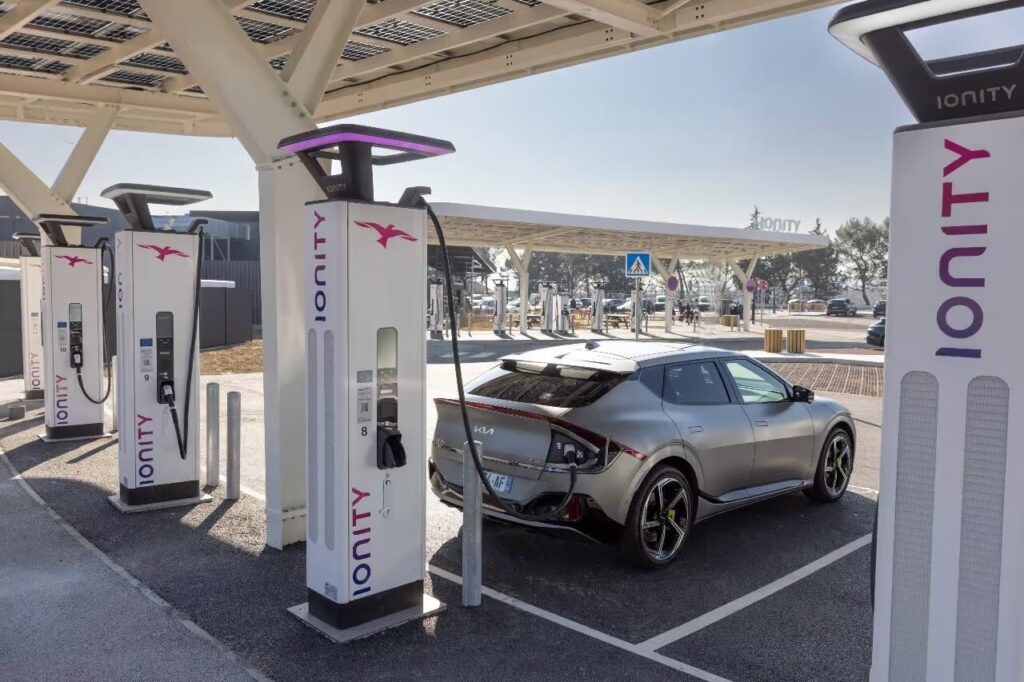
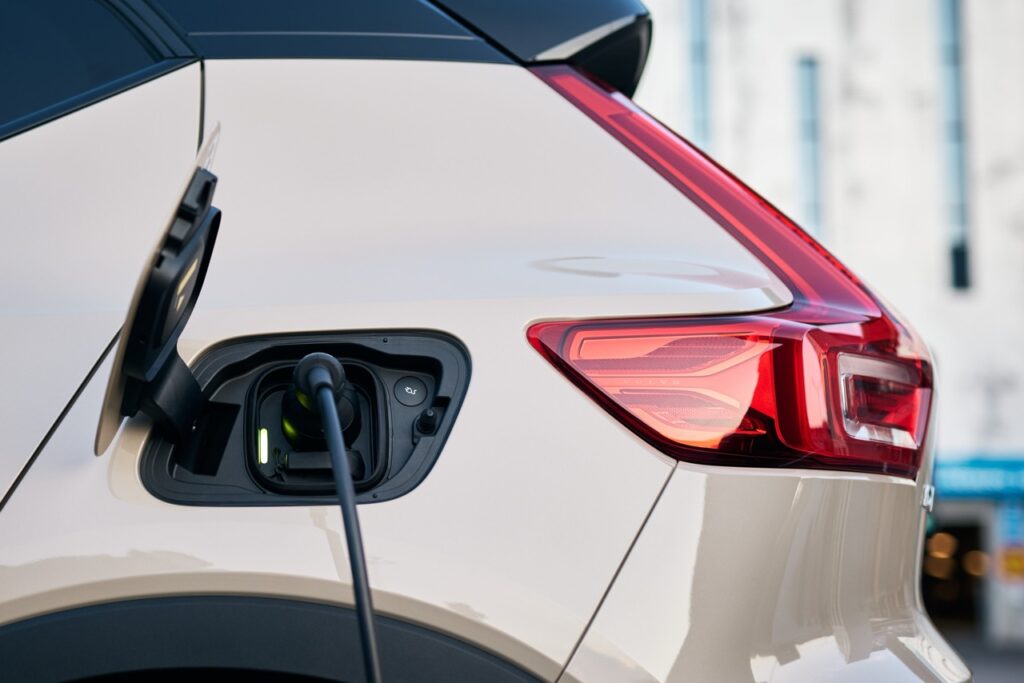
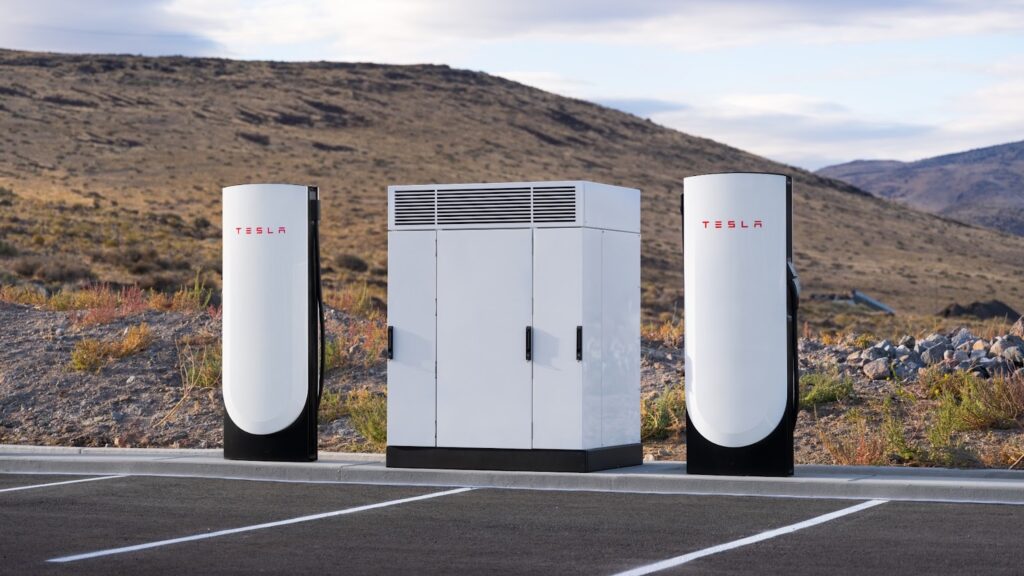
    But electric cars inevitably require a charging infrastructure. Spain’s charging network is expanding rapidly. By the end of 2025, the country will have around 50,000 operational public charging points, according to data from AEDIVE.

    The increase is particularly marked in high-speed infrastructure:

    • the number of charging points with a capacity of between 50 and 250 kW has almost doubled in a year,
    • The number of ultra-fast charging points (>250 kW) has increased by nearly 85%.

    Major regions such as Catalonia, Madrid and Andalusia account for the bulk of the network.

    But this apparent growth masks a more mixed picture. A significant proportion of the charging points installed are not yet in service, due to delays in connection or bureaucratic red tape. As a result, the network’s actual availability remains below the figures announced.

    Obstacles that are still clearly identified

    Despite positive momentum, several obstacles continue to hinder the uptake of electric vehicles.

    The first concerns the reliability and distribution of infrastructure. The network remains unevenly distributed, with rural areas still lacking adequate coverage.

    Added to this is a familiar factor: the still high purchase price of electric vehicles, which limits their uptake by private individuals, despite the subsidies. Finally, the lack of clarity regarding future policies has long fostered a degree of caution among both consumers and market players.

    A review of financial support in 2026

    In light of these limitations, the Spanish government has embarked on a major overhaul of its support scheme. The MOVES III programme, which runs until 2025, is gradually being replaced by a new national framework as part of the ‘Auto 2030’ plan. At the heart of this strategy lies the Auto+ Plan, which provides around €400 million in direct purchase subsidies.

    Unlike the previous system, management is now centralised at national level, with a clear objective: to simplify procedures, reduce processing times and standardise eligibility criteria. This initiative forms part of a comprehensive plan estimated to cost over €1.2 billion, which also includes support for industry and infrastructure.

    source: sustainable mobility

    An ambitious industrial strategy

    Beyond the market itself, Spain aims to play a major role in the European electric mobility value chain. In particular, the country is hosting a strategic gigafactory project led by CATL and Stellantis, with an announced capacity of 50 GWh per year and production scheduled to begin in late 2026. At the same time, several manufacturers are accelerating the electrification of their industrial sites:

    • SEAT and CUPRA in Martorell
    • Stellantis in Vigo, Zaragoza and Madrid
    • Ford in Valencia

    Energy companies also play a key role in the roll-out of infrastructure, with firms such as Iberdrola and Endesa playing a particularly active part in fast-charging networks.

    source: SEAT and CUPRA

    A transition that is well underway but not yet complete

    Spain has set itself ambitious targets as part of its energy transition:

    • 30% renewable energy in transport by 2030
    • 70% renewable electricity
    • carbon neutrality in the transport sector by 2050

    With sales surging, the industry taking shape and infrastructure gradually improving, electric mobility in Spain is advancing rapidly. However, to catch up with more mature markets, it will still need to overcome several structural barriers and ensure a smoother implementation of its strategy.

  • Rivian R2: the electric SUV set to rival the Tesla Model Y

    Rivian R2: the electric SUV set to rival the Tesla Model Y

    With the R2, Rivian is entering a new phase in its development. More compact, more affordable and designed for much higher production volumes, this electric SUV is set to enable the American manufacturer to transition from a niche player to a genuine competitor on the global market.

    source: Rivian

    The rocker switch model for Rivian

    With the R2, Rivian is clearly shifting its strategy. Having previously focused on relatively expensive premium vehicles such as the R1T and R1S, the American brand is now targeting a much larger market segment. This new SUV is therefore the most strategic model in Rivian’s history, the one that is expected to enable the manufacturer to become profitable in the medium term, following a challenging 2025. 

    The R2, which was unveiled in its final form in March 2026, will go into production in the United States this year. And the news is that, unlike Rivian’s previous models, the R2 is expected to go on sale in Europe from 2027. 

    A more compact SUV, designed for global use

    Indeed, the Rivian R2 is positioned as a mid-size family SUV, more compact than the R1S but still designed with versatility and adventure in mind.

    source: Rivian

    In terms of dimensions, the vehicle is approximately 4.72 metres long with a wheelbase of 2.94 metres, which puts it in direct competition with segment leaders such as the Tesla Model Y. According to various press reviews carried out by our American colleagues, it is a spacious vehicle and, indeed, the vehicle offers a generous boot capacity of 812 litres, which is 10 litres less than its future rival: the Tesla Model Y. 

    When it comes to design, there’s no mistaking it: this is definitely a Rivian. The brand’s DNA is clear to see: a rugged silhouette, clean lines and an ‘outdoor’ feel, with high ground clearance that underlines its versatile nature. 

    A comprehensive range, offering various performance levels

    This news was announced recently: Rivian has planned the R2 as a range of models, with production ramping up gradually between 2026 and 2027.

    The range is based on four main configurations:

    • At the top of the range is the R2 Performance (Launch Edition). This version clearly embodies the SUV’s sportiest vision, with a claimed power output of 656 horsepower. Thanks to its all-wheel drive, it can accelerate from 0 to 100 km/h in just 3.6 seconds – performance figures that put it right up there with some of the segment’s leading models. In terms of range, Rivian claims around 530 kilometres, a figure that is consistent given the level of performance on offer. All this comes at an estimated price of around $58,000, making it a top-of-the-range model that is still relatively competitive in the US market.
    • A step down from that, the R2 Premium takes a more balanced approach. With an output of around 450 horsepower, it maintains solid performance whilst placing greater emphasis on comfort and the in-car experience. The range remains similar to that of the Performance version, at around 530 kilometres, making it a particularly attractive option for everyday use.
    • The R2 Standard Long Range marks the first real shift towards a more accessible market positioning. This version features rear-wheel drive, which helps to keep costs down whilst maintaining a high range. Rivian claims a range of up to 345 miles, or around 555 kilometres, a figure that is particularly competitive in this segment. Its price is expected to be around $50,000, positioning it as a strategic volume model.
    • Finally, the R2 Standard, which will be the entry-level model, is clearly aimed at a wider audience. With an estimated range of around 275 miles (approximately 440 kilometres), it remains in line with market standards whilst carrying a target price of $45,000. Its launch is scheduled for 2027, following the traditional approach of a gradual move upmarket, with the most profitable versions coming first before the arrival of more affordable variants.
    source: Rivian

    Solid performance and fast charging

    From a technical perspective, the Rivian R2 is built on a new platform designed specifically for mid-size models. Among the key features announced by the manufacturer is a battery pack of approximately 87.9 kWh which, as explained earlier, delivers a range of up to 530 km depending on the version. These batteries support fast charging, allowing them to go from 10% to 80% in around 29 minutes. It isn’t the fastest vehicle on the market in this respect, but it is in line with the segment.

    Still on the subject of charging, the new Rivian model will also adopt the NACS charging standard, which is compatible with Tesla. This is an important strategic move to facilitate access to the North American charging network and further establish itself as one of the future competitors to the American market leader. 

    source: Rivian

    A highly tech-focused SUV, with a strong emphasis on software

    One of the most important factors for customers looking for a new vehicle is the quality of the in-car technology. Rivian has therefore placed a strong emphasis on software to set itself apart.

    In this regard, we are told that the R2 features 5G connectivity, a smart voice assistant, a remote monitoring system (Gear Guard), and that its software can be kept up to date via over-the-air (OTA) updates.

    Above all, however, all models come pre-fitted with Autonomy+, Rivian’s driver-assistance platform, which can be upgraded to more advanced semi-autonomous driving features. 

    source: Rivian

    A progressive industrial strategy

    The figures are all well and good, but where will the Rivian R2 be manufactured? Production of the R2 will begin at Rivian’s factory in Illinois, before gradually shifting to a new site in Georgia from 2028 onwards. This will enable Rivian to limit its short-term investment, whilst also speeding up the model’s launch and securing its production volumes

    Ultimately, the R2 is expected to account for a significant proportion of the manufacturer’s deliveries, with tens of thousands of units planned each year. 

    Rivian factory

    With a starting price of around $45,000, competitive range and positioning as a family SUV, the Rivian R2 is clearly targeting the Tesla Model Y. The idea, however, is to stay true to its core philosophy and thus set itself apart through its ‘adventure’ image, interior modularity and a more lifestyle-oriented approach. The model’s arrival in Europe, expected in 2027, confirms this global ambition

    source: Rivian

    A key model for Rivian’s future

    Rivian is taking a big gamble with the R2. This SUV is not just intended to expand the range: it is set to transform the company. With increasing production volumes, competitive pressure and profitability challenges, the success of the R2 will be crucial to the future of the American manufacturer.

  • Toyota, the king of hybrids, is pursuing a multi-technology strategy

    Toyota, the king of hybrids, is pursuing a multi-technology strategy

    With the launch of the new C-HR+, its successful compact SUV now fully electric, Toyota is making up for its ‘slow start’ in the EV market. Taking a cautious approach, the world’s leading carmaker is adopting a multi-energy strategy by developing several technologies, tailored to its various markets. This plan enables it to maintain a strong presence worldwide, reinforces its reputation for reliability, whilst retaining its expertise in hybridisation and innovation with hydrogen. 

    source: Toyota

    The C-HR+, Toyota’s second electric model for private customers 

    A few months after updating its bZ4X electric family SUV (which stands for Beyond Zero 4 Cross), Toyota is converting its best-seller, the C-HR+ (or C-HR ‘BEV’), to electric power. This 4.53-metre SUV is available with two- or four-wheel drive and two battery capacities (58 or 77 kWh), giving it a range of up to 607 km on the WLTP cycle. The technical specifications list three power outputs: 167, 224 or 343 hp. The styling and build quality are refined and should appeal to potential European customers, especially as its starting price (from €39,600) puts it in the running against its more advanced Chinese rivals. Toyota has taken its time to launch it, but the C-HR+ is the flagship of an electric range set to expand in the coming months (14 models planned by 2027).
    Electric vehicles ‘Made in Japan’

    If Toyota has kept a low profile in the electric vehicle market until now, it is primarily because the group prefers to develop its own manufacturing capabilities without partnering with Chinese manufacturers. This has led to the creation of a dedicated e-TNGA (electric Toyota New Global Architecture) platform, an e-Axle power unit (combining motor, gearbox and inverter) supplied by the Japanese firm Aisin, and lithium-ion batteries from PPES (Prime Planet Energy & Solutions), a joint venture between Panasonic and Toyota. The C-HR+ (just like the bZ4X SUV) is manufactured in Japan, a country whose production quality and reputation for reliability are well established, which should convince customers who are hesitant to take the plunge into electrification.

    source: Toyota

    2025: a record year in Europe

    This gradual entry into the electric vehicle (BEV) market complements the Japanese giant’s other strengths, namely its planned multi-technology strategy: hybrid and plug-in hybrid powertrains are being prioritised in the short term, pending the ramp-up of electric vehicle sales and, in the longer term, a mix of electric and hydrogen technologies.

    Thanks to its technical expertise, Toyota is therefore able to continue developing hybrid vehicles (HEVs), plug-in hybrids (PHEVs) and hydrogen-powered vehicles (FCEVs) in parallel. All the while, it continues to produce internal combustion engines for its large 4x4s, such as the Land Cruiser, which are very popular in America and Africa.

    To remain the world’s leading car manufacturer, the Toyota Group adapts to all markets, where demand varies greatly. In 2025, Toyota sold 11.3 million vehicles worldwide (up 4.6% on 2024). Europe recorded a record year with 1.2 million sales, three-quarters of which were electrified. These figures validate this multi-energy strategy, as needs vary depending on charging infrastructure, electricity prices, local environmental standards and available raw materials.

    source: Toyota

    Solid-state batteries: Toyota’s next electric ‘r-evolution’

    At the last Tokyo Motor Show in 2025, Toyota announced that an upcoming production vehicle would be fitted with solid-state batteries within a few months. Still at the prototype stage, this new battery chemistry promises to be revolutionary, with packs that are lightweight, compact and capable of delivering a much higher energy density than current lithium batteries. Range could triple, reaching up to 1,200 km on a single charge. This promise, which has yet to be realised in a real car, shows that the Japanese giant is moving at its own pace, following its roadmap and paying little heed to its competitors.

    Toyota at the 2025 Tokyo Motor Show – source: Le Journal De l’Automobile

    Hybrids: always at the forefront at Toyota

    Since the launch of the Prius in 1997, Toyota has produced over 25 million hybrid cars worldwide. This innovative technology, which combines a petrol engine with an electric motor, is now fitted to a wide range of models: from the small Yaris HSD to the Lexus RX, LS and ES, as well as the RAV4, the Corolla and, soon, the Aygo X city car. In Europe, the reliability and ease of use of this technology have quickly won over motorists, who are enjoying significant fuel savings (around 3.3L/100km for a compact saloon such as the Corolla Hybrid). 

    The fifth-generation Prius is now a plug-in hybrid, with its average combined fuel consumption reduced to 0.7 L/100 km under the WLTP cycle. And when its battery is completely flat, the Prius operates as a fuel-efficient full hybrid – something its rivals cannot match. This is enough to meet EU regulatory requirements. Whilst its market share in plug-in hybrids remains modest, the Japanese group is demonstrating that it is capable of stepping up its efforts towards carbon neutrality.

    Further proof of its ability to adapt to different markets is that Toyota has developed a flex-fuel hybrid engine specifically for Latin America, which runs on both petrol and E85 superethanol, which is particularly popular in Brazil.

    source: Toyota


    Hydrogen: the energy of the future – Toyota is committed to it

    Unlike its competitors, Toyota does not believe in a one-size-fits-all solution for decarbonisation and has been working on hydrogen for many years. H2 powering a fuel cell represents a credible, zero-emission alternative, particularly for road transport, buses and corporate fleets. However, the Mirai saloon, equipped with a more compact and efficient third-generation fuel cell, is struggling to gain traction with private buyers due to its price (€73,000) and, above all, the lack of hydrogen refuelling points. 

    source: Toyota

    Toyota therefore aims to develop the entire hydrogen sector ecosystem through the TOKYO H2 project, launched in September 2025 in the Japanese capital: a fleet of vehicles (taxis, cars, buses), refuelling stations across the city, infrastructure and hydrogen production. A fleet of 600 Crown H2 taxis is set to hit the streets of Tokyo by 2030, turning the city into a real-world laboratory to refine this constantly evolving technology and raise public awareness of this new clean energy source. Designed as a hub, this pilot city could be replicated elsewhere in the world and continue to leave Toyota’s mark. 

    source: Toyota

    The global leader has therefore not yet completed its ‘multi-technology’ expansion across the 170 countries in which it operates.

  • DS No. 7: DS Automobiles unveils the new generation of its best-selling SUV

    DS No. 7: DS Automobiles unveils the new generation of its best-selling SUV

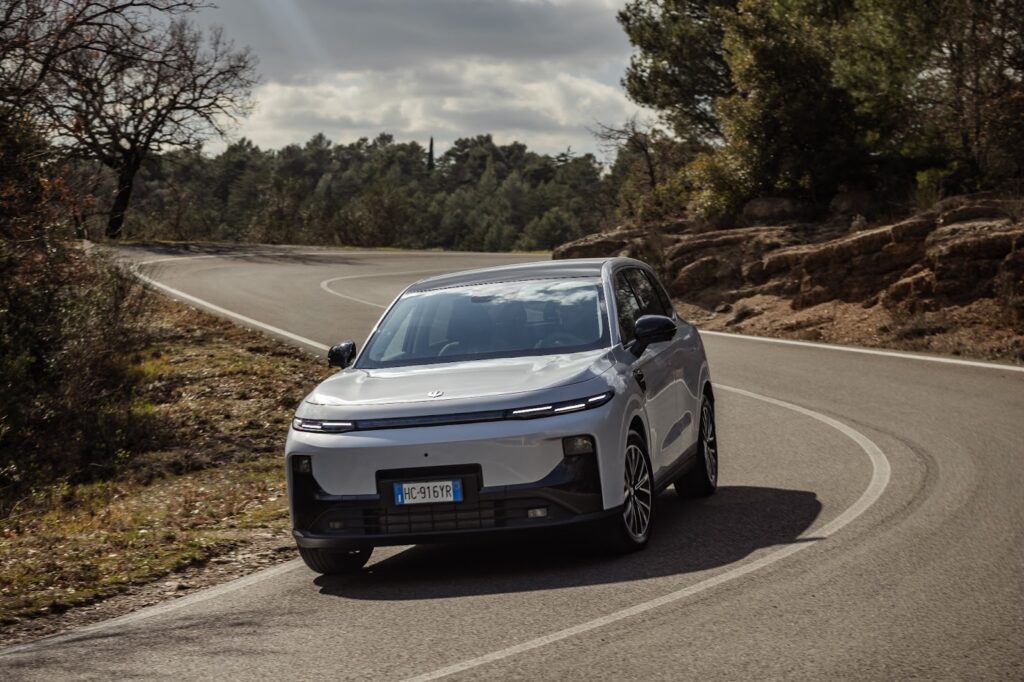
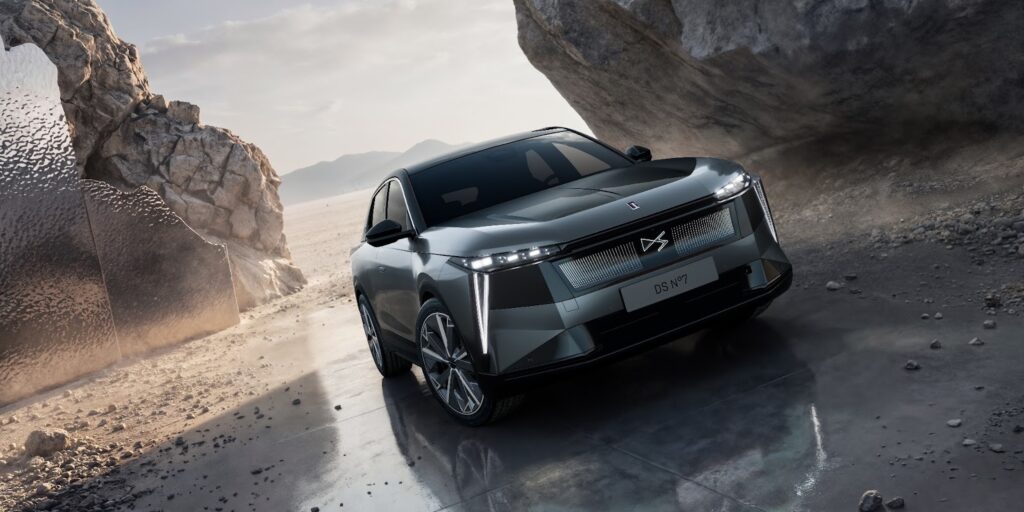
    DS Automobiles has officially unveiled the DS N°7, a new premium SUV set to succeed the DS 7, which was launched in 2017. Available with a range of powertrain options, this model marks a new milestone in the gradual electrification strategy of the French brand, part of the Stellantis group.

    source: Stellantis

    The successor to the best-selling DS 7

    With the DS No. 7, DS Automobiles is revamping one of the most important models in its range. This new SUV succeeds the DS 7, launched in 2017, which, according to the manufacturer, was the French premium brand’s best-selling model for several years. Indeed, it was the first SUV developed specifically for DS Automobiles and was intended to firmly establish the brand in the European premium segment.

    According to market estimates, global sales of the DS 7 are currently believed to be between 150,000 and 200,000 units, although the manufacturer has not published detailed model-by-model figures since 2023, preferring to report on the group’s overall performance.

    source: Drivek

    With this new generation, dubbed the DS No. 7, the brand hopes to build on this momentum whilst updating its technological and powertrain offerings.

    A commanding presence and well-balanced proportions

    Its dimensions are as follows: 4.66 metres in length, 1.90 metres in width and 1.63 metres in height. Purists of the previous model may have noticed that it is 7 centimetres longer, with 5 centimetres of that added to the wheelbase, which now stands at 2.79 metres. All of these dimensions contribute to improved interior space without compromising the vehicle’s overall agility.

    Visually, the DS No. 7 stands out with its sleek, dynamic silhouette and a distinct sense of prestige. It is fitted with large wheels measuring up to 21 inches, with a total diameter of 740 mm. The roof is slightly arched and features an integrated spoiler, which enhances its aerodynamic efficiency (Cx) to 0.26.

    At the front, the visual signature is defined by a striking lighting design, featuring V-shaped DS LIGHT BLADEs combined with an illuminated grille. At the rear, vertical lighting elements echo this design language, ensuring visual consistency and a strong identity.

    source: Stellantis

    A new generation that is now multi-energy

    The DS 7 is built on the Stellantis Group’s new STLA Medium platform, a technical architecture designed to accommodate a range of electrified powertrains. It is therefore only natural that this SUV is available with a variety of powertrain options to meet the needs of different markets.

    The range is expected to include, in particular:

    • a 145 hp hybrid version, which will be the entry-level model
    • a plug-in hybrid version, intended to be the mainstay of sales
    • several fully electric E-TENSE models

    Please note that orders open on Tuesday 17 March (the day of the announcement) for an initial 230 hp FWD version: the “No. 7 E-TENSE FWD ÉTOILE BUSINESS LINE”, priced at €64,200.

    Impressive technical specifications

    When it comes to electric vehicles, DS is announcing particularly ambitious and impressive ranges.

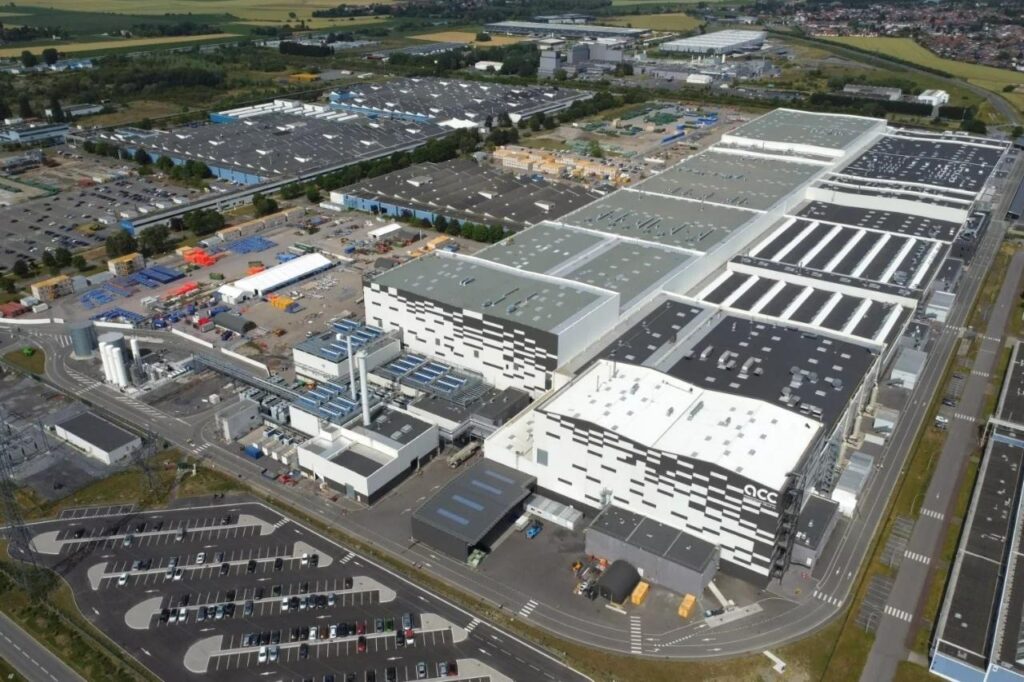
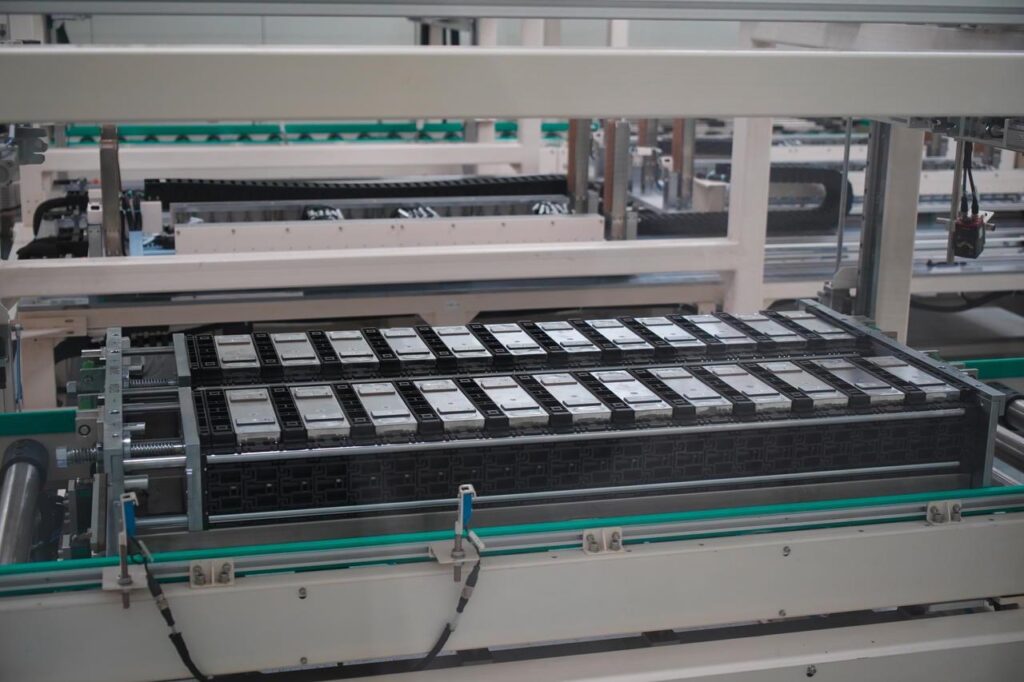
    For the top-of-the-range model (E-TENSE FWD Long Range), the manufacturer claims a range of up to 740 km on the WLTP cycle, thanks to a 97.2 kWh battery produced in France at the ACC gigafactory: ‘Made in France’ takes centre stage.

    For the E-TENSE AWD Long Range version, which features the same battery and all-wheel drive, the range is said to reach 679 km on the WLTP combined cycle. The latest model in the electric range (E-TENSE FWD) is fitted with a 73.7 kWh battery offering a range of up to 543 km on the WLTP combined cycle.

    source: Stellantis

    Charging performance is equally impressive, as the DS No. 7 E-TENSE can go from 20% to 80% battery charge in 27 minutes (31 minutes for the 73.7 kWh battery). Furthermore, DS has fitted a three-level regenerative braking system to optimise range across different types of journeys.

    A high-tech SUV inspired by the world of luxury

    As well as its engine options, DS Automobiles is particularly keen to highlight the technological aspects of its new SUV.

    The DS No. 7 features a range of technologies designed to enhance comfort, safety and the in-car digital experience.

    Among the main facilities announced:

    • DS Pixel Vision headlights: an intelligent lighting system capable of automatically adjusting the light beam to optimise visibility without dazzling other road users.
    • Camera-controlled suspension: the system analyses the road in real time to adjust the suspension settings and enhance ride comfort.
    • Extended head-up display: driving information is projected directly into the driver’s field of vision to minimise distractions.
    • Advanced digital interface: the cabin features a large central screen and a connected infotainment system designed to centralise most of the vehicle’s functions.
    • State-of-the-art driver-assistance systems: the SUV is equipped with a range of assistance systems designed to enhance safety and support the driver on motorways or in heavy traffic.
    source: Stellantis

    The list is long and comprehensive. If you would like further details, you can find them in the press release available on the Stellantis website.

    An SUV that is part of DS’s energy transition

    The launch of the DS 7 is part of the brand’s gradual transition towards electrification. Indeed, for several years now, DS Automobiles has been developing its entire range around electrified powertrains, notably under the E-TENSE banner, which encompasses the manufacturer’s plug-in hybrid and electric models.

    Although DS announced in 2021 that all new models launched from 2024 onwards would be 100% electric and that the brand would eventually become 100% electric, the strategy has since evolved. Since 2025, Stellantis has adopted a multi-energy strategy in Europe (EVs and hybrid models) to reflect actual demand.

    The DS No. 7 thus rounds off this new product range, offering a more versatile model designed to drive higher sales volumes.

    source: Stellantis

    A strategic blueprint for the future of DS Automobiles

    With the DS 7, the brand is replacing an SUV that has been one of the mainstays of the DS range for several years. This can be seen in two ways: either as a risk-taking move or as a safe bet.

    In a particularly competitive segment, dominated by German premium SUVs that are now available across continents, this new model should enable DS Automobiles to strengthen its position and expand its customer base.

  • The new i3: the model that truly marks BMW’s move towards electric vehicles

    The new i3: the model that truly marks BMW’s move towards electric vehicles

    Following the iX3 SUV, BMW is continuing its push into the EV market with the i3 saloon. The ‘zero-emission’ version of the iconic 3 Series aims to set the benchmark for premium electric models. BMW claims a range of up to 900 km, fast charging with peaks of 400 kW, and 469 hp delivered via all-wheel drive. Since the “Neue Klasse” concept car, the German manufacturer is therefore stepping up a gear with this car, which is crucial to the success of its electrification programme.

    source: BMW

    The i3: the new benchmark for premium electric cars

    The second model in BMW’s ‘Neue Klasse’ range, the i3 (which is essentially the electric version of the 3 Series) is designed to excel on long journeys. Built on a new dedicated platform, the saloon is based on an 800 V architecture, which will enable it to regain 400 km of range in just 10 minutes, as it can handle peak DC charging power of up to 400 kW. The new-generation batteries are integrated directly into the chassis (cell-to-pack), are compact and very flat, and incorporate cylindrical cells, making it easier to replace individual cells in the event of a fault. 

    Two highly efficient electric motors (one per axle) will provide all-wheel drive and deliver a total output of 469 hp (and 645 Nm of torque). The i3 therefore seems ideally suited to long-distance journeys. The claimed range, which has not yet been officially certified, is nearly 900 km on a single charge.

    source: BMW

    BMW’s strategy: two saloons for two different power sources

    Aesthetically, the i3 bears a resemblance to its petrol-powered cousin, the 3 Series, the iconic saloon with its sleek, elegant lines. This is a deliberate choice by BMW, which aims to imbue its electric saloon with the DNA and the famous ‘Freude am Fahren’ (driving pleasure) of its best-selling combustion-engine model. 

    The range will therefore offer customers a choice: the petrol-powered 3 Series (as well as the plug-in hybrid) and the all-electric i3. Both models will coexist within the BMW range. In response to the hesitancy of the EV market and to win over as many customers as possible, the Bavarian manufacturer is therefore maintaining a clear, dual offering. This will cover all the countries where the brand is present.

    source: BMW

    Two-way power distribution

    When parked, the BMW i3 also offers bidirectional charging functions: Vehicle-to-Load (in combination with the optional 22 kW AC Pro fast charger), which allows other electrical devices connected to its battery to be powered (laptops, electric bikes, etc.). A Vehicle-to-Home function that allows energy from the batteries to be fed back into the domestic grid (home, building). It is also compatible with the Vehicle-to-Grid function, which allows energy to be fed back into the public electricity grid via a charging point (subject to market availability). The technology deployed by BMW thus enhances the i3’s versatility and is designed to simplify its day-to-day use and charge management.

    Futuristic interior and interface

    Inside, the i3 incorporates most of the design cues from the ‘Neue Klasse’ concept car, featuring an interface designed for electric mobility whilst retaining a sporty feel, known as Panoramic iDrive. The central screen is slightly angled towards the driver; a wide Panoramic Vision strip positioned beneath the windscreen provides better visibility of driving information, whilst the “Heart of Joy” control unit offers a response time ten times faster than previous systems. The driving experience of the i3 must be at the very top of the range for a premium model, including electric vehicles.

    source: BMW

    A major industrial investment in the electric sector

    A key strategic priority for the Bavarian manufacturer, the i3 is produced at the Munich plant, which has been BMW’s historic site since 1922. Over €650 million has been invested in adapting the assembly lines and modernising the site with a view to producing an entirely all-electric range of cars. Other models will gradually be added to the production line-up. 

    source: BMW

    Production of the first i3s will begin in August 2026, with deliveries expected by the end of the year. The price of the i3 has not yet been announced. It is worth noting that a Touring version (estate) and an M version (high-performance) will be launched at a later date, demonstrating that the i3 forms the cornerstone of BMW’s commitment to electric vehicles.

  • SAIC Z7: the Chinese electric saloon that openly draws inspiration from the Porsche Taycan

    SAIC Z7: the Chinese electric saloon that openly draws inspiration from the Porsche Taycan

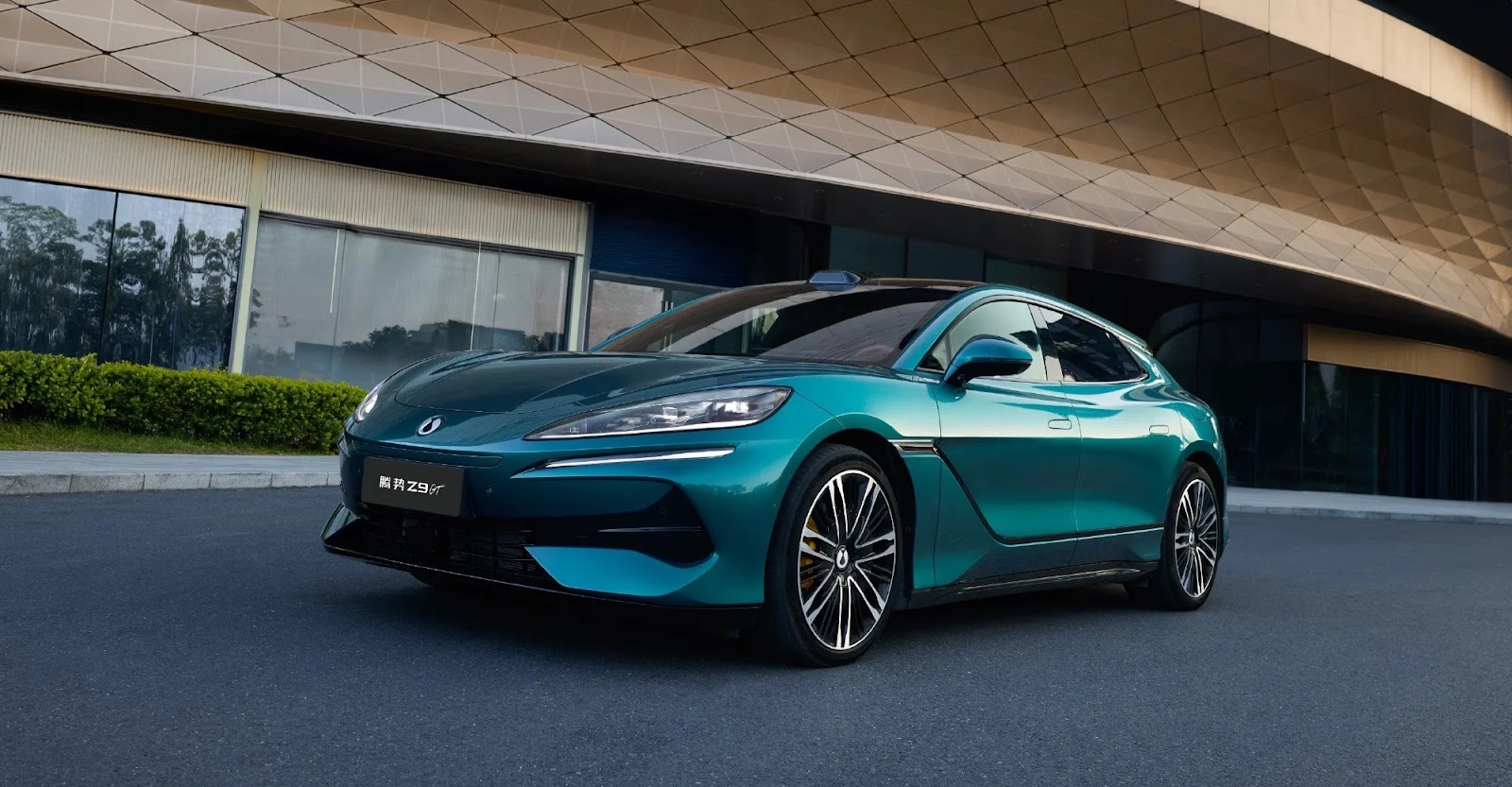
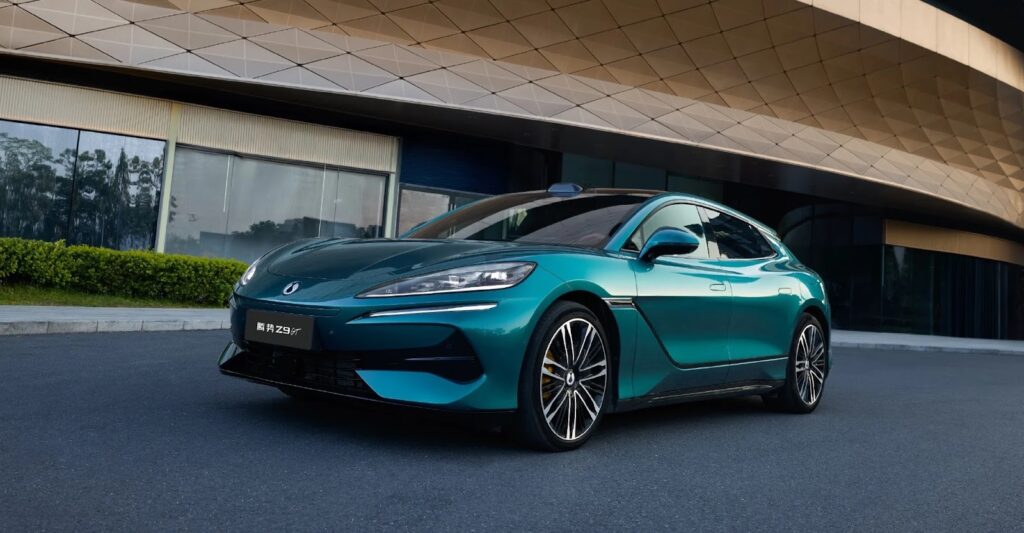
    Unveiled in March 2026, the SAIC Z7 (also known as the Shangjie Z7) is a new electric saloon developed by SAIC Motor in collaboration with Huawei. With a design strongly reminiscent of the Porsche Taycan and a much more affordable price tag, this model aims to make its mark against the new Chinese leaders in the segment, starting with the Xiaomi SU7.

    Source: SAIC

    A new electric saloon resulting from the collaboration between SAIC and Huawei

    The SAIC Z7 is the result of a close partnership between SAIC Motor and Huawei. The model forms part of the Harmony Intelligent Mobility Alliance (HIMA) ecosystem, a technology platform that enables the Chinese telecommunications giant to integrate its software solutions and driver-assistance systems into various electric vehicles.

    Positioned in the premium electric saloon category, the Z7 features a highly dynamic fastback silhouette. With an estimated length of around 5 metres, the model boasts proportions similar to those of the large sports saloons on the market.

    The aim is clear: to offer a vehicle that is technologically advanced, high-performing and visually appealing, whilst remaining significantly more affordable than the European models with which it is often compared.

    Source: SAIC

    A design heavily inspired by the Porsche Taycan

    This was probably the feature that attracted the most attention during the vehicle’s unveiling. The SAIC Z7 does indeed incorporate numerous design cues reminiscent of the Porsche Taycan.

    It stands out thanks to its very low body, sloping roofline and four-door coupé silhouette. Another detail reminiscent of a Porsche is the fact that the headlights are slightly bulged out from the rest of the bonnet. These features give the car a distinctly sporty look, and above all, an attitude and style similar to the iconic Taycan.

    Source: Porsche

    The model also incorporates several modern design features, such as semi-flush door handles and a roof-mounted LiDAR sensor for driver-assistance systems. At the rear, the Z7 features a light strip spanning the full width of the vehicle, dubbed the ‘Galaxy tail light’.

    A shooting brake variant, named the Z7T, was also unveiled. This more family-oriented version prioritises interior space and boot capacity whilst retaining the model’s sporty styling.

    Source: SAIC

    A high-tech electric saloon

    The SAIC Z7 places particular emphasis on in-car technology. The vehicle is built on Huawei’s software platform and features a digital cockpit based on HarmonyOS.

    The interior features a central screen that can be angled towards the driver, as well as a dedicated screen for the front passenger. A dedicated area on the dashboard also allows passengers to display personalised items such as figurines or decorative accessories.

    In terms of driver assistance, the Z7 is expected to feature the Huawei Qiankun ADS system, combined with a LiDAR sensor and several advanced sensors for autonomous driving and driver assistance functions.

    The chassis also features Huawei Tuling technology, combined with a sophisticated suspension system comprising a double wishbone setup at the front and a multi-link setup at the rear.

    A record range for the segment

    From a technical perspective, the SAIC Z7 is based on an 800-volt electric architecture, designed to enhance performance and charging speed. According to initial reports, several configurations are expected to be available.

    Customers will be able to choose between two battery packs (81 and 100 kWh) and two drivetrains (rear-wheel drive and all-wheel drive), a basic yet essential feature for this segment.

    When it comes to the battery, this is where the Chinese brand takes pride (and rightly so), as it claims that its electric saloon achieves a maximum range of 905 km according to the Chinese reference cycle (CLTP). Under the European cycle (WLTP), the range would be around 770 km. But why then is it being compared with the Xiaomi SU7? Simply because, for two vehicles in the same segment, the Z7 outperforms its counterpart by… 3 kilometres of range.

    Source: Xiaomi

    A direct rival to the Xiaomi SU7

    The prices of the various versions of the SAIC Z7 are not yet known. According to industry estimates, it is expected to go on sale in China at a price ranging from 220,000 to 280,000 yuan, or €27,000–€35,000.

    A particularly aggressive pricing strategy compared to models such as the Porsche Taycan, which costs well over €100,000, but also compared to the Xiaomi SU7, which is already establishing itself as one of the new benchmarks in the Chinese market and starts at around 229,900 yuan (approximately €28,150).

    Pre-orders for the SAIC Z7 will open on 23 March 2026 in China, whilst the final images and official prices will be unveiled on 31 March 2026. The first deliveries are scheduled for the second quarter of 2026.

  • Honda is scrapping several electric models in the US and expects losses of up to 570 billion yen

    Honda is scrapping several electric models in the US and expects losses of up to 570 billion yen

    On 12 March 2026, Japanese car manufacturer Honda Motor Co. announced that it was abandoning the development of several electric models intended for the North American market. This decision could result in extraordinary losses of up to 570 billion yen for the 2025–2026 financial year, a situation the group has not faced for several decades.

    source:honda

    Honda is reviewing its electric vehicle strategy

    On 12 March 2026, Honda Motor Co. issued a statement that sent shockwaves through the automotive industry. The company had decided to cancel the development and launch of several all-electric models in the 0 Series, which had originally been planned for the North American market.

    The projects in question include three models from the upcoming 0 Series: the Honda 0 SUV, the Honda 0 Saloon and the Acura RSX. These vehicles were due to be manufactured in the United States and sold primarily in North America. Although they were due to be launched in 2026, these cars will never even reach the production stage.

    source: Honda

    A slowdown in electricity demand in North America, but that’s not all

    Honda Motor Co.’s decision to discontinue several models in the 0 Series is primarily due to a slowdown in demand for electric vehicles in North America. In its press release, the company explicitly cites market conditions that have proved less favourable than anticipated, prompting it to reassess certain investments related to electrification.

    Yet it was in this very region that Honda had planned to accelerate its transition to electric vehicles. But the reality of the market is quite different: indeed, since President Trump returned to power, the 100% electric vehicle market has not been faring very well. This is undoubtedly due to the abolition of the $7,500 federal tax credit from September 2025, but also to the administration’s introduction of a 25% tariff from January 2026. As a result, EV sales in the United States have fallen by around a third in the space of a year, according to several estimates.

    source: Honda

    Furthermore, Honda also highlights in its press release that consumer expectations are changing significantly in certain markets, particularly in China. The manufacturer explains that “the perceived value of a vehicle no longer rests solely on physical characteristics, such as fuel efficiency or interior space, but increasingly on software features capable of constantly evolving through updates and the personalisation of services”. This market transformation has prompted the group to rethink its technological priorities and investments.

    source: Honda

    Up to 570 billion yen in exceptional losses

    The figures cited in Honda’s statement reflect the difficult situation the company finds itself in. Honda says it expects to incur up to 570 billion yen in exceptional losses – equivalent to around 3.6 billion euros – for the financial year ending 31 March 2026.

    These losses will be recognised in the fourth fiscal quarter, covering the period from January to March 2026. The group also states that the cumulative expenditure and losses associated with these projects could reach 2.5 trillion yen over several financial years.

    According to several financial analysts, this situation could lead to the group’s first annual loss since 1957, a particularly rare occurrence in the history of the legendary Japanese car manufacturer.

    Managers take responsibility

    In light of this situation, and in addition to cancelling production of three of their fully electric vehicles, the group’s executives have announced symbolic measures.

    CEO Toshihiro Mibe and Executive Vice-President and Chief Financial Officer Noriya Kaihara have decided to voluntarily reduce their remuneration by 30% for a period of three months.

    Toshihiro Mibe – source: Honda

    In the statement, the two executives acknowledge the need to respond swiftly to market developments and to adapt the group’s industrial strategy.

    A strategic shift towards hybrid solutions

    In response to the cancellation of these projects, Honda has announced a broader reorientation of its electrification strategy. The manufacturer explains that it intends to adopt a more flexible investment strategy in the allocation of its resources in order to better adapt to changing global demand. It is in this press release that we learn the brand will be strengthening its focus on hybrid technologies, for which demand remains strong in several markets.

    In this regard, it is expected that the factories due to produce Honda EVs – such as those in Ohio, for example – will need to switch their CR-V BEV production lines to CR-V e:PHEV as soon as possible in 2026.

    source: Honda

    This strategic reorganisation is intended to enable Honda to respond more effectively to changes in the automotive market, pending the presentation of a new industrial roadmap, which is expected to be unveiled after 1 April 2026, once the financial year has ended (31 March, as a reminder).

    A strong signal and a future to watch

    By scrapping several models from its upcoming 0 Series, the Japanese manufacturer is sending a strong signal by choosing to scale back its all-electric ambitions in regions that are less enthusiastic about the move. Honda’s worrying financial situation must therefore be relieved of additional costs.

    The strategy that Honda is set to unveil in the coming months will therefore be closely scrutinised by the entire automotive industry.

  • Nice Boating Tomorrow: the first international sustainable boating show drops anchor in Nice

    Nice Boating Tomorrow: the first international sustainable boating show drops anchor in Nice

    From 19 to 22 March 2026, the city of Nice will host the first edition of Nice Boating Tomorrow, an international exhibition entirely dedicated to sustainable boating. Over four days, industry professionals, manufacturers, organisations and the general public will gather at the Port of Nice to discover the technologies and innovations that could shape the future of recreational boating.

    source: Nice Boating Tomorrow

    A context that is driving the boating industry to reinvent itself

    Nice Boating Tomorrow is taking place against a backdrop of profound change in the maritime sector. From the decarbonisation of ships and technological innovations to new forms of maritime transport and the protection of ecosystems, the entire boating industry is now being driven to evolve. The aim of the exhibition is therefore to bring together all stakeholders in the sector to showcase solutions that could shape a more sustainable future for shipping.

    The choice of Nice as the host city for this exhibition is no coincidence. Located at the heart of the Mediterranean and boasting a dynamic maritime ecosystem (an accessible port, the “Territoire d’Industrie” designation for 2023–2027, and support for start-ups), the city offers the ideal setting for hosting this type of event. With its port, international appeal and environmental commitments, Nice aims to become a benchmark for initiatives related to sustainable yachting in the Mediterranean.

    source: David Nouy

    A new international event for sustainable boating

    From Thursday 19 March 2026 until Sunday 22 March 2026, Nice Boating Tomorrow will take place at the Port of Nice, on Quai Amiral Infernet. Organised by Grand Pavois Organisation (GPO), a leading player in the boating industry for over 50 years, this new show is positioned as the first international event entirely dedicated to sustainable boating, with the ambition of becoming a global benchmark in this field. 

    Spanning four days, the event will bring together professionals from the maritime sector, manufacturers, start-ups, institutions and sailing enthusiasts around a shared goal: to devise and build a more environmentally friendly model for recreational boating. Indeed, the significance of this exhibition becomes clear when one considers that recreational boating accounts for 10% of CO₂ emissions in the Mediterranean Sea 

    An event combining exhibitions, sea trials and conferences

    Throughout this innovative event, visitors will be able to explore nearly 100 exhibitors and around 50 boats on display in the water, showcasing the latest innovations shaping the future of recreational boating. The show will offer a fun way to learn more about this, as visitors will be able to attend demonstrations and sea trials, allowing them to test certain technologies and new models directly in their natural environment. 

    Alongside the trade fair, an international forum will be held on 19 and 20 March at the OcéaNice conference centre. Industry representatives, experts, institutions and researchers will discuss several key issues for the future of the boating industry, including:

    • the decarbonisation of ships
    • new energy solutions
    • sustainable ports
    • or the use of artificial intelligence in recreational boating. 
    source: David Nouy

    Innovation and the green transition at the heart of the exhibition

    Nice Boating Tomorrow will place particular emphasis on technologies designed to reduce the environmental impact of recreational boating. Among the innovations expected to be showcased are:

    • electric or solar-powered boats,
    • hydrogen propulsion systems,
    • hybrid sailing boats,
    • low-carbon marine equipment,
    • or recycled materials for the maritime industry. 

    The aim of the show is to demonstrate that the boating industry’s green transition is already underway and that it is underpinned by a comprehensive ecosystem of technological, industrial and environmental innovations.

    source: Dhamma Blue

    Nice, Europe’s new showcase for sustainable boating

    Through this event, the city of Nice aims to become a new hub for sustainable boating in the Mediterranean. The boat show, meanwhile, forms part of a wider initiative led by the city and various institutional stakeholders to strengthen the maritime economy whilst addressing the environmental challenges associated with the use of the oceans.

    source: Nice Boating Tomorrow

    Nice Boating Tomorrow aims to lay the foundations for a new maritime ecosystem that is more sustainable, innovative and focused on the future of recreational boating. The organisers are expecting 15,000 visitors over the course of the event.

  • Volkswagen launches the ID.UNYX 08, the first model to emerge from its ‘in China, for China’ strategy

    Volkswagen launches the ID.UNYX 08, the first model to emerge from its ‘in China, for China’ strategy

    The Volkswagen Group has taken another step forward in its China strategy. The first vehicle developed in partnership with XPeng, the ID.UNYX 08, has just rolled off the production lines in Hefei. This marks a significant milestone for the German manufacturer, which is seeking to strengthen its presence in the world’s largest car market in the face of growing competition from local brands.

    Source: Volkswagen

    The first Volkswagen–XPeng model produced in Hefei

    On 13 March 2026, the Volkswagen Group announced the start of series production of the ID.UNYX 08, the first vehicle developed jointly with the Chinese manufacturer XPeng. The model is assembled at the Hefei plant, operated by Volkswagen Anhui, which is set to become the German group’s main hub for the development of its ambitions in China.

    The vehicle was developed in around 24 months, a particularly short timeframe for the automotive industry. This rapid development process illustrates the German manufacturer’s determination to keep pace with the Chinese market, often referred to as ‘China speed’.

    That is why the Volkswagen Group and XPeng have been working together since the summer of 2023. As a reminder, Volkswagen had announced a long-term technology partnership agreement with XPeng, accompanied by an investment of around $700 million to acquire a 4.99% stake in the Chinese manufacturer. This development on 13 March 2026 marks a strategic turning point for the German group, which is seeking to combine its industrial expertise with the technological and software capabilities of Chinese manufacturers.

    Source: Xpeng

    The ID.UNYX 08, a high-tech electric SUV… exclusively for the Chinese market

    At the heart of this announcement is the ID.UNYX 08, an electric SUV designed specifically for the Chinese market. The model will not be sold in Europe, reflecting Volkswagen’s commitment to developing products designed from the outset for Chinese customers – ‘in China, for China’.

    The vehicle features several locally developed technologies. These include an 800-volt electrical architecture, which enables ultra-fast charging – a feature that has become essential for Chinese motorists. The ID.UNYX 08 also features an advanced Level 2 driver assistance system (ADAS), as well as over-the-air (OTA) software updates that enable the vehicle’s functionality to be enhanced throughout its lifecycle.

    Source: Volkswagen

    According to Ralf Brandstätter, President and CEO of Volkswagen Group China, “this model embodies the brand’s traditional values of safety, quality, driving comfort and sustainability, whilst incorporating the digital technologies expected by Chinese customers”.

    China, the Volkswagen Group’s largest market

    China remains the Volkswagen Group’s largest market today. In 2025, the manufacturer delivered around 2.7 million vehicles there, accounting for nearly a third of its global sales. Naturally, with the emergence of numerous local manufacturers over the past few years, this dominant position is now under threat, particularly in the electric vehicle segment.

    Brands such as BYD, Geely and NIO have gained a significant lead in the fields of in-car software, connectivity and electrification.

    The ‘in China, for China’ strategy

    Indeed, in response to these new trends, Volkswagen has launched its ‘in China, for China’ strategy, which involves developing an increasing proportion of its vehicles directly in China and specifically for the Chinese market.

    Historically, the group’s models were designed in Europe and then adapted locally through Chinese joint ventures. Now, China is becoming a genuine centre for the design and development of some of the group’s future electric vehicles. “Our ‘In China, for China’ strategy is bearing fruit. With the ID.UNYX 08, we are launching the Group’s largest commercial offensive in the field of electromobility in China,” said Ralf Brandstätter.

    source: Volkswagen

    This strategy is underpinned in particular by the establishment of the Volkswagen Group China Technology Company (VCTC) in Hefei, a research and development centre described as the group’s most comprehensive facility outside Germany. It brings together software development, platform engineering, vehicle testing and prototyping activities, enabling the design of a complete vehicle in China, from the development phase right through to production.

    Volkswagen is also developing new technical architectures tailored to the Chinese market. These include the China Electronic Architecture (CEA), designed in collaboration with XPeng. This ‘software-led’ electronic architecture is expected to enable development speeds up to 30% faster and cost reductions of up to 40% compared with current solutions.

    The group is also working on the China Main Platform (CMP), a platform designed for compact electric vehicles, which also aims to cut costs by around 40% in order to remain competitive against Chinese manufacturers.

    source: Volkswagen

    Regain the initiative in the world’s largest car market

    With this strategy, Volkswagen aims to consolidate its position in a market that has become extremely competitive. The group has set itself the target of selling around 4 million vehicles a year in China by 2030, whilst generating a corresponding operating profit of around €3 billion.

    The launch of the ID.UNYX 08 therefore represents much more than just the arrival of a new model in the range. It symbolises the transformation of the German manufacturer, which is now adapting to the Chinese automotive industry. The group has announced that more than 20 electrified vehicles will also be launched before the end of this year.

  • The most advanced commercial eVTOLs in 2026

    The most advanced commercial eVTOLs in 2026

    Long confined to prototypes and technological demonstrations, eVTOLs (electric Vertical Take-Off and Landing) are gradually entering a new phase. In 2026, several aircraft are now close to commercial operation, some having already obtained partial certification or launched their first revenue-generating operations. Between urban air taxis, regional transport and medical or logistical missions, these new electric machines could transform air mobility over the next decade. Here are the eight eVTOLs that are currently the most advanced, according to their level of industrial and regulatory maturity.

    source : Joby Aviation

    But before an eVTOL can actually carry passengers, it must obtain aeronautical certification, a long and complex process overseen by national and international regulatory authorities. The main authorities include the FAA (Federal Aviation Administration) in the United States, the EASA (European Aviation Safety Agency) in Europe, the CAAC (Civil Aviation Administration of China) in China, and the UK CAA (Civil Aviation Authority) in the United Kingdom. Other countries are also beginning to define their own regulatory frameworks for integrating these new aircraft into urban airspace. At present, only a few projects appear to be close to commercial operation.

    Joby S4

    The Joby S4, developed by the American company Joby Aviation, is now considered to be the most advanced eVTOL programme in the United States. The aircraft is in Stage 4 of the FAA certification process, i.e. around 90% of the regulatory route.

    This electric air taxi can carry four passengers and a pilot, with a top speed of around 241 km/h and a range of up to 240 kilometres. It has six electrically-powered tilting rotors, offering both vertical lift like a helicopter and horizontal propulsion, to cut through the air like an aeroplane. The airframe is made of lightweight composites to optimise range and reduce noise, a critical factor for urban flights.

    source : Joby Aviation

    The manufacturer plans to launch its first commercial operations in Dubai this year. The programme benefits from substantial industrial support, notably from Toyota ($400 million), and has an order book of almost 3,000 aircraft, worth several billion dollars.

    Archer Midnight

    American start-up Archer Aviation is developing the Midnight, an eVTOL designed primarily for urban air taxi services.

    source : Archer Aviation

    The aircraft can carry four passengers and a pilot, with a maximum speed of close to 240 km/h and a range of around 160 kilometres. It has four main electric rotors with tilting thrusters, and a modular battery that can be quickly replaced for continuous operation.

    Archer plans to launch its first commercial operations in the United Arab Emirates and the United States from 2026. The programme is supported by several industrial partners, including Stellantis, and has an order book of more than 700 aircraft, including an agreement with United Airlines.

    EHang EH216-S

    The EHang EH216-S, developed in China, is an exception in the industry. Unlike most of its competitors, the aircraft operates without a pilot on board.

    source: EHang

    Capable of carrying two passengers, it has a top speed of around 130 km/h and a range of around 35 kilometres, making it ideal for short urban journeys.

    In 2023, the aircraft received type certification from the Civil Aviation Authority of China (CAAC). In 2025, a number of profitable commercial operations have already been carried out in China, notably in the field of air tourism.

    The manufacturer claims more than 1,100 orders and pre-orders for this model.

    Lilium Jet

    The Lilium Jet, developed in Germany, takes a different approach. Where most eVTOLs target short urban journeys, this aircraft is aimed more at fast regional connections between cities.

    source : Lilium

    The aircraft can carry six passengers and a pilot, with an estimated top speed of 280 km/h and a range of up to 250 kilometres. The manufacturer has chosen to add 36 tilting ducted fan motors, making it completely electric and silent.

    The programme is aiming for European certification by EASA, and several agreements have been signed with potential operators, including Saudia and Lufthansa.

    However, the programme has experienced a number of financial difficulties in recent years, which could push back its entry into service to 2027, according to several sources.

    Beta Technologies ALIA

    American company Beta Technologies is developing the ALIA, an aircraft designed for several uses: passenger transport, medical missions or freight transport. The reason: electric propulsion with tilting rotors and a modular architecture that can be adapted to several configurations.

    source : Beta Technologies

    The eVTOL can carry five passengers and a pilot, with a maximum speed of around 278 km/h and a range of over 400 kilometres, making it one of the most enduring aircraft in its category.

    The programme has contracts with UPS and the US Air Force, and could initially be used for logistics or medical missions.

    Vertical Aerospace VX4

    In the UK, Vertical Aerospace is developing the VX4, an eVTOL designed for urban passenger transport. Its design (four main rotors and two horizontal engines) enables silent, safe flights thanks to a redundant fly-by-wire system.

    source: Vertical Aerospace

    In terms of capacity, the aircraft can accommodate four passengers and a pilot, with a maximum speed of around 200 km/h and an estimated range of 160 kilometres.

    The programme has the support of several airlines, including Virgin Atlantic and American Airlines, which have signed preliminary agreements for the future operation of these aircraft.

    Eve Air Mobility

    Eve Air Mobility, a subsidiary of Brazilian aircraft manufacturer Embraer, is also developing its own eVTOL for urban air mobility.

    source: Eve Air Mobility

    Comprising 4 electric rotors, the aircraft can carry four passengers and a pilot, with a speed of around 180 km/h and a range of around 100 kilometres.

    The programme has a particularly strong order book, with more than 2,800 letters of intent signed by international operators. The challenge now is to build the appropriate infrastructure and get it up and running.

    Wisk Aero Gen6

    The Gen6 embodies the future of autonomous eVTOLs. Backed by Boeing, it is designed to operate without a pilot on board, thanks to a remote supervision system and advanced artificial intelligence. Twelve distributed rotors provide lift and propulsion, with multiple redundancies for safety.

    source: Wisk Aero

    The Gen6 can carry four passengers, with a top speed of around 160 km/h and a range of around 100 kilometres.

    The programme is still in an advanced testing phase, and could pave the way for a new generation of autonomous eVTOLs in the years to come.

    A promising industry… but still fragile

    While technological progress is rapid, the eVTOL industry still faces a number of major challenges.

    Regulatory certification is a long and costly process, and several projects have already experienced major delays. Some programmes are also facing financial difficulties, in a sector that requires several hundred million dollars of investment every year.

    In this context, only a few players, particularly those with solid industrial partners or significant funding, could achieve sustainable commercial exploitation.

    Despite these uncertainties, 2026 marks a key milestone: for the first time, several eVTOLs are moving closer to full-scale commercial use, paving the way for a new form of air mobility.