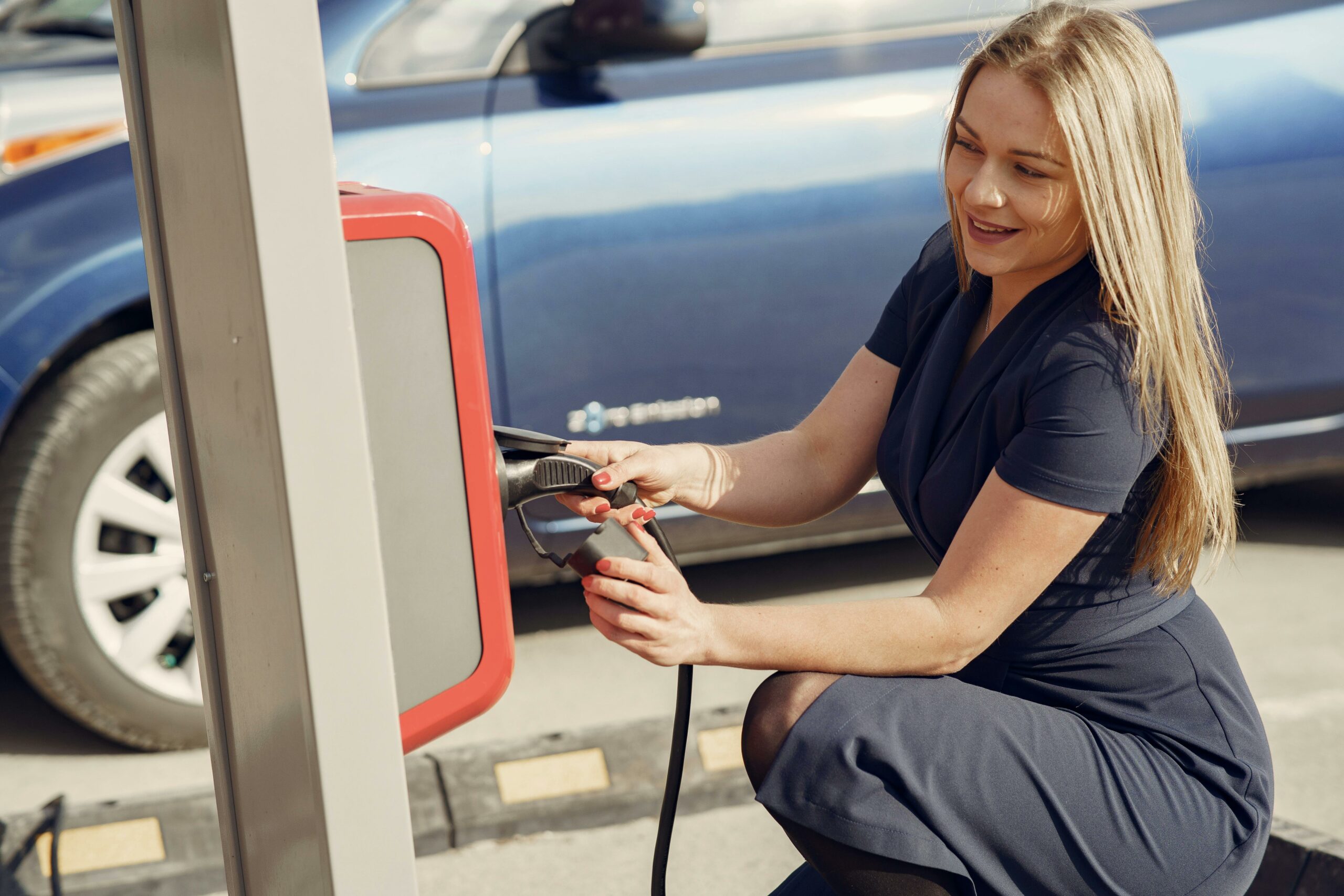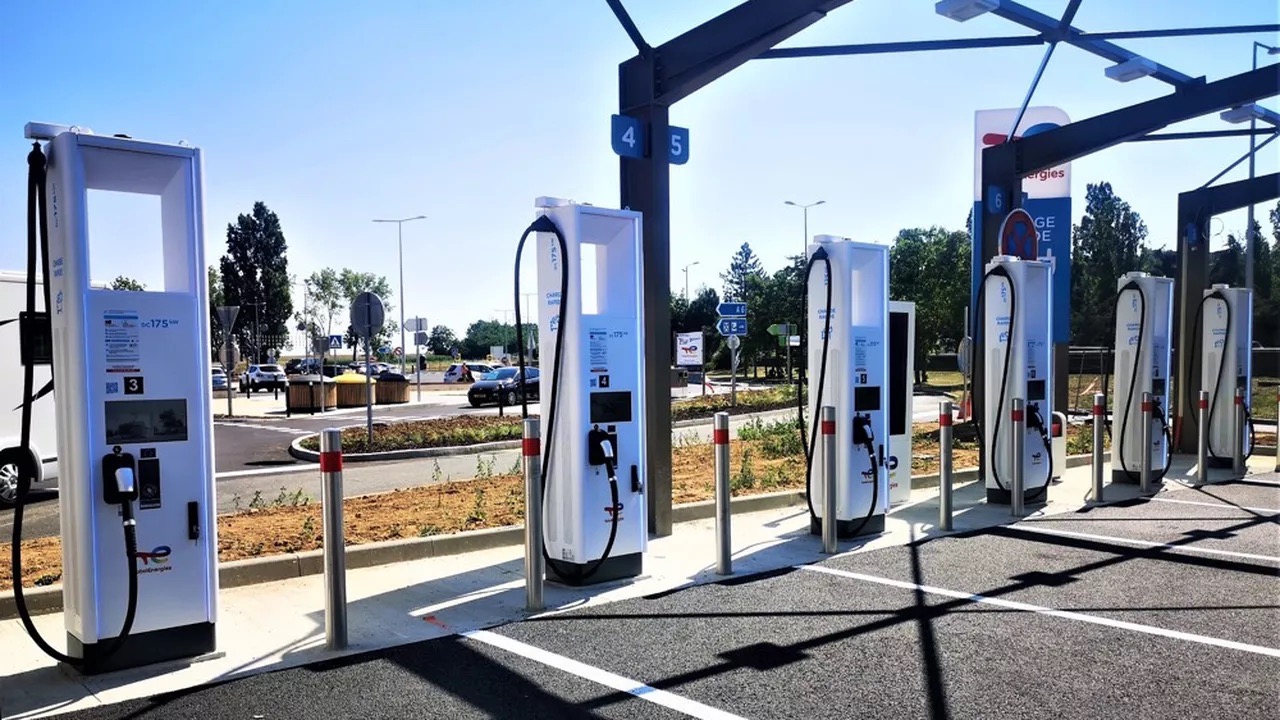
The sunny days are finally back! And sunny days often mean it’s time to go on holiday. Travelling by electric car is no longer a gamble in France. The network has expanded, charging points have multiplied, and long journeys have become a reality within reach. But in 2026, the success of a trip no longer depends solely on the infrastructure: it now depends on preparation, the tools used and the charging strategy adopted.

Why this issue matters in 2026
For a long time, the question was simple: can you drive across France in an electric car without running out of power? Today, that concern has largely disappeared. The network is in place, the main routes are covered, and drivers can plan long-distance journeys without any major difficulties.
But another reality is setting in. It is no longer a question of finding a charging point, but of avoiding one that is occupied, too slow, or more expensive than expected. It is no longer a question of whether we can set off, but of how to set off under the best possible conditions.
By 2026, driving an electric car on the motorway has therefore become a matter of careful planning. Those who plan ahead enjoy a smooth, almost routine journey. Others may still find themselves facing awkward situations, often caused by avoidable oversights.
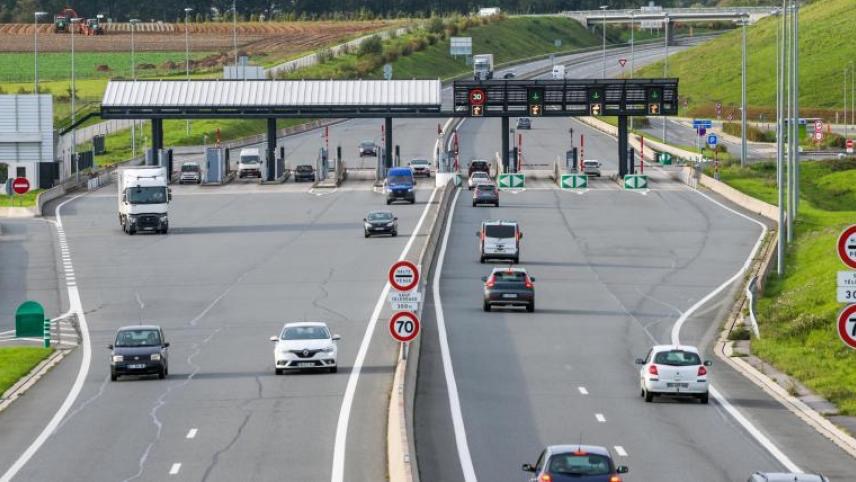
What is the current state of the charging network in France?
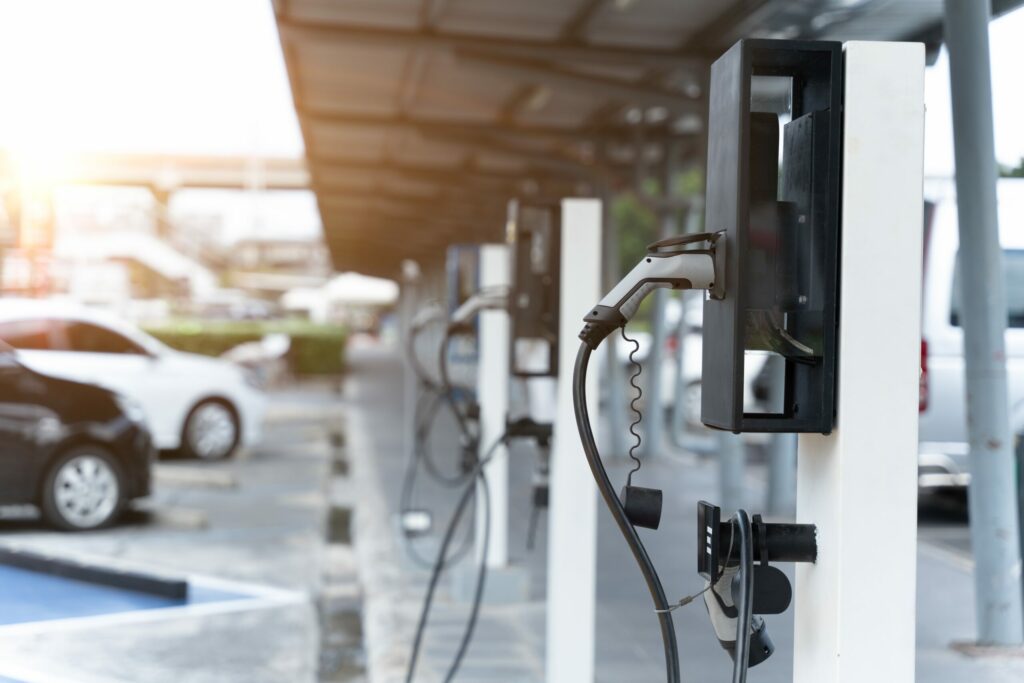
The French network has reached a milestone. With nearly 190,000 public charging points at the start of 2026, the country is one of the best-equipped markets in Europe. This rapid growth has been accompanied by a restructuring of the network, with charging stations becoming increasingly powerful and better distributed.
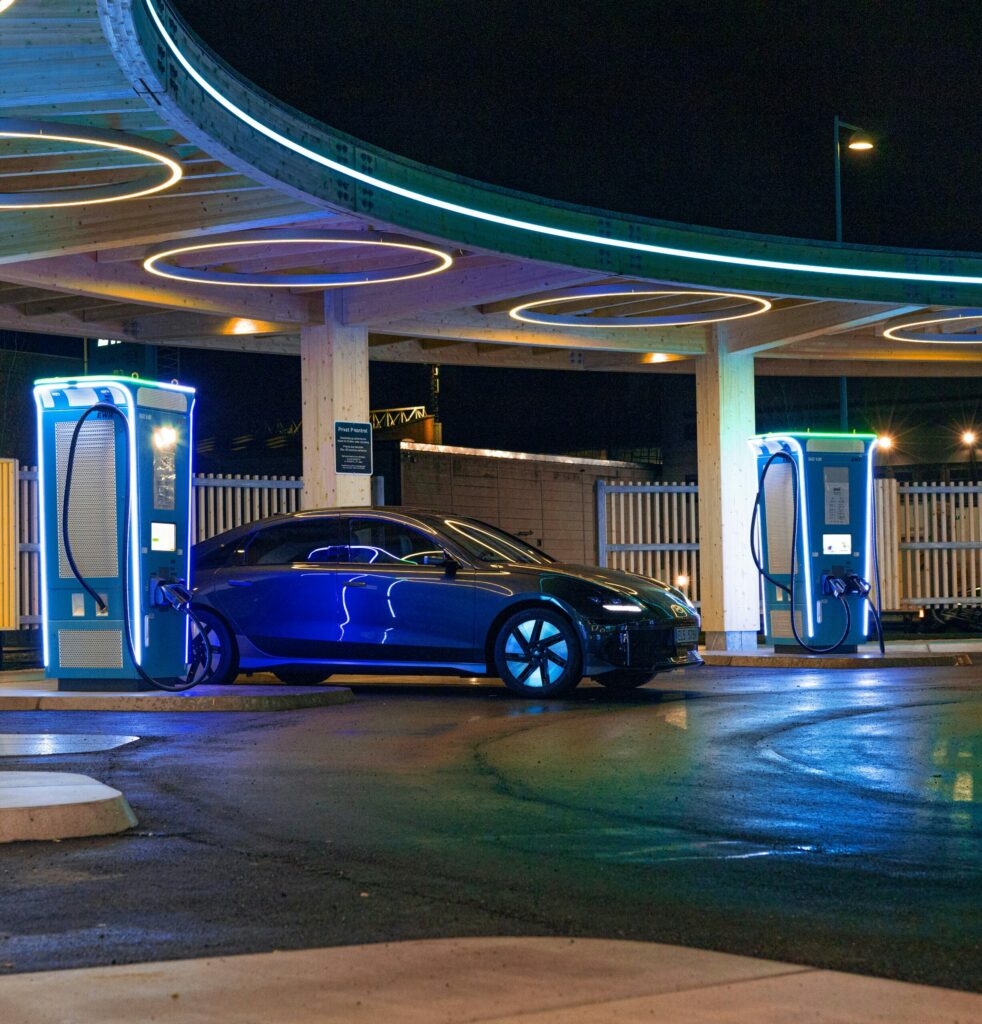
On motorways, the latest figures confirm this growing trend. As of 1 March 2026, around 4,650 charging points with a capacity of at least 50 kW have been installed at service areas, and over 90% of service areas are now equipped with at least one fast-charging solution.
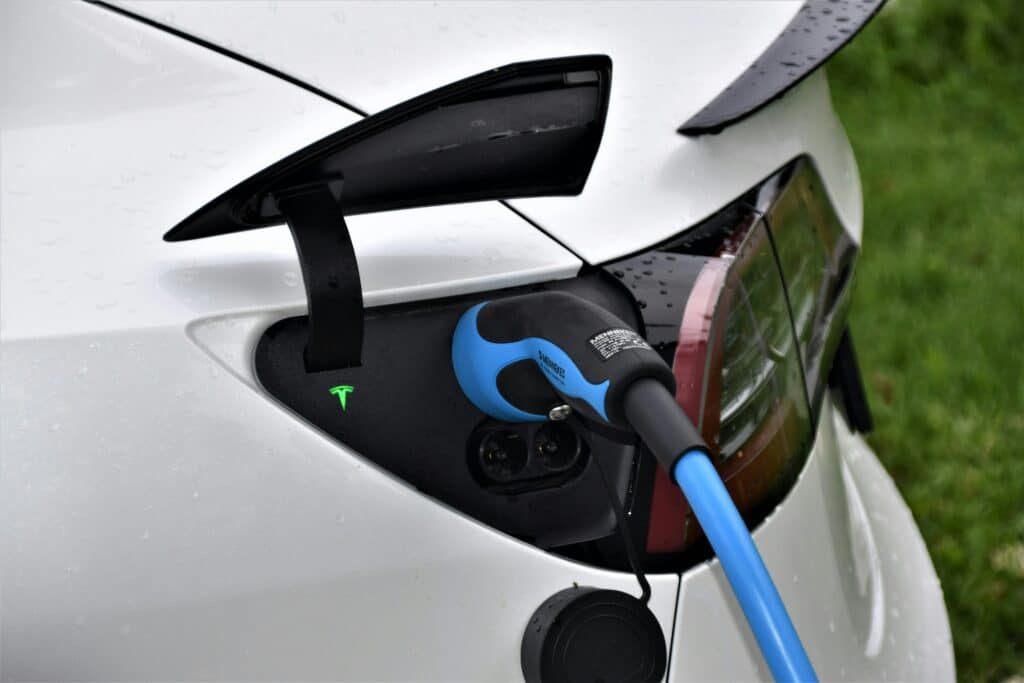
But to fully understand these figures, we need to clarify the terminology. A charging point refers to a single socket. A charging point can comprise several sockets. A charging station comprises several charging points, and a service area can accommodate one or more charging stations. This distinction is essential, as it provides a clearer understanding of the actual charging capacity along the motorway.

How does motorway charging work?
With an electric vehicle, the aim is not to set off with a fully charged battery, but with enough power to reach the next stop. This approach completely changes the way we think about the journey.
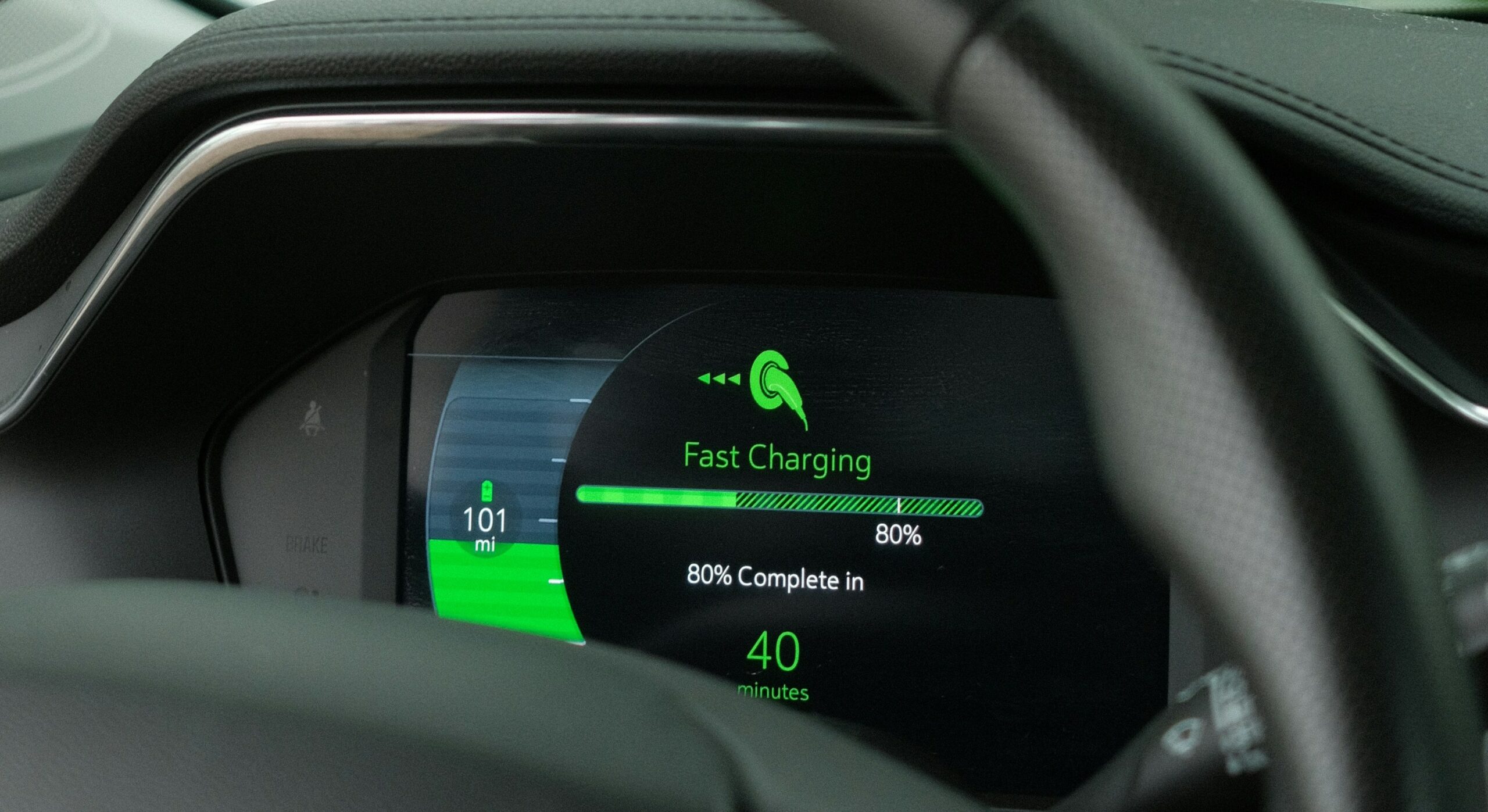
DC fast-charging stations generally allow you to recharge a significant portion of the battery’s range in 15 to 30 minutes. However, this time depends heavily on the vehicle, its charging curve and the battery level at the time of charging. The fuller the battery, the slower the charging rate.
That is why experienced drivers prefer short, efficient stops to long charging sessions. It is not the amount of energy recovered that matters, but the time needed to continue the journey in good conditions.
What to prepare before you leave
Preparation remains the most crucial factor, and it is also the one that is most often overlooked.
The first point concerns access to charging points. It is essential to have a badge, a card or an app that is compatible with multiple networks. Not all operators work in the same way, and limiting yourself to a single solution can quickly become a problem.
The second point concerns the vehicle itself. It is important to know its actual maximum charging power, as a super-fast charging point is of no use if the car cannot utilise that power.
Finally, it is essential to have a plan B. Identifying a second station, installing an alternative app or checking another network can help you avoid getting stuck.

Tools that reduce stress
Apps now play a central role in the charging experience. They not only help users locate charging points, but also check their availability, pricing and user reviews.
Tools such as Chargemap or PlugShare have become essential for avoiding unpleasant surprises. They allow you to check recent reviews and quickly identify a faulty or overloaded charging point.
For its part, A Better Routeplanner adds a strategic dimension. The app plans a comprehensive route, taking into account fuel consumption, terrain, weather conditions and average speed.

Good driving habits
Once you’re on the motorway, a few simple precautions can help you avoid most problems.
It is recommended that you arrive at the charging point with sufficient battery reserve – ideally around 10–20% – so that you have a backup plan in case of unforeseen circumstances. Checking the availability of charging points in real time has become an essential habit. Similarly, leaving your vehicle plugged in for too long once the charging rate has slowed significantly can result in a waste of valuable time.
These adjustments may seem minor, but they profoundly transform the journey.
How much does it really cost?
The cost of charging on the motorway remains one of the most sensitive issues, as it is also one of the most variable.
Prices depend on the network, the type of charging point, the payment method and sometimes even the subscription plan. On high-power networks, prices without a subscription generally range from €0.50 to €0.70 per kWh.
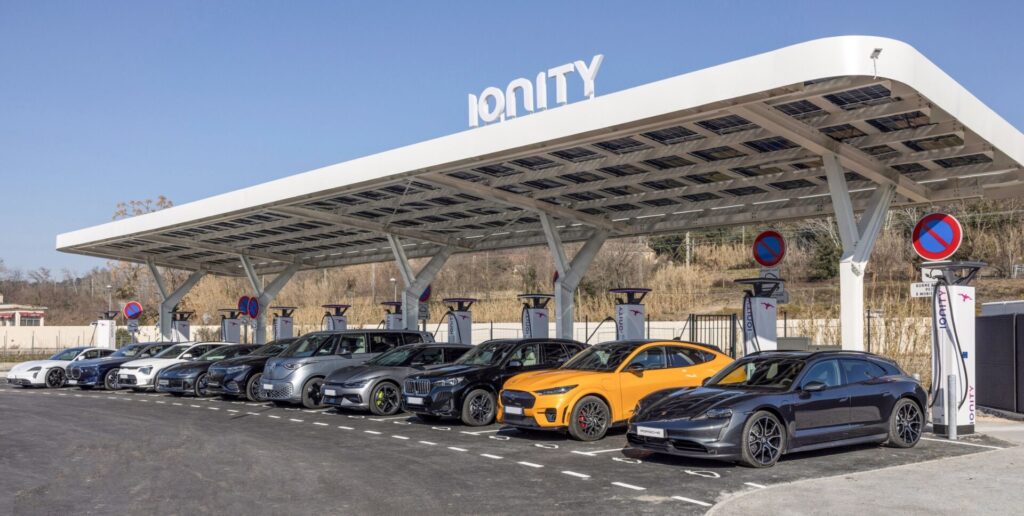
Whether you’re using IONITY, TotalEnergies or Electra, prices can vary and differ from one provider to another. Remember to check these prices before setting off to save money.
In practical terms, for a vehicle consuming between 15 and 20 kWh per 100 km, a 600 km journey requires around 90 to 120 kWh. This represents a cost of between €35 and €70, depending on the network and charging strategy.
A longer journey, of around 800 km, can cost 60 euros or more, particularly if you use fast charging without a subscription.
Common mistakes to avoid
Certain mistakes are commonly made on the motorway. For instance, arriving at a charging point with less than 5% battery charge and no alternative solution is one of the riskiest. Misjudging the vehicle’s actual charging capacity is another.
Many drivers also leave their cars plugged in for too long, without realising that charging slows down considerably once the battery reaches a certain level.
Finally, ignoring the fares before starting a journey or relying on a single app can make journeys financially frustrating.
The key players in the network
The development of the network relies on a range of public and private stakeholders. One of these, Avere-France, monitors and reports on the roll-out; ASFA covers the motorway network; and there are also motorway concession companies and charging operators such as TotalEnergies, Electra, IONITY, Fastned, Allego, Powerdot and Tesla, depending on the area.
The Charge France association, launched in 2025 by 13 operators, aims to coordinate private investment with a stated target of an additional €3 billion by 2028 and the roll-out of the high-power network.
It is precisely these players who are shaping the experience of setting off on holiday and standardising the use of electric cars.

The regulatory framework and objectives
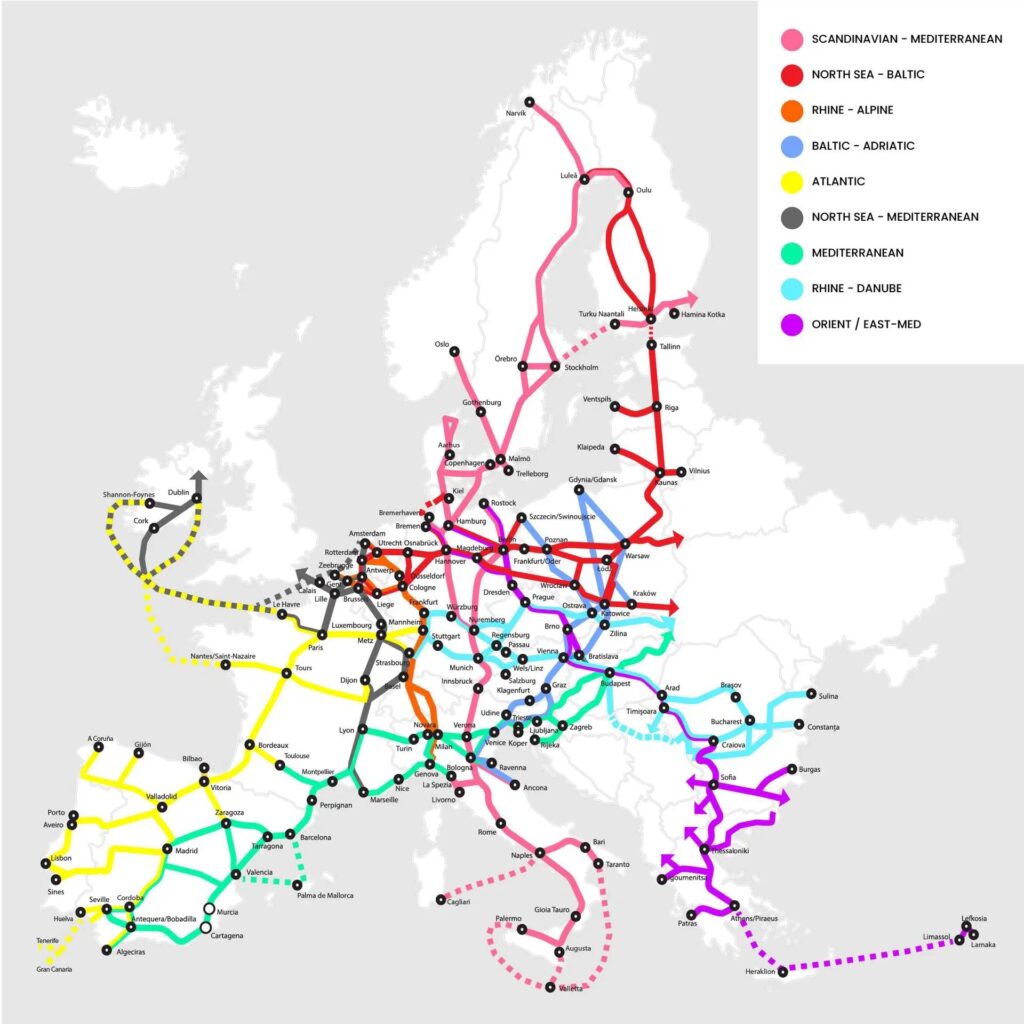
The development of the network forms part of a key European framework, notably the AFIR Regulation.
France is already well aligned with the European AFIR, which requires fast-charging stations with a capacity of at least 400 kW to be installed every 60 km along the trans-European transport network, in order to ensure continuity of service across Europe.
France is fully committed to this path, with a target of 400,000 public charging points by 2030 and a gradual expansion of high-power charging.
Furthermore, the government is not only promoting public charging points, but a range of solutions covering homes, apartment blocks, businesses and the public highway, in order to ease the pressure on fast-charging facilities during peak travel periods.
Conclusion
By 2026, electric motoring on the motorway has become a reality within everyone’s reach. The network is extensive, the infrastructure is in place, and the technology allows us to anticipate most situations.
But the key is still preparation. The question is no longer whether we can go, but how to go about it sensibly.