Blog

  • Governments or businesses, who is boosting the installation of charging points?

    Governments or businesses, who is boosting the installation of charging points?

    It’s a subject at the heart of every debate on the energy transition: the massive installation of charging points for electric vehicles. While the figures are quite good and growing steadily, another question arises: who is really driving this development? Companies, governments or both?

    As the energy transition gathers pace, the race to install charging points for electric vehicles is becoming a major strategic issue. But behind the relatively rapid growth of the network lies a mix of policies, business initiatives and, in some cases, public-private partnerships.

    Installation of recharging points: public authorities get in touch…

    In many countries, political will has served as a trigger. The European Union, in particular, has set itself ambitious targets for the energy transition, led by a ban on the sale of new combustion-powered cars from 2035. The Member States have followed suit, with a host of plans to support electric mobility. France, for example, has introduced financial assistance for the installation of charging points, including the “Advenir” bonus for apartment dwellers.

    Governments are also using legislation to encourage the installation of charging points. In some countries, new buildings, public car parks and shopping centres are required to have a percentage of spaces equipped with charging points. In Europe, the obligation to install charging points in new or renovated buildings stems from the 2021 EPBD directive. The directive requires residential buildings to be pre-equipped – i.e. to anticipate the future installation of charging points – and non-residential buildings to install charging points for as few as 10 parking spaces.
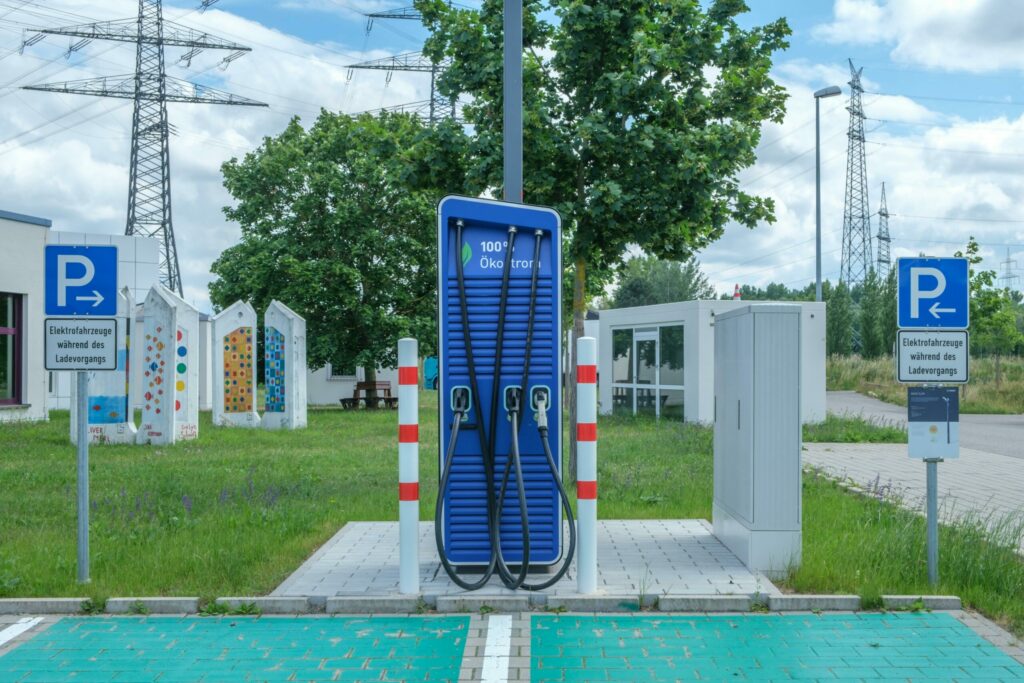
    installation of europe motorway charging points
    Credit: Pexels Bruggi

    But some countries, such as France, the Netherlands, Germany and the UK, are not content to follow these rules and have decided to go one step further. For example, France and Germany require up to 100% pre-equipment in new residential car parks, while the Netherlands and the UK systematically require bollards in new commercial and residential buildings. But it’s not just about making it compulsory. At the same time, public investment remains massive: in Germany in particular, a €6.3 billion plan has been committed up to 2026 to support the development of recharging infrastructures.

    … And the private sector is stepping on the accelerator

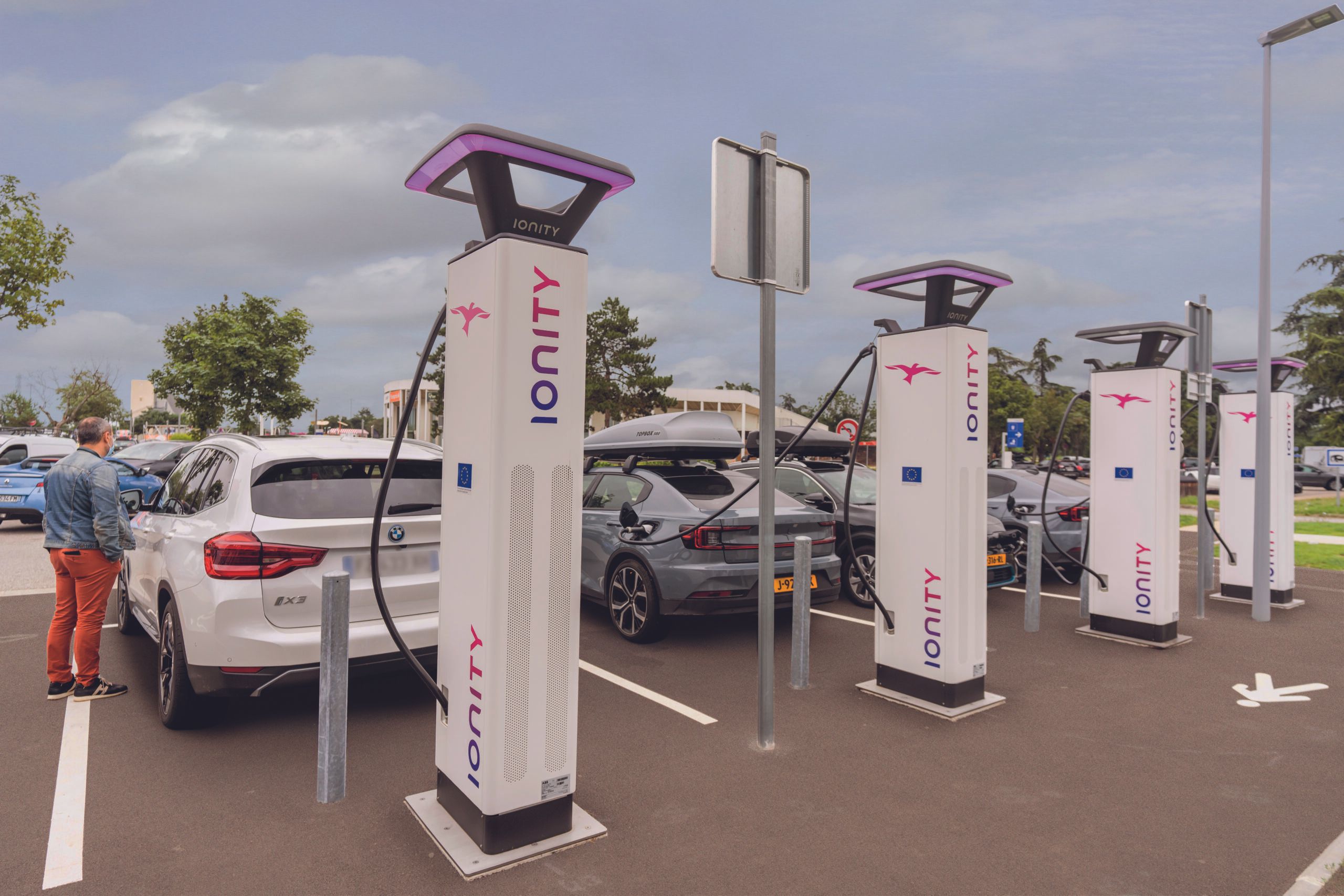
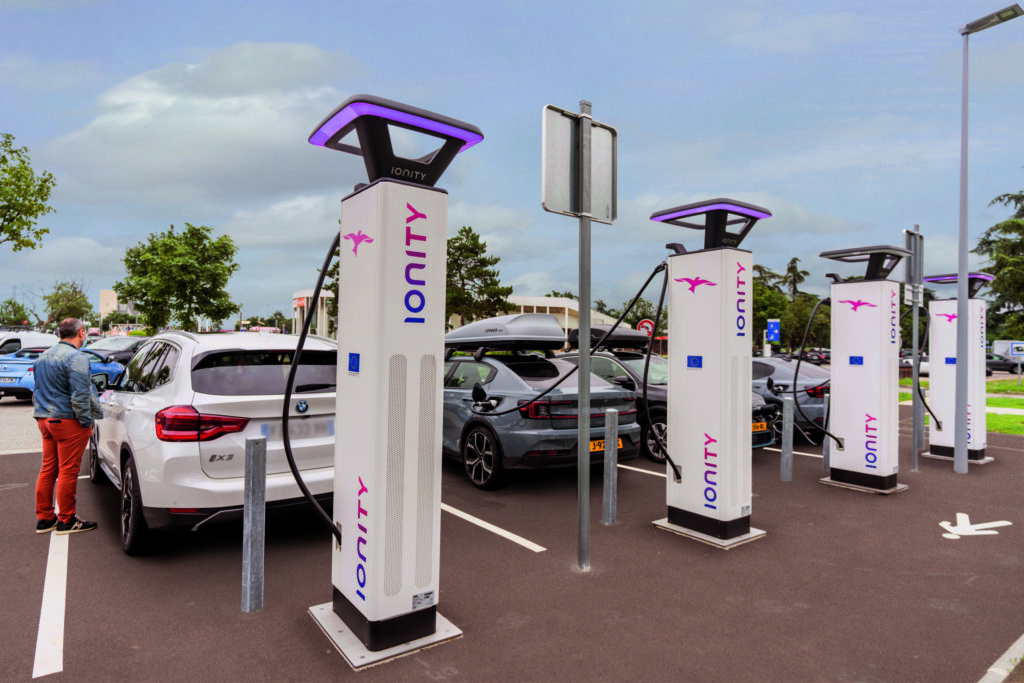
    While governments provide the impetus, it is often companies that are responsible for the actual deployment of charging points. From Tesla and Fastned to Ionity, Allego and TotalEnergies, the major players in the private energy sector have been investing in the deployment of charging point networks for several years now, buoyed by the government’s ambitions mentioned above. For the moment, they are located mainly on major roads, in major cities and in large shopping areas. These charging points promise a return on investment that will keep pace with the increase in the number of electric cars on the road, and are therefore highly attractive to these multinationals.
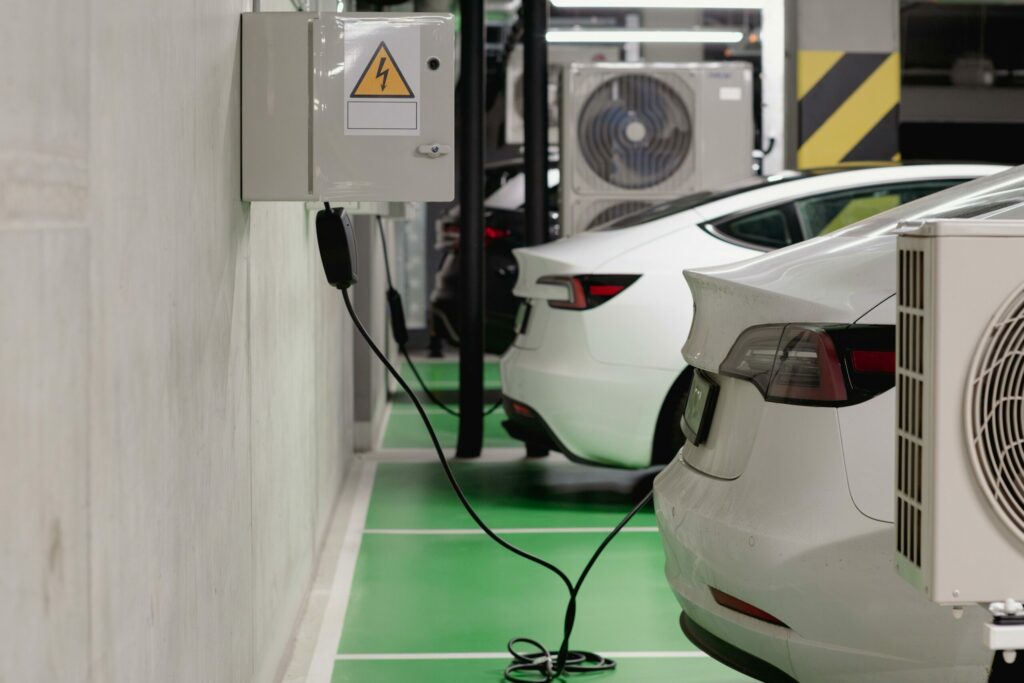
    installation of car park charging points
    Credit: Pexels Jakubzerdzicki

    In rural areas, less densely populated towns and secondary roads, which are seen as less profitable in the short or even medium term, public-private partnerships are on the increase. In several European countries, they are playing a key role in developing charging stations in these still forgotten areas. In France, the government provides up to 50% of the funding for some private projects via ADEME, while in Germany, the Deutschlandnetz programme provides massive subsidies for fast-charging stations operated by private-sector operators. The United Kingdom, with its LEVI programme, also supports local authorities working in partnership with private operators. The Netherlands, meanwhile, has introduced regional tenders that enable companies to part-finance the installation and operation of recharging stations. These projects enable companies to secure long-term market share and public authorities to achieve their objectives.

    Finally, in the residential and tertiary sectors, start-ups and SMEs are also taking a growing share of the market. Some companies see the installation of bollards as a natural diversification of their business, as do energy companies and public works firms. This is particularly true of Sungrow, a photovoltaic specialist that launched a subsidiary dedicated to charging stations around ten years ago.

    States and companies car pool on the installation of charging points

    The current dynamic is therefore based on an interaction between public incentives and private strategies. When governments push for the adoption of electric vehicles, they are obliged, in turn, to encourage the installation of charging stations. And companies see this as an attractive financial lever and are investing to make sure they don’t miss out.

    And while everyone’s priorities are not always aligned (the private sector favours profitable installations, while the public authorities seek to guarantee the widest possible coverage), co-financing is a good way of encouraging companies to invest in less attractive installations, which are crucial to convincing as many people as possible to switch to electric power.

    In some countries, such as the Netherlands mentioned above, the success of electric mobility (more than a third of electric cars in the fleet) is based on the balance between an incentive-based legislative and fiscal framework and early investment by local companies. An example worth following!
  • The Porsche Cayenne Electric hasn’t even been launched yet, and it’s already breaking records!

    The Porsche Cayenne Electric hasn’t even been launched yet, and it’s already breaking records!

    Porsche is still working on the long-awaited Cayenne Electric, which, as its name suggests, will be the 100% electric version of the German firm’s best-seller and iconic SUV. But while it is still ‘camouflaged’ and far from being launched on our roads, it has already had the luxury of demonstrating its power in a race!

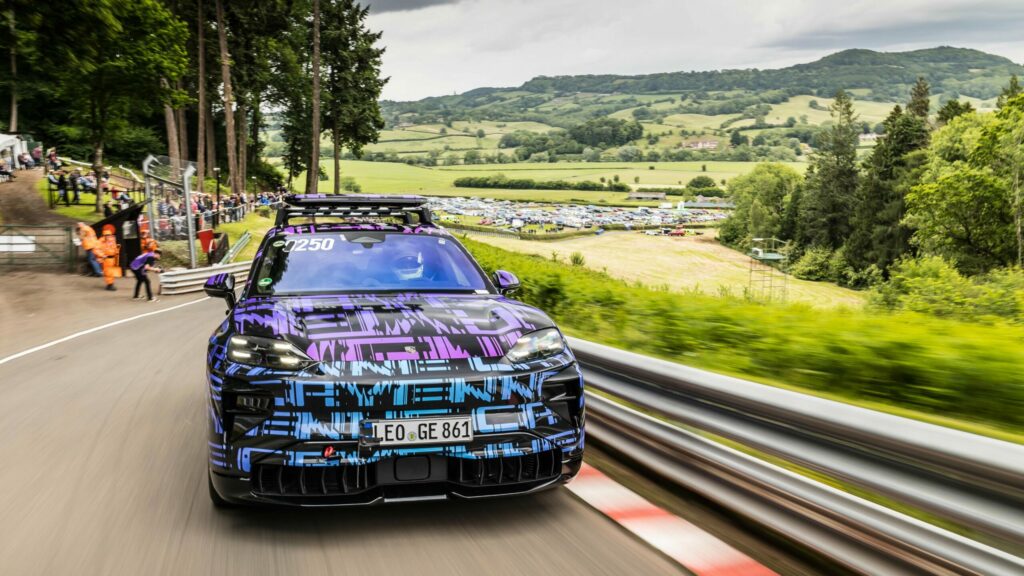
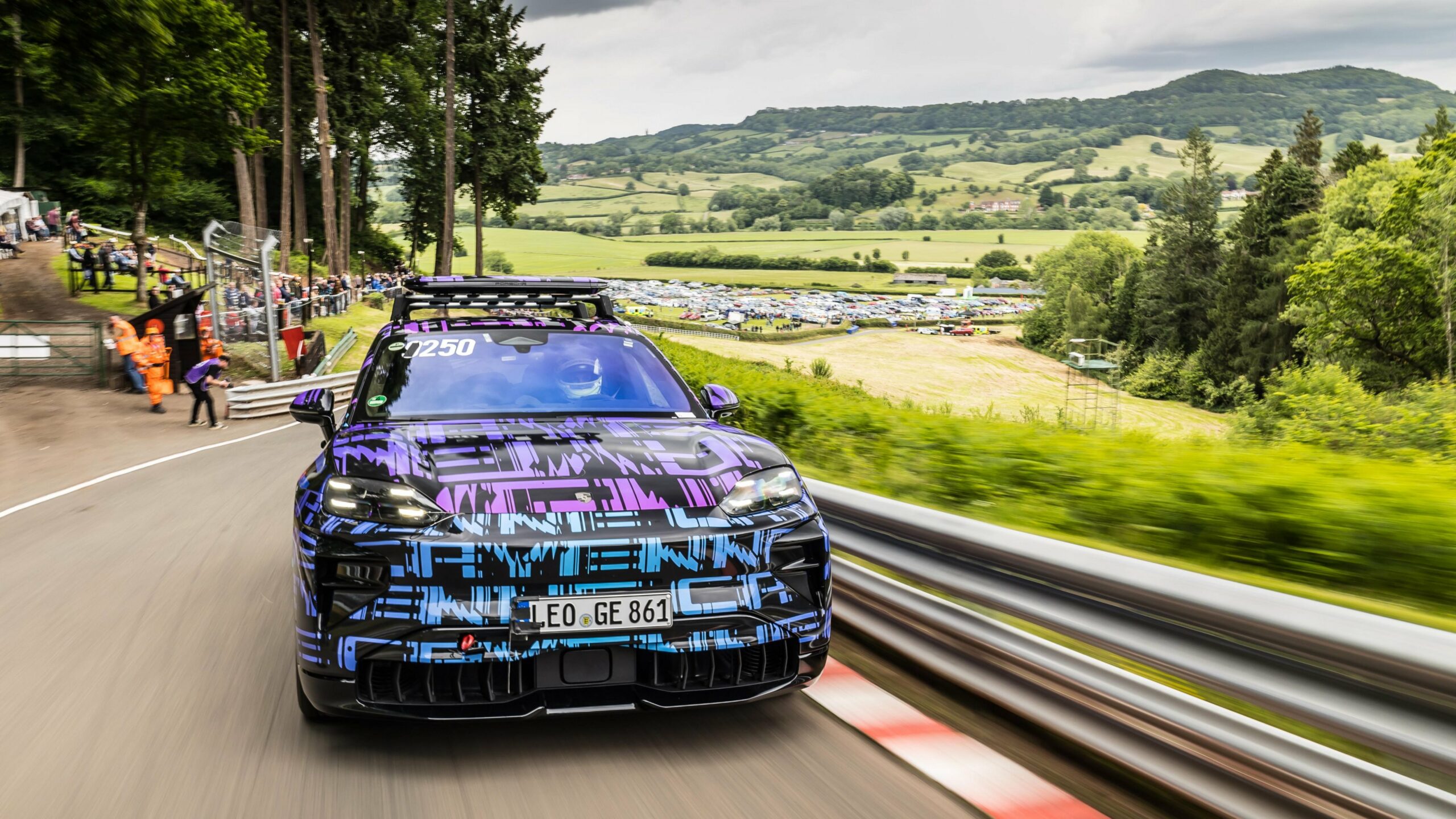
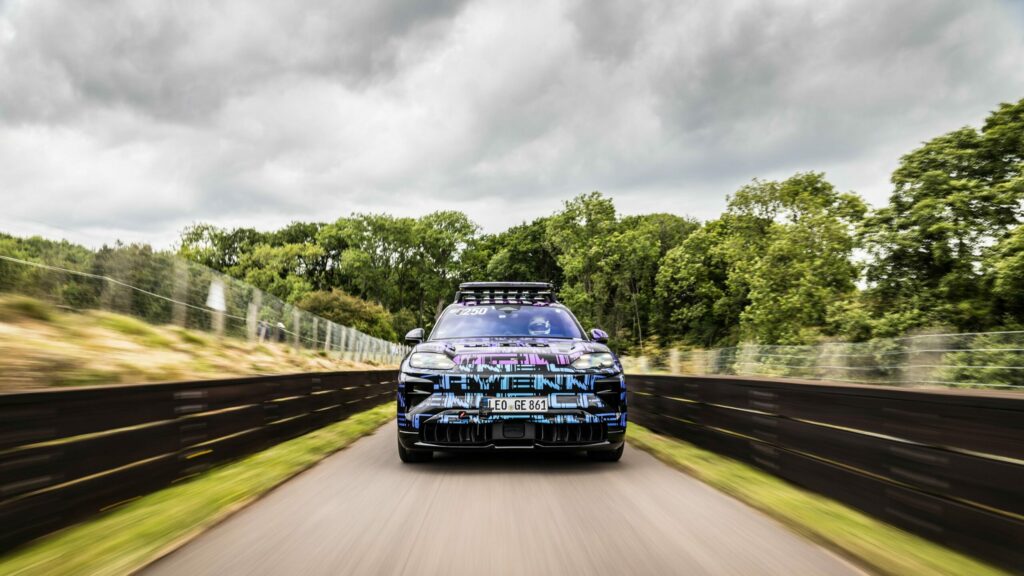
    The German manufacturer, whose move to electric vehicles has been acclaimed, particularly thanks to the highly successful Taycan, is planning to make a big splash with the 100% electric version of the SUV that saved the company’s best-seller, the aptly named Cayenne Electric. And with a highly-anticipated model comes exceptional teasing. Whatever the field, Porsche never does things by halves, and the same applies to the demonstrations of the Cayenne Electric, which made its first official laps of the track, still in its camouflage livery, at Shelsley Walsh. In the heart of Worcestershire, this is a hill climb of just under a kilometre, with gradients of up to 16.7%.

    cayenne record race Shelsley Walsh

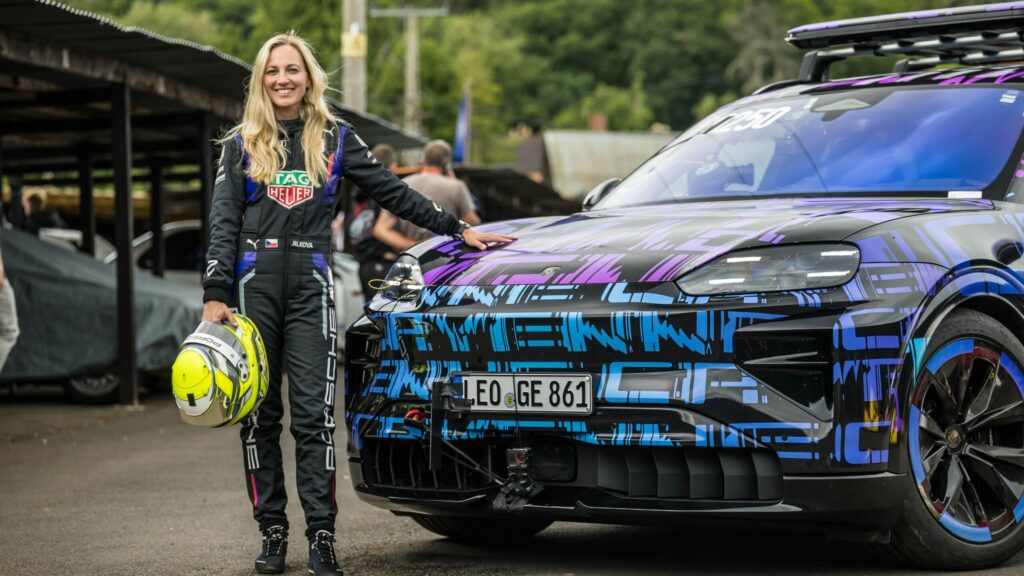
    Rough and technical, it’s an unforgiving course. Not that it scared Gabriela Jílková, development driver for the TAG Heuer Porsche Formula E Team, who set a time of 31.28 seconds on her first attempt, four seconds slower than the previous SUV category record. Terrifying. Even better, it reached the first checkpoint 18.3 metres away in 1.94 seconds, a time equivalent to that of some single-seaters. All this on summer tyres. To give you an idea, that’s like beating Usain Bolt over 100 metres wearing Converse.

    A new chassis for the Porsche Cayenne Electric

    According to Porsche, the number one asset of the Cayenne Electric is the Porsche Active Ride chassis adjustment system, a combination of an active suspension system and a completely redesigned chassis. It enables the car’s height and stability to be adjusted in real time. This can come in very handy during heavy braking, hard acceleration and sharp bends. All of which are particularly common at… Shelsley Walsh!

    Driver Gabriela Jílková is the one who said it best: ” The demanding course doesn’t allow for any mistakes. There’s no room for manoeuvre, so there’s very little room to manoeuvre. But the active chassis tuning gives the new Cayenne remarkable stability and unrivalled precision. It’s a car that allows you to pull out all the stops. A system that will not only be used on this camouflaged prototype, but will also be found on the production model.

    Gabriela Jílková Porsche driver

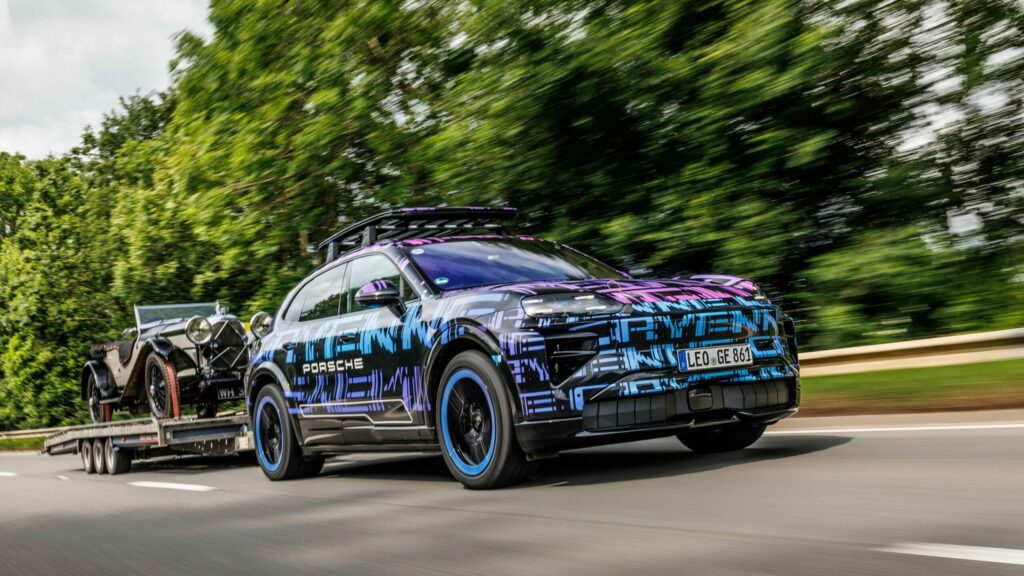
    But the Cayenne is an SUV and, as such, it has to be utilitarian (the ‘U’ in SUV). Richard Hammond, well known to fans of Top Gear, had the chance to drive the Porsche Cayenne Electric for a preview shoot. The subject? The transport of a classic vehicle weighing over two tonnes by… the Cayenne itself! This was an opportunity for Porsche to point out that its electric Cayenne will be capable of towing up to 3.5 tonnes!

    Electric performances and gala outfits

    While the Cayenne will continue to be offered in hybrid and combustion versions – at least until 2035 and the ban on the sale of new combustion-powered vehicles in the European Union? – Porsche claims that the electric version will achieve a level of performance never before seen in the range. And the man in charge of the Cayenne range himself, Michael Schätzle, tells us: ” We can only achieve the level of performance publicly demonstrated for the first time in the UK by fully exploiting the potential of electrification. The Cayenne Electric will set new standards in its segment, without compromising on comfort or practicality.

    And this is just the beginning. After making its mark at Shelsley Walsh, the Cayenne Electric is set to make another public appearance at the famous Goodwood Festival of Speed, from 10 to 13 July. The event promises to be a new media springboard for Porsche’s future flagship SUV, ahead of its official presentation expected in 2026.

    porsche cayenne electric suv

    Little or nothing is known about the Cayenne Electric, but with more than a year to go before its official launch, it is already making its mark. Highly anticipated, it promises to be one of the most complete electric SUVs on the market, honouring both the ‘S’ and the ‘U’ of Sports Utility Vehicle (SUV). It now remains to be seen whether it will live up to this promise, but its performance at Shelsley Walsh is already providing an indication… A fine piece of revenge, just a few weeks after Xiaomi broke its record at the Nürburgring.

    porsche cayenne electric
  • Xiaomi YU7: An electric SUV more ambitious than Tesla?

    Xiaomi YU7: An electric SUV more ambitious than Tesla?

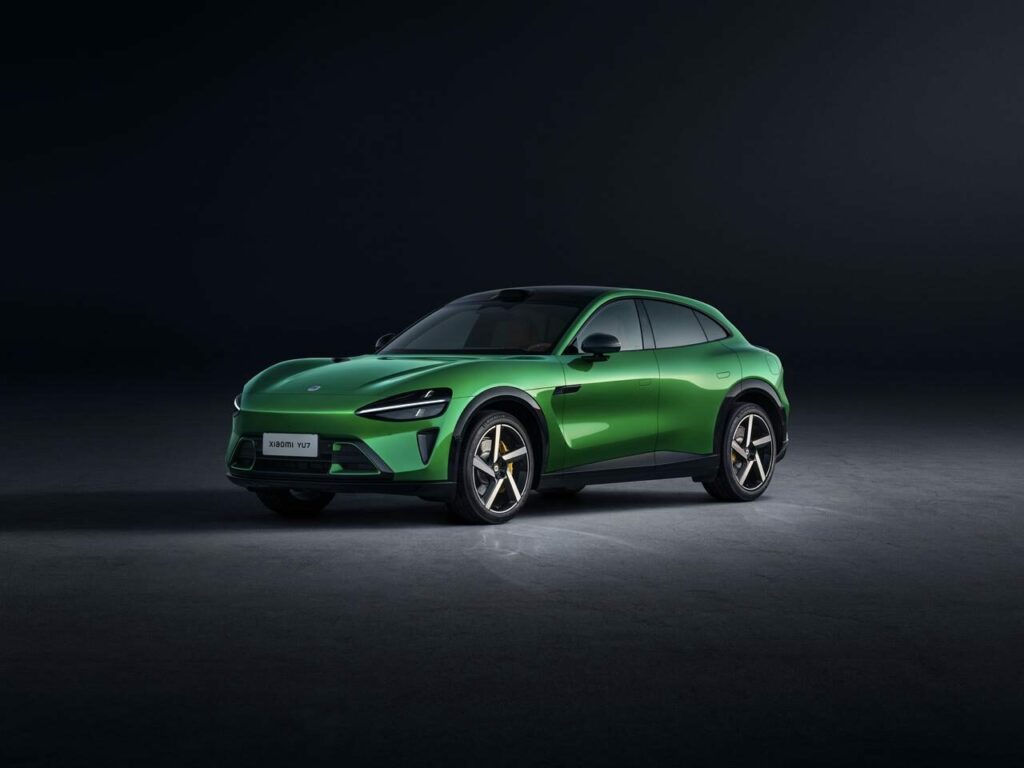
    Just a few months after setting a lap record on the Nürburgring circuit with the SU7 Ultra (in its class), Xiaomi is striking again in the electric car industry. On 2 July 2025, the Chinese brand is launching the Xiaomi YU7: a sporty electric SUV with the look of an Italian supercar, designed to dethrone the various Tesla and BYD models already well established on the market.

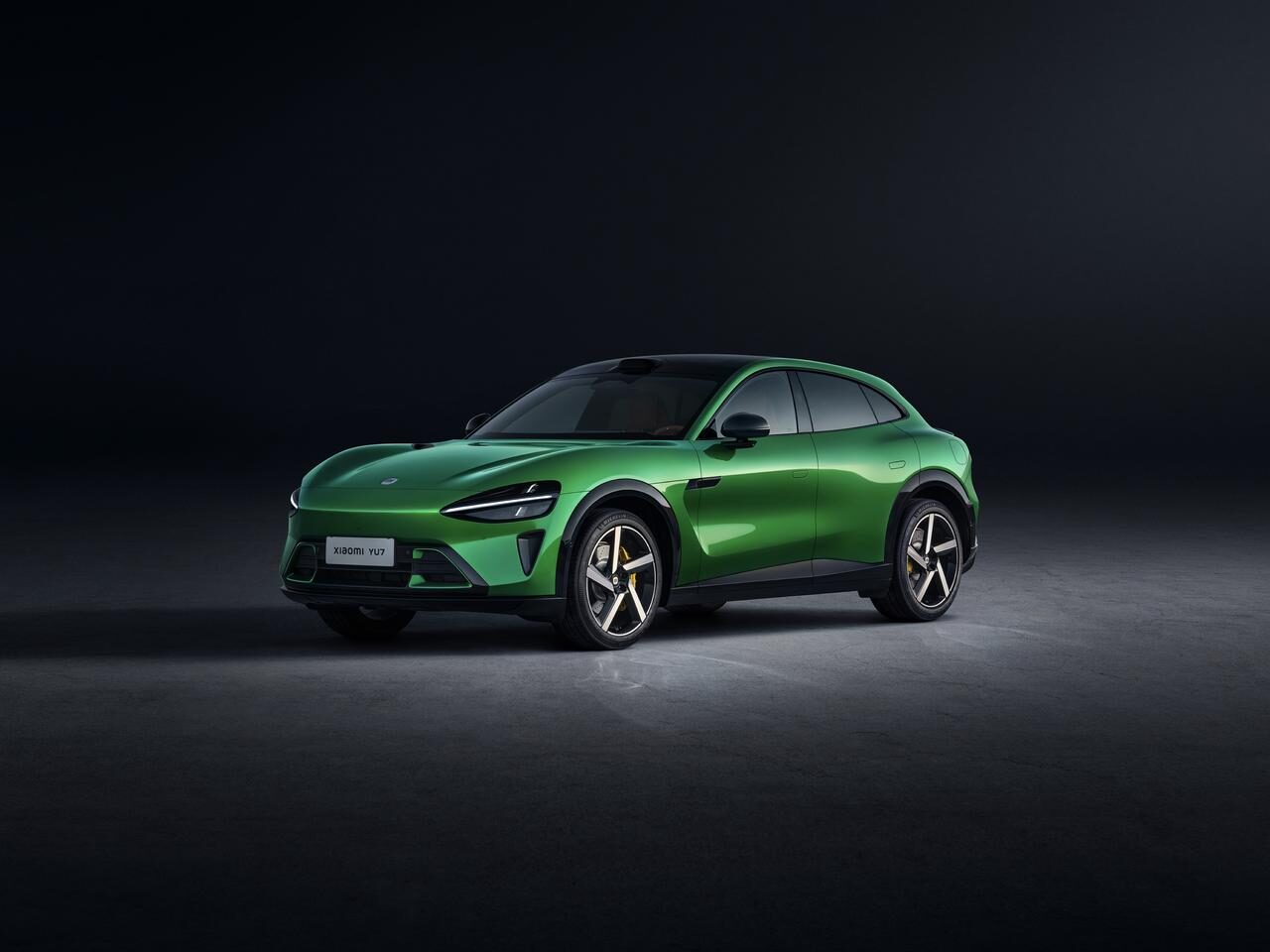
    Photo of the Xiaomi YU7, Xiaomi's sporty electric SUV in 2025
    Credit: XIAOMI

    The Xiaomi YU7 is an electric SUV with supercar-like performance… available in three versions: Standard, Pro and Max. The top of the range, Max, is powered by two 690hp engines, accelerates from 0 to 100km/h in 3.23 seconds and reaches a top speed of 253km/h. That’s impressive performance compared with the competition.

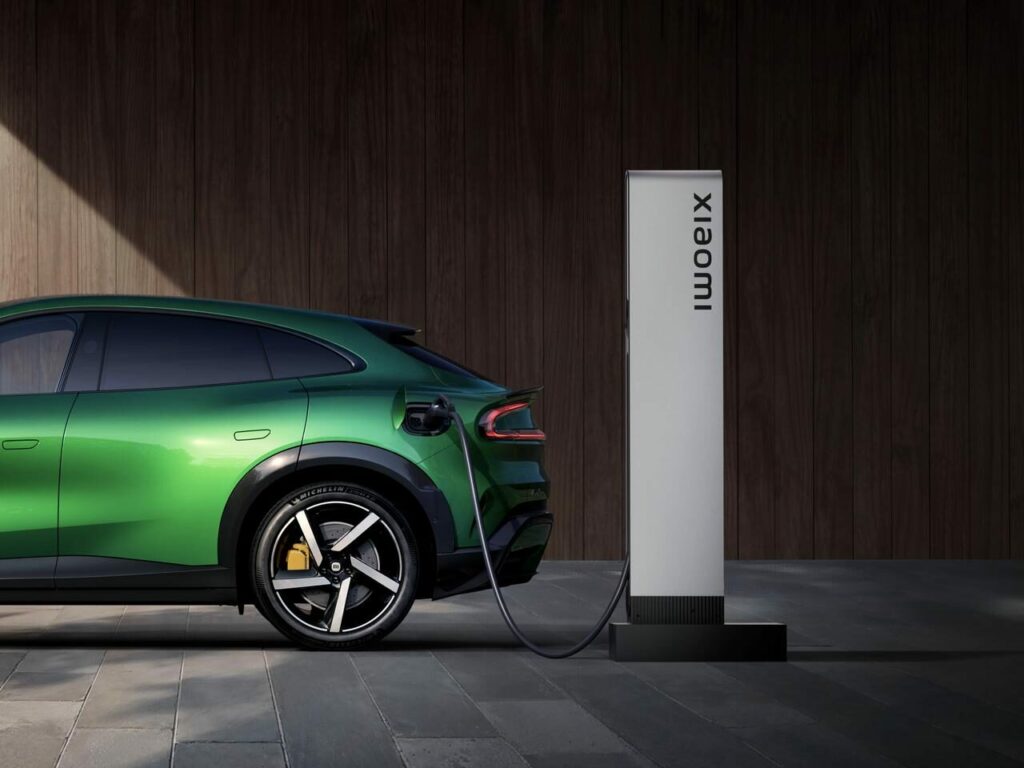
    When it comes to recharging, this Xiaomi SUV goes from 10% to 80% in just 12 minutes. As for maximum range, Xiaomi claims 760 km CLTC (remember that CLTC range is often optimistic: actual range is usually less).

    Technology and chassis

    The YU7 combines double wishbone suspension at the front, multi-link at the rear, and a continuous adaptive damping system (the dampers adapt to their environment in real time). On paper, all these high-tech elements ensure both comfort and sporty handling.

    The brakes, supplied by Brembo (with four pistons), allow braking from 100 to 0 km/h in just 33.9 metres, making the YU7 Max one of the most dynamic electric SUVs on the market.

    An aesthetic from elsewhere…

    In terms of design, the YU7 has curved front and rear wings, emphasising its muscular stance. The wheel arches are painted black, accentuating its high-slung silhouette and reinforcing the image of a premium SUV. The fluid lines of the bodywork evoke the elegance of Italian coupés, such as the Alfa Romeo Stelvio.

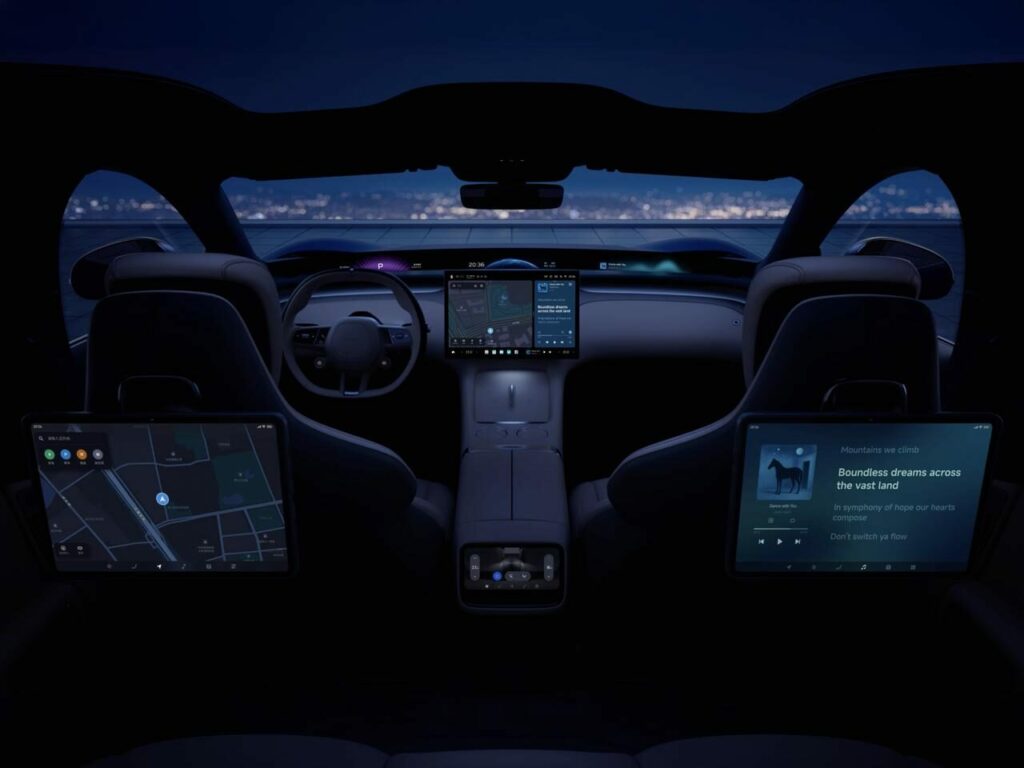
    Technological interior of the Xiaomi YU7 Max SUV
    Credit: XIAOMI

    But what struck the editors most were the numerous similarities with the Ferrari Purosangue, released in 2023. The front end has a very similar look, an almost identical light signature, and curves and flanks that border on copying. This resemblance is no accident: it bears witness to the enduring influence of the great European sports cars, which are now being imprinted on the visual identity that Xiaomi wants to adopt.

    Commercial ambitions?

    Xiaomi is aiming to replicate the success of its SU7 saloon, which has sold more than 258,000 units since March 2024. The Chinese manufacturer has announced an annual production capacity of 300,000 units at its Beijing plant. Xiaomi’s industrial ramp-up is designed both to meet growing demand and to tackle head-on the mid-range and premium segments, where Tesla’s Model Y and BYD’s various SUVs operate.

    The YU7 Max’s price positioning is also advantageous… Priced from €39,300, even in its most advanced version, Xiaomi’s SUV is less expensive than the entry-level model of its direct rival, the Tesla Model Y, priced at €44,990 excluding options. Xiaomi is targeting customers looking for a sporty, high-tech family SUV, without sacrificing a competitive price.

    Record orders and exceptional waiting times

    The Xiaomi YU7 confirmed its sales offensive as soon as bookings opened: 200,000 pre-orders in three minutes, 289,000 in an hour, then 240,000 confirmed orders in just 18 hours, well before reaching annual production capacity…

    Rear view of the Xiaomi YU7 with its supercar-inspired lines
    Credit: XIAOMI

    The rush for this family SUV led to unprecedented delivery times in the car industry: between 56 and 59 weeks for the Standard model and 37 to 40 weeks for the Max. These exorbitant delivery times have provoked a wave of complaints from customers who were not warned of the delay before paying the non-refundable deposit! (According to Reuters.)

    The results of the launch of the YU7 are clear: record orders and problems delivering to all its buyers… A pretty big constraint for a brand that, until 2021, was selling only phones and televisions…

  • Summer 100% electric: stress-free recharging on France’s motorways

    Summer 100% electric: stress-free recharging on France’s motorways

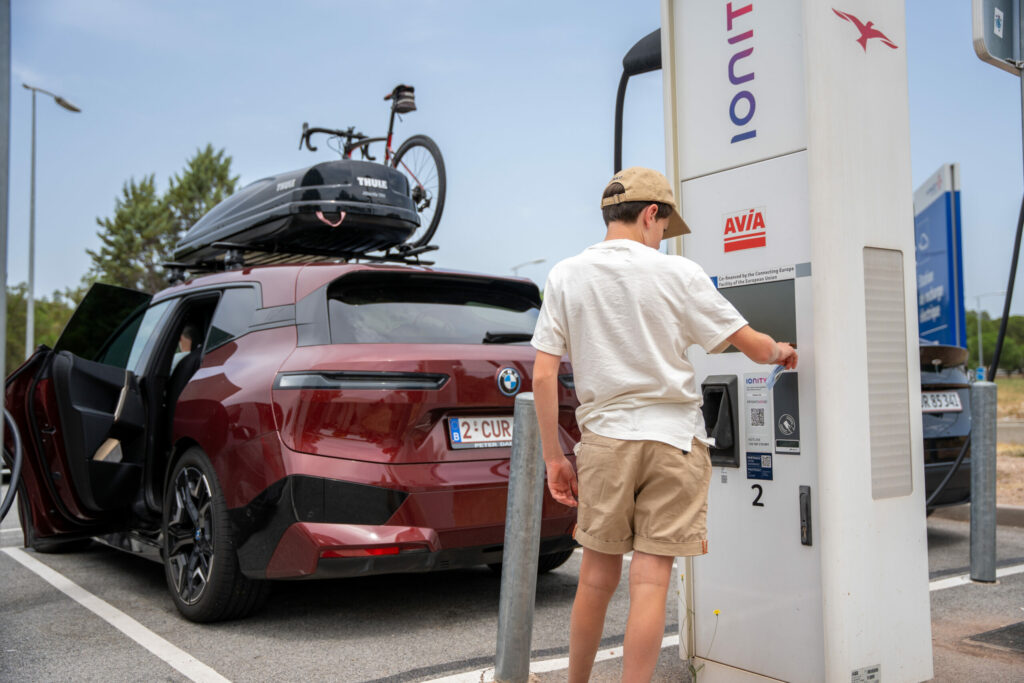
    Summer holidays are approaching, and for more and more motorists, they’ll be at the wheel of an electric vehicle. While the driving comfort and silence of an electric car may be appealing, one question remains: how do you manage recharging on the road when you’re on holiday? On French motorways, particularly those in the VINCI network, the infrastructure is ready. You just need to know how to deal with it. Here’s a practical article to help you travel with a clear head, with insights from Olivier Granier, Director of Commercial Installations at VINCI Autoroutes.

    Credit: Cyril Crespeau
    Credit: Cyril Crespeau


    A charging point every 80 km: a promise kept

    The good news is that recharging on the motorway is no longer a headache. On major routes such as the A7, A10, A61 and A75, among others, all service areas are now equipped with fast-charging stations. VINCI Autoroutes, which manages more than 4,400 km of the network, has already equipped 100% of its service areas, i.e. more than 300 recharging stations and 90% coverage of ultra-fast charging points.

    We have embarked on a vast programme of equipment from 2020, in partnership with the major operators in the sector, to respond to the increase in the number of electric vehicles, particularly during the summer period “, explains Olivier Granier. The objective that the French group had set itself has been achieved: to offer a station every 80 kilometres or less on the network, to guarantee peace of mind on long-distance journeys.

    A wide range of partners and a user experience at the heart of the system

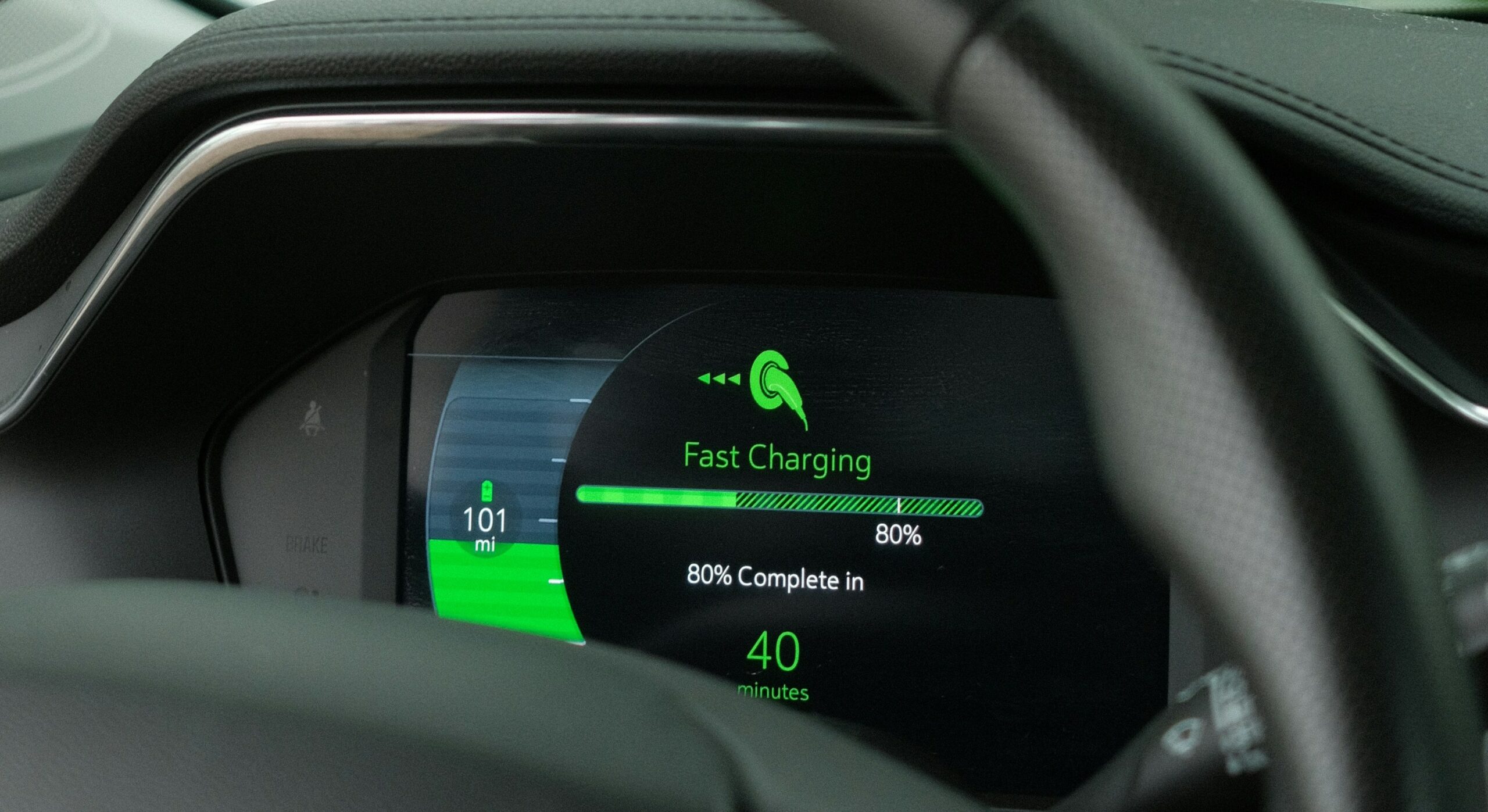
    The chargepoints installed generally recharge 80% of the battery in less than 30 minutes. Some stations offer up to 16 simultaneous charge points, and the diversity of operators present – Ionity, TotalEnergies, Fastned, Driveco, Tesla, etc. – ensures good interoperability, whatever the vehicle model.

    But technical performance is not the only concern of those involved in recharging: the user experience is even more important. To facilitate this transition and help EV drivers with the recharging process, VINCI Autoroutes has launched Operation Gilets Bleus, a summer initiative that mobilises its staff on the ground to help, inform and ensure the safety of drivers at service areas during major holiday periods.

    Credit: Jacques Wisdorff
    Credit: Jacques Wisdorff


    Simplified payment and digital tools to the rescue

    This convenience extends to payment, because today you don’t need to be an expert to recharge on the motorway. Most chargepoints accept payment by credit card or QR code. You can also use the operators’ mobile applications or multi-network badges such as Chargemap or Shell Recharge. In terms of digital services, the Ulys application developed by VINCI Autoroutes helps users on their journeys on French motorways. ” Our application allows drivers to locate charging points, check their availability in real time, and plan their itinerary to include recharging breaks ,” explains Olivier Granier.

    Anticipate to avoid peaks in visitor numbers

    During the summer, some service areas can be very busy, especially on Saturdays known as “black Saturdays”. VINCI Autoroutes is aware of this, and steps up its technical surveillance and maintenance operations at this time of year. ” We have put in place centralised supervision and teams mobilised 24 hours a day, particularly for major departures ,” says Olivier Granier.

    His advice to motorists: don’t wait until the last minute to recharge. So plan your stops in advance, recharge as soon as your range falls below 30%, and regularly check the status of charging points on specialist applications. It’s better to plan a stop at an area a little earlier in the journey than to risk waiting in the middle of the heat.

    VINCI AUTOROUTES; Ulys; Montpellier; Telepeage


    The motorway is ready, now it’s up to you to get organised

    The coverage of the network, the diversity of operators, the digital tools and the comfort offered at the rest areas make the electric car a credible option for holidays. The key is to plan ahead. Recharging should be incorporated into your journey as a useful and enjoyable break, rather than a constraint. This summer, go away connected, go away serene.

  • The 4 electric car engines you need to know

    The 4 electric car engines you need to know

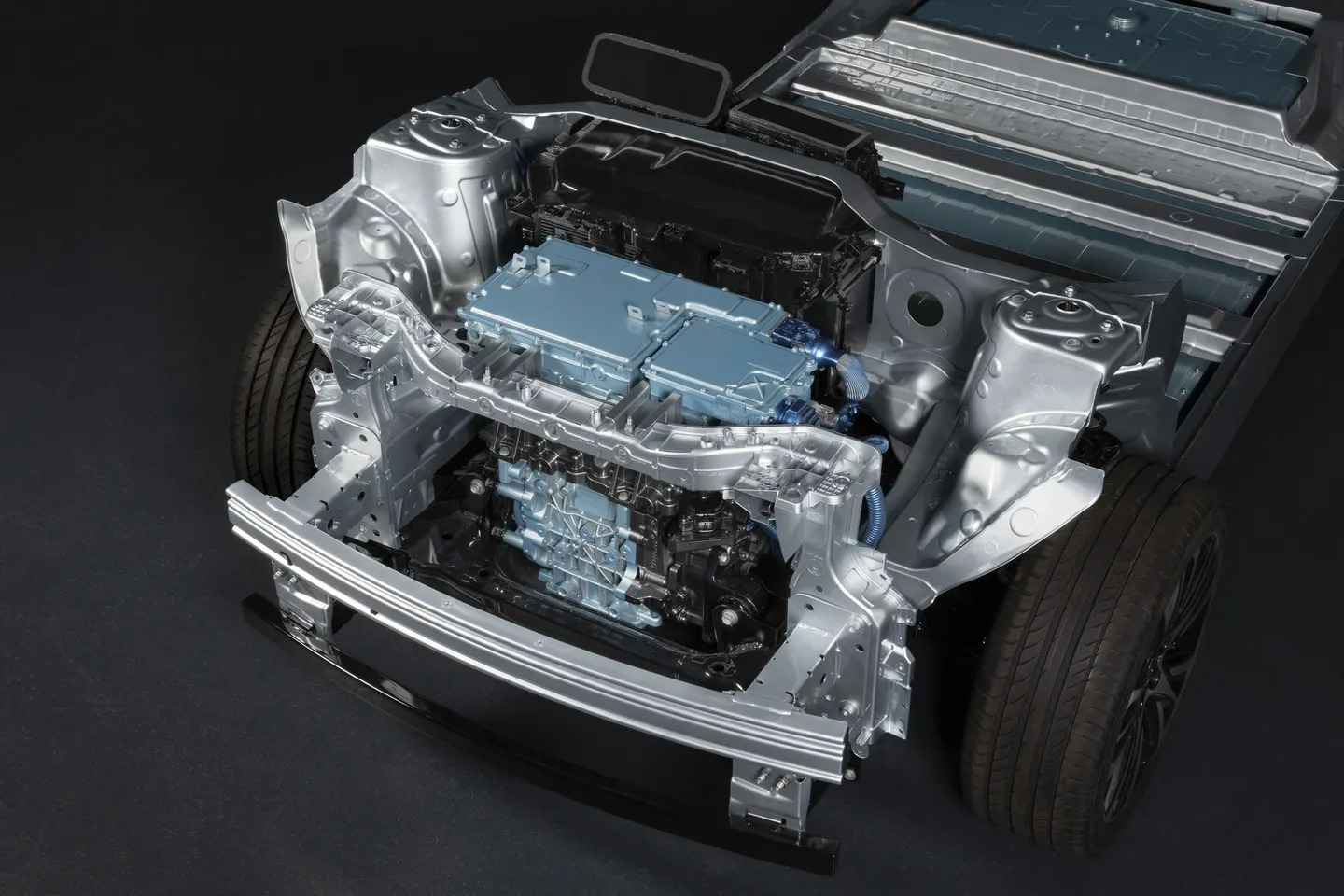
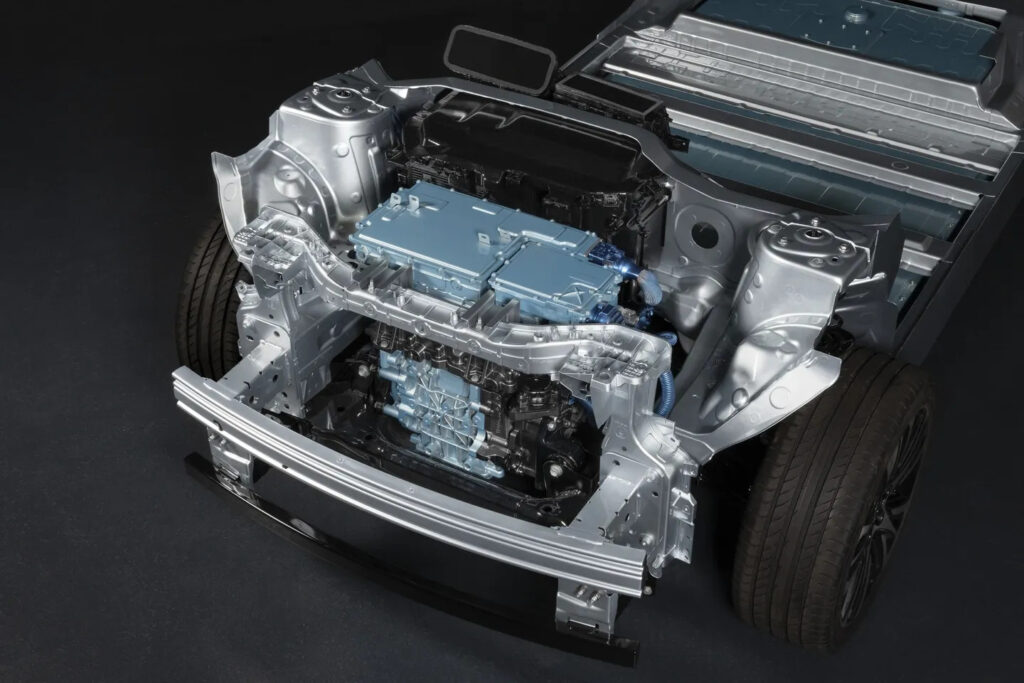
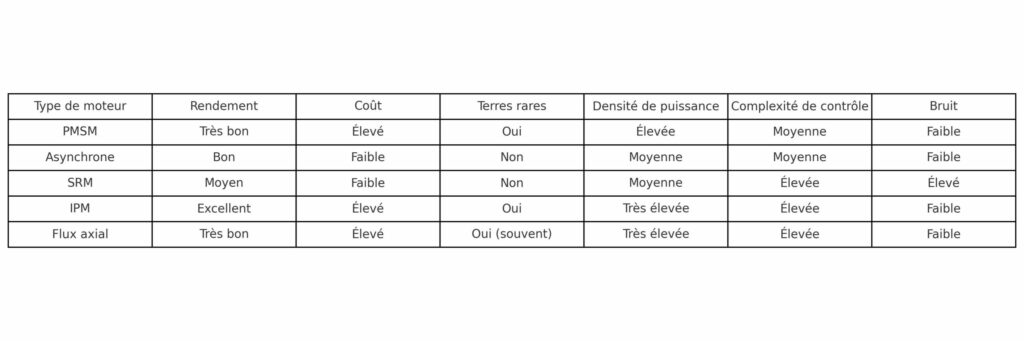
    Often relegated to the bottom of the specification sheet, electric car motors are of crucial importance in terms of economy, performance and industrialisation.

    When we talk about electric cars, the first thing we talk about is range. Unlike the world of internal combustion vehicles, where cylinders are omnipresent and sometimes more famous than the cars themselves, like the V12 Bizzarini and other ‘in-line sixes’, when it comes to watts, engines are generally relegated to the background and it sometimes seems as though there is only one type of engine for all electric cars. In fact, the opposite is true! Whether already produced on a large scale, present in niche models or still in the gestation stage, there are several types of electric car motor, of which the following are the main ones.

    electric car motors
    Credit: Renault Group

    Permanent magnet synchronous (PMSM) electric car motors

    Widely used in electric cars, the PMSM motor works thanks to magnets containing neodymium, a rare earth, which, placed in the rotor (the rotating part), rotate according to the magnetic field generated by the stator (the fixed part). It is highly efficient, with energy yields well in excess of 90%, making it ideally suited to the automotive industry. If we add to this the fact that it is very compact and fairly light, this makes it, despite its relatively high cost due to raw materials, the motor of choice for many well-known models such as the Nissan Leaf or the Toyota Prius hybrid.

    The asynchronous motor

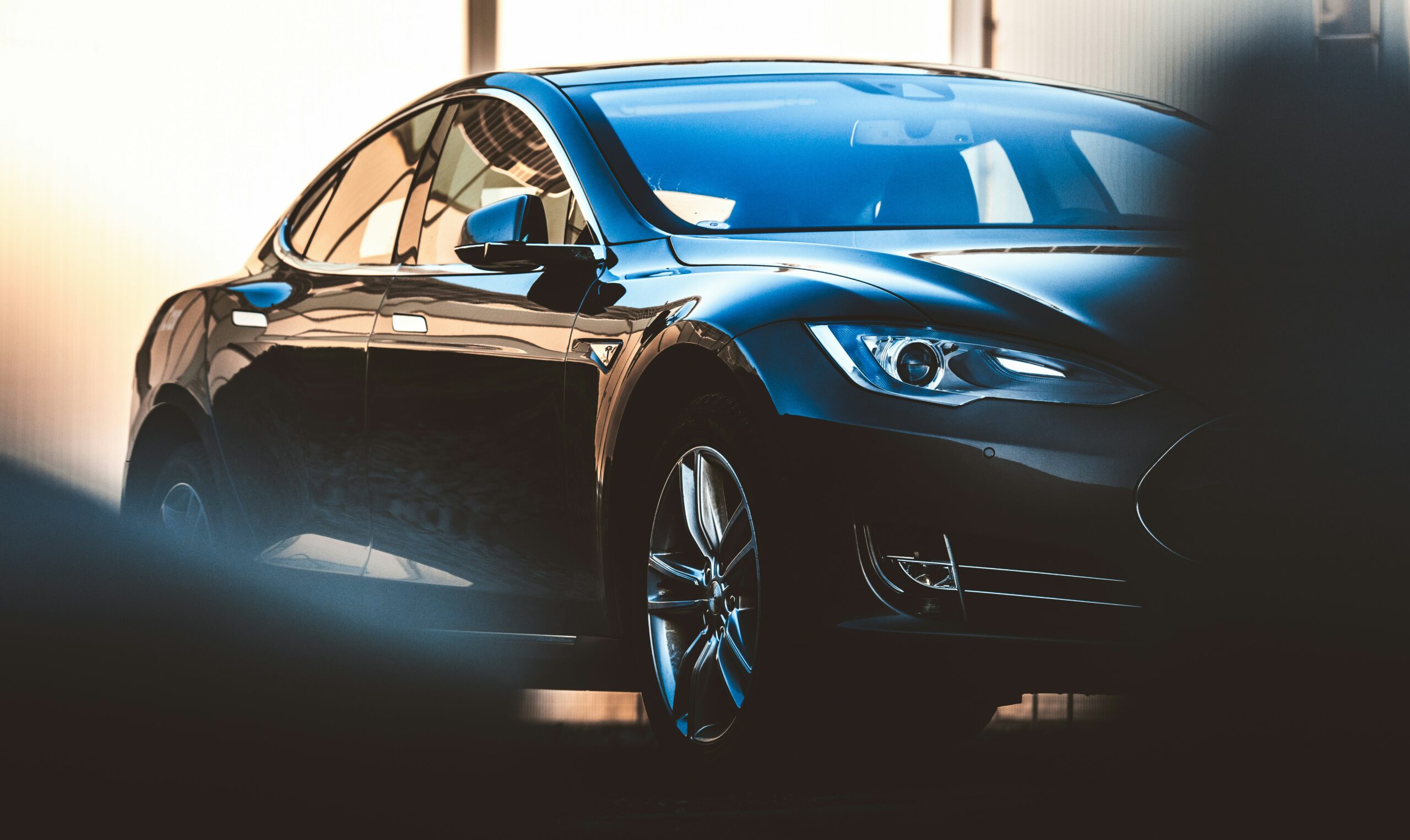
    Here, there are no magnets in the rotor. To put it very simply, the stator produces a magnetic field whose energy is transmitted to the rotor. The rotor in turn produces a magnetic field. The two fields, like a wrestler facing a boxer in an octagon, will then confront each other and make the rotor turn. Without permanent magnets, the induction motor is cheaper to produce than the PMSM. It is also more robust thanks to its simpler structure, and less sensitive to heat despite an average energy efficiency of just under 90%. Induction motors are found in Tesla Model S and X vehicles.

    The variable reluctance synchronous motor or SRM

    Here’s the SRM: no permanent magnets, no windings, no critical raw materials such as rare earths, just gears on the rotor and stator that create movement by aligning themselves. Inexpensive to manufacture, durable and capable of handling a lot of torque at low revs (ideal for an electric car). However, it is not very widespread and, for the moment, it is mainly the subject of research by start-ups. Why is this? For one thing, it’s noisier than its counterparts. But that’s not its only drawback. It’s also electronically controlled, which adds a whole host of data to integrate, making it complex to manage.

    Axial-flow electric car motors

    This is the motor that could well change the face of the world. Here, unlike in radial flux motors, the movement of the magnetic field is parallel to the axis of rotation. In other words, axial flux motors are flat and therefore more compact, while retaining their efficiency. This architecture also makes it easier to cool the motor, thereby increasing its performance. Today, these motors are still too expensive to manufacture for large-scale deployment, but manufacturers are nonetheless paying close attention to developments in this technology. The latest example is Mercedes’ acquisition of the British company YASA, which specialises in axial-flow engines.

    Summary :

  • Ecological bonus: changes from 1st July 2025

    Ecological bonus: changes from 1st July 2025

    Increased amounts, a new financing system and the maintenance of eligibility criteria: the ecological bonus will change from 1st July 2025. Without calling its existence into question, the government is modifying its architecture to make it more sustainable, without dipping further into the State budget. Here are the key points to remember.

    2025 environmental bonus: new funding and increased amounts
    Credit: Taneli Lahtinen

    A new source of funding: energy suppliers in the driving seat

    Since 1st July, the ecological bonus is no longer financed by the State, but via the Certificats d’Économies d’Énergie (CEE), a scheme requiring energy suppliers to contribute to the financing of the ecological transition.

    According to the French Ministry for Ecological Transition, the aim of this change is to ensure the long-term future of the scheme, while applying the “polluter pays” principle. The aim is also to relieve public finances while maintaining strong support for the electrification of the car fleet.

    Amounts revalued for all households

    The bonus is now more generous for all households, whatever their level of tax income. There is even a significant increase for the most affluent households, who will receive a level of assistance comparable to that in 2023.

    Reference tax income per unitBeforeSince 1st July 2025
    Low-income households (deciles 1 to 5)4 000 €4 200 €
    Middle classes (deciles 6 to 8)3 000 €4 200 €
    Affluent households (deciles 9 to 10)2 000 €3 100 €

    The aim of the increase is to widen access to electricity without making a sharp break with the old scales.

    Eligibility criteria unchanged

    The conditions for qualifying for the bonus remain unchanged. The vehicle must be 100% electric, cost less than €47,000 including tax, weigh less than 2.4 tonnes, and have a sufficiently high environmental score.

    This score still penalises models produced outside Europe, particularly Chinese electric cars. There are no plans to relax these criteria.

    A transitional period until 30 September

    Vehicles ordered before 1st July 2025 remain eligible for the old scheme if invoicing or the first rental takes place before 30 September.

    The aim of this measure is to avoid a “cut-off” effect for buyers and to avoid penalising delivery times. Dealers had been calling for this buffer period.

    Social leasing back in action this autumn

    Suspended at the beginning of 2025, social leasing will return in September. It will enable certain low-income households to lease an electric vehicle for less than €100 a month over a three-year period.

    This scheme, which has been relaunched alongside the new bonus, is designed to promote access to electric cars for households on limited incomes.

    Things to remember

    • The ecological bonus is now financed by energy suppliers via CEE.
    • The amounts are increasing for all households, including the most affluent.
    • The eligibility criteria remain unchanged.
    • A transitional period has been set aside to secure old orders until 30 September.
    • Social leasing makes a comeback in September for low-income households, until at least 2030.
  • France 2035: what will electric cars look like?

    France 2035: what will electric cars look like?

    As France prepares to ban the sale of new combustion-powered cars from 2035, the electric car is gradually establishing itself as the mainstay of tomorrow’s mobility.

    By 2035, as announced by the French Ministry of Ecological Transition, all new cars in France will be electric, because it will be forbidden to sell combustion-powered cars. In 10 years’ time, the face of France will have changed radically. More autonomous, more intelligent, more connected, the car of the future promises a major transformation in usage.

    Autonomy boosted tenfold by technology

    Fears about range, long considered to be the main obstacle to the adoption of electric cars, could be lifted in the next decade. A Blue Solutions gigafactory is planned in France to produce solid batteries with a range of up to 1,000 kilometres and recharge times of 20 minutes. These batteries, which have an energy density 30% to 40% greater than current lithium-ion cells, should be in large-scale production by 2030.

    In terms of infrastructure, France expects to see a marked acceleration: according to ADEME, more than 400,000 public charging points will be deployed by 2030, compared with around 120,000 today. In addition, players such as Renault and Stellantis believe that ultra-fast charging technologies will enable 80% of the battery to be recovered in less than ten minutes in the medium term.

    view paris car traffic france 2035 electric car
    Credit: Ante Samarzija

    Artificial intelligence at the wheel

    The real revolution is likely to come from on-board intelligence. According to a study published in March 2025 by European researchers, level 4 or 5 autonomous vehicles could account for a significant proportion of new vehicle registrations in Europe by 2035. These vehicles would be capable of travelling without human intervention under certain conditions, transforming the driving experience.

    In France, companies are already working on systems incorporating cameras, lidars and artificial intelligence capable of managing driving in complex urban environments. According to IFP Énergies Nouvelles, these systems will learn to anticipate road behaviour, adapt to the user’s driving style and optimise journeys in real time.

    France 2035, an electric car that’s always connected

    In 2035, the car will also be a mobile digital terminal. Thanks to 5G – or even 6G – networks, vehicles will be in constant communication with their environment: other cars, road infrastructure, the user’s home, etc. This connectivity will enable remote software updates, seamless interaction with connected objects in the home, and even the integration of voice assistants. This connectivity will enable remote software updates, seamless interaction with connected objects in the home, and the integration of ultra-personalised voice assistants.

    The Software République project, launched by Renault with Atos, Dassault Systèmes, STMicroelectronics and Thales, illustrates this trend towards a car that becomes a digital service: users will be able to manage their diary, calls, entertainment and even home automation from their dashboard.

    A technological… and social revolution

    But this revolution also poses human challenges. According to the France 2030 report presented by the government, major efforts will have to be made to support this transition: support for the purchase of electric vehicles, training in automated driving, and retraining for jobs in the automotive industry. The issue of digital inclusion and access to technology for all will also be at the heart of the debate.

    In ten years’ time, the car will no longer be a simple mechanical object. It will become an intelligent, connected space, integrated into our lifestyles and infrastructures. Provided that this development remains at the service of sustainable, accessible and equitable mobility.

  • 10 tips for consuming less in an electric car

    10 tips for consuming less in an electric car

    Like combustion-powered vehicles, electric cars consume more or less energy depending on how they are used. Here are a few tips on how to consume less and, incidentally, extend the life of your battery.

    Even though there are more and more recharging points available, battery range remains the main concern for electric car owners and those who are still hesitant to take the plunge. Even though this is usually an unfounded ‘anxiety’ (the average French person’s daily journey is no more than 50 km, so there’s nothing to stress about with the range offered by manufacturers), you shouldn’t play with fire either, and there are several ways of using electric cars more sparingly.

    Adopting eco-driving

    The way you drive has a significant impact on the fuel consumption of an electric car. So, driving gently, avoiding repetitive hard acceleration (tempting though it may be…) and hard braking, will already help to increase range. Anticipation is also one of the keys to avoiding the gauge running out too quickly. The sooner you start to slow down, the more you can avoid jerking, and the less strain you put on the battery. The same applies to braking, which can, in some cases, help to recover energy.

    Using regenerative braking

    This is one of the great advantages of electrified vehicles: regenerative braking is a way of recovering energy from the heat released by friction during braking. In town and downhill, it’s the ideal way to save energy.

    Controlling your speed

    On the main roads, where you drive faster, speed increases air resistance and, in response, the car consumes more electricity. Sometimes, reducing your speed slightly, by preferring to drive at 110 km/h rather than 130 km/h, allows you to gain range without losing too much time on arrival.

    Check tyre pressure

    Apart from the fact that tyres are the most sensitive point on an electric car, it’s not just wear that needs to be monitored. Under-inflated tyres increase rolling resistance and therefore fuel consumption, so you need to check the pressure at least once a month. This is all the more important in winter, when the cold naturally lowers tyre pressure.

    Credit: Robert Laursoo

    Dosing air conditioning and heating

    The switch from internal combustion to electrification does not change the fact that heating and air conditioning have an influence on fuel consumption. A study by Dr Doyle and Dr Muneer of Edinburgh Napier University showed that an electric vehicle can lose up to 30% of its range when the heating is switched on. But it is possible to reduce this impact by using only the steering wheel and heated seats, which consume less fuel. The same applies to air conditioning: it is possible to ventilate in a more targeted way and thus avoid losses.

    Lightening your car

    It’s no secret that the heavier a car is, the more energy it consumes. So we regularly sort out the boot – it’s often bigger on electric cars and that can encourage us to leave things lying around – and, above all, we pay attention to the accessories. Leaving the roof bars in between uses, while practical, not only increases wind resistance but also adds weight, which again means unnecessary energy consumption.

    Using the “Eco” mode

    Most electric cars are equipped with an “Eco” driving mode that limits engine power, regulates air conditioning and softens acceleration. This mode can save up to 15% range, particularly in town or on daily journeys.

    Credit: Mathis Miroux

    Planning your journeys

    The built-in GPS systems in some cars and certain specialist applications make it possible to plan a route based on the charging points, of course, but also on the terrain, traffic and temperature – all factors that influence fuel consumption.

    Monitor your habits

    The on-board computer or dedicated manufacturer applications are capable of reconstructing the driver’s habits and giving advice on how to drive more efficiently, thereby reducing fuel consumption.

    Intelligent recharging

    A battery in good condition also consumes less power. And to preserve your battery, the ideal is to charge your car to between 20% and 80% of its capacity. This maintains the battery’s health over the long term and reduces energy losses associated with 100% charging.

  • “Total autonomy will never exist” Luc Julia, Chief Scientific Officer at Renault

    “Total autonomy will never exist” Luc Julia, Chief Scientific Officer at Renault

    Luc Julia, an artificial intelligence (AI) engineer, has been working in this field for over 40 years, 32 of them spent in Silicon Valley.

    As Chief Scientific Officer at Renault, Luc Julia is putting his expertise at the service of the company’s digital transformation, integrating AI at all levels of production and in vehicles. In this interview, he shares his vision of AI in the automotive industry, its impact on electromobility, its safety challenges and its prospects for the future.

    “Artificial intelligence is a tool, we’re the ones holding the stick”.

    How is AI transforming Renault today, both in production and in vehicles?
    Luc Julia : At Renault, my role as Chief Scientific Officer is to put AI into practice throughout the company. Obviously, this applies to cars, with clear objectives: to improve safety, reduce accidents and make vehicles more intuitive and more pleasant to use. But beyond cars, we are integrating AI into factories and other areas of the company. This means that teams, whether they are workers or office staff, can work more efficiently using these new technologies.

    Is AI a reliable tool for improving cyber security, particularly in the automotive sector?
    Luc Julia:
    Cyber security is a race. AI plays a key role. On the one hand, it helps us to detect and correct errors, but on the other, it can also be used by malicious actors to bypass our defences. The important thing is to understand these tools and not to panic. AI needs to be used with discernment, just as it can be an asset in detecting threats. It’s a race in which you have to be constantly vigilant.

    Vehicle autonomy: how do you see the future of autonomous cars?
    Luc Julia: I think that total autonomy for vehicles (level 5) will never happen. I don’t think it’s realistic. However, cars are becoming increasingly autonomous in specific contexts. They can see better than we can, brake more effectively, and are capable of performing many tasks better than humans in particular conditions. Nevertheless, human assistance will still be necessary, even in a future where cars are largely autonomous. Partial autonomy is a positive development, particularly in terms of enhancing safety and improving the driving experience.

    luc julia artificial intelligence
    Credit: Yves Forestier

    How do you see the automotive industry evolving over the next 5 to 10 years?
    Luc Julia: Cars will become safer and safer, and we will be able to enjoy a more comfortable and connected environment. One of the major developments will be the possibility of doing something other than driving, thanks to connectivity and AI technologies. Autonomous cars, even if only partially, will open up new possibilities, and innovative services will be offered on board, transforming the way we interact with our vehicles.

    “I don’t support the use of fossil fuels.

    Can AI be considered a gadget or is it already a real asset in modern vehicles?
    Luc Julia: There are technologies that are absolutely not gadgets. Driving aids, which have been around for over 10 years, have proved that they save lives. Entertainment systems also provide valuable services. They are not gadgets, but essential features that make driving more enjoyable and safer.

    What do you think of the idea of harmonising technological innovation with digital restraint in connected cars?
    Luc Julia: One of the good things for vehicles is that many technologies are handled locally, directly in the car. This makes them more economical in terms of energy consumption, because not everything goes through the cloud. This is an advantage over systems based on remote servers, which consume a lot of energy. There are also opportunities for cars to generate their own energy, for example via solar panels or through braking, making them even more autonomous and sustainable.

    And personally, do you use an electric car?
    Luc Julia: Yes, I’ve been driving electric cars for over 10 years in the United States. What I particularly like is the acceleration, which is a real pleasure, even if I’m careful. And then there’s the convenience of not having to go to the petrol pump. The fact that you can recharge your car at home really makes life easier, especially here in the United States where the infrastructure is fairly well developed. I wouldn’t go back to internal combustion for these two reasons, and I don’t support the use of fossil fuels.

  • Electric scooters and motorbikes: between green dreams and practical problems

    Electric scooters and motorbikes: between green dreams and practical problems

    Like the car industry, the motorbike industry needs to reinvent itself before 2035. Electric scooters and motorbikes are gradually making their way into our towns and cities, appealing as much to city dwellers concerned about their carbon footprint as to enthusiasts of new technologies. But before taking the plunge, consumers need to ask themselves a number of crucial questions…

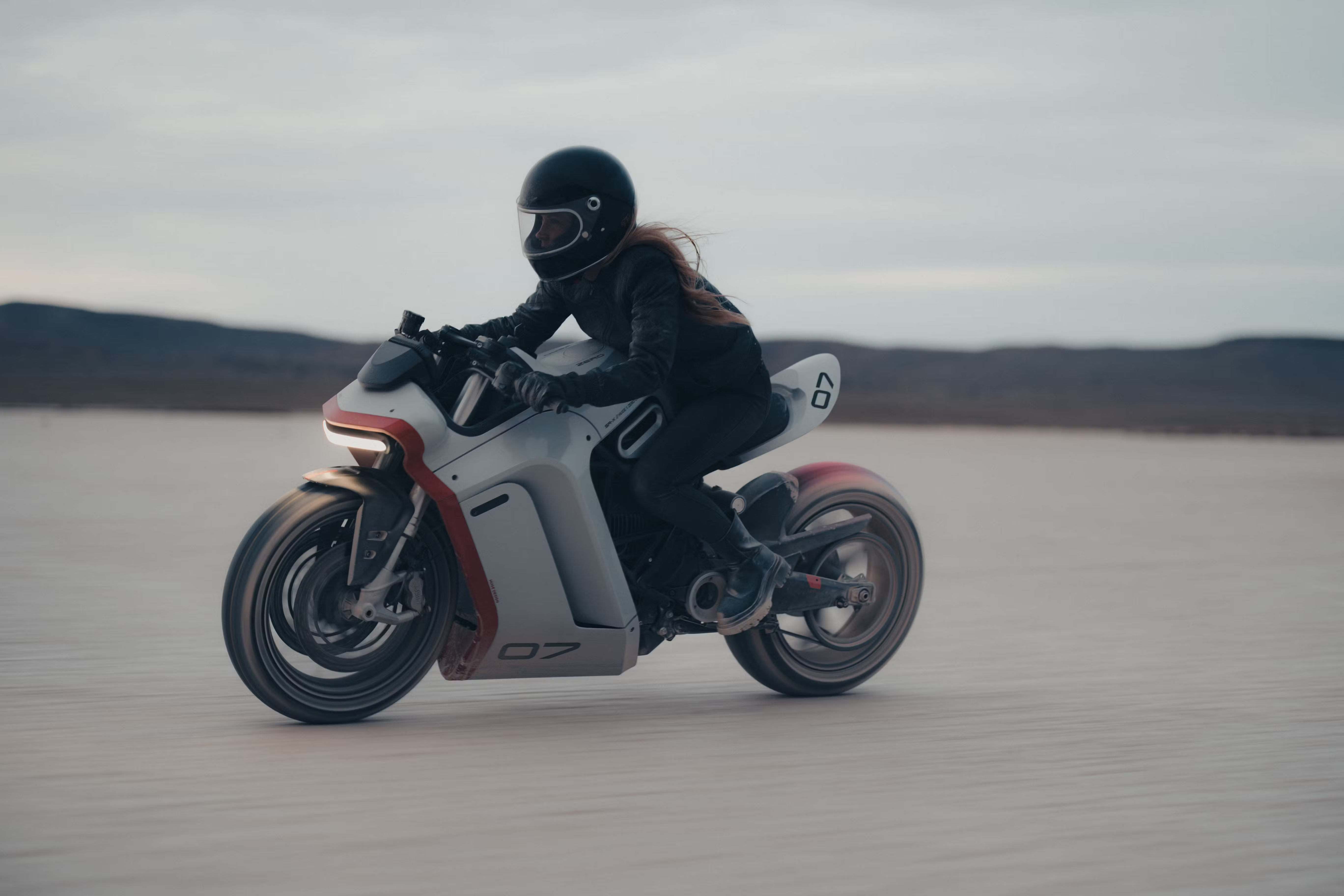
    Credit: Zero Motor Cycles

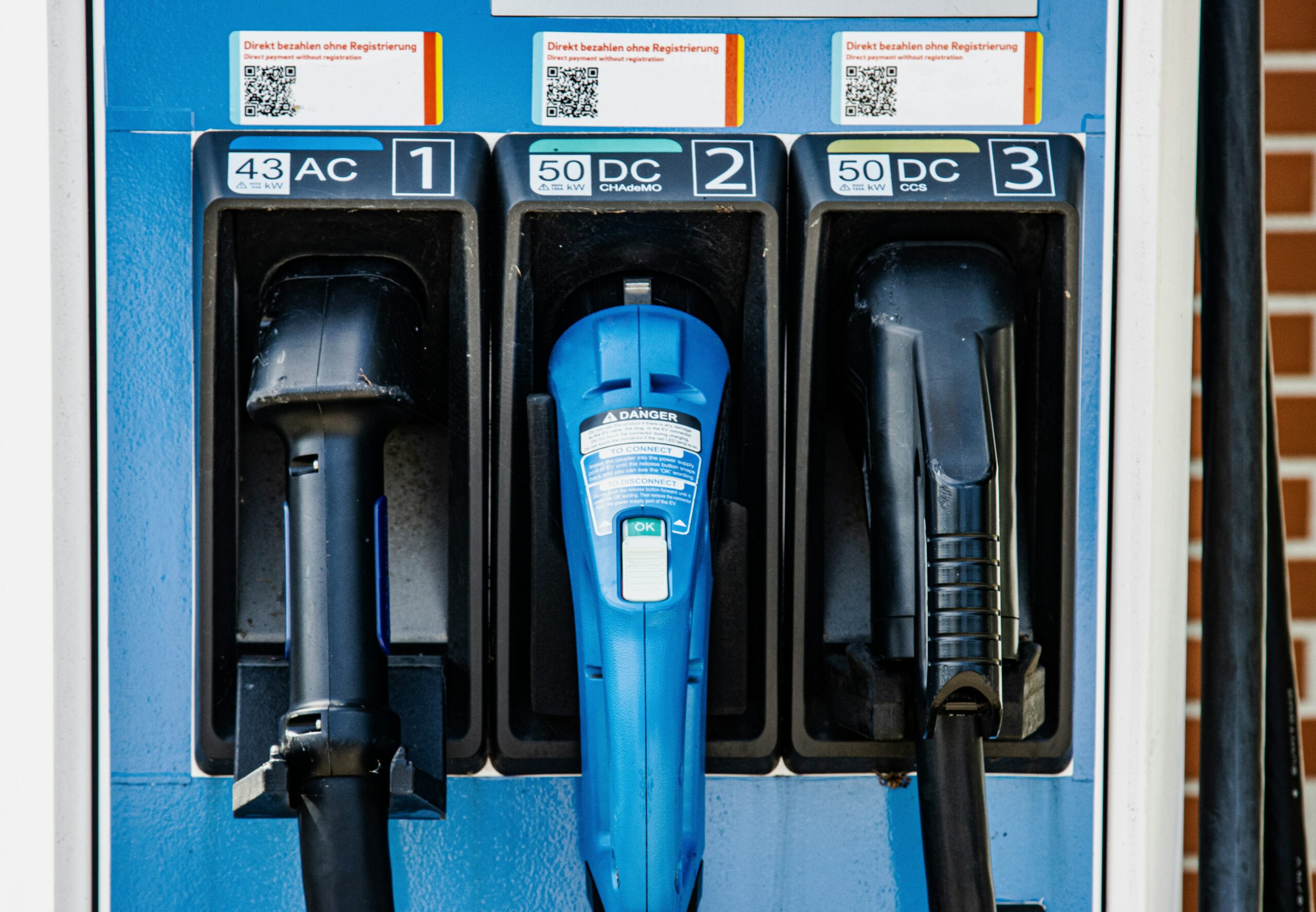
    Given the small size of the battery, will it last long enough to get you from home to work? Where, when and how do you recharge? Are you eligible for government subsidies? Are the charging points different from those for electric cars? And many more besides… All these (legitimate) questions are concerns that put the brakes on the purchase of an electric scooter or motorbike.

    Basile Delaruelle, a Parisian student and owner of an electric scooter, experiences this on a daily basis: ” I can make a round trip between my home and my school, but really not much more… On the second return journey, i.e. once I’ve covered around twenty kilometres, I often find myself below 20%, and the scooter automatically slows down “. This weariness is well reflected in the market for these two-wheelers over the past two years…

    To put this into context, over the period 2019-2022, the market is seeing a significant increase in sales, due to several factors:

    ● The growing restrictions of the ZFEs (Low Emission Zones),

    ● Government subsidies for the purchase of electric scooters,

    ● The boom in home deliveries (mainly during the COVID-19 period, with Deliveroo, UberEats, etc.).

    All these changes have pushed companies and individuals alike to seize the opportunity of this EV. The result: in 2022, 50,992 registrations in France, representing a market that is 71.1% up on 2021 (according to the Solly Azar – AAA Data Observatory).

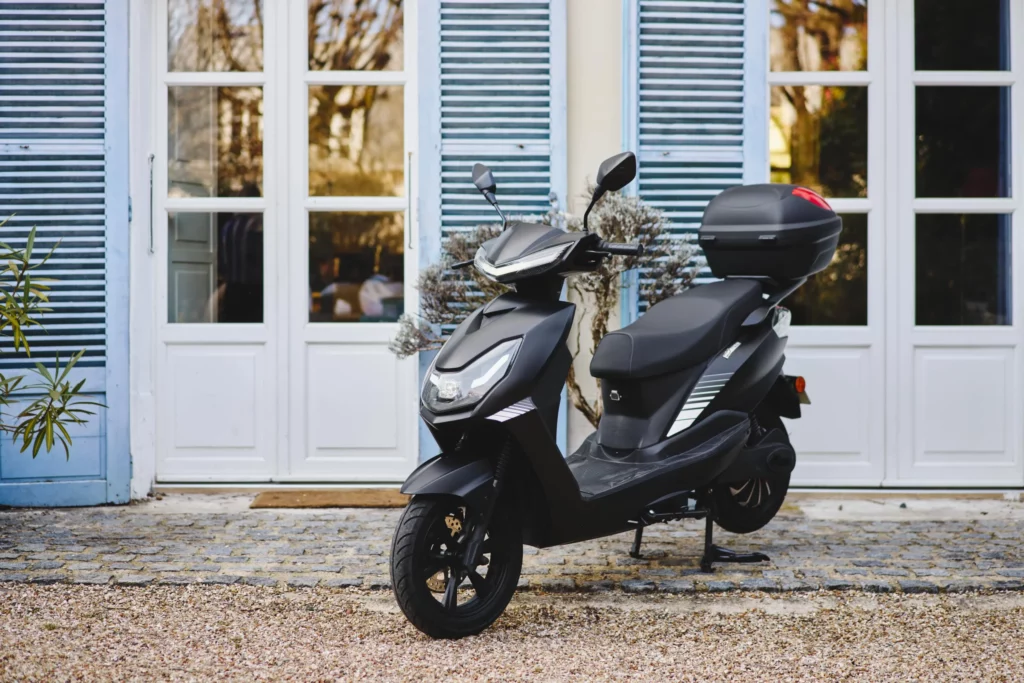
    Credit: Pink Mobility

    However, since 2023, the trend has been reversed… This year, the market for electric two-wheelers has fallen by 16%. And this trend has not improved since…

    A number of factors are holding back the adoption of EVs by users. Two-wheelers are coming up against an increasing number of much more flexible alternatives. Electrically-assisted bicycles and scooters, for example, do not require a licence, so the target audience is much wider. Basile confirms the practical complexity of this EV: “ On my electric scooter, I have to take the battery apart every evening to recharge it at home. It’s a real hassle, especially if you don’t have a garage. What’s more, these batteries are relatively portable: ” They’re heavy… When you’re on the move all day, carrying your battery around under your arm isn’t really practical.

    However, with ecological constraints, anti-pollution regulations and rising fuel prices, by 2025 electric scooters are an imperative choice, but one that needs to be carefully negotiated. However, even if it’s a good deal, it’s still essential to find out exactly what you need and what your budget is before buying an electric scooter or motorbike…

    Which licence for which vehicle?

    For thermal two-wheelers, the rule was quite simple:

    ● 50CC engine = AM licence (former BSR)

    ● 125CC engine = A1 licence (or “125 licence”) or B licence + “125 training”.

    ● +125CC engine (and more powerful) : A licence

    With the arrival of electric scooters, motorbikes and maxi-scoots, the concept of engine capacity is changing:

    50CC equivalent: scooters with a power rating of around 4 kW, max speed 45 km/h (Accessible with AM / BSR licence)

    125CC equivalent: scooters with a power rating of between 4 kW and 11 kW, capable of speeds in excess of 45 km/h (Accessible with A1 licence or Permis B + “Formation 125”)

    Maxi-scooters and electric motorbikes (power between 11 kW and 35 kW): Requires an A2 licence, accessible from the age of 18, with a theory and practical test.

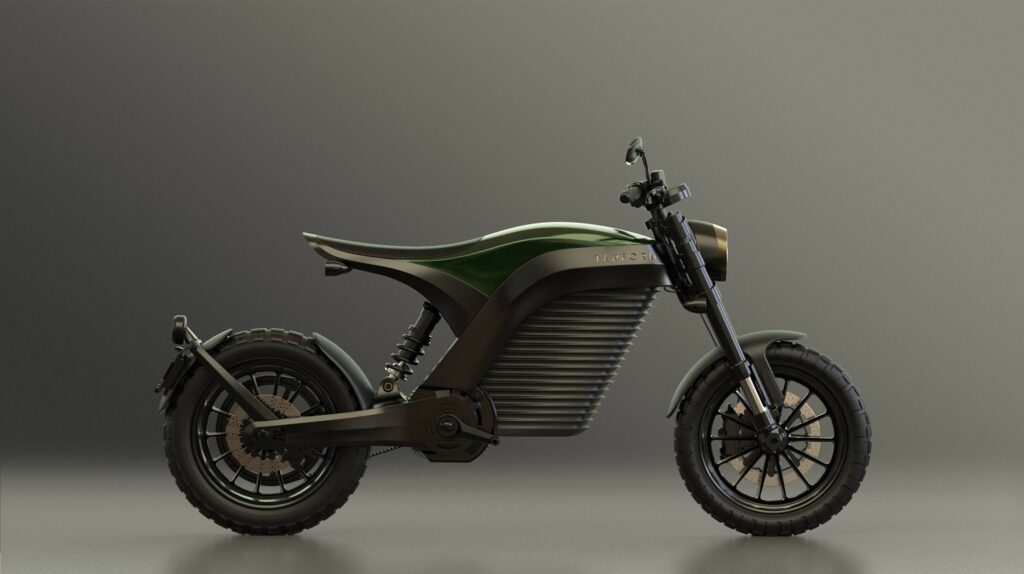
    Credit: Tarform Motor Cylce


    Ultra-efficient models, a category ≥ 35 kW

    Some 100% electric maxi-scooters, like the BMW CE-04, have very specific ambitions. In 2014, BMW launched its ‘C-Evolution’ range with a clear objective: to compete with market benchmarks such as Yamaha’s T-Max and Honda’s Forza, which are widely acclaimed for their sportsbike-like performance.

    To offset this decline in the electric two-wheeler market, some companies, such as Zero Motorcycles, are slashing prices on certain models. You can expect discounts of up to €6,000, depending on the model and year of manufacture. The discounts apply to the whole range, from the 125 CC equivalent to the most powerful models.

    The aim is to make these motorbikes more accessible, attract more people and help the market move towards electric two-wheelers.

    At a time when cities are looking to move away from internal combustion, these EVs represent credible alternatives. But the choice needs to mature, between technical constraints and financial incentives.