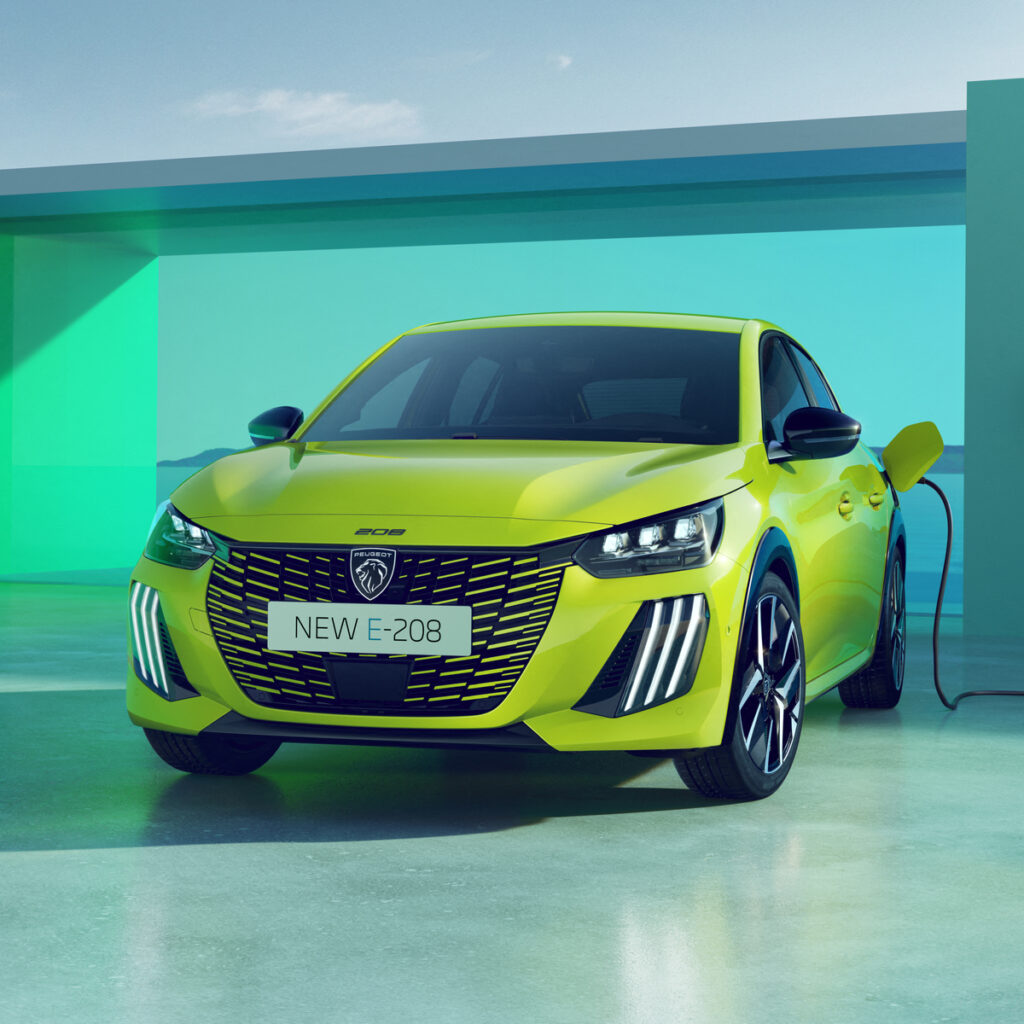
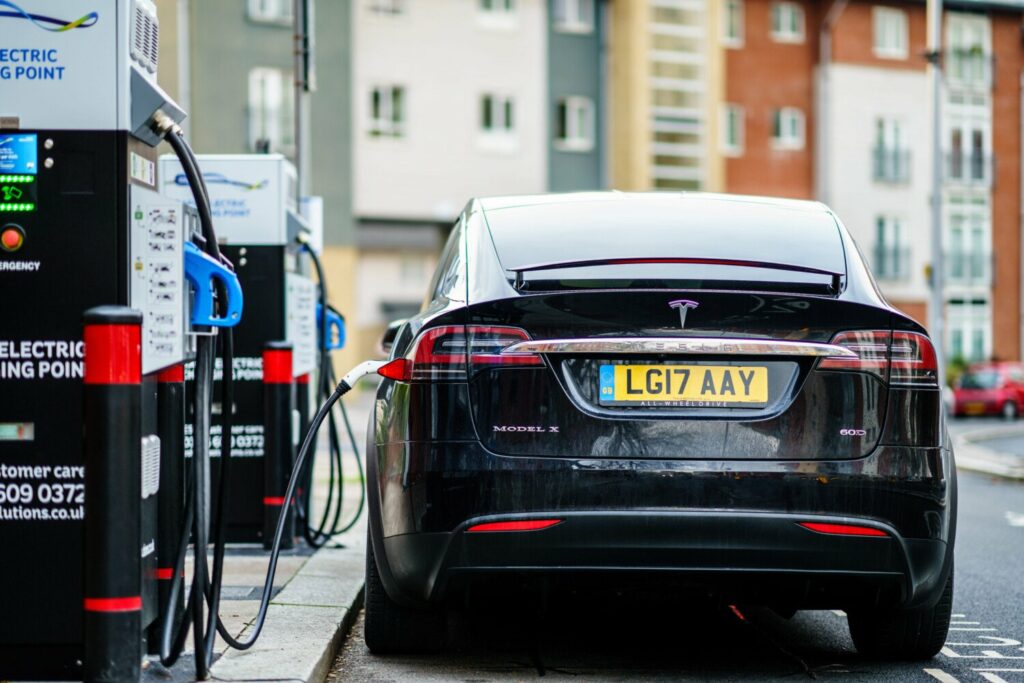
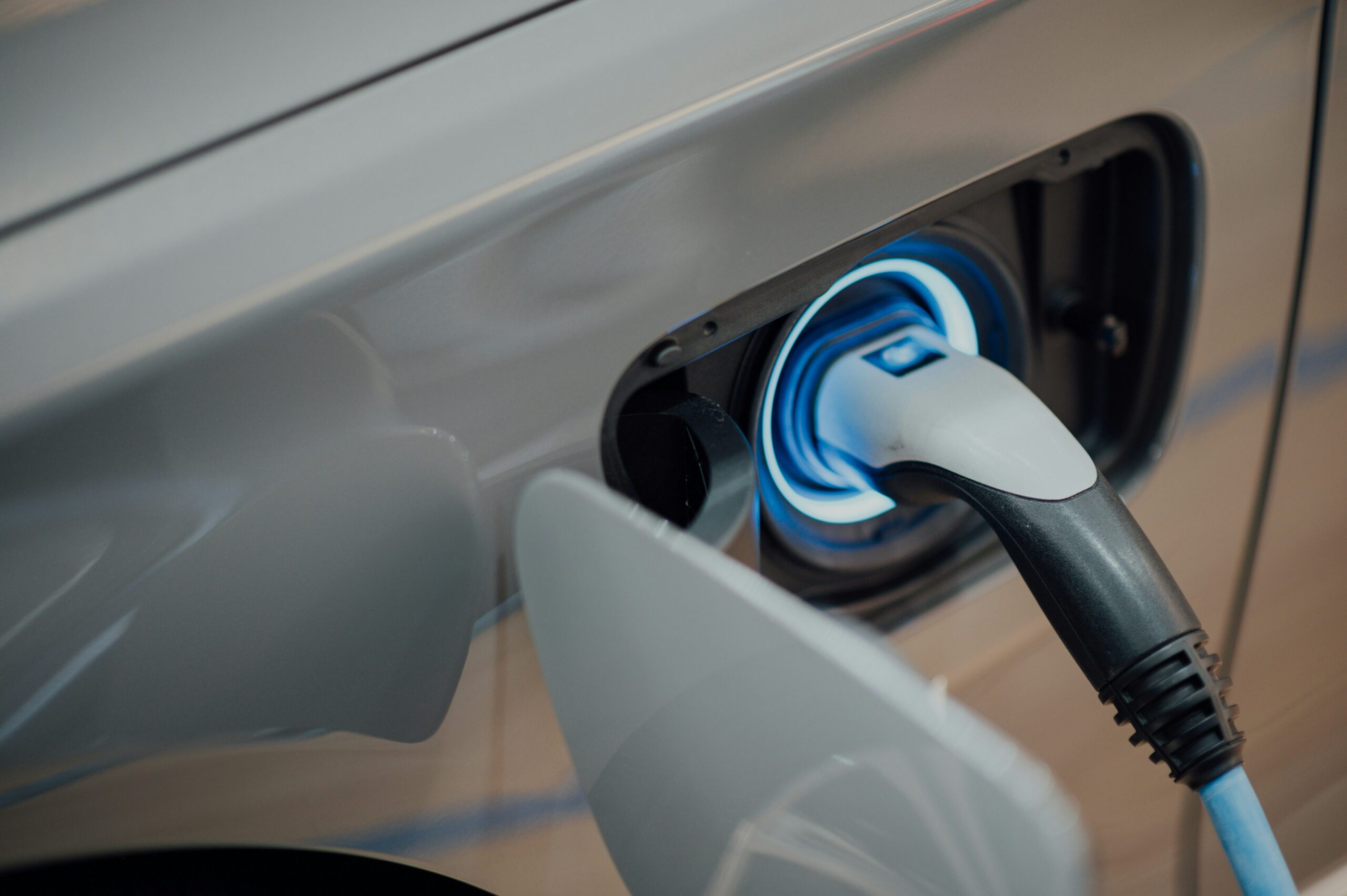
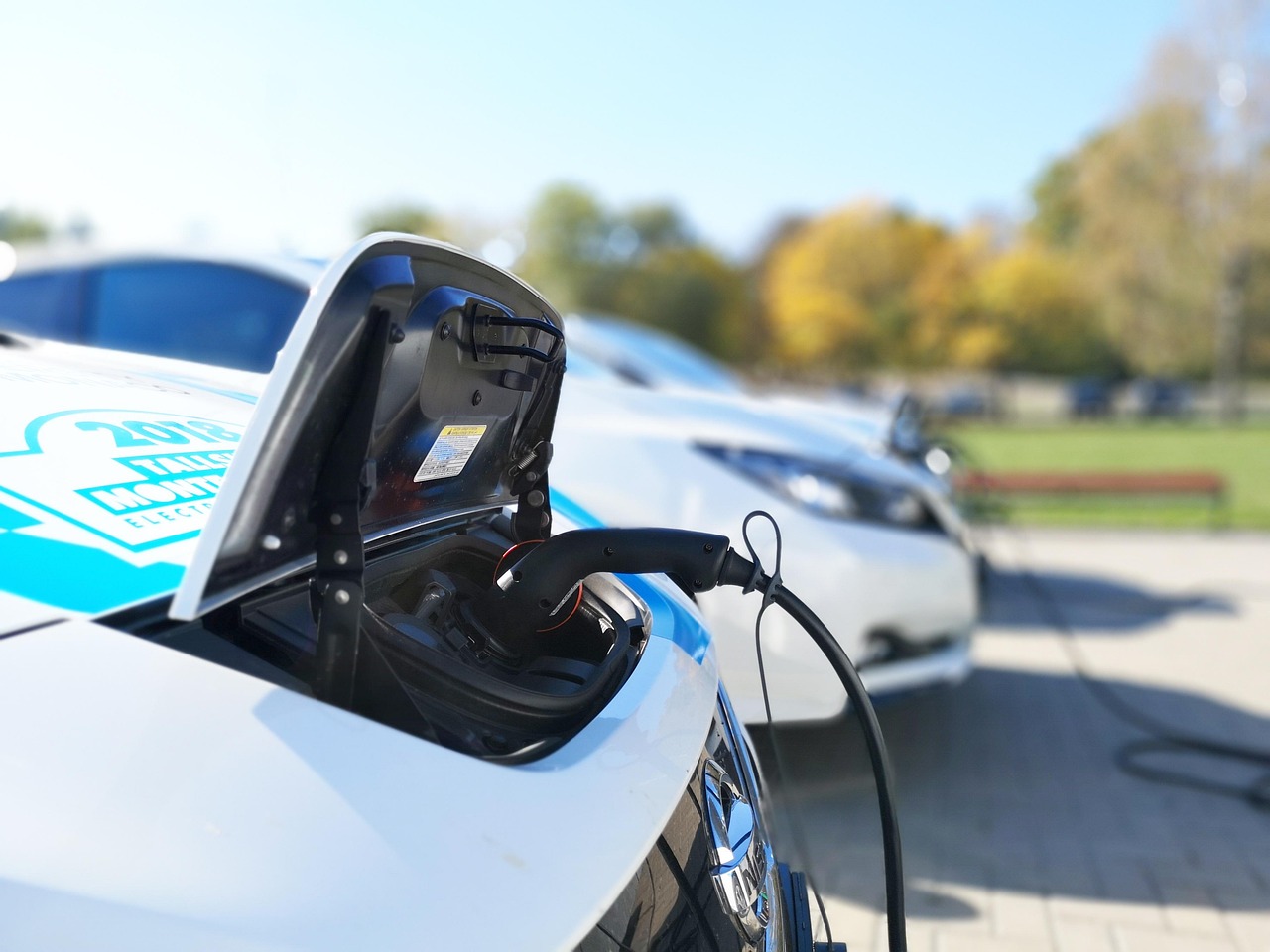
Launched with great fanfare on 1 January 2024, social leasing for electric cars was a victim of its own success. The government scheme, which enables low-income households to lease an electric vehicle for as little as 100 euros a month, will make a comeback from 30 September next year, the Ministry of the Economy announced on 15 July 2025. The aim is to widen access to electromobility while supporting the growth of the French automotive industry.
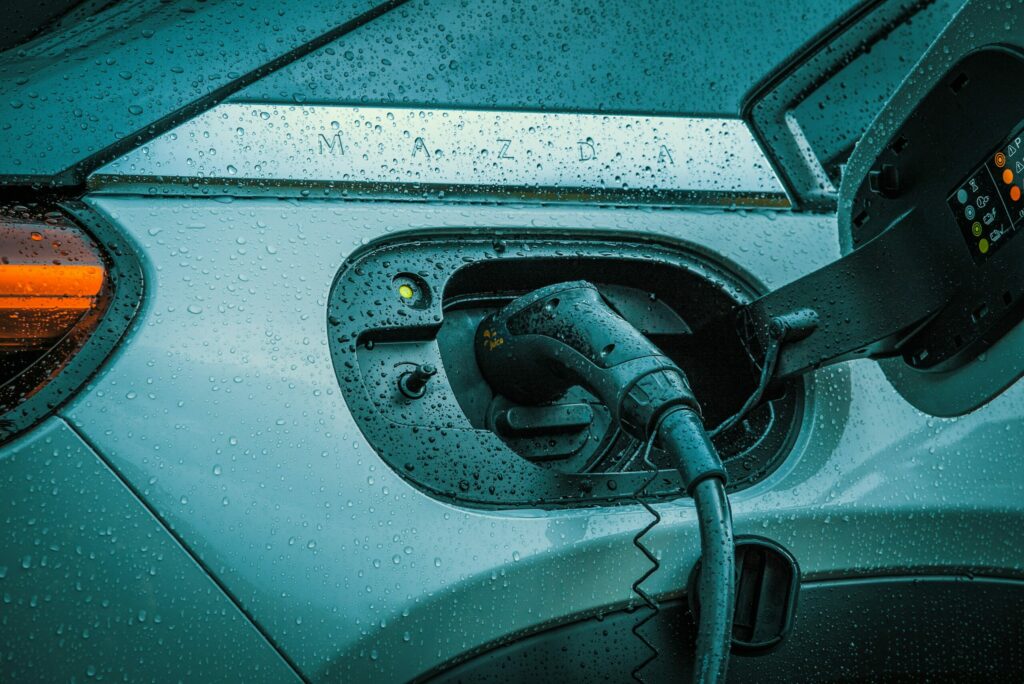
Social leasing for electric cars: a scheme relaunched in September 2025 to give low-income households easier access to electromobility. (Credit: les numériques)
A better prepared recovery
The scheme was a huge success from the outset, with around 90,000 applications registered in just six weeks, for just 25,000 vehicles available. Faced with this saturated situation, the government suspended the scheme just a month and a half after its initial launch, on 15 February 2024… The government has therefore taken the time to structure the scheme and, above all, to coordinate with the players in the market concerned to ensure that social leasing is implemented effectively from the following year, 2025.
This time, the executive is thinking bigger: 150,000 vehicles will gradually be made available over the next two years. Manufacturers, for their part, are being encouraged to offer models produced in France or Europe in order to benefit from the public aid, in a bid to promote industrial sovereignty. Renault, Stellantis and others should therefore be adapting their offerings from the autumn.
French carmakers are adapting their offer for social leasing of electric cars from autumn 2025. (Credit: mag de la conso Ouest France)
More social electrification
Reserved for low-income households that use their car mainly for home-to-work journeys, social leasing is also intended to bridge a persistent divide: the gap between those who can afford to buy an electric car and those who can’t… The scheme targets French people whose annual household income is less than €15,400 per participant, who drive more than 8,000 km a year, and who also live a long way from public transport… The criteria are certainly numerous, but this scheme can probably resolve a few thousand situations…
In the midst of the energy transition, this relaunch of the social electric leasing programme is an attempt to speed up the conversion of the French car fleet while taking social realities into account. It remains to be seen whether the available supply will match demand. For the executive, the challenge is clear: electric cars must not remain a luxury.
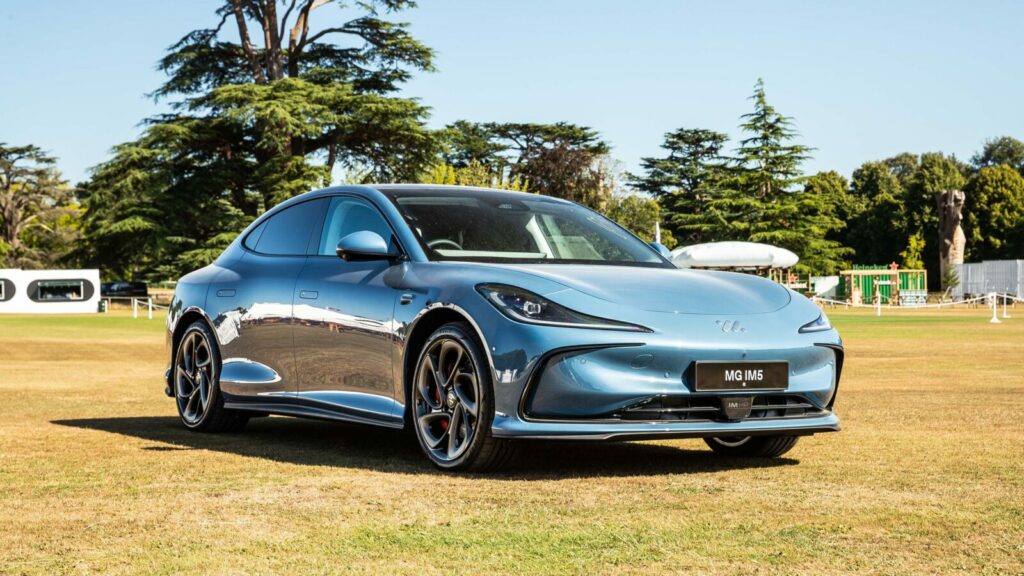
MG, through its new premium electromobility brand “IM Motors”, has officially unveiled two new electric vehicles at the Goodwood Festival of Speed : the IM5 saloon and the IM6 SUV coupé. The presentation marks an important step in MG’s strategy to strengthen its presence in the premium electric vehicle segment.
MG IM5: a high-performance, efficient electric saloon
The MG IM5 is a 5-door saloon with an 800-volt electric architecture that optimises performance and recharging times. The carmaker offers two battery configurations: a standard battery of around 75 kWh and a Long Range version of 100 kWh, offering a claimed range of around 655 kilometres according to the official WLTP cycle.
This high-voltage architecture also means that the IM5 can be recharged very quickly, from 10% to 80% in just 17 minutes, provided that compatible charging points are used. In terms of performance, MG has announced a Performance version capable of accelerating from 0 to 100 km/h in just over 3 seconds, positioning the IM5 as a direct competitor to current premium models on the electric market.
The MG IM5, a 100% electric saloon unveiled at Goodwood 2025. (Credit: MG)
MG IM6: a powerful electric SUV coupé
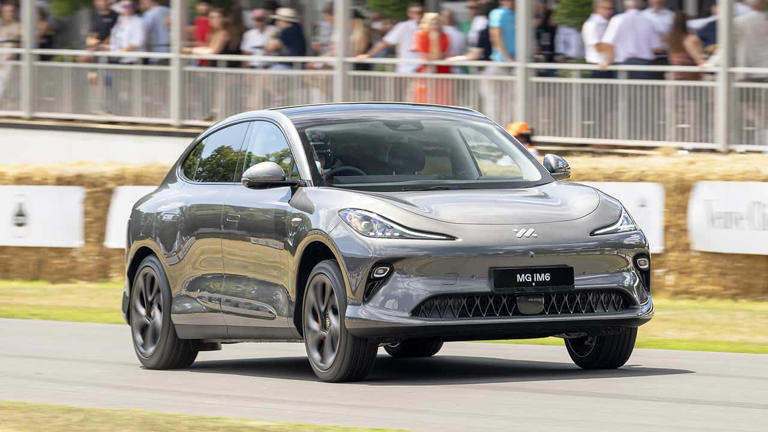
The second model presented, the MG IM6, is a coupé SUV that combines sporty design and high performance. It is powered by a 750 hp engine and has a 100 kWh battery. MG has announced a range of 555 kilometres, according to the WLTP cycle, putting it on a par with the best in the segment.
Like the IM5, the IM6 uses an 800-volt electric architecture, guaranteeing very fast recharging times and optimised energy efficiency. MG also highlights the quality and technology on board this SUV coupé, aimed at customers looking for an electric vehicle that is both powerful and elegant.
The MG IM6, a 750bhp 100% electric SUV, unveiled at Goodwood 2025 (Credit: MG)
Marketing and target markets
MG has stated that the IM5 and IM6 models will be sold mainly in certain international markets, notably the UK. To date, no official launch has been announced in France. This commercial strategy appears to be aimed at maximising the brand’s impact in markets where demand for premium electric vehicles is growing strongly.
In a nutshell
With the IM5 and IM6, MG IM Motors is taking a new step forward by offering top-of-the-range electric vehicles that combine performance, range and advanced technologies, all based on a modern 800-volt electrical architecture. Although their availability is limited to certain countries for the time being, these models demonstrate the Chinese manufacturer’s ambition to emerge as a key player in premium electric mobility.
Against a backdrop of sluggish electric car sales, the UK government announced on 14 July 2025 the return of a scheme to support the purchase of electric cars by private individuals. The scheme will come into effect on 16 July 2025. The aim is to revive flagging sales momentum, while the UK is still aiming to ban the sale of new combustion-powered cars by 2035.
Up to €4,700 bonus for buying an electric vehicle in the UK from 16 July 2025. (Credit: nrqemi)
A bonus of up to £3,750 for the “greenest” vehicles
The £650 million (approx. €750 million) scheme will enable buyers of 100% electric vehicles costing up to £37,000 (approx. €43,000) to benefit from a purchase discount. This can be as much as £3,750 (around €4,500) for models deemed to be the “greenest”, with optimised emissions and energy efficiency levels.
Less ‘virtuous’ but still eligible vehicles will be eligible for a more modest bonus of up to £1,500 (€1,755). The aid will be paid directly to the dealer, reducing the cost to the consumer.
A response to market stagnation
This aid reflects a worrying situation: after sustained growth between 2020 and 2023, sales of electric vehicles in the UK are stalling. According to the Society of Motor Manufacturers and Traders (SMMT), private customers will account for just 40% of EV sales in 2025, compared with 55% in 2022. Business fleets now dominate the market.
In addition to its other measures, the government intends to boost private demand by investing a further £63 million in developing the network of charging points, particularly in rural and peri-urban areas.
A return to subsidies… two years after they were abolished
Until June 2022, the UK already offered a plug-in grant of £1,500. This was abruptly withdrawn in the name of “sufficient market maturity”, according to the authorities at the time. The reality is quite different: the transition to electric cars is still fragile and consumers are struggling to take the plunge, not least because of the still high price of new models. This revival of subsidies, welcomed by many players in the sector, marks a pragmatic U-turn. It remains to be seen whether it will be enough to convince private customers to electrify their garages.
Long confined to its role as a means of transport, the electric car is becoming more emancipated. It can now also power a house, an appliance or even help to stabilise the electricity grid. The reason: the rise of a still little-known but promising technology – bi-directional charging. An innovation that could well turn every electric car into an active link in our energy transition.
A two-way flow of energy
Today, recharging an electric vehicle is a simple, one-way process: plug in, recharge, unplug.
Credit: CHUTTERSNAP
But with bi-directional charging, a new dynamic is taking shape. Energy no longer flows only from the grid to the car, but can also circulate from the car to the grid, the home or a third-party device.
Technically, everything hinges on the bi-directional inverter, integrated either in the charging point or directly in the vehicle. This component converts direct current (DC) from the battery into alternating current (AC), ready to be fed into a domestic system or the public grid.
Communication between the vehicle and the infrastructure is via the ISO 15118 protocol, and an intelligent management system(EMS) automatically controls energy flows according to needs and tariff periods.
Three concrete uses, three complementary functions
The technology currently has three main applications:
– V2G (Vehicle-to-Grid): the vehicle returns electricity to the grid to help manage peak consumption or integrate renewable energies. – V2H (Vehicle-to-Home): the battery supplies electricity directly to a home, optimising consumption according to the time of day or any power cuts. – V2L (Vehicle-to-Load): the car becomes a portable battery, capable of powering an external device via a simple 220 V socket.
Some models already offer this feature, such as the Hyundai Ioniq 5, the Kia EV6 and the MG4, allowing you to plug in a computer, a construction tool or a fridge when camping, for example.
Credit: Michael Fousert
A technology that is still costly, but on the way to democratisation
For the time being, access to two-way charging remains the preserve of a niche market.
A two-way bollard currently costs between €3,000 and €5,000, excluding installation costs. A substantial investment, but one that is set to fall as the technology becomes more widespread.
A number of public aid schemes are being studied to support this transition and encourage both private individuals and local authorities to invest.
A reservoir of energy in motion
The energy potential of this technology is considerable.
A car with a 60 kWh battery (the current standard) can power a household for 2 to 3 days in the event of a power cut. If 1 million vehicles each injected 10 kWh, this would represent 10 GWh that could be mobilised instantly: the equivalent of the output of several power stations for several hours.
So we can imagine a future in which cars, far from being passive consumers, become mobile energy reservoirs, playing an active part in managing the grid.
Which vehicles are compatible with two-way charging?
Not all electric vehicles are yet capable of supplying energy externally. Three conditions must be met:
An on-board charger capable of operating in reverse mode;
A BMS(Battery Management System) compatible with controlled discharge;
A communication protocol such as ISO 15118 or CHAdeMO (in the case of the Nissan Leaf).
Several manufacturers have already incorporated this technology into their current or future models:
– Nissan Leaf, pioneer via CHAdeMO ; – Kia EV6, Hyundai Ioniq 5, Volkswagen ID. Buzz; – Renault Scénic E-Tech (2024); – And soon Tesla, with its new V4 Superchargers, designed for V2G.
Credit: Juice
A technology under development in several regions of the world
France is no exception. EDF, Enedis, Renault and Stellantis are piloting several experiments with the support of local authorities.
Other countries are making rapid progress in this area:
– Japan: a pioneer with Nissan, which is deploying its vehicles in post-disaster scenarios; – Netherlands: experimentation on the scale of entire neighbourhoods; – United States (California): school fleets and public services being tested; – Germany: integration of EVs in virtual power plants managed by energy companies.
Fast-growing technology players
In addition to manufacturers, specialist companies are developing innovative solutions:
– Nuvve (United States): world leader in V2G, particularly for fleets; – Wallbox (Spain): its Quasar 2 residential terminal enables V2H/V2G in the home; – The Mobility House (Germany): a pioneer in intelligent energy management; – In France, start-ups such as Mobilize Power Solutions and Ijenko are positioning themselves in this niche.
Towards a network player car
Two-way charging is redefining the role of the car in our daily lives.
It is no longer just a mobility tool, but a piece of the energy puzzle. It makes it possible to make the most of stored energy, optimise self-consumption, deal with unforeseen circumstances and, above all, support an increasingly busy electricity grid.
In the future, plugging in your car won’t just mean “filling up”. It could also mean “giving back to the system”. And making a silent contribution to the energy balance of tomorrow.
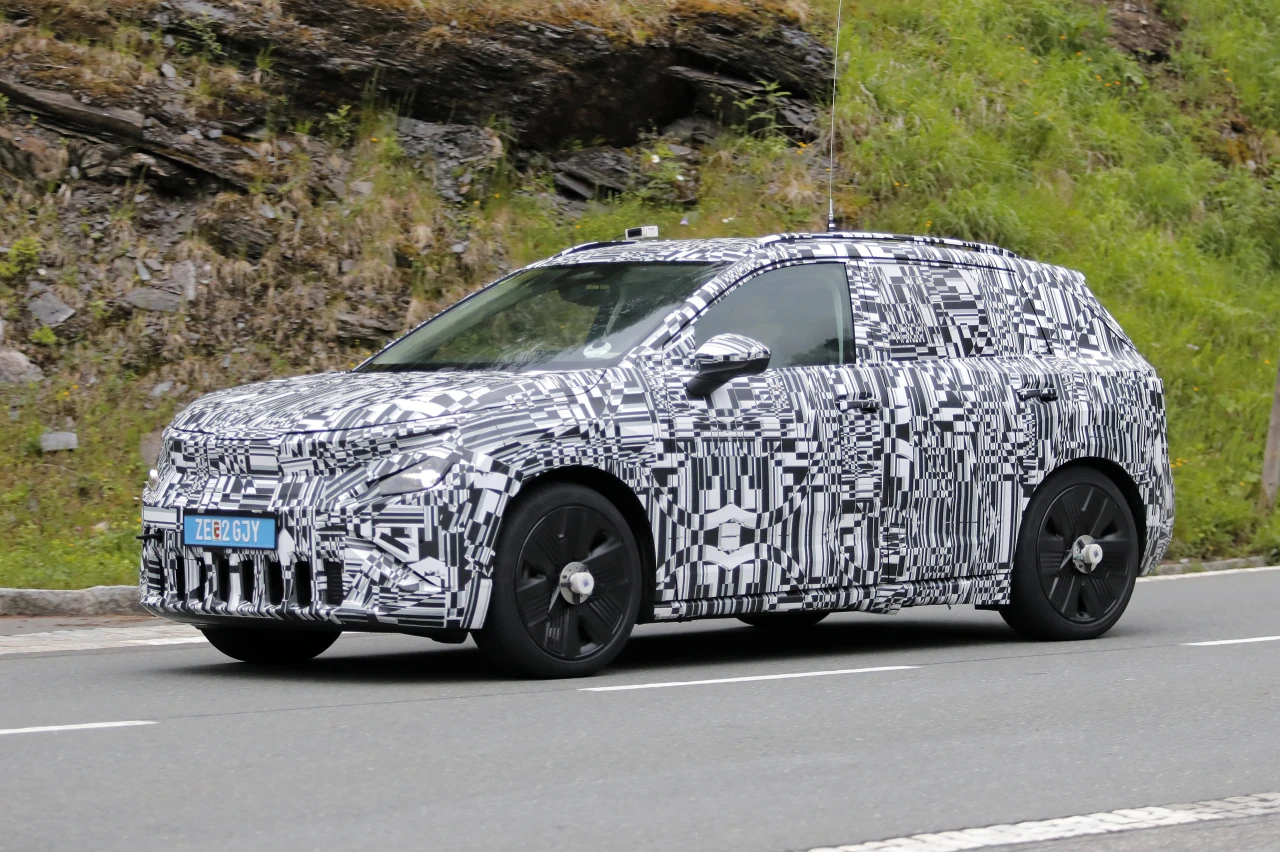
Škoda is refining its ambitions in the consumer electric market with a new model, the Epiq, expected for the end of 2025. Presented as a concept in 2024, this “mini SUV” has already been seen during road tests in Spain, near the production plant, at the beginning of July 2025. With a length of 4.10 m, it is positioned in the affordable compact SUV segment, also coveted by Renault with its R4 E-Tech, Citroën with the ë-C3, and Volkswagen with the ID.2. Spotted recently in Spain under camouflage, the Škoda Epiq is now entering its active phase of road tests.
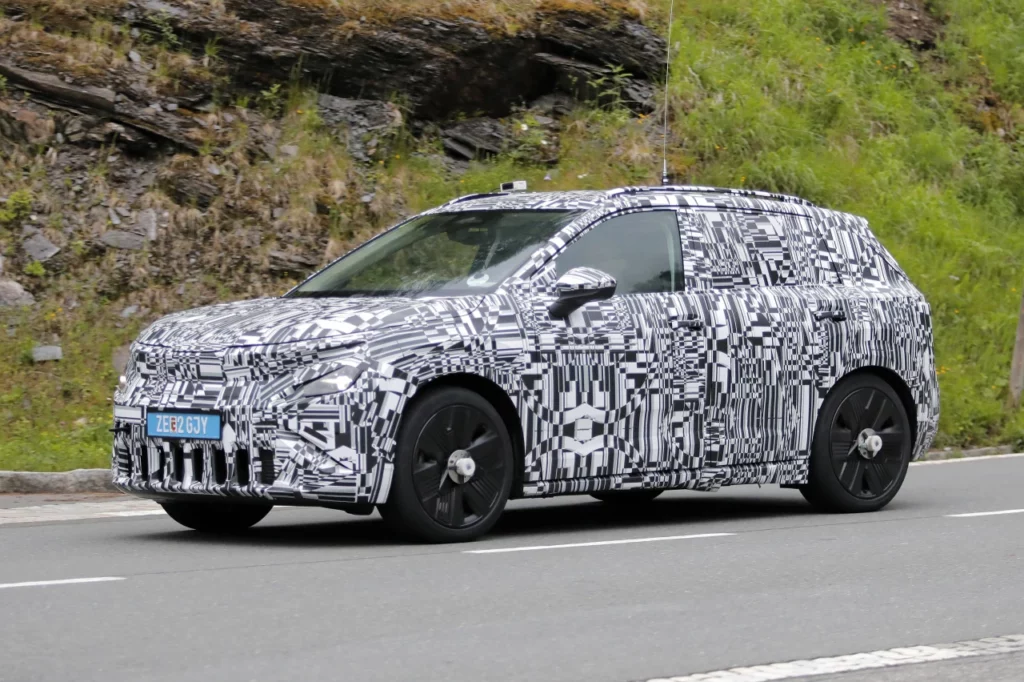
The Epiq undergoing road tests, camouflaged ahead of its planned launch at the end of 2025. (Credit: Auto review)
Low prices, high ambitions
Škoda has promised that the Epiq will target a starting price of around €25,000 , excluding the environmental bonus. This psychological threshold is the one that all manufacturers are targeting in order to democratise electric cars without ruining motorists. To achieve this, some concessions will no doubt have to be made on the equipment of entry-level versions. However, the manufacturer insists that this is a practical, connected family car, not a low-cost product.
Solid design for a new Škoda era
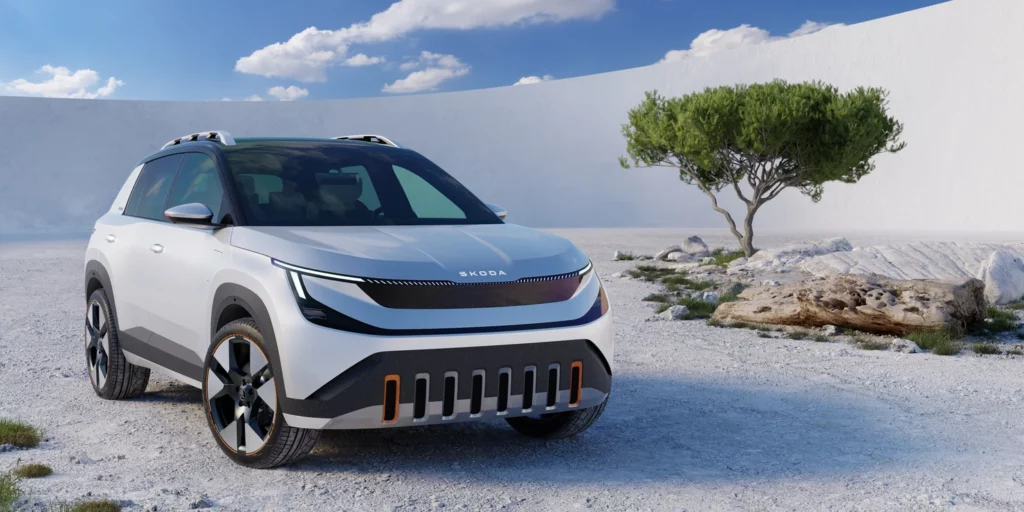
The design of the Škoda Epiq does not go unnoticed, even under camouflage. It inaugurates the new ‘Modern Solid’ design language, already visible on the brand’s latest concepts. It has a compact, almost muscular silhouette, with a flat bonnet, taut lines, T-shaped headlamps and a clearly visible ŠKODA name at the rear, in place of the traditional logo. Even under canvas, the Epiq clearly displays its positioning: a robust, practical yet modern urban SUV.
Up to 400 km range and two-way charging
Although Škoda has not yet released the full technical specification, the Epiq concept unveiled in spring 2024 claimed a range in excess of 400 km WLTP. A credible figure, even if the first marketed versions could offer a slightly more modest range depending on the battery chosen.
The Škoda Epiq adopts the Modern Solid style, muscular and compact. (Credit: Škoda)
Bidirectional charging (V2L or V2G) will also be on the programme. Still a rare feature in this price range, it can be used to power appliances or even feed electricity back into the home network, appealing to users concerned about their energy footprint.
An SUV designed for Europe and made in Spain
The Epiq will not just be a concept: it is based on the new dedicated MEB Entry platform, designed for the Volkswagen Group’s entry-level electric vehicles. Unlike other Škodas produced in the Czech Republic, this model will be assembled in Pamplona, Spain, alongside the Volkswagen ID.2 and Cupra Raval. This strategic choice aims to contain costs while ensuring 100% European production. It remains to be seen how quality will be affected by this change of plant and the reduction in costs.
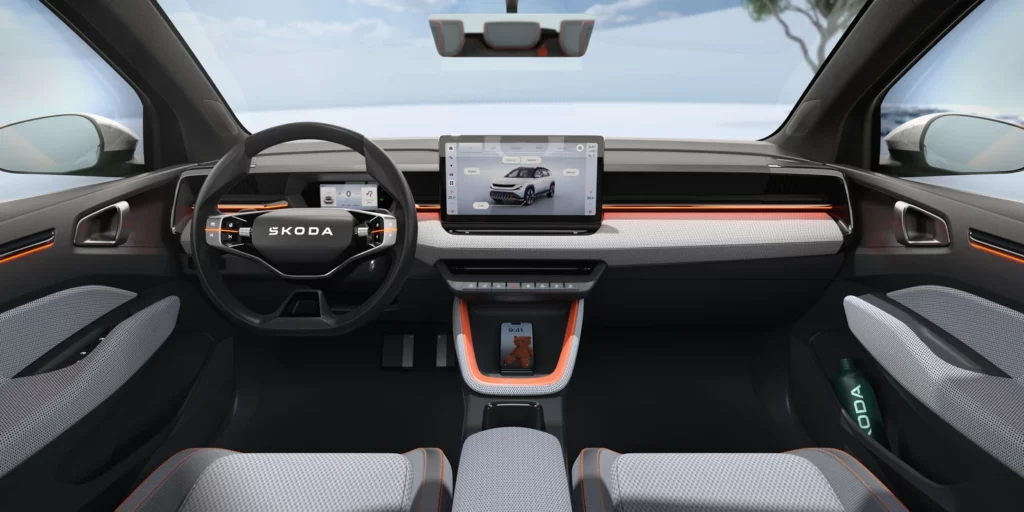
Uncluttered interior, bordering on the simplistic
On board, Škoda’s Epiq concept relies mainly on a large central screen. This is in line with the VAG group’s approach with Audi and Volkswagen: a minimum of physical buttons for essential functions, and recycled materials such as plastic used for the dashboard and centre console. A futuristic style that may confuse some drivers.
A refined, 100% digital dashboard, typical of the latest VAG electric vehicles. (Credit: Škoda)
In terms of load capacity, Škoda has announced a boot capacity of 490 litres, which is surprisingly generous for a city car, making it particularly attractive to young families.
A key model for Škoda and the VAG Group
The stakes are high for the Czech brand. The Epiq is set to become one of the pillars of Škoda’s electric range, with a stated target of 70% electric sales in Europe by 2030. More broadly, this compact SUV should enable the Volkswagen group to catch up in the affordable electric segment, in the face of the rise of Chinese offerings, as well as those from Renault, Fiat and Citroën.
With this Škoda Epiq, the Czech brand is not just offering another compact SUV. It is a strategic model, a decisive turning point in the electrification of their range. Škoda is moving forward in a field pioneered by Renault (Dacia) in Europe: a reasonable price, credible range, European manufacturing and modern design. Pending its official unveiling at the end of 2025, this small electric SUV promises to be a serious competitor to the Dacia Spring and the latest Renault 4 E-Tech.
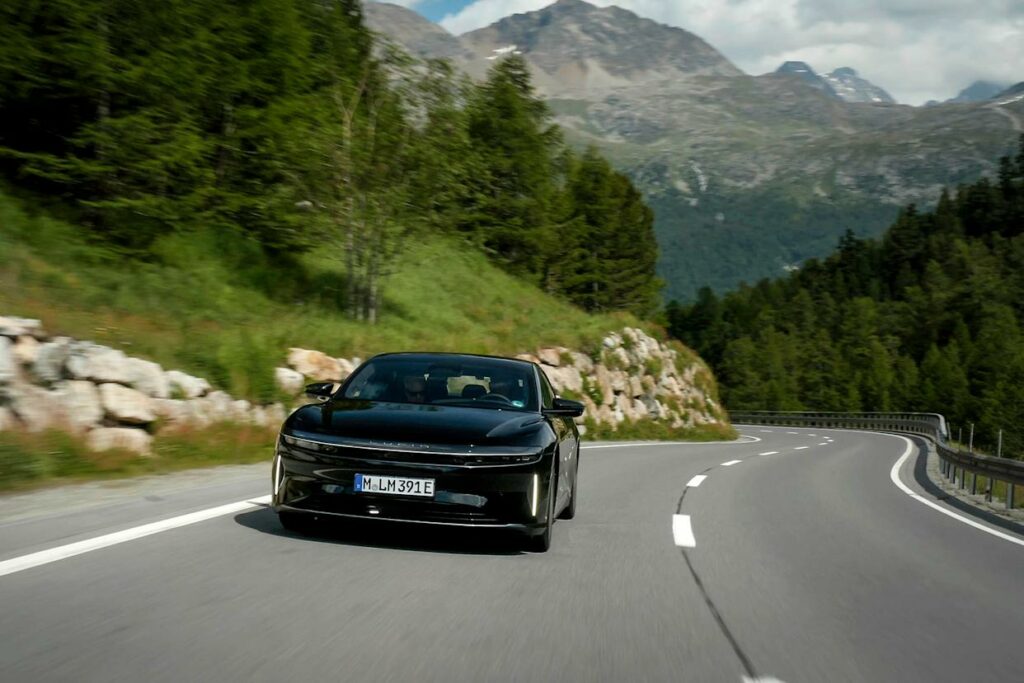
Lucid Motors has broken a world range record with its Air Grand Touring electric saloon, covering 1,205 kilometres without recharging. The journey, made between St. Moritz (Switzerland) and Monaco in Bavaria (Germany), was certified by Guinness World Records at the beginning of July 2025. The aim was to demonstrate the energy efficiency of its electric propulsion system.
The Lucid Air Grand Touring travelled 1,205 km from St. Moritz to Munich without recharging (Credit: Lucid).
A cross-border route, a global performance
The performance was achieved at the beginning of July 2025 by Turkish pilot Umit Sabanci, aboard a production Lucid Air Grand Touring. The journey covered 1,205 km in real-life conditions, without recharging or modifying the vehicle. The departure point was in St. Moritz, Switzerland, and the arrival in Munich (Monaco of Bavaria), Germany.
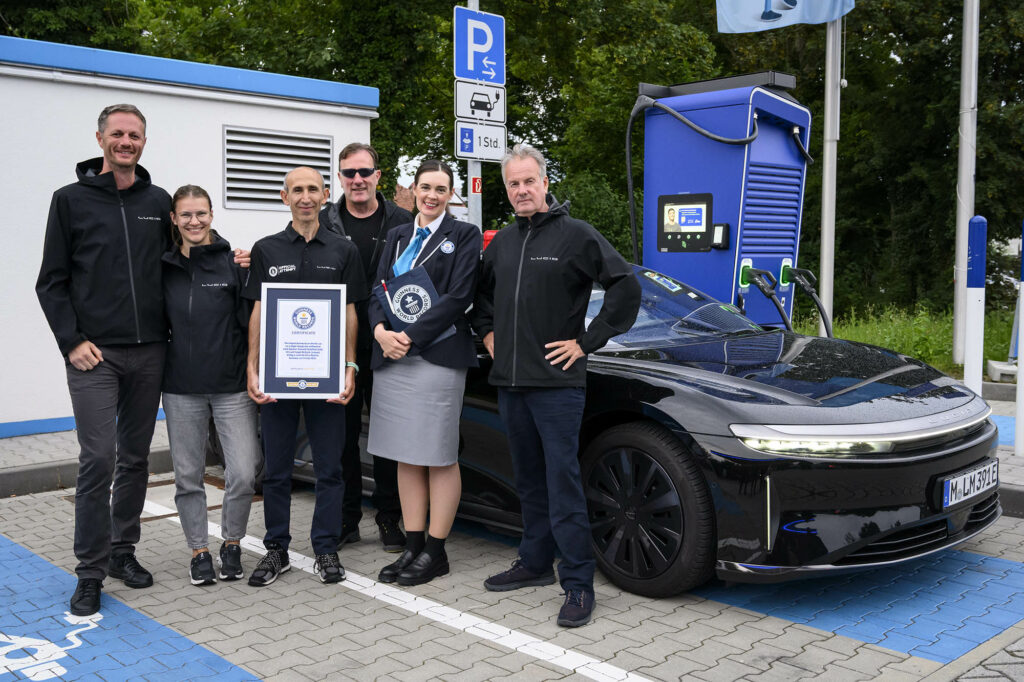
The feat was officially validated by Guinness World Records, which confirmed that the vehicle was genuine, that the distances were respected and that no recharging was required during the journey.
A technical record to match
The Lucid Air Grand Touring has a useful 112 kWh battery, according to the manufacturer’s specifications. Its propulsion system is based on a 900-volt architecture, giving it high energy efficiency. The vehicle also boasts a coefficient of drag (Cx) of 0.197, one of the lowest on the market.
The model is approved in Europe and is among the electric saloons with one of the longest ranges currently available.
A life-size demonstration
The record is part of a strategy to demonstrate Lucid technology in real-life conditions. The driver complied with speed limits and traffic regulations on open roads. No external charging or assistance devices were used, in line with Guinness World Records requirements.
“This range record is a significant milestone. It’s another clear demonstration of the technological leadership that defines Lucid,” said Eric Bach, Senior Vice President of Product and Chief Engineer at Lucid Motors.
Umit Sabanci poses with the Lucid Air Grand Touring and the Guinness certificate, after travelling 1,205 km without recharging. (Credit: Lucid)
A benchmark in the electric vehicle market
Lucid has now surpassed the previous record set by Mercedes with the Vision EQXX, which covered 1,045 km on a single charge. Unlike the Mercedes prototype, the Lucid Air Grand Touring is a marketed model, available in Europe from 2023.
This record not only validates Lucid’s technological ambitions, but also shows that production electric vehicles are now capable of covering distances worthy of the best combustion-powered saloon cars. A symbolic but very real milestone for electromobility.
Aircraft are regularly at the centre of controversy over climate change and greenhouse gas emissions. So it’s only natural that the aeronautics industry, like the car industry before it, should be thinking about electrification (except that you don’t fly a 40-tonne steel monster like you do a city car).
At the heart of this relatively young market, which is set for exponential growth and is booming internationally, are a number of French players, both large groups and young start-ups, determined to make France a pioneer in electric aviation, just as it was a pioneer in thermal aviation.
The promise of French electric aircraft
In France, while Airbus has been active in the electrified aeronautics sector since the early 2000s, the most successful projects are to be found among start-ups. Aura Aero is one of the country’s most successful start-ups.
Based in Toulouse, the epicentre of aviation in Europe, this start-up flew its two-seater Integral E aircraft for the first time in December 2024. As its name suggests, the aircraft is powered by a 100% electric motor. A part supplied by a giant of the global aeronautics industry, the French group Safran. Called Engineus, it is the first electric aircraft engine in the world to receive certification from a major agency, the European Union Aviation Safety Agency (EASA), enabling it to go into series production.
Admittedly, the Integral E only offers between 1 h and 1 h 30 of autonomy, but it can be recharged in 30 minutes, so it can be used for regional round trips, or simply for training future pilots. And this is just the beginning for Aura Aero, which, alongside the Integral E, has also developed the ERA, capable of carrying 19 passengers, again for regional routes. Equipped with a hybrid engine, it should make its first flights in 2026.
Credit: Aura Areo
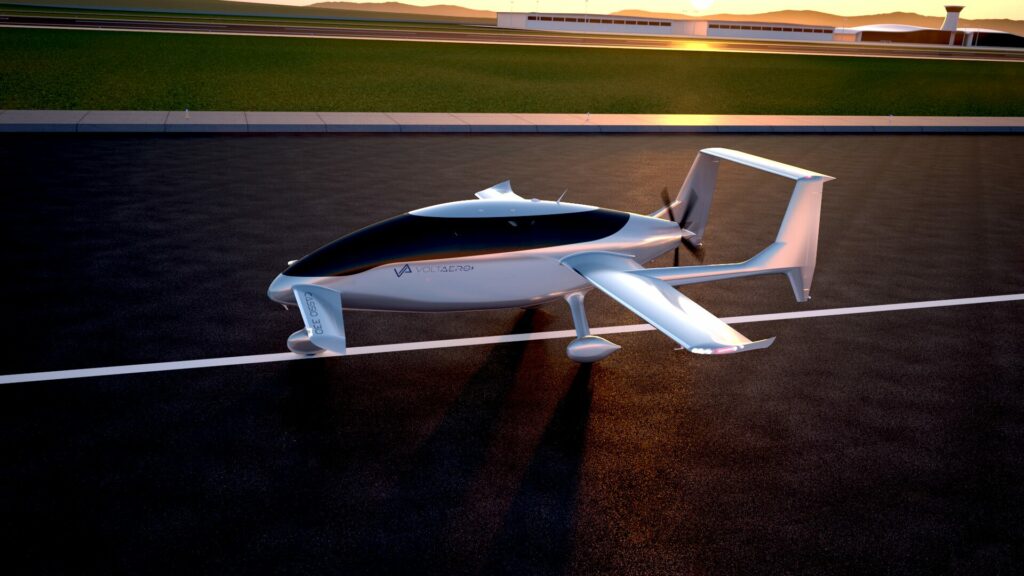
All these projects have been made possible by the injection of 95 million euros of European funds, proof that the “zero emission” aircraft is not just a fantasy, but a serious project supported by the institutions themselves. Aura Aero is not the only French company to illustrate the country’s ambitions for the electrification of aviation, since VoltAero is developing, from its HQ in Charente-Maritime, an aircraft called the Cassio 330, equipped with hybrid engines and scheduled for launch in 2026.
This is already attracting interest from investors, including the American company AltiSky, which has injected more than two million dollars into the French company as part of a partnership that will see the construction of a VoltAero plant in the United States to conquer the North American market, which is keen on these inter-regional solutions.
Credit: VoltAero
A worldwide craze for electric aviation
Of course, France is not alone in this booming market. While the international market is currently worth around ten billion dollars, the most optimistic forecasts suggest that electrified aeronautics could reach 70 billion dollars in annual revenues by 2034, with double-digit growth every year.
Ambitious projects are springing up all over the world. From Canada, where Harbour Air is retrofitting old planes with hybrid engines (the milestone of 100 flights was recently passed), to the UK, where ZeroAvia is making rapid progress on hydrogen, with a series of test flights and fund-raising events, and Sweden, where we are expecting the first test flight of a 30-seat hybrid plane from Heart Aerospace.
What about China? Unsurprisingly, CATL, the world leader in the market for batteries for electric vehicles, is spearheading the drive for electric-powered aircraft. In 2024, the group announced that its partnership with Chinese manufacturer Comac had given rise to a 4-tonne, 19-seater aircraft capable of flying 500 kilometres on electric power. There’s no doubt about it, the leading country for electric cars is determined to hold its own in the aviation market.
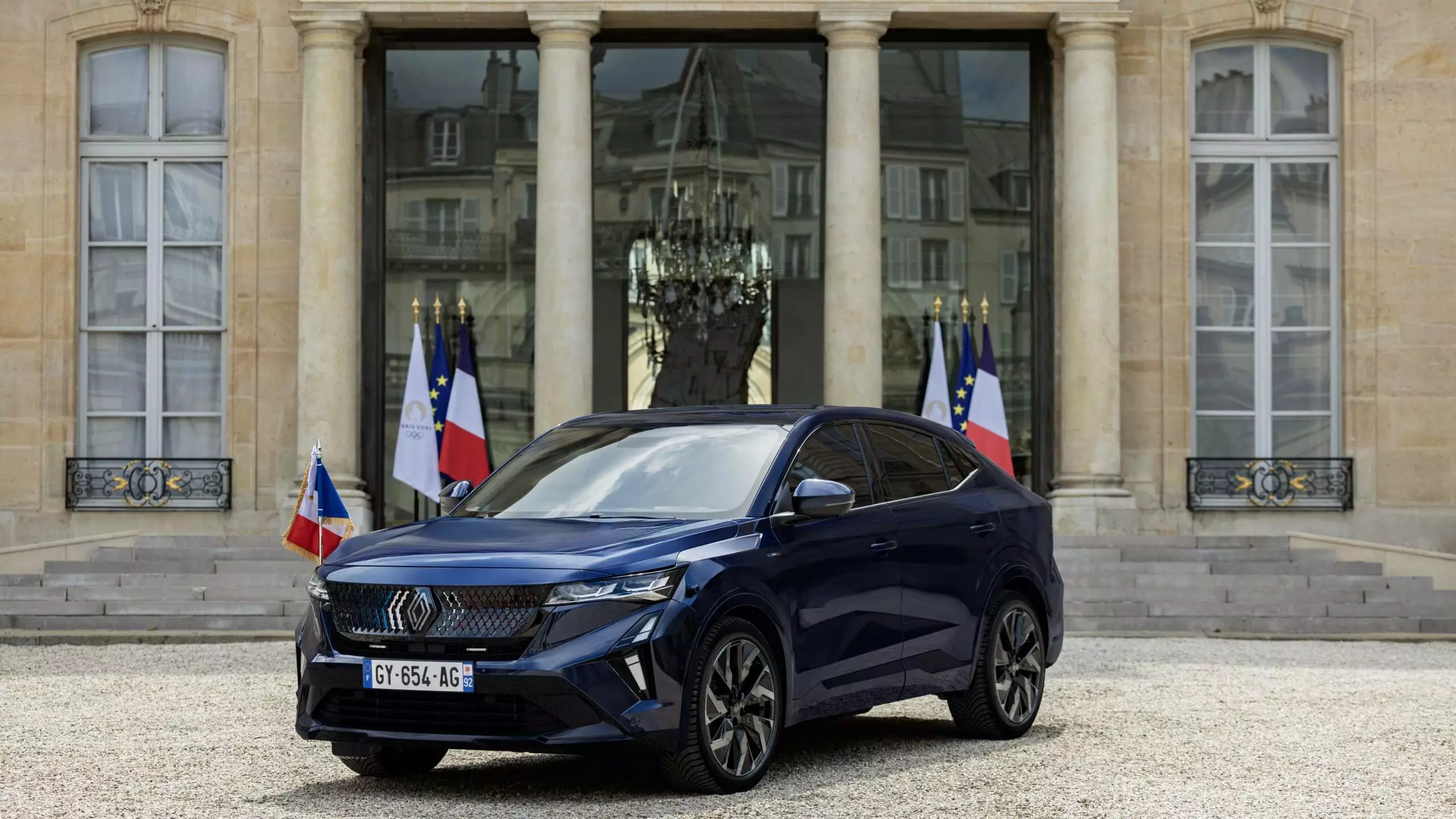
Paris, 14 July – It’s official: today, the President of the Republic opens the 14 July parade aboard the Renault Rafale, symbolising the emblematic return of the brand to the Élysée Palace garage. This choice marks a new stage in the history of French motoring.
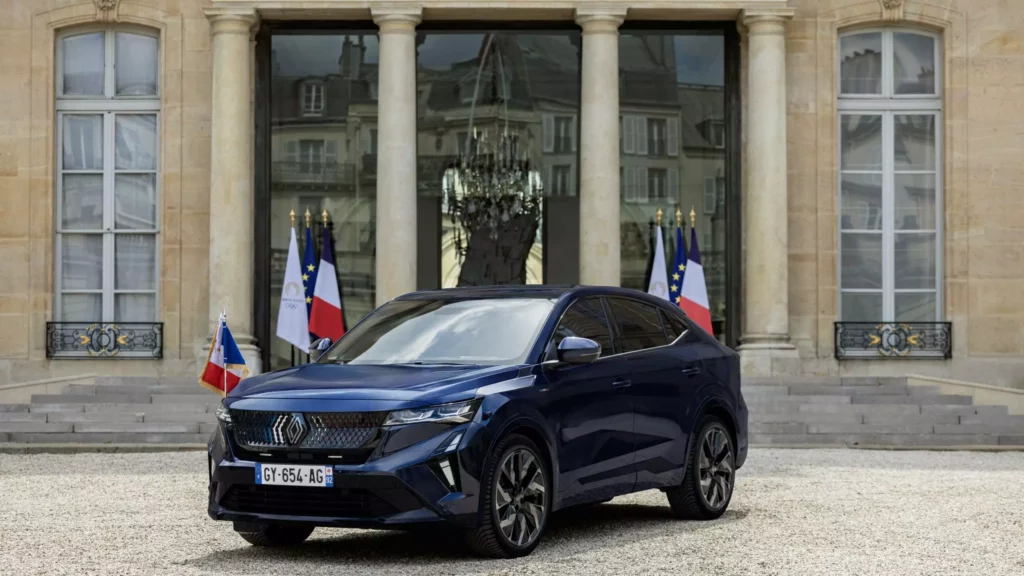
The Renault Rafale, the French President’s official vehicle for the 14 July 2024 parade in Paris.
A prestigious return to our roots
For the first time since 2012, a Renault vehicle is being used as the official car of the Head of State, taking over from the DS 7 Crossback Élysée. This return reinforces Renault’s historical ties with presidents dating back to the Renault 40 CV in 1920. This presidential version has a specific dark blue body, a tricolour grille and armouring that meets the Élysée’s safety standards.
High-performance, efficient hybrid powertrain
Based on the CMF-CD platform, the Rafale offers two E-Tech engines. The 200hp front-wheel drive version combines a 1.2-litre turbo petrol engine with two electric motors to deliver a combined output of 200hp, 410Nm of torque, a 0-100kph time of 8.9s, fuel consumption of 4.7 to 5.0l/100km and CO₂ emissions of around 105g/km.
The 300hp E-Tech 4×4 plug-in hybrid version combines a second electric motor on the rear axle and a 22 kWh battery, providing up to 105 km of 100% electric range, 1,000 km of total range, 0-100 km/h in 6.4 s, extremely low combined fuel consumption (~0.5-0.9 L/100 km) and emissions of 15-19 g/km CO₂.
A technological and responsible interior
The cabin is modern and connected, with a dual 12″ OpenR Link screen (instrumentation + infotainment), Android Automotive with Google Maps and voice assistant. The system includes driving aids such as Level 2 semi-autonomous driving, adaptive cruise control and the 4Control advanced system with controlled suspension for maximum comfort.
Options such as the Solarbay® opaque panoramic roof, Alpine Esprit seats, 21″ wheels and Alpine luxury trim complete the premium experience.
A strong political image
The choice of the Renault Rafale as the presidential car is a clear affirmation of the desire to promote the French automotive industry, by combining prestige, innovation and ecological commitment. This presidential vehicle reflects a modern Republic that cares about its image, looks to the future and respects its environmental commitments.
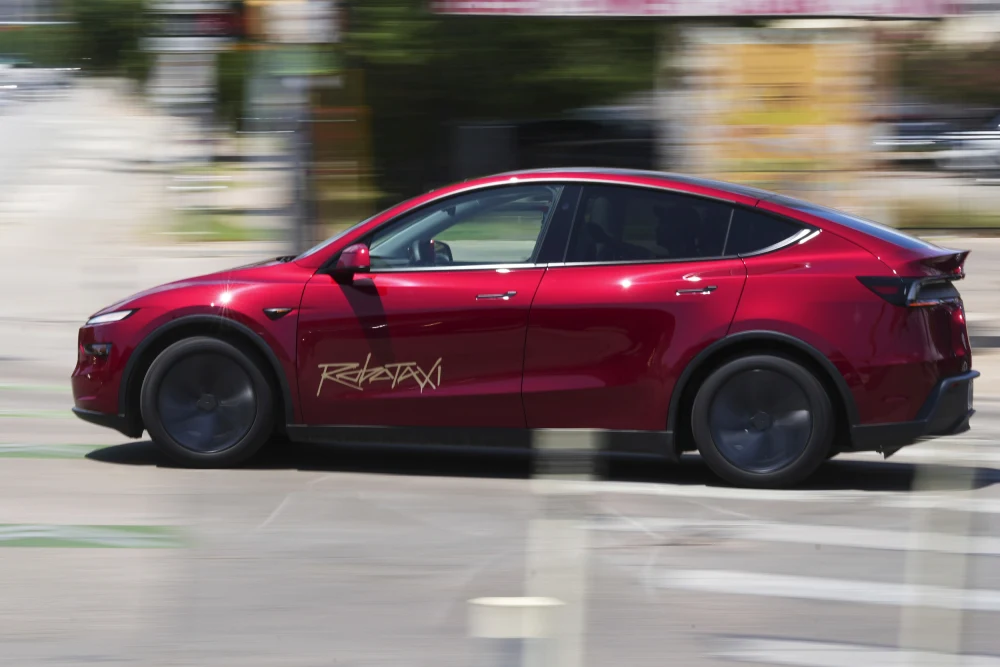
Tesla has announced the extension of its operating area for robot taxis in Austin (Texas), continuing its offensive in the field of autonomous vehicles. This decision comes against a backdrop of falling global sales and increasing competition in the electromobility market.
Credit: Eric Gay / AP
Extension of robotaxis confirmed in Austin
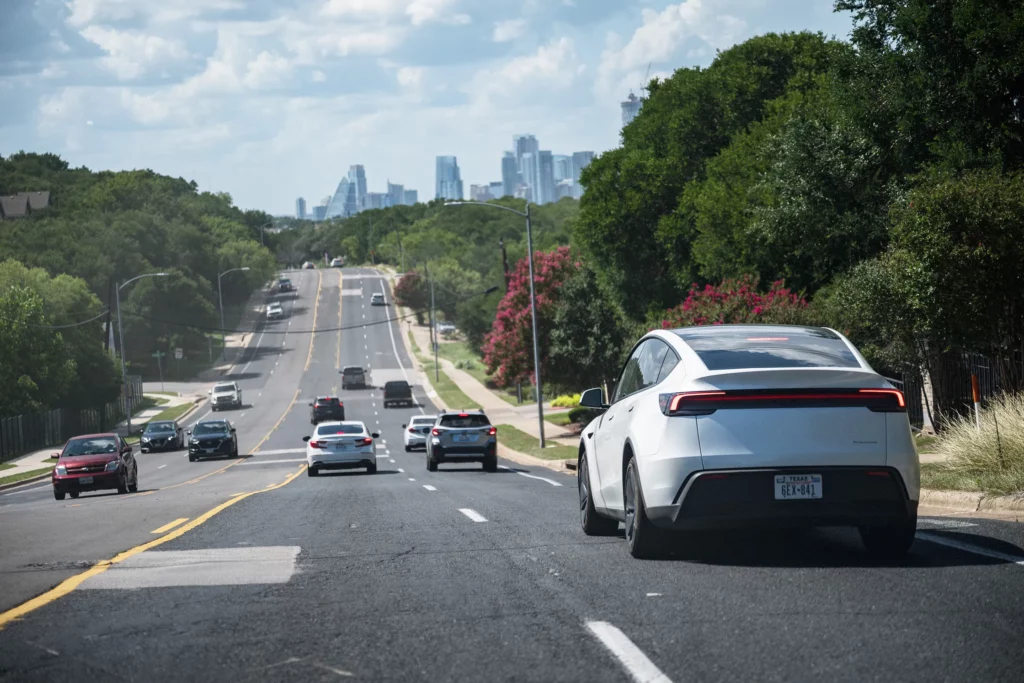
According to the Austin American-Statesman, Elon Musk has said that Tesla will expand the geographical area served by its robot taxis in the city of Austin. The service, initially limited to a restricted area since 22 June 2025, will cover a wider area in the coming days. For the time being, the vehicles will continue to operate with a safety driver on board, in accordance with local regulations.
A response to a difficult economic climate
This announcement comes at a time when Tesla is facing a drop in its worldwide deliveries. The company sold 384,122 vehicles in the second quarter of 2025, down 13.5% on the same period last year.
Despite this context, the market reacted positively to the announcement of the expansion of robot taxis. Tesla shares rose by 4.7% on the stock market after Elon Musk’s statement.
Grok chatbot integration under scrutiny
At the same time, Musk confirmed that Tesla plans to integrate the Grok chatbot, developed by xAI, into its vehicles in the near future. This functionality will be available with the next update of the on-board systems.
Credit: Eli Hartman/Getty Images
However, the integration of Grok is raising questions. Users have reported inappropriate responses from the chatbot in certain situations. The company has not detailed the measures planned to govern this integration.
Robotaxis still subject to strict regulations
The development of robot taxis in the United States is still subject to strict regulations. Since the incidents involving Cruise (a subsidiary of General Motors) in 2023, several states, including California, have tightened the conditions for testing autonomous vehicles. Tesla, which has not yet obtained a licence to operate without a safety driver, is still being closely monitored by local regulators.
If electromobility is now taking centre stage, it’s not just a passing fad, but one of the pillars of an ongoing global transition. Reducing emissions, energy independence, industrial recovery: there are many issues at stake, and the solutions offered by electric vehicles go far beyond a simple change of engine. So why electromobility? Let’s find out.
Ecological issues: less CO₂, but not without impact!
Road transport accounts for 15% of global greenhouse gas emissions. Replacing combustion-powered vehicles with electric vehicles, powered by increasingly low-carbon energy, will have a direct impact on this major source of pollution.
Credit: Nerijus jakimavičius
To measure the positive impact of these vehicles on the ecosystem, the entire life cycle of an electric vehicle must be taken into account. According to the French Environment and Energy Management Agency (ADEME), an electric vehicle emits on average three times less CO₂ than a combustion-powered vehicle over its entire life cycle, provided that the electricity used comes from renewable sources.
Another major advantage is the absence of local emissions. Zero tailpipe emissions means fewer fine particles, less nitrogen oxides (NOₓ) and less noise pollution. According to the WHO, air pollution causes more than 300,000 premature deaths every year in Europe, with a significant proportion linked to transport. In cities, this would translate directly into better air quality, with clear benefits for public health.
But the environmental picture is not all rosy. Batteries, the heart of electric vehicles, pose real environmental challenges. They take a lot of energy to produce and rely on the extraction of materials such as lithium, cobalt and nickel, the extraction processes for which raise questions. Fortunately, recycling processes, while still in their infancy, are promising. Today, French start-ups are able to recycle 90-95% of a battery.
Energy challenges: moving away from oil and embracing flexibility
Electromobility is also a strategy for independence. By 2025, the European Union will be importing over 90% of its oil.
Powering a car with electricity is a way of freeing ourselves from this dependence and regaining a form of energy sovereignty, especially if we rely on local, low-carbon sources of electricity: solar, wind and nuclear.
Credit: M W
But we need to think ahead. The increase in the number of electric vehicles will drive up demand for electricity. If this demand is met by carbon-based energies, the gains could be cancelled out. That’s why European leaders in recharging (such as Spark Alliance) are offering electric vehicle drivers the chance to use 100% renewable energy.
Economic stakes: a new industry… but risks to manage
As well as being good for the environment, electromobility represents a major economic opportunity for manufacturers. New sectors are being created: batteries, charging stations, on-board software, connected services, etc. In Europe, “gigafactories” are being created, and investment is running into billions – enough to enable new players to gain a foothold in an automotive sector that has historically been difficult to access.
From the user’s point of view, the cost of ownership is often more advantageous than for internal combustion over the long term: maintenance is considerably reduced, recharging costs less than filling up, and the government offers ecological bonuses. The brakes on access are beginning to fall, thanks in particular to the development of the second-hand market for electric vehicles.
Credit: Mabel Amber
But this transformation is not without its upheavals. The traditional automotive industry involves hundreds of thousands of jobs, particularly on assembly lines, in garages and with subcontractors. The retraining of skills is a major social challenge, to enable all these women and men to continue a suitable professional activity. In February 2025, the European Commission adopted the Clean Industrial Deal. This pact aims to support the transition of industrial sectors to low-carbon technologies, with a strong emphasis on electric mobility. It promises to create 500,000 new jobs in electromobility by 2030.
Electromobility represents a major step towards a more sustainable and independent future. While the environmental and economic challenges are many, the benefits for public health, energy independence and industrial recovery are undeniable. It is crucial that we continue to innovate and invest in sustainable solutions to maximise these benefits.