China has announced an ambitious national plan to deploy 100,000 ultra-fast charging stations by the end of 2027, to support the rapid growth of electromobility in the country. The programme, steered by the National Development and Reform Commission (NDRC), is the most ambitious reform of charging infrastructure ever undertaken by Beijing.
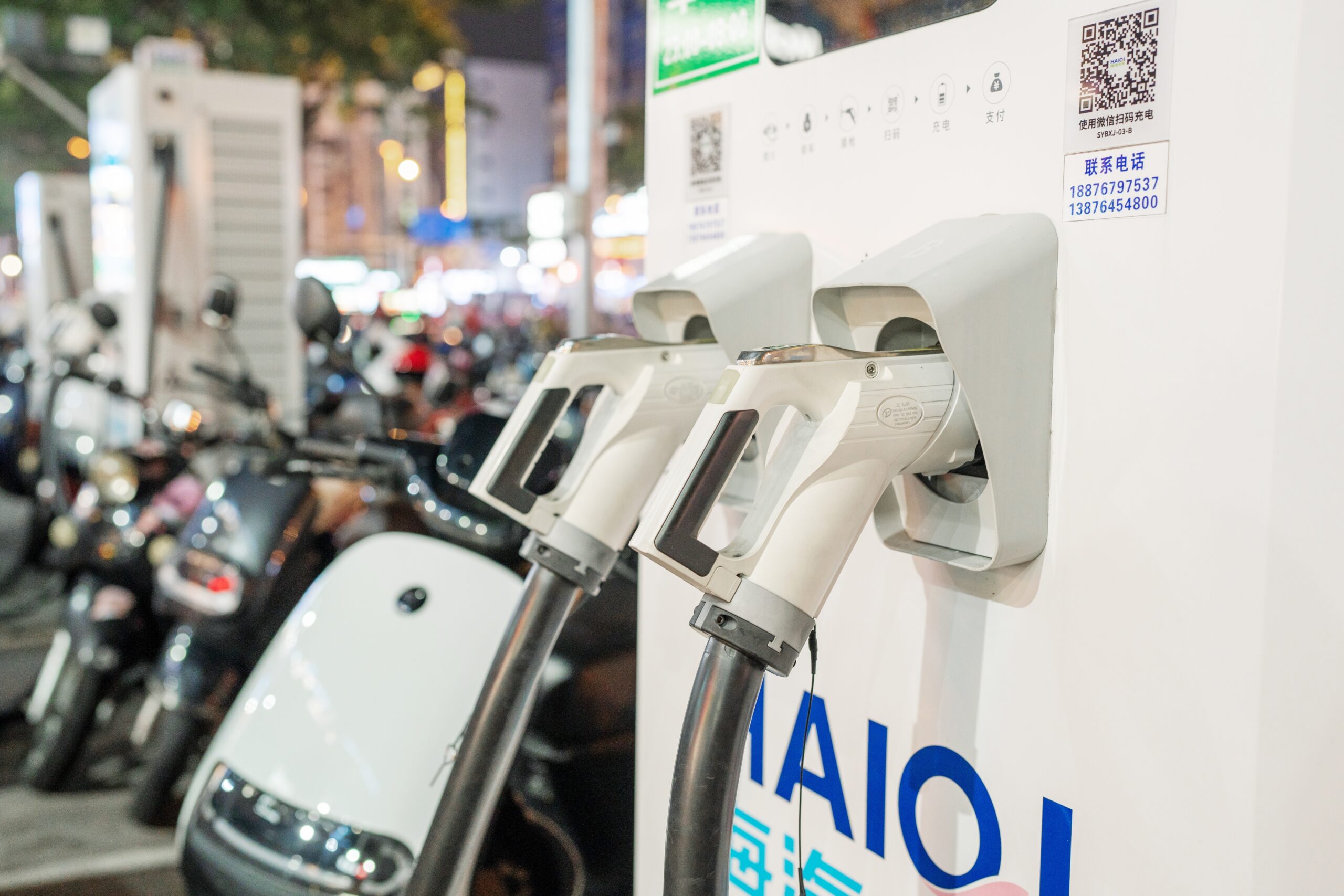
A Chinese high-power solar-powered charging point, installed as part of the 2025-2027 plan. (Credit: Sanya)
Open, fast, universal stations
Unlike fragmented or proprietary networks, these new stations will be compatible with all electric vehicles. The plan is to allow charging from 10% to 80% in less than 30 minutes for 800 V models.
Each terminal will be linked to local solar generation and stationary storage batteries. The aim is to relieve the strain on the national grid. Dynamic pricing will be introduced to encourage users to recharge at off-peak times.
An urgent need in the face of a gigantic electricity fleet
At the end of 2024, China had more than 31 million electric vehicles, but only 3.3 million public charging points, according to official figures. This imbalance is prompting Beijing to act quickly to avoid saturating the network.
The government is introducing a system of long-term leases (10 years) for operators and raising local bonds to finance the network. A concrete example can already be seen in Guiyang, where a station combines ultra-fast recharging, solar power and V2G (vehicle-to-grid) technology.
With this plan, China is not just catching up: it is laying the foundations for a global standard in intelligent, decentralised and sustainable recharging.
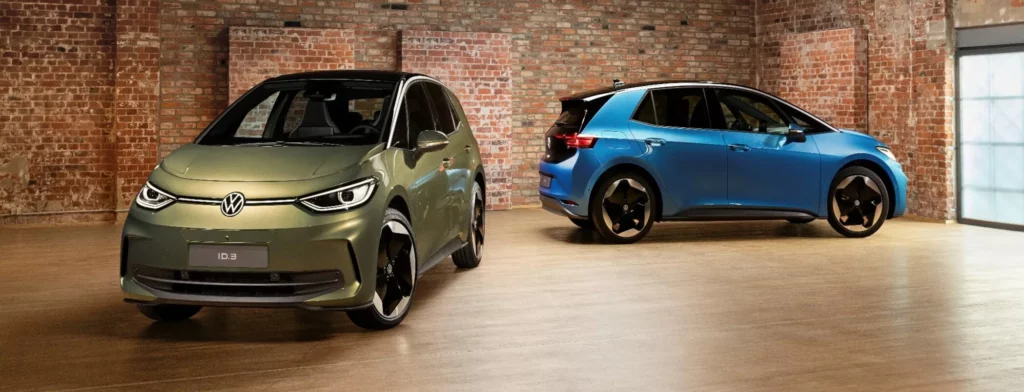
As the world of electric cars is often criticised for its reliability or its durability, the ADAC research institute has taken the initiative of carrying out various evaluations to assess the average durability of a classic electric city car. Few models have had the opportunity to prove their endurance over the very long term. So the Volkswagen ID.3 Pro S was subjected to a 160,000 kilometre reliability test. The result? A generally glowing verdict… but the ID.3 does have its limits…
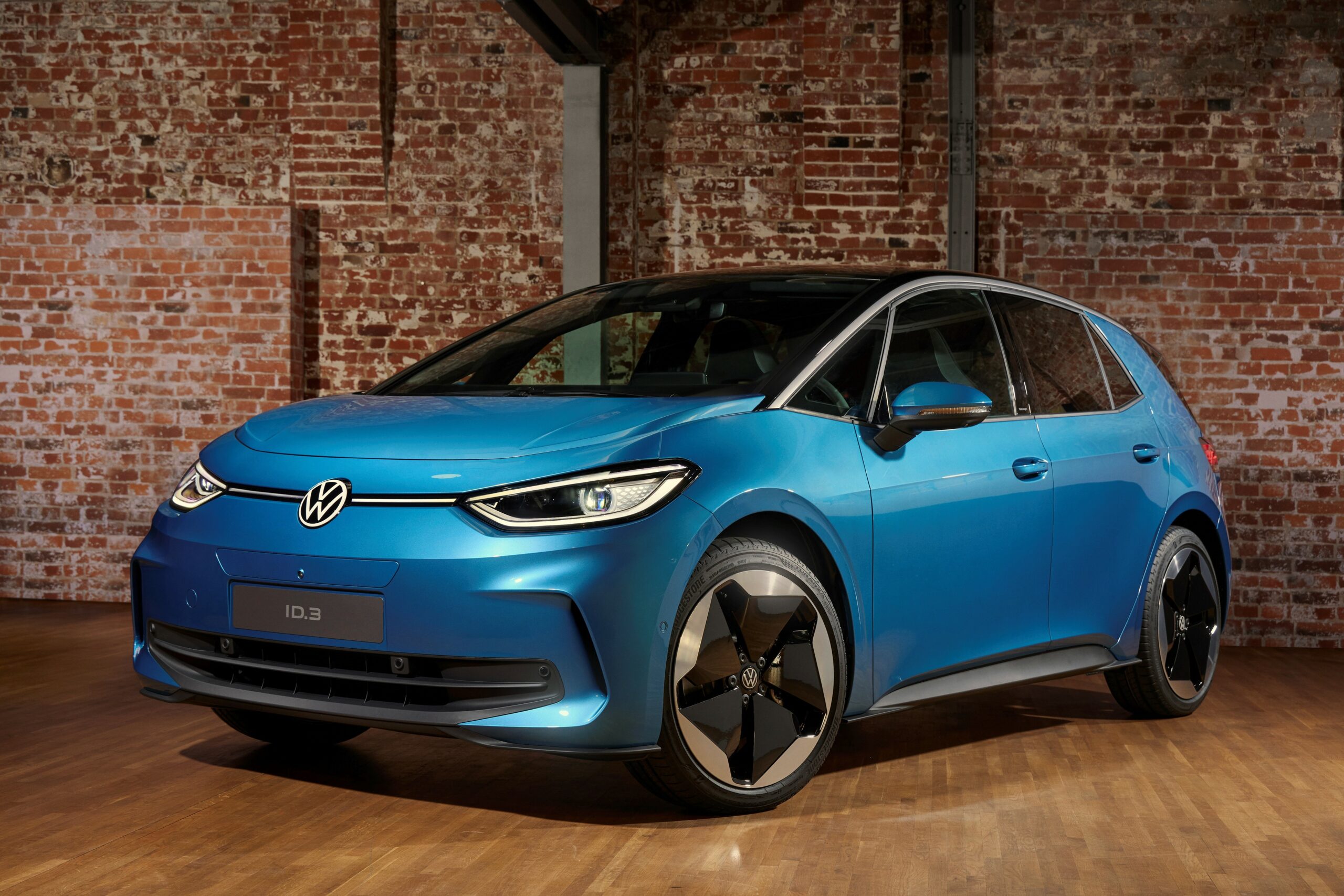
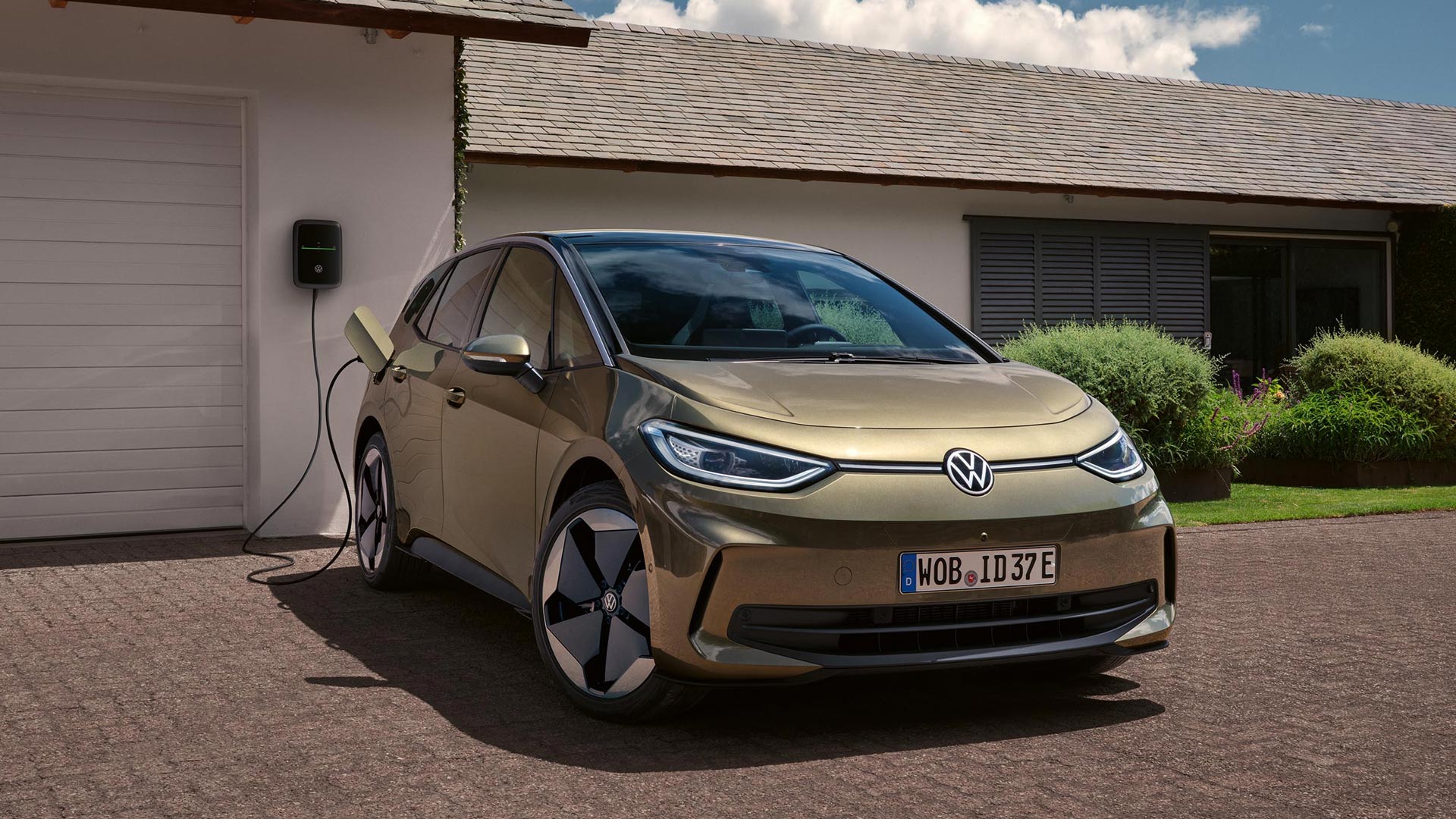
The Volkswagen ID.3, a 100% electric city car tested by ADAC (Credit: Volkswagen)
An exemplary battery
This is the heart of the electric vehicle, and one of the most widely analysed and discussed criteria… The battery’s state of health (or SoH for State of Health). In order to maximise the veracity and reliability of this test, the 160,000 km were driven in driving conditions that were far from gentle: frequent 100% charges, regular use of the rapid recharge system, recharging without disconnecting the vehicle once 100% had been reached, journeys at altitude in sub-zero temperatures, etc. After being subjected to such abuse, the battery still showed 91% of its initial capacity (measured on several occasions by the BMS and confirmed by the independent laboratory Aviloo). Well above the 70% guaranteed by Volkswagen. Clearly, even when battered, the model’s battery is holding up well, even better than expected. A demonstration of electrical robustness that confirms the German manufacturer’s technological advances.
Reassuring performance in real use
On the road, in normal conditions, the VW ID.3 is consistent; its average range stabilises at around 400 km, dropping to 300 or 320 km in winter… To keep up with the pace, electricity consumption has fallen over the months, from 20 kWh/100 km to 18.3 kWh/100 km. Efficiency has therefore improved over time, thanks in particular to OTA software updates (available to anyone with an ID.3), which have enhanced the vehicle’s functionalities (“E-Route Planner” or intelligent GPS, better thermal management, rapid charging increased to 170 kW).
Long-term test of the ID.3: stable range over 160,000 km (Credit: Volkswagen)
But if there’s one black spot identified during these 160,000 km, it’s, despite the update, the thermal management system, which can still be improved. The battery, for example, cannot be manually preheated before a quick recharge. As a result, in cold weather, the charging speed decreases, with no possibility of anticipation or user intervention. A software weakness that Volkswagen would be well advised to correct.
Overall reliability and minimum maintenance
As well as the battery, the chassis, suspension, steering and bodywork have held up well over time. The ID.3 shows no critical wear and tear after four years of sustained use. Only a few isolated faults have disrupted the journey: replacement of the GPS/eCall module – €525, a software bug affecting door opening, resolved by an OTA update, and a charging hatch repaired for €227.
When it comes to servicing, the budget remains under control, with a major overhaul costing around €427, plus €200 for the air conditioning system…
But in fact, this long-term analysis in real-life conditions proves Volkswagen right… The ID.3 is a solid, hard-wearing electric car, well designed for everyday use, even if it’s intensive. Its battery, in particular, is among the best on the market. The only fly in the ointment is the software ergonomics, which are still locked in place, sometimes hampering the user experience. A strong message, at a time when, more than ever, electric vehicles need to be convincing.
Ampere, the Renault Group’s European specialist in intelligent electric vehicles, plays a key role in the Group’s innovation strategy. Maxime Bayon de Noyer, Senior Vice President, Technologies & Upstream Projects, explains the priorities, the main areas of research and the challenges facing the next generation of electric vehicles.
Maxime Bayon de Noyer, in charge of technology projects at Ampere – Renault Group.
What is Ampere’s role in the Renault galaxy, and what is your role within Ampere? Maxime Bayon de Noyer: Ampere is a tech player serving the Renault Group, developing electric vehicles (EVs) under the Renault brand and injecting EV technologies and software for other brands (Alpine, Nissan, Mitsubishi…). Ampere’s aim is to make electric vehicles accessible to as many people as possible in Europe. My role is to manage ‘upstream’ technological projects, in other words… upstream of development! We’re involved from the research phase right through to the handover to the production development teams.
What are your current priorities in terms of innovation? Maxime Bayon de Noyer: In order to democratise the EV in Europe, we need to lower costs and maximise usage. So, to reduce the cost of batteries, we’re working on the materials used and looking at new chemistries. As for electric motors, Renault Group is a pioneer in magnetless wound-rotor motors, which do not use rare earths (notably with Zoé). At Ampere, we are pursuing and improving this technology in our next generations of motors, to make them more efficient by, for example, reducing losses during energy transfer.
MBN: In the short term, we are going to introduce LFP (Lithium Iron Phosphate) chemistry into our batteries, then in the medium term, we are studying a cobalt-free chemistry, which will have the energy density of NMC (Nickel Manganese Cobalt) but with the cost and tolerance of LFP. Finally, 10 years from now, we will be proposing an even more efficient chemistry based on lithium metal. The aim is to offer increasingly efficient batteries at lower cost.
What do you think will be the next major technological revolution in the automotive industry? MBN: For me, the revolution will come from a change in usage. The aim is an efficient electric car, with fast, optimised and stable recharging, whatever the season or type of road. And all this with an electric vehicle at the same price as a combustion-powered vehicle.
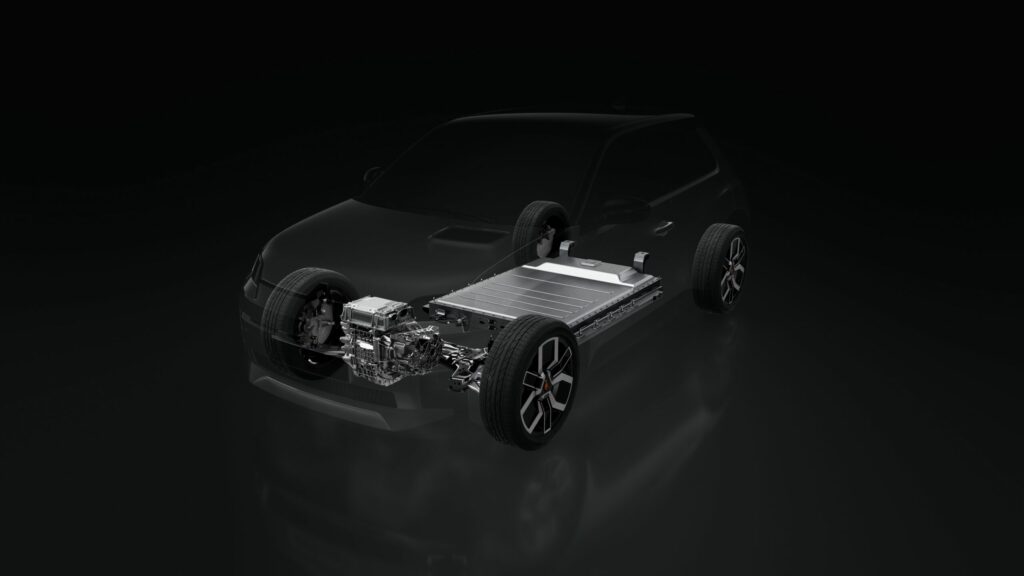
The Renault 5’s engine, developed by Ampere, relies on rare-earth-free efficiency.
The R5 introduced two-way charging to the Renault catalogue. What’s in it for the consumer? MBN: In V2L (Vehicle to Load), bi-directional recharging means you can use your car as a generator and therefore a mobile power socket, and in V2G (Vehicle-To-Grid), when the vehicle is parked, it can feed energy back into the grid, like a mini power station. This re-injected energy is invaluable during periods of high demand: it stabilises the network, prevents power cuts… and can be sold on, generating income for the user. Finally, in V2H (Vehicle to Home), which will be available in 2026, the vehicle can power the home in the same way as a mobile solar panel. This means, for example, that the energy stored in the battery can be used during peak hours to reduce the bill. The system is controlled by AI and always maintains the autonomy required for travel.
Any other innovations you can share with us? MBN: Some are still confidential, but we are currently working on the renewal of our C segment (compact hatchbacks and three-bodies), with a new engine offering very good performance on the motorway. This breakthrough has been made possible by an innovative platform, enabling a ground-breaking design and overall optimisation. At Ampere, our ambition is clear: to make electric cars as affordable, desirable and practical as internal combustion. And this is not science fiction.
A final word on China: are they really 10 years ahead of us? MBN: They have a head start, but we’re still fully in the race. Our strength lies in our in-depth knowledge of the French and European markets, acquired over the years. This expertise gives us a strategic advantage, because we understand exactly what our customers want and need. At the same time, we remain humble in the face of their efficiency, organisation and speed. It’s with this in mind that we remain vigilant and have opened an office in Shanghai, in order to better observe and anticipate market developments.
On 16 July 2025, Porsche celebrated its one millionth Macan rolling off the production line at the Leipzig plant. A historic number. The Macan has always been seen as a sporty compact SUV that helped Porsche establish its commercial success back in 2014.
Eleven years later, the one millionth car to leave the factory is no longer powered by an internal combustion engine, but by an electric motor. Since 2024, the revival of the world’s best-known German carmaker has mirrored the global transition. With this milestone reached, Porsche is proving that electromobility is no longer a gamble, but an industrial reality adopted on a large scale, even by the most emblematic manufacturers in motorsport.
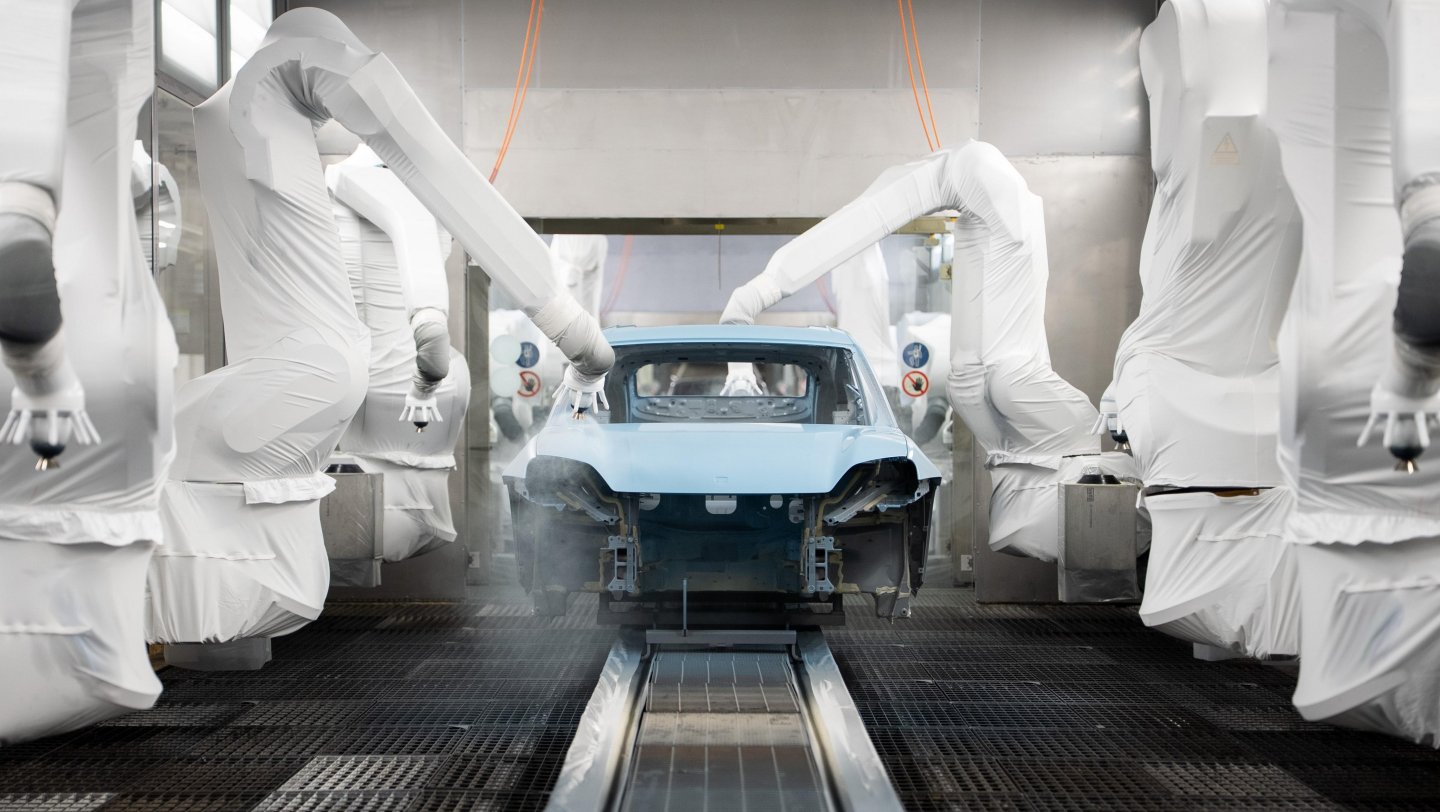
Production of the electric Macan at the Porsche plant in Leipzig, illustrating the growing popularity of electromobility.
The electric Macan takes the lead
Unveiled at the beginning of 2024, the new generation Macan will be sold exclusively as a 100% electric version. And the figures confirm the craze: although the old combustion-powered Macans are still available in Porsche’s catalogue, in the first half of 2025, more than 60% of Macans sold were electric, according to official Porsche figures. Better still: according to Porsche’s press release of 8 July 2025, the electric Macan outsold the legendary 911 in 2024… Further proof of a shift in demand, even among the German brand’s demanding and loyal customers.
Optimised production for clear ambitions
The electric Macan is assembled at the Leipzig plant, which has been completely modernised to accommodate the production of electric vehicles. Porsche has invested more than half a billion euros to adapt its production lines to the PPE (Premium Platform Electric), developed in partnership with Audi. In concrete terms, Porsche produces electric cars using a technical base developed in partnership with Audi called PPE. The ‘PPE’ platform is to Audi and Porsche what the ‘STLA Medium’ platform is to Stellantis: a common base (chassis, battery location, etc.; in other words, the car’s ‘skeleton’, etc.). This means that production can be carried out faster, more efficiently and with shared top-of-the-range technologies.
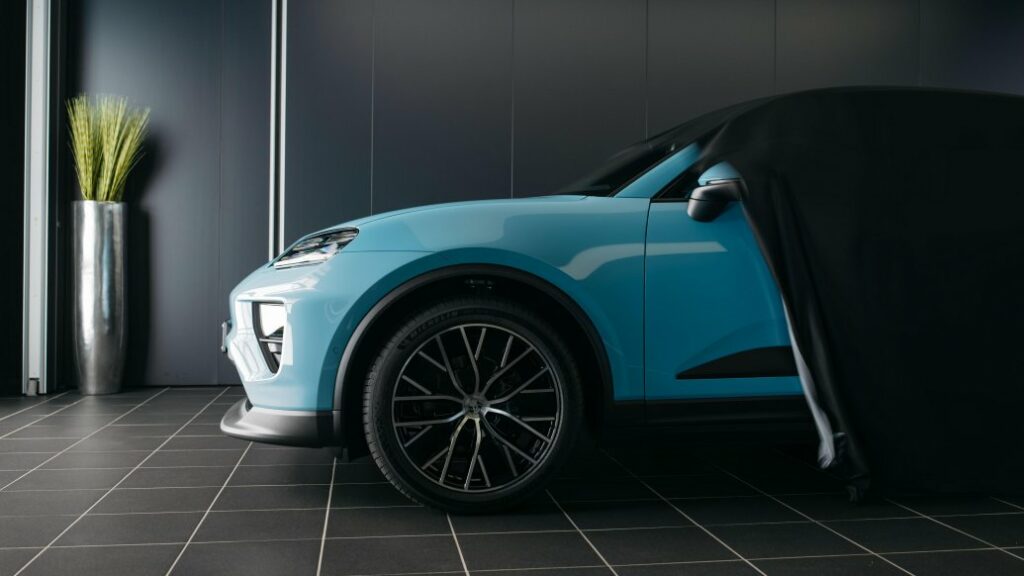
The new generation of the electric Porsche Macan is officially revealed, marking a new era for the sporty compact SUV.
As a result, the Macan’s electrical production is based on a line derived from that of the internal combustion models, but radically modernised to accommodate the PPE platform, illustrating the desire for flexibility and rapid industrial ramp-up.
A 100% electric future
With two 100% electric models already in the catalogue (the Taycan, now the Macan), the recent 911 type 992.2 adopting a slight hybridisation and finally a potential zero emission version of the Cayenne for 2026, the objective is clear. More than 80% of Porsche sales will be 100% electric by 2030, announced Oliver Blume (CEO of Porsche AG) in March 2022.
This millionth electric Macan is therefore much more than just a milestone: it’s a message, both to competitors and to the global market, and the message is clear: yes, it is possible to combine performance, design and electrification. And yes, electromobility is gaining ground, including among the historic manufacturers.
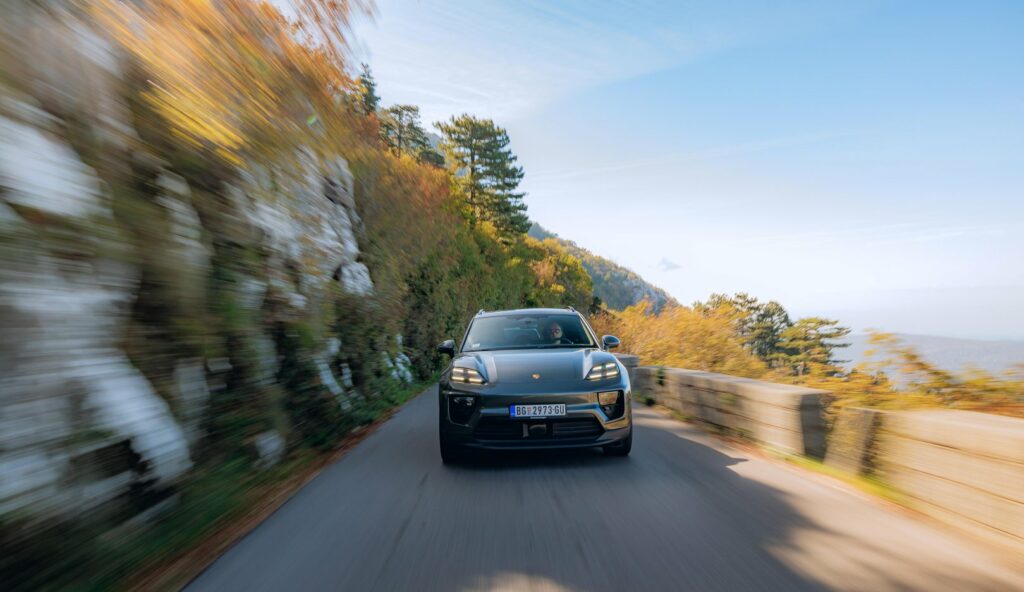
The electric Porsche Macan reveals its dynamic, sporty design outdoors, a symbol of performance and electrification.
And what about performance?
The success of this electric Macan 4 is no accident:
408 hp,
0 to 100 km/h in just 5.2 seconds,
612 km range claimed,
Ultra-fast 100 kW recharge (10-80% in 21 minutes).
This performance confirms that electric is no longer synonymous with compromise, but with progress and sportiness.
The Canadian federal government recently blocked the entry into the national market of the world’s cheapest electric vehicles (EVs), manufactured in China, by imposing 100% customs duties. In response, electric mobility advocates are calling on Canada to make it easier to import affordable models from Europe, which are currently held back by technical standards.
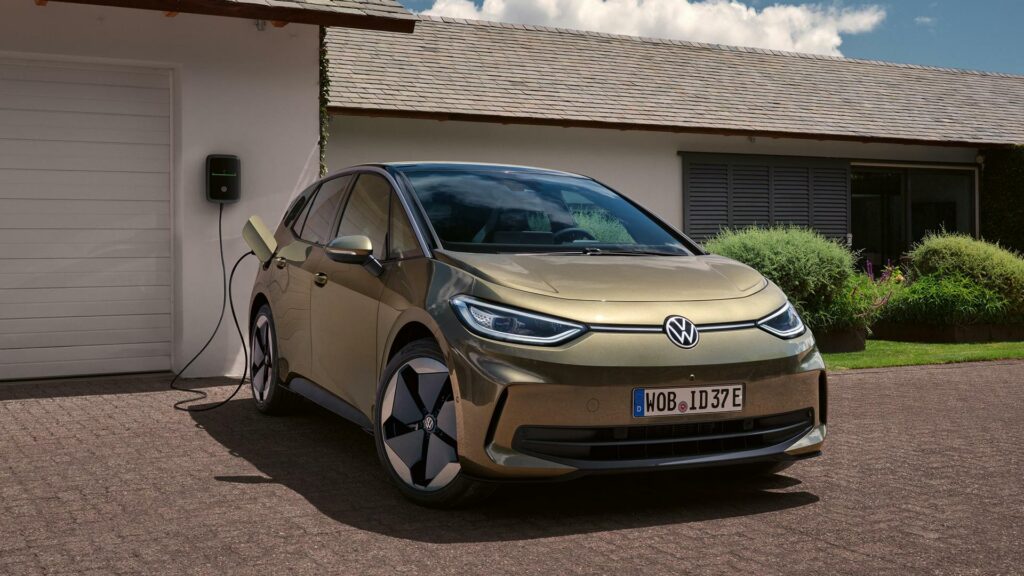
The Volkswagen ID.3, a compact electric model popular in Europe, is not yet on sale in Canada (Credit: Volkswagen).
Why it’s difficult today
European vehicles are not easily imported into Canada, as they do not meet certain Canadian certification requirements. Foreign certification rules are not automatically sufficient to meet the safety needs of Canadian road users, due to a distinct road environment, generally larger vehicles, and specific conditions.
Modifications may include bumpers, headlights or other technical features. This process can be long and costly, which discourages importers.
Press to open
Daniel Breton, President of Electric Mobility Canada, is calling for vehicles approved in Europe to be able to enter Canada without having to be recertified or modified. He believes that the Canadian requirements are unjustified, since “if these cars are safe enough for European roads, they are safe enough for ours “.
A survey of 2,585 Canadians conducted by Clean Energy Canada in June 2025 shows that 70% of them are in favour of opening up the market to approved European vehicles.
A tense business environment
This desire for openness comes against a backdrop of growing commercial pressure. The North American market is unstable: the withdrawal of subsidies in Canada, 100% tariffs on Chinese EVs, and the Trump administration’s decisions in the United States are complicating access to affordable vehicles.
The Canadian government is considering this option to diversify its sources of supply and meet growing demand for compact models that are currently unavailable, such as the Volkswagen ID.3, or brands that are absent from the Canadian market (Citroën, Opel, Peugeot, etc.).
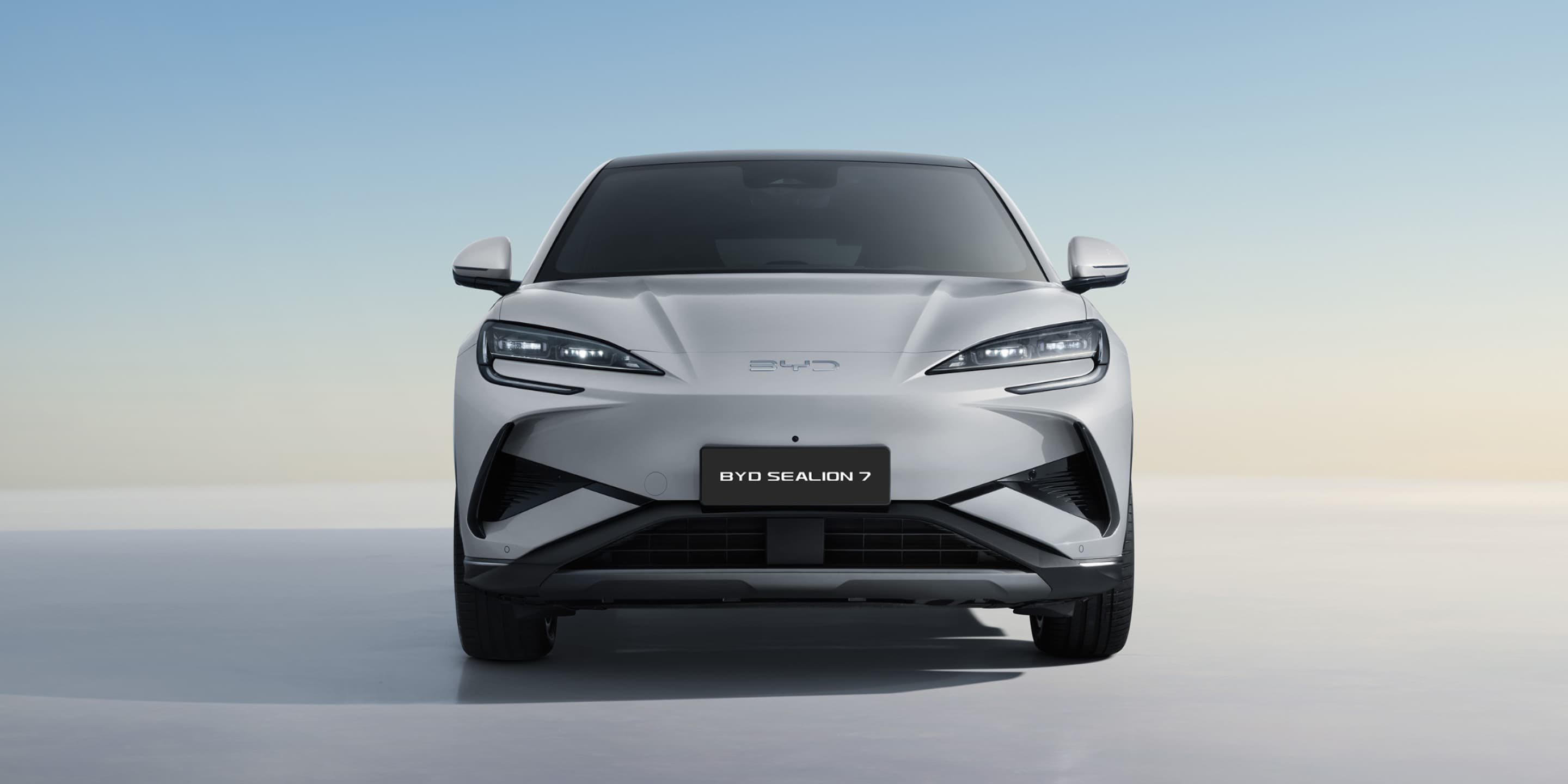
Chinese manufacturer BYD is once again hitting the electric mobility industry with its Super e-Platform, a revolutionary 1,000 V architecture dedicated to ultra-fast electric charging. Combined with its new “Megawatt Flash Charger” charging point delivering up to 1,000 kW, it can recover no less than 400 km of range in just 5 minutes – that’s 2 km of range every second.
BYD’s Sealion 7 is compatible with the 1,000 kW charging point, providing 400 km of range in just 5 minutes. (Credit: BYD)
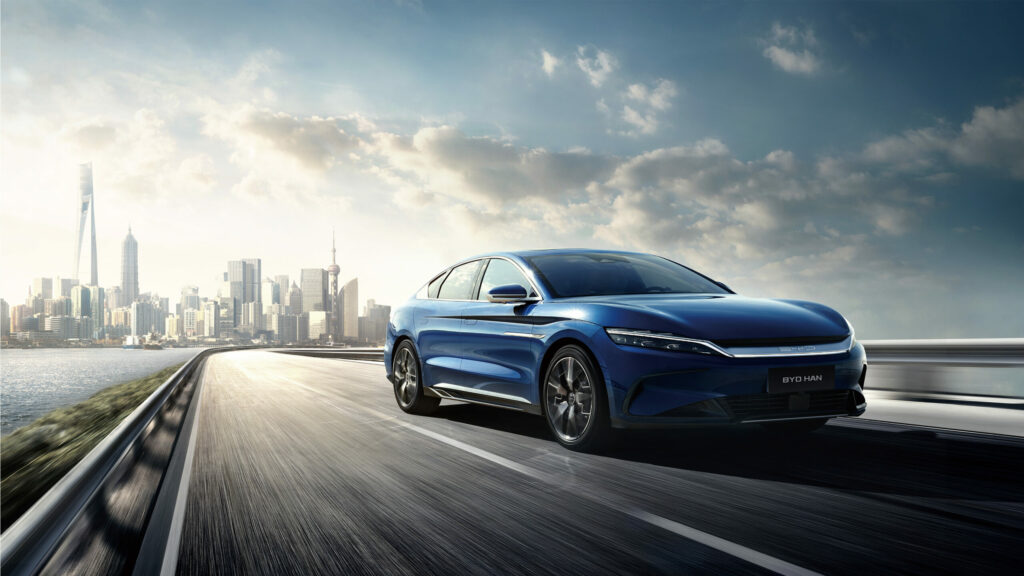
This performance is made possible by a special battery, designed to withstand very powerful recharging without overheating, and highly resistant electronic components that efficiently manage this enormous amount of energy. Recharging becomes as quick and easy as a trip to the petrol pump… At the launch in spring 2025, BYD unveiled two models compatible with this technology: the Han L saloon and the Tang L SUV, both capable of covering 400 km in 5 minutes. In terms of performance, the Han L has an engine running at 30,000 rpm and offers up to 788 bhp (580 kW), propelling it from 0-100 km/h in just 2.7 seconds…
Mass deployment in China
China is planning a national roll-out to match its ambitions… BYD has already installed more than 4,000 ultra-fast charging stations in the Middle Kingdom, with the first 500 arriving in April 2025. These kiosks are equipped with liquid cooling and a dual connector, capable of delivering up to 1,360 kW peak power.
And in practice?
Yes, it works… and very well indeed, at least in China, where the entire ecosystem has been designed with this in mind. The result: users can recharge with a smooth, reliable experience. The only limitation is that, for the moment, there are not many of these stations, and they are very expensive to set up… but the technology is there, fast, efficient, and already in daily use by thousands of drivers.
The BYD Han L reaches 788 hp and recharges 400 km in 5 minutes thanks to the new ultra-fast charging point. (Credit: BYD)
Impact on competition
BYD’s technology is shaking up the industry: Tesla, with its 250-350 kW superchargers (or even 500 kW in the future), is now lagging behind… European manufacturers (Mercedes, BMW, Renault) are also stepping up their efforts, but BYD’s leap towards the megawatt remains unparalleled.
What does this mean for Europe?
As far as Europe is concerned, BYD has clearly indicated its intention to bring this innovation to Europe. But feasibility will depend on the ability of electricity grids to support such high loads, and on the adoption of suitable charging stations. What’s more, only certain top-of-the-range models will be able to benefit from it, limiting the spread to the general public.
In concrete terms, with this breakthrough, BYD has brutally raised the bar for electric charging with its Super e-Platform and its network of megawatt charging stations, making charging almost as fast as filling up a petrol-powered vehicle. The brand is now ushering in a new era in which electro-mobility is no longer held back by range or charging time. It remains to be seen whether this revolution will quickly spread beyond China…
France has embarked on a profound transition in its mobility model, with the ambition of converting its entire vehicle fleet to electric power by 2035. While this change is often presented as an unavoidable necessity, in reality it brings with it a host of technical, social and industrial challenges that few countries have fully grasped. Behind the official announcements highlighting the mass adoption of electric vehicles by the French, the situation is actually more nuanced, with cultural reluctance, sometimes contradictory political choices and constant strategic adjustments on the part of manufacturers.
France wants to convert its car fleet to electric vehicles by 2035, despite a number of challenges.
This dossier offers a detailed and critical analysis of public policies on electric vehicles, highlighting the many factors that influence government decisions. Although these choices are often justified by ecological imperatives, in reality they respond to wider issues, combining geopolitical, economic and industrial considerations, sometimes in tension with each other. Despite visible progress in terms of market share, this transition still faces major structural obstacles that are likely to limit its real impact, including on the environment.
A transition with multiple and complex motivations
The climate argument is often put forward, but it is not enough on its own to explain the choices made in terms of the automotive transition. Admittedly, transport accounts for around 30% of CO₂ emissions in France, but presenting the electric vehicle as a single, unavoidable solution raises a number of questions. Recent research, in particular that of the International Energy Agency in 2023, reminds us that the environmental impact of an electric vehicle depends on the country’s energy mix and its entire life cycle.
In France, where the majority of electricity comes from nuclear sources, the environmental argument is still relevant. However, it tends to overshadow other decisive considerations. According to figures from the Ministry of Ecological Transition for 2023, the country’s heavy dependence on oil imports – almost 99% of the crude oil consumed in France is imported – makes electrification a strategic lever for reducing energy vulnerability and the trade deficit. Recent spikes in fuel prices have underlined the urgency of this issue in a country where the car remains a mainstay of daily life.
The industrial battle: preserving a key sector of the French economy
Behind all the talk of a “just transition” and positive ecology, the very future of the French car industry is at stake. Domestic manufacturers, starting with Renault, have been slow to embrace the electric revolution, leaving the field wide open to Tesla and Chinese brands such as BYD and MG, which have taken a significant lead.
Since 2020, the French government has injected almost €7 billion, according to figures from the Cour des Comptes, to support both households and the sales of French groups. The decision to exclude vehicles produced outside the EU from the ecological bonus from January 2024 is a good illustration of the industrial stakes involved. Officially justified by the need to reduce the carbon footprint of shipping, this measure is designed to protect European manufacturers from the competitive pressure of more affordable Chinese models.
Ambitious public policies with contrasting effects
The bonus-malus system: between administrative complexity and inconsistencies
The French system is based on a pile of tax measures that have become difficult to understand. The ecological bonus has been reduced to €4,000 for low-income households, compared with €7,000 previously, and the conversion bonus has been abolished. On top of this, local aid varies from region to region, with eligibility criteria that change regularly, creating instability and confusion.
In addition to this complexity, there are some perverse effects: the ecological penalty, which has been capped at €70,000 since March 2025, penalises large families and professionals who need spacious vehicles. The bonus, meanwhile, excludes vehicles costing more than €47,000, limiting access to premium models for the upper middle classes.
Low Emission Zones: a social time bomb
The widespread introduction of Low Emission Zones (LEZ) in 45 major cities is fuelling tensions. While there is a consensus on the need to reduce pollution, the way in which they are applied raises issues of fairness. According to the Observatoire des Inégalités (March 2024), a modest household in the inner suburbs of Paris could have to invest three years’ median salary in a compliant vehicle.
The solutions on offer – public transport, cycling – are often unsuitable. For travelling professionals (tradesmen, carers, etc.), doing without a car is unrealistic. This measure risks deepening the divide between well-equipped city centres and outlying areas that are still dependent on the car.
Low Emission Zones are causing social tensions in outlying areas.(Credit: Gile Michel/SIPA)
Commercial and professional vehicles: the big losers in the transition
The debate on the automotive transition continues to focus on private cars, even though commercial vehicles, which account for almost 60% of the vehicle fleet, are essential to the local economy. However, current electric models are struggling to meet needs: they have insufficient range once charged, take too long to recharge, and are prohibitively expensive for small businesses.
The bonus for commercial vehicles has been abolished, and local grants are largely inadequate. As a result, many small businesses are caught between the diesel ban and the lack of viable electric options.
A widening generational and territorial divide
The transition to electric vehicles is reinforcing inequalities. For older people living in poorly served areas, the car is still essential, but EVs are a source of anxiety: autonomy, recharging, new uses. Young working people in rural areas, meanwhile, are faced with a dilemma: keeping an old internal combustion vehicle or going into debt for a second-hand EV with uncertain range. This double divide highlights the as yet unresolved social and territorial challenges of the transition.
Towards a more balanced and realistic transition?
Faced with growing tensions, a more balanced approach is needed to avoid mass rejection. A number of levers can be envisaged:
Creation of an independent observatory for EV prices and charging services to ensure transparency and combat abuse;
Condition public aid on sobriety criteria (weight, autonomy, carbon footprint) to avoid supporting oversized models;
Redirecting investment towards suitable alternatives: public transport in rural areas, organised car-pooling, utility bicycles, etc;
Introduction of a moratorium on EPZs in areas where there are no credible alternatives, to give infrastructure time to develop.
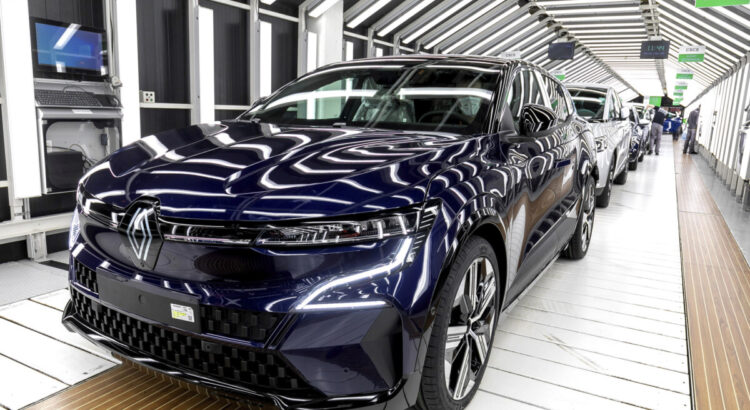
The French car industry is adapting to the growing popularity of electric vehicles. (Credit: Renault)
A challenge to be readjusted for a successful transition
In conclusion, while the policy of electrifying the car fleet reflects an undeniable environmental ambition, it suffers from a lack of adaptation to social and territorial realities. By favouring a technocratic approach, decision-makers have underestimated the cultural obstacles, disparities and economic constraints faced by millions of French people.
The success of this transition will depend on a rebalancing of policies, greater consideration of actual usage and, above all, a global rethink of our relationship with mobility. Without this, there is a great risk that long-lasting resistance will emerge, compromising the very commitment to sustainable mobility.
Electric vehicles (EVs) are playing an increasingly important role in the French automotive landscape. In 2024, according to government figures, 100% electric cars will account for 16.8% of sales, confirming a stabilisation after strong growth between 2020 and 2023. The market is marking a shift in manufacturers’ positions, with popular segments evolving and a transition towards electrification.
After strong growth, sales of electric vehicles will fall by 2.7%, from 303,900 units in 2023 to 295,600 in 2024. Their market share remains stable at 16.8%, compared with 16.7% the previous year. Sales of plug-in hybrids followed the same trend, with 147,100 registrations, a fall of 9.6%. At the same time, combustion engines continued to decline. Diesel dropped to 7.2% of sales, while petrol fell by 37%, now accounting for 30.2% of the market. Diesel hybrids are becoming marginal, accounting for just 0.8% of sales (down from 1.2%). Conversely, the non-rechargeable petrol hybrid is growing strongly, becoming the best-selling engine in France.
Alternative energies (natural gas/LPG) are stagnating at 3.2% of the market. This shows a decline in traditional combustion engines, stagnation in new energies, and an increase in conventional hybrids as a transitional solution.
The best-selling electric cars in France in 2024: a reshaping of the market
The stabilisation after several years of sustained growth marks a repositioning of the dominant brands and a renewal of the popular models.
Tesla on the wane, Renault on the rise
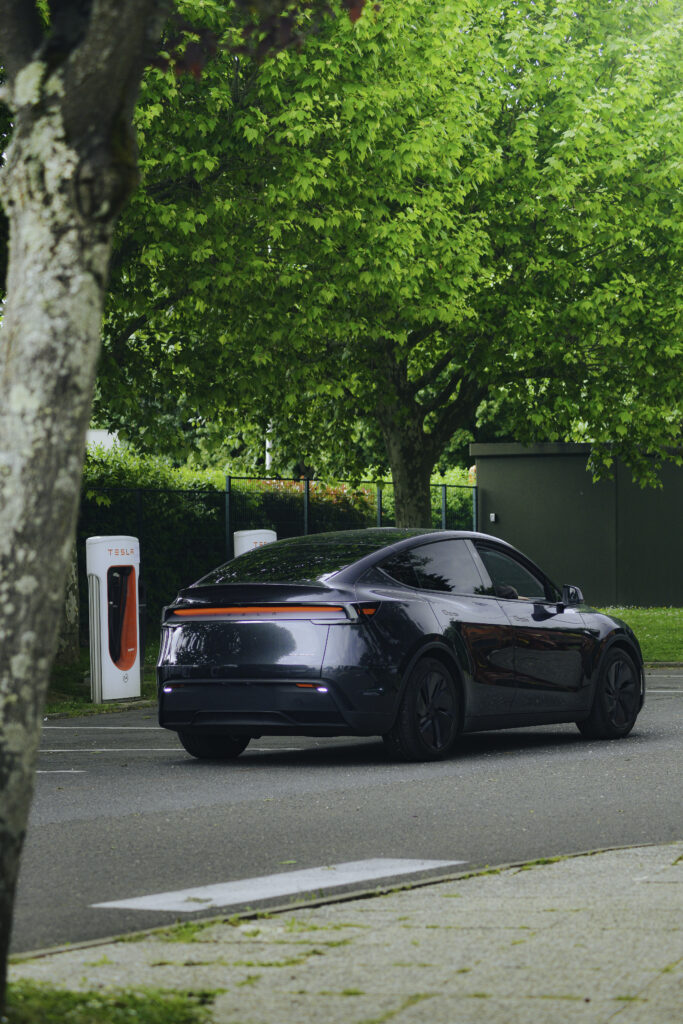
For a long time the undisputed leader, Tesla is seeing its sales decline. The Tesla Model Y, although still in the lead with 28,576 units sold in 2024, is down 23% on 2023. Its other model, the Tesla Model 3, is down by 52.7%. This drop is partly due to the arrival of French competitors that are more accessible and better suited to consumer expectations.
Credit: Mathis Miroux
Conversely, Renault is taking advantage of this momentum to become the market leader for electric vehicles in France. The Peugeot e-208 confirmed its success, with 23,602 units sold. The Renault Megane E-Tech held up well, with a total of 16,800 registrations. The manufacturer has attracted interest with a number of eagerly awaited new models. The recently launched Renault 5 E-Tech recorded 9,973 registrations, while the Renault Scénic E-Tech made its mark with 8,953 units sold in its first year.
Electric SUVs are also enjoying great success. The Peugeot e-2008 is up 95.1% with 8,944 sales, while the BMW iX1 is up 135.9% with 8,940 units sold.
On the other hand, some iconic models are experiencing a decline. This is the case of the Fiat 500e, which fell by 33% to 16,153 units sold, losing ground to more recent alternatives.
A market dominated by Renault, Tesla and Peugeot
Renault is now the leading manufacturer of electric vehicles in France, with a market share of 16.9%, up 2.3 points. Tesla is down to 15.8%, while Peugeot is up 1.1 points to 14.7%. Volkswagen and BMW continue to battle for market share, with 9.2% and 7.1% of registrations respectively.
The year 2024 marks a turning point for the electric vehicle market in France, with a transition to a more diversified market. Tesla is losing its influence to French manufacturers who have adapted their range to consumer needs. Renault is emerging as the leader, with an attractive range and a well-established network.
Sales trends also point to a diversification of consumer choices. As the market enters a phase of consolidation, the battle between manufacturers is set to intensify in the years ahead, with the arrival of new innovations and ever more competitive models.
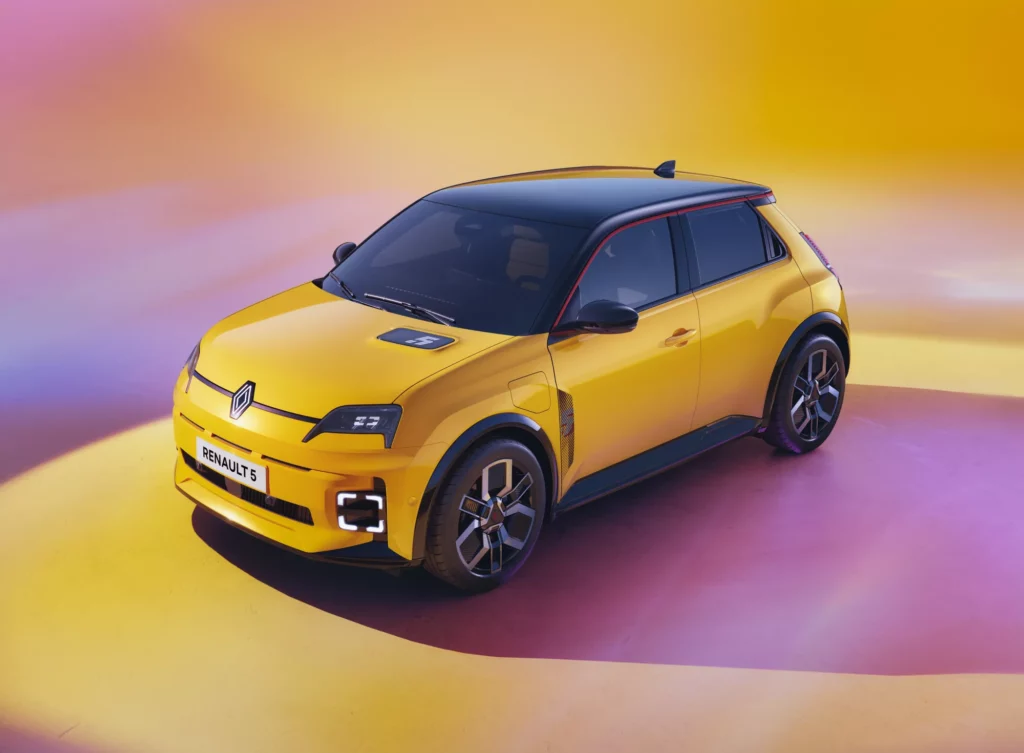
Credit: Renault 5
Electric cars on the road
By the end of 2024, France had nearly two million electric and plug-in hybrid vehicles on the road, according to the national association for the development of electric mobility, Avere-France, of which 1.3 million were 100% electric.
France is Europe’s third-largest market for electric vehicles, behind the UK, with 382,000 registrations in 2024, and Germany, with 381,000. Electric vehicles account for around 15% of European sales, compared with 16.8% in France.
Price and profitability of electric vehicles
The average price of a new electric vehicle in the first half of 2024 is €43,000. This is down on 2022, when it was €45,000, but up slightly on 2023, when it was €42,000.
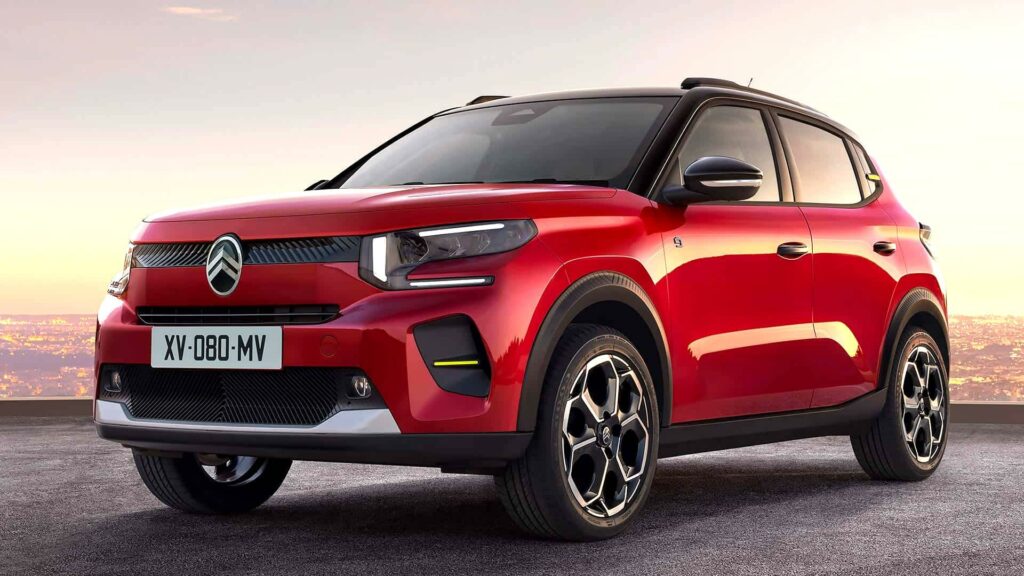
However, some affordable models can reduce the initial investment. The Dacia Spring is available from €16,900, while the Leapmotor T03 has an entry price of €17,900. The Citroën ë-C3 starts at €23,000, while the Renault Twingo E-Tech starts at around €22,900.
In comparison, an average petrol vehicle will cost around €27,000 in 2024, compared with over €28,000 a year earlier. The price of diesel vehicles, meanwhile, has risen, reaching €40,000 in 2024, compared with €38,000 in 2023, according to data from AAAData.
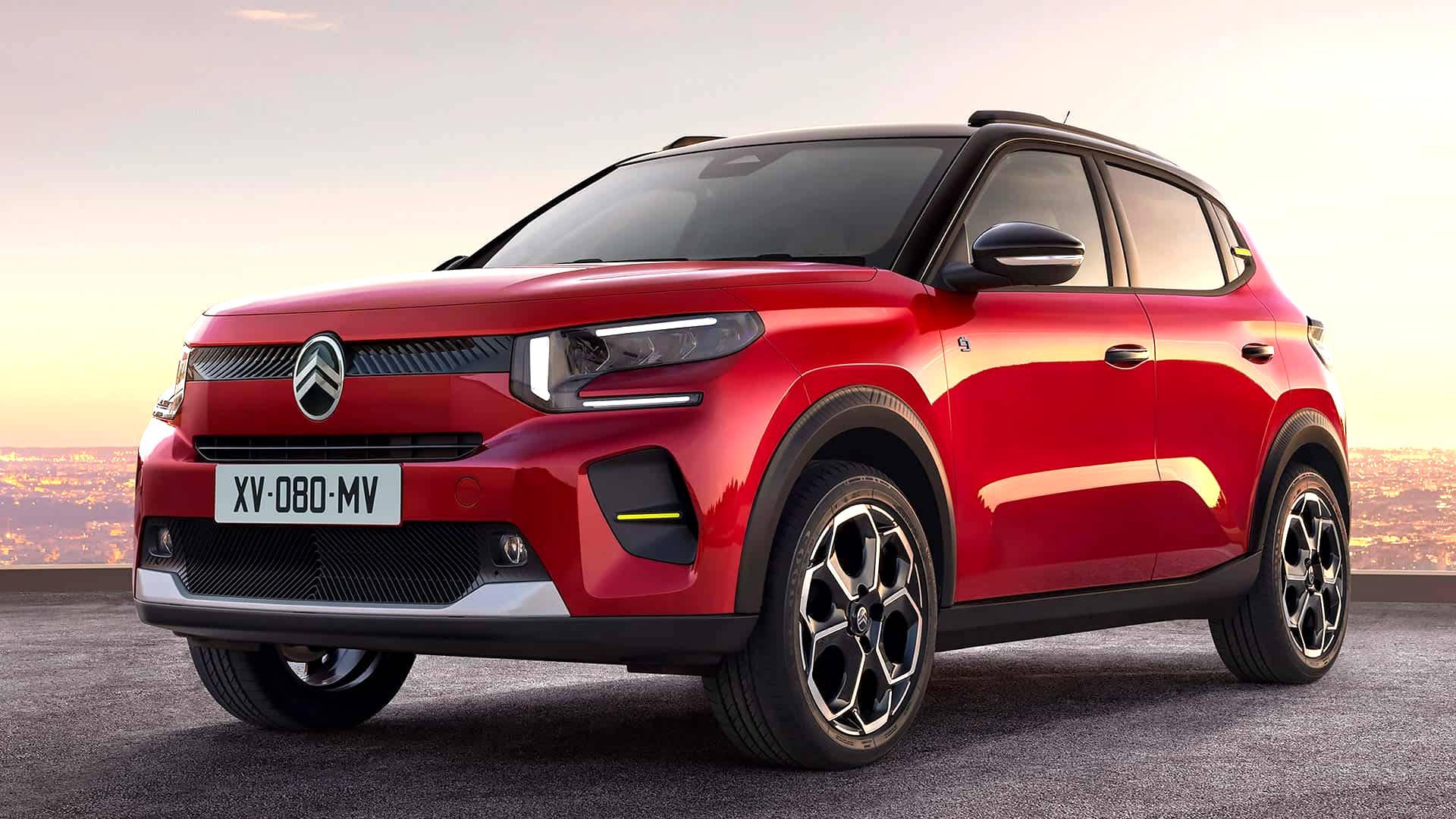
Credit: Citroën
Despite the gradual narrowing of the gap, electric vehicles are still between 30% and 40% more expensive to buy than their internal combustion equivalents.
In 2019, France had around 30 different electric vehicle models on the market, according to data from Avere-France and the CCFA (Comité des Constructeurs Français d’Automobiles). By 2024, this figure had exploded to more than 120 models available on the French market, according to consolidated data from Avere-France and the Plateforme Automobile (PFA).
So, despite a still high purchase price, the range is diversifying, contributing to accelerated adoption.
Autonomy and diversity
The range of electric vehicles continues to improve, although disparities remain. In 2024, entry-level models such as the Dacia Spring and the Fiat 500e offer a range of 220 to 320 kilometres, while top-of-the-range models such as the Tesla Model Y can exceed 500 kilometres on a single charge.
The number of models available has also risen sharply, contributing to a more rapid uptake of electric vehicles.
The year 2024 marks a transition for the electric vehicle market in France, with sales stabilising after a period of strong growth. The market is diversifying, with more affordable models, improved range and strong demand for electric SUVs. While the purchase price remains a major obstacle, the market dynamic remains geared towards increasing electrification of the French car fleet.
The 2025 Tour de France marks a turning point in the history of the Grande Boucle, not only in terms of sporting performance, but also in terms of its commitment to the environment. This year, the support vehicles, essential to the smooth running of the race, are adopting electric power on a massive scale, reducing their carbon footprint and noise pollution.
Škoda: a committed partner
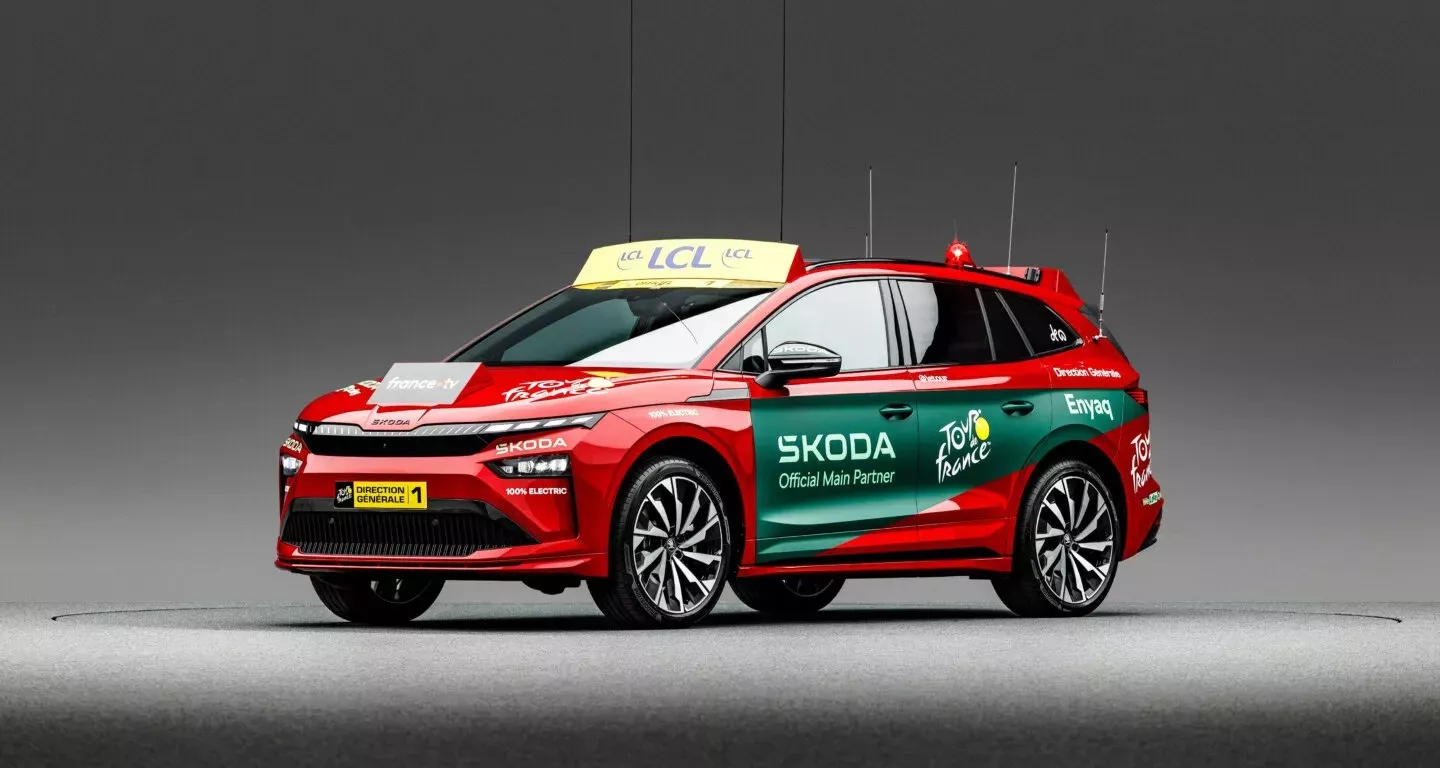
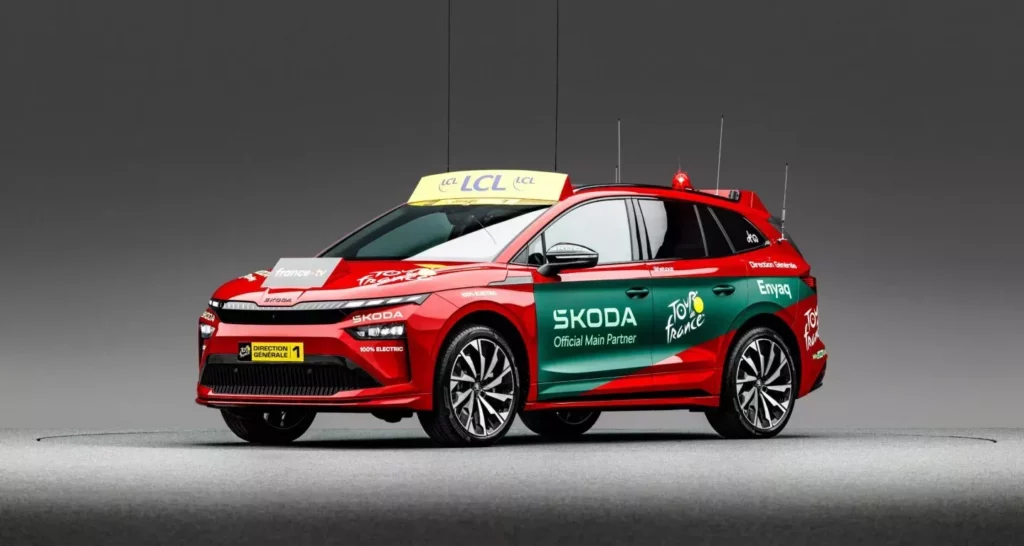
For more than 20 years, Škoda has been the official supplier of vehicles for the Tour. For this 112th edition, the Czech brand has gone one step further by putting 225 100% electric or rechargeable hybrid vehicles on the road. Among them, the Škoda Enyaq iV and the new Škoda Elroq will take on the roles of lead car and steering car. In addition to their performance, these vehicles offer a silent, emission-free drive, contributing to a more pleasant experience for racers and spectators alike.
The Skoda Enyaq iV model, used by the 2025 Tour de France teams (Credit: Skoda)
The advertising caravan goes green
Traditionally made up of noisy, polluting vehicles, the Tour de France publicity caravan is also changing. In 2025, several electric vehicles, including models from Volkswagen and Renault, will be integrated into the caravan, reducing the environmental impact of this emblematic event.
Cadillac: a first on the roads of the Tour
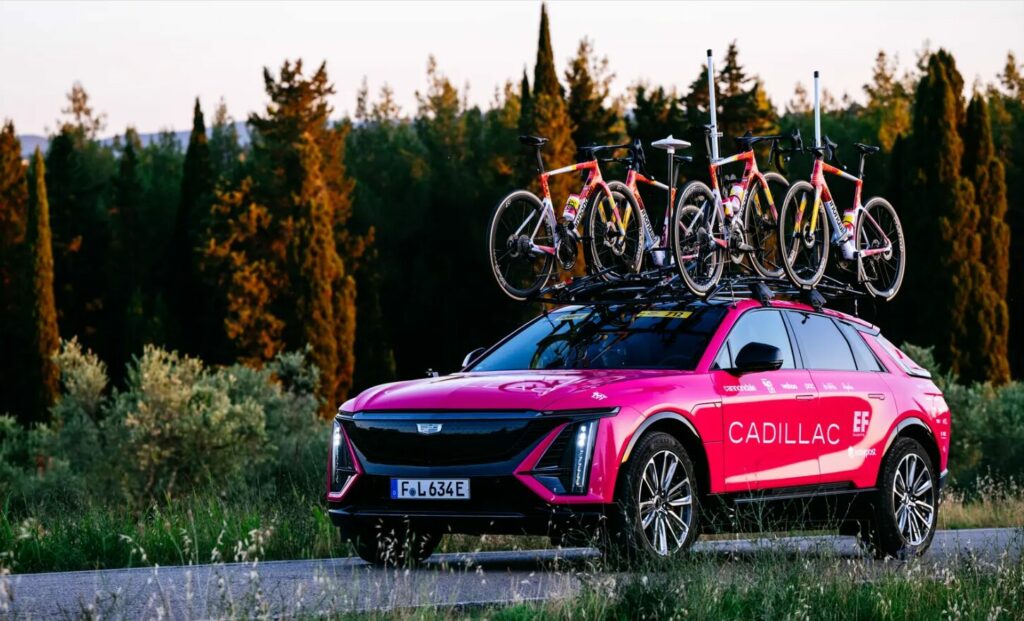
For the first time, the American brand Cadillac is taking part in the Tour de France by supplying electric vehicles to the EF Pro Cycling team. The all-electric Lyriq model will accompany the riders throughout the race, underlining Cadillac’s commitment to sustainable mobility and strengthening its presence on the European market.
The Cadillac Lyriq accompanies the EF Pro Cycling team on the Tour de France 2025. (Credit: EF Pro Cycling)
Adapted infrastructures
To support this transition to electric vehicles, recharging facilities will be set up along the route. Rexel, a partner of the Tour, is providing a map of the charging points close to the route, making it easier to manage the electric vehicle fleet.
A greener race
This move towards electric and rechargeable hybrid vehicles reflects a shared desire on the part of the organisers, partners and teams to make the Tour de France more environmentally friendly. By reducing greenhouse gas emissions and noise pollution, the Tour de France 2025 is part of an eco-responsible approach, while retaining its festive and popular character.
In this way, the Tour de France 2025 is not just a high-level sporting event; it is also becoming a model of energy transition, showing the way forward for other large-scale events.
The electric vehicle market is booming, and new models are coming out all the time, bringing with them a host of innovations in terms of range, on-board technology and recharging times. All these technical specifications can sometimes be daunting for those wishing to embark on the adventure of electric mobility.
So to get a clearer picture before you buy, it’s important to ask yourself a few questions to better understand how an electric car works, and to tick the right boxes according to your needs and budget. Then, once you’ve got the keys, there are a whole host of tips and advice to follow to maintain, use and optimise your vehicle.
Credit: Juice World
Defining your needs
To choose the right electric car, especially if it’s your first purchase, it’s important to determine how you intend to use it. The first step is for the future owner to be able to estimate the distance of his or her daily journeys, if possible on a weekly basis. How many kilometres between home and work? How many journeys do you need to make to get around each day? Add it all up, work out an average, take into account whether or not there are charging points at your various base points, and then work out how much range you need.
Be careful, however, to distinguish between the range claimed by the manufacturer, determined by a standardised WLTP procedure (Worldwide harmonised Light vehicles Test Procedures), and the actual range, which is generally less. The difference is usually between 10% and 30%.
Once you’ve defined your range requirements, it’s a good idea to consider the distribution of charging points around your home and the places you frequent most. Public charging points are springing up in more and more towns and motorway service areas, charging around ten euros per 100 kilometres. This price can quickly rise, depending on the location of the charging point, the energy supplier, the subscription card and the charging speed. They are generally placed in strategic locations (car parks, stations, shopping centres) and there are more than 160,000 of them in France. A figure that is rising steadily, but not enough according to the government, which wants to reach 400,000 charging points by 2030.
Ambitious, especially when there are still corners of France where infrastructure is sorely lacking. This is particularly true of Corsica, the French overseas departments and territories, Burgundy-Franche-Comté and Brittany. The only option is to install a home terminal. These often offer a lower price per kilometre than public charging points, and are more convenient for the homeowner. Installation costs between €500 and €5,000, depending on a number of factors, including the difficulty of installation, whether or not any work has to be carried out, and of course the type of terminal. The bill is lightened by State aid, in particular the Advenir bonus of up to €300, but also by the possibility of obtaining a tax credit equivalent to 75% of the price of the installation. So it’s an attractive option, even for those living in a condominium.
All you have to do is tell the property manager that you need to install a charging point, and the manager cannot object unless you can show that it is impossible to carry out the work. If the owner is the only one to use the charging point, he or she will have to finance the installation, but it is possible to install one or more charging points to be shared between users, thereby dividing the bill. So there are a number of solutions that make it clear that electric cars are capable of handling the vast majority of everyday journeys, thanks to the ever-increasing coverage of charging points, and are catching up more and more quickly with internal combustion engines in this respect.
Then there’s the question of which class of vehicle to choose. Firstly, the capacity required for the desired use, by answering the following questions: how many passengers do you intend to carry? How often? How much boot space do you need? This may seem obvious, and it applies equally to the purchase of a combustion-powered vehicle, but buyers often tend to underestimate or overestimate their need for space when buying a car. The type of electric car also affects range. A city car will generally have a shorter range than a saloon, which in turn will have a shorter range than an SUV.
A bigger car, even if it’s heavier, is also a car in which you can fit a bigger battery. The power offered should also be taken into account in this calculation. In fact, for the same model, the claimed range can vary by 10% to 20% depending on the number of horsepower delivered by each engine. More horses consume more hay (watts in this case).
Credit: YRKA Pictured
Setting a budget
Once you have defined your needs and the type of car you want, the next step is to find the ideal model for your budget. This is often where the problem lies for consumers, since electric cars have the reputation of being more expensive to buy than their internal combustion counterparts.
This reputation is well-founded, given that the average price of a new city car is around €35,000. But one of the advantages of electric cars is, of course, the environmental bonus. Since November 2024, this has been worth between €2,000 and €4,000, depending on the buyer’s tax reference income, and only applies to vehicles costing less than €47,000.
For professionals, it corresponds to 27% of the purchase price if the latter is less than €47,000 including tax and up to a limit of €2,000. This amount can be increased by €1,000 or even €2,000 depending on the entrepreneur’s tax reference income. These conditions also apply to leasing, an option that now accounts for more than half of new car sales in France, compared with 15% at the start of the last decade.
Despite the disappearance of the conversion allowance in 2025, electric cars can still be a financially attractive option. This assertion is reinforced by the Car Cost Index 2021 study, which confirms that the TCO (Total Cost of Ownership) of an electric car is almost €200 less per month than that of a combustion-powered car.
In order to cut the bill even further, more and more buyers are turning to used electric vehicles. Admittedly, this is still a microscopic market (2.5% of total transactions), but it is growing fast, with transactions expected to rise by 50% by 2024. More listings means more competition and therefore lower prices. According to the La Centrale website, the average price of a used electric car was around €22,000, €1,000 less than six months earlier.
Taking care of your electric car after purchase
Priorities include optimising battery life and preserving the battery. To prolong battery life, it’s a good idea to keep the battery charged between 20% and 80% (like a telephone), and above all to avoid dropping it below 20% too often.
As far as recharging is concerned, a slow-charging home terminal puts less strain on the battery. So we usually try to save the fast charge for long motorway journeys. The elements also play a role, both in terms of range and battery wear. So it’s best to park your car in a covered area, away from conditions that are too cold or too hot.
If the Norwegians, kings of the electric car, have succeeded, we have no excuses! And if the car is immobilised for a long time, it’s important to keep its charge between 40% and 60%. Some models offer driving modes to extend the range and, by extension, the life of the battery.
Driving regularly, at a constant speed and without sudden acceleration, as well as anticipating braking and regenerative braking, will limit the drop in the gauge and avoid putting too much strain on the battery. It’s good to know that the greater the battery’s capacity (expressed in kWh on the technical data sheet), the slower the rate of wear and tear, as it takes longer to heat up and requires fewer recharges.
Credit: Jimmy Nilsson Masth
Finally, although maintaining an electric car is simpler and less expensive than maintaining a combustion engine vehicle, simply because the mechanics are less sophisticated (for example, we recommend a service every 30,000 km for an electric vehicle, compared with 15,000 km for a combustion engine), you should not neglect the maintenance of your electric vehicle. As well as the battery, which we saw earlier how to preserve, you should also regularly check the condition of your consumables and tyres, which wear out and deflate faster than on an equivalent internal combustion model. Finally, roadworthiness tests are compulsory six months before the fourth anniversary of registration, and every two years thereafter.
Choosing the right electric car :
When you want range: look at the battery capacity, the 20-80% charge time and find out the difference between the advertised range and the actual range. In that case, opt for an SUV or a saloon.
When you want performance: take a closer look at the power, the type of platform, the different driving modes on offer and the weight. A roadster or sportsbike is the way to go.
When you want versatility, you need to find the right balance between comfort, space, power and range. Compact saloons and crossovers are good choices.
When you want to save money: if you mainly make short journeys, and you’re on a tight budget, then you turn to a city car, and why not a second-hand one?