Blog

  • Ecological bonus: changes from 1st July 2025

    Ecological bonus: changes from 1st July 2025

    Increased amounts, a new financing system and the maintenance of eligibility criteria: the ecological bonus will change from 1st July 2025. Without calling its existence into question, the government is modifying its architecture to make it more sustainable, without dipping further into the State budget. Here are the key points to remember.

    2025 environmental bonus: new funding and increased amounts
    Credit: Taneli Lahtinen

    A new source of funding: energy suppliers in the driving seat

    Since 1st July, the ecological bonus is no longer financed by the State, but via the Certificats d’Économies d’Énergie (CEE), a scheme requiring energy suppliers to contribute to the financing of the ecological transition.

    According to the French Ministry for Ecological Transition, the aim of this change is to ensure the long-term future of the scheme, while applying the “polluter pays” principle. The aim is also to relieve public finances while maintaining strong support for the electrification of the car fleet.

    Amounts revalued for all households

    The bonus is now more generous for all households, whatever their level of tax income. There is even a significant increase for the most affluent households, who will receive a level of assistance comparable to that in 2023.

    Reference tax income per unitBeforeSince 1st July 2025
    Low-income households (deciles 1 to 5)4 000 €4 200 €
    Middle classes (deciles 6 to 8)3 000 €4 200 €
    Affluent households (deciles 9 to 10)2 000 €3 100 €

    The aim of the increase is to widen access to electricity without making a sharp break with the old scales.

    Eligibility criteria unchanged

    The conditions for qualifying for the bonus remain unchanged. The vehicle must be 100% electric, cost less than €47,000 including tax, weigh less than 2.4 tonnes, and have a sufficiently high environmental score.

    This score still penalises models produced outside Europe, particularly Chinese electric cars. There are no plans to relax these criteria.

    A transitional period until 30 September

    Vehicles ordered before 1st July 2025 remain eligible for the old scheme if invoicing or the first rental takes place before 30 September.

    The aim of this measure is to avoid a “cut-off” effect for buyers and to avoid penalising delivery times. Dealers had been calling for this buffer period.

    Social leasing back in action this autumn

    Suspended at the beginning of 2025, social leasing will return in September. It will enable certain low-income households to lease an electric vehicle for less than €100 a month over a three-year period.

    This scheme, which has been relaunched alongside the new bonus, is designed to promote access to electric cars for households on limited incomes.

    Things to remember

    • The ecological bonus is now financed by energy suppliers via CEE.
    • The amounts are increasing for all households, including the most affluent.
    • The eligibility criteria remain unchanged.
    • A transitional period has been set aside to secure old orders until 30 September.
    • Social leasing makes a comeback in September for low-income households, until at least 2030.
  • France 2035: what will electric cars look like?

    France 2035: what will electric cars look like?

    As France prepares to ban the sale of new combustion-powered cars from 2035, the electric car is gradually establishing itself as the mainstay of tomorrow’s mobility.

    By 2035, as announced by the French Ministry of Ecological Transition, all new cars in France will be electric, because it will be forbidden to sell combustion-powered cars. In 10 years’ time, the face of France will have changed radically. More autonomous, more intelligent, more connected, the car of the future promises a major transformation in usage.

    Autonomy boosted tenfold by technology

    Fears about range, long considered to be the main obstacle to the adoption of electric cars, could be lifted in the next decade. A Blue Solutions gigafactory is planned in France to produce solid batteries with a range of up to 1,000 kilometres and recharge times of 20 minutes. These batteries, which have an energy density 30% to 40% greater than current lithium-ion cells, should be in large-scale production by 2030.

    In terms of infrastructure, France expects to see a marked acceleration: according to ADEME, more than 400,000 public charging points will be deployed by 2030, compared with around 120,000 today. In addition, players such as Renault and Stellantis believe that ultra-fast charging technologies will enable 80% of the battery to be recovered in less than ten minutes in the medium term.

    view paris car traffic france 2035 electric car
    Credit: Ante Samarzija

    Artificial intelligence at the wheel

    The real revolution is likely to come from on-board intelligence. According to a study published in March 2025 by European researchers, level 4 or 5 autonomous vehicles could account for a significant proportion of new vehicle registrations in Europe by 2035. These vehicles would be capable of travelling without human intervention under certain conditions, transforming the driving experience.

    In France, companies are already working on systems incorporating cameras, lidars and artificial intelligence capable of managing driving in complex urban environments. According to IFP Énergies Nouvelles, these systems will learn to anticipate road behaviour, adapt to the user’s driving style and optimise journeys in real time.

    France 2035, an electric car that’s always connected

    In 2035, the car will also be a mobile digital terminal. Thanks to 5G – or even 6G – networks, vehicles will be in constant communication with their environment: other cars, road infrastructure, the user’s home, etc. This connectivity will enable remote software updates, seamless interaction with connected objects in the home, and even the integration of voice assistants. This connectivity will enable remote software updates, seamless interaction with connected objects in the home, and the integration of ultra-personalised voice assistants.

    The Software République project, launched by Renault with Atos, Dassault Systèmes, STMicroelectronics and Thales, illustrates this trend towards a car that becomes a digital service: users will be able to manage their diary, calls, entertainment and even home automation from their dashboard.

    A technological… and social revolution

    But this revolution also poses human challenges. According to the France 2030 report presented by the government, major efforts will have to be made to support this transition: support for the purchase of electric vehicles, training in automated driving, and retraining for jobs in the automotive industry. The issue of digital inclusion and access to technology for all will also be at the heart of the debate.

    In ten years’ time, the car will no longer be a simple mechanical object. It will become an intelligent, connected space, integrated into our lifestyles and infrastructures. Provided that this development remains at the service of sustainable, accessible and equitable mobility.

  • 10 tips for consuming less in an electric car

    10 tips for consuming less in an electric car

    Like combustion-powered vehicles, electric cars consume more or less energy depending on how they are used. Here are a few tips on how to consume less and, incidentally, extend the life of your battery.

    Even though there are more and more recharging points available, battery range remains the main concern for electric car owners and those who are still hesitant to take the plunge. Even though this is usually an unfounded ‘anxiety’ (the average French person’s daily journey is no more than 50 km, so there’s nothing to stress about with the range offered by manufacturers), you shouldn’t play with fire either, and there are several ways of using electric cars more sparingly.

    Adopting eco-driving

    The way you drive has a significant impact on the fuel consumption of an electric car. So, driving gently, avoiding repetitive hard acceleration (tempting though it may be…) and hard braking, will already help to increase range. Anticipation is also one of the keys to avoiding the gauge running out too quickly. The sooner you start to slow down, the more you can avoid jerking, and the less strain you put on the battery. The same applies to braking, which can, in some cases, help to recover energy.

    Using regenerative braking

    This is one of the great advantages of electrified vehicles: regenerative braking is a way of recovering energy from the heat released by friction during braking. In town and downhill, it’s the ideal way to save energy.

    Controlling your speed

    On the main roads, where you drive faster, speed increases air resistance and, in response, the car consumes more electricity. Sometimes, reducing your speed slightly, by preferring to drive at 110 km/h rather than 130 km/h, allows you to gain range without losing too much time on arrival.

    Check tyre pressure

    Apart from the fact that tyres are the most sensitive point on an electric car, it’s not just wear that needs to be monitored. Under-inflated tyres increase rolling resistance and therefore fuel consumption, so you need to check the pressure at least once a month. This is all the more important in winter, when the cold naturally lowers tyre pressure.

    Credit: Robert Laursoo

    Dosing air conditioning and heating

    The switch from internal combustion to electrification does not change the fact that heating and air conditioning have an influence on fuel consumption. A study by Dr Doyle and Dr Muneer of Edinburgh Napier University showed that an electric vehicle can lose up to 30% of its range when the heating is switched on. But it is possible to reduce this impact by using only the steering wheel and heated seats, which consume less fuel. The same applies to air conditioning: it is possible to ventilate in a more targeted way and thus avoid losses.

    Lightening your car

    It’s no secret that the heavier a car is, the more energy it consumes. So we regularly sort out the boot – it’s often bigger on electric cars and that can encourage us to leave things lying around – and, above all, we pay attention to the accessories. Leaving the roof bars in between uses, while practical, not only increases wind resistance but also adds weight, which again means unnecessary energy consumption.

    Using the “Eco” mode

    Most electric cars are equipped with an “Eco” driving mode that limits engine power, regulates air conditioning and softens acceleration. This mode can save up to 15% range, particularly in town or on daily journeys.

    Credit: Mathis Miroux

    Planning your journeys

    The built-in GPS systems in some cars and certain specialist applications make it possible to plan a route based on the charging points, of course, but also on the terrain, traffic and temperature – all factors that influence fuel consumption.

    Monitor your habits

    The on-board computer or dedicated manufacturer applications are capable of reconstructing the driver’s habits and giving advice on how to drive more efficiently, thereby reducing fuel consumption.

    Intelligent recharging

    A battery in good condition also consumes less power. And to preserve your battery, the ideal is to charge your car to between 20% and 80% of its capacity. This maintains the battery’s health over the long term and reduces energy losses associated with 100% charging.

  • “Total autonomy will never exist” Luc Julia, Chief Scientific Officer at Renault

    “Total autonomy will never exist” Luc Julia, Chief Scientific Officer at Renault

    Luc Julia, an artificial intelligence (AI) engineer, has been working in this field for over 40 years, 32 of them spent in Silicon Valley.

    As Chief Scientific Officer at Renault, Luc Julia is putting his expertise at the service of the company’s digital transformation, integrating AI at all levels of production and in vehicles. In this interview, he shares his vision of AI in the automotive industry, its impact on electromobility, its safety challenges and its prospects for the future.

    “Artificial intelligence is a tool, we’re the ones holding the stick”.

    How is AI transforming Renault today, both in production and in vehicles?
    Luc Julia : At Renault, my role as Chief Scientific Officer is to put AI into practice throughout the company. Obviously, this applies to cars, with clear objectives: to improve safety, reduce accidents and make vehicles more intuitive and more pleasant to use. But beyond cars, we are integrating AI into factories and other areas of the company. This means that teams, whether they are workers or office staff, can work more efficiently using these new technologies.

    Is AI a reliable tool for improving cyber security, particularly in the automotive sector?
    Luc Julia:
    Cyber security is a race. AI plays a key role. On the one hand, it helps us to detect and correct errors, but on the other, it can also be used by malicious actors to bypass our defences. The important thing is to understand these tools and not to panic. AI needs to be used with discernment, just as it can be an asset in detecting threats. It’s a race in which you have to be constantly vigilant.

    Vehicle autonomy: how do you see the future of autonomous cars?
    Luc Julia: I think that total autonomy for vehicles (level 5) will never happen. I don’t think it’s realistic. However, cars are becoming increasingly autonomous in specific contexts. They can see better than we can, brake more effectively, and are capable of performing many tasks better than humans in particular conditions. Nevertheless, human assistance will still be necessary, even in a future where cars are largely autonomous. Partial autonomy is a positive development, particularly in terms of enhancing safety and improving the driving experience.

    luc julia artificial intelligence
    Credit: Yves Forestier

    How do you see the automotive industry evolving over the next 5 to 10 years?
    Luc Julia: Cars will become safer and safer, and we will be able to enjoy a more comfortable and connected environment. One of the major developments will be the possibility of doing something other than driving, thanks to connectivity and AI technologies. Autonomous cars, even if only partially, will open up new possibilities, and innovative services will be offered on board, transforming the way we interact with our vehicles.

    “I don’t support the use of fossil fuels.

    Can AI be considered a gadget or is it already a real asset in modern vehicles?
    Luc Julia: There are technologies that are absolutely not gadgets. Driving aids, which have been around for over 10 years, have proved that they save lives. Entertainment systems also provide valuable services. They are not gadgets, but essential features that make driving more enjoyable and safer.

    What do you think of the idea of harmonising technological innovation with digital restraint in connected cars?
    Luc Julia: One of the good things for vehicles is that many technologies are handled locally, directly in the car. This makes them more economical in terms of energy consumption, because not everything goes through the cloud. This is an advantage over systems based on remote servers, which consume a lot of energy. There are also opportunities for cars to generate their own energy, for example via solar panels or through braking, making them even more autonomous and sustainable.

    And personally, do you use an electric car?
    Luc Julia: Yes, I’ve been driving electric cars for over 10 years in the United States. What I particularly like is the acceleration, which is a real pleasure, even if I’m careful. And then there’s the convenience of not having to go to the petrol pump. The fact that you can recharge your car at home really makes life easier, especially here in the United States where the infrastructure is fairly well developed. I wouldn’t go back to internal combustion for these two reasons, and I don’t support the use of fossil fuels.

  • Electric scooters and motorbikes: between green dreams and practical problems

    Electric scooters and motorbikes: between green dreams and practical problems

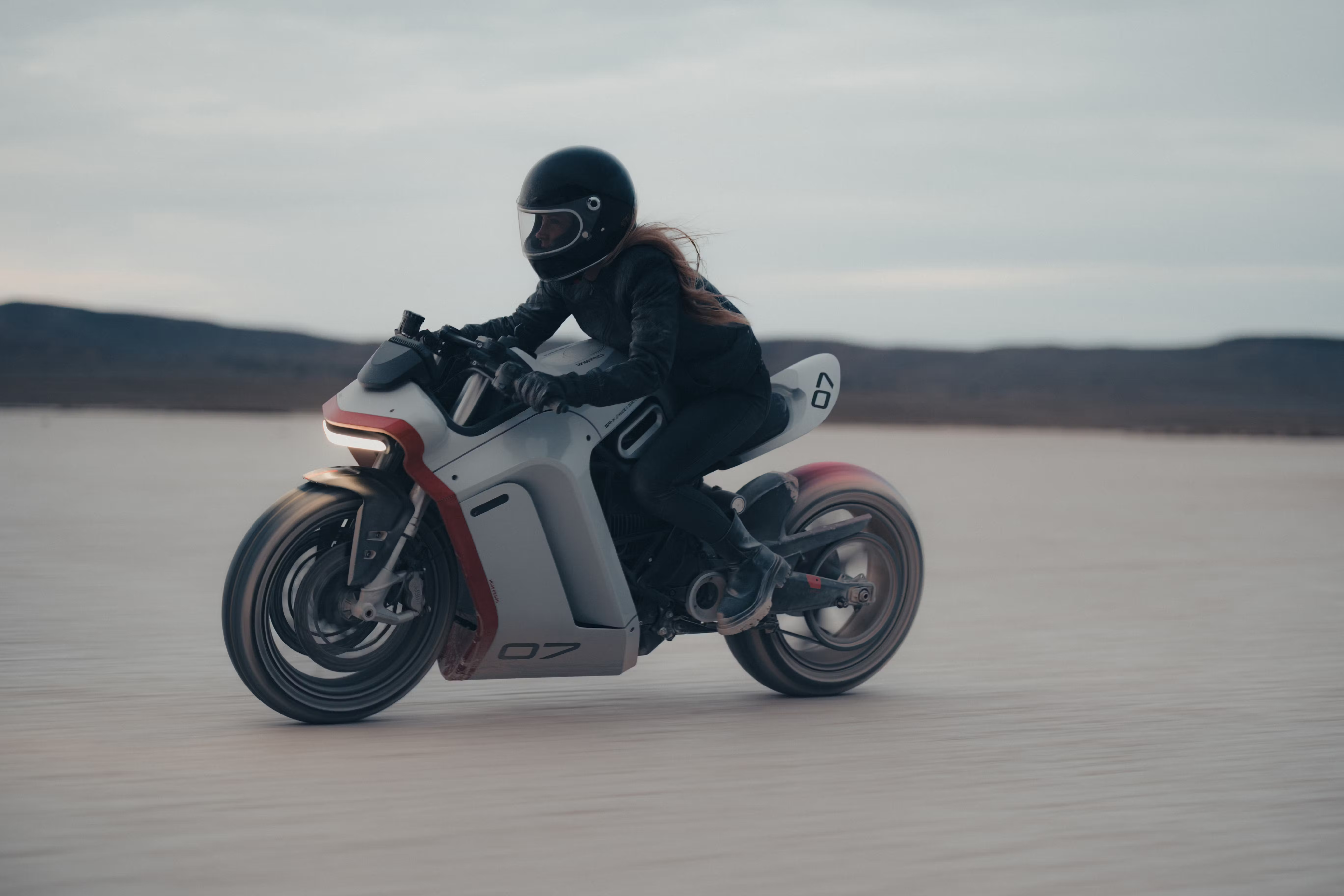
    Like the car industry, the motorbike industry needs to reinvent itself before 2035. Electric scooters and motorbikes are gradually making their way into our towns and cities, appealing as much to city dwellers concerned about their carbon footprint as to enthusiasts of new technologies. But before taking the plunge, consumers need to ask themselves a number of crucial questions…

    Credit: Zero Motor Cycles

    Given the small size of the battery, will it last long enough to get you from home to work? Where, when and how do you recharge? Are you eligible for government subsidies? Are the charging points different from those for electric cars? And many more besides… All these (legitimate) questions are concerns that put the brakes on the purchase of an electric scooter or motorbike.

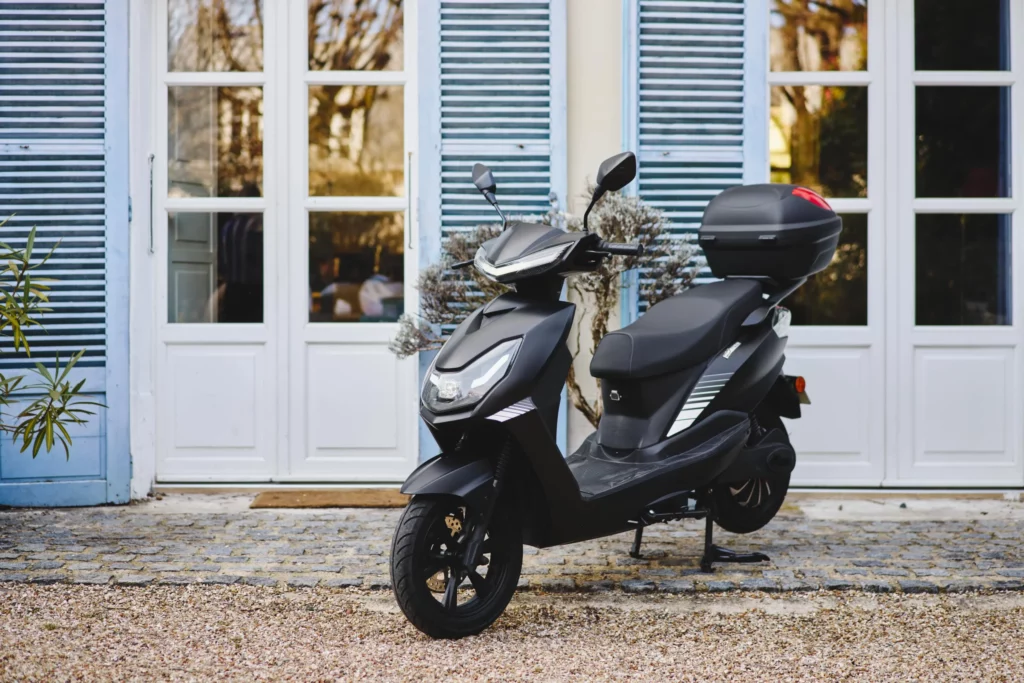
    Basile Delaruelle, a Parisian student and owner of an electric scooter, experiences this on a daily basis: ” I can make a round trip between my home and my school, but really not much more… On the second return journey, i.e. once I’ve covered around twenty kilometres, I often find myself below 20%, and the scooter automatically slows down “. This weariness is well reflected in the market for these two-wheelers over the past two years…

    To put this into context, over the period 2019-2022, the market is seeing a significant increase in sales, due to several factors:

    ● The growing restrictions of the ZFEs (Low Emission Zones),

    ● Government subsidies for the purchase of electric scooters,

    ● The boom in home deliveries (mainly during the COVID-19 period, with Deliveroo, UberEats, etc.).

    All these changes have pushed companies and individuals alike to seize the opportunity of this EV. The result: in 2022, 50,992 registrations in France, representing a market that is 71.1% up on 2021 (according to the Solly Azar – AAA Data Observatory).

    Credit: Pink Mobility

    However, since 2023, the trend has been reversed… This year, the market for electric two-wheelers has fallen by 16%. And this trend has not improved since…

    A number of factors are holding back the adoption of EVs by users. Two-wheelers are coming up against an increasing number of much more flexible alternatives. Electrically-assisted bicycles and scooters, for example, do not require a licence, so the target audience is much wider. Basile confirms the practical complexity of this EV: “ On my electric scooter, I have to take the battery apart every evening to recharge it at home. It’s a real hassle, especially if you don’t have a garage. What’s more, these batteries are relatively portable: ” They’re heavy… When you’re on the move all day, carrying your battery around under your arm isn’t really practical.

    However, with ecological constraints, anti-pollution regulations and rising fuel prices, by 2025 electric scooters are an imperative choice, but one that needs to be carefully negotiated. However, even if it’s a good deal, it’s still essential to find out exactly what you need and what your budget is before buying an electric scooter or motorbike…

    Which licence for which vehicle?

    For thermal two-wheelers, the rule was quite simple:

    ● 50CC engine = AM licence (former BSR)

    ● 125CC engine = A1 licence (or “125 licence”) or B licence + “125 training”.

    ● +125CC engine (and more powerful) : A licence

    With the arrival of electric scooters, motorbikes and maxi-scoots, the concept of engine capacity is changing:

    50CC equivalent: scooters with a power rating of around 4 kW, max speed 45 km/h (Accessible with AM / BSR licence)

    125CC equivalent: scooters with a power rating of between 4 kW and 11 kW, capable of speeds in excess of 45 km/h (Accessible with A1 licence or Permis B + “Formation 125”)

    Maxi-scooters and electric motorbikes (power between 11 kW and 35 kW): Requires an A2 licence, accessible from the age of 18, with a theory and practical test.

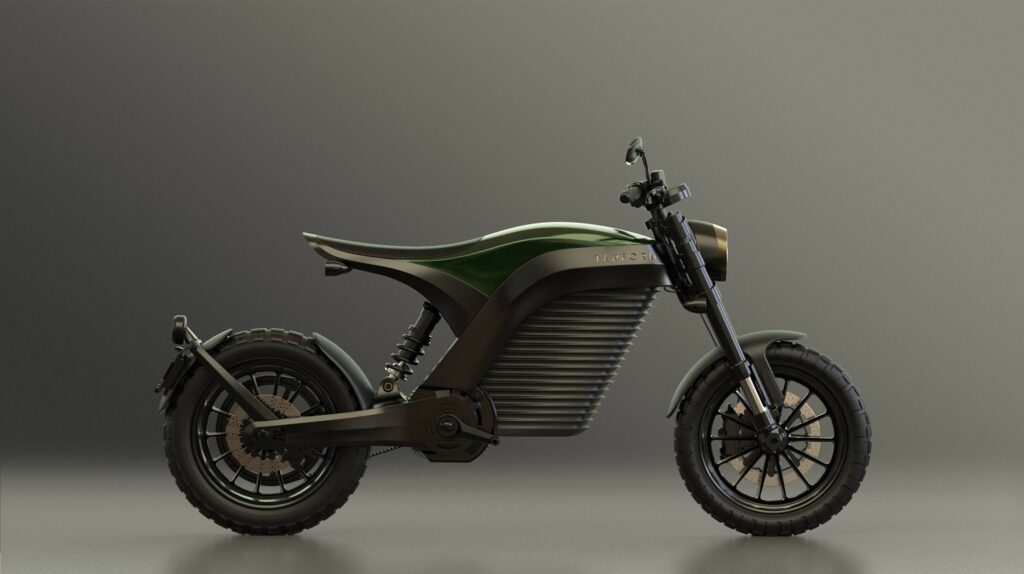
    Credit: Tarform Motor Cylce


    Ultra-efficient models, a category ≥ 35 kW

    Some 100% electric maxi-scooters, like the BMW CE-04, have very specific ambitions. In 2014, BMW launched its ‘C-Evolution’ range with a clear objective: to compete with market benchmarks such as Yamaha’s T-Max and Honda’s Forza, which are widely acclaimed for their sportsbike-like performance.

    To offset this decline in the electric two-wheeler market, some companies, such as Zero Motorcycles, are slashing prices on certain models. You can expect discounts of up to €6,000, depending on the model and year of manufacture. The discounts apply to the whole range, from the 125 CC equivalent to the most powerful models.

    The aim is to make these motorbikes more accessible, attract more people and help the market move towards electric two-wheelers.

    At a time when cities are looking to move away from internal combustion, these EVs represent credible alternatives. But the choice needs to mature, between technical constraints and financial incentives.

  • Focus on… California

    Focus on… California

    As the birthplace of the Zero-Emission Vehicle, California has turned electromobility into a genuine state policy, contributing to almost a third of electric vehicle sales in the United States, despite having only 10% of the population. But this full-scale laboratory for electric mobility still faces a number of challenges…

    Credit: Tim Mossholder

    California, a pioneer in electromobility, has never stopped making electric cars (EVs) one of its priorities. And that goes back a long way! As early as 1990, the Golden State enacted the “Zero-Emission Vehicle” mandate, imposing clean vehicle quotas on manufacturers wishing to sell in the state, which have been steadily increasing ever since. California has been imposing strict rules on manufacturers for 35 years. Most recently, the Advanced Clean Cars II programme definitively introduced a ban on sales of new, non-electrified cars from 2035. This injunction has been adopted by some fifteen other American states, proving that California is indeed the driving force behind electromobility across the Atlantic.

    A host of benefits and opportunities

    California is giving itself the means to achieve its electromobility targets. Until 2023, the Clean Vehicle Rebate Project enabled the most modest households to reduce their bill by $7,500 for the purchase of electric vehicles. Although this scheme is no longer in effect, it has made a significant contribution to the electrification of the state over the dozen years it has been in existence. Since 2019, the Clean Cars 4 All programme has offered up to $9,500 to help low-income households get rid of their old, polluting vehicles. Added to this is a federal tax credit of up to $7,500. Finally, there’s a detail that’s particularly important when you consider the infernal traffic of Los Angeles: electric car owners can use the dedicated car-sharing lanes free of charge. As a result, by 2024, more than one in four car registrations in California was electric, well above the national average (8%).

    In response to growing demand, and taking advantage of a favourable administrative environment, a whole eco-mobile ecosystem is flourishing. Tesla, of course, is still at the top, but more and more competitors are emerging. Large, well-established groups such as Ford, General Motors and Toyota are taking more and more market share, and new 100% electric carmakers are looking to take their share of the cake. This is the case of Rivian, which, even though it is based in Michigan, the cradle of the automobile in the USA, chose Los Angeles in 2018 to present its first models.

    And carmakers aren’t the only ones thriving under the sun of the El Dorado State. Tech giants Apple and Alphabet, among others, as well as a whole host of start-ups dedicated to batteries, recharging and operating systems, have taken up residence between San Diego and Los Angeles, creating more than 70,000 jobs in the process since 2020.

    Credit: Anastasiya Badun

    The white gold rush

    California is undoubtedly the epicentre of electromobility in the United States and, despite the boom in Europe and, above all, China, it continues to set the standard in the field, particularly when it comes to innovation. But not everything is perfect in La La Land. California’s recharging infrastructure is spread mainly along the coast, leaving the interior dry. And despite the abundance of structures in the major coastal urban areas, this is not enough to avoid long queues in front of the charging points because of the overloaded traffic.

    Finally, and this is certainly the thorniest issue, California, like the rest of the country, is dependent on lithium imports for battery manufacture. And with the trade war looming, it’s a safe bet that the USA will have to rely on local mining. California is home to the Salton Sea, a recently discovered deposit whose subsoil could be used to manufacture 375 million electric cars! At the beginning of the year, the courts gave the go-ahead for the site to be mined, and after the gold rush, California is now preparing to become the scene of the rush for lithium, the white gold of the electric transition…

    Finally, and this is perhaps the biggest sword of Damocles hanging over the head of Californian electromobility: a possible political U-turn hostile to environmental standards, aligned with the ‘petrolophile’ ideas of President Donald Trump, could put the brakes on the momentum underway. Indeed, the occupant of the White House is already threatening to abolish tax credits and funding for the development of recharging infrastructure. His instability and recurrent changes of direction are cause for concern, but the machine is already well under way and it’s hard to see how California could turn back the clock after 35 years of developing electromobility…

    Main Californian laws and measures on zero-emission vehicles :

    1990 – ZEV Mandate
    Progressive imposition of zero-emission vehicle sales quotas for all manufacturers operating in California.

    2002 – Pavley Law
    First time a state has regulated CO2 emissions from passenger cars. Will serve as the basis for Corporate Average Fuel Economy (CAFE) standards nationwide.

    2021 – California Clean Fleet Program
    Grants and loans with the goal of rapidly electrifying public truck and bus fleets.

    2022 – Advanced Clean Cars II
    From 2035, 100% of new vehicle sales must be electric cars or plug-in hybrids with at least 50 km of electric range.

    ● 2024 – Climate Accountability Package

    Obligation for large companies to declare their CO2 emissions, including those linked to car fleets.


  • How does the electric nature of a car influence its design?

    How does the electric nature of a car influence its design?

    Electrification is leading us to rethink the way we look at cars, not only in terms of fuel consumption, driving and technology, but also in terms of design. A car may still look like a car (for the time being), but there are increasingly significant differences between internal combustion engines and electric cars in this respect.

    At the beginning of the electric car boom, manufacturers were generally content to affix a blue or green badge somewhere on the bodywork to get the message across that the car was electric, usually when there was a perfect copy of the internal combustion version. This was a way of saving money. But in recent years, with the advent of 100% electric models, EVs have become increasingly recognisable, and not just because of the silence of their engines.

    No internal combustion engine, more freedom

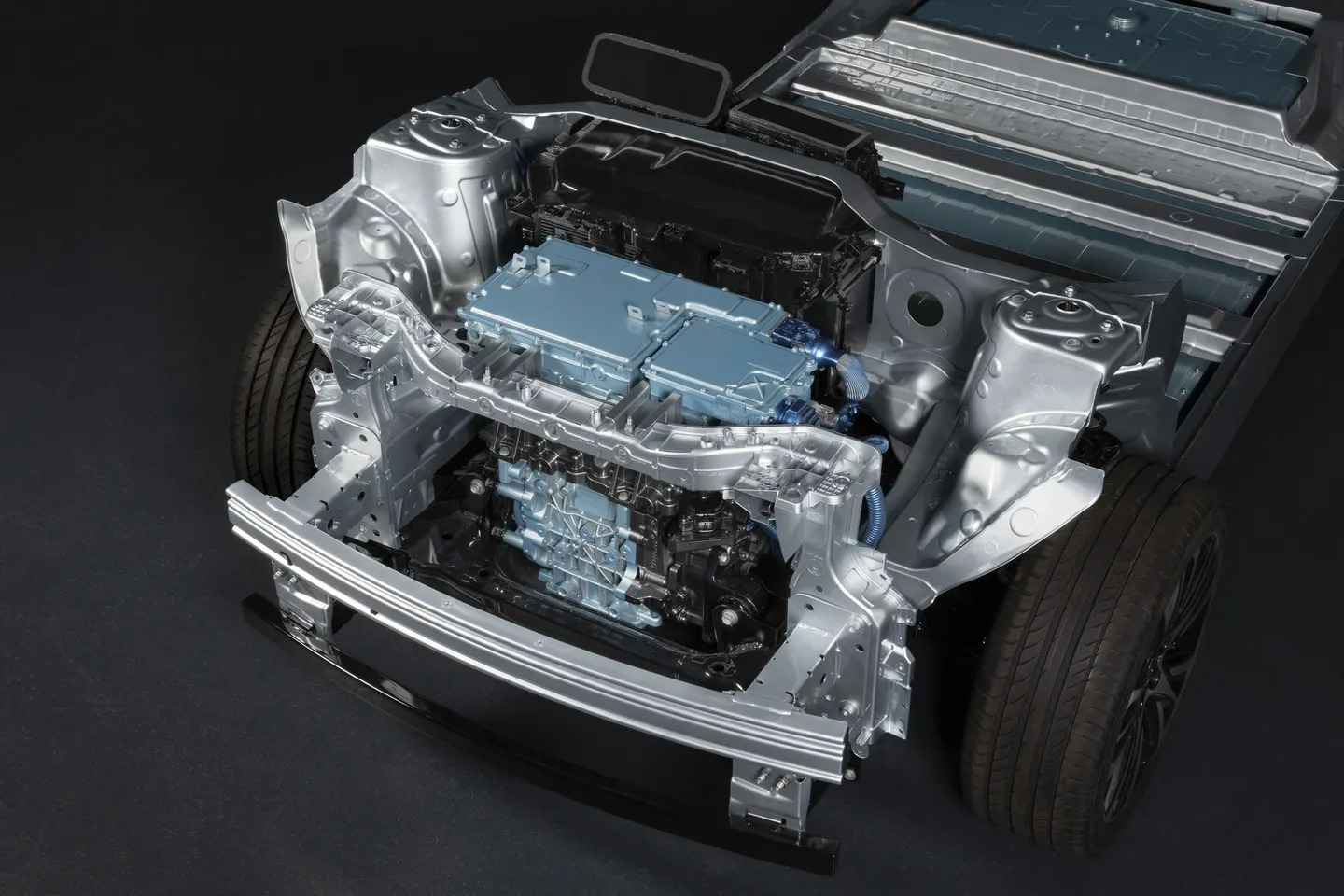
    It’s no secret that an electric motor takes up much less space than a combustion engine. It frees up space under the bonnet, of course, but also under the car: no exhaust system, no clutch, that’s a lot of space. Once this
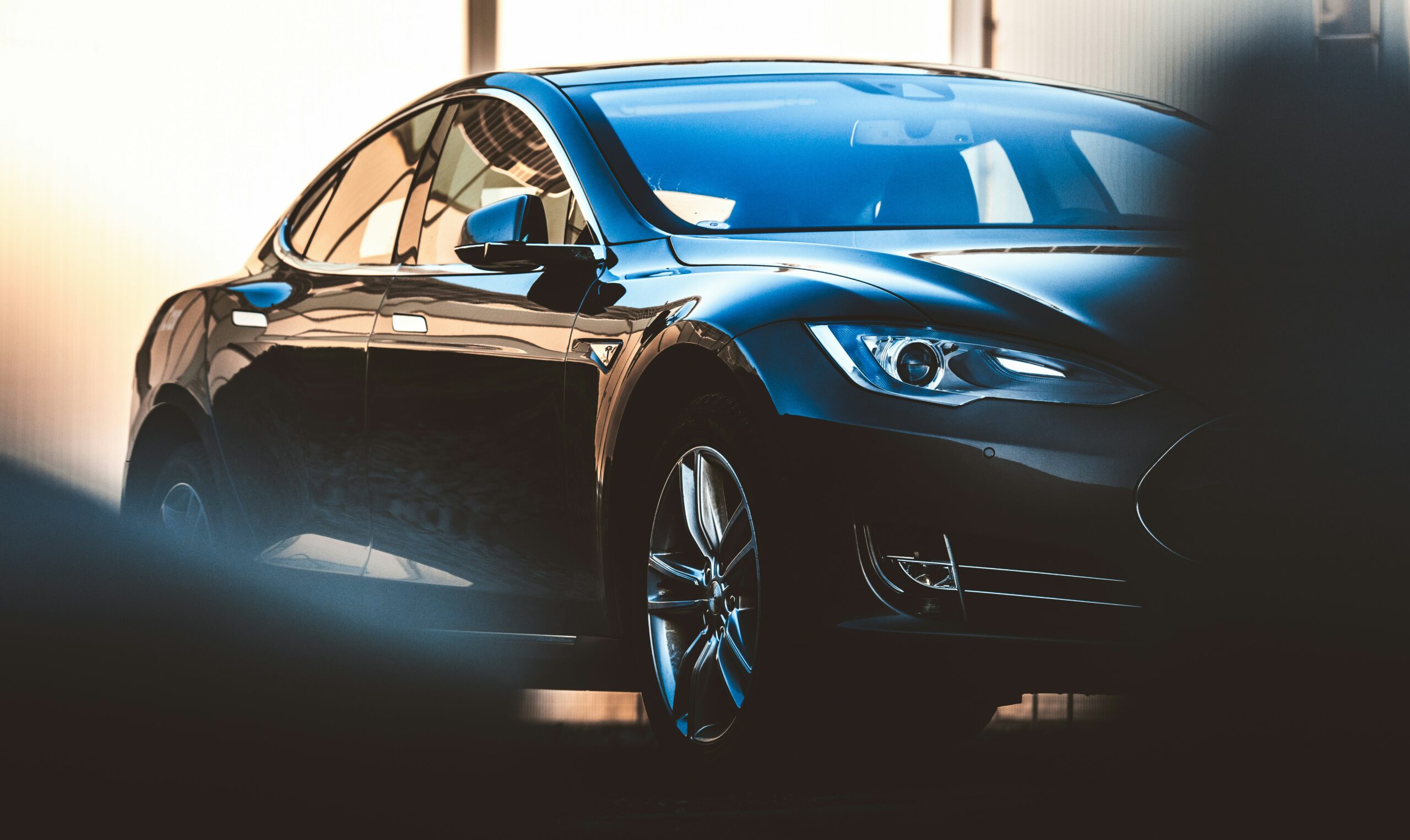
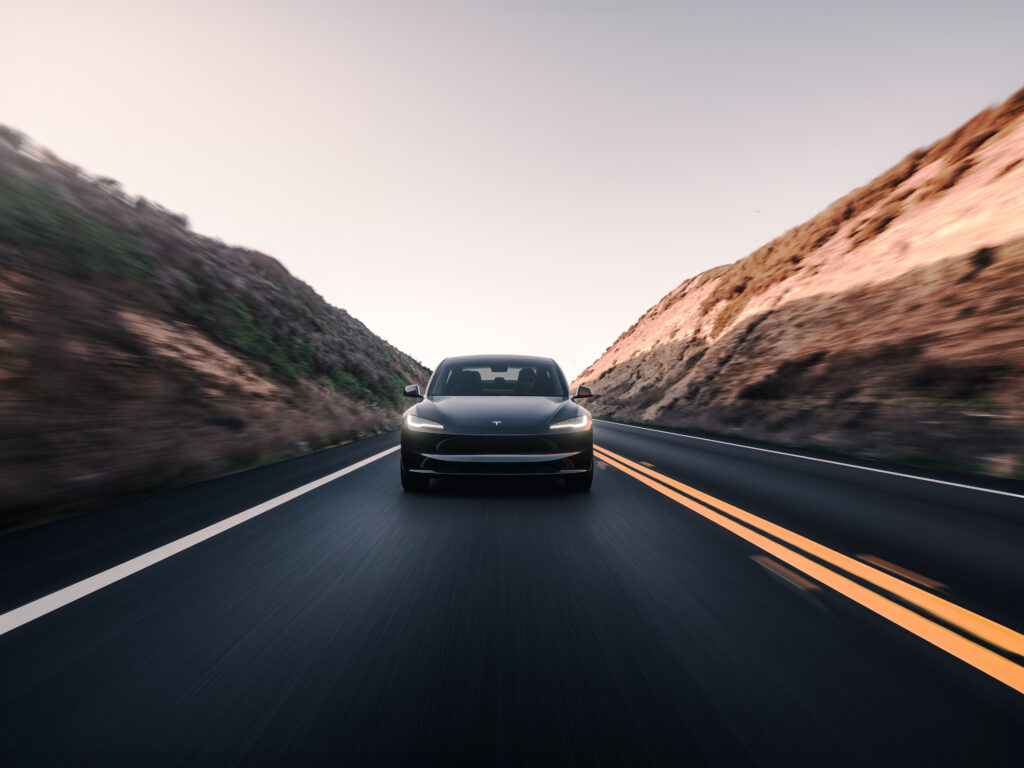
    Once that big thorn had been removed, the designers were able to reduce the length of the bonnet, lower the front end and enlarge the passenger compartment. In addition to the disappearance of the engine block, the ‘skateboard’ platform – a flat chassis incorporating the batteries and axles – has also become widespread. Here again, thanks to a flat floor, it is possible to gain space inside while lengthening the wheelbase without compromising the harmony of the lines. The profile of electric cars thus becomes more fluid, almost monobloc. We all remember the first time we saw a Tesla Model 3, that strange feeling of knowing it’s a car, but not really being able to explain why it doesn’t make the same impression on us as the one next door…

    Credit: Tesla

    A revamped front end

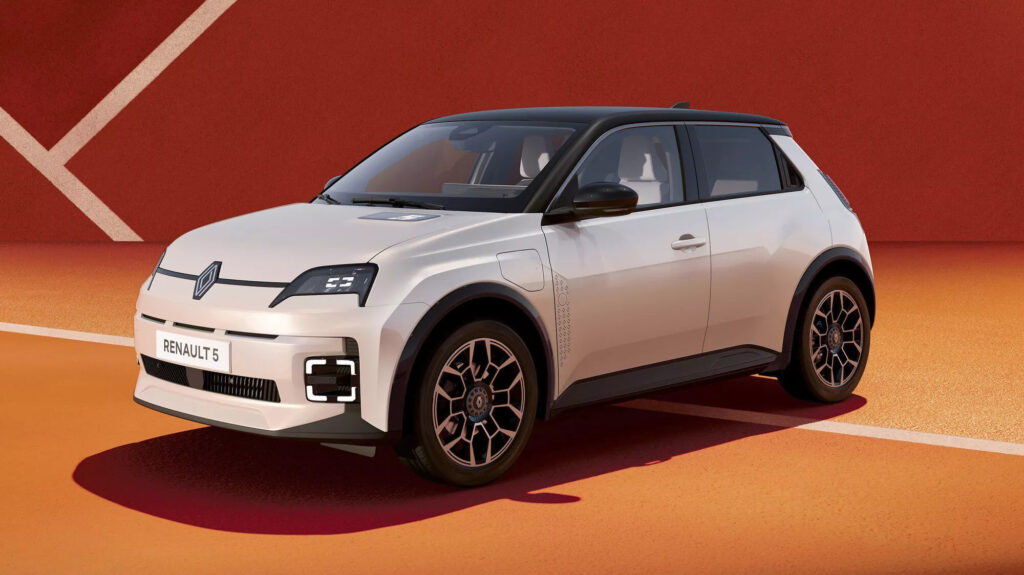
    The grille is one of the most iconic features of an internal combustion engine car. Often used to identify a make or model, their main function is to let air into the engine block to cool it. An electric car needs little or no air. This means that designers can come up with sleeker faces and play around with light signatures. We’ve seen this recently with the Hyundai Ioniq 5 and the Renault 5 E-Tech, among others, which take on a futuristic style tinged with digital technology.

    Credit: Renault

    The thorny issue of aerodynamics

    Aerodynamics is one of the reasons why an electric car still looks a lot like a combustion engine car: because, if it works, there’s no reason to shake things up too much. But the issue of reducing drag is even more crucial for EVs, because range depends on it – perhaps the most famous brake on the mass electrification of the car fleet. As a result, the lines of electric cars are simpler, tauter and, in short, sharper. Handles are flush, rims are solid and even, on some models like the Honda E, rear-view mirrors are replaced by cameras.

    Reinventing the interior

    The cabin has also benefited from the switch to electric power. With the disappearance of the ‘central tunnel’, seating arrangements are freer and there is more space for passengers, but also for electronics. So there’s no need to condense everything and, little by little, digital technology is replacing physical controls and the screens are getting bigger and bigger. Of course, it was Tesla, the pioneer of the electric car, who launched this movement of minimalism mixed with technology and large volumes. Since then, it has become the norm for all manufacturers, but we are not immune to the arrival of models that go against this trend and take advantage of the space offered by electric cars to integrate as many components as possible into the cabin, turning it into a real living room on wheels.

    Between new beginnings, conservatism and a clean slate

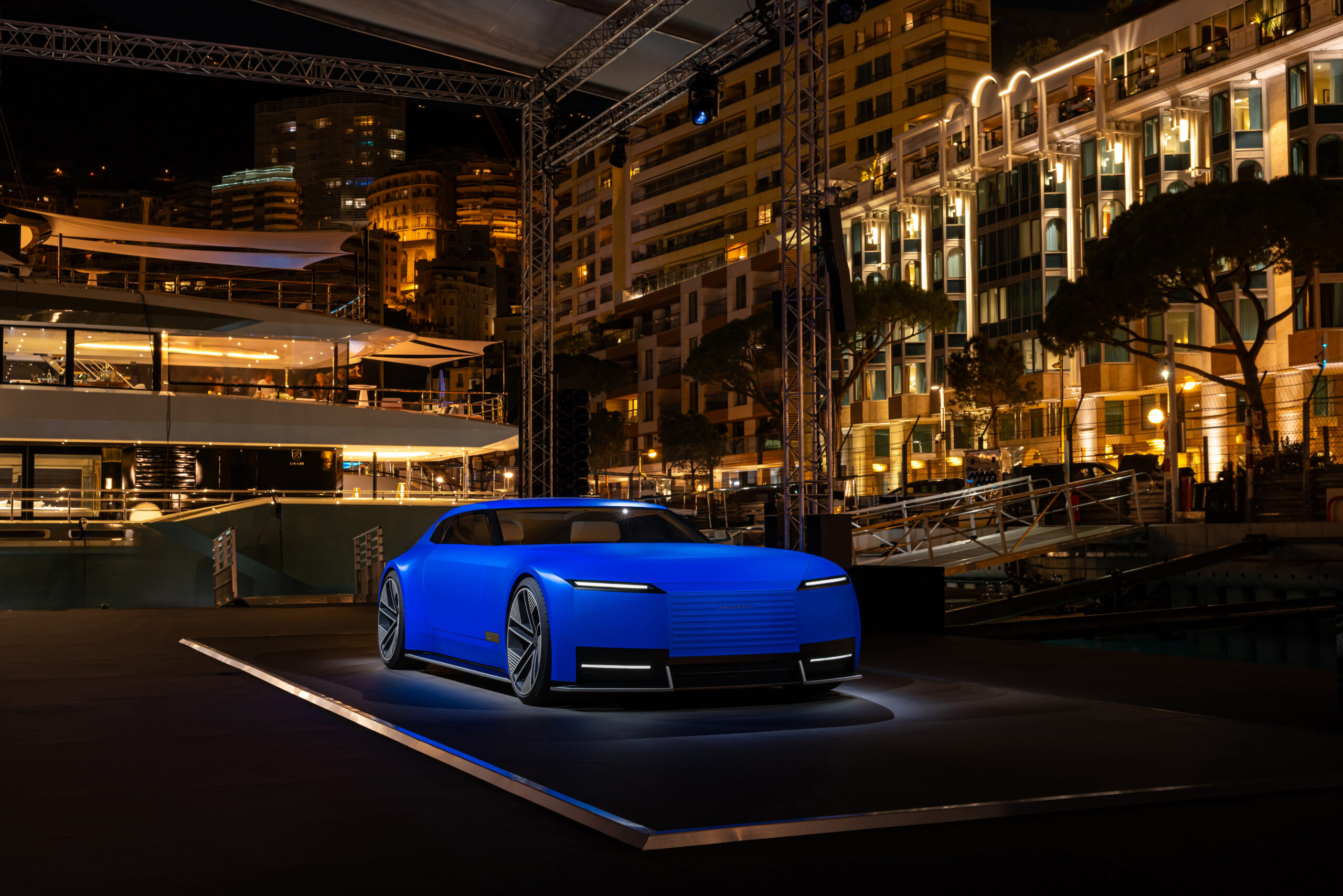
    Car design is the clearest message that brands send to consumers. It is therefore partly thanks to design that we know more about a manufacturer’s intentions with regard to its electric ambitions. Some manufacturers, such as Hyundai, Kia, Renault and Volvo, among others, are taking advantage of the switch to electric vehicles to completely rethink their design vocabulary, without throwing away several decades of history and visual identity. You can recognise the brand name, but you can feel the change of era. Other brands, such as Porsche with its Taycan, Maserati with its Grecale Folgore or Peugeot with its e-208, remain very close to their design heritage, which means they can avoid upsetting their customers too much. So the changes are being made gradually, first to the cabin and then, as the restyling progresses, to the bodywork. It’s a dilemma that only concerns established carmakers! The new Chinese giants have started from scratch and, without the weight of a strong visual identity on their shoulders, they have been able to let loose with their design and create new codes. With Xpeng and its ultra-fine light signature, BYD and its shark-like front end, and Nio and its pure lines, we are witnessing a small revolution. Jaguar’s recent example and the uproar caused by the presentation of its radical Type 00 are proof of this.

    Credit: Jaguar

    In short, car design has always been a question of balance, whether in terms of lines or volumes, but there is also a marketing balance to be respected by the brands, which will have to take advantage of the freedom offered by electric cars, but without shocking customers who are very used to classic design, which has been anchored in the collective imagination for a century…

  • When France rhymes with innovation

    When France rhymes with innovation

    France’s entrepreneurial fabric is rich in nuggets dedicated to electric mobility. Here’s a closer look at 15 of them, covering a wide range of fields from car manufacturing to recharging solutions.

    Manufacturing and retrofitting

    Circle

    Founded in 2019
    Based in Paris

    Circle is working on the development of miniature electric cars equipped with removable batteries and manufactured in modular factories, as well as scooters and scooters. The ultimate aim is to create a range of vehicles dedicated to car-sharing.

    Gazelle Tech

    Founded in 2014
    Based in Gironde

    Gazelle Tech is a young car manufacturer that makes lightweight electric cars using a patented composite material containing, among other things, fibreglass. The first production model, with a range of 180 km, could be available as early as 2025.

    Kate

    Founded in 2022
    Based in Deux-Sèvres

    In a takeover in 2023, Kate took over the business of Nosmoke, a manufacturer that produced electric and revamped versions of the iconic Mini Moke beach car. Production continues to this day.

    Qinomic

    Founded in 2021
    Based in Bouches-du-Rhône

    In a very short space of time, Qinomic has succeeded in making a name for itself in the world of retrofitting, focusing primarily on the electrification of fleets of combustion-powered commercial vehicles. In 2023, this should attract the attention of the giant Stellantis, with whom it is associated.

    Credit: Gazelle

    Batteries and motors

    Mecaware

    Founded in 2020
    Based in the Rhône

    In 2023, Mecaware raised €40m to enable it to open its first plant and industrialise its recycling technology, which consists of extracting so-called “critical” metals from used batteries in order to recycle them and then re-inject them into the battery production cycle.

    Nawah

    Founded in 2013
    Based in Bouches-du-Rhône

    Nawah is working on the manufacture of carbon nanotube supercapacitor batteries capable of being recharged to 80% as quickly as filling up with petrol (or almost). All that remains now is to find the funding to go into production.

    Verkor

    Founded in 2020
    Based in Isère

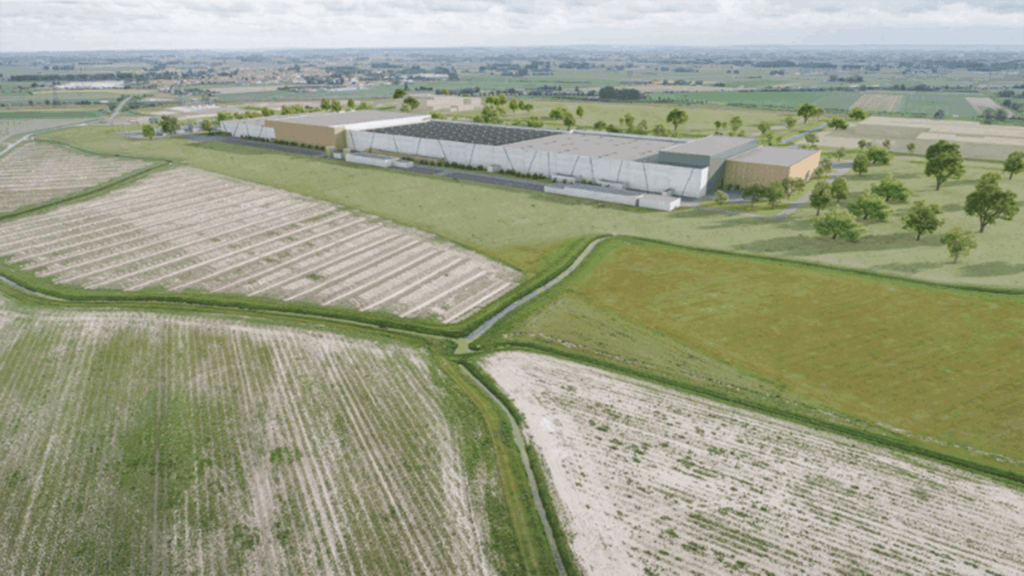
    Verkor aims to produce lithium-ion batteries in France, with the support of Renault, among others, and massive investment: €2 billion in several rounds of financing. Its gigafactory, based in Dunkirk, will be fully operational by 2026.

    VoltR

    Founded in 2022
    Based in Maine-et-Loire

    VoltR is a company specialising in the reconditioning of batteries. It recently signed a partnership with electric scooter giant Lime to recycle its batteries, and is working to diversify its business to process other types of battery.

    Whylot

    Founded in 2011
    Based in Lot

    Whylot is an engine manufacturer that produces smaller, more efficient electric motors for the automotive market. Renault has signed a partnership agreement with the Lot-based company to support its industrialisation development.

    Credit: Verkor

    Refilling and distribution

    Beev

    Founded in 2020
    Based in Seine-Saint-Denis

    Beev offers both private individuals and businesses a turnkey solution for their switch to electric vehicles. The choice of vehicle, the installation of a charging point, the paperwork – it’s all taken care of!

    Bump

    Founded in 2021
    Based in Paris

    Bump installs fast-charging stations at the foot of offices, in supermarket car parks and bus depots, in addition to offering its own subscription card. The company has raised 180 million euros in 2022.

    Driveco

    Founded in 2010
    Based in Paris

    Driveco, for its part, specialises in solar-powered charging points. By 2023, it had passed the 10,000 mark and has since opened offices in Spain, Belgium and Italy.

    Electra

    Founded in 2020
    Based in Paris

    Europe is also on the menu for Electra, which is developing fast-charging stations in city centres. In 2023, it raised €304 million to expand its network: the company is aiming to have 15,000 stations on the Old Continent by 2030, compared with 1,500 by 2024.

    Mob-Energy

    Founded in 2018
    Based in the Rhône

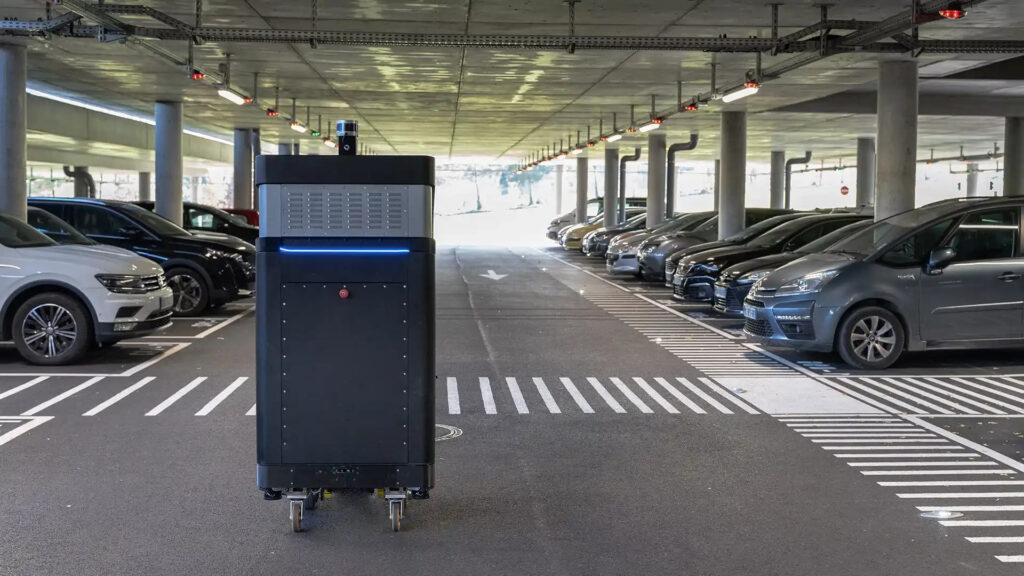
    Mob-Energy has come up with Charles: an autonomous charging robot. It stores energy using batteries recycled from its base, then moves from vehicle to vehicle using modules that can be plugged in after parking.

    Zeplug

    Founded in 2014
    Based in Paris

    Zeplug offers to help co-owners install and manage their charging points. Demand is growing, and the Paris-based company is well ahead of the game, having raised €240 million in 2022 to accelerate its expansion across Europe.

    Credit: Mob Energy
  • Charging stations: what’s the current state of deployment in your region?

    Charging stations: what’s the current state of deployment in your region?

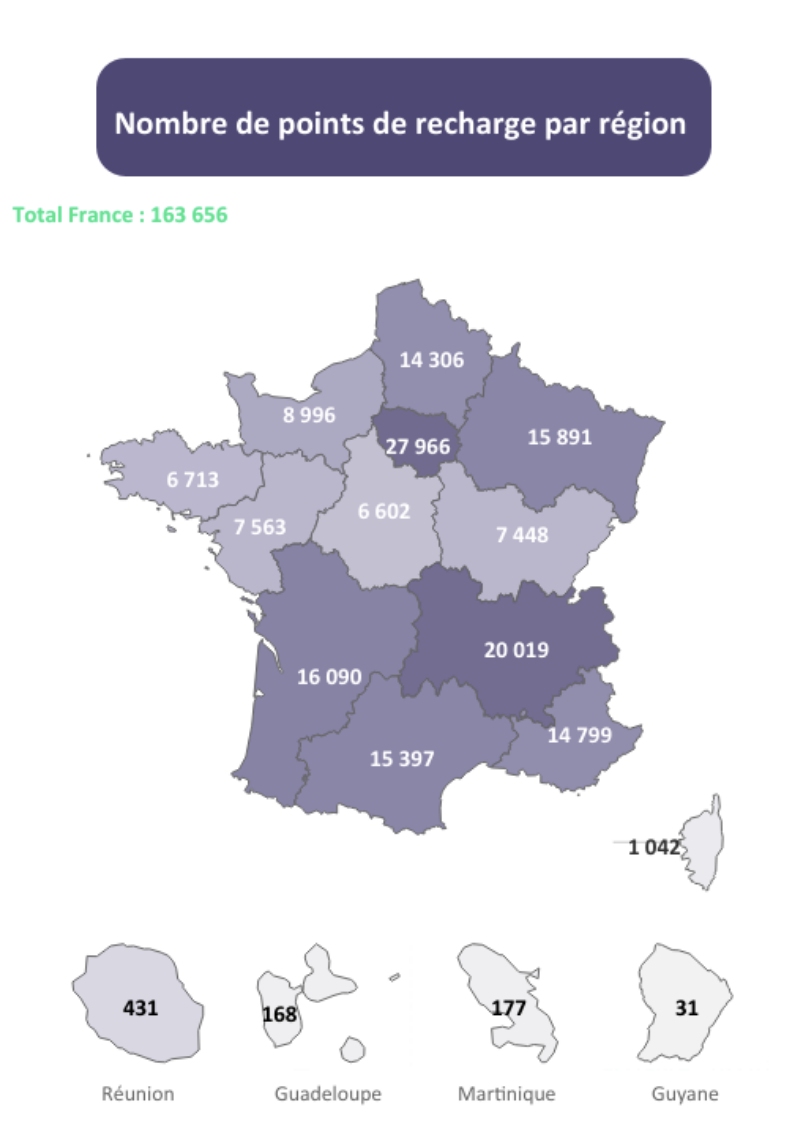
    As electric mobility gains ground, the question of recharging infrastructure becomes central. Recharging your vehicle should no longer be a constraint, but a formality, accessible throughout the country.

    France currently has more than 163,000 charging points open to the public, spread across all its regions. Behind this figure lies a genuine transition effort, led by both public and private players to support the growth of electric vehicles.

    This map, published by the Association nationale pour le développement de la mobilité électrique (AVERE), shows the number of charging points open to the public, region by region. Its role is to inform users about the current momentum, driven by a shared desire to guarantee fair access to recharging and to support motorists in this transition.

    As part of this energy transition, the government has set a target of 200,000 charging points by 2026, and 400,000 by 2030, including at least 50,000 fast-charging points. This is a major ambition, designed to meet the growing demand for infrastructure for electric vehicles.

    IRVE Barometer
    IRVE Barometer – AVERE FRANCE
  • The French market for electric cars without a licence: a revolution in the making

    The French market for electric cars without a licence: a revolution in the making

    With more than 30,000 registrations in 2024, France will account for almost 50% of licence-free car sales in the European market.

    Long marginalised, these no-licence cars (VSPs) are enjoying a second lease of life in France, thanks in particular to electrification and modern communication aimed at attracting (very) young drivers – from the age of 14! – but also city-dwellers keen to reduce their environmental impact and make their cars more practical. With the ecological transition playing an increasingly important role in the minds of the French, and city traffic becoming more and more difficult for conventional combustion-powered vehicles, electric MPVs are an extremely attractive alternative.

    black electric no-licence car

    Why are electric licence-free cars so popular in France?

    Electric MPVs are continuing to win market share from their combustion-powered rivals, as well as from ‘conventional’ cars, because they appear to be a natural response to many of today’s problems. For example, the ever-increasing cost of a driving licence, which for more and more urban dwellers is no longer as useful as it once was, and the spread of populations, which means that people living in more isolated areas are choosing the car at an ever younger age, are the two main factors behind the overpopulation of PSVs in France.

    But we can also add to this the lower speed limits in town (a licence-free car is limited to 45 km/h), the elimination of parking spaces and the increasing costs associated with the use of a conventional car (insurance is generally less expensive and roadworthiness tests are less frequent).

    Finally, the electric version cuts the bill even further by reducing maintenance and fuel costs. To sum up: a licence-free car is full of advantages for an ever-growing proportion of the French population… and its electric version is even more advantageous!

    red electric car

    Incumbents vs. traditional builders: beneficial emulation

    Historically dominated by combustion engines, the French PSV market seems to be moving slowly but surely towards electric power. The boom of the Citroën Ami, launched in 2020, has had a lot to do with this, with more than 65,000 units sold in 5 years. It has recently been joined by another small electric no-licence car from a major manufacturer, the Fiat Topolino. These two models have enabled their manufacturers to take second and fourth place respectively in the rankings of the biggest sellers of licence-free cars in France in 2024.

    All this in the face of players who are already well established and, above all, specialised. Pioneers who are not giving up, however, since the leader, Aixam, has added a 100% electric range, as has Ligier which, after seeing Citroën overtake it, was only a few thousand sales away from seeing Fiat do the same! The fact remains, and this is good news for everyone, that sales of the four brands mentioned have risen sharply between 2023 and 2024. This competition is good for a market that was once considered old-fashioned, as it has encouraged the Stellantis giants to invest in innovation around this soft mobility that they had sidelined for too long, and also the traditional players to speed up their electrification. All this while glamorising electric PSVs with marketing campaigns!

    In the space of just a few years, licence-free cars have gone from being a “punishment for those who lose their licence” to a highly desirable form of soft mobility. And in this market, it’s a case of give and take: on the one hand, electric cars have given a boost to the PSV, and on the other, the growth of the PSV means that the French car fleet can be electrified more quickly.

    Top 4 PSV manufacturers in France (2024)
    1- Aixam / 10,771 sales / Growth of 8.7% / Combined heat and power / 33.9% of the market
    2- Citroën / 9,267 sales / Growth of 4.2% / All electric / 29.3% of the market
    3- Ligier / 5,869 sales / 8.4% growth / combustion and electric / 18.5% of the market
    4- Fiat / 4,567 sales / First year / All electric / 14.3% of the market
    ( Voltandgo figures)