The French government has confirmed that the ecological bonus for electric vehicles will be maintained in 2026. The maximum amount will be increased to €5,700. This decision is designed to support French and European production.
A family enjoying their new electric vehicle, supported by the 2026 environmental bonus.
An extended and reinforced helping hand
The French Minister for the Economy, Roland Lescure, announced on France Inter on Wednesday that the ecological bonus would be extended. According to him, it will even be increased for certain categories of vehicle. This measure is part of the drive to promote electrification and local production. In 2025, the bonus will reach €4,200 for low-income households and €3,100 for others. In 2026, it could exceed these amounts for vehicles manufactured in Europe.
This increase should benefit a greater number of buyers, particularly those who are still hesitating for financial reasons. The eligibility criteria will remain the same: only new electric cars that comply with the eco-score and are produced in Europe will be eligible. What’s more, the additional bonus for European batteries could bring the total aid up to €6,700.
Encouraging French and European production
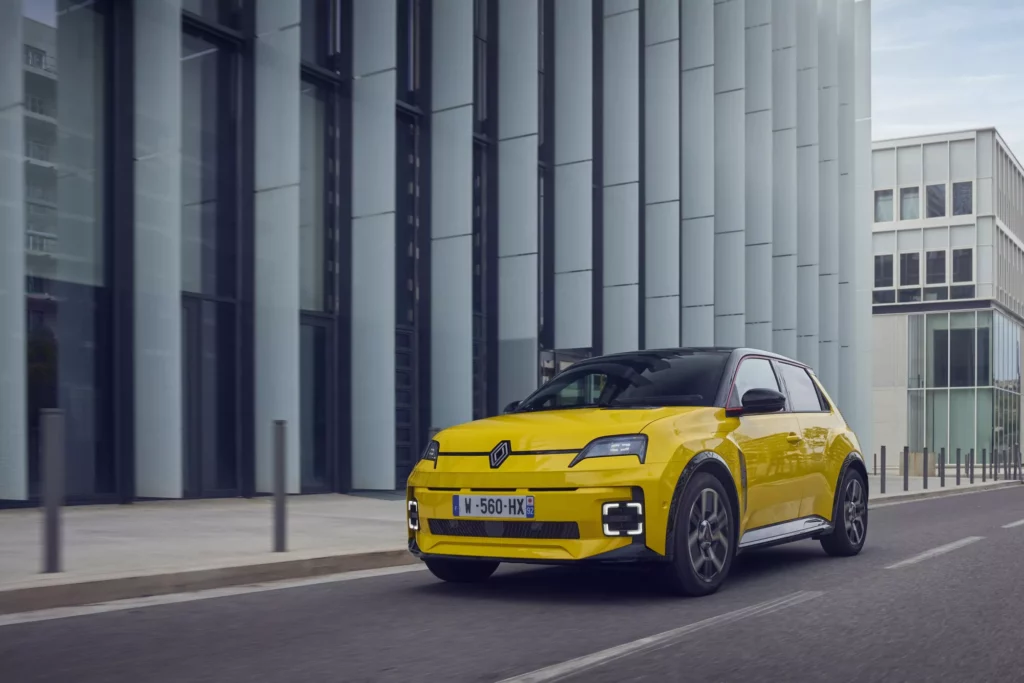
Roland Lescure insists on the importance of supporting local industry. According to him, “the best-selling electric vehicle in France is a Renault 5 manufactured in Douai”. This success underlines the role of national production in the ecological transition. The government’s aim is to stimulate both responsible purchasing and the development of low-carbon electricity.
Support for European manufacturing is also part of a wider industrial strategy. By favouring vehicles produced on the continent, the government hopes to reduce dependence on imports and secure jobs in the automotive sector. This approach is accompanied by support for households to make the switch to electric cars easier.
The Renault 5, the best-selling electric model in France, is manufactured in Douai (Credit: Renault).
Assistance modulated according to income and vehicle characteristics
Since July 2025, the ecological bonus has been reformed in the form of the “coup de pouce véhicules particuliers électriques” bonus. The amount varies according to income, and can be as much as €4,200 for low- and middle-income households. The most affluent households receive a smaller bonus of €3,100.
From October 2025, an additional bonus of €1,000 will be added for cars fitted with a European battery. By 2026, support could rise to €5,700 for low-income households, €4,700 for low-income households not on low incomes, and €3,500 for others. If the European battery bonus is maintained, the total amount could exceed €6,000.
A strategic lever for the energy transition
The extension and increase in the ecological bonus is part of France’s drive to reduce CO₂ emissions and modernise the car fleet. The financial incentives encourage the adoption of electric vehicles and promote investment in decarbonised energy.
At the same time, the government is betting on the electrification of uses, including individual and professional mobility. The measures adopted aim to combine ecology, industrial competitiveness and economic accessibility. Households, manufacturers and the energy industry are being invited to participate in this transformation.
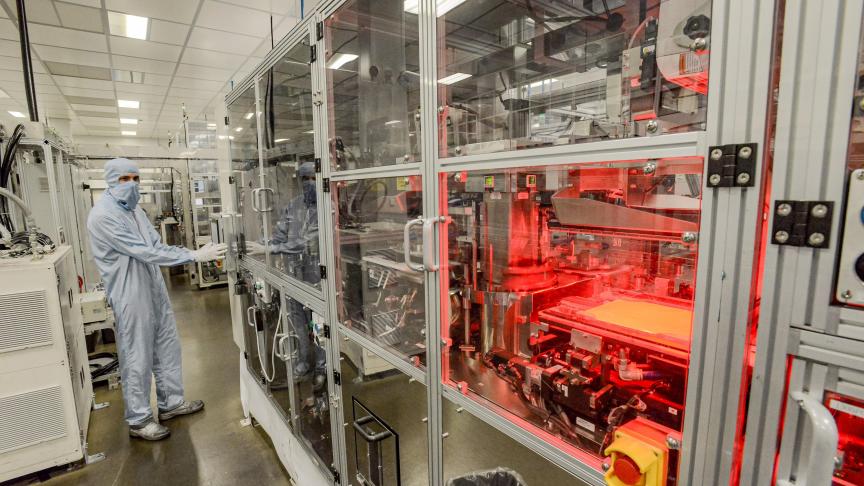
The Douai plant manufactures electric vehicles, supported by ecological bonuses to encourage local production. (Credit: La voix du Nord)
Towards a more accessible electric future
This announcement should boost sales of electric cars and reinforce France’s image as a player in the energy transition. The combination of the ecological bonus and the additional premium could make electric vehicles more affordable for many French people.
By supporting national and European production, the government hopes to create a virtuous circle: more sales, more local production, and a reduced environmental impact. The measure, which comes into force in 2026, promises to send out a strong signal to industry and consumers alike.
ECO MOTORS NEWS had the opportunity to get hands-on with the BYD SEAL 6 DM-i Super-Hybrid, the Chinese manufacturer’s plug-in hybrid saloon that aims to shake up European standards. A vehicle that embodies the new generation of electrification: accessible and with a long range. For two days, we put it to the test in a variety of conditions: local roads, city centres, motorways and expressways.
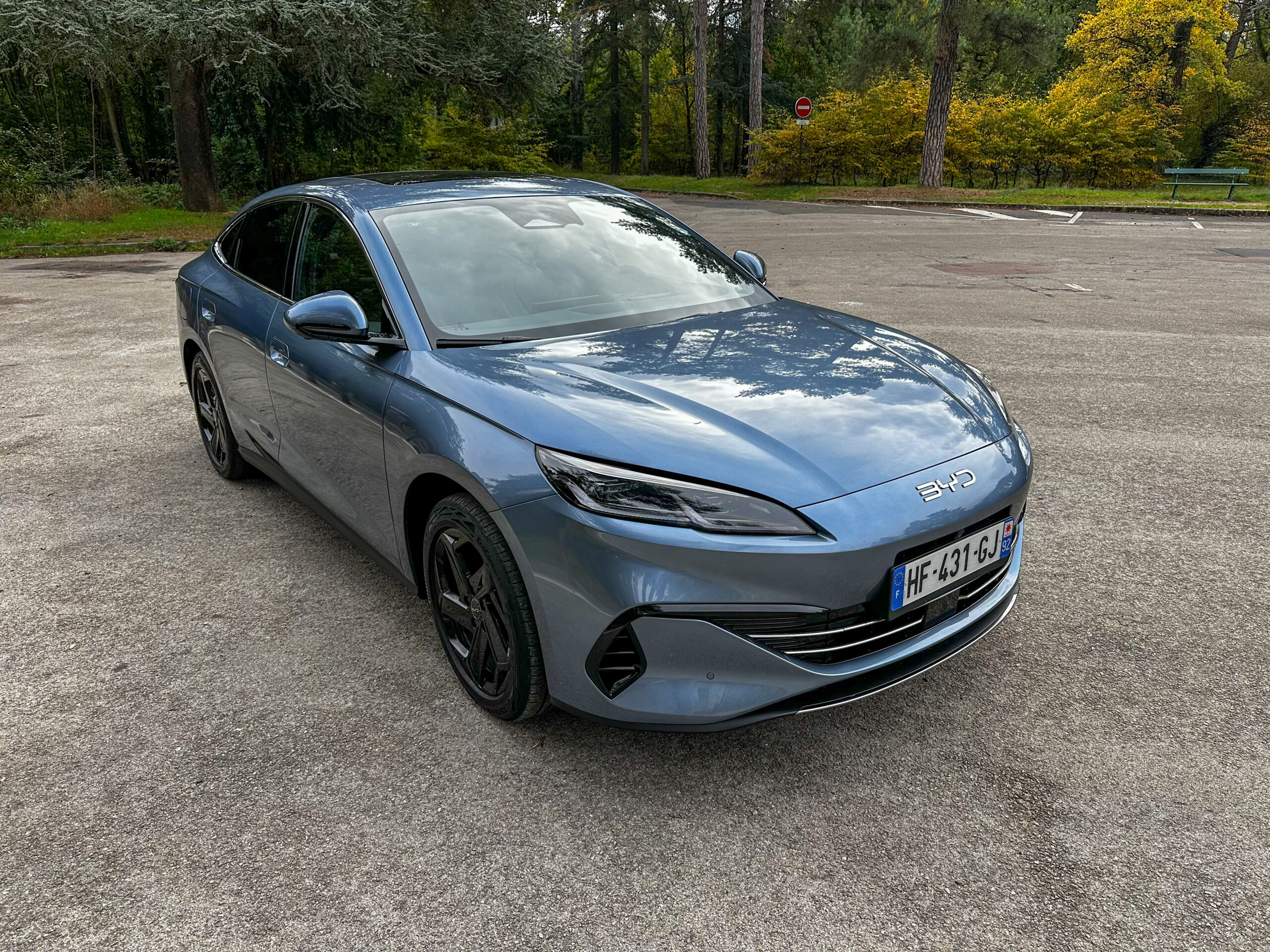
Front view of the BYD SEAL 6 DM-i, revealing its elegant, dynamic design (Credit: Marceau NIO)
First impressions: dynamic elegance, Chinese style
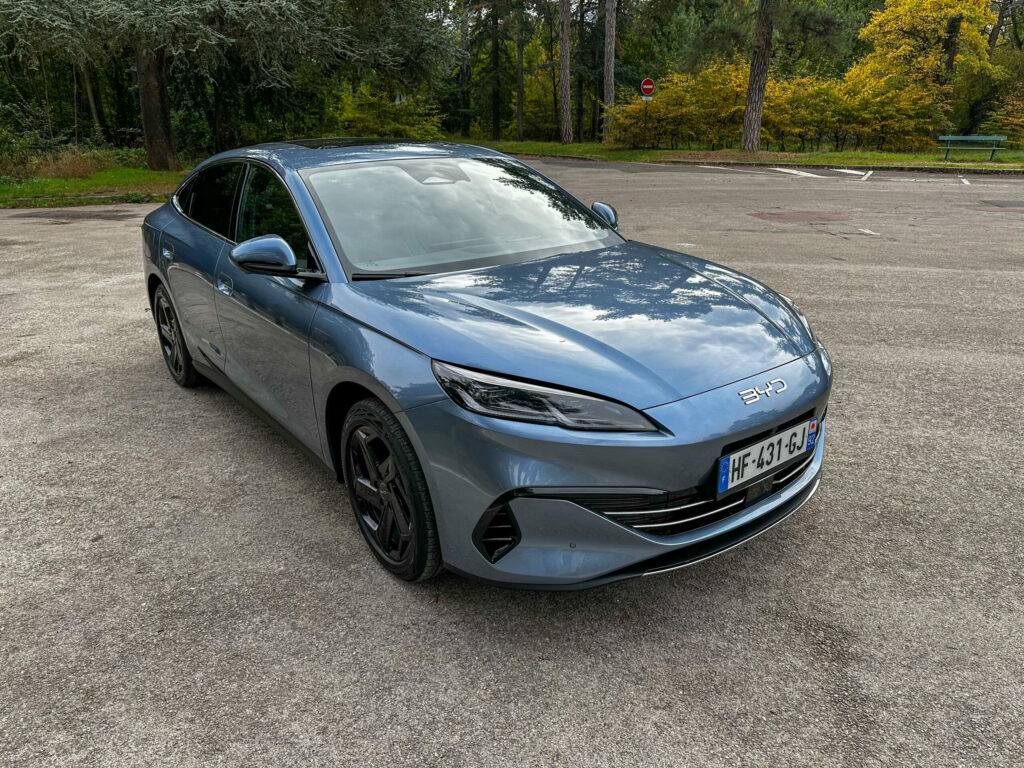
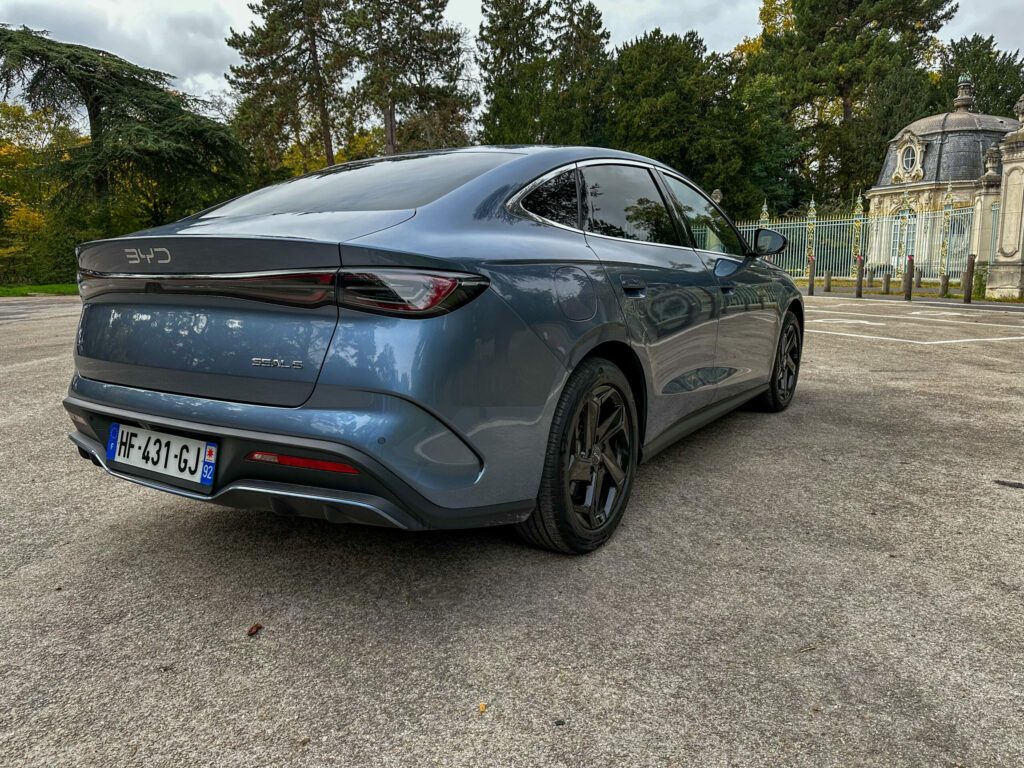
At first glance, the SEAL 6 shows its ambitions. At 4.84 metres long and almost 1.88 metres wide, it is positioned in the large saloon segment. What sets it apart from its competitors is its fastback silhouette, which gives it a resolutely dynamic look. Even though it ends in a conventional boot rather than a hatchback, this rearward-sloping line gives the car a sporty character.
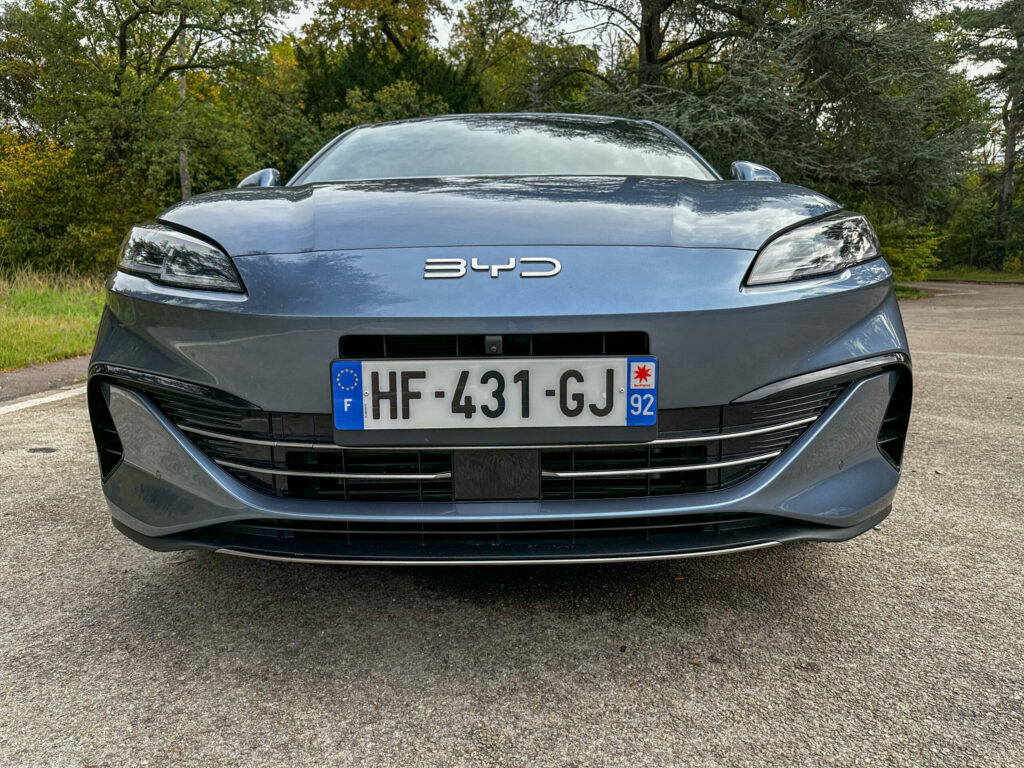
True to what BYD calls ‘Ocean Aesthetics’, the design remains modern and uncluttered. At the front, the SEAL 6 is adorned with sharp, double-L-shaped LED headlights that catch the eye and give it the air of a large European sports saloon, which is quite successful. The flowing, taut lines of the bonnet reinforce this impression of dynamism, while the active grille optimises aerodynamics with a drag coefficient of just 0.25 Cx.
At the rear, it’s modern, recognisable and as faithful as ever to the brand’s maritime inspirations, even if personally, we’re still a little divided on the fastback/classic hatchback combination, as a matter of taste.
A detail that could make all the difference to city-dwellers: the 18-inch wheels with their ‘Flying Axe’ design are set slightly lower than the tyres, which have particularly thick sidewalls. It’s a detail we found pleasing, since this configuration favours comfort and protection for the rims when manoeuvring in town.
Side view of the BYD SEAL 6 DM-i, highlighting its fluid lines and modern style. (Credit: Marceau NIO)
The boot has a volume of over 490 litres, which is certainly appreciable and generous, but – and there is a but – access is a little narrow. When it comes to stowing bulky items, such as a large suitcase, this quickly becomes a problem. This is due to the fastback design: you gain in aesthetics, but lose a little in practicality. But that’s far from being a problem: everyday needs are largely covered, and weekends away or holidays are still perfectly feasible for a family.
The interior: sleek, digital and efficient
Let’s climb aboard, where the BYD philosophy is immediately apparent: sobriety, minimalism and everything done digitally. The first thing that strikes you when you get behind the wheel is how accessible the controls are. The controls fall quite naturally to hand. Whether it’s starting the car, operating the electric windows (a classic, but one that can sometimes get lost) or opening the panoramic sunroof fitted to our test model, everything is intuitive and logical.
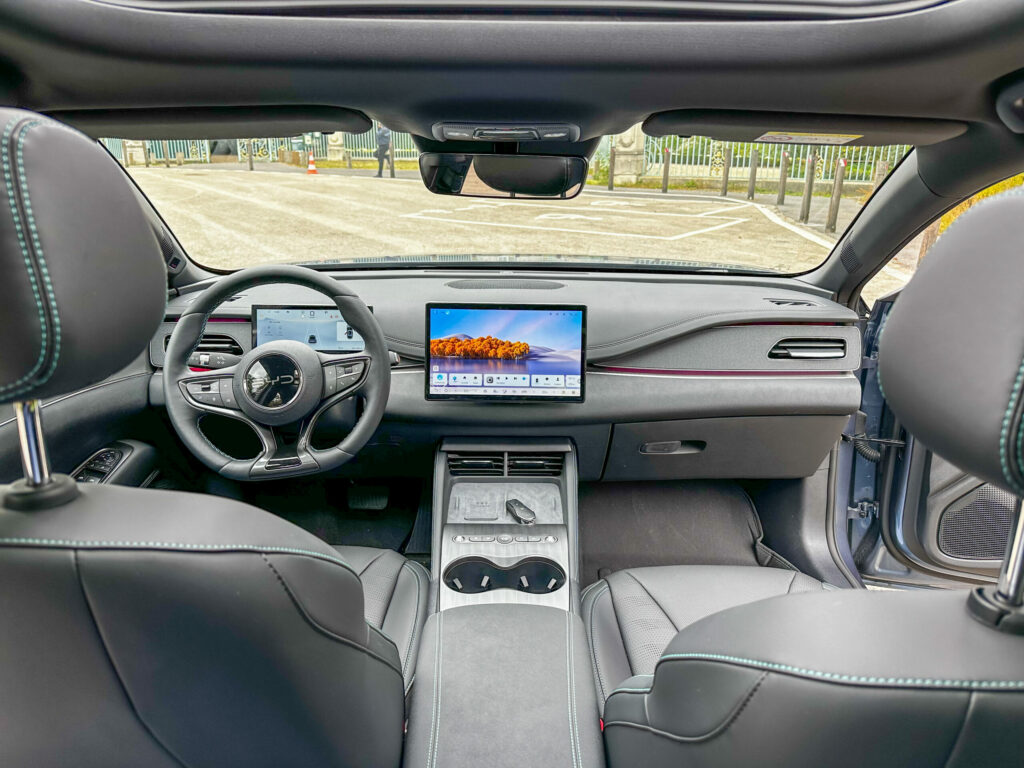
As with most modern vehicles, everything is centralised on a large touchscreen. Here, BYD has fitted a large 15.6-inch screen, compatible with Android Auto and Apple CarPlay, positioned right in the centre of the dashboard. Compared to what’s available on the market, what I found particularly appreciable was being able to navigate the interface at the click of a button, without plunging into complex menus. Our Comfort version is equipped with heated seats that can be adjusted directly from this same panel. It’s ergonomically designed for real-life use, so there’s no need to fiddle around. On the other hand, as part of the ongoing development process, you have to accept the almost total absence of physical buttons: only a few controls remain, notably on the steering wheel.
Rear-seat view of the digital dashboard and 15.6-inch touchscreen (Credit: Marceau NIO)
As far as the quality of materials is concerned, BYD is pretty well off the mark. There are very few hard plastics in the cabin. The seats are made of perforated textile, are ventilated and heated, and also have a memory function. The materials are sober and of a frankly very satisfactory quality, even if you can imagine that you won’t find the level of finish of a German premium saloon or a British SUV; in any case, that’s not the brand’s ambition. A package perfectly suited to the vehicle’s price positioning.
At the rear, for a vehicle almost 5 metres long, there’s plenty of room to spare. And the SEAL 6 delivers. Thanks to a generous wheelbase of 2.79 metres, three real seats are available, with a bench seat of the same quality as up front. Long journeys are no torture. There’s plenty of legroom and decent headroom, so when it comes to transporting children, friends or even belongings, it clearly gets the job done.
Behind the wheel of the BYD SEAL 6 DM-i Super-Hybrid
This 2ᵉ hybrid model from BYD that we tested benefits from Dual Mode Super Hybrid technology, which intelligently combines pure electric propulsion and a combustion engine in series or parallel. The system features a combustion engine developing around 98 bhp, combined with an electric motor delivering up to 212 bhp in Comfort trim, for a combined output of 217 bhp.
In pure electric mode, it’s silent and smooth when you ramp up the power – exactly what you’d expect from city driving in a hybrid. It also handles well for its size. The range in 100% electric mode can reach up to 140 km WLTP thanks to the 19 kWh battery, which more than covers the daily needs of most motorists.
Close-up of the BYD logo and elegant bonnet design (Credit: Marceau NIO)
But as soon as you apply a little more pressure to the accelerator, the vehicle reveals its true character. The SEAL 6 DM-i has the punch of an electric car, with very strong instantaneous power. Personally, I really enjoyed driving the SEAL 6. BYD has clearly aimed for the best of both worlds: the range and versatility of the combustion engine combined with the power, smoothness, silence and environmental credentials of electric motors. The system intelligently manages the transition between modes, and most of the time you don’t even feel when the combustion engine takes over.
Driving the SEAL 6 on fast roads is just as enjoyable. It’s well anchored to the ground, thanks in particular to its high weight (over 1.7 tonnes), and its 2.79-metre wheelbase gives it reassuring stability, even at high speeds. Handling is firm and confident. Dynamic handling is well-balanced, and the steering is sufficiently precise, even if it can sometimes lack a little sparkle in tight sequences.
In terms of fuel consumption, the hybrid system is extremely efficient. The combined range can reach around 1,350 kilometres WLTP, with a claimed fuel consumption of around 1.5 to 1.7 L/100 km in the combined cycle. In reality, in a variety of driving conditions (city, road, motorway), fuel consumption remains very low, well below what an equivalent internal combustion vehicle would achieve: another point for the hybrid.
Back view of the BYD SEAL 6 DM-i, showing its fastback styling and classic boot (Credit: Marceau NIO).
Conclusion: the affordable hybrid that keeps its promises
It’s hard to remain unmoved after this test drive. The BYD SEAL 6 DM-i Super-Hybrid brilliantly combines efficiency, range, versatility and a formidable price tag. With an entry-level price of under €40,000, it is clearly aimed at customers looking for efficiency and rationality, without sacrificing driving pleasure or comfort. It’s not perfect, but its qualities far outweigh its faults. It was a very pleasant test drive: we enjoyed ourselves, and driving pleasure is ‘almost’ the most important thing.
Admittedly, the interior materials don’t rival those of a Mercedes E-Class, BMW 5 Series or Audi A6. But for the price on offer, the value for money is undeniable. BYD is true to its ambitions: to be the market leader by focusing on technology, range and price.
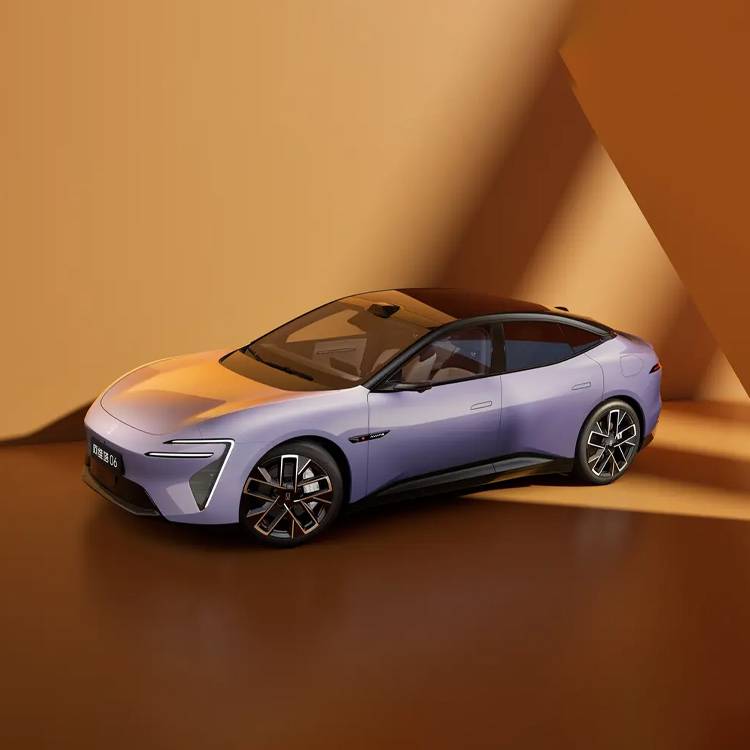
The new Avatr 06 is attracting attention for its exceptional range and futuristic design. It could quickly win over the European market. With a competitive price and advanced Huawei technology, it is positioned as an ambitious model for 2025.
The Avatr 06 electric saloon reveals its futuristic design and elegant lines seen from the front and in profile. (Credit: Avatr)
Record range to appeal to demanding drivers
Avatr 06 will be available as a 100% electric vehicle or as a range-extending hybrid. The BEV version features a 72.88 kWh LFP battery supplied by CATL, offering up to 650 km on the CLTC cycle. The single-motor model delivers 252 kW, while the dual-motor version develops 440 kW, with a range of 600 km.
This EREV (extended-range electric vehicle) version combines a 231 kW electric motor with a 1.5-litre turbocharged combustion engine. This configuration acts as a generator to extend the range to 800 km. Thanks to the 800-volt architecture, rapid recharging is also possible, considerably reducing waiting times and improving driving comfort.
Futuristic design and luxurious interior
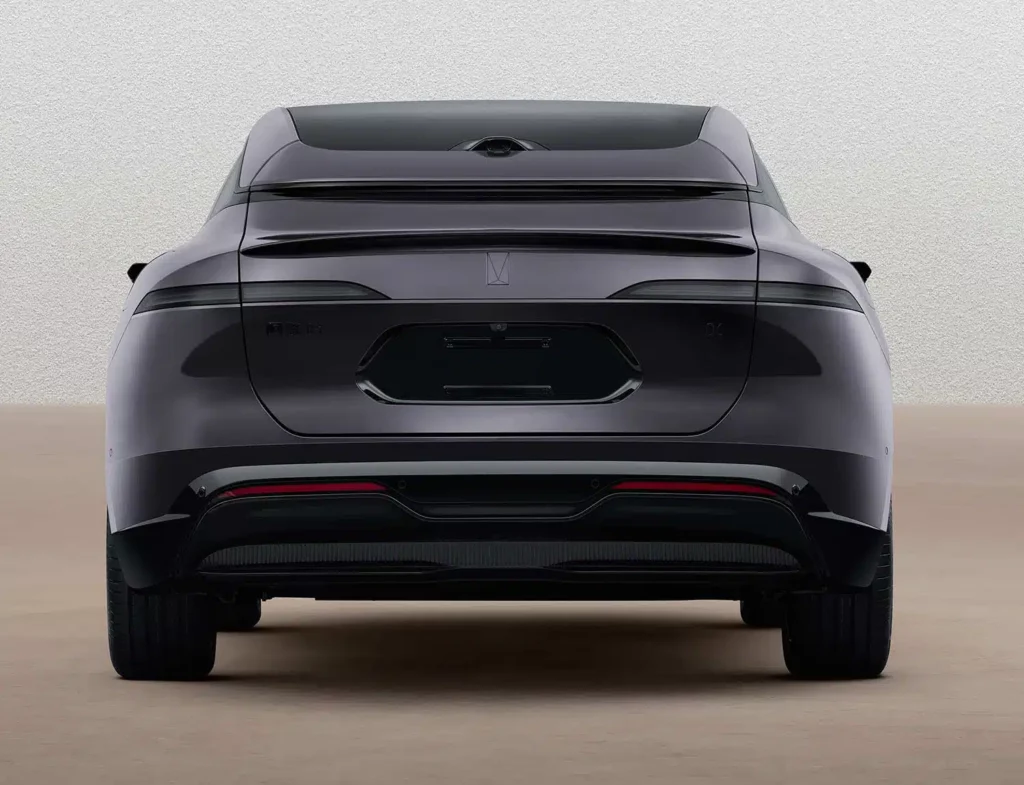
The design of the Avatr 06 is inspired by the Avatr 2.0 concept, with modern, balanced lines. Its dimensions are adapted to European roads: 4.85 m long, 1.96 m wide and 1.45 m high. Recessed handles and optional rear-view mirrors with screens improve the Cx (coefficient of drag) and give it a very futuristic look.
The Avatr 06 offers a sleek rear design with LED light signature and elegant sporty lines. (Credit: Avatr)
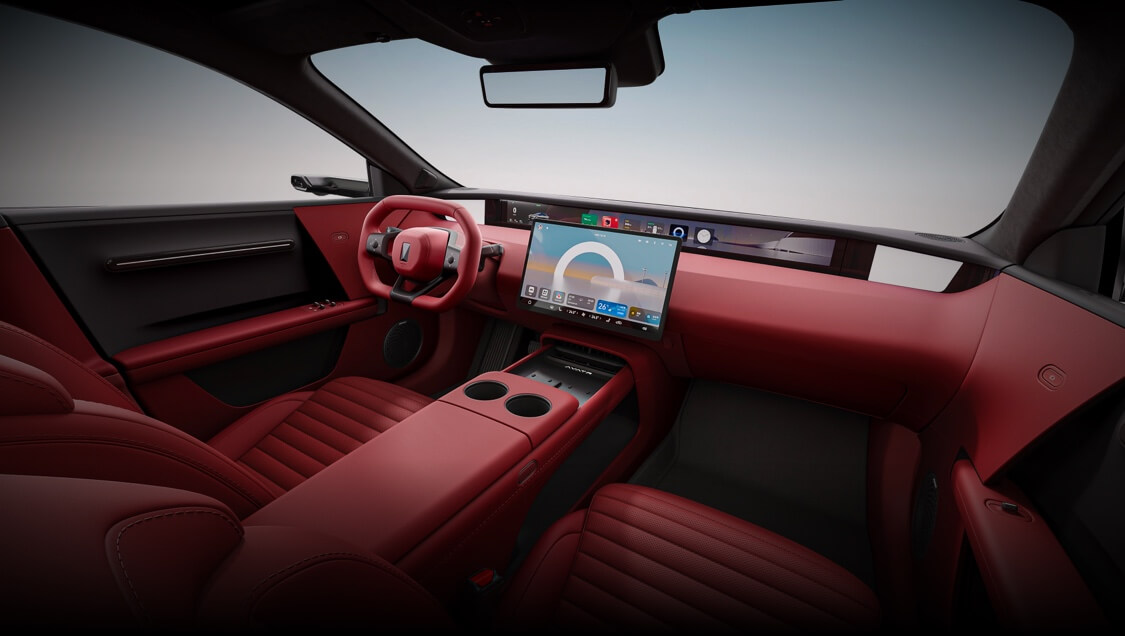
Inside, the 7m² cabin features premium materials and zero-gravity front seats with 16-point massage. The 25-speaker Meridian audio system delivers immersive sound, while Huawei’s Harmony OS provides a seamless interface. ADS 3.0 assisted driving is based on high-precision lidar and 27 sensors for optimum safety.
A clear international strategy
Since its appearance at the Munich Motor Show in 2024, Avatr has been demonstrating its European ambitions. This car is designed to meet the expectations of Western drivers, with dimensions adapted to their needs and a practical hybrid option. The brand is targeting a public that appreciates technology, comfort and long range.
The trio of Changan, CATL and Huawei are each contributing their expertise to create a competitive saloon. Changan provides the automotive know-how, CATL supplies reliable batteries, and Huawei develops the on-board technology and driving aids. This combination could make the Avatr 06 a direct rival to the Tesla Model 3 and BYD Han.
The cockpit of the Avatr 06 combines panoramic screen, central screen and Huawei HarmonyOS technology for a premium experience. (Credit: Avatr)
Performance, technology and comfort: a winning trio
The Avatr 06 stands out for its range, power and ultra-connected cabin. Its twin electric motors rival those of Western models, while the EREV version provides extended range for long journeys. Huawei components offer an advanced multimedia system and powerful semi-autonomous driving, enhancing the user experience.
Its sleek design, luxurious materials and comfort-enhancing technologies will appeal to discerning drivers. Scheduled for launch in China in the second quarter of 2025, the Avatr 06 could quickly become a benchmark among premium electric saloons. In Europe, its optimised dimensions and range-extending hybrid technology could appeal to a wide audience, offering a credible alternative to Western vehicles.
A look at the competition
The Avatr 06 enters an already highly competitive market, with established models such as the Tesla Model 3, BYD Han and Nio ET5. These cars offer ranges close to 600 km, but often at higher prices or with less on-board technology. The Avatr 06 is an attractive alternative, thanks to its range/price ratio and powerful engine.
Compared with Tesla, the 06 offers a comparable technological experience, notably with Harmony OS and ADS 3.0 assisted driving. Compared with BYD Han and Nio ET5, it offers a reliable CATL battery and a hybrid version with range extender. This combination of range, performance and comfort could appeal to a demanding European public, ready to try out an innovative Chinese manufacturer.
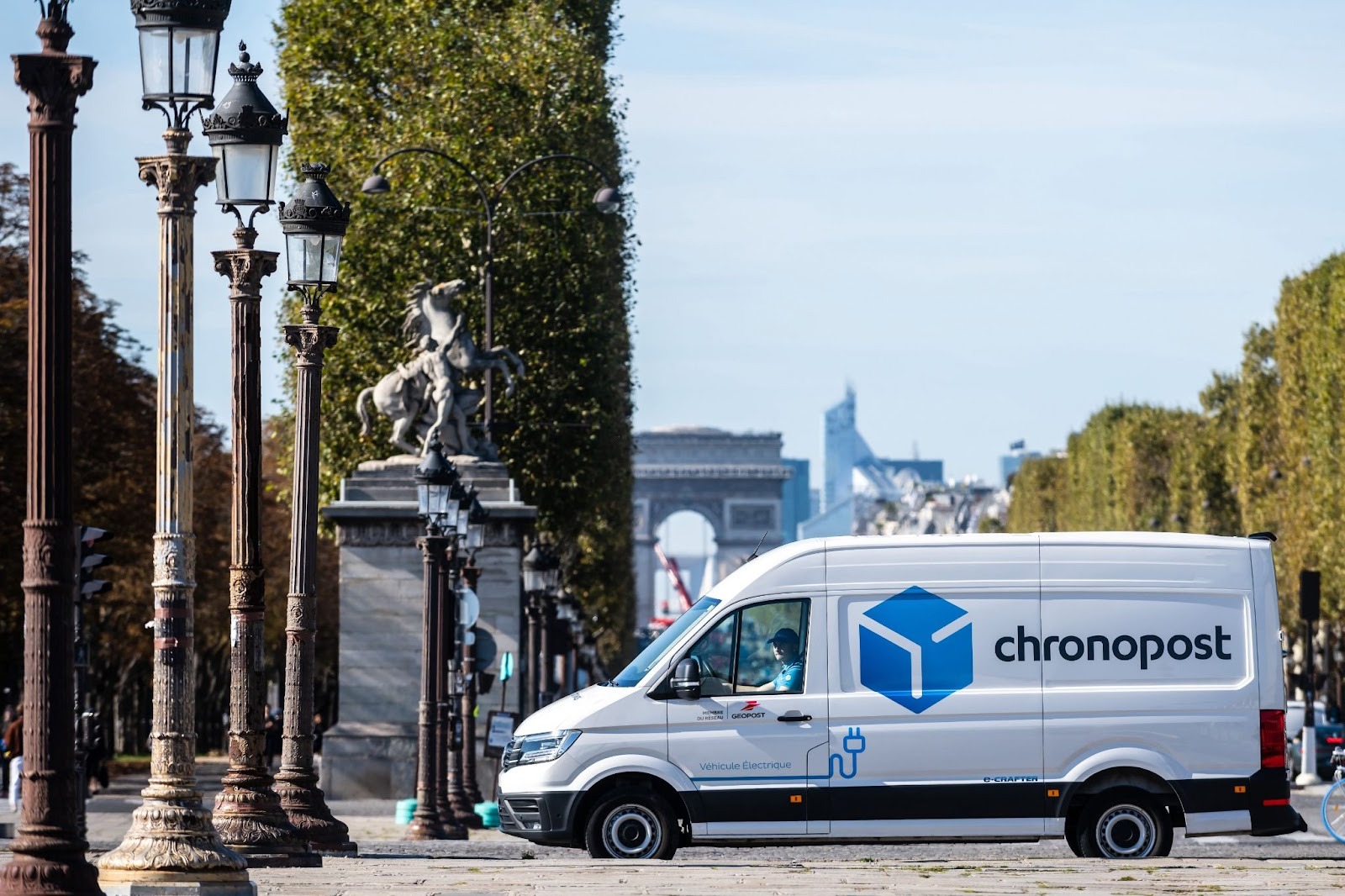
A year has passed since the first tests between Chronopost and Electra (November 2024) and the assessment seems to have given ambition. More deliveries, less CO₂ and a sustainable fleet with a target of 43% low-emission vehicles by 2030. In Paris, 100% “clean” delivery is already a reality.
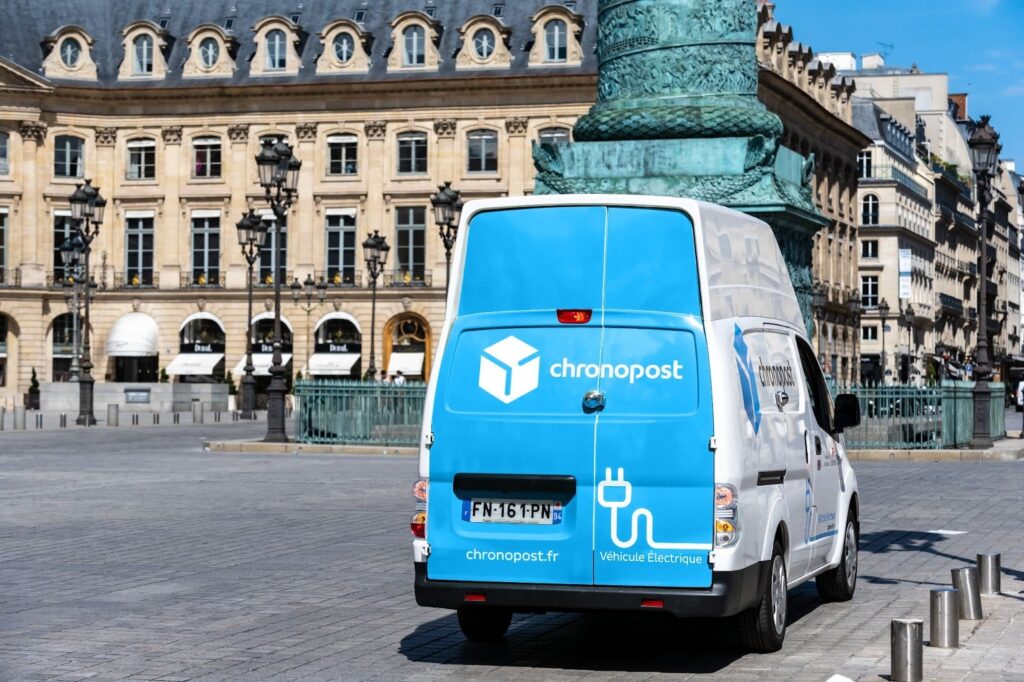
A Chronopost 100% electric van drives along the Champs-Élysées, illustrating clean urban delivery (Credit: Coworkcom & Chronopost).
Ultra-fast terminals and a dense network
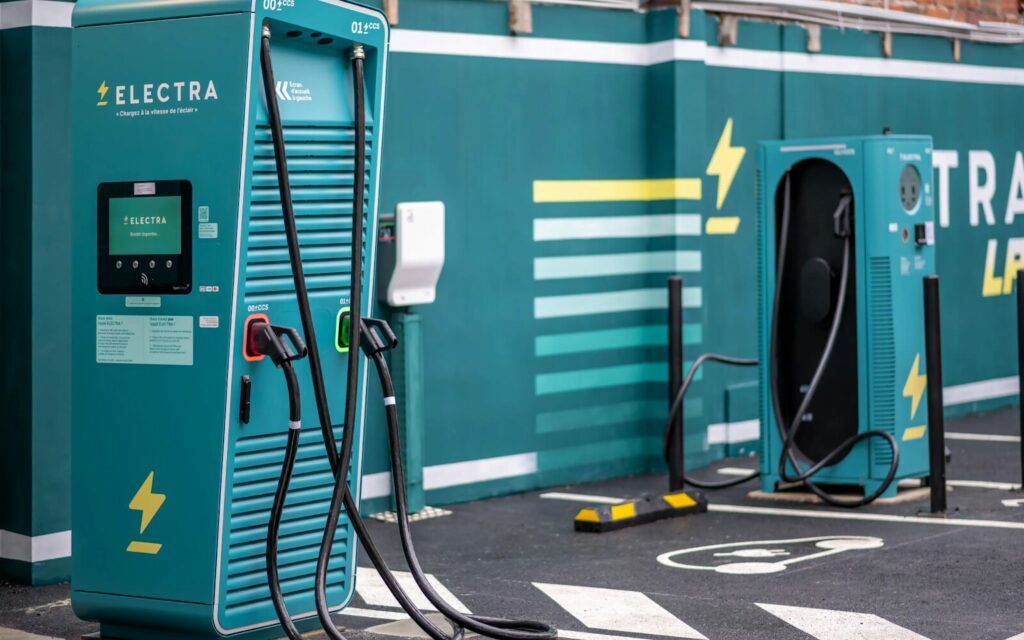
Since November 2024, Chronopost has been experimenting with Electra charging stations of up to 400 kW, which is rare in the French ecosystem. With this level of power, vehicles can regain their range in just 12 to 20 minutes, compared with several hours at conventional charging points. This time saving is a real game-changer: delivery drivers can do more rounds without having to take long breaks. And the results are clear to see: with these kiosks, the number of daily deliveries has risen from thirty to almost 100, according to internal figures. For its part, Electra offers an already solid network: more than 579 stations open today and powerful charging stations capable of recharging up to 400 km of range in 20 minutes. These stations can be accessed via the Electra app, which allows users to reserve their charging point in advance, guaranteeing a charging point when their vehicles need it.
The Electra network covers a large area, giving Chronopost ultra-fast terminals close to its depots. This logistical density offers considerable flexibility: delivery drivers don’t waste time going too far to recharge, and branches can plan their rounds more fluidly. Feedback from the teams on the ground is largely positive: the stations are well located, access is controlled and operational support is responsive. At the same time, Chronopost is strengthening its urban infrastructure via its Espaces Logistiques Urbains (ELU) and its “ChronoCity” miniboutiques, located in the heart of neighbourhoods. These sites enable parcels to be centralised and then delivered using light vehicles, further reducing the carbon footprint of urban distribution.
The Chronopost electric van seen from the back, demonstrating the efficiency of the sustainable urban fleet. (Credit: Coworkcom & Chronopost)
Towards an ever-greener fleet
Currently, 21% of the Chronopost fleet is electric, i.e. around 1,345 vehicles. The ambition is to reach 3,188 electric vehicles by 2030, i.e. 43% of the fleet. This is a real gamble on “sustainable delivery” and carbon footprint. Chronopost is not starting from scratch, however: for several years it has been investing in low-emission vehicles (electric, NGV, bicycles). In Paris, for example, 100% “clean” delivery is already a reality, with a fleet of electric and NGV (natural gas for vehicles) vehicles. In Nantes too, Chronopost has installed terminals and put 100% electric vehicles on the road. In some branches, such as Valence, recharging stations have been added to support this transition. Electrifying deliveries significantly reduces emissions: in Paris, transport by “clean” vehicles avoids 560 tonnes of CO₂ and 99% of fine particles. Chronopost is thus aiming for a greener logistics model while maintaining fast delivery times.
Finally, in terms of CSR, the company is confirming its commitment: it recently obtained the Platinum EcoVadis rating, one of the highest scores in its sector. The electrification of deliveries has a real impact on CO₂ emissions and urban pollution. In Paris, the project has already significantly reduced street pollutants while maintaining reliable delivery times. This model proves that ecology and logistics performance can go hand in hand. In terms of social and environmental responsibility, Chronopost has a solid commitment: the company renewed its Platinum EcoVadis certification in 2024, with a score of 81/100. This score reflects not only its efforts to green its fleet, but also progress in ethics, responsible purchasing and governance.
Electra terminals enabling Chronopost’s electric vehicles to recharge quickly and continue their rounds. (Credit: Electra)
Limits and future challenges
Although the results are largely positive, a few challenges remain. The maximum power of Electra terminals depends on vehicle compatibility: not all vehicles can take full advantage of this speed. Another constraint is that the possible saturation of the charging points can temporarily reduce their efficiency. Finally, to ensure the long-term viability of this strategy, Chronopost must continue to invest in its infrastructure and in optimised recharging solutions, while ensuring that these investments are profitable or at least viable in the long term. But so far, the company seems to be making good progress in this direction. Thanks to its partnership with Electra, Chronopost is succeeding in a twofold challenge: increasing the speed of its deliveries while significantly reducing its carbon footprint. While there are still many technical and logistical challenges, the initiative is a good illustration of how electric vehicles can transform the last mile of delivery, making cities cleaner and routes more efficient.
Chinese manufacturer Nio has taken the surprising step of discontinuing its 150 kWh battery. This technology promised over 1,000 kilometres of range, but demand never followed. This decision highlights the real expectations of drivers when it comes to the development of recharging infrastructures.
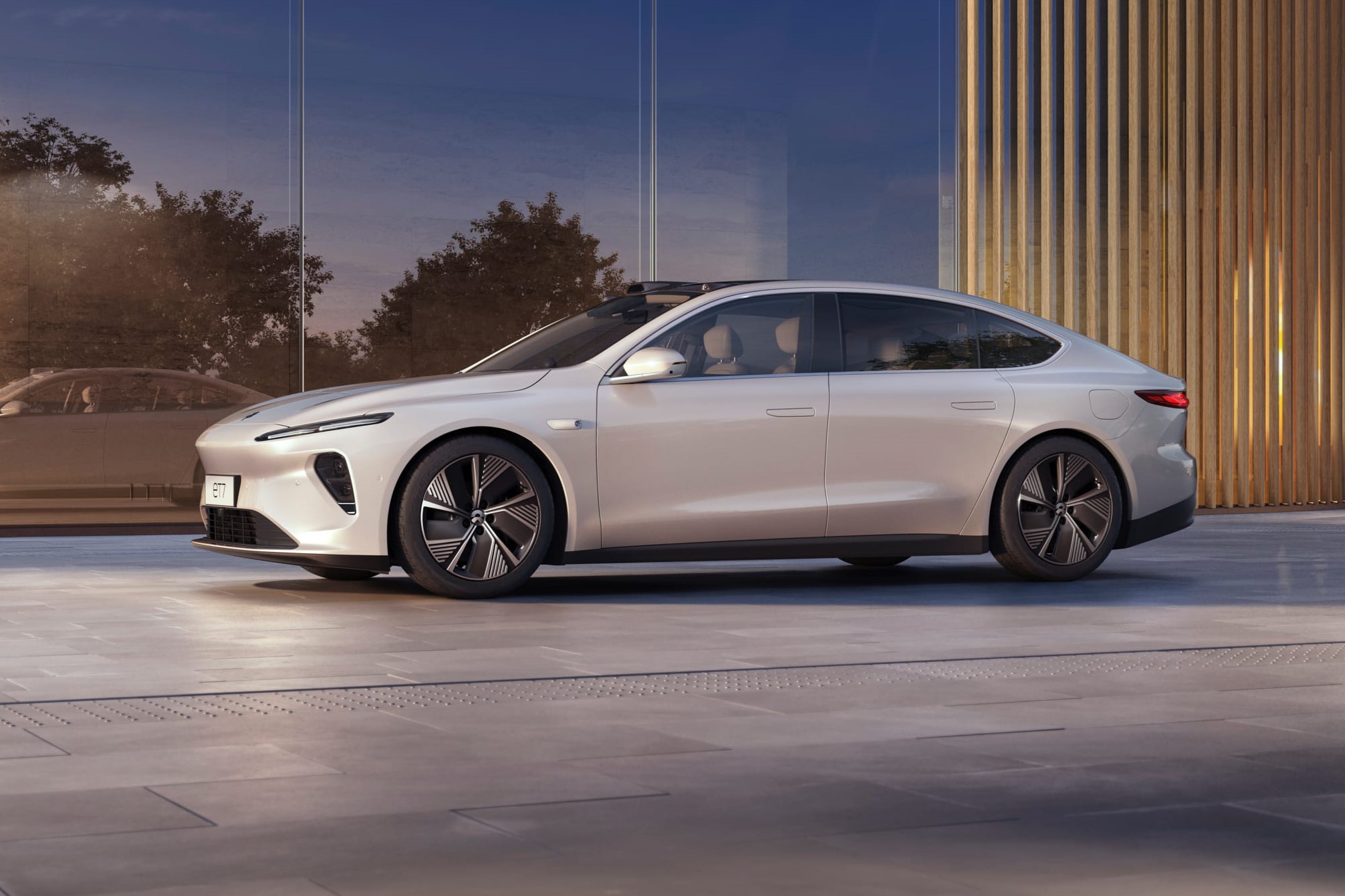
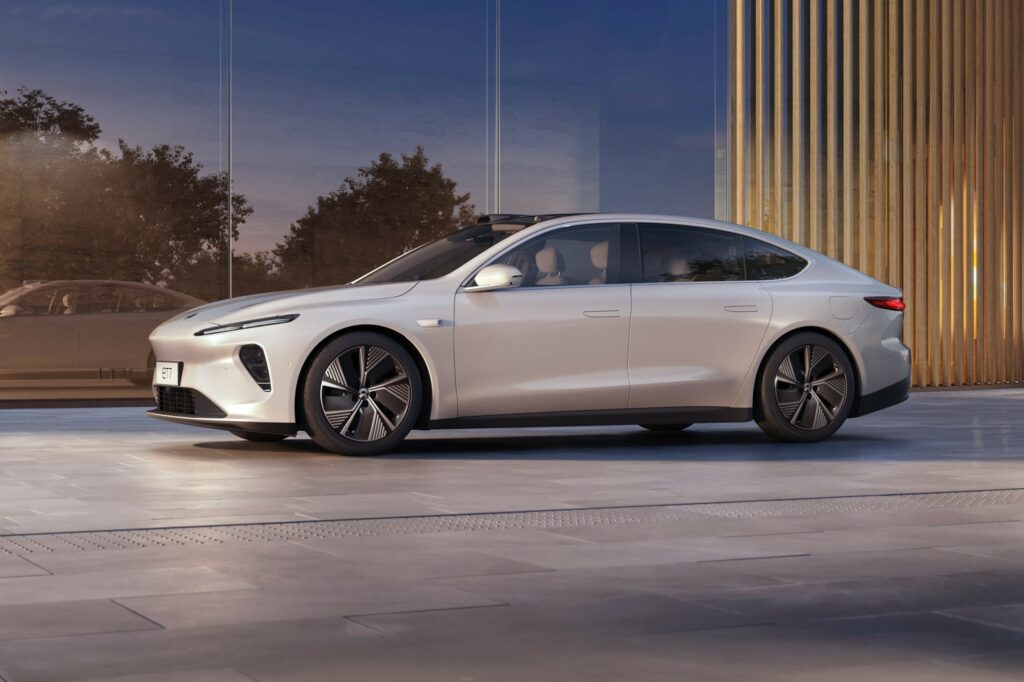
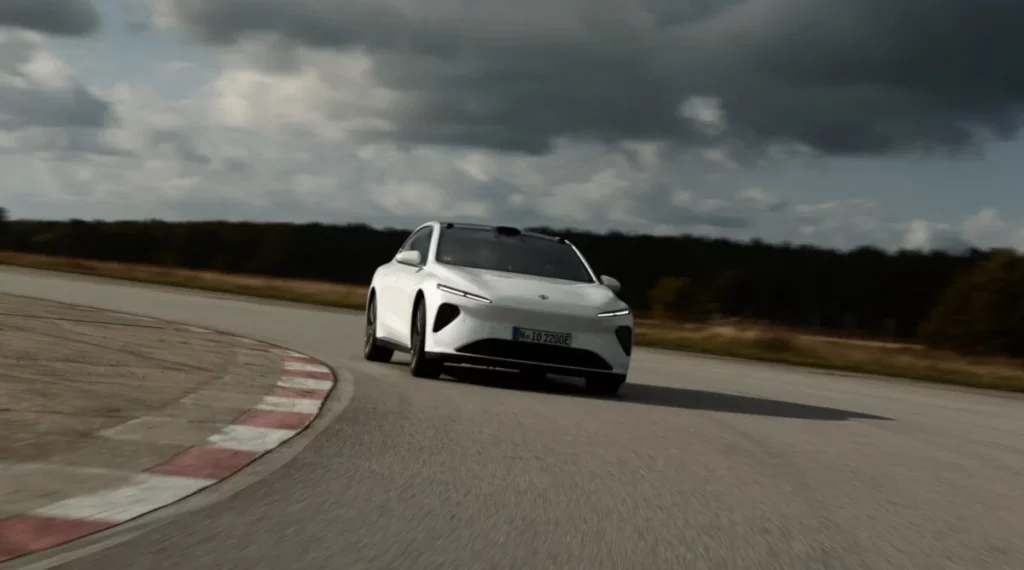
Nio ET7 shown in profile, illustrating its elegant, aerodynamic design (Credit: Nio)
Extreme autonomy that doesn’t appeal
On paper, Nio’s 150 kWh battery seemed revolutionary. In particular, it was fitted to the ET7 saloon and could cover more than 1,050 kilometres according to the Chinese CLTC cycle. In Europe, this represents around 900 kilometres on the WLTP cycle. However, despite this impressive performance, customers have not embraced it. According to William Li, CEO of Nio, the battery was used mainly as a marketing tool rather than for practical purposes. Several hundred units were produced in China, but these numbers were insufficient to maintain production.
The main drawback is the high cost. The battery cost 47,500 euros, the price of a complete Nio ET5. Even the monthly rental scheme, offered as an alternative, did not appeal to motorists. Most consider that a range of over 400 kilometres is already sufficient, especially with today’s recharging infrastructure.
Changing recharging habits
Driver behaviour has changed considerably in recent years. Previously, use was evenly split between 75 kWh and 100 kWh batteries. Today, only 3% of customers choose the 100 kWh battery. The proliferation of fast-charging stations and the development of battery swapping have reduced the need for extreme range. As a result, recovering a full battery in three minutes is becoming more practical than a long journey without a break.
This transformation has also changed Nio’s strategy. The brand now prefers to invest in the deployment of exchange stations rather than produce expensive batteries that are rarely used. William Li points out that this choice responds directly to the needs of customers in the field, rather than to marketing ambitions.
The Nio ET7, a top-of-the-range electric saloon equipped with a 150 kWh battery for extended range (Credit: Nio)
Strategic choices for Europe
Nor will Nio be offering the 150 kWh battery in Europe. The additional certification and testing would have made the introduction too complex and costly. Instead, the company wants to develop its network of exchange stations, seen as a more efficient solution for everyday use. This decision underlines a growing pragmatism, prioritising the user experience over autonomy records.
However, the recent closure of the only battery swapping station in Denmark illustrates the logistical challenges. Despite these occasional obstacles, Nio remains confident in this technology. The company is relying on gradual deployment and practicality to convince its customers, rather than on impressive but unhelpful figures.
A lesson for the electric vehicle market
The abandonment of the 1,000 km battery reveals an interesting paradox: drivers want range, but not necessarily extreme range. The real challenge lies in accessibility and speed of recharging. Nio demonstrates that innovation is not limited to technical performance, but must respond to the real needs of users.
This choice could influence other manufacturers. Rather than focusing on the race for maximum range, optimising infrastructure and everyday practicality now appear to be priorities. Ultimately, the success of electric vehicles will depend as much on practical solutions as on technological prowess.
Towing a trailer or caravan with an electric car may still seem unlikely. However, this use is becoming credible thanks to the rapid progress in the sector. The TCS(Touring Club Schweiz) now provides a detailed perspective on what electric vehicles can really do. It highlights their strengths, but also their limitations, particularly in terms of range and charging.
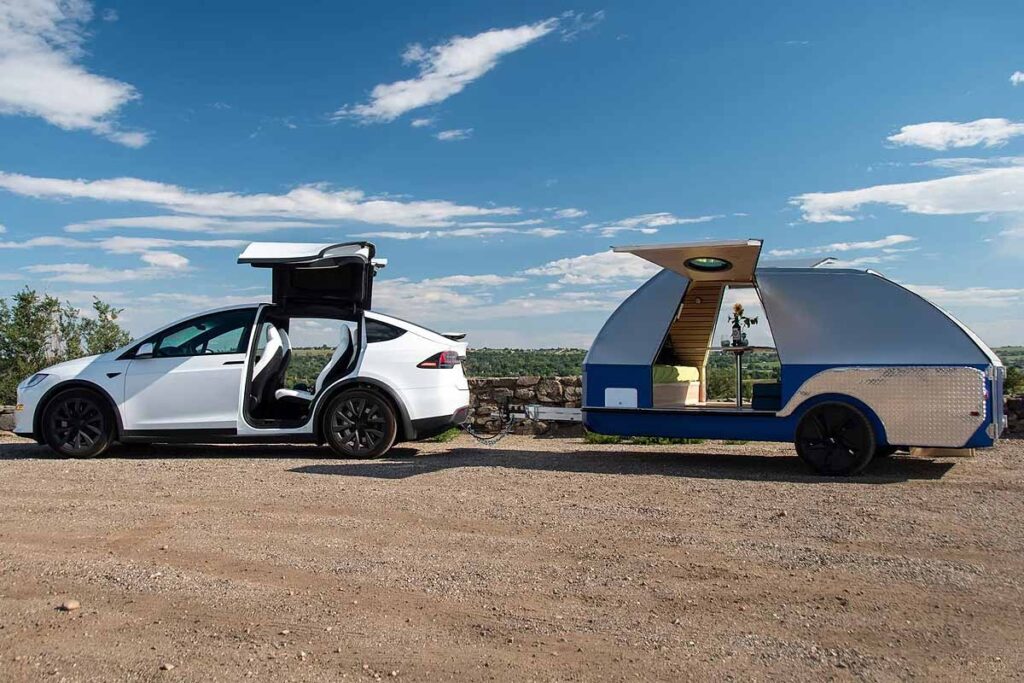
Electric car parked with trailer attached (Credit: Colorado Teardrops)
When electric meets towing
The idea of using an electric vehicle for towing may still surprise some, but certain models already rival conventional cars. For example, the Tesla Model X can tow up to approximately 2,250 kg according to the manufacturer’s manual. Its instant torque makes starting with a load, accelerating, and climbing steep inclines easier. This power also reduces the risk of overheating, which is common in some conventional clutches under heavy load. Currently, a few models such as the Mercedes G 580 electric or the Maxus eTERRON 9 can even tow up to 3.5 tonnes, placing them on par with good combustion vehicles. However, power alone does not guarantee safety. Vehicle balance remains essential for safe driving. The TCS notes that roll-assist systems improve stability but never replace precise setup. Load distribution and tongue weight always play a major role in the behaviour of a towed combination.
Even with these systems, towing a trailer requires constant vigilance. The TCS emphasises the importance of a properly calibrated vertical load to avoid dangerous reactions. A poorly balanced trailer can cause oscillations that neither the ESP nor the electronics can correct effectively. Electronics remain a support, not a miracle solution. The driver must adapt their driving, reduce speed, and anticipate every movement. An EV offers instant traction, but it never replaces careful driving.
Range and consumption: the real challenge
In reality, electric towing primarily presents a range challenge. Towing a trailer increases consumption and reduces the distance between charges. Travelling with a trailer in an EV is possible, but only with careful planning. Energy loss must be anticipated, the right charging stations selected, and longer breaks scheduled. Furthermore, current infrastructure complicates matters. Unlike petrol stations, it is often impossible to charge while keeping the trailer attached. Many charging points require perpendicular parking or tight manoeuvring. In most cases, the driver must detach the trailer, which inevitably extends the stop. This constraint can also block access for other users, creating extra stress for the driver and even potential collisions.
To address this, the TCS highlights a useful solution: the “eTrucker” app. It allows filtering for charging points accessible without detaching the trailer. Originally intended for electric trucks, this feature also benefits electric cars with trailers. It helps plan charging stops and reduces surprises. However, this solution is temporary. The real need concerns charging points designed for vehicles with a tow. Developing such infrastructure will become crucial if towing with EVs becomes widespread.
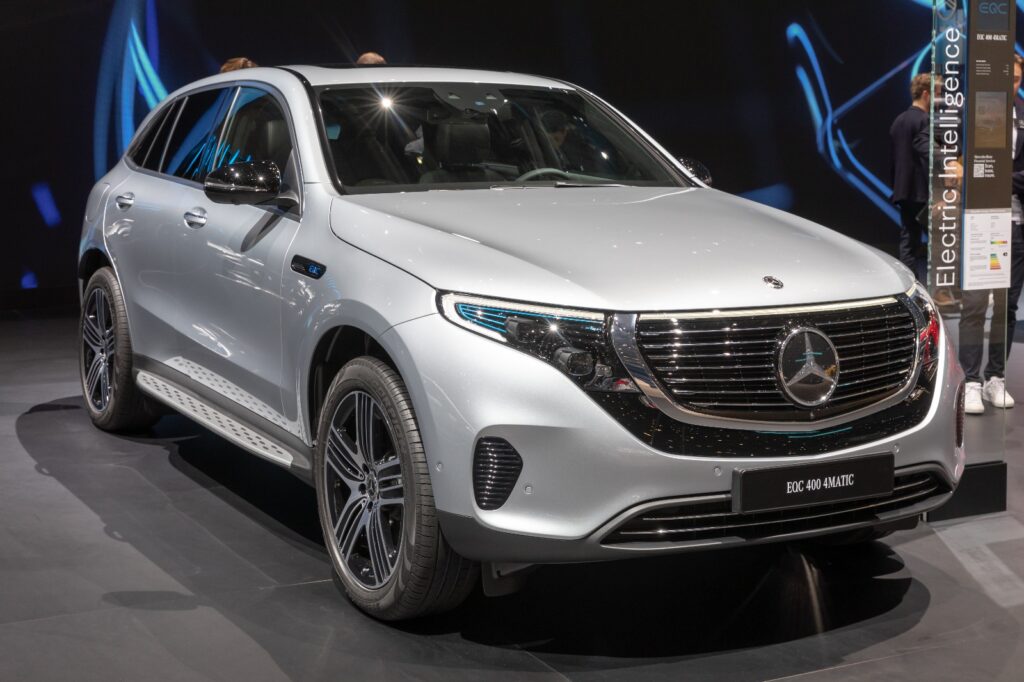
The Mercedes EQC, capable of towing up to 1,800 kg according to TCS.
Technology ready, but an ecosystem still in transition
According to TCS tests, electric vehicles are fully capable of towing. Differences in consumption between an EV and a conventional car towing a trailer are generally limited. Technology is therefore no longer a barrier. Instant torque, no clutch, and smooth driving are real advantages. However, this use requires much stricter organisation than with a conventional vehicle. For example, other models such as the Mercedes EQC can tow up to approximately 1,800 kg according to specialist guides. More recently, sedans such as the Audi A6 e-tron report towing capacities of around 2,100 kg. Remaining obstacles are therefore not mechanical or technological, but logistical. The charging network is not yet adapted for vehicles towing a trailer. It remains designed for short, unattached cars. As long as this situation persists, long trips with a trailer in an EV will require more preparation and patience.
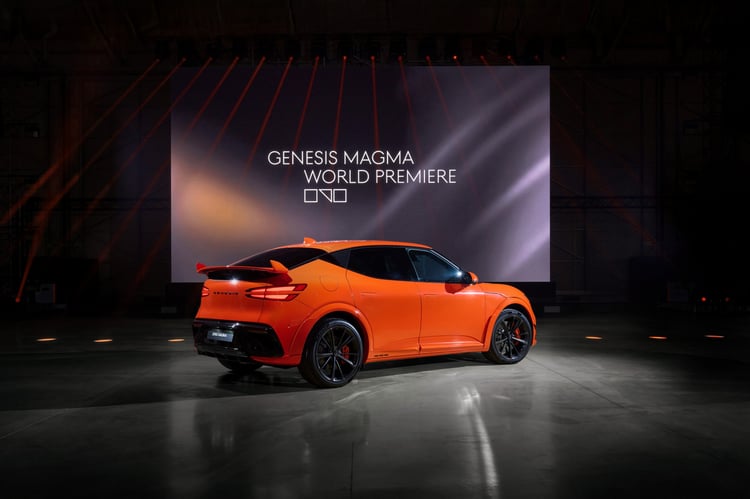
From the Circuit Paul Ricard, Genesis has lifted the veil on its GV60 Magma, the first production Magma model. This version completely rethinks the concept of the sporty electric SUV. Fans of performance and design will be delighted by this bold, futuristic vehicle.
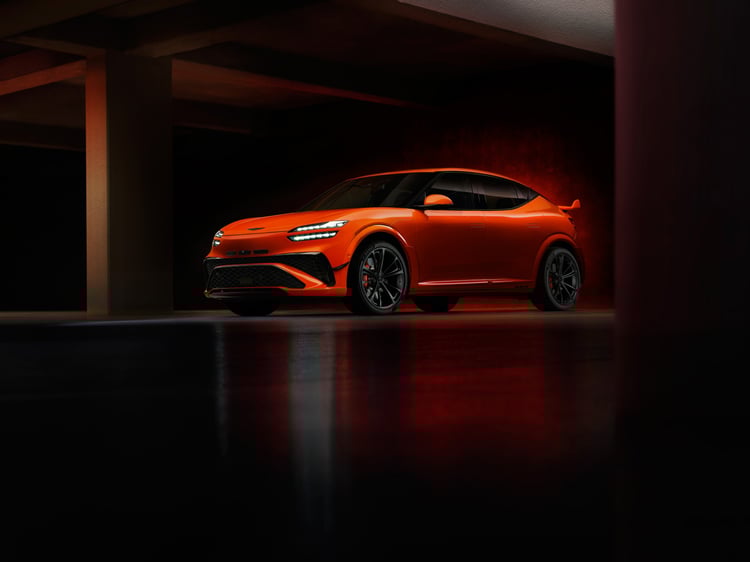
The Genesis GV60 Magma reveals its sporty and elegant design, with a lowered body and 21-inch wheels (Credit: Genesis).
A style that makes its presence felt
The GV60 Magma is immediately distinguishable from the classic GV60 thanks to its wider, lower silhouette. The front bumper has three pronounced openings, optimising both air flow and cooling. In profile, the body is lowered by 20 millimetres and the wider wings accommodate 21-inch wheels fitted with 275-mm tyres. These changes underline the attention paid to aerodynamics and handling. At the rear, the bumper incorporates a special diffuser, while the spoiler on the tailgate adds an aesthetic and functional touch.
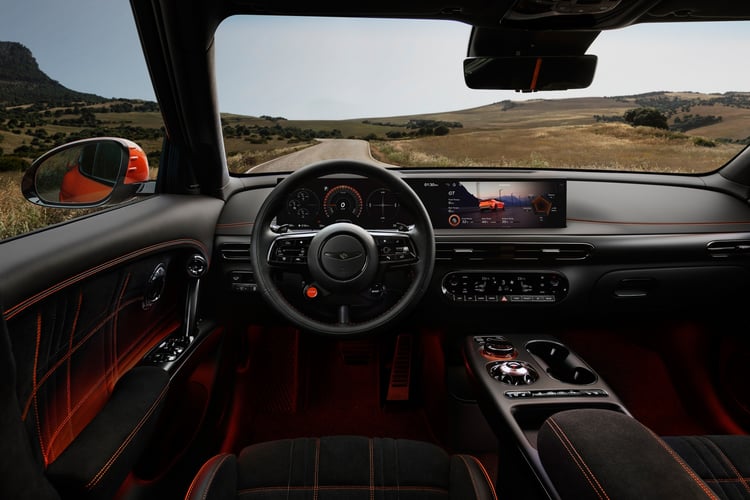
Inside, Genesis blends luxury and sportiness. Black dominates, punctuated by orange and grey stitching and matching seatbelts. The steering wheel features additional controls for driving modes and the boost function. The instrumentation is unique, featuring exclusive Magma themes and offering an immersive experience. Chamude, a material reminiscent of suede, adorns the seats and console, reinforcing the premium character of the cabin.
Mechanics designed for performance
Under the bonnet, the GV60 Magma is more than just a pretty face. It combines two electric motors, one per axle, offering a total output of 609 bhp and 740 Nm of torque. A single button activates Boost mode, which boosts power to 650 bhp and torque to 790 Nm for 15 seconds. This configuration enables the car to reach 200 km/h in just 10.9 seconds thanks to Launch Control. Genesis also offers three driving modes and a Drift mode, guaranteeing sensations and agility on the track. The brakes, suspension and steering components have been optimised for a sporting experience worthy of hypercars.
The interior of the GV60 Magma combines luxury and sportiness, with an exclusive steering wheel, orange stitching and Magma-specific instrumentation (Credit: Genesis).
In addition, the VGS system simulates gear changes and the sound generator recreates the ambience of a combustion engine. In this way, the driving experience combines electric sensations with traditional emotions. Thermal optimisation of the battery ensures that performance is maintained even during extended dynamic sessions.
An ambitious European strategy
Genesis is thinking big for the next decade, and Europe is at the heart of its ambitions. After a timid start, the manufacturer intends to make a name for itself with its high-performance electric models. The Magma programme is the main thrust of this strategy, combining luxury, technology and performance. The GV60 Magma will serve as the gateway to future models, including saloons and large SUVs, and even dedicated competition models.
Deliveries will begin in South Korea in early 2026, followed by Europe and North America. The GV60 Magma paves the way for a future in which Genesis aims to rival Porsche, Polestar and Cadillac in the premium electric segment. Although the price remains unknown, it promises to be a highly anticipated vehicle for lovers of performance and innovation.
A technical heritage inspired by the Ioniq 5 N
The GV60 Magma is based on the E-GMP platform used by the Hyundai Ioniq 5 N, but with a refined and luxurious approach. The two electric motors deliver 790 Nm of torque in boost mode, enabling a 0-100 kph time of less than 3.5 seconds and a top speed of 264 kph. Its suspension, recalibrated with Hydro G silentblocks, improves comfort and agility, while braking is reinforced to cope with the power.
The GV60 Magma is distinguished by its functional rear spoiler and integrated diffuser, which enhance the SUV’s aerodynamics and elegance (Credit: Genesis).
Sporty styling is matched by precise detailing. Side skirts, rocker panels and a functional rear spoiler enhance aerodynamics, while the interior combines sobriety and sparkle. The displays and instrumentation adopt a Magma theme, and the steering wheel incorporates controls for the boost function and driving modes. Genesis strikes a subtle balance between luxury, performance and immersive technology.
Towards a complete Magma family
The GV60 Magma paves the way for a complete series of high-performance models. From the G80 saloon to the GV80 SUV, Genesis plans to roll out the Magma programme across its entire range. The brand aims to transform its image and establish itself as a major player in sporty electric luxury. With the GV60 Magma, Genesis combines distinctive design, extreme power and innovative technologies. Europe and then North America will be able to discover this first model from 2026, heralding a new era of Korean performance on the international market.
Over the last few days, winter has arrived in France, with very low temperatures. The fear of electric cars in cold conditions remains. Despite this, drivers are learning to adapt their use to preserve the range of their batteries. Manufacturers are developing technologies that improve performance in winter conditions. As a result, winter is becoming an area of innovation rather than a barrier to electric mobility.
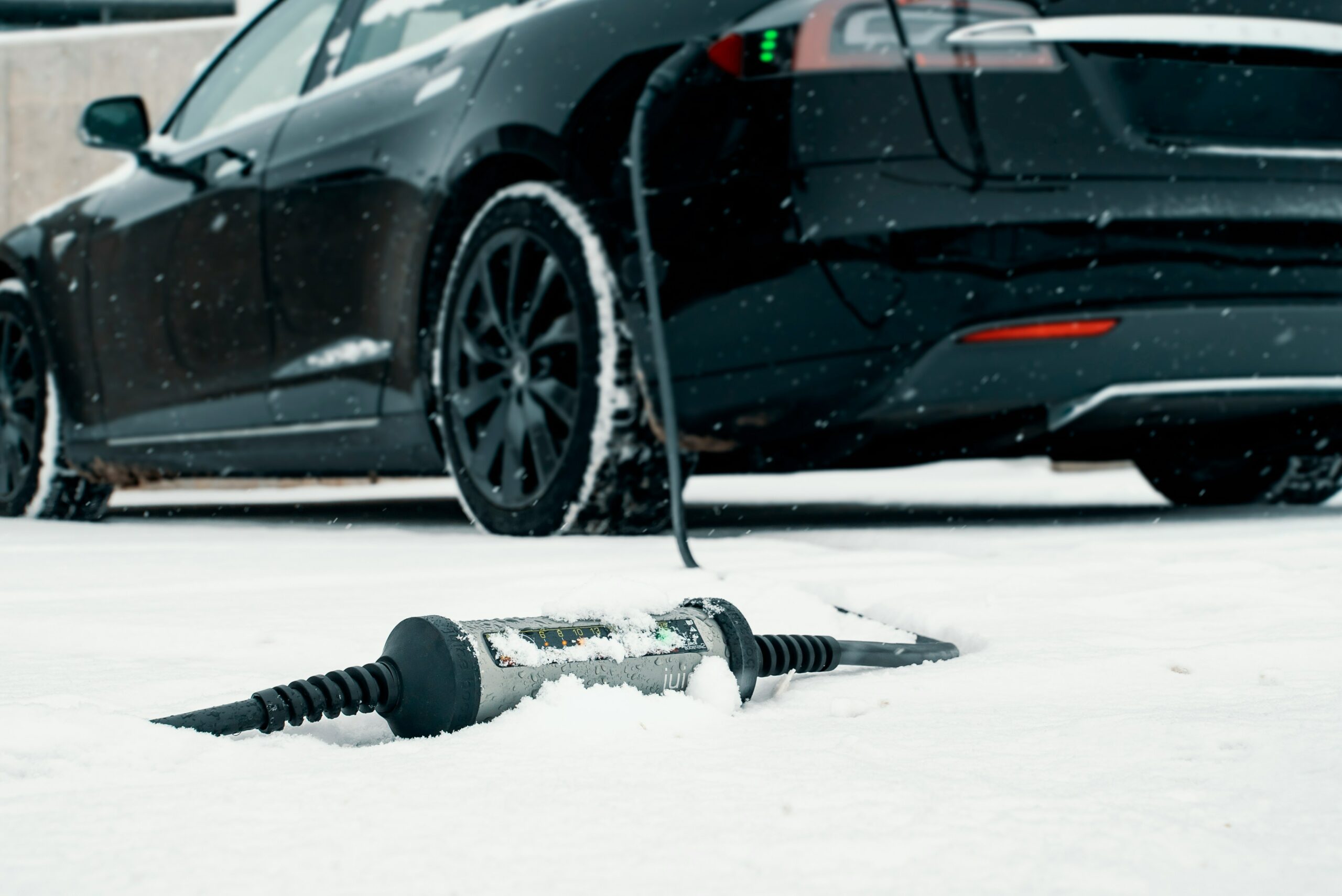
An electric car recharges despite sub-zero temperatures, illustrating the progress of sustainable mobility in winter.
Cold, the enemy of batteries
Let’s start with a fact: cold weather is not batteries’ best friend. It profoundly alters their behaviour, forcing drivers to think ahead. Below 0°C, lithium-ion cells lose efficiency, reducing the range by 20-30% depending on the model.
Recharging time is often longer, because the battery has to be preheated before it can accept a fast charge. This step protects the cells, but delays reaching the desired charge level. It is important to regulate the battery temperature so that the car retains its range and power throughout the journey.
Another part of the energy is used to heat the passenger compartment. Unlike internal combustion engines, electric cars have no residual heat. The system therefore draws directly from the battery to heat the interior, which increases overall consumption. This is particularly noticeable on short journeys in town, where repeated starts accentuate the losses. Despite these constraints, drivers must learn to optimise their driving and adapt their habits to limit the drop in range.
Concrete solutions are emerging
In many countries with severe winters, motorists are adapting their practices to preserve their range. One of the most effective reflexes is to preheat the vehicle while it is still plugged in. This limits the impact of heating on the battery during the first few kilometres. Heated seats are also preferable, as they consume much less energy than general heating. Thanks to these practical choices, losses in range become more predictable and therefore easier to manage.
At the same time, infrastructure is evolving to support this energy transition. Charging stations are adapting to cold climates by incorporating ice protection systems. Some installations also use thermal management technologies to ensure safe fast charging in winter. The improved regional coverage means that drivers can make long journeys with greater peace of mind. This global transformation is helping to build real confidence in electric vehicles, even in extreme conditions.
Cars drive along a snow-covered Alpine road despite the storm, a reminder of the risks associated with winter journeys.
Constantly evolving technology
The progress made by the automotive industry shows that batteries are becoming more robust year after year. Manufacturers are adopting heat pumps, which significantly improve energy efficiency in winter. This technology enables up to 83% of range to be maintained in winter, compared with 75% for vehicles not equipped with this technology. Users benefit from a more stable driving experience, even in prolonged sub-zero temperatures.
At the same time, engineers are working on the internal thermal management of batteries to optimise their operation. Some systems use phase change materials (PCM) to maintain a stable temperature. Others use cooling fins to improve heat dissipation and maintain the optimum operating temperature of the batteries. These advances extend cell life and reduce the risk of accelerated degradation. In addition, intelligent recharging is being developed to coordinate heating and charging at the right time. This innovation limits unnecessary consumption and improves the overall efficiency of the vehicle.
Electrics make their mark, even in the coldest regions
Experience gained in winter areas, such as the Nordic countries, proves that electric cars can operate reliably. Public policies play an important role in supporting the installation of suitable charging points and facilitating access to clean mobility. These initiatives encourage drivers to take the plunge and discover a use that is ultimately simpler than they imagined. Thanks to these coordinated efforts, electric vehicles are no longer confined to temperate regions, and are now conquering territories with demanding climatic conditions. Take Norway, for example, which is shattering all records, with 95.8% of new electric cars sold in January 2025 – a world record, according to the Norwegian Road Traffic Information Council (OFV).
This development opens up interesting prospects for the entire automotive market. The innovations tested in extreme cold then benefit drivers the world over. Batteries are becoming more stable, vehicles more versatile and infrastructures more powerful. With this progress, winter is no longer seen as a barrier, but as a lever for accelerating the overall improvement in electric technologies. The future of mobility therefore seems compatible with a wide range of climates, reinforcing the place of electric power in the global energy transition.
How do you protect your electric car from the cold?
Winter puts electric vehicles to the test. Here are a few simple steps you can take to preserve the range and longevity of your battery:
Preheat the vehicle while it is still plugged in: this limits the energy consumed by the battery.
Keep the battery charged to between 40% and 80% to avoid losing range due to the cold.
Use heated seats instead of general heating, which consumes more energy.
Park the vehicle in a garage or covered space to limit exposure to frost.
Schedule the recharge just before departure so that the battery is warm and more efficient.
Have the battery thermal system checked before winter to prevent any malfunctions.
At a time when countries are developing their energy transitions for transport, are France’s overseas territories, which are often overlooked in major national plans, being left behind when it comes to electromobility? Logistical challenges, a unique energy mix, ambitions that are sometimes thwarted: territory by territory, let’s find out where electromobility stands off the French mainland in 2025.
An electric car drives along a mountain road in the middle of nature, illustrating sustainable mobility in green landscapes.
La Réunion
Réunion is the leader in electromobility in the French overseas territories, with the highest penetration rate. With a total of 6,005 new vehicles sold in the first quarter of 2025, the island is down 8.4% on last year. The same applies to electrified vehicles: 742 electric vehicles sold, a fall of 32.1%.
In these figures, BEVs account for 631 units (10.5% market share), while PHEVs represent 111 units (1.8% market share). These declines are largely due to the abolition of the local tax exemption and higher prices.
It also has the highest density of charging points (462 public points), supported by local operators such as EZDrive. The region has a high overall electrification rate (49.9%), but remains highly sensitive to economic and political uncertainties.
Martinique
By 2025, the region will have 211 public charging points, a figure that is rising but still insufficient to support motorists. They are deployed by various operators: EZDrive, VoltDom and TotalEnergies, who offer competitive average tariffs.
The market for electric vehicles remains modest (4.9% market share in 2024).
There are several reasons for this low penetration:
A road network that consumes a lot of energy (steep gradients, almost constant air conditioning);
a limited range of models that are not always adapted to local constraints ;
a tense economic and social context.
Guadeloupe
Guadeloupe has more than 184 public charging points, a number that is still low but growing steadily, supported by players such as gmob, EZDrive and TotalEnergies.
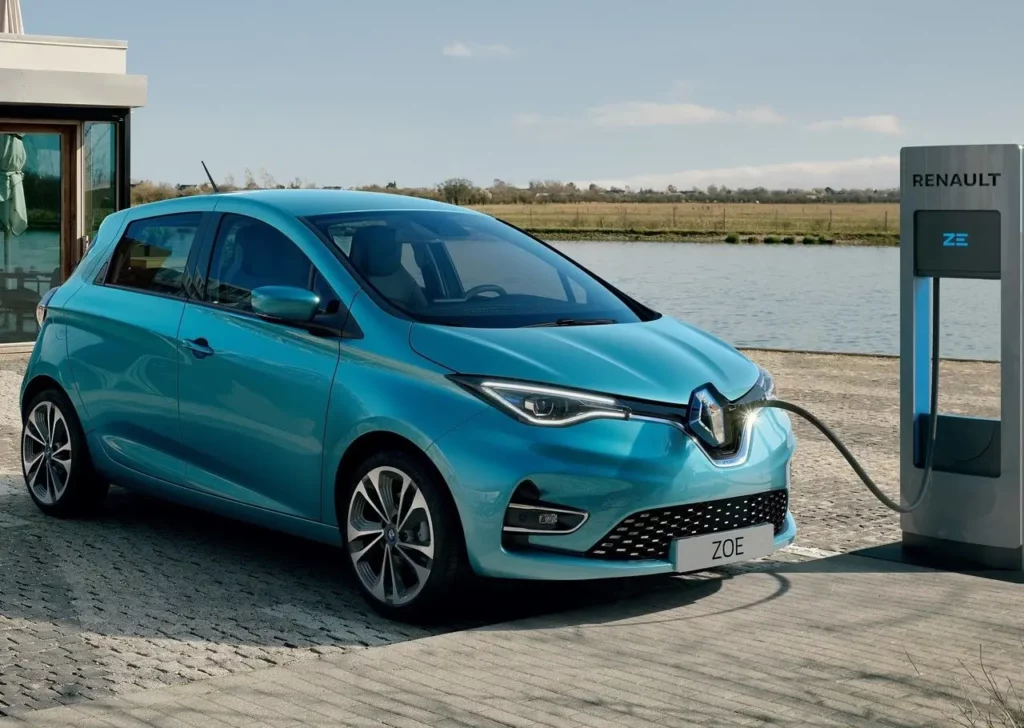
A Renault Zoe recharges at a charging point, illustrating the boom in electric vehicles in the French overseas territories.
In terms of sales, the results are encouraging: despite an overall decline in the passenger car market (-6.1% in 2024), the share of electric vehicles is between 5 and 6%, representing an increase of around 20%.
As well as cars, electromobility is also making headway on two-wheeled vehicles: in recent years, the majority of mopeds sold have been electric.
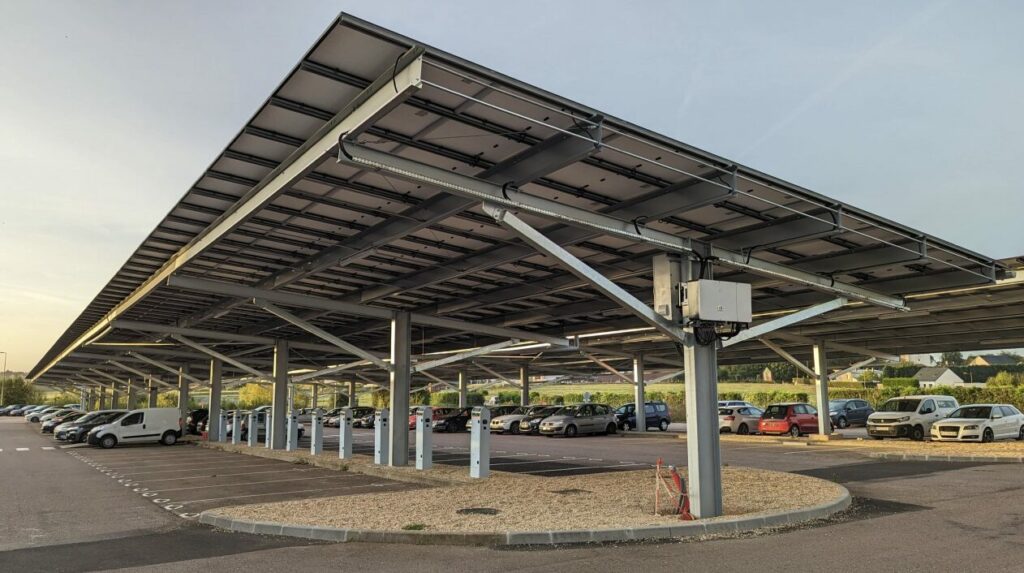
EDF Guadeloupe has also launched the D.R.I.V.E. project, an experiment designed to measure the benefits of photovoltaic shading dedicated to recharging, with intelligent control to favour hours of sunshine.
French Guiana
Despite having the largest territory in French overseas territories, electromobility in French Guiana is struggling to take off. The public network has just 30 charging points, making it the least equipped territory. This shortfall is a major obstacle, and the market share of BEVs remains below 3%.
Paradoxically, French Guiana is one of the most advanced regions in terms of carbon-free electricity production, thanks to the Petit-Saut dam and its hydroelectric potential, which covers almost 70% of electricity needs.
Mayotte
Probably the most troubled territory, Mayotte suffers from a very fragile economy. The car market is in crisis, with a 12.6% fall in second-hand cars by 2024, and a low penetration of pure electric cars (just over 3%).
Despite this, the rate of hybrid electrification is high (30.2% by 2022). The transition is underway, but is severely hampered by local economic constraints.
Data on infrastructure is non-existent: this lack of public information means that the region is significantly behind the times.
New Caledonia
In 2022, New Caledonia adopted an Energy Transition Plan (STENC 2) with a clear objective: 18,500 electric vehicles by 2030. The territory has already made progress: around 1,000 EVs are on the road, there are some forty charging points (Hivy network), and the first 150 kW hypercharging point was inaugurated in 2025.
Local aid also supports the transition:
bonus of 600,000 CFP francs (around €5,030) for the purchase of an EV;
preferential electricity tariff for charging points: 8 francs/kWh during the day and 20 francs/kWh at night (compared with 34.96 francs for the standard tariff).
However, the transition is still being held back by cultural (strong attachment to 4×4 vehicles), economic and political factors.
The BYD Seal U drives along a coastal road in the sunshine, a typical landscape found in many overseas territories. (Credit: BYD Guyane)
French Polynesia
The market is still in its infancy, with only 2 to 3% electric cars and around 150 sold each year. Unlike New Caledonia, Polynesia offers no significant subsidies, which is holding back adoption.
Scaling up is limited by the almost non-existent infrastructure, particularly in view of the very recent authorisation (2024) to install chargeable charging stations of more than 3 kW.
Saint-Barthélemy & Saint-Martin
In these areas, electromobility is still a niche mode of transport, at the top end of the market: the transition is mainly being made by importing luxury models, often hybrids. Public charging points are rare, and local support is virtually non-existent.
Other overseas territories
In Saint-Pierre-et-Miquelon and Wallis and Futuna, markets are marginal or non-existent. With no recorded infrastructure and a low population density, the entire market depends on imports, with demand remaining very low.
Integration into national policies
France has been encouraging electromobility for years, particularly through public subsidies. But while national schemes (ecological bonuses, social leasing) are theoretically open to the French overseas departments and territories, their application is proving complex.
The government has increased the bonus for the DROMs by €1,000, up to a maximum of €8,000 depending on resources. However, the conversion bonus has been abolished for private individuals since December 2024.
A €500 tax credit for the installation of a home charging point has been extended until 2027. The ADVENIR ZNI programme, set up by ADEME, finances up to €2,160 per charging point in non-interconnected zones. In particular, it encourages solar charging to avoid peaks in consumption.
However, these aids are not always as successful as expected: high logistical costs, import prices, lack of take-back structures, low terminal density and local tax policies limit their impact.
Solar recharging stations in Martinique, an example of innovative solutions adapted to the energy realities of overseas France. (Credit: Terre Solaire)
Cross-cutting challenges and strengths
The overseas territories present an energy paradox: heavy dependence on fossil fuels, but considerable renewable potential (sun, wind, hydroelectricity).
Their status as non-interconnected zones means that the cost of electricity production can be up to ten times higher than in mainland France. This context complicates the emergence of sustainable electromobility, where optimising recharging and coordination with local energies are essential.
There are also socio-economic constraints (poverty, high prices, unsuitable models) and the intensive use of air conditioning, which consumes a lot of battery power. However, the short distances between islands are an advantage: they make them natural laboratories for the energy transition, particularly through mini-grids, solar shading and intelligent management of recharging.
Conclusion
While La Réunion is leading the way, with a penetration rate in excess of 10%, the transition remains very uneven across France’s overseas territories. Martinique, Guadeloupe, French Guiana and Mayotte are lagging behind, while New Caledonia and Polynesia have ambitions despite a still limited market.
There is real integration with the aid available in mainland France, but their effectiveness requires differentiated support and wider access to recharging. The decade 2025-2035 will be decisive: the challenge is clear – to make the overseas territories major levers for sustainable mobility.
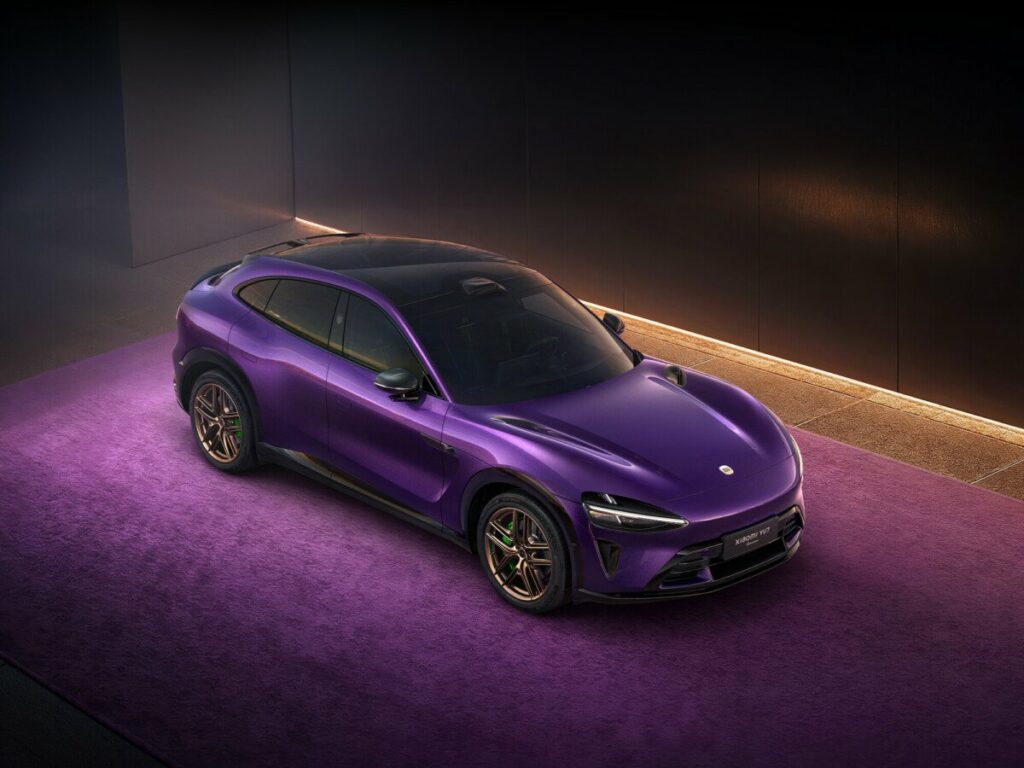
In just a few years, the Chinese firm Xiaomi has transformed what looked like a daring gamble into a genuine industrial reality. Production is booming, the first models are solid, profitability is fast approaching and the company is scheduled to arrive in Europe. Xiaomi is no longer an outsider; it is now one of the hottest electric carmakers on the market.
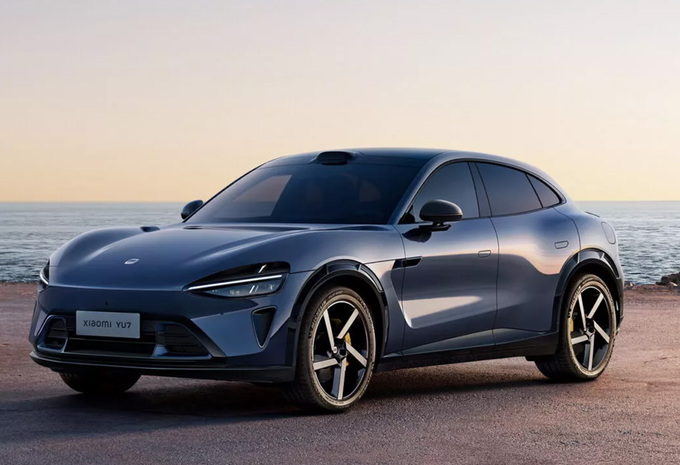
The Xiaomi YU7: premium electric SUV with 691 hp and a range of up to 740 km (Credit: Xiaomi)
Dazzling growth destabilises the industry
2025 clearly marks a change of dimension for Xiaomi in the world of electric cars. Those who saw the brand as an over-confident newcomer are now being forced to reconsider. Barely four years after launching its automotive division, Xiaomi has already passed the symbolic milestone of 500,000 electric vehicles produced. For such a young brand, this is more than just an achievement, it’s a message sent to the entire industry.
Sales momentum is following the same upward trajectory. Over the year as a whole, Xiaomi plans to deliver more than 400,000 cars, far exceeding its initial ambitions. And the pace is not slowing: more than 40,000 units sold in October 2025, a level already reached in September. This is no longer an isolated “good month”; it’s now a solid trend, showing that Xiaomi is not just experiencing a moment of grace, but rather a rise to power with lasting ambitions.
Lightning profitability and a perfectly mastered range strategy
The industrial performance is impressive, but the profitability is perhaps even more so. While the majority of new manufacturers take years to break even, Xiaomi has announced a profitable first quarter as early as 2025, just 18 months after the launch of its automotive division. In the third quarter, electric vehicles generated 28.3 billion yuan in revenue (around €3.4 billion). This performance places Xiaomi among the rare new players capable of eventually approaching the industrial and financial standards set by giants such as Tesla and BYD. This lightning success is due to a method that is well known to the brand: extensive integration, strict cost control, a locked-down software ecosystem and extremely rapid decision-making. In fact, Xiaomi is applying to the automotive sector the recipe that has made it so successful in the tech sector: iterate quickly, optimise continuously and lock in the user experience in a coherent environment.
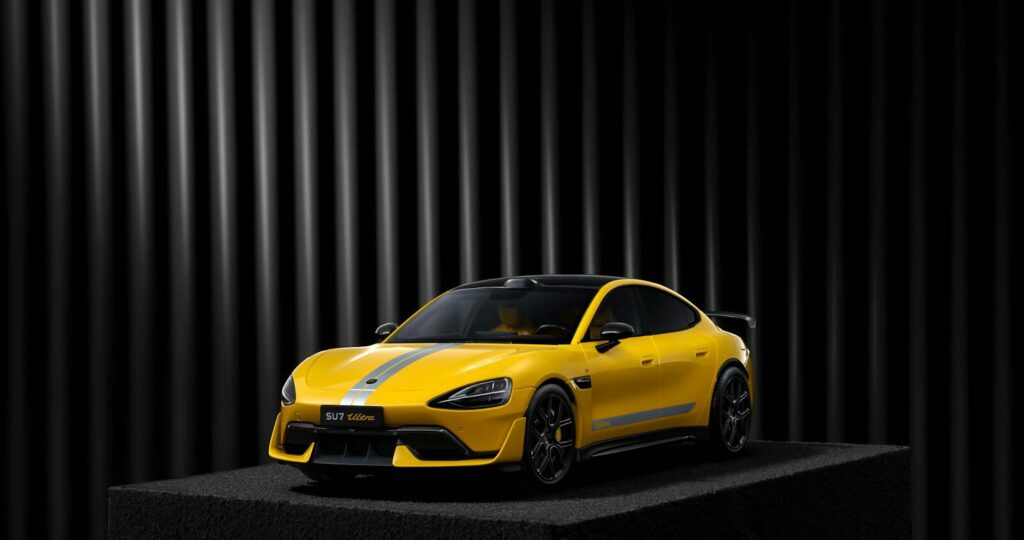
The Xiaomi SU7 Ultra: an electric sports saloon with sharp styling and ultra-fast charging. (Credit: Xiaomi)
On the product side, the strategy has been clear since the launch of the SU7, a sporty saloon with sharp styling, reminiscent of the philosophy of a Taycan that passed through the Xiaomi laboratory. With its taut lines, meticulous aerodynamics, advanced software integration and aggressive price/agility positioning, the SU7 set the tone. The manufacturer then extended its range with the YU7, a premium SUV based on the Modena platform. Available with rear- or all-wheel drive, and boasting 691bhp and a claimed range of between 660 and 740km WLTP, it’s right up there with the big boys. Recharging time is another point worth highlighting. Xiaomi claims a range of 220 km in five minutes, a technological showcase that confirms the manufacturer’s ambition to become a benchmark in electric performance.
A major new player shaking things up
Xiaomi clearly has no plans to remain confined to Asia. The company is preparing for its arrival in Europe by 2027, and it’s not doing so lightly. The brand is setting up an R&D centre in Munich, with the task of adapting future vehicles to European requirements: stricter safety standards, more rigorous road holding, revised acoustic comfort, adapted thermal management and specific calibration for high speeds on motorways. At the same time, Xiaomi is continuing to strengthen its image through communications focused on performance, software innovation and in-house records. The idea is clear: Xiaomi wants to establish itself as the most technologically advanced electric vehicle manufacturer even before it reaches European dealerships.
The Xiaomi SU7 combines aerodynamic design, performance and advanced software integration (Credit: Xiaomi)
Just as it has done in the smartphone market, the brand could be banking on a formidable cocktail of aggressive pricing and technical excellence. The least we can say is that, in just a few years, Xiaomi has gone from ambitious challenger to future heavyweight in global electric mobility. Exponential production, solid models, early profitability, clear international ambitions… All the signs are that Xiaomi has set in motion a sustainable dynamic. In a rapidly reshaping electric market, the manufacturer is already establishing itself as one of the players capable of reshuffling the deck on a global scale.