Plug-in hybrids, long touted as the ideal gateway to electric mobility, are once again under fire. A recent study by the NGO Transport & Environment (T&E) claims that they emit on average five times more CO2 than official tests claim. All the more reason to reopen an already lively debate about these vehicles, which are so popular with company fleets.
Plug-in hybrids are at the centre of criticism over its real CO2 emissions.
Some disturbing figures
According to T&E, analysis of 127,000 vehicles registered in 2023 reveals actual emissions of 139 g/km, compared with just 28 g/km on paper. The discrepancy stems from the calculation of the WLTP standard, which assumes that PHEVs are driven 80% of the time in electric mode. In practice, this figure drops to 26%. As a result, the combustion engine is used much more often than expected.
Criticism but also nuances
The NGO denounces a greenwashing strategy and calls on Brussels to correct the rules from 2025. The car industry, on the other hand, is defending PHEVs as an essential transitional solution. For Christophe Périllat, head of Valeo, these models remain useful until the electric market is fully mature. In his view, increasing the electric range of hybrids to 100 km would already cover most everyday journeys.
A political battle ahead
It’s not just a technical issue. Carmakers want to make the targets for 2035, the date set for the end of combustion engines, more flexible. Brussels will have to make a decision at the strategic dialogue on 12 September. Discussions between NGOs, manufacturers and the European Commission are likely to be tense.
Towards other alternatives?
At the same time, a number of players are exploring the use of range extenders, which are already popular in China. This technology, which recharges the battery via a small internal combustion engine, could represent a compromise. However, there are still too many risks associated with the use of combustion engines.
The controversy surrounding PHEVs illustrates the challenges of the transition. While their limitations are now clear, pure electrics remain the most credible option in the long term.
Young Turkish manufacturer Togg took advantage of the IAA Mobility 2025 show in Munich to announce its imminent arrival on the European market, starting with Germany. As the spearhead of Turkey’s industrial revival, Togg is aiming to win enough market share to first become profitable and then expand on a large scale.
Turkey is doing its utmost to achieve a balanced trade balance. Still too dependent on imports despite its strong agriculture and status as a major industrial hub, the country has set itself the task of continuing to develop this second point. So, in 2019, the government unveiled the start-up Togg, an acronym for “Türkiye’nin Otomobili Girişim Grubu“, Turkey’s first national manufacturer. A small revolution that will enter its second phase in 2025: internationalisation.
Germany as a gateway for Togg
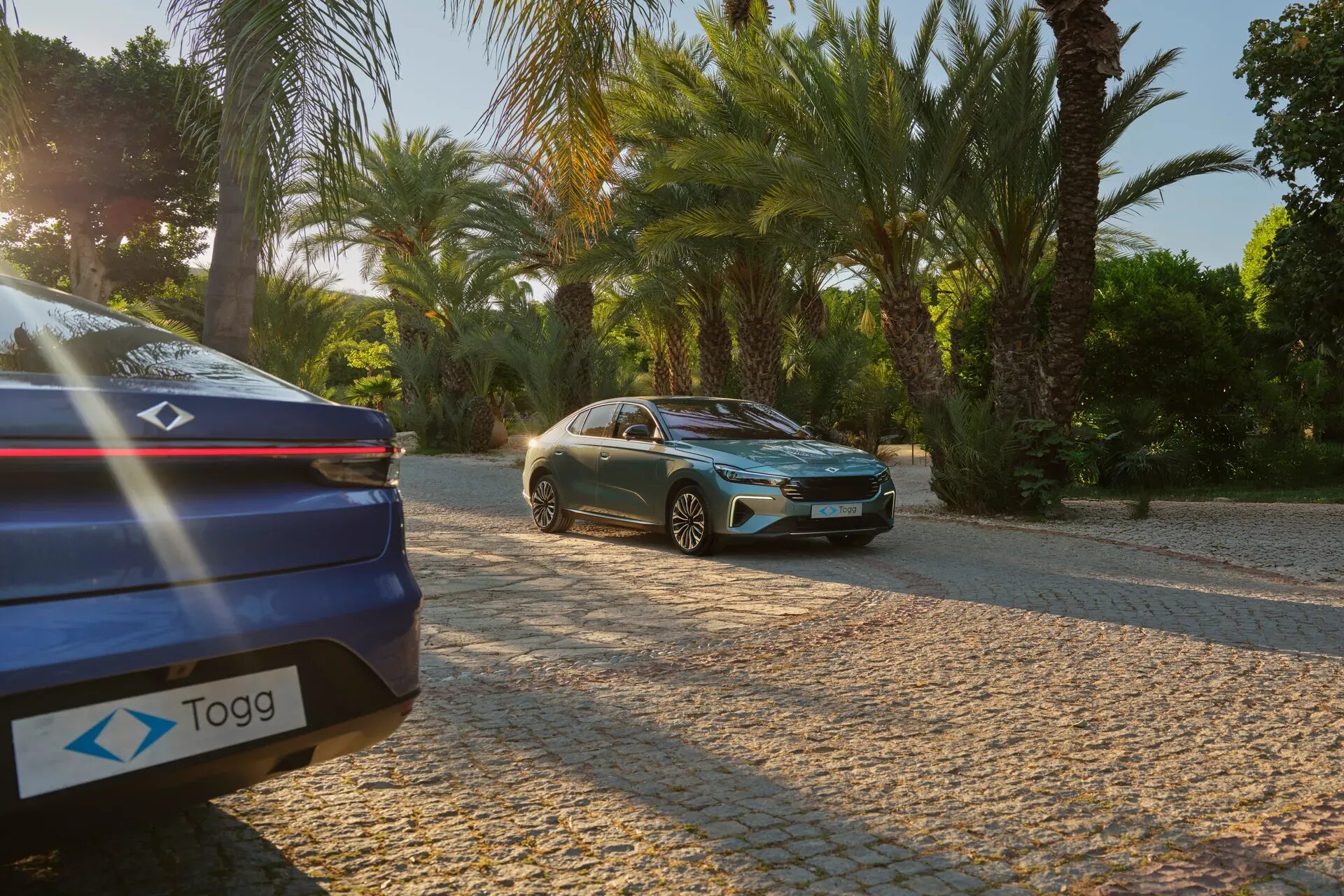
At the IAA Mobility show in Munich, Togg announced the imminent arrival in Germany of its two 100% electric models: the T10X SUV and the T10F saloon, whose design, inspired by BMW’s lines, could appeal to German customers who are already well used to them. And it’s in the locals’ interest to like them, because Togg’s development, and even survival, depend on it. According to Reuters, the manufacturer needs around 200,000 sales a year to reach profitability. Its domestic market, despite respectable results with 30,000 units sold in 2024, will not be enough to ensure Togg’s long-term growth. Germany is therefore de facto the priority market for the young manufacturer, providing both a potential springboard and a gateway to the rest of Europe.
The T10F saloon. Credit: Togg
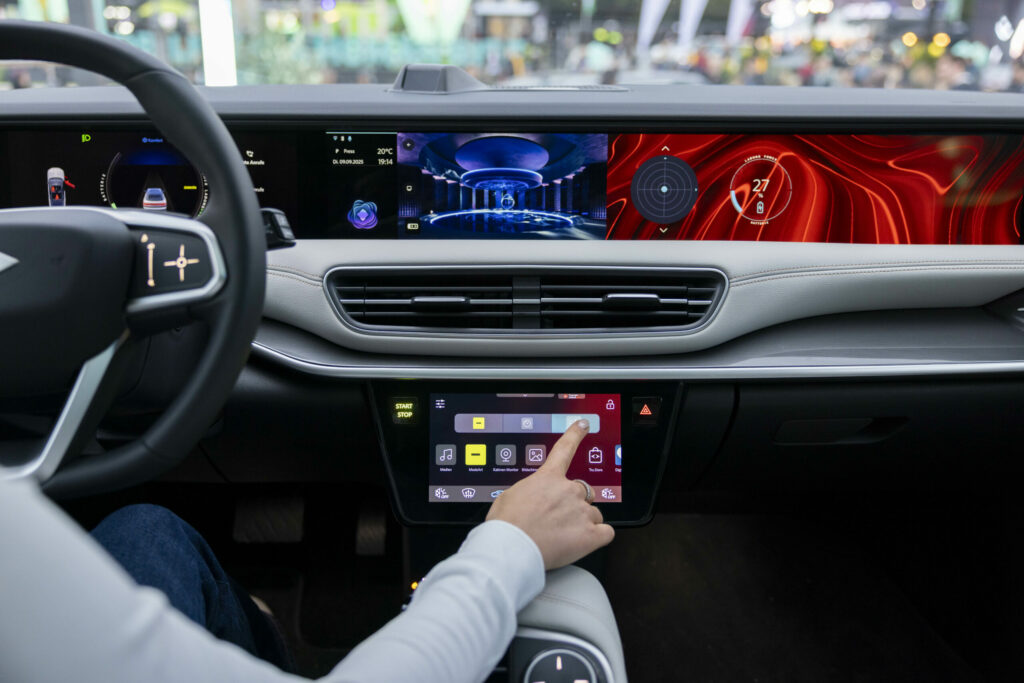
But Togg didn’t just announce its arrival in Germany. The manufacturer has also sprung a surprise by tackling another field that is becoming increasingly essential: artificial intelligence. Can.ai, its in-house AI platform, has been developed in partnership with Microsoft Turkey, from whom it borrows the Azure cloud, and incorporates technologies from OpenAI, from whom ChatGPT is derived. While it responds to voice commands, as is the case in almost all new vehicles, this virtual assistant “makes predictions and acts proactively in the best interests of users“, as Togg puts it. This ‘hands-free’ support is summed up by the name of its interface, ‘ZeroTouchUI’.
The Can.ai platform presented at the 2025 Munich Motor Show. Credit: Togg
It now remains to be seen what practical applications this artificial intelligence will have in driving, but on paper, and on test at the Toog stand in Munich, it looked promising. And that’s at least what it will take to stand out in an already crowded German market. While the Togg vehicles offer a classic design that has proved its worth, a decent range – 500 and 600 km respectively for the T10X and T10F – and this new AI assistant that promises to be revolutionary, they should be priced at between €45,000 and €50,000, putting them up against the Audi Q4 e-Tron and BMW iX2, among others… We’ll have to hang on!
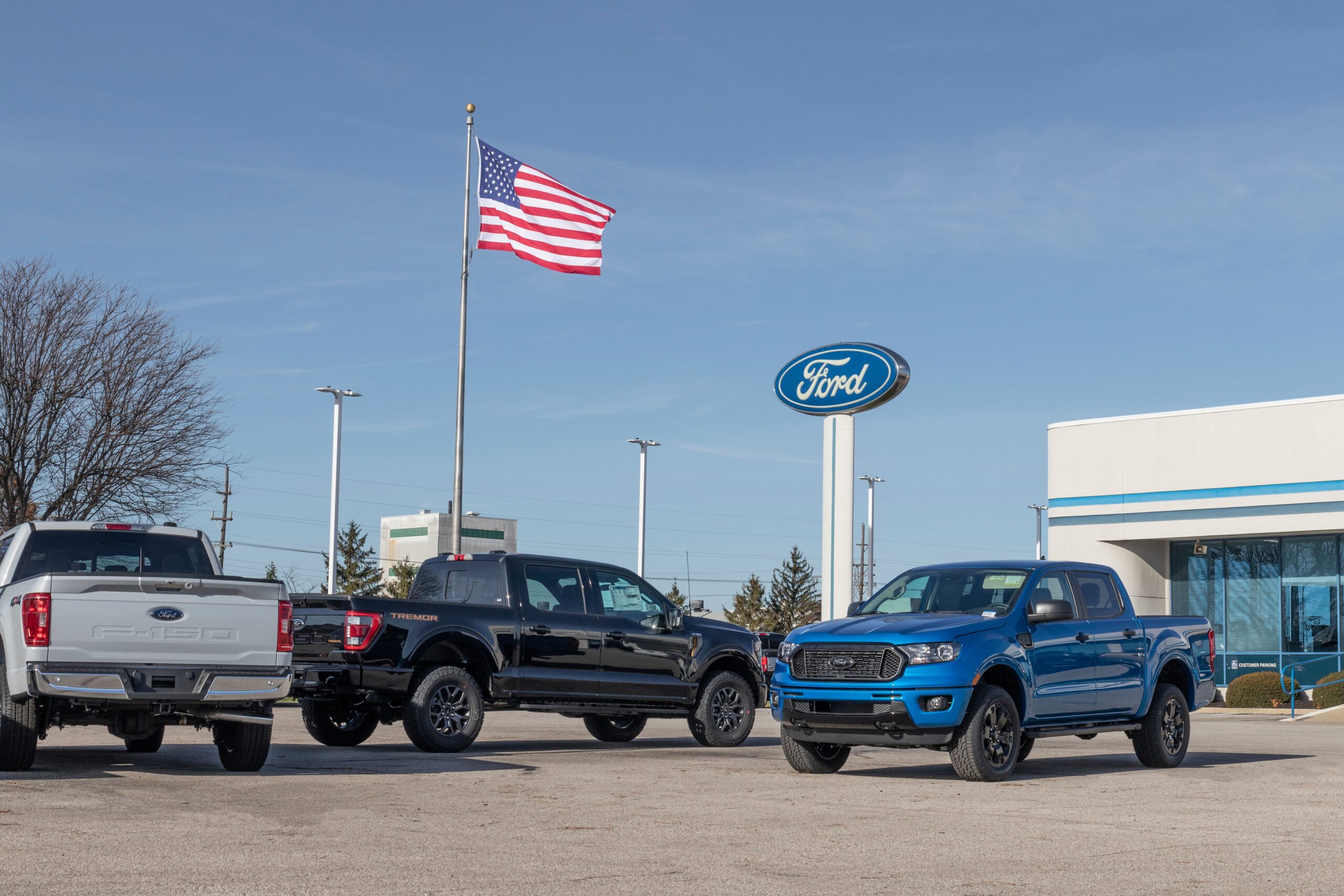
It is a sweltering summer afternoon in Detroit when Ford engineers are secretly getting ready what is described by the executives as the company’s “Model T moment.” Their assignment is neither to assemble another vehicle, but to redefine an entire industry. With an electric pickup truck costing around $30,000 on the cards and billions in fresh investment, Ford is counting on affordability and scale to drag the EV from the sidelines of invention into the very heart of American living, marking a pivotal step in the US EV market.
Ford aims to produce an affordable mid-sized electric pickup around $30,000, marking a turning point in the US EV market.
They’re not alone. From Silicon Valley start-ups to Japanese icons, the game to conquer America’s EV market is on. It’s a challenge powered by technology, demand from consumers, and government encouragement—and it is changing the way Americans think about getting behind the wheel.
A Market in Motion
The U.S. market for electrified and electric vehicles is solidly underway—no longer experimental:
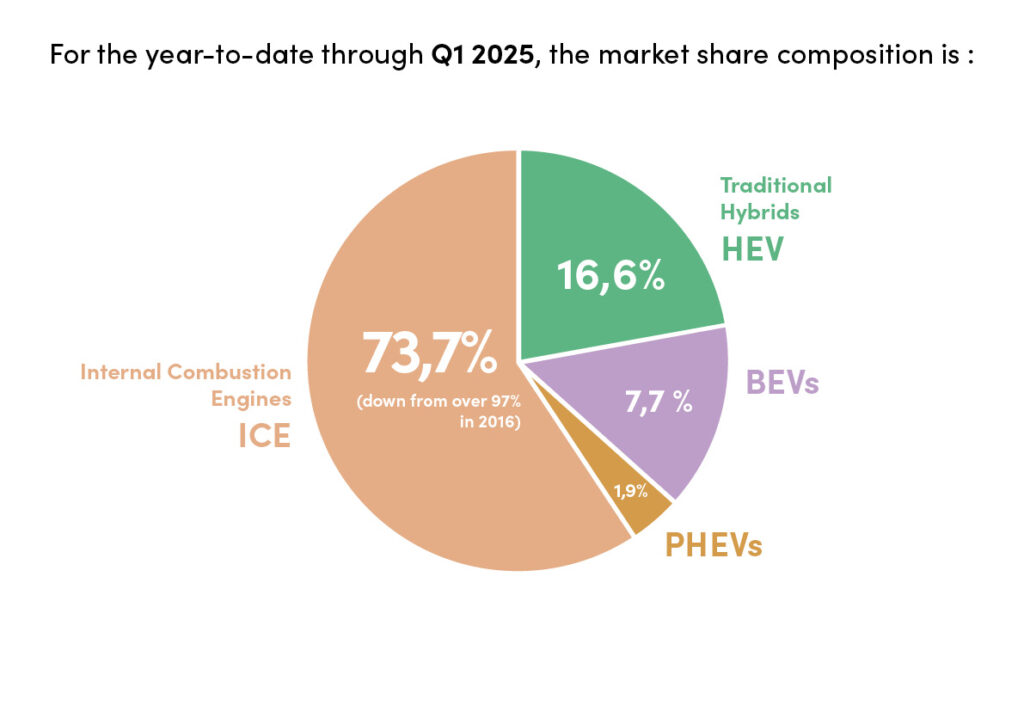
According to Autos Innovate, in Q1 2025 EVs—including BEVs, PHEVs, and fuel-cell electric vehicles—accounted for 9.6% of new light-duty vehicle sales. That’s down from 10.9% in Q4 2024, yet still reflects a 0.3 percentage-point gain year-over-year. Meanwhile, overall light-duty sales rose 6%, and EV volume grew by about 9% (~30,500 vehicles) compared to Q1 2024.
This change in powertrain mix shows the way the dominance of the ICE market is gradually being replaced by several forms of electrified mobility.
The Drive to Affordability
For years, the biggest obstacle to EV adoption was cost. Now, car manufacturers are getting serious about reducing prices:
Ford aims to produce a mid-sized electric pickup around $30,000 by bringing back the Model T spirit through affordability (as reported by Vox and Investors).
New entrants like Michigan-based Slate Auto are constructing modularity-based electric trucks whose base prices will come in under $27,500—again flipping the script on availability.
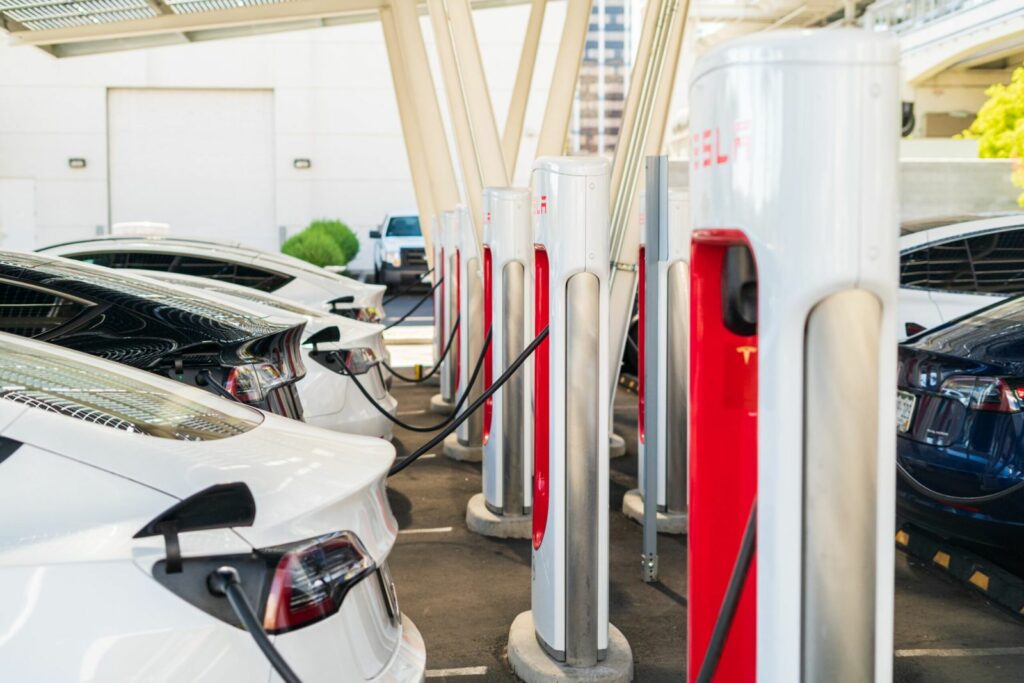
Tesla charging station in Las Vegas, a key part of the growing US EV market infrastructure.
Power, Luxury, and Performance
Affordability isn’t the only story. At the luxury end:
Lucid Motors is getting ready to debut the Lucid Gravity, an electric SUV positioned as a high-performance vehicle statement—good for about 828 hp, powered by a 123 kWh battery, and offering 450 miles of range.
Tesla, though still dominant, encounters tougher competition as incumbents such as Ford, GM, and Hyundai—and an increasingly vibrant startup ecosystem—are stepping up their EV initiatives.
Model-Level Highlights (U.S. Top Sellers H1 2025)
Model
Sales (first half of 2025, United States)
TESLA MODEL Y
• Q1 2025: Approximately 64,051 units sold • Q2 2025: Estimated 90,949 units sold • Total H1 Estimate: ~155,000 units
TESLA MODEL 3
• Q1 2025: Around 52,520 units (Q2H1 figures not separately disclosed, but Model Y maintained strong dominance in H1 overall.)
CHEVROLET EQUINOX EV
• Q1 2025: 10,329 units sold in the U.S. • Q2 2025: 17,420 units sold • Total H1: ~27,749 units
FORD MUSTANG MACH-E
• Q1 2025: 11,607 units sold (No explicit Q2 data – total H1 likely slightly higher.)
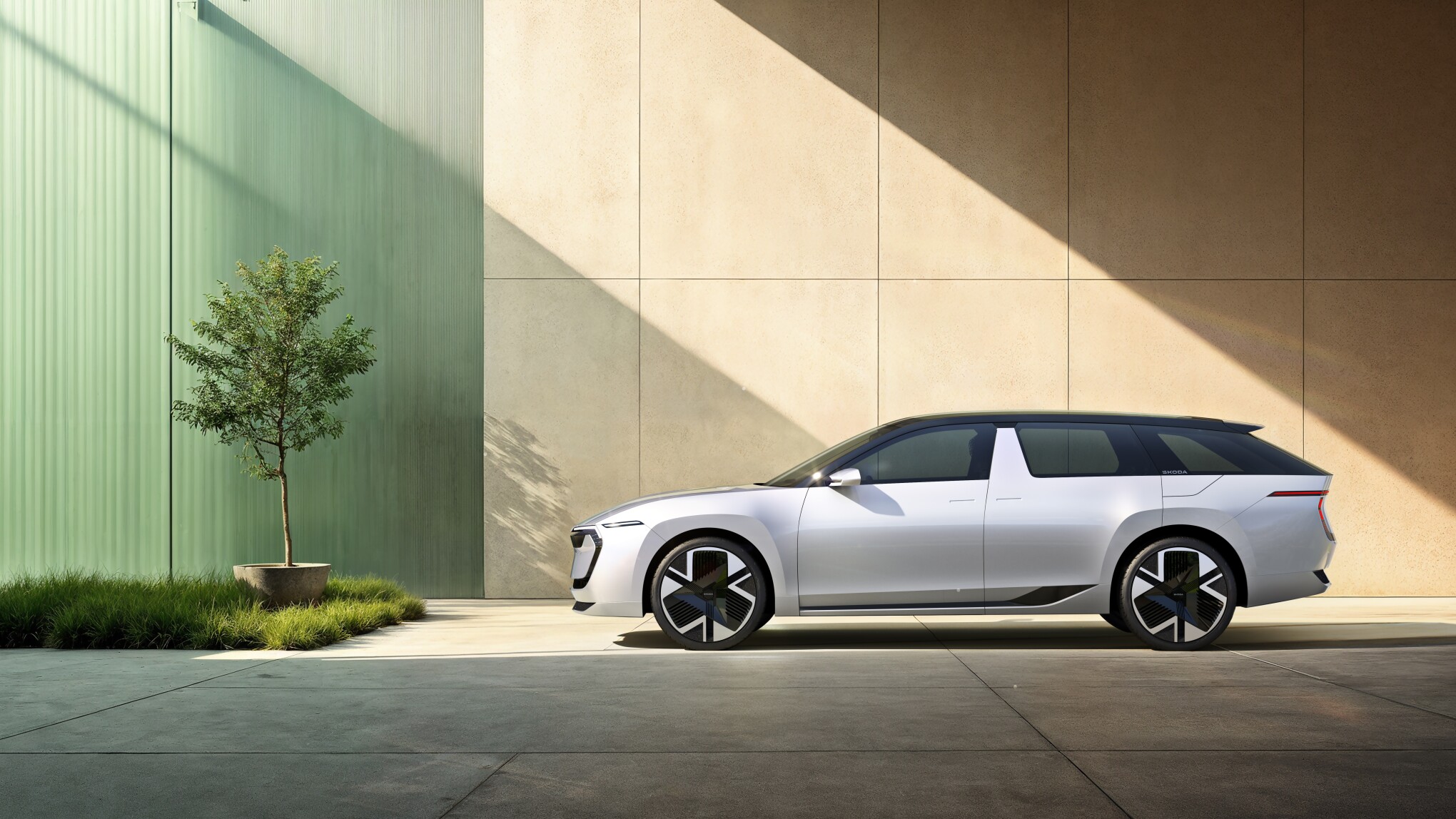
The IAA in Munich is an opportunity for Skoda to present its Vision O concept. A large electric estate car that will serve as the basis for future models from the Czech brand in the Volkswagen Group.
The Volkswagen Group has decided to use this 2025 edition of the IAA Mobility show in Munich as a showcase for its future. After Audi’s Concept C, a veritable white paper on the design of future vehicles in the rings, it’s Skoda’s turn to present its manifesto, in the form of the Vision O concept. And, as with Audi, it’s not just another SUV! It’s an estate car (100% electric, of course), a category in which the Czech manufacturer has enjoyed a string of commercial successes, led by the Superb Combi and Octavia Combi.
Credit: Skoda
Practical, spacious and… elegant
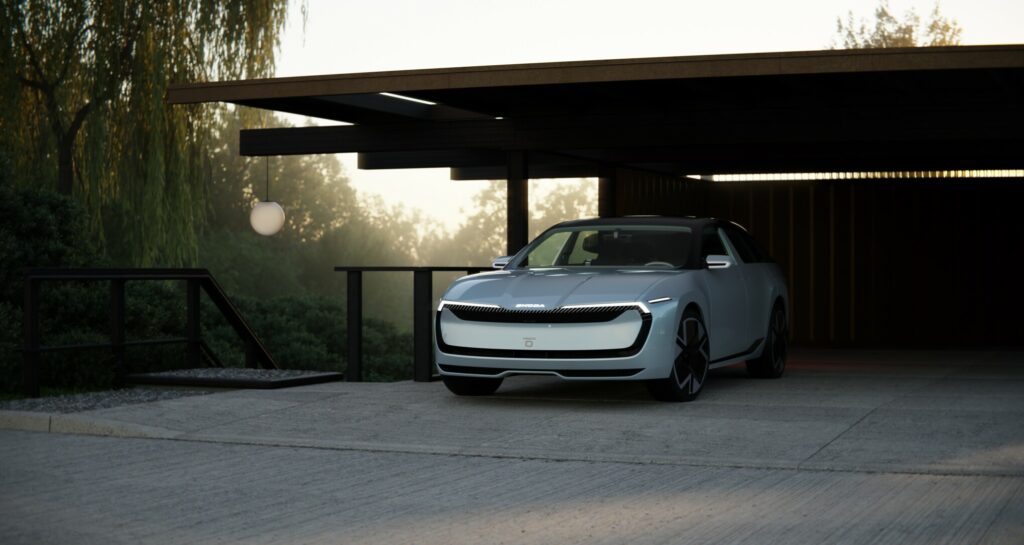
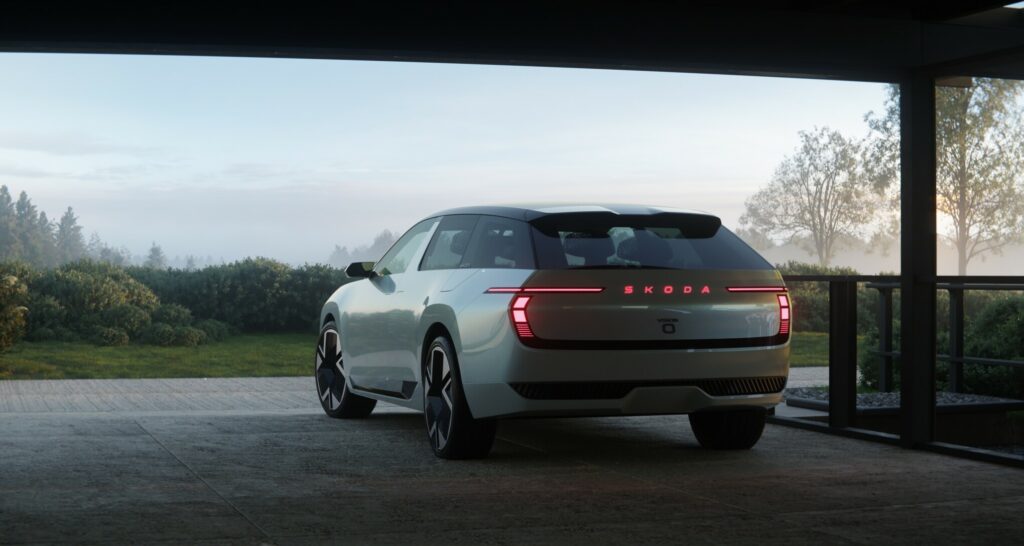
Skoda has revisited its design language, known as ‘Modern Solid ‘, which emphasises simplicity and a futuristic brutalism. The new front end features a full radiator grille, with headlamps and sensors forming the future visual signature of the brand’s models. The whole thing is 4.60 metres long and has a very slender silhouette for an estate car. It’s elegant.
But this sharp styling doesn’t seem to prevent the Vision O estate from fulfilling its initial mission: making life easier for the driver, offering comfort for passengers and offering a voluminous boot. This is the case here, with Skoda announcing a capacity of 650 litres! That’s almost as much as the Skoda Superb Combi, the benchmark in the brand’s catalogue, which is almost 30 centimetres longer. And it’s 50 litres more than the current Octavia Combi for the same size. All-electric helps!
Credit: Skoda
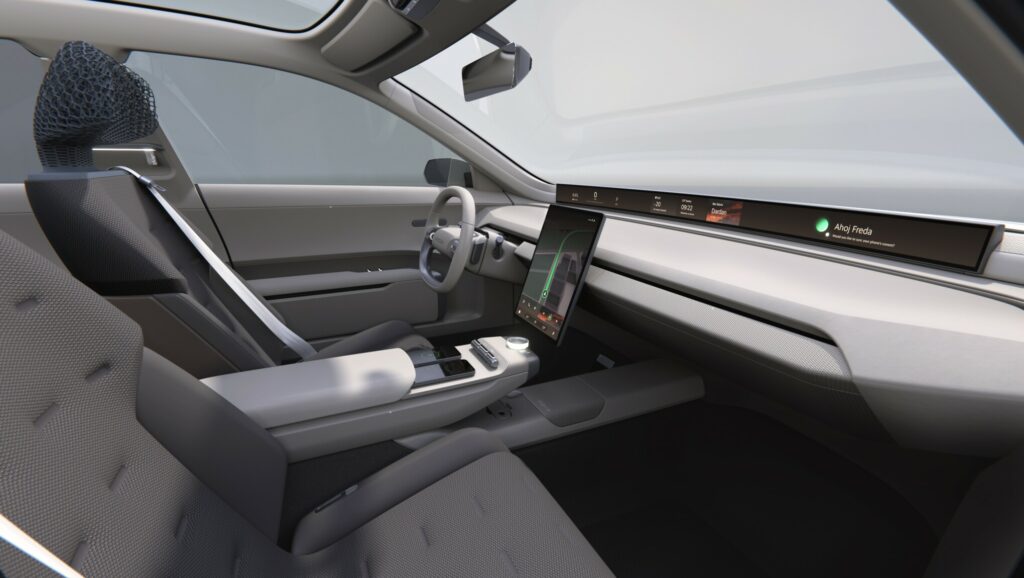
Still inside, but this time in the passenger compartment, everything is simpler than in current models. Tech and minimalism are not necessarily the house style, but it works. The ‘Horizon Display’ extends across the entire dashboard, the lighting adapts to different times of day and a voice assistant called Laura, infused with artificial intelligence, keeps the car’s occupants company. There are two killer details: an integrated fridge and a portable loudspeaker. If that’s not a family car, we don’t know what is.
Credit: Skoda
See you in 5 years?
A highly accomplished concept car, we could almost expect to see the Vision O or its production versions on our roads as early as next year. But that won’t be the case! Instead, it is part of the Skoda Strategy 2030 and, according to several observers, the manufacturer is waiting for the Volkswagen Group to finish developing its new platforms for electric cars before announcing the first vehicle adapted from the Vision O. And if we had to put a coin in, we’d bet on the first electric Octavia. What’s in it for us? Its dimensions and the ‘O’ in ‘Vision O’ give us a hint.
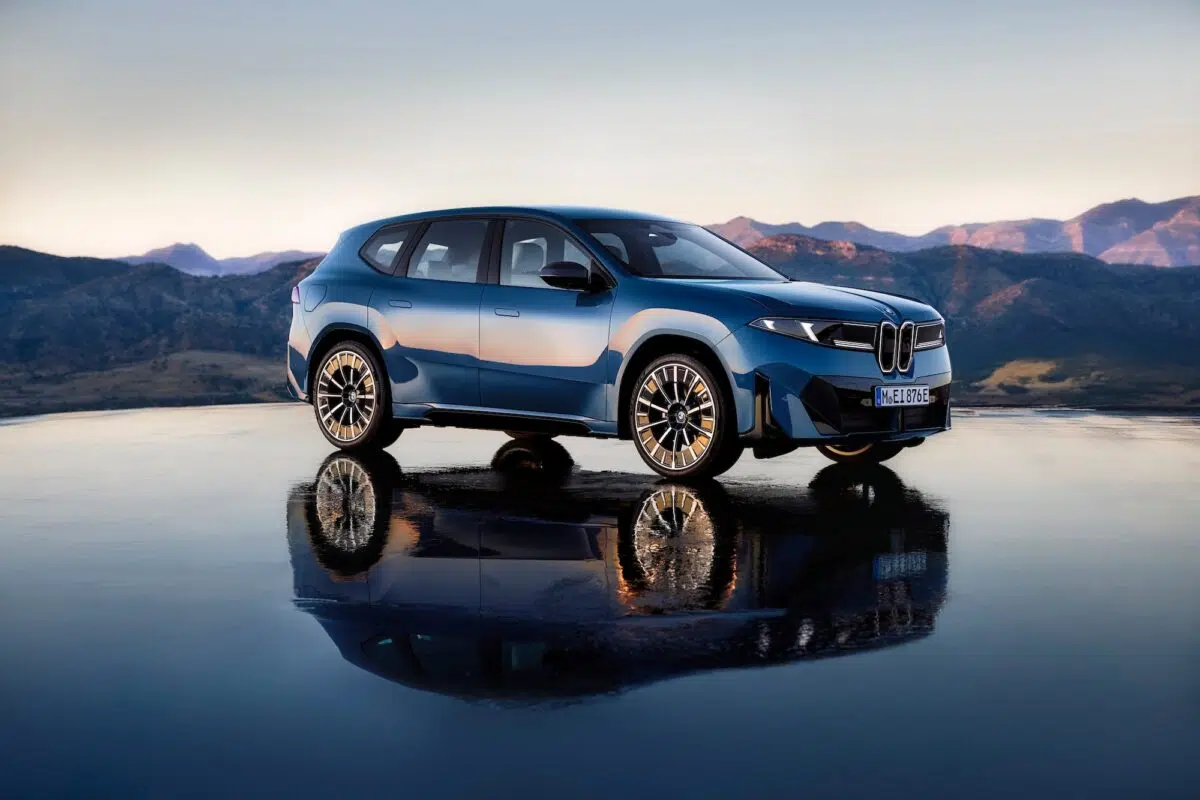
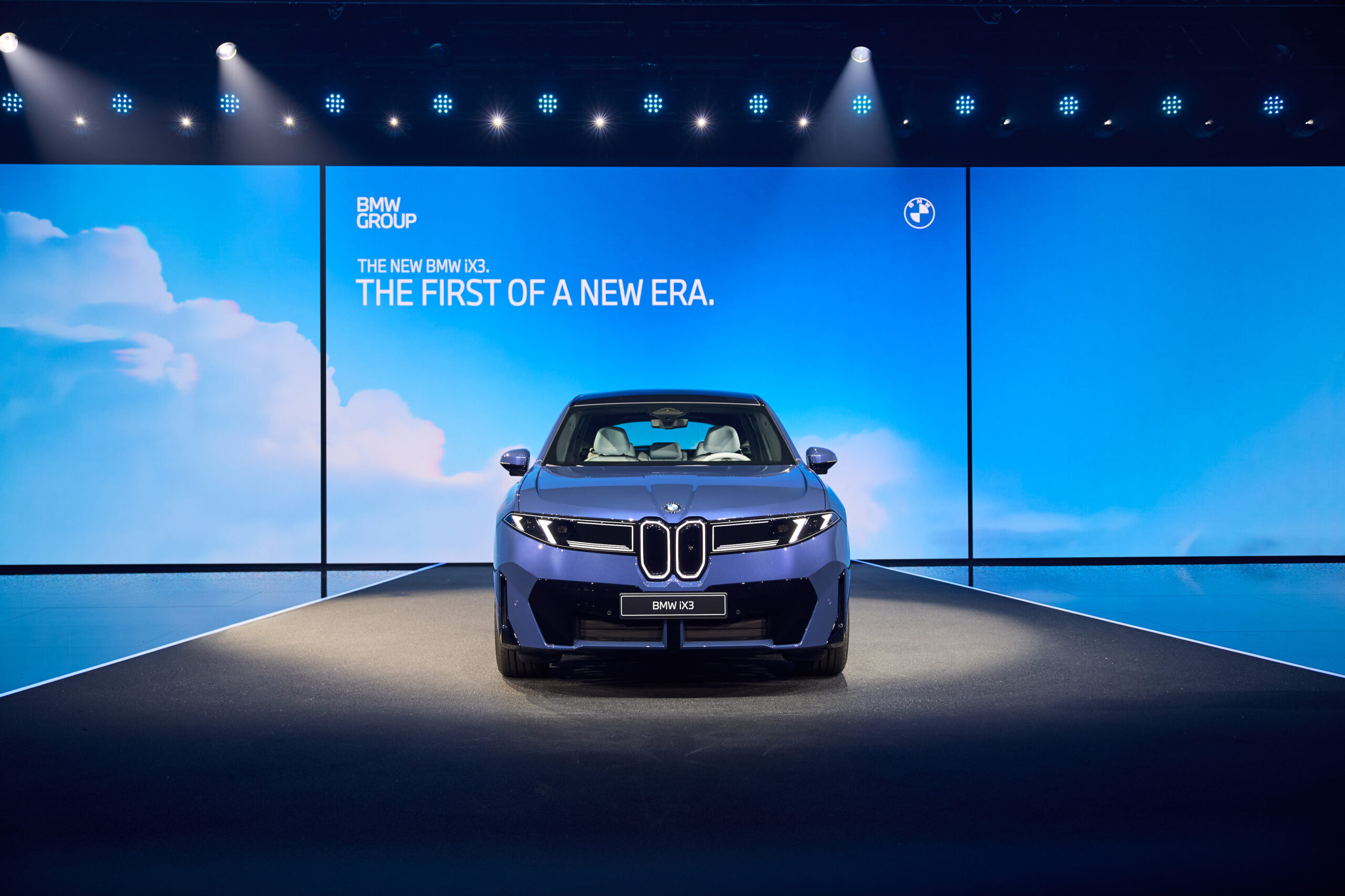
On Monday 8 September, Eco Motors News travelled to Bavaria for the opening of theIAA Mobility, the Munich International Motor Show. Among the show’s leading innovations, BMW unveiled its 100% electric SUV: the new BMW iX3, the cornerstone of the Neue Klasse electric platform.
BMW iX3 2026 (Credit: BMW)
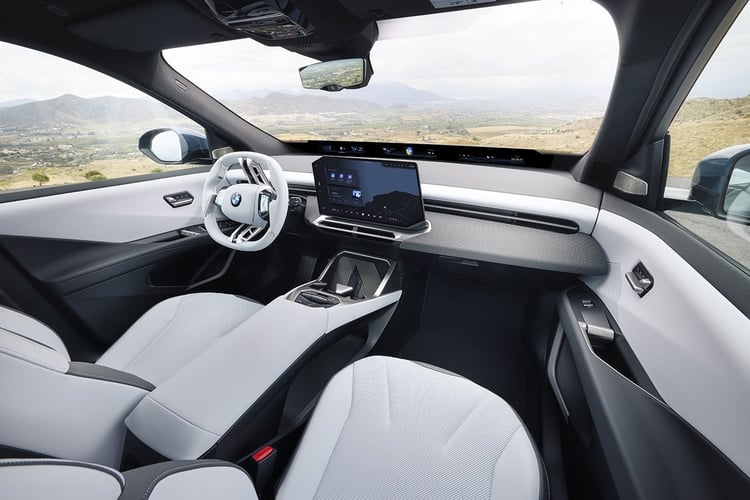
With its imposing but not restrictive size (4.78m long and 1.90m wide), the German brand has made the most of the interior space offered by this SUV. It is equipped with the all-new Panoramic iDrive, a 1.10-metre touchscreen display in the style of a windscreen with an 18-inch screen and a driver-centred interface. The steering wheel has also evolved and differs from that of its 2020 predecessor: an aerodynamic design that matches the cockpit atmosphere.
The cabin is practical: there are three real seats in the rear, a spacious 520-litre boot (up to 1,750 litres with the seats folded down), and a 58-litre frunk.
As an electric vehicle, BMW has reworked the IX3’s aerodynamics. And it works! With its twin engines (synchronous at the rear and asynchronous at the front), the iX3 delivers 463 bhp and 645 Nm: 0 to 100 kph in 4.9 seconds, top speed 210 kph. Not bad for this handsome baby weighing in at over 2,300 kg.
BMW iX3 2026 (Credit: BMW)
On the battery front, the IX3 is also very impressive. It inherits the new generation NMC battery, with a capacity of 108 kWh. This gives the car a range of 800 km. And if you thought such a powerful battery would take a long time to recharge, you’d be wrong! When charged, it is capable of handling up to 400 kW thanks to its 800 V architecture, which means that you can go from 10% to 80% battery power in just 21 minutes.
With a carbon footprint 30% smaller than its predecessor, BMW is counting on this first Neue Klasse model to regain market share, particularly in Asia, and lay the foundations for the mobility of tomorrow, centred on the user experience, technology and the energy transition.
BMW iX3 2026 (Credit: BMW)
While production of the BMW iX3 begins in November 2025, you’ll have to wait until March 2026 to be able to buy it for around €70,000.
After a career with PSA and Stellantis, Stéphane Le Guével has taken over as head of Polestar France, a 100% electric Swedish brand that has made performance, design and technological innovation its cornerstones.
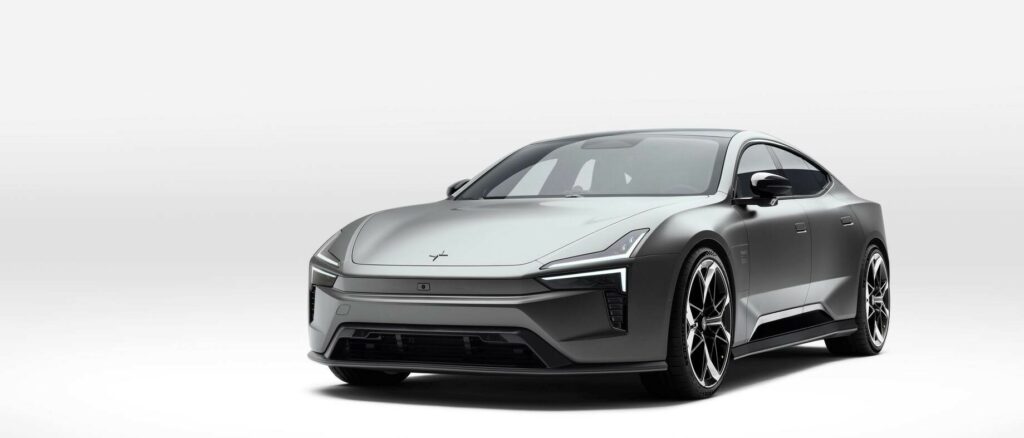
ECO MOTORS NEWS had the chance to attend the presentation of the brand’s new spearhead, a saloon named Polestar 5, at the IAA Mobility show in Munich. The editorial team had the opportunity to ask Stéphane Le Guével, Polestar‘s Managing Director, to share with us his vision of the market, the manufacturer’s ambitions, and what drives him personally in this new era of the automobile.
The Polestar 5, just presented at the Munich Motor Show. Credit: Polestar
Who are you, Stéphane Le Guével? Stéphane Le Guével: I’ve been an automotive professional for almost 35 years. I spent most of my career with PSA and then Stellantis, managing brands in various countries. Today, I’m at the head of Polestar France, which we’ve just officially launched after several years of legal wrangling.
Credit: Polestar
What motivated you to join Polestar? Stéphane Le Guével: I wanted to turn over a new leaf. Polestar is a young brand, but it’s in line with all the major changes in the automotive industry: electrification, digitalisation, online sales and a new customer relationship. It brings together everything that makes up the future of the industry. It’s an exciting field for someone who wants to contribute to these transformations from the inside.
Polestar has just arrived in France. Why now? Stéphane Le Guével: There was a legal dispute surrounding the logo, which prevented us from launching the brand earlier. As soon as this constraint was lifted, we decided to launch in France. The market is mature, the demand is there, and it’s my country, so I know the issues very well. It was a bit of a no-brainer for me to embark on this adventure.
Credit: Polestar
Polestar stands out for its positioning. How is it different? Stéphane Le Guével: There are three pillars that set us apart. Firstly, performance: Polestar comes from the racing world, like AMG for Mercedes or M for BMW. It’s in our DNA. Then there’s the design: sleek, Scandinavian, with a real eye for aesthetics. Lastly, technology: we were the first to integrate Google Automotive Services, and we are constantly innovating, as on the Polestar 4, which abandons the rear window in favour of a high-definition camera.
“Polestar is a 100% electric global brand.”
How has the brand been received by the French public? SLG: Excellent. Unlike other new entrants, Polestar is already well known throughout Europe. The brand was already well known. In France, there was an expectation. All that was needed was for customers to finally be able to order their cars.
Is Polestar an environmentally committed brand? SLG: Absolutely. Our objective is ambitious: a climate-neutral car by 2030, and a climate-neutral company by 2040. It’s a total commitment, across the entire value chain: recycled materials, production using renewable energy, and annual publication of our progress. Transparency is a core value for us. And we invite our competitors to do the same.
Is 100% online distribution enough? SLG: When we started out, we relied heavily on online sales. But customers want to see, touch and try things out. Today, we combine direct sales with a physical network of agents. Customers are invoiced by Polestar, but they can discover the cars in our ‘Spaces’, our showrooms, and have their cars serviced in the Volvo network. This is a real strength.
Credit: Polestar
Is France ready for electric cars? SLG: It’s making progress, but it’s not Norway yet. There’s a lot of confusion among consumers, particularly about range and cost. The real uses are not well known. People need education and clarity. That’s where the specialist media have an important role to play.
“Polestar 4 is certainly the safest vehicle on the market.”
How would you define Polestar’s mission? SLG: To speed up the transition to environmentally-friendly mobility without sacrificing driving pleasure. Performance is part of our identity. And thanks to Volvo’s heritage, our cars are among the safest on the market. You can enjoy clean driving.
How do you personally feel at the wheel of a Polestar? SLG: I like the simplicity. It’s a bit like switching to the latest smartphone: sleek, fluid, with no unnecessary buttons. And behind all that simplicity, there’s 520 horsepower. It’s rare to find such a balance between design, comfort, safety and driving pleasure.
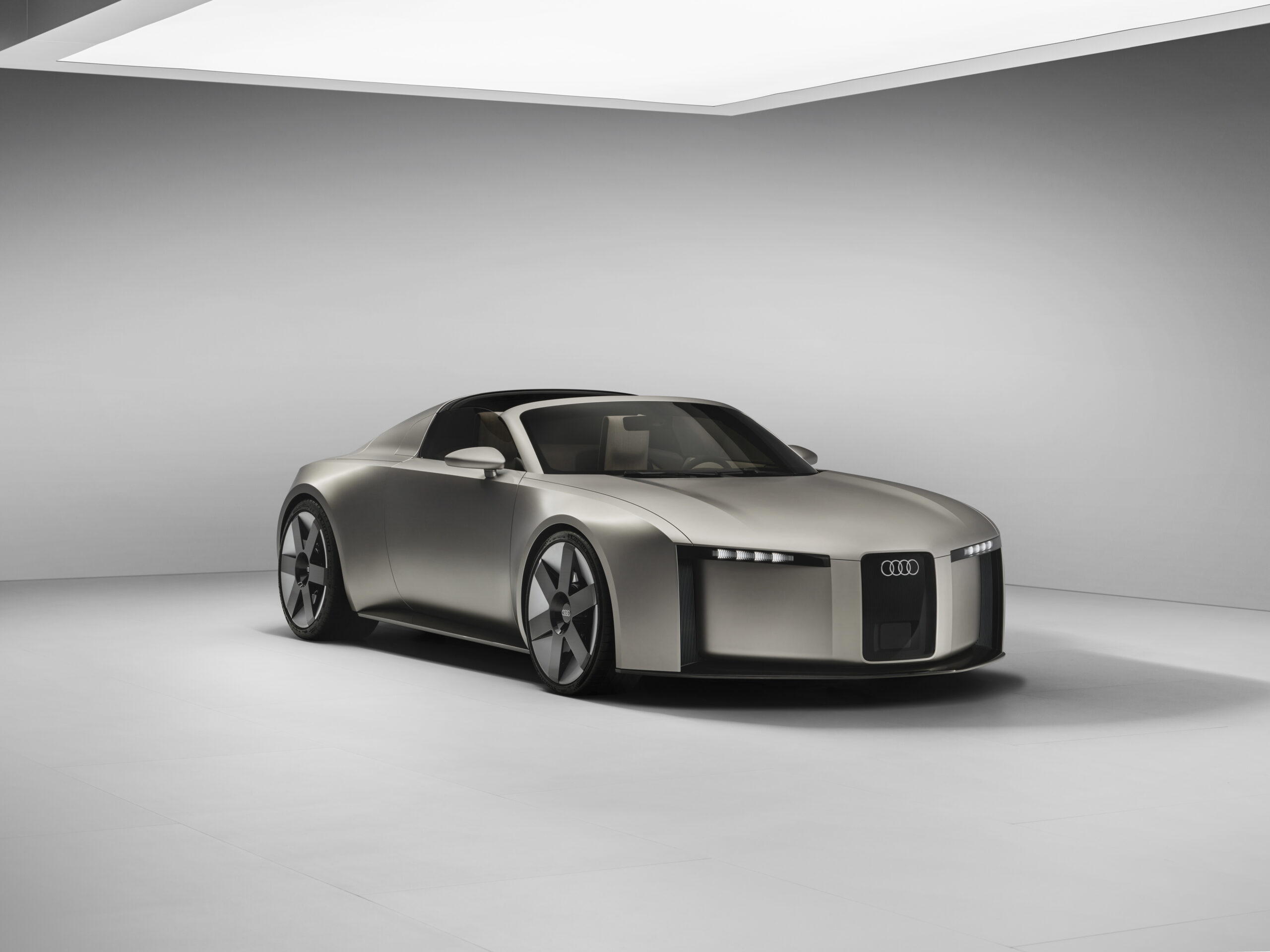
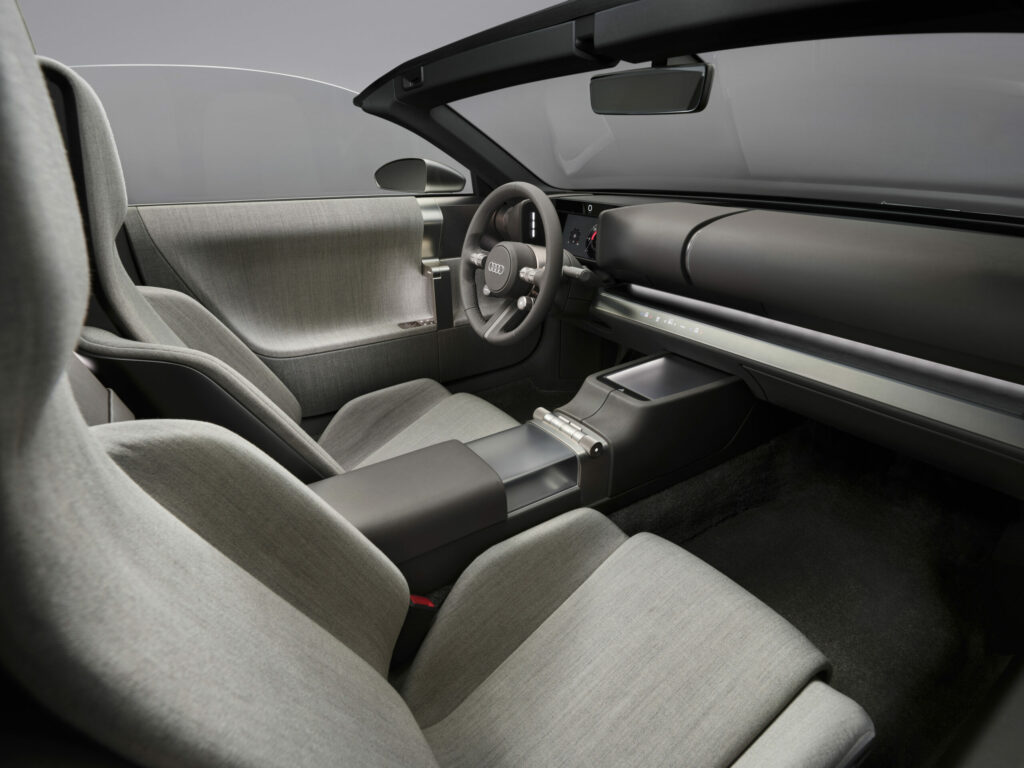
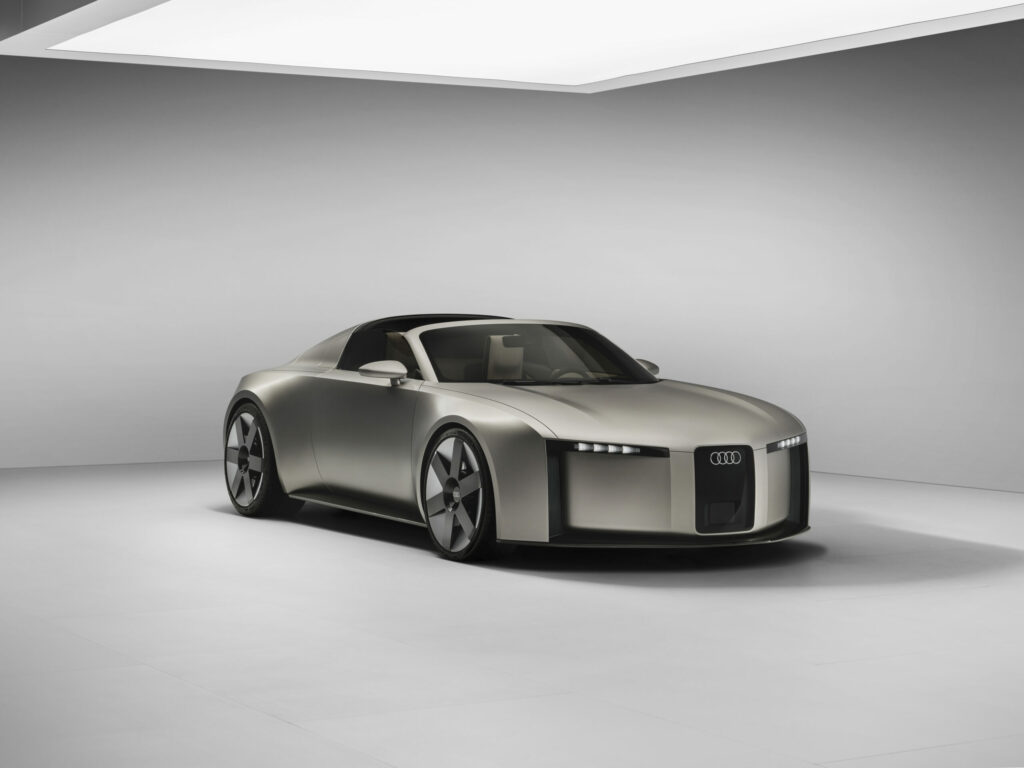
Presented by Audi as a white paper on its future aesthetic identity, the Concept C electric two-seater roadster makes our mouths water.
I owe my first car shock to Audi. When my friend Curtis’ father left school, he came to pick him up with his new car: an Audi TT. At the time, I wasn’t really into design, let alone car design. But this coupé was like nothing I’d ever seen. It was designed outside all convention, conveying a new aesthetic language capable of speaking to the hearts even of those who had never really paid attention to cars before. That was some twenty years ago (we’re not getting any younger!) and even then, the brand with the four rings was opening the door to a new way of thinking about the silhouette of cars. And history could well repeat itself. With the 100% electric Concept C, just unveiled at the IAA Mobility show in Munich, Audi is entering what it describes as a “new era in automotive design“, guided by a quest for purity of line and simplicity that breaks with the current era of convoluted silhouettes and slashed surfaces.
Credit: Audi
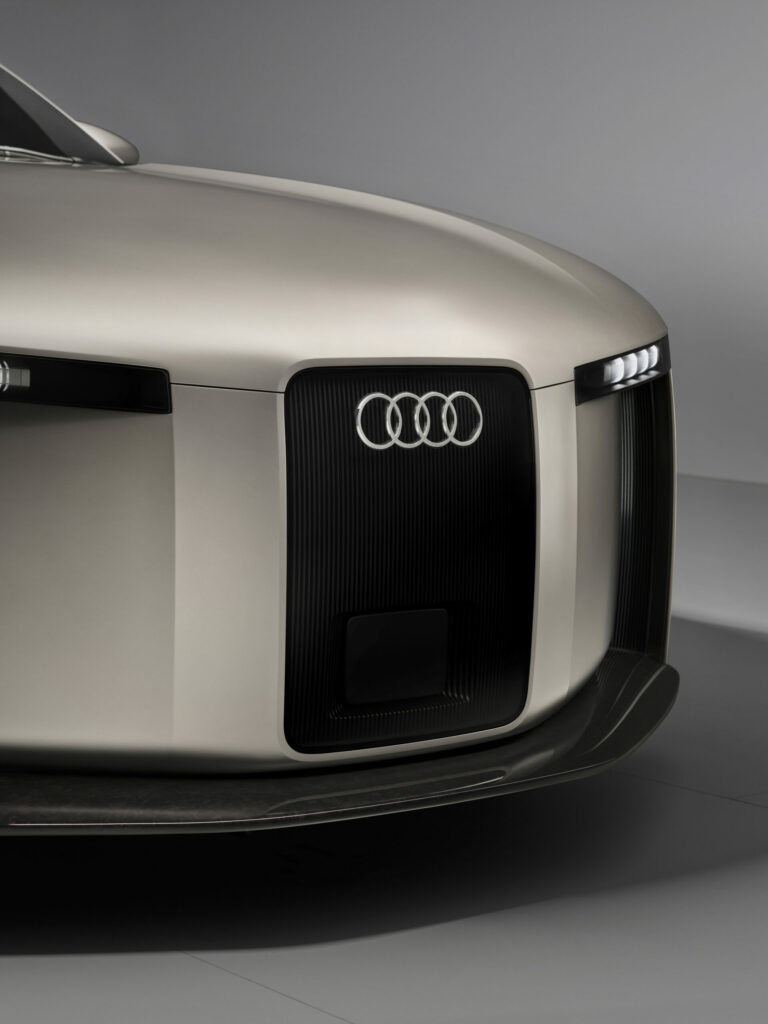
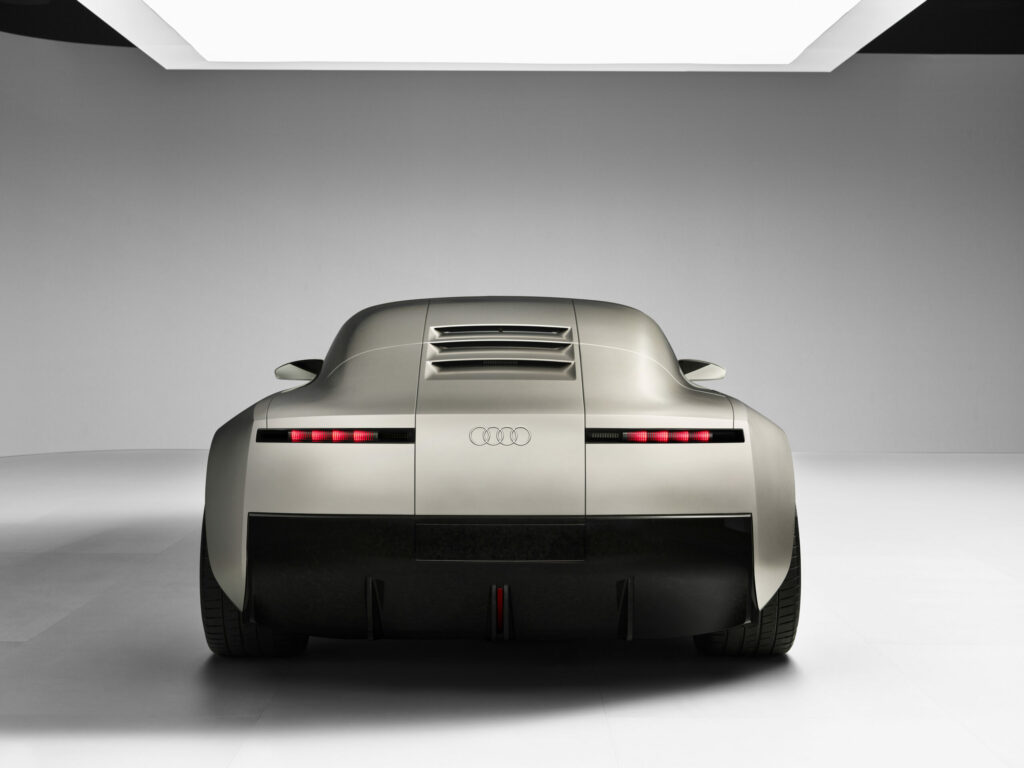
The Concept C reshuffles the deck with its ultra-legible design, harmonious proportions and an almost Bauhaus minimalism that is anything but sad. The most striking element is undoubtedly the abandonment of the traditional grille in favour of a contrasting but less intrusive vertical ‘face’. According to Audi, the overall design was inspired by the Auto Union Type C single-seaters of the 1930s and the third-generation Audi A6 of 2004. Curiously, the company never mentions the Audi TT or the R8, with which the similarity is obvious… But that’s certainly due to a lack of objectivity. Still on the subject of design, the Concept C appears to be the debut of the brand’s new light signature, made up of four horizontal segments, again very discreet.
Credit: Audi
Audi Concept C… more than just a concept car
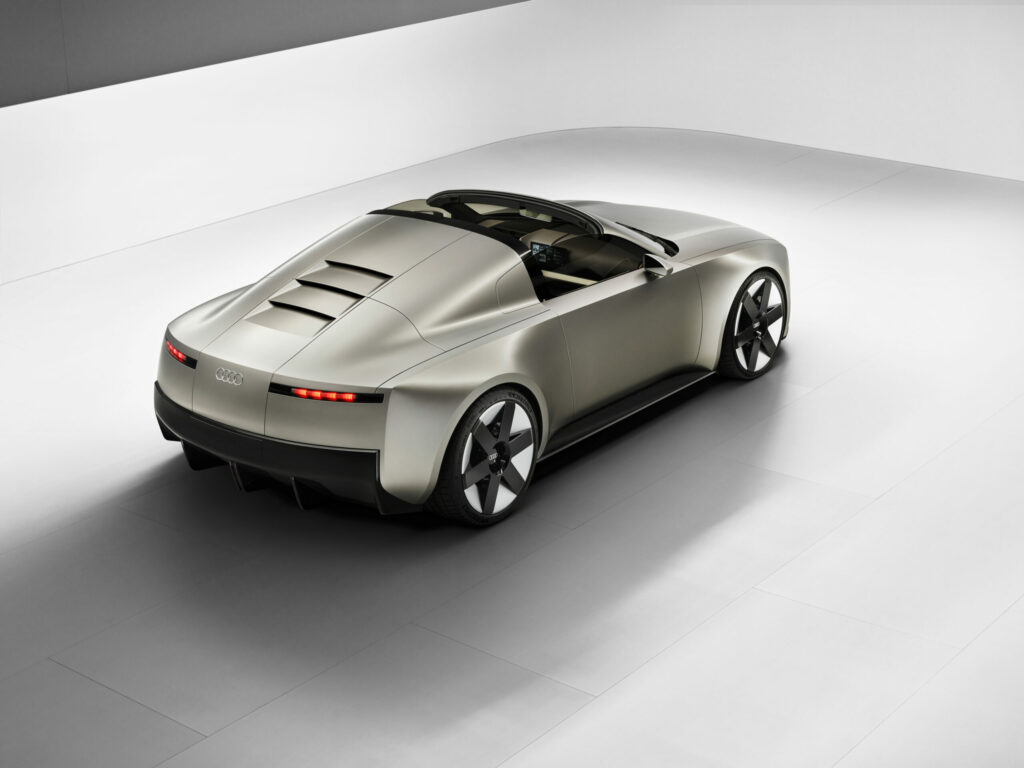
In addition to this aesthetic approach, the Concept C also reveals more about the architecture of the Audi of the future. The roadster is built around its battery pack, giving it a rather svelte silhouette, efficient aerodynamics and a very low centre of gravity, without compromising passenger comfort. And for the first time at Audi, the retractable roof is… rigid! It’s certainly not going to please canvas purists, but a coupé/cabriolet is so cool…
Credit: Audi
Inside, it’s nothing to write home about. It’s (very) simple and (very) effective. There’s nothing revolutionary about it. On the contrary, it’s more in line with what’s being done a lot of these days: a screen, few or no buttons and materials that alternate between cold (aluminium) and warm (wool).
Credit: Audi
For those who still doubt the influence of the Concept C on the future of the brand, Audi could not be clearer: “this concept car prefigures a future production model and will influence future creations“. And I’ll take their word for it, because the production TT is a near carbon copy of a concept car presented a year earlier. Rebelotte?
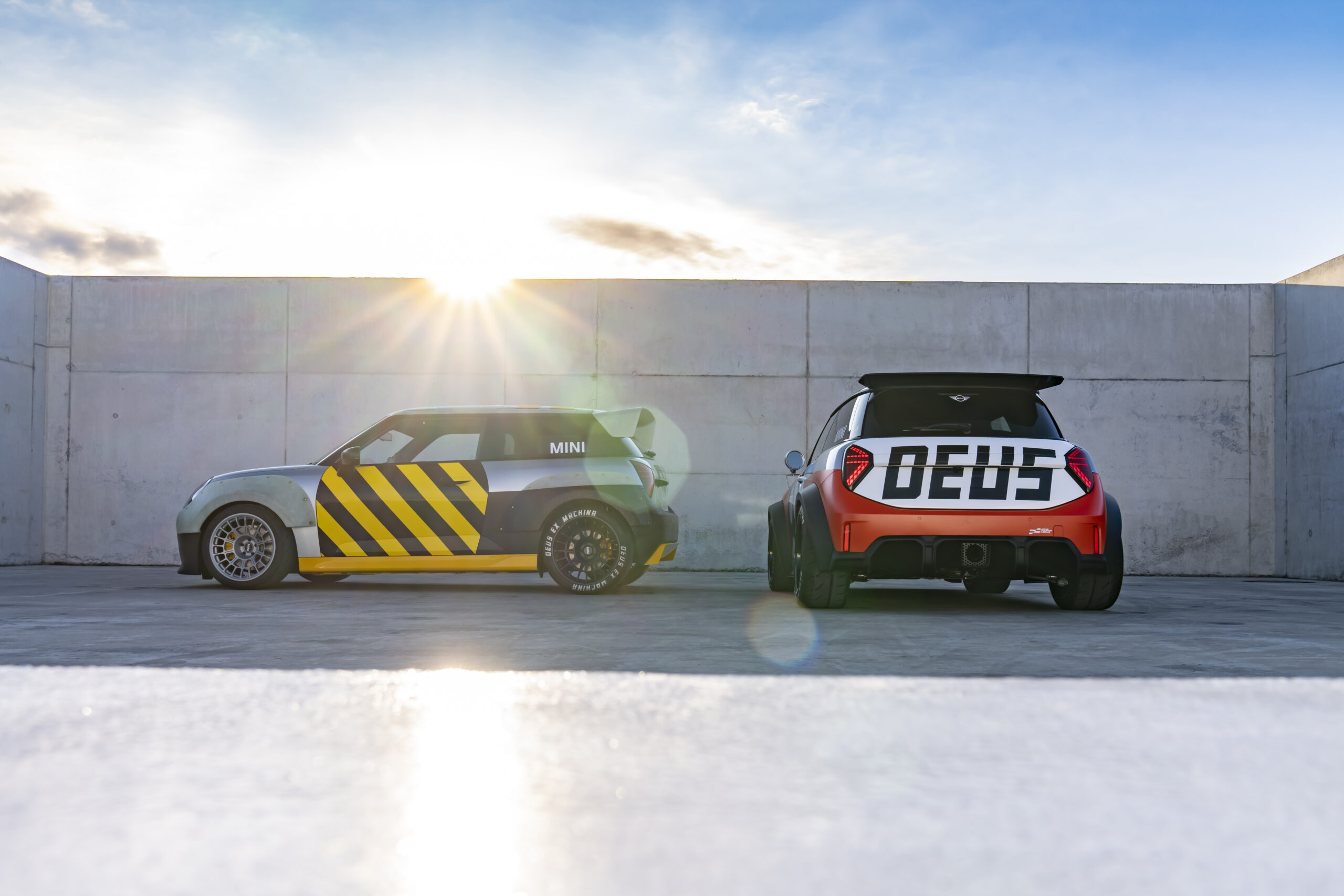
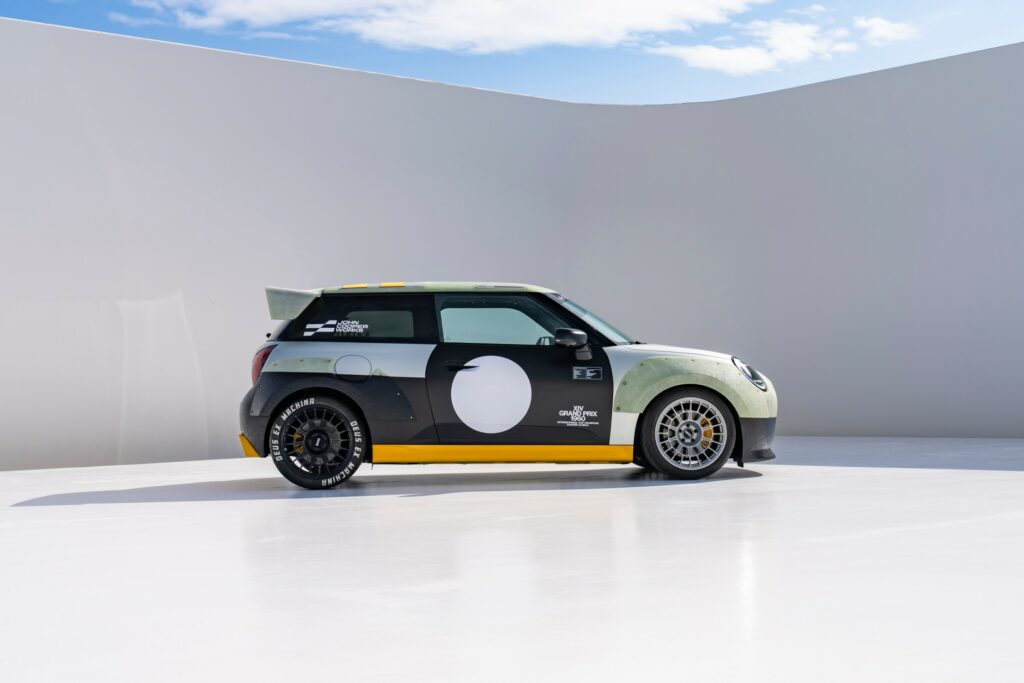
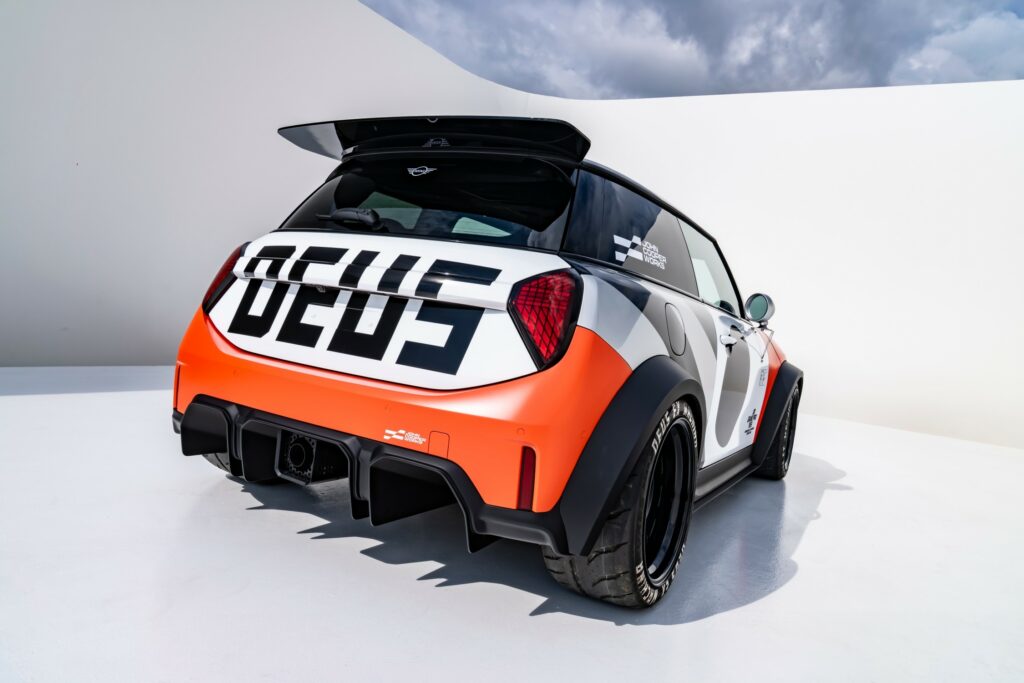
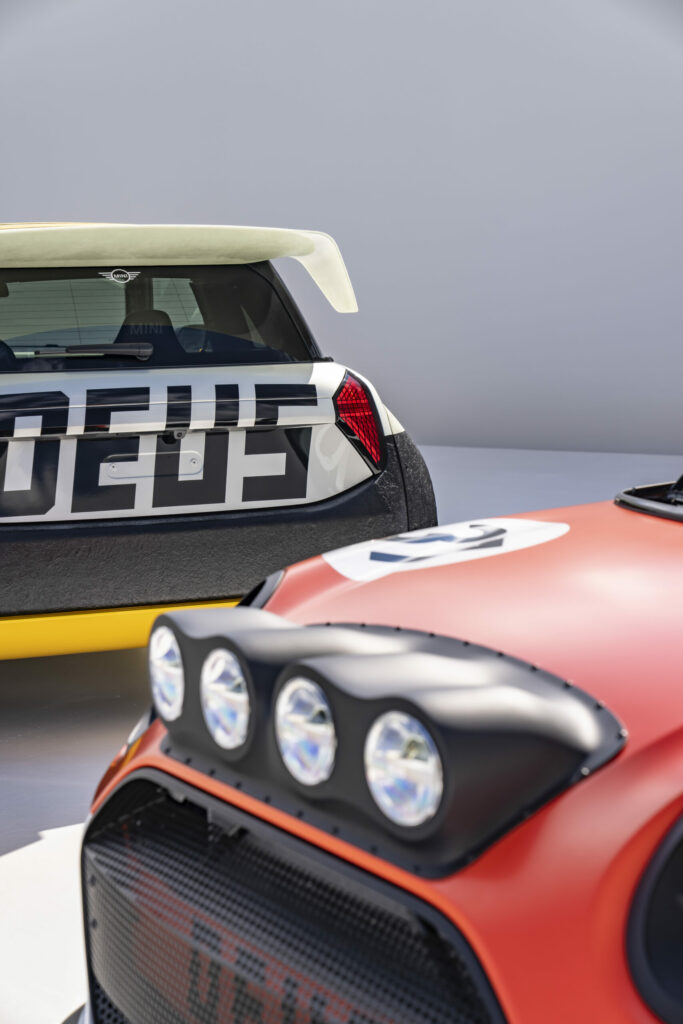
Mini, in collaboration with Australian fashion label Deus Ex Machina, and via its sports car subsidiary John Cooper Works, unveiled two crazy concepts at the IAA Mobility show in Munich, called The Skeg and The Machina. The Skeg and The Machina are electric bombshells and thermal powerhouses that bridge the gap between two worlds that sometimes struggle to understand each other.
At first glance, nothing seems to compare The Skeg and The Machina. The first is a revisit of the beastly electric Mini JCW and its 258 bhp. Its surfboard-like fin and yellow straps on the roof are all calls for adventure, a characteristic trait of the Deus universe that The Skeg transcribes to perfection.
Credit: BMW Group
Its companion, The Machina, as its name might suggest in Italian, prefers petrol to watts. It’s powered by a 231bhp turbocharged four-cylinder petrol engine, and it’s not hard to imagine the symphony that is the hallmark of John Cooper Works cars. Its livery is also a tribute to sportiness. It wears the colours of Monaco and bears the number 37, which Paddy Hopkirk wore when he won the Monte Carlo Rally in 1964. Mini and Deus have also paid homage to the sporty interior, with bucket seats, a racing steering wheel, extra headlights and, the detail that really gets us going, a hydraulic handbrake.
Credit: BMW Group
Not the same engine, but the same passion
In other words, you get both the smell of petrol and the ugly back of electric power. Unfortunately, this will remain at the concept stage… Indeed, Mini and Deus Ex Machina have no plans to offer the two cars for sale, even in limited editions. So what’s the point? These show cars will certainly play a role in the communication of the two companies, but they also demonstrate the versatility of this iconic little city car. Above all, and this is what interests us here: The Skeg and The Machina show that a car can still be a subject of creativity and sportiness, whether it’s electric or combustion-powered.
Credit: BMW Group
This ‘reconciliation’, even if symbolic, is worth highlighting at a time when the car industry is undergoing a transition that can sometimes be divisive (we know something about this, we read all the comments on our social networks…). In 2025, a decisive year for the future of mobility, Mini has chosen to tell two seemingly parallel stories that ultimately come together around the same conclusion: when you love the car, you love the pistons and the oil as much as all the memories you create behind the wheel.
And while the cars aren’t for sale, you can still get a little piece of the partnership… To mark the occasion (and do a bit of business), a capsule collection of clothes inspired by the collab is available on the Deus Ex Machina website.
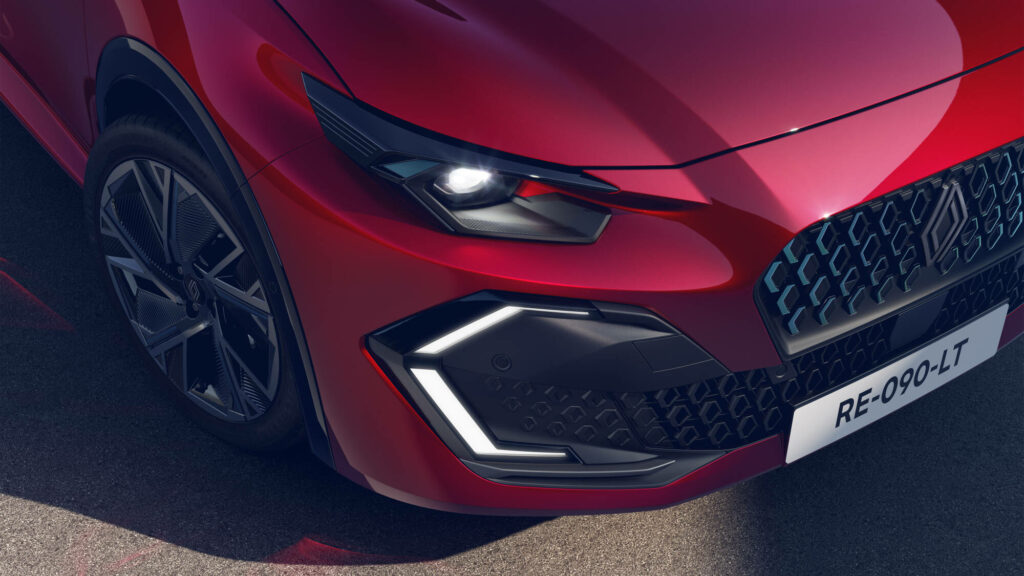
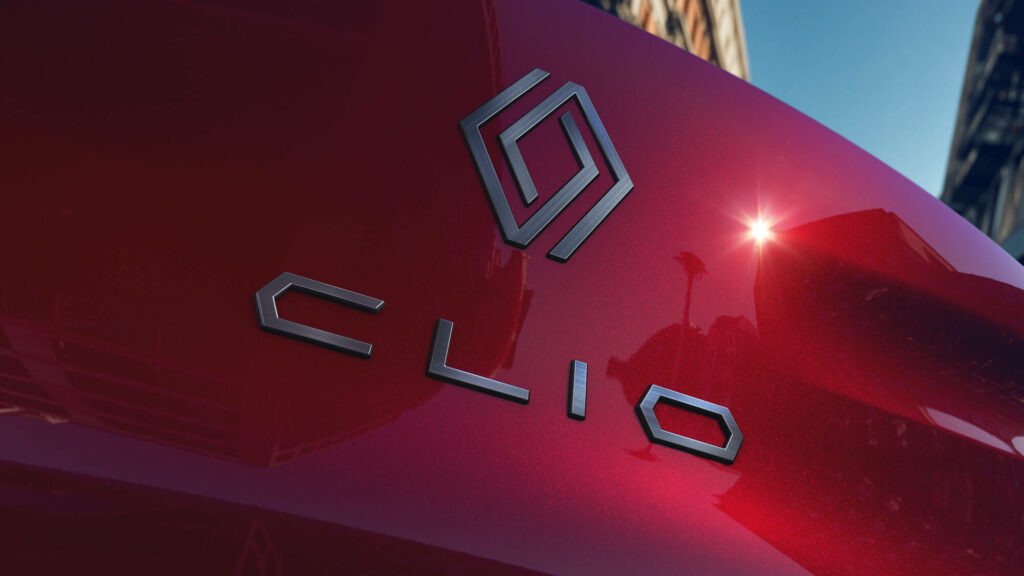
Renault took advantage of the IAA Mobility show in Munich to present the Clio 6. It’s a clear break with the past and a risky gamble: bigger, more connected, more expensive and now available exclusively in petrol and hybrid, the iconic city car – and incidentally its best seller – will have to (con)quer or perish.
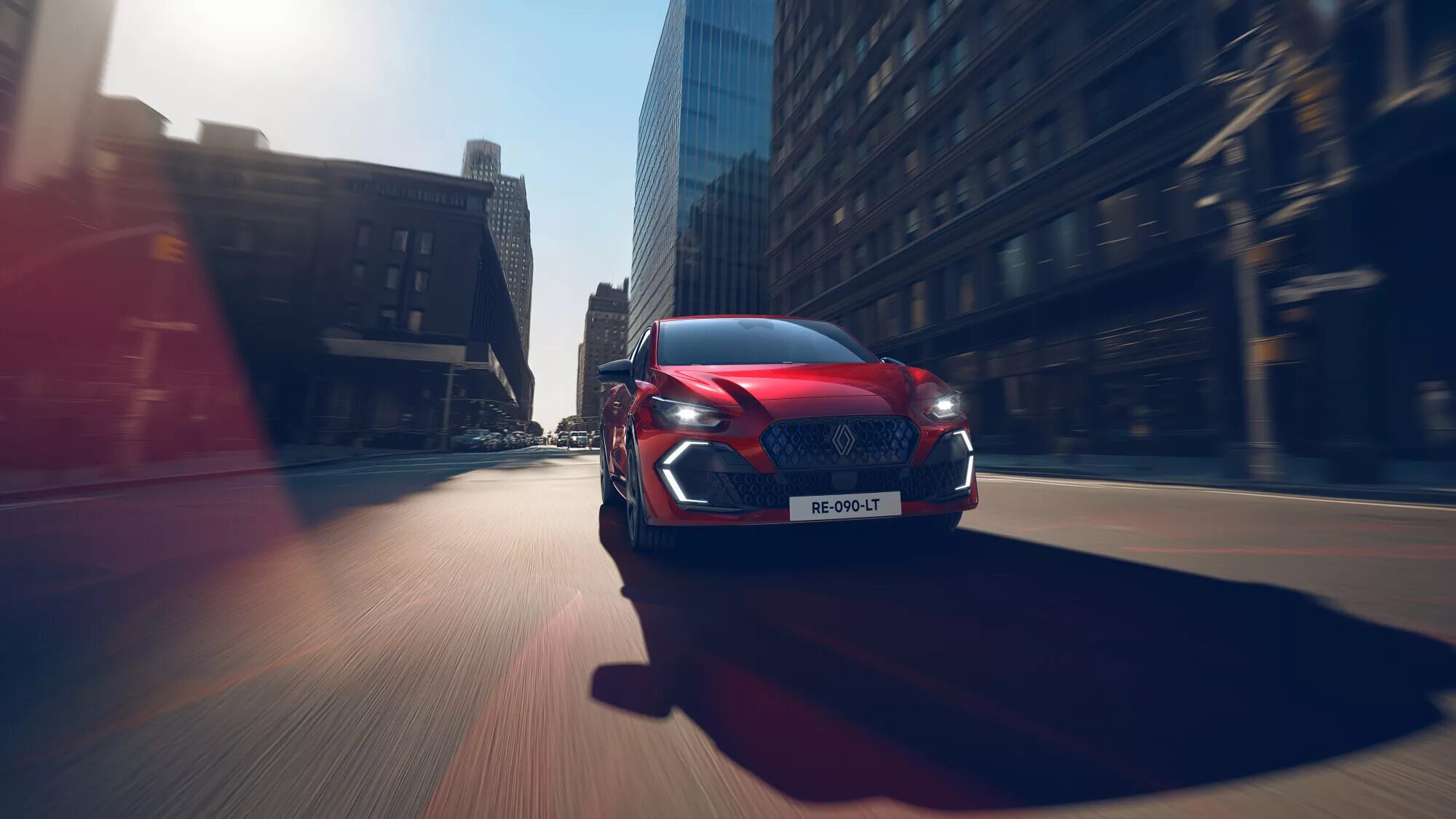
This autumn, at the IAA Mobility show in Munich, where ECO MOTORS NEWS made the trip, Renault lifted the veil on the Clio 6. The launch is no mean feat, given that 17 million Clios have been sold since the car first hit the road in 1990. It is not only a Renault icon, but also an emblem of European motoring. The proof is in the Clio 5’s second place in the ranking of the best-selling cars in Europe in the first half of 2025, behind the Dacia Sandero. It would therefore be an understatement to say that this Clio 6, the first models of which are due to leave the Bursa plant in Tunisia in early 2026, will not only be eagerly awaited, but will also play a major role in Renault’s future.
Credit: Renault
Futuristic design, modernised interior and new on-board technologies
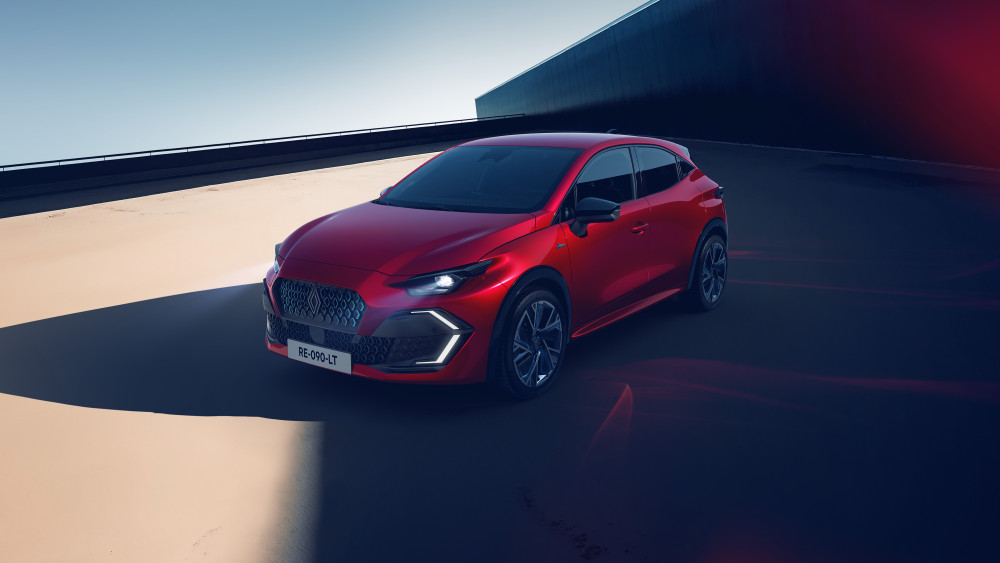
If you put the Clio 6 next to a Clio 5, you’d think they were from two different manufacturers! Quite simply, we haven’t seen such a restyling since the transition from the 2nd to the 3rd generation. And, as was the case then, the new design is divisive. Here at ECO MOTORS NEWS, we love it! With a hint of the Emblem concept car and its sleek, tapered, futuristic lines, and with its aggressive grille and sharp, handsome headlights, the Clio 6 is definitely in tune with the times. But there’s one intriguing detail above all: this city car is becoming ‘decitadinised’. A rather barbaric neologism, but with an extra 7 centimetres in length, for a total of 4.12 m, we’re moving even further away from the original spirit of Renault’s best-seller and its 3.70 m length. And that’s precisely where Renault is taking a risk, since it’s the compactness of the Clio that has made it such a success… Especially as this change in size also implies a change of segment and, de facto, a change in pricing. Although Renault has yet to reveal the price of the Clio 6, it is estimated that it could start at around €20,000, considerably more than the current version. Once again, this is a gamble, since the ‘affordable’ nature of Renault’s city car is another argument in its favour.
Credit: Renault
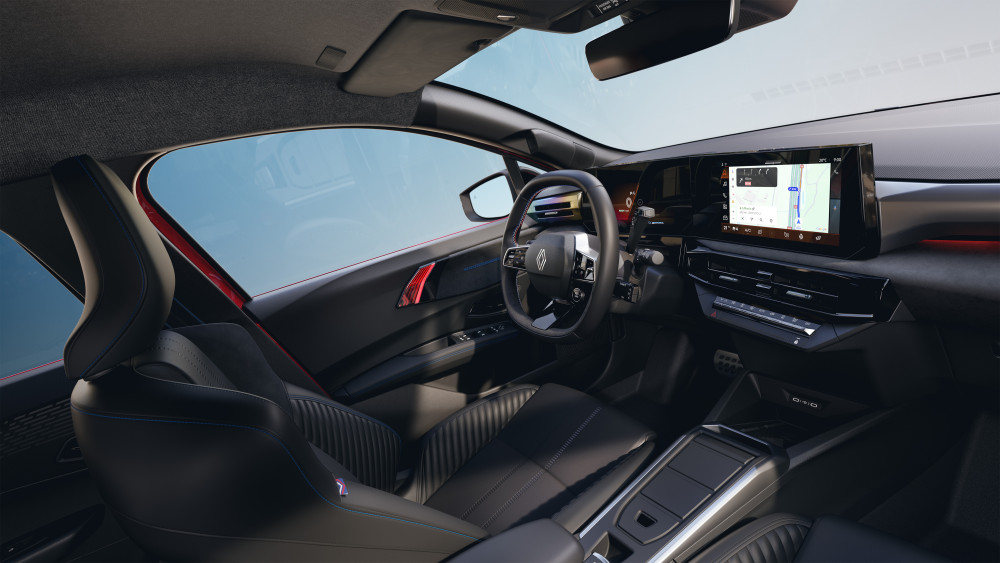
But the change in price can also be explained by the changes inside. In addition to a completely redesigned, high-quality interior, the Clio 6 features the same digital interface as the R5 and R4 E-Tech, with a dual 10-inch screen, native integration of Google Maps and the AI assistant, and almost thirty driving assistance devices. A far cry from the crank to wind up the windows…
Credit: Renault
Clio 6 closes the diesel chapter
It was to be expected, and that’s the way the story goes, but it’s still something: there will be no Clio 6 diesel. The same goes for the smaller internal combustion engines, which explains the higher entry price. The range now starts with a 115bhp three-cylinder petrol engine. A petrol/LPG bi-fuel is also on the programme. But what really interests us is the hybrid model, which will undoubtedly be the biggest seller. This benefits from some significant improvements, notably to the petrol engine, which has been reworked to boost its power by around 15bhp to 160bhp. All this is backed up by the two electric motors that have made the other hybrid models in the E-Tech range so successful. We would have loved Renault to spring a surprise with a 100% electric Clio 6, but that still doesn’t seem to be on the agenda… Let’s just say that a lot of things would have had to be rethought before launching such a novelty, and the gamble is risky enough as it is!
Credit: Renault
Renault is therefore taking a calculated risk. The Clio is still a safe bet, but the competition is intensifying, particularly in the face of Chinese brands with their formidable value for money, and the growing popularity of compact SUVs. With this longer, more powerful sixth generation, Renault hopes to consolidate the Clio’s place on the European best-seller podium by expanding into other market segments. It remains to be seen whether this strategy will pay off or whether, on the contrary, the Clio 6 strays too far from the Clio spirit for customers who are very attached to the legendary city car.
The IAA Mobility 2025 show opens in Munich in a climate of change and uncertainty for the automotive industry. But with technological innovations, new European models and an offensive by Asian manufacturers, the event gives us grounds for optimism.
The IAA Mobility 2025, which takes place in Munich from 9 to 14 September 2025, confirms its status as the global platform for mobility. ECO MOTORS NEWS is already on site, having opened its doors to the press on September 8. At today’s press conference, the organisers and some of the 740 exhibitors from 95 countries highlighted innovations in electric and electrified mobility. Taking place both in the heart of the exhibition centre and in the city, this 2025 edition is set to be the most ‘general public’ yet also the most international. More than half of the exhibitors are non-German.
Volkswagen, BMW and Mercedes reign supreme, Opel creates a surprise at the Munich Motor Show
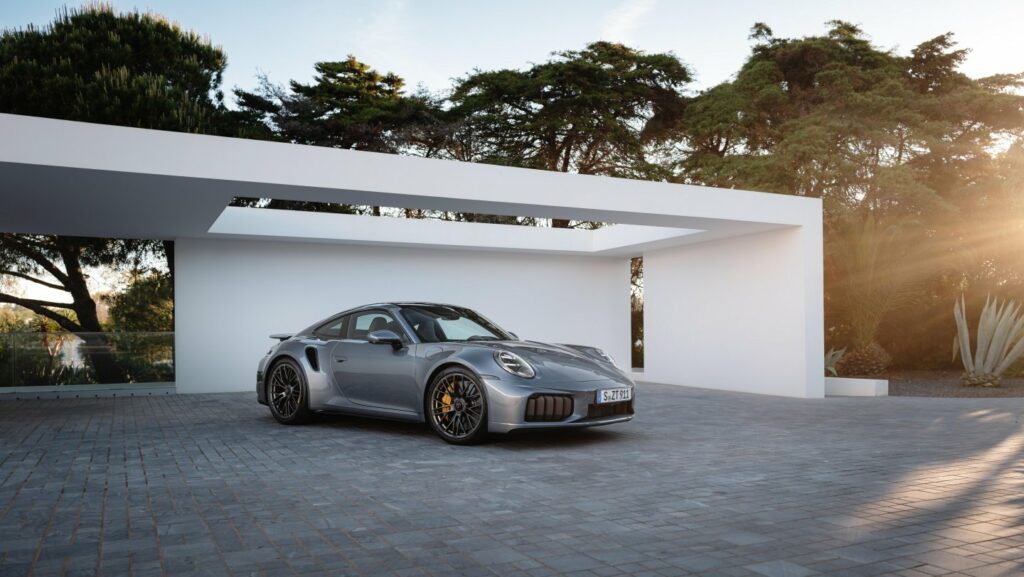
The IAA Mobility 2025 in Munich has opened its doors to manufacturers from all over the world, but it’s still the German brands that are taking the lion’s share. Leading the way was Volkswagen, which unveiled no fewer than four new electric models in its ‘Open Space’ area, accessible to the public in the city centre. Also from Volkswagen, but this time within the group, Skoda unveiled the Epiq, a small electric SUV expected to cost under €25,000. It further strengthens the VW group’s position in the highly sought-after entry-level electric segment. A little less ‘affordable’, Porsche chose Munich to present the 911 Turbo S equipped with a new hybridisation system (we’re not talking about a Prius, admittedly, but still!) as well as an electric version of the Cayenne, equipped with an innovative wireless recharging system. These two new products show that Porsche has not given up: the brand intends to preserve its DNA while making the transition to a more energy-efficient car.
Credit: Porsche
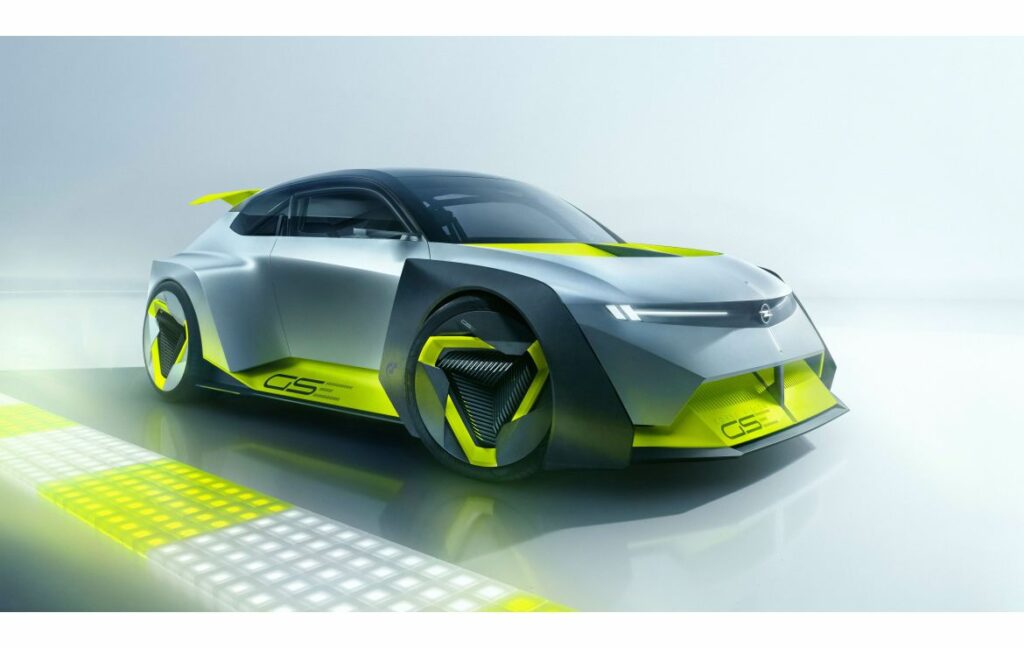
While the Volkswagen Group, the world leader, was inevitably eagerly awaited on its home turf, it was a German manufacturer, but from the Stellantis Group, Opel, which created the biggest surprise. Opel caused a sensation at the IAA Mobility 2025 with two eye-catching new products: the new Mokka GSE, a sporty electric version of its compact SUV, and above all the Corsa GSE Vision Gran Turismo concept car. Futuristic, pop-coloured and sharp, it seems to point to future design changes at Opel.
Credit: Stellantis
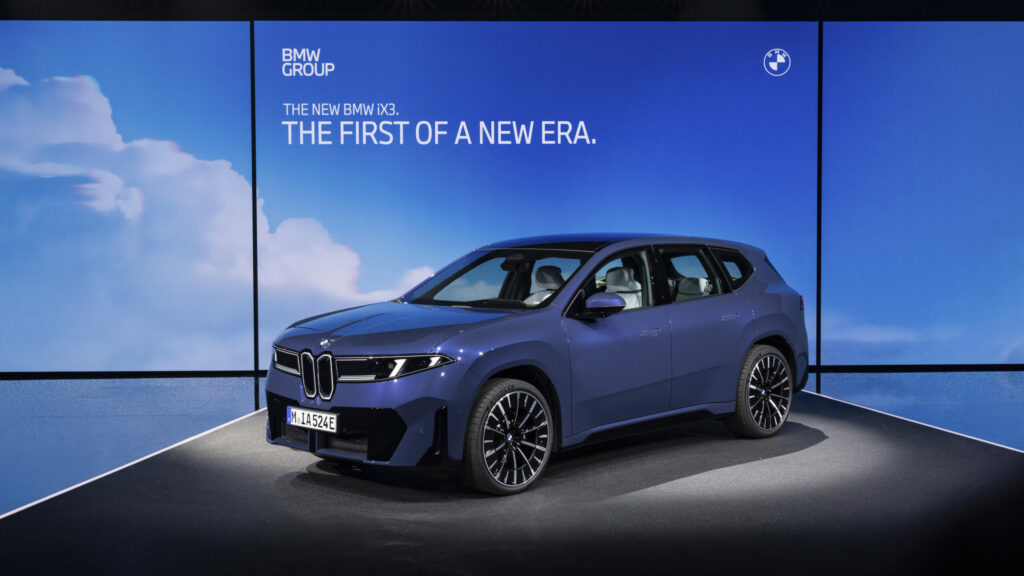
Mercedes, for its part, presented the new 100% electric GLC, equipped with EQ technology and embodying the new phase of its “Sensual Purity” design philosophy. Last but not least, BMW caused a sensation with the launch of the iX3, the first model on the new ‘Neue Klasse’ electric platform, which promises a range in excess of 800 km and the possibility of recovering up to 370 km of range in just ten minutes. Available on the Old Continent from spring 2026, it is expected to cost around €69,000. Enough to stop the Chinese competition?
Credit: BMW
Chinese and Turks attack the European market
Chinese manufacturers are making a big impression at Munich. Whether it’s Leapmotor with its B05, which is due to go into production in Spain by the end of 2026, ready to take on the Megane E-Tech and the Volkswagen ID.3, or Xpeng with its P7+, with a price/performance ratio that could well shake Tesla and maybe even… Mercedes!
Credit: Xpeng
On the borders of Europe, there’s a young brand that’s determined to make its mark in the sun, starting with Germany. Togg, Turkey’s first national manufacturer and only 7 years old, has announced the arrival in Germany of its two models, the T10X SUV and the T10F saloon, whose BMW-inspired design could catch the eye of German drivers. And Togg’s survival depends on it. According to Reuters, the Turkish manufacturer would need 200,000 sales a year to be profitable, and its domestic market, although showing very decent results (30,000 units sold in 2024), is not enough. Germany is therefore, first and foremost, a strategic market to conquer, but also the ideal gateway for conquering other European markets.
Autonomous driving, from fantasy to reality
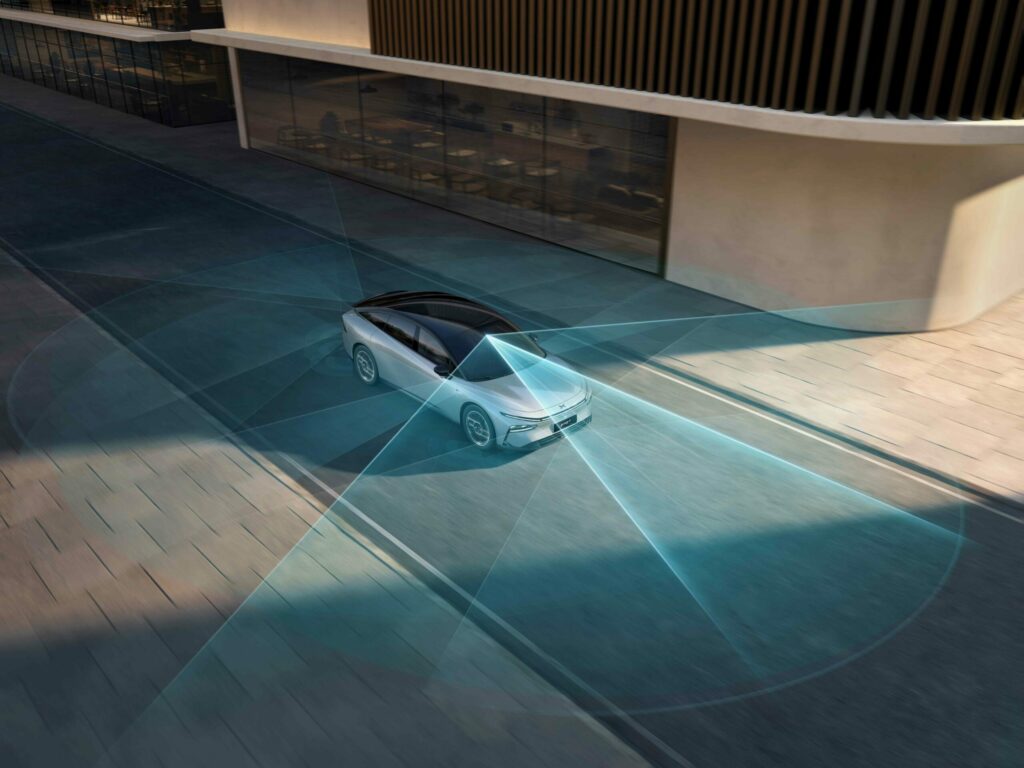
It’s not just hardware that’s on show in Munich. The IAA Mobility also welcomes exhibitors specialising in software, particularly for autonomous driving. Or rather, ‘driving aids’. More than 200 vehicles will be on display for visitors to get a real feel for the latest developments in these technologies, which are as fascinating as they are frightening! QCraft, for its part, is not afraid of anything. Quite the contrary, in fact. The Beijing-based company, which specialises in autonomous navigation solutions, has announced the opening of its European headquarters in Germany – which explains its presence in Munich – as well as a strategic partnership with American giant Qualcomm. Sounds promising!
Optimism at IAA Mobility Munich 2025
While the skies over Munich are not all rosy when it comes to electric mobility and even the automotive sector in general – Volkswagen’s Oliver Blume claims that US customs duties have cost the group billions and forced it to review its international policy, and Jean-Philippe Imparato of Stellantis is backtracking on all-electricity by 2030 – the 2025 edition of the IAA Mobility is nonetheless full of fine promises. With more affordable vehicles, new recharging technologies, autonomous driving, Chinese companies planning to produce in Europe and even the sporty Porsche 911, there’s plenty to be optimistic about.