Isuzu, the century-old Japanese manufacturer best known for its robust commercial vehicles and heavy goods vehicles, is preparing to take a major step towards electrification. With 2026 shaping up to be a pivotal year, the company is rolling out an ambitious roadmap combining electric pick-ups, hydrogen buses and new EV development infrastructures, all in line with its low-carbon industrial strategy.
source: ISUZU
From internal combustion to electric: the D-Max EV leads the way
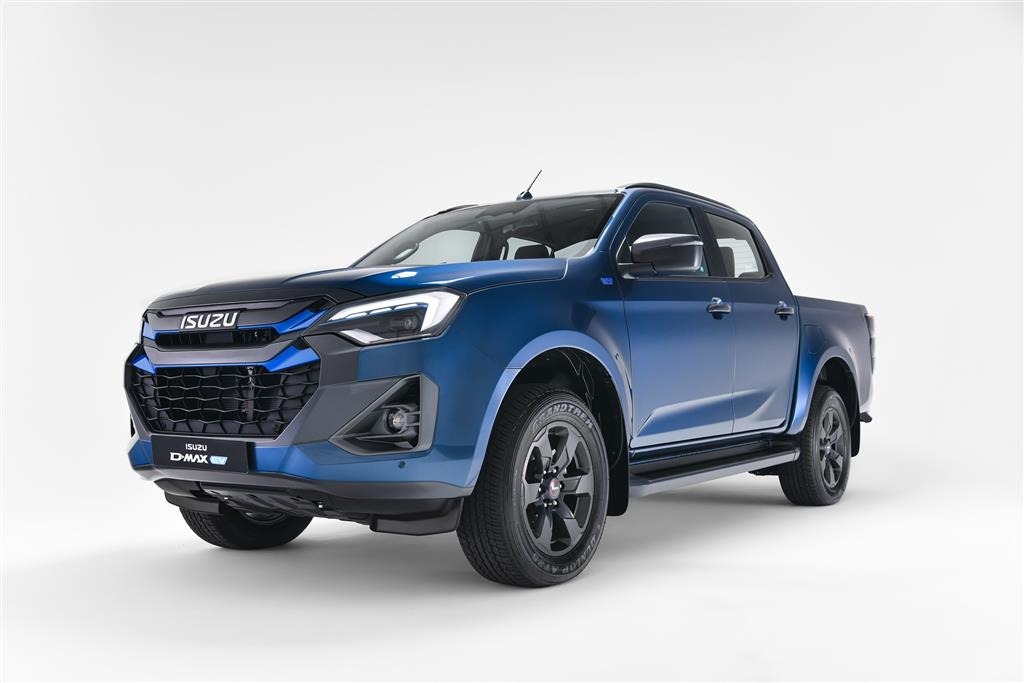
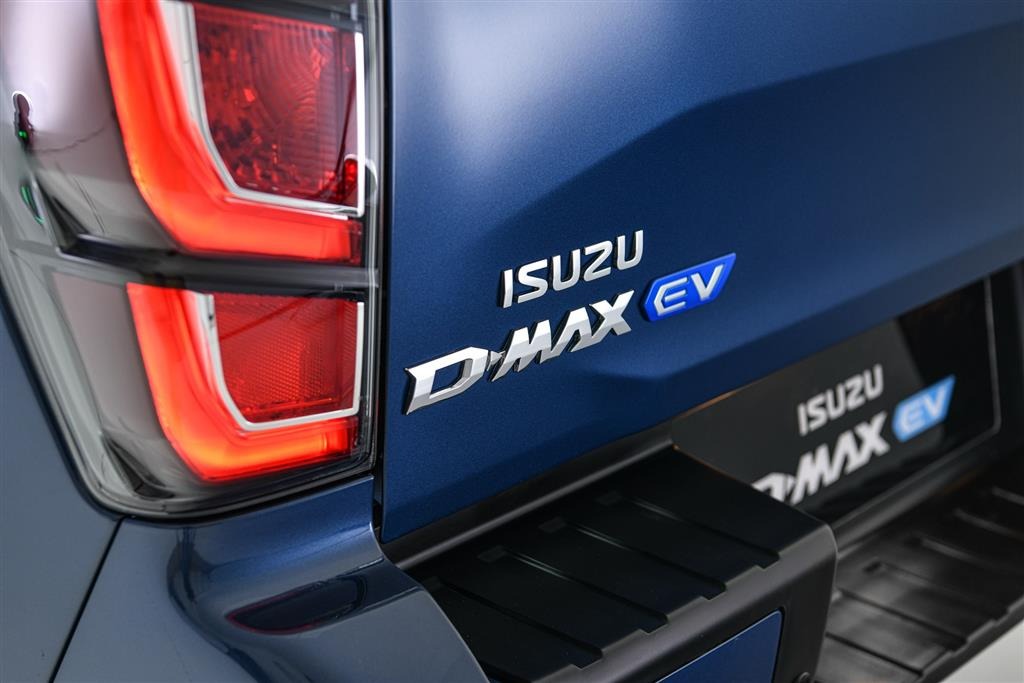
The first concrete milestone in this transformation is the arrival of the Isuzu D-Max EV, the 100% electric version of the famous D-Max pickup. Presented exclusively at the Commercial Vehicle Show 2025 in Birmingham, this model represents Isuzu’s first real entry into the production electric pickup segment.
Based on the proven and efficient D-Max chassis, the EV retains the robust attributes for which the D-Max is renowned, while adopting a 140 kW (190 hp) electric powertrain and 325 Nm of torque. It boasts a WLTP range of 263 km and a towing capacity of 3,500 kg, with a payload of one tonne, making it an operational, clean and uncompromising professional vehicle.
source: Isuzu
Production of this pickup began in 2025. While the first deliveries were expected from the end of last year for certain European markets, increased availability will not be operational until 2026.
Hydrogen-powered buses: Isuzu x Toyota, a strategic partnership
In another dimension of zero-emission mobility, Isuzu has been working for several years with Toyota and Hino Motors via the J-Bus joint venture to develop alternative solutions to battery-powered electric vehicles.
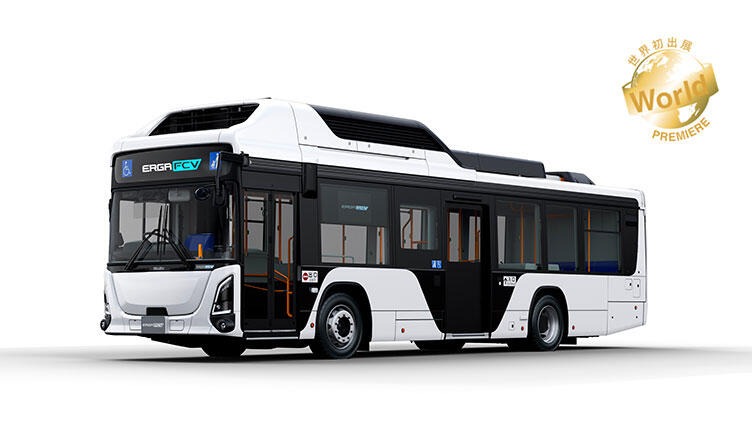
At the end of September 2025, Isuzu and Toyota announced the series launch of the new ERGA FCV fuel cell bus, based on the flat-floor electric bus platform already designed by Isuzu and produced by J-Bus. Production is scheduled to start in April 2026 at the J-Bus site in Utsunomiya, Japan.
This vehicle combines the EV platform of the existing electric version with a hydrogen system developed by Toyota, maintaining a flat floor while guaranteeing zero emissions.
This collaboration illustrates the desire of both manufacturers to multiply the routes to carbon neutrality, with hydrogen as a complement to a BEV range that has become traditional.
source: Isuzu
New EV infrastructure: Fujisawa, innovation at the heart of Isuzu
In addition to this drastic transition towards the intense electrification of its fleets, Isuzu is also working on its engineering and testing capabilities. Indeed, for the brand, 2026 is the year in which the Fujisawa site, dedicated to electric vehicles, will be extended and modernised.
The aim of the centre will be to accelerate the development of future EV systems, integrate software and hardware innovations, and strengthen in-house expertise on next-generation electrical architectures, preparing Isuzu for a broader EV offering by 2030.
source: Isuzu
A look back at 5 to 10 years of electrification at Isuzu
While 2026 marks a pivotal year for Isuzu, this turning point was not born yesterday. The Japanese brand’s progress in electromobility goes back several years, following a cautious but structured logic.
It all began in the first half of the 2010s with the exploration of lightweight hybrid and electrified solutions, aimed at reducing emissions from commercial vehicles and preparing fleets for increasingly stringent environmental standards.
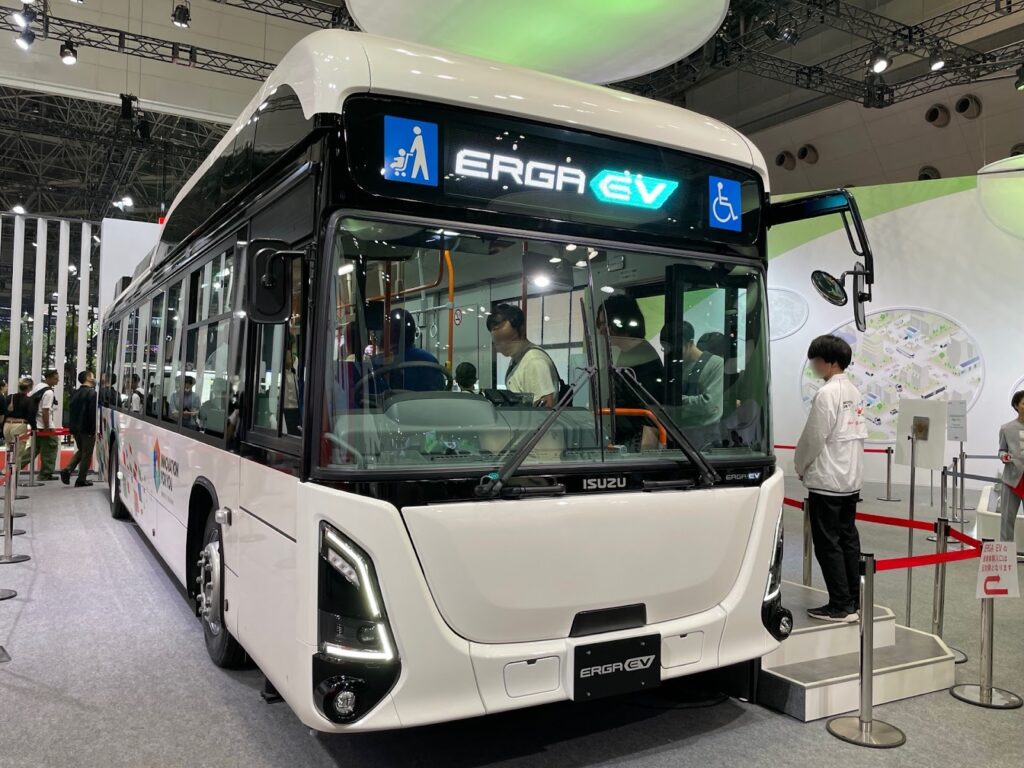
The first real realization comes with the ERGA EV, a flat-floor city bus to be launched around 2024. This model symbolises Isuzu’s entry into the world of urban BEV buses. At the same time, the brand is developing an electric version of its emblematic N-Series, a light truck designed for commercial fleets.
Then comes 2026, with the mass production of the D-Max EV, Isuzu’s first mass-produced electric pickup, the production of its FCV buses, developed in collaboration with Toyota and J-Bus, and the expansion of the Fujisawa site.
This development is part of the ISUZU Transformation (IX) programme, which has set an ambitious target of integrating carbon-neutral vehicles in all categories by 2030, with a portfolio combining BEVs, FCVs and hybrids.
2026 appears to be the year when Isuzu moves from experimentation to a tangible, operational roadmap: a first robust electric pickup, hydrogen buses ready for series production, and a new generation of R&D infrastructures to support the brand’s next phase of transformation. It’s an electrified renaissance for a Japanese giant, and one that could well reshape the shape of business mobility in the years to come.
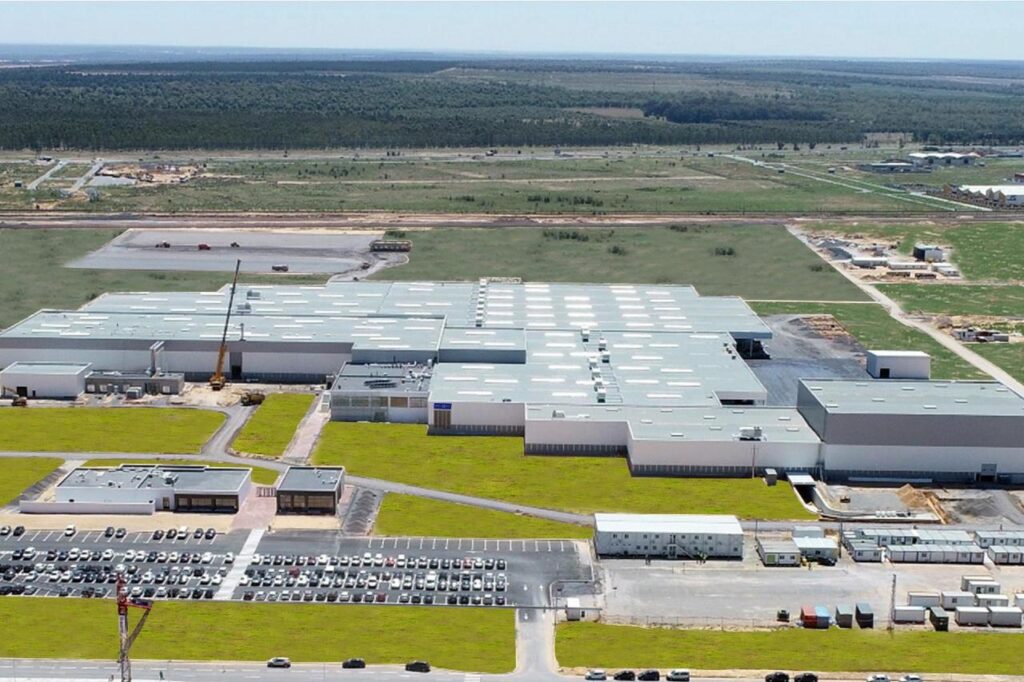
Stellantis has announced a major strategic change in its industrial organisation: the future replacement for the Citroën C4, currently produced at Madrid-Villaverde, will be assembled at the Kénitra plant in Morocco. This decision reflects the growing importance of the Moroccan site within the Group’s global ecosystem, and illustrates a rationale for optimising production costs while consolidating Stellantis’ offering in the popular compact SUV segments.
source : Largus
Kénitra: a factory reinventing itself as a major industrial hub
The Stellantis plant in Kénitra, inaugurated in 2019, reached a new milestone in July 2025 with the inauguration of its extension, in the presence of the Moroccan authorities. This major project is part of an industrial partnership initiated in 2016 between the Kingdom and Stellantis.
Key figures and industrial scope
The extension will double the site’s production capacity from 200,000 to 400,000 vehicles a year, bringing it to 535,000 units a year across all categories (including electric micromobility).
The total investment amounts to 1.2 billion euros, a significant part of which is dedicated to developing local suppliers, thereby strengthening the national industrial base.
The gradual ramp-up aims to achieve a local integration rate of 75% by 2030, a strong indicator of skills transfer and local value creation.
The expansion is expected to generate more than 3,100 additional direct jobs, on top of the thousands already on site.
More broadly, the expansion of Kénitra is helping to position Morocco as a competitive automotive hub on a continental and global scale, with a total annual production capacity (all sites combined) of over one million vehicles by 2030. Ryad Mezzour, Minister of Industry and Trade, who was present at the inauguration last July, had this to say about the extension of the Kénitra plant: “This is a historic day for the Kingdom. This complex is now one of the most efficient in the world, and we are proud of what is being achieved in Morocco”.
source: country reports
From 2025 to 2026: what’s been done and what’s on the way
Since its inauguration last summer, the extension has already seen a number of industrial projects implemented at the Kénitra site come to fruition:
Increased production of electric micromobility. Models such as the Citroën Ami, Opel Rocks-e and Fiat Topolino are now being produced on a larger scale, with capacity almost trebling to around 70,000 units a year.
source : DR
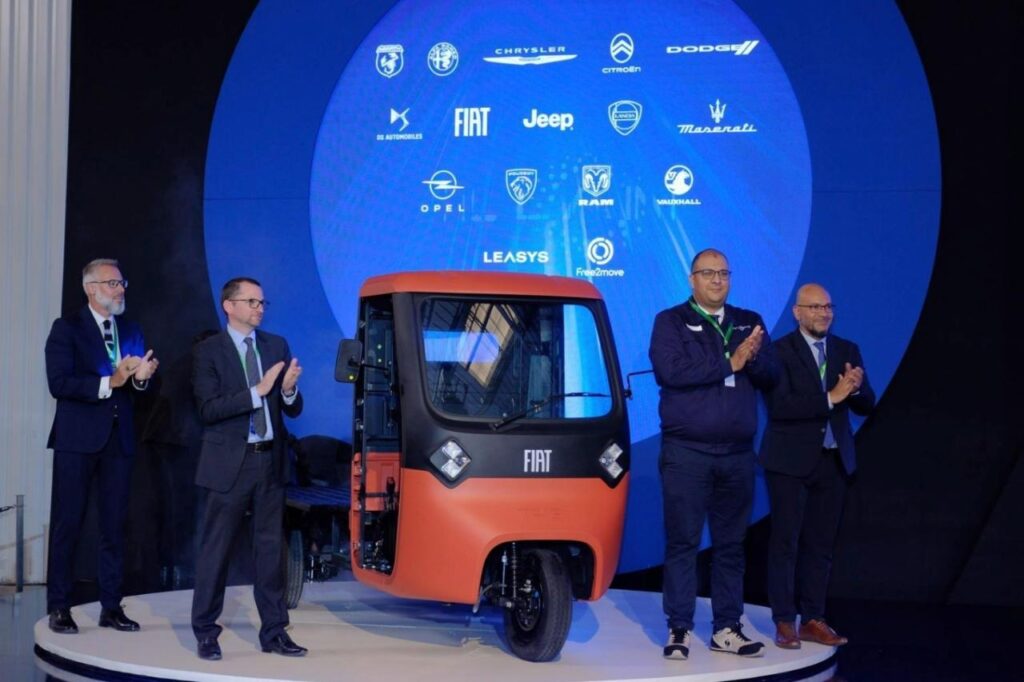
Light three-wheeled electric vehicles: a new production line dedicated to these vehicles, designed by the Moroccan technical centre Stellantis (ATC), started up in July 2025, with around 65,000 units planned annually.
Production of electric charging stations. The Kenitra line now includes the manufacture of charging stations, with a projected annual capacity of 204,000 units, consolidating the site’s role in the electric mobility ecosystem.
Hybrid engine assembly (MHEV): a new generation of Mild Hybrid engines began to be assembled in May 2025, and Stellantis plans to add a machining phase from November 2026.
What happens in 2026 and beyond
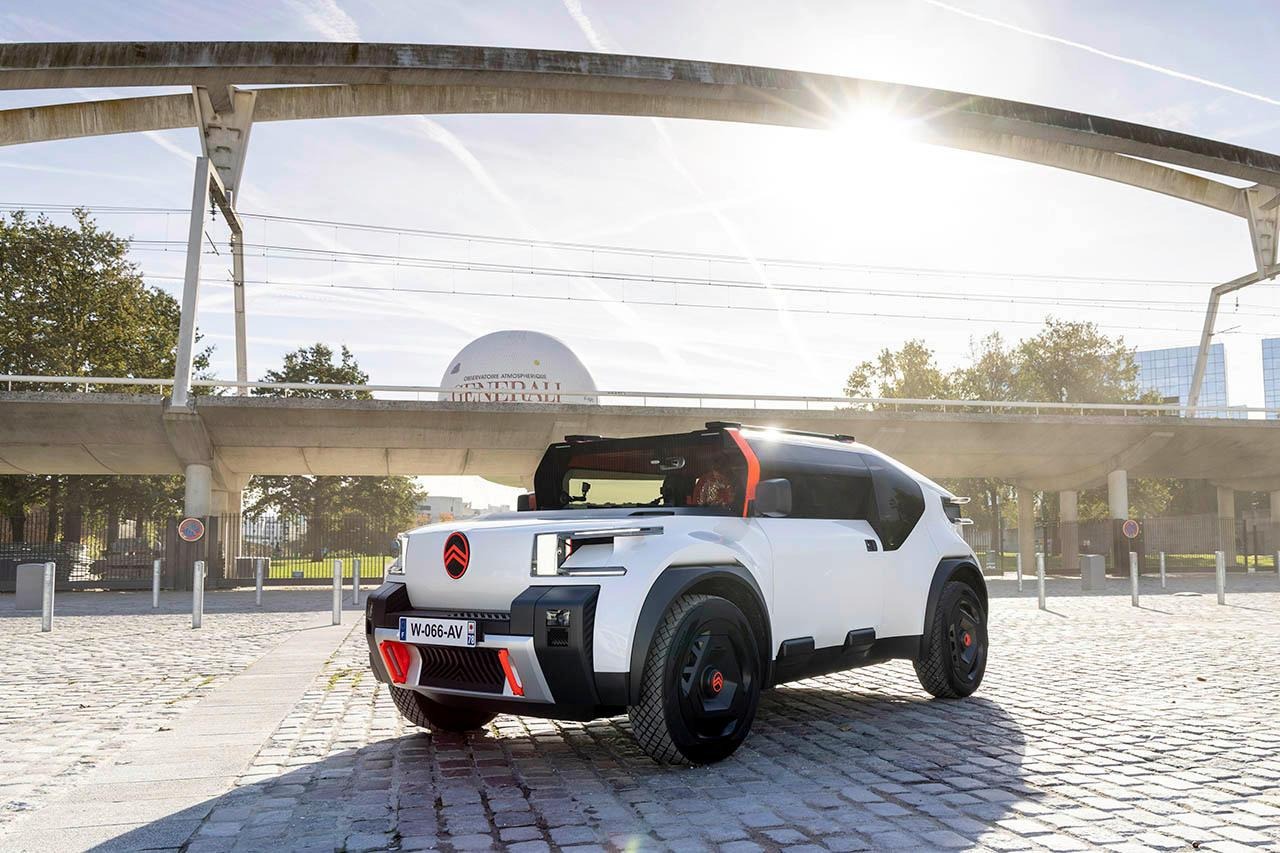
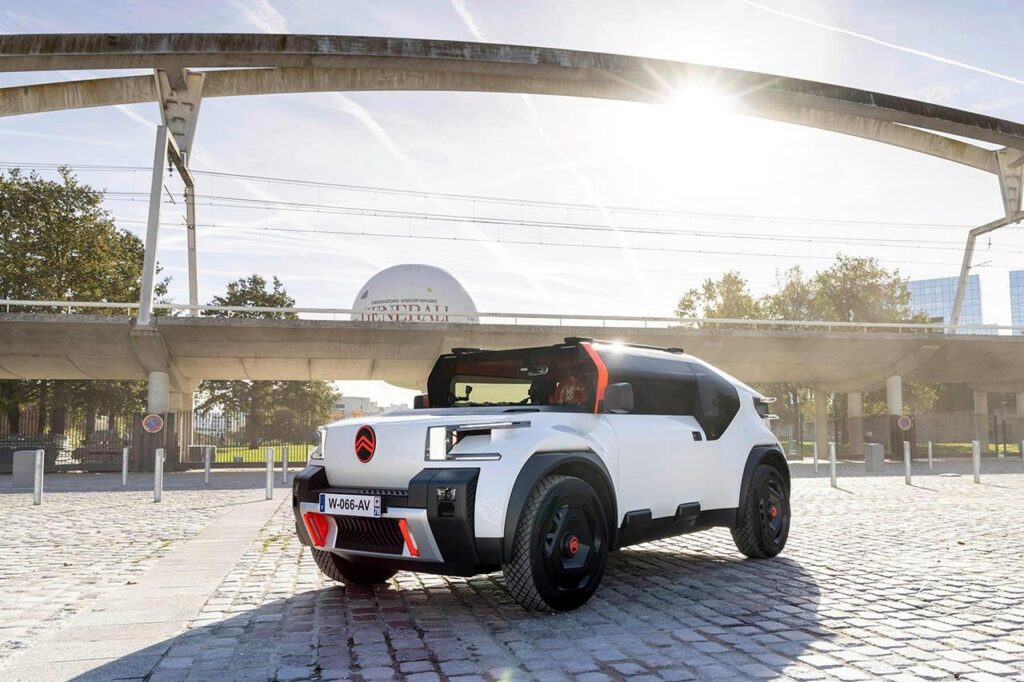
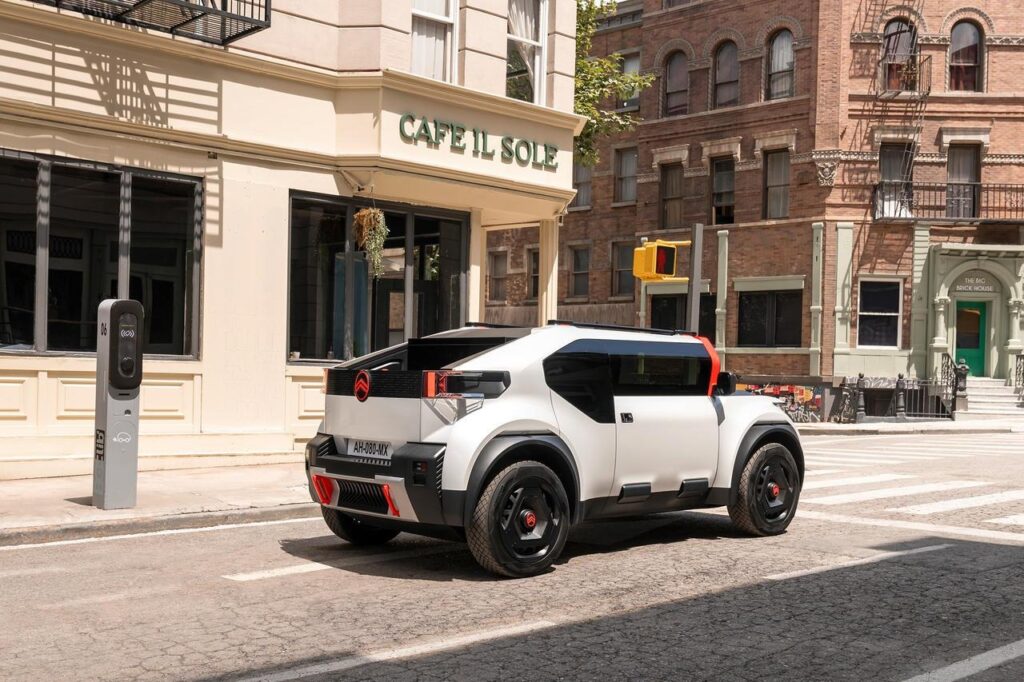
Launch of new vehicles on the Smart Car platform in February 2026: this step is essential for the large-scale production of future Stellantis models, in particular the C4’s replacement, which will benefit from this modular architecture. It will be taller and bolder than the current model, 70% inspired by the OLI concept unveiled in 2022, and will compete with the Dacia Duster, which is the leader in the affordable SUV segment in Morocco and Europe.
source : Largus
Growing production capacity: thanks to the Smart Car platform, the site will be able to produce up to 400,000 passenger cars a year, reinforcing its strategic role within the Group.
Strengthening the local ecosystem: the increase in local integration should attract more automotive-related suppliers and services, creating a knock-on effect for the entire Moroccan industrial fabric.
A site at the heart of the Stellantis strategy and electromobility
The development of the Kénitra site is more than just an assembly plant: it is part of a global industrial strategy combining the production of alternative energy vehicles, hybrid engines, recharging solutions and electric mobility devices.
The planned transfer of production of the future Citroën C4 illustrates the extent to which Morocco has become a centre of industrial attraction, capable of supporting large volumes while contributing to the Group’s competitiveness in European and African markets.
CES 2026, which opened on Sunday 4 January, has once again transformed Las Vegas into the world capital of technological innovation. But above all, this year’s show confirms a trend that is now impossible to ignore: electromobility is an integral part of the show. This year, the focus is more on AI and autonomous driving than on the new EVs themselves.
source CES
Created in 1967 in New York, CES was originally a B2B show dedicated to consumer electronics. Almost 60 years later, it brings together more than 4,000 exhibitors and nearly 200,000 professionals, generating several billion dollars in contracts. Above all, it has established itself as a barometer of major technological revolutions, from the video recorder to the smartphone, right up to this 2026 edition where electric vehicles, batteries and software-defined vehicles are emerging as major players.
Monday 5 January: electric hardware comes into line
Right from the start of the press days, Valeo took a stand with its integrated electric platforms: motors, power electronics and thermal management. Meanwhile, Bosch and Siemens are deploying their heavy artillery for low-carbon transport, in particular highlighting specialised batteries for heavy goods vehicles, ultra-fast recharging infrastructures, and partnerships with Caterpillar. These solutions address the urgent need for logistics fleets that are still finding it difficult to make their fleets greener.
Tuesday 6 January: Autonomous driving takes centre stage
From today, the show enters its spectacular phase. Sony Honda Mobility with AFEELA and Waymo will be showing off their new cutting-edge technological creations: level 4 robotaxis in full-scale demonstration, sensors tested in real-life conditions, virtual drivers confronted with the organised chaos of Las Vegas. At the same time, Nvidia already prepared the ground yesterday with its keynote on AI chips dedicated to autonomous vehicles – the cornerstone that transforms EVs into intelligent platforms.
Wednesday – Friday
The last three days will be crucial. Under the neon lights of the Convention Center, strategic panels will dissect the real battles: dependence on Asian batteries in the face of European and American relocation, the monetisation of OTA updates (software updates sent remotely to the car, as you do with a smartphone), and on-board subscriptions that will transform EVs into recurring services. Various players in the sector, including Siemens, Geely Auto and Doosan Bobcat, among others, will be unveiling their detailed industrial roadmaps. These will be important and interesting days, as they will reveal the players who will be equipping the world’s roads between now and 2027-2030.
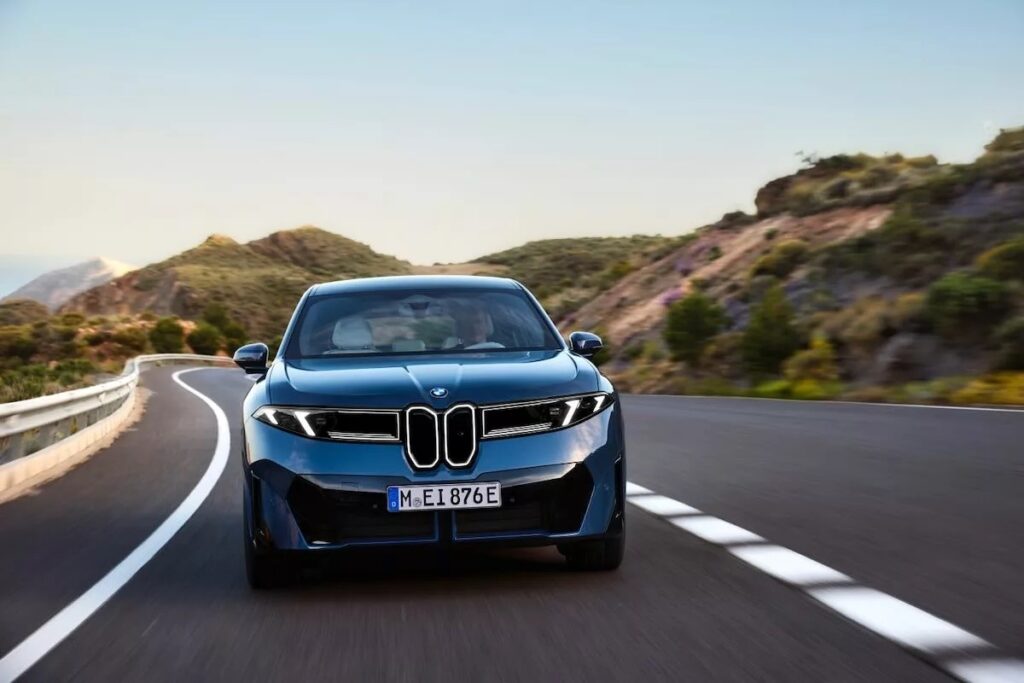
BMW will be there, for example, to reintroduce the recent BMW iX3, but it will also be an opportunity for the German brand to give hints about future models due in the coming months, such as the iX1 and the much-anticipated i3.
Source : BMW
Chinese start-up Kosmera will be making its world premiere with two ‘new energy’ (probably EV) models: a 1,877bhp hypercar (ultra-light chassis, AR driving AI) and a large Taycan-style saloon. The aim is to get the electric car world talking before the crucial stage of commercialisation.
Honda is also exhibiting at the show developments of its 0 Saloon (an aggressive electric saloon) and 0 SUV concepts, based on EV architecture. These two models are due to go into production in 2026.
source : Shutterstock
Once again this year, CES 2026 confirms that electromobility has definitively moved beyond the conceptual stages and into a structured industrialisation phase, where innovation never stops.
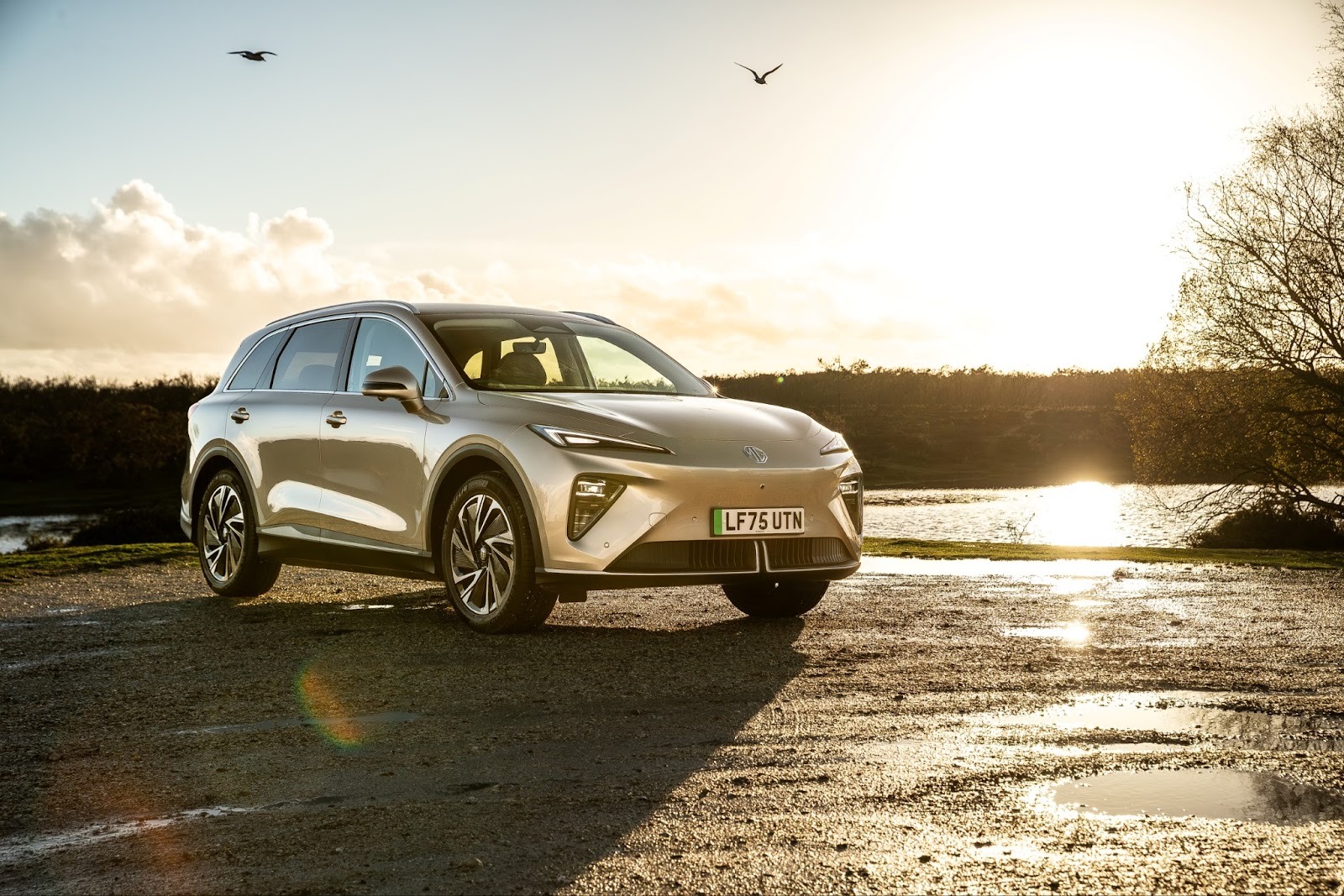
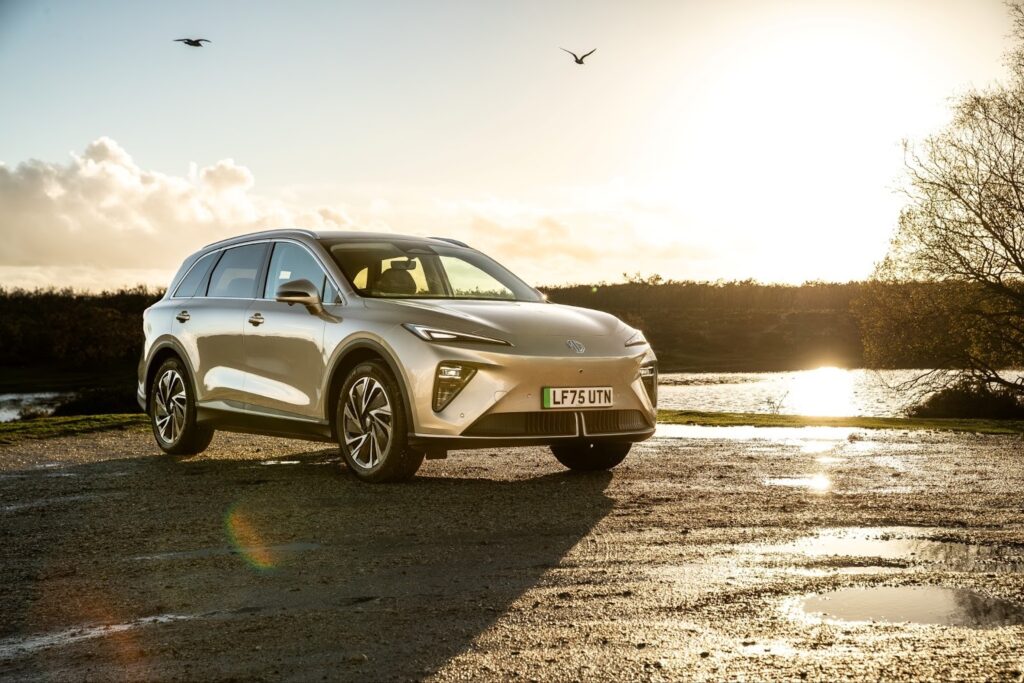
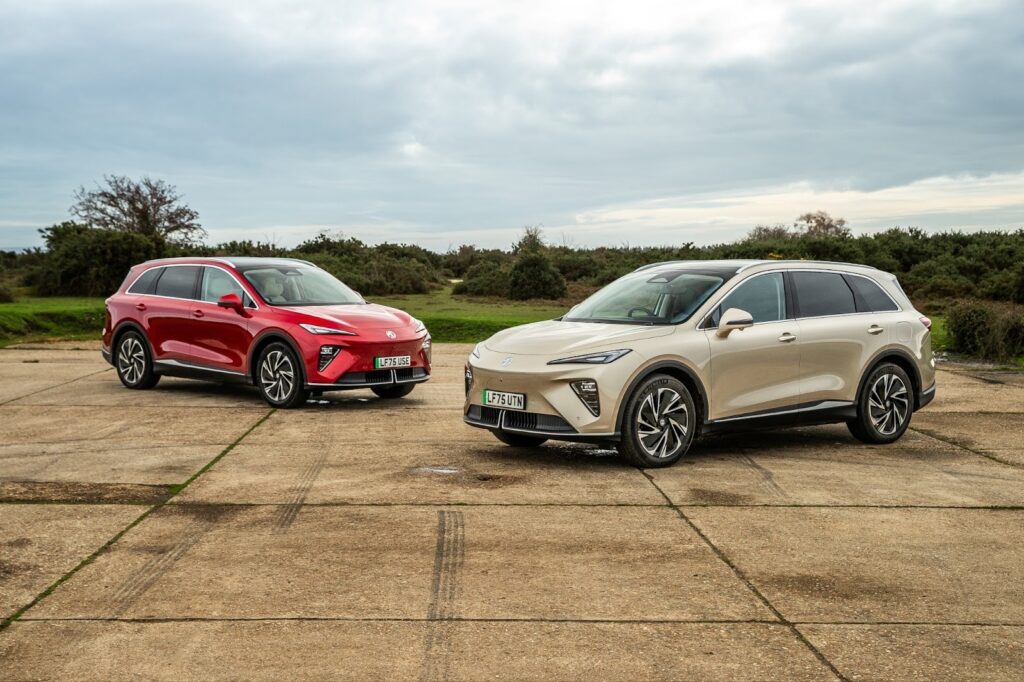
MG is taking the next step in its electrification strategy with the arrival of the MGS6 EV, a 100% electric family SUV expected in Europe in early 2026. Larger, more refined and better equipped than its predecessors, this new model aims to make its mark in the EV SUV segment against the market leaders. The new model is part of the brand’s drive to become a major player in the electric vehicle sector.
MGS6 EV technical sheet
The MGS6 EV is based on the MSP modular electric platform, designed to offer space, comfort and efficiency, and already tried and tested on models such as the MG4. According to the manufacturer, it will be 4.71 m long and 1.91 m wide, with a generous wheelbase of around 2.84 m – dimensions that are conducive to space on board. The boot is rated at 674 litres in five-seat configuration, expandable to almost 1,910 litres with the bench seat folded down.
On the technical front, MG has opted for simplicity, with a 77 kWh NCM battery compatible with fast recharging up to 144 kW. Two configurations are planned: a rear-wheel drive version developing 244 bhp, and a Dual Motor version with all-wheel drive peaking at 361 bhp. The claimed WLTP range is around 530 km for rear-wheel drive and just under 500 km for the most powerful version, while recharging from 10 to 80% takes just under 40 minutes on a fast charging point, a time on paper slightly shorter than that of some direct competitors.
Design and interior ambience: moving upmarket without sacrificing appetite
Aesthetically, the MGS6 EV marks a clear break with the more ‘low-cost’ image historically associated with certain MG models. Externally, it is closer to the codes of modern SUVs: short bonnet, slightly receding roof, neat lighting signature.
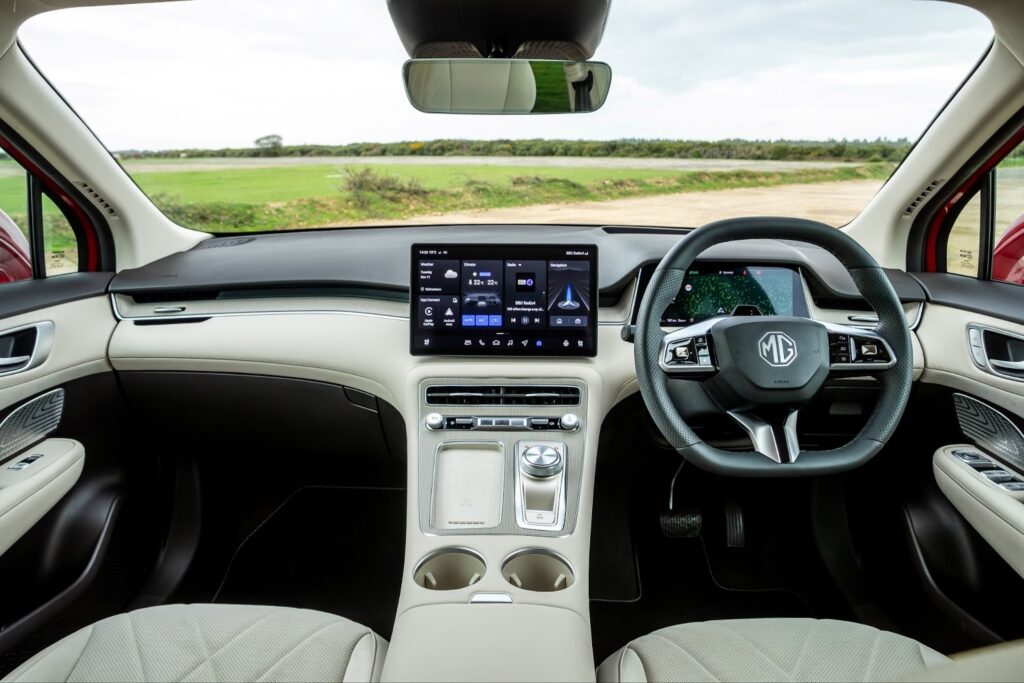
Inside, the British-born brand, now controlled by the Chinese SAIC group, has opted for a more premium ambience. The MGS6 EV features a large 12.8-inch central screen accompanied by a 10.25-inch digital instrument cluster. Materials have been upgraded with metallic inserts and foamed surfaces, complemented by ambient lighting and heated and ventilated front seats depending on version. The generous wheelbase ensures excellent rear-seat space, in keeping with the SUV’s family ambitions.
In terms of safety, this model boasts a host of top-of-the-range features, including lane keeping, adaptive cruise control, emergency braking, blind spot monitoring and other advanced systems.
MG / SAIC’s electric ambitions: a trajectory set to 2030
MG’s electrical strategy is based on several phases:
Phase 1 (≈2019-2022): entry into the European market with affordable EVs such as the ZS EV and MG5 EV.
Phase 2 (2022-2024): launch of the MSP platform and models such as the MG4.
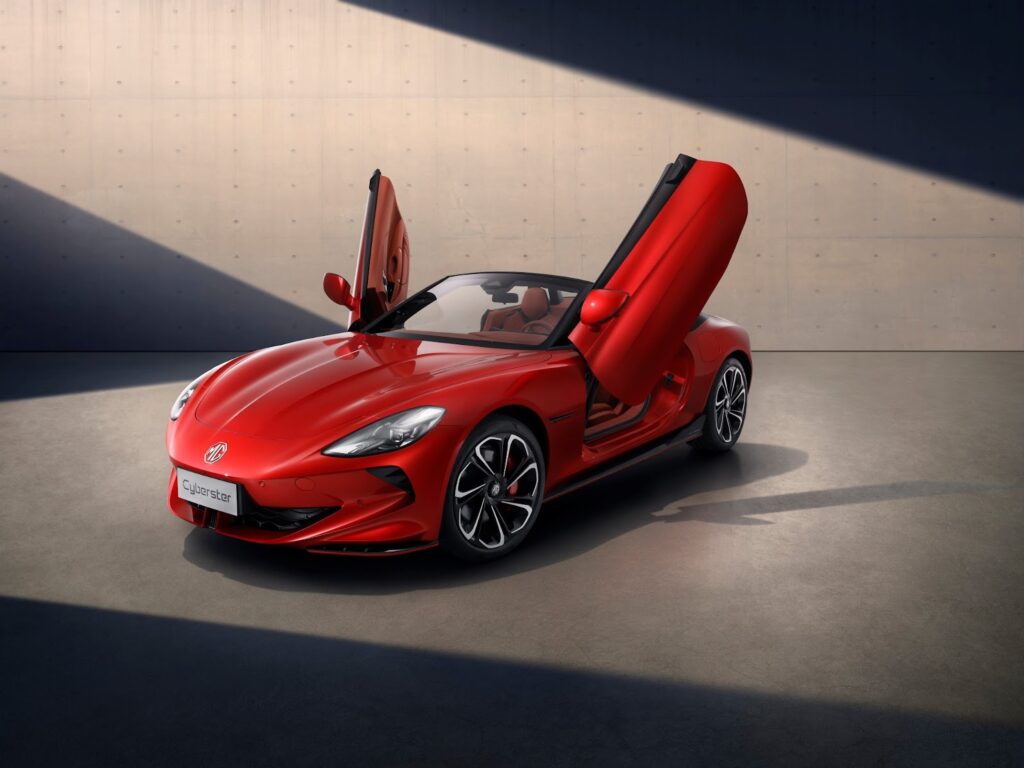
Phase 3 (2024-2026): moving up the range with vehicles such as the Cyberster (a 100% electric roadster) and now the MGS6 EV, both showcases of technology and volume.
MG and its parent company SAIC aim to offer an almost entirely electric range in several European markets around 2030, in line with the progressive bans on sales of new combustion-powered vehicles. At the same time, in China, SAIC, which owns the brand, is rolling out a similar technical base under several brands, with the aim of achieving a total transition to pure electric by 2035 at the latest.
Production sites and industrial issues
Like the brand’s other electric models, the MGS6 EV is assembled in China, in the factories of the SAIC Motor group, which now centralises MG’s global production. This industrial strategy, based on the integration of key components (batteries, motors, electronics), enables the brand to offer electric vehicles that are competitive in terms of price and performance.
This industrial layout goes a long way towards explaining MG’s ability to position the MGS6 EV as a spacious, powerful and richly equipped family SUV, while remaining below the price levels of many of the European offerings in this segment.
However, this organisation remains exposed to changes in European regulations, particularly concerning rules of origin, customs duties and the carbon footprint of imported vehicles. Against this backdrop, MG and its parent company SAIC have already raised the possibility of partial industrialisation in Europe in the medium term, particularly for batteries and final assembly, although no precise timetable has been set out.
Conclusion
The MGS6 EV represents MG’s move upmarket, offering a vehicle that combines family space, performance, modern technology and, above all, a competitive price. MG has taken a significant step forward and is now targeting the established players in the electric SUV segment in Europe.
Renault is stepping up its transition to electric vehicles with a well-structured product offensive for 2026, in line with a strategy initiated several years ago. The French brand, with its strong European heritage, intends to reconfirm its legitimacy on the EV scene while responding to the growing pressure from global and Chinese players.
source : Renault
A year 2026 structured around two key areas
The year 2026, which has just begun, is synonymous for Renault with the launch of several new 100% electric vehicles covering both the urban segment and commercial vehicles:
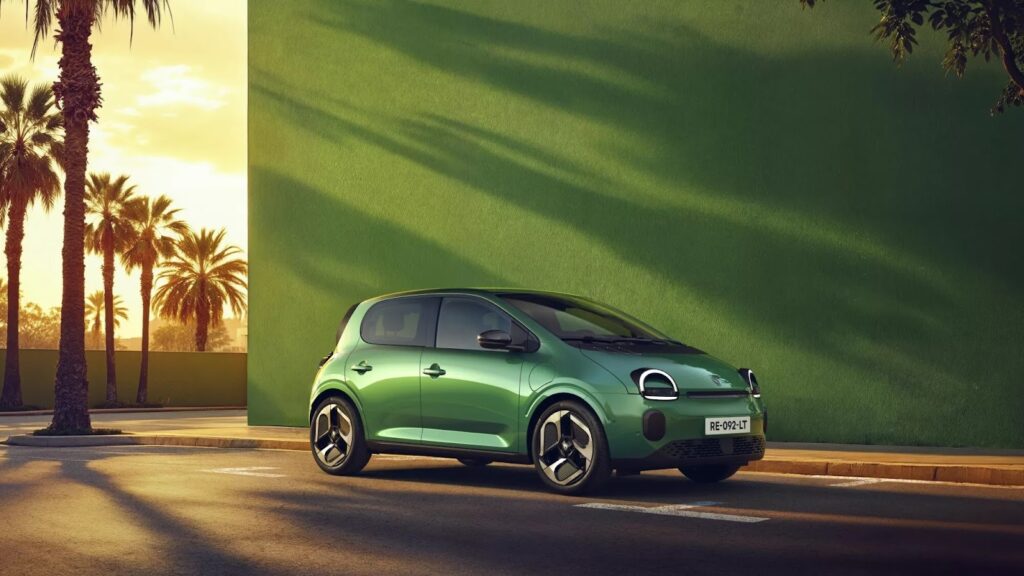
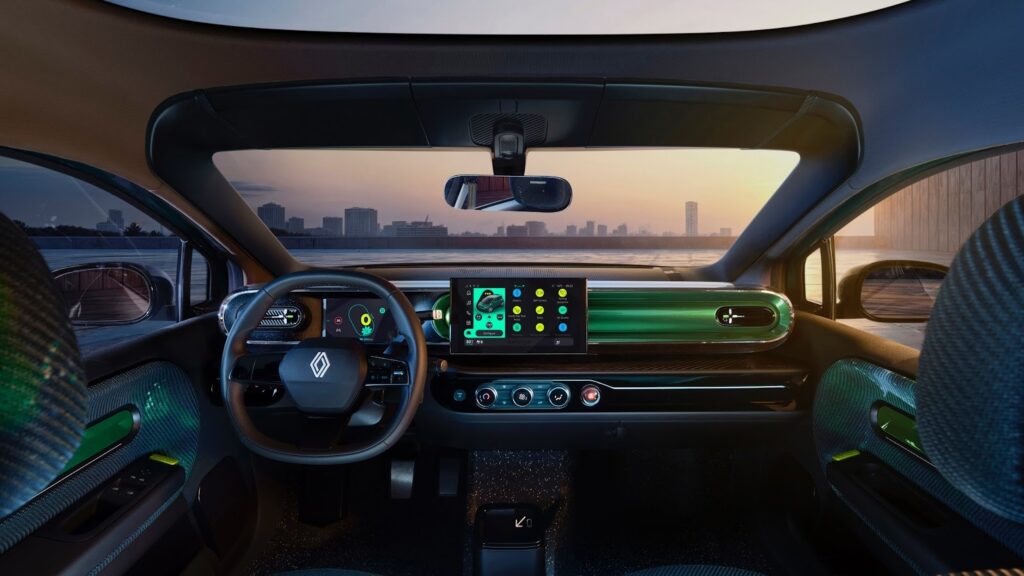
The return of the iconic Twingo E-Tech electric. The small city car is being reborn in a 100% electric version with a clear ambition: to offer an EV that is affordable at under €20,000 before subsidies, a rarity in the A segment in Europe. The city car will be produced from early 2026 at the Novo Mesto plant in Slovenia, with a WLTP range of around 260 km and modern features (connectivity, fast charging, driver assistance functions). The idea behind the French brand is to meet everyday urban needs.
source : Renault
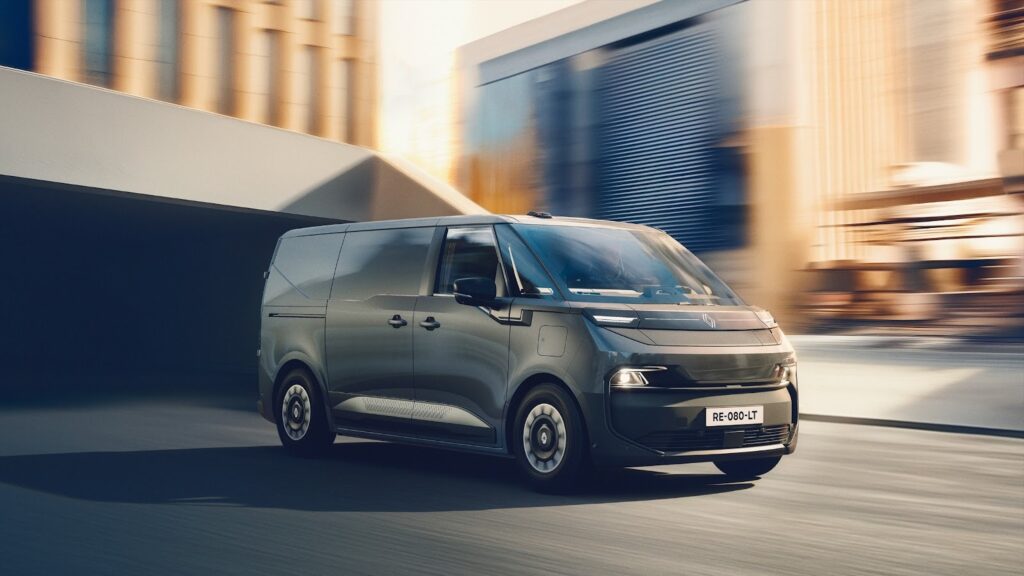
The other Renault vehicle to see the light of day is the Trafic E-Tech / FlexEVan on the electric LCV front. With this innovation, Renault is extending its range with 100% electric vans scheduled for 2026, designed for professional fleets and urban use. Based on the group’s latest EV platforms, these vans will incorporate advanced technologies and a software-defined vehicle configuration to optimise fleet management and day-to-day operations.
source : Renault
Market access facilitated by increased aid
Renault isn’t just betting on its vehicles: it’s also focusing on affordability. In 2026, the French government has renewed the enhanced CEE scheme. Thanks to the entry price of the Twingo E-Tech electric combined with various “Classic” and “Helping Hand” bonuses, the price of the latter will be reduced to around €13,750 for households on the lowest incomes. The brand’s commercial vehicles will also be eligible for various incentives from the start of the year.
A long-term electricity strategy
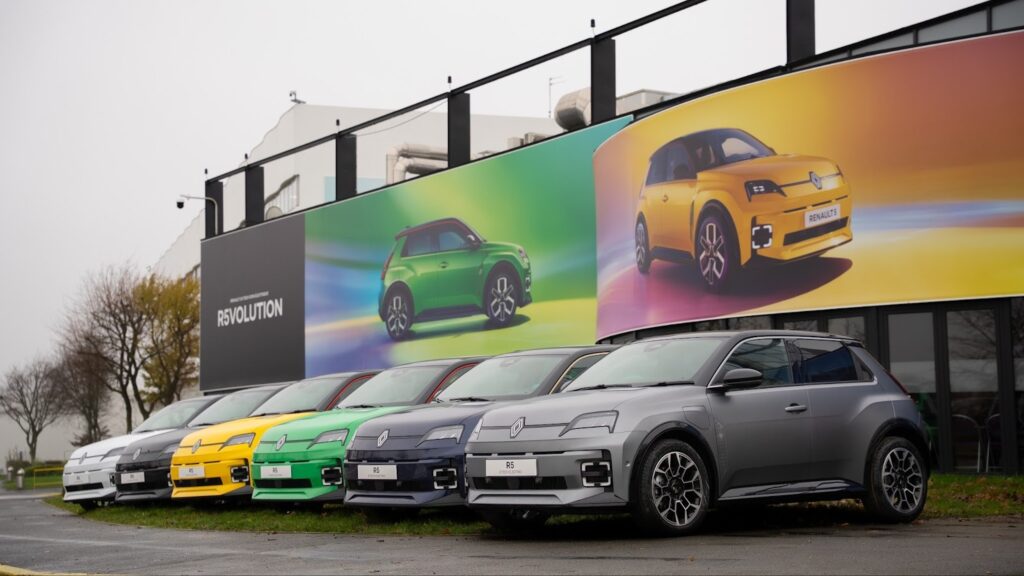
The products 2026 offensive is part of a longer-term strategic roadmap, supported by the Renaulution plan, which aims to give Renault a strong position in European and global electromobility.
ElectriCity & batteries in Europe Renault has consolidated its industrial capacity around the ElectriCity cluster in northern France, bringing together plants in Douai, Maubeuge and Ruitz to optimise EV production. Nearby, an AESC gigafactory in Douai produces competitive low-carbon batteries, with the aim of achieving a capacity of up to 24 GWh by 2030. A second Verkor site is planned to produce around 10 GWh of batteries from 2026, strengthening the Group’s industrial autonomy.
source : Renault
In-house technologies and platforms Renault is also pushing ahead with the development of proprietary electric motors, integrated power electronics solutions and dedicated platform architectures such as CMF-BEV to reduce production costs and improve the efficiency and competitiveness of its EV models.
Electric vehicle mix targets The Group’s ambition is to have a sales mix with more than 65% electric and electrified vehicles by 2025, with a progression towards a predominant BEV mix by 2030, in line with European emission reduction standards.
A European perspective: Renault and the competition
In Europe, Renault’s efforts must be seen in the context of its main competitors:
Volkswagen Group, with a vast ID range and projects such as the ID.Polo, scheduled for 2026, remains a heavyweight in the European EV market. VW is counting on high volumes and a strong presence in all consumer segments.
Stellantis (Peugeot, Citroën, Opel, etc.) is pursuing a more ‘mixed’ strategy, combining electric and hybrid technologies while targeting affordable light commercial vehicles and city cars.
Chinese players such as BYD are pushing European players to review their pricing and innovation strategies, particularly in the urban/very affordable segments, while at the same time creating partnerships (e.g. Renault-Ford alliance announced to develop small EVs from 2028).
Renault stands out for its product strategy covering city cars, SUVs and electric light commercial vehicles, and for its strong industrial integration in Europe, which gives it an advantage in the race for electrification on the Old Continent.
Conclusion
With 2026 as its pivotal year, Renault is setting its EV strategy on a clear course: a structured product offensive, easier economic access, strengthened industrial capacities and assertive European ambitions. With the Twingo E-Tech electric city car designed to make electromobility accessible to all, and LCVs to meet the needs of professionals, Renault is positioning itself as a major European player, ready to take on its rivals while continuing the profound transformation that has already been underway for several years.
The UK is approaching the end of 2025 as one of Europe’s most advanced markets for electromobility, with a high share of the electric market, an ever-growing recharging infrastructure and a policy framework now structured around the ZEV mandate, but still with real obstacles in terms of purchase costs, future taxation and regional disparities.
Market and sales volumes
For once, the UK market accelerated in 2025. Between January and the end of November 2025, no fewer than 426,000 100% electric cars (BEVs) were registered in the UK. This significant figure represents an increase of 26% compared with 2024, giving EVs a 22.7% share of the new car market. Number of cars on the road: around 1.75 million 100% electric cars, or 5.2% of the 34 million cars on the road in the UK.
In terms of hybrid technology, 208,000 PHEVs were sold over the same period last year, for a market share of just over 11%. As for HEVs, 260,000 new vehicles were registered, representing a market share of 14.0%.
For electric light commercial vehicles (LCVs), although public data remains patchy for the year 2025 as a whole, monthly statistics from the SMMT (Society of Motor Manufacturers and Traders) show a sharp rise in sales of electric vans, with around 27,000 registrations to the end of November, representing an increase of almost 45% over one year.
Number of charging points and recharging network
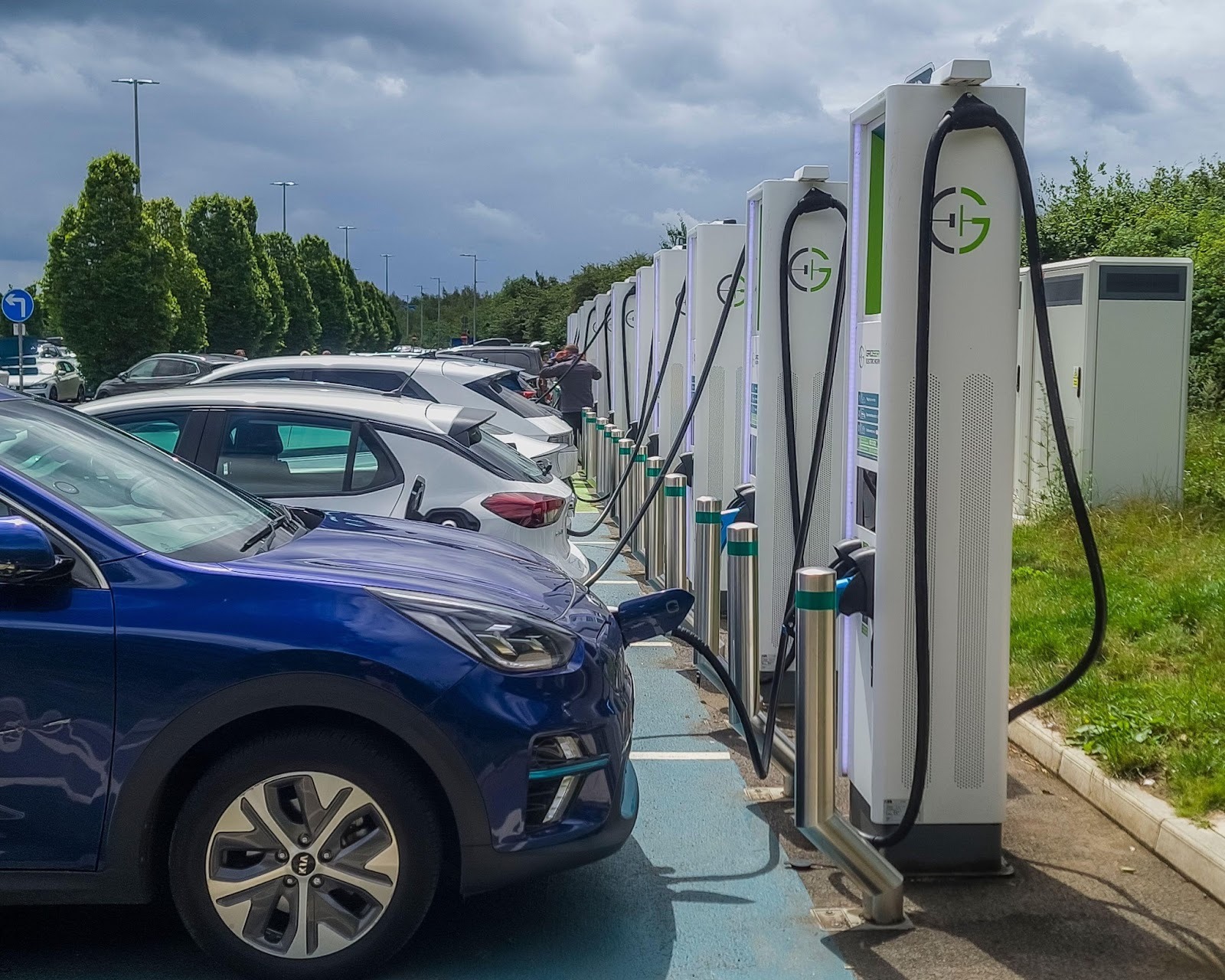
Charging infrastructure has grown significantly since 2020, with a clear political target of 300,000 public charging points by 2030. It’s an ambitious target, but one that still seems a long way from being achieved. In fact, at the end of November 2025, the UK had more than 87,000 public charging points, with a dense but still very uneven network between regions. These solutions are spread over 44,326 separate sites and offer a total of 121,364 connectors. The average density is 127.3 chargepoints per 100,000 inhabitants, but there are wide variations, reflecting the fact that access is still very patchy. In London, for example, there are 300.8 terminals per 100,000 inhabitants, compared with 38.6 in Northern Ireland.
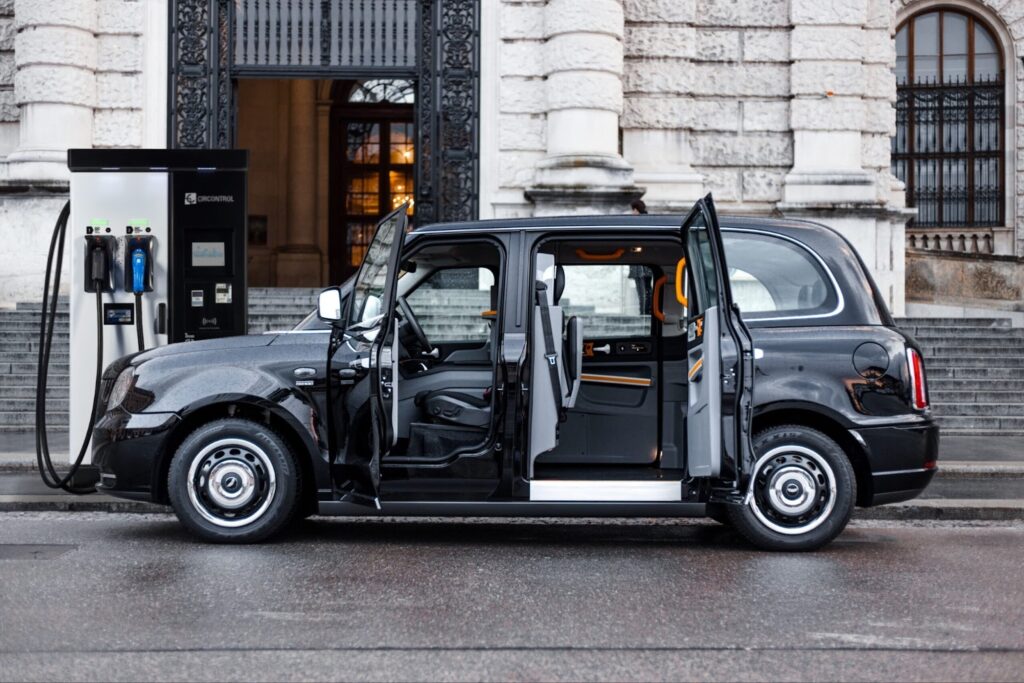
source : circontrol
In 2025, 13,469 chargepoints were added across the country, including 6,220 slow chargepoints and 3,358 fast or ultra-fast chargepoints. Although this figure is significant and represents an annual increase of around 18%, it is the smallest increase since 2022.
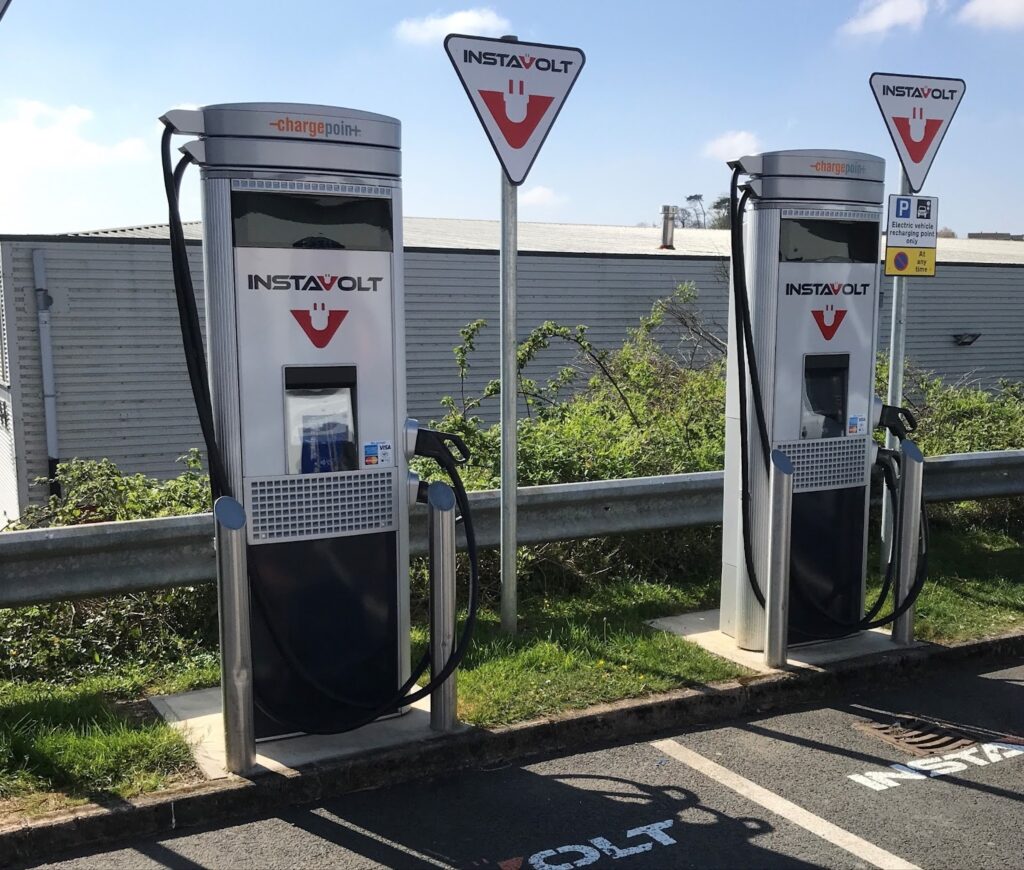
The major private operators now dominate the fast-grid landscape: InstaVolt (2,169 fast/ultrarapid kiosks), Tesla (2,026) and Osprey (1,351) make up the top three by the end of 2025.
source: Instavolt
Public policy, aid and taxation
With the aim of developing this market as effectively as possible and enabling EVs to become more widely available, legislation and incentives have been introduced. The UK framework is based on two pillars: a tight regulatory mandate for manufacturers (ZEV mandate) and targeted subsidies, notably relaunched in 2025 with a new “plug-in grant”.
ZEV mandate: the regulatory framework imposes on manufacturers a target of 28% sales of 100% electric vehicles by 2025, with a gradual trajectory leading to the end of sales of new combustion engine cars within the decade. By autumn 2025, the market share of BEVs was around 26%, slightly below this overall target, even though the scheme provides flexibility mechanisms for manufacturers.
Plug-in Grant 2025: a new purchase aid for electric cars was relaunched in the summer of 2025, with a twelve-month extension announced as part of the budget presented by Chancellor Rachel Reeves. The grant is deducted directly from the purchase price at the dealership.
Additional support: the scheme is complemented by OZEV grants for the installation of home and business charging points, as well as funding programmes dedicated to local authorities, in particular the LEVI fund for the local deployment of infrastructure.
Taxation: the planned end of the exemption from Vehicle Excise Duty (VED) for electric vehicles is fuelling questions about the economic attractiveness of electric vehicles in the medium term, particularly for households.
source: Automobile propre
Top-selling models and industry players
In terms of sales and best-selling models, the market is still dominated by the major global generalists rather than by national manufacturers, but the UK ecosystem has specialised in recharging and services.
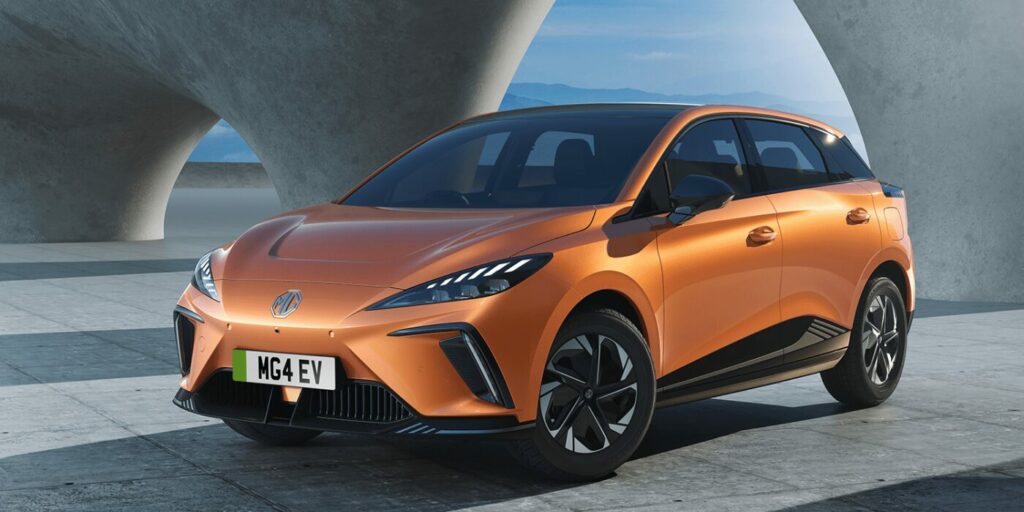
Best-selling vehicles: in 2025, the UK electric car market continues to be dominated by the Tesla Model Y, which remains the most popular BEV model, closely followed by the MG4 EV and other electric SUVs and saloons such as the Tesla Model 3, Volkswagen ID.4 or Volvo EX30.
source : MG
Plug-in hybrids (PHEVs) are making rapid progress, with models such as the BYD Seal U DM-i among the most popular in this segment, which is particularly popular with fleets and commuters.
Conventional hybrids (HEV) continue to have a strong presence in the general market, notably with the Toyota Corolla Hybrid and the Ford Puma Hybrid, which combine affordability with low fuel consumption.
The range of electric and hybrid cars available in the UK now exceeds 150 models, with an average price of around £46,000, while the entry-level segment is expanding rapidly, with vehicles available for under £30,000, led by the Dacia Spring.
The UK has a fast-growing ecosystem of companies involved in electric mobility.
Charging operators: InstaVolt, Osprey, BP Pulse (BP), Shell Recharge UK and others are developing networks of fast charging points and high-power hubs throughout the country, with a particularly dense network in the south and around London.
Services and leasing: many local players – rental companies, brokers and leasing platforms – specialise in electric fleet management and recharging solutions for individuals and businesses.
Production and R&D: the UK is home to several battery and electrified vehicle production sites operated by foreign groups, as well as gigafactory projects, although the sector remains less integrated than in Germany or China.
Brakes and friction points
Despite solid figures, the transition to electromobility in the UK remains gradual, with a number of structural obstacles:
Purchase cost: the average price of a new electric vehicle is around £46,000, driven in part by premium models such as Tesla and Audi. The entry-level range is growing, with models under £30,000 (MG4, BYD Dolphin, Citroën ë-C3), but is still a minority in terms of volume. Public subsidies, such as the Plug-in Grant and OZEV subsidies, partially reduce the additional cost compared with combustion vehicles.
Uneven infrastructure: the major conurbations in the south and London benefit from a well-developed network of charging stations, but there are still “white zones” in the north, in Northern Ireland and in certain rural areas, particularly for fast and ultra-fast charging stations.
Tax uncertainties: the gradual end of the exemption from VED (road tax) for EVs and the prospect of a kilometre tax by 2028 are fuelling a degree of caution among households.
Car culture and usage: many drivers remain attached to combustion-powered vehicles for long journeys. Concerns remain about the real range, residual value and long-term reliability of batteries, sometimes putting the brakes on the decision to buy.
To sum up, the UK now ticks most of the boxes for a mature EV market: high market share, fleet in excess of 5%, dense recharging network and ambitious policy framework. But the next step, that of mass adoption beyond the ‘early adopters’, will depend on the ability to reduce the entry ticket, fill the infrastructure gaps and stabilise the fiscal framework.
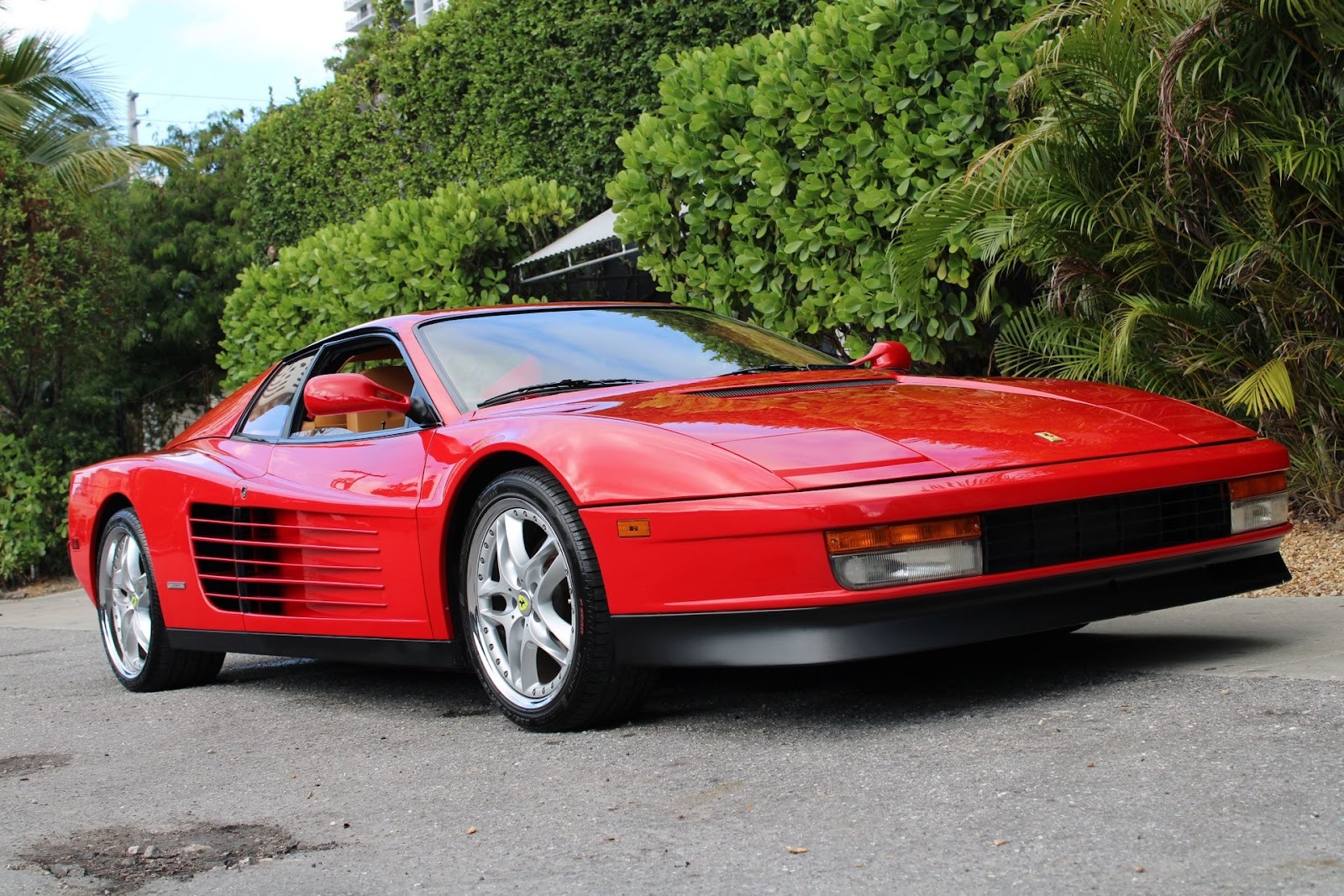
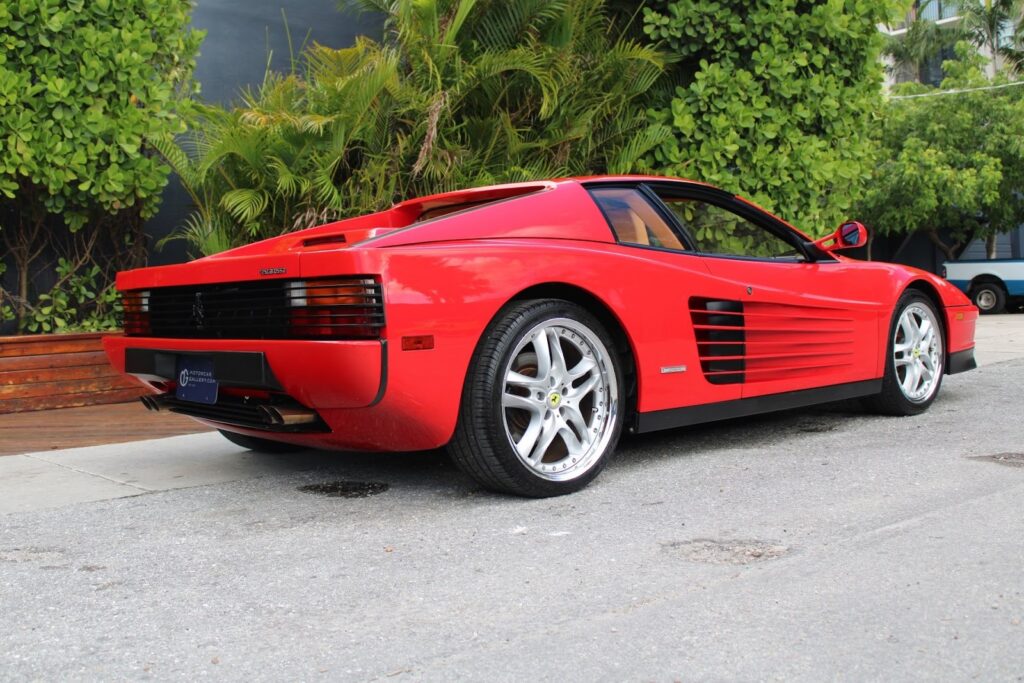
The Ferrari Testarossa, icon of the 1980s, continues to make its mark on automotive history, but now from a legal and strategic rather than a technical perspective. In July 2025, the Court of Justice of the European Union (CJEU) confirmed that Ferrari retains its rights to the ‘Testarossa’ trademark, stressing that use of the name, even on second-hand vehicles, spare parts or derivative products, remains sufficiently active to justify its protection. This decision reflects the cultural and commercial importance of the name in the minds of the European public.
source : motorcargallery
A historic name, a bridge to the future
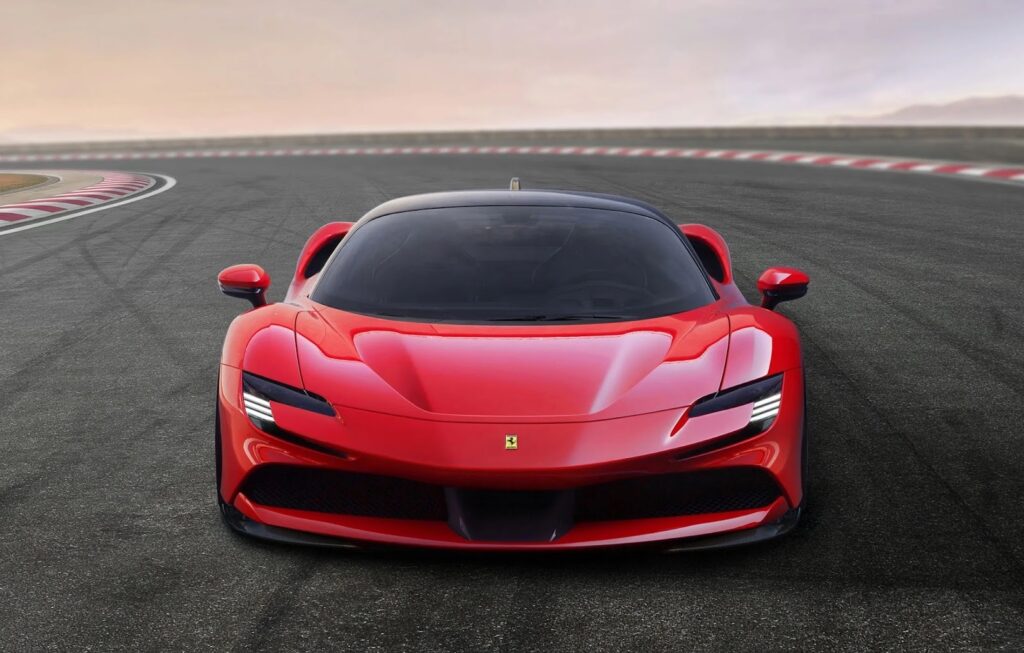
While no new Testarossa has been produced, Ferrari is integrating the concept of heritage into its modern strategy. The brand continues to develop its hybrid and electric powertrains, with PHEV models and 100% electric vehicles planned for the coming years. The strategic plan presented at the Ferrari Capital Markets Day 2025 confirms the brand’s ambition to maintain the prestige of its supercars while gradually adopting cleaner technologies.
credit: Bloomberg
Cultural heritage as a strategic lever
The Testarossa name, which has been part of the collective imagination since 1984, remains a powerful symbol of Ferrari’s history. The CJEU’s decision not only protects the brand’s rights, but also strengthens Ferrari’s ability to exploit this heritage in derivative products, collections and special editions. This heritage enables the brand to anchor its future hybrid or electric models in a cultural continuity that is recognised and valued by collectors and enthusiasts.
source : motorcargallery
Ferrari and the technological transition
In its roadmap to 2030, Ferrari is planning a ramp-up in hybrid models, followed by the introduction of its first 100% electric car scheduled for 2027-2028. This transition is being made gradually, while maintaining the performance and driving experience for which the brand is renowned, and meeting global environmental and regulatory imperatives.
source : spectrum
Conclusion: a protected name and an assertive strategy
The Testarossa is no longer just an iconic supercar: it has become a strategic tool, linking Ferrari’s cultural heritage with its technological ambitions. By legally protecting this name and preparing its transition to hybrid and electric vehicles, Ferrari is asserting its desire to combine passion, innovation and the long-term future of the brand.
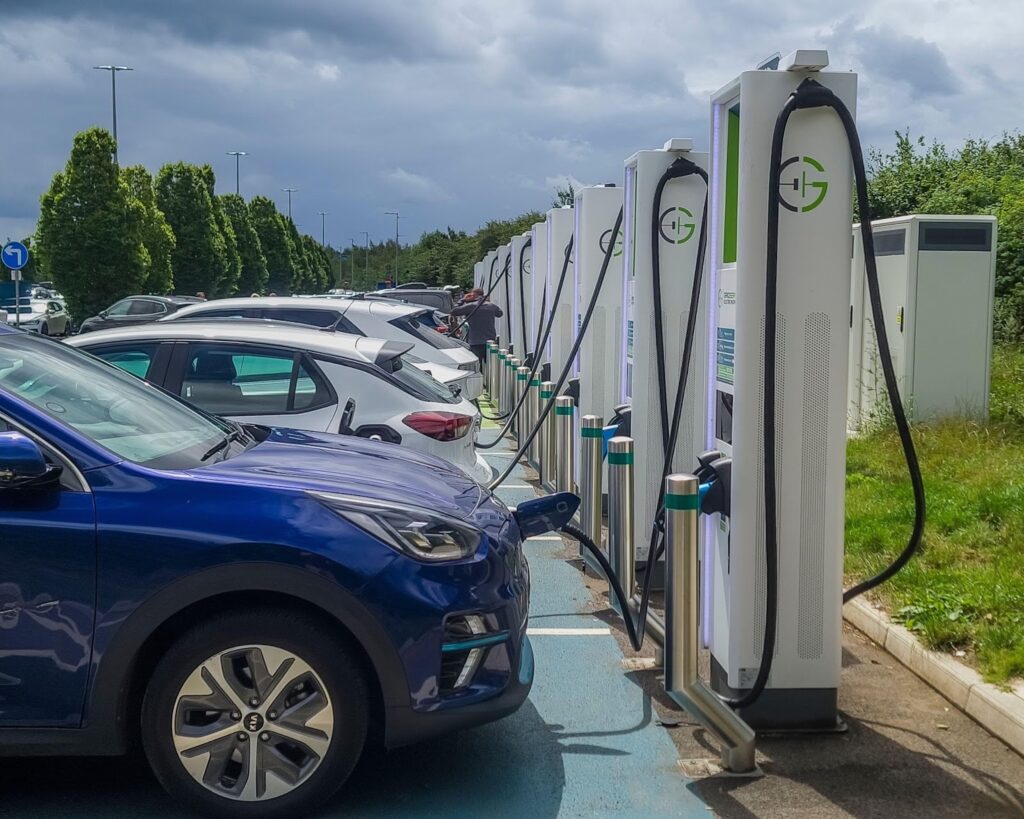
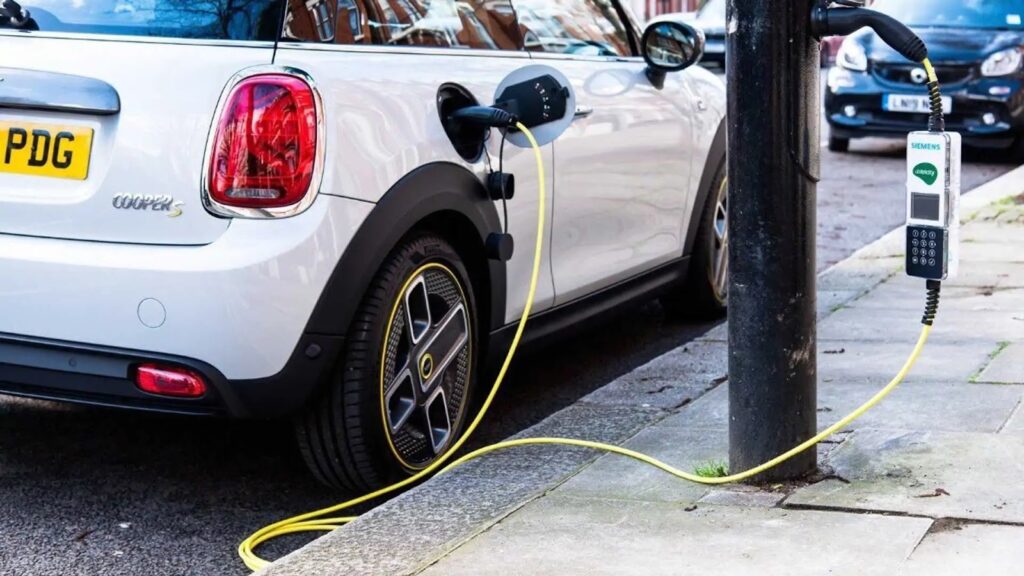
In the UK, sales of electric vehicles continue to rise, supported by the ZEV Mandate quotas, but the roll-out of public charging points is struggling to keep pace. While the total number of charging points is growing every year, the slower pace of installation and regional disparities raise questions about the network’s ability to keep pace with the growth in EV use, particularly for private customers and long-distance journeys.
source: Phil Wilkinson/Alamy
A network that continues to grow… but at a slower pace
In the UK, the roll-out of electric vehicle (EV) charging points is still progressing in 2025, but at a slower rate than the adoption of vehicles themselves. According to the latest data from The Guardian, the pace of installation has slowed markedly this year, with just 13,500 new public chargers installed between the end of 2024 and the end of November 2025, compared with stronger growth in previous years. This brings the total public network to around 87,200 charging points by the end of November 2025, an annual increase of around 18%, the lowest since 2022.
Strong growth in EV sales
In the UK, electric vehicles account for a growing share of the market. In fact, according to registration statistics, EVs accounted for almost 23% of new car sales in the first 11 months of 2025, compared with around 19% in the same period the previous year. A fine progression, then, for this emerging market, which is becoming increasingly important.
European manufacturers are leading the charge: BMW has 34.4% of BEV sales, Mercedes-Benz 36.6%. The Tesla Model Y (18,310 units) and Model 3 (16,605) dominate the sales rankings for the first nine months.
source : BMW
Fast infrastructure still inadequate
It’s true that the roll-out of charging points is slowing down. But the market is growing. According to Zapmap, there were already more than 87,200 charging points on the network at the end of October 2025, an increase of around 23% over one year. While there has been an increase in the number of so-called fast and ultra-fast chargepoints, which are essential for long-distance journeys, they remain a fraction of the total, still limiting the ability to make long electric journeys, and so British drivers are still not completely convinced about adopting an EV.
According to the latest data from The Guardian, the pace of installation has slowed markedly this year, with just 13,500 new public chargers installed between the end of 2024 and the end of November 2025, compared with stronger growth in previous years. This brings the total public network to around 87,200 charging points by the end of November 2025, an annual increase of less than 20%, the lowest since 2022.
Major regional disparities
The geographical disparities are still glaring: some urban areas, such as London, are home to 22,211 public pay stations (250 per 100,000 inhabitants), 2.3 times the national average of 108 per 100,000.
source : motor 1
Conversely, regions such as Northern Ireland have a ceiling of 36 charging points per 100,000 inhabitants. On motorways, only a third of service areas have at least six ultra-fast chargers.
These differences may influence consumer confidence and limit the adoption of EVs outside major cities.
The role of the ZEV Mandate
In this context, public policy plays a key role. The Zero Emission Vehicle (ZEV) Mandate, designed to push manufacturers to sell more zero-emission vehicles, continues to support the growth of EV sales in the UK, although the implementation and political signals around this policy may create some uncertainty for infrastructure investors.
The introduction in July 2025 of theElectric Car Grant, offering up to £3,750 cashback on new cars under £37,000, has undeniably boosted the market. More than 40 models are now eligible, considerably widening the choice for buyers.
A crossroads for electric mobility
The UK is at a pivotal point in its transition: EV sales continue to grow, but the public network needs to keep pace to ensure continued uptake, particularly for consumers and in rural areas. The next few months will be crucial in determining whether the roll-out of charging points can accelerate and sustainably support the rise of electric cars.
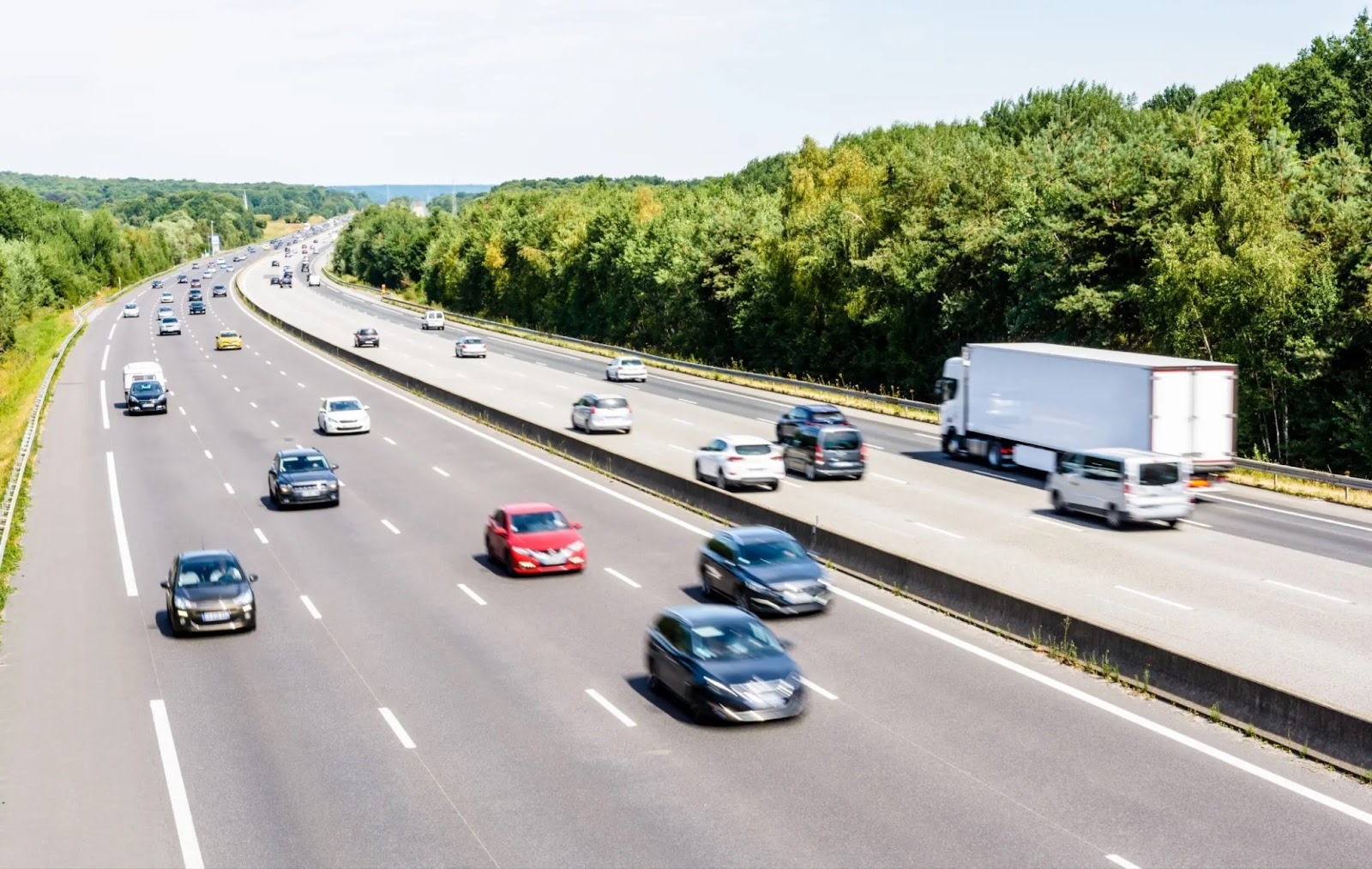
As 2025 draws to a close, French road safety continues to face a number of challenges. With the number of deaths on the rise in November and legislation tightened to an all-time high since 29 December 2025, the authorities are stepping up measures to reduce the number of road accidents. The question is: can EVs help to reduce the risks?
source: connexion France
November 2025: a worrying upturn in road deaths
According to the latest figures from the Observatoire national interministériel de la sécurité routière (ONISR), 270 people were killed on the roads of mainland France in November 2025, compared with 266 in November 2024, an increase of around 2% over one year. In addition to these figures, there were 13 deaths in the French overseas departments and territories, bringing the national total for November to 283.
This increase puts an end to the fall in fatalities observed in October, and confirms worrying trends for several categories of road user. Young people under the age of 24 are particularly hard hit, with an increase in the number of deaths in this age group. Pedestrian fatalities were also up over the month, while those aged over 65 were down on the previous year. Geographically, fatalities fell in built-up areas but rose on roads outside built-up areas and on motorways.
In addition, over a 12-month rolling trend, road deaths are still on the rise, driven in particular by an increase in deaths among users of motorised personal mobility devices (PMDs), such as scooters.
In terms of serious injuries, November saw a slight fall, with an estimated 1,213 cases in mainland France, compared with 1,242 in November 2024, again according to the ONISR.
Speeding too fast becomes an offence
Faced with this situation, the authorities have decided to significantly tighten the legal framework. Since 29 December 2025, any speeding of at least 50 km/h over the authorised limit has been classified as an offence, rather than a simple fifth-class fine.
source: policechiefmagazine
According to the press release from the French road safety authority, this measure has come into force following the publication of a decree in application of the law of 9 July 2025 creating road homicide and aimed at combating road violence and reinforcing the judicial response to the most dangerous driving behaviours.
From now on, offenders will face stiffer penalties:
a penalty of up to three months’ imprisonment ;
a maximum fine of €3,750;
a criminal record ;
suspension of driving licence for up to three years;
possible confiscation of the vehicle;
and the obligation to complete a road safety awareness course.
Until now, very excessive speeding was only punished by a fine, except in the case of a repeat offence.
The EV is a safety asset
In this context of the fight against road accidents, electric vehicles (EVs) have safety features that deserve to be highlighted. Several international studies confirm that driving an EV is safer overall than driving a combustion engine vehicle.
source: beev.co
Better impact protection
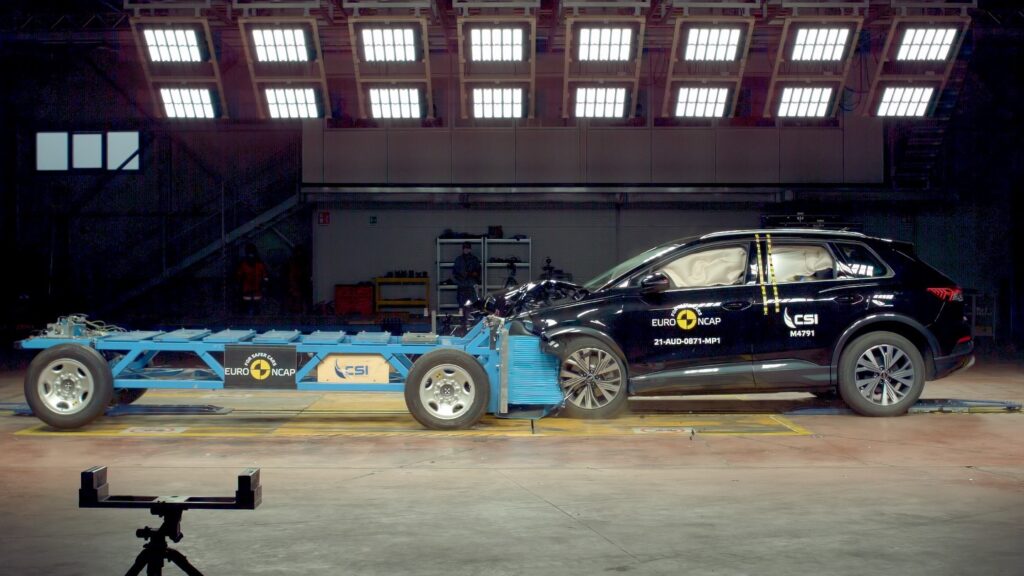
EVs benefit from major structural advantages in terms of crashworthiness. Their lower centre of gravity reduces the risk of rollover, according to data from the National Highway Traffic Safety Administration (NHTSA) and the Insurance Institute for Highway Safety (IIHS). The absence of an internal combustion engine at the front of the vehicle means that deformation zones can be optimised to dissipate energy in the event of an impact, resulting in excellent crash-test performance. Many electric vehicles have been awarded a 5-star rating in euro NCAP safety tests.
A Norwegian study of more than 500,000 vehicles shows that EVs are associated with 20-30% fewer fatalities in the event of a collision, a performance attributed in part to the standard integration of advanced driving aids such as automatic emergency braking (AEB).
source: Euro NCAP
A much lower risk of fire
Fires are much rarer in electric vehicles than in combustion vehicles. In the United States, the National Transportation Safety Board reports 25 EV fires for every 100,000 vehicles sold, compared with 1,529 for internal combustion vehicles. Specialist sources such as EV FireSafe estimate that the risk of fire is up to 80 times lower for EVs, thanks to the absence of flammable liquid fuel and sophisticated battery management systems (BMS).
A few nuances to consider
Some studies, such as a Dutch study of over 14,000 vehicles, note a slight increase in minor accidents for EVs (3.2% more), possibly linked to instant acceleration or more frequent urban use. However, the same data also showed a reduction in serious head-on collisions involving EVs.
Overall, the IIHS data for 2024 confirms that EVs have fewer injuries per kilometre travelled than combustion vehicles. This trend is set to strengthen as electromobility becomes more widespread and safety technologies continue to improve.
Conclusion: using technology to enhance safety
Faced with a rise in road deaths in November 2025 and tougher legislation, the electrification of the car fleet could help to improve safety on our roads. The intrinsic characteristics of electrified vehicles make them objectively safer than internal combustion engines.
While technology will never replace the individual responsibility of drivers or the need to comply with speed limits, it can nevertheless offer valuable additional protection. Road safety remains a major challenge requiring mobilisation on all fronts.
Chile has just announced the birth of a new lithium behemoth. This project reinforces the country’s strategic importance in the “lithium triangle”, but reopens the debate on the environmental footprint of salt extraction.
source: mining technology
A public-private project lasting until 2060
On 26 December 2025, the Chilean government (via the state-owned company Codelco) and the private producer SQM formalised the creation of Nova Andino Litio SpA. This joint venture will merge their assets to exploit the lithium of the Salar d’Atacama – a vast 3,000 km² salt desert in northern Chile – until 2060.
The Chilean government will capture 70% of operating margins from 2025 to 2030, then 85% from 2031, as part of the National Lithium Strategy launched in 2023. The aim is to perpetuate and even increase current production of 280-300,000 tonnes of lithium carbonate a year, consolidate Chile’s leadership (ranked 2nd in the world behind Australia) and maximise local value by strengthening public control of strategic salars.
A strategic asset for electromobility
This is good news for the battery and electric vehicle industry. This new agreement means a massive supply of lithium, with long-term contracts securing volumes for cell manufacturers and carmakers.
source: Codelco
It is occurring in Chile, which holds around 40% of the world’s reserves and accounts for almost 24% of global production. What’s more, extraction by evaporation in the Salar d’Atacama offers a major competitive advantage: costs of between $3,800 and $4,200 per tonne, compared with $5,100 to $6,000 for Australian lithium.
Extraction with a high environmental impact
The lithium extraction process at the Salar d’Atacama involves pumping a rich brine (0.2% Li) to a depth of 30-40 m, then pouring it into vast plastic-coated basins where 95% of the water evaporates naturally under the Atacama sun for 12 to 18 months. Sodium chloride and sodium carbonate are then added to obtain crude lithium carbonate (Li₂CO₃), which is dried and refined to 99.5% before being exported to EV battery cathode factories. This low-cost process consumes 2 million litres of water per tonne and puts significant pressure on groundwater.
source : Tom Hegen
Lithium extraction in the Chilean salars is polluting and consumes a lot of water. Pumping brine has already had a measurable impact on the ecosystem.
The figures speak for themselves: water levels have fallen by 30% in some areas, the flamingo population has fallen by 10% since industrialisation began, and the ground has been subsiding by 1 to 2 cm per year since 2019 in areas of intensive exploitation. According to the UN, lithium and copper extraction consume up to 65% of the water available in the Salar d’Atacama region.
source: Terre des andes
To address these problems of pollution and destruction of biodiversity, Chile’s National Strategy calls for 30% of salars to be protected by 2030 and for the development of technologies that have less impact.
The paradox of electromobility
This dossier is an uncomfortable reminder that there is no such thing as a “zero-emission car”. There are major gains in terms of use, but the upstream chain remains destructive for ultra-fragile ecosystems.
The creation of Nova Andino Litio marks a turning point in the global governance of lithium. By regaining control via a majority state-owned joint venture, Chile is sending out a clear signal: the days when multinationals were free to exploit the Chilean salars are over. From now on, it is the state that sets the rules, capturing most of the profit.
It remains to be seen whether this new direction will actually lead to better protection of ecosystems. For the time being, the pressure on water resources continues unabated. Lithium remains essential to the global energy transition, but its extraction must become cleaner.