Sodium-ion batteries are set to revolutionise the electric vehicle market. Between Canadian scientific advances and Chinese industrialisation, this safer, more affordable and environmentally-friendly technology could democratise electromobility as early as 2026.
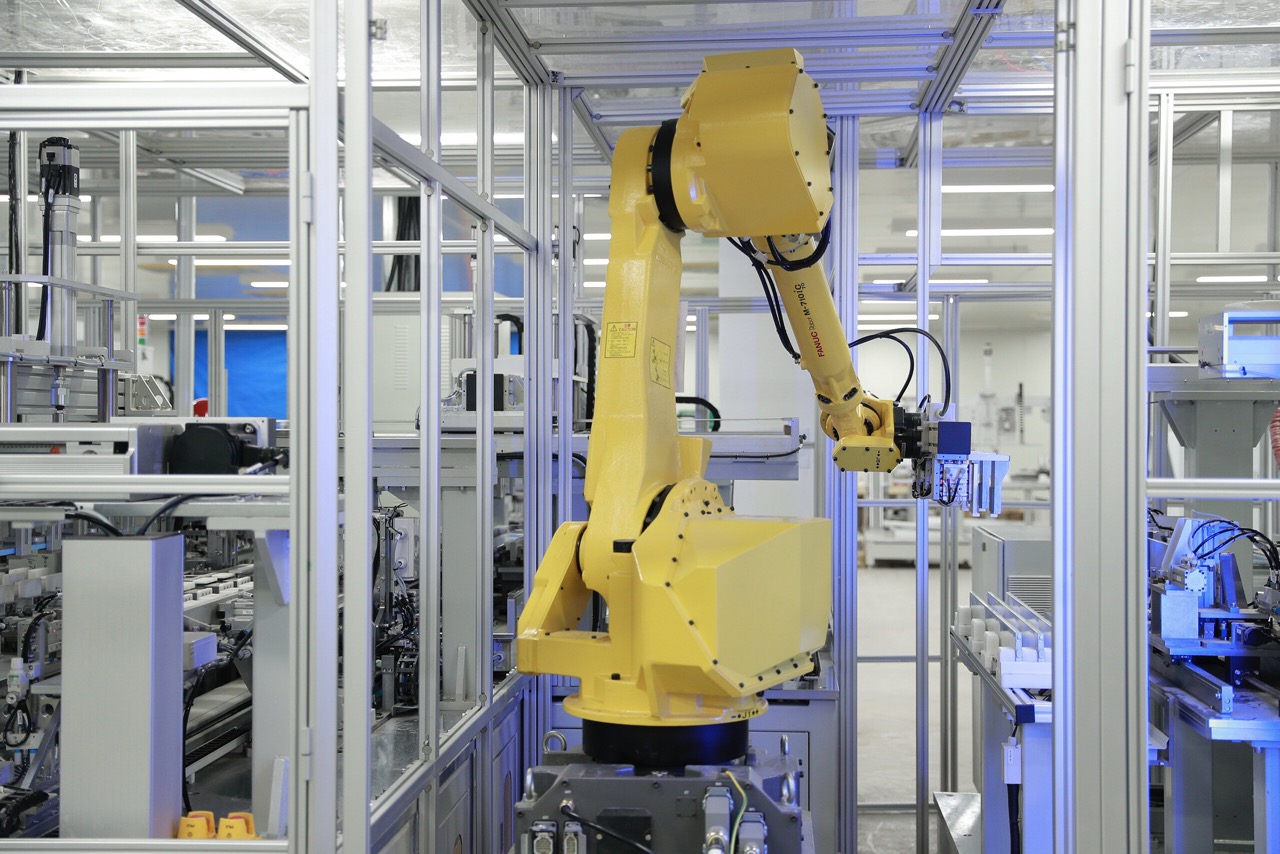
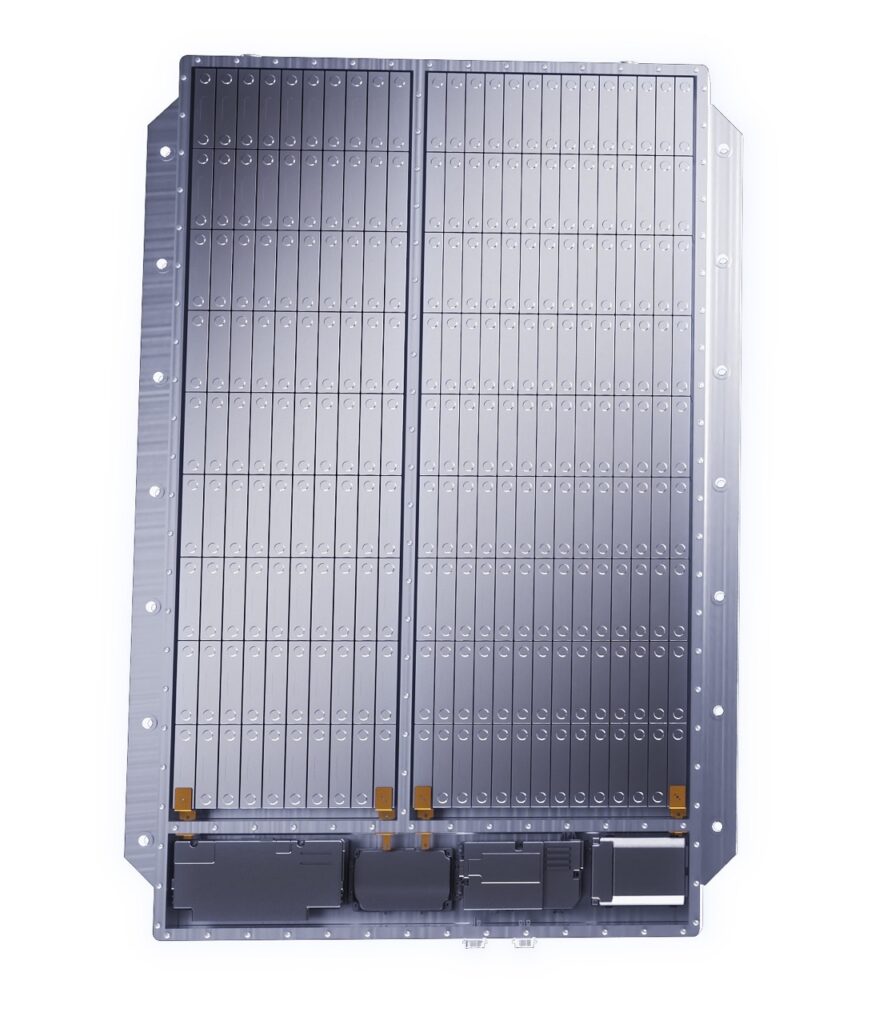
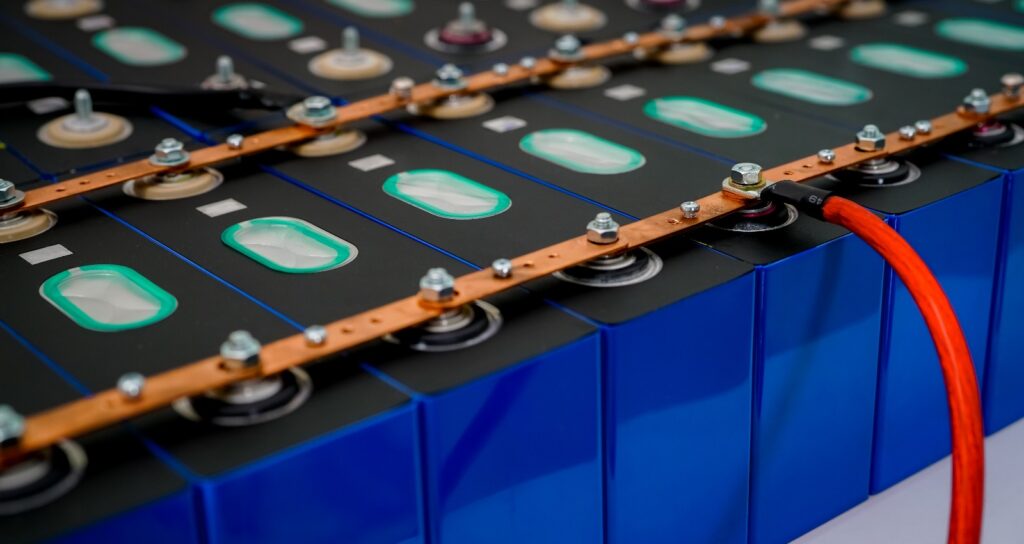
Researchers at the University of Western Ontario in Canada have announced a breakthrough in the development of solid electrolyte sodium-ion (Na-ion) batteries, published in the journal Advanced Materials. This innovation solves a major challenge of lithium-ion (Li-ion) batteries: thermal runaway, which can cause fires or explosions if damaged or short-circuited. The discovery: a solid electrolyte, composed of sulphur and chlorine, which conducts sodium ions like a liquid while remaining non-flammable. Another positive point is that it has a remarkable efficiency of 99.26% after 600 charge-discharge cycles (on a laboratory scale), similar to Li-ion standards at over 99%.
Industrial context: CATL and BYD in the lead
This discovery is part of a global industrial drive. At the end of 2025, the Chinese giant CATL launched mass production of its Naxtra sodium-ion cells, which have highly promising energy capacities. These batteries have an energy density of 175 Wh/kg, a range of 500 km and can withstand a rapid 5C charge. They are also resistant to extreme cold (-40°C with 90% of capacity retained), ideal for countries located in areas of the world with extreme climatic conditions. CATL supplies Tesla, Ford and Stellantis, who are studying these cells for low-cost EVs from 2026. Alongside cars, BYD is already producing energy storage cells (MC Cube-SIB) and developing cells for EVs, which underlines the fact that they could be useful for corporate fleets and urban use.
Decisive economic and environmental benefits
Obviously, this solution is designed to counter the main problems associated with the development of batteries for EVs and other vehicles: cost and pollution.
Sodium is around 400 times more abundant and cheaper than lithium, enabling potential production costs of around €60-90/kWh compared with €100+ for Li-ion.
With no rare metals (cobalt, nickel), these batteries make recycling easier and reduce the carbon footprint, in line with European constraints on critical materials. But this advance is also in line with the objective of slowing down the extraction of these metals, which, it should be remembered, is dangerous and not ethically responsible.
Kobalt
Current limits and outlook for 2026
Despite these advantages, energy density remains 30% lower than advanced Li-ion (175 Wh/kg vs 250+), initially limiting applications to compact, hybrid or utility vehicles. Challenges remain on large-scale production without accelerated degradation. However, 2026 will see the first low-cost deployments, with China as the core target, while deployment in Europe remains to be seen.
Implications for French electromobility
In France, where electrified car registrations reached almost 30% in November 2025, sodium-ion batteries could counter low-cost Chinese competition and support the France 2030 plan. With the end of the bollard tax credit on 31 December and increased quotas for commercial fleets, they offer manufacturers a viable alternative. A technical revolution that makes electric vehicles more democratic, secure and sovereign.
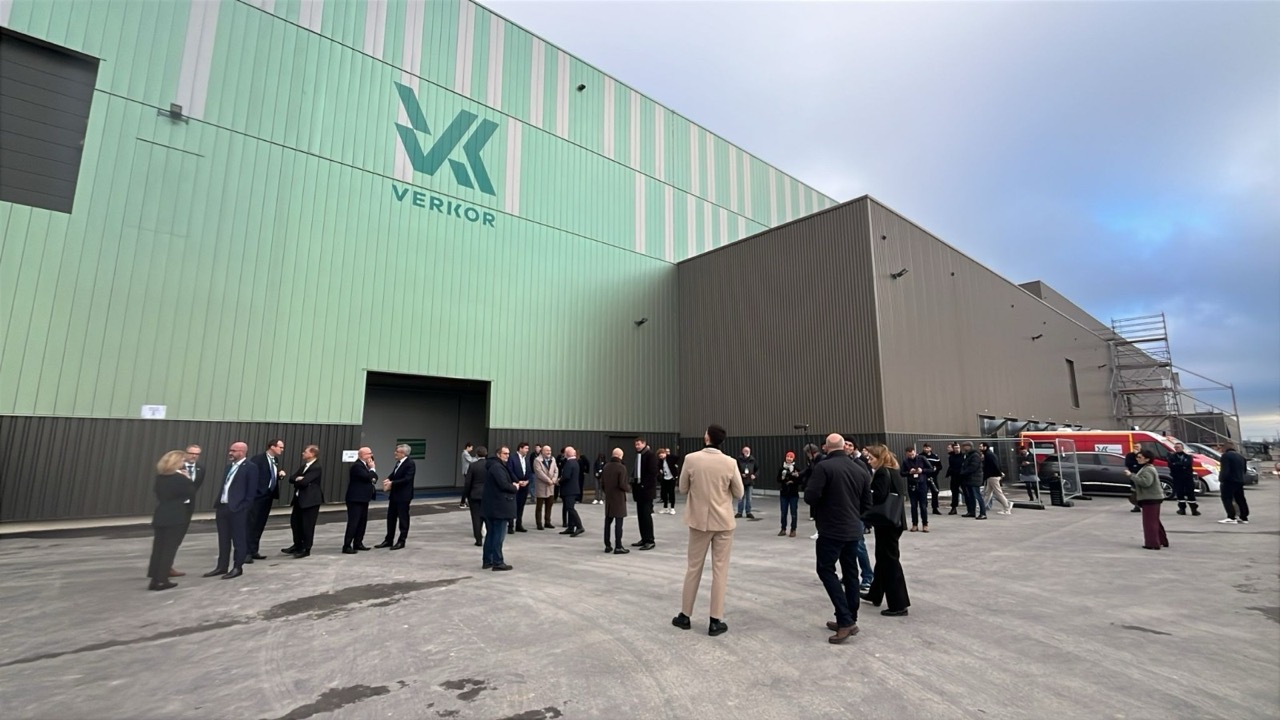
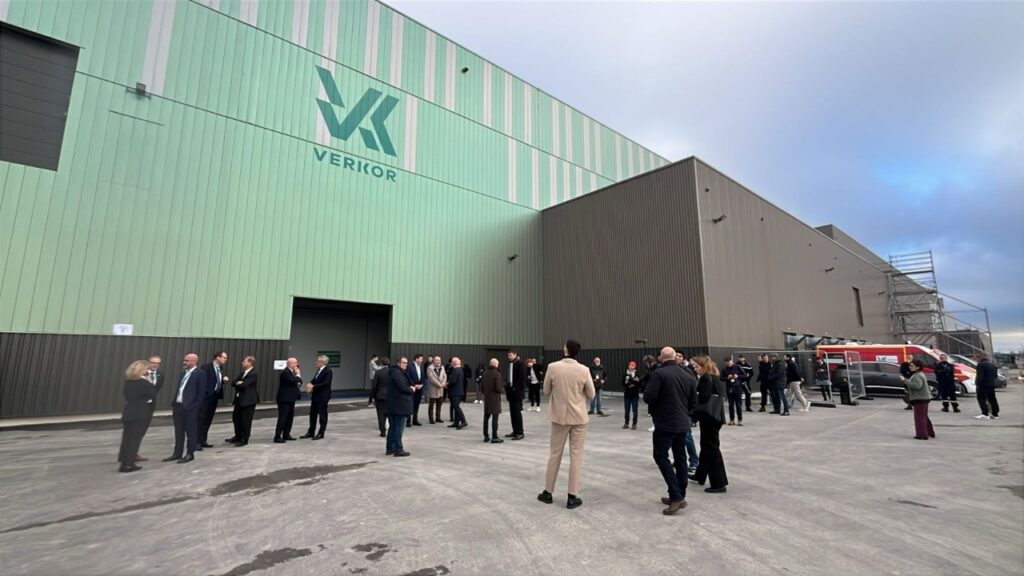
At a time when Brussels is discussing easing up on the end of fossil-fired power by 2035 and Asia dominates 80% of the battery market, Verkor is inaugurating its 16 GWh gigafactory in Dunkirk. Is this a leap of faith in European industrial sovereignty, or an inordinate risk?
On 11 December 2025, under the patronage of Emmanuel Macron, the French start-up took a decisive step forward with its first battery factory, in the heart of the “battery valley” in Hauts-de-France. 100,000 m², 1,200 direct jobs and €3 billion raised: Verkor is betting big to equip the Alpine A390 from 2026 and aim for 50 GWh by 2030.
A high-voltage inauguration
“This is a great day for Dunkirk, France and Europe,” said Patrice Vergriete, Chairman of the Dunkirk Urban Community (CUD), at the ceremony on 11 December. The event is being held under the patronage of the French President, alongside ministers and local elected representatives. The Bourbourg plant is already home to the first production lines in the test phase, with LFP-NMC cells designed for premium electric vehicles.
The figures are impressive: initial capacity of 16 GWh/year, or the equivalent of 200,000 to 300,000 EV batteries per year. Financing for the project has been secured to the tune of €3 billion by a number of players: the French government, the EIB, the Hauts-de-France Region, Renault and Mercedes, for a total investment target of €11 billion by the time the plant is expanded to 50 GWh. Verkor is part of the Hauts-de-France ecosystem, alongside other battery manufacturers.
Role in the French industry
Verkor is at the heart of the “battery valley” in Hauts-de-France, Europe’s third gigafactory after Billund and Kamenz. Its partnership with Renault is key: the first deliveries of cells will power the Alpine A390.
The innovation comes from Grenoble (Verkor R&D), and the production from Dunkirk (proximity to ports for lithium supply). EDF will also be involved in supplying green electricity to the plant. A 33 MW contract has been signed, and a partnership with Veolia has also been agreed with the aim of recycling batteries at the end of their life.
The challenges: competitiveness and timing
The real test remains the ramp-up. The pilot phases began in April 2025, but industrial production is not scheduled until 2026. Energy costs weigh heavily: despite the EDF PPA (long-term electricity purchase contract), French electricity remains expensive compared to China. Securing raw materials (lithium, nickel, cobalt) is another stumbling block in a tight market. Expansion to 50 GWh will depend on new financing and European demand. Verkor is betting on its high-density LFP-NMC technology.
Strategic context: Europe in question
The inauguration comes at an opportune time, when Brussels is discussing a more flexible approach to the end of the use of combustion engines in 2035 (plug-in hybrids tolerated under certain conditions). In France, the SNBC (national low-carbon strategy) is aiming for two-thirds of new car sales to be in EVs by 2030, with an increased purchase incentive from 1 January 2026. Verkor embodies this sovereignty: producing locally to avoid dependence on China.
Prospects: success or industrial mirage?
The advantages are there: proximity to the Renault/Alpine plants, the creation of a large number of jobs (1,200 direct, 3,000 indirect), but also a useful low-carbon process. If Verkor keeps up its pace, Dunkirk could become the spearhead of a competitive French industry. Risks remain, including uncertain demand for EVs if Brussels gives in on 2035, global overcapacity and an Asian price war. Despite everything, Dunkirk symbolises Europe’s commitment to sovereignty in the face of foreign competitors.
As the world’s leading oil exporter, Saudi Arabia is making a major strategic shift with Vision 2030. The kingdom is banking on electromobility to diversify its economy and reduce its dependence on hydrocarbons. Through massive investment, the construction of a national industrial ecosystem and ambitious targets, the country is building a market that is still in its infancy, but which is driven by an unwavering political will.
Credit: Lucid
Vision 2030: a clear course towards electrification
To bring about this change, Saudi Arabia is not doing things by halves. The Vision 2030 programme, steered by Crown Prince Mohammed ben Salmane, has set a symbolic target: 30% of vehicles on the road in Riyadh must be electric by 2030. This may seem a modest figure by European standards, but it represents a revolution in a country where a litre of petrol costs €0.57.
The kingdom is also aiming for carbon neutrality by 2060, a commitment that has aroused the scepticism of international observers, but which now structures its entire mobility policy. To achieve this, the government is relying on its sovereign wealth fund, the PIF (Public Investment Fund), which is deploying 150 billion Saudi rials (around €34.35 billion) over the decade to build the country’s electricity ecosystem.
To encourage this change, the government has introduced clear incentives such as exemption from customs duties and registration fees for electric vehicles. The country also provides subsidies for company fleets. This strategy is typical of the Gulf monarchies, where the state pilots and provides massive funding before the market takes over.
Beyond the 2030 targets, the creation of major urban projects such as NEOM, Qiddiya and The Line will highlight this different way of getting around. In these areas, entire fleets of electric vehicles will be deployed to arouse people’s curiosity.
The Line is an innovative project that represents the city of the future. Discover the unique combination of advanced technology, environmental sustainability and comfort in this grand project. Explore innovative infrastructure, autonomous vehicles and smart management in an environment designed to live, work and play. Learn more about the significance of “The Line” in the development strategy of the future.
A charging network in the making
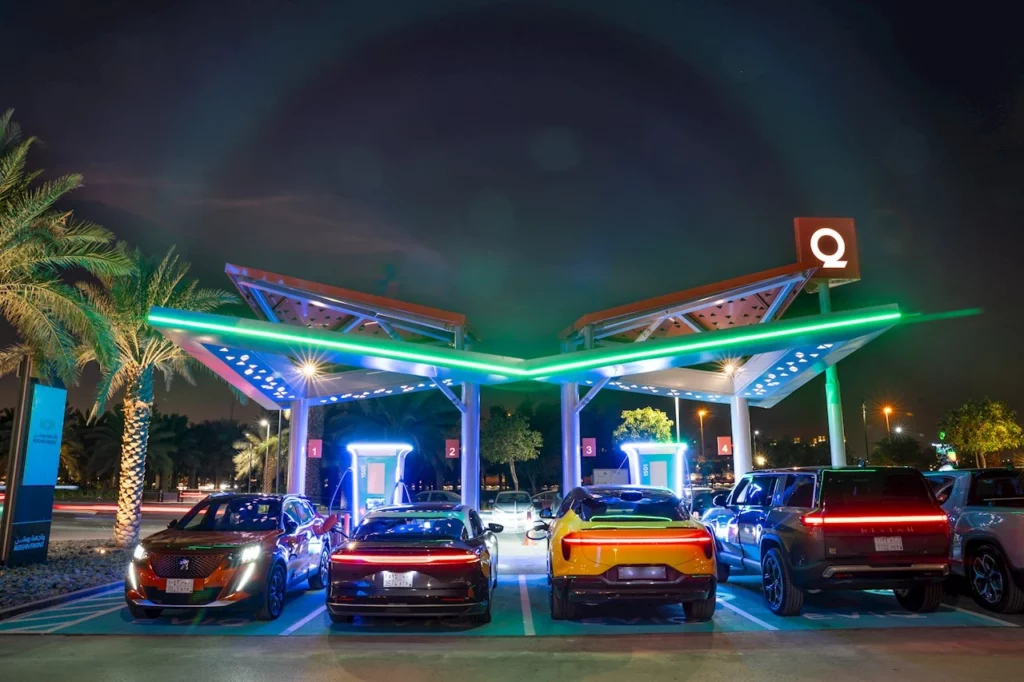
Infrastructure remains the Achilles heel of Saudi electromobility. To date, the kingdom has around 1,200 public charging points spread over 400 sites, still a modest figure for a territory four times the size of France. But the stated ambition is quite different: 5,000 charging points by the end of 2025 and 50,000 by 2030.
EVIQ (Electric Vehicle Infrastructure Company), created by the PIF and the Saudi Electricity Company, plans to install around 60 multi-hub stations by the end of 2025-2026, concentrated on the main urban routes: Riyadh, Jeddah and Dammam.
Credit: EVIQ
Since January 2024, dedicated investment has reached 5.3 billion Saudi rials (around €1.21 billion), with the aim of covering not only urban areas but also the motorways linking Riyadh to Jeddah (950 km) or Dammam.
But the challenge is huge: in a country where distances are immense and extreme temperatures put infrastructures to the test, the network must be both dense and reliable. According to a study by Roland Berger, Saudi users are already 94% satisfied with existing public charging points, a higher rate than in Germany or the United States.
A massive car market, but still shy on electric vehicles
Saudi Arabia is the leading automotive market in the MENA region (Middle East and North Africa), with around 837,000 new vehicles expected to be sold in 2024. But of this colossal volume, the share of electric vehicles remains marginal. Registrations have jumped from 375 EVs in 2021 to more than 12,000 by the end of 2023, with an estimated share of 15% of new sales in major cities by the end of 2025.
The most visible electrified models on Saudi roads are mainly imports: Tesla dominates the premium segment, while BYD is aiming to sell 5,000 units by 2025. In the hybrid segment, Toyota and Hyundai/Kia continue to dominate, benefiting from customers who are used to traditional powertrains and reassured by the fact that they are not totally dependent on recharging stations. But local players are emerging who hope to shake up this hierarchy.
Credit: Ceed
Ceer, Lucid, EVIQ: the pillars of the national ecosystem
Saudi Arabia wants to do more than just import electric vehicles. The kingdom is methodically building a national automotive industry, with three strategic pillars:
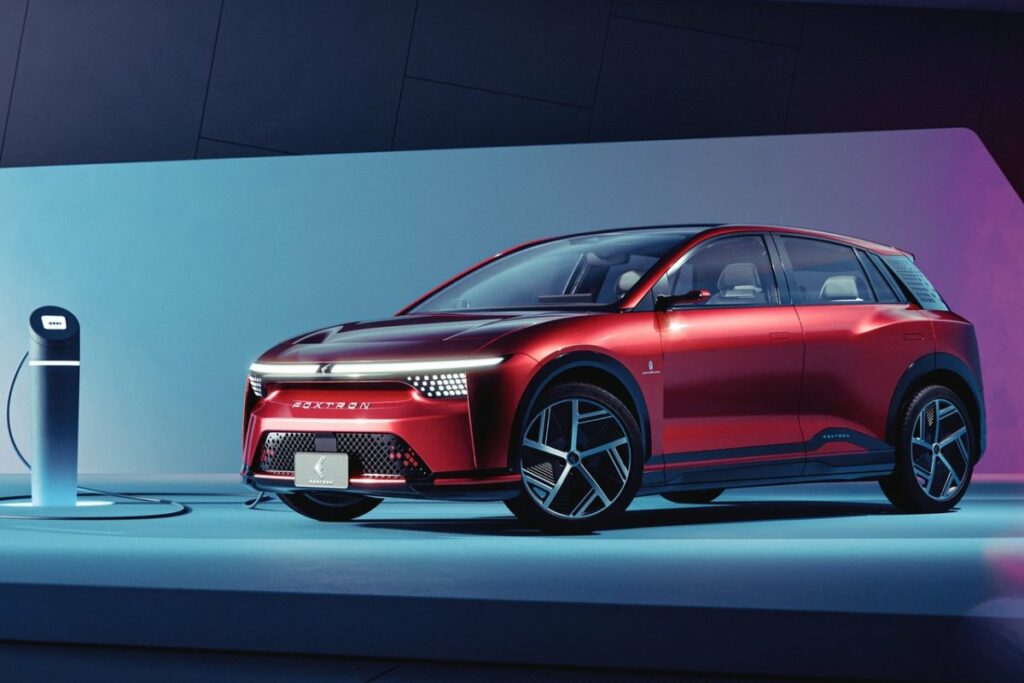
Ceer Motors, Saudi Arabia’s first 100% electric brand, produces saloons and SUVs in partnership with Foxconn and BMW, with a target capacity of 150,000-170,000 vehicles/year.
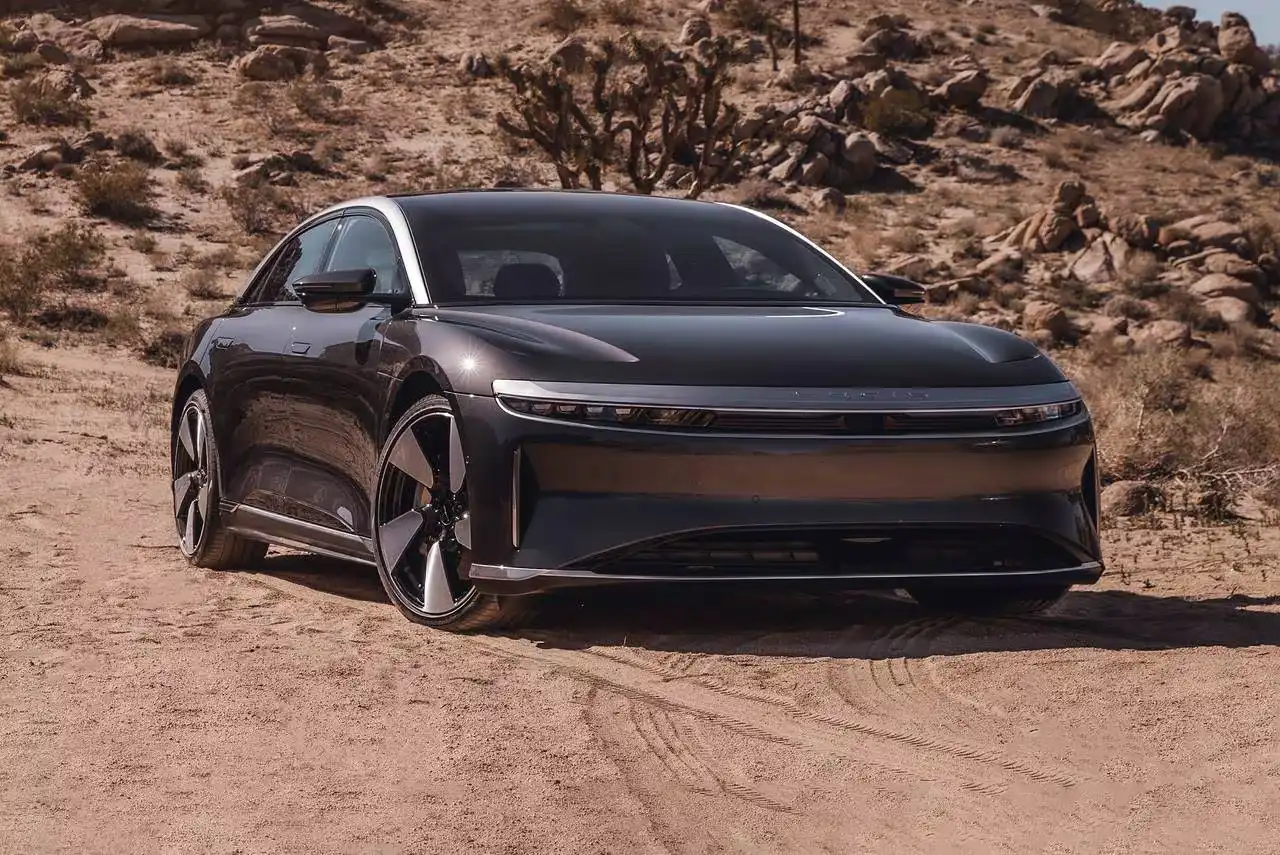
Lucid Motors, in which PIF holds a 61% stake, assembles the Lucid Air at KAEC and plans to produce up to 150,000 units a year, with an agreement to purchase 100,000 vehicles over the decade. The Saudi police have been using Lucid vehicles since the beginning of 2024.
EVIQ deploys infrastructure, develops smart-charging and integrated energy solutions for urban projects.
Several local start-ups complete the ecosystem with fleet management and energy optimisation solutions. Hyundai and Human Horizons are also investing, confirming the country’s international appeal for EV manufacturers.
Hyundai, Human Horizons and industrial ambitions
The Saudi ecosystem is not limited to national players. In September 2023, Hyundai announced plans for a local plant to produce electric and gas-powered vehicles, confirming the Kingdom’s attractiveness to major international groups. In June 2023, a €4.8 billion agreement was signed with Human Horizons. This Chinese EV manufacturer develops, manufactures and hopes to sell its EVs on the Saudi market.
Barriers: price, infrastructure and cultural habits
Despite these ambitions, the adoption of electric vehicles remains limited by a number of structural obstacles. EVs are still expensive (Lucid Air > €80,000, Tesla > €50,000) compared with combustion vehicles. For such a large area, the infrastructure is inadequate (1,200 public points). Inter-city journeys remain problematic, with the range of the best batteries not exceeding 400 to 500 km. Cultural habits are also holding back adoption: a litre of petrol costs €0.57, thermal SUVs symbolise social status, and almost a third of drivers do not have access to home recharging.
Outlook: expected to take off from 2025-2026
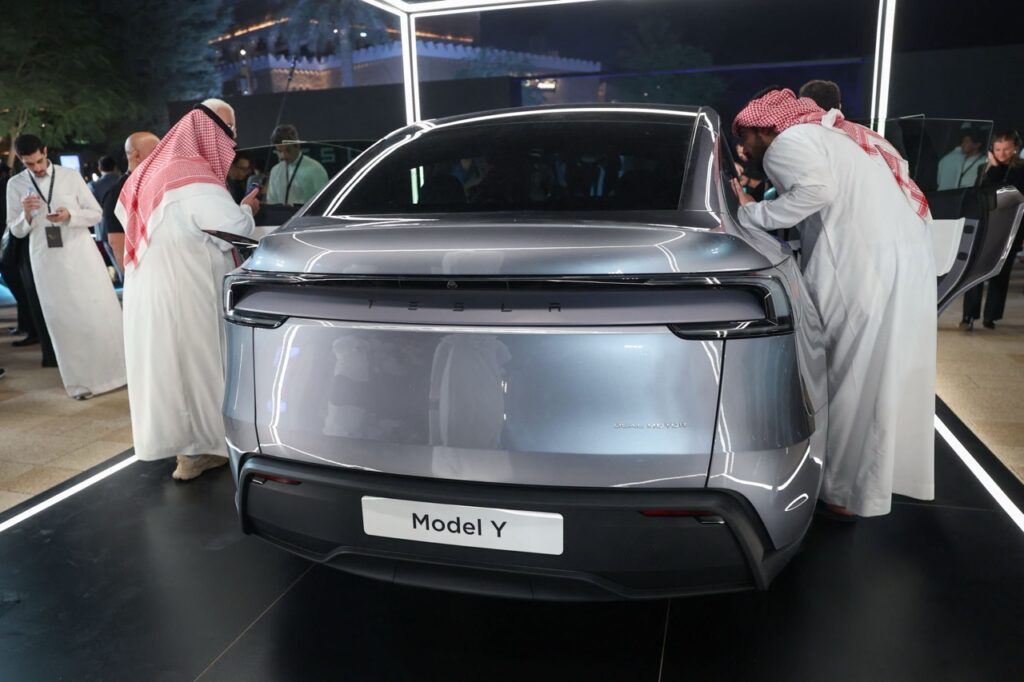
The first Ceer deliveries are expected from the second half of the decade, Tesla has opened three dealerships (Riyadh, Jeddah, Dammam) with operational superchargers, and the EVIQ network is beginning to grow. Analysts expect sales to accelerate from 2026 onwards, driven by the arrival of more affordable models and the gradual improvement of infrastructure. The government is keeping up the pressure: the Vision 2030 targets are non-negotiable and investment in the ecosystem is continuing.
Credit: FAYEZ NURELDINE
A bet on the future
Saudi electromobility embodies a fascinating paradox: a country built on oil that is investing massively in its alternative. This transition is not the result of a sudden ecological conviction, but of a strategic calculation to diversify the economy. Vision 2030 is not limited to EVs: it encompasses tourism, renewable energies, urban megaprojects and industrial transformation. Unlike other emerging markets, Saudi Arabia has a major advantage: virtually unlimited financial resources and a centralised political will. The next few years will tell whether this project turns into an industrial success story. In a country where petrol costs nothing and internal combustion SUVs reign supreme, getting electromobility off the ground is as much a technical feat as a cultural revolution.
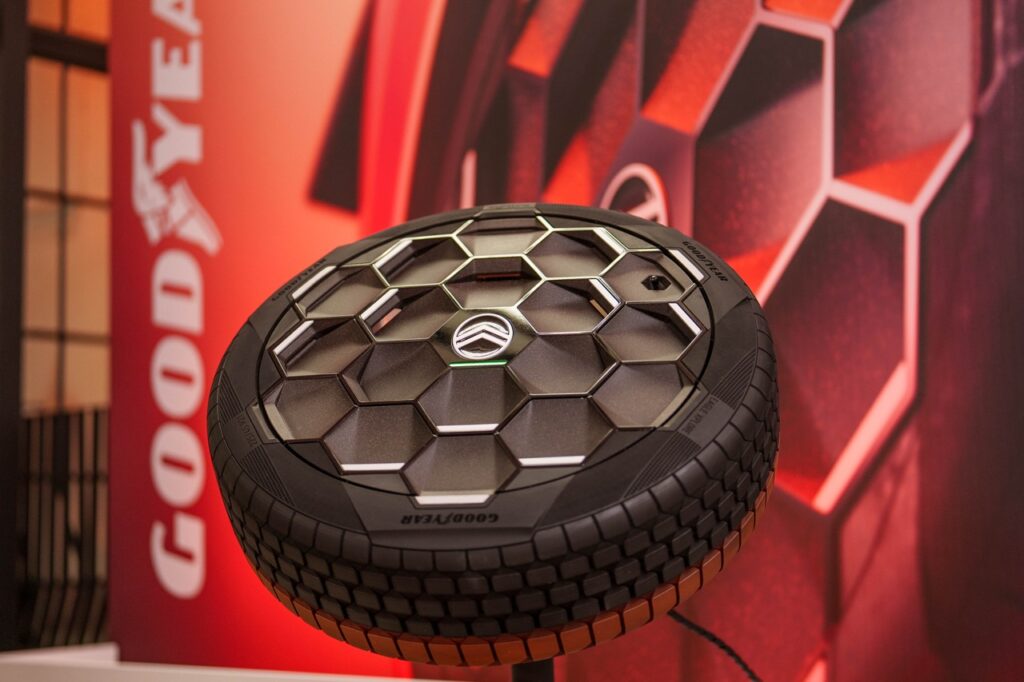
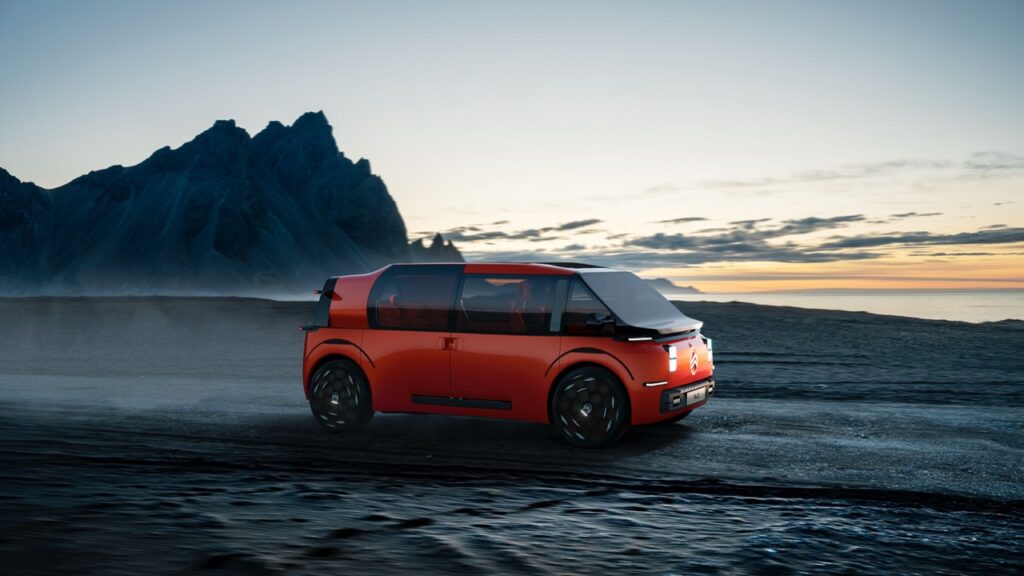
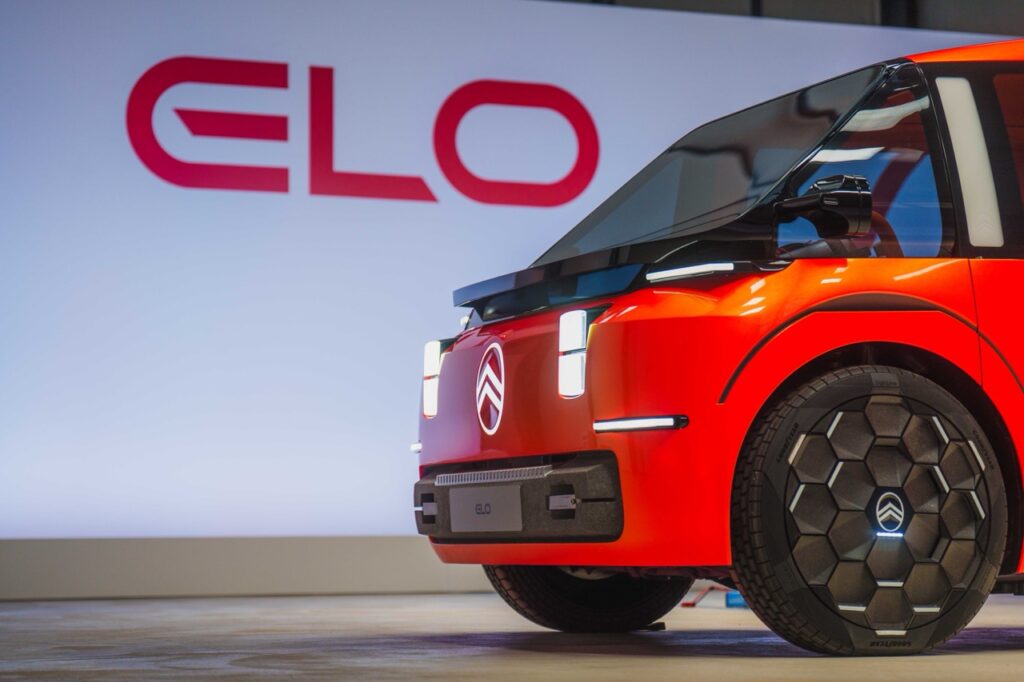
On 9 December 2025, Goodyear unveiled the Eagle Xplore, a concept tyre for the new Citroën ELO concept car. A genuine technological showcase, it transforms the tyre into an intelligent sensor and visual interface. With its personalised design, SightLine technology and LED display on the rim, the Eagle Xplore illustrates the transformation of the tyre in the era of connected electromobility.
credit: Goodyear
A tailor-made tyre for performance and adventure
The Eagle Xplore is not part of any standard Goodyear range. It’s the result of blending the sporting DNA of the Eagle line with the ruggedness of the Wrangler range, renowned for off-road use. The result? A tyre designed for versatile electric vehicles capable of tackling both tarmac and tracks.
The tread is structured to combine fuel efficiency and grip. One section is optimised to maximise range, while the other focuses on grip for off-road driving. This dual approach fits in perfectly with the positioning of the Citroën ELO: an electric concept car built for adventure and designed to explore different environments.
In terms of design, the Eagle Xplore has a bright orange sidewall, a nod to the colour of the ELO concept. This strong aesthetic choice makes the tyre an element of personalisation in its own right, going well beyond its functional role to become a genuine visual signature.
credit: Goodyear
SightLine: when tyres become intelligent sensors
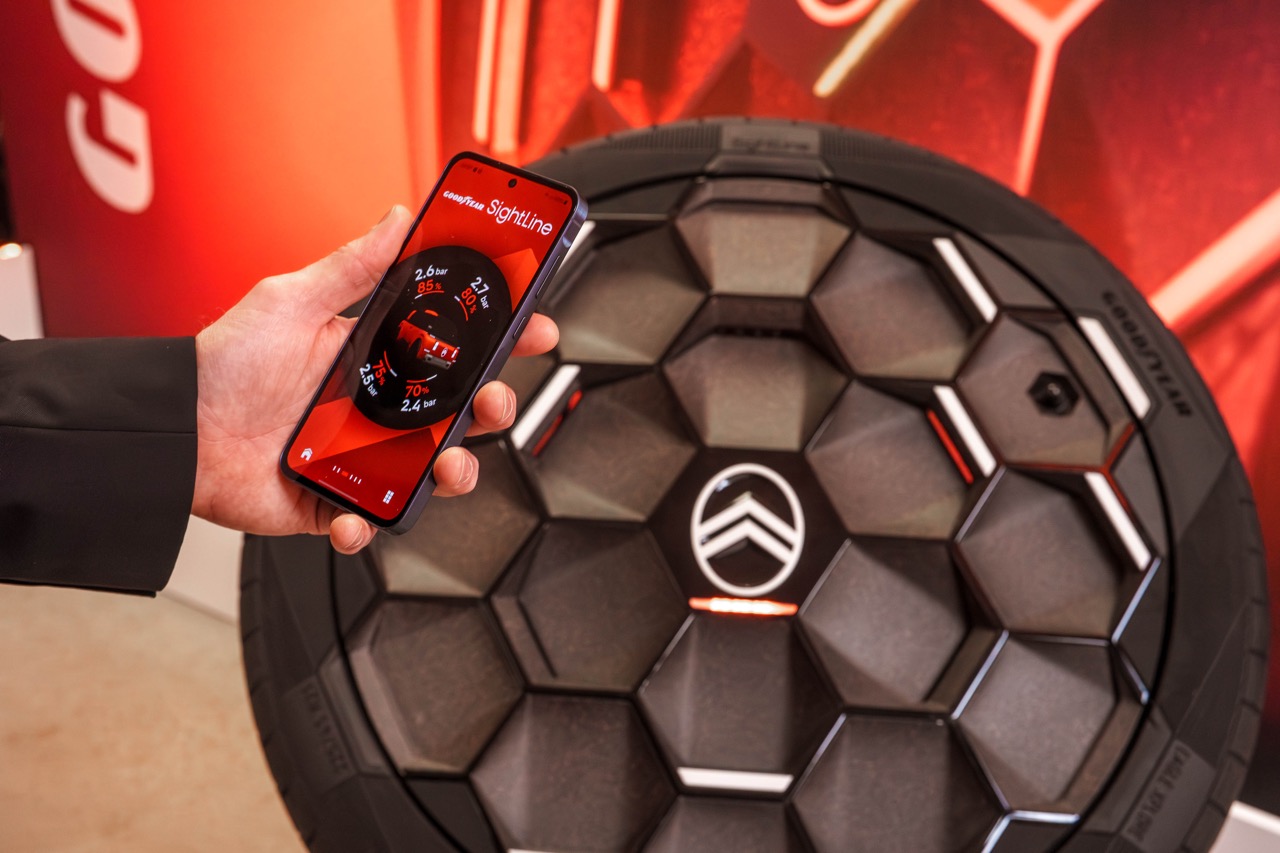
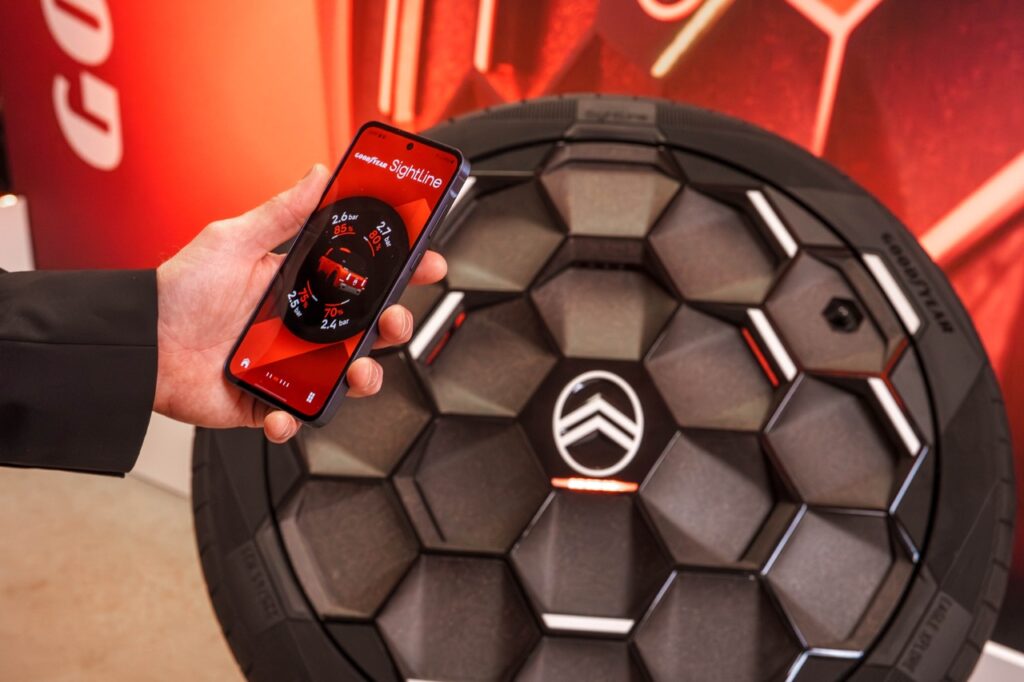
What’s great on paper is the integration of Goodyear SightLine technology. This intelligent innovation transforms the tyre into a connected sensor capable of continuously monitoring pressure, total vehicle weight and state of wear. The data is transmitted in real time to the dashboard and the vehicle’s dedicated application.
credit: Goodyear
The most spectacular innovation? A side LED bar integrated directly into the rim. This visual display system instantly indicates the state of pressure: green for optimum pressure, red when adjustment is required. No need for a pressure gauge or audible warning: the information is visible at a glance.
As well as being practical, SightLine incorporates predictive functions. The system aims to maintain vehicle stability, optimise tyre wear and extend tyre life by maintaining the ideal tyre pressure. For an electric vehicle, where every element has an impact on autonomy, intelligent tyre pressure management is crucial.
A demonstrator for the electrical ecosystem of tomorrow
Let’s be clear: the Eagle Xplore is not intended for imminent commercialisation. Goodyear is presenting it as a pure technological concept, a demonstrator of what tyres could become in the connected electric vehicle ecosystem. However, no release date or price has yet been announced.
This positioning is indicative of a wider trend in the automotive industry. The tyre is no longer a simple interchangeable component, but an active element in the driving experience. With SightLine, they become a source of data for driver assistance systems (ADAS), contribute to optimising energy consumption and can be integrated into the on-board software like any other electronic module.
The partnership between Citroën and Goodyear on the ELO project also illustrates the evolution of collaboration between carmakers and equipment manufacturers. The manufacturer is no longer content simply to supply suitable tyres: it is actively involved in the vehicle’s technological narrative, co-designing the user experience and contributing to the DNA of the concept.
credit: Goodyear
Towards 4.0 tyres in sustainable mobility
The Eagle Xplore raises an essential question: how far will tyre technology integration go? If this concept becomes reality, tomorrow’s tyres could inform drivers directly, communicate with active safety systems and even automatically adjust their characteristics according to road conditions. A system like SightLine could make it possible to gain several dozen kilometres of driving range simply by maintaining optimum tyre pressure at all times.
It remains to be seen whether Goodyear will follow up this concept commercially. The manufacturer is remaining silent on any production. One thing is certain: with the Eagle Xplore, Goodyear is sending out a strong signal about its vision of intelligent tyres in the world of electric and connected mobility.
With just six days to go before the announcement of the European Commission’s automotive package, Ursula von der Leyen’s desk has just received two open letters with opposing views. While they both touch on the future of the electric vehicle transition, they do not focus on exactly the same battles. Together, they reveal the extent of the tensions shaking the European automotive sector.
Monday 8 December: 67 players reject fleet quotas
On 8 December, a coalition of 67 major players in the automotive industry sent a letter to the President of the European Commission, Ursula von der Leyen. These players include manufacturers such as BMW and Toyota, rental giants such as Avis and Hertz, and leasing companies such as Arval and Ayvens. Their message: mandatory quotas for the electrification of company fleets would be “extremely damaging”.
The stakes are high, because business fleets (including company cars) account for between 50 and 60% of new car sales in the EU, according to the European Automobile Manufacturers Association (ACEA). The December 16 package should include proposals on this key segment.
According to these players, the real obstacles to the adoption of EVs remain purchase and running costs, as well as insufficient recharging infrastructure. Imposing binding targets would put companies in a dilemma: keep their vehicles longer or reduce their purchases of new vehicles. A counter-productive action in both cases, according to the plaintiffs.
Faced with these problems, various European countries have found a solution: in those European countries where adoption is growing fastest, it is the combination of financial incentives and massive investment in infrastructure that is making the difference. The letter also stresses the need for incentives for the second-hand market, given that many leased vehicles are resold after two or three years.
These demands seem understandable. However, the Climate Group is arguing in favour of maintaining strict targets. It points out that more than 120 companies, including EDF, Ikea, Siemens and Unilever, have already committed themselves to converting their fleets to 100% electric.
Wednesday 10 December: 200 signatories defend the 2035 target
Two days later, another letter, this time on global targets, was sent to von der Leyen. E-Mobility Europe and ChargeUp Europe, supported by almost 200 signatories including Polestar and Volvo Cars, are calling on the Commission to firmly maintain the target of zero emissions for new cars by 2035.
“We are deeply concerned by recent efforts to water down your targets,” they write. The target of this letter: to thwart the pressure exerted by certain German manufacturers and the ACEA to obtain more flexibility on the CO₂ targets and to relax the ban on sales of combustion cars in 2035.
In particular, the concern is about reopening the door to plug-in hybrids and CO₂-neutral fuels. In their view, this approach would create uncertainty and slow down the transition to electric, at a time when Chinese manufacturers are making rapid progress and cutting costs.
The message is clear: “Every delay in Europe only widens the gap with China”. For these players, any setback would jeopardise the investments already underway and widen the gap with the Asian giant once and for all.
16 December, the day of truth
The automotive package, whose publication has already been delayed by a week, is crystallising all the attention. It could grant more flexibility on CO₂ targets, relax the ban on combustion engines in 2035, and include specific measures on company fleets.
The dossier has been the subject of frenetic lobbying in recent weeks, with a flood of letters flooding into Brussels ahead of the announcement.
These two positions, while not dealing with exactly the same issues, reveal the dividing lines in the sector. On the one hand, there are players calling for pragmatism and flexibility. On the other, defenders of the transition who fear that any relaxation could compromise Europe’s climate ambitions and its competitiveness vis-à-vis China.
December 16 will provide answers on several fronts: the level of ambition maintained for 2035, the flexibility granted on CO₂ targets, the fate of hybrids, and possible obligations for fleets. The compromise promises to be a delicate one.
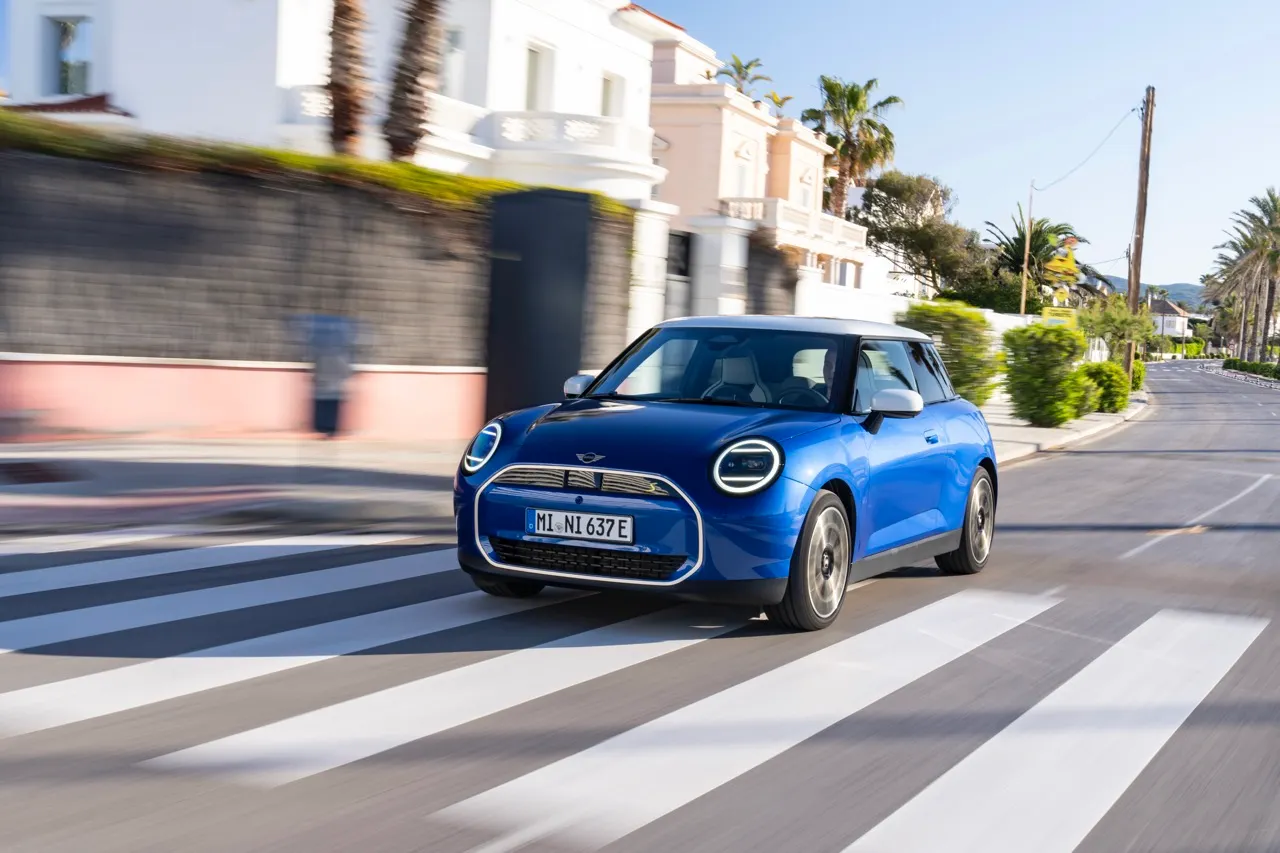
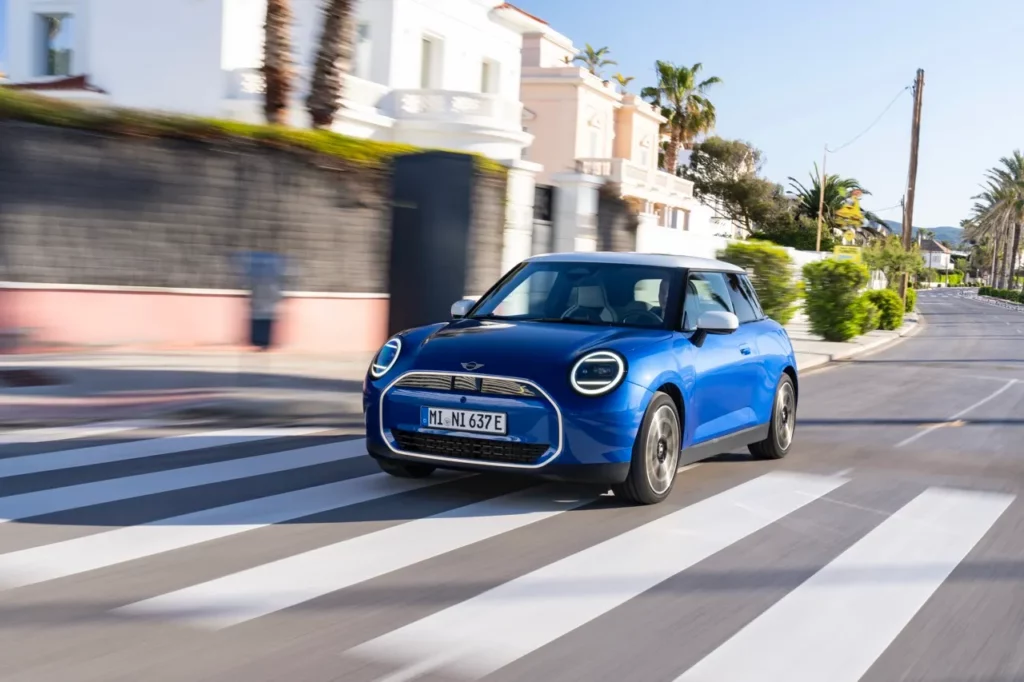
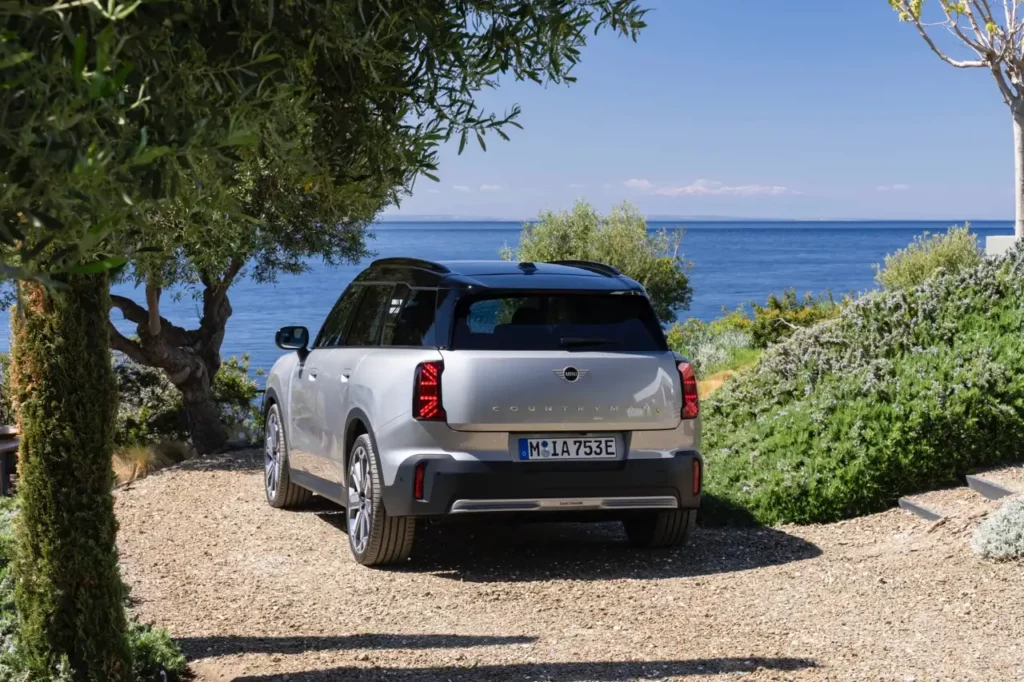
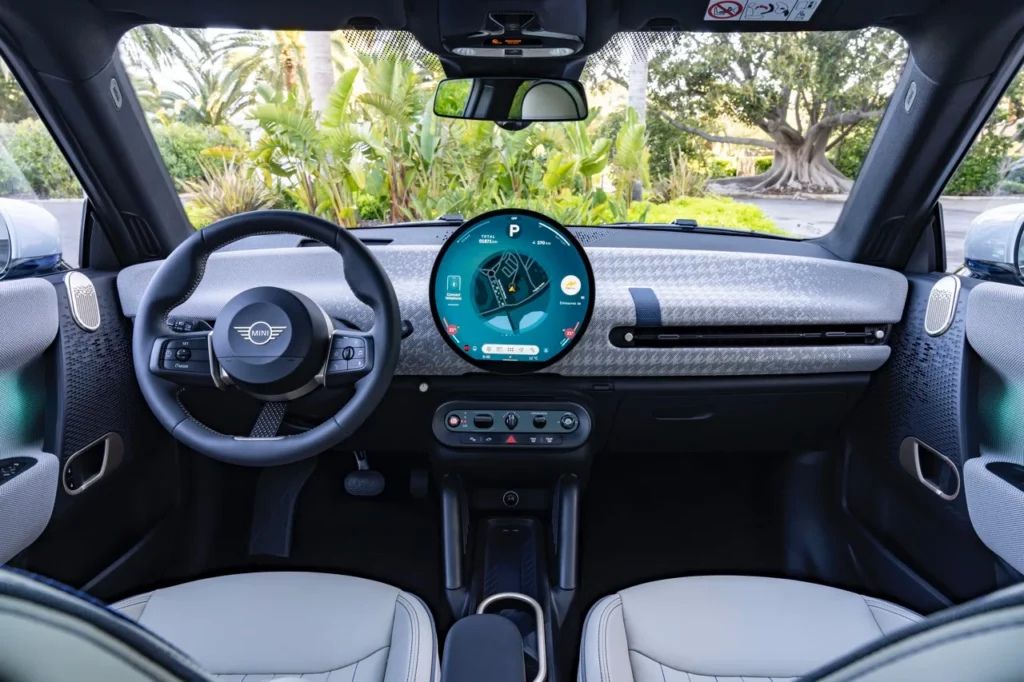
The end of the year is approaching, and as the transition to electric vehicles gathers pace in Europe, the BMW Group’s British brand is making its 100% electric models a crucial part of its volume. Worldwide sales have returned to growth this year, driven by the new generation Cooper and Countryman, while in France Mini Electric has established itself in the top 10 of BEV sales and hopes to stay there with the arrival of the Aceman next year.
Credit: Mini
2025 to be driven by electric vehicles
According to initial figures published in the autumn, MINI delivered 133,778 vehicles worldwide in the first half of 2025, an increase of 17.3% on the same period in 2024. For the first nine months of the year, another report shows sales of over 200,000 units. This brings the brand closer to the 300,000 mark for annual sales (the average for several years). These satisfactory figures for MINI coincide directly with the ramp-up of the new Cooper and Countryman, whose electric versions are boosting orders at European dealerships.
The most telling signal comes from France: in the first eleven months of 2025, the electric Mini (new Cooper Electric) racked up 10,171 registrations, putting it in the top 10 best-selling electric cars in the country, behind heavyweights such as the Renault 5 E-Tech, the Citroën ë-C3 and the Peugeot e-208. In November 2025, it even recorded a month of 1,439 registrations, making it the fifth best-selling BEV on the market behind the R5, the e-208, the Scénic E-Tech and the ë-C3.
credit: bmw group
In other words, current market data suggest that a significant proportion of MINIs sold in France in 2025 will be 100% electric, although the manufacturer has not yet published a detailed percentage by engine.
Cooper and Countryman Electric: the figures that change everything
The new Cooper Electric, now available in E and SE versions, features much larger batteries than the previous Cooper SE and more powerful engines. Available figures indicate a power output of around 135 to 160 kW (i.e. up to 215 bhp) and battery capacities of between 40 and just over 50 kWh, giving a range of between 250 and 320 km, depending on the version.
The Countryman Electric, on the other hand, relies on a 64 kWh pack and an all-wheel drive system developing over 300 bhp, for a claimed range of over 330 km in the most demanding conditions.
credit: bmw group
On the ground, these figures put MINI back in the game: where the old Cooper SE was penalised by a battery that was too small, the new generation can finally cover 250 to 300 km in mixed use. Although these figures are not very impressive, they do correspond to the majority of urban and suburban journeys in Europe. According to information published by the BMW Group, orders for electric cars doubled in the first quarter of 2025 compared with Q1 2024, confirming that MINI customers are embracing the transition as long as the product meets their needs.
A European context that works in MINI’s favour
The French and European context is working in favour of this switch. In France, 100% electric cars reached a record market share of 24% in October 2025, then 26% in November, with more than 34,000 private vehicles sold in a single month. The momentum is being fuelled by social leasing and the arrival of more affordable compact models, but it is also benefiting premium-urban players who are well positioned in terms of price and usage, including MINI.
credit: bmw group
As mentioned above, in the first eleven months of 2025, the electric Mini was one of the ten best-selling BEVs, with just over 10,000 registrations. This is in stark contrast to the situation faced by a number of its long-standing rivals, such as the Tesla Model 3 and certain premium saloons, where sales of EVs are falling sharply. MINI is therefore capturing some of the customers who are turning away from large electric SUVs in favour of city cars and compact cars with a smaller footprint and a more affordable budget.
2026: the Aceman to secure the heart of the electric range
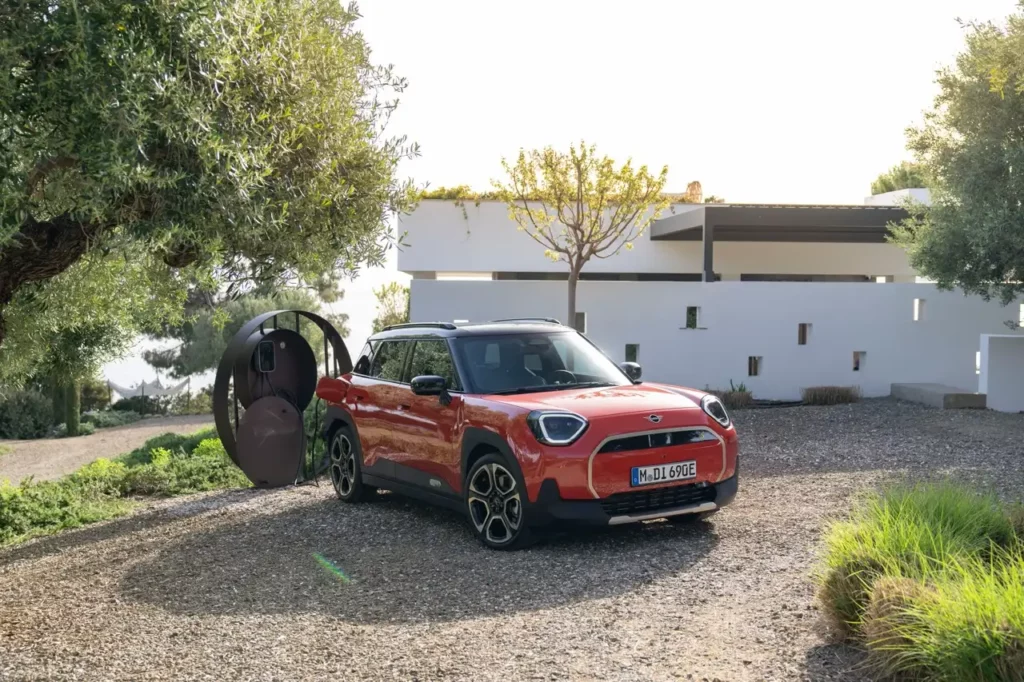
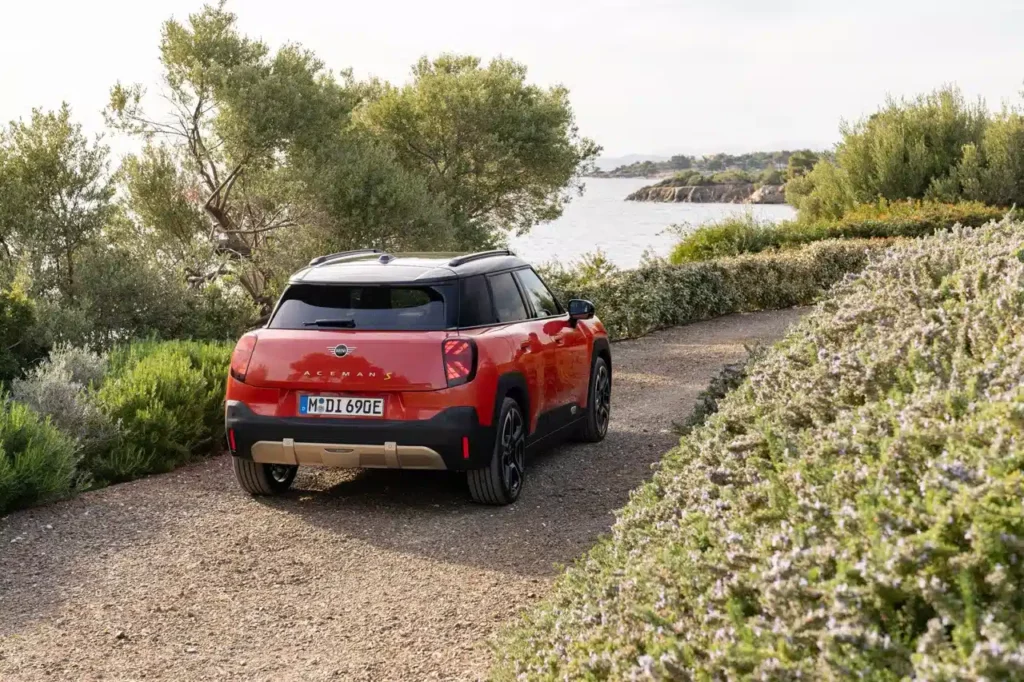
The challenge for MINI in 2026 is to industrialise and make available a truly complete electric range. Alongside the Cooper and the Countryman, the well-known Aceman will be the third pillar. Its role is to be the British brand’s 100% electric compact crossover, designed to bridge the gap between the 3/5-door city car and the family SUV.
Information already published suggests two main variants, Aceman E and Aceman SE, with power outputs of around 180 to 215 bhp and batteries comparable to those of the Cooper Electric, at around 42 to 54 kWh. The aim is clear: to compete head-on with the Volvo EX30, Jeep Avenger EV, DS 3 E-Tense and top-of-the-range Citroën ë-C3 in the €30,000 to €40,000 electric crossover segment.
Credit: Mini
Pragmatic electrification
For a while, MINI suggested that its last new internal combustion engine would be launched in 2025 and that the brand would go fully electric in the early 2030s, a trajectory in line with the sector’s most aggressive ambitions. The reality at the end of 2025 is more nuanced: the Group has confirmed that it is aiming for double-digit growth in sales of electric cars. That said, the brand has not announced the imminent end of petrol engines for MINI, preferring to talk about an “optimised mix”, as Michael Peyton, Vice-President of MINI in America, states: “Internal combustion engines are still very popular and will remain so for a long time”. The goal of 100% electric cars by 2030 has therefore been postponed.
For electromobility in Europe, MINI is becoming an interesting case study: a brand that is succeeding in significantly increasing its BEV volumes, placing a model like the Mini Electric in the French top 10, while at the same time maintaining combustion and hybrid powertrains in areas where infrastructure or purchasing power are not yet available.
The year 2026, with the arrival of the electric Aceman and the ramp-up of the zero-emission Cooper and Countryman, will tell whether this strategy can hold up in the face of European regulatory pressure and the offensive by new Chinese entrants.
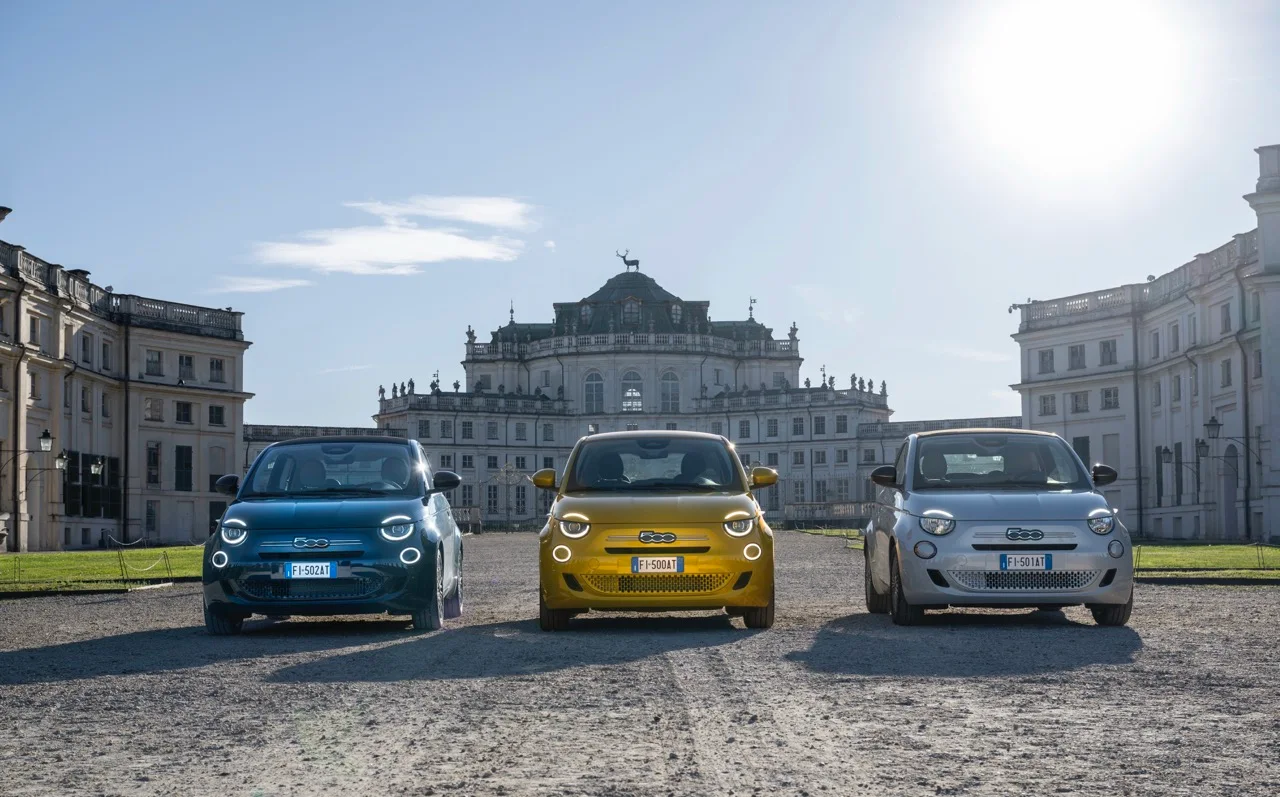
As 2025 draws to a close, Fiat is confirming its commitment to affordable electrified mobility with the launch of the new 500 Hybrid, produced at the emblematic Mirafiori plant in Turin, while the Grande Panda continues to be rolled out in electric and hybrid versions. These two complementary models are aimed at city dwellers and those on a budget, while responding to the urgent need to protect the environment.
Credit: Fiat
The 500 Hybrid marks a pragmatic return to its roots
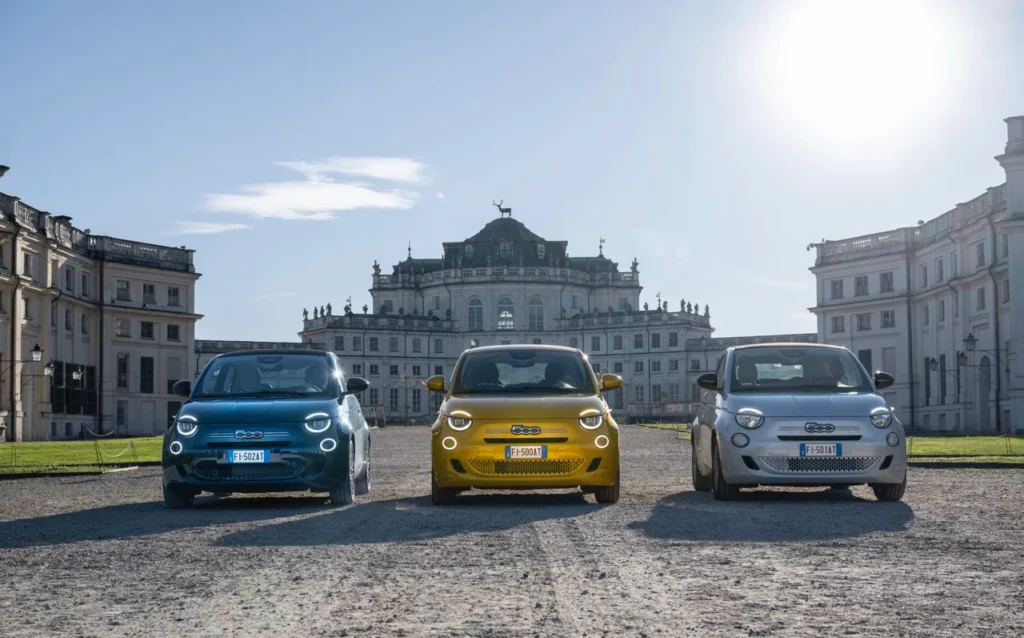
Presented in Turin at a special press event from 21 to 28 November, the new Fiat 500 Hybrid is now available to order for all lovers of this iconic Italian vehicle. It is available in classic 3-door and 3+1 versions, as well as in a convertible version, with a range of finishes from POP to LA PRIMA, plus a special launch series called “Torino”.
In terms of engines, Fiat has opted for a petrol engine coupled to a 12 V micro-hybrid system, offering a combined power output of around 70 bhp, which is necessary for the often very urban use of this vehicle. This lightweight hybrid system is particularly fuel-efficient, with an average fuel consumption of 5.2 litres/100 km WLTP, according to official figures.
Its dimensions have not changed, and it remains true to the standards that made it such a success. In fact, it remains compact (around 3.63 m long), faithful to the city spirit of the original model. Its elegantly retro exterior design incorporates modernised details: a revamped radiator grille, LED headlights and soft lines, while the interior features a streamlined dashboard with a central 10.25-inch touchscreen, quality materials and a carefully designed lighting ambience focused on comfort and practicality.
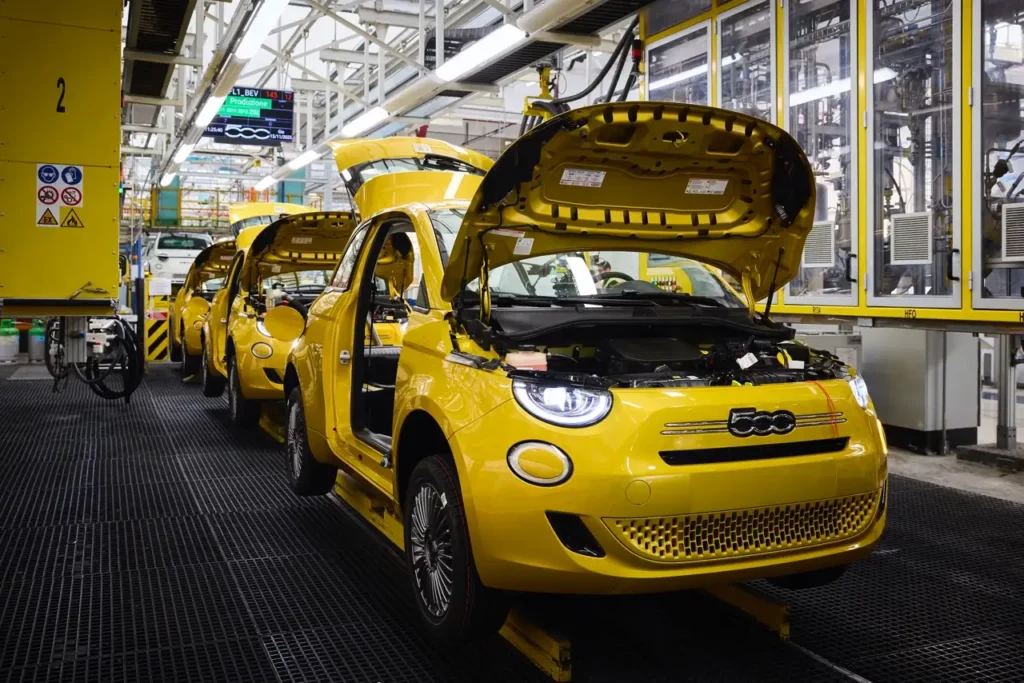
The press release announcing the launch event, which took place on 21 November, made a point of emphasising the historic nature of this release: “This special moment also marks the model’s link with the Mirafiori factory in Turin, the original birthplace of the 500 in 1957. Production of the new 500 Hybrid officially began in November at the Carrozzerie Mirafiori plant in Turin, with a target of 5,000 units by the end of the year”. Fiat is highlighting this strong link with its industrial history, combining heritage and innovation in a model ready to meet the needs of everyday urban life.
Credit: Fiat
The entry-level price starts at €19,400 inc VAT, and at this price, after a first electric wave with mixed sales, is a realistic compromise between performance, range and practicality.
Grande Panda EV: urban versatility at an affordable price
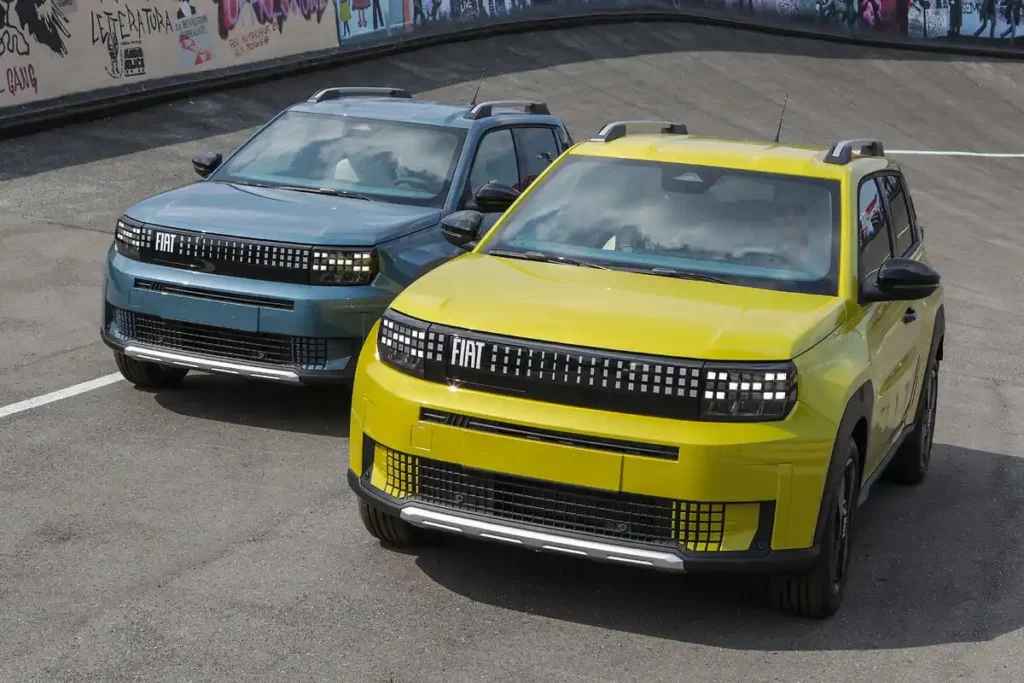
The Grande Panda boasts a comprehensive range of engines, with petrol, hybrid and 100% electric versions available. The big news at the end of the year is that the Italian brand has declared that each engine will be available in the affordable entry-level ‘POP’ version. A real boost for motorists who want to switch to more environmentally-friendly mobility without breaking the bank.
Credit: Fiat
The 100% electric version, priced at €23,900 list price, boasts a WLTP range of up to 320 km thanks to its 44 kWh battery. Its engine develops 113 bhp (≈ 83 kW) and 122 Nm of torque. Its top speed is capped at 132 km/h for a 0 to 100 km/h time of less than 11 seconds. Classic performance, but for this kind of affordable, economical vehicle, speed and responsiveness are not the criteria on which the manufacturer has focused.
The light hybrid version, priced from €18,900, is aimed at providing an economical alternative to conventional combustion-powered city cars. Fiat is playing its card on a combination of attractive price, urban style and versatility of use, to appeal to a wide range of profiles. Talking of performance, this hybrid features a petrol engine combined with a 48 kW electric motor that develops 100 bhp. Top speed is 160 km/h, with a 0 to 100 km/h time of 10 seconds. This POP version of Fiat’s hybrid consumes 5 litres/100 km in the combined cycle, a decent average for this type of vehicle.
The POP version for these two types of engine offers a good ‘viable minimum’: 7 different colours, 16-inch wheels, basic but effective connectivity, and so on. It’s an interesting option for buyers looking for a simple, efficient EV (or hybrid/petrol city car) without superfluous options.
A clear commitment to the democratisation of electromobility
With the 500 Hybrid and the Grande Panda ‘POP’, Fiat has adopted a pragmatic strategy: to revive an accessible best-seller by adapting electric power to the reality of the European market, which is still hesitant, with hybrid as the gateway.
The diversification of powertrains, local production and affordable prices reflect the ambition for electrified mobility on a large scale.
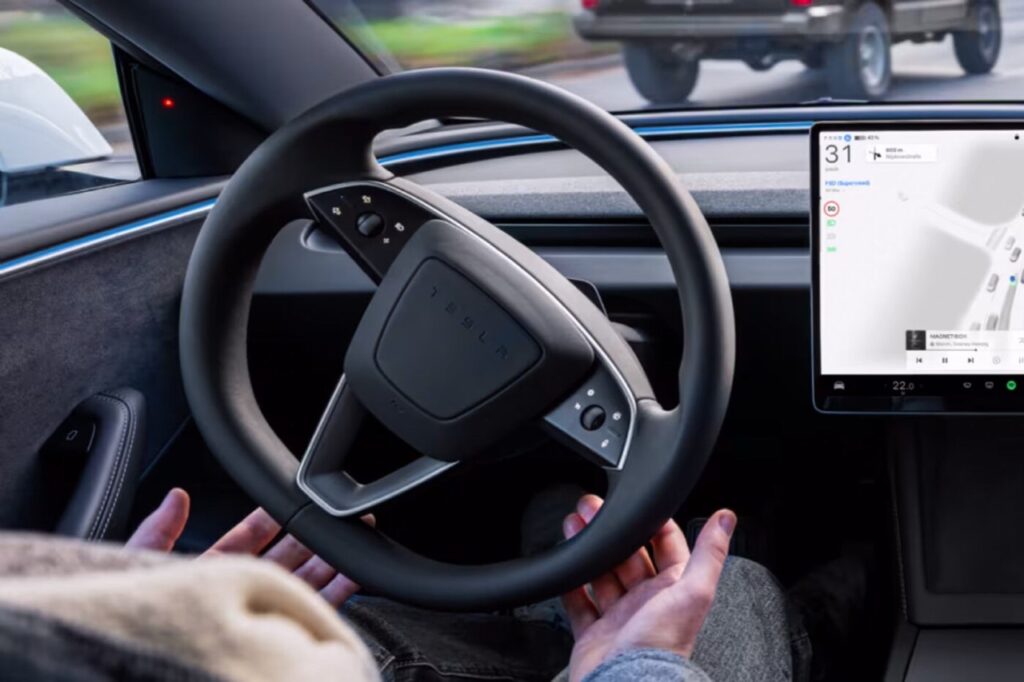
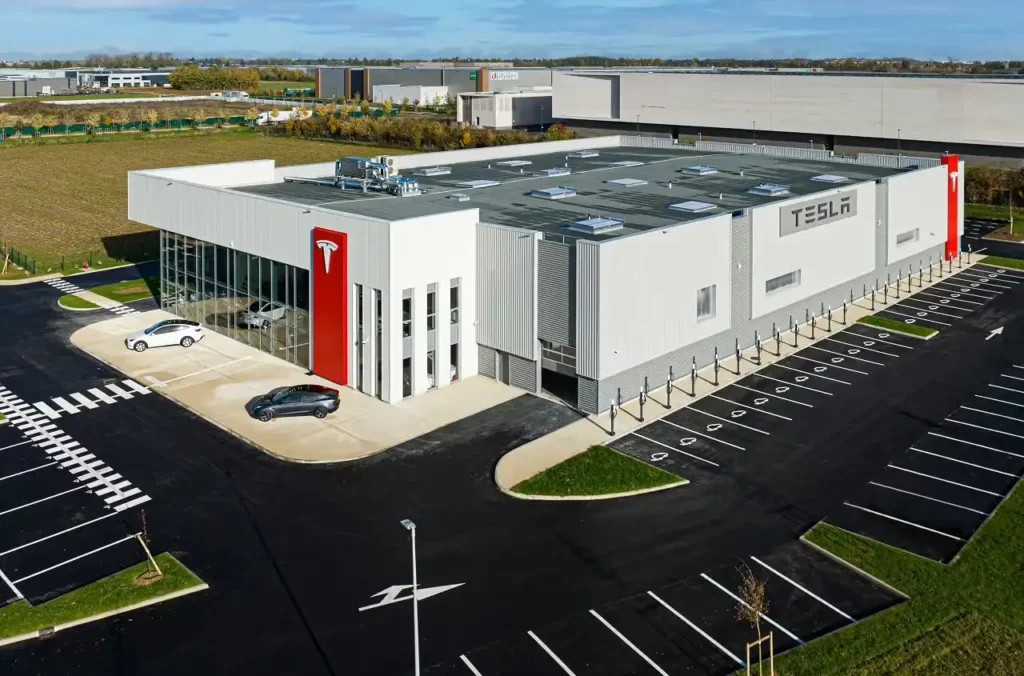
Since 1 December, Tesla has been transforming 10 of its French centres into autonomous driving showcases, managed by FSD (Full Self-Driving) in “supervised” mode. Until 31 December 2025, curious onlookers will be able to discover this technology, which is still banned in Europe.
Source : Tesla
Tesla FSD: the technology that challenges European roads
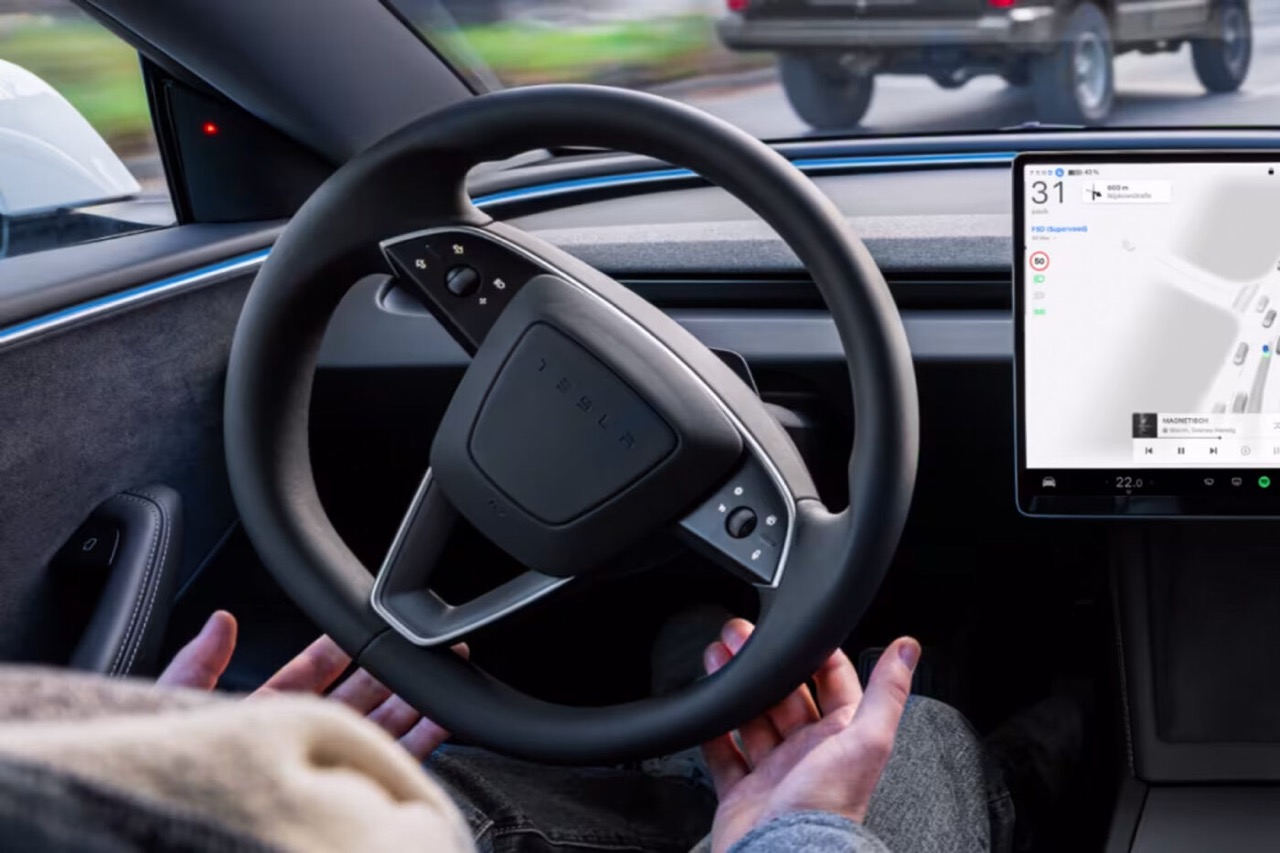
This autonomous ride through French cities is possible thanks to a technology that the American firm has been developing for over 9 years. In 2025, the most recent high-performance version is v14, based on the “vision only” approach: eight high-resolution cameras and a powerful on-board computer analyse the environment in real time via a neural network. The big innovation is that this motor intelligence does not use radar.
In practical terms, to get from trip A to trip B, the driver enters a destination via the screen, which generates an itinerary with suggested lane changes, motorway exits and bends. The FSD follows this route, selecting the right forks and adjusting in real time (detours, road closures). The system therefore manages steering, acceleration, braking, lane changes, intersections and pedestrians, mimicking human decisions based on billions of kilometres accumulated in the United States.
However, it remains classified as level 2 according to the SAE (Society of Automotive Engineers) classification of automation levels, which ranges from 0 to 5. It requires constant human supervision, with the driver remaining legally responsible.
Where can you test the SDF as a passenger?
It’s the announcement of the end of the year: Tesla is opening its centres from 1 to 31 December 2025 for supervised test drives in France. In all, more than 10 Tesla Centres across France will be open to the more curious. Nantes, Bordeaux, Paris-Est, Lille, Cannes, Toulouse, Marseille, Strasbourg, Paris-Nord and Lyon-Est: these are the locations selected by Elon Musk’s brand.
Source : Tesla val d’europe
Registrations can be made via the Tesla France website, in limited time slots, with an employee at the wheel for the entire duration. The scheme will run in Europe (Italy and Germany) until 31 March 2026.
A typical test route
With the aim of proving that this technology, which makes drivers reluctant, is effective and reliable, each session reproduces a home-work journey. The car will drive through dense urban areas, roundabouts and the ring road, but will also wander along suburban roads and high-traffic areas to test stressful everyday scenarios. The FSD will be piloting these stages alone (insertions, priorities, pedestrian crossings), under immediate supervision. It is expected to take around 20-30 minutes around the Tesla Centre.
Source : Tesla
When will this be authorised?
In France and Europe, full approval for customer use is based on the DCAS/UNECE R171 phase 3 regulation. This regulation, which recently came into force on 22 September 2024, authorises lane changes and manoeuvres initiated by the system under human supervision.
At present, no European territory has authorised this technology. Nevertheless, Tesla is trying to convince the RDW, which is the independent Dutch authority for all motorised vehicles. The American brand is targeting February 2026 in the Netherlands and hopes to extend the technology to other countries in late 2026/early 2027. Elon Musk is lobbying hard, criticising the “obsolete” rules, despite a number of changes (e.g. France banning “fully autonomous” advertising).
For everyone, these journeys offer a unique opportunity to observe technology on our roads, in the face of our markings, our signage and our very European way of driving. All of which will fuel the debate on the real role that autonomous driving will play in tomorrow’s electrified mobility.
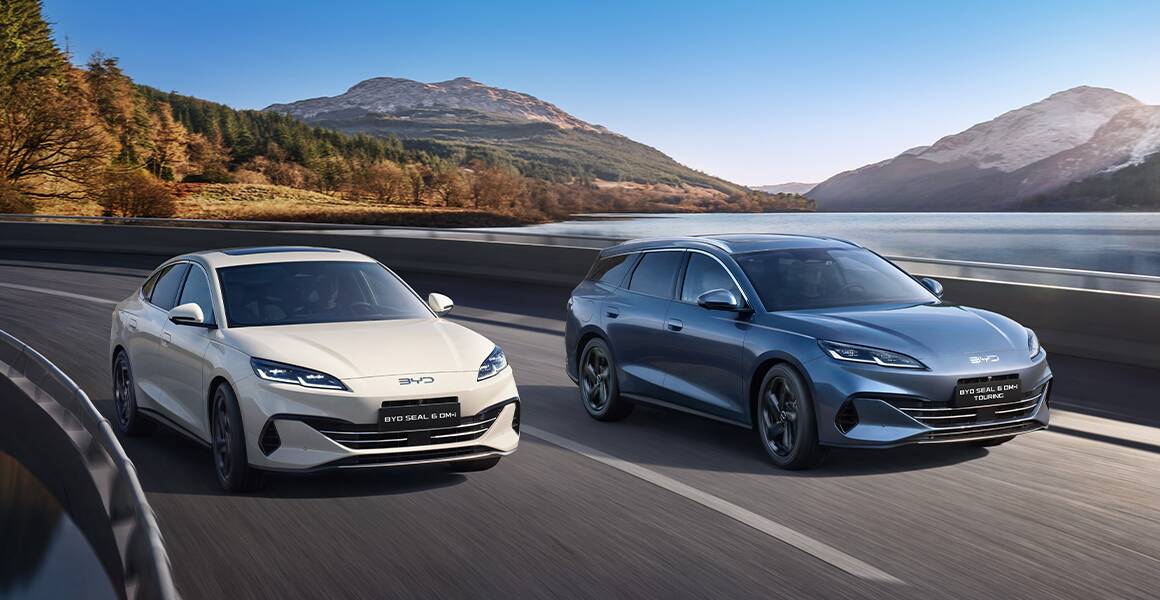
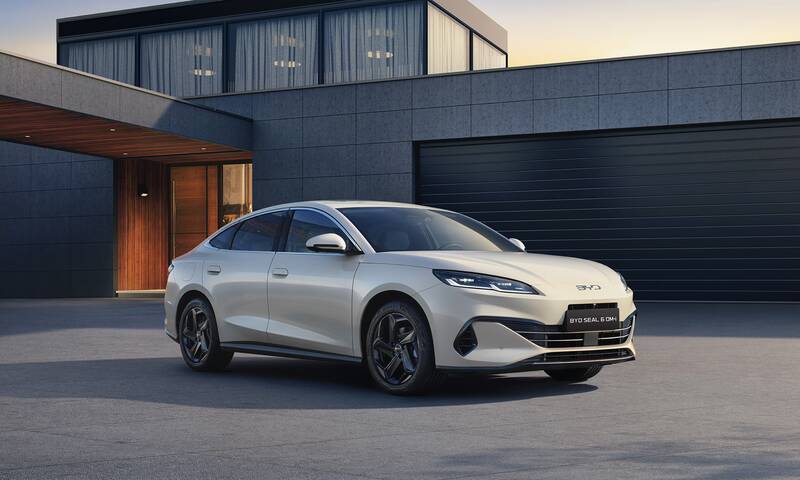
The new BYD SEAL 6 DM-i is winning over the European market with its exemplary safety. The saloon and estate versions have been awarded five stars thanks to their consistent performance. These hybrid models confirm BYD’s ambitions in strategic family segments.
The BYD SEAL 6 DM-i saloon and estate drive on the road, combining performance and safety. (Credit: BYD)
Results boost BYD’s credibility in Europe
Both SEAL 6 DM-i models scored top marks in the Euro NCAP tests, underlining their rigorous design and the manufacturer’s technological maturity. This result reflects in-depth work on the vehicle’s structure, particularly in side impacts, where the saloon scored maximum points. This performance rewards development work focused on structural strength and energy management during complex impacts.
Adult occupant protection reaches 92%, a score rarely achieved in this category. The manufacturer is thus demonstrating its ability to offer safety solutions adapted to the constraints of the modern road. This high score is reassuring for drivers looking for a vehicle capable of offering safe and comfortable journeys, even over long distances.
One of the best levels of child protection in its category
Child protection performance reaches 90%, thanks to exemplary results in frontal offset and side impact tests. This level reflects BYD ‘s focus on family safety, an essential element in a market where this criterion strongly influences purchases. Fastening systems, seat configuration and crash force management have been optimised to ensure maximum safety.
This performance strengthens the position of the SEAL 6 DM-i among families who want to combine autonomy, technology and protection. The European market, which is highly sensitive to these criteria, is seeing the arrival of two models capable of competing with the best references in the segment.
Overall safety praised by Euro NCAP
The other two categories assessed by Euro NCAP also scored very well. Protection of vulnerable road users reached 84%, demonstrating the finesse of the sensors and the effectiveness of the exterior surveillance systems. These systems enable rapid detection of pedestrians and cyclists, reducing the risks in dense urban environments.
Driver assistance systems scored 85%, reflecting the quality of the technologies on board. Euro NCAP describes these systems as excellent, in particular because of their precision and consistency in real-life situations. This recognition is a major asset for BYD, which is banking on software innovation to stand out in an industry in the throes of transition.
The SEAL 6 DM-i, with up to 105 km of 100% electric range and a combined range of 1,505 km (Credit: BYD)
Recognition as part of a sustainable dynamic
The SEAL 6 DM-i becomes the ninth BYD car to be awarded five stars since the brand’s arrival in Europe at the end of 2022. This new distinction adds to the success of a range that has consistently won top marks in safety assessments. The Chinese firm is thus demonstrating a rare consistency in its approach, enabling it to rapidly win the confidence of consumers.
Previous award-winning models such as the DOLPHIN, the ATTO 3 and the SEAL U DM-i have further enhanced this reputation. BYD is now established as a major player in the electric and hybrid market. These results demonstrate a strategy focused on reliability and transparency, two essential elements for winning over customers in Europe.
A stronger position
Since their launch in September, the SEAL 6 DM-i and SEAL 6 DM-i TOURING have won over a wide range of customers thanks to their range and versatility. Super Hybrid technology enables long distances to be covered using an efficient combination of battery and combustion engine, an advantage appreciated in regions where recharging facilities are limited. This hybrid solution also makes it possible to reduce overall fuel consumption, which meets drivers’ ecological and economic expectations.
The saloon version offers up to 105 km in electric mode, while the Touring version reaches 100 km, a remarkable performance for this type of powertrain. The combined range is well in excess of current standards, with 1,505 km for the saloon and 1,350 km for the estate. These figures allow drivers to plan their journeys without constraint, while enjoying a smooth, silent drive.
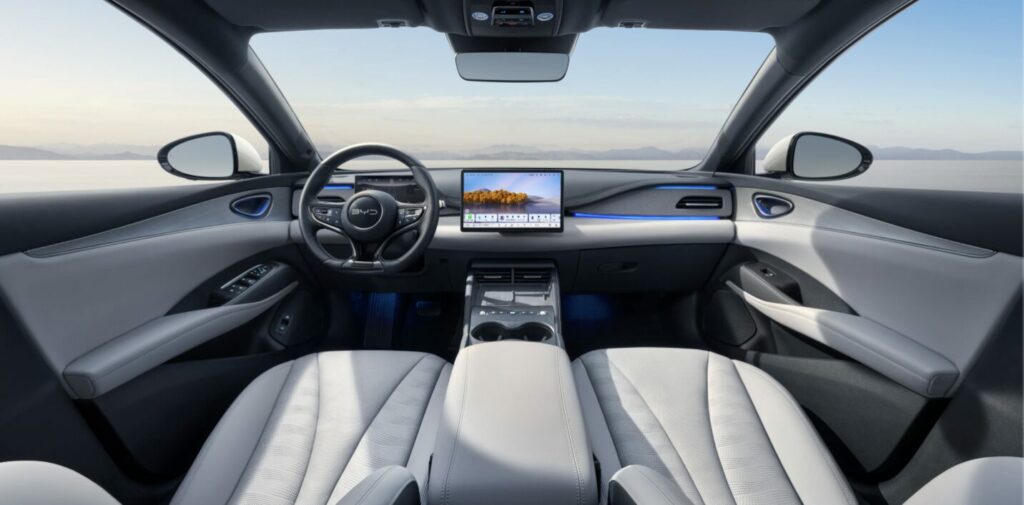
The spacious, connected interior of the SEAL 6 DM-i with touchscreen and on-board technologies. (Credit: BYD)
A user experience enhanced by practical technologies
Both models incorporate iconic BYD features such as Vehicle-to-Load. This technology makes it possible to power external devices, a feature much appreciated during business trips or outdoor activities. It illustrates BYD’s commitment to offering vehicles that are versatile and suitable for multiple uses.
The 12.8″ or 15.6″ infotainment touchscreens provide fluid, intuitive navigation. Access to the vehicle via smartphone using the NFC card simplifies everyday life for users. These innovations add to the overall appeal of both models, and complete an already solid offering in terms of safety and autonomy.
Hydrogen is attracting growing interest as the energy transition gathers pace. Despite its long history of use, hydrogen is now back at the heart of global industrial strategies. Its potential is immense, particularly in terms of decarbonising high-emission sectors. However, understanding what hydrogen really is remains essential if we are to grasp its environmental, economic and technological challenges.
A hydrogen cell capable of producing electricity without polluting emissions.
The simplest and lightest element in the universe, hydrogen is a versatile resource. It is very abundant in space but rare in its pure state on Earth, and must always be extracted from the molecules with which it is associated. This technical constraint has a major influence on its carbon impact and its uses.
A simple but essential element
Hydrogen is a colourless, odourless gas made up of two linked atoms. Highly flammable, it has long been used as a fuel in industry, and later in the space industry. Although non-toxic, it must be handled with care because of its lightness and explosive power. In the 19th century, it was already powering lighting networks, demonstrating its early energy potential. Even today, it is used in refining and in the manufacture of ammonia and methanol. These industrial uses account for global consumption exceeding seventy million tonnes every year.
However, the hydrogen we use does not occur directly in nature. It is found in water, hydrocarbons and biomass. To recover it, we need to use chemical processes capable of breaking down the molecules to isolate the dihydrogen. This principle governs the entire process and influences its ecological footprint. Depending on the method used, hydrogen can be either clean or extremely polluting.
Production methods with very different impacts
Firstly, steam reforming of natural gas remains the most widespread technique. It involves exposing methane to very hot steam to release the hydrogen it contains. The process is simple and cost-effective, which explains its widespread use. However, it generates large quantities of CO2 that are not captured. This hydrogen, known as carbon-based, is responsible for high emissions and still accounts for most of the world’s production. As a result, it cannot be considered a sustainable solution for the energy transition.
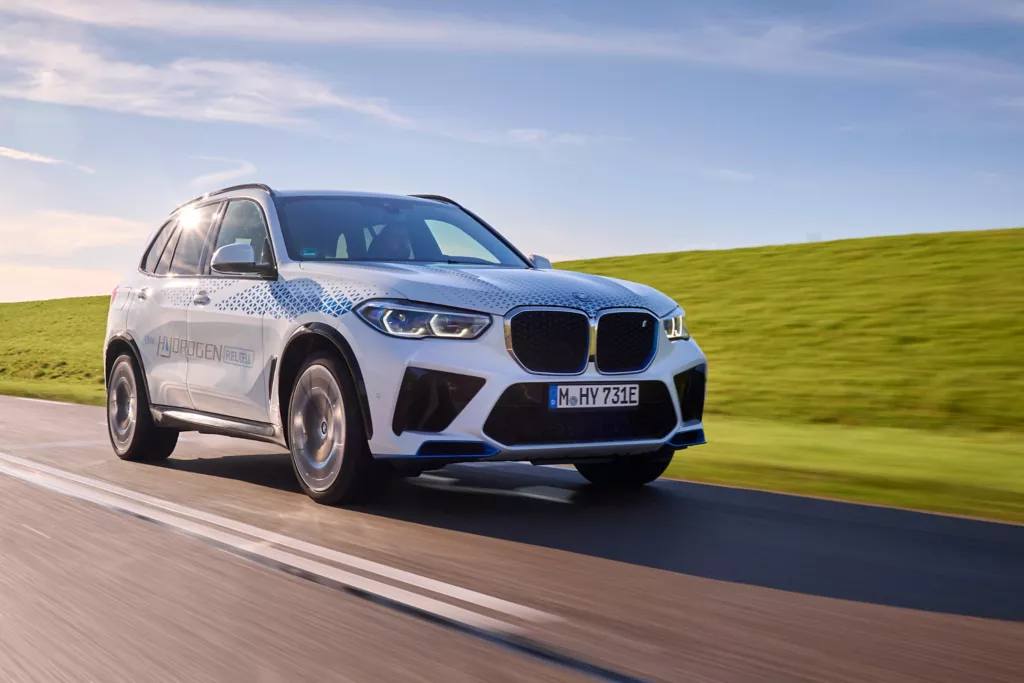
The hydrogen-powered BMW iX5 combines luxury, performance and respect for the environment. (Credit: BMW)
Secondly, water electrolysis offers a clean and safe alternative. This technique uses an electric current to separate the hydrogen and oxygen present in water. When the electricity used is low-carbon, the hydrogen produced is also low-carbon. If it comes from renewable energy sources such as solar or wind power, it becomes “green”. This is currently considered to be the most promising way of reconciling energy efficiency and reduced emissions.
Using colour to understand our carbon footprint
To make it easier to understand the different production methods, we use a colour code. Black or brown hydrogen comes from coal, which makes it the most polluting. Grey hydrogen, produced from natural gas, is still widely used but emits a lot of greenhouse gases. It turns blue when the CO2 generated is captured and then stored. Yellow hydrogen is produced using nuclear power, which means it has a limited footprint. Finally, green hydrogen is based on renewable energies and represents the most virtuous path. This classification enables decision-makers, manufacturers and consumers to easily assess the environmental challenges of each type of hydrogen.
However, other approaches do exist and are worth mentioning. Biomethane from biowaste can be used to produce renewable hydrogen through reforming. The CO2 generated can be captured before being released into the atmosphere, providing a truly circular solution. These innovations open up new prospects, particularly for regions seeking to make the most of their local resources.
A strategic challenge for industry and transport
Hydrogen is a major lever for reducing emissions in industry. In France, industrial use accounts for almost eight million tonnes of CO2 emissions every year just from the manufacture of carbon-based hydrogen. Replacing this production with low-carbon hydrogen is a fast and effective way of reducing the climate impact of heavy industries such as chemicals and steel. With one million tonnes produced each year, France has made this transition a national priority.
What’s more, hydrogen is emerging as a fuel for heavy-duty mobility. It can power buses, trains, lorries and even boats. Its fuel cells offer long range and rapid refuelling, which meets the needs of freight transport. Thanks to its high energy density, it is becoming a strategic vector for uses where the electric battery is showing its limitations.
A storage solution for renewable energies
Renewable energies, although crucial, suffer from intermittence. Sometimes they produce too much electricity, sometimes not enough. Hydrogen is the ideal solution for storing this surplus. Thanks to electrolysis, surplus electricity can be transformed into hydrogen and then reused at a later date, as and when required. This flexibility enhances grid stability and facilitates the massive integration of clean energies.
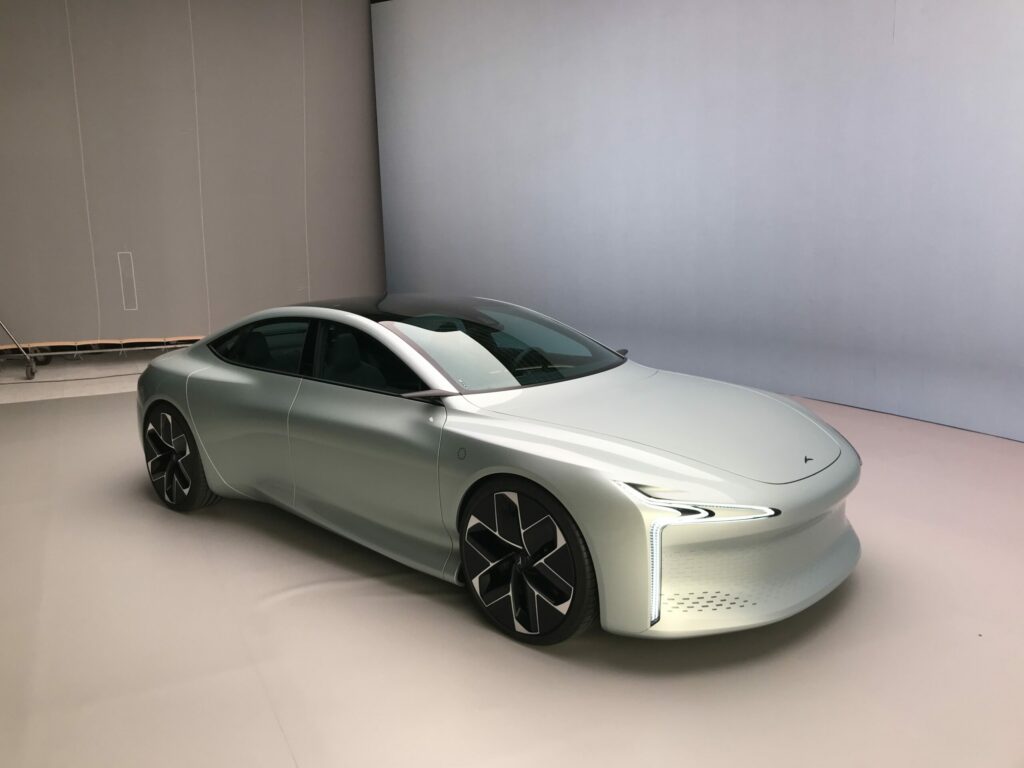
Hopium Machina, a luxury car powered by hydrogen, symbolises the sustainable mobility of tomorrow (Credit: Hopium)
This long-term storage role is a major advantage in a context of strong growth in electricity demand. Thanks to its conversion and restitution capacities, hydrogen is becoming a pillar of the world’s future energy architecture. Its versatility offers a solution to technical problems that are still difficult to resolve.
Growing commitment from companies and governments
For several years now, France has been actively supporting the development of low-carbon hydrogen. The government has launched an ambitious national strategy aimed at installing several gigawatts of electrolysers by 2030. These investments are helping to structure a competitive industry and reduce our dependence on fossil fuels. Similarly, the France 2030 plan is mobilising €9 billion to accelerate decarbonisation.
Large companies are also playing a key role in this development. Veolia, for example, is developing green hydrogen projects using biomethane and electrolysis fuelled by energy from waste recovery. This initiative is part of a circular economy approach and aims to optimise the resources available in local areas. The aim is to offer local solutions for heavy mobility, heating and industry.
Towards a future shaped by hydrogen
At a time when the world’s population is growing and resources are becoming increasingly scarce, new energy models are urgently needed. Hydrogen is emerging as a credible alternative, capable of meeting growing needs while reducing emissions. Thanks to increasingly efficient low-carbon processes, it is becoming an essential vector for achieving the ecological transition.
So action remains the watchword. The technologies exist, the solutions are progressing and investment is multiplying. To make hydrogen a sustainable pillar, we need to continue these efforts, accelerate research and strengthen cooperation between public and private players. By working together, we can build a cleaner, more resilient and more responsible economy.