Blog

  • Solid batteries: BMW and Samsung revolutionise the electric sector

    Solid batteries: BMW and Samsung revolutionise the electric sector

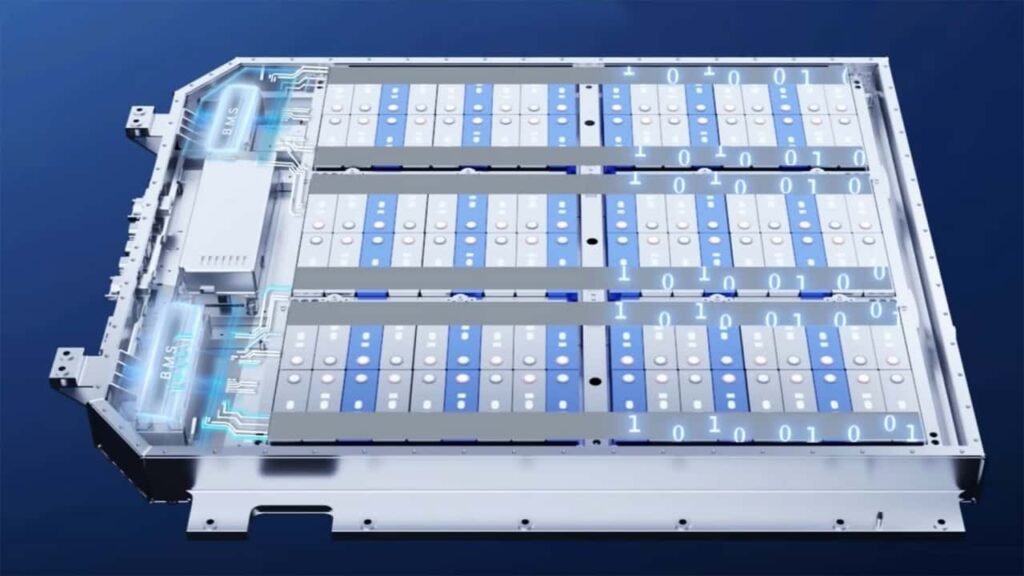
    Solid state batteries are finally moving from the laboratory to the production line. Thanks to a structured alliance between BMW, Samsung SDI and Solid Power, the technology is taking a decisive step towards commercialisation, expected before 2030. This convergence of major players promises double the range, faster recharging and greater safety, reviving the global race for innovation.

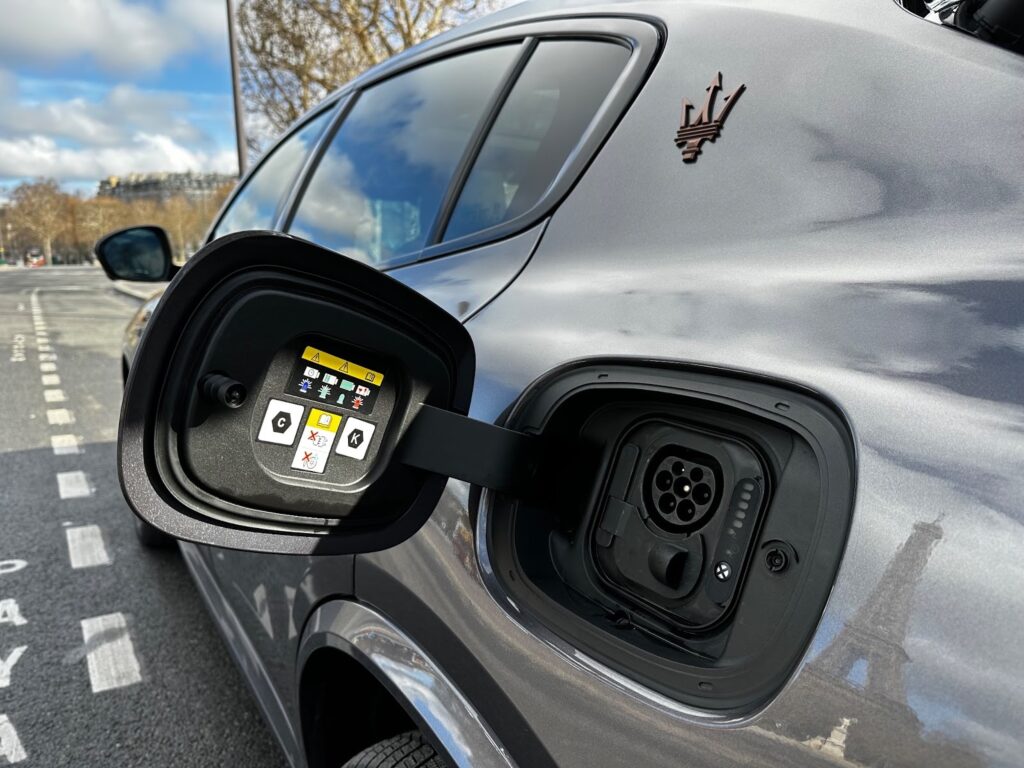
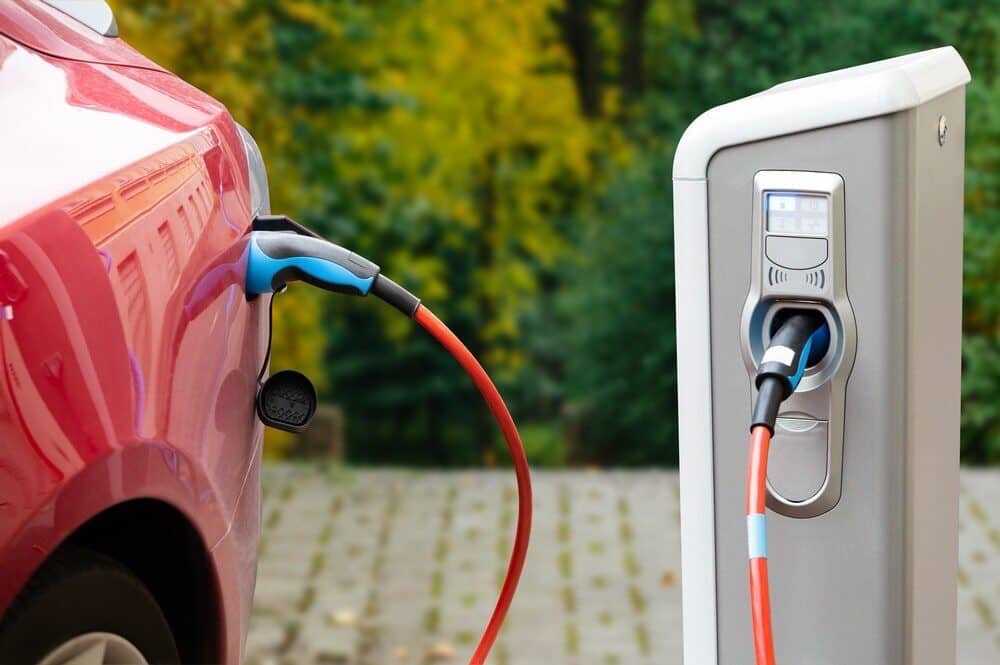
    BMW electric car charging outdoors with solid battery
    A BMW equipped with solid batteries recharges outside, symbolising autonomy and advanced technology (Credit: BMW Group).

    The partnership that could change the industry

    BMW, Samsung and Solid Power today formalised a strategic collaboration to accelerate the development of solid state batteries. The alliance draws on Solid Power’s chemical expertise, Samsung SDI’s industrial strength and BMW’s automotive expertise, providing a complete ecosystem to take batteries from prototype to production. BMW and Solid Power have already been working together since 2022, but the arrival of Samsung marks a crucial step. The Korean group will contribute its manufacturing capabilities, while BMW will design and integrate the packs into its future models. This clear division of roles should enable a rapid and controlled ramp-up.

    The first results are tangible, with a pilot line inaugurated by Samsung in 2023 to produce prototypes that will be sent to customers. At the same time, BMW has successfully tested an i7 equipped with solid-state cells in real-life conditions. As a result of these advances, the partners are aiming for series production before 2030, reinforcing the credibility of a technology that is often considered over-ambitious.

    Long-promised technology finally a reality

    The heart of the system is a sulphide-based solid electrolyte developed by Solid Power. It offers high conductivity and improved stability, two major challenges for this technology. The cells manufactured by Samsung will incorporate this electrolyte in the separator or catholyte. BMW will then assess performance against strict criteria before incorporating them into its demonstration vehicles. These advances are also based on an energy density that is significantly higher than current standards. Some configurations already reach 390 Wh/kg and could rise to 440 Wh/kg with a lithium metal anode. Experimental versions are even aiming for 560 Wh/kg, although their development is still at an early stage.

    This performance is expected to double the range and halve recharge times. The benefits also include longer life, limited degradation and a safer thermal profile. The technology therefore seems to offer much-awaited solutions for accelerating the adoption of electric vehicles in an increasingly competitive market.

    Technician examining a BMW fitted with a solid state battery in the laboratory
    A technician examines a BMW equipped with solid-state batteries, illustrating the tests and validations carried out in real-life conditions. (Credit: BMW)

    The global race intensifies

    The competition for solid-state batteries is gathering pace, with all the major manufacturers looking to gain the upper hand. Nissan is already developing its own solutions with LiCAP Technologies. In China, CATL and BYD are aiming to bring their products to market as early as 2027, with a view to asserting their dominance before the end of the decade. At the same time, Mercedes-Benz, Stellantis and Volkswagen are making progress with their dedicated partners, showing that the stakes go far beyond the technological framework.

    Against this backdrop, BMW is adopting a cautious but ambitious strategy. The manufacturer is multiplying its partnerships to maximise its chances of success, while rigorously validating each step forward. Despite the absence of a precise timetable, the current momentum suggests that the solid-state battery could become an industrial reality sooner than expected.

    A redefined electric future

    Thanks to the complementary nature of their combined expertise, BMW, Samsung SDI and Solid Power seem to be better equipped to take the final critical steps. Prototypes are already on the road, pilot lines are up and running and validation work is progressing. If the promises are confirmed, this technology could profoundly transform the automotive industry by offering greater safety, more autonomy and fewer constraints for users. So the countdown is on. The next few years will tell whether the solid state battery can finally live up to its promise and reshape the global electric mobility landscape.

    As well as manufacturers, consumers have high expectations of this new generation of solid batteries. The doubled range and faster recharging could remove the last remaining obstacles to the purchase of an electric vehicle, particularly for long journeys. In addition, greater safety and improved thermal stability are boosting public confidence in this technology. Finally, the combination of performance, durability and ease of use could transform the driving experience, while accelerating the transition to cleaner, more efficient mobility.

  • Decarbonising transport: €100m for French infrastructure

    Decarbonising transport: €100m for French infrastructure

    Europe’s vast programme to decarbonise transport is granting €100 million to sixteen French projects, supporting ports, airports and road networks. The funding is designed to speed up the transition to clean energy solutions and boost national competitiveness. It also marks a strategic step towards the rapid electrification of heavy mobility.

    Logistics operations under an aircraft on a tarmac
    French airports are modernising their ground operations to incorporate electric solutions and reduce their CO₂ emissions.

    Massive support for French ports and airports

    European funding primarily targets the power supply to ships at berth, in order to reduce emissions in port areas. The ports of Saint-Malo and Bordeaux, and those managed by Haropa in Le Havre, Rouen and Paris, are benefiting from substantial aid. These installations will enable ships to use land-based electricity rather than their auxiliary engines, which are highly polluting. Airport operations are also following suit, with Toulouse-Blagnac and Paris-Charles-de-Gaulle receiving several million euros to electrify their facilities. This development strengthens the coherence of environmental policies while modernising strategic infrastructures.

    These subsidies consolidate a dynamic already underway by several players in the sector. Port managers are keen to reduce the environmental impact of maritime traffic, which emits large quantities of pollutants. At the same time, airports are speeding up the integration of electric equipment, which is essential if European emission reduction targets are to be met. This convergence reflects a desire to adapt national equipment to climate requirements.

    Mass deployment of charging stations for electric vehicles

    The list of winners also includes a number of operators specialising in recharging electric vehicles. Engie Mobilités électriques has been awarded more than €5 million to equip fifty-one sites for heavy goods vehicles in Europe. The majority of these installations will be in France, to support the transition in road transport. TotalEnergies, for its part, is coordinating a major project involving nineteen sites capable of delivering 76 megawatts for electric trucks. This initiative has been allocated €13 million, illustrating the strategic importance of the logistics sector.

    These investments are facilitating the development of a coherent, high-performance network, which is essential for businesses faced with new energy constraints. The European corridors must rapidly accommodate terminals capable of meeting the growing demand for power. What’s more, these networks will make it possible to unify technical standards and improve interoperability between neighbouring countries.

    HGVs parked at their logistics base
    Bus and lorry depots are being transformed with recharging facilities to support sustainable mobility.

    Electro-mobility in buses and the boom in green hydrogen

    Keolis is also among the beneficiaries, with a grant to modernise a depot with ninety-eight buses in eastern Paris. The operator also wants to electrify a site still dependent on diesel, which will further reduce urban emissions. This transformation is part of a sustainable public mobility strategy. It also underlines the efforts being made by urban areas to reduce local pollution. At the same time, green hydrogen is continuing to make headway thanks to the start-up Qair, which has received support to deploy stations between Toulouse, Montpellier and Perpignan. Support for this technology confirms its place in the transition to heavy mobility.

    Hydrogène Nouvelle Aquitaine is also receiving support for an electrolyser and several stations. This approach guarantees a diversification of energy sources. It will also enable hydrogen to be integrated more quickly into industrial and logistics applications. Finally, the company Izivia has been awarded a grant to install one hundred and sixty hydrogen filling stations for lorries on European motorways. This initiative complements the efforts being made by operators to strengthen the long-distance recharging offer.

    Private players heavily involved in the transition

    Voltix, a subsidiary of the Vinci Group, has been granted an exceptional sum of sixty-five million euros. The funding will be used to set up forty-five recharging sites in France and several other European countries. The total power announced is 288 megawatts, once again demonstrating a major ambition for the electrification of heavy goods vehicles. This initiative illustrates the determination of companies to meet the technological challenges of the ecological transition. It also highlights unprecedented European coordination.

    The Electra network is receiving four million euros for thirty-nine sites in several Member States. This contribution strengthens the presence of an operator already well established in urban areas. It also encourages the harmonisation of infrastructures between the different markets in the Union. This enhanced development will enable users to benefit from a more reliable and extensive network.

    Truck travelling on a motorway
    Charging stations are springing up all along Europe’s major roads to facilitate electric road transport.

    A European strategy transforming the French landscape

    These grants reflect a shared vision focused on reducing emissions from the transport sector. They support concrete projects, anchored in the regions and led by public and private partners. Thanks to these investments, France is speeding up the adaptation of its infrastructure. This dynamic also contributes to the economic development of the regions concerned. Finally, it encourages innovation in a sector undergoing major change.

    Europe is confirming its driving role in the energy transition. The projects selected meet the environmental priorities set for the coming years. This approach creates a stable and encouraging framework for industrial players. It also sends a clear signal about the importance of investing in clean technologies. All in all, this €100 million package marks a significant step towards more sustainable transport.
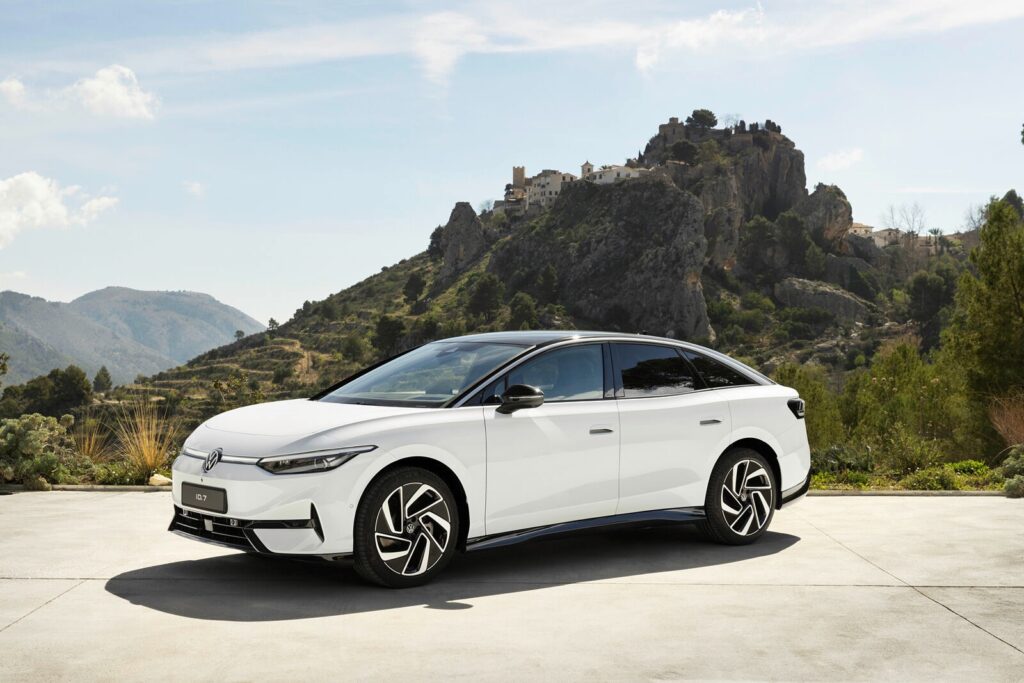
  • Leapmotor A10: the small electric SUV that wants to shake up Europe

    Leapmotor A10: the small electric SUV that wants to shake up Europe

    Chinese manufacturer Leapmotor is stepping up its electric strategy. Its new A10 urban SUV is clearly aimed at the already saturated European market. It promises an aggressive price and unexpected technologies for this segment.

    Front of the Leapmotor A10 still hidden in the shadows
    The front of the Leapmotor A10 appears in a dark teaser released by Leapmotor (Credit: Leapmotor)

    A strategic launch in a hotly contested segment

    Leapmotor is preparing a major offensive with the A10, a model designed to appeal to the European public despite formidable competition. Backed by Stellantis, Leapmotor has been rolling out new models for several months now, and is moving forward at an impressive pace. After the B05, then the large C10 and the compact B10, the brand will unveil this small 100% electric SUV on 21 November at the Guangzhou Motor Show. Its mission is clear: to take on the Peugeot e-2008, Renault 4, Jeep Avenger and Fiat 600e, models that have long dominated the B segment.

    The first images published on Weibo, a social network widely used in China, confirm a distinctive design that is sharper than that of the rest of the Leapmotor range. We can see a three-segment front light signature, as well as a rectilinear profile marked by two metallic rear inserts. These elements are reminiscent of European vehicles, while at the same time affirming a new identity designed for the international market. The SUV is also aimed at a price-conscious clientele, a criterion that has become central in a tense electric market.

    A bold design and a few mysteries still unanswered

    The teasers show a vehicle still in shadow, but several details are already emerging. The rear features an unexpected light signature, resembling a smiling emoji. This stylistic touch contrasts with the seriousness displayed by its direct rivals. The roof also features a large bump, housing a LiDAR system reserved for the Chinese market. This technology will enable advanced semi-autonomous driving functions.

    However, Europe is unlikely to benefit from LiDAR, probably to keep production costs down. European versions, on the other hand, will retain the modern electric architecture of the Chinese model, as well as its digital interface for urban driving. The patent images also confirm the presence of a charging hatch on the front left wing and black protectors on the rocker panels. These elements reinforce the SUV look without sacrificing overall sobriety.

    A new platform for a new series of models

    The A10 inaugurates Leapmotor’s new ‘A’ series, which also includes the A05 city car. Both models are based on a new technical platform, developed to meet European expectations in terms of perceived quality and urban agility. This strategy marks a major break in Leapmotor’s positioning, as it seeks to move away from its image as a ‘low-cost brand’.

    The A10’s proportions are ideal for urban use. At more than four metres long, the SUV sits below the B10 in the range and is close to the standards of the Renault Captur and Peugeot 2008. The patents reveal simple lines that are far more dynamic than the first Leapmotor models. The brand’s aim is to appeal to a discerning European clientele, accustomed to higher-quality finishes and better-structured interiors.

    Profile of the Leapmotor A10 revealed in a dark teaser
    Rectilinear profile of the Leapmotor A10 reveals itself slightly in the dark. (Credit: Leapmotor)

    Consistent range and a possible range extender

    No official technical data has been released, but the Chinese press is quoting a range of around 400 km on a combined cycle. There are also persistent rumours of a range-extender version reserved for China. This system would combine an electric battery with a small combustion engine dedicated to recharging.

    If this configuration is confirmed, Leapmotor would be the only player in the B-SUV segment to offer such a device. In Europe, only a 100% electric version is expected, without an extender. This would enable the brand to maintain a very aggressive price, while simplifying production. The European versions are expected to be powered by a conventional electric motor, with a power output comparable to that of its direct rivals.

    A price that could shake up the entire European market

    The real shock could come from the announced price. Several sources suggest an entry price of under €25,000. At that level, the A10 would immediately become one of the most affordable electric SUVs on the market. By comparison, the Renault 4 E-Tech starts at almost €30,000. The Peugeot e-2008 tops the €38,000 mark before discounts and bonuses.

    This gap could play a decisive role for a brand that is still under construction on the continent. The A10 could be used as a loss leader to establish Leapmotor on a long-term basis in Europe. Stellantis, Leapmotor’s manufacturing and distribution partner, could even envisage production in Spain at a later date. This location would reduce logistics costs and simplify access to European government grants.

    A global offensive, not just a European one

    While Europe is the priority target, the A10 also has a role to play in South America. This market is already home to the successful BYD Atto 2, so Leapmotor is hoping for a similar breakthrough. The brand wants to develop a coherent global range capable of fuelling rapid growth.

    Leapmotor sales exploded in 2025, with a 120% increase over ten months. These figures are set to rise further with the arrival of the A series, designed to broaden the customer base while strengthening the brand’s image. This small SUV is therefore becoming a crucial model in the Chinese manufacturer’s international strategy.

    Official logo of the 2023 Paris Motor Show
    A life-size version of the 2023 Auto Show logo, seen at the annual event. (Credit: Auto Guangzhou)

    A highly anticipated event at the Guangzhou Motor Show

    The official presentation of the Leapmotor A10 on 21 November will finally lift the veil on its technical specifications and interior. The Guangzhou Motor Show will be the first event where the model will appear without camouflage or shadow. Its final information will show whether Leapmotor can really compete with the European heavyweights on the market.

    In Europe, the public will be able to discover the SUV in 2026, probably at the Paris Motor Show. If the promises are confirmed, this small electric SUV could become one of the great disruptors of the market. A clear threat to the established brands, which are already engaged in a difficult pricing battle.

  • Range Rover Velar P400e 2025: British hybrid luxury

    Range Rover Velar P400e 2025: British hybrid luxury

    ECO MOTORS NEWS had the opportunity to get hands-on with the Range Rover Velar P400e, the British manufacturer’s plug-in hybrid SUV. It’s a vehicle that embodies the brand’s DNA, while embracing the energy transition. For four days, from Thursday to Monday, we had plenty of time to put it through its paces in a wide variety of conditions.

    The Range Rover Velar P400e 2025, a luxury hybrid SUV, elegantly positioned in front of the Trocadero, offering a breathtaking view of the Eiffel Tower (Credit: Marceau NIO)

    The appointment is made at the Argenteuil agency, where our steed awaits us. Dressed in its Chawton Grey livery, this Range Rover Velar P400e in Dynamic HSE finish is ready to devour the kilometres we’ve set aside for it: local roads, city centre, Paris inner city, the legendary Paris ring road, departmental roads, motorways and expressways. A complete tour to put this British behemoth through its paces in every situation.

    First impressions: modern British elegance

    At first glance, the Velar stands out from its Range Rover cousins with a slightly more fluid silhouette. At 4.80 metres long and almost 2 metres wide (including 2.15 m rear-view mirrors), it remains imposing, as Range Rover is obliged to do. What makes it unique, however, is the more dynamic appearance it achieves thanks to its sloping rear profile, a departure from the flat roofline and the iconic, almost rectangular profile of the Range Rover Sport and Evoque. From the outside, the design remains true to the brand’s DNA: charisma, visual power and that immediately obvious impression of luxury. This is a vehicle that makes a statement without being ostentatious, that asserts its status while retaining a certain elegance.

    The front lights have been updated compared with previous versions. Tapered LEDs and a more modern daytime running light signature have been added, maintaining the original image of the Velar: elegant and refined. The rear lights have also been updated, forming a continuous band of light that emphasises the vehicle’s width and reinforces its premium character. These are welcome changes that modernise the vehicle, but do not detract from it.

    Range Rover Velar P400e tapered LED headlight
    Detail of the Velar P400e’s updated LED headlights, highlighting the modern daytime signature and refined design. (Credit: Marceau NIO)

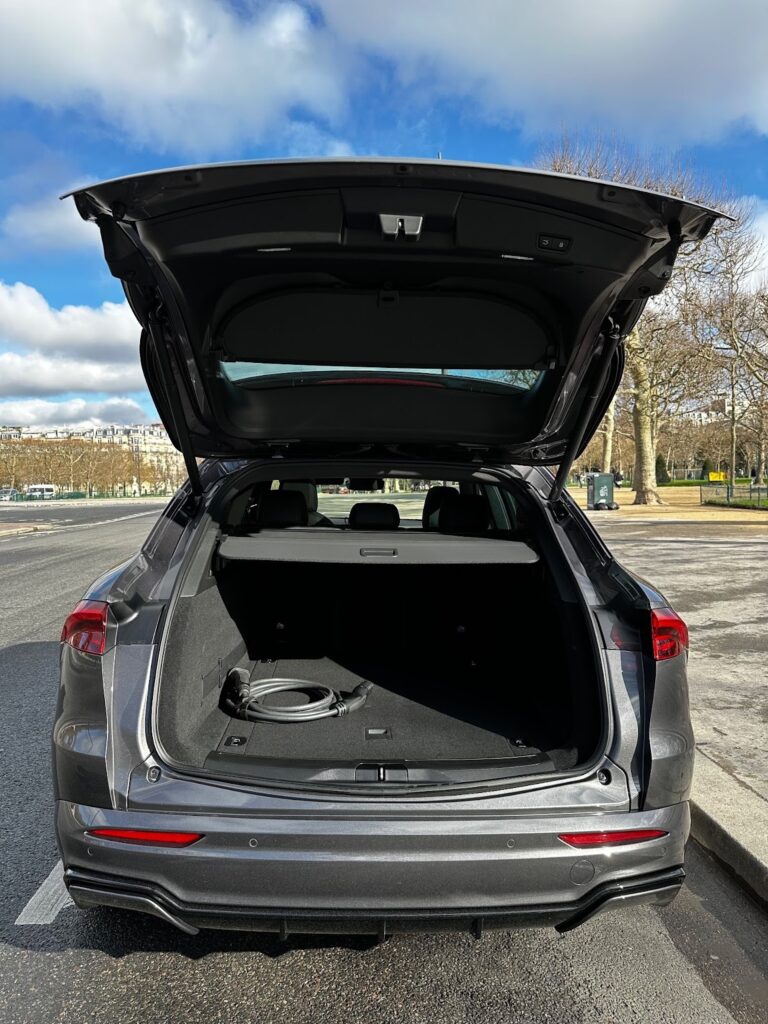
    At the rear, what you’d expect from a vehicle of this size is a large boot. It has a volume of 673 litres and conceals a 17.1 kWh battery, which is still very generous for a plug-in hybrid of this size. There’s plenty of space for everyday luggage and family weekends.

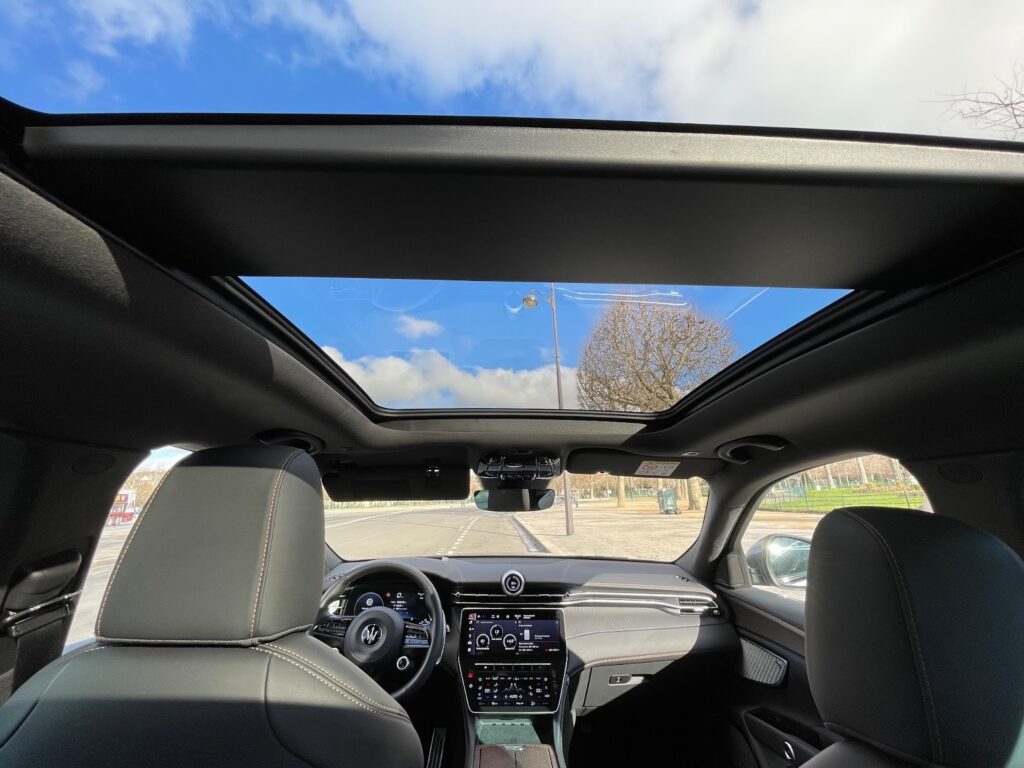
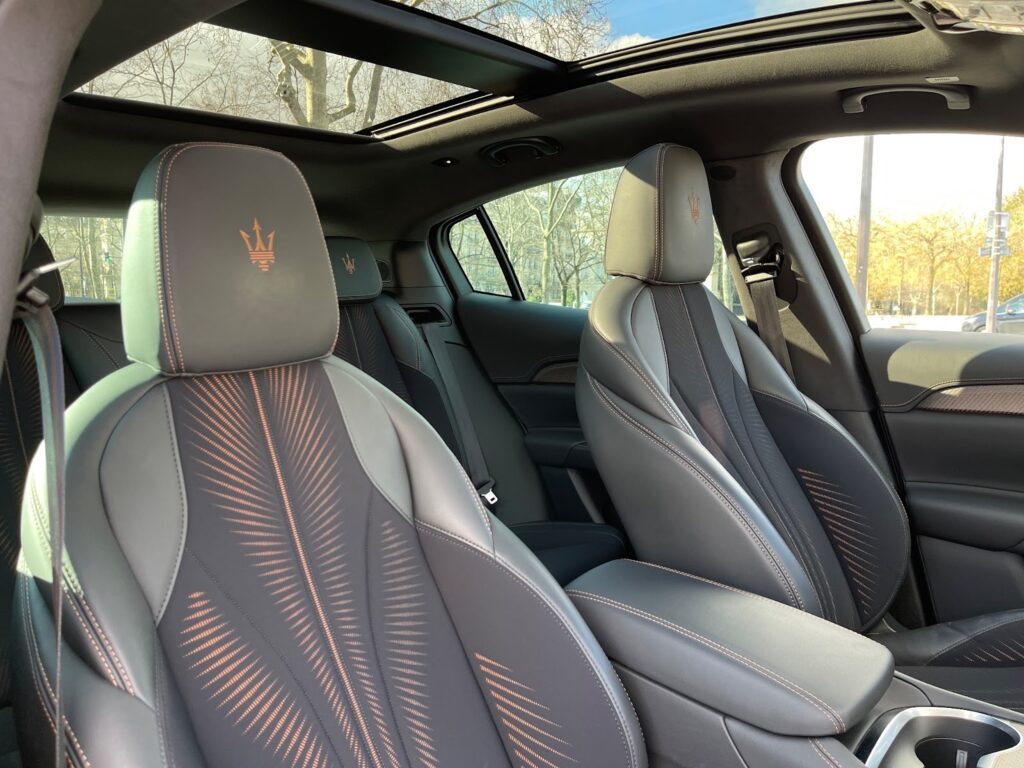
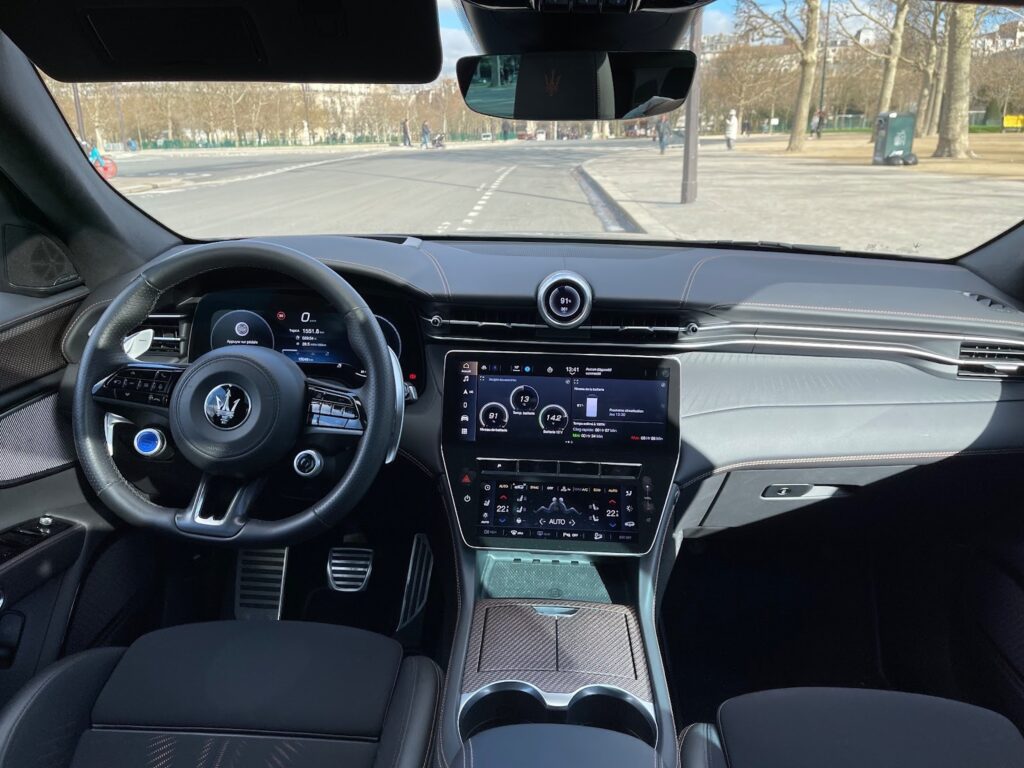
    As for the interior, it perfectly reflects the philosophy of the JLR Group: luxury, yes, but not flashy. There’s leather on the dashboard, perfectly assembled materials and impeccable finishes. The ergonomics are classic, even refined, with a well-positioned 11.4-inch central screen that incorporates all the main functions. The build quality is consistent with the group’s objective of positioning all its vehicles in the luxury segment. With the Velar, there’s no mistaking the fact that we’re offered a really beautifully crafted cabin.

    At the rear, three spacious and comfortable real seats, with the same level of finish, comfortably accommodate passengers. We’re talking about ‘real seats’ here, because legroom is generous, thanks in particular to a wheelbase of 2.87 metres.

    At the wheel of the Range Rover Velar P400e

    One thing is clear from the very first few kilometres: you quickly feel at ease. The visual sensation of accessibility to the controls is immediately confirmed, it’s well thought out, well laid out, and from the very first pedal strokes, the car exudes an immediate smoothness. The Velar P400e combines the advantages of combustion and electric power, and you can feel it. In pure electric mode, the car is silent, smooth as it revs up, almost subdued. Perfect for urban journeys or for enjoying a zen drive on a country lane. But as soon as you apply a little more pressure to the accelerator, the 300bhp 2.0-litre combustion engine takes over, backing up the 143bhp electric motor to deliver a combined output of 404bhp and a colossal 640Nm of torque.

    The sleek, luxurious interior of the Range Rover Velar P400e, with its 11.4-inch central touchscreen and impeccable finishes. (Credit: Marceau NIO)

    The acceleration is firm and present, and even if there is a slight lag time – which is when the vehicle’s 2.3 tonnes become noticeable – the response is immediate and powerful. The 0 to 100 km/h time of 5.4 seconds is impressive for an SUV of this size. On the motorway, you can feel at ease: the combination of smoothness and power makes it a very pleasant road companion. Despite its weight, roadholding remains at a decent level, even on small, winding roads. You feel confident and protected from road imperfections. You feel like you’re in a big car, and that’s particularly pleasant.

    But not everything is ideal. In town, the Velar has some inherent limitations. With a turning circle of almost 12 metres and a substantial width, manoeuvring in town centres or cramped car parks requires a great deal of anticipation. This is clearly not its ideal playground, even if the equipment does help.

    In terms of fuel consumption, the hybrid system is efficient: in town and at low speeds, it’s the electrics that take over, allowing you to drive without using a drop of petrol for the 62-63 km of electric range (WLTP). As soon as the engine revs up or the battery is drained, the internal combustion engine takes over.

    In mixed use (motorway + dual carriageway), actual consumption was around 6 to 7 L/100 km, which is still reasonable for a 404 bhp SUV of this size. This is much higher than the 2.2-2.6 L/100 km announced by JLR in WLTP, but consistent with varied daily use where the battery does not always need to be fully recharged. In terms of total range (electric + internal combustion), the Velar P400e claims up to 684 km, according to Land Rover’s press release.

    Screenshot

    No-frills connected luxury

    When it comes to equipment, the striking thing is the sobriety of the technology. No unnecessary gadgets, but ultra-efficient connectivity. As mentioned earlier, the touch-screen manages the essentials, and the 3D camera system with its all-round view of the surrounding environment is particularly useful for manoeuvring a vehicle of this size in an urban environment. According to JLR, 80% of the most frequently used actions can be performed with just two taps from the home screen. The absence of physical buttons (except for those on the steering wheel) reinforces the ‘all digital’ design, but some people may miss the pure tactile feel (particularly for functions such as quick climate control adjustment).

    The heated and massaging seats, combined with the natural comfort of the cushions, offer optimum comfort on long journeys, a formality for a ‘luxury’ vehicle. The audio system, while not the most striking feature, does the job properly.

    Conclusion: British-style hybrid luxury

    It’s hard to hand back the keys after four days of testing. The Range Rover Velar P400e brilliantly combines comfort, power, versatility and prestige. It is a vehicle that is clearly aimed at CSP+ customers in search of refinement, performance and an impeccable level of finish. The JLR group has succeeded in its challenge: to create a vehicle positioned in the luxury segment, with quality materials, a design unique to the brand and an interior that is refined but of superior quality.

    The rear of the Velar P400e, recognisable by its continuous light strip that accentuates the vehicle’s width and premium character. (Credit: Marceau NIO)

    Admittedly, the Range Rover Velar’s price tag of between €80,000 and €100,000, depending on equipment, may give pause for thought. But when you look at the prices of the competition (BMW X5 hybrid, Mercedes GLE hybrid, Audi Q7 e-tron, Porsche Cayenne E-Hybrid), this price does not seem excessive. The performance is there, the plug-in hybrid technology adds real value to everyday life, and the driving pleasure is undeniable.

    The Velar P400e is a real success for anyone looking for a premium SUV, or even a ‘luxury’ SUV as the manufacturer wishes, capable of combining British luxury and performance. It’s not perfect, but its qualities far outweigh its faults. It’s a very pleasant vehicle, and a real pleasure to drive. It’s clear that British luxury still has a bright future ahead of it…

    ECO MOTORS NEWS scores for the Range Rover Velar P400e

  • EV Charge Show 2025: what you need to know from the Istanbul show

    EV Charge Show 2025: what you need to know from the Istanbul show

    From 12 to 14 November 2025, the Istanbul Expo Center hosted the EV Charge Show. This is one of the only trade fairs in the world entirely dedicated to recharging infrastructure for electric vehicles. The event has now come to an end, and it’s time to take stock of what went on.

    Conference on charging infrastructure at the EV Charge Show 2025 in Istanbul
    Conference at the EV Charge Show 2025 on the future of electric charging technologies (Credit: EVCharge Show)

    A not-to-be-missed event

    Since its launch in 2022, the show has rapidly established itself as a key platform for a sector undergoing rapid change. Located at the crossroads of Europe, Asia and the Middle East, Istanbul is a strategic location for many international innovations. Since the launch of the show, the Turkish city has also been attracting players in the recharging sector. They include manufacturers of charging stations, energy suppliers, software developers, network operators and manufacturers of storage solutions.

    Over the editions, the number of brands present on site has evolved considerably. The total has risen from 151 in 2022 to over 300 at this 4ᵉ edition. A high volume for a show specialising solely in recharging infrastructures.

    Megawatt Charging in the spotlight

    The main focus of the 2025 show was on the electrification of heavy fleets. One of the most eagerly awaited areas was dedicated to the Megawatt Charging Standard (MCS). Visitors were able to discover prototype chargers capable of developing electrical power of ~1,000 kW (1 MW). They also found liquid-cooled cables, as well as solutions for electric trucks and logistics fleets.

    The electrification of heavy goods vehicles is an environmental necessity. These vehicles account for over 25% of road transport emissions and around 6% of total EU emissions. The introduction of ultra-powerful recharging networks is therefore essential to accelerate their transition to electric vehicles.

    The message is clear: the electrification of heavy goods vehicles is no longer a pipe dream; it is a tangible reality that is in full swing.

    Fast-charging station presented at the EV Charge Show 2025
    Fast charging station exhibited at the EV Charge Show 2025. (Credit: EV Charge Show)

    Faster, smarter terminals

    The recharging sector is mainly made up of recharging stations, and there is constant innovation in the quest for faster, smarter and more integrated recharging stations. A number of companies were present in Istanbul to showcase their innovations.

    The Chinese company Pilot/Sino unveiled fast charging stations incorporating a storage module, reducing pressure on the grid. Tonhe Technology, another Chinese company, presented its new 30 and 40 kW high-efficiency modules for DC stations.

    Overall, the companies present at the EV Charge Show had modularity, interoperability and energy optimisation as their watchwords.

    The central role of software

    But the future of electric recharging lies not only in physical infrastructure, but also in intelligent software solutions. International players such as ABB and Siemens, as well as Chinese companies such as Tonhe Technology and Workersbee, presented supervision platforms capable of controlling energy, optimising costs and managing entire fleets.

    And technological innovation inevitably means artificial intelligence. It plays a central role in anticipating demand, smoothing consumption peaks and coordinating the integration of solar energy, storage and V2G (Vehicle-to-Grid).

    The charging station thus becomes a veritable energy hub. A development that confirms that the charging station management software is also a key player in tomorrow’s mobility.

    Aerial view of the EV Charge Show 2025 in Istanbul
    Overview of the halls at the EV Charge Show 2025 in Istanbul (Credit: EV Charge Show)

    What this means for the future

    This 2025 edition has highlighted several key trends for the coming months:

    • The electrification of heavy goods vehicles is accelerating, paving the way for ultra-powerful recharging networks that are essential to support the transition in road transport, but also offering the opportunity to reduce the polluting waste associated with this sector.
    • Stations are becoming more autonomous thanks to the integration of local storage modules and energy management algorithms, often combined with artificial intelligence. These innovations make it possible to smooth out consumption peaks, optimise costs and transform each station into a genuine energy hub.
    • Istanbul is establishing itself as an international hub for recharging technologies. The diversity of the players present (European, Asian and local) confirms that the city has become a strategic location for global electromobility.

    The EV Charge Show 2025 proved that the electrification of heavy goods vehicles is on the move. Fast charging stations, AI and integrated storage: electric mobility is becoming more professional, and Istanbul is asserting itself as a global hub for sustainable transport.

  • The rush to Chinese electric vehicles in South America

    The rush to Chinese electric vehicles in South America

    South America is seeing a meteoric rise in sales of electric vehicles, driven by Chinese manufacturers. This expansion is taking place at a time when Tesla remains largely absent from the continent. According to Reuters, consumers are embracing these affordable models, while regional ports and logistics networks are changing rapidly.

    Chinese electric vehicles parked at the Chancay megaport in Peru.
    Chinese electric cars parked at the Chancay megaport in Peru on November 13, 2025, illustrating the rise of Chinese carmakers in South America (Credit: REUTERS/Gerardo Marin)

    The rise of a still young market

    In 2019, Peruvian entrepreneur Luis Zwiebach wanted to buy a reliable electric car. After a test drive in the United States, he discovered Peruvian administrative limitations. Despite these obstacles, he found an owner willing to sell his Tesla and bought it. He then improvised an earth connection with a fork to charge the car, showing the ingenuity required at the time. Since then, things have changed thanks to the massive arrival of much cheaper Chinese models. Today, BYD, Geely and GWM dominate this segment, with prices around 40% lower than Tesla. Traditional manufacturers such as Toyota and Hyundai are also stepping up their electric presence. This diversity is stimulating a market that is still modest, but is expanding rapidly in Peru. Hybrids and electric cars reached a record 7,256 sales this year, a significant increase.

    The opening of the giant port of Chancay has accelerated this trend. This new logistics hub, built by China, significantly reduces transpacific transport times. As a result, Chinese vehicles are arriving faster and in greater numbers. Faced with growing trade restrictions in Europe and the United States, Chinese manufacturers are finding South America an ideal gateway. BYD is already planning a fourth dealership in Lima and other brands are strengthening their networks. Zwiebach confirms that demand is growing rapidly. He has also developed new services, including the installation of charging points and solar panels. This demand is also affecting real estate, where the presence of a charger can influence a major purchase.

    Accelerated regional conquest

    Chinese brands are gaining ground throughout South America. According to analysts, they are taking advantage of a local market lacking in abundant, competitive supply. They are also offering models adapted to regional needs. Their reputation for quality is growing fast. In Chile, they already account for almost 30% of new car sales. This breakthrough confirms their strategy of methodical expansion. At the same time, the adoption of electric vehicles is growing in the region. According to the International Energy Agency, penetration has doubled this year. This progress is based on public subsidies and the arrival of affordable models. Uruguay stands out with an impressive 28% share of new registrations. In Brazil, the figures are also rising, despite a more protected market.

    Even in Argentina, where the economy is still fragile, electric vehicle sales are on the rise. BYD launched its first operations there this year. The brand already dominates several neighbouring countries. This success is due in part to its partnership with local importers. These understand consumer expectations and facilitate distribution. In Uruguay, dealers are seeing a rapid switch to these models. In Punta del Este, BYD has now overtaken the European and Japanese brands. The highly competitive prices are adding to this craze. A Chinese pick-up can cost much less than its traditional equivalents. This advantage creates a decisive gap for buyers.

    Aerial view of the port of Chancay in Peru.
    Top view of the port of Chancay, a key infrastructure for maritime trade linking China to South America (Credit: Cosco)

    The key role of the new logistics hubs

    The port of Chancay illustrates this regional transformation. Every week, workers unload hundreds of cars from China. Cosco Shipping is forecasting nearly 19,000 arrivals by the end of the year. This port no longer serves Peru alone. It now redistributes vehicles to Chile, Colombia and Ecuador. This strategy strengthens Peru’s place in the regional logistics chain. For certain brands, such as Chery, this platform speeds up deliveries to several markets. Customs figures show a spectacular increase in arrivals since January.

    However, elsewhere in the region, this invasion is sometimes causing tensions. In Brazil, some players are complaining that the competition is unfair. Massive imports are taking advantage of temporarily low tariffs. This is encouraging Chinese manufacturers to invest in local factories. BYD already assembles models in the former Ford factory in Bahia. Great Wall Motors also produces in part in Brazil. These investments should make it possible to export from Brazil to other countries within a few years. Regional trade agreements reinforce this prospect. For local manufacturers, the gradual increase in taxes is designed to protect domestic production.

    A transition still strewn with obstacles

    Despite this momentum, a number of challenges remain. Long distances and limited infrastructure sometimes slow adoption. Zwiebach highlights the difficulties of travelling the entire Peruvian coast without planning. Charging networks remain patchy and require coordinated investment. However, the low running costs of electric cars are appealing to drivers. These vehicles require less maintenance than a conventional model. This economy is attracting many consumers looking for sustainable and economical solutions.

    In the years to come, South America could become a key area for electromobility worldwide. Chinese manufacturers see this as a strategic opportunity. Governments want to modernise their vehicle fleets. Consumers want to reduce their fuel costs. This convergence creates a favourable context for wider adoption. If recharging networks improve, growth could accelerate. Several countries are already aiming to follow the trajectories observed in Europe and China. Future investments will determine the speed of this transition.

  • Worldwide sales of electric vehicles jump by 23% in October 2025

    Worldwide sales of electric vehicles jump by 23% in October 2025

    The global electromobility market continues to grow at a steady pace. According to the latest figures published by analyst firm Rho Motion, sales of 100% electric vehicles (BEVs) and plug-in hybrids (PHEVs) reached 1.9 million units in October 2025, an increase of 23% on last year. This figure confirms that electric vehicles are becoming a permanent fixture on the global automotive landscape, although not everywhere at the same speed.

    Car park full of modern electric cars
    A car park full of electric cars, illustrating the growth of the global market

    China keeps the lead, Europe accelerates

    Unsurprisingly, China remains the world’s biggest market. With almost 1.3 million sales in one month, the “Middle Kingdom” continues to dominate the sector, even if its growth is slowing slightly (+6%). This growth could accelerate further before a likely drop in sales. This would follow recent political announcements, namely the reduction in the tax exemption rate for new-energy vehicles by the end of 2025.

    Europe, meanwhile, put in a remarkable performance: up 36% in one year, with 372,786 units sold. This performance was driven by the rise in popularity of more affordable models and by public policies that still largely support the purchase of zero-emission vehicles.

    North America in difficulty

    Conversely, North America (United States and Canada) is going through a more difficult period. Sales fell by around 41% in October. The main reason for this sharp fall is the expiry in the US of the $7,500 federal tax credit, which acted as a pillar for sales of electric models and which will disappear on 30 September 2025.

    Analysts say that this drop is mainly due to the fact that electrified vehicles in the US are still much more expensive than combustion-powered vehicles. In their opinion, this figure is also a “lag effect”, as many American buyers anticipated their purchases before the end of the budget incentives.

    Lucid electric car parked in Miami
    An electric Lucid parked in Miami, representing the US market in transition

    The “rest of the world”: rapid but still limited growth

    Behind the three major historical blocs (China, Europe and North America), the ‘rest of the world’ encompasses highly heterogeneous markets: South Asia, the Middle East, Africa, Oceania and parts of Latin America.

    According to Rho Motion, these regions recorded average growth of +37% in October. This significant growth was driven by :

    • In India, electrification programmes have accelerated under the Modi government, which is targeting a 30% market share for electric vehicles by 2030. The country is increasing tax incentives and developing battery and assembly plants.
    • In the Middle East, various countries are investing colossal sums in recharging infrastructure.
    • The rise of new markets such as Thailand, Australia and Brazil.

    But despite this acceleration, the “rest of the world” represents only a tiny fraction of the global ecosystem.

    A solid market overall, but one that is increasingly contrasted

    In all, more than 16.5 million electrified vehicles were sold worldwide between January and October 2025, at the same rate (+23%) for the year as a whole. While this growth remains robust, it also reflects the maturing of the market: growth is no longer uniform, and the regions are now moving forward at very different speeds:

    • Europe is confirming its upward trajectory and wants to stay in touch with the Chinese giant, despite the economic tensions.
    • China remains a key market, with large volumes driving the global market.
    • North America is lagging behind, revealing that the country is still too dependent on fiscal policies and budgetary incentives.
    • The “rest of the world”, meanwhile, is showing dynamic growth (+37%). An encouraging figure, but still too marginal in terms of volumes.
    Several electric Tesla cars parked side by side
    Different Tesla models lined up, symbolising the growing diversity of electric vehicles

    The transition is progressing, but not at the same pace everywhere

    These figures are a reminder of one fact: electromobility is not a linear phenomenon. It is growing, but with very different dynamics on different continents. The size of the Chinese market makes any global analysis highly dependent on Chinese figures, which can mask weaker situations in other regions.

    Electromobility is moving forward, but at different speeds.

  • Fast or slow charging?

    Fast or slow charging?

    Just like filling up with fuel, charging is a central concern for all electric car owners. But when should you choose slow charging versus fast charging? What are their advantages and disadvantages?

    Man leaving his electric vehicle connected to a home charging point
    A driver leaves his electric car charged at home, illustrating the simplicity of daily recharging. (Credit: Juice)

    Unlike petrol or diesel engines, where a stop at the pump is mandatory, electric charging can be done at home, at public charging stations, or on motorways. Depending on the location, charging stations offer very different power levels and charging times. These are referred to as slow or fast charging, each with its own pros and cons. It is therefore important for electric car owners to know when to prioritise one over the other, to protect their vehicle… and their wallet!

    Two main types of charging

    1. Slow Charging

    Slow charging is carried out at stations with power levels ranging from 2 kW (for a domestic socket) up to around 20 kW at public charging stations. Charging is slower because it uses alternating current, which must be converted into direct current to be stored in the battery.

    2. Fast Charging

    Fast charging stations, most commonly found at motorway service areas, supply direct current to the battery. Their power ranges from 50 kW to over 500 kW, allowing the battery to be charged much more quickly.

    Slow charging for everyday use

    Why prioritise slow charging on a daily basis? First of all, because it is less aggressive on the battery cells and therefore preserves the battery’s integrity in the long term. The only downside is the longer charging time. However, this is not really a problem in daily life when it is possible to charge at home or in the office parking lot. If the battery is always kept between 20% and 80%, this is more than sufficient to preserve it while still using the car every day.

    Another major advantage, and not the least, is that slow charging is generally cheaper than fast charging, especially if you charge at home during off-peak hours.

    Tesla electric car plugged into a rapid charging point during a holiday motorway journey
    A Tesla charging at a motorway service area, essential for long journeys and electric holidays. (Credit: Ernest Malimon)

    Fast charging for long journeys

    Fast, or even ultra-fast, charging stations allow you to charge the battery up to 80% in less time than it takes to finish a coffee, a triangular sandwich, and a chocolate bar. Naturally, they are mostly found on motorways. Their existence is essential for long journeys in an electric vehicle.

    Without them, drivers would need to stop for several hours, but intensive use of fast charging is not recommended, as it has consequences. Fast charging generates a higher increase in battery cell temperature, which can accelerate battery degradation compared to regular slow charging.

    In other words, fast charging is intended for long journeys, emergencies, and unexpected situations.

    There have been recent improvements in charging networks as well as promising developments in battery technologies. Whether through the popularisation of solid-state batteries or integrated temperature management, it may no longer be necessary in a few years to question whether to use slow or fast charging.

    In the meantime, the best practice is to take care of the battery by prioritising slow charging for everyday use and using fast charging more occasionally.

  • Electromobility in Canada: a thwarted transition

    Electromobility in Canada: a thwarted transition

    Canada’s ambitions are among the highest in the world, with a target of 100% zero-emission vehicle sales by 2035. But by 2025, the reality on the ground is quite different: sales of electric vehicles are plummeting, the infrastructure is struggling to keep up and the government incentives that boosted the market have abruptly disappeared.

    Electric vehicle on a mountain road in Canada
    An electric vehicle drives along a Canadian mountain road, illustrating the challenges of autonomy in cold, isolated terrain.

    Stable car market, but electric cars in freefall

    The Canadian car market is relatively stable, with around 159,000 vehicles sold in October 2025, down 1.8% on October 2024. A slight drop, but over the first nine months of the year, Canada sold almost 1.45 million units, up 5.9% on the same period last year. So the overall market is in good shape, but unfortunately these figures mask a much bleaker reality for the electric mobility sector.

    Zero emission vehicles (ZEVs) are having a catastrophic year in 2025. In the second quarter, their market share fell to 9.2%, compared with 9.7% in the first quarter. What is even more striking is that in June 2025, 14,090 zero-emission vehicles were sold, representing a significant fall of 35.2% compared with June 2024. Over the first six months of 2025, the figure was the same: 79,476 electric vehicles were sold, a fall of 29.8% compared with the same period in 2024. This spectacular fall is mainly due to the end of subsidies.

    The end of incentives: a major blow

    As explained above, the country’s objective for the energy transition in transport is ambitious. To achieve a drastic increase in the uptake of EVs, the government has had to introduce budgetary incentives. The federal iZEV (Incentives for Zero-Emission Vehicles) programme, launched in May 2019, offered up to CAD 5,000 in rebates for the purchase of a new electric vehicle. This scheme enabled more than 185,000 Canadians to switch to electric vehicles.

    But in January 2025, the government announced the suspension of the programme, having exhausted its budget. This decision had an immediate effect: sales of BEVs fell by 57% between the fourth quarter of 2024 and the first quarter of 2025. Plug-in hybrids are not to be outdone either, with sales down 44% over the same period.

    Quebec, the historic powerhouse of electromobility in Canada (strong financial incentives, high EV adoption rates and a well-developed recharging network), also suspended its provincial incentives in February and March 2025. In that province, Tesla registrations fell from 5,097 vehicles in the fourth quarter of 2024 to just 524 in the first quarter of 2025, a staggering 90% drop. Despite this, Canadian provinces have autonomy over certain policies, and Quebec was able to relaunch the “Roulez Vert” incentive programme on 1 April 2025, giving Quebecers up to $4,000 CAD in assistance towards the purchase of an electrified vehicle.

    These figures reflect our dependence on public subsidies and reveal the fragility of the Canadian market: when subsidies stop, sales immediately plummet.

    Hybrids: the big winners in 2025

    This drastic fall in sales has benefited conventional hybrid vehicles, which have managed to hold their own. For the first time in 2025, they have overtaken zero-emission vehicles in terms of market share. In the second quarter, conventional hybrids accounted for 12.9% of sales, compared with 9.2% for all ZEVs.

    This shift is due to a number of factors common to other countries: electric vehicles are considered too expensive by motorists, and there are still too few recharging facilities in Canada. Hybrids appear to be a compromise.

    Map of Canada showing electric vehicle charging stations
    Map showing the location of public charging stations and the uneven distribution of the network across Canada (Credit: electricautonomy.ca).

    An inadequate recharging network

    Canada had around 33,767 public charging points spread across 12,955 stations in March 2025, an increase of 24.2% on the previous year. This is encouraging progress, but it falls far short of what is needed, because with its 39 million inhabitants and vast territory of almost 10 million km², Canada suffers from a dispersed geographical coverage, making long-distance journeys more difficult for electric vehicle users.

    By way of comparison, France has over 163,000 points for 67 million inhabitants, spread over “only” 551,000 km².

    According to a study by Dunsky Energy and Climate, Canada would need 100,520 charging points to achieve its targets. In 2021, the same firm estimated that the country would need 52,000 charging points by 2025. So the development gap is definitely there.

    Regional disparities are marked. Most of the infrastructure is concentrated in British Columbia and Quebec. The Atlantic provinces, the Prairies and Northern Canada remain largely under-equipped.

    Tesla’s Supercharger network remains the largest in the country. In 2025, Tesla opened up its charging stations to vehicles from other brands. Promising initiatives are emerging: in February 2025, the Australian company Jolt received 194 million dollars to install up to 1,500 chargers in urban centres.

    General Motors dethrones Tesla

    This year has also seen a major change in terms of manufacturer supremacy: General Motors has become the leading seller of electric vehicles in Canada, dethroning Tesla. GM has an expanded portfolio of 13 electric models, divided between Chevrolet, Cadillac and GMC.

    Tesla, which held almost 50% of the electric vehicle market share at the start of 2022, accounted for just 10% in April 2025. This fall can be explained by the arrival of new competitors on the market.

    Tesla car parked in a Vancouver street
    A Tesla photographed in Vancouver, a symbol of the recent decline in sales despite the manufacturer’s strong presence in Canada.

    Key Canadian players

    Canada is gradually developing its EV industrial chain:

    • Lion Électrique, a Quebec manufacturer of electric buses and trucks, plans to have more than 1,400 vehicles on the road by 2025.
    • DANA TM4, also based in Quebec, designs and produces electric motors for buses, trucks and industrial vehicles in Canada and abroad.
    • Electrify Canada, a network of ultra-fast charging stations, is rolling out its infrastructure in several provinces, but is still limited in relation to needs.

    These players exist and are growing, but their market share remains modest, and no local player dominates the national EV market.

    The 2035 mandate: an unrealistic objective

    With a view to validating its transport energy transition targets, the Canadian government had previously imposed progressive sales targets on manufacturers: 20% VZE by 2026, 60% by 2030 and 100% by 2035. But in September 2025, the government suspended the targets for the 2026 model year. Prime Minister Mark Carney justified this pause by the need to give manufacturers “flexibility”.

    Quebec, for its part, has adjusted its targets: in September 2025, the government replaced the objective of 100% zero-emission vehicle sales by 2035 with a target of 90%, now including plug-in hybrids, a decision it justifies as a pragmatic compromise in view of the “North American realities” of the market.

    The question now is: how can Canada hope to achieve 100% electric sales in 2035 when it is struggling to exceed 10% in 2025?

    Snow-covered charging point for electric vehicles
    A charging point covered in snow, illustrating the impact of harsh winters on the use of electric vehicles in Canada.

    Structural challenges persist

    Canada faces a number of major obstacles:

    • Purchase price: without subsidies, electric vehicles remain out of reach for many Canadians. While in Europe several entry-level models are available for less than €25,000, and China has some of the most affordable electric vehicles in the world, Canada has a much more limited range. The cheapest models start at around $30,000 CAD (around €19,000). Despite this equivalent price level, the choice of genuinely accessible vehicles remains limited, reinforcing the idea that, without government support, electric vehicles will remain difficult to access for a large proportion of Canadian households.
    • Climatic conditions: harsh winters reduce battery life by 20-40%, a challenge for manufacturers and motorists alike, who have to adapt to these demanding and restrictive regional conditions. With such a well-developed recharging network, the adoption of EVs is complicated.
    • Regional disparities: this vast territory is not developed on the same scale. While British Columbia and Quebec have electric vehicle market shares of 11.8% or more, Ontario, Alberta and the Atlantic provinces are lagging far behind, particularly in terms of recharging infrastructure.
    • Attachment to pick-ups: Canada is one of the countries with the highest proportion of vans and pick-ups in the world. But electric pick-ups are expensive, and their range drops sharply in winter or when towing. For many Canadians, the current electric range does not meet their real needs (towing, long distances, outdoor work).

    Canada, an ambitious but limited country

    In 2025, Canada will embody the contradictions of the electricity transition. With some of the most ambitious regulations in the world, the country is lagging behind Europe and China.

    Yet Canada has considerable assets: huge reserves of critical minerals, an established automotive industry and a relatively clean electricity mix. But these assets will not be enough. Without a clear strategy, massive investment in infrastructure and stable incentives, Canada runs the risk of seeing its 2035 ambitions unfulfilled. Canada’s electric transition is currently on hold.

  • Taxi and VTC drivers’ perspectives on 100% electric vehicles

    Taxi and VTC drivers’ perspectives on 100% electric vehicles

    ECO MOTORS NEWS interviewed eight taxi and private hire (VTC) drivers who operate fully electric vehicles to find out what they think of the experience — and what their passengers think too! We also asked each of them how likely they are to ever go back to a combustion engine.

    Electric Parisian taxi - illuminated sign on the roof of a vehicle
    Illuminated “Taxi Parisien” sign on the roof of an electric taxi in the streets of Paris. (Credit: Diego Fernandez)

    Ali. Île-de-France.*

    As a VTC driver, I switched to 100% electric mainly to save on fuel and maintenance costs. On a daily basis, I notice that younger passengers react positively to this type of engine, while older passengers pay less attention. The driving silence is the advantage I appreciate most, as it significantly improves comfort. However, range remains a weak point for me, especially during long working days.
    Probability of returning to combustion: 0%.

    Bruno. Île-de-France.

    I’m not an environmental activist, but I switched to electric after falling in love with a Hyundai model that is only available in electric. Ultra-fast charging, essential for my busy work schedule, was a decisive factor in my choice. I find that while some clients are initially reluctant, a simple explanation — particularly about my daily 600 km with just one recharge in the middle of the day — is often enough to convince them of the electric vehicle’s reliability. I appreciate the comfort, especially the silence, as well as the savings. The main difference with my old petrol cars is the slight change in work organisation, which I adapted to quickly.
    Probability of returning to combustion: 0%.

    Christophe. Nouvelle-Aquitaine.

    I switched to electric for economic reasons. My clients are generally satisfied with the experience, and they particularly enjoy the silence on board. Unfortunately, managing the various charging cards and the lack of clarity in pricing can sometimes complicate my daily routine.
    Probability of returning to thermal: 0%.

    David. Provence-Alpes-Côte d’Azur.

    Switching to electric happened naturally, motivated by the driving comfort and savings on fuel and maintenance. My clients do not make any particular remarks; it’s already become normal. I mainly appreciate the reduced running costs. However, the range could still be improved to better meet the demands of the job.
    Probability of returning to thermal: 0%.

    Taxi driver in a Tesla - view from the back seat
    In an electric Tesla: a VTC driver at the wheel, seen from the back seat. (Credit: Fujiphilm)

    Karim. Centre-Val de Loire.

    I chose to try a 100% electric car out of curiosity. However, I notice a certain hesitation among my clients, often unconvinced by this type of engine, particularly due to the lack of range and longer charging times compared to refuelling with petrol. Personally, I do not find any major advantages in daily use, but rather some drawbacks: limited range, charging stations sometimes hard to locate or out of service, and high purchase cost of the vehicle.
    Probability of returning to internal combustion: 70%.

    Nathalie. Provence-Alpes-Côte d’Azur.

    I switched to electric to save on fuel costs. I estimate that two-thirds of my clients are convinced by electric after a journey with me. The low running costs, far below petrol, and savings on maintenance are definite advantages, as is the driving comfort. However, the range is sometimes insufficient to cover a full day without recharging, and some colleagues have encountered difficulties when reselling their electric vehicle.
    Probability of returning to combustion engines: 0%.

    Pascal. Île-de-France.

    I am a taxi driver and chose a 100% electric car mainly for the reduction in cost per kilometre, but before making the switch, I waited for manufacturers to make progress in terms of range. Overall, my clients are satisfied, but some fear having to stop during the journey to recharge… mostly a psychological concern. Personally, I love the driving comfort, especially thanks to the single pedal and reduced noise, which helps reduce fatigue at the wheel. The main challenge remains managing range and charging times.
    Probability of returning to combustion engines: 0%.

    Samir. Hauts-de-France.

    I benefited from a year of free charging and a 0% loan for the purchase of an electric vehicle, so I didn’t hesitate for long! (laughs) My clients particularly appreciate the calm on board, which makes for a more pleasant journey, and personally, I feel more relaxed at the wheel. I see absolutely no drawbacks to electric.
    Probability of returning to combustion engines: 0%.


    *Names and regions changed for reasons of confidentiality