On 15 October 2025, China officially lodged a complaint with the World Trade Organisation (WTO) against India. The reason: subsidies granted by New Delhi to Indian manufacturers of electric vehicles and to the battery industry, deemed to discriminate against foreign companies.
The WTO, based in Geneva, arbitrates international trade disputes. (Credit: Photo archives/REUTERS/Denis Balibouse)
According to the Chinese Ministry of Commerce, the measures introduced by India as part of its PLI (Production Linked Incentive) Scheme excessively favour local manufacturers to the detriment of Chinese imports. Beijing considers that this aid violates world trade standards, including the principle of national treatment, and constitutes import substitution subsidies, which are explicitly prohibited under multilateral trade rules.
China has therefore requested the opening of official consultations with the WTO (World Trade Organization), the first stage in a procedure that could last months or even years. In the meantime, China is calling on New Delhi to “rectify its practices”.
An industrial and geopolitical showdown
This trade dispute comes at a time when India too is aiming to become a global commercial hub for electric cars, in order to emancipate itself from Chinese domination. This is a strategic battle in which Beijing is determined to defend its national champions such as BYD, CATL and Xpeng, who are already facing restrictions in the United States and Europe.
China was trying to increase sales of its vehicles in India, at a time when relations between the two Asian giants have just warmed up after five years of tensions due to the military stand-off in Eastern Ladakh.
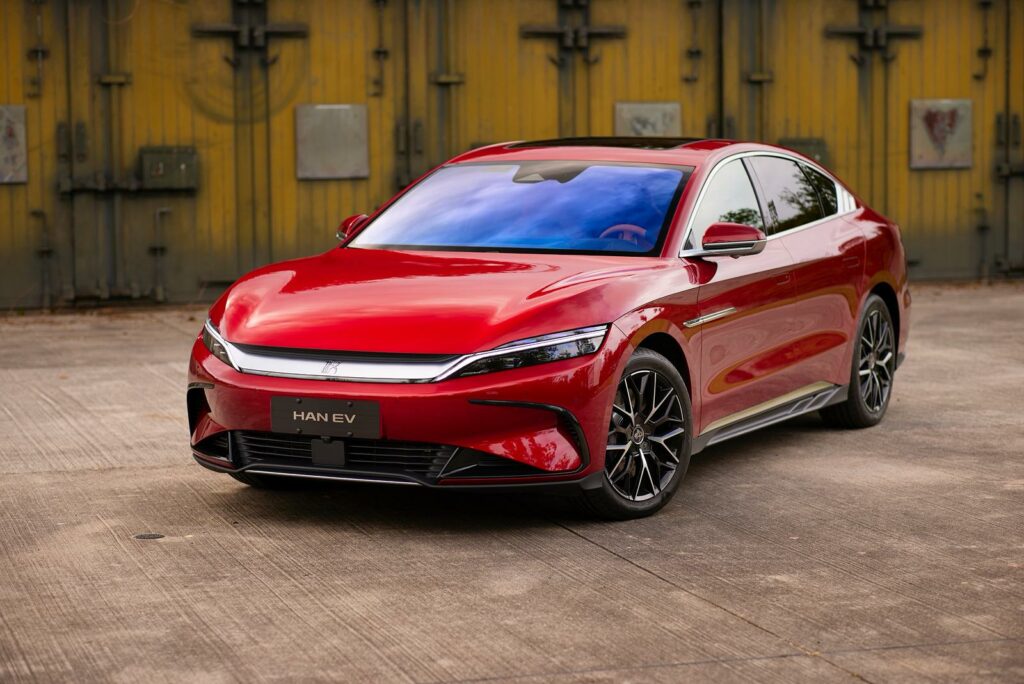
The BYD Han, the flagship model of Chinese carmakers and a symbol of global competition in electromobility. (Credit: BYD)
Electromobility, an industrial war
This complaint illustrates one thing: competition in electromobility now extends far beyond carmakers, touching on raw materials, the battery ecosystem and industrial sovereignty. It can become conflictual and create tensions between different industrial policies.
Electric globalisation under strain
At a time when many countries and regions around the world are also stepping up their support for local production, China has filed similar claims against Turkey, Canada and the EU.
The WTO, for its part, faces a new challenge: arbitrating an energy transition that is gradually becoming both economic and geopolitical.
For the first time, 100% electric vehicles are outstripping petrol combustion models in terms of registrations. Buoyed by record figures, the French market for electrified vehicles confirms a trend once thought impossible.
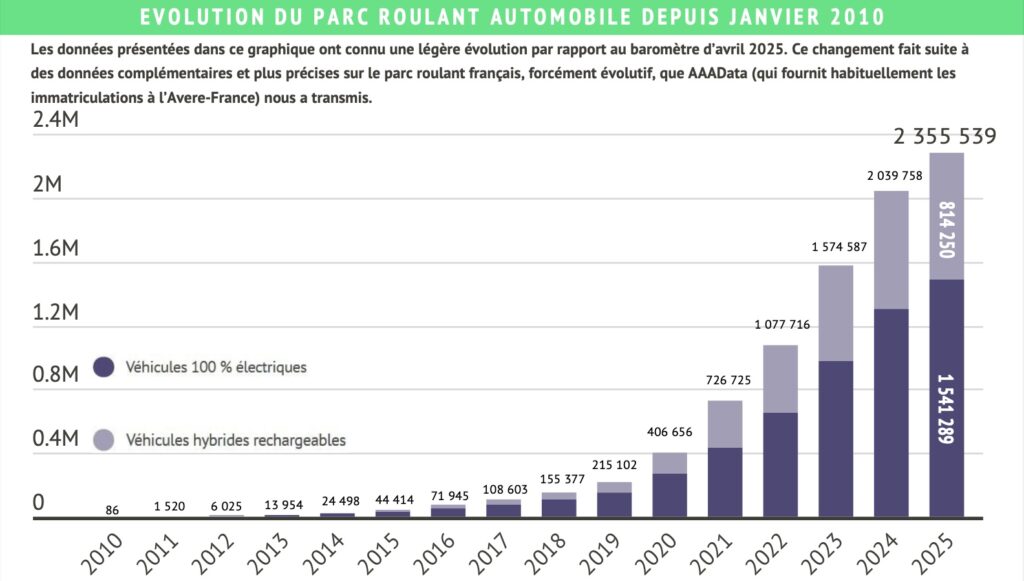
The number of electrified vehicles on the road in France has exceeded 2 million, an all-time record for electric mobility.
France speeds up and overtakes petrol for the first time
“Electric mobility is off to a strong start this autumn, breaking two all-time records”, said Clément Molizon, General Delegate of Avere-France, in the monthly report on electric and plug-in hybrid vehicle registrations for September 2025 published by Avere-France and Colombus Consulting. And indeed, although long held back by reservations about costs and range, French electric mobility seems to have entered a new era. September 2025 saw the hierarchy of the automotive world change: for the first time, the number of registrations of 100% electric vehicles exceeded those of petrol models. According to the barometer published by Avere-France and Colombus Consulting, the market share of electrified vehicles has reached 26.5% (20.8% all-electric + 5.7% rechargeable hybrids). By way of comparison, the share of petrol combustion engines has fallen by 1.9 points to 19.8% of the market.
Record figures
This 26.5% market share represents 45,171 new electric and plug-in hybrid vehicles registered in September. An increase of 11.5% compared with the same period in 2024. It was also the best month of the year in terms of volume of registrations.
100% electric vehicles are once again well represented. Registrations rose by 16.6%, with 35,456 units sold, while plug-in hybrids fell slightly (-3.9%, with 9,715 vehicles).
Since 1 January, 315,766 electrified vehicles have been registered in France. Compared with the same period last year, the electrified car industry is ahead of the two previous years (2023: +6.2% and 2024: +20%).
The momentum is particularly strong for 100% electric vehicles, whose market share has now exceeded the levels seen in 2023 and 2024 for three consecutive months.
Number of electric and hybrid vehicles on the road in France since January 2010, according to Avere data (Credit: Avere-France)
The return of private individuals and territorial dynamics
And these figures come at a key time: the return of private individuals as buyers. During this period, private individuals accounted for 46% of electric vehicle buyers, compared with 54% for legal entities (companies, public authorities).
This rebalancing is synonymous with the gradual return of households to the car market, even before social leasing has made a comeback.
Regionally, Île-de-France leads the way with over 11,200 registrations, followed by Auvergne-Rhône-Alpes (5,466) and Hauts-de-France (4,115). The southern regions (Provence-Alpes-Côte d’Azur and Occitanie) confirm that the people of the south are also going electric, with almost 4,000 registrations each.
The power of Tesla, Renault still a magnet
Tesla continues to top the rankings with its Model Y, which remains the most-registered electric vehicle of the month with 4,845 units sold. Behind it, the Renault 5 confirms its commercial success since its launch (+133% compared with September 2024). The Mini sold 1,626 units, showing strong growth (+49%). In fourth place, the Peugeot 208, long a segment benchmark, is marking time (-17%), while the Citroën ë-C3 suffered a spectacular fall in September (-69%). The Dacia Spring, on the other hand, exploded (+145%), confirming that the market for affordable electric cars is finally catching on.
In light commercial vehicles, the Renault Kangoo E-Tech was a big hit (up 373%), with 702 vehicles sold, a sign that French businesses are also going electric.
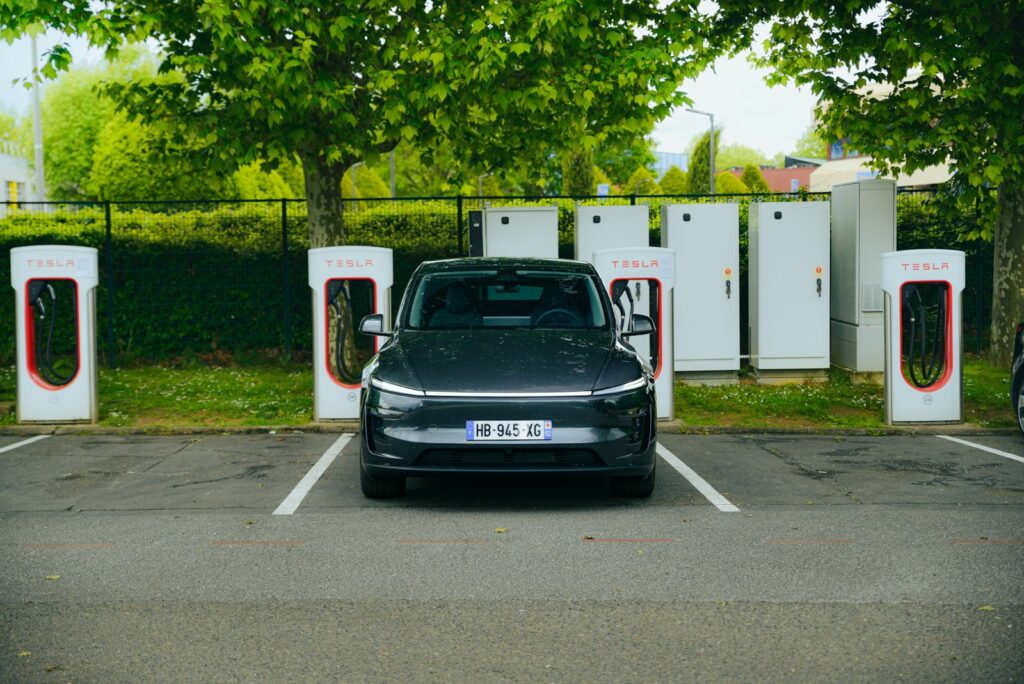
The Tesla Model Y, one of the best-selling electric vehicles in France. (Credit: Mathis MIROUX)
Infrastructure: steady progress
Of course, what would electric cars be without recharging infrastructure? The upward trend in registrations is partly due to the fact that France is increasingly equipped with charging points. As of 31 August 2025, France had 177,180 public charging points, according to figures from the Ministry of Energy Transition and Avere-France. A number that ranks France as the 2ᵉ country in Europe with the most charging points, behind the Netherlands.
Fast and ultra-fast stations are gaining ground, providing better coverage of major roads, even though some rural areas are still lagging behind. These figures are rising steadily, in line with the growing number of electrified vehicles on the road, now estimated at over 2 million.
A confident third quarter
The third quarter of 2025 confirms the strength of the French electromobility market.
The momentum is being driven by the return of private customers, but also by the diversification of the range and the arrival on the market of electrified vehicles at affordable prices. Social leasing, which has been in place since the beginning of October, may well speed up the adoption of electrified vehicles in France.
If the trend continues, 2025 will be remembered as the year when electric vehicles took over in France and carbon-free mobility ceased to be an exception.
Audi is preparing the A2 e-tron, a small 100% electric model due to arrive in 2026. It is a compact heir to the Audi A2, which disappeared more than twenty years ago. The car has been seen testing in the Alps and at the Nürburgring, confirming its advanced development.
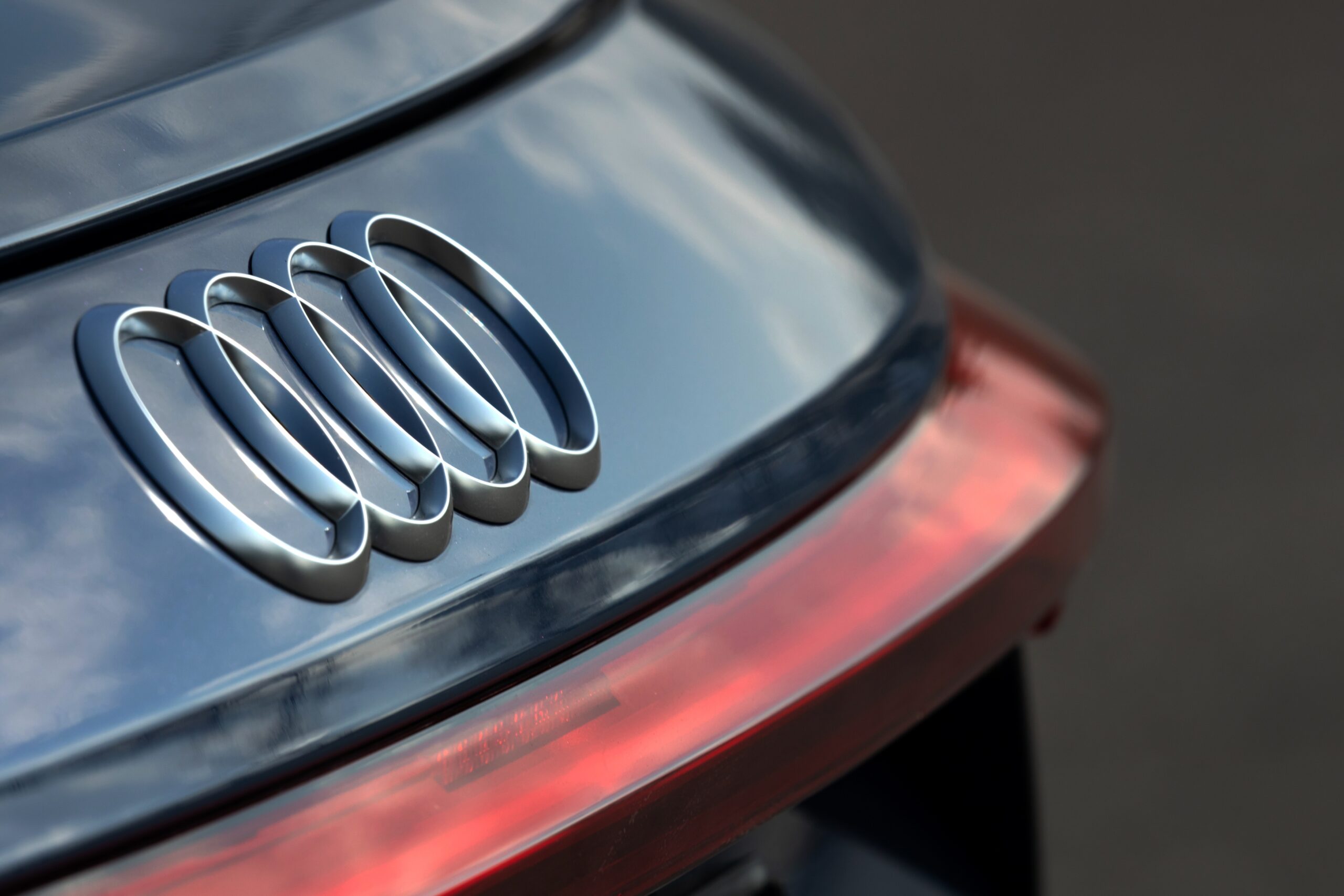
Detail of the Audi logo on the rear of an electric model, a symbol of quality, modernity and the premium entry level. (Credit: emirhankaramuk)
Despite the camouflage, the silhouette stands out clearly and hints at an elegant, modern design. The car will be the electric gateway to the Audi range, under the Q4 e-tron, and will gradually replace the A1 and Q2.
Silhouette and historical inspiration
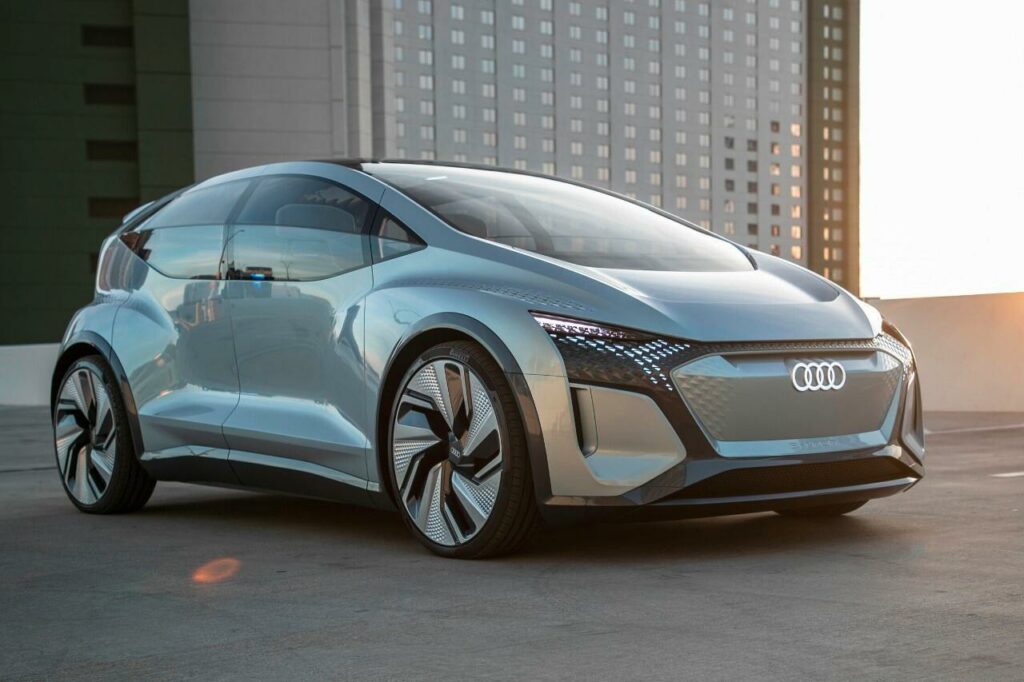
The future A2 e-tron adopts a single-volume silhouette, inspired by the AI:ME concept presented in 2019. Its proportions are also reminiscent of the small A2 of the 2000s, with a rounded roof, short bonnet and relatively high roofline. This combination provides both improved aerodynamics and generous interior space for its size. The car retains the futuristic spirit of its predecessor while adopting modern lines that fit in with the current range. Rounded corners, a straight stern and a long wheelbase guarantee comfort and practical volume for an urban and suburban vehicle.
Exterior design and technical details
The prototype reveals pixel-effect headlamps, continuous rear lights and a full but structured grille. The overall lines of the car are harmonious and accentuate its elegant profile, while respecting Audi’s recent codes. The shape of the vehicle reduces fuel consumption and optimises range, while certain high-tech elements, such as the LED lights separated from the main headlights, are reminiscent of the Q4 and Q6 e-tron models. Even under camouflage, certain details, such as the rear drum brakes, reveal the use of the MEB platform.
The 2019 Audi AI:ME concept, foreshadowing the brand’s future electric compact cars (Credit: Audi)
The A2 e-tron will be based on the Volkswagen Group’s MEB modular platform, already used by the ID.3, the Q4 e-tron and the Cupra Born. It should offer a single rear-engined version with 231 bhp, another with 326 bhp inspired by the ID.3 GTX and, potentially, a two-engined version with 335 bhp. The target battery is 79 kWh net, offering a range of around 600 km. Rapid recharging will enable the battery to go from 10% to 80% in less than 30 minutes. This technical base ensures reliability, controlled costs and compatibility with existing infrastructures.
Market positioning
Audi is positioning this compact car as an entry-level premium model, below the Q4 e-tron. It will replace the ageing A1 and Q2, offering an alternative to small urban SUVs such as the Volvo EX30 and Smart #1. With a length of around 4.25 m, the compact car will be more generous than the A1, while retaining a practical size for city driving. The car will enable Audi to offer accessible electric mobility without sacrificing style or quality.
Production will take place in Ingolstadt, Germany. Official presentation is expected during 2026, with marketing to follow. The prototypes seen on the road and on the racetrack confirm that the design has been finalised. The spy shots show a vehicle that is close to series production, suggesting a launch without any major surprises. This will enable Audi to anticipate market needs and adjust production to demand.
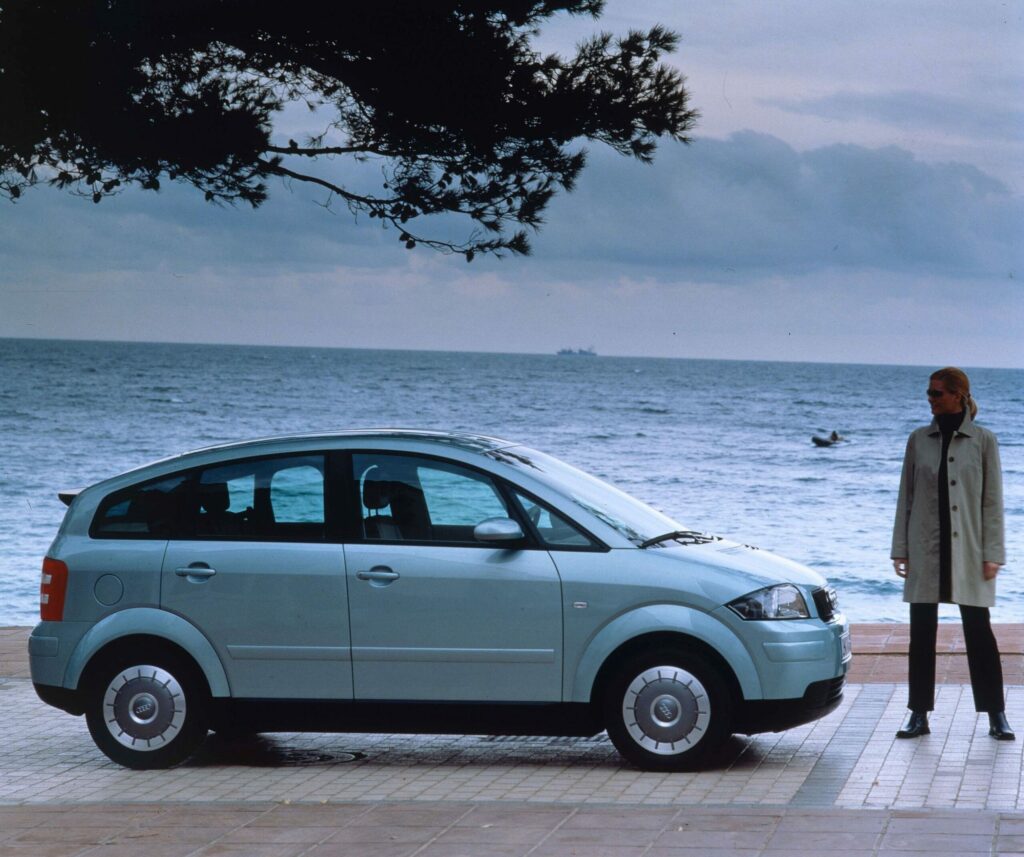
The Audi A2, marketed from 2000 to 2005, which inspired the future A2 e-tron (Credit: Audi)
A car for a specific segment
According to Audi CEO Gernot Döllner, the A2 e-tron will target a specific customer base looking for a premium entry-level car. The brand is leaving city cars to other Group subsidiaries, such as Volkswagen and Skoda. The emphasis is on perceived quality, ease of use and range rather than low price. This strategy enables Audi to position itself in a particular segment while responding to the growing demand for practical, urban electric vehicles.
Audi is betting on a discreet but significant return of the A2, this time in an electric version. As a result, the compact car should offer an ideal compromise between practicality, design and technology. In addition, future announcements will confirm its official name, final engines and exact market positioning. Finally, for fans of the brand, this A2 e-tron promises to combine nostalgia and modernity in an urban, premium model.
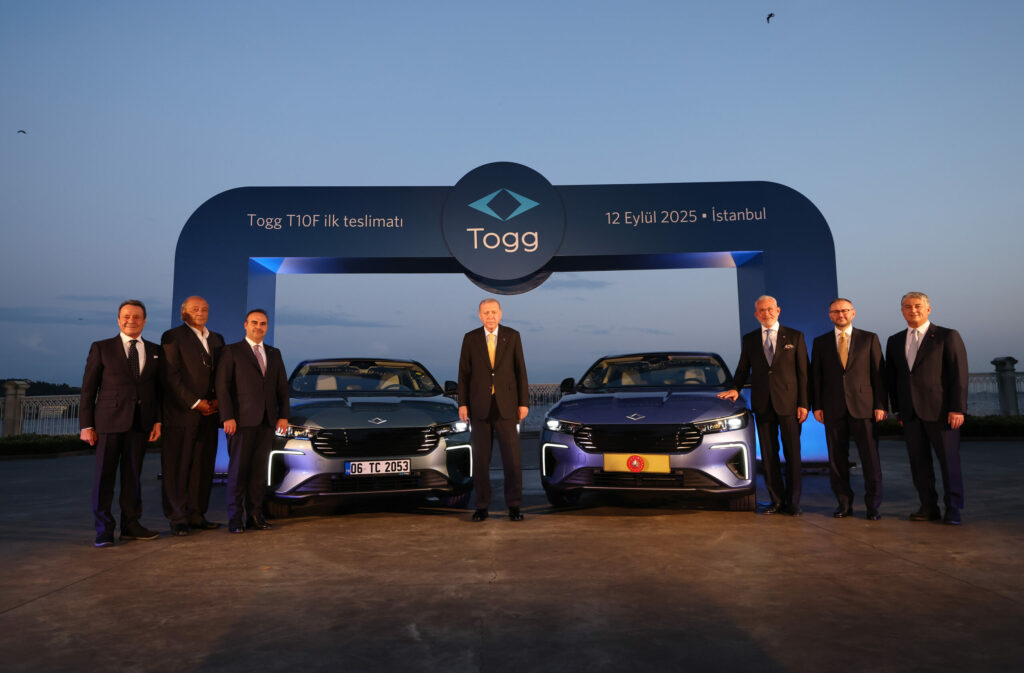
While the electromobility sector continues to become increasingly competitive, more niche brands are struggling to make their mark. Such is the case of Turkish carmaker TOGG. So, to make a splash, the brand presented its brand new model to President Recep Tayyip Erdoğan at an official ceremony.
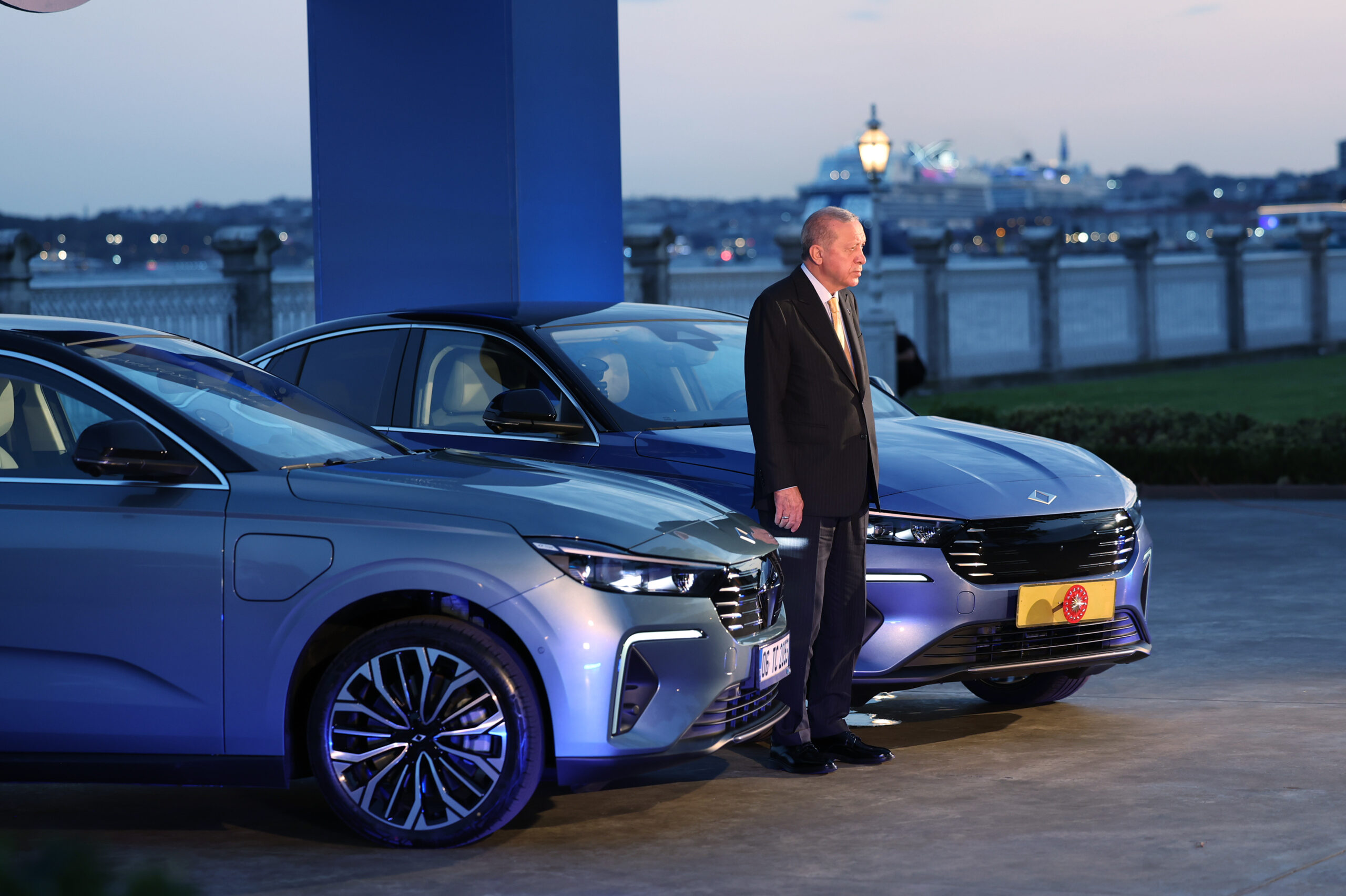
President Erdoğan inspects the TOGG T10F electric cars at the official ceremony in Istanbul (Credit)
The high-profile event took place in Istanbul on 13 September 2025, at the Dolmabahçe Palace. Recep Tayyip Erdoğan, a fervent supporter of the TOGG project since its inception, was handed the keys to a T10F model. The latter, adorned with a red presidential plaque, is a 100% electric fastback designed and assembled in Turkey.
In front of the cameras and government representatives, the Head of State hailed “a historic step for national industry”.
This handover of the vehicle immediately sparked a flood of comment in the Turkish and international press: would Erdoğan now be driving exclusively in this national, electric vehicle? Nothing has been confirmed to date. But several clues suggest that this will be the case:
At the official handover to Erdoğan, the T10F was held at Dolmabahçe Palace, a highly symbolic venue used for important state announcements.
The event was covered by the public media (TRT, Anadolu Agency) and relayed by presidential communications, a rare occurrence for a simple industrial launch.
In the official images, the car bears a red presidential plate with the golden 16-star emblem, usually reserved for vehicles in the motorcade.
All these clues suggest that this new version from the Turkish manufacturer is not just an industrial gift, but a vehicle destined to feature in the presidential fleet.
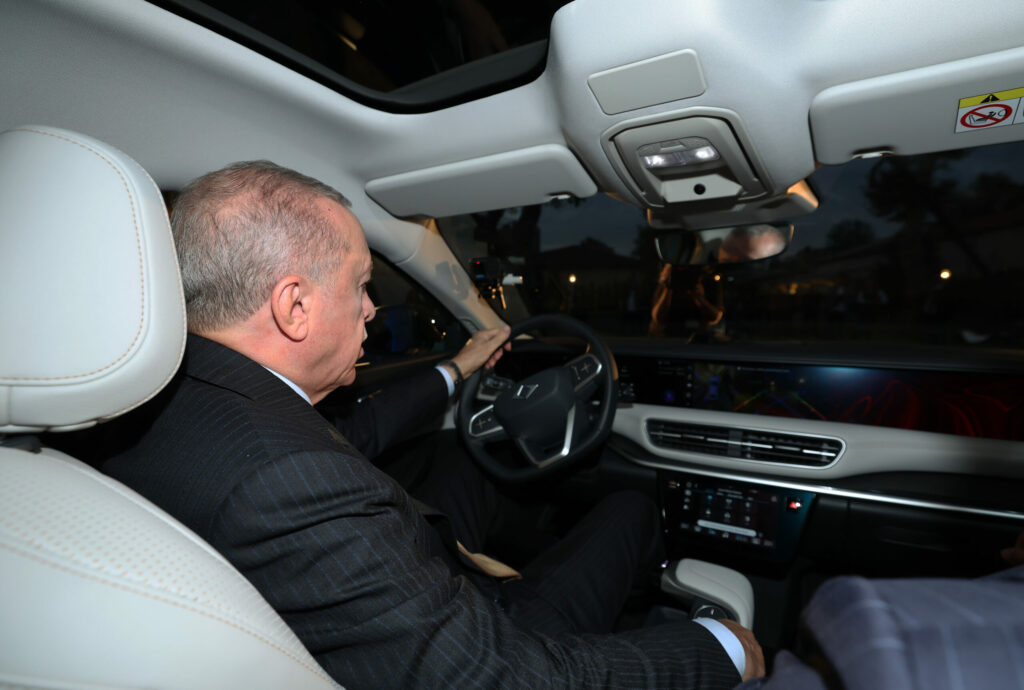
President Erdoğan takes his place behind the wheel of the TOGG T10F, Turkey’s new electric car.
A vehicle full of promise
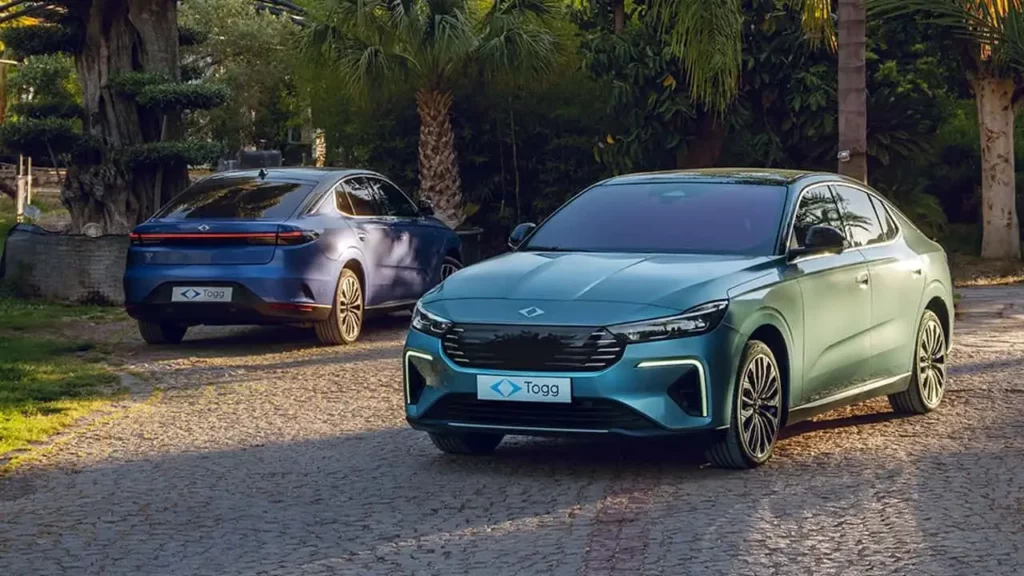
The vehicle in question, the TOGG T10F, is fitted with a 52.4 kWh battery with a range of 335 km in its standard version or 88.5 kWh for a range of 623 km in its long-range version. It takes 28 minutes to go from 20% to 80% battery. As for the powertrain, here too the Turkish brand is giving its customers a choice. The engine is the same for both the standard and long-range versions: 160 kW (218 bhp) for a 0 to 100 time of 7.2 seconds and a top speed of 172 km/h. And when you think of an electric car, you think of speed and responsiveness. That’s why the T10F is available in a sports version (AWD). Equipped with the same battery as the long-range version, its 320 kW motor develops 435 bhp and accelerates to 100 km/h in 4.4 seconds.
In terms of equipment, it has nothing to envy of its internationally-renowned counterparts: sleek, futuristic design, an interior featuring a large panoramic touchscreen, a locally-developed operating system and full connectivity. Features that have earned the brand five stars in Euro NCAP tests. The brand is delighted with this certification, which is a sign of seriousness, placing the saloon in the big league alongside European and Asian manufacturers.
The T10F has been available for pre-order in Turkey and Germany since the end of last month, with prices starting at €34,300 for the standard version and around €50,000 for the top-of-the-range version.
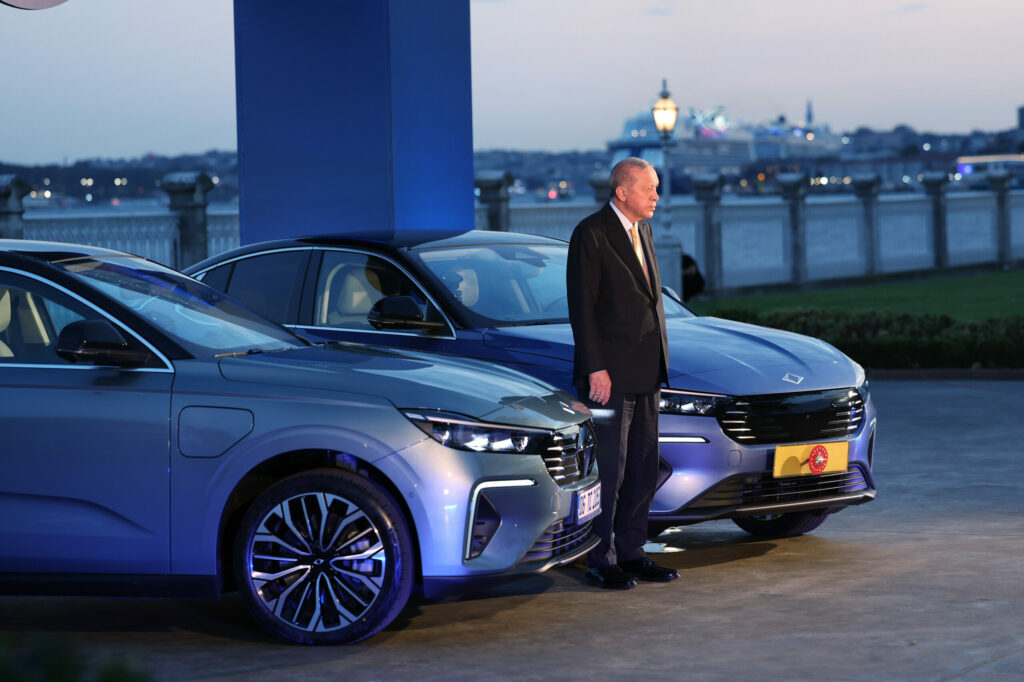
President Erdoğan accompanied by officials in front of the T10F TOGGs on display in Istanbul.
TOGG, betting on industrial independence
Founded in 2018 at the instigation of the Turkish government, TOGG (Türkiye’nin Otomobili Girişim Grubu) was created by a consortium of several major national industrial groups, including Anadolu Group and Turkcell. The stated aim is very clear: to create a brand capable of competing with Tesla, BYD and Renault, while promoting “Made in Türkiye”.
And to remain true to its ambitions, in 2022 the manufacturer inaugurated its ultra-modern plant at Gemlik, where the T10X and now the T10F models are produced.
In the space of just a few years, TOGG has become a symbol of national pride, because the brand does not limit itself to car production. It innovates in the fields of EV batteries, recharging infrastructure and digital software for its vehicles. This diversity of technological activities has enabled the company to position itself as a regional industrial and technological hub.
A front view of the TOGG T10F, a Turkish electric car with a modern, futuristic design (Credit: TOGG).
Politics as ambassador
Inevitably, for a national brand, what better ambassador than its ultra-mediatised president? President Recep Tayyip Erdoğan, 71, confided his pride and joy to a crowd of journalists after taking the car for a spin to check out the little toy on offer.
Presenting a vehicle in this very solemn setting demonstrates the President’s commitment to his country’s industries. Turkey’s head of communications, Burhanettin Duran, was also on hand, and Erdoğan’s reaction was not long in coming. He took to his Twitter account to add another layer of communication.
He’s not the first political leader to show off an electric vehicle in public. In France, Emmanuel Macron recently received the new DS N°8 Présidentielle. This is a unique example made available to the Presidency before the commercial launch.
These are major communication initiatives that highlight national innovations, in this case a locally-built vehicle. The aim is not only to enable these companies to compete with the world leaders, but also to enable the public to discover mobility solutions in the run-up to the European restrictions that will come into force in 2035.
Hybrid cars and plug-in hybrids are becoming increasingly popular, but their effectiveness depends largely on the type of journey. Knowing the right routes can maximise economy and range. Find out how to get the most out of your hybrid vehicle.
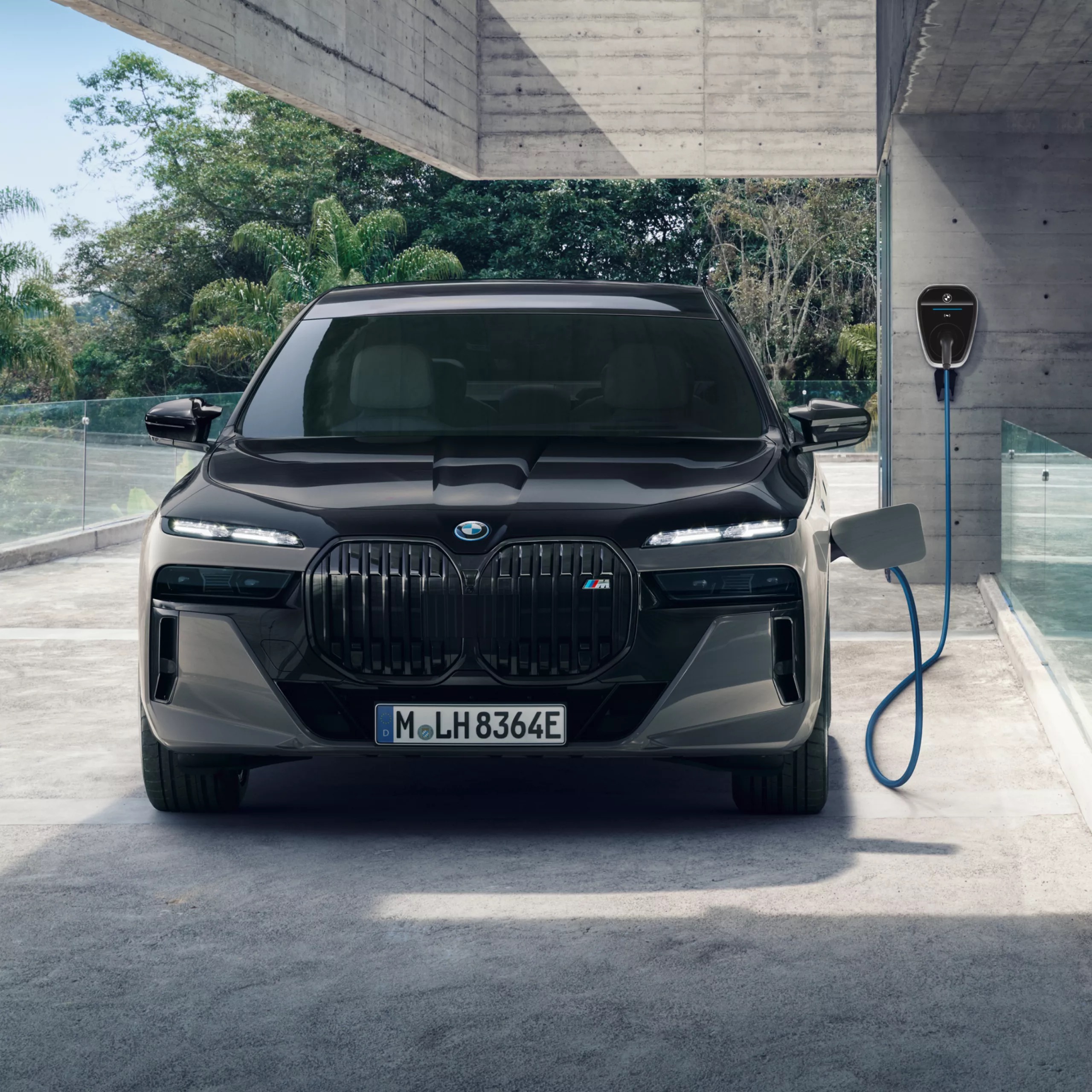
The BMW 7 Series Plug-in Hybrid combines luxury, technology and energy efficiency for your daily commute. (Credit: BMW)
Why the type of route influences performance
A hybrid (HEV) combines a combustion engine and an electric motor, and each expresses itself differently depending on the road. In town, frequent stops allow the electric motor to take over, reducing fuel consumption. On the motorway, the engines alternate, but the internal combustion engine dominates, limiting the immediate ecological benefit.
In the case of rechargeable hybrids (PHEV), the situation is slightly different: if the battery is charged, the vehicle can be driven in 100% electric mode for several kilometres, even on a mixed journey, further reducing fuel consumption and emissions. The internal combustion engine only comes into play when the battery is discharged or under heavy load. Understanding these differences optimises your journeys and your fuel budget.
Urban journeys: the hybrid’s biggest advantage
Hybrid cars are particularly efficient in towns and suburbs, where there are frequent stops and starts. Red lights and traffic jams allow the battery to recharge thanks to regenerative braking. In practice, it fills up when decelerating and then empties immediately during acceleration, supporting the combustion engine. This greatly reduces fuel consumption and pollution, while making driving smoother and quieter. To get the most out of a hybrid, it’s best to increase the number of short urban journeys.
Rechargeable hybrids go even further, with a battery that can be plugged into a socket or terminal. They often offer up to 40 kilometres of 100% electric range, perfect for everyday city driving. This driving mode means that fuel is not used at all on short journeys, making the car much more economical. Once the battery is empty, regenerative braking provides a little support, but the combustion engine takes over again. The plug-in hybrid is therefore particularly suited to urban drivers who travel less than 40 km before being able to plug in. On long journeys, its weight can slightly increase fuel consumption. However, for city driving, it remains the most cost-effective and cleanest solution.
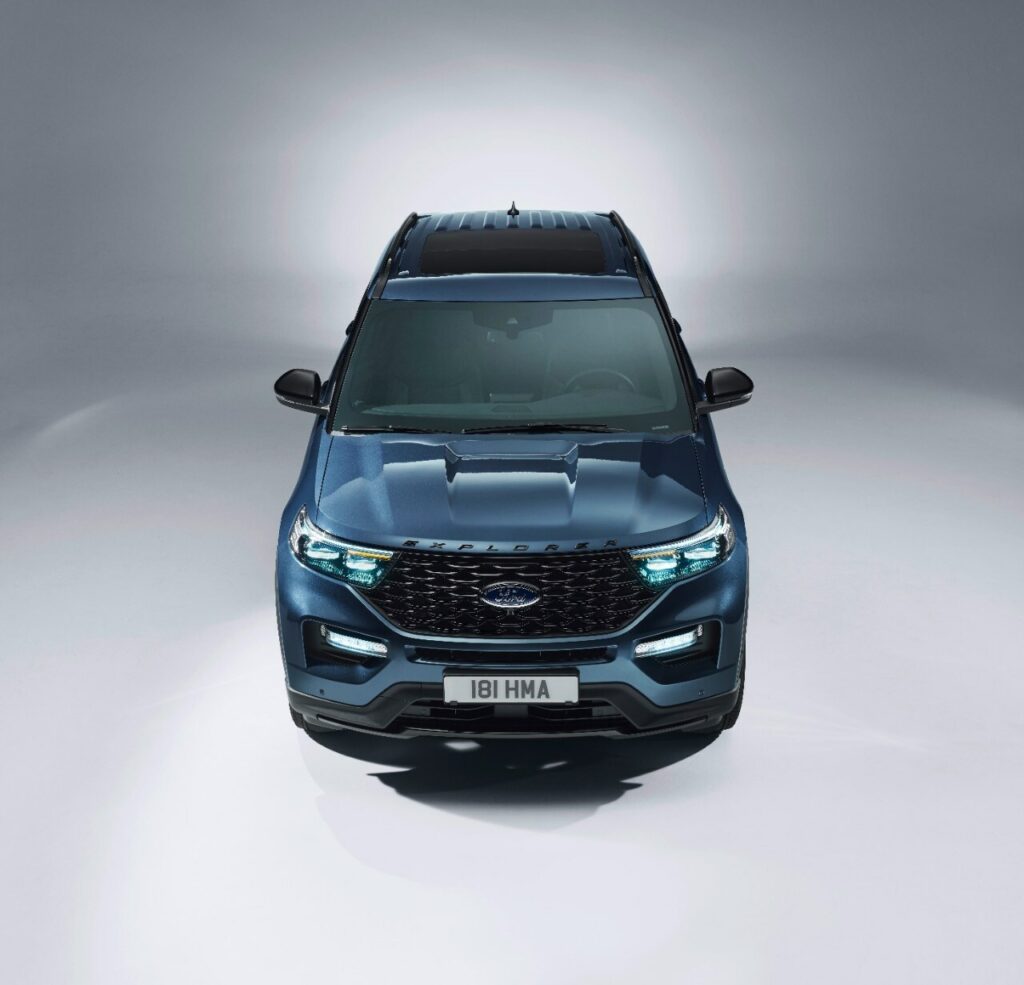
The Ford Explorer Plug-in Hybrid offers space, comfort and electric range for family and city journeys (Credit: Ford).
Secondary roads: the ideal compromise
Secondary roads represent a compromise between town and motorway. They allow the combustion engine and the electric motor to take harmonious turns. Moderate acceleration and low speeds promote energy efficiency. Drivers can therefore extend their range and reduce wear and tear on the combustion engine, while maintaining a pleasant, stable ride.
For plug-in hybrids, this type of journey is particularly advantageous when the battery is sufficiently charged: the vehicle can operate in 100% electric mode for a good part of the journey, which considerably reduces fuel consumption and emissions. Regular use of secondary roads allows maximum use to be made of electricity before the internal combustion engine kicks in.
Motorways: fewer advantages
In conventional hybrid cars, the combustion engine takes over most of the time, because high speeds limit the use of the electric motor. Fuel consumption therefore remains close to that of a conventional petrol car.
In the case of rechargeable hybrids, the electric motor can still be used for a few kilometres at low speeds or during acceleration, but the internal combustion engine dominates overall. Driving on the motorway means that you need to plan your battery charging to make the most of the electric mode and limit fuel consumption.
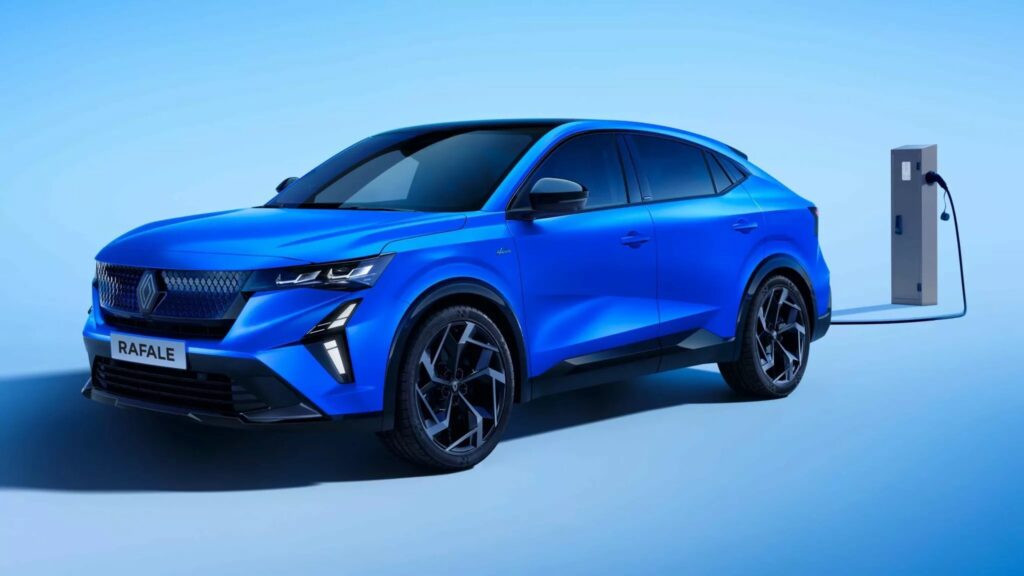
The Renault Rafale E-Tech Hybrid combines sporty design, advanced hybrid technology and energy efficiency for urban travel (Credit: Renault).
Adapt your journeys to extend your battery life
For hybrid cars, fuel consumption and efficiency depend very much on the type of journey. Very short, repetitive journeys can limit energy efficiency, because the combustion engine doesn’t always heat up completely and energy recovery through braking is less optimal. Mixed journeys, combining city driving and secondary roads, are therefore ideal: they allow the electric motor to take over, recover energy when braking and reduce overall consumption.
For plug-in hybrids, these mixed journeys are even more advantageous if the battery is charged, as the vehicle can run in electric mode for several kilometres before the combustion engine kicks in. On the motorway, the combustion engine dominates most of the time, even for a PHEV, and the electric motor only contributes in very short bursts, such as when relaunching or overtaking at moderate speed.
Planning routes to avoid traffic jams and adopting a fluid driving style helps to limit fuel consumption and optimise efficiency. Understanding these principles helps every driver to get the most out of their hybrid vehicle, reduce costs and contribute to more sustainable mobility.
EQUIP AUTO Paris has long been a meeting place for the automotive aftermarket and traditional mechanical innovations, but this year is different. The shift is clear: electric mobility is taking centre stage, to say the least. Between battery technologies, high-voltage maintenance and connected tools, the 2025 edition represents the advance of low-carbon mobility.
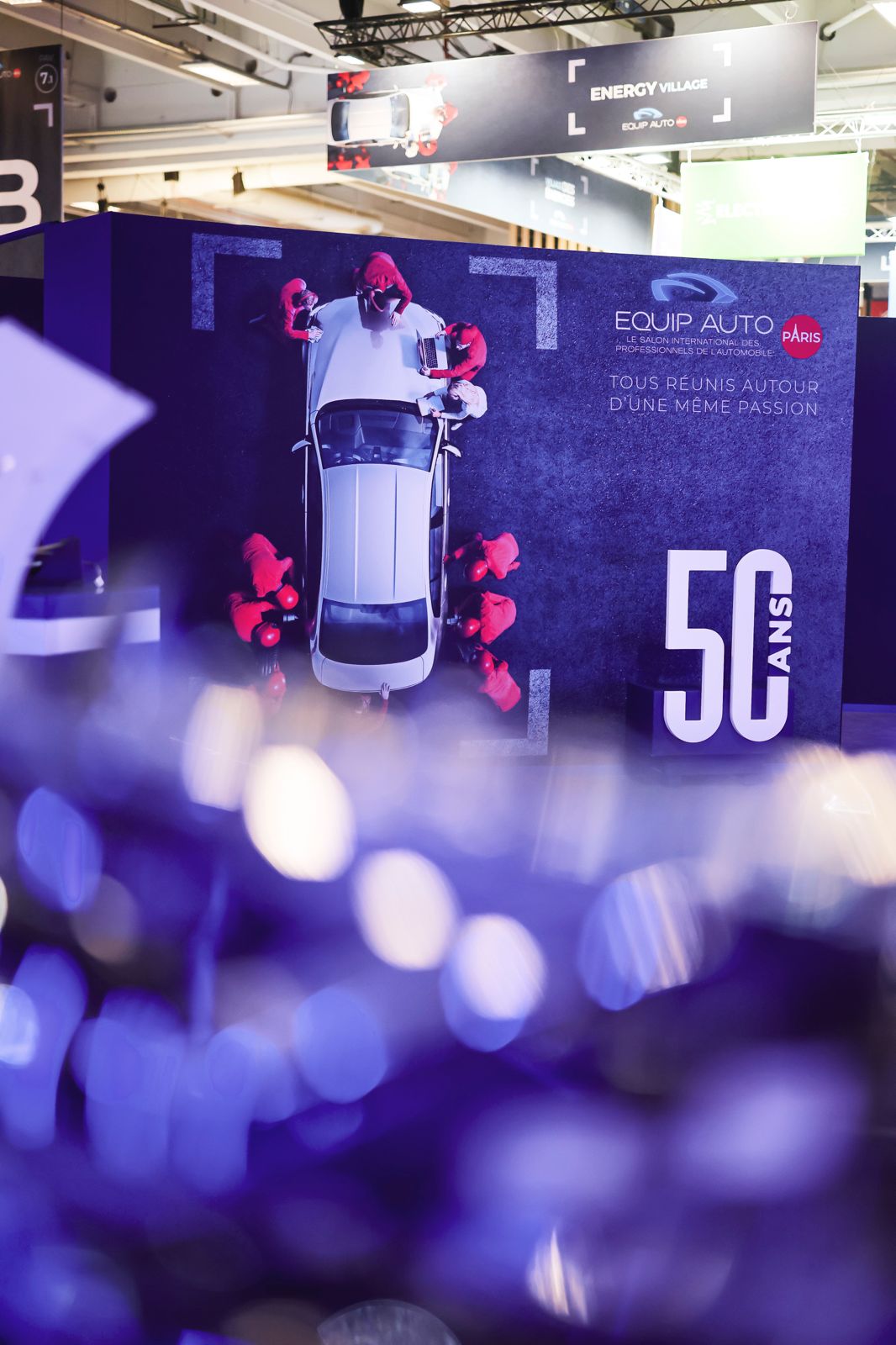
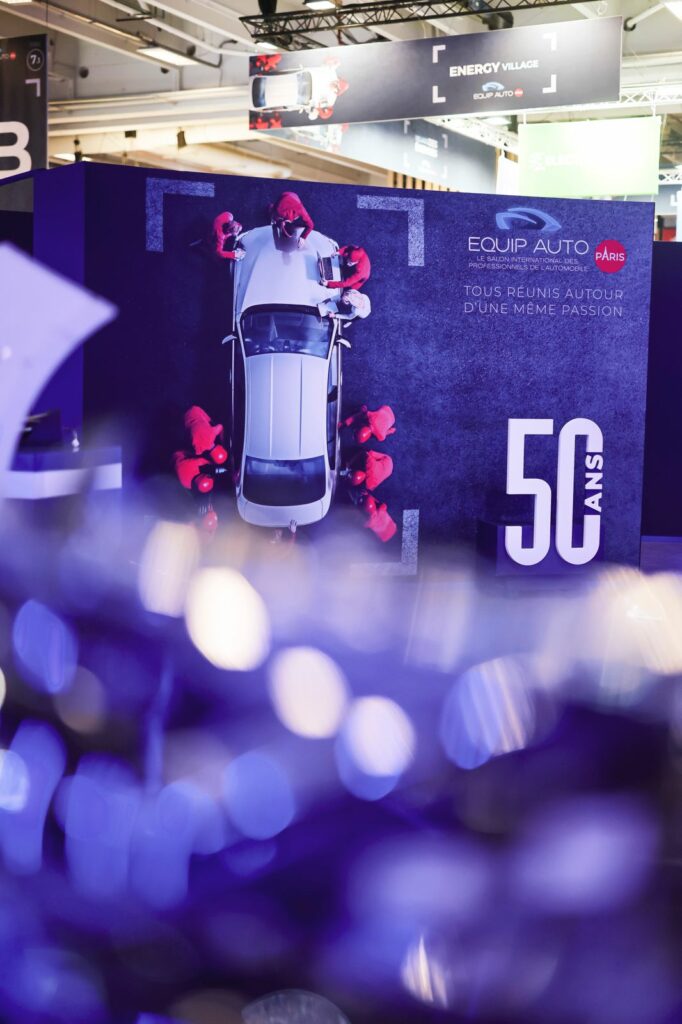
The official EQUIP AUTO 2025 poster symbolises the show’s move towards electric vehicles (Credit: EQUIP AUTO)
50 years of a benchmark show
Created in 1975, EQUIP AUTO brings together all the players in the automotive ecosystem. It includes manufacturers, equipment suppliers, distributors, repairers and start-ups. Held every two years, the event has evolved with the times to keep pace with changes in the market. It is now regarded as a major player in developments in the automotive world.
For its 2025 edition, synonymous with its fiftieth anniversary, the show is expecting 100,000 professionals and will be bringing together 1,400 exhibitors and brands over an area of more than 100,000 m². The programme includes eight themed villages. These include energy management, retrofitting, connectivity and the rebuilding and recycling of parts. This is a first.
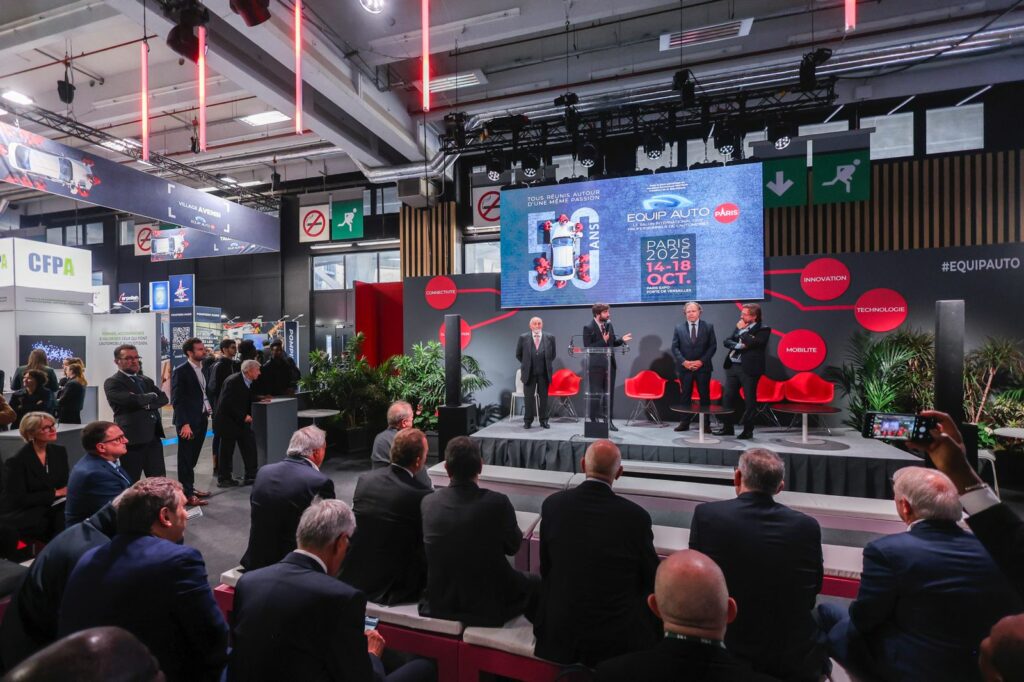
Automotive industry experts discuss the future of electric mobility (Credit: EQUIP AUTO)
2025: an electric edition
As the official programme clearly shows, this year it’s electrified mobility that’s dominating the debates. From energy converters and charging stations to thermal management systems and diagnostic software for electric vehicles, electromobility technologies are everywhere.
According to the organisers, more than 60% of the exhibitors at this year’s show will be presenting solutions related to electrified mobility. This is a record since the show’s inception. Major equipment manufacturers such as Valeo, Bosch and Mahle are also present, symbolising the significant changes taking place in the vehicle fleet.
Valeo, symbol of an industry in transition
Among the most prominent French exhibitors was Valeo, automotive supplier and leader in the aftermarket. The group was awarded the EQUIP AUTO 2025 Grand Prix International de l’Innovation Automobile for its remanufactured DQ250 dual wet clutch, intended for more than five million vehicles on the road in Europe.
At the same time, Valeo is presenting technical solutions directly linked to electromobility: thermal management systems for batteries and electric motors, as well as Ineez intelligent charging tools. The company is also focusing on training and technical support by setting up training platforms for technicians working on high-voltage vehicles.
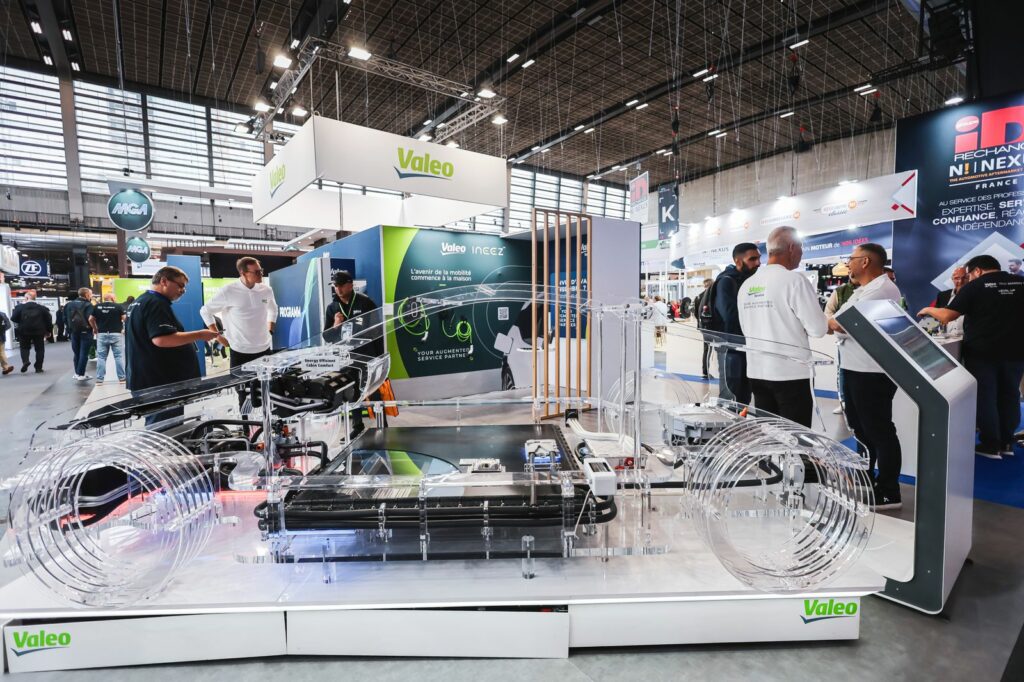
Valeo stand presenting its innovations at EQUIP AUTO 2025. (Credit: EQUIP AUTO)
A sector that is reinventing itself
As well as technology, the entire automotive world is being reinvented. And automatically, players in the industry have to adapt, and fast. With the reduction in the number of mechanical parts, the almost ubiquitous use of digital technology and the rise of on-board software, traditional business models are being redefined.
Some of the aftermarket SMEs present at the show are changing direction, such as SUSTAINera, a subsidiary of Stellantis, which has moved into battery reconditioning, Lormauto, which specialises in automotive retrofitting, Gruau for electric commercial vehicles, and LM Mobilité for light mobility.
EQUIP AUTO has become the spotlight for this industry. The industry is seeking to stabilise itself in this period of perpetual change.
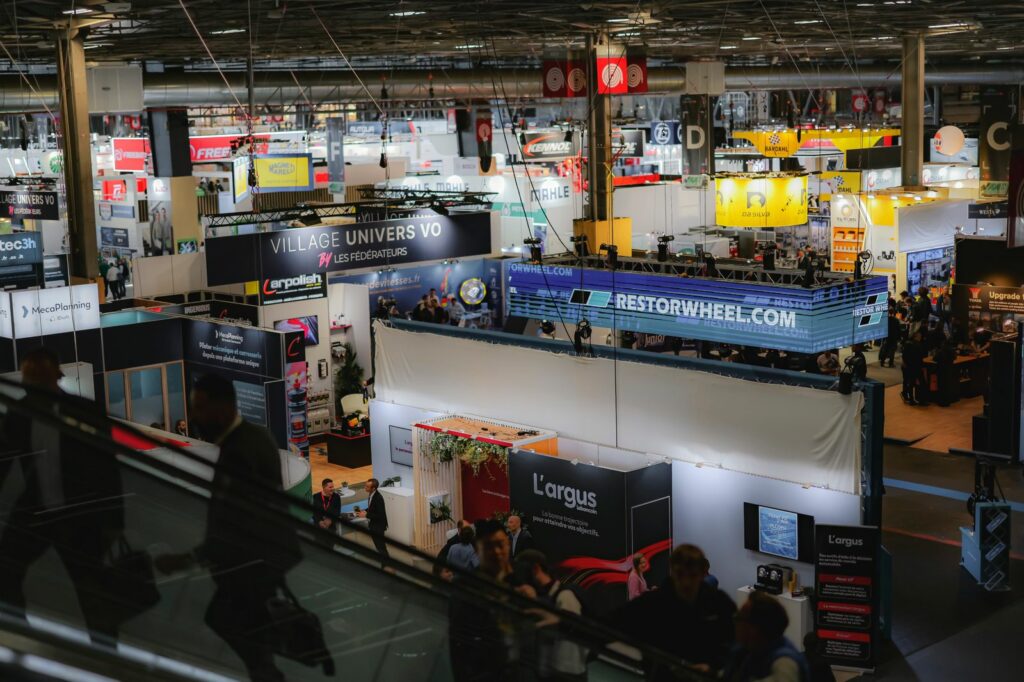
A panoramic view of the EQUIP AUTO 2025 exhibition halls dedicated to electromobility. (Credit: EQUIP AUTO)
A showcase for French expertise
This year’s show also highlights the national ecosystem. With stands from Verkor, Forsee Power and Stellantis, among others, France is well represented. It is showing that it intends to be a major industrial player in the transition to electricity.
Through this high-profile event, our French manufacturers want to prove that the European momentum in terms of low-carbon mobility is no longer limited to Germany.
A course that is becoming clear
The fiftieth anniversary of EQUIP AUTO confirms a trend: the automotive industry is now organised around electric vehicles. Major equipment manufacturers and young innovative companies are all converging towards a common goal. To make mobility cleaner, more connected and more sustainable.
Fifty years after its creation, EQUIP AUTO Paris bears witness to an industry undergoing a complete overhaul.
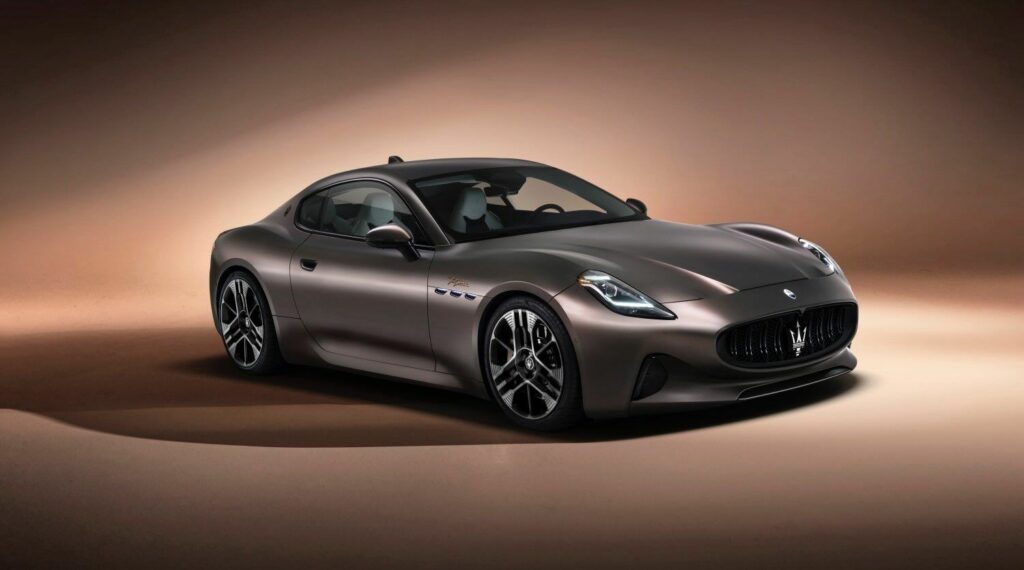
Since its inception, Maserati has captivated GT enthusiasts with a blend of elegance and power. Today, the GranTurismo Folgore continues this tradition while introducing electrification. This 2+2 coupé offers a balance of performance, design, and technology.
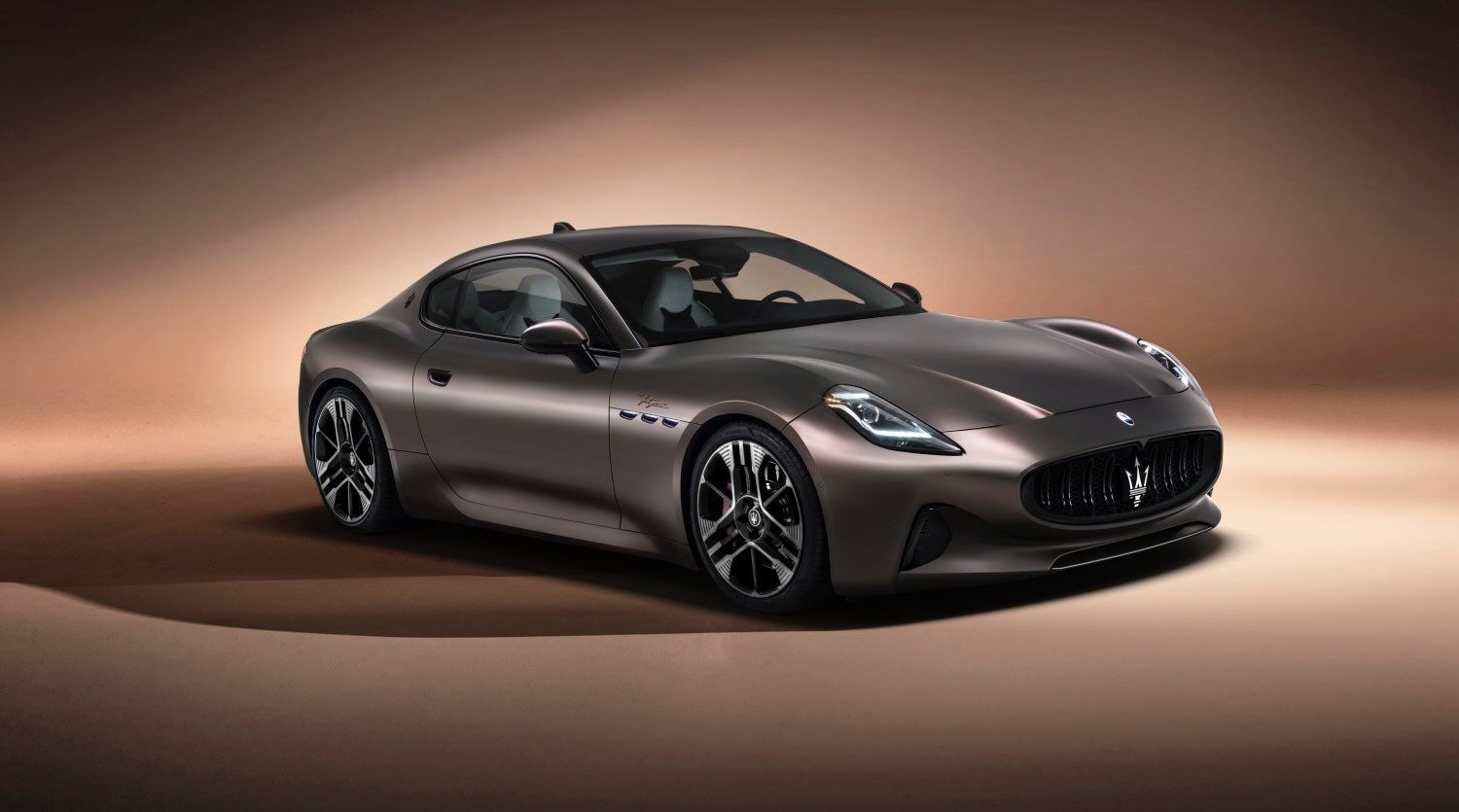
The front of the Maserati GranTurismo Folgore features a sleek design and an imposing grille adorned with the trident (Credit: Maserati).
Breathtaking design
The GranTurismo Folgore immediately catches the eye. Measuring 4.96 metres in length with sculpted haunches, it asserts its presence. The elongated bonnet and the Italian “cofango” create an elegant, athletic silhouette. Its large grille, adorned with the Trident, reflects its heritage while asserting its identity. The headlights, subtler than those of the previous generation, do not detract from the overall appeal. Maserati has opted for subtlety over excess, yet the Folgore remains striking, especially in Emozione Blue, one of twenty-three available colours.
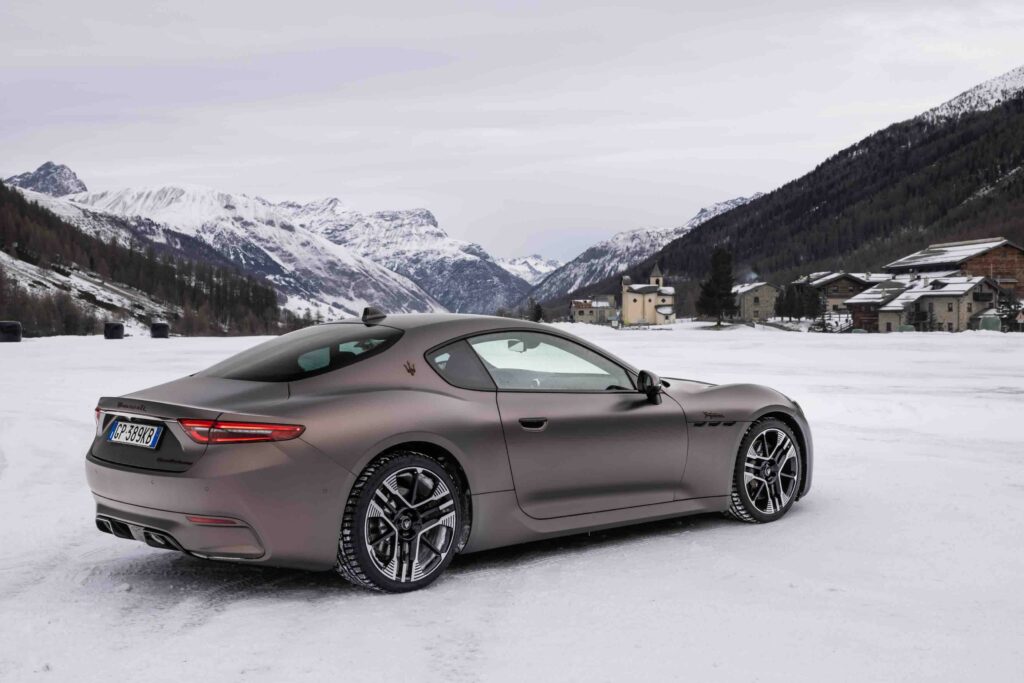
At the rear, the tail rises gracefully, the proportions are well balanced, and the flowing lines are naturally attractive. The Folgore appears in motion even when stationary, a rare trait in this segment. Inside, however, the effect is somewhat tempered. Materials are generally of good quality, although some plastics, notably on the doors, are shared with other brands’ models. Nevertheless, the seats provide notable comfort and enveloping support, even for larger occupants.
The rear of the GranTurismo Folgore blends elegance and aerodynamics, with slimmed-down lights and a sculpted stern. (Credit: Maserati)
Technology inspired by Formula E
The GranTurismo Folgore is a fully electric GT and Maserati’s first of its kind. It is powered by a 92.5 kWh T-Bone battery, strategically positioned to lower the centre of gravity and optimise balance. Three permanent magnet motors – one at the front and two at the rear – deliver 761 horsepower and 1,350 Nm of torque. This setup allows all-wheel drive and effective torque vectoring, providing excellent handling despite a weight of 2.60 tonnes.
The 0–100 km/h sprint takes just 2.7 seconds, while 0–200 km/h is achieved in 8.8 seconds. Maserati has included a Corsa mode, offering pure rear-wheel drive for enthusiasts. The 800 V system enables rapid charging, reaching 20–80% in just 18 minutes on a compatible charger. With a real-world range of around 400 km, the Folgore is suitable for daily use while maintaining a sporty character.
Impressive road behaviour
On the road, the Folgore demonstrates a dynamic setup with optimised weight distribution and a chassis combining aluminium and magnesium, enhancing rigidity and agility. Acceleration is rapid, and stability remains controlled even on demanding routes. The brake pedal has a characteristic feel typical of powerful electric vehicles, while still providing effective deceleration.
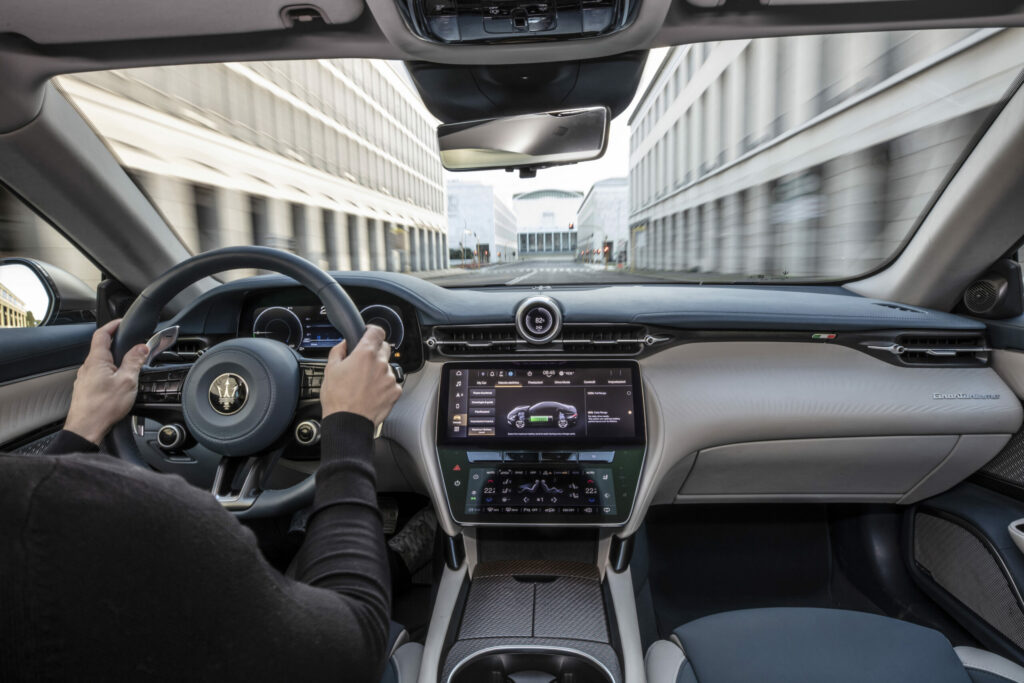
The interior of the GranTurismo Folgore combines Italian luxury, modern technology and driving comfort. (Credit: Maserati)
The interior ergonomics feature a central console with gearbox selection buttons and controls positioned around the steering wheel. Its 12.3-inch digital cockpit provides key driving information, complemented by a digital Maserati watch. The overall layout combines a modern presentation with a grand touring focus.
The Maserati sensory experience
While the Folgore impresses with its performance, it also maintains a strong visual and acoustic identity. Designers have incorporated a sound signature inspired by Maserati V8s, allowing the electric model to retain an emotional character. The interior showcases Italian craftsmanship, with full-grain leather, bespoke finishes, and refined details. Each vehicle can be personalised through the Fuoriserie programme, from brake calipers to body-coloured accents, enhancing the sense of exclusivity.
Electrification has not diminished the driving experience. On the contrary, the Folgore combines sporty sensations with long-distance comfort, a balance that is rare in this segment. Rear passengers also benefit from adequate space, making this GT practical for extended journeys.
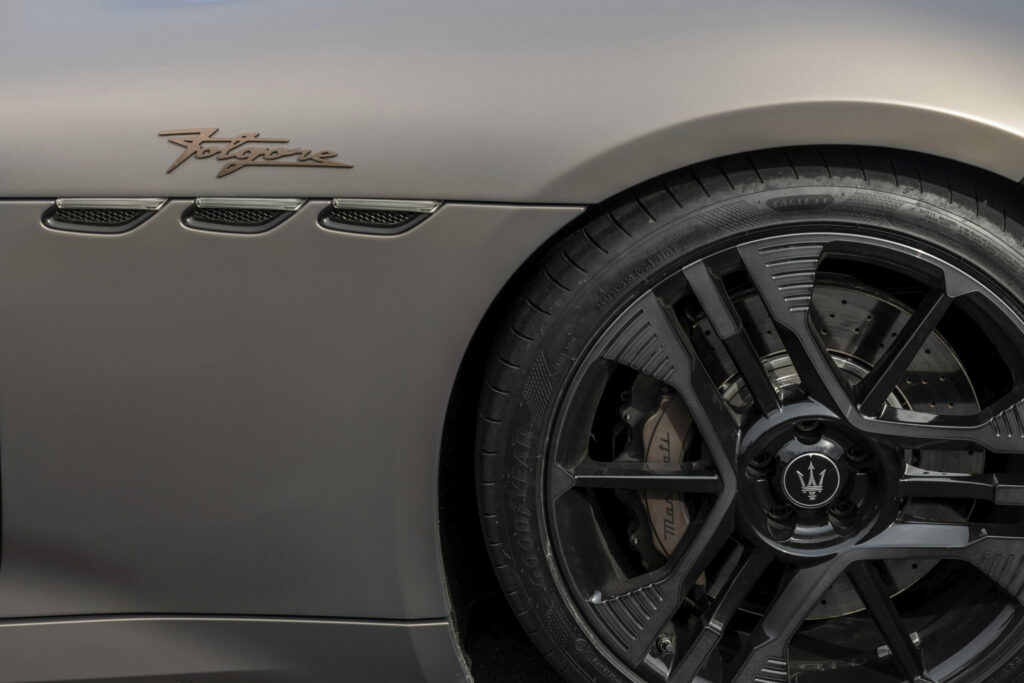
The ‘Folgore’ logo and sharp wheel design are a reminder of the Italian GT’s sporty, electric identity. (Credit: Maserati)
Surprising prices for an electric supercar
The GranTurismo Folgore starts at €199,950, positioning it mid-range within the Maserati lineup. It is exempt from the ecological tax, unlike the V6 petrol models, making it competitively priced. However, options can quickly increase the total cost, particularly for 400 V fast-charging compatibility and premium comfort or audio features. Compared to competitors such as the Porsche Taycan Turbo, the Folgore stands out for its Italian style and exclusivity, though its range remains lower.
The Maserati GranTurismo Folgore combines technical and stylistic achievements. Its performance, chassis design, and overall aesthetics demonstrate the brand’s aim to merge sportiness with electrification. Some aspects of interior ergonomics and finishing could still be refined, but the model exemplifies Maserati’s transition to an electric offering within the luxury GT segment.
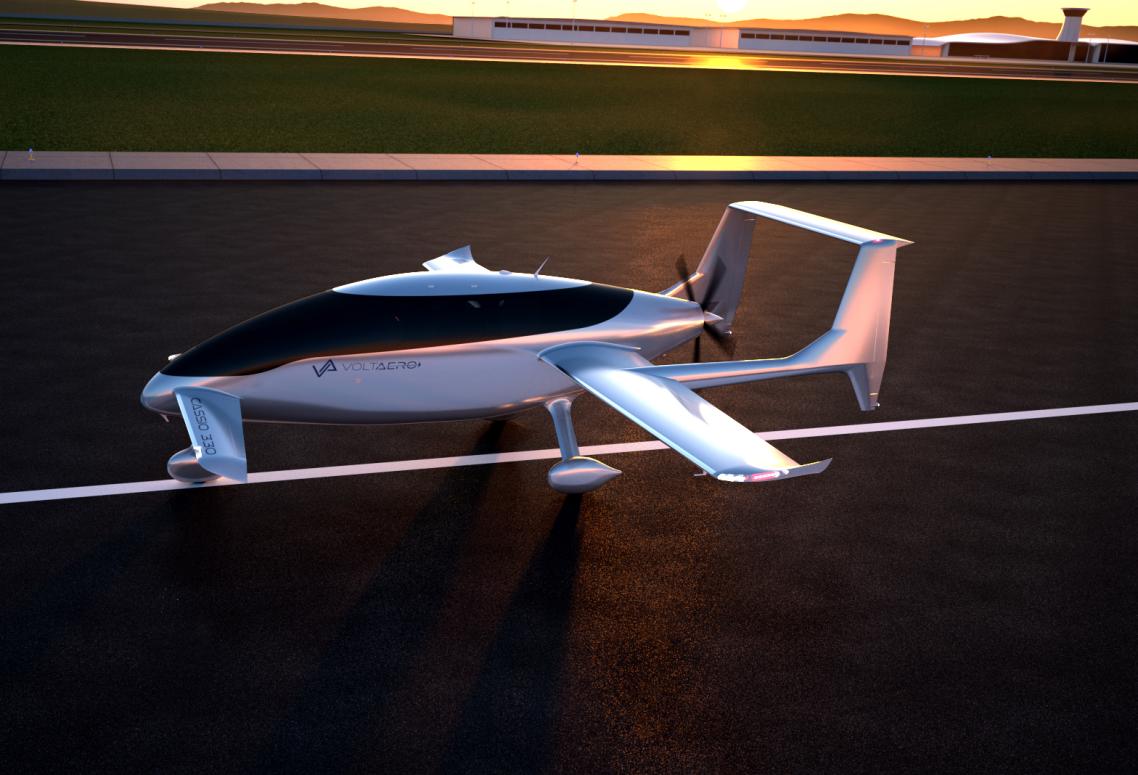
The project promised to revolutionise regional aviation with a Franco-French hybrid aircraft.Today, VoltAero, founded by Jean Botti, is fighting for survival. Placed under judicial reorganisation on 7 October, it urgently needs €2 million to avoid collapse. Between unfulfilled promises, absent investors, and the sudden withdrawal of its industrial partner ACI, the pioneer of low-carbon aviation faces its most critical hours.
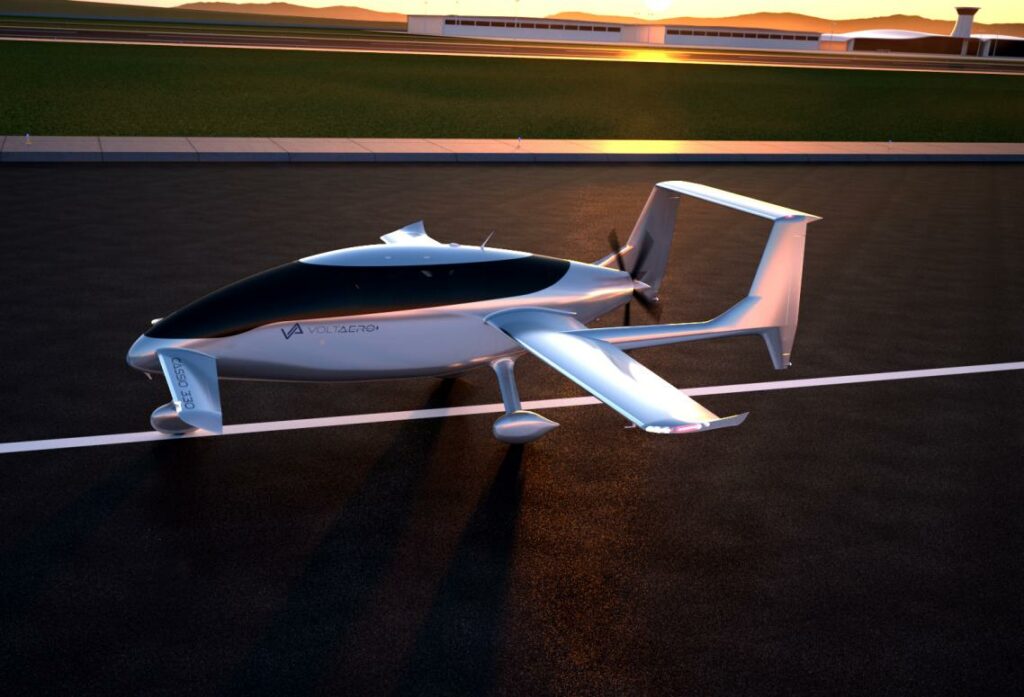
The Cassio 330, VoltAero’s hybrid aircraft, ready for production at the Rochefort plant (Credit: VoltAero)
A rising star of French aerospace in peril
Founded in 2017 in Rochefort, VoltAero had everything to represent the future of light hybrid aviation. Its Cassio 330, a five-seater combining electric and conventional engines, was set to be the first series-produced aircraft in France. The company inaugurated its brand-new assembly plant in November 2024, aiming to produce up to 150 aircraft per year from 2026. The order book was already full, with over 250 pre-orders. Yet, the start-up suddenly faced insolvency at the end of September after ACI Groupe, its main industrial investor, went into judicial reorganisation.
ACI’s withdrawal, a shockwave
At the Paris Air Show in June, VoltAero and ACI Groupe announced a strategic partnership and ACI’s upcoming 10% stake in the capital. This €10 million investment was supposed to secure the start-up’s cash flow. But three months later, ACI itself went into administration, freezing all commitments. “The capital entry was supposed to be finalised at the end of the month, which would have ensured business continuity,” regrets Jean Botti. This reversal triggered a domino effect, plunging VoltAero into crisis. “We are collateral victims of an absurd situation,” the founder said.
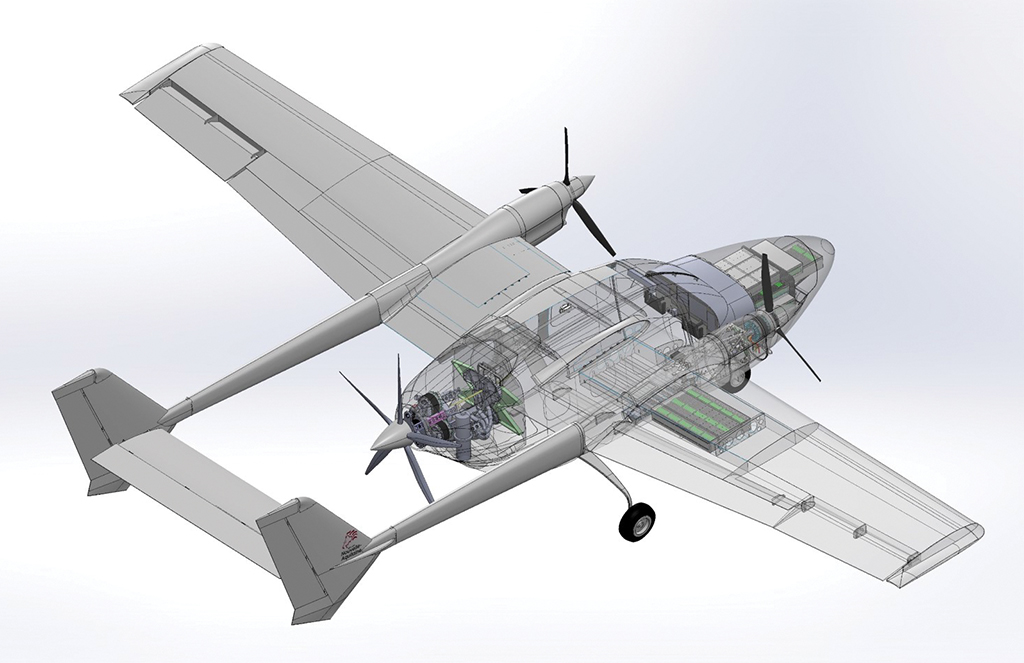
3D model of the Cassio 330, illustrating the aircraft’s aerodynamic and hybrid design. (Credit: VoltAero)
Safran, a partner but not a saviour
To stay afloat, VoltAero turned to its partner Safran, whose engines equip its planes. However, the aerospace giant refused to invest. On BFM Business, CEO Olivier Andriès expressed being “touched” by the situation but stressed that Safran is “not an investor but an industrial partner.” This stance left Jean Botti frustrated. “We helped Safran develop its electric engine in 2021,” he emphasised, highlighting a lack of solidarity in French industry.
Public support, but a private gap
Despite private investors’ caution, VoltAero has benefited from public backing. The French government invested €5.6 million via the France 2030 plan, and the Nouvelle-Aquitaine region provided over €10 million, half in grants. These funds financed research and industrialisation of the Cassio 330. Yet they cannot fill the cash gap left by ACI’s withdrawal. Jean Botti points to a broader issue: “In France, private investors prefer AI, which requires less capital and offers quicker returns.”
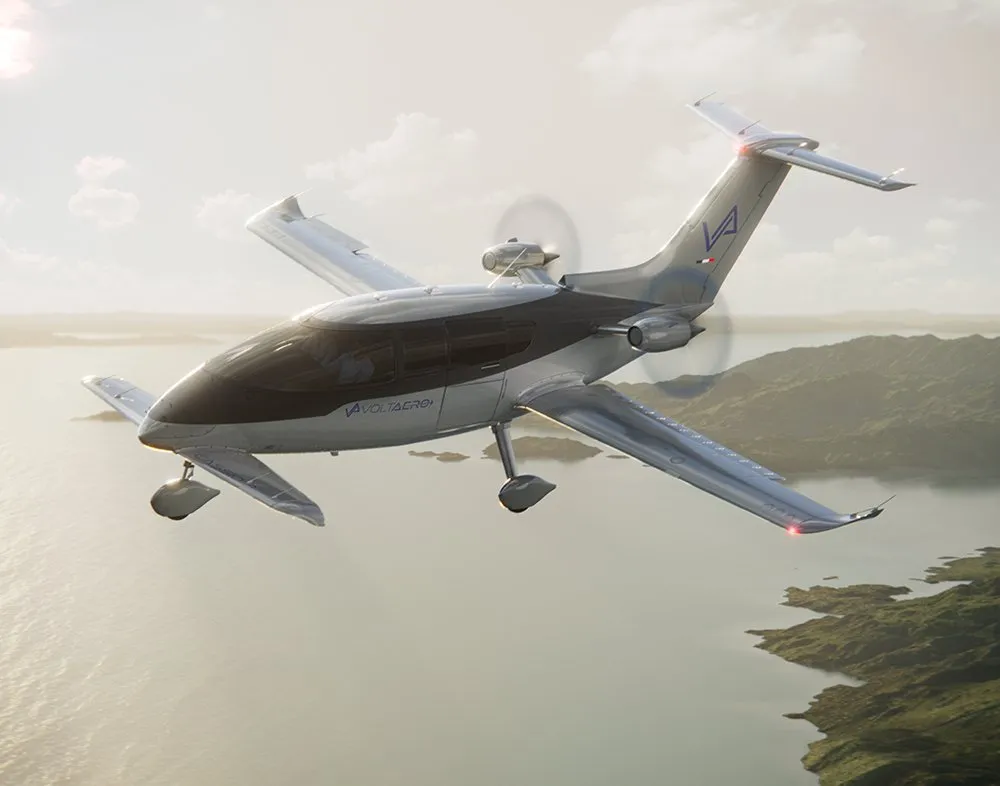
The Cassio 330 makes a test flight, demonstrating the reliability of its hybrid electric propulsion system (Credit: VoltAero)
A plane ready to fly, a technology already proven
The Cassio 330 is not a concept. It has been flying since 2020 and has logged over 25,000 kilometres in tests. Its hybrid technology is patented, and early results impressed the public at the Paris Air Show. VoltAero also planned assembly lines in Malaysia and the United States. The American distributor Altisky was to sell the Cassio, manage after-sales, and help build a facility in Tennessee. In parallel, an agreement with Malaysia’s SEDC Energy provided for a second Asian production site.
One month to avoid a crash
Today, the founder is racing against time. The judicial reorganisation opens a six-month observation period, but Jean Botti believes he has only a month to find a solution. Priority: convince SEDC Energy to increase its stake to compensate for ACI’s withdrawal. Other investors are being approached. “The designs are ready, the factory is ready. All we need is funding to start production,” he insists.
The Cassio 330 takes off from the runway at Rochefort, a symbol of French aeronautical expertise. (Credit: VoltAero)
A symbolic battle for French industry
Beyond VoltAero, the entire French decarbonised aerospace sector is on edge. The company symbolised local innovation capable of competing internationally. Its failure would reflect an industry still dependent on large groups and financial arbitrage. “Some talk, some fly. I have a plane that flies,” declares Jean Botti, determined to save his project. VoltAero will present a recovery plan by the end of October. The outcome will determine whether French hybrid aviation can still take off or if its wings will break on the tarmac of industrial disengagement.
The Chinese automaker BYD is planning to establish its third European factory in Spain, according to sources close to the matter cited by Reuters. Spain is reportedly the favourite compared to other European candidates.
The BYD logo, symbol of the Chinese manufacturer’s global expansion in the electric vehicle sector.
Strategic location
According to Reuters, this future factory would complement those already planned in Hungary and Turkey, and aligns with the Chinese giant’s aim to establish a long-term production presence in Europe. The goal behind this strategy is clear: as in Brazil, BYD wants to manufacture vehicles locally for the European market, reducing additional costs, avoiding customs barriers, and adapting to European regulatory requirements.
Why Spain?
While BYD considered other countries such as Germany, a source close to the matter, along with BYD’s national director for Spain and Portugal, Alberto De Aza, recently explained to Reuters why Spain would be an ideal location for BYD’s expansion in Europe.
Spain has a qualified workforce of similar quality, but production costs are significantly lower than in France or Germany.
The country already has an efficient logistics network, with ports and infrastructure enabling rapid distribution across Europe and worldwide.
Since 2020, Spain has implemented an industrial policy supported by a €5 billion investment plan, according to Reuters, to attract electric mobility manufacturers.
Spain and China have established strong diplomatic relations. Last year, Spain abstained in an EU vote on tariffs for Chinese-made electric vehicles.
Most importantly, Spain’s energy is becoming increasingly “clean”, thanks to significant growth in solar and wind power.
All these factors make Spain a serious contender for BYD’s next European base.
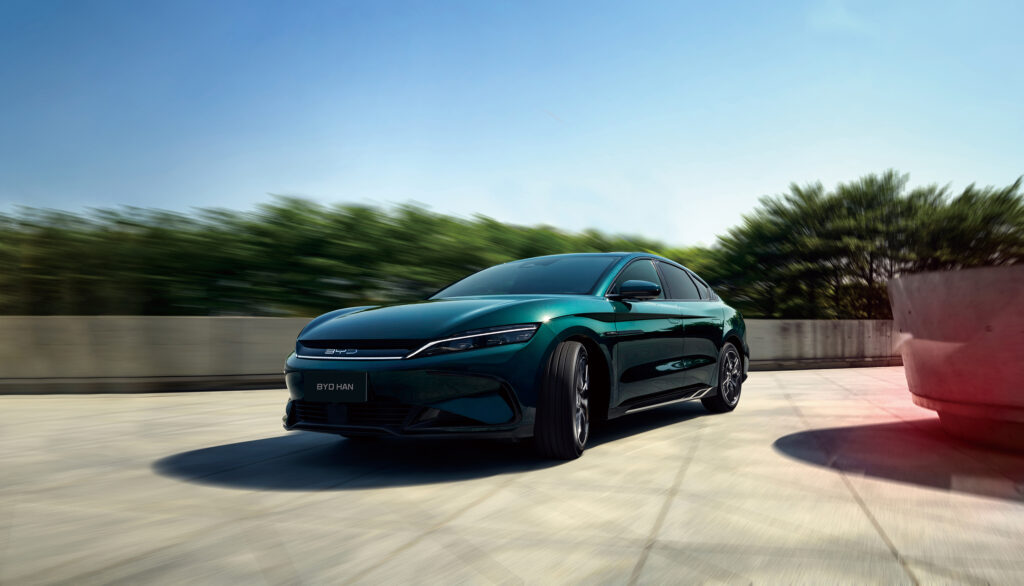
The BYD Han, an example of the top-of-the-range electric vehicles produced by BYD for the international market. (Credit: BYD)
A well-oiled global expansion strategy
For over two years, BYD has been accelerating its global expansion. This includes Europe, where the company has a clear ambition: producing locally to strengthen its market share.
Currently, Spain is under discussion, but BYD is already building a factory in Szeged, Hungary, which is set to begin production in 2026, and another factory will open in Turkey next year.
BYD’s European presence is guided by several objectives: reducing import costs, design and delivery times, transportation risks, currency fluctuations, and trade barriers, especially amid stricter regulations and greater pressure in Europe. Establishing a base in Europe allows BYD to adapt more quickly to European standards and requirements.
Reuters reports that BYD aims for the majority of its vehicles sold in Europe to be locally produced within three years.
Growth to dominate
Since its founding in 2003, the Chinese brand has grown exponentially. BYD has been selling vehicles in Europe since 2020. The figures speak for themselves, showing the company’s spectacular growth on the continent.
IEuropean sales have surged by 280% in the first eight months of 2025.
In April 2025, BYD even surpassed Tesla in European sales of 100% electric cars (7,231 units versus 7,165 according to JATO Dynamics).
In 2024, the brand sold nearly 57,000 vehicles in Europe, representing about 2.8% market share in the electric category.
In August 2025, EU registrations nearly tripled year-on-year, reaching over 9,000 units in a single month.
These figures demonstrate how BYD could play a key role in Europe’s transition to fully electric vehicles by 2035.
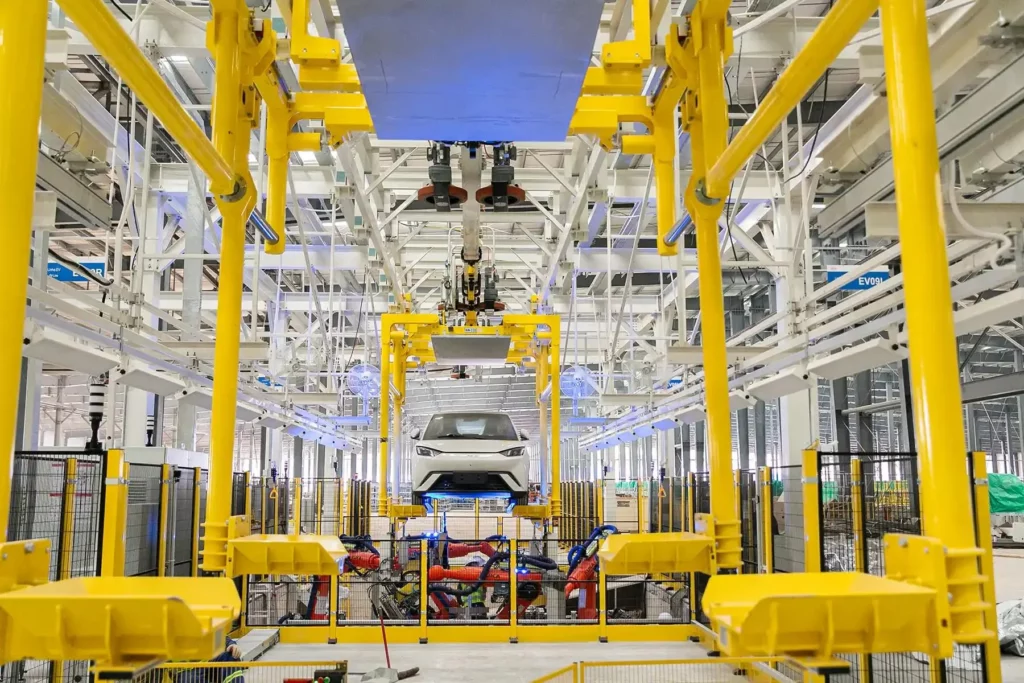
One of BYD’s factories, a symbol of industrial expansion and local production in Europe.
Another challenge for European automakers
The arrival of this third factory would strengthen BYD’s presence against European giants already under pressure. Producing locally could also intensify competition in the SUV and family car segments. Indeed, the Chinese brand offers high-quality cars at highly competitive prices, while European brands struggle to provide affordable models.
By establishing a base in Spain, BYD sends a strong signal to manufacturers, policymakers, and Europeans. This move shows the company’s long-term commitment to the European market. It remains to be seen whether European authorities will welcome this news given the current challenging trade environment.
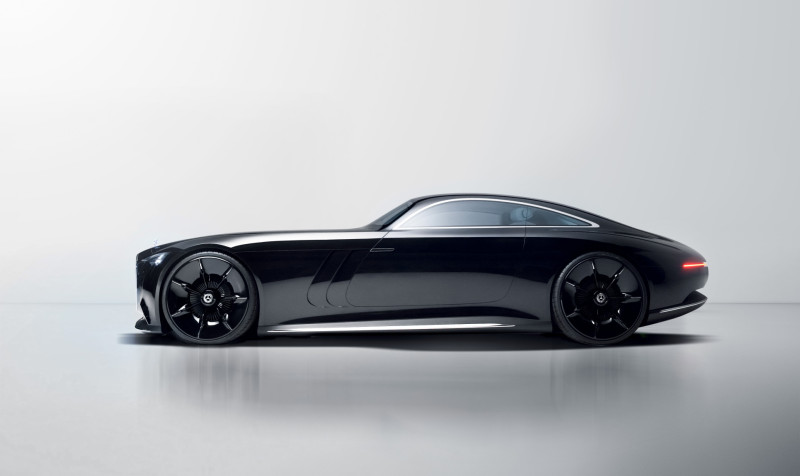
Mercedes-Benz is striking back with its new Vision Iconic concept car — a vehicle that blends heritage with cutting-edge technology. Inspired by the Roaring Twenties and classic Mercedes models, this electric coupé unveils a bold, futuristic design identity. From its monumental grille to its Art Deco-inspired interior, the Vision Iconic perfectly embodies the brand’s new era of luxury design.
The fastback profile of the Vision Iconic is reminiscent of the legendary Mercedes coupés of the 1930s and 1960s (Credit: Mercedes-Benz).
A tribute to the legends of the past
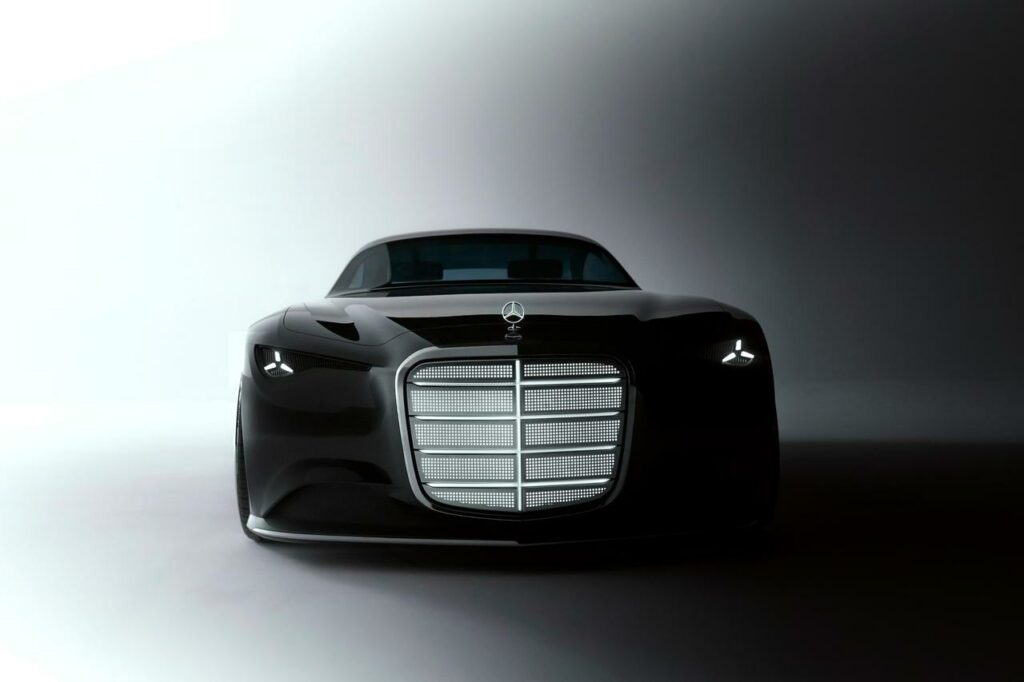
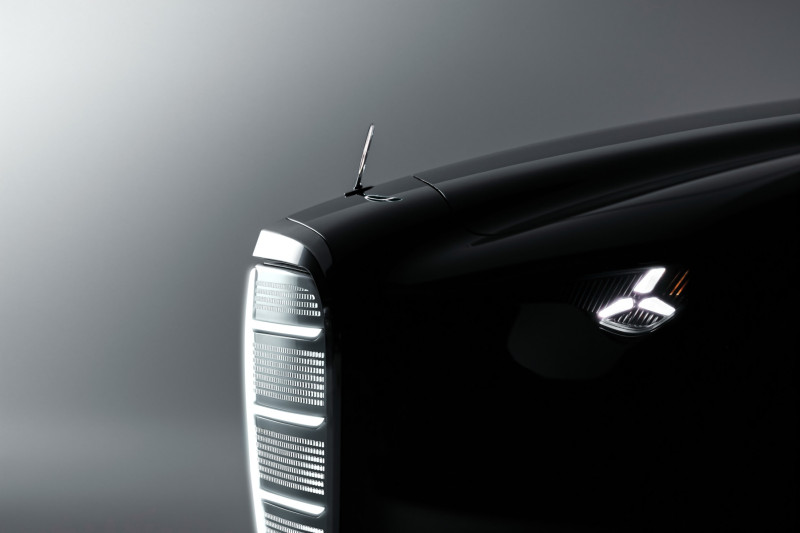
With its long bonnet and flowing lines, the Vision Iconic evokes the Mercedes icons of the 1960s, particularly the W108 and W111. Its vast illuminated vertical grille replaces metal with glass and LEDs, creating a bold new signature. The emblematic star perched at the tip of the bonnet enhances its aura of power and prestige. Slim headlamps positioned at the upper corners complete the lighting signature, while the soft curves and smooth surfaces reinforce its elegant, sculptural presence.
Integrated cutting-edge technologies
Beneath its retro styling, the Vision Iconic conceals a host of impressive innovations. The car is fully electric, and its photovoltaic paint captures solar energy to deliver up to 12,000 extra kilometres of range each year.
Covering 11 square metres, its solar-active surface continues generating power even when the car is stationary. These high-efficiency cells supplement the electric battery, significantly extending range and promoting energy autonomy. This breakthrough marks a new milestone toward sustainable, self-sufficient mobility — seamlessly blending innovation with timeless aesthetics.
The vertical illuminated glass grille redefines the identity of future electric Mercedes. (Credit: Mercedes-Benz)
The neuromorphic computer, inspired by the architecture of the human brain, optimises Level 4/5 autonomous driving while cutting computational energy use by up to 90%. The electric steering system powers all four wheels, enhancing agility and comfort, particularly during low-speed manoeuvres and parking.
Mercedes-Benz then leverages neuromorphic computing to improve the recognition of traffic signs, lanes and other road users. This next-generation technology accelerates data processing and drastically reduces energy consumption. It also makes autonomous driving more dependable in poor visibility, while anticipating the movements of surrounding vehicles and pedestrians.
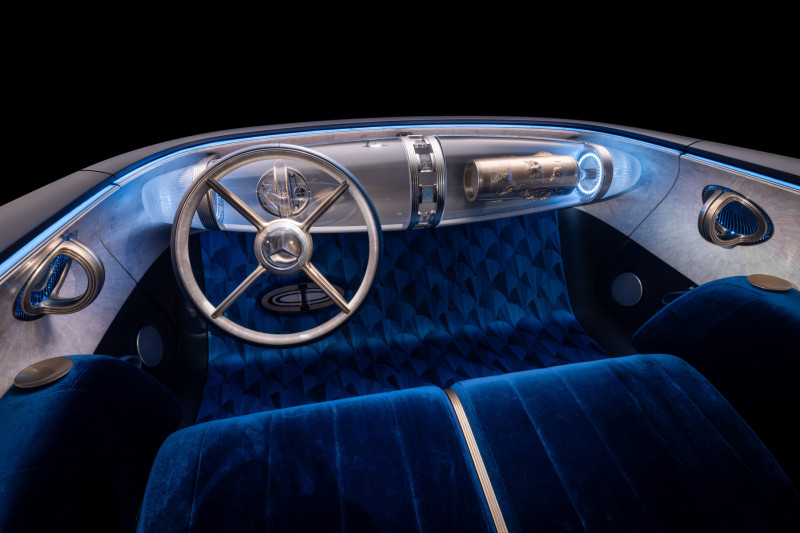
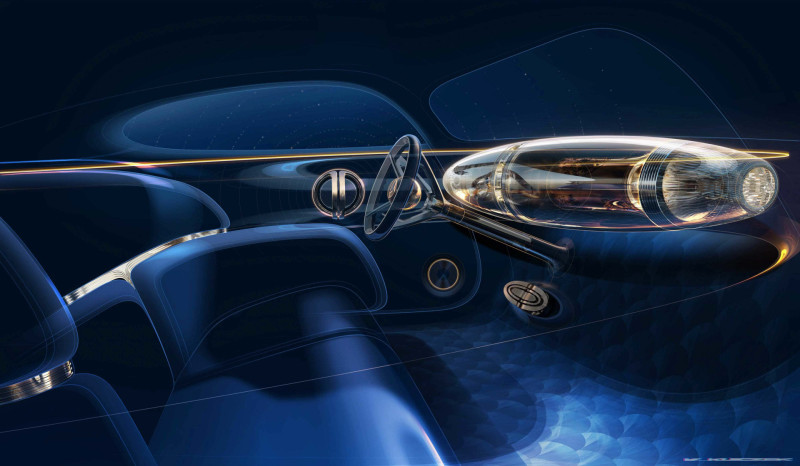
A lounge interior combining Art Deco and advanced technology, the symbol of tomorrow’s luxury according to Mercedes.
A luxurious neo-retro design
Inside, Mercedes-Benz reinterprets the Art Deco spirit with exquisite refinement. The four-spoke steering wheel encases the iconic star within a crystal sphere, while the “Zeppelin” dashboard elegantly blends analogue gauges with digital displays. A continuous front bench seat, upholstered in deep blue velvet, offers lounge-like comfort for both driver and passenger. Door panels adorned with mother-of-pearl and brass inlays fuse traditional craftsmanship with modern innovation, creating an atmosphere that is both elegant and immersive.
On the outside, the Vision Iconic stirs emotion through light. The illuminated grille and radiant star become interactive design elements, while ultra-slim headlights underline its sculptural presence. The glossy black paintwork enhances the car’s curves and pays tribute to the Art Deco aesthetic. Its imposing front end and graceful fastback silhouette echo legendary models such as the 300 SL — while boldly projecting Mercedes-Benz design into the future.
The illuminated Mercedes star embodies the fusion of tradition and modernity in the design of the Vision Iconic. (Credit: Mercedes-Benz)
A new type of mobility
With Level 4 autonomous driving, the driver’s role is evolving. On the motorway, they can relax, watch videos, or immerse themselves in the cabin’s advanced sound and lighting experience. Upon arrival, the automatic parking system takes care of the vehicle, transforming the interior into a living room on wheels and offering a completely new vision of motoring.
To complement the showcar, Mercedes-Benz unveiled a capsule collection of six outfits for men and women. Dark blue tones with silver-gold accents echo the vehicle’s interior, while geometric patterns draw inspiration from Art Deco. This collaboration between automotive design and fashion highlights the cultural and aesthetic influence of the Vision Iconic.
Blue velvet, mother-of-pearl and brass create a refined space inspired by the salons of the 1930’s. (Credit: Mercedes-Benz)
A concept for the future
Although not intended for immediate production, the Vision Iconic strongly shapes the design of Mercedes’ future top-tier electric cars, including the restyled S-Class. It bridges classic heritage and cutting-edge innovation, potentially rivaling luxury brands such as Rolls-Royce. The concept allows Mercedes-Benz to test bold ideas and anticipate the expectations of discerning customers.
With the Vision Iconic, Mercedes-Benz demonstrates its commitment to merging timeless style, advanced technology, and a luxurious user experience. The book ICONIC DESIGN captures this vision, showing how the brand is redefining its aesthetic and technological codes. Straddling a glorious past and an electric future, the Vision Iconic embodies creative freedom and modern luxury.