Blog

  • Toyota is annoyed by the misuse of the word “hybrid”… while losing itself in the process

    Toyota is annoyed by the misuse of the word “hybrid”… while losing itself in the process

    Toyota is denouncing the “fake hybrids” sold by its competitors. According to the Japanese manufacturer, 48-volt systems do not deserve the name. Yet Toyota’s own Hilux pick-up, sold in Europe, proudly displays the “Hybrid 48V” badge. This casts doubt on the consistency of the brand’s claims.

    Toyota Yaris Cross front and side view, compact and modern design for hybrid urban SUV
    Front and side views of the Toyota Yaris Cross, a hybrid urban SUV with a modern, dynamic design (Credit: Toyota)

    A semantic war in the automotive industry

    For several years now, the technical terms surrounding electrification have been multiplying. Hybrid, rechargeable, mild-hybrid… all names that sometimes confuse the issue. For Toyota, a pioneer of ‘full hybrid’ since the late 1990s, this confusion has become unbearable. The Japanese group defends a strict definition: a hybrid vehicle must be able to drive, at least for a few metres, in 100% electric mode.

    In Australia, Sean Hanley, Toyota’s Marketing and Sales Director, strongly criticised manufacturers who present 48-volt cars as hybrids. In his view, these systems offer only a slight assistance to the combustion engine. They slightly reduce fuel consumption, but do not provide real electric propulsion. “A 48V-assisted system does not represent a hybrid powertrain”, he said, calling on manufacturers to be more transparent with their customers.

    Toyota Yaris Cross rear view with Toyota logo, practical and elegant design
    Rear of the Toyota Yaris Cross with boot and rear window, illustrating the elegant styling of the hybrid SUV (Credit: Toyota)

    Finger-pointing at competitors

    Toyota’s criticisms are aimed at several major players: Stellantis, Renault, Nissan and even some German manufacturers. Their ‘mild-hybrid’ models are often lumped together with full hybrids in the registration statistics. The result is total confusion for the public, who believe they are buying an electrified vehicle, when in fact they are buying a slightly assisted internal combustion engine.

    Ironically, Toyota is not entirely consistent with its own principles. In Europe, its Hilux pick-up is now sold under the name “Hilux Hybrid 48V”. However, this is a mildly hybrid engine, i.e. a simple electric assistance system. In Australia, the same model is called ‘V Active’, precisely to avoid any ambiguity. This difference in approach in different markets casts a shadow over the manufacturer’s communications strategy.

    A question of image and credibility

    For over twenty years, Toyota has been banking on hybrids, a technology that has become central to its brand identity. The argument is clear: full hybrid offers real fuel savings, unlike 48V solutions. However, this defence of authenticity is coming up against the reality of the market. To remain competitive, the manufacturer must also offer simpler, less expensive versions, even if they do not correspond to its definition of hybrid.

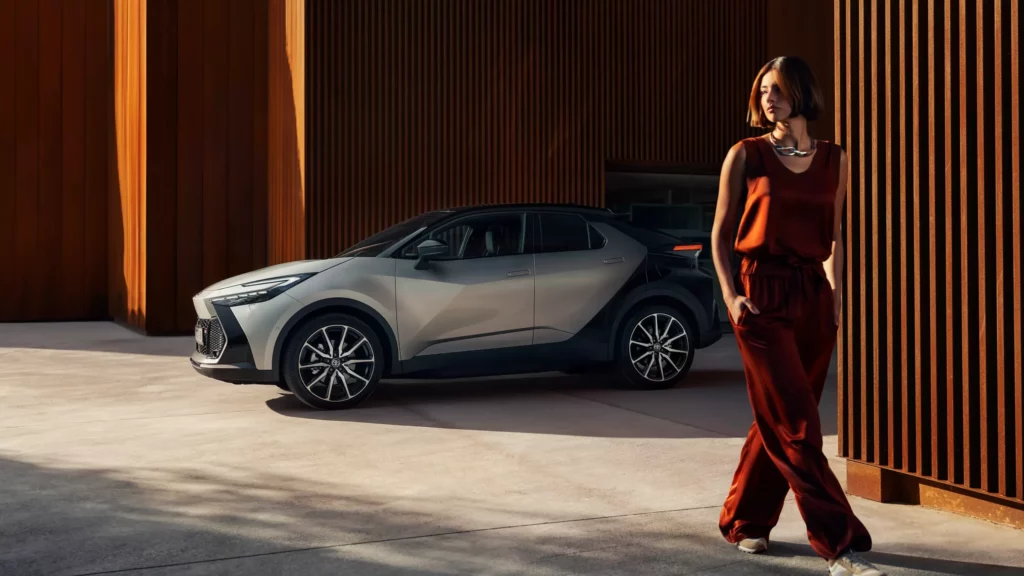
    Toyota C-HR front view and profile, a hybrid SUV coupé with a dynamic, modern design
    The Toyota C-HR, seen from the front and in profile, is a powerful hybrid SUV coupé with a sporty, contemporary design (Credit: Toyota).

    Europe, a place of compromise

    On the old continent, regulations are forcing brands to reduce their CO₂ emissions. Light hybridisation is therefore becoming an essential means of artificially lowering average fuel consumption. In this context, Toyota is no exception to the marketing logic: adopting the term ‘hybrid’ is still more salesy than simply announcing a ’48 volt’. As a result, Toyota is playing both sides of the fence, at the risk of being accused of hypocrisy.

    Behind this debate lies a battle over image. Customers do not always distinguish between the different types of hybridisation, and the brands are taking advantage of this. Toyota, which has long been ahead of the game, is seeing its technological advantage diluted by this inflation of similar terms. By denouncing this drift, the brand hopes to reassert its expertise, but its own behaviour complicates the demonstration.

    Toyota C-HR interior dashboard, digital display, multifunction steering wheel and modern finish
    Interior of the Toyota C-HR with digital instrument panel, highlighting the comfort and technology of hybrids.

    Towards a future that is still unclear

    The automotive market is continuing to shift from hybrid to rechargeable to electric vehicles. Toyota, which remains cautious when it comes to all-electric vehicles, continues to defend its vision of gradual electrification, without any break with the past. However, to be convincing, the manufacturer will first have to clarify its position. By playing with words, there is a great risk that consumers will no longer know what they are really buying.

  • MG is pulling out all the stops with an unprecedented draw to pay off hybrid and electric cars in France

    MG is pulling out all the stops with an unprecedented draw to pay off hybrid and electric cars in France

    To celebrate its 100,000 sales in France, MG Motor is offering its customers a spectacular and original operation. Every day, a vehicle purchased can be reimbursed in full, offering a unique opportunity to French motorists.

    MG EHS Hybrid Plus SUV front view, family hybrid model on sale October 2025
    The MG EHS Hybrid+ seduces with its robust design and attractive discounts in October 2025. (Credit: MG Motor)

    An exceptional daily draw

    From 6 to 31 October 2025, MG is organising a prize draw from all the order forms registered in France. Sundays 19 and 26 October will be the exception, but on all other days, a winner will receive a full refund. A total of 24 cars will be given away over the month. The operation concerns all hybrid and electric models, including the Cyberster roadster and the EHS family SUV.

    MG is not content with the draw: its vehicles also benefit from significant discounts. The EHS single hybrid SUV starts at €29,990 after a €2,500 discount, while the plug-in version is offered at €33,990 with a €4,000 discount. The S5 EV electric SUV comes in at €32,490 after a €3,500 discount, while the MG4 compact starts at €22,990 thanks to a bonus of up to €7,000.

    A strategy that appeals to the French

    MG Motor’s success is based on a well-equipped range, modern design and competitive pricing. The MG4, for example, rivals the Renault Megane E-Tech and Peugeot e-308 thanks to its superior range and attractive price. The brand has set up more than 180 sales outlets in France to strengthen its proximity to customers and raise its profile.

    At the same time, MG is encouraging its customers to sponsor their friends and family to save them €1,000 on the purchase of a vehicle. This initiative is part of an overall strategy aimed at building customer loyalty while attracting new buyers. The combination of promotions, prize draws and sponsorship is a real marketing lever.

    Electric MG S5 EV photographed in Nice in 2025, front and side views
    The new MG S5 EV, a compact electric SUV, unveiled in Nice in 2025. (Credit: MG Motor)

    An ingenious communications coup

    Offering a car by raffle is not just a promotional gesture. It’s a spectacular way of standing out in an increasingly competitive electric market. This operation underlines MG’s ability to surprise and capitalise on its success, while preparing for the arrival of eagerly awaited models such as the Cyberster, the manufacturer’s first electric convertible.

    How to take part

    To be in with a chance, all you have to do is sign an order form registered on the French network between 6 and 31 October, excluding Sundays 19 and 26. Each day, a winner will be chosen and their vehicle reimbursed in full. This is a rare opportunity in the automotive sector.

    MG is demonstrating that combining competitive prices, marketing innovation and customer proximity can create a real buzz, while consolidating its position in France.

  • A Xiaomi car escapes on its own: official explanation from the manufacturer

    A Xiaomi car escapes on its own: official explanation from the manufacturer

    In China, a Xiaomi SU7 electric car started moving without a driver, provoking astonishment and heated online discussions. The incident, widely reported on social networks, forced the manufacturer to react quickly to allay concerns. After investigating, the brand came up with a surprising explanation, which says a lot about the limits of our automotive technologies.

    Two Xiaomi SU7 electric cars, one in front profile and the other in rear profile, parked side by side.
    The Xiaomi SU7 reveals its sporty lines at the front and rear, a symbol of Chinese automotive design. (Credit: Xiaomi)

    A scene worthy of a science fiction film

    It all began in front of the house of a Chinese Xiaomi SU7 owner. The saloon car, parked quietly, suddenly began to move forward without anyone being on board. CCTV footage shows the man and his wife inside their home. In a matter of seconds, the car started up and left the scene, causing panic. The owner ran out to catch it and managed to stop it before it caused any damage. The story, posted on Chinese networks, triggered a media storm. Many Internet users accused Xiaomi of serious security flaws, pointing the finger at the reliability of its technology.

    When alerted by the owner, Xiaomi’s customer service suggested that the car had received a movement command from the user’s smartphone. Indeed, the SU7 has a remote control function, similar to Tesla’s, enabling the vehicle to be manoeuvred in tight spaces. However, the owner denies having touched his phone and insists that he did not give any orders. He then published all the images to prove his good faith, accusing the manufacturer of minimising the problem.

    Xiaomi survey reveals a different reality

    Faced with the furore, Xiaomi launched an internal investigation. Engineers analysed the vehicle’s data and the operation logs of the connected smartphone. The results, published on Weibo on 4 October, were unequivocal: the car had indeed received a parking assistance command from an iPhone 15 Pro Max belonging to the driver. According to the brand, everything indicates that the command was sent accidentally from the phone. In other words, the SU7 did not act alone. When confronted with the technical evidence, the owner finally admitted the facts and publicly apologised to Xiaomi.

    The open boot of the Xiaomi SU7, highlighting its large load volume and meticulous finish.
    A spacious boot for the Xiaomi SU7, designed for both everyday use and long journeys. (Credit: Xiaomi)

    Although the brand has been cleared of any wrongdoing, the incident raises a key question: are these remote control technologies really safe? A simple, involuntary touch of a screen is enough to trigger a manoeuvre. Imagine a child playing with their parents’ phone: the consequences could be dramatic. Xiaomi has promised to study measures to make these functions even safer, in particular by adding additional checks before they are activated.

    Cars that are increasingly intelligent, but also more vulnerable

    The SU7 is a perfect illustration of the transformation of modern vehicles, which are now comparable to real smartphones on wheels. Xiaomi, which entered the automotive market at the end of 2023, has enjoyed rapid success, but also a number of controversies about the transparency of its performance. This incident is a reminder that the race for innovation must not lead us to forget safety. Each new connected function introduces unexpected and sometimes underestimated risks.

    View of the Xiaomi SU7 dashboard, with large central touchscreen and modern interior design.
    The cockpit of the Xiaomi SU7 combines advanced technology with top-of-the-range comfort. (Credit: Xiaomi)

    This mishap, fortunately without injury, highlights a major challenge for manufacturers: guaranteeing the reliability of digital controls. The balance between comfort and safety remains fragile. As Lei Jun, head of Xiaomi, points out, the company is going through “the most difficult period in its history”. The SU7 affair could ultimately prove to be a beneficial wake-up call, not just for Xiaomi, but for all the players in the connected car sector.

    Caution is still the order of the day

    Even if the incident was due to inadvertent manipulation, it highlights the importance of better protecting these connected systems. Our cars are becoming more intelligent, but also more susceptible to human error. For Xiaomi, as for the industry as a whole, the challenge is clear: to reassure users before trust escapes on its own.

  • Dacia Spring 2025: more powerful, better armed, still unbeatable on price

    Dacia Spring 2025: more powerful, better armed, still unbeatable on price

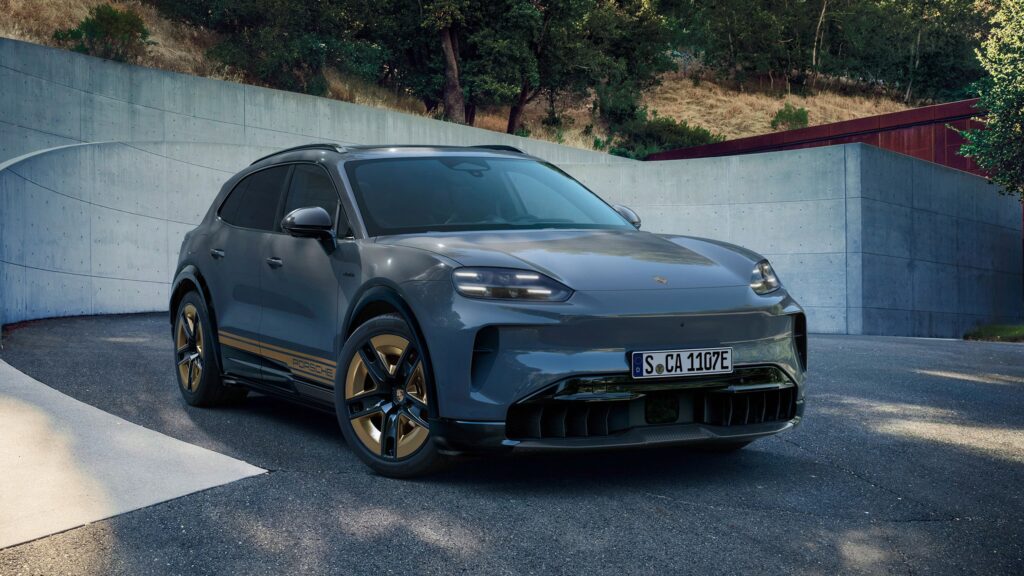
    After its restyling in 2024, the Dacia Spring is back in the spotlight with a major technical update. More powerful, more stable and just as affordable as ever, the little electric city car is finally asserting itself as a real everyday car, not just the “cheapest”.

    An electric city car that wants to stay in the race

    Launched in 2021, the Dacia Spring has become a European bestseller, selling more than 180,000 units. To extend this success to the next generation, scheduled for 2027, the manufacturer has revised its copy. After the cosmetic facelift of 2024, this 2025 version is now tackling the technical side, with more powerful engines, a stronger chassis and a new battery. In this way, Dacia intends to respond to increasingly aggressive competition, symbolised by the Citroën ë-C3 and the Leapmotor T03.

    Credit: Dacia

    Gone are the old 45 and 65 bhp engines, and the Spring now has two new 70 and 100 bhp engines. This has literally transformed its handling. The 70 bhp version now accelerates from 80 to 120 kph in 10.3 seconds, compared with over 26 seconds previously. The 100 bhp variant, reserved for the Extreme trim level, does the same in just 6.9 seconds. Top speed remains limited to 125 kph, but driving on fast lanes is much smoother.

    A chassis at last up to scratch

    To cope with the increased power, Dacia has redesigned the Spring’s structure. The platform has been strengthened and an anti-roll bar has been added at the front. The dampers and springs have been recalibrated for greater stability. As a result, the Spring is stiffer in corners and much less prone to body movement. The brakes also have more bite, thanks to more powerful assistance. The whole unit remains very light, weighing in at around one tonne, a rare asset on the electric market.

    Under the floor, the Spring abandons the NMC (nickel-manganese-cobalt) battery in favour of a 24.3 kWh LFP (lithium-iron-phosphate). This chemistry, used for the first time in the Renault group, is distinguished by its durability and low cost. Despite a slightly lower capacity, the range remains stable at 225 km in the WLTP combined cycle, thanks to improved aerodynamics. Dacia has streamlined the underpinnings and redesigned the spoiler, improving fuel consumption to 12.4 kWh/100 km.

    Faster, more convenient recharging

    The city car still has an on-board 7 kW alternating current charger, but charging is now more efficient. It now takes 3 hours 20 minutes to go from 20% to 100% at a suitable charging point, 20 minutes less than before. As an option, rapid DC charging can be increased to 40 kW, enabling the car to regain 60% of its range in 29 minutes. Dacia also offers the V2L function as an option, useful for powering an electrical appliance from the vehicle’s battery.

    The range retains its three trim levels: Essential, Expression and Extreme. The Expression version now gets 15-inch wheels as standard, while the Extreme trim level benefits from identical wheels and a 100hp engine. The latter loses the integrated navigation, which now costs €400, but retains a large central 10-inch screen with wireless Apple CarPlay and Android Auto compatibility. A new colour, Seafoam, has been added to the catalogue, replacing Safari Beige.

    Prices that still defy all competition

    Despite all these changes, Dacia is keeping its prices unchanged. The Essential version (70 bhp) remains at €16,900, the Expression (70 bhp) at €18,900, and the Extreme (100 bhp) even comes in at €19,700, €200 less than before. An unbeatable price for a modern, well-equipped electric city car.

    Manufactured in China, the Spring does not benefit from the enhanced eco-bonus, but it is still entitled to a small €380 bonus. Despite this constraint, it remains the most affordable electric car in Europe. This confirms Dacia’s strategy of offering simple, robust and affordable electric mobility.
    A still electrifying future for Spring

    Pending its replacement, scheduled for 2027, the Spring version 2025 looks set to extend its reign in the economical electric segment. With more power, better roadholding and unchanged range, it proves that an intelligent update is better than an expensive revolution. Dacia is upping its game, without betraying its DNA: offering the maximum at the fairest price.

  • Electromobility in Australia: September 2025 confirms the acceleration

    Electromobility in Australia: September 2025 confirms the acceleration

    Australia, the new player in the automotive transition…

    Long perceived as a country where the electromobility market lags behind Europe, China and the United States, Australia has seen a real acceleration in the adoption of electric mobility over the past two years. According to the monthly VFACTS report published by the FCAI (Federal Chamber of Automotive Industries) and the Electric Vehicle Council, September is a perfect illustration: more than 30% of new vehicle sales are now electrified (hybrid, plug-in hybrid or 100% electric).

    This figure, unthinkable just a few years ago, brings the country closer to the standards of pioneering markets such as Norway and the UK, even if the recharging infrastructure is still lagging behind outside the major cities.

    Change is not just technological. It’s also cultural. In a country where the ute (utility vehicle) and the 4X4 are king, it’s true that seeing Tesla Model Ys, BYD Sealion 7s and even Chery Tiggo 4s in the top-selling vehicle rankings reflects a real shift in usage.

    Record figures

    In September 2025, 106,891 new vehicles were registered, up 7% on 2024. Since January, the market has sold a total of 938,959 vehicles, putting 2025 on track to surpass the previous all-time record (1,220,607 units).

    In a national context of inflation that is still perceptible, this dynamic performance can be explained by the overhaul of corporate fleets (+11.5%), the strength of the private customer channel and a revival in leasing (+8.5%). Conversely, government purchases fell by 13%.

    Geographically, Victoria and Western Australia are the main drivers of this growth.

    Manufacturers: Japanese dominance, Chinese breakthrough

    The car market is still dominated by Toyota, Ford, Kia, Mazda and Hyundai, but the real revolution is coming from China. In September, no fewer than four Chinese brands made it into the top 12 vehicle sellers: BYD, GWM, MG and Chery. And the least we can say is that their growth rates are staggering: +178% for BYD, +172% for Chery, +30.1% for GWM and +4.4% for MG.

    This growth is reflected in the appearance of three Chinese models in the top 10 best-selling vehicles in Australia, namely the Chery Tiggo 4 (6ᵉ), the BYD Sealion 7 (8ᵉ) and the GWM Haval Jolion (10ᵉ). They are therefore competing with local icons (Toyota HiLux, Ford Ranger, Isuzu D-Max). The Tesla Model Y, the third best-selling vehicle and number one SUV on the market, is a good illustration of this shift towards new preferences.

    This trend is not only reflected in sales figures, but also in import flows. Although Japan remains in first place as a country of origin of vehicles, with 26,590 units imported in September 2025, China, with 25,587 units, is now neck and neck. Thailand remains competitive with 20,996 vehicles imported in September 2025. China was ranked 3ᵉ in vehicle importing countries at mid-year with 102,938 deliveries, far behind Japan and its 187,078 deliveries. This evolving trend indicates that Beijing has a very strong chance of becoming Australia’s leading supplier of cars by the end of the year.

    Electrification: accelerated change

    The figures for the electrification of the Australian car fleet speak for themselves:

    12,076 battery electric vehicles (BEVs) sold in September, up 88% on September 2024.

    4,491 plug-in hybrids (PHEV), up 81% on September 2024.

    14,811 hybrids (HEV), a figure that confirms the role of this type of vehicle in this transition.

    In total, electrified vehicles will account for 30.5% of the market, while pure petrol will account for less than 40%. This is a rapid rise, given that by 2021, the share of BEVs will be no more than 2%.

    This growth can be explained by the increasing number of vehicles on offer, the fall in average prices and the visibility given to electric models. But it is also due to the aggressive strategy of Chinese manufacturers, who are filling a gap left by European brands that are hesitant, too expensive or too upmarket.

    A vigorous market, but under pressure

    There is every reason to believe that 2025 will be a record year for the Australian automotive industry. Yet beneath the surface, the situation is more fragile. All volume manufacturers are now resorting to massive discounting to clear their stocks, which is squeezing margins. Volume may be growing, but profitability remains under threat.

    This phenomenon is not unique to Australia: in Europe and the United States, the price war on electric cars – initiated by Tesla and followed by BYD – has forced most brands to reduce their margins in order to remain competitive.

    A month of change

    September 2025 marks a strategic turning point for the Australian car industry. SUVs and utes continue to dominate, but electrification is now establishing itself as a player in its own right and, above all, as the industry’s growth driver. The arrival in force of Chinese brands is accelerating this transformation and reshuffling the cards in a market historically dominated by Japan and Korea.

    These figures and facts confirm that Australia is no longer a market on the fringes of the global transition: it is becoming a country where tradition and modernity coexist.

  • A Chinese car was Europe’s second best-selling plug-in hybrid in August

    A Chinese car was Europe’s second best-selling plug-in hybrid in August

    Shocking news for the European new car market. Last month, a Chinese car occupied the second position in the plug-in hybrid (PHEV) new registrations ranking, confirming the rapid growth that some of these companies, like BYD, are having across the region.

    Side profile of the BYD Seal U plug-in hybrid SUV
    The BYD Seal U, now Europe’s second best-selling PHEV in August. (Credit: BYD)

    The data revealed by JATO Dynamics indicates that the BYD Seal U with its plug-in hybrid powertrain registered 3,918 units during the month in 28 European markets. This total puts this Chinese SUV in the second position in the PHEV ranking, only behind the German-made Volkswagen Tiguan with 4,485 units.

    What is even more interesting is that year-to-date volumes also put the Tiguan and Seal U in first and second positions, but with a higher growth rate for the latter. By the end of August, the Volkswagen was ahead of the BYD by almost 3,200 units, meaning that we could see the latter outselling the former by the year-end.

    Not only BYD

    The incredible progress made by Chinese manufacturers in Europe does not stop at BYD. August’s top 10 included two other models coming from this country. At the 7th position there is the Jaecoo J7 from Chery Group, and at the 9th position there is the MG HS from SAIC Group.

    These are remarkable results posted by these three Chinese makers. They confirm their latest move to face the tariffs on their electric cars by increasing their presence in other alternative fuel segments like the PHEVs and HEVs (full hybrids). In fact, most of the growth posted by the Chinese car brands this year has been driven by these two powertrains and not so much by the BEVs.

    Between January and August of this year, the BEVs represented 30% of the Chinese car brands’ sales against 38% from PHEV and HEV combined.

    The other models from the PHEVs top 10 in August

    Behind the Tiguan and Seal U, there was the Volvo XC60 with 3,378 units. It was followed by the Ford Kuga with 3,023 units, and the Toyota RAV4 with 2,856 units. The sixth position was occupied by the BMW X1 which registered 2,724 units. Its bigger brother, the BMW X3, registered 2,387 units at 8th position, while the Hyundai Tucson completed the top 10 with 2,221 units.

    Among them, the BYD Seal U was the most dependent on this powertrain, with its PHEV version accounting for 86% of its total registrations during the month. It was followed by Volvo XC60 (75%), and the Jaecoo J7 (72%).

  • XPeng: a promising third quarter

    XPeng: a promising third quarter

    The Chinese manufacturer has unveiled some impressive sales figures.

    XPeng has just published its vehicle sales report for September, marking the end of the third quarter of 2025. These figures confirm a trend that began a year ago: the brand is on the rise, gradually establishing itself as one of the major players in global electromobility. According to official figures released by the company, XPeng’s performance is well ahead of that seen in 2024.
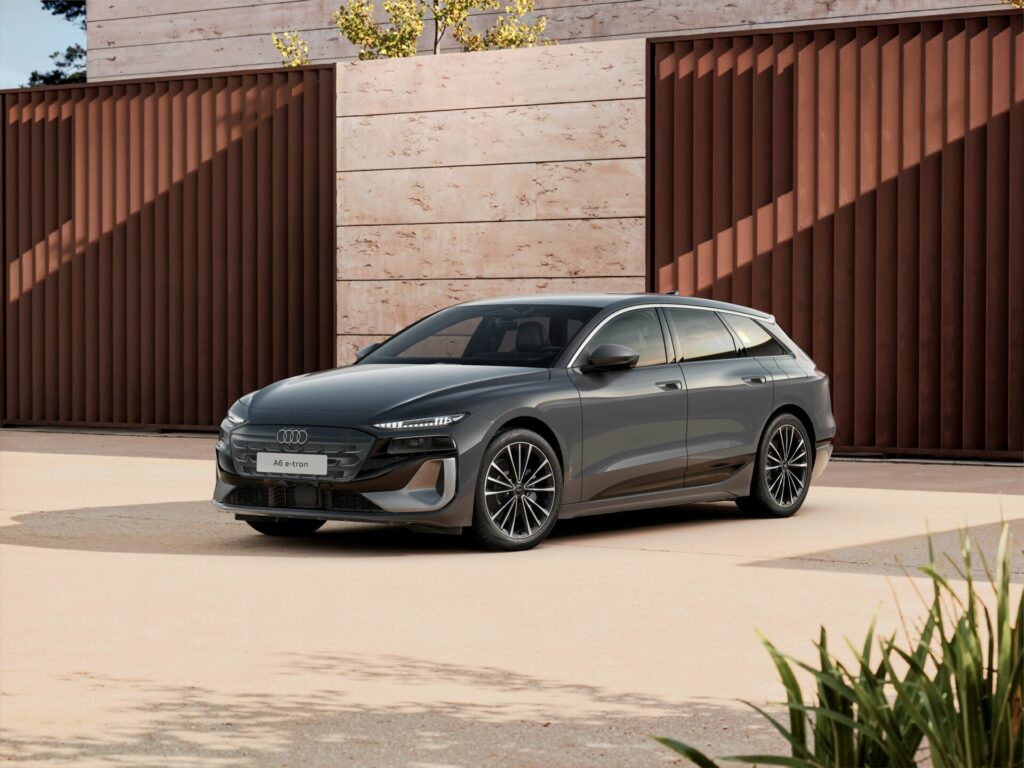
    In September 2025, the manufacturer delivered no fewer than 41,581 vehicles, a drastic increase of almost 95% on the 21,052 units delivered in September 2024. Over the third quarter of 2025 as a whole, the volume of vehicles delivered reached 116,007 units, an increase of 149% compared with the 46,176 vehicles sold in the third quarter of last year. With these figures, combined with the good mid-year results, XPeng has more than 313,000 deliveries in the first nine months of 2025, more than triple the 98,000 units delivered from January to September 2024.

    Credit Xpeng

    Diversified geographical expansion

    While China remains XPeng’s biggest market, the dynamic is also changing internationally. From January to August 2025, the company delivered 24,702 vehicles outside China, representing growth of more than 137% compared with the same period in 2024. These figures can be explained in part by the development of international sales outlets: 275 sales outlets in 46 different countries, compared with around 150 in 2024.

    Geographically, Europe remains XPeng’s biggest buyer, followed by the Middle East and Asia. Latin America remains marginal, but initial export figures are beginning to emerge. A strategic expansion, at a time when the brand was still ultra-dependent on the Chinese market. This pattern is reminiscent of BYD, which has succeeded in establishing itself in Europe and the rest of the world, albeit with more modest volumes.

    Models driving growth

    Another factor behind this growth is the brand’s extensive catalogue. The Mona M03, a saloon designed to be accessible, has helped to broaden the customer base and rapidly generate volume. Its flagship model, the P7, meanwhile, has

    passed the milestone of selling the 10,000ᵉ unit of its new version. Finally, the brand is targeting the top end of the market with the cutting-edge technology provided by its G7 Ultra.

    Credit Xpeng

    Technology at the heart of the strategy

    As well as volumes, XPeng intends to distinguish itself through innovation. The manufacturer recently presented its proprietary “Turing AI” chip, designed to improve autonomous driving performance. This is a strategic advance that will enable it to reduce its dependence on external suppliers. At the same time, XPeng has entered into a partnership with Volkswagen to develop an ultra-fast recharging network of more than 20,000 charging points in China. These initiatives show that the brand is not just looking to sell more cars, but is also investing in infrastructure and on-board intelligence to establish itself as a key player in the mobility of the future.

    A manufacturer on the move

    The figures for September 2025 confirm that XPeng has reached a decisive stage. Its strategy of international expansion, broadening its range and increasing its industrial output mean that it is outperforming most of its Chinese competitors, with the exception of the now giant BYD.

    The company thus confirms the new wave of Chinese manufacturers: capable of innovation, penetrating diverse international markets and combining volume and technology, all at affordable prices. Having long been seen as a challenger, XPeng is now becoming a key player in the global automotive transition.

  • Toyota presents 3 new models and focuses on diversity

    Toyota presents 3 new models and focuses on diversity

    Toyota has presented three new electrified models: the BZ4X, the CH-R+ and the AYGO Cross Hybrid. Three vehicles with different positioning, but all reflecting a clear strategy: to remain true to the brand’s values – reliability, quality and adaptability – while accelerating its contribution to the energy transition.

    BZ4X: the zero-emission SUV that leads the way

    The BZ4X is Toyota’s first true 100% electric SUV. Available with a choice of engines and two battery sizes, it boasts a range of up to 569 km. It can be recharged with up to 22 kW of alternating current, and battery preconditioning ensures optimum efficiency, especially in winter.

    Toyota is seeking to prove that it can make up for lost time in the electric segment. But in a market already occupied by Tesla, Hyundai and BYD, the challenge will be to offer a competitive alternative in terms of price and services.

    Toyota Credit

    CH-R+: the electric standard-bearer

    With its bold styling and 343bhp, the CH-R+ boasts unusual performance figures for an SUV of its size: 0-100kph in 5.2 seconds and a claimed range of up to 600km. Toyota has made it the flagship of its electrified range.

    It remains to be seen whether this balance between sportiness and versatility will appeal to a market where simple hybrids are beginning to show their limitations in the face of zero-emission requirements in urban areas.

    AYGO Cross Hybrid: the pragmatic entry-level model

    With the AYGO Cross Hybrid, Toyota is playing the accessibility card. Compact and designed for the city, it is the urban SUV that “ticks all the boxes”. Accessible and agile, it remains a hybrid at a time when some European cities are already moving towards 100% electric vehicles.

    It’s a response to the expectations of city dwellers, but perhaps a short-term solution in the face of forthcoming regulations.

    Toyota Credit

    More than a range: a strategy

    Beyond the models, the manufacturer’s message is clear: electrification is not a one-off, it has to be multiple. By combining electric SUVs, high-performance hybrids and city cars, Toyota is betting on a multi-technology strategy. However, this diversification may be seen as a hesitant strategy in the face of competitors who are betting everything on 100% electric cars.

    “My Toyota is fantastic”: between emotion and transition

    These launches will be accompanied by a new advertising campaign, with the slogan “My Toyota is fantastic”. Behind the emotion and the attachment to the brand, there is a strategic challenge: to convince people that Toyota remains a safe bet in the automotive world, while adapting to the needs of a rapidly changing market.

  • Social leasing 2025: which cars are eligible?

    Social leasing 2025: which cars are eligible?

    The 2025 social leasing scheme has just made a comeback in France, and manufacturers have had to comply with the government’s requirements to offer leases of less than €200/month excluding options, and at least one offer for less than €140/month. City cars, SUVs or family cars – which models are eligible?

    France
    Naturally, as part of a French initiative, French manufacturers are offering a wide range of cars. At Renault, the objective is clear, and the Managing Director of Renault France, Guillaume Sicard, confirmed this on his social networks: to facilitate access to electric mobility for all French people, without sacrificing quality, innovation or local production. The Renault 5 E-Tech electric is available from €120/month, the Renault 4 E-Tech electric from €155/month and the Mégane E-Tech electric from €195/month.

    Peugeot offers a wide range of models: the e-208 Allure from €120/month, the e-2008 Style from €150/month, the e-308 Style from €200/month and the e-Rifter Allure from €155/month. Citroën completes the range with the ë-C3 You from €95/month, the ë-C3 Aircross You from €119/month, the ë-C4 You from €179/month and the ë-Berlingo Plus from €149/month.

    Crédit Peugeot

    Germany
    Our neighbours across the Rhine are also offering a number of vehicles. Opel is offering three models: the Corsa at €119/month, the Mokka Edition SUV at €149/month and the Frontera Edition at €119/month.
    Volkswagen is promoting the compact ID.3 Life Max at €139/month and the SUV ID.4 Life Max at €169/month.
    Skoda, a Group subsidiary, is lining up its Elroq SUV: City at €149/month and Element at €189/month.
    Finally, at Cupra, the Born One compact is priced at €189/month.

    Volkswagen ID.3 European electric car not available in Canada
    The Volkswagen ID.3, a compact electric model popular in Europe, is not yet on sale in Canada (Credit: Volkswagen).

    Italy
    Three manufacturers are representing our transalpine neighbours. Fiat is banking on accessibility: Grande Panda Red at €95/month, 500e Red at €129/month and 600e Pop at €145/month.
    Lancia is back with the Ypsilon LX at €179/month.
    Alfa Romeo joins the scheme with the Junior Speciale at €199/month.

    Lancia Credit

    United States
    For this initiative, Jeep is representing the United States and offering the Avenger Altitude, an electric SUV priced at €179/month.

    Jeep Credit

    South Korea
    In Asia, Hyundai is banking on the brand new Inster, available at €99 per month.
    With more than thirty models on offer under the 2025 social leasing scheme, and rental prices ranging from €95 to €200 per month, every eligible household should be able to find a vehicle to suit their needs.

    Hyundai credit
  • Can mobility really be green?

    Can mobility really be green?

    Spoiler: no. For example, a car, even an electric one, is by definition an object that has to be manufactured and then supplied with energy, so cars and transport in general will never be 100% eco-friendly. But solutions do exist to reduce the environmental impact of cars as much as possible.

    While the electric motor is a prerequisite for the ‘green’ car, there are other solutions at the design stage, as well as in use, that would enable the car to reduce its impact on the planet even further. ECO MOTORS NEWS spoke to Aurélien Bigo, an independent researcher, member of the Energy and Prosperity Chair and former ADEME employee, whose thesis dealt with the subject of transport and the challenge of the energy transition. The right person to enlighten us on the subject.

    Greening the car from the design stage

    Even before it leaves the factory, a car has already polluted enormously. This is especially true of electric cars. Although they pollute much less than internal combustion engines during their life cycle, their manufacture has a much greater negative impact, so they have to make up for their carbon debt over the kilometres (around 30,000 kilometres). But there are some good habits to adopt at the design stage that could help reduce this gap.

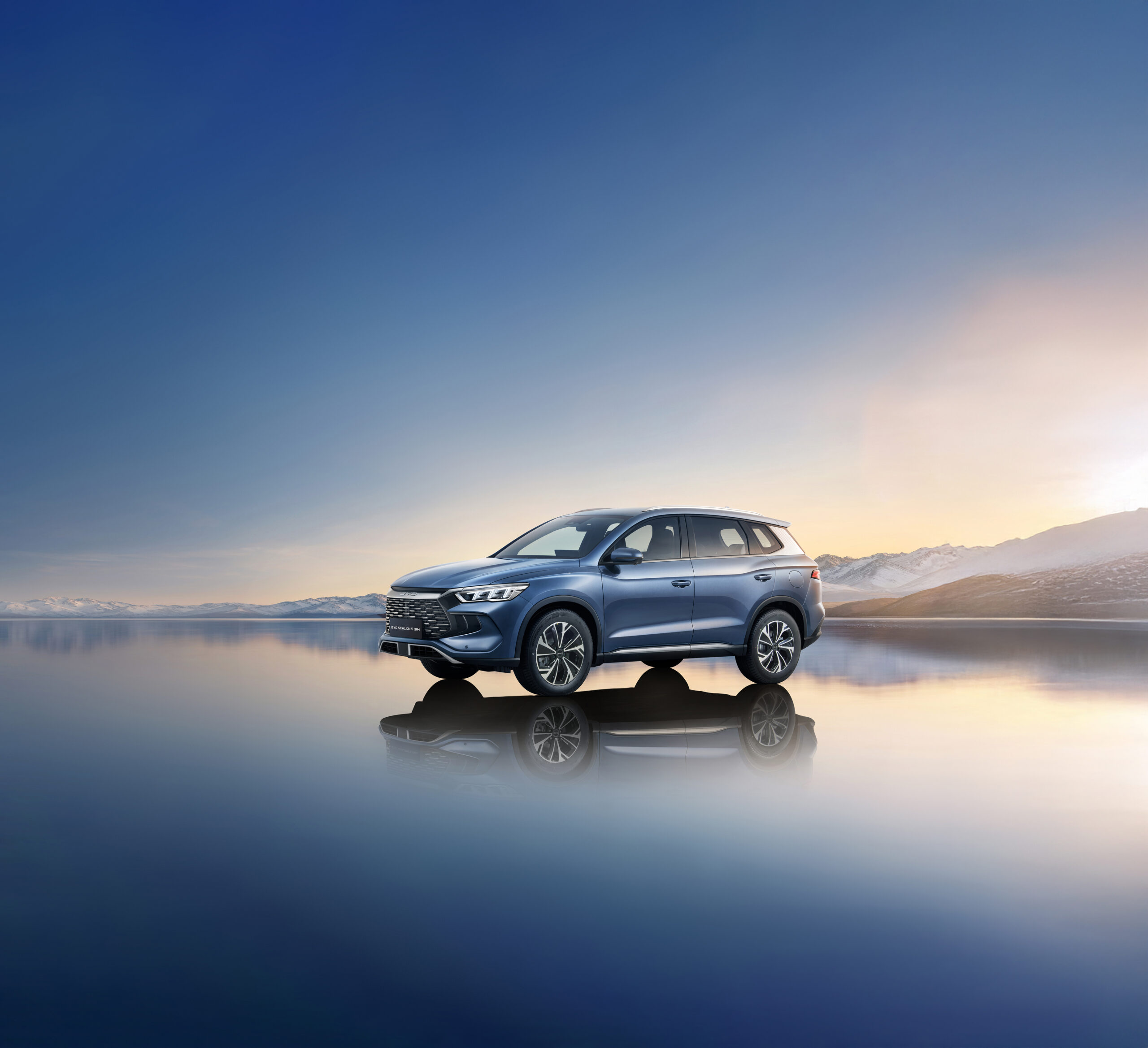
    Electric Porsche Macan being assembled at the Leipzig plant
    Production of the electric Macan at the Porsche plant in Leipzig, illustrating the growing popularity of electromobility.
    First, there’s the question of weight. According to Aurélien Bigo, “the lighter a vehicle is, the fewer emissions it generates, and the smaller its battery can be, which limits its impact“. The researcher therefore recommends that “batteries should be sized according to the range required for everyday journeys rather than very long distances” in order to reduce their size and the use of resources needed to manufacture them. In the same vein, it will be necessary to optimise batteries in order to reduce the quantity of materials required per kWh.

    Aurélien Bigo also points out that it is essential to extend the lifespan of vehicles, in particular through repairs, but also “by maintaining use despite the gradual decline in battery capacity“. Making a car last is essential because, in France, electricity is already low in carbon, so, as the researcher explains, “the main impact of a car comes from its manufacture, and it must be amortised over as long a period as possible“.

    While the manufacture of an electric car is the first thing we think of when we talk about its environmental impact, we also need to consider the question of recharging. At the design stage, it may be worthwhile to democratise the integration of vehicle-to-grid (V2G) and vehicle-to-home (V2H) technologies, which allow the car to return energy to the grid or act as a generator for the home, respectively. Over and above the savings made by the owner, this also helps to limit stress on the grid and limit consumption.

    The five levers of the National Low Carbon Strategy

    Aurélien Bigo outlines the five levers identified by the National Low Carbon Strategy(SNBC) to reduce the environmental impact of transport. And because things are well done, they are listed in ascending order of difficulty of implementation.

    The first is simply to drive less. This means reducing the number of kilometres travelled on a daily basis, by increasing the availability of public transport, but also “by bringing the places where people live, work and receive services closer together“.

    Then there is the modal shift: giving priority to walking, cycling and public transport. While Aurélien Bigo acknowledges that this lever is easier to activate “in dense areas than in rural areas“, he is not losing hope in the development of soft mobility in rural areas. The development of car-sharing, another of the five levers, could also be a step in this direction.

    The fourth lever directly concerns ECO MOTORS NEWS, since it involves improving energy efficiency through more fuel-efficient vehicles and the electrification of the vehicle fleet. Finally, the fifth is quite simply to decarbonise energy, by replacing oil with less carbon-intensive energies, including electricity.
    According to Aurélien Bigo, these levers are complementary: “some require more social and territorial transformations, but offer the greatest reductions in emissions. Others require fewer changes to lifestyles, but reduce the overall impact less significantly”. The key, then, is to strike the right balance in order to achieve the goal of truly environmentally-friendly mobility.