Between the opening of order books, market launches and the first deliveries, several all-electric models are set to hit the European market in April 2026. From compact SUVs to luxury saloons, we’ve rounded up the vehicles that will actually be arriving at dealerships in the coming weeks.
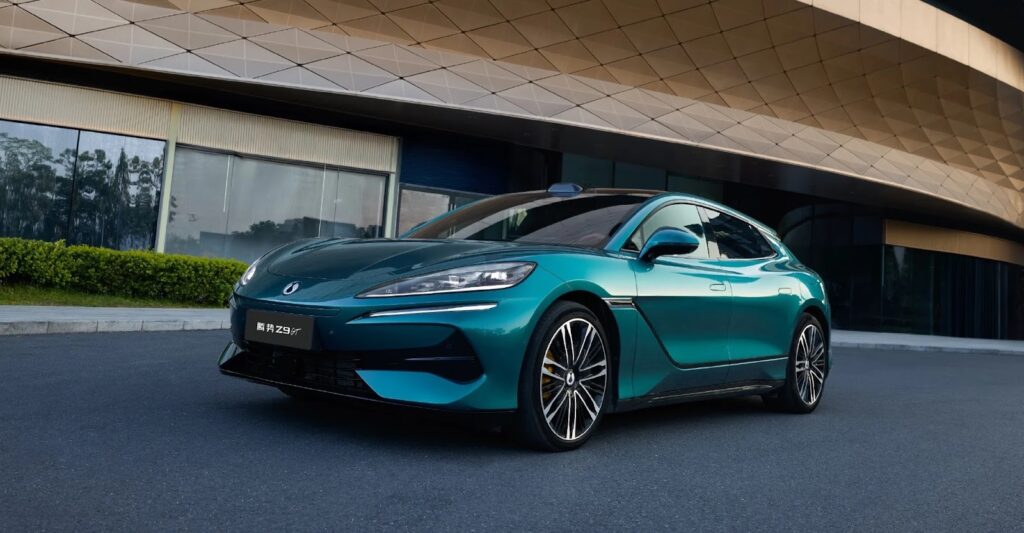
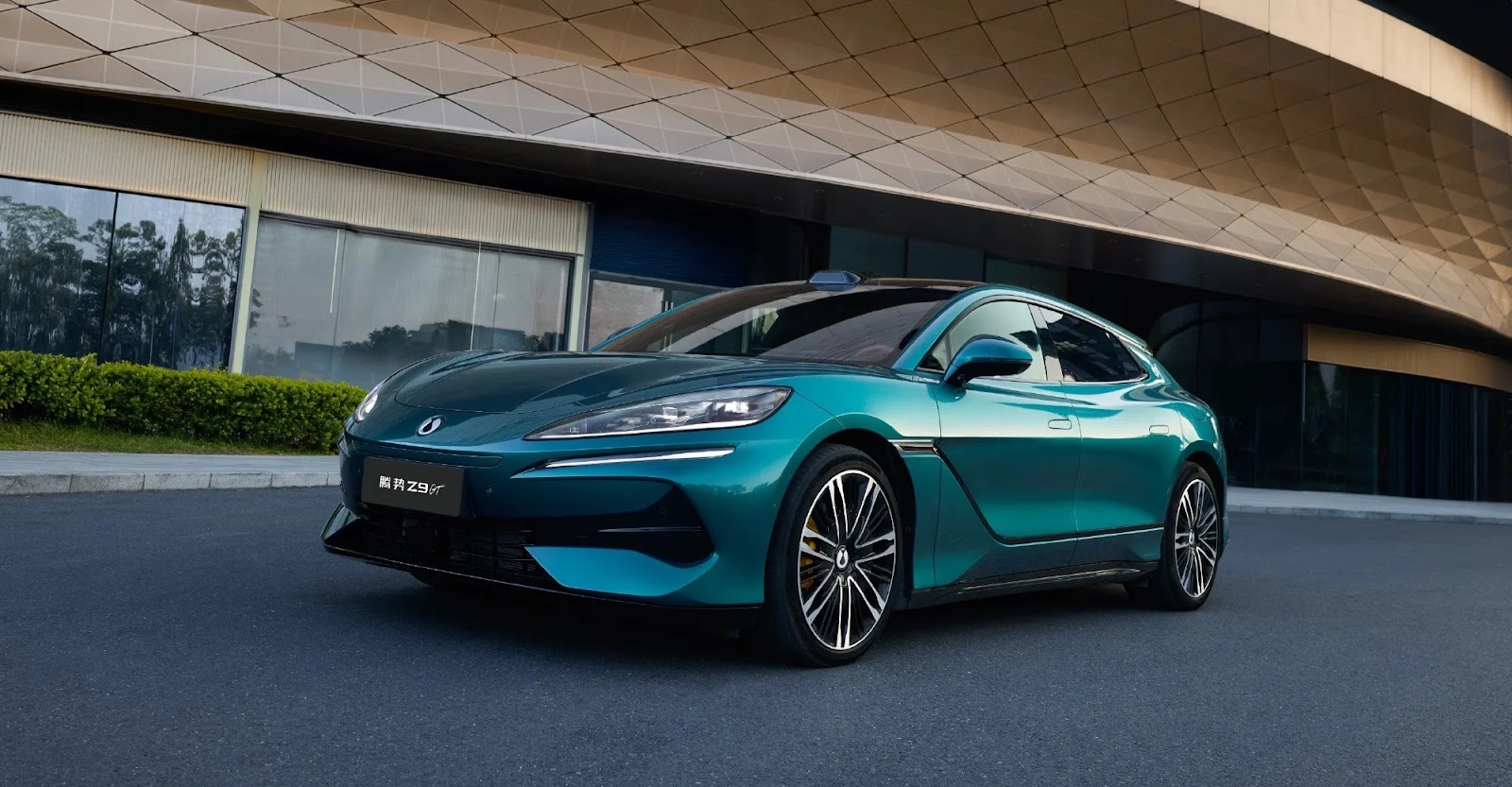
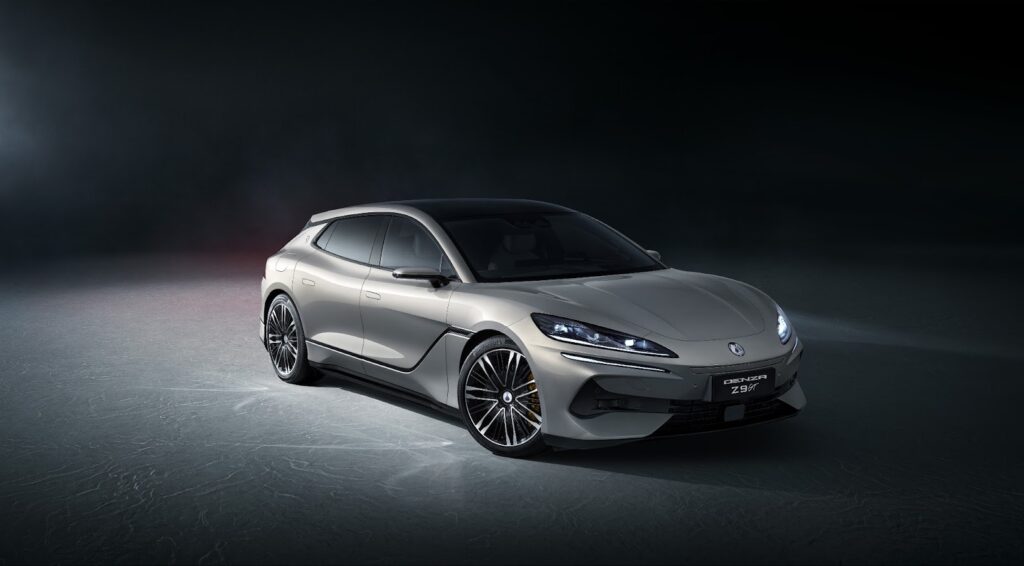
Denza Z9 GT: a premium electric estate car from BYD
The first vehicle to be featured belongs to Denza, the BYD Group’s premium brand. It is set to officially launch the Denza Z9 GT in Europe on 8 April in Paris.
This model features a format that is still rare in the electric vehicle market: a large estate car measuring 5.18 metres in length, positioned firmly in the premium segment. Its design focuses on a low, flowing silhouette, with taut lines and sophisticated aerodynamics, whilst the interior offers a luxurious, tech-focused environment.
Technically speaking, the Z9 GT is based on a three-motor architecture delivering up to around 960 horsepower via all-wheel drive. It features a 100 kWh LFP Blade battery and boasts a WLTP range of nearly 600 km. The 800 V architecture enables rapid charging, with the battery going from 10% to 80% in around fifteen minutes. The price is expected to start at around €90,000.
Geely E5: a compact SUV coming to France
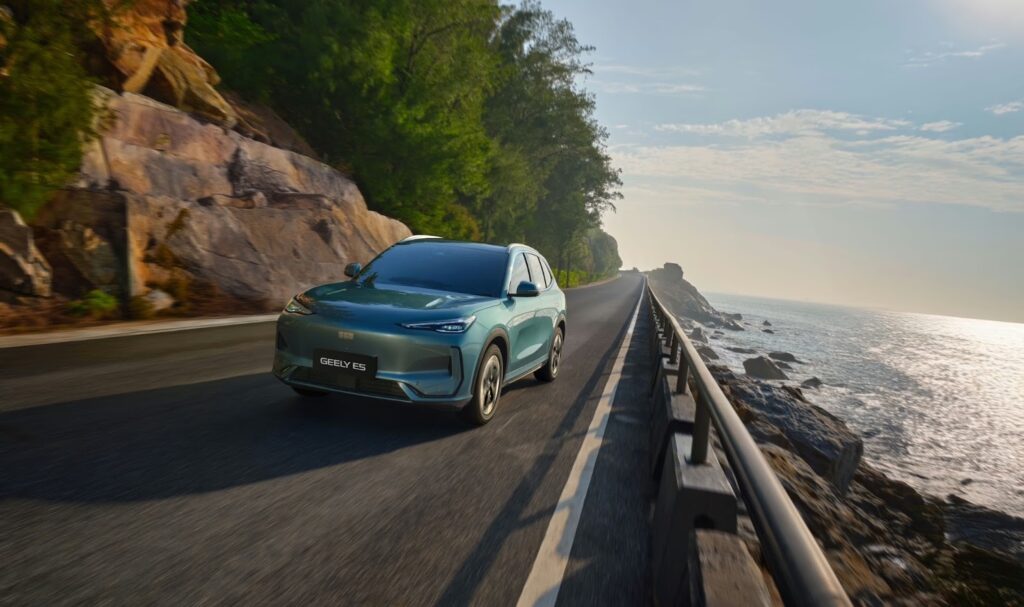
Next up is the Geely Group, which is preparing to enter the French market with the Geely E5. Orders are expected to open at the end of April.
This compact SUV, measuring 4.61 metres in length, is positioned in a particularly competitive segment. It features a modern design with a drag coefficient of 0.269 and a sleek interior that is heavily focused on digital functionality.
The Chinese brand’s E5 is available with two battery options: 60 kWh or 76 kWh, offering a range of between 440 and 530 km (WLTP). The rear-wheel-drive version produces 218 horsepower, whilst the all-wheel-drive variant delivers over 300 horsepower. The starting price is estimated at around €32,000, making it a competitive offering in this segment, typical of Chinese SUVs.
DS No. 7: an electric SUV to strengthen its premium positioning
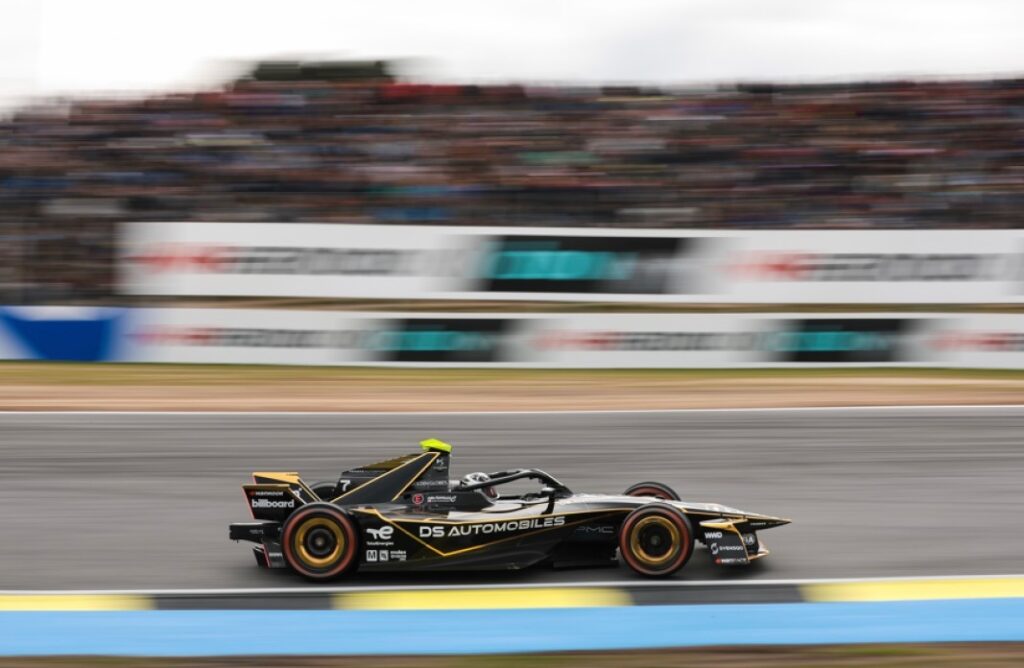
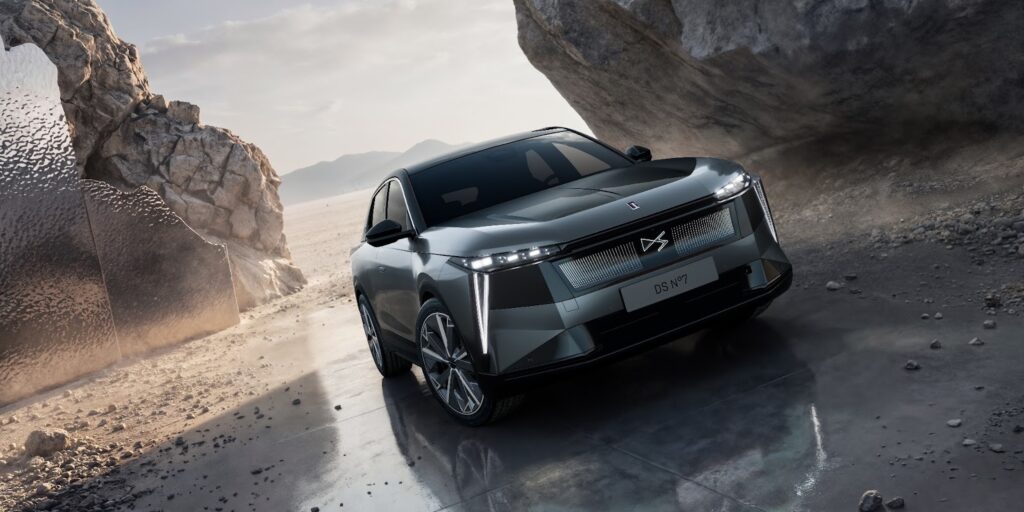
Well done, the third vehicle is French. DS Automobiles is launching the all-electric version of its family SUV, the DS N°7, in April.
Based on the STLA Medium platform, this model features a design that stays true to the brand’s identity, with a sculpted front end, distinctive lighting signatures and an interior focused on comfort and finish. DS is no longer holding back; with the quality of the materials and equipment on offer, the brand is clearly aiming for a premium positioning.
On the technical side, the vehicle is fitted with a 98 kWh battery and boasts a WLTP range of up to 700 km. The power outputs range from 210 to 350 horsepower, with all-wheel-drive versions available. The 800 V fast-charging system allows the battery to go from 10% to 80% in around 20 minutes. Prices are expected to start at around €55,000.
Volkswagen ID. Polo: start of the pre-launch phase
Another launch is on the cards, this time from Volkswagen, which is set to unveil the Volkswagen ID. Polo in April, with an official presentation and the opening of pre-orders.
This electric B-segment model takes its cue from the petrol-powered Polo, featuring a retro-inspired yet modernised design and a streamlined interior centred around floating screens. The aim is to offer an affordable electric city car with a view to becoming, like its predecessor, one of the market leaders.
Two battery options are expected, with capacities of 45 and 58 kWh, offering a range of around 350 km on the entry-level model. Fast charging is rated at 100 kW, and the target price is reported to be around €25,000. As for the first deliveries, these are scheduled for later this year.
Kia EV2: first deliveries of a city SUV manufactured in Europe
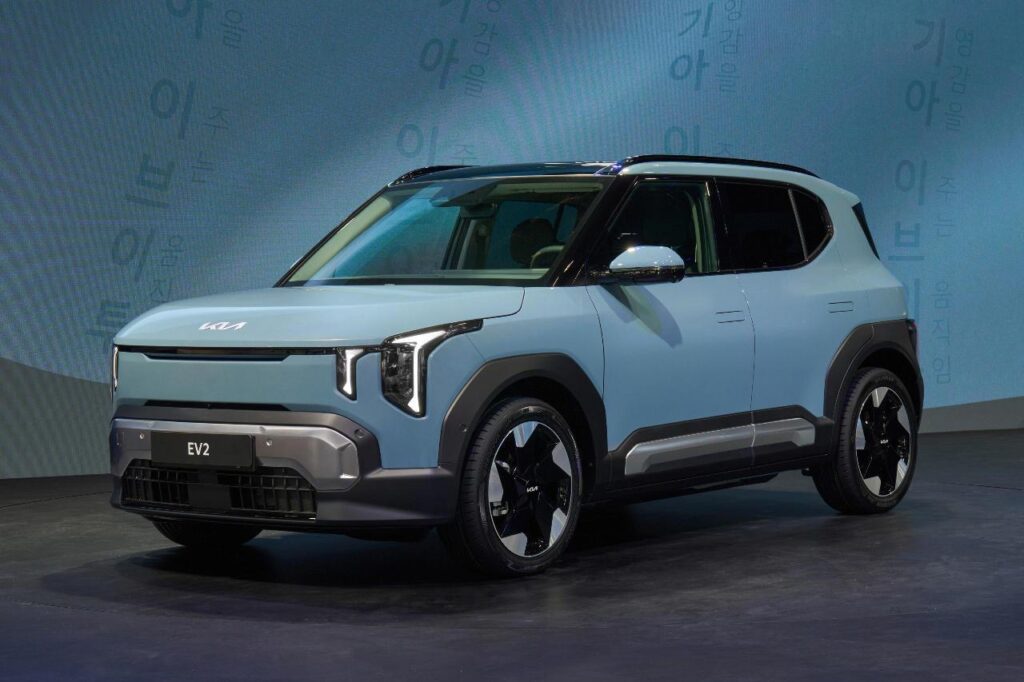
Now for a South Korean model: the Kia EV2 goes into production in Slovakia in April, with the first deliveries expected shortly afterwards in Europe.
This small urban SUV incorporates the brand’s latest design language, featuring a compact silhouette and a front end inspired by the EV3 concept. The interior emphasises simplicity and recycled materials, and features a panoramic screen.
The model is powered by a 58 kWh battery and boasts a WLTP range of over 400 km, which is impressive for this segment. Fast charging allows the battery to go from 10% to 80% in around 30 minutes. Priced from €30,000, it is manufactured in Europe, making it eligible for the eco-bonus in France.
Suzuki e-Vitara: first deliveries of the brand’s first electric model
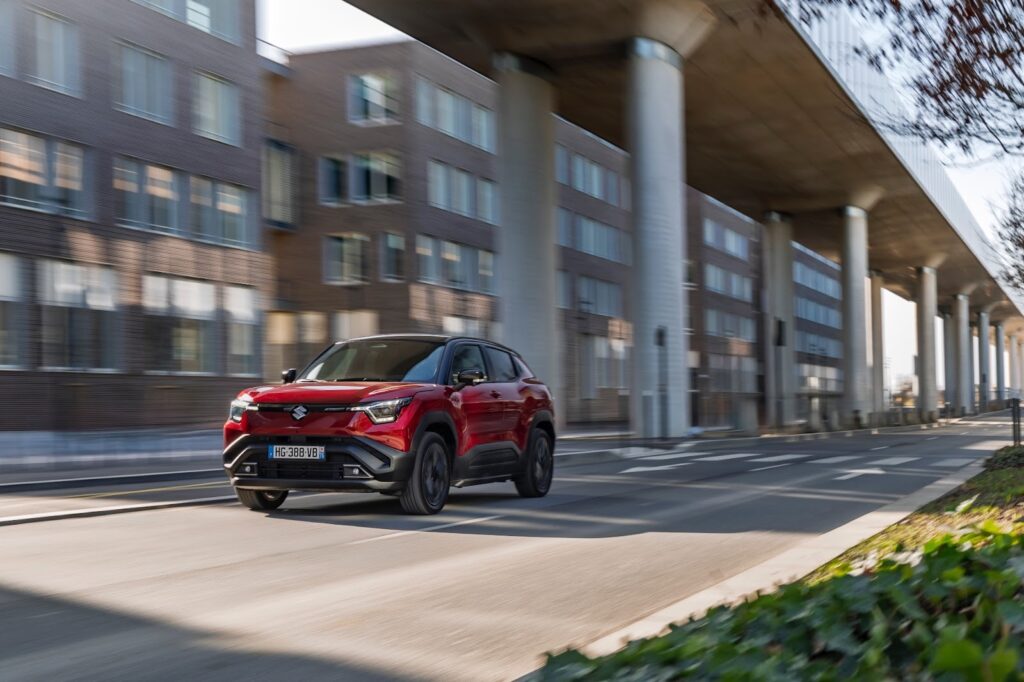
Suzuki will begin delivering its Suzuki e-Vitara in France in April, following its European launch in March.
This compact crossover retains a rugged design, with high ground clearance and a silhouette similar to that of the petrol-powered Vitara. It marks a significant milestone for the manufacturer, which is launching its first fully electric model.
Two battery options are available, with capacities of 49 and 61 kWh, offering a range of between 320 and 450 km (WLTP). The engines range from 140 to 180 horsepower, with all-wheel drive available as an option. The starting price is estimated at around €28,000.
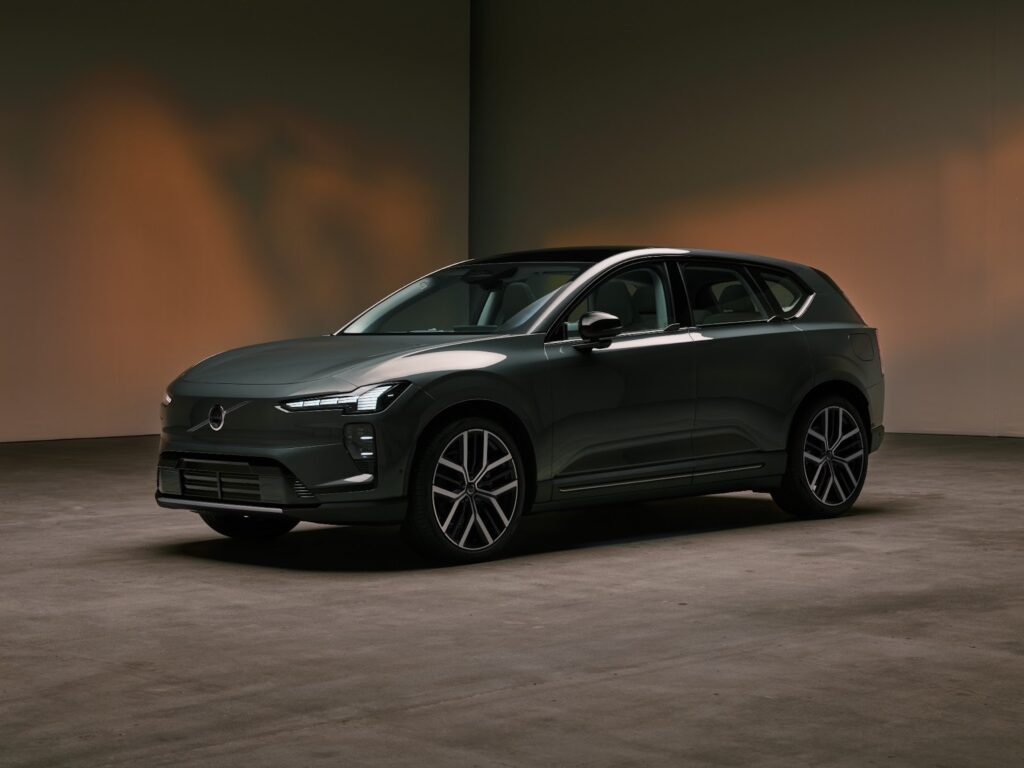
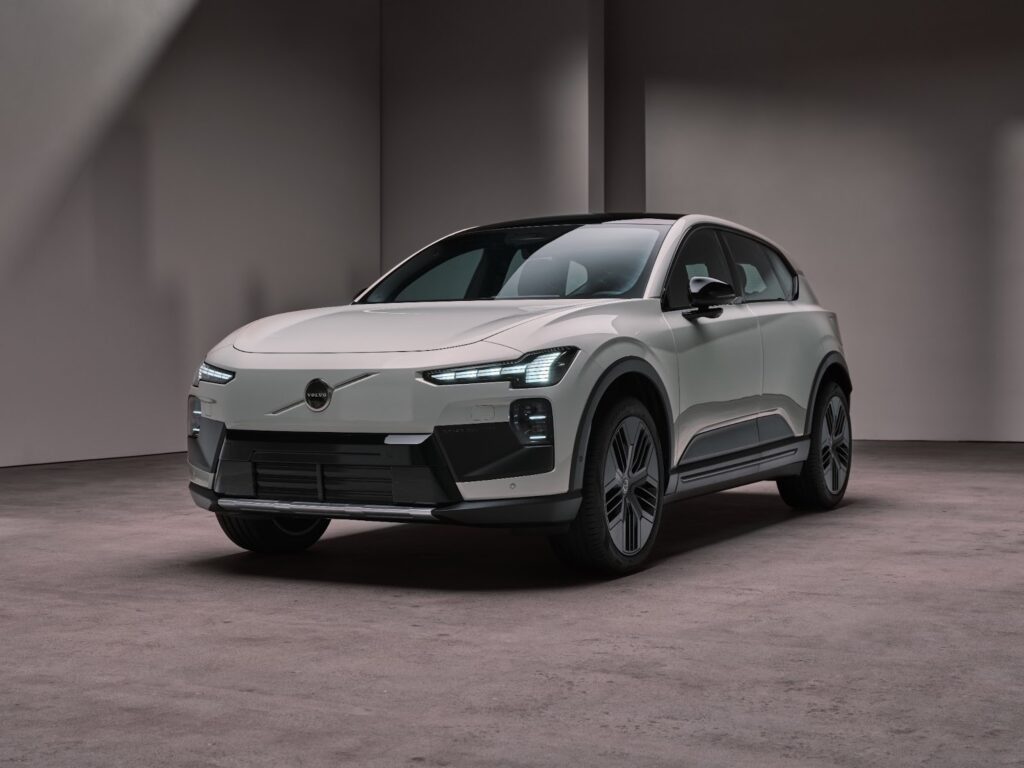
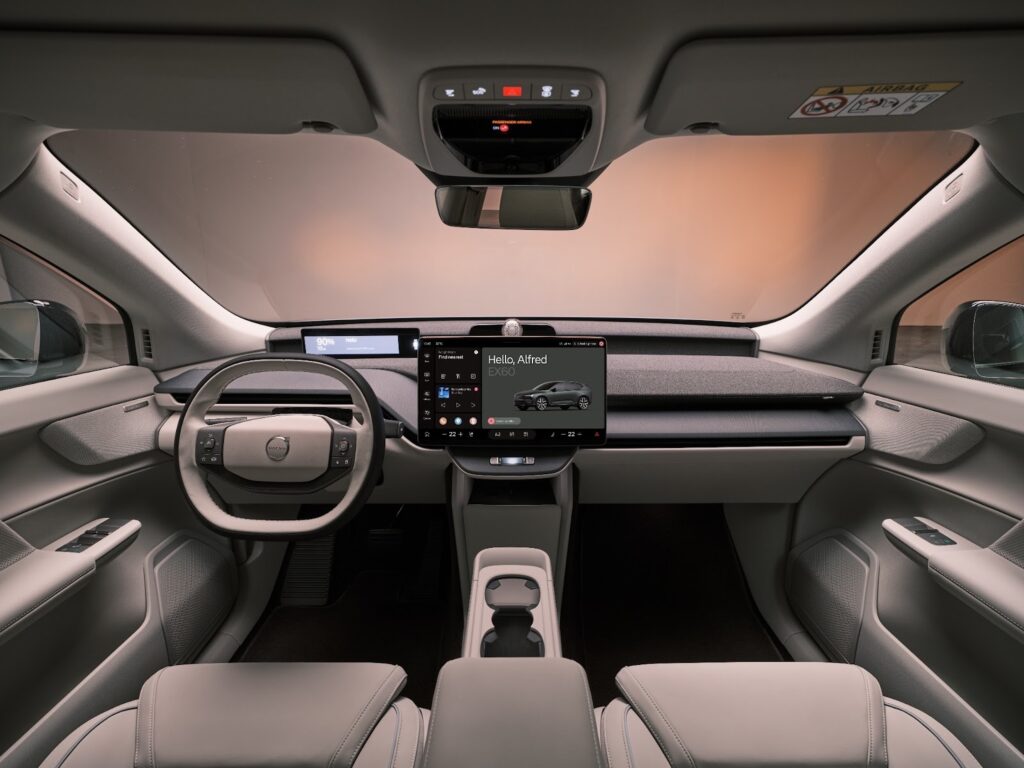
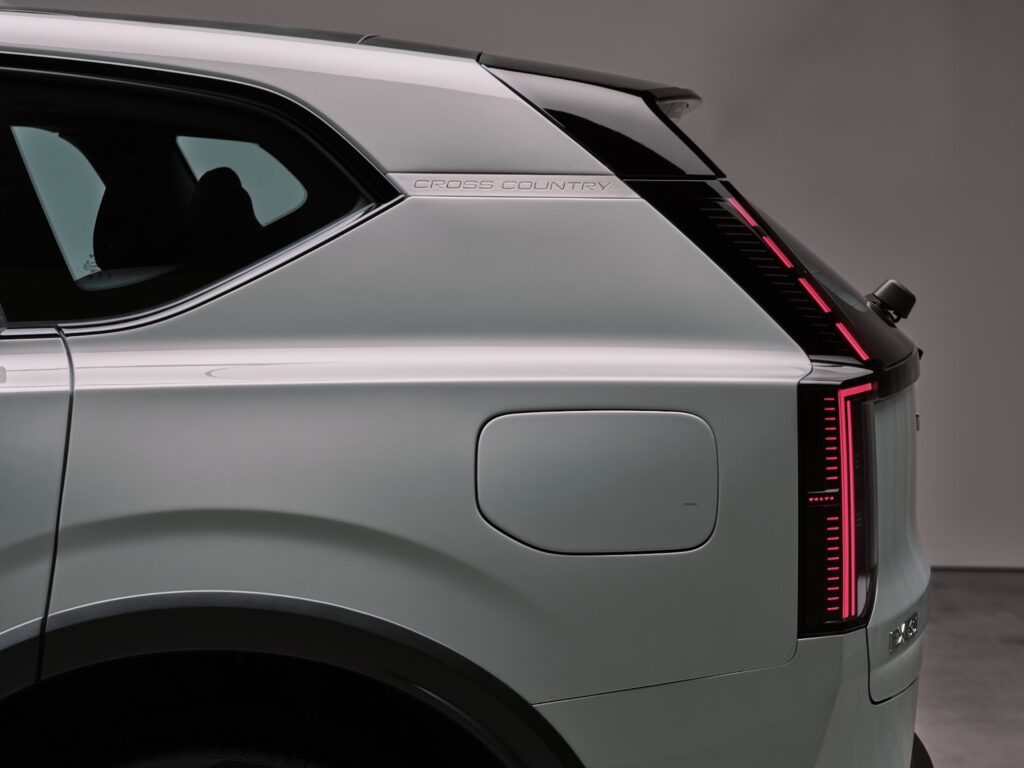
Volvo EX60 Cross Country: deliveries begin
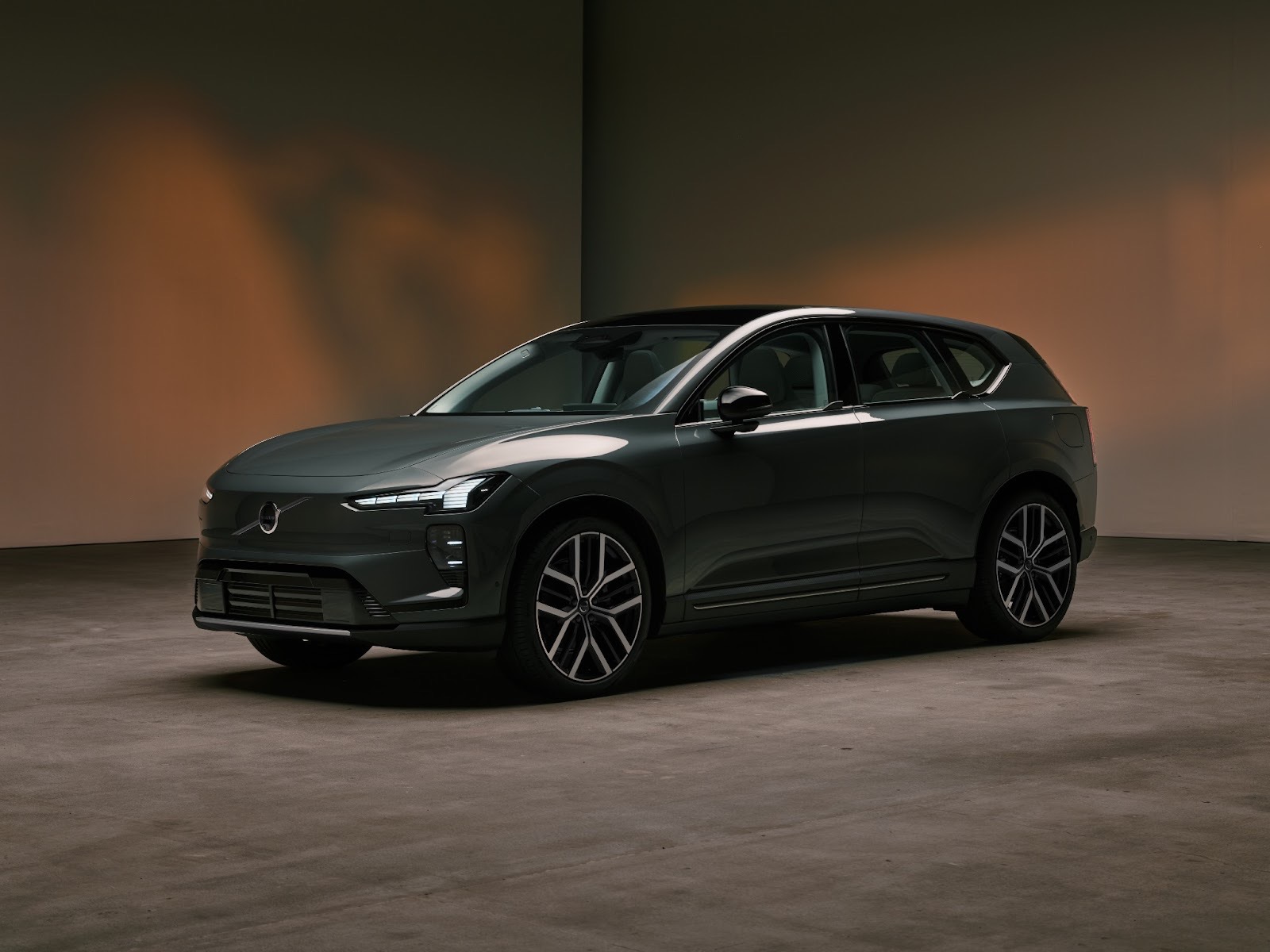
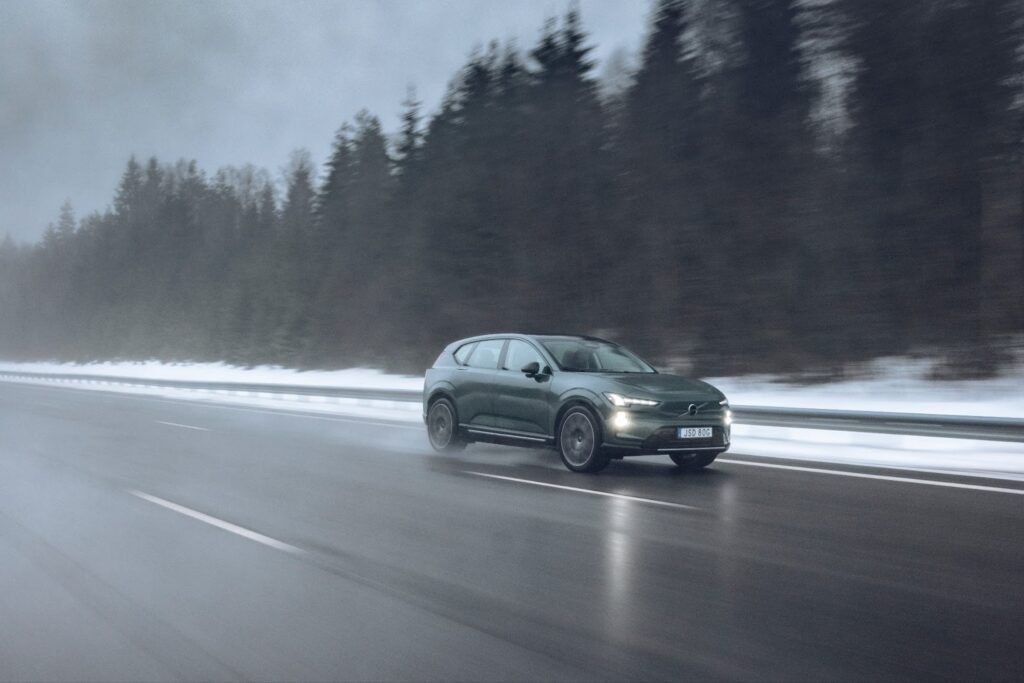
Finally, Volvo Cars is continuing to roll out its electric range with the first deliveries of the Volvo EX60 Cross Country in April.
This Cross Country variant retains Volvo’s signature design cues, with a more practical focus. For this model, the ground clearance has been slightly increased, the bodywork incorporates additional protective features, and the overall aim is to broaden the model’s scope of use beyond strictly on-road driving. As the manufacturer puts it: “The Volvo EX60 Cross Country is designed to go off the beaten track”.
In technical terms, the model produces around 510 horsepower and is powered by a 95 kWh battery, with a claimed range of around 640 km (WLTP). Fast charging can reach up to 400 kW. Prices start from €72,500.
Several sectors affected
All in all, April 2026 is notable above all for the simultaneous launch of models across a wide range of segments, from city cars to luxury vehicles.
Between the start of pre-orders, market launches and the first deliveries, these models will gradually appear on the European market over the coming weeks, with a wide range of options in terms of price, range and features.