Category: News

  • Dubai completes its first commercial vertiport: electric air travel is finally here

    Dubai completes its first commercial vertiport: electric air travel is finally here

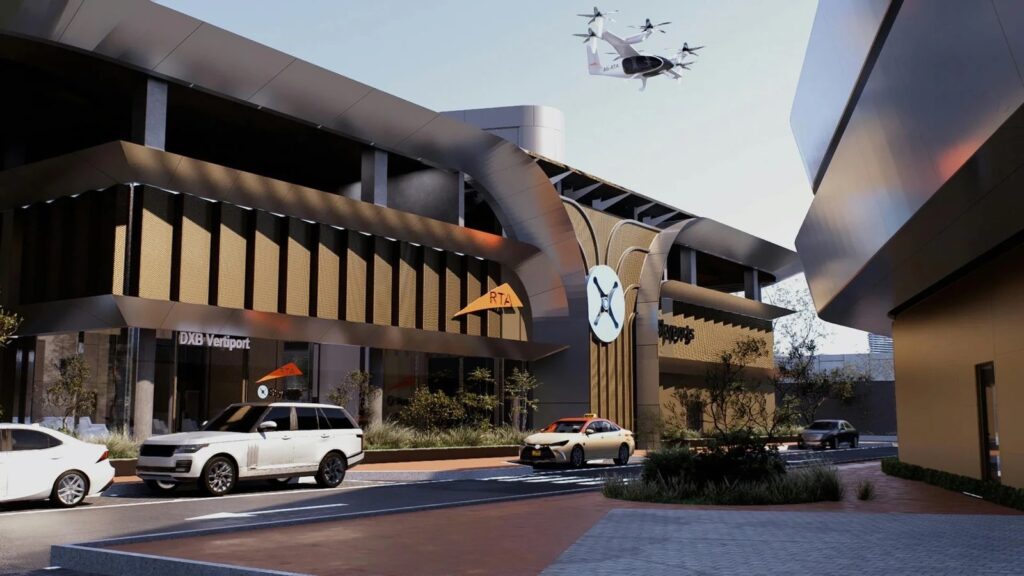
    With just a few months to go before the commercial launch, scheduled for late 2026, Dubai has just completed construction of a “vertiport” dedicated to electric air taxis, located near the international airport. In effect, a fully-fledged urban infrastructure is taking shape, designed to connect the city’s major hubs in a matter of minutes. A project which, in addition to introducing a new mode of transport, aims to make the sky a new functional layer of the metropolis.
    source: Joby Aviation

    One station completed, a network currently being rolled out

    The first person to inspect the site was the Crown Prince of Dubai himself, Sheikh Hamdan bin Mohammed bin Rashid Al Maktoum. Following this visit, the Prince announced on his LinkedIn account: “The station is ready and forms part of a wider network comprising Downtown, Palm Jumeirah and Dubai Marina, which will be completed by the end of this year.” 
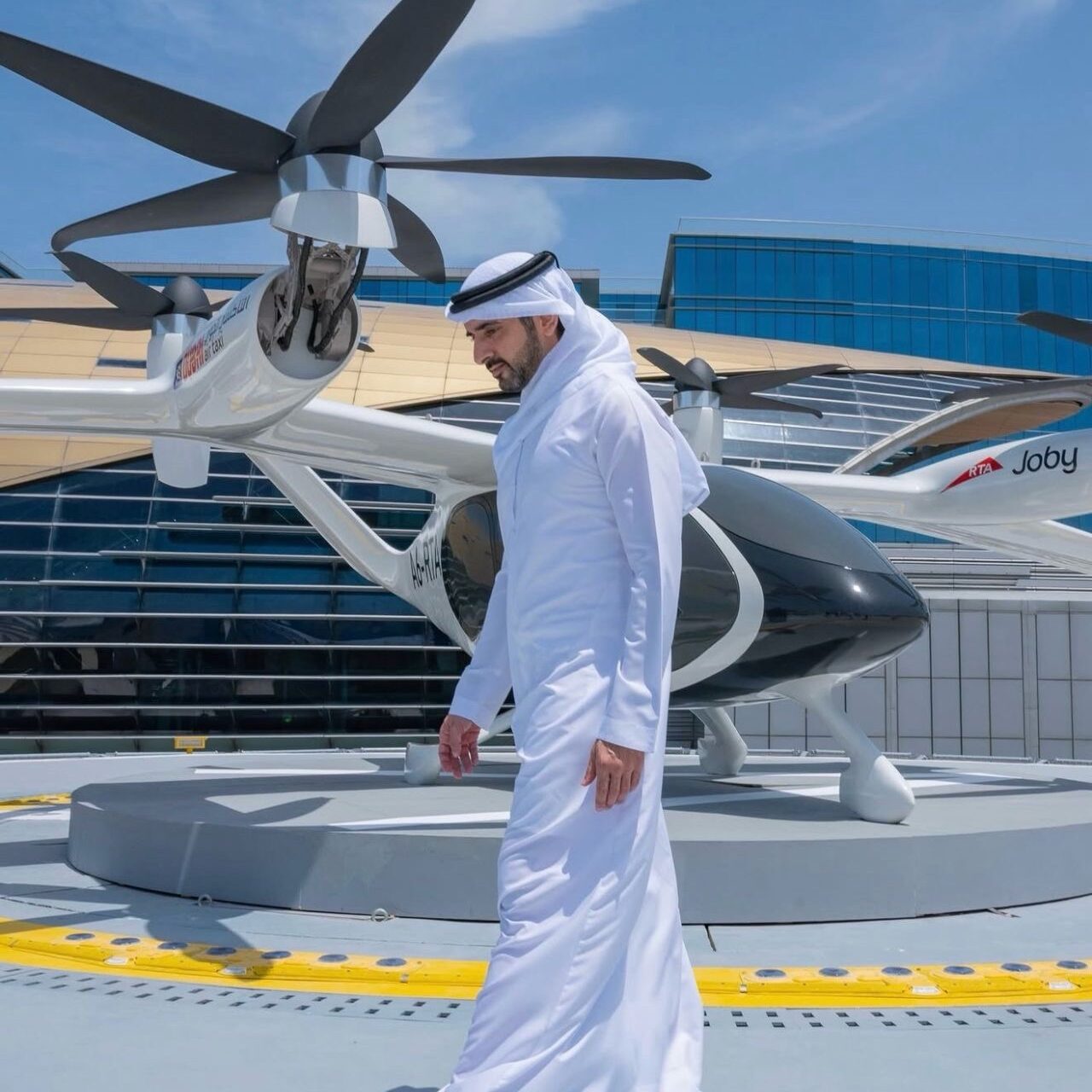
    source: Sheikh Hamdan bin Mohammed bin Rashid Al Maktoum (LinkedIn)

    But what exactly does this involve? This station, built near Dubai International Airport (DXB), covers a total of 3,100 m² spread over four floors and two landing pads. Electric mobility goes hand in hand with charging, so it incorporates electric charging systems and all the passenger reception areas. Its target capacity is announced as 170,000 passengers per year and around 42,000 annual movements.

    However, this first vertiport is just one part of a wider network. The initial network comprises four strategic hubs: DXB International Airport, Downtown, Dubai Marina and Palm Jumeirah. These four locations are all situated within a radius of 10 to 35 kilometres, a layout designed to facilitate short, frequent and cost-effective connections.

    Ten minutes where the journey used to take forty-five

    The figure that perhaps best sums up the project’s ambition is this: the journey between the airport and Palm Jumeirah, which takes around 45 minutes by road during rush hour, would be reduced to around ten minutes by air. That represents a potential saving of 20 to 35 minutes per journey, depending on traffic conditions.

    Scaling this up to the network level, analyst Mahmood Abdulla, a specialist in UAE infrastructure, estimates in a projection – which he describes as illustrative – that this time saved would amount to between 57,000 and 100,000 hours per year for all users. In monetary terms, he puts the figure at between 8.5 and 30 million AED per year (equivalent to approximately 2.1 to 7.5 million euros per year). So, although these figures are not official data, they provide a concrete measure of the economic stakes involved.

    We have already examined the various innovations in clean mobility in Dubai, and this fact is often highlighted: Dubai treats time saved as an economic value in its own right.

    The Joby S4, the network’s flagship model

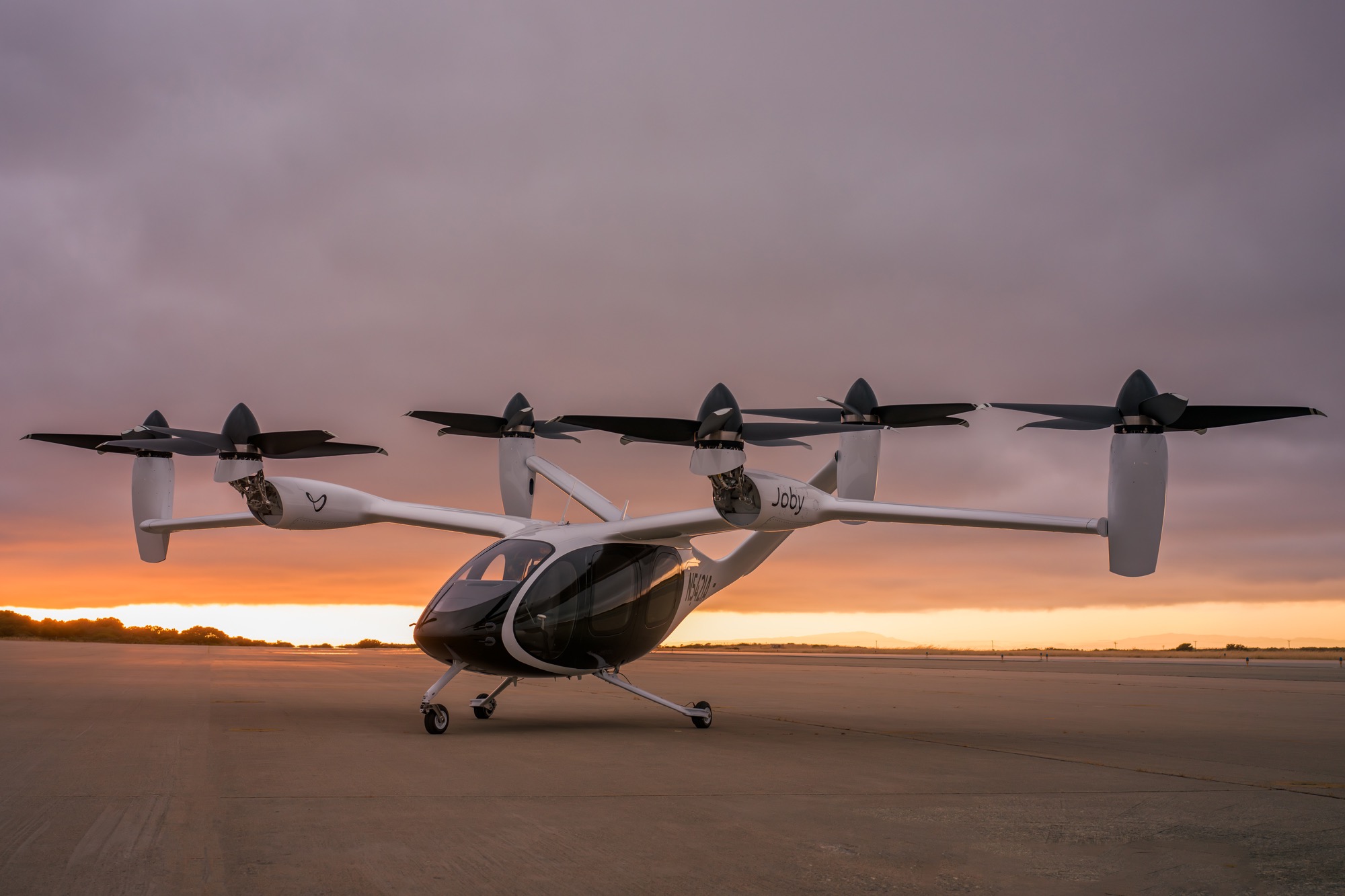
    The aircraft selected to operate this network is the Joby S4, developed by the American company Joby Aviation. It is an eVTOL (electric Vertical Take-Off and Landing) with six tilting rotors, capable of reaching a cruising speed of 320 km/h, requiring no runway for take-off and producing very little noise. In terms of capacity, the aircraft can carry one pilot and four passengers, the equivalent of a ‘standard’ road taxi.
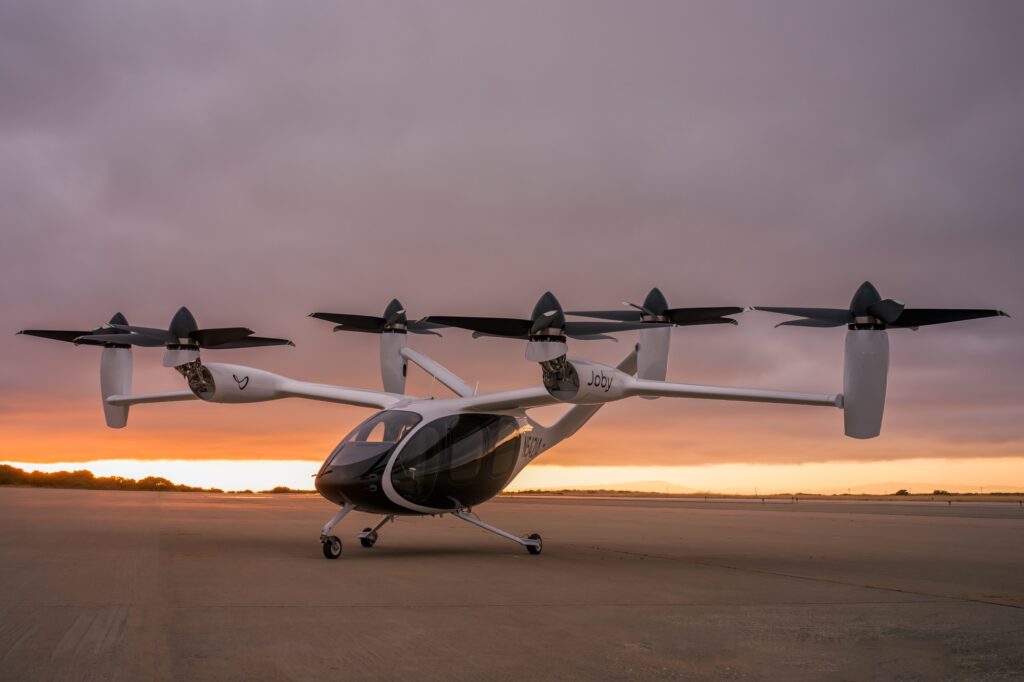
    source: Joby

    A brief overview of the brand: founded in the US, Joby Aviation is now regarded as the most advanced eVTOL programme in the US in terms of certification, with significant industrial backing, including from Toyota, which has invested $400 million in the company. As for the choice of Dubai as the first market for commercial operations, it is no coincidence: the city offers a favourable regulatory framework, identified premium demand, and a clear political commitment.

    A comprehensive, shared ecosystem

    The key strength of the Dubai project lies in the simultaneous development of its various components. Indeed, the infrastructure, the regulatory framework, the industrial operator and the property partners were all brought on board at the same time, with the aim of developing the project and moving it forward as quickly as possible.

    To prove that these ideas, which may seem utopian, are not, what better way than to illustrate them with concrete examples? The Roads and Transport Authority (RTA) oversees the operational side. The General Civil Aviation Authority (GCAA), the Dubai Civil Aviation Authority and Dubai Air Navigation Services (DANS) oversee airspace and flight authorisations. Skyports Infrastructure manages the design and operation of the vertiports. And on the property side, players such as Emaar, Atlantis Resorts and Wasl Group are involved in the project, which anchors the stations in areas with very high concentrations of premium traffic.

    This multi-tiered ecosystem ensures that the project does not depend solely on a technological breakthrough, but on coordination between regulators, operators and developers. It is precisely this integrated delivery model that sets Dubai apart from other major cities, which are still working to define their regulatory frameworks.
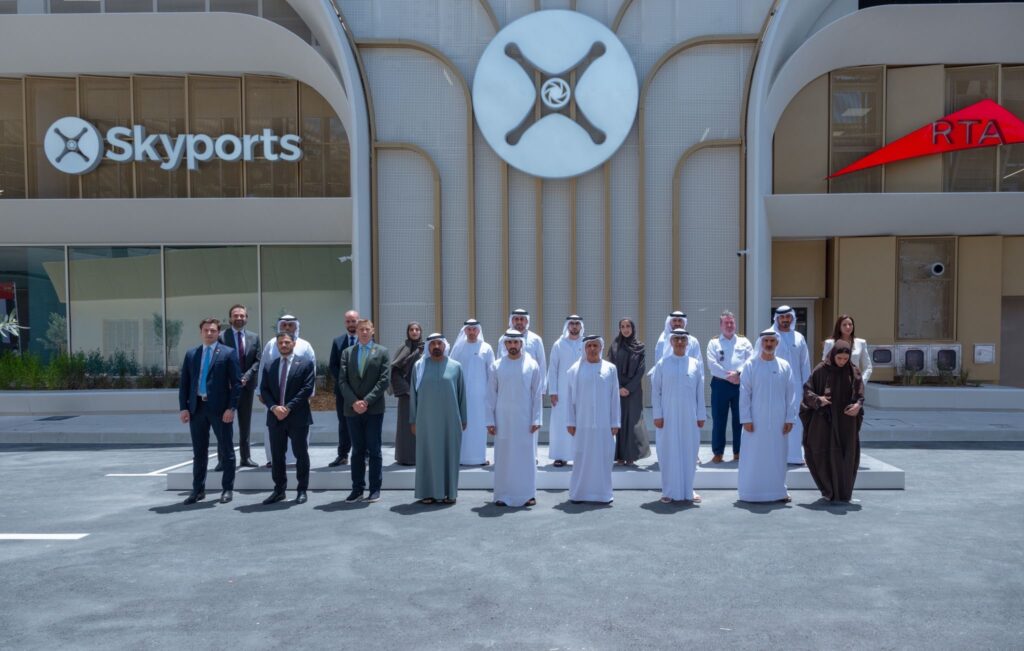
    source: Mahmood Abdulla (LinkedIn)

    Dubai: a testing ground for urban air mobility

    With the completion of this vertiport, Dubai has become one of the very first cities in the world to have a permanent commercial infrastructure dedicated to electric air taxis. 

    However, there are still a few hurdles to overcome, such as the launch for the general public; indeed, whilst tests are currently underway, no commercial flights are yet available. What is certain is the roll-out schedule, which indicates that the service will be available to the public by the end of the year.

    So, beyond innovations that look increasingly promising on paper, one question arises: can a city manage a third layer of transport infrastructure above its roads and railways, just as it already manages its buses and underground network? We’ll find out by the end of 2026. 
  • When Bentley’s shift towards electric vehicles extends even to its workwear

    When Bentley’s shift towards electric vehicles extends even to its workwear

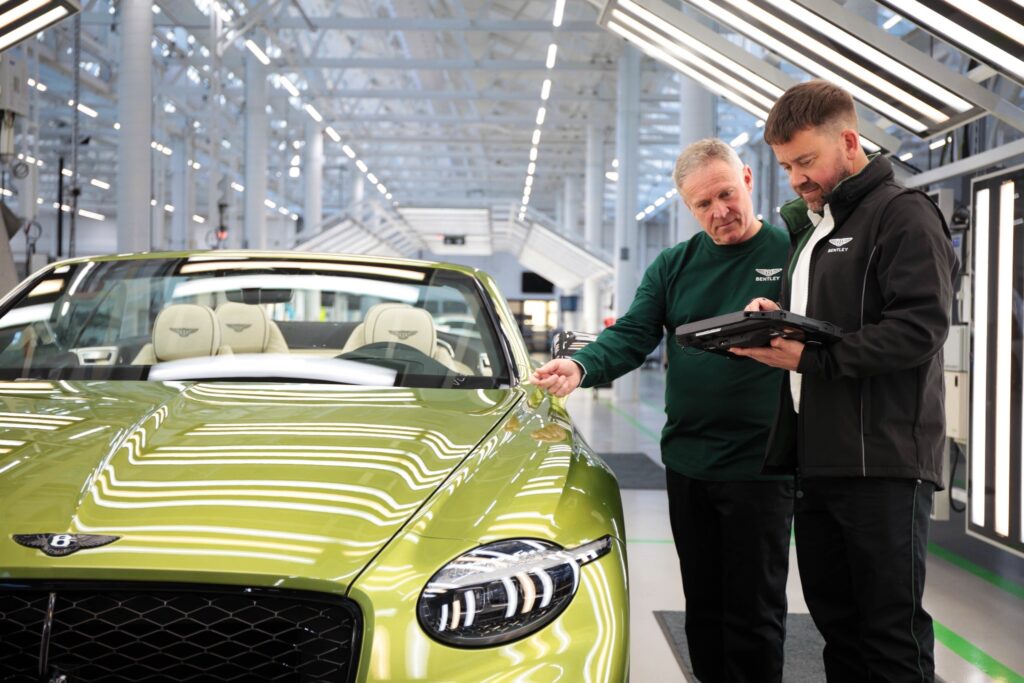
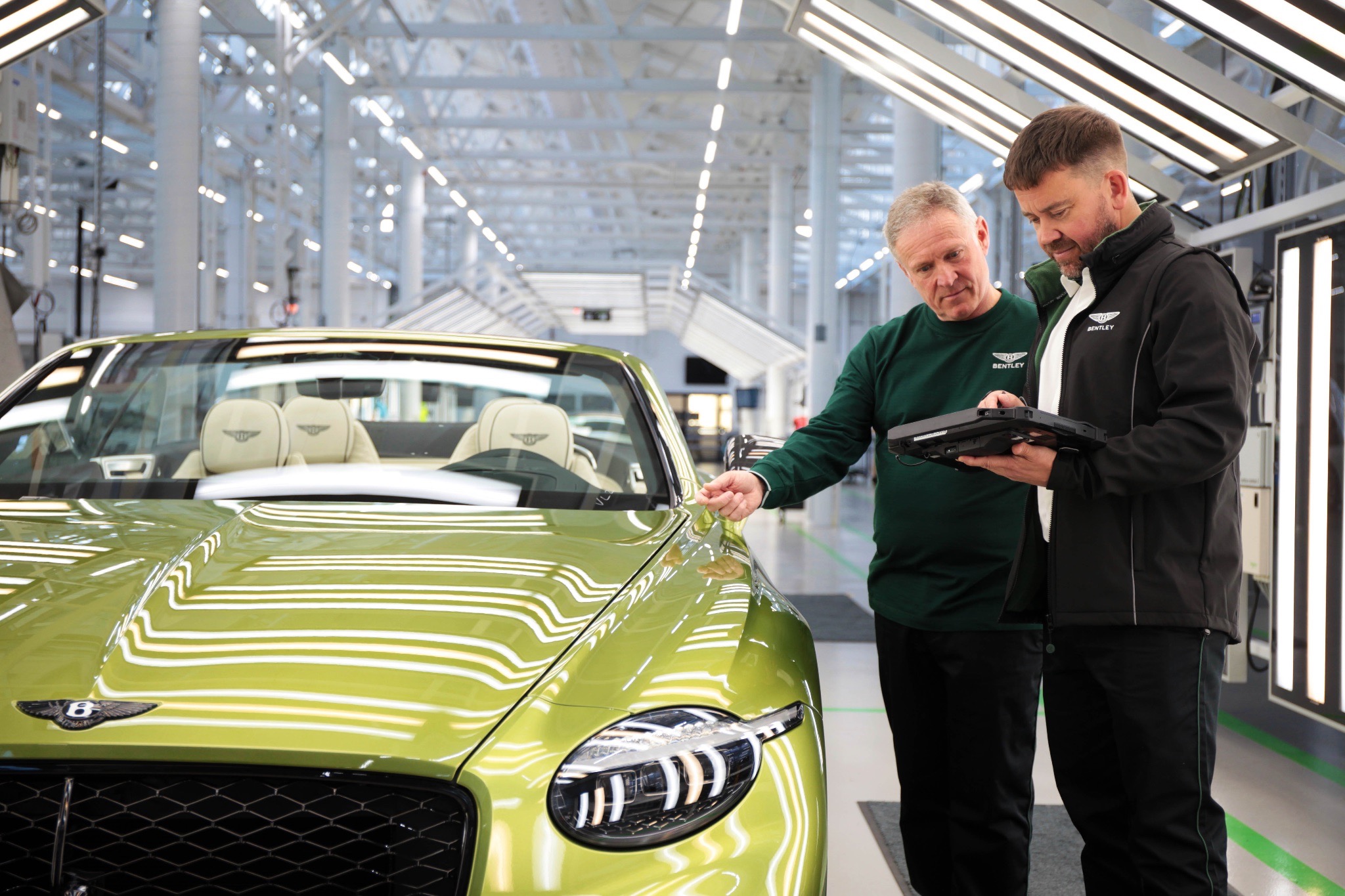
    The shift towards electric vehicles is not only taking place on the road but is now making its way into the workshops at Bentley Motors. The British manufacturer has just unveiled a new range of workwear, designed specifically to support the evolution of its production lines as it prepares to launch its very first fully electric model.

    source: Bentley 

    Workshops that are changing… and equipment that keeps pace

    In a press release issued in mid-April, Bentley Motors announced the roll-out of a new generation of workwear, designed specifically to support the transition of its production lines to electric vehicles.

    This new uniform is directly linked to the technical requirements brought about by electromobility. Indeed, with the widespread introduction of high-voltage lithium-ion batteries in factories, new risks are emerging. Bentley has therefore developed clothing that complies with ESD (Electrostatic Discharge) standards, for use in so-called ‘electrostatically protected’ environments. The aim is clear: to prevent any electrical discharge that could damage sensitive electronic components or pose a risk to people. 

    If we’re to get into the technical details, the press release reveals that these garments feature: 

    • carbon-based conductive fibres capable of dissipating static electricity, 
    • a lighter, more flexible and ergonomic design, tailored to operators’ new movements,
    • increased durability, to meet the demands of an increasingly technical industrial environment,

    The British manufacturer also explains that this equipment incorporates an environmental dimension. It is designed using materials sourced responsibly, and its life cycle has been redesigned to minimise waste, including end-of-life recycling solutions. 

    source: Bentley

    A £2.5 billion industrial transformation

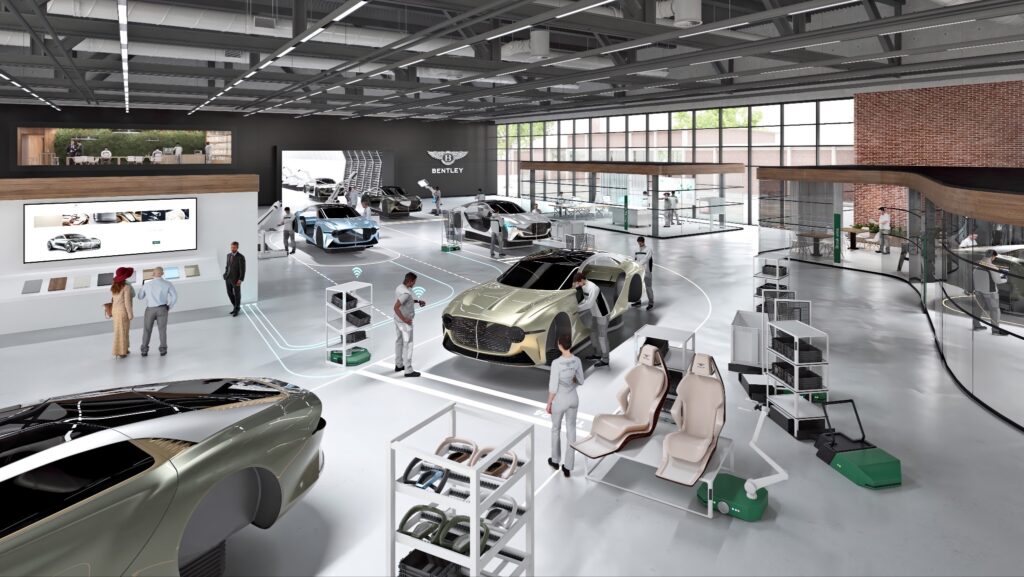
    This shift is part of a much broader plan. Bentley has announced a massive investment of £2.5 billion over ten years to transform its historic Crewe site and accelerate its transition to electric vehicles. The programme aims to turn the British factory into a production hub dedicated to luxury electric vehicles, whilst modernising the existing infrastructure.

    With these investments, Bentley has confirmed that its first fully electric model will be produced in the UK – a powerful symbol for the brand’s enthusiasts, despite the industrial challenges associated with electrification that all European manufacturers, in particular, are facing.

    source: Bentley

    The first electric model is expected as early as 2026

    But the reason Bentley has recently announced these new overalls for its mechanics is that its very first fully electric vehicle is set to be launched before the end of 2026.
    Although not all of its features have been revealed, according to several corroborating reports, it could be named the Bentley Barnato, in reference to Woolf Barnato, an iconic figure in the brand’s history. This future model is expected to be a luxury SUV, a segment that is now a key player in the premium market.

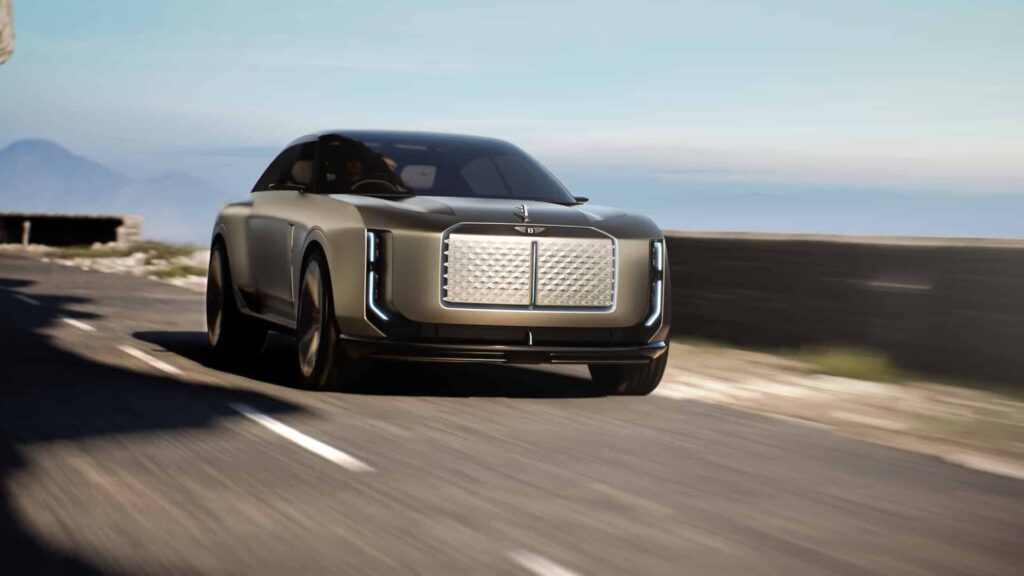
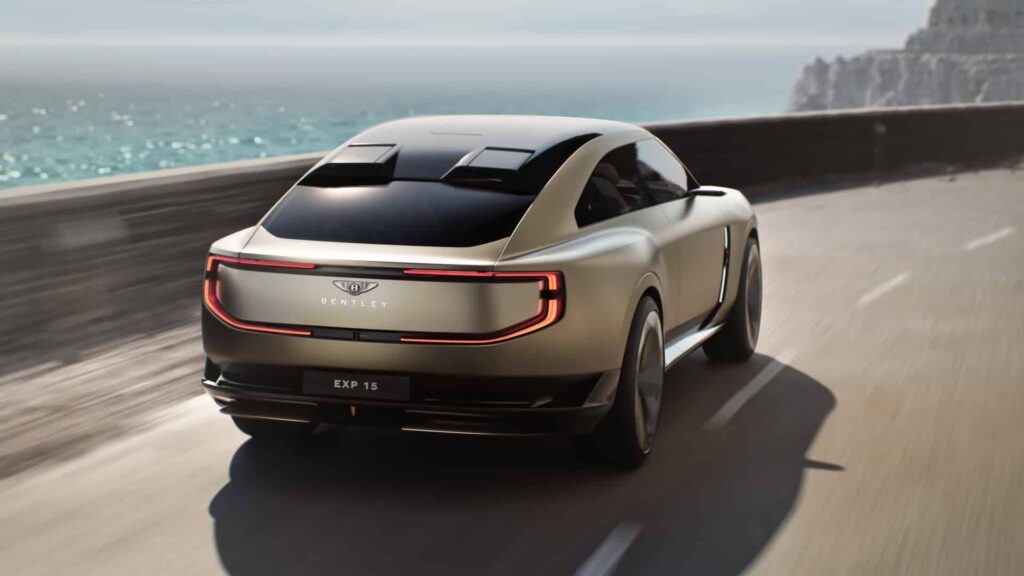
    According to various industry experts, the design is expected to draw inspiration from the recently unveiled EXP 15 concept, which offers a glimpse of what Bentley’s future electric design might look like: clean, taut lines, a distinctive lighting signature and a positioning that remains firmly at the very top of the market.

    source: Bentley

    An adjusted but unchanged electricity strategy

    Initially, like many European car manufacturers, Bentley aimed to fully electrify its range by the third decade of this century. However, like other manufacturers, the brand has recently revised its timeline to 2035.

    Some electric vehicle projects have been postponed, demonstrating that the transition from the ultra-luxury segment to a fully electric range remains complex. However, the strategy remains unchanged. Bentley has confirmed the launch of its first electric model as early as 2026, with a gradual ramp-up in the following years.

    source: Bentley

    A transformation that goes beyond the product

    With this new generation of workwear, Bentley is sending a strong message: the transition to electric vehicles is not limited to the launch of a new model. It involves a comprehensive transformation, with the entire value chain evolving, from vehicle design right through to the production workshops.

    As 2026 approaches, Bentley is doing everything it can to prepare for the launch of its first fully electric vehicle, so that it can compete with other manufacturers in this premium segment.

  • Supercars: the delicate transition to electric

    Supercars: the delicate transition to electric

    The highly anticipated Ferrari Luce, the Prancing Horse’s first fully electric supercar, will be officially unveiled at the end of May. It’s a car that looks like a risky gamble. In the supercar market, electric vehicles are struggling to win over customers seeking thrills and a sensory experience, despite record-breaking performance and acceleration. Faced with this wait-and-see attitude, manufacturers must adjust their strategy or pursue very different plans.

    Ferrari and Lamborghini: heading in opposite directions

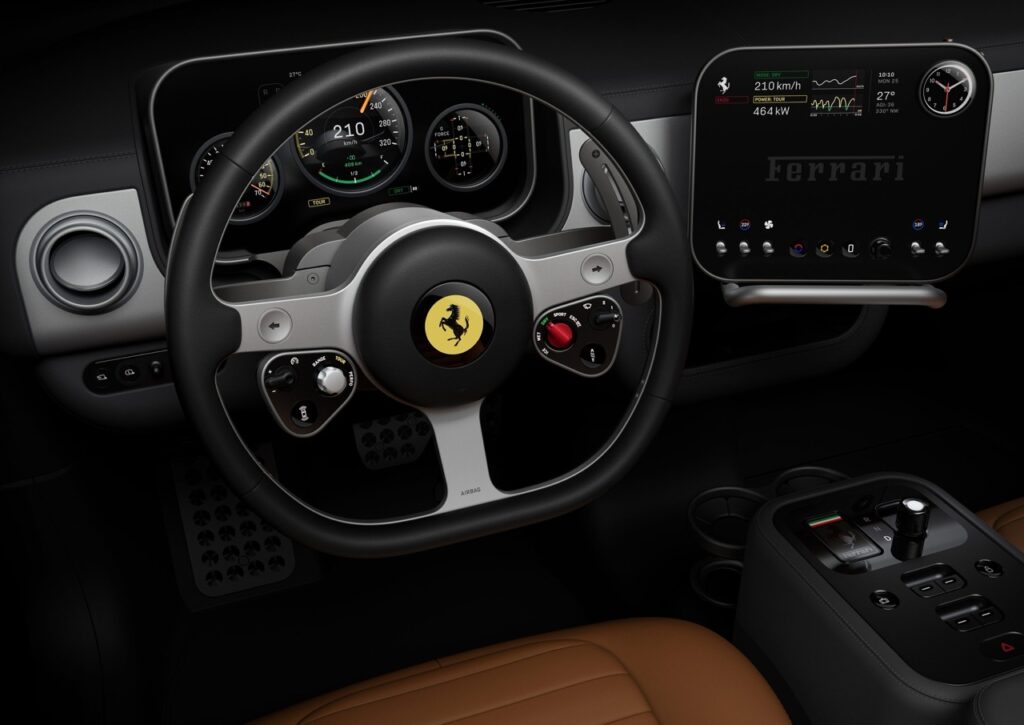
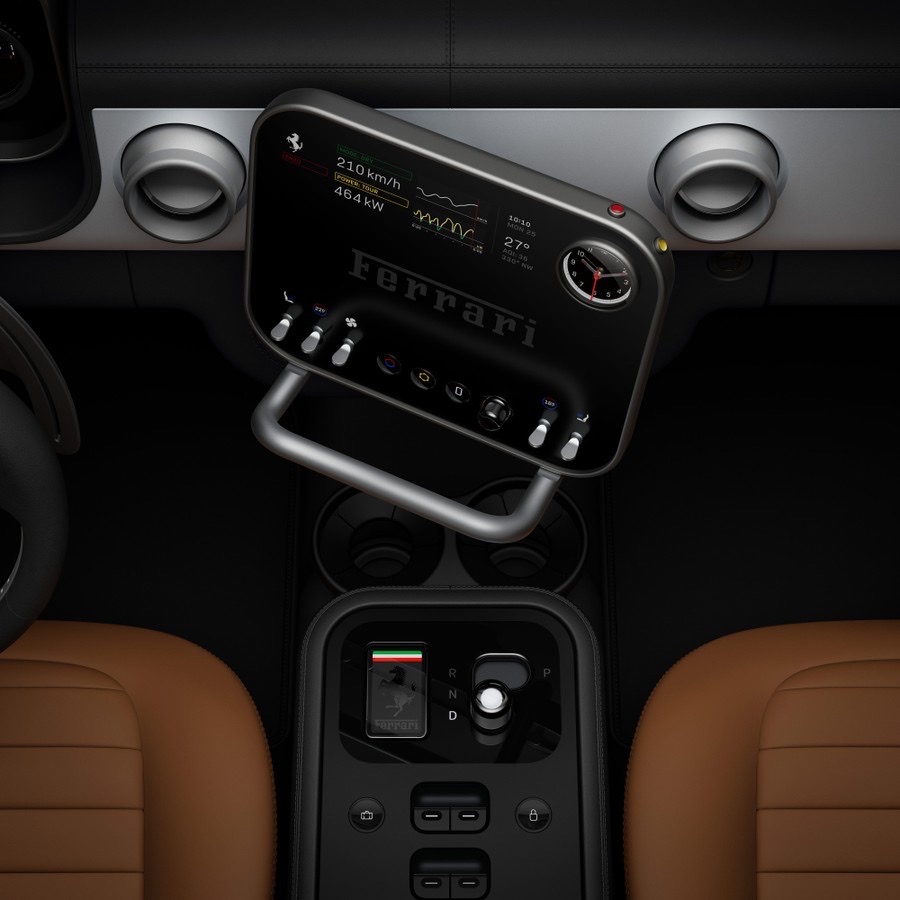
    On 25 May in Rome, Ferrari will officially unveil the Luce, a fully electric supercar. With an output of 725 kW (around 1,000 hp), it promises a top speed of 309 km/h and blistering acceleration from 0 to 100 km/h in 2.5 seconds. Furthermore, the car will be powered by four electric motors fed by a high-capacity battery (122 kWh) and feature independent rear-wheel steering. Beyond its promising performance, fans of the brand are eagerly awaiting this reveal, having already seen a few photos of the completely innovative dashboard, designed by a former Apple designer.

    In contrast, Lamborghini, the Prancing Horse’s long-standing rival, has just announced the suspension of its all-electric programme, which was due to power its future 2+2 Lanzador. The reason? “Investing heavily in a fully electric vehicle when neither the market nor customers are ready is a costly ‘hobby’ and financially irresponsible,” argues Stefan Winkelmann, CEO of Lamborghini, who prefers to focus on plug-in hybrids.  

    As a symbol of this wait-and-see market for electric supercars, the two iconic brands are therefore taking very different paths. Which one will come out on top? 

    Power outputs unattainable for combustion engines

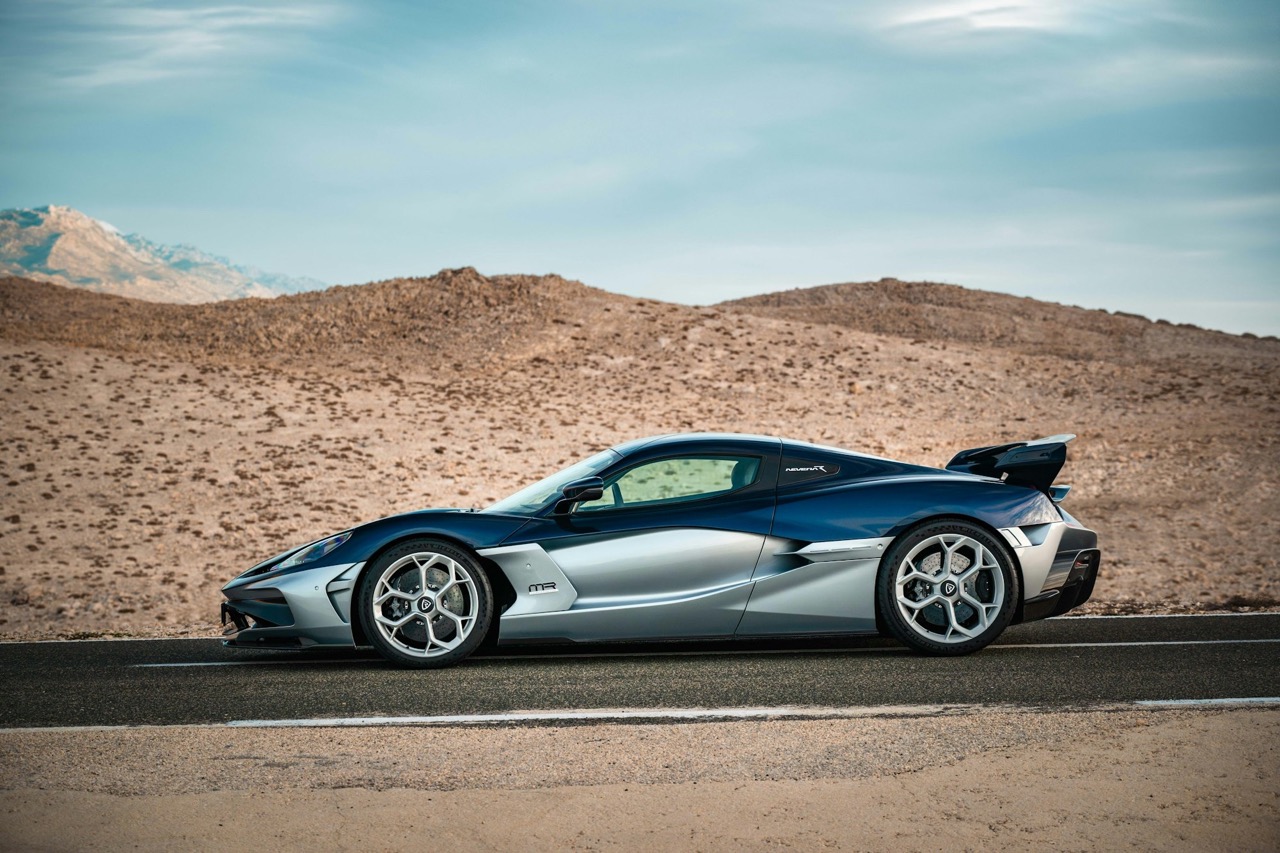
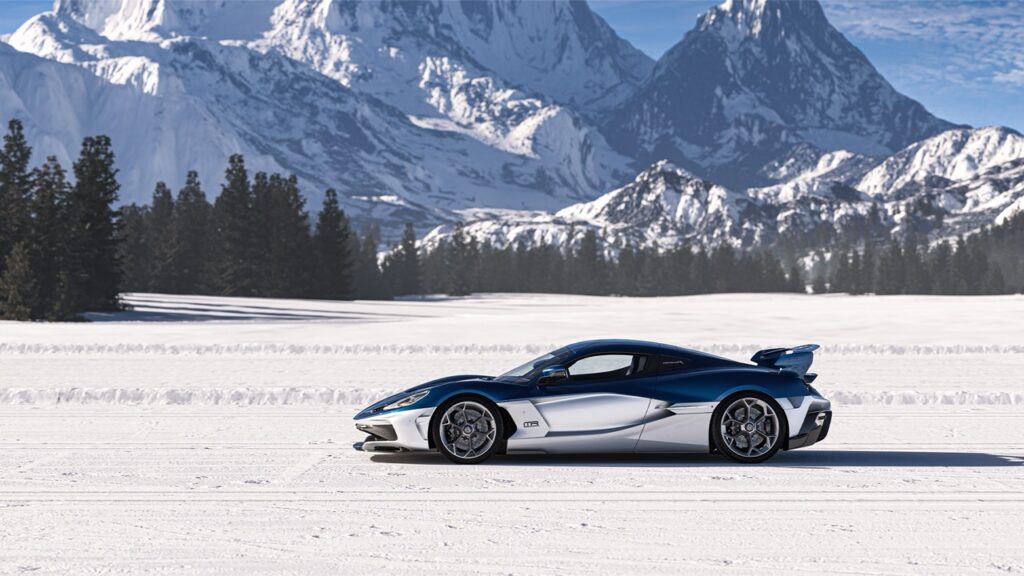
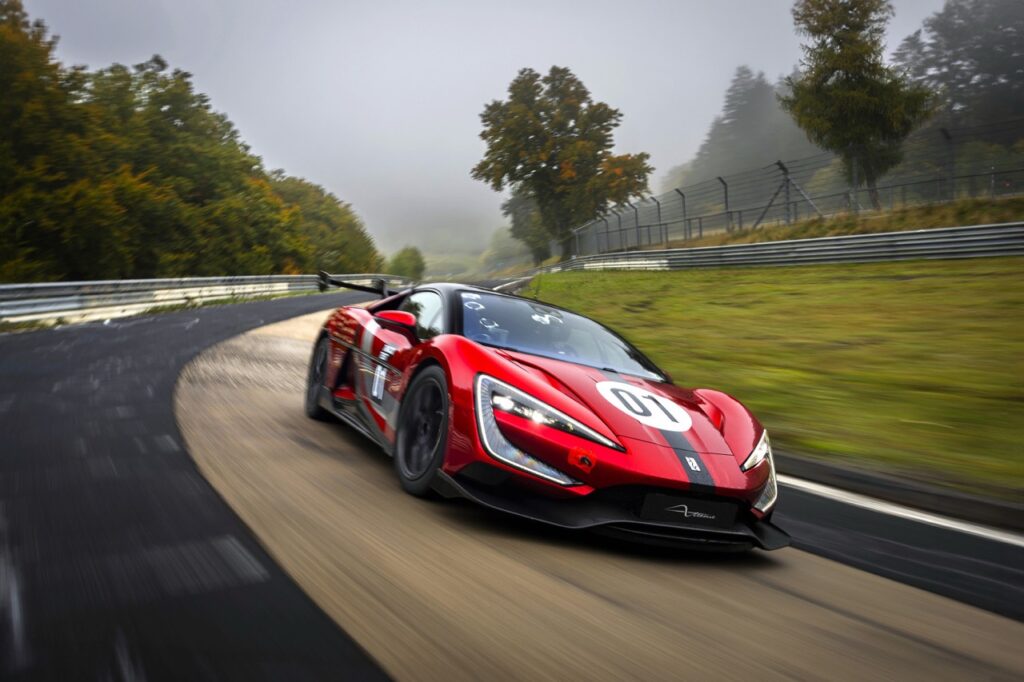
    It’s hard to say which strategy will prevail, but electric vehicles have been shaking up the supercar world for several years now. Amid stricter regulations on CO2 emissions and major technological advances, the young Croatian manufacturer Rimac Automobili made a breakthrough in 2020 with the Nevera: a 2,000 hp electric hypercar that has become a benchmark with its acceleration from 0 to 100 km/h in under 2 seconds. More recently, the Chinese luxury brand YangWang (BYD) broke the world speed record with the U9 Xtreme: 496 km/h, 6 km/h faster than the Bugatti Chiron Supersport 300+, the ultimate supercar with its 1,600 hp quad-turbo W16 engine.

    When it comes to pure sportiness, electric technology has a lot to offer. It relies on one key advantage: immense, instant torque. A catapult-like effect from a standing start, power that can exceed 2,000 hp, or electronically controlled all-wheel drive powered by independent electric motors. Thrills on the track (or on the road in GT racing) therefore seem guaranteed, but electric cars struggle to convince when it comes to long-term performance (low range) and chassis agility (excess weight due to the batteries). Not to mention the absence of the sound and vibrations that characterise racing cars and delight their owners.

    Porsche, Lotus and BYD lead the way

    In the race against Tesla (Model S Plaid), Porsche launched its Taycan in 2019, notably its powerful Turbo S variant (775 hp and 0-100 km/h in 2.4 seconds, for 2.3 tonnes), which got off to a successful start, but sales have been plummeting for several months, prompting the German manufacturer to backtrack on the development of its future 100% electric supercars. The next 718, conceived as the ‘electric 911’, has also been put on hold.

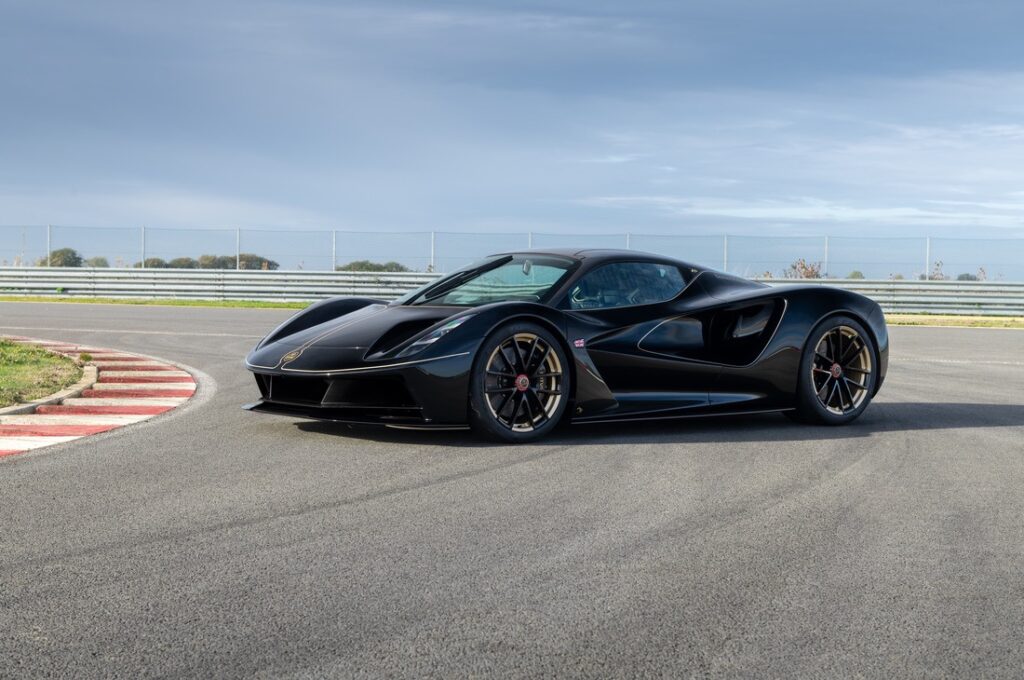
    A symbol of the revival of the British brand Lotus, which is benefiting from the electric vehicle expertise of its Chinese owner Geely, the Evija hypercar delivers 2,000 hp whilst keeping its weight down to 1,600 kg. With only 130 units produced, it serves as a showcase for the rest of Lotus’s electric range: the Eletre and the Emeya.

    Chinese giant BYD is not to be outdone with its luxury brand, Denza. Its upcoming Z coupé embodies the Chinese supercar designed to rival the legendary Porsche 911. Following the unveiling of a concept car at the 2025 Shanghai Motor Show, BYD is expected to launch the Z in three versions, including a convertible and a track-focused model.

    Lexus and Alpine are gearing up, whilst McLaren and Aston Martin are biding their time 

    The strategies are not the same for other manufacturers expected to enter this sector. As for Lexus, the luxury brand within the Toyota group, the LFA – the supercar from the 2010s (V10 engine) – is set to make a comeback with a fully electric powertrain. The full details have not yet been revealed. Finally, Alpine is preparing an electric A110, a replacement for the combustion-engine coupé, featuring a 70kWh battery and an 800V architecture. Its expected performance figures are 0 to 100 km/h in 3.5 seconds and a top speed of 270 km/h.

    Among the established supercar manufacturers lagging behind, McLaren is in no hurry to develop an electric range and is instead focusing on optimising its Artura hybrid. Aston Martin and Bentley are biding their time and monitoring market developments with a view to 2030. Meanwhile, Bugatti (which has electrified the Tourbillon) is guided by the strategic decisions of its owner Mate Rimac, whose Nevera takes pride of place in the catalogue.

    When performance depends as much on the software as on the mechanics 

    From a technological perspective, electric supercars outperform their combustion-engine counterparts, but the spec sheet alone is not enough to win over discerning and passionate customers. And sales are failing to take off. 

    Adopting different strategies, manufacturers are focusing their efforts more on hybridisation, on-board artificial intelligence and remote adjustments. For their future models, they are forming partnerships with tech firms to develop cutting-edge software and electronics, such as Sony with Honda or Mercedes with NVIDIA. Potential buyers, for their part, are waiting to see how these technologies perform in competitive settings before taking a closer interest.

  • Volkswagen steps up its game in China: a global electric vehicle push

    Volkswagen steps up its game in China: a global electric vehicle push

    Ahead of the Beijing Motor Show, which begins next week, the Volkswagen Group is making its ambitions clear: to make China the centre of its transition to electric vehicles. With a ‘In China, for China’ strategy, the German manufacturer aims not only to catch up, but above all to establish itself as a technological leader in the world’s largest car market.

    A strategy dictated by the size of the Chinese market

    When it comes to electric vehicles, Volkswagen’s (re)positioning is no small matter. The group is, in fact, lagging significantly behind in the world’s largest market. China now accounts for nearly 60% of global electric vehicle sales, with over 8 million EVs sold last year. By way of comparison, Europe stands at around 3 million units and the United States at around 1.5 million.

    In this context, the Group’s local strategy becomes vital. VW Group CEO Oliver Blume stresses: “It is essential to strengthen our presence in China to secure our global competitiveness.” Three years ago, we launched our ‘in China, for China’ strategy to fully harness the innovation potential of the Chinese market. The Volkswagen Group is well on its way to establishing itself as a global driver of technological innovation in the automotive sector.”

    An unprecedented sales drive

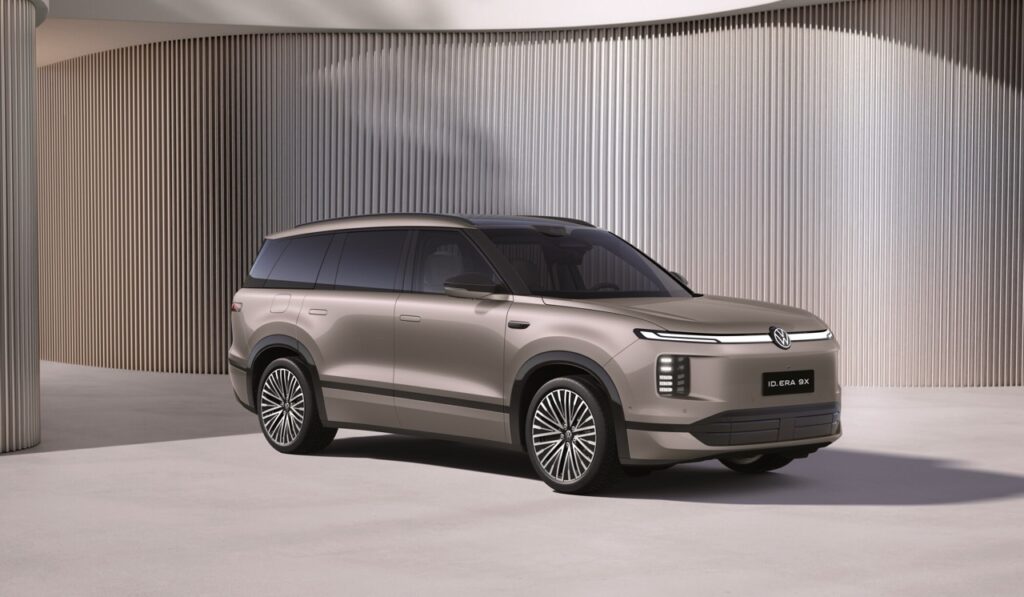
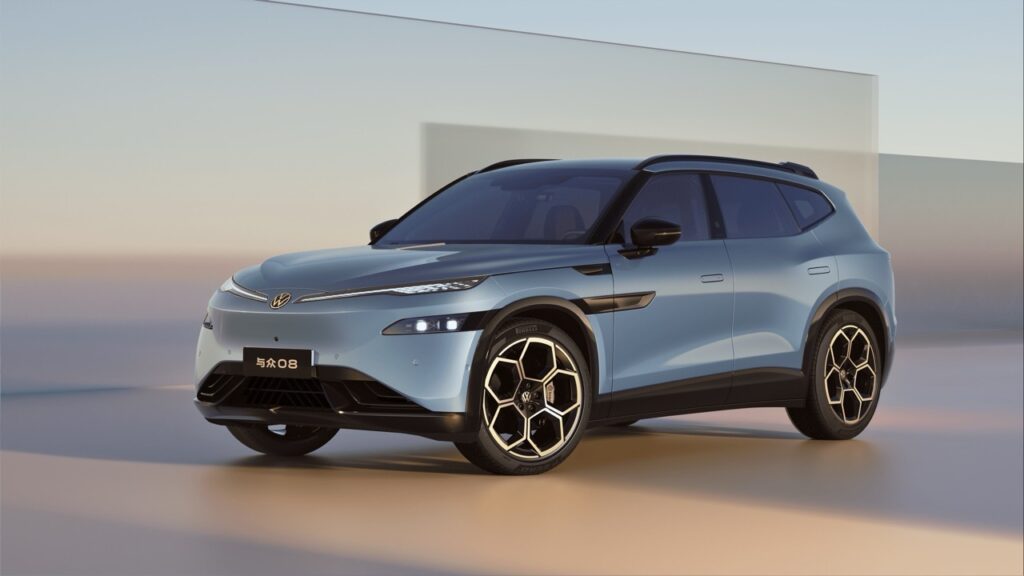
    Volkswagen has therefore announced a particularly aggressive launch schedule to make up for lost ground. More than 20 new electrified models (BEVs, PHEVs, EREVs) will be launched this year, amounting to a new vehicle launch every two weeks. In Beijing, the German group is unveiling four world premieres.

    This acceleration puts the group on a par with local leaders such as BYD (15 new models in 2025), Xpeng and NIO, which have built their success on rapid development, continuous innovation and numerous product launches. However, it could also be seen as a forced response by VW, which is simply falling into line with this competitive pressure.

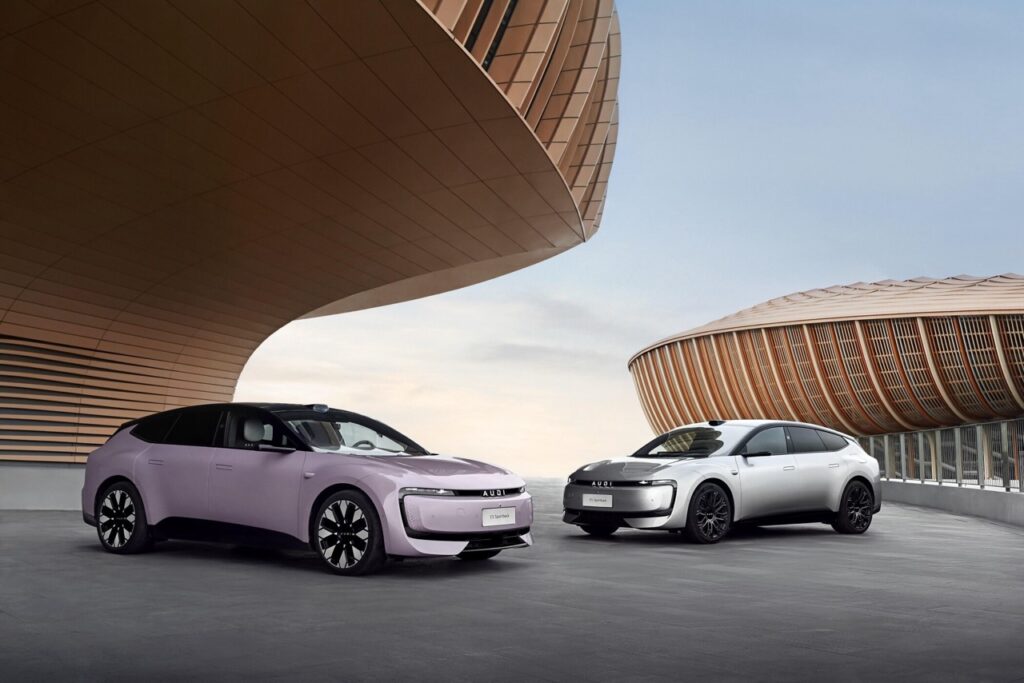
    Two Audi E5 Sportbacks in pastel purple and white are positioned in front of a modern building. The all-electric model, winner of the prestigious “China Car of the Year 2026” award, combines dynamic proportions with up to 579 kW of power and a range of up to 770 kilometres.

    A new generation of locally designed vehicles

    At the heart of this transformation lies a strong focus on localisation in development. In just 36 months, Volkswagen claims to have completely revamped its range for the Chinese market. 

    It has to be said that the first-generation ID didn’t quite hit the mark. Among the criticisms from China and Europe were: unintuitive interfaces, recurring software bugs (and yet software plays a major role in the value proposition) and a user experience that fell short of that offered by competitors.

    These difficulties are largely down to delays at Cariad, the group’s software division, which has suffered a string of setbacks and forced Volkswagen to postpone several strategic projects. Yet, in a Chinese market where the digital experience has become central (multiple screens, voice assistants, smartphone integration), this shortcoming has severely hampered the brand.

    Reducing development time from 48 to 24 months

    The flagship models of the new ID generation are the ID UNYX (co-developed with Xpeng) and the ID AURA (produced by FAW-Volkswagen). They feature a dedicated electronic architecture known as CEA (China Electronic Architecture). The aim is to design EVs with fewer (and more centralised) control units, faster OTA updates, advanced integration of ADAS and infotainment systems, and to offer Level 2+ driver assistance, automated city navigation and autonomous parking. These are all features in which Chinese competitors are already well advanced and which help to build customer loyalty.

    Every vehicle in the VW Group will be developed within 24 months (compared with the usual 36 to 48 months), a crucial reduction in the development cycle needed to compete with local players.

    From the affordable electric JETTA to the high-tech premium AUDI

    To reach as wide an audience as possible, the VW Group plans to cover all market segments:

    – Entry-level models under the JETTA brand, which is unveiling a concept in Beijing aimed at making electric vehicles more accessible, priced below €15,000 and even from €10,000 for the most basic models.

    – The core of the market, embodied by Volkswagen’s new ID range, featuring models tailored to customer expectations (advanced connectivity, digital interfaces and distinctive design).

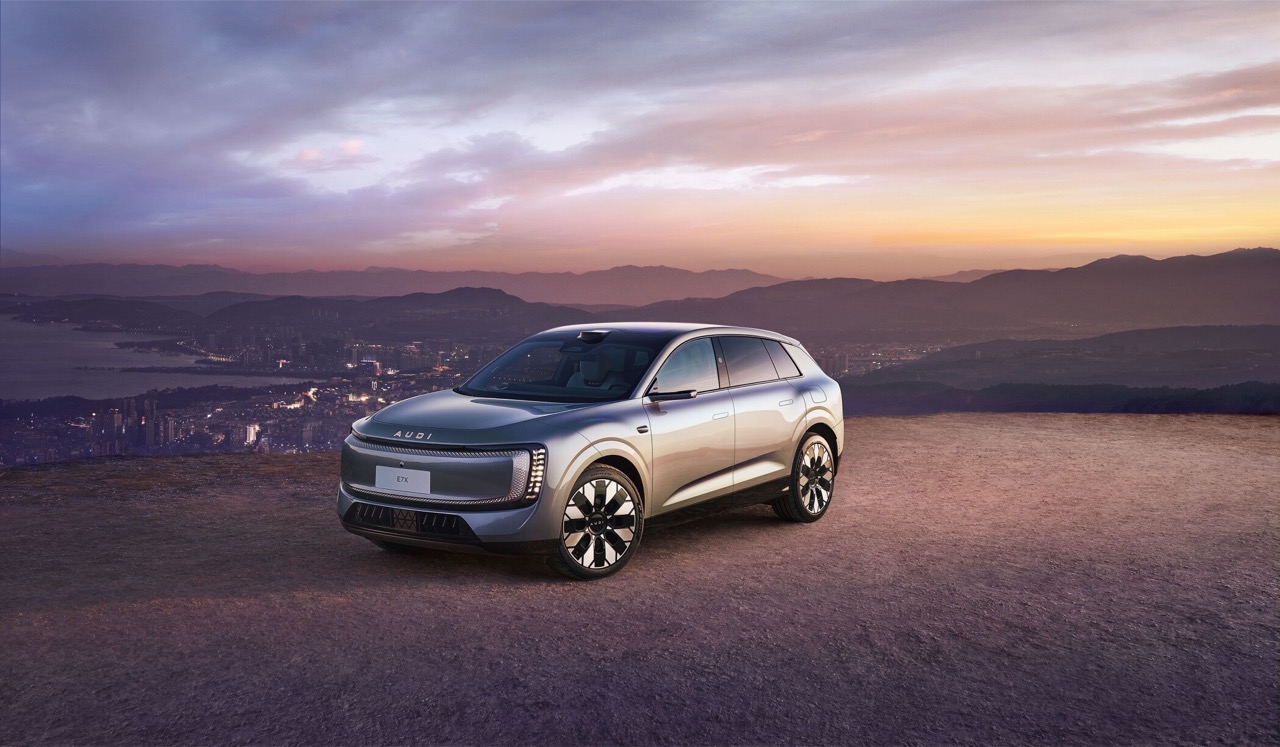
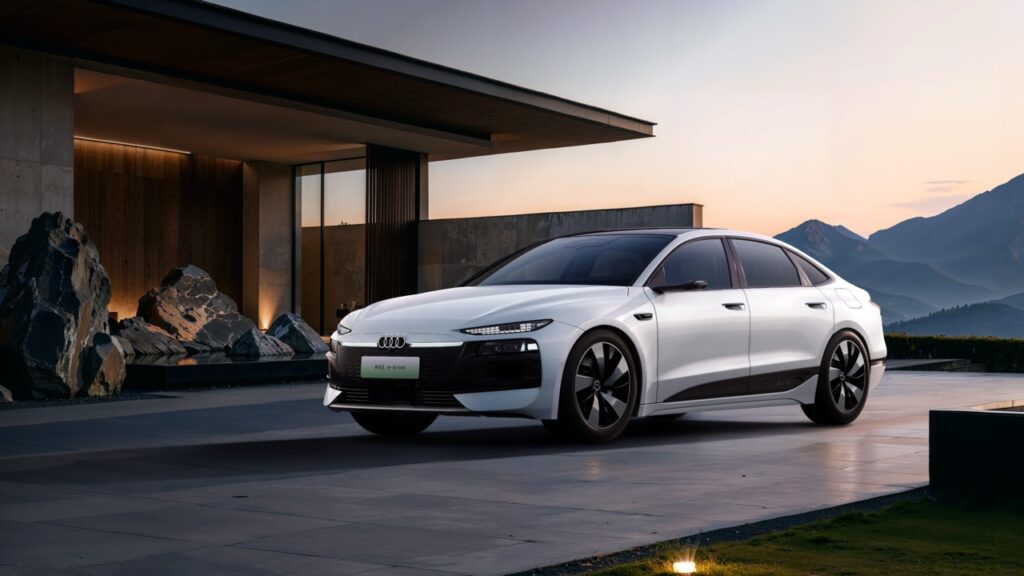
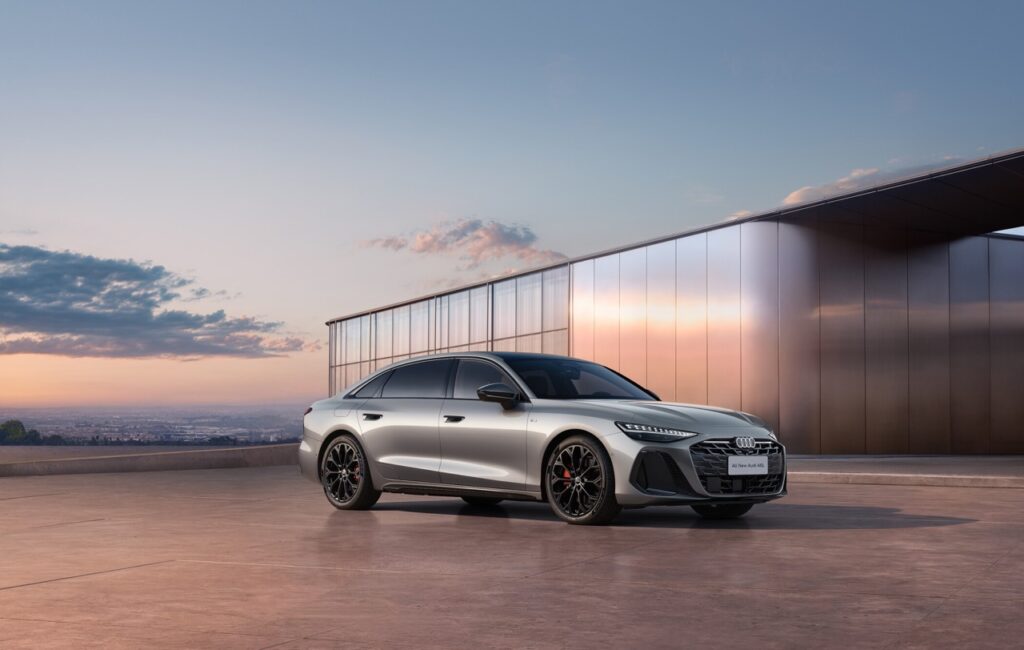
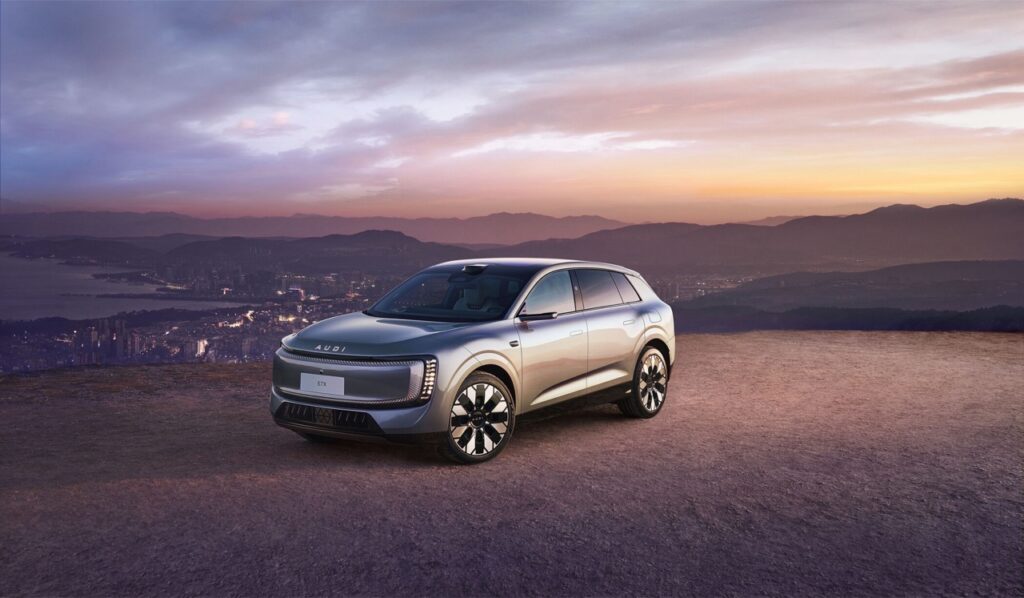
    – The premium segment, reserved for the Audi and AUDI brands (a new entity launched specifically in China), featuring luxury saloons such as the Audi A6L e-tron, the AUDI E5 Sportback (voted Car of the Year in China) and the AUDI E7X1. These models are unlikely to be launched in Europe. The electric premium segment is experiencing dynamic growth (+30%), driven by tech enthusiasts.

    The battle over software and autonomous driving

    Beyond vehicles, Volkswagen is investing heavily in technologies such as advanced Level 2 ADAS systems (semi-autonomous driving), the ‘Navigate on Autopilot’ function in urban areas, and automated parking. These systems have been developed in collaboration with CARIZON, a joint venture specialising in intelligent driving.

    The VW Group hopes to catch up with local leaders such as XPeng and Huawei, which are well ahead in the field of urban assisted driving in particular. Another growth driver for Volkswagen is the development of its own SoCs (systems on a chip), which enable the refinement of software, given that such software accounts for nearly 30% of an EV’s value.

    A global challenge for Volkswagen

    This push in China (‘Innovation Lab’, where the automotive hierarchy is being redefined) extends far beyond the local market. The success of this electric vehicle strategy will determine the group’s ability to remain competitive against Tesla, which remains the global leader in terms of brand image, and against Chinese manufacturers who are steadily gaining ground (BYD has become the world’s number one in terms of volume).

    The Volkswagen Group is changing its approach by strengthening its strategic partnerships and decentralising decision-making. Or how a long-established manufacturer is no longer setting the pace and is attempting to reinvent itself at the speed of new entrants.

  • Who will benefit from the government’s electrification plan? 

    Who will benefit from the government’s electrification plan? 

    The 2026 Social Leasing scheme, originally scheduled for the autumn, has been brought forward to June to enable 50,000 low-income households to buy an electric car and thus no longer be at the mercy of oil price fluctuations. In addition to these, there are 50,000 ‘high-mileage’ applications aimed at professionals who rely on their vehicles. This means a total of 100,000 electric cars will be put on the road and subsidised. Which manufacturers will benefit? Will this scheme be enough to revive car production in France?

    100,000 electric vehicles at low prices

    For people on modest incomes, this will therefore mean 50,000 electric cars available on long-term lease with no upfront payment; and a further 50,000 electric vehicles reserved for ‘frequent drivers’, i.e. those in professions where a car is their primary work tool (care assistants, nurses, home helpers, tradespeople). That amounts to a total of 100,000 subsidised EVs – this is the government’s ambitious (and costly) objective in its plan to electrify our transport systems whilst freeing us from oil prices linked to geopolitical crises. Is this still the right approach to protect the automotive sector in France and Europe? Who stands to benefit? Will French factories be given preferential treatment? What are the limitations of this social leasing scheme?

    Simplified eligibility criteria

    The specific details regarding implementation and funding are yet to be finalised, but applications will open in June. The scheme is primarily aimed at low-income households earning less than €2,000 net per month. The requirement to drive 8,000 km per year or to travel at least 15 km per day to get to work is expected to be relaxed to make it easier to qualify.

    This initiative is not only aimed at motorists who are particularly hard hit by soaring oil prices, but is also a welcome boost for manufacturers whose models are eligible for this long-term leasing scheme. It is even an ideal launchpad for the small electric cars that are increasingly appearing on the market.

    Renault and Stellantis are well positioned

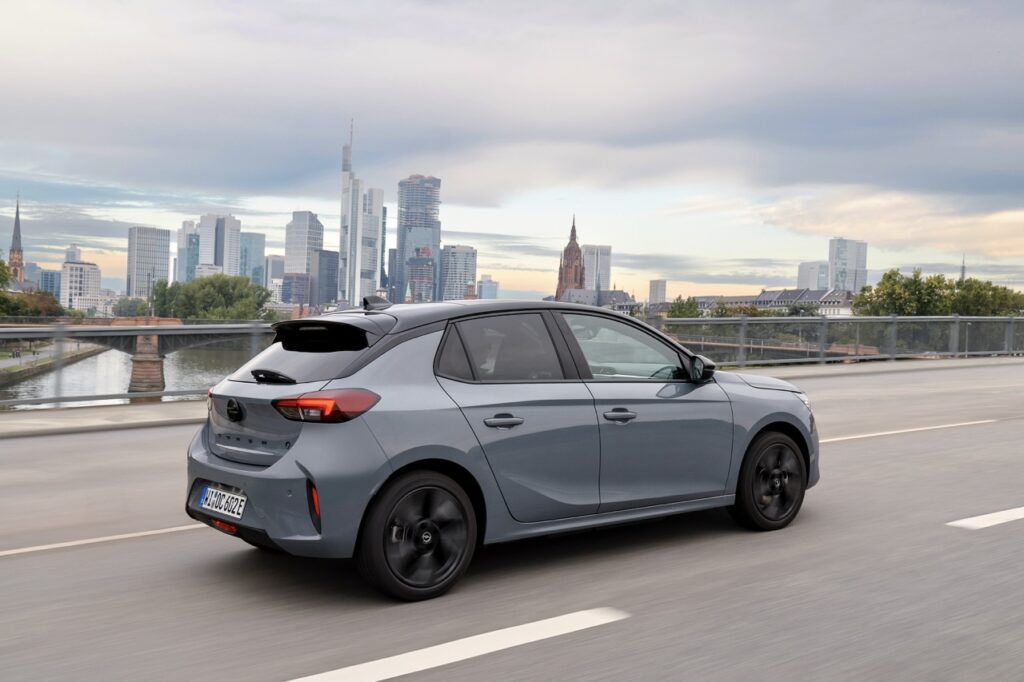
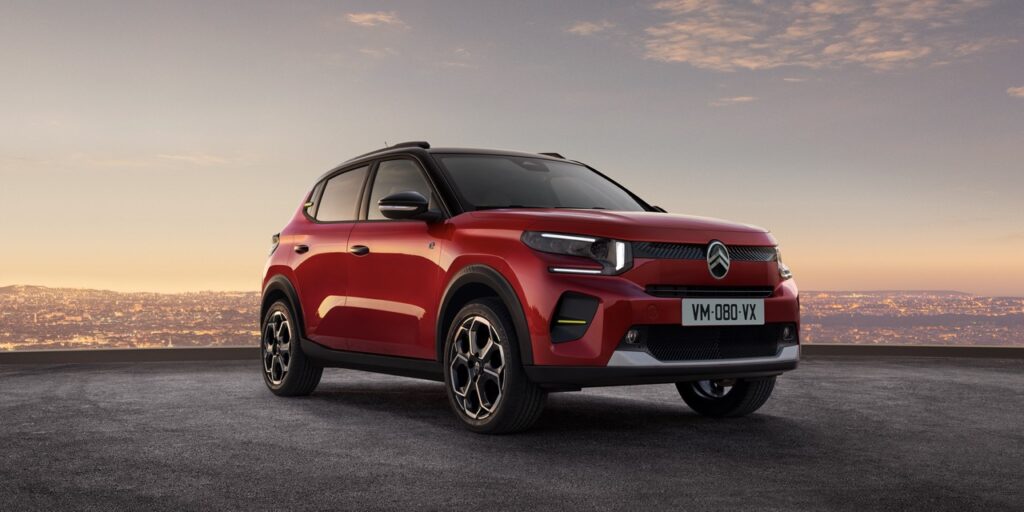
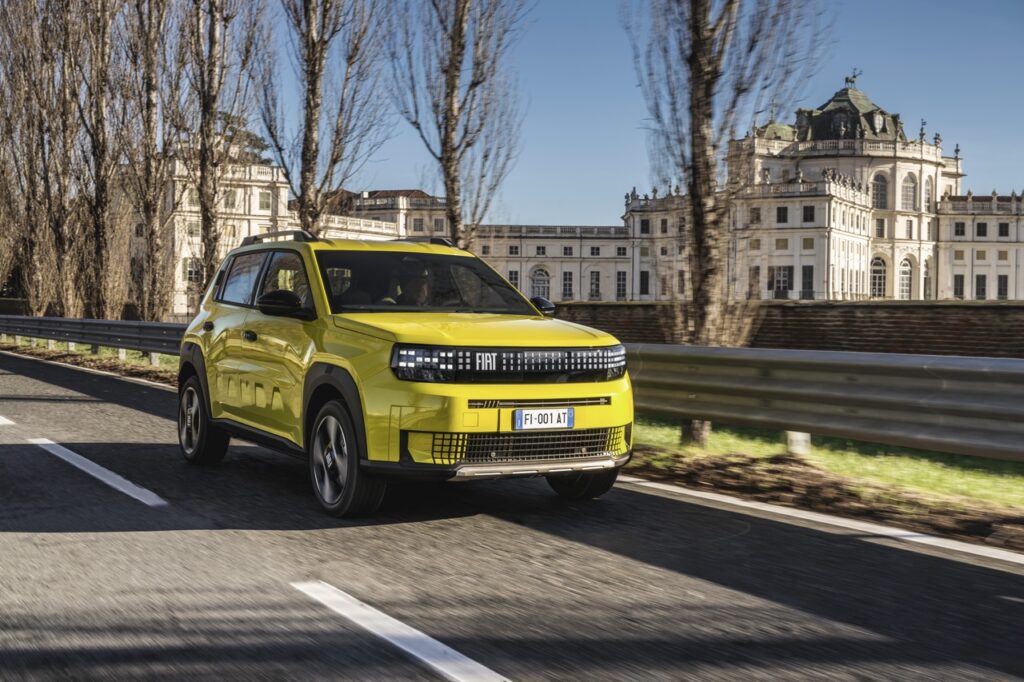
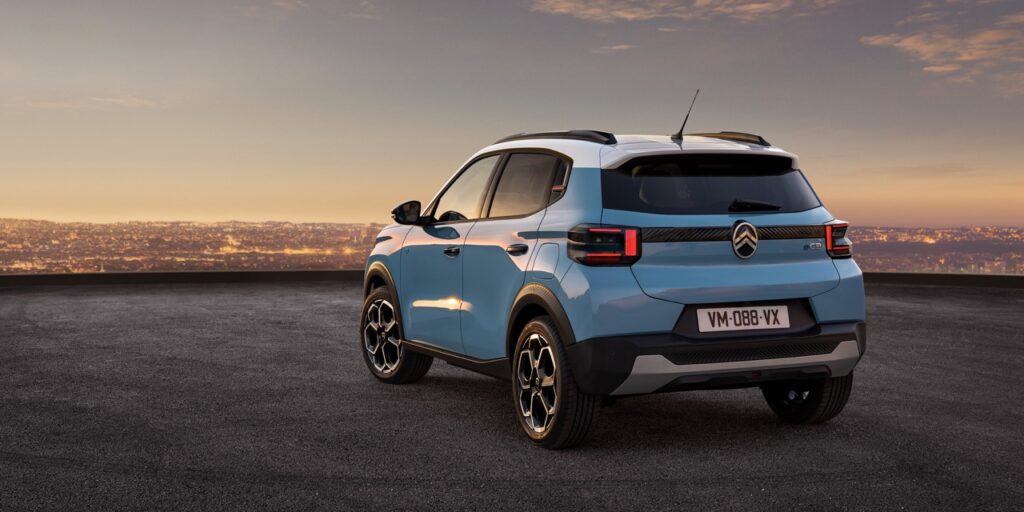
    Starting with the French groups Renault and Stellantis, which accounted for three-quarters of sales in the previous 2025 leasing cycle. French manufacturers and their partners are offering an increasingly diverse range of models. At Renault, the new electric Twingo joins the R5, R4 and Mégane E-tech. Peugeot offers the e-208, e-308 and e-2008, whilst Citroën has the e-C3, e-C3 Aircross and e-C4, and DS is banking on the DS3 E-Tense. Among the foreign competitors are the Opel Corsa and Mokka Electric, the VW ID 3 and ID 4, the Fiat Grande Panda, 500e and 600e, and the Hyundai Inster and Skoda Elroq. This list could be expanded to include the latest models released in early 2026: the Nissan Micra (manufactured at the Renault plant in Douai), the Cupra Raval and the VW ID Polo, as well as the Kia EV2 urban SUV. Around forty models could therefore be eligible.

    Non-eligible Chinese models

    To ensure they remain accessible to as many people as possible, most models are city cars, small SUVs or compact cars, with a starting list price ranging from €20,000 to €30,000. The scheme stipulates that the vehicle must be manufactured in Europe and have a sufficient Ademe eco-score (a rating that calculates the carbon footprint of production and transport to the dealer). Furthermore, its price must not exceed €47,000 and its weight must be less than 2.4 tonnes.

    These regulatory rules therefore automatically exclude all Chinese cars, which are often priced more competitively than European EVs. To date, all Chinese-made vehicles have been imported from Asia (BYD is set to open a factory in Hungary soon to manufacture on European soil and circumvent customs duties, amongst other things).

    The limitations of leasing

    Whilst financial assistance with the purchase is a significant starting point for encouraging the transition, the government has not yet addressed the issues that may arise regarding home charging. Installing a Wallbox-type socket (standard 7 kW) costs between €1,500 and €2,500. Not all residents of apartment blocks have access to a parking space with a socket or the option to have one installed if they wish. The cost of charging on public roads and at fast-charging stations (on motorways) is sometimes three to four times higher than at home. Not to mention that not all electric models eligible for leasing support ultra-fast charging and are fitted with small batteries whose range rarely exceeds 300 km. These are all practical factors that can dampen customers’ enthusiasm for buying. Indeed, the latest edition of the 2025 leasing scheme did not exactly draw crowds to the dealerships, and the 50,000 cars promised took a while to find takers… but at the time, a litre of petrol cost less than €1.60.

    Only a third of leased cars are manufactured in France

    From an industrial perspective, incorporating 100,000 ‘additional’ electric cars into the production plan also presents a challenging task for manufacturers. They will need to step up to the plate to keep pace, particularly as some have only just delivered the final cars under the 2025 leasing scheme and must adjust their commercial and promotional offers, which are likely to accompany this state-targeted subsidy.

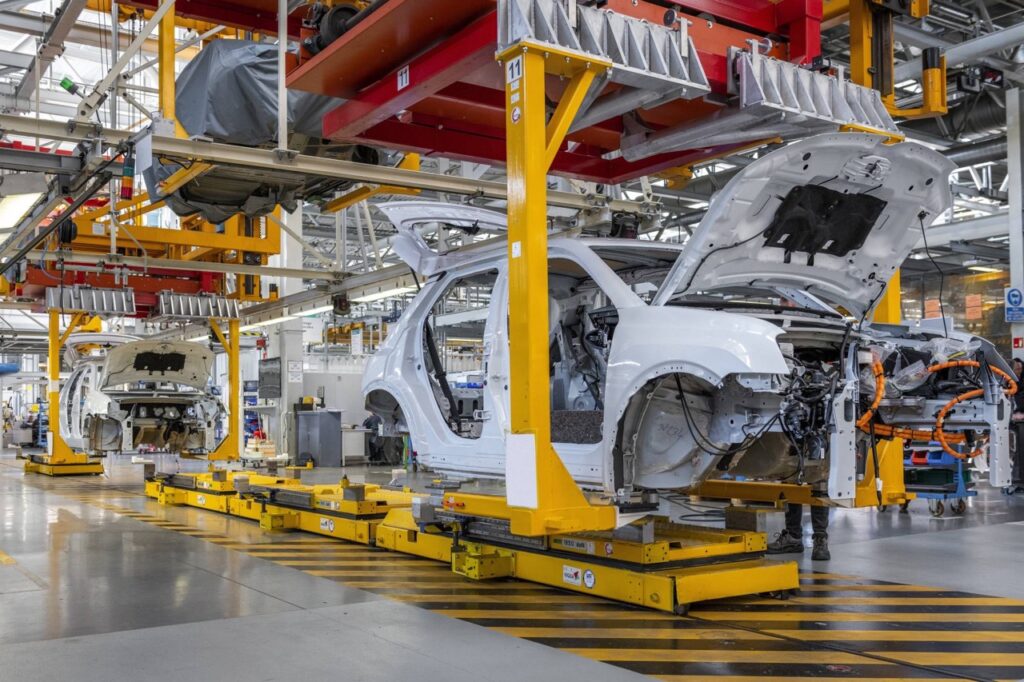
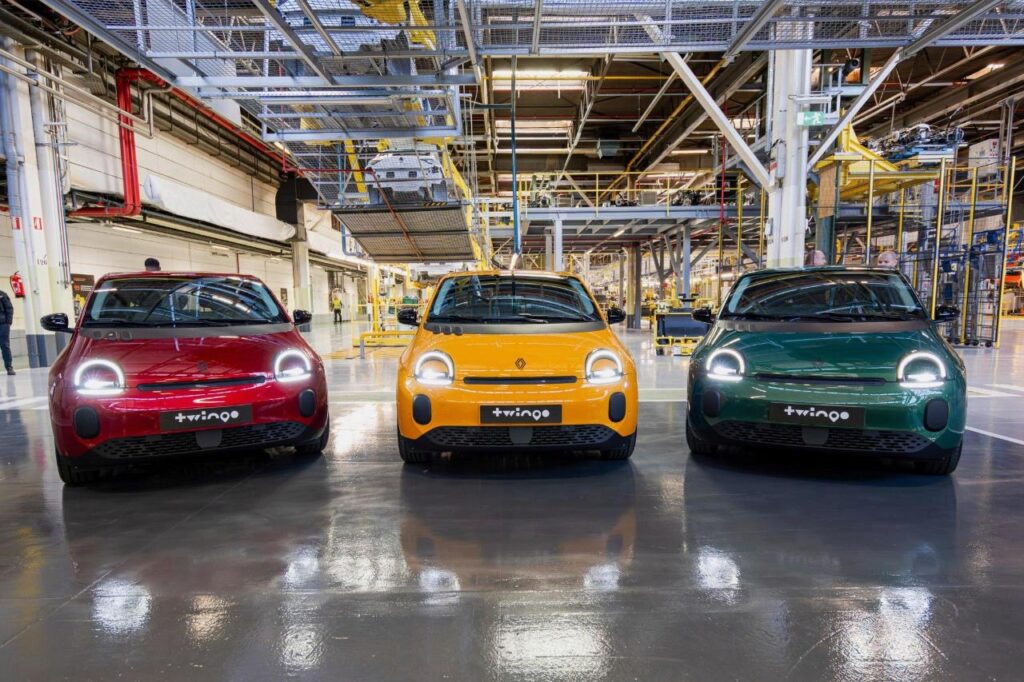
    Last year, only one in three cars under social leasing schemes came from a French factory. To give a few examples, among the star models expected at the 2026 show, the new Twingo is produced in Slovenia, the Cupra Raval in Barcelona, and the EV2 rolls off the production line at Kia’s factory in Slovakia. This is hardly enough to give French production a real boost.

  • Renault Twingo Electric: the first deliveries are imminent, a strategic city car ready to take centre stage

    Renault Twingo Electric: the first deliveries are imminent, a strategic city car ready to take centre stage

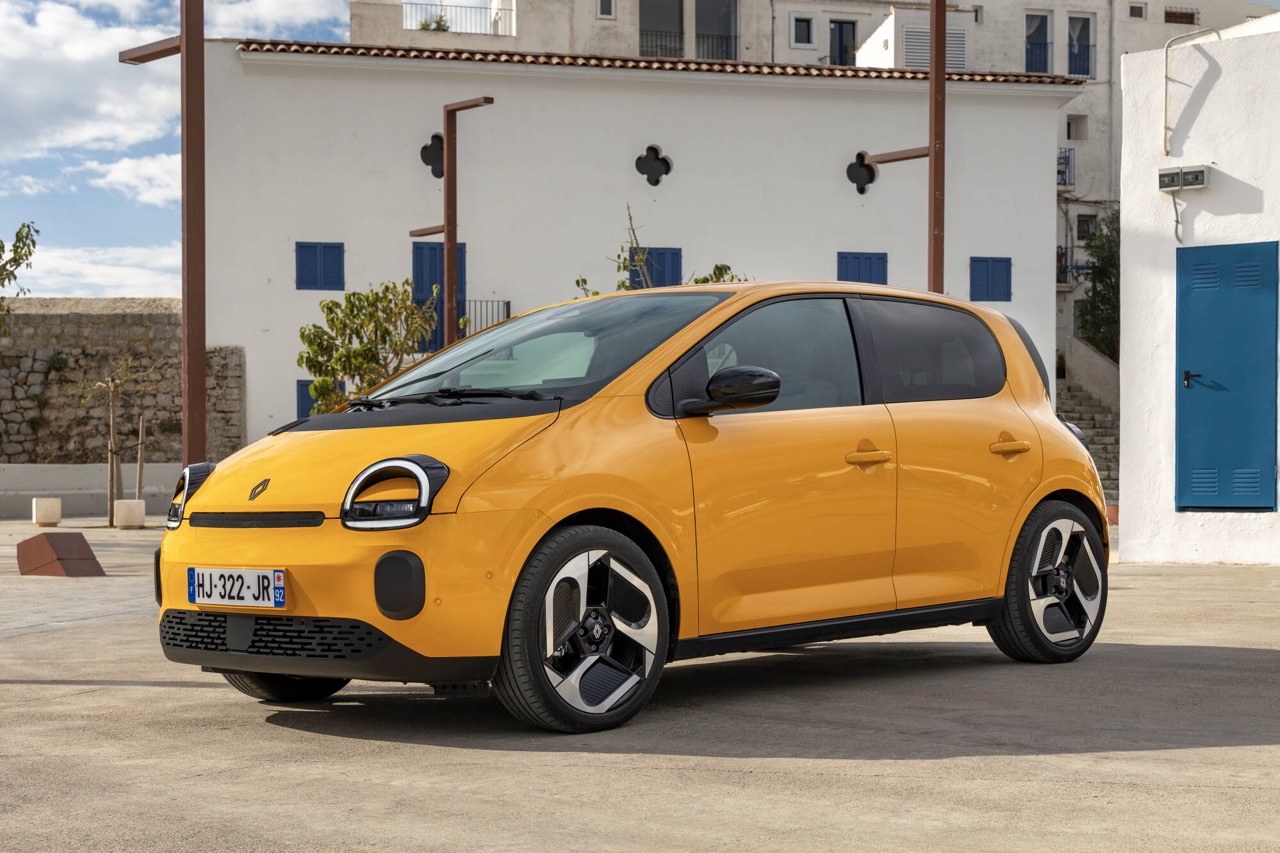
    Unveiled in late 2025 and available to order from early 2026, the new electric Twingo is now entering a decisive phase. The first deliveries are expected in the coming weeks, marking the concrete return of an iconic model in a 100% electric version. With this city car, Renault is laying a cornerstone of its strategy to make electric vehicles accessible, at a time when the market is entering a phase of mass adoption.

    source: Renault

    An electric Twingo that stays true to its roots but is designed with 2026 in mind

    What is clear is that the new Twingo does not seek to compete with more powerful or technologically advanced models. Like its petrol-powered counterpart, which won over its audience with its simplicity and low price, it positions itself as a simple, compact and affordable small city car, designed for everyday journeys. Renault is targeting real-world, urban and suburban use here, a far cry from the sometimes unrealistic promises of certain higher-end electric vehicles.

    In reality, the car is powered by a 60 kW (82 hp) motor, delivering 175 Nm of torque, and features a 27.5 kWh LFP battery. As for range, it’s a far cry from the Chinese top performers, as the brand claims a range of up to 263 km under WLTP. These figures aren’t particularly impressive, but they’re consistent given the segment this vehicle is in.

    Renault’s intention here seems quite clear: to offer an affordable electric car that is a credible choice for a first-time buyer.

    A neo-retro design that embraces its heritage

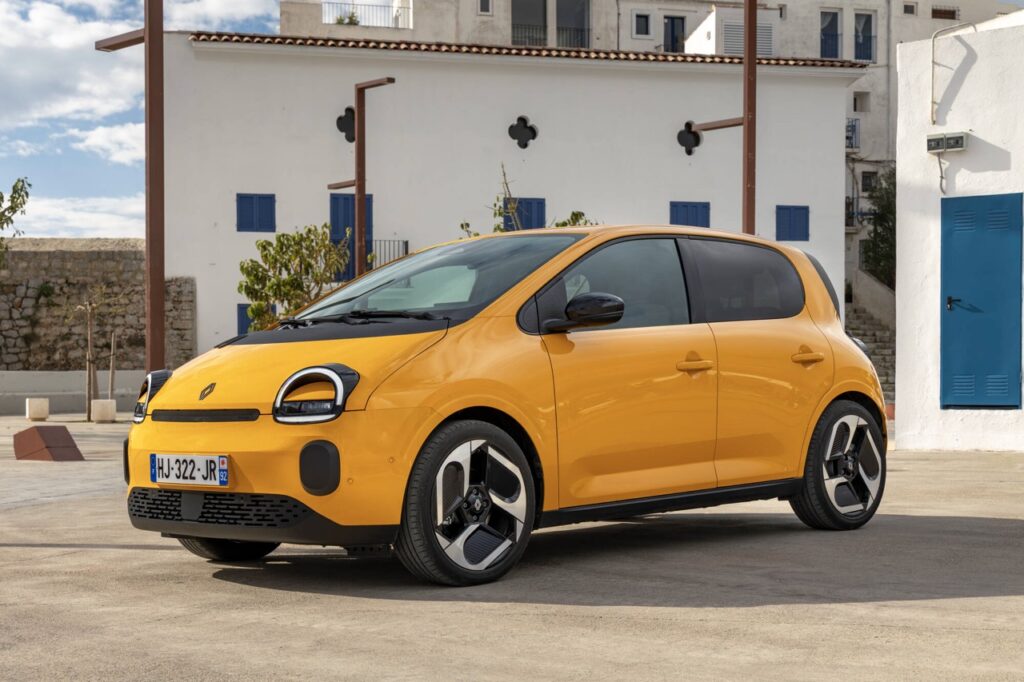
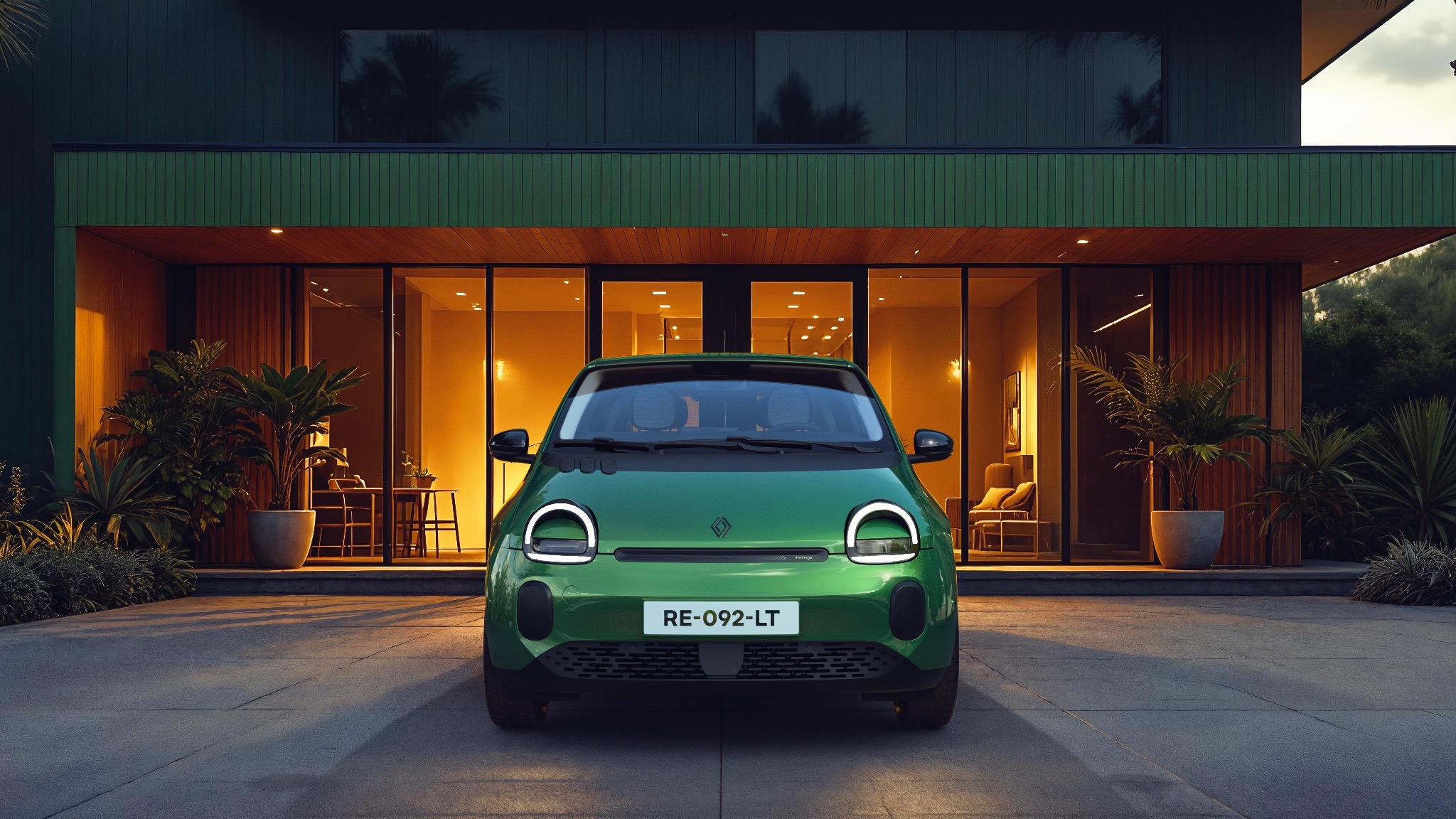
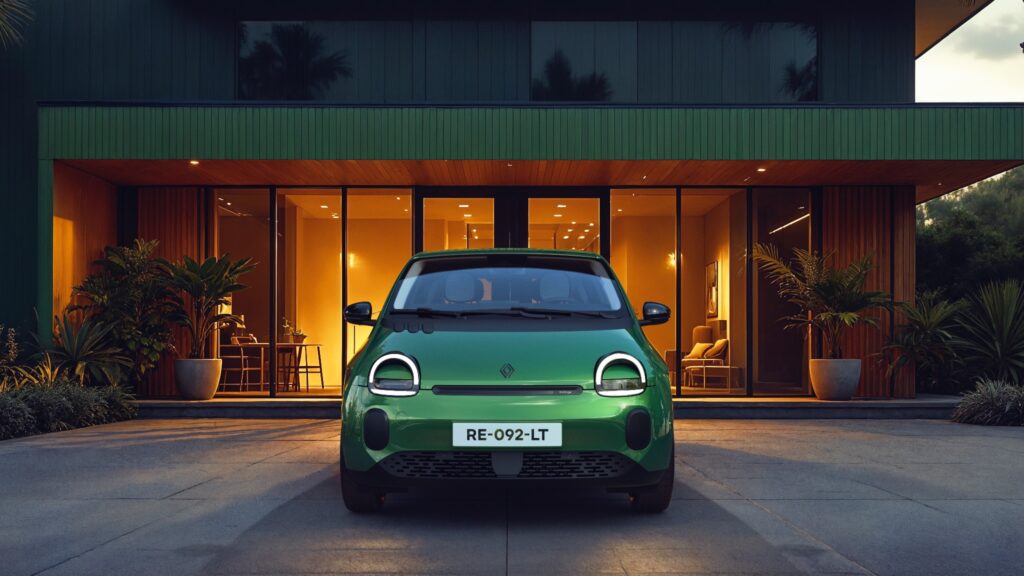
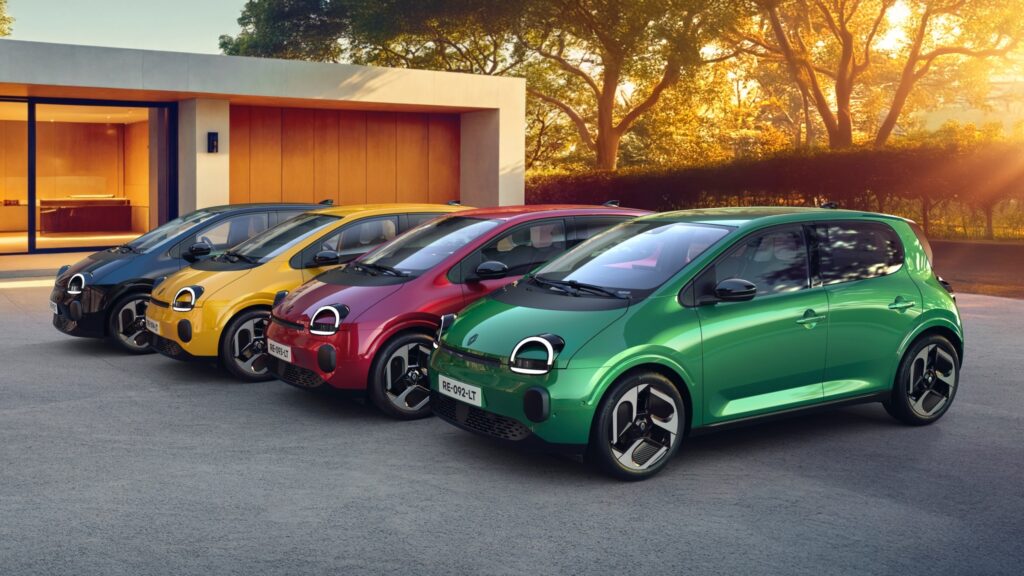
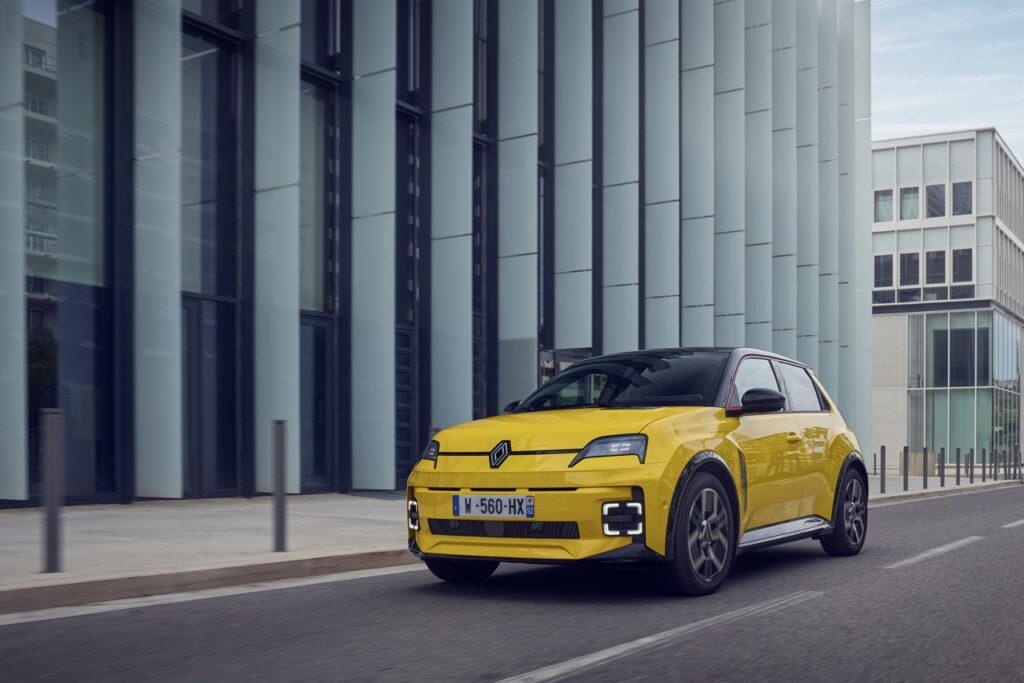
    Visually – and this will immediately strike a chord with those feeling nostalgic – the 2026 Twingo has chosen to reinterpret the design cues of the first generation, with a compact size, rounded shapes and an instantly recognisable front end.

    In terms of dimensions, it is indeed small, even though this version is slightly larger than its petrol-powered counterparts. It measures approximately 3.79 m long, 1.72 m wide and 1.49 m high. Its wheelbase is approximately 2.49 m. By way of comparison, the new Twingo is around 19 cm longer and around 7 cm wider, though it is 6 cm lower than the previous versions.

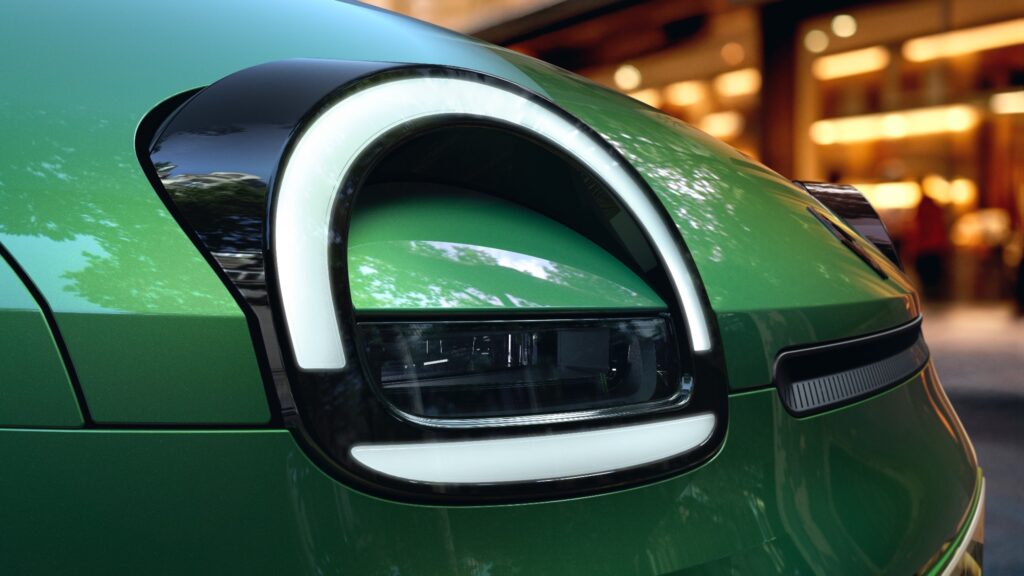
    The round headlights, compact proportions and overall look clearly evoke the spirit of the 1990s, whilst incorporating modern features such as full-LED lights and a redesigned light signature. Unlike the criticism sometimes levelled at EVs – namely that they have bland, soulless designs – the Twingo really stands out and boasts a style all of its own. 

    source: Renault

    A simple, modern interior designed with practicality in mind

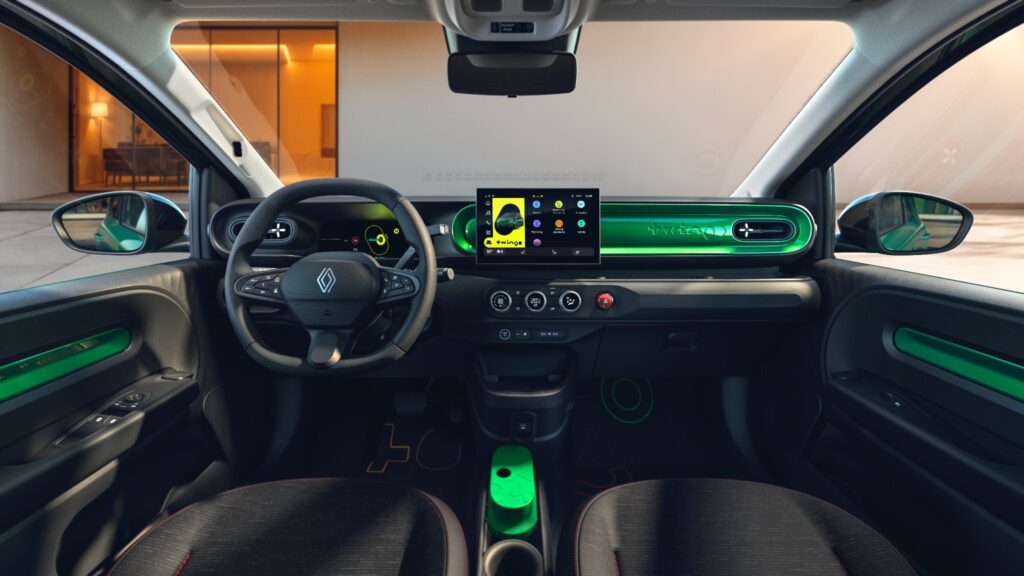
    Inside, the design remains true to the model’s ethos: simplicity, clarity and practicality. The interior features a 7-inch digital instrument cluster and a 10.1-inch central display incorporating the openR link system.

    The Techno trim level offers enhanced Google integration, a six-speaker Arkamys audio system and features such as ‘one-pedal’ driving with multiple levels of regenerative braking.

    But the key point lies elsewhere: the Twingo retains its true versatility, with sliding and folding rear seats, as well as an optimised interior despite its very compact dimensions. The aim remains the same as it was in 1993: to offer a small car that is genuinely practical for everyday use.

    source: Renault

    Charging and technology: a small car, but a serious one

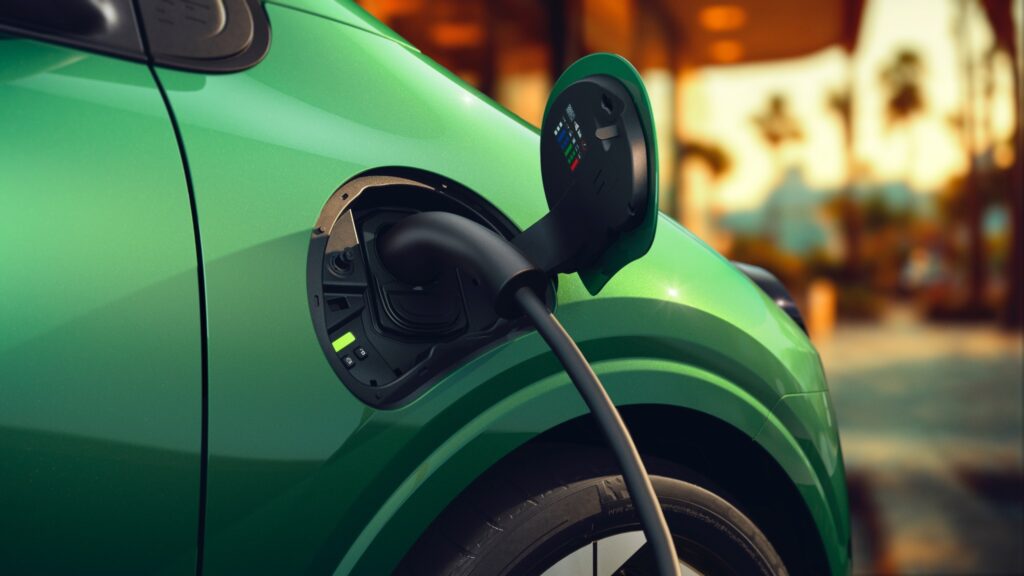
    In terms of charging, Renault claims the battery can go from 15% to 80% in 28 minutes using a fast-charging station, which puts the Twingo in line with the segment average for urban and suburban use. It also features a 6.6 kW AC charger and a Type 2 socket on the front right-hand side.

    Beyond the figures, the inclusion of features such as battery preconditioning, V2L and V2G (depending on the model) shows that Renault is positioning the Twingo as a modern city car that forms part of a comprehensive electric ecosystem.

    source: Renault

    A two-stage approach designed to broaden access

    We must now turn to the price: at launch, the Twingo is available in the Techno trim, priced at around €21,090. An Evolution version, announced with a starting price of €19,500, is set to join the range at a later date – no specific date has been given, but it is certain to be before the end of 2026.
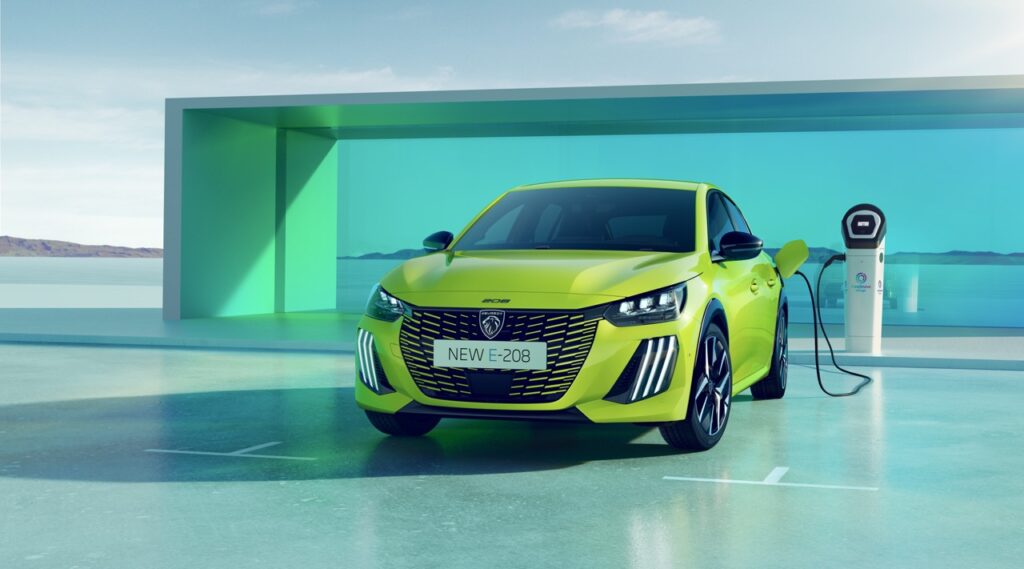
    This is a tried-and-tested but effective strategy: launch the model with a well-equipped version, then gradually expand access with a more affordable variant. Renault is clearly targeting a key psychological threshold—under €20,000—to make electric vehicles more accessible to a wider audience.

    source: Renault

    Orders are now open; deliveries are imminent

    Orders opened in early January 2026, marking the model’s commercial launch. But now a new phase is beginning: the first deliveries, expected in spring 2026.

    This phase is crucial. It marks the transition from theory to practice, with the first customer feedback and the model’s entry into the everyday automotive landscape.

    A returning icon, with over 30 years of history

    The return of the Twingo cannot be fully understood without looking back at its history. Launched in 1993, the first generation made a profound impact on the car market with its simple, clever and affordable design. Over 4.15 million units were sold, making it one of Renault’s most iconic city cars.

    source: Synethis

    The subsequent generations, in 2007 and then 2014, continued this philosophy, before the 2026 model marked a major turning point: the transition to an all-electric model.

    Its design has evolved over the years, adopting a more “classic” look in 2014. This all-electric version draws on the design of the model’s very first iteration; nostalgia speaks volumes, and whether you’re a car enthusiast or simply a driver who lived through that era, this is welcome news. 

    A key element of Renault’s strategy

    Beyond the product itself, this Twingo embodies a vision. Renault is seeking to address a key market question: how to make electric vehicles truly accessible, without restricting them to higher-end segments.

    The answer lies in several key strategic decisions: European manufacturing (in Novo Mesto, Slovenia), a more cost-effective LFP battery, aggressive pricing, and a focus on real-world applications.

    In a declining A-segment market, the Twingo has thus become a strategic model. It enables Renault to maintain its presence in the small city car segment, whilst supporting the energy transition through sales volume rather than merely through its image.

    source: Renault

    Key takeaways

    The 2026 electric Twingo marks the return of an iconic model in a version tailored to the modern age. Compact, affordable and designed for city life.

    But beyond the product itself, this is also a real-world test for Renault. In a market where electric vehicles are often still associated with larger, more expensive models, the Twingo will have to prove that an A-segment model can still hold its own – and, above all, find its audience.

    The first deliveries, expected in the coming weeks, will therefore be much more than just a launch: they will mark the start of a genuine industrial and commercial test of the accessibility of electric vehicles in Europe.

  • Denza arrives in Europe: BYD rolls out its premium strategy with a brand-new hybrid MPV

    Denza arrives in Europe: BYD rolls out its premium strategy with a brand-new hybrid MPV

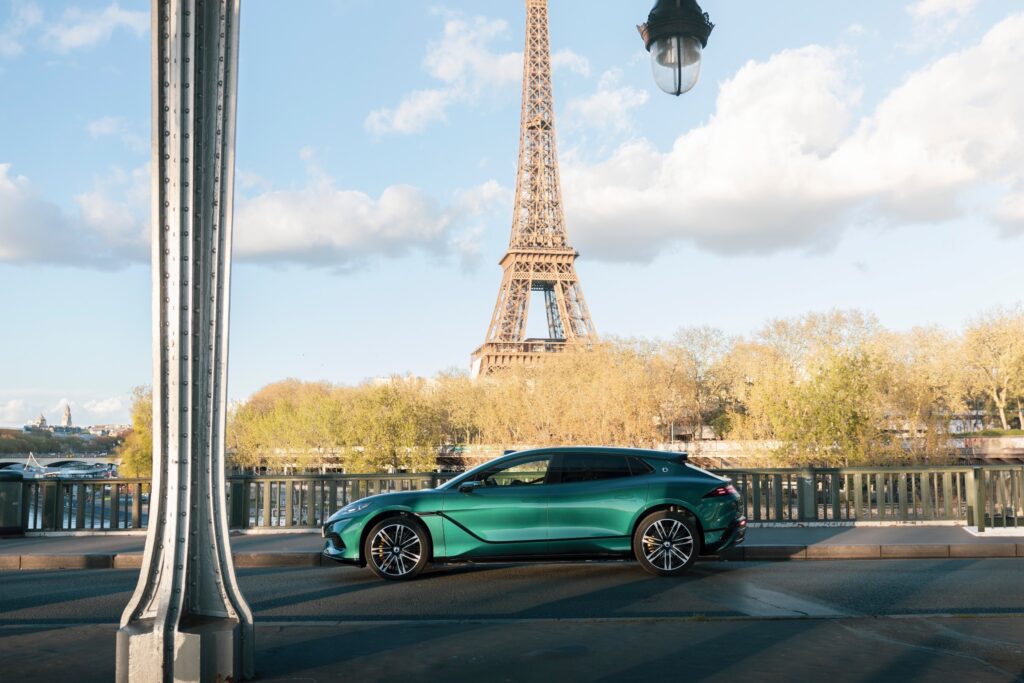
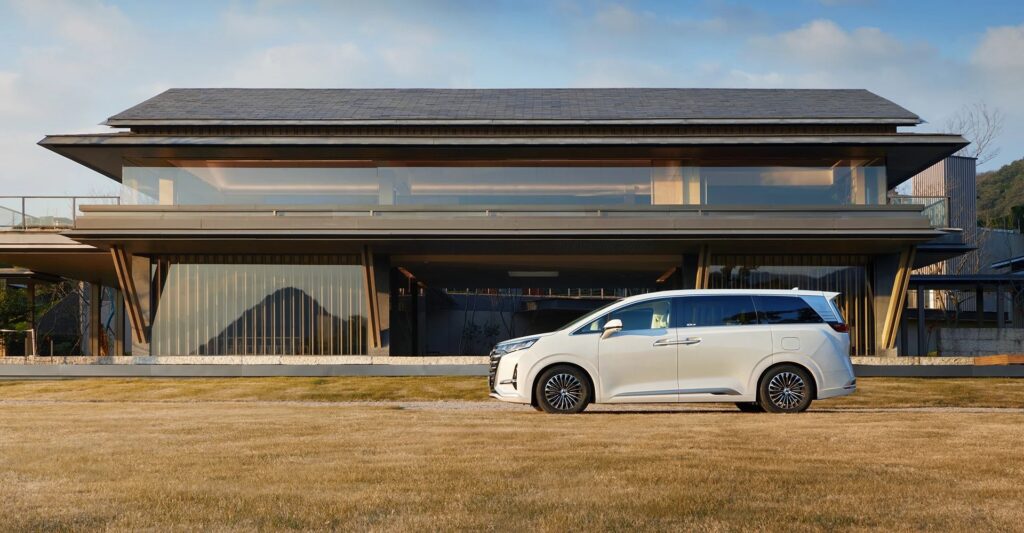
    This marks a new phase in BYD’s European expansion with the launch of its premium brand, Denza. Having recently unveiled the Z9 GT – a true showcase of the brand’s technological prowess – Denza has now officially announced the arrival of a second model in Europe: the D9 DM-i. A vehicle with a very different positioning, yet one that reflects the group’s overall ambition.

    source: BYD

    DENZA: a premium brand designed as a showcase for technological innovation

    Positioned above BYD’s traditional range, Denza represents a clear move upmarket.

    Originally launched as a joint venture with Mercedes-Benz, the brand is now fully integrated into BYD and draws on all the technologies developed by the group: batteries, dedicated platforms and advanced hybrid systems.

    The aim is clear: to offer vehicles in Europe that can compete with premium models, whilst showcasing technological expertise gained from the Chinese market.

    This strategy was first demonstrated with the Z9 GT, a model focused on performance and innovation. But Denza isn’t stopping there.

    source: Denza

    D9 DM-i: a hybrid MPV to expand the range

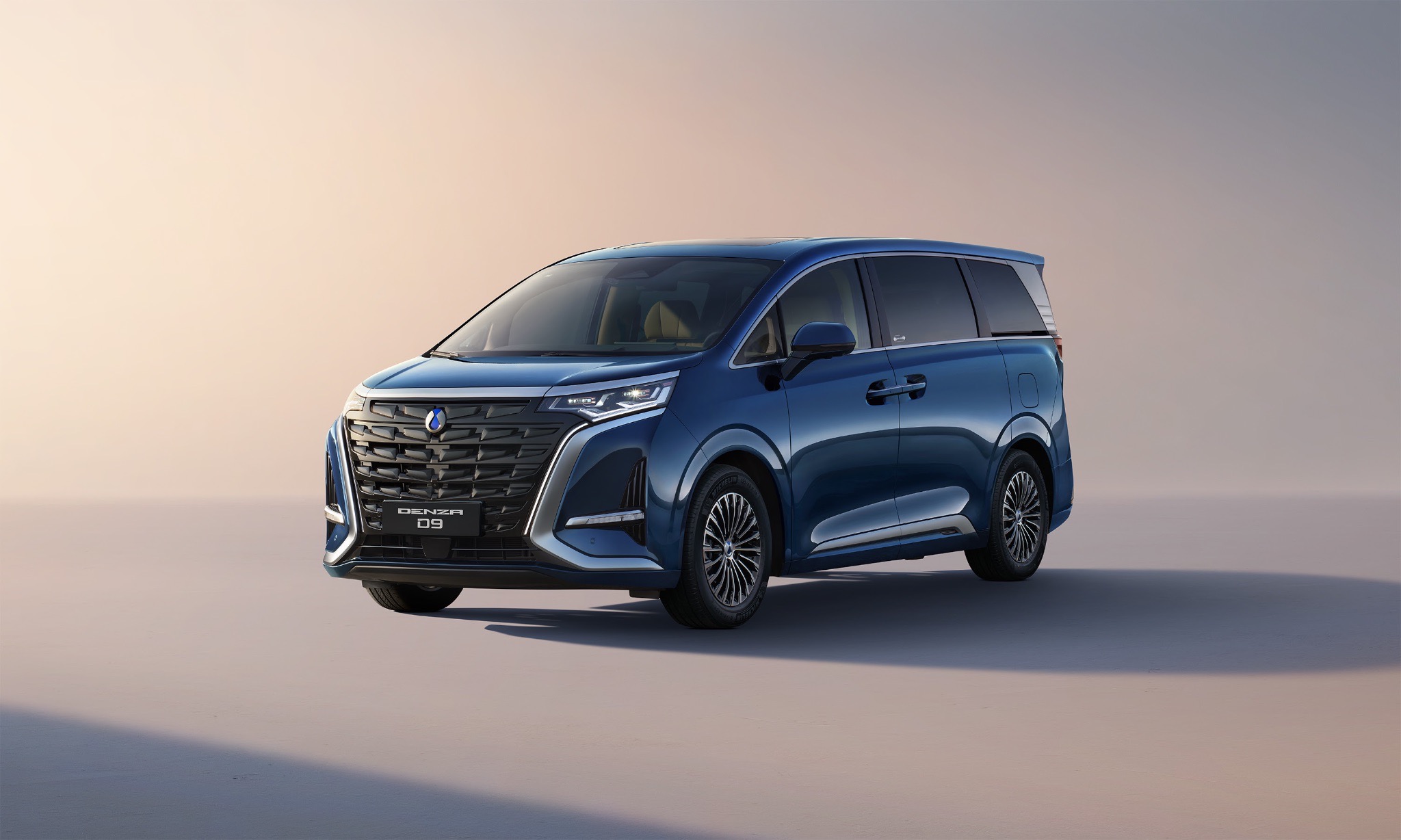
    It is indeed the D9 DM-i that has been officially unveiled as the second model to be available in Europe. Denza is taking a complementary approach. Whilst the Z9 GT serves as a showcase for technology and sportiness, this new model is aimed at a completely different market: that of the premium family car.

    This is a strategic decision. The premium MPV segment remains largely unelectrified in Europe, presenting an opportunity for a distinctive offering.

    And where it really shines is in its range. The D9 is powered by BYD’s “Super DM-i” plug-in hybrid technology, which combines a combustion engine with electric propulsion to deliver both efficiency and versatility.

    According to the figures released, this car has a range of up to 210 km in 100% electric mode on the WLTP cycle, and with Super DM-i technology, it can cover up to 950 km on a combined cycle. Specifically, this is made possible by the introduction of a hybrid powertrain combining a 1.5-litre engine with electric motors, delivering a combined output of around 350 horsepower and accelerating from 0 to 100 km/h in 8.6 seconds.

    When it comes to charging, the D9 DM-i’s Blade battery, with a capacity of 58.5 kWh, can go from 20% to 97% in just 12 minutes.

    A striking exterior design, tailored for the premium segment

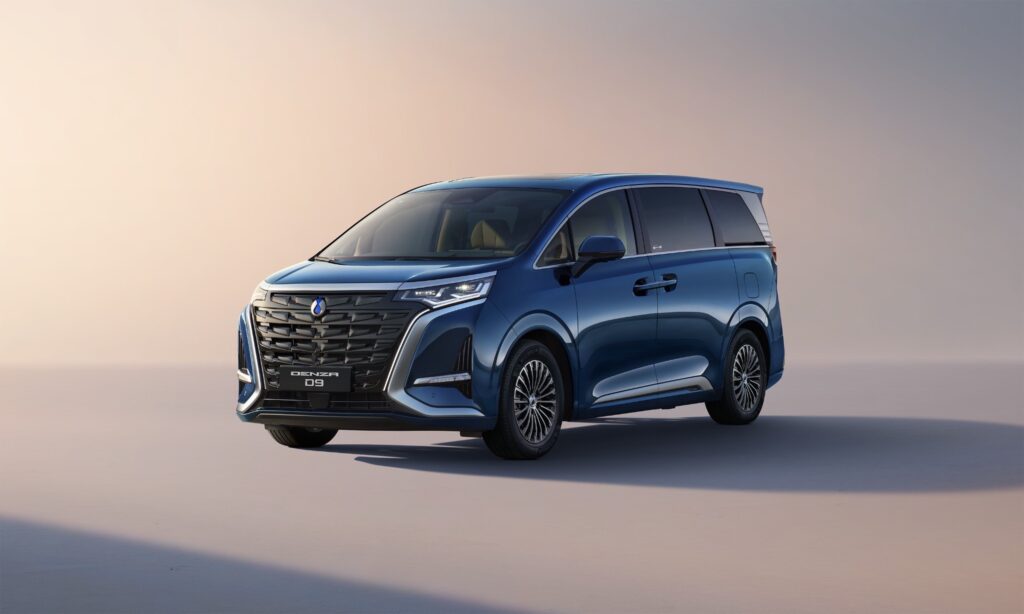
    Beyond its powertrain, the D9 DM-i focuses above all on comfort and space. Indeed, measuring over 5.20 metres in length, 1.960 metres in width and 1.90 metres in height, the D9 DM-i fully lives up to its positioning as a premium MPV. The exterior design prioritises presence and prestige above all else, with a front end characterised by a wide chrome grille and a slim light signature that visually elongates the vehicle.

    source: Denza

    The very straight profile is dictated by the need for interior space. It also features electric sliding doors. At the rear, a light strip running the full width gives the whole design a modern look. Unlike its sister model (the Z9 GT), the D9 is far from a sporty design; the brand has clearly opted for a prestigious aesthetic, in the tradition of premium Asian MPVs.

    An interior designed to offer a premium level of comfort

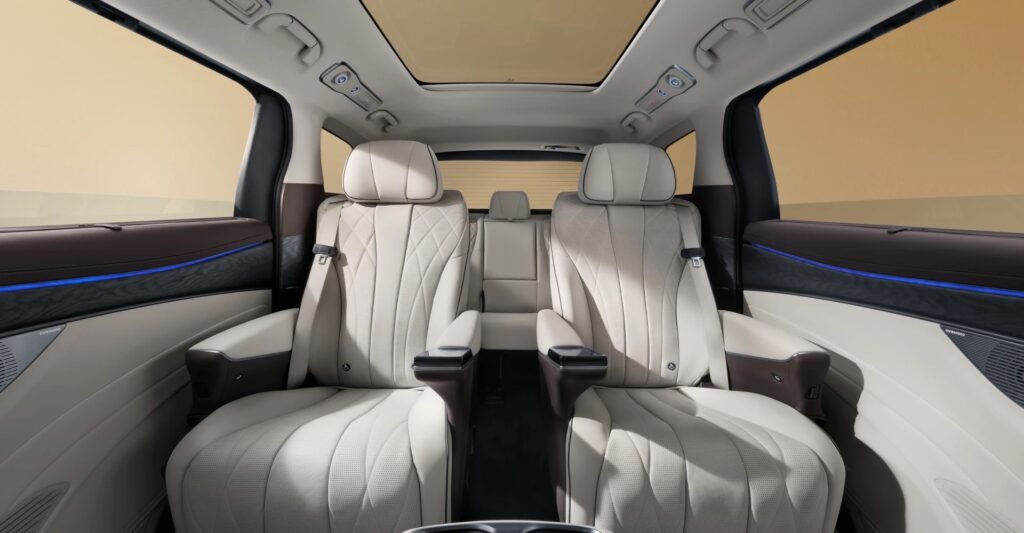
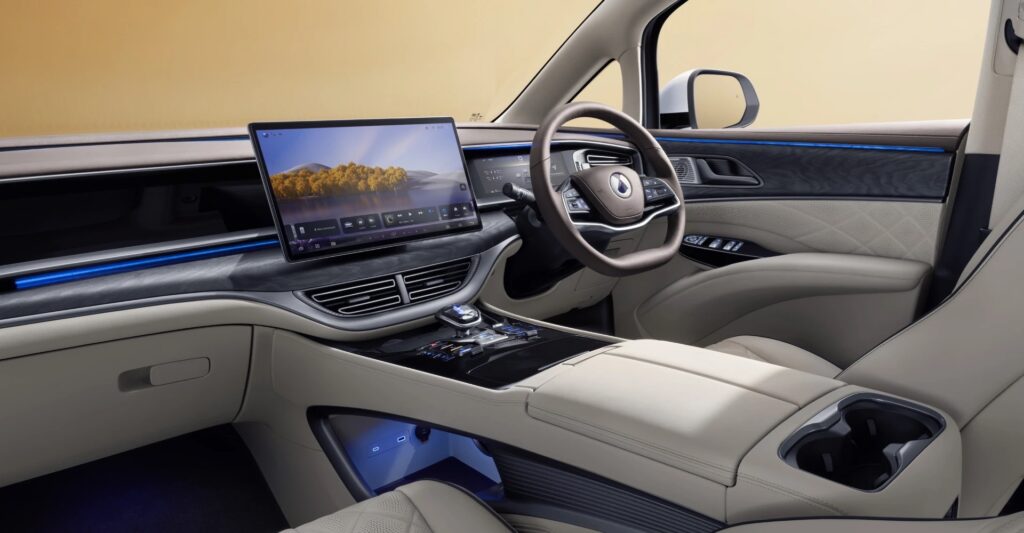
    It is inside that the D9 DM-i truly reveals its true character. The cabin is configured to seat six or seven, with priority given to passengers in the second row. These passengers enjoy individual ‘captain’s’ seats that recline extensively and feature massage, ventilation and heating functions, along with electric leg rests.

    source: Denza

    Some versions go even further with so-called “Zero Gravity” seats, designed to maximise comfort on long journeys. The package is rounded off by a refined interior, combining leather, wood trim and ambient lighting, with particular attention paid to sound insulation. The manufacturer’s press release states that the on-board experience is thus closer to a rolling lounge than a traditional MPV. Sounds tempting! 

    In terms of digital technology, the cabin features a comprehensive array of screens, including a digital instrument cluster, a large central screen measuring over 15 inches, a 10.25-inch digital instrument cluster, a head-up display and several screens for passengers, including those in the rear.

    source: Denza

    In-car technology and driver assistance systems

    The D9 DM-i features a comprehensive suite of driver-assistance technologies: Level 2 semi-autonomous driving, adaptive cruise control, 360° cameras, automatic parking assist, adaptive suspension, and the renowned regenerative braking system, which is often highly effective and enjoyable to drive. 

    A range that already complements each other

    With the combination of the Z9 GT and the D9 DM-i, Denza is already giving a clear indication of its European strategy.

    • the Z9 GT, embodying performance and innovation
    • the D9 DM-i, designed for both home and business use

    Two models, two market positions, but the same underlying strategy: to demonstrate BYD’s ability to cover several segments of the premium market with electrified technologies. This confirms the Chinese group’s ambition to establish a lasting presence in the European market.

  • In response to the energy crisis, social leasing schemes are being expanded to facilitate the purchase of electric cars

    In response to the energy crisis, social leasing schemes are being expanded to facilitate the purchase of electric cars

    Against the backdrop of a fragile international situation, with oil prices fluctuating wildly and petrol prices remaining high, the government intends to help speed up the electrification of the vehicle fleet. The social leasing scheme, which enables people to purchase an electric car at a lower cost, is being extended to cover a further 50,000 vehicles this year. The medium-term goal is for two out of every three cars to be electric by 2030.

    Support for electrification has doubled

    Prime Minister Sébastien Lecornu is drawing lessons from the energy crisis that France (and the world) has been facing since the start of military operations in Iran and the Middle East. With the price per litre of fuel exceeding €2 (SP95) and €2.35 (diesel), the government aims to drastically reduce the French people’s dependence on fossil fuels. This will therefore involve the implementation of an ambitious and reinforced electrification plan.

    Over the next four years, the government will support and double its investment, increasing it from €5.5 billion to €10 billion a year. “This is a truly substantial sum, which we will find by cutting other expenditure. From now on, we must transform our energy consumption. We must replace oil and gas with electricity. Energy is not just a market. It is a matter of national security,” explains the Prime Minister.

    50,000 additional vehicles for social leasing

    With the initial quota of 50,000 electric cars having been quickly exhausted since September 2025, the government is extending the social leasing scheme to cover a further 50,000 vehicles from June onwards. This scheme enables people on low incomes to access a new electric car at an affordable monthly rate, particularly for commuting to work. This means that at least 100,000 households will be able to benefit from social leasing in 2025–26, double the number since its launch in 2024.

    For each application, the monthly rent must not exceed €200; each tenancy must last for at least three years; and applicants must demonstrate a taxable income of less than €16,300 per year and live more than 15 km from their place of work. 

    Two out of three new cars must be electric by 2030

    A shortlist of 33 models eligible for this social leasing scheme had been drawn up. These included the Renault R5, the Citroën e-C3, the Fiat Grande Panda and the VW ID3; the arrival of new small electric cars on the market could expand the selection.

    In the medium term, by 2030, Sébastien Lecornu wants two-thirds of new cars sold in France to be 100% electric: “Travelling 100 km in an electric vehicle costs between €2 and €3, compared with €11 for diesel.”

    Meanwhile, the government is also stepping up the pressure on the automotive industry, hoping to see 1 million EVs rolling off French production lines each year, compared with the 400,000 units currently projected for 2027.

    Special support for frequent drivers 

    At the same time, certain professions that rely heavily on cars – such as nurses, care assistants and tradespeople who drive long distances – will be eligible for specific support (details to be confirmed) covering up to 50,000 electric cars in 2026.
    Businesses will also be supported through dedicated schemes designed to encourage them to electrify their fleets, particularly when it comes to commercial vehicles. Meanwhile, subsidies for the purchase of electric heavy goods vehicles could reach up to €100,000 per vehicle.

    When it comes to the electrification of energy use, the Prime Minister believes the time has come to scale up. “Fortunately, France has an advantage: it generates electricity domestically. This is a commitment to energy independence, a commitment it reaffirmed two months ago with the revival of nuclear power and renewable energy. The crisis has validated this choice. It is a strong choice.”

  • AURA AERO is scaling up: €340 million raised, firm orders secured and two factories in the pipeline

    AURA AERO is scaling up: €340 million raised, firm orders secured and two factories in the pipeline

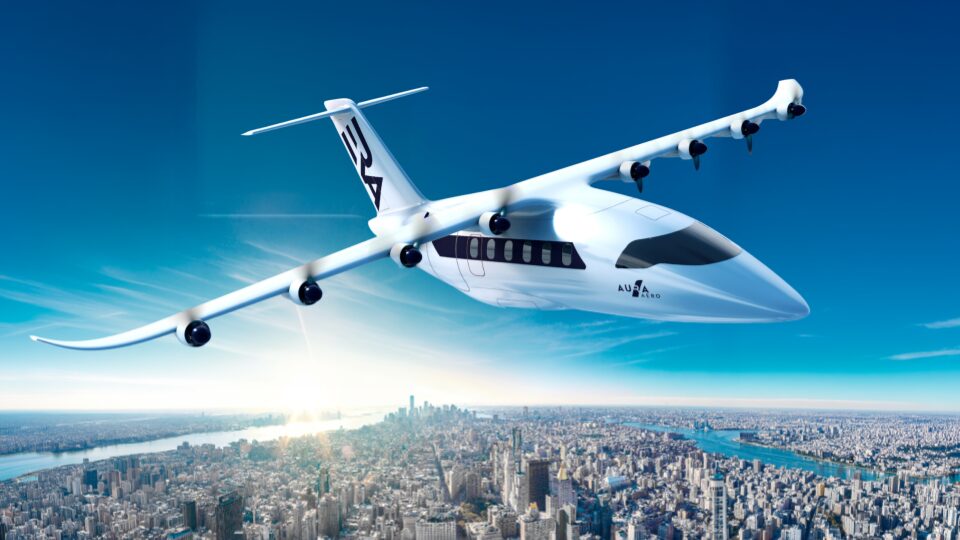
    The French manufacturer AURA AERO has reached a decisive milestone in its development. Having raised €50 million in funding, secured public support in France, Europe and the United States, and already secured firm orders, the Toulouse-based company is entering a new phase of industrial development. Between ramping up production, industrial restructuring and technological ambitions, AURA AERO is laying the foundations for a large-scale transition.

    source: AURA AERO

    An industrial resurgence that is now a reality

    AURA AERO has just officially announced a major strategic shift. Thanks to a new €50 million funding round, the manufacturer has now raised a total of €340 million.

    A substantial sum, backed by a particularly strong round of funding involving major players: the French Tech Souveraineté fund managed by Bpifrance, the European Innovation Council Fund (EIC Fund), Safran Corporate Ventures, Innovacom, Blast, EDF and the Florida Opportunity Fund.

    Beyond the financial figures, it is the nature of the support that marks a turning point. AURA AERO benefits from industrial, institutional and strategic backing, enabling it to secure a long-term trajectory.

    On the industrial front, two major projects are taking shape:

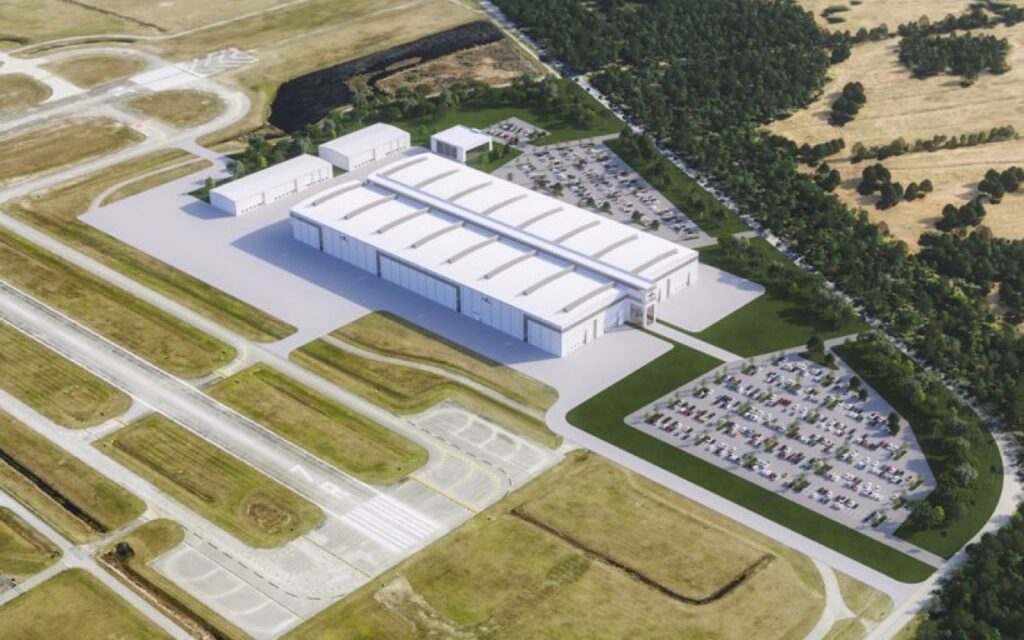
    This expansion is also taking shape on an industrial level. In France, the company has been granted planning permission for its future factory in Toulouse-Francazal, a strategic site designed to support the ramp-up of production and the creation of skilled jobs.

    In the United States, AURA AERO is also accelerating its expansion with a 16-hectare site located at Daytona Beach International Airport in Florida. This future factory, which will be dedicated primarily to the ERA aircraft, will be funded with the support of Space Florida, the state’s aerospace development agency.

    source: AURA AERO

    As Antoine Blin, Chief of Staff at AURA AERO, puts it:
    “Funding, firm orders and factories are no longer just prospects; they are now a reality.”

    Firm orders that confirm the market

    Another strong sign: commercial momentum is now very much a reality. Indeed, AURA AERO reports over 700 expressions of interest across its various programmes, as well as 20 firm orders for its ERA hybrid-electric regional aircraft.

    A level of commitment that is a game-changer. We are no longer talking solely about innovation or technological demonstrations, but about the volumes to be produced and delivered.

    Above all, these orders help to safeguard ongoing industrial investments and establish the project within a framework of mass production.

    source: AURA AERO

    An ambition driven by France 2030 and the decarbonisation of aviation

    Founded in 2018 and based in Toulouse, AURA AERO is fully aligned with France’s strategy for reindustrialisation and decarbonisation, as set out in the France 2030 plan. The objective is clear: to bring a new generation of low-carbon aircraft to market by 2030, whilst positioning France as a leader in low-carbon aviation.

    Bruno Bonnell, Secretary-General for Investment, notes:
    “AURA AERO is fully aligned with this ambition […] with a clear objective: to bring a low-carbon aircraft to market by 2030.”

    The government shares this view, with Transport Minister Philippe Tabarot emphasising:
    “Decarbonising aviation requires not only established industrial players, but also new entrants.”

    source: France 2030

    Three programmes, three world premieres in the pipeline

    With this new phase, AURA AERO is structuring its development around three major programmes, each with a clear ambition:

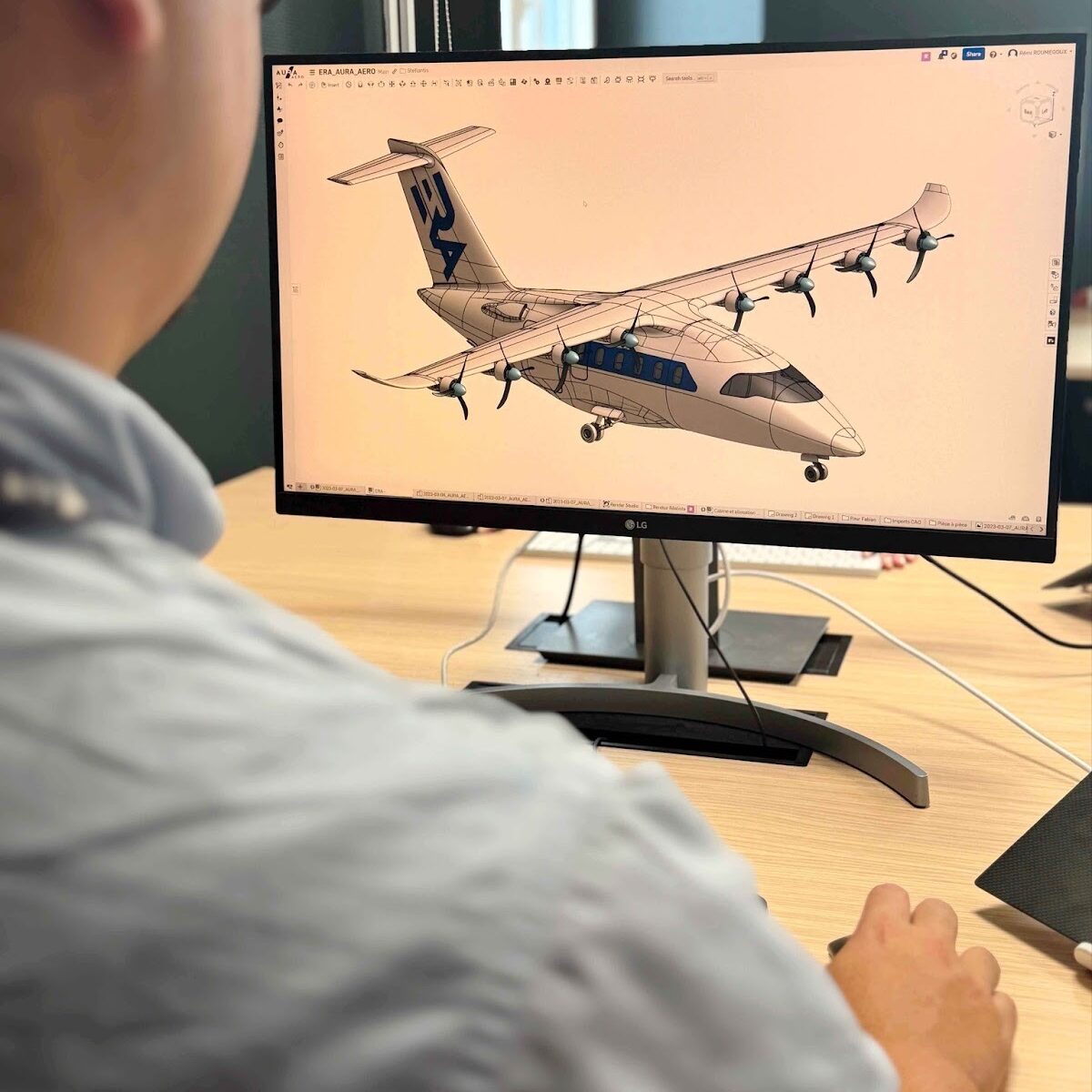
    • ERA, a 19-seat hybrid-electric regional aircraft designed for commercial transport, with the aim of making the world’s first flight of its kind
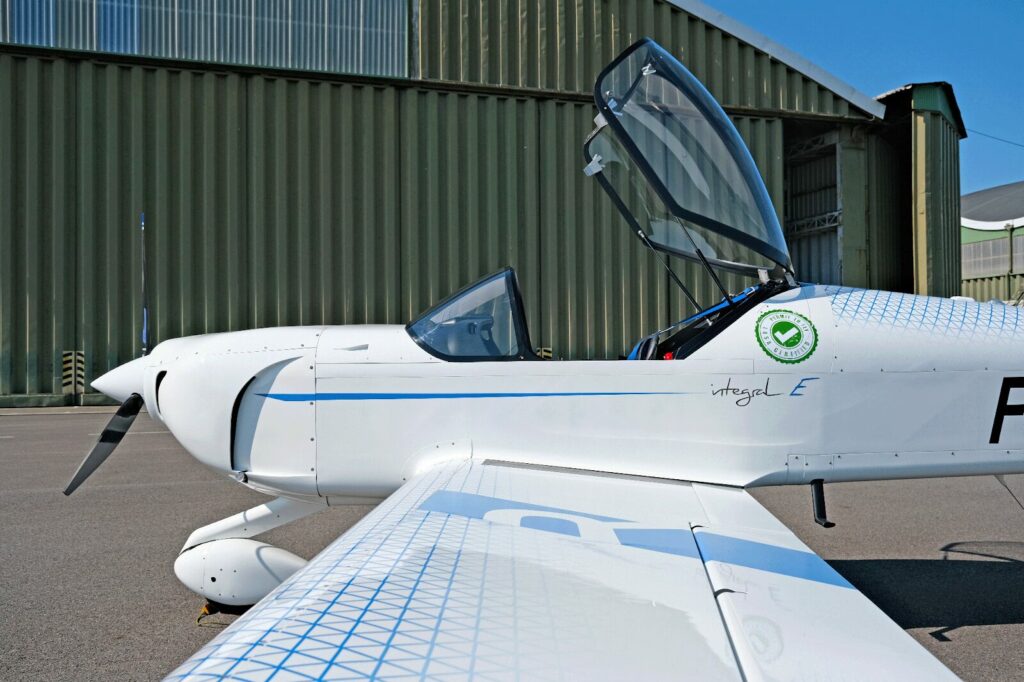
    • INTEGRAL E, a fully electric two-seater aircraft aiming for CS-23 certification
    • ENBATA, an ITAR-exempt MALE (medium-altitude, long-endurance) drone designed for strategic applications

    These three programmes cover commercial aviation, training and defence applications, reflecting a multi-segment strategy.

    source: AURA AERO

    As Jérémy Caussade, co-founder of AURA AERO, points out:
    “We are building much more than just aeroplanes: we are building a new European industrial player.”

    Projects to be unveiled to the public shortly

    As the programmes enter an advanced stage of development, AURA AERO is set to showcase its progress at two major events in 2026.
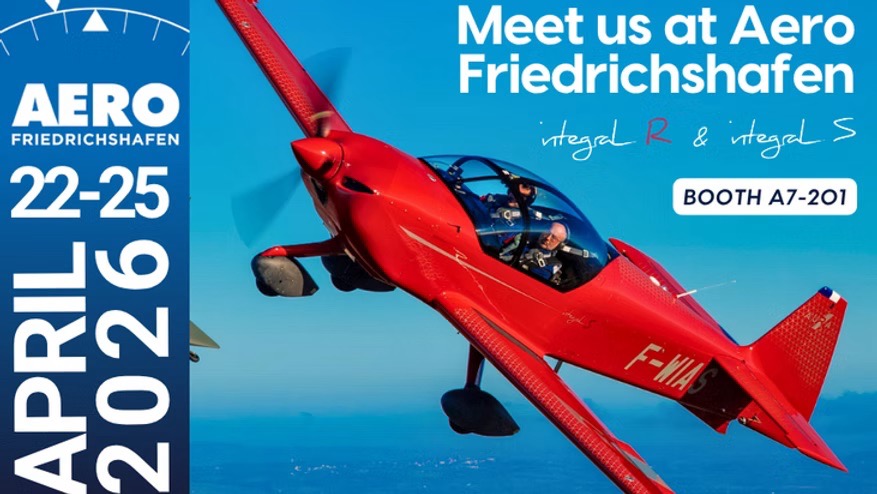
    Indeed, the manufacturer will be exhibiting at AERO Friedrichshafen 2026, one of Europe’s leading general aviation events, where its electric and hybrid solutions will be showcased.
    A few weeks later, AURA AERO will also be taking part in the Sun ‘n Fun Aerospace Expo 2026 in the United States, a key event in support of its industrial expansion in Florida.

    There is no doubt that the Toulouse-based start-up will pull out all the stops at its events to encourage more investors and industry players to get involved in this project, which, without a doubt, looks set to be around for many years to come

    source: Friedrichshafen 2026

    Strong political and industrial support

    Finally, AURA AERO enjoys significant support from a range of organisations in France, Europe and the United States, including Bpifrance (through the French Tech Souveraineté fund), the European Innovation Council Fund (EIC Fund), Safran Corporate Ventures, Innovacom, Blast, the Florida Opportunity Fund and EDF.

    Beyond financial support, these partners bring industrial credibility and the ability to provide long-term support.

    On the European side, Commissioner Ekaterina Zaharieva emphasises the strategic importance of this:
    “Investing in companies such as AURA AERO means strengthening Europe’s global leadership in clean aviation.”

    source: European Commission

    In the United States, Robert Harvey of the Florida Opportunity Fund highlights the company’s industrial ambition:
    “AURA AERO aims to become the leading US manufacturer of hybrid-electric regional aircraft.”

    Finally, EDF is also supporting the project in the area of energy infrastructure, with the aim of establishing future charging standards for electric aviation.

    A new phase: manufacturing, delivering, establishing an industrial presence

    With this fundraising, these orders and these factory projects, AURA AERO is clearly entering a new phase.

    The challenge is no longer simply to design innovative aircraft, but to produce them on a large scale, in an industry undergoing rapid transformation. As Jérémy Caussade, co-founder and chairman, puts it: “We are building much more than just aircraft: we are building a new European industrial player.”

    In a rapidly evolving sector, the Toulouse-based manufacturer is gradually establishing itself as one of the key players to watch in the hybrid and electric aircraft segment.

  • Cupra is stepping up the pace in the electric car market with its Raval city car

    Cupra is stepping up the pace in the electric car market with its Raval city car

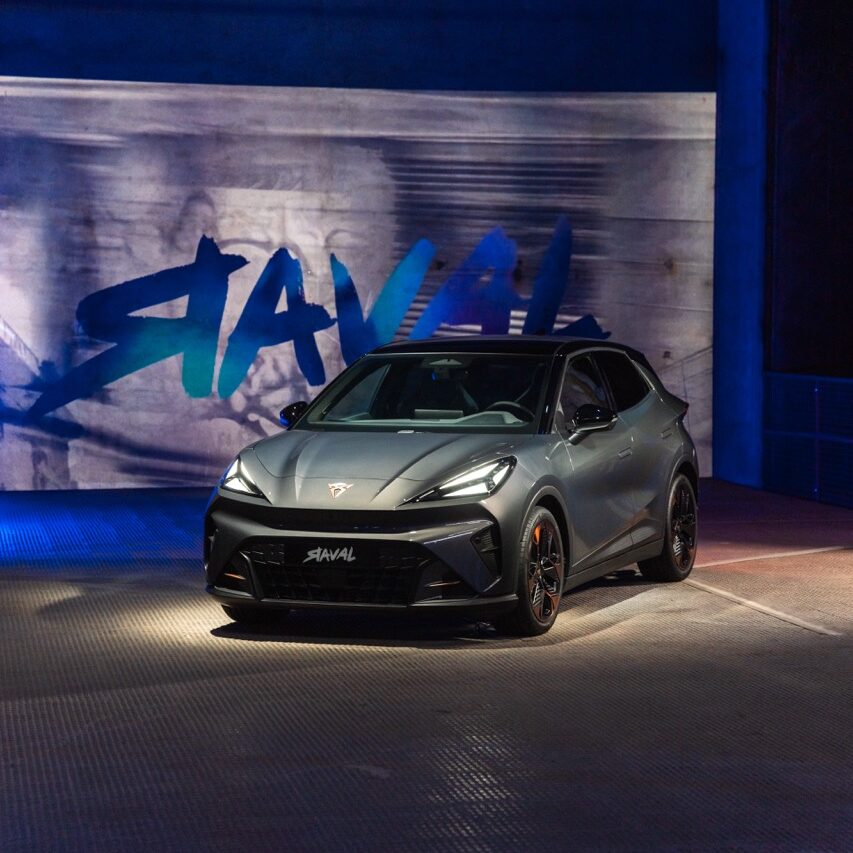
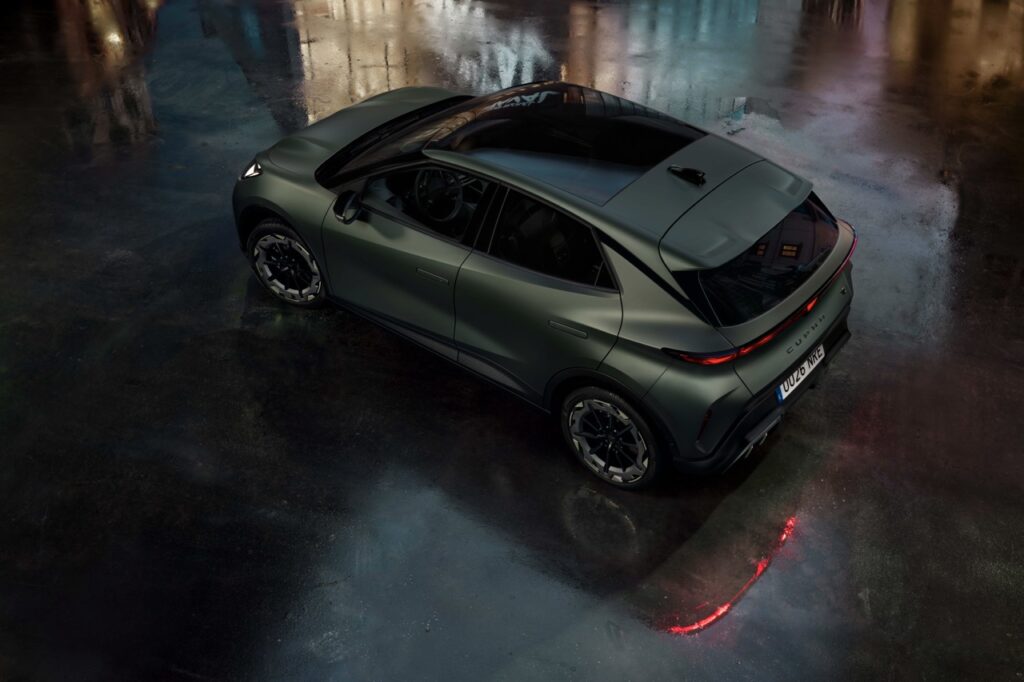
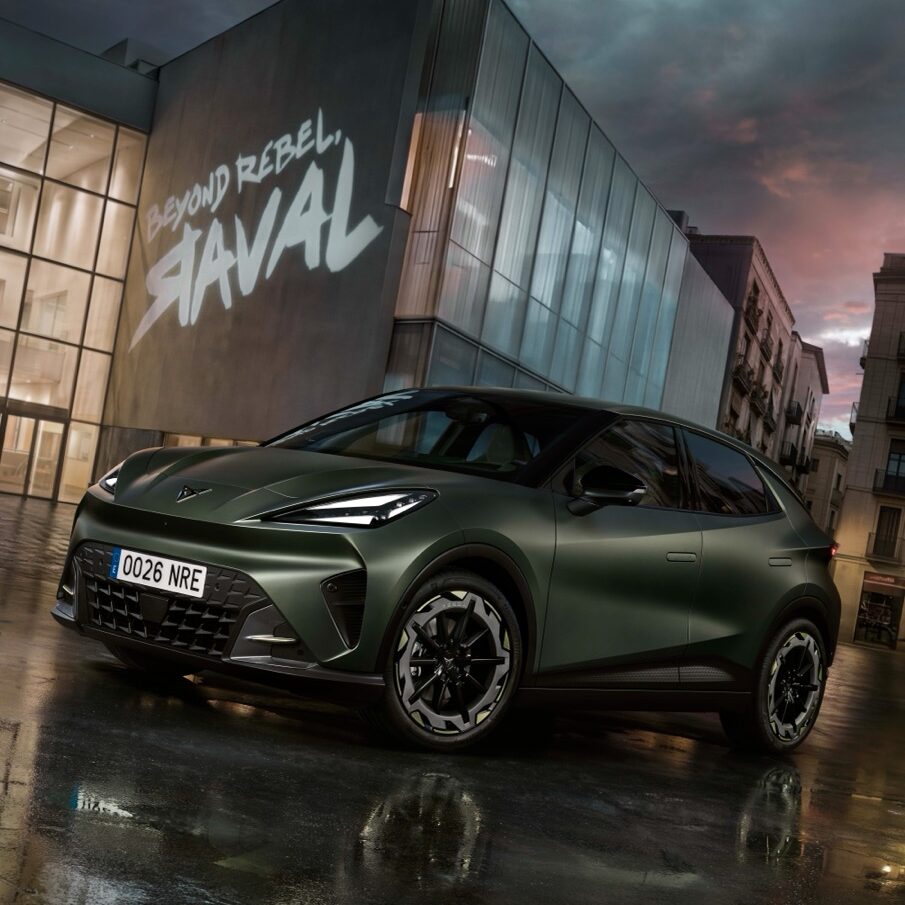
    The Cupra brand now accounts for 1.4% of the market share (in France) and is becoming increasingly independent from Seat, from which it originated. Launched just eight years ago, Cupra is already unveiling its eighth model: the Raval. This all-electric city car is the first to use the Volkswagen Group’s dedicated platform for small electric vehicles. Expected to rival the Alpine A290, the Raval – both dynamic and versatile – is set to account for half of the manufacturer’s annual sales in France. With the ambition of turning a new page in the history of the young Spanish manufacturer.

    The Raval is flexing its muscles

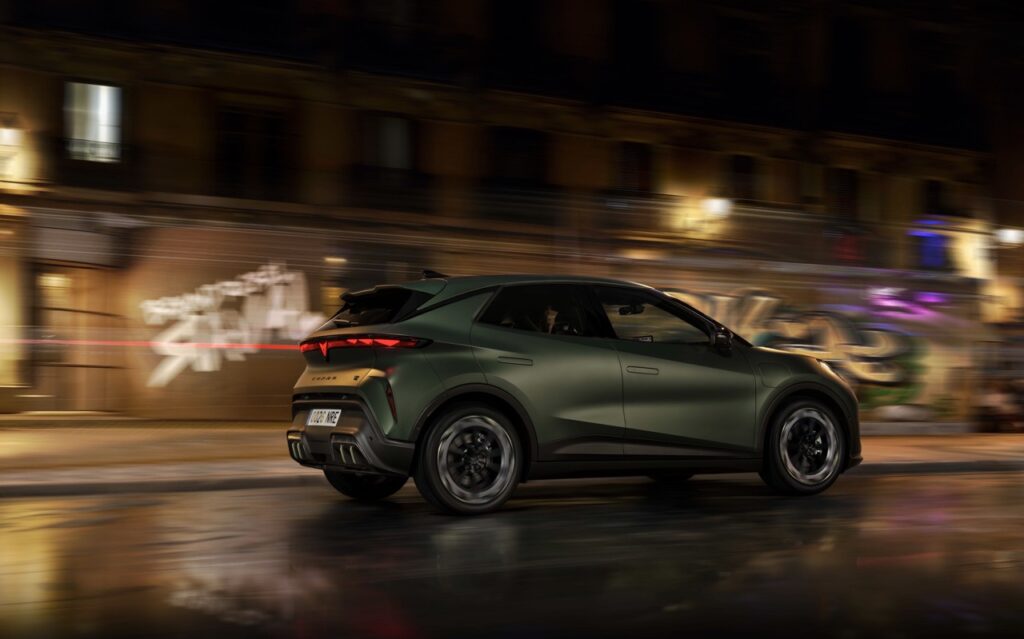
    Following the Formentor SUV and the compact Born – Cupra’s best-selling flagship models – here comes the feisty little Raval (named after a multicultural neighbourhood in Barcelona). A 4.05-metre electric city car with muscular lines, featuring a backlit logo at the front and on the highly distinctive rear bumper. Its styling is designed to be modern, as evidenced by its Matrix LED headlights (a rare feature in this category), flush door handles and original 17- or 19-inch alloy wheels with copper-coloured inserts. “The Raval is more than just a car for Cupra; it’s a project we’re leading for the entire Volkswagen Group, as it marks the launch of the new MEB+ platform on which the future VW ID Polo, ID Cross and Skoda Epiq electric city cars will also be produced. And we’re very proud to be spearheading this very important project,” explains Cecilia Taïeb, Cupra’s Global Communications Director.

    The Cupra Raval, the VW Group’s flagship electric city car

    To support this electrification programme launched in 2022, the VW Group has invested €10 billion in Spain, focusing in particular on its long-established plant in Martorell, near Barcelona. The production lines are now fully flexible and can assemble electric vehicles, plug-in hybrids (PHEVs) and vehicles with internal combustion engines. Next door, a dedicated battery production plant churns out a battery every 45 seconds. Boasting its status as the third most electrified brand sold in France, Cupra is therefore poised to ramp up its efforts in its quest to achieve a 3% market share.

    The genes of an athlete

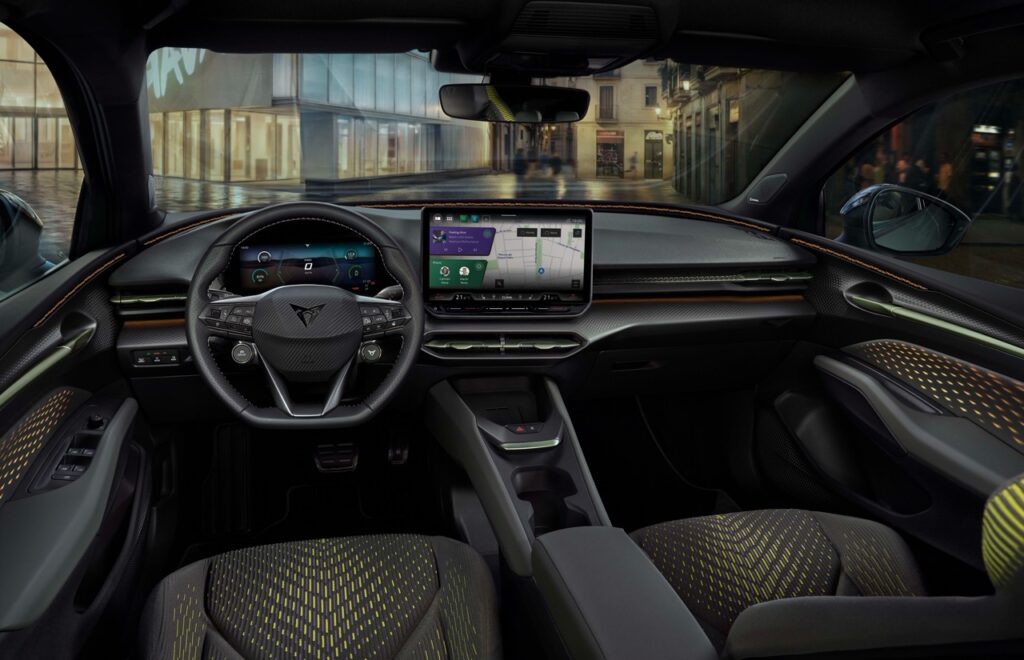
    From the outset, Cupra’s DNA (a portmanteau of ‘Cup’ and ‘Racing’) has been distinctly sporty. These characteristics are evident in the interior design (including highly original dynamic lighting in the door panels and an infotainment system that is now ‘Android-compatible’ with Google and YouTube apps) and the wraparound bucket seats. In terms of technical specifications, the Raval comes with two battery capacities: 37 or 52 kWh (offering a range of 300 to 450 km) and motors ranging from 116 to 226 hp. “The first people to test it came back delighted by its dynamism and handling, and that’s just as well because Raval needs to convince the sceptics to switch to electric and deliver an emotional experience,” emphasises Pedro Fondevilla, Managing Director of Cupra France. “It has a chassis that’s 15 mm lower than its ID Polo cousin, for example. And this low-slung stance is reminiscent of driving a go-kart; the driving experience must be different to emphasise its sportiness and set it apart from other models in the VW Group.”

    It will also need to be compared with its main rival, the Alpine A290 (220 hp), to appreciate the dynamic qualities of this front-wheel-drive model and decide which of these two electric hot hatches comes out on top.

    It is worth noting that a spacious area beneath the boot floor could well eventually accommodate a second engine, transforming the Raval into an even more powerful and high-performance four-wheel-drive vehicle: an idea that Cupra’s management has not ruled out…

    A place to be had in the market

    Given the current trend of soaring electric car sales, the timing of the Raval’s launch seems ideal. “The electric city car segment is still relatively uncompetitive,” notes Pedro Fondevilla. “So for Cupra, it’s now or never to establish itself in this market. “We have what it takes to win people over: interior space, boot capacity (430 litres), styling, features and an attractive price, especially if incentives and subsidies remain at appealing levels. We hope the Raval will account for 50% of our sales by 2027.”

    The entry-level version of the Raval (with a small 37 kW battery and a small 115 hp engine) will be available from €25,995.

    Cupra: the brand of the new generation?

    Beyond its unmistakable sportiness, Cupra has paid close attention to the perceived quality and status of this city car, particularly with a view to corporate fleets, another key target audience for the brand. Not to mention young drivers, who quickly took to Cupra from the moment it was launched. “Our sales targets aren’t necessarily about achieving high volumes, but with Raval, we want to continue to be a brand that inspires young people,” says Cecilia Taïeb. “We want today’s Gen Z to remember us when they’re old enough to buy a new car.” ” The average age of a Cupra customer is 44 in Europe and 47 in France. That is 10 years younger than the average for most car manufacturers.