Category: News

  • Denza, BYD’s premium brand, which aims to compete with German manufacturers

    Denza, BYD’s premium brand, which aims to compete with German manufacturers

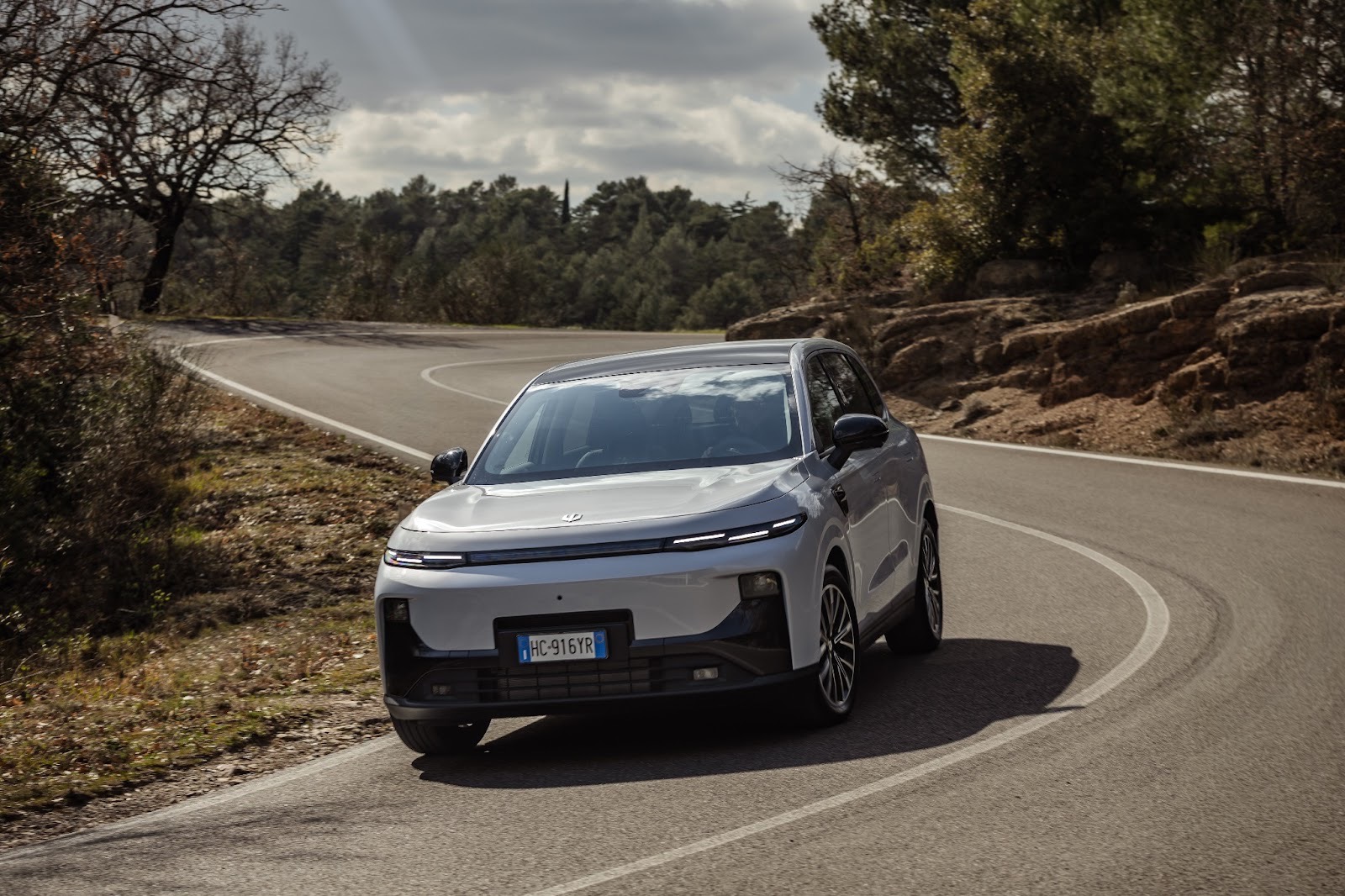
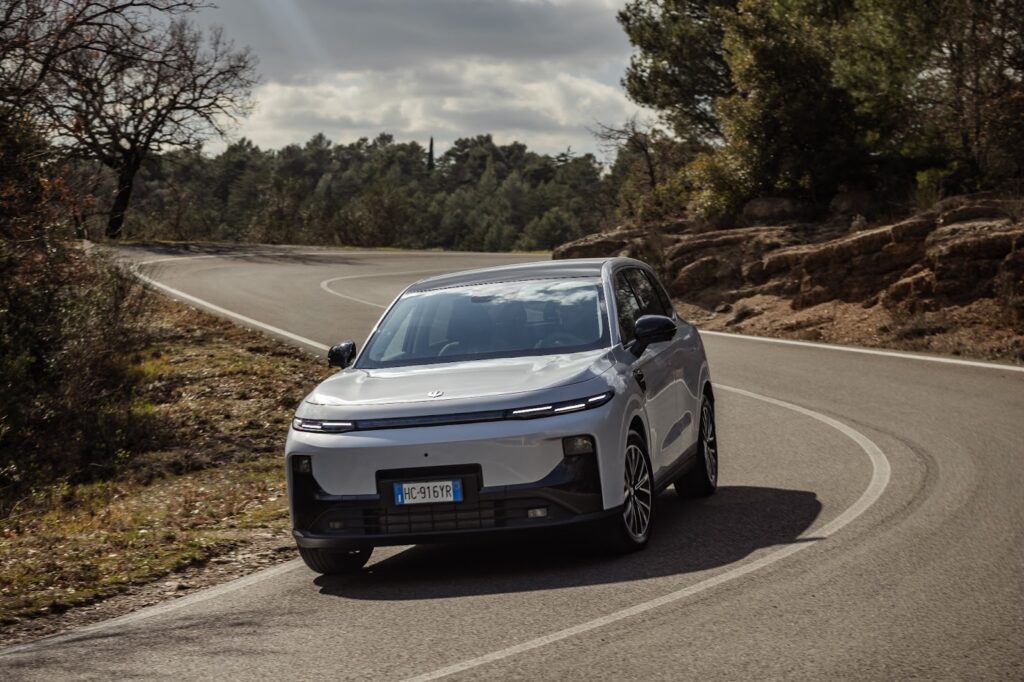
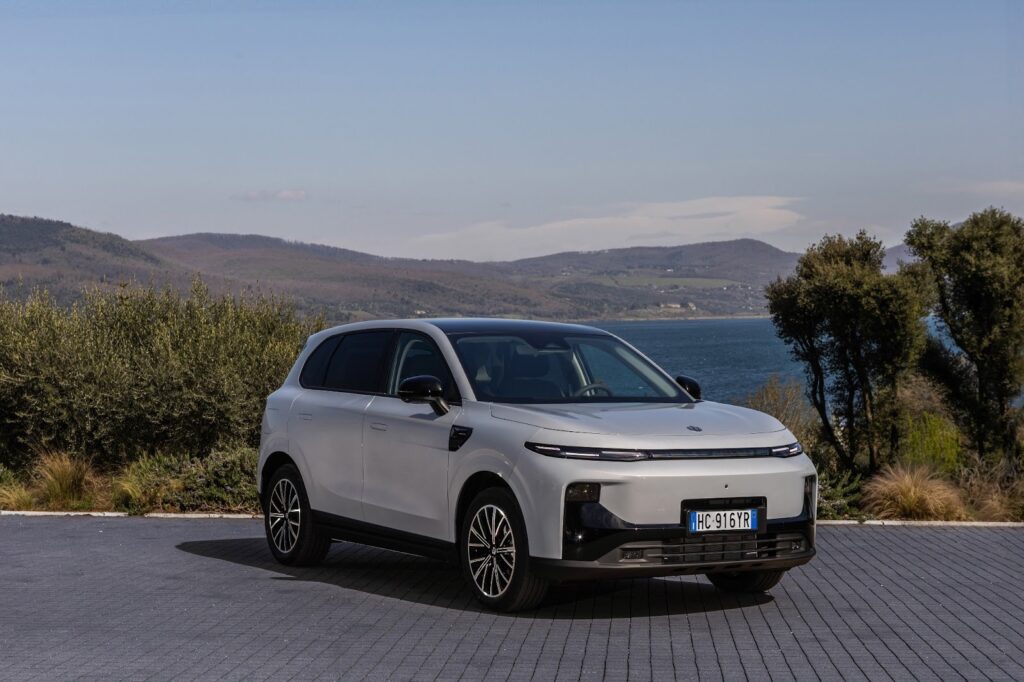
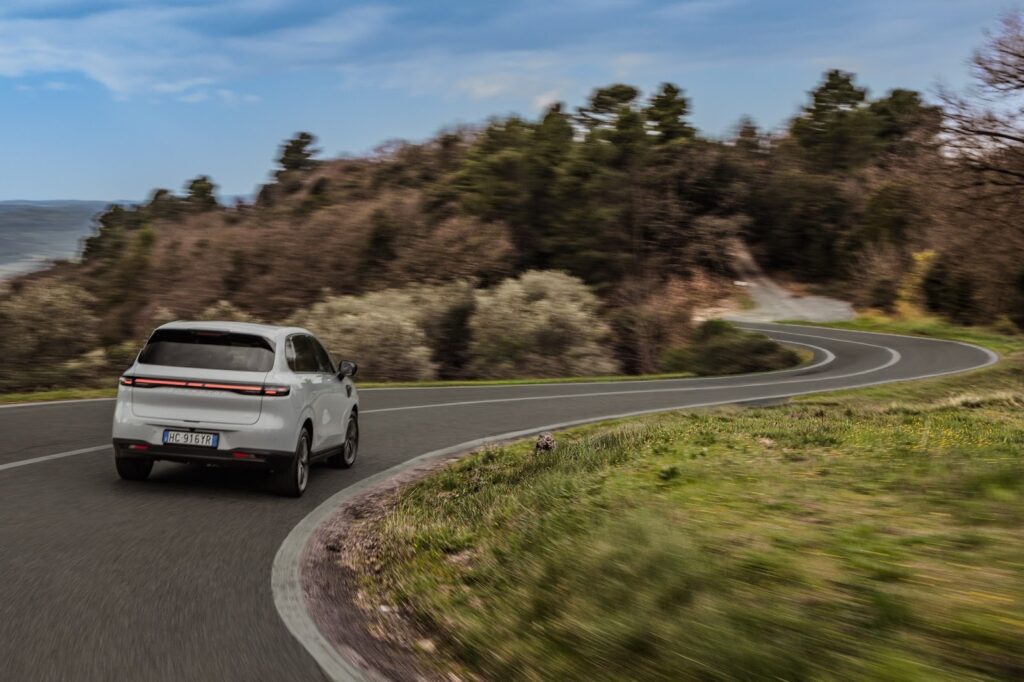
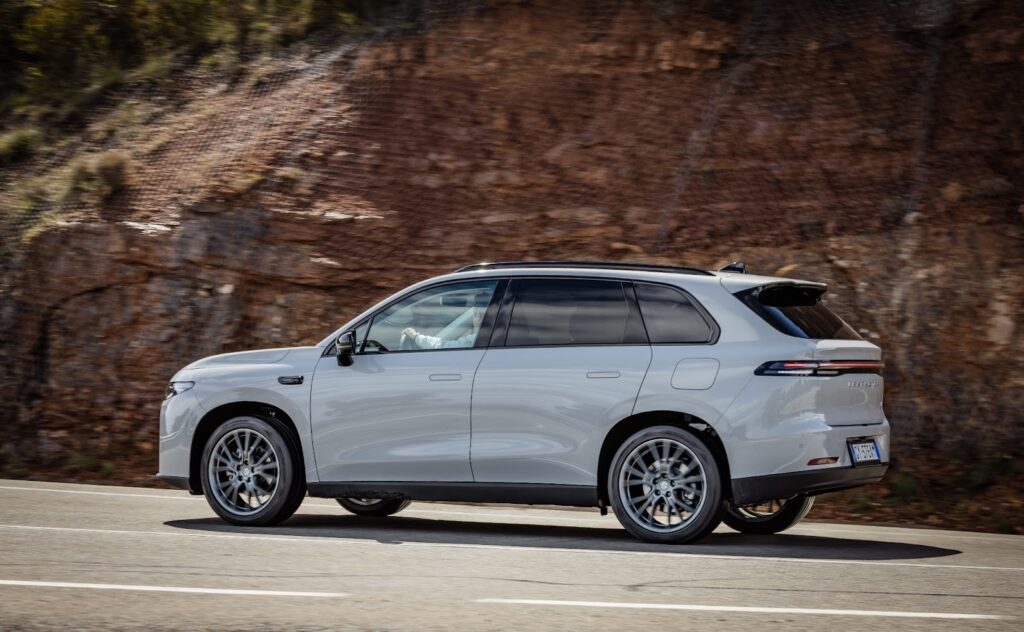
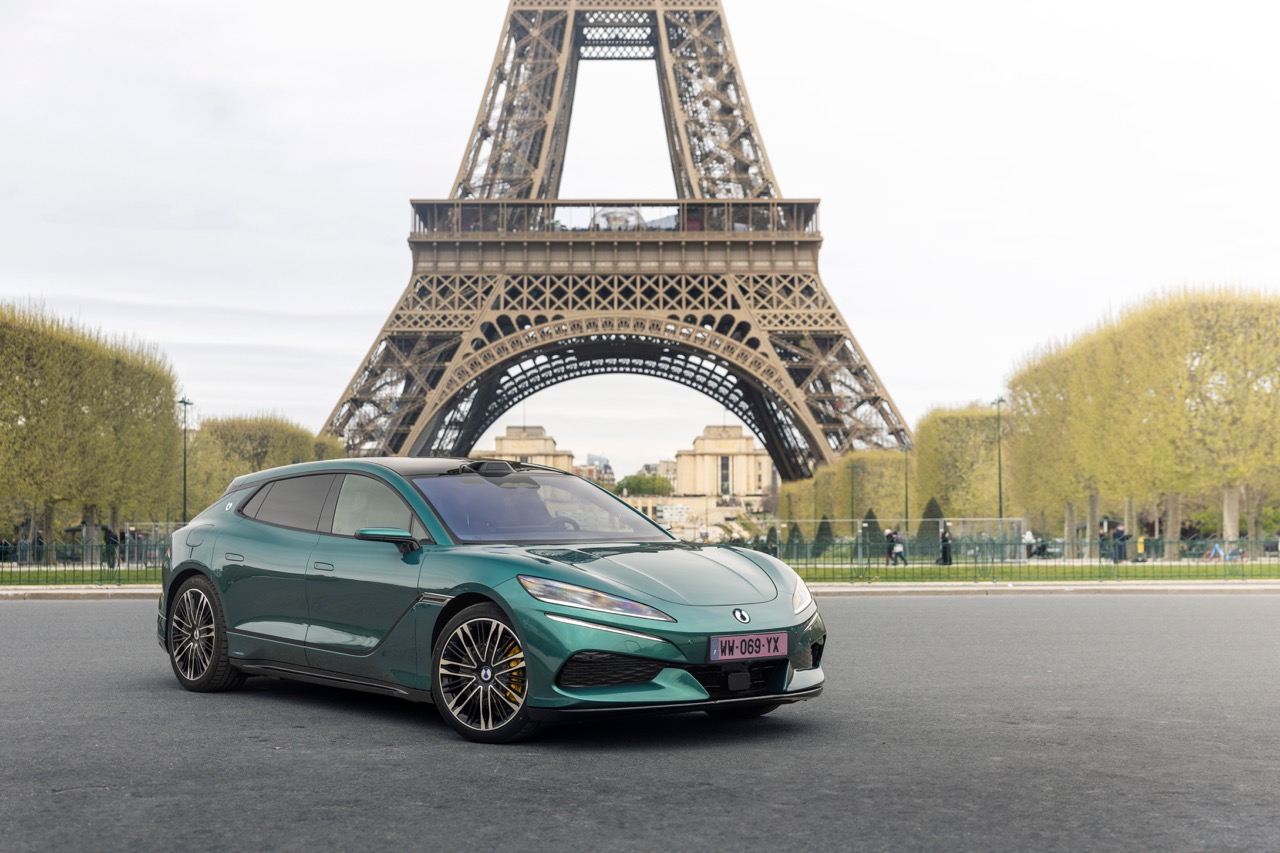
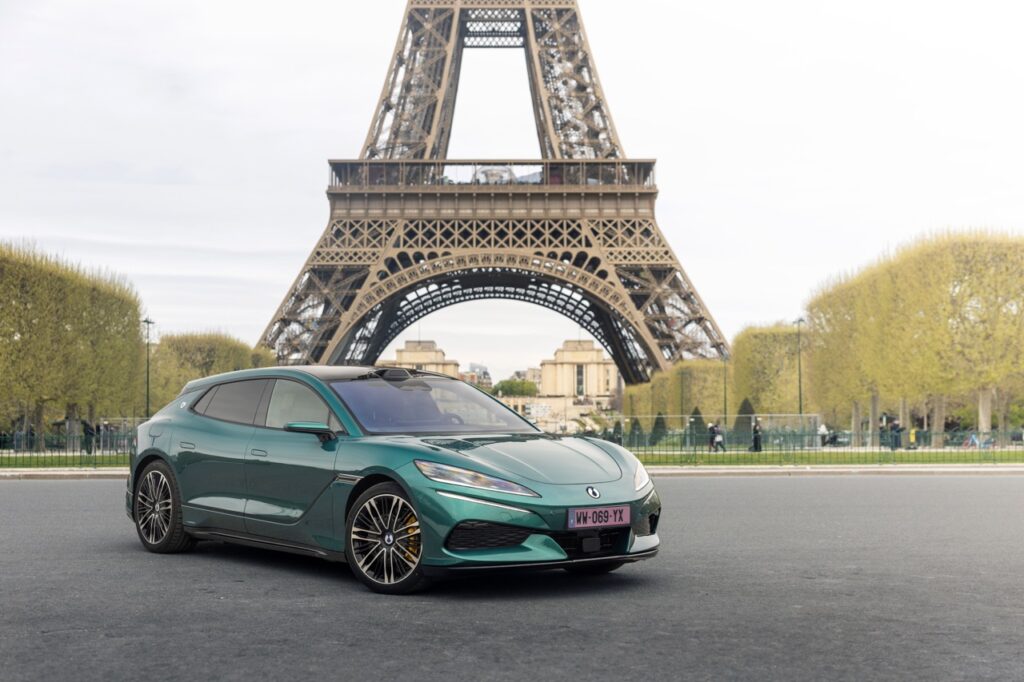
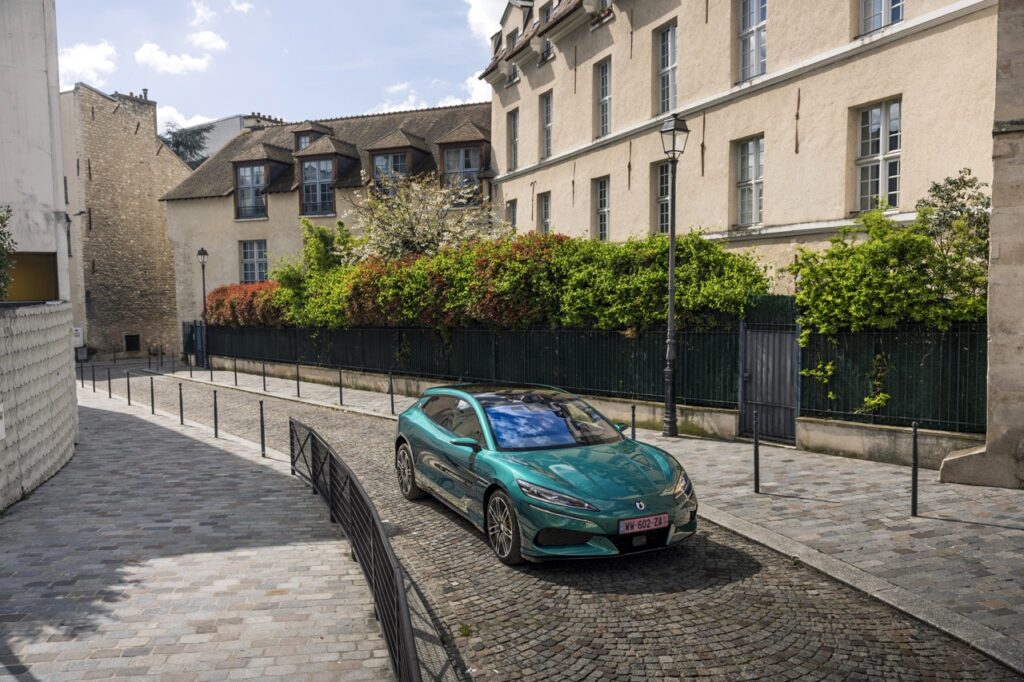
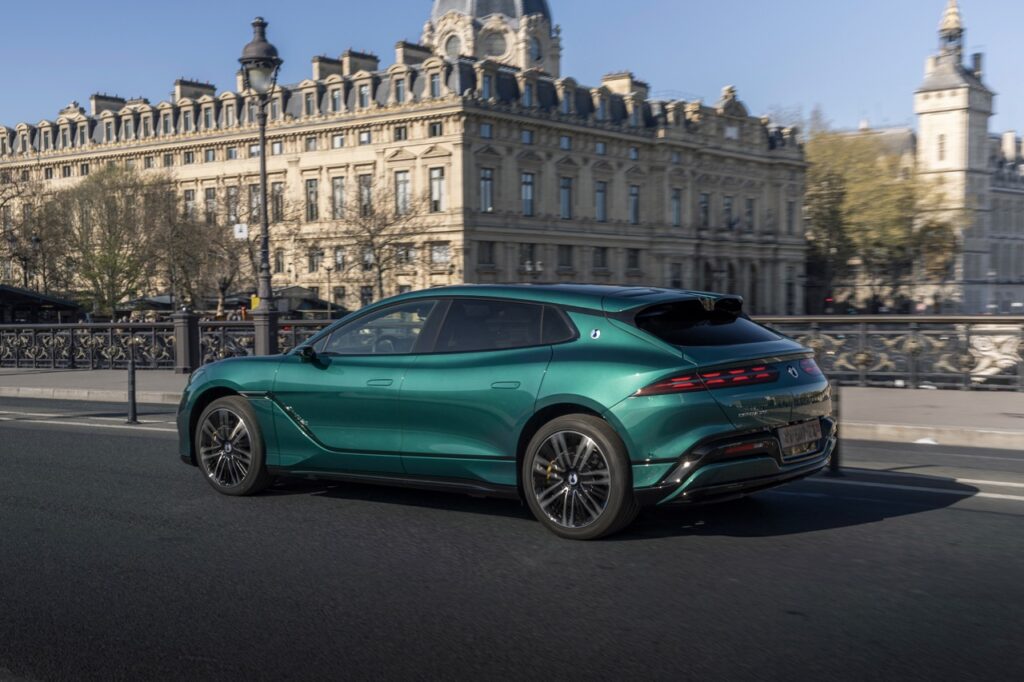
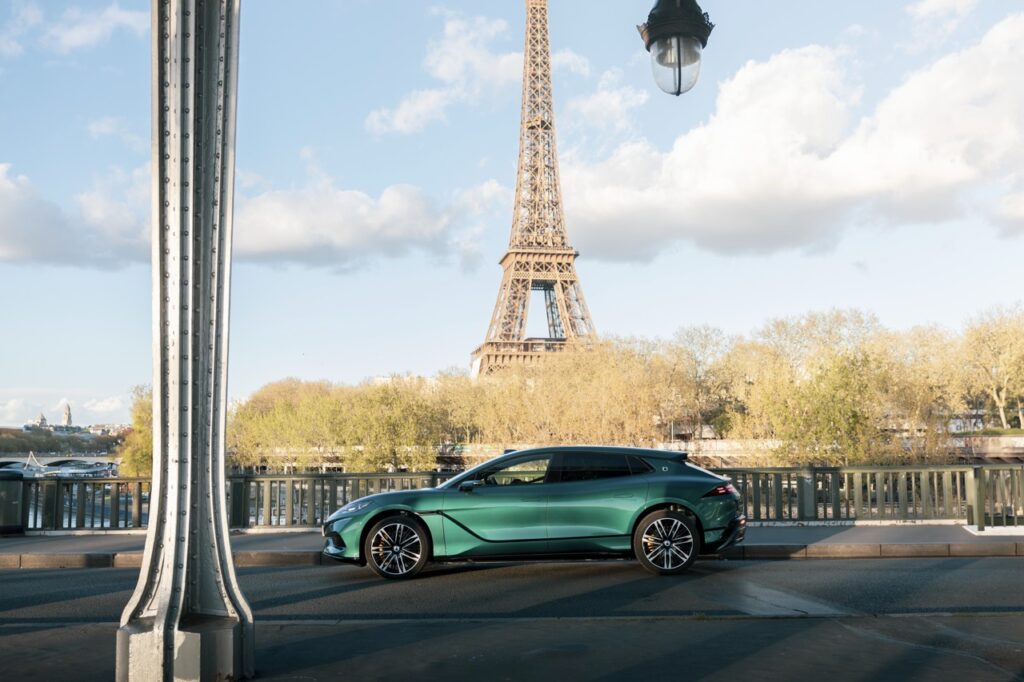
    With the launch of its electric Z9 GT shooting brake (which resembles a Porsche Taycan Sport Turismo), Denza, the luxury division of Chinese manufacturer BYD, is making its debut on the European market. The aim is to serve as a technological showcase and win market share, particularly against German specialists. This is a major challenge for this very young brand, which has no track record to speak of apart from promising performance both on the road and in terms of charging power.
    A sleek sports car to kick off the campaign

    Amidst the gilded splendour of the Palais Garnier, which houses 150 years of French cultural and architectural history, Denza, a new brand from China, is determined to showcase its technological prowess to Europe. The setting is sumptuous for this launch, first in front of the media and then at a gala dinner bringing together leading business figures and hand-picked guests. Denza, an acronym for Diverse, Elegant, Novel, Zenith and Aspirational, embodies the premium division of BYD, the Chinese leader that sold over 4.5 million vehicles in 2025. To tackle the European market at the very top of the range, here is the Z9 GT, a dynamic 5.18-metre-long saloon with a shooting brake silhouette that is aesthetically reminiscent of the Porsche Taycan Sport Turismo, the benchmark for electric sports cars.

    A tech-savvy and connected welcome

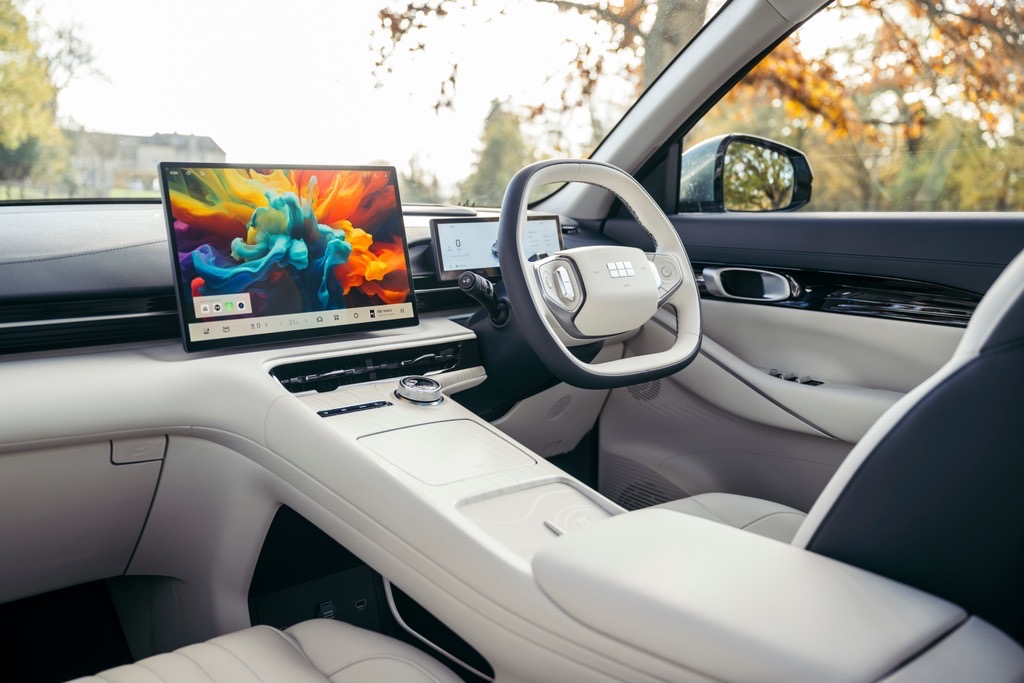
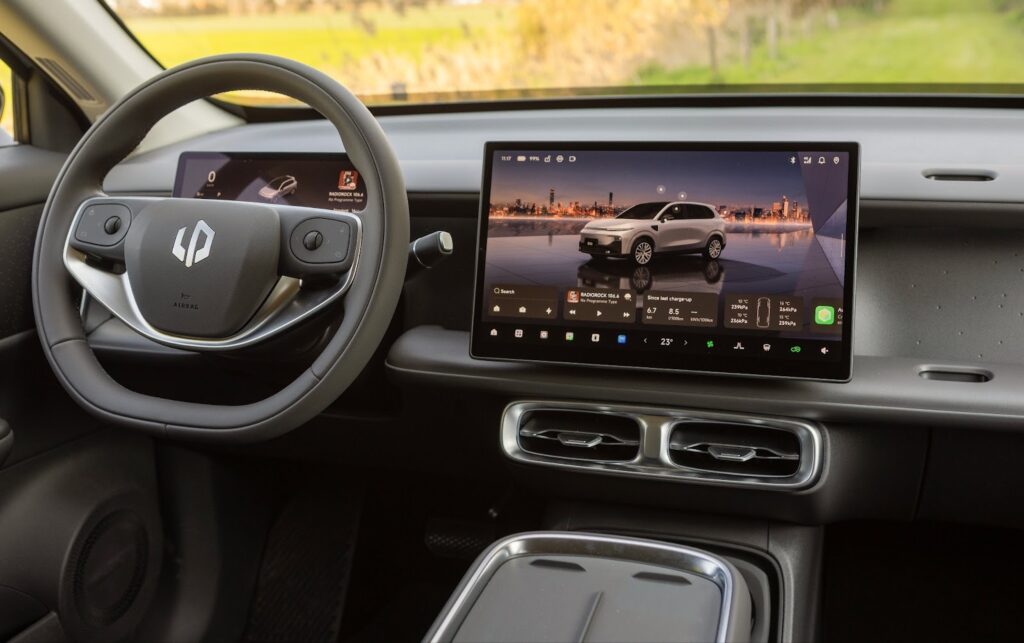
    The interior is designed to be luxurious and tech-savvy, centred around a huge 17.3-inch central screen, flanked by two 13.2-inch side screens. The seats are ventilated, feature a massage function, are heated and offer eight-way adjustment; they also incorporate active lateral support powered by the vehicle’s pneumatic system to provide better support when cornering. The flat floor does not compromise the limousine-style legroom, particularly as the wheelbase is generous (3.12 m). The infotainment software features Google and AI assistance. The audio system from French brand Devialet delivers 2000W through 20 speakers.
    100% electric or Super hybrid

    Under the bonnet, there are two powertrains: a DM-i Super Hybrid with 776 hp and a fully electric range of 203 km, and a 100% electric powertrain whose technical specifications are on a par with the best sports cars in its class. Thanks to its three electric motors and all-wheel drive, maximum power reaches 1,156 hp and 1,210 Nm of torque! The WLTP-rated range is not exceptional (600 km), but acceleration promises to be blistering: 0 to 100 km/h in 2.7 seconds (on a par with the Porsche Taycan Turbo Sport Turismo) and a top speed of 270 km/h. Manufactured by BYD, the second-generation Blade battery uses LFP (lithium iron phosphate) chemistry and Cell-to-Body technology, meaning it is integrated into the chassis, which allows for optimal balance and weight distribution. With a capacity of 122.49 kWh, the battery powers a 313 hp front motor and two rear motors positioned at the wheels, each producing 422 hp. A rear-wheel-drive version of the Z9 GT will complete the range by the end of 2026 with an announced range of 800 km.

    Flash Charging system: record-breaking charging power

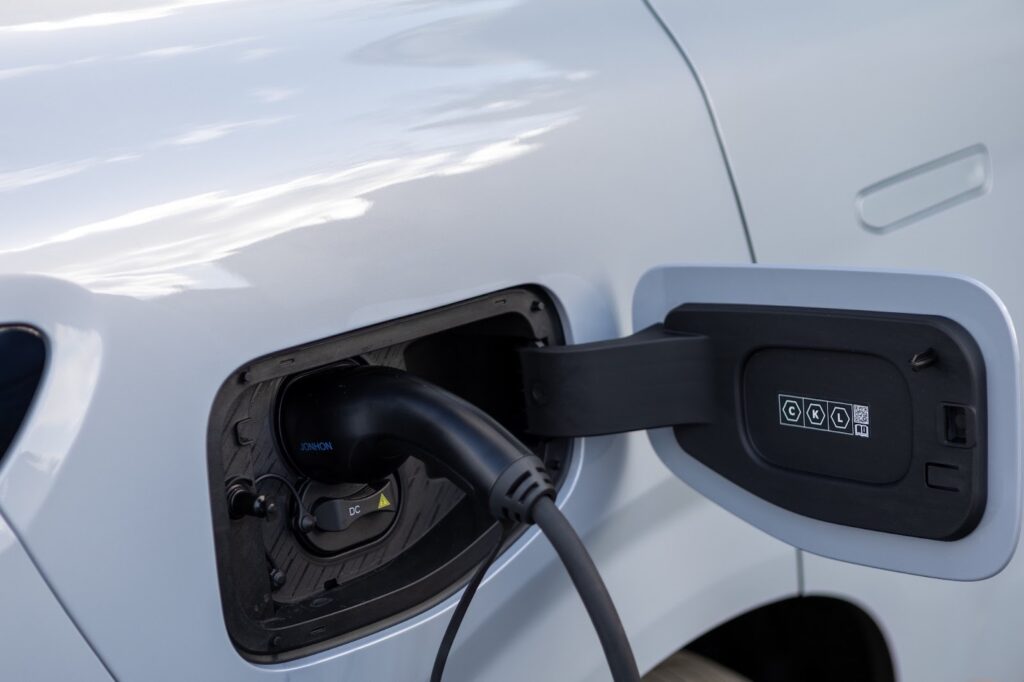
    On the face of it, the technical specifications do not seem particularly extraordinary. However, Denza is introducing a charging system never before seen in a mass-produced car: FLASH Charging. A pure BYD innovation, the charging power can reach 1,500 kW via a single connector. At this power, the battery recharges from 10% to 70% in 5 minutes; from 10% to 97% in 9 minutes, and in just 12 minutes if the outside temperature drops to -30°C. These times are comparable to the time needed to fill up with petrol. Such a ‘lightning-fast’ charging system allows the driver to cover long distances with greater peace of mind. The spirit of sporty grand tourers is very much present in the Z9 GT. However, the number of FLASH Charging stations delivering such power is still scarce in Europe. Denza promises to develop 3,000 such points.
    Agility and sideways movement

    Whilst the Z9 GT promises to be at home on the open road and during charging, manoeuvring in town and in tight spaces will be made easier thanks to the independent steering of the rear wheels, which can turn up to 5°. The turning circle is significantly reduced, allowing the car to park in a tight space and even move sideways in ‘crab mode’. This electronic control system offers remarkable manoeuvrability for a car of this size… and promises some amazing demonstration videos in winding alleyways.
    Unbeatable prices

    By offering such features on its flagship model, Denza aims to quickly catch up with German premium brands such as BMW, Mercedes and Porsche. Whilst the technology still needs to be tested over the long term, it appears ready; however, the perceived quality, the attention to detail in the interior finish and the car’s overall styling remain a step below the European benchmarks. On the other hand, the Chinese prices are unbeatable. Prices start at €115,000 for the electric Z9 GT and €101,000 for the Super Hybrid version. Orders are now open, whilst the first Denza showroom is set to open in the coming days in Saint-Germain-en-Laye, in the Paris region.
  • March 2026: Electric vehicles continue to gain ground, despite an automotive market that remains in decline

    March 2026: Electric vehicles continue to gain ground, despite an automotive market that remains in decline

    The French car market has once again shown its fragility at the start of 2026. According to AAA Data, 153,842 passenger cars were registered in March, a fall of around 1.5% compared with March 2025.This decline is less severe than in February (-14.7%), but it confirms an underlying trend: the market remains under pressure. Against this backdrop, however, one segment continues to grow significantly: electric vehicles.

    source: Tesla

    A market struggling to regain its momentum

    With nearly 154,000 new registrations, March 2026 managed to limit the damage, though it did not mark a genuine recovery. For the first quarter as a whole, the market recorded around 414,000 passenger cars, down by approximately 8% compared with 2025.

    To be more specific, the use of internal combustion engines continues to decline:

    • diesel's market share has fallen below 3%,
    • petrol prices are falling sharply,
    • whilst hybrids now dominate the mix… without managing to sustain overall volumes.

    The conclusion is clear: the energy transition is making progress, but it has not yet offset the market downturn.

    The electric vehicle sector is maintaining its momentum but remains dependent on the economic climate

    Indeed, in this market, it is electric vehicles that, as in previous months, continue to perform well. In March, they accounted for around 27% of new registrations, representing just over 40,000 electric vehicles for the month.

    Looking at the first quarter, the trend is even more pronounced, with over 100,000 EVs already registered – an increase of around 20% – representing a market share of nearly 25%.

    A clear upward trend, which, as we know, is driven by factors that are now well established, such as social leasing deliveries, increased government subsidies and regulatory constraints on vehicle fleets.

    But of course, nothing lasts forever (normally)… Behind these positive figures, there is a caveat: some of this growth is cyclical, so the peak observed since January may not last as certain measures lose momentum.

    There is no shortage of opportunities

    We don’t talk about it often enough, yet this trend isn’t limited to the new-car market. It’s also becoming increasingly evident in the used-car market.

    In March 2026, 476,979 used car sales were recorded, an increase of 2% year-on-year. In the first quarter, the market totalled 1,330,132 sales, a slight decrease of 2%.

    But here too, the market landscape is changing rapidly. Electrified powertrains are growing rapidly:

    • Sales of second-hand electric cars have surged by 47%, reaching a 4% market share,
    • mild hybrids (MHEVs) are up by 35% (5% market share),
    • Plug-in hybrids (HEVs) have seen a 27% increase (6% market share).
    source: Renault

    Conversely, internal combustion engines are on the decline:

    • Diesel has fallen by 4%, but remains dominant with a 42% market share,
    • petrol prices have fallen by 2% to 38%.

    Fleets: the quiet but vital driving force behind the transition

    Behind these developments, one key player stands out: corporate fleets. As they are more responsive to public policy than private individuals, companies are quick to adapt their choice of powertrain. For them, a car primarily serves an immediate operational need, which severely limits the scope for postponing purchasing decisions.

    In this context, current regulations, particularly greening requirements, have a direct and significant impact. They automatically steer vehicle replacements towards electrified powertrains, and are likely to continue doing so in the short and medium term.

    But their role is not limited to the new car market. By regularly renewing their vehicles, fleets supply the used car market with a huge number of recent models. As a result, they have become a key driver in the uptake of electric vehicles by households, enabling a more gradual yet broader transition across the entire vehicle fleet.

    source: Toyota

    A trend to watch over the coming months

    The start of 2026 thus highlights a two-tier market. Whilst the overall market is in decline, the electric vehicle segment is growing strongly.

    As always, the question remains: is this trend sustainable? With the gradual phasing out of social leasing, a challenging economic climate and prices that remain high, the coming months will be decisive. One thing is certain: whilst electric vehicles are gaining ground, they are still doing so in a market that is still struggling to find its footing.

  • Tesla turns a new page: the Model S and Model X have been discontinued for good, marking the end of an era for electric vehicles

    Tesla turns a new page: the Model S and Model X have been discontinued for good, marking the end of an era for electric vehicles

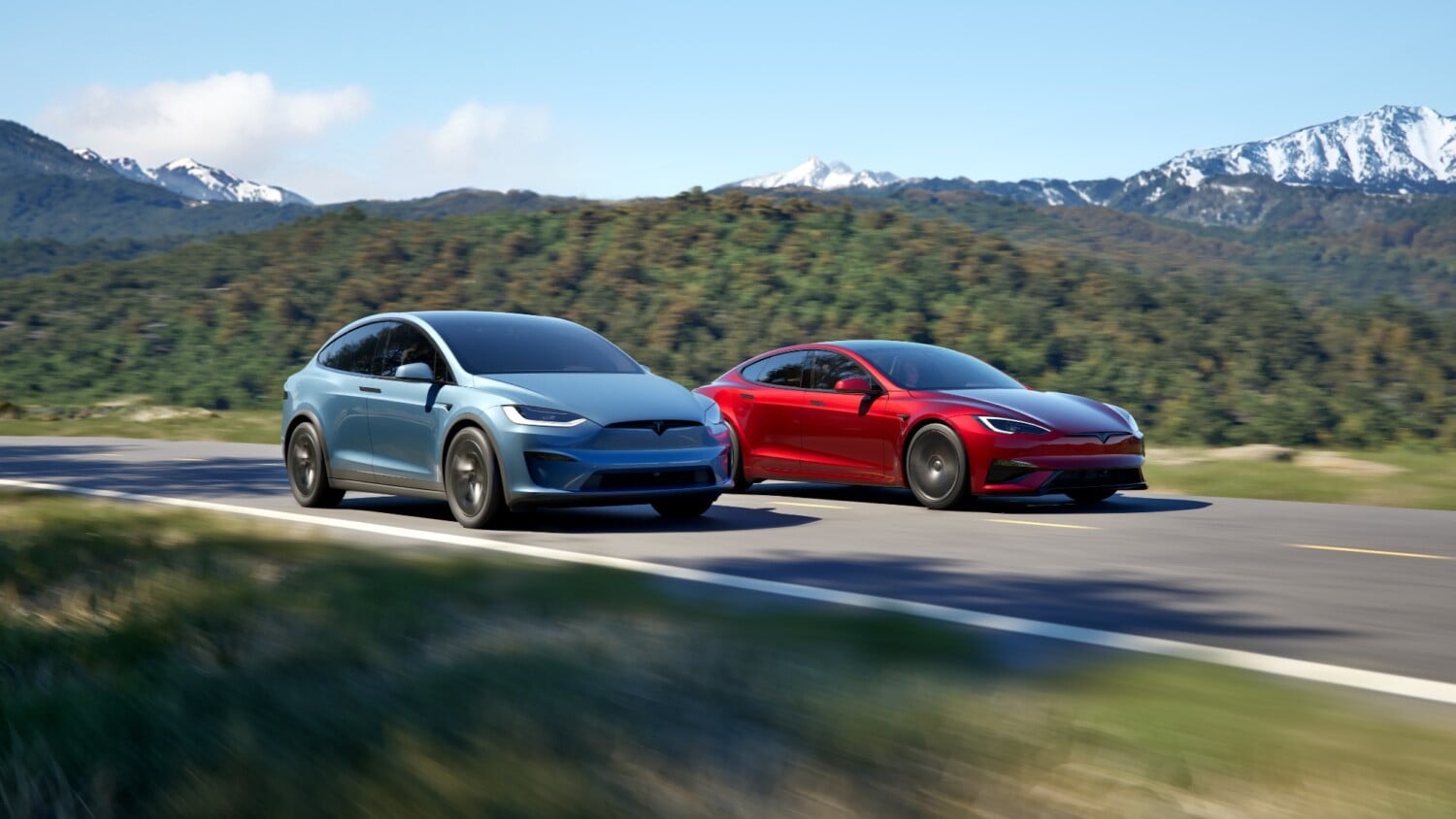
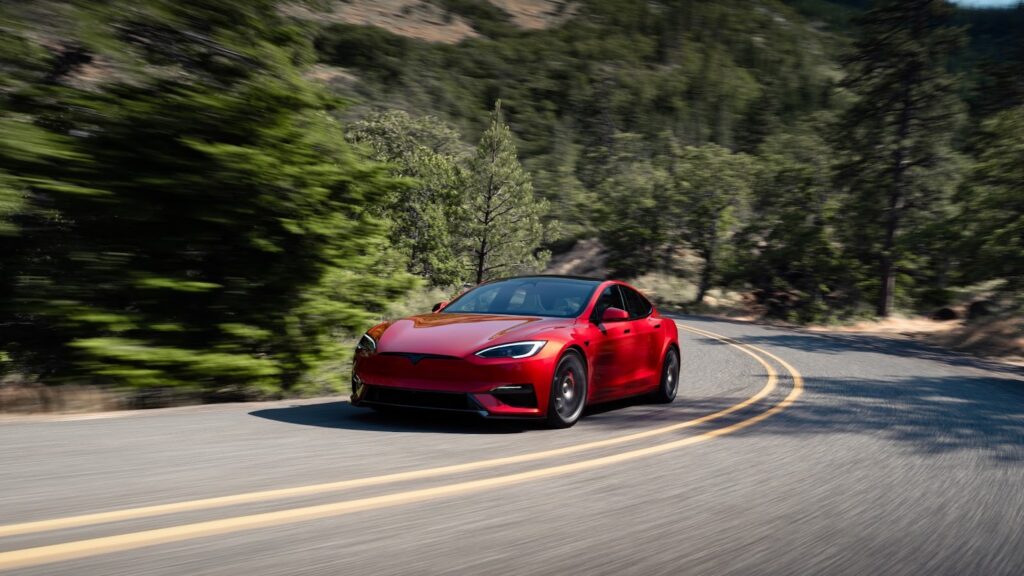
    It’s now official. Following several weeks of speculation since the fourth-quarter 2025 results briefing, Tesla is discontinuing production of two of its most iconic models: the Model S and Model X. This is a momentous decision, marking both the end of an industrial cycle and a profound strategic shift for the American manufacturer.

    source: Tesla

    A decision that had already been hinted at as early as January 2026

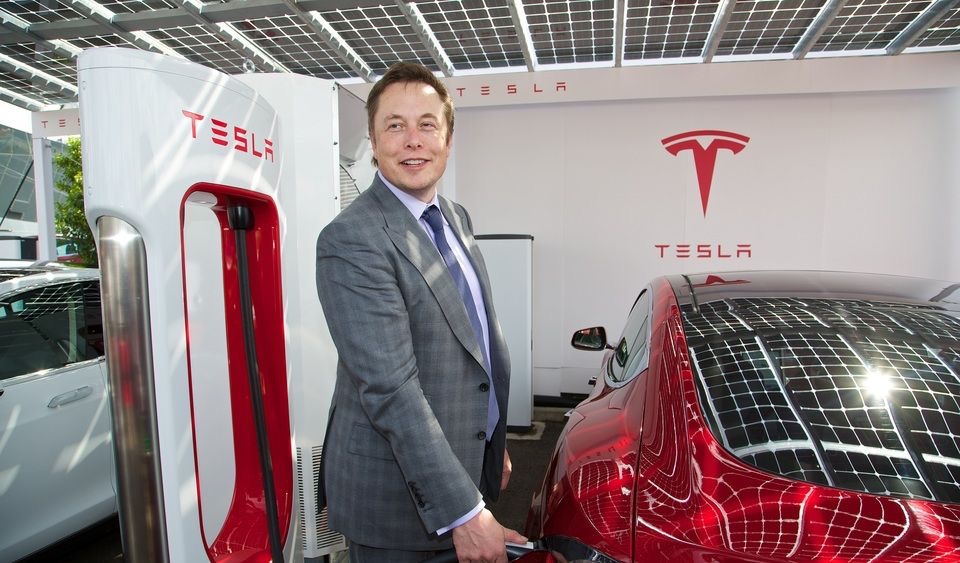
    It all began in late January 2026, during the Q4 conference. At that time, Elon Musk stated: “It is time to put a definitive end to the Model S and X programmes.” “If you want to buy a Model S or X, now is the time to place your order. ” The CEO spoke of a reallocation of resources, a desire to optimise production lines and, above all, a repositioning of Tesla towards projects deemed more strategic. “We are going to focus on the products that have the greatest impact,” he explained in essence, suggesting that certain historic models are no longer a priority. 

    source: Caradisiac

    At the same time, another development has gone almost unnoticed: the gradual transformation of the factory in Fremont, California. As Tesla’s historic site, long dedicated to the Model S and Model X, Fremont is now set to take on a new role.

    The aim is to house part of the production of the Optimus humanoid robot, which is billed as one of the group’s most ambitious projects. Elon Musk himself has stated that Tesla could eventually produce “millions of units” of this robot.

    source: Tesla

    Production has come to a halt… and stocks are already running low

    Production of the Model S and Model X has been permanently halted since early April 2026. The vehicles still available come solely from existing stock, and they are selling out fast. Indeed, according to EV-CPO data from seven days ago, there are currently approximately:

    • 295 new Model S cars
    • 301 brand-new Model Xs

    And this is true on a global scale.

    This is a particularly telling figure, especially given that almost all of these vehicles are located in the United States. In Europe and Canada, stocks have already run out. In practical terms, this means that these models are, in real time, transitioning from being available new to being end-of-life models, which will only be available second-hand.

    Volumes that have become marginal in the face of industrial priorities

    Behind the symbolic significance of this decision lies a far more pragmatic reality: that of sales volumes. In recent years, the Model S and Model X have accounted for only a marginal share of Tesla’s sales. Indeed, in 2025, the manufacturer’s high-end models, grouped under the ‘other vehicles’ category, totalled barely 50,850 units, compared with over 1.6 million Model 3s and Model Ys. A colossal gap, which clearly illustrates the shift in scale at Tesla.

    source: Tesla

    In this context, maintaining production lines dedicated to low-volume vehicles is becoming increasingly irrelevant. The strategy now lies elsewhere: optimising production capacity for mass-market models, reducing costs and ramping up production of the Model 3 and Model Y, which are the true pillars of the group’s profitability.

    Added to this is a more profound transformation: the reallocation of resources towards new technological projects, particularly robotics. The Fremont factory, historically dedicated to the Model S and Model X, is thus set to play a key role in the development of the Optimus humanoid robot. This shift confirms that Tesla is no longer content merely to produce cars, but is reorganising its industrial infrastructure around its future priorities.

    source: Tesla

    Pioneers who have redefined electric vehicles

    Beyond the business announcement, it is above all the symbolic significance of this decision that stands out. When it was launched in 2012, the Model S entered a market where electric cars were still a niche product, often perceived as underperforming and limited. Tesla completely changed the game.

    The American saloon immediately sets new standards:

    • a range of over 400 km from the very first generations,
    • acceleration worthy of a sports car,
    • a fully digital interface,
    • and, above all, over-the-air (OTA) updates that transform the car over time.
    source: Tesla

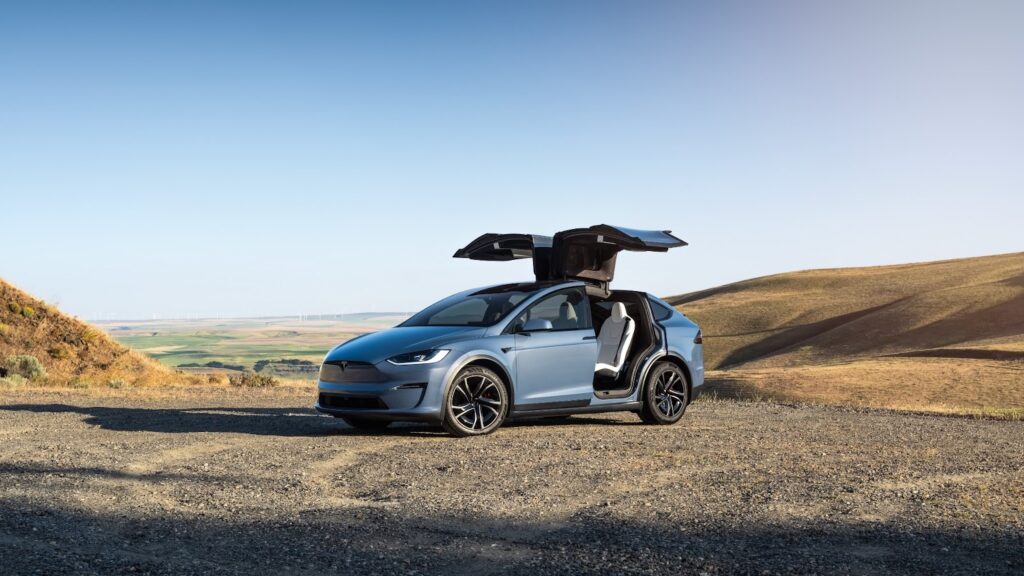
    A few years later, the Model X rounded off this vision with an electric SUV that combines performance, technology and family-friendly practicality, whilst introducing standout features such as the Falcon Wing doors.

    source: Tesla

    These two models have played a key role in driving the global market forward: they have demonstrated that an electric vehicle can compete with, or even outperform, premium combustion-engine models. They have also forced established manufacturers to respond, leading to a massive acceleration in their investment in electric vehicles.

    A new chapter begins and a bold rebranding

    With the discontinuation of the Model S and Model X, the strategy is now clear:

    • focus on high-volume models such as the Model 3 and the Model Y,
    • optimise costs and production,
    • and, above all, invest heavily in disruptive technologies such as artificial intelligence and robotics.

    This shift reflects a profound transformation at Tesla, which is gradually moving away from its status as a ‘traditional’ car manufacturer to become a multi-sector technology company.

  • Chery is working with DHL to organise its entry into the French market: a key step in the launch of OMODA and JAECOO

    Chery is working with DHL to organise its entry into the French market: a key step in the launch of OMODA and JAECOO

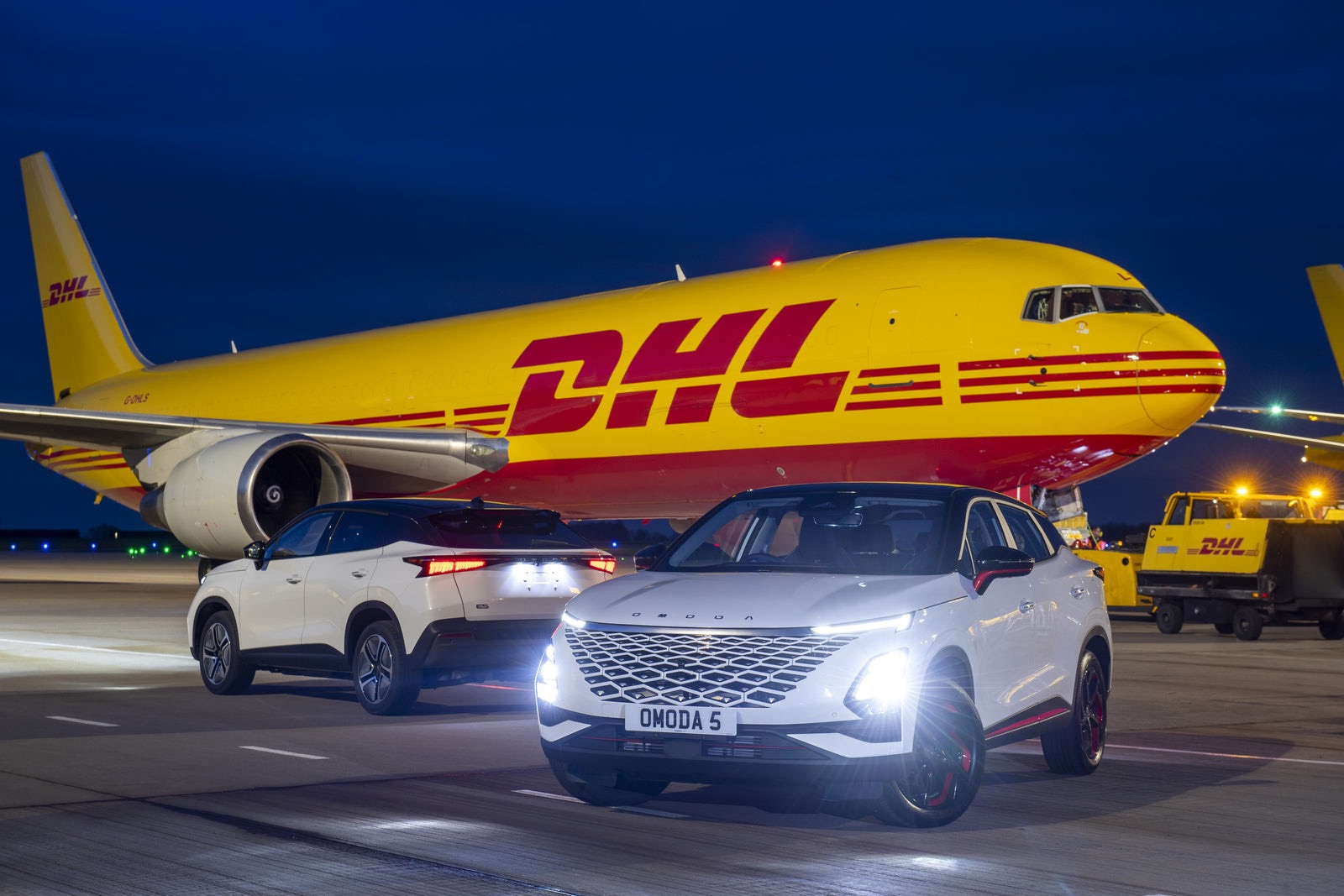
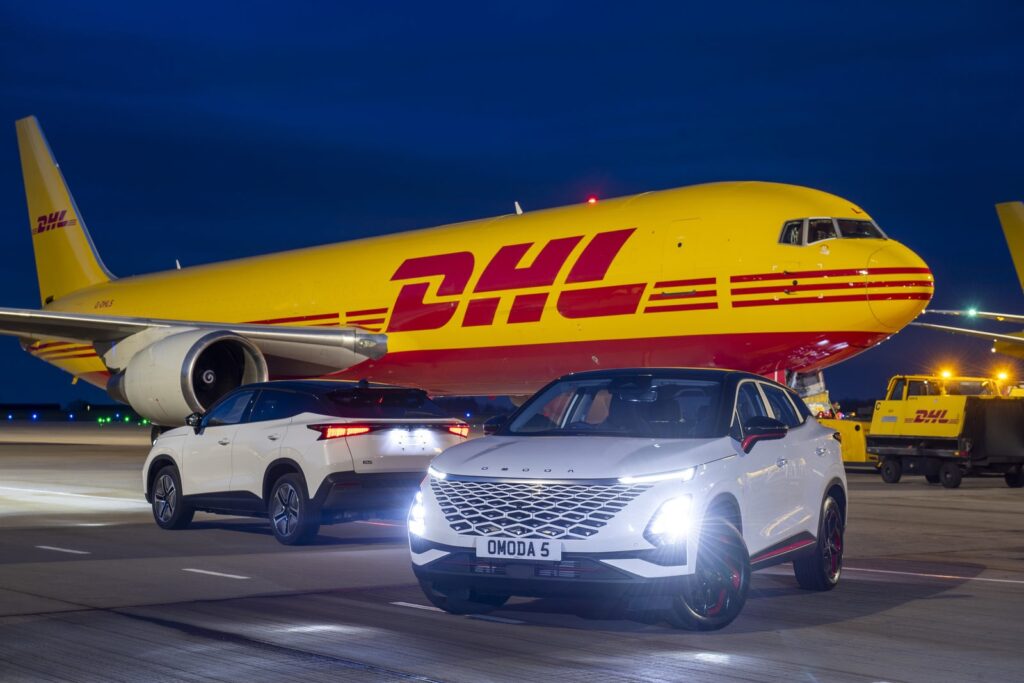
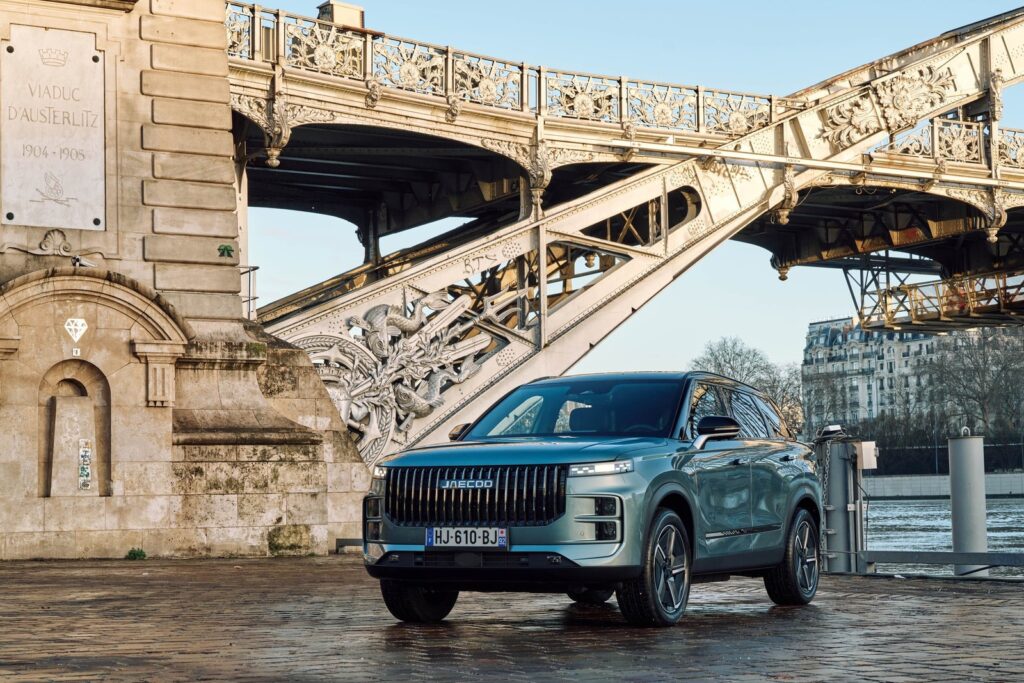
    Just a few days after the official launch of OMODA & JAECOO on the French market, the Chery Group has taken a further step in establishing its presence. In a press release issued on 7 April 2026, the Chinese manufacturer announced the signing of a strategic partnership with DHL Supply Chain. This three-year agreement, far from being insignificant, demonstrates a clear ambition: to establish a long-term presence in France by building a comprehensive ecosystem from the outset, rather than simply offering a range of vehicles. In this context, after-sales logistics becomes a key priority.

    Source: OMODA & JAECOO

    A partnership to ensure after-sales support from day one

    It is precisely this point that forms the basis of the agreement with DHL Supply Chain. Indeed, the press release states that the aim is to establish a comprehensive supply chain dedicated to spare parts, even before the first deliveries to customers. This approach is endorsed by Hanbang Yu, CEO of the Chery Group in France:

    • “Customer satisfaction is our top priority. It begins long before the first delivery. By choosing DHL Supply Chain, we are equipping ourselves to offer after-sales service that matches our ambitions from day one. This partnership is a cornerstone of our commitment: we are not just here to sell cars in France; we are here to build a sustainable brand, working with local partners, for French customers.”

    So it’s clear: Chery regards after-sales service as a cornerstone of its launch in France.

    source: Hanbang Yu

    A logistics infrastructure designed to support growth

    Specifically, DHL will handle all operations, ranging from the storage of spare parts and order fulfilment to distribution to the network of OMODA & JAECOO dealerships and authorised repairers

    The operation will be based at a logistics centre in Meung-sur-Loire, near Orléans, with several thousand parts already planned, ranging from small components to bodywork parts and batteries.

    The service also includes the management of international shipments and customs clearance, ensuring delivery across the whole of France within 24 hours.

    source: APM

    Six models available from launch… with the range set to expand

    Another key point in the press release is the scale of the scheme from the outset. Indeed, at launch, the scheme will cover six vehicle models, with significant potential for expansion to accommodate the arrival of several additional models by 2028.

    This forecast confirms that the launch of OMODA & JAECOO is not limited to a small range. The manufacturer is already preparing for the arrival of new models in the coming years, at a time when the electrification of vehicle ranges is becoming a necessity in the European market.

    Source: OMODA & JAECOO

    A direct response to the needs of the French market

    This partnership addresses a clearly identified issue: the credibility of new entrants. In the French market, as in Europe, expectations are no longer limited to the product itself; they also extend to:

    • the availability of parts
    • the quality of after-sales service
    • network reliability

    These are factors that are often highlighted as weaknesses when new brands enter the market. To address these potential shortcomings and remove these obstacles from the outset, Chery has therefore partnered with a company such as DHL. This approach has been praised by Nico Schütz, CEO of DHL Supply Chain France:

    • “Chery Group’s entry into the French market is part of a phase of particularly rapid growth, which requires a flexible, reliable and immediately operational supply chain. We are proud to be supporting the launch of the OMODA & JAECOO brands at this stage of their development, with a logistics system designed to grow in step with their ambitions.”
    source: DHL Supply Chain France

    A launch that is already well organised in France

    This partnership comes at a time when the roll-out of OMODA and JAECOO is already well underway in France. From spring 2026, the brand will be supported by a network of 74 dealerships, with a target of 130 sales outlets by the end of the year, in order to rapidly expand its presence across the country. 

    As for the product range, the line-up remains limited for now, comprising the OMODA 5 and JAECOO 7 SUVs, which have been available to order since April 2026, but the strategy is clear: to rapidly expand the range in the coming months.

    Source: OMODA & JAECOO

    A key milestone in Chery’s European strategy

    Through this partnership, Chery is doing more than simply supporting the launch of OMODA and JAECOO. The group is laying a crucial foundation for its expansion in Europe.

    By setting up its after-sales network today with the help of a leading logistics provider, just a few days after the brand’s very first vehicles went on sale in France, the manufacturer is sending a clear signal: its ambitions go far beyond a mere trial phase on the French market.

    It now remains to be seen whether this industrial and logistical organisation will lead to rapid adoption in a particularly competitive market.

  • Stellantis is the market leader in France in early 2026

    Stellantis is the market leader in France in early 2026

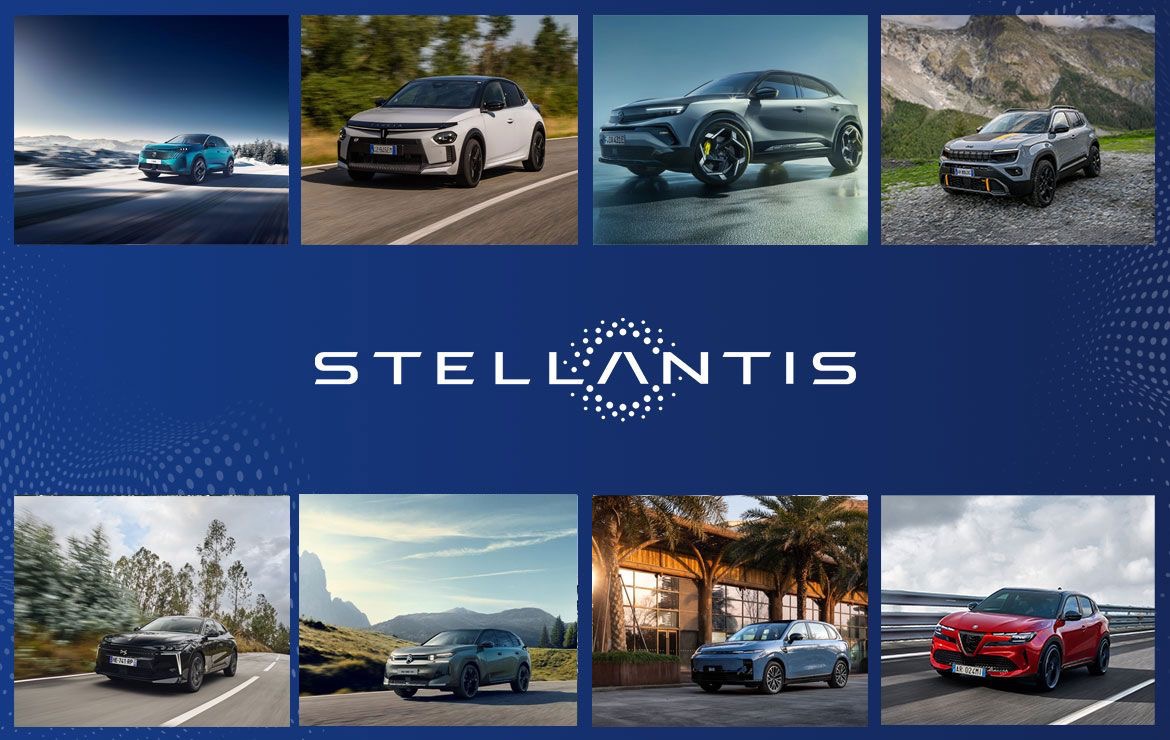
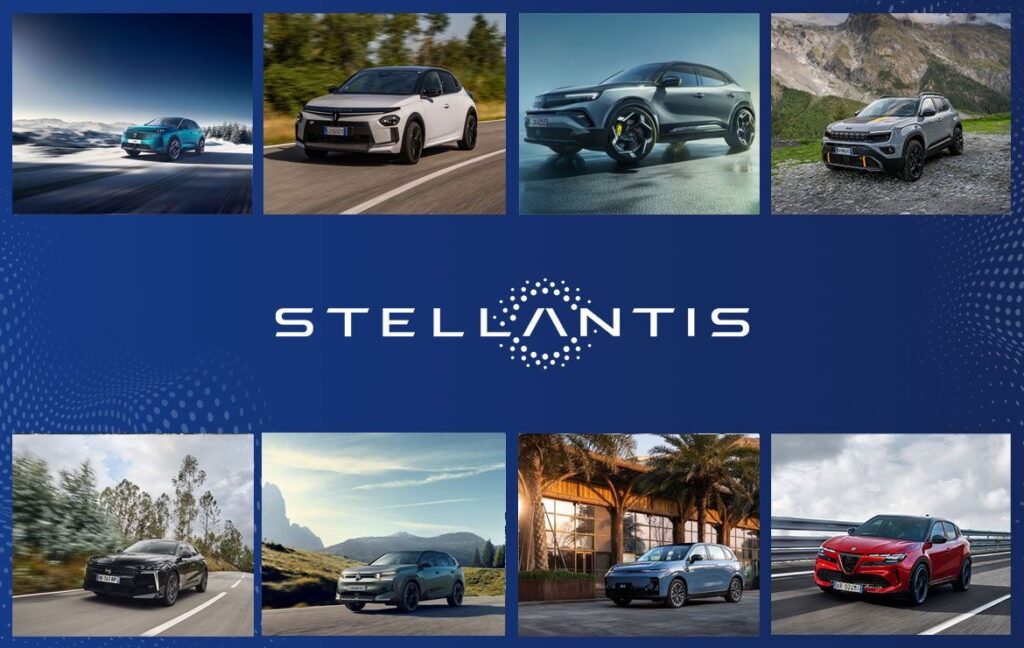
    Whilst the car market remains fragile at the start of the year, one player is cementing its dominance. In a press release issued on 1 April 2026, Stellantis announced that it had taken the lead in the French market for the first three months of the year, across all segments: passenger cars, light commercial vehicles (LCVs) and the combined passenger car and LCV market.
    In total, the group claims a market share of nearly 31% for the quarter, a level that allows it to maintain a solid lead in an environment that remains uncertain.

    source: Stellantis

    A proven leader despite a challenging market

    The key takeaway from the start of this year is that Stellantis has maintained its leading position in France, with a balanced mix of passenger cars and commercial vehicles.

    More specifically, the group boasts a market share of 29.4% in passenger cars and around 36% in light commercial vehicles, confirming its strong foothold in the commercial vehicle sector.

    This performance should be viewed against the backdrop of an overall decline. The French market remains on a downward trend, continuing the pattern seen in recent months. Indeed, the French car market has fallen by a further 2.1% compared with 2025, despite a slight rebound in March (+12.9%).

    In this context, Stellantis emphasises the strength of its market position. “Stellantis has confirmed its leadership with a market share of nearly 31% in the first three months of the year. We are the market leader in transition
    energy technologies, with a dominant position in hybrid powertrains, and we hold the top spot in the 100% electric passenger car market,” says Xavier Duchemin, Managing Director of Stellantis France.

    source: Stellantis

    Electrification and hybrid vehicles as drivers of growth

    Beyond the figures, the press release highlights a key point: the group’s positioning in the field of electrified powertrains.

    Indeed, Stellantis claims to be a leader in hybrid vehicles, as well as the market leader in fully electric passenger cars. The figures clearly illustrate this, as Stellantis holds a 24% market share in this segment.

    A dual strategic approach, at a time when the market remains divided between a gradual transition (hybrid) and a shift towards all-electric vehicles.

    Key models that remain well-positioned

    And the reason the group continues to perform at this high level is that it relies on a broad range of models that enjoy a strong presence in the French market. Indeed, several of the group’s vehicles regularly feature in the top 10 best-sellers, namely:

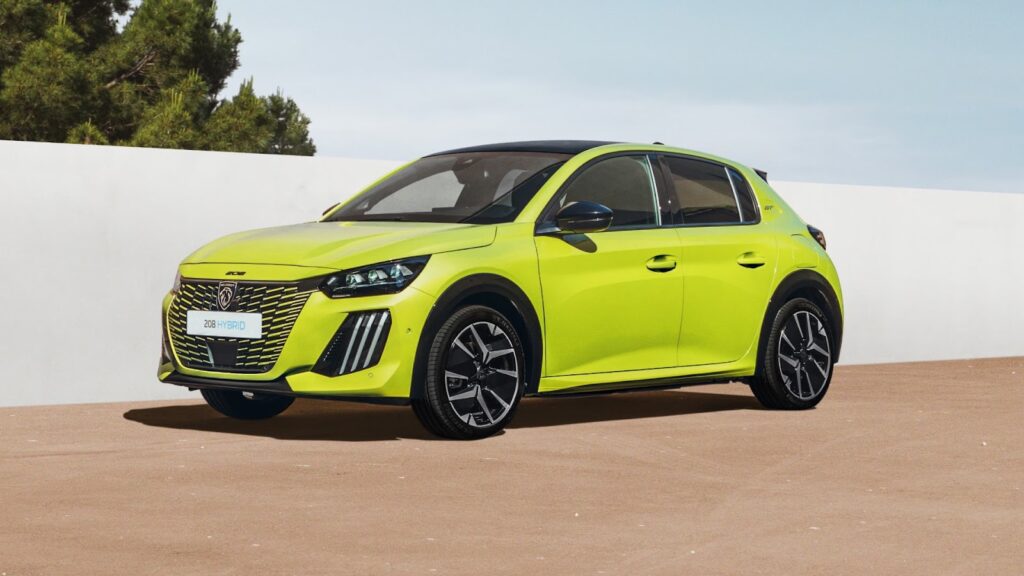
    • Peugeot 208
    • Peugeot 2008
    • Peugeot 3008
    • Peugeot 308
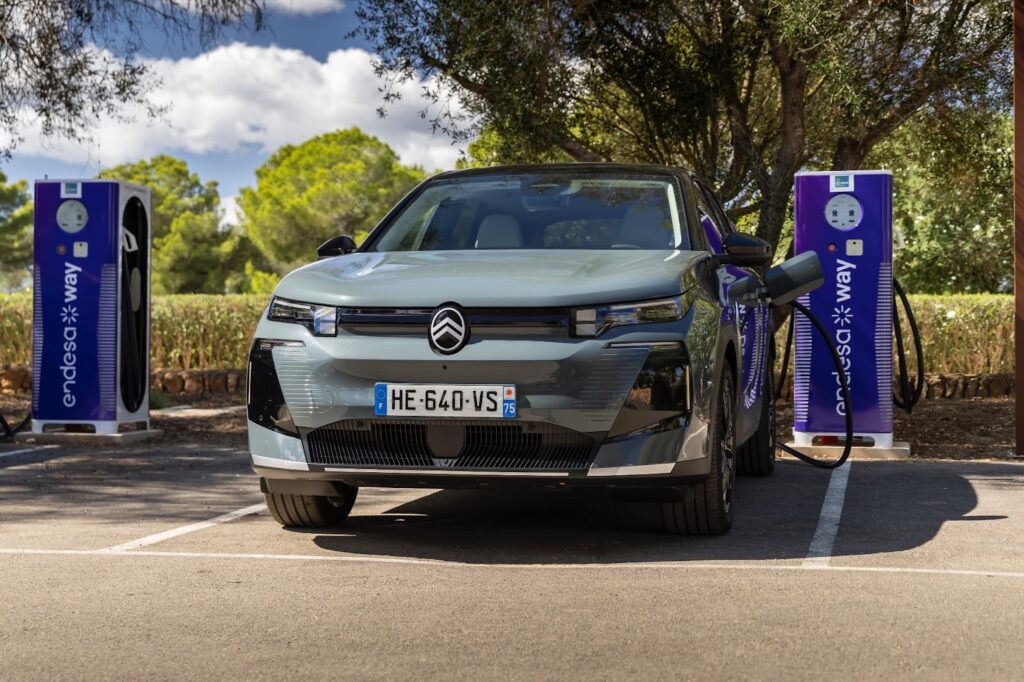
    • Citroën C3

    Models that enable the group to remain highly competitive in the retail market, which is obviously a key strategic focus in the race for sales.

    source: Stellantis

    Brands that drive performance

    This momentum is largely driven by the performance of the group’s various brands, which are generally on an upward trajectory. The press release provides detailed statistics on these manufacturers.

    As for Peugeot, the brand has reaffirmed its position as a mainstay. It leads the hybrid powertrain market across all segments (passenger cars, light commercial vehicles and a combined total of both) and dominates the SUV market, with the 2008, 3008 and 5008 topping their respective categories. It also has several models in the top 10, including three in the overall market and four in the B2B segment.

    Citroën, for its part, continues to make headway. In March 2026, the brand ranked third in the French market, with sales volumes up by 20% and a particularly sharp rise in electric vehicle sales (+68%). Over the quarter, it consolidated its third-place position with a 9.2% market share, driven in particular by the growing popularity of the C3 Aircross and C5 Aircross.

    source: Stellantis

    At Fiat, momentum remains strong, with growth of 44% since the start of the year. City cars are performing particularly well (up 45% in passenger cars), whilst the brand has achieved a 7.2% market share in light commercial vehicles, up 1.2 percentage points.

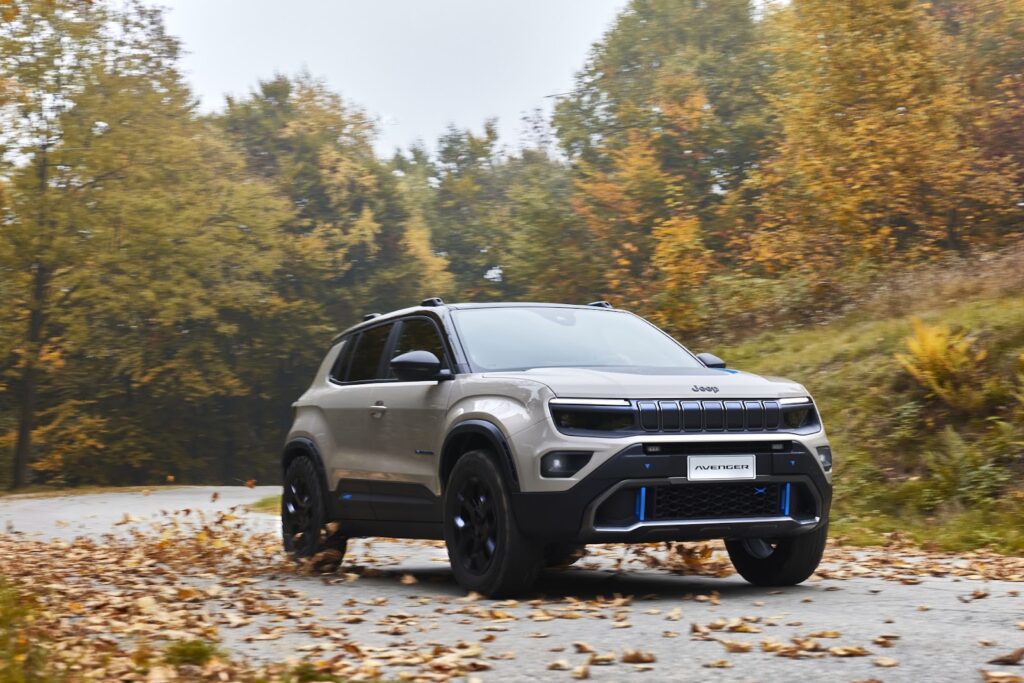
    Jeep has also seen growth, with registrations up 4.5% in March. The rise of its electric range is continuing, with a 49% increase in sales of fully electric models, driven in particular by the electric Compass and the Avenger.

    source: Stellantis

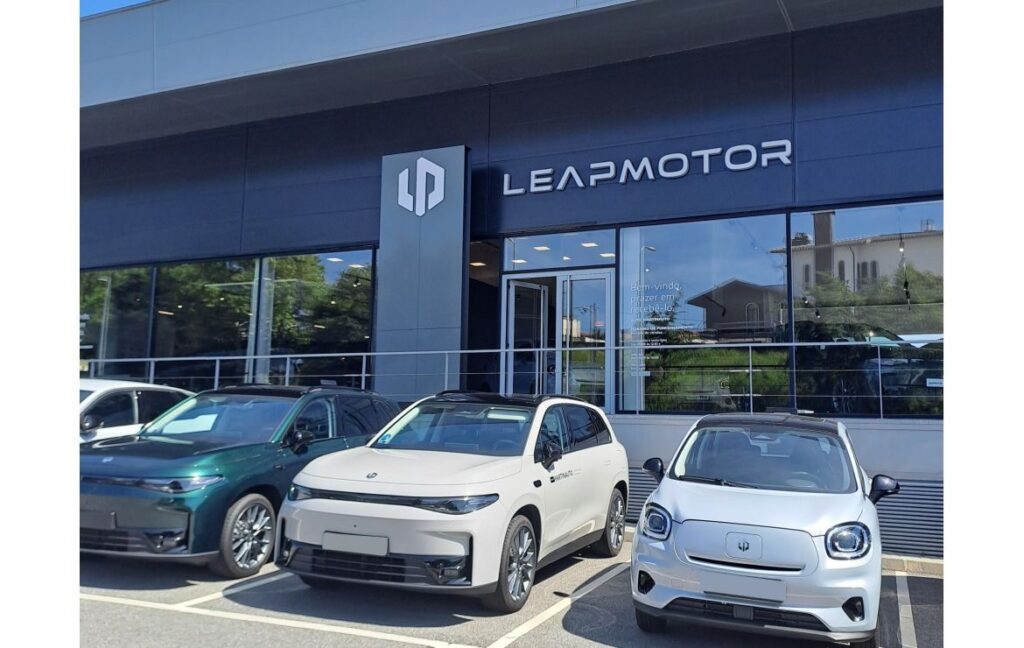
    Finally, Leapmotor is significantly stepping up its expansion. The brand recorded 594 registrations in March, an increase of 88.5% year-on-year, and achieved a 1.1% share of the electric vehicle market.
    Commercial vehicles: still a strategic pillar

    Another key strength highlighted by the group is its dominance in the commercial vehicle sector.

    “Stellantis Pro One has once again established itself as the leader in commercial vehicles,” says Xavier Duchemin.
    With a market share of nearly 36%, the group is cementing its key role in the commercial vehicle sector, a strategic segment at a time when fleets need to accelerate their transition to electric powertrains, particularly in response to Low Emission Zones (LEZs).
    source: Stellantis

    A trend to be confirmed

    The start of 2026 thus confirms Stellantis’s strong position in the French market, with a strategy based on the diversity of its brands, its focus on hybrid and electric vehicles, and its dominance in the commercial vehicle sector.

    It now remains to be seen whether this momentum can be sustained in a market that remains unstable, amid pressure on prices, the energy transition and changing consumer habits.

  • Geely Auto, the little-known Chinese giant, is coming to France

    Geely Auto, the little-known Chinese giant, is coming to France

    By the end of April, the Chinese firm Geely will be launching several models in France under its own brand. The aim is to conquer a major market and not fall behind its rivals BYD, SAIC (MG) and Xpeng, which are already well established. Having acquired Volvo, Lotus and Smart, Geely Auto Group presents itself as the most European of the Chinese manufacturers. With nearly 20 million cars sold since its inception, it is now aiming to be among the world’s top five by 2030, and this will be achieved through Europe.

    Geely’s bold move 

    Although Geely Holding Group was established in 1986, the car manufacturer was founded ten years later in Hangzhou (south of Shanghai) and began by producing simple, affordable cars. The Chinese authorities soon recognised it as the country’s leading private car manufacturer, at a time when many brands were directly controlled by the state. 

    The brand is gradually specialising in hybrid and electric cars, but made a name for itself worldwide in 2010 by acquiring Volvo Cars, to everyone’s surprise. This unexpected acquisition proved to be a shrewd move: it enabled Geely to gain credibility, raised the calibre and quality of its models, and gave its vehicles a more European and technologically advanced image. These were significant assets for a Chinese manufacturer seeking to establish itself beyond its borders.

    A quiet giant in the automotive industry

    Today, the Geely Group is an automotive giant that sells over 4 million cars a year worldwide and has developed a multi-brand strategy by launching brands such as Lynk & Co (aimed at an urban, tech-savvy audience) and Zeekr (a premium EV brand), as well as acquiring Lotus and Smart, European manufacturers that were losing momentum but were well recognised by the public. The Geely Group has thus become the most ‘European’ of Chinese manufacturers, but must now succeed in establishing its products on the Old Continent.

    Models tailored to the European and French markets

    With one in ten new cars sold in Europe now being Chinese-made, the Geely Group could no longer delay establishing a presence under its own name. This is particularly true given that the brand boasts a global range comprising around ten electric and hybrid models (SUVs, saloons and compact cars). The French market is set to welcome the compact E5 SUV (4.61m) first, which boasts a highly efficient drag coefficient. With a modern interior and a sleek dashboard, the E5 is equipped with 60 or 76 kWh batteries, offering a range of up to 530 km. The entry-level 218 hp rear-wheel-drive version will be available from €32,000, a very competitive price.

    The other model announced is a plug-in hybrid SUV, the Starray EM-i (4.74 m), which is set to rival the MG EHS and BYD Seal U DM-i. 

    In the medium term, the EX2 electric city car (4.14 m), fitted with a 39.4 kWh LFP battery (offering a range of up to 289 km), could be launched at a price of under €20,000.

    An industrial strategy to establish a leading position

    These models seem tailor-made for a rather discerning French clientele. However, neither the E5 nor the Starray and EX2 are manufactured in Europe and will therefore not be eligible for any purchase subsidies or incentives. This is why Geely is in talks with Ford to have its cars manufactured at the American company’s European plants (Cologne, Valencia or Craiova), whose assembly lines are not operating at full capacity.

    Ultimately, Geely will draw on its joint European R&D and design centre – which brings together Volvo’s operations in Gothenburg (Sweden), Frankfurt (Germany) and Coventry Lotus (UK) – to design future cars that are more closely aligned with the preferences of the European market. In the meantime, the Chinese manufacturer aims to export its vehicles to Europe just six months after they go on sale in China.

    Geely is intensifying competition among Chinese brands

    In addition to their technological lead over established European EV brands, Chinese manufacturers now find themselves competing against one another. Each with their own strengths. 

    Market leader BYD is making a strong push with highly competitive prices and an already comprehensive range of models, including fully electric vehicles and long-range plug-in hybrids. SAIC (through MG) can rely on its industrial strength, exporting a million cars every year. XPeng focuses more on high-tech products, autonomous and connected vehicles, and is working on energy efficiency, fast-charging solutions and even flying cars.

    The Geely Group’s main strength lies in the distinct identities of its various brands: Lynk & Co targets a young, urban and tech-savvy audience; Zeekr positions itself as a premium rival to Tesla; Polestar is Volvo’s luxury sports division; whilst Lotus remains a brand with a sporting heritage. Under its own logo, Geely can therefore position itself as a mainstream offering aimed at the general public and families seeking more affordable electric mobility. It still lacks visibility and needs to build brand awareness, but its 40-year heritage makes Geely the most dangerous competitor for Chinese manufacturers setting out to conquer Europe and France.

  • Sales of electric vehicles are on the rise, but this is not (yet) due to the global crisis

    Sales of electric vehicles are on the rise, but this is not (yet) due to the global crisis

    Against an international backdrop where the price of a barrel of Brent crude has reached $110, the new car market is beginning to see significant gains for electric models. Their market share stood at 28% in March, the highest level ever recorded in France. Whilst it is too early to gauge the effects of the war in the Middle East, leasing schemes and corporate tax policies are bearing fruit and serving as a catalyst for an acceleration in EV registrations. Not to mention the ongoing development of charging infrastructure and the easing of psychological barriers among motorists. 2026: the tipping point for electric vehicles?

    Source: Tesla

    Electric vehicle sales hit a record high in the first quarter, with Tesla performing strongly

    In the first quarter of 2026, the market share of electrified vehicles (electric + hybrid, including plug-in hybrids) stood at 80%. This proportion has never been higher in France for passenger cars. More specifically, fully electric vehicles accounted for 28% of new registrations during this period: a record! More than 112,000 electric cars have already been put on the road in 2026. Looking at the details, it is worth noting that Tesla is back on form: 9,570 vehicles sold, representing a 200% increase compared to March 2025. The Model Y SUV in particular has benefited from a trade-in incentive and attractive pricing. The trend towards the electrification of the vehicle fleet is therefore accelerating. Is this due to the international context and rising oil prices? It is too early to say.

    Is it time to wake up to the reality?

    But with petrol prices exceeding €2 per litre, many are asking themselves: is it time to switch to a different energy source? Could the crisis benefit electric cars? “Unfortunately, in this global context, the time has come for prospective buyers of electric vehicles to wake up to the reality,” predicts François Gatineau, president of Mobileese, which supports businesses in their green transition. “Switching to electric cars is no longer just an environmental issue. It has become a matter of purchasing power. Every surge in oil prices acts as an invisible tax on households.”

    EX40 Sand Edition

    Driving a petrol car costs five times as much as driving an electric car

    According to his estimates, driving a petrol car currently costs five times more than driving an electric vehicle. A household living in the countryside that travels 500 km a week has to pay €240 a month on fuel for a combustion engine vehicle *, compared with just €48 a month for an EV (provided it is charged during off-peak hours). A difference of nearly €200 every month, or almost €2,500 by the end of the year. The bill is becoming a heavy burden for petrol car users, whilst, conversely, the electric vehicle market is shifting into high gear with numerous compelling arguments in its favour.

    Sales of electric vehicles are expected to pick up pace

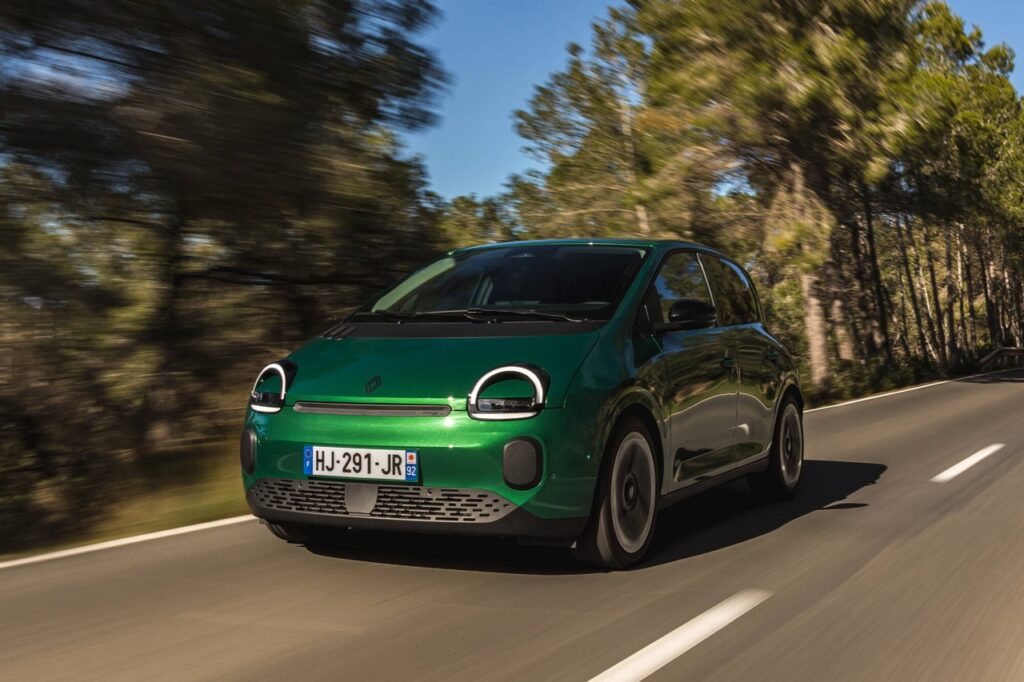
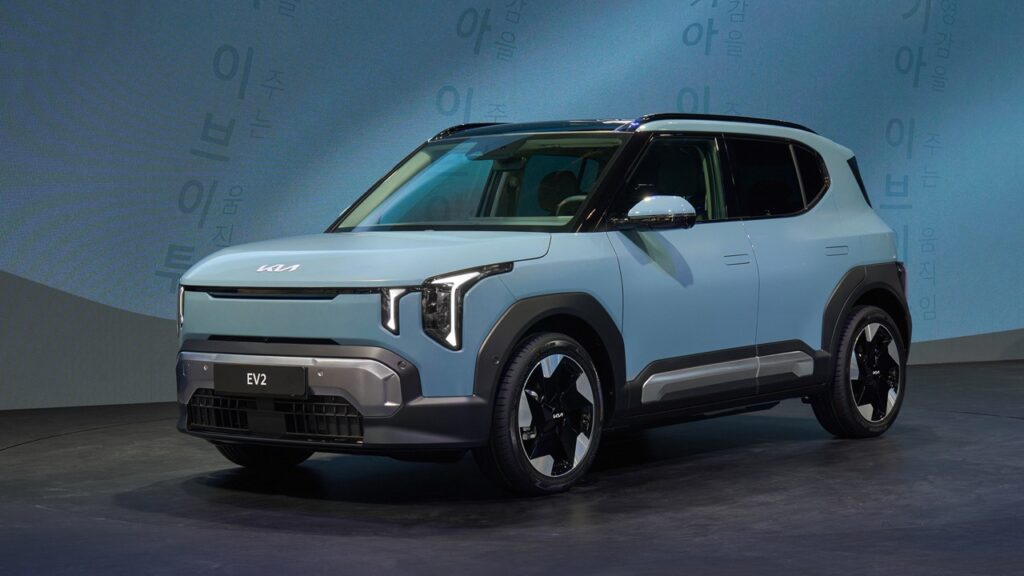
    The range of options is growing ever wider and extending into lower price brackets to make electric cars more accessible. “Increasingly strict European regulations are forcing manufacturers to take action,” explains Nicolas Raffin, spokesperson for the NGO Transport & Environment. “We are therefore seeing the emergence of smaller, more affordable electric cars such as the Citroën eC3, Dacia Spring, Fiat 500e, Renault Twingo and much cheaper Chinese models. ” There is no doubt that manufacturers will step up their promotional campaigns and commercial offers in the coming weeks to attract new customers. Kia, for example, is offering its small urban SUV, the EV2, for under €20,000, provided buyers meet the requirements to qualify for government support (up to €5,700 in aid for low-income households).

    Source: Renault

    Social leasing for individuals and tax incentives for businesses

    Another factor that helped boost sales at the start of the year was the social leasing scheme introduced by the government last September (a maximum monthly payment of €200 for up to 12,000 km per year). Many private individuals have taken out these contracts (for three years or more). On the other hand, among businesses, the shift towards electric vehicles in company fleets is slow to materialise, despite tax incentives. The TVS (company car tax) is waived, there is a higher tax deduction on the purchase of a clean vehicle, and a 70% tax allowance on the benefit in kind for electric company cars…
    “The advantage is shifting. Business leaders are primarily looking at the TCO (total cost of ownership), i.e. how much their fleet costs them each year. It has become significantly higher for combustion engines than for electric vehicles, and this is guiding their choices when renewing their fleets,” notes Nicolas Raffin of T&E. Not to mention that fleets of over 100 vehicles must currently comprise at least 15% EVs (this will rise to 48% by 2030), failing which a tax of €2,000 per missing vehicle will be levied.

    Electricity and energy independence

    Energy independence is also becoming a major factor in the rise of the electric car. France’s nuclear power stations generate 70% of the country’s electricity, whilst all the oil consumed is imported. “In recent years, motorists no longer wish to be dependent on global conflicts (Russia-Ukraine, the Middle East) to fill their tanks, as price fluctuations and supply difficulties have a direct impact on their professional activities and daily lives,” says François Gatineau of Mobileese. “What’s more, electric vehicles are becoming more convenient to use. There are fewer queues at charging stations; you can charge at home; you can plan ahead.”
    Not to mention that the government will only provide specific subsidies in a targeted manner to offset price rises at the pump (for private nurses, road hauliers, farmers, etc.) and will soon present its Grand Electrification Plan. The aim is to reduce fossil fuel imports from 60% to 40% by 2030 and to make electric vehicles mainstream.

    Source: Kia

    Charging infrastructure and charging points under development

    That leaves the issue of electricity supply infrastructure. AVERE currently lists 190,878 publicly accessible charging points (excluding private installations at home or in businesses), including 31,000 fast and ultra-fast chargers, which allow vehicles to be recharged in 20 to 30 minutes on the motorway. The network is expanding rapidly, with nearly 300 charging points per 100,000 inhabitants. Gradually, the fear of running out of power is fading from users’ minds, whilst efforts continue to convince potential future buyers. This was not the case five years ago.

    Tipping point

    The price of oil is not the main factor driving motorists to switch to electric vehicles: sales of EVs also rose last year when petrol prices were low. However, the current crisis could mark a decisive turning point, particularly as psychological barriers are being overcome one by one (improved range, faster charging, more accessible technologies).

    *(For a vehicle with a fuel consumption of 6 litres per 100 km: €12 per 100 km at €2 per litre / For an electric vehicle costing €2.40 per 100 km: 15 kWh × €0.16 during off-peak hours)

  • Major electrification plan: what we know (and what we don’t know) about France’s strategy

    Major electrification plan: what we know (and what we don’t know) about France’s strategy

    Originally expected at the end of April, the government’s ‘major electrification plan’ will finally be unveiled next week. Against a backdrop of soaring fossil fuel prices linked to the war in the Middle East, the government aims to accelerate the reduction of France’s dependence on imported hydrocarbons. 

    source: dominiopublico

    A plan put forward amid the geopolitical crisis

    With oil and gas prices having soared since late February 2026 due to the current conflicts in the Middle East, the government has decided to bring forward the presentation of its electrification plan to next week, announced government spokesperson and Minister of State for Energy, Maud Bregeon, on 27 March.

    • “We must ensure a long-term supply of stable, carbon-free energy that is accessible to all and produced in France. This solution has a name: electrification.”

    The stated aim is clear: to reduce France’s dependence on imported fossil fuels from 60% today to 40% by 2030, through the widespread electrification of energy use. This ambition follows on from the third Multi-Annual Energy Plan (PPE3), published on 13 February 2026 after a three-year wait.

    source: French government

    The PPE3: a roadmap for an all-electric France by 2035

    Indeed, to understand the electrification plan, it is necessary to consider the broader context in which it is set. The Multi-Year Energy Plan (PPE3) sets out France’s energy strategy for the period 2026–2035 and charts the path towards carbon neutrality by 2050.

    It sets out the following objectives:

    • Share of fossil fuels: 40% by 2030, less than 25% by 2035
    • Share of electricity: 60% by 2030, over 75% by 2035
    • Emissions from the energy sector: 55% reduction by 2030, 80% reduction by 2035
    • Electric vehicle fleet: 15 million by 2030, 30 million by 2035

    To achieve these key objectives, the PPE3 relies on a carbon-free electricity mix. Specifically, it combines the revival of nuclear power – namely the continued operation of the 56 existing reactors – with an extension of their operational life by at least a further 50 years. In addition, between 6 and 14 new EPR2 reactors are to be commissioned by 2035. 

    source: ABACA

    In addition to nuclear power, the government plans to expand renewable energy, with the aim of tripling solar and wind power capacity by 2035. Finally, the electrification of energy use across several sectors forms part of this strategy: transport, the built environment, industry and the digital sector.

    Promises that lead to immediate action, as announced by Roland Lescure, Minister for the Economy, Finance and Industrial, Energy and Digital Sovereignty, during the presentation of the PPE3:

    • “That’s it. The decree has been published. It was about time. We’ve made our decision today, and we’ll be launching the investments as early as tomorrow.”

    A development that now extends beyond the environmental sphere alone. As Prime Minister Sébastien Lecornu puts it:

    • "It is no longer just a climate issue; it is now a matter of national interest."
    source: AFP

    Indirect funding, via Energy Saving Certificates

    That leaves the key issue of funding. At this stage, the plan does not provide for any new direct budgetary allocations. The government is relying primarily on Energy Saving Certificates (ESCs).

    In practical terms, this scheme requires energy suppliers to fund measures to reduce energy consumption, particularly in the transport sector and in the electrification of end-use applications.

    These investments do not place a direct burden on the state budget. However, the cost is indirectly passed on to the energy bills of households and businesses, which raises the question of whether this is acceptable in the medium term.

    Some uncertainties ahead of the official presentation

    Despite these broad outlines, several details remain unclear just a few days before the official presentation.

    Firstly, the specific measures to be implemented in the transport sector have not yet been set out in detail. The objectives are in place, but the practical arrangements (such as funding, requirements or a specific timetable) have yet to be clarified.

    Furthermore, the question of governance remains unresolved. The appointment of a dedicated lead for electrification, a proposal frequently raised by industry stakeholders, has not yet been confirmed.

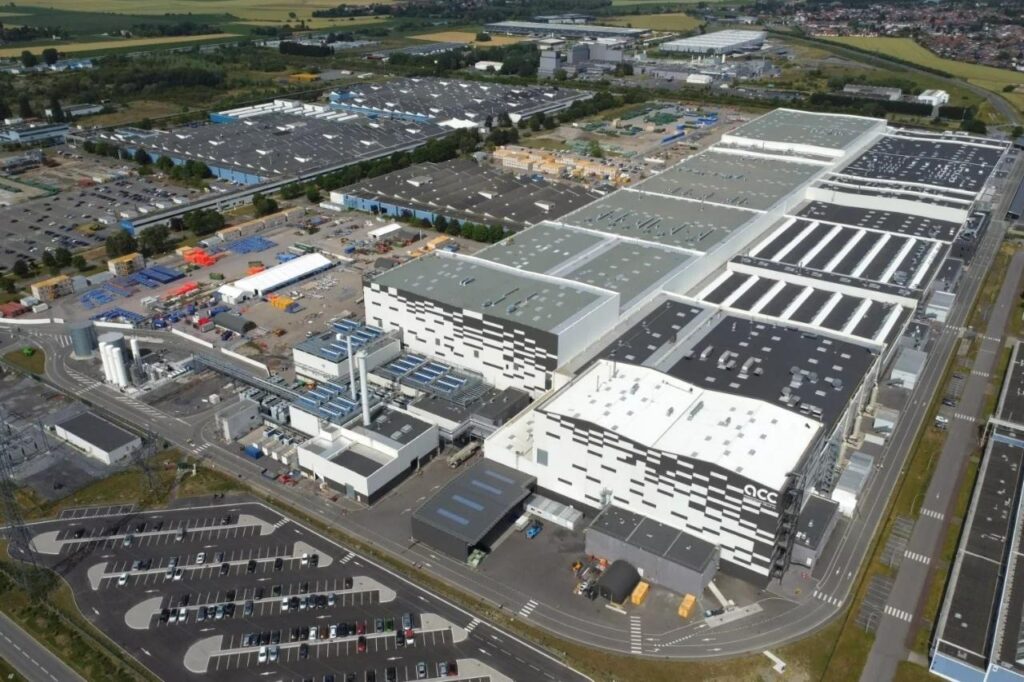
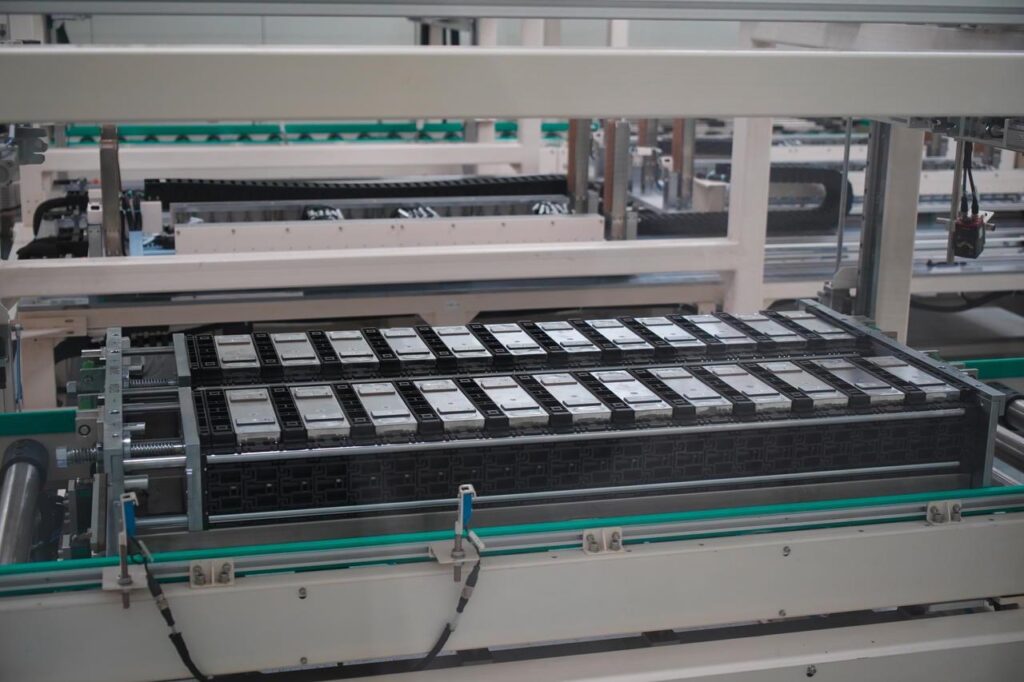
    Finally, industrial capacity is a key challenge. Behind the goal of large-scale electrification lies a simple question: will France and Europe be able to produce enough batteries, vehicles and infrastructure to keep pace?

    source: ACC

    A strategy caught between sovereignty and industrial dependencies

    For that is precisely the paradox of this plan. In seeking to reduce its dependence on imported fossil fuels, France is exposing itself to another form of dependence, this time linked to electrical technologies.

    Today, around 60% of electric vehicle batteries come from Asia, whilst the majority of key components are still manufactured outside Europe.

    In light of this, the government plans to introduce so-called ‘resilience’ criteria from September 2026, with the aim of promoting equipment assembled in Europe.

    source: L’argus

    Key points to bear in mind ahead of the announcements

    One thing is certain: the electrification plan is due to be unveiled in the coming days, with a clear focus on transport and electric mobility.

    The objective is clear: to reduce dependence on fossil fuels from 60% to 40% by 2030, as set out in the PPE3.

    It now remains to be seen how these ambitions will be put into practice: support for electric vehicles, the development of charging infrastructure, the electrification of commercial fleets, and the transformation of logistics.

  • Leapmotor unveils the hybrid version of the B10: electrification without compromise

    Leapmotor unveils the hybrid version of the B10: electrification without compromise

    Leapmotor has unveiled a new version of its compact SUV, developed in collaboration with Stellantis: the B10 Hybrid EV. This model is designed to meet growing demand for a predominantly electric driving experience, offering extended range and flexibility that may appeal to those who are not yet ready to switch to a fully electric vehicle. 

    source: Leapmotor

    A compact SUV designed with electric power in mind… featuring a range extender

    According to Stellantis’ press release, the Leapmotor B10 Hybrid EV is based on an architecture known as a “range-extended Hybrid EV”, which places electric propulsion at the heart of the vehicle’s operation. Unlike conventional hybrids, where the combustion engine can drive the wheels directly, here the wheels are always driven by an electric motor. The on-board petrol generator, a 1.5-litre unit producing around 50 kW, serves only to recharge the battery when necessary, ensuring a smooth electric driving experience without the constraints of purely battery-powered ranges. 

    In terms of range, the B10 Hybrid EV is fitted with an 18.8 kWh battery, offering up to 86 km of range in electric mode, whilst combining this with the vehicle’s combustion engine allows for a total range of up to 900 km. The press release emphasises that the vehicle can be used on a daily basis as an electric car whilst retaining the ability to cover long distances without relying solely on charging stations. An attractive solution for motorists who are still hesitant about making the switch to 100% electric. 

    source: Leapmotor

    Once on board, there are four power modes to choose from, tailored to different driving needs:

    • EV+ and EV: to maximise battery usage in urban areas or on daily commutes,
    • Fuel: to start the generator and extend its running time,
    • Power+: to combine electric power with generator assistance during acceleration or on hilly roads. 

    Design, interior and technology 

    Externally, the B10 Hybrid EV retains the silhouette of the B10 electric compact SUV unveiled in late 2025, with dimensions designed for versatile use: 4.53 metres long, 1.87 metres wide, just under 1.7 metres high and a wheelbase of over 2.7 metres. It is therefore a fairly spacious SUV that promises users plenty of room without being too imposing on the roads. 

    source: Leapmotor

    As for the interior, Leapmotor describes it as modern and functional. This is now standard for a modern vehicle; at the centre of the dashboard is a 14.6-inch touchscreen that brings together infotainment, connectivity and vehicle functions. The LEAP OS 4.0 Plus system, paired with a Qualcomm 8155 processor, offers a smooth interface, whilst connectivity includes Apple CarPlay and Android Auto, available via wired or wireless connection. 

    Comfort hasn’t been overlooked: heated and ventilated eco-leather front seats and a refined interior complete the understated yet pleasant cabin atmosphere. 

    source: Leapmotor

    Safety and support: a comprehensive package

    Stellantis also places a strong emphasis on active and passive safety. The B10 Hybrid EV features 17 advanced driver-assistance systems (ADAS). Several of these systems have been updated to enhance driving fluidity and confidence, such as adaptive cruise control (ACC) and lane-keeping assist (LCC). 

    As an added bonus, this vehicle features energy recovery technology and one-pedal driving. These features were introduced via the latest OTA updates. 

    Leapmotor has sought to make its technology more accessible with a starting price of €29,900, which is very reasonable for the C-segment. The range has been streamlined into two main trim levels, Life Hybrid EV and Design Hybrid EV, with a choice of six exterior colours and three interior themes. 

    source: Leapmotor

    Leapmotor: who is the brand behind the B10?

    Leapmotor is no stranger to the electric vehicle market, but its partnership with Stellantis has propelled it onto the European stage since September 2024 with its all-electric T03 and C10 models.

    source: Leapmotor

    Indeed, founded in China in 2015, this manufacturer quickly established itself as a specialist in smart electric cars, with a strategy focused on technological innovation, competitive pricing and a connected user experience. 

    The brand has experienced remarkable growth in recent years. In 2025, Leapmotor achieved an exceptional annual performance, selling nearly 600,000 vehicles and ranking first among Chinese new energy vehicle (NEV) start-ups. It now has more than 1,700 sales and service outlets worldwide, with a presence in over 40 markets, including a rapidly expanding presence in Europe with nearly 250 sales outlets. 

    source: Leapmotor

    A strategy of openness towards customers

    The Leapmotor B10 Hybrid EV, as well as being a variant of the BEV version, represents a genuine attempt to balance range, comfort and affordability, whilst offering an experience close to that of an electric vehicle. With an attractive price, sophisticated technology and a positioning that appeals to a wide customer base, sales of this SUV are worth keeping an eye on, as it seems to have everything going for it.

  • Opel Corsa GSE: final preparations at the Nürburgring ahead of its launch

    Opel Corsa GSE: final preparations at the Nürburgring ahead of its launch

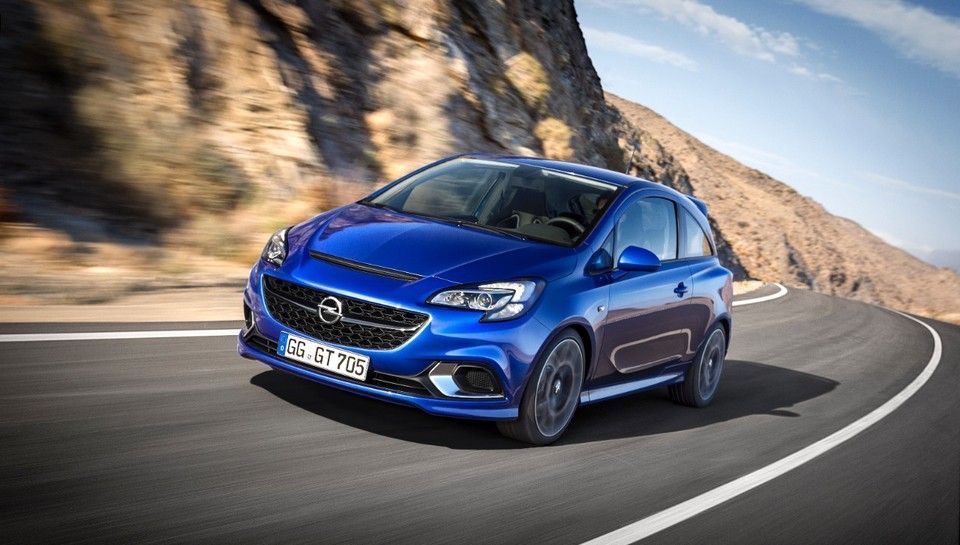
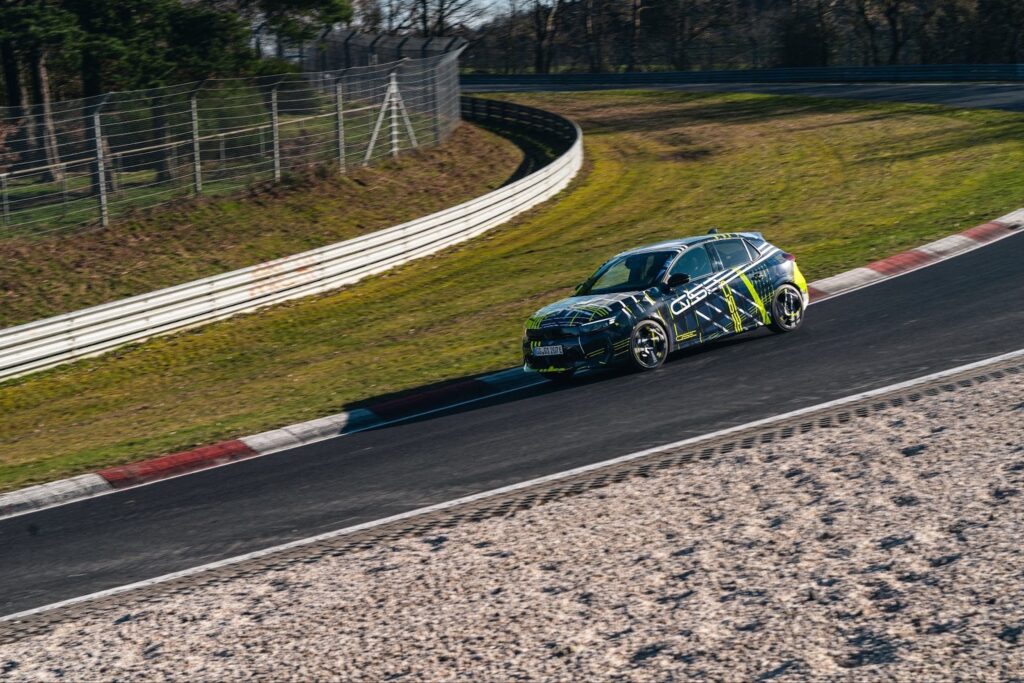
    Unveiled in mid-February, the upcoming Opel Corsa GSE is now entering the final phase of development. The German brand’s all-electric sporty compact is currently undergoing further testing at the Nürburgring, a key step ahead of its market launch.

    source: Opel

    Technical specifications: a sporty drive

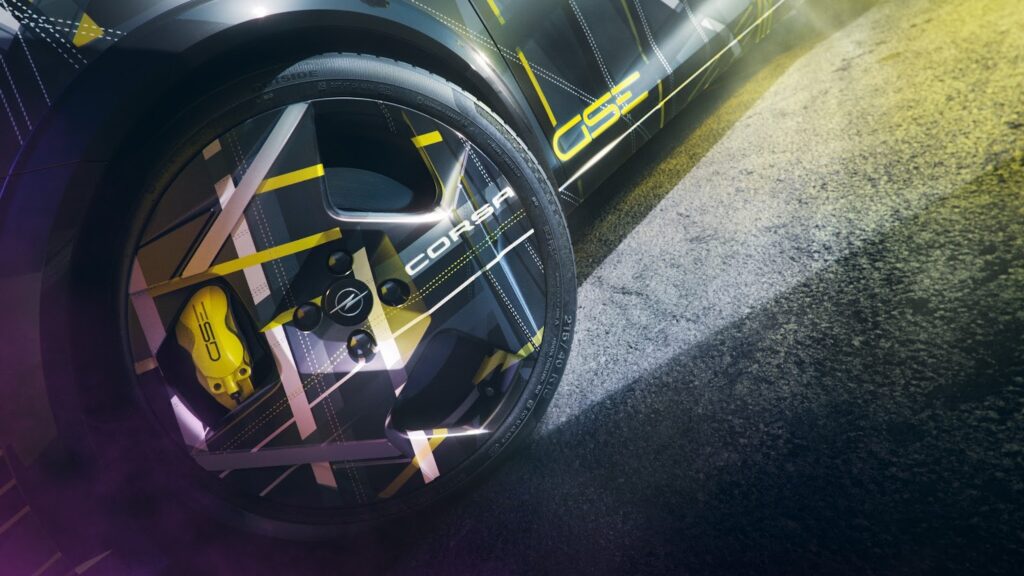
    The Corsa GSE marks a real turning point for Opel, as this all-electric sporty city car heralds the return of the GSE badge – the direct successor to the former OPC models – with a focus now firmly on electrified performance.

    It produces around 280 hp (206 kW) and 345 Nm of torque, enabling the German car to accelerate from 0 to 100 km/h in under 6 seconds (estimated at 5.9 s), with a top speed limited to 200 km/h. These figures place this model well above the standard Corsa Electric (156 hp) and even the previous petrol-powered Corsa OPC.

    source: Opel

    As for the battery, Opel has opted for a 54 kWh pack, offering a range of around 336 km on the European WLTP cycle. Fast charging is available at up to 100 kW, allowing the battery to go from 10% to 80% in just under 30 minutes.

    With its 280 horsepower, it not only outperforms its direct rivals, such as the upcoming Peugeot e-208 GTI. At the same time, it shares its technical platform with other models from the Stellantis group, such as the Alfa Romeo Junior Elettrica Veloce and the Abarth 600e, whilst retaining its own distinct identity thanks to its decision to stick with front-wheel drive.

    A choice that may seem surprising given that most electric sports hatchbacks opt for rear-wheel drive (or all-wheel drive) to better channel the power. With 280 hp, the instant torque of an electric motor can quickly exceed the grip capabilities of the front wheels.

    source: Opel

    Development in its final stages at the Nürburgring

    The project is entering its final stages. Opel has confirmed that the Corsa GSE is currently undergoing final tuning at the Nürburgring. At 20.8 kilometres long, with 170 bends and an elevation change of over 300 metres, the circuit is considered one of the most demanding in the world. This test at the German circuit is therefore one of the key stages in the development process.

    And the brand with the lightning bolt isn’t the only one to use the track. In fact, every year, nearly 3,000 vehicles are tested there, covering an estimated total of over 500,000 kilometres. Under these conditions, manufacturers can simultaneously validate chassis behaviour, braking performance and thermal management – a particularly critical aspect for high-performance electric vehicles.

    In the case of the Corsa GSE, engineers are focusing in particular on steering calibration, chassis tuning and dynamic handling. Battery management under heavy use is also one of the key areas of this development phase. As Marcus Lott, a member of Opel’s Executive Board, explains:

    • “Our aim is to enable everyone to enjoy the performance of a fully electric sports hatchback and a dynamic driving experience. That is precisely why we went to the Nürburgring to fine-tune the final settings.”

    A model expected at the 2026 Paris Motor Show

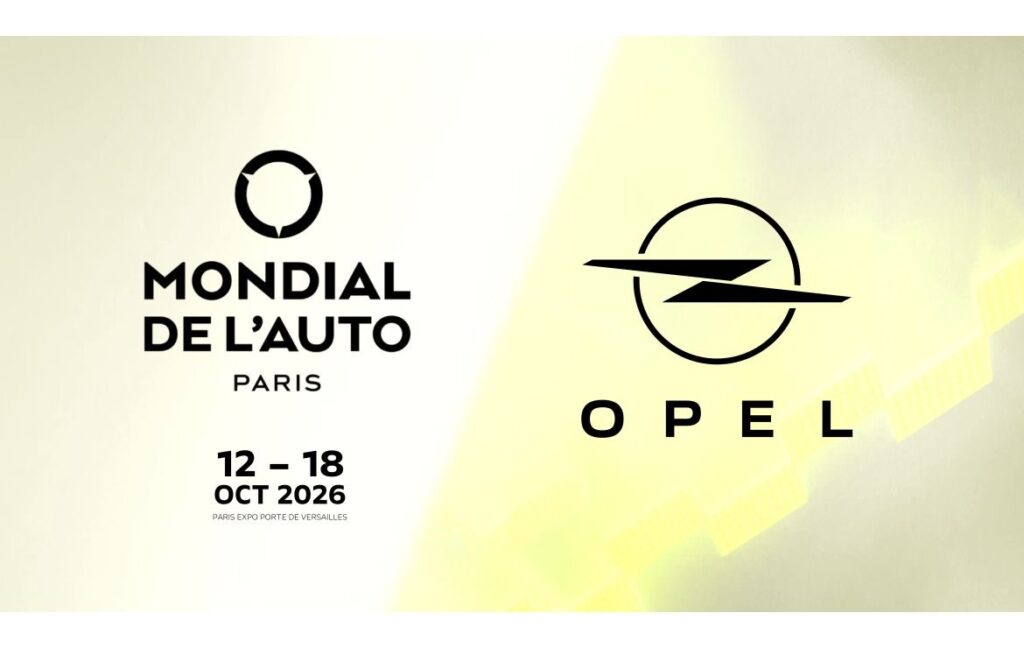
    This development phase forms part of a broader timeline. Opel has very recently confirmed its return to the 2026 Paris Motor Show, where the Corsa GSE is expected to take centre stage alongside its sister model, the Mokka.

    Having exhibited at the world’s leading trade fairs, this Paris event will give the brand the opportunity to showcase this exciting and environmentally conscious new range in person.

    source: Opel

    An electric strategy that’s all about enjoyment too

    With the Corsa GSE, Opel is continuing its transition to electric vehicles, whilst striving to retain an emotional appeal in its models.

    It now remains to be seen how these promises will translate on the road, as development nears completion and the model gradually approaches its production version. They are expected to hit the roads before the end of the year.