Category: Expertise

  • Electric vs gas car: the real cost over 1 week, 1 month, 1 year… and 10 years

    Electric vs gas car: the real cost over 1 week, 1 month, 1 year… and 10 years

    Buying an electric car is a significant cost for the wallet, often between €35,000 and €40,000 for an average model. But in the long term, what are the real savings? Between fuel, maintenance and public subsidies, how much will you really save by opting for an electric car rather than a combustion engine?
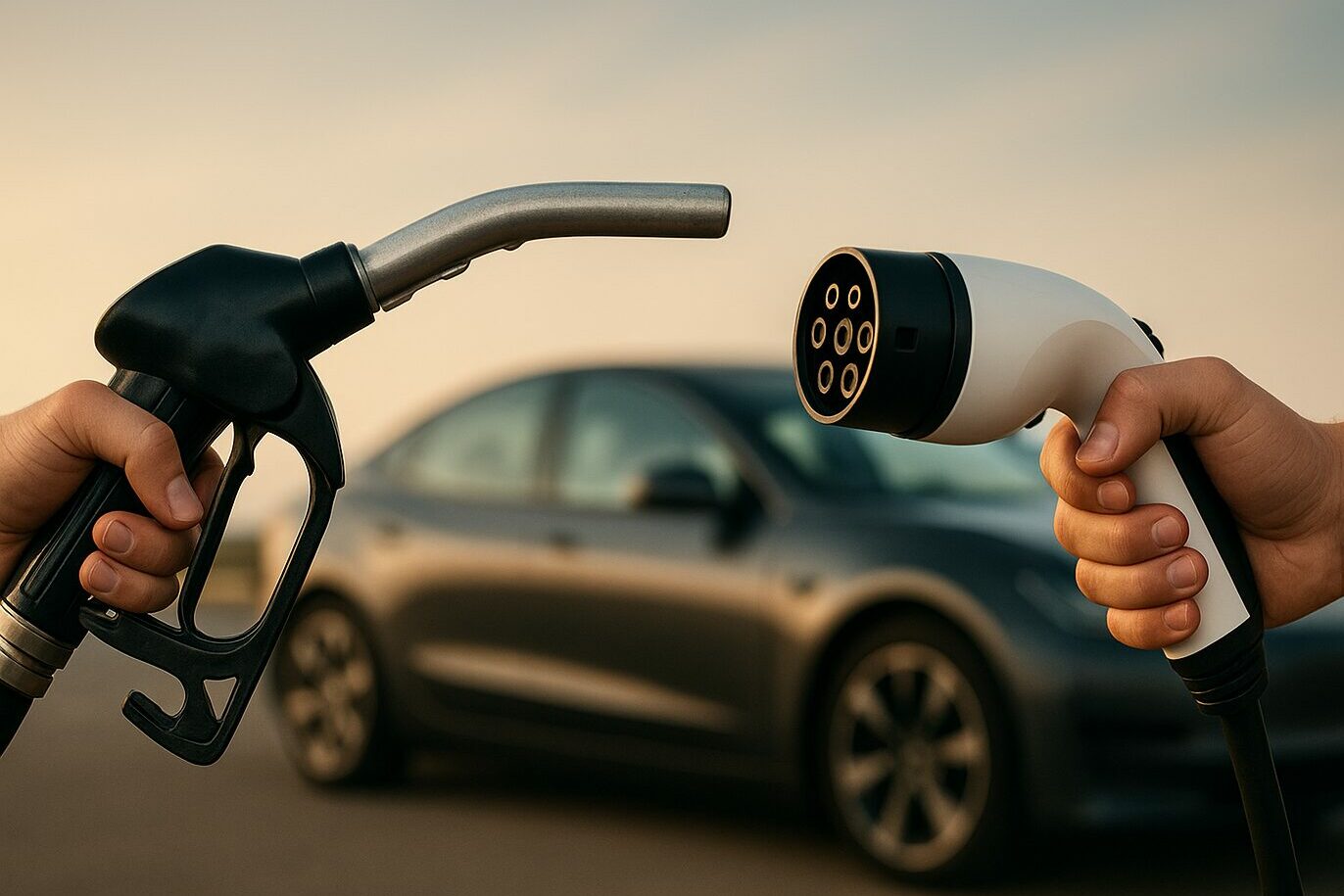
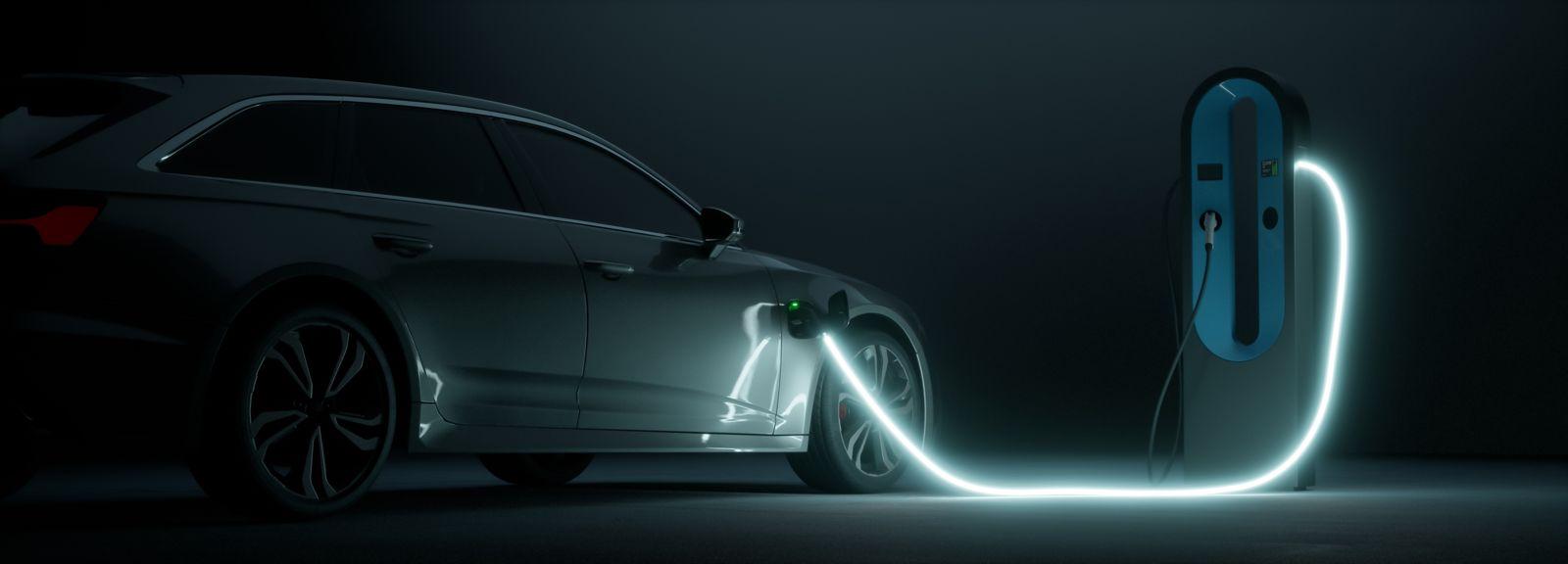
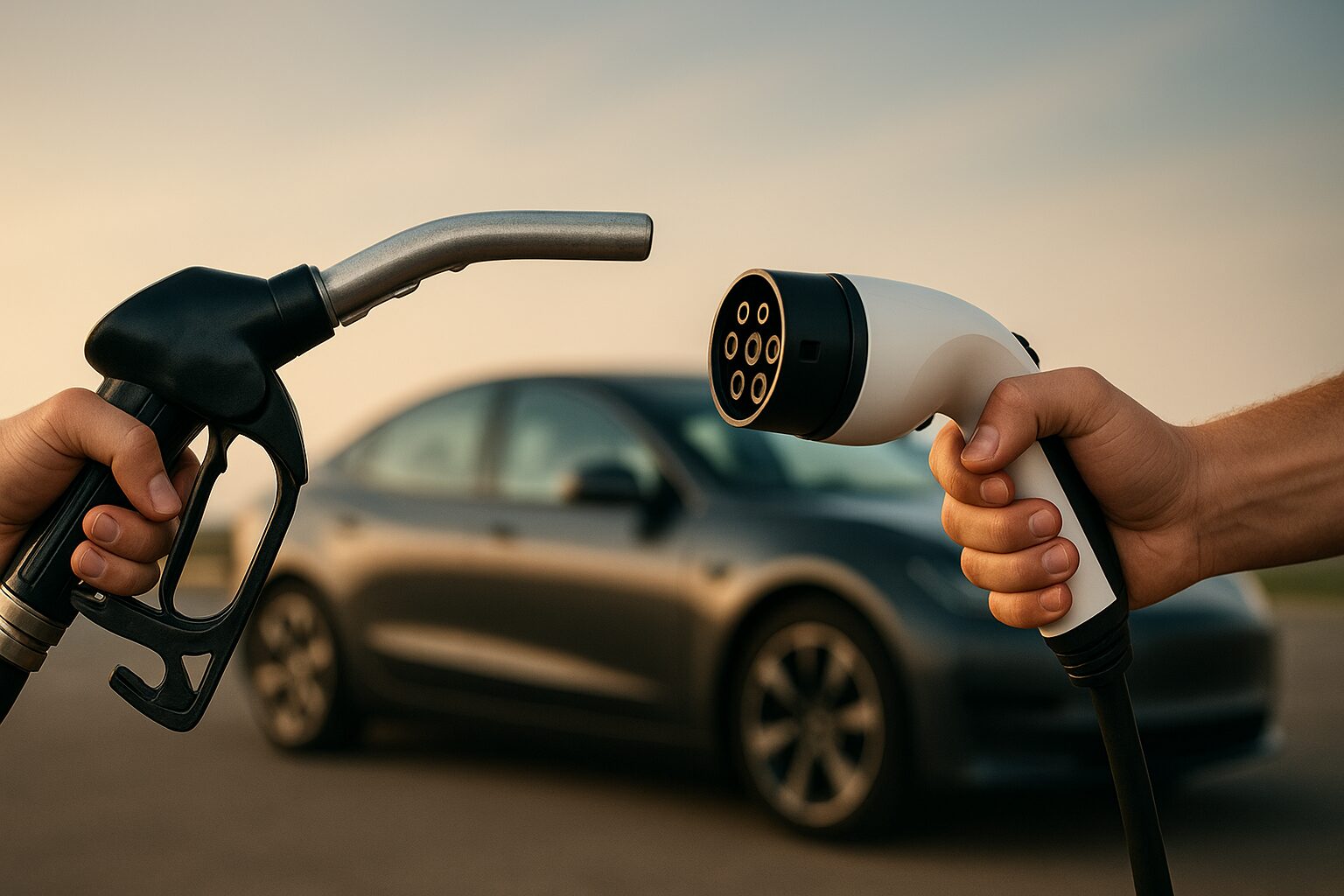
    Duel between petrol pump and electric car charging point
    The confrontation between the petrol pump and the electric terminal: which wins out in terms of savings and comfort?

    The choice between an electric car and a petrol or diesel car is not always a question of ecology. For many drivers, it’s more a question of money. An electric car generally costs between €35,000 and €40,000 to buy, compared with €15,000 to €30,000 for a combustion engine car. The difference is significant. But in the long term, electric cars can be cheaper thanks to savings on fuel, maintenance and the financial aid available.

    To better understand, let’s imagine a concrete example: a person drives 300 km a week.

    • With a petrol car, it consumes around 7 litres of petrol per 100 km.
    • With an electric car, it uses 17 kWh per 100 km.

    It should be noted that this data can change depending on a number of factors: the weight of the vehicle chosen, speed, driving style, ambient temperature and road typography.

    Petrol costs around €1.70 per litre, and electricity €0.20 per kWh.

    Over a week: the first signs of savings

    In the short term, the differences may seem insignificant. Over a week, a combustion-powered car costs approximately €36 in fuel to cover 300 km, compared with just €10 for an electric car. Even if the difference seems small over a week, it already shows a clear advantage for the electric car: it costs much less to fill up, and you don’t have to recharge as often as a combustion car.

    Beyond the cost, the electric car also brings real comfort to everyday life. It offers the peace of mind that many motorists are looking for. No need to keep track of fluctuating petrol prices or make detours to the service station. Recharging can be done in the comfort of your own home, at night or while you’re at work. It saves you time and the stress of repeated fill-ups. What’s more, driving is often quieter and smoother, making journeys more pleasant and less tiring.
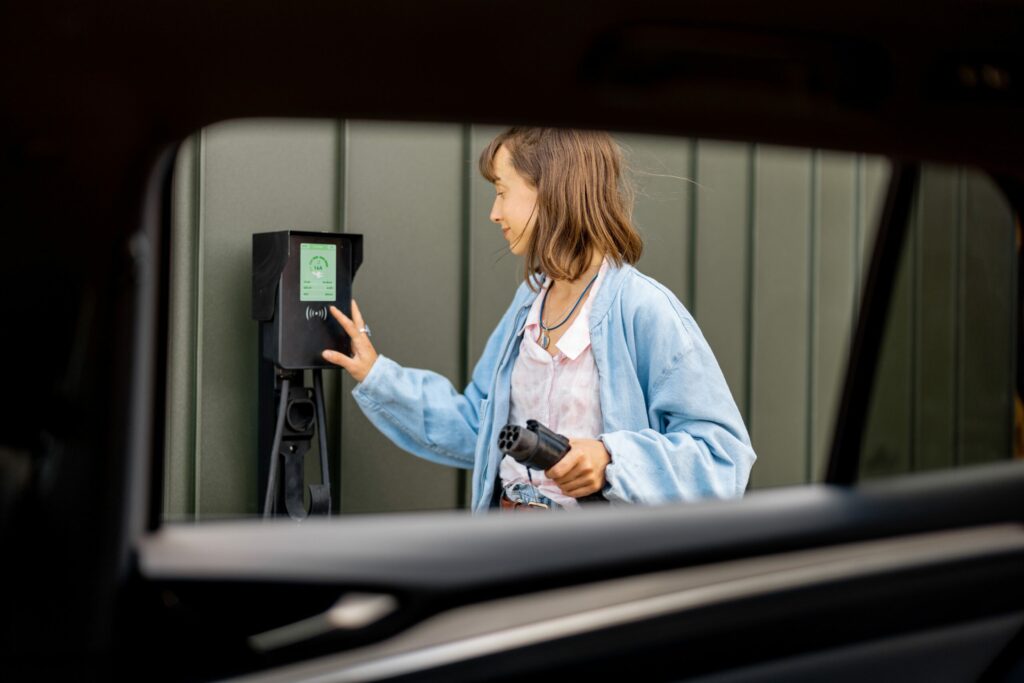
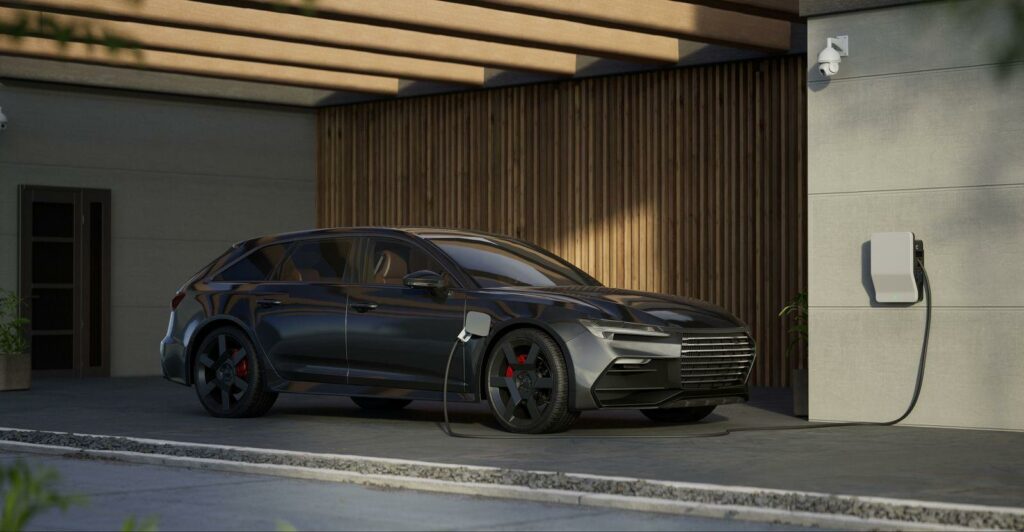
    Woman charging her electric car at home
    Charging your electric car at home: practical, economical and stress-free (Credit: Ross Helen)

    Over one month: a confirmed advantage

    If you multiply these figures by four weeks, the energy bill rises to 144 euros for a combustion engine, compared with just 40 euros for an electric car. The monthly saving is therefore around 104 euros.

    This amount, which may seem modest over a short period, takes on a whole new dimension when projected over a whole year. Over twelve months, the savings become significant: they can offset some of the expenses associated with vehicle maintenance, insurance or even certain unforeseen costs. For long-distance drivers, this financial advantage is even greater, because the further you drive, the wider the gap between electric and petrol vehicles.

    Another point not to be overlooked is recharging. Electric car owners often benefit from preferential rates, whether for charging at home – particularly at night, when electricity prices fall – or at certain public charging points. Depending on the region, the energy supplier or promotional offers, these costs can fall even further. The result is that, over time, the difference in budget between you and a combustion-powered vehicle becomes more and more marked.

    Over one year: concrete results

    Over a full year, the figures become significant: €1,728 for a combustion car, compared with €480 for an electric car, giving an annual saving of around €1,248.

    This difference is not limited to fuel. Electric vehicles generally cost less to maintain: there are no regular oil changes, fewer mechanical parts to break down, and a mechanically simpler engine. Some studies estimate that the annual maintenance costs for an electric car can be 30-50% lower than for a combustion engine. Over ten years, this represents several thousand euros in additional savings.

    In practice, over the years, the total cost of an electric car can become equal to or even lower than that of a combustion-powered car. The savings come from fuel, maintenance and sometimes financial assistance. For those who drive a lot every year, these savings can quickly become significant.

    Over 10 years: the advantage becomes obvious

    If we project these calculations over 10 years, the cost of fuel alone rises to 17,280 euros for combustion engines, compared with just 4,800 euros for electric cars. Total savings therefore exceed €12,400, which more than makes up for the higher initial investment.

    But the long-term benefits go beyond fuel economy. Reduced maintenance, ecological bonuses and easier resale in a market that is moving towards electric cars reinforce these benefits. Conversely, combustion-powered cars can lose value more quickly, especially in areas with increasing restrictions on polluting vehicles.

    With rising fuel prices, electric cars are becoming even more attractive in the long term. Over ten years, every kilometre driven represents a real saving, on top of the gains already made thanks to reduced maintenance and possible grants.
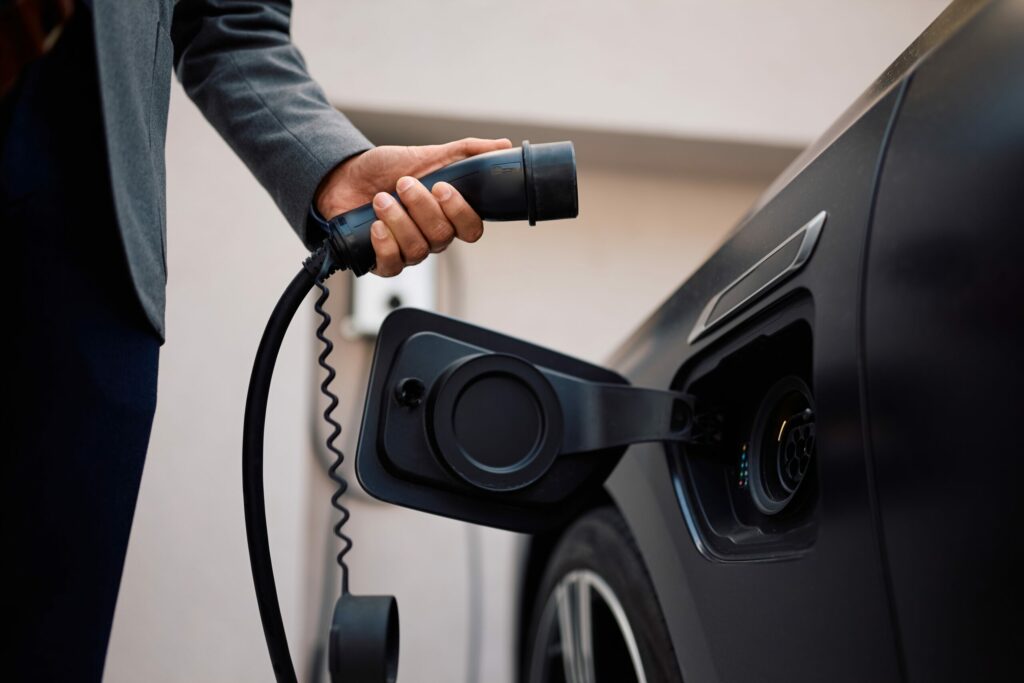
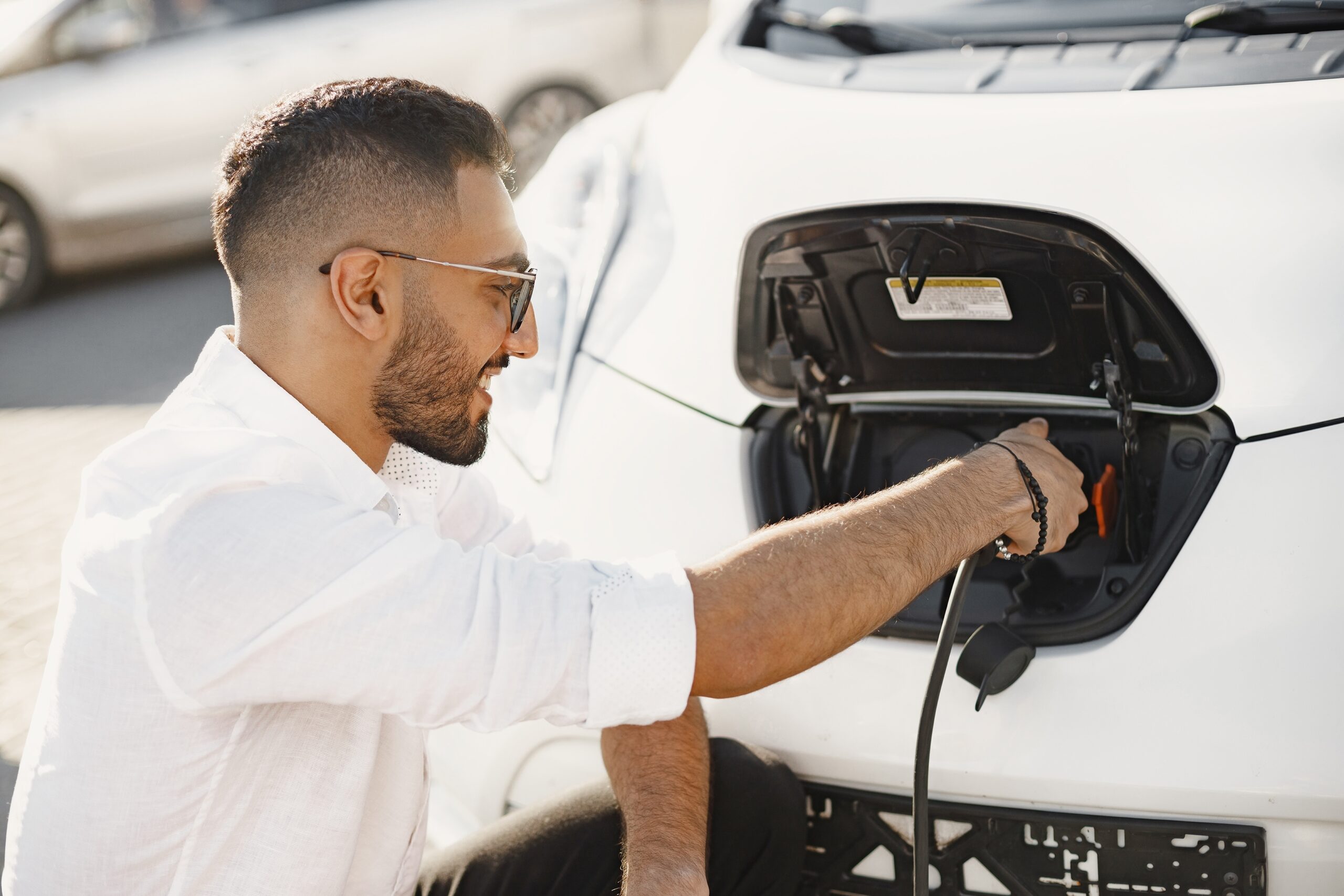
    Plugging in a cable to charge an electric car
    Plugging in your electric car at home takes just a few minutes. It can save you up to €1,248 on fuel costs in a year compared with a combustion car. (Credit: Drazen Zigic).

    Beyond the figures: factors to consider

    If we consider fuel and maintenance alone, the advantage of electric cars is already clear. But other factors reinforce this logic:

    • Changes in urban regulations: many towns and cities are gradually banning the most polluting internal combustion vehicles. This can not only reduce their resale value, but also limit their access to certain areas.
    • Insurance costs: some insurers offer preferential rates for electric vehicles. This is due to a generally more cautious driving profile and the presence of advanced safety technologies. It reduces the risk for the insurer.
    • Environmental impact: although this is an indirect argument, it remains very important for many motorists. What’s more, choosing an electric car often allows you to benefit from tax incentives, environmental bonuses or other financial aid, making it even more attractive from an economic point of view.

    In the short term, the savings associated with electric cars may seem modest. But they quickly become tangible over a year and truly significant over ten years. The higher initial cost is more than offset by the savings on fuel and maintenance, while providing real environmental benefits. For regular drivers or those who cover long distances, going electric is therefore becoming an increasingly logical choice, both financially and environmentally.
  • A Chinese car was Europe’s second best-selling plug-in hybrid in August

    A Chinese car was Europe’s second best-selling plug-in hybrid in August

    Shocking news for the European new car market. Last month, a Chinese car occupied the second position in the plug-in hybrid (PHEV) new registrations ranking, confirming the rapid growth that some of these companies, like BYD, are having across the region.

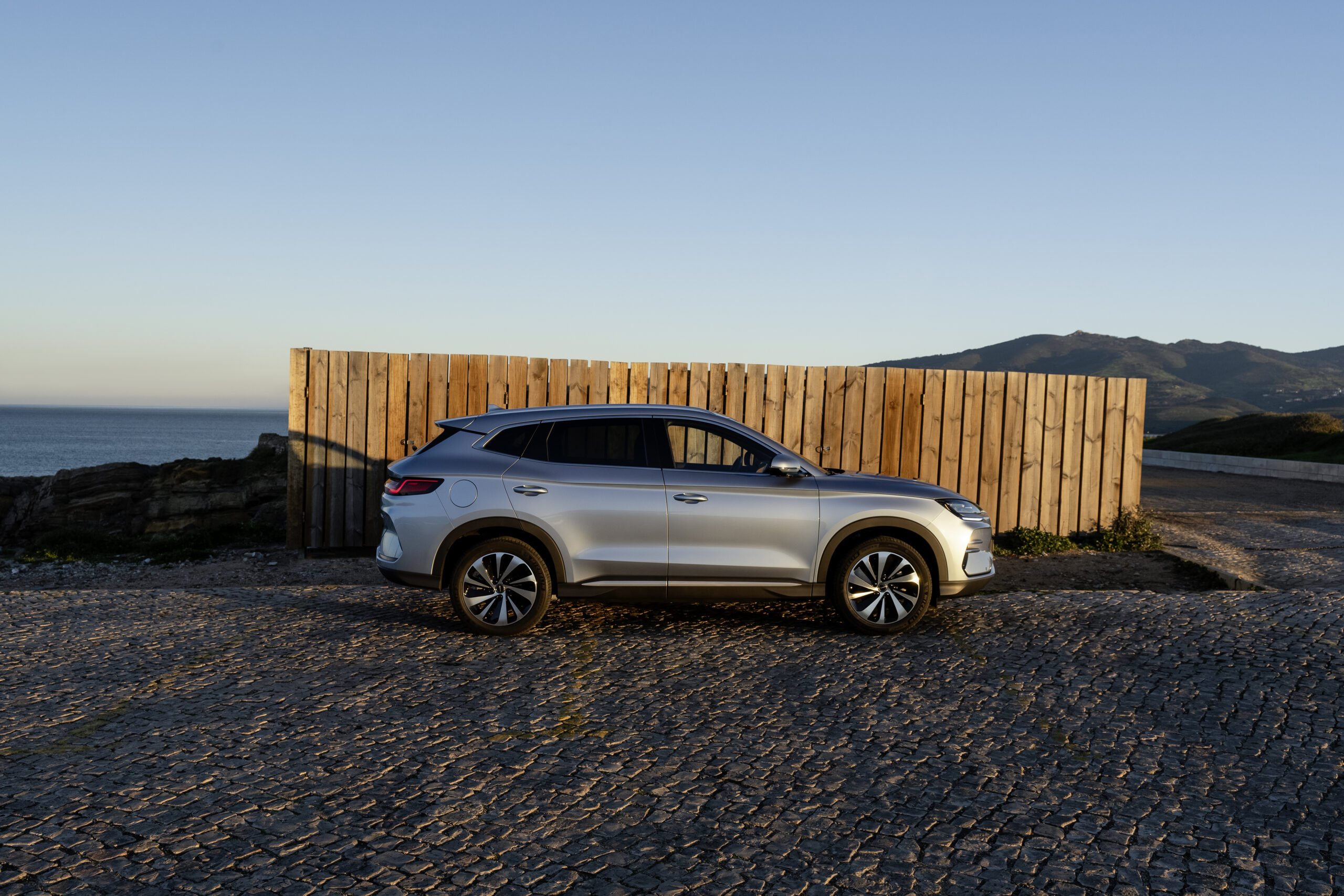
    Side profile of the BYD Seal U plug-in hybrid SUV
    The BYD Seal U, now Europe’s second best-selling PHEV in August. (Credit: BYD)

    The data revealed by JATO Dynamics indicates that the BYD Seal U with its plug-in hybrid powertrain registered 3,918 units during the month in 28 European markets. This total puts this Chinese SUV in the second position in the PHEV ranking, only behind the German-made Volkswagen Tiguan with 4,485 units.

    What is even more interesting is that year-to-date volumes also put the Tiguan and Seal U in first and second positions, but with a higher growth rate for the latter. By the end of August, the Volkswagen was ahead of the BYD by almost 3,200 units, meaning that we could see the latter outselling the former by the year-end.

    Not only BYD

    The incredible progress made by Chinese manufacturers in Europe does not stop at BYD. August’s top 10 included two other models coming from this country. At the 7th position there is the Jaecoo J7 from Chery Group, and at the 9th position there is the MG HS from SAIC Group.

    These are remarkable results posted by these three Chinese makers. They confirm their latest move to face the tariffs on their electric cars by increasing their presence in other alternative fuel segments like the PHEVs and HEVs (full hybrids). In fact, most of the growth posted by the Chinese car brands this year has been driven by these two powertrains and not so much by the BEVs.

    Between January and August of this year, the BEVs represented 30% of the Chinese car brands’ sales against 38% from PHEV and HEV combined.

    The other models from the PHEVs top 10 in August

    Behind the Tiguan and Seal U, there was the Volvo XC60 with 3,378 units. It was followed by the Ford Kuga with 3,023 units, and the Toyota RAV4 with 2,856 units. The sixth position was occupied by the BMW X1 which registered 2,724 units. Its bigger brother, the BMW X3, registered 2,387 units at 8th position, while the Hyundai Tucson completed the top 10 with 2,221 units.

    Among them, the BYD Seal U was the most dependent on this powertrain, with its PHEV version accounting for 86% of its total registrations during the month. It was followed by Volvo XC60 (75%), and the Jaecoo J7 (72%).

  • Can mobility really be green?

    Can mobility really be green?

    Spoiler: no. For example, a car, even an electric one, is by definition an object that has to be manufactured and then supplied with energy, so cars and transport in general will never be 100% eco-friendly. But solutions do exist to reduce the environmental impact of cars as much as possible.

    While the electric motor is a prerequisite for the ‘green’ car, there are other solutions at the design stage, as well as in use, that would enable the car to reduce its impact on the planet even further. ECO MOTORS NEWS spoke to Aurélien Bigo, an independent researcher, member of the Energy and Prosperity Chair and former ADEME employee, whose thesis dealt with the subject of transport and the challenge of the energy transition. The right person to enlighten us on the subject.

    Greening the car from the design stage

    Even before it leaves the factory, a car has already polluted enormously. This is especially true of electric cars. Although they pollute much less than internal combustion engines during their life cycle, their manufacture has a much greater negative impact, so they have to make up for their carbon debt over the kilometres (around 30,000 kilometres). But there are some good habits to adopt at the design stage that could help reduce this gap.

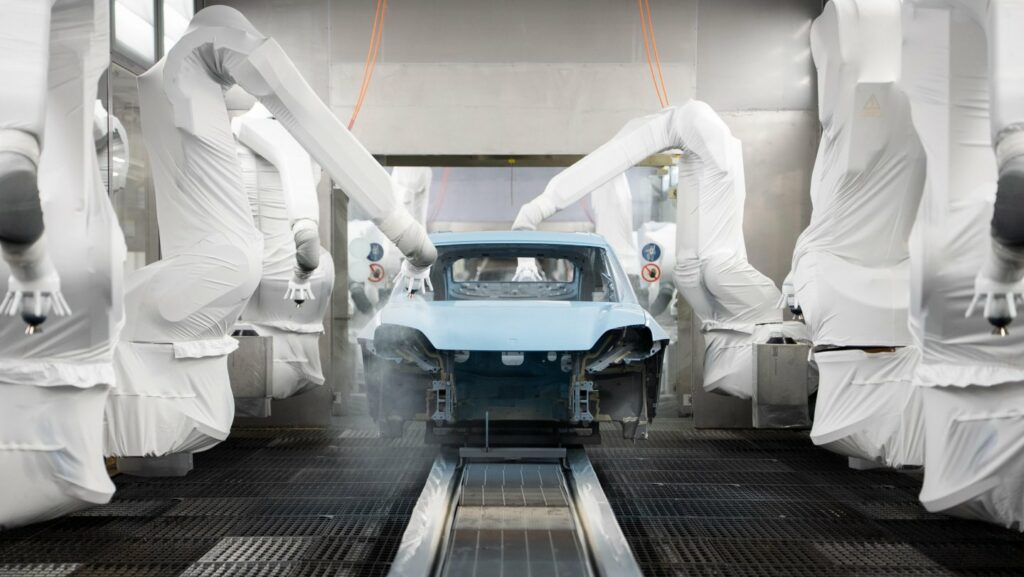
    Electric Porsche Macan being assembled at the Leipzig plant
    Production of the electric Macan at the Porsche plant in Leipzig, illustrating the growing popularity of electromobility.

    First, there’s the question of weight. According to Aurélien Bigo, “the lighter a vehicle is, the fewer emissions it generates, and the smaller its battery can be, which limits its impact“. The researcher therefore recommends that “batteries should be sized according to the range required for everyday journeys rather than very long distances” in order to reduce their size and the use of resources needed to manufacture them. In the same vein, it will be necessary to optimise batteries in order to reduce the quantity of materials required per kWh.

    Aurélien Bigo also points out that it is essential to extend the lifespan of vehicles, in particular through repairs, but also “by maintaining use despite the gradual decline in battery capacity“. Making a car last is essential because, in France, electricity is already low in carbon, so, as the researcher explains, “the main impact of a car comes from its manufacture, and it must be amortised over as long a period as possible“.

    While the manufacture of an electric car is the first thing we think of when we talk about its environmental impact, we also need to consider the question of recharging. At the design stage, it may be worthwhile to democratise the integration of vehicle-to-grid (V2G) and vehicle-to-home (V2H) technologies, which allow the car to return energy to the grid or act as a generator for the home, respectively. Over and above the savings made by the owner, this also helps to limit stress on the grid and limit consumption.

    The five levers of the National Low Carbon Strategy

    Aurélien Bigo outlines the five levers identified by the National Low Carbon Strategy(SNBC) to reduce the environmental impact of transport. And because things are well done, they are listed in ascending order of difficulty of implementation.

    The first is simply to drive less. This means reducing the number of kilometres travelled on a daily basis, by increasing the availability of public transport, but also “by bringing the places where people live, work and receive services closer together“.

    Then there is the modal shift: giving priority to walking, cycling and public transport. While Aurélien Bigo acknowledges that this lever is easier to activate “in dense areas than in rural areas“, he is not losing hope in the development of soft mobility in rural areas. The development of car-sharing, another of the five levers, could also be a step in this direction.

    The fourth lever directly concerns ECO MOTORS NEWS, since it involves improving energy efficiency through more fuel-efficient vehicles and the electrification of the vehicle fleet. Finally, the fifth is quite simply to decarbonise energy, by replacing oil with less carbon-intensive energies, including electricity.

    According to Aurélien Bigo, these levers are complementary: “some require more social and territorial transformations, but offer the greatest reductions in emissions. Others require fewer changes to lifestyles, but reduce the overall impact less significantly”. The key, then, is to strike the right balance in order to achieve the goal of truly environmentally-friendly mobility.

  • Despite its sales drop, the Tesla Model Y is still Europe’s most popular BEV

    Despite its sales drop, the Tesla Model Y is still Europe’s most popular BEV

    A big part of the reason why Tesla is facing trouble nowadays is the Model Y. It is the  brand’s most popular product and yet it is recording big sales drops across Europe. The  increasing competition, its old age, and the facelift introduced in Q1 2025 are all  contributing to a 34% drop on its registrations through July 2025.  

    Nevertheless, this compact to midsize SUV was still the region’s top-selling pure electric  vehicle. The data from JATO Dynamics indicates that between January and July Tesla  registered almost 74,500 units of the Model Y. This is considerably lower than the  112,100 units registered during the first seven months of 2024, but enough to put it in  the top spot in the BEV sales ranking by models.  

    The result is even more remarkable after seeing the strong growth posted by the  following models in the ranking. The data shows three Volkswagens at the second,  third, and fourth positions, with all of them posting double- and triple-digit growth. The  Volkswagen ID.4 increased its volumes by 35% and yet it was almost 28,000 units  behind the Model Y.

    Volkswagen IDs products’ increases came at the expense of a lower position of the  Tesla Model 3, which was outsold by the Volkswagen ID.7. In January-July 2024, the  Model 3 was Europe’s second most popular BEV, falling to the 5th position this year. This  Tesla is already 9 years old.

    The other winners

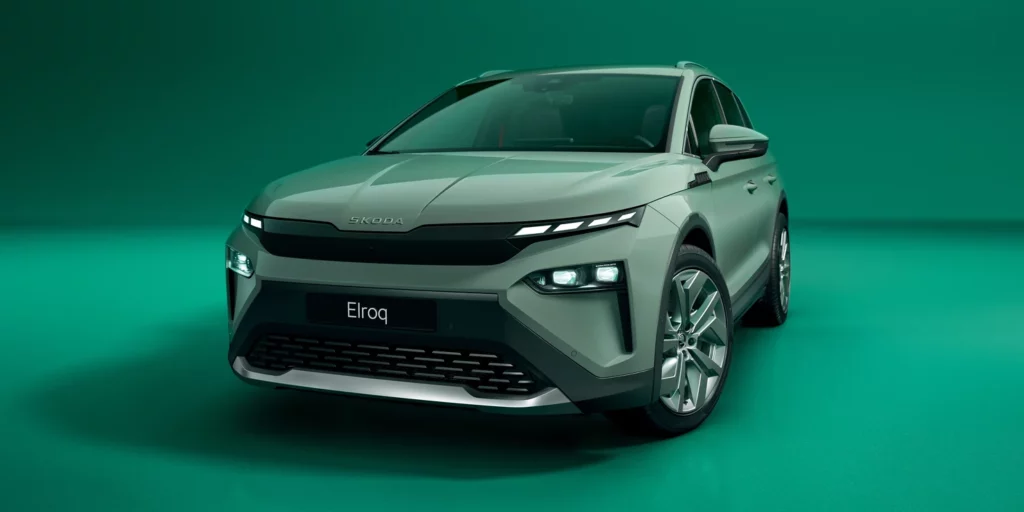
    The Skoda Elroq was the most successful recent BEV launch in Europe with almost  43,000 units, at 6th position. It was followed by the also recently introduced Kia EV3 with  40,900 units, and the new Renault 5 with 39,900 units. None of them were available a  year earlier. They are proving to be successful within the small BEV world. The top 10  was completed by the Skoda Enyaq with 38,900 units, and the BMW iX1 with 37,800  units.  

    Further down the list the Audi Q6 e-tron at 11th position registered 28,900 units, while  Citroen registered 24,900 units of the electric C3, becoming the top-selling BEV from  Stellantis occupying the 16th position in the BEV ranking. Ford seems to have finally  taken off with the Explorer EV with 22,500 units, outselling others like the Renault  Scenic (20,900 units), Hyundai Kona (19,900 units), and the Kia Niro (5,900).  

    In contast, the initially successful Volvo EX30 has lost ground with its volumes down by  43% (partly affected by the tariffs on Chinese BEVs), as well as its bigger brother the  EX40, down by 37%. Another Chinese BEV to drop dramatically was the MG4 (-54%).  Stellantis saw mixed results as the Peugeot 3008 was up by 156% to 12,900 units while the volumes of the Peugeot 2008, Fiat/Abarth 500, and Peugeot 208, fell by 19%, 49%,  and 57%, respectively.

  • Volkswagen Group is the big winner from Tesla’s drop

    Volkswagen Group is the big winner from Tesla’s drop

    Tesla continues to face big issues. It seems like everything that could go wrong went indeed like that, and at the same time. First it was Elon Musk’s risky public involvement in politics. Then it came the model changeover for the Tesla Model Y. All these happened while the competition from China and Europe, and even USA, Japan, and Korea, started to catch up rapidly.

    Tesla electric cars on European streets 2025
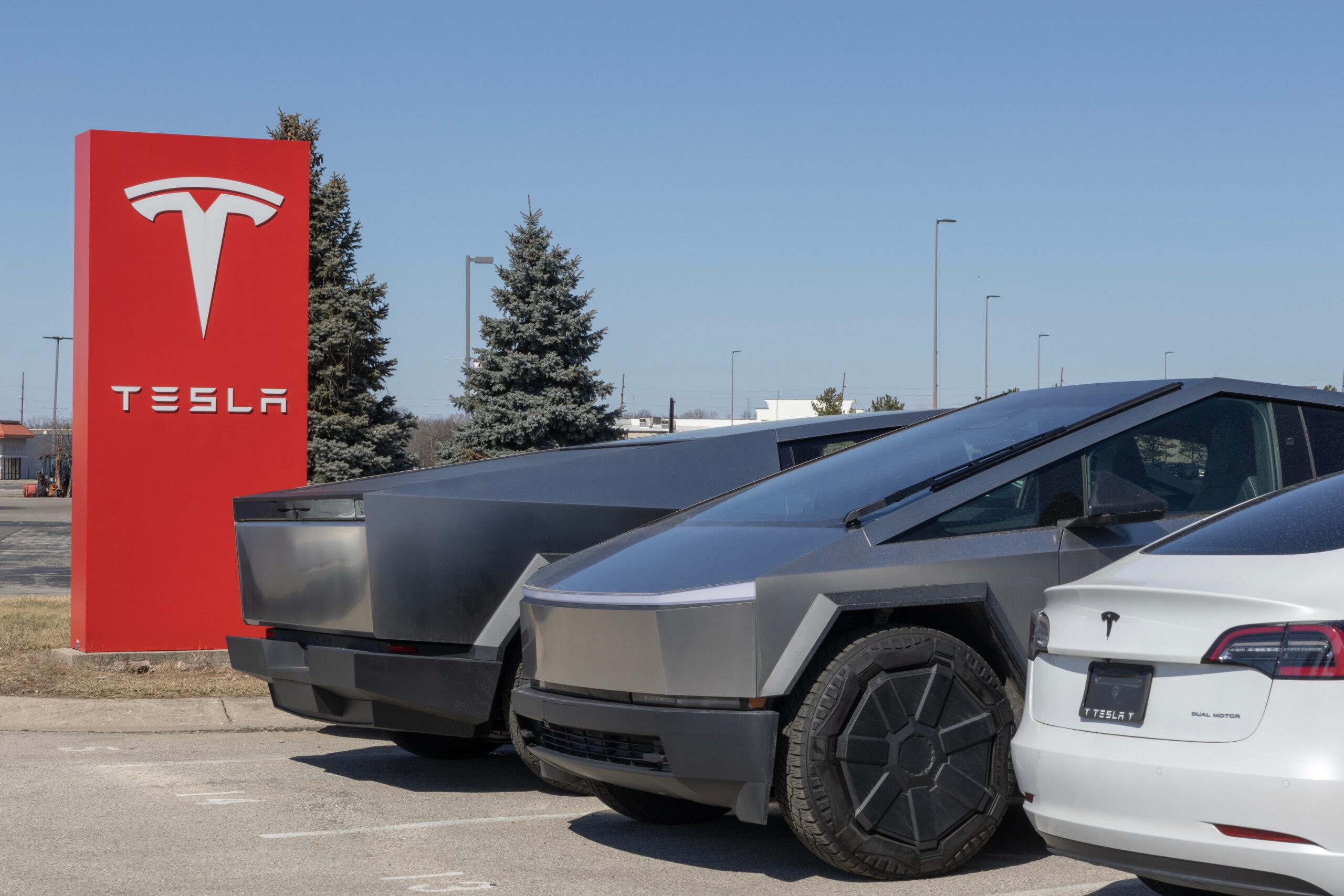
    Tesla struggles in Europe as competitors gain BEV market share

    Elon Musk’s Risks and Tesla’s Decline

    Although it is hard to tell how good or bad his bet on Donald Trump’s campaign did to his companies, when you participate in politics you’re taking a clear position. This might have split the opinion around him and therefore around his cars. As his role within the new government became clear, the company was in the process of updating its top-selling product – the Model Y. Any update, facelift, or new generation takes time and usually has an initial negative impact on sales. 

    Meanwhile other players were catching up. In Europe it was mainly the case of the Volkswagen Group, the region’s largest carmaker. According to data from JATO Dynamics, the German maker increased its market share within the BEV (Battery Electric Vehicle) market from 18.9% in January-July 2024 to 28.6% in January-July 2025. That’s an increase of almost 10 percentage points!

    Volkswagen Group’s Rise in the European BEV Market

    In fact, Volkswagen’s solid position is now looking better than its market share in the overall European passenger car market (including all powertrains). During the first seven months of this year, the German manufacturer posted a 26.7% share. 

    Volkswagen cars with logo in Europe 2025 BEV market
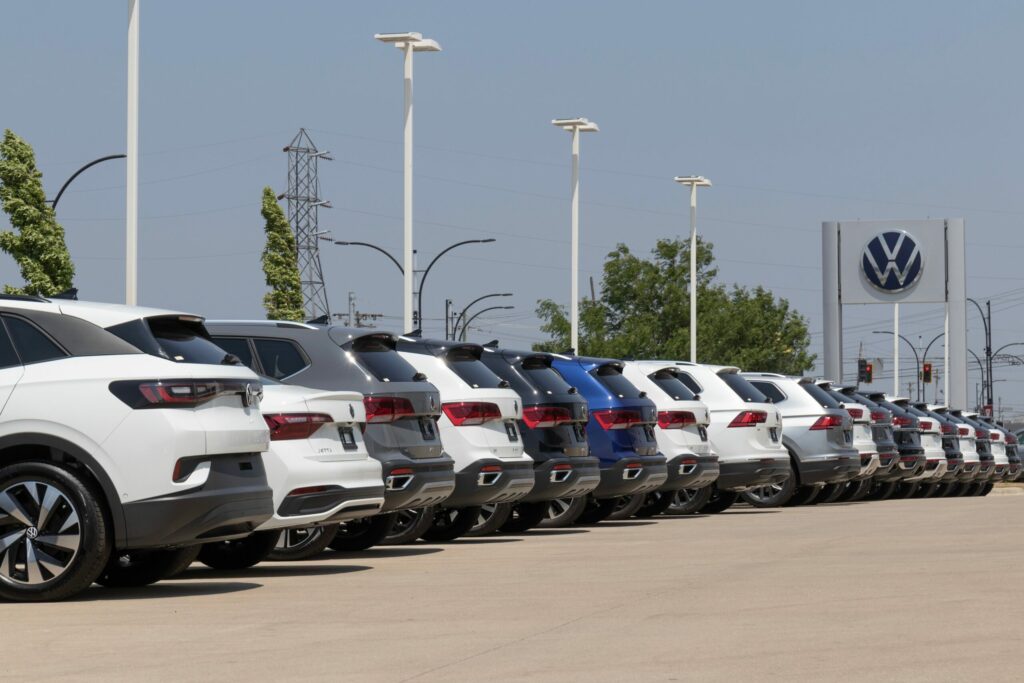
    Volkswagen Group expands its BEV lineup in Europe, overtaking Tesla

    In contrast, Tesla reduced its market share in the BEV segment by 7.8 percentage points from 16.4% in 2024 to 8.6% this year. It was the biggest loser in Europe. The updated Model Y is taking longer to take off in terms of sales, and the rest of the lineup is getting old. 

    There is a big gap in terms of the size of the BEV lineup and its age in Europe between Tesla and Volkswagen Group. The former only offers two models for the region with an average age of 8 years old (counted between the date of the official reveal and September 2025). In contrast, the Volkswagen group currently sells 21 different models across its many brands with an average age of 3.3 years old. 

    However, it was Ford the carmaker to post the highest BEV share within its own sales. In Jan-Jul 2024, only 4.4% of its sales in the region corresponded to BEVs. One year later, they represented 14.1%. Volkswagen Group and Hyundai-Kia also posted big increases. On the other hand, BYD saw its BEVs with a lower share within its own sales as it has introduced several plug-in hybrid models throughout the year. 

    BEVs have still big challenges ahead. In the meantime, big changes are happening.

  • IAA Mobility 2025: Munich at the centre of the world of electric mobility

    IAA Mobility 2025: Munich at the centre of the world of electric mobility

    The IAA Mobility 2025 show opens in Munich in a climate of change and uncertainty for the automotive industry. But with technological innovations, new European models and an offensive by Asian manufacturers, the event gives us grounds for optimism.

    The IAA Mobility 2025, which takes place in Munich from 9 to 14 September 2025, confirms its status as the global platform for mobility. ECO MOTORS NEWS is already on site, having opened its doors to the press on September 8. At today’s press conference, the organisers and some of the 740 exhibitors from 95 countries highlighted innovations in electric and electrified mobility. Taking place both in the heart of the exhibition centre and in the city, this 2025 edition is set to be the most ‘general public’ yet also the most international. More than half of the exhibitors are non-German.

    Volkswagen, BMW and Mercedes reign supreme, Opel creates a surprise at the Munich Motor Show

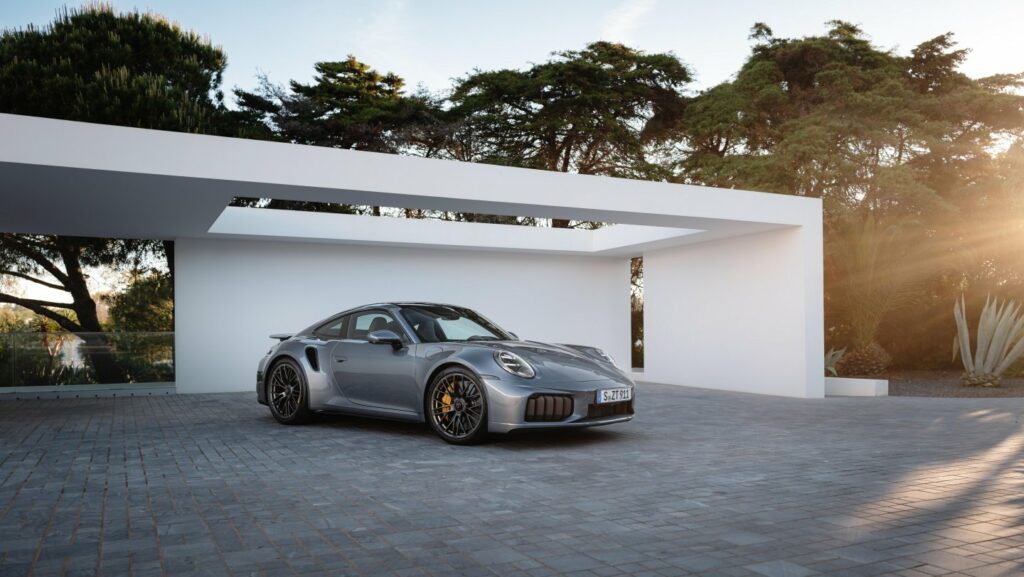
    The IAA Mobility 2025 in Munich has opened its doors to manufacturers from all over the world, but it’s still the German brands that are taking the lion’s share. Leading the way was Volkswagen, which unveiled no fewer than four new electric models in its ‘Open Space’ area, accessible to the public in the city centre. Also from Volkswagen, but this time within the group, Skoda unveiled the Epiq, a small electric SUV expected to cost under €25,000. It further strengthens the VW group’s position in the highly sought-after entry-level electric segment. A little less ‘affordable’, Porsche chose Munich to present the 911 Turbo S equipped with a new hybridisation system (we’re not talking about a Prius, admittedly, but still!) as well as an electric version of the Cayenne, equipped with an innovative wireless recharging system. These two new products show that Porsche has not given up: the brand intends to preserve its DNA while making the transition to a more energy-efficient car.

    porsche 911 turbo S hybrid munich motor show 2025
    Credit: Porsche

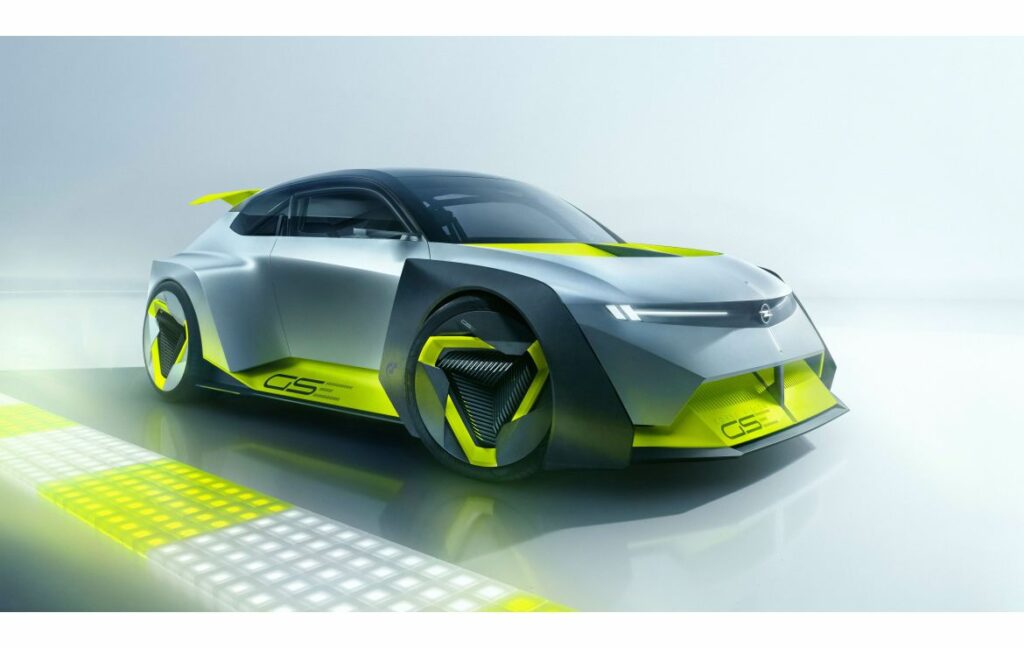
    While the Volkswagen Group, the world leader, was inevitably eagerly awaited on its home turf, it was a German manufacturer, but from the Stellantis Group, Opel, which created the biggest surprise. Opel caused a sensation at the IAA Mobility 2025 with two eye-catching new products: the new Mokka GSE, a sporty electric version of its compact SUV, and above all the Corsa GSE Vision Gran Turismo concept car. Futuristic, pop-coloured and sharp, it seems to point to future design changes at Opel.

    concept car Corsa GSE munich motor show
    Credit: Stellantis

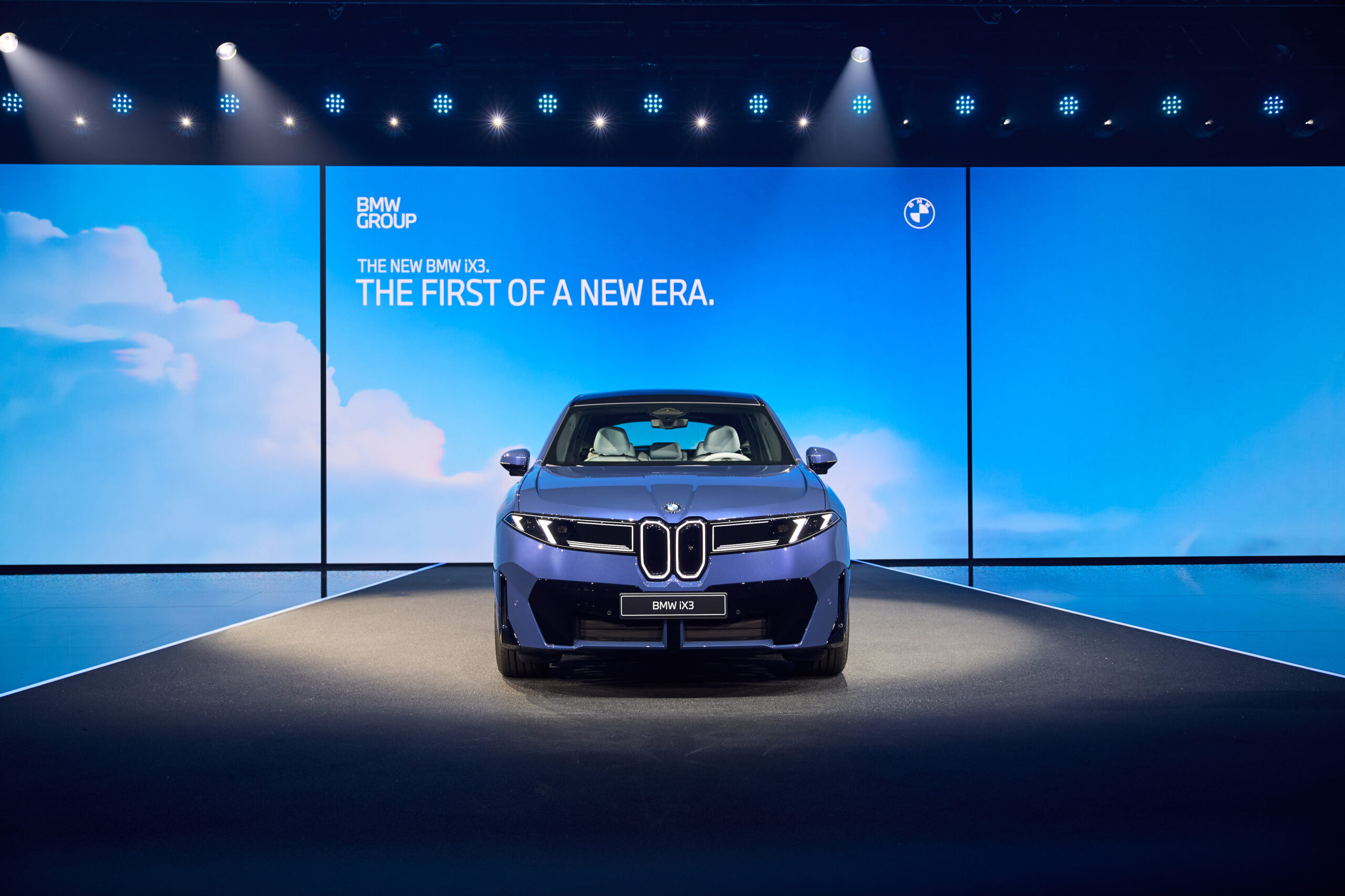
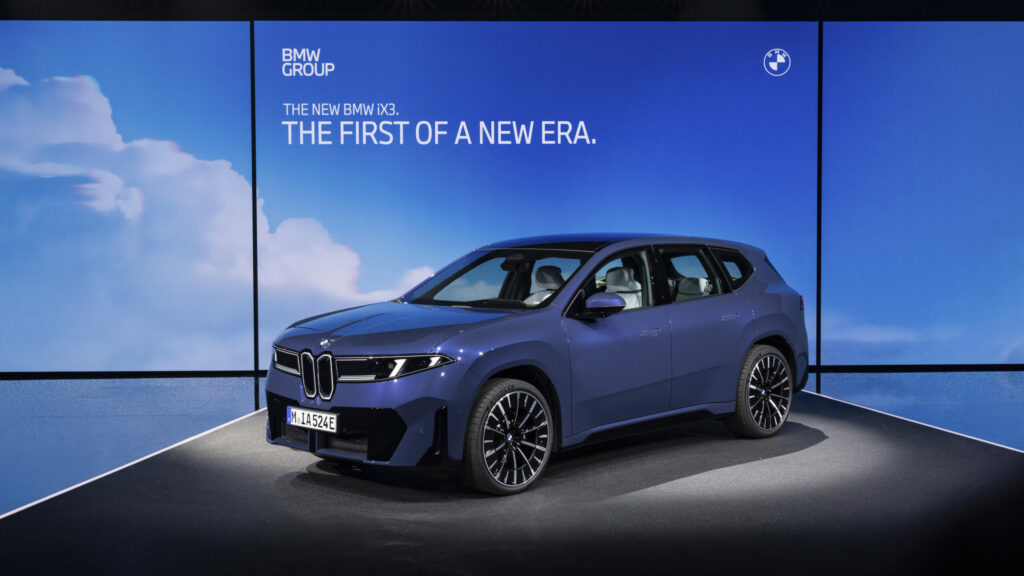
    Mercedes, for its part, presented the new 100% electric GLC, equipped with EQ technology and embodying the new phase of its “Sensual Purity” design philosophy. Last but not least, BMW caused a sensation with the launch of the iX3, the first model on the new ‘Neue Klasse’ electric platform, which promises a range in excess of 800 km and the possibility of recovering up to 370 km of range in just ten minutes. Available on the Old Continent from spring 2026, it is expected to cost around €69,000. Enough to stop the Chinese competition?

    bmw ix3 electric car
    Credit: BMW

    Chinese and Turks attack the European market

    Chinese manufacturers are making a big impression at Munich. Whether it’s Leapmotor with its B05, which is due to go into production in Spain by the end of 2026, ready to take on the Megane E-Tech and the Volkswagen ID.3, or Xpeng with its P7+, with a price/performance ratio that could well shake Tesla and maybe even… Mercedes!

    xpeng p7+ chinese electric saloon iaa mobility show
    Credit: Xpeng

    On the borders of Europe, there’s a young brand that’s determined to make its mark in the sun, starting with Germany. Togg, Turkey’s first national manufacturer and only 7 years old, has announced the arrival in Germany of its two models, the T10X SUV and the T10F saloon, whose BMW-inspired design could catch the eye of German drivers. And Togg’s survival depends on it. According to Reuters, the Turkish manufacturer would need 200,000 sales a year to be profitable, and its domestic market, although showing very decent results (30,000 units sold in 2024), is not enough. Germany is therefore, first and foremost, a strategic market to conquer, but also the ideal gateway for conquering other European markets.

    Autonomous driving, from fantasy to reality

    It’s not just hardware that’s on show in Munich. The IAA Mobility also welcomes exhibitors specialising in software, particularly for autonomous driving. Or rather, ‘driving aids’. More than 200 vehicles will be on display for visitors to get a real feel for the latest developments in these technologies, which are as fascinating as they are frightening! QCraft, for its part, is not afraid of anything. Quite the contrary, in fact. The Beijing-based company, which specialises in autonomous navigation solutions, has announced the opening of its European headquarters in Germany – which explains its presence in Munich – as well as a strategic partnership with American giant Qualcomm. Sounds promising!

    Optimism at IAA Mobility Munich 2025

    While the skies over Munich are not all rosy when it comes to electric mobility and even the automotive sector in general – Volkswagen’s Oliver Blume claims that US customs duties have cost the group billions and forced it to review its international policy, and Jean-Philippe Imparato of Stellantis is backtracking on all-electricity by 2030 – the 2025 edition of the IAA Mobility is nonetheless full of fine promises. With more affordable vehicles, new recharging technologies, autonomous driving, Chinese companies planning to produce in Europe and even the sporty Porsche 911, there’s plenty to be optimistic about.

  • French electromobility in 2025: between innovations and challenges

    French electromobility in 2025: between innovations and challenges

    As we enter 2025, the French automotive industry is stepping up its efforts to adapt to the energy transition. Between technological advances, the development of recharging infrastructures and regulatory changes, the electromobility landscape is undergoing major transformations.

    Young man charging his electric car, a symbol of sustainable urban electromobility.
    Young man recharging his electric car, reflecting the roll-out of recharging infrastructure in France.

    Since January, French manufacturers such as Renault and Stellantis have continued to invest in the development of high-performance, affordable electric vehicles. Renault, a European leader in electric cars, is continuing to invest in V2G technology. This technology enables energy to be redistributed on the electricity grid (Vehicle to Grid). It can also power electrical appliances (Vehicle to Load). Renault continues to invest in research and development to further improve its technologies and meet the challenges of the energy transition.

    Stellantis, for its part, is developing modular platforms dedicated to electric vehicles. The aim is to diversify its offering while keeping production costs under control. This automotive group is one of France’s leading innovators. It is France’s leading patent filer, with 1,289 patents registered in 2024. These figures come from the rankings announced by the Institut National de la Propriété Industrielle (INPI).

    This year, Vinci Autoroutes is also testing an “electric motorway” capable of recharging vehicles by induction on a two-kilometre stretch of the A10 near Paris. This project, led by Vinci Autoroutes in collaboration with Gustave-Eiffel University and industrialist Hutchinson since 2023, aims to test the energy efficiency of this innovative technology. The device is buried a few centimetres beneath the carriageway. It could reduce the number of stops required for recharging. It could also reduce the size of the batteries needed, thereby contributing to the decarbonisation of transport, particularly for heavy goods vehicles.

    A fast-expanding recharging network

    The rollout of charging infrastructure is gathering pace in France. From 1ᵉʳ January 2025, new obligations require car parks in buildings open to the public to be equipped with charging points, in accordance with the provisions of the French Mobility Orientation Act (LOM). Non-residential buildings with more than 20 parking spaces must now install charging points for electric vehicles, with at least 5% of spaces equipped, including spaces for people with reduced mobility. This should satisfy electric motorists: “This is a necessary change to support the transition to electric mobility. The lack of charging points was a major obstacle for many drivers. With these new requirements, it will finally be easier to recharge your vehicle on a daily basis”, explains Thomas, a resident of the Paris region.

    A white semi-trailer truck driving along a mountain road at sunset, a symbol of transport and electromobility.
    Freight transport and electromobility: an electric truck travelling on an Alpine road, illustrating high-performance, sustainable electric vehicles.

    Accessibility of charging in condominiums

    Similar measures have been put in place in condominiums to facilitate access to recharging for residents. According to the fourth IRVE Barometer published by Avere-France, AFOR and Enedis, more than 10,000 condominiums are now equipped with charging stations. In addition, 33,880 condominiums have validated their plans to install charging infrastructure. These initiatives are designed to encourage the adoption of electric cars. They improve the accessibility and convenience of recharging. They also address concerns about range and infrastructure.

    “Thanks to these measures, I can finally recharge my car in my car park. Before, I had to leave my car more than ten minutes from home, which was very tiring. I went to great lengths to ensure that we could have these recharging facilities,” says a delighted Laura, who owns an electric car. Although the figures are rising, the deployment of charging infrastructure is struggling to keep pace with the growth in the electric vehicle market. According to the barometer, there are 269,000 apartment blocks with car parks in France, but only 3.94% of them currently have a collective recharging solution.

    Changing financial incentives

    On the regulatory front, the French government plans to cut support for the purchase of electric vehicles by a third by 2025. The budget will be cut from €1.5 billion to €1 billion. On 2 December 2024, the conversion allowance was abolished. This bonus provided aid for the purchase of a less polluting vehicle by scrapping an old car. This reduction is explained by the falling cost of electric vehicles and their growing market share. As a result, the need for subsidies has been reduced.

    The remaining funds will be prioritised for low-income households to ensure a fairer transition.

    The government is stepping up penalties on vehicles with high CO₂ emissions, lowering emission thresholds to 113g CO₂/km in 2025, then to 106g in 2026 and 99g in 2027. These measures are designed to encourage the adoption of cleaner vehicles and accelerate the transition to sustainable mobility.

    A sector still facing challenges

    The year 2025 marks a turning point for the French automotive sector. Industry players are focusing on sustainability, safety and innovation. However, challenges remain. They concern the affordability of electric vehicles, the densification of recharging infrastructures and the management of the environmental impact of battery production and recycling.

    Research is continuing into alternative technologies, such as solid batteries and hydrogen. These innovations aim to improve range and reduce the sector’s carbon footprint. The industry will also need to be structured to ensure that batteries are more recyclable. It will also have to minimise their environmental impact throughout their life cycle.

    Collaboration between public authorities, manufacturers and consumers will be key to overcoming these obstacles. It will help to position France as a leader in electromobility in Europe.

  • Profile of electric car owners in France

    Profile of electric car owners in France

    As the electric car market is still relatively new and growing rapidly, it is of interest to consultancies and pollsters, who are constantly publishing studies on the subject which, when aggregated, produce a profile of the typical electric car owner in France.

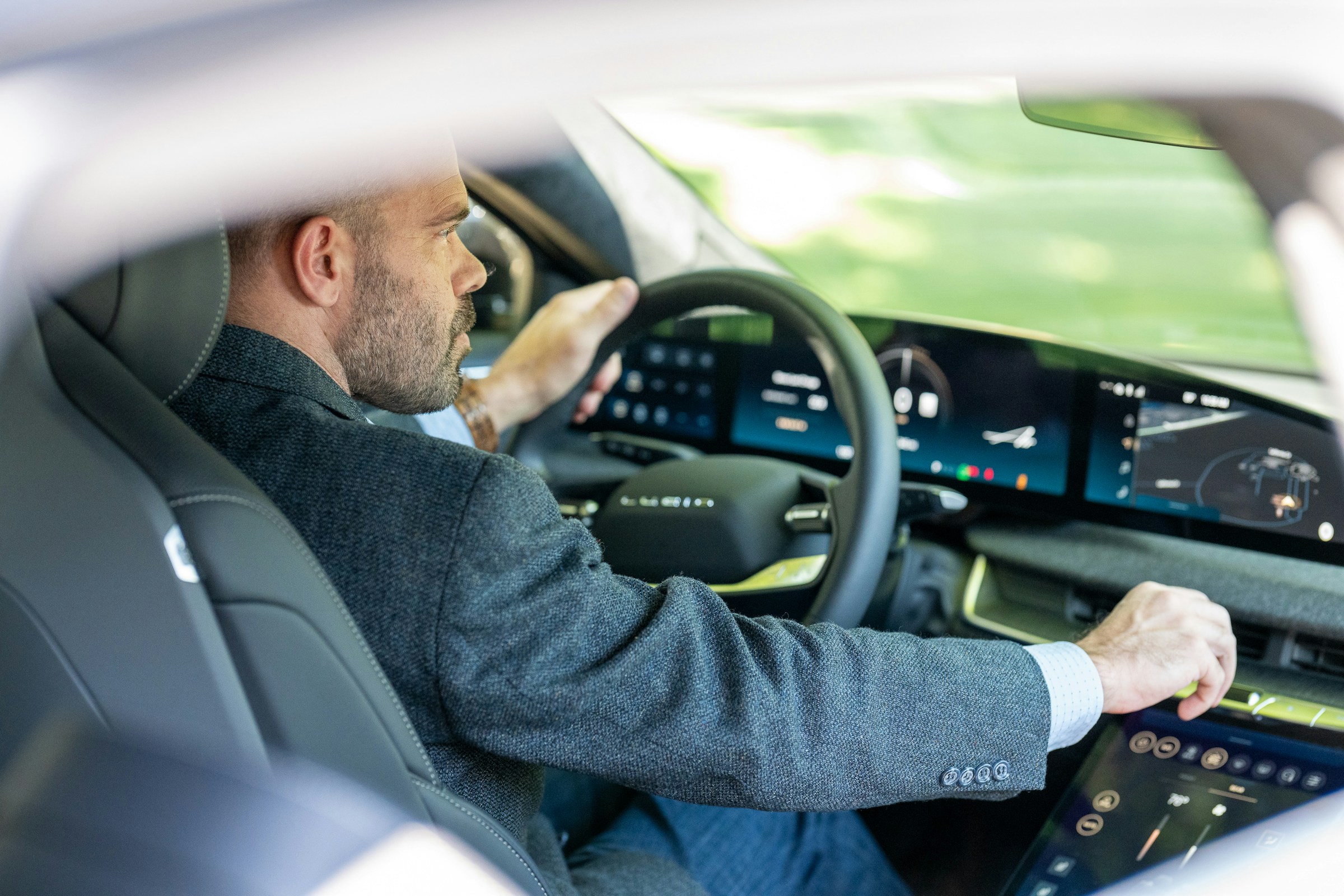
    Man driving an electric car in France, seen from behind
    A discreet portrait of an electric car owner in France, behind the wheel of his vehicle. (Credit: Michael Kahn)

    We know that they are men (nearly 70% of owners), private individuals, aged between 46 and 48 according to the studies (much younger than those with combustion engines, whose buyers of new cars are approaching sixty), mostly city dwellers, who invest in new cars. Technophiles, they generally have a charging point at home – a figure that rises to 90% for house owners – and, despite comfortable incomes, they tend to go for the most affordable models, which they acquire by leasing. Finally, in the first few months of 2025, French electric vehicle owners were more inclined to buy… French! In fact, the top 10 electric cars sold in France in recent months include six models from French manufacturers.

    The main motivations

    For this typical buyer and all the others, the decision to go electric is the result of a number of factors. The first is, of course, consumers’ growing ecological awareness. Reducing their carbon footprint (in use) and making their own contribution to curbing climate change are the main reasons for considering the purchase of an electric car, particularly among younger people, which explains why the average age of electric vehicle owners is lower than that of internal combustion customers. But this is not the only argument in favour of ‘watted’ cars. While the average purchase price of an electric car is always higher than that of a combustion engine, the running costs are lower, maintenance is less frequent and more expensive, and it is possible to benefit from state aid to reduce the bill. Add to this the numerous financing options, from long-term leasing (LLD) to leasing with an option to purchase (LOA), and the wallet can manage without too much damage. The new generation, for whom the car seems to be primarily a utility object rather than a collector’s item, seems more inclined to lease their vehicle and to change it more often than their elders.

    In the same vein, shifting gears after rattling the rev counter, listening to the hum of a V8 and changing the oil, filters and spark plugs in the garage on Sundays is a little less thrilling for these new buyers, who prefer a vehicle that is quiet, easy to drive and packed with technology.

    Car park full of electric cars in France
    A mass of electric vehicles in a car park in France, reflecting the widespread adoption of electric cars.

    Persistent obstacles

    But let’s not kid ourselves. If the electric car market is growing rapidly, it’s mainly because it started from scratch and has been boosted by various political measures, both in France and in the European Union. Consumers are still faced with a number of obstacles to the purchase of an electric car, the most important of which is range. This is the number one concern for more than 80% of French people, even though on average they only drive around fifty kilometres a day. In addition to this – slightly exaggerated – fear of a breakdown, there’s the worry of not being able to find charging points. With 160,000 charging points spread across the country, France is not lagging behind, and is even aiming for 400,000 by 2030. By way of comparison, there are only 10,000 service stations in the whole country! But the argument is still valid, particularly for people living in rural areas who often have no choice but to install a charging point at home, given the long distances between charging stations.

    Finally, although we mentioned above that electric cars can be interesting from a financial point of view, money is still a barrier for most households. This can be explained by the fact that the second-hand market for electric cars is still very small. Logical, given that a French owner keeps his or her electric vehicle for an average of 5 years before selling it on, and that a large number of these vehicles in the French fleet have been on the road for less than 5 years… There are grounds for optimism.

    Towards democratisation?

    All the lights are green for the democratisation of electric cars (and electric mobility in general) in France and Europe. Carmakers have switched, are switching or are planning to switch to 100% electric cars, from the most mass-market to the most luxurious, driven by the desire to change things, to attract new, younger consumers who are concerned about the environment, but above all by the local policies imposed on them. In 2035, quite simply, it will be forbidden to sell new combustion-powered vehicles. And 10 years is the minimum time needed to ensure that the transition is complete by then.

    The ambitions for infrastructure dedicated to recharging electric vehicles are very high, but so far in France, one target after another has been met, giving us confidence for the future. The same goes for innovations to extend the range of electric vehicles, battery recycling and battery manufacture – all areas of uncertainty and concern for French consumers that should become clearer over the next few years. The main question is whether, by 2035, the sketch we drew up in the introduction will be any different from that of 2025? Not for sure, but if there is a real democratisation of electric mobility, it will be much more complex to establish!

  • The French electricity industry faces the challenge of global competition

    The French electricity industry faces the challenge of global competition

    France is banking on electric vehicles to secure its industrial and environmental future. In 2024, production of electric vehicles jumped by 68%, driven by iconic models such as the Renault 5 electric and the Peugeot e-3008. But in a market dominated by China and the United States, the French industry must redouble its efforts to remain competitive. Between innovation, relocation and economic pressure, the French electric vehicle industry is at a turning point.

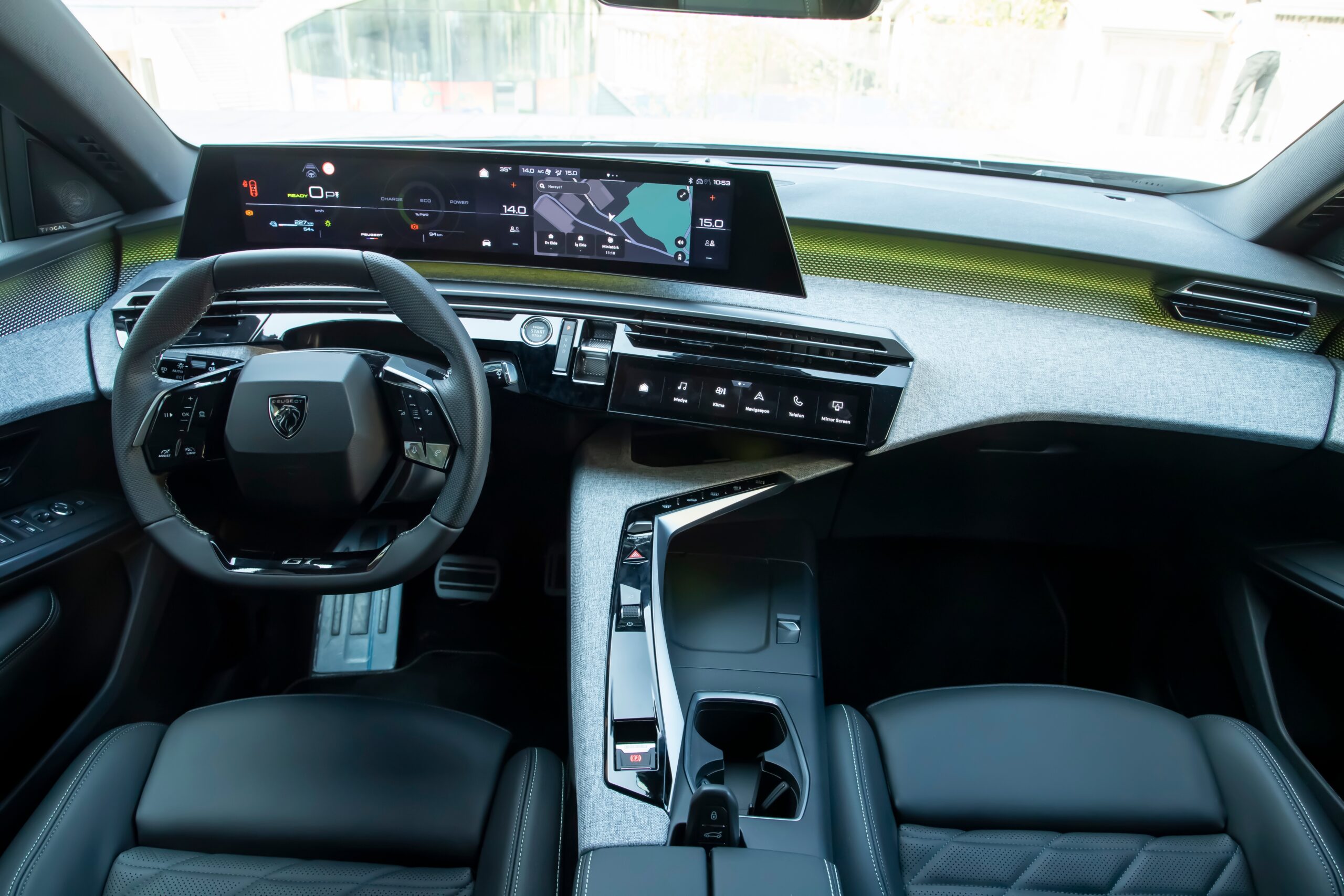
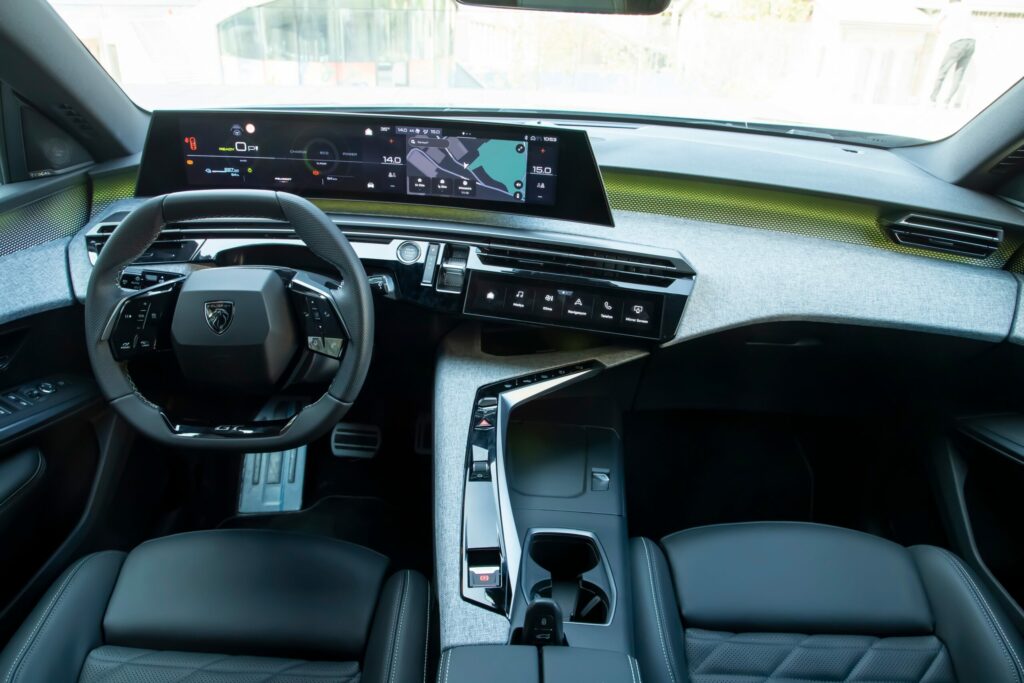
    Peugeot e-3008, compact electric SUV with luxurious interior
    Peugeot e-3008, a 100% electric SUV with a neat, modern interior design

    The French government has set an ambitious target of 800,000 electric vehicle sales per year by 2027, up from around 300,000 in 2023. This will be accompanied by accelerated development of charging infrastructure, with a target of 400,000 charging points installed by 2030. To encourage consumers to take the plunge, schemes such as the ecological bonus and social leasing at 100 euros a month have been introduced. However, these incentives are gradually being reduced, a sign that the market needs to become more self-sufficient.

    At the same time, French carmakers are investing massively to offer vehicles that are more efficient, more autonomous and more accessible to a wider customer base. However, there are still many challenges to be overcome, such as the still high purchase price, the cost of batteries, uncertainties over critical materials, and the resistance of some consumers to new powertrains.

    Strategic investment for greater autonomy

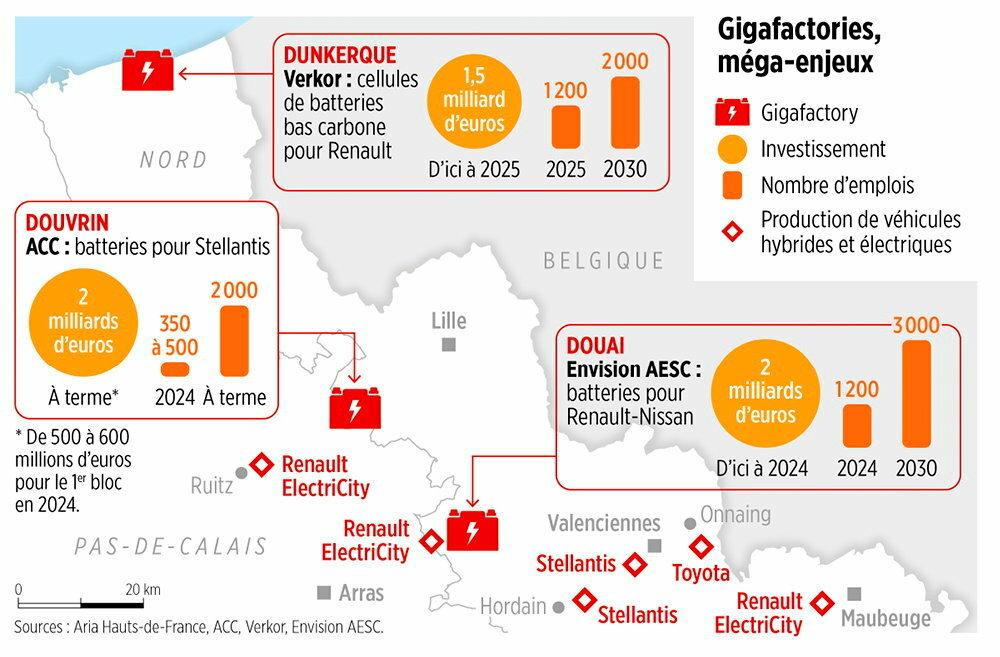
    Faced with Europe’s dependence on Asian imports of batteries and rare materials, France has embarked on a policy of industrial sovereignty. Several gigafactories are currently under construction, notably in the north of the country, with the aim of producing batteries locally and reducing logistical and environmental costs. In Dunkirk, a Franco-Chinese partnership between Orano (formerly Areva) and XTC New Energy Materials, announced in December 2024, plans to manufacture battery components. This €1.5 billion ambition, conceived as part of the NEOMAT project, raises both hopes and questions about technological dependence on China.

    Map of France showing the locations of future electric battery gigafactories
    Map showing the sites planned for future gigafactories producing electric batteries in France

    Raw materials are also a major issue. The energy transition depends to a large extent on rare metals such as lithium, cobalt and nickel, the extraction of which is highly concentrated in a few countries, particularly in South America and Africa. To secure these resources, France and Europe are seeking to diversify their supplies and invest in projects to recycle used batteries.

    Fierce international competition

    While electromobility in France is making progress, it faces intense competition. Tesla, with its plant in Berlin, is flooding the European market and dominating sales with its Model Y, which has become the benchmark electric SUV thanks to its range, performance and ultra-developed recharging network. This local presence enables Elon Musk’s brand to avoid customs duties and speed up deliveries in Europe, strengthening its dominant position.

    China, meanwhile, despite French restrictions on aid for vehicles produced outside Europe, is making its mark with brands such as BYD and MG Motors. These manufacturers are banking on very competitive prices and advanced technologies, particularly in terms of batteries and energy efficiency. BYD, which develops its own lithium-iron-phosphate (LFP) batteries, enjoys a strategic advantage by reducing its production costs and offering high-performance models at attractive prices. Blade Battery technology currently offers capacities of 61.44 kWh and 80.64 kWh, giving a range of between 433 and 552 kilometres according to the European WLTP homologation cycle. Chinese-controlled MG Motors is also attracting interest with its well-equipped, affordable vehicles, increasing the pressure on European manufacturers who are struggling to compete in the entry and mid-range segment.

    The French industry is seeking to distinguish itself through the quality of its vehicles and their integration into a national energy ecosystem. The government is supporting this approach through the France 2030 plan, which aims to produce two million electric vehicles a year in France by 2030, by mastering cutting-edge technologies such as electric motors and batteries. Producing more affordable vehicles is one of the major challenges. Several projects aim to develop models costing less than €20,000, while guaranteeing satisfactory range and durability. For example, Renault plans to market an electric version of the Twingo in 2026 at a price of less than €20,000.

    Public charging station for electric cars in car park
    Public recharging station facilitating the mobility of electric cars in urban areas.

    A key role for public policy

    To support the industry while speeding up the ecological transition, subsidies for the purchase of electric vehicles will be gradually reduced, from €1.5 billion to €1 billion by 2025. At the same time, stricter taxes on internal combustion vehicles are being introduced to encourage consumers to switch to electric vehicles.

    France is investing in battery recycling to limit its environmental impact and reduce its dependence on imports of rare metals. Companies such as Verkor and Northvolt are developing innovative solutions to recover lithium, cobalt and nickel, reintegrating these materials into new batteries.

    By focusing on the circular economy, the aim is to secure supply, reduce the carbon footprint and strengthen industrial autonomy. These initiatives are part of a wider strategy to make electric mobility more sustainable and competitive.

    Making the transition more accessible

    The development of electromobility in France must not be at the expense of accessibility for low-income households. Developing a range of low-cost vehicles and extending the recharging network, including in rural areas, are priorities. Electric vehicles must also be integrated into a broader framework of sustainable mobility, including car-sharing and improved public transport.

    Another major challenge lies in training professionals and adapting infrastructures. The installation of charging points needs to be accelerated in condominiums and public spaces, while garages and technicians need to be trained in the specific features of electric vehicles to support their widespread deployment.

    The next few years will be crucial in determining whether France succeeds in establishing itself as a major player in electric vehicles in Europe. With strategic investment, an ambitious industrial policy and a focus on consumer needs, the French automotive industry has a card to play in this global transition.

  • Tesla Superchargers: at the heart of fast charging

    Tesla Superchargers: at the heart of fast charging

    Tesla, a multinational company founded in 2003 by a group of engineers and led by Elon Musk, was founded with the ambition of moving the world towards a more sustainable way of travelling. A leader in electromobility, Tesla has not stopped at building high-performance 100% electric vehicles: the company has also created a fast-charging network that has become emblematic: Superchargers.

    Close-up of a Tesla Supercharger station in operation
    Zoom in on a Tesla Supercharger, the symbol of fast, intuitive charging. (Credit: Tesla)

    The mission of Tesla Superchargers

    Eliminate the fear of running out of battery power, reduce the recharging time for electric cars (EVs), and thus enable motorists to travel long distances without constraint. Launched in 2012, initially in the United States, the Supercharger network has expanded at breakneck speed to keep pace with the growing popularity of electromobility. These ultra-fast recharging stations can recover hundreds of kilometres of range in just a few minutes – a major advance that has made a significant contribution to the democratisation of the electric vehicle.

    Constantly improving recharging technology

    Superchargers have come a long way since their launch. While the first versions were already capable of quickly recharging an electric car, with a power of up to 150 kilowatts, Tesla has taken things a step further in 2019 with the V3 Superchargers.

    This third generation offers much higher performance: a maximum power of 250 kW per vehicle, with no sharing between the charging points, enabling much more efficient recharging, even when several cars are connected simultaneously. In concrete terms, a vehicle can recover up to 120 kilometres of range in just 5 minutes, and reach 80% of its battery in less than 25 minutes, depending on the weather conditions and the model.

    Since 2021, this charging solution is no longer exclusive to Tesla: electric vehicles of any brand can benefit from it, via the Tesla app.

    More recently, Tesla began installing an even faster version, called V4, capable of delivering up to 500 kW. This new generation of charging points will be available from the third quarter of 2025, and will be used to recharge powerful vehicles (Cybertruck, as well as certain Hyundai, Porsche and Kia models, etc.). The new charging points are also designed to accommodate the technologies of tomorrow, such as two-way charging (V2G – Vehicle-to-Grid), which will enable vehicles to return electricity to the grid when needed. However, current vehicles, whether Tesla or not, are limited to a charging capacity of 250 kW and will not yet be able to take advantage of this maximum power.

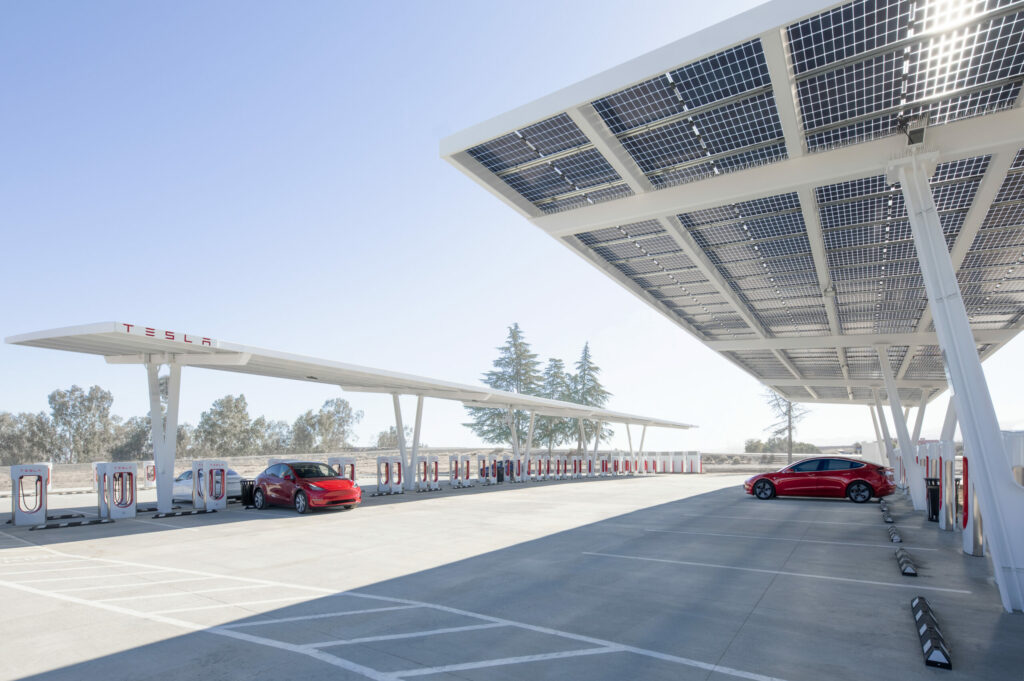
    Tesla Supercharger stations installed in an urban car park
    Several Tesla charging points installed in a car park accessible to the public. (Credit: Tesla)

    Massive international deployment

    Since their launch, the deployment of these charging solutions has been impressive: by the end of the first quarter of 2025, Tesla had more than 60,000 Superchargers at over 6,000 stations worldwide. This network covers North America, Europe, Asia and certain strategic areas in Africa, the Middle East and Oceania.

    This dense network represents one of the largest ultra-fast charging networks in the world, and above all one of the most reliable, with an availability rate of over 99%.

    France is not to be outdone

    France, a pioneer of electromobility in Europe, is no exception to the trend. France benefits from a particularly well-developed Tesla network. In May 2025, the network of Tesla Superchargers in France exceeded 3,000 fast-charging stations, spread across some 180 locations across the country.

    With a high concentration along major motorway routes (A6, A10, A7, A1, etc.), but also in shopping centres and suburban areas, these stations are strategically located, making it easier for motorists to access recharging facilities.

    Simplified use

    What sets Tesla Superchargers apart, beyond their performance, is their ease of use, designed from the outset to be fluid, intuitive and almost invisible. For Tesla owners, all they have to do is park, plug the cable into their vehicle… and that’s it. No badge, no bank card, no application to manipulate: the vehicle is identified automatically and billing is linked directly to the user account.

    Tesla Supercharger cable connected to a recharging electric car
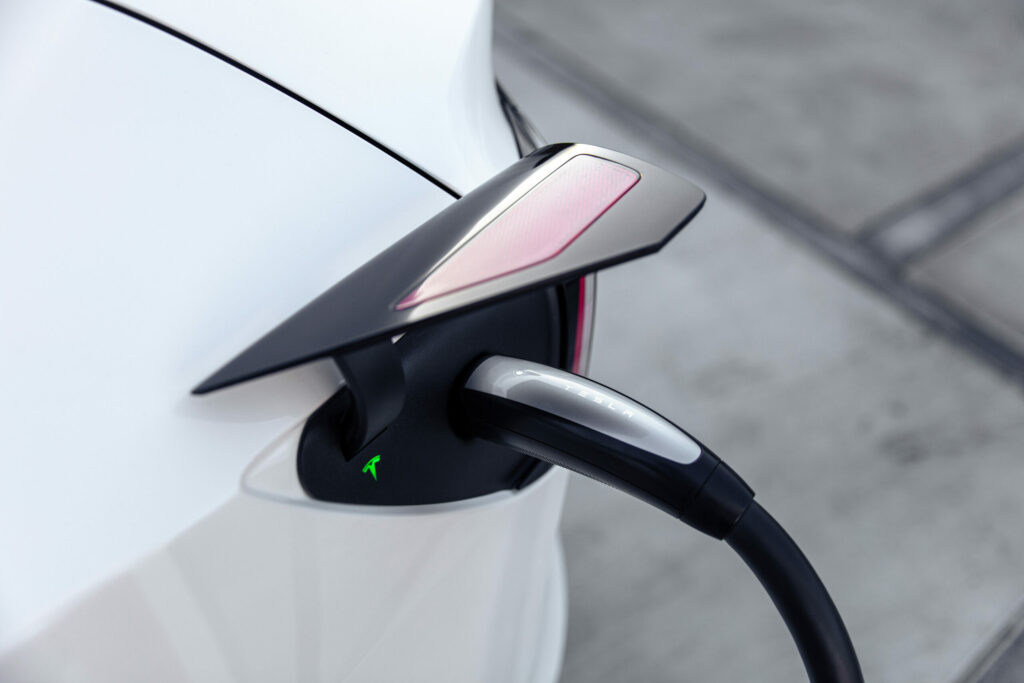
    Close-up of the Tesla charging cable connected to an electric car (Credit: Tesla)

    Even for drivers of electric vehicles of other makes, the experience remains seamless via the Tesla app, which enables users to locate a charging point, check its availability in real time and launch a charging session in just a few clicks. Payment is made simply by credit card registered in the app, with rates adjusted according to whether the user recharges on a one-off basis or opts for a monthly subscription. It’s a seamless process that makes recharging a pleasant experience, without the smells or the noise.

    Towards an electric future

    Tesla Superchargers embody more than just a recharging network: they illustrate an ecosystem that has been thought through in its entirety, where every detail is at the service of a fluid, rapid and accessible energy transition. Through this global deployment and ease of use, Tesla is redefining what electric mobility should be: not an alternative, but a matter of course.