Category: Expertise

  • Assessment and challenges for France as the electricity transition gathers pace

    Assessment and challenges for France as the electricity transition gathers pace

    The transition to electric mobility is no longer a prospect: it’s a reality that is being forced upon manufacturers, consumers and governments alike. In France, the market for electric vehicles (EVs) is growing at a steady pace. But a crucial question remains: is France ready, in terms of infrastructure, to keep pace with this upheaval? And can it compete with the leaders in Europe and Asia in terms of industrial competitiveness and innovation?
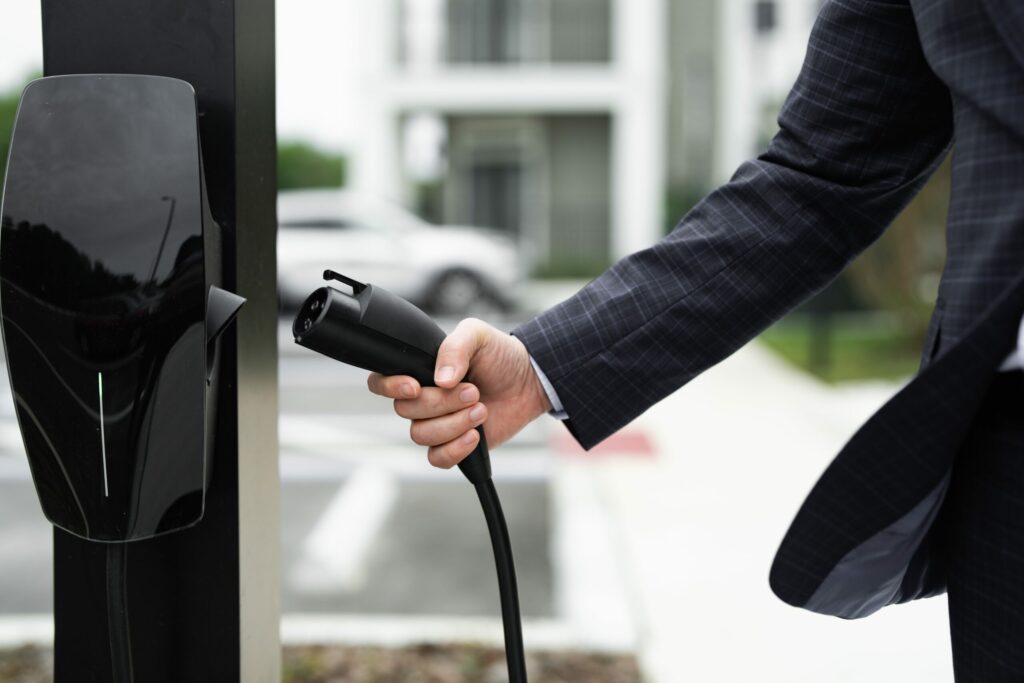
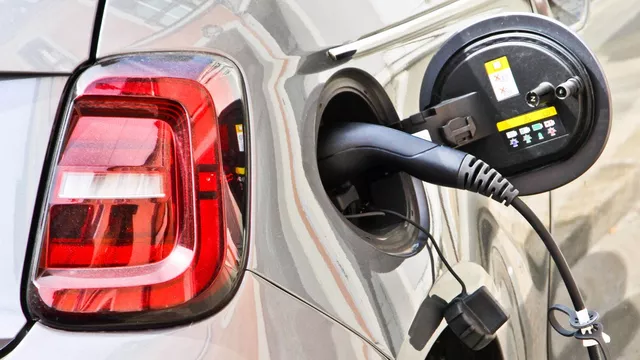
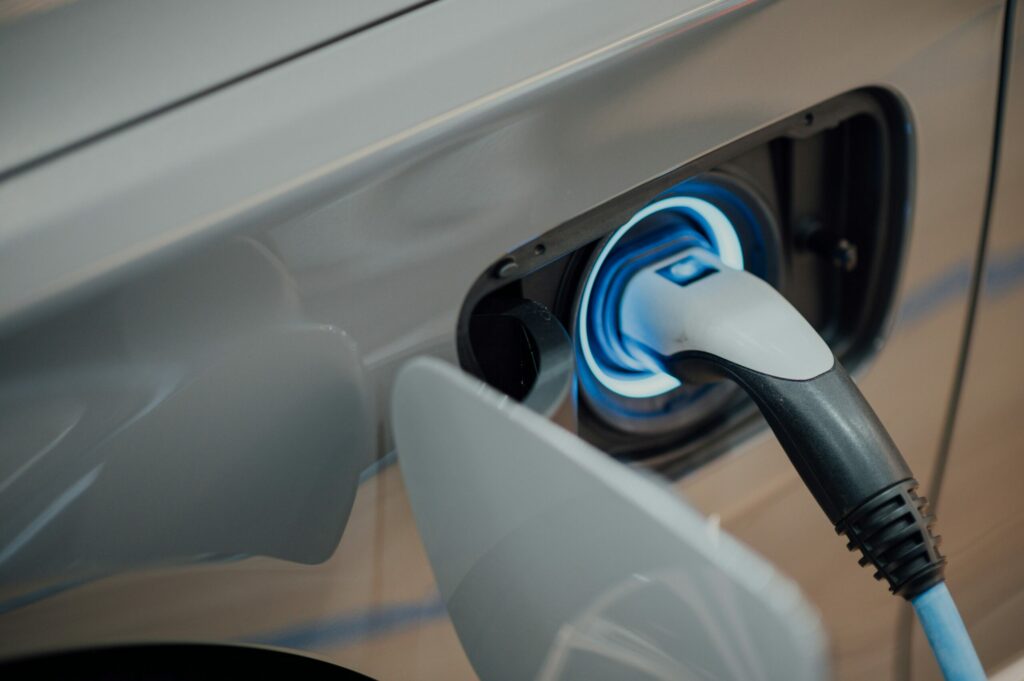
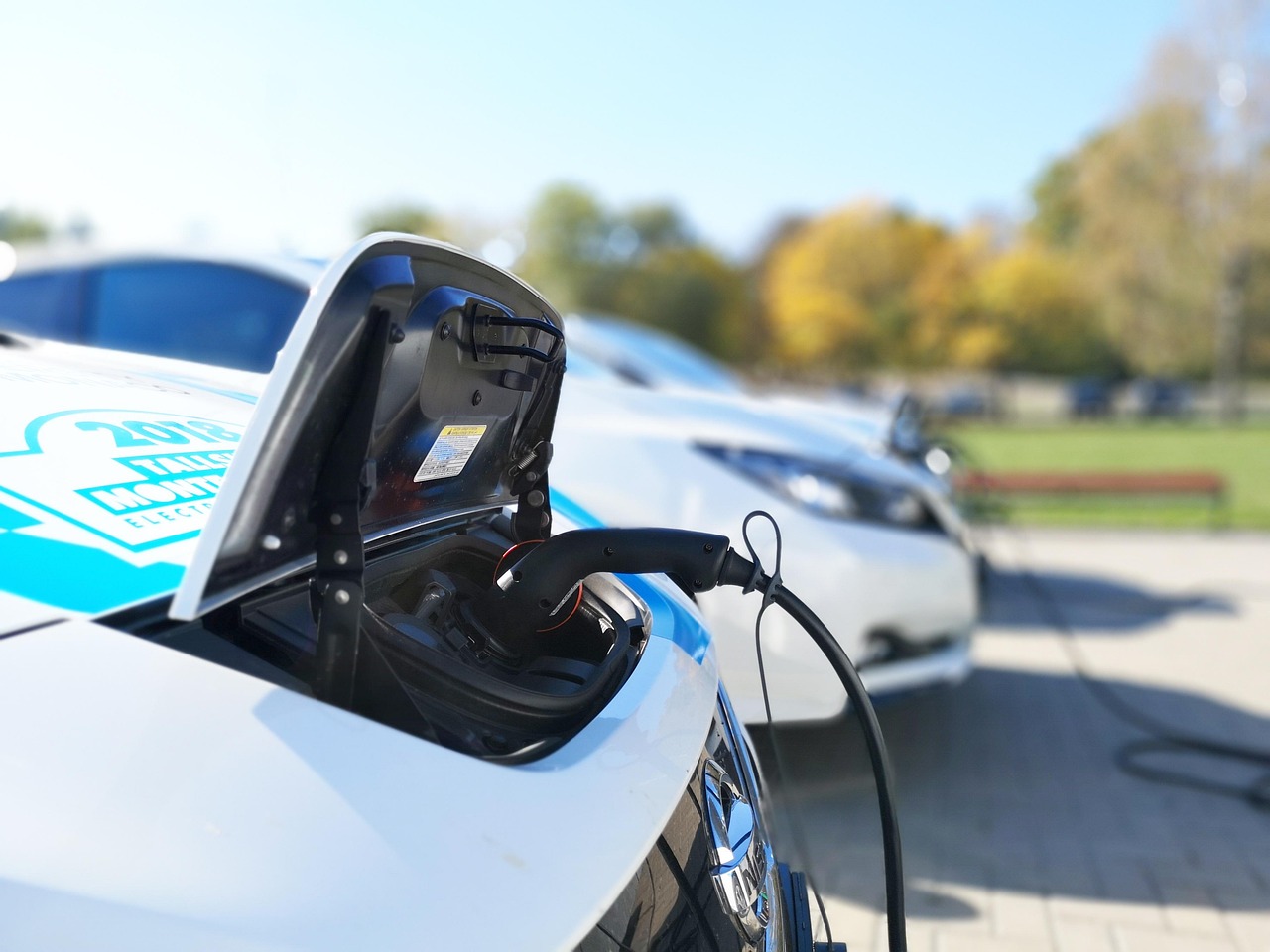
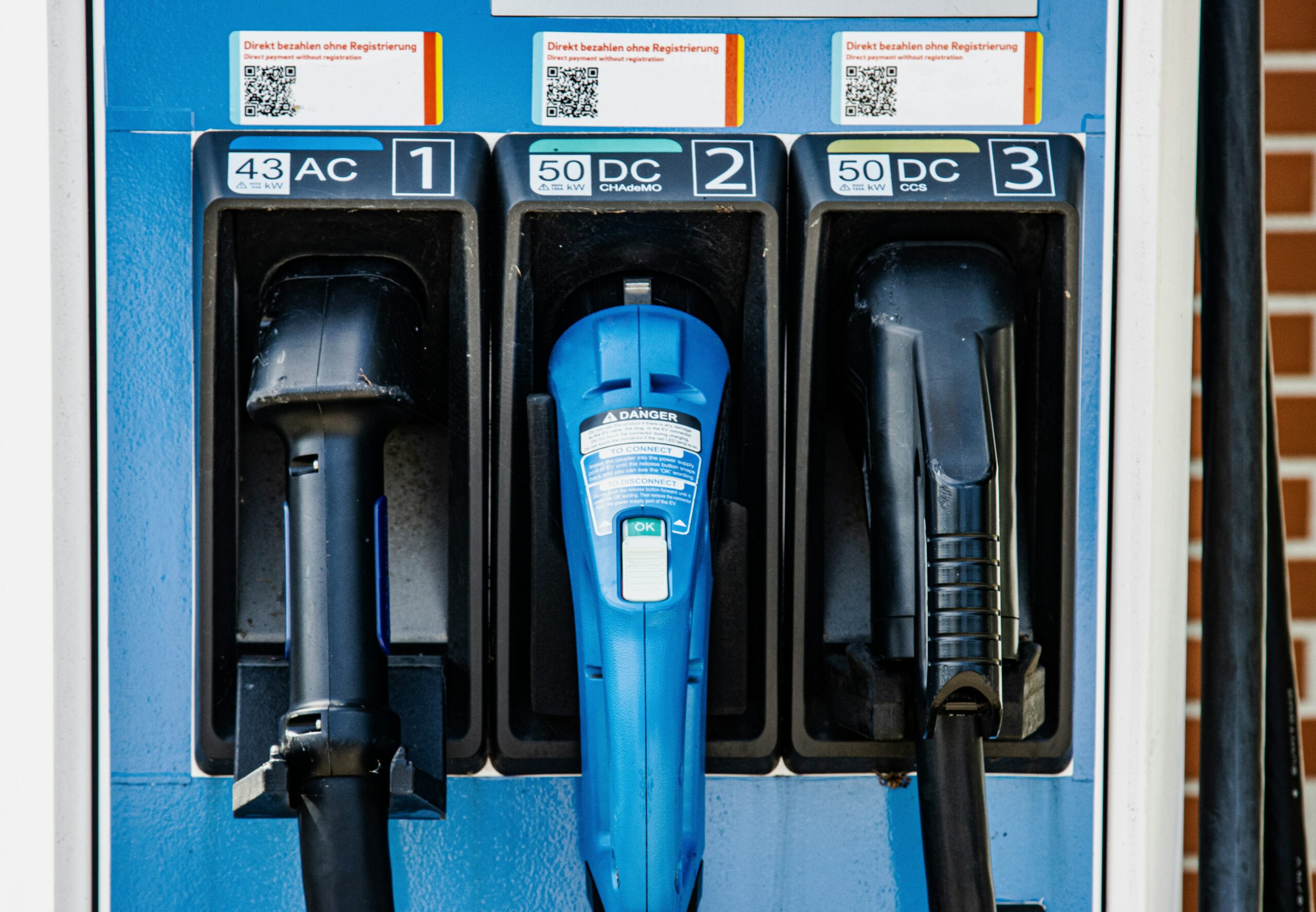
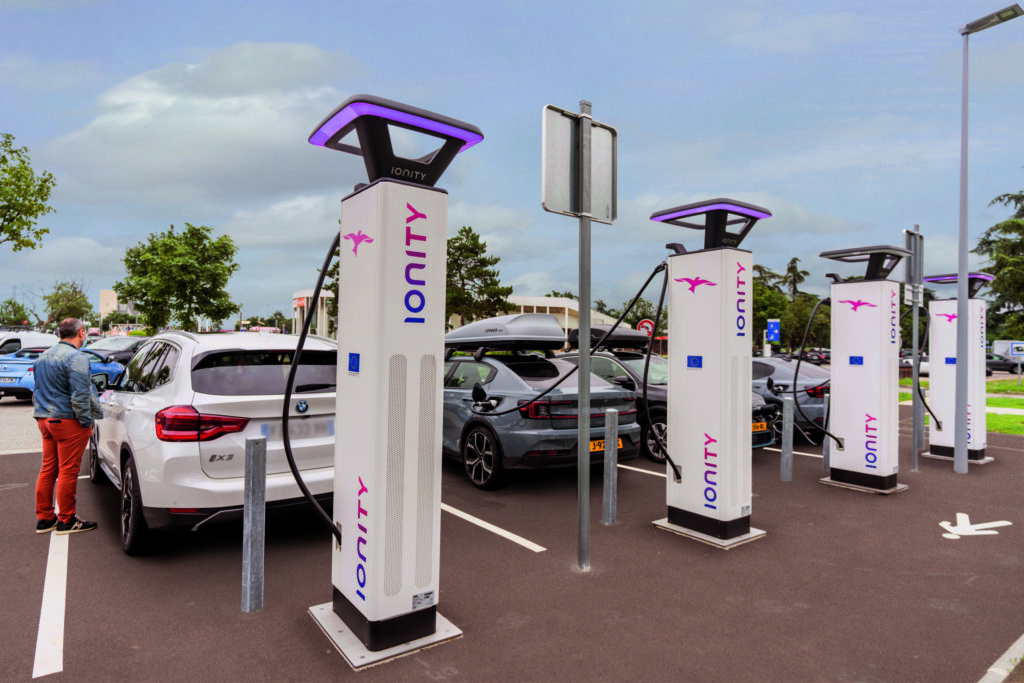
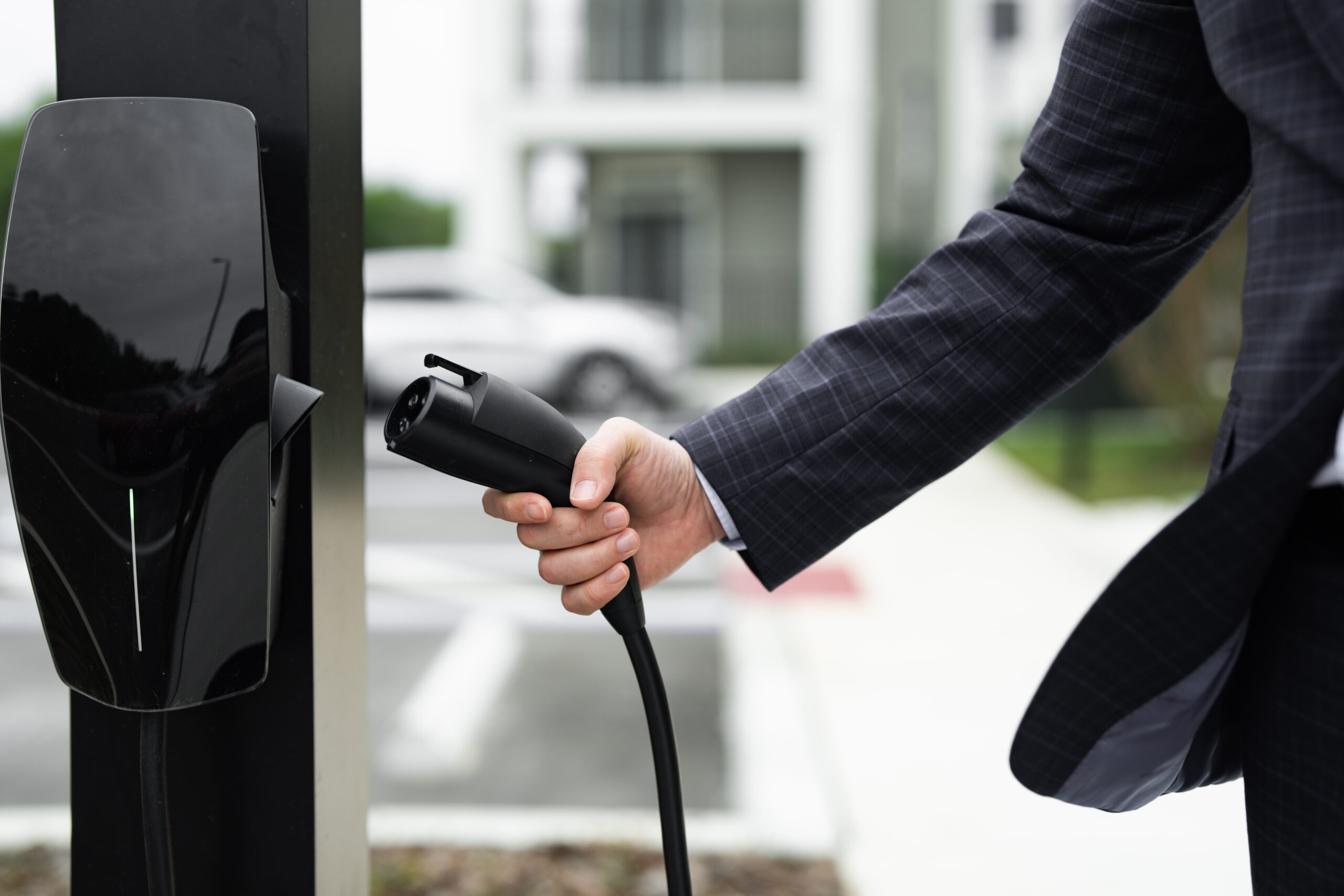
    Electric charging point in France installed in a public car park
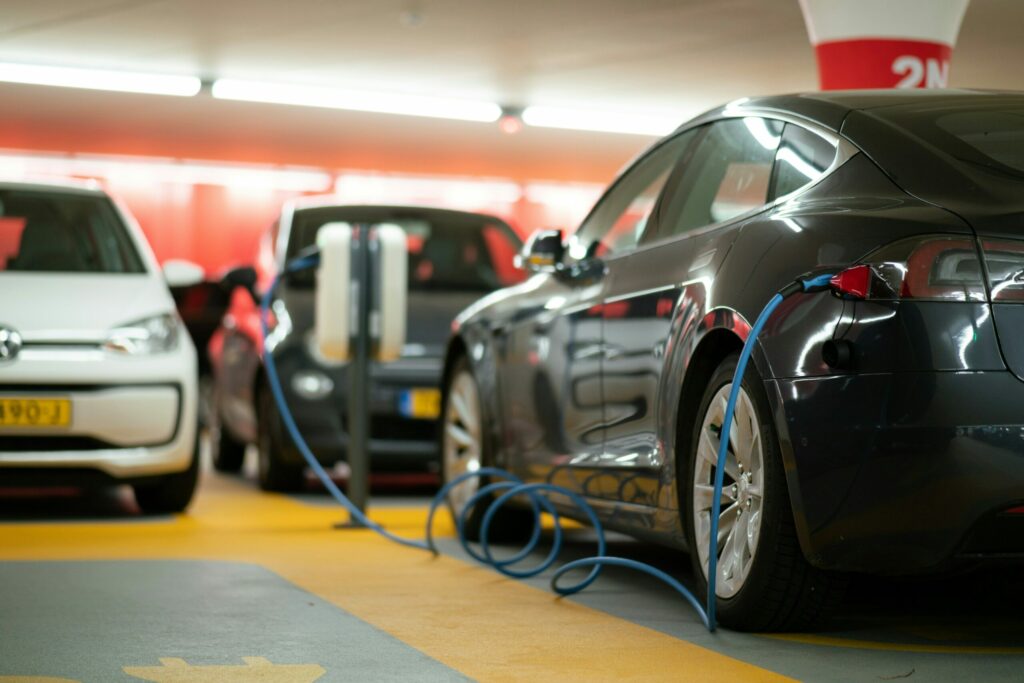
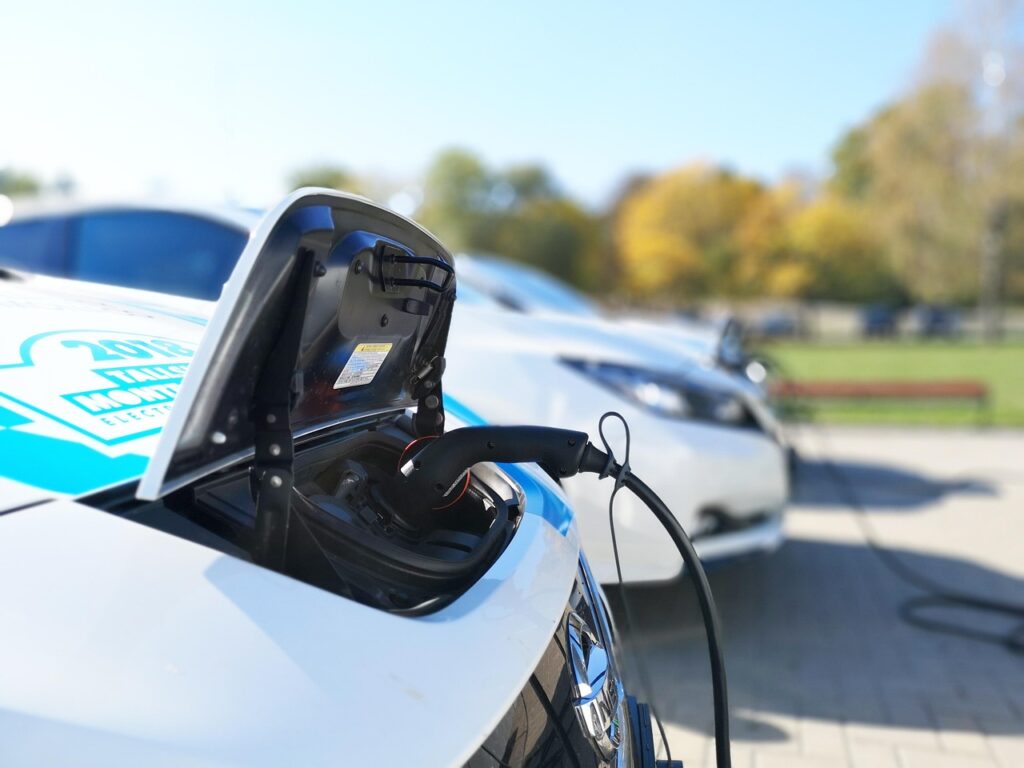
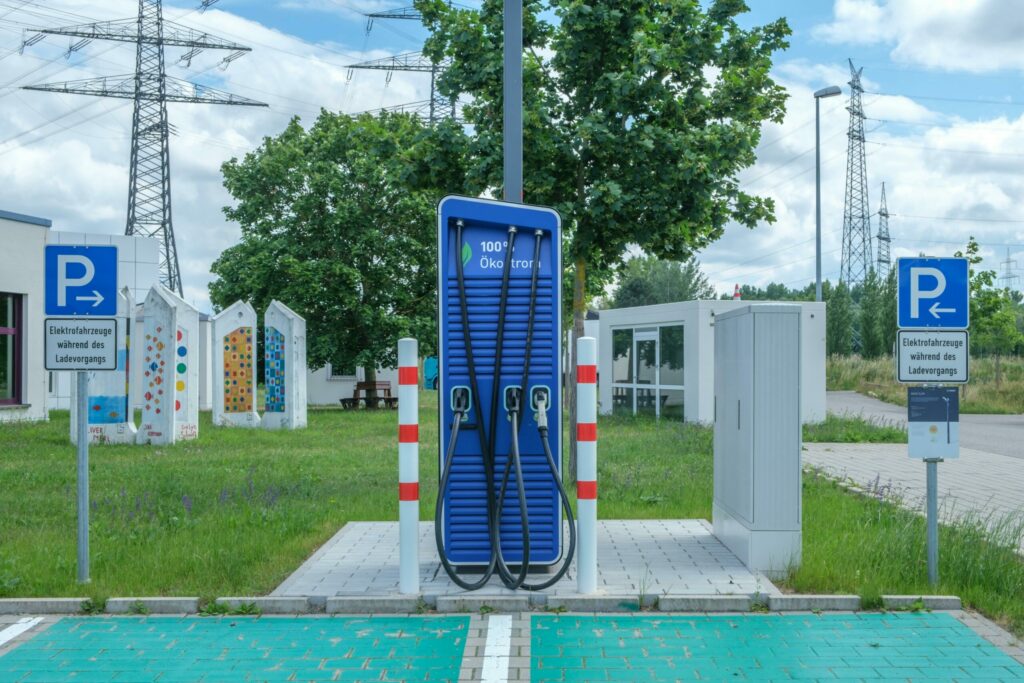
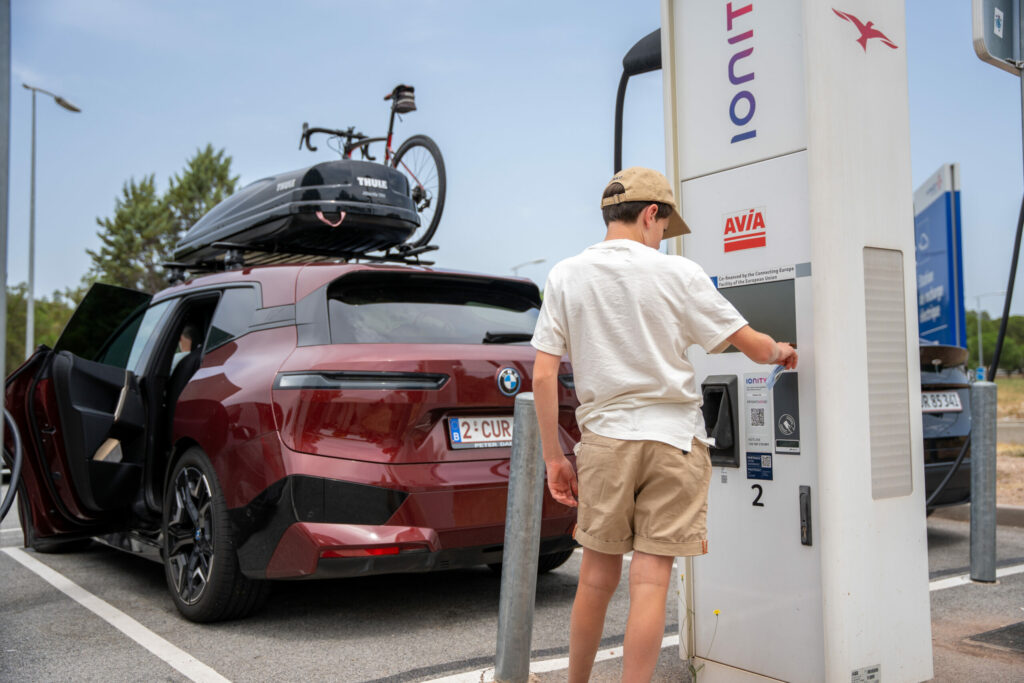
    Electric vehicle charging station installed in an urban area.

    The challenge of recharging: between promise and reality

    The deployment of charging points is one of the sinews of war. The 155,000 charging points announced for the end of 2024 mark a 31% increase in one year. But the fact that the 100,000 mark has been passed belatedly, more than two years late, reveals the structural difficulties we are encountering.

    Although France is one of the three best-equipped countries in Europe, this dynamic masks major regional disparities. Nearly 80% of charging points are concentrated in major cities, leaving rural areas in an electrical desert. The Cour des Comptes warns that unequal access to the IRVE (Infrastructure de Recharge de Véhicule Électrique – Electric Vehicle Charging Infrastructure) is limiting user confidence and slowing down the transition. It also points to the “difficulty of achieving a balanced network tailored to the real needs of users”, due to the fact that “the areas, generally urban, with the most IRVEs are also those with the largest electric vehicle fleets”.

    The business model for public charging points is a cause for concern, with high installation costs (up to €50,000 per rapid charging point), irregular usage rates and a reluctance on the part of operators to invest without a guaranteed return. In many medium-sized towns, there are fewer than 10 charging points per 100,000 inhabitants. In contrast, the Netherlands and Germany have a denser network, supported by strong public policies.

    Another critical point is the power of the charging points installed. While the number of charging points is increasing, the proportion of so-called “fast” charging points (over 150 kW) remains in the minority. To convince motorists who are reluctant to switch to electric vehicles, the ability to recharge quickly on long journeys is a key argument.

    As well as geographical disparities, there are a number of challenges weighing on the economic viability of players in the sector: soaring energy costs, adjustments to public subsidies and fluctuations in the electric vehicle market. All of these factors undermine the business models currently being developed.

    In this still shifting context, the IRVE sector is in a maturing phase. To ensure that it flourishes, a level playing field needs to be established, encouraging both innovation and private investment.

    France at a crossroads

    The development of infrastructure does not rely solely on public investment, but on the mobilisation of the industrial and energy ecosystem. France benefits from a low-carbon energy mix, a still solid automotive industry and committed players.

    But a number of obstacles remain. The first is administrative: projects slowed down by red tape, delays in connection or local blockages. Progress has been made via the“France Relance ” and“France 2030” plans, but implementation remains uneven.

    The second challenge is economic: in low-traffic areas, the profitability of resorts is uncertain, and operators are reluctant to invest where subsidies are decreasing.

    Finally, the reliability of the kiosks remains a problem. Some areas have an availability rate of less than 80%, fuelling public mistrust.

    Industrial competitiveness: the battle for batteries

    Behind the questions of charging points and bonuses, another battle is being waged: that of the industry. And it focuses on a central element: the battery.
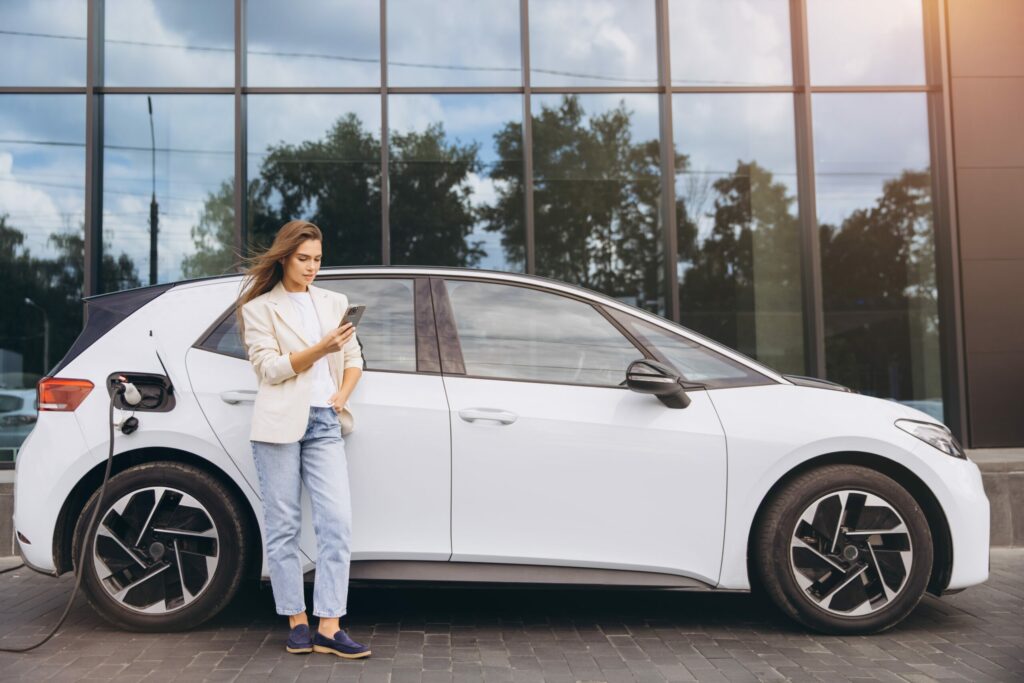
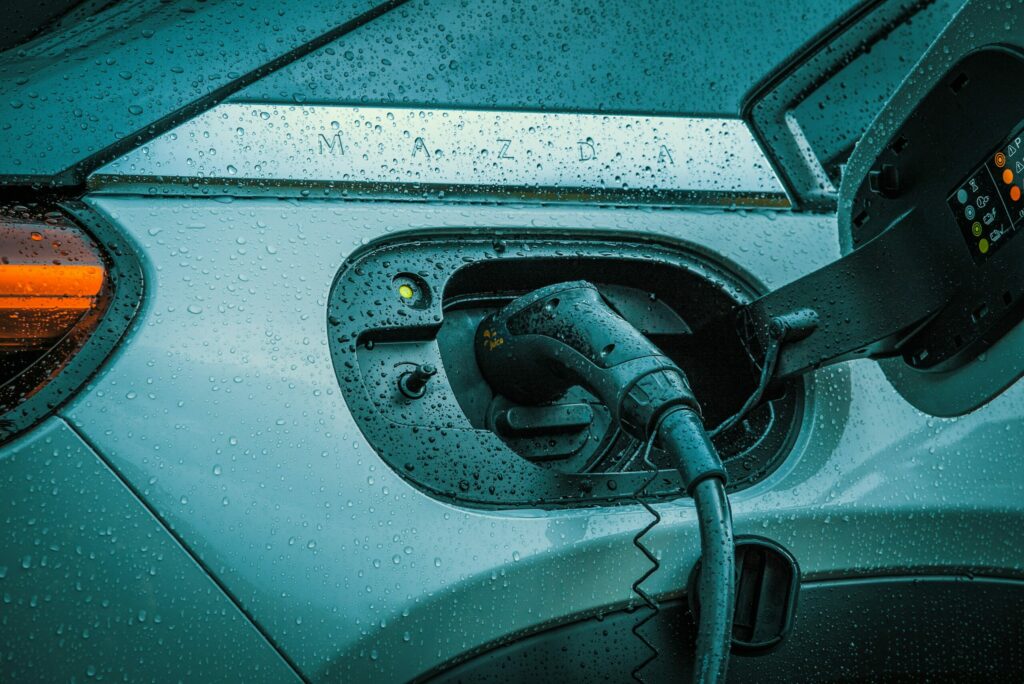
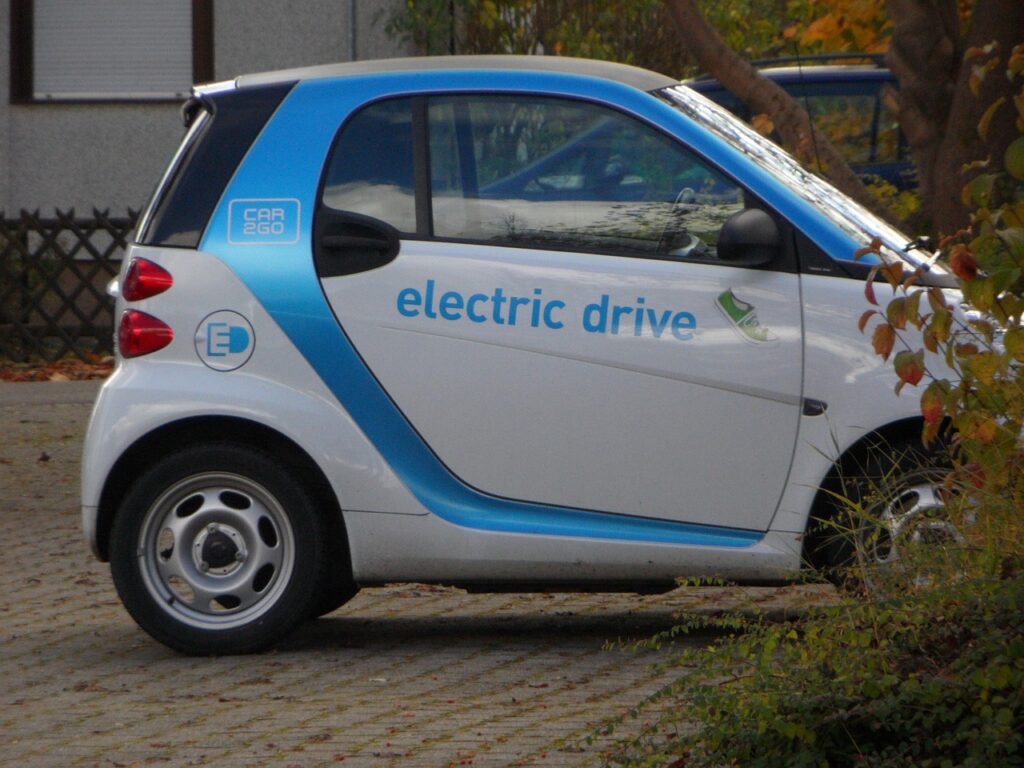
    Electric car connected to a charging point in France
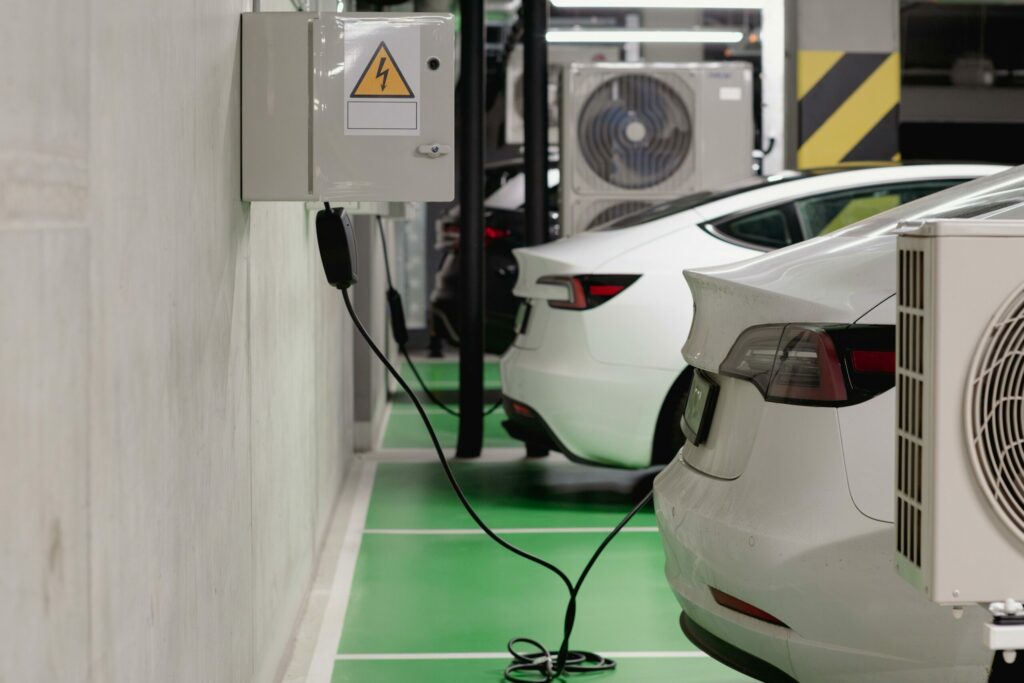
    An electric car being charged at a public charging point, a symbol of the energy transition.

    Without it, it will be impossible to capture the added value of the electric vehicle. Long absent from this segment, France has reacted. At Douvrin, in Pas-de-Calais, the first production lines of ACC (a joint venture between Stellantis, TotalEnergies and Mercedes-Benz) have opened. Other projects follow: Verkor in Dunkirk in the Nord region, with the support of Renault, and Taiwanese company ProLogium, which has also chosen northern France as the location for one of its plants. These projects represent an investment of several billion euros. And the objective is clear: to produce hundreds of thousands of batteries every year by the end of the decade.

    These “gigafactories” embody a desire for a change of scale and sovereignty, in the face of Asian domination. They are also seeking to secure supplies in the event of geopolitical tensions. But everything remains to be built: know-how, value chains and, above all, access to raw materials such as lithium and cobalt, which are often mined far away and under questionable conditions.

    Train, adapt, don’t suffer

    The switch to electric power is transforming the entire industry. No more pistons, less oil. More electronics, less mechanics.

    According to theObservatoire de la Métallurgie, more than 100,000 jobs could be affected between now and 2035, not eliminated but reconfigured. The risk is that the transition will leave some employees by the wayside.

    There are schemes in place: regional training courses, specialised apprentice training centres, in-house retraining. But the challenge is colossal. Training a battery technician or software engineer doesn’t happen overnight.

    And the tensions are already visible. In the gigafactories, recruiters are short of profiles ready to respond to the increase in power.

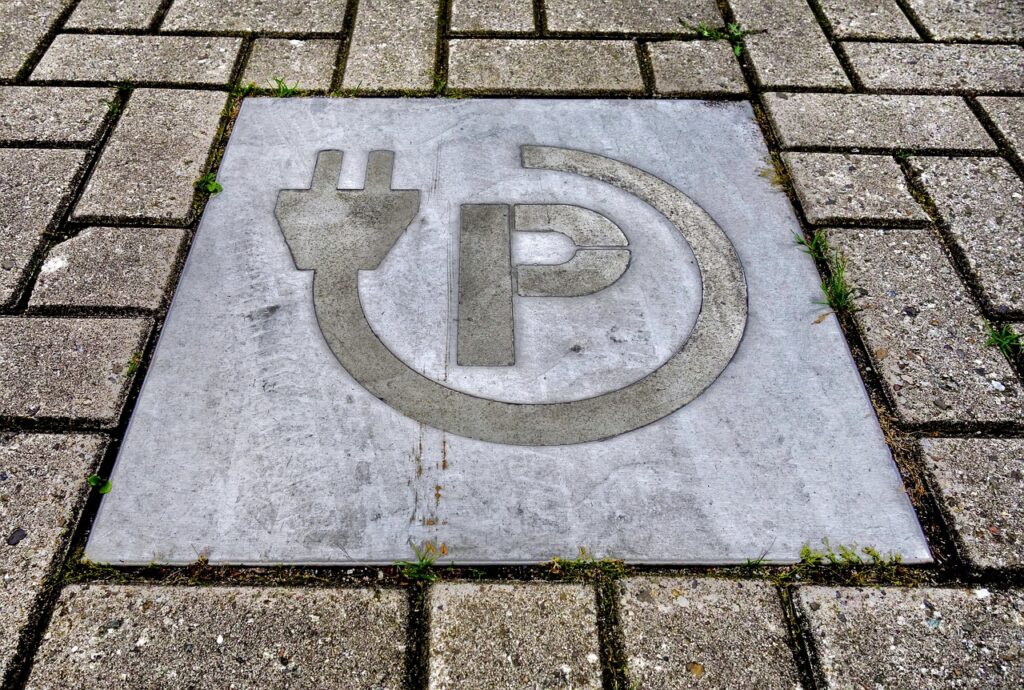
    Several electric cars parked in an urban street in France
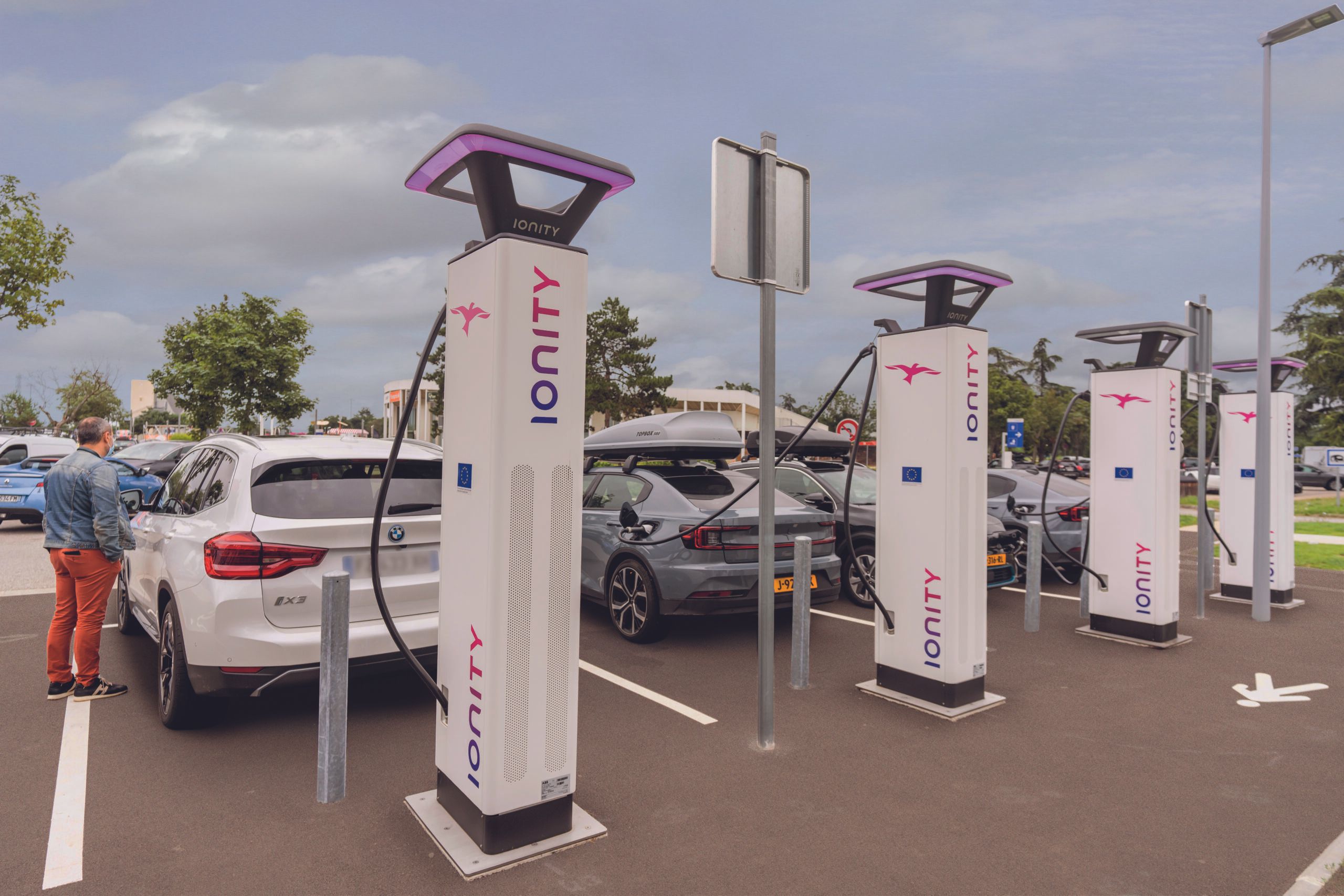
    Electric cars parked in a street, illustrating the growing popularity of electric mobility in urban areas.

    A global race, a European response

    France is not alone. It is part of a multi-level game in which Europe is trying to defend its positions against well-armed giants. China, which is ahead at every stage – extraction, refining, recycling – dominates the chain. The United States, with its Inflation Reduction Act (IRA), is banking on massive aid to relocate its green industry.

    Europe is moving forward in stages: Green Pact, calls for projects, subsidies. But its response is often too slow and too fragmented. France is campaigning for a European industrial strategy based on innovation, moving upmarket and cooperation. Alliances with Germany and Spain will be crucial to the emergence of champions.

    Because beyond the standards and investment plans, it’s a question of sovereignty: producing your own vehicles, batteries and software. Not relying on another continent to run our cars.

    A pivotal moment

    The transition to electric cars is underway. Manufacturers are speeding up, sales are following suit and public opinion is changing. But behind the shop window, a profound transformation is taking place: an industrial fabric that needs to be rebuilt.

    It’s a race against time. There is no guarantee that it will be won. But it is vital for the competitiveness of the French automotive industry, for jobs, and to avoid becoming a mere consumer of imported technologies.


  • “Making electric cars as affordable and practical as internal combustion” Maxime Bayon de Noyer (Ampere)

    “Making electric cars as affordable and practical as internal combustion” Maxime Bayon de Noyer (Ampere)

    Ampere, the Renault Group’s European specialist in intelligent electric vehicles, plays a key role in the Group’s innovation strategy. Maxime Bayon de Noyer, Senior Vice President, Technologies & Upstream Projects, explains the priorities, the main areas of research and the challenges facing the next generation of electric vehicles.

    Portrait of Maxime Bayon de Noyer, Technologies Director at Ampere Renault
    Maxime Bayon de Noyer, in charge of technology projects at Ampere – Renault Group.


    What is Ampere’s role in the Renault galaxy, and what is your role within Ampere?
    Maxime Bayon de Noyer
    : Ampere is a tech player serving the Renault Group, developing electric vehicles (EVs) under the Renault brand and injecting EV technologies and software for other brands (Alpine, Nissan, Mitsubishi…). Ampere’s aim is to make electric vehicles accessible to as many people as possible in Europe. My role is to manage ‘upstream’ technological projects, in other words… upstream of development! We’re involved from the research phase right through to the handover to the production development teams.

    What are your current priorities in terms of innovation?
    Maxime Bayon de Noyer
    : In order to democratise the EV in Europe, we need to lower costs and maximise usage. So, to reduce the cost of batteries, we’re working on the materials used and looking at new chemistries. As for electric motors, Renault Group is a pioneer in magnetless wound-rotor motors, which do not use rare earths (notably with Zoé). At Ampere, we are pursuing and improving this technology in our next generations of motors, to make them more efficient by, for example, reducing losses during energy transfer.


    MBN:
    In the short term, we are going to introduce LFP (Lithium Iron Phosphate) chemistry into our batteries, then in the medium term, we are studying a cobalt-free chemistry, which will have the energy density of NMC (Nickel Manganese Cobalt) but with the cost and tolerance of LFP. Finally, 10 years from now, we will be proposing an even more efficient chemistry based on lithium metal. The aim is to offer increasingly efficient batteries at lower cost.

    What do you think will be the next major technological revolution in the automotive industry?
    MBN: For me, the revolution will come from a change in usage. The aim is an efficient electric car, with fast, optimised and stable recharging, whatever the season or type of road. And all this with an electric vehicle at the same price as a combustion-powered vehicle.

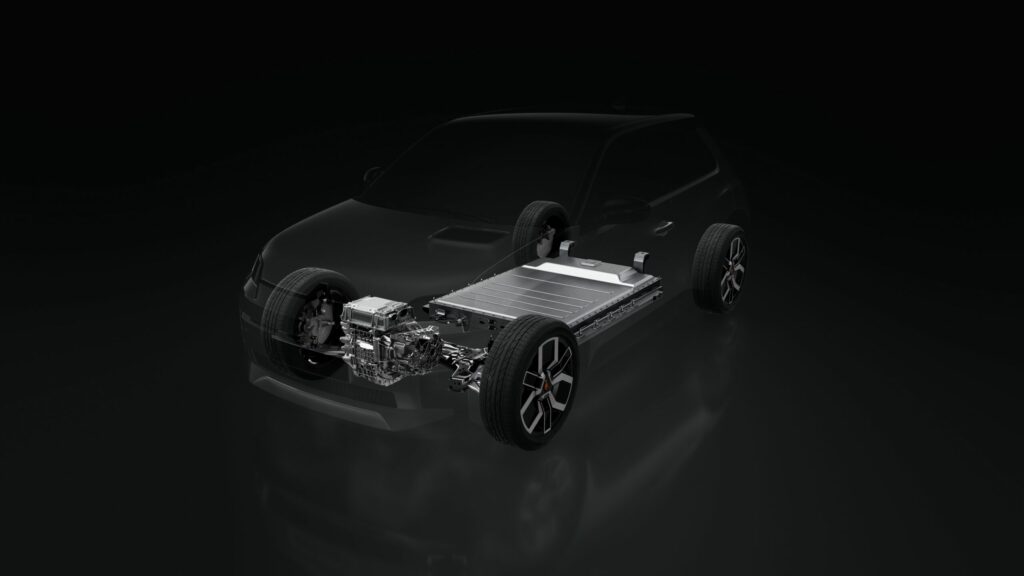
    Magnetless electric motor for the new Renault 5 developed by Ampere
    The Renault 5’s engine, developed by Ampere, relies on rare-earth-free efficiency.

    The R5 introduced two-way charging to the Renault catalogue. What’s in it for the consumer?
    MBN:
    In V2L (Vehicle to Load), bi-directional recharging means you can use your car as a generator and therefore a mobile power socket, and in V2G (Vehicle-To-Grid), when the vehicle is parked, it can feed energy back into the grid, like a mini power station. This re-injected energy is invaluable during periods of high demand: it stabilises the network, prevents power cuts… and can be sold on, generating income for the user. Finally, in V2H (Vehicle to Home), which will be available in 2026, the vehicle can power the home in the same way as a mobile solar panel. This means, for example, that the energy stored in the battery can be used during peak hours to reduce the bill. The system is controlled by AI and always maintains the autonomy required for travel.

    Any other innovations you can share with us?
    MBN: Some are still confidential, but we are currently working on the renewal of our C segment (compact hatchbacks and three-bodies), with a new engine offering very good performance on the motorway. This breakthrough has been made possible by an innovative platform, enabling a ground-breaking design and overall optimisation. At Ampere, our ambition is clear: to make electric cars as affordable, desirable and practical as internal combustion. And this is not science fiction.

    A final word on China: are they really 10 years ahead of us?
    MBN: They have a head start, but we’re still fully in the race. Our strength lies in our in-depth knowledge of the French and European markets, acquired over the years. This expertise gives us a strategic advantage, because we understand exactly what our customers want and need. At the same time, we remain humble in the face of their efficiency, organisation and speed. It’s with this in mind that we remain vigilant and have opened an office in Shanghai, in order to better observe and anticipate market developments.

  • The French electric vehicle fleet: a government-led transition

    The French electric vehicle fleet: a government-led transition

    France has embarked on a profound transition in its mobility model, with the ambition of converting its entire vehicle fleet to electric power by 2035. While this change is often presented as an unavoidable necessity, in reality it brings with it a host of technical, social and industrial challenges that few countries have fully grasped. Behind the official announcements highlighting the mass adoption of electric vehicles by the French, the situation is actually more nuanced, with cultural reluctance, sometimes contradictory political choices and constant strategic adjustments on the part of manufacturers.

    Electric cars in France as part of the national energy transition strategy
    France wants to convert its car fleet to electric vehicles by 2035, despite a number of challenges.

    This dossier offers a detailed and critical analysis of public policies on electric vehicles, highlighting the many factors that influence government decisions. Although these choices are often justified by ecological imperatives, in reality they respond to wider issues, combining geopolitical, economic and industrial considerations, sometimes in tension with each other. Despite visible progress in terms of market share, this transition still faces major structural obstacles that are likely to limit its real impact, including on the environment.

    A transition with multiple and complex motivations

    The climate argument is often put forward, but it is not enough on its own to explain the choices made in terms of the automotive transition. Admittedly, transport accounts for around 30% of CO₂ emissions in France, but presenting the electric vehicle as a single, unavoidable solution raises a number of questions. Recent research, in particular that of the International Energy Agency in 2023, reminds us that the environmental impact of an electric vehicle depends on the country’s energy mix and its entire life cycle.

    In France, where the majority of electricity comes from nuclear sources, the environmental argument is still relevant. However, it tends to overshadow other decisive considerations. According to figures from the Ministry of Ecological Transition for 2023, the country’s heavy dependence on oil imports – almost 99% of the crude oil consumed in France is imported – makes electrification a strategic lever for reducing energy vulnerability and the trade deficit. Recent spikes in fuel prices have underlined the urgency of this issue in a country where the car remains a mainstay of daily life.

    The industrial battle: preserving a key sector of the French economy

    Behind all the talk of a “just transition” and positive ecology, the very future of the French car industry is at stake. Domestic manufacturers, starting with Renault, have been slow to embrace the electric revolution, leaving the field wide open to Tesla and Chinese brands such as BYD and MG, which have taken a significant lead.

    Since 2020, the French government has injected almost €7 billion, according to figures from the Cour des Comptes, to support both households and the sales of French groups. The decision to exclude vehicles produced outside the EU from the ecological bonus from January 2024 is a good illustration of the industrial stakes involved. Officially justified by the need to reduce the carbon footprint of shipping, this measure is designed to protect European manufacturers from the competitive pressure of more affordable Chinese models.

    Ambitious public policies with contrasting effects

    The bonus-malus system: between administrative complexity and inconsistencies

    The French system is based on a pile of tax measures that have become difficult to understand. The ecological bonus has been reduced to €4,000 for low-income households, compared with €7,000 previously, and the conversion bonus has been abolished. On top of this, local aid varies from region to region, with eligibility criteria that change regularly, creating instability and confusion.

    In addition to this complexity, there are some perverse effects: the ecological penalty, which has been capped at €70,000 since March 2025, penalises large families and professionals who need spacious vehicles. The bonus, meanwhile, excludes vehicles costing more than €47,000, limiting access to premium models for the upper middle classes.

    Low Emission Zones: a social time bomb

    The widespread introduction of Low Emission Zones (LEZ) in 45 major cities is fuelling tensions. While there is a consensus on the need to reduce pollution, the way in which they are applied raises issues of fairness. According to the Observatoire des Inégalités (March 2024), a modest household in the inner suburbs of Paris could have to invest three years’ median salary in a compliant vehicle.

    The solutions on offer – public transport, cycling – are often unsuitable. For travelling professionals (tradesmen, carers, etc.), doing without a car is unrealistic. This measure risks deepening the divide between well-equipped city centres and outlying areas that are still dependent on the car.

    Low-emission zones: a social challenge in France's electricity transition
    Low Emission Zones are causing social tensions in outlying areas.(Credit: Gile Michel/SIPA)

    Commercial and professional vehicles: the big losers in the transition

    The debate on the automotive transition continues to focus on private cars, even though commercial vehicles, which account for almost 60% of the vehicle fleet, are essential to the local economy. However, current electric models are struggling to meet needs: they have insufficient range once charged, take too long to recharge, and are prohibitively expensive for small businesses.

    The bonus for commercial vehicles has been abolished, and local grants are largely inadequate. As a result, many small businesses are caught between the diesel ban and the lack of viable electric options.

    A widening generational and territorial divide

    The transition to electric vehicles is reinforcing inequalities. For older people living in poorly served areas, the car is still essential, but EVs are a source of anxiety: autonomy, recharging, new uses. Young working people in rural areas, meanwhile, are faced with a dilemma: keeping an old internal combustion vehicle or going into debt for a second-hand EV with uncertain range. This double divide highlights the as yet unresolved social and territorial challenges of the transition.

    Towards a more balanced and realistic transition?

    Faced with growing tensions, a more balanced approach is needed to avoid mass rejection. A number of levers can be envisaged:

    • Creation of an independent observatory for EV prices and charging services to ensure transparency and combat abuse;
    • Condition public aid on sobriety criteria (weight, autonomy, carbon footprint) to avoid supporting oversized models;
    • Redirecting investment towards suitable alternatives: public transport in rural areas, organised car-pooling, utility bicycles, etc;
    • Introduction of a moratorium on EPZs in areas where there are no credible alternatives, to give infrastructure time to develop.
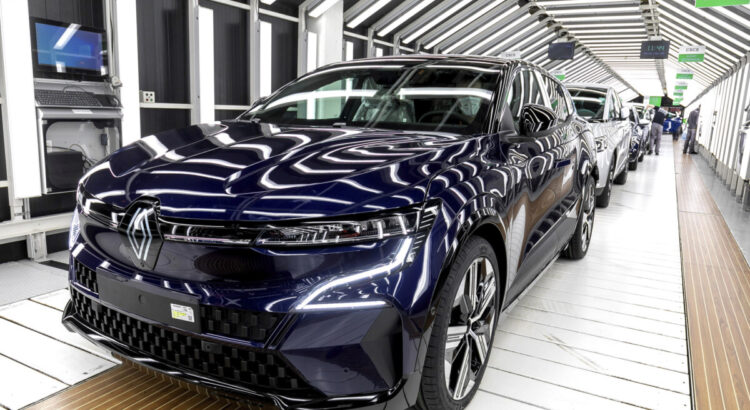
    Electric car production plant in France, a symbol of industrial transition
    The French car industry is adapting to the growing popularity of electric vehicles. (Credit: Renault)

    A challenge to be readjusted for a successful transition

    In conclusion, while the policy of electrifying the car fleet reflects an undeniable environmental ambition, it suffers from a lack of adaptation to social and territorial realities. By favouring a technocratic approach, decision-makers have underestimated the cultural obstacles, disparities and economic constraints faced by millions of French people.

    The success of this transition will depend on a rebalancing of policies, greater consideration of actual usage and, above all, a global rethink of our relationship with mobility. Without this, there is a great risk that long-lasting resistance will emerge, compromising the very commitment to sustainable mobility.

  • The state of electric vehicles in France: an analysis of the automotive market in figures

    The state of electric vehicles in France: an analysis of the automotive market in figures

    Electric vehicles (EVs) are playing an increasingly important role in the French automotive landscape. In 2024, according to government figures, 100% electric cars will account for 16.8% of sales, confirming a stabilisation after strong growth between 2020 and 2023. The market is marking a shift in manufacturers’ positions, with popular segments evolving and a transition towards electrification.

    After strong growth, sales of electric vehicles will fall by 2.7%, from 303,900 units in 2023 to 295,600 in 2024. Their market share remains stable at 16.8%, compared with 16.7% the previous year. Sales of plug-in hybrids followed the same trend, with 147,100 registrations, a fall of 9.6%. At the same time, combustion engines continued to decline. Diesel dropped to 7.2% of sales, while petrol fell by 37%, now accounting for 30.2% of the market. Diesel hybrids are becoming marginal, accounting for just 0.8% of sales (down from 1.2%). Conversely, the non-rechargeable petrol hybrid is growing strongly, becoming the best-selling engine in France.

    Alternative energies (natural gas/LPG) are stagnating at 3.2% of the market. This shows a decline in traditional combustion engines, stagnation in new energies, and an increase in conventional hybrids as a transitional solution.

    The best-selling electric cars in France in 2024: a reshaping of the market

    The stabilisation after several years of sustained growth marks a repositioning of the dominant brands and a renewal of the popular models.

    Tesla on the wane, Renault on the rise

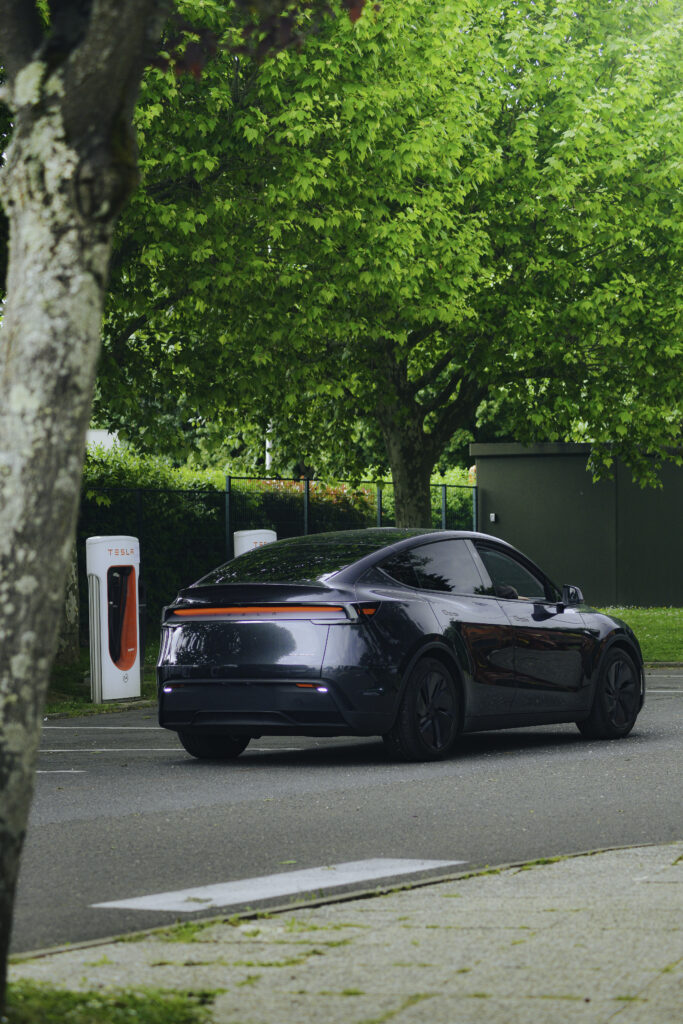
    For a long time the undisputed leader, Tesla is seeing its sales decline. The Tesla Model Y, although still in the lead with 28,576 units sold in 2024, is down 23% on 2023. Its other model, the Tesla Model 3, is down by 52.7%. This drop is partly due to the arrival of French competitors that are more accessible and better suited to consumer expectations.

    Credit: Mathis Miroux

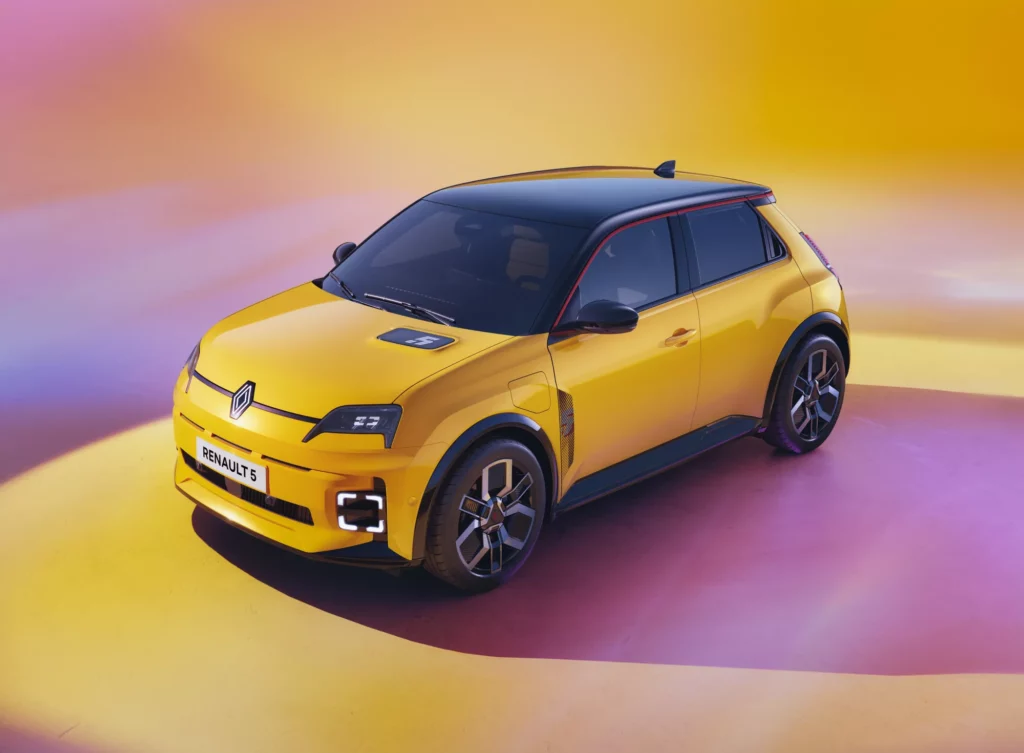
    Conversely, Renault is taking advantage of this momentum to become the market leader for electric vehicles in France. The Peugeot e-208 confirmed its success, with 23,602 units sold. The Renault Megane E-Tech held up well, with a total of 16,800 registrations. The manufacturer has attracted interest with a number of eagerly awaited new models. The recently launched Renault 5 E-Tech recorded 9,973 registrations, while the Renault Scénic E-Tech made its mark with 8,953 units sold in its first year.

    Electric SUVs are also enjoying great success. The Peugeot e-2008 is up 95.1% with 8,944 sales, while the BMW iX1 is up 135.9% with 8,940 units sold.

    On the other hand, some iconic models are experiencing a decline. This is the case of the Fiat 500e, which fell by 33% to 16,153 units sold, losing ground to more recent alternatives.

    A market dominated by Renault, Tesla and Peugeot

    Renault is now the leading manufacturer of electric vehicles in France, with a market share of 16.9%, up 2.3 points. Tesla is down to 15.8%, while Peugeot is up 1.1 points to 14.7%. Volkswagen and BMW continue to battle for market share, with 9.2% and 7.1% of registrations respectively.

    The year 2024 marks a turning point for the electric vehicle market in France, with a transition to a more diversified market. Tesla is losing its influence to French manufacturers who have adapted their range to consumer needs. Renault is emerging as the leader, with an attractive range and a well-established network.

    Sales trends also point to a diversification of consumer choices. As the market enters a phase of consolidation, the battle between manufacturers is set to intensify in the years ahead, with the arrival of new innovations and ever more competitive models.

    Credit: Renault 5

    Electric cars on the road

    By the end of 2024, France had nearly two million electric and plug-in hybrid vehicles on the road, according to the national association for the development of electric mobility, Avere-France, of which 1.3 million were 100% electric.

    France is Europe’s third-largest market for electric vehicles, behind the UK, with 382,000 registrations in 2024, and Germany, with 381,000. Electric vehicles account for around 15% of European sales, compared with 16.8% in France.

    Price and profitability of electric vehicles

    The average price of a new electric vehicle in the first half of 2024 is €43,000. This is down on 2022, when it was €45,000, but up slightly on 2023, when it was €42,000.

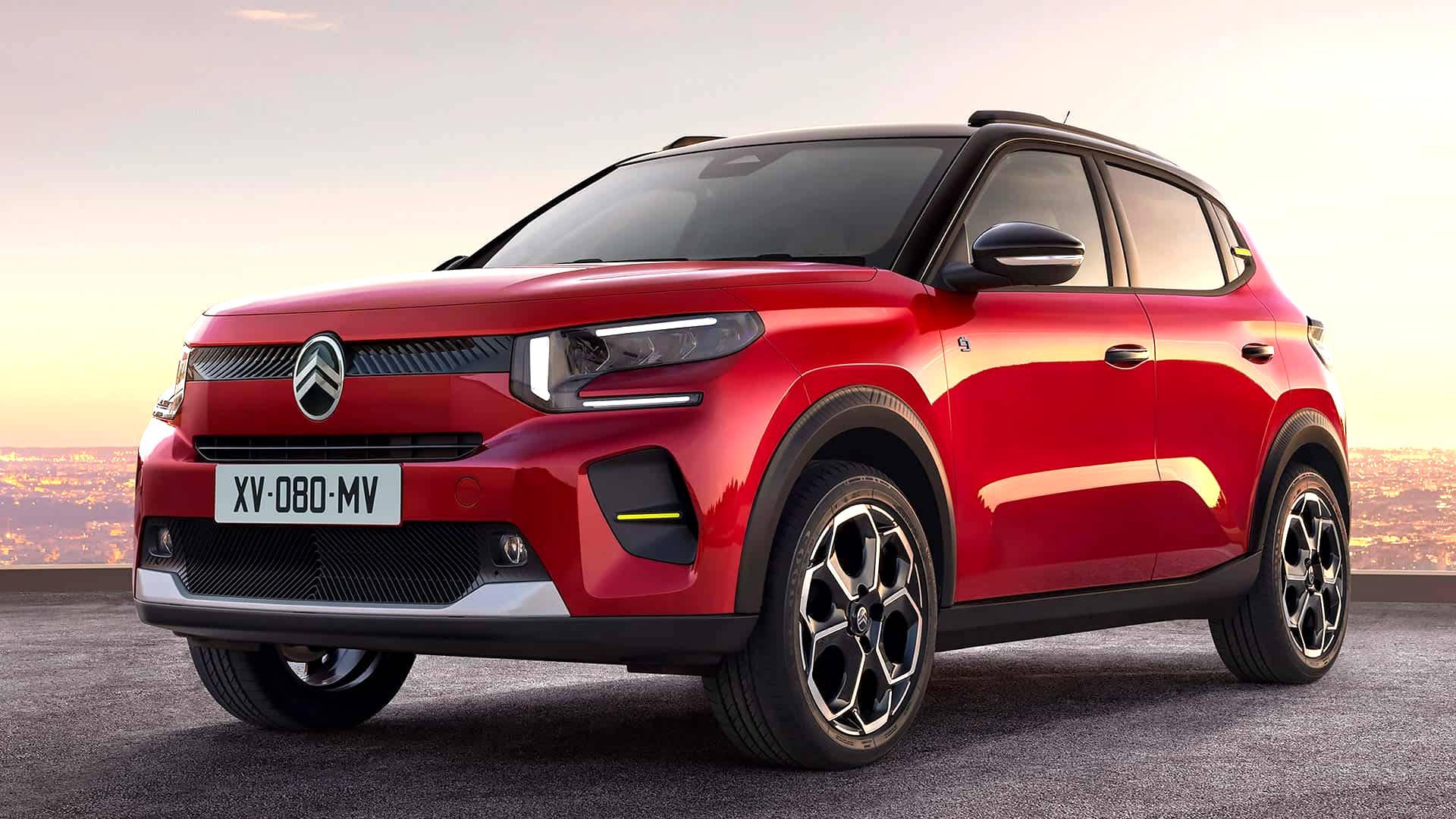
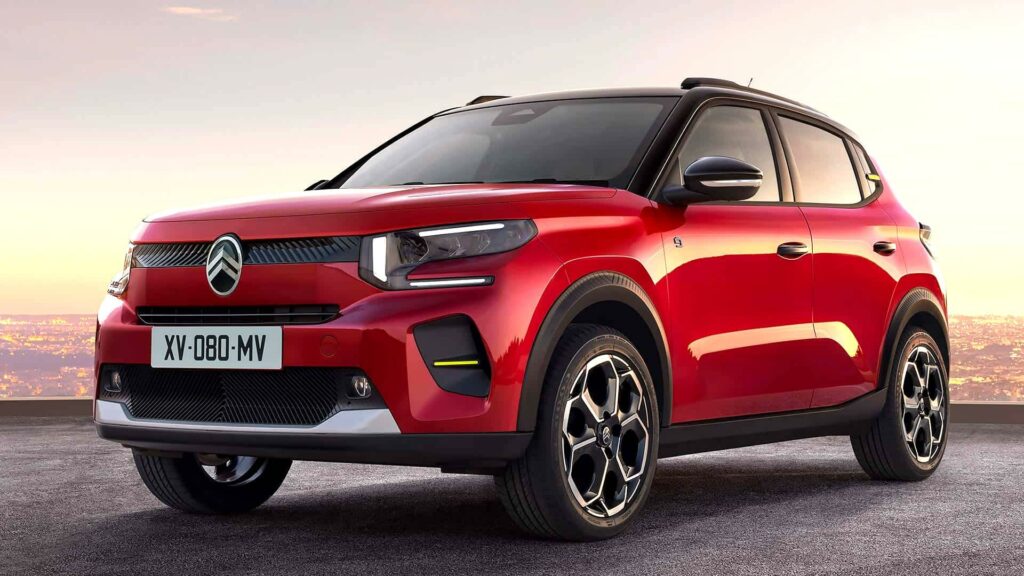
    However, some affordable models can reduce the initial investment. The Dacia Spring is available from €16,900, while the Leapmotor T03 has an entry price of €17,900. The Citroën ë-C3 starts at €23,000, while the Renault Twingo E-Tech starts at around €22,900.

    In comparison, an average petrol vehicle will cost around €27,000 in 2024, compared with over €28,000 a year earlier. The price of diesel vehicles, meanwhile, has risen, reaching €40,000 in 2024, compared with €38,000 in 2023, according to data from AAAData.

    Credit: Citroën

    Despite the gradual narrowing of the gap, electric vehicles are still between 30% and 40% more expensive to buy than their internal combustion equivalents.

    In 2019, France had around 30 different electric vehicle models on the market, according to data from Avere-France and the CCFA (Comité des Constructeurs Français d’Automobiles). By 2024, this figure had exploded to more than 120 models available on the French market, according to consolidated data from Avere-France and the Plateforme Automobile (PFA).

    So, despite a still high purchase price, the range is diversifying, contributing to accelerated adoption.

    Autonomy and diversity

    The range of electric vehicles continues to improve, although disparities remain. In 2024, entry-level models such as the Dacia Spring and the Fiat 500e offer a range of 220 to 320 kilometres, while top-of-the-range models such as the Tesla Model Y can exceed 500 kilometres on a single charge.

    The number of models available has also risen sharply, contributing to a more rapid uptake of electric vehicles.

    The year 2024 marks a transition for the electric vehicle market in France, with sales stabilising after a period of strong growth. The market is diversifying, with more affordable models, improved range and strong demand for electric SUVs. While the purchase price remains a major obstacle, the market dynamic remains geared towards increasing electrification of the French car fleet.

  • Bidirectional charging: when the car becomes an electricity producer

    Bidirectional charging: when the car becomes an electricity producer

    Long confined to its role as a means of transport, the electric car is becoming more emancipated. It can now also power a house, an appliance or even help to stabilise the electricity grid. The reason: the rise of a still little-known but promising technology – bi-directional charging. An innovation that could well turn every electric car into an active link in our energy transition.

    A two-way flow of energy

    Today, recharging an electric vehicle is a simple, one-way process: plug in, recharge, unplug.

    Credit: CHUTTERSNAP

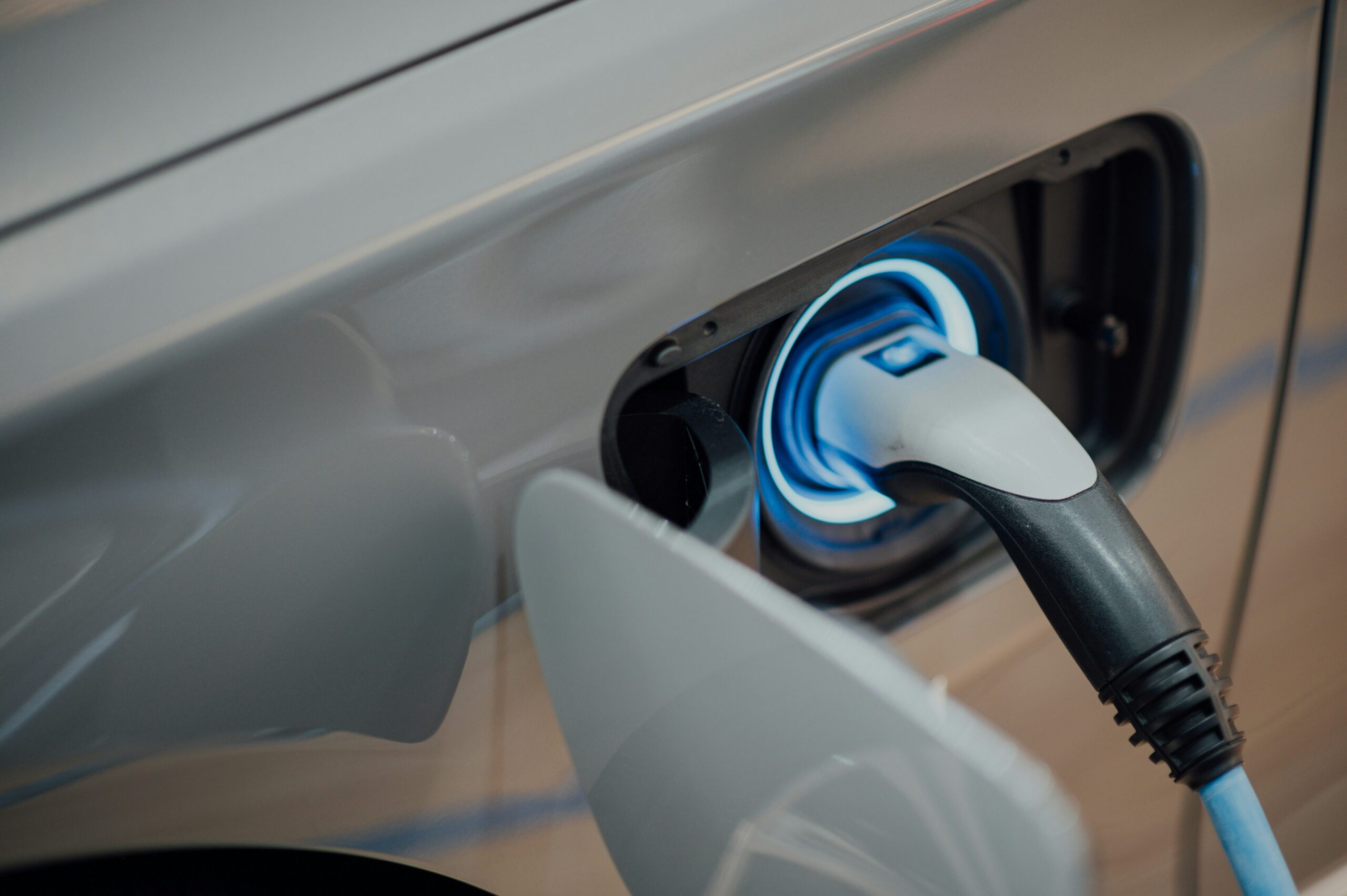
    But with bi-directional charging, a new dynamic is taking shape. Energy no longer flows only from the grid to the car, but can also circulate from the car to the grid, the home or a third-party device.

    Technically, everything hinges on the bi-directional inverter, integrated either in the charging point or directly in the vehicle. This component converts direct current (DC) from the battery into alternating current (AC), ready to be fed into a domestic system or the public grid.

    Communication between the vehicle and the infrastructure is via the ISO 15118 protocol, and an intelligent management system(EMS) automatically controls energy flows according to needs and tariff periods.

    Three concrete uses, three complementary functions

    The technology currently has three main applications:

    V2G (Vehicle-to-Grid): the vehicle returns electricity to the grid to help manage peak consumption or integrate renewable energies.
    V2H (Vehicle-to-Home): the battery supplies electricity directly to a home, optimising consumption according to the time of day or any power cuts.
    V2L (Vehicle-to-Load): the car becomes a portable battery, capable of powering an external device via a simple 220 V socket.

    Some models already offer this feature, such as the Hyundai Ioniq 5, the Kia EV6 and the MG4, allowing you to plug in a computer, a construction tool or a fridge when camping, for example.

    Credit: Michael Fousert

    A technology that is still costly, but on the way to democratisation

    For the time being, access to two-way charging remains the preserve of a niche market.

    A two-way bollard currently costs between €3,000 and €5,000, excluding installation costs. A substantial investment, but one that is set to fall as the technology becomes more widespread.

    A number of public aid schemes are being studied to support this transition and encourage both private individuals and local authorities to invest.

    A reservoir of energy in motion

    The energy potential of this technology is considerable.

    A car with a 60 kWh battery (the current standard) can power a household for 2 to 3 days in the event of a power cut. If 1 million vehicles each injected 10 kWh, this would represent 10 GWh that could be mobilised instantly: the equivalent of the output of several power stations for several hours.

    So we can imagine a future in which cars, far from being passive consumers, become mobile energy reservoirs, playing an active part in managing the grid.

    Which vehicles are compatible with two-way charging?

    Not all electric vehicles are yet capable of supplying energy externally. Three conditions must be met:

    1. An on-board charger capable of operating in reverse mode;
    2. A BMS(Battery Management System) compatible with controlled discharge;
    3. A communication protocol such as ISO 15118 or CHAdeMO (in the case of the Nissan Leaf).

    Several manufacturers have already incorporated this technology into their current or future models:

    Nissan Leaf, pioneer via CHAdeMO ;
    Kia EV6, Hyundai Ioniq 5, Volkswagen ID. Buzz;
    Renault Scénic E-Tech (2024);
    – And soon Tesla, with its new V4 Superchargers, designed for V2G.

    Credit: Juice

    A technology under development in several regions of the world

    France is no exception. EDF, Enedis, Renault and Stellantis are piloting several experiments with the support of local authorities.

    Other countries are making rapid progress in this area:

    Japan: a pioneer with Nissan, which is deploying its vehicles in post-disaster scenarios;
    Netherlands: experimentation on the scale of entire neighbourhoods;
    United States (California): school fleets and public services being tested;
    Germany: integration of EVs in virtual power plants managed by energy companies.

    Fast-growing technology players

    In addition to manufacturers, specialist companies are developing innovative solutions:

    Nuvve (United States): world leader in V2G, particularly for fleets;
    Wallbox (Spain): its Quasar 2 residential terminal enables V2H/V2G in the home;
    The Mobility House (Germany): a pioneer in intelligent energy management;
    – In France, start-ups such as Mobilize Power Solutions and Ijenko are positioning themselves in this niche.

    Towards a network player car

    Two-way charging is redefining the role of the car in our daily lives.

    It is no longer just a mobility tool, but a piece of the energy puzzle. It makes it possible to make the most of stored energy, optimise self-consumption, deal with unforeseen circumstances and, above all, support an increasingly busy electricity grid.

    In the future, plugging in your car won’t just mean “filling up”. It could also mean “giving back to the system”. And making a silent contribution to the energy balance of tomorrow.

  • Electrified aircraft: France enters the fray

    Electrified aircraft: France enters the fray

    Aircraft are regularly at the centre of controversy over climate change and greenhouse gas emissions. So it’s only natural that the aeronautics industry, like the car industry before it, should be thinking about electrification (except that you don’t fly a 40-tonne steel monster like you do a city car).

    At the heart of this relatively young market, which is set for exponential growth and is booming internationally, are a number of French players, both large groups and young start-ups, determined to make France a pioneer in electric aviation, just as it was a pioneer in thermal aviation.

    The promise of French electric aircraft

    In France, while Airbus has been active in the electrified aeronautics sector since the early 2000s, the most successful projects are to be found among start-ups. Aura Aero is one of the country’s most successful start-ups.

    Based in Toulouse, the epicentre of aviation in Europe, this start-up flew its two-seater Integral E aircraft for the first time in December 2024. As its name suggests, the aircraft is powered by a 100% electric motor. A part supplied by a giant of the global aeronautics industry, the French group Safran. Called Engineus, it is the first electric aircraft engine in the world to receive certification from a major agency, the European Union Aviation Safety Agency (EASA), enabling it to go into series production.

    Admittedly, the Integral E only offers between 1 h and 1 h 30 of autonomy, but it can be recharged in 30 minutes, so it can be used for regional round trips, or simply for training future pilots. And this is just the beginning for Aura Aero, which, alongside the Integral E, has also developed the ERA, capable of carrying 19 passengers, again for regional routes. Equipped with a hybrid engine, it should make its first flights in 2026.

    airplane-electric-aura-aero-integral-e.jpg
    Credit: Aura Areo

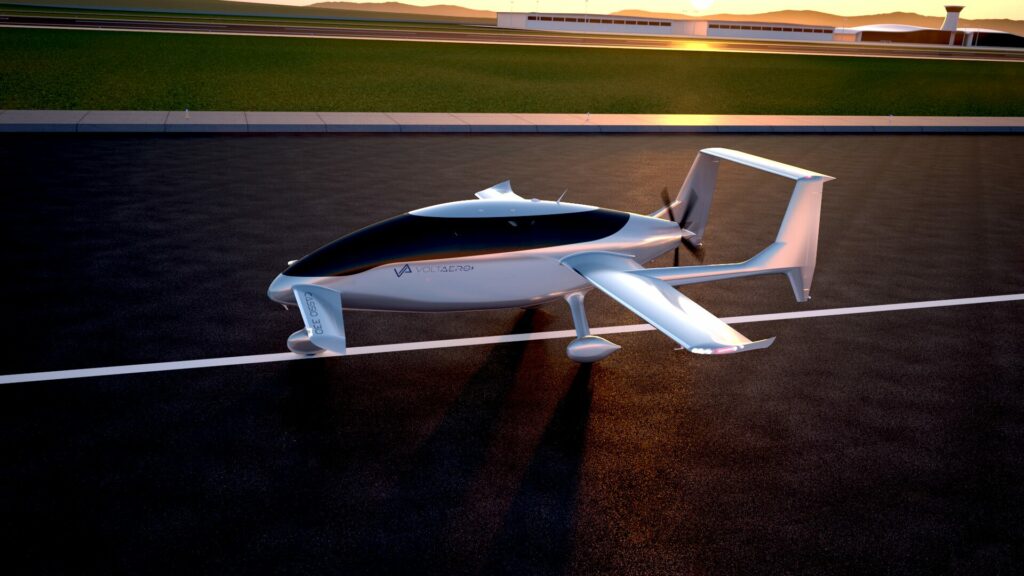
    All these projects have been made possible by the injection of 95 million euros of European funds, proof that the “zero emission” aircraft is not just a fantasy, but a serious project supported by the institutions themselves. Aura Aero is not the only French company to illustrate the country’s ambitions for the electrification of aviation, since VoltAero is developing, from its HQ in Charente-Maritime, an aircraft called the Cassio 330, equipped with hybrid engines and scheduled for launch in 2026.

    This is already attracting interest from investors, including the American company AltiSky, which has injected more than two million dollars into the French company as part of a partnership that will see the construction of a VoltAero plant in the United States to conquer the North American market, which is keen on these inter-regional solutions.

    Credit: VoltAero

    A worldwide craze for electric aviation

    Of course, France is not alone in this booming market. While the international market is currently worth around ten billion dollars, the most optimistic forecasts suggest that electrified aeronautics could reach 70 billion dollars in annual revenues by 2034, with double-digit growth every year.

    Ambitious projects are springing up all over the world. From Canada, where Harbour Air is retrofitting old planes with hybrid engines (the milestone of 100 flights was recently passed), to the UK, where ZeroAvia is making rapid progress on hydrogen, with a series of test flights and fund-raising events, and Sweden, where we are expecting the first test flight of a 30-seat hybrid plane from Heart Aerospace.

    What about China? Unsurprisingly, CATL, the world leader in the market for batteries for electric vehicles, is spearheading the drive for electric-powered aircraft. In 2024, the group announced that its partnership with Chinese manufacturer Comac had given rise to a 4-tonne, 19-seater aircraft capable of flying 500 kilometres on electric power. There’s no doubt about it, the leading country for electric cars is determined to hold its own in the aviation market.

    Credit : ZeroAvia
  • Electromobility: challenges and future prospects

    Electromobility: challenges and future prospects

    If electromobility is now taking centre stage, it’s not just a passing fad, but one of the pillars of an ongoing global transition. Reducing emissions, energy independence, industrial recovery: there are many issues at stake, and the solutions offered by electric vehicles go far beyond a simple change of engine. So why electromobility? Let’s find out.

    Ecological issues: less CO₂, but not without impact!

    Road transport accounts for 15% of global greenhouse gas emissions. Replacing combustion-powered vehicles with electric vehicles, powered by increasingly low-carbon energy, will have a direct impact on this major source of pollution.

    electric-car-recharge.jpg
    Credit: Nerijus jakimavičius

    To measure the positive impact of these vehicles on the ecosystem, the entire life cycle of an electric vehicle must be taken into account. According to the French Environment and Energy Management Agency (ADEME), an electric vehicle emits on average three times less CO₂ than a combustion-powered vehicle over its entire life cycle, provided that the electricity used comes from renewable sources.

    Another major advantage is the absence of local emissions. Zero tailpipe emissions means fewer fine particles, less nitrogen oxides (NOₓ) and less noise pollution. According to the WHO, air pollution causes more than 300,000 premature deaths every year in Europe, with a significant proportion linked to transport. In cities, this would translate directly into better air quality, with clear benefits for public health.

    But the environmental picture is not all rosy. Batteries, the heart of electric vehicles, pose real environmental challenges. They take a lot of energy to produce and rely on the extraction of materials such as lithium, cobalt and nickel, the extraction processes for which raise questions. Fortunately, recycling processes, while still in their infancy, are promising. Today, French start-ups are able to recycle 90-95% of a battery.

    Energy challenges: moving away from oil and embracing flexibility

    Electromobility is also a strategy for independence. By 2025, the European Union will be importing over 90% of its oil.

    Powering a car with electricity is a way of freeing ourselves from this dependence and regaining a form of energy sovereignty, especially if we rely on local, low-carbon sources of electricity: solar, wind and nuclear.

    electric-car-recharge.jpg
    Credit: M W

    But we need to think ahead. The increase in the number of electric vehicles will drive up demand for electricity. If this demand is met by carbon-based energies, the gains could be cancelled out. That’s why European leaders in recharging (such as Spark Alliance) are offering electric vehicle drivers the chance to use 100% renewable energy.

    Economic stakes: a new industry… but risks to manage

    As well as being good for the environment, electromobility represents a major economic opportunity for manufacturers. New sectors are being created: batteries, charging stations, on-board software, connected services, etc. In Europe, “gigafactories” are being created, and investment is running into billions – enough to enable new players to gain a foothold in an automotive sector that has historically been difficult to access.

    From the user’s point of view, the cost of ownership is often more advantageous than for internal combustion over the long term: maintenance is considerably reduced, recharging costs less than filling up, and the government offers ecological bonuses. The brakes on access are beginning to fall, thanks in particular to the development of the second-hand market for electric vehicles.

    Credit: Mabel Amber

    But this transformation is not without its upheavals. The traditional automotive industry involves hundreds of thousands of jobs, particularly on assembly lines, in garages and with subcontractors. The retraining of skills is a major social challenge, to enable all these women and men to continue a suitable professional activity. In February 2025, the European Commission adopted the Clean Industrial Deal. This pact aims to support the transition of industrial sectors to low-carbon technologies, with a strong emphasis on electric mobility. It promises to create 500,000 new jobs in electromobility by 2030.

    Electromobility represents a major step towards a more sustainable and independent future. While the environmental and economic challenges are many, the benefits for public health, energy independence and industrial recovery are undeniable. It is crucial that we continue to innovate and invest in sustainable solutions to maximise these benefits.

  • Governments or businesses, who is boosting the installation of charging points?

    Governments or businesses, who is boosting the installation of charging points?

    It’s a subject at the heart of every debate on the energy transition: the massive installation of charging points for electric vehicles. While the figures are quite good and growing steadily, another question arises: who is really driving this development? Companies, governments or both?

    As the energy transition gathers pace, the race to install charging points for electric vehicles is becoming a major strategic issue. But behind the relatively rapid growth of the network lies a mix of policies, business initiatives and, in some cases, public-private partnerships.

    Installation of recharging points: public authorities get in touch…

    In many countries, political will has served as a trigger. The European Union, in particular, has set itself ambitious targets for the energy transition, led by a ban on the sale of new combustion-powered cars from 2035. The Member States have followed suit, with a host of plans to support electric mobility. France, for example, has introduced financial assistance for the installation of charging points, including the “Advenir” bonus for apartment dwellers.

    Governments are also using legislation to encourage the installation of charging points. In some countries, new buildings, public car parks and shopping centres are required to have a percentage of spaces equipped with charging points. In Europe, the obligation to install charging points in new or renovated buildings stems from the 2021 EPBD directive. The directive requires residential buildings to be pre-equipped – i.e. to anticipate the future installation of charging points – and non-residential buildings to install charging points for as few as 10 parking spaces.

    installation of europe motorway charging points
    Credit: Pexels Bruggi

    But some countries, such as France, the Netherlands, Germany and the UK, are not content to follow these rules and have decided to go one step further. For example, France and Germany require up to 100% pre-equipment in new residential car parks, while the Netherlands and the UK systematically require bollards in new commercial and residential buildings. But it’s not just about making it compulsory. At the same time, public investment remains massive: in Germany in particular, a €6.3 billion plan has been committed up to 2026 to support the development of recharging infrastructures.

    … And the private sector is stepping on the accelerator

    While governments provide the impetus, it is often companies that are responsible for the actual deployment of charging points. From Tesla and Fastned to Ionity, Allego and TotalEnergies, the major players in the private energy sector have been investing in the deployment of charging point networks for several years now, buoyed by the government’s ambitions mentioned above. For the moment, they are located mainly on major roads, in major cities and in large shopping areas. These charging points promise a return on investment that will keep pace with the increase in the number of electric cars on the road, and are therefore highly attractive to these multinationals.

    installation of car park charging points
    Credit: Pexels Jakubzerdzicki

    In rural areas, less densely populated towns and secondary roads, which are seen as less profitable in the short or even medium term, public-private partnerships are on the increase. In several European countries, they are playing a key role in developing charging stations in these still forgotten areas. In France, the government provides up to 50% of the funding for some private projects via ADEME, while in Germany, the Deutschlandnetz programme provides massive subsidies for fast-charging stations operated by private-sector operators. The United Kingdom, with its LEVI programme, also supports local authorities working in partnership with private operators. The Netherlands, meanwhile, has introduced regional tenders that enable companies to part-finance the installation and operation of recharging stations. These projects enable companies to secure long-term market share and public authorities to achieve their objectives.

    Finally, in the residential and tertiary sectors, start-ups and SMEs are also taking a growing share of the market. Some companies see the installation of bollards as a natural diversification of their business, as do energy companies and public works firms. This is particularly true of Sungrow, a photovoltaic specialist that launched a subsidiary dedicated to charging stations around ten years ago.

    States and companies car pool on the installation of charging points

    The current dynamic is therefore based on an interaction between public incentives and private strategies. When governments push for the adoption of electric vehicles, they are obliged, in turn, to encourage the installation of charging stations. And companies see this as an attractive financial lever and are investing to make sure they don’t miss out.

    And while everyone’s priorities are not always aligned (the private sector favours profitable installations, while the public authorities seek to guarantee the widest possible coverage), co-financing is a good way of encouraging companies to invest in less attractive installations, which are crucial to convincing as many people as possible to switch to electric power.

    In some countries, such as the Netherlands mentioned above, the success of electric mobility (more than a third of electric cars in the fleet) is based on the balance between an incentive-based legislative and fiscal framework and early investment by local companies. An example worth following!

  • Summer 100% electric: stress-free recharging on France’s motorways

    Summer 100% electric: stress-free recharging on France’s motorways

    Summer holidays are approaching, and for more and more motorists, they’ll be at the wheel of an electric vehicle. While the driving comfort and silence of an electric car may be appealing, one question remains: how do you manage recharging on the road when you’re on holiday? On French motorways, particularly those in the VINCI network, the infrastructure is ready. You just need to know how to deal with it. Here’s a practical article to help you travel with a clear head, with insights from Olivier Granier, Director of Commercial Installations at VINCI Autoroutes.

    Credit: Cyril Crespeau
    Credit: Cyril Crespeau


    A charging point every 80 km: a promise kept

    The good news is that recharging on the motorway is no longer a headache. On major routes such as the A7, A10, A61 and A75, among others, all service areas are now equipped with fast-charging stations. VINCI Autoroutes, which manages more than 4,400 km of the network, has already equipped 100% of its service areas, i.e. more than 300 recharging stations and 90% coverage of ultra-fast charging points.

    We have embarked on a vast programme of equipment from 2020, in partnership with the major operators in the sector, to respond to the increase in the number of electric vehicles, particularly during the summer period “, explains Olivier Granier. The objective that the French group had set itself has been achieved: to offer a station every 80 kilometres or less on the network, to guarantee peace of mind on long-distance journeys.

    A wide range of partners and a user experience at the heart of the system

    The chargepoints installed generally recharge 80% of the battery in less than 30 minutes. Some stations offer up to 16 simultaneous charge points, and the diversity of operators present – Ionity, TotalEnergies, Fastned, Driveco, Tesla, etc. – ensures good interoperability, whatever the vehicle model.

    But technical performance is not the only concern of those involved in recharging: the user experience is even more important. To facilitate this transition and help EV drivers with the recharging process, VINCI Autoroutes has launched Operation Gilets Bleus, a summer initiative that mobilises its staff on the ground to help, inform and ensure the safety of drivers at service areas during major holiday periods.

    Credit: Jacques Wisdorff
    Credit: Jacques Wisdorff


    Simplified payment and digital tools to the rescue

    This convenience extends to payment, because today you don’t need to be an expert to recharge on the motorway. Most chargepoints accept payment by credit card or QR code. You can also use the operators’ mobile applications or multi-network badges such as Chargemap or Shell Recharge. In terms of digital services, the Ulys application developed by VINCI Autoroutes helps users on their journeys on French motorways. ” Our application allows drivers to locate charging points, check their availability in real time, and plan their itinerary to include recharging breaks ,” explains Olivier Granier.

    Anticipate to avoid peaks in visitor numbers

    During the summer, some service areas can be very busy, especially on Saturdays known as “black Saturdays”. VINCI Autoroutes is aware of this, and steps up its technical surveillance and maintenance operations at this time of year. ” We have put in place centralised supervision and teams mobilised 24 hours a day, particularly for major departures ,” says Olivier Granier.

    His advice to motorists: don’t wait until the last minute to recharge. So plan your stops in advance, recharge as soon as your range falls below 30%, and regularly check the status of charging points on specialist applications. It’s better to plan a stop at an area a little earlier in the journey than to risk waiting in the middle of the heat.

    VINCI AUTOROUTES; Ulys; Montpellier; Telepeage


    The motorway is ready, now it’s up to you to get organised

    The coverage of the network, the diversity of operators, the digital tools and the comfort offered at the rest areas make the electric car a credible option for holidays. The key is to plan ahead. Recharging should be incorporated into your journey as a useful and enjoyable break, rather than a constraint. This summer, go away connected, go away serene.

  • The 4 electric car engines you need to know

    The 4 electric car engines you need to know

    Often relegated to the bottom of the specification sheet, electric car motors are of crucial importance in terms of economy, performance and industrialisation.

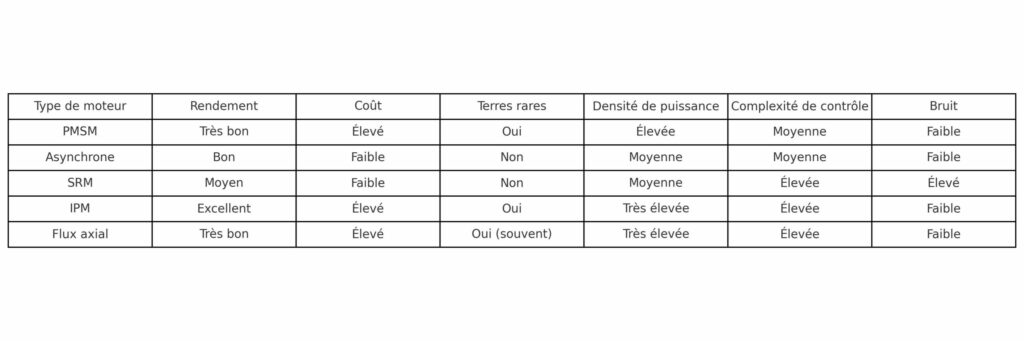
    When we talk about electric cars, the first thing we talk about is range. Unlike the world of internal combustion vehicles, where cylinders are omnipresent and sometimes more famous than the cars themselves, like the V12 Bizzarini and other ‘in-line sixes’, when it comes to watts, engines are generally relegated to the background and it sometimes seems as though there is only one type of engine for all electric cars. In fact, the opposite is true! Whether already produced on a large scale, present in niche models or still in the gestation stage, there are several types of electric car motor, of which the following are the main ones.

    electric car motors
    Credit: Renault Group

    Permanent magnet synchronous (PMSM) electric car motors

    Widely used in electric cars, the PMSM motor works thanks to magnets containing neodymium, a rare earth, which, placed in the rotor (the rotating part), rotate according to the magnetic field generated by the stator (the fixed part). It is highly efficient, with energy yields well in excess of 90%, making it ideally suited to the automotive industry. If we add to this the fact that it is very compact and fairly light, this makes it, despite its relatively high cost due to raw materials, the motor of choice for many well-known models such as the Nissan Leaf or the Toyota Prius hybrid.

    The asynchronous motor

    Here, there are no magnets in the rotor. To put it very simply, the stator produces a magnetic field whose energy is transmitted to the rotor. The rotor in turn produces a magnetic field. The two fields, like a wrestler facing a boxer in an octagon, will then confront each other and make the rotor turn. Without permanent magnets, the induction motor is cheaper to produce than the PMSM. It is also more robust thanks to its simpler structure, and less sensitive to heat despite an average energy efficiency of just under 90%. Induction motors are found in Tesla Model S and X vehicles.

    The variable reluctance synchronous motor or SRM

    Here’s the SRM: no permanent magnets, no windings, no critical raw materials such as rare earths, just gears on the rotor and stator that create movement by aligning themselves. Inexpensive to manufacture, durable and capable of handling a lot of torque at low revs (ideal for an electric car). However, it is not very widespread and, for the moment, it is mainly the subject of research by start-ups. Why is this? For one thing, it’s noisier than its counterparts. But that’s not its only drawback. It’s also electronically controlled, which adds a whole host of data to integrate, making it complex to manage.

    Axial-flow electric car motors

    This is the motor that could well change the face of the world. Here, unlike in radial flux motors, the movement of the magnetic field is parallel to the axis of rotation. In other words, axial flux motors are flat and therefore more compact, while retaining their efficiency. This architecture also makes it easier to cool the motor, thereby increasing its performance. Today, these motors are still too expensive to manufacture for large-scale deployment, but manufacturers are nonetheless paying close attention to developments in this technology. The latest example is Mercedes’ acquisition of the British company YASA, which specialises in axial-flow engines.

    Summary :