Category: Expertise

  • The era of clean energy: why rising oil prices and global conflicts are accelerating the electric vehicle revolution

    The era of clean energy: why rising oil prices and global conflicts are accelerating the electric vehicle revolution

    The ongoing tensions between the United States and Iran serve as yet another reminder to the world of just how deeply intertwined global politics and the oil markets are. Whenever instability arises in major oil-producing regions, the effects quickly ripple out across the global economy. Rising oil prices, higher fuel costs and supply disruptions are often the first signs of such crises. As petrol prices soar and uncertainty spreads across energy markets, a key question is once again being asked around the world: is the future of transport electric?
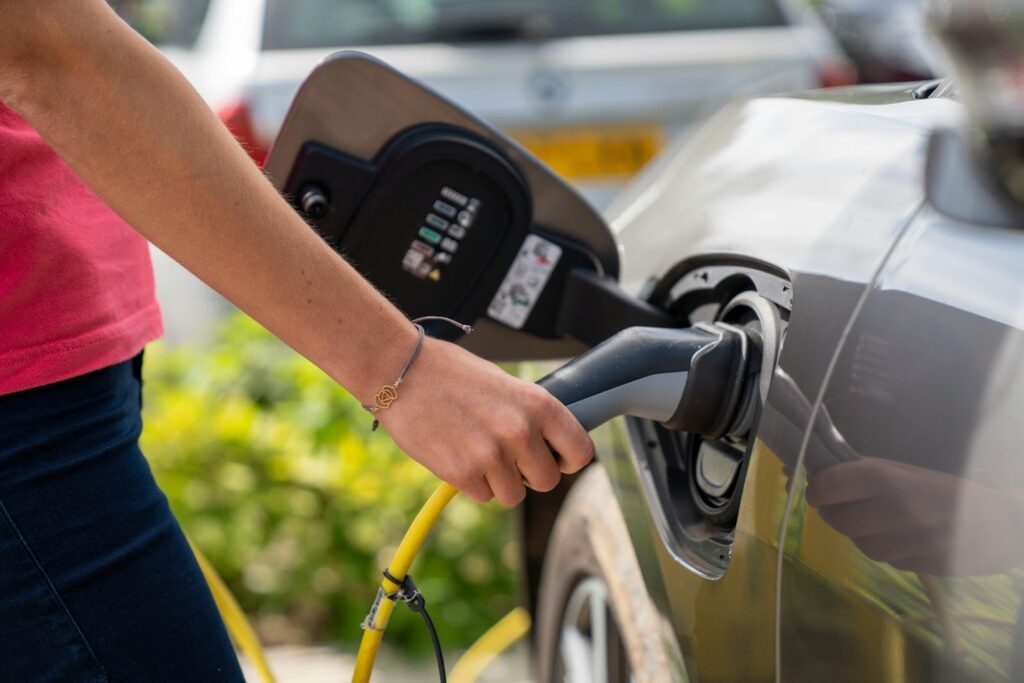
    Here are the main reasons why the current oil crisis and geopolitical instability are strengthening the case for electric vehicles.

    1. Oil wars have always shaped the global economy

    For over a century, oil has been one of the most strategically important resources on Earth. Countries have formed alliances, waged wars and shaped their foreign policies around energy supplies.

    When conflicts break out in major oil-producing regions, the markets react immediately. Shipping routes become vulnerable, supply chains are threatened and energy prices rise sharply.

    The Middle East remains one of the world’s most important oil-producing regions. A large proportion of global oil exports passes through strategic narrow sea lanes such as the Strait of Hormuz. Any military escalation in the region immediately raises concerns about disruptions to oil supplies.

    source: FMM Graphic Design Studio

    History has repeatedly shown that global conflicts in oil-producing regions can lead to significant price rises. These price rises affect transport, manufacturing, agriculture and almost every sector of the economy.

    2. Rising oil prices have a direct impact on consumers

    When oil prices rise, the most immediate impact is felt at the petrol pump. Drivers suddenly find themselves facing higher fuel costs, which can significantly increase household expenditure.

    Higher petrol prices also affect the cost of goods and services. Transport companies have to spend more on fuel, airlines face higher operating costs, and freight rates are rising. These increased costs often feed through to the wider economy, contributing to inflation.

    Families who rely heavily on petrol-powered vehicles feel the pinch most acutely. Long commutes, transport needs and daily journeys become more expensive when oil prices rise.

    This cycle has repeated itself time and again throughout modern history whenever geopolitical tensions have disrupted energy markets.

    3. Electric vehicles are breaking our dependence on oil

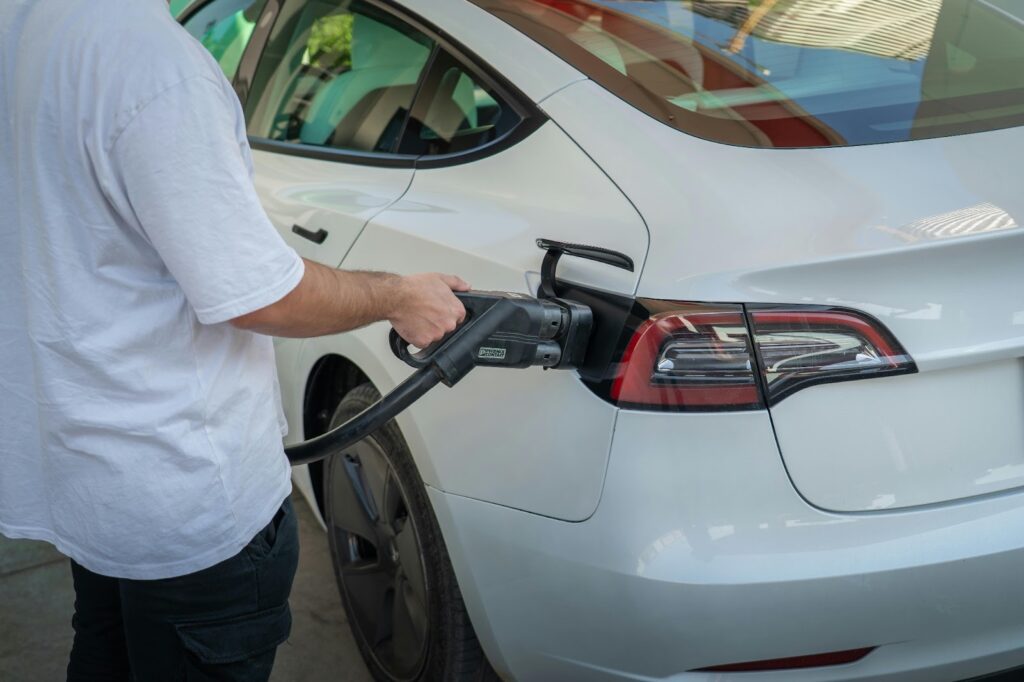
    Electric vehicles offer a key advantage over traditional petrol cars: they do not rely on oil.

    Instead of petrol or diesel, EVs run on electricity, which can be generated from a variety of energy sources, including natural gas, nuclear power, hydroelectricity, solar power and wind power.

    This flexibility significantly reduces the impact of oil market volatility on transport. When oil prices rise due to a conflict, drivers of electric vehicles are largely shielded from these price shocks.

    Electromobility enables countries to rely more on domestic energy production rather than on imported oil, thereby strengthening national energy security.

    4. Lower operating costs for drivers

    One of the main advantages of electric vehicles is that they are cheaper to run than petrol cars.

    Electricity is generally cheaper than petrol on a per-kilometre basis. Even when electricity prices fluctuate, they rarely experience the dramatic spikes that oil markets often face.

    EV drivers can also charge their vehicles at home, avoiding the need for frequent stops at petrol stations.

    In the long term, fuel savings can add up to a significant amount, particularly during periods when petrol prices rise due to geopolitical crises.

    5. Electric vehicles require less maintenance

    Traditional petrol engines contain hundreds of moving parts, including pistons, valves, exhaust systems and complex mechanical components.

    These systems require regular maintenance, such as oil changes, engine servicing and exhaust repairs.

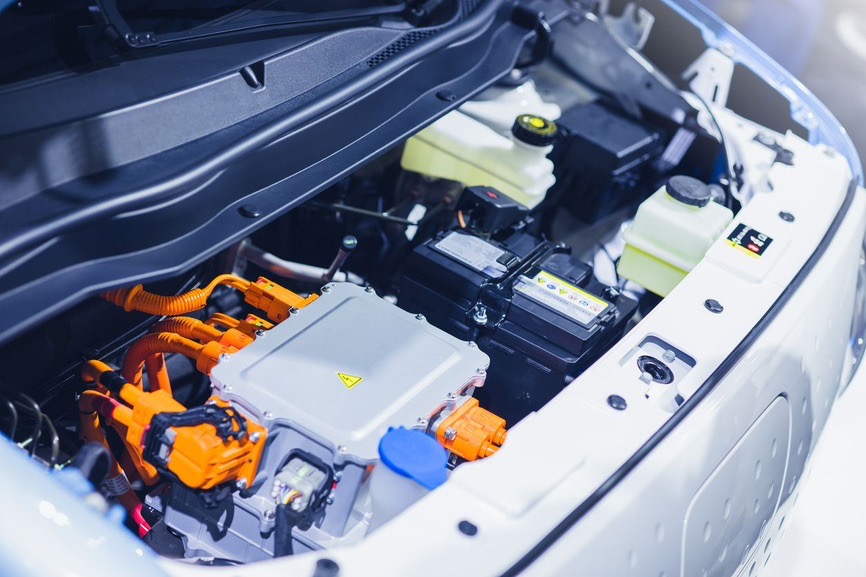
    Electric vehicles are much simpler mechanically. They use electric motors with far fewer moving parts and do not require engine oil, spark plugs or complex transmission systems.

    This reduced mechanical complexity means that EV owners often incur lower maintenance costs over the vehicle’s lifetime.
    source: LaCentrale

    6. Battery technology has improved rapidly

    The first electric vehicles were criticised for their limited range and long charging times. However, battery technology has advanced dramatically in recent years.

    Modern EVs can now travel hundreds of kilometres on a single charge, making them practical for both daily commutes and long-distance journeys.

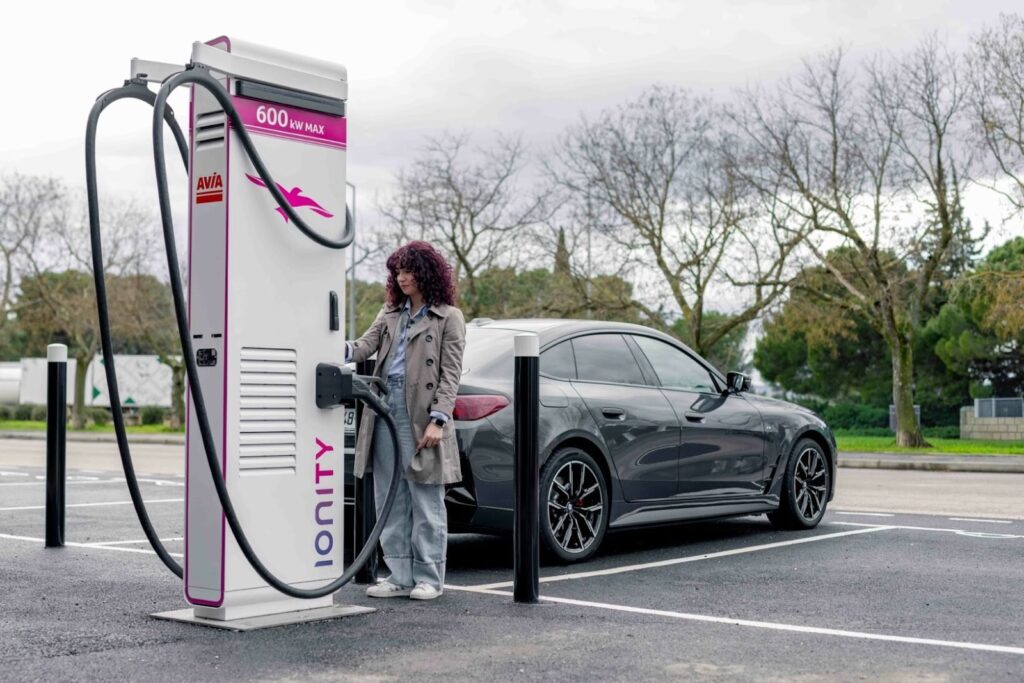
    Fast-charging networks are expanding rapidly, enabling drivers to recharge a significant portion of their battery in a short space of time.

    As battery costs continue to fall and efficiency improves, electric vehicles are becoming more affordable and accessible to a wider range of consumers.
    source: Ionity


    7. Expanding charging infrastructure

    One of the main challenges to EV adoption in the past was the lack of charging infrastructure. This situation is changing rapidly.

    Governments and private companies are investing billions of dollars in expanding charging networks in cities, on motorways and in rural areas.

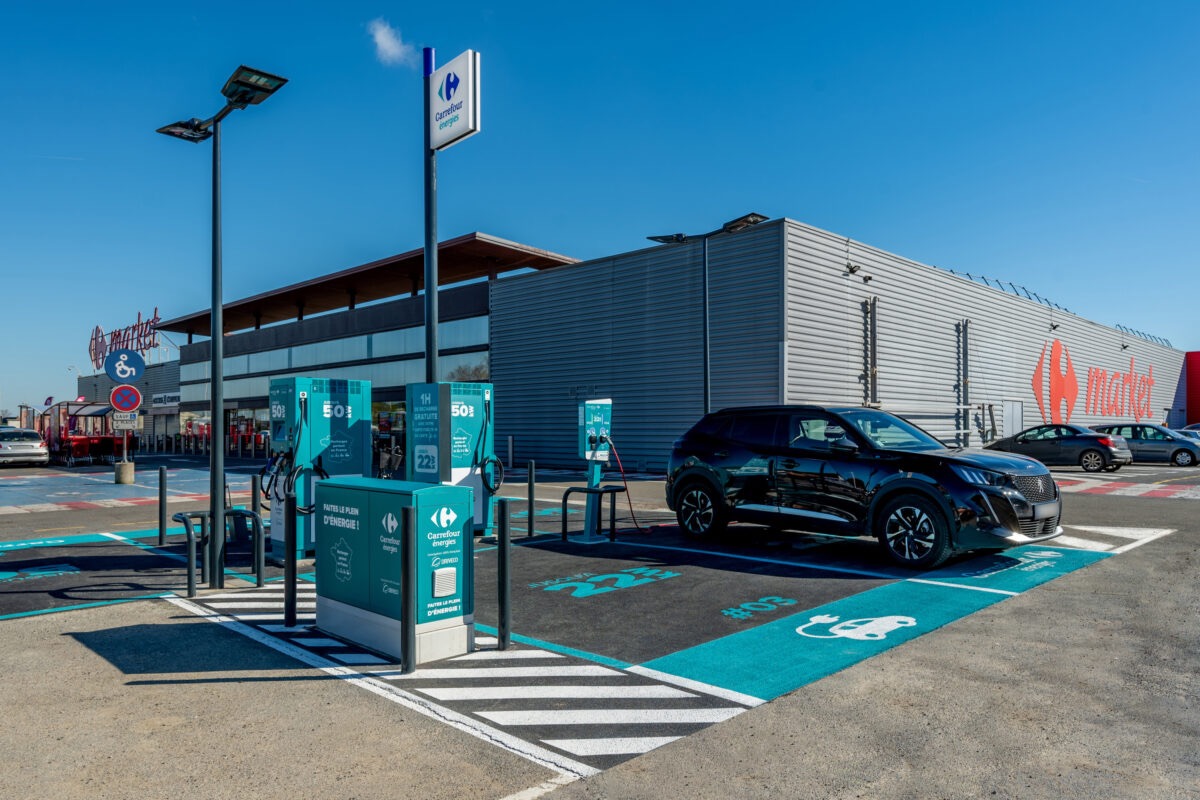
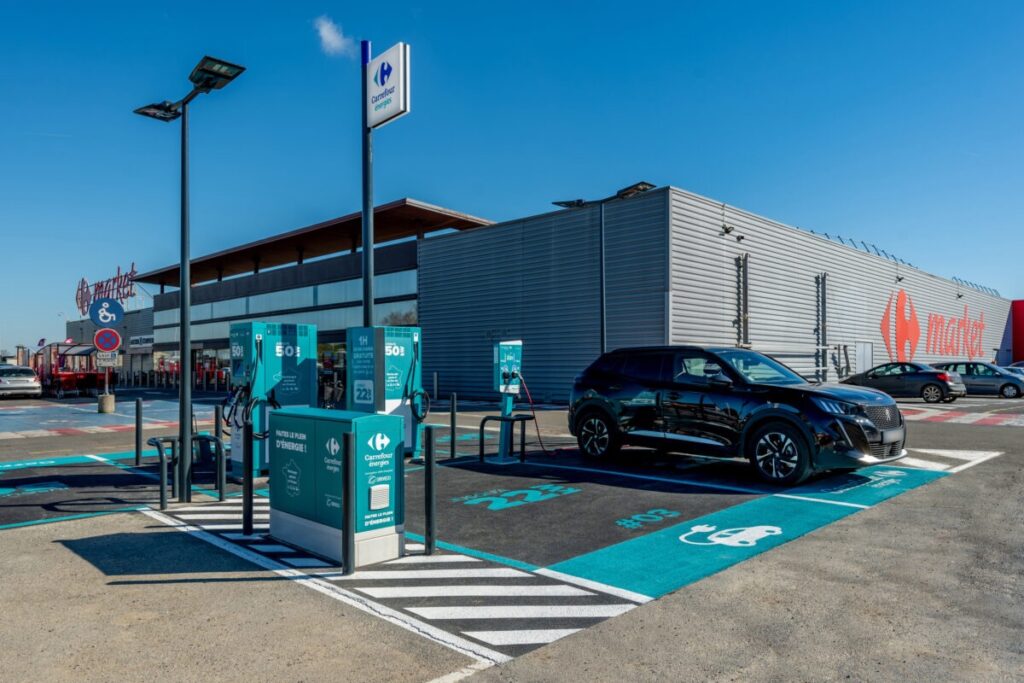
    Public charging stations are becoming more common in shopping centres, office buildings, car parks and residential areas.

    As charging networks expand, owning an electric vehicle is becoming more convenient and accessible for millions of drivers.
    source: Driveco

    8. Environmental benefits of electric vehicles

    Electric vehicles produce no exhaust emissions, which helps to reduce air pollution in cities.

    Transport is one of the biggest contributors to global carbon emissions, and the switch to electric vehicles can significantly reduce the environmental impact.

    Cleaner transport also improves public health by reducing harmful pollutants that contribute to respiratory diseases.

    As renewable energy sources continue to expand, the environmental benefits of electric vehicles will increase even further.

    9. Economic opportunities in the EV industry

    The electric vehicle revolution is creating major economic opportunities around the world.

    New industries are emerging in the fields of battery manufacturing, charging infrastructure, software systems and electric mobility services.

    Countries that invest heavily in EV technology can secure leading positions in the future automotive market.

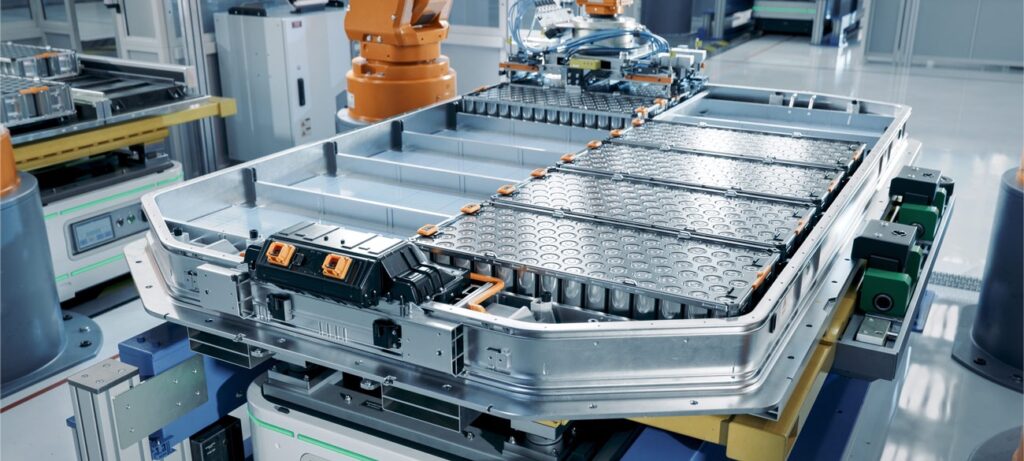
    Battery manufacturing, in particular, is becoming a strategic industry, as batteries power both electric vehicles and renewable energy storage systems.
    10. Energy independence for nations

    Reducing dependence on imported oil can strengthen national security and economic stability.

    Countries that are heavily reliant on oil imports are often vulnerable to international conflicts and supply disruptions.

    Electric vehicles enable countries to power their transport systems using locally generated electricity, thereby reducing their dependence on global oil markets.

    This change could lead to more stable energy systems and reduce geopolitical vulnerabilities.

    source: econord

    11. Consumer demand is growing rapidly

    Public interest in electric vehicles has grown significantly over the past decade.

    Many drivers are attracted by the combination of lower running costs, environmental benefits and advanced technology.

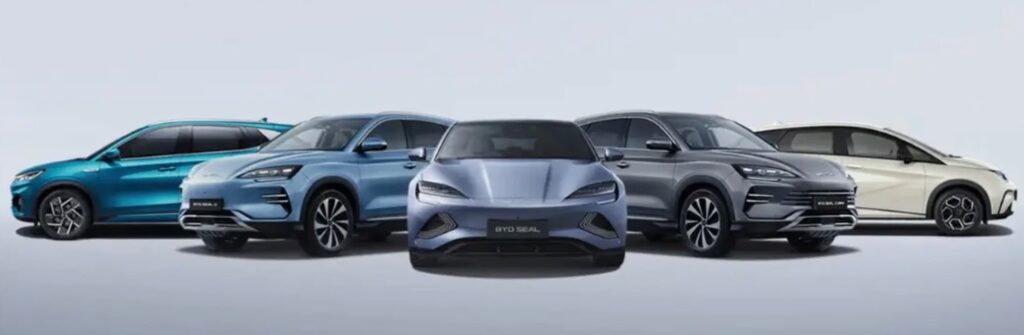
    Car manufacturers are responding to this demand by expanding their ranges of electric vehicles and investing heavily in electrification.

    As more models become available, consumers have more choice when switching to electric vehicles.
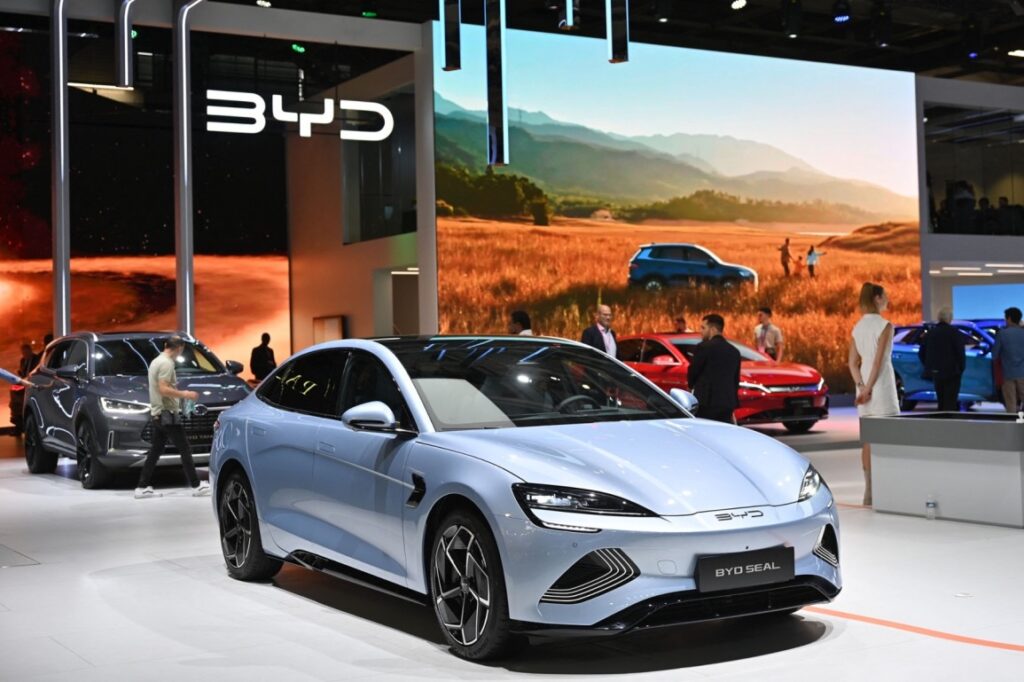
    source: BYD

    12. Geopolitical conflicts are accelerating the transition

    Whenever the oil markets are disrupted by conflict or political instability, the appeal of electric vehicles increases.

    Rising petrol prices highlight the vulnerability of transport systems that rely on oil.

    Electric vehicles offer a path towards more stable and predictable transport costs.

    For many consumers, repeated oil crises reinforce the view that moving away from petrol-powered vehicles could be the wisest choice in the long term.

    Conclusion

    The current tensions affecting global oil markets serve as a reminder of just how vulnerable traditional energy systems can be. When geopolitical conflicts disrupt oil supplies, the economic consequences are felt around the world.

    Electric vehicles offer a powerful alternative to this cycle. By reducing dependence on oil and enabling transport to run on a variety of energy sources, EVs can help create a more resilient and stable energy future.

    Technological advances, infrastructure expansion and growing consumer interest are already driving the global shift towards electric mobility.

    As global conflicts continue to affect the oil markets, the transition to electric vehicles could accelerate even further.

    What began as a technological innovation is now becoming a cornerstone of the future transport system. The electric vehicle revolution is no longer a distant possibility; it is rapidly becoming a defining feature of the modern energy era.
  • Toyota, the king of hybrids, is pursuing a multi-technology strategy

    Toyota, the king of hybrids, is pursuing a multi-technology strategy

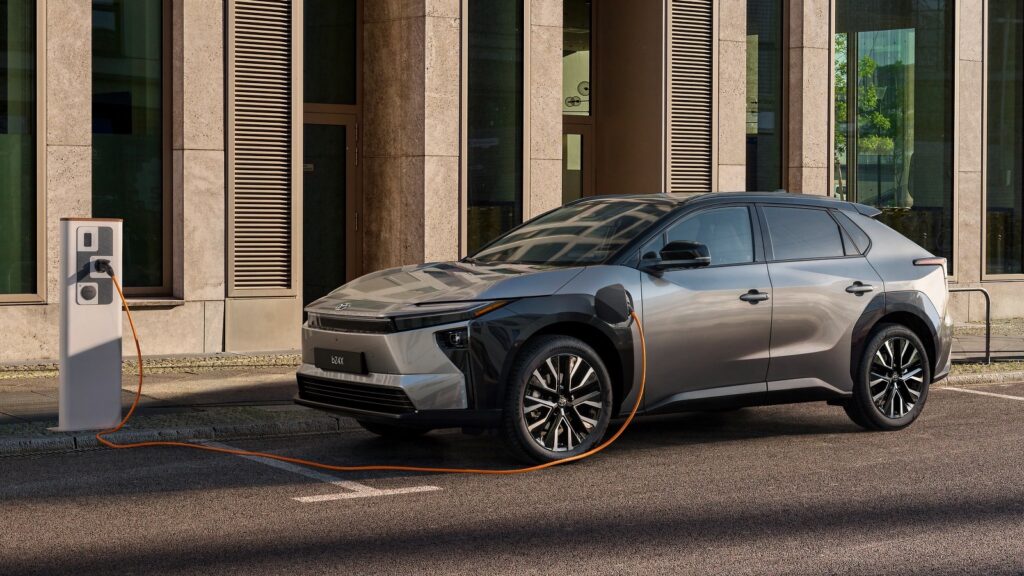
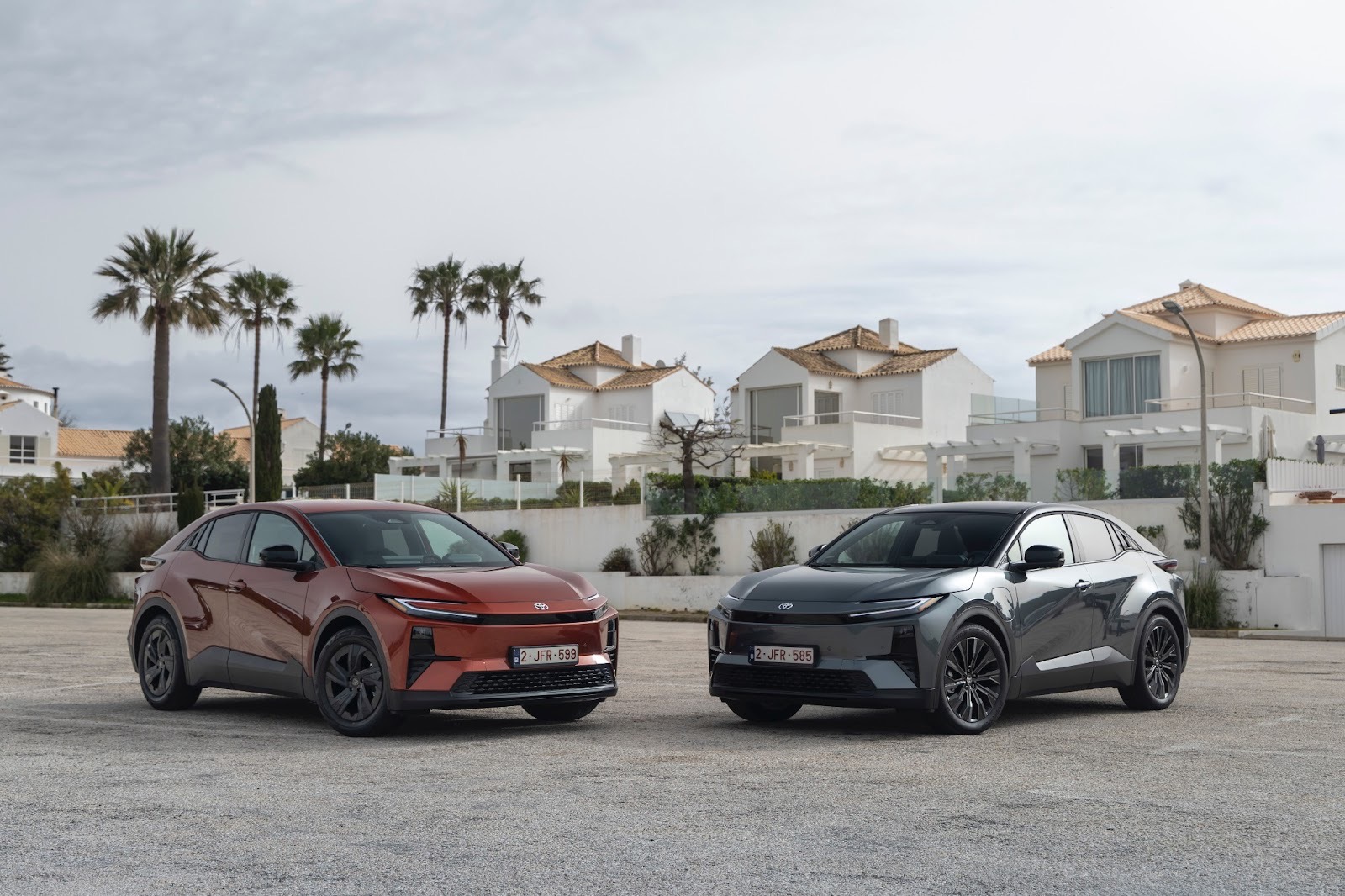
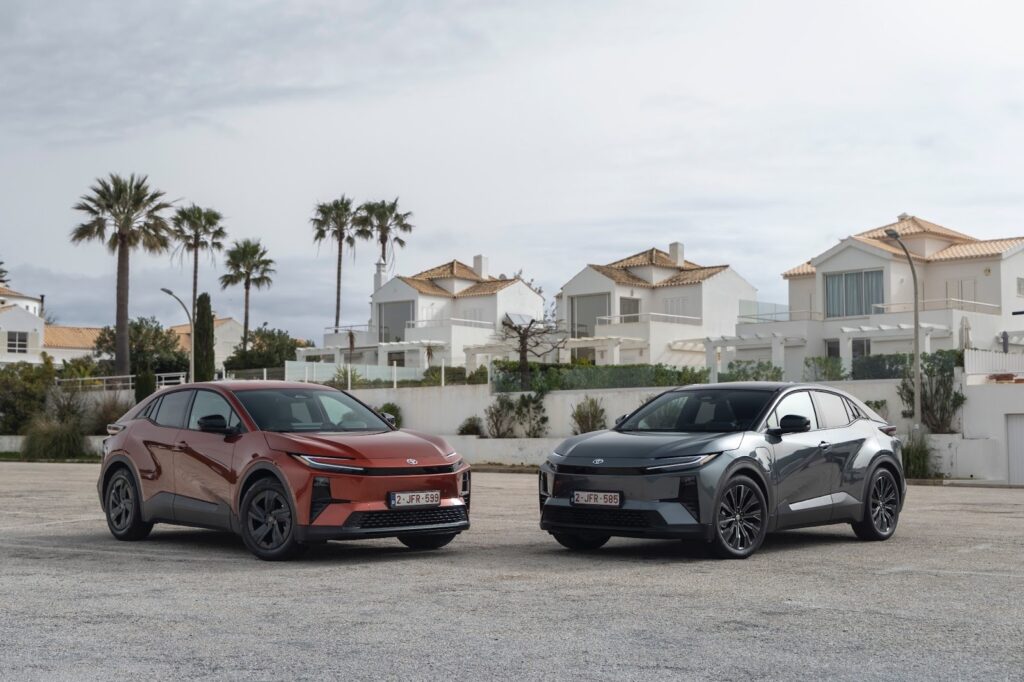
    With the launch of the new C-HR+, its successful compact SUV now fully electric, Toyota is making up for its ‘slow start’ in the EV market. Taking a cautious approach, the world’s leading carmaker is adopting a multi-energy strategy by developing several technologies, tailored to its various markets. This plan enables it to maintain a strong presence worldwide, reinforces its reputation for reliability, whilst retaining its expertise in hybridisation and innovation with hydrogen. 

    source: Toyota

    The C-HR+, Toyota’s second electric model for private customers 

    A few months after updating its bZ4X electric family SUV (which stands for Beyond Zero 4 Cross), Toyota is converting its best-seller, the C-HR+ (or C-HR ‘BEV’), to electric power. This 4.53-metre SUV is available with two- or four-wheel drive and two battery capacities (58 or 77 kWh), giving it a range of up to 607 km on the WLTP cycle. The technical specifications list three power outputs: 167, 224 or 343 hp. The styling and build quality are refined and should appeal to potential European customers, especially as its starting price (from €39,600) puts it in the running against its more advanced Chinese rivals. Toyota has taken its time to launch it, but the C-HR+ is the flagship of an electric range set to expand in the coming months (14 models planned by 2027).

    Electric vehicles ‘Made in Japan’

    If Toyota has kept a low profile in the electric vehicle market until now, it is primarily because the group prefers to develop its own manufacturing capabilities without partnering with Chinese manufacturers. This has led to the creation of a dedicated e-TNGA (electric Toyota New Global Architecture) platform, an e-Axle power unit (combining motor, gearbox and inverter) supplied by the Japanese firm Aisin, and lithium-ion batteries from PPES (Prime Planet Energy & Solutions), a joint venture between Panasonic and Toyota. The C-HR+ (just like the bZ4X SUV) is manufactured in Japan, a country whose production quality and reputation for reliability are well established, which should convince customers who are hesitant to take the plunge into electrification.

    source: Toyota

    2025: a record year in Europe

    This gradual entry into the electric vehicle (BEV) market complements the Japanese giant’s other strengths, namely its planned multi-technology strategy: hybrid and plug-in hybrid powertrains are being prioritised in the short term, pending the ramp-up of electric vehicle sales and, in the longer term, a mix of electric and hydrogen technologies.

    Thanks to its technical expertise, Toyota is therefore able to continue developing hybrid vehicles (HEVs), plug-in hybrids (PHEVs) and hydrogen-powered vehicles (FCEVs) in parallel. All the while, it continues to produce internal combustion engines for its large 4x4s, such as the Land Cruiser, which are very popular in America and Africa.

    To remain the world’s leading car manufacturer, the Toyota Group adapts to all markets, where demand varies greatly. In 2025, Toyota sold 11.3 million vehicles worldwide (up 4.6% on 2024). Europe recorded a record year with 1.2 million sales, three-quarters of which were electrified. These figures validate this multi-energy strategy, as needs vary depending on charging infrastructure, electricity prices, local environmental standards and available raw materials.

    source: Toyota

    Solid-state batteries: Toyota’s next electric ‘r-evolution’

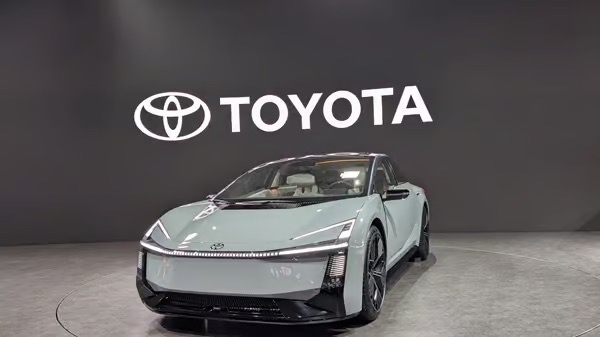
    At the last Tokyo Motor Show in 2025, Toyota announced that an upcoming production vehicle would be fitted with solid-state batteries within a few months. Still at the prototype stage, this new battery chemistry promises to be revolutionary, with packs that are lightweight, compact and capable of delivering a much higher energy density than current lithium batteries. Range could triple, reaching up to 1,200 km on a single charge. This promise, which has yet to be realised in a real car, shows that the Japanese giant is moving at its own pace, following its roadmap and paying little heed to its competitors.

    Toyota at the 2025 Tokyo Motor Show – source: Le Journal De l’Automobile

    Hybrids: always at the forefront at Toyota

    Since the launch of the Prius in 1997, Toyota has produced over 25 million hybrid cars worldwide. This innovative technology, which combines a petrol engine with an electric motor, is now fitted to a wide range of models: from the small Yaris HSD to the Lexus RX, LS and ES, as well as the RAV4, the Corolla and, soon, the Aygo X city car. In Europe, the reliability and ease of use of this technology have quickly won over motorists, who are enjoying significant fuel savings (around 3.3L/100km for a compact saloon such as the Corolla Hybrid). 

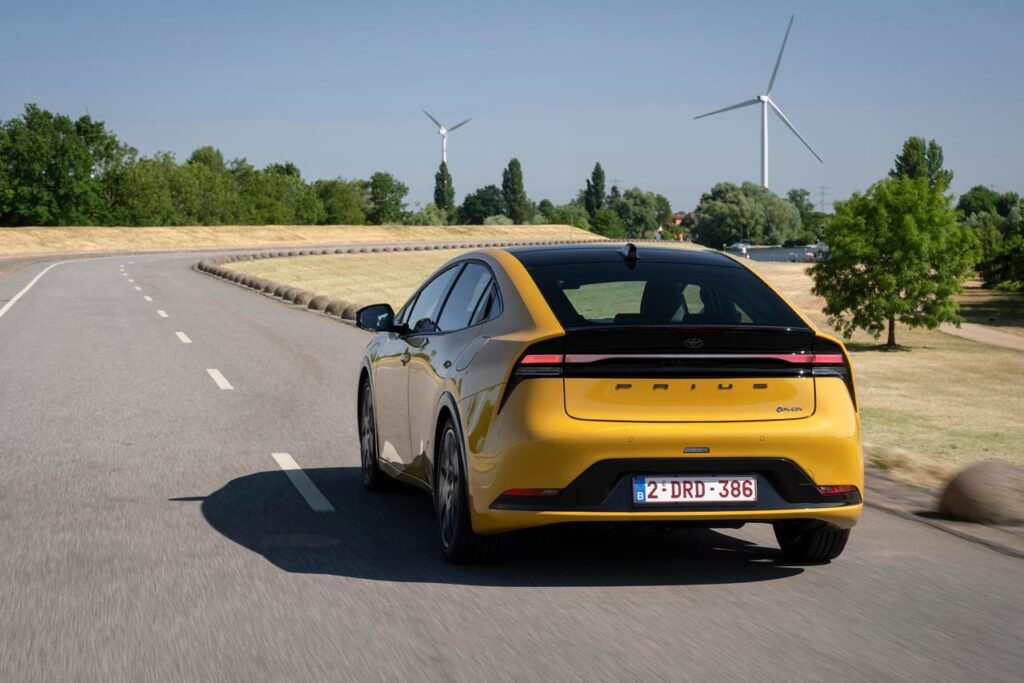
    The fifth-generation Prius is now a plug-in hybrid, with its average combined fuel consumption reduced to 0.7 L/100 km under the WLTP cycle. And when its battery is completely flat, the Prius operates as a fuel-efficient full hybrid – something its rivals cannot match. This is enough to meet EU regulatory requirements. Whilst its market share in plug-in hybrids remains modest, the Japanese group is demonstrating that it is capable of stepping up its efforts towards carbon neutrality.

    Further proof of its ability to adapt to different markets is that Toyota has developed a flex-fuel hybrid engine specifically for Latin America, which runs on both petrol and E85 superethanol, which is particularly popular in Brazil.

    source: Toyota


    Hydrogen: the energy of the future – Toyota is committed to it

    Unlike its competitors, Toyota does not believe in a one-size-fits-all solution for decarbonisation and has been working on hydrogen for many years. H2 powering a fuel cell represents a credible, zero-emission alternative, particularly for road transport, buses and corporate fleets. However, the Mirai saloon, equipped with a more compact and efficient third-generation fuel cell, is struggling to gain traction with private buyers due to its price (€73,000) and, above all, the lack of hydrogen refuelling points. 

    source: Toyota

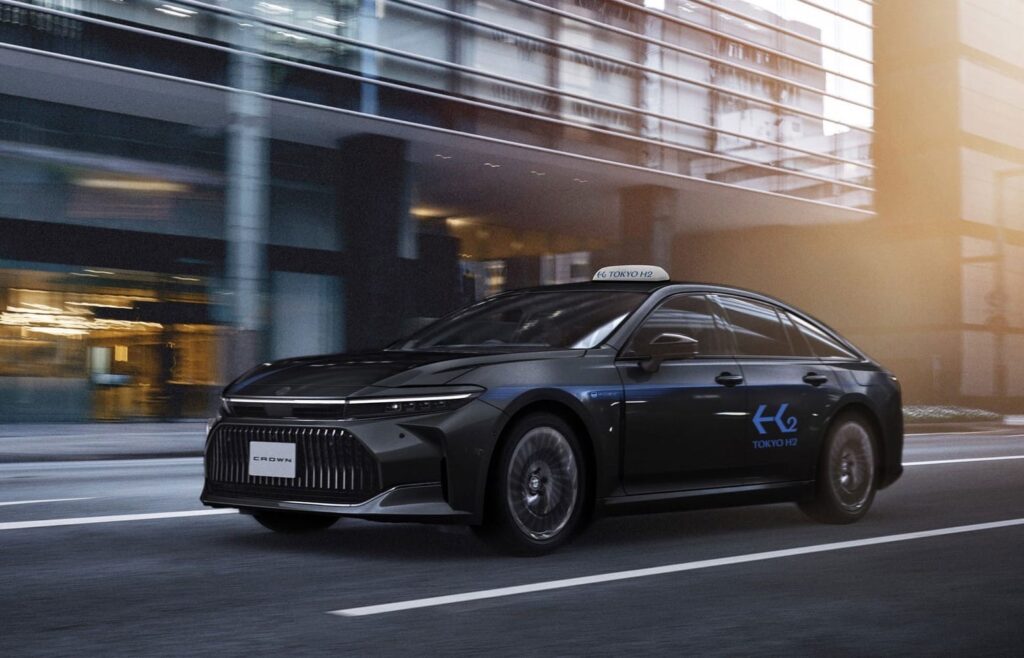
    Toyota therefore aims to develop the entire hydrogen sector ecosystem through the TOKYO H2 project, launched in September 2025 in the Japanese capital: a fleet of vehicles (taxis, cars, buses), refuelling stations across the city, infrastructure and hydrogen production. A fleet of 600 Crown H2 taxis is set to hit the streets of Tokyo by 2030, turning the city into a real-world laboratory to refine this constantly evolving technology and raise public awareness of this new clean energy source. Designed as a hub, this pilot city could be replicated elsewhere in the world and continue to leave Toyota’s mark. 

    source: Toyota

    The global leader has therefore not yet completed its ‘multi-technology’ expansion across the 170 countries in which it operates.

  • The most advanced commercial eVTOLs in 2026

    The most advanced commercial eVTOLs in 2026

    Long confined to prototypes and technological demonstrations, eVTOLs (electric Vertical Take-Off and Landing) are gradually entering a new phase. In 2026, several aircraft are now close to commercial operation, some having already obtained partial certification or launched their first revenue-generating operations. Between urban air taxis, regional transport and medical or logistical missions, these new electric machines could transform air mobility over the next decade. Here are the eight eVTOLs that are currently the most advanced, according to their level of industrial and regulatory maturity.

    source : Joby Aviation

    But before an eVTOL can actually carry passengers, it must obtain aeronautical certification, a long and complex process overseen by national and international regulatory authorities. The main authorities include the FAA (Federal Aviation Administration) in the United States, the EASA (European Aviation Safety Agency) in Europe, the CAAC (Civil Aviation Administration of China) in China, and the UK CAA (Civil Aviation Authority) in the United Kingdom. Other countries are also beginning to define their own regulatory frameworks for integrating these new aircraft into urban airspace. At present, only a few projects appear to be close to commercial operation.

    Joby S4

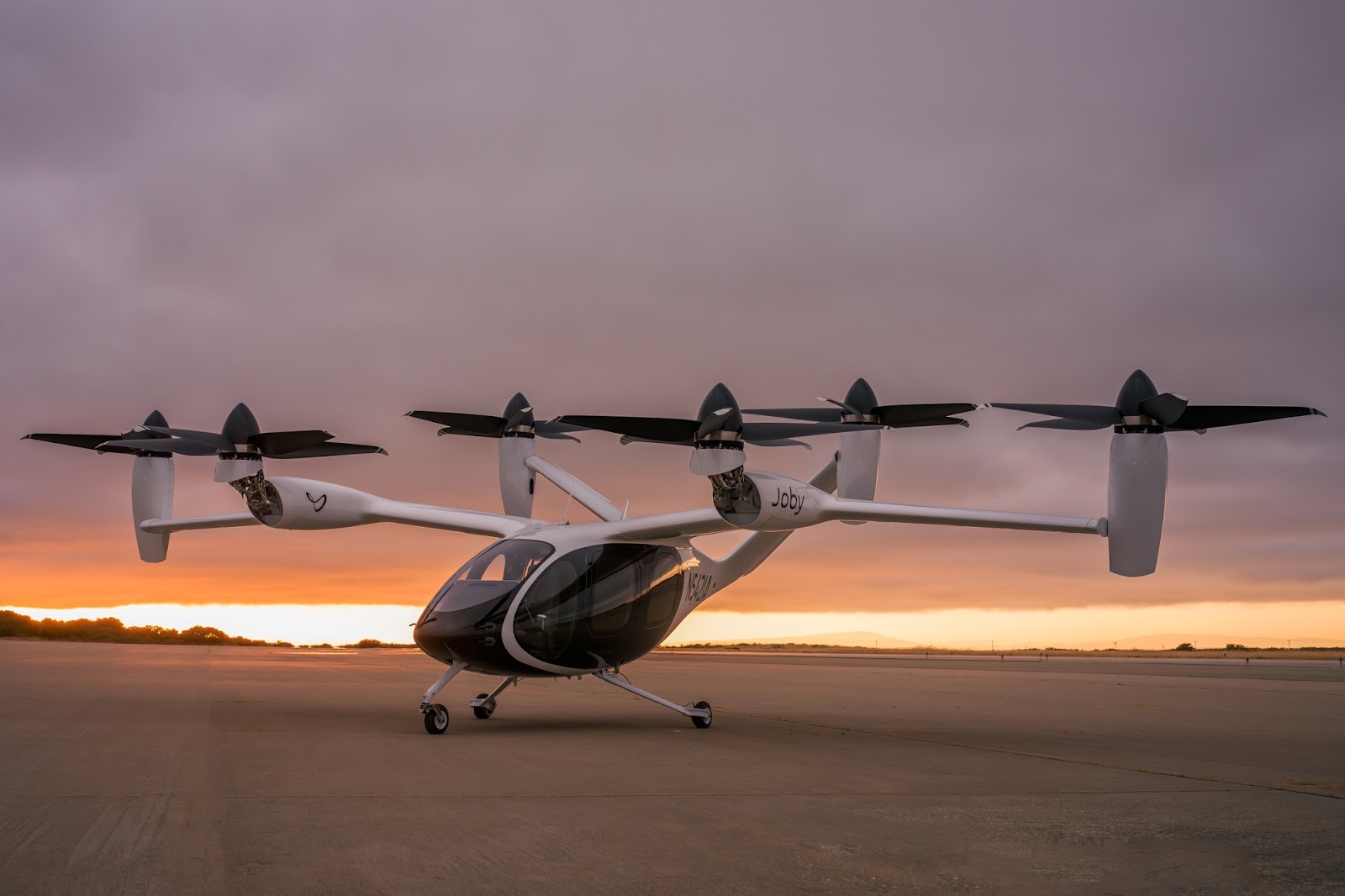
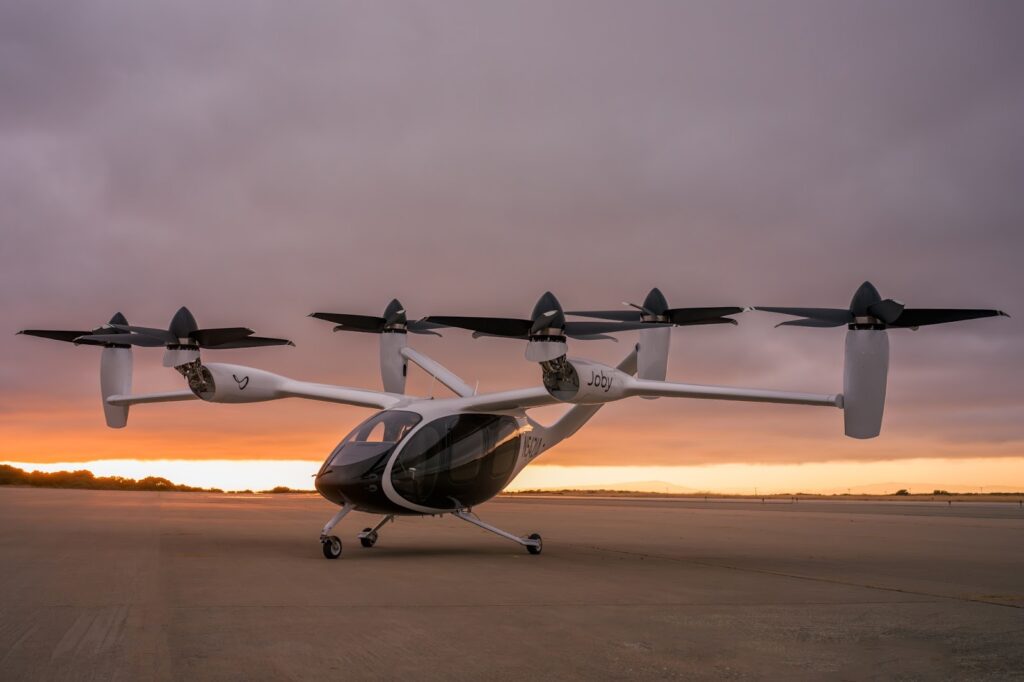
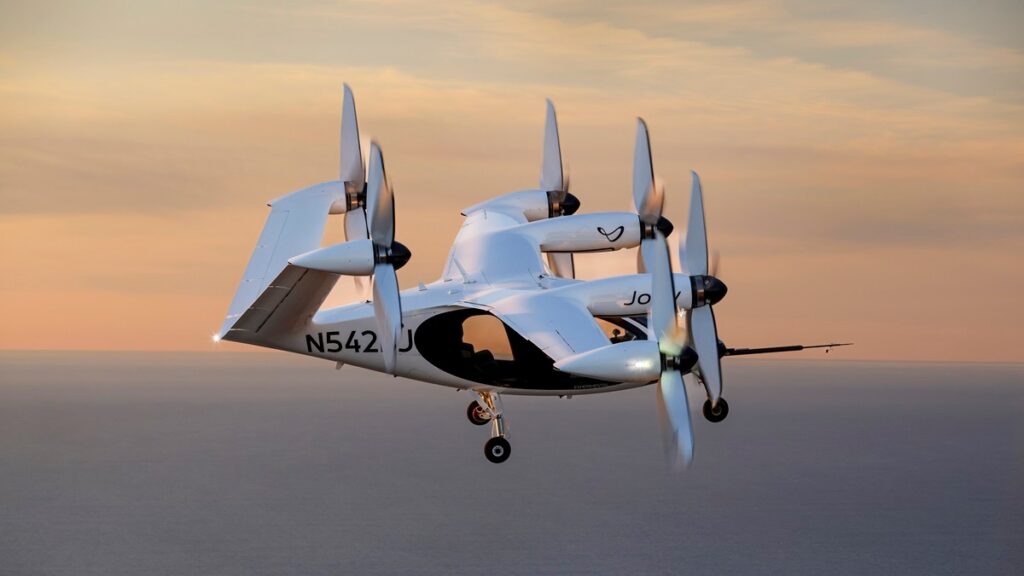
    The Joby S4, developed by the American company Joby Aviation, is now considered to be the most advanced eVTOL programme in the United States. The aircraft is in Stage 4 of the FAA certification process, i.e. around 90% of the regulatory route.

    This electric air taxi can carry four passengers and a pilot, with a top speed of around 241 km/h and a range of up to 240 kilometres. It has six electrically-powered tilting rotors, offering both vertical lift like a helicopter and horizontal propulsion, to cut through the air like an aeroplane. The airframe is made of lightweight composites to optimise range and reduce noise, a critical factor for urban flights.

    source : Joby Aviation

    The manufacturer plans to launch its first commercial operations in Dubai this year. The programme benefits from substantial industrial support, notably from Toyota ($400 million), and has an order book of almost 3,000 aircraft, worth several billion dollars.

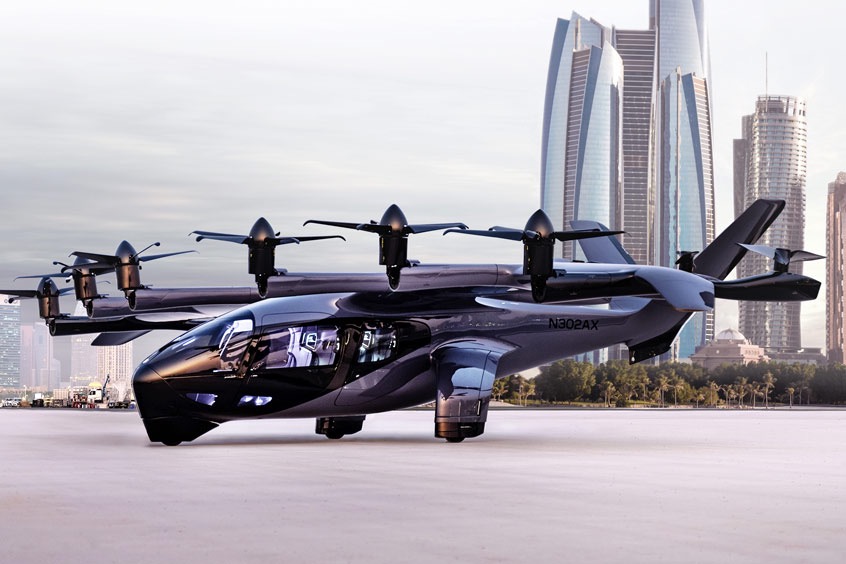
    Archer Midnight

    American start-up Archer Aviation is developing the Midnight, an eVTOL designed primarily for urban air taxi services.

    source : Archer Aviation

    The aircraft can carry four passengers and a pilot, with a maximum speed of close to 240 km/h and a range of around 160 kilometres. It has four main electric rotors with tilting thrusters, and a modular battery that can be quickly replaced for continuous operation.

    Archer plans to launch its first commercial operations in the United Arab Emirates and the United States from 2026. The programme is supported by several industrial partners, including Stellantis, and has an order book of more than 700 aircraft, including an agreement with United Airlines.

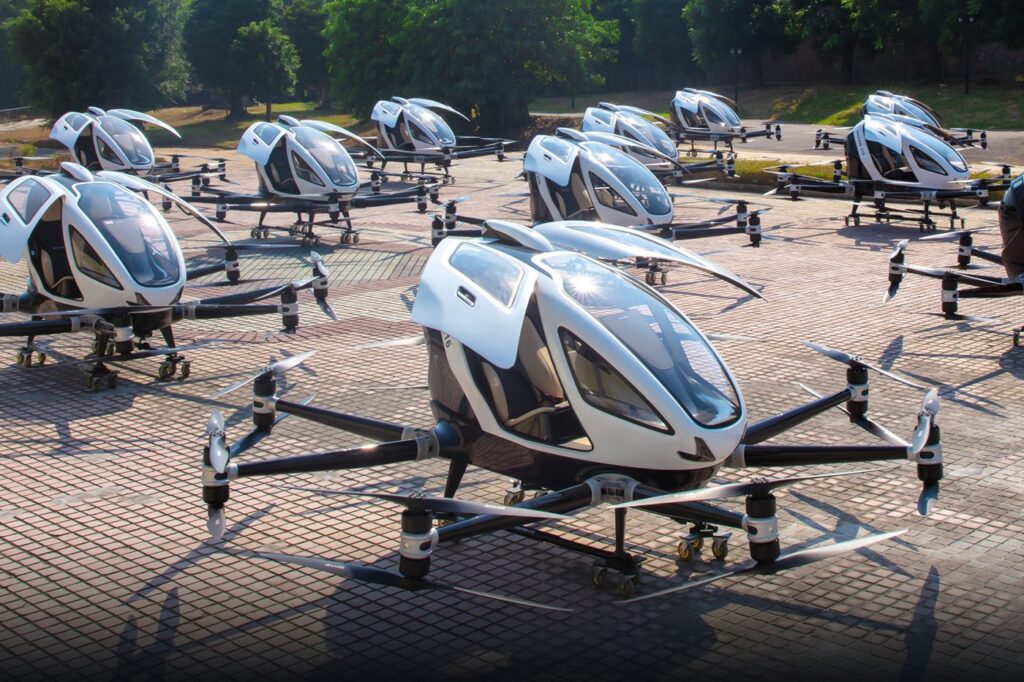
    EHang EH216-S

    The EHang EH216-S, developed in China, is an exception in the industry. Unlike most of its competitors, the aircraft operates without a pilot on board.

    source: EHang

    Capable of carrying two passengers, it has a top speed of around 130 km/h and a range of around 35 kilometres, making it ideal for short urban journeys.

    In 2023, the aircraft received type certification from the Civil Aviation Authority of China (CAAC). In 2025, a number of profitable commercial operations have already been carried out in China, notably in the field of air tourism.

    The manufacturer claims more than 1,100 orders and pre-orders for this model.

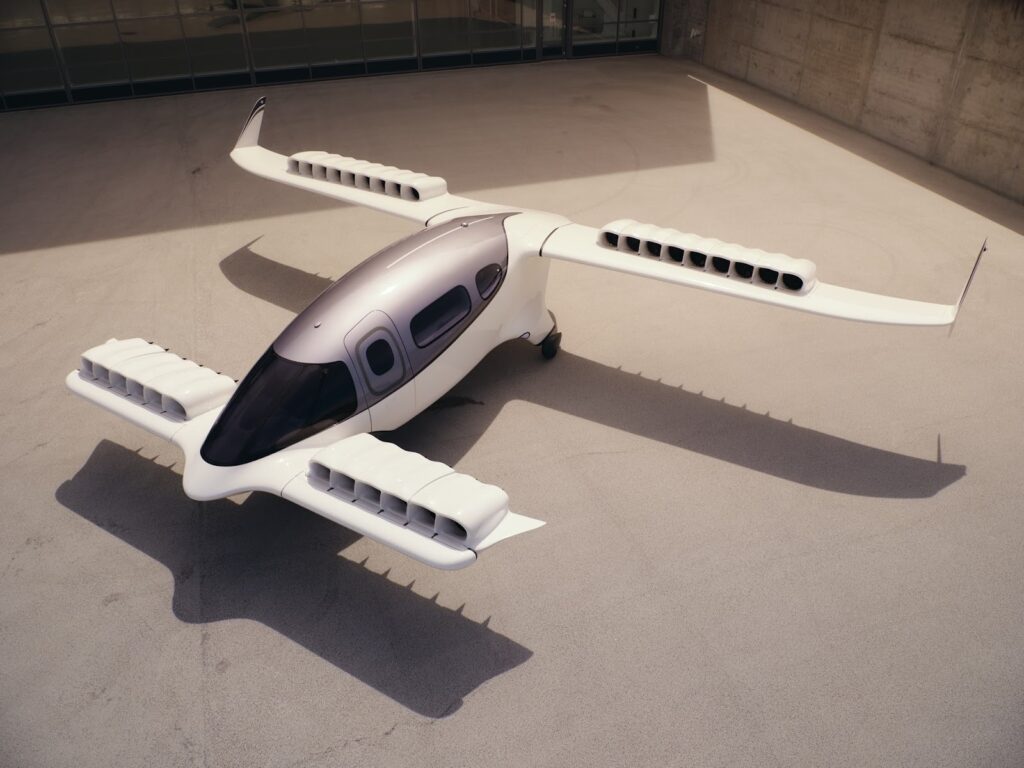
    Lilium Jet

    The Lilium Jet, developed in Germany, takes a different approach. Where most eVTOLs target short urban journeys, this aircraft is aimed more at fast regional connections between cities.

    source : Lilium

    The aircraft can carry six passengers and a pilot, with an estimated top speed of 280 km/h and a range of up to 250 kilometres. The manufacturer has chosen to add 36 tilting ducted fan motors, making it completely electric and silent.

    The programme is aiming for European certification by EASA, and several agreements have been signed with potential operators, including Saudia and Lufthansa.

    However, the programme has experienced a number of financial difficulties in recent years, which could push back its entry into service to 2027, according to several sources.

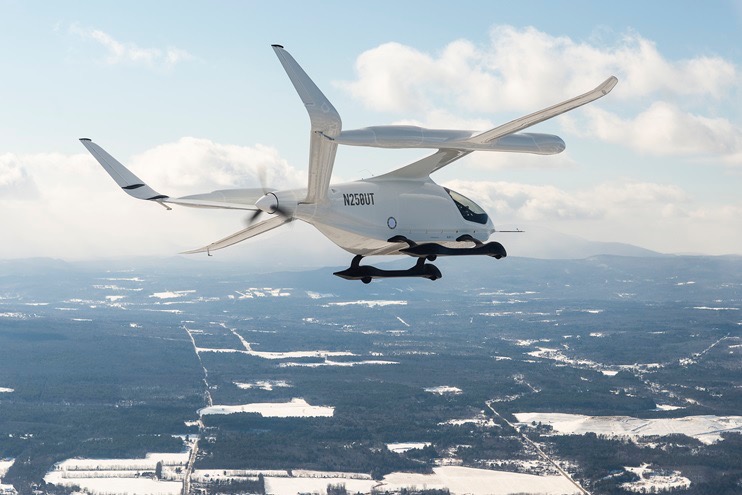
    Beta Technologies ALIA

    American company Beta Technologies is developing the ALIA, an aircraft designed for several uses: passenger transport, medical missions or freight transport. The reason: electric propulsion with tilting rotors and a modular architecture that can be adapted to several configurations.

    source : Beta Technologies

    The eVTOL can carry five passengers and a pilot, with a maximum speed of around 278 km/h and a range of over 400 kilometres, making it one of the most enduring aircraft in its category.

    The programme has contracts with UPS and the US Air Force, and could initially be used for logistics or medical missions.

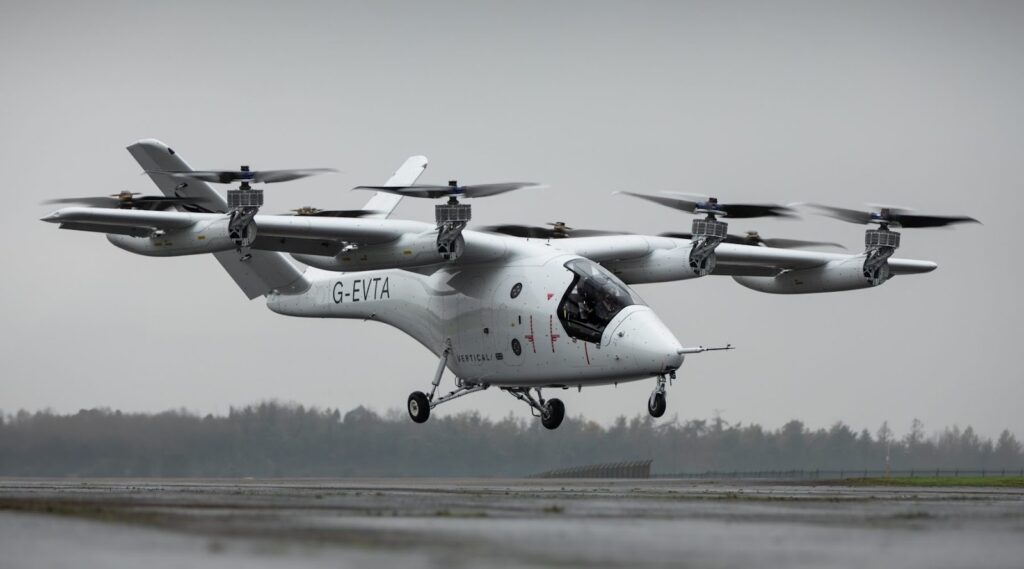
    Vertical Aerospace VX4

    In the UK, Vertical Aerospace is developing the VX4, an eVTOL designed for urban passenger transport. Its design (four main rotors and two horizontal engines) enables silent, safe flights thanks to a redundant fly-by-wire system.

    source: Vertical Aerospace

    In terms of capacity, the aircraft can accommodate four passengers and a pilot, with a maximum speed of around 200 km/h and an estimated range of 160 kilometres.

    The programme has the support of several airlines, including Virgin Atlantic and American Airlines, which have signed preliminary agreements for the future operation of these aircraft.

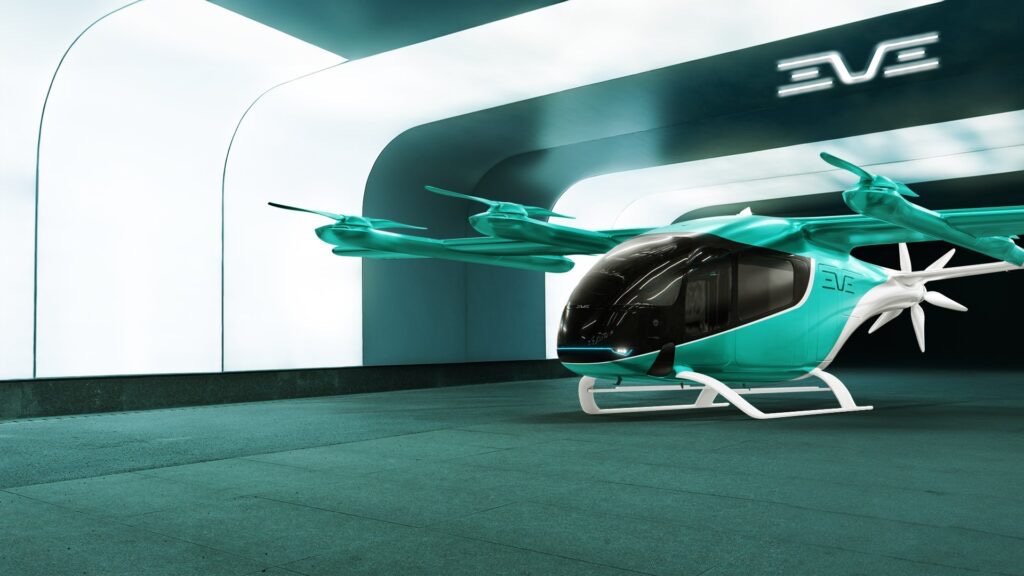
    Eve Air Mobility

    Eve Air Mobility, a subsidiary of Brazilian aircraft manufacturer Embraer, is also developing its own eVTOL for urban air mobility.

    source: Eve Air Mobility

    Comprising 4 electric rotors, the aircraft can carry four passengers and a pilot, with a speed of around 180 km/h and a range of around 100 kilometres.

    The programme has a particularly strong order book, with more than 2,800 letters of intent signed by international operators. The challenge now is to build the appropriate infrastructure and get it up and running.

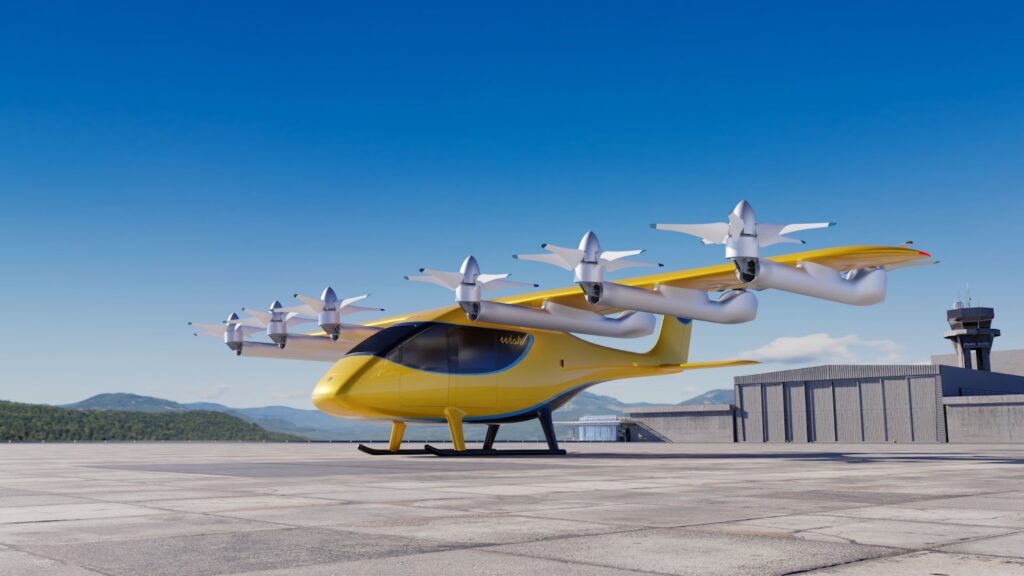
    Wisk Aero Gen6

    The Gen6 embodies the future of autonomous eVTOLs. Backed by Boeing, it is designed to operate without a pilot on board, thanks to a remote supervision system and advanced artificial intelligence. Twelve distributed rotors provide lift and propulsion, with multiple redundancies for safety.

    source: Wisk Aero

    The Gen6 can carry four passengers, with a top speed of around 160 km/h and a range of around 100 kilometres.

    The programme is still in an advanced testing phase, and could pave the way for a new generation of autonomous eVTOLs in the years to come.

    A promising industry… but still fragile

    While technological progress is rapid, the eVTOL industry still faces a number of major challenges.

    Regulatory certification is a long and costly process, and several projects have already experienced major delays. Some programmes are also facing financial difficulties, in a sector that requires several hundred million dollars of investment every year.

    In this context, only a few players, particularly those with solid industrial partners or significant funding, could achieve sustainable commercial exploitation.

    Despite these uncertainties, 2026 marks a key milestone: for the first time, several eVTOLs are moving closer to full-scale commercial use, paving the way for a new form of air mobility.

  • The French technology behind the flying taxi revolution

    The French technology behind the flying taxi revolution

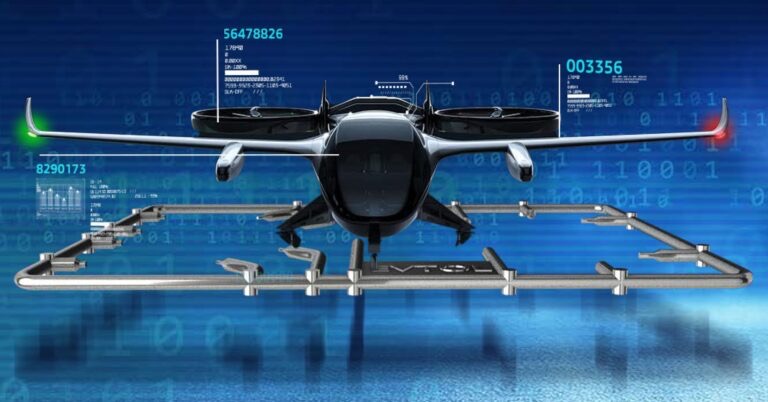
    As the global race for flying taxis intensifies, one question is on everyone’s lips: how do you rapidly design, certify and industrialise aircraft as complex as eVTOLs? To meet this challenge, the French group Dassault Systèmes is putting forward a technological approach that could well become an industry standard. In a technical paper entitled Getting Cleared for Takeoff, expert Roberto Licata explains how the company’s digital platforms can accelerate the development of these new electric aircraft.

    source : Dassault Systemes

    A market that could exceed $1,000 billion

    According to several projections cited in the document, the eVTOL industry – these electric aircraft with vertical take-off and landing – could reach 300 billion dollars by 2030, then more than 1,000 billion dollars by 2040.

    These aircraft are at the heart of the Advanced Air Mobility (AAM) concept, which aims to transform urban and regional mobility using electric flying taxis capable of vertical take-off. According to some analyses, future urban air transport fleets could even overtake those of the biggest airlines in terms of the number of aircraft and frequency of flights within the next decade.

    Obviously, in this context, the first players capable of certifying and industrialising their devices will have a clear lead.

    source : NASA

    Roberto Licata, expert in advanced air mobility

    This is precisely the analysis made by Roberto Licata, Solution Experience Director for the Aerospace & Defense industry at Dassault Systèmes. He specialises in model-based systems engineering (MBSE), design and simulation.

    Today, it manages a portfolio of solutions in three key areas:

    • New Space,
    • Advanced Air Mobility,
    • technological innovation.

    Its message is clear: to develop a competitive eVTOL, it is no longer enough to use separate engineering tools. You need to adopt a holistic approach, capable of connecting design, simulation, certification and production in a single digital environment.

    Source : Dassault

    The unprecedented complexity of eVTOL aircraft

    One of the major challenges facing the sector is the technical complexity of these new aircraft. An eVTOL combines several critical technologies:

    • advanced aerodynamics (multiple rotors, hybrid architectures),
    • electric propulsion and high-density batteries,
    • digital avionics and fly-by-wire,
    • aeronautical certification is still under construction with the authorities.

    The combination of all these technologies needs to be simulated to fully understand the ins and outs of the project. Whereas in the past, simulation was often used at the end of the development cycle, it is now a central part of the design process, enabling numerous configurations to be tested virtually even before a physical prototype is built.

    A digital platform for simultaneous design and simulation

    To meet these challenges, Dassault Systèmes is showcasing its 3DEXPERIENCE cloud platform, which combines design, simulation and data management in a single environment. This approach, known as MODSIM (Modeling + Simulation), is based on a simple principle:

    • a single data model for design (CAD) and engineering (CAE),
    • teams working simultaneously on the same digital environment,
    • much faster design iterations.
    source : Dassault Systemes

    In practical terms, this avoids the loss of information and software incompatibilities that are often responsible for delays in aeronautical programmes. The potential gains are significant:

    • 20 to 40% reduction in preliminary design time,
    • 40 to 60% faster convergence towards an optimal design,
    • 20 to 40% faster resolution of non-conformities,
    • 10 to 25% reduction in certification time.

    Accelerating certification, one of the biggest challenges

    In the aeronautics industry, certification is often the longest and most costly stage. For eVTOLs, the situation is even more complex: authorities such as the FAA in the United States and the EASA in Europe are still working to define the safety standards for these new aircraft.

    The proposed approach involves integrating certification requirements right from the design phase, using simulations to test critical scenarios virtually:

    • crashworthiness,
    • bird strikes,
    • electromagnetic interference.

    This model-based strategy means that problems can be anticipated rather than being discovered late during physical testing.

    Preparing production even before the first flight

    Beyond technical development, one of the major challenges for eVTOL start-ups remains industrialisation. Moving from a functional prototype to mass production represents a major transformation.

    The 3DEXPERIENCE platform also enables :

    • virtually simulate assembly lines,
    • optimising industrial tooling,
    • synchronise suppliers and the supply chain.
    source: h24info

    European start-ups already committed

    Several companies in the sector are already using these tools. These include :

    • Ascendance Flight Technologies, a Toulouse-based start-up developing a hybrid vertical take-off aircraft,
    • Vertical Aerospace, British manufacturer of electric aircraft,
    • Zuri, a European start-up working on an accessible VTOL.

    All use the Dassault Systèmes cloud platform to manage design, simulation and collaboration between teams.

    source: Ascendance Flight Technologies

    A global technological battle

    Advanced air mobility is now one of the most competitive sectors in aeronautics. In this battle, technology is no longer limited to engines or batteries: digital tools are also becoming a strategic advantage.

    And if flying taxis do one day take off in our cities, part of their success could well have been conceived… in a French virtual environment.

  • How regulation is undermining the European automotive industry and strengthening the Chinese one

    How regulation is undermining the European automotive industry and strengthening the Chinese one

    While Europe struggles with increasingly restrictive regulations, China continues to rise thanks to a more pragmatic approach to the energy transition. This contrast perfectly illustrates the way in which the two major automotive powers are approaching the transformation of the sector: on the one hand, highly prescriptive regulation; on the other, an assertive industrial strategy.

    The global automotive industry is currently undergoing one of the most profound changes in its history. The transition to cleaner energies for transport, the development of new technologies and international trade tensions are now the three major challenges facing the sector. After more than a century dominated by the internal combustion engine, the way cars are designed, produced and used is changing radically.

    When regulation becomes a driving force… or a brake

    The European Union and China share a common objective: to significantly reduce their greenhouse gas emissions over the coming decades. But the method differs profoundly.

    On the European side, the EU is legally committed to achieving climate neutrality by 2050. To this end, it plans to reduce net greenhouse gas emissions by at least 55% by 2030, compared with 1990 levels. To achieve this, Brussels is counting in particular on a massive acceleration in the adoption of electric vehicles.

    However, this transition is based on a particularly strict regulatory framework. Manufacturers who fail to meet the emissions targets set by the EU must pay heavy financial penalties. In practice, this regulatory pressure is forcing carmakers to invest billions of euros in zero-emission technologies, with no guarantee that consumer demand will keep pace.

    At the same time, these companies are gradually being encouraged to reduce the production of internal combustion vehicles, which are still their main source of revenue.

    China’s industrial strategy

    China is also pursuing ambitious climate targets. Beijing is aiming for carbon neutrality by 2060, and is planning a gradual reduction in emissions from its economy as a whole from their expected peak in the next few years.

    To achieve these targets, the country is placing a strong emphasis on the development of NEVs (New Energy Vehicles), a category that includes electric, plug-in hybrid and hydrogen vehicles. In the long term, this strategy could reduce emissions from private cars by more than 90%.

    The fundamental difference lies in the place accorded to the automotive industry in the national economic strategy. In China, new-energy vehicles are seen as a major vector for growth and industrial sovereignty.

    The Chinese authorities know that they do not have the same competitive advantage as Western manufacturers in the field of internal combustion engines. However, the transition to low-carbon technologies represents a strategic opportunity to reshuffle the deck.

    source : Anadolu Agency via AFP

    That’s why central and local government are deploying a massive arsenal of subsidies, tax incentives and support programmes to accompany the development of their manufacturers.

    A more constrained transition in Europe

    In Europe, public aid also exists, but the regulations are based above all on a system of constraints and penalties. Manufacturers are speeding up their electrification plans mainly to avoid fines for exceeding emissions limits.

    Against this backdrop, European regulations appear to be less of a support lever than an additional pressure factor for the industry. Between colossal investments, uncertainties about demand and growing international competition, European carmakers today have to make their energy transition in a particularly complex environment.

  • Vehicle theft in France: down 9% by 2025, electric vehicles largely unaffected

    Vehicle theft in France: down 9% by 2025, electric vehicles largely unaffected

    On 29 January 2026, the Ministry of the Interior published its press release entitled “Insecurity and crime in 2025: a first snapshot”, stating that the number of vehicle thefts would fall by 9% compared with 2024. With 125,200 vehicles stolen, compared with 137,600 the previous year, France is back to pre-Covid levels. But the most striking statistic concerns 100% electric vehicles: they account for less than 1% of thefts, a virtual immunity that can be explained by technological innovations that make these models less attractive targets for criminal networks.

    125,200 thefts in 2025: a vehicle stolen every 4 minutes

    On 29 January 2026, the Ministerial Statistical Service for Internal Security (SSMSI) published a preliminary analysis covering 87% of crimes and 74% of non-road offences. The document confirms 125,200 vehicle thefts in 2025, i.e. one vehicle stolen every 4 minutes in France.

    source: Le Lynx

    This 9% fall on the 137,600 thefts recorded in 2024 comes after a 7% rise in 2023, bringing car crime back to levels comparable to those in 2019, before the pandemic. Despite this, France remains the most affected country in Europe.

    The reporting rate remains stable at 57%, meaning that nearly 6 out of 10 thefts are reported to the police or gendarmerie.

    source: CRSI

    Flight geography

    Geographical disparities remain marked. Île-de-France alone accounts for 34% of national thefts, confirming its position as the region most affected. The Hauts-de-France region comes second with 17% of thefts, recording a worrying 29% increase in the risk of theft compared with 2024. The Provence-Alpes-Côte d’Azur region rounds out the top three with 15% of thefts, followed by Auvergne-Rhône-Alpes and Pays de la Loire.

    These regions share common characteristics: proximity to international motorway routes, the presence of ports facilitating illegal exports to the Maghreb and sub-Saharan Africa, and a concentration of dense urban areas.

    Which vehicles are the most targeted?

    Compact city cars and SUVs, whether internal combustion or hybrid, dominate, accounting for between 80 and 90% of thefts. Hybrid vehicles will account for 53% of thefts in 2025, compared with 40% in 2023.

    Roole’s top 5 stolen models

    Roole, the car protection specialist with nearly a million active beacons in France, has published its ranking of the most stolen models, based on thefts detected in its equipped fleet. The data, based on a representative sample, sheds light on the trends observed nationwide in 2025.

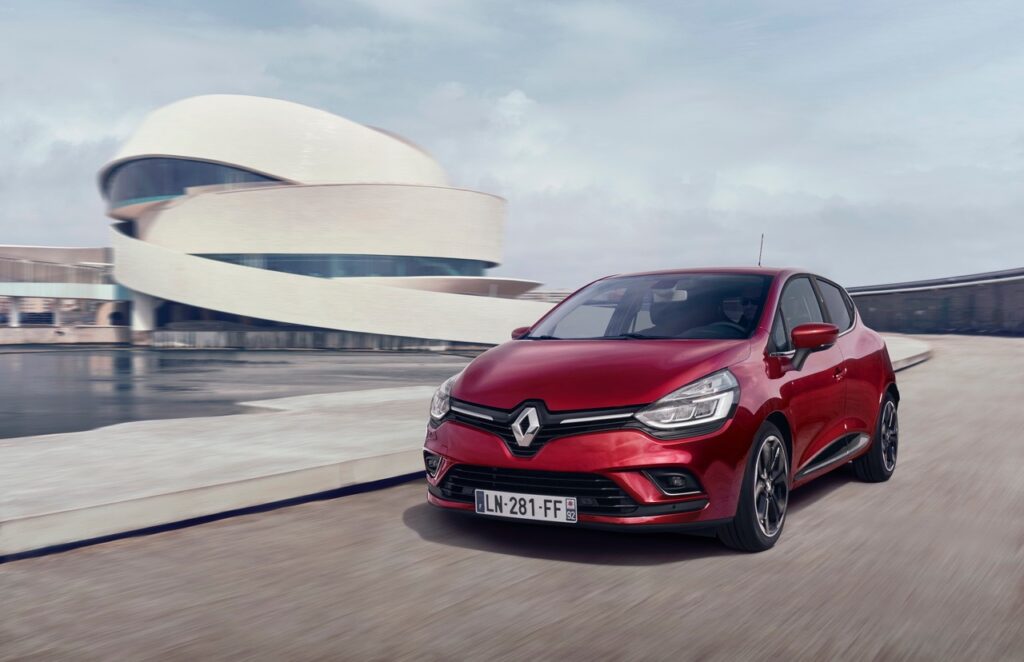
    At the top of the rankings is the Renault Clio, including generations IV and V, with 347 thefts recorded. It is well ahead of the Toyota RAV4 hybrid, which was targeted 162 times, followed by the Peugeot 208 with 131 thefts. Compact SUVs are not spared either, as the Peugeot 3008 is also among the vehicles most at risk, with 109 thefts, just ahead of the Renault Mégane IV, with 103.

    source: Steffen Jahn

    In addition to these models, which are widely available on the French market, Roole has also observed a strong attraction for certain premium hybrid SUVs. Vehicles such as the DS 7 Crossback and BMW X5 are particularly sought after by theft rings, not least because of their high residual value and ease of resale on export markets.

    Why are electric vehicles a marginal target?

    The most striking statistic from 2025 concerns 100% electric vehicles: they account for less than 1% of the 125,200 thefts recorded, or less than 1,250 cases. No major electric model features in the top 10, or even the top 50, of stolen vehicles.

    The reason for this lies in technological innovations that act as a deterrent. Most electric vehicles currently on the road in France incorporate new-generation security systems that mean they are very rarely targeted by kidnappers:

    • UWB authentication and AES-256 encryption: the keys use ultra-wideband technology, capable of detecting relay attempts beyond 10 metres. The encryption code changes every 10 minutes. Tesla, for example, combines its Phone Key with a mandatory PIN code at start-up.

    • OTA (Over-The-Air) updates: electric vehicles receive security patches in less than 24 hours, correcting vulnerabilities before mass exploitation. Renault 5 E-Tech, Peugeot e-208 and Tesla, among others, update their systems automatically.

    • Secure architecture: the central gateway acts as a real firewall between the vehicle’s electronic system and the OBD socket. This prevents fraudulent direct access, a method used in the vast majority of electronic thefts from internal combustion vehicles, which now account for almost 94% of cases.

    • Integrated geolocation: electric car batteries can incorporate highly accurate geolocation systems, capable of locating a vehicle to within five metres. As a result, when a car is stolen, it is recovered in around 9 out of 10 cases, compared with only 3 to 4 out of 10 cases for combustion-powered cars. At Tesla, the Sentry Mode system constantly monitors the vehicle’s surroundings using eight cameras, enabling any suspicious attempts to be detected and recorded.
    source: EVKX

    An unsustainable flight economy

    In addition to the technical safeguards, electric vehicles present prohibitive economic constraints:

    • Batteries that can’t be sold legally: batteries are traceable and their resale is governed by strict regulations.

    • Limited export market: stolen combustion-powered vehicles are exported on a massive scale to North Africa and Africa, where electric recharging infrastructure is virtually non-existent.

    • Non-limiting range: contrary to popular belief, the range of electric vehicles (400 to 600 km) is not a limiting factor, as post-flight leaks are generally short (less than 100 km).

    Gaël Musquet: “EVs incorporate a multi-layered defence system”.

    Gaël Musquet, an ethical hacker and cybersecurity specialist based at the Cyber Campus in La Défense, offers a nuanced perspective. In an interview with us in June 2025, he stressed the principle of “resilience” rather than absolute invulnerability.

    “No system is invulnerable. The real question is: how long will it take an attacker to bring it down? Electric vehicles incorporate a multi-layered defence: UWB authentication, rolling encryption, OTA updates and integrated geolocation. The UWB relay is hard to break without professional equipment, and OTA updates make exploits ephemeral. Conversely, combustion vehicles have ECUs that are vulnerable in 30 seconds via OBD-II.

    source : Mathis Miroux

    Musquet does, however, warn of the potential vulnerabilities of charging points (fake QR codes, remote malware) that could threaten the electricity grid via vehicle-to-grid (V2G). His recommendations: apply OTA updates in the same way as on a smartphone, avoid using contactless keys, use mechanical locks and opt for guarded car parks.

    Conclusion

    The 9% fall in vehicle thefts by 2025 is evidence of an overall improvement, but 125,200 stolen vehicles are still a cause for concern. The striking reality is that 100% electric vehicles account for less than 1% of thefts, thanks to a combination of technological innovation and economic constraints that make them unattractive to criminal networks. Enhanced security is therefore an additional argument in favour of the transition to electromobility.

  • 2026 municipal elections: when electric mobility becomes an electoral issue.

    2026 municipal elections: when electric mobility becomes an electoral issue.

    In the run-up to the municipal elections in March 2026, electric mobility is no longer an abstract concept relegated to national debate. It is taking to the streets, public car parks and neighbourhood discussions, becoming a concrete lever for local politicians. Between citizens’ expectations and regulatory obligations, candidates have a strategic electoral argument at their disposal: respond to a tangible concern while modernising their region’s energy trajectory.

    Strong, measurable public expectations

    According to a study published on 13 February 2026 by Environnement Magazine, 68% of voters consider mobility to be a key factor in improving their quality of life. Noise, pollution and air quality remain priority concerns, particularly in urban and suburban areas. This expectation is coupled with a demand for action: in its guide “5 actions pour agir localement” (5 actions for local action), Avere-France points out that nearly 6 out of 10 French people expect more public action on climate change, and 8 out of 10 want mayors to have more power to steer this transition.

    As Pascal Hureau, President of the Fédération française des associations d’utilisateurs de véhicules électriques (FFAUVE) and a local councillor, points out: “Driving electric means reconciling freedom with the environment, and 98% of EV drivers say they are satisfied with their vehicle. Elected representatives must support this movement over the next term of office, and the public must choose those who will take the right decisions on the ground.

    What clearly changes for citizens is that when the energy transition takes shape in their local community, it ceases to be an abstract debate. As Antoine Herteman, President of Avere-France, points out: “In a national context that is often perceived as far removed from day-to-day concerns, the community remains the first level of trust and action.

    source: Avere France

    Electric mobility is an area where political promises can be quickly put into practice. The installation of a dozen or so conveniently-located charging points, the renewal of a municipal fleet with zero-emission vehicles, or the introduction of local subsidies for the purchase of vehicles are immediate signs of a willingness to take action. It is in this context that associations such as FFAUVE stress the importance of choosing elected representatives who are aware of the real challenges of electromobility.

    Five concrete levers identified by Avere-France

    On 13 February, Avere-France, the national association for the development of electric mobility, set out in its official guide the priority actions available to municipal teams to embody this transition. The association illustrates the recommendations with concrete operations already launched in France:

    • Action 1: Installation of recharging points open to the public
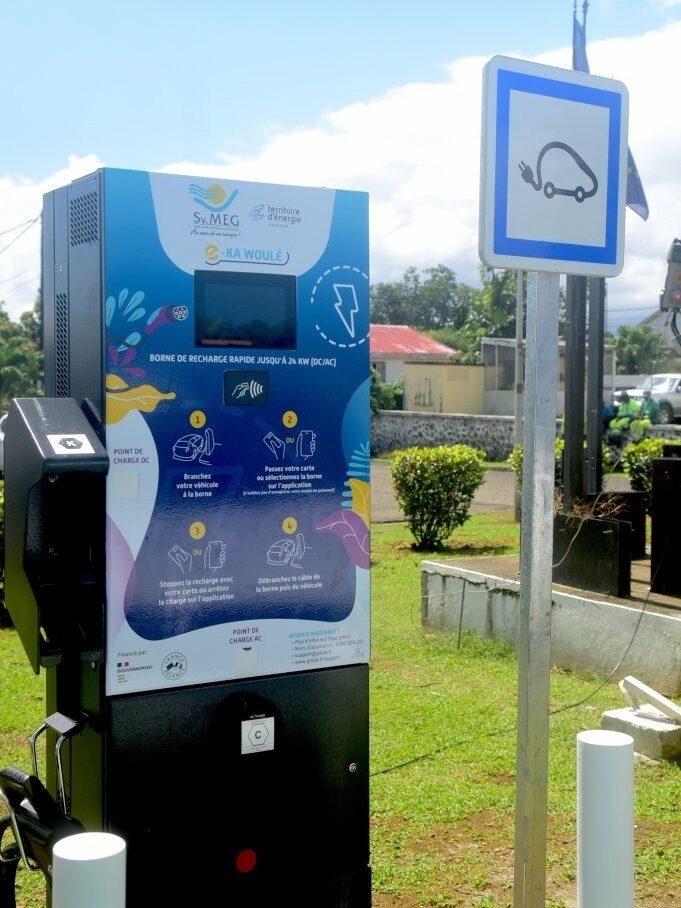
      • With almost 185,000 charging points already in service and a target of 400,000 by 2030, local authorities can have a direct impact on the accessibility of electric vehicles. The V model in Guadeloupe, which has installed 113 charging points financed to 80% by France Relance, illustrates how public partnership enables rapid and harmonised deployment. The Advenir programme helps local authorities to finance the installation of on-street charging points,
    source: Dominique CHOMEREAU-LAMOTTE
    • Action No. 2: Electric car-sharing solutions
      • Initiatives such as “Lulu” in Meurthe-et-Moselle show that it is possible to reduce the number of private vehicles, while offering an economical and ecological solution. Between 2020 and 2022, Lulu vehicles were reserved more than 8,000 times by almost 2,000 users.
    • Action 3: Introduce free parking or other benefits for electric vehicles
      • The city of Reims offers two hours’ free parking for electric vehicles, a measure that is simple to implement and has a direct impact on the cost of mobility. Lyon combines free parking with modulated tariffs for internal combustion vehicles, illustrating how incentives and regulation can coexist.
    • Action n°4 : Electric shuttle for passenger transport
      • The Val d’Ille-Aubigné Community of Communes operates a free electric shuttle service linking four rural communes to the local TER station. The service has recorded an average of 170 journeys per month since its launch, with a tangible impact on reducing the use of private cars.
    • Action 5: Promote sustainable urban logistics
      • Sustainable urban logistics: programmes such as InTerLUD+ support local authorities in organising the distribution of goods in towns and cities using electric or low-emission vehicles, reducing emissions and improving the efficiency of logistics flows.
    source: InTerLUD+

    Legal obligations reinforce the need for action

    These recommendations are not just suggestions. They are a response to the legal obligations imposed on local authorities, which will gradually have to include quotas of electric vehicles in their fleets and guarantee minimum access to public recharging. As Antoine Herteman, Chairman of Avere-France, points out: “The electrification of mobility is not an abstract injunction, but an opportunity for local authorities, in both urban and rural areas.

    For the candidates, the key lies in their ability to translate the energy transition into visible and measurable actions. For transport energy transition specialists, the municipal teams that are able to coordinate these actions with the intermunicipal and energy syndicates will have a tangible advantage with the electorate.

    Conclusion

    In 2026, when mayors are up for re-election in France and the French overseas territories, electric mobility is emerging as a key factor. Candidates who are able to realise these ambitions will have a powerful electoral lever at their disposal: they will be responding to strong public expectations, while making tangible improvements to the quality of daily life.

  • Dubai deploys 100 autonomous robotaxis: the city tests the urban mobility of the future

    Dubai deploys 100 autonomous robotaxis: the city tests the urban mobility of the future

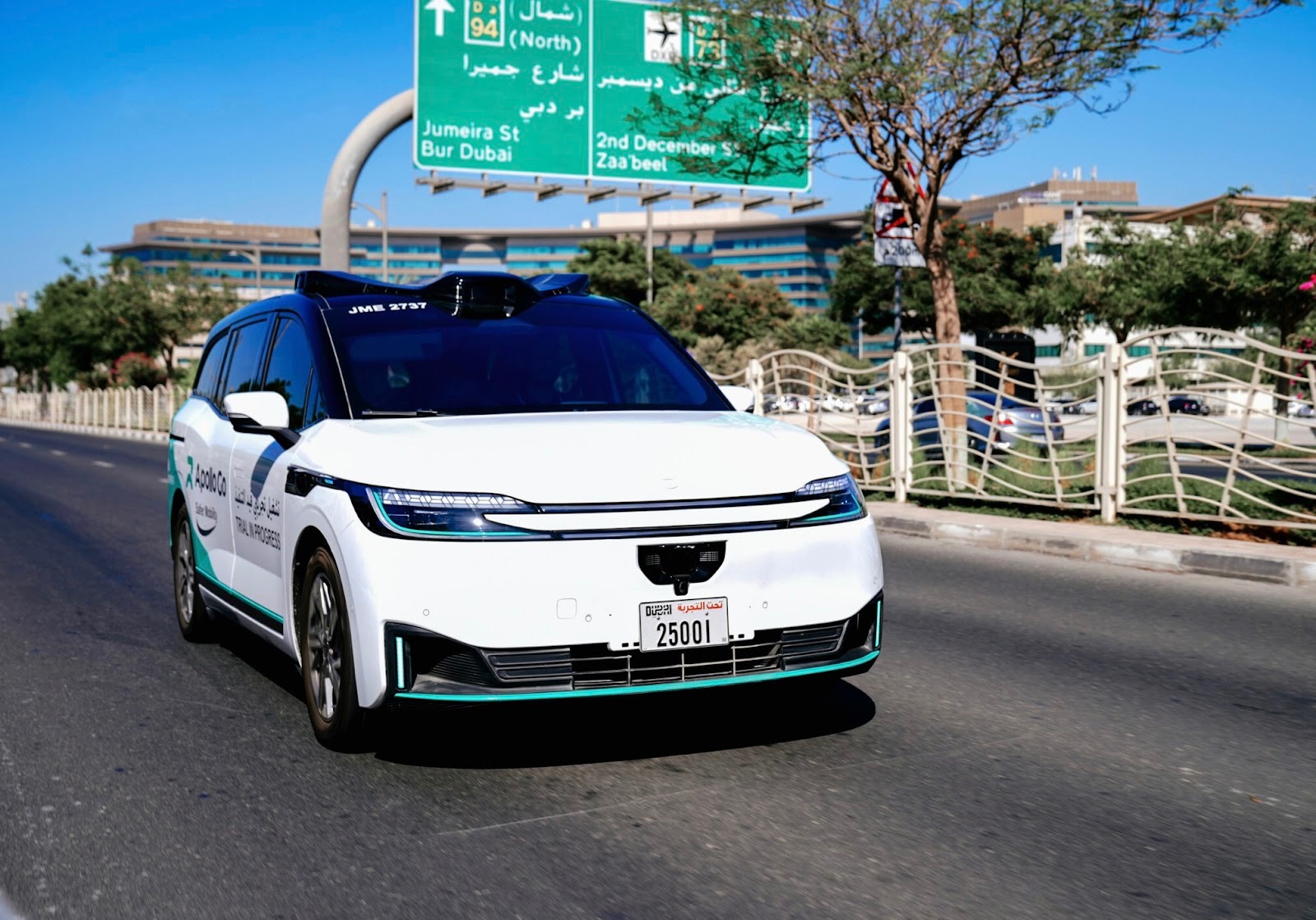
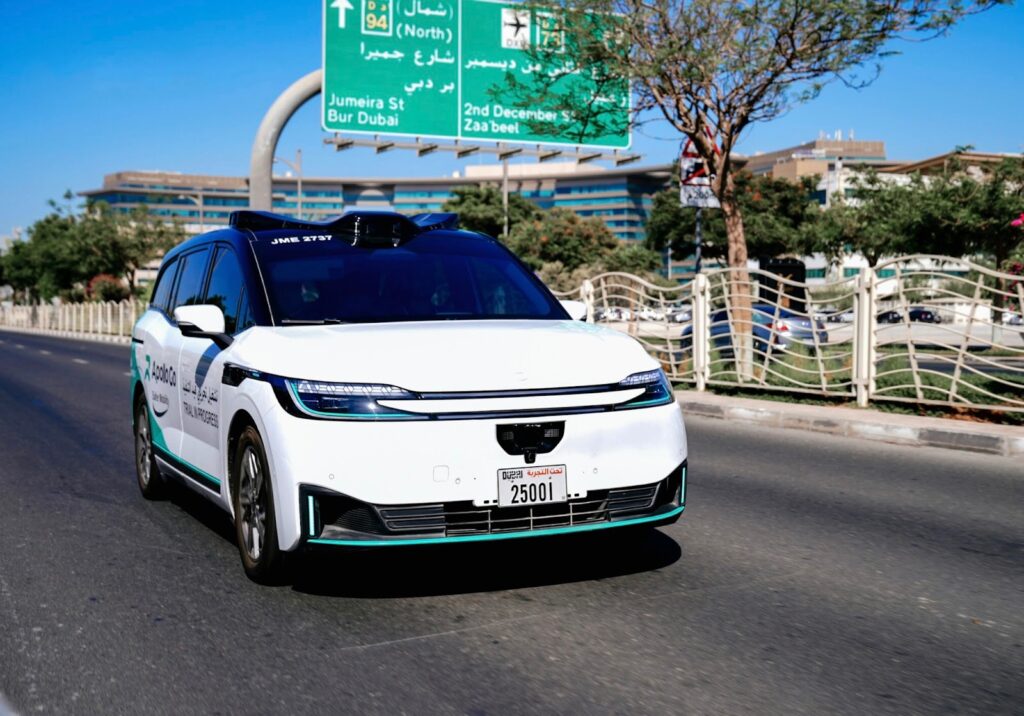
    With the imminent launch of 100 Baidu Apollo Go RT6 robotaxis, Dubai is taking the next step in its autonomous mobility strategy. This deployment aims to reduce congestion in the city centre, improve safety and transform the city into a veritable urban data laboratory. With the aim of achieving 25% autonomous travel by 2030, the Emirati city is asserting its determination to move from experimentation to mass scale-up.

    source: prnewswire

    A strategic project between Baidu and the RTA

    The project is based on an agreement signed in March 2025 between Baidu Apollo Go and Dubai’s Roads and Transport Authority (RTA). The initial fleet will comprise 100 fully autonomous RT6 vehicles, intended to be on the road in urban areas from next month, according to Mahmood Abdulla, an Emirati influencer specialising in innovation and AI. The desire of the “City of Gold” is to expand this fleet to 1,000 vehicles by 2028.

    source: Government of Dubai Media Office

    But Dubai didn’t sign up just anyone for this investment. Apollo Go is now one of the world’s leading providers of autonomous car-sharing services, with more than 240 million kilometres covered in autonomous driving, including more than 140 million kilometres in fully driverless mode. Operating in 22 cities around the world, the service has now made more than 17 million journeys. To date, no major incidents have been officially reported.

    The RT6 is a Level 4 autonomous electric vehicle designed to operate in dense and complex urban environments, relying on a combination of lidar, radar, high-definition cameras and artificial intelligence algorithms to manage traffic, pedestrians and unforeseen situations without human intervention. The partnership with the RTA allows the Chinese experience to be adapted to local conditions, while also forming part of the Dubai Autonomous Transportation Strategy, initiated in 2016 under the leadership of the Crown Prince of Dubai, Sheikh Hamdan bin Mohammed bin Rashid Al Maktoum. This programme aims to transform 25% of all transport journeys in Dubai into autonomous mode by 2030.

    source : Gulf news

    A new logic of use

    According to Mahmood Abdulla, what distinguishes autonomous fleets from traditional services is their availability and efficiency. RT6s can operate up to 22 hours a day, compared with a limited range for vehicles driven by humans, who are subject to certain constraints, notably fatigue.

    In the overall context of studies on congestion, commuters, i.e. regular transport users, lose an average of more than 60 hours a year in major cities, and up to 100 hours in the most congested metropolises. For a city like Dubai, for example, the economic costs associated with these timetables can represent 2 to 3% of urban GDP, according to Mahmood Abdulla. The aim of integrating these robotaxis in Dubai is clear: to optimise routes and limit accidents caused by fatigue or laziness, so that residents can stop wasting time and save the city money.

    Safety and reliability: replacing human error with systems

    Safety is another major advantage. Worldwide studies of road accidents show that human factors are involved in the majority of serious accidents. With a view to reducing the risks, RT6s were chosen because they are based on systems designed to anticipate complex situations and guarantee maximum reliability. For Dubai, the benefits will be twofold: not only a reduction in road deaths, but also indirect economic gains through lower insurance costs and accident-related expenses.

    source : Apollo Go

    And that’s not all: according to influencer specialist Dubaiote, each robotaxi also functions as a permanent data receiver. These 100% electric vehicles collect information in real time on traffic flow, pressure on infrastructure and users’ travel patterns. This data transforms mobility into a veritable “data infrastructure”.

    What about in France?

    In the short term, the deployment of Dubai-style robot taxis in France remains unlikely. Not for technological reasons – European players have been developing level 4 autonomy for several years – but for regulatory reasons. Today, driverless autonomous vehicles are only permitted in highly restricted experimental zones, often at limited speeds and on defined routes. Today, although a few pilot projects exist, we will have to wait and see, since the first targeted commercial operations could see the light of day between 2027 and 2030.

    A laboratory city for the world

    With the forthcoming integration of 100 robotaxis, Dubai is positioning itself as a model for metropolises the world over. By testing and massively deploying autonomous vehicles, it is improving safety and recovering productive time for the local economy. The RT6 experiment will certainly serve as a benchmark for other cities faced with congestion and the transition to autonomous mobility.

  • Military aviation: electric air mobility makes its first flights… especially outside France

    Military aviation: electric air mobility makes its first flights… especially outside France

    Electric propulsion is beginning to find practical applications in military aviation. In 2026, several armed forces around the world have already integrated electric light aircraft, motor gliders or eVTOL (electric vertical take-off and landing) into their systems, mainly for training, logistics or special missions. France, on the other hand, is taking measured steps forward.

    legendary aircraft

    In France, electrification limited to instruction

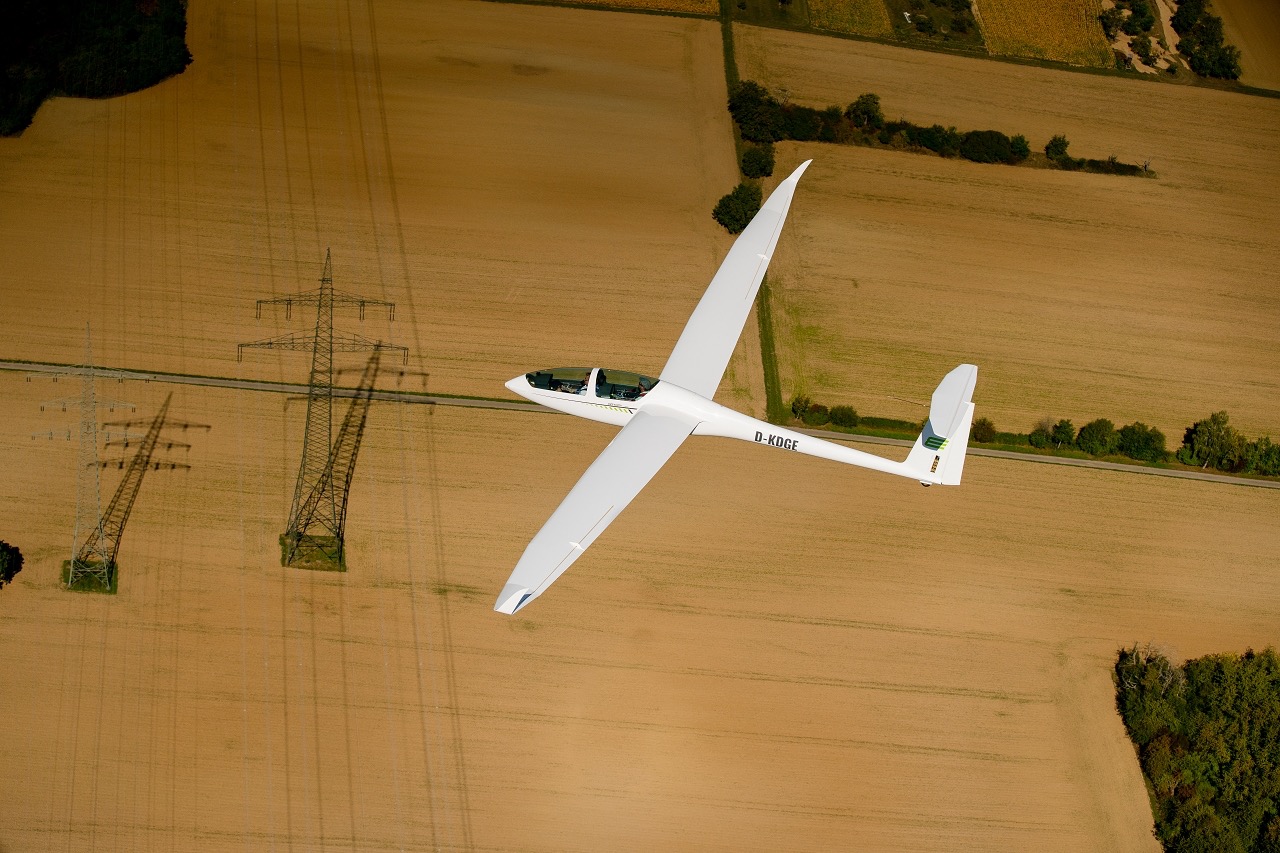
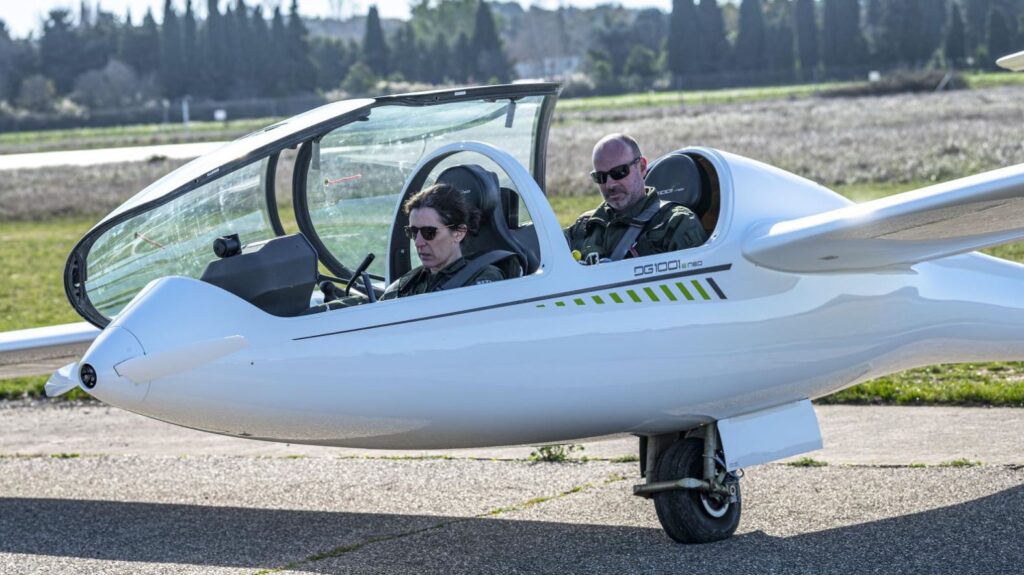
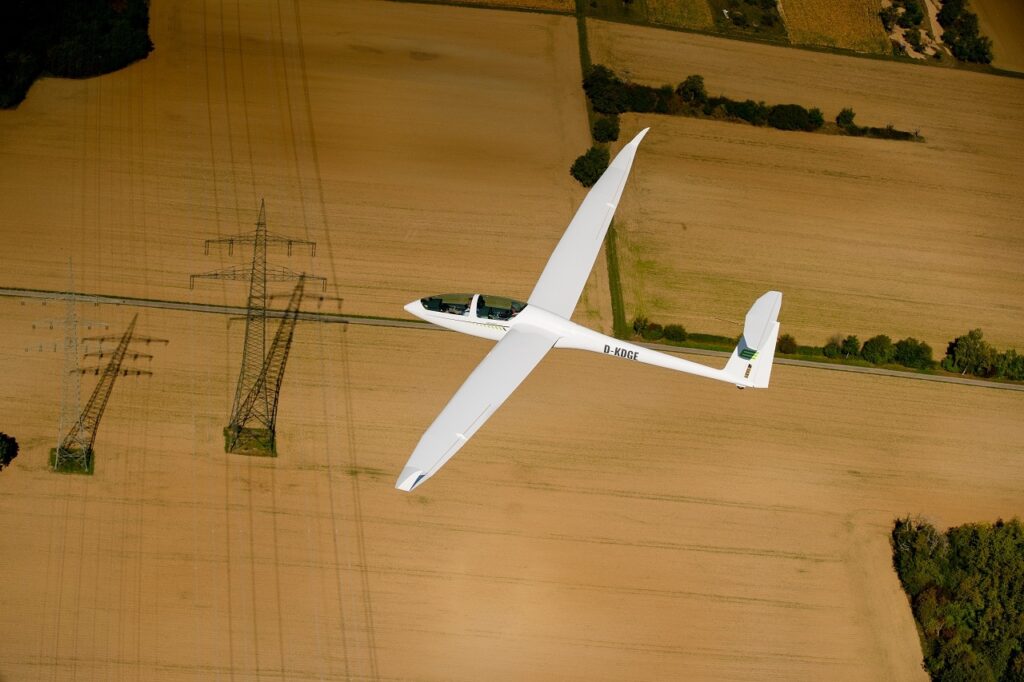
    As far as the French Air and Space Force is concerned, the use of electric propulsion is currently strictly confined to training. In March 2024, the AAE (l’Académie de l’Air et de l’Espace) took delivery of its first electric motorglider, a DG Flugzeugbau DG-1001e neo, which has since been based at the École de l’Air in Salon-de-Provence.

    source: cumulus soaring

    This two-seater is equipped with an 85 kW electric motor and lithium-ion batteries. Its range is not out of the ordinary, offering up to 90 minutes of flying time. That’s still an hour and a half more than a conventional glider. It has been purchased by the army for a very specific purpose: to introduce future pilots to the specifics of electric propulsion, while reducing the operating costs and carbon footprint of initial training.

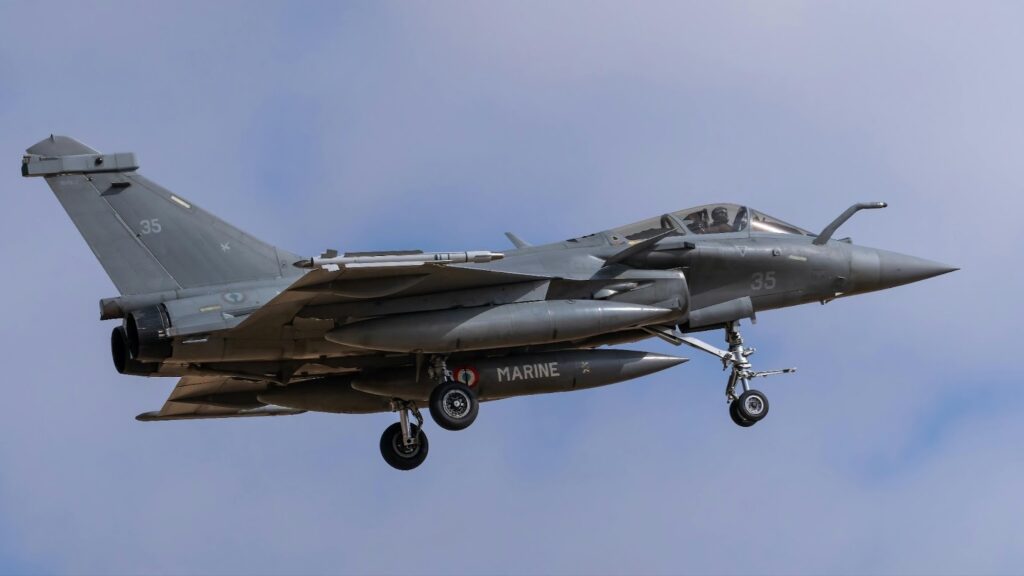
    However, no operational applications are envisaged at this stage. French military aviation programmes continue to focus on heavy thermal platforms (Rafale, A400M), while electrification is being studied in the long term through prospective work carried out with ONERA, notably as part of the SCAF. French civil projects, such as INTEGRAL-E or Aura Aero’s ERA, are not currently intended for military use.

    Northern Europe and Germany already more advanced

    On a European scale, some of our neighbours have made more aggressive choices in the development of electrified air mobility.

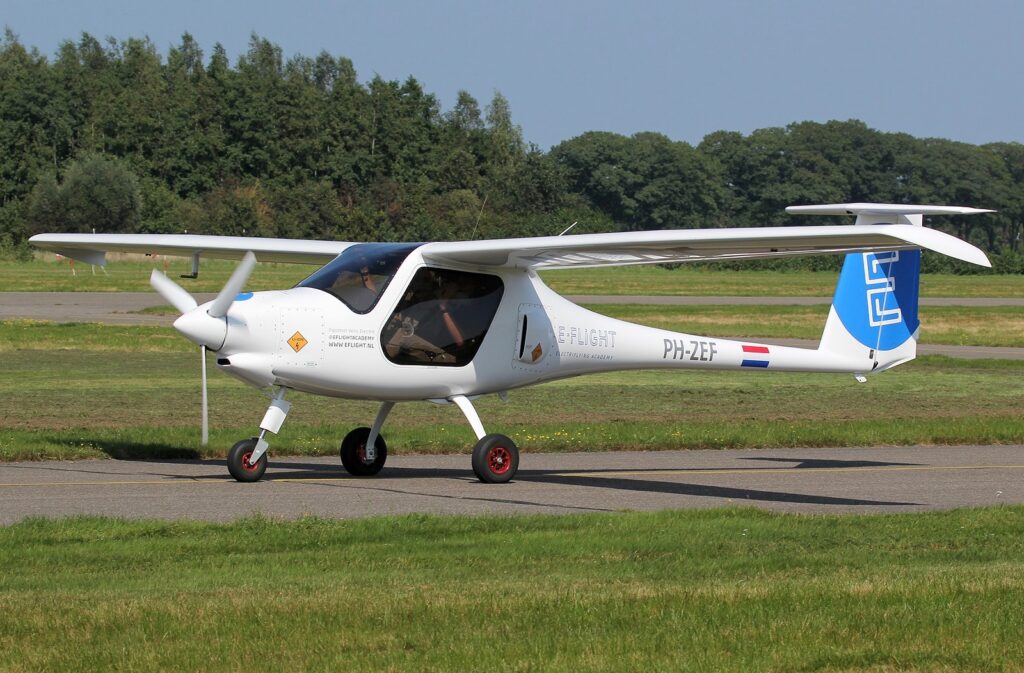
    In Germany, the Luftwaffe (the air component of the German army) has been operating the Pipistrel Velis Electro, a two-seater 100% electric aircraft certified by the European Aviation Safety Agency (EASA), since 2022. Used for initial training, it reduces emissions by up to 95% compared with equivalent combustion-powered aircraft. By 2026, the fleet will comprise five aircraft, as part of the ‘Luftwaffe 2030’ strategy, which aims to electrify 20% of training hours.

    source: Ronald Vermeulen

    The UK is following a similar trajectory. The Royal Air Force is also using the Velis Electro for basic training, and has already accumulated several hundred flying hours. The stated aim is to reduce training costs and initiate an energy transition without compromising operational availability.

    Further north, Norway and Sweden are exploring hybrid-electric solutions for extreme environments. The Norwegian P-Volt and the future Swedish ES-19 are being tested for low-emission regional military transport missions, particularly on short runways and in Arctic conditions.

    North America: electric vehicles as a strategic lever

    However, it is in North America that adoption is most structured.

    In the United States, the US Air Force has been experimenting for several years with electric and hybrid propulsion aircraft through AFWERX, which helps the US Air Force to collaborate with start-ups, SMEs and researchers, as well as the Air Force Research Laboratory. By 2026, eVTOLs such as the Electra and demonstrators from NASA programmes will be used for training, light logistics and some short-range ISR missions. The objective is clear: to halve operating costs and significantly reduce noise pollution around bases.

    source : electra

    Canada, for its part, is betting on electrification to respond to climatic constraints. The eBeaver, an electric version of the legendary De Havilland Beaver, is being tested for liaison and surveillance missions in the far north. Quiet, robust and requiring less maintenance, it illustrates a pragmatic approach to electric military aviation.

    Asia-Pacific and Middle East: electric vehicles as a tactical advantage

    In Australia, the air force is testing hybrid eVTOLs for tactical logistics and medical evacuation in isolated desert areas, where infrastructure is scarce. In this vast country, electric power is seen as a multiplier of flexibility.

    In Israel and China, the rationale is more directly operational. There, eVTOLs and hybrid drones are being considered for special insertion, reconnaissance or discreet troop transport missions. Silence, thermal stealth and vertical take-off capability are becoming military assets in their own right.

    Technical and logistical limitations of electrification

    While the electrification of military aviation is making progress, there are some very real technological limitations. The main one is the low energy density of current batteries. The best lithium-ion batteries have an energy density of around 250 to 300 Wh/kg, almost 50 times less than the energy contained in conventional paraffin (~12,000 Wh/kg), which considerably limits the range and payload of electric aircraft.

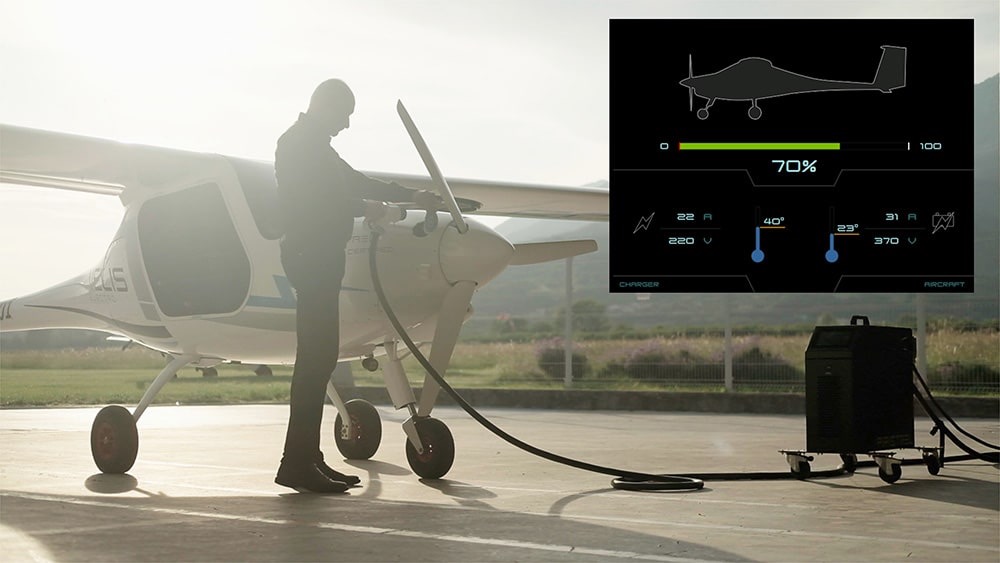
    This constraint imposes compromises on range, passenger numbers and operational performance, particularly for long or demanding missions. Additional challenges include the complex thermal management of electrical systems and the need for new recharging infrastructures adapted to military operations.

    source: pipistrel

    A discreet but very real revolution

    In 2026, electric military aviation will obviously not replace fighters or strategic transport aircraft. But it is gradually developing in well-identified niches: training, light logistics, tactical liaison and special operations.

    France is observing, testing and anticipating, but has not yet taken the operational step. Other countries, on the other hand, have already integrated electricity as a fully-fledged military tool. This difference in tempo illustrates two visions: industrial prudence on the one hand, and operational pragmatism on the other.

  • Formula E: When rookies go electric

    Formula E: When rookies go electric

    On 30 January 2026, on the urban track of the Miami International Autodrome, Formula E is organising its annual Rookie Test session. Between measured performances and strategic ambitions, this day reveals how the electric championship has become a magnet for young talent in world motorsport.

    source: FIA

    On paper, there will be no trophies to lift or points to score on Friday January 30. However, this day specially dedicated to rookies, scheduled on the eve of the Miami E-Prix, could have a major impact on the careers of several young drivers. For six hours, 11 rookies from F2, F3, INDY NXT and simulator programmes will take the wheel of 100% electric Gen3 Evo single-seaters, in conditions similar to those of an official qualifying session.

    And while the exercise may seem technical, it actually reflects a profound transformation in the motorsport landscape. Today’s young drivers are no longer just looking to Formula 1. They are also increasingly looking to Formula E.

    source : Stellantis

    A championship that has changed dimension

    When Formula E kicked off in 2014 in Beijing, with its urban races and mid-race car changes, many saw it as an experimental series, sympathetic but anecdotal. A decade later, the picture has changed radically. The championship has become an FIA World Series, with 11 manufacturers entered and 22 drivers, and a B Corp certification that makes it the first motor racing championship to receive official recognition for its social and environmental impact.

    source: Wikipedia

    The year 2025 is highly representative of a booming craze. Indeed, the previous year generated more than 580 million viewers worldwide, an increase of more than 25% compared to 2024. The Miami GP, which takes place this weekend, is expected to attract over 5 million viewers.

    This move upmarket is reflected in the technology. The Gen3 Evo, introduced in 2024, offers levels of acceleration and energy regeneration that rival those of the first Formula 1 single-seaters.

    In this context, the Rookie Tests are a selection tool, a moment when the teams concretely evaluate the adaptability, maturity and learning speed of young drivers who have never, or rarely, driven in Formula E. In Miami, the 3.07km circuit, with its long acceleration phases and technical sections, will provide a particularly demanding testing ground.

    Profiles that speak volumes about the attractiveness of the championship

    Several teams have confirmed their drivers for the session on 30 January:

    • Théo Pourchaire (Citroën Racing) – F2 champion and former FE test driver, returns to strengthen the team and assess the adaptation to Miami.
    • Zak O’Sullivan (Envision Racing) – This young British driver, who is already at the top of the simulator programmes, will be back at the wheel of the Gen3 Evo.
    • Dennis Hauger (Andretti) – F3 champion and current INDY NXT driver, put on track to progress in electrics.
    • Hugh Barter (Lola Yamaha ABT) – The driver has already worked on the previous tests and will provide valuable feedback on the car.
    • Alessandro Giusti (Jaguar TCS Racing) – One of the youngest entrants, ready to demonstrate his growing power.
    • Abbi Pulling and Gabriele Minì (Nissan) – Experienced in past tests, they are continuing their integration into the discipline.
    • Nikita Bedrin (DS Penske) – Remains in the programme after previous appearances.
    • Chloe Chambers (Mahindra Racing) – Top of the list after a convincing performance in tests.
    • Pepe Martí (Cupra Kiro) – Driver from the international single-seater circuit.
    • Ayhancan Güven (Porsche) – Official Porsche endurance and GT driver, invited to discover the Gen3 Evo.
    source : Stellantis

    This diversity of profiles shows that Formula E is no longer a simple alternative, but a destination in its own right, with its own codes, its own opportunities and its own career paths.

    A strong signal for the future of motor sport

    The Miami Rookie Tests will probably not make the headlines in the general press. Yet they tell us a lot about the state of motor sport in 2026.

    In Miami, these young drivers won’t be racing just to impress an engineer or land a contract. They will be racing to take their place in a championship that is still in the making.

    Formula E is no longer trying to convince. It’s moving forward. And judging by the interest generated by these tests, the drivers of tomorrow are already moving forward with it.