Category: Expertise

  • What is electromobility?

    What is electromobility?

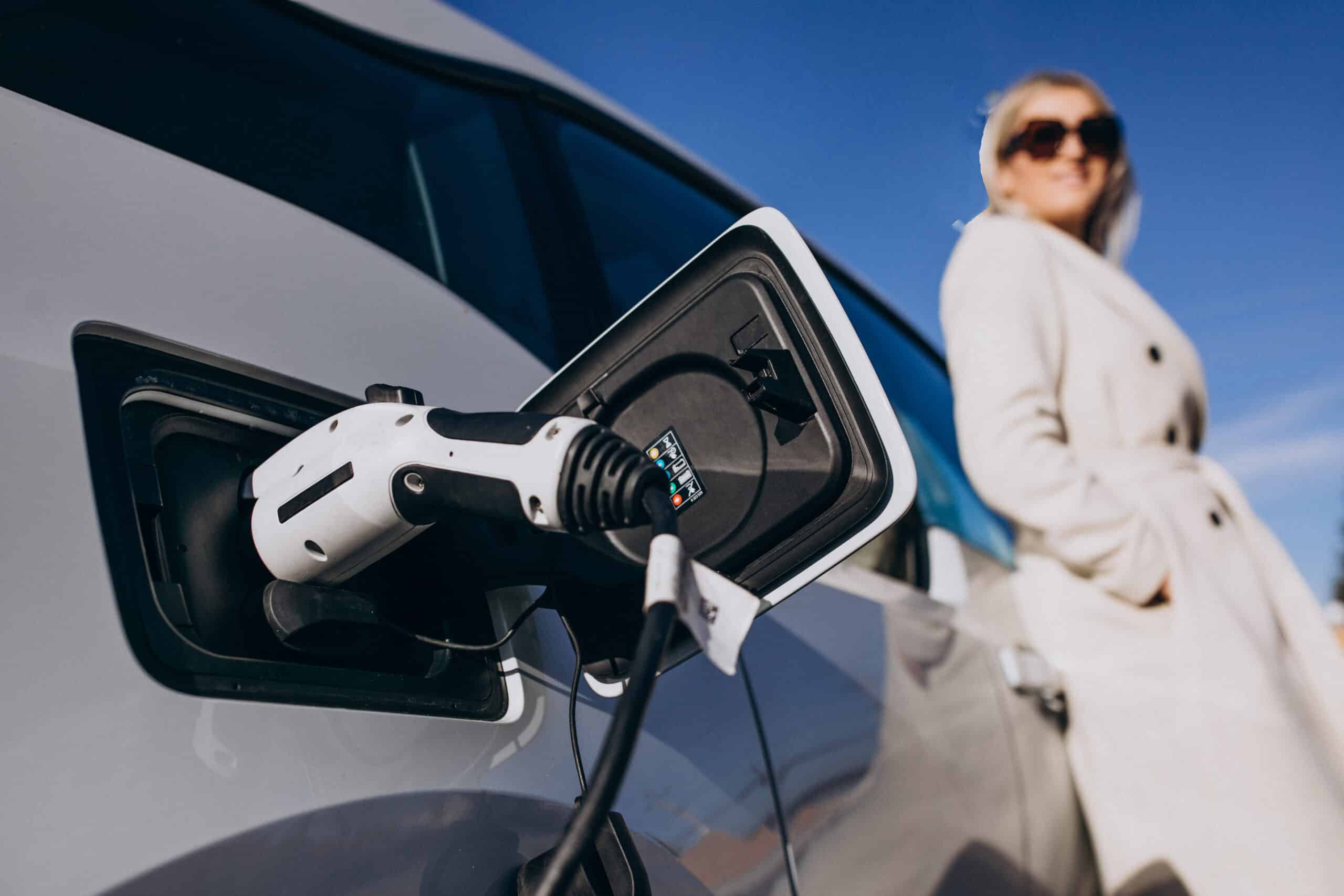
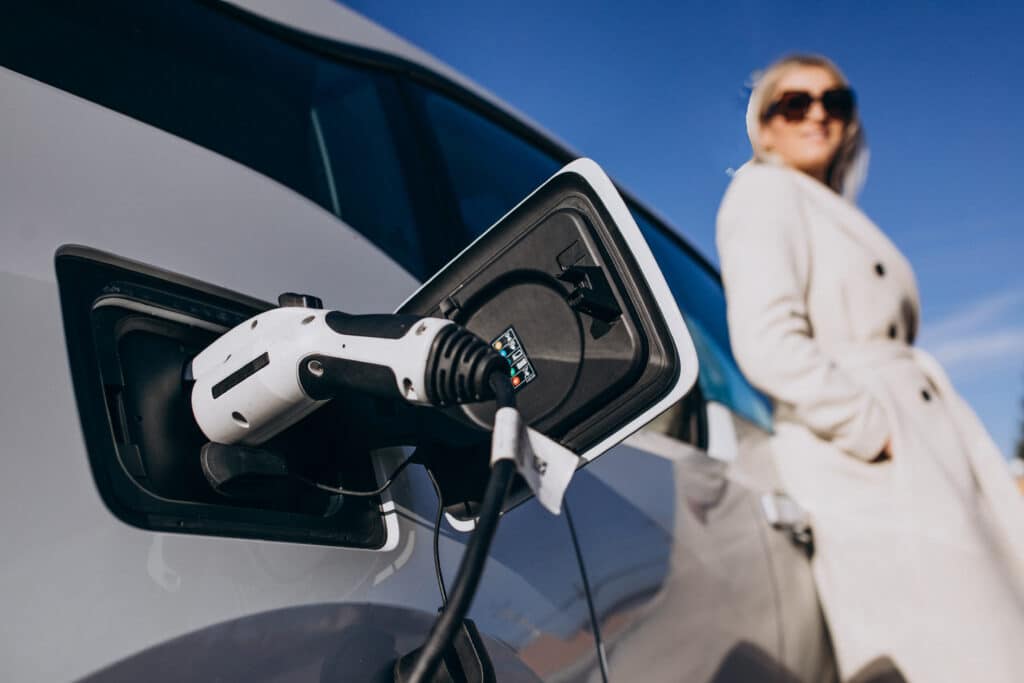
    Over the last few years, the term electromobility has become part of our conversations, in the media, but also – and above all – on our roads. But what exactly does it mean? In addition to the electric cars we see on the road more and more, electromobility refers to a profound change in the way we think about travel, placing electricity at the heart of sustainable mobility. Let’s take a closer look at the history, principles and prospects of this silent revolution.
    Credit: Senivpetro

    An idea over 100 years old

    Contrary to what you might think, electromobility is not a recent idea. At the end of the 19th century, electric vehicles were already competing with steam and petrol cars. The first vehicle in history to break the symbolic 100 km/h barrier was designed in 1899 by Belgian engineer Camille Jenatzy. Known as the Jamais Contente, this car was powered by electricity.

    At the time, electric vehicles were appreciated for their silence and ease of use. In the United States, they even accounted for a third of the car market between 1900 and 1910.

    However, during the 20th century, the rise of internal combustion engines – which were cheaper to produce and had greater range thanks to cheap oil – pushed electromobility into the background. It was only at the turn of the 21st century, in the face of climate change and the need to reduce our dependence on fossil fuels, that electric mobility
    is making a comeback.

    The foundations of electromobility

    Electromobility encompasses all transport solutions using electrical energy. This includes not only cars, but also bicycles, scooters, electric buses and even some regional trains.

    More broadly, electromobility is based on a complete ecosystem: intelligent charging stations, low-carbon electricity networks, optimised energy management, integration of renewable energies, etc. The principle is simple: replace fossil fuels with electricity to power our journeys.
    our journeys.

    But behind this apparent simplicity lies a major technological transformation, far more profound than a simple change of fuel. It involves rethinking mobility as a whole, incorporating concepts of energy efficiency, reducing CO2 emissions and respect for the environment.
    Why electromobility is the way forward

    ● Reducing greenhouse gas emissions
    According to the French Environment and Energy Management Agency
    (ADEME), an electric vehicle emits on average three times less CO2 than a combustion vehicle over its entire life cycle, provided that the electricity used comes from renewable sources.

    Reduced noise pollution
    Electric vehicles are almost silent, offering greater driving comfort for users and a quieter environment for local residents. This silence is gradually transforming the soundscape of our cities.

    ● Energy independence

    By diversifying our energy sources and encouraging the local production
    (solar, wind, hydro), countries can reduce their dependence on oil imports.
    reduce their dependence on imported oil.

    ● Efficient and responsible batteries
    Technological advances in lithium-ion batteries have also played a key role in this renaissance. They enable vehicles to achieve much greater ranges, and contrary to popular belief these batteries are 95% recyclable.

    ● An expanding recharging network

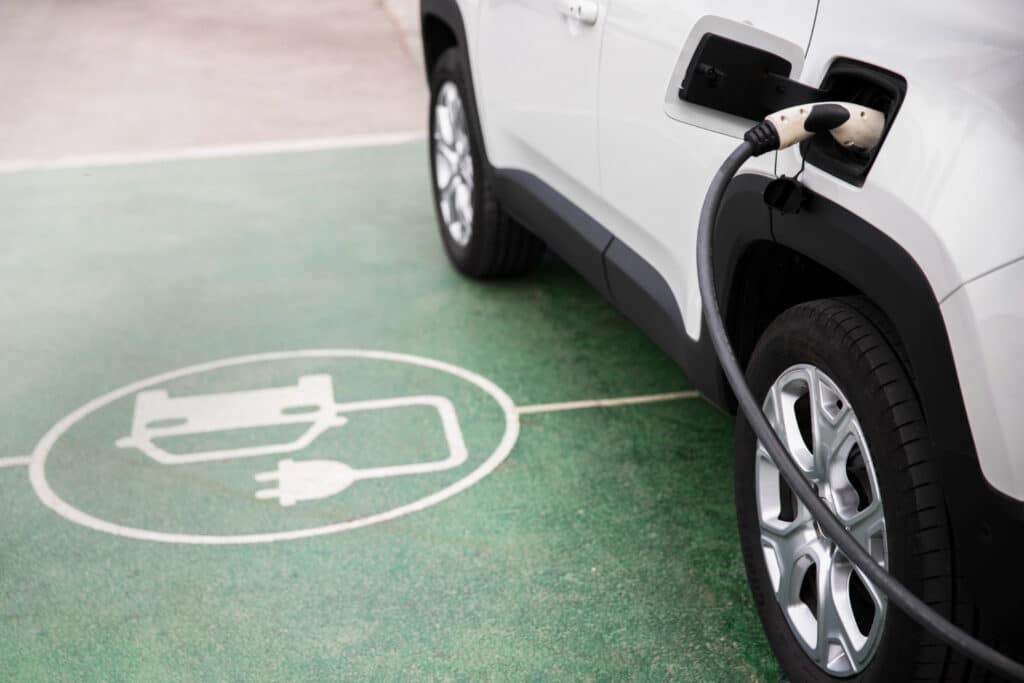
    In recent years, recharging electric vehicles has become more accessible.
    become more accessible. Numerous innovative projects have been launched at all levels to democratise and improve charging infrastructure.

    Towards an electromobile future

    Today, electromobility is an essential pillar of the energy transition. It is more than just a technological development; it represents a genuine change in society.

    Tomorrow’s mobility will be smoother, cleaner and smarter. By adopting electromobility on a massive scale, we are helping to build more breathable cities, preserve our natural resources and shape responsible mobility for future generations.
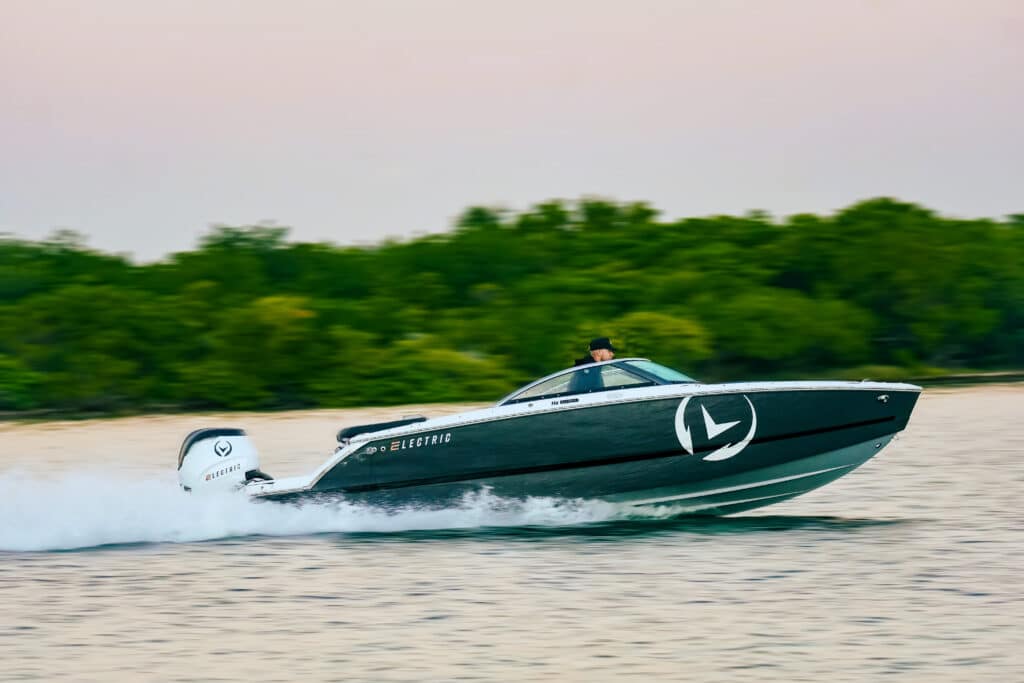
  • Electric boats: when pleasure boating becomes gentler

    Electric boats: when pleasure boating becomes gentler

    Quiet and clean, electric boats are undoubtedly the future of pleasure boating. But while they embody a new way of sailing, there are still a number of obstacles to their widespread development.

    Credit: beneteau

    According to studies by Data Bridge Market Research and Mordor Intelligence, the global market for electric boats is set to grow by 11.2% to 12.65% a year between now and the end of the decade. This global momentum is also reflected in France, particularly in Paris, where the famous Vedettes have recently embarked on their energy transition. But despite these promises, yachting – if we compare its transition to that of the car industry – still seems to be standing still. The Association Française pour le Bateau Électrique (AFBE) and AKWA Experience, which hires out electric boats in Paris, give ECO MOTORS NEWS a realistic yet optimistic look at the state of electric boats in France.

    Boats that are still too costly and infrastructure that is in short supply

    It’s a small-scale industry, which makes the energy transition much more complex and costly “, explains Yannick Wileveau, Chairman of the AFBE. Like cars, electric boats still suffer from the high cost of engines and batteries, to which must be added the “made-to-measure” aspect that adds a little more to the bill.

    In fact, the price of electric boats remains one of the major obstacles to the energy transition in recreational boating. To address this, the AFBE is promoting co-ownership models or membership of yacht clubs. “ Sharing a boat makes the initial investment profitable, while reducing the need for harbour berths “, Brusset points out.

    It’s enough to shake up the habits of boat owners. And that’s not the only thing that needs to change! In fact, according to Christophe Brusset, Secretary General of the AFBE, the challenge is not just a technical one: ” Going electric also means changing the way you sail. Less speed, more calm, and more attention to the environment. This environmental aspect is not just about zero emissions, but also about preserving aquatic flora and fauna.

    Another lever for convincing boat owners to switch to electric power is the development of recharging infrastructures, which are still largely inadequate. And it’s a vicious circle, because fewer boats mean fewer infrastructures, and fewer infrastructures mean fewer boats. So, just as was done for the car industry, which was in the same situation a few years ago, the AFBE believes that local authorities, the State and Europe need to use subsidies and tax breaks to encourage the purchase of electric boats on the one hand, and the installation of recharging stations on the other.

    Credit: RIva

    In Paris, an experience that’s sure to win you over

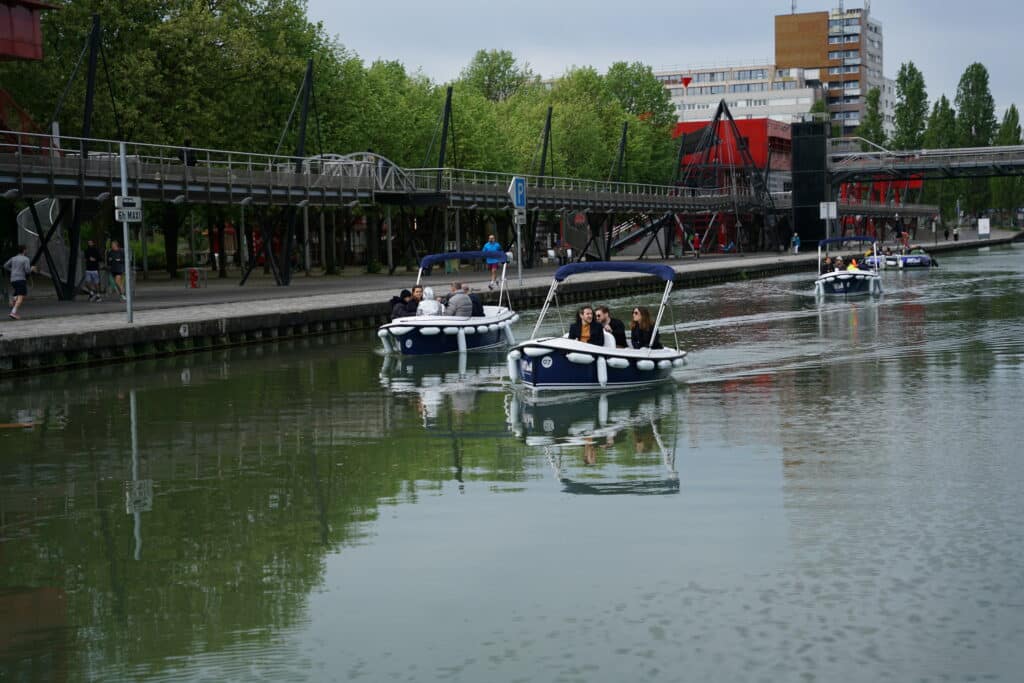
    It’s clear: the development of electric boats will require a change in user philosophy. And it’s this change in mentality that AKWA Experience is working on from the Canal de l’Ourcq, in the 19th arrondissement of Paris. Its fleet of 100% electric, licence-free boats is proving a great success. “ Our customers often talk about a magical, timeless experience. They rediscover Paris from another angle, in the heart of the city, but far from its hustle and bustle “, says Rodrigue Faleme, the company’s managing director.

    Offering prices tailored to young people, pensioners, local residents and the underprivileged, AKWA Experience sets its sights high: ” Our objective is clear: to democratise electric navigation and raise awareness of the need to protect our river heritage. The company regularly organises events at its base, including canal clean-ups.

    Credit: Akwa

    Optimism as a course

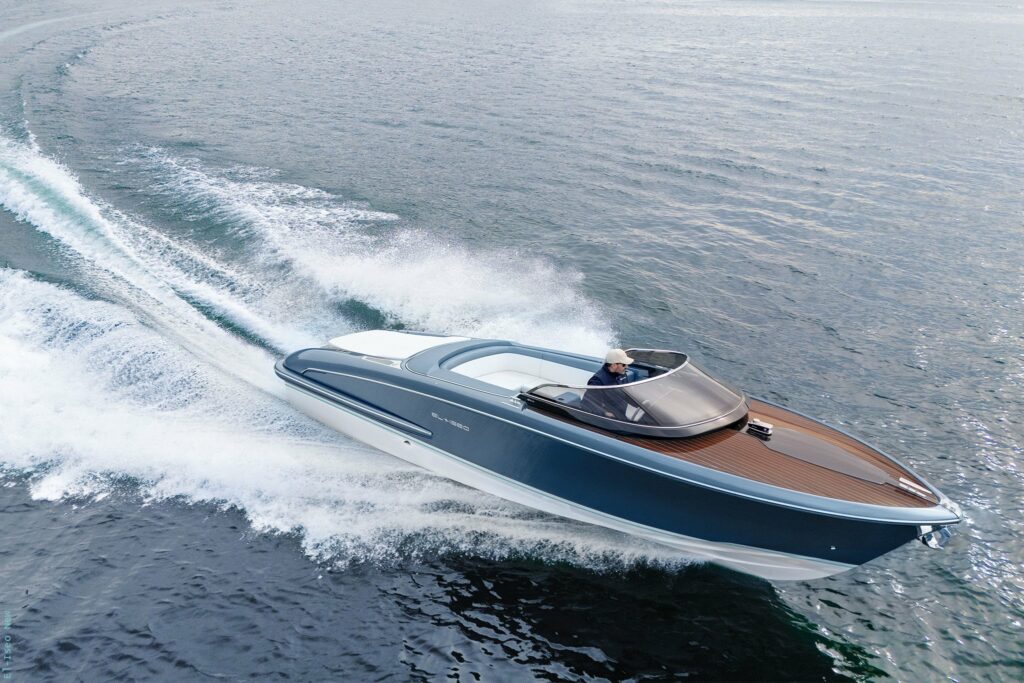
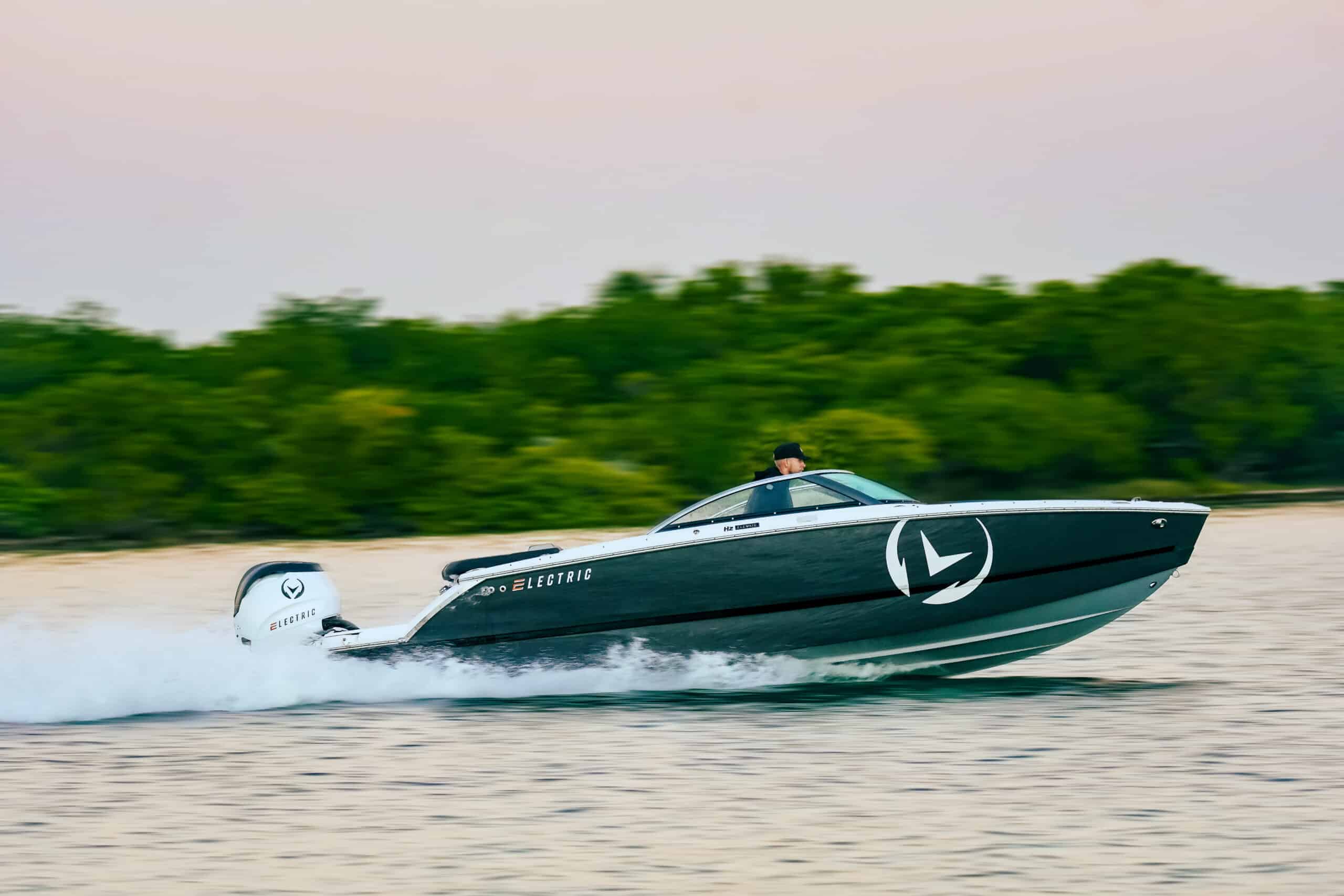
    While there are still many obstacles to the acceleration of the electrification of the yachting industry, the momentum is well underway. Proof of this is the arrival of 100% electric and hybrid models in the catalogues of the major marine brands, such as Bénéteau’s Four Winns H2e and the Riva El-Iseo: ” It is these models, designed from the outset for electric power, that will drive the market in the years to come ,” predicts Yannick Wileveau.

    In the meantime, pioneers like AKWA Experience, as well as their competitors in Paris and elsewhere, are leading the way and playing an active part in changing attitudes. By 2035, the AFBE even believes that electric yachting could well be the norm rather than the exception. In the meantime, it’s already a nice glimpse of what silent, less polluting boating could be like… and it feels good!

    And what about the sea?

    While electric river navigation is gaining ground, it is also beginning to make inroads at sea. Several shipyards are now developing electrically-powered catamarans and coastal launches, some of them hybrids, suitable for short sea trips. Autonomy is still limited by battery capacity, but innovations such as solar recharging and hydroelectricity are opening up new prospects. In sensitive coastal areas, such as marine reserves, electric boats help to preserve ecosystems. In Scandinavia, electric ferries have been developing for 10 years, notably the MV Ampere in Norway, the world’s first 100% electric ferry, launched in 2015.


  • Which countries are leading the electromobility race?

    Which countries are leading the electromobility race?

    Electric cars, charging points, state-of-the-art batteries:
    electromobility is everywhere. But not all countries are moving at the same pace: which are the most committed to this revolution? Between industrial strategies, public policies and technological innovations, the battle for electromobility is being fought on a global scale.

    Credit: frimufilms

    China, the locomotive of electromobility

    It’s hard to compete with China. The Middle Kingdom has not only theorised electromobility, it has industrialised it at lightning speed. Since the early 2000s, the Chinese government has invested heavily in this technology, with massive subsidies, quotas imposed on manufacturers and support for local companies such as BYD, NIO and CATL.

    The result: with a market share of almost 28%, China is the world leader in electric vehicles. What’s more, the country already has more than 13 million charging points and is exporting cars, batteries and charging points to Europe on a massive scale. We’re no longer talking about a local market, but a global industrial powerhouse.

    Europe: ambitious… but heterogeneous

    In Europe, electromobility is making great strides, driven by clear objectives: an end to sales of new combustion-powered cars by 2035, increasingly strict CO2 standards, purchase subsidies and the deployment of charging stations across the continent. Europe also stands out for its innovation ecosystem, particularly in recharging infrastructure (Spark Alliance) and batteries (Verkor, ACC).

    But behind these ambitions lie very different realities:

    ● Norway is the all-round champion: over 90% of new cars are electric.

    ● France, Germany and the Netherlands are making steady progress, with a growing network of charging points and increasingly accessible vehicles.

    ● Other European countries, such as Italy and Spain, are still lagging behind, held back by the cost of electric vehicles.
    held back by the cost of vehicles or the lack of infrastructure.

    For the European Union, the battle is not over. The Old Continent remains dependent on Asia for some of its components, and there are still major differences between countries. To catch up, Europe is counting on its start-ups and industrial innovation.

    Credit: Freepik

    United States: Tesla in the lead, but mixed fortunes

    When it comes to electromobility, the United States is often associated with Tesla, the powerhouse of the global market. But beyond Elon Musk’s company, the country is lagging behind in a number of areas. Although the adoption of electric vehicles is growing (around 15% of sales), it is still held back by a network of charging points that is still inadequate, particularly outside the major cities.

    With the election of Joe Biden in 2020, the situation has changed. The government introduced a number of key measures, including purchase subsidies, support for local battery manufacturing and a target of 50% electric vehicles by 2030.

    But the US territory is vast, and the States are uneven in their commitments: while California is pushing hard, other States such as Wyoming remain cautious. What’s more, competition between manufacturers is still dominated by Tesla, in the absence of a genuine made-in-the-USA alternative… for the time being.

    Electromobility is no longer an option: it’s a global trend. And basically, everyone is moving in the same direction. What’s changing is the method: China is imposing itself, Europe is supervising and innovating, and the United States is relying on its leader. But one thing is certain: the race is on, and more and more countries are getting involved in this battle, which will be won not just by the number of cars sold, but also by batteries, charging stations, innovation and the ability to involve an entire population in this change.