Blog

  • Toyota to produce its first electric vehicle in Europe at its Czech plant

    Toyota to produce its first electric vehicle in Europe at its Czech plant

    Toyota is to assemble a 100% electric vehicle on European soil for the first time. The Kolin plant, to the east of Prague, has been chosen as the production site. The announcement, made on Wednesday, marks a strategic turning point for the Japanese manufacturer. Details of the model and production schedule are still confidential.
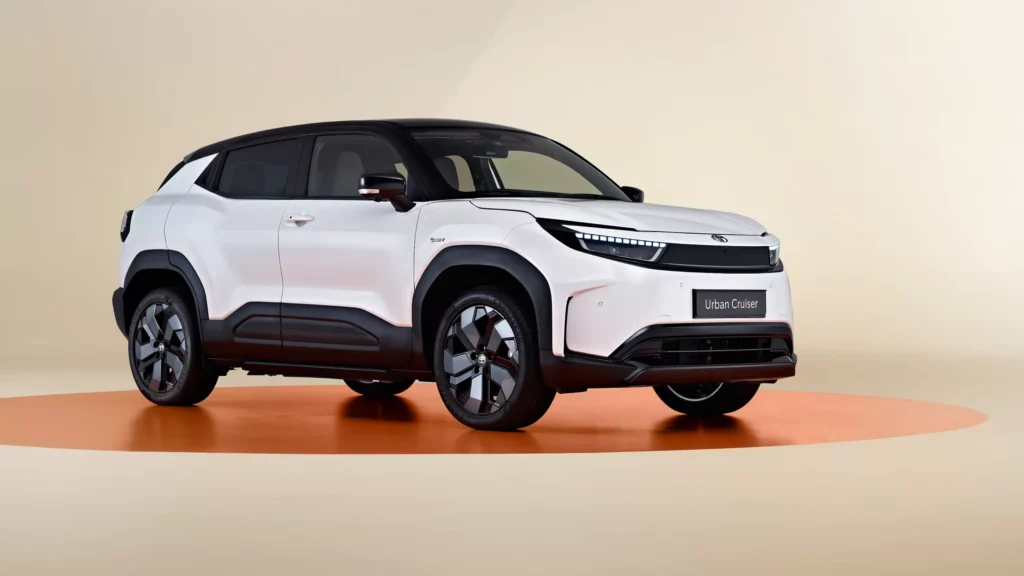
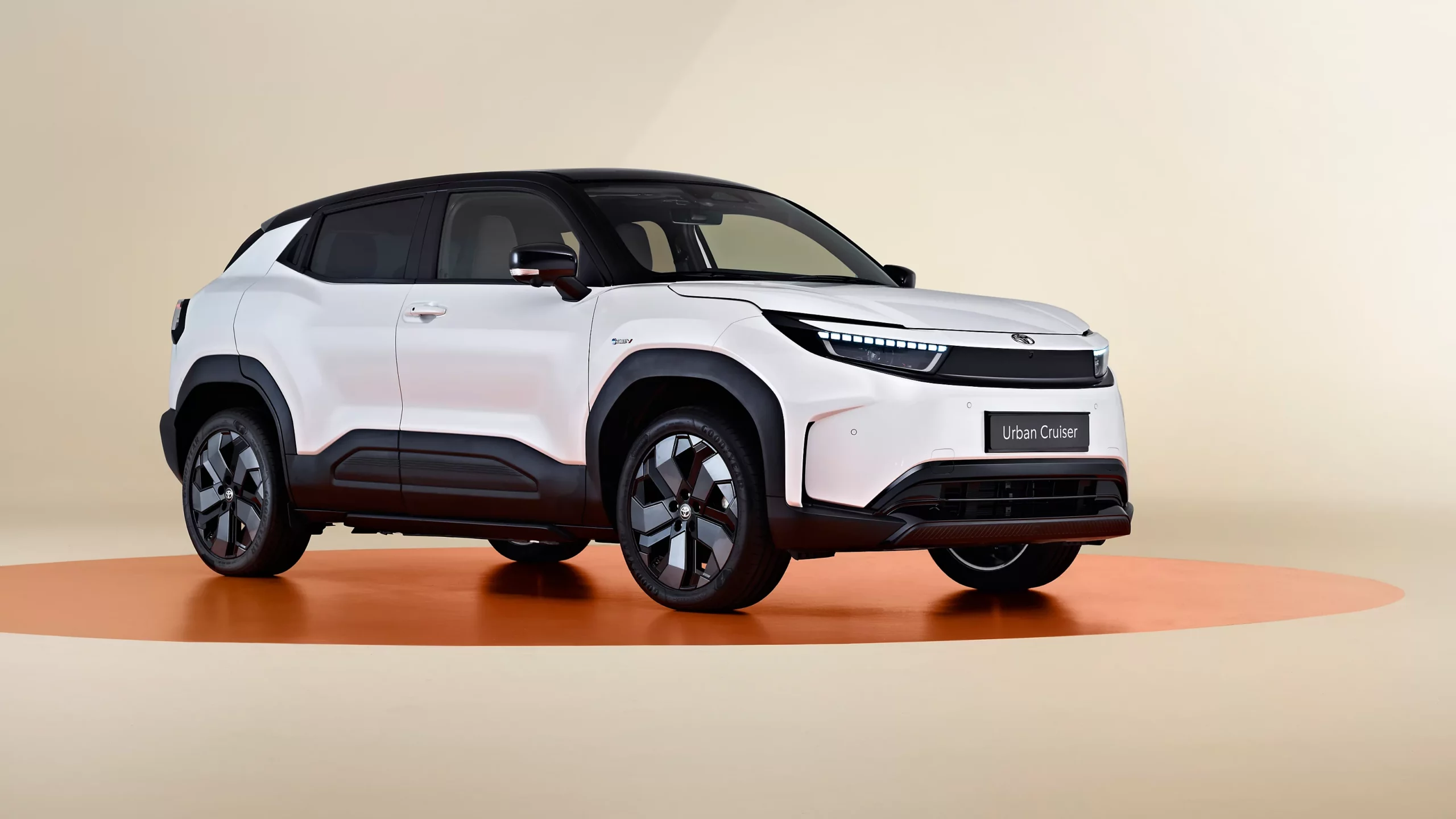
    Toyota Urban Cruiser electric, future model expected on the European market
    The Urban Cruiser could join Toyota’s electric range in Europe in the next few years (Credit: Toyota)

    A strategic site for Toyota in Europe

    For the moment, the manufacturer is only revealing the financial aspects of the project. Total investment amounts to 680 million euros, including 64 million from the Czech government. The Kolin plant already produces the Aygo X and the Yaris hybrid, with an annual capacity of around 220,000 vehicles. The extension of the site, from 152,000 to 173,000 square metres, will make it possible to prepare for electricity production.

    Support from the Czech government and economic issues

    The Czech government is actively participating in the financing, particularly for the battery facility. The automotive industry accounts for around 10% of the country’s gross domestic product. Prime Minister Petr Fiala stresses that this project is essential to maintain automotive production in the Czech Republic. Toyota Europe also sees it as an opportunity to strengthen its market presence and move towards carbon neutrality by 2040.

    A European electrical offensive

    Having long adopted a cautious strategy when it comes to electric vehicles, Toyota is now planning nine non-thermal models for the continent between 2025 and 2026. The vehicle produced in Kolin could be the Urban Cruiser or the C-HR+, expected in late 2025 or early 2026. The brand is thus combining its expertise in hybrids with its new move towards 100% electric vehicles.

    Kolin, a key site for the future

    Wholly owned by Toyota since 2021, the Czech plant has already produced more than 4.5 million vehicles, including for Peugeot and Citroën. The expansion of the site is part of a wider European strategy, with eight other plants in Portugal, the UK, France, Poland and Turkey. This decision marks a historic change for Toyota and the European market. It also confirms the growing importance of electric vehicles in the Japanese manufacturer’s industrial strategy.
  • Leapmotor B10: China’s budget-priced electric SUV arrives in France

    Leapmotor B10: China’s budget-priced electric SUV arrives in France

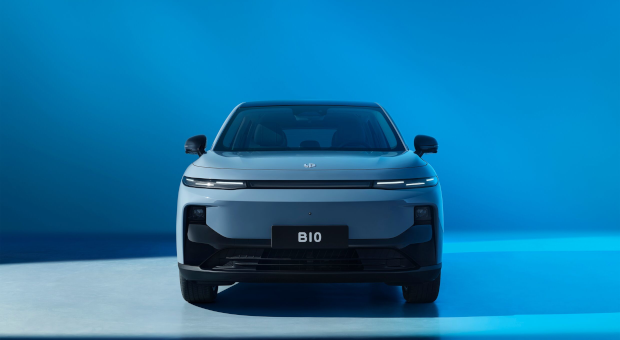
    With the B10, Leapmotor is striking hard in the compact SUV market. Presented at the 2024 Paris Motor Show, this 100% electric model is aimed directly at the Renault Scénic E-Tech and Peugeot e-3008. True to its aggressive strategy, the Chinese brand, now 51%-owned by Stellantis, is banking on unbeatable prices to win over French motorists.

    Front view of the Leapmotor B10 2025 electric SUV, modern design and competitive price from €28,400
    Front view of the Leapmotor B10, a Chinese electric SUV competing with the Renault Scénic and the Peugeot e-3008. (Credit: Leapmotor)

    From its launch on 2 September, the SUV is priced at €29,900. Thanks to a temporary promotional offer, the price has even fallen to €28,400. That’s more than €10,000 less than its French rivals. This makes the B10 one of the most competitive electric SUVs in the C segment.

    Less autonomy than the competition

    Under its bonnet, the Leapmotor B10 packs a unique 218 bhp engine. Two batteries are available: 56.2 kWh for 361 km WLTP and 67.1 kWh for 434 km. In real-world conditions, however, the range falls below 400 km, a handicap compared with the 500 km claimed by its rivals. Recharging remains rapid, with 30 minutes needed to go from 20% to 80% on a high-power terminal.

    Generous equipment right from the start of the range

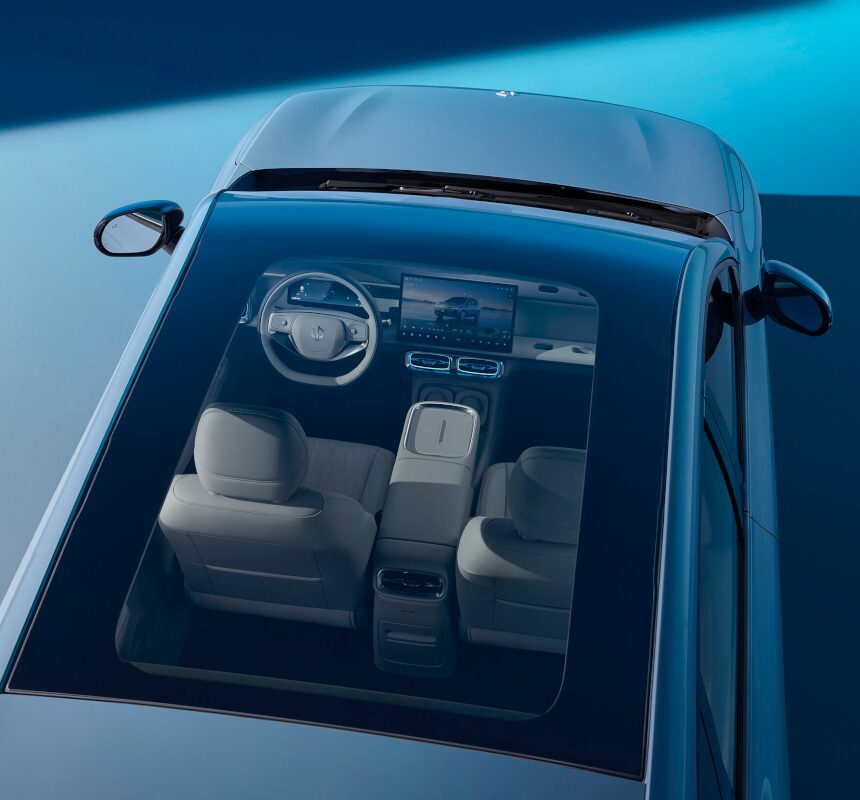
    Available in two trim levels, Life and Design, the SUV doesn’t skimp on equipment. The Life trim includes a 14.6-inch central touchscreen, a 1.8 m² panoramic roof, a 360° camera and 17 driving aids. The Design trim goes even further, adding vegan leather, ventilated electric seats and customisable lighting.

    Interior of the Leapmotor B10 with 1.8 m² panoramic glass roof and spacious interior
    Interior of the Leapmotor B10 with 1.8 m² electric panoramic roof, available from Life trim level upwards. (Credit: Leapmotor)

    An offensive supported by Stellantis

    At 4.52 metres in length, the B10 puts a premium on interior space and connectivity. Its boot capacity is limited to 420 litres. Priced at up to €32,900, it remains more affordable than most of its rivals. The Stellantis network already has 125 sales outlets in France. Production in Spain from 2026 should also boost its credibility. Leapmotor hopes to convince customers who are still wary of this new Chinese brand.

  • Renault 5 dominates electric sales, Stellantis lags behind in August 2025

    Renault 5 dominates electric sales, Stellantis lags behind in August 2025

    The French electric car sales market in August 2025 came as a surprise, despite a traditionally quiet month. According to AAA Data for September 1st, registrations reached 16,992 units, up 29% on August 2024. The market share of electric cars is approaching that of petrol cars, at 19.3%.

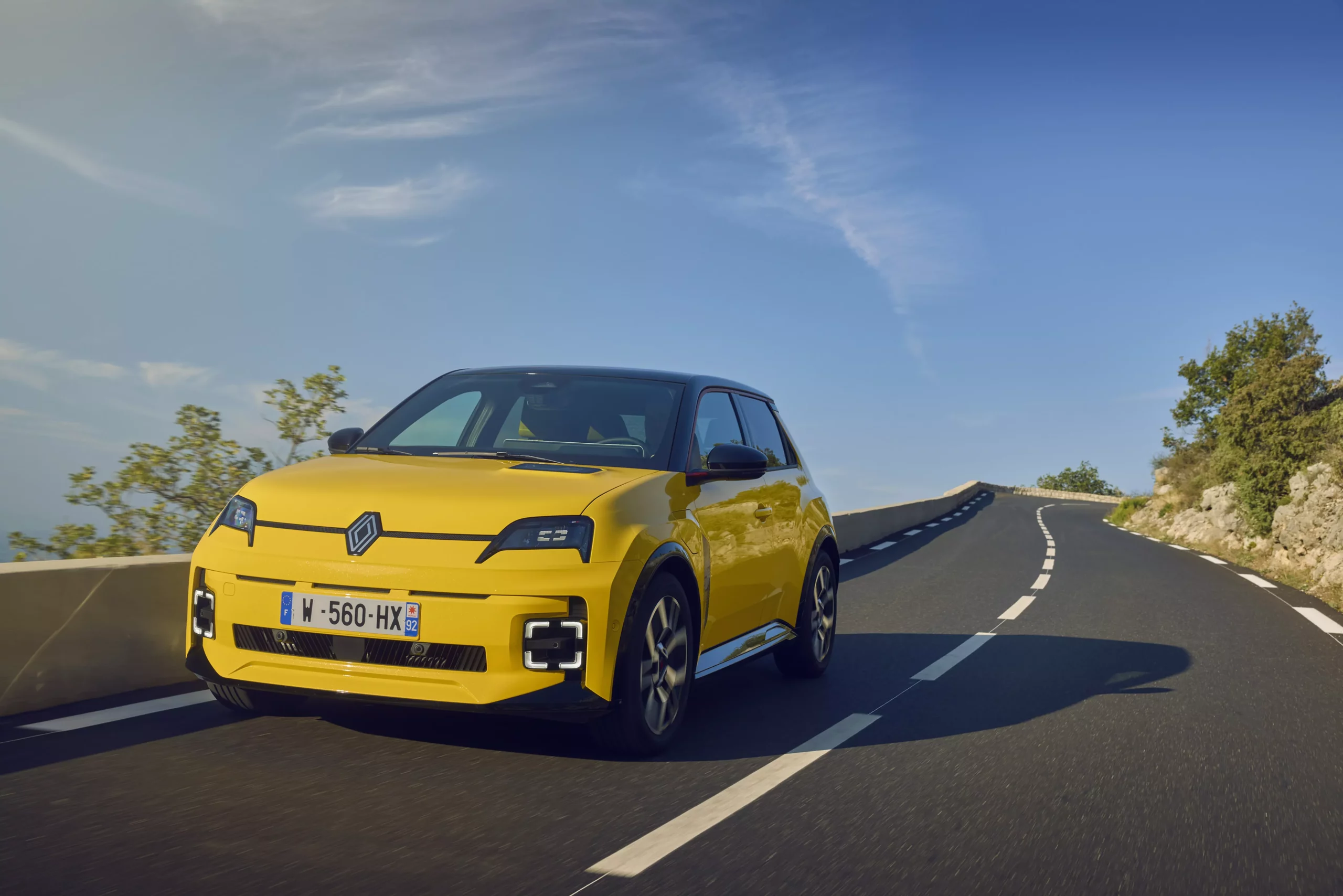
    Renault 5 e-tech red tops the list of electric car sales in August 2025 in France
    The Renault 5 e-tech dominates electric car sales in August 2025, well ahead of Tesla and Stellantis (Credit: Renault)

    Renault 5, undisputed queen

    The Renault 5 e-Tech confirmed its leadership with 1,412 units sold. It is well ahead of the Tesla Model Y, which sold just 957 units. The Renault Scénic and Dacia Spring are also benefiting from the dynamism of corporate fleets. Since January, the R5 has sold a cumulative total of 19,197 units, more than 8,000 ahead of the Model Y.

    Tesla, second but still behind

    Tesla retains second place in the rankings, but its figures are disappointing. The Model Y is down 54% on last year, despite a spurt of deliveries in June. The absence of bonuses in July and August partly explains this slowdown. Tesla Model 3 is keeping a low profile, while sales of the Model S and Model X are virtually non-existent.

    Stellantis still in trouble

    Only the Peugeot e-208 held out in the top 10 with 463 sales. The Citroën ë-C3 fell to 11ᵉ place, penalised by reliability problems. The Group’s other models are struggling to recover past volumes, pending the arrival of social leasing at the end of September.

    Fleets underpin the market

    BMW’s iX1, Audi’s Q6 and other models aimed at business customers are performing strongly. Fleets account for a large proportion of electric car sales, while private customers are still cautious. The overall new car market grew by a slight 2%, but volumes were still lower than in July.

    An uneven electricity transition

    The increase in electric sales is also reflected in the second-hand market and in the national fleet. Some regions, such as Corsica and Ile-de-France, have more than 4% electric cars. Elsewhere, penetration remains low, but the trend towards energy transition is continuing.

  • IAA Mobility: Munich at the heart of the mobility of the future

    IAA Mobility: Munich at the heart of the mobility of the future

    IAA Mobility will be held in Munich from 9 to 14 September 2025 and will showcase innovations in transport, sustainability, and urban mobility. Moreover, the show will also take place in the city centre, with an area accessible to all. From previews to interactive initiatives, the event promises a unique experience for professionals and the general public alike.

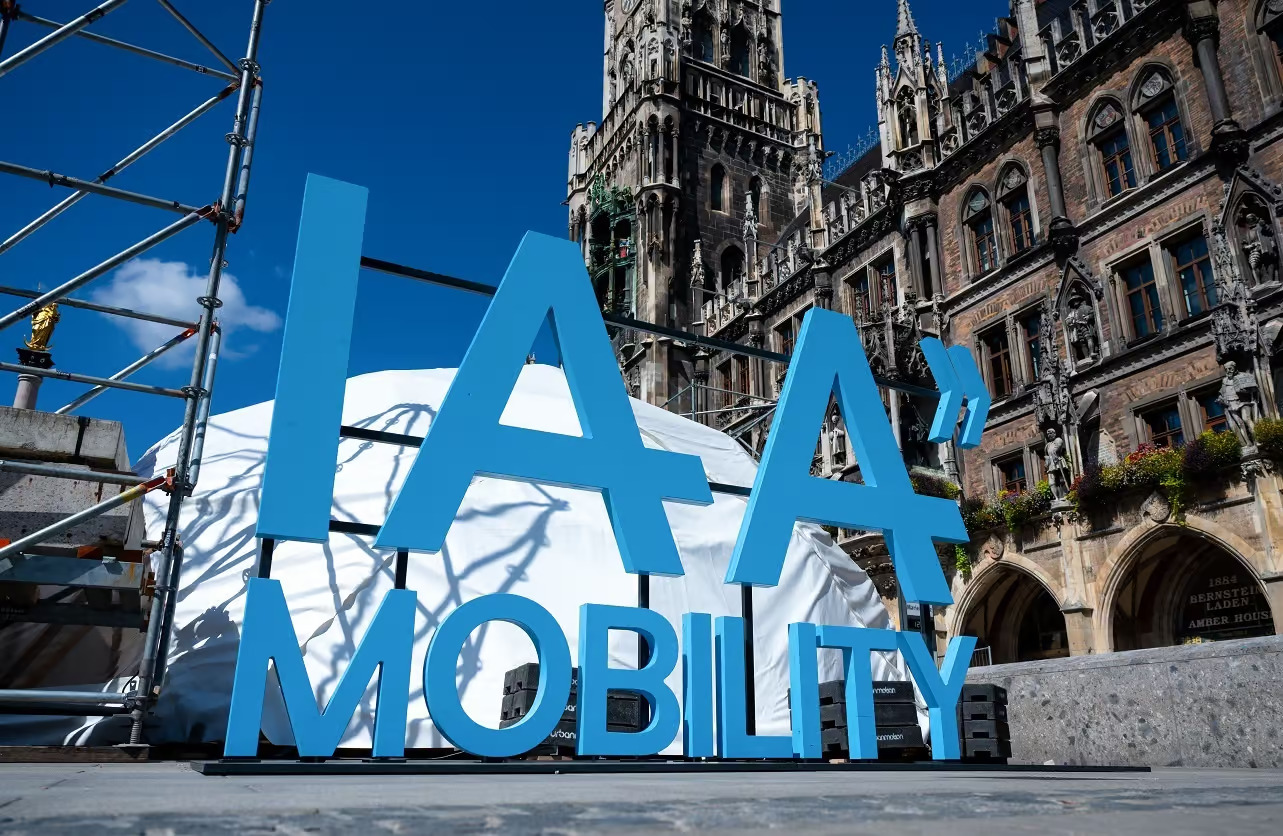
    IAA Mobility 2025 logo installed outdoors on a central square in Munich
    The IAA Mobility 2025 logo marks the opening of the show in Munich, where more than 200 vehicles and innovations will be presented to the public. (Credit: SVEN HOPPE / DPA / dpa Picture-Alliance via AFP)

    A show that goes beyond the traditional automotive sector

    Since 2021, the IAA Mobility has established itself in Munich as a major mobility event. It brings together cars, bikes, motorbikes, and alternative solutions. The event combines a trade show and an urban festival. Also, it features several complementary formats: the Summit, the Conference, the Open Space, and the Experience.

    The 2025 edition will be held from 9 to 14 September. More international than ever, over 55% of exhibitors will be from abroad, showcasing their innovations – a new record for the show.

    BMW, Hyundai and Volkswagen in the spotlight

    BMW has unveiled the Vision CE concept, an electric scooter inspired by the C1 launched 25 years ago. Its tubular structure incorporates a safety belt, making it possible to dispense with a helmet. Hyundai, meanwhile, is teasing a new concept car that will make its world premiere at the show. Volkswagen, meanwhile, will be showcasing four electric vehicles and special models in a central area designed to encourage interaction and accessibility for the public.

    An urban festival for all visitors

    Visitors will be able to test drive more than 200 vehicles. This includes a cycle path in the English Garden and a zone dedicated to micro-mobility. Additionally, the Citizens Lab will offer more than 60 workshops and debates. These will bring together citizens and mobility stakeholders. For the first time, a Festival of Lights will illuminate Munich. It will be held in partnership with the IAA Mobility.

    The 2025 show will stand out for its technical innovations from BMW, Hyundai and Volkswagen, but also for its openness to the general public. With its interactive approach and ecological ambitions, the show aims to respond to the major urban challenges and embody the mobility of tomorrow.

  • Volkswagen’s Elli launches green electricity trading business

    Volkswagen’s Elli launches green electricity trading business

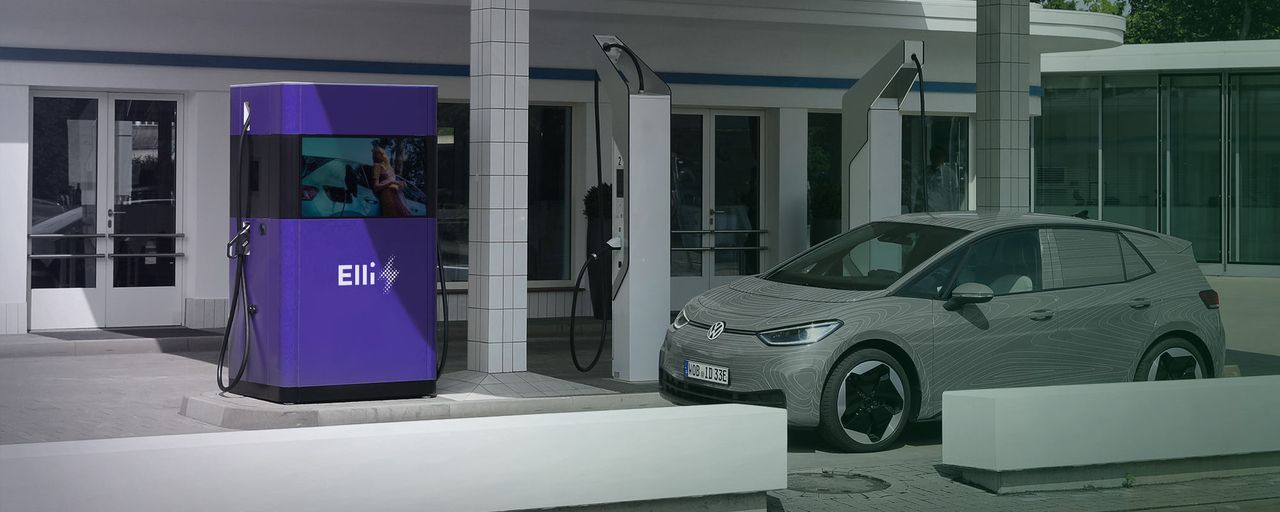
    The Volkswagen Group’s energy subsidiary is innovating with a new service for industrial companies. Called “Energy Trading as a Service”, it aims to secure a competitive and sustainable supply. This initiative strengthens Elli’s position in the European green electricity market.

    Birde Elli from Volkswagen illustrating Energy Trading as a Service for businesses and green electricity
    Volkswagen’s Elli presents its Energy Trading as a Service, optimising green energy for businesses.

    A service designed for manufacturers

    Elli is now helping businesses to manage their electricity consumption. With access to the European EPEX SPOT exchange, it structures the purchase and sale of green electricity. This service makes it possible to compensate for the variability of solar and wind energy in real time. In this way, manufacturers can optimise their costs while reducing their dependence on fossil fuels.

    A strategic shift for Elli

    Giovanni Palazzo, CEO, describes this shift from in-house trading to service provision as crucial. Energy-hungry companies benefit from flexible supply and support in reducing their consumption. Portfolio management, demand management and storage integration illustrate this comprehensive approach. In a volatile market, this flexibility becomes an asset for achieving sustainability and competitiveness.

    A European ambition

    Since July 2023, Elli has been testing its Smart Energy platform on EPEX SPOT. The tool automates the integration of flexible assets such as stationary batteries and enables 24/7 trading on the short-term market. Tobias Canz, CFO, emphasises that the strengthening of the teams and the expansion of the offering confirm the solidity of the processes. The service also targets electric recharging customers and fleets of more than 100 vehicles.

    Presentation at IAA Mobility 2025

    Elli and Volkswagen will be showcasing their innovations in Munich from 7 to 12 September. On the programme: renewable energy, batteries, artificial intelligence and electric city cars. The motto “Tech for the People” reflects the desire to make cutting-edge technologies accessible.

    Following the announcement, Cerence Inc. shares gained 4.07% in pre-opening trading. Elli’s strategy demonstrates that green energy and flexible trading are attractive to investors and manufacturers.

  • Cars: what will change from 1st September 2025

    Cars: what will change from 1st September 2025

    From this Monday, a number of changes will come into force, affecting millions of drivers in France. With the return of social leasing, tougher environmental penalties and reform of electric recharging, it’s going to be a busy autumn.

    Changes to the French car industry on 1 September 2025: social leasing, environmental penalty and electric recharging
    A number of changes are in store for motorists from September 2025, including the return of social leasing and an increased penalty.

    Social leasing makes a comeback

    The scheme providing access to an electric vehicle at a reduced price is making a comeback. Aimed at low-income households, the scheme offers a rental of between 95 and 200 euros a month. Nearly 50,000 beneficiaries, on qualifying incomes, will be able to take advantage of the scheme from 30 September. The aim of this change is to speed up the energy transition and make electric vehicles more accessible.

    An increased ecological penalty

    The CO2 penalty threshold is now set at 108 g/km, with a tax of up to €80,000. A weight tax also applies to vehicles weighing more than 1,500 kg. Another new feature is that the scheme extends to second-hand vehicles purchased since 2015. However, owners have until 1 January 2026 to adapt to this change imposed by the Finance Act.

    New recharging tariffs

    In November, the advantageous tariffs will apply during the day rather than at night. This reform of peak and off-peak times will encourage electric vehicles to be charged during the day. The aim is to distribute electricity consumption more evenly. The new offers should come into effect in December 2025.

    Lending your car remains legal

    Contrary to a viral rumour on TikTok, lending your car is not banned. No law has been passed to this effect. The Ministry of the Interior confirms that this information is false. However, you should check the terms and conditions of your insurance policy to avoid complications in the event of an accident or offence.

  • Tesla Model Y Performance 2025: the electric SUV on steroids

    Tesla Model Y Performance 2025: the electric SUV on steroids

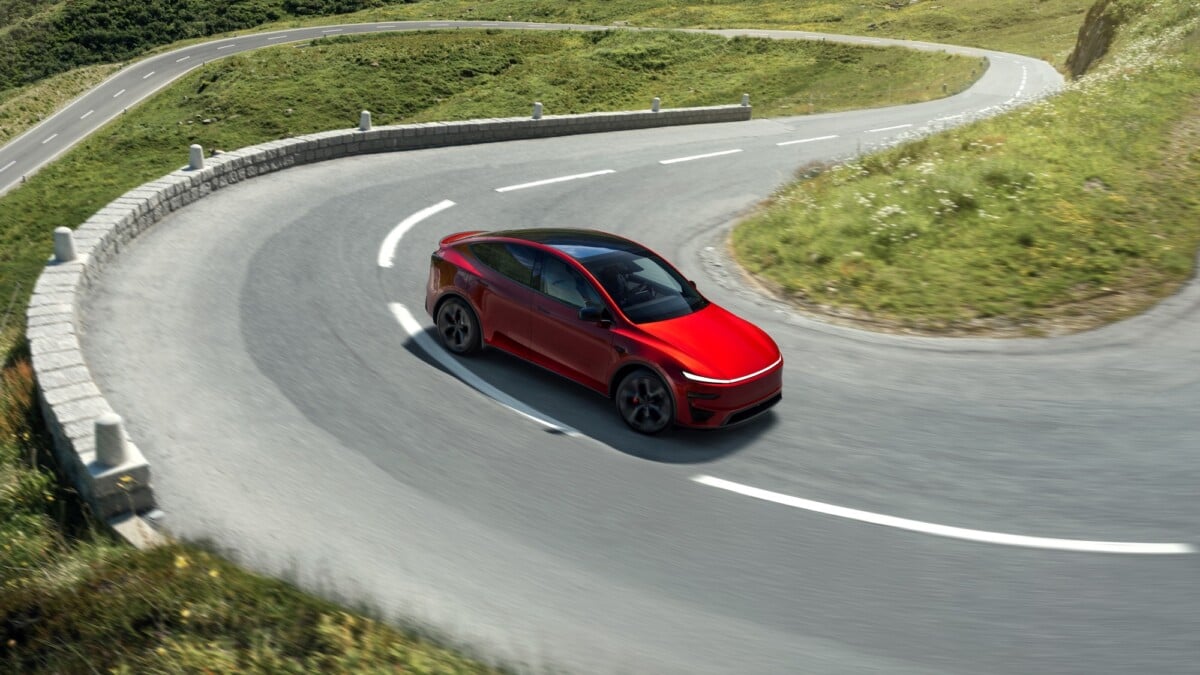
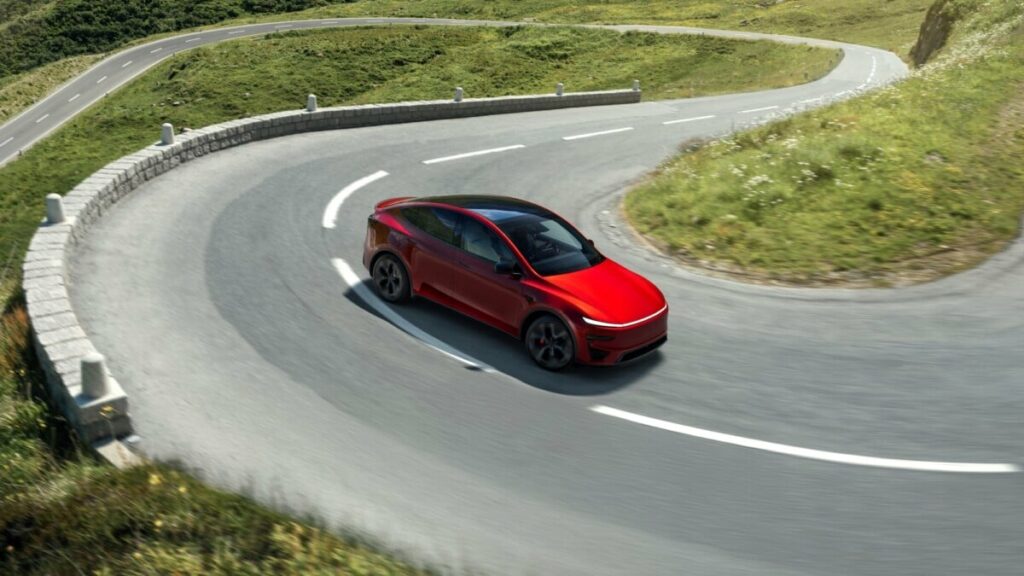
    Tesla unveils the new Performance version of its Model Y. It promises power, range and a reworked design. This edition combines sportiness and comfort to appeal to fans of electric SUVs.

    Tesla Model Y Performance 2025 exterior view with 21-inch wheels and carbon fibre spoiler
    The Tesla Model Y Performance 2025 boasts a sporty design with 21-inch Arachnid 2.0 wheels and a carbon fibre spoiler, optimising aerodynamics and stability. (Credit: Tesla)

    Performance revised upwards

    The Model Y Performance 2025 uses the same engine as the Model 3 Performance, christened “Performance 4DU”. It delivers 460 hp with four-wheel drive and accelerates from 0 to 100 km/h in just 3.5 seconds. It also has a top speed of 250 km/h. Tesla is announcing increased efficiency thanks to a denser battery pack. The WLTP range is 580 km, while fuel consumption remains contained at 16.2 kWh/100 km.

    Optimised chassis and suspension

    The adaptive suspension automatically adjusts the vehicle’s behaviour according to the road and driving conditions. New 21-inch wheels and tyres improve handling and comfort. Its rear structure is reinforced, while stabiliser bars and shock absorbers offer greater precision. The driver benefits from customisable settings, including stability control for sporty driving.

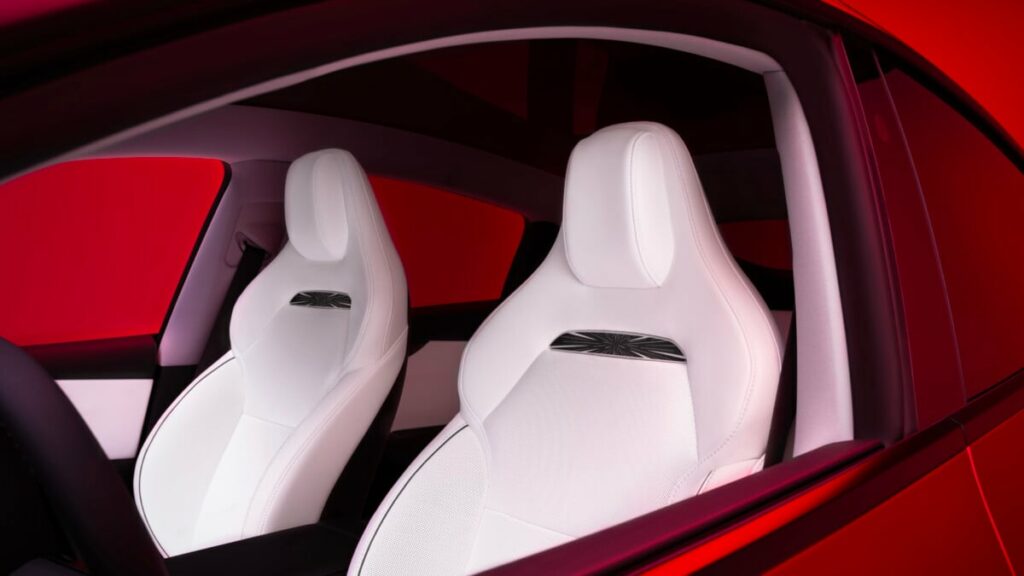
    Tesla Model Y Performance 2025 Interior with sports seats, electric knee rests and 16-inch touch screen
    The interior of the Tesla Model Y Performance 2025 combines comfort and sportiness with wraparound seats, electric knee rests and a high-resolution 16-inch touchscreen. (Credit: Tesla)

    An assertive, aerodynamic design

    The exterior of the Model Y Performance is distinguished by specific bumpers, a carbon fibre spoiler and black rear-view mirrors. Tesla has announced a 10% reduction in drag and a 64% reduction in lift, guaranteeing greater stability. The red callipers and illuminated fascia reinforce the car’s visual identity.

    Sporty, technological interior

    On board, wraparound seats, aluminium pedals and carbon-fibre trim create a sporty ambience. The 16-inch central screen offers 80% more pixels, while electric knee rests and heated seats ensure maximum comfort.

    Available now, the Model Y Performance 2025 starts at €61,990, offering a rare blend of sportiness, range and versatility in the electric SUV segment.

  • Stellantis puts the brakes on autonomous driving

    Stellantis puts the brakes on autonomous driving

    Stellantis has just suspended its AutoDrive programme, which was supposed to embody the future of level 3 autonomous driving. Presented at the beginning of 2025 as a major breakthrough, this technology was intended to free drivers from certain tasks on motorways. However, according to several internal sources, the project has been put on hold for lack of a clear market and immediate profitability.

    Stellantis logo illustrating the suspension of the AutoDrive level 3 autonomous driving programme
    Stellantis is putting its AutoDrive Level 3 autonomous driving programme on hold.

    A market that’s not taking off

    Officially, Stellantis asserts that the technology is ready for deployment. However, the manufacturer admits that demand remains too low. Unofficially, high costs and technical complexity are the main reasons for this sudden halt. Doubts about customer appetite reinforce this strategic caution.

    Ambitions scaled back

    The Franco-Italian-American group wanted to compete with Tesla or Mercedes through in-house software development. In the end, this costly strategy was abandoned. Stellantis now prefers to rely on aiMotive, a start-up acquired in 2022, to adjust its roadmap. Its new CEO, Antonio Filosa, is due to present refocused technological priorities in early 2026.

    Consequences for motorists

    In practice, no Peugeot, Citroën or DS will be offering Level 3 autonomous driving in the short term. French drivers will therefore remain dependent on foreign systems such as Android Auto or CarPlay for their software. The dream of full autonomy “made in France” is getting even further away.

    Shared disillusionment

    Stellantis is not alone in this impasse. Mercedes, BMW and Honda are encountering the same obstacles. High costs, legal uncertainties and a lack of real interest on the part of drivers are holding back the adoption of level 3. Meanwhile, some Chinese manufacturers, such as BYD, are already moving towards level 4 in real-life conditions. Stellantis is therefore coming up against a reality: total autonomy remains more of a promise than a market.

  • Huawei inaugurates the largest recharging station for electric trucks

    Huawei inaugurates the largest recharging station for electric trucks

    Chinese giant Huawei has just opened the world’s largest recharging station for electric trucks in Sichuan. This extraordinary facility illustrates China’s ambitions in the energy transition and zero-emission transport.

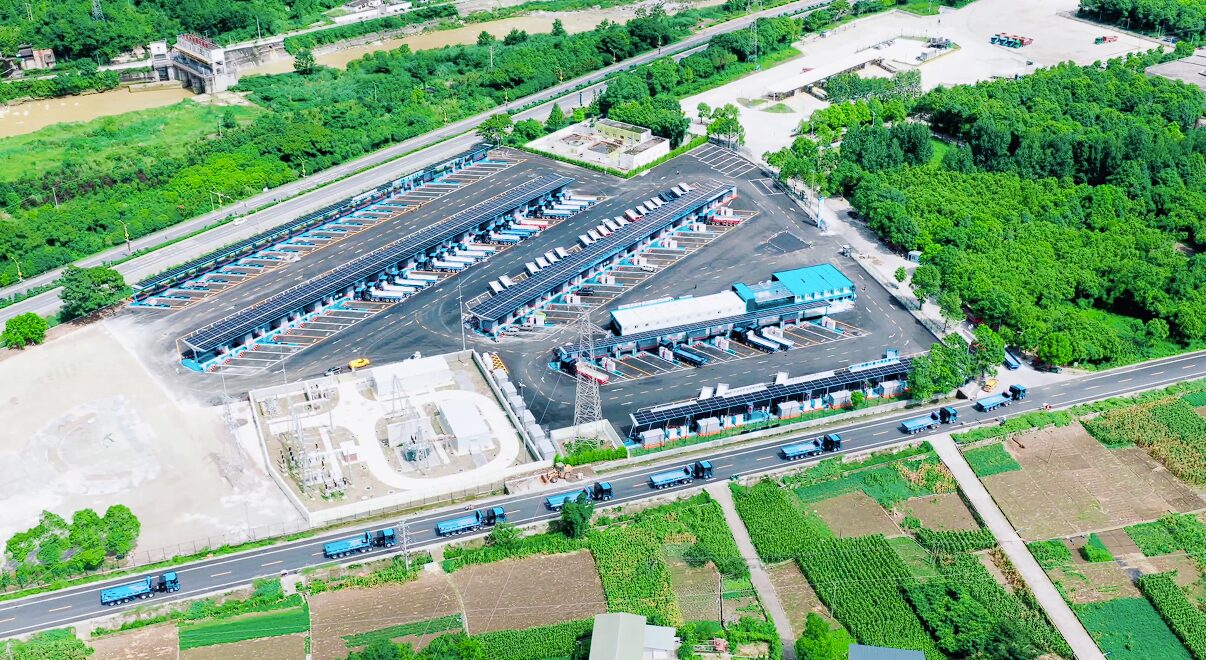
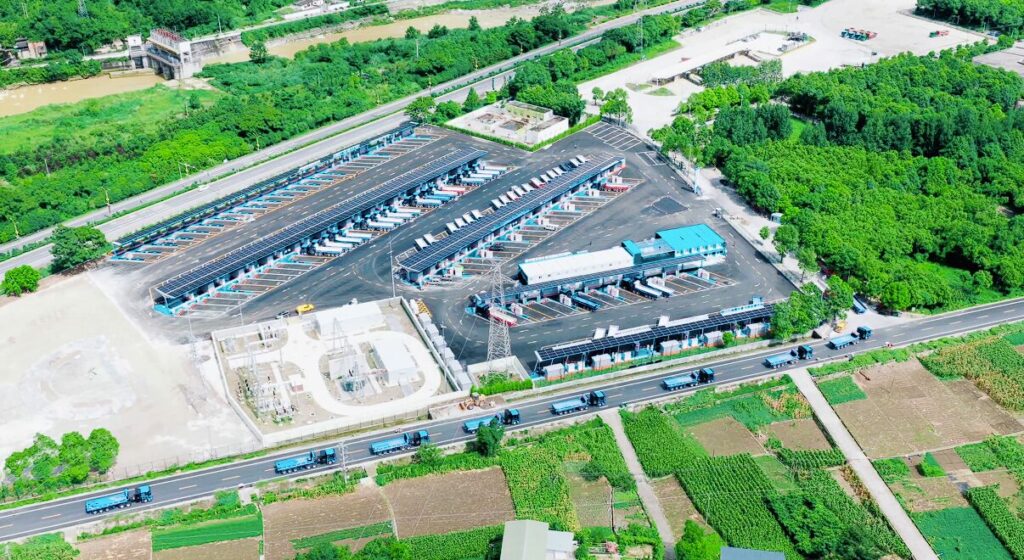
    Huawei charging station for electric trucks in China
    The Huawei station in Mianyang can recharge 700 electric trucks a day. (Credit: Huawei)

    Record power for heavy haulage

    Located in Mianyang, the Sichuan Yuanqi Xingguang Megawatt Supercharging Station covers an area of 4.6 hectares and houses 198 charging points. Of these, 18 deliver 1.44 MW, 72 offer 720 kW and 108 supply 600 kW. In total, the site will be able to deliver a nominal power of 100 MW. At present, only half of this is operational, but it is already providing power for up to 700 lorries a day.

    Decisive time-saving for drivers

    Huawei’s superchargers can recover 100 km of range in just 5 minutes. For a 400 kWh battery, it takes just 15 minutes to recover 80% of its charge. This level of performance considerably reduces vehicle downtime, which is crucial for transport companies that need to optimise every journey.

    A resort focused on green energy

    The station doesn’t just pump electricity into the grid. It also produces green electricity thanks to a megawatt of solar panels installed on shaded roofs. These generate around 5,000 kWh a day, stored in liquid-cooled 215 kWh units. Over the year, the infrastructure could avoid the emission of 45,000 tonnes of CO₂.

    A strategic investment

    Developed by Yuanqi Xingguang Digital Energy Technology at a cost of 150 million yuan (around €18 million), the installation represents an economic asset. According to Huawei, hauliers will recoup the purchase of their electric trucks in three years thanks to the savings they make on operating costs.

  • BYD shatters the world record with its Yangwang U9 Track Edition

    BYD shatters the world record with its Yangwang U9 Track Edition

    With its Yangwang U9 Track Edition, BYD has achieved a resounding success. This Chinese electric hypercar has broken the 472.41 km/h barrier. Thanks to its 3,016 bhp, it dethroned the Rimac Nevera and redefined performance standards in the world of electric supercars.

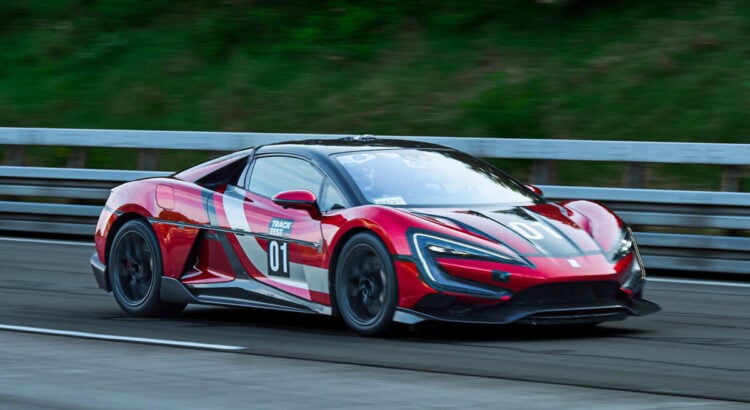
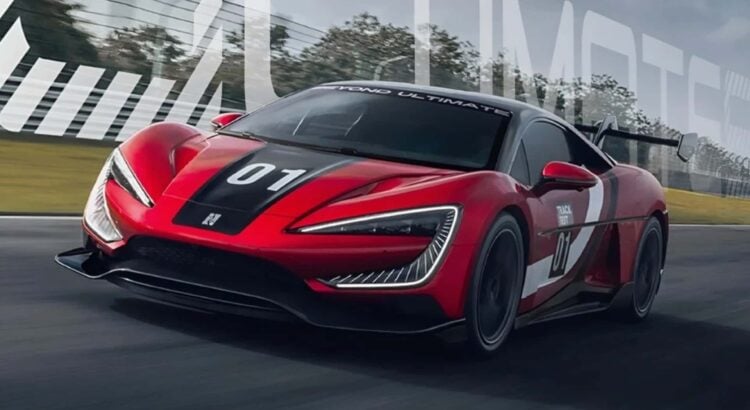
    BYD Yangwang U9 Track Edition on track for electric speed record at 472 km/h
    The BYD Yangwang U9 Track Edition reaches 472 km/h and breaks the world record for electric cars. (Credit: BYD)

    An all-time record on German soil

    The Yangwang U9 Track Edition set a new record on the ATP test track in Papenburg, Germany. In doing so, it far surpassed the Rimac Nevera, which had previously held the title with a speed of 431.45 km/h. This feat puts BYD right up there with automotive legends such as Bugatti and Lotus.

    Outstanding mechanics

    The Track Edition features one engine per wheel, each delivering 754bhp. Together, they produce 3,016bhp, a level of power never before seen in the sector. Its carbon bodywork and refined aerodynamics guarantee stability and control, even at extreme speeds. By comparison, the classic U9, with its 1,300bhp, had a top speed of 309kph.

    A concentrate of surprising technology

    BYD hasn’t just added power. The U9 Track Edition retains a number of new features, such as the active suspension, which is capable of making the vehicle ‘dance’. This system, inspired by Mercedes models, also limits body movements, improving roadholding on the track.

    Close-up of the carbon bodywork and aerodynamics of the Yangwang U9 Track Edition
    The carbon bodywork and optimised aerodynamics enable the U9 Track Edition to exceed 470 km/h. (Credit: BYD)

    A new era for electric hypercars

    This record goes far beyond the figures. It symbolises a profound change: electric hypercars are emerging from the niche to become a strategic battleground. However, the market remains uncertain. Rimac has not sold out its entire production run, and several competing projects have been put on hold due to lack of demand.

    An unbeatable price/power equation

    In China, the standard version of the U9 costs around €200,000. Even more expensive, the Track Edition would still be much cheaper than its rivals, such as the Rimac Nevera, which sells for over two million euros. A difference that could convince a small but passionate clientele.