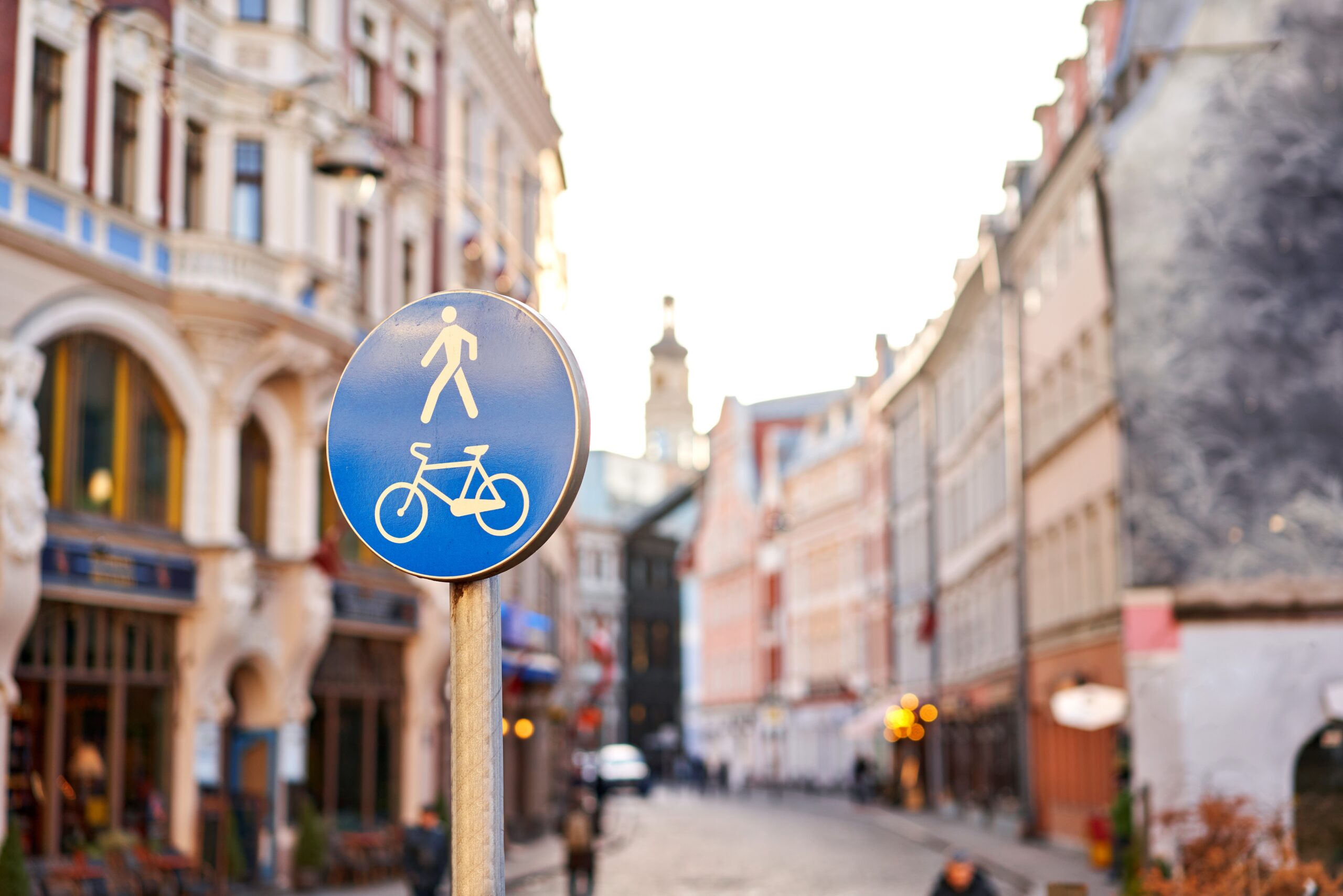
European Mobility Week takes place from 16 to 22 September 2025. Its aim is to encourage citizens, associations, businesses and local authorities to adopt more sustainable modes of transport. This year’s focus is on “Mobility for All”, a theme that addresses accessibility, safety, cost and inclusion for every user.
Since its creation in 2002, the campaign has organised concrete actions in several European countries. It includes Car Free Day and numerous local initiatives to encourage public transport, walking, cycling and car sharing.
One theme: Mobility for all
This year, the focus is on inclusion and accessibility. The aim is to make transport safer, more affordable and better adapted to the elderly and disabled, and to improve digital services. For example, Transdev is improving accessibility for the visually impaired in France with its mobility assistance tools.
A variety of local initiatives
Across France, a range of actions are planned: reduced or free public transport, streets closed to traffic, cycle rides, exhibitions and visits to transport-related sites. At Seine Grand Orly, teams are visiting several stations to inform the public and give behind-the-scenes tours of the T9 tramway.
Why this week counts
Firstly, it raises awareness of the environmental impact of mobility and the need to reduce greenhouse gas emissions. Secondly, it provides a laboratory for experimentation. We can test solutions, observe what works, and amplify those that show real benefits for society. Finally, it promotes urban living: less noise, less pollution, greater safety, greater comfort for all.
How can you take part?
Any person or organisation can propose a project: a car-free day, a workshop, a mobility challenge, an ongoing initiative already underway. Registering a project allows you to benefit from visibility, resources and support to help change habits. The national mobility awards encourage exemplary projects.
European Mobility Week remains a key opportunity to rethink the way we travel. In particular, it’s an opportunity to get public policies moving, and to encourage everyone to adopt a more sustainable approach to their daily lives.