Author: Julien Chassagne

  • A World Tour of the Most Ambitious Electric Mobility Policies

    A World Tour of the Most Ambitious Electric Mobility Policies

    While we’re becoming increasingly familiar with the electric vehicle (EV) policies of major European countries, China, and North America, they’re far from the only players showing ambition and determination in transitioning from combustion engines to electric mobility.
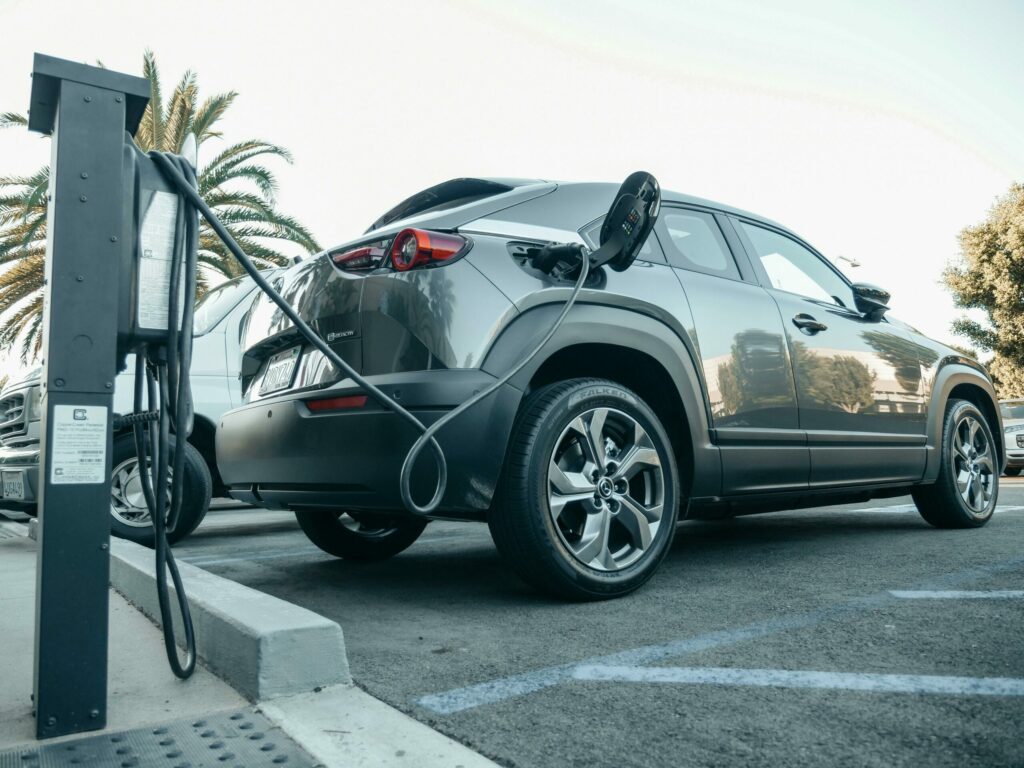
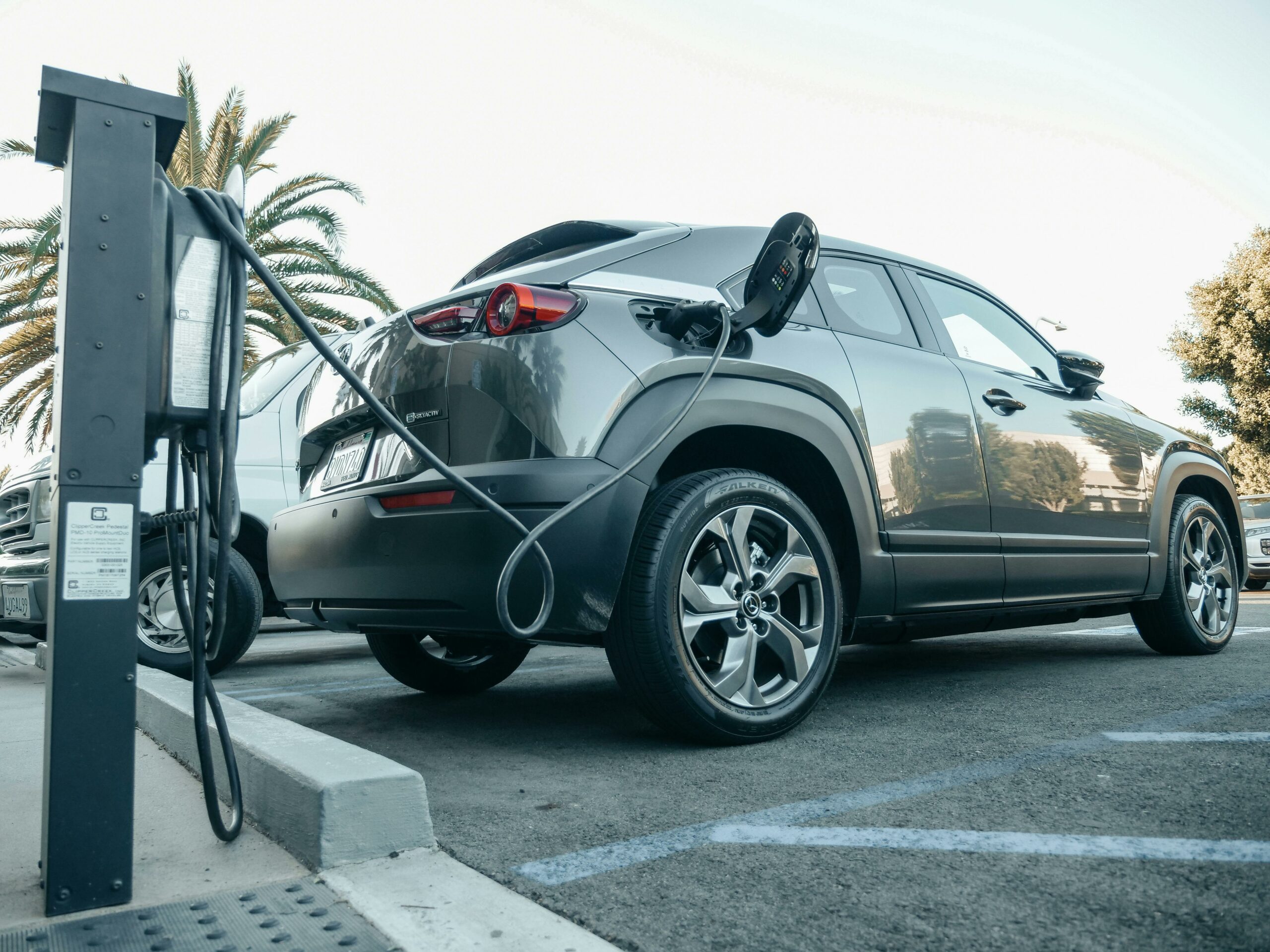
    Global transition to electric mobility with charging stations and EVs
    The global shift toward electric vehicles and sustainable transport. (Credit: kindel media)

    Costa Rica, renowned as one of Central America’s most environmentally conscious nations—hardly surprising given its motto “Pura Vida”—was quick to jump on the electric mobility bandwagon. Among the wealthiest countries in the region, Costa Rica aims to achieve carbon neutrality by 2050. To that end, it has incentivized electric vehicle adoption by eliminating import taxes on cars under $33,000 and expanding its public charging infrastructure.

    Ethiopia, on the other side of the Atlantic, has also taken bold steps to electrify its vehicle fleet. First, in 2022, it slashed or eliminated import taxes on EVs depending on their country of manufacture (including exemptions from VAT and excise duty). Then, in an even bolder move in 2024, it outright banned the import of combustion-engine vehicles. Now that’s taking initiative…

    Australia hasn’t gone as far as banning combustion vehicles, but the “Land Down Under” is not passive when it comes to EV development. It began by focusing on its bus fleet and government vehicles, followed by a strategic plan to boost domestic mineral extraction and battery manufacturing. The latest announcement: the introduction of new standards for vehicle distributors, requiring a 60% reduction in CO₂ emissions by 2029. A strong incentive to sell more EVs!

    India, meanwhile, is betting big on electrifying two-wheelers—understandably so, since 80% of Indians use them as their primary mode of transport. The government is investing heavily in stabilizing the power grid, building dedicated charging infrastructure, and boosting local manufacturing of both vehicles and batteries—reducing costs in the process. The goal? 80% of two-wheelers on Indian roads will be electric by 2030. The government also promises that, within five years, 30% of passenger cars and 70% of commercial vehicles will be electric too. Will it be enough to give New Delhi some breathable air again?

    Electric two-wheelers in India supported by national mobility policies
    India’s government is boosting electric two-wheeler adoption through targeted policies. (Credit: Ather Energy)

    Japan isn’t planning to be left behind. A longtime leader in tech and industrial innovation, the country surprisingly lags in full-electric development. Its major automakers—pioneers in hybrid technology—seem hesitant to let go of their market dominance in that sector. The government, for its part, is focusing on hydrogen, a technology that has yet to deliver on its promise. As a result, Japanese automakers have few EV models in their catalogue and the archipelago has scarce charging infrastructures, resulting in dismal local sales (only 1.4% of new car sales in 2024 were fully electric). But there’s a glimmer of hope: the government has finally taken action and announced the rollout of 300,000 charging stations by 2030. If Japanese manufacturers ramp up their EV development as planned—bringing their knack for innovation that made their hybrids so successful—Japan could catch up faster than anyone expects.

    Germany, following a court ruling in late 2023, had no choice but to end public subsidies aimed at promoting EV purchases. The fallout? 140,000 fewer EVs sold in 2024 compared to 2023. Proof, if needed, that public policy—especially financial incentives—plays a crucial role in EV adoption, even in an automotive powerhouse with high purchasing power (overall new car sales in Germany stayed about the same year over year). In response, Germany recently introduced new incentives targeted at businesses, offering tax breaks for switching to electric. With a bold target of 15 million EVs on the road by 2030, Germany will have to keep supporting the transition—one way or another.

    Saudi Arabia, long associated with oil, is nonetheless making massive investments to develop the electric vehicle market within the Kingdom. First, $1.5 billion was poured into building a factory capable of producing 155,000 “Made in Saudi Arabia” cars per year. This was followed by the large-scale development of solar panels and, eventually, charging stations, along with energy giant Aramco’s ambitions in lithium extraction. While the electric vehicle market is still far from dominant in Saudi Arabia, new car sales have seen double-digit growth every year for over two decades—and there’s a place for electric vehicles to take hold!

    China and the European Union, particularly represented by Germany, entered into negotiations this spring over the import of Chinese electric vehicles. Europe currently imposes tariffs of up to 45% on Chinese EVs, limiting their market penetration. In retaliation, China threatened to impose tariffs on European goods heading in the opposite direction—potentially hitting French spirits producers hard. To ease tensions—especially after the U.S. also flexed its muscles—talks resumed between Brussels and Beijing to consider setting minimum prices for Chinese vehicles instead of applying new tariffs. To be continued…
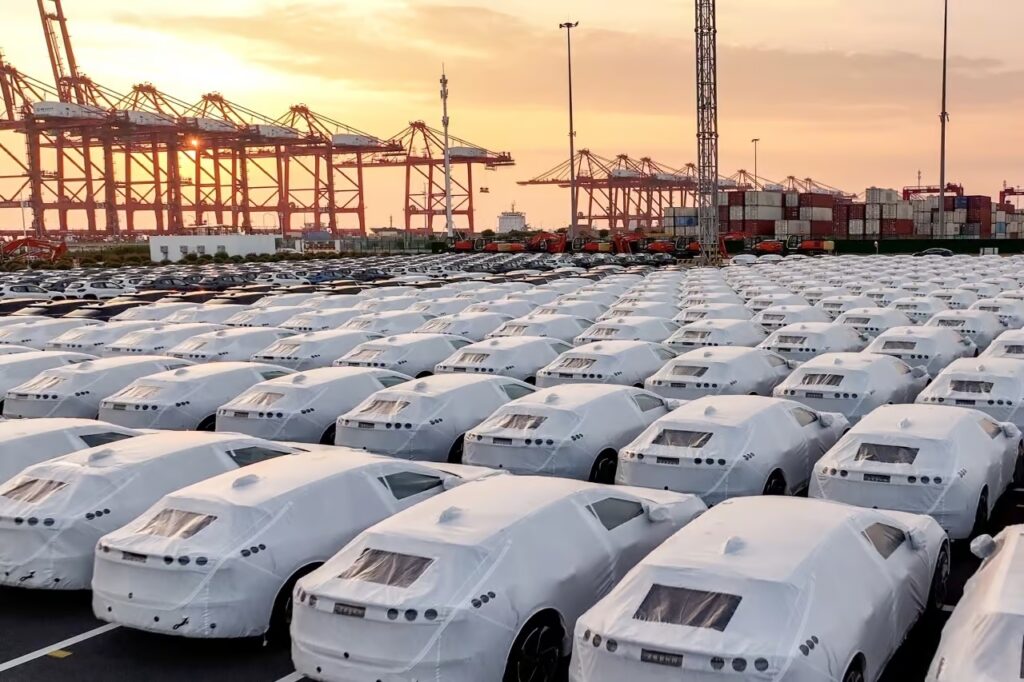

    Export of Chinese electric vehicles to the European market
    China exports electric vehicles to Europe, reshaping global car markets. (credit: Zeekr)
  • “Making electric cars as affordable and practical as internal combustion” Maxime Bayon de Noyer (Ampere)

    “Making electric cars as affordable and practical as internal combustion” Maxime Bayon de Noyer (Ampere)

    Ampere, the Renault Group’s European specialist in intelligent electric vehicles, plays a key role in the Group’s innovation strategy. Maxime Bayon de Noyer, Senior Vice President, Technologies & Upstream Projects, explains the priorities, the main areas of research and the challenges facing the next generation of electric vehicles.

    Portrait of Maxime Bayon de Noyer, Technologies Director at Ampere Renault
    Maxime Bayon de Noyer, in charge of technology projects at Ampere – Renault Group.


    What is Ampere’s role in the Renault galaxy, and what is your role within Ampere?
    Maxime Bayon de Noyer
    : Ampere is a tech player serving the Renault Group, developing electric vehicles (EVs) under the Renault brand and injecting EV technologies and software for other brands (Alpine, Nissan, Mitsubishi…). Ampere’s aim is to make electric vehicles accessible to as many people as possible in Europe. My role is to manage ‘upstream’ technological projects, in other words… upstream of development! We’re involved from the research phase right through to the handover to the production development teams.

    What are your current priorities in terms of innovation?
    Maxime Bayon de Noyer
    : In order to democratise the EV in Europe, we need to lower costs and maximise usage. So, to reduce the cost of batteries, we’re working on the materials used and looking at new chemistries. As for electric motors, Renault Group is a pioneer in magnetless wound-rotor motors, which do not use rare earths (notably with Zoé). At Ampere, we are pursuing and improving this technology in our next generations of motors, to make them more efficient by, for example, reducing losses during energy transfer.


    MBN:
    In the short term, we are going to introduce LFP (Lithium Iron Phosphate) chemistry into our batteries, then in the medium term, we are studying a cobalt-free chemistry, which will have the energy density of NMC (Nickel Manganese Cobalt) but with the cost and tolerance of LFP. Finally, 10 years from now, we will be proposing an even more efficient chemistry based on lithium metal. The aim is to offer increasingly efficient batteries at lower cost.

    What do you think will be the next major technological revolution in the automotive industry?
    MBN: For me, the revolution will come from a change in usage. The aim is an efficient electric car, with fast, optimised and stable recharging, whatever the season or type of road. And all this with an electric vehicle at the same price as a combustion-powered vehicle.

    Magnetless electric motor for the new Renault 5 developed by Ampere
    The Renault 5’s engine, developed by Ampere, relies on rare-earth-free efficiency.

    The R5 introduced two-way charging to the Renault catalogue. What’s in it for the consumer?
    MBN:
    In V2L (Vehicle to Load), bi-directional recharging means you can use your car as a generator and therefore a mobile power socket, and in V2G (Vehicle-To-Grid), when the vehicle is parked, it can feed energy back into the grid, like a mini power station. This re-injected energy is invaluable during periods of high demand: it stabilises the network, prevents power cuts… and can be sold on, generating income for the user. Finally, in V2H (Vehicle to Home), which will be available in 2026, the vehicle can power the home in the same way as a mobile solar panel. This means, for example, that the energy stored in the battery can be used during peak hours to reduce the bill. The system is controlled by AI and always maintains the autonomy required for travel.

    Any other innovations you can share with us?
    MBN: Some are still confidential, but we are currently working on the renewal of our C segment (compact hatchbacks and three-bodies), with a new engine offering very good performance on the motorway. This breakthrough has been made possible by an innovative platform, enabling a ground-breaking design and overall optimisation. At Ampere, our ambition is clear: to make electric cars as affordable, desirable and practical as internal combustion. And this is not science fiction.

    A final word on China: are they really 10 years ahead of us?
    MBN: They have a head start, but we’re still fully in the race. Our strength lies in our in-depth knowledge of the French and European markets, acquired over the years. This expertise gives us a strategic advantage, because we understand exactly what our customers want and need. At the same time, we remain humble in the face of their efficiency, organisation and speed. It’s with this in mind that we remain vigilant and have opened an office in Shanghai, in order to better observe and anticipate market developments.

  • Buying, maintaining and using an electric car: how do you make the right choices?

    Buying, maintaining and using an electric car: how do you make the right choices?

    The electric vehicle market is booming, and new models are coming out all the time, bringing with them a host of innovations in terms of range, on-board technology and recharging times. All these technical specifications can sometimes be daunting for those wishing to embark on the adventure of electric mobility.

    So to get a clearer picture before you buy, it’s important to ask yourself a few questions to better understand how an electric car works, and to tick the right boxes according to your needs and budget. Then, once you’ve got the keys, there are a whole host of tips and advice to follow to maintain, use and optimise your vehicle.

    Credit: Juice World

    Defining your needs

    To choose the right electric car, especially if it’s your first purchase, it’s important to determine how you intend to use it. The first step is for the future owner to be able to estimate the distance of his or her daily journeys, if possible on a weekly basis. How many kilometres between home and work? How many journeys do you need to make to get around each day? Add it all up, work out an average, take into account whether or not there are charging points at your various base points, and then work out how much range you need.

    Be careful, however, to distinguish between the range claimed by the manufacturer, determined by a standardised WLTP procedure (Worldwide harmonised Light vehicles Test Procedures), and the actual range, which is generally less. The difference is usually between 10% and 30%.

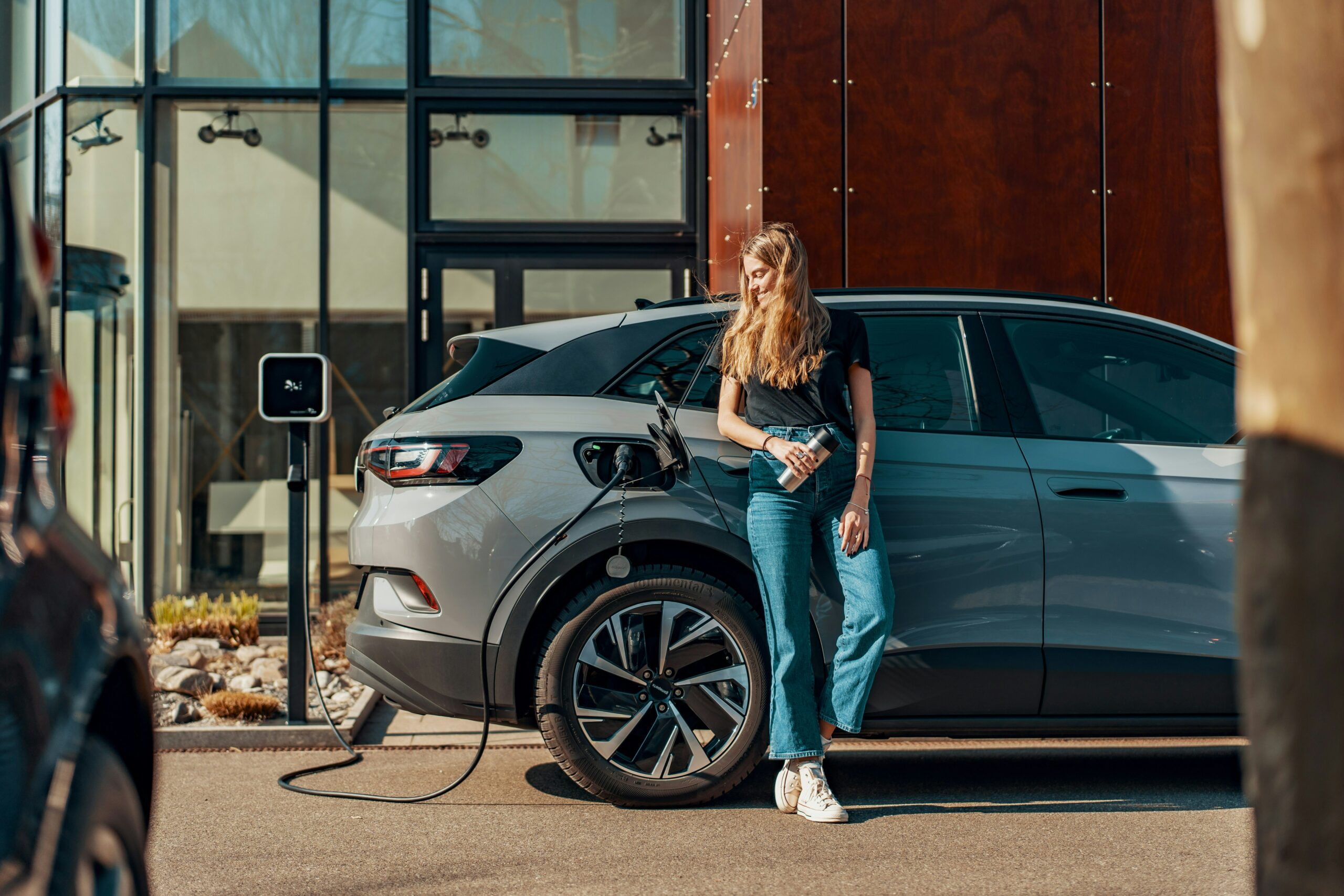
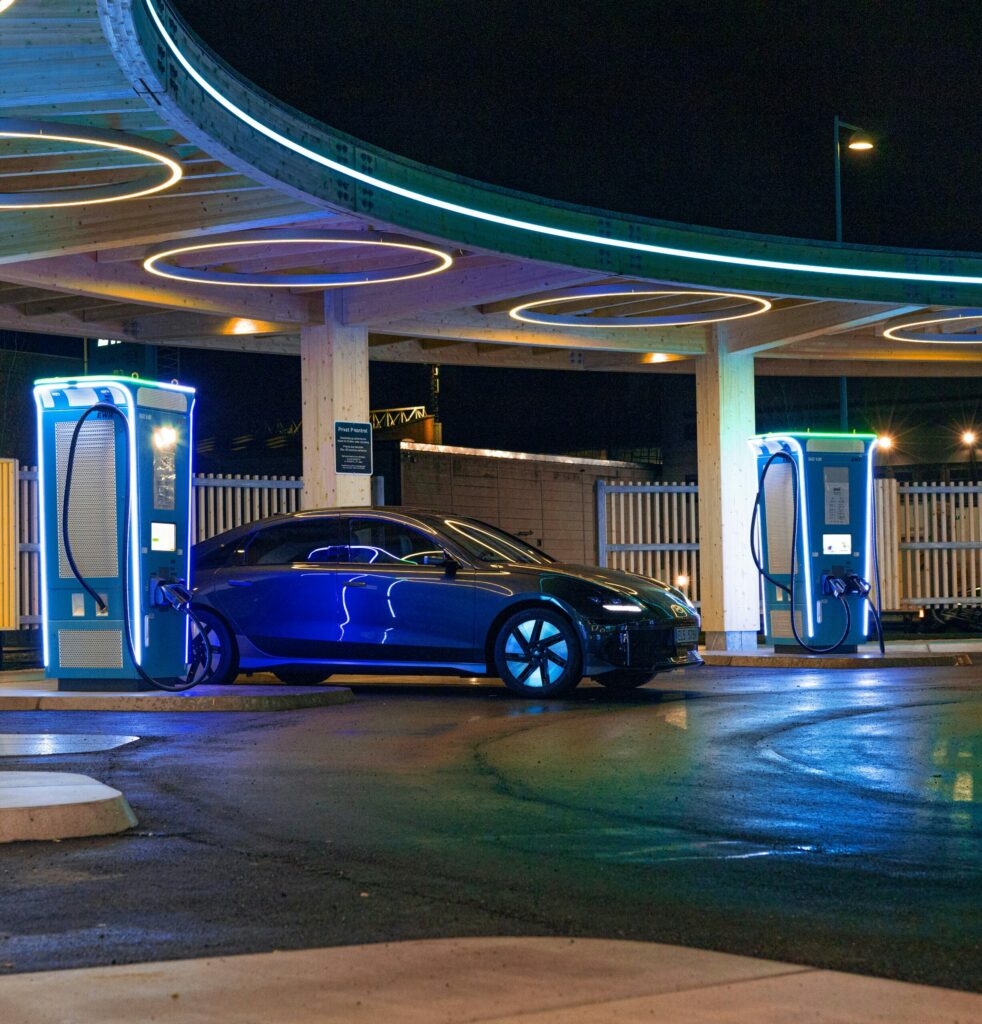
    Once you’ve defined your range requirements, it’s a good idea to consider the distribution of charging points around your home and the places you frequent most. Public charging points are springing up in more and more towns and motorway service areas, charging around ten euros per 100 kilometres. This price can quickly rise, depending on the location of the charging point, the energy supplier, the subscription card and the charging speed. They are generally placed in strategic locations (car parks, stations, shopping centres) and there are more than 160,000 of them in France. A figure that is rising steadily, but not enough according to the government, which wants to reach 400,000 charging points by 2030.

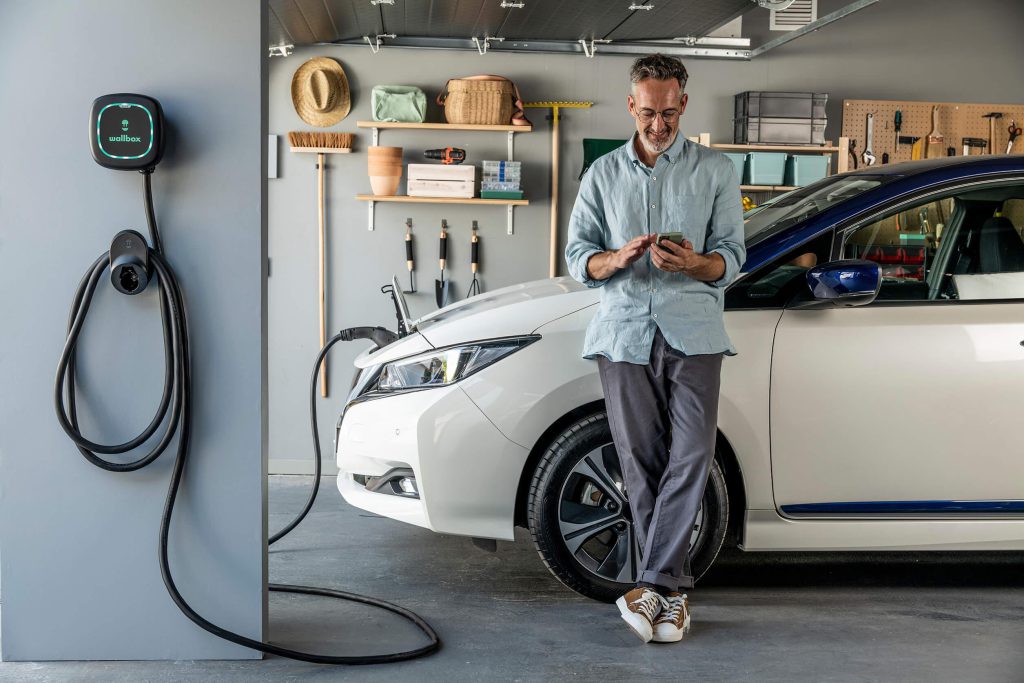
    Ambitious, especially when there are still corners of France where infrastructure is sorely lacking. This is particularly true of Corsica, the French overseas departments and territories, Burgundy-Franche-Comté and Brittany. The only option is to install a home terminal. These often offer a lower price per kilometre than public charging points, and are more convenient for the homeowner. Installation costs between €500 and €5,000, depending on a number of factors, including the difficulty of installation, whether or not any work has to be carried out, and of course the type of terminal. The bill is lightened by State aid, in particular the Advenir bonus of up to €300, but also by the possibility of obtaining a tax credit equivalent to 75% of the price of the installation. So it’s an attractive option, even for those living in a condominium.

    All you have to do is tell the property manager that you need to install a charging point, and the manager cannot object unless you can show that it is impossible to carry out the work. If the owner is the only one to use the charging point, he or she will have to finance the installation, but it is possible to install one or more charging points to be shared between users, thereby dividing the bill. So there are a number of solutions that make it clear that electric cars are capable of handling the vast majority of everyday journeys, thanks to the ever-increasing coverage of charging points, and are catching up more and more quickly with internal combustion engines in this respect.

    Then there’s the question of which class of vehicle to choose. Firstly, the capacity required for the desired use, by answering the following questions: how many passengers do you intend to carry? How often? How much boot space do you need? This may seem obvious, and it applies equally to the purchase of a combustion-powered vehicle, but buyers often tend to underestimate or overestimate their need for space when buying a car. The type of electric car also affects range. A city car will generally have a shorter range than a saloon, which in turn will have a shorter range than an SUV.

    A bigger car, even if it’s heavier, is also a car in which you can fit a bigger battery. The power offered should also be taken into account in this calculation. In fact, for the same model, the claimed range can vary by 10% to 20% depending on the number of horsepower delivered by each engine. More horses consume more hay (watts in this case).

    Credit: YRKA Pictured

    Setting a budget

    Once you have defined your needs and the type of car you want, the next step is to find the ideal model for your budget. This is often where the problem lies for consumers, since electric cars have the reputation of being more expensive to buy than their internal combustion counterparts.

    This reputation is well-founded, given that the average price of a new city car is around €35,000. But one of the advantages of electric cars is, of course, the environmental bonus. Since November 2024, this has been worth between €2,000 and €4,000, depending on the buyer’s tax reference income, and only applies to vehicles costing less than €47,000.

    For professionals, it corresponds to 27% of the purchase price if the latter is less than €47,000 including tax and up to a limit of €2,000. This amount can be increased by €1,000 or even €2,000 depending on the entrepreneur’s tax reference income. These conditions also apply to leasing, an option that now accounts for more than half of new car sales in France, compared with 15% at the start of the last decade.

    Despite the disappearance of the conversion allowance in 2025, electric cars can still be a financially attractive option. This assertion is reinforced by the Car Cost Index 2021 study, which confirms that the TCO (Total Cost of Ownership) of an electric car is almost €200 less per month than that of a combustion-powered car.

    In order to cut the bill even further, more and more buyers are turning to used electric vehicles. Admittedly, this is still a microscopic market (2.5% of total transactions), but it is growing fast, with transactions expected to rise by 50% by 2024. More listings means more competition and therefore lower prices. According to the La Centrale website, the average price of a used electric car was around €22,000, €1,000 less than six months earlier.

    Taking care of your electric car after purchase

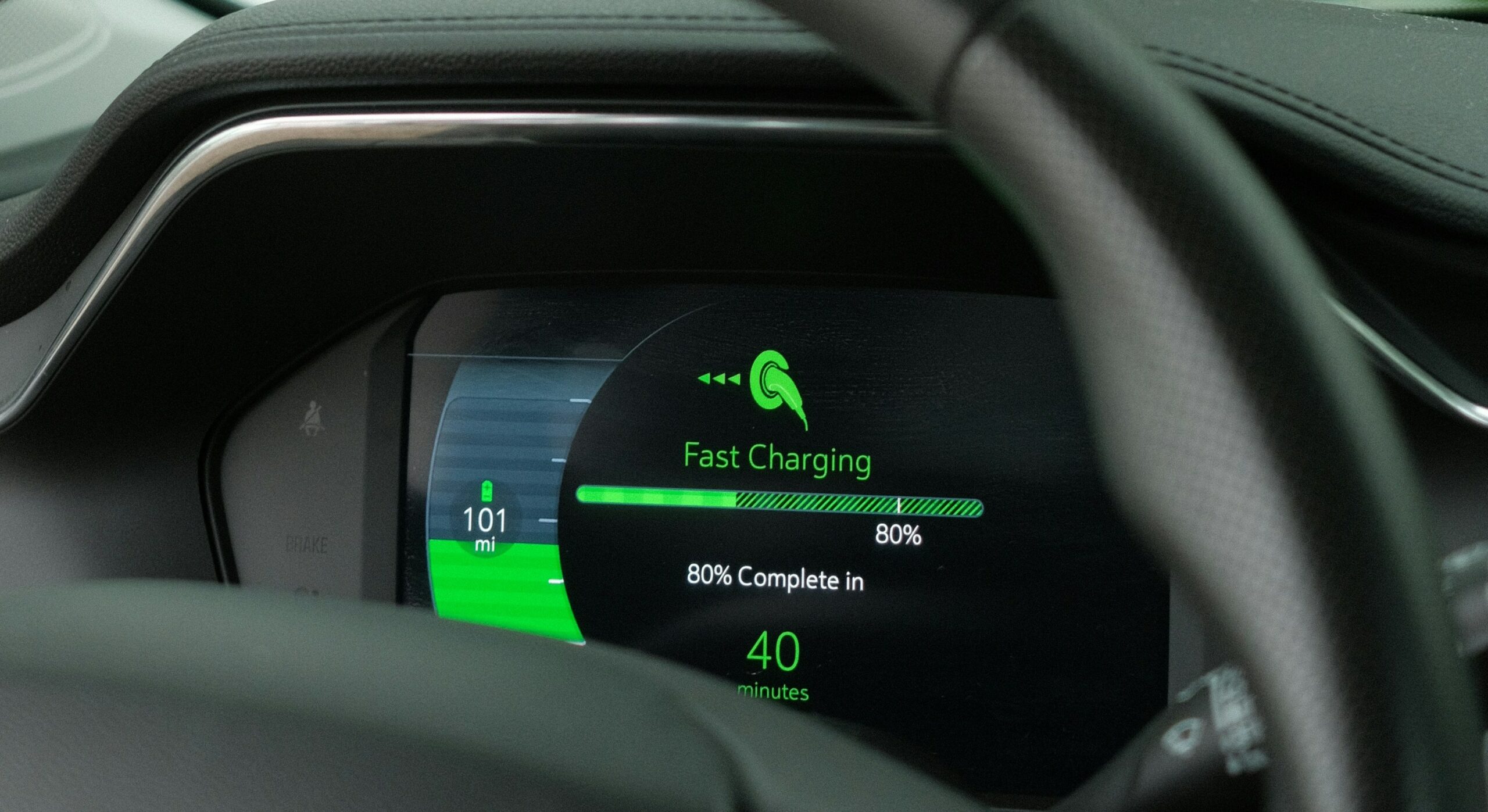
    Priorities include optimising battery life and preserving the battery. To prolong battery life, it’s a good idea to keep the battery charged between 20% and 80% (like a telephone), and above all to avoid dropping it below 20% too often.

    As far as recharging is concerned, a slow-charging home terminal puts less strain on the battery. So we usually try to save the fast charge for long motorway journeys. The elements also play a role, both in terms of range and battery wear. So it’s best to park your car in a covered area, away from conditions that are too cold or too hot.

    If the Norwegians, kings of the electric car, have succeeded, we have no excuses! And if the car is immobilised for a long time, it’s important to keep its charge between 40% and 60%. Some models offer driving modes to extend the range and, by extension, the life of the battery.

    Driving regularly, at a constant speed and without sudden acceleration, as well as anticipating braking and regenerative braking, will limit the drop in the gauge and avoid putting too much strain on the battery. It’s good to know that the greater the battery’s capacity (expressed in kWh on the technical data sheet), the slower the rate of wear and tear, as it takes longer to heat up and requires fewer recharges.

    Credit: Jimmy Nilsson Masth

    Finally, although maintaining an electric car is simpler and less expensive than maintaining a combustion engine vehicle, simply because the mechanics are less sophisticated (for example, we recommend a service every 30,000 km for an electric vehicle, compared with 15,000 km for a combustion engine), you should not neglect the maintenance of your electric vehicle. As well as the battery, which we saw earlier how to preserve, you should also regularly check the condition of your consumables and tyres, which wear out and deflate faster than on an equivalent internal combustion model. Finally, roadworthiness tests are compulsory six months before the fourth anniversary of registration, and every two years thereafter.

    Choosing the right electric car :

    • When you want range: look at the battery capacity, the 20-80% charge time and find out the difference between the advertised range and the actual range. In that case, opt for an SUV or a saloon.
    • When you want performance: take a closer look at the power, the type of platform, the different driving modes on offer and the weight. A roadster or sportsbike is the way to go.
    • When you want versatility, you need to find the right balance between comfort, space, power and range. Compact saloons and crossovers are good choices.
    • When you want to save money: if you mainly make short journeys, and you’re on a tight budget, then you turn to a city car, and why not a second-hand one?
  • Electrified aircraft: France enters the fray

    Electrified aircraft: France enters the fray

    Aircraft are regularly at the centre of controversy over climate change and greenhouse gas emissions. So it’s only natural that the aeronautics industry, like the car industry before it, should be thinking about electrification (except that you don’t fly a 40-tonne steel monster like you do a city car).

    At the heart of this relatively young market, which is set for exponential growth and is booming internationally, are a number of French players, both large groups and young start-ups, determined to make France a pioneer in electric aviation, just as it was a pioneer in thermal aviation.

    The promise of French electric aircraft

    In France, while Airbus has been active in the electrified aeronautics sector since the early 2000s, the most successful projects are to be found among start-ups. Aura Aero is one of the country’s most successful start-ups.

    Based in Toulouse, the epicentre of aviation in Europe, this start-up flew its two-seater Integral E aircraft for the first time in December 2024. As its name suggests, the aircraft is powered by a 100% electric motor. A part supplied by a giant of the global aeronautics industry, the French group Safran. Called Engineus, it is the first electric aircraft engine in the world to receive certification from a major agency, the European Union Aviation Safety Agency (EASA), enabling it to go into series production.

    Admittedly, the Integral E only offers between 1 h and 1 h 30 of autonomy, but it can be recharged in 30 minutes, so it can be used for regional round trips, or simply for training future pilots. And this is just the beginning for Aura Aero, which, alongside the Integral E, has also developed the ERA, capable of carrying 19 passengers, again for regional routes. Equipped with a hybrid engine, it should make its first flights in 2026.

    airplane-electric-aura-aero-integral-e.jpg
    Credit: Aura Areo

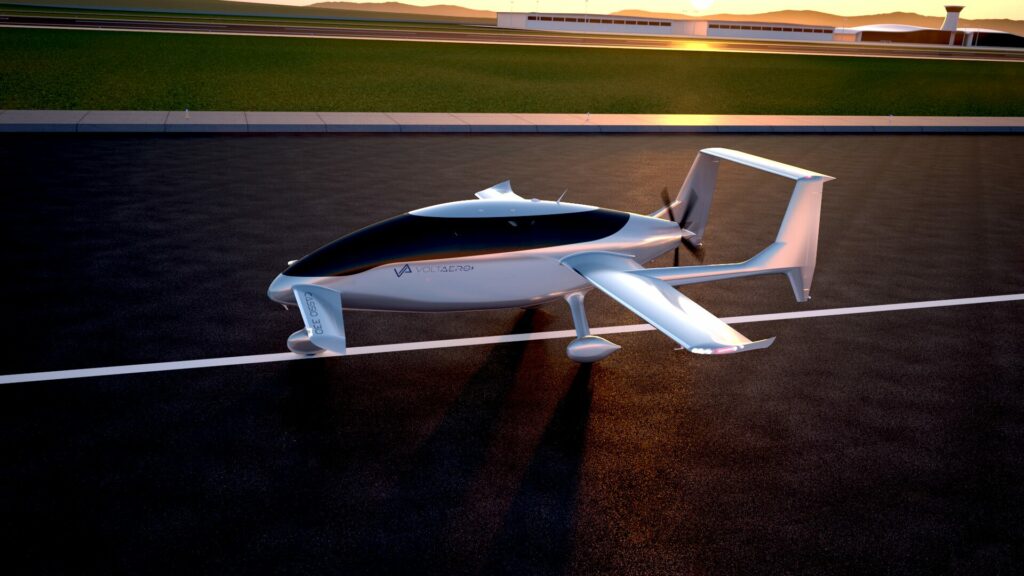
    All these projects have been made possible by the injection of 95 million euros of European funds, proof that the “zero emission” aircraft is not just a fantasy, but a serious project supported by the institutions themselves. Aura Aero is not the only French company to illustrate the country’s ambitions for the electrification of aviation, since VoltAero is developing, from its HQ in Charente-Maritime, an aircraft called the Cassio 330, equipped with hybrid engines and scheduled for launch in 2026.

    This is already attracting interest from investors, including the American company AltiSky, which has injected more than two million dollars into the French company as part of a partnership that will see the construction of a VoltAero plant in the United States to conquer the North American market, which is keen on these inter-regional solutions.

    Credit: VoltAero

    A worldwide craze for electric aviation

    Of course, France is not alone in this booming market. While the international market is currently worth around ten billion dollars, the most optimistic forecasts suggest that electrified aeronautics could reach 70 billion dollars in annual revenues by 2034, with double-digit growth every year.

    Ambitious projects are springing up all over the world. From Canada, where Harbour Air is retrofitting old planes with hybrid engines (the milestone of 100 flights was recently passed), to the UK, where ZeroAvia is making rapid progress on hydrogen, with a series of test flights and fund-raising events, and Sweden, where we are expecting the first test flight of a 30-seat hybrid plane from Heart Aerospace.

    What about China? Unsurprisingly, CATL, the world leader in the market for batteries for electric vehicles, is spearheading the drive for electric-powered aircraft. In 2024, the group announced that its partnership with Chinese manufacturer Comac had given rise to a 4-tonne, 19-seater aircraft capable of flying 500 kilometres on electric power. There’s no doubt about it, the leading country for electric cars is determined to hold its own in the aviation market.

    Credit : ZeroAvia
  • Governments or businesses, who is boosting the installation of charging points?

    Governments or businesses, who is boosting the installation of charging points?

    It’s a subject at the heart of every debate on the energy transition: the massive installation of charging points for electric vehicles. While the figures are quite good and growing steadily, another question arises: who is really driving this development? Companies, governments or both?

    As the energy transition gathers pace, the race to install charging points for electric vehicles is becoming a major strategic issue. But behind the relatively rapid growth of the network lies a mix of policies, business initiatives and, in some cases, public-private partnerships.

    Installation of recharging points: public authorities get in touch…

    In many countries, political will has served as a trigger. The European Union, in particular, has set itself ambitious targets for the energy transition, led by a ban on the sale of new combustion-powered cars from 2035. The Member States have followed suit, with a host of plans to support electric mobility. France, for example, has introduced financial assistance for the installation of charging points, including the “Advenir” bonus for apartment dwellers.

    Governments are also using legislation to encourage the installation of charging points. In some countries, new buildings, public car parks and shopping centres are required to have a percentage of spaces equipped with charging points. In Europe, the obligation to install charging points in new or renovated buildings stems from the 2021 EPBD directive. The directive requires residential buildings to be pre-equipped – i.e. to anticipate the future installation of charging points – and non-residential buildings to install charging points for as few as 10 parking spaces.

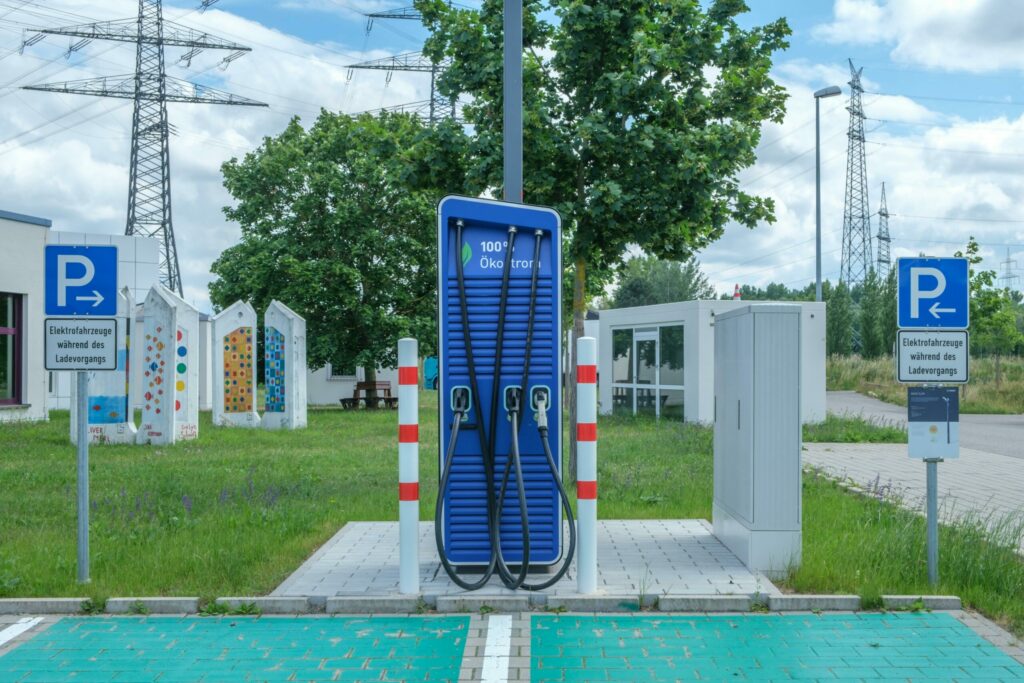
    installation of europe motorway charging points
    Credit: Pexels Bruggi

    But some countries, such as France, the Netherlands, Germany and the UK, are not content to follow these rules and have decided to go one step further. For example, France and Germany require up to 100% pre-equipment in new residential car parks, while the Netherlands and the UK systematically require bollards in new commercial and residential buildings. But it’s not just about making it compulsory. At the same time, public investment remains massive: in Germany in particular, a €6.3 billion plan has been committed up to 2026 to support the development of recharging infrastructures.

    … And the private sector is stepping on the accelerator

    While governments provide the impetus, it is often companies that are responsible for the actual deployment of charging points. From Tesla and Fastned to Ionity, Allego and TotalEnergies, the major players in the private energy sector have been investing in the deployment of charging point networks for several years now, buoyed by the government’s ambitions mentioned above. For the moment, they are located mainly on major roads, in major cities and in large shopping areas. These charging points promise a return on investment that will keep pace with the increase in the number of electric cars on the road, and are therefore highly attractive to these multinationals.

    installation of car park charging points
    Credit: Pexels Jakubzerdzicki

    In rural areas, less densely populated towns and secondary roads, which are seen as less profitable in the short or even medium term, public-private partnerships are on the increase. In several European countries, they are playing a key role in developing charging stations in these still forgotten areas. In France, the government provides up to 50% of the funding for some private projects via ADEME, while in Germany, the Deutschlandnetz programme provides massive subsidies for fast-charging stations operated by private-sector operators. The United Kingdom, with its LEVI programme, also supports local authorities working in partnership with private operators. The Netherlands, meanwhile, has introduced regional tenders that enable companies to part-finance the installation and operation of recharging stations. These projects enable companies to secure long-term market share and public authorities to achieve their objectives.

    Finally, in the residential and tertiary sectors, start-ups and SMEs are also taking a growing share of the market. Some companies see the installation of bollards as a natural diversification of their business, as do energy companies and public works firms. This is particularly true of Sungrow, a photovoltaic specialist that launched a subsidiary dedicated to charging stations around ten years ago.

    States and companies car pool on the installation of charging points

    The current dynamic is therefore based on an interaction between public incentives and private strategies. When governments push for the adoption of electric vehicles, they are obliged, in turn, to encourage the installation of charging stations. And companies see this as an attractive financial lever and are investing to make sure they don’t miss out.

    And while everyone’s priorities are not always aligned (the private sector favours profitable installations, while the public authorities seek to guarantee the widest possible coverage), co-financing is a good way of encouraging companies to invest in less attractive installations, which are crucial to convincing as many people as possible to switch to electric power.

    In some countries, such as the Netherlands mentioned above, the success of electric mobility (more than a third of electric cars in the fleet) is based on the balance between an incentive-based legislative and fiscal framework and early investment by local companies. An example worth following!

  • The Porsche Cayenne Electric hasn’t even been launched yet, and it’s already breaking records!

    The Porsche Cayenne Electric hasn’t even been launched yet, and it’s already breaking records!

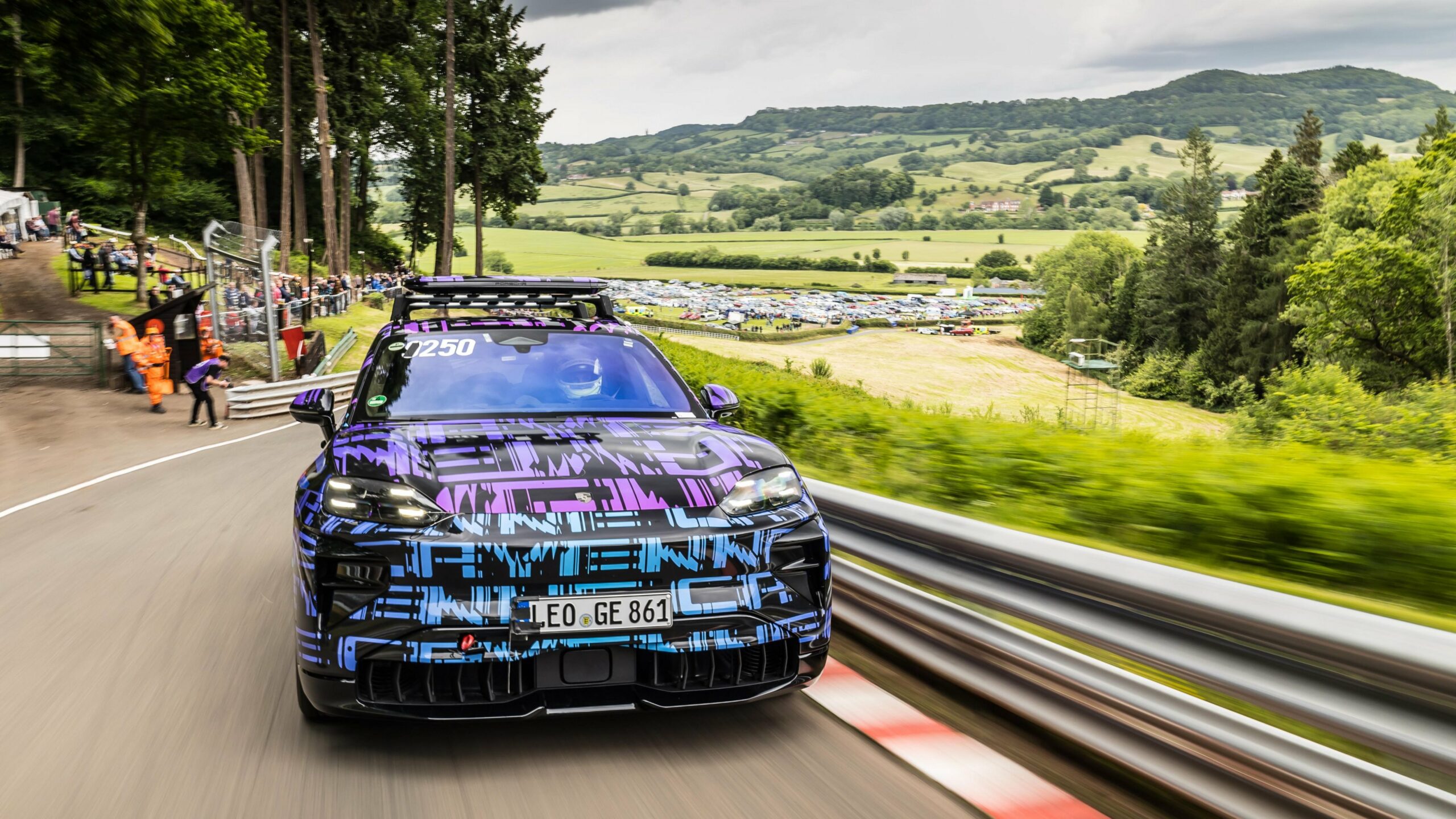
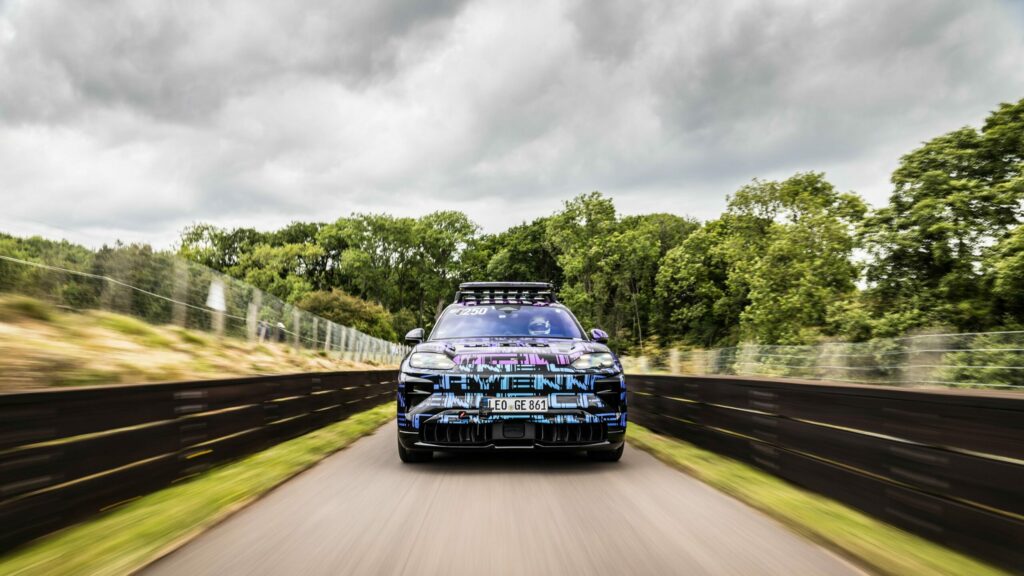
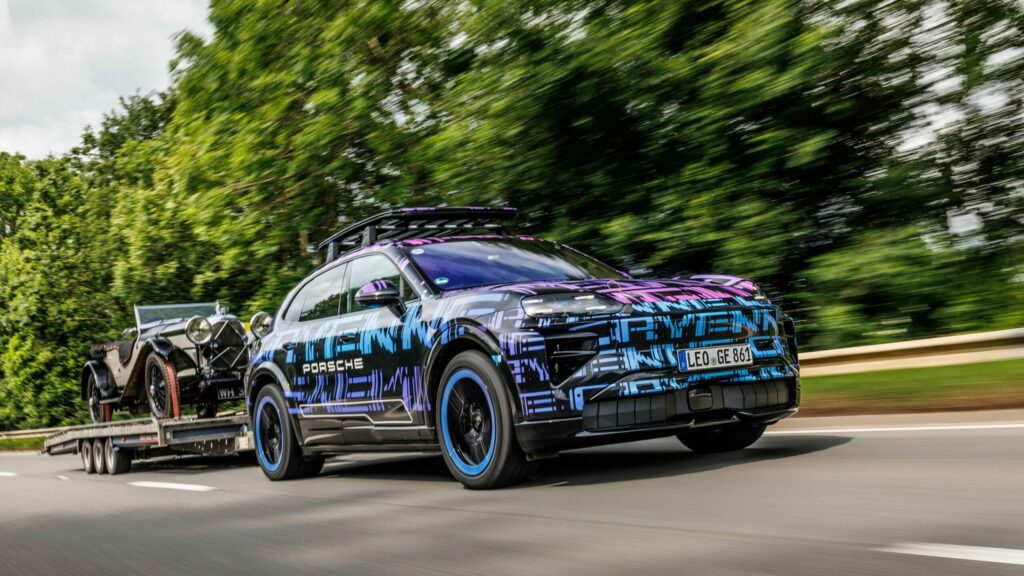
    Porsche is still working on the long-awaited Cayenne Electric, which, as its name suggests, will be the 100% electric version of the German firm’s best-seller and iconic SUV. But while it is still ‘camouflaged’ and far from being launched on our roads, it has already had the luxury of demonstrating its power in a race!

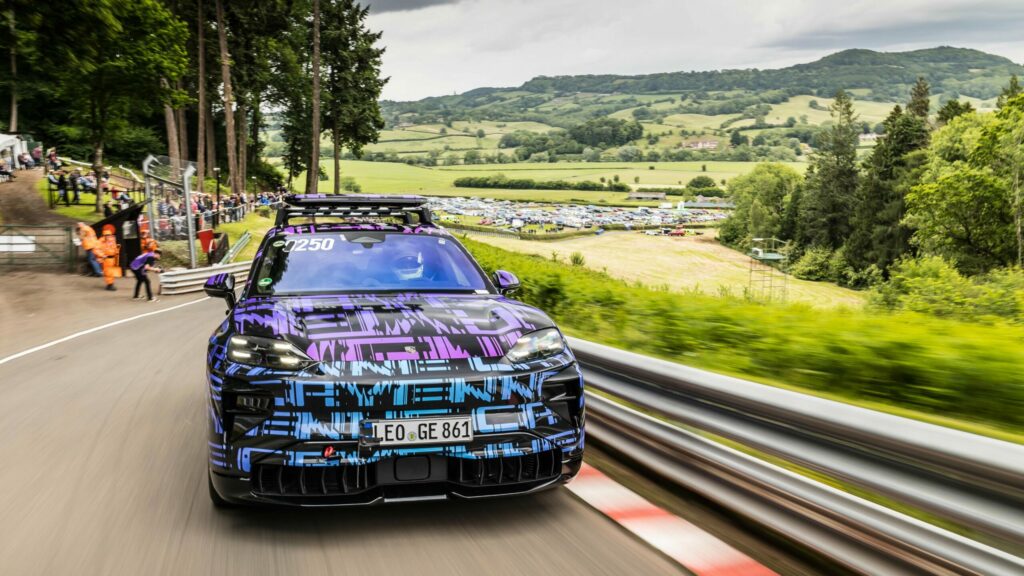
    The German manufacturer, whose move to electric vehicles has been acclaimed, particularly thanks to the highly successful Taycan, is planning to make a big splash with the 100% electric version of the SUV that saved the company’s best-seller, the aptly named Cayenne Electric. And with a highly-anticipated model comes exceptional teasing. Whatever the field, Porsche never does things by halves, and the same applies to the demonstrations of the Cayenne Electric, which made its first official laps of the track, still in its camouflage livery, at Shelsley Walsh. In the heart of Worcestershire, this is a hill climb of just under a kilometre, with gradients of up to 16.7%.

    cayenne record race Shelsley Walsh

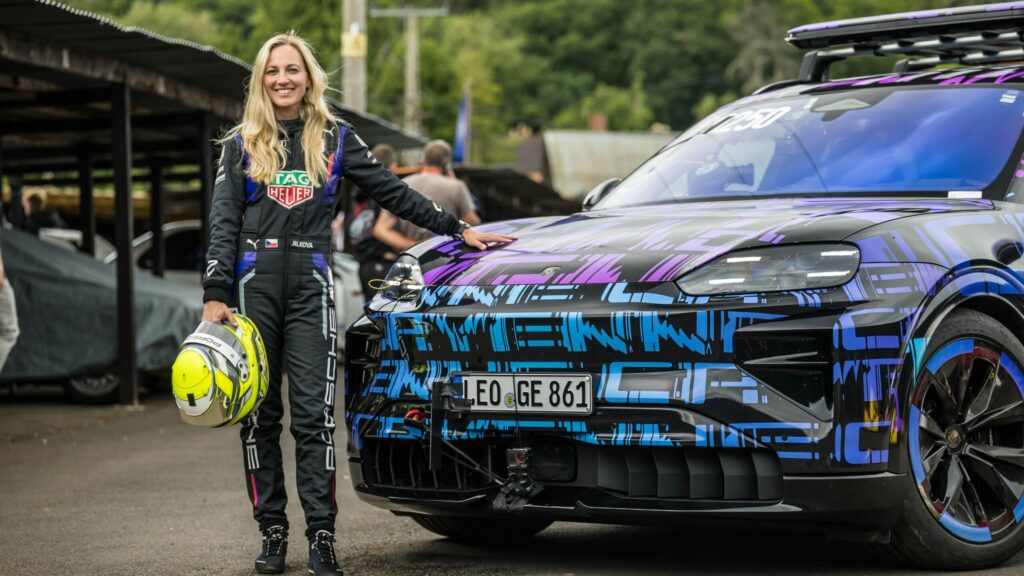
    Rough and technical, it’s an unforgiving course. Not that it scared Gabriela Jílková, development driver for the TAG Heuer Porsche Formula E Team, who set a time of 31.28 seconds on her first attempt, four seconds slower than the previous SUV category record. Terrifying. Even better, it reached the first checkpoint 18.3 metres away in 1.94 seconds, a time equivalent to that of some single-seaters. All this on summer tyres. To give you an idea, that’s like beating Usain Bolt over 100 metres wearing Converse.

    A new chassis for the Porsche Cayenne Electric

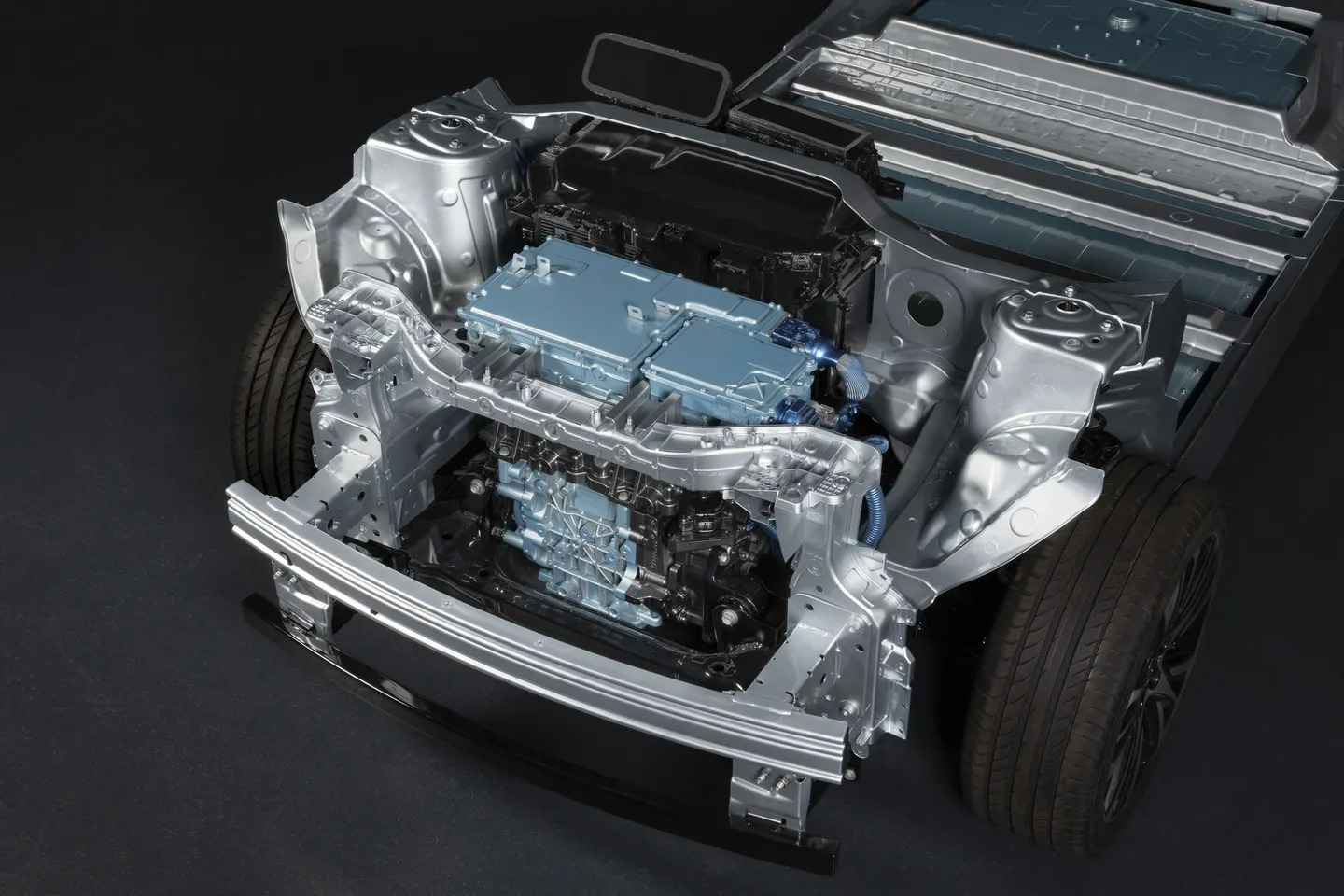
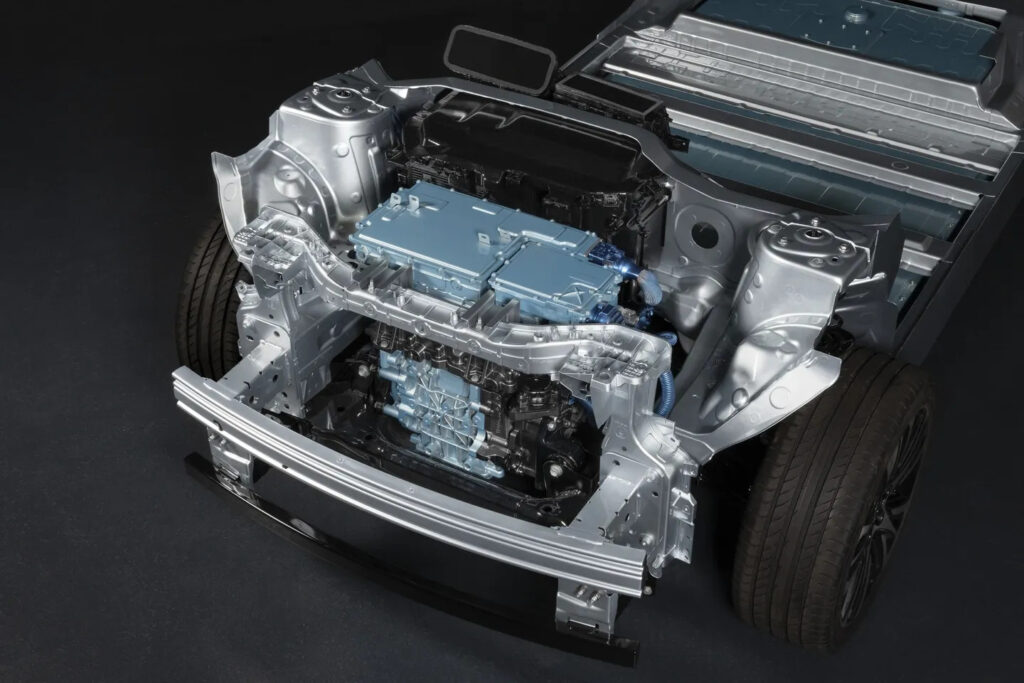
    According to Porsche, the number one asset of the Cayenne Electric is the Porsche Active Ride chassis adjustment system, a combination of an active suspension system and a completely redesigned chassis. It enables the car’s height and stability to be adjusted in real time. This can come in very handy during heavy braking, hard acceleration and sharp bends. All of which are particularly common at… Shelsley Walsh!

    Driver Gabriela Jílková is the one who said it best: ” The demanding course doesn’t allow for any mistakes. There’s no room for manoeuvre, so there’s very little room to manoeuvre. But the active chassis tuning gives the new Cayenne remarkable stability and unrivalled precision. It’s a car that allows you to pull out all the stops. A system that will not only be used on this camouflaged prototype, but will also be found on the production model.

    Gabriela Jílková Porsche driver

    But the Cayenne is an SUV and, as such, it has to be utilitarian (the ‘U’ in SUV). Richard Hammond, well known to fans of Top Gear, had the chance to drive the Porsche Cayenne Electric for a preview shoot. The subject? The transport of a classic vehicle weighing over two tonnes by… the Cayenne itself! This was an opportunity for Porsche to point out that its electric Cayenne will be capable of towing up to 3.5 tonnes!

    Electric performances and gala outfits

    While the Cayenne will continue to be offered in hybrid and combustion versions – at least until 2035 and the ban on the sale of new combustion-powered vehicles in the European Union? – Porsche claims that the electric version will achieve a level of performance never before seen in the range. And the man in charge of the Cayenne range himself, Michael Schätzle, tells us: ” We can only achieve the level of performance publicly demonstrated for the first time in the UK by fully exploiting the potential of electrification. The Cayenne Electric will set new standards in its segment, without compromising on comfort or practicality.

    And this is just the beginning. After making its mark at Shelsley Walsh, the Cayenne Electric is set to make another public appearance at the famous Goodwood Festival of Speed, from 10 to 13 July. The event promises to be a new media springboard for Porsche’s future flagship SUV, ahead of its official presentation expected in 2026.

    porsche cayenne electric suv

    Little or nothing is known about the Cayenne Electric, but with more than a year to go before its official launch, it is already making its mark. Highly anticipated, it promises to be one of the most complete electric SUVs on the market, honouring both the ‘S’ and the ‘U’ of Sports Utility Vehicle (SUV). It now remains to be seen whether it will live up to this promise, but its performance at Shelsley Walsh is already providing an indication… A fine piece of revenge, just a few weeks after Xiaomi broke its record at the Nürburgring.

    porsche cayenne electric
  • The 4 electric car engines you need to know

    The 4 electric car engines you need to know

    Often relegated to the bottom of the specification sheet, electric car motors are of crucial importance in terms of economy, performance and industrialisation.

    When we talk about electric cars, the first thing we talk about is range. Unlike the world of internal combustion vehicles, where cylinders are omnipresent and sometimes more famous than the cars themselves, like the V12 Bizzarini and other ‘in-line sixes’, when it comes to watts, engines are generally relegated to the background and it sometimes seems as though there is only one type of engine for all electric cars. In fact, the opposite is true! Whether already produced on a large scale, present in niche models or still in the gestation stage, there are several types of electric car motor, of which the following are the main ones.

    electric car motors
    Credit: Renault Group

    Permanent magnet synchronous (PMSM) electric car motors

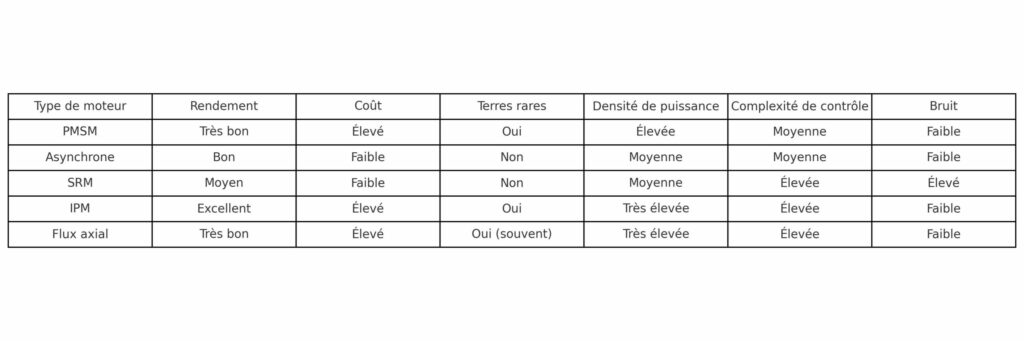
    Widely used in electric cars, the PMSM motor works thanks to magnets containing neodymium, a rare earth, which, placed in the rotor (the rotating part), rotate according to the magnetic field generated by the stator (the fixed part). It is highly efficient, with energy yields well in excess of 90%, making it ideally suited to the automotive industry. If we add to this the fact that it is very compact and fairly light, this makes it, despite its relatively high cost due to raw materials, the motor of choice for many well-known models such as the Nissan Leaf or the Toyota Prius hybrid.

    The asynchronous motor

    Here, there are no magnets in the rotor. To put it very simply, the stator produces a magnetic field whose energy is transmitted to the rotor. The rotor in turn produces a magnetic field. The two fields, like a wrestler facing a boxer in an octagon, will then confront each other and make the rotor turn. Without permanent magnets, the induction motor is cheaper to produce than the PMSM. It is also more robust thanks to its simpler structure, and less sensitive to heat despite an average energy efficiency of just under 90%. Induction motors are found in Tesla Model S and X vehicles.

    The variable reluctance synchronous motor or SRM

    Here’s the SRM: no permanent magnets, no windings, no critical raw materials such as rare earths, just gears on the rotor and stator that create movement by aligning themselves. Inexpensive to manufacture, durable and capable of handling a lot of torque at low revs (ideal for an electric car). However, it is not very widespread and, for the moment, it is mainly the subject of research by start-ups. Why is this? For one thing, it’s noisier than its counterparts. But that’s not its only drawback. It’s also electronically controlled, which adds a whole host of data to integrate, making it complex to manage.

    Axial-flow electric car motors

    This is the motor that could well change the face of the world. Here, unlike in radial flux motors, the movement of the magnetic field is parallel to the axis of rotation. In other words, axial flux motors are flat and therefore more compact, while retaining their efficiency. This architecture also makes it easier to cool the motor, thereby increasing its performance. Today, these motors are still too expensive to manufacture for large-scale deployment, but manufacturers are nonetheless paying close attention to developments in this technology. The latest example is Mercedes’ acquisition of the British company YASA, which specialises in axial-flow engines.

    Summary :

  • 10 tips for consuming less in an electric car

    10 tips for consuming less in an electric car

    Like combustion-powered vehicles, electric cars consume more or less energy depending on how they are used. Here are a few tips on how to consume less and, incidentally, extend the life of your battery.

    Even though there are more and more recharging points available, battery range remains the main concern for electric car owners and those who are still hesitant to take the plunge. Even though this is usually an unfounded ‘anxiety’ (the average French person’s daily journey is no more than 50 km, so there’s nothing to stress about with the range offered by manufacturers), you shouldn’t play with fire either, and there are several ways of using electric cars more sparingly.

    Adopting eco-driving

    The way you drive has a significant impact on the fuel consumption of an electric car. So, driving gently, avoiding repetitive hard acceleration (tempting though it may be…) and hard braking, will already help to increase range. Anticipation is also one of the keys to avoiding the gauge running out too quickly. The sooner you start to slow down, the more you can avoid jerking, and the less strain you put on the battery. The same applies to braking, which can, in some cases, help to recover energy.

    Using regenerative braking

    This is one of the great advantages of electrified vehicles: regenerative braking is a way of recovering energy from the heat released by friction during braking. In town and downhill, it’s the ideal way to save energy.

    Controlling your speed

    On the main roads, where you drive faster, speed increases air resistance and, in response, the car consumes more electricity. Sometimes, reducing your speed slightly, by preferring to drive at 110 km/h rather than 130 km/h, allows you to gain range without losing too much time on arrival.

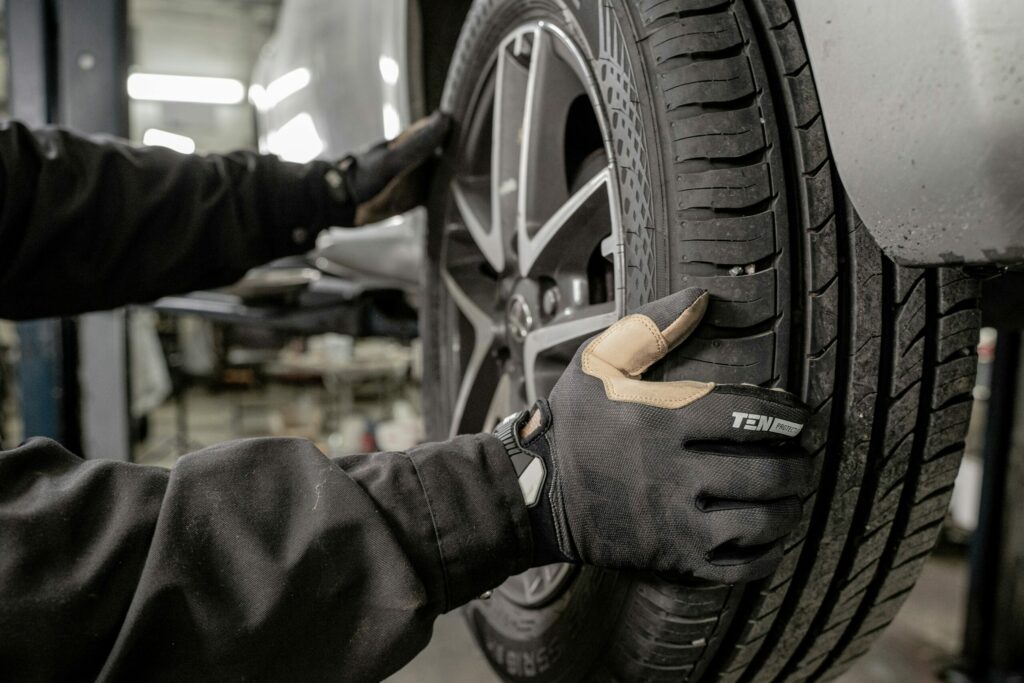
    Check tyre pressure

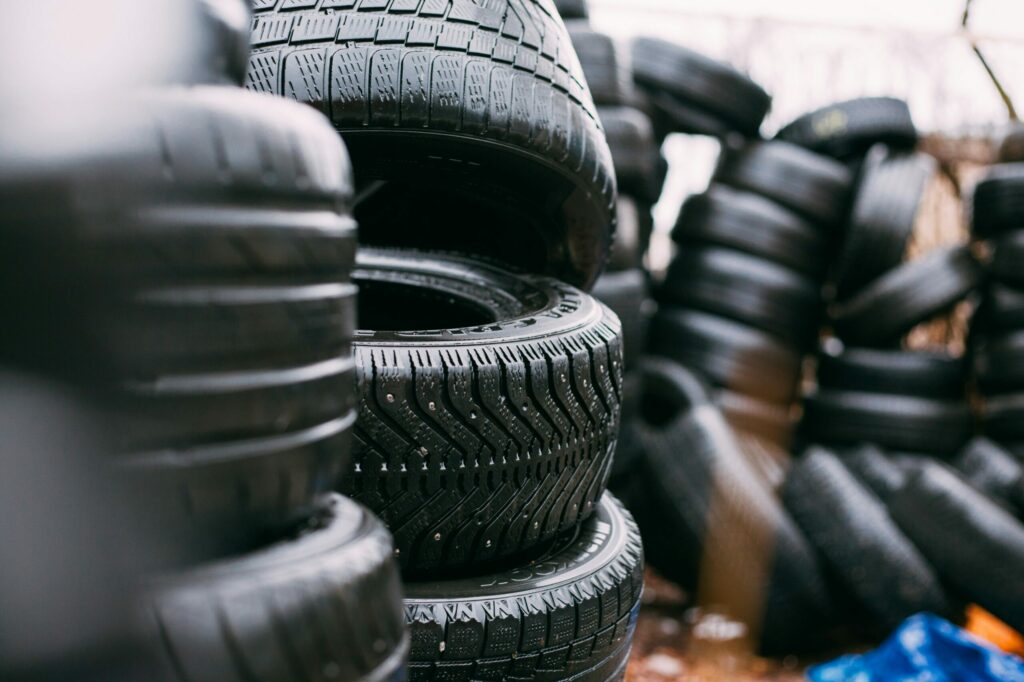
    Apart from the fact that tyres are the most sensitive point on an electric car, it’s not just wear that needs to be monitored. Under-inflated tyres increase rolling resistance and therefore fuel consumption, so you need to check the pressure at least once a month. This is all the more important in winter, when the cold naturally lowers tyre pressure.

    Credit: Robert Laursoo

    Dosing air conditioning and heating

    The switch from internal combustion to electrification does not change the fact that heating and air conditioning have an influence on fuel consumption. A study by Dr Doyle and Dr Muneer of Edinburgh Napier University showed that an electric vehicle can lose up to 30% of its range when the heating is switched on. But it is possible to reduce this impact by using only the steering wheel and heated seats, which consume less fuel. The same applies to air conditioning: it is possible to ventilate in a more targeted way and thus avoid losses.

    Lightening your car

    It’s no secret that the heavier a car is, the more energy it consumes. So we regularly sort out the boot – it’s often bigger on electric cars and that can encourage us to leave things lying around – and, above all, we pay attention to the accessories. Leaving the roof bars in between uses, while practical, not only increases wind resistance but also adds weight, which again means unnecessary energy consumption.

    Using the “Eco” mode

    Most electric cars are equipped with an “Eco” driving mode that limits engine power, regulates air conditioning and softens acceleration. This mode can save up to 15% range, particularly in town or on daily journeys.

    Credit: Mathis Miroux

    Planning your journeys

    The built-in GPS systems in some cars and certain specialist applications make it possible to plan a route based on the charging points, of course, but also on the terrain, traffic and temperature – all factors that influence fuel consumption.

    Monitor your habits

    The on-board computer or dedicated manufacturer applications are capable of reconstructing the driver’s habits and giving advice on how to drive more efficiently, thereby reducing fuel consumption.

    Intelligent recharging

    A battery in good condition also consumes less power. And to preserve your battery, the ideal is to charge your car to between 20% and 80% of its capacity. This maintains the battery’s health over the long term and reduces energy losses associated with 100% charging.

  • Focus on… California

    Focus on… California

    As the birthplace of the Zero-Emission Vehicle, California has turned electromobility into a genuine state policy, contributing to almost a third of electric vehicle sales in the United States, despite having only 10% of the population. But this full-scale laboratory for electric mobility still faces a number of challenges…

    Credit: Tim Mossholder

    California, a pioneer in electromobility, has never stopped making electric cars (EVs) one of its priorities. And that goes back a long way! As early as 1990, the Golden State enacted the “Zero-Emission Vehicle” mandate, imposing clean vehicle quotas on manufacturers wishing to sell in the state, which have been steadily increasing ever since. California has been imposing strict rules on manufacturers for 35 years. Most recently, the Advanced Clean Cars II programme definitively introduced a ban on sales of new, non-electrified cars from 2035. This injunction has been adopted by some fifteen other American states, proving that California is indeed the driving force behind electromobility across the Atlantic.

    A host of benefits and opportunities

    California is giving itself the means to achieve its electromobility targets. Until 2023, the Clean Vehicle Rebate Project enabled the most modest households to reduce their bill by $7,500 for the purchase of electric vehicles. Although this scheme is no longer in effect, it has made a significant contribution to the electrification of the state over the dozen years it has been in existence. Since 2019, the Clean Cars 4 All programme has offered up to $9,500 to help low-income households get rid of their old, polluting vehicles. Added to this is a federal tax credit of up to $7,500. Finally, there’s a detail that’s particularly important when you consider the infernal traffic of Los Angeles: electric car owners can use the dedicated car-sharing lanes free of charge. As a result, by 2024, more than one in four car registrations in California was electric, well above the national average (8%).

    In response to growing demand, and taking advantage of a favourable administrative environment, a whole eco-mobile ecosystem is flourishing. Tesla, of course, is still at the top, but more and more competitors are emerging. Large, well-established groups such as Ford, General Motors and Toyota are taking more and more market share, and new 100% electric carmakers are looking to take their share of the cake. This is the case of Rivian, which, even though it is based in Michigan, the cradle of the automobile in the USA, chose Los Angeles in 2018 to present its first models.

    And carmakers aren’t the only ones thriving under the sun of the El Dorado State. Tech giants Apple and Alphabet, among others, as well as a whole host of start-ups dedicated to batteries, recharging and operating systems, have taken up residence between San Diego and Los Angeles, creating more than 70,000 jobs in the process since 2020.

    Credit: Anastasiya Badun

    The white gold rush

    California is undoubtedly the epicentre of electromobility in the United States and, despite the boom in Europe and, above all, China, it continues to set the standard in the field, particularly when it comes to innovation. But not everything is perfect in La La Land. California’s recharging infrastructure is spread mainly along the coast, leaving the interior dry. And despite the abundance of structures in the major coastal urban areas, this is not enough to avoid long queues in front of the charging points because of the overloaded traffic.

    Finally, and this is certainly the thorniest issue, California, like the rest of the country, is dependent on lithium imports for battery manufacture. And with the trade war looming, it’s a safe bet that the USA will have to rely on local mining. California is home to the Salton Sea, a recently discovered deposit whose subsoil could be used to manufacture 375 million electric cars! At the beginning of the year, the courts gave the go-ahead for the site to be mined, and after the gold rush, California is now preparing to become the scene of the rush for lithium, the white gold of the electric transition…

    Finally, and this is perhaps the biggest sword of Damocles hanging over the head of Californian electromobility: a possible political U-turn hostile to environmental standards, aligned with the ‘petrolophile’ ideas of President Donald Trump, could put the brakes on the momentum underway. Indeed, the occupant of the White House is already threatening to abolish tax credits and funding for the development of recharging infrastructure. His instability and recurrent changes of direction are cause for concern, but the machine is already well under way and it’s hard to see how California could turn back the clock after 35 years of developing electromobility…

    Main Californian laws and measures on zero-emission vehicles :

    1990 – ZEV Mandate
    Progressive imposition of zero-emission vehicle sales quotas for all manufacturers operating in California.

    2002 – Pavley Law
    First time a state has regulated CO2 emissions from passenger cars. Will serve as the basis for Corporate Average Fuel Economy (CAFE) standards nationwide.

    2021 – California Clean Fleet Program
    Grants and loans with the goal of rapidly electrifying public truck and bus fleets.

    2022 – Advanced Clean Cars II
    From 2035, 100% of new vehicle sales must be electric cars or plug-in hybrids with at least 50 km of electric range.

    ● 2024 – Climate Accountability Package

    Obligation for large companies to declare their CO2 emissions, including those linked to car fleets.


  • How does the electric nature of a car influence its design?

    How does the electric nature of a car influence its design?

    Electrification is leading us to rethink the way we look at cars, not only in terms of fuel consumption, driving and technology, but also in terms of design. A car may still look like a car (for the time being), but there are increasingly significant differences between internal combustion engines and electric cars in this respect.

    At the beginning of the electric car boom, manufacturers were generally content to affix a blue or green badge somewhere on the bodywork to get the message across that the car was electric, usually when there was a perfect copy of the internal combustion version. This was a way of saving money. But in recent years, with the advent of 100% electric models, EVs have become increasingly recognisable, and not just because of the silence of their engines.

    No internal combustion engine, more freedom

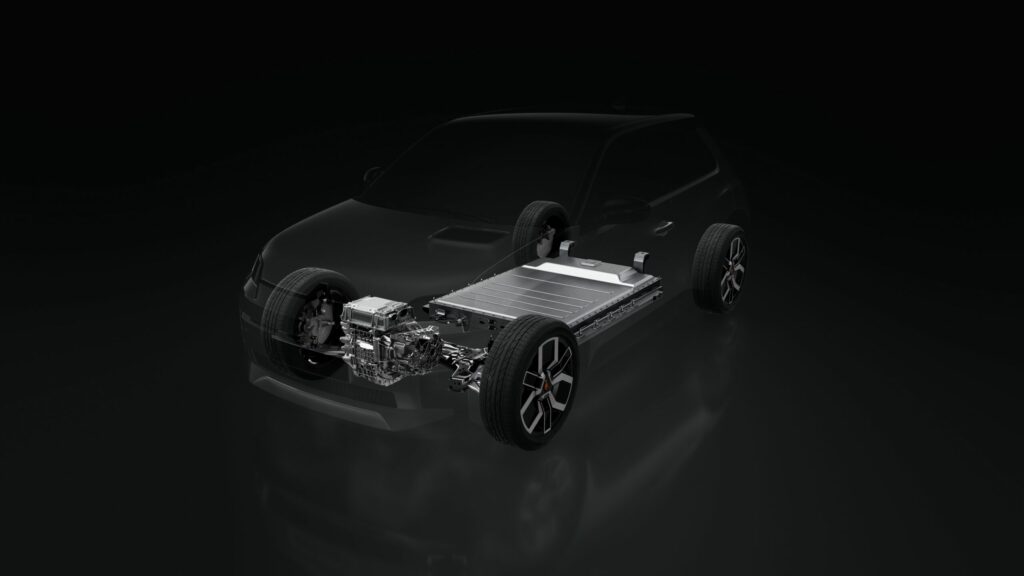
    It’s no secret that an electric motor takes up much less space than a combustion engine. It frees up space under the bonnet, of course, but also under the car: no exhaust system, no clutch, that’s a lot of space. Once this
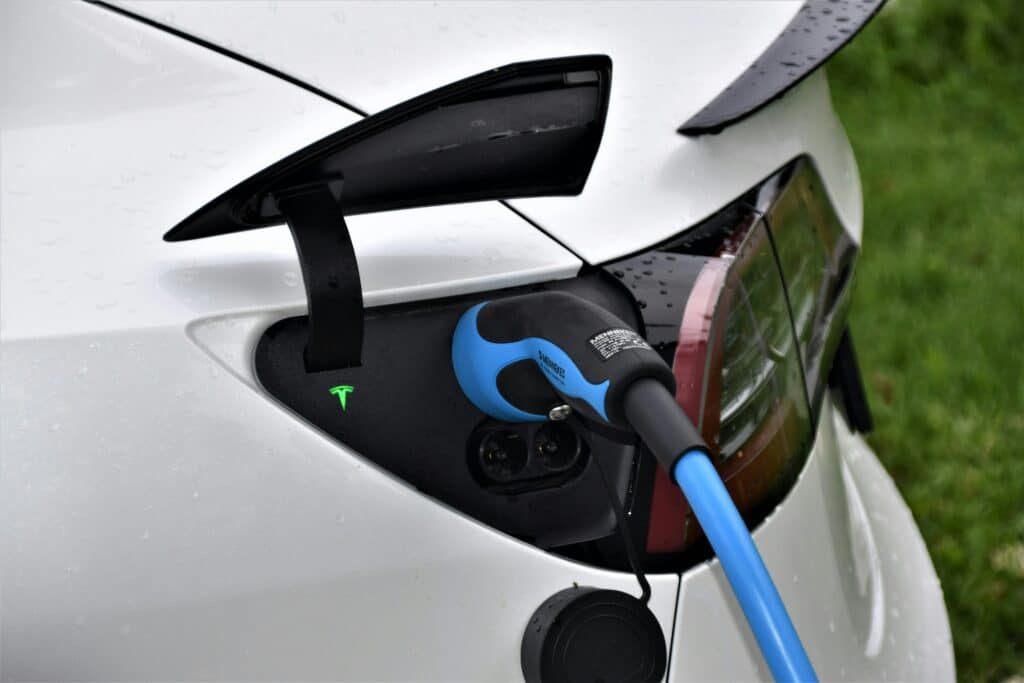
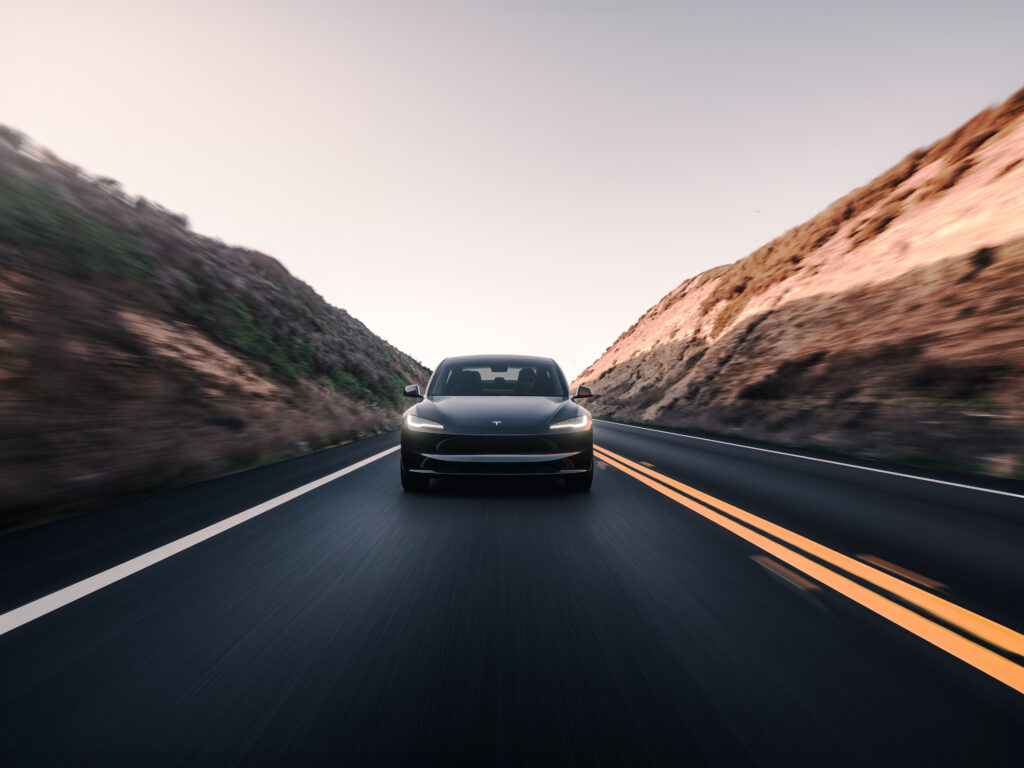
    Once that big thorn had been removed, the designers were able to reduce the length of the bonnet, lower the front end and enlarge the passenger compartment. In addition to the disappearance of the engine block, the ‘skateboard’ platform – a flat chassis incorporating the batteries and axles – has also become widespread. Here again, thanks to a flat floor, it is possible to gain space inside while lengthening the wheelbase without compromising the harmony of the lines. The profile of electric cars thus becomes more fluid, almost monobloc. We all remember the first time we saw a Tesla Model 3, that strange feeling of knowing it’s a car, but not really being able to explain why it doesn’t make the same impression on us as the one next door…

    Credit: Tesla

    A revamped front end

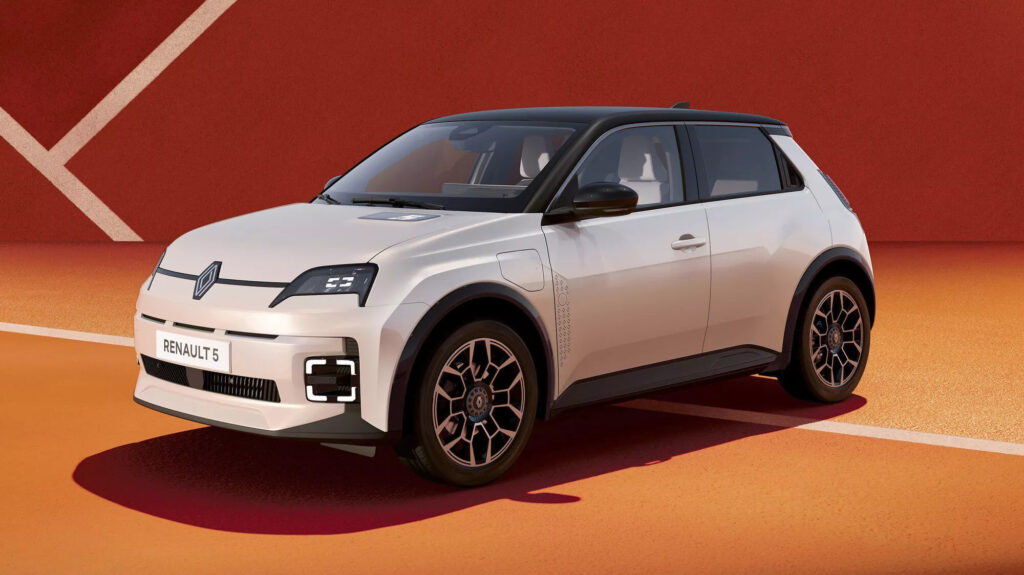
    The grille is one of the most iconic features of an internal combustion engine car. Often used to identify a make or model, their main function is to let air into the engine block to cool it. An electric car needs little or no air. This means that designers can come up with sleeker faces and play around with light signatures. We’ve seen this recently with the Hyundai Ioniq 5 and the Renault 5 E-Tech, among others, which take on a futuristic style tinged with digital technology.

    Credit: Renault

    The thorny issue of aerodynamics

    Aerodynamics is one of the reasons why an electric car still looks a lot like a combustion engine car: because, if it works, there’s no reason to shake things up too much. But the issue of reducing drag is even more crucial for EVs, because range depends on it – perhaps the most famous brake on the mass electrification of the car fleet. As a result, the lines of electric cars are simpler, tauter and, in short, sharper. Handles are flush, rims are solid and even, on some models like the Honda E, rear-view mirrors are replaced by cameras.

    Reinventing the interior

    The cabin has also benefited from the switch to electric power. With the disappearance of the ‘central tunnel’, seating arrangements are freer and there is more space for passengers, but also for electronics. So there’s no need to condense everything and, little by little, digital technology is replacing physical controls and the screens are getting bigger and bigger. Of course, it was Tesla, the pioneer of the electric car, who launched this movement of minimalism mixed with technology and large volumes. Since then, it has become the norm for all manufacturers, but we are not immune to the arrival of models that go against this trend and take advantage of the space offered by electric cars to integrate as many components as possible into the cabin, turning it into a real living room on wheels.

    Between new beginnings, conservatism and a clean slate

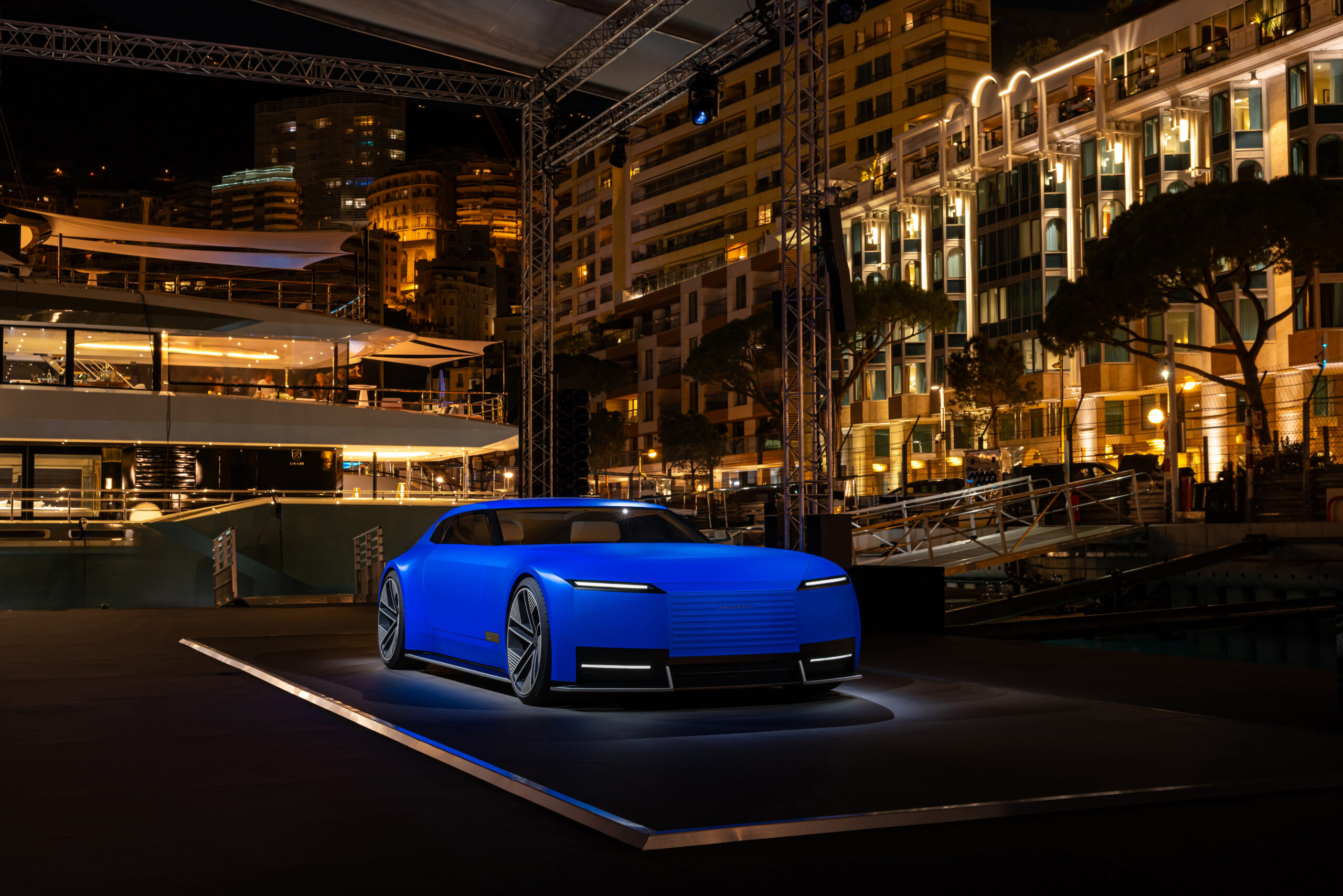
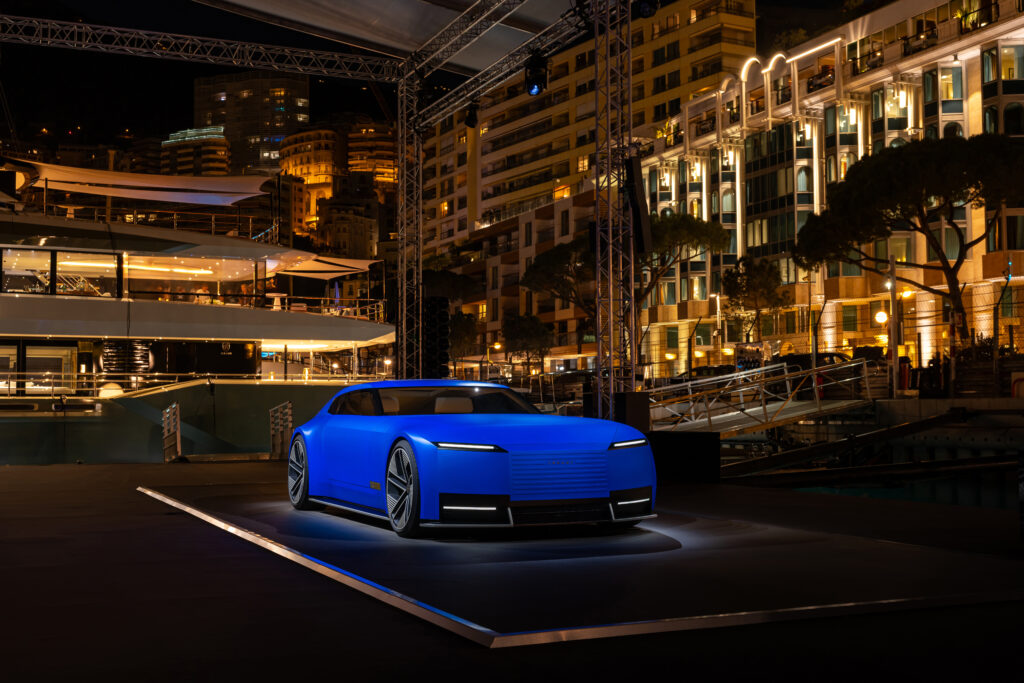
    Car design is the clearest message that brands send to consumers. It is therefore partly thanks to design that we know more about a manufacturer’s intentions with regard to its electric ambitions. Some manufacturers, such as Hyundai, Kia, Renault and Volvo, among others, are taking advantage of the switch to electric vehicles to completely rethink their design vocabulary, without throwing away several decades of history and visual identity. You can recognise the brand name, but you can feel the change of era. Other brands, such as Porsche with its Taycan, Maserati with its Grecale Folgore or Peugeot with its e-208, remain very close to their design heritage, which means they can avoid upsetting their customers too much. So the changes are being made gradually, first to the cabin and then, as the restyling progresses, to the bodywork. It’s a dilemma that only concerns established carmakers! The new Chinese giants have started from scratch and, without the weight of a strong visual identity on their shoulders, they have been able to let loose with their design and create new codes. With Xpeng and its ultra-fine light signature, BYD and its shark-like front end, and Nio and its pure lines, we are witnessing a small revolution. Jaguar’s recent example and the uproar caused by the presentation of its radical Type 00 are proof of this.

    Credit: Jaguar

    In short, car design has always been a question of balance, whether in terms of lines or volumes, but there is also a marketing balance to be respected by the brands, which will have to take advantage of the freedom offered by electric cars, but without shocking customers who are very used to classic design, which has been anchored in the collective imagination for a century…