Category: News

  • Volvo in 2025: Accelerating to electric

    Volvo in 2025: Accelerating to electric

    At the end of 2025, Volvo Cars is making an unambiguous statement: electrification is no longer a distant prospect, but a booming industrial reality. With significantly improved range, ultra-fast charging, 800-volt architectures and new-generation on-board intelligence, the Swedish manufacturer’s successive announcements confirm a technological move upmarket that is as much about performance as it is about long-term credibility.

    Photo credit: ES90 saloon – @

    A new generation of electricity well established

    The year 2025 will mark a key stage in Volvo’s transformation. With the launch of several strategic models and an in-depth update of its electric headliners. The Scandinavian brand is showing that it is turning a decisive corner. The ES90, unveiled in the spring, embodies this new phase. Positioned in the premium segment, it boasts a range of up to 700 kilometres and, above all, express recharging made possible by an 800-volt architecture. This means it can recover around 300 kilometres in ten minutes under optimum conditions.

    This logic is also applied to more compact and versatile models. The EX30 Cross Country, an adventurous version of the electric urban SUV, illustrates Volvo’s desire to cover a wider range of uses without sacrificing efficiency. With a claimed range of over 420 kilometres and a range from 10 to 80% in less than thirty minutes, the model is fully in line with the standards expected by the European market in 2025.

    Photocredit: SUV EX90 – @Volvocars

    EX90 and the rise of 800V architectures

    At the top of the range, the EX90 large SUV also benefits from a major upgrade with the 2026 model year. The integration of an 800-volt architecture, combined with increased computing power for on-board systems, marks a clear departure from the previous generation. Volvo is highlighting a platform designed to last, capable of evolving through software updates and already rewarded with a top score in Euro NCAP crash tests.

    This increase in technological power is not limited to the powertrain. At the same time, the EX90 unveils new safety and comfort features, such as a multi-adaptive seatbelt that adjusts its response according to body shape and situation, and a Bowers & Wilkins audio system developed with an acoustic signature inspired by Abbey Road studios. The aim is to make electric cars a desirable choice, not just a rational one.

    Batteries, recharging and sustainability at the heart of the strategy

    Behind these launches lies in-depth work on the battery, the real sinews of war in electric vehicles, as we now know. Volvo has announced that it is aiming for a 50% increase in energy density by the middle of the decade, based in particular on its partnership with Northvolt. This development should make it possible both to extend autonomies and to reduce recharging times, with the promise of charging speeds double those of current generations.

    The Swedish brand is also emphasising the integration of new functions linked to the electricity grid, such as V2G, which will enable vehicles to return energy to the grid, and the recycling of batteries at the end of their life. These choices are part of an even broader sustainability strategy, with a stated objective of 50% recycled plastics in new models and a gradual reduction in the carbon footprint over the entire life cycle.

    Financial performance and roadmap

    These advances are accompanied by solid economic results. In the second quarter of 2025, Volvo Cars posted EBIT (Earnings Before Interest and Taxes) of almost SEK 2.9 billion (around €268 million), despite the tense situation in the automotive industry. Nearly 44% of worldwide sales are now of electrified vehicles, including more than 20% of fully electric models, confirming the relevance of the strategy pursued.

    Nevertheless, the carmaker is continuing with a recovery and cost optimisation plan, valued at 18 billion kroner (around €1.7 billion), in order to secure its long-term trajectory. The objective remains unchanged: to achieve at least 90% electrified sales by 2030, including plug-in hybrids. It’s an ambitious target, but one that Volvo believes is compatible with market realities, thanks in particular to historic models such as the XC60, which has now sold more than 2.7 million units.

    Photo credit: SUV XC60 – @Volvocars

    International recognition

    This strategy is beginning to bear fruit in terms of image. The EX90 has been named World Luxury Car 2025, while Volvo has been awarded the title of Manufacturer of the Year by several professional institutions. These distinctions validate the premium technological positioning claimed by the brand, at a time when competition in the electric market is intensifying.

    On the eve of 2026, with the announced arrival of the EX60 and the promise of ranges unheard of in the premium segment, Volvo seems to have struck a balance between innovation, industrial prudence and strategic coherence. A trajectory that, without making too much noise, places the Swedish manufacturer among the most credible players in the electric transition in Europe.

    Sources: volvocars.com – worldcarawards.com

  • Ferrari Testarossa: the legendary name remains protected and strategic

    Ferrari Testarossa: the legendary name remains protected and strategic

    The Ferrari Testarossa, icon of the 1980s, continues to make its mark on automotive history, but now from a legal and strategic rather than a technical perspective. In July 2025, the Court of Justice of the European Union (CJEU) confirmed that Ferrari retains its rights to the ‘Testarossa’ trademark, stressing that use of the name, even on second-hand vehicles, spare parts or derivative products, remains sufficiently active to justify its protection. This decision reflects the cultural and commercial importance of the name in the minds of the European public.

    source : motorcargallery

    A historic name, a bridge to the future

    While no new Testarossa has been produced, Ferrari is integrating the concept of heritage into its modern strategy. The brand continues to develop its hybrid and electric powertrains, with PHEV models and 100% electric vehicles planned for the coming years. The strategic plan presented at the Ferrari Capital Markets Day 2025 confirms the brand’s ambition to maintain the prestige of its supercars while gradually adopting cleaner technologies.

    credit: Bloomberg

    Cultural heritage as a strategic lever

    The Testarossa name, which has been part of the collective imagination since 1984, remains a powerful symbol of Ferrari’s history. The CJEU’s decision not only protects the brand’s rights, but also strengthens Ferrari’s ability to exploit this heritage in derivative products, collections and special editions. This heritage enables the brand to anchor its future hybrid or electric models in a cultural continuity that is recognised and valued by collectors and enthusiasts.

    source : motorcargallery

    Ferrari and the technological transition

    In its roadmap to 2030, Ferrari is planning a ramp-up in hybrid models, followed by the introduction of its first 100% electric car scheduled for 2027-2028. This transition is being made gradually, while maintaining the performance and driving experience for which the brand is renowned, and meeting global environmental and regulatory imperatives.

    source : spectrum

    Conclusion: a protected name and an assertive strategy

    The Testarossa is no longer just an iconic supercar: it has become a strategic tool, linking Ferrari’s cultural heritage with its technological ambitions. By legally protecting this name and preparing its transition to hybrid and electric vehicles, Ferrari is asserting its desire to combine passion, innovation and the long-term future of the brand.

  • United Kingdom: charging points struggling to keep pace with growth in EV sales

    United Kingdom: charging points struggling to keep pace with growth in EV sales

    In the UK, sales of electric vehicles continue to rise, supported by the ZEV Mandate quotas, but the roll-out of public charging points is struggling to keep pace. While the total number of charging points is growing every year, the slower pace of installation and regional disparities raise questions about the network’s ability to keep pace with the growth in EV use, particularly for private customers and long-distance journeys.

    source: Phil Wilkinson/Alamy

    A network that continues to grow… but at a slower pace

    In the UK, the roll-out of electric vehicle (EV) charging points is still progressing in 2025, but at a slower rate than the adoption of vehicles themselves. According to the latest data from The Guardian, the pace of installation has slowed markedly this year, with just 13,500 new public chargers installed between the end of 2024 and the end of November 2025, compared with stronger growth in previous years. This brings the total public network to around 87,200 charging points by the end of November 2025, an annual increase of around 18%, the lowest since 2022.

    Strong growth in EV sales

    In the UK, electric vehicles account for a growing share of the market. In fact, according to registration statistics, EVs accounted for almost 23% of new car sales in the first 11 months of 2025, compared with around 19% in the same period the previous year. A fine progression, then, for this emerging market, which is becoming increasingly important.

    European manufacturers are leading the charge: BMW has 34.4% of BEV sales, Mercedes-Benz 36.6%. The Tesla Model Y (18,310 units) and Model 3 (16,605) dominate the sales rankings for the first nine months.

    source : BMW

    Fast infrastructure still inadequate

    It’s true that the roll-out of charging points is slowing down. But the market is growing. According to Zapmap, there were already more than 87,200 charging points on the network at the end of October 2025, an increase of around 23% over one year. While there has been an increase in the number of so-called fast and ultra-fast chargepoints, which are essential for long-distance journeys, they remain a fraction of the total, still limiting the ability to make long electric journeys, and so British drivers are still not completely convinced about adopting an EV.

    According to the latest data from The Guardian, the pace of installation has slowed markedly this year, with just 13,500 new public chargers installed between the end of 2024 and the end of November 2025, compared with stronger growth in previous years. This brings the total public network to around 87,200 charging points by the end of November 2025, an annual increase of less than 20%, the lowest since 2022.

    Major regional disparities

    The geographical disparities are still glaring: some urban areas, such as London, are home to 22,211 public pay stations (250 per 100,000 inhabitants), 2.3 times the national average of 108 per 100,000.

    source : motor 1

    Conversely, regions such as Northern Ireland have a ceiling of 36 charging points per 100,000 inhabitants. On motorways, only a third of service areas have at least six ultra-fast chargers.

    These differences may influence consumer confidence and limit the adoption of EVs outside major cities.

    The role of the ZEV Mandate

    In this context, public policy plays a key role. The Zero Emission Vehicle (ZEV) Mandate, designed to push manufacturers to sell more zero-emission vehicles, continues to support the growth of EV sales in the UK, although the implementation and political signals around this policy may create some uncertainty for infrastructure investors.

    The introduction in July 2025 of theElectric Car Grant, offering up to £3,750 cashback on new cars under £37,000, has undeniably boosted the market. More than 40 models are now eligible, considerably widening the choice for buyers.

    A crossroads for electric mobility

    The UK is at a pivotal point in its transition: EV sales continue to grow, but the public network needs to keep pace to ensure continued uptake, particularly for consumers and in rural areas. The next few months will be crucial in determining whether the roll-out of charging points can accelerate and sustainably support the rise of electric cars.

  • EVs and hybrids: The extinct of 2025

    EVs and hybrids: The extinct of 2025

    In 2025, the French car market will undergo a discreet but structuring change. A number of hybrid and, above all, 100% electric models are leaving manufacturers’ catalogues. Far from being a mere passing fad, these disappearances are indicative of a profound reorganisation of the range, under the combined effect of new European standards, profitability under pressure and a strategic repositioning of brands in the face of an electric market that is more demanding than expected.

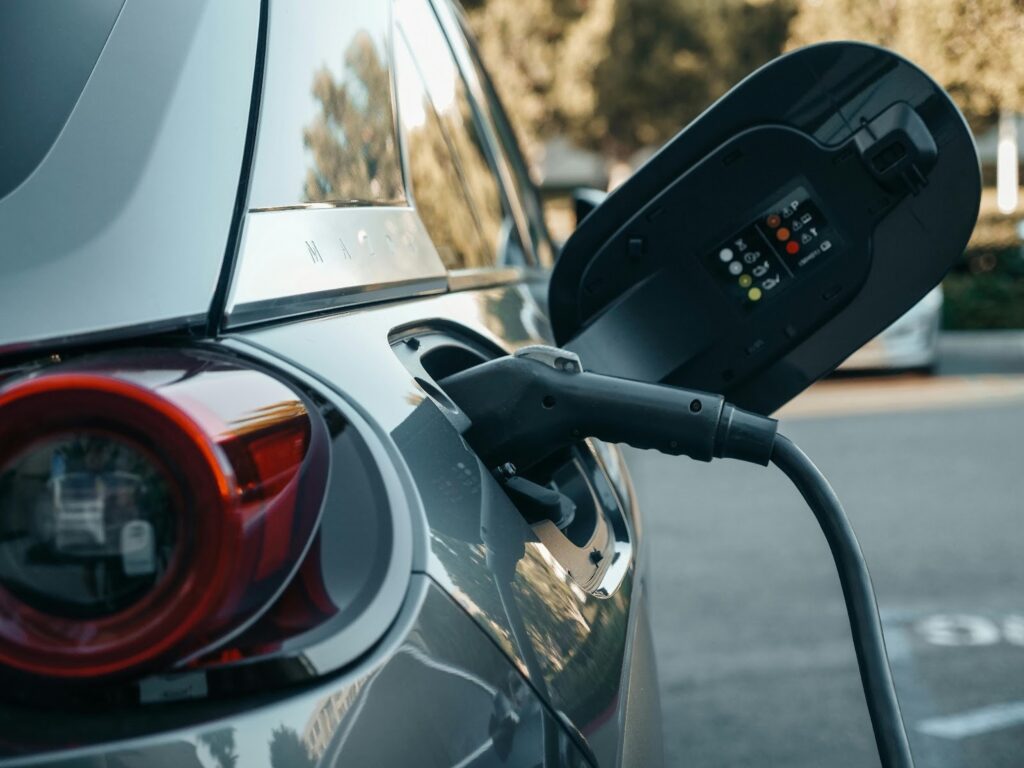
    Photo credit: Mazda MX-30 to be discontinued in 2025 in France – @Mazda

    A pivotal year for electric vehicles in France

    The year 2025 marks a turning point in the recent history of automotive electrification in France. After several years of rapid growth, the electric vehicle market is entering a more complex phase of maturity, in which each model must now justify its existence on solid industrial, regulatory and commercial foundations. And this inevitably means that some vehicles, some of them quite recent, are simply disappearing from the catalogue.

    This phenomenon mainly affects electric models that have reached the end of their cycle, or have been designed on platforms that are now considered obsolete. While existing stocks still allow a few deliveries at the end of the year, these vehicles are no longer being offered for new orders. This may come as a surprise to consumers, but it is a clear sign of a brutal (and necessary) tightening of market conditions.

    They bowed out in 2025

    Among the models concerned, several names well known to the French public are leaving the scene. The Mazda MX-30, the Japanese manufacturer’s first electric car, is an emblematic example. Its limited range, which was originally seen as an ecological choice, never convinced a market that had become very sensitive to the price/real mileage ratio. In France, its volumes have remained marginal, making any regulatory upgrade economically untenable. Another striking case is that of MG. The Sino-British manufacturer is stopping the sale of several of its electric models in France, including the ZS EV, the Marvel R and the MG5 Electric. The reason for this is the European GSR2 standard, which comes into force in July 2024 and requires new driving aids and more advanced safety systems. Adapting these existing models would have required heavy investment, which would have been difficult to recoup given their aggressive selling prices.

    Some disappearances have more to do with life-cycle logic than commercial failure. Such is the case with the Nissan Leaf, a true pioneer of the modern electric vehicle. Launched in 2010, it paved the way for consumer electrification, but its technical architecture and positioning are no longer in phase with current standards. In 2025, the Leaf will gradually disappear from European catalogues, pending a successor based on a new platform. At Renault, the page is also being turned for two historic models. The Zoé, long the best-selling electric car in France, is disappearing following the arrival of the Renault 5 E-Tech, which is more modern, more profitable and better equipped to face up to the competition. The same logic applies to the Twingo Electric, withdrawn before the arrival of a new generation announced for 2026. In both cases, it’s less a question of taking a step back than of refocusing on more coherent long-term industrial projects.

    Photo credit: Renault Zoé to be discontinued in 2025 in France – @Renalut

    GSR2, a silent accelerator of withdrawals

    Behind these marketing halts lies a key factor: the European GSR2 standard. These regulations now require a whole range of driving aids to be fitted as standard, including enhanced automatic emergency braking, active lane keeping and advanced driver monitoring systems. For models designed before these requirements, adaptation can be complex and costly.

    Against a backdrop of pressure on margins, particularly for entry-level and mid-range electric vehicles, many manufacturers have made a pragmatic choice. They have decided to discontinue the models concerned rather than invest in an upgrade, which they consider to be unprofitable. This reasoning goes a long way towards explaining the disappearance of certain Asian vehicles and first-generation electric vehicles, which are still technically functional.

    Photocredit: MG ZS EV to be discontinued in 2025 in France – @MGMotors

    Hybrids and plug-ins: a different trajectory

    Unlike electric cars, hybrids and plug-in hybrids will not see a massive wave of retirements in 2025. The movement is more subtle. Some models will discreetly disappear from the range, but the dominant trend remains one of renewal and optimisation rather than outright abandonment. Plug-in hybrids, in particular, are facing a less favourable environment. The tightening of the CO₂ malus and the gradual end of certain tax benefits for businesses are reducing their appeal, especially for heavy models or those with limited real electric use. Even so, manufacturers are continuing to believe in them, by modernising their powertrains, increasing battery capacity or improving electronic management.

    In France, the single hybrid is gradually becoming the preferred motoring choice for motorists. More reassuring to use, less dependent on recharging infrastructure and often more affordable, it is better suited to the actual uses of a large proportion of the population. This success explains why manufacturers, particularly Japanese and European, are stepping up their hybrid offerings in 2025. Toyota, Hyundai-Kia, Renault and Stellantis are all continuing to roll out new-generation hybrids, sometimes to the detriment of certain electric versions that are considered less strategic. Hybrids are becoming the mainstay of the transition, while all-electric vehicles must now prove their relevance on a model-by-model basis, rather than as a matter of course across the board.

    Towards more selective and credible electrification

    These withdrawals do not signal a retreat from electrification, but rather a phase of rationalisation. After a period of experimentation and sometimes excessive diversification, the market is entering a more industrial logic, where each vehicle must be economically viable and compatible with regulatory constraints in the medium term. By 2035, the objective of ending sales of new combustion-powered vehicles remains officially in place, despite European debates on the modalities and possible exceptions. In the meantime, the range will continue to evolve, with fewer models, but with more advanced offerings that are better adapted to the real uses and expectations of French motorists.

    Ultimately, the electric and hybrid models that will disappear from our catalogues in 2025 tell a broader story: that of a car market in the throes of change. Stricter standards, more demanding customers, margins under pressure… Electrification is beginning to look like a balancing act for manufacturers. This reorganisation marks the end of a certain naivety about electric vehicles. The future will depend on the overall coherence of projects.

  • BMW Group, world champion in professional attractiveness

    BMW Group, world champion in professional attractiveness

    In a rapidly reshaping automotive sector marked by accelerated electrification, the rise of software and global competition for skills, BMW Group is establishing itself as one of the most attractive employers on the planet. The Bavarian carmaker tops several international benchmark rankings in 2025, including the Trendence Professionals Barometer for the 14ᵉ year running. This recognition goes beyond the image of the car brand alone, and reflects a structured strategy designed as a key lever for the Group’s industrial, technological and environmental transformation.
    Photo credit: BMW logo – BMW Press Group

    Sustainable benchmark performance

    For the fourteenth year running, BMW Group has been ranked first in Germany’s Trendence Professionals Barometer. This ranking, based on the responses of nearly 18,000 academics, measures the attractiveness of employers to young graduates and qualified professionals. This national domination is matched by European and global recognition.

    BMW is one of the most popular companies among European students, ranking seventh in the world among future engineers. These results reflect the Group’s ability to remain attractive to the younger generation, while appealing to highly qualified profiles who no longer see themselves solely in the traditional automotive sector.

    BMW, manufacturer and technology company

    One of the key findings of these rankings is the diversity of profiles attracted to the BMW Group. The company is also one of the world’s most attractive employers for IT and business students, confirming its gradual shift towards a technology-based business model. At a time when vehicles are becoming software platforms on wheels, when data, the cloud and AI are taking centre stage, BMW is succeeding in positioning itself as a credible arena for expression in the face of digital pure players.

    This is a strategic achievement, given that the battle for IT talent has become a decisive factor in the future competitiveness of carmakers. This cross-functional appeal is enabling the Group to put together teams capable of working at the interface between industry, digital technology and sustainability, a key challenge if the transition to electric and connected mobility is to succeed.

    Photo credit: BMW i4 electric – BMW.co.uk

    Worldwide recognition by Forbes

    BMW Group’s recognition extends far beyond Europe. In the Forbes ranking “World’s Best Employers 2025”, the Group is ranked fifth in the world, all industries combined. This is not only the best performance for a car manufacturer, but also for a German and European company.

    This position reinforces the image of a group capable of offering an attractive working environment on an international scale, in a context of increasing globalisation of careers. The ranking also underlines the consistency between BMW’s external reputation and the perception of its employees, a point that is often decisive for long-term attractiveness.

    Photocredit: Collage Mitarbeiter Rankings – BMW Group

    Highly consistent internal indicators

    According to data provided by the Group, 92% of employees say they are proud to work for BMW, while 87% would recommend the company as an employer. These figures reflect a solid social and professional climate, reinforced by ongoing training, international mobility and skills development policies. BMW also relies on competitive working conditions, health and well-being schemes, and greater flexibility in work organisation. These have become essential levers for retaining talent in a rapidly changing sector. BMW defends the success of the technological and environmental transition by focusing above all on people.

    The electrification of ranges, the digitalisation of factories, the integration of software and AI all require new skills, but also a corporate culture capable of embracing change. By placing employer attractiveness at the heart of its strategy, BMW is seeking to build a resilient organisation capable of long-term innovation. This approach makes talent management a real pillar of industrial competitiveness. In an automotive sector facing unprecedented upheaval, BMW Group is demonstrating that a manufacturer can remain successful, desirable and credible, provided it considers its employees to be as decisive a strategic advantage as its technologies or platforms.

    Sources: press.bmwgroup.com

  • Road safety: higher death toll in November and new penalties

    Road safety: higher death toll in November and new penalties

    As 2025 draws to a close, French road safety continues to face a number of challenges. With the number of deaths on the rise in November and legislation tightened to an all-time high since 29 December 2025, the authorities are stepping up measures to reduce the number of road accidents. The question is: can EVs help to reduce the risks?

    source: connexion France

    November 2025: a worrying upturn in road deaths

    According to the latest figures from the Observatoire national interministériel de la sécurité routière (ONISR), 270 people were killed on the roads of mainland France in November 2025, compared with 266 in November 2024, an increase of around 2% over one year. In addition to these figures, there were 13 deaths in the French overseas departments and territories, bringing the national total for November to 283.

    This increase puts an end to the fall in fatalities observed in October, and confirms worrying trends for several categories of road user. Young people under the age of 24 are particularly hard hit, with an increase in the number of deaths in this age group. Pedestrian fatalities were also up over the month, while those aged over 65 were down on the previous year. Geographically, fatalities fell in built-up areas but rose on roads outside built-up areas and on motorways.

    In addition, over a 12-month rolling trend, road deaths are still on the rise, driven in particular by an increase in deaths among users of motorised personal mobility devices (PMDs), such as scooters.

    In terms of serious injuries, November saw a slight fall, with an estimated 1,213 cases in mainland France, compared with 1,242 in November 2024, again according to the ONISR.

    Speeding too fast becomes an offence

    Faced with this situation, the authorities have decided to significantly tighten the legal framework. Since 29 December 2025, any speeding of at least 50 km/h over the authorised limit has been classified as an offence, rather than a simple fifth-class fine.

    source: policechiefmagazine

    According to the press release from the French road safety authority, this measure has come into force following the publication of a decree in application of the law of 9 July 2025 creating road homicide and aimed at combating road violence and reinforcing the judicial response to the most dangerous driving behaviours.

    From now on, offenders will face stiffer penalties:

    • a penalty of up to three months’ imprisonment ;
    • a maximum fine of €3,750;
    • a criminal record ;
    • suspension of driving licence for up to three years;
    • possible confiscation of the vehicle;
    • and the obligation to complete a road safety awareness course.

    Until now, very excessive speeding was only punished by a fine, except in the case of a repeat offence.

    The EV is a safety asset

    In this context of the fight against road accidents, electric vehicles (EVs) have safety features that deserve to be highlighted. Several international studies confirm that driving an EV is safer overall than driving a combustion engine vehicle.

    source: beev.co

    • Better impact protection
      • EVs benefit from major structural advantages in terms of crashworthiness. Their lower centre of gravity reduces the risk of rollover, according to data from the National Highway Traffic Safety Administration (NHTSA) and the Insurance Institute for Highway Safety (IIHS). The absence of an internal combustion engine at the front of the vehicle means that deformation zones can be optimised to dissipate energy in the event of an impact, resulting in excellent crash-test performance. Many electric vehicles have been awarded a 5-star rating in euro NCAP safety tests.
      • A Norwegian study of more than 500,000 vehicles shows that EVs are associated with 20-30% fewer fatalities in the event of a collision, a performance attributed in part to the standard integration of advanced driving aids such as automatic emergency braking (AEB).

    source: Euro NCAP

    • A much lower risk of fire
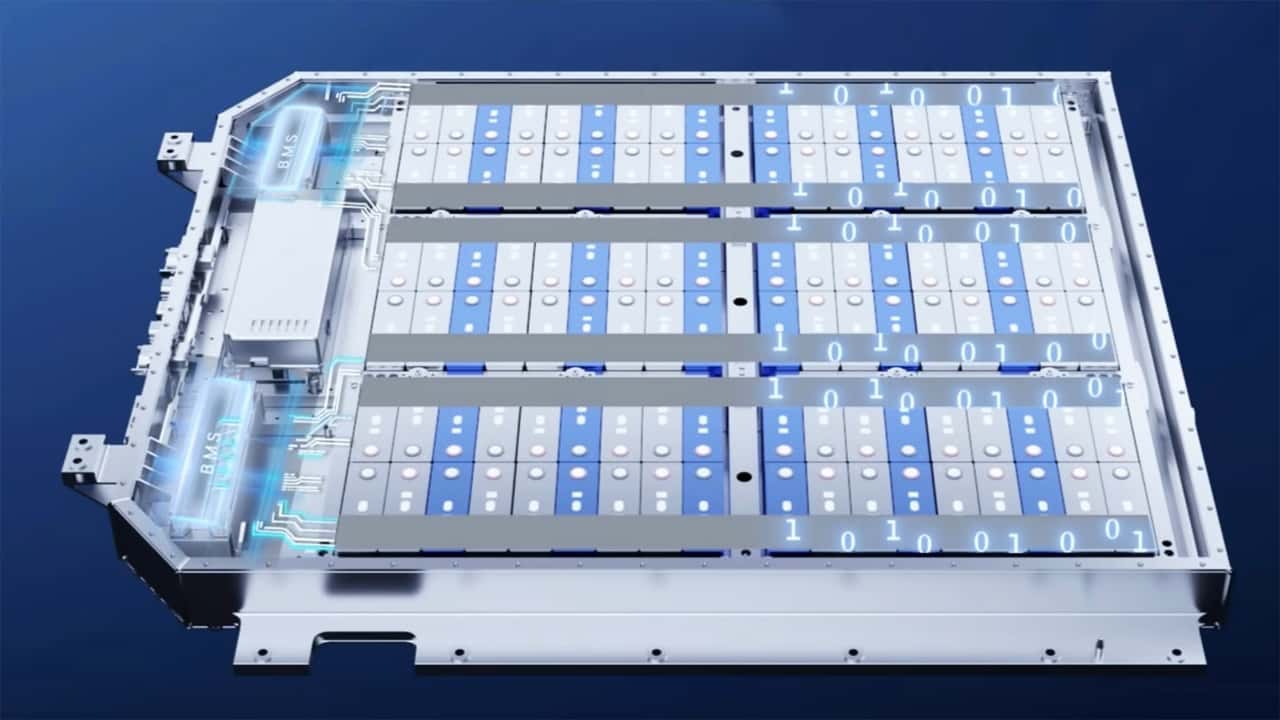
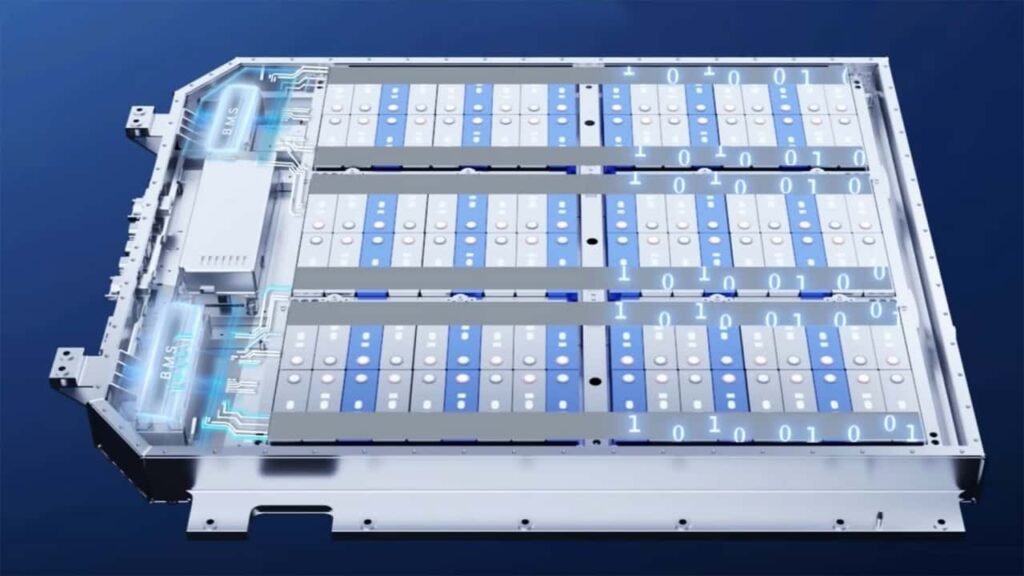
      • Fires are much rarer in electric vehicles than in combustion vehicles. In the United States, the National Transportation Safety Board reports 25 EV fires for every 100,000 vehicles sold, compared with 1,529 for internal combustion vehicles. Specialist sources such as EV FireSafe estimate that the risk of fire is up to 80 times lower for EVs, thanks to the absence of flammable liquid fuel and sophisticated battery management systems (BMS).

    A few nuances to consider

    Some studies, such as a Dutch study of over 14,000 vehicles, note a slight increase in minor accidents for EVs (3.2% more), possibly linked to instant acceleration or more frequent urban use. However, the same data also showed a reduction in serious head-on collisions involving EVs.

    Overall, the IIHS data for 2024 confirms that EVs have fewer injuries per kilometre travelled than combustion vehicles. This trend is set to strengthen as electromobility becomes more widespread and safety technologies continue to improve.

    Conclusion: using technology to enhance safety

    Faced with a rise in road deaths in November 2025 and tougher legislation, the electrification of the car fleet could help to improve safety on our roads. The intrinsic characteristics of electrified vehicles make them objectively safer than internal combustion engines.

    While technology will never replace the individual responsibility of drivers or the need to comply with speed limits, it can nevertheless offer valuable additional protection. Road safety remains a major challenge requiring mobilisation on all fronts.

  • French-style electrification takes hold in Europe

    French-style electrification takes hold in Europe

    In 2025, the Renault and Stellantis groups are confirming that the energy transition in the European automotive industry is not just a matter of radical technological bets. In France, as in the main European markets, the electric and hybrid vehicles of French manufacturers are performing strongly, supported by an assertive multi-energy mix, encouraging public policies and a product range that is now mature. It’s a measurable success, documented by figures from the CCFA and ACEA, and by official communications from the two industrial giants.

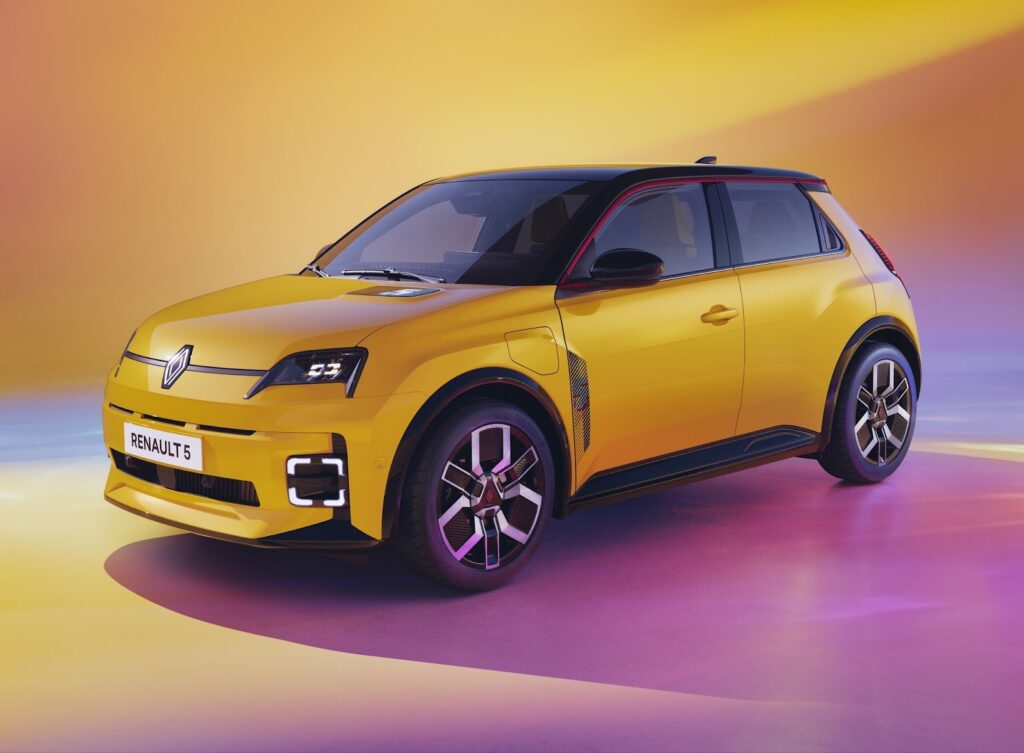
    PhotoCredit: Renault 5 E-Tech – @Renault

    An effervescent dynamic

    The French car market in 2025 confirms a major trend. Electrification is no longer marginal; it now forms the core of sales. According to figures from the Comité des Constructeurs Français d’Automobiles (CCFA), 100% electric passenger cars accounted for 26% of registrations in November, an unprecedented level. Electrified models (electric and hybrid) alone now account for almost half of the national market.

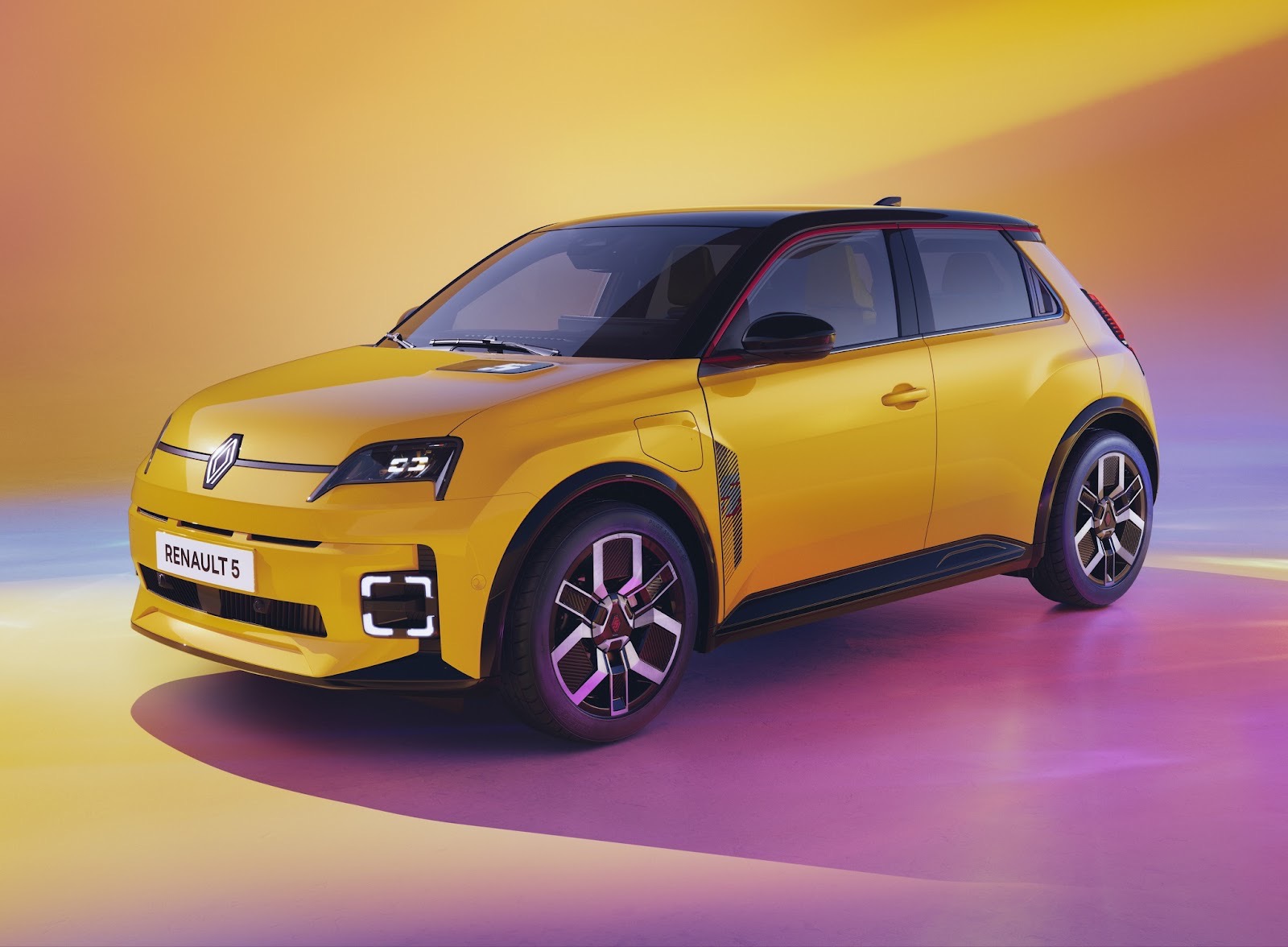
    In this context, Renault and Stellantis appear to be the main beneficiaries of this changeover. The Renault 5 E-Tech has become a symbol of this success, taking the lead in electric sales thanks in particular to the social leasing scheme, which has extended access to electric vehicles to new target groups. As for Stellantis, the Peugeot and Citroën brands dominate the hybrid segment, both rechargeable and non-rechargeable, confirming the appeal of a gradual rather than abrupt transition.

    Public policy and product positioning

    France’s performance cannot be dissociated from the regulatory and political context. Social leasing, which has been renewed and extended to 2025, has played an accelerating role, particularly for electric city cars produced in Europe. Renault, with the 5 E-Tech, and Stellantis with the Citroën ë-C3, have been able to offer models that are compatible with the price and usage criteria imposed by the government.

    This success is also due to a clear strategic choice: to maintain a coherent multi-energy offering. While some manufacturers have opted for all-electric vehicles in the short term, the French groups have continued to invest massively in hybrids, responding to infrastructure constraints and the real needs of motorists. This pragmatism is reflected directly in sales figures.

    Renault Group: controlled growth

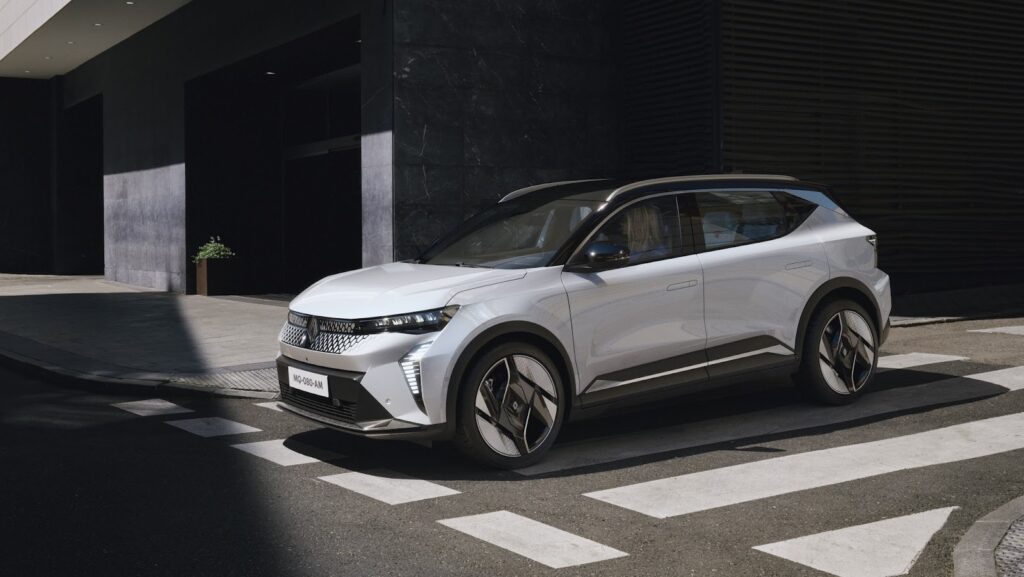
    At European level, Renault Group’s trajectory for 2025 is particularly clear. In the third quarter, the group announced a 3.8% rise in sales, with 1.7 million vehicles sold worldwide. In France, 60% of sales are now electrified, while in Europe 100% electric vehicles recorded spectacular growth of 122%, representing 13.5% of the mix. This momentum is largely due to the success of city cars and compact vehicles. The Renault 5 E-Tech and Scenic E-Tech are absolute benchmarks in their segment. They combine energy efficiency, distinctive design and cost control. Added to this is the arrival of new hybrid models, such as the Symbioz, which are consolidating volumes in a market that is still very heterogeneous in terms of needs.

    Renault is making no secret of its long-term ambitions. The group is maintaining its objective of carbon neutrality in Europe by 2040, well ahead of regulatory requirements. This strategy is based on a gradual but massive electrification of the range, coupled with a partial relocation of production and better control of the value chain, particularly around batteries and recycling. Against a backdrop of increasing competition, particularly from Asia, this approach will enable Renault to consolidate its position as Europe’s third-largest manufacturer of electrified vehicles, while limiting the industrial risks associated with too rapid a transition to all-electric vehicles.

    Photo credit : Citroën ë-C3 – @Stellantis

    Stellantis: European hybrid champion

    For its part, Stellantis is claiming an equally structuring performance, but with a different positioning. By the end of August 2025, the group had registered 1.65 million cars in the EU30, making it the leader in the hybrid segment with a market share of 18%. Peugeot and Citroën are doing particularly well, especially on the French and Italian markets. Electric models are not to be outdone either, with the Peugeot e-208 and the Citroën ë-C3 among the best-sellers in their category, the latter posting spectacular growth of 156% in Europe, with more than 26,000 units sold. This success demonstrates the relevance of an affordable electric range designed for the heart of the market.

    Stellantis also stands out in the strategic light commercial vehicle segment. In France, the Group has a 43% market share of electric LCVs, a dominance reinforced by the Pro One range. Models such as the e-Expert and ë-Berlingo now incorporate V2G technology, enabling electricity to be fed back into the grid. This technological step forward confirms Stellantis’ leading position with professional fleets, a key segment for meeting European targets for reducing CO₂ emissions while guaranteeing stable volumes.

    Photo credit : @Youmatter

    2035 in sight

    As we approach 2035, Renault and Stellantis are defending a realistic transition. Far from ideological rhetoric, the two groups are adapting their strategy to the economic, social and industrial realities of the continent. By 2025, their performance will show that electrification “à la française” can combine volume, profitability and compliance with environmental standards. It’s a gradual but effective approach that could serve as a model for a Europe still seeking to strike a balance between climate ambitions and market acceptability.

    Sources: @Stellantis – @RenaultGroup – @CCFA – @ACEA @Stellantis – @RenaultGroup – @CCFA – @ACEA

  • Torqeedo Travel XS S: The ultra-light electric that redefines everything

    Torqeedo Travel XS S: The ultra-light electric that redefines everything

    With the Travel XS S, Torqeedo completes its range of electric outboards with an entry-level version designed for dinghies and small sailboats. Compact, silent and connected, this 2 hp equivalent motor is aimed at boaters looking for clean, simple and truly mobile propulsion.

    Crédit photo :Logo Torqeedo

    The first thing you notice on discovering the Travel XS S is that Torqeedo is staying true to what has made it so successful. No external battery or bulky cables, the motor-battery unit is compact, waterproof and ready to use. Weighing in at just 18.3 kg, including 6.7 kg for the integrated 648 Wh lithium-ion battery, the Travel XS S is a truly portable solution, suitable for dinghies and light sailboats weighing up to 700 kg.

    In terms of performance, the motor develops a continuous electric power of 700 W, equivalent to around 2 HP in thermal propulsion. That’s enough power for port manoeuvres, short coastal trips or inland waterway cruising, without the noise pollution or maintenance requirements of a petrol engine.

    A concentrate of technology

    Despite its entry-level positioning, the Travel XS S does not sacrifice technology. Torqeedo has incorporated a folding tiller with a polarised colour display that can be read even with sunglasses. Essential information such as speed, remaining range and fuel consumption is available at a glance, enhancing the feeling of control on board.

    Connectivity is also a key feature, thanks to the TorqView application, accessible via Wi-Fi and Bluetooth. Boaters can track their journeys in real time, analyse fuel consumption and update the motor software remotely. This almost ‘automotive’ approach to marine electric propulsion illustrates Torqeedo’s determination to make its products sustainable and upgradeable, far beyond the simple motor.

    Photo credit : @Torqeedo

    Safety, durability and ease of use

    The Travel XS S features an intelligent battery management system (BMS) capable of automatically limiting power in the event of overheating. This is a technical choice designed to preserve the longevity of the battery, a key factor in the product’s cost and environmental footprint. A magnetic circuit breaker, integrated anti-theft protection and compatibility with solar recharging all add up to greater autonomy and peace of mind.

    The mechanical design is equally robust. An anti-algae propeller, interchangeable centreboard and saltwater resistance mean it can be used in both freshwater and marine environments. The motor is IP67 certified, guaranteeing total watertightness against temporary immersion, a key point for tenders often exposed to splashing and repeated handling.

    A credible response

    With a noise level announced at just 33 dB, the Travel XS S is fully in line with the fundamental trend in electric boating: reducing environmental impact while improving user comfort. The absence of local emissions, vibrations and odours profoundly changes the on-board experience, particularly in increasingly regulated harbour and natural areas.

    Available to order in early 2026, this new outboard is set to democratise electric power without sacrificing innovation. For owners of dinghies, small sailboats or service boats, the Travel XS S is a credible, modern alternative to combustion engines, perfectly aligned with the challenges of the energy transition that now also affect the maritime world.

    Photo credit : @Torqeedo

    Sources : @Torqeedo

  • Lithium: the project that consolidates Chile’s global leadership

    Lithium: the project that consolidates Chile’s global leadership

    Chile has just announced the birth of a new lithium behemoth. This project reinforces the country’s strategic importance in the “lithium triangle”, but reopens the debate on the environmental footprint of salt extraction.

    source: mining technology

    A public-private project lasting until 2060

    On 26 December 2025, the Chilean government (via the state-owned company Codelco) and the private producer SQM formalised the creation of Nova Andino Litio SpA. This joint venture will merge their assets to exploit the lithium of the Salar d’Atacama – a vast 3,000 km² salt desert in northern Chile – until 2060.

    The Chilean government will capture 70% of operating margins from 2025 to 2030, then 85% from 2031, as part of the National Lithium Strategy launched in 2023. The aim is to perpetuate and even increase current production of 280-300,000 tonnes of lithium carbonate a year, consolidate Chile’s leadership (ranked 2nd in the world behind Australia) and maximise local value by strengthening public control of strategic salars.

    A strategic asset for electromobility

    This is good news for the battery and electric vehicle industry. This new agreement means a massive supply of lithium, with long-term contracts securing volumes for cell manufacturers and carmakers.

    source: Codelco

    It is occurring in Chile, which holds around 40% of the world’s reserves and accounts for almost 24% of global production. What’s more, extraction by evaporation in the Salar d’Atacama offers a major competitive advantage: costs of between $3,800 and $4,200 per tonne, compared with $5,100 to $6,000 for Australian lithium.

    Extraction with a high environmental impact

    The lithium extraction process at the Salar d’Atacama involves pumping a rich brine (0.2% Li) to a depth of 30-40 m, then pouring it into vast plastic-coated basins where 95% of the water evaporates naturally under the Atacama sun for 12 to 18 months. Sodium chloride and sodium carbonate are then added to obtain crude lithium carbonate (Li₂CO₃), which is dried and refined to 99.5% before being exported to EV battery cathode factories. This low-cost process consumes 2 million litres of water per tonne and puts significant pressure on groundwater.

    source : Tom Hegen

    Lithium extraction in the Chilean salars is polluting and consumes a lot of water. Pumping brine has already had a measurable impact on the ecosystem.

    The figures speak for themselves: water levels have fallen by 30% in some areas, the flamingo population has fallen by 10% since industrialisation began, and the ground has been subsiding by 1 to 2 cm per year since 2019 in areas of intensive exploitation. According to the UN, lithium and copper extraction consume up to 65% of the water available in the Salar d’Atacama region.

    source: Terre des andes

    To address these problems of pollution and destruction of biodiversity, Chile’s National Strategy calls for 30% of salars to be protected by 2030 and for the development of technologies that have less impact.

    The paradox of electromobility

    This dossier is an uncomfortable reminder that there is no such thing as a “zero-emission car”. There are major gains in terms of use, but the upstream chain remains destructive for ultra-fragile ecosystems.

    The creation of Nova Andino Litio marks a turning point in the global governance of lithium. By regaining control via a majority state-owned joint venture, Chile is sending out a clear signal: the days when multinationals were free to exploit the Chilean salars are over. From now on, it is the state that sets the rules, capturing most of the profit.

    It remains to be seen whether this new direction will actually lead to better protection of ecosystems. For the time being, the pressure on water resources continues unabated. Lithium remains essential to the global energy transition, but its extraction must become cleaner.

  • Home charging in 2026: support and solutions to prepare for the post-CIBRE era

    Home charging in 2026: support and solutions to prepare for the post-CIBRE era

    Home charging covers around 70% of the daily needs of electric vehicle drivers, and offers them unrivalled convenience. But from next year, with the CIBRE tax credit due to expire on 31 December 2025, it’s vital to be aware of the support and solutions available to continue equipping your home at a lower cost.

    CIBRE: major support until 2025

    With the aim of democratising electrically powered vehicles, since 2021 the CIBRE (Crédit d’Impôt pour la Borne de Recharge Électrique – Tax Credit for Electric Charging Stations) has been introduced by the French government and has supported tens of thousands of households. In fact, in 2024 alone, this aid scheme enabled almost 47,000 households to benefit from a home charging point.

    It covered up to €500 per controllable bollard installed by an IRVE professional, or up to €1,000 for two bollards per couple, depending on the installer.

    To be eligible, the charging point had to be permanently fixed and controllable, and the installation had to be carried out by an IRVE professional. The homes concerned could be primary or secondary residences, completed more than two years ago and not rented out.

    In addition to this tax credit, from 2023 onwards, all domestic charging points will benefit from reduced VAT of 5.5%, including reinforced Green’Up-type sockets.


    source: WEG

    The end of CIBRE: planning for the future

    However, from January 2026, CIBRE will cease to exist. The main reasons for this are budgetary constraints and the government’s desire to rationalise tax incentives for the energy transition.

    This translates into savings for a couple with two homes, which will fall from around €1,000 to €250 thanks to the reduced VAT. The cost of a typical 7.4 kW installation (terminal, installation, wiring and protection) will remain between €1,200 and €1,800 including VAT.

    Remaining support for individuals

    Even without the CIBRE, a number of levers remain available. For single-family homes, reduced VAT is the main tax incentive, supplemented by local grants, the amount of which varies greatly from region to region.

    In the Île-de-France region, grants range from €300 to €500, with some condominiums eligible for as much as €960. In Occitanie, the regional grant is €500. In Auvergne-Rhône-Alpes, it ranges from €400 to €1,000. In some areas of the Provence-Alpes-Côte d’Azur region, the total amount of assistance can be as much as €1,500.

    Advenir: a central programme for condominiums

    Another area where home charging stations are useful is in condominiums and collective housing. The Advenir programme will continue to be a key tool in this area until 2027. It covers up to 50% of the costs of individual and shared charging points, with a ceiling of €600 per individual charging point and €1,660 per shared charging point.

    For collective infrastructures, the subsidy is 50% up to €8,000 for 100 spaces, with a bonus for outdoor car parks and specific wiring. These grants can be combined with each other and with reduced VAT.

    source: advenir

    Innovative solutions from installers

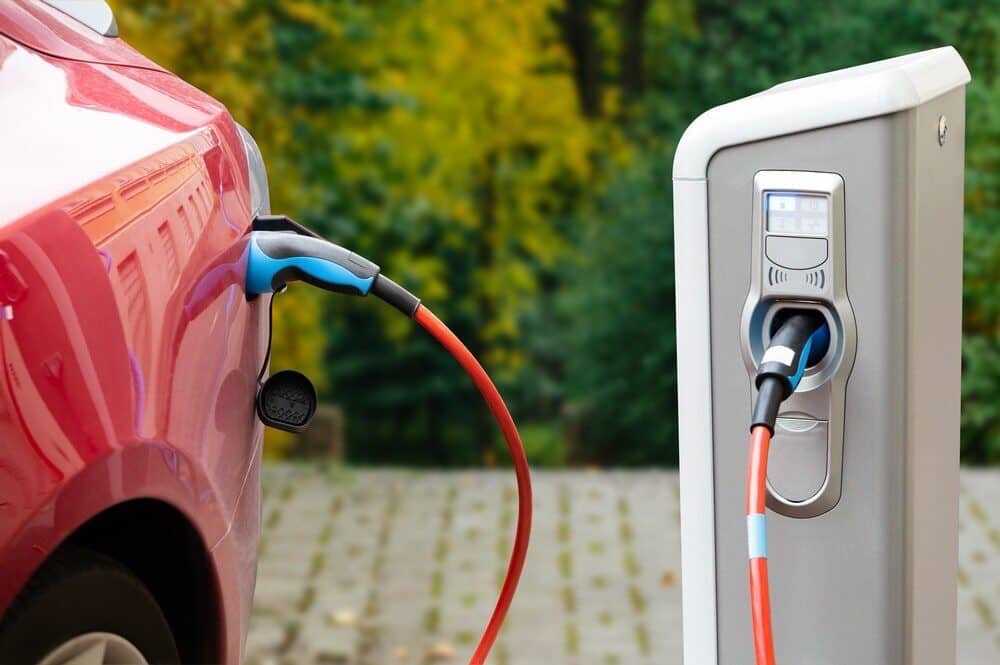
    To keep installations accessible, professionals in the sector are now offering intelligent controllable terminals, capable of modulating power, programming sessions via mobile application and sometimes V2G compatible.

    In condominiums, plug-and-play modular solutions reduce work and costs by 30-50%. Some monthly rental packages include installation, maintenance and replacement, to limit the initial investment.

    A sustainable economic advantage

    These aids are useful and economical to use. Charging at home is still very competitive. At off-peak times, electricity costs €0.10 to €0.15/kWh, compared with €0.40 to €0.80/kWh at normal public charging points and up to €1/kWh at fast motorway charging points.

    For a vehicle consuming 15 kWh/100 km and travelling 15,000 km a year, the annual saving could be as much as €1,000 to €1,500.

    Post-CIBRE: new approaches

    From 2026 onwards, reduced VAT will remain the national tax advantage, local aid will support certain single-family homes, and Advenir will continue to provide support for condominiums. Leasing and staggered payment solutions will become important levers for maintaining accessibility.

    The aim remains clear: to ensure that home charging retains its central role in the electricity transition and remains accessible to as many people as possible.