Category: Panorama

  • The European Union and electric mobility: what Brussels has actually been doing over the past 15 years

    The European Union and electric mobility: what Brussels has actually been doing over the past 15 years

    Electric mobility in Europe did not take hold overnight. Behind the current boom in electric vehicles lies a comprehensive regulatory framework that has been gradually put in place over the last fifteen years. From the initial CO₂ standards to the planned phase-out of internal combustion engines by 2035, the European Union has, step by step, shaped the transition of the automotive sector.

    From the first CO₂ standards to the rise of electric vehicles

    It all began in 2009, with the first binding legislation adopted by the European Union. The CO₂ emissions regulation set a target of an average of 130 g/km by 2015, rising to 95 g/km by 2020 for new cars, with penalties of up to €95 per gramme over the limit per vehicle.

    At this stage, electric vehicles are not yet a priority, but they are gradually becoming a viable option for manufacturers looking to meet these targets.

    At the same time, the European Union is beginning to shape its long-term vision. The White Paper on Transport published in 2011 sets a clear target: to reduce emissions from the sector by 60% by 2050. For the first time, the transition to low-emission vehicles is officially mentioned.$

    2014–2019: Europe lays the groundwork

    A new milestone was reached in 2014 with the first directive specifically dedicated to infrastructure. The EU requires Member States to plan the roll-out of charging points, with one key requirement: transparent, accessible and non-discriminatory pricing.

    But it was in 2019, above all, that the current framework took shape. With the European regulation on light-duty vehicle emissions, Brussels has set much more ambitious targets:

    • -15% reduction in emissions from 2025
    • -37.5% by 2030 for cars
    • -31% for commercial vehicles

    This text also introduces the first measures to promote electric vehicles, with tax credits specifically for zero-emission models.

    For the first time, heavy goods vehicles are also being included in the equation, with a target of a 30% reduction in emissions by 2030.

    2021–2023: a major turning point with the end of the combustion engine era

    The real turning point came in 2021 with the European Commission’s “Fit for 55” climate package. The aim is clear: to align all European policies with a 55% reduction in CO₂ emissions by 2030.

    In this context, a landmark decision was taken in 2023: to end the sale of new petrol and diesel cars by 2035.

    A conscious choice, as MEP Pascal Canfin explains:
    “If we want to be carbon neutral by 2050, we must ensure that no new cars put on the road from 2035 onwards emit CO₂.”

    In practical terms, this means that all new vehicles sold in the EU must be 100% zero-emission by that deadline.

    source: Bloom

    Infrastructure is finally becoming a necessity

    At the same time, the European Union is no longer focusing solely on vehicles. It is now turning its attention to a key issue: charging.

    Since 2024, the AFIR regulations have imposed very specific obligations:

    • A fast-charging station every 60 km along major European routes
    • A minimum power output of 150 kW for cars
    • Up to 350 kW for heavy goods vehicles
    • Payment by credit card is required; no subscription is needed
    • Price displayed in €/kWh before charging

    Added to this is another key element: open data (location, availability, price), to enhance the user experience and promote interoperability.

    The aim is clear: to make electric charging as simple and widespread a service as petrol is today.

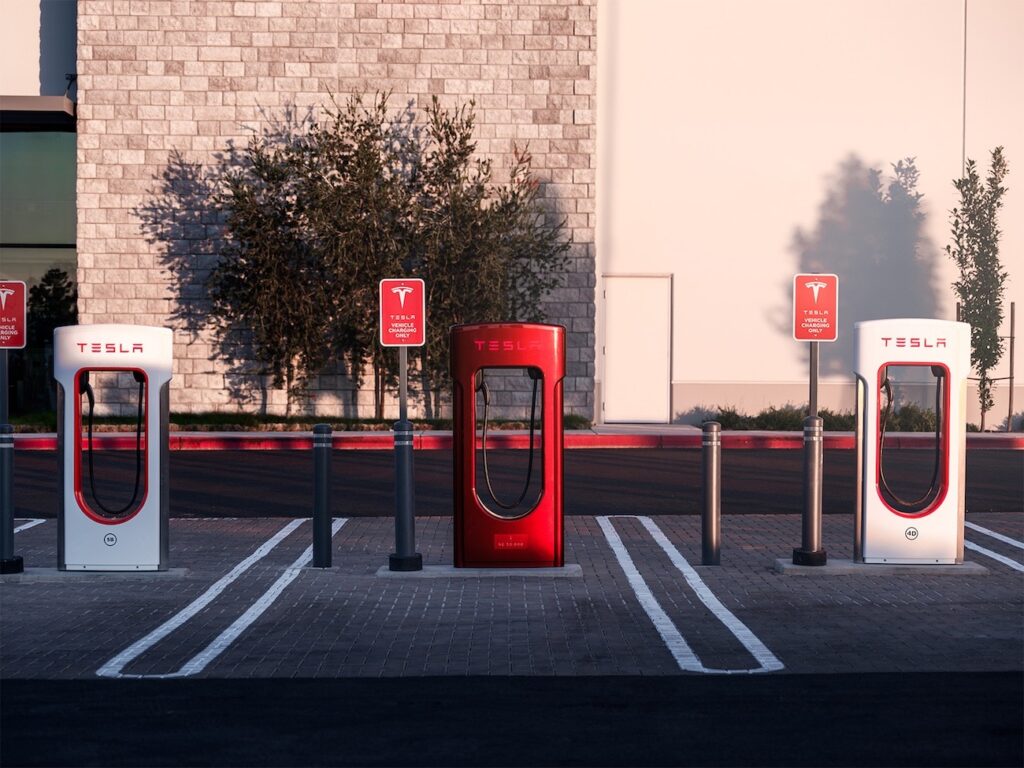
    source: Ionity

    2024–2026: a more pragmatic adjustment phase

    Following the major announcements, the European Union is now entering a more operational phase.

    As evidence of this more realistic approach, a flexibility mechanism has been introduced for manufacturers between 2025 and 2027, to avoid immediate penalties whilst maintaining the overall targets.

    At the same time, ambitions in the heavyweight division have been stepped up:

    • -45% emissions by 2030
    • -65% by 2035
    • -90% by 2040

    Another key milestone: by the end of 2026, the European Union plans to carry out an initial comprehensive review of its strategy, with the possibility of adjusting its objectives in line with industrial and technological realities.

    source: Geneviève Colonna d’Istria

    A transformation that is already visible, but still under strain

    Today, the effects of this strategy are beginning to bear fruit:

    • There are now over 10 million fully electric cars on the roads across Europe.
    • Over 175,000 public charging points installed
    • Massive industrial investment estimated at over €500 billion in Europe

    Nevertheless, a number of challenges remain: price pressure, competition from China, dependence on raw materials and social acceptance.

    A path that is now irreversible

    In just over fifteen years, the European Union has moved from a policy of incentives to a structural transformation of the car market.

    CO₂ standards, the phase-out of fossil fuels, and the roll-out of infrastructure: all the levers are now in motion. The question now is whether this strategy will be able to deliver on its promises against an increasingly tense industrial and geopolitical backdrop.

  • Electric 2026: Who sold the most EVs in America, and what does the next phase of the electric revolution look like?

    Electric 2026: Who sold the most EVs in America, and what does the next phase of the electric revolution look like?

    Whilst 2023 and 2024 were defined by the boom in electric vehicles, and 2025 has become the year when EVs became a reality, 2026 looks set to be the year of genuine competition in the electric vehicle market in the United States.

    The US EV market did not collapse once the initial euphoria had subsided. On the contrary, it has matured. Buyers have become more selective, focusing on affordability, access to charging, reliability and long-term running costs. Brands that offered real value, rather than just ambitious promises, have continued to dominate sales.

    Industry data from Cox Automotive and Kelley Blue Book show that the strong momentum seen in the EV market in 2025 continued into 2026, confirming that electric vehicles are no longer a niche segment of the US car market.

    The uptake of EVs has settled into a phase of steady growth rather than the explosive surge seen in the early years. The market is no longer driven by speculation; it is driven by competition.

    Here is the story of who led EV sales during the most recent cycle, what these figures reveal about the industry, and what they suggest for the future of electric mobility in America.

    The big picture: EV sales in the US on the cusp of 2026

    By the end of 2025, the US EV market had reached one of its strongest periods on record. Several major trends were shaping the industry as 2026 began:

    • Sales of electric vehicles reached record quarterly levels in 2025.
    • Electric vehicles have captured a double-digit market share nationwide.
    • SUVs and crossovers have dominated EV sales.
    • Competition between manufacturers has intensified dramatically.

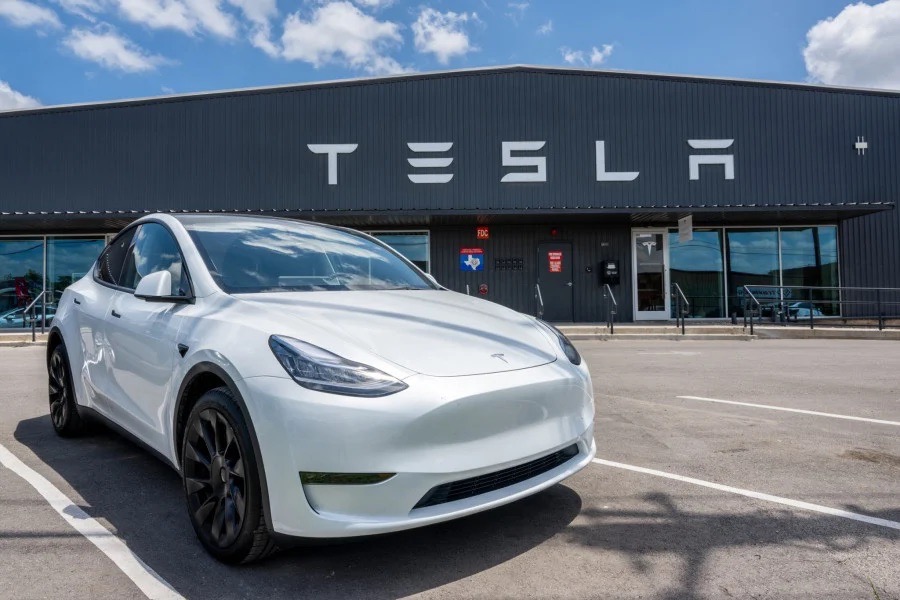
    Tesla remained the number one EV brand in the United States, but its market share declined as traditional manufacturers and international brands launched competitive models.

    Tesla’s share of the US EV market has fallen to around 38%, a significant shift from its previous dominance of over 70% at the start of the decade.

    This decline did not mean that Tesla was selling fewer cars. It meant that the rest of the industry had finally caught up.

    EV sales by brand: who led the market 

    One of the clearest snapshots of competition in the EV market emerged in late 2025, when sales soared ahead of changes to federal incentive schemes.

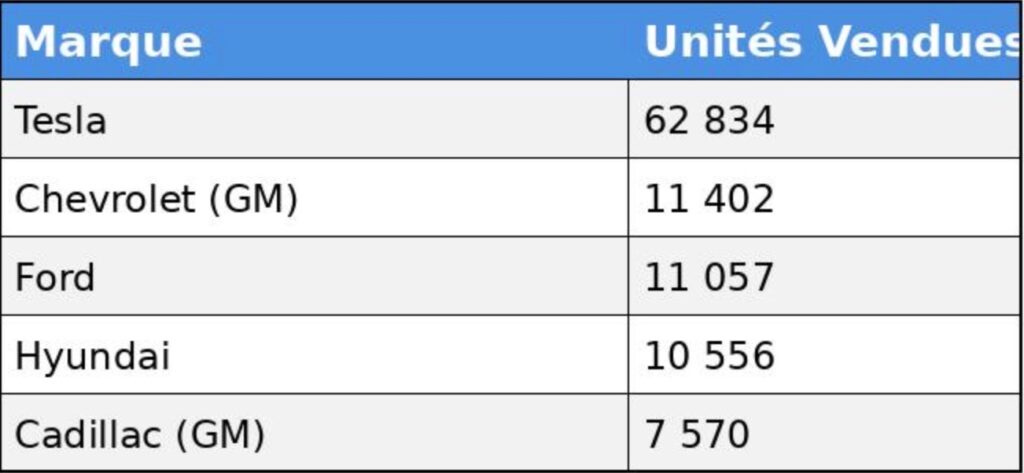
    Representative monthly sales figures showed the following performance by brand:

    These figures reveal a major structural shift in the industry: Tesla remains in the lead, but the established manufacturers are now collectively rivalling Tesla’s scale.

    TESLA: still the king, but no longer alone 

    Tesla began 2025 as the undisputed leader in the EV market and has maintained that position as we enter 2026.

    The company’s dominance rests largely on two factors:

    • Tesla Model Y
    • Tesla Model 3

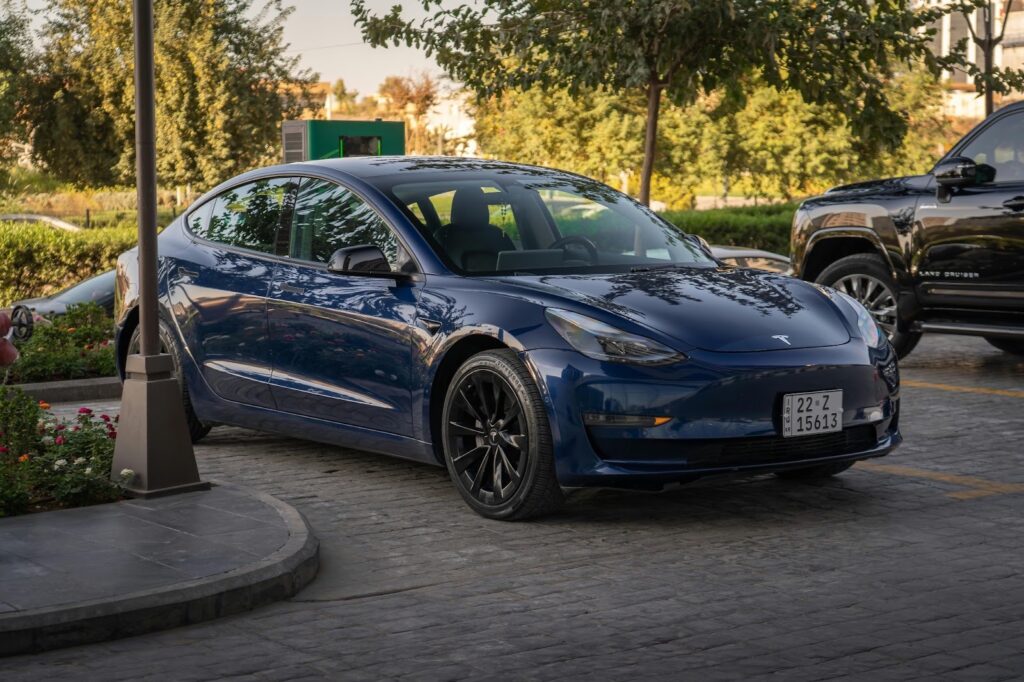
    The Model Y remained the best-selling electric vehicle in the United States and one of the best-selling vehicles overall.

    Preliminary sales figures for the third quarter of 2025 showed:

    • Model Y: approximately 114,897 units
    • Model 3: approximately 53,857 units

    But Tesla’s leadership is no longer unchallenged.

    The company has faced increasing pressure from:

    • Aggressive price competition.
    • Traditional car manufacturers are expanding their ranges of electric vehicles.
    • Changes to eligibility for the federal tax credit.
    • A slowdown in demand growth compared with previous boom years.

    Tesla responded with price cuts designed to maintain sales volumes, a strategy reflecting a more competitive market environment.
    GENERAL MOTORS: the surprising return of EVs

    If any traditional car manufacturer has emerged as a major success story in the EV sector, it is General Motors.

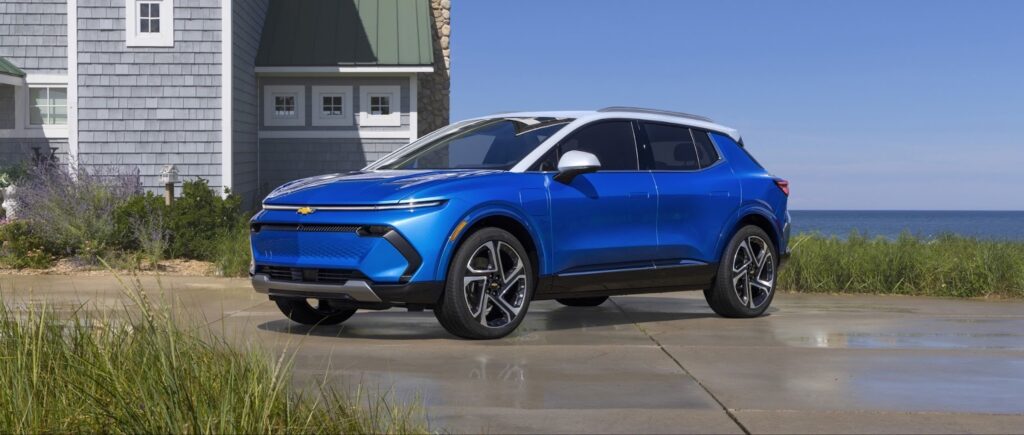
    Chevrolet has become Tesla’s closest direct competitor, largely thanks to one vehicle: the Chevrolet Equinox EV.

    Sales of the Equinox EV reached around 25,085 units in the third quarter of 2025, making it one of the best-selling non-Tesla EVs in the United States.

    Chevrolet has been successful in targeting mainstream buyers with:

    • A recognisable brand.
    • Competitive prices.
    • A practical battery life.
    • Strong support from the dealer network.

    The result marked a turning point for the established manufacturers, who had previously been left far behind by Tesla.

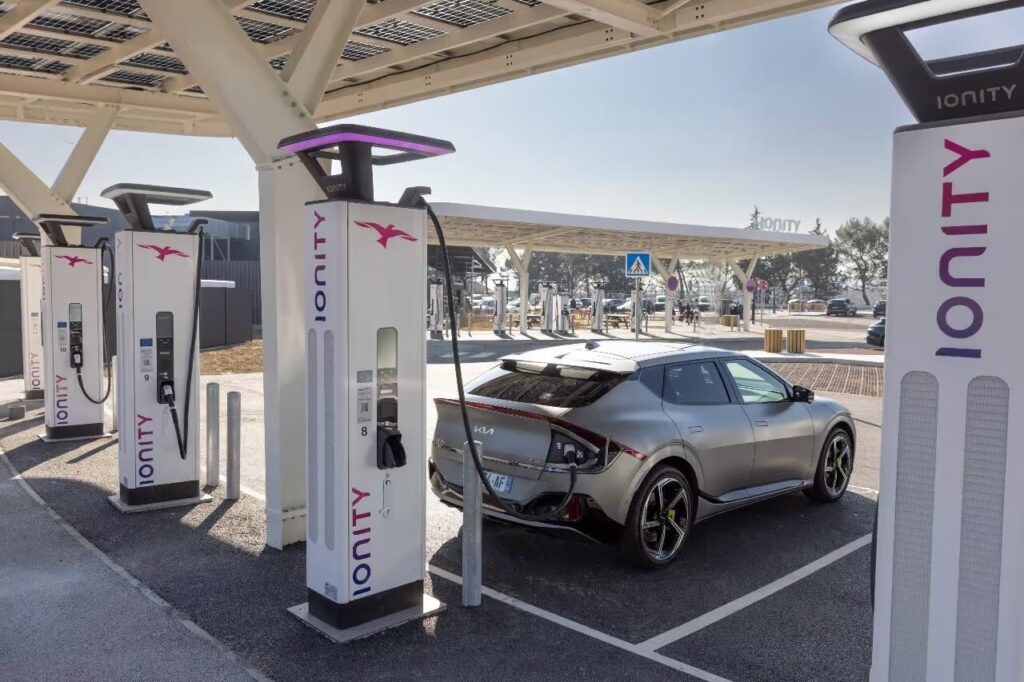
    source: Chevrolet

    FORD: pick-up trucks, performance and power from the brand 

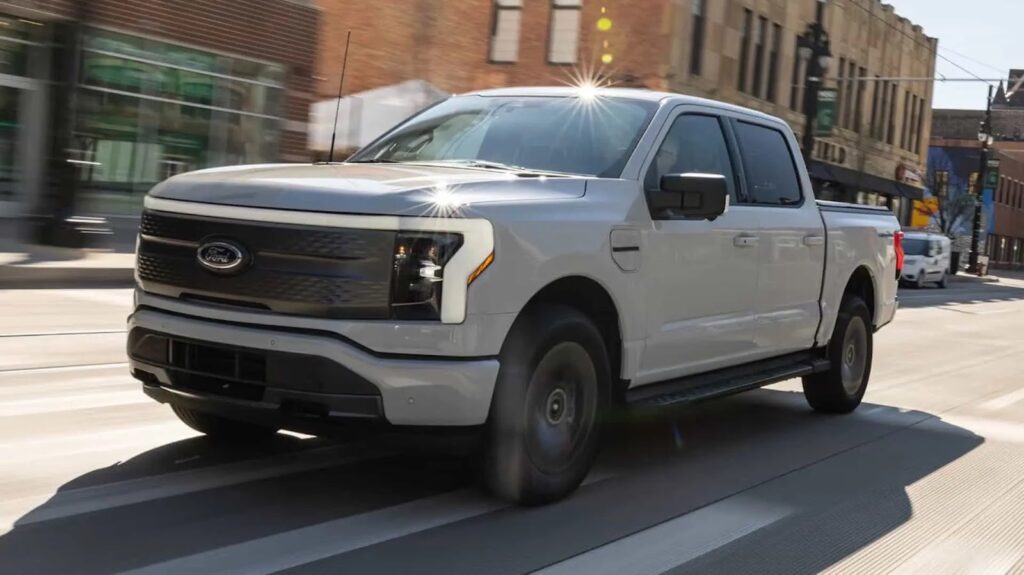
    Ford has maintained a strong presence in the EV market at the start of 2026, underpinned by two flagship models:

    • Mustang Mach-E
    • F-150 Lightning

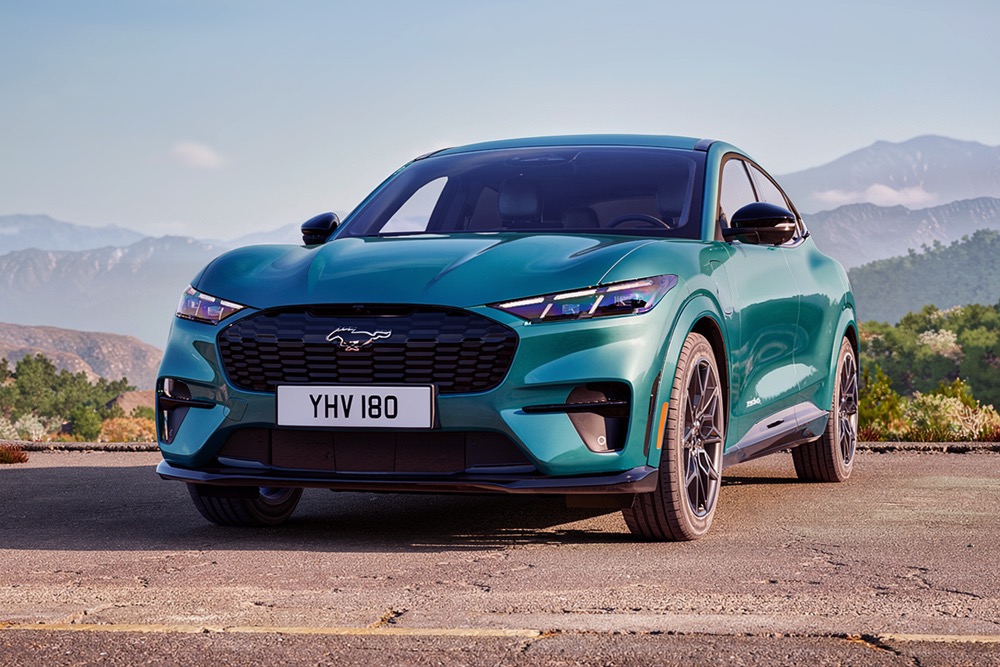
    Sales of the Mach-E reached approximately 20,177 units in the third quarter of 2025, reflecting strong brand loyalty and the strength of Ford’s nationwide dealer network.

    Rather than competing directly in the smaller EV segments, Ford has focused on high-performance SUVs and electric pick-up trucks, closely aligning itself with traditional American vehicle preferences.

    source: Ford 

    HYUNDAI AND KIA: the leaders in value 

    Hyundai and Kia have quietly continued to gain market share.

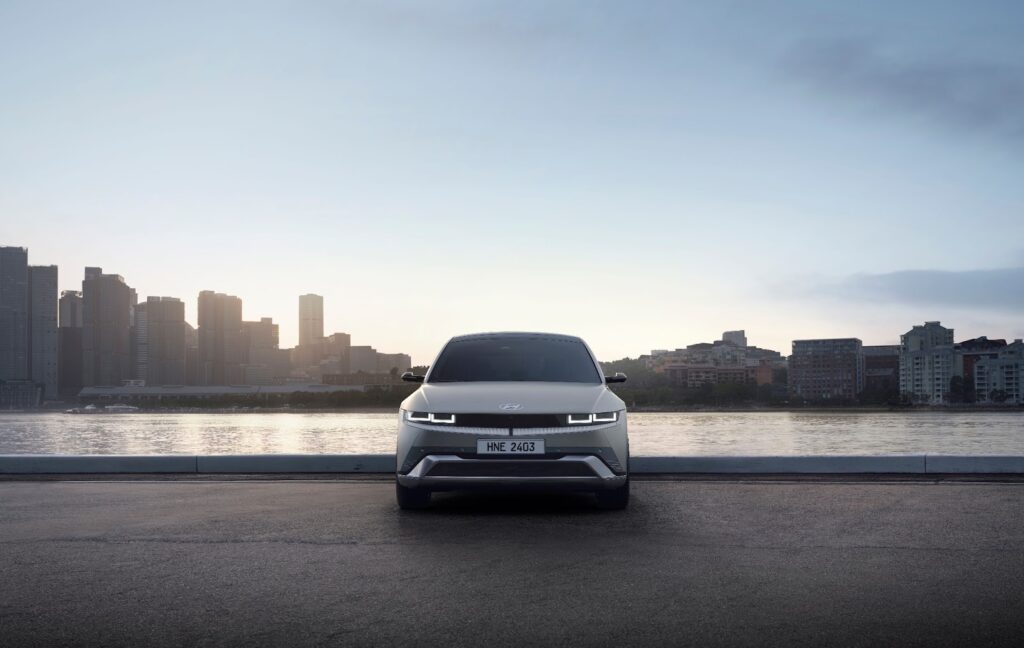
    Hyundai’s range of electric vehicles – particularly the Ioniq 5 – has received high praise from consumers for its value, range and reliability.

    Sales of the Ioniq 5 reached around 21,999 units in the third quarter of 2025, making it one of the most successful non-Tesla EVs.

    Analysts have frequently cited Hyundai and Kia as leaders in the design and engineering of affordable EVs, helping to broaden the uptake of EVs beyond luxury car buyers.

    source: Hyundai

    Emerging players: the new competition

    In addition to the traditional brands, several new players have helped to diversify the EV market.

    Notable models included:

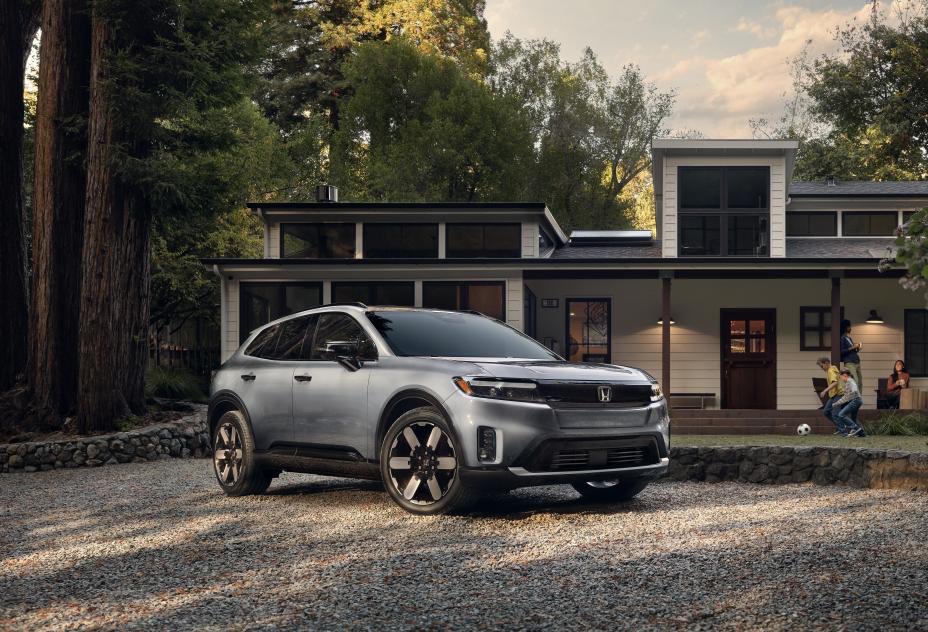
    • Honda Prologue — approximately 20,236 units sold in the third quarter of 2025.
    • Rivian R1S — nearly 19,687 units in 2025.
    • Volkswagen ID.4 — steady sales as a European alternative.

    These vehicles demonstrate that the EV market is no longer dominated by a single company or strategy.

    Instead, it becomes a fully-fledged ecosystem of competing brands and technologies.

    source: Honda

    The best-selling EV models 

    The best EV models on the US market included:

    1. Tesla Model Y
    2. Tesla Model 3
    3. Chevrolet Equinox EV
    4. Hyundai Ioniq 5
    5. Honda Prologue
    6. Ford Mustang Mach-E
    7. Kia EV6 / Chevrolet Blazer EV
    8. Rivian R1S
    9. Volkswagen ID.4
    10. Ford F-150 Lightning

    SUVs and crossovers topped the rankings, reflecting the preferences of American consumers.

    source: Rivian

    Incentives and economic reality 

    Government policy has remained a major factor influencing demand for EVs.

    Changes to the $7,500 federal tax credit for EVs sparked a surge in consumer purchases throughout 2025, as buyers rushed to secure the incentives before eligibility rules were tightened.

    At the same time, higher interest rates have made affordability a key factor.

    Brands that offered competitive prices or aggressive financing gained an advantage.

    Charging infrastructure: still the big question 

    Access to charging remains one of the biggest barriers to the wider adoption of EVs.

    States that have invested heavily in infrastructure, particularly California, have continued to lead the country in terms of EV adoption rates.

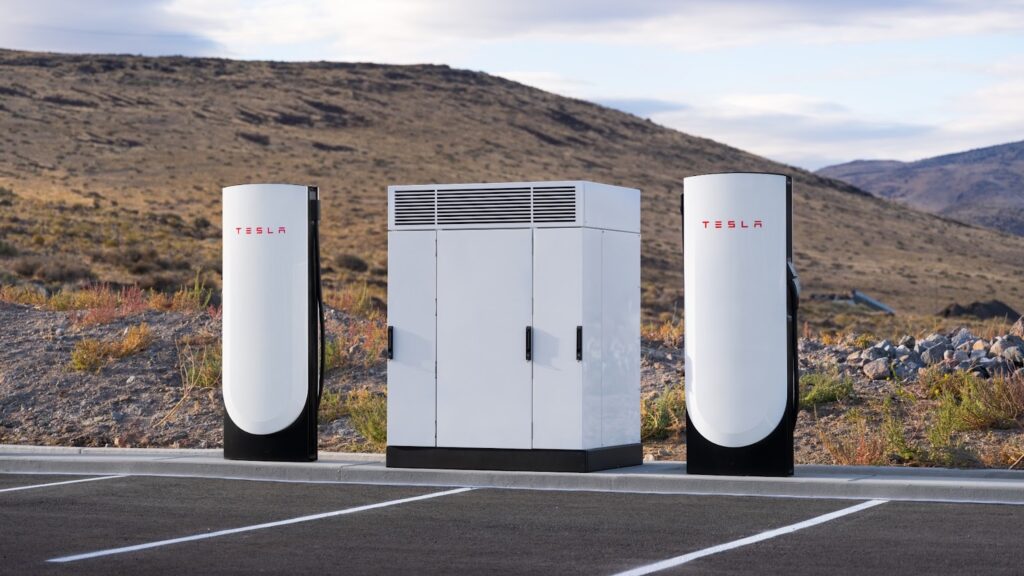
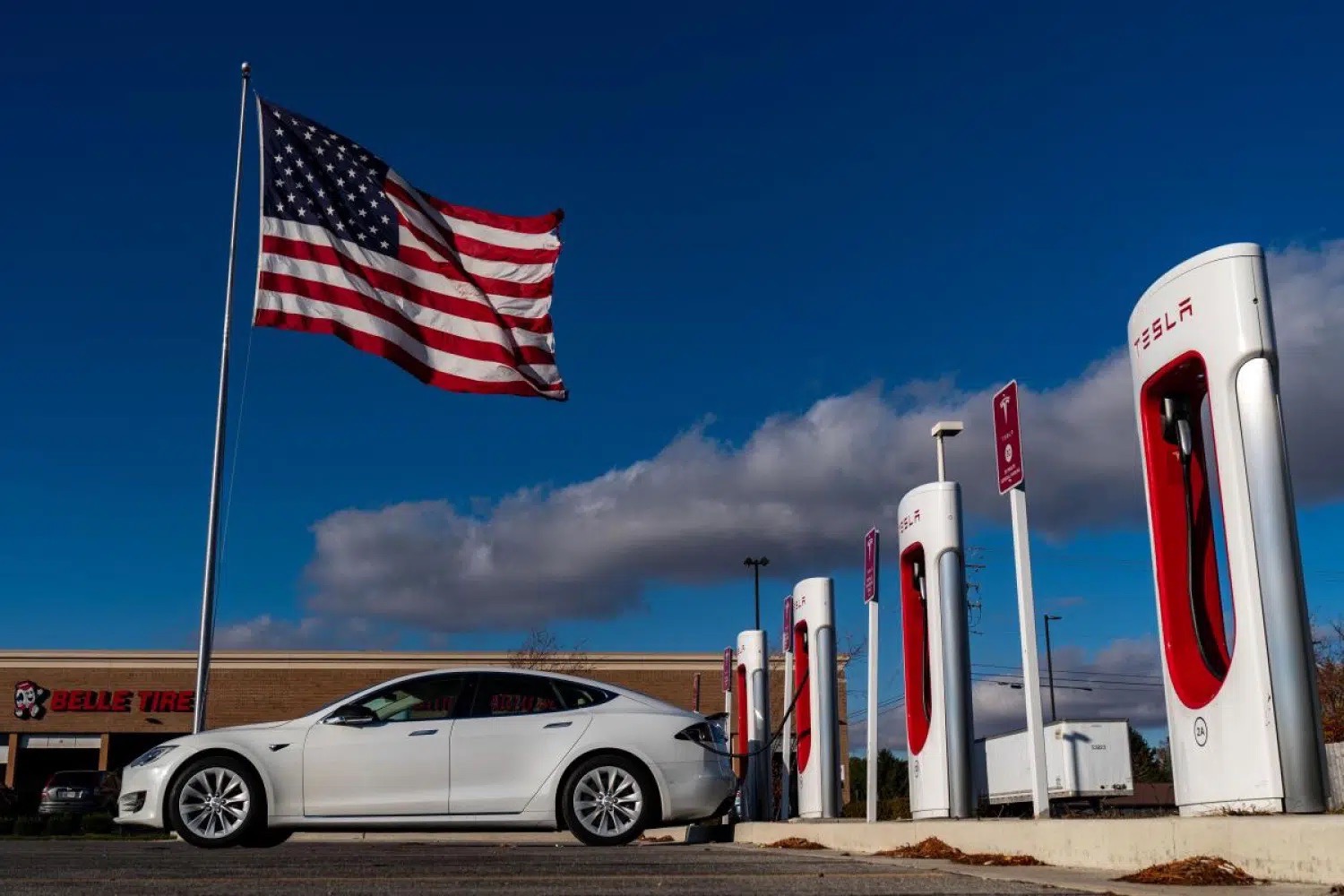
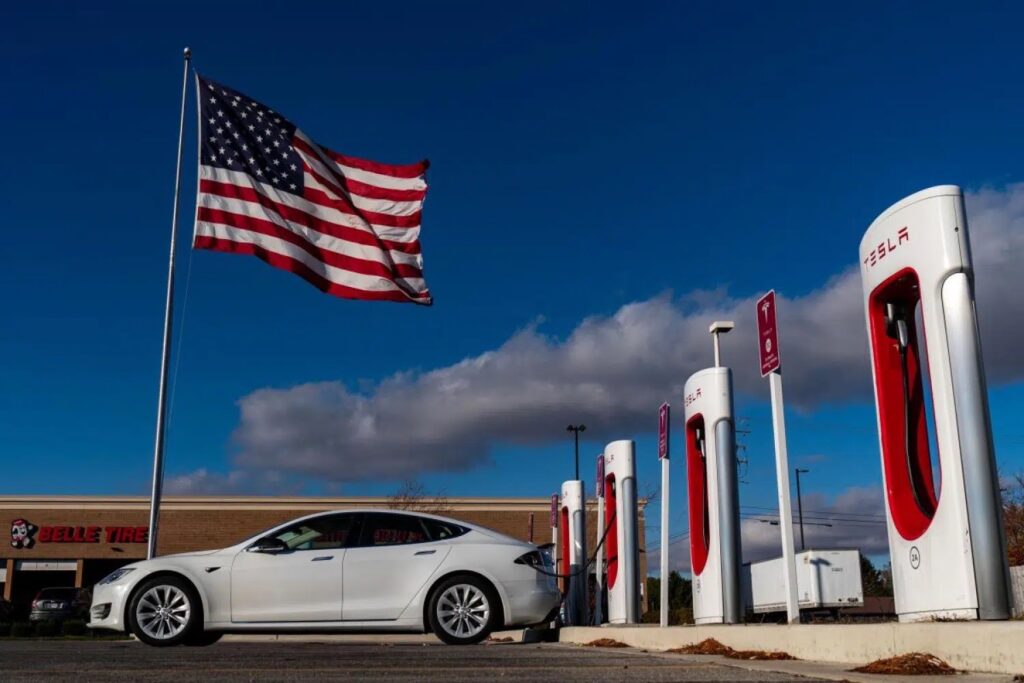
    Tesla’s charging network remains a major strategic advantage, although partnerships between manufacturers are expanding access to charging facilities nationwide.

    source: Tesla

    What 2026 means for the future of EVs 

    The outlook for EVs at the start of 2026 is clear.

    Electric vehicles are no longer an experimental technology or the subject of over-the-top speculation. They are now a permanent fixture on the American automotive scene.

    But the industry is entering a new phase in which success will depend on:

    • Affordability.
    • The expansion of infrastructure.
    • Trust in brands.
    • Usability in the real world.

    Tesla remains the market leader, but the era of unchallenged dominance is over. The EV revolution did not stall after the initial wave of enthusiasm; it has simply matured, and the real competition is only just beginning.

  • The day the market crashed

    The day the market crashed

    How did the MMTLP scandal expose Wall Street, the regulators and a rigged system working against ordinary Americans? There are moments in history when Americans suddenly see what lies behind the curtain, when the comforting illusion of fairness crumbles and the machinery of power is laid bare. For millions of retail investors, that moment came in December 2022. The stock symbol was MMTLP. What followed was not merely a suspension of trading. It was a breach of trust so severe that, three years on, the US financial system is still struggling to explain it. 

    MMTLP was supposed to be a routine transaction. A preference share linked to oil and gas assets, resulting from a spin-off from Meta Materials, it was marketed as a temporary bridge, soon to be converted into private shares in a new company, Next Bridge Hydrocarbons. Investors believed they would either be able to exit their positions by selling or receive fair value through the spin-off. Instead, they were trapped. Without warning, resolution or accountability, the market was frozen. And it never really reopened.

    An unprecedented ruling

    On 9 December 2022, trading in MMTLP was suspended just a few days before the final settlement period. Retail investors, many of whom were veterans, pensioners and middle-class Americans, were denied the fundamental right to participate in the market: the ability to sell.

    • No emergency announcements.
    • No penalties for fraud.
    • No clear explanation.

    The decision came from FINRA (Financial Industry Regulatory Authority), the self-regulatory body responsible for maintaining ‘fair and orderly markets’. But the markets were neither fair nor orderly that day. They were selectively closed.

    source: FINRA

    What made this ruling extraordinary was not only its timing, but its permanence. MMTLP never resumed negotiations. Investors were forced into a private company structure with no liquidity, no way out and no timeline for resolution.

    To many Americans, it felt less like regulation and more like confiscation.

    The shadow of naked short selling

    Almost immediately, investors began asking a question that was taboo on Wall Street: What if there were more shares in circulation than were legally authorised?

    Suspicion centred on naked short selling, a practice long denied by institutions but widely practised by retail traders. The theory was simple and explosive: if huge short positions existed and could not be closed out once trading had ceased, the suspension of trading prevented the revelation of a catastrophic imbalance.

    Instead of ensuring accountability, the system has frozen the evidence.

    Documents obtained under the Freedom of Information Act (FOIA) subsequently suggested that there was an internal realisation within the regulatory agencies that something was seriously amiss. Emails, timelines and internal alerts revealed that senior officials had been brought up to speed very quickly. Yet nothing was done to protect investors. Nothing was disclosed publicly. Silence became policy.

    source: FOIA

    Regulators are closing ranks

    As pressure mounted, investors turned to the courts. Lawsuits were filed in several federal courts, including those in Texas, Nevada, Connecticut and Vermont. The defendants were not only hedge funds, but also the very regulators responsible for oversight.
    The SEC (Securities and Exchange Commission) and FINRA responded with a joint defence: procedural immunity.
    The judges were asked not to assess the evidence, but to dismiss the cases on technical grounds. Time and again, the judges ruled that retail investors had no right to bring a private action. Requests for discovery were blocked. FOIA requests were refused. The evidence was sealed.

    Not because the allegations had been refuted, but because there was never any opportunity to examine them. Justice was not blind. It was simply unavailable.

    The human cost

    Behind every stock market symbol are real people. The MMTLP community comprises:

    • Military veterans who had faith in the market they had served to defend.
    • Pensioners who had invested their retirement savings.
    • Families who believed in American fairness and free enterprise.

    For them, it wasn’t just a loss on paper; it was a life-changing event.

    Some had to put off medical procedures. Others had to delay paying their university tuition fees. Many simply wanted answers. What they received instead was gaslighting: assurances that the split had been ‘successful’, that the markets were functioning as intended, and that nothing untoward had taken place.

    Yet, three years on, the shares remain illiquid, the questions unanswered and the regulators unmoved.

    Next Bridge: a locked door

    Next Bridge Hydrocarbons, the private company into which investors were forced to invest, filed repeated disclosures revealing severe financial distress. Losses were mounting. ‘Going concern’ warnings emerged. Assets remained unexploited. There was no initial public offering (IPO). No buyback. No repayment mechanism.

    Retail investors have been told to wait. To wait for value, to wait for transparency, to wait for justice. But in this system, waiting seems to be the very point.

    source: Next Bridge Hydrocarbons

    A pattern, not a coincidence

    What makes MMTLP so dangerous in this situation is that it is not an isolated case. The same themes are evident in other small-cap stocks driven by retail investors:

    • Trading halts at critical moments.
    • Transparency rules delayed.
    • Endless extensions granted to powerful market players.
    • Courts are reluctant to override regulatory immunity.

    In December 2025, the SEC quietly delayed the transparency rules on short selling once again, pushing back the disclosure requirements until 2028. The message was clear: Wall Street would be protected. Retail investors would have to wait.

    For many Americans, MMTLP has become the Rosetta Stone of stock market corruption – the case that explained all the others.

    Why the media turned a blind eye

    Perhaps the most damning aspect of the MMTLP scandal is not what happened, but the fact that the mainstream financial media – ever quick to report on celebrities’ stock picks and the craze for cryptocurrencies – have largely ignored the story.

    Why? Because MMTLP challenges the narrative that US markets are the fairest in the world. It exposes uncomfortable truths about regulatory capture, institutional favouritism and the erosion of equal protection under the law. It reveals that in modern America, some investors are more equal than others.

    A constitutional issue

    Ultimately, the MMTLP scandal is no longer about a single action. It is about rights.

    • The right to property.
    • The right to due process.
    • The right to transparent governance.

    When regulators can drain liquidity without explanation, refuse to disclose evidence, suppress evidence and evade judicial scrutiny, the question inevitably arises: who is the market really for?

    The Silent Revolt

    Despite everything, the MMTLP community has not disappeared. It has organised itself. Thousands of letters have been sent to Congress. Dozens of lawmakers have signed petitions. Independent journalists have investigated the matter. FOIA battles have continued. Discussion forums, calls, dashboards and evidence submissions have multiplied.

    That wasn’t mob behaviour. It was civic engagement. The sort that our system claims to encourage—until it threatens those in power.

    The day the market crashed

    History will remember December 2022 not merely as a trading halt, but as a turning point. The day when ordinary Americans realised that the promise of free markets no longer applied across the board.

    MMTLP has shown that when losses are small, individuals are allowed to gamble. When losses threaten institutions, the game stops. And when the game stops, the referees close ranks.

    The shadow cast over electric mobility

    This same two-tier system, which sacrificed MMTLP retail investors to protect Wall Street, now looms over the US energy transition. Whilst the Trump administration has been advocating a ‘free market’ approach to electric vehicles since its 2025 reset, one crucial question remains: who will protect the small players when the shift to electric vehicles threatens the established giants?

    The parallel is disturbing. The same regulators (SEC, EPA) that turned a blind eye to MMTLP are now overseeing massive subsidies (IRA, tax credits) and the supply chains for lithium, a critical mineral dominated by China. If MMTLP revealed that ‘some investors are more equal than others’, the battle for electromobility risks demonstrating that some transitions are freer than others.

    What comes next

    The story of MMTLP is still unfolding. Appeals are still ongoing. FOIA disclosures continue. Public pressure is mounting. And trust, once lost, is hard to restore.

    But one thing is already certain: the myth of a fair market has not survived MMTLP.

    The only question now is whether America will face up to what this has revealed, or whether it will sweep it under the carpet like so many truths before it.

  • War, oil and petrol: Americans grappling with soaring prices and Trump’s decisions

    War, oil and petrol: Americans grappling with soaring prices and Trump’s decisions

    The war in the Middle East is reigniting a concern all too familiar to Americans: the price at the pump. Since the strikes carried out by the United States and Israel against Iran in late February 2026, followed by Iranian retaliation and the blockade of the Strait of Hormuz, energy markets have been under strain. The immediate result: a surge in oil and petrol prices, which is unpopular with the public and has reignited the debate over switching to clean-energy vehicles. 

    A geopolitical shock that is driving prices back up

    In reality, the impact of the conflict was almost immediate. The Strait of Hormuz, through which around 20% of the world’s oil passes, was partially blocked. As a direct consequence, the price of a barrel of Brent crude broke the $100 mark, even reaching $120 at times – a level not seen since 2022, according to several analyses published in early March. Indeed, the price per barrel fluctuated between $55,000 and $64,000 between 2020 and 2023.

    In the United States, this tension was quickly reflected at the pump. According to data reported by Reuters and several international media outlets, the average price of petrol rose from around $2.85 per gallon in February to between $3.63 and $4 in early March, with peaks of up to $4.40 in some states. This represents an increase of between 21% and 24% in just a few weeks.

    A sudden spike, less severe than that of 2022, when prices had risen above $5 a gallon, but significant enough to reignite concerns about purchasing power.

    source: Zonebourse

    A very real concern in the daily lives of Americans

    On the ground, the impact is immediate. Accounts gathered by AFP and reported by USA Today in early March 2026 point to growing discontent at petrol stations, particularly in California and several southern states. Some motorists speak of a direct impact on their household budgets: “Prices are rising really fast”, “I’m unemployed, it’s getting difficult”, or “This war is making life more expensive”. 

    Polls confirm this trend. A Reuters/Ipsos survey indicates that 67% of Americans expect petrol prices to continue rising over the course of the year. At the same time, 49% believe the war is already having a negative impact on their personal finances.

    Household confidence has been directly affected. The University of Michigan’s consumer confidence index fell to 55.5 in March 2026, one of its lowest levels in several months.

    Growing political pressure on Donald Trump

    Against this backdrop, the energy issue has become a key political concern. According to several surveys reported by Reuters and Le Monde, only 27% of Americans approve of Donald Trump’s handling of petrol prices, whilst 66% disapprove.

    source: JULIA DEMAREE 

    More broadly, managing the cost of living has become a major point of vulnerability for the government. Nearly two-thirds of those surveyed say they are critical on this issue, even as the mid-term elections approach in autumn 2026.

    This situation is reminiscent of the crisis in 2022, when soaring prices following the invasion of Ukraine had taken their toll on the popularity of the US administration at the time.

    Trump’s energy policy put to the test

    Since returning to the White House, Donald Trump has radically changed US energy policy. Several measures supporting electric vehicles have been scrapped, starting with the $7,500 tax credit, which is set to end in late September 2025. Funding for the NEVI programme, intended for the roll-out of charging points, has also been frozen, whilst certain emissions standards have been relaxed.

    At the same time, the government has stepped up its support for fossil fuels, with a strategy focused on increasing domestic production and exports of liquefied natural gas, which are expected to rise by 50% by 2027.

    In practice, this decision indirectly favours combustion-engine vehicles. This approach automatically increases households’ dependence on fluctuations in oil prices.

    An ironic twist in the energy sector that is reigniting interest in electric vehicles

    The irony is that, whilst public policy is holding back the development of electric vehicles, rising petrol prices are making them more attractive in the short term.

    According to several sector-specific analyses, searches for electric vehicles now account for between 22% and 24% of all automotive searches, a figure that represents an increase of several percentage points since the start of the conflict. This trend was already observed in 2022, when sales of electric vehicles rose sharply, with their market share increasing from 2.7% to 5.6% amid soaring oil prices.

    But unlike back then, the current political climate is now holding back this momentum. Indeed, the withdrawal of subsidies and the rise in the price of new vehicles – which now average over $50,000 – are limiting access to electric vehicles for some consumers.

    source: Tesla

    A strategy that could backfire on its initiator

    The question now clearly arises: has Donald Trump fallen into his own trap?

    By favouring fossil fuels and holding back the transition to electric vehicles, the administration has increased Americans’ vulnerability to oil price shocks. In the short term, rising petrol prices are fuelling discontent and eroding purchasing power.

    In a rapidly changing automotive market, the war in the Middle East serves as a wake-up call. It serves as a reminder that, despite record domestic production estimated at over 13 million barrels a day, the United States remains vulnerable to international tensions.

    And in this context, clean energy for our transport is proving to be the best option for keeping costs down.

  • Trump’s electric vehicle reset continues in 2026: how the US President is prioritising consumers, workers and common sense

    Trump’s electric vehicle reset continues in 2026: how the US President is prioritising consumers, workers and common sense

    In 2025, President Donald J. Trump launched what many now describe as the most significant shift in modern US automotive policy. By 2026, the results of this reset were becoming clear. Whilst the Biden administration had spent years attempting to impose electric vehicle mandates on Americans, regardless of cost, infrastructure or practicality, President Trump had chosen a different path: one rooted in freedom, economic realism and consumer choice.

    source: Le rouleur électrique

    Contrary to the narrative pushed by the media, President Trump did not ‘kill’ electric vehicles. On the contrary, he saved the EV sector from government overreach, restoring balance, innovation and consumer confidence to an industry that had been stifled by mandates, subsidies and ideological pressure.

    Trump’s reset of EV policy, launched in 2025 and continued in 2026, represents a strategic realignment that prioritises American consumers, American workers and American manufacturers.

    The problem Trump has inherited: forced electrification

    Even before President Trump returned to the White House, the electric vehicle market was already facing serious challenges. Despite massive federal subsidies, EV adoption had stalled. Prices were rising, dealerships’ stockyards were filling up with unsold electric cars, and the charging infrastructure was lagging far behind the promises made by policymakers in Washington.

    Middle-class families felt increasingly pressured to buy cars they neither wanted nor could afford.

    The Biden administration’s EV strategy was based on coercion rather than consumer choice. Through aggressive Corporate Average Fuel Economy standards, EPA regulations and global climate commitments, Americans were essentially being told: buy electric or pay the price.

    This price included:

    • Higher vehicle costs
    • A reduction in consumer choice
    • Production inconsistencies
    • Concerns about the electricity grid
    • Growing public scepticism towards EV policy

    President Trump has changed his stance: technological transitions cannot be imposed by government decree.

    Trump’s core philosophy: let the market decide

    From the start of his second term in 2025, Trump made his position clear. Electric vehicles must succeed, but only if they succeed in the market.

    His EV framework was based on several key principles:

    • No compulsory mandate
    • No artificial demand created by regulation
    • No penalties for petrol or hybrid vehicles
    • No bureaucratic micromanagement of consumers

    Instead, the Trump administration has focused on restoring competition, affordability and technological innovation.

    By 2026, this approach had begun to stabilise the EV industry. Car manufacturers can plan effectively, consumers can choose freely, and the development of EVs continues without the distortions caused by government mandates.

    source: AFP

    The “Freedom Means Affordable Cars” initiative

    One of the most significant policies introduced in 2025, and which is now shaping the market in 2026, is the Trump administration’s ‘Freedom Means Affordable Cars’ initiative.

    The programme has revised the fuel economy and emissions standards that had previously been used to indirectly encourage the adoption of electric vehicles.

    By resetting the CAFE standards to realistic and technology-neutral levels, the administration:

    • Has reduced regulatory costs for car manufacturers
    • Has helped to bring down vehicle prices
    • Has enabled EVs, hybrids and petrol-powered vehicles to compete on a level playing field
    • Has eliminated disguised EV mandates
    source: US Department of Transportation

    Federal transport estimates predicted that the reform would save US consumers more than $100 billion over five years.

    Equally important, the lifting of government pressure has helped to reduce the political stigma attached to EVs.

    Why might lower costs speed up the uptake of EVs?

    Many climate activists argued that the adoption of EVs needed to be enforced. Trump’s approach proved the opposite.

    By reducing regulatory costs across the automotive sector, manufacturers have gained greater flexibility to:

    • Improving battery technology
    • Increase autonomy
    • Reduce purchase prices
    • Focus on designs that consumers actually want

    As EV technology improves and costs naturally fall, consumer adoption becomes sustainable. Throughout 2026, innovation in EVs and hybrid vehicles continues within the industry without the instability caused by rigid government mandates.

    “America First” manufacturing

    A key pillar of Trump’s economic strategy is the revitalisation of domestic manufacturing.

    The government has introduced policies designed to encourage Americans to buy vehicles manufactured in the United States. A key measure allows buyers to deduct up to $10,000 a year in car loan interest for domestically assembled vehicles.

    Politics:

    • Encourages the purchase of vehicles manufactured in America
    • Strengthens domestic supply chains
    • Reward manufacturers who invest in American workers

    Unlike previous subsidy schemes, which often benefited foreign supply chains, Trump’s policies aim to keep the economic value of EV production within the United States.

    source: Ford

    Ending dependence on foreign countries

    The production of electric vehicles relies heavily on critical minerals such as lithium, cobalt, nickel and rare earth elements, many of which are currently dominated by China.

    In response to this vulnerability, the Trump administration has stepped up policies focused on energy and mining independence, including:

    • Streamlining domestic mining permits
    • Expansion of strategic minerals development
    • Investment in battery research in the United States
    • Reducing reliance on Chinese supply chains

    This strategy ensures that America’s electric vehicle future does not become a national security vulnerability.

    source: China Stringer Network

    Infrastructural realism 

    The Biden administration had promised millions of charging points across the country but has delivered far fewer.

    Trump has taken a different approach, focusing on practical infrastructure development rather than ambitious federal promises.

    How to take it:

    • Encouraged private-sector investment in charging networks
    • Has reduced approval delays
    • Has concentrated infrastructure along the main travel corridors
    • Has given Member States greater flexibility in planning

    This market-driven model has begun to expand access to charging more effectively, particularly in suburban and rural areas that had previously been neglected.

    source: Tesla

    Protecting working-class Americans

    Perhaps the most politically significant aspect of Trump’s EV policy is his rejection of what critics describe as EV elitism.

    Previous mandates disproportionately affected:

    • Rural families
    • Farmers
    • The craftspeople
    • Van owners
    • Pensioners on a fixed income

    By safeguarding consumer choice – including petrol, diesel, hybrid and electric vehicles – the Trump administration has ensured that Americans are not penalised for their transport needs.

    This fairness has helped to restore public confidence in the automotive market as a whole.

    source: entraid

    A stronger automotive industry by 2026 

    Car manufacturers had repeatedly warned that aggressive EV mandates could destabilise the industry.

    On the contrary, the Trump administration has worked closely with:

    • American car manufacturers
    • Dealer associations
    • Trade unions
    • Independent suppliers

    The result is an automotive industry with greater flexibility to:

    • Balancing the production of EVs and conventional vehicles
    • Protecting American jobs
    • Adapting to actual consumer demand
    • Competing on a global scale

    The EV reset continues

    As 2026 unfolds, the effects of President Trump’s electric vehicle reset are becoming increasingly apparent.

    The development of electric vehicles continues. Innovation remains strong. But the market is now driven by consumer choice rather than government mandates.

    President Trump hasn’t given up on electric vehicles – he’s repositioned them.

    By rejecting coercion, restoring affordability, defending consumer freedom and prioritising American workers, Trump has laid the foundations for an EV future built on economic strength and national sovereignty.

    And under this model, innovation – rather than government pressure – will determine which technologies ultimately prevail.

  • Spain: electric mobility is gaining momentum, yet remains held back by its own limitations

    Spain: electric mobility is gaining momentum, yet remains held back by its own limitations

    As Europe’s second-largest car manufacturer, Spain is gradually establishing itself as a key market for electric mobility. Having long lagged behind northern European countries, the country has seen a marked acceleration in electric vehicle sales since 2025, driven by increased industrial and political momentum. Behind this rise, however, several structural weaknesses remain.

    A rapidly growing market

    The year 2025 marks a real turning point for electric mobility in Spain. According to estimates from the European Alternative Fuels Observatory, around 243,000 plug-in vehicles (BEVs and PHEVs) were registered that year, accounting for nearly 19% of the car market.

    The breakdown of this estimate reveals that over 100,000 fully electric vehicles (BEVs) were sold. These figures represent growth of more than 70% compared to last year. Naturally, with over 100,000 BEVs sold, this also means that plug-in hybrids (PHEVs) have exceeded 100,000 units. This is a sign that the Spanish view PHEVs as the key to the energy transition in transport. Taking these results together, in Spain, nearly one in five new cars is now rechargeable.

    Of the approximately 243,000 rechargeable vehicles (BEVs and PHEVs), passenger car registrations alone exceeded 225,000 units. And this momentum is continuing into early 2026. In the first two months of the year, more than 36,000 rechargeable vehicles were registered, bringing the market share to 21.3%, a significant increase.

    A park still under construction

    Despite this rapid growth, the number of electric vehicles on the road remains limited at national level.

    In the absence of consolidated data for the end of 2025, estimates put the total fleet at between 500,000 and 700,000 rechargeable vehicles. This is still a modest figure compared to the size of the car market, which stands at around 24 to 25 million passenger cars.

    Certain regions illustrate this structural lag. In Madrid, for example, electric vehicles still accounted for less than 2% of the total vehicle fleet in 2024, with even greater disparities in less urbanised regions.

    An infrastructure that is growing rapidly… but is far from perfect

    But electric cars inevitably require a charging infrastructure. Spain’s charging network is expanding rapidly. By the end of 2025, the country will have around 50,000 operational public charging points, according to data from AEDIVE.

    The increase is particularly marked in high-speed infrastructure:

    • the number of charging points with a capacity of between 50 and 250 kW has almost doubled in a year,
    • The number of ultra-fast charging points (>250 kW) has increased by nearly 85%.

    Major regions such as Catalonia, Madrid and Andalusia account for the bulk of the network.

    But this apparent growth masks a more mixed picture. A significant proportion of the charging points installed are not yet in service, due to delays in connection or bureaucratic red tape. As a result, the network’s actual availability remains below the figures announced.

    Obstacles that are still clearly identified

    Despite positive momentum, several obstacles continue to hinder the uptake of electric vehicles.

    The first concerns the reliability and distribution of infrastructure. The network remains unevenly distributed, with rural areas still lacking adequate coverage.

    Added to this is a familiar factor: the still high purchase price of electric vehicles, which limits their uptake by private individuals, despite the subsidies. Finally, the lack of clarity regarding future policies has long fostered a degree of caution among both consumers and market players.

    A review of financial support in 2026

    In light of these limitations, the Spanish government has embarked on a major overhaul of its support scheme. The MOVES III programme, which runs until 2025, is gradually being replaced by a new national framework as part of the ‘Auto 2030’ plan. At the heart of this strategy lies the Auto+ Plan, which provides around €400 million in direct purchase subsidies.

    Unlike the previous system, management is now centralised at national level, with a clear objective: to simplify procedures, reduce processing times and standardise eligibility criteria. This initiative forms part of a comprehensive plan estimated to cost over €1.2 billion, which also includes support for industry and infrastructure.

    source: sustainable mobility

    An ambitious industrial strategy

    Beyond the market itself, Spain aims to play a major role in the European electric mobility value chain. In particular, the country is hosting a strategic gigafactory project led by CATL and Stellantis, with an announced capacity of 50 GWh per year and production scheduled to begin in late 2026. At the same time, several manufacturers are accelerating the electrification of their industrial sites:

    • SEAT and CUPRA in Martorell
    • Stellantis in Vigo, Zaragoza and Madrid
    • Ford in Valencia

    Energy companies also play a key role in the roll-out of infrastructure, with firms such as Iberdrola and Endesa playing a particularly active part in fast-charging networks.

    source: SEAT and CUPRA

    A transition that is well underway but not yet complete

    Spain has set itself ambitious targets as part of its energy transition:

    • 30% renewable energy in transport by 2030
    • 70% renewable electricity
    • carbon neutrality in the transport sector by 2050

    With sales surging, the industry taking shape and infrastructure gradually improving, electric mobility in Spain is advancing rapidly. However, to catch up with more mature markets, it will still need to overcome several structural barriers and ensure a smoother implementation of its strategy.

  • Malta: slight growth in electromobility, but persistent structural challenges

    Malta: slight growth in electromobility, but persistent structural challenges

    A small Mediterranean archipelago of 320 km² with a population of around 545,000, Malta has an atypical profile in Europe. With a population density of around 1,716 inhabitants per km², the highest in the European Union, and a car fleet of more than 450,000 vehicles of all categories, the country has a number of structural constraints that make the transition to electric mobility more complex. Despite real progress in recent years, supported by increased public funding, electromobility still faces a number of obstacles in the archipelago.

    A rollercoaster electricity market

    Electric vehicle sales in Malta have followed an atypical trajectory in Europe. In the first quarter of 2022, electric motors and plug-in hybrids accounted for just 1.7% of the total vehicle fleet, representing a total of just 7,122 vehicles in the Maltese islands at the time.

    Fast forward three years later and as of the second quarter of 2025, this segment of vehicles has more than doubled and now represents 4.3% of the total fleet, or 19,493 vehicles out of the overall total of 450,794 vehicles currently registered. The number of pure electric vehicles in the Maltese islands increased by 6% in the first two quarters of 2025, to a total of 14,555 electric vehicles.

    At the end of September 2025, the total fleet of electric vehicles and plug-in hybrids reached 20,604 units, or 4.5% of the total fleet of motorised vehicles registered in Malta.

    A recharging network that is still limited and inefficient

    Malta has around 380 public charging points, a figure that may seem relatively reasonable given the still modest number of electric vehicles on the island. In fact, there is one public charging point for electric vehicles for every 46 cars on the Maltese islands.

    In practice, the power of the installations remains very limited. Only a handful of charging points exceed 22 kW, and 12 fast charging points offer more than 50 kW. In other words, almost 90% of installations are AC charging points of less than 11 kW, which means that charging times are particularly long.

    Most of the infrastructure is concentrated in urban and tourist areas: Valletta, Sliema and St Julian’s, Gozo.

    As for the network operators, there is Maltapark, which operates almost half of the public terminals, as well as Enemalta (the Maltese EDF). There are also a few fast infrastructures operated by Tesla.

    source: Maltapark

    Numerous structural obstacles

    There are several major obstacles to the volatile adoption of electric vehicles on the archipelago.

    The first is the purchase price. In Malta, the price of electric vehicles is significantly higher than in other European markets, due to the fact that the vehicles are imported in their entirety and the associated logistics costs. For example, excluding grants, the price of a Tesla Model Y Long Range is €62,900 in Malta, compared with ‘only’ €49,990 in France, an increase of 26%.

    Access to recharging is another major obstacle. Around 85% of households live in flats, often without private parking or the possibility of installing a home charging point.

    Furthermore, and this is not the only sceptical European population, Maltese drivers remain unconvinced given the range of electric vehicles, even though most daily journeys on this particularly compact island do not exceed 30 kilometres.

    Finally, a number of cultural factors also play a role. In a society where the car remains a status symbol, the electric models on the market are often perceived as prestige objects rather than everyday vehicles.

    Sharp rise in public funding

    With a view to developing electromobility as effectively as possible and tackling these obstacles, the Maltese government has stepped up its financial incentives. Malta is counting on very generous subsidies through the main Electric Vehicle Grant Scheme. This scheme offers between €5,000 and €10,000 for the purchase of a 100% electric vehicle for private individuals (and up to €15,000 for businesses), depending on the price. These grants are supplemented by a 5-year exemption from road tax and subsidies for the installation of charging points covering up to 70% of the costs.

    The government is gradually increasing the budget (€6m in 2024, €12m planned for 2026) to fund more subsidies. As a result, 87% of electric vehicles sold in 2025 will have received aid.

    A national strategy still to be put into practice

    And these aids are not here by chance. The Maltese authorities have set a number of targets to speed up the transition. In particular, the national plan calls for 10% electric vehicles in the fleet by 2030, 6,500 recharging points across the Maltese islands by 2030, in line with Malta’s Low Carbon Development Strategy (LCDS), and 50% of electricity generated from renewable energy.

    A low-emission zone is also due to be introduced in Valletta from 2028, with a gradual restriction on internal combustion vehicles. At the same time, several projects are underway to improve sustainable mobility, including the development of an electric sea link between Malta and the island of Gozo.

    An economic ecosystem that is still in its infancy

    Unlike other European markets, Malta has no local automotive production or battery industry. The market relies mainly on international importers and distributors. Tesla dominates the electric vehicle market, followed by MG Motor and the Chinese manufacturer BYD, whose breakthrough has been particularly noteworthy: the BYD Atto 3 took third place among the best-selling models in 2024, with an increase of 336% over one year.

    source : BYD

    However, a number of local companies are beginning to emerge in the field of electric mobility services, notably Switch, a platform for locating and reserving recharging points. It’s not much, but it’s something.

    A market dependent on public funding and growing

    All in all, electromobility in Malta is making progress, but at a still fragile pace. Supported by some of the most generous subsidies in Europe and ambitious political objectives, the archipelago’s energy transition is beginning to produce visible results. However, the constraints specific to this island territory – high urban density, limited access to domestic recharging, import costs and infrastructure that is still inadequate – continue to hold back its development.

    The challenge for the coming years will therefore be to transform these financial incentives into a genuine ecosystem for electric mobility, capable of becoming a lasting part of everyday life in Malta.

  • Singapore: the city-state where electric cars already account for more than 45% of sales

    Singapore: the city-state where electric cars already account for more than 45% of sales

    Covering just 725 km², Singapore is becoming one of the world’s most advanced electromobility laboratories. Thanks to a very proactive public policy, the city-state is now showing impressive results, with electric vehicles being adopted much more quickly than in most other major metropolises.

    An explosion in sales of electric vehicles

    The progress of electric vehicles in Singapore has been spectacular, to say the least. At the end of 2022, there were just 6,531 electric vehicles on the island, barely 1% of the total fleet.

    Three years later, at the end of 2025, the situation has changed radically. In fact, 23,684 100% electric cars were registered out of a total of 52,678 new car sales, representing 45% of the market. For the first time, electric vehicles have overtaken both hybrids (38.8%) and internal combustion engines.

    The momentum continues into 2026, with almost 9,000 electric cars already sold between January and February. The total fleet is now approaching 46,000 electric vehicles on the island.

    This rapid growth has been driven in particular by the massive arrival of Chinese manufacturers such as BYD, which has taken the lead over Tesla in the local market.

    One of the densest recharging networks in the world

    To support this transition, Singapore is rolling out one of the most ambitious recharging infrastructures in Asia. In 2022, the city-state already had around 2,500 charging points. By the end of 2025, this figure had risen to more than 6,000 charging points.

    The rollout is being steered by the Land Transport Authority and local operator EVe Charging, with a clear target of 60,000 charging points by 2030.

    source : LIM YAOHUI

    This drive to increase the number of charging points is also evident in public car parks. Since 2024, they have been required to reserve at least 1% of their spaces for charging points. At the same time, a partnership with Huawei has enabled the installation of ultra-fast chargers capable of reaching 360 kW.

    A structured government strategy

    And if these figures are significant, it’s not by chance: the transition is framed by the national Singapore Green Plan 2030, adopted in 2021. It sets a number of key objectives:

    • 2040: 100% clean energy vehicles (electric or hydrogen)
    • 2030: 50% of taxis and buses will be electric
    • 60,000 charging points installed
    source: SG Green Plan

    This strategy is coordinated by the National Electric Vehicle Centre, which oversees research, standardisation and the development of the ecosystem.

    Some of the most aggressive financial support in Asia

    To speed up adoption, the Singaporean government has introduced a particularly generous system of incentives. Under the Early EV Incentive scheme, private individuals can benefit from a tax reduction of up to 45% on the price of an electric vehicle. The installation of home charging points is also subsidised up to 50% of the cost, up to a maximum of S$4,000.

    Businesses have not been forgotten: since the beginning of 2026, electric lorries have been eligible for subsidies, while electric taxis have benefited from an extended period of operation.

    Constraints unique in the world

    Despite these impressive results, Singapore faces a number of structural constraints.

    • The first obstacle is the extremely high cost of the car, linked to the COE (Certificate of Entitlement) system. Even an electric vehicle like the Tesla Model Y can cost in excess of €150,000 once all taxes are included.
    • Extreme urbanisation is another challenge: with almost 5.9 million inhabitants living in an area of 725 km², private car parks are rare, making it difficult to recharge at home.
    • Finally, the local tropical climate, with temperatures around 30°C and high humidity, can reduce the actual range of the batteries by 10 to 15% compared with the WLTP standards.

    The models and players that dominate the market

    The Singapore market is currently dominated by a handful of major players.

    Chinese manufacturer BYD has been the market leader since 2023, thanks in particular to the BYD Atto 3 and BYD Seal models.

    Tesla is still very present with its Model 3 and Model Y, while Hyundai is gaining ground with the Hyundai Ioniq 5 and Hyundai Ioniq 6.

    Public fleets are also playing a leading role: some sixty electric buses are already on the road, and half the taxi fleet should be electrified by 2030.

    A global laboratory for electric mobility

    With 45% of new car sales to be electric by 2025, Singapore is demonstrating that a rapid transition is possible even in an ultra-dense and constrained territory.

    With its massive recharging infrastructure, strong financial incentives and clear policy planning, the city-state is now one of the world’s most advanced electromobility laboratories. A model that could inspire other major cities facing the same urban challenges.

  • Electromobility in Venezuela: a mirage for this oil giant

    Electromobility in Venezuela: a mirage for this oil giant

    Venezuela has the world’s largest proven oil reserves, but its car market is on the verge of collapse: 20,000 to 30,000 new vehicles were registered in 2025, compared with almost 500,000 before 2014. Electromobility remains marginal, with around 0.1% of the total car fleet, or around 6,000 EVs at the end of 2024.
    At the beginning of 2026, the capture of Nicolás Maduro by the United States reshuffles the deck and opens up new scenarios: possible lifting of certain sanctions, imports of EVs. Against this shifting backdrop, the question remains: is electromobility viable or just a green showcase?

    source: Wikipedia

    A slow market

    The Venezuelan car market has collapsed since 2014, following a major economic and social crisis. Prior to that date, nearly 500,000 vehicles were registered each year. The combination of falling local production, imports blocked by strict exchange controls (CADIVI) and economic sanctions has resulted in new car sales falling to a few thousand units a year.

    Rising inflation (+200% by 2025) and the collapse in purchasing power have made it almost impossible for the average citizen to buy a new car, while political instability and massive demonstrations against the Maduro government have made matters worse.

    Between 2023 and 2026, small EV initiatives emerged: pilot tests of micro EVs by Corpoelec and PDVSA, and grey imports from China and Colombia. At the end of 2024, the electric vehicle fleet is estimated at around 6,000 units.

    However, out of the 25,000 vehicles sold in 2025, new EVs will account for just 0.4% of the market. These sales are concentrated among government fleets and the elite in Caracas, the capital of this country of 916,445 km². For the average citizen, the cost of an EV is still astronomical compared with the average monthly salary of around USD 195 to 200, and the fact that petrol is virtually free (USD 0.01/litre) continues to put the brakes on any mass adoption.

    The EV market: symbolic rather than strategic

    The electric vehicle fleet remains marginal. Fewer than 100 new EVs will be sold in 2025, with an estimated cumulative fleet of between 6,000 and 10,000 vehicles if all grey registrations are taken into account (purchased abroad – China, Colombia, Mexico, United States – then imported by a private individual, an independent dealer or an intermediary).
    The BEV/PHEV split is around 90/10%, with hybrids still very rare.

    Compared with its South American neighbours, Venezuela has the worst record: in Brazil, the share of EVs is 5%, in Chile 3%, while Venezuela is stagnating at less than 0.1%.

    Despite the low number of sales, official data show which EV models will be most popular in Venezuela in 2025:

    • BYD (Seagull/Dolphin): around 50 units, mainly for Corpoelec/PDVSA fleets, priced at USD 15,000 to 20,000.
    • Tesla Model 3/Y: around 20 units reserved for the elite of Caracas, price > USD 50,000.
    • ZEV Motors: few units, used in particular for urban tests in Maracay, price ~ USD 10,000.
    source : BYD

    Players and industrial offer

    On the industrial front, Venezuela has no battery production facilities. ZEV Motors assembles Chinese kits (City One), with a theoretical capacity of 500 units per year, but fewer than 50 vehicles are actually produced each year.

    The foreign manufacturers present are limited: BYD and MG via Corpoelec, Tesla imported through grey channels from the United States or Colombia. Korean giants Hyundai and Kia are absent, despite their presence in Latin America.

    Public policy and taxation: green rhetoric, oil reality

    From a political point of view, there are no subsidies or bonuses for EVs. What’s more, almost free petrol remains the No. 1 cultural and economic brake. In 2024 and 2025, President Maduro made numerous public statements at international forums (COP29, the United Nations General Assembly and other summits), promoting a “transition to alternative energies” and “post-oil diversification”.

    In fact, the Venezuelan economy remains dominated by oil: in 2024, the state-owned company PDVSA exported an average of more than 800,000 barrels per day, consolidating its position on Asian markets and beyond. These exports, which make up an essential part of the country’s income, remained at very high levels in 2025.

    source: PDVSA

    As for actions to democratise EVs in Venezuela, Corpoelec has tested 50 EVs in 2023 and PDVSA 10 Prius hybrids, but there is no target figure for 2035 or 2040. Customs exemptions favour the elite (Tesla), while taxes on conventional EV imports are as high as 100%. The policy remains focused on Caracas and Maracay, with oil-rich regions such as Maracaibo largely ignored.

    Charging infrastructure: the bottleneck

    The main drawback is that Venezuela has fewer than 20 public charging points, mainly in luxury hotels in Caracas. The ratio is one for every 300 EVs, an absurd figure for even an embryonic market.

    Most domestic recharging is done on 110 V/220 V. Adaptation is essential, as most of these installations are equipped with back-up generators, due to power blackouts that can last up to 12 hours a day.

    Innovative stations remain experimental: Swing Energy is testing solar micro-stations. There is no DC fast charging or smart charging, and the energy mix (hydro 60% unstable + gas/oil 40%) makes the CO₂ balance of an EV unfavourable in the local context.

    Obstacles, paradoxes and challenges

    As in many countries, a number of challenges persist, further delaying the adoption of zero-emission vehicles. The first is cost, which exceeds 1,500 times the average wage, widening inequalities: the elites drive Tesla cars, while the majority travel by motorbike or internal combustion engine.
    Added to this are poor roads, the scarcity of new tyres, energy blackouts and free petrol, all of which reduce the incentive to change.

    Venezuela is still the world’s biggest holder of oil reserves, but its electricity grid is regularly failing. Green ambitions remain largely symbolic, dependent on China for EVs and constrained by US sanctions. Scaling up Tesla or BYD therefore remains illusory in the short term.

    A political turning point with possible consequences for electromobility

    The beginning of 2026 marked a political earthquake in Venezuela, likely to profoundly alter the country’s economic and industrial context, including electromobility. On 3 January 2026, Venezuelan President Nicolás Maduro was captured by the US armed forces and transferred to New York to face federal charges including narco-terrorism and drug trafficking. This event ushered in a period of major uncertainty for Caracas.

    source : CNN

    If this situation were to lead to an easing of US sanctions, imports of Chinese EVs (BYD) and Tesla could be unblocked, enabling an immediate micro take-off (500 to 1,000 units in 2026, compared with less than 200 previously).

    Under external supervision, strategic partnerships between local and foreign companies, and even industrial projects involving lithium and batteries, could be envisaged. Finally, pressure to rehabilitate the electricity network could reduce blackouts, increase the number of public charging points and improve EV charging.

    This is not a prediction, but a potential scenario in which the policy could profoundly transform the country’s automotive landscape.

    Outlook and scenarios for 2030

    In the short term, if the structural imbalances persist, the fleet of electric vehicles could remain very limited, at less than a few hundred units, concentrated in Caracas and certain institutional fleets.

    Conversely, a change in the political and economic framework, in particular a gradual normalisation of trade and investment, could pave the way for a more dynamic scenario: partial lifting of sanctions, the return of Asian industrial players, or even the establishment of local assembly plants.

    Failing such an upheaval on several scales, Venezuela could follow an alternative, more informal path, inspired by other countries: electric and solar retrofitting of motorbikes and micro-vehicles.

  • Electromobility in Switzerland: a solid foothold, but a long way from our stated objectives

    Electromobility in Switzerland: a solid foothold, but a long way from our stated objectives

    Switzerland is continuing its transition at its own pace. Without massive national subsidies or radical bans, the country is relying on a pragmatic, decentralised approach that is largely supported by the cantons. The result is a growing market share and a dense infrastructure, but federal targets are still out of reach.

    source : Ok voyage

    A growing electricity market despite a difficult environment

    In 2025, the Swiss car market will total around 235,000 new registrations, down slightly on 2024 (-2%), as a direct result of a tense economic climate and increased caution on the part of households and business fleets alike.

    Against this backdrop, electromobility continues to grow. 100% electric vehicles (BEVs) reached 50,975 registrations, up 15% year-on-year, for a market share of 22.8%. Plug-in hybrids (PHEVs) also confirmed their appeal, with 25,284 units, or 11.1% of the market.

    In all, 33.9% of new cars sold in Switzerland in 2025 will be rechargeable, or one in three cars – an all-time record for the country. The month of December is a perfect illustration of this dynamic, with 42.7% market share for rechargeable vehicles.

    By the end of 2025, there will be around 230,000 electric vehicles on the road, compared with just 7,500 ten years earlier. This represents a thirty-fold increase, even though electric vehicles still only account for 5% of the total fleet, compared with 83% thermal or diesel vehicles.

    Electric SUVs and leading manufacturers

    As in the rest of Europe, electric SUVs dominate sales in Switzerland. At the top of the 2025 rankings, the Tesla Model Y is once again the market benchmark, with sales of 4,522 units, boosted by a particularly strong December.

    The surprise came from Škoda, which placed two models on the podium. The Škoda Elroq, a recently-launched compact SUV, has won over customers thanks to its price positioning, with 3,308 registrations, ahead of the Škoda Enyaq (2,774 units), which has become the brand’s best-selling electric model across all segments.

    source : Skoda

    Behind this trio are the Tesla Model 3, the Volkswagen ID.4 and ID. Buzz, as well as several Chinese models such as the BYD Seal and Atto 3, which are increasingly visible on Swiss roads. Switzerland thus confirms its position as an open market, where premium, generalist and new entrants coexist.

    A dense but uneven recharging network

    When it comes to recharging, with around 18,000 public charging points by the end of 2025, Switzerland has one of the densest networks in Europe, ranking 7ᵉ on the continent. The number of charging points has risen by around 30% in less than two years, with a notable increase in fast-charging infrastructures.

    source: GESA

    However, 80% of charging still takes place at home or at the workplace, compared with just 20% on the public network. This is a situation that particularly affects tenants in urban areas, who are heavily dependent on public charging points.

    But this development is not the same everywhere. The cantons of Zurich (around 2,000 points), Berne (1,300) and Vaud (1,200) concentrate most of the infrastructure. Conversely, rural and Alpine areas are lagging behind, and are therefore not developing at the same rate.

    A federal strategy without strong constraints

    Unlike some European Union countries, Switzerland has never relied on massive national incentives to speed up the adoption of electric vehicles. The strategy is based above all on energy efficiency, indirect taxation and the voluntary commitment of stakeholders.

    The federal government’s roadmap set a target of 50% rechargeable vehicles by 2025, a target that was clearly missed at 33.9%. It has since been extended to 2030, with an extension to include trucks, buses and commercial vehicles, the sectors in which Switzerland is performing best.

    Exemption from the LSVA for electric heavy goods vehicles has led to a sharp increase in BEV trucks, which now account for more than 18% of new registrations in this segment, a European record.

    Local businesses and players

    Although Switzerland does not have a major national manufacturer, it does have a solid ecosystem. The national reference organisation, Swiss eMobility, coordinates cantons and private-sector players, publishes statistics, supports infrastructure projects and plays an active role in defining federal roadmaps.

    When it comes to recharging, SwissCharge is a major player, with a growing presence in urban centres and on strategic routes. The company is supported by the cantonal energy companies, which are developing the network of public charging points, in particular to meet the needs of fleets and commercial vehicles.

    One of the most emblematic Swiss start-ups is Microlino, which made a name for itself with its urban electric micro-car inspired by the Isetta. Designed for city travel, it is compact, simple and has a range suited to everyday journeys, offering a lightweight alternative to traditional SUVs and saloons.

    source : microlino

    The traditional players in the mobility sector also play a key role. The Touring Club Suisse (TCS) is a major source of information and analysis for private individuals, while auto-schweiz and the VFAS represent importers and the independent motor trade, while playing an active role in the debate on the pace and methods of the transition.

    Marked disparities between cantons

    The transition to electric vehicles in Switzerland remains highly decentralised. The urban and economically dynamic cantons are showing the best results in terms of new electric car registrations, starting with Zurich, where BEVs account for more than 30% of new sales. Solothurn, Lucerne and other cantons also exceed 25%.

    Ticino, on the other hand, lags behind with a market share of around 12%, penalised by limited infrastructure, a strong Italian cross-border influence and different mobility habits.

    These differences can be explained by a combination of factors: level of income, urbanisation, terminal density and car culture.

    Persistent obstacles and a conditional future

    Despite a generally positive dynamic, electromobility in Switzerland is still coming up against a number of structural obstacles. As in many European countries, the sinews of war are still the same: money. In this respect, electrified mobility is not scoring any points, because the purchase price, in the absence of national incentives, remains high and less affordable, even in a country with high purchasing power.

    Added to this are the constraints associated with recharging, particularly for the many tenants without access to a private charging point, as well as the uncertainties surrounding the cost of electricity and the future tax framework.

    Alpine winter conditions, the question of long-distance autonomy and a marked cultural caution in the face of technological renewal also continue to influence purchasing decisions.

    The result is that, according to recent studies, only 24% of future car buyers are currently considering a 100% electric vehicle, leaving a significant number in favour of rechargeable hybrids, which are seen as a more versatile and reassuring compromise.

    In the short term, the country is aiming for 40% of vehicles to be rechargeable by 2026, before reaching a majority of electric vehicles by 2035, without formally banning internal combustion engines. It’s a deliberately cautious trajectory, in keeping with the Swiss approach: moving forward without rushing, but without going backwards.