Category: News

  • Energy transition: the European Commission under pressure

    Energy transition: the European Commission under pressure

    With just six days to go before the announcement of the European Commission’s automotive package, Ursula von der Leyen’s desk has just received two open letters with opposing views. While they both touch on the future of the electric vehicle transition, they do not focus on exactly the same battles. Together, they reveal the extent of the tensions shaking the European automotive sector.

    Monday 8 December: 67 players reject fleet quotas

    On 8 December, a coalition of 67 major players in the automotive industry sent a letter to the President of the European Commission, Ursula von der Leyen. These players include manufacturers such as BMW and Toyota, rental giants such as Avis and Hertz, and leasing companies such as Arval and Ayvens. Their message: mandatory quotas for the electrification of company fleets would be “extremely damaging”.
    The stakes are high, because business fleets (including company cars) account for between 50 and 60% of new car sales in the EU, according to the European Automobile Manufacturers Association (ACEA). The December 16 package should include proposals on this key segment.

    According to these players, the real obstacles to the adoption of EVs remain purchase and running costs, as well as insufficient recharging infrastructure. Imposing binding targets would put companies in a dilemma: keep their vehicles longer or reduce their purchases of new vehicles. A counter-productive action in both cases, according to the plaintiffs.

    Faced with these problems, various European countries have found a solution: in those European countries where adoption is growing fastest, it is the combination of financial incentives and massive investment in infrastructure that is making the difference. The letter also stresses the need for incentives for the second-hand market, given that many leased vehicles are resold after two or three years.

    These demands seem understandable. However, the Climate Group is arguing in favour of maintaining strict targets. It points out that more than 120 companies, including EDF, Ikea, Siemens and Unilever, have already committed themselves to converting their fleets to 100% electric.

    Wednesday 10 December: 200 signatories defend the 2035 target

    Two days later, another letter, this time on global targets, was sent to von der Leyen. E-Mobility Europe and ChargeUp Europe, supported by almost 200 signatories including Polestar and Volvo Cars, are calling on the Commission to firmly maintain the target of zero emissions for new cars by 2035.

    “We are deeply concerned by recent efforts to water down your targets,” they write. The target of this letter: to thwart the pressure exerted by certain German manufacturers and the ACEA to obtain more flexibility on the CO₂ targets and to relax the ban on sales of combustion cars in 2035.

    In particular, the concern is about reopening the door to plug-in hybrids and CO₂-neutral fuels. In their view, this approach would create uncertainty and slow down the transition to electric, at a time when Chinese manufacturers are making rapid progress and cutting costs.

    The message is clear: “Every delay in Europe only widens the gap with China”. For these players, any setback would jeopardise the investments already underway and widen the gap with the Asian giant once and for all.

    16 December, the day of truth

    The automotive package, whose publication has already been delayed by a week, is crystallising all the attention. It could grant more flexibility on CO₂ targets, relax the ban on combustion engines in 2035, and include specific measures on company fleets.

    The dossier has been the subject of frenetic lobbying in recent weeks, with a flood of letters flooding into Brussels ahead of the announcement.

    These two positions, while not dealing with exactly the same issues, reveal the dividing lines in the sector. On the one hand, there are players calling for pragmatism and flexibility. On the other, defenders of the transition who fear that any relaxation could compromise Europe’s climate ambitions and its competitiveness vis-à-vis China.

    December 16 will provide answers on several fronts: the level of ambition maintained for 2035, the flexibility granted on CO₂ targets, the fate of hybrids, and possible obligations for fleets. The compromise promises to be a delicate one.

  • Renault and Ford to join forces in 2028

    Renault and Ford to join forces in 2028

    Renault and Ford have entered into an unprecedented partnership: the French manufacturer will produce two Ford-badged electric models at its plants in Hauts-de-France, based on the Ampere platform and intended for the European market. Planned for 2028, this cooperation aims to reduce costs, strengthen the affordable electric range and respond to growing competition, particularly from China.

    Photo Credit : Renault Group

    A strategic partnership

    On 9 December 2025, Renault Group and Ford Motor Company formalised an industrial alliance that will shape the European electromobility ecosystem. The agreement provides for the production in France of two 100% electric Ford models, assembled at the ElectriCity hub in Hauts-de-France. They are expected to go on sale in early 2028. For Ford, this strategy is part of a far-reaching reorganisation of its portfolio in Europe, with the aim of offering more accessible electric vehicles based on industrial capacity that is already operational. Both models will use the Ampere platform developed by Renault, while Ford will retain the design, styling and dynamic calibration.

    Future models will be all-electric and produced in France, confirming the growing importance of French industrial sites in the European value chain. They will be based on the same Ampere architecture as the Renault group’s forthcoming electric city cars. While Ford will use this technical base, it intends to preserve its brand identity. The agreement is clearly aimed at competitive pricing, which is vital if Ford is to face up to the massive influx of aggressively-priced Asian manufacturers.

    Photo credit: www.largus.fr – One of the two new models could inherit the iconic “Fiesta” name

    A necessary rapprochement

    The alliance is not limited to passenger cars. The two groups are already talking about a potential extension into light commercial vehicles (LCVs), with the aim of building a new generation of electric vans by sharing platforms, battery modules and technological infrastructures. This move reflects a global trend in the sector: pressure on costs, particularly in R&D, battery cells and power electronics, is encouraging manufacturers to work together to secure their competitiveness.

    The dynamics of the European market reinforce this need. As Ford pointed out, Western carmakers are now facing a “fight for lives” in the face of the lightning acceleration of Chinese models, which are often offered at much lower prices. For Ford, accelerating electrification while limiting industrial costs has become a strategic imperative. For Renault, the challenge is to optimise the utilisation rate of its French factories and to confirm Ampere as the benchmark electric platform on the continent. This agreement will bring additional industrial volumes and help to stabilise employment in the Hauts-de-France region.

    What impact will this have on French industry?

    With the arrival of Ford on its production lines, ElectriCity has established itself as one of Europe’s leading centres for the production of electric vehicles. Able to assemble for several brands, the French hub is strengthening its appeal and consolidating France’s position at the heart of European supply chains. On a sectoral scale, this alliance reflects a profound reorganisation: the cost of electric platforms, batteries and on-board software is driving manufacturers to increase synergies in order to recoup their investments.

    For Ford, these two models mark a turning point in its offensive into affordable electric vehicles. For Renault, the agreement legitimises Ampere as an industrial and technological tool that can be exported beyond its own range. If the collaboration around LCVs is confirmed, or if European CO₂ requirements become stricter, this rapprochement could be extended. In a rapidly changing market, the Renault-Ford tandem illustrates a strategy of industrial resilience that could foreshadow new balances in the European electric car.

    Photo Credit : Ampere logo – Renault Group Media

    Sources: Renault Group Media – globenewswire.com – Media.Ford.com – Reuters

  • Electricity: historic November 2025

    Electricity: historic November 2025


    For the first time, 100% electric cars have exceeded 25% market share in France. Boosted by social leasing and the arrival of eagerly-awaited new models such as the Renault 5 E-Tech, the French car market is seeing its transition accelerate.

    Photo credit: The rise of 100% electric vehicles in France

    The state of the car market in France

    The French car market continues to shrink. In November 2025, registrations fell by a further 0.29%, bringing the total for the first eleven months to 1,459,227 vehicles, a far cry from the 1.755 million recorded in 2024. Internal combustion engines now account for just 21.6% of sales, a shift unprecedented in the sector’s recent history. Against this backdrop, electric vehicles are emerging as the only growth driver. It accounted for 26% of registrations in November alone, or around 34,000 electric passenger cars. The segment is therefore up by almost 47% compared with November 2024. Experts attribute this growth to both public subsidies and the arrival of more affordable models that are better positioned to compete with combustion-powered alternatives.

    If electric cars are becoming more popular, it’s also because certain models are clearly leading the market. Renault is the most striking example of this. The Group’s sales rose by 4% in November, despite Dacia’s decline, driven by the Renault 5 E-Tech, which has had a real “novelty” effect. With more than 5,000 registrations in November, the electric city car is the best-selling zero-emission vehicle not only for the month but also for the year. It has overtaken the Peugeot e-208, the Renault Scénic E-Tech and the Citroën ë-C3, confirming that its aggressive pricing strategy and strong nostalgic appeal are a winning combination.

    Photo Credit : Renault 5 E-Tech – professionnels.renault.fr

    Benchmark and social leasing

    Unlike Renault, the Stellantis group had a mixed November. Overall sales were down by 5.5%, weighed down by a 12.2% fall for Peugeot, despite a clear 14.2% rise for Citroën. This trend reflects the fact that the transition to electric vehicles is still unevenly spread across the Group’s brands. But it is Tesla that has suffered the most spectacular setback. The American manufacturer recorded a 57.83% fall in sales over the year in France. There are a number of overlapping factors: increased competition from European brands, higher taxes (weight tax, malus) and a more polarising brand image. Despite all this, the Model 3 is still a top seller, but nowhere near the record volumes seen between 2023 and 2024.

    Behind the success of zero-emission powertrains lies a recurring theme: social leasing. Renewed in October 2025 and now open to around 50,000 beneficiaries, the scheme gives low-income households access to a new electric car for €100 to €200 a month, with no deposit required. More than 41,500 contracts had been signed by the end of October, confirming the massive appeal of the scheme. Partly financed by energy saving certificates, the scheme is aimed at motorists with a reference tax income per unit of less than €15,400, provided they can prove that they use the vehicle regularly. Without this measure, the electric drive would probably have been much more modest. Public support is currently the main driver of growth.

    Hybrids still in the majority, but losing ground

    While electric cars are breaking records, hybrids, in the broadest sense of the term, still account for the majority of electrified powertrains. In November 2025, they will account for around 48% of the market, still a massive share but slightly down on 2024. Conventional hybrids (FHEVs) will account for around 18.9% of sales, or just over 25,000 registrations. Plug-in hybrids (PHEV) account for around 7% of the market, with around 9,000 registrations. Their growth is slowing markedly, a sign that the transition is no longer based solely on a thermal-electric compromise, but more on complete electrification.

    While the figures are encouraging, their sustainability raises questions. A number of observers have pointed out that the high share of electric cars, between 24% and 26% in recent months, is heavily dependent on public support: the ecological bonus, the heat tax, but above all the social leasing. But can the market maintain these levels if support is reduced or withdrawn? At the same time, motorists are also discovering the specific costs of electric cars. Insurance, in particular, varies greatly from one insurer to another. Experts systematically recommend an all-risk policy for electric vehicles, as repairs are more complex and parts are often more expensive.

    Photo credit: copropriete.hellio.com

    A historic but fragile transition

    November 2025 therefore marks a turning point in French automotive history. The symbolism is strong, the momentum real, and the range has never been so broad and competitive. But behind this spectacular acceleration, the market remains totally dependent on public subsidies. The year 2026 will tell whether France has really switched over to electric cars, or whether the transition is still too dependent on financial support to compensate for a weakened market.

  • Cupra Raval: the sporty little electric car that aims to democratise urban fun

    Cupra Raval: the sporty little electric car that aims to democratise urban fun

    With a launch planned for around 2026 and an entry price announced at around €26,000, the Cupra Raval aims to become the first truly accessible electric city sports car. Derived from the UrbanRebel concept, it promises up to 226 bhp, 400 to 450 km of WLTP range and a unique positioning. More emotional, urban and designed to introduce a new generation to high-performance electric mobility.

    Photo credit: La cupra Raval – cupraofficial.com

    A new gateway to the Cupra world

    The Raval is due to start life between 2025 and 2026, with production at Martorell, at the heart of the Volkswagen Group’s ecosystem. Built on the MEB Small/MEB+ platform, it is part of an offensive strategy to occupy the European small electric car segment in the same way as the Alpine A290 and the forthcoming Volkswagen ID.Polo. With this model, Cupra is taking on a new role: offering a more emotional entry ticket than a conventional city car, but at a price that is still reasonable. The aim is clear: to prove that a small electric car doesn’t have to be sensible or rational. It can be fun, sporty and still remain under the psychological €30,000 mark.

    Under the bonnet, the Raval adopts a simple configuration: a single electric motor, always with front-wheel drive. Power output varies according to version, starting at around 160 bhp and rising to around 210 bhp on the more dynamic versions, culminating in 226 bhp for the VZ variant, according to the manufacturer. With 226bhp, Cupra claims a 0-100kph time of around 6.9 seconds, which is close to the performance of many combustion-powered GTIs from 2010-2020. This sporting ambition is all the more remarkable given the brand’s desire to maintain an aggressive base price.

    Versatile despite its sporty temperament

    The range varies between 400 km WLTP for the sportiest versions and up to 440-450 km for efficiency-oriented configurations, supported by a battery of around 56 kWh on the higher ranges. Rapid recharging means that 80% of the battery can be recovered in less than 30 minutes for versions with the largest pack. This means that, despite a positioning that is very much geared towards driving pleasure, the car will still offer real everyday versatility.

    Cupra doesn’t stop at the specification sheet: roadholding must be the other pillar of the project. The VZ version benefits from a chassis lowered by around 15 mm, a DCC-controlled suspension and an ESC with more permissive settings, which can even be deactivated depending on the driving style. The idea is to reproduce the feel of a compact sports car in a smaller, more agile format for city driving. Until now, this has been a rare ambition in the world of urban electric vehicles.

    A typically Cupra technological design

    The cabin features the brand’s hallmarks: a dark ambience, omnipresent copper and the option of bucket seats. The technological equipment promises to be comprehensive, with a central screen measuring around 12 inches, a customisable digital instrument cluster, Apple CarPlay and Android Auto wireless connectivity, and a wide range of driving aids from Travel Assist to Park Assist. Cupra thus promises a sportier, more expressive identity than its Volkswagen or Skoda equivalents sharing the same technical base.

    At just over 4 metres long, the Raval borrows much of the styling language of the UrbanRebel concept car, with its sculpted wings, sharp light signature, taut lines and motorsport-inspired fascias. Despite its “accessible” positioning, it does not abandon any strong visual cues. Cupra also emphasises its sustainable approach, using recycled polymers and bio-sourced materials to reduce its weight and environmental footprint. All this without sacrificing the rebellious, sporty image associated with its DNA. The ambition is to make the Raval the first credible, expressive and affordable ‘small electric sports car’, capable of attracting modern GTI enthusiasts to the electric world.

    Photo credit: La cupra Raval – cupraofficial.com

    A unique competitive position

    On the market, the Cupra Raval is positioned as a highly strategic in-between car. More expressive and powerful than the forthcoming ID.Polo and Skoda Epiq, it is also more accessible and versatile than the Alpine A290, whose approach is more radical and premium. With an entry price of around €26,000, the Raval is aiming for a niche that is still virtually non-existent: that of a genuine sporty electric city car with a strong design, solid performance and a price/performance ratio capable of shaking up the segment. If Cupra succeeds in delivering on this promise, the Raval could well become the modern electric equivalent of the iconic small sports car. A sort of ‘GTI 2.0’ redesigned for the urban, zero-emission era.

    Photo credit: La cupra Raval – cupraofficial.com

  • Fiat goes electric: the 500 Hybrid and the Panda Pop are here!

    Fiat goes electric: the 500 Hybrid and the Panda Pop are here!

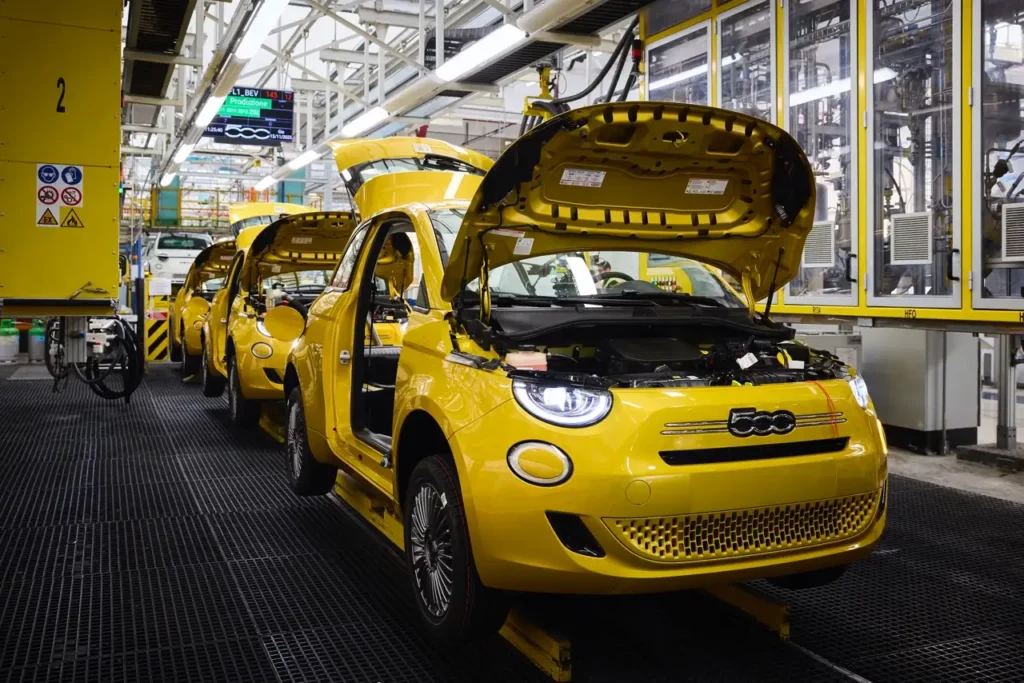
    As 2025 draws to a close, Fiat is confirming its commitment to affordable electrified mobility with the launch of the new 500 Hybrid, produced at the emblematic Mirafiori plant in Turin, while the Grande Panda continues to be rolled out in electric and hybrid versions. These two complementary models are aimed at city dwellers and those on a budget, while responding to the urgent need to protect the environment.

    Credit: Fiat

    The 500 Hybrid marks a pragmatic return to its roots

    Presented in Turin at a special press event from 21 to 28 November, the new Fiat 500 Hybrid is now available to order for all lovers of this iconic Italian vehicle. It is available in classic 3-door and 3+1 versions, as well as in a convertible version, with a range of finishes from POP to LA PRIMA, plus a special launch series called “Torino”.

    In terms of engines, Fiat has opted for a petrol engine coupled to a 12 V micro-hybrid system, offering a combined power output of around 70 bhp, which is necessary for the often very urban use of this vehicle. This lightweight hybrid system is particularly fuel-efficient, with an average fuel consumption of 5.2 litres/100 km WLTP, according to official figures.

    Its dimensions have not changed, and it remains true to the standards that made it such a success. In fact, it remains compact (around 3.63 m long), faithful to the city spirit of the original model. Its elegantly retro exterior design incorporates modernised details: a revamped radiator grille, LED headlights and soft lines, while the interior features a streamlined dashboard with a central 10.25-inch touchscreen, quality materials and a carefully designed lighting ambience focused on comfort and practicality.

    The press release announcing the launch event, which took place on 21 November, made a point of emphasising the historic nature of this release: “This special moment also marks the model’s link with the Mirafiori factory in Turin, the original birthplace of the 500 in 1957. Production of the new 500 Hybrid officially began in November at the Carrozzerie Mirafiori plant in Turin, with a target of 5,000 units by the end of the year”. Fiat is highlighting this strong link with its industrial history, combining heritage and innovation in a model ready to meet the needs of everyday urban life.

    Credit: Fiat

    The entry-level price starts at €19,400 inc VAT, and at this price, after a first electric wave with mixed sales, is a realistic compromise between performance, range and practicality.

    Grande Panda EV: urban versatility at an affordable price

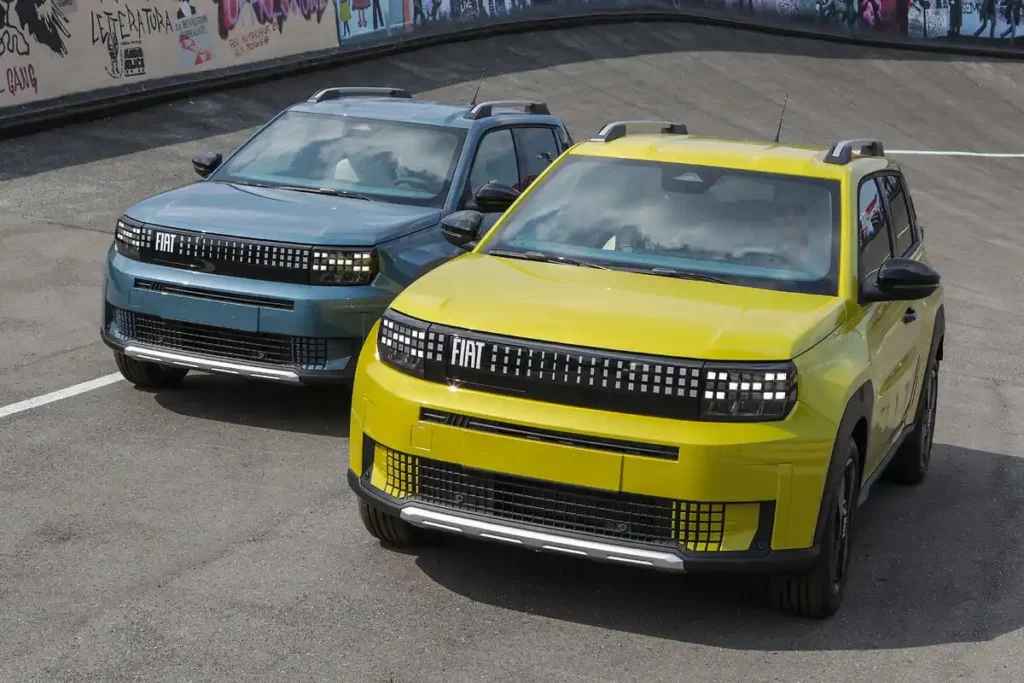
    The Grande Panda boasts a comprehensive range of engines, with petrol, hybrid and 100% electric versions available. The big news at the end of the year is that the Italian brand has declared that each engine will be available in the affordable entry-level ‘POP’ version. A real boost for motorists who want to switch to more environmentally-friendly mobility without breaking the bank.

    Credit: Fiat

    The 100% electric version, priced at €23,900 list price, boasts a WLTP range of up to 320 km thanks to its 44 kWh battery. Its engine develops 113 bhp (≈ 83 kW) and 122 Nm of torque. Its top speed is capped at 132 km/h for a 0 to 100 km/h time of less than 11 seconds. Classic performance, but for this kind of affordable, economical vehicle, speed and responsiveness are not the criteria on which the manufacturer has focused.

    The light hybrid version, priced from €18,900, is aimed at providing an economical alternative to conventional combustion-powered city cars. Fiat is playing its card on a combination of attractive price, urban style and versatility of use, to appeal to a wide range of profiles. Talking of performance, this hybrid features a petrol engine combined with a 48 kW electric motor that develops 100 bhp. Top speed is 160 km/h, with a 0 to 100 km/h time of 10 seconds. This POP version of Fiat’s hybrid consumes 5 litres/100 km in the combined cycle, a decent average for this type of vehicle.

    The POP version for these two types of engine offers a good ‘viable minimum’: 7 different colours, 16-inch wheels, basic but effective connectivity, and so on. It’s an interesting option for buyers looking for a simple, efficient EV (or hybrid/petrol city car) without superfluous options.

    A clear commitment to the democratisation of electromobility

    With the 500 Hybrid and the Grande Panda ‘POP’, Fiat has adopted a pragmatic strategy: to revive an accessible best-seller by adapting electric power to the reality of the European market, which is still hesitant, with hybrid as the gateway.

    The diversification of powertrains, local production and affordable prices reflect the ambition for electrified mobility on a large scale.

  • Autonomous driving: Tesla puts the French to the test.

    Autonomous driving: Tesla puts the French to the test.

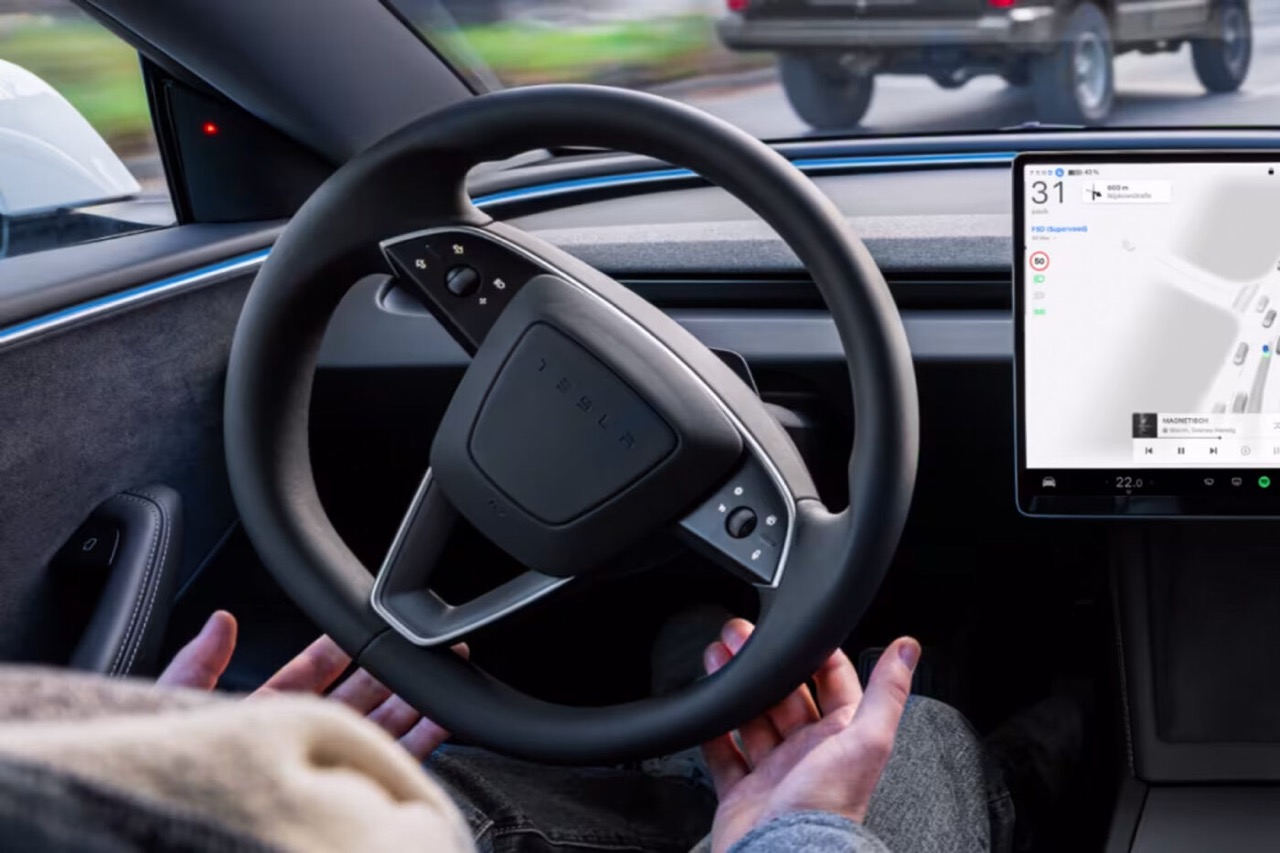
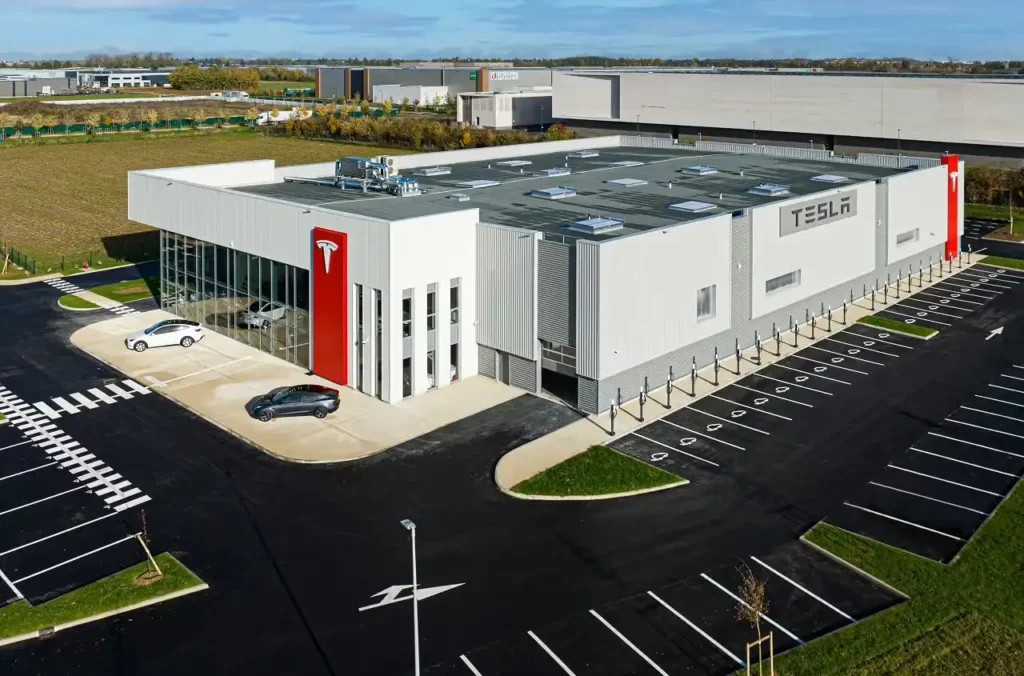
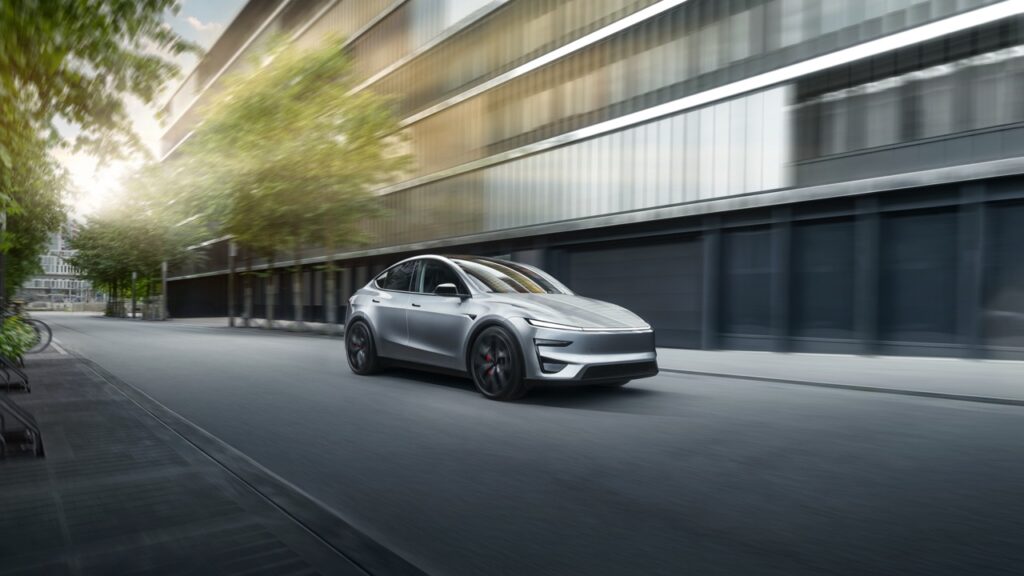
    Since 1 December, Tesla has been transforming 10 of its French centres into autonomous driving showcases, managed by FSD (Full Self-Driving) in “supervised” mode. Until 31 December 2025, curious onlookers will be able to discover this technology, which is still banned in Europe.

    Source : Tesla

    Tesla FSD: the technology that challenges European roads

    This autonomous ride through French cities is possible thanks to a technology that the American firm has been developing for over 9 years. In 2025, the most recent high-performance version is v14, based on the “vision only” approach: eight high-resolution cameras and a powerful on-board computer analyse the environment in real time via a neural network. The big innovation is that this motor intelligence does not use radar.

    In practical terms, to get from trip A to trip B, the driver enters a destination via the screen, which generates an itinerary with suggested lane changes, motorway exits and bends. The FSD follows this route, selecting the right forks and adjusting in real time (detours, road closures). The system therefore manages steering, acceleration, braking, lane changes, intersections and pedestrians, mimicking human decisions based on billions of kilometres accumulated in the United States.

    However, it remains classified as level 2 according to the SAE (Society of Automotive Engineers) classification of automation levels, which ranges from 0 to 5. It requires constant human supervision, with the driver remaining legally responsible.

    Where can you test the SDF as a passenger?

    It’s the announcement of the end of the year: Tesla is opening its centres from 1 to 31 December 2025 for supervised test drives in France. In all, more than 10 Tesla Centres across France will be open to the more curious. Nantes, Bordeaux, Paris-Est, Lille, Cannes, Toulouse, Marseille, Strasbourg, Paris-Nord and Lyon-Est: these are the locations selected by Elon Musk’s brand.

    Source : Tesla val d’europe

    Registrations can be made via the Tesla France website, in limited time slots, with an employee at the wheel for the entire duration. The scheme will run in Europe (Italy and Germany) until 31 March 2026.

    A typical test route

    With the aim of proving that this technology, which makes drivers reluctant, is effective and reliable, each session reproduces a home-work journey. The car will drive through dense urban areas, roundabouts and the ring road, but will also wander along suburban roads and high-traffic areas to test stressful everyday scenarios. The FSD will be piloting these stages alone (insertions, priorities, pedestrian crossings), under immediate supervision. It is expected to take around 20-30 minutes around the Tesla Centre.

    Source : Tesla

    When will this be authorised?

    In France and Europe, full approval for customer use is based on the DCAS/UNECE R171 phase 3 regulation. This regulation, which recently came into force on 22 September 2024, authorises lane changes and manoeuvres initiated by the system under human supervision.

    At present, no European territory has authorised this technology. Nevertheless, Tesla is trying to convince the RDW, which is the independent Dutch authority for all motorised vehicles. The American brand is targeting February 2026 in the Netherlands and hopes to extend the technology to other countries in late 2026/early 2027. Elon Musk is lobbying hard, criticising the “obsolete” rules, despite a number of changes (e.g. France banning “fully autonomous” advertising).

    For everyone, these journeys offer a unique opportunity to observe technology on our roads, in the face of our markings, our signage and our very European way of driving. All of which will fuel the debate on the real role that autonomous driving will play in tomorrow’s electrified mobility.

  • BYD hits back with two new models acclaimed by Euro NCAP

    BYD hits back with two new models acclaimed by Euro NCAP

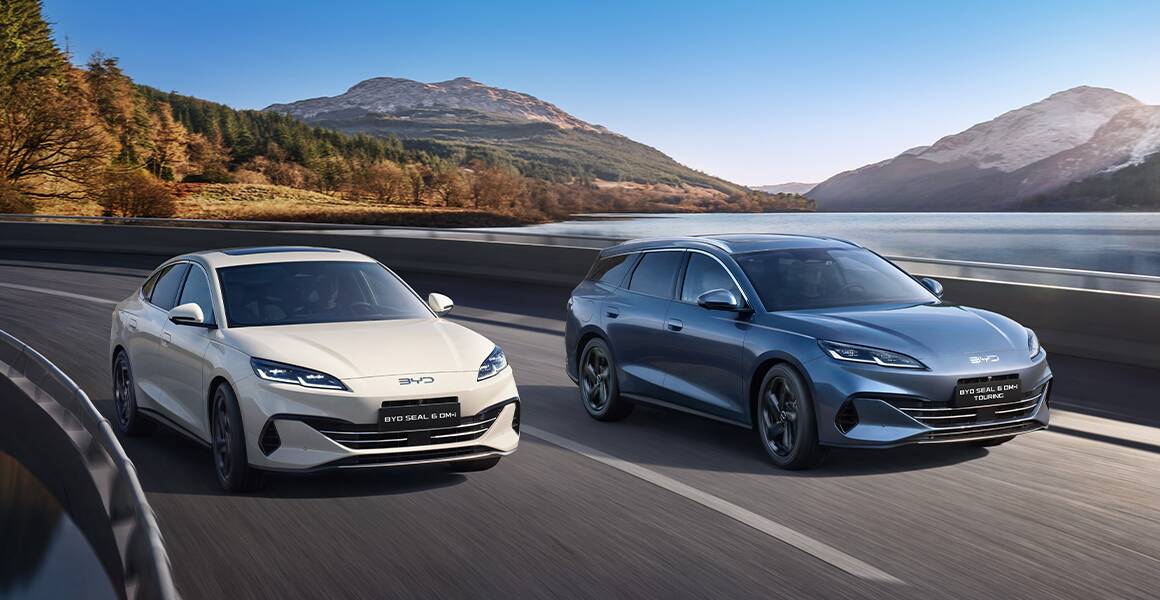
    The new BYD SEAL 6 DM-i is winning over the European market with its exemplary safety. The saloon and estate versions have been awarded five stars thanks to their consistent performance. These hybrid models confirm BYD’s ambitions in strategic family segments.

    BYD SEAL 6 DM-i and SEAL 6 DM-i Touring in motion on the road
    The BYD SEAL 6 DM-i saloon and estate drive on the road, combining performance and safety. (Credit: BYD)

    Results boost BYD’s credibility in Europe

    Both SEAL 6 DM-i models scored top marks in the Euro NCAP tests, underlining their rigorous design and the manufacturer’s technological maturity. This result reflects in-depth work on the vehicle’s structure, particularly in side impacts, where the saloon scored maximum points. This performance rewards development work focused on structural strength and energy management during complex impacts.

    Adult occupant protection reaches 92%, a score rarely achieved in this category. The manufacturer is thus demonstrating its ability to offer safety solutions adapted to the constraints of the modern road. This high score is reassuring for drivers looking for a vehicle capable of offering safe and comfortable journeys, even over long distances.

    One of the best levels of child protection in its category

    Child protection performance reaches 90%, thanks to exemplary results in frontal offset and side impact tests. This level reflects BYD ‘s focus on family safety, an essential element in a market where this criterion strongly influences purchases. Fastening systems, seat configuration and crash force management have been optimised to ensure maximum safety.

    This performance strengthens the position of the SEAL 6 DM-i among families who want to combine autonomy, technology and protection. The European market, which is highly sensitive to these criteria, is seeing the arrival of two models capable of competing with the best references in the segment.

    Overall safety praised by Euro NCAP

    The other two categories assessed by Euro NCAP also scored very well. Protection of vulnerable road users reached 84%, demonstrating the finesse of the sensors and the effectiveness of the exterior surveillance systems. These systems enable rapid detection of pedestrians and cyclists, reducing the risks in dense urban environments.

    Driver assistance systems scored 85%, reflecting the quality of the technologies on board. Euro NCAP describes these systems as excellent, in particular because of their precision and consistency in real-life situations. This recognition is a major asset for BYD, which is banking on software innovation to stand out in an industry in the throes of transition.

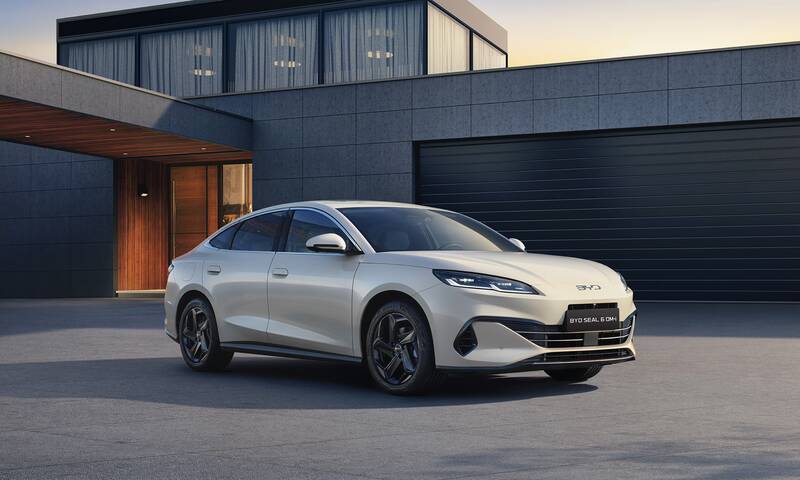
    BYD SEAL 6 DM-i parked in front of a modern house
    The SEAL 6 DM-i, with up to 105 km of 100% electric range and a combined range of 1,505 km (Credit: BYD)

    Recognition as part of a sustainable dynamic

    The SEAL 6 DM-i becomes the ninth BYD car to be awarded five stars since the brand’s arrival in Europe at the end of 2022. This new distinction adds to the success of a range that has consistently won top marks in safety assessments. The Chinese firm is thus demonstrating a rare consistency in its approach, enabling it to rapidly win the confidence of consumers.

    Previous award-winning models such as the DOLPHIN, the ATTO 3 and the SEAL U DM-i have further enhanced this reputation. BYD is now established as a major player in the electric and hybrid market. These results demonstrate a strategy focused on reliability and transparency, two essential elements for winning over customers in Europe.

    A stronger position

    Since their launch in September, the SEAL 6 DM-i and SEAL 6 DM-i TOURING have won over a wide range of customers thanks to their range and versatility. Super Hybrid technology enables long distances to be covered using an efficient combination of battery and combustion engine, an advantage appreciated in regions where recharging facilities are limited. This hybrid solution also makes it possible to reduce overall fuel consumption, which meets drivers’ ecological and economic expectations.

    The saloon version offers up to 105 km in electric mode, while the Touring version reaches 100 km, a remarkable performance for this type of powertrain. The combined range is well in excess of current standards, with 1,505 km for the saloon and 1,350 km for the estate. These figures allow drivers to plan their journeys without constraint, while enjoying a smooth, silent drive.

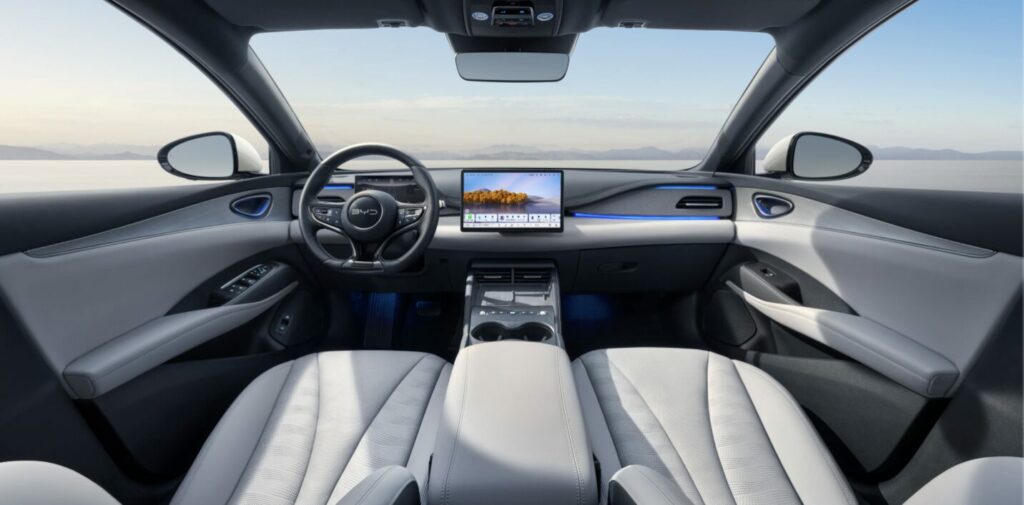
    Modern, high-tech interior of the BYD SEAL 6 DM-i
    The spacious, connected interior of the SEAL 6 DM-i with touchscreen and on-board technologies. (Credit: BYD)

    A user experience enhanced by practical technologies

    Both models incorporate iconic BYD features such as Vehicle-to-Load. This technology makes it possible to power external devices, a feature much appreciated during business trips or outdoor activities. It illustrates BYD’s commitment to offering vehicles that are versatile and suitable for multiple uses.

    The 12.8″ or 15.6″ infotainment touchscreens provide fluid, intuitive navigation. Access to the vehicle via smartphone using the NFC card simplifies everyday life for users. These innovations add to the overall appeal of both models, and complete an already solid offering in terms of safety and autonomy.

  • Porsche 911: why plug-in hybrid will remain impossible

    Porsche 911: why plug-in hybrid will remain impossible

    The Porsche 911 will never have a charging socket, at least not with current technology. Despite years of research, the brand considers the option too complex. Between technical constraints, architectural limitations and historical philosophy, plug-in hybrids just don’t fit with the 911.

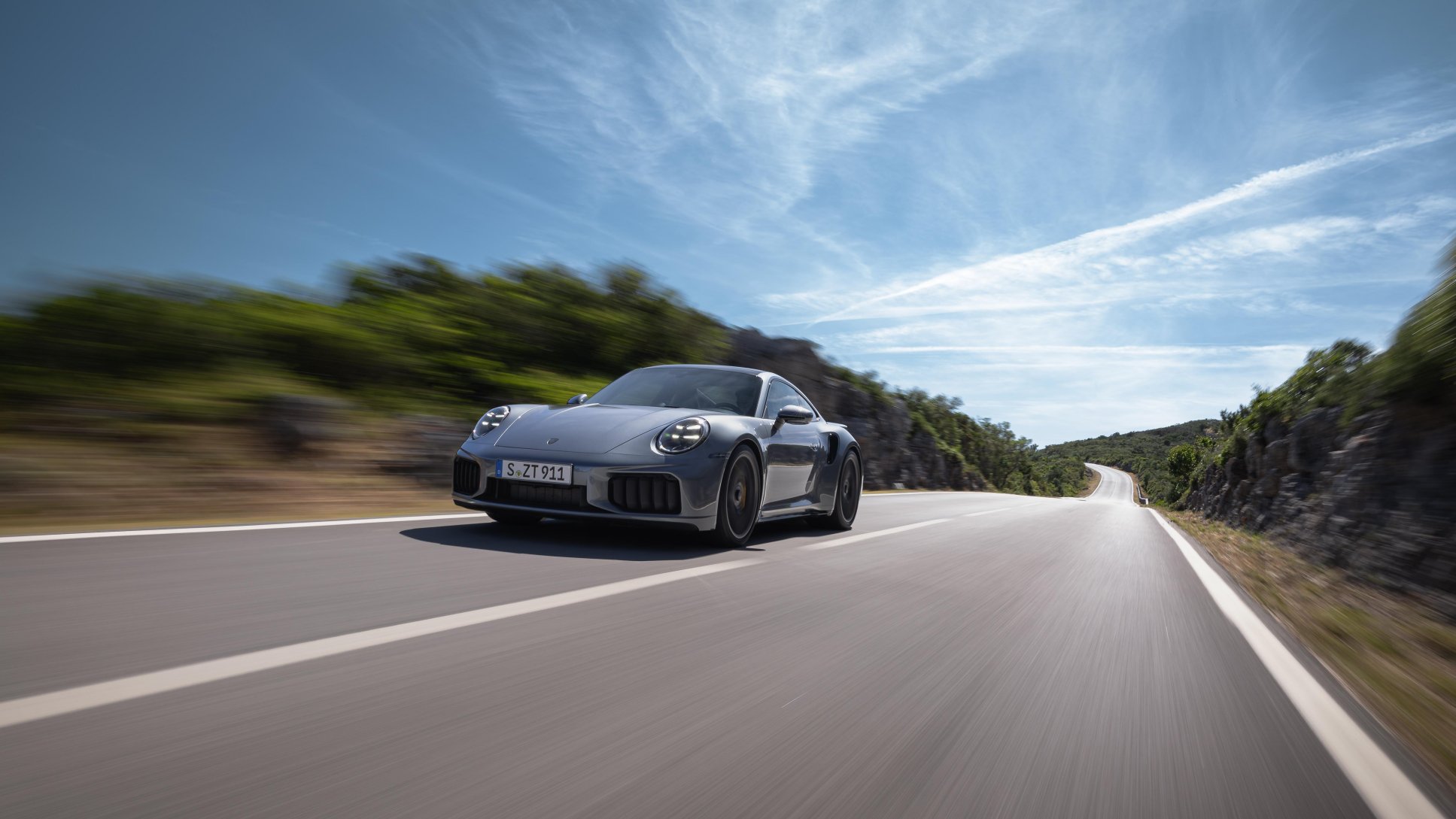
    Porsche 911 Turbo S T-Hybrid on the road
    The Porsche 911 Turbo S T-Hybrid, the latest high-performance evolution of the famous Flat-6. (Credit: Porsche)

    Porsche ‘s announcement puts an end to a debate that has agitated the community for almost a decade. Engineers have spent years modelling a 911 plug-in hybrid, without ever coming up with a satisfactory solution. The car would have to be extensively modified, which the brand categorically refuses to do. Preserving the DNA of this iconic model has become the top priority in the face of electrification pressures.

    Architecture too unusual to accommodate a charging point

    The Porsche 911 has a unique platform that determines its legendary balance. Each component is placed with extreme precision to ensure exemplary roadholding. According to Frank Moser, who is responsible for the 911 and 718 models, integrating a rechargeable hybrid system would mean upsetting this fragile whole. He reminds us that the 911 must not become more imposing, because its design is based on meticulous proportions.

    To install a larger battery, a powerful electric motor, an on-board charger and specific electronics, the entire rear of the car would have to be redesigned. This would change the weight distribution and alter the original architecture. Porsche has always refused to cross this red line. The 911 is a model that evolves slowly, with targeted adjustments rather than a structural revolution. For decades, its concept has been based on a balance between sportiness, efficiency and tradition. To change its proportions would be tantamount to creating a different car that would bear the same name without sharing its essence.

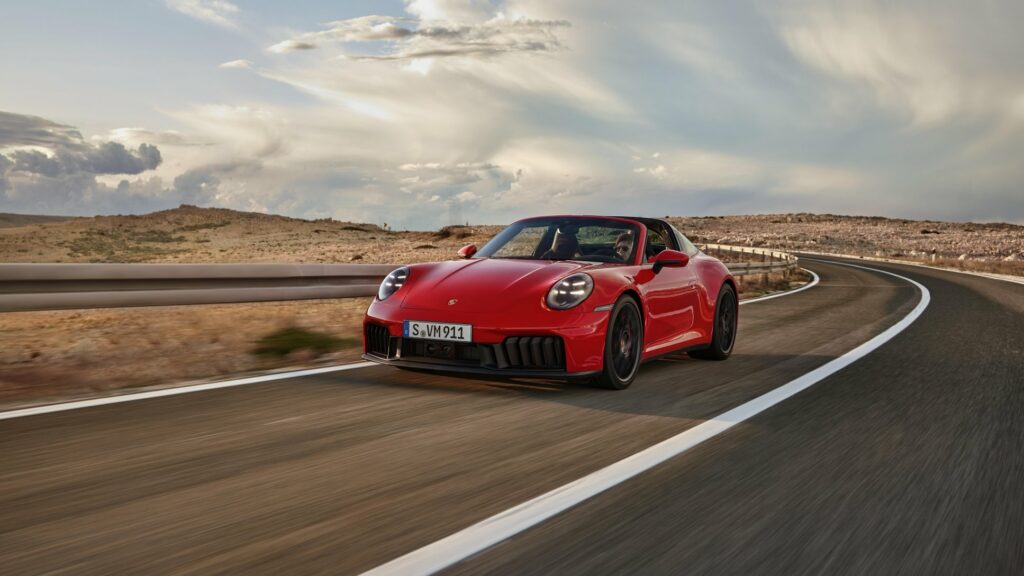
    Porsche 911 GTS T-Hybrid in dynamic driving
    The 911 GTS inaugurates T-Hybrid technology, integrated without compromising on size (Credit: Porsche).

    The failure of a long-studied project

    Porsche did not rule out the idea of a plug-in hybrid 911 from the outset. The technical teams explored this avenue as early as the launch of the 992 generation. Former chief engineer August Achleitner even mentioned the possibility, drawing on experience gained with the Cayenne, Panamera and 918 Spyder. However, as the tests progressed, the engineers realised that the operation involved too many compromises.

    Even to offer three or four kilometres of electric range, hundreds of kilos of batteries and equipment would have had to be added. This would have made the model heavier, wider and less agile. In the end, Porsche decided that this transformation was not compatible with the philosophy of the 911. The expectations of customers, accustomed to a car that is responsive and connected to the road, also weighed in the decision. A silent 911 in electric mode, which would be heavier and less responsive, would run the risk of failing to win over its most loyal customers.

    T-Hybrid, a compromise accepted by engineers

    Faced with these constraints, Porsche has developed another type of electrification. The T-Hybrid system introduced on the latest 911s, notably the GTS and Turbo S, does not allow the car to be driven in electric mode. It does, however, deliver a significant gain in power and eliminates turbo lag. The ingenuity of the system lies in its meticulous integration. The 400-volt high-voltage battery is exactly the same size as the old 12-volt battery. It is positioned in the same place, so there is no need to modify the technical package.

    No changes have been made to the weight distribution or available volume. This system works like a very advanced light hybrid. It provides additional breathing space for the Flat-6 while respecting the historical constraints of the model. For Porsche, this is the maximum acceptable. The presence of an axial electric motor, which is more compact and lighter than a conventional motor, further enhances the efficiency of the system without compromising the car’s agility.

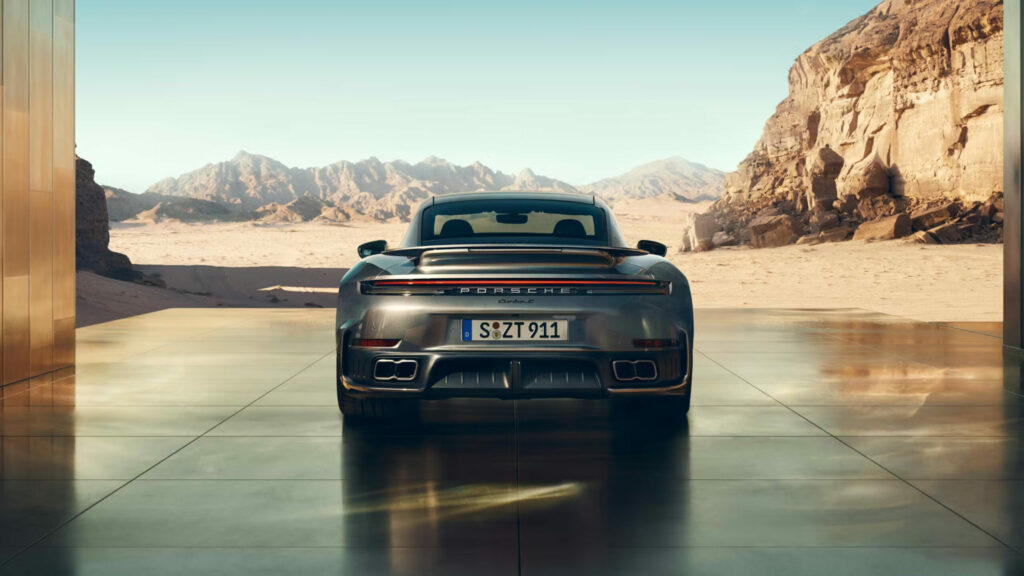
    Porsche 911 rear view
    The iconic rear silhouette of the 911, unchanged despite technological advances (Credit: Porsche)

    A strategy guided by the future… and by prudence

    Porsche is keeping a close eye on developments in battery technology. The brand believes that more compact batteries could reopen the debate in the future. However, there are no concrete developments to suggest that rechargeable hybrids will be available in the next few years. For the time being, the 911 must remain faithful to its architecture and historical identity. Porsche prefers to take things one step at a time rather than give in to a technological trend that could harm its most legendary model.

    In the meantime, the next Porsche to offer full electric drive will be the 718, scheduled for 2027. The challenge will be to keep weight down while respecting the sporting philosophy of the Boxster and Cayman. As for the 911, it will continue on its way thanks to measured electrification, as illustrated by the recent 711bhp Turbo S T-Hybrid. The brand from Stuttgart never says never, but it knows that the 911 must remain a 911. It is this loyalty that explains the definitive abandonment of the plug-in hybrid, at least for this technological generation.

  • Norway passes a historic milestone

    Norway passes a historic milestone

    Norway has just made a major shift in world motoring history. The Nordic country now has more electric cars than diesel models on its roads. This revolution comes against a backdrop of record sales and decisive tax changes.

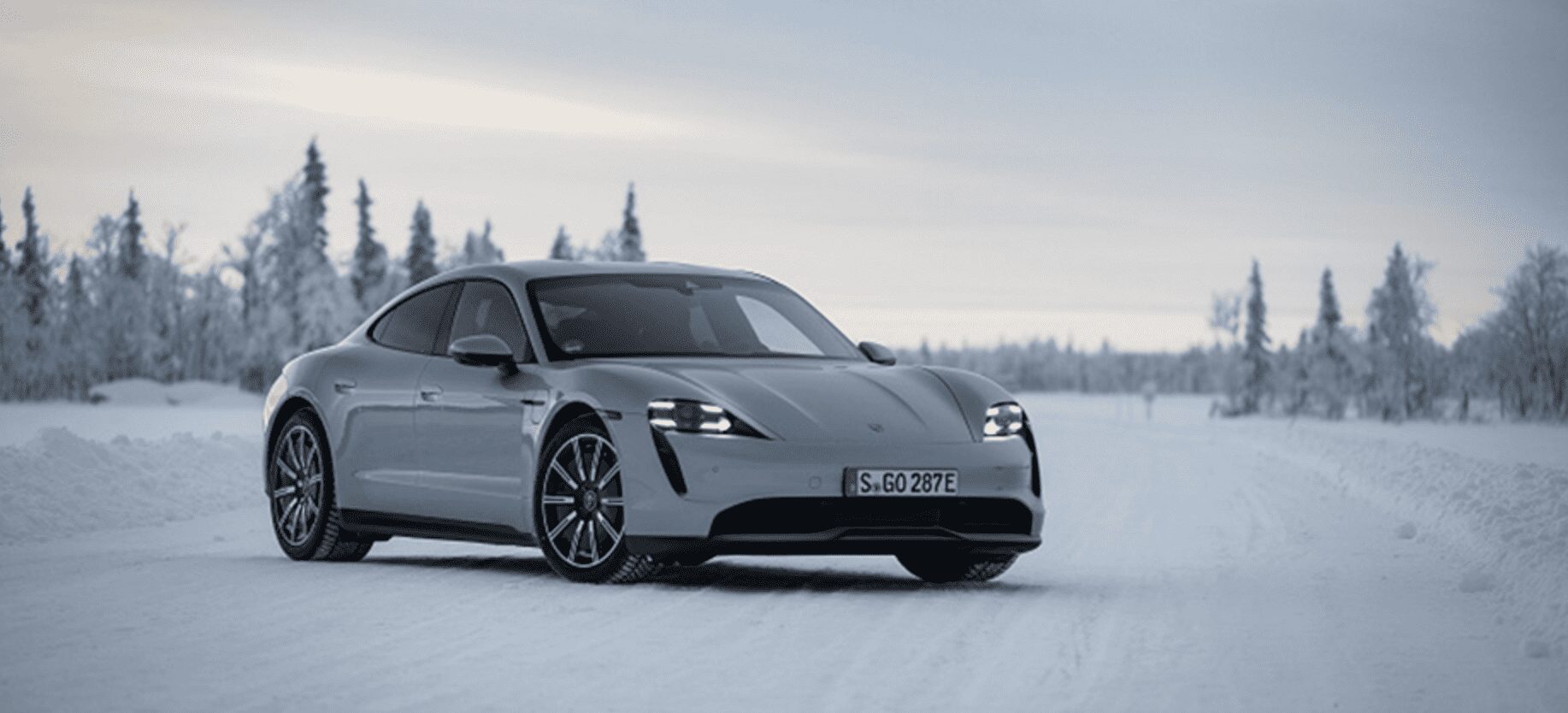
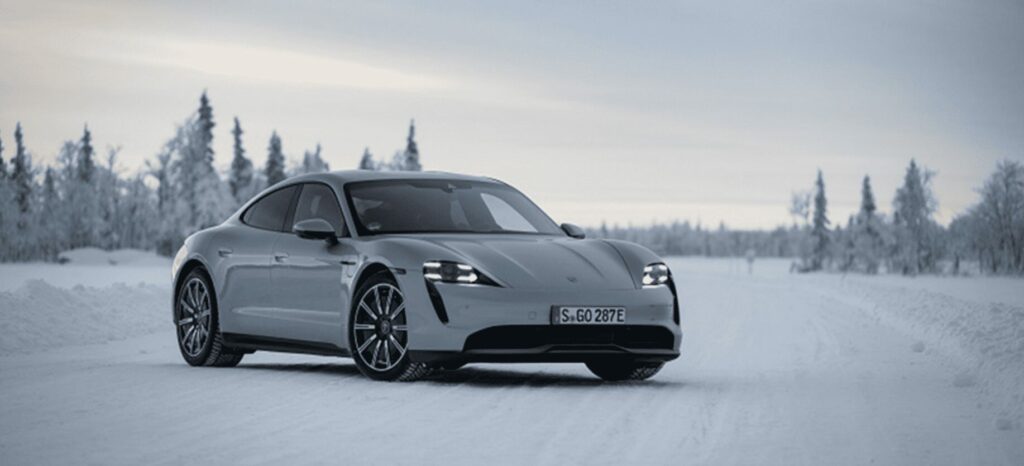
    electric car driving in the snow
    An electric car on a snow-covered road in Norway.

    The figures published confirm a spectacular advance. The authorities and specialist associations are hailing a turning point that has been years in coming. However, this success is also based on a paradox linked to the country’s large hydrocarbon production.

    A world first that marks a turning point for the automotive industry

    Norway has become the first country in the world where electric cars outnumber diesel models. TheNorwegian Electric Vehicle Association counts 918,000 electric cars on the road, slightly more than diesel-powered vehicles. This symbolic milestone comes on top of another major one, as petrol models had already been overtaken by electric cars in mid-September. According to Christina Bu, General Secretary of the association, this development confirms the effectiveness of the policy pursued for several years. She also points out that the complete absence of VAT on electric vehicles will be maintained until 2027, thanks to a hard-fought political compromise.

    This progress is based on a powerful policy of incentives, which has become a pillar of the national strategy. Electric vehicles benefit from a VAT exemption of 25% up to €42,500, which greatly reduces their purchase cost. The government wanted to abolish these benefits more quickly, but a political agreement has pushed back the deadline to 2028, with an intermediate stage in 2027. The prospect of tougher tax rules is providing a major boost to car purchases. Sales of electric cars have rocketed in recent weeks, confirming a trend that is already well established in the country.

    An almost totally electrified car market

    Norway has been recording almost 100% electric vehicle registrations for several months now. In November 2025, the country even reached a near-perfect level, with 97.6% electric vehicles out of 19,899 registrations. This figure represents an all-time record in terms of both volume and proportion. The contrast is striking, given that petrol, diesel and hybrid vehicles now account for only a marginal share of the market. This performance reflects a combination of factors, including end-of-year promotions and concerns about tax reform in 2026.

    Tesla occupies a dominant position in this very dynamic market. The American manufacturer sold 6,215 vehicles in November, accounting for more than 31% of the month’s sales. It is ahead of Volkswagen, Volvo and BMW, who complete a podium largely dominated by electric models. Tesla also retained its top spot for the year as a whole, with more than 28,600 units sold. Despite the difficulties encountered in several European countries, the brand is enjoying considerable brand loyalty in Norway, and demand remains buoyant.

    electric car wheels in the snow
    Close-up of the wheels of an electric car on a snow-covered road.

    A transition made possible by oil revenues

    Yet the Norwegian paradox remains visible. The country remains Europe’s leading producer of oil and natural gas, excluding Russia. This wealth of energy largely finances ambitious policies to support electric mobility. The immense revenues from hydrocarbons make it possible to offer tax incentives that are difficult to replicate elsewhere. However, this situation raises a number of questions. Norway is seeking to reconcile its role as a major producer of fossil fuels with a national strategy focused on reducing emissions.

    This contrast also reflects the limits of a model based on the redistribution of oil revenues. The country is moving towards complete electrification of its car fleet, but continues to export hydrocarbons that are responsible for global warming. This contradiction regularly fuels political debate. However, the results achieved in the automotive sector demonstrate the country’s determination to reduce domestic emissions. The authorities have stated their ambition to become a world model for sustainable mobility.

    An acceleration before a stricter fiscal future

    The VAT reform debate is having a major impact on recent purchases. Many Norwegians are anticipating the tax changes expected in 2026. According to Geir Inge Stokke, head of the Norwegian Road Information Council, there is considerable concern about the planned increase in VAT. Motorists prefer to buy now to take advantage of current benefits. Carmakers are also benefiting from this trend. End-of-year promotions and a favourable economic climate are boosting demand.

    The coming months will be closely scrutinised. Analysts are wondering whether the country can break the records already set. December sales could confirm this exceptional trend, or mark the beginning of a stabilisation. The deadline of 2028, when VAT exemptions are due to be abolished once and for all, will be a decisive step for the market. How consumers react to these changes will probably define the sector’s new trajectory.

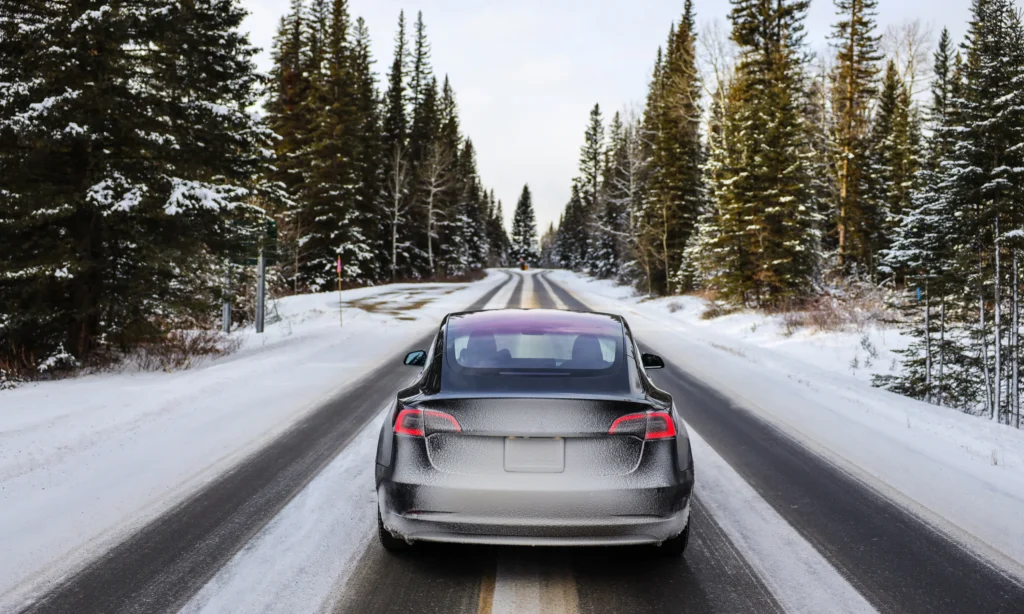
    back of an electric car in a snow-covered forest
    An electric car backfires through a snow-covered forest.

    A transformation that inspires but remains unique

    Norway’s success is attracting international attention, but it is difficult to replicate. Few countries have the same financial resources or such a solid political consensus on the ecological transition. Norway benefits from a dense network of terminals, a powerful fiscal framework and a population that is highly aware of climate issues. The combination of these factors has produced exceptional results. Other nations are watching this development with interest, but have to deal with different economic realities.

    Norway continues to lead the way in sustainable mobility. With electric vehicles now in the majority and sales almost entirely electrified, the country has confirmed its status as a world pioneer. This spectacular trajectory underlines the importance of public policy in the adoption of new technologies. It also shows that a massive transition remains possible when all the players are moving in the same direction.

  • Cadillac Optiq: the American giant comes electric to Europe

    Cadillac Optiq: the American giant comes electric to Europe

    American luxury is now electric. With the Optiq, Cadillac is hitting hard and proving that Detroit has got the message right: the future of motoring, even premium motoring, is battery-powered. This 100% electric compact SUV will arrive in Europe in early 2026, and is set to shake up the market for affordable top-of-the-range electric SUVs.

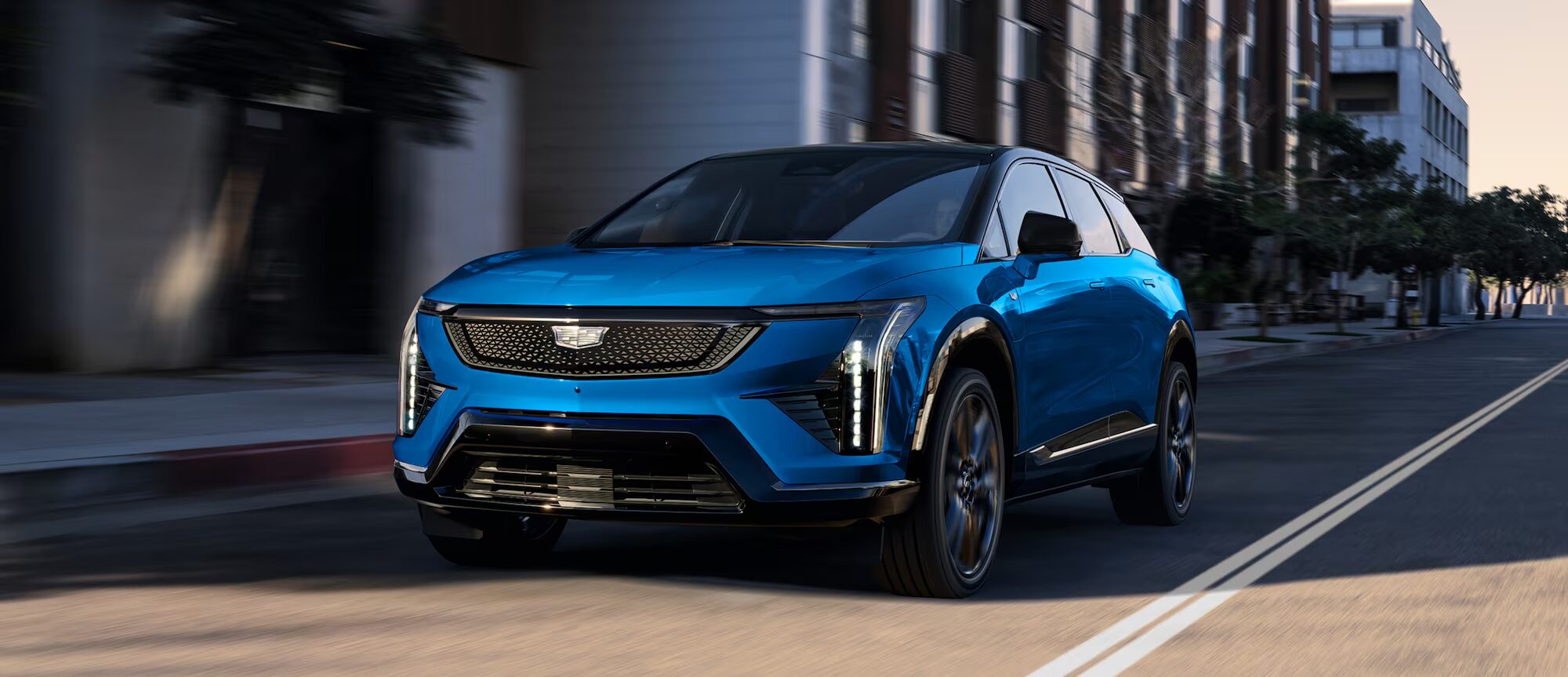
    The front of the Cadillac Optiq driving around town. Sources: CadillacEurope
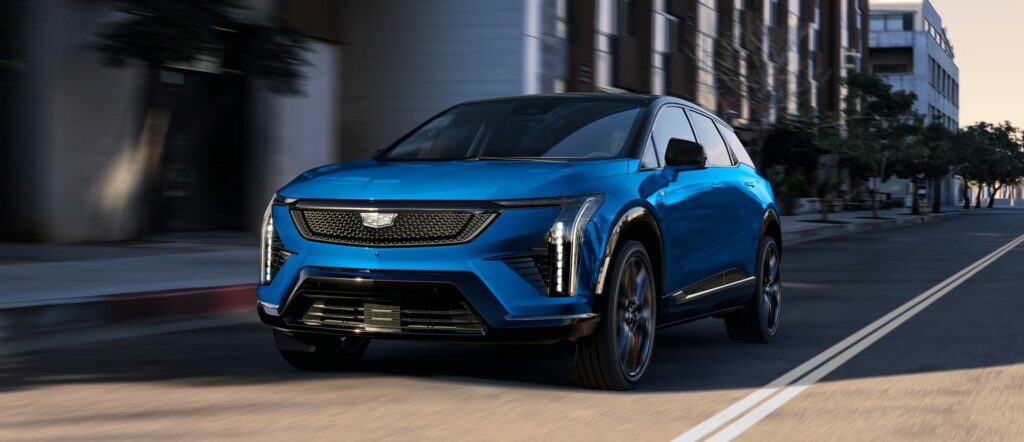
    A city-side view of the Cadillac Optiq . Sources: CadillacEurope

    Affordable top-of-the-range electric SUVs

    Historically, the American firm, which is part of the GMC group, is the emblematic brand of American luxury, often associated with the elite and prestige cars. In terms of performance too, it’s in the brand’s DNA to produce high-flying vehicles, and the Optiq is no exception to the rule. Under the bonnet, it features two electric motors with all-wheel drive (AWD as standard), developing 304 bhp and 480 Nm of torque. That’s enough to accelerate from 0 to 100 kph in 6.3 seconds, despite weighing 2,355 kg, and to climb to a maximum speed of 184 kph (restricted speed). On paper, these statistics are not impressive, but they are more than enough for everyday use.

    In terms of range, Cadillac has announced 425 km on the WLTP cycle, thanks to a 75 kWh battery. This puts the Optiq in the mid-range of its segment. Fast DC recharging is also included, making it an indispensable asset for long journeys.

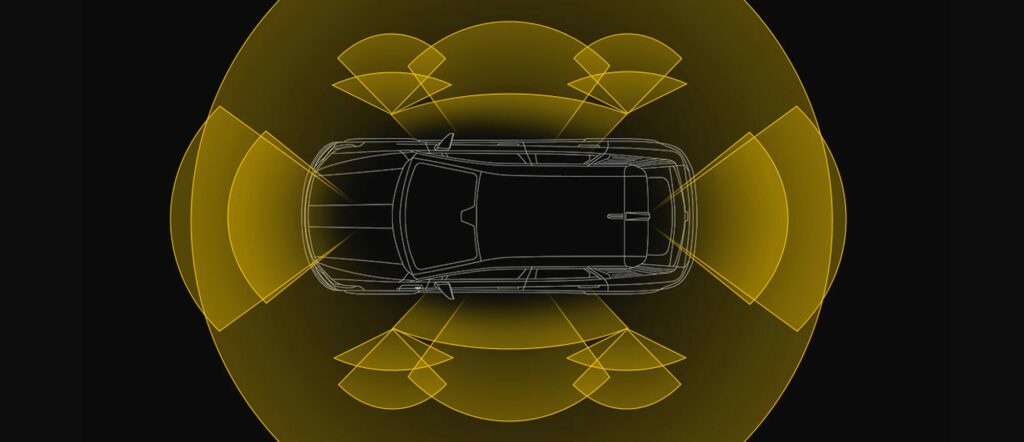
    The Optiq recently received top marks (5/5) in Euro NCAP’s rigorous safety and crash tests. This reflects the reliability of the American model in terms of impact protection and reliable accident avoidance equipment. Cadillac is thus reassuring Europeans that the model is safe and ready to take to the roads.

    Diagram of the radars all around the car. Sources: CadillacEurope
    Diagram of the radars all around the car. Sources: CadillacEurope


    Design, Cadillac’s real playground

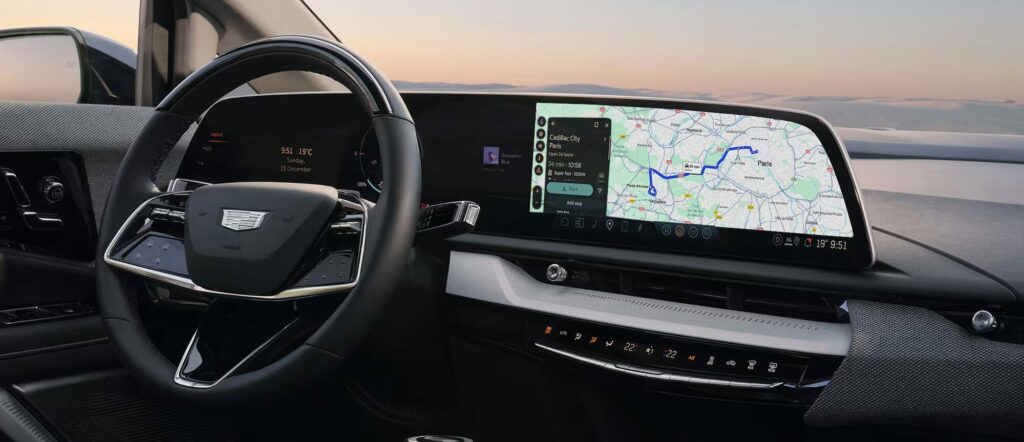
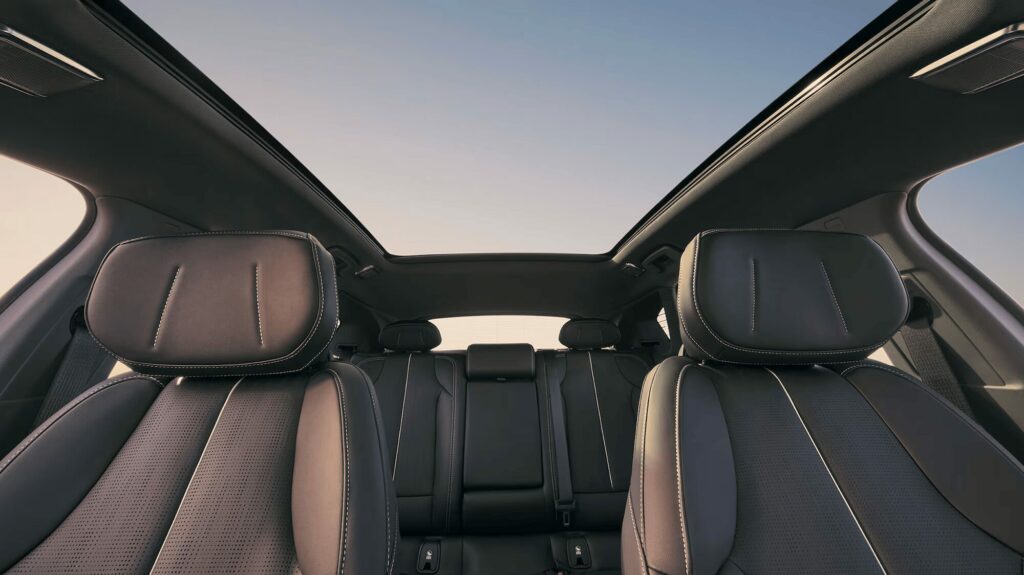
    As explained earlier, it’s in the design department that Cadillac applies its expertise. Inside, the standard panoramic sunroof, ventilated front seats and meticulous finish all exude premium. On the driver’s side, the 33-inch curved screen is an immediate eye-catcher, and the Dolby Atmos audio system promises an immersive sound experience.

    The dashboard and its large GPS screen Sources: CadillacEurope
    The dashboard and its large GPS screen Sources: CadillacEurope

    At the rear, as with any SUV, there are three real seats. With a length of 4.82 metres and a wheelbase of almost 3 metres, there’s plenty of space. The boot is also substantial, with a capacity of 744 litres when the rear seats are up, ideal for stowing bulky luggage or equipment.

    In the collective ideal, when we think of Cadillac, we think of big, massive vehicles. Here, with the Optiq, the exterior design is more compact and focuses on a dynamic silhouette, with flowing lines that taper slightly towards the rear. Two trim levels will be available: ‘Premium Luxury’ and ‘Premium Sport’. The 21-inch wheels, crystal black grille and slimline LED lights complete a package that leaves no doubt as to the vehicle’s luxury positioning. This is particularly noteworthy given that the Optiq is positioned in the ‘premium compact’ segment without any obvious loss of quality.

    View of the sky through the glass roof. Sources: CadillacEurope
    View of the sky through the glass roof. Sources: CadillacEurope


    Who is it for? Who?

    The advantage of the Optiq is that Cadillac is aiming wide: city dwellers looking for a quiet, manoeuvrable electric SUV, small families looking for a well-balanced vehicle for day-to-day use, and anyone who wants premium without going down the more expensive ultra-luxury route, even though it will cost just under €70,000 to buy.

    With its contained dimensions (4.82 m in length, 1.64 m in external height and 2.13 m in width, offering comfortable interior space but which can be awkward in city driving), it avoids the ‘American behemoth’ syndrome while retaining the brand’s comfortable DNA.

    What this means for Europe

    Since 15 October 2025, orders have been open in Europe, and the launch is not without significance: it shows that American carmakers are finally adapting their electric models to European expectations (reasonable size, urban use, versatility).

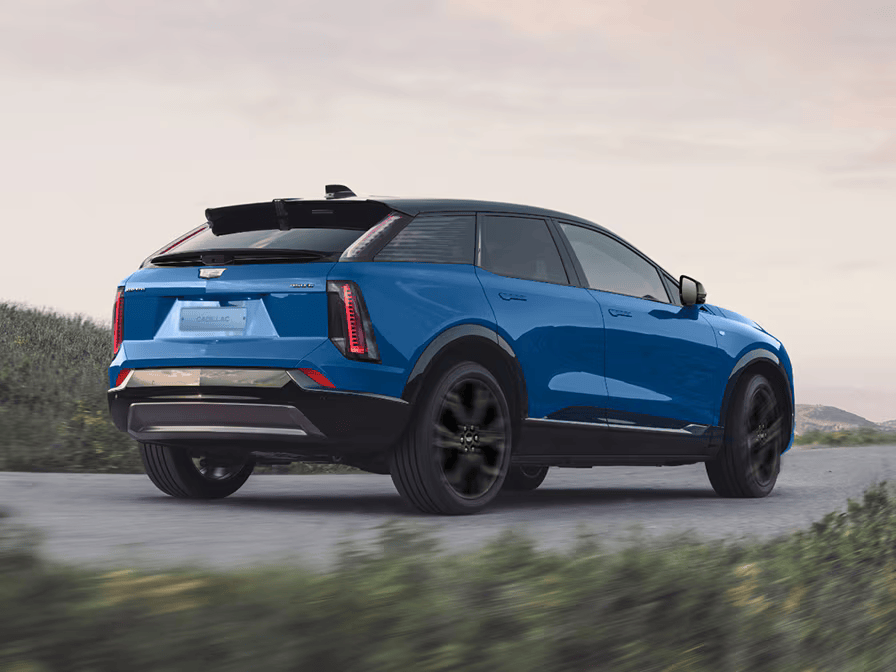
    The rear of the blue Cadillac Optiq SUV on the road. Sources: CadillacEurope
    The rear of the blue Cadillac Optiq SUV on the road. Sources: CadillacEurope

    The launch is not without significance: it shows that American manufacturers are finally adapting their electric models to European expectations (reasonable size, urban use, versatility).

    For consumers, this is excellent news. More choice in the premium-accessible segment, more competition, and above all, proof that the electrification of fleets will not just take place in Europe or Asia, but that the United States, one of the world’s greatest industrial powers, is still in the game.

    The questions that remain

    On paper, the dossier looks attractive, but a number of points still need to be verified on the ground. The WLTP range of 425 km is all well and good in theory, but what will be the reality in real European conditions? Will availability in French dealerships live up to expectations? Will Europeans be interested in this brand, which is well known but underdeveloped in Europe? And above all, will the reliability and after-sales service be up to scratch, especially for a brand that is still relatively unknown in Europe?

    The Optiq is a perfect example of the transition that is taking place: the historic brands, even the premium/luxury brands, are moving towards electric vehicles with intelligence and adaptability. It remains to be seen whether Cadillac will succeed in its European venture.