Category: News

  • Leapmotor A10: the small electric SUV that wants to shake up Europe

    Leapmotor A10: the small electric SUV that wants to shake up Europe

    Chinese manufacturer Leapmotor is stepping up its electric strategy. Its new A10 urban SUV is clearly aimed at the already saturated European market. It promises an aggressive price and unexpected technologies for this segment.

    Front of the Leapmotor A10 still hidden in the shadows
    The front of the Leapmotor A10 appears in a dark teaser released by Leapmotor (Credit: Leapmotor)

    A strategic launch in a hotly contested segment

    Leapmotor is preparing a major offensive with the A10, a model designed to appeal to the European public despite formidable competition. Backed by Stellantis, Leapmotor has been rolling out new models for several months now, and is moving forward at an impressive pace. After the B05, then the large C10 and the compact B10, the brand will unveil this small 100% electric SUV on 21 November at the Guangzhou Motor Show. Its mission is clear: to take on the Peugeot e-2008, Renault 4, Jeep Avenger and Fiat 600e, models that have long dominated the B segment.

    The first images published on Weibo, a social network widely used in China, confirm a distinctive design that is sharper than that of the rest of the Leapmotor range. We can see a three-segment front light signature, as well as a rectilinear profile marked by two metallic rear inserts. These elements are reminiscent of European vehicles, while at the same time affirming a new identity designed for the international market. The SUV is also aimed at a price-conscious clientele, a criterion that has become central in a tense electric market.

    A bold design and a few mysteries still unanswered

    The teasers show a vehicle still in shadow, but several details are already emerging. The rear features an unexpected light signature, resembling a smiling emoji. This stylistic touch contrasts with the seriousness displayed by its direct rivals. The roof also features a large bump, housing a LiDAR system reserved for the Chinese market. This technology will enable advanced semi-autonomous driving functions.

    However, Europe is unlikely to benefit from LiDAR, probably to keep production costs down. European versions, on the other hand, will retain the modern electric architecture of the Chinese model, as well as its digital interface for urban driving. The patent images also confirm the presence of a charging hatch on the front left wing and black protectors on the rocker panels. These elements reinforce the SUV look without sacrificing overall sobriety.

    A new platform for a new series of models

    The A10 inaugurates Leapmotor’s new ‘A’ series, which also includes the A05 city car. Both models are based on a new technical platform, developed to meet European expectations in terms of perceived quality and urban agility. This strategy marks a major break in Leapmotor’s positioning, as it seeks to move away from its image as a ‘low-cost brand’.

    The A10’s proportions are ideal for urban use. At more than four metres long, the SUV sits below the B10 in the range and is close to the standards of the Renault Captur and Peugeot 2008. The patents reveal simple lines that are far more dynamic than the first Leapmotor models. The brand’s aim is to appeal to a discerning European clientele, accustomed to higher-quality finishes and better-structured interiors.
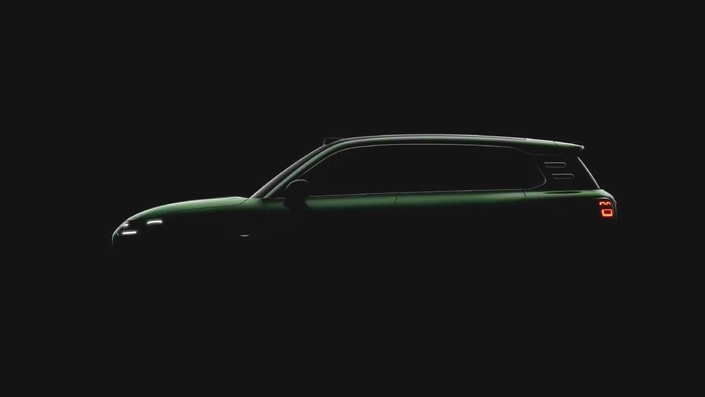
    Profile of the Leapmotor A10 revealed in a dark teaser
    Rectilinear profile of the Leapmotor A10 reveals itself slightly in the dark. (Credit: Leapmotor)

    Consistent range and a possible range extender

    No official technical data has been released, but the Chinese press is quoting a range of around 400 km on a combined cycle. There are also persistent rumours of a range-extender version reserved for China. This system would combine an electric battery with a small combustion engine dedicated to recharging.

    If this configuration is confirmed, Leapmotor would be the only player in the B-SUV segment to offer such a device. In Europe, only a 100% electric version is expected, without an extender. This would enable the brand to maintain a very aggressive price, while simplifying production. The European versions are expected to be powered by a conventional electric motor, with a power output comparable to that of its direct rivals.

    A price that could shake up the entire European market

    The real shock could come from the announced price. Several sources suggest an entry price of under €25,000. At that level, the A10 would immediately become one of the most affordable electric SUVs on the market. By comparison, the Renault 4 E-Tech starts at almost €30,000. The Peugeot e-2008 tops the €38,000 mark before discounts and bonuses.

    This gap could play a decisive role for a brand that is still under construction on the continent. The A10 could be used as a loss leader to establish Leapmotor on a long-term basis in Europe. Stellantis, Leapmotor’s manufacturing and distribution partner, could even envisage production in Spain at a later date. This location would reduce logistics costs and simplify access to European government grants.

    A global offensive, not just a European one

    While Europe is the priority target, the A10 also has a role to play in South America. This market is already home to the successful BYD Atto 2, so Leapmotor is hoping for a similar breakthrough. The brand wants to develop a coherent global range capable of fuelling rapid growth.

    Leapmotor sales exploded in 2025, with a 120% increase over ten months. These figures are set to rise further with the arrival of the A series, designed to broaden the customer base while strengthening the brand’s image. This small SUV is therefore becoming a crucial model in the Chinese manufacturer’s international strategy.

    Official logo of the 2023 Paris Motor Show
    A life-size version of the 2023 Auto Show logo, seen at the annual event. (Credit: Auto Guangzhou)

    A highly anticipated event at the Guangzhou Motor Show

    The official presentation of the Leapmotor A10 on 21 November will finally lift the veil on its technical specifications and interior. The Guangzhou Motor Show will be the first event where the model will appear without camouflage or shadow. Its final information will show whether Leapmotor can really compete with the European heavyweights on the market.

    In Europe, the public will be able to discover the SUV in 2026, probably at the Paris Motor Show. If the promises are confirmed, this small electric SUV could become one of the great disruptors of the market. A clear threat to the established brands, which are already engaged in a difficult pricing battle.
  • EV Charge Show 2025: what you need to know from the Istanbul show

    EV Charge Show 2025: what you need to know from the Istanbul show

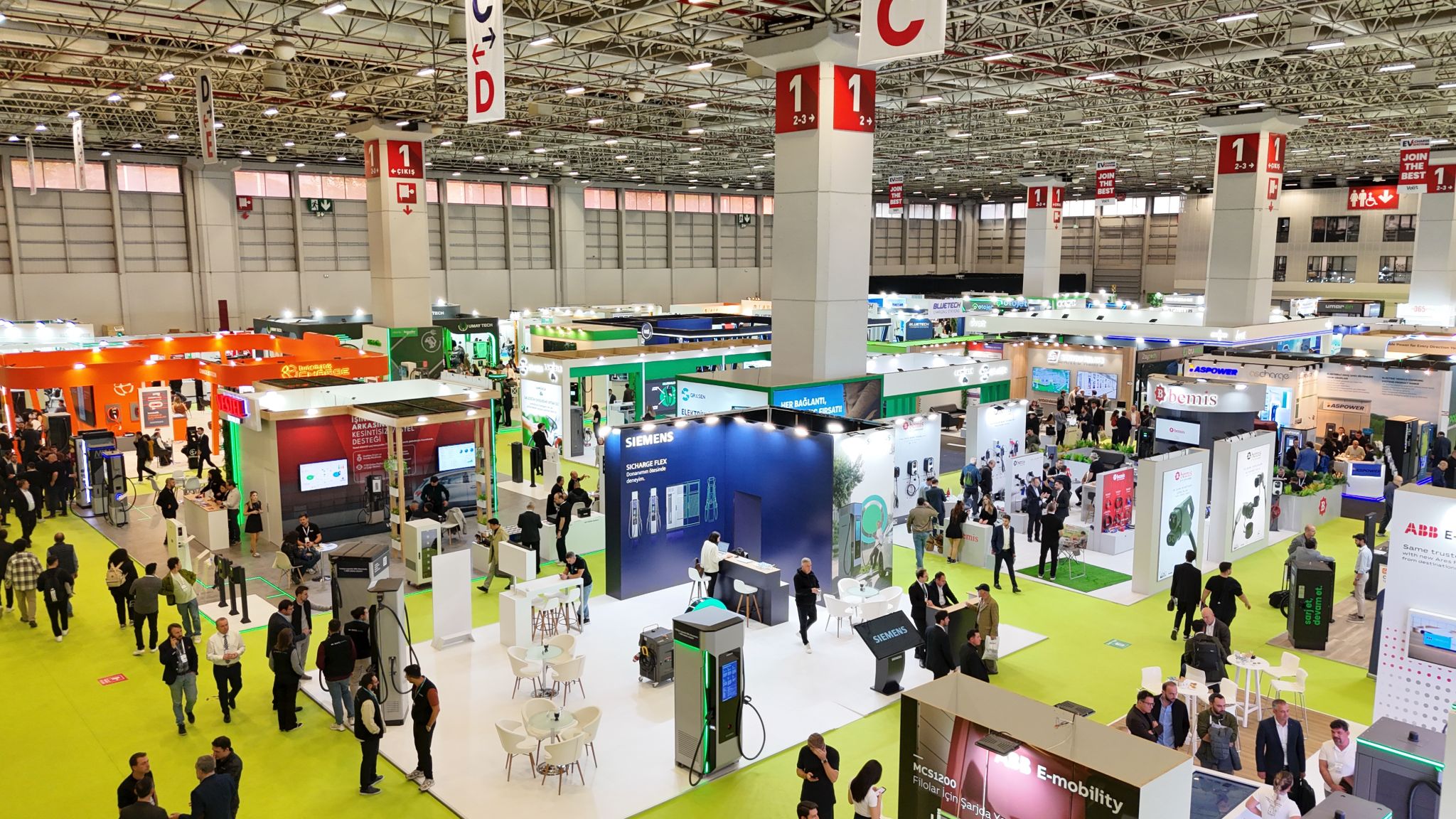
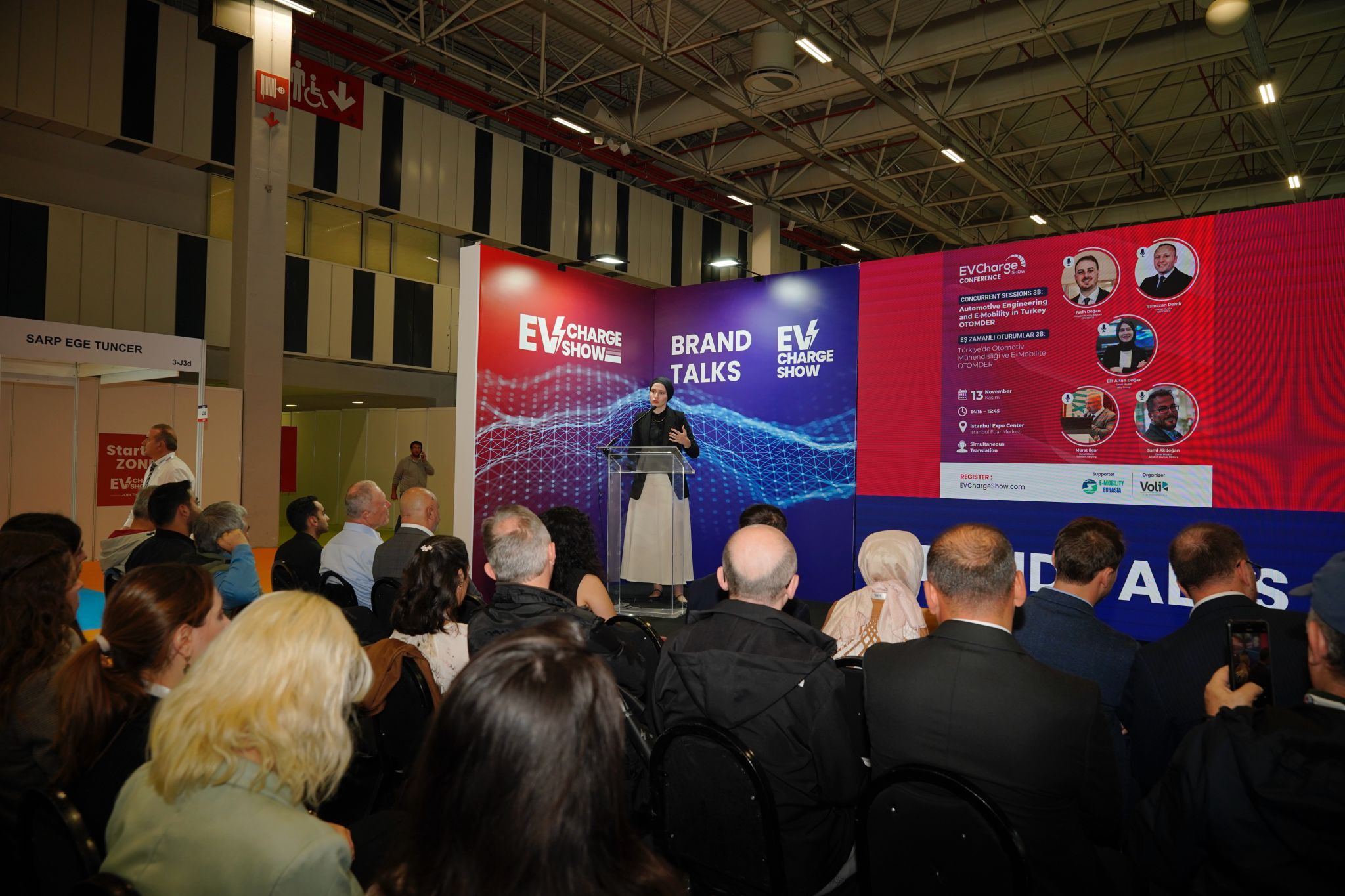
    From 12 to 14 November 2025, the Istanbul Expo Center hosted the EV Charge Show. This is one of the only trade fairs in the world entirely dedicated to recharging infrastructure for electric vehicles. The event has now come to an end, and it’s time to take stock of what went on.

    Conference on charging infrastructure at the EV Charge Show 2025 in Istanbul
    Conference at the EV Charge Show 2025 on the future of electric charging technologies (Credit: EVCharge Show)

    A not-to-be-missed event

    Since its launch in 2022, the show has rapidly established itself as a key platform for a sector undergoing rapid change. Located at the crossroads of Europe, Asia and the Middle East, Istanbul is a strategic location for many international innovations. Since the launch of the show, the Turkish city has also been attracting players in the recharging sector. They include manufacturers of charging stations, energy suppliers, software developers, network operators and manufacturers of storage solutions.

    Over the editions, the number of brands present on site has evolved considerably. The total has risen from 151 in 2022 to over 300 at this 4ᵉ edition. A high volume for a show specialising solely in recharging infrastructures.

    Megawatt Charging in the spotlight

    The main focus of the 2025 show was on the electrification of heavy fleets. One of the most eagerly awaited areas was dedicated to the Megawatt Charging Standard (MCS). Visitors were able to discover prototype chargers capable of developing electrical power of ~1,000 kW (1 MW). They also found liquid-cooled cables, as well as solutions for electric trucks and logistics fleets.

    The electrification of heavy goods vehicles is an environmental necessity. These vehicles account for over 25% of road transport emissions and around 6% of total EU emissions. The introduction of ultra-powerful recharging networks is therefore essential to accelerate their transition to electric vehicles.

    The message is clear: the electrification of heavy goods vehicles is no longer a pipe dream; it is a tangible reality that is in full swing.

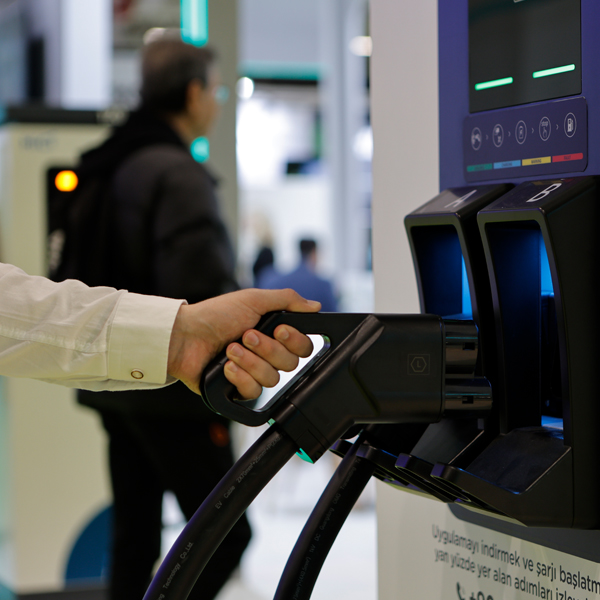
    Fast-charging station presented at the EV Charge Show 2025
    Fast charging station exhibited at the EV Charge Show 2025. (Credit: EV Charge Show)

    Faster, smarter terminals

    The recharging sector is mainly made up of recharging stations, and there is constant innovation in the quest for faster, smarter and more integrated recharging stations. A number of companies were present in Istanbul to showcase their innovations.

    The Chinese company Pilot/Sino unveiled fast charging stations incorporating a storage module, reducing pressure on the grid. Tonhe Technology, another Chinese company, presented its new 30 and 40 kW high-efficiency modules for DC stations.

    Overall, the companies present at the EV Charge Show had modularity, interoperability and energy optimisation as their watchwords.

    The central role of software

    But the future of electric recharging lies not only in physical infrastructure, but also in intelligent software solutions. International players such as ABB and Siemens, as well as Chinese companies such as Tonhe Technology and Workersbee, presented supervision platforms capable of controlling energy, optimising costs and managing entire fleets.

    And technological innovation inevitably means artificial intelligence. It plays a central role in anticipating demand, smoothing consumption peaks and coordinating the integration of solar energy, storage and V2G (Vehicle-to-Grid).

    The charging station thus becomes a veritable energy hub. A development that confirms that the charging station management software is also a key player in tomorrow’s mobility.

    Aerial view of the EV Charge Show 2025 in Istanbul
    Overview of the halls at the EV Charge Show 2025 in Istanbul (Credit: EV Charge Show)

    What this means for the future

    This 2025 edition has highlighted several key trends for the coming months:

    • The electrification of heavy goods vehicles is accelerating, paving the way for ultra-powerful recharging networks that are essential to support the transition in road transport, but also offering the opportunity to reduce the polluting waste associated with this sector.
    • Stations are becoming more autonomous thanks to the integration of local storage modules and energy management algorithms, often combined with artificial intelligence. These innovations make it possible to smooth out consumption peaks, optimise costs and transform each station into a genuine energy hub.
    • Istanbul is establishing itself as an international hub for recharging technologies. The diversity of the players present (European, Asian and local) confirms that the city has become a strategic location for global electromobility.

    The EV Charge Show 2025 proved that the electrification of heavy goods vehicles is on the move. Fast charging stations, AI and integrated storage: electric mobility is becoming more professional, and Istanbul is asserting itself as a global hub for sustainable transport.

  • The rush to Chinese electric vehicles in South America

    The rush to Chinese electric vehicles in South America

    South America is seeing a meteoric rise in sales of electric vehicles, driven by Chinese manufacturers. This expansion is taking place at a time when Tesla remains largely absent from the continent. According to Reuters, consumers are embracing these affordable models, while regional ports and logistics networks are changing rapidly.

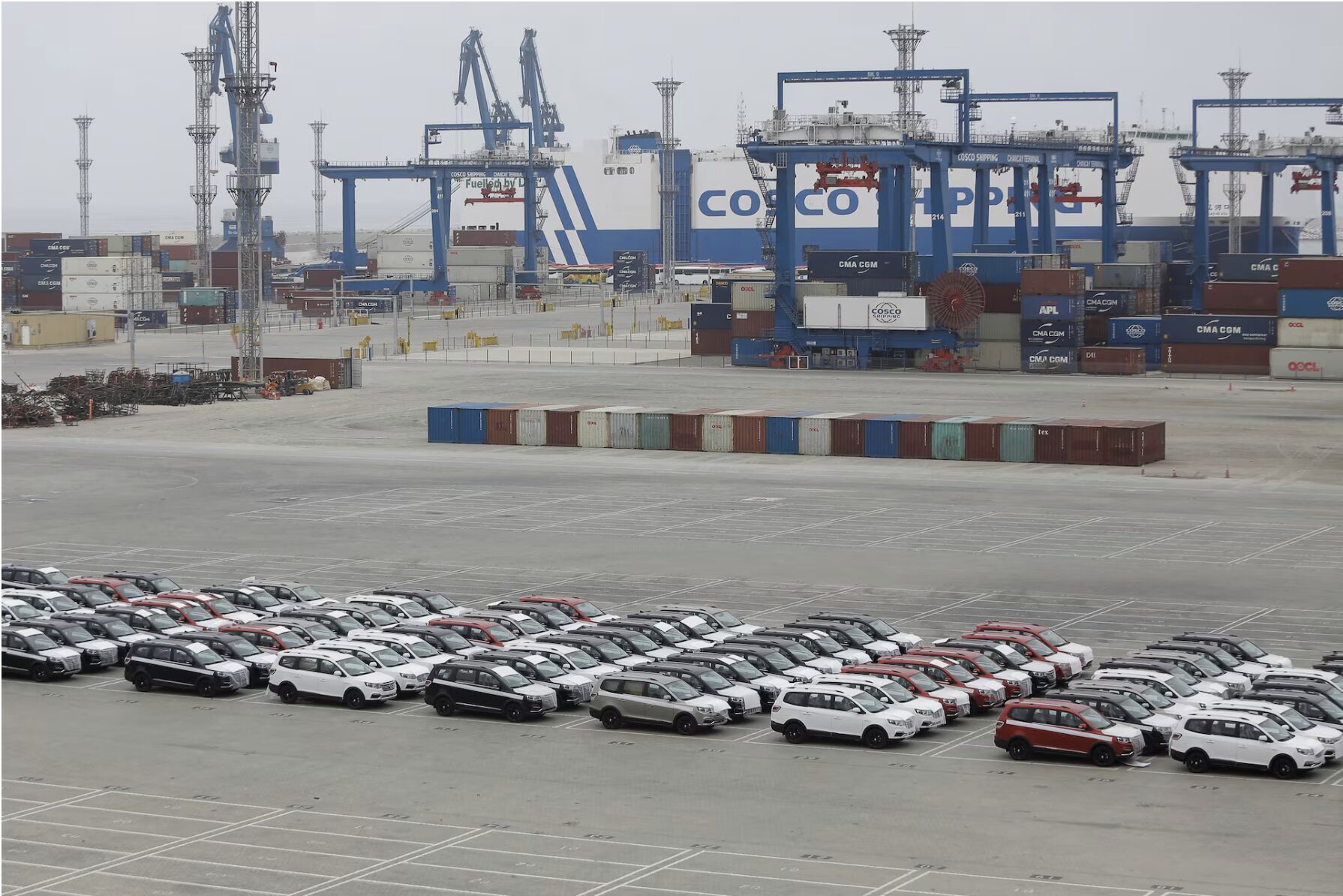
    Chinese electric vehicles parked at the Chancay megaport in Peru.
    Chinese electric cars parked at the Chancay megaport in Peru on November 13, 2025, illustrating the rise of Chinese carmakers in South America (Credit: REUTERS/Gerardo Marin)

    The rise of a still young market

    In 2019, Peruvian entrepreneur Luis Zwiebach wanted to buy a reliable electric car. After a test drive in the United States, he discovered Peruvian administrative limitations. Despite these obstacles, he found an owner willing to sell his Tesla and bought it. He then improvised an earth connection with a fork to charge the car, showing the ingenuity required at the time. Since then, things have changed thanks to the massive arrival of much cheaper Chinese models. Today, BYD, Geely and GWM dominate this segment, with prices around 40% lower than Tesla. Traditional manufacturers such as Toyota and Hyundai are also stepping up their electric presence. This diversity is stimulating a market that is still modest, but is expanding rapidly in Peru. Hybrids and electric cars reached a record 7,256 sales this year, a significant increase.

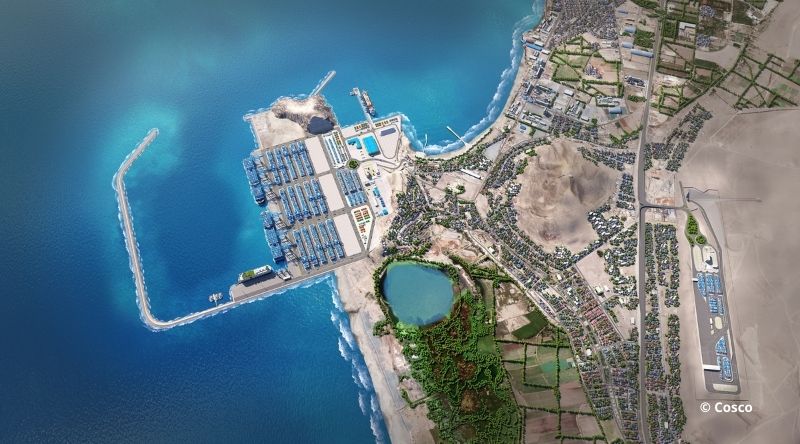
    The opening of the giant port of Chancay has accelerated this trend. This new logistics hub, built by China, significantly reduces transpacific transport times. As a result, Chinese vehicles are arriving faster and in greater numbers. Faced with growing trade restrictions in Europe and the United States, Chinese manufacturers are finding South America an ideal gateway. BYD is already planning a fourth dealership in Lima and other brands are strengthening their networks. Zwiebach confirms that demand is growing rapidly. He has also developed new services, including the installation of charging points and solar panels. This demand is also affecting real estate, where the presence of a charger can influence a major purchase.

    Accelerated regional conquest

    Chinese brands are gaining ground throughout South America. According to analysts, they are taking advantage of a local market lacking in abundant, competitive supply. They are also offering models adapted to regional needs. Their reputation for quality is growing fast. In Chile, they already account for almost 30% of new car sales. This breakthrough confirms their strategy of methodical expansion. At the same time, the adoption of electric vehicles is growing in the region. According to the International Energy Agency, penetration has doubled this year. This progress is based on public subsidies and the arrival of affordable models. Uruguay stands out with an impressive 28% share of new registrations. In Brazil, the figures are also rising, despite a more protected market.

    Even in Argentina, where the economy is still fragile, electric vehicle sales are on the rise. BYD launched its first operations there this year. The brand already dominates several neighbouring countries. This success is due in part to its partnership with local importers. These understand consumer expectations and facilitate distribution. In Uruguay, dealers are seeing a rapid switch to these models. In Punta del Este, BYD has now overtaken the European and Japanese brands. The highly competitive prices are adding to this craze. A Chinese pick-up can cost much less than its traditional equivalents. This advantage creates a decisive gap for buyers.

    Aerial view of the port of Chancay in Peru.
    Top view of the port of Chancay, a key infrastructure for maritime trade linking China to South America (Credit: Cosco)

    The key role of the new logistics hubs

    The port of Chancay illustrates this regional transformation. Every week, workers unload hundreds of cars from China. Cosco Shipping is forecasting nearly 19,000 arrivals by the end of the year. This port no longer serves Peru alone. It now redistributes vehicles to Chile, Colombia and Ecuador. This strategy strengthens Peru’s place in the regional logistics chain. For certain brands, such as Chery, this platform speeds up deliveries to several markets. Customs figures show a spectacular increase in arrivals since January.

    However, elsewhere in the region, this invasion is sometimes causing tensions. In Brazil, some players are complaining that the competition is unfair. Massive imports are taking advantage of temporarily low tariffs. This is encouraging Chinese manufacturers to invest in local factories. BYD already assembles models in the former Ford factory in Bahia. Great Wall Motors also produces in part in Brazil. These investments should make it possible to export from Brazil to other countries within a few years. Regional trade agreements reinforce this prospect. For local manufacturers, the gradual increase in taxes is designed to protect domestic production.

    A transition still strewn with obstacles

    Despite this momentum, a number of challenges remain. Long distances and limited infrastructure sometimes slow adoption. Zwiebach highlights the difficulties of travelling the entire Peruvian coast without planning. Charging networks remain patchy and require coordinated investment. However, the low running costs of electric cars are appealing to drivers. These vehicles require less maintenance than a conventional model. This economy is attracting many consumers looking for sustainable and economical solutions.

    In the years to come, South America could become a key area for electromobility worldwide. Chinese manufacturers see this as a strategic opportunity. Governments want to modernise their vehicle fleets. Consumers want to reduce their fuel costs. This convergence creates a favourable context for wider adoption. If recharging networks improve, growth could accelerate. Several countries are already aiming to follow the trajectories observed in Europe and China. Future investments will determine the speed of this transition.

  • Worldwide sales of electric vehicles jump by 23% in October 2025

    Worldwide sales of electric vehicles jump by 23% in October 2025

    The global electromobility market continues to grow at a steady pace. According to the latest figures published by analyst firm Rho Motion, sales of 100% electric vehicles (BEVs) and plug-in hybrids (PHEVs) reached 1.9 million units in October 2025, an increase of 23% on last year. This figure confirms that electric vehicles are becoming a permanent fixture on the global automotive landscape, although not everywhere at the same speed.

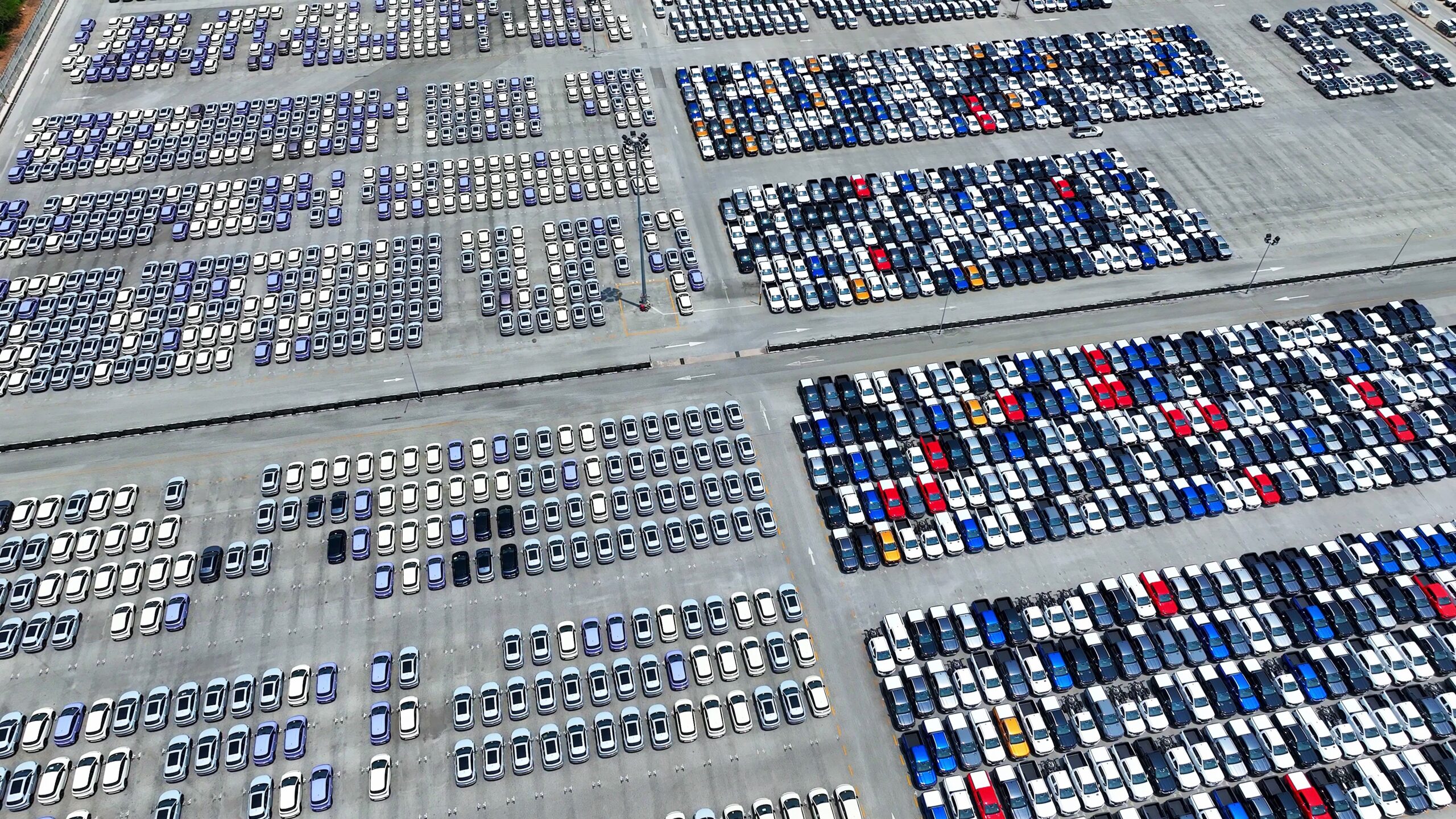
    Car park full of modern electric cars
    A car park full of electric cars, illustrating the growth of the global market

    China keeps the lead, Europe accelerates

    Unsurprisingly, China remains the world’s biggest market. With almost 1.3 million sales in one month, the “Middle Kingdom” continues to dominate the sector, even if its growth is slowing slightly (+6%). This growth could accelerate further before a likely drop in sales. This would follow recent political announcements, namely the reduction in the tax exemption rate for new-energy vehicles by the end of 2025.

    Europe, meanwhile, put in a remarkable performance: up 36% in one year, with 372,786 units sold. This performance was driven by the rise in popularity of more affordable models and by public policies that still largely support the purchase of zero-emission vehicles.

    North America in difficulty

    Conversely, North America (United States and Canada) is going through a more difficult period. Sales fell by around 41% in October. The main reason for this sharp fall is the expiry in the US of the $7,500 federal tax credit, which acted as a pillar for sales of electric models and which will disappear on 30 September 2025.

    Analysts say that this drop is mainly due to the fact that electrified vehicles in the US are still much more expensive than combustion-powered vehicles. In their opinion, this figure is also a “lag effect”, as many American buyers anticipated their purchases before the end of the budget incentives.

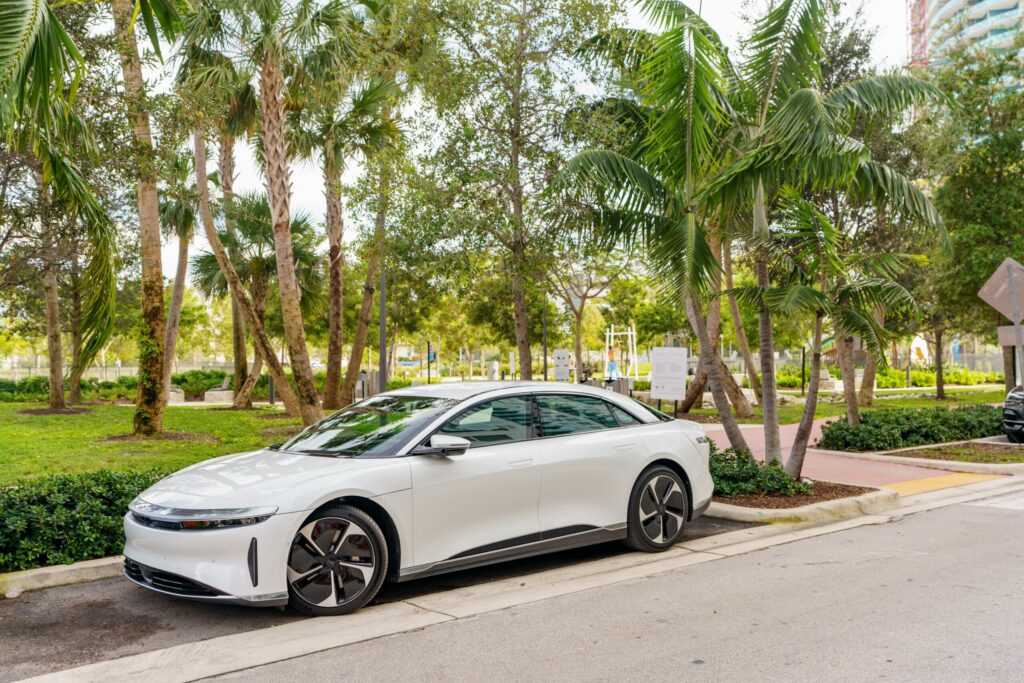
    Lucid electric car parked in Miami
    An electric Lucid parked in Miami, representing the US market in transition

    The “rest of the world”: rapid but still limited growth

    Behind the three major historical blocs (China, Europe and North America), the ‘rest of the world’ encompasses highly heterogeneous markets: South Asia, the Middle East, Africa, Oceania and parts of Latin America.

    According to Rho Motion, these regions recorded average growth of +37% in October. This significant growth was driven by :

    • In India, electrification programmes have accelerated under the Modi government, which is targeting a 30% market share for electric vehicles by 2030. The country is increasing tax incentives and developing battery and assembly plants.
    • In the Middle East, various countries are investing colossal sums in recharging infrastructure.
    • The rise of new markets such as Thailand, Australia and Brazil.

    But despite this acceleration, the “rest of the world” represents only a tiny fraction of the global ecosystem.

    A solid market overall, but one that is increasingly contrasted

    In all, more than 16.5 million electrified vehicles were sold worldwide between January and October 2025, at the same rate (+23%) for the year as a whole. While this growth remains robust, it also reflects the maturing of the market: growth is no longer uniform, and the regions are now moving forward at very different speeds:

    • Europe is confirming its upward trajectory and wants to stay in touch with the Chinese giant, despite the economic tensions.
    • China remains a key market, with large volumes driving the global market.
    • North America is lagging behind, revealing that the country is still too dependent on fiscal policies and budgetary incentives.
    • The “rest of the world”, meanwhile, is showing dynamic growth (+37%). An encouraging figure, but still too marginal in terms of volumes.
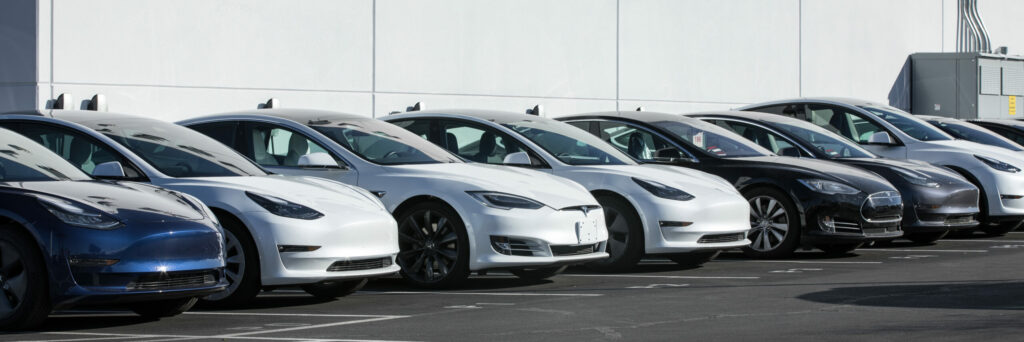
    Several electric Tesla cars parked side by side
    Different Tesla models lined up, symbolising the growing diversity of electric vehicles

    The transition is progressing, but not at the same pace everywhere

    These figures are a reminder of one fact: electromobility is not a linear phenomenon. It is growing, but with very different dynamics on different continents. The size of the Chinese market makes any global analysis highly dependent on Chinese figures, which can mask weaker situations in other regions.

    Electromobility is moving forward, but at different speeds.

  • Eenuee aims to get French electric aircraft off the ground

    Eenuee aims to get French electric aircraft off the ground

    Saint-Étienne-based start-up Eenuee is pursuing its ambition to revolutionise regional aviation with a 100% electric aircraft. Thanks to a new industrial partnership and an ongoing fund-raising drive, its project is taking on a more concrete dimension. The aim is to have a 19-seater aircraft flying by 2029 that is as affordable as a TGV ticket.

    Eenuee GEN-ee electric plane in flight over the mountains
    Eenuee’s future 100% electric GEN-ee regional jet flies over the mountains, a symbol of clean, silent mobility (Credit: Eenuee)

    A strategic alliance to take a decisive step forward

    After several years of promising research and testing, Eenuee is now joining forces with Duqueine Group, a company based in Ain and renowned for its expertise in aeronautical composite materials. This partnership, described as a “major asset” by Benjamin Persiani, CEO of Eenuee, should enable the start-up to move from a small-scale prototype to a larger-scale demonstrator. Duqueine, a supplier of parts to Airbus, Safran and Dassault, will contribute its industrial expertise to design the structure of the future aircraft. Together, the two companies want to prove that regional innovation can compete with the big names in aeronautics.

    This collaboration marks a key stage for Eenuee, which has been working since 2019 on its GEN-ee regional aircraft. This model, which looks like a flying wing, is based on a “load-bearing fuselage” concept, which is more complex to design but offers better aerodynamic and energy performance. Initial tests on a radio-controlled prototype with a four-metre wingspan have already validated the technical feasibility of the project.

    A prototype twice the size to get closer to the real thing

    The next step is to build an eight-metre model, twice the size of the initial prototype. This intermediate version, scheduled for completion by 2027, will enable the team to move closer to a certifiable aircraft. The Eenuee engineers will see this as an opportunity to test the performance of the fuselage and electric propulsion in real conditions. The ultimate goal is ambitious: to design an aircraft with a 33-metre wingspan capable of carrying 19 passengers over 500 kilometres, with no polluting emissions.

    To achieve this, Eenuee still needs to raise nearly €4 million. Supported by the Banque Publique d’Investissement via a Deeptech grant, the company is stepping up discussions with investment funds. According to Baptiste Giuliani, sales manager, “each passenger on our plane will consume less than an electric car driver”.

    GEN-ee electric plane seen from the back in full flight
    Eenuee’s GEN-ee electric aircraft, seen from the back, embodies the new generation of zero-emission regional aircraft. (Credit: Eenuee)

    A clean, quiet and versatile aircraft

    The GEN-ee has a claimed range of 500 kilometres and a cruising speed of around 260 km/h. It will run on two shrouded propeller engines powered by 1,500 kg of solid batteries. Its designers claim that it will consume up to eleven times less energy than an equivalent internal combustion aircraft, while considerably reducing noise. This silent, low-carbon aircraft could, for example, link Clermont-Ferrand to Nantes in less than two hours, or Rome to Monaco in just over two hours.

    Another major advantage is its versatility. Eenuee’s electric aircraft can take off and land on very short runways, or even on grassy or watery surfaces. An amphibious version is even envisaged, capable of landing on islands. This flexibility is already of interest to several regional airlines looking for solutions adapted to isolated areas.

    An industrial challenge and a race against time

    Competing with Aura Aero of Toulouse, which is developing the ERA hybrid aircraft, Eenuee is taking measured but determined steps forward. The Toulouse-based project has a head start and a large number of pre-orders, but the Stéphane-based company’s 100% electric approach is seductive because of its ecological coherence. If all goes according to plan, the full-scale prototype will make its first flight in 2029, before entering service around 2033.

    More than just a technological feat, Eenuee wants to help structure a low-carbon aeronautics industry in Auvergne-Rhône-Alpes. By relying on a local ecosystem of innovative companies, the start-up hopes to prove that a successful energy transition can also come from the regions. For Benjamin Persiani, “this regional partnership is a major asset. It allows us to combine technological agility and local industrial strength to take a key step forward. An essential combination if the future of clean aviation is to take off.

    Eenuee GEN-ee electric plane flying over the sea
    The GEN-ee electric aircraft flies over calm waters, demonstrating its versatility and the possibility of a future amphibious version (Credit: Eenuee).

    Towards a new regional transport model

    With its GEN-ee project, Eenuee aims to make air transport as environmentally friendly as rail, while retaining its speed and flexibility. Its objective is clear: to offer regional connections at an affordable price, without compromising the environment. Although the technical and financial challenges are still numerous, the vision of this young team from Saint-Etienne symbolises a new era for French aviation.

    So by 2030, it’s not impossible that the passengers of the future will be boarding an electric aircraft “made in Saint-Étienne” from a small regional aerodrome. A powerful symbol of the transition to cleaner, quieter and more sustainable skies.

  • Mercedes eSprinter chassis: press test with ECO MOTORS NEWS

    Mercedes eSprinter chassis: press test with ECO MOTORS NEWS

    On Wednesday 12 November 2025, ECO MOTORS NEWS had the privilege of being invited to Montigny-le-Bretonneux for a press test of the new 100% electric eSprinter, in its chassis cab version, by Mercedes-Benz. A technical day devoted to discovering this new electric version of the famous German van.

    Mercedes eSprinter chassis side view, electric van version 2025
    The Mercedes eSprinter 100% electric chassis cab, ready to be bodied for professional use. (Credit: Mercedes)

    The eSprinter chassis: a new stage for Mercedes

    Launched in April 2025, the eSprinter is the latest addition to the Mercedes-Benz range of electric vans, which has already sold more than 40,000 vehicles since the first eVito in 2010. This chassis version opens up new possibilities for the electrification of commercial vehicle fleets. To suit different uses, this version of the 100% electric eSprinter is designed to be specifically bodied.

    This versatile van from the German brand has been designed to meet the needs of professionals. The vehicle is available in two lengths (5.90 m or 6.70 m) and four GVWs (Gross Vehicle Weight Rating): 3.5 t, 3.95 t, 4.15 t and 4.25 t.

    Two engines are also available: 136 bhp (100 kW) or 204 bhp (150 kW). Three battery capacities are available: 56 kWh (around 210 km range), 81 kWh (around 300 km) and 113 kWh for intensive use. Rapid recharging can deliver up to 115 kW in direct current.

    With this chassis version, Mercedes-Benz is aiming directly at small businesses, local authorities and specialist fleets, a segment that has yet to be electrified, but which is undergoing rapid change.

    A full day of testing

    Accompanied by five fellow journalists, various bodybuilder representatives and, of course, several members of the Mercedes group, the day began with a technical and historical presentation of the Mercedes eVans range and the eSprinter chassis.

    Once we’d learned all we needed to know about this vehicle, we were treated to a presentation of the five eSprinter bodies, each built by its respective bodybuilder: Corsin, Laloyau, Trouillet, Labbé and JPM. Tipper, flatbed or specialised configuration, each vehicle has been ingeniously designed to meet the needs of professionals.

    After a question-and-answer session with the various players present on the day, we journalists divided up the different vehicles to carry out our tests.

    In total, we covered around a hundred kilometres on a route covering different types of road (town, country, motorway), divided into three test slots allowing us to test three different body configurations.

    A recharging workshop was also on offer: an opportunity for the Mercedes group to demonstrate its impressive linear recharging capacity, with an average power output of around 116 kW.

    Mercedes eSprinter electric chassis front view, test ECO MOTORS NEWS
    The front design of the Mercedes eSprinter chassis highlights the closed grille and modern lines of the German electric van. (Credit: Mercedes)

    A full test to come

    As mentioned earlier, ECO MOTORS NEWS was able to test several configurations of the eSprinter chassis during the day. Road behaviour, real autonomy, ergonomics, bodywork adaptation: all aspects were tested on the roads of the Paris region.

    A full, detailed test will shortly be published in our columns, with figures, measurements and feedback on this electric van. What we can already tell you is that Mercedes-Benz has perfected the adaptation of its vans to electrified mobility.

    Confirmation that the electrification of commercial vehicles is no longer an option, but a tangible industrial reality.

  • Rivian relies on R2 to achieve profitability

    Rivian relies on R2 to achieve profitability

    American EV manufacturer Rivian Automotive is going through a decisive moment. While the brand is focusing on its new compact SUV, due to be launched in the first half of 2026, it is currently facing serious financial strains.

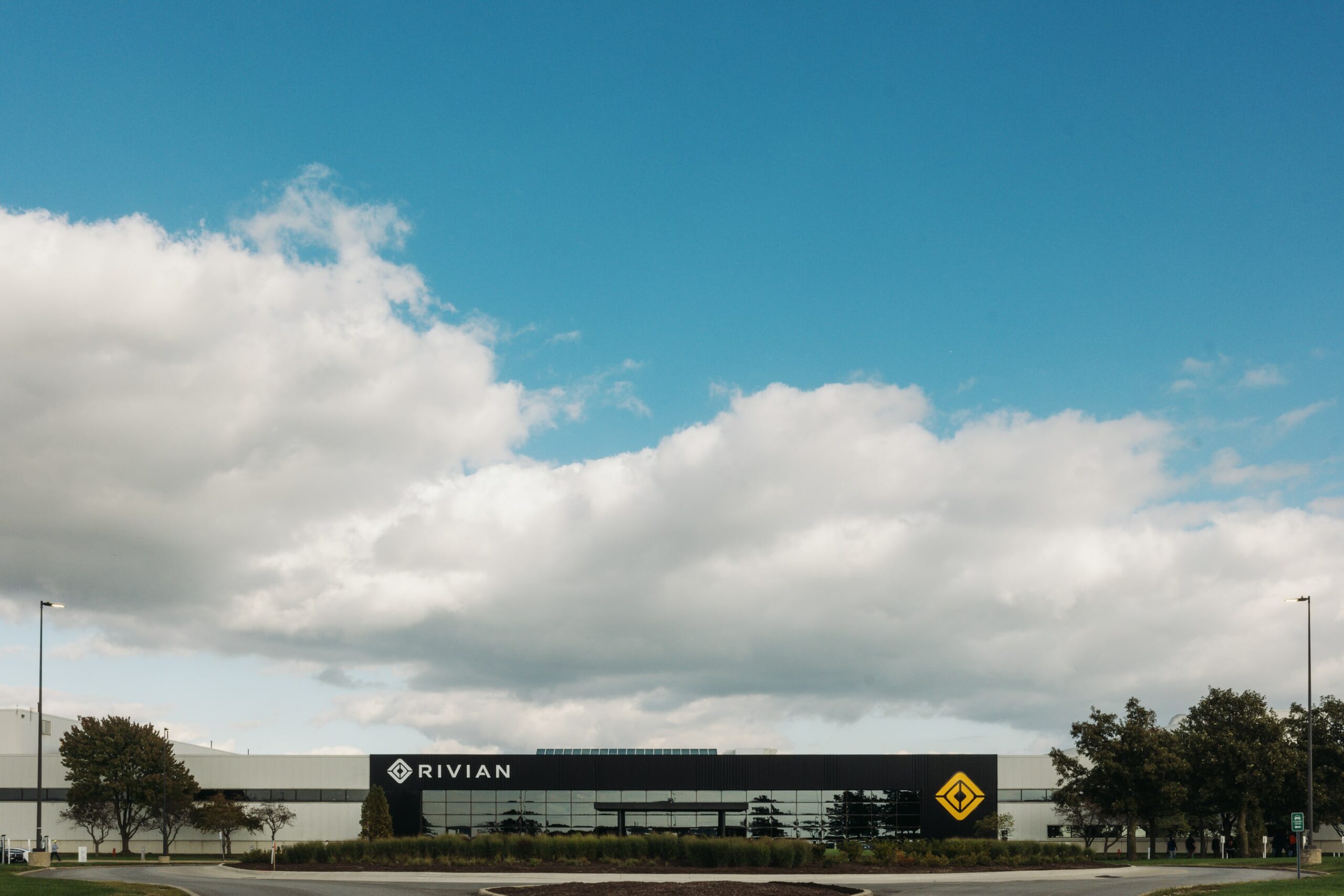
    Rivian Automotive building with logo on façade
    The headquarters of Rivian Automotive, an American manufacturer of electric vehicles. (Credit: Rivian)

    R2: a strategic model for Rivian

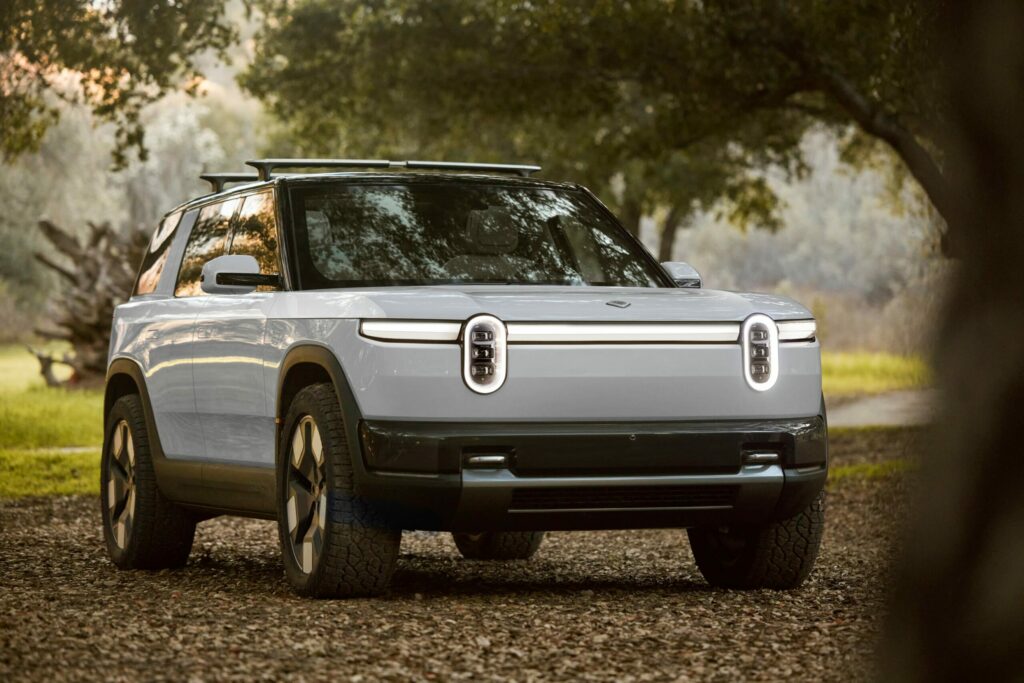
    Unveiled over a year ago, the Rivian R2 and its 4.71 metre length are aimed directly at the mass-market electric SUV segment, in competition with the Tesla Model Y and the Ford Mustang Mach-E. The vehicle retains the Rivian DNA: a square, robust design inspired by the R1S and an outdoor philosophy faithful to the Californian brand.

    In November 2025, the brand announced that development of the R2 was well advanced: prototypes are being assembled at the Normal factory in Illinois, and a little more is known about its technical specifications. Three configurations will be offered: single-engine, twin-engine and three-engine, each corresponding to a more or less affordable range. The announced range exceeds 480 km, for a price that should reach $45,000 in the United States, a strategic price for the brand that wants to widen its audience and thus reach more profitable production volumes.

    CEO RJ Scaringe has confirmed that the first commercial version will be a well-equipped but affordable twin-engine Launch Edition, to maximise take-up from launch. The European version is not expected until 2027.

    Rivian R2 electric SUV front view
    The Rivian R2 electric SUV is shown from the front, combining square design and robustness (Credit: Rivian).

    A financially fragile company

    Despite these advances, Rivian remains in the red. For 2025, the company is forecasting an operating loss of between 2 and 2.25 billion dollars, compared with an initial forecast of 1.7 to 1.9 billion. Sales are stagnating at around 50,000 vehicles a year, far short of the volumes needed to be profitable.

    Even more worryingly, in October 2025 Rivian carried out a third wave of redundancies, cutting around 600 jobs, or 4.5% of the workforce, bringing the total annual cuts to more than 10%. These cuts come at a time when the company is having to adjust its workforce in the face of a weakened US EV market, linked in particular to the expiry of the $7,500 federal tax credit.

    A controversial remuneration plan

    While sales figures are nothing to write home about, on 7 November 2025 the board of directors announced, in a document sent to the U.S. Securities and Exchange Commission (SEC), a record remuneration package for CEO RJ Scaringe. According to Reuters, the sum allocated could reach an astronomical 4.6 billion dollars over ten years, a plan inspired by that of Elon Musk. The plan is conditional on ambitious objectives, namely to increase the share price to at least $40 from the current $15.22, and to meet the various financial targets set (profit, cash flow) over several years.

    The announcement, which came just after the redundancies and against a backdrop of massive losses, drew criticism. While some see it as a necessary ambition to attract and retain the executive in his post, others feel that announcing this plan, which could bring in $4.6 billion for a single person, at such short notice, gives the Californian manufacturer an unfair and inconsistent image.

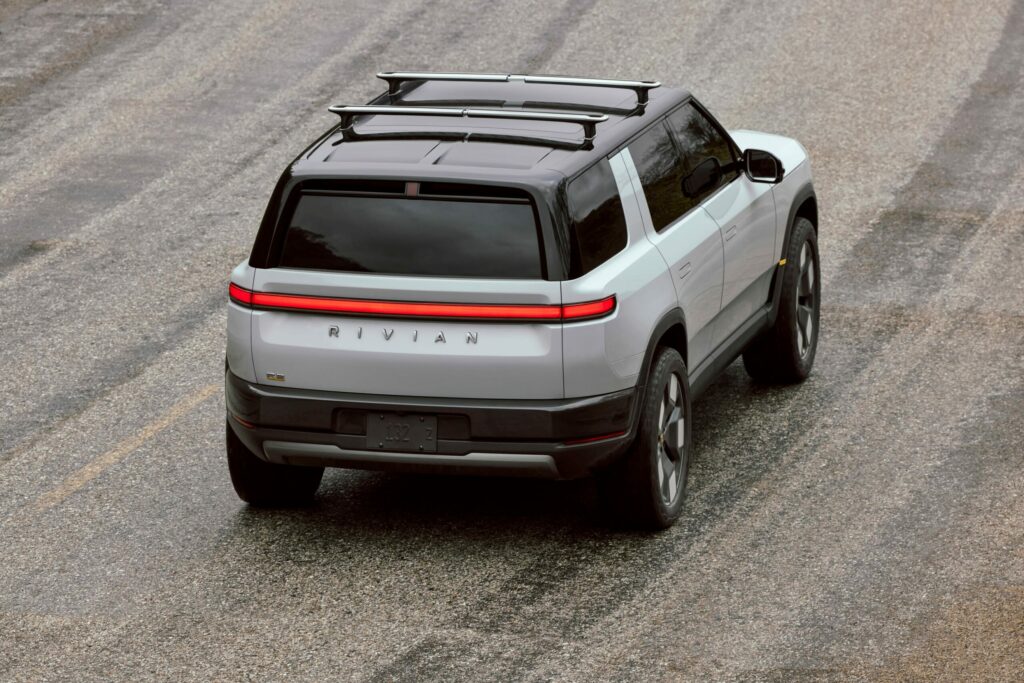
    Rivian R2 electric SUV rear view
    The Rivian R2 SUV photographed from behind, showing off its robust design and distinctive rear lights. (Credit: Rivian)

    R2: a decisive test for Rivian

    For the brand, the R2 is much more than a new model: its success will determine whether or not the brand can achieve significant volumes, reduce its losses and win over consumers in the face of fierce competition.

    One thing is certain: with the announcement of the remuneration package for the CEO, RJ Scaringe will do everything in his power to ensure that Rivian Automotive remains a major player in the electromobility sector.

  • Lucid and NVIDIA: the road to the first autonomous vehicles

    Lucid and NVIDIA: the road to the first autonomous vehicles

    Lucid and NVIDIA announce a major collaboration to propel the automotive industry towards complete autonomy. The electric vehicle manufacturer intends to revolutionise the driving experience. The alliance aims to combine artificial intelligence and manufacturing excellence for its next vehicles.

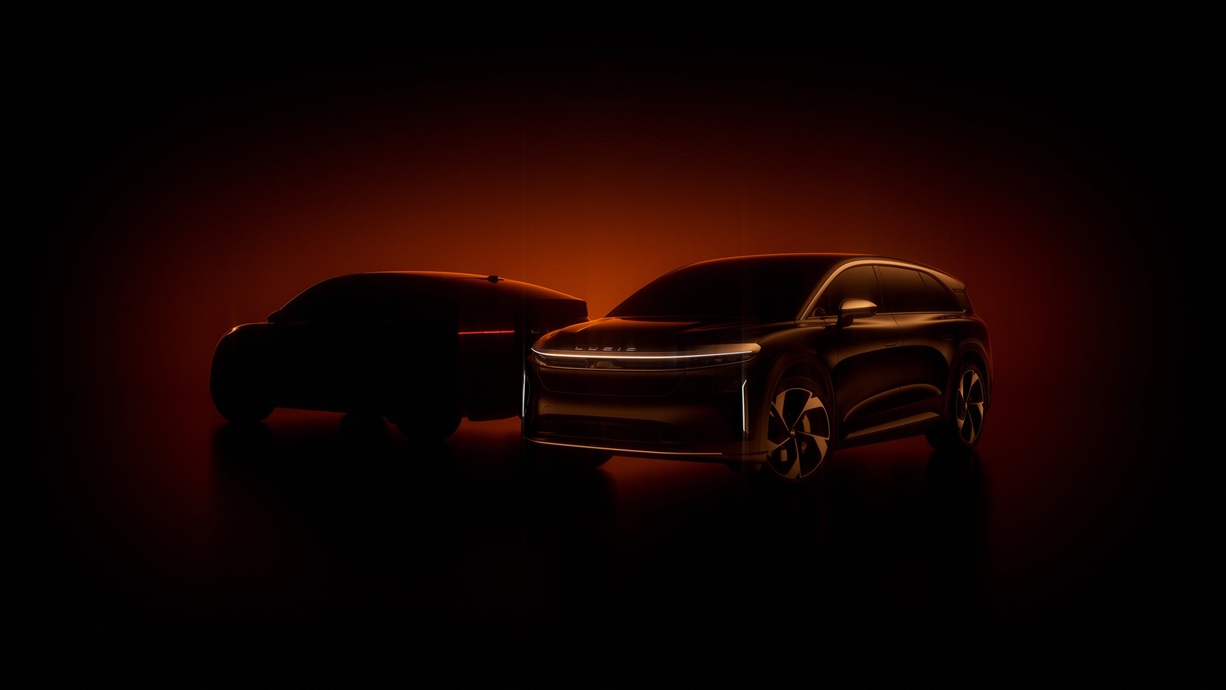
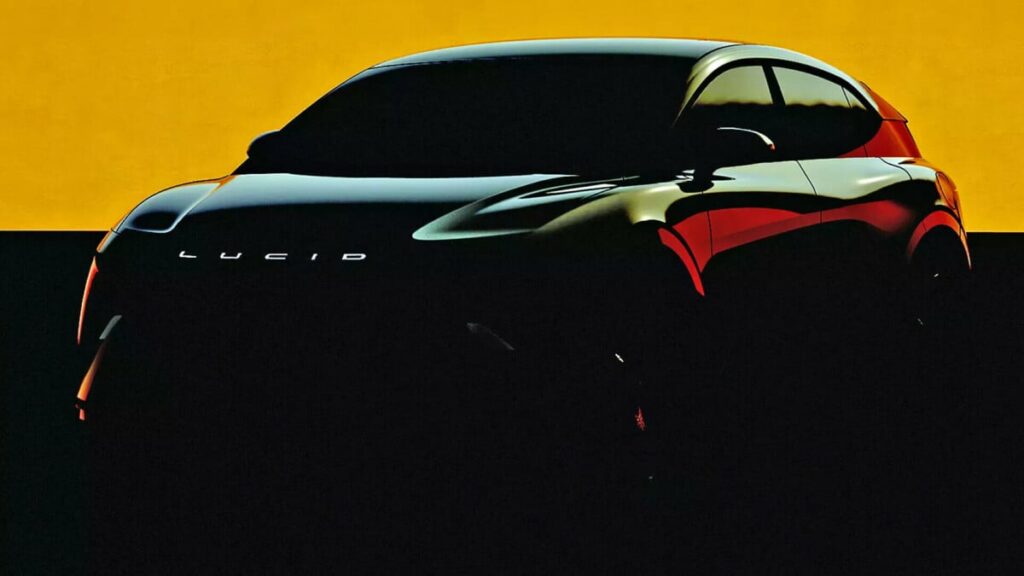
    Lucid electric car, front view and side view in shadow, elegant and futuristic design
    The Lucid EV reveals its futuristic design, combining elegance and performance in a subtle play of shadows (Credit: Lucid)

    Unprecedented autonomy for the vehicles of tomorrow

    Lucid plans to launch one of the first Level 4 consumer autonomous vehicles incorporating NVIDIA DRIVE AGX Thor technology. This breakthrough will enable true “no look, no touch, no think” driving, ushering in a new era of motoring. The project is based on the DreamDrive Pro ADAS, introduced on the Lucid Air in 2021, which is already capable of hands-free driving and automatic lane changes.

    As of today, Lucid is beginning the transition with the Lucid Gravity and its future midsize models in L2++ assisted driving, guaranteeing safety and comfort. The ultimate goal is to reach level 4, thanks to a multi-sensor system combining cameras, radar and lidar. Two NVIDIA DRIVE AGX Thor computers will unify all the automation functions and ensure smooth progress on the autonomy ladder.

    Strategic partnership with NVIDIA

    This collaboration is not limited to vehicles. NVIDIA is also contributing its industrial platform to optimise manufacturing and reduce costs. Lucid will be able to create intelligent factories, controlled by connected robots and digital twins to simulate and validate processes. Planning becomes faster, production lines more flexible and quality more rigorous.

    For Jensen Huang, founder of NVIDIA, this alliance transforms every vehicle into a supercomputer on wheels, reinventing mobility with intelligence. For his part, Marc Winterhoff, interim CEO of Lucid, emphasises the desire to combine cutting-edge technology with engineering excellence. Together, they aim to deliver a luxurious and fully autonomous driving experience.

    Close-up of the Lucid car with the logo visible, spotlight on the design and shadow
    Close-up of the Lucid vehicle, with the logo subtly emerging from the shadows, a symbol of power and innovation. (Credit: Lucid)

    Towards AI-driven manufacturing

    In addition to driving, Lucid uses NVIDIA’s industrial platform to optimise production. Digitalisation and artificial intelligence make it possible to simulate factories before they are built, to anticipate problems and plan effective solutions. The robots follow optimised trajectories, guaranteeing safety and speed, while reducing production costs.

    This strategy paves the way for reconfigurable production lines, capable of adapting to different models and volumes. The use of digital twins also makes it possible to test complex scenarios without interrupting actual production. In this way, Lucid combines vehicle autonomy and factory intelligence to create an innovative end-to-end chain.

    A transformed customer experience

    For consumers, this evolution promises a future where luxury, performance and autonomy come together. Lucid vehicles will become evolving software platforms, capable of receiving continuous updates. This ensures that each car remains at the cutting edge of innovation, even after delivery.

    By integrating NVIDIA DRIVE AV and its scalable architecture, Lucid ensures technological continuity, enabling the addition of new autonomous and safety features. Drivers will be able to enjoy a fluid, intelligent and safe experience, radically transforming the notion of personal driving.

    Lucid and the future of electric mobility

    Lucid has positioned itself as a major player in intelligent electric mobility. With factories in the United States and Saudi Arabia, the company combines performance, design and energy efficiency. The integration of AI into its vehicles and factories promises to redefine industry standards, while paving the way for mass adoption of autonomous driving.

    Thanks to this strategic partnership, the car of the future is becoming a tangible reality, where artificial intelligence and technological innovation offer safe, high-performance, forward-looking vehicles.

  • Peugeot reinvents the car in Fortnite with Polygon Concept

    Peugeot reinvents the car in Fortnite with Polygon Concept

    Since yesterday, Peugeot fans and gaming enthusiasts have been able to explore Polygon City in Fortnite. A virtual island dedicated to the Polygon Concept car, before its official unveiling tomorrow. This initiative combines futuristic design, technology and an interactive universe. It offers an unprecedented level of immersion, enabling visitors to discover the vehicle from every angle. With this approach, Peugeot is not only offering a preview of the concept, but also a participative experience that combines fun and creativity.

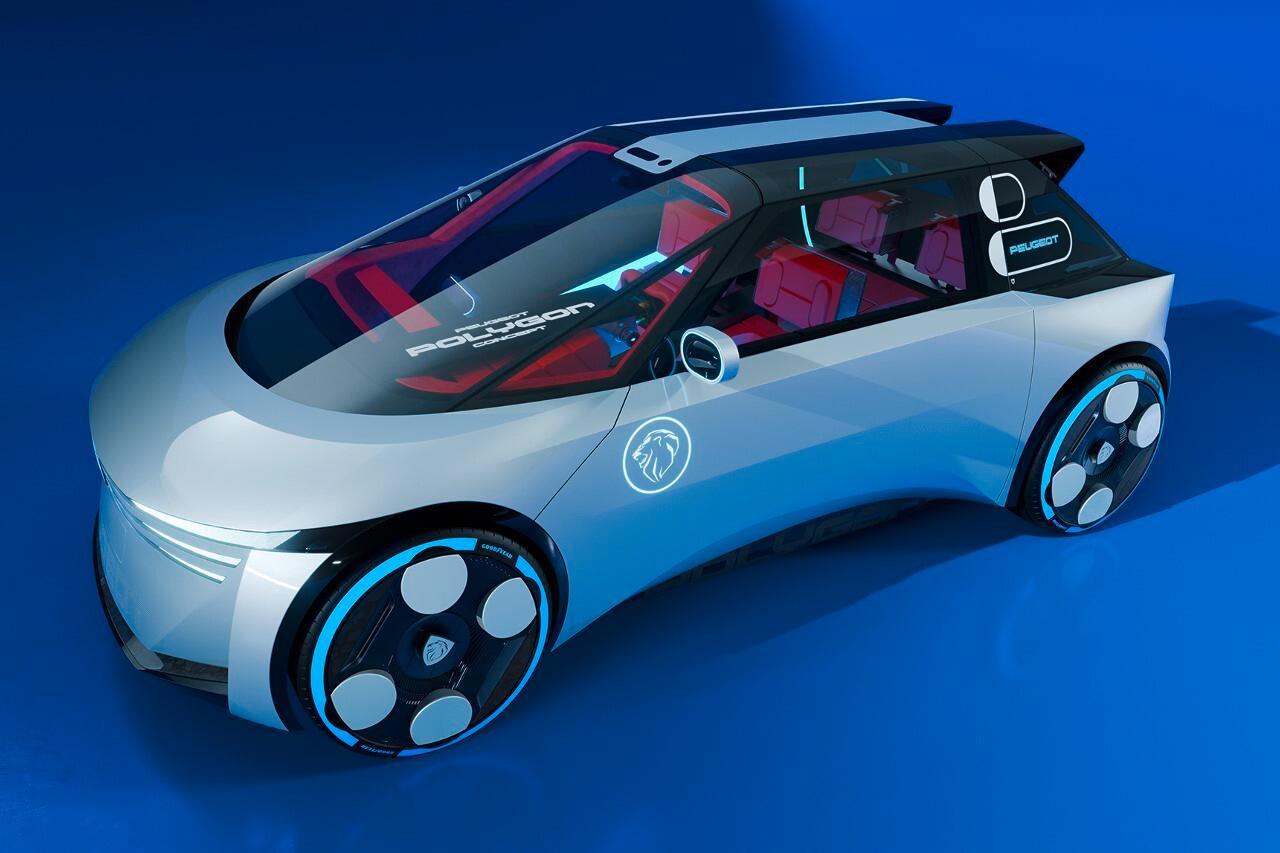
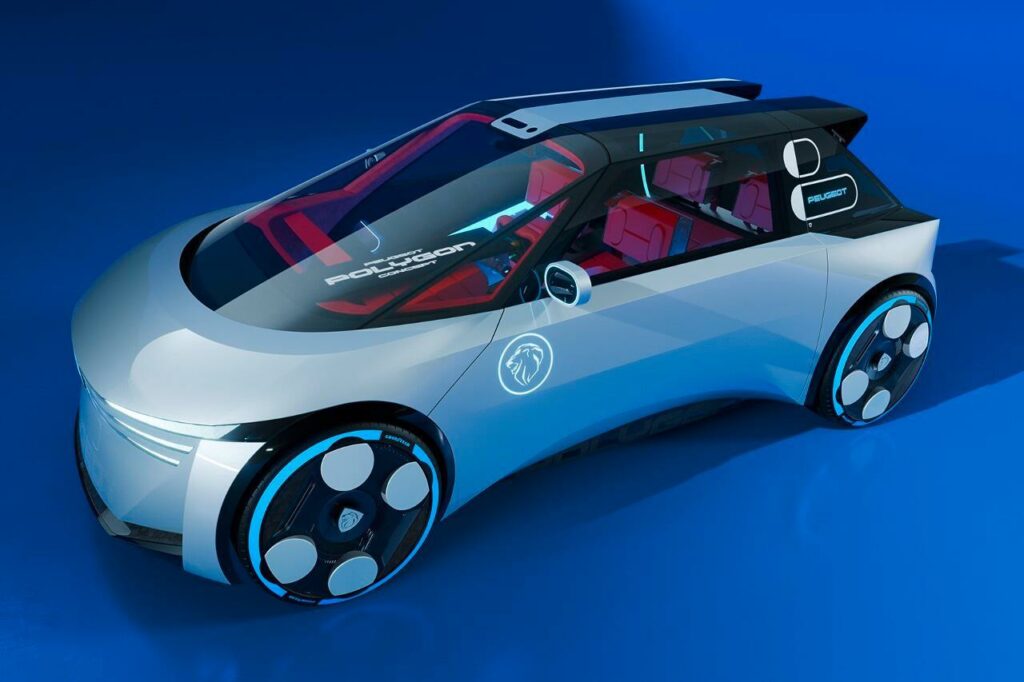
    Peugeot Polygon Futuristic concept with Hypersquare steering wheel and sculpted bodywork
    The Peugeot Polygon Concept, combining sculptural design and innovative technology, before its official unveiling. (Credit: Peugeot)

    A futuristic concept car with a sculptural design

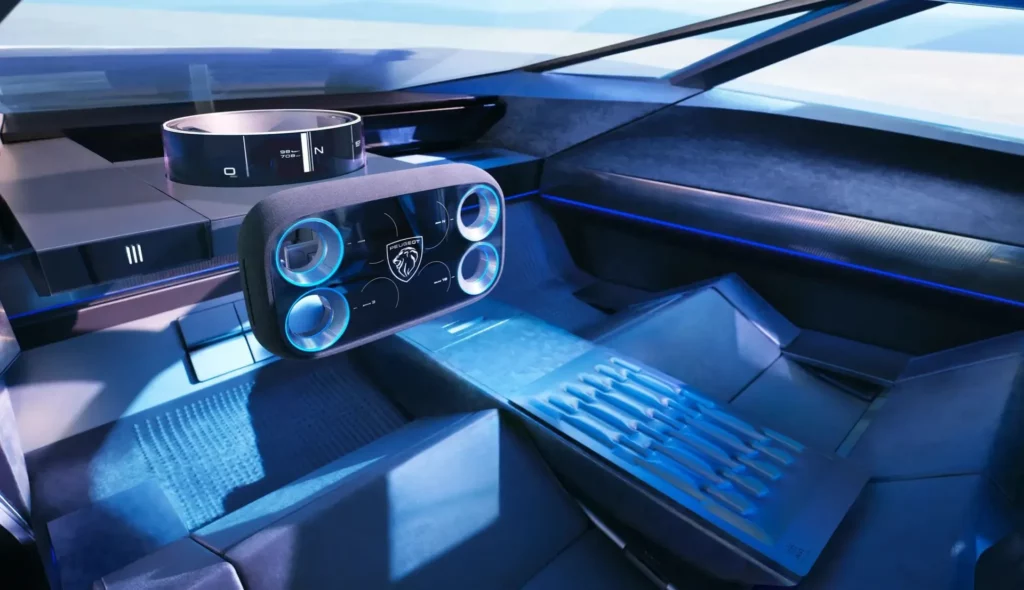
    The Polygon Concept reflects all the boldness and feline style so dear to Peugeot. The interior has been completely redesigned around the Hypersquare® steering wheel and Steer-by-Wire technology. These guarantee a fluid, intuitive and totally connected driving experience. Every detail of the vehicle has been designed to transform mobility into a genuine emotion, where technology and sensations meet. The angular, sculptural bodywork illustrates the creativity of the designers and gives the concept a strong visual identity. In this way, the Polygon Concept becomes both an objet d’art and a technological showcase, embodying Peugeot’s vision of the car of the future.

    Polygon City: a virtual island to discover the concept

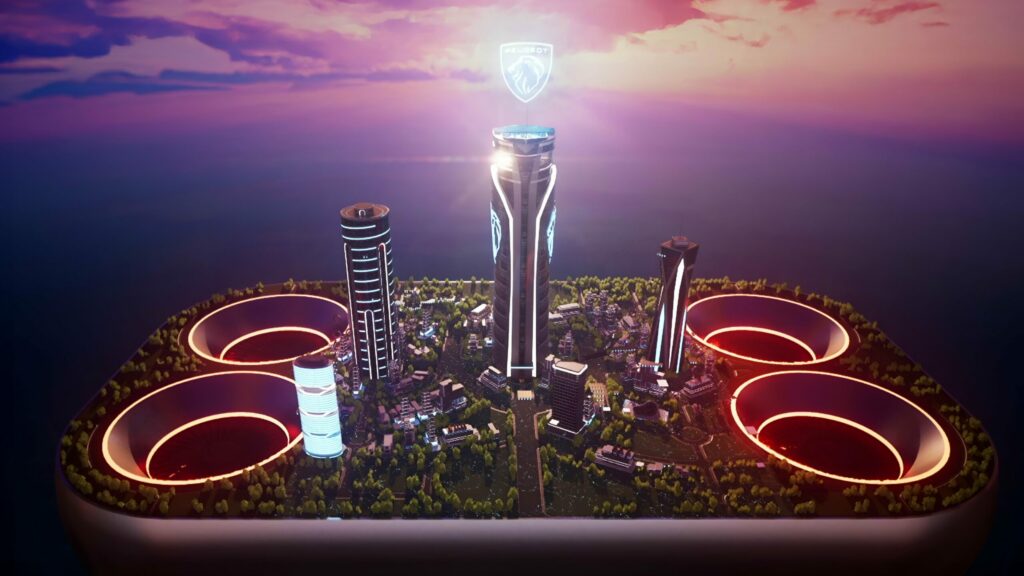
    Polygon City has been available in Fortnite since 10 November. This island, created by Gameloft in collaboration with Peugeot designers, reproduces the shapes of the Hypersquare® steering wheel and offers total immersion. Players can fly over the city, discover the concept car and take part in a number of mini-games to earn tokens. These tokens give players the chance to customise the Polygon Concept down to the smallest detail. You can personalise the body colour, the wheels, the Hypersquare® and the light signatures. Players can create their own unique version of the vehicle, combining exploration, creativity and entertainment. This interactive experience brings Peugeot fans and gamers together around a shared vision of automotive innovation.

    Polygon City in Fortnite, an immersive virtual island inspired by the Peugeot Polygon Concept
    Explore Polygon City in Fortnite, an interactive island inspired by the Peugeot Polygon Concept car (Credit: Stellantis)

    A digital strategy to reach new generations

    Polygon City illustrates Peugeot’s desire to engage with new generations through gaming and digital worlds. Phil York, Global Marketing Director, explains that the concept offers “a multi-faceted vehicle”, making it possible to show all the possible configurations of the Polygon Concept even before its official unveiling. Jean-Baptiste Godinot, Vice President of Gameloft for Brands, points out that the island is an interactive expression of Peugeot’s core values and engages younger generations in a fun and immersive experience. This approach demonstrates how the brand is reinventing automotive communications, combining innovation, design and digital culture, while creating a strong anticipation for tomorrow’s event.

    An immersive experience before the official reveal

    For gamers and fans alike, Polygon City offers the chance to explore a futuristic, interactive and creative environment. The island lets you discover the Hypersquare® shape from the air, explore each district and test the vehicle’s customisation in exchange for tokens. This fun and immersive experience transforms a simple concept car into a truly participative event, combining exploration, fun and creativity. By interacting with the Polygon Concept before its official unveiling, players can make the vehicle their own and experience its unique design in an engaging virtual context.

    Peugeot Polygon Concept Hypersquare® steering wheel with Steer-by-Wire technology
    The Hypersquare® steering wheel in the Peugeot Polygon Concept, a symbol of innovation and intuitive driving. (Credit: Peugeot)

    Tomorrow, the official reveal on YouTube

    On 12 November at 1pm, Peugeot will officially present the Polygon Concept during a keynote broadcast on its YouTube channel. In the meantime, the Fortnite experience allows you to discover the vehicle, experiment with its customisation and immerse yourself in a world that combines innovation, design and digital culture. Peugeot has succeeded in transforming a concept car into a participative adventure. In this way, the brand offers a vision of the mobility of the future that combines technology, creativity and immersion. This approach demonstrates that the automobile can now be experienced as an interactive event, accessible to all, where each player becomes a player in the discovery.

  • Bruno Saby, Lancia and Monte-Carlo: a comeback that electrifies history

    Bruno Saby, Lancia and Monte-Carlo: a comeback that electrifies history

    Thirty-seven years after his triumph at the wheel of a Lancia Delta HF 4WD, Bruno Saby returned to the Principality of Monaco. This time, the driver from Grenoble was no longer carried away by the roar of an internal combustion engine, but by the powerful silence of a 100% electric Lancia Ypsilon HF. At 76, the man who left his mark on rallying in the 1980s is proving that passion never dies out. This comeback also symbolises Lancia’s sporting renaissance, on the eve of a major worldwide comeback scheduled for 2026.

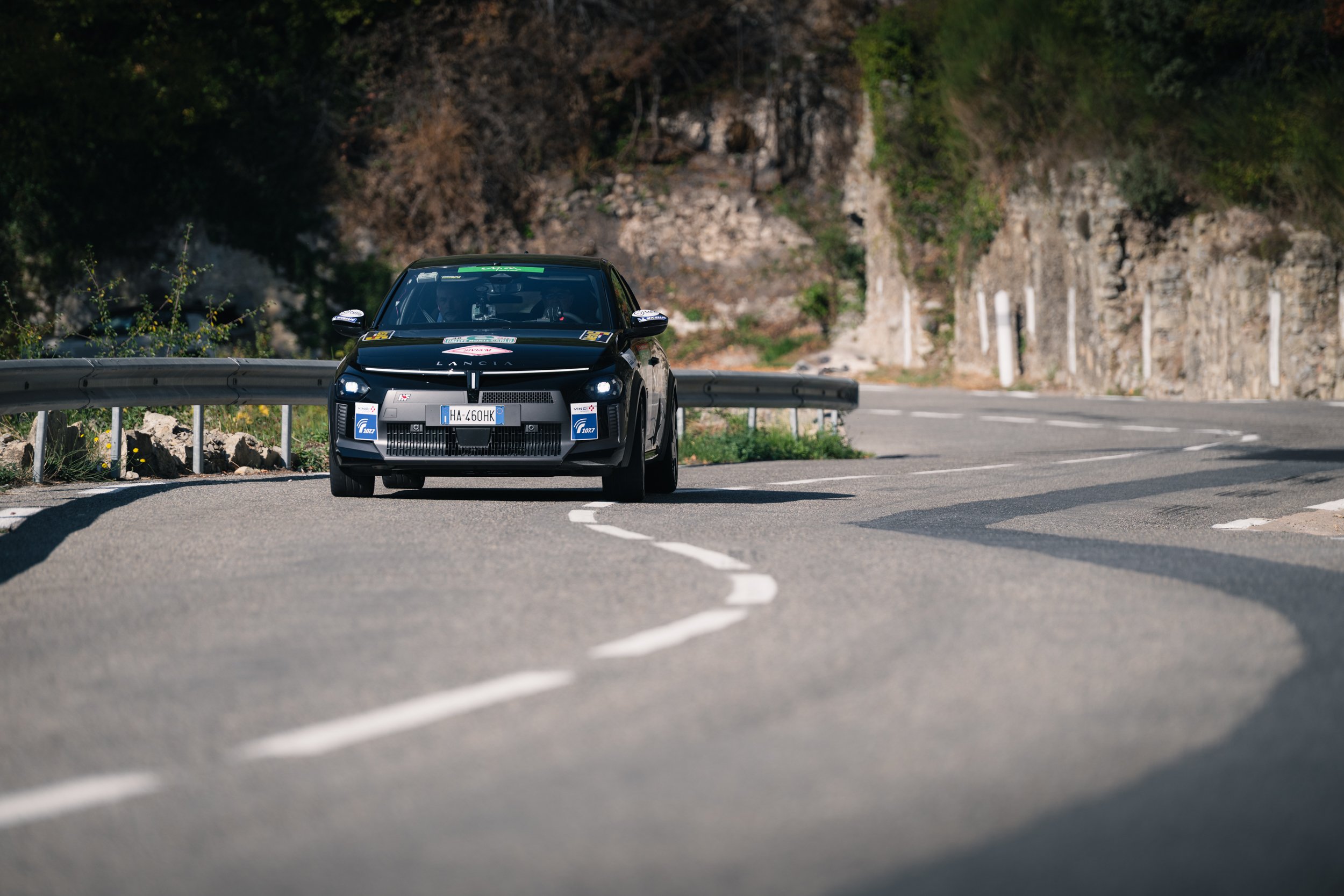
    Lancia Ypsilon HF electric 280 hp on mountain roads
    The 100% electric Lancia Ypsilon HF takes to the winding roads of the Alps at the 2025 E-Rallye Monte-Carlo. (Credit: Stellantis)

    An emotional and symbolic return

    When Bruno Saby took the start of the 2025 E-Rally Monte-Carlo, the scenery had changed, but not the spirit. The former winner of the classic Monte-Carlo was back on familiar roads, those of the Col de Turini and the Alpes-Maritimes, this time at the wheel of a 280hp electric compact. At his side was his faithful co-driver Christophe Marquès, who had already been a partner when he won the E-Rallye France Auvergne Rhône-Alpes a few weeks earlier.

    For the driver, this return was no mere media stunt. “Returning to Monte Carlo with Lancia is a powerful symbol,” he confided before the start. His career, marked by victory in 1988 and successes in the World Championship, finds a new echo in this modern adventure. Lancia, for its part, has seized the opportunity to celebrate its glorious past while affirming its electric ambitions.

    Lancia Ypsilon HF: the bridge between tradition and innovation

    The Ypsilon HF is not just a tribute to history. It’s a statement of intent. Beneath its compact silhouette, it conceals a 100% electric motor delivering 280 bhp, a lowered chassis and a Torsen differential. All designed for the winding roads of Monte Carlo, where precision and traction are essential.

    During the event, the Lancia stood out for its efficiency and reliability. Despite covering more than 1,000 kilometres, often at altitudes of over 2,000 metres, the Saby-Marquès team only recharged at night. A remarkable performance that underlines the progress made by Italian technology. The duo finished just off the podium, fourth in the regularity ranking and fifth in efficiency. A result that confirmed the competitiveness of the model and the relevance of Lancia’s return to modern competition.

    Bruno Saby to drive the Lancia Ypsilon HF at Monte-Carlo 2025
    Rally legend Bruno Saby takes the wheel of the 100% electric Lancia Ypsilon HF at the E-Rallye Monte-Carlo (Credit: Stellantis)

    Bruno Saby, the undiminished passion of a champion

    At 76, Bruno Saby has lost none of his enthusiasm. Having excelled in world rallying, the Dakar and rallycross, he remains an active ambassador for the discipline. Committed to the association Espoir contre le cancer (Hope against Cancer), he is now putting his talent at the service of a worthy cause. “I still love driving. It’s a deep passion that you can’t let go of”, he recently declared.

    This vitality has found new impetus in electric regularity rallies. Far from being a minor challenge, these competitions demand precision, strategy and energy management. For Saby, it’s a way of continuing to learn and pass on his experience. Through his example, he embodies the continuity between the golden age of rallying and the electric era, with emotion and innovation.

    Lancia’s revival on the world stage

    The year 2025 will be Lancia’s big comeback. After years of absence, the Italian brand is preparing its sporting resurrection with ambition. From January 2026, the new Ypsilon Rally2 HF Integrale will make its debut on the Rallye Monte-Carlo, in the WRC2 category. A decisive step for the most successful brand in the history of the World Rally Championship.

    Under the impetus of Luca Napolitano, Managing Director of Lancia, and two-time world champion Miki Biasion, Lancia returns to world competition. The programme is based on a complete range: Ypsilon Rally4 HF, Rally HF Racing and now the Rally2 HF Integrale. A range designed for professional drivers and private teams alike, aimed at putting Lancia back at the heart of international motor sport.

    Lancia Rally HF range: Ypsilon, Rally4 and Rally2 HF Integrale
    The Lancia Ypsilon HF, Rally4 HF and Rally2 HF Integrale come together to illustrate the heritage and future of Italian rallying. (Credit: André Ferreira / DPPI)

    A living heritage, a future on the move

    The Trofeo Lancia 2025 confirmed this momentum. With an increase in participation and some outstanding victories, the brand was back in touch with its public. The Rallye Sanremo, the final round of the season, crowned Gianandrea Pisani and Nicola Biagi, symbols of the new generation of Lancia ambassadors. On the roads of Italy, passion was passed on from one era to the next, from the Delta Integrale of yesterday to the Ypsilon HF of today.

    In the Lancia villages, the public was able to rediscover the legendary models – Delta, 037, Integrale – alongside the electric vehicles of the new era. A reminder that technology does not erase emotion, but rather extends it. Lancia has understood this: to return to the top, it must rely on the soul of its history.

    Monte-Carlo, still the common thread

    The E-Rallye, Monte-Carlo remains the point of convergence between past and future. Bruno Saby has once again written a fine page in his legend, while Lancia is preparing its world return to these same roads in January. Both demonstrate that the passion for rallying knows neither the wear and tear of time nor the limits of technology.

    This joint comeback, between memory and modernity, marks more than just a race. It embodies the rebirth of a legendary brand and the loyalty of a champion to its history. In the silence of electric propulsion, the music of motor sport continues to vibrate.