Category: Expertise

  • Professionals and electric vehicles: the big dilemma in close-up

    Professionals and electric vehicles: the big dilemma in close-up

    Under the combined effect of the EPZs, European climate targets and a raft of public subsidies, the electrification of commercial fleets is making headway in France and Europe. But behind the overall momentum lie disparities between different professions. Taxis and VTCs are being pushed forward at breakneck speed, while hauliers are making progress through targeted experiments, while tradesmen and users of light commercial vehicles are lagging behind, held back by the economy of use and the instability of support schemes. This contrasting landscape raises questions about the real trajectory of decarbonisation in professional transport.

    Photocredit: Envato

    The energy transition of professional fleets is not following a uniform curve. Unlike private individuals, whose adoption of electric vehicles remains largely conditional on purchase price and range, professionals are primarily faced with regulatory obligations. EPZs, access restrictions, differentiated taxation and contractual requirements play a central role in investment decisions. In this context, electric vehicles are progressing less as a spontaneous choice than as a response to growing constraints. This is particularly evident in the daily mobility sector in densely populated areas, where access to the market depends directly on the environmental compliance of the vehicles used.

    Taxis and VTCs: electric vehicles as a working condition

    For taxis and VTCs, the deadline has now been clearly set. In France’s 48 low-emission zones (ZFE), combustion engines will gradually become incompatible with their professional activity. From 2025, VTCs will have to use “ZFE compatible” vehicles, i.e. electric or very low-emission vehicles, to continue operating in these areas. Some texts and forecasts suggest that the VTC fleet in major cities will be 80% electric by 2026. This prospect will automatically speed up the renewal of fleets, often to the detriment of conventional hybrid engines, which are now seen as a transitional solution.

    To support this switchover, the public authorities have deployed a particularly attractive package of aid. Ecological bonuses, conversion bonuses, specific tax exemptions for professional electric vehicles and local schemes linked to ZFEs mean that, in some cases, you can accumulate up to around €18,000 in aid for the purchase of an electric VTC. This level of support is unrivalled in other professional segments, and goes a long way to explaining the lead taken by this sector. While the initial purchase cost remains high, the reasoning is now based on the total cost of ownership, including fuel, maintenance, tax and market access. For a high-mileage urban driver, electric vehicles are becoming almost compulsory.

    Photo credit : MAN eTGX – Man

    Carriers: electricity by segment and by flow

    The situation is rather different for road haulage. In 2024, zero-emission heavy goods vehicles still only accounted for between 1.3% and 2.3% of the European market, depending on the segment. This figure is rising rapidly, driven by the major logistics groups and the most structured hauliers. Some manufacturers have taken a significant lead. Volvo Trucks, for example, claimed a 47% share of the European market for electric heavy goods vehicles at the end of 2024, with around 1,970 electric trucks registered. This is still a small volume, but it is indicative of a phase of industrial deployment that has now gone beyond the simple pilot stage. This adoption remains highly targeted. The preferred uses are in urban distribution, regional transport, e-commerce logistics and regular, controlled-distance flows – segments where range, recharging and planning can be optimised without disrupting the operational organisation.

    Despite these advances, many obstacles remain. The total cost of ownership remains high for a large proportion of hauliers, especially SMEs, and investment in charging infrastructure dedicated to freight is a major obstacle. Several tens of thousands of high-power recharging points would be needed across Europe by 2030 to support a real scale-up. There are also regulatory and economic uncertainties. There is still insufficient visibility on future subsidies, emissions standards, or the value of zero-emission transport in calls for tenders, to secure heavy investment over ten or fifteen years. As a result, electric vehicles are moving forward, but cautiously, in clearly identified pockets of use.

    Artisans and light commercial vehicles: the big delay

    The contrast is undoubtedly most marked in the case of light commercial vehicles. In 2024, diesel still accounted for around 85.5% of the European market for LCVs (Light Commercial Vehicles) up to 3.5 tonnes. Worse still, registrations of battery-electric vans were down by around 9% compared with 2023, despite an overall increase in the market. This trend illustrates just how sensitive this segment is to incentive policies. In countries where tax benefits are high and urban restrictions are strict, electric cars are making headway. In other countries, such as France, however, the reduction or abolition of incentives has brought electric cars to a halt. Here, the question is not ideological but functional. Payload, real range under load, towing capacity, access to a recharging solution at the depot or at home – these are all decisive criteria that are not yet fully covered by the current range.

    In France, the switch to electric LCVs largely depends on local constraints. Access to city centres and worksites in EPZs is gradually becoming a decisive factor, as is the maintenance of specific incentives that can amount to several thousand euros for an electric van. Without these levers, electric vehicles will struggle to establish themselves against diesel models, which are still very competitive in terms of running costs and perfectly suited to professional constraints. Here again, the transition appears to be less a market dynamic than a delicate balance between regulatory constraints and financial support.

    Photo credit : Renault Trucks

    A trajectory far from the climate objectives

    Beyond the specificities of each sector, there is a clear cross-sectoral trend. Today, regulation is the main driving force behind the electrification of professional fleets, particularly for businesses exposed to EPZs and urban centres. Conversely, where there are fewer constraints, the transition is proceeding more slowly, or even at a slower pace. For long-distance hauliers, electric vehicles are still confined to specific uses, pending a more significant fall in the cost of batteries and widespread deployment of high-power recharging. For small businesses, adoption still depends on a narrow triad: subsidies, local restrictions and the technical suitability of vehicles. At this stage, all of these segments are still not in line with the carbon-neutral trajectories set for 2030-2035 for professional fleets. Without greater visibility on public policies and an acceleration of the industrial offer, the transition is likely to remain fragmented, uneven and highly dependent on constraint rather than acceptance.

    Sources: Renault Trucks, Volvo Trucks, CLF Formation, Connaissances des énergies

  • EVs and local networks: when recharging becomes a lever for energy stability

    EVs and local networks: when recharging becomes a lever for energy stability


    The growing popularity of electric vehicles (EVs) is having a profound effect on local electricity networks. Long seen as mere energy consumers, EVs are now at the heart of solutions capable of enhancing the flexibility and resilience of the electricity system. Smart charging, storage and Vehicle-to-Grid (V2G) are shaping a new paradigm: that of integrated electric mobility, capable not only of adapting to the grid, but also of actively supporting it.

    Photo credit: Envato

    Local networks under pressure

    The massive increase in the number of electric vehicles poses an unprecedented challenge for distribution networks, particularly at local level. Unlike major electricity transmission infrastructures, low-voltage networks were never designed to absorb simultaneous power calls concentrated over time. EVs are mostly recharged at the end of the day, when households return home, combining heating, lighting and traditional domestic uses.

    In some residential areas, this simultaneity can lead to a near doubling of the power demand, causing local congestion and even the risk of overloading. In Europe, and France in particular, these tensions are exacerbated by ageing infrastructure. Yes, almost 40% of distribution lines are over forty years old. In addition, there are major regional disparities, between well-connected areas and more fragile territories, particularly on the outskirts of major conurbations.

    Intermittency of renewables and seasonal peaks

    The difficulties are not limited simply to vehicle recharging. They are part of a wider energy context, marked by the rise of intermittent renewable energies. Solar and wind power generation, by their very nature variable, can create significant mismatches between supply and demand, particularly in winter, when consumption rises and solar power generation falls.

    Today, to maintain the balance of the system, grid operators still largely resort to costly and less than optimal solutions: electricity imports, activation of peak power plants or, in extreme cases, targeted load shedding. Without new forms of flexibility, the massive electrification of mobility could mean heavy investment in network reinforcement, with costs passed on to users.

    Smart charging, the first intelligent building block

    Faced with these multiple constraints, smart charging appears to be a pragmatic and rapidly deployable solution. The principle is simple: adapt the charging of electric vehicles according to the state of the network, pricing signals and the availability of electricity, without impairing the user experience. In practical terms, the vehicle remains plugged in, but the power and time of recharging are modulated automatically. This controlled recharging makes it possible to smooth out demand, by shifting charging to off-peak hours or periods of high renewable production. It can be based on dynamic tariffs, which give drivers a financial incentive to recharge at the ‘right’ time, or on automated mechanisms managed by charging operators and distribution network operators (DSOs).

    Beyond individual optimisation, smart charging opens the way to much more detailed management of local networks. Thanks to real-time data, DSOs gain greater visibility of electricity flows. This enables them to anticipate congestion and control recharging at the level of a district, a company car park or a residential complex. Coupled with microgrids, integrating local production and storage, smart charging is clearly becoming a key tool in the energy transition. It reduces the need for costly grid extensions and encourages a decentralised, more resilient approach. For local authorities and businesses alike, it’s also a way of controlling costs while speeding up the integration of electric vehicles at the same time.

    V2G: when cars become batteries

    Vehicle-to-Grid (V2G) is taking things a step further by transforming electric vehicles into genuine energy assets. A car is parked around 95% of the time. Its battery therefore represents considerable storage potential. V2G is based on bi-directional charging. Vehicles charge up when electricity is abundant and cheap, particularly during peaks in solar or wind production, and then return some of this energy to the grid during periods of high demand. On a European scale, this virtual storage could represent up to 114 TWh by 2030, or around 4% of the continent’s electricity consumption.

    For the electricity system, it offers invaluable flexibility, capable of stabilising frequency and reducing the need for carbon-based peak generation. Studies estimate that this flexibility could save up to €4 billion a year in network investment. For EV users, the model is just as attractive by making their batteries available to the grid. They become “prosumers”, both consumers and producers of energy. Experiments are also showing that these controlled cycles can help to extend battery life, by avoiding repeated rapid charging.

    Photo credit : Servotech/India

    Concrete pilot projects in France and Europe

    In France, the Flexitanie project, launched in the Occitanie region, is a benchmark. Since 2020, EDF and its subsidiary DREEV have been aggregating hundreds of electric vehicles, representing more than 8 MW of virtual storage. The aim is to integrate local renewable energies while relieving the grid during peaks in consumption. In Northern Europe, the operator Virta is testing V2G charging points in Helsinki, capable of supplying conventional loads from EV batteries. This approach is particularly relevant in countries with high winter peaks. In France, Enedis is also supporting the roll-out of smart charging, while EDF is stepping up its partnerships with manufacturers and local authorities to design flexible electric neighbourhoods.

    Despite these advances, scaling up remains dependent on changes to the regulatory frameworks. Flexibility markets, capacity tariffs and recognition of the role of mobile batteries still need to be harmonised at European level. Smart grid experiments are currently being used as laboratories to test these new economic and technical models. The standardisation of bi-directional charging points, the interoperability of systems and cyber security are, of course, also major challenges. But the momentum is there, driven by grid operators, energy suppliers and mobility players alike.

    Photo credit: Logo dreev – EDF Group

    Towards more resilient local networks by 2030

    By 2030, V2G could theoretically power the equivalent of 30 million European homes, profoundly transforming the role of local networks. Electric mobility would no longer be seen as a constraint, but as a strategic opportunity to accelerate the energy transition. One thing is clear: the future of the electric vehicle also depends on its ability to integrate intelligently into the energy system. Smart charging and V2G embody this new stage, where the car becomes an active link in a network that is more flexible, more sober and more resilient.

    Sources: edf.fr – edsoforsmartgrids.eu – enedis.fr – izi-by-edf.fr

  • Filante Record 2025: Renault’s record-breaking philosophy

    Filante Record 2025: Renault’s record-breaking philosophy

    Renault is ending the year by sending out a strong signal to the automotive industry. With the Filante Record 2025, the French manufacturer is unveiling a radical electric demonstrator that has just set a new efficiency record, covering more than 1,000 km at an average speed of 102km/h without recharging. A performance that goes beyond a simple technological feat and lays the foundations for a new approach to electric mobility.

    Photo credit: Renault Group press release

    A feat averaging over 100 km/h


    At the UTAC test center in Oued Zem, Morocco, Renault took up a particularly demanding challenge: to demonstrate that an electric vehicle can combine long distance, sustained speed and energy efficiency. And the result was impressive. 1,008 kilometres covered in less than ten hours, at an average speed of 102 km/h, without intermediate recharging. A feat achieved with an average fuel consumption limited to 7.8 kWh/100 km, a figure rarely achieved, even at low speeds. This performance is even more impressive when you consider the driving conditions.

    Unlike homologation cycles or demonstrations at reduced speeds, the Filante Record 2025 was driven at speeds close to real motorway use, where electric vehicle consumption tends to increase sharply. Renault is thus demonstrating that it is possible to push back the limits of efficiency where energy constraints are at their most severe. At the end of the record, almost 11% of range remained available, roughly the equivalent of more than 120 extra kilometres at over 100 km/h. This is a key element that illustrates the philosophy behind the project. The aim is to increase range not by adding more battery, but by consuming less.

    A technology laboratory inspired by aeronautics

    The Filante Record 2025 is first and foremost a rolling laboratory, designed to explore how far energy optimisation can go when no compromise is imposed by the constraints of mass production. Its spectacular design, stretched and sharpened, is inspired by both aeronautics and Renault’s history, with an ultraviolet blue hue reminiscent of the record-breaking 40 CV of 1925 and the Étoile Filante of 1956. Behind this futuristic silhouette lies meticulous work on every component. With ‘by wire’ steering and braking, the elimination of traditional mechanical links and the extreme optimisation of airflow, nothing has been left to chance. Carbon, aluminium alloys and 3D-printed parts have been used to drastically reduce the vehicle’s weight, while maintaining rigidity and safety.

    Tyres, developed by Michelin, have also played a central role in this quest for efficiency. Their low rolling resistance contributes directly to reducing fuel consumption, an often underestimated but crucial factor at high speeds. The whole system forms a coherent ecosystem, with each innovation serving the same objective: to consume as little energy as possible. At over 5 metres long and weighing in at around one tonne, the Filante Record 2025’s proportions are out of all proportion in today’s automotive landscape. It’s a conscious choice, with the aim of exploring the physical limits of efficiency, beyond mass-market standards.

    Photo credit: Renault Group press release

    Lessons for production models

    The Filante Record 2025 may be an extreme demonstrator, but it will nonetheless provide concrete lessons for Renault’s future electric models. The data collected during this record will feed into the manufacturer’s research and development work, particularly on aerodynamics, thermal management and the reduction of energy losses. Ultimately, these advances could result in more fuel-efficient production vehicles, capable of offering greater real-world range without any significant increase in the size or cost of the batteries.

    This is a particularly strategic approach at a time when questions of price, availability of raw materials and environmental footprint are central to the debate on electromobility. With the Filante Record 2025, Renault is sending out a clear message: the future of the electric vehicle lies not only in the race for maximum range, but also in fine-tuned energy management. A vision that could well redefine market standards in the years to come.
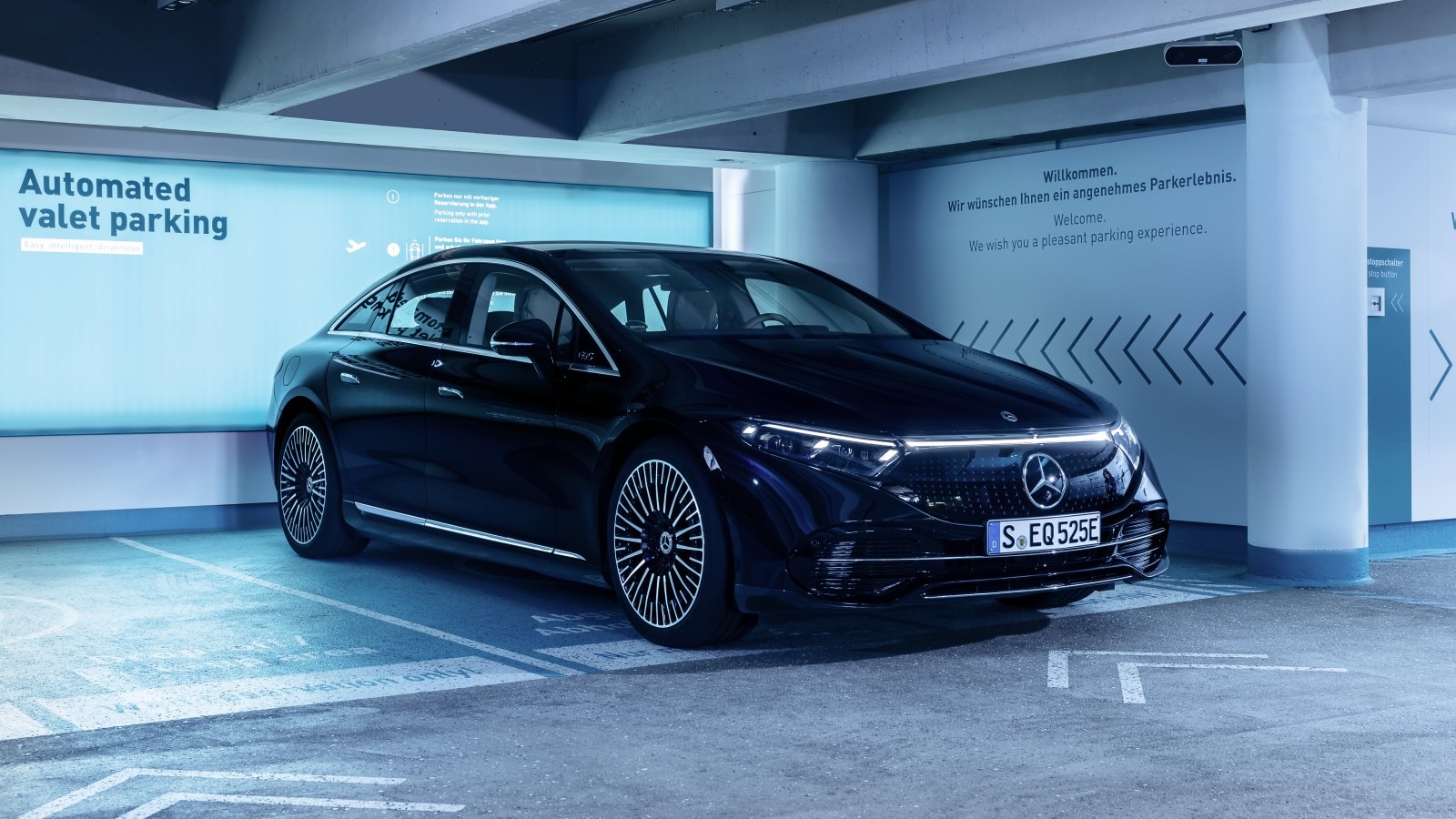
    Photo credit: Renault Group press release

    A mini-series about the human adventure

    Looking beyond the figures, Renault wanted to highlight the human dimension of the project through a three-part documentary mini-series. This series retraces the whole “Filante Record 2025” adventure, from the first sketches to the final attempt on the racetrack. The first episode looks back at the genesis of the concept and the philosophy that guided the teams, while the second looks at the major technical challenges associated with weight reduction, aerodynamics and energy management. The final episode goes behind the scenes of the record attempt. Innovation at Renault is also based on a corporate culture, an ability to take risks and explore radical avenues to prepare for the future of electric mobility.

  • Electric wins the futur

    Electric wins the futur

    Why EVs outperform hybrids in America’s auto revolution

    The year 2025 marks a defining moment in the American automotive journey. For decades, the internal combustion engine dominated U.S. roads, shaping cities, economies, and lifestyles. Then came hybrids an important transitional technology designed to soften fuel consumption without fully abandoning gasoline. Now, electric vehicles (EVs) stand firmly at the center of the future.

    As American consumers weigh their choices between electric vehicles (EVs) and hybrid vehicles in 2025, the answer is becoming increasingly clear: fully electric vehicles are the superior choice for performance, cost efficiency, environmental responsibility, and long-term value.

    Hybrids once represented progress. Today, they represent compromise.

    This comprehensive comparison explores why EVs are no longer just an alternative but the dominant automotive solution for America.

    The shift is no longer coming — it’s here

    Five years ago, EVs were often discussed as “the future.” In 2025, they are the present.

    Electric vehicles are now widely available across nearly every segment sedans, SUVs, trucks, crossovers, and even performance cars. American roads are increasingly populated by vehicles that are quieter, faster, cleaner, and cheaper to operate than their gasoline-based predecessors.

    Hybrids still exist, but their role has changed. What was once a stepping stone has become a technological halfway house neither fully efficient nor fully future-ready.

    Purchase price: The gap is closing fast

    One of the longest-standing arguments in favor of hybrids has been their lower upfront cost. In 2025, that argument is rapidly losing strength.

    EV Affordability

    Electric vehicles now span a wide price range, from affordable entry-level models to premium luxury offerings. Increased domestic manufacturing, improved battery technology, and economies of scale have pushed EV prices down year after year.

    Additionally:

    • Many EV buyers qualify for financial incentives at the point of sale
    • EV leasing options are often more favorable than hybrid leases
    • Operating cost savings offset higher upfront prices quickly

    Hybrid Pricing Reality

    Hybrids may appear cheaper initially, but they still require:

    • Gasoline
    • Oil changes
    • Exhaust systems
    • Emission-related maintenance

    When the full ownership cost is considered, hybrids lose much of their pricing advantage.

    Verdict: EVs are no longer expensive experiments they are competitively priced, financially rational purchases.

    Total cost of ownership: EVs dominate

    When Americans buy a car, the real question isn’t the sticker price it’s how much that vehicle costs over time.

    EV Ownership Advantages

    Electric vehicles shine in long-term ownership:

    • Electricity is significantly cheaper per mile than gasoline
    • Fewer moving parts mean fewer breakdowns
    • No oil changes, spark plugs, timing belts, or transmission servicing
    • Regenerative braking extends brake life dramatically

    Over a 5–8 year ownership period, EV owners routinely spend thousands of dollars less than hybrid owners.

    Hybrid Cost Burden

    Hybrids still rely on internal combustion engines. That means:

    • Ongoing fuel costs
    • Engine wear and tear
    • Dual powertrain complexity
    • Higher long-term maintenance risk

    Hybrids combine two systems electric and gasoline while EVs simplify ownership by eliminating one entirely.

    Verdict: EVs win decisively on lifetime cost.

    Performance: Electric is simply better.

    The driving experience is where EVs completely outclass hybrids.

    Instant Torque

    Electric motors deliver power instantly. There is no delay, no gear shifting, no hesitation. Acceleration is smooth, silent, and immediate.

    Many EVs outperform traditional sports cars in acceleration even in mainstream price brackets.

    Driving Comfort

    EVs offer:

    • Quiet cabins
    • Smooth power delivery
    • Lower vibration
    • Balanced weight distribution due to floor-mounted batteries

    Hybrids, by contrast, still rely on gasoline engines that turn on and off, often disrupting the driving experience.

    Verdict: EVs are not just cleaner they are more enjoyable to drive.

    Range anxiety is a thing of the past.

    One of the most persistent myths about EVs is range anxiety. In 2025, this concern is largely outdated.

    Modern EV Range

    Most electric vehicles today offer:

    • 250–400+ miles on a single charge
    • Real-world range suitable for daily commuting and long-distance travel
    • Predictive navigation that factors in charging stops automatically

    Charging Convenience

    • Home charging provides unmatched convenience plug in at night, wake up full
    • Public fast-charging networks are expanding rapidly
    • Charging times continue to decrease with improved battery and charger technology

    Hybrids avoid charging but at the cost of remaining dependent on gasoline.

    Verdict: EV range is no longer a limitation it’s a competitive strength.

    Infrastructure: Electric America is taking shape.

    Credit: pxhere.com

    America’s charging infrastructure in 2025 is stronger than ever.

    Charging Expansion

    Charging stations are now common at:

    • Highways
    • Shopping centers
    • Apartment complexes
    • Office buildings
    • Hotels and airports

    The national charging ecosystem continues to grow in reliability, speed, and accessibility.

    Home Charging Advantage

    EV owners enjoy the ultimate convenience:

    • No gas station stops
    • No fuel price volatility
    • No waiting in line

    Hybrid owners still rely on gas stations—an outdated inconvenience in a modern world.

    Verdict: Infrastructure growth overwhelmingly favors EVs, not hybrids.

    Environmental impact: EVs lead, hybrids lag.

    Hybrids reduce fuel use but they do not eliminate emissions.

    Electric vehicles:

    • Produce zero tailpipe emissions
    • Improve urban air quality
    • Reduce dependence on fossil fuels
    • Align with cleaner energy generation over time

    Hybrids still burn gasoline every day. They still emit pollutants. They still rely on oil.

    As America transitions to cleaner energy, EVs automatically become cleaner without changing the vehicle.

    Verdict: EVs are the only true solution for sustainable transportation

    Maintenance & reliability: Simplicity wins

    Credit: Envato by Pedrulito

    EV Simplicity

    Electric vehicles are mechanically simpler:

    • No engine
    • No transmission
    • No exhaust
    • No fuel system

    This simplicity translates to:

    • Fewer service visits
    • Lower repair bills
    • Higher reliability

    Hybrid Complexity

    Hybrids contain:

    • A full gasoline engine
    • An electric motor
    • A battery system
    • Complex software coordination

    More systems mean more potential failure points.

    Verdict: EVs are easier to own and maintain.

    Resale value: EV confidence is rising.

    Early concerns about EV resale have faded.

    Modern EVs:

    • Retain value well due to strong demand
    • Benefit from improved battery longevity
    • Are increasingly desirable in the used-car market

    Hybrids face growing competition from used EVs, which now offer better performance an lower running costs.

    Verdict: EV resale confidence continues to strengthen.

    Who should still buy a hybrid?

    Hybrids still make sense for a shrinking group of buyers:

    • Drivers without any access to charging
    • Extremely remote rural users
    • Buyers unwilling to change fueling habits

    However, these scenarios are becoming less common each year.

    For the vast majority of American drivers, EVs are now the smarter choice.

    The final verdict: Electric is the clear winner.

    In 2025, the comparison between EVs and hybrids is no longer close.

    CategoryWinner
    PerformanceEV
    Environmental Impact EV
    MaintenanceEV
    Driving ExperienceEV
    Future ReadinessEV

    Hybrids served their purpose but that era is ending.

    Electric vehicles are not a trend.

    They are not experimental.

    They are not niche.

    They are the new American standard.

    Looking ahead: The next decade belongs to EVs

    As battery costs continue to fall, charging infrastructure expands, and consumer confidence grows, the momentum behind EVs is irreversible.

    Hybrids will fade. Gasoline will decline. Electric vehicles will define mobility, innovation, and freedom on American roads.

  • A mobile suite in Premium EVs

    A mobile suite in Premium EVs


    At the top end of the electric range, luxury is no longer measured in leather, power or acceleration alone. It is experienced. Silent by nature, the premium electric vehicle is gradually transforming its cabin into a “mobile suite”, an immersive space where sound, light, screens and seats are orchestrated as in a living room or cinema. Behind this evolution lies a clear strategy: to differentiate EVs, which are sometimes technically similar, justify their high prices and prepare for the arrival of more autonomous mobility, where time spent on board becomes an experience in its own right.

    Photo Credit: Porsche Taycan electric – Official Photos

    The new grammar of electric luxury

    Silence has become a design material. Where the combustion engine imposed its vibrations and noise, the EV offers an untouched space. And premium carmakers have understood that exploiting this to redefine the very role of the passenger compartment has become a major challenge. It is no longer just a driving position, but a modular environment, designed for working, relaxing, entertaining or simply enjoying the premium experience. This transformation also responds to an industrial constraint. As electric platforms become more and more standardised, as instant acceleration becomes more and more commonplace and as ranges converge, the risk of standardisation increases. The cabin therefore becomes a decisive area of differentiation, capable of creating an emotional signature specific to each brand, each model and each situation, and of winning the loyalty of customers who are particularly sensitive to the ambience and perception of luxury.

    t photo : Porsche Taycan electric – Official photos

    Premium carmakers are starting from a simple premise: time spent in the car is changing. With the rise of driving aids, and eventually of automation, the driver is gradually becoming an occupant. The passenger compartment is designed as a ‘third place’, between the home and the office, borrowing its codes from luxury hotels and cinemas. Massaging and ventilated seats, adaptive lighting, multi-screen interfaces, reinforced acoustic insulation: everything contributes to transforming the vehicle into a personalised and customisable cocoon. This approach enables brands to give their EVs a sensitive identity. As well as providing comfort, this approach also serves a value proposition. A scenic interior helps to justify high prices by highlighting an overall experience rather than a simple object on wheels. The premium EV is no longer sold simply for what it is, but for what it makes you feel.

    Photo credit: Interior of a BMW Neue Klasse – @www.bmw.fr

    From phantom engine to acoustic landscape

    In this new world, sound becomes central. BMW has been one of the pioneers in the conceptualisation of real “sound worlds” with IconicSounds Electric, developed in collaboration with Hans Zimmer. Each driving mode has its own signature sound, synchronised with the graphics and lighting. On the ‘Neue Klasse’ generation, the HypersonX system takes the logic a step further, with 43 sound signals, 3D spatialisation and fine adaptation to driving style. Mercedes takes a different approach with soundscapes such as Silver Waves and Vivid Flux, which give a futuristic texture to acceleration and interaction. Combined with a Burmester audio system with Dolby Atmos, these soundscapes literally envelop the occupants in an acoustic bubble. Porsche’s Taycan uses synthetic sound inspired by science fiction, coupled with a Burmester 3D system and Auro-3D processing. These sounds help to build a brand identity, while providing a visual and emotional accompaniment to the man-machine relationship.

    Some brands go further by using sound as a genuine driving instrument. The Hyundai Ioniq 5 N illustrates this approach with N Active Sound+, which offers several sound worlds that react in real time to speed, acceleration and even the angle of the steering wheel. Coupled with the simulation of the N e-Shift gearbox, this sound system provides familiar cues for drivers with an internal combustion engine. Here, the sound helps to perceive effort, load and mass transfers, while recreating the sensations of revving up and shifting gears. Porsche follows a similar logic on the Taycan. In these cases, sound design is not a gadget. It plays a full part in the relationship between the driver and the engine, in a context where absolute silence could paradoxically impoverish sensations.

    A total scenography

    Along with sound, light is the other pillar of the experience. Multi-coloured LED strips, backlit surfaces and dynamic scenarios transform the cabin into a living space. At BMW, ‘My Modes’ coordinate lighting, sound, screens and animations to create distinct moods, from Relax to Expressive. Mercedes takes this lighting design very far on the EQS, with hundreds of LEDs capable of pulsating with the music, changing colour according to the driving mode or visually signalling certain driving aid alerts. Light thus becomes a language in its own right, both aesthetic and functional. Equipment manufacturers are already exploring cockpits where large areas of light also contribute to thermal comfort and well-being. With radiant panels, integrated reading lights and indirect lighting, the cockpit is more like a living room than a traditional dashboard.

    The move upmarket also involves the screens. These are no longer just driving interfaces, but genuine entertainment devices. The BMW i7 illustrates this trend with its 31.3-inch rear ‘Theatre Screen’ in 8K, combined with a Bowers & Wilkins audio system with up to 36 speakers. At Mercedes, the MBUX Hyperscreen merges three screens into a single glass surface of over 56 inches. The system adapts content according to context, differentiating between driver and passenger use. Navigation, media, videoconferencing and well-being programmes all come together in an interface designed as a digital ecosystem. These devices transform the vehicle into an extension of the living room or office, particularly when the car is stationary or in semi-autonomous mode. Recharging time then becomes useful, even pleasant, time.

    Photo credit: MBUX Hyperscreen by Mercedes – @www.mercedes-benz.ca

    The EV as a living space

    The final stage in this evolution is the integration of comprehensive well-being programmes. Mercedes groups these functions together under the name Energizing Comfort, combining massage, music, light and sometimes fragrance. The aim is clear: to transform a journey into a relaxation or stimulation session. Some OEM concepts go even further, with ‘captain’s chairs’, individual audio headrests and Lounge, Work or Sleep configurations that can be activated at the click of a button. The vehicle becomes desirable even when stationary, recharging or waiting for a long time. This approach repositioned the premium EV as a mobile living space, much more than just a means of transport. It also paves the way for more autonomous mobility, where the on-board experience will take precedence over the act of driving itself.

    By orchestrating sound, light, screens and comfort as a coherent whole, premium EVs are redefining the codes of automotive luxury. Each brand is charting its own course, from technology lounges to rolling spas and thrill-seeking sports lounges. Behind this diversity lies the same objective: to create a strong emotional signature, capable of distinguishing a model in an increasingly technically homogeneous market. The ‘mobile suite’ is not just a fashion statement. It is one of the major strategic levers for top-of-the-range electric vehicles, at the crossroads of design, digital technology and service. It’s a development that says a great deal about the future of the car, which will focus less on the machine and more on the on-board experience.

    Sources: www.press.bmwgroup.com – www.bmw.com – www.mercedesbenzofromeoville.com – www.burmester.de – www.green.car

  • Lunar Roving Vehicle: Lunar Challenge

    Lunar Roving Vehicle: Lunar Challenge


    It’s a small car, light, foldable, almost rustic, and yet it laid the foundation stone for what may be the Moon’s future energy economy. With its elementary electrical architecture and non-rechargeable silver-zinc batteries, the Lunar Roving Vehicle (LRV) of the Apollo missions acted as an open-air laboratory (no pun intended) to answer a question that is now obsessing space agencies and industry alike: what does a battery look like that has to survive where nothing is done for it? By analysing this rover, which took 17 months to design and three of which were abandoned on site, we discover that the story of the first lunar electric vehicle may also be the story of the future energy standards of the lunar economy.

    Photo credit: The LRV deployed for Apollo 15 – @NASA

    The LRV becomes an energy matrix

    When NASA approved the project in 1969, it didn’t order a futuristic vehicle, but a vehicle used as a scientific consumable: a tool that could open like a deckchair, support two astronauts and extend the exploration radius. Boeing and Delco have 17 months to deliver a vehicle that is 100% electric, 100% reliable and 100% expendable. The result was a tubular platform weighing 210 kg that could be folded up, made functional and designed to be abandoned in situ. In other words, a technical manifesto on how to think about maintenance-free energy.

    You have to visualise it: no recharging possible on the Moon, no infrastructure, no on-board solar panel, no emergency module. Only two 36 V silver-zinc batteries, irreversible, sealed, designed to deliver a single life cycle: 121 Ah each, i.e. 242 Ah for the whole system. In an environment where temperatures range from +120°C to -155°C, with an absolute vacuum and abrasive dust, these batteries were expected to last a theoretical 57 km, far longer than the distances actually covered.

    Managing energy as a commodity

    The LRV was conceived as a project for maximum energy sobriety. Not out of militancy, but out of necessity. Every available watt had to be invested in movement, steering, cameras and communication. Nothing superfluous, no luxurious redundancies, no power-hungry electronics. This architecture sets a fundamental precedent, and one that could resonate with manufacturers: on the Moon, energy is not a flow, but a stock. As long as there is no recharging infrastructure, a lunar vehicle will operate in a disposable battery economy, where the battery is no longer a mobility consumable but a logistical asset.

    This model alone prefigures the energy economy of lunar bases: before solar stations, thermal storage or regenerative fuel cells are built, the first constraint will be the cost per kilowatt-hour delivered from Earth. For Apollo, each silver-zinc battery was expensive, weighed a lot, took up a lot of space in the lunar module and had only one useful life. Today, when rover concepts (GM, JAXA-Toyota, Intuitive Machines) envisage longer missions and shared platforms, it is still this logic inherited from the LRV that predominates: no robotic or manned mission can afford to consume too much energy.

    Photo credit: The LRV deployed for Apollo 15 – @NASA

    Thermally fragile, mechanically robust

    The LRV’s silver-zinc batteries did more than just power four 190 W motors. Above all, they served as a full-scale test to understand the challenges of storing energy in an environment where heat does not dissipate. Where the cold penetrates everything, and where there is no convection to balance the temperatures. The system included wax boxes, multiple insulators and strict compartmentalisation to keep the chemistry within a narrow range.

    And this is undoubtedly where the great industrial lesson of Apollo lies: even with a simple, robust vehicle that has no recharging, temperature control represents a major energy cost. On future rovers, which will be recharged using solar panels, rebuildable batteries or exchangeable batteries, it will always be thermal management that determines real efficiency. Lunar energy savings therefore depend not only on the density of the batteries, but also on their ability to withstand the lunar climate.

    A 4×4 that foreshadows the logic of energy redundancy

    Each wheel on the LRV had its own motor, its own gear train and its own brake. This choice was not a luxury: it was a way of creating a vehicle whose propulsion could not suffer a ‘single point of failure’. From an economic point of view, this means that a mission must maximise battery efficiency while minimising the risk of immobilising failure.

    This principle of energy modularity, i.e. several small motors rather than one large one, several small loads rather than a single one, can be found today in contemporary projects. GM, for example, is planning a rover in which each engine module and each battery segment is interchangeable. Toyota-JAXA is planning an architecture where entire packs will be replaced by logistics robots. The Apollo philosophy is back with a vengeance: on the Moon, reliability has more economic value than raw performance.

    The true legacy of the LRV

    The Apollo rover could have travelled 57 km. It never did. NASA imposed a rule: never go further than the distance you could walk back if your battery ran out. This limit, often forgotten, is the first lunar energy ‘regulation’: a trade-off between potential autonomy and safety. Now that we are talking about semi-autonomous rovers capable of exploring remote regions, this constraint is reappearing in another form: a lunar base will only be able to extend as far as the energy available for exploration, maintenance and return allows. The lunar economy will therefore be centred on a simple idea: mobility will depend on local energy sovereignty.

    The three Apollo rovers are still on the Moon. Their silver-zinc batteries are empty, cold and probably cracked, but they bear witness to a fundamental fact: the Moon is an environment where nothing is automatically recycled. Every kilogram of battery becomes a strategic waste. The LRV shows us that dependence on batteries is a lock, but also an incentive to invent closed cycles: interchangeable packs, robotic energy depots, roving solar recharging stations, micro-grids between habitats. In other words: Apollo showed the constraint. The 21st century will have to invent the ecosystem.

    Photo credit: Official NASA logo – @NASA

    Thinking about the future lunar economy

    The Lunar Roving Vehicle was not a mobile laboratory. Yet that’s exactly what it has become: an unwitting prototype of the lunar battery economy. Its limited energy, modular architecture, improvised cooling, limited theoretical range, disposable batteries and abandonment in situ form a matrix that today’s manufacturers are still trying to solve. At a time when GM, Toyota, JAXA, Lockheed Martin and others are imagining lunar mobility services, shared rovers, logistics platforms and even “regolith taxis”, Apollo’s little vehicle reminds them of an essential truth: on the Moon, the first scarce resource is not water, metals or helium-3, but usable energy. And up there, every economy starts with a battery.

    Sources: Wikipedia – www.fst.com – www.evokemotorcycles.com – www.nasa.gov

  • The iconic MINI becomes an electric brand

    The iconic MINI becomes an electric brand

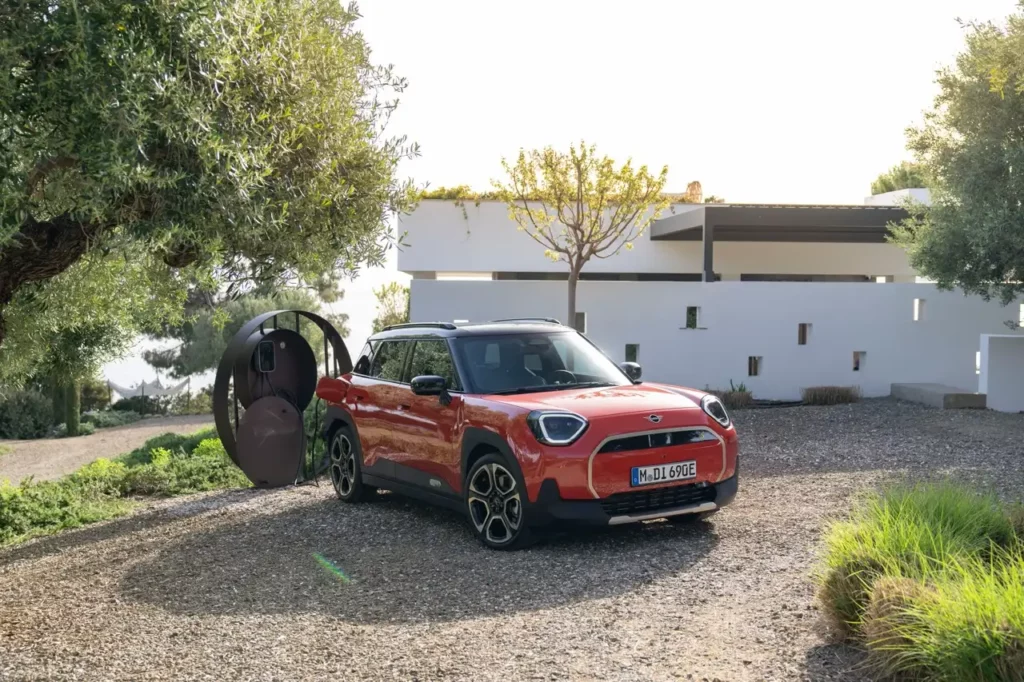
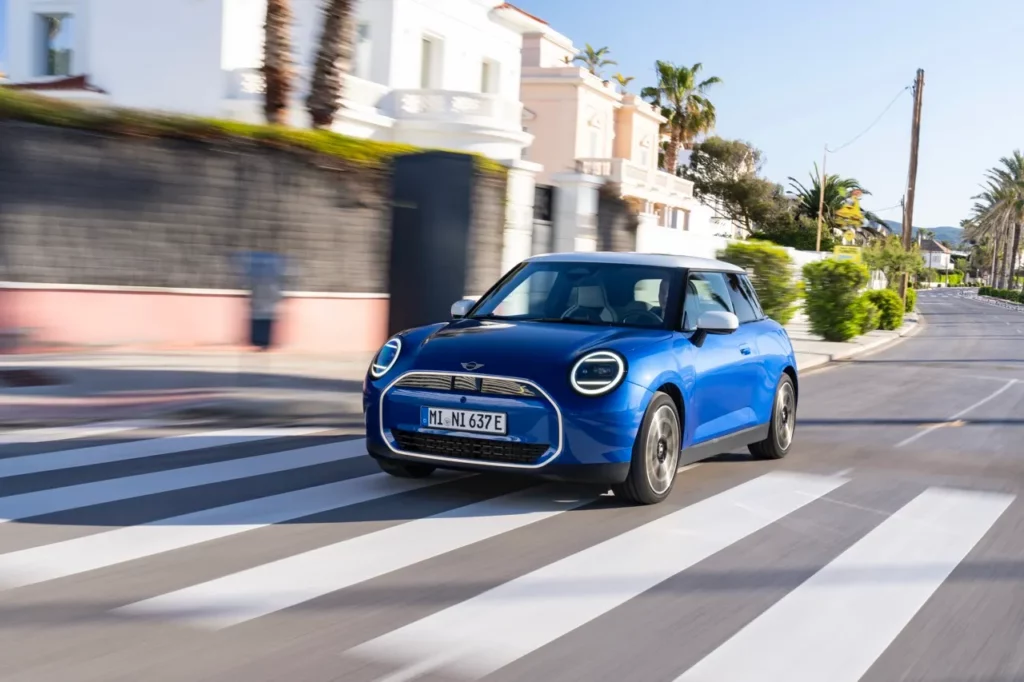
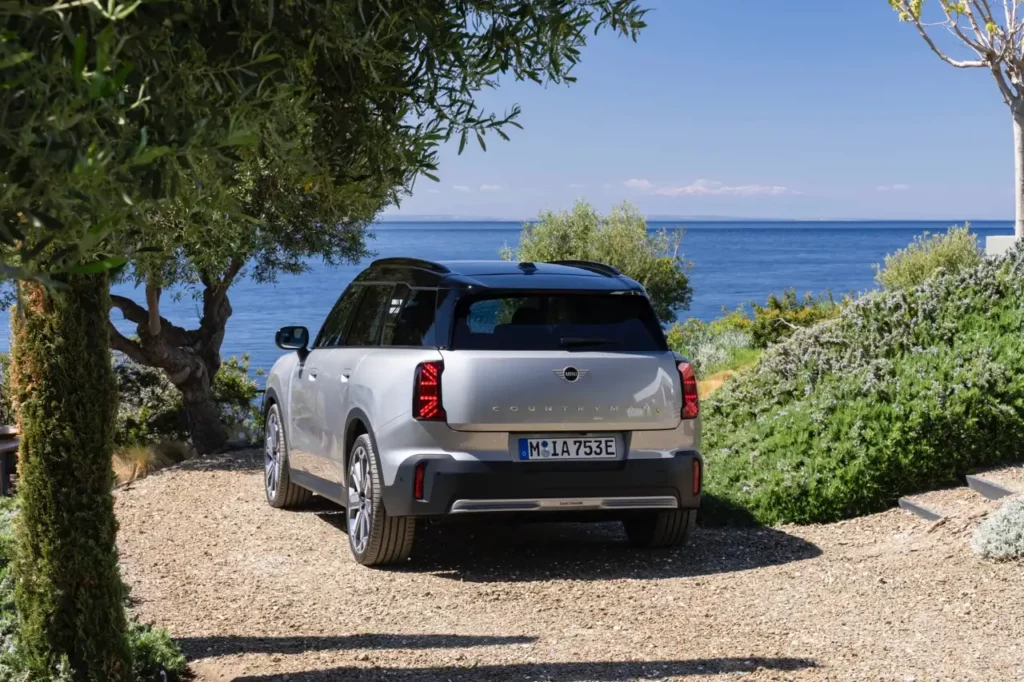
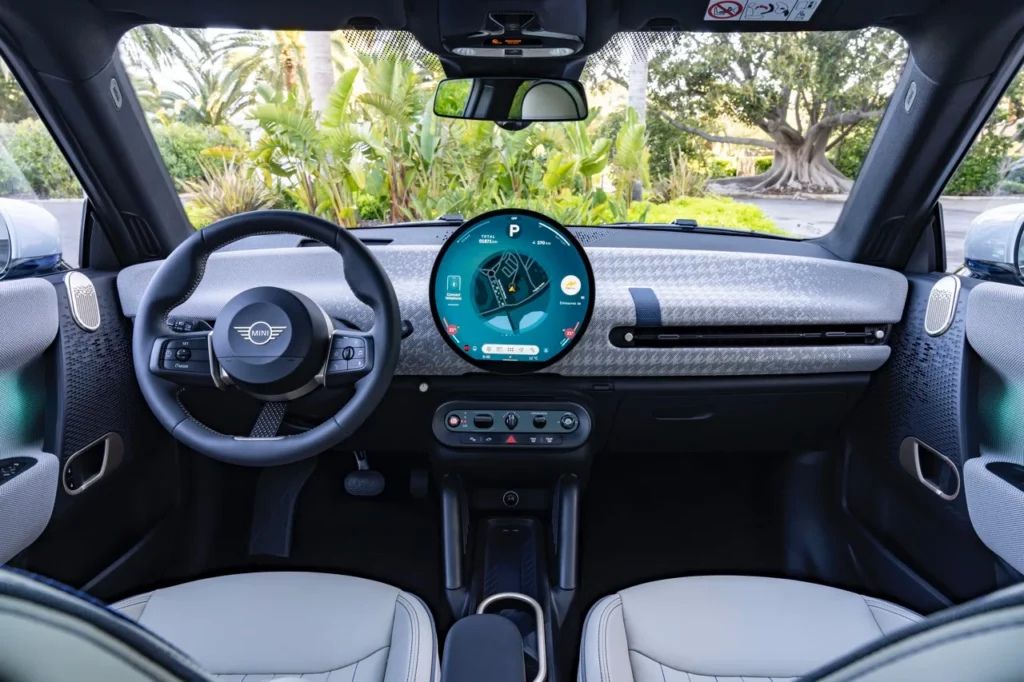
    The end of the year is approaching, and as the transition to electric vehicles gathers pace in Europe, the BMW Group’s British brand is making its 100% electric models a crucial part of its volume. Worldwide sales have returned to growth this year, driven by the new generation Cooper and Countryman, while in France Mini Electric has established itself in the top 10 of BEV sales and hopes to stay there with the arrival of the Aceman next year.

    Credit: Mini

    2025 to be driven by electric vehicles

    According to initial figures published in the autumn, MINI delivered 133,778 vehicles worldwide in the first half of 2025, an increase of 17.3% on the same period in 2024. For the first nine months of the year, another report shows sales of over 200,000 units. This brings the brand closer to the 300,000 mark for annual sales (the average for several years). These satisfactory figures for MINI coincide directly with the ramp-up of the new Cooper and Countryman, whose electric versions are boosting orders at European dealerships.

    The most telling signal comes from France: in the first eleven months of 2025, the electric Mini (new Cooper Electric) racked up 10,171 registrations, putting it in the top 10 best-selling electric cars in the country, behind heavyweights such as the Renault 5 E-Tech, the Citroën ë-C3 and the Peugeot e-208. In November 2025, it even recorded a month of 1,439 registrations, making it the fifth best-selling BEV on the market behind the R5, the e-208, the Scénic E-Tech and the ë-C3.

    credit: bmw group

    In other words, current market data suggest that a significant proportion of MINIs sold in France in 2025 will be 100% electric, although the manufacturer has not yet published a detailed percentage by engine.

    Cooper and Countryman Electric: the figures that change everything

    The new Cooper Electric, now available in E and SE versions, features much larger batteries than the previous Cooper SE and more powerful engines. Available figures indicate a power output of around 135 to 160 kW (i.e. up to 215 bhp) and battery capacities of between 40 and just over 50 kWh, giving a range of between 250 and 320 km, depending on the version.

    The Countryman Electric, on the other hand, relies on a 64 kWh pack and an all-wheel drive system developing over 300 bhp, for a claimed range of over 330 km in the most demanding conditions.

    credit: bmw group

    On the ground, these figures put MINI back in the game: where the old Cooper SE was penalised by a battery that was too small, the new generation can finally cover 250 to 300 km in mixed use. Although these figures are not very impressive, they do correspond to the majority of urban and suburban journeys in Europe. According to information published by the BMW Group, orders for electric cars doubled in the first quarter of 2025 compared with Q1 2024, confirming that MINI customers are embracing the transition as long as the product meets their needs.

    A European context that works in MINI’s favour

    The French and European context is working in favour of this switch. In France, 100% electric cars reached a record market share of 24% in October 2025, then 26% in November, with more than 34,000 private vehicles sold in a single month. The momentum is being fuelled by social leasing and the arrival of more affordable compact models, but it is also benefiting premium-urban players who are well positioned in terms of price and usage, including MINI.

    credit: bmw group

    As mentioned above, in the first eleven months of 2025, the electric Mini was one of the ten best-selling BEVs, with just over 10,000 registrations. This is in stark contrast to the situation faced by a number of its long-standing rivals, such as the Tesla Model 3 and certain premium saloons, where sales of EVs are falling sharply. MINI is therefore capturing some of the customers who are turning away from large electric SUVs in favour of city cars and compact cars with a smaller footprint and a more affordable budget.

    2026: the Aceman to secure the heart of the electric range

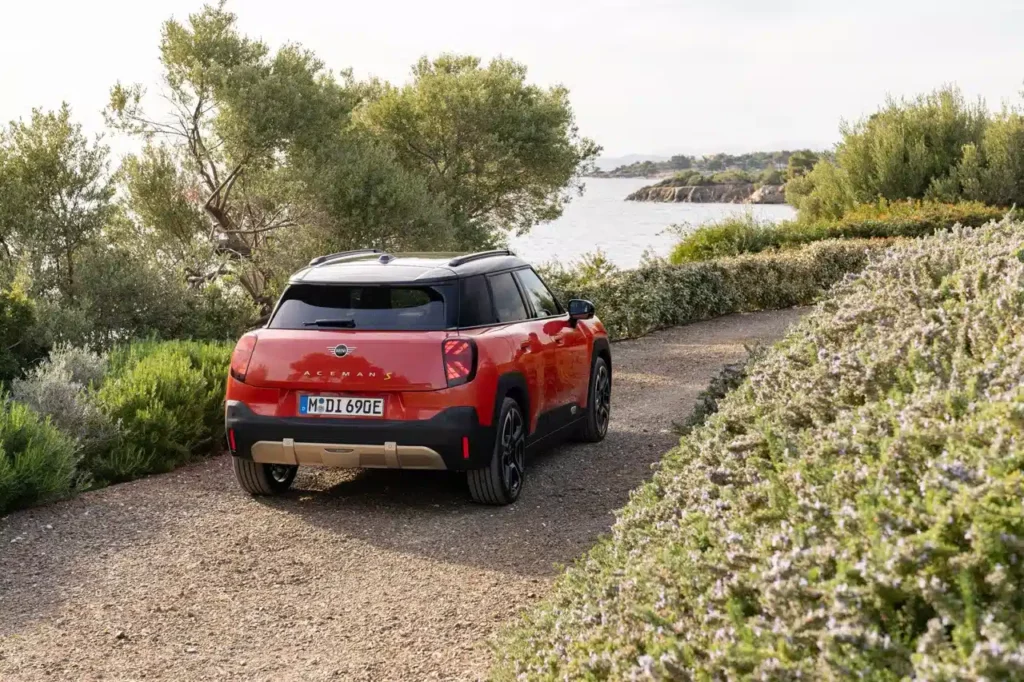
    The challenge for MINI in 2026 is to industrialise and make available a truly complete electric range. Alongside the Cooper and the Countryman, the well-known Aceman will be the third pillar. Its role is to be the British brand’s 100% electric compact crossover, designed to bridge the gap between the 3/5-door city car and the family SUV.

    Information already published suggests two main variants, Aceman E and Aceman SE, with power outputs of around 180 to 215 bhp and batteries comparable to those of the Cooper Electric, at around 42 to 54 kWh. The aim is clear: to compete head-on with the Volvo EX30, Jeep Avenger EV, DS 3 E-Tense and top-of-the-range Citroën ë-C3 in the €30,000 to €40,000 electric crossover segment.

    Credit: Mini

    Pragmatic electrification

    For a while, MINI suggested that its last new internal combustion engine would be launched in 2025 and that the brand would go fully electric in the early 2030s, a trajectory in line with the sector’s most aggressive ambitions. The reality at the end of 2025 is more nuanced: the Group has confirmed that it is aiming for double-digit growth in sales of electric cars. That said, the brand has not announced the imminent end of petrol engines for MINI, preferring to talk about an “optimised mix”, as Michael Peyton, Vice-President of MINI in America, states: “Internal combustion engines are still very popular and will remain so for a long time”. The goal of 100% electric cars by 2030 has therefore been postponed.

    For electromobility in Europe, MINI is becoming an interesting case study: a brand that is succeeding in significantly increasing its BEV volumes, placing a model like the Mini Electric in the French top 10, while at the same time maintaining combustion and hybrid powertrains in areas where infrastructure or purchasing power are not yet available.

    The year 2026, with the arrival of the electric Aceman and the ramp-up of the zero-emission Cooper and Countryman, will tell whether this strategy can hold up in the face of European regulatory pressure and the offensive by new Chinese entrants.

  • Hydrogen, a key energy for tomorrow’s world

    Hydrogen, a key energy for tomorrow’s world

    Hydrogen is attracting growing interest as the energy transition gathers pace. Despite its long history of use, hydrogen is now back at the heart of global industrial strategies. Its potential is immense, particularly in terms of decarbonising high-emission sectors. However, understanding what hydrogen really is remains essential if we are to grasp its environmental, economic and technological challenges.

    hydrogen cell for clean electricity production
    A hydrogen cell capable of producing electricity without polluting emissions.

    The simplest and lightest element in the universe, hydrogen is a versatile resource. It is very abundant in space but rare in its pure state on Earth, and must always be extracted from the molecules with which it is associated. This technical constraint has a major influence on its carbon impact and its uses.

    A simple but essential element

    Hydrogen is a colourless, odourless gas made up of two linked atoms. Highly flammable, it has long been used as a fuel in industry, and later in the space industry. Although non-toxic, it must be handled with care because of its lightness and explosive power. In the 19th century, it was already powering lighting networks, demonstrating its early energy potential. Even today, it is used in refining and in the manufacture of ammonia and methanol. These industrial uses account for global consumption exceeding seventy million tonnes every year.

    However, the hydrogen we use does not occur directly in nature. It is found in water, hydrocarbons and biomass. To recover it, we need to use chemical processes capable of breaking down the molecules to isolate the dihydrogen. This principle governs the entire process and influences its ecological footprint. Depending on the method used, hydrogen can be either clean or extremely polluting.

    Production methods with very different impacts

    Firstly, steam reforming of natural gas remains the most widespread technique. It involves exposing methane to very hot steam to release the hydrogen it contains. The process is simple and cost-effective, which explains its widespread use. However, it generates large quantities of CO2 that are not captured. This hydrogen, known as carbon-based, is responsible for high emissions and still accounts for most of the world’s production. As a result, it cannot be considered a sustainable solution for the energy transition.

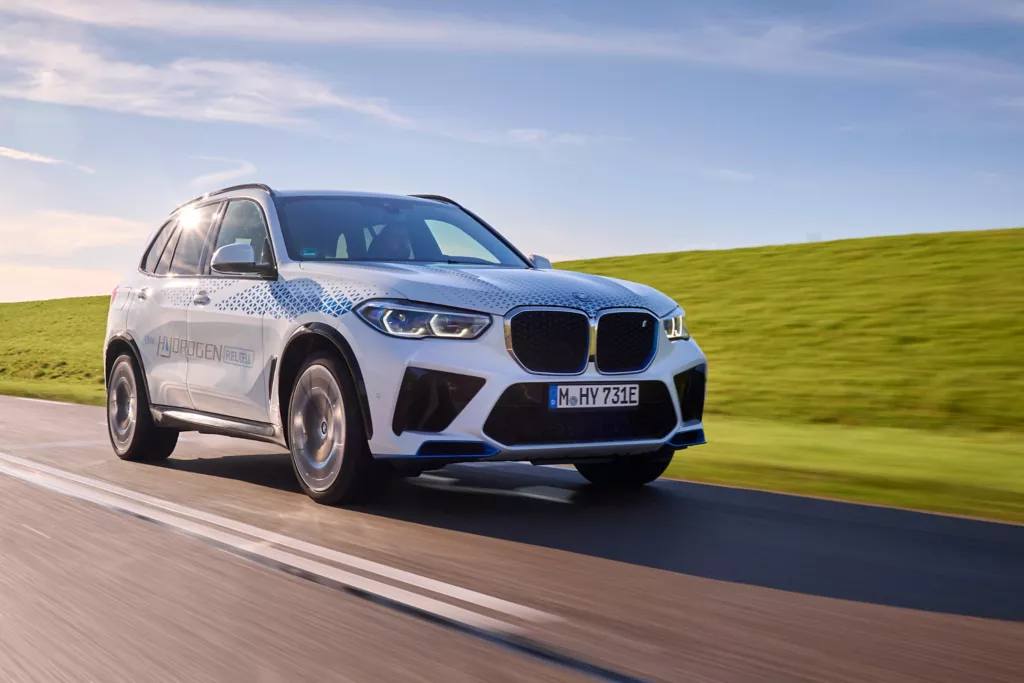
    BMW iX5 hydrogen fuel cell electric vehicle
    The hydrogen-powered BMW iX5 combines luxury, performance and respect for the environment. (Credit: BMW)

    Secondly, water electrolysis offers a clean and safe alternative. This technique uses an electric current to separate the hydrogen and oxygen present in water. When the electricity used is low-carbon, the hydrogen produced is also low-carbon. If it comes from renewable energy sources such as solar or wind power, it becomes “green”. This is currently considered to be the most promising way of reconciling energy efficiency and reduced emissions.

    Using colour to understand our carbon footprint

    To make it easier to understand the different production methods, we use a colour code. Black or brown hydrogen comes from coal, which makes it the most polluting. Grey hydrogen, produced from natural gas, is still widely used but emits a lot of greenhouse gases. It turns blue when the CO2 generated is captured and then stored. Yellow hydrogen is produced using nuclear power, which means it has a limited footprint. Finally, green hydrogen is based on renewable energies and represents the most virtuous path. This classification enables decision-makers, manufacturers and consumers to easily assess the environmental challenges of each type of hydrogen.

    However, other approaches do exist and are worth mentioning. Biomethane from biowaste can be used to produce renewable hydrogen through reforming. The CO2 generated can be captured before being released into the atmosphere, providing a truly circular solution. These innovations open up new prospects, particularly for regions seeking to make the most of their local resources.

    A strategic challenge for industry and transport

    Hydrogen is a major lever for reducing emissions in industry. In France, industrial use accounts for almost eight million tonnes of CO2 emissions every year just from the manufacture of carbon-based hydrogen. Replacing this production with low-carbon hydrogen is a fast and effective way of reducing the climate impact of heavy industries such as chemicals and steel. With one million tonnes produced each year, France has made this transition a national priority.

    What’s more, hydrogen is emerging as a fuel for heavy-duty mobility. It can power buses, trains, lorries and even boats. Its fuel cells offer long range and rapid refuelling, which meets the needs of freight transport. Thanks to its high energy density, it is becoming a strategic vector for uses where the electric battery is showing its limitations.
    A storage solution for renewable energies

    Renewable energies, although crucial, suffer from intermittence. Sometimes they produce too much electricity, sometimes not enough. Hydrogen is the ideal solution for storing this surplus. Thanks to electrolysis, surplus electricity can be transformed into hydrogen and then reused at a later date, as and when required. This flexibility enhances grid stability and facilitates the massive integration of clean energies.

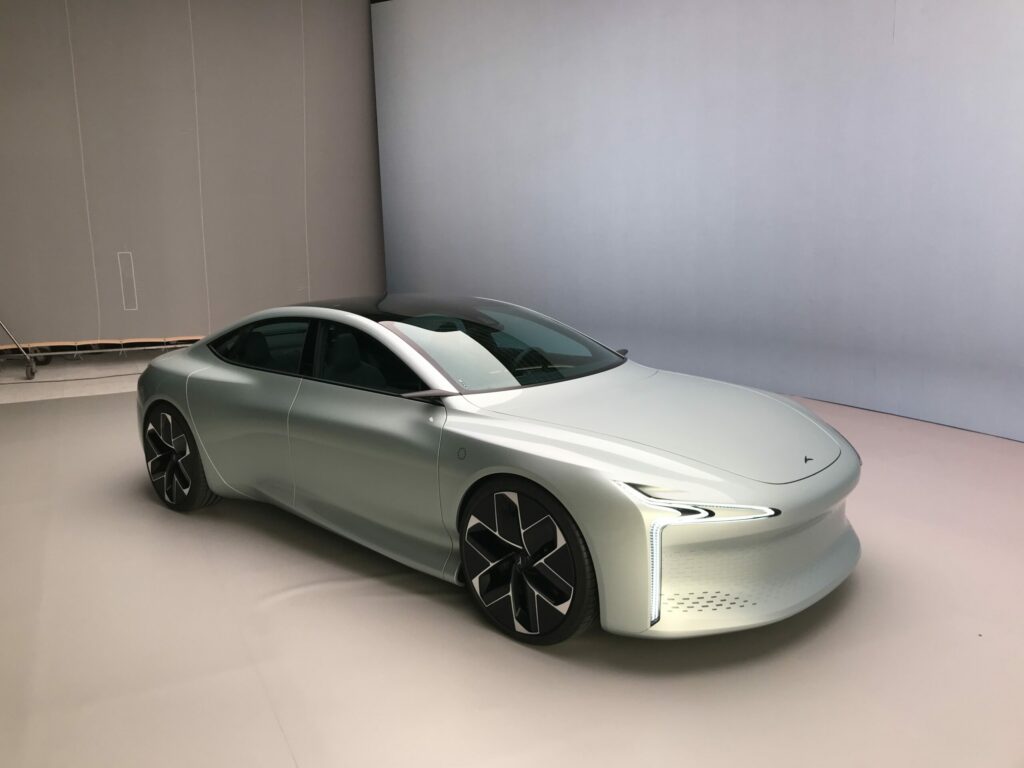
    Hopium Machina futuristic hydrogen car
    Hopium Machina, a luxury car powered by hydrogen, symbolises the sustainable mobility of tomorrow (Credit: Hopium)

    This long-term storage role is a major advantage in a context of strong growth in electricity demand. Thanks to its conversion and restitution capacities, hydrogen is becoming a pillar of the world’s future energy architecture. Its versatility offers a solution to technical problems that are still difficult to resolve.

    Growing commitment from companies and governments

    For several years now, France has been actively supporting the development of low-carbon hydrogen. The government has launched an ambitious national strategy aimed at installing several gigawatts of electrolysers by 2030. These investments are helping to structure a competitive industry and reduce our dependence on fossil fuels. Similarly, the France 2030 plan is mobilising €9 billion to accelerate decarbonisation.

    Large companies are also playing a key role in this development. Veolia, for example, is developing green hydrogen projects using biomethane and electrolysis fuelled by energy from waste recovery. This initiative is part of a circular economy approach and aims to optimise the resources available in local areas. The aim is to offer local solutions for heavy mobility, heating and industry.
    Towards a future shaped by hydrogen

    At a time when the world’s population is growing and resources are becoming increasingly scarce, new energy models are urgently needed. Hydrogen is emerging as a credible alternative, capable of meeting growing needs while reducing emissions. Thanks to increasingly efficient low-carbon processes, it is becoming an essential vector for achieving the ecological transition.

    So action remains the watchword. The technologies exist, the solutions are progressing and investment is multiplying. To make hydrogen a sustainable pillar, we need to continue these efforts, accelerate research and strengthen cooperation between public and private players. By working together, we can build a cleaner, more resilient and more responsible economy.

  • Peugeot electrifies on a massive scale: 2025 review and 2026 ambitions

    Peugeot electrifies on a massive scale: 2025 review and 2026 ambitions

    As the energy transition gathers pace in France, Peugeot is establishing itself as the undisputed leader in the country’s electrification market. With more than 130,000 hybrid and electric vehicles sold in the last eleven months, the lion-faced carmaker dominates a market in the throes of change. We take a closer look at an offensive strategy that is already preparing for 2026.

    Peugeot 208 GTI red
    Peugeot 208 GTI red

    2025 to be driven by electrified models

    After eleven months completed in 2025, according to AAA Data/PFA/Stellantis, Peugeot has sold around 85,000 electrified Peugeots in France (BEV + hybrids, excluding LCVs). These sales, which include all forms of electrification, break down as follows:

    • 25,000 BEVs, including the e-208, French market leader with 12,388 units, and the e-2008 / e-3008 duo with around 15,000 cumulative sales.
    • 60,000 hybrids, driven by the 3008, 2008 and 308, which account for the bulk of volumes.

    Peugeot is a major contributor to the Stellantis group’s results: around 60% of Stellantis’ electrified sales come from the marque au lion. That’s an impressive figure when you consider that Stellantis is also responsible for some of the world’s automotive giants, including Renault, Citroën, Fiat, Opel and others.

    Image of the Stellantis logo Credit: Stellantis
    Image of the Stellantis logo Credit: Stellantis

    The improvement in Peugeot sales is part of a positive trend: Peugeot electric vehicle registrations are up 20% compared with 2024, thanks in particular to social leasing and the increase in purchases by professional fleets.

    Peugeot’s best-selling electrified models in 2025

    The 2025 sales figures speak for themselves. The Peugeot 208 retains its crown with impressive volumes, closely followed by a range that now covers all segments. Here are the best-sellers from the marque with the lion:

    Ranking of best-selling models in Peugeot's electric range in 2025

    E-Lion: a strategic framework that is gradually being rolled out

    Renault is not going into the unknown and has developed a strategy for the electrification of its vehicle fleet. Called the E-Lion strategy, it was announced in 2023, and is taking full shape this year. Renault’s objectives for E-Lion are clear:

    • an all-electric range from 2025,
    • carbon neutrality brought forward to 2038,
    • 75% BEV sales in Europe by 2030.

    The environmental aspect is also being strengthened: recycled materials in the new models, as on the new E-3008, 85% of the materials used are recyclable, optimisation of the battery life cycle and systematic re-use in the European supply chain.

    Major technological innovations:

    In order to survive and dominate the French market for many years to come, Peugeot is developing reliable, quality vehicles. The manufacturer is massively deploying its Hybrid 48V technology across the range (208, 2008, 308, 3008, 5008, 408). This solution offers extra torque at low engine speeds and reduces fuel consumption by up to 15%. In town, these models can run in 100% electric mode up to 50% of the time.

    For the rechargeable hybrid, the 195 bhp versions (available on the 308, 408, 508, 3008 and 5008) offer up to 87 km of electric range, with certified fuel consumption of just 0.9 l/100 km on the 3008.

    On the pure electric side, the E-3008 and E-5008 Grande Autonomie will boast a range of 701 km for the former and 668 km for the latter, thanks to ACC batteries manufactured in France.

    The ACC gigafactory: France’s bid for sovereignty

    At the heart of Peugeot’s strategy continues to be the ACC plant in Billy-Berclau/Douvrin, Hauts-de-France. The first building has a production capacity of 15 GWh, and the ramp-up is accelerating. The target is to produce enough modules to supply 150,000 batteries by 2025, 250,000 by 2026, and 2 to 2.5 million units by 2030.

    This gigafactory, a joint venture between Stellantis, TotalEnergies and Mercedes-Benz, symbolises Europe’s ambition to regain the upper hand against the Asian giants. The first batteries are already equipping the Peugeot E-3008 and E-5008 Long Range, as well as the Opel Grandland.

    Outlook for 2026: ramping up production and product renewal

    The year 2026 is set to be a milestone for Peugeot. Several new products are expected:

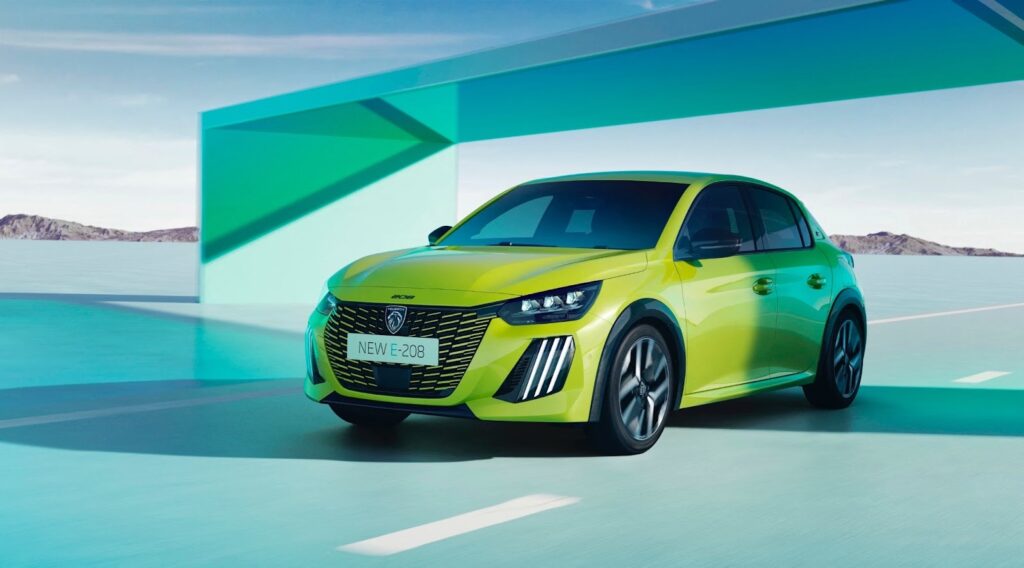
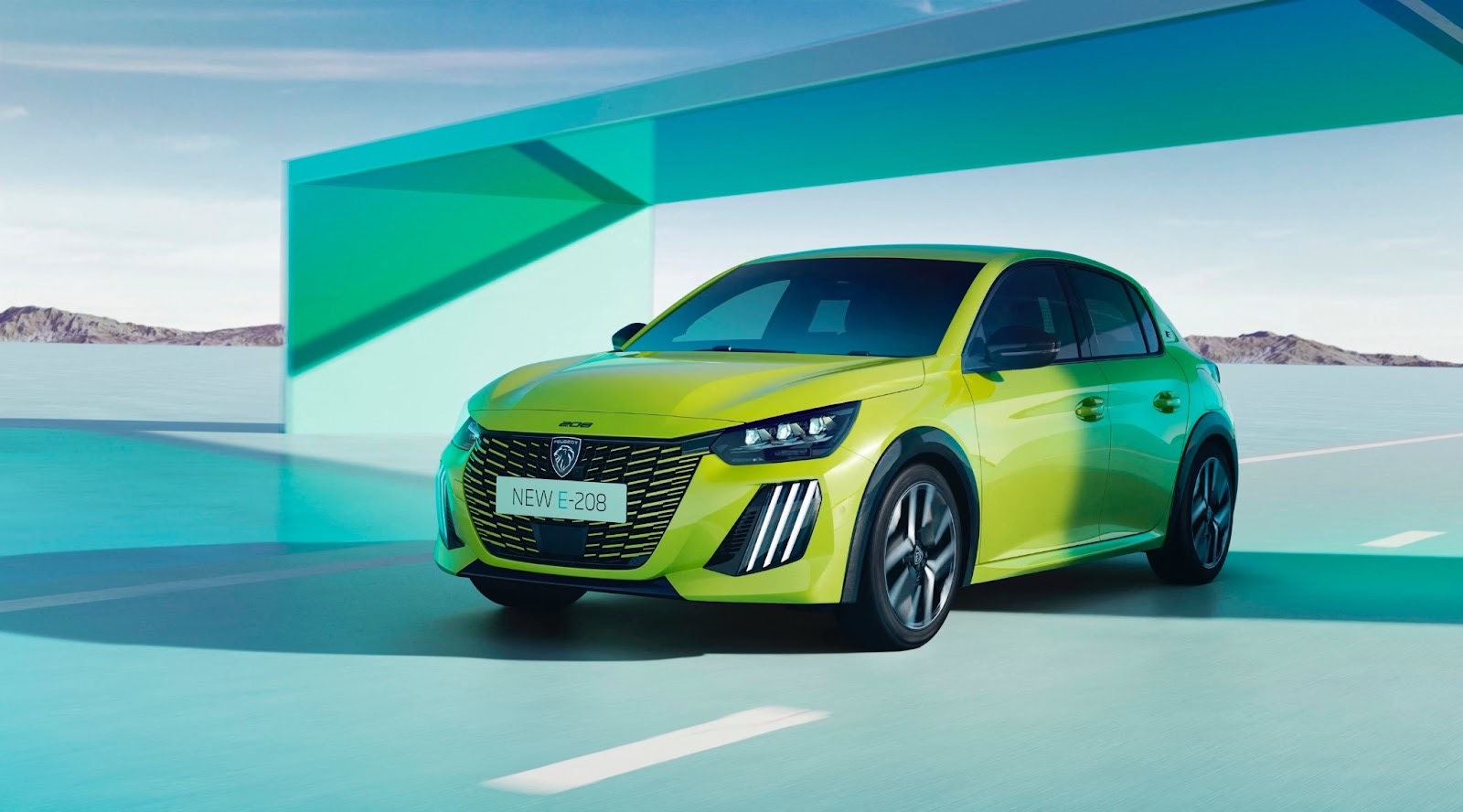
    • a new e-208 on the STLA Small platform, with a range of around 400 km, and a target price of under €25,000;
    • the launch of the e-5008, offering a range of over 500 km;
    • continued industrial development, notably at Douvrin, Trémery and the Zaragoza battery gigafactory.
    Blue-grey Peugeot 5008 SUV
    Copyright Cédric Viollet @ ContinentalProductions

    Stellantis is still aiming for an electric car market share of close to 30% in France by 2027, a target to which Peugeot will make a major contribution thanks to the renewal of its range and the support of public schemes (ZFE, social leasing).

  • YangWang U8: an amphibious vehicle soon to be available in Europe?

    YangWang U8: an amphibious vehicle soon to be available in Europe?

    As electric vehicles gradually become the norm, carmakers are stepping up their innovations. And if there’s one brand that likes to push back the boundaries of what’s possible, it’s YangWang, BYD’s ultra-premium brand. After impressing the world with its electric know-how, the Chinese giant is now tackling the amphibious market with the YangWang U8.

    The YangWang U8 SUV on display at an exhibition, showing off its square, massive design.  Source : Wikimedia Commons
    The YangWang U8 SUV on display at an exhibition, showing off its square, massive design. Source : Wikimedia Commons

    A vehicle that swims

    Presented for the first time at the end of 2023 and marketed in China during 2024, the YangWang U8 has become one of the world’s most viral car attractions in just a few months. And the reason? Because it floats and swims! The U8 is capable of withstanding partial immersion, floating for more than thirty minutes thanks to its “emergency floating” mode, and above all of moving forward and performing a “tank turn”.

    So how does it work? The interior and battery are designed to withstand water, and the vehicle is declared with an IP68 waterproof rating according to BYD. Once submerged, the engine is switched off immediately, and the hydropneumatic suspension raises the chassis to the maximum to improve draught and help maintain buoyancy. The doors and windows lock and the sunroof opens (for ventilation, but also as an emergency exit if the situation gets complicated).

    To move around, four electric motors are placed close to the tyres and activate to set this wheeled behemoth in motion. The maximum speed is 3 km/h, which is not very fast, but is still sufficient in critical situations.

    Grey YangWang U8 in amphibious mode sailing in a basin. Source : Wikimedia Commons
    Grey YangWang U8 in amphibious mode sailing in a basin. Source : Wikimedia Commons

    A concentrate of technology

    The U8 is based on BYD’s e4 platform and, as already mentioned, is equipped with four electric motors, one at each wheel, for a combined power of over 1,100 bhp. This combination enables the U8 to accelerate from 0 to 100 kph in less than 4 seconds, to reach a top speed of 200 kph, to offer exceptional traction on all types of terrain and to keep going even if a tyre bursts.

    Equipped with a 49.05 kWh battery, it has a range of 180 km on 100% electric power according to the Chinese CLTC test cycle. As a hybrid car, the combined range (electric + combustion) reaches 1,000 km according to some data sheets.

    Exterior design: massive, bold and spectacular

    As you’d expect, the Chinese brand hasn’t stopped at a ‘simple’ amphibious car. The U8 is no small European SUV: it’s a behemoth, over 5.3 metres long with a wheelbase of 3.05 metres. In terms of width, it’s just over 2 metres long, and in terms of height, it measures 1.93 metres.

    Aesthetically, the YangWang U8 makes a statement. Its design oscillates between luxury 4×4 and high-tech expedition vehicle, with a visual presence that is hard to ignore. The wide wheel arches, generous ground clearance and LED ‘tactical headlamp’ lighting signature accentuate its appearance as a modern colossus. At the front, the massive, almost sculptural grille asserts an ultra-premium positioning, halfway between an electrified Defender and a civilised military concept car.

    Close-up of the large black radiator grille with diamond pattern and the YangWang U8 logo. Source: Wikimedia Commons
    Close-up of the large black radiator grille with diamond pattern and the YangWang U8 logo. Source: Wikimedia Commons

    A rolling high-tech show

    Positioned in the ultra-premium range, the interior of the U8 reflects this desire. According to YangWang, top-of-the-range leather covers many of the vehicle’s surfaces. In terms of equipment, three XXL screens dominate the space, complemented by a premium audio system for “total immersion”. According to YangWang, this trim level puts the U8 in competition with ultra-luxury segment benchmarks such as the BMW XM, Mercedes-Maybach GLS and Range Rover SV, while retaining YangWang’s own avant-garde touch.

    View of the luxurious interior of the YangWang U8 Source: Wikimedia Commons
    View of the luxurious interior of the YangWang U8. Source: Wikimedia Commons

    Why such a vehicle?

    Through its YangWang brand, BYD has developed a vehicle designed to withstand the flooding that is common in certain regions of China, a challenge that few other vehicles can meet. In addition, the brand wants to demonstrate its total mastery of electrification, even in extreme programmes such as an aquatic environment.

    Too heavy for Europe: the major obstacle

    But while this vehicle has been on sale in China for over a year, its arrival in Europe may well be delayed for holders of a B licence. With an unladen weight of over 3.4 tonnes and a total permissible gross weight well in excess of 3.5 tonnes, the U8 is classified as a heavy vehicle by European standards.

    In practical terms, this means :

    • a licence other than a B licence,

    • traffic restrictions in certain towns,

    • higher taxation,

    • more expensive insurance,

    • a very complex certification process.

    Clearly, this type of vehicle is not suited to the European market, where exceeding the 3.5 tonne mark is almost prohibitive for family use. This is one of the reasons why, for the time being, the U8 will be reserved for China and a few Middle Eastern countries.

    On the other hand, this model shows the direction in which BYD and its luxury brand YangWang intend to move forward: innovate, surprise and push back the limits of electric power.

    A symbol of an industry in the throes of transformation

    Clearly, the U8 is perhaps one of the most spectacular vehicles of this new electric era. It is a perfect illustration of the shift the industry is undergoing: from now on, anything seems possible, even creating an amphibious electric SUV with 1,100 horsepower.

    Between you and me, whether you like this kind of extravagance or not: it’s exactly what makes electromobility so exciting today.