Author: Eva Pellerin

  • European capitals and the electromobility challenge

    European capitals and the electromobility challenge

    Against a backdrop of urgent energy transition, Europe’s capital cities are stepping up their commitment to electromobility. They are focusing on electric cars, hybrids and recharging infrastructures. Berlin, Luxembourg City, Madrid and Lisbon illustrate four different but ambitious approaches. Each city has strong objectives and faces specific challenges. Urban planning, financing and infrastructure are their main short-term challenges.
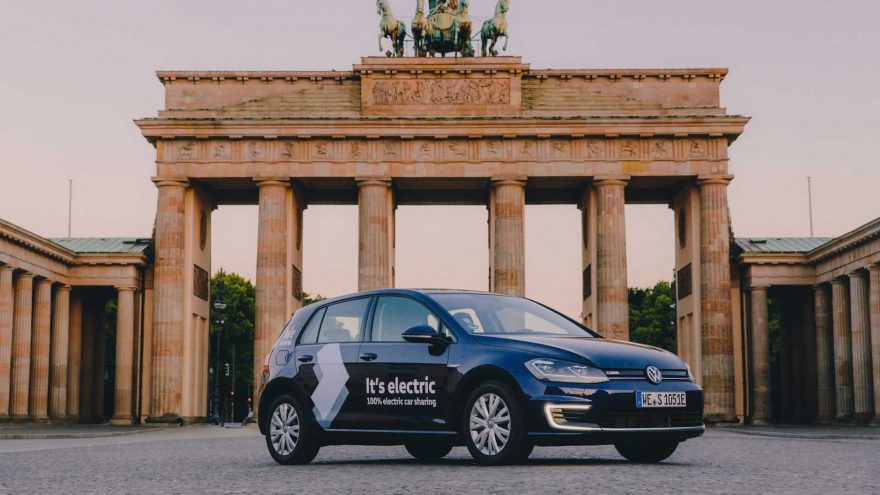
    Berlin: a German metropolis on the move

    The German capital is stepping up initiatives to electrify its vehicles and develop a vast network of charging stations. By 1ᵉʳ January 2025, Berlin had around 80,000 registered electric cars and nearly 35,000 charging points installed in the city. Of these, more than 5,000 were accessible to the public, according to municipal data. This development is part of an overall strategy to meet the rising demand for electricity. The operator Stromnetz Berlin is forecasting a capacity of 4.5 GW in 2035, compared with just 2 GW in 2024. The federal government is supporting this effort with a €6.3 billion plan to strengthen infrastructures. The aim is ambitious: to have one million charging points in Germany by 2030. “Berlin is a pioneer in electromobility. Thanks to good networking between politics, science and business,” says Kai Wegner, Mayor of Berlin.

    Despite this progress, the development of electromobility is still hampered by a number of constraints: most of Berlin’s charging points are located in private areas (homes, businesses) – around 80%, according to the authorities – and extending them to densely populated areas is still an obstacle.

    In terms of atmosphere, this dynamic reflects a growing urban awareness: electric mobility is presented not only as a lever for quality of life (reduction in emissions and noise), but also as a growth potential for mobility players.

    On the other hand, the interconnection of infrastructures, particularly in condominiums or shared buildings, remains a major project in Berlin.
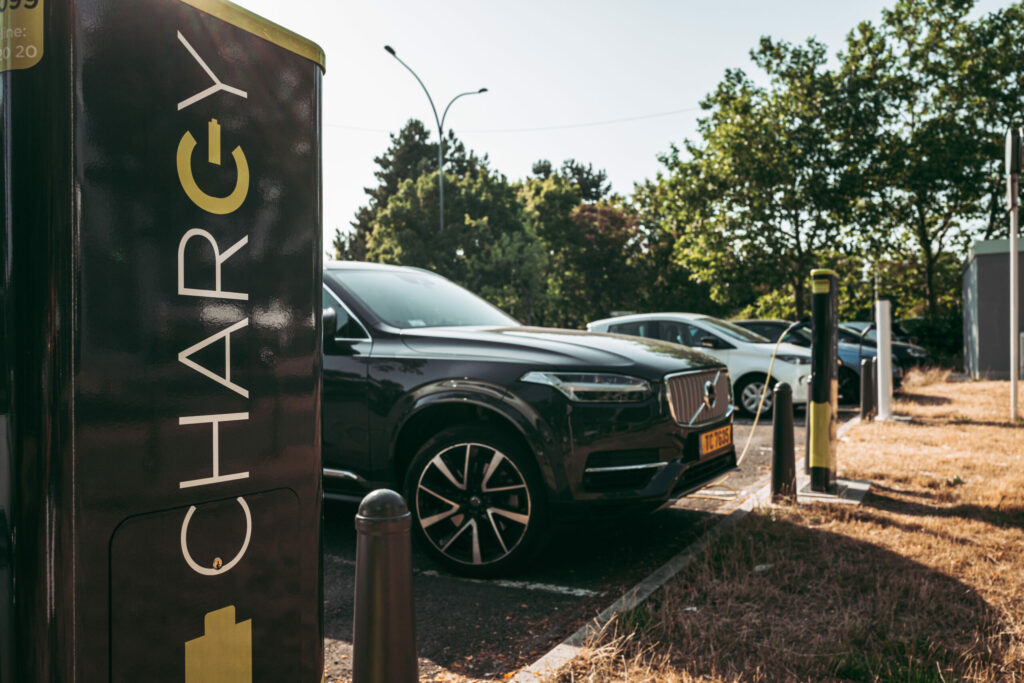
    Electric vehicles recharging in Luxembourg
    Several electric cars connected to public charging points in Luxembourg City.

    Luxembourg City: a small country with big ambitions

    The capital of the Grand Duchy and its conurbation have set themselves an ambitious target: to electrify 49% of the car fleet by 2030. This ambition is accompanied by concrete measures to support the deployment of charging stations. In June 2025, an invitation to tender awarded a seven-year concession to a private consortium to install the charging network. The country is also offering targeted grants to businesses, covering up to 50% of the cost of installing public or professional charging stations. These charging points can deliver at least 175 kW to meet users’ needs. The “Stroum beweegt” scheme brings together more than 40 public and private players around a shared commitment to electric mobility.

    Despite this, the results show that petrol and diesel vehicles still account for almost 90% of the total fleet. The challenge is therefore considerable: to maintain the pace of vehicle replacement while intensifying the infrastructure network in a very dense area.

    The atmosphere here is one of determination: the country sees itself as a compact laboratory for sustainable mobility. This gives it a relative advantage in terms of the density of terminals per inhabitant and strong incentive measures.

    Madrid: Spain focuses on fast infrastructure

    In the Spanish capital, deployment is focused on massive charging infrastructures. Public support for the purchase of electric vehicles complements these efforts. The MOVES III national subsidy programme has been extended to 2025. It has an additional budget of 400 million euros to encourage the purchase of electric vehicles and the installation of charging stations. In terms of equipment, the Madrid region and Iberdrola España inaugurated a fast-charging hub in June 2025. This hub has 47 charging points, 15 of which can recharge 80% of a battery in less than 15 minutes.

    In addition, the urban transport company Empresa Municipal de Transportes (EMT) in Madrid has signed a €50 million loan with the European Investment Bank for the purchase of 250 electric buses and 10 hydrogen buses, as well as the corresponding infrastructure.

    The atmosphere in Madrid favours the large rapid terminal model combined with national subsidies. The main challenge remains complete urban coverage. We also need to integrate charging stations into residential areas. Finally, developing the use of electric vehicles in dense and peripheral areas remains a major challenge.
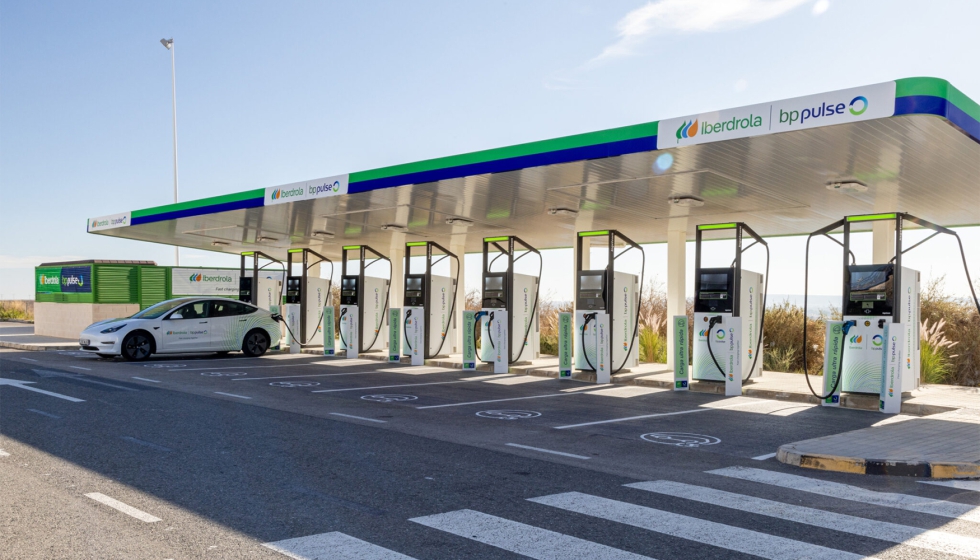
    Ultra-fast charging hub for electric cars in Madrid, a commitment to electromobility
    Ultra-fast recharging hubs in Madrid, enabling 80% of a battery to be recharged in less than 15 minutes.

    Lisbon: a step towards intensive electrification

    Lisbon and Portugal are showing strong signs of progress. In January 2025, battery electric vehicles accounted for 22.5% of new registrations in the country. In terms of infrastructure, Galp has inaugurated ultra-fast 300 kW charging points in the Lisbon region. As in Berlin, a pilot solution for recharging via street lamps has also been deployed. In addition, Lisbon’s public transport company, Carris, plans to have 90% of its fleet “clean energy” by 2028. This corresponds to around 300 electric buses in the entire fleet.

    In Lisbon, there has been a marked acceleration in the pace of development, but there are still some areas that need to be filled. The number of public car parks remains moderate, but is increasing rapidly. The main challenge is to transform historic residential areas without individual garages. We also need to improve coordination between public and private players.

    In short, Lisbon combines promising indicators with the obstacles typical of older cities: parking, heritage, density.

    Carris fleet electric train in Lisbon
    The Carris electric train in Lisbon, a symbol of electromobility.

    What this comparison reveals

    A comparison of these four capitals reveals several key points.

    • Firstly,recharging infrastructure remains essential. Madrid is banking on ultra-fast hubs, Berlin and Luxembourg on a dense network, and Lisbon on innovative urban solutions. Easy access to recharging has a major influence on user choice.
    • Secondly, financial support policies are essential. Purchase subsidies, support for the installation of charging points and public-private programmes facilitate the deployment of electric vehicles.
    • Thirdly, the local context plays an important role. Urban density, housing type, heritage and available energy all influence the speed of deployment.
    • Finally, communication and partnerships are essential. Cities, operators, energy suppliers and industry work together with varying degrees of effectiveness. Berlin and Luxembourg are good examples of such cooperation.

    Despite these efforts, challenges remain. Buildings with communal car parks need to be managed, dense areas need to be connected, charging standards need to be harmonised, and hybrids and heavy vehicles need to be integrated. Cities will have to keep up the pace if they are not to slow down the transition.

    Future prospects

    Over the coming years, these four capitals are set to continue their efforts. They will be extending the network of charging points and encouraging the renewal of private and public fleets. Madrid is developing exchangeable batteries and Lisbon is experimenting with street lamps fitted with charging points. European synergies, via EU funds or transnational mechanisms, will play an important role. In conclusion, electromobility is more than just a change of engine. It is a central element in the urban, economic and energy transition.


  • The silent revolution of the electric car on long journeys

    The silent revolution of the electric car on long journeys

    The French are gradually adopting electric cars for their holidays, according to the Ministry of Transport and Avere-France. This trend reflects growing confidence in reliable and accessible recharging infrastructures. It is slowly changing habits, while reassuring drivers about the practicality of these vehicles.

    Man plugging his electric car into a charging point
    A driver plugs his electric car into a reliable motorway charging point.

    Strong growth in adoption

    In June 2025, there were more than 1.5 million electric vehicles on the road in France, an increase of 26% over one year. This rapid growth demonstrates the French people’s interest in more environmentally-friendly mobility. Summer travel by electric car is becoming increasingly frequent, reflecting a significant change in travel behaviour. What’s more, this increase is being amplified by the growing number of charging points available throughout the country.

    Summer visitor numbers on the rise

    During the summer of 2025, charging stations recorded a 71% increase in use compared with the previous year. At motorway service areas, each charging point received around 200 charging sessions per month. This reflects not only user confidence, but also the reliability of the infrastructure in place. As a result, drivers can plan their journeys with greater peace of mind, without worrying about running out of battery power during their holidays.

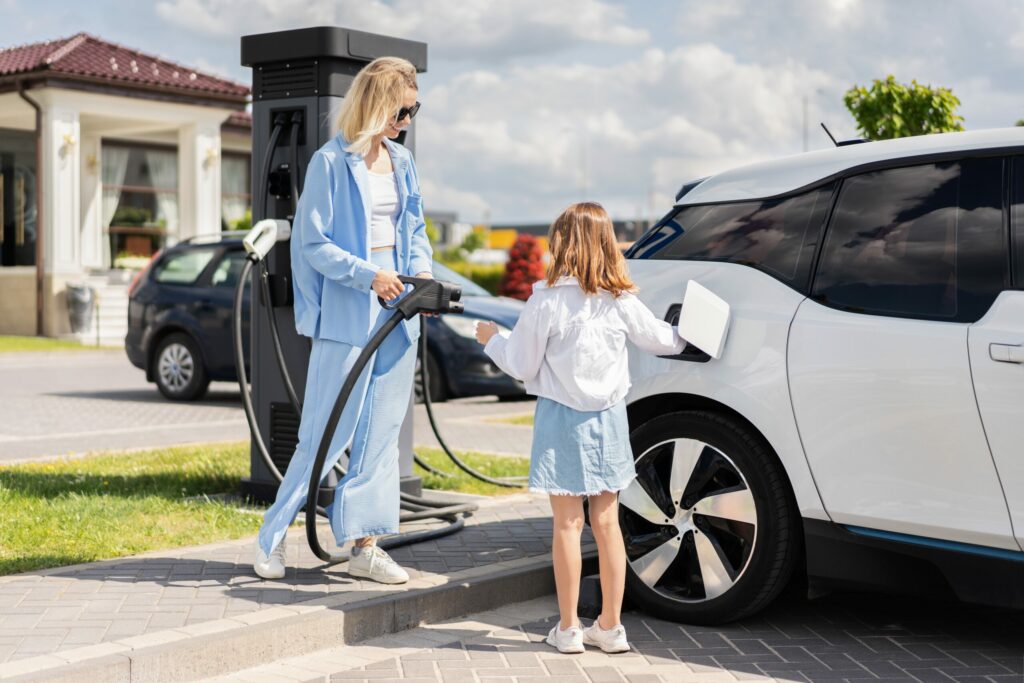
    Mother and daughter connecting their electric car to a charging point
    A mother and daughter plug in their electric car before setting off on holiday.

    A modernised motorway network

    Since the summer of 2023, all service areas on motorways under concession have been equipped with electric charging points, thanks to the efforts of the French government and the European Commission. The network now has 3,200 very high-power charging points. This modernisation has made it possible to achieve an availability rate of over 98.5%, preventing saturation even during busy periods. As a result, long-distance journeys are becoming a reality for electric vehicle drivers, contributing to the growing acceptance of this technology.

    Recharge times compatible with travel

    Recharging sessions last between 28 and 30 minutes, equivalent to the usual stops at service areas. This is perfectly in line with road safety recommendations, which recommend a break every two hours. As a result, the switch to electric vehicles has very little impact on travel habits. Drivers can combine resting and recharging without disrupting their schedules, making the journey a more pleasant and less stressful experience.

    Responding to driver reluctance

    In this way, the Ministry is attempting to dispel fears about range and the availability of charging points for long journeys. Many drivers still fear being stranded without the possibility of recharging, but statistics show that this risk is now limited. In fact, drivers are finding that the current infrastructure allows them to plan their journeys efficiently and with peace of mind, encouraging the gradual adoption of electric cars over longer distances.

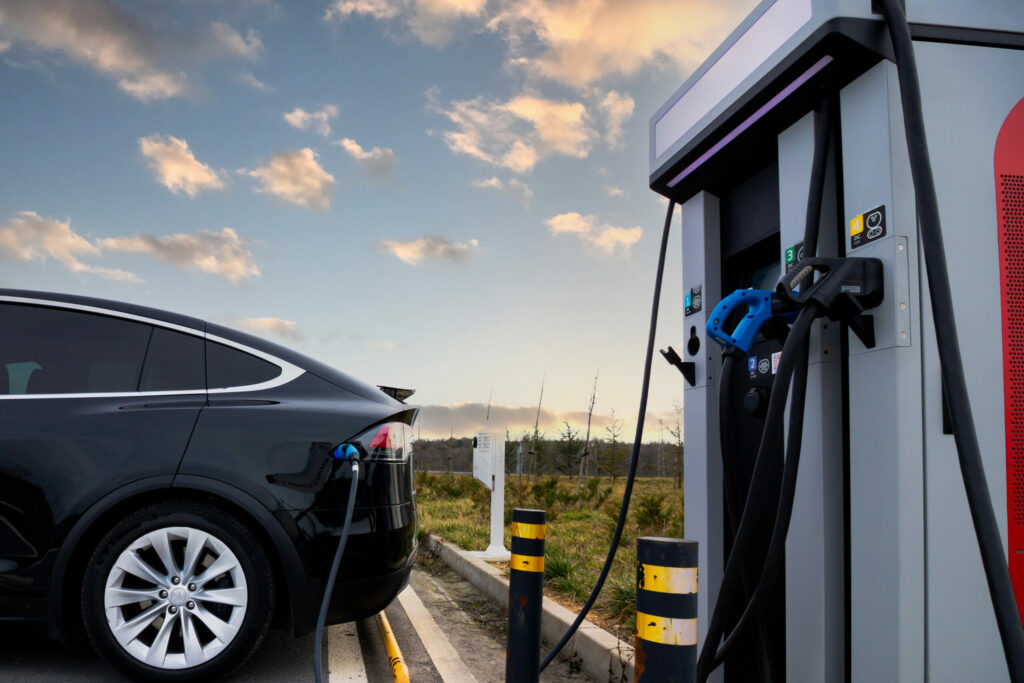
    Electric charging points at a motorway service area
    Electric charging points available at a motorway service area.

    Growth held back by cost

    Despite the increase in the number of electric vehicles on the road, purchases are still below expectations. The higher price of electric vehicles compared with combustion engines is a significant barrier, especially for families and young drivers. However, government subsidies and tax incentives are helping to gradually reduce this financial barrier. Eventually, lower costs and technological advances should facilitate wider access to electric mobility for all segments of the population.

    Towards sustainable electric mobility

    The combination of a reliable network and high-performance vehicles is encouraging the French to go electric. Against this backdrop, sustainable transport is going from strength to strength, while offering solutions tailored to the real needs of users. Long journeys, once dreaded, are now becoming compatible with comfort and safety. This gradual transition reflects a profound change in attitudes, in which environmental protection and practical travel coexist harmoniously.

    Electric cars are gradually making their mark on French motorways. Thanks to solid infrastructure and controlled recharging times, drivers are now able to go on holiday with greater peace of mind. The growth in the number of electric vehicles reflects a gentle but significant transition towards cleaner, more responsible mobility. Long distances are no longer an obstacle, and the future of travel is clearly in line with a sustainable and innovative approach.

  • Citroën enters Formula E with the GEN3 Evo

    Citroën enters Formula E with the GEN3 Evo

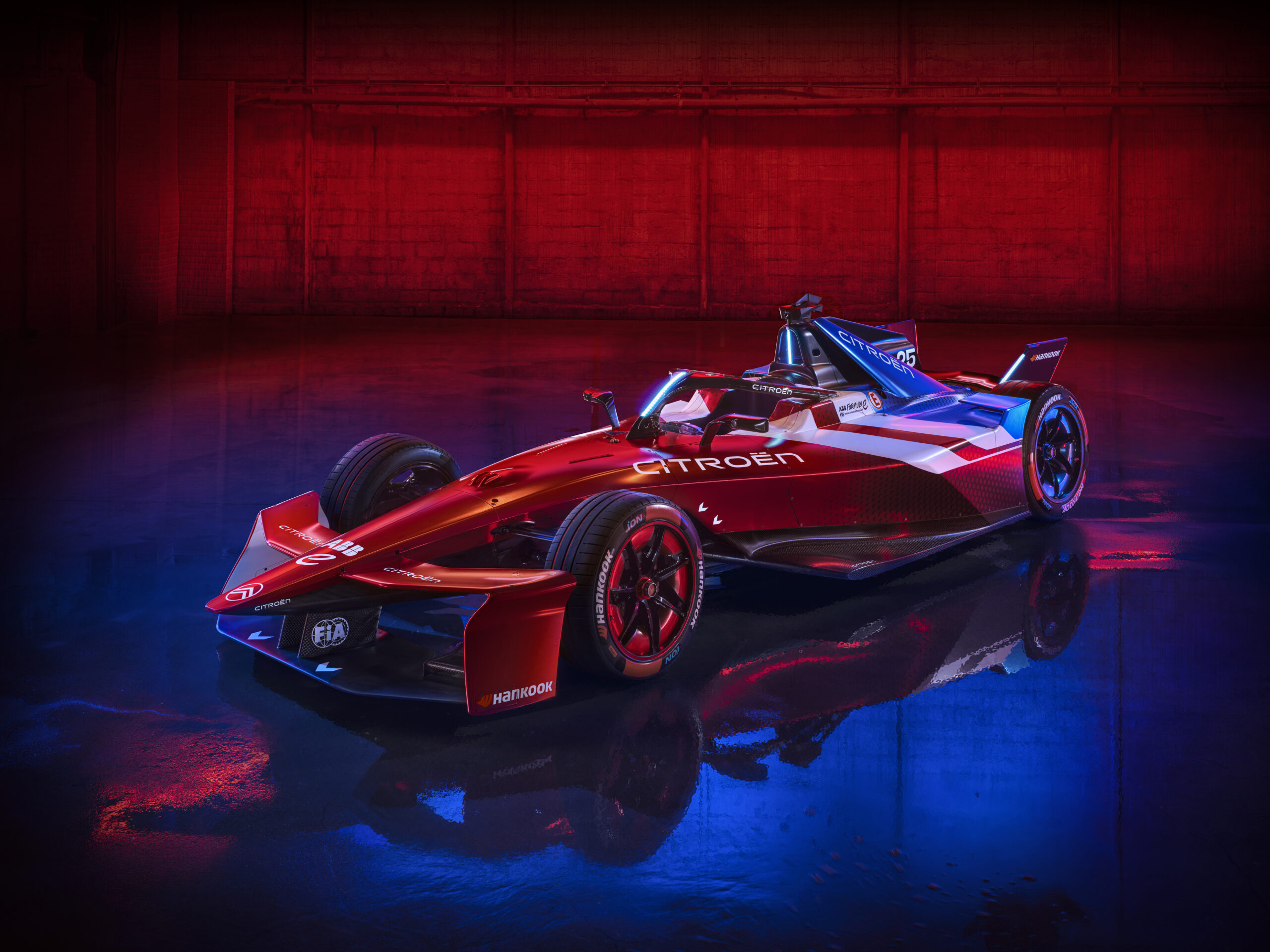
    Citroën unveils its first official single-seater for the ABB FIA Formula E Championship. This initiative marks a strategic return to motorsport. The GEN3 Evo embodies innovation, power and ecological commitment, reflecting the historic expertise of the French brand. Drivers Jean-Éric Vergne and Nick Cassidy will be flying the French flag with ambition and determination.

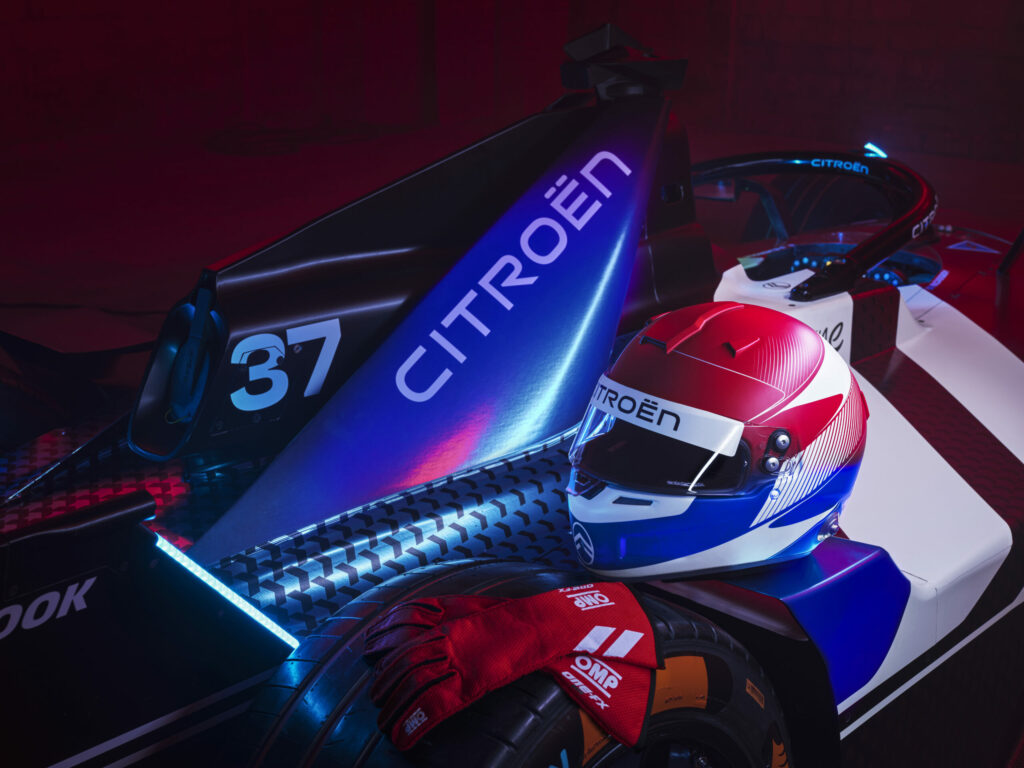
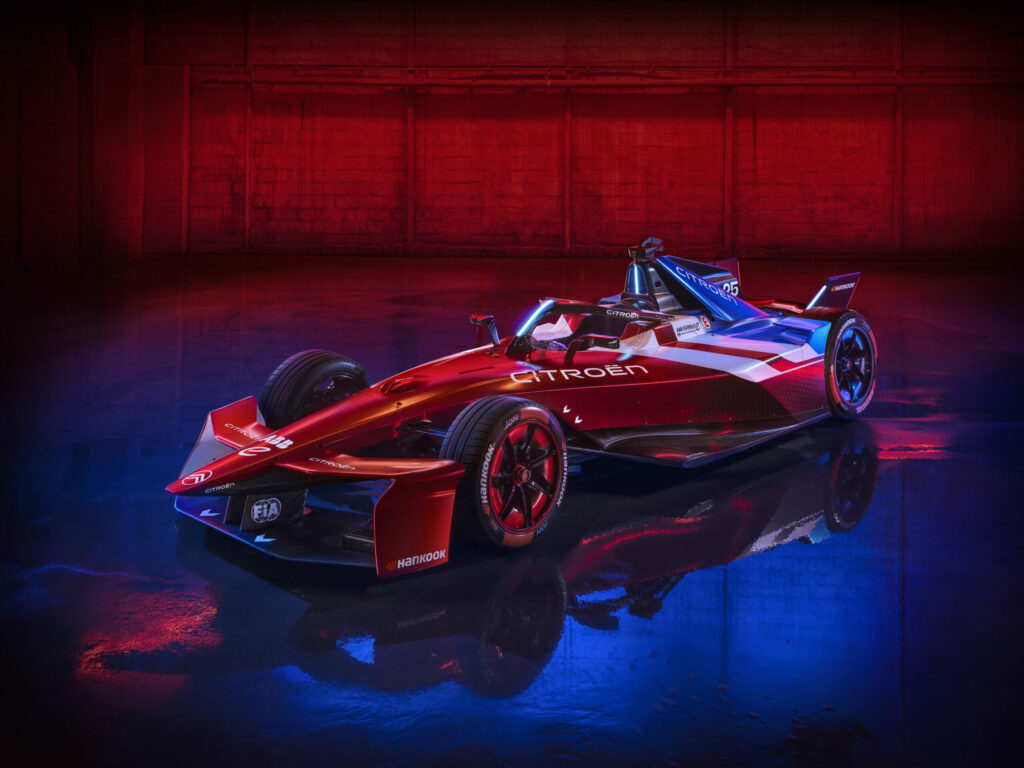
    Close-up of the driver's helmet and rear wing of the Citroën GEN3 Evo with tricolour logo
    Detail of the driver’s helmet and rear wing of the GEN3 Evo, bearing the Citroën logo and tricolour livery (Credit: Citroën).

    Know-how at the service of performance

    The new GEN3 Evo is a synthesis of power and efficiency, combining an ultra-light chassis with a high-performance electric motor. Developed by Stellantis Motorsport, the single-seater features a carbon-fibre monocoque that complies with FIA safety standards. Weighing in at a minimum of 859kg, it combines agility, energy efficiency and a driving sensation akin to that of a single-seater car.

    Under its body, the electric motor delivers up to 350 kW. It accelerates from 0 to 100 km/h in 1.86 seconds. What’s more, it has a top speed of 320 km/h, making it the fastest electric single-seater in the championship. GEN3 Evo also benefits from two motors: the rear for propulsion, the front for energy recovery, and both combined in ‘Attack mode’ for all-wheel drive.

    The single-seater can recover up to 600 kW when braking, reusing almost half the energy consumed during an e-Prix. Its 47 kWh battery provides instant power, thermal stability and longevity. Developed at Satory under the direction of Jean-Marc Finot, the Stellantis Motorsport team draws on nearly 11 years of Formula E experience to maximise performance and reliability.

    Front and side view of Citroën's GEN3 Evo single-seater in Formula E
    The Citroën GEN3 Evo is shown from the front and in profile, highlighting its electric bodywork and dynamic lines. (Credit: Citroën)

    Every innovation applied to the GEN3 Evo contributes directly to the technologies of future production electric vehicles. What’s more, it optimises battery management, inverters and energy recovery. ” We’re bringing Citroën’s passion back to life in one of the world’s most visionary championships, combining power, reliability and energy efficiency, ” says Jean-Marc Finot.

    A tricolour livery that electrifies the design

    The design of the single-seater illustrates boldness, modernity and French heritage. Its red, white and blue livery plays on a dynamic gradient, highlighting Citroën‘s emblematic chevrons. The vibrant red at the front symbolises passion and performance, while the white and blue extend the graphic movement. Three colours, three values: passion, technology and national pride. They reflect the brand’s innovative vision of tomorrow’s mobility.

    Exceptional drivers

    Jean-Éric Vergne, two-time Formula E champion and renowned French driver, joins Citroën with the aim of aiming for podiums and victories from his first season. His experience in endurance and single-seater racing makes him a strategic asset. Nick Cassidy, a New Zealand driver, brings international expertise and remarkable versatility. He has already won the Japanese Triple Crown and accumulated podiums and victories in Formula E.

    At the head of the team, Cyril Blais, with several years’ experience in Formula E, is Team Principal. As a result, he favours collaborative and technical leadership, optimising performance, energy management and team cohesion. ” My aim is to consolidate what we’ve already achieved and move forward, while at the same time recognising the value of everyone’s work ,” he says.

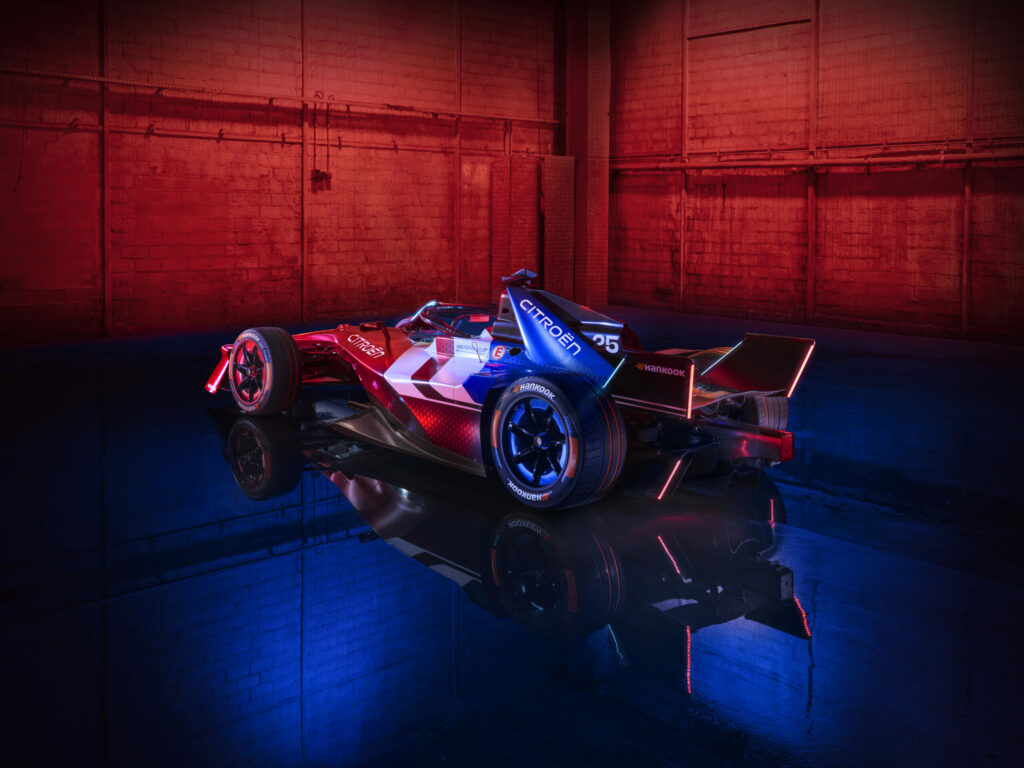
    Rear view of Citroën's GEN3 Evo single-seater in Formula E
    Back view of the Citroën GEN3 Evo, revealing the rear spoiler, the elegant lines and the manufacturer’s logo. (Credit: Citroën)

    A new challenge for Citroën

    Citroën’s return to motor sport illustrates its commitment to sharing its passion and human values with the public. Formula E is a strategic driver for the brand’s image and a means of reaching an urban, young and connected public. Electric racing is also a field for technological experimentation, with a direct influence on production electric vehicles, from battery management to engine control software.

    Formula E is a sustainable and committed championship. As the first world championship to be ISO 20121 certified, it promotes a net zero carbon footprint, partially recycled tyres and significant energy recovery. This ecological dimension is in line with Citroën’s vision, which focuses on electrification and responsible mobility as pillars of its strategy.

    The discipline also offers international exposure. With 18 stages in 12 countries, Citroën will be able to raise its profile in new markets while developing closer ties with the public. The urban races, which are accessible and interactive, enable the brand to engage in dialogue with fans who are sensitive to innovation and electric mobility, in line with models such as the Ami and ë-C3.

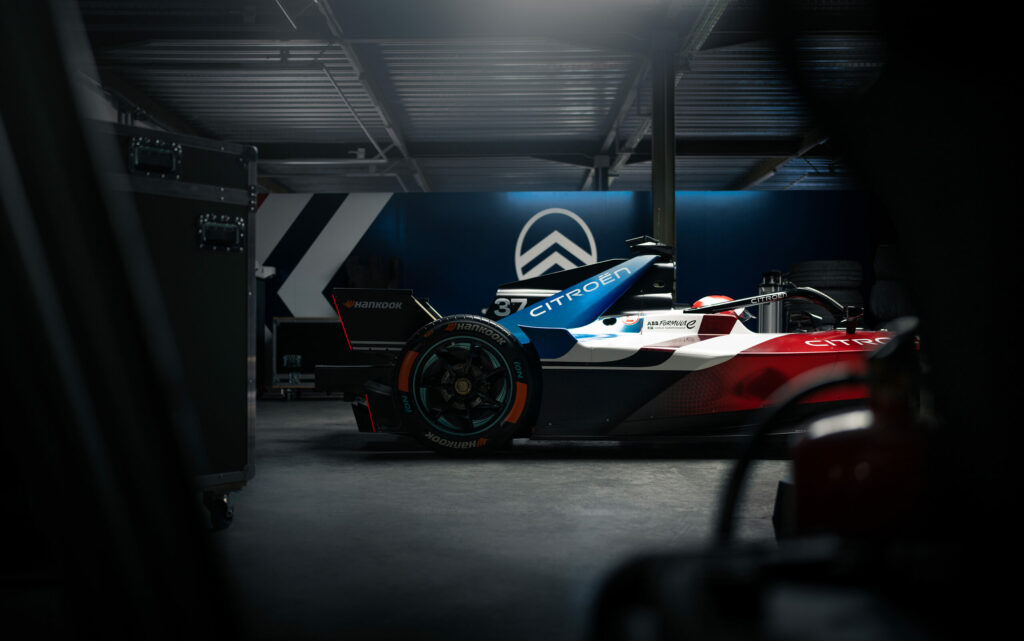
    GEN3 Evo Citroën seen in profile in the Formula E team
    The Citroën GEN3 Evo in profile in the stable, ready for testing and the Formula E championship. (Credit: Arnaud Taquet)

    Citroën revives 60 years of competition

    For 60 years, Citroën has made its mark on the history of motor sport, from rally-raid to WRC and WTCC, with iconic victories and legendary drivers. Iconic models such as the ZX Rally Raid, Xsara, C4 and DS3 WRC have forged the brand’s legend, demonstrating expertise, innovation and performance.

    Citroën also took part in the World Touring Car Championship with the C-Elysée WTCC, winning three consecutive Drivers’ and Manufacturers’ titles. The brand combined preparation, competitiveness and strategy to dominate its rivals. Even in the 1960s, the Citroën MEP served as a springboard for young drivers, embodying the spirit of ingenuity and accessibility.

    Today, this rich heritage continues with the GEN3 Evo in Formula E. In this way, Citroën combines tradition and innovation, sporting ambition and environmental responsibility, to create a new page in its history, captivating fans and enthusiasts around the world.

  • Audi A2 e-tron: the electric compact of 2026

    Audi A2 e-tron: the electric compact of 2026

    Audi is preparing the A2 e-tron, a small 100% electric model due to arrive in 2026. It is a compact heir to the Audi A2, which disappeared more than twenty years ago. The car has been seen testing in the Alps and at the Nürburgring, confirming its advanced development.

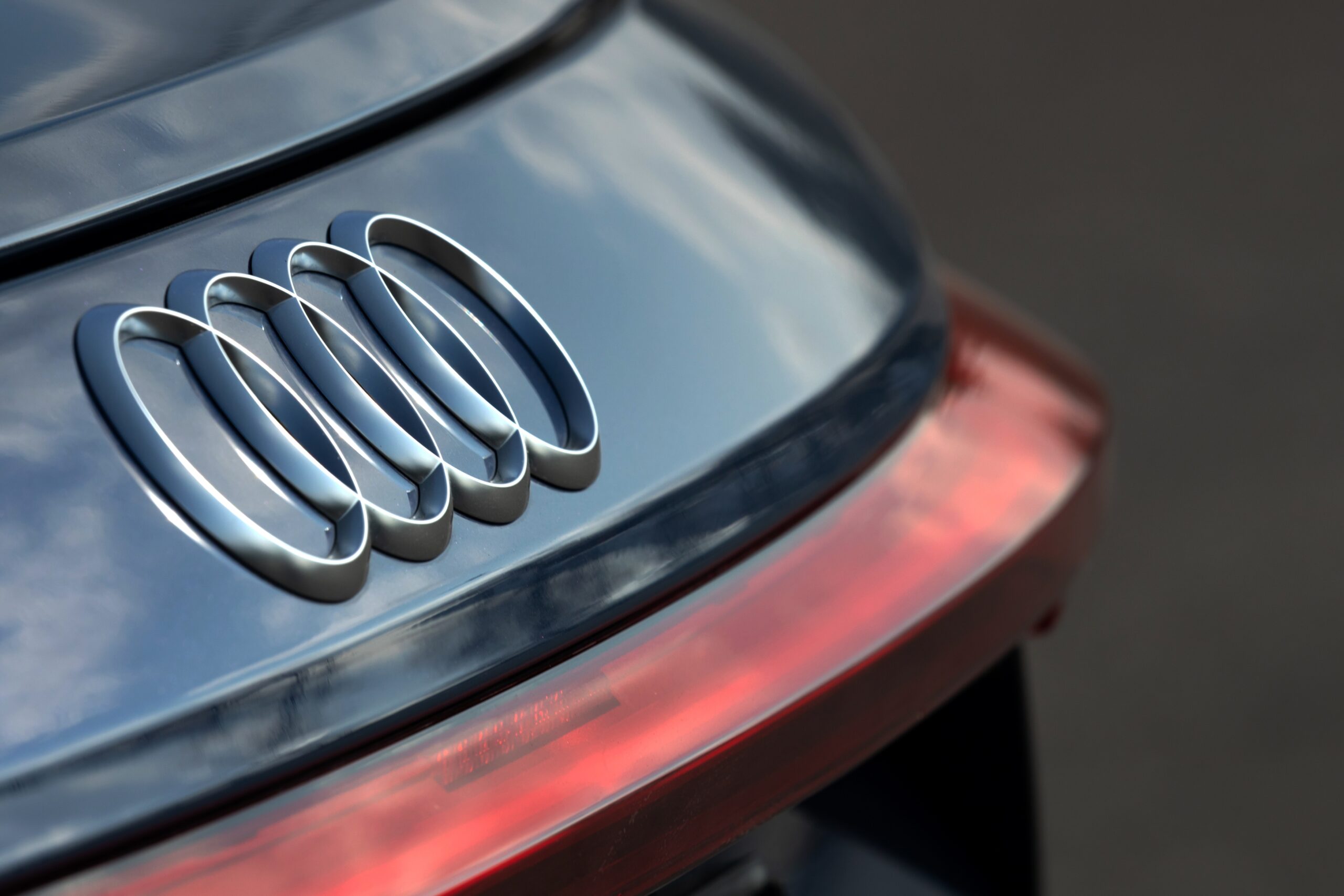
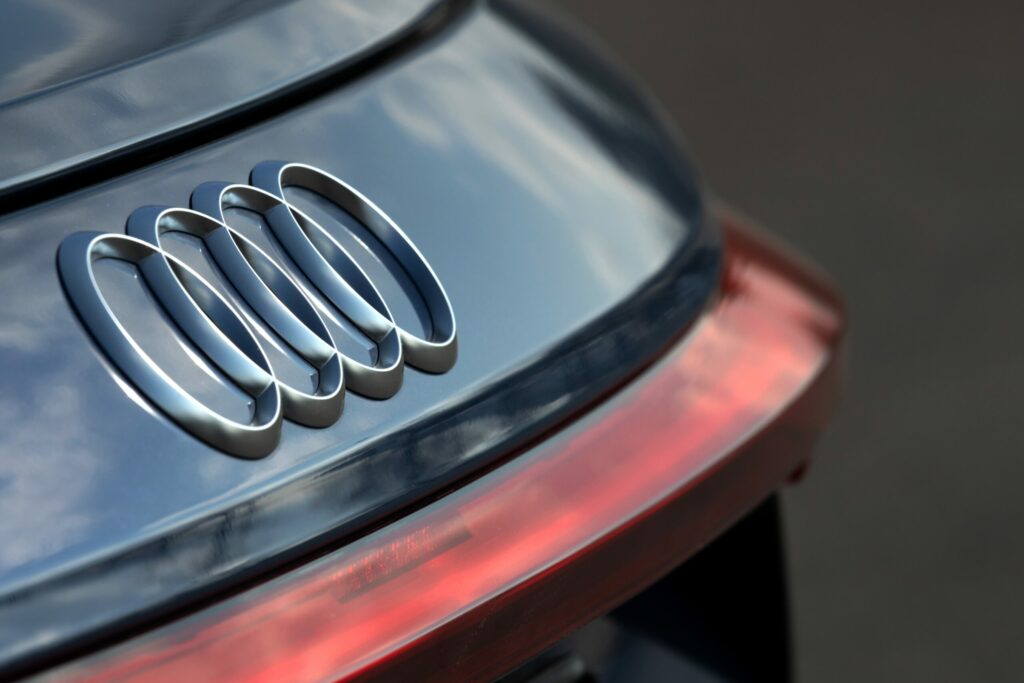
    Audi logo on the rear of a car
    Detail of the Audi logo on the rear of an electric model, a symbol of quality, modernity and the premium entry level. (Credit: emirhankaramuk)

    Despite the camouflage, the silhouette stands out clearly and hints at an elegant, modern design. The car will be the electric gateway to the Audi range, under the Q4 e-tron, and will gradually replace the A1 and Q2.

    Silhouette and historical inspiration

    The future A2 e-tron adopts a single-volume silhouette, inspired by the AI:ME concept presented in 2019. Its proportions are also reminiscent of the small A2 of the 2000s, with a rounded roof, short bonnet and relatively high roofline. This combination provides both improved aerodynamics and generous interior space for its size. The car retains the futuristic spirit of its predecessor while adopting modern lines that fit in with the current range. Rounded corners, a straight stern and a long wheelbase guarantee comfort and practical volume for an urban and suburban vehicle.

    Exterior design and technical details

    The prototype reveals pixel-effect headlamps, continuous rear lights and a full but structured grille. The overall lines of the car are harmonious and accentuate its elegant profile, while respecting Audi’s recent codes. The shape of the vehicle reduces fuel consumption and optimises range, while certain high-tech elements, such as the LED lights separated from the main headlights, are reminiscent of the Q4 and Q6 e-tron models. Even under camouflage, certain details, such as the rear drum brakes, reveal the use of the MEB platform.

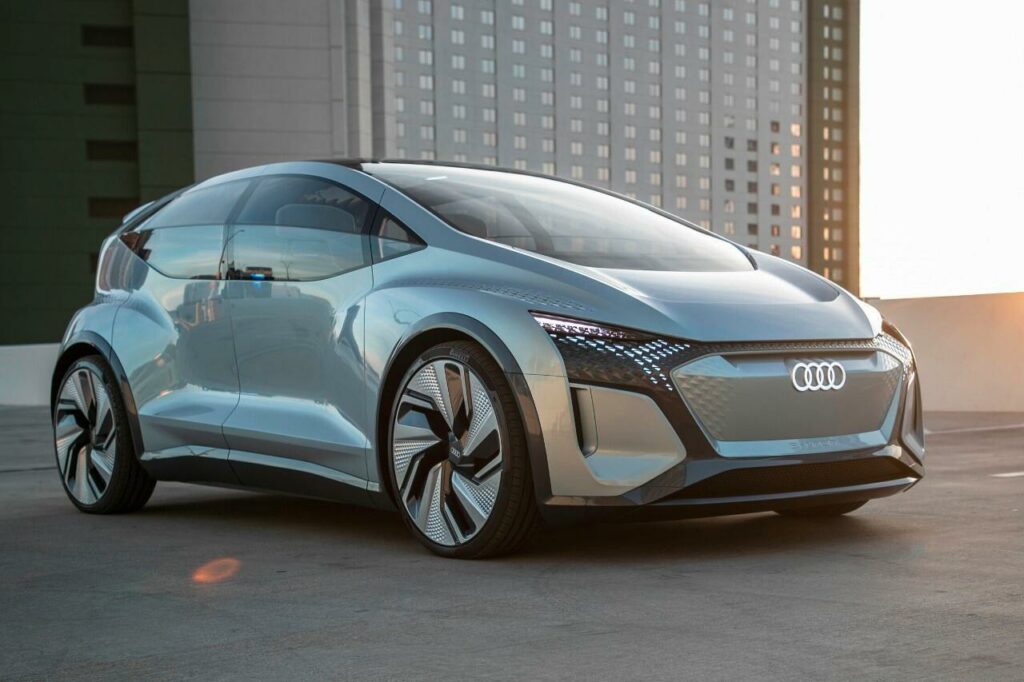
    2019 Audi AI:ME concept side view
    The 2019 Audi AI:ME concept, foreshadowing the brand’s future electric compact cars (Credit: Audi)

    The A2 e-tron will be based on the Volkswagen Group’s MEB modular platform, already used by the ID.3, the Q4 e-tron and the Cupra Born. It should offer a single rear-engined version with 231 bhp, another with 326 bhp inspired by the ID.3 GTX and, potentially, a two-engined version with 335 bhp. The target battery is 79 kWh net, offering a range of around 600 km. Rapid recharging will enable the battery to go from 10% to 80% in less than 30 minutes. This technical base ensures reliability, controlled costs and compatibility with existing infrastructures.

    Market positioning

    Audi is positioning this compact car as an entry-level premium model, below the Q4 e-tron. It will replace the ageing A1 and Q2, offering an alternative to small urban SUVs such as the Volvo EX30 and Smart #1. With a length of around 4.25 m, the compact car will be more generous than the A1, while retaining a practical size for city driving. The car will enable Audi to offer accessible electric mobility without sacrificing style or quality.

    Production will take place in Ingolstadt, Germany. Official presentation is expected during 2026, with marketing to follow. The prototypes seen on the road and on the racetrack confirm that the design has been finalised. The spy shots show a vehicle that is close to series production, suggesting a launch without any major surprises. This will enable Audi to anticipate market needs and adjust production to demand.

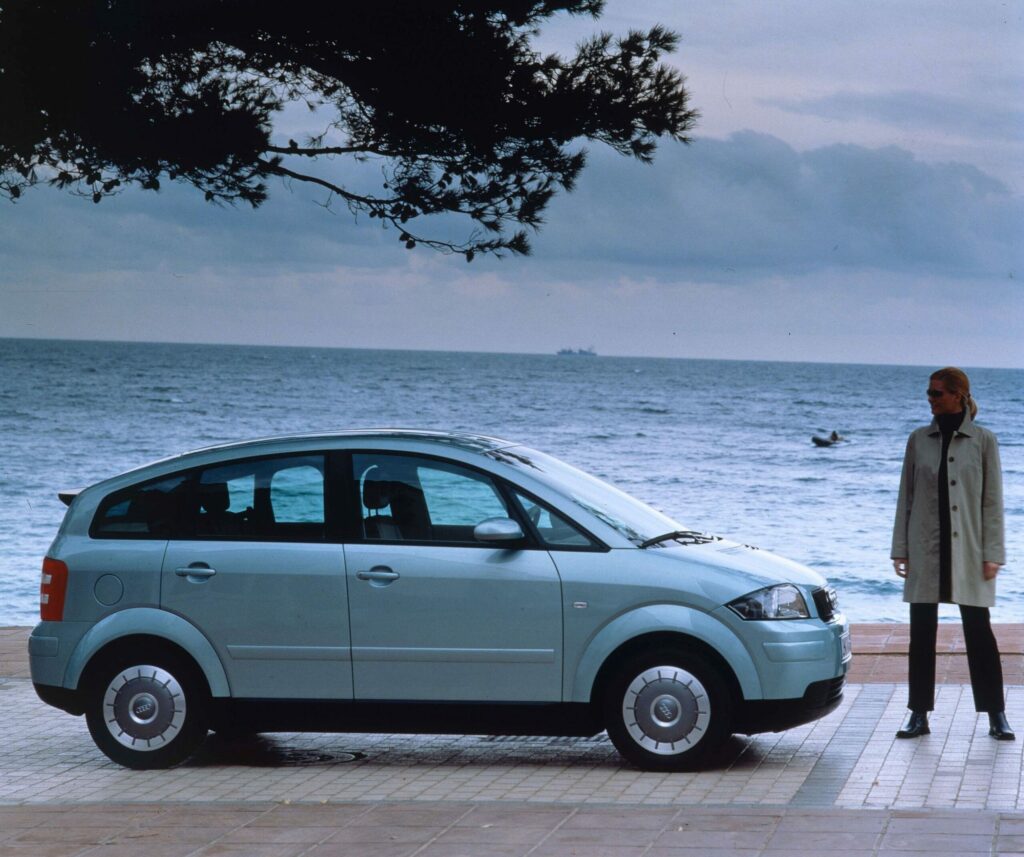
    Audi A2 thermal side view
    The Audi A2, marketed from 2000 to 2005, which inspired the future A2 e-tron (Credit: Audi)

    A car for a specific segment

    According to Audi CEO Gernot Döllner, the A2 e-tron will target a specific customer base looking for a premium entry-level car. The brand is leaving city cars to other Group subsidiaries, such as Volkswagen and Skoda. The emphasis is on perceived quality, ease of use and range rather than low price. This strategy enables Audi to position itself in a particular segment while responding to the growing demand for practical, urban electric vehicles.

    Audi is betting on a discreet but significant return of the A2, this time in an electric version. As a result, the compact car should offer an ideal compromise between practicality, design and technology. In addition, future announcements will confirm its official name, final engines and exact market positioning. Finally, for fans of the brand, this A2 e-tron promises to combine nostalgia and modernity in an urban, premium model.

  • Ideal roads for maximising the efficiency of a hybrid car

    Ideal roads for maximising the efficiency of a hybrid car

    Hybrid cars and plug-in hybrids are becoming increasingly popular, but their effectiveness depends largely on the type of journey. Knowing the right routes can maximise economy and range. Find out how to get the most out of your hybrid vehicle.

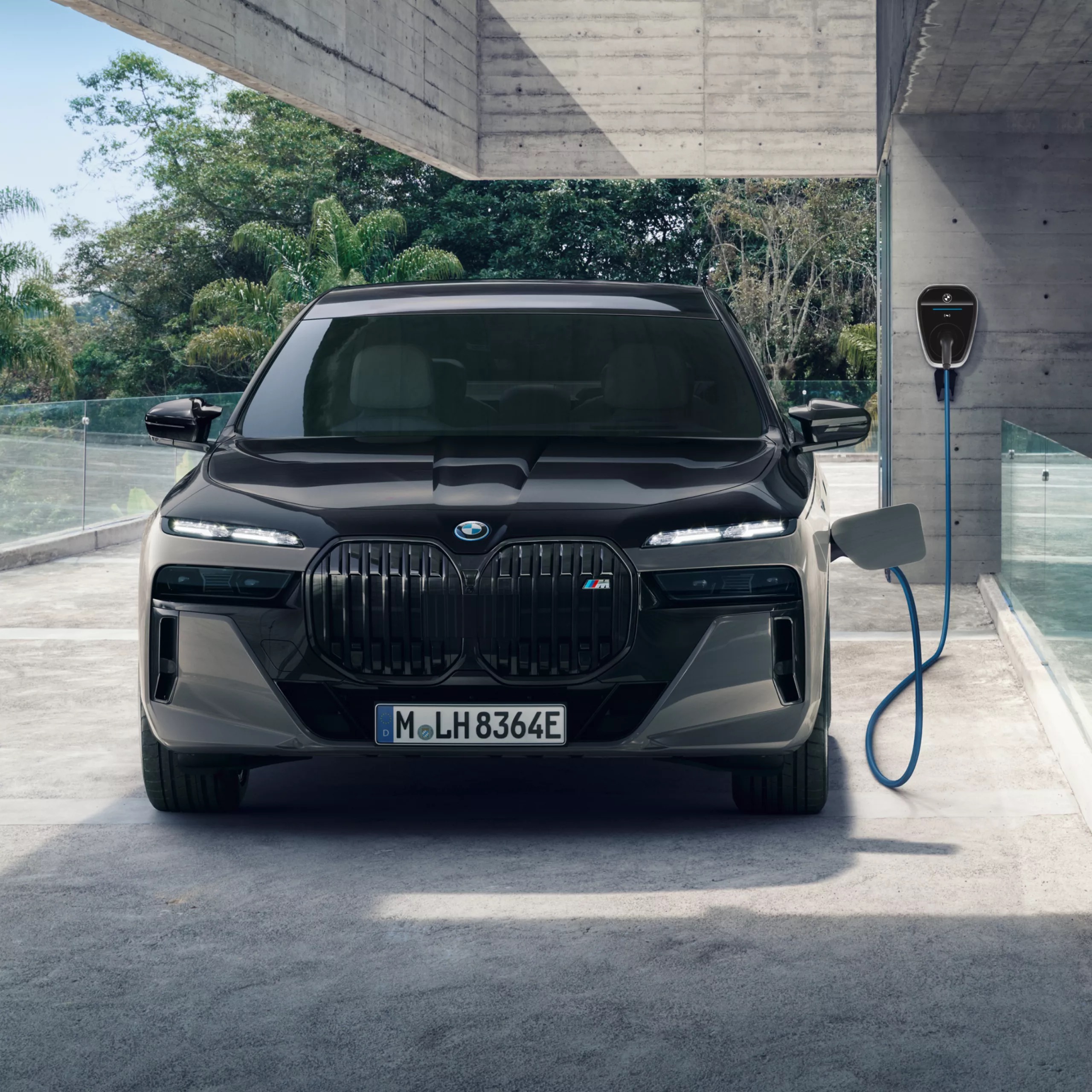
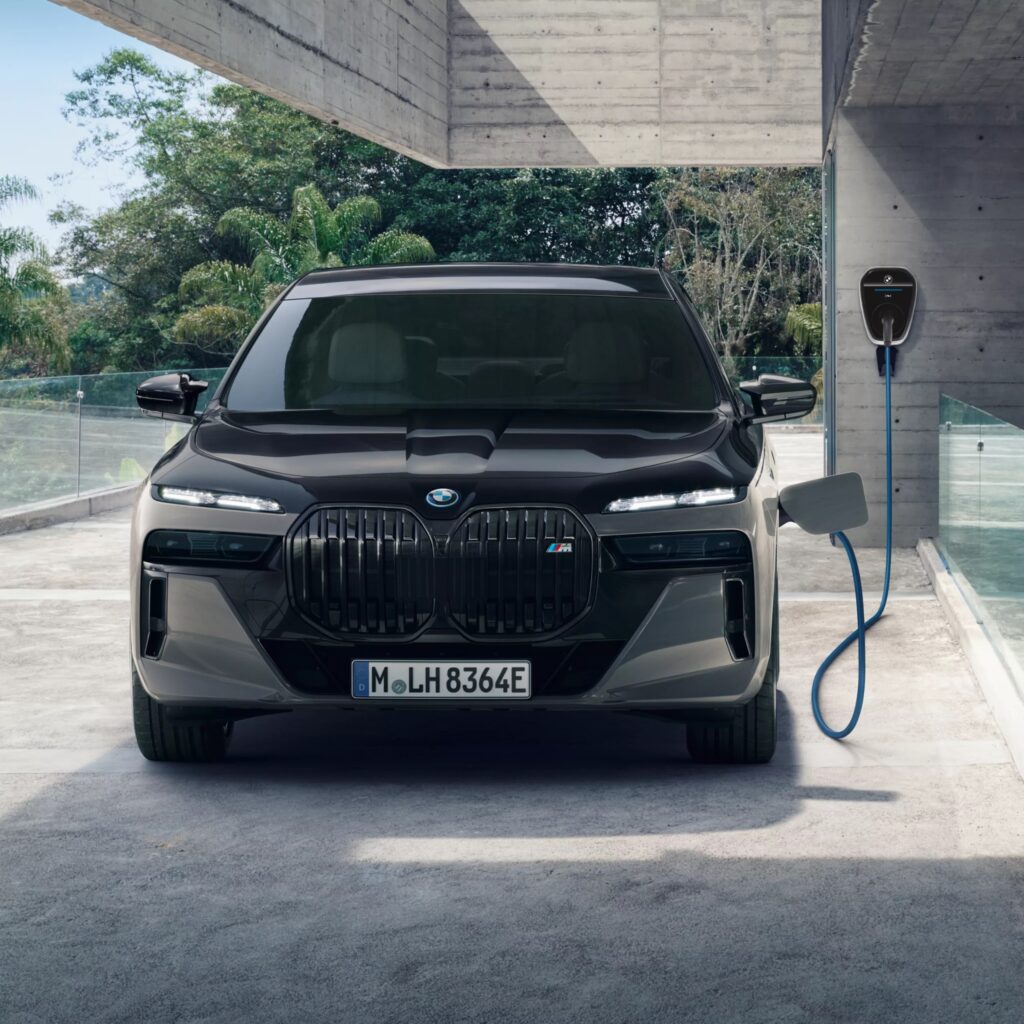
    BMW 7 Series Plug-in Hybrid front view on urban roads
    The BMW 7 Series Plug-in Hybrid combines luxury, technology and energy efficiency for your daily commute. (Credit: BMW)

    Why the type of route influences performance

    A hybrid (HEV) combines a combustion engine and an electric motor, and each expresses itself differently depending on the road. In town, frequent stops allow the electric motor to take over, reducing fuel consumption. On the motorway, the engines alternate, but the internal combustion engine dominates, limiting the immediate ecological benefit.

    In the case of rechargeable hybrids (PHEV), the situation is slightly different: if the battery is charged, the vehicle can be driven in 100% electric mode for several kilometres, even on a mixed journey, further reducing fuel consumption and emissions. The internal combustion engine only comes into play when the battery is discharged or under heavy load. Understanding these differences optimises your journeys and your fuel budget.

    Urban journeys: the hybrid’s biggest advantage

    Hybrid cars are particularly efficient in towns and suburbs, where there are frequent stops and starts. Red lights and traffic jams allow the battery to recharge thanks to regenerative braking. In practice, it fills up when decelerating and then empties immediately during acceleration, supporting the combustion engine. This greatly reduces fuel consumption and pollution, while making driving smoother and quieter. To get the most out of a hybrid, it’s best to increase the number of short urban journeys.

    Rechargeable hybrids go even further, with a battery that can be plugged into a socket or terminal. They often offer up to 40 kilometres of 100% electric range, perfect for everyday city driving. This driving mode means that fuel is not used at all on short journeys, making the car much more economical. Once the battery is empty, regenerative braking provides a little support, but the combustion engine takes over again. The plug-in hybrid is therefore particularly suited to urban drivers who travel less than 40 km before being able to plug in. On long journeys, its weight can slightly increase fuel consumption. However, for city driving, it remains the most cost-effective and cleanest solution.

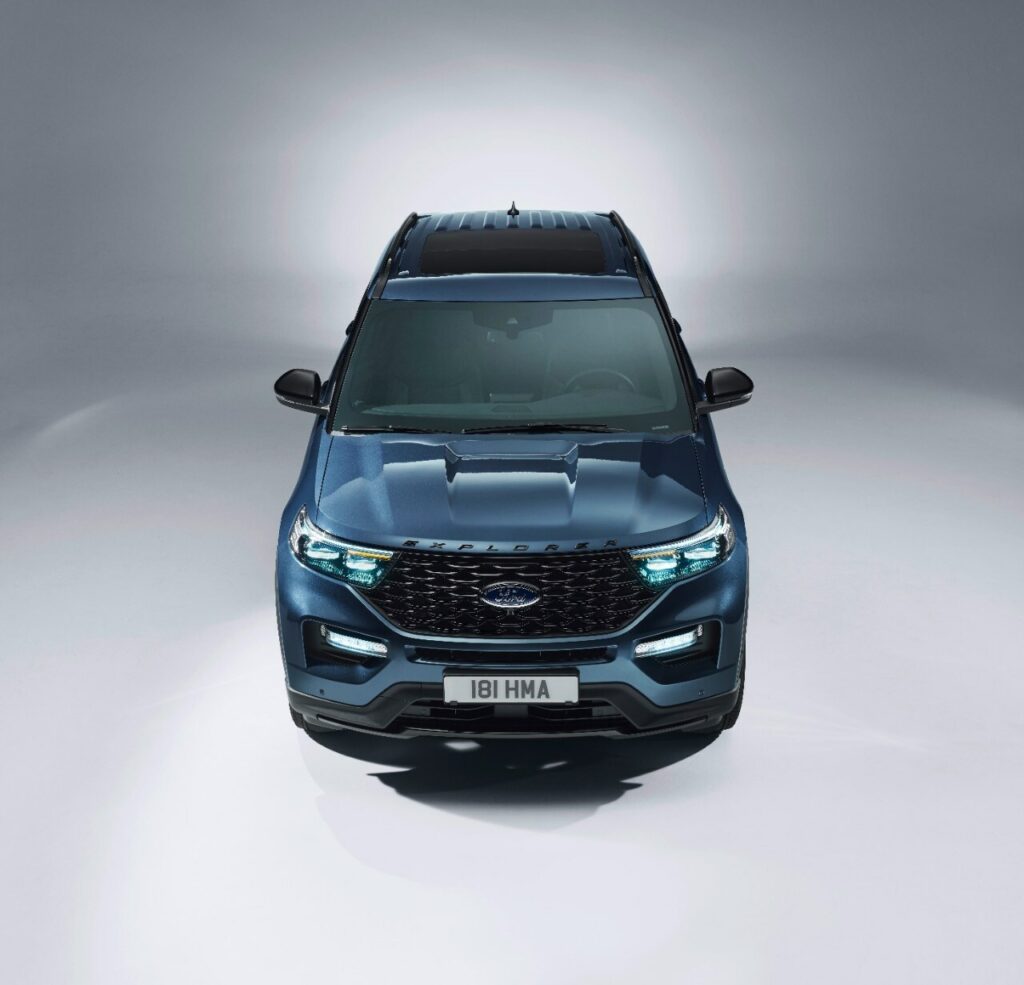
    Ford Explorer Plug-in Hybrid parked in front of a modern building
    The Ford Explorer Plug-in Hybrid offers space, comfort and electric range for family and city journeys (Credit: Ford).

    Secondary roads: the ideal compromise

    Secondary roads represent a compromise between town and motorway. They allow the combustion engine and the electric motor to take harmonious turns. Moderate acceleration and low speeds promote energy efficiency. Drivers can therefore extend their range and reduce wear and tear on the combustion engine, while maintaining a pleasant, stable ride.

    For plug-in hybrids, this type of journey is particularly advantageous when the battery is sufficiently charged: the vehicle can operate in 100% electric mode for a good part of the journey, which considerably reduces fuel consumption and emissions. Regular use of secondary roads allows maximum use to be made of electricity before the internal combustion engine kicks in.

    Motorways: fewer advantages

    In conventional hybrid cars, the combustion engine takes over most of the time, because high speeds limit the use of the electric motor. Fuel consumption therefore remains close to that of a conventional petrol car.

    In the case of rechargeable hybrids, the electric motor can still be used for a few kilometres at low speeds or during acceleration, but the internal combustion engine dominates overall. Driving on the motorway means that you need to plan your battery charging to make the most of the electric mode and limit fuel consumption.

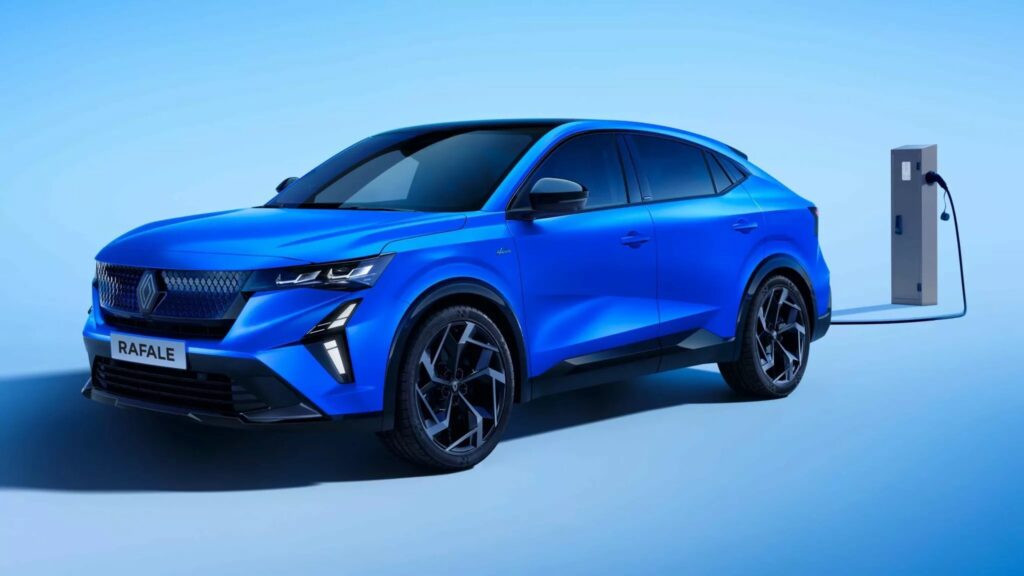
    Renault Rafale E-Tech Hybrid front view on an urban road
    The Renault Rafale E-Tech Hybrid combines sporty design, advanced hybrid technology and energy efficiency for urban travel (Credit: Renault).

    Adapt your journeys to extend your battery life

    For hybrid cars, fuel consumption and efficiency depend very much on the type of journey. Very short, repetitive journeys can limit energy efficiency, because the combustion engine doesn’t always heat up completely and energy recovery through braking is less optimal. Mixed journeys, combining city driving and secondary roads, are therefore ideal: they allow the electric motor to take over, recover energy when braking and reduce overall consumption.

    For plug-in hybrids, these mixed journeys are even more advantageous if the battery is charged, as the vehicle can run in electric mode for several kilometres before the combustion engine kicks in. On the motorway, the combustion engine dominates most of the time, even for a PHEV, and the electric motor only contributes in very short bursts, such as when relaunching or overtaking at moderate speed.

    Planning routes to avoid traffic jams and adopting a fluid driving style helps to limit fuel consumption and optimise efficiency. Understanding these principles helps every driver to get the most out of their hybrid vehicle, reduce costs and contribute to more sustainable mobility.

  • Maserati GranTurismo Folgore: 100% electric, 100% Italian

    Maserati GranTurismo Folgore: 100% electric, 100% Italian

    Since its inception, Maserati has captivated GT enthusiasts with a blend of elegance and power. Today, the GranTurismo Folgore continues this tradition while introducing electrification. This 2+2 coupé offers a balance of performance, design, and technology.

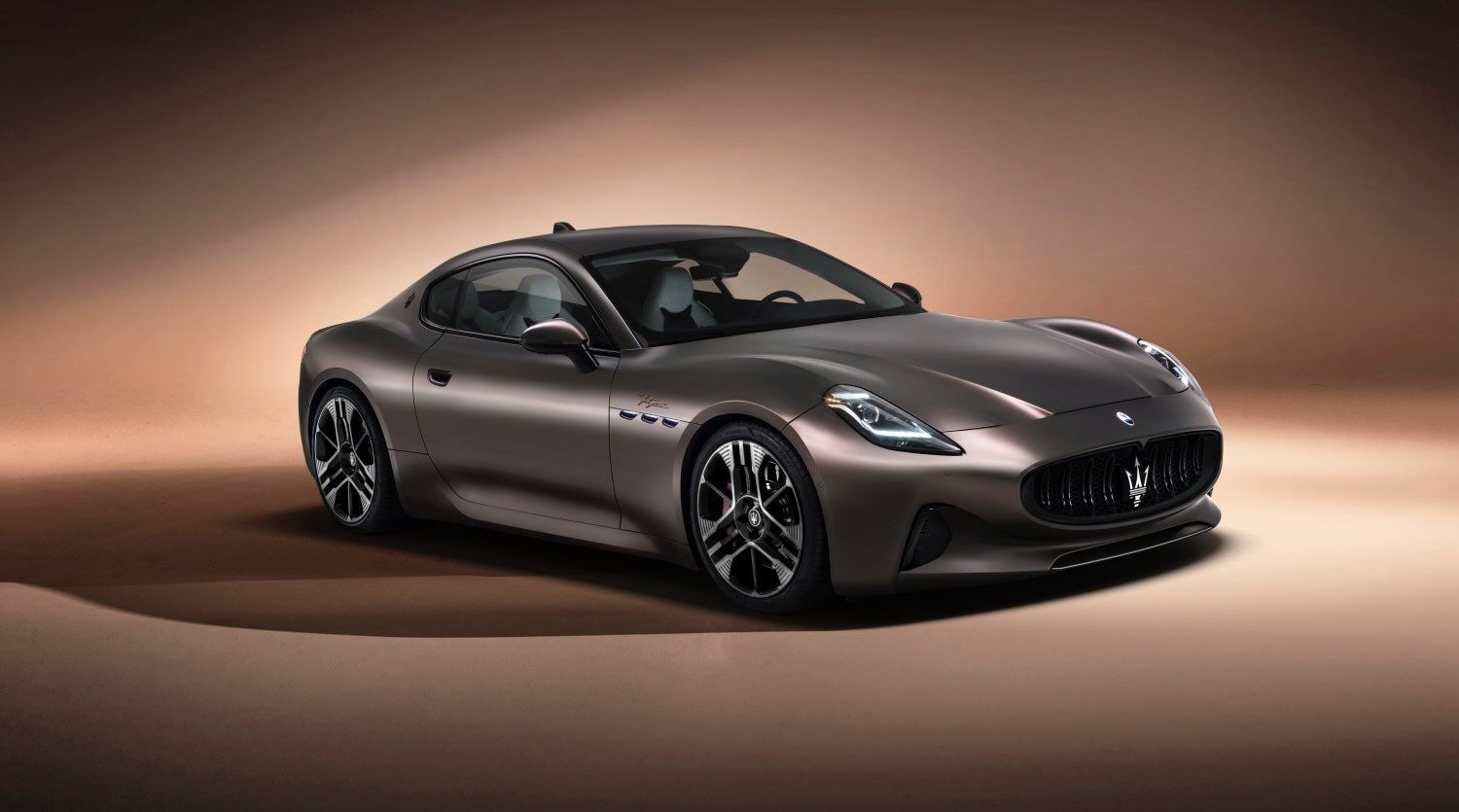
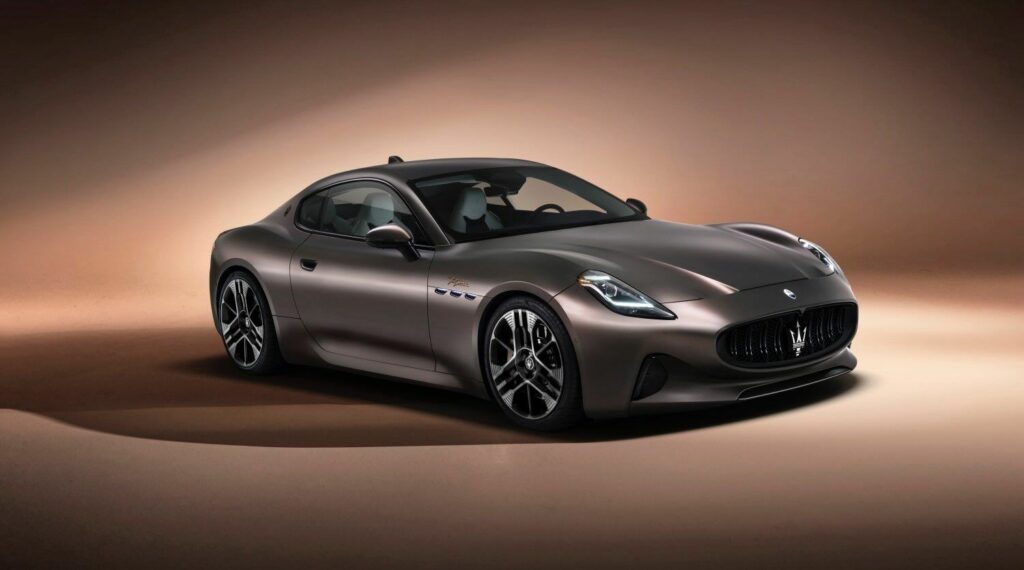
    The front of the Maserati GranTurismo Folgore features a sleek design and an imposing grille adorned with the trident (Credit: Maserati).

    Breathtaking design

    The GranTurismo Folgore immediately catches the eye. Measuring 4.96 metres in length with sculpted haunches, it asserts its presence. The elongated bonnet and the Italian “cofango” create an elegant, athletic silhouette. Its large grille, adorned with the Trident, reflects its heritage while asserting its identity. The headlights, subtler than those of the previous generation, do not detract from the overall appeal. Maserati has opted for subtlety over excess, yet the Folgore remains striking, especially in Emozione Blue, one of twenty-three available colours.

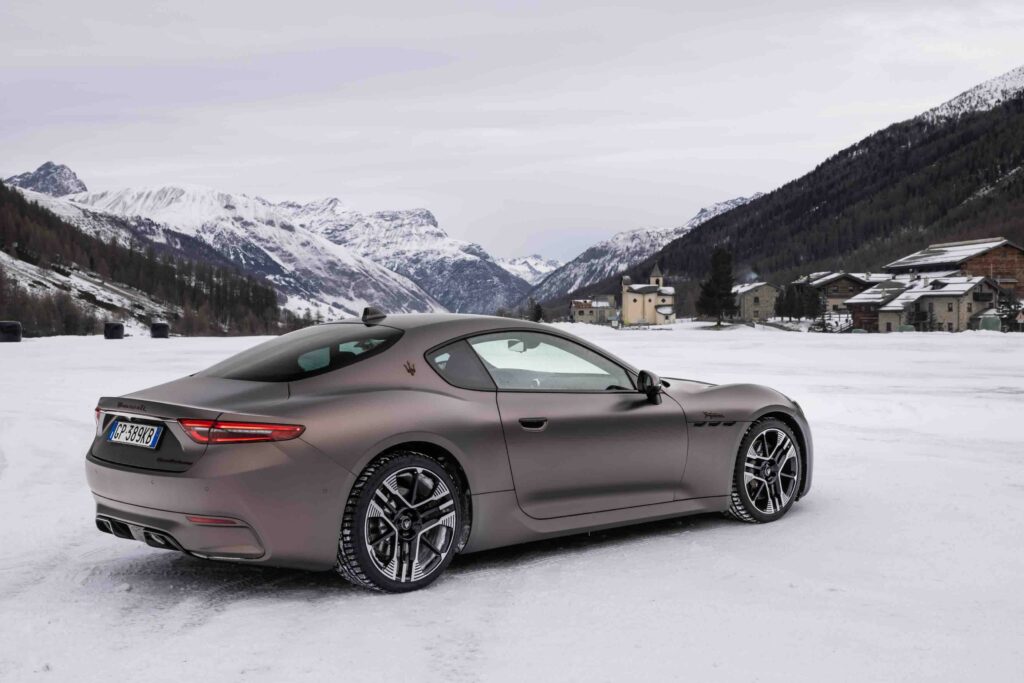
    At the rear, the tail rises gracefully, the proportions are well balanced, and the flowing lines are naturally attractive. The Folgore appears in motion even when stationary, a rare trait in this segment. Inside, however, the effect is somewhat tempered. Materials are generally of good quality, although some plastics, notably on the doors, are shared with other brands’ models. Nevertheless, the seats provide notable comfort and enveloping support, even for larger occupants.

    The rear of the GranTurismo Folgore blends elegance and aerodynamics, with slimmed-down lights and a sculpted stern. (Credit: Maserati)

    Technology inspired by Formula E

    The GranTurismo Folgore is a fully electric GT and Maserati’s first of its kind. It is powered by a 92.5 kWh T-Bone battery, strategically positioned to lower the centre of gravity and optimise balance. Three permanent magnet motors – one at the front and two at the rear – deliver 761 horsepower and 1,350 Nm of torque. This setup allows all-wheel drive and effective torque vectoring, providing excellent handling despite a weight of 2.60 tonnes.

    The 0–100 km/h sprint takes just 2.7 seconds, while 0–200 km/h is achieved in 8.8 seconds. Maserati has included a Corsa mode, offering pure rear-wheel drive for enthusiasts. The 800 V system enables rapid charging, reaching 20–80% in just 18 minutes on a compatible charger. With a real-world range of around 400 km, the Folgore is suitable for daily use while maintaining a sporty character.

    Impressive road behaviour

    On the road, the Folgore demonstrates a dynamic setup with optimised weight distribution and a chassis combining aluminium and magnesium, enhancing rigidity and agility. Acceleration is rapid, and stability remains controlled even on demanding routes. The brake pedal has a characteristic feel typical of powerful electric vehicles, while still providing effective deceleration.

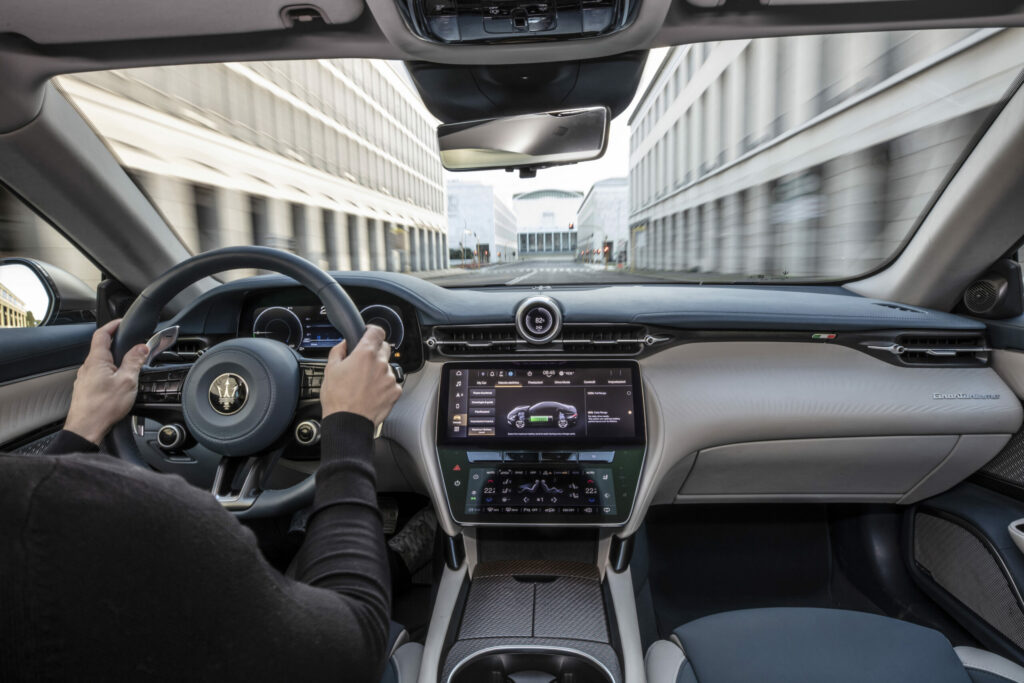
    Interior of the Folgore, digital dashboard and top-of-the-range finishes
    The interior of the GranTurismo Folgore combines Italian luxury, modern technology and driving comfort. (Credit: Maserati)

    The interior ergonomics feature a central console with gearbox selection buttons and controls positioned around the steering wheel. Its 12.3-inch digital cockpit provides key driving information, complemented by a digital Maserati watch. The overall layout combines a modern presentation with a grand touring focus.

    The Maserati sensory experience

    While the Folgore impresses with its performance, it also maintains a strong visual and acoustic identity. Designers have incorporated a sound signature inspired by Maserati V8s, allowing the electric model to retain an emotional character. The interior showcases Italian craftsmanship, with full-grain leather, bespoke finishes, and refined details. Each vehicle can be personalised through the Fuoriserie programme, from brake calipers to body-coloured accents, enhancing the sense of exclusivity.

    Electrification has not diminished the driving experience. On the contrary, the Folgore combines sporty sensations with long-distance comfort, a balance that is rare in this segment. Rear passengers also benefit from adequate space, making this GT practical for extended journeys.

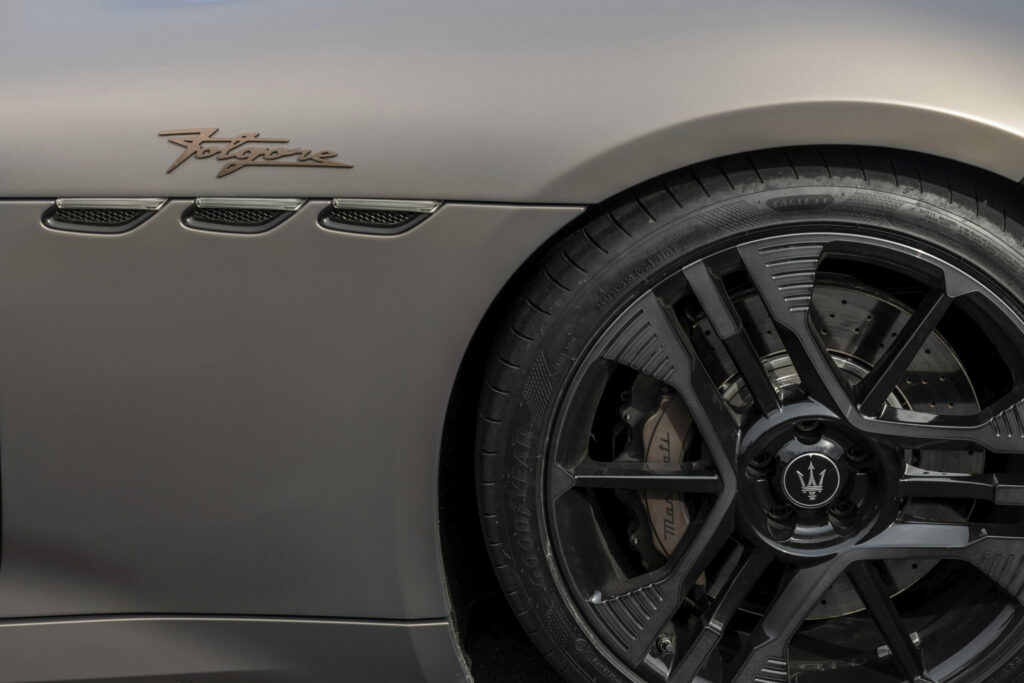
    Detail of the Folgore logo and rear wheels on the Maserati GranTurismo
    The ‘Folgore’ logo and sharp wheel design are a reminder of the Italian GT’s sporty, electric identity. (Credit: Maserati)

    Surprising prices for an electric supercar

    The GranTurismo Folgore starts at €199,950, positioning it mid-range within the Maserati lineup. It is exempt from the ecological tax, unlike the V6 petrol models, making it competitively priced. However, options can quickly increase the total cost, particularly for 400 V fast-charging compatibility and premium comfort or audio features. Compared to competitors such as the Porsche Taycan Turbo, the Folgore stands out for its Italian style and exclusivity, though its range remains lower.

    The Maserati GranTurismo Folgore combines technical and stylistic achievements. Its performance, chassis design, and overall aesthetics demonstrate the brand’s aim to merge sportiness with electrification. Some aspects of interior ergonomics and finishing could still be refined, but the model exemplifies Maserati’s transition to an electric offering within the luxury GT segment.

  • VoltAero: the French hybrid plane on the brink of a crash

    VoltAero: the French hybrid plane on the brink of a crash

    The project promised to revolutionise regional aviation with a Franco-French hybrid aircraft.Today, VoltAero, founded by Jean Botti, is fighting for survival. Placed under judicial reorganisation on 7 October, it urgently needs €2 million to avoid collapse. Between unfulfilled promises, absent investors, and the sudden withdrawal of its industrial partner ACI, the pioneer of low-carbon aviation faces its most critical hours.

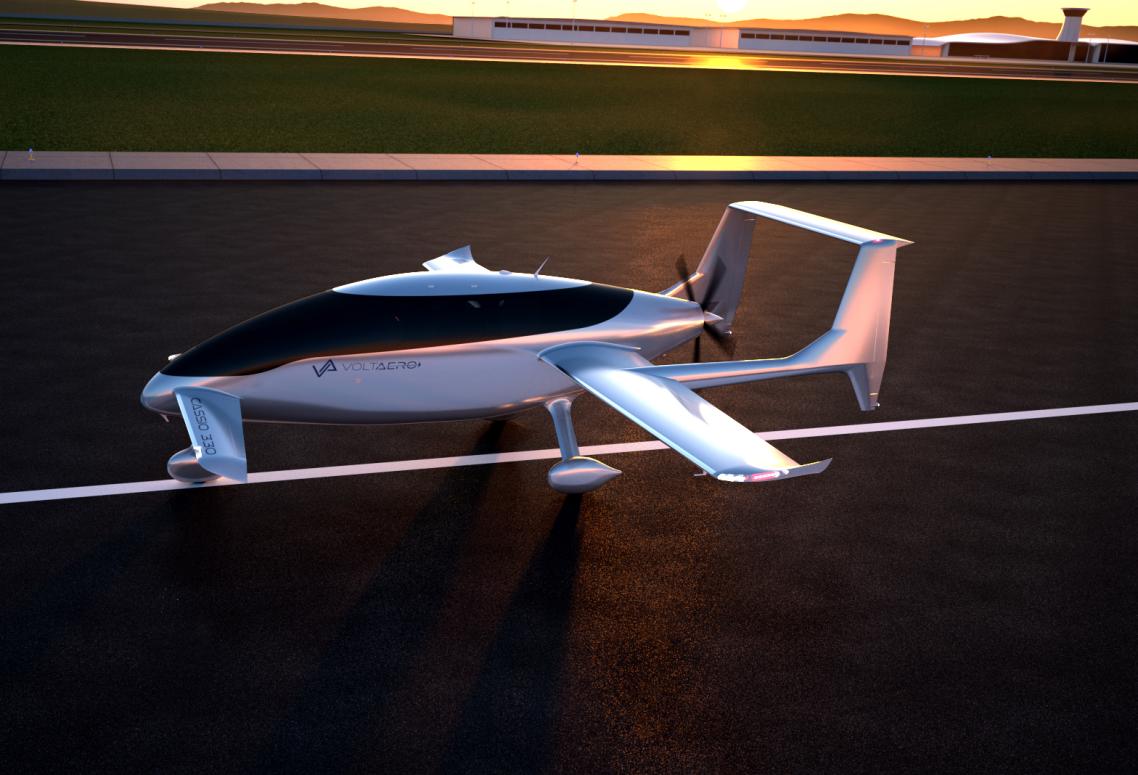
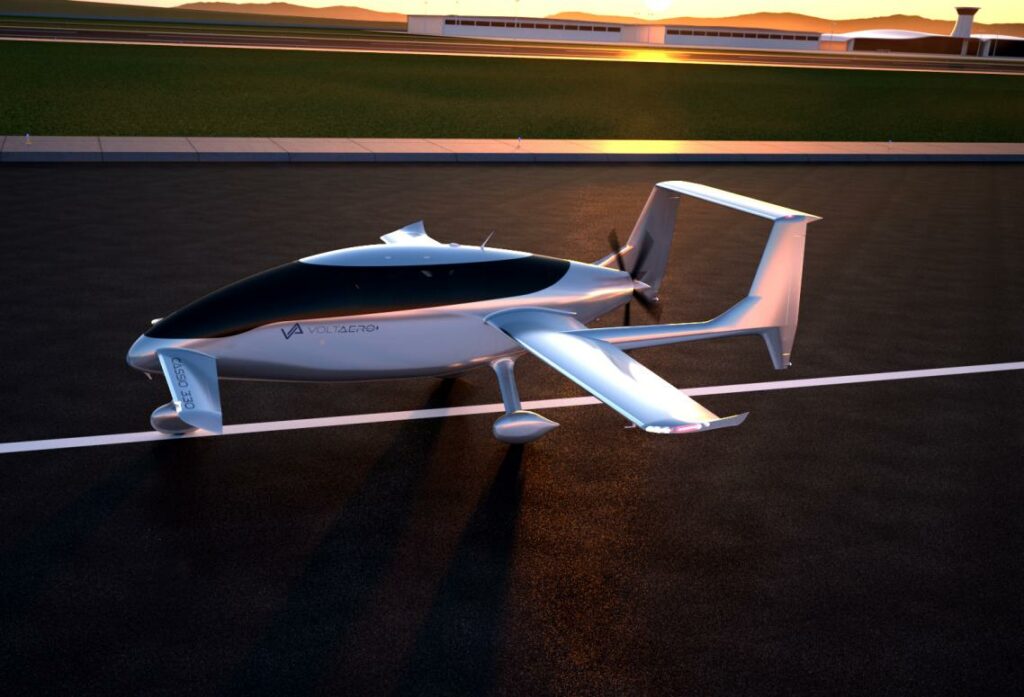
    Cassio 330 VoltAero hybrid aircraft on the tarmac
    The Cassio 330, VoltAero’s hybrid aircraft, ready for production at the Rochefort plant (Credit: VoltAero)

    A rising star of French aerospace in peril

    Founded in 2017 in Rochefort, VoltAero had everything to represent the future of light hybrid aviation. Its Cassio 330, a five-seater combining electric and conventional engines, was set to be the first series-produced aircraft in France. The company inaugurated its brand-new assembly plant in November 2024, aiming to produce up to 150 aircraft per year from 2026. The order book was already full, with over 250 pre-orders. Yet, the start-up suddenly faced insolvency at the end of September after ACI Groupe, its main industrial investor, went into judicial reorganisation.

    ACI’s withdrawal, a shockwave

    At the Paris Air Show in June, VoltAero and ACI Groupe announced a strategic partnership and ACI’s upcoming 10% stake in the capital. This €10 million investment was supposed to secure the start-up’s cash flow. But three months later, ACI itself went into administration, freezing all commitments. “The capital entry was supposed to be finalised at the end of the month, which would have ensured business continuity,” regrets Jean Botti. This reversal triggered a domino effect, plunging VoltAero into crisis. “We are collateral victims of an absurd situation,” the founder said.

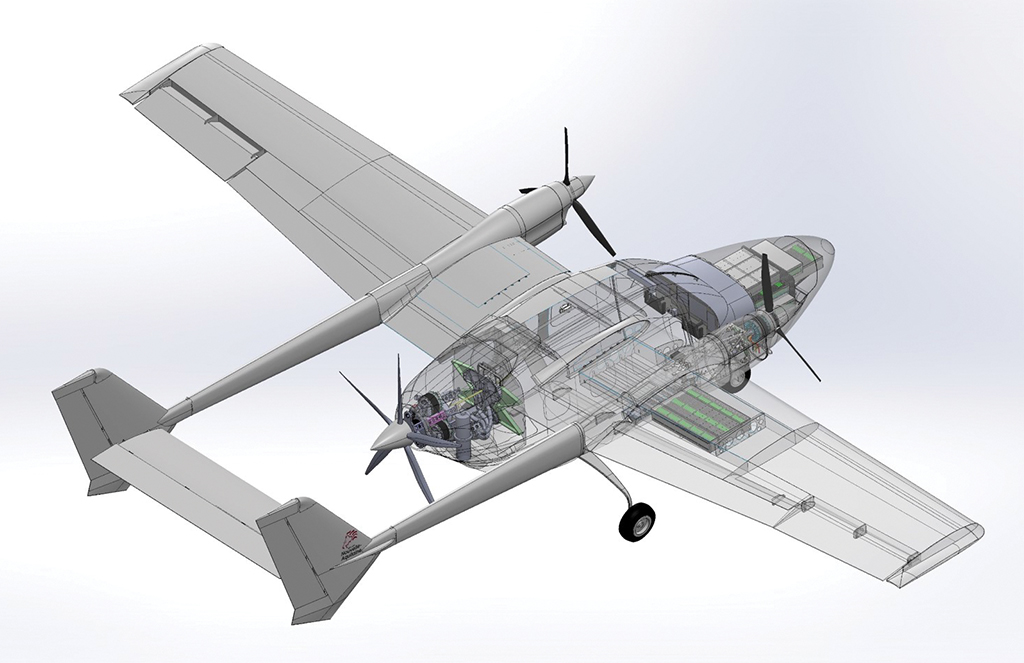
    3D model of VoltAero's Cassio 330 hybrid aircraft
    3D model of the Cassio 330, illustrating the aircraft’s aerodynamic and hybrid design. (Credit: VoltAero)

    Safran, a partner but not a saviour

    To stay afloat, VoltAero turned to its partner Safran, whose engines equip its planes. However, the aerospace giant refused to invest. On BFM Business, CEO Olivier Andriès expressed being “touched” by the situation but stressed that Safran is “not an investor but an industrial partner.” This stance left Jean Botti frustrated. “We helped Safran develop its electric engine in 2021,” he emphasised, highlighting a lack of solidarity in French industry.

    Public support, but a private gap

    Despite private investors’ caution, VoltAero has benefited from public backing. The French government invested €5.6 million via the France 2030 plan, and the Nouvelle-Aquitaine region provided over €10 million, half in grants. These funds financed research and industrialisation of the Cassio 330. Yet they cannot fill the cash gap left by ACI’s withdrawal. Jean Botti points to a broader issue: “In France, private investors prefer AI, which requires less capital and offers quicker returns.”

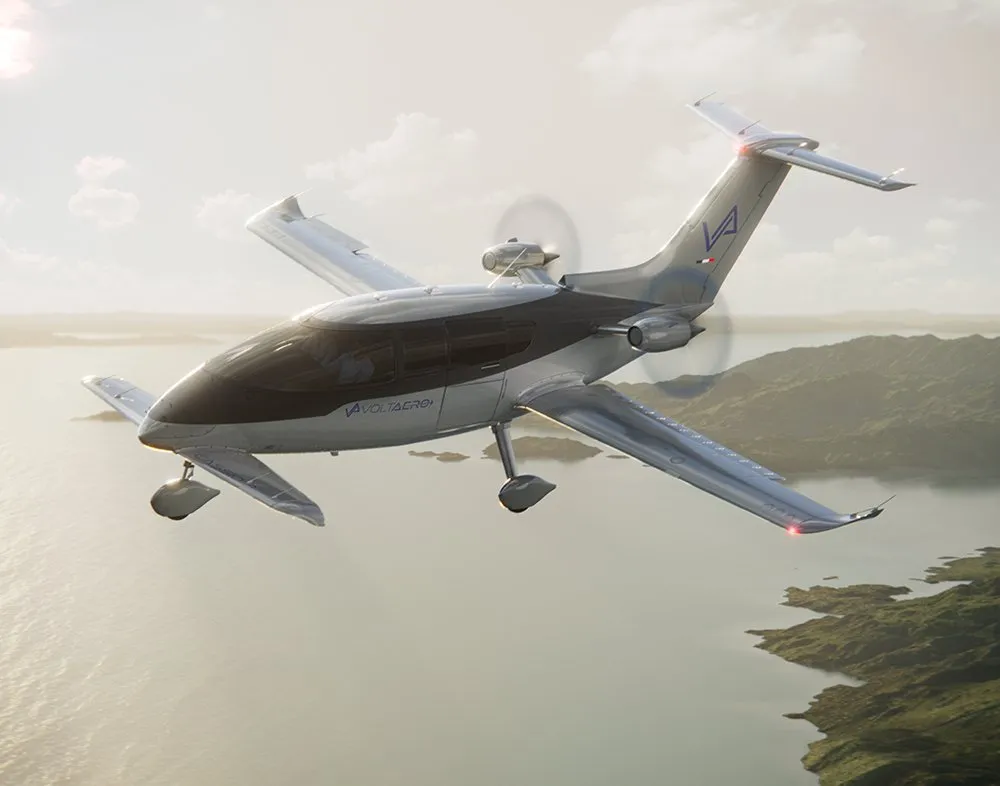
    VoltAero's Cassio 330 aircraft in test flight
    The Cassio 330 makes a test flight, demonstrating the reliability of its hybrid electric propulsion system (Credit: VoltAero)

    A plane ready to fly, a technology already proven

    The Cassio 330 is not a concept. It has been flying since 2020 and has logged over 25,000 kilometres in tests. Its hybrid technology is patented, and early results impressed the public at the Paris Air Show. VoltAero also planned assembly lines in Malaysia and the United States. The American distributor Altisky was to sell the Cassio, manage after-sales, and help build a facility in Tennessee. In parallel, an agreement with Malaysia’s SEDC Energy provided for a second Asian production site.

    One month to avoid a crash

    Today, the founder is racing against time. The judicial reorganisation opens a six-month observation period, but Jean Botti believes he has only a month to find a solution. Priority: convince SEDC Energy to increase its stake to compensate for ACI’s withdrawal. Other investors are being approached. “The designs are ready, the factory is ready. All we need is funding to start production,” he insists.

    Cassio 330 VoltAero hybrid aircraft on take-off
    The Cassio 330 takes off from the runway at Rochefort, a symbol of French aeronautical expertise. (Credit: VoltAero)

    A symbolic battle for French industry

    Beyond VoltAero, the entire French decarbonised aerospace sector is on edge. The company symbolised local innovation capable of competing internationally. Its failure would reflect an industry still dependent on large groups and financial arbitrage. “Some talk, some fly. I have a plane that flies,” declares Jean Botti, determined to save his project. VoltAero will present a recovery plan by the end of October. The outcome will determine whether French hybrid aviation can still take off or if its wings will break on the tarmac of industrial disengagement.

  • Mercedes-Benz Vision Iconic: between past and future

    Mercedes-Benz Vision Iconic: between past and future

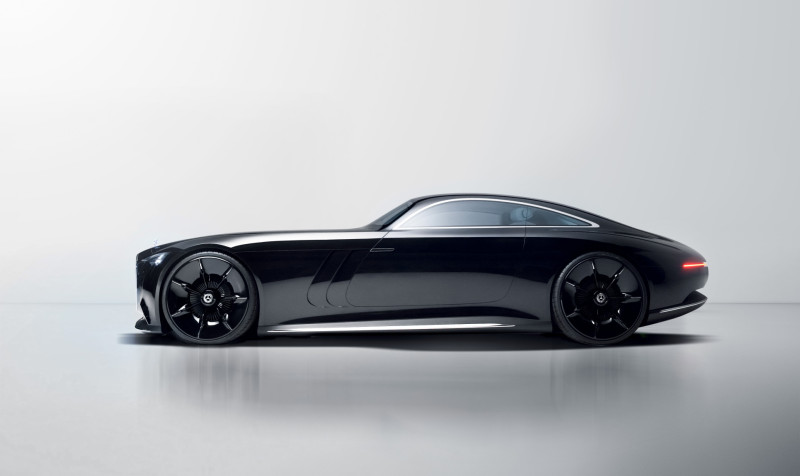
    Mercedes-Benz is striking back with its new Vision Iconic concept car — a vehicle that blends heritage with cutting-edge technology. Inspired by the Roaring Twenties and classic Mercedes models, this electric coupé unveils a bold, futuristic design identity. From its monumental grille to its Art Deco-inspired interior, the Vision Iconic perfectly embodies the brand’s new era of luxury design.

    Mercedes-Benz Vision Iconic profile view, large electric coupé with Art Deco styling
    The fastback profile of the Vision Iconic is reminiscent of the legendary Mercedes coupés of the 1930s and 1960s (Credit: Mercedes-Benz).

    A tribute to the legends of the past

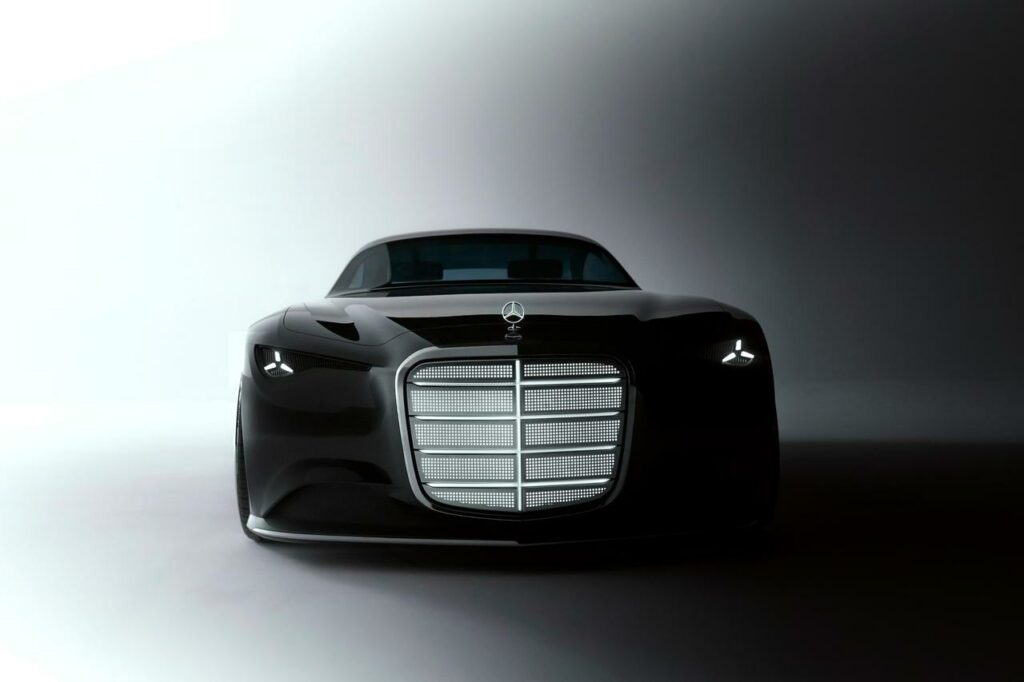
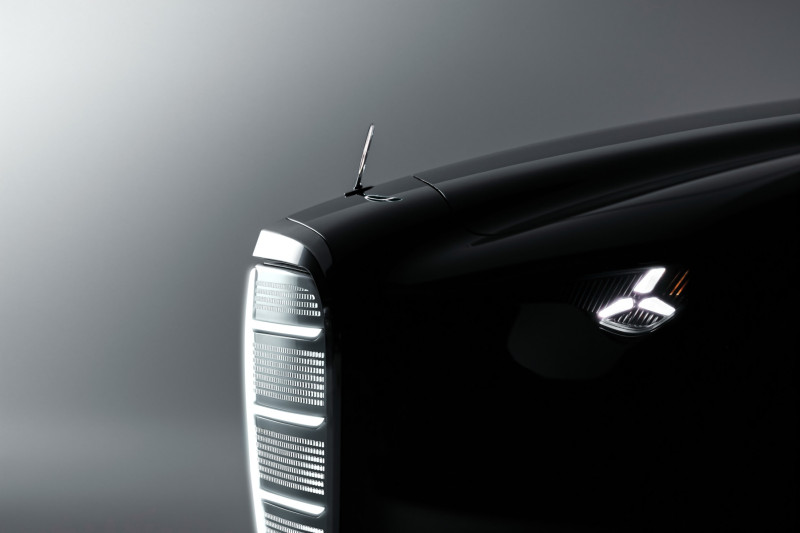
    With its long bonnet and flowing lines, the Vision Iconic evokes the Mercedes icons of the 1960s, particularly the W108 and W111. Its vast illuminated vertical grille replaces metal with glass and LEDs, creating a bold new signature. The emblematic star perched at the tip of the bonnet enhances its aura of power and prestige. Slim headlamps positioned at the upper corners complete the lighting signature, while the soft curves and smooth surfaces reinforce its elegant, sculptural presence.

    Integrated cutting-edge technologies

    Beneath its retro styling, the Vision Iconic conceals a host of impressive innovations. The car is fully electric, and its photovoltaic paint captures solar energy to deliver up to 12,000 extra kilometres of range each year.

    Covering 11 square metres, its solar-active surface continues generating power even when the car is stationary. These high-efficiency cells supplement the electric battery, significantly extending range and promoting energy autonomy. This breakthrough marks a new milestone toward sustainable, self-sufficient mobility — seamlessly blending innovation with timeless aesthetics.

    Front of the Mercedes-Benz Vision Iconic with illuminated radiator grille and illuminated star
    The vertical illuminated glass grille redefines the identity of future electric Mercedes. (Credit: Mercedes-Benz)

    The neuromorphic computer, inspired by the architecture of the human brain, optimises Level 4/5 autonomous driving while cutting computational energy use by up to 90%. The electric steering system powers all four wheels, enhancing agility and comfort, particularly during low-speed manoeuvres and parking.

    Mercedes-Benz then leverages neuromorphic computing to improve the recognition of traffic signs, lanes and other road users. This next-generation technology accelerates data processing and drastically reduces energy consumption. It also makes autonomous driving more dependable in poor visibility, while anticipating the movements of surrounding vehicles and pedestrians.

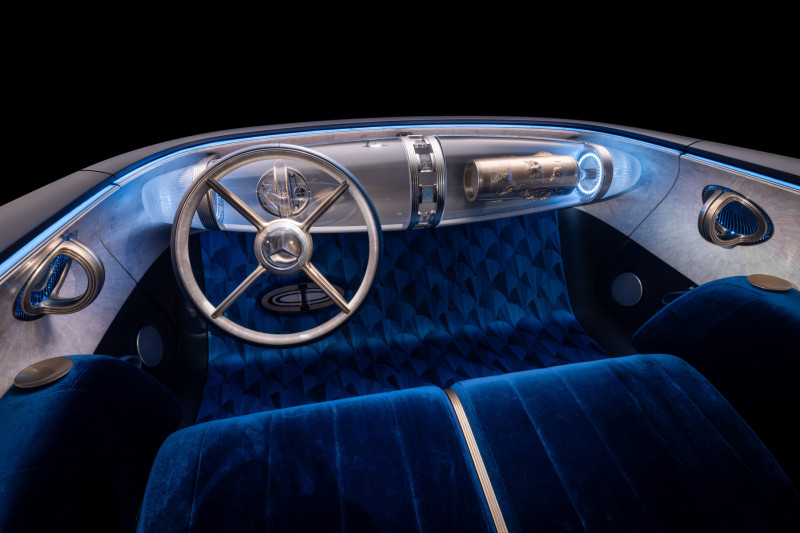
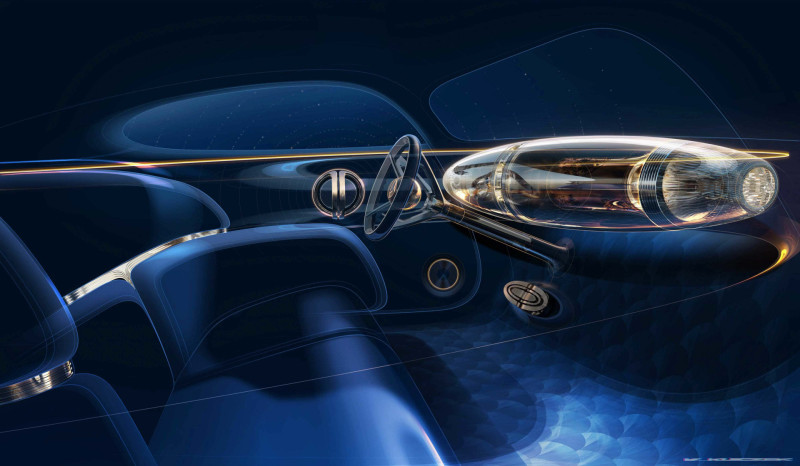
    Futuristic interior of the Mercedes-Benz Vision Iconic with Zeppelin dashboard and glass steering wheel
    A lounge interior combining Art Deco and advanced technology, the symbol of tomorrow’s luxury according to Mercedes.

    A luxurious neo-retro design

    Inside, Mercedes-Benz reinterprets the Art Deco spirit with exquisite refinement. The four-spoke steering wheel encases the iconic star within a crystal sphere, while the “Zeppelin” dashboard elegantly blends analogue gauges with digital displays. A continuous front bench seat, upholstered in deep blue velvet, offers lounge-like comfort for both driver and passenger. Door panels adorned with mother-of-pearl and brass inlays fuse traditional craftsmanship with modern innovation, creating an atmosphere that is both elegant and immersive.

    On the outside, the Vision Iconic stirs emotion through light. The illuminated grille and radiant star become interactive design elements, while ultra-slim headlights underline its sculptural presence. The glossy black paintwork enhances the car’s curves and pays tribute to the Art Deco aesthetic. Its imposing front end and graceful fastback silhouette echo legendary models such as the 300 SL — while boldly projecting Mercedes-Benz design into the future.

    Detail of the Vision Iconic bonnet
    The illuminated Mercedes star embodies the fusion of tradition and modernity in the design of the Vision Iconic. (Credit: Mercedes-Benz)

    A new type of mobility

    With Level 4 autonomous driving, the driver’s role is evolving. On the motorway, they can relax, watch videos, or immerse themselves in the cabin’s advanced sound and lighting experience. Upon arrival, the automatic parking system takes care of the vehicle, transforming the interior into a living room on wheels and offering a completely new vision of motoring.

    To complement the showcar, Mercedes-Benz unveiled a capsule collection of six outfits for men and women. Dark blue tones with silver-gold accents echo the vehicle’s interior, while geometric patterns draw inspiration from Art Deco. This collaboration between automotive design and fashion highlights the cultural and aesthetic influence of the Vision Iconic.

    Interior of the Mercedes-Benz Vision Iconic with blue bench seat and mother-of-pearl trim
    Blue velvet, mother-of-pearl and brass create a refined space inspired by the salons of the 1930’s. (Credit: Mercedes-Benz)

    A concept for the future

    Although not intended for immediate production, the Vision Iconic strongly shapes the design of Mercedes’ future top-tier electric cars, including the restyled S-Class. It bridges classic heritage and cutting-edge innovation, potentially rivaling luxury brands such as Rolls-Royce. The concept allows Mercedes-Benz to test bold ideas and anticipate the expectations of discerning customers.

    With the Vision Iconic, Mercedes-Benz demonstrates its commitment to merging timeless style, advanced technology, and a luxurious user experience. The book ICONIC DESIGN captures this vision, showing how the brand is redefining its aesthetic and technological codes. Straddling a glorious past and an electric future, the Vision Iconic embodies creative freedom and modern luxury.

  • BYD launches a biofuel super hybrid in Brazil

    BYD launches a biofuel super hybrid in Brazil

    Chinese giant BYD has just reached a historic milestone. With the launch of its 14 millionth new-energy vehicle, the company presents a ground-breaking model in Brazil. This is a super hybrid compatible with biofuels. Designed specifically for the local market, the vehicle combines technological innovation and an ecological vision adapted to the country’s resources.

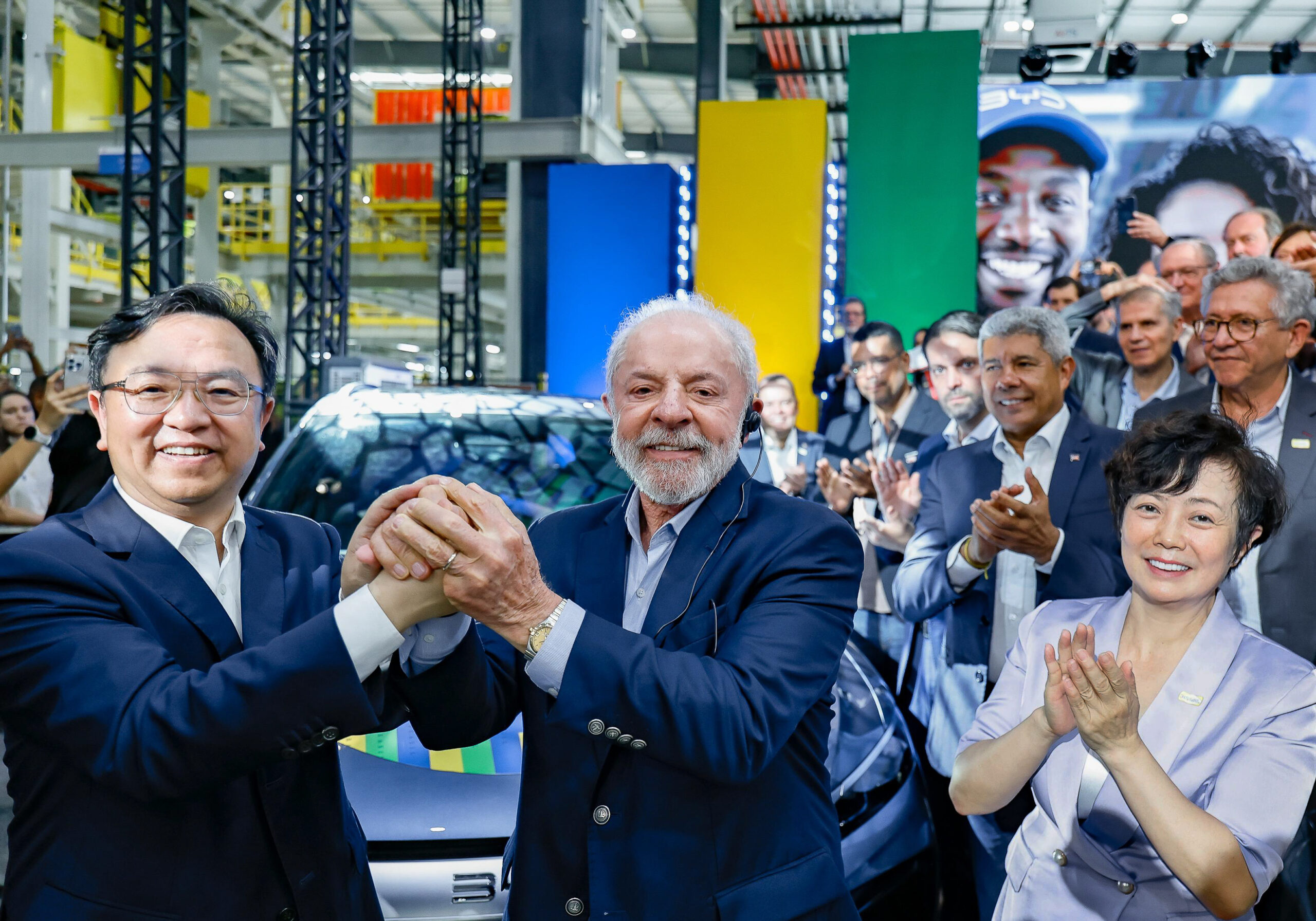
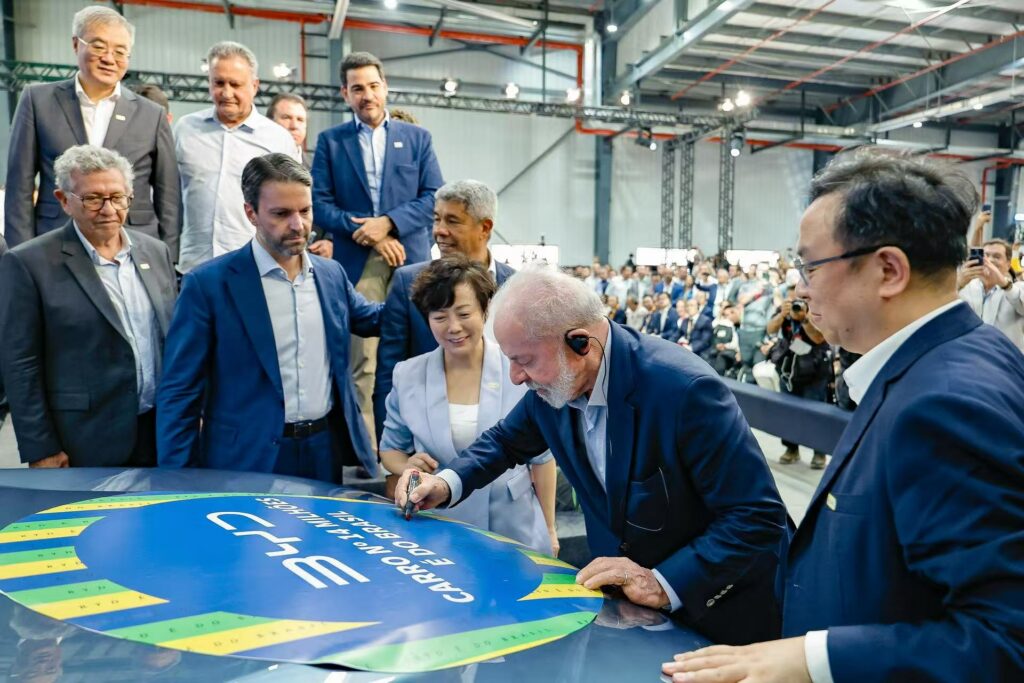
    Brazilian President Luiz Inácio Lula da Silva inaugurating the BYD factory in Camaçari
    Brazilian President Luiz Inácio Lula da Silva at the inauguration of the BYD factory in Camaçari, Bahia. (Credit: Ricardo Stuckert / PR)

    A technological breakthrough designed for Brazil

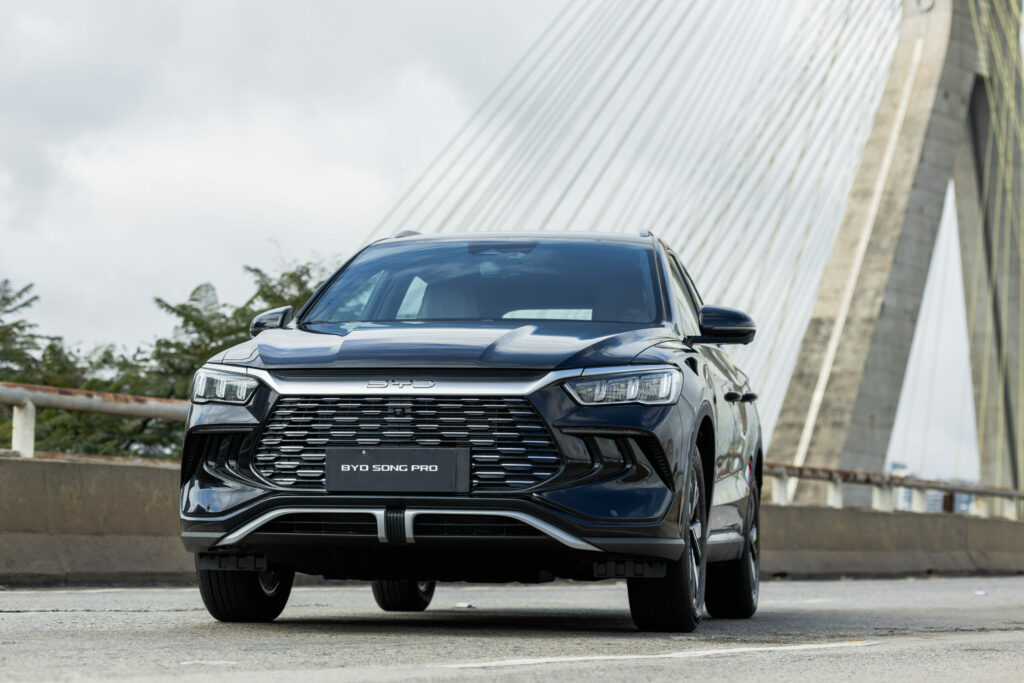
    At a ceremony held in Camaçari, Bahia, BYD inaugurated the final assembly line for the SONG PRO. This is the first model to incorporate this hybrid technology, which runs on petrol and ethanol. The choice of ethanol is not insignificant: this biofuel is one of the pillars of Brazil’s energy policy. Thanks to close collaboration between Chinese and Brazilian engineers, the 1.5-litre engine in the Super Hybrid version has been specially adapted to handle all petrol and ethanol blends. This guarantees both performance and fuel efficiency.

    SONG PRO COP30, a green alliance

    To mark this breakthrough, BYD has unveiled a special edition of the vehicle: the SONG PRO COP30. Thirty examples will be offered at the next United Nations Climate Change Conference, COP30, scheduled to take place in Brazil. The first model, rolled off the production line in the presence of President Luiz Inácio Lula da Silva, symbolises the meeting of Chinese innovation and Brazilian environmental ambition.

    BYD Song Pro biofuel-compatible super hybrid
    The BYD Song Pro, the first super hybrid compatible with all petrol and ethanol blends, on display in Brazil (Credit: BYD)

    A strategic plant undergoing rapid expansion

    BYD’s new factory in Camaçari represents a major investment. Built in just fifteen months, it already employs more than 1,500 people. Currently capable of producing 150,000 vehicles a year, it will reach 300,000 units in its second phase. BYD Chairman Wang Chuanfu has confirmed that further investment will be made to double this capacity even further, to 600,000 vehicles a year. This will make it the largest electric vehicle plant in Latin America. It is also the group’s largest facility outside Asia.

    China-Brazil cooperation

    For Wang Chuanfu, this innovation goes beyond the industrial framework: it illustrates sustainable cooperation between two countries committed to clean mobility. “This is not just a technological breakthrough, but an ecological solution designed for Brazil”, he said. Stella Li, the Group’s Executive Vice President, emphasised BYD’s long-term vision: to support the local economy, create skilled jobs and strengthen Brazil’s technical skills.

    Ethanol, driving the energy transition

    Tyler Li, CEO of BYD Brazil, emphasises the central role of ethanol. By integrating this biofuel into the DM-i technology, the manufacturer is making the most of the country’s renewable energy matrix. This approach makes it possible to reduce emissions while offering a high-performance vehicle adapted to local habits. It also confirms Brazil’s place as a major player in global sustainable mobility.

    President Luiz Inácio Lula da Silva at the inauguration of the BYD factory in Camaçari
    Brazilian President Luiz Inácio Lula da Silva at the inauguration ceremony for the BYD factory in Camaçari, Bahia.

    A global ambition

    BYD is thus consolidating its presence in Latin America, where demand for electrified vehicles is growing rapidly. Already number one on the Chinese market, the company masters its entire production chain: batteries, electric motors and control systems. In Brazil, it has a network of more than 200 dealers in all the major cities, with the aim of reaching 250 in the near future.

    With this biofuel-powered super hybrid, BYD confirms its ability to innovate in line with local realities. The company combines cutting-edge technology, economic development and respect for the environment. By choosing Brazil to unveil this world first, it is banking on a country rich in renewable resources and industrial potential. This launch undoubtedly marks a turning point in energy cooperation between China and South America, paving the way for a new era of clean, accessible mobility.

  • Toyota Century Coupé: Japanese luxury reinvented

    Toyota Century Coupé: Japanese luxury reinvented

    Toyota is preparing a revolution in the world of Japanese automotive luxury. At the Japan Mobility Show 2025, the brand will unveil an exceptional concept: a Century ‘One of One’ SUV coupé. This unique project embodies the carmaker’s new ambition to push back the boundaries of automotive refinement. It also redefines Century’s place as a showcase of Japanese prestige, up against Rolls-Royce and Bentley.

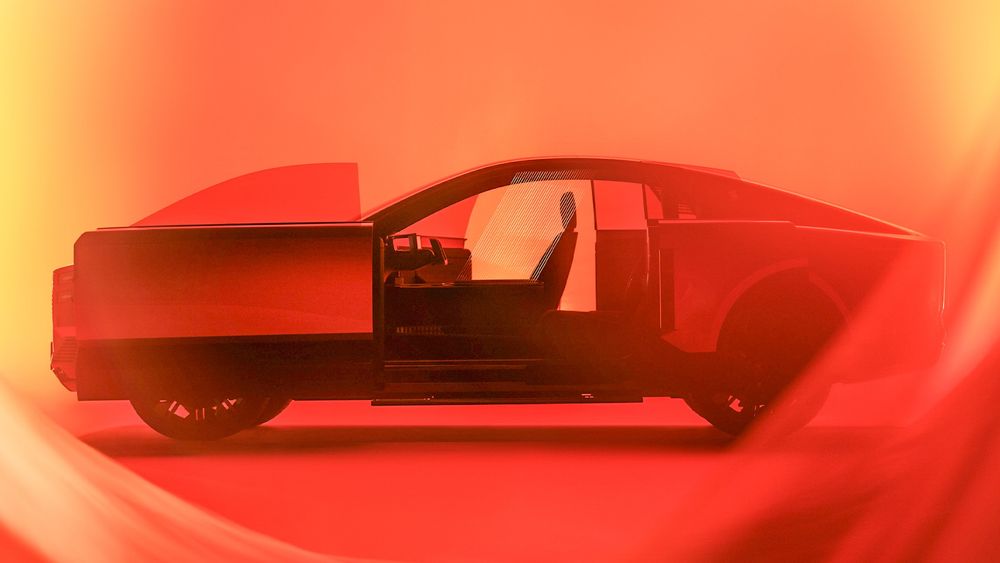
    Toyota Century Coupé One of One side view
    The Toyota Century Coupé is distinguished by its elegant, sporty silhouette. A cross between a prestige saloon and a high-riding SUV. (Credit: Toyota)

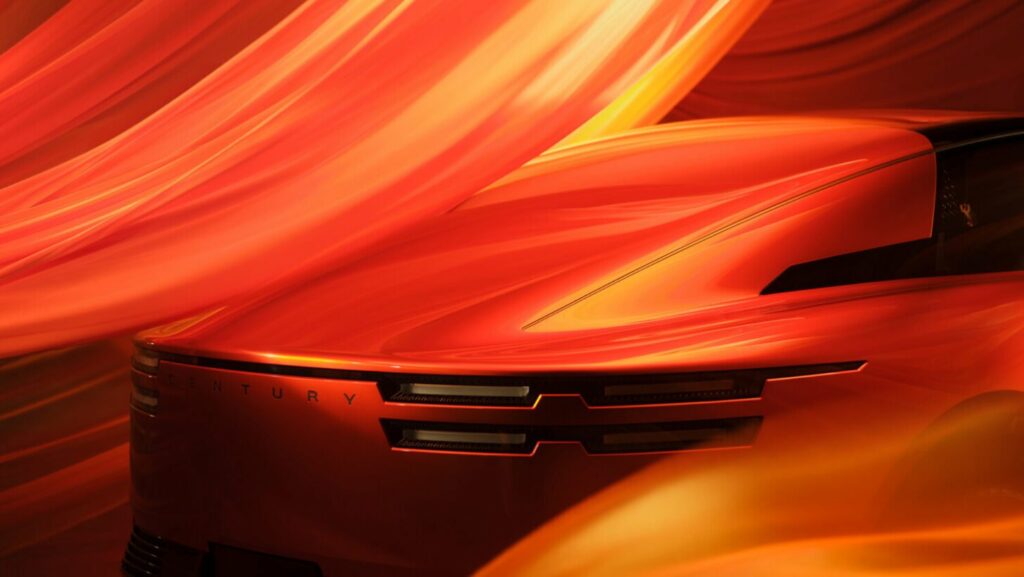
    Toyota’ s bold vision for this concept is to combine the timeless elegance of the Century limousine with the modernity of an SUV coupé. The muscular yet fluid silhouette expresses a clear break with the traditional codes of Japanese luxury.

    An intriguing ‘One of One’ concept

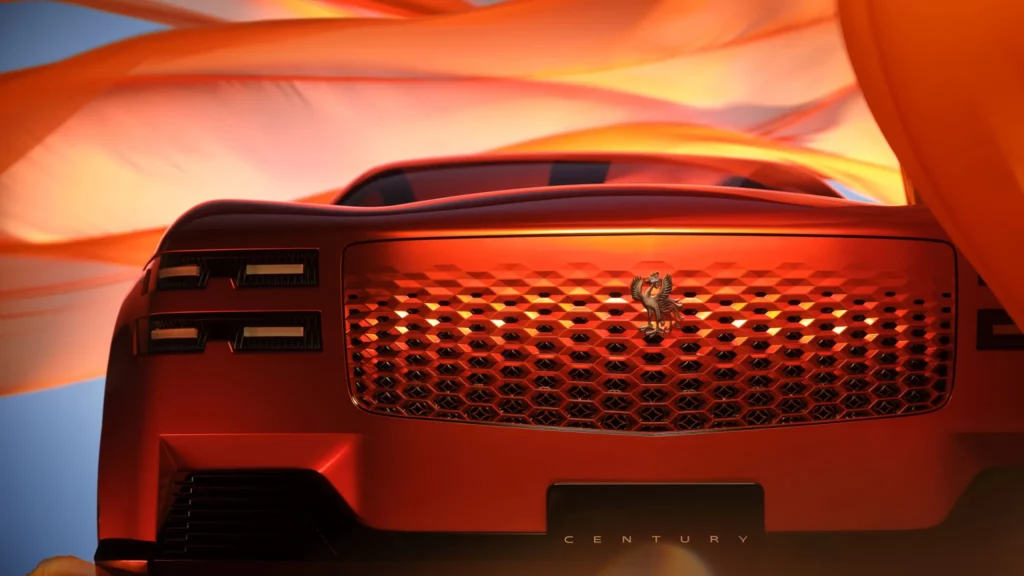
    Presented as a unique creation, the Century Coupé immediately stands out for its imposing looks and sculpted lines. Perched on large wheels, it looks more like a crossover than a traditional saloon. Its profile without a central pillar and its sliding doors, unprecedented on a model of this standing, reflect the pursuit of a design that is both futuristic and functional.
    The golden Phoenix, the historic emblem of the Century lineage, sits proudly at the centre of a refined radiator grille. This visual signature, combined with the absence of a rear window, gives the concept a mysterious, almost sculptural dimension. Toyota has not confirmed the nature of its powertrain. But, several clues suggest that a combustion or hybrid engine could be lurking under the bonnet.
    A new era for the Century brand

    Since 1967, the Century has been the embodiment of Japanese automotive excellence. Long reserved for the country’s dignitaries and leaders, it was recently transformed into an SUV before adopting this bold coupé silhouette. This change of direction symbolises Toyota’s desire to make Century a brand in its own right, positioned above Lexus in the group’s hierarchy.

    Toyota Century Coupé grille with golden Phoenix emblem
    The golden Phoenix emblem, a symbol of Century prestige, sits at the centre of a finely chiselled radiator grille (Credit: Toyota).

    Here, Japanese designers are asserting the expression of “incomparable” luxury. The term “One of One” evokes not just a unique piece, but a philosophy: that of creating the incomparable. The concept is as much a stylistic achievement as it is a statement of Century’s identity.

    A cabin designed as a mobile living room

    While the images are still mysterious, certain details are already intriguing. The driving position could be central, reminiscent of some iconic supercars. The rectangular steering wheel is more reminiscent of an aircraft control than a traditional steering wheel. As for the interior, it promises to be spacious and modular, with sliding seats and a wider doorway thanks to the inverted doors.

    Toyota seems intent on offering an on-board experience worthy of a living room on wheels. Comfort, discretion and personalisation remain the watchwords of this concept, which takes the notion of Japanese hospitality, or omotenashi, a step further.

    The symbol of Japanese luxury

    With the unveiling of this Century coupé, Toyota is confirming its ability to rival the leading European brands. The sleek design, noble materials and innovative bodywork reflect a unique expertise. The silhouette, both tall and elegant, combines the stature of an SUV with the finesse of a grand touring coupé.

    More than just a styling exercise, this concept heralds a clear strategy: to extend the Century brand beyond Japan. Already marketed in China as an SUV, the label could soon be targeting other international markets, reinforcing the carmaker’s global prestige.

    Rear of Toyota Century Coupé One of One
    The rear of the Century Coupé features clean lines and no rear window, a sign of bold styling (Credit: Toyota).

    A cultural and industrial revolution

    With Century, Toyota is introducing a new definition of luxury. Rather than reproducing Western codes, the group celebrates Japanese sophistication based on sobriety, perfection of detail and rarity. This ‘One of One’ is not about excess, but about the exceptional.
    Akio Toyoda, Chairman of the group, wants to make Century the symbol of uncompromising luxury, while Lexus will pursue a more experimental and international path. This division of roles reflects a clear ambition: to promote Japanese expertise in all the top-of-the-range segments.

    Pending the official revelation

    The Toyota Century Coupé will make its world debut at the end of the month, at the Japan Mobility Show 2025. In the meantime, its performance and potential market launch remain a mystery.
    One thing is certain: with this ‘One of One’ concept, Toyota is once again proving its ability to surprise, innovate and reinvent Japanese luxury. This exceptional coupé could well mark a historic turning point in the Century saga, paving the way for a new era of automotive refinement.