Author: Eva Pellerin

  • European micro-States and electrification: a surprising state of play

    European micro-States and electrification: a surprising state of play

    At a time when the electric mobility revolution is gathering pace in Europe, the micro-States of Andorra, Liechtenstein, Monaco, San Marino and the Vatican have their own unique dynamics. Although their populations are small, these states face specific challenges in terms of electromobility. These include infrastructure, incentives, fleet changeover and geographical constraints.
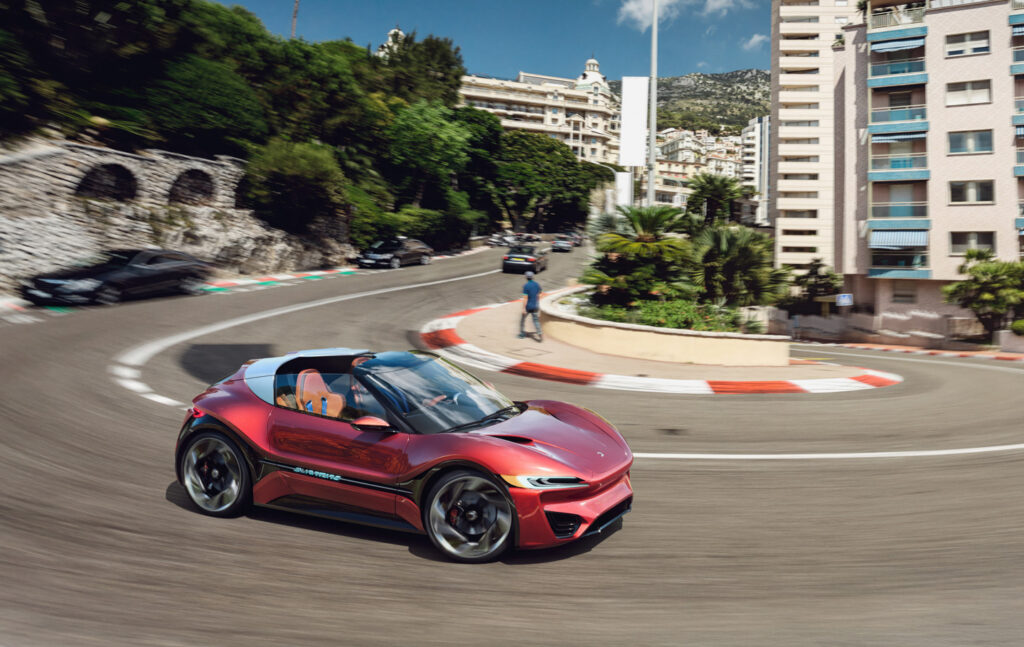
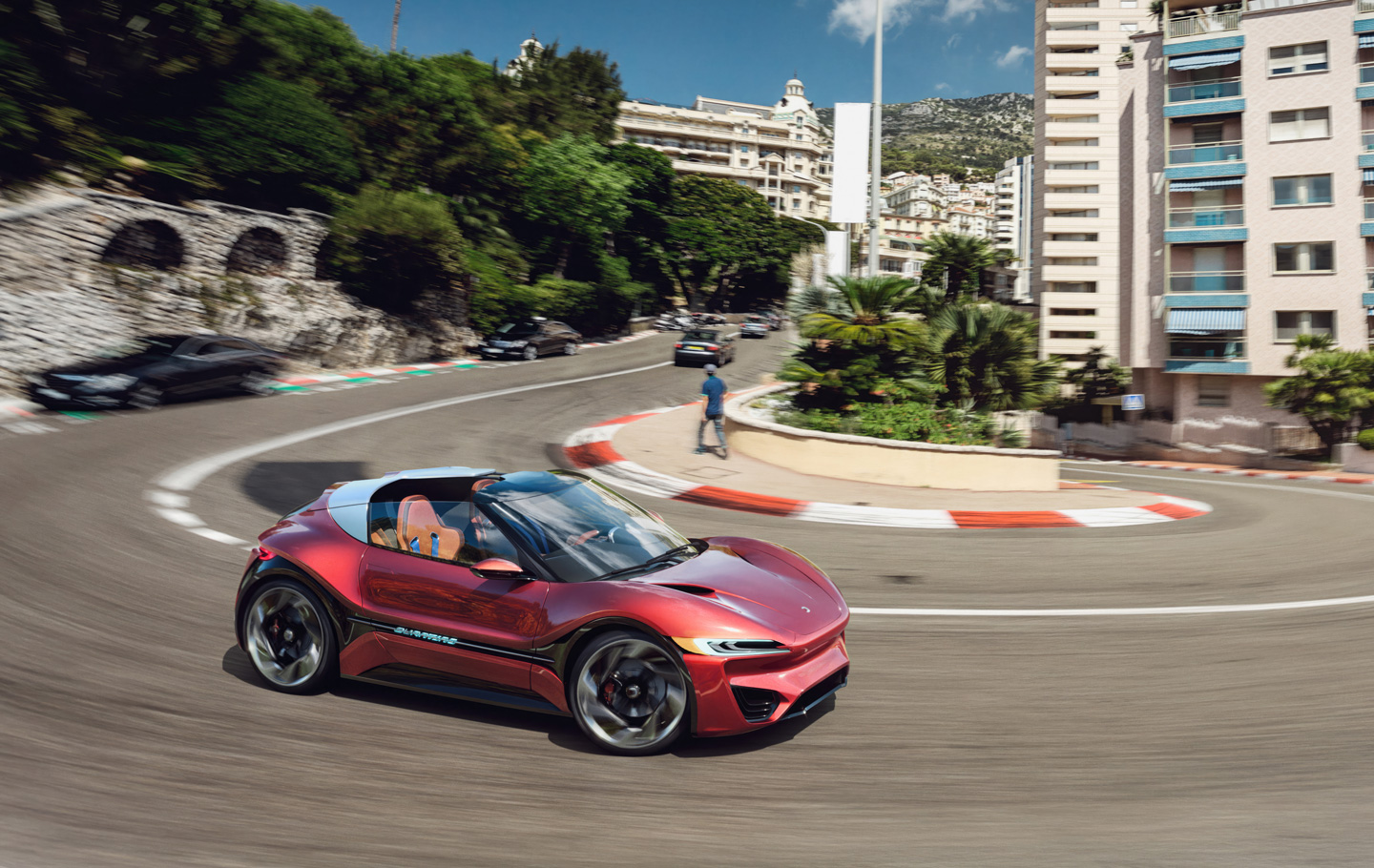
    QUANTiNO Twentyfive electric car on show in Monaco
    The QUANTiNO Twentyfive embodies the strategy of micro-states like Monaco to accelerate high-end electric mobility. (Credit: nanoFlowcell)

    A broader European dynamic

    In Europe, the car market grew by 10% in September 2025, with 888,672 registrations. Electric vehicles accounted for 18.9% of sales over the month, or 167,586 units. Over nine months, their share reached 16.1%, up 24.1% on 2024. However, according toACEA, this pace is still insufficient for the energy transition. However, this indicator masks major disparities between countries and, above all, between the “size” of individual countries.

    Micro-States often escape clear visibility in European statistics. Nevertheless, public recharging infrastructure has seen a significant acceleration since the roll-out of the AFIR regulation, which has been in force since April 2024. In May 2025, there were almost 970,000 public charging points in the European Union, an increase of almost 40% in one year. However, 40% of these charging points are still concentrated in the Netherlands, Germany and France, accentuating regional imbalances. The European objective remains ambitious: to have fast charging points of at least 400 kW every 60 km on major roads by 2026. As a result, even the smaller countries now have to make up for their structural shortcomings. They will have to be integrated into this continent-wide harmonised network.

    Monaco: the urban pioneer

    The case of the Principality of Monaco is particularly well documented. The “Monaco ON” network, launched in 2020, aims to deploy free and accessible charging stations throughout the Principality. By the end of 2023, “clean” vehicles (electric or hybrid) already accounted for almost 16% of the total fleet. Around 7.6% of vehicles were 100% electric.

    By 2024, the figures show a total ‘green’ figure of 40.3% for the period. There are many incentives: purchase subsidies (up to 30% of the price, capped), free public recharging, free street parking for EVs, and free annual vignettes.

    Despite this, Monaco still faces a number of challenges. These include the high cost of electric vehicles in a very high-end fleet. There is also the dependence on imported electricity and the need to optimise the use of charging points. However, the Monaco model proves that even a micro-State can make rapid progress when it combines incentives, infrastructure and a coherent policy.
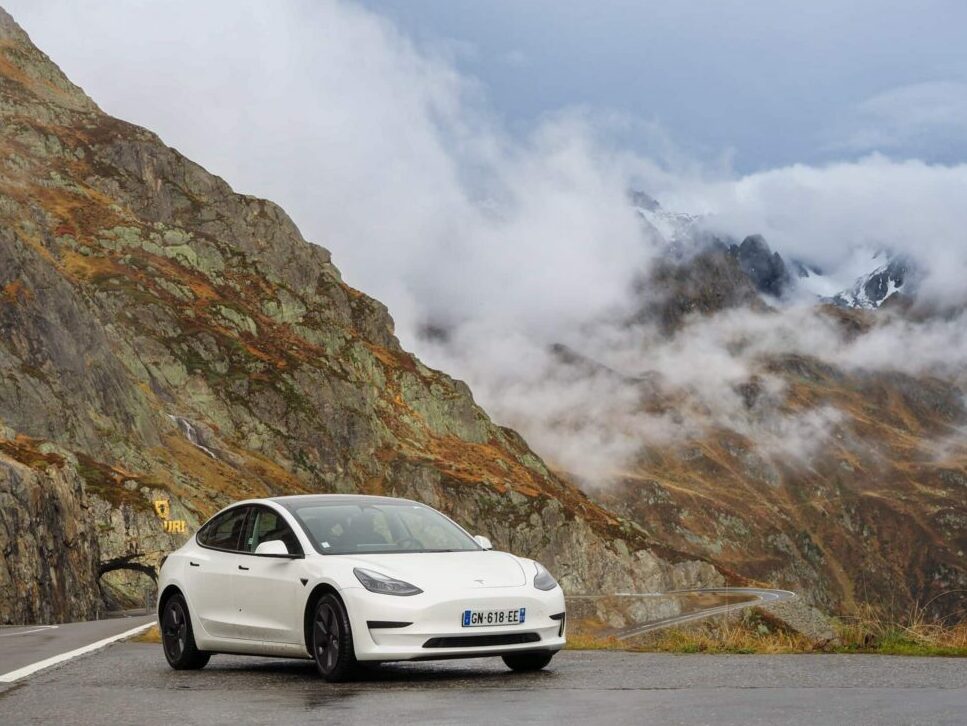
    Tesla Model 3 charging in the mountains of Andorra
    A Tesla Model 3 in the Andorran Pyrenees. This is a reflection of the green shift that Europe’s micro-States are undergoing. (Credit: myevtrips.com)

    Andorra: a discreet but tangible rise

    In the Principality of Andorra, although precise data on the overall electric vehicle fleet is limited, several indicators point to real progress. At the end of 2024, Andorra had 87 public charging stations, covering an area of 468 km². The number of megawatt-hours consumed at public charging stations rose from 128 to 464 MWh between 2020 and 2024, an increase of 262% in four years. In addition, some public tariffs encouraged EVs via the first two hours free of charge in transit zones. However, there is little data on the market share of EVs in registrations or in the vehicle fleet. The twofold objective for Andorra is therefore to strengthen statistics, but also to stimulate uptake by providing new incentives and extending the infrastructure.

    Liechtenstein: modest but on the move

    Liechtenstein, a small Alpine state, also has a modest take-up rate. At the end of June 2023, 100% electric cars accounted for around 4% of the total vehicle fleet. In terms of new vehicle registrations, in March 2025, 23 out of 134 cars registered were fully electric. Incentives are limited: no national subsidy for EVs in 2025, but exemption from the annual EV tax and some municipalities offering free parking. There are currently around 56 public charging points across the country. The main challenge is to raise the profile of EVs and develop the supply of fast infrastructure to encourage potential buyers.

    San Marino and the Vatican: data too limited

    For the other two micro-States – the Republic of San Marino and the Vatican City State – public data on electric vehicles remains limited or partial. This scarcity can be explained by their very small size, the low number of registrations and the absence of any obligation to publish detailed statistics.

    In San Marino, however, the E-Way project illustrates a clear political will to promote more sustainable mobility. The territory has 22 charging stations for electric cars, each equipped with two 11 kW and 22 kW sockets, as well as six dedicated stations for electric bicycles. These facilities, supplied by ABB, allow full recharging in less than an hour and are compatible with most models on the market, while meeting the strictest safety standards. Although still modest, this infrastructure marks an important step towards the adoption of low environmental impact mobility in the Republic.
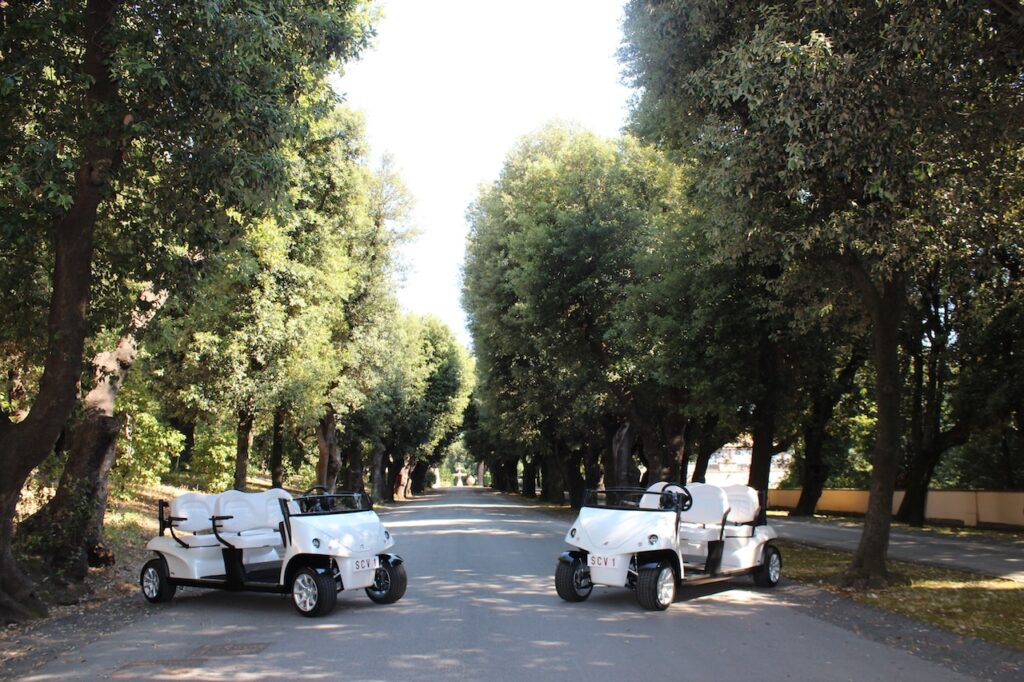
    Exelentia electric vehicles used by the Pope at the Vatican
    Two Exelentia vehicles for the Vatican services. They are symbols of the Pontifical City’s ecological transition. (Credit: Vatican City State)

    For its part, the Vatican recently took a symbolic step in its transition to environmentally-friendly transport. In collaboration with Exelentia, the Vatican’s Governorate has launched a new fleet of electric vehicles for internal services and for use in the Papal Villas at Castel Gandolfo. These vehicles, which range from vans to shuttle buses for visitors, are now being used by the Gendarmerie, the Fire Brigade and maintenance teams. This initiative illustrates the Holy See’s growing commitment to reducing its carbon footprint and promoting zero-emission mobility in its symbolic spaces. In 2020, the Vatican announced a major plan to replace its vehicles.

    Despite these advances, the uptake of electric vehicles in both San Marino and the Vatican is still limited, due to the lack of a significant civilian fleet and consolidated data that would make it possible to accurately measure their spread.

    What are the challenges facing these micro-States?

    On the one hand, the small size of these territories is a potential advantage: a standard, a network or a policy can be implemented more quickly than on a national scale. On the other hand, the obstacles are specific: dependence on imported energy or infrastructure, very small purchasing markets that limit economies of scale, and parking or housing issues (particularly for residents without garages). The development of fast or ultra-fast charging stations has yet to be fully documented in these countries. Furthermore, if it is projected that Europe as a whole will need to install up to 3.5 million charging points by 2030 to support electromobility, the micro-States are not exempt from the effort. Finally, statistical monitoring remains a gap that needs to be filled as a matter of urgency in order to accurately track changes in market share, particularly for San Marino and the Vatican City.

    Under-exploited but growing potential

    In short, Europe’s micro-States show a variety of trajectories. Monaco appears to be one of the most advanced models in this category. Andorra is making good progress with its infrastructure, while Liechtenstein is making progress, but remains at a modest stage of adoption. San Marino and the Vatican remain on the sidelines for lack of data.

    The challenges are now clear for all concerned. Incentives need to be increased and the network of charging points strengthened. It is also essential to simplify the adoption of electric vehicles and improve the monitoring of indicators. In a rapidly accelerating European context, these small countries have a real opportunity. But they also have a responsibility not to be left behind.
  • Sialia 45: The electric yacht that redefines luxury and sustainability

    Sialia 45: The electric yacht that redefines luxury and sustainability

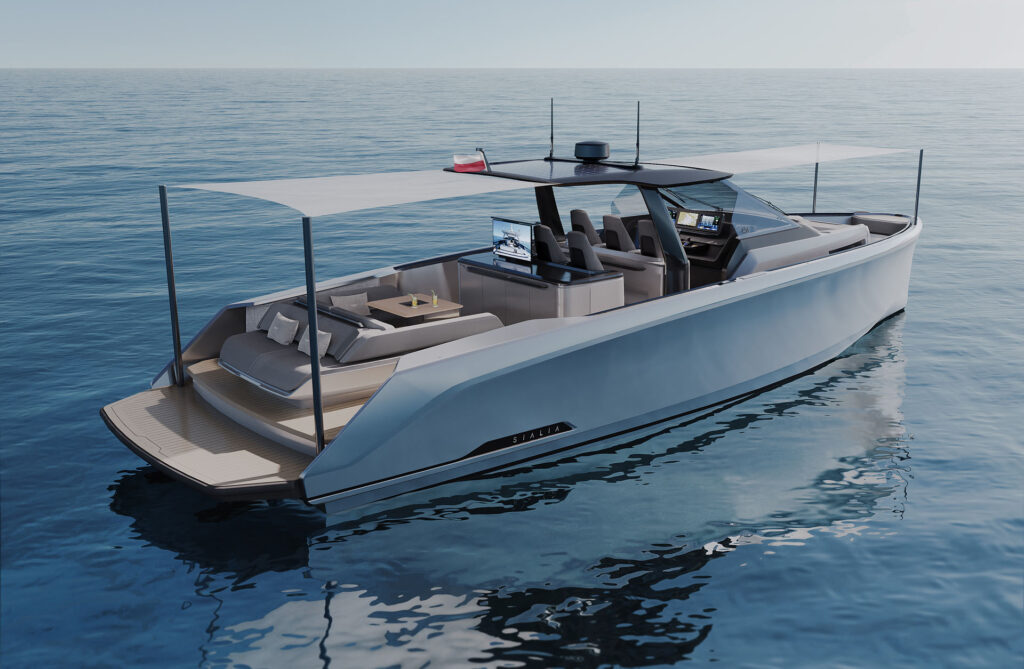
    In a world where respect for the environment is becoming a priority, the boating industry is changing fast. The Sialia 45 embodies this evolution. This 14-metre electric yacht promises power, autonomy and lasting comfort.

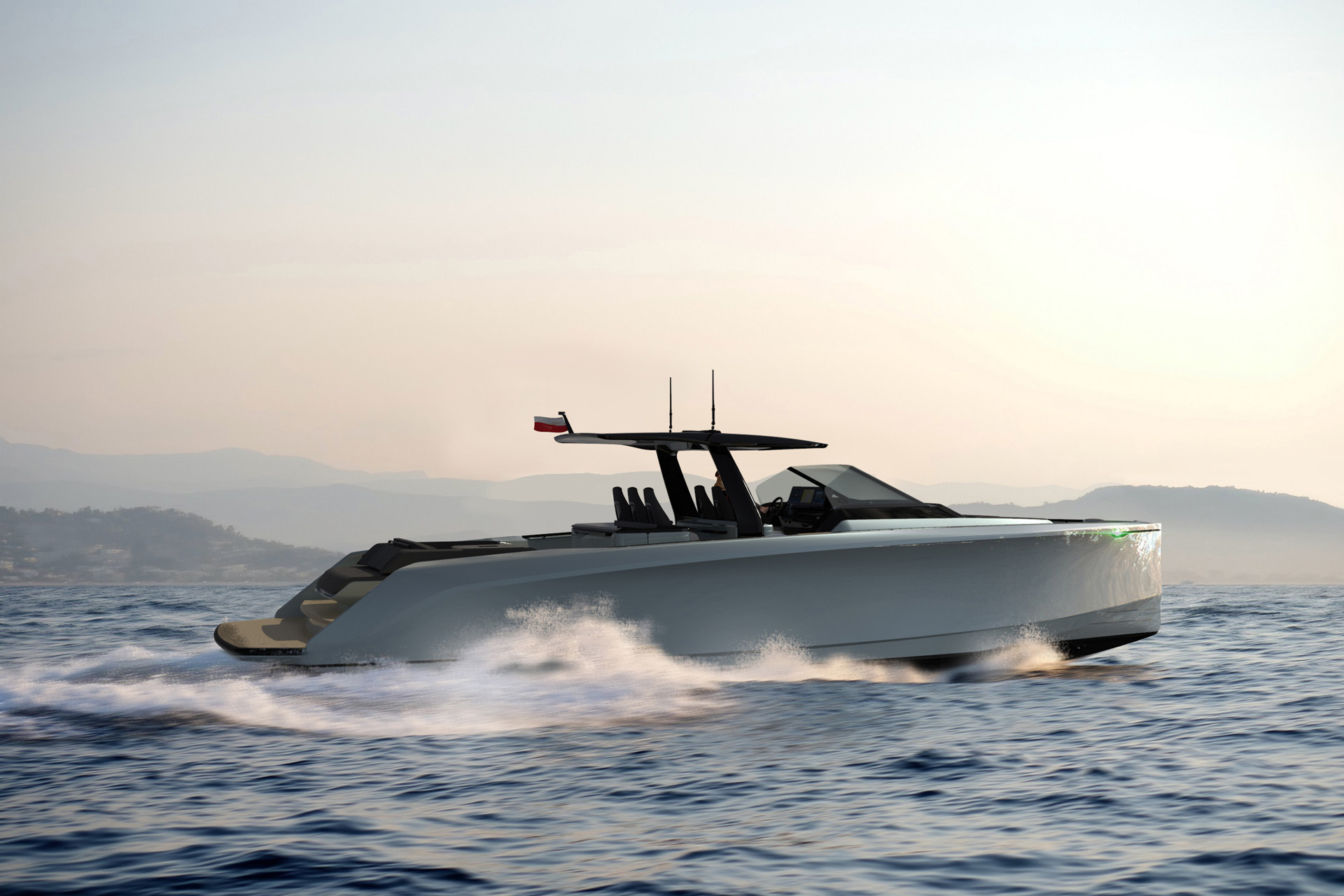
    Sialia 45 electric yacht profile view at sea
    The Sialia 45, a 14-metre electric yacht, seen in profile at sea, illustrating its elegant, modern design. (Credit: Sialia Yachts)

    The long-awaited arrival of the Sialia 45

    Production of the Sialia 45 is nearing completion in Poland. Its launch is expected this autumn, after a long series of rigorous tests. “Designing one of the most sophisticated electric yachts in the world requires exceptional technological precision,” Milvio Ricci, Chief Commercial Officer of Sialia Yachts, told Le Figaro. As a result, every motor, battery and navigation system has been meticulously tested to ensure both safety and maximum performance.

    Initially scheduled for the summer, the timetable has been deliberately extended. So, this strategic choice aims to offer a yacht that exceeds all expectations. “When the Sialia 45 sets sail, it will not simply join the electric yachting market, it will redefine it,” adds Ricci, underlining Sialia Yachts’ ambition.

    Unique features

    The Sialia 45 has two electric motors, each rated at 300 kW, enabling it to reach a maximum speed of 43 knots. Cruising at 25 knots, the standard 500 kWh battery provides a range of 55 nautical miles. For longer trips, it is possible to add a 200 kWh endurance pack, extending the range to 77 nautical miles, or opt for a biodiesel extender, which can extend the range to 240 nautical miles.

    Recharging the yacht is also fast and efficient: from 10% to 90% in just three and a half hours, reducing range stress. Thanks to this technology, navigation remains fluid and safe, combining high performance with peace of mind for all yachtsmen on board.

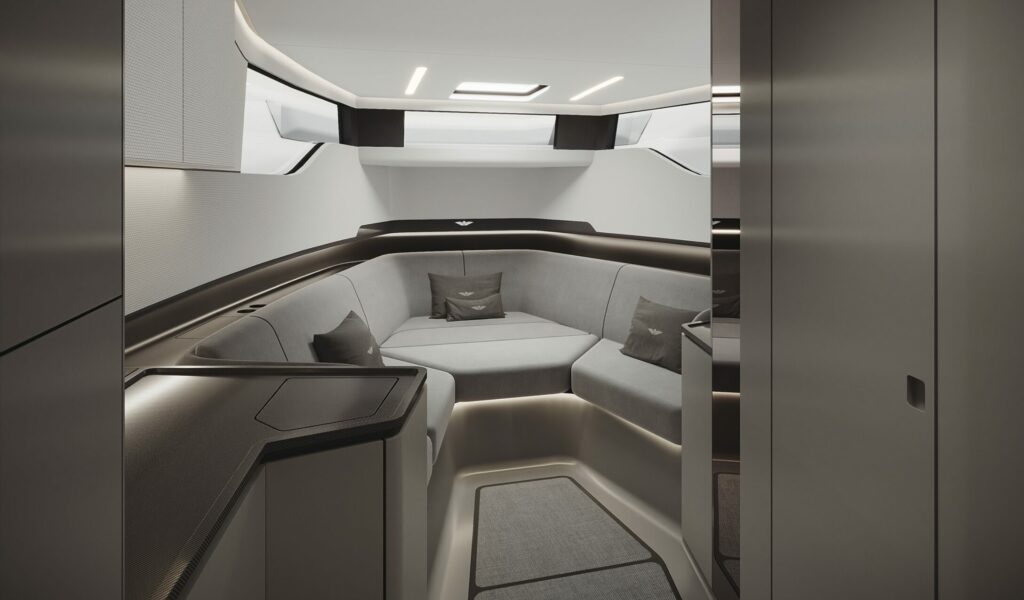
    Interior of the sialia 45 electric yacht saloon and cabin
    The interior of the Sialia 45 offers a modular and comfortable layout, combining luxury and sustainable materials. (Credit: Sialia Yachts)

    The art of comfort on an electric yacht

    Its epoxy-sandwich carbon hull combines lightness, strength and robustness, guaranteeing stable, quiet sailing. The Sialia 45 is available in three versions – Runabout, Sport and Weekender – each adapted to a specific sailing style. Whether it’s a sports outing, a family cruise or an extended stay, the yacht offers modular and welcoming spaces, perfectly designed for passenger comfort.

    Inside, the bright saloon, optional galley and comfortable cabin create a warm and functional environment. On deck, large relaxation areas invite you to enjoy the sea, whether with friends or family. Every element has been designed to combine silence, comfort and safety, offering a harmonious and enjoyable sailing experience.

    An eco-responsible and innovative approach

    Sialia Yachts incorporates sustainability into every stage of design and manufacture. The yacht uses recycled cork flooring, fully recyclable materials and low-maintenance electric motors, minimising its ecological impact. The batteries, guaranteed for five years and designed for 3,000 cycles, are upgradeable, offering the possibility of benefiting from the latest technological innovations.

    Sialia 45 electric yacht close-up profile view
    Close-up of the Sialia 45, highlighting the details of its carbon hull and top-of-the-range finish. (Credit: Sialia Yachts)

    International recognition: Gustave Trouvé Prize

    The Sialia 45 has won the Prix Gustave Trouvé 2024 for electric yachts over eight metres in length. The award underlines the technical excellence and sustainable commitment of Sialia Yachts. “This award confirms that we are on the right track,” says Milvio Ricci, proud of his team.

    The jury, made up of 32 international experts, assessed more than 150 boats. They took into account electric propulsion, technical innovation and environmental impact. This historic recognition honours the memory of Gustave Trouvé, the French inventor of the first electric outboard motor, created for his prototype boat Le Téléphone.

    A yacht that reinvents tomorrow’s sailing

    Founded in 2017 by Stanislav Szadkowski, Sialia Yachts has established itself in the high-end electric yacht segment. After the Sialia 57 Deep Silence, the brand has now completed its range with the 45, 59 and 80 Explorer models.

    The Sialia 45 combines performance, comfort and respect for the environment. Every detail, from the carbon hull to the recycled cork floor, bears witness to a forward-looking vision. This yacht offers a luxurious experience while preserving the oceans and their biodiversity.

    Choosing the Sialia 45 means opting for modern, responsible yachting. Power, autonomy, modularity and durability combine to create a new benchmark for the market. The Sialia 45 paves the way for cleaner, quieter and deeply inspiring sailing. It perfectly demonstrates that electric yachting is no longer a futuristic idea. It’s an accessible, high-performance experience for all yachtsmen.

  • China renames its semi-solid batteries for greater clarity

    China renames its semi-solid batteries for greater clarity

    Faced with the boom in electric cars, China is stepping up its regulation. After autonomous driving and door handles, it’s now the turn of batteries to come under strict control. The famous “semi-solid batteries” will now have to bear the more precise name of “solid-liquid batteries”.

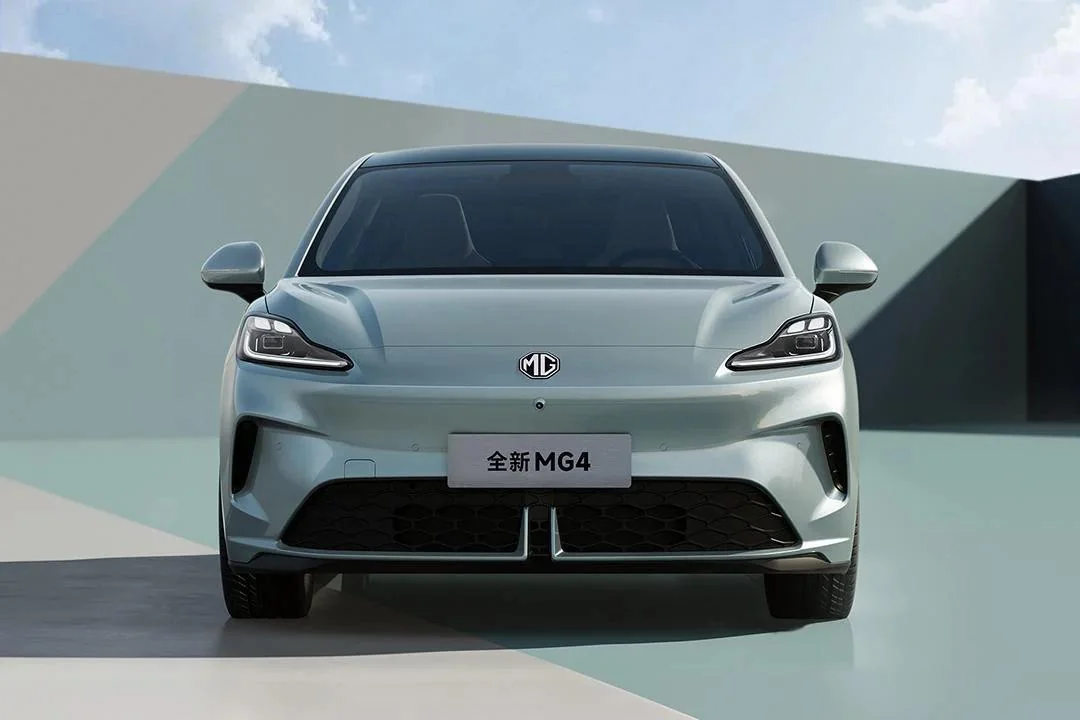
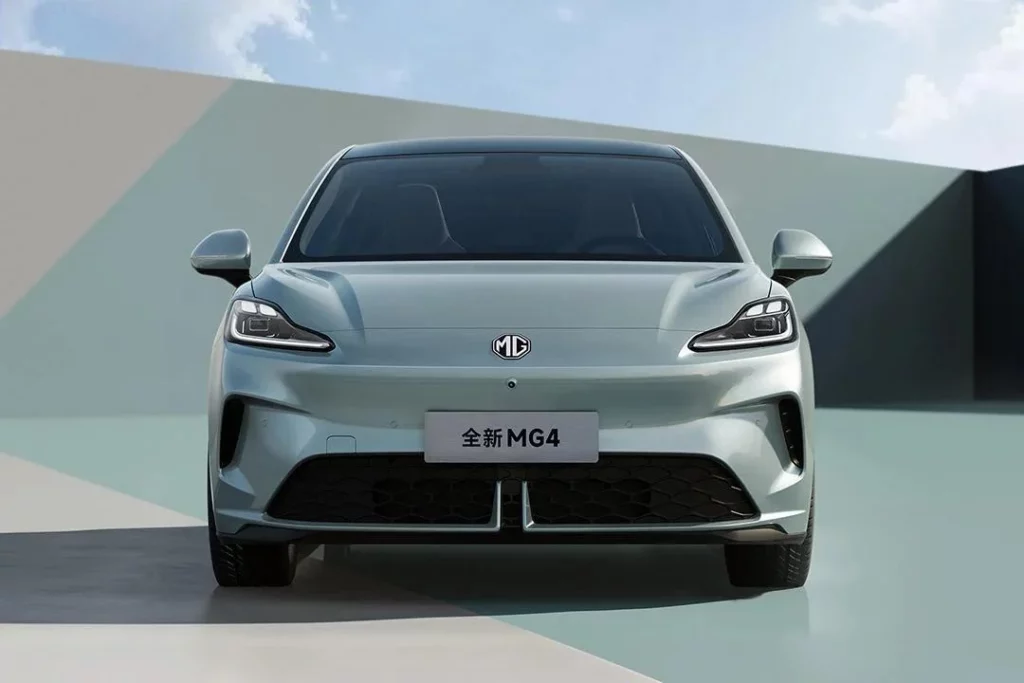
    Front view of the MG4 electric vehicle fitted with a solid-liquid battery
    The MG4 is one of the first mass-market cars to adopt a solid-liquid battery in China (Credit: MG).

    For years, the Chinese electric car market was very chaotic. Brands multiplied their promotions and exaggerated their announcements. Now Beijing wants to clarify things. The rules already cover battery safety, semi-autonomous driving and car design. Battery names must now also be precise.

    The intermediate solution

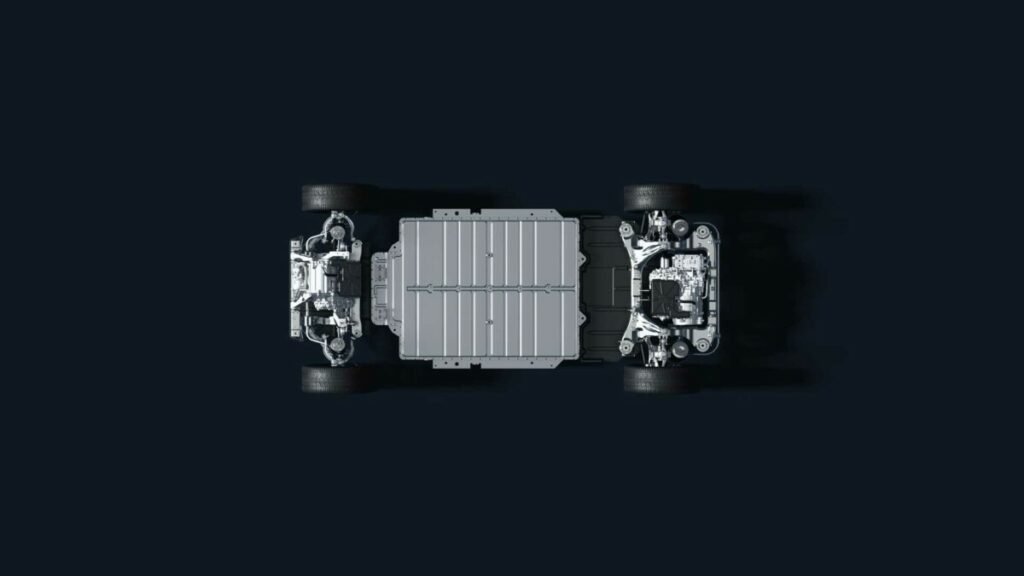
    Solid batteries are seen as the Holy Grail of electromobility. They offer greater range, greater safety and rapid recharging, while being lighter. However, large-scale production is not expected until the end of the decade, although prototypes will be appearing as early as 2027. In the meantime, semi-solid batteries serve as an intermediate solution. Their partially solid electrolyte improves energy density and safety, while remaining simpler to manufacture than a totally solid battery.

    Nio was a pioneer with a 150 kWh battery, offering more than 1,000 km of real range, although the manufacturer relativised this figure. MG then integrated the technology into its MG4 model, making the semi-solid battery accessible to mainstream vehicles. These examples show that this is a promising technology, but one that is still in transition.

    A change of name

    The Chinese regulator considers the term “semi-solid” to be ambiguous. Many consumers might believe that this is an almost finished version of solid batteries. To clear up this confusion, Beijing is now imposing the term “solid-liquid”. This term better reflects the actual chemistry: a partially solid electrolyte, but still liquid, reminding us that the real revolution is yet to come.

    The solid state battery is at the heart of intense international competition. China, Japan, Korea and Europe are battling to produce the most efficient technology. Chinese carmakers are aiming for limited production by 2027 and mass deployment by 2030. This technological race illustrates the strategic importance of batteries for the future of the car.

    150 kWh Nio battery using solid-liquid technology
    The 150 kWh Nio battery illustrates the progress made with solid-liquid batteries before the arrival of all-solid batteries (Credit: NIO).

    In the meantime, semi-solid batteries are playing a key role. They offer long autonomy, rapid recharging and improved safety. What’s more, they can be integrated into existing production lines, limiting industrial costs. These technologies represent a stepping stone to the widespread use of solid batteries.

    Towards a structured market

    In the long term, the battery market should segment into three major families. Top-of-the-range solid batteries for premium vehicles, intermediate LFP or LMFP batteries for a good cost/performance compromise, and sodium-ion batteries for economical urban vehicles. Each technology stands out for its autonomy, safety and production price, while offering rapid recharging.

    Chinese regulation illustrates the country’s desire to stabilise a rapidly expanding market. By imposing precise names and controlling manufacturers’ communications, Beijing is seeking to protect consumers and structure innovation. Solid-liquid batteries represent a key stage in the energy transition, paving the way for the real solid batteries that will transform the automotive industry in the next ten years.

  • DS Automobiles: a new era in Formula E

    DS Automobiles: a new era in Formula E

    DS Automobiles is ushering in a new era in Formula E. In Valencia, the official tests for season 12 are in full swing. This marks a key stage in the French brand’s preparations. Combining technological innovation, strategic preparation and sporting ambition, the Stellantis group’s premium brand is aiming to make a name for itself right from the start in Brazil.

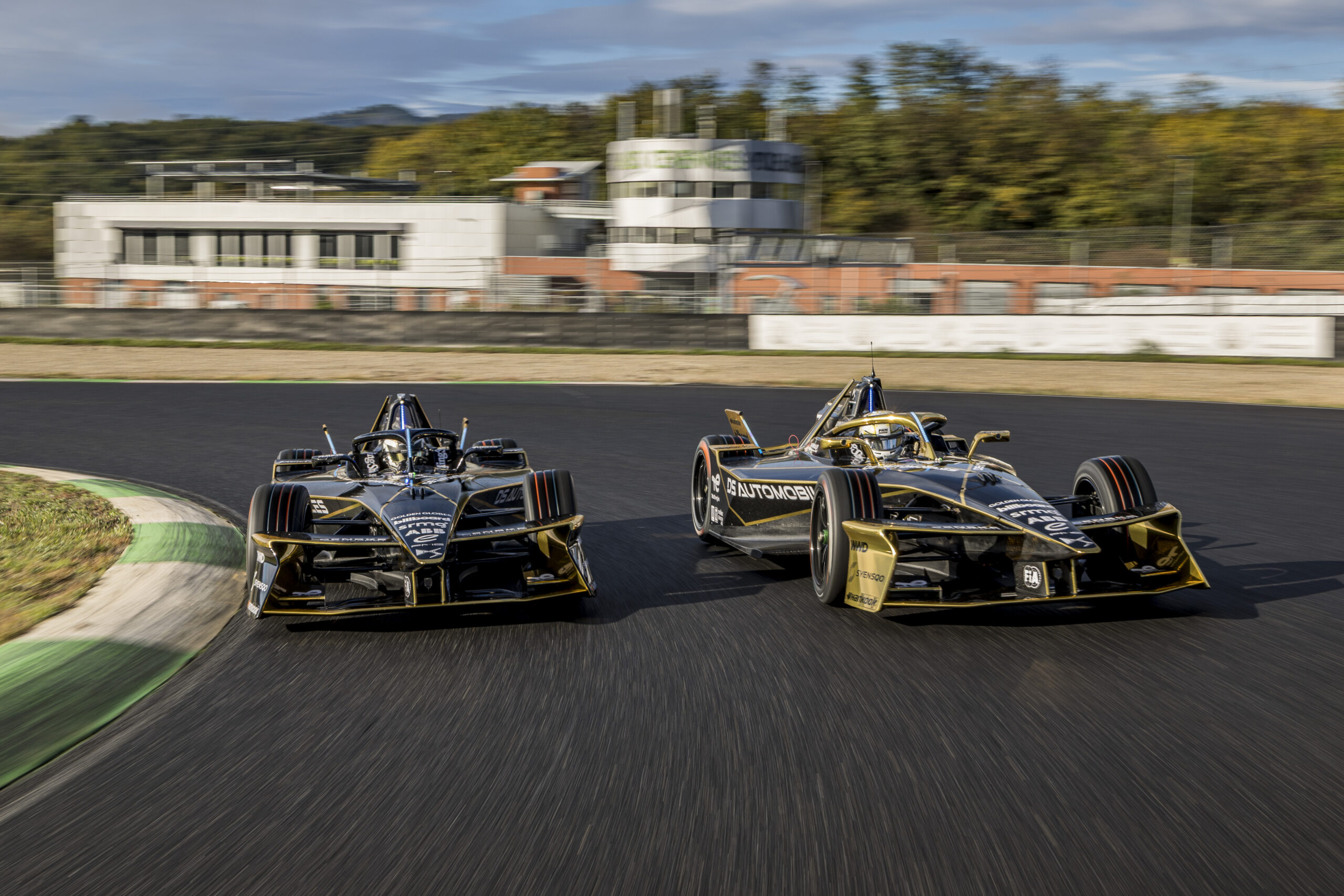
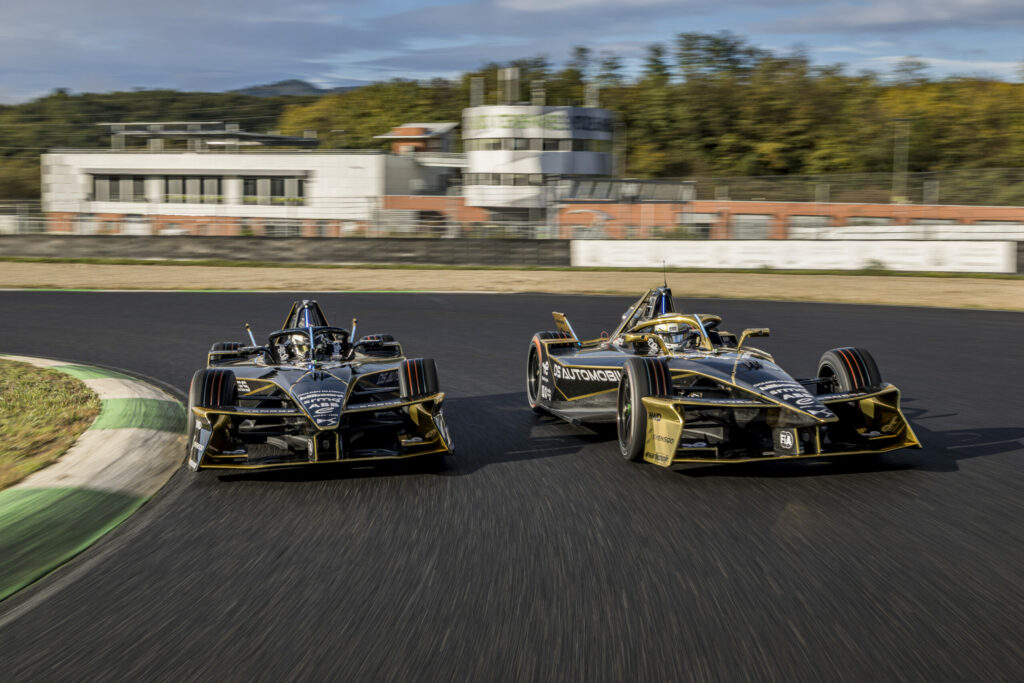
    Two DS PENSKE DS E-TENSE FE25 single-seaters on the track, driven by Maximilian Günther and Taylor Barnard during testing at Alès.
    Maximilian Günther and Taylor Barnard, DS PENSKE drivers, during the Formula E season 12 shakedown in Alès on 22 October 2025. (Credit: Marc de Mattia / DPPI)

    A promising eleventh season for DS Automobiles

    Since 2015, DS Automobiles has established itself as a key player in the ABB FIA Formula E World Championship. This year, the brand begins its eleventh season. It is thus confirming its commitment to this 100% electric discipline, a symbol of performance and sustainability. Testing is currently taking place at the Ricardo Tormo circuit in Valencia, Spain, until Friday. This is where the DS E-TENSE FE25s will take their first laps under the watchful eye of the engineers and partner PENSKE AUTOSPORT.

    Intensive testing to fine-tune performance

    After several weeks of work in the factory, focusing on strategy and software development, DS Automobiles is back on track with the aim of optimising every detail. Eight timed driving sessions are scheduled, divided between the regular drivers and two talented young women. The first six sessions will be run by Maximilian Günther, an experienced German driver, and Taylor Barnard, his promising and determined British team-mate. The last two sessions, on the other hand, will be devoted to Lindsay Brewer and Jessica Edgar. This special day, dedicated to women drivers, illustrates the brand’s commitment to greater representation in motor sport.

    At DS PENSKE, cohesion and preparation are the keys to success. The team enters the new season with a clear ambition: to be among the championship leaders. Maximilian Günther, known for his consistency and speed, and Taylor Barnard, a talented young recruit, will form a complementary duo. Together, they will have to collect as much data as possible before the first race, scheduled for 6 December 2025 in São Paulo. This will mark the real launch of season 12, where every technical and strategic detail will count.

    The voice of experience and passion

    Eugenio Franzetti, Director of DS Performance, makes no secret of his pride. According to him, DS Automobiles is approaching this season with its determination intact. “We are proud to be entering our eleventh Formula E season. DS Automobiles is one of the key players in this series and we’re looking forward to securing further podium finishes and, above all, further victories.” He also highlights the hard work of the engineers and mechanics during the off-season. They are essential to the development of the new DS E-TENSE FE25 package. In his opinion, the team has everything it needs to fight at the front and put on a top-class show.

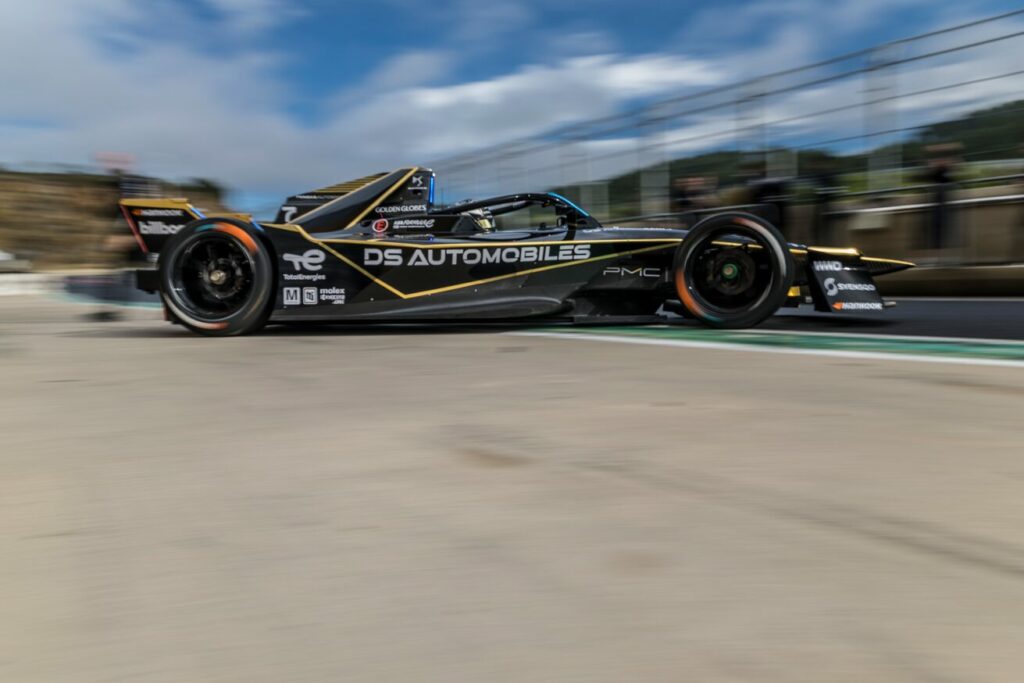
    DS E-TENSE FE25 single-seater seen in profile on the track during Formula E pre-season testing in Valencia.
    The DS PENSKE DS E-TENSE FE25 single-seater under full acceleration on the Ricardo Tormo circuit, a symbol of the new electric generation (Credit: Stellantis).

    Figures that speak for themselves

    Since its entry into Formula E, DS Automobiles has racked up an impressive list of achievements: 137 races contested, 4 championship titles, 18 victories, 55 podium finishes and 26 pole positions. These results confirm the solidity of the project and the consistency of the French brand’s performances. Over the seasons, DS has established itself not only as a leading team, but also as a technological laboratory for electric mobility.

    A long-term commitment and a forward-looking vision

    Born in Paris in 2014, DS Automobiles embodies the art of French travel. Heir to the prestige of the 1955 DS, the brand draws on unique expertise combining elegance, innovation and refinement. Its involvement in Formula E is part of a global electrification strategy. Today, all DS models are available in an electrified version, with 100% electric or rechargeable hybrid engines.

    In 2025, DS Automobiles is accelerating its transition with the launch of the DS N°4, offering a range of 450 kilometres, and the DS N°8, a new flagship capable of reaching up to 750 kilometres. These vehicles embody the brand’s futuristic vision: elegant, high-performance cars that respect the environment. With 450 DS Stores in 40 countries, DS Automobiles confirms its global presence and its desire to offer an exclusive customer experience.

    Formula E: a laboratory for DS innovation

    Formula E is much more than a sporting competition. For DS Automobiles, it represents a unique testing ground. The innovations developed on the circuits quickly find their way into production vehicles. Energy management systems, energy recovery and assisted driving software all bear witness to this synergy between sport and technology. In this way, each Formula E season becomes an accelerator of progress for the brand.

    As the first laps of the Valencia circuit draw to a close, DS Automobiles looks set to rise to the challenge. With a close-knit team, talented drivers and cutting-edge technology, the French brand is looking forward to writing new pages in its record of achievements. Season 12 promises to be a thrilling mix of innovation, competition and passion, a perfect reflection of the DS spirit: combining elegance and performance in the service of electromobility.

  • Nexperia crisis: when a chip threatens the European automotive industry

    Nexperia crisis: when a chip threatens the European automotive industry

    A new storm is shaking up the European automotive industry. The Dutch semiconductor company Nexperia is caught up in a geopolitical conflict between Beijing and Washington. The situation threatens to paralyse production lines, with worrying consequences for manufacturers and their suppliers.

    Logo of Nexperia, Dutch semiconductor manufacturer
    Nexperia, a Dutch company specialising in the production of semiconductors essential to the automotive industry. (Credit: Peter Dejong / AP)

    The complex history of Nexperia

    Nexperia ‘s story began in 2017, when Chinese company Jianguang Asset Management bought the former Philips subsidiary for $2.7 billion. In 2019, the company was sold to Wingtech for $3.7 billion. Located in Nijmegen, near the German border, Nexperia manufactures diodes and transistors that are essential to the automotive industry. Although discreet, these components are strategic to the smooth running of modern vehicles.

    American pressure on Nexperia

    The Covid-19 pandemic highlighted the fragility of supply chains, making semiconductors strategic assets. In 2022, London blocked Nexperia’s takeover of Newport Wafer Fab, citing national security concerns. In December 2024, Washington placed Wingtech on its blacklist. The message sent to the Dutch was unambiguous: to maintain European production, Chinese manager Zhang Xuezheng had to leave the company. This demand was confirmed by an official document from the court in The Hague in June 2025.

    Beijing’s response

    Under American pressure, the Netherlands activated a 1952 law on the availability of assets to place Nexperia under trusteeship. Zhang Xuezheng was dismissed, provoking anger in Beijing, which described the decision as “economic banditry”. On 14 October, China blocked exports from Wingtech, a factory accounting for 70% of Nexperia’s final assembly capacity. Deprived of these components, the company suspended deliveries to Europe, jeopardising car production on the continent.

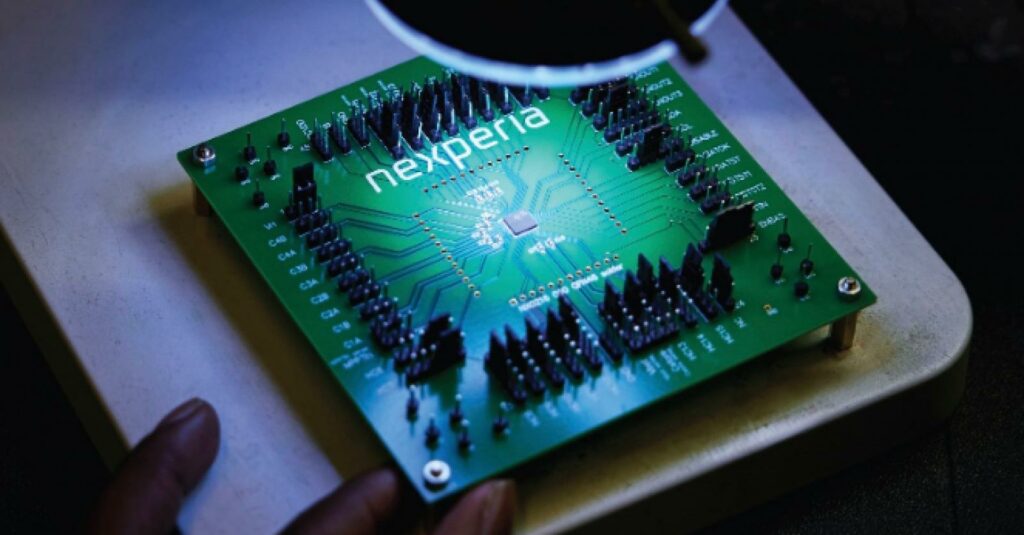
    Nexperia electronic chip used in the automotive industry
    An electronic chip manufactured by Nexperia, a key component in modern automotive systems.

    A threat to European car production

    European Trade Commissioner Maros Sefcovic says he is willing to facilitate dialogue between the parties to preserve the stability of global supply chains. Sigrid de Vries, Director of the European Automobile Manufacturers Association, describes the situation as “alarming”. The certification of alternative products will take several months, risking major production delays. Hildegard Müller, President of the German Automobile Federation, warns that the crisis could lead to significant production stoppages.

    Europe’s automotive giants under pressure

    Volkswagen is already planning disruptions at its historic Wolfsburg site, which will affect production of the Golf and Tiguan models. According to Deutsche Bank analysts, German car production could fall by 10%, or even 30% in the worst-case scenario. Stellantis and Renault, interviewed by Le Point, say they are monitoring the situation closely, setting up monitoring units and keeping in daily contact with their suppliers to limit the impact. Memories of the historic shortage of semi-conductors between 2021 and 2023 are still fresh, and manufacturers are hoping to avoid a new industrial chaos.

    German machine tools under pressure

    After the automotive industry, the machine tool industry is starting to sound the alarm. Thilo Brückner, representative of the VDMA federation, toldAFP that motorised equipment ranging from generators to agricultural machinery could quickly suffer from a shortage of electronic components. The German Ministry of the Economy has brought together the main players to assess the impact, and has also mobilised the Chancellery to coordinate a response to this growing risk.

    Nexperia semiconductor production line at the factory
    Nexperia production line, illustrating the assembly and testing of semiconductors for the automotive industry.

    Geopolitical tensions and blocked flows

    The situation has escalated since The Hague applied an old Cold War law to regain control of Nexperia. The company assembles its chips in Hamburg, then sends them to China for processing. Beijing now bans their re-export to Europe. Car manufacturers, the main consumers of Nexperia chips, fear production stoppages in the short term. Volkswagen, for example, cannot rule out interruptions in the coming weeks.

    Potential consequences and industrial issues

    Nexperia semiconductors account for more than 40% of the electronic components used by the European automotive industry. If the dispute continues, there could be more production stoppages. Volvo in Sweden, Volkswagen and other manufacturers in Germany are already planning adjustments or short-time working. Equipment manufacturers are putting in place monitoring and substitution mechanisms, but solutions remain limited in the short term.

    A race against time

    The European and German authorities are seeking to defuse the conflict. The Dutch Prime Minister, Dick Schoof, insists that the takeover of Nexperia is not aimed at China, but at correcting internal mismanagement. Despite these assurances, Beijing is maintaining its restrictions, forcing European manufacturers to find alternatives quickly. The automotive and machine tool industries are racing against time to secure their supply chains and avoid another crisis.

  • Japan Mobility Show 2025: innovations and futuristic mobility

    Japan Mobility Show 2025: innovations and futuristic mobility

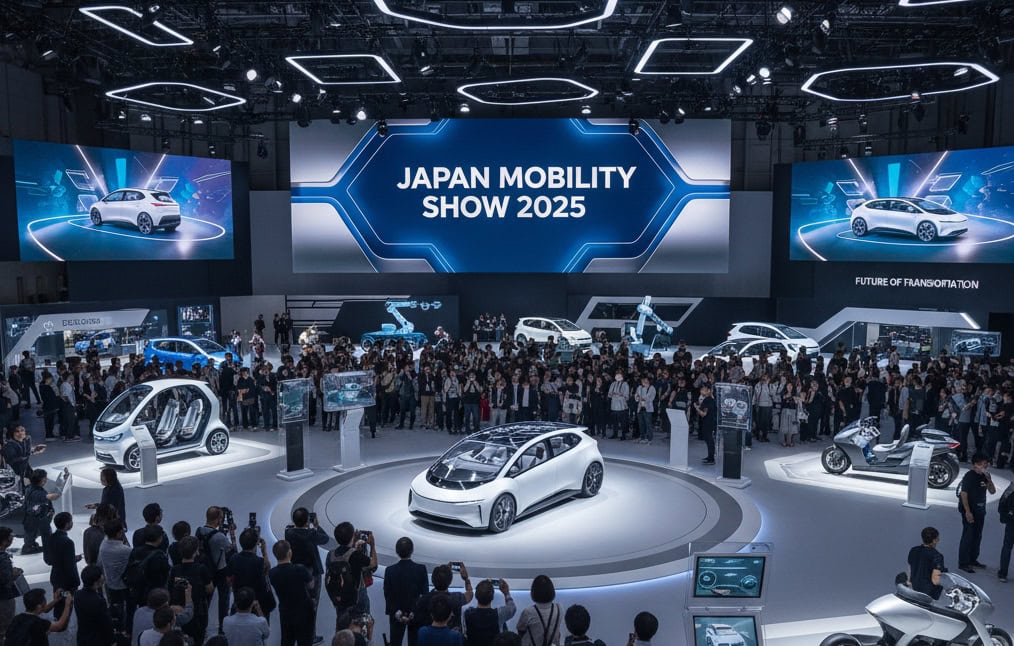
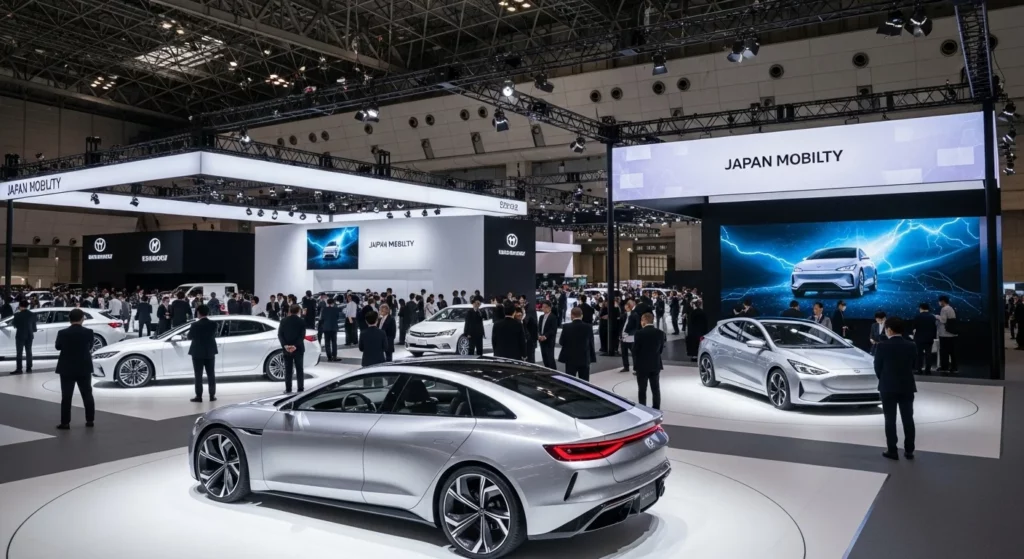
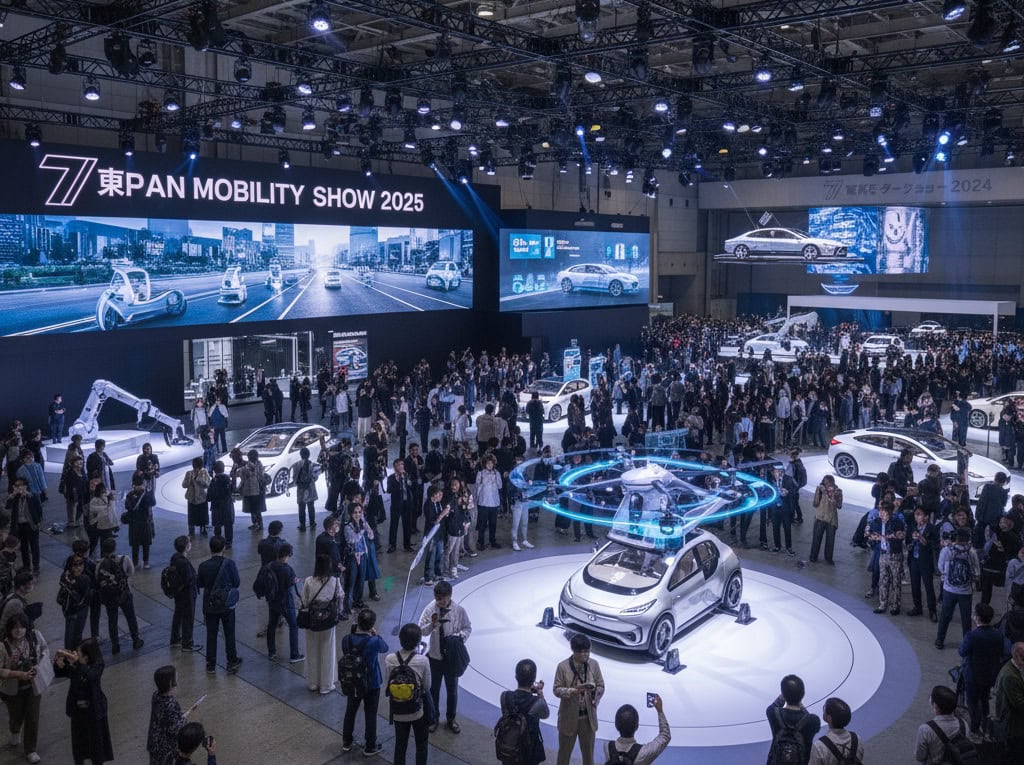
    The Japan Mobility Show 2025 will be held from 30 October to 9 November 2025 at Tokyo Big Sight. This event, formerly known as the Tokyo Motor Show, marks an evolution towards a broader vision of mobility. Organised by the Japan Automobile Manufacturers Association (JAMA), it is a major platform for discovering technological innovations and futuristic concepts in the sector.

    Japan Mobility Show 2025 in Tokyo

    An emblematic place

    The show stands out for its immersive approach, offering visitors a complete sensory experience. In addition to traditional vehicles, it presents a variety of mobility solutions, from electric cars to air transport concepts. The aim is to spark the imagination and stimulate discussion about the future of mobility.

    Tokyo Big Sight, located in the Ariake district, is hosting this internationally renowned event. This modern exhibition centre provides the ideal setting for showcasing the latest advances in the industry. Visitors can expect interactive installations, live demonstrations and exciting exhibits. The show is designed to be accessible to all, with programmes tailored to both professionals and the general public.

    A rich and varied programme

    The Japan Mobility Show 2025 offers a variety of programmes to enrich the attendees’ experience. Attractions include concept vehicle exhibitions, advanced technology demonstrations and discussion forums on emerging trends. Interactive activities, such as children’s workshops and areas dedicated to the culture of mobility, are also planned. These initiatives are designed to engage the public and promote a deeper understanding of the issues surrounding the mobility of the future.

    Inside view of the Japan Mobility Show 2025 with exhibits and visitors

    Major players in the sector

    The show attracts leading exhibitors, including Toyota, Honda, Nissan, Mitsubishi and Subaru. These companies are showcasing their latest innovations, from electric vehicles to autonomous driving technologies. Nissan, for example, is unveiling models incorporating intelligent systems, while Honda is exploring mobility concepts for marine and aerial environments. Mitsubishi, meanwhile, is showcasing an electrified off-road SUV, underlining its commitment to sustainable transport solutions.

    A not-to-be-missed event

    The Japan Mobility Show 2025 is more than just a vehicle exhibition; it’s a crossroads of ideas and innovations. It provides a platform for exchanges between manufacturers, researchers, designers and the general public. The discussions and demonstrations presented at this event will help to shape the mobility of tomorrow. Whether you’re passionate about new technologies or simply curious about future trends, this is an event not to be missed.

    Stands and technology demonstrations at the Japan Mobility Show 2025

    In conclusion, the Japan Mobility Show 2025 is a key event for exploring the innovations that will redefine the way we travel. It offers a unique opportunity to discover the technologies of tomorrow in a dynamic and interactive setting. Don’t miss this opportunity to dive into the future of mobility.

  • Alpine A290: the electric challenge that’s shaking up rallying

    Alpine A290: the electric challenge that’s shaking up rallying

    The A290 marksAlpine ‘s entry into the electric era. One year after its launch, the city car is as appealing as it is challenging. With its sporty performance, bold design and commitment to the environment, it navigates between modernity and heritage. Behind the debates, the A290 is perhaps the embodiment of a new way of experiencing the pleasure of driving.

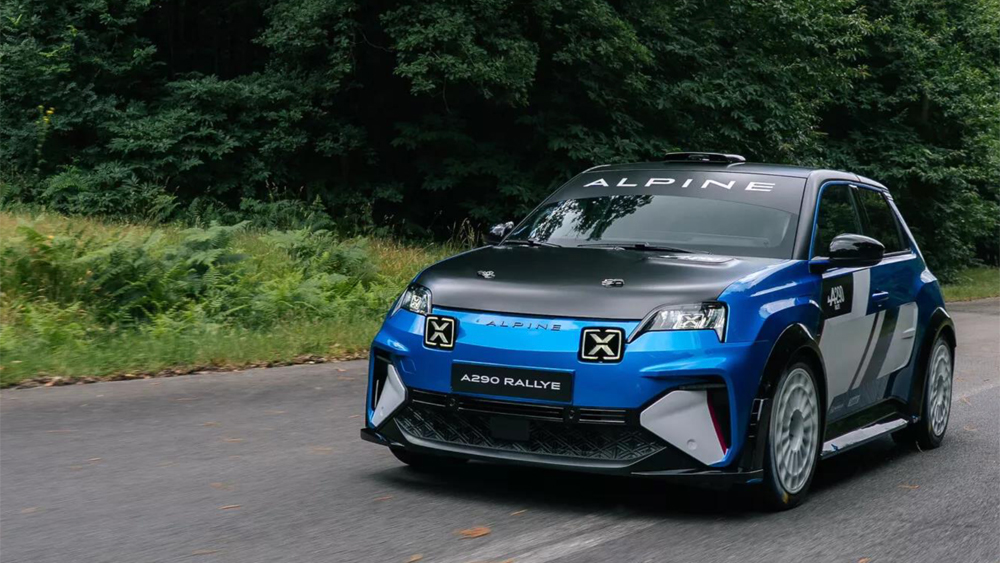
    Alpine A290 Rallye electric styling, front view, aggressive design and sporty lines
    The competition-ready Alpine A290 Rallye reveals its sporty, aggressive looks from the front (Credit: Alpine)

    A promise of emotion under tension

    When it was launched, the Alpine A290 aimed to shake up the small electric sports car market. With its top-of-the-range 220bhp and a chassis honed by Renault Sport alumni, it looked set to redefine driving pleasure. But the market quickly changed: the Peugeot E-208 GTI and the Lancia Ypsilon HF, with 280 bhp, reshuffled the cards. Suddenly, the A290 looks wiser rather than wilder, despite its aggressive looks. In a world where power often rules the roost, Alpine has to find other assets to seduce.

    The interior of the A290 is impressive. The materials, wraparound seats and motorsport-inspired ambience reflect a real attention to detail. However, rear-seat space remains limited and the boot, although adequate, does not transform the car into a versatile family car. On the other hand, the WLTP range of 379 km looks flattering on paper, but falls rapidly on the motorway. For purists, these compromises betray a paradox: Alpine’s sportiness is now more about design than raw performance. However, the brand insists on one essential fact: pleasure is no longer just about speed.

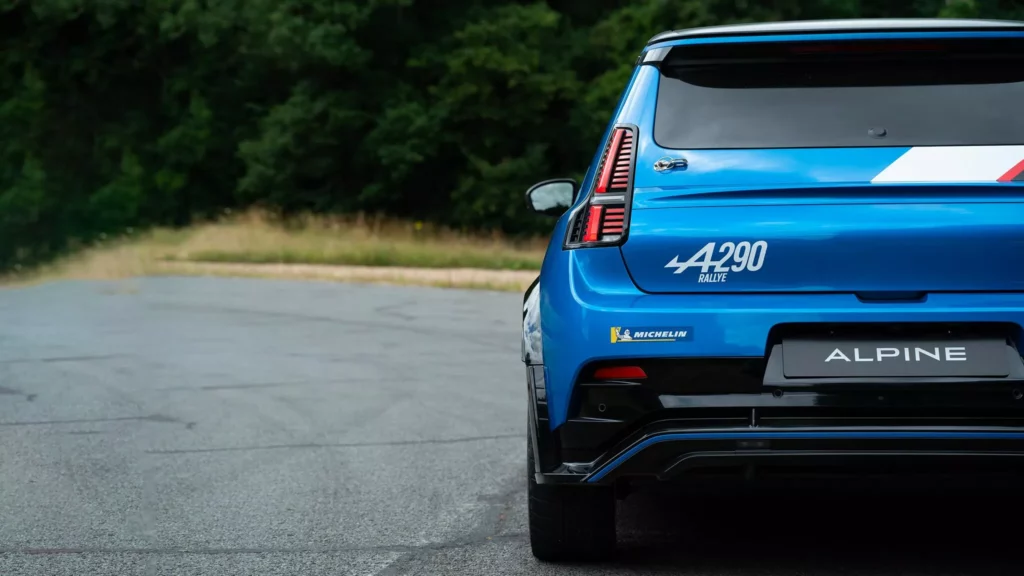
    Alpine A290 Rallye electric, rear view, aerodynamic details and LED lights
    The rear view of the A290 Rallye highlights its aerodynamic lines and meticulous design.

    A bold commercial strategy

    In order to democratise its electric city car, Alpine is banking on a very aggressive leasing offer. Starting at €290 per month, the 180bhp GT version is aimed at a wider audience. This positioning attracts the curious, but questions the purists. Can we really talk about Alpine when a model shares its base with a Renault 5? Sales figures tell a more nuanced story. Behind the enthusiastic announcements, the figures remain modest compared to expectations. On the other hand, interest is growing abroad, especially in Italy and the UK, where electric cars are becoming increasingly popular.

    A revolution in rallying

    Faced with these doubts, Alpine has chosen to respond on another front: competition. In November 2025, the manufacturer will launch the very first Alpine A290 Trophy, a rally championship dedicated to the electric version of the model. The event, organised as part of the Indre National Rally, promises to be a unique experience. There’ll be no roar of the engine or smell of petrol, just an intense silence. The drivers will have to tame a new form of emotion, more subtle, more visual too. For Alpine, this approach goes beyond mere marketing: it’s a way of proving that performance can exist without emissions.

    The Alpine A290 Trophy is more than just a technical demonstration. It is part of a clear desire to transform the rally from the inside. The 16 teams taking part will benefit from full assistance, an on-site spare parts service and strict technical supervision. The aim is to guarantee total mechanical fairness and to focus on talent rather than budgets. In 2026, six rounds will be included in the national championship, with a total prize fund of 236,000 euros. A significant sum which proves the seriousness of the project. Through this programme, Alpine is reinventing customer competition, while building an unprecedented link between its dealerships and its drivers.

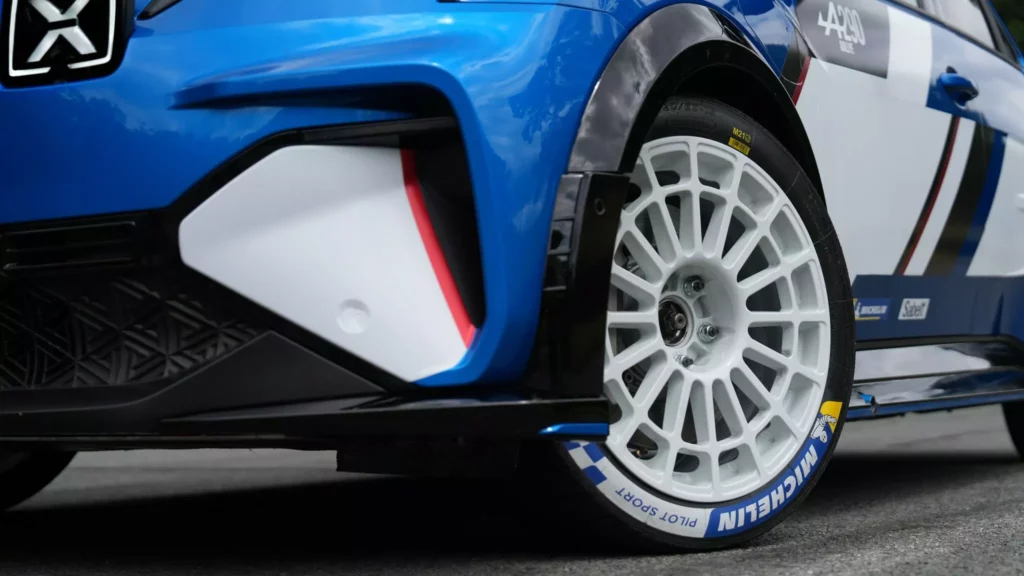
    Close-up of the Michelin wheels and tyres on the Alpine A290 Electric Rallye
    Close-up on the wheels and rims of the A290 Rally, designed for performance on the road and in rallies.

    A race car that wants to convince

    The Rallye version of the A290 has been extensively reworked. Its FIA roll cage, self-locking differential and special suspension give it real sporting credentials. Under the bonnet, the 220bhp electric motor delivers 300Nm of torque, supported by a 52kWh battery. All this for a weight of 1,530 kg, a compromise between robustness and agility. Alpine promises a lively, precise and expressive drive despite the weight of the batteries. In terms of dynamics, the engineers have focused on sensation, not brutality. The unofficial slogan sums up the spirit of the project: “the noise changes, but not the language of the car”.

    For some enthusiasts, a rally without mechanical rumblings is blasphemy. Yet Alpine has embraced this change of direction. Regulations are tightening, energies are changing and motor sport is no exception. The manufacturer prefers to anticipate rather than suffer. By launching the A290 Trophy, it is not seeking to replace the past, but to write the future. The electric transition is not a break with the past, it’s a natural evolution. In fact, the brand’s previous revolutions were often met with scepticism before being celebrated. The R5 Turbo, derided at its launch, is now an icon. Perhaps the A290 will follow suit.

    The electric challenge

    Behind the innovation, Alpine faces a deeper challenge: how to make an electric sports car desirable? Drivers are always looking for the thrill, the sound, the visceral sensation. By removing some of these cues, electric power means that we have to reinvent pleasure. This is where the A290 stands out. It doesn’t seek to imitate its predecessors, but to redefine the notion of performance. In a world where speed is becoming secondary, it relies on precision, stability and consistency. More than just a car, it marks a turning point for Alpine.

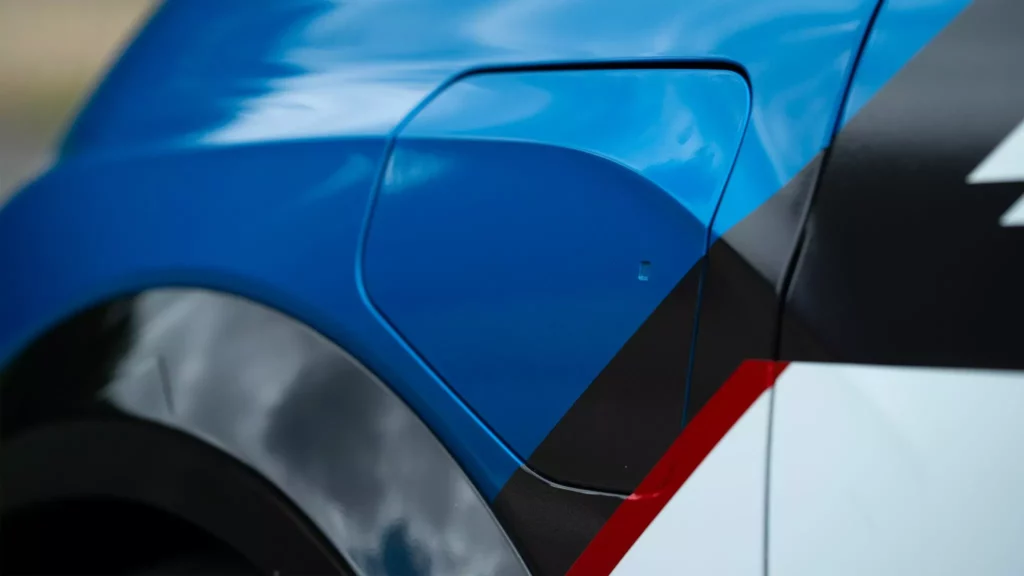
    Closed charging socket for the Alpine A290 Rallye electric vehicle
    Zoom in on the A290 Rallye’s charging socket, ready to welcome electric power for competition.

    The arrival of the A390 crossover confirms this desire to expand the range while preserving its DNA. Alpine wants to remain a symbol of motoring pleasure, but it knows that this pleasure must now be combined with responsibility. In the meantime, the A290 Trophy will serve as a full-scale test. If the public responds, the brand will have proved that emotion and electricity can coexist. If silence fails to convince, the strategy will have to evolve. Either way, the gamble will have been a brave one.

    Towards a new era in motor sport

    The roads of the Indre region in November will deliver much more than a sporting verdict. They will tell us whether automotive emotion can survive the electric revolution. The Alpine A290 embodies this tension between past and future, noise and silence, passion and reason. By launching it into the rally arena, Alpine is not just trying to win races. It is trying to prove that the soul of a car cannot be measured by its volume. And perhaps in that silence lies the new heartbeat of motor sport.

  • How to reduce your electricity bill with an electric vehicle

    How to reduce your electricity bill with an electric vehicle

    Driving an electric car doesn’t necessarily mean that your electricity bill will rise. On the contrary, the electric vehicle (EV) can become a lever for savings if you understand how to optimise its charging and consumption. At a time of rising energy prices, knowing the right reflexes can really make a difference. Here are the most effective strategies for lightening the bill without giving up the pleasure of driving clean.

    A man and his daughter charge an electric car at home
    Enjoy family time together while intelligently recharging your electric vehicle at home.

    The true cost of a full tank of electric fuel

    Many people fear switching to electric cars because of the price per kWh. Yet the cost of recharging is often lower than the cost of a full tank of petrol. Recharging a 50 kWh battery at home, at an average rate of €0.20/kWh, costs around ten euros for 300 kilometres. By way of comparison, an internal combustion car would consume at least €35 of fuel for the same distance. So the real issue is not the absolute cost, but when and how you recharge.

    When to recharge

    Electricity prices vary greatly depending on the time of day. Charging at night, during off-peak hours, can cost up to half as much as during the day. Many offers include specific subscriptions for electric vehicles, such as Tempo or Zen Flex from EDF, which encourage night-time charging. Most connected charging points allow you to programme your charging automatically at the most economical time. This simple habit can reduce your annual bill by 20-30%.

    Take advantage of electricity offers

    Some energy suppliers are now developing dedicated packages for electric vehicle owners. These packages often include a reduced rate for a dedicated time slot or a bonus for recharging at home. Comparing these offers will help you identify the one that best suits your lifestyle. A driver who travels mainly during the week will not choose the same contract as a retired person who makes short local journeys. Online simulators help you estimate the potential savings before committing yourself.

    Electric car recharged at home using a wall-mounted charging point
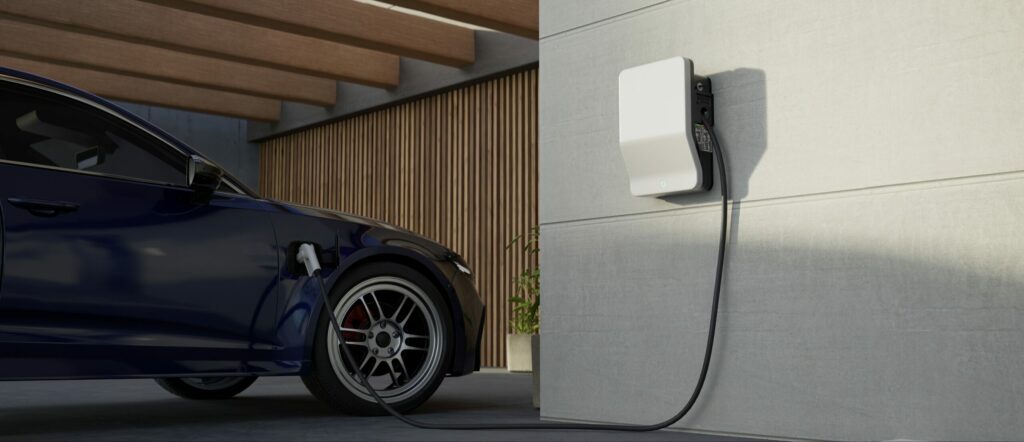
    an electric car connected to a home terminal to save on your electricity bill.

    The intelligent home terminal

    Installing a home charging point represents an initial investment, but one that quickly pays for itself. Smart” charging points communicate with the electricity meter and adapt the charging power according to the current tariff. They can also take account of local solar production if the home is fitted with photovoltaic panels. In this way, the energy produced free of charge during the day can be used to power the vehicle, reducing the cost of recharging to almost zero.

    Recharging with solar energy

    Combining an electric vehicle with solar panels is one of the most effective ways of reducing energy bills over the long term. The electricity produced on the roof supplies the car directly, without going through the grid. An average solar installation of 6 kWp can cover a large part of the needs of a driver travelling 10,000 kilometres a year. Admittedly, the initial investment is still substantial, but support for self-consumption and tax credits will accelerate profitability.

    Reloading in the right place

    Public fast charging is still practical, but often more expensive than home charging. Using these charging points only on long journeys limits the expense. What’s more, some retailers offer free recharging to their customers, particularly in shopping centres or supermarket car parks. If you plan your journeys using specialist applications such as Chargemap or ABRP, you can easily find the most economical recharging points.

    Several public charging points for electric vehicles
    Public charging points make it easy to recharge on long journeys or when out and about in town.

    Adapting your driving

    Saving electricity doesn’t just depend on the charging method. Driving style plays a major role in vehicle consumption. Gentle acceleration, anticipating traffic and moderate use of the heater can extend the range by several dozen kilometres. Thermal preconditioning, which heats or cools the car while it is plugged in, helps to save battery energy once on the road. These simple gestures add up over the year and add up to real savings.

    Two-way charging

    Two-way recharging technologies, which are still under development, will soon open up new savings opportunities. Vehicle-to-Home(V2H) will enable the vehicle’s battery to be used to power the home at peak times, then recharged when electricity is cheaper. This approach will transform the electric vehicle into a real mobile battery, capable of stabilising domestic consumption and reducing dependence on the grid. Some models, particularly in Asia, already incorporate this functionality.

    The electric vehicle as an energy asset

    As long as you adopt the right reflexes, the electric vehicle can become a real ally in energy management. By combining night-time recharging, smart charging points, solar power and sensible driving, you can reduce your bills while helping to make the ecological transition a reality. The cheapest electricity is that which is used intelligently. The EV is no longer just a means of transport, but a key link in a more sober and sustainable energy ecosystem.

  • Budget 2026: the uncertain future of electric cars

    Budget 2026: the uncertain future of electric cars

    The 2026 Finance Bill promises major changes for motorists, especially those with electric vehicles. Between reduced subsidies and increased taxes, French drivers could see their motoring budgets hit hard. Discussions in the National Assembly are likely to be tense, with no absolute majority for the government.

    Peugeot E-308 electric front view on urban road
    The electric Peugeot E-308 combines modern design with a range suited to everyday journeys. (Credit: Peugeot)

    The government’s clear objective is to make substantial savings. Motorists are becoming a priority target, in particular through taxation and the reduction of certain forms of public support. This strategy is part of a continuum that began in 2024, with subsidies for the purchase of clean vehicles already being reduced.

    Help with purchasing

    Since 2025, the State has withdrawn from the ecological bonus. The purchase subsidy, now known as the “coup de pouce véhicules électriques”, is financed by energy suppliers. This also applies to social leasing, which was previously subsidised by the State. Some public subsidies are therefore disappearing, but other schemes remain in place.

    This decision comes on top of other impacting measures. Purchase incentives have been halved in the space of a year. As a result, the budget available to encourage the transition to electric cars has been drastically reduced, increasing the pressure on consumers.

    Charging stations

    The tax credit for installing a home charging point, initially scheduled to run until 31 December 2025, represents aid of 500 euros for private individuals wishing to install a wallbox. Its continuation had caused concern among motorists and professionals in the sector.

    In the end, the Finance Committee extended the tax credit until 2027. However, the total cost of installation remains high, at up to €2,000, which is still a barrier for some households. Experts point out that this expense could limit the adoption of electric vehicles, despite the extension of the aid.

    Electric car connected to a home charging point
    A motorist recharges his electric car at home using a practical, secure wallbox.

    At the same time, the government is aiming for 7 million charging points by 2030. Without additional incentives for consumers, this target could remain elusive, even with the involvement of dealers and installers.

    Companies also concerned

    Company car tax (TVS) will be gradually increased until 2028. The CO2 tax and the tax on atmospheric pollutants will be increased to encourage greener fleets.

    As a result, the tax burden on polluting company vehicles will increase, while only electric and hydrogen-powered vehicles will retain their tax benefits. This measure is an incentive to reduce emissions and accelerate the adoption of clean vehicles.

    Fuel taxation and E85

    E85, a fuel containing up to 85% ethanol that is taxed very lightly, could be subject to a gradual price increase. The bill envisages a surcharge of 40 to 50 centimes per litre by 2028. This change would alter the profitability calculation for conversion kits.

    Although E85 would remain cheaper than SP95, the difference would be significantly reduced. This measure was rejected by the committee, but could come back during debates in the House, creating uncertainty for the motorists concerned.

    Increased penalties

    The CO2 penalty will be stricter from January 2026, with the threshold lowered to 108 g/km. The maximum amount will rise from €70,000 to €80,000, and may reach €100,000 in 2028 for the highest-emission vehicles. This increase applies to internal combustion vehicles and certain hybrids.

    At the same time, the weight-based penalty will apply from 1,500 kg, with a more progressive scale. Electric models that are not ‘eco-scored’ will also be affected, with a 600 kg allowance to limit the effect on certain vehicles.

    Renault 5 E-Tech electric car parked in town
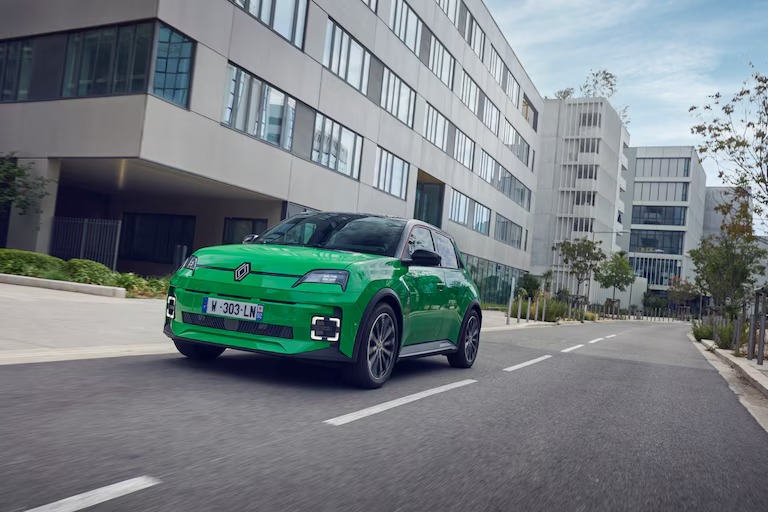
    he Renault 5 E-Tech electric offers a modernised retro design and an affordable price for electric cars (Credit: Renault)

    The energy transition called into question

    The reduction in certain forms of public support and the tightening of taxes could make access to electric vehicles more difficult for less well-off households. The adoption of zero-emission cars could remain concentrated among the most privileged drivers.

    The PLF 2026 illustrates the government’s dilemma between budget savings and energy transition. Future decisions will determine the future of clean cars in France.

  • New record: the YANGWANG U9 Xtreme conquers the Nürburgring

    New record: the YANGWANG U9 Xtreme conquers the Nürburgring

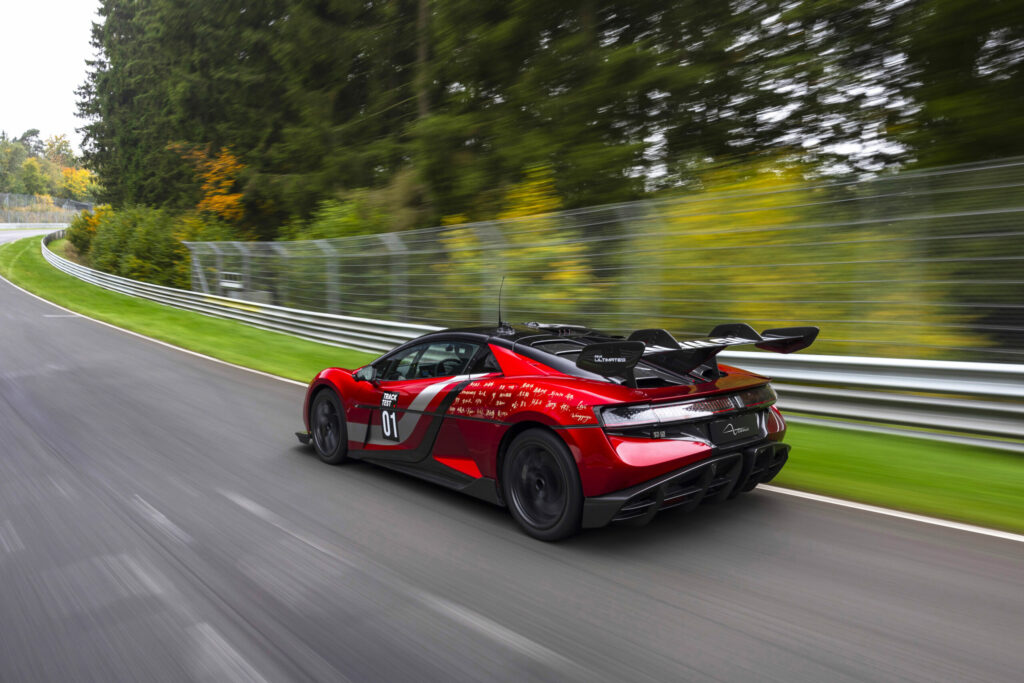
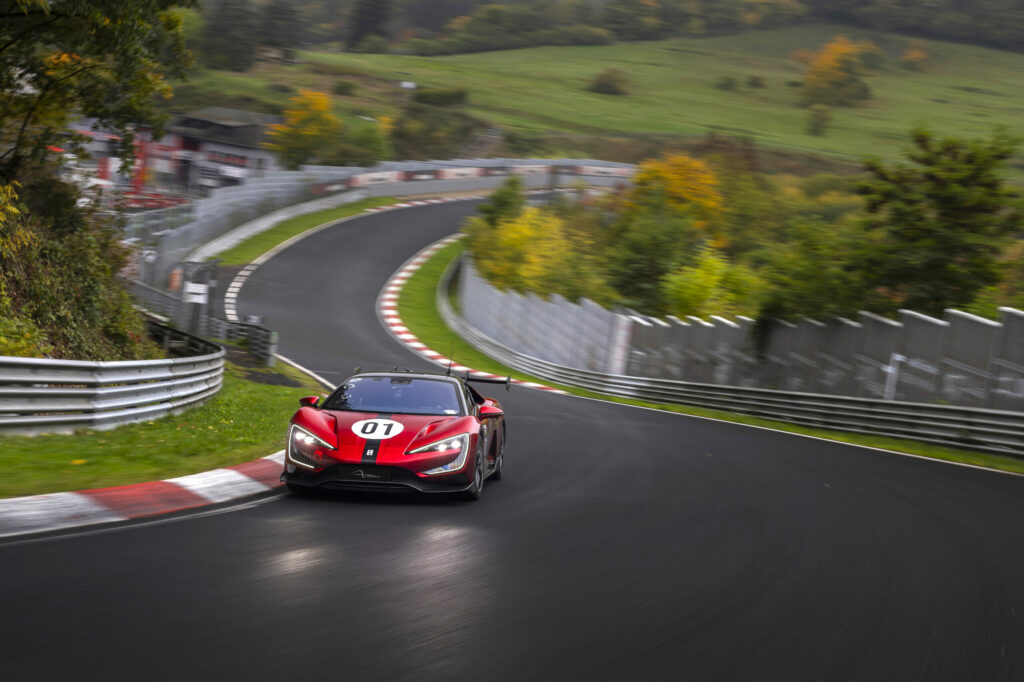
    The YANGWANG U9 Xtreme, BYD’s electric hypercar, has just achieved a historic feat. It has become the fastest electric supercar on the Nordschleife. Its achievement surpasses all expectations in the world of luxury and high-tech cars.

    YANGWANG U9 Xtreme electric car stopped on track
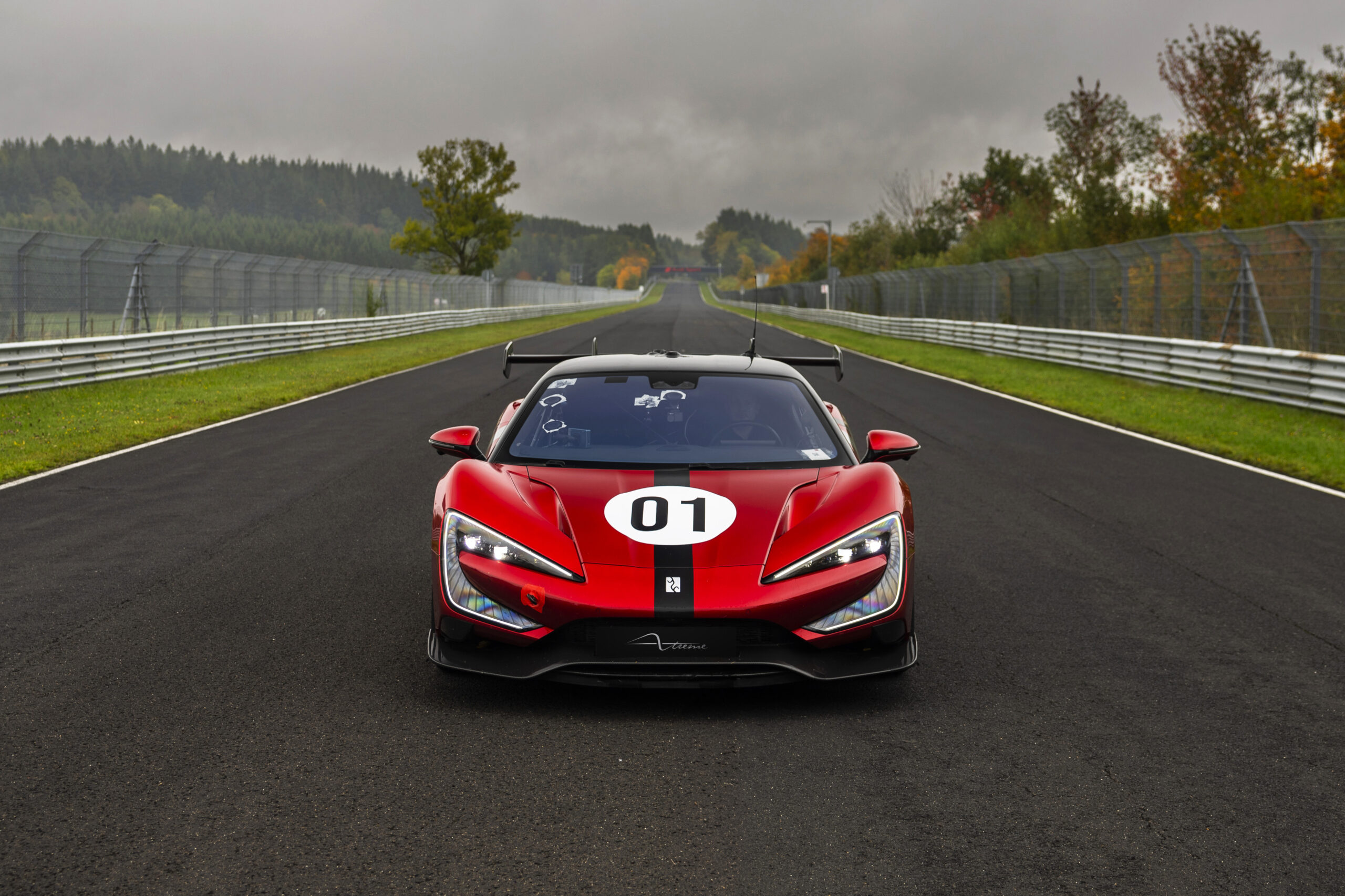
    The YANGWANG U9 Xtreme electric hypercar, immobilised on the track before its record-breaking run at the Nürburgring (Credit: BYD)

    Unrivalled technical prowess

    Since July 2024, YANGWANG engineers have been testing the U9 Xtreme on the Nordschleife, a 20.832 km circuit renowned for its difficulty. The data collected has fed directly into the development of the car. On 22 August 2025, it completed a lap in 6 minutes 59.157 seconds. This time beat the previous electric supercar record by more than five seconds, breaking the symbolic seven-minute barrier for the first time.

    Stella Li, Executive Vice President, underlines the importance of this success. According to her, pushing back the technological limits and taking on the Nürburgring is a challenge for both the cars and the drivers. The U9 Xtreme demonstrates exceptional performance on the track and on the straights. It combines speed, agility and precision, essential qualities for dominating a track as demanding as the Green Hell.

    Moritz Kranz, an experienced German driver, completed this historic lap. With almost 10,000 laps of the Nordschleife under his belt, he confirms that the Nürburgring remains the most demanding circuit in the world. He stresses the crucial role of chassis settings and the ultra-powerful electric platform in achieving such a high level of performance. According to him, without this meticulous preparation, this time would have been impossible.

    YANGWANG U9 Xtreme in motion rear view on track
    The YANGWANG U9 Xtreme accelerates on the track, rear view showing its power and stability. (Credit: BYD)

    Revolutionary electrical technology

    The U9 Xtreme is based on a 1,200 V ultra-high-voltage platform, the world’s first in series production. Four high-performance engines, capable of reaching 30,000 rpm, develop a total power output of more than 3,000 bhp. The power-to-weight ratio reaches 1,217 bhp per tonne, setting new world standards.

    The vehicle also benefits from the DiSus-X intelligent body control system, already used on the classic U9. This version introduces ‘body attitude control’ for the first time on the racetrack, optimising speed and efficiency simultaneously. The combination of these technologies makes it possible to manage complex bends while maintaining peak performance.

    Prepared for Green Hell

    The Nordschleife has steep gradients and technical corners. The U9 Xtreme therefore adopts solutions worthy of a racing prototype. Its cooling system has been redesigned, its brakes are based on carbon-ceramic discs alloyed with titanium, and its semi-slick GitiSport e-GTR² PRO tyres offer maximum grip. These innovations ensure optimum performance, both in terms of top speed and cornering precision.

    An exceptional model for collectors

    The U9 Xtreme is being produced in an ultra-limited series, with only 30 units available. Its name, derived from the English word “Extreme”, symbolises limits and exploration. The letter ‘X’ embodies the unknown and the quest for ultimate performance. This philosophy perfectly illustrates the spirit of YANGWANG: to push back the frontiers of technology while offering unique driving pleasure.

    YANGWANG U9 Xtreme in motion front view
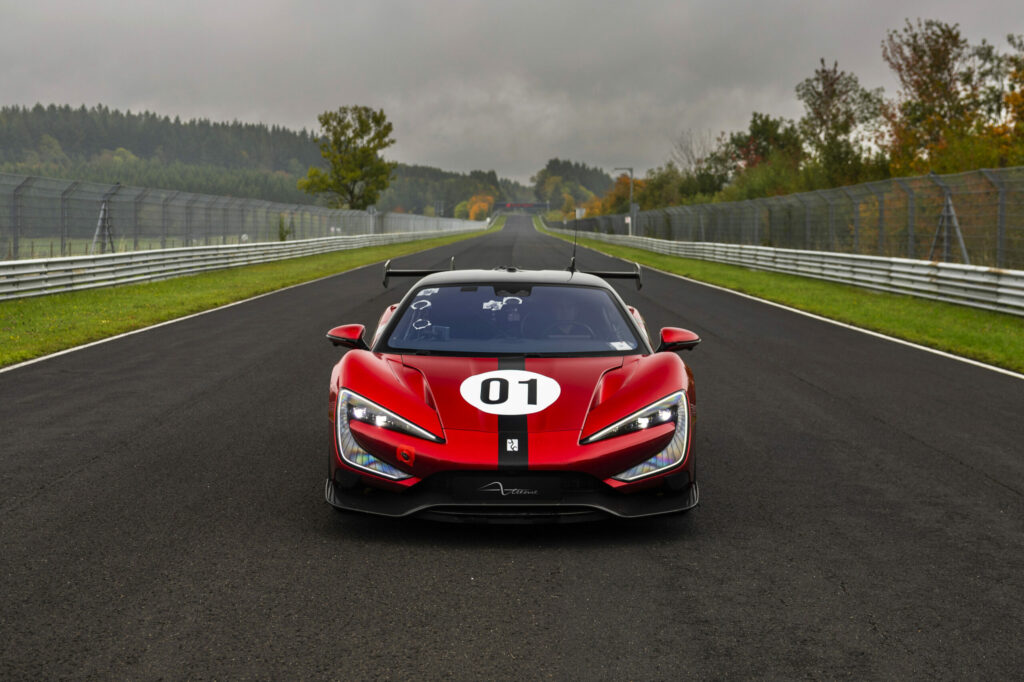
    A front view of the YANGWANG U9 Xtreme, symbolising its record speed and futuristic design (Credit: BYD).

    A future of excellence

    With this new record, YANGWANG confirms its place among the leaders in high-performance electric mobility. The U9 Xtreme is more than just a feat of speed, it paves the way for a new generation of electric supercars capable of competing with the most iconic combustion-powered models. The innovations implemented on this model will serve as a benchmark for future vehicles, combining power, precision and durability.

    In conclusion, the YANGWANG U9 Xtreme redefines the concept of the electric hypercar. It proves that performance and innovation can be combined with technical mastery and exceptional design. The Nürburgring has never been so electric, and the automotive world is now watching in admiration as a new standard of excellence is set. However, this record remains relative: other production cars, either lighter or equipped with different technologies, have achieved faster times. For instance, the Porsche 911 GT3 992.2 completed the Nürburgring in 6’56’’, while the Mercedes-AMG Project One holds the absolute record with 6’29’’, thanks to its Formula 1-derived hybrid powertrain. Thus, although the U9 Xtreme impresses with its innovation, it still lags behind the historic lap times of the fastest production cars on the Nordschleife.