Author: Mathis Miroux

  • Škoda Epiq: the popular electric SUV arrives late 2025 / early 2026

    Škoda Epiq: the popular electric SUV arrives late 2025 / early 2026

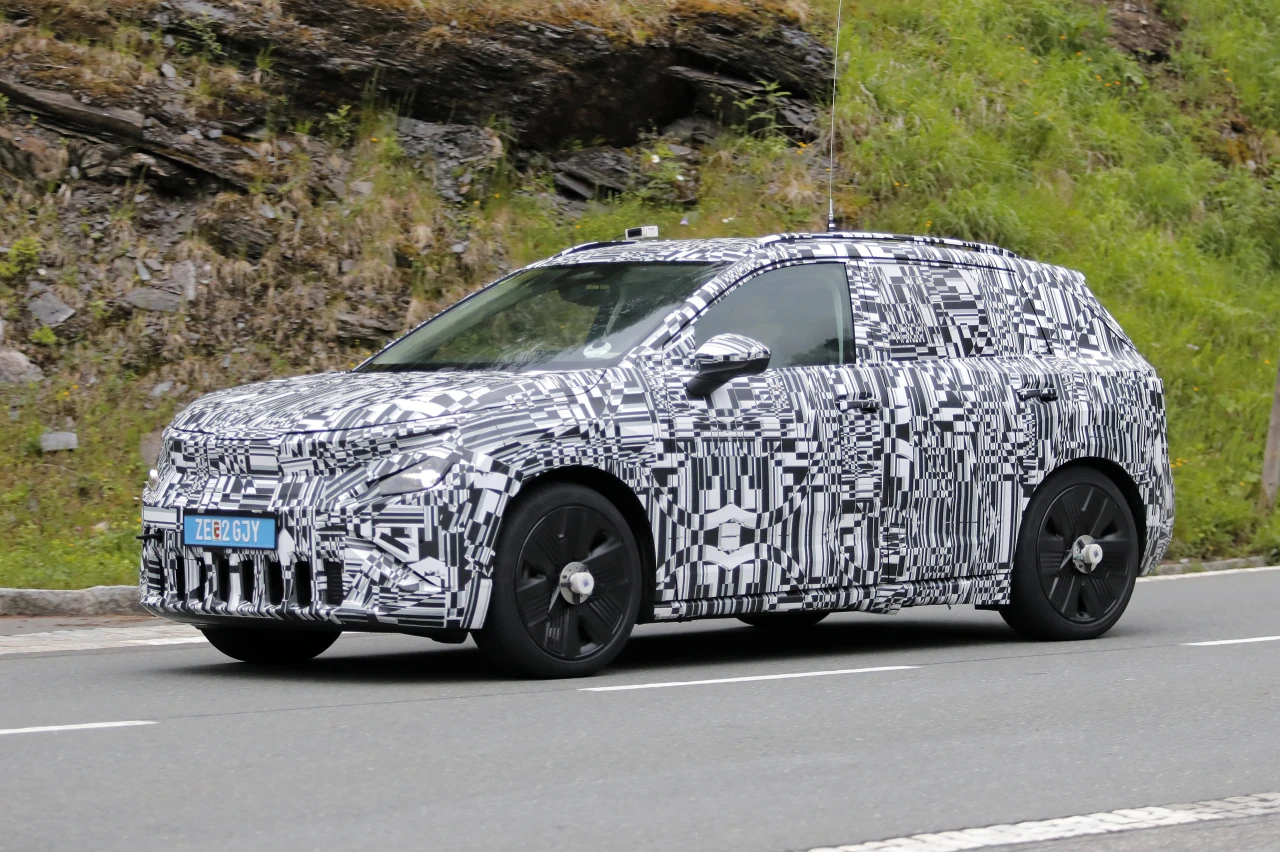
    Škoda is refining its ambitions in the consumer electric market with a new model, the Epiq, expected for the end of 2025. Presented as a concept in 2024, this “mini SUV” has already been seen during road tests in Spain, near the production plant, at the beginning of July 2025. With a length of 4.10 m, it is positioned in the affordable compact SUV segment, also coveted by Renault with its R4 E-Tech, Citroën with the ë-C3, and Volkswagen with the ID.2. Spotted recently in Spain under camouflage, the Škoda Epiq is now entering its active phase of road tests.
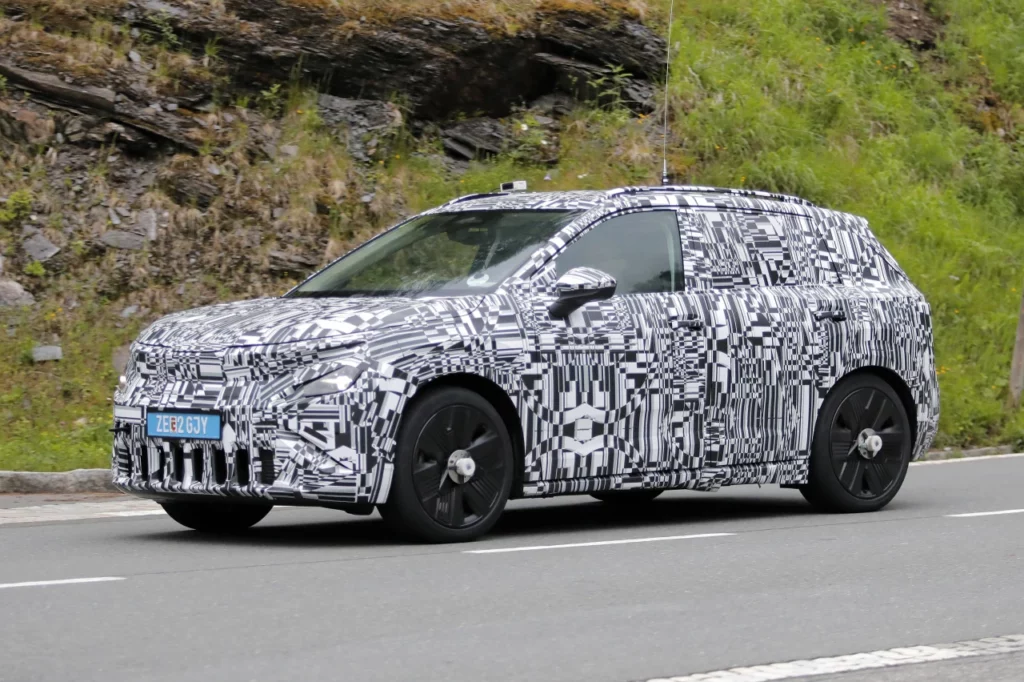
    Škoda Epiq on a road test in Spain in July 2025, a compact electric SUV disguised before its planned release at the end of 2025.
    The Epiq undergoing road tests, camouflaged ahead of its planned launch at the end of 2025. (Credit: Auto review)

    Low prices, high ambitions

    Škoda has promised that the Epiq will target a starting price of around €25,000 , excluding the environmental bonus. This psychological threshold is the one that all manufacturers are targeting in order to democratise electric cars without ruining motorists. To achieve this, some concessions will no doubt have to be made on the equipment of entry-level versions. However, the manufacturer insists that this is a practical, connected family car, not a low-cost product.

    Solid design for a new Škoda era

    The design of the Škoda Epiq does not go unnoticed, even under camouflage. It inaugurates the new ‘Modern Solid’ design language, already visible on the brand’s latest concepts. It has a compact, almost muscular silhouette, with a flat bonnet, taut lines, T-shaped headlamps and a clearly visible ŠKODA name at the rear, in place of the traditional logo. Even under canvas, the Epiq clearly displays its positioning: a robust, practical yet modern urban SUV.

    Up to 400 km range and two-way charging

    Although Škoda has not yet released the full technical specification, the Epiq concept unveiled in spring 2024 claimed a range in excess of 400 km WLTP. A credible figure, even if the first marketed versions could offer a slightly more modest range depending on the battery chosen.
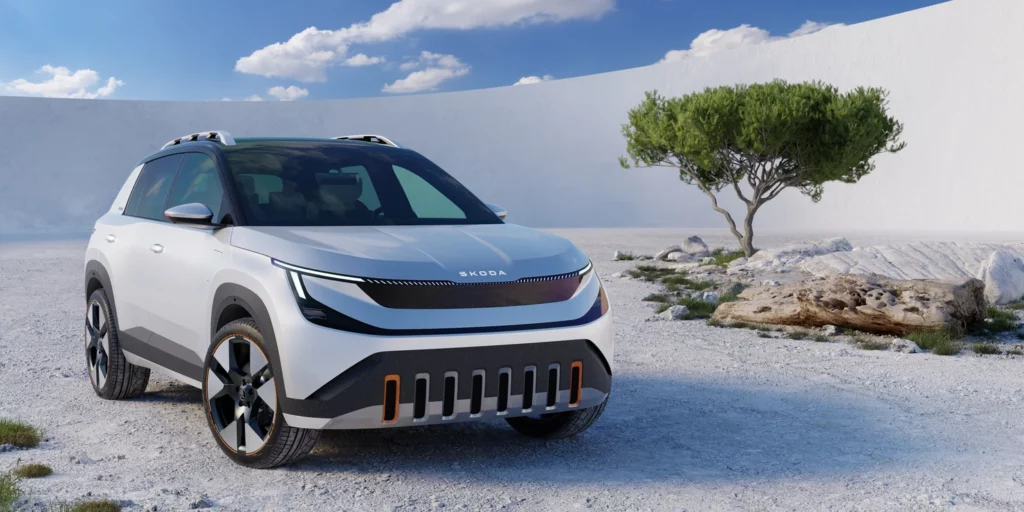
    New Škoda Epiq design with taut lines and T-shaped headlamps
    The Škoda Epiq adopts the Modern Solid style, muscular and compact. (Credit: Škoda)

    Bidirectional charging (V2L or V2G) will also be on the programme. Still a rare feature in this price range, it can be used to power appliances or even feed electricity back into the home network, appealing to users concerned about their energy footprint.

    An SUV designed for Europe and made in Spain

    The Epiq will not just be a concept: it is based on the new dedicated MEB Entry platform, designed for the Volkswagen Group’s entry-level electric vehicles. Unlike other Škodas produced in the Czech Republic, this model will be assembled in Pamplona, Spain, alongside the Volkswagen ID.2 and Cupra Raval. This strategic choice aims to contain costs while ensuring 100% European production. It remains to be seen how quality will be affected by this change of plant and the reduction in costs.

    Uncluttered interior, bordering on the simplistic

    On board, Škoda’s Epiq concept relies mainly on a large central screen. This is in line with the VAG group’s approach with Audi and Volkswagen: a minimum of physical buttons for essential functions, and recycled materials such as plastic used for the dashboard and centre console. A futuristic style that may confuse some drivers.
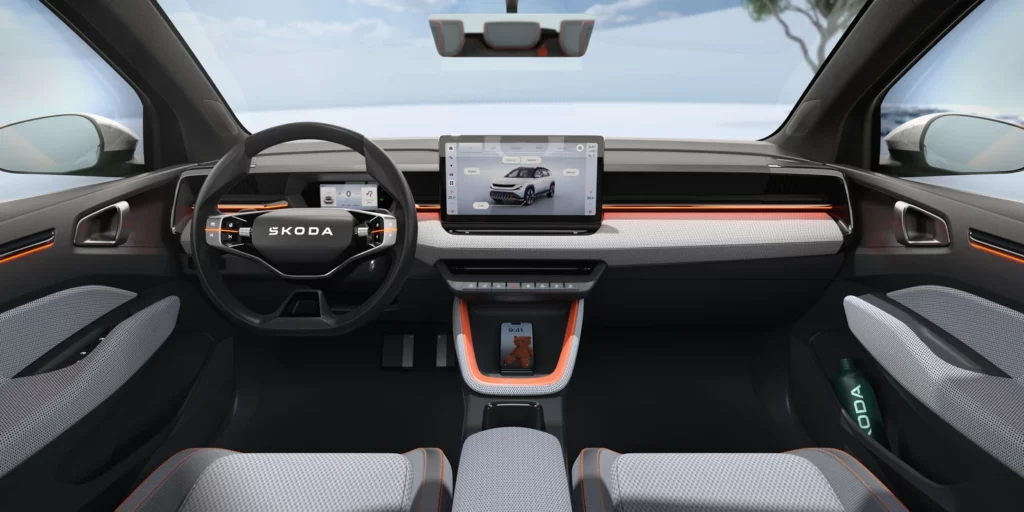
    Interior of the Škoda Epiq with central screen and minimalist design
    A refined, 100% digital dashboard, typical of the latest VAG electric vehicles. (Credit: Škoda)

    In terms of load capacity, Škoda has announced a boot capacity of 490 litres, which is surprisingly generous for a city car, making it particularly attractive to young families.

    A key model for Škoda and the VAG Group

    The stakes are high for the Czech brand. The Epiq is set to become one of the pillars of Škoda’s electric range, with a stated target of 70% electric sales in Europe by 2030. More broadly, this compact SUV should enable the Volkswagen group to catch up in the affordable electric segment, in the face of the rise of Chinese offerings, as well as those from Renault, Fiat and Citroën.

    With this Škoda Epiq, the Czech brand is not just offering another compact SUV. It is a strategic model, a decisive turning point in the electrification of their range. Škoda is moving forward in a field pioneered by Renault (Dacia) in Europe: a reasonable price, credible range, European manufacturing and modern design. Pending its official unveiling at the end of 2025, this small electric SUV promises to be a serious competitor to the Dacia Spring and the latest Renault 4 E-Tech.
  • Xiaomi YU7: An electric SUV more ambitious than Tesla?

    Xiaomi YU7: An electric SUV more ambitious than Tesla?

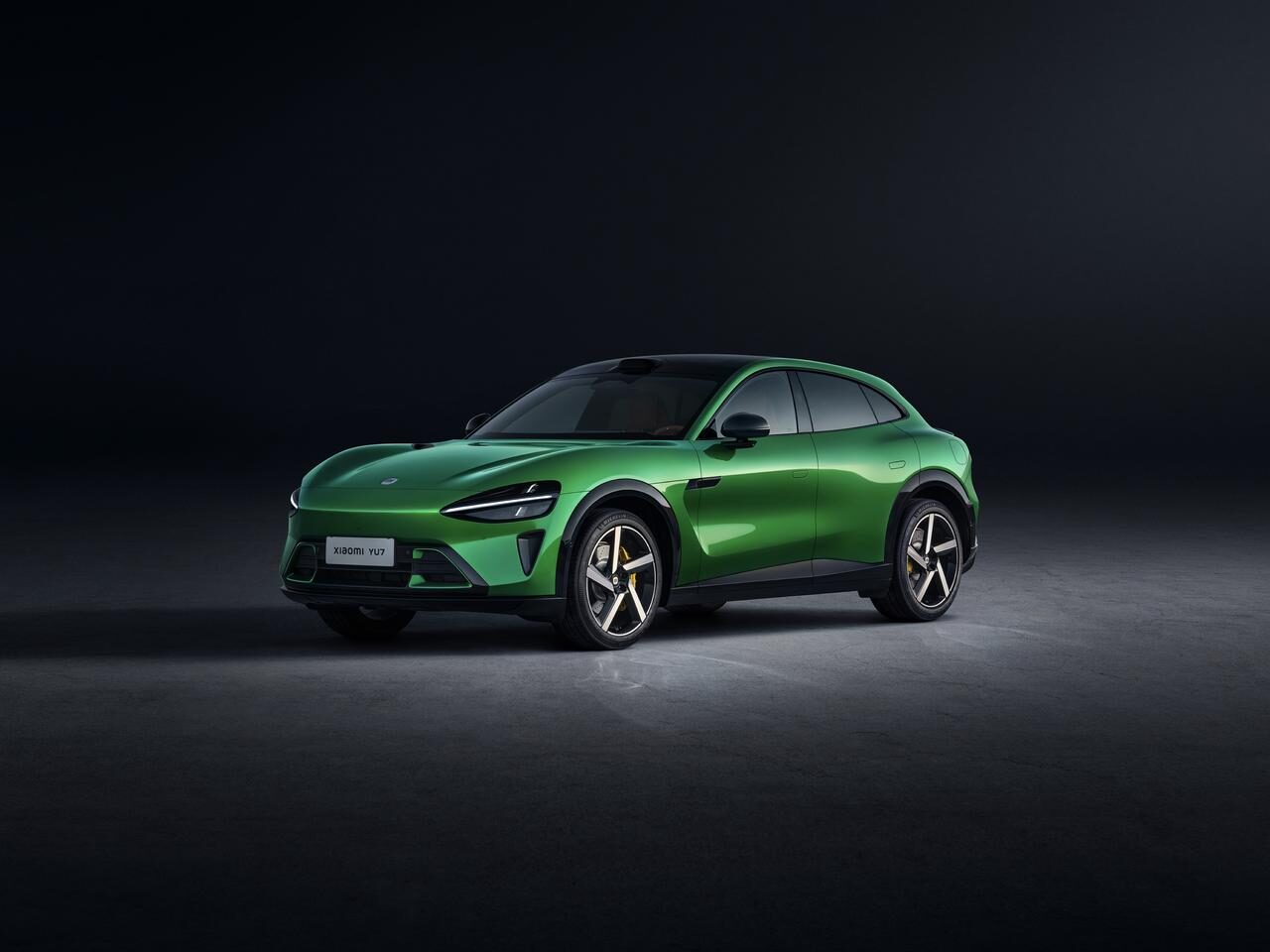
    Just a few months after setting a lap record on the Nürburgring circuit with the SU7 Ultra (in its class), Xiaomi is striking again in the electric car industry. On 2 July 2025, the Chinese brand is launching the Xiaomi YU7: a sporty electric SUV with the look of an Italian supercar, designed to dethrone the various Tesla and BYD models already well established on the market.

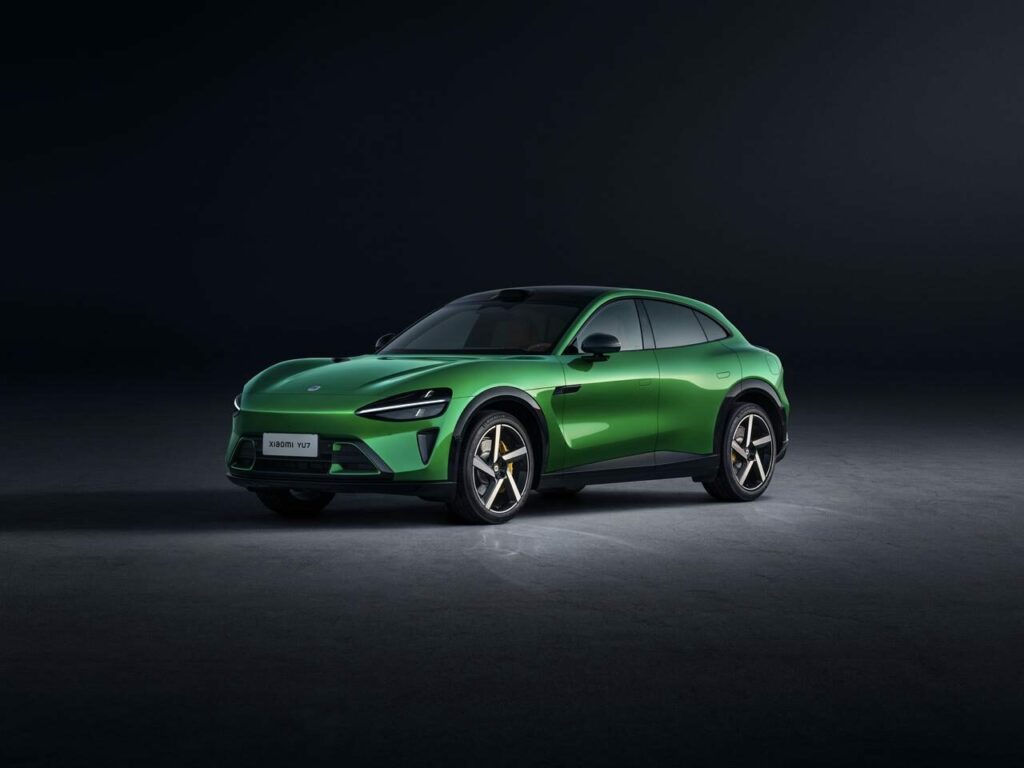
    Photo of the Xiaomi YU7, Xiaomi's sporty electric SUV in 2025
    Credit: XIAOMI

    The Xiaomi YU7 is an electric SUV with supercar-like performance… available in three versions: Standard, Pro and Max. The top of the range, Max, is powered by two 690hp engines, accelerates from 0 to 100km/h in 3.23 seconds and reaches a top speed of 253km/h. That’s impressive performance compared with the competition.

    When it comes to recharging, this Xiaomi SUV goes from 10% to 80% in just 12 minutes. As for maximum range, Xiaomi claims 760 km CLTC (remember that CLTC range is often optimistic: actual range is usually less).

    Technology and chassis

    The YU7 combines double wishbone suspension at the front, multi-link at the rear, and a continuous adaptive damping system (the dampers adapt to their environment in real time). On paper, all these high-tech elements ensure both comfort and sporty handling.

    The brakes, supplied by Brembo (with four pistons), allow braking from 100 to 0 km/h in just 33.9 metres, making the YU7 Max one of the most dynamic electric SUVs on the market.

    An aesthetic from elsewhere…

    In terms of design, the YU7 has curved front and rear wings, emphasising its muscular stance. The wheel arches are painted black, accentuating its high-slung silhouette and reinforcing the image of a premium SUV. The fluid lines of the bodywork evoke the elegance of Italian coupés, such as the Alfa Romeo Stelvio.

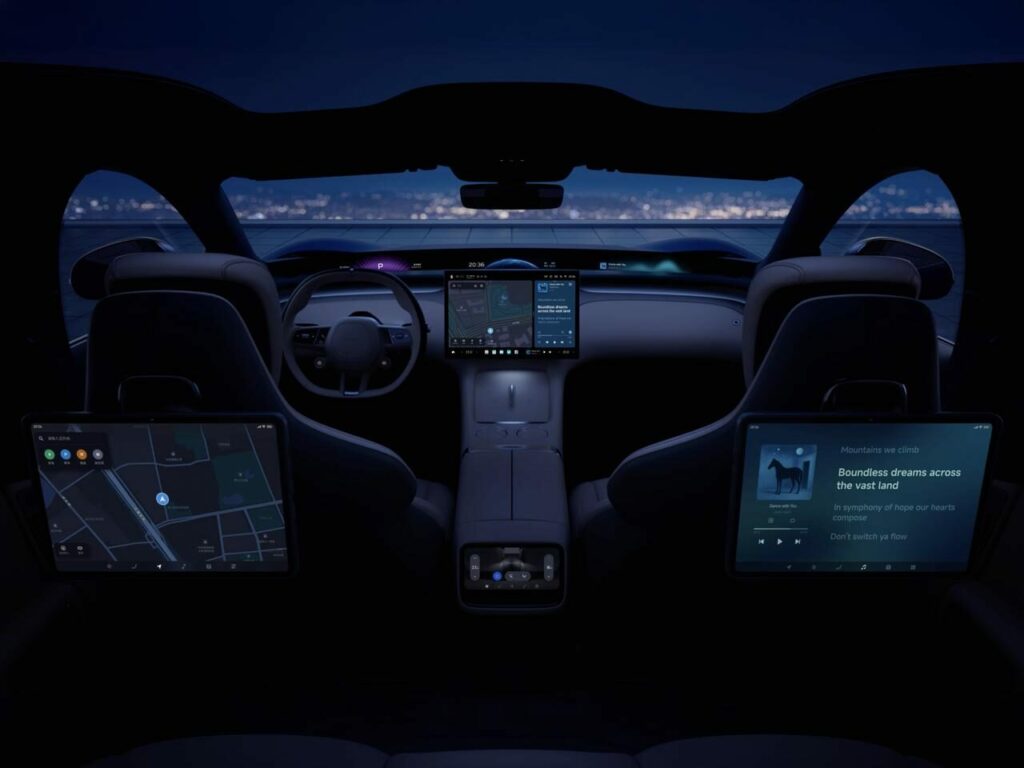
    Technological interior of the Xiaomi YU7 Max SUV
    Credit: XIAOMI

    But what struck the editors most were the numerous similarities with the Ferrari Purosangue, released in 2023. The front end has a very similar look, an almost identical light signature, and curves and flanks that border on copying. This resemblance is no accident: it bears witness to the enduring influence of the great European sports cars, which are now being imprinted on the visual identity that Xiaomi wants to adopt.

    Commercial ambitions?

    Xiaomi is aiming to replicate the success of its SU7 saloon, which has sold more than 258,000 units since March 2024. The Chinese manufacturer has announced an annual production capacity of 300,000 units at its Beijing plant. Xiaomi’s industrial ramp-up is designed both to meet growing demand and to tackle head-on the mid-range and premium segments, where Tesla’s Model Y and BYD’s various SUVs operate.

    The YU7 Max’s price positioning is also advantageous… Priced from €39,300, even in its most advanced version, Xiaomi’s SUV is less expensive than the entry-level model of its direct rival, the Tesla Model Y, priced at €44,990 excluding options. Xiaomi is targeting customers looking for a sporty, high-tech family SUV, without sacrificing a competitive price.

    Record orders and exceptional waiting times

    The Xiaomi YU7 confirmed its sales offensive as soon as bookings opened: 200,000 pre-orders in three minutes, 289,000 in an hour, then 240,000 confirmed orders in just 18 hours, well before reaching annual production capacity…

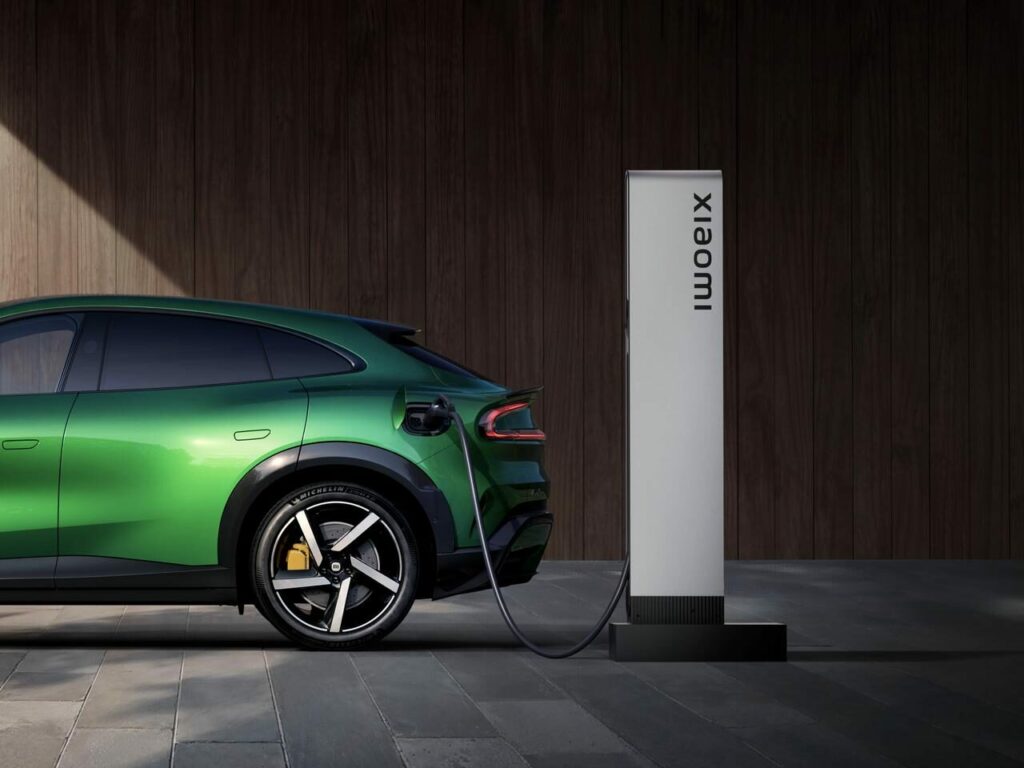
    Rear view of the Xiaomi YU7 with its supercar-inspired lines
    Credit: XIAOMI

    The rush for this family SUV led to unprecedented delivery times in the car industry: between 56 and 59 weeks for the Standard model and 37 to 40 weeks for the Max. These exorbitant delivery times have provoked a wave of complaints from customers who were not warned of the delay before paying the non-refundable deposit! (According to Reuters.)

    The results of the launch of the YU7 are clear: record orders and problems delivering to all its buyers… A pretty big constraint for a brand that, until 2021, was selling only phones and televisions…

  • Electric scooters and motorbikes: between green dreams and practical problems

    Electric scooters and motorbikes: between green dreams and practical problems

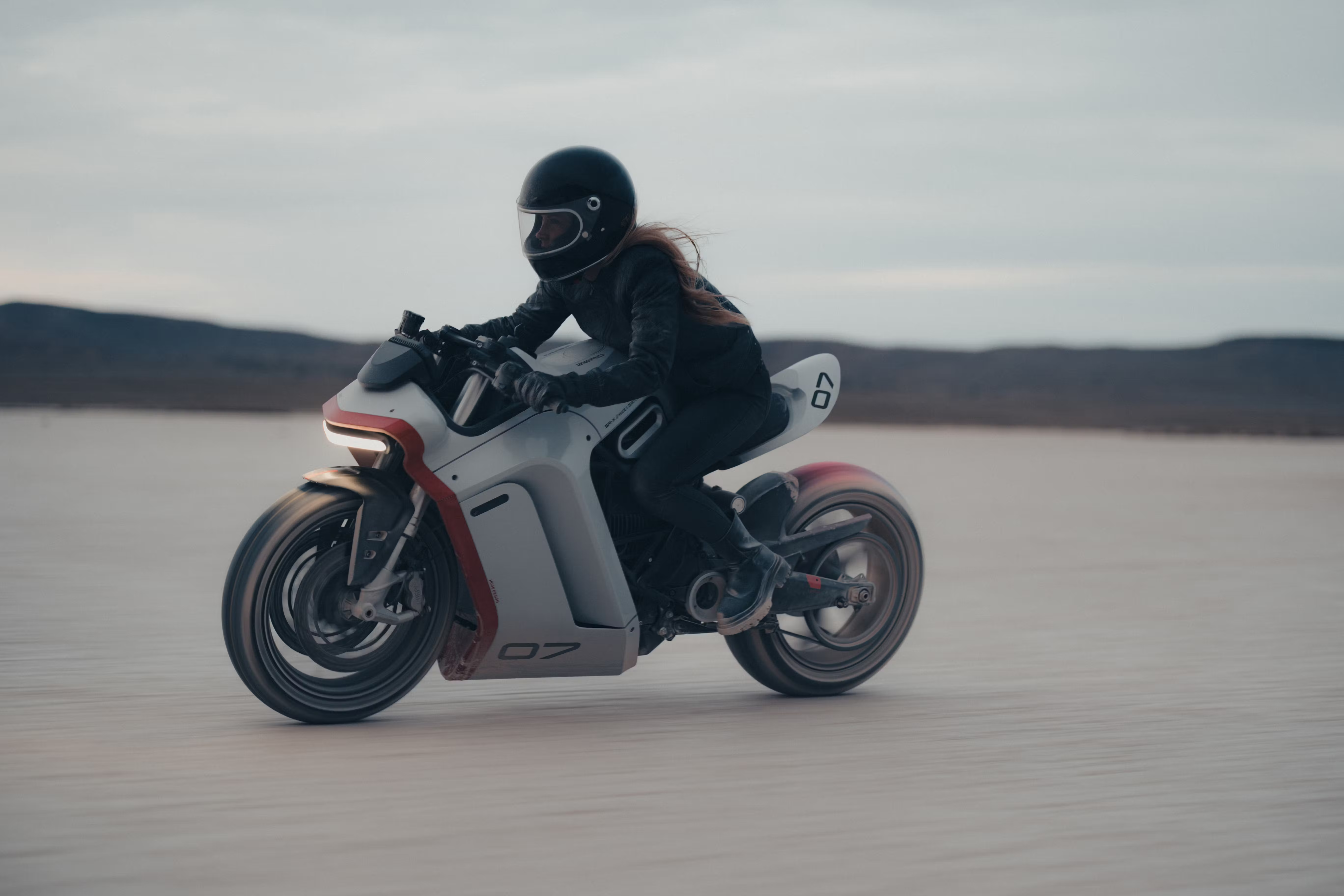
    Like the car industry, the motorbike industry needs to reinvent itself before 2035. Electric scooters and motorbikes are gradually making their way into our towns and cities, appealing as much to city dwellers concerned about their carbon footprint as to enthusiasts of new technologies. But before taking the plunge, consumers need to ask themselves a number of crucial questions…

    Credit: Zero Motor Cycles

    Given the small size of the battery, will it last long enough to get you from home to work? Where, when and how do you recharge? Are you eligible for government subsidies? Are the charging points different from those for electric cars? And many more besides… All these (legitimate) questions are concerns that put the brakes on the purchase of an electric scooter or motorbike.

    Basile Delaruelle, a Parisian student and owner of an electric scooter, experiences this on a daily basis: ” I can make a round trip between my home and my school, but really not much more… On the second return journey, i.e. once I’ve covered around twenty kilometres, I often find myself below 20%, and the scooter automatically slows down “. This weariness is well reflected in the market for these two-wheelers over the past two years…

    To put this into context, over the period 2019-2022, the market is seeing a significant increase in sales, due to several factors:

    ● The growing restrictions of the ZFEs (Low Emission Zones),

    ● Government subsidies for the purchase of electric scooters,

    ● The boom in home deliveries (mainly during the COVID-19 period, with Deliveroo, UberEats, etc.).

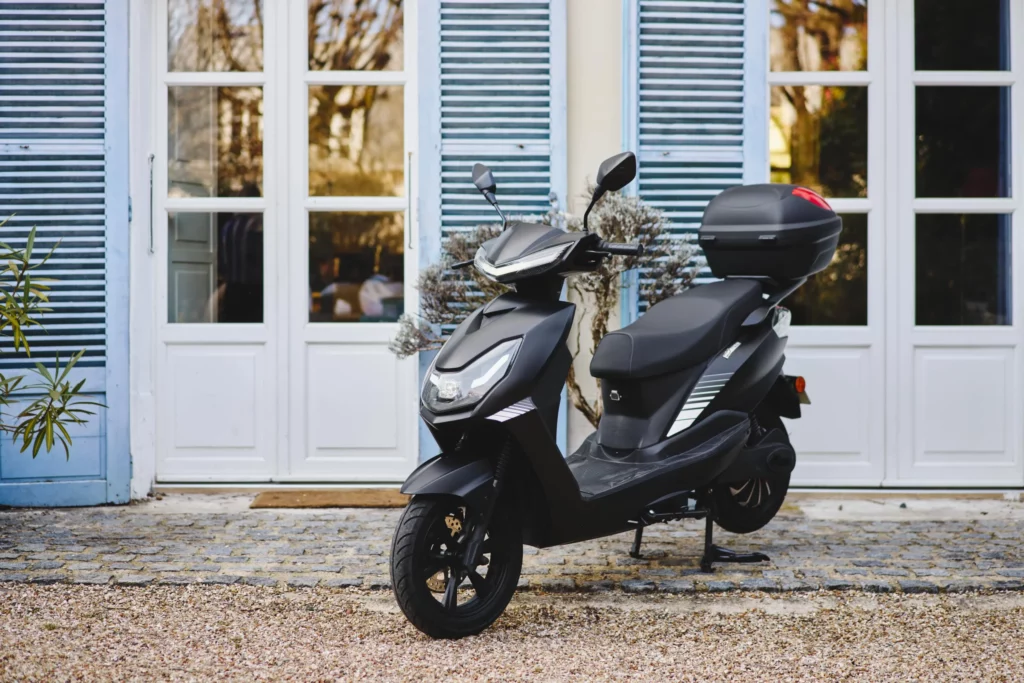
    All these changes have pushed companies and individuals alike to seize the opportunity of this EV. The result: in 2022, 50,992 registrations in France, representing a market that is 71.1% up on 2021 (according to the Solly Azar – AAA Data Observatory).

    Credit: Pink Mobility

    However, since 2023, the trend has been reversed… This year, the market for electric two-wheelers has fallen by 16%. And this trend has not improved since…

    A number of factors are holding back the adoption of EVs by users. Two-wheelers are coming up against an increasing number of much more flexible alternatives. Electrically-assisted bicycles and scooters, for example, do not require a licence, so the target audience is much wider. Basile confirms the practical complexity of this EV: “ On my electric scooter, I have to take the battery apart every evening to recharge it at home. It’s a real hassle, especially if you don’t have a garage. What’s more, these batteries are relatively portable: ” They’re heavy… When you’re on the move all day, carrying your battery around under your arm isn’t really practical.

    However, with ecological constraints, anti-pollution regulations and rising fuel prices, by 2025 electric scooters are an imperative choice, but one that needs to be carefully negotiated. However, even if it’s a good deal, it’s still essential to find out exactly what you need and what your budget is before buying an electric scooter or motorbike…

    Which licence for which vehicle?

    For thermal two-wheelers, the rule was quite simple:

    ● 50CC engine = AM licence (former BSR)

    ● 125CC engine = A1 licence (or “125 licence”) or B licence + “125 training”.

    ● +125CC engine (and more powerful) : A licence

    With the arrival of electric scooters, motorbikes and maxi-scoots, the concept of engine capacity is changing:

    50CC equivalent: scooters with a power rating of around 4 kW, max speed 45 km/h (Accessible with AM / BSR licence)

    125CC equivalent: scooters with a power rating of between 4 kW and 11 kW, capable of speeds in excess of 45 km/h (Accessible with A1 licence or Permis B + “Formation 125”)

    Maxi-scooters and electric motorbikes (power between 11 kW and 35 kW): Requires an A2 licence, accessible from the age of 18, with a theory and practical test.

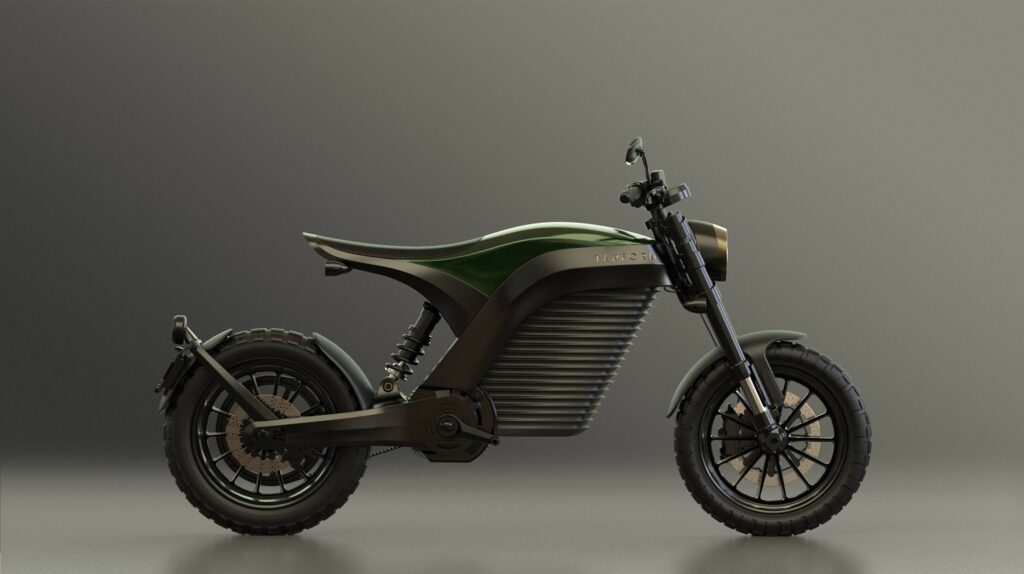
    Credit: Tarform Motor Cylce


    Ultra-efficient models, a category ≥ 35 kW

    Some 100% electric maxi-scooters, like the BMW CE-04, have very specific ambitions. In 2014, BMW launched its ‘C-Evolution’ range with a clear objective: to compete with market benchmarks such as Yamaha’s T-Max and Honda’s Forza, which are widely acclaimed for their sportsbike-like performance.

    To offset this decline in the electric two-wheeler market, some companies, such as Zero Motorcycles, are slashing prices on certain models. You can expect discounts of up to €6,000, depending on the model and year of manufacture. The discounts apply to the whole range, from the 125 CC equivalent to the most powerful models.

    The aim is to make these motorbikes more accessible, attract more people and help the market move towards electric two-wheelers.

    At a time when cities are looking to move away from internal combustion, these EVs represent credible alternatives. But the choice needs to mature, between technical constraints and financial incentives.

  • Planning a long electric journey: the right reflexes for a calm holiday departure

    Planning a long electric journey: the right reflexes for a calm holiday departure

    As the summer holidays approach, many French people will be embarking on a long journey by car… and in this respect, electric vehicles are often a source of concern… Organising a holiday trip by car requires a great deal of organisation, whether you’re driving a combustion engine or an electric vehicle! So before you embark on those interminable hours on the road, the editors have a few tips to help you prepare for your motorway adventure this summer…

    Credit: Gustavo Fring
    Credit: Gustavo Fring

    Before setting off, a basic technical check of the vehicle is essential: tyre pressure, the condition of the brake discs, the various lights, the windscreen wipers, the brake fluid levels, etc. These aspects may seem trivial, but all these small items of wear and tear can affect the distance travelled. These aspects may seem trivial, but all these small-scale wear and tear can have an impact on the vehicle’s driving distance. So a well-maintained car means optimum range, and naturally a smoother, more stress-free journey. Speaking of range, the one claimed by the manufacturer remains theoretical… To prepare as well as possible, and to know the real distance that the vehicle can cover, testing it in long-distance conditions is highly recommended. With the boot loaded, the air conditioning switched on, and on the motorway if possible, these are ideal conditions for getting a more reliable estimate of your vehicle’s capacity.

    Another essential rule is not to wait until the battery is below 30% before recharging. Some charging points are very popular at peak times. It’s best not to recharge at the last minute, especially when approaching areas with heavy traffic. Also, before setting off, it’s a good idea to look out for the fast-charging stations available along your route. The network has certainly become denser, but it still varies from region to region.

    The watchword: organisation

    The best way to avoid last-minute detours (or even breakdowns…) is to plan ahead. To recharge without unpleasant surprises, it’s important to find out about the methods of payment at the charging points you identify beforehand. Some of them don’t accept credit cards, or are only available to vehicles capable of accepting particularly high charging power… The risk? Arriving at an unusable fast-charging point with little battery and not enough range to find another…

    Credit: Bastien Neves
    Credit: Bastien Neves

    One final point not to be overlooked: remember to take a “Type 2” cable with you. This European standard is still essential at many charging points, which are not always equipped with self-service cables… In short, there’s one factor above all else: anticipation, so that you can drive, albeit at the mercy of a battery… but relaxed!

  • Xiaomi upsets Porsche at the Nürburgring

    Xiaomi upsets Porsche at the Nürburgring

    Who would have bet that a phone manufacturer, Xiaomi, would come and beat Porsche on its favourite home turf, the Nürburgring ?

    In the space of just a few months, Xiaomi, the Chinese consumer electronics giant, has turned the established codes of the automotive industry on their head with an extra-fast time at the Nürburgring… But to fully understand the significance of this dazzling achievement, we need to look back at the chronology.

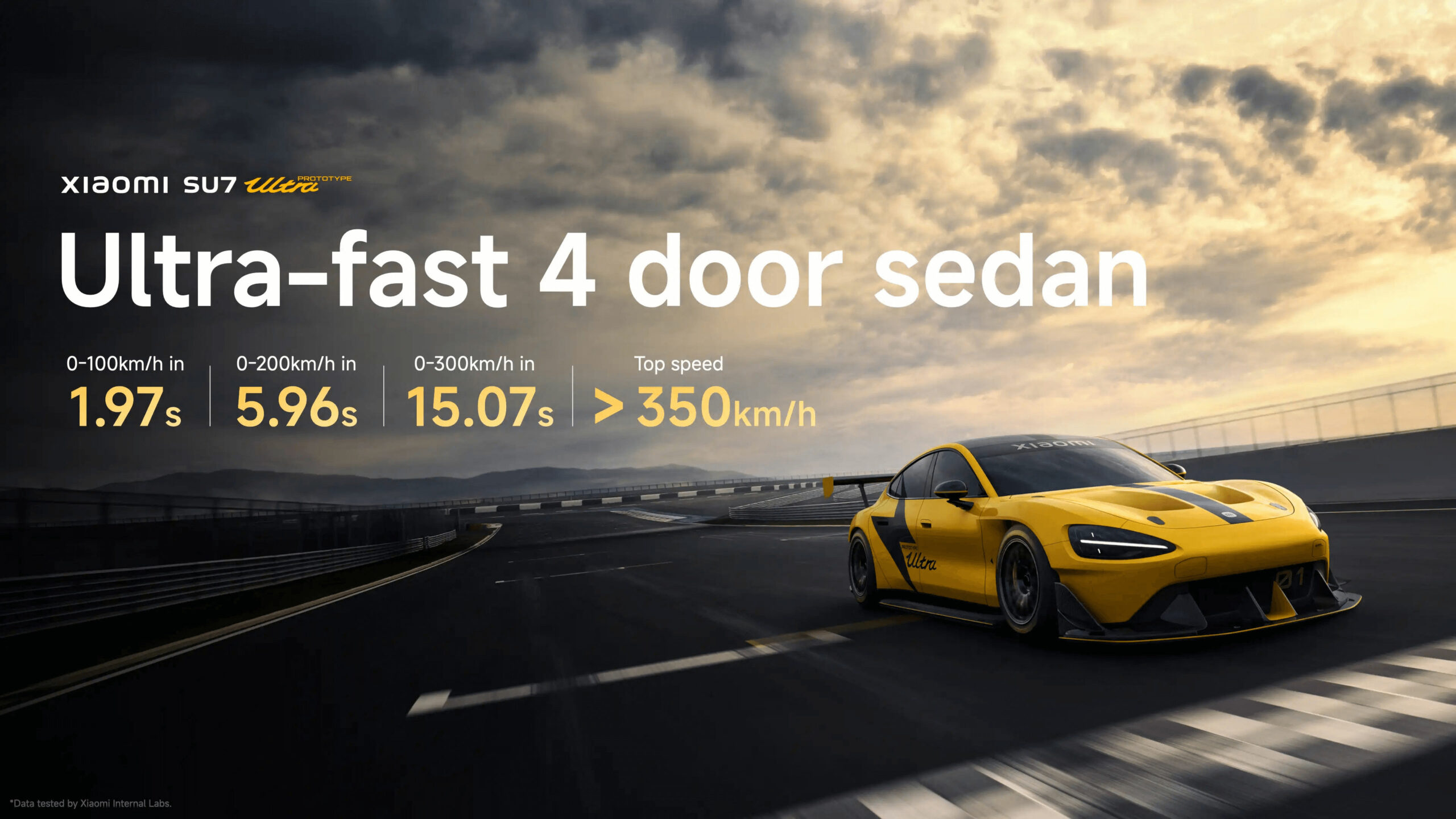
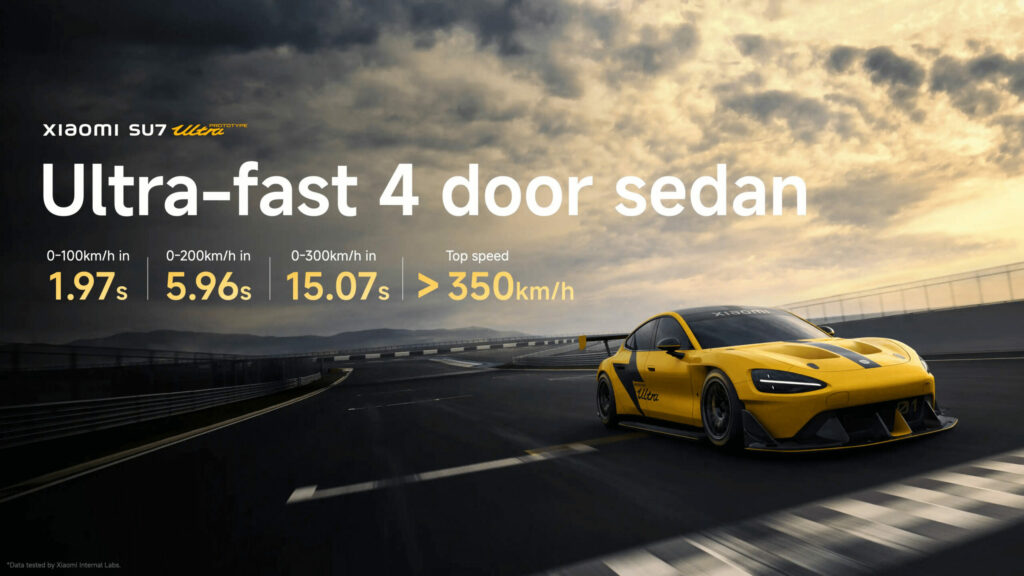
    The SU7, Xiaomi‘s first electric GT sports car, went on sale in China in March 2024. At the same time, a much more extreme prototype called the SU7 Ultra (more powerful, lighter and optimised for the track) was tested on the legendary German circuit the following summer. On 28 October 2024, a prototype of this SU7 Ultra completed the Nürburgring Nordschleife in just 6 minutes and 46 seconds… A disconcerting time for the German competitors, but achieved with a vehicle that was not really up to standard… Roll-over bar, racing tyres and specific components not available on the production version! In short, this version achieved an incredible time, but is not part of any championship, and therefore has no official value… (in this case, the category is ‘Electric Production Cars’).

    A record at the Nürburgring, a royal entry into the big leagues for Xiaomi

    The real record came just a few months later. On 1 April 2025, Xiaomi took another lap of the track with a production SU7 Ultra in just 7 minutes 04 seconds, this time validated in the Electric Production Cars category. It’s a feat that sent shockwaves through the world, as the time above dethroned the Porsche Taycan Turbo GT! (The former queen of the category…) So it’s at this precise moment that Xiaomi strikes hard. On its very first attempt, a very young car brand has surpassed one of the most emblematic names on the Nürburgring. The Nürburgring has always been dominated by European manufacturers, and Porsche has reigned supreme here for decades as a national symbol of performance and precision.

    xiaomi record Nürburgring
    Credit: Xiaomi France

    But to achieve such a result, Xiaomi has spared no expense. The SU7 Ultra packs more than 1,500bhp from three electric motors, as well as Pirelli semi-slick tyres, carbon-ceramic brakes and a chassis that’s sharper than ever. Features that make this model much more than just a GT sports car: it’s a real technological showcase, demonstrating China’s ambitions in the high-performance electric sector.

  • CATL offers an alternative to conventional lithium batteries

    CATL offers an alternative to conventional lithium batteries

    After unveiling their latest sodium-ion batteries in April 2025, CATL announced on 28 May 2025 a new advance on its “lithium-metal” batteries. These modifications to the composition of the cells could remove several obstacles to the adoption of electric cars, by improving both range and lifespan.

    Credit: L'Annuel de l'Automobile
    Credit: L’Annuel de l’Automobile


    To understand what such a breakthrough represents in terms of electric batteries, it is essential to know who CATL really is. The brands equipped with ‘Lithium’ batteries from this company’s factories are very large. They include Tesla, BMW, Mercedes-Benz, Volkswagen, the brands of the Stellantis group, Hyundai, Ford, Xpeng and even BYD. All these brands together account for around 57% of the global market for electric cars… CATL could therefore supply these new batteries to more than half the market!

    A revolution in global auto electrics?

    This new ‘lithium-metal’ battery is a radical step forward… Not only has range been doubled thanks to a record energy density of 500 Wh/kg (compared with 250/300 Wh/kg on average), but the battery’s longevity and lifespan have also been significantly improved compared with previous ‘lithium-metal’ batteries. In theory, this new prototype doubles the life of the cells, making it possible to achieve 483 recharge cycles before the battery’s capacity falls below 80%, compared with around 250 cycles previously. The biggest advantage is that the batteries will be able to store much more energy, without being heavier or bigger…

    Eventually, this type of battery could enable electric vehicles to achieve mileages comparable to, or even greater than, those of many internal combustion models. However, these “lithium-metal” batteries do offer superior energy density, but they are sometimes limited in time. They face problems of premature wear and tear, particularly with the formation of dendrites and the gradual degradation of the electrolyte. After hundreds of recharging cycles, these dendrites end up neutralising certain lithium cells, which ultimately tarnishes the battery’s performance.

    In practical terms, the battery gradually loses its autonomy, and it also becomes more difficult to deliver heavy acceleration or rapid charging without heating up or damaging the battery. Yes, that dead lithium always takes up space and cannot be used by the battery…

    There is much speculation as to when the first CATL “lithium-metal” battery-powered vehicles could be put on the road as early as 2026-2027, with a ramp-up to 2027-2028, according to the Australian technology news website Discovery Alert.

    How do you go from 100 to over 450 recharges?

    Until now, lithium-metal batteries have struggled to exceed 100 recharge cycles before losing performance. CATL has succeeded in pushing back this limit by modifying the composition of the electrolyte (the liquid that allows lithium ions to circulate in the battery). Normally, some of the lithium and salt (LiFSI) present in this liquid is lost with each recharge, which wears down the battery. By better stabilising this electrolyte and forming a thin, more even protective layer inside the battery, CATL has succeeded in limiting these losses and significantly extending the life of its lithium cells.

  • Electric cars: how much does recharging really cost?

    Electric cars: how much does recharging really cost?

    While the ecological virtues of the electric car are often extolled, its economic benefits are just as attractive. But at a time when energy prices are fluctuating and recharging points are springing up all over the place, there’s one question that keeps coming back
    : on a day-to-day basis, is recharging your car really cheaper than filling up with petrol?

    Credit: Pexels

    At home: the most wallet-friendly recharging option

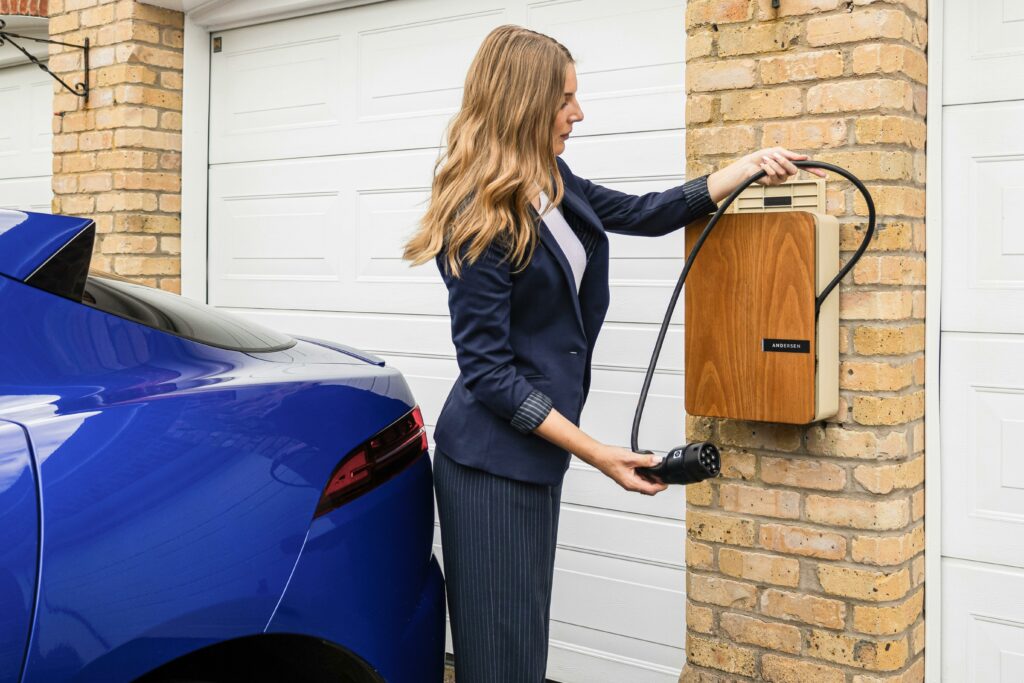
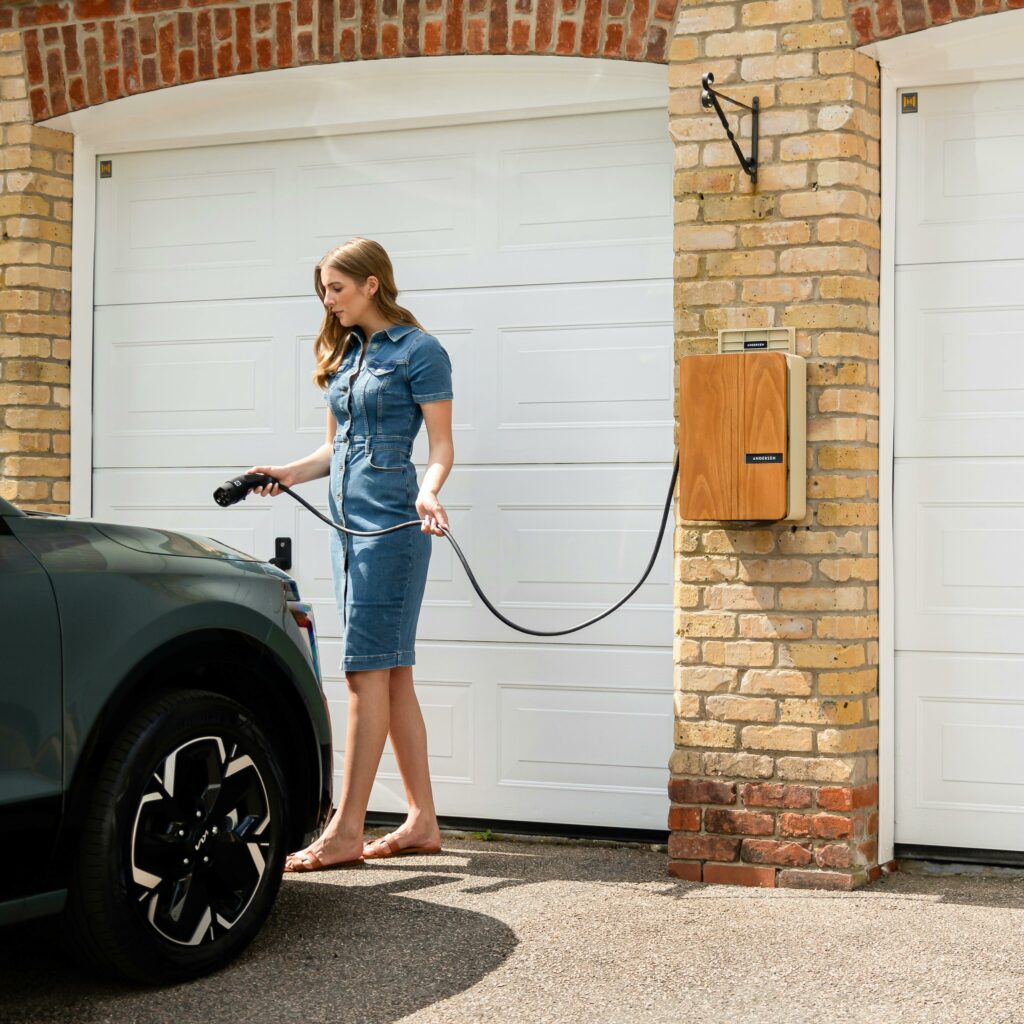
    It all depends on where, when and how you connect your vehicle. The majority of motorists who opt for home recharging via an individual charging point choose the most economical solution. An electric car consumes between 15 and 20 kWh per 100 kilometres, or around €3.75 to €5 (based on an average rate of €0.25/kWh).

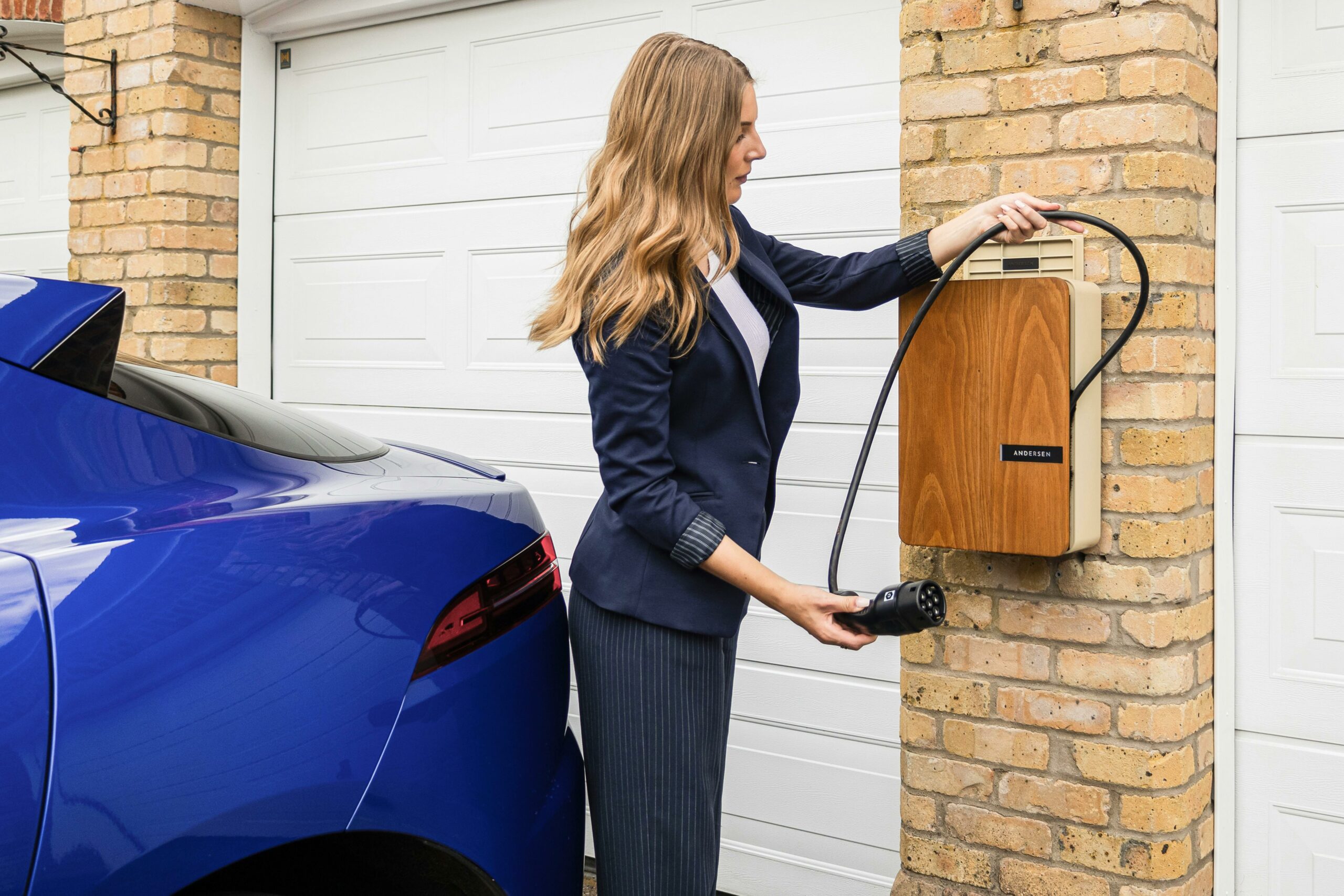
    A word of warning, however: installation requires the services of an IRVE-approved electrician, and represents an initial investment of between €1,400 and €4,000, depending on the type of charging point chosen.

    Credit: Pexels

    On the road: faster charging stations… but more expensive

    As soon as you leave home, the cost of recharging increases. Conventional public charging points, often located in urban areas, charge between €0.25 and €0.50/kWh, which works out at between €5 and €10 per 100 kilometres – still less than the cost of a full tank for a combustion-powered city car.

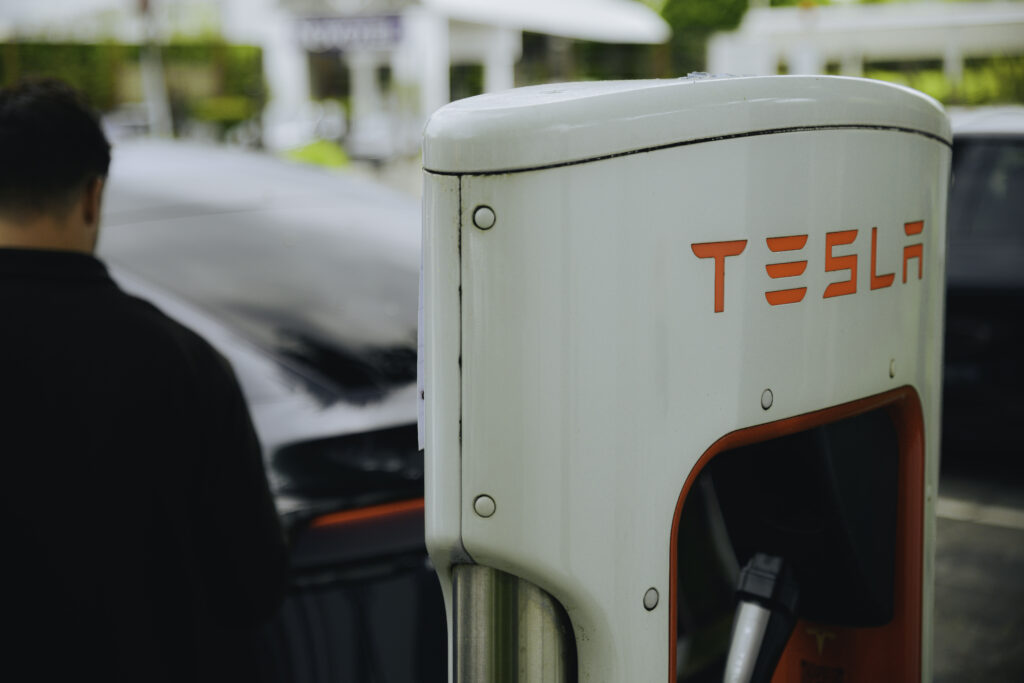
    On the other hand, ultra-fast chargers such as Tesla Superchargers or those from TotalEnergies (150 to 350 kW) are considerably more expensive. They can cost up to €0.80/kWh, or around €15 per 100 km, which is close to the cost of a petrol or diesel car.

    A full charge (80% battery) for an average electric car at these stations costs around €50, but offers unbeatable charging times: between 8 and 10 minutes to go from 20% to 80%, depending on the vehicle and the station.

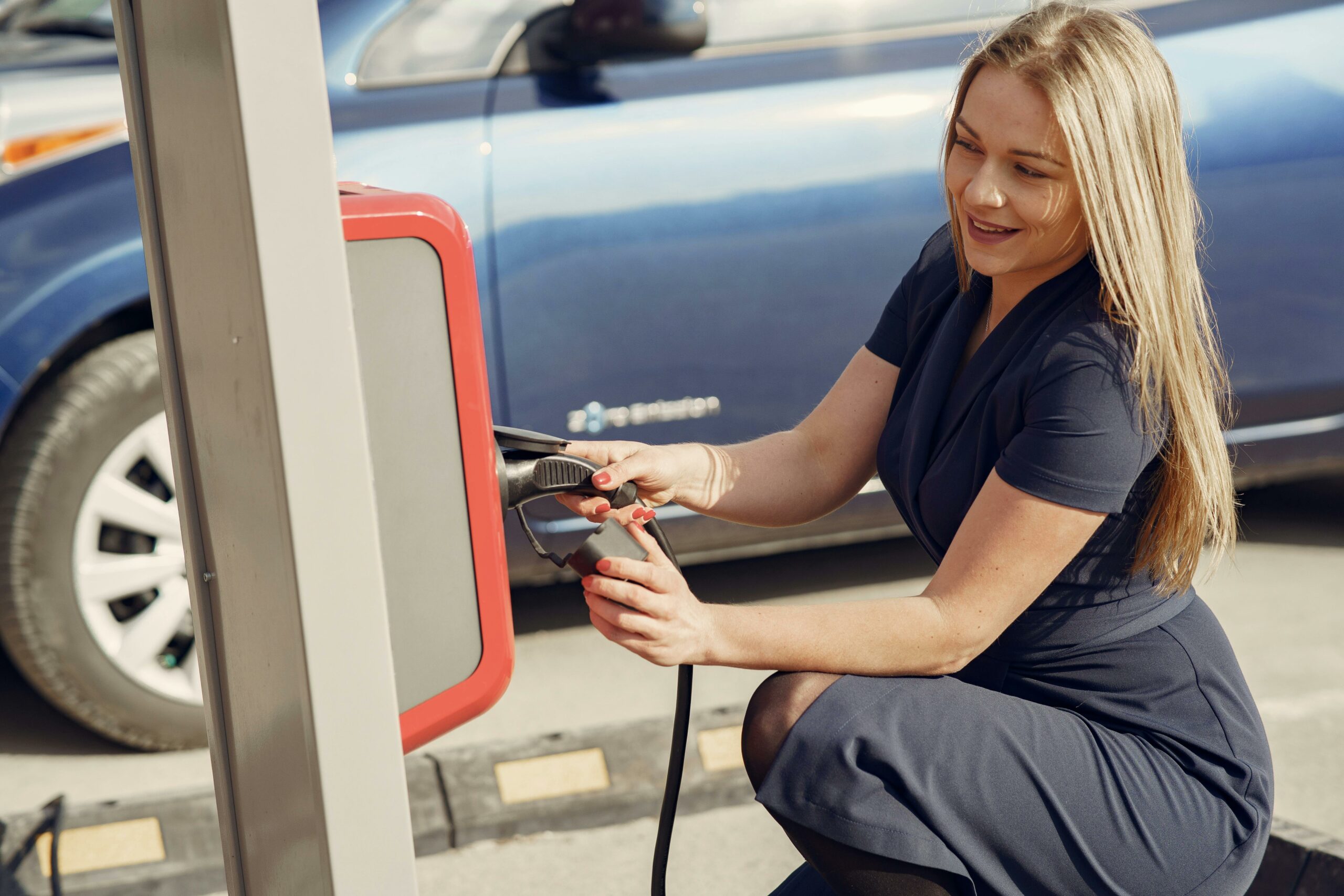
    Credit: Mathis Miroux

    Smart recharging: saving money if you think ahead

    On the whole, an electric vehicle is cheaper to run than a combustion model. But this requires a certain amount of organisation: recharging at home, choosing the right time slots (especially off-peak hours) and avoiding public charging points without a subscription are essential reflexes.

    Because while driving electric saves money and reduces your carbon footprint, it also requires a bit of forethought… and a plug socket close at hand.

  • BYD sets its sights on the European supercar market

    BYD sets its sights on the European supercar market

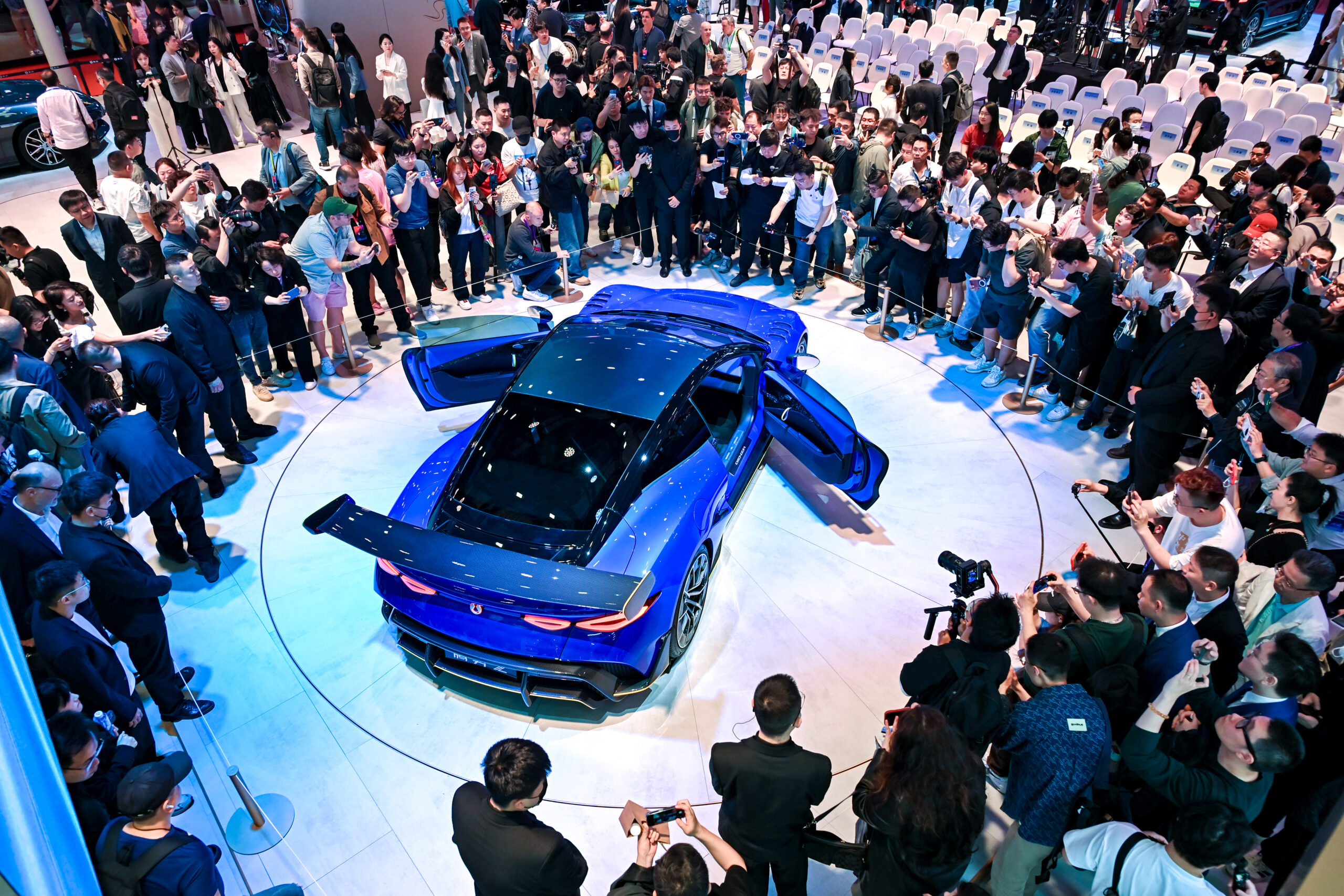
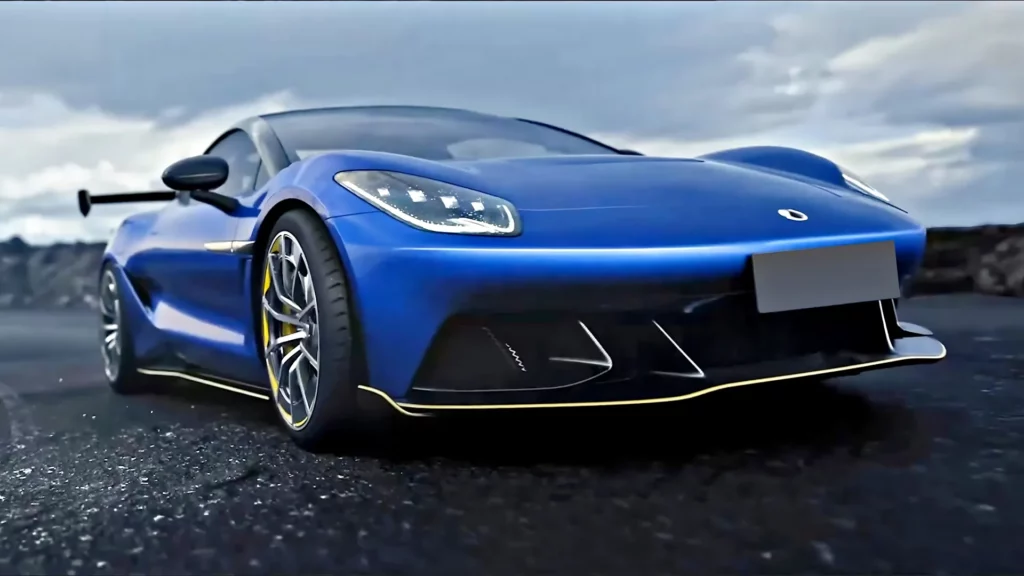
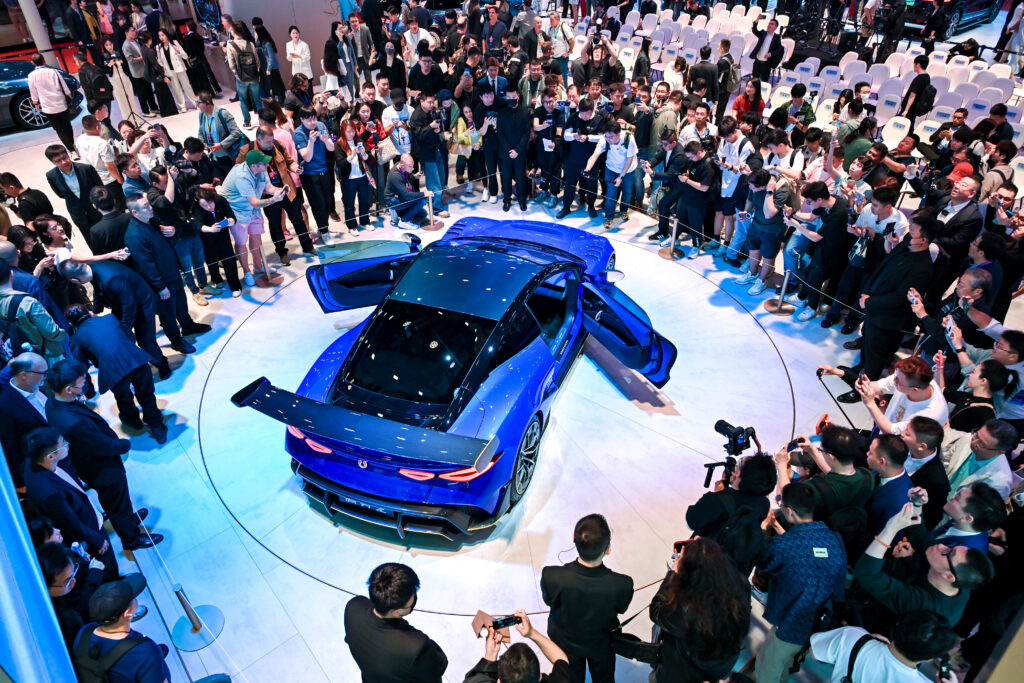
    Presented at the Shanghai Motor Show from 23 April to 2 May 2025, the new Denza marks a turning point for the top-of-the-range subsidiary of Chinese giant BYD.

    Credit : Denza®

    With its sleek design and low-slung silhouette worthy of a GT sports car, this newcomer is impressive. But where it comes as a surprise is its price, estimated at around 60,000 euros including tax in France… a price well below that of the rivals against which it intends to compete, starting with the Porsche 911 and its many variants. With its sharp lines, aggressive front blade and oversized rear spoiler, BYD reveals a clearly assertive sporty style.

    Performance

    The Chinese firm is remaining discreet about its technical specifications, but everything suggests that it intends to hit hard. Its parent company, BYD, which is well on the way to dethroning Tesla as the world’s biggest seller of electric cars, has been developing top-quality batteries for some years now. This latest model could be inspired by the Denza Z9GT, a 950-horsepower station wagon developed entirely by BYD.

    Credit : Denza®

    Technical side

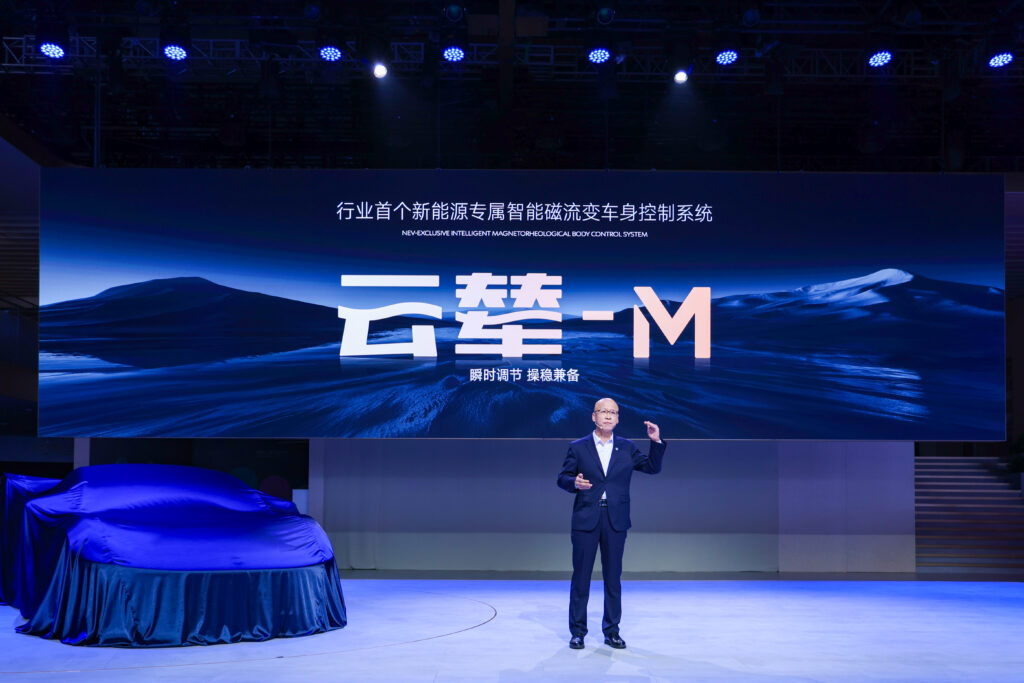
    For the moment, what we do know is that this technological jewel, unveiled in Shanghai, features a new adaptive magnetic suspension capable of reacting in less than 10 milliseconds. This new sports car also features ‘steer-by-wire’ steering, an innovative system with no direct mechanical link between the steering wheel and the wheels. Everything is managed with the help of artificial intelligence. The result is greater precision when cornering, making the car more accessible on the racetrack, and enhanced suppleness, whether driving in the city or on the motorway. It can also adjust the resistance of the steering wheel according to the situation and reduce vibrations, for unprecedented driving comfort. Still at the concept stage, the latest Denza could go into production as early as 2026.

    Credit : Denza®
  • BMW: Will the shift to electric vehicles be too tight?

    BMW: Will the shift to electric vehicles be too tight?

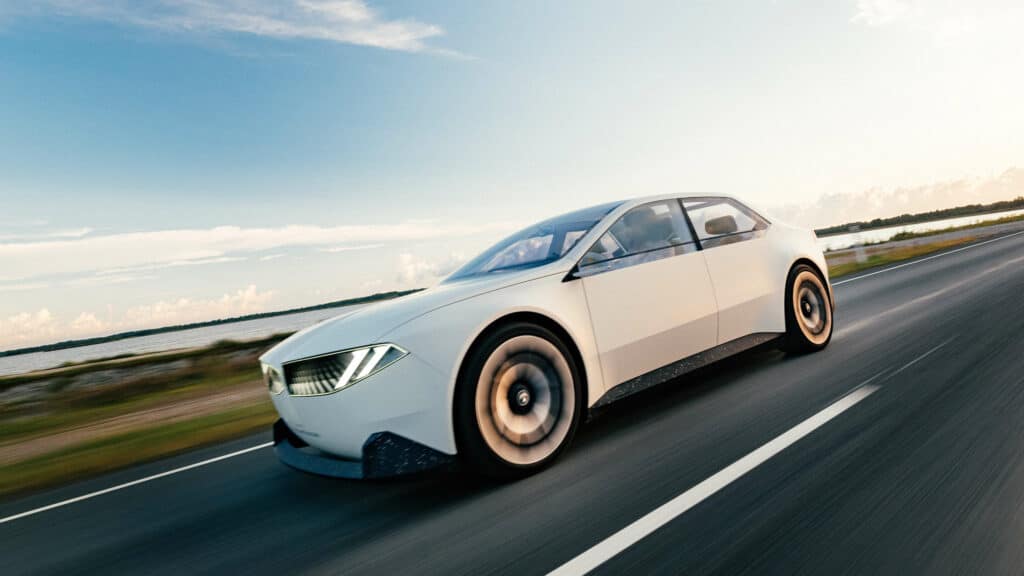
    Since its beginnings, BMW has cultivated a distinctive image, built on a distinctive driving experience and a recognisable visual identity. As the internal combustion engine reaches the end of its life cycle, a major change is on the horizon. More than just a technological shift, BMW is planning an in-depth transformation from 2025 onwards.

    Credit: BMW

    Vision Neue Klasse”: a strong new identity

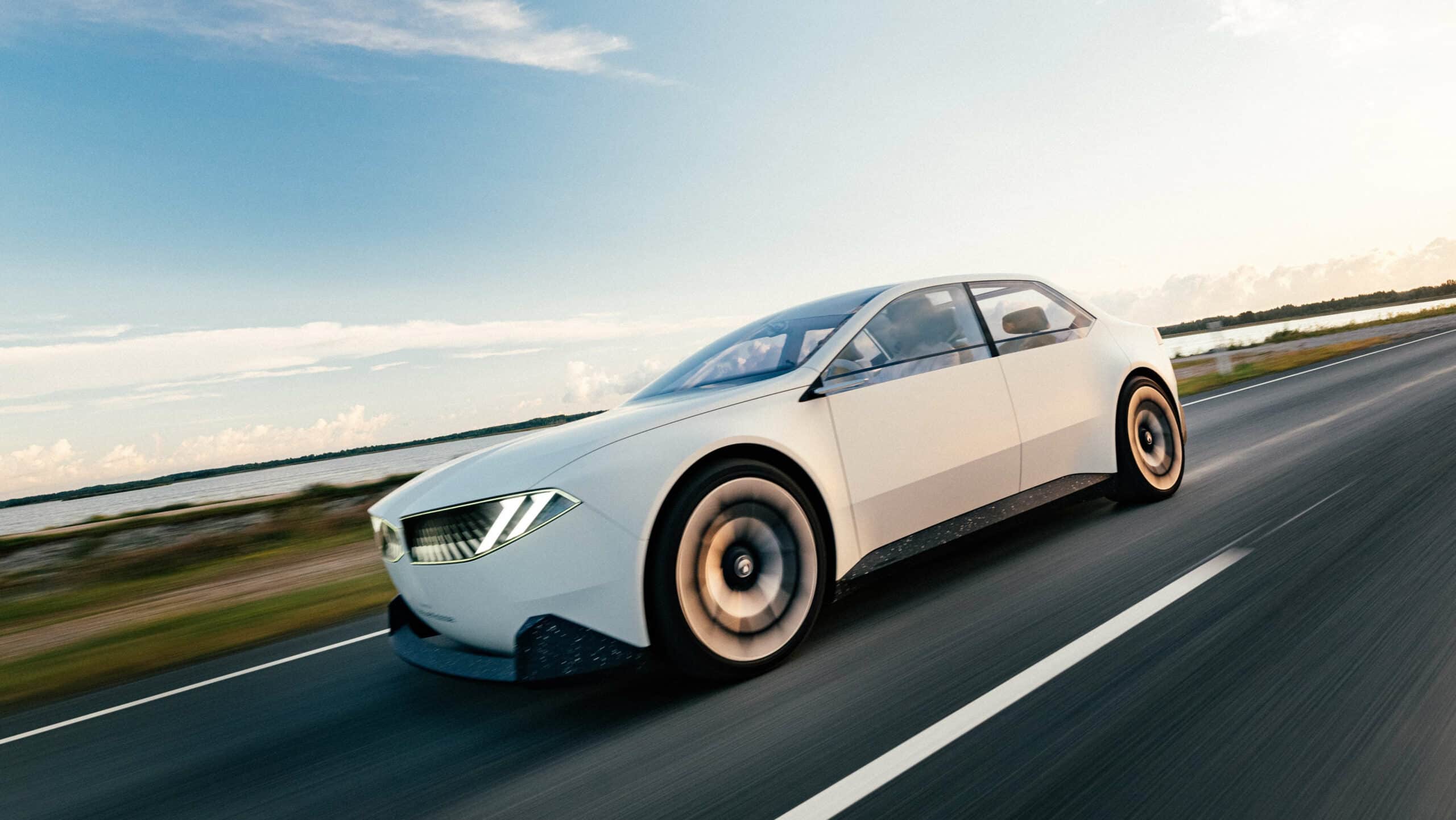
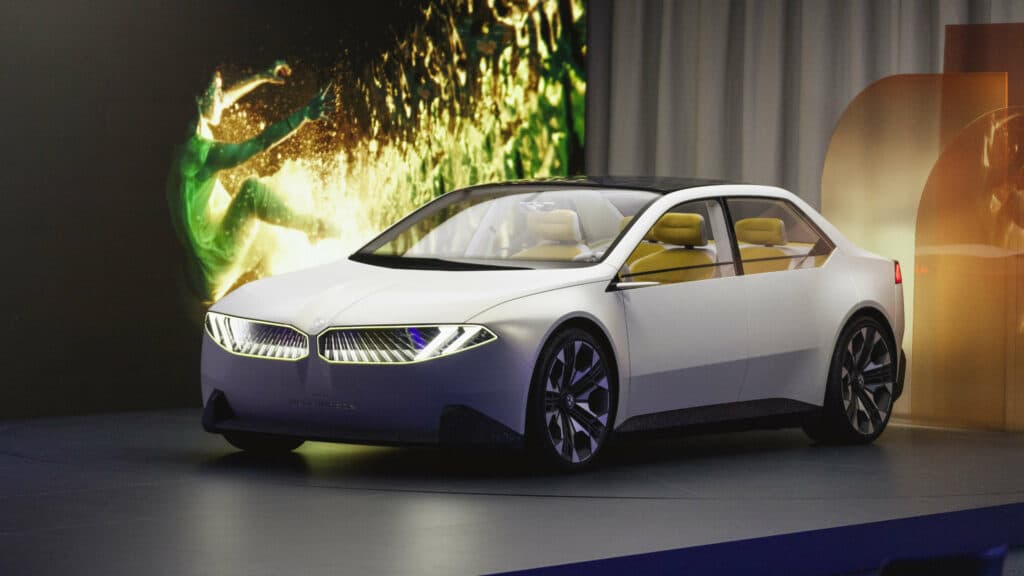
    Like its German competitors, BMW plans to stop selling combustion-powered vehicles by 2035. This transition to electric vehicles has already begun with a solid range (iX, i4, i7, etc.), and will accelerate with the arrival of the Neue Klasse in 2025. Initial sketches were unveiled in 2023, followed in 2024 by a first version of the Vision Neue Klasse. The style adopted is marked by strong ambition, symbolising a new era focused on innovation. BMW is not content simply to develop the engine, but is also completely rethinking the vehicle platform and interface.

    On the programme:

    ● New electric technology, BMW’s 6th generation, with cylindrical batteries providing up to 30% more range and a 30% reduction in recharging time.

    ● A centralised electronic system that adjusts driving in real time (braking, acceleration, energy recovery) for greater fluidity and responsiveness.

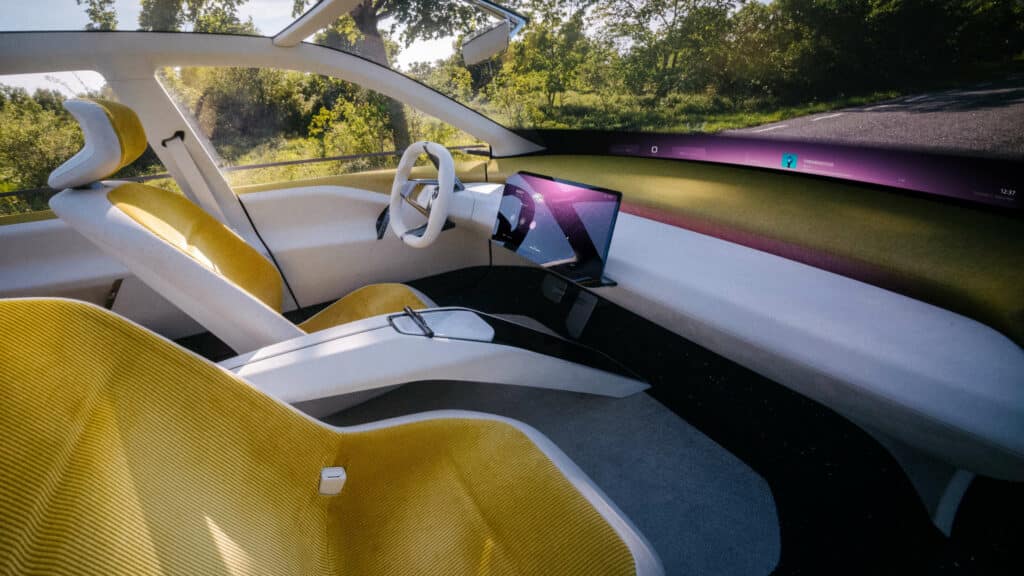
    ● A more intuitive and personalised interface, with a redesigned head-up display (“Panoramic Vision”) covering the full width of the windscreen.

    ● Advanced semi-autonomous driving functions, capable of taking over certain journeys.

    ● Optimised energy management, adapted to the journey, the driver’s habits and the road conditions.

    With a sleek interior design and a focus on connectivity and intelligence, this new generation aims to appeal to both purists and new users.

    Credit: BMW

    A drastic change of face

    This development raises questions, as BMW has long been built around a loyal community, often attached to the sensations of combustion engines and the traditional aesthetics of the brand. This transition represents a challenge, particularly in terms of exterior design and visual identity.

    The Vision Neue Klasse concept features a futuristic front end, praised for its slim lines and the integration of LED headlights. However, the rear end and overall silhouette drew mixed reactions. Some consider the lines less dynamic and the rear-view mirrors more massive than in the past. On social networking sites, some consumers have expressed their disappointment, saying that the styling is a far cry from what they expected from a BMW.

    Credit: BMW

    A necessary and well-considered development

    With the Neue Klasse, BMW is showing its intention to look to the future. This choice is not an abandonment of the past, but an evolution. By focusing on increased autonomy and maintained performance, the brand wants to demonstrate that it is possible to maintain the pleasure of driving in a different way. The success of this transition will depend in part on BMW’s ability to bring together its longstanding customers and new electric mobility enthusiasts.

    A bridge between tradition and modernity

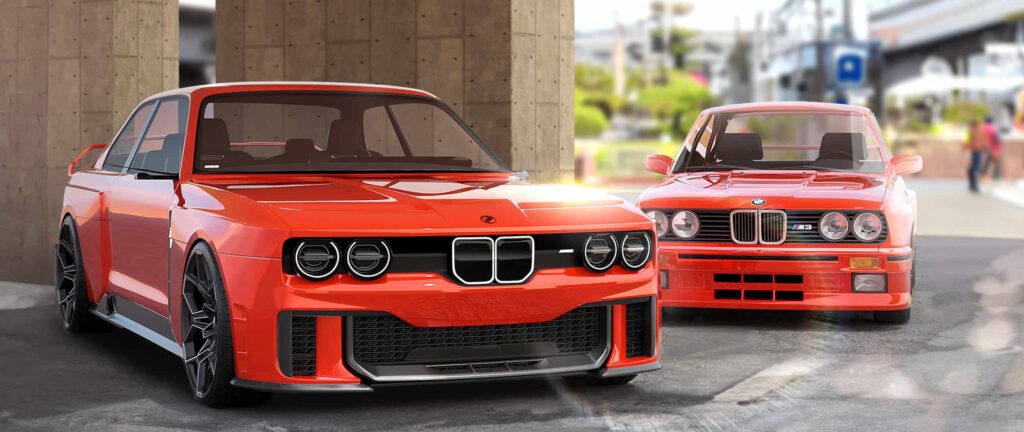
    The dialogue between BMW purists and new fans could be based on proposals such as that of independent Korean designer Ihn Lee. He has imagined a fusion between the iconic 1980 M3 E30, a benchmark in automotive design, and the first visuals of the Neue Klasse. The result is a compact two-door that combines elegance and character: four round lights at the front, this time LED, a wide grille inspired by the era but modernised, a more pronounced front bumper, and square side panels and arches reminiscent of classic BMW styling. The rear end is clearly inspired by the Neue Klasse, while retaining its 80s heritage. This proposal illustrates how tradition and innovation can be reconciled.

    Credit: BMW
  • EPZs abolished: a black week for French ecology…

    EPZs abolished: a black week for French ecology…

    It was a decision that sent shockwaves through the environmental community: low-emission zones (ZFE) were abolished by the National Assembly on Wednesday 28 May 2025. This measure, designed to limit pollution in large conurbations, was buried as part of the bill to simplify economic life.

    Credit: Guillaume Laurens / Actu Toulouse

    An unlikely political resonance

    Initially, it was the Rassemblement National (RN) that launched the offensive against the ZFEs, in the name of “freedom of movement” for all vehicles, regardless of their Crit’Air sticker… But this crusade on behalf of cars has found an unexpected echo even in the ranks opposed to the far right. On the left of the political spectrum, La France insoumise (LFI) also voted to abolish these zones, denouncing a socially unfair measure. According to the Insoumis, the EPZs primarily penalise low-income workers who depend on their vehicles to get to work or, quite simply, to do their job (in certain sectors of activity).

    Dejection for the Greens…

    Marine Tondelier, national secretary of Europe Écologie Les Verts (EELV), had this to say about the decision, which she described as a “dramatic turning point”. On her X account (formerly Twitter), she expressed her indignation: ” This is the worst week for ecology in a long time. She points the finger at a motley majority, ranging from the RN to LFI, via a few Macronist MPs, who voted to abolish the EPZs, adopted by 98 votes to 51.

    A step backwards for the environment?

    The abolition of the EPZs is part of a wider trend to question environmental policies, which are often criticised for being technocratic or out of touch with social issues. The political signal, however, is unequivocal: in the midst of a climate crisis, France is choosing to ease an ecological constraint in the name of economic accessibility, even if it means compromising the long-term dynamic initiated several years ago.

    Ironically, however, these zones were supported by President Emmanuel Macron and implemented under the government of Édouard Philippe. In 2022, our Head of State announced, following his re-election: ” The policy I will pursue over the next five years will be ecological or it won’t be. ” Three years on, the ecological course set by the presidential party raises questions.