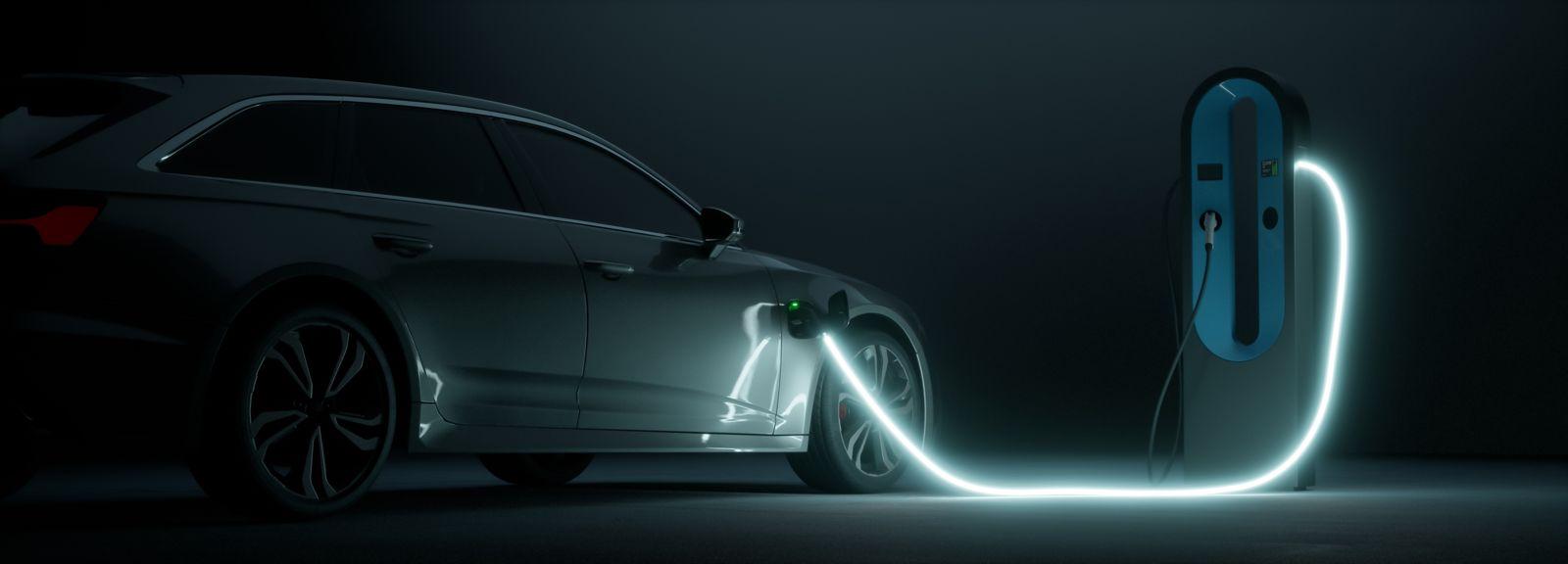
Just like filling up with fuel, charging is a central concern for all electric car owners. But when should you choose slow charging versus fast charging? What are their advantages and disadvantages?
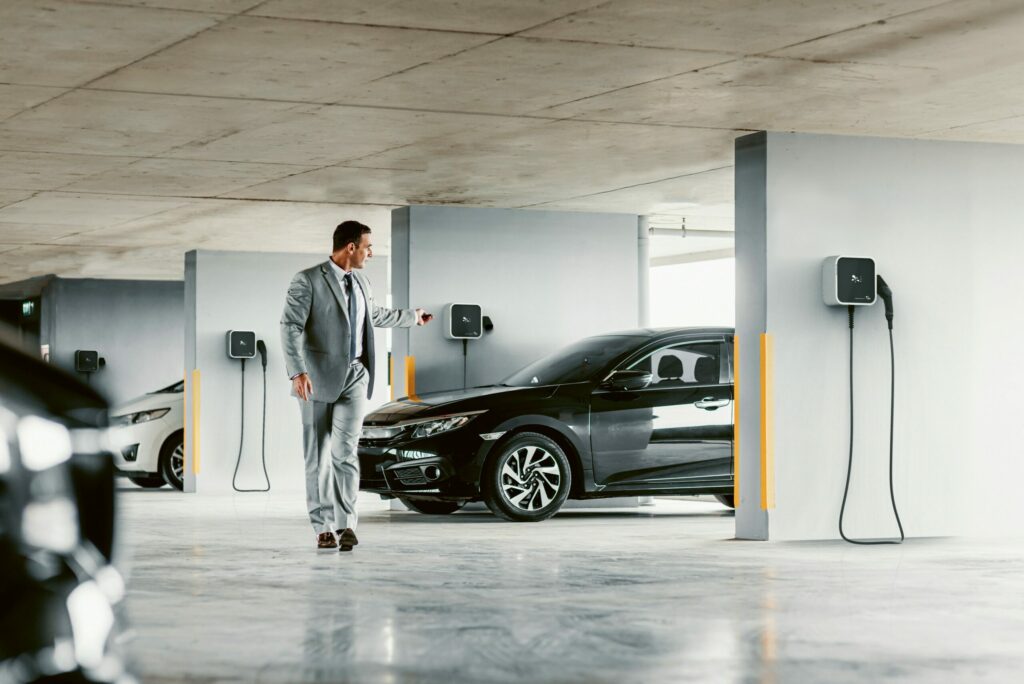
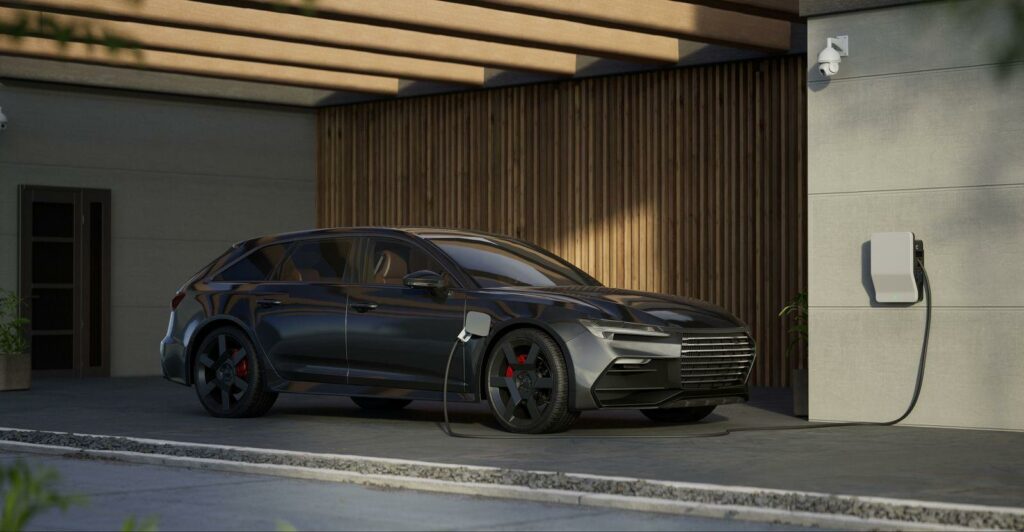
A driver leaves his electric car charged at home, illustrating the simplicity of daily recharging. (Credit: Juice)
Unlike petrol or diesel engines, where a stop at the pump is mandatory, electric charging can be done at home, at public charging stations, or on motorways. Depending on the location, charging stations offer very different power levels and charging times. These are referred to as slow or fast charging, each with its own pros and cons. It is therefore important for electric car owners to know when to prioritise one over the other, to protect their vehicle… and their wallet!
Two main types of charging
1. Slow Charging
Slow charging is carried out at stations with power levels ranging from 2 kW (for a domestic socket) up to around 20 kW at public charging stations. Charging is slower because it uses alternating current, which must be converted into direct current to be stored in the battery.
2. Fast Charging
Fast charging stations, most commonly found at motorway service areas, supply direct current to the battery. Their power ranges from 50 kW to over 500 kW, allowing the battery to be charged much more quickly.
Slow charging for everyday use
Why prioritise slow charging on a daily basis? First of all, because it is less aggressive on the battery cells and therefore preserves the battery’s integrity in the long term. The only downside is the longer charging time. However, this is not really a problem in daily life when it is possible to charge at home or in the office parking lot. If the battery is always kept between 20% and 80%, this is more than sufficient to preserve it while still using the car every day.
Another major advantage, and not the least, is that slow charging is generally cheaper than fast charging, especially if you charge at home during off-peak hours.
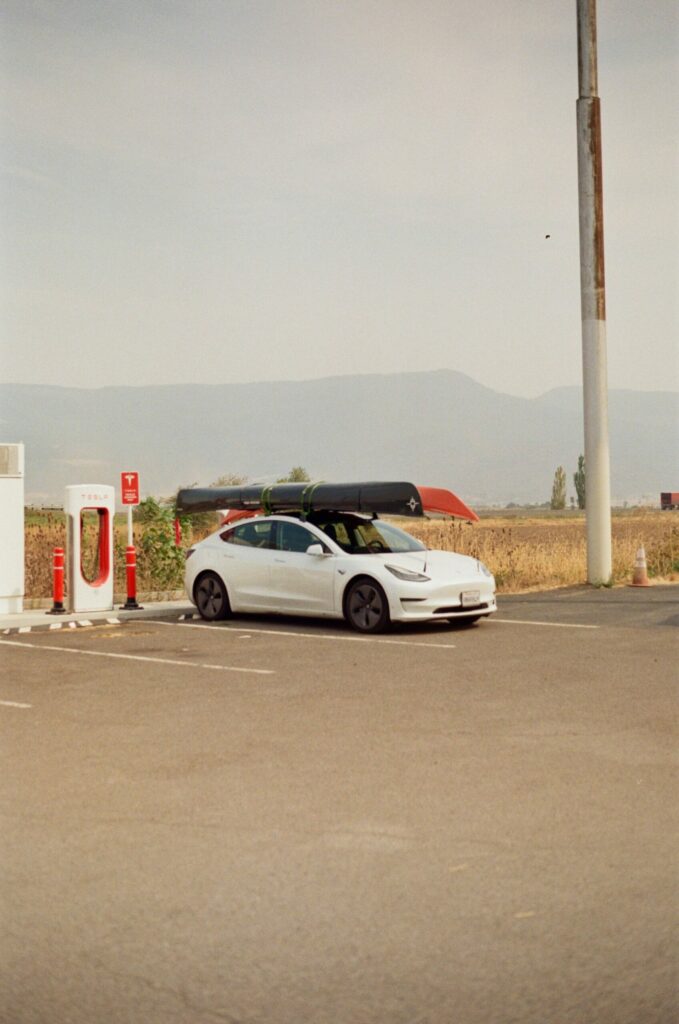
A Tesla charging at a motorway service area, essential for long journeys and electric holidays. (Credit: Ernest Malimon)
Fast charging for long journeys
Fast, or even ultra-fast, charging stations allow you to charge the battery up to 80% in less time than it takes to finish a coffee, a triangular sandwich, and a chocolate bar. Naturally, they are mostly found on motorways. Their existence is essential for long journeys in an electric vehicle.
Without them, drivers would need to stop for several hours, but intensive use of fast charging is not recommended, as it has consequences. Fast charging generates a higher increase in battery cell temperature, which can accelerate battery degradation compared to regular slow charging.
In other words, fast charging is intended for long journeys, emergencies, and unexpected situations.
There have been recent improvements in charging networks as well as promising developments in battery technologies. Whether through the popularisation of solid-state batteries or integrated temperature management, it may no longer be necessary in a few years to question whether to use slow or fast charging.
In the meantime, the best practice is to take care of the battery by prioritising slow charging for everyday use and using fast charging more occasionally.
ECO MOTORS NEWS interviewed eight taxi and private hire (VTC) drivers who operate fully electric vehicles to find out what they think of the experience — and what their passengers think too! We also asked each of them how likely they are to ever go back to a combustion engine.
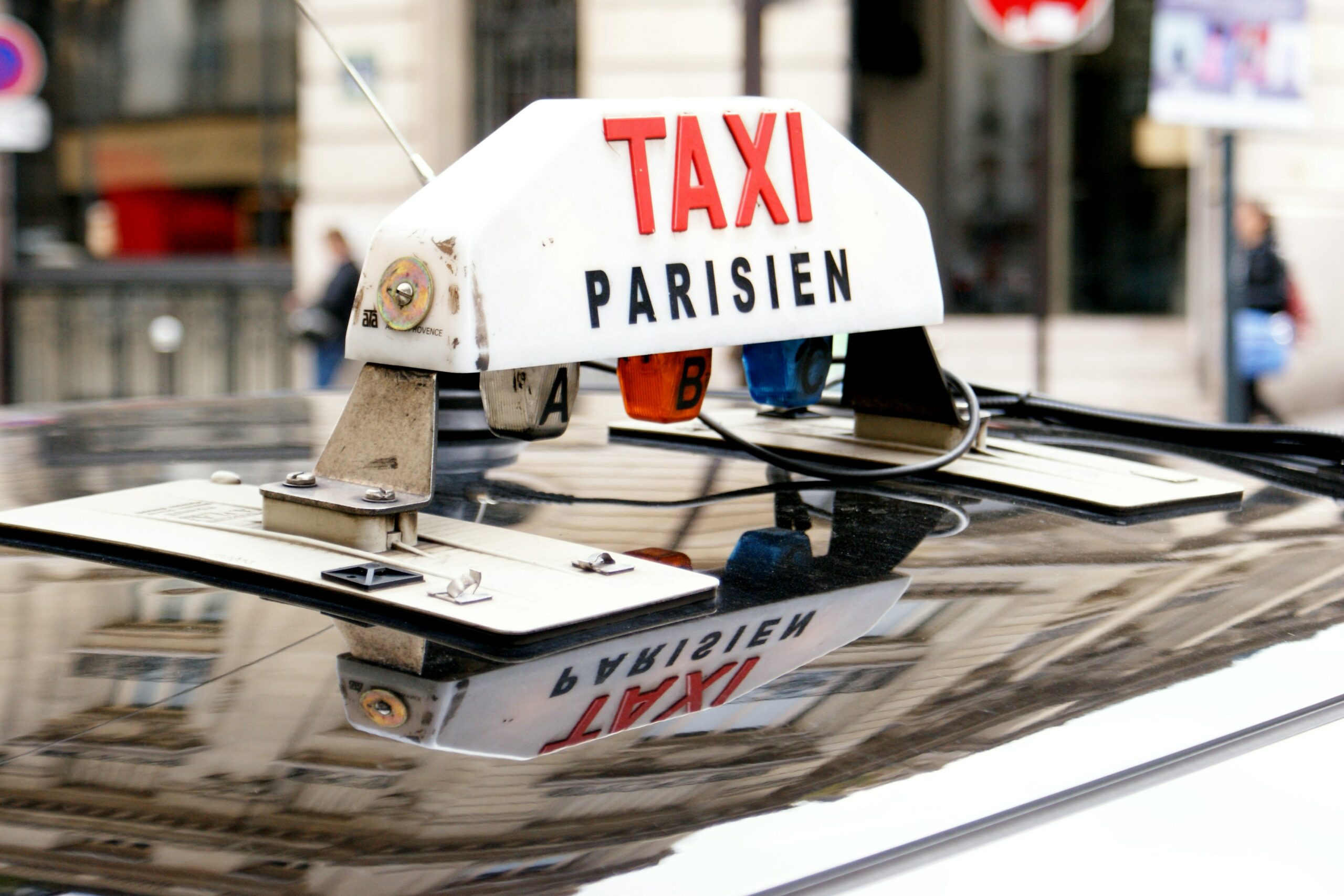
Illuminated “Taxi Parisien” sign on the roof of an electric taxi in the streets of Paris. (Credit: Diego Fernandez)
Ali.Île-de-France.*
As a VTC driver, I switched to 100% electric mainly to save on fuel and maintenance costs. On a daily basis, I notice that younger passengers react positively to this type of engine, while older passengers pay less attention. The driving silence is the advantage I appreciate most, as it significantly improves comfort. However, range remains a weak point for me, especially during long working days. → Probability of returning to combustion: 0%.
Bruno.Île-de-France.
I’m not an environmental activist, but I switched to electric after falling in love with a Hyundai model that is only available in electric. Ultra-fast charging, essential for my busy work schedule, was a decisive factor in my choice. I find that while some clients are initially reluctant, a simple explanation — particularly about my daily 600 km with just one recharge in the middle of the day — is often enough to convince them of the electric vehicle’s reliability. I appreciate the comfort, especially the silence, as well as the savings. The main difference with my old petrol cars is the slight change in work organisation, which I adapted to quickly. → Probability of returning to combustion: 0%.
Christophe. Nouvelle-Aquitaine.
I switched to electric for economic reasons. My clients are generally satisfied with the experience, and they particularly enjoy the silence on board. Unfortunately, managing the various charging cards and the lack of clarity in pricing can sometimes complicate my daily routine. → Probability of returning to thermal: 0%.
David. Provence-Alpes-Côte d’Azur.
Switching to electric happened naturally, motivated by the driving comfort and savings on fuel and maintenance. My clients do not make any particular remarks; it’s already become normal. I mainly appreciate the reduced running costs. However, the range could still be improved to better meet the demands of the job. → Probability of returning to thermal: 0%.
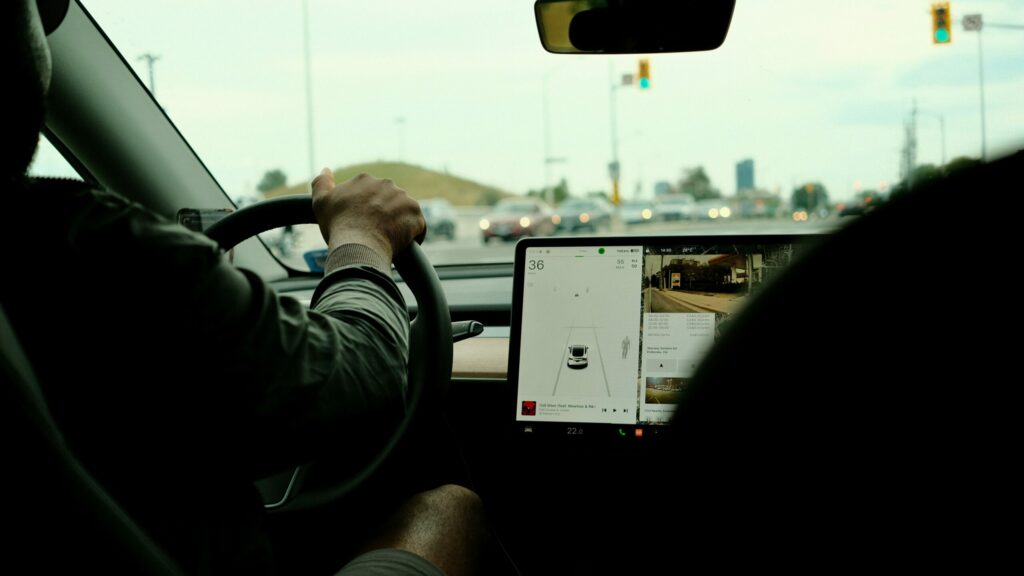
In an electric Tesla: a VTC driver at the wheel, seen from the back seat. (Credit: Fujiphilm)
Karim.Centre-Val de Loire.
I chose to try a 100% electric car out of curiosity. However, I notice a certain hesitation among my clients, often unconvinced by this type of engine, particularly due to the lack of range and longer charging times compared to refuelling with petrol. Personally, I do not find any major advantages in daily use, but rather some drawbacks: limited range, charging stations sometimes hard to locate or out of service, and high purchase cost of the vehicle. → Probability of returning to internal combustion: 70%.
Nathalie. Provence-Alpes-Côte d’Azur.
I switched to electric to save on fuel costs. I estimate that two-thirds of my clients are convinced by electric after a journey with me. The low running costs, far below petrol, and savings on maintenance are definite advantages, as is the driving comfort. However, the range is sometimes insufficient to cover a full day without recharging, and some colleagues have encountered difficulties when reselling their electric vehicle. → Probability of returning to combustion engines: 0%.
Pascal.Île-de-France.
I am a taxi driver and chose a 100% electric car mainly for the reduction in cost per kilometre, but before making the switch, I waited for manufacturers to make progress in terms of range. Overall, my clients are satisfied, but some fear having to stop during the journey to recharge… mostly a psychological concern. Personally, I love the driving comfort, especially thanks to the single pedal and reduced noise, which helps reduce fatigue at the wheel. The main challenge remains managing range and charging times. → Probability of returning to combustion engines: 0%.
Samir.Hauts-de-France.
I benefited from a year of free charging and a 0% loan for the purchase of an electric vehicle, so I didn’t hesitate for long! (laughs) My clients particularly appreciate the calm on board, which makes for a more pleasant journey, and personally, I feel more relaxed at the wheel. I see absolutely no drawbacks to electric. → Probability of returning to combustion engines: 0%.
*Names and regions changed for reasons of confidentiality
After the electric version of the R5, this year’s bestseller in 2025,Renault is bringing back another classic: the 4L. Another iconic car from the French brand, it has also been given an electric version, and ECO MOTORS NEWS had the chance to test it. Discover the Renault 4.
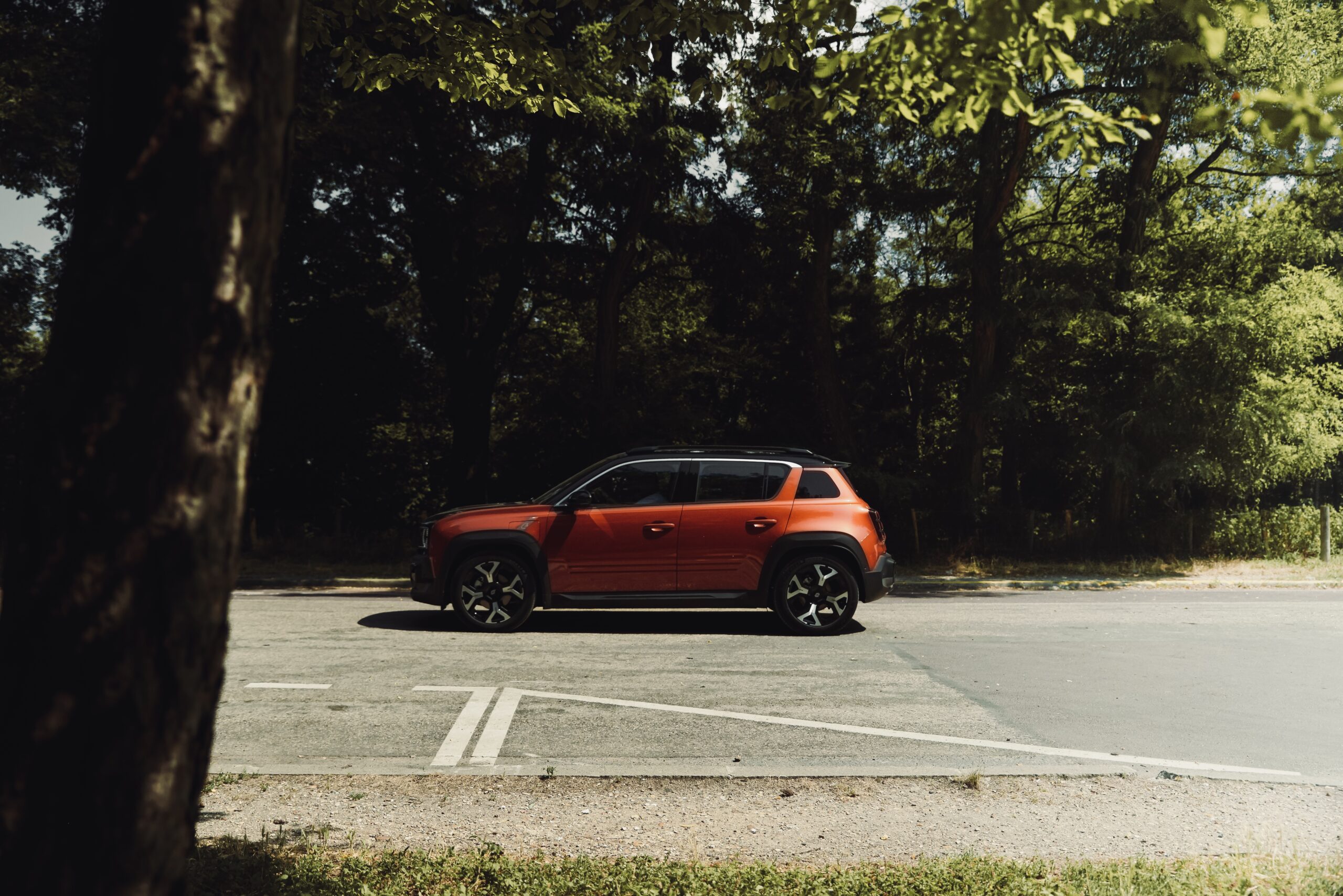
Side view of the Renault 4 E-Tech 2025, a blend of retro and modern styling. (Credit: Mathis MIROUX)
Boulogne-Billancourt, Paris region. Under a blazing sun, the ECO MOTORS NEWS team had an appointment with an icon: the 4L. But not the one your uncle keeps in his barn, or the one your father learned to drive on—no, this is the 2025 model, 100% electric. The Renault 4 E-Tech, just like the R5 a few months earlier, is part of the brand’s strategy to bring back its most iconic models in electric form.
Ours is two-tone, in terracotta brown and black, equipped with the most powerful engine in the range: 52 kWh, promising 410 km of range and 150 horsepower. And, in true ECO MOTORS NEWS fashion, we decided to “test its limits”: city centre driving, tight shopping centre parking, moderately congested main roads, rush-hour ring roads, major interchanges, and also, to let it breathe a little, a trip to the Bois de Boulogne.
This Renault 4 E-Tech positions itself as a compact sedan / small SUV / large adventurous city car; in short, it’s unclassifiable. Just like its illustrious predecessor. So, let’s see if it can live up to the versatility it promises!
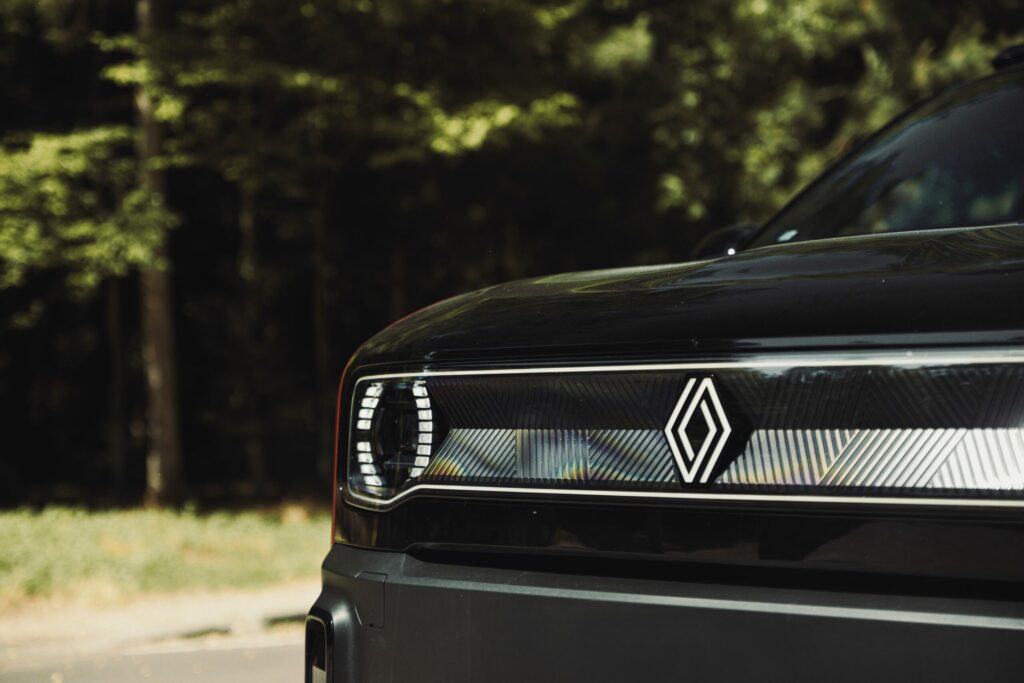
Front view of the Renault 4 E-Tech 2025, with its vertical grille and bulging bonnet (Credit: Mathis MIROUX).
Neo-retro and electric rustic
Without going overboard, the Renault 4 E-Tech retains many visual cues from the 4L: vertical grille, bulging bonnet, pronounced wheel arches, high ground clearance, small quarter windows, and oval rear lights. The result is appealing, striking a balance between a clear homage and a design anchored in 2025, measuring just over 4.10 metres. The connection to the original 4L doesn’t stop at the exterior design.
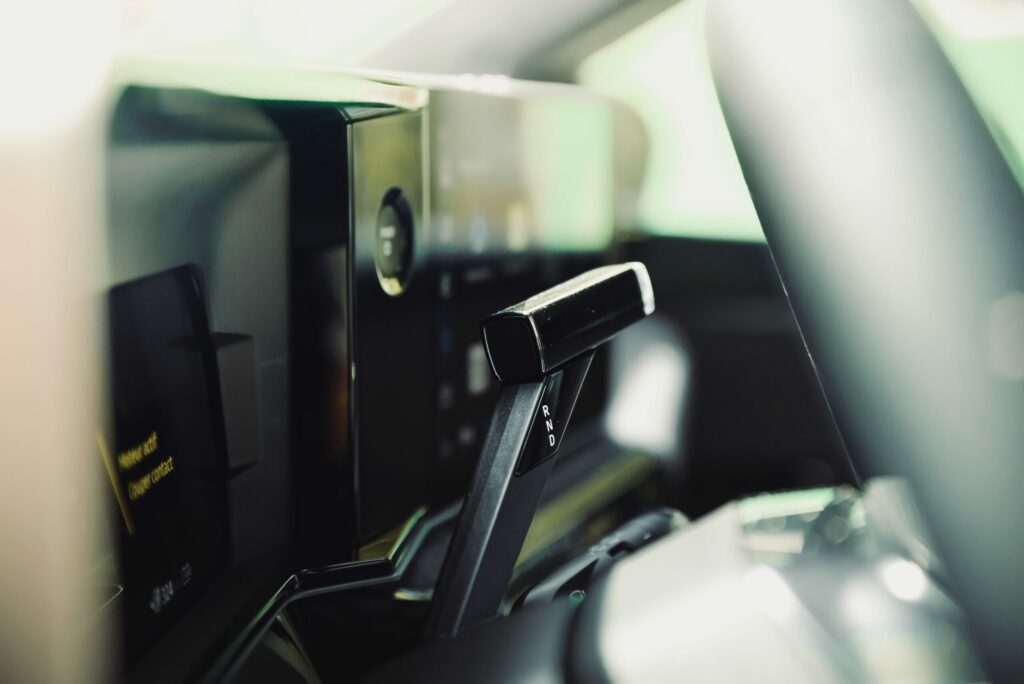
Inside, the driving position, although adjustable, retains a certain rustic feel, with a high seat and relatively upright backrest, evoking the spirit of the time. The slightly raised knees reinforce this sensation. The fabric seats with contrasting stitching and the gear lever behind the steering wheel, just like the 1960s 4L, also echo the original model.
Close-up of the Renault logo on the front of the new electric 4L (Credit: Mathis MIROUX)
Visibility is generally good, although the rounded bonnet can initially make the car seem longer than it really is. After a few hours, one quickly adapts. Overall ergonomics are well thought out, with a spacious cabin and a generous boot for the category. Special mention goes to the steering wheel, particularly pleasant to hold, offering responsive and precise steering. The car responds quickly to inputs, which is one of its major strengths.
Versatility and… dynamism!
Behind the wheel, this 52 kWh version impressed us immediately with its driving pleasure. Acceleration is sharp, torque delivery instant—classic, but always enjoyable in an electric car—and braking is effective. The “One Pedal” mode is perfectly tuned: intuitive, easy to modulate, and especially pleasant in city traffic.
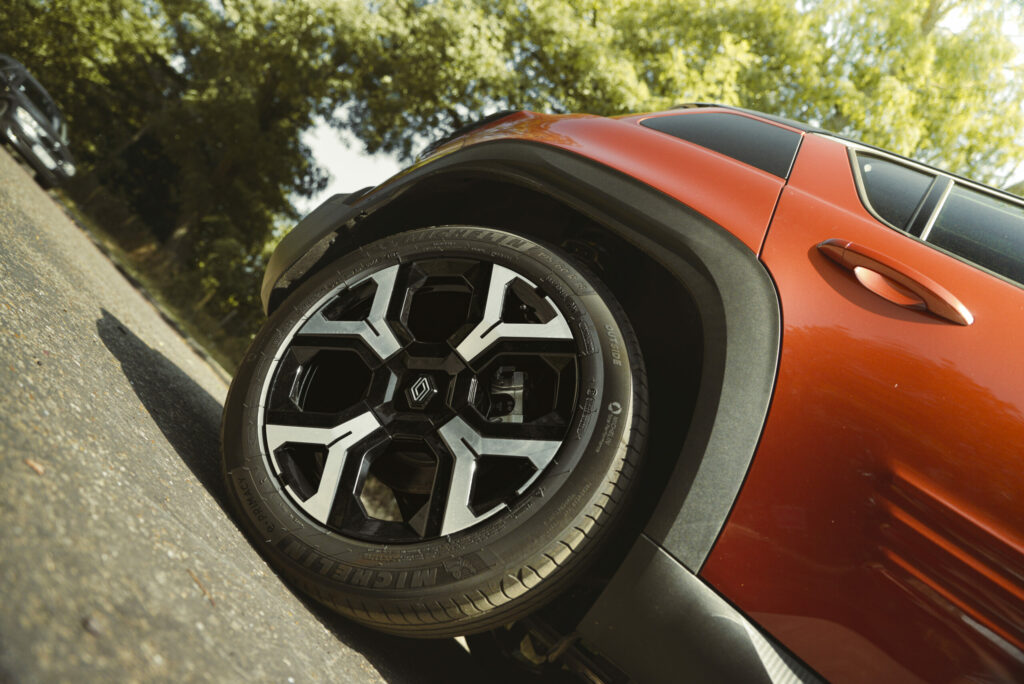
Close-up of the rear wheel and rim of the Renault 4 E-Tech 2025. (Credit: Mathis MIROUX)
Its handling is surprisingly good. Despite a soft chassis and equally soft suspension, the Renault 4 Electric remains agile. Its substantial weight (over 1.5 tonnes empty) is barely noticeable behind the wheel. In the city, it excels thanks to manoeuvrability and a tight turning radius (10.8 m, slightly less than its main competitor, the Opel Mokka), while on winding roads, it offers sensations close to those of a small GTI! Perhaps we’re exaggerating slightly, but it’s a genuine surprise, making driving enjoyable and more dynamic than expected.
Equipment highlights
As mentioned earlier, the gear lever, while adding personality to the cabin, lacks responsiveness and requires an adaptation period. The volume controls above the central screen are also a bit “old school”—a charming retro nod, but not quite in line with modern expectations, especially at this price point. The reversing camera disappoints with its definition, reminiscent of standards from a decade ago.
Finally, the range indicator proved imperfect during the test. While the percentage display remains reliable, the kilometre reading sometimes lacks precision. During our trial under tough conditions (full boot, three passengers, scorching heat, air conditioning at maximum, frequent manoeuvres), the on-board computer showed a notable discrepancy: after 100 km, the battery dropped from 100% to 62%—consistent—but the remaining range in kilometres fell from 410 to 218 km, a nearly 50% loss, hard to explain.
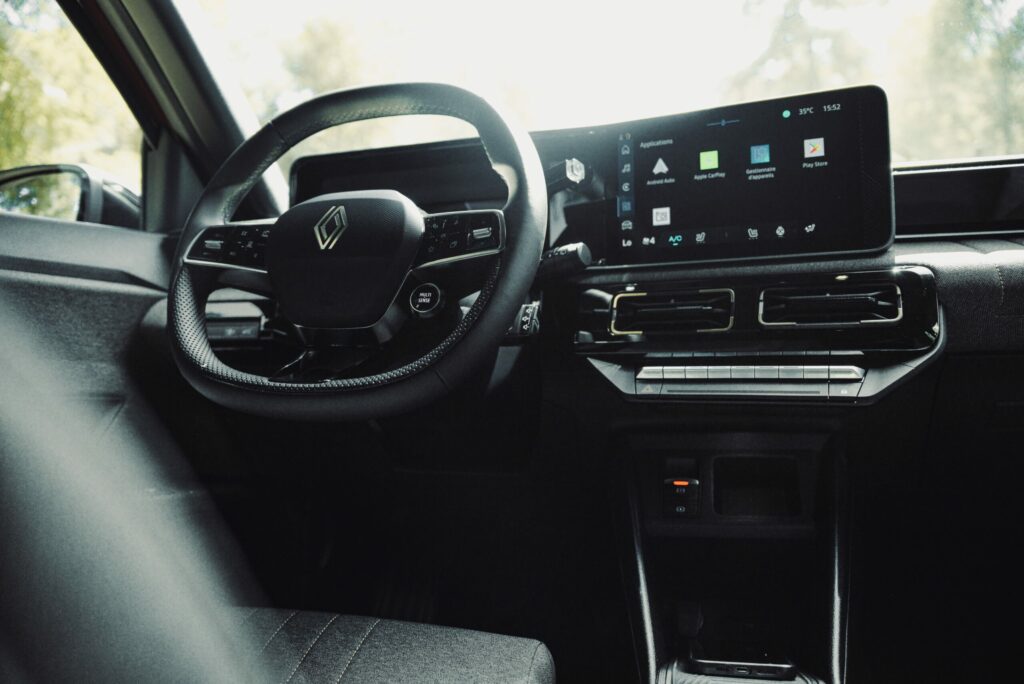
The digital dashboard of the Renault 4 E-Tech 2025 with central screen and intuitive controls. (Credit: Mathis MIROUX)
But there are positives. The steering wheel not only offers excellent ergonomics but also houses all key controls: regenerative braking, One Pedal, driving modes (including a customisable one), etc. The digital dashboard is high quality, as is the central screen. Renault has partnered with Google and integrated AI developed with ChatGPT, while also allowing Apple CarPlay connectivity.
Heated steering wheel and seats are a major plus, especially in winter, as they reduce the need for heating and therefore preserve range. The “cockpit” layout, with a line of buttons below the screen, makes everything easy to access, intuitive, and practical. The sound system, with nine Harman Kardon speakers, is very pleasant. Overall, the equipment is up-to-date, and the finishings are excellent.
Popular in spirit, less in price
The question remains whether this electric R4 is truly a “popular car.” By popular, we mean a car that “speaks” to everyone. That was the case with the 4L, but also with the R5, Clio, Scénic, and Twingo from Renault, Peugeot 106, 205, 206, Citroën BX, DS, Xsara, or Volkswagen Golf. The list is not exhaustive, but it gives an idea. To enter this category, several criteria must be met: spirit, price, and longevity.
Close-up of the R N D gear lever on the Renault 4 E-Tech 2025. (Credit: Mathis MIROUX)
In terms of spirit, the Renault 4 E-Tech retains the 4L’s DNA: a simple, practical car designed for family use and daily driving. Its comfort, versatility, and driving pleasure make it unclassifiable—between a small SUV and a large compact sedan, versatile and highly convincing. During our test, many passersby turned their heads, showing that the 2025 R4 sparks curiosity. Some even stopped to chat with the team about their personal memories with the 4L and how this 2025 version brought them back to those times.
Regarding price, it starts at €29,990 for the 40 kWh version and €37,490 for the 52 kWh version we tested. This makes it somewhat less accessible than its predecessor. But that is also the cost of French production in Maubeuge and a level of finish bordering on premium.
Finally, longevity is still to be seen. Only time will tell if the Renault 4 E-Tech becomes as iconic as its ancestor. From ECO MOTORS NEWS’ perspective, we are rather optimistic!
ECO MOTORS NEWS notes on the Renault 4
Range
3,5/5
Comfort
4/5
Driving pleasure
5/5
Technology
3,5/5
Versatility
4/5
Model Tested: Renault 4 E-Tech 52 kWh
Range: 410 km (WLTP)
Fuel consumption: Between 14.7 kWh/100km and 15.6 kWh/100km
Spoiler: no. For example, a car, even an electric one, is by definition an object that has to be manufactured and then supplied with energy, so cars and transport in general will never be 100% eco-friendly. But solutions do exist to reduce the environmental impact of cars as much as possible.
While the electric motor is a prerequisite for the ‘green’ car, there are other solutions at the design stage, as well as in use, that would enable the car to reduce its impact on the planet even further. ECO MOTORS NEWS spoke to Aurélien Bigo, an independent researcher, member of the Energy and Prosperity Chair and former ADEME employee, whose thesis dealt with the subject of transport and the challenge of the energy transition. The right person to enlighten us on the subject.
Greening the car from the design stage
Even before it leaves the factory, a car has already polluted enormously. This is especially true of electric cars. Although they pollute much less than internal combustion engines during their life cycle, their manufacture has a much greater negative impact, so they have to make up for their carbon debt over the kilometres (around 30,000 kilometres). But there are some good habits to adopt at the design stage that could help reduce this gap.
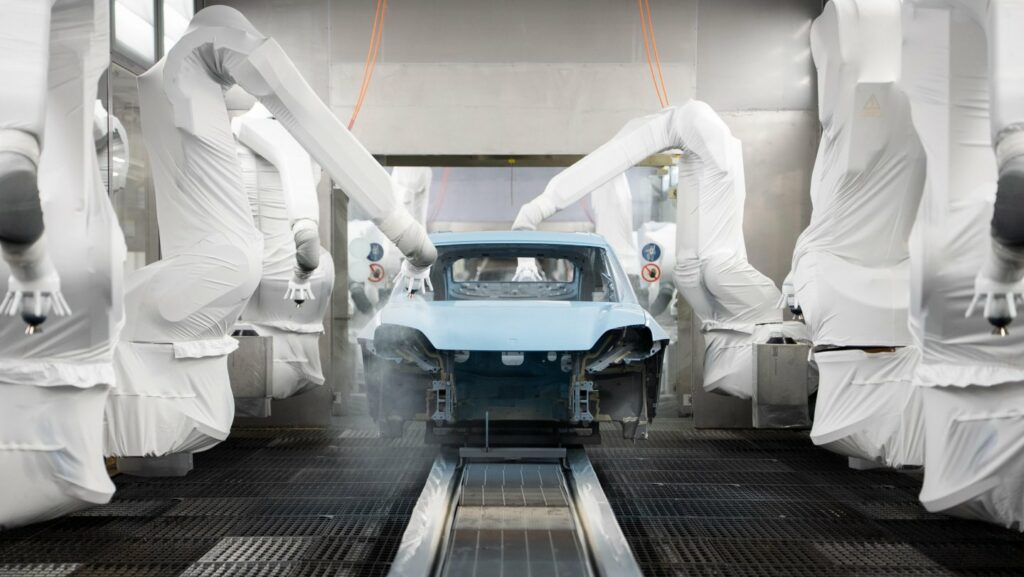
Production of the electric Macan at the Porsche plant in Leipzig, illustrating the growing popularity of electromobility.
First, there’s the question of weight. According to Aurélien Bigo, “the lighter a vehicle is, the fewer emissions it generates, and the smaller its battery can be, which limits its impact“. The researcher therefore recommends that “batteries should be sized according to the range required for everyday journeys rather than very long distances” in order to reduce their size and the use of resources needed to manufacture them. In the same vein, it will be necessary to optimise batteries in order to reduce the quantity of materials required per kWh.
Aurélien Bigo also points out that it is essential to extend the lifespan of vehicles, in particular through repairs, but also “by maintaining use despite the gradual decline in battery capacity“. Making a car last is essential because, in France, electricity is already low in carbon, so, as the researcher explains, “the main impact of a car comes from its manufacture, and it must be amortised over as long a period as possible“.
While the manufacture of an electric car is the first thing we think of when we talk about its environmental impact, we also need to consider the question of recharging. At the design stage, it may be worthwhile to democratise the integration of vehicle-to-grid (V2G) and vehicle-to-home (V2H) technologies, which allow the car to return energy to the grid or act as a generator for the home, respectively. Over and above the savings made by the owner, this also helps to limit stress on the grid and limit consumption.
The five levers of the National Low Carbon Strategy
Aurélien Bigo outlines the five levers identified by the National Low Carbon Strategy(SNBC) to reduce the environmental impact of transport. And because things are well done, they are listed in ascending order of difficulty of implementation.
The first is simply to drive less. This means reducing the number of kilometres travelled on a daily basis, by increasing the availability of public transport, but also “by bringing the places where people live, work and receive services closer together“.
Then there is the modal shift: giving priority to walking, cycling and public transport. While Aurélien Bigo acknowledges that this lever is easier to activate “in dense areas than in rural areas“, he is not losing hope in the development of soft mobility in rural areas. The development of car-sharing, another of the five levers, could also be a step in this direction.
The fourth lever directly concerns ECO MOTORS NEWS, since it involves improving energy efficiency through more fuel-efficient vehicles and the electrification of the vehicle fleet. Finally, the fifth is quite simply to decarbonise energy, by replacing oil with less carbon-intensive energies, including electricity.
According to Aurélien Bigo, these levers are complementary: “some require more social and territorial transformations, but offer the greatest reductions in emissions. Others require fewer changes to lifestyles, but reduce the overall impact less significantly”. The key, then, is to strike the right balance in order to achieve the goal of truly environmentally-friendly mobility.
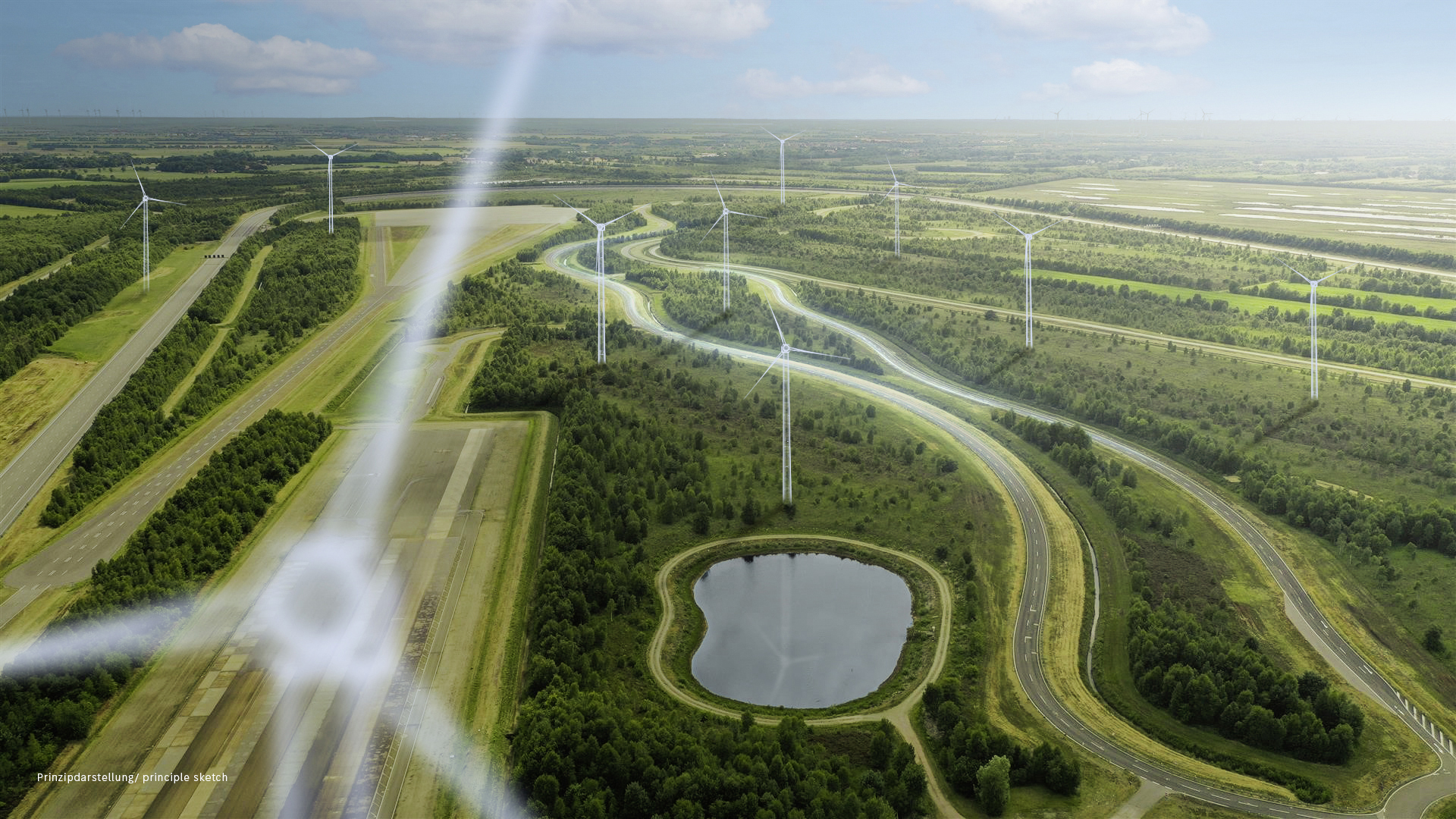
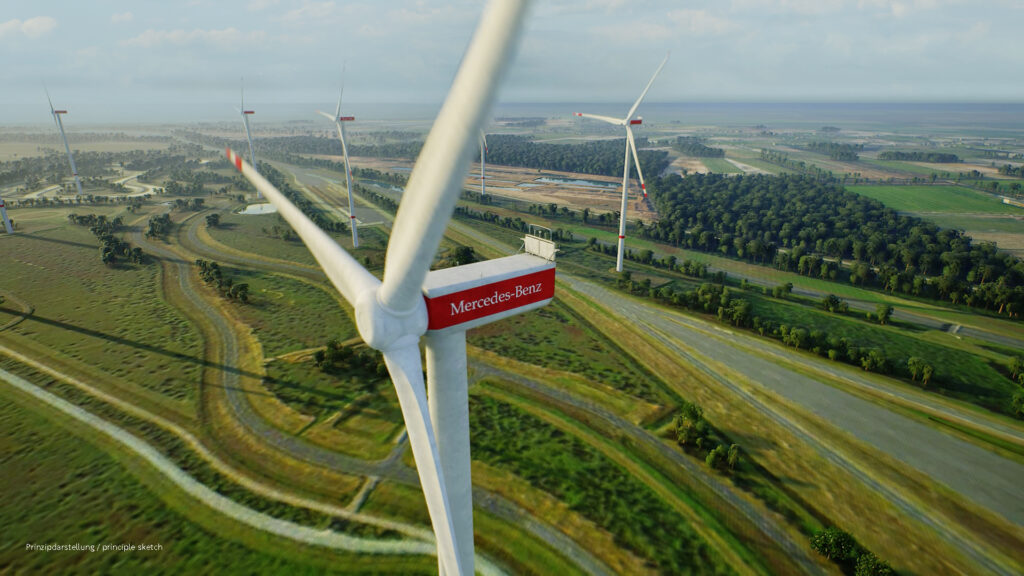
Mercedes-Benz has just obtained a long-awaited authorisation to build its own wind farm, the blades of which are due to start turning in 2027.
In 2022, a piece of news slipped under the radar. Mercedes-Benz announced that it wanted to add a large wind farm to its legendary Papenburg test track in northern Germany. This will not only enable the company to meet its carbon neutrality targets, but also reduce its dependence on energy suppliers. This internalisation of energy production is about to become a reality, as the German authorities have given the go-ahead for work to begin.
Aiming for carbon neutrality
It will be a 140 MW wind farm, corresponding to around twenty 165 m high wind turbines, capable of powering almost 30,000 homes and, above all, covering 20% of Mercedes’ electricity needs across the Rhine. The group’s aim is to inaugurate its wind farm in 2027, as part of its plan to achieve the sacrosanct goal of carbon neutrality. Mercedes-Benz has pledged to achieve a 70% share of renewable energy in its consumption, and even intends to reach 100% by 2039.
Of course, wind power is not the automotive group’s speciality. So it has joined forces with UKA, an operator specialising in the construction and management of wind farms, to sign a Power Purchase Agreement (PPA) for the supply of electricity. A partnership signed for the next 25 years! Enough to ensure low-cost renewable energy for a long time to come.
Credit: Mercedes-Benz
With this announcement, the Mercedes-Benz Group is grasping the nettle by the horns, avoiding not only the stress of ambitious carbon neutrality targets, but also the much less manageable stress of highly volatile energy prices. By taking advantage in this way of an area that already belongs to the group, and by teaming up with a market specialist, we would like the German group to serve as a model for its competitors. And the closer you look at the Mercedes logo, the more it resembles a wind turbine… Now that’s foreshadowing !
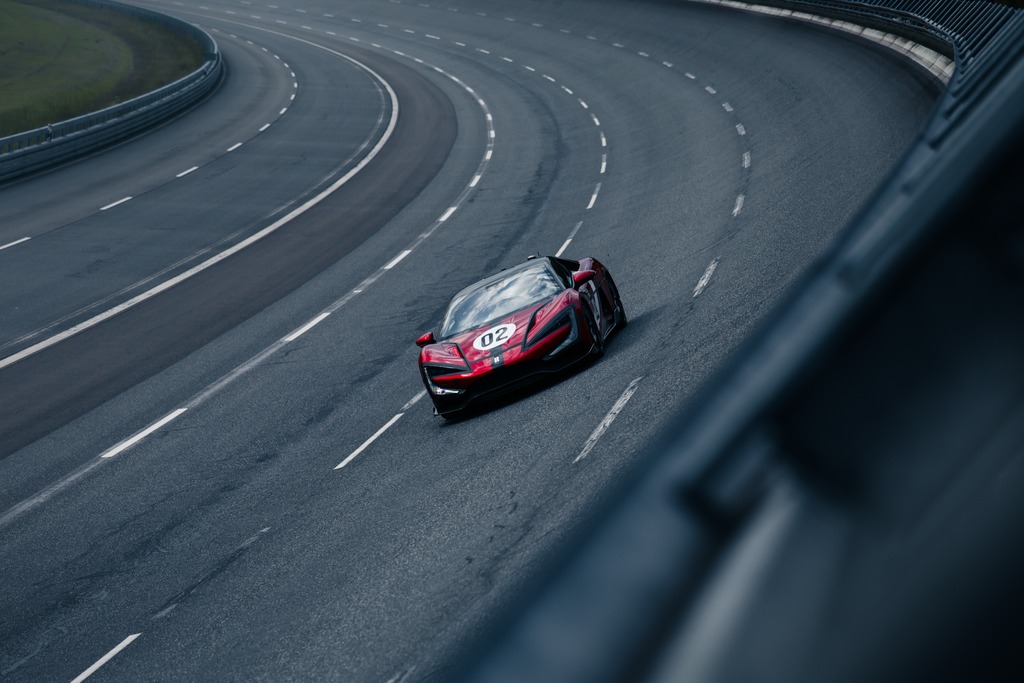
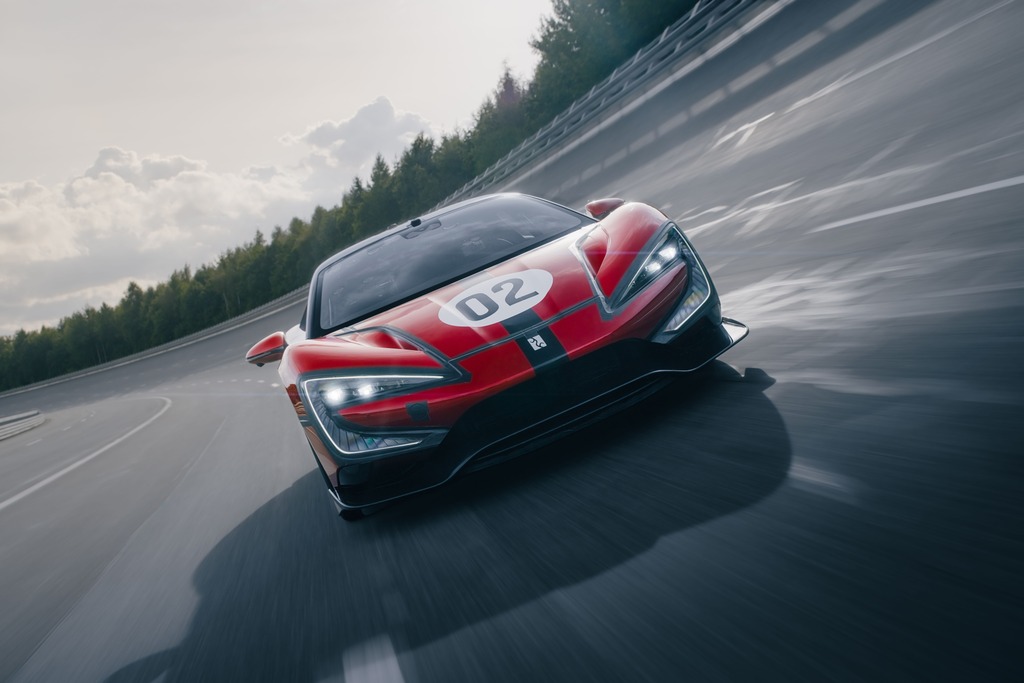
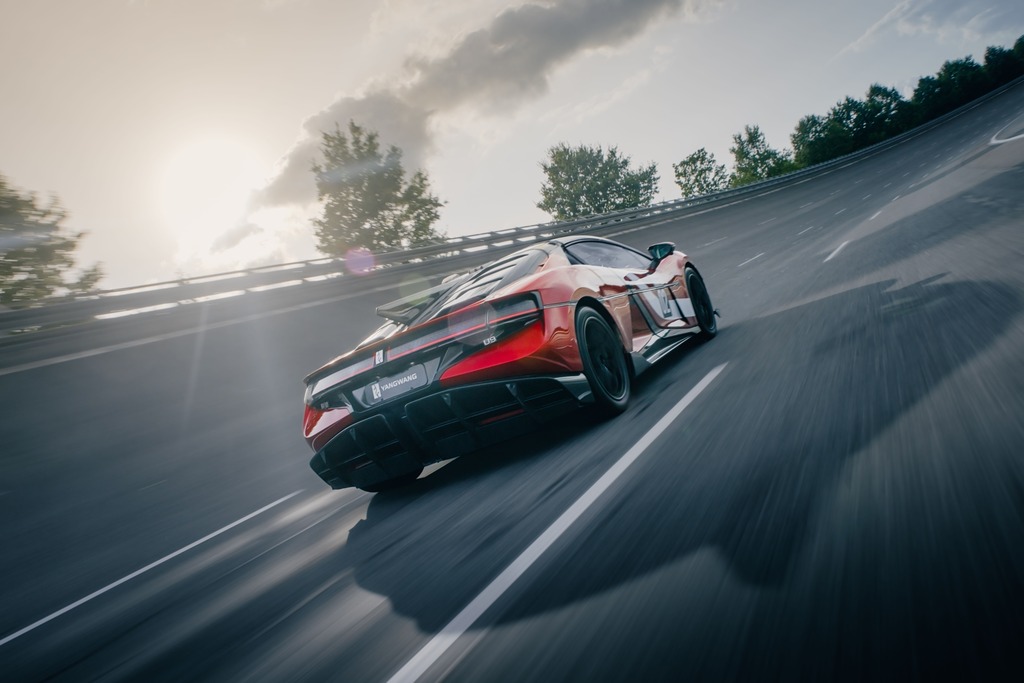
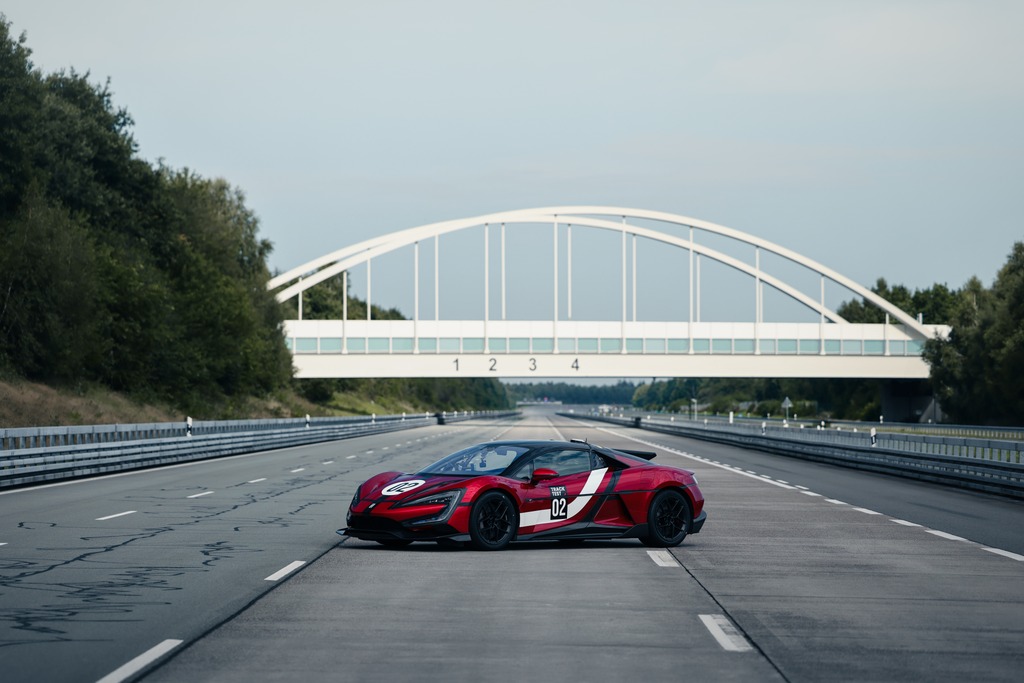
The BYD Group has scored a major coup by breaking two speed records in quick succession with its Yangwang U9 Xtreme, the most important of which is that of the world’s fastest production car.
Back in April, the Xiaomi SU7 Ultra dethroned Porsche on its home turf, beating the sportiest version of the Taycan in the electric category at the legendary Nürburgring. This autumn, it’s another electric hypercar that is shaking up the historic giants of sports cars with an even more impressive record. The Yangwang U9 Xtreme has become the fastest production car in the world on the ATP (Automotive Testing Papenburg) circuit in Germany. And that’s just for starters.
3000 bhp and 496 km/h for the Yangwang U9
The ‘production’ version of the Yangwang U9 is a supercar to be presented in 2023 by this sports division of the BYD Group. The basic model already boasts 1,300bhp and a 0-100kph time of two seconds, making it one of the best in its class. But its Xtreme variant, as the name suggests, pushes the envelope even further, with over 3,000bhp!
Credit: BYD
It was with these strong arguments that the Yangwang U9 Xtreme arrived on the ATP scene and smashed the speed record previously held by the Bugatti Chiron Super Sport 300+. In fact, the Chinese racer managed the feat of clocking up 496.22 km/h on the speedometer. That’s insane. What’s more, assuming that the ATP is a shorter test track than Ehra Lessien, where Bugatti set its record, BYD reckons that its hypercar could have reached or even exceeded 500 km/h…
Impressive on the Nürburgring too
But as the world speed record didn’t seem to be enough, BYD sent its Yangwang U9 Xtreme to take on… Xiaomi! As we mentioned in the introduction, the lap record for an electric car was beaten last April by the SU7 Ultra in 7 minutes and 04 seconds. Well, the U9 Xtreme has achieved the feat of doing so in 6 minutes and 59 seconds. Admittedly, that’s not much of a gap, but it says a lot about the BYD group’s ambitions to not only extinguish the European competition, but also its compatriots!
Credit: BYD
It remains to be seen whether this Xtreme version will be available to the general public. Well, ‘general public’ is a bit of an exaggeration, but the brand had to produce it, at least in small series, in order to homologate its record as the fastest production car in the world. This will certainly be the case, with a limited edition of around thirty units, which should not have too much trouble selling despite the prohibitive price… Beating Bugatti, Porsche and Xiaomi within a few days of each other is a hell of a publicity stunt!
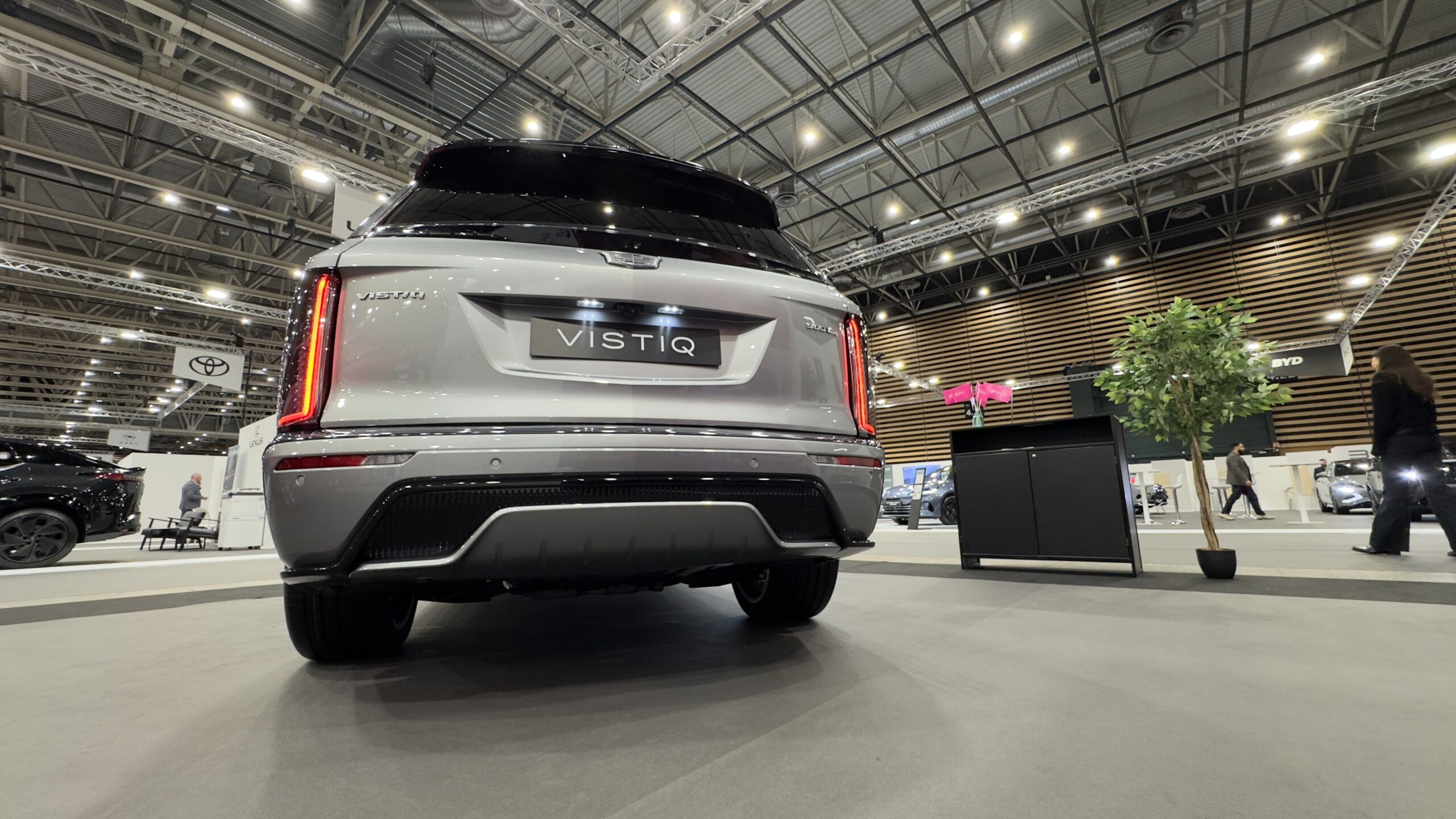
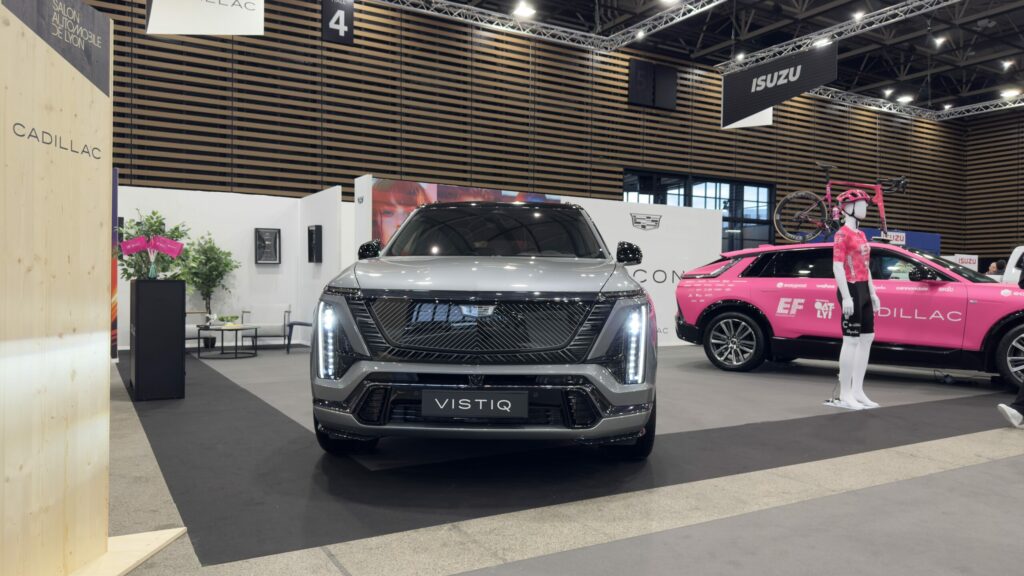
Cadillac took advantage of the Lyon Motor Show to unveil, for the first time to the French public, its new VISTIQ large electric SUV, for which orders are already open in Europe.
If the Cadillac stand catches the eye at the Lyon Motor Show, it’s not because of the number of models on display. No, if you can spot the American brand from afar, it’s because it took the opportunity to unveil its imposing VISTIQ electric SUV to the French public for the first time. We’re already familiar with the LYRIQ, an SUV coupé/breakback that’s already quite substantial, but now we’ll have to get used to its new companion, which is 5.22 m long, 1.80 m high and 2 m wide. That’s what we call, on the Old Continent at least, a beautiful beast.
A family limousine
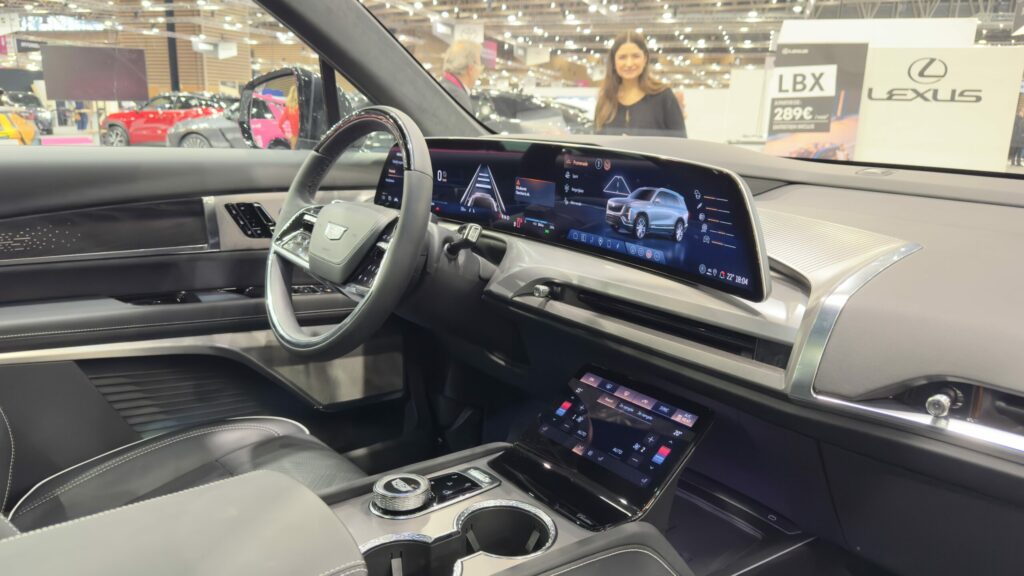
But it’s not just its dimensions that impress. VISTIQ is also a success in terms of design. It exudes luxury and tranquillity: discreet lines, gentle curves and a harmonious whole. A special mention goes to the radiator grille, which is very elegant and not flashy, with a modernised light signature that is nonetheless faithful to the iconic Cadillac front end. Inside, once again, premium reigns supreme. Wood panelling, aluminium, a curved screen – our favourite! – and an augmented reality head-up display. The AKG Dolby Atmos audio system with its 23 speakers is of the highest quality, as are the massaging/heating/ventilated seats.
Credit: ECO MOTORS NEWS
There are 6 seats, with the option of adding a third seat in the second row. Enough to take the whole family on a road trip along Route Nationale 7, the French equivalent of Route 66. And the good thing about such an imposing vehicle is that there’s plenty of room in the boot, even with six passengers: 431 litres! That figure rises to 2,271 litres with the seats folded down.
From 0 to 100 in 4 seconds for VISTIQ
And what about performance? Here again, it’s out of all proportion! With an unladen weight of 2.9 tonnes, you might expect it to drag itself along, but that’s not the case. With 623bhp and 881Nm of torque, its two engines and all-wheel drive allow it to accelerate from 0 to 60mph (96kph) in 3.7 seconds. That’s a hell of a time! In terms of range, it’s pretty respectable for a vehicle of this size and specification, coming close to 490 km, with the promise of a rapid 190 kW recharge that will regain 130 km in ten minutes.
Credit: ECO MOTORS NEWS
With a price starting at around €100,000, the Cadillac VISTIQ is almost alone in its segment. But with the growing popularity of models such as the less expensive G9 from Xpeng, the Detroit-based brand has no choice but to distinguish itself through quality materials, performance and looks. Having seen the beast in action at the Lyon Motor Show, ECO MOTORS NEWS can confirm that it has succeeded!
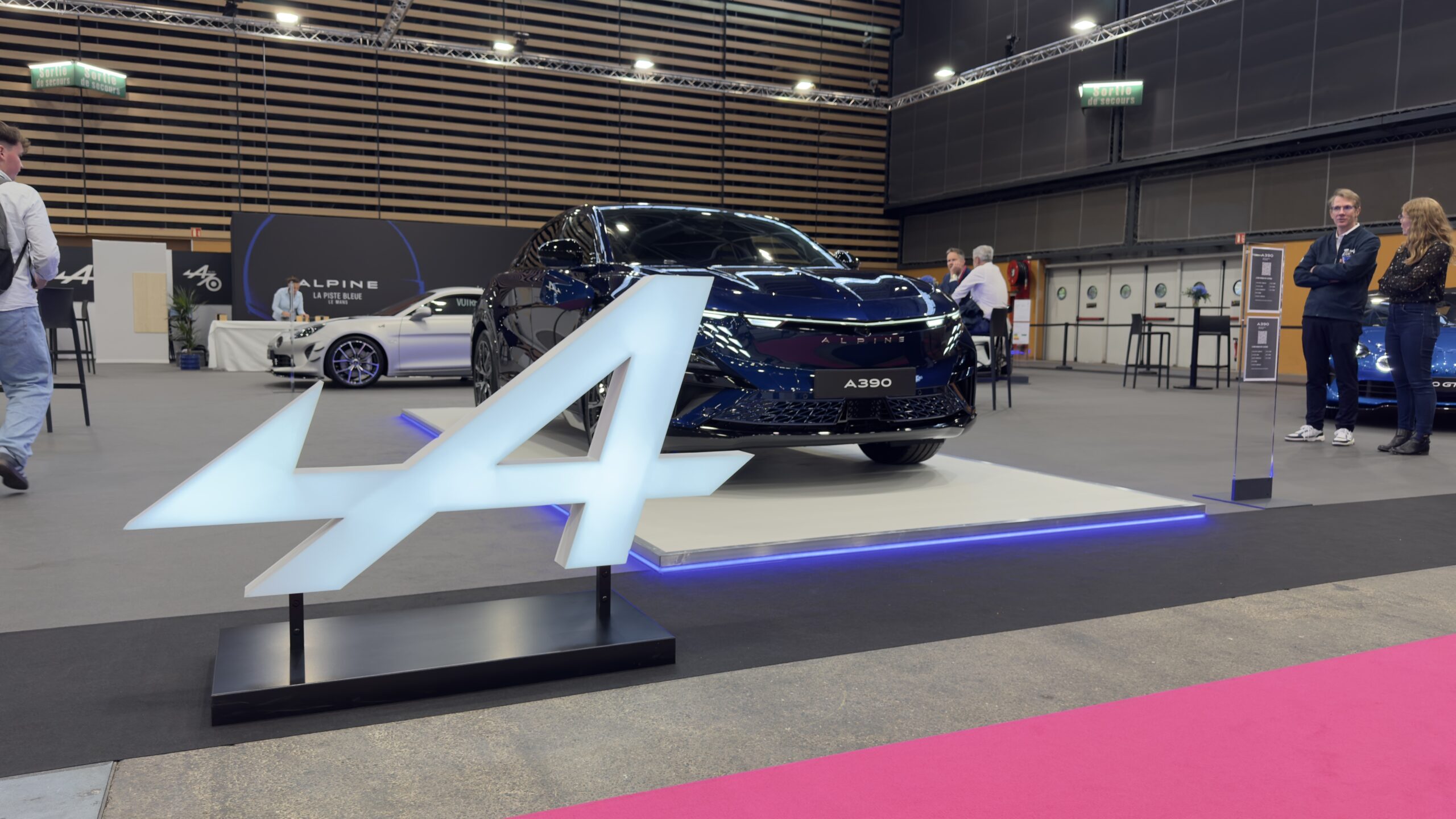
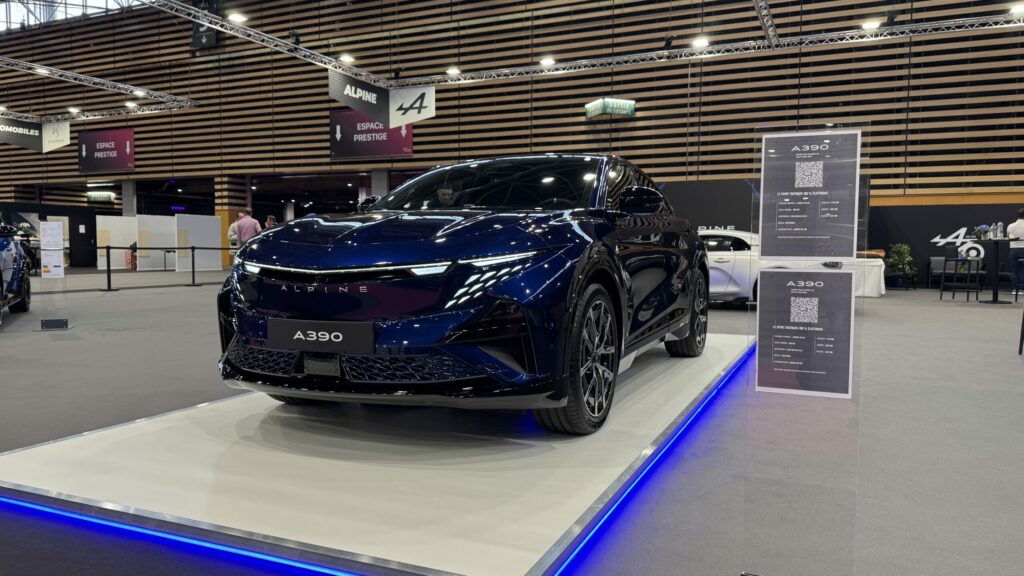
ECO MOTORS NEWS had the opportunity to walk the aisles of the Lyon 2025 Motor Show, and among the most eagerly-awaited exhibitors was Alpine, with the first public showing of the Alpine A390 electric SUV.
Alpine’s presence at the Lyon Motor Show was a fitting way for the manufacturer to celebrate its 70th anniversary. Several versions of the A110 saloon car were on show, including a special anniversary version, but above all – and this is what interests us most at ECO MOTORS NEWS – the Dieppe-based manufacturer highlighted its ‘Dream Garage’, in other words its dream line-up of 100% electric cars. The A290 city car, based on the Renault 5 E-Tech, was on show, as was the season’s big news, the much-anticipated A390 SUV coupé.
Credit: ECO MOTORS NEWS
A390, a real Alpine?
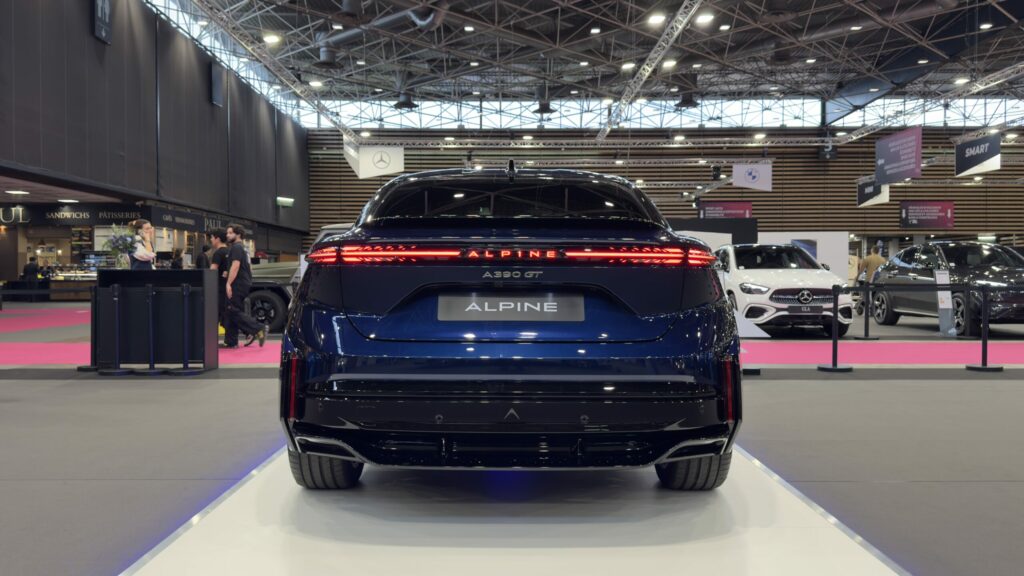
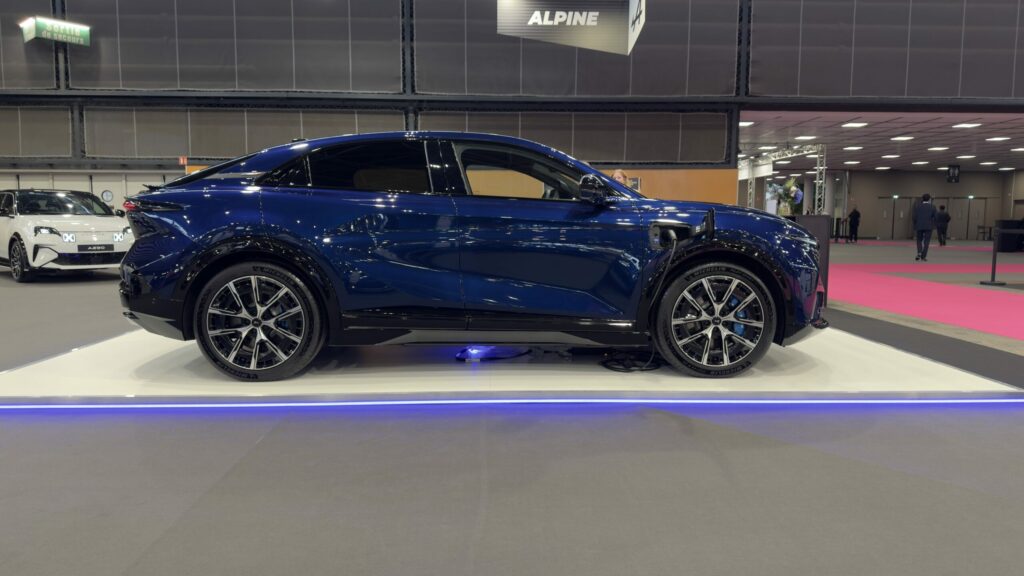
When the A390 was unveiled at Dieppe at the end of May 2025, journalists were only allowed to see photos of the aircraft, and while its simple, effective design was universally acclaimed, it did not arouse the crowds. Well, it turned out to be a pleasant surprise! Indeed, the ‘wow’ factor was certainly there when we saw the beast in the flesh, or rather in metal and watts. At 4.6 metres long and 1.90 metres wide, the fastback silhouette of this relatively massive SUV, with its plunging roof, is a real success. Its design is much more racy and aggressive under the lights of the showroom, with lines that seem to melt into the bodywork. It’s rather elegant, and while the front end is a far cry from the Alpine style, it does have one thing in common: sportiness.
Credit: ECO MOTORS NEWS
This sportiness can also be found ‘under the bonnet’. The Alpine A390 is equipped with three Cléon electric motors made in Normandy, all-wheel drive and a system called Active Torque Vectoring, which the manufacturer promises will give the SUV an “agility worthy of the brand’s reputation“. It delivers the equivalent of 400bhp in GT form and 470bhp in GTS form, enough to easily (and happily) push its two tonnes or so without worrying about either power or driving pleasure, with a 0-100kph time of less than four seconds. But to find out for sure, you’ll have to take it for a test drive!
555 km range and a mission
While Alpine’s DNA is all about sportiness, the A390 is nonetheless an SUV, and SUVs mean high sales expectations. Its mission, therefore, is not only to win over Alpine aficionados, but also to attract new customers. To do that, it offers a decent level of comfort, even if a plunging roof makes it difficult, but the typical architecture of an electric car means that not too much space is lost in exchange. Above all, the brand is promising a range of up to 555 kilometres, which puts it a hair below the Porsche Macan 4S. As for recharging, we’re promised 20 minutes to go from 15 to 80%, again within the market average.
Credit: ECO MOTORS NEWS
These are strong arguments, not to mention the fact that the car is made in France, in Dieppe. The price is not yet official, but we have been told that the GT version could be offered for around €65,000, and the GTS version for around €75,000. One thing is certain: after 70 years of a rich history, Alpine has no intention of giving up. On the contrary, the emblematic Norman manufacturer seems to be taking the electric route with a masterful SUV which, while it may have raised a few eyebrows at the time of its presentation, could well end up putting everyone on the same wavelength.
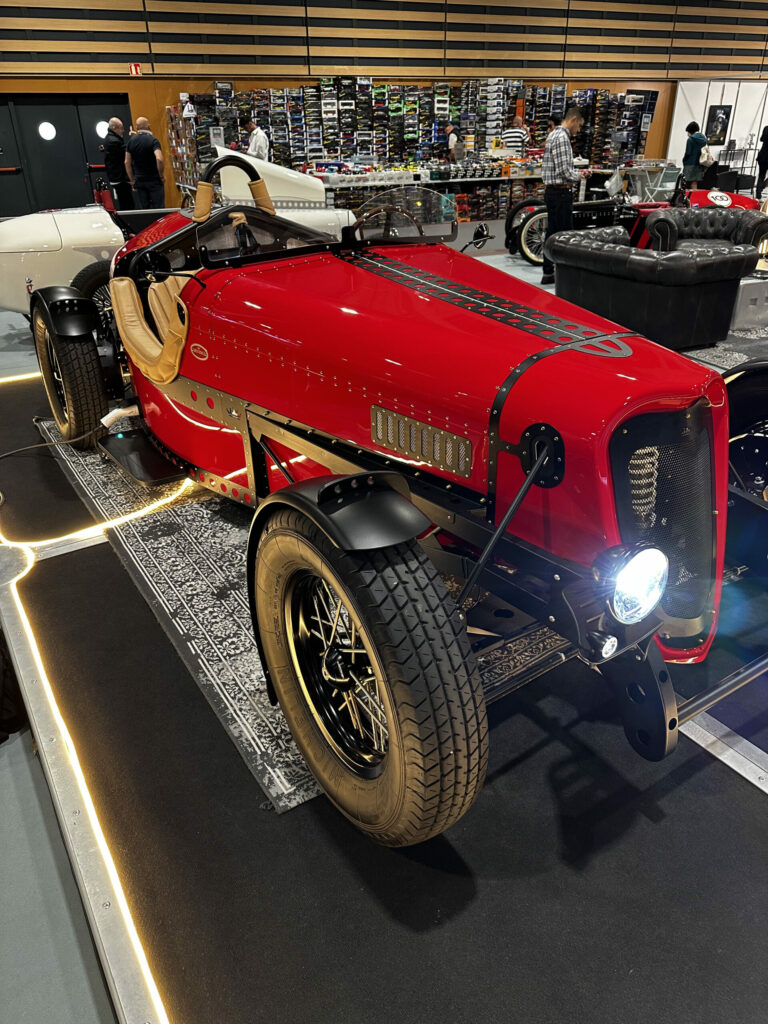
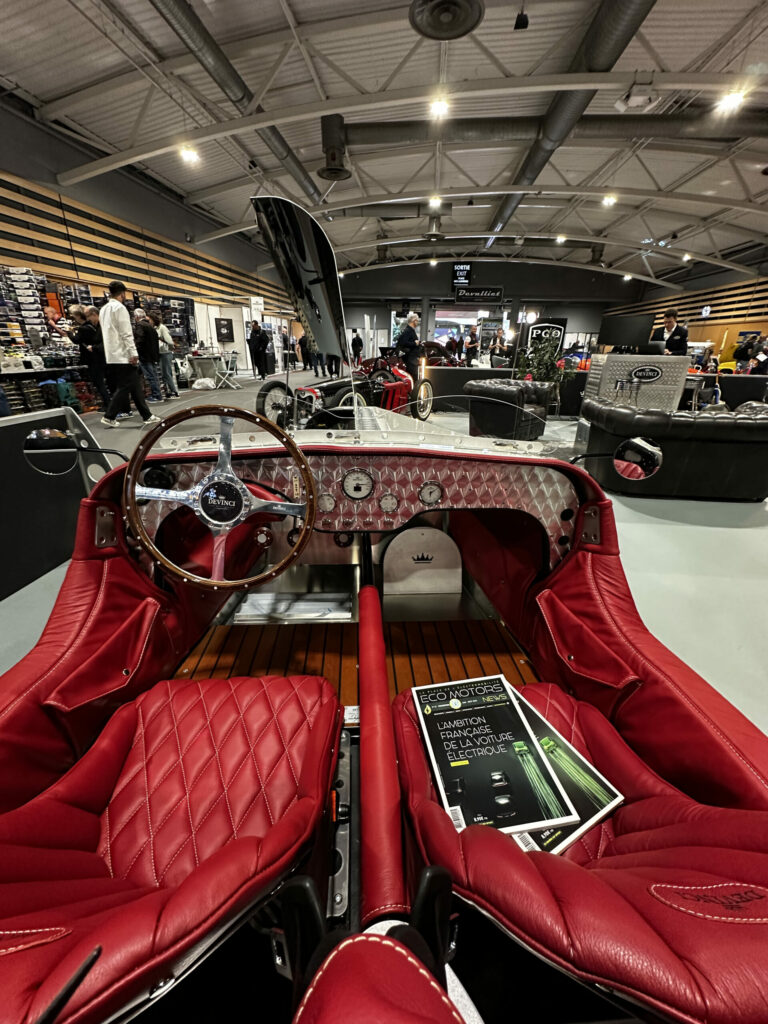
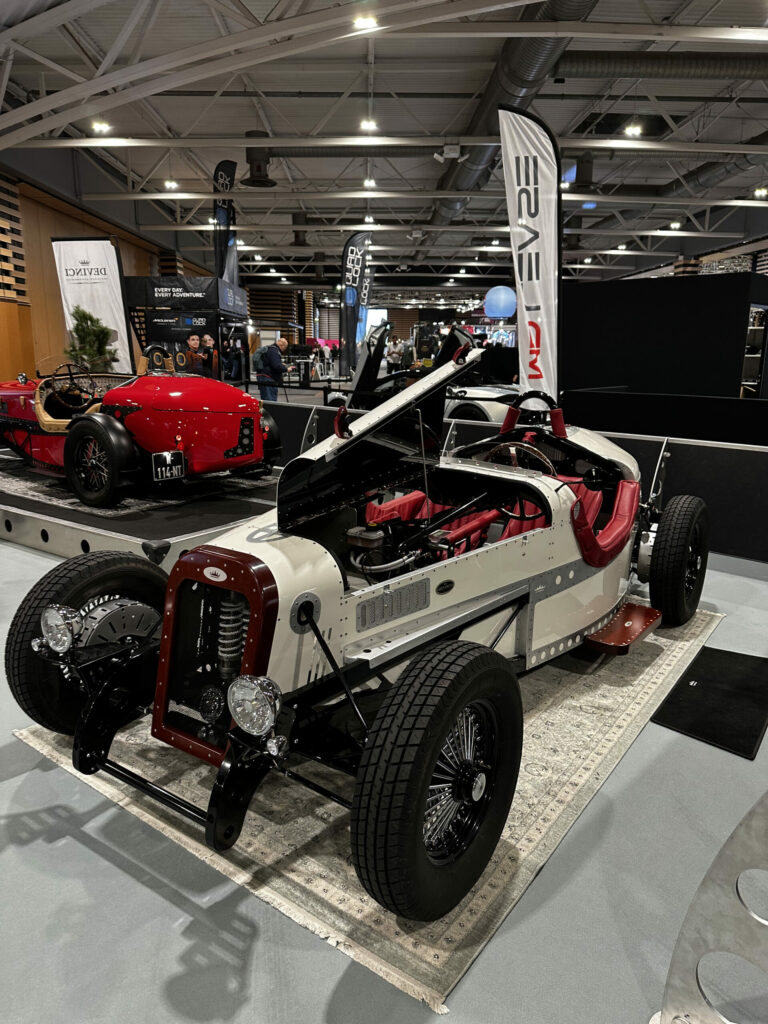
The editorial team had the opportunity to meet the Devinci teams on their stand at the Lyon Motor Show, to find out more about this real UFO of French car manufacturing.
As we wandered the aisles of the Lyon 2025 Motor Show, our eyes fell on a stand that stood out from the rest, that of Devinci. Cars with the racing style of the 30s and 40s, but powered by 100% electric motors, obviously speak to us at ECO MOTORS NEWS. But Jonathan Rouanet, the French manufacturer’s Sales Director, stops us dead in our tracks: the cars are designed and assembled in their workshop at St-Sulpice-la-Pointe in the Tarn region, using parts made by craftsmen, usually in the region and more rarely in the rest of France. Only the electric motors come from abroad, but from neighbouring countries (Germany, Italy). And the batteries? French, but incorporating imported cells. All these details pique our curiosity a little more, and we took some of Mr Rouanet’s time to tell us a little more about Devinci.
Credit: ECO MOTORS NEWS
And we start by taking a step back in time. The brand was created in 2017 by its founder Jean-Philippe Dayraut, a designer and racing driver. Named Devinci, in a nod to the great Leonardo, “acomplete artist and engineer, a visionary inventor and creator of timeless works” with whom the company “shares this vision of know-how that is both technical and artistic” according to Jonathan Rouanet, it presented its first prototypes, the D417s, at the 2018 Rétromobile show. These first cars were “deliberately simple, with leaf spring front suspension, front and rear drum brakes, proportions inspired by the 1930s and a range of around 140 km“. The result? 30 orders! In the industry, for a niche manufacturer just starting out, that’s what we call a hit.
Devinci, objet d’art and… marketing tool
In 2019, Devinci inaugurated its current line-up, comprising four finishes of the same model, improved each year: Brigitte (40 examples), Adèle (10 examples), Marianne (10 examples) and Eugénie (5 examples, one for each continent), priced at €58,000, €75,000, €150,000 and €200,000 respectively (excluding tax). This is an important point, because although Jonathan Rouanet doesn’t identify a typical customer – “my youngest customer is in her twenties, my oldest is in her eighties” – he does note that, in addition to “car collectors and lovers of art or beautiful objects, who don’t necessarily own other cars“, most owners of Devinci models are “company directors who use the vehicle as a marketing tool, for example for estate agencies or 5-star hotels“. In fact, he claims that, more than just cars, Brigitte, Marianne, Adèle and Eugénie serve above all to transcribe values and convey a message more effectively than with more traditional means of communication. And that’s thanks to its positioning.
Credit: ECO MOTORS NEWS
“We are positioned in a completely atypical niche, at the crossroads of several worlds: art and the automobile, industry and craftsmanship, the ancient and the modern“. The result is a real car, thanks to the founder’s “solid experience in motor racing – Formula Renault 3.5, Super Touring, rallies such as the Dakar“, but with the look of a rolling, chic, vintage work of art, all powered by modern electric power. The brand has already delivered its cars to some twenty countries around the world, and generates more than half its sales abroad.
Big ambitions
And there’s no end in sight for this “continuous and permanent improvement” manufacturer, which has just presented a new front end for its Eugénie model, as well as new Italian engines reserved for the top-of-the-range versions. As Jonathan Rouanet sums up, “each change is an opportunity for a new homologation“, but always with the same ambition: “Tocontinue to promote French excellence on the border between art and the automobile“. And it seemed to work at the Lyon 2025 Motor Show, as the Devinci stand was packed with people, all intrigued by these vehicles that were as anachronistic as they were desirable – further proof, if any were needed, that electric can go hand in hand with chic.
The wooden grille is a perfect illustration of the brand’s retro, artisanal, technical and industrial identity. Credit: ECO MOTORS NEWS
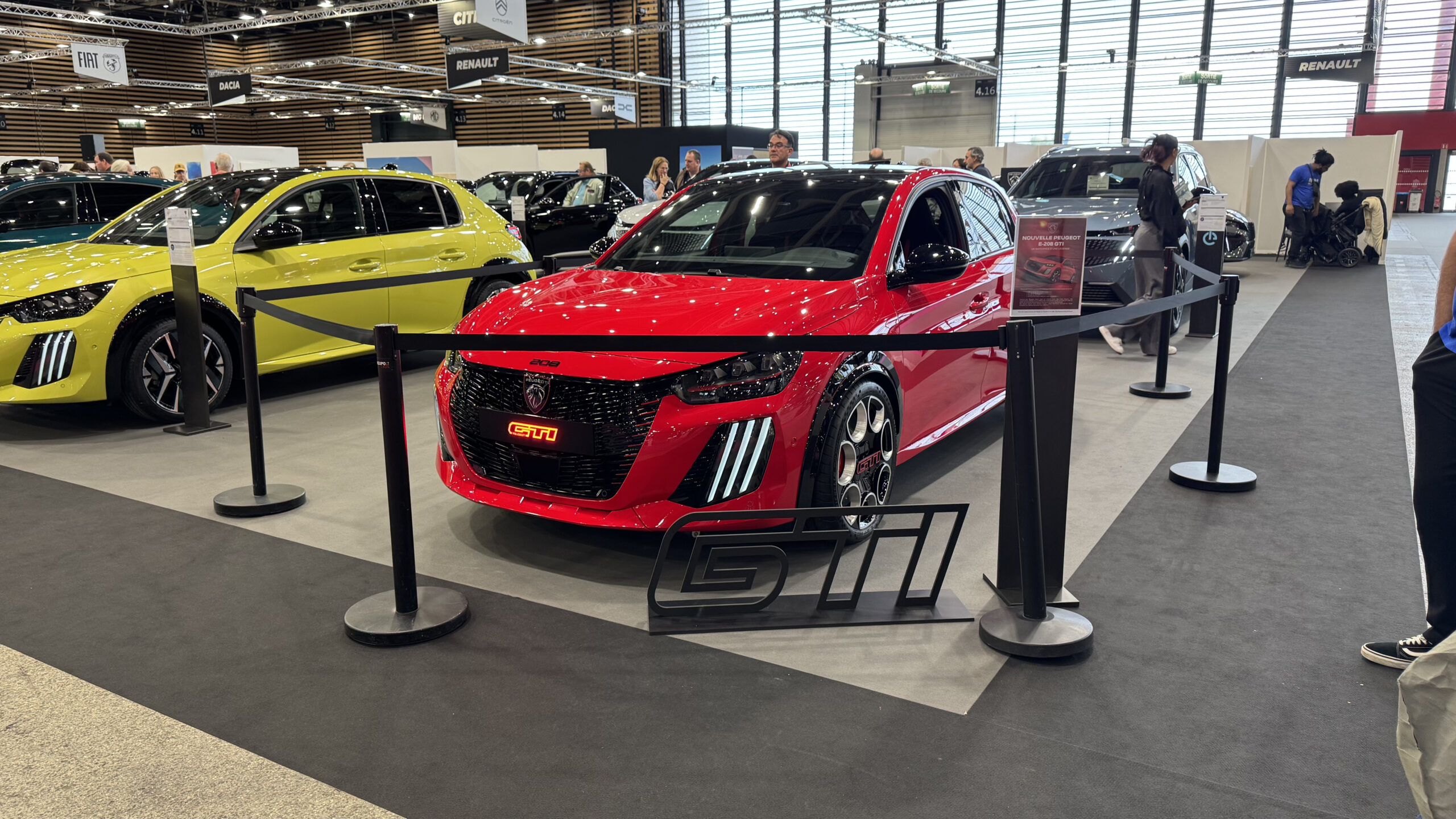
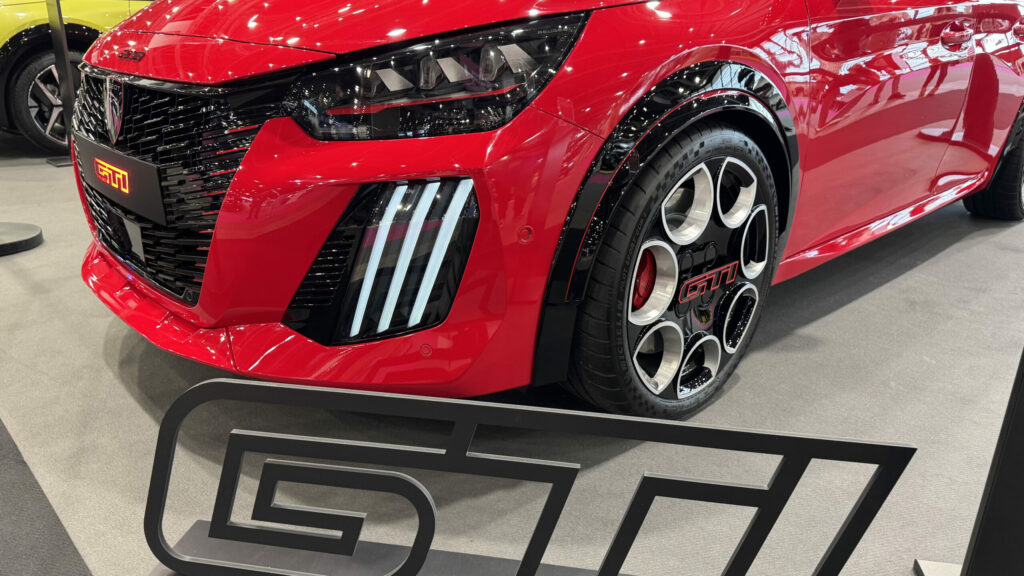
The star of the Peugeot stand at the Lyon 2025 Motor Show is undoubtedly the E-208 GTi show car, which combines desirable design, great performance and passion, all in 100% electric form.
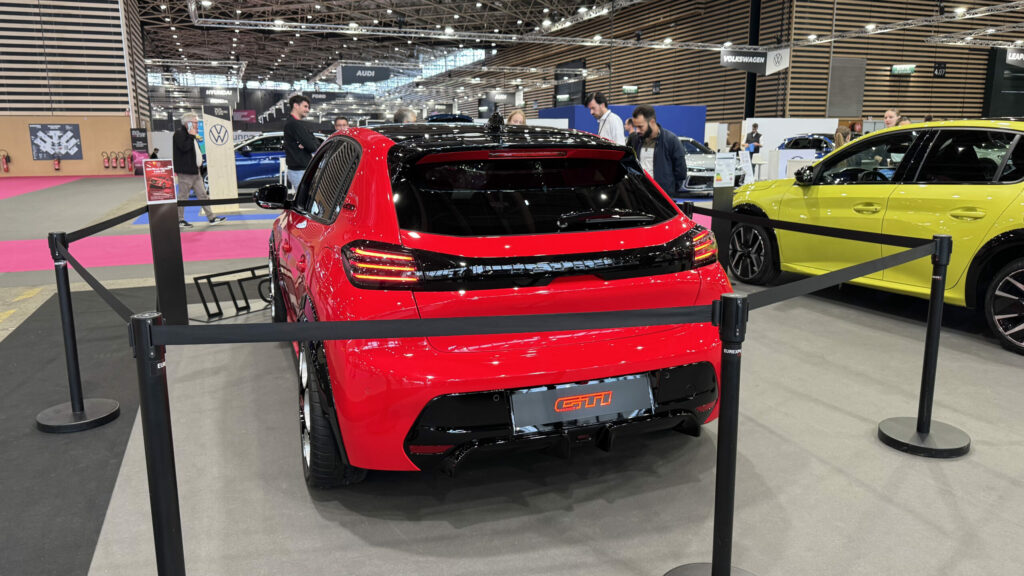
Presented at Le Mans last June, the Peugeot E-208 GTi had not yet reached the general public. Now it has, in the form of a show car – a car that is very close to the production model, but not yet 100% – at the Lyon Motor Show, which runs until September 28 in the capital of France. The red livery is a real eye-catcher, attracting journalists and visitors alike. ECO MOTORS NEWS was no exception to the rule, and was mesmerised…
Credit: ECO MOTORS NEWS
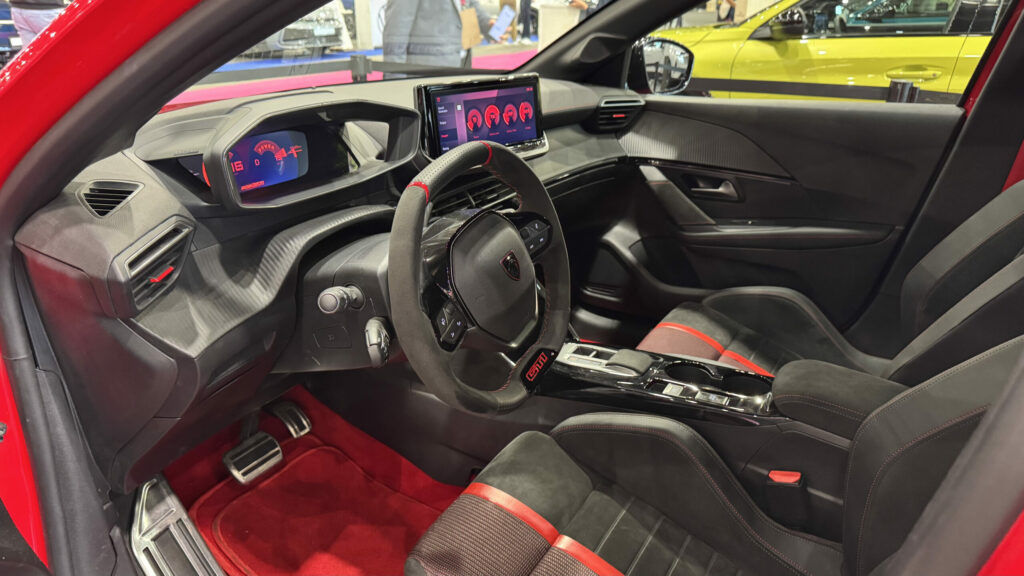
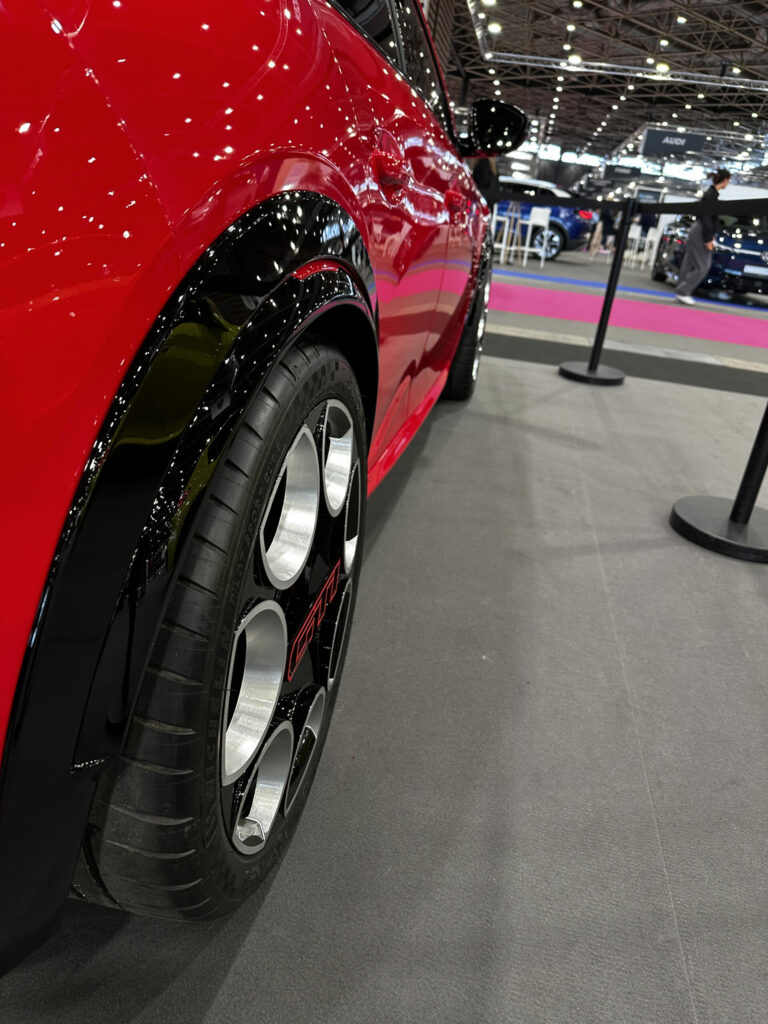
Firstly, there’s the design. This E-208 GTi respects the codes of the more classic version. But some details seem to be infused with sportiness. 18-inch wheels in XXL wheel arches, spectacular diffusers at the rear, wider wings and a lowered chassis are rather subtle, but this was also the case with the 205 GTi, for example. There are plenty of references to the latter, particularly inside, with the return of the red carpet, 205-inspired seats and aluminium pedals.
Credit: ECO MOTORS NEWS
The technical specifications of the Peugeot E-208 GTi are mouth-watering
It now remains to be seen whether this E-208 GTi will be able to stand up to the comparison with its illustrious ancestor. Designed entirely by Peugeot Sport, it promises 280 bhp, a 0 to 100 kph time of 5.7 seconds and a torque of 345 Nm – which is immediately accessible, as is also the advantage of electric over petrol engines. In other words, the 205 GTi’s signature ‘kick in the pants’ should also be found behind the wheel of this E-208 GTi. Peugeot has also announced a range of 350 km, which is rather respectable, even if, on a model of this type, this seems rather secondary…
Credit: ECO MOTORS NEWS
Still at the show car stage, Peugeot’s electrically-powered compact should, of course, go into series production. There’s no exact date on the stand yet, but spring 2026 seems an achievable target…