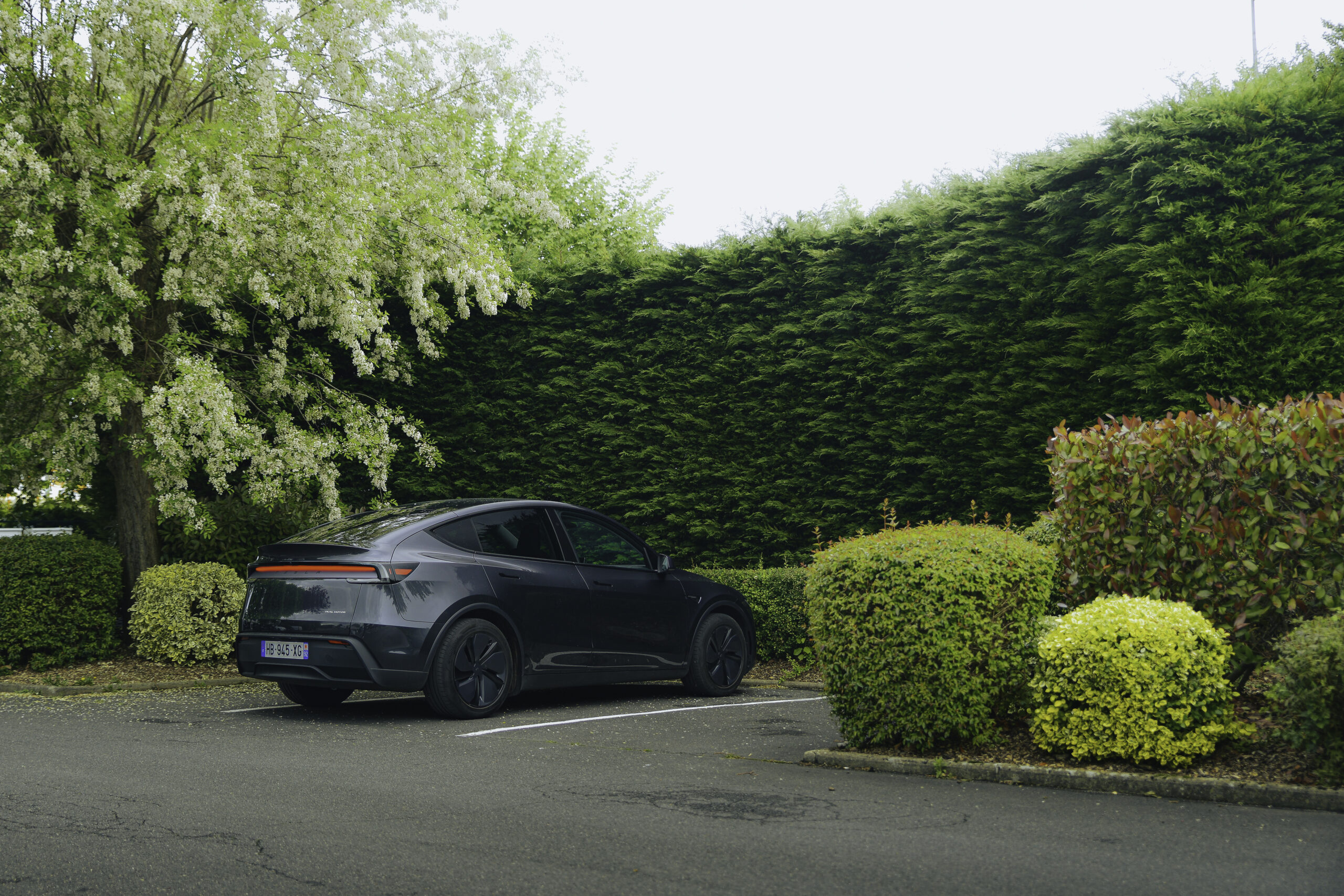
Tesla is adjusting its prices in France for the Model Y and Model 3, taking advantage of the new CEE bonus scheme, now financed by energy suppliers via Energy Savings Certificates.
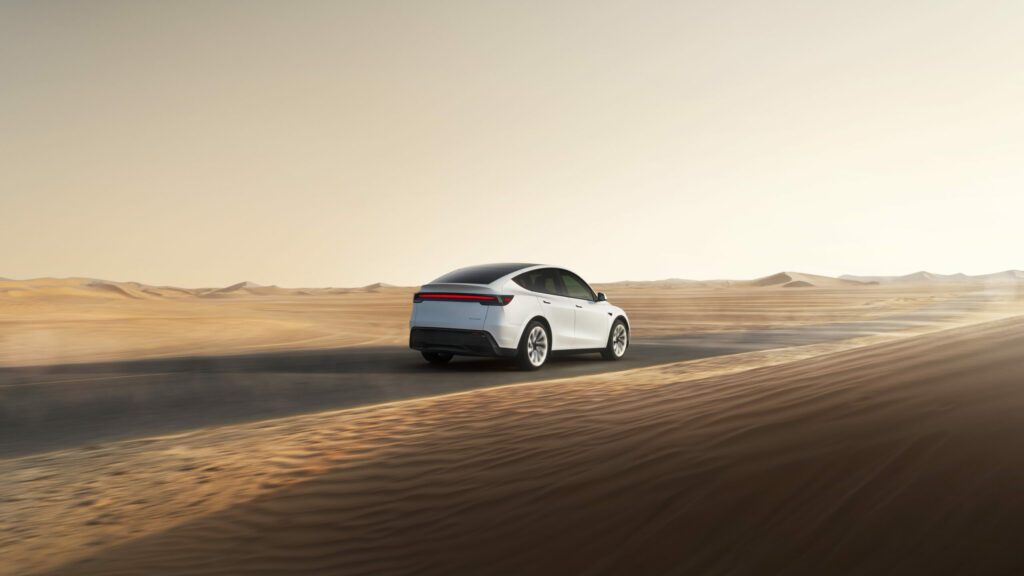
The Model Y is becoming more affordable thanks to the CEE bonus, with up to €4,200 in assistance depending on the profile (Crédit : Mathis Miroux)
Model Y: substantial discounts
Previously excluded from the environmental bonus, the restyled Model Y (“Juniper”) is now eligible for the “electric vehicle incentive”. The rear-wheel drive version drops from €44,990 to €41,810, and even €40,790 for the most modest households. The Grande Autonomie Propulsion version, meanwhile, drops to €42,790.
These offers are accompanied by an attractive LOA (lease with purchase option), from €299 per month over 36 months, with an initial deposit of €8,450 for a resident of Hauts-de-France.
Model 3: a direct price cut
Produced in China and excluded from the main incentives, the Model 3 benefits from a direct discount of €3,100 granted by Tesla, reducing its entry price to €36,980, or even €36,554 with a ‘small’ CEE bonus of €350.
Offers are valid for all orders placed before 31 December 2025 (Model Y) with deliveries until 30 June 2026, or 27 September 2025 (Model 3), with deliveries before 30 of the same month.
The new French car market is going through a complicated period. In July 2025, sales were still 7.7% down on last year. Even though the government is proposing subsidies to encourage electric cars, the sector is not really picking up. On the other hand, electric and hybrid cars continue to sell well, or at least better than conventional cars.
A wide choice of modern SUVs in a dealer fleet, reflecting current trends in the French car market.
A declining overall market
Just over 116,000 new cars were sold in France in July, according to figures published on Friday by the French car manufacturers’ association (PFA). Since the start of the year, fewer than one million cars have been purchased, which is a fairly low figure compared with previous years. All types of buyer have been affected: private individuals are buying fewer cars, as are businesses, AAA Data said in a press release. The exception is car rental companies, which are selling more vehicles on a short-term basis.
Petrol and diesel cars down sharply
Traditional cars, which run on petrol or diesel, are seeing their sales fall sharply. In 2025, petrol sales fell by 34% and diesel sales by 41% compared with the previous year. This trend shows that buyers are gradually turning away from these engines.
Hybrid and electric cars are gaining ground
Hybrid cars, which combine a combustion engine with an electric motor, now account for more than half of all sales (53% in July). These models are becoming increasingly popular, as they consume less fuel.
100% electric cars are also making progress, accounting for around 17% of the market in July, with sales up by 15%. This increase is mainly due to purchases by companies. However, private customers are still somewhat reluctant to switch to electric cars, despite the financial assistance available.
Brands and their performance
Renault remains the leader in electric cars in France, with sales up sharply by 24.4%. BMW, Mini, Ford, MG and BYD are also making good progress, thanks in particular to their new electric or hybrid models. On the other hand, some brands such as Peugeot and Tesla are seeing their electric car sales fall.
What are the prospects?
The French car market is still fragile. The new ecological bonus and the electric leasing scheme are due to arrive in September. They could encourage more private customers to buy electric cars. But for the moment, the recovery is not yet visible.
In the meantime, hybrid cars remain the preferred choice for many buyers. They represent an intermediate solution between conventional cars and 100% electric cars.
Ford is preparing to mark a historic turning point in its electric adventure. Jim Farley, the American manufacturer’s CEO, announced a key date during a conference call on 30 July. According to him, August 11 will be a crucial day for the company. A major announcement relating to electric vehicles is scheduled for that day. Farley believes that this event could be as significant as the launch of the legendary Model T in 1908.
Ford CEO Jim Farley outlines the carmaker’s new electric strategy at a conference on 30 July 2025. (Credit: Ford)
At the event, Ford will unveil its plans for the design and manufacture of a revolutionary electric vehicle and a new platform, all developed on American soil, in the state of Kentucky to be precise.
This new family of vehicles promises to combine technological innovation, fuel efficiency, optimised interior space and advanced features to meet market expectations while competing with the advances of Chinese manufacturers.
An ambitious strategy in the face of Chinese competition
Jim Farley was particularly impressed by the progress made in China in the field of electric vehicles. During a recent visit, he highlighted the fact that the American industry is lagging behind its Chinese competitors, going so far as to say that without a rapid response, the battle would be lost. He also revealed that he drives a Chinese model, the Xiaomi SU7, on a daily basis, and praises its qualities.
Behind the scenes, Ford has set up a specialised, relatively independent team to develop a new electric platform. This should enable the mass production of vehicles that are more compact, less costly to manufacture, yet profitable enough to ensure the company’s long-term future.
If Ford succeeds in offering small, affordable and profitable electric vehicles, it could profoundly change the car industry. This shift would be comparable to that represented by the Model T at the beginning of the 20th century.
The date is set for 11 August. Car enthusiasts and observers alike are waiting with bated breath to find out more about this electric strategy. It could reshape the mobility landscape for a long time to come.
General Motors (GM) has confirmed that the Chevrolet Bolt will make a comeback in 2027, with a commercial launch scheduled for 2026.
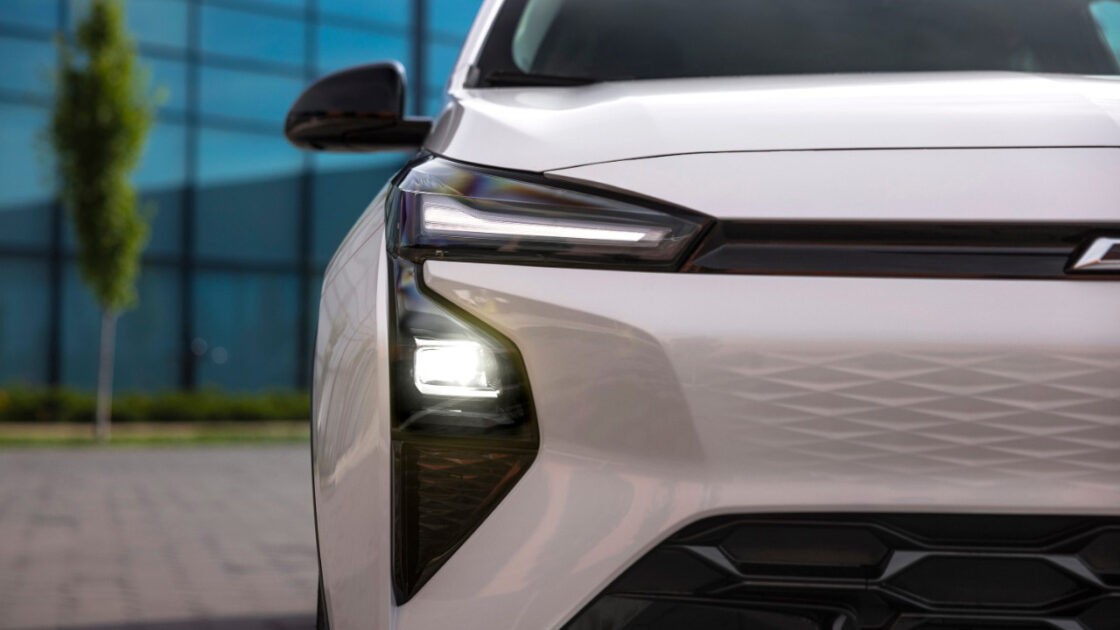
Redesigned vertical LED lights for the 2027 Bolt (Credit: Chevrolet)
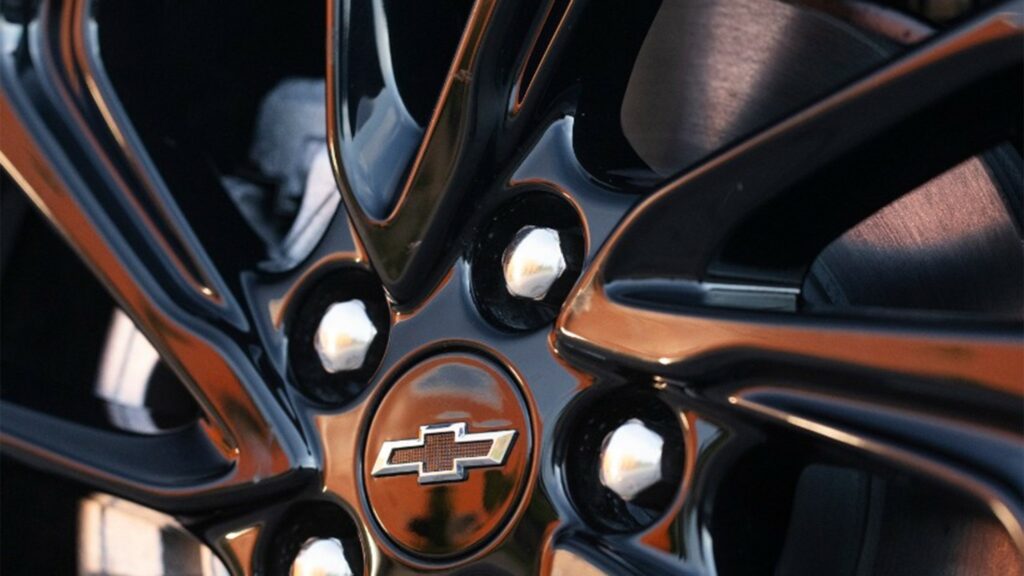
Although the model was discontinued at the end of 2023 after years of production, GM is responding to demand. The manufacturer is offering a modernised version based on the Ultium. The first teaser images show that the new Bolt shares a chassis, roof and windscreen with the Bolt EUV. At the same time, it adopts a revised design: a redesigned grille and bumper, more pronounced rear lights and refined black wheels. The brand says that more details will be revealed this autumn.
New technical developments
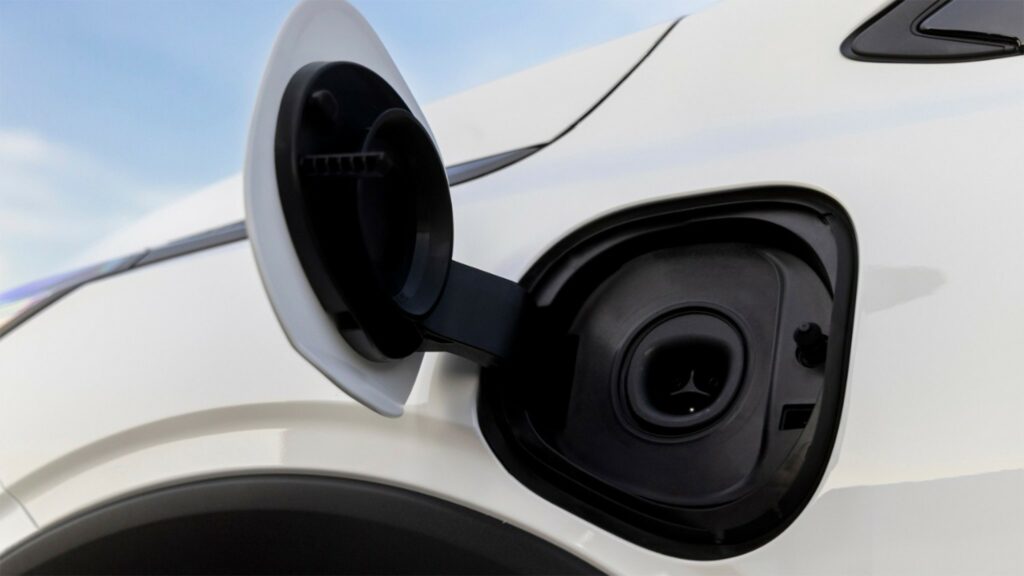
NACS (North American Charging Standard)charging port now standard, providing direct access to Tesla’s Supercharger network.
Lithium-iron-phosphate (LFP) battery, a more economical and longer-lasting technology than the lithium-ion batteries of the previous model. Estimated range of around 300 miles (~480 km EPA).
Significantly improved DC fast charging. Capacity much higher than the 50-55 kW of the old Bolt, reaching around 150 kW.
New NACS connector compatible with Tesla charging stations (Credit: Chevrolet)
Production and price positioning
Production is scheduled to begin at the end of 2025 at the Fairfax Assembly site (Kansas City, Kansas).
Deliveries are expected to start in mid-2026, before going on sale as a 2027 model.
Although the official price has not been announced, GM is targeting a price of around USD 30,000, similar to that of the original Bolt.
What it changes
The new Bolt retains its compact crossover/hatchback format. It brings a number of notable improvements, including a reworked design, faster charging and lower running costs. The direct integration of the NACS port facilitates access to Tesla charging points, the densest network in the United States. The LFP battery, which is simpler and more durable, also reduces costs and maintenance.
Redesigned wheels for improved aerodynamics (Credit: Chevrolet)
In short, the Chevrolet Bolt returns as a 2027 model with a neat restyling and technical updates focused on accessibility. It is based on the Ultium platform and features the NACS port, an LFP battery and improved fast charging. The new model is positioned as an affordable and efficient electric solution, with an estimated price of around USD 30,000. Expected to hit dealerships in 2026, the Bolt is aimed at customers looking for a reliable, easy-to-maintain vehicle that is also technologically advanced.
With a coefficient of drag (Cx) of 0.21, Audi has produced its most aerodynamic car ever. A concrete step towards greater electric efficiency. The new A6 e-tron Sportback boasts an extremely low coefficient of drag, making it one of the most aerodynamic cars on the European market – and the most aerodynamic ever produced by the Volkswagen Group.
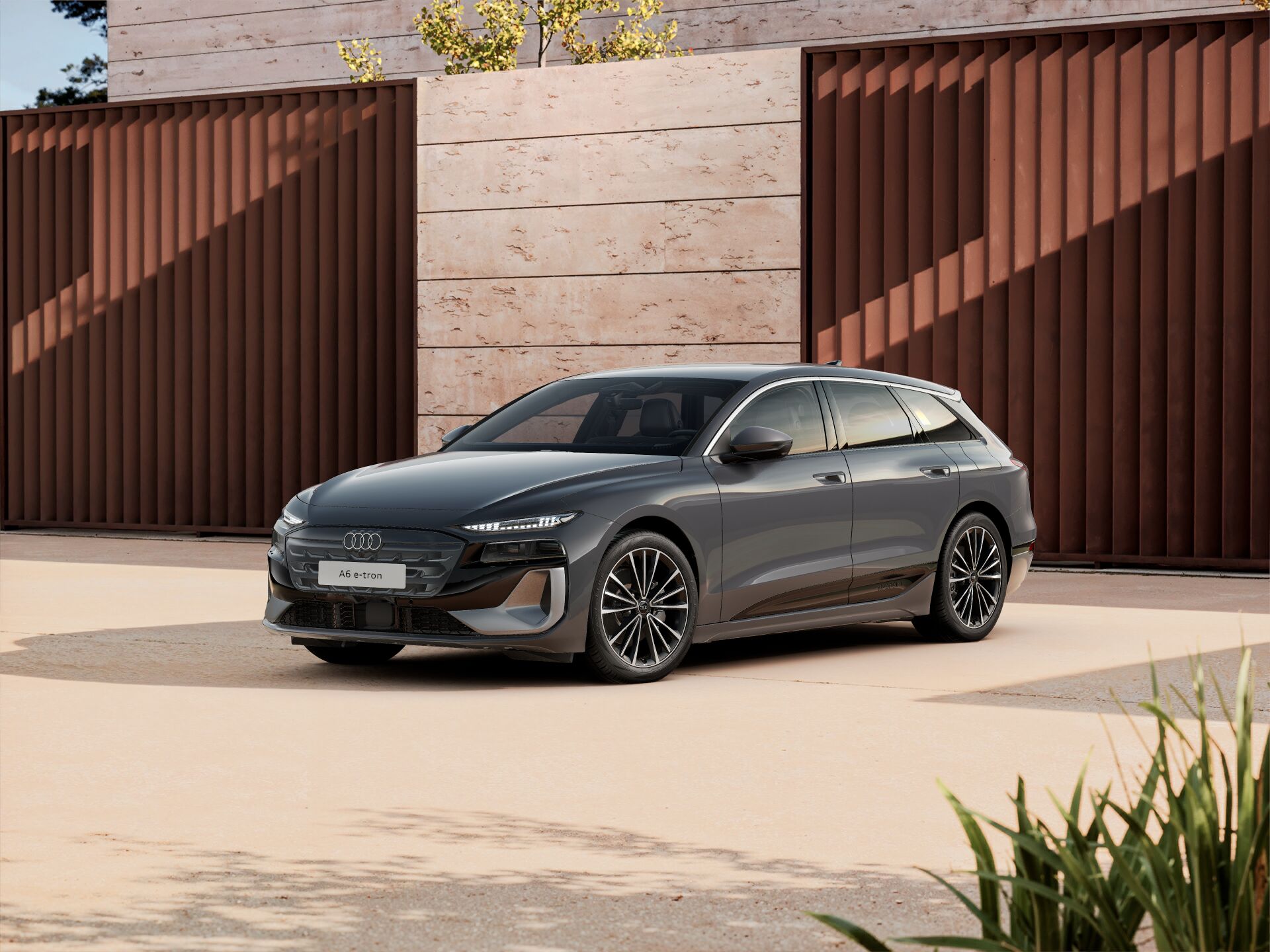
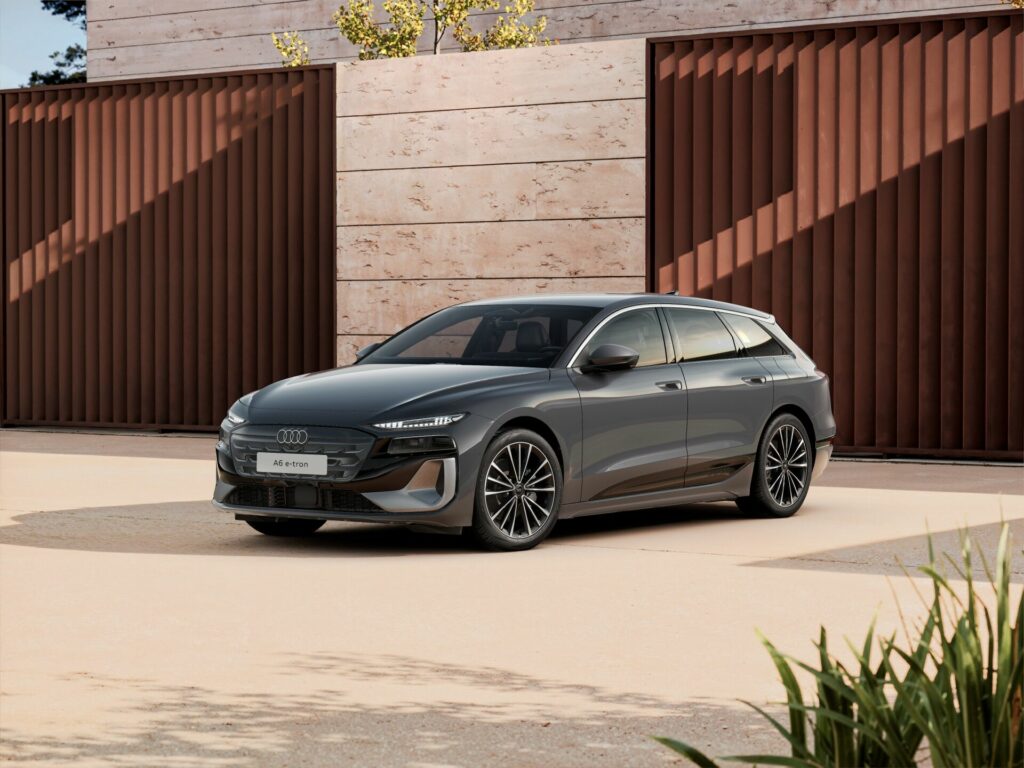
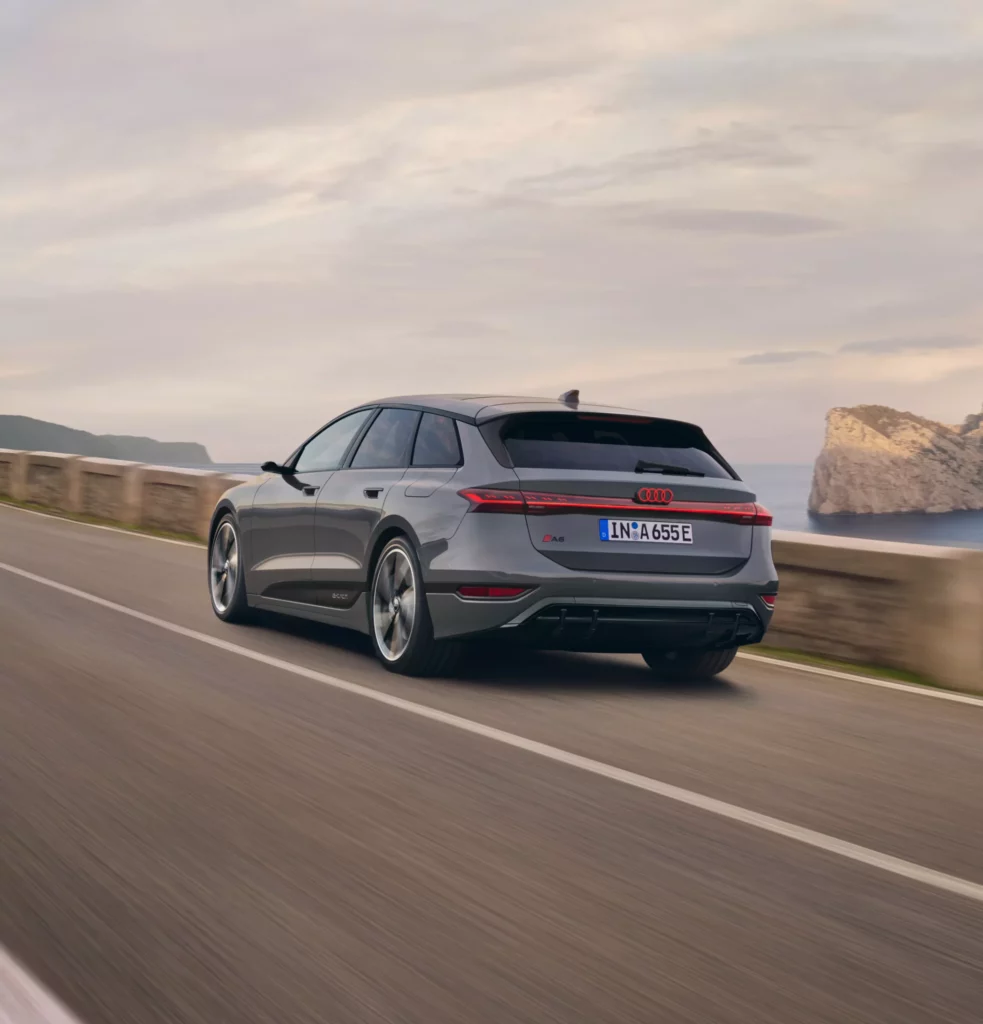
Front and side view of the Audi A6 e-tron Sportback, with its flowing design and elegant light signature (Credit: Audi)
A body that approaches aerodynamic perfection
To put this figure into perspective, the lower the Cx, the less air resistance the vehicle encounters. The result: lower energy consumption, and therefore greater range. By way of comparison, a combustion saloon like the Audi RS6 has a Cx of around 0.35, while the Tesla Model S, often cited as a benchmark, has a Cx of 0.20…
2,800 simulations, 1,000 hours in the wind tunnel: the quest for detail
Audi has left nothing to chance. To achieve this level of aerodynamic finesse, the brand carried out 2,800 digital simulations, followed by 1,000 hours of wind tunnel testing. Every detail of the bodywork was studied, rethought and optimised.
Notable innovations include:
Smoothed rims, designed to reduce turbulence around the wheels.
A lower body equipped with air deflectors, which channel the air and guide it fluidly under the car.
A flat bottom coupled with a refined rear diffuser, accelerating airflow to reduce drag.
All these improvements give the new A6 2025 a silhouette worthy of a drop of water in the air, naturally the most aerodynamic shape.
Rear view of the A6 e-tron Sportback, with diffuser and sculpted aerodynamic lines. (Credit: Audi)
750 kilometres of range: when form meets function
Beyond the raw numbers, this quest for efficiency is reflected in concrete terms on the road. Thanks to its advanced aerodynamics and optimised energy management, the A6 e-tron Sportback is claimed to have a range of up to 750 kilometres. A symbolic threshold that repositioned Audi as a serious player in top-of-the-range electric competition.
A strong signal for the future of electric mobility
With this saloon, Audi confirms that the future of electromobility lies not only in batteries and engines, but above all in the shape of the vehicles themselves. In the all-electric era, the bodywork is becoming a key element of performance. So the A6 e-tron Sportback is more than just a styling exercise: it’s the symbol of a strategic shift, where every hundredth of a Cx becomes a kilometre gained.
In the second quarter of 2025, Tesla saw several of its financial indicators fall: sales down 12%, net profit down 16% and free cash flow in freefall… While the company remains financially solid, it is facing increasingly fierce competition, particularly in Europe and Asia, but above all it is confronted with the loss of momentum of its flagship models. The first six months of the year confirm the trend: overall deliveries are down 13% on 2024…
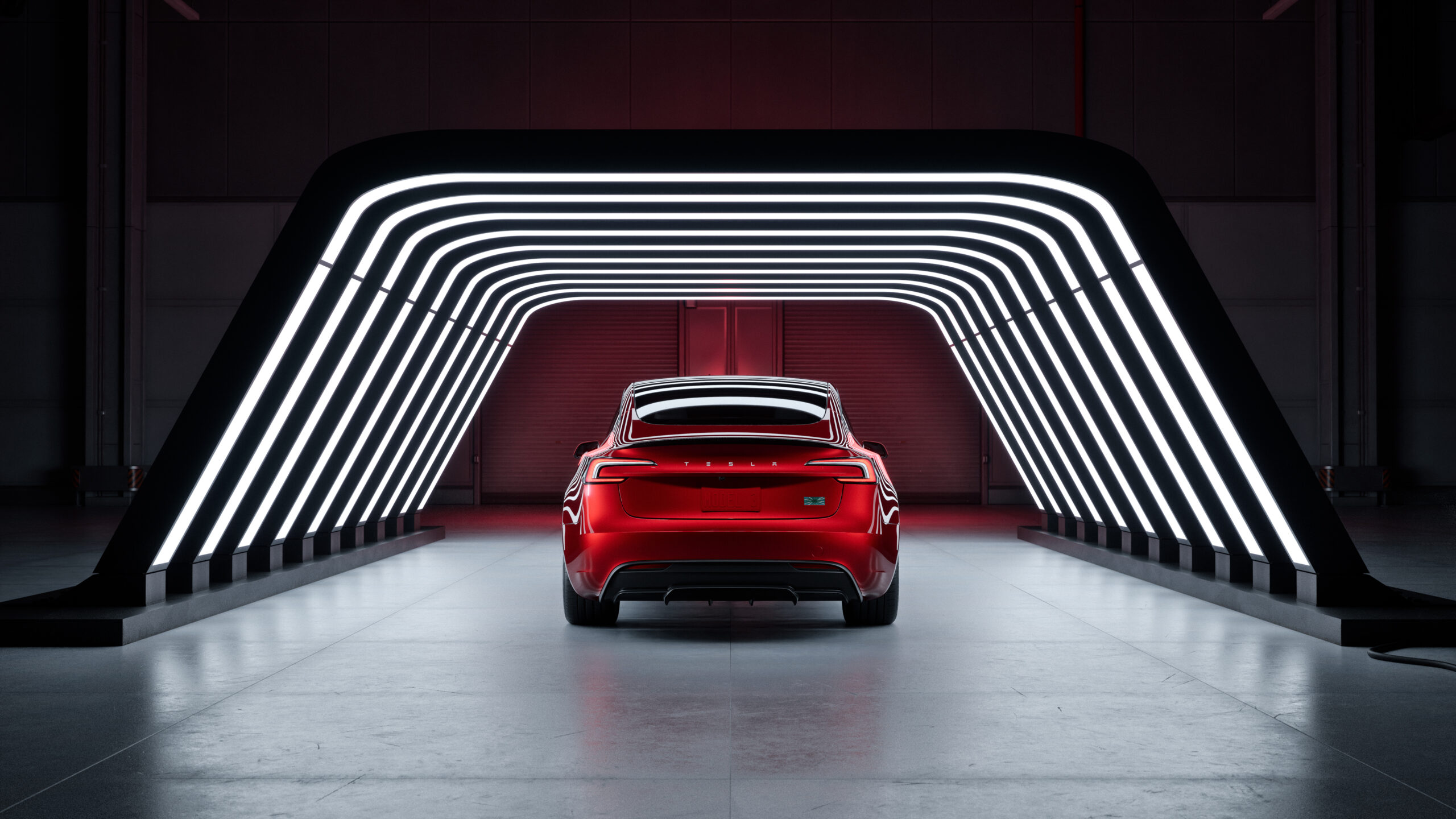
Rear view of the Tesla Model 3 Performance, the American manufacturer’s flagship model (Credit: Tesla)
Figures down, solidity preserved
Over the last three months (April to June), Tesla posted sales of $22.5 billion, down 12% on the second quarter of 2024. Net profit, meanwhile, followed the same downward slope, falling by 16% to $1.17 billion. The operating margin fell to 4.1%, compared with over 6% a year earlier.
More worryingly, free cash flow plunged 89% in one year, to just $146 million. This means that, despite its significant sales and investments, the company is creating little new cash over this period. However, with almost $37 billion in available cash, Tesla has a solid financial reserve to see it through this difficult phase. This kitty enables it to continue investing and operating without any immediate constraints, even if the results for a given period are poor…
Deliveries down, model in question
Tesla delivered 384,122 vehicles in the second quarter, around 14% more than in the first quarter, but down 13% on the same period in 2024. Models 3 and Y still account for the overwhelming majority of sales (almost 95%), reflecting the lack of diversity in the range at a time when the competition is stepping up the number of vehicle launches.
The Tesla Model Y, a compact 100% electric family SUV (Credit: Tesla)
Over the first half of the year as a whole, Tesla sold 720,803 vehicles, compared with 830,766 over the same period last year. This represents a fall of 13.2% over one year, which is having a serious impact, particularly in Europe, where registrations are plummeting in the face of the meteoric rise of Asian rivals such as BYD. Market share is eroding, particularly in France, where deliveries were down by almost 40% in the second quarter compared with the same period last year… The slowdown in sales may also be explained by a price war unleashed by Tesla itself, which is squeezing its margins to stimulate demand.
In addition, revenues from carbon credits were halved in one year (from $890 million to $439 million), which must have had a major impact on their cash flow (or free cash flow).
An accepted but risky transition
Faced with these results, Elon Musk speaks of a “transition period”, assuming several difficult quarters before a rebound expected in the second half of 2026. The stakes are high: Tesla will have to stabilise its deliveries, preserve its cash flow, and successfully make the shift to more varied models, while defending its technological leadership in a market that has become ultra-competitive.
In concrete terms, even though Tesla will need to return to more robust results in the medium term to ensure its growth and preserve its cash position, the company has a piggy bank that is colossal enough to afford this kind of slippage. However, this trend must be reversed in the long term, or risk seeing the American company’s reserves melt away.
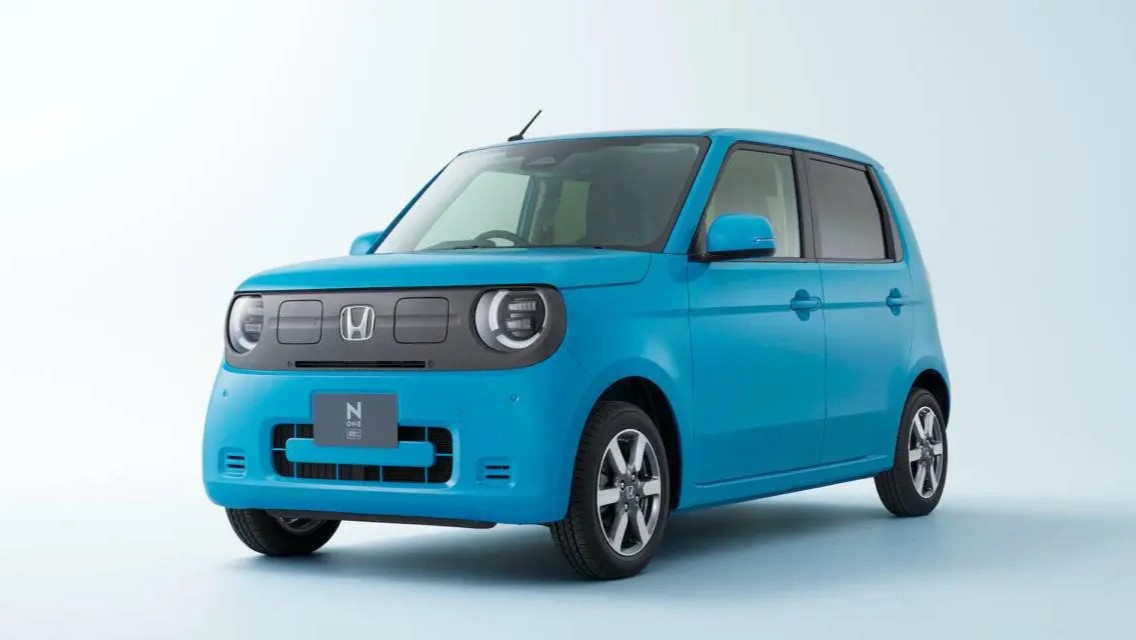
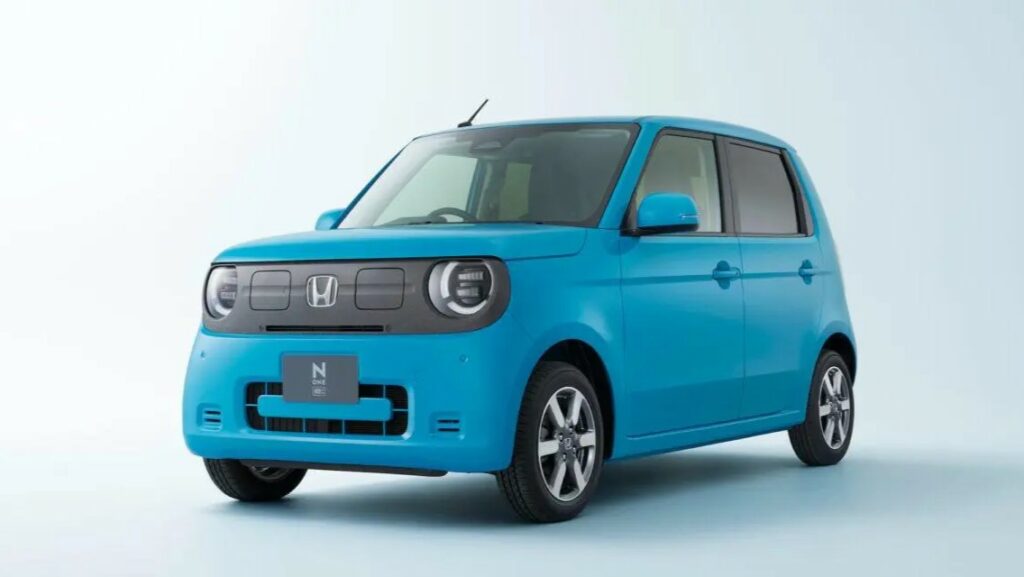
Honda officially presented the N-ONE e, a 100% electric version of its minicar, at a press conference in Japan on 29 July. This model, which comes from the “kei car” segment, is intended for urban use and marks a new stage in the manufacturer’s electrification strategy.
The Honda N-ONE e, a new compact electric city car to be launched in Japan in 2025. (Credit: Honda)
A range of over 270 kilometres
According to data published by Honda, the N-ONE e has a range in excess of 270 kilometres according to the WLTP cycle. It is based on the technical platform of the N-Van e, from which it takes its powertrain. The engine develops 47 kW (64 bhp) and 162 Nm of torque, which corresponds to the legal limits for kei cars in Japan.
Fast charging is provided via a 50 kW DC port, enabling the battery to go from 10% to 80% in around 30 minutes. Honda has not yet released details of AC charging or the exact capacity of the battery, although it is estimated to be around 30 kWh due to its similarity to the N-Van e.
Integrated V2L function
The N-ONE e could also feature a Vehicle-to-Load (V2L) function, enabling external electrical devices to be powered via a special adapter. This feature is available on other Honda models, but has not yet been officially confirmed for the N-ONE e.
Streamlined interior design
Inside, the city car features a minimalist dashboard with a horizontal layout. Depending on the version, it may not have a central screen, but a version with a 9-inch touchscreen compatible with the Honda Connect system will certainly be offered. The main controls are provided by physical buttons and a touch-sensitive gear selector. The rear bench seat can be folded in two (50/50) to maximise cargo space.
Marketing and outlook
The N-ONE e will go on sale in Japan in autumn 2025, following a pre-order phase which opened in August. The manufacturer has not yet announced an official price for the domestic market, nor confirmed the foreign markets targeted. However, Honda has announced that a European presentation is planned for the autumn, probably at the IAA in Munich.
The model could thus form part of the brand’s electric expansion strategy in Europe, although no definitive technical specifications or pricing details have been released for the continent.
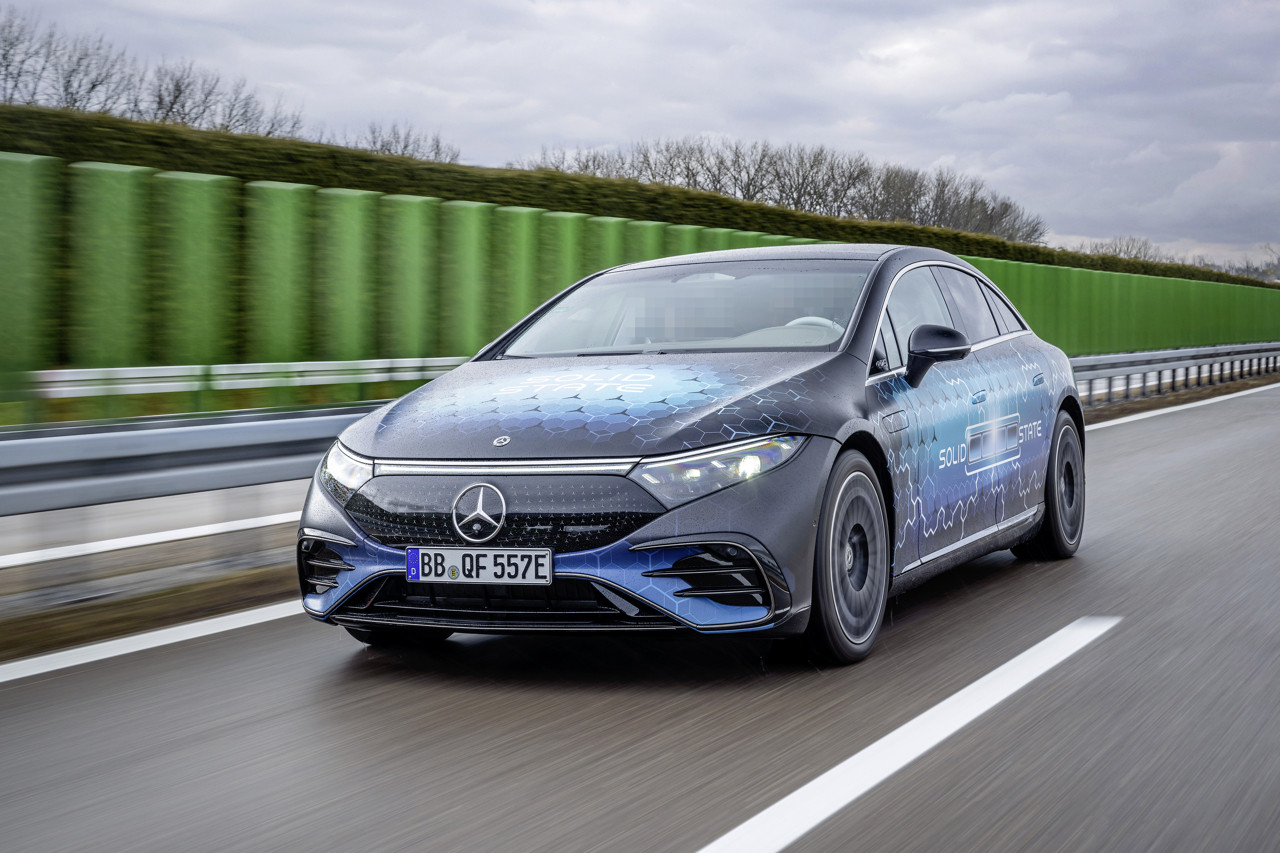
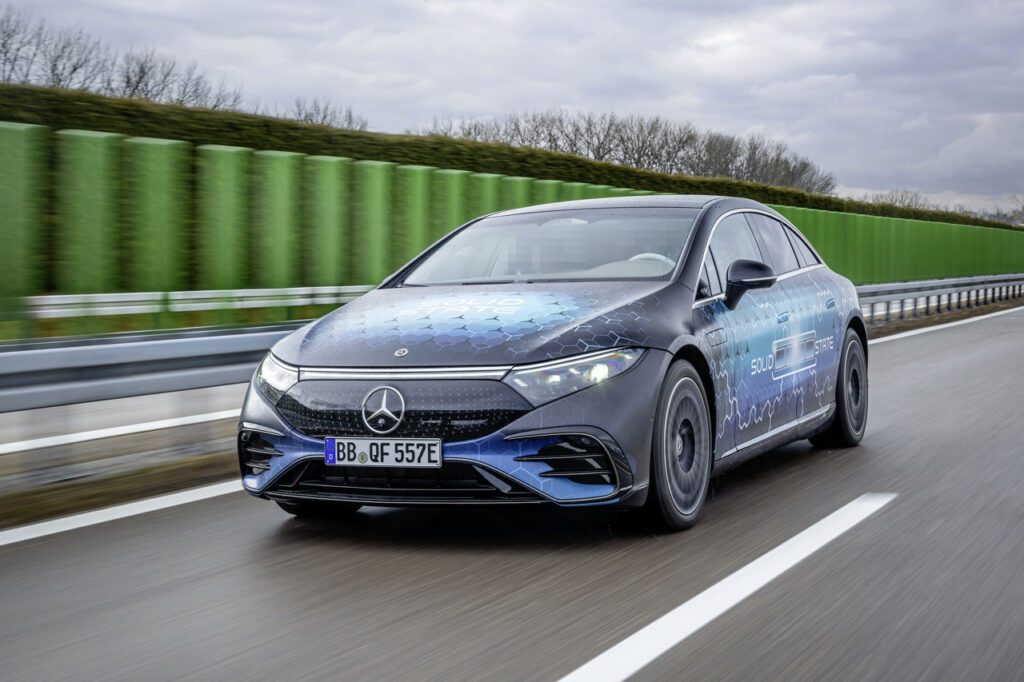
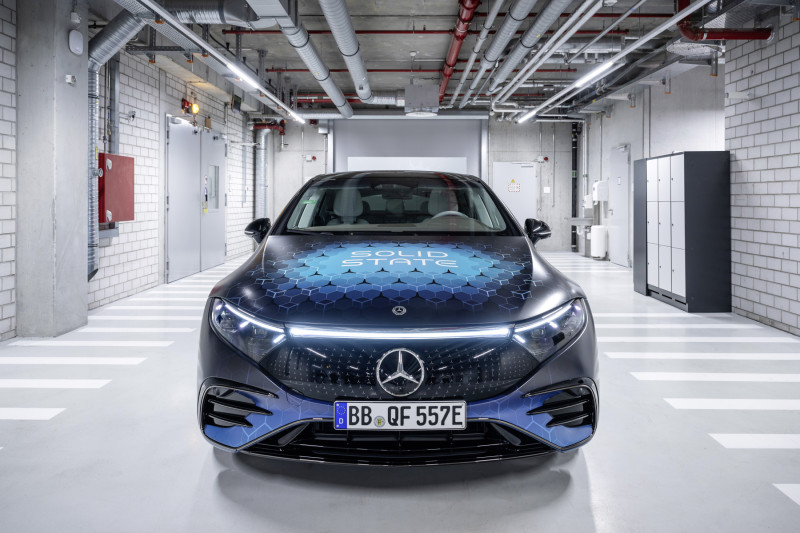
Mercedes-Benz has officially announced that it plans to market an electric vehicle with a solid electrolyte battery by 2030. Markus Schäfer, head of development at Mercedes, made the official announcement on 16 July 2025.
Mercedes’ first prototype electric vehicle equipped with a solid-state battery, presented in 2025. (Credit: Mercedes)
A strategic partnership for the Mercedes solid state battery
This is a major step in the automotive industry’s energy transition, and a real technological challenge for Mercedes-Benz. But the German firm is not going it alone. It has joined forces with the American start-up Factorial Energy, a pioneer in the development of solid-state batteries. Together, the two companies hope to gain a head start in the “super-battery” race. And the advantages of this new technology are numerous: up to 25% more range than conventional lithium-ion batteries, which are now ubiquitous in electric vehicles.
Another major advantage: significant weight savings. A crucial point for the electric sports car industry, where every kilo counts. Less mass means more agility, more performance… and more efficiency.
The Mercedes EQS electric saloon in the test phase, with a solid battery and a range of over 1,000 km.
When it comes to safety, solid batteries also score well. The absence of liquid electrolyte considerably reduces the risk of overheating or even fire. Last but not least, these batteries allow shorter recharging times because of their solidity and the fact that overheating is almost impossible at the moment. A decisive factor in the mass adoption of EVs.
A prototype based on the EQS electric saloon has already been on test since early 2025. In terms of range, Mercedes claims a theoretical range in excess of 1,000 kilometres.
With this announcement, Mercedes confirms its entry into the global race for the battery of tomorrow, alongside BMW and Stellantis, but above all in the face of a China that is already far ahead. Europe, for its part, is investing massively so as not to remain a spectator. Ultimately, this is where the real revolution in electro-mobility will come from: a lighter, safer, higher-performance battery…
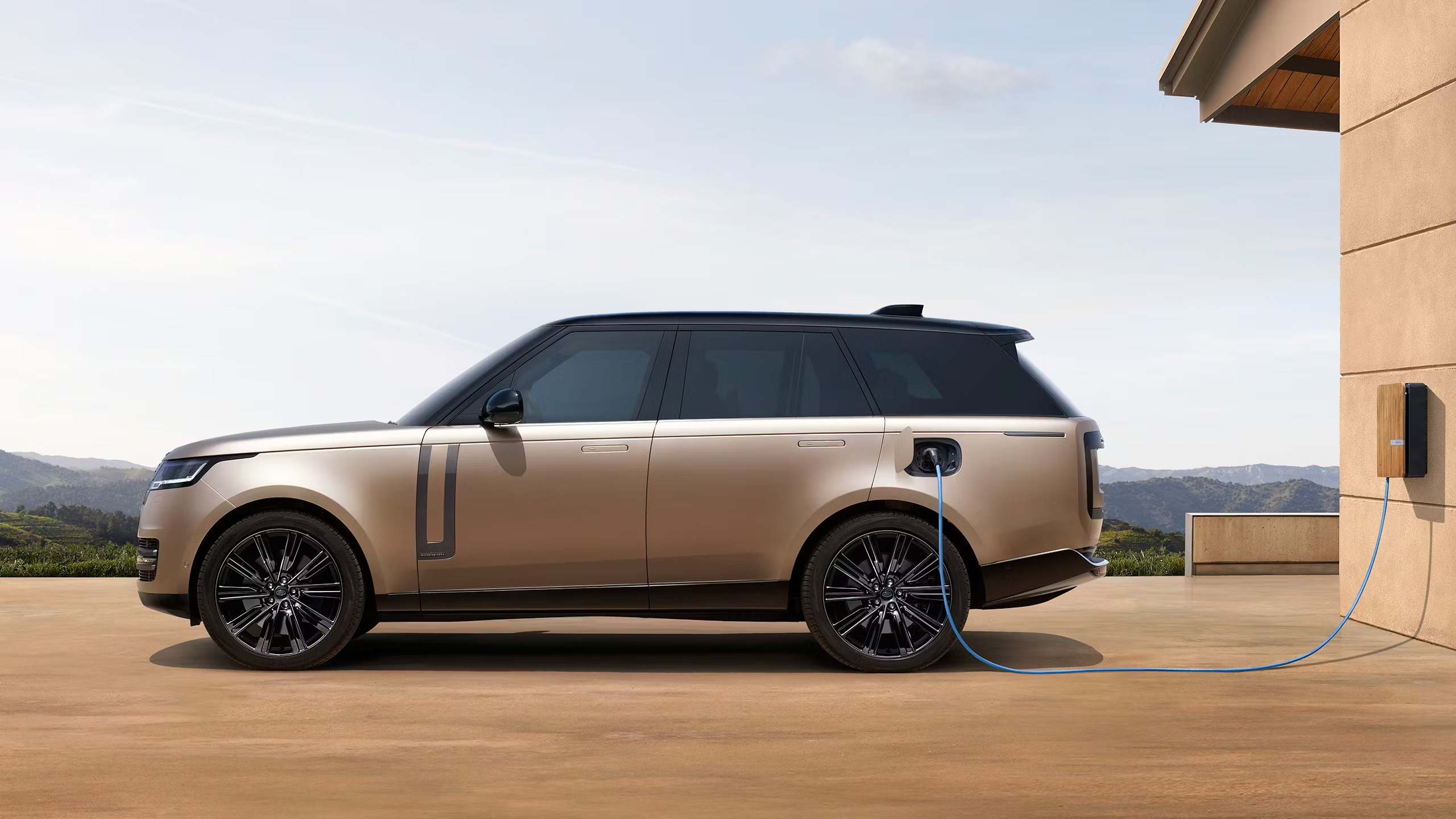
Jaguar Land Rover (JLR) has officially announced the postponement of the launch of its top-of-the-range SUV. According to The Guardian, the electric Range Rover, originally planned for late 2025, will not be launched until 2026. The postponement of the Range Rover Electric reflects a strategy of prudence in the face of demand and market conditions.
The electric Range Rover shown in profile, whose launch has been postponed to 2026 by Jaguar Land Rover (Credit: Range Rover).
A cautious strategy
The manufacturer recently informed its customers that the model would be launched at a later date. This postponement will allow the test phases to be extended and give demand time to recover. JLR is adopting a gradual approach, unlike other brands that are speeding up their electric transition.
According to sources close to the matter, quoted by The Guardian, other Jaguar electric models will experience similar delays. Jaguar’s first 100% electric vehicle, the Type 00, is due to go into production in August 2026. A second model is expected in December 2027.
Difficult trading environment
JLR’s decision comes at a time of economic and political uncertainty. The high tariffs imposed by the United States in recent months have had a major impact on the Group. As a result, JLR recorded a 15.1% fall in sales in the second quarter, due to the temporary suspension of exports to the US market.
This delay also allows JLR to continue selling its hybrid and combustion models, which remain more profitable. At the same time, the brand’s transition coincides with the start-up of the future battery gigafactory being built by Tata in Somerset, scheduled to come on stream at the end of 2027.
A target maintained for 2030
Despite these adjustments, JLR is reaffirming its ambition. The manufacturer wants to offer electric versions of all its brands by 2030. It says it wants to remain flexible and launch its models “at the right time”, according to market expectations.
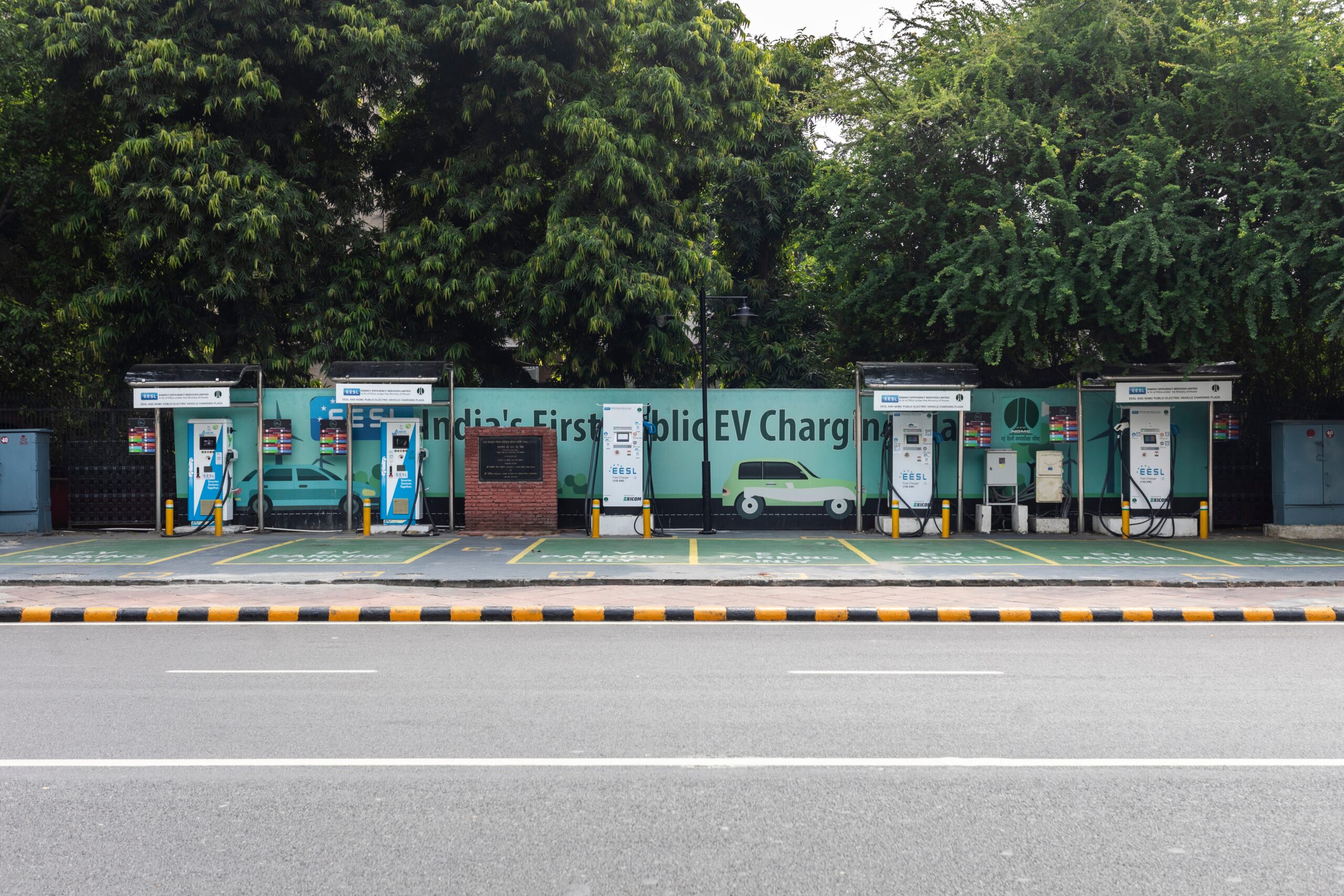
The Delhi government has officially extended its policy on electric vehicles until 31 March 2026. The aim is to finalise a new, more ambitious version following public consultation.
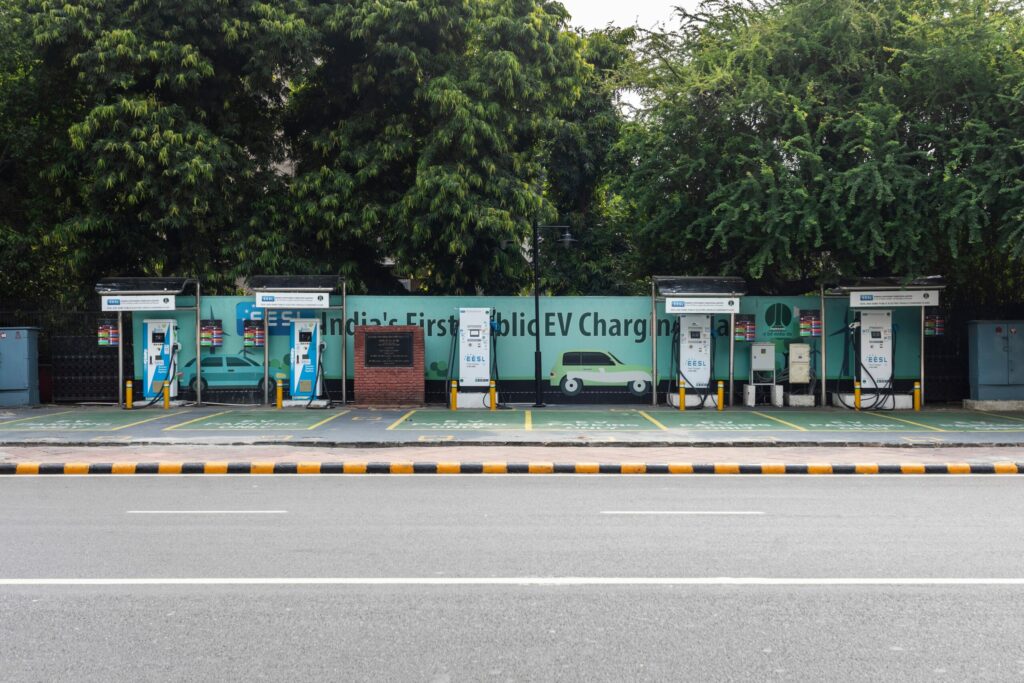
Electric vehicle charging points in New Delhi, illustrating the expansion of EV infrastructure in the Indian capital. (Credit: Bhaven Jani)
An extension approved by the Delhi government
At a meeting chaired by Chief Minister Rekha Gupta, the Delhi government approved the extension of its EV policy. It will remain in force until 31 March 2026, or until a new policy is adopted, whichever comes first.
Extended public consultations prior to version 2.0
Transport Minister Pankaj Kumar Singh has said that this period will allow for extensive public consultations. Citizens, industry players, environmental experts, companies and institutions will be invited to contribute to the development of the future EV policy.
Recharging, subsidies, batteries: the main themes
Delhi’s future electric vehicle policy will focus on several key points:
Development of EV recharging infrastructure,
Revision of subsidies for two-wheelers, rickshaws and utility vehicles,
Introduction of standards for the management of batteries and electronic waste.
Thermal two-wheelers soon to be banned
The draft policy includes two key measures:
Ban on two-wheel petrol, diesel and CNG vehicles from 15 August 2026
Electric autorickshaws to be available everywhere from August 2025
An ambitious but progressive vision
This extension marks Delhi’s determination to prepare a structured electric transition, involving all the stakeholders. The aim: a realistic EV policy that can be implemented over the long term, and that will benefit both the environment and the local economy.