Category: News

  • Charging stations: simple solutions to limit fine particles

    Charging stations: simple solutions to limit fine particles

    Fast-charging stations are a cornerstone of the transition to electric vehicles. However, a Californian study reminds us that no technology is completely neutral. Researchers have detected occasional levels of fine particles around certain stations, linked not to the vehicles but to the electrical power cabinets.
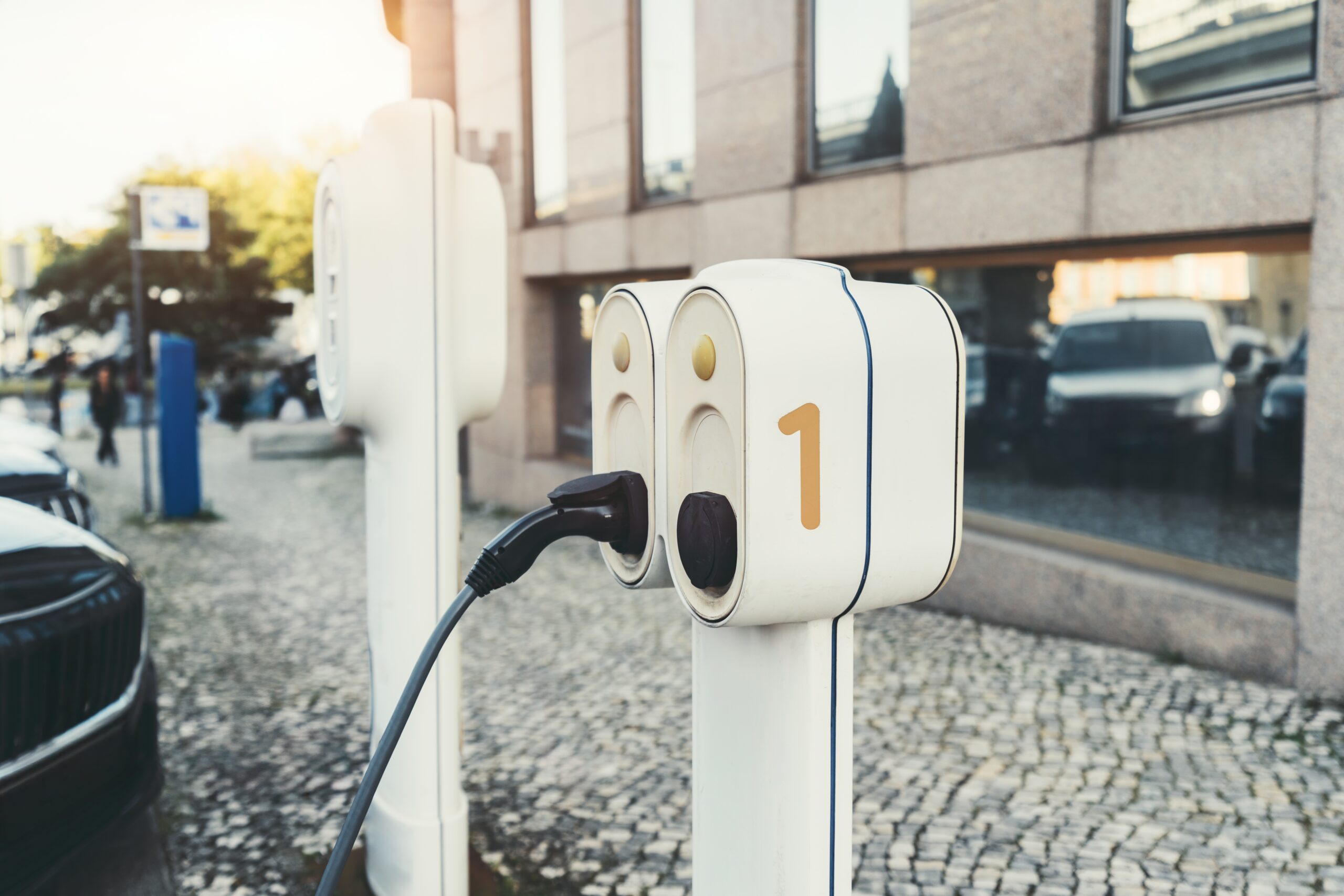
    Fast charging stations for electric cars with power cabinets, study on fine particles in California
    An American study reveals that the fans in charging cabinets can re-suspend fine particles.

    Fans involved

    These cabinets convert electricity into direct current for recharging. To prevent overheating, they use powerful fans. This stirring of the air suspends the dust on the ground. It includes tyre and brake residues and urban particles. This phenomenon explains the higher concentrations observed near the stations. They are sometimes higher than those measured near service stations. Despite this, the effect remains localised and diminishes rapidly with distance.

    A localised and temporary risk

    The researchers insist that the pollution is not widespread. Levels fall rapidly as soon as you move a few dozen metres away. For users, a few simple precautions are all that’s needed: stay in your vehicle while charging, with the air conditioning on, or take advantage of the break to walk a few minutes further.

    Solutions already identified

    This observation does not call into question the overall benefits of electric cars. Electromobility is still much less harmful than internal combustion in terms of CO₂ and atmospheric pollution. What’s more, solutions do exist: improving air filters in cabinets, rethinking the layout of charging points and providing better ventilation in enclosed spaces. These are all measures that will quickly eliminate this new blind spot.

    Improving the transition, not slowing it down

    At a time when Europe and the United States are massively deploying recharging stations, this study serves above all as a useful warning. It shows that the energy transition must also be accompanied by vigilance with regard to indirect impacts. But far from acting as a brake, these results pave the way for technical improvements that will further strengthen the advantage of electric over internal combustion engines.
  • Leapmotor B05: China’s electric compact ready to take Europe by storm

    Leapmotor B05: China’s electric compact ready to take Europe by storm

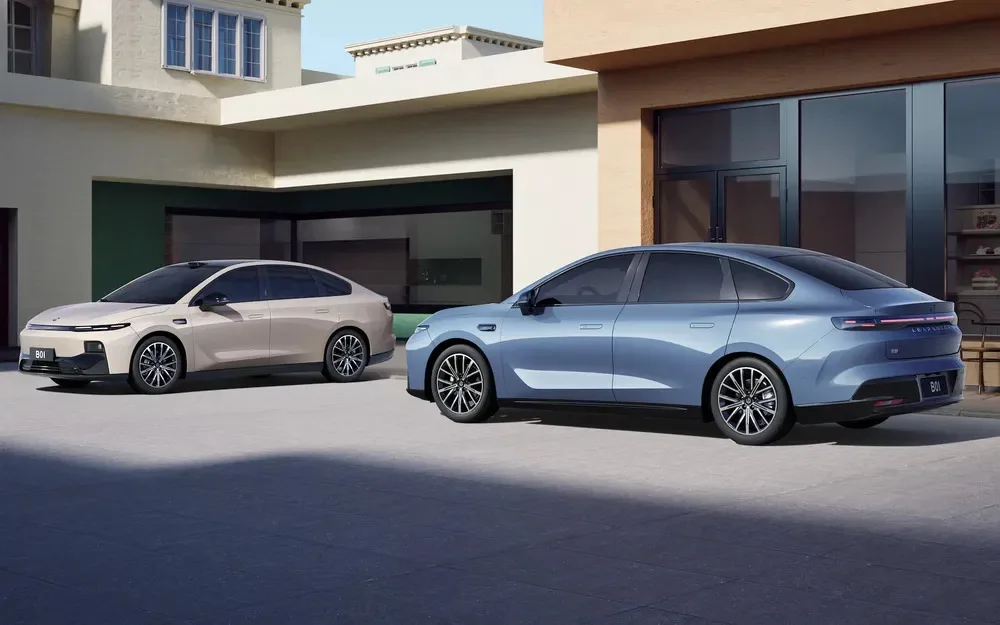
    Leapmotor is taking the next step in its European offensive. The manufacturer will be unveiling its B05 electric compact car at the IAA Mobility show in Munich. The first strategic model in the compact saloon market, the B05 is aimed directly at the Volkswagen ID.3, MG4, Renault Mégane E-Tech and Peugeot e-308.

    Leapmotor B05, the new Chinese electric compact presented at the IAA Munich 2025 for the European market
    Leapmotor B05 will be unveiled at the IAA in Munich, an electric compact designed to compete with the European benchmarks.

    A compact car designed to win over Europe

    The Leapmotor B05 takes its technical base from the B10 SUV, which has already been launched. It adopts a hatchback body style, a format favoured by Europeans. Two LFP batteries are expected, of 56 and 67 kWh. Depending on the configuration, range could exceed 450 kilometres WLTP. In addition, Leapmotor is not ruling out a range-extender version, following the strategy already applied to the C10 SUV.

    An ultra-competitive segment

    The electric compact will arrive in a particularly hotly contested segment. The Renault Mégane, Volkswagen ID.3, Cupra Born and MG4 already dominate this key segment. However, Leapmotor could spring a surprise with its aggressive pricing policy. As in China, the brand intends to slash prices to attract European customers who are sensitive to value for money.

    Rapid expansion on the Old Continent

    In 2025, Leapmotor sold more than 8,000 vehicles in Europe in the first half of the year. Its T03 and C10 models accounted for the bulk of registrations. However, the ambition is much broader: the company is aiming for 50,000 to 60,000 annual sales outside China this year.

    The crucial issue of local production

    To limit the impact of European customs duties, Leapmotor is preparing to set up production facilities on the continent. The Stellantis plant in Zaragoza, already mentioned for the B10 SUV, could house the B05 from 2026. This choice would also make the model eligible for certain environmental bonuses, making it even more attractive.

    A risky but strategic gamble

    The unveiling of the B05 at Munich will be more than just a product launch. It will mark Leapmotor’s aggressive entry into one of Europe’s most hotly contested segments. With the industrial support of Stellantis and a rapidly expanding range, the young Chinese brand hopes to establish itself alongside the established manufacturers.

  • Kia launches European production of its first EV4 electric car

    Kia launches European production of its first EV4 electric car

    Kia is stepping up its electric drive in Europe. The South Korean manufacturer has just launched production of its new EV4 compact car at its Žilina plant in Slovakia. The brand’s first 100% electric model to be assembled on the Old Continent, it marks a decisive milestone in Kia’s industrial strategy.

    Kia EV4, the first electric car produced in Europe at the Žilina plant in Slovakia
    The Kia EV4, the Korean carmaker’s first electric car to be produced in Europe.

    A modernised plant to accommodate the EV4

    Located in Žilina since 2004, the Kia AutoLand Slovakia plant now produces combustion, hybrid and 100% electric models. Thanks to an investment of over €100 million, the production lines have been modernised to accommodate this new compact car. In addition, a battery conveyor has been integrated to optimise assembly and meet the requirements of the electric model.

    A model designed for Europe

    The EV4 is the first Kia electric car to be manufactured in Europe, and is aimed primarily at the European market. Based on the E-GMP platform, it is available with two batteries: 58.3 kWh for 439 km, 81.4 kWh for 629 km. In addition, the EV4 offers Vehicle-to-Load and Vehicle-to-Grid technologies, enabling it to power appliances or reinject electricity. Thanks to its local production, the model will be eligible for France’s environmental bonus of up to €4,200.

    A strategic industrial site

    With 3,700 employees and an annual capacity of 350,000 vehicles, the Žilina plant exports to more than 80 countries. Already producing the Sportage and XCeed, it is now strengthening its strategic role in the Korean group’s electric transition. Fully powered by renewable electricity, it has reduced its CO₂ emissions and is affirming its commitment to the environment.

    An electric offensive in Europe

    According to Marc Hedrich, President of Kia Europe, this launch represents “a decisive milestone” for the brand’s electric future. Following on from the EV9, EV6 and EV3, the EV4 strengthens a range that is already well established on the European market. The Fastback version, produced in Korea, will complete the range from 2025 to appeal to a wider customer base. In addition, the EV5 and EV2 will follow, confirming Kia’s ambition to accelerate its switch to electric vehicles on the continent.

  • Opel Corsa GSE Vision Gran Turismo: the electric city car goes into extreme mode

    Opel Corsa GSE Vision Gran Turismo: the electric city car goes into extreme mode

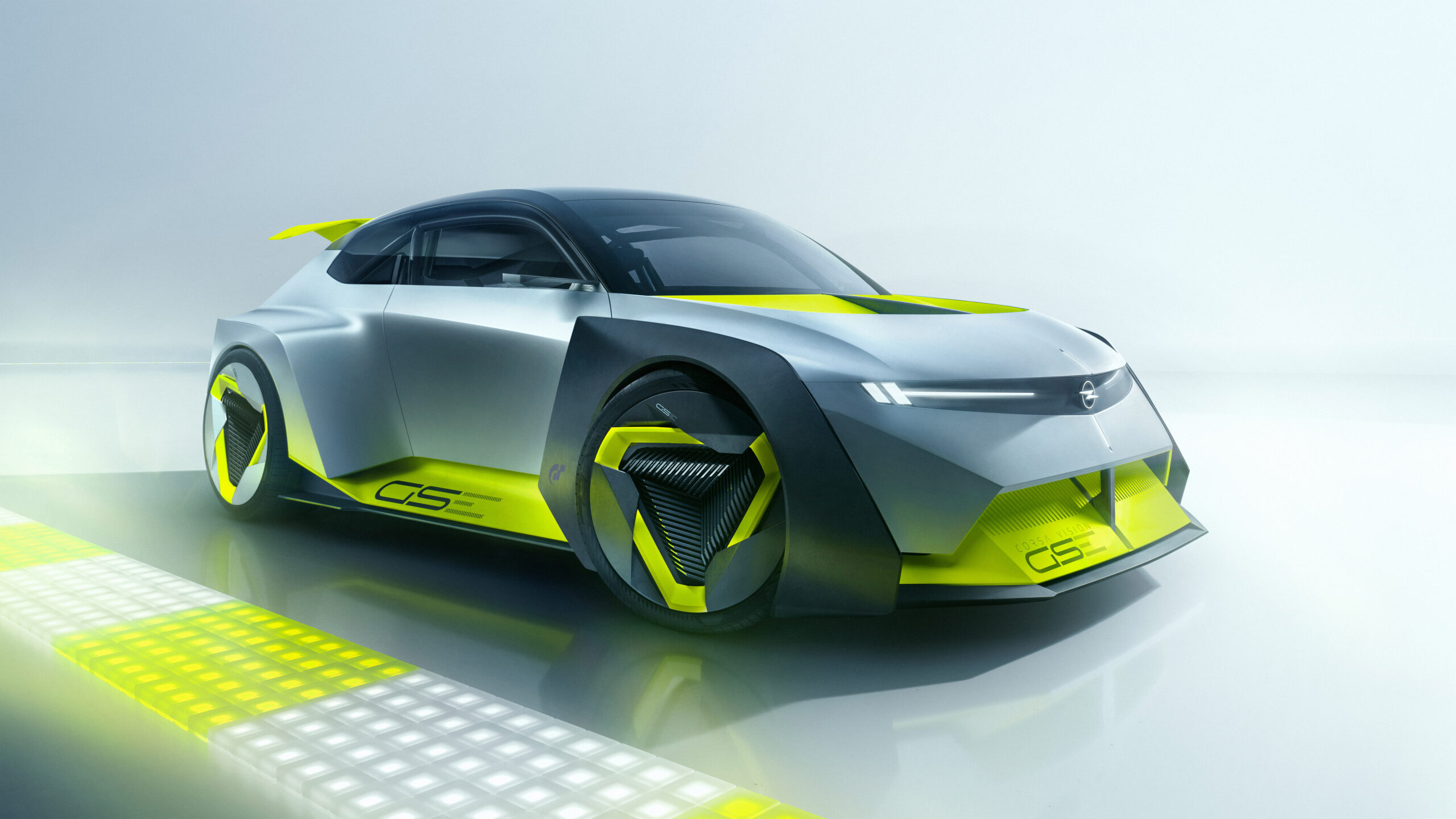
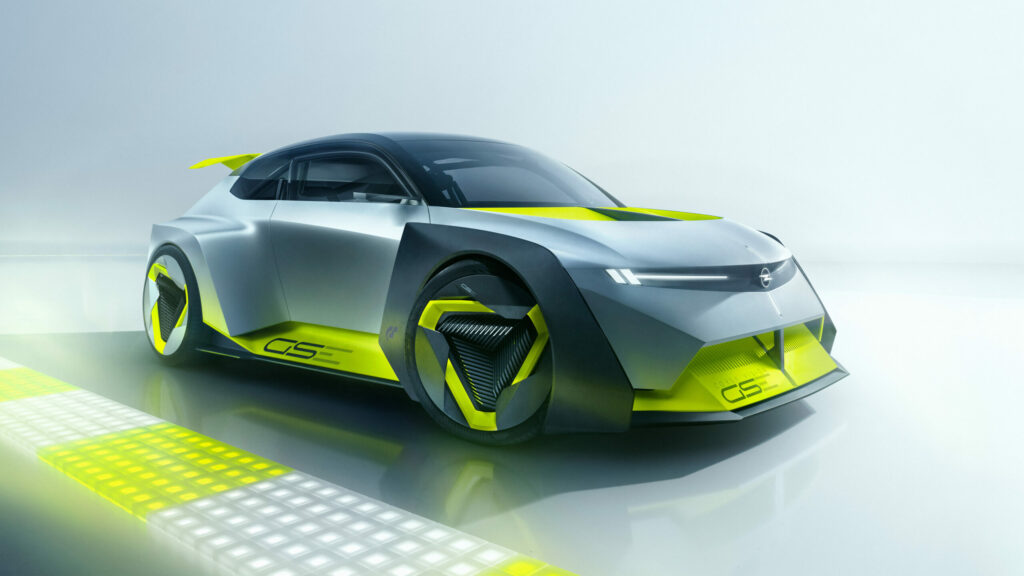
    With the Corsa GSE Vision Gran Turismo, Opel looks to the future of the sporty electric city car. Presented at the IAA Mobility 2025 and soon to be playable in Gran Turismo 7, this concept car heralds the next generation Corsa while illustrating the growing power of the sporty GSE range.

    Opel Corsa GSE Vision Gran Turismo 2025, exterior view of the sporty electric concept car
    Exterior view of the Opel Corsa GSE Vision Gran Turismo, a sporty electric city car to be unveiled in Munich in 2025. (Credit: Stellantis)

    Concentrated power

    Beneath its sleek silhouette, the Corsa GSE Vision Gran Turismo hides two electric motors. Together, they deliver 800 bhp and 800 Nm of torque. The result: 0-100 kph in 2 seconds and a top speed of 320 kph.

    The concept uses advanced technologies. Active diffuser, movable spoiler, air curtains and streamlined bonnet optimise aerodynamic downforce. Every detail of the bodywork has been designed with performance in mind.

    A strong Opel design

    At 4 metres long and 2 metres wide, the Corsa GSE retains the Opel identity with its “Vizor” grille and illuminated logo. At the rear, the cross-shaped light signature reinforces its character. The two-tone pearl white and yellow paintwork underlines its sporty DNA.

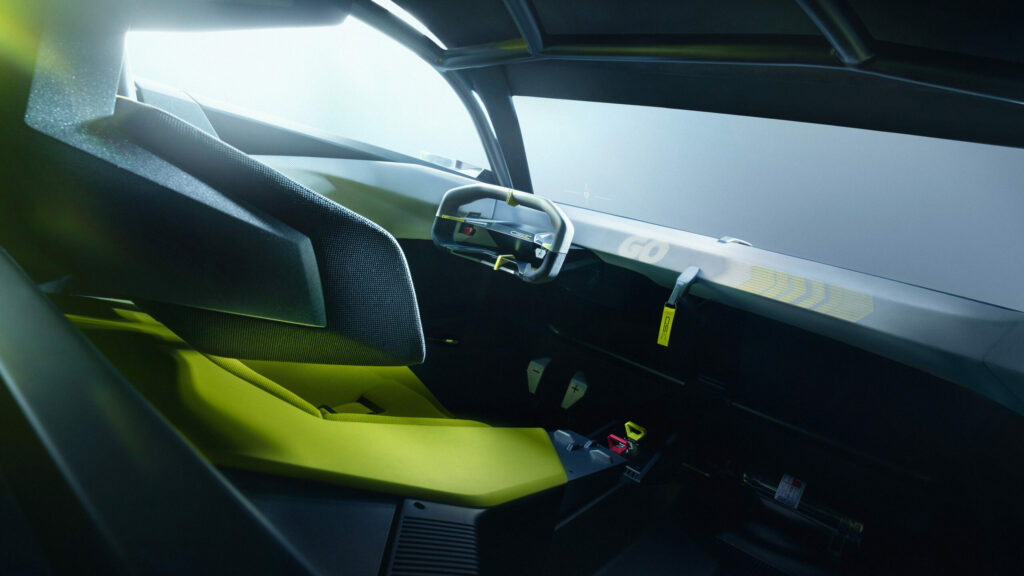
    Inside, the emphasis is on minimalism. A single suspended bucket seat, a racing-inspired steering wheel and a head-up display. Backlit electrochromic fabrics act as an interface, alerting you to the presence of nearby vehicles.

    Minimalist interior of the Opel Corsa GSE Vision Gran Turismo with bucket seat and racing steering wheel
    Radical interior of the Corsa GSE Vision Gran Turismo with its suspended bucket seat and head-up display (Credit: Stellantis).

    A link with the future

    Unlike other “Vision Gran Turismo” concepts, this prototype foreshadows the next generation of Opel city cars, expected in 2028. It also highlights the relaunched GSE range with models such as the Mokka GSE.

    Inspired by the Calibra V6 4×4 of the 1990s, the Corsa GSE Vision Gran Turismo celebrates Opel’s sporting history. Above all, it embodies the brand’s electric future.

  • Lexus unveils its Sport Concept, announced heir to the LFA

    Lexus unveils its Sport Concept, announced heir to the LFA

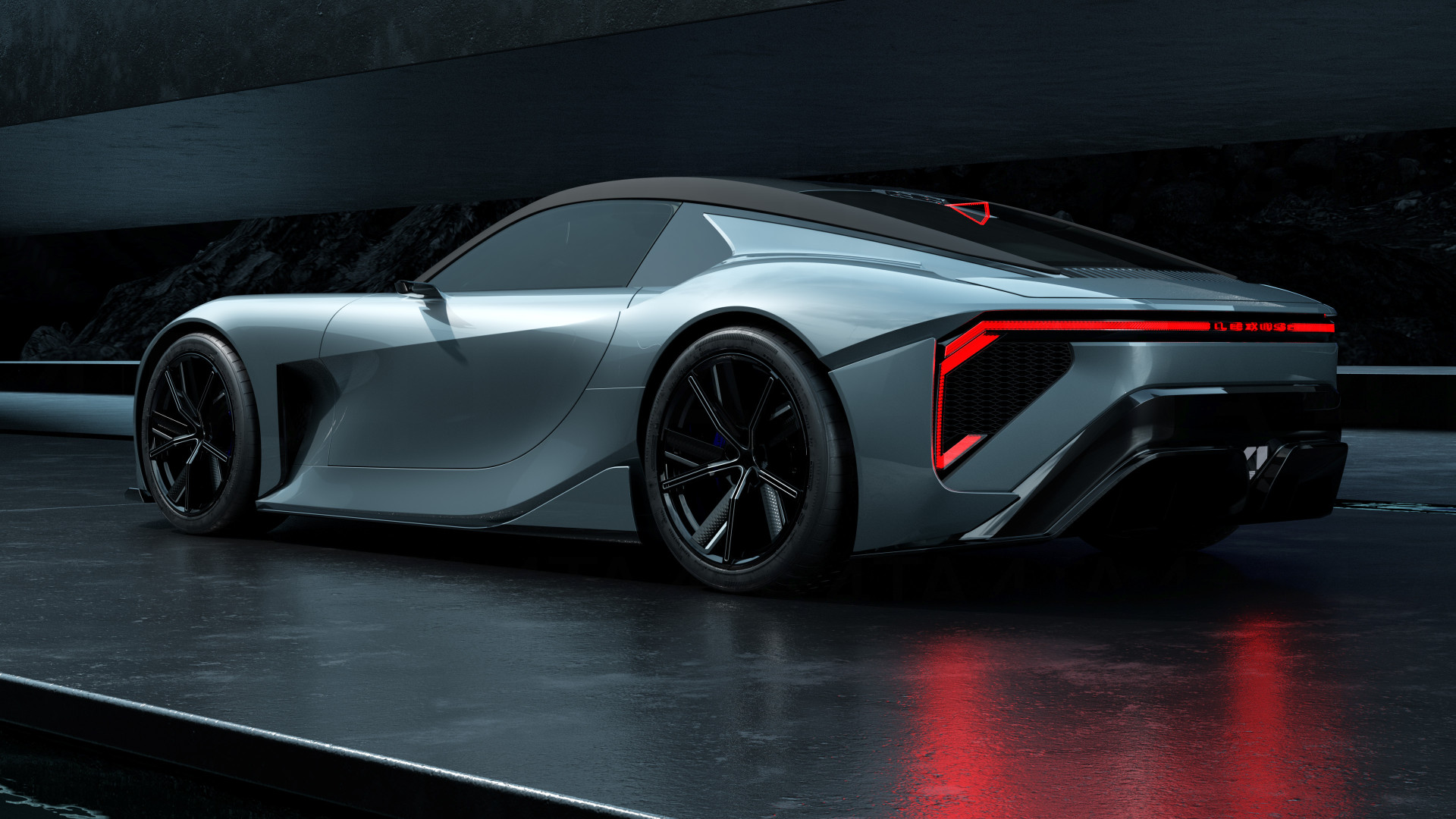
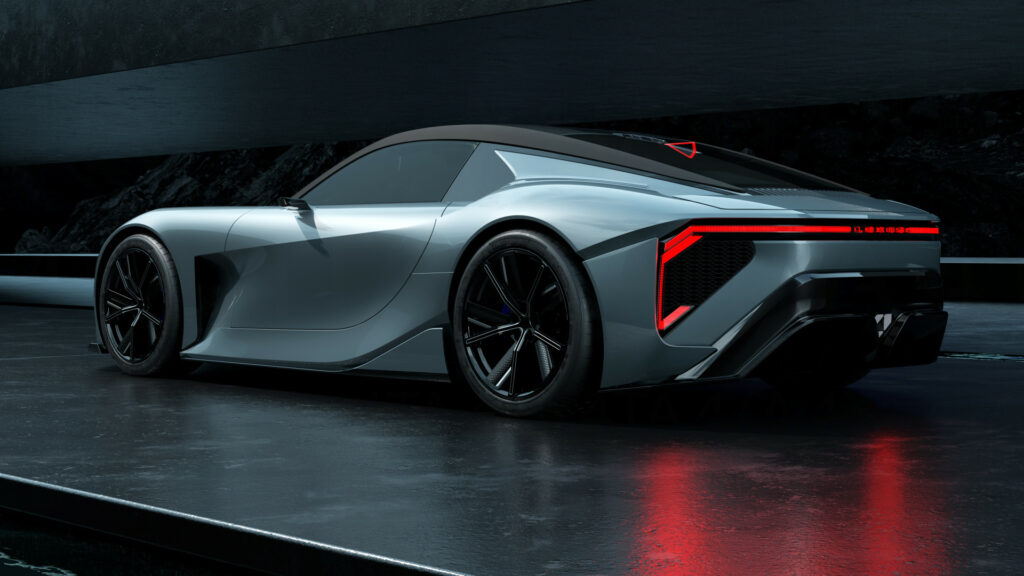
    Lexus presented its new Sport Concept at Monterey Car Week in California. This model embodies the future sporting vision of the Japanese brand. Inspired by the legendary LFA, it takes up the spirit of iconic supercars. This concept car confirms Lexus’ ambition to remain in the premium sports car segment.

    Lexus Sport Concept unveiled at Pebble Beach 2025, a futuristic supercar inspired by the LFA
    Photo of the Lexus Sport Concept 2025, presented at Monterey Car Week in California, announcing the future top-of-the-range sports car from Lexus.

    An assertive, modern design

    The Lexus Sport Concept has a wide silhouette and low profile. Its bold styling blends dynamic lines with emotional touches. At the rear, a strip of light crosses the stern, a signature already present on other recent Lexus models. These elements herald the stylistic evolution of future production Lexus models.

    The model was shown at two prestigious events: Pebble Beach and The Quail, in California. Lexus thus chose its main potential market to unveil this new sports car. The public response underlines the high level of expectation for a successor to the LFA.

    Powertrains: still uncertain

    At this stage, Lexus has not released any official technical data. Uncertainty therefore remains over the final powertrain. Some sources suggest that the car will be 100% electric, as initially envisaged by Toyota for 2021. Others are speculating on a hybrid unit inspired by the Toyota GR GT3, which could exceed 900bhp. However, nothing has yet been confirmed by the brand.

    Lexus says that the final version will be presented at the Tokyo Motor Show in November. Deliveries could start in 2026, but this date has yet to be confirmed. In any case, Lexus seems determined to give the LFA a credible successor.

  • Electric car batteries: Europe to tighten the rules from August 2025

    Electric car batteries: Europe to tighten the rules from August 2025

    From 18 August 2025, a new European regulation will apply to electric vehicle batteries. All the rules are now uniform across the European Union. They cover the manufacture, traceability and recycling of batteries. The objectives are to limit the environmental impact and dependence on raw materials. Manufacturers and consumers will have to adapt to these new obligations.

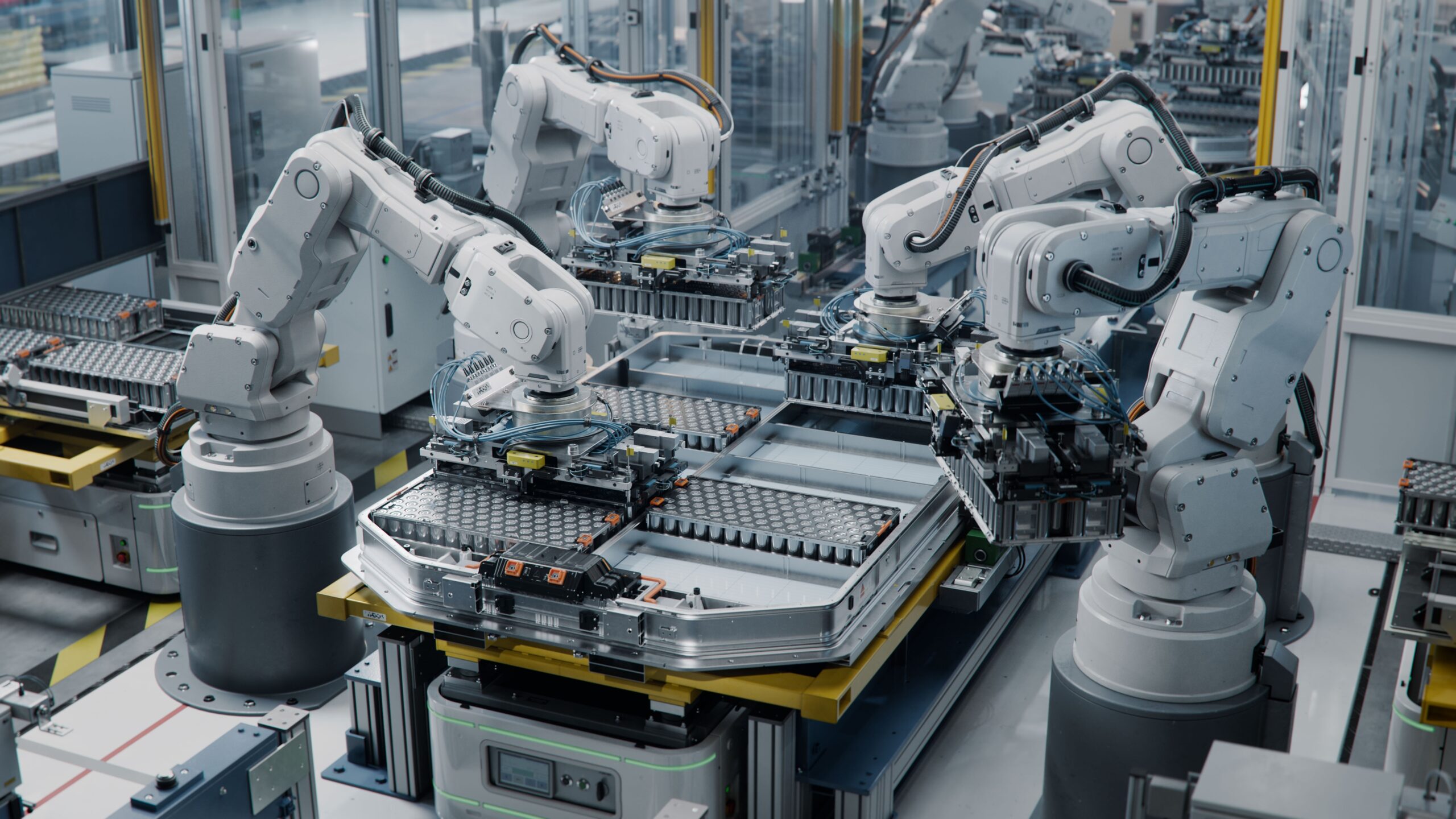
    Electric car battery with QR code - recycling and compulsory digital passport Europe 2025
    Recycling and traceability of electric batteries: new European rules from 2025

    A single frame for all batteries

    The regulations apply to cars, bicycles, scooters and stationary storage. It imposes precise requirements for design, materials and manufacture. For example, each battery must meet strict environmental standards. The aim is to reduce the ecological footprint throughout the life of the batteries.

    Ambitious recycling targets

    By the end of 2027, recyclers will have to recover 90% of cobalt, copper and nickel. Lithium, which is more difficult to process, will have to be recovered at a rate of 50%. After 2031, these rates will continue to rise, stimulating innovation in recycling. This measure will create a more efficient and sustainable European industry.

    From 2028, batteries will have to contain 16% recycled cobalt and 85% lead. In addition, 6% recycled lithium and 6% recycled nickel will be required. This obligation limits Europe’s dependence on imports of strategic metals. As a result, the industry is gaining in sovereignty and economic resilience.

    A digital passport for every battery

    From 2027, all batteries above 2 kWh will have a unique QR code. This passport will detail the composition, origin of materials and carbon footprint. It will enable full traceability and facilitate monitoring throughout the life of the batteries. In this way, industrial transparency will be enhanced for consumers and regulators.

    Mandatory recycling protects the environment and enhances the value of strategic metals. Manufacturers can finance eco-organisations to organise collection and recycling. This measure also helps to create jobs in specialised plants. Last but not least, it promotes a sustainable circular economy that is good for Europe.

  • Tesla focuses on space with the new six-seater Model Y

    Tesla focuses on space with the new six-seater Model Y

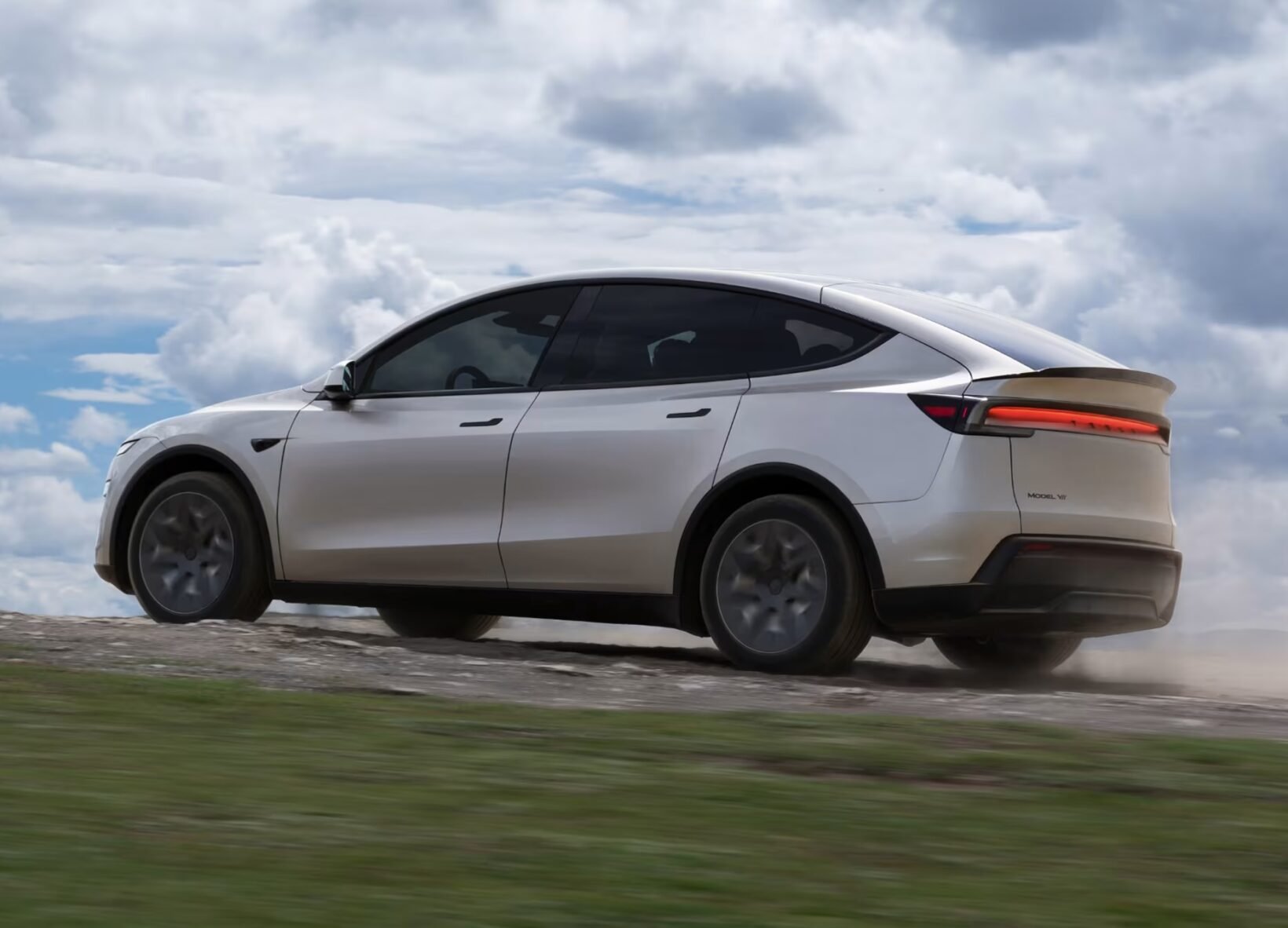
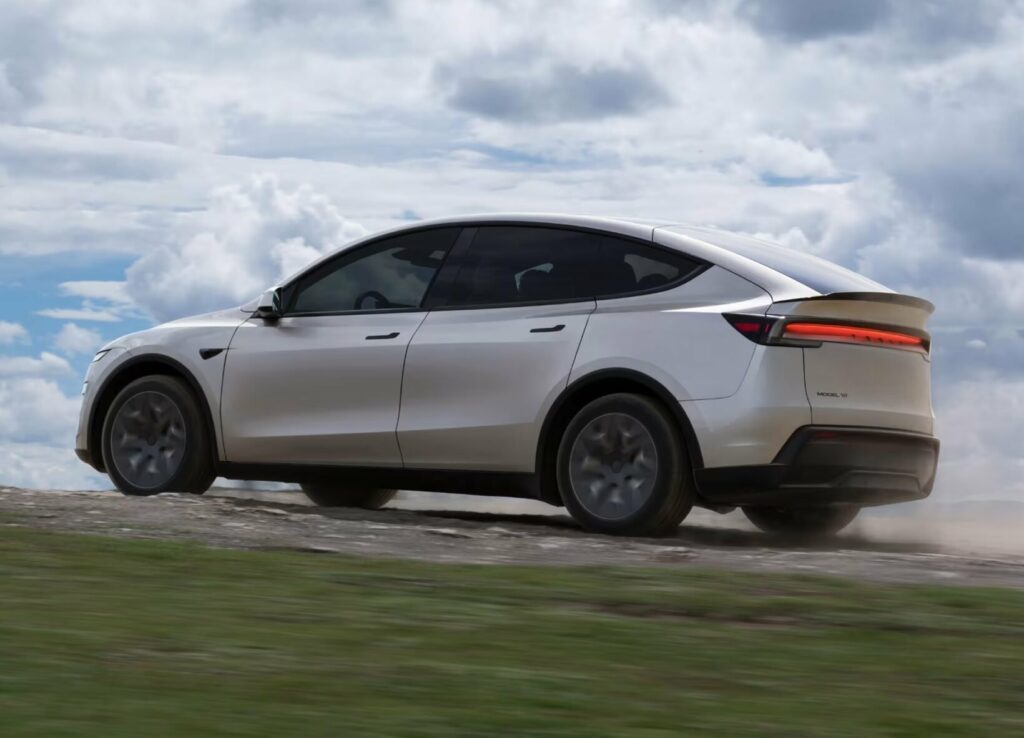
    Tesla has officially unveiled the Model Y L, a longer, six-seater version of its star electric SUV. For the moment, this version is only available on the Chinese market, with deliveries scheduled for September 2025.

    Tesla Model Y L long version with six seats, exterior view of the electric family SUV
    The Tesla Model Y L in China: an electric family SUV with six seats and a spacious boot

    A longer, roomier SUV

    The Model Y L is 4.98 metres long, 18 centimetres longer than the standard version. Its wheelbase stretches to 3.04 metres, improving legroom and interior comfort. What’s more, its height has increased slightly to limit the effect of the plunging roof on the third row. As a result, the vehicle seats six passengers in three rows of two seats each.

    The maximum load volume is 2,539 litres with the seats folded, compared with 2,138 litres previously. All seats are heated, and middle passengers have retractable armrests and climate controls. Finally, an improved audio system and individual charging ports complete the on-board comfort package.

    Performance and autonomy

    Under the bonnet, the Model Y L retains a dual-motor powertrain delivering 456 bhp. It reaches 100 km/h in just 4.3 to 4.5 seconds, with a top speed of 201 km/h. Thanks to its 82 kWh battery, the claimed range is 751 km according to the Chinese CLTC cycle. However, on the European WLTP cycle, it should be closer to 600 km, comparable to the current Model Y Long Range.

    Pricing and sales strategy

    Prices start at 339,000 yuan, or around 40,450 euros, a limited extra cost for the six-seater version. In comparison, Chinese competitors such as BYD Tang and Onvo L90 offer cheaper six- and seven-seater SUVs. For the moment, Tesla has not announced any European sales, but examples are already on the road on the continent.

    With this extended version, Tesla is clearly targeting families looking for space and comfort. The Model Y L could also indirectly replace the Model X, which is absent from several international markets. So, despite local competition, Tesla is strengthening its presence in the large electric SUV segment.

  • Energy revolution in Formula 1: the new rules for 2026

    Energy revolution in Formula 1: the new rules for 2026

    From 2026, Formula 1 will undergo a major transformation with the introduction of new regulations focusing on electrification, sustainability and safety. These changes are designed to make the sport more efficient, more environmentally friendly and more spectacular.

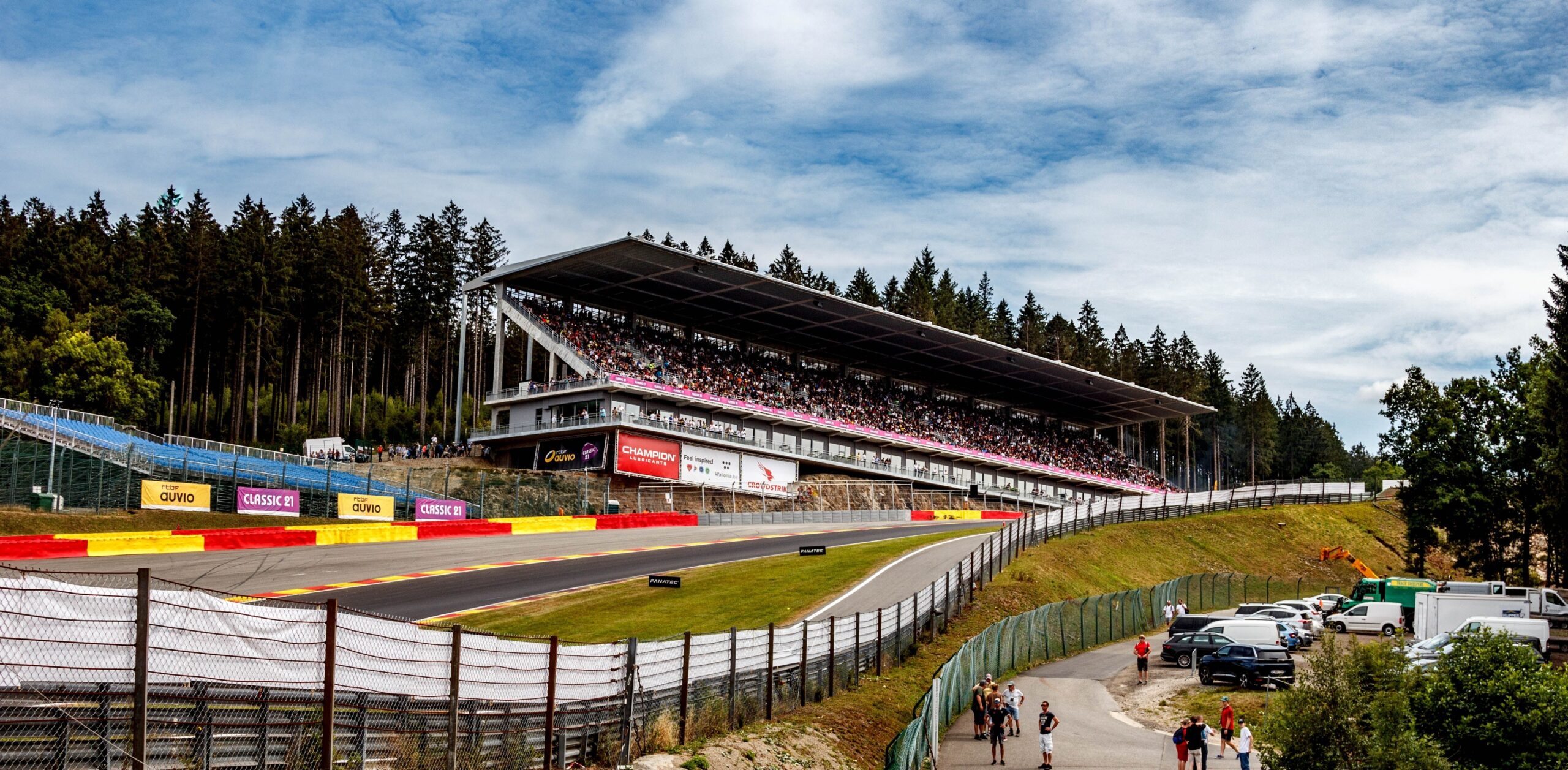
    Spectators and track during a Formula 1 Grand Prix, atmosphere and action on the circuit.
    The public attend a Formula 1 Grand Prix, an event that attracts thousands of spectators every year and contributes to the international reputation of motor sport.

    Redesigned hybrid power unit

    The new regulations retain the 1.6-litre V6 turbo engine, but do away with the MGU-H. It has been replaced by a more powerful MGU-K, capable of generating up to 350 kW – a threefold increase in electrical power compared with the current generation. Each car will thus be able to produce more than 1,000 horsepower while reducing its fuel consumption to 70 kg per Grand Prix, compared with 100 kg in 2020.

    100% sustainable fuel

    All engines will run exclusively on 100% sustainable fuels. These fuels are produced from non-food sources, municipal waste or even captured from the atmosphere. This initiative is part of Formula 1’s aim to become carbon neutral by 2030.

    The 2026 cars will be 30 kg lighter, with a minimum weight of 768 kg. The width will be reduced by 10 cm and the length by 20 cm. This reduction is intended to improve handling and make overtaking easier.

    Active aerodynamics for more spectacle

    Drag reduction systems (DRS) will be replaced by active front and rear wings. Drivers will have a manual mode to temporarily increase electric power, making overtaking easier.

    The structure of the single-seaters will be strengthened, with stricter safety tests. High-voltage electrical components will be integrated into the safety cell, reducing the risks in the event of an accident.

    Arrival of new manufacturers

    Audi, Honda, Ford and General Motors are joining the competition. Audi has acquired the Sauber team, while GM will take part under the Cadillac brand, which is still looking for its star driver.

  • United States: the courts force Washington to release $5 billion for electric charging stations

    United States: the courts force Washington to release $5 billion for electric charging stations

    In June, a federal judge forced the Trump administration to release funds for the NEVI programme, which had been frozen since February. This plan, adopted under Joe Biden, provides for five billion euros over five years to install fast-charging stations.

    Donald Trump announces the release of funds for NEVI electric charging stations in the United States
    Donald Trump presents new NEVI guidelines for electric charging stations

    The Department of Transportation announced new rules in August, simplifying procedures but removing several obligations. States can now access the funding, including California and New York. The changes could speed up deployment, but they also radically alter the programme’s initial framework.

    Freeze suspended by the courts

    In February 2025, the Trump administration suspended the national NEVI (National Electric Vehicle Infrastructure) programme. Several states went to court, claiming that the freeze violated the law passed by Congress. In June, a federal judge in Washington ordered the freeze lifted. The injunction allowed more than fourteen states to access the frozen funding.

    New federal directives

    In August, the Department of Transportation (DOT), headed by Sean Duffy, published an “Interim Final Guidance“. This document removes several obligations imposed under the previous administration. The following are no longer required: the siting of a proportion of kiosks in rural, disadvantaged or underserved areas, consumer protections, emergency evacuation plans, environmental criteria, clauses aimed at small minority or women-owned businesses, as well as safety and training standards for installers.

    A market under pressure

    Uncertainties linked to the financing freeze had weighed on the electric vehicle market. LG Energy Solutions reported a slowdown in demand for batteries. In July 2025, the average price of electric vehicles in the US fell by 2.2%. Tesla reduced its prices in anticipation of the scheduled end of the $7,500 federal credit, scheduled for 30 September 2025.

  • Renault and Geely team up for new electrified SUVs outside Europe

    Renault and Geely team up for new electrified SUVs outside Europe

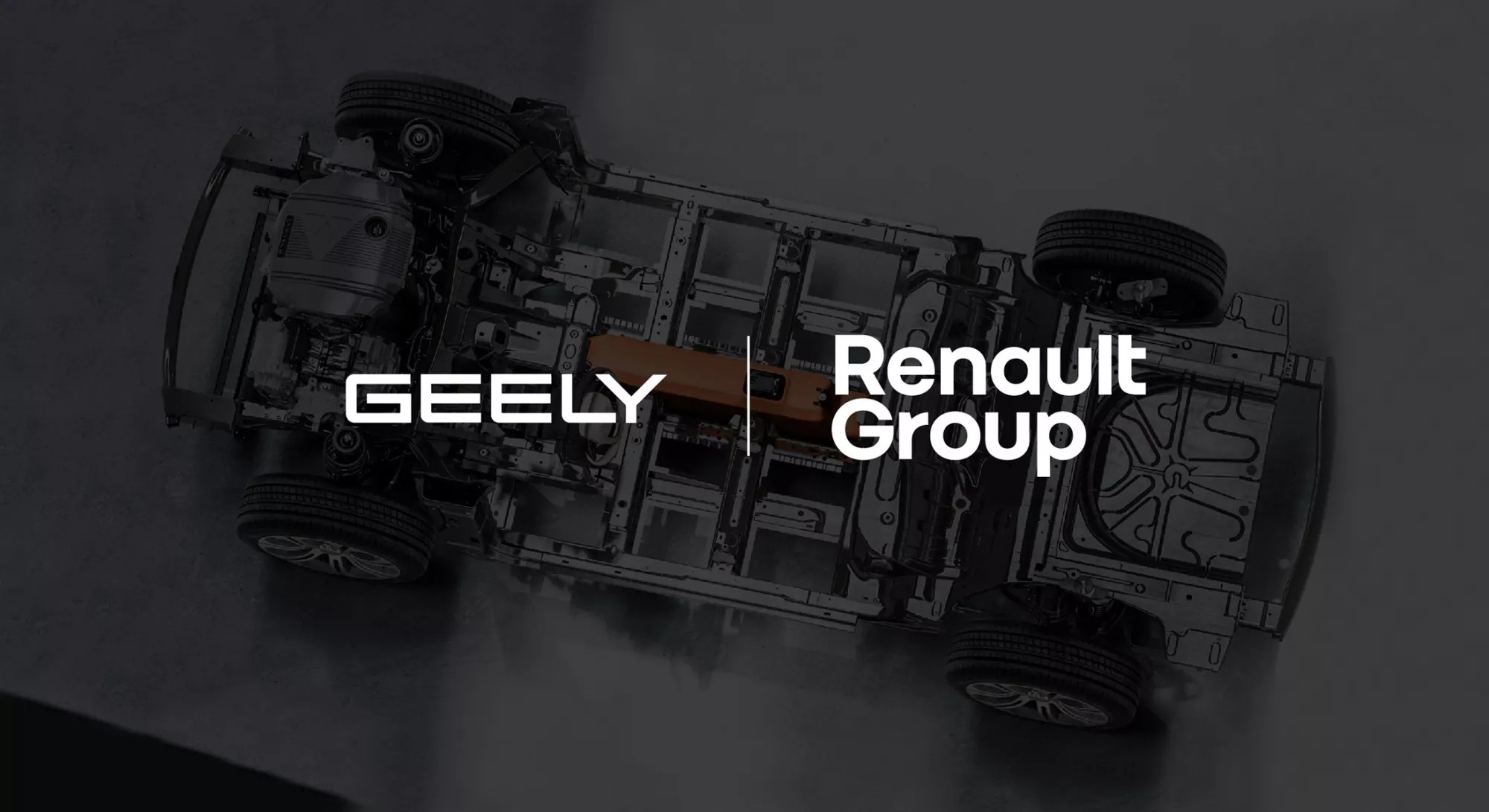
    Renault and Geely are strengthening their industrial cooperation. The French carmaker will use the Chinese group’s GEA platform. The aim is to produce electric and rechargeable hybrid SUVs. These models will be developed in China, but will also be destined for other markets. South-East Asia and Latin America are the priority targets.

    Renault and Geely have formalised their partnership to develop new electric and hybrid SUVs for markets outside Europe.
    Renault and Geely are joining forces to design electric and hybrid SUVs for Asia and Latin America.

    A new platform for Renault

    Geely’s GEA platform, already in use in China, will be shared with a foreign manufacturer for the first time. Renault will be responsible for the exterior design, while the technical aspects will be based on solutions already tried and tested by Geely. The aim is to reduce development costs and enable new models to be launched more quickly.

    The SUVs will be manufactured in China but will not be driven on European roads. They will be aimed primarily at South-East Asia and Latin America, where Renault has a solid sales network. Geely will also be able to take advantage of this local presence to accelerate its expansion.

    An already fruitful cooperation

    Renault is already marketing the Grand Koleos in South Korea. This SUV is based on a Geely platform, and its results have been encouraging. Geely also owns 34% of Renault Korea Motors and a minority stake in Renault Brazil.

    Renault has access to a new generation of technology while limiting its investments. For its part, Geely is able to cross Chinese borders more quickly thanks to its partner’s local experience. However, projects for Europe remain totally independent of this collaboration.