Category: News

  • 5C battery: CATL unveils an almost eternal battery

    5C battery: CATL unveils an almost eternal battery

    Chinese giant CATL has lifted the veil on a new generation of battery known as the “5C”, claimed to be capable of withstanding ultra-fast charging while maintaining a service life of over a million kilometres. If confirmed on the road, this announcement could remove one of the last structural obstacles to the mass adoption of electric vehicles.

    source: CATL

    5C battery: what are we talking about?

    The term “5C” refers to the maximum charge rate accepted by the battery. In practice, this means that the battery can be charged at a power equivalent to five times its hourly capacity. To illustrate this definition, a 5C-compatible 80 kWh battery can theoretically accept up to 400 kW.

    Under optimum conditions, this level of power means that the vehicle can be fully recharged in around twelve minutes. And the main change is that the charging limit no longer comes solely from the vehicle’s electrical architecture (400 or 800 volts), but from the cells themselves, designed to withstand very high currents without accelerating their degradation.

    An exceptionally long service life

    CATL’s most spectacular figures relate to battery life. In fact, the manufacturer is claiming much better performance than current lithium-ion batteries, including repeated rapid charging.
    According to data released by CATL and picked up by several technical media, the Chinese giant’s new batteries have an extremely long life:
    3,000 complete cycles at 20°C, 5C, with 80% residual capacity. This will enable EVs to cover up to 1.8 million kilometres, assuming a reference range of 600 km.
    Under extreme thermal conditions (the enemy of batteries), 1,400 complete cycles at 60°C, still at 5C, with 80% of capacity remaining, will be possible. That’s around 840,000 kilometres.

    These figures explain why we’re talking about batteries that last almost forever. CATL insists on one key point: ultra-fast recharging is no longer a compromise, but normal use, with no penalty on lifespan.

    Highlighting technical innovations

    To reconcile 5C charging and long life, CATL explains in the announcement video, published on 29 January 2026, that it has worked on several critical points of current lithium-ion batteries.

    • Electrodes that stand up better over time
      • A component added to the inside of the battery helps to form a stronger protective layer. This barrier limits the minor damage that occurs during rapid recharging and helps to preserve the battery’s performance for longer.
    • A better protected cathode
      • Thanks to a more uniform coating, energy flows more evenly. The result: fewer brittle areas and less premature wear, particularly during high-power loads.
    • A separator that reacts to heat
      • The battery also incorporates an element capable of adapting when the temperature rises. This slows down certain exchanges within the cell, reducing the ageing of the battery and improving safety.

    Redesigned thermal and electronic management

    The Battery Management System (BMS) directs cooling to the hottest areas of the pack, rather than applying uniform cooling. This reduces the thermal gradients between cells and evens out their ageing.

    This 5C battery follows on from previous generations of CATLs, in particular the Qilin 4C battery unveiled in 2022, which is already capable of very fast charging.

    source: CATL

    Outstanding battery life for the CATL 5C

    In Europe, vehicles change hands or are scrapped after having travelled an average of 150,000 to 220,000 km, all engines combined. In France, for example, scrapped cars have travelled an average of 211,000 km at the last roadworthiness test, i.e. a total of almost 220,000 km after their last mileage. The differences by fuel are clear: diesel cars reach around 250,000 km at the MOT, while petrol cars are at around 180,000 km. Across Europe, the average age of vehicles to be destroyed is 19.9 years, with a cumulative mileage of around 200,000 km over the vehicle’s lifetime.

    In this context, the CATL 5C battery is a real revolution. With a theoretical lifespan of 1.8 million kilometres, it can survive a first vehicle and then three or four occasions, before being reused in a second stationary life. In practical terms, this represents 8 to 9 times the average lifespan of a European car.

    Clearly targeted uses

    CATL makes no secret of the fact that this technology is primarily intended for intensive use, where fast charging is a daily requirement, such as taxis and VTCs, delivery vehicles and light commercial vehicles.

    In the video presentation, the batteries were tested in extreme heat conditions to, according to the manufacturer, “simulate summer in Dubai”. It is therefore targeting very hot markets (southern China, the Middle East, India), where batteries suffer particularly during high-power charging.

    source: lepetitjournal

    Which vehicles, and when?

    At this stage, no specific model has been officially announced. CATL is presenting a cell and pack technology, without naming any customer manufacturer or production date.

    However, the vehicles that could potentially be equipped with this technology are likely to be top-of-the-range Chinese models or fleet models (taxis, shuttles, commercial vehicles), then, in the medium term, European or American electric vehicles already using CATL batteries, capable of accepting power ratings of 300 to 400 kW.

    Technically, the 5C battery is compatible with 400 or 800 volt platforms.

    source : NIO

    Promises to be confirmed on the ground

    One essential point of caution remains: the figures put forward by CATL are based on internal tests and manufacturer communications. Furthermore, the exact energy density, precise chemistry and cost per kWh have not been detailed, which means that for the time being it is impossible to judge how competitive it really is compared with batteries already on the market.

    If the announced performances are confirmed in real-life conditions, this 5C battery could mark a turning point: ultra-fast recharging would no longer be a technical brake, but a standard of use, including for vehicles expected to cover several hundred thousand kilometres.

  • Weight penalty: electric cars finally spared in 2026

    Weight penalty: electric cars finally spared in 2026

    This decision has been eagerly awaited by the electromobility industry. The weight-based tax on electric cars weighing more than 2.1 tonnes from 1 July 2026 has been definitively removed from the Finance Bill (PLF) for 2026. The final adoption of the text by the National Assembly on Monday 2 February 2026 means that this controversial measure has been dropped after several months of debate. Electric vehicles will therefore remain fully exempt from the weight-related penalty over the period 2026-2028, unlike combustion and hybrid engines.

    A tougher weight penalty… but without EVs

    The plan to impose a weight-based penalty on vehicles driven in France was launched in 2022. The aim: to encourage more fuel-efficient cars. As a reminder, the weight-related penalty is a tax applied to the purchase of a new car deemed to be too heavy. The more the vehicle exceeds a certain reference weight, the more the buyer pays. Initially, the tax was aimed mainly at the heaviest combustion-powered vehicles, but as part of the 2026 Budget Bill, the government plans to tighten the system considerably.

    The general threshold was to be lowered to 1,500 kg (from 1,600 kg in 2025), with a progressive scale: €10/kg between 1,500 and 1,800 kg, €20/kg from 1,800 to 2,100 kg, and €30/kg above that. For electric vehicles, a total exemption was maintained until 30 June 2026, before the introduction of an allowance of 600 kg to compensate for the weight of the batteries, bringing the effective threshold to 2,100 kg. Beyond this threshold, only models with a sufficient eco-score, defined by the decree of 24 June 2025 and based on production, use and recycling criteria via ADEME, would have escaped taxation. The others would have been subject to the excess mass penalty.

    source : Cler

    Concrete impacts feared by the industry

    In its initial version, according to Go-Electra, the scheme would have affected around 30% of new electric vehicles sold in France, mainly family SUVs and top-of-the-range models. A Peugeot e-3008, for example, weighing in at 2,183 kg, would have been hit with a penalty of around €830, while a BMW iX xDrive50 (2,585 kg) would have been penalised to the tune of almost €4,850. Conversely, compact models such as the Renault 5 E-Tech would have remained completely exempt.

    What’s more, according to estimates by the PFA and the CCFA, sales of electric vehicles would have fallen by 10 to 15% by 2026, or around 20,000 units out of the 150,000 to 180,000 EVs expected annually in France. In all, French carmakers would have lost €500 million in sales.

    source : Peugeot

    But while this measure would have been a handicap for manufacturers, the government’s stated objective was clear: to reduce the average weight of electric vehicles. Today, the average weight of an EV is close to 1.9 tonnes, compared with 1.4 tonnes for internal combustion vehicles. Ecologically, the idea is understandable: to limit the carbon footprint associated with batteries, and to target imported heavy electric models in particular.

    A decision to abolish the scheme following a major mobilisation

    So why is it being scrapped? Back in the autumn of 2025, during the first readings of the PLF 2026 in the Senate and the National Assembly, the weight-based penalty applied to EVs provoked strong reactions, and the French automotive industry exerted intense pressure, led in particular by the PFA, the CCFA, Renault and Stellantis.

    Prior to this announcement, manufacturers were already warning of the risk of a sudden halt to the transition to electricity, in a context constrained by the ZFEs and the gradual end of certain forms of support. But the good news is that at the end of January 2026, a deletion amendment was finally adopted in committee, resulting in the outright withdrawal of article 47 bis from the text, before the government had to invoke its responsibility under article 49.3.

    On 2 February 2026, the French National Assembly definitively adopted the PLF without the weight-based tax on electric vehicles. Enactment in the Journal Officiel is expected in mid-February.

    source: national assembly

    A clearer tax framework for electromobility

    The final weight-based allowance scale for 2026 will therefore apply only to internal combustion and hybrid vehicles. Plug-in hybrids will retain a 200 kg allowance, while the allowance for micro-hybrids will be abolished from 2027.

    For electromobility, the decision brings visibility: EV sales could rise by 15-20% in France by 2026, according to Avere-France. Renault, the market leader with a market share of almost 30% and sales of 150,000 electric vehicles by 2025, will benefit directly from this more favourable framework, particularly for its family models.

    While the weight-based penalty has been dropped, other measures continue to provide a framework for the development of electromobility: increased quotas for electric vehicles in company fleets, the continuation of the CEE bonus subject to an eco-score, and the gradual tightening of low-emission zones (ZFE). In other words, the transition to electric vehicles is continuing, within a framework, but without any direct tax penalties linked to weight.

  • OMODA & JAECOO in France: the choice of a long-term guarantee

    OMODA & JAECOO in France: the choice of a long-term guarantee

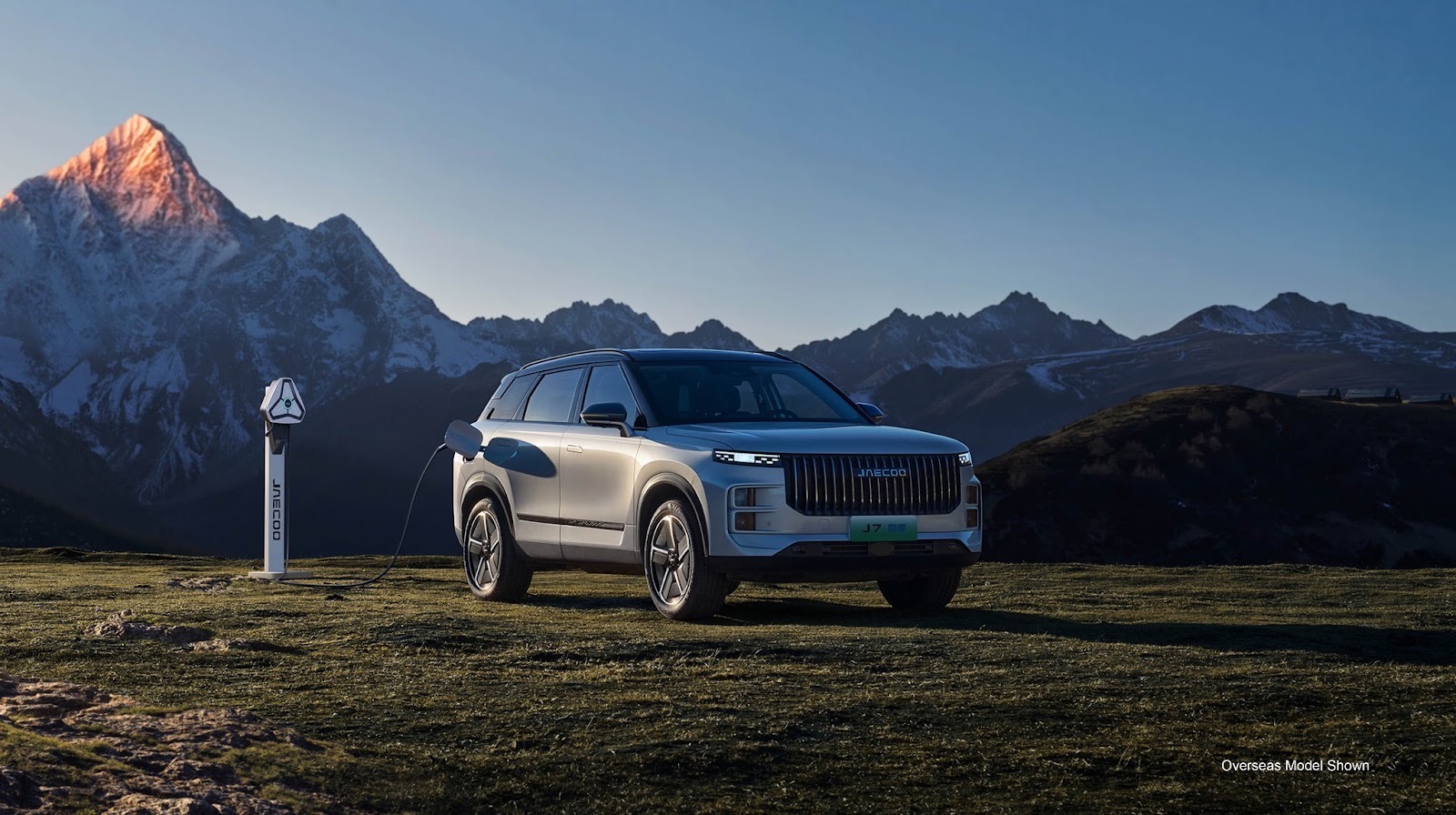
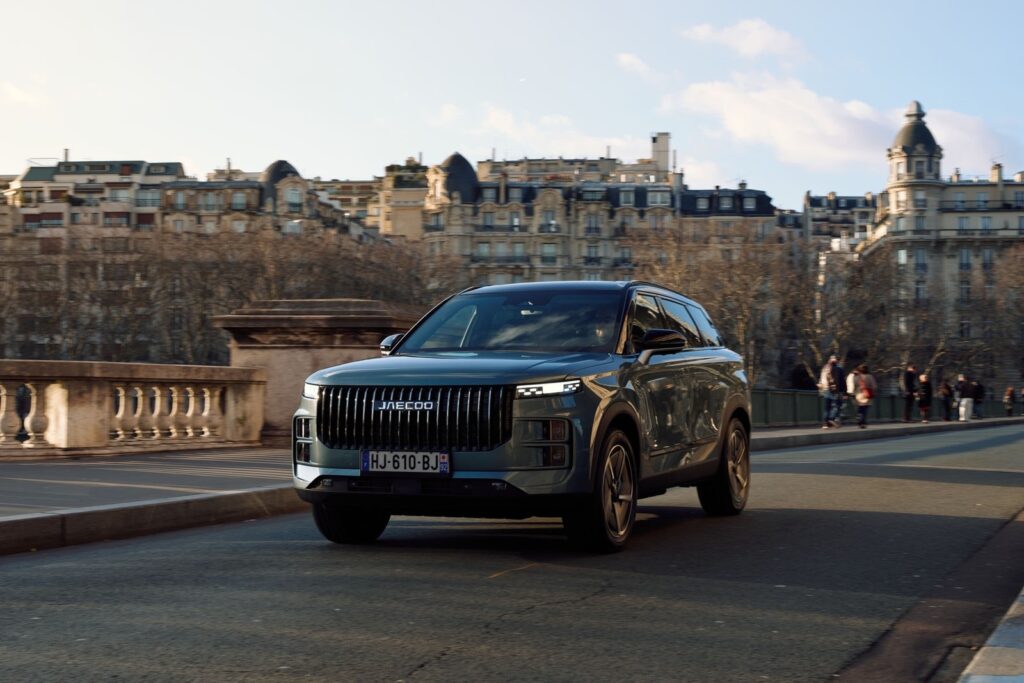
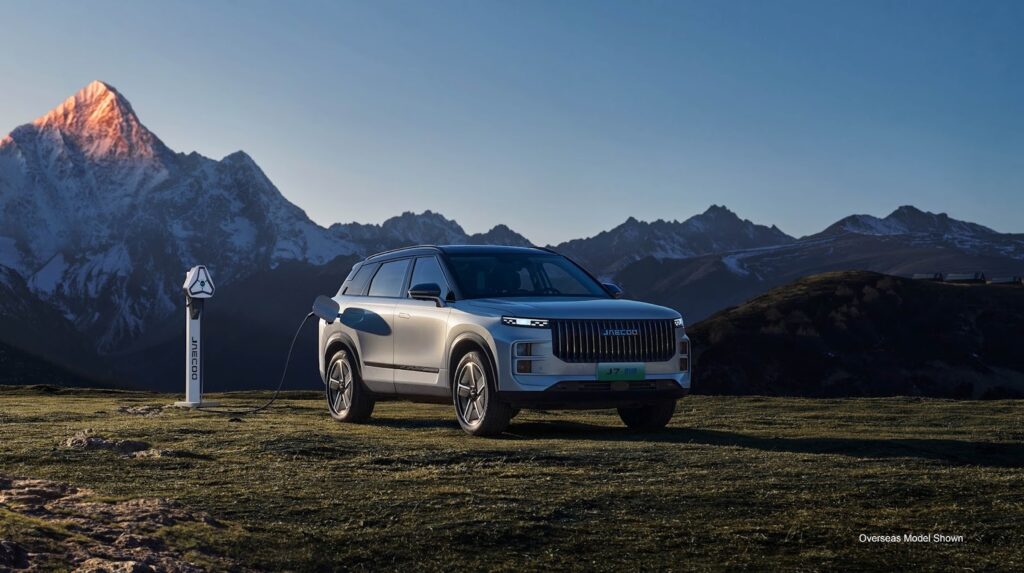
    In the run-up to its commercial launch in France, scheduled for spring 2026, the Chinese duo OMODA & JAECOO, subsidiaries of the Chery group, are unveiling an extensive warranty policy designed to support their entire electrified range and reassure a market that is still wary of new entrants.

    SOURCE: OMODA AND JAECOO

    A comprehensive 7-year warranty on the entire electrified range

    On 4 February 2026, OMODA & JAECOO issued a press release announcing a manufacturer’s warranty of 7 years or 150,000 kilometres on all models sold in France, irrespective of the electrified powertrain concerned:

    • 100% electric vehicles (BEV),
    • Plug-in hybrids (PHEV),
    • 48 V light hybrids (MHEV).
    source: OMODA

    And this warranty is called “comprehensive vehicle”, meaning that it covers all mechanical and electronic components, excluding wearing parts. According to the press release, it applies from the moment of purchase, with no optional extensions, and is one of the longest periods offered on the French market.

    This is a conscious choice for a manufacturer just starting out in Europe: to offer a level of protection comparable to the segment’s historic benchmarks, and much higher than the two-year European legal minimum still widely practised by generalist brands.

    Specific cover for electric motors

    For electric and rechargeable hybrid vehicles fitted with a high-voltage battery, OMODA & JAECOO adds a dedicated warranty for the electric drive train. The components concerned (battery and electric drive unit) are covered for 8 years or 160,000 kilometres, with a clear commitment to durability: battery capacity is guaranteed to be at least 75% over this period.

    This level of cover is in line with the standard currently adopted by the electric vehicle industry, where the majority of manufacturers communicate 8-year warranties with a minimum capacity threshold of between 70% and 75%. OMODA & JAECOO is therefore seeking to align itself with practices that are considered mature and reassuring for customers.

    source: OMODA

    Extended assistance and additional guarantees

    The brand rounds off its range with 24/7 roadside assistance, included as standard for two years, then extendable to seven years if servicing is carried out in an approved network.

    There are also additional guarantees:

    • paint: 3 years,
    • anti-corrosion: 12 years, with no mileage limit.

    The warranty is also transferable in the event of resale in the European Union, a key point for value on the second-hand market, which is particularly scrutinised for electrified vehicles.

    source : JAECOO

    How is OMODA & JAECOO positioned in relation to other manufacturers in France?

    On the French market, warranty policies continue to vary widely from one manufacturer and engine to another.

    Kia, Hyundai and MG all offer extended warranties, often between 5 and 7 years, and have played a major role in making these terms commonplace in the electrified segment.

    source : KIA

    On the other hand, many generalist European manufacturers such as Renault, Peugeot, Volkswagen, Citroën and Opel still stick to the statutory two-year warranty, possibly supplemented by paid-for extensions or included in certain financing packages.

    For electric vehicles, on the other hand, the battery warranty is a common base: 8 years or 160,000 km in the vast majority of cases, with guaranteed capacity thresholds that are relatively similar from one manufacturer to another.

    In this landscape, OMODA & JAECOO adopts an intermediate but clear position:

    • among the best for comprehensive vehicle cover,
    • in the battery standard.

    A strong choice by a new entrant

    For the Chinese manufacturer preparing to enter the French market, the warranty policy plays a key role. It sends out a message of confidence to buyers, at a time when electrified vehicles are becoming more widely available but are still subject to high expectations in terms of reliability, running costs and resale.

    With this announcement, OMODA & JAECOO is clearly seeking to establish a long-term presence on the French market. This choice is consistent with the gradual expansion of its network, announced at 74 sales outlets at launch, with a target of 130 sites by the end of 2026.

  • Candela P-12: Flying electric ferry breaks range records

    Candela P-12: Flying electric ferry breaks range records

    At the end of January 2026, a Swedish electric ferry set the world record for the longest voyage ever made by an electric ship, by sailing almost 300 kilometres from Gothenburg to Oslo. But beyond the symbolic performance of the Candela P-12, this crossing above all marks a strategic breakthrough: that of maritime electrification that can be operated without heavy infrastructure.

    source : Candela

    A record, but above all a commercial demonstration

    The journey took place over three days, between 30 and 31 January 2026, along the coasts of Sweden and Norway. In total, the boat, which can carry up to 30 seated passengers plus a captain, covered 160 nautical miles (296 km), with simple stops made at public quays to demonstrate recharging, without a dedicated megawatt station or battery exchange.

    source : Candela

    At the helm of the operation was Gustav Hasselskog, founder and CEO of Candela Technology. For the Swedish entrepreneur, the message of this event is not just about performance:

    “Charging infrastructure is the hidden cost of electrifying conventional ships. In many cases, building multi-megawatt chargers costs as much as the ships themselves. Our breakthrough is that the P-12 charges quickly and can operate anywhere.

    The figures back up this claim. The total energy cost of the trip was no more than 200 euros, or around 0.12 €/km, with three to four partial recharges of 20 to 60 minutes via conventional DC charging points (150 to 350 kW).

    The secret: flying over water

    The Candela P-12’s performance is the result of a radically different architecture to traditional ferries. The ship is based on hydrofoils controlled by artificial intelligence, capable of lifting the hull from 50 centimetres to one metre above the water at speeds of up to 16 knots. The result is simply stunning in every way:

    • 80 to 90% less consumption,
    • virtually no wake,
    • silent navigation,
    • and a massive reduction in seasickness (up to -90% according to Candela).
    source : Candela

    The Candela P-12 is a true racing car of the seas, powered by two C-POD electric motors developing up to 340 kW continuously, fed by a lithium-ion battery with a usable capacity of around 336 kWh. This performance is comparable to that of a traditional thermal ferry, with a cruising speed of 25 knots and peak speeds of 30 knots, but with a zero environmental footprint in use.

    An already credible business model

    Priced at €1.7 million, the Candela P-12 costs no more to buy than an equivalent diesel ferry. On the other hand, its operating costs are up to 50% lower, thanks to simplified maintenance and an obviously derisory energy cost, thanks to electric power.

    Obviously, this economic equation changes the game for local authorities and shipping operators. Whereas some countries rely on heavy, bulky and expensive recharging infrastructures, or on battery exchange systems costing hundreds of millions of euros, Candela offers a more accessible approach that can be deployed immediately.

    Scandinavia: laboratory for flying electric ferries

    This is no stroke of luck for the Nordic brand, since the Candela P-12 has already been integrated into public transport projects, notably around Stockholm. There, it links the island of Ekerö to the city centre of the Swedish capital in 25 minutes, compared with almost an hour by bus.

    source : Candela

    What’s more, in neighbouring Norway, several local authorities are testing the P-12 on short coastal routes – a necessity for this country, which is aiming for 50% zero-emission ferries by 2025. The electric hydrofoil ferry is thus becoming a strategic tool for reconciling mobility, the environment and geographical constraints.

    Towards clean shipping on a daily basis?

    This record is more than just a technological achievement for Candela. It validates a concept that is destined to become more widespread: electric ferries capable of providing regular services of up to 50 nautical miles, with controlled costs and a minimal environmental footprint.

    At a time when the International Maritime Organisation is aiming for carbon neutrality by 2050, the Candela P-12 shows that this transition is achievable without any loss of quality.

  • January 2026: the French car market shrinks, electric cars gain momentum

    January 2026: the French car market shrinks, electric cars gain momentum

    The French car market is off to a paradoxical start in 2026. In January, registrations of new passenger cars were down by around 6.6% compared with January 2025, with 107,157 cars sold. However, once again, the proportion of 100% electric cars is at an all-time high.

    A shrinking but not uniform market

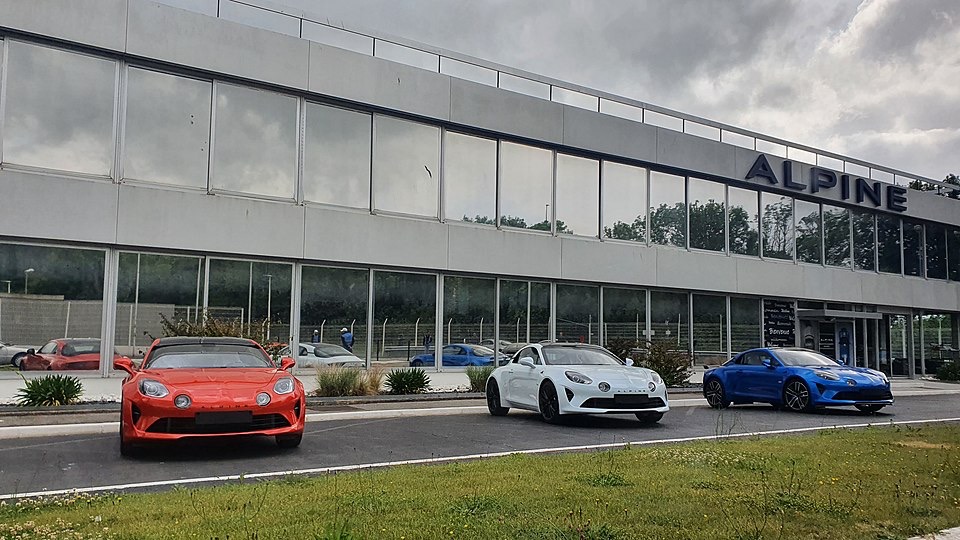
    In January 2025, 118,400 new passenger cars were registered in France, more than 6% more than in the previous month. Against this backdrop of a drastic fall in EV sales, performances vary widely from one manufacturer group to another. Some groups, such as Stellantis, are limiting the decline to around 2.7% year-on-year. Conversely, the Renault group managed to post a slight increase (+1.1%), driven by the Renault brand, while Dacia fell back sharply and Alpine made marginal progress.

    source : Alpine

    In Japan, Toyota had a difficult January, with registrations down by an estimated 15%. But the most striking fall concerned Tesla, whose volumes plummeted by more than 40% compared with January 2025, a sign that the American brand is no longer the leader it once was.

    Electric vehicles buck the trend

    While the overall market is shrinking, it is 100% electric cars that are doing well and continuing their upward momentum. In January 2026, 30,307 electric vehicles were registered in France, representing 28.3% of new car sales. An all-time record.

    By way of comparison, in January 2025, EVs had a market share of around 19%. This means that in one year, the segment has grown by around 52% in terms of volume, confirming a rapid and strong change in the motoring choices of some French people, who now prefer electric to combustion-powered vehicles.

    Justifiable figures

    And this growth is no accident. It is the result of an unprecedented convergence between public policies, financial mechanisms and developments in industrial supply.

    The first driver of this dynamic is social leasing. By enabling households to buy an electric car for less, this scheme has acted as an accelerator. Eligible models, mainly in the B segment, accounted for a significant proportion of the month’s volumes, starting with the Renault 5, which has become a symbol of this democratisation.

    source : Renault

    source : Renault

    In addition to this leverage, there are increased incentives linked to energy saving certificates (CEE). When combined with the ecological bonus, CEEs can significantly reduce the remaining cost of purchasing or leasing a car.

    Lastly, this increase is due to a tangible broadening of the offer in the affordable segments, long considered to be the main barrier to adoption.

    Renault crushes the electric ranking

    In the electric vehicle market alone, the leadership is indisputable. Renault captured around 26% of the EV market in January, with almost 7,900 registrations.

    The Renault 5 electric was the best-selling electric car of the month, with 3,952 units, well ahead of the competition. It came in ahead of the Renault Scénic E-Tech (1,945) and the Peugeot e-208 (1,666). The top 10 is largely dominated by French manufacturers, confirming a recovery in the domestic market.

    source : Renault

    Tesla, on the other hand, is in sharp decline. The American brand registered just 661 vehicles in January, including 613 Model Ys and just 36 Model 3s. As a result, Tesla has fallen well behind Renault in the French electric vehicle market, a strong signal after several years of dominance.

    Hybrids in the majority, combustion engines in free fall

    In addition to electric vehicles, hybrid vehicles continue to become the norm. In January, hybrid vehicles (all technologies combined) accounted for 52.3% of registrations, up by more than three points over one year.

    Conversely, traditional combustion engines continue to decline. Petrol’s market share has fallen to 14.3%, while diesel’s has plummeted to 2.4%, with volumes down by almost 50% year-on-year for both fuels.

    A pivotal month for electromobility

    In a generally ailing market, electric vehicles now appear to be the only engine for growth, driven by a more accessible range and targeted public schemes.

    Whether or not the coming months will confirm this trend, one thing is certain: the EV segment is, as of January 2026, a central pillar of the French car market.

  • Rétromobile 2026: fifty years of automotive history celebrated in Paris

    Rétromobile 2026: fifty years of automotive history celebrated in Paris

    This weekend, Paris is alive with the world of classic cars. From Wednesday until the evening of Sunday 1 February, the Rétromobile show is celebrating its 50th edition at the Parc des Expositions at Porte de Versailles. It’s a symbolic anniversary for an event that, over the decades, has become the global benchmark for automotive heritage.

    With more than 120,000 visitors expected over five days, 550 exhibitors and almost 1,200 vehicles on display in an area of 120,000 m², Rétromobile 2026 confirms its status as a not-to-be-missed event for enthusiasts, collectors, professionals and the simply curious who come to celebrate the history of motoring.

    source : retromobile

    From a meeting place for enthusiasts to a global showcase

    Created in 1976 by a handful of enthusiasts, including Patrick Tenderini, Rétromobile originally met a very real need: to bring together collectors, dealers and enthusiasts at a time when spare parts and old vehicles were becoming rare.

    Fifty years on, the show has changed radically in scale. Since coming under the aegis of Comexposium in 2000, Rétromobile has become a veritable celebration of motoring heritage. Themed tributes, international club stands, auctions and an opening up to youngtimers have gradually shaped its identity.

    An anniversary edition rich in symbols

    For its 50th edition, the show has pulled out all the stops. One of the highlights of the week is the joint celebration of 50 years of Rétromobile and 50 years of BMW Art Cars. An exceptional retrospective brings together twenty legendary models, from the BMW 3.0 CSL painted by Alexander Calder in 1975 to the most recent creations, such as the M3 GT2 decorated by Jeff Koons or the M Hybrid V8 by Julie Mehretu.

    source : BMW

    Other much-anticipated tributes revolve around this flagship exhibition: the DS 19, which is celebrating its 70th anniversary, emblematic MG models, and a selection of rare supercars and prototypes that are usually invisible to the general public.

    Supercars and exclusive new models

    One of the new features of this year’s show is the Ultimate Supercar Garage, which opened in Hall 7 on Thursday and will remain open until Sunday. This dedicated space brings together Bugatti, Ferrari, Koenigsegg, Pagani and Lamborghini in an immersive setting that deliberately contrasts with the more traditional ambience of the show. It’s a well-considered choice that adds a contemporary touch, attracting a younger audience.

    Electromobility, present and exciting

    While Rétromobile remains above all an ode to the internal combustion engine and vintage mechanics, electrification is becoming an increasingly visible presence in the show’s aisles. A number of retrofit specialists, including Lunaz, Electrogenic and Transition-One, are presenting electric conversions of iconic models. Electrified Jaguar E-Type, Porsche 356 and Range Rover Classic all illustrate this trend, which aims to extend the life of historic vehicles while adapting them to today’s environmental and urban constraints.

    source : Lunaz

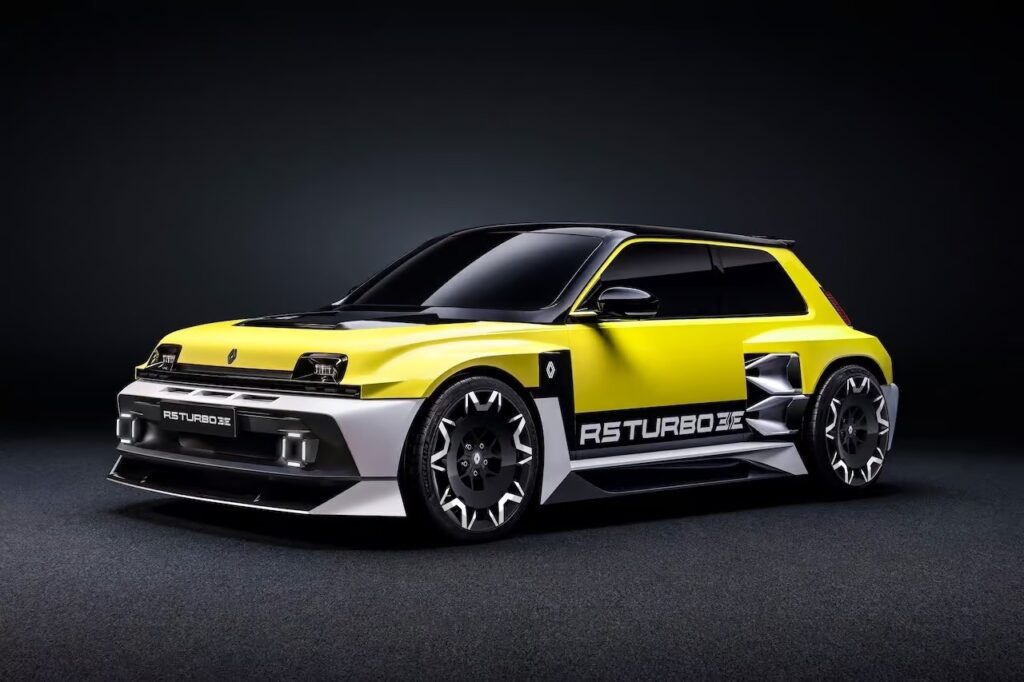
    More traditionally, the world’s biggest manufacturers are taking advantage of this event to showcase their latest electric creations. This is the case with Peugeot, which is presenting the e-208 GTI, Opel, which is presenting the electric Opel Astra for the first time, and Renault, which is showcasing the near-final version of the Renault 5 turbo 3E.

    source : Renault

    The show will also be highlighting the pioneers of electric vehicles, with prototypes and production models from the 1990s and 2000s, which have long been kept under wraps. Vehicles such as the Citroën AX Electric, the Peugeot 106 Electric, the Renault Clio Electric and the first-generation Toyota RAV4 EV are reminders that electromobility is nothing new, and that it has a much longer history than that of today’s models.

    Hybrid youngtimers will also be on show, with models from Toyota, Honda and Lexus, which marked the beginnings of hybridization for the general public in the 2000s. BMW, a long-standing partner of the event, is also exhibiting a number of recent BMW Art Cars, including electrified and hybrid competition models, such as the BMW M Hybrid V8, entered in endurance racing and a symbol of the link between artistic heritage, motor sport and modern technology.

    Far from a radical shift, these initiatives sketch out a form of “retro electromobility”, where technological innovation, the preservation of automotive heritage and the ecological transition attempt to coexist. It’s a measured approach, in keeping with the DNA of Rétromobile, which prefers the transmission of history to a sudden break with it.

    Last day, last opportunities

    On Sunday, the last day of the show, crowds are expected to be at their peak. As regular visitors know, it’s best to arrive early to make the most of the stands and exhibitions before the show closes at 7pm. Tickets are still available online, with prices ranging from €19 to €25 depending on the conditions.

    At fifty years old, Rétromobile is proving that it has lost none of its ability to bring people together. Year after year, the Paris show continues to write the living history of the motor car, bringing together automotive memorabilia, exceptional objects and glimpses of the future.

  • The US courts oppose the scrapping of the NEVI programme

    The US courts oppose the scrapping of the NEVI programme

    On 23 January 2026, a court ruling was handed down that sent shockwaves through the US electric vehicle sector: a federal judge ruled that President Donald Trump’s administration had unlawfully suspended a funding programme for EV charging infrastructure. The ruling comes after months of legal battles between a coalition of states, led by Democrats, and the federal government. A standoff that is symptomatic of the Trump administration’s transport policy choices since its return to the White House.

    source: New York Times

    A key programme cancelled

    At the heart of the controversy lies the National Electric Vehicle Infrastructure (NEVI) initiative, a federal plan launched in 2021 under President Joe Biden. The programme was worth $5 billion over five years, earmarked for building a national network of EV charging stations strategically located every 50 miles (80 km) along major motorways, as well as in urban and rural areas. This funding was intended to support the procurement, installation, maintenance and network integration of fast chargers, covering up to 80% of eligible costs in infrastructure plans submitted by the states. In theory, its aim was to remove one of the main barriers to the widespread adoption of electric vehicles: access to a dense and reliable charging infrastructure for all Americans.

    However, despite this momentum, with the re-election of the Trump administration in 2025, the programme was abruptly put on hold. In a memo addressed to state transport departments, the Federal Highway Administration (FHWA) simply revoked the guidelines governing the implementation of NEVI, suspended the approval of infrastructure plans and, in effect, froze the spending of billions already approved.

    A significant and welcome court ruling for electric mobility

    It was precisely this suspension that was ruled unlawful by a federal court in Seattle. Judge Tana Lin found that the administration had acted “beyond the bounds of the law”, failing to follow the procedures laid down in the legislation passed by Congress.

    source: Wikipedia

    This court ruling is good news for the US electric vehicle industry, as it now blocks any attempt to withdraw or withhold funds. It is therefore a victory for the states that brought the case and for environmental groups, who had condemned the freeze as a direct attack on federal climate policies.

    Why this standoff is not merely an administrative formality

    To understand what is at stake, this debate must be viewed within the broader context of the energy transition in the United States. America has long claimed a leading position in electric mobility, thanks in particular to the rise of companies such as Tesla, which quickly gained a clear technological lead over the competition in the 2010s and early 2020s. This same firm has also invested heavily in charging infrastructure, notably through the creation of the Supercharger network, one of the most widely used by EV manufacturers.

    Under the Biden administration, this trend has gained significant political and financial momentum. Indeed, numerous initiatives have been launched, including the introduction of grants and federal tax credits, as well as requirements for the installation of public charging points. In terms of charging infrastructure, an ambitious plan has been set out: to install 500,000 public charging points by 2030.

    According to official government figures, the number of charging stations had doubled during the early years of the Biden administration, with more than 9,200 charging points installed across 29 states.

    But with Donald Trump’s return, US transport policy has taken a sharp U-turn. Not only has the NEVI been put on hold (in defiance of Congress’s wishes, according to the judges), but other measures have been reconsidered or simply scrapped. The administration has scrapped the target of ensuring that 50% of new vehicle sales are electric by 2030, a roadmap deemed too aggressive by certain industrial interests.

    source: Shealeah Craighead

    Beyond the rhetoric, the facts speak for themselves: federal tax credits for the purchase of electric vehicles (up to $7,500 for new vehicles and $4,000 for used ones) were scrapped ahead of schedule, and federal emissions standards – which had been significantly tightened under Biden – have been relaxed or scrapped. Together, these decisions have slowed the uptake of electric vehicles, even though the market continues to grow (nearly 1.3 million EVs sold in 2025).

    Obviously, the problem is that the suspension of the NEVI scheme prevents Americans from considering the purchase of a clean vehicle since, as we noted earlier, easy access to a charging point is one of the main obstacles. And for a country that aimed to drastically reduce its CO₂ emissions and regain the technological initiative in the face of Chinese and European competition, this change of course could have lasting effects.

    A ruling that turns the tide

    The judge’s ruling represents a victory for the states and environmental groups, but it is in fact the starting point for a new political round. Indeed, the decision no longer rests solely with the White House. The NEVI remains enshrined in federal law, and the ruling obliges the executive to lift its suspension. In the long term, only Congress will be able to truly challenge this programme, either by amending it or by cutting funding during the next budget votes. Until then, the states are waiting; the funds exist and must be made available again.

    The United States has once again demonstrated that it can be a pioneer in the electric vehicle sector. It remains to be seen whether it will maintain this advantage in a world where the transition to low-carbon mobility is already well underway.

  • Paris Classic Car Week: Cybertruck invites itself to Artcurial

    Paris Classic Car Week: Cybertruck invites itself to Artcurial

    For Paris Classic Car Week, the City of Lights transforms itself into a living museum of the automobile, where vintage bodies, legendary engines and legendary stories come together. For several days, through exhibitions, auctions and led by the heart of the programme, the Rétromobile show at Paris Expo Porte de Versailles, collectors, enthusiasts and the curious celebrate the most iconic and timeless products of the automobile.

    This is precisely the spirit in which Artcurial Motorcars, the renowned auction house specialising in classic cars, youngtimers, motorbikes and exceptional motoring objects, has once again this year taken over one of the most emblematic venues in Parisian luxury: The Peninsula Paris.

    Automobile Legends: the automobile as a work of art

    This event, Automobile Legends, organised by Artcurial at the prestigious palace “The Peninsula Paris”, is not just a simple auction. The event has been designed as an immersive exhibition, with some sixty exceptional vehicles on display in the hotel’s Garage Privé, transformed for the occasion into a car gallery.

    Among the vehicles on display are a number of exceptional automobiles, including a Mercedes-Benz 300 SL ‘Gullwing’, a Jaguar E-Type and a number of iconic sports models. The centrepiece is the legendary Ferrari F92A driven by Jean Alesi in the 1992 Formula 1 World Championship. During that season, he finished on the podium twice, results that led to the Frenchman receiving this single-seater as a gift from the Scuderia. And yet, in the midst of these icons of the past, one object stands out.

    source : Artcurial

    Cybertruck takes its place among the legends

    In the Automobile Legends sale catalogue, one vehicle immediately catches the eye, as much as it raises questions: a Tesla Cybertruck CyberBeast Limited Edition “Foundation Series”, vintage 2024.

    This vehicle is the exact opposite of what we usually expect here. Where classic cars celebrate curves and historic combustion engines, Tesla’s pick-up boasts raw, almost industrial lines, but above all an ultra-vitamin 100% electric engine. Where the models on display often recount a glorious past, the Cybertruck speaks exclusively of the future, and yet it is precisely this contrast that makes sense.

    In its CyberBeast version, the Cybertruck represents the pinnacle of Tesla’s offering: a three-motor electric architecture, unprecedented power for a vehicle of this size, and performance worthy of certain supercars (0-100 km/h in 2.7 seconds). What makes it unique? It’s one of just 400 Foundation Series cars, unobtainable in Europe and sold without reserve at Artcurial. It’s a truly futuristic collector’s item for visionaries.

    A strong signal for electromobility

    To see a Cybertruck being auctioned alongside historic Ferraris, Jaguars and Mercedes at an event dedicated to automotive legends says a lot about the changing face of electromobility.

    For a long time, electric vehicles were seen as rational solutions, devoid of passion and rarely desirable in the eyes of collectors. The presence of the Cybertruck at Paris Classic Car Week has changed all that.

    Electromobility, through this Tesla, becomes a marker of the era, a potential collector’s item. The Cybertruck is not yet a legend in the classical sense of the term, but it is already a cultural symbol, which is what historically forges automotive icons.

    Artcurial is sending out a clear message: the history of the automobile and the passion it inspires did not stop with internal combustion engines. It continues to be written, from now on, in electricity.

  • Canada-China: a historic agreement reshuffles the deck

    Canada-China: a historic agreement reshuffles the deck

    On 16 January 2026, Ottawa announced the partial lifting of surtaxes on Chinese electric vehicles (EVs) and opened up an annual quota of 49,000 units at the “normal” tariff of 6.1%. In return, China drastically reduced its customs duties on Canadian canola (a variety of rapeseed highly prized in China), reopening a market estimated to be worth several billion dollars.

    source: Sean Kilpatrick/Reuters

    What the Canada-China agreement provides for

    To understand the situation before this agreement, we need to go back to 2024, when the Canadian government imposed a 100% surtax on all EVs imported from China, following the hard line taken by the US and almost completely closing off the market. The new agreement, reached during Mark Carney’s visit to Beijing for the first time since 2017, now introduces an annual quota of around 49,000 vehicles with customs duty reduced to 6.1%, the most-favoured-nation rate.

    And this quota is evolving, as Ottawa is forecasting an increase to around 70,000 units per year over the next five years, according to the specialist media and official announcements.

    The agricultural counterpart: canola

    As a mirror image of this tax cut, Beijing is also reducing its customs duties on Canadian canola, from a cumulative level of around 84% to a target of close to 15% from 1 March 2026. This measure puts an end to a trade dispute that began after the Canadian surtaxes, and which led China to use canola as an instrument of economic pressure.

    Western provincial governments are hailing the agreement as a breath of fresh air for farmers. Particularly in Saskatchewan, the country’s leading canola producer, where farmers are heavily dependent on the Chinese market to sell their crops.

    Expected impact on the price of EVs in Canada

    The Canadian government plans that, by 2030, at least half of China’s electric vehicle quota should be devoted to “affordable” models, with an import price of less than or equal to CAD 35,000 (≈ €22,000). A real challenge, to be sure, but one that could significantly reduce the entry ticket to electric in a market where even an entry-level Nissan Leaf remains around CAD 44,000 (≈ €28,000) before government subsidies.

    This new tax could enable new Chinese manufacturers to expand into Canada with competitive Chinese models from the likes of BYD, Geely, Nio and Xpeng, with some vehicles potentially on offer for under CAD 30,000 (≈ €19,000) once transport costs and margins have been factored in.

    source : NIO

    Specific features for Quebec

    To put this quota into perspective, if a significant proportion of these 49,000 vehicles arrived in Quebec, they would represent almost half of the 103,000 electric vehicles sold in the province in 2024. In this context, the arrival of cheaper Chinese models could partially offset the end of subsidies under the “Go Green” programme.

    For local players such as installers, specialist outlets and advisers, for example, this opening represents both an opportunity for democratisation and an educational challenge in terms of the reliability, maintenance and residual value of brands that are still little known.

    source: roulez vert

    A clear break with American strategy

    While Washington maintains 100% tariffs on Chinese EVs, Canada is taking a pragmatic approach, focusing on its economic interests. Mark Carney insists on Canada’s “specificity” and the priority given to the national economy, even if this position contrasts with that of the United States.

    This strategy could make Canada a North American gateway for Chinese EVs and reshuffle the cards in continental value chains. Indeed, this agreement seems to produce potential winners and losers:

    • The winners are consumers, with more affordable EVs, and canola growers, who gain privileged access to the Chinese market.
    • Potential losers: traditional North American manufacturers such as GM and Ford, for example, who will be exposed to highly competitive Chinese competition, and the unions, which are worried about jobs, despite promises of local investment and industrial partnerships.

    More than just the outright sale of EVs, this agreement could be the gateway to a partial overhaul of part of Canada’s transport economy. Under the agreement, the arrival of these EVs will serve as a lever to attract assembly plants and investment in the value chain (batteries, components, R&D), in order to stimulate the Canadian industrial ecosystem.

    Technical consequences and infrastructure

    The Chinese are keen to appeal to as many markets as possible around the world, and have developed their vehicles accordingly. Indeed, the EVs exported are adapted to the North American CCS standard, limiting incompatibilities. Nevertheless, installers will have to familiarise themselves with different electronic and software architectures, particularly for charge management and OTA updates.

    The arrival of these vehicles could accelerate the densification and modernisation of the charging network, particularly rapid charging, if Chinese players participate in the roll-out of infrastructure.

    Geopolitical and transition issues

    The Mark Carney-Xi Jinping agreement illustrates a strategic repositioning of Canada: Ottawa is favouring economic pragmatism (affordable EVs + canola) over systematic alignment with Washington.

    The bet is that accelerating the adoption of EVs will partially offset the risks associated with job losses in the traditional car industry and position Canada as a North American hub for electromobility.

    The key question remains: will these Chinese EVs be able to win over a market accustomed to North American standards, and will this historic turning point generate more benefits than economic and political tensions?

  • 2025, the pivotal year for OMODA & JAECOO

    2025, the pivotal year for OMODA & JAECOO

    If 2025 is a new record year for EVs, with an increase in sales, it is also the year that marked an important milestone in the international development of OMODA & JAECOO. In a press release from the manufacturer, the brand, a subsidiary of the Chinese group Chery, looks back on the year that has just ended and claims to have sold more than 800,000 vehicles worldwide in 32 months, including 380,000 units sold in 2025 alone. These figures reflect the brand’s rapid expansion in a number of key markets, particularly in Europe.

    source : largus

    A global presence extended to 64 markets

    According to this press release, the brand owned by Chery, China’s leading car exporter for over twenty years, is now present in 64 international markets, after starting operations in 22 new countries in 2025. This rapid expansion is taking place in Asia, Latin America and Europe, with contrasting results depending on the region.

    In South-East Asia, the brand is highlighting a number of commercial achievements. In Thailand, OMODA & JAECOO said that in November 2025 it had achieved the number one position in sales of pure electrified vehicles. In Indonesia, OMODA & JAECOO announced that the JAECOO 5 EV had exceeded 10,000 orders in just one month, a sign of a rapid start to sales in this market.

    source : Kingsley Wijayasinha

    In Latin America, OMODA & JAECOO also made significant progress. In Chile, the OMODA 5 and JAECOO 5 models were named “most recommended vehicles of the year” by Autocosmos Chile, a Chilean automotive media outlet.

    Europe, the main vector for expansion according to the manufacturer

    But what is certain is that Europe is a priority area for development. OMODA & JAECOO claims to have sold more than 200,000 cars in Europe since 2024, including 135,000 registrations in 2025. The brand is now present in 16 European countries.

    Among the most dynamic markets are the UK, with 53,606 registrations announced for 2025, and Spain, with 23,697 units over the same period. These figures, communicated by the manufacturer, testify to its ambitions in these markets, even if they are not yet fully reflected in the public European sales rankings.

    Rapidly accelerating electrification

    It’s not just the expansion into other territories that’s making progress: the electrification of the Chinese group’s vehicle fleet is also booming. In terms of technology, OMODA & JAECOO is highlighting a clear increase in its electrified sales. By 2025, the manufacturer claims to have sold 200,000 electrified vehicles (EV, HEV and PHEV), or more than 50% of its annual sales, representing growth of 585% compared with 2024.

    This momentum is based in particular on SHS (Super Hybrid System) technology, available in hybrid and rechargeable hybrid versions, which the brand presents as an intermediate solution adapted to the expectations of European markets in terms of fuel efficiency, range and versatility of use.

    Heading for France in 2026

    After structuring its network in several European countries, OMODA & JAECOO is preparing its arrival in France. The commercial launch is scheduled for spring 2026, with a network of more than 70 distributors and approved repairers from the outset, and the aim of gradually increasing the number of distributors throughout the country. These sales and maintenance outlets will be located throughout France, as well as in certain French overseas departments and territories.

    source: OMODA & JAECOO

    The French plant is part of a wider strategy aimed at achieving complete coverage of the European Union by the end of 2026, according to the manufacturer’s stated objectives. The range offered will be based on the complementary nature of the OMODA models, which focus on design and urban use, and the JAECOO SUVs, positioned for more versatile uses.

    A strategy to be confirmed in the European market

    OMODA & JAECOO’s ambition is to position itself as a credible new player in electrified mobility in Europe, with strong growth in claimed volumes, electrification already accounting for the majority of its sales and a rapid deployment strategy. However, the success of this strategy will depend on its ability to turn these announcements into sustainable results, particularly in demanding markets such as France, where the competition is already well established.