Category: News

  • Electric cars at the heart of the 2025 Tour de France: a silent revolution

    Electric cars at the heart of the 2025 Tour de France: a silent revolution

    The 2025 Tour de France marks a turning point in the history of the Grande Boucle, not only in terms of sporting performance, but also in terms of its commitment to the environment. This year, the support vehicles, essential to the smooth running of the race, are adopting electric power on a massive scale, reducing their carbon footprint and noise pollution.

    Škoda: a committed partner

    For more than 20 years, Škoda has been the official supplier of vehicles for the Tour. For this 112th edition, the Czech brand has gone one step further by putting 225 100% electric or rechargeable hybrid vehicles on the road. Among them, the Škoda Enyaq iV and the new Škoda Elroq will take on the roles of lead car and steering car. In addition to their performance, these vehicles offer a silent, emission-free drive, contributing to a more pleasant experience for racers and spectators alike.

    Skoda Enyaq iV electric car during the Tour de France 2025
    The Skoda Enyaq iV model, used by the 2025 Tour de France teams (Credit: Skoda)

    The advertising caravan goes green

    Traditionally made up of noisy, polluting vehicles, the Tour de France publicity caravan is also changing. In 2025, several electric vehicles, including models from Volkswagen and Renault, will be integrated into the caravan, reducing the environmental impact of this emblematic event.

    Cadillac: a first on the roads of the Tour

    For the first time, the American brand Cadillac is taking part in the Tour de France by supplying electric vehicles to the EF Pro Cycling team. The all-electric Lyriq model will accompany the riders throughout the race, underlining Cadillac’s commitment to sustainable mobility and strengthening its presence on the European market.

    Cadillac Lyriq electric car used in the Tour de France 2025
    The Cadillac Lyriq accompanies the EF Pro Cycling team on the Tour de France 2025. (Credit: EF Pro Cycling)

    Adapted infrastructures

    To support this transition to electric vehicles, recharging facilities will be set up along the route. Rexel, a partner of the Tour, is providing a map of the charging points close to the route, making it easier to manage the electric vehicle fleet.

    A greener race

    This move towards electric and rechargeable hybrid vehicles reflects a shared desire on the part of the organisers, partners and teams to make the Tour de France more environmentally friendly. By reducing greenhouse gas emissions and noise pollution, the Tour de France 2025 is part of an eco-responsible approach, while retaining its festive and popular character.

    In this way, the Tour de France 2025 is not just a high-level sporting event; it is also becoming a model of energy transition, showing the way forward for other large-scale events.

  • Electric cars: social leasing makes a comeback on 30 September

    Electric cars: social leasing makes a comeback on 30 September

    Launched with great fanfare on 1 January 2024, social leasing for electric cars was a victim of its own success. The government scheme, which enables low-income households to lease an electric vehicle for as little as 100 euros a month, will make a comeback from 30 September next year, the Ministry of the Economy announced on 15 July 2025. The aim is to widen access to electromobility while supporting the growth of the French automotive industry.

    Social leasing 2025: electric cars accessible to low-income households
    Social leasing for electric cars: a scheme relaunched in September 2025 to give low-income households easier access to electromobility. (Credit: les numériques)

    A better prepared recovery

    The scheme was a huge success from the outset, with around 90,000 applications registered in just six weeks, for just 25,000 vehicles available. Faced with this saturated situation, the government suspended the scheme just a month and a half after its initial launch, on 15 February 2024… The government has therefore taken the time to structure the scheme and, above all, to coordinate with the players in the market concerned to ensure that social leasing is implemented effectively from the following year, 2025.

    This time, the executive is thinking bigger: 150,000 vehicles will gradually be made available over the next two years. Manufacturers, for their part, are being encouraged to offer models produced in France or Europe in order to benefit from the public aid, in a bid to promote industrial sovereignty. Renault, Stellantis and others should therefore be adapting their offerings from the autumn.

    Electric cars available on social leasing for low-income households in 2025
    French carmakers are adapting their offer for social leasing of electric cars from autumn 2025. (Credit: mag de la conso Ouest France)

    More social electrification

    Reserved for low-income households that use their car mainly for home-to-work journeys, social leasing is also intended to bridge a persistent divide: the gap between those who can afford to buy an electric car and those who can’t… The scheme targets French people whose annual household income is less than €15,400 per participant, who drive more than 8,000 km a year, and who also live a long way from public transport… The criteria are certainly numerous, but this scheme can probably resolve a few thousand situations…

    In the midst of the energy transition, this relaunch of the social electric leasing programme is an attempt to speed up the conversion of the French car fleet while taking social realities into account. It remains to be seen whether the available supply will match demand. For the executive, the challenge is clear: electric cars must not remain a luxury.

  • MG launches its IM5 and IM6 premium electric models in Europe

    MG launches its IM5 and IM6 premium electric models in Europe

    MG, through its new premium electromobility brand “IM Motors”, has officially unveiled two new electric vehicles at the Goodwood Festival of Speed : the IM5 saloon and the IM6 SUV coupé. The presentation marks an important step in MG’s strategy to strengthen its presence in the premium electric vehicle segment.

    MG IM5: a high-performance, efficient electric saloon

    The MG IM5 is a 5-door saloon with an 800-volt electric architecture that optimises performance and recharging times. The carmaker offers two battery configurations: a standard battery of around 75 kWh and a Long Range version of 100 kWh, offering a claimed range of around 655 kilometres according to the official WLTP cycle.

    This high-voltage architecture also means that the IM5 can be recharged very quickly, from 10% to 80% in just 17 minutes, provided that compatible charging points are used. In terms of performance, MG has announced a Performance version capable of accelerating from 0 to 100 km/h in just over 3 seconds, positioning the IM5 as a direct competitor to current premium models on the electric market.
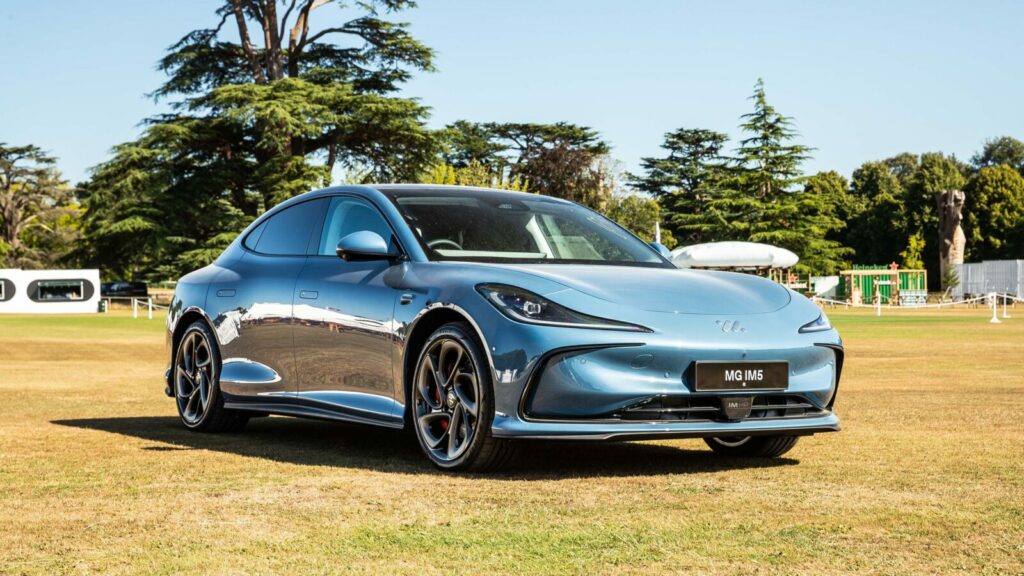
    Photo of the IM5 electric saloon unveiled at the Goodwood Festival 2025
    The MG IM5, a 100% electric saloon unveiled at Goodwood 2025. (Credit: MG)

    MG IM6: a powerful electric SUV coupé

    The second model presented, the MG IM6, is a coupé SUV that combines sporty design and high performance. It is powered by a 750 hp engine and has a 100 kWh battery. MG has announced a range of 555 kilometres, according to the WLTP cycle, putting it on a par with the best in the segment.

    Like the IM5, the IM6 uses an 800-volt electric architecture, guaranteeing very fast recharging times and optimised energy efficiency. MG also highlights the quality and technology on board this SUV coupé, aimed at customers looking for an electric vehicle that is both powerful and elegant.
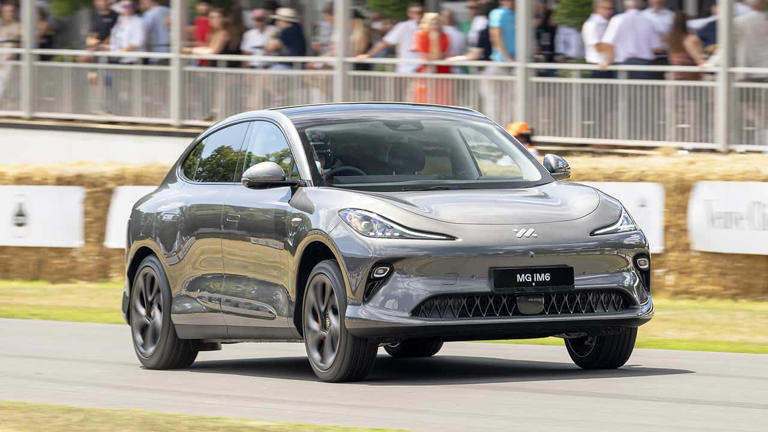
    Photo of the IM6 electric SUV coupé presented at the Goodwood Festival 2025
    The MG IM6, a 750bhp 100% electric SUV, unveiled at Goodwood 2025 (Credit: MG)

    Marketing and target markets

    MG has stated that the IM5 and IM6 models will be sold mainly in certain international markets, notably the UK. To date, no official launch has been announced in France. This commercial strategy appears to be aimed at maximising the brand’s impact in markets where demand for premium electric vehicles is growing strongly.

    In a nutshell

    With the IM5 and IM6, MG IM Motors is taking a new step forward by offering top-of-the-range electric vehicles that combine performance, range and advanced technologies, all based on a modern 800-volt electrical architecture. Although their availability is limited to certain countries for the time being, these models demonstrate the Chinese manufacturer’s ambition to emerge as a key player in premium electric mobility.
  • UK relaunches incentives for electric cars: up to €4,700 bonus

    UK relaunches incentives for electric cars: up to €4,700 bonus

    Against a backdrop of sluggish electric car sales, the UK government announced on 14 July 2025 the return of a scheme to support the purchase of electric cars by private individuals. The scheme will come into effect on 16 July 2025. The aim is to revive flagging sales momentum, while the UK is still aiming to ban the sale of new combustion-powered cars by 2035.

    The UK relaunches support for the purchase of electric cars in 2025
    Up to €4,700 bonus for buying an electric vehicle in the UK from 16 July 2025. (Credit: nrqemi)

    A bonus of up to £3,750 for the “greenest” vehicles

    The £650 million (approx. €750 million) scheme will enable buyers of 100% electric vehicles costing up to £37,000 (approx. €43,000) to benefit from a purchase discount. This can be as much as £3,750 (around €4,500) for models deemed to be the “greenest”, with optimised emissions and energy efficiency levels.

    Less ‘virtuous’ but still eligible vehicles will be eligible for a more modest bonus of up to £1,500 (€1,755). The aid will be paid directly to the dealer, reducing the cost to the consumer.

    A response to market stagnation

    This aid reflects a worrying situation: after sustained growth between 2020 and 2023, sales of electric vehicles in the UK are stalling. According to the Society of Motor Manufacturers and Traders (SMMT), private customers will account for just 40% of EV sales in 2025, compared with 55% in 2022. Business fleets now dominate the market.

    In addition to its other measures, the government intends to boost private demand by investing a further £63 million in developing the network of charging points, particularly in rural and peri-urban areas.

    A return to subsidies… two years after they were abolished

    Until June 2022, the UK already offered a plug-in grant of £1,500. This was abruptly withdrawn in the name of “sufficient market maturity”, according to the authorities at the time. The reality is quite different: the transition to electric cars is still fragile and consumers are struggling to take the plunge, not least because of the still high price of new models. This revival of subsidies, welcomed by many players in the sector, marks a pragmatic U-turn. It remains to be seen whether it will be enough to convince private customers to electrify their garages.

  • Škoda Epiq: the popular electric SUV arrives late 2025 / early 2026

    Škoda Epiq: the popular electric SUV arrives late 2025 / early 2026

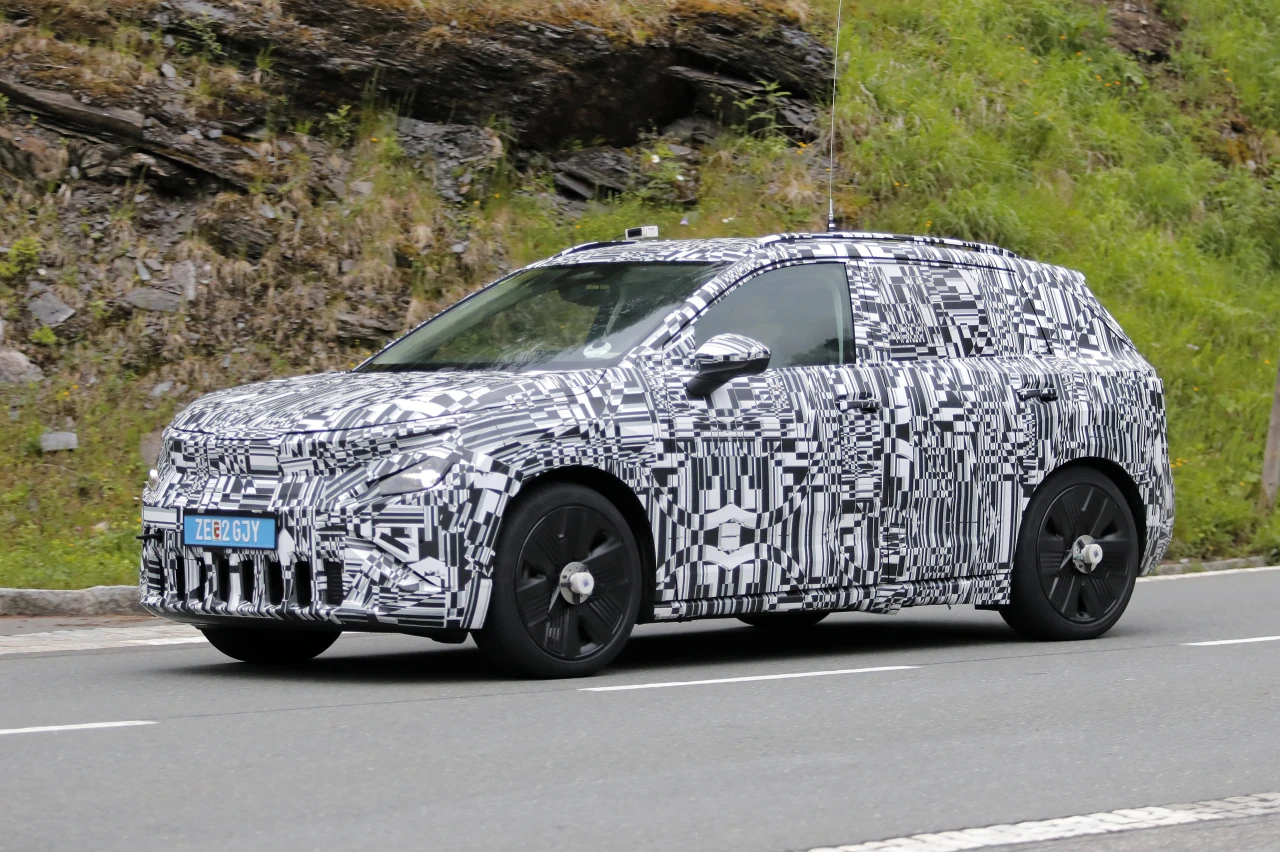
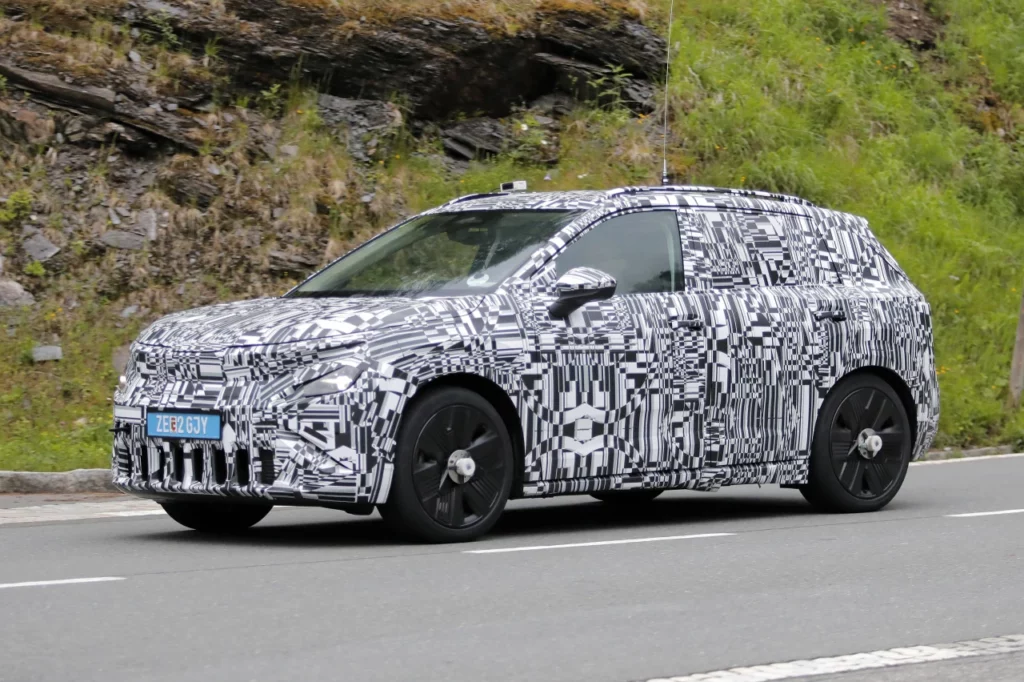
    Škoda is refining its ambitions in the consumer electric market with a new model, the Epiq, expected for the end of 2025. Presented as a concept in 2024, this “mini SUV” has already been seen during road tests in Spain, near the production plant, at the beginning of July 2025. With a length of 4.10 m, it is positioned in the affordable compact SUV segment, also coveted by Renault with its R4 E-Tech, Citroën with the ë-C3, and Volkswagen with the ID.2. Spotted recently in Spain under camouflage, the Škoda Epiq is now entering its active phase of road tests.

    Škoda Epiq on a road test in Spain in July 2025, a compact electric SUV disguised before its planned release at the end of 2025.
    The Epiq undergoing road tests, camouflaged ahead of its planned launch at the end of 2025. (Credit: Auto review)

    Low prices, high ambitions

    Škoda has promised that the Epiq will target a starting price of around €25,000 , excluding the environmental bonus. This psychological threshold is the one that all manufacturers are targeting in order to democratise electric cars without ruining motorists. To achieve this, some concessions will no doubt have to be made on the equipment of entry-level versions. However, the manufacturer insists that this is a practical, connected family car, not a low-cost product.

    Solid design for a new Škoda era

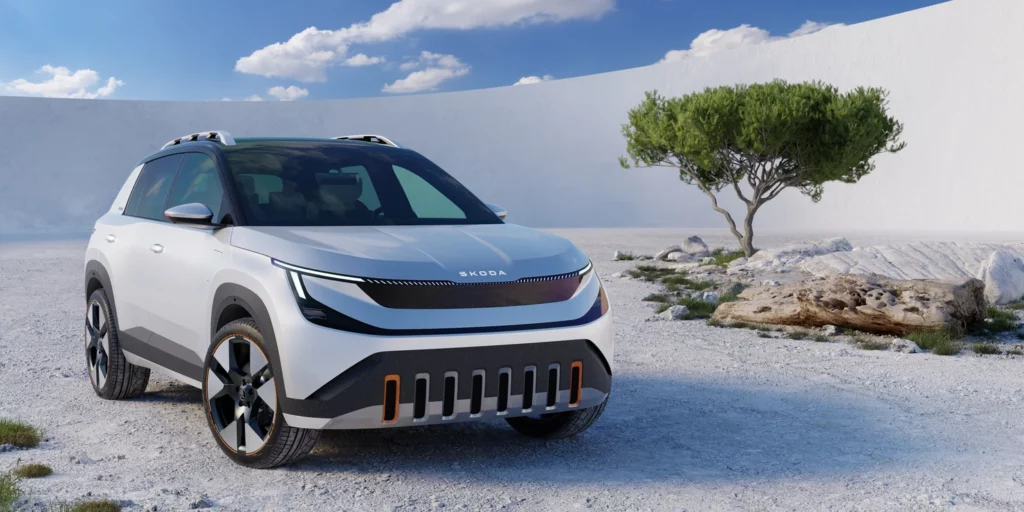
    The design of the Škoda Epiq does not go unnoticed, even under camouflage. It inaugurates the new ‘Modern Solid’ design language, already visible on the brand’s latest concepts. It has a compact, almost muscular silhouette, with a flat bonnet, taut lines, T-shaped headlamps and a clearly visible ŠKODA name at the rear, in place of the traditional logo. Even under canvas, the Epiq clearly displays its positioning: a robust, practical yet modern urban SUV.

    Up to 400 km range and two-way charging

    Although Škoda has not yet released the full technical specification, the Epiq concept unveiled in spring 2024 claimed a range in excess of 400 km WLTP. A credible figure, even if the first marketed versions could offer a slightly more modest range depending on the battery chosen.

    New Škoda Epiq design with taut lines and T-shaped headlamps
    The Škoda Epiq adopts the Modern Solid style, muscular and compact. (Credit: Škoda)

    Bidirectional charging (V2L or V2G) will also be on the programme. Still a rare feature in this price range, it can be used to power appliances or even feed electricity back into the home network, appealing to users concerned about their energy footprint.

    An SUV designed for Europe and made in Spain

    The Epiq will not just be a concept: it is based on the new dedicated MEB Entry platform, designed for the Volkswagen Group’s entry-level electric vehicles. Unlike other Škodas produced in the Czech Republic, this model will be assembled in Pamplona, Spain, alongside the Volkswagen ID.2 and Cupra Raval. This strategic choice aims to contain costs while ensuring 100% European production. It remains to be seen how quality will be affected by this change of plant and the reduction in costs.

    Uncluttered interior, bordering on the simplistic

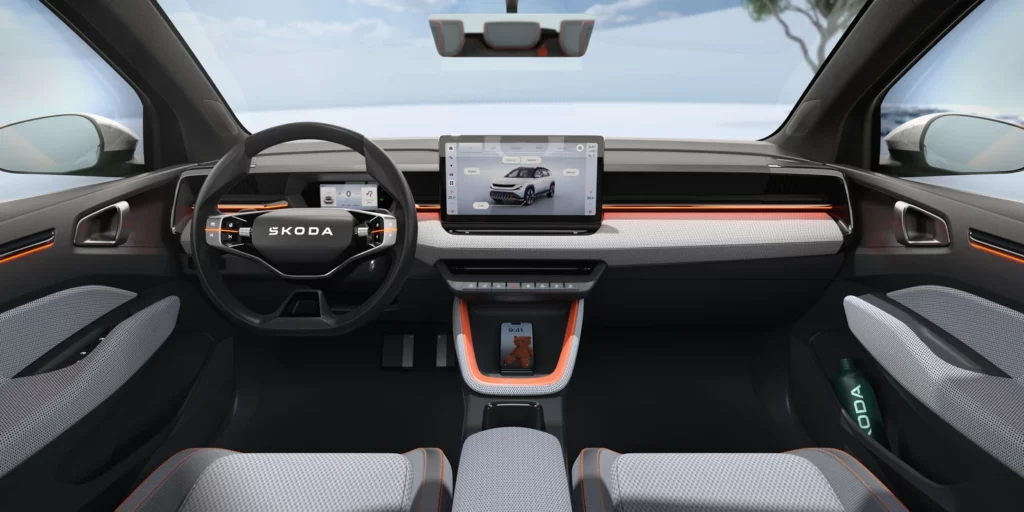
    On board, Škoda’s Epiq concept relies mainly on a large central screen. This is in line with the VAG group’s approach with Audi and Volkswagen: a minimum of physical buttons for essential functions, and recycled materials such as plastic used for the dashboard and centre console. A futuristic style that may confuse some drivers.

    Interior of the Škoda Epiq with central screen and minimalist design
    A refined, 100% digital dashboard, typical of the latest VAG electric vehicles. (Credit: Škoda)

    In terms of load capacity, Škoda has announced a boot capacity of 490 litres, which is surprisingly generous for a city car, making it particularly attractive to young families.

    A key model for Škoda and the VAG Group

    The stakes are high for the Czech brand. The Epiq is set to become one of the pillars of Škoda’s electric range, with a stated target of 70% electric sales in Europe by 2030. More broadly, this compact SUV should enable the Volkswagen group to catch up in the affordable electric segment, in the face of the rise of Chinese offerings, as well as those from Renault, Fiat and Citroën.

    With this Škoda Epiq, the Czech brand is not just offering another compact SUV. It is a strategic model, a decisive turning point in the electrification of their range. Škoda is moving forward in a field pioneered by Renault (Dacia) in Europe: a reasonable price, credible range, European manufacturing and modern design. Pending its official unveiling at the end of 2025, this small electric SUV promises to be a serious competitor to the Dacia Spring and the latest Renault 4 E-Tech.

  • Lucid Air Grand Touring: world autonomy record validated by Guinness World Records

    Lucid Air Grand Touring: world autonomy record validated by Guinness World Records

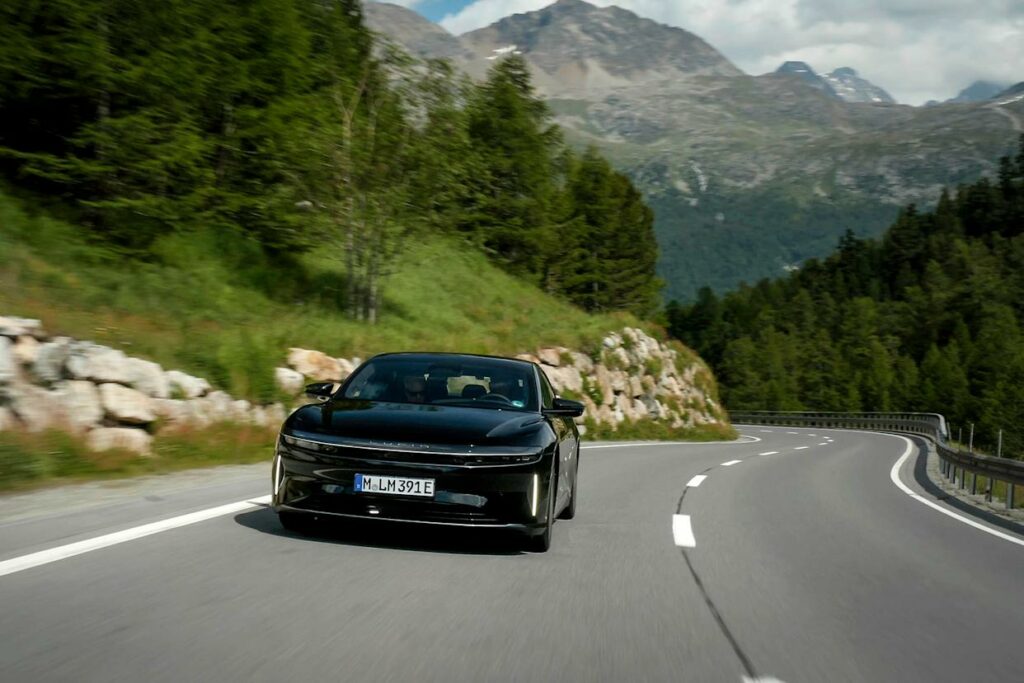
    Lucid Motors has broken a world range record with its Air Grand Touring electric saloon, covering 1,205 kilometres without recharging. The journey, made between St. Moritz (Switzerland) and Monaco in Bavaria (Germany), was certified by Guinness World Records at the beginning of July 2025. The aim was to demonstrate the energy efficiency of its electric propulsion system.

    Lucid Air Grand Touring on the road for its Guinness-certified electric range record
    The Lucid Air Grand Touring travelled 1,205 km from St. Moritz to Munich without recharging (Credit: Lucid).

    A cross-border route, a global performance

    The performance was achieved at the beginning of July 2025 by Turkish pilot Umit Sabanci, aboard a production Lucid Air Grand Touring. The journey covered 1,205 km in real-life conditions, without recharging or modifying the vehicle. The departure point was in St. Moritz, Switzerland, and the arrival in Munich (Monaco of Bavaria), Germany.

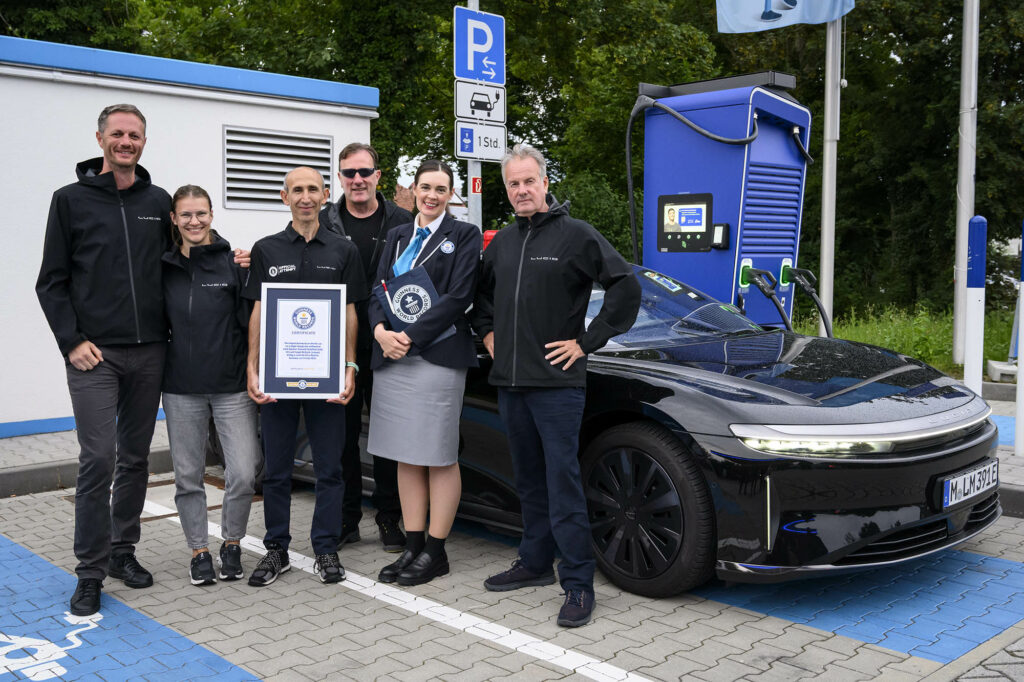
    The feat was officially validated by Guinness World Records, which confirmed that the vehicle was genuine, that the distances were respected and that no recharging was required during the journey.

    A technical record to match

    The Lucid Air Grand Touring has a useful 112 kWh battery, according to the manufacturer’s specifications. Its propulsion system is based on a 900-volt architecture, giving it high energy efficiency. The vehicle also boasts a coefficient of drag (Cx) of 0.197, one of the lowest on the market.

    The model is approved in Europe and is among the electric saloons with one of the longest ranges currently available.

    A life-size demonstration

    The record is part of a strategy to demonstrate Lucid technology in real-life conditions. The driver complied with speed limits and traffic regulations on open roads. No external charging or assistance devices were used, in line with Guinness World Records requirements.

    “This range record is a significant milestone. It’s another clear demonstration of the technological leadership that defines Lucid,” said Eric Bach, Senior Vice President of Product and Chief Engineer at Lucid Motors.

    Umit Sabanci and the Lucid Motors team in front of the Lucid Air Grand Touring after the electric range record was certified by Guinness World Records
    Umit Sabanci poses with the Lucid Air Grand Touring and the Guinness certificate, after travelling 1,205 km without recharging. (Credit: Lucid)

    A benchmark in the electric vehicle market

    Lucid has now surpassed the previous record set by Mercedes with the Vision EQXX, which covered 1,045 km on a single charge. Unlike the Mercedes prototype, the Lucid Air Grand Touring is a marketed model, available in Europe from 2023.

    This record not only validates Lucid’s technological ambitions, but also shows that production electric vehicles are now capable of covering distances worthy of the best combustion-powered saloon cars. A symbolic but very real milestone for electromobility.

  • Renault Rafale: the new face of presidential mobility for 14 July

    Renault Rafale: the new face of presidential mobility for 14 July

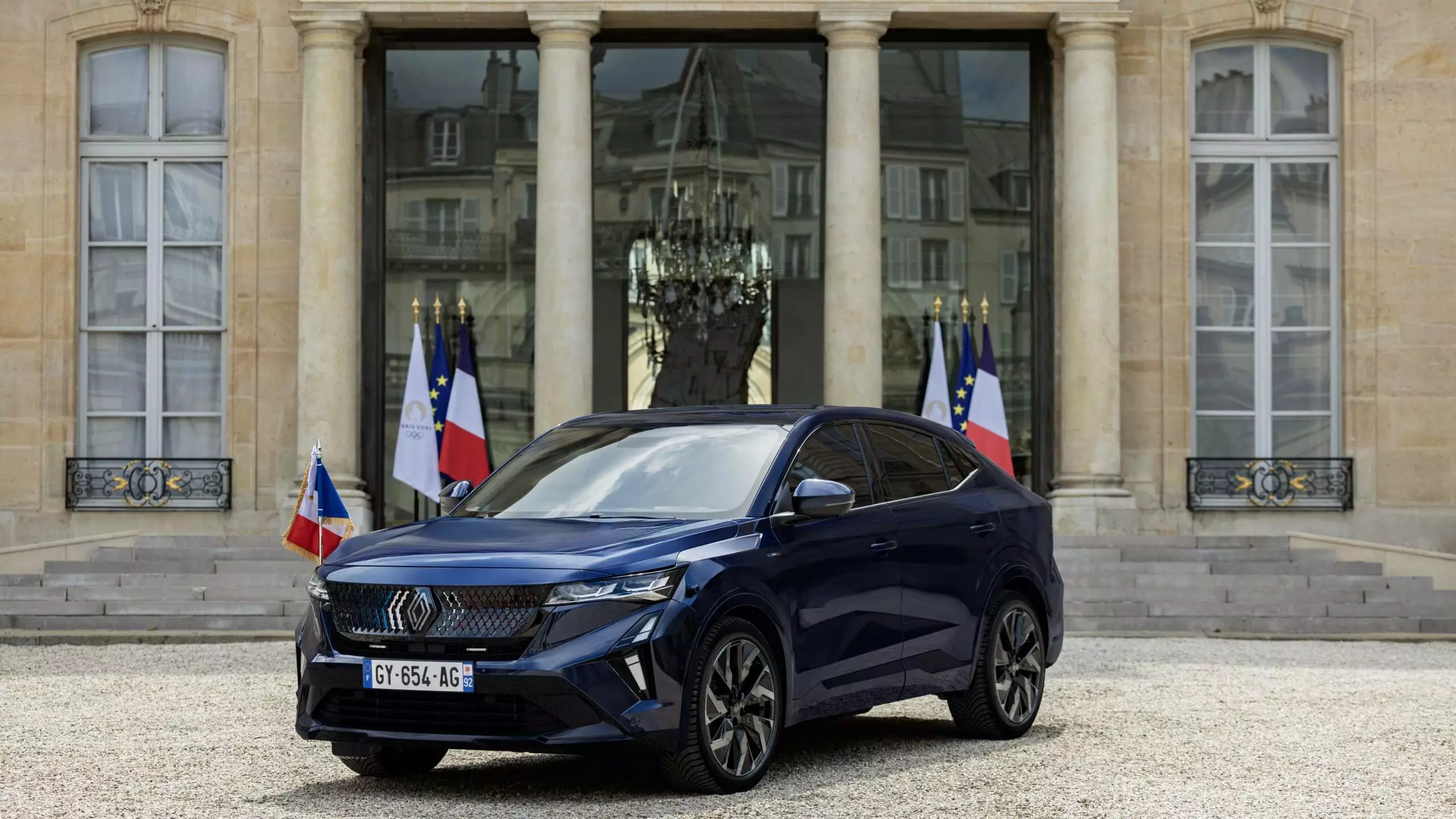
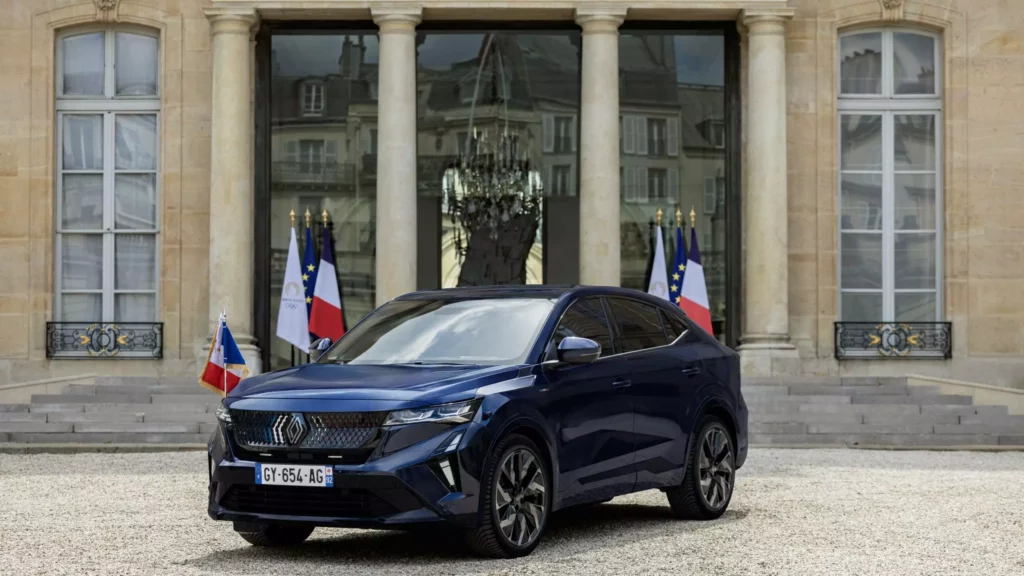
    Paris, 14 July – It’s official: today, the President of the Republic opens the 14 July parade aboard the Renault Rafale, symbolising the emblematic return of the brand to the Élysée Palace garage. This choice marks a new stage in the history of French motoring.

    Renault Rafale official presidential car for the 14 July 2024 parade
    The Renault Rafale, the French President’s official vehicle for the 14 July 2024 parade in Paris.

    A prestigious return to our roots

    For the first time since 2012, a Renault vehicle is being used as the official car of the Head of State, taking over from the DS 7 Crossback Élysée. This return reinforces Renault’s historical ties with presidents dating back to the Renault 40 CV in 1920. This presidential version has a specific dark blue body, a tricolour grille and armouring that meets the Élysée’s safety standards.

    High-performance, efficient hybrid powertrain

    Based on the CMF-CD platform, the Rafale offers two E-Tech engines. The 200hp front-wheel drive version combines a 1.2-litre turbo petrol engine with two electric motors to deliver a combined output of 200hp, 410Nm of torque, a 0-100kph time of 8.9s, fuel consumption of 4.7 to 5.0l/100km and CO₂ emissions of around 105g/km.

    The 300hp E-Tech 4×4 plug-in hybrid version combines a second electric motor on the rear axle and a 22 kWh battery, providing up to 105 km of 100% electric range, 1,000 km of total range, 0-100 km/h in 6.4 s, extremely low combined fuel consumption (~0.5-0.9 L/100 km) and emissions of 15-19 g/km CO₂.

    A technological and responsible interior

    The cabin is modern and connected, with a dual 12″ OpenR Link screen (instrumentation + infotainment), Android Automotive with Google Maps and voice assistant. The system includes driving aids such as Level 2 semi-autonomous driving, adaptive cruise control and the 4Control advanced system with controlled suspension for maximum comfort.

    Options such as the Solarbay® opaque panoramic roof, Alpine Esprit seats, 21″ wheels and Alpine luxury trim complete the premium experience.

    A strong political image

    The choice of the Renault Rafale as the presidential car is a clear affirmation of the desire to promote the French automotive industry, by combining prestige, innovation and ecological commitment. This presidential vehicle reflects a modern Republic that cares about its image, looks to the future and respects its environmental commitments.

  • Robotaxis Tesla: Austin service extended despite challenges

    Robotaxis Tesla: Austin service extended despite challenges

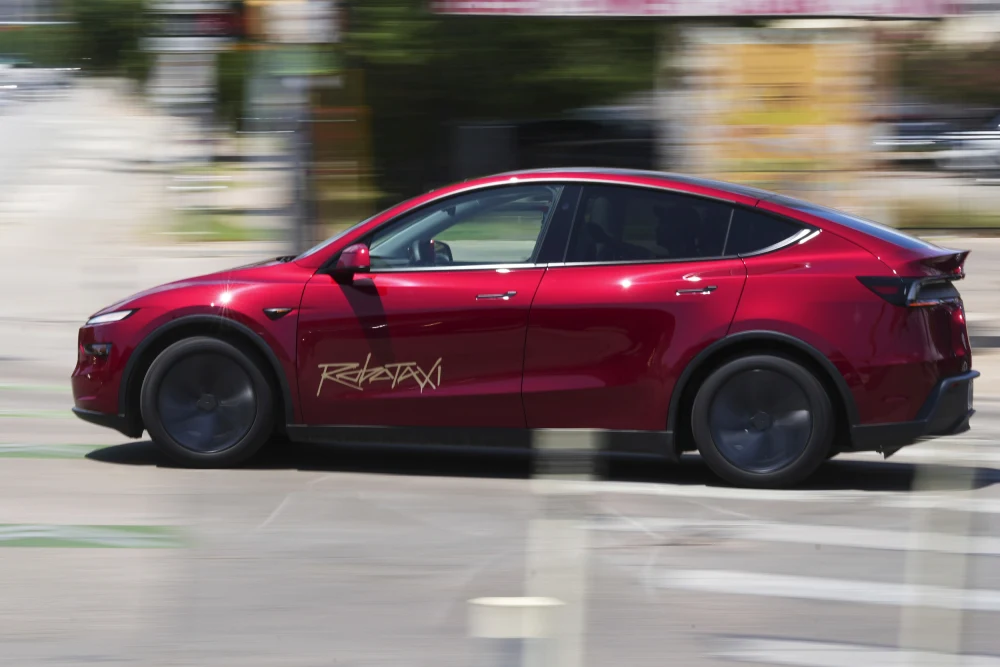
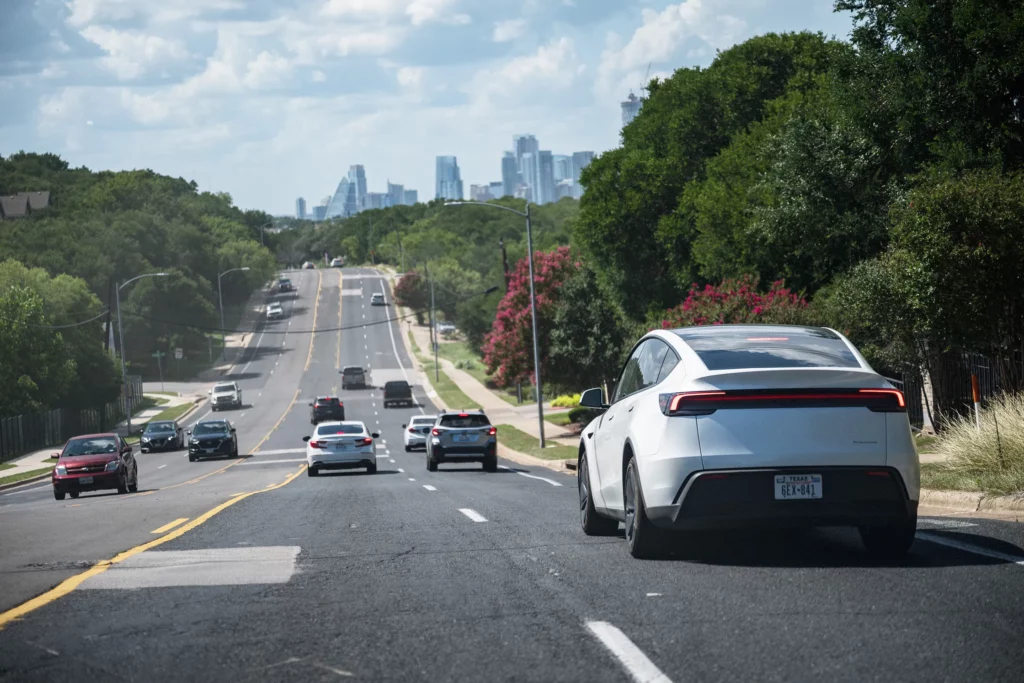
    Tesla has announced the extension of its operating area for robot taxis in Austin (Texas), continuing its offensive in the field of autonomous vehicles. This decision comes against a backdrop of falling global sales and increasing competition in the electromobility market.

    Tesla Model Y Robotaxi on the road in Austin, Texas
    Credit: Eric Gay / AP

    Extension of robotaxis confirmed in Austin

    According to the Austin American-Statesman, Elon Musk has said that Tesla will expand the geographical area served by its robot taxis in the city of Austin. The service, initially limited to a restricted area since 22 June 2025, will cover a wider area in the coming days. For the time being, the vehicles will continue to operate with a safety driver on board, in accordance with local regulations.

    A response to a difficult economic climate

    This announcement comes at a time when Tesla is facing a drop in its worldwide deliveries. The company sold 384,122 vehicles in the second quarter of 2025, down 13.5% on the same period last year.

    Despite this context, the market reacted positively to the announcement of the expansion of robot taxis. Tesla shares rose by 4.7% on the stock market after Elon Musk’s statement.

    Grok chatbot integration under scrutiny

    At the same time, Musk confirmed that Tesla plans to integrate the Grok chatbot, developed by xAI, into its vehicles in the near future. This functionality will be available with the next update of the on-board systems.

    Tesla Model Y Robotaxi on the road in Austin, Texas
    Credit: Eli Hartman/Getty Images

    However, the integration of Grok is raising questions. Users have reported inappropriate responses from the chatbot in certain situations. The company has not detailed the measures planned to govern this integration.

    Robotaxis still subject to strict regulations

    The development of robot taxis in the United States is still subject to strict regulations. Since the incidents involving Cruise (a subsidiary of General Motors) in 2023, several states, including California, have tightened the conditions for testing autonomous vehicles. Tesla, which has not yet obtained a licence to operate without a safety driver, is still being closely monitored by local regulators.

  • The Porsche Cayenne Electric hasn’t even been launched yet, and it’s already breaking records!

    The Porsche Cayenne Electric hasn’t even been launched yet, and it’s already breaking records!

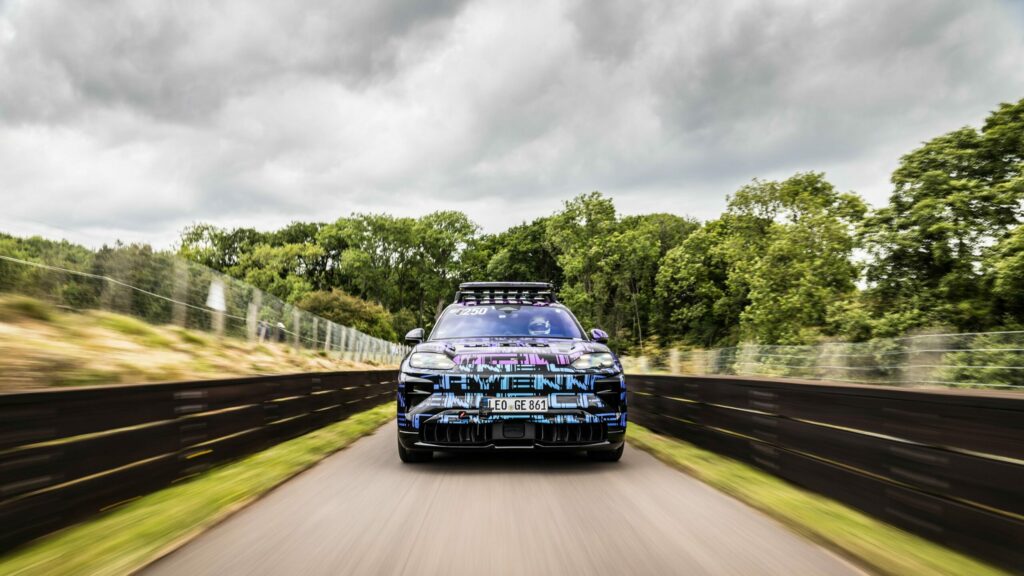
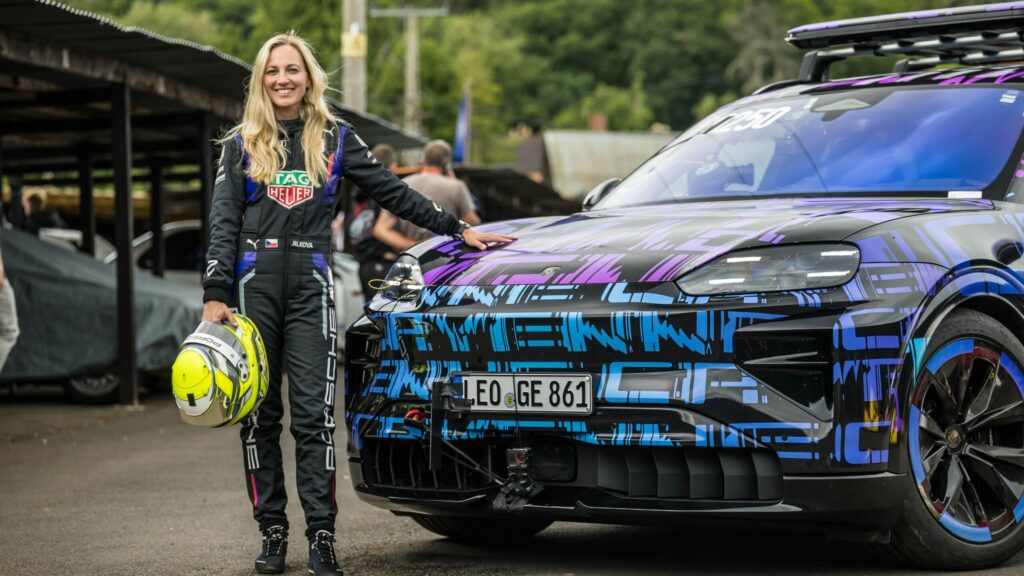
    Porsche is still working on the long-awaited Cayenne Electric, which, as its name suggests, will be the 100% electric version of the German firm’s best-seller and iconic SUV. But while it is still ‘camouflaged’ and far from being launched on our roads, it has already had the luxury of demonstrating its power in a race!

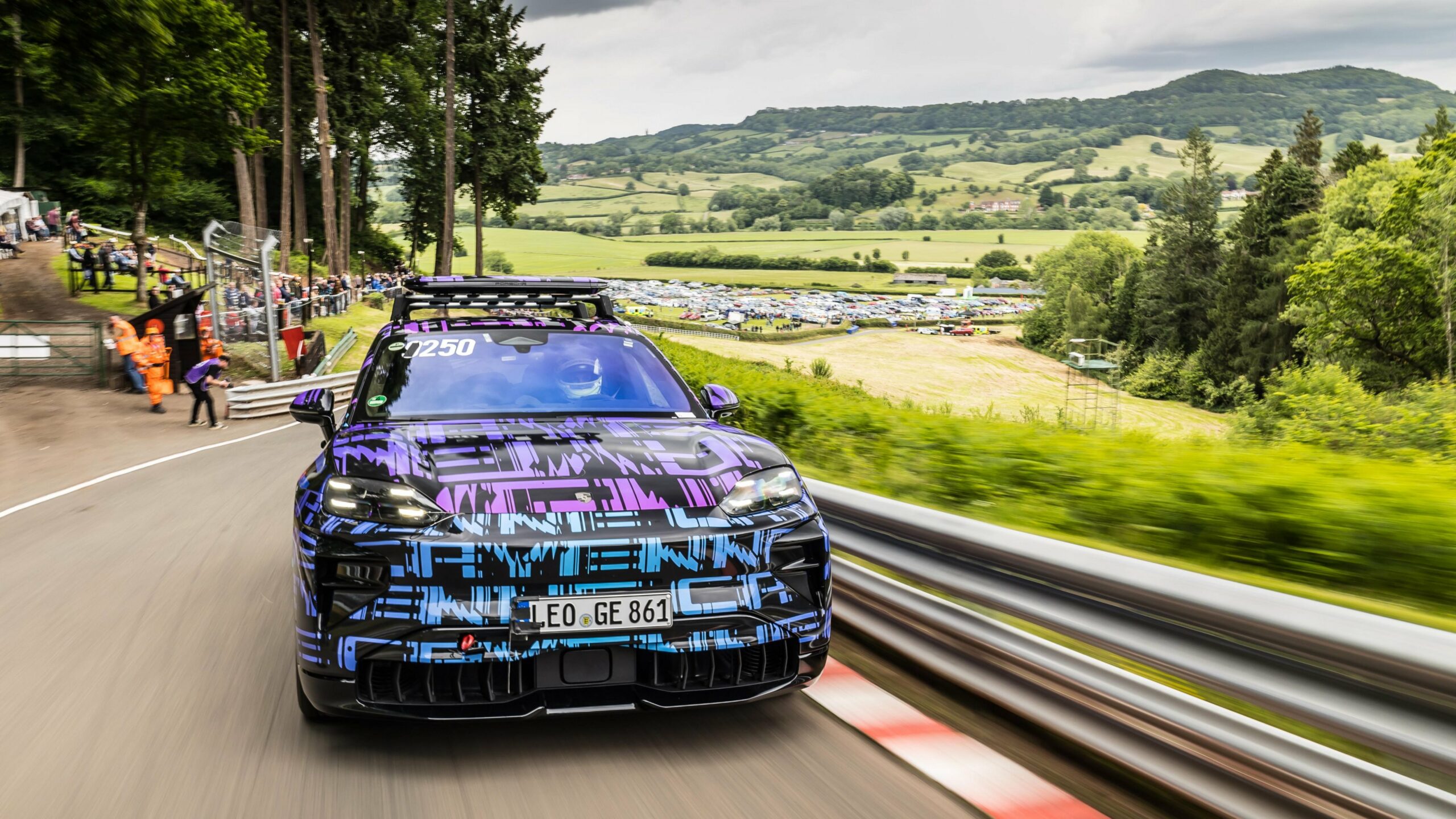
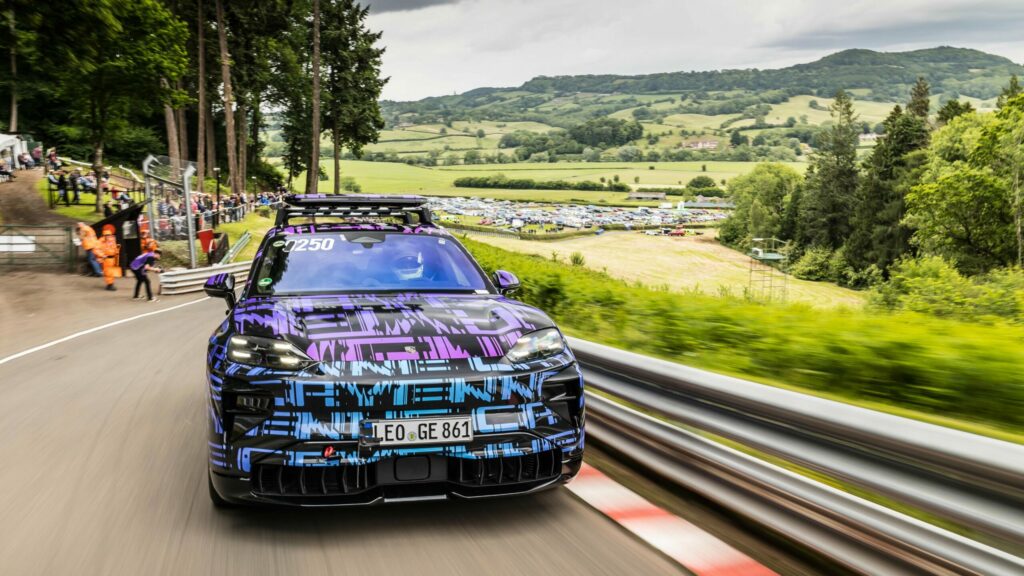
    The German manufacturer, whose move to electric vehicles has been acclaimed, particularly thanks to the highly successful Taycan, is planning to make a big splash with the 100% electric version of the SUV that saved the company’s best-seller, the aptly named Cayenne Electric. And with a highly-anticipated model comes exceptional teasing. Whatever the field, Porsche never does things by halves, and the same applies to the demonstrations of the Cayenne Electric, which made its first official laps of the track, still in its camouflage livery, at Shelsley Walsh. In the heart of Worcestershire, this is a hill climb of just under a kilometre, with gradients of up to 16.7%.

    cayenne record race Shelsley Walsh

    Rough and technical, it’s an unforgiving course. Not that it scared Gabriela Jílková, development driver for the TAG Heuer Porsche Formula E Team, who set a time of 31.28 seconds on her first attempt, four seconds slower than the previous SUV category record. Terrifying. Even better, it reached the first checkpoint 18.3 metres away in 1.94 seconds, a time equivalent to that of some single-seaters. All this on summer tyres. To give you an idea, that’s like beating Usain Bolt over 100 metres wearing Converse.

    A new chassis for the Porsche Cayenne Electric

    According to Porsche, the number one asset of the Cayenne Electric is the Porsche Active Ride chassis adjustment system, a combination of an active suspension system and a completely redesigned chassis. It enables the car’s height and stability to be adjusted in real time. This can come in very handy during heavy braking, hard acceleration and sharp bends. All of which are particularly common at… Shelsley Walsh!

    Driver Gabriela Jílková is the one who said it best: ” The demanding course doesn’t allow for any mistakes. There’s no room for manoeuvre, so there’s very little room to manoeuvre. But the active chassis tuning gives the new Cayenne remarkable stability and unrivalled precision. It’s a car that allows you to pull out all the stops. A system that will not only be used on this camouflaged prototype, but will also be found on the production model.

    Gabriela Jílková Porsche driver

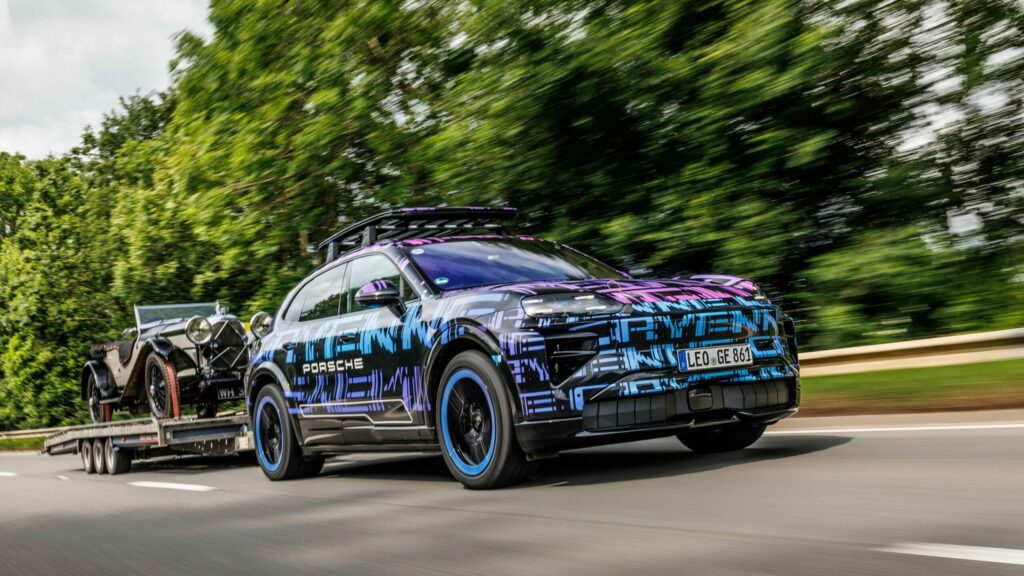
    But the Cayenne is an SUV and, as such, it has to be utilitarian (the ‘U’ in SUV). Richard Hammond, well known to fans of Top Gear, had the chance to drive the Porsche Cayenne Electric for a preview shoot. The subject? The transport of a classic vehicle weighing over two tonnes by… the Cayenne itself! This was an opportunity for Porsche to point out that its electric Cayenne will be capable of towing up to 3.5 tonnes!

    Electric performances and gala outfits

    While the Cayenne will continue to be offered in hybrid and combustion versions – at least until 2035 and the ban on the sale of new combustion-powered vehicles in the European Union? – Porsche claims that the electric version will achieve a level of performance never before seen in the range. And the man in charge of the Cayenne range himself, Michael Schätzle, tells us: ” We can only achieve the level of performance publicly demonstrated for the first time in the UK by fully exploiting the potential of electrification. The Cayenne Electric will set new standards in its segment, without compromising on comfort or practicality.

    And this is just the beginning. After making its mark at Shelsley Walsh, the Cayenne Electric is set to make another public appearance at the famous Goodwood Festival of Speed, from 10 to 13 July. The event promises to be a new media springboard for Porsche’s future flagship SUV, ahead of its official presentation expected in 2026.

    porsche cayenne electric suv

    Little or nothing is known about the Cayenne Electric, but with more than a year to go before its official launch, it is already making its mark. Highly anticipated, it promises to be one of the most complete electric SUVs on the market, honouring both the ‘S’ and the ‘U’ of Sports Utility Vehicle (SUV). It now remains to be seen whether it will live up to this promise, but its performance at Shelsley Walsh is already providing an indication… A fine piece of revenge, just a few weeks after Xiaomi broke its record at the Nürburgring.

    porsche cayenne electric
  • Xiaomi YU7: An electric SUV more ambitious than Tesla?

    Xiaomi YU7: An electric SUV more ambitious than Tesla?

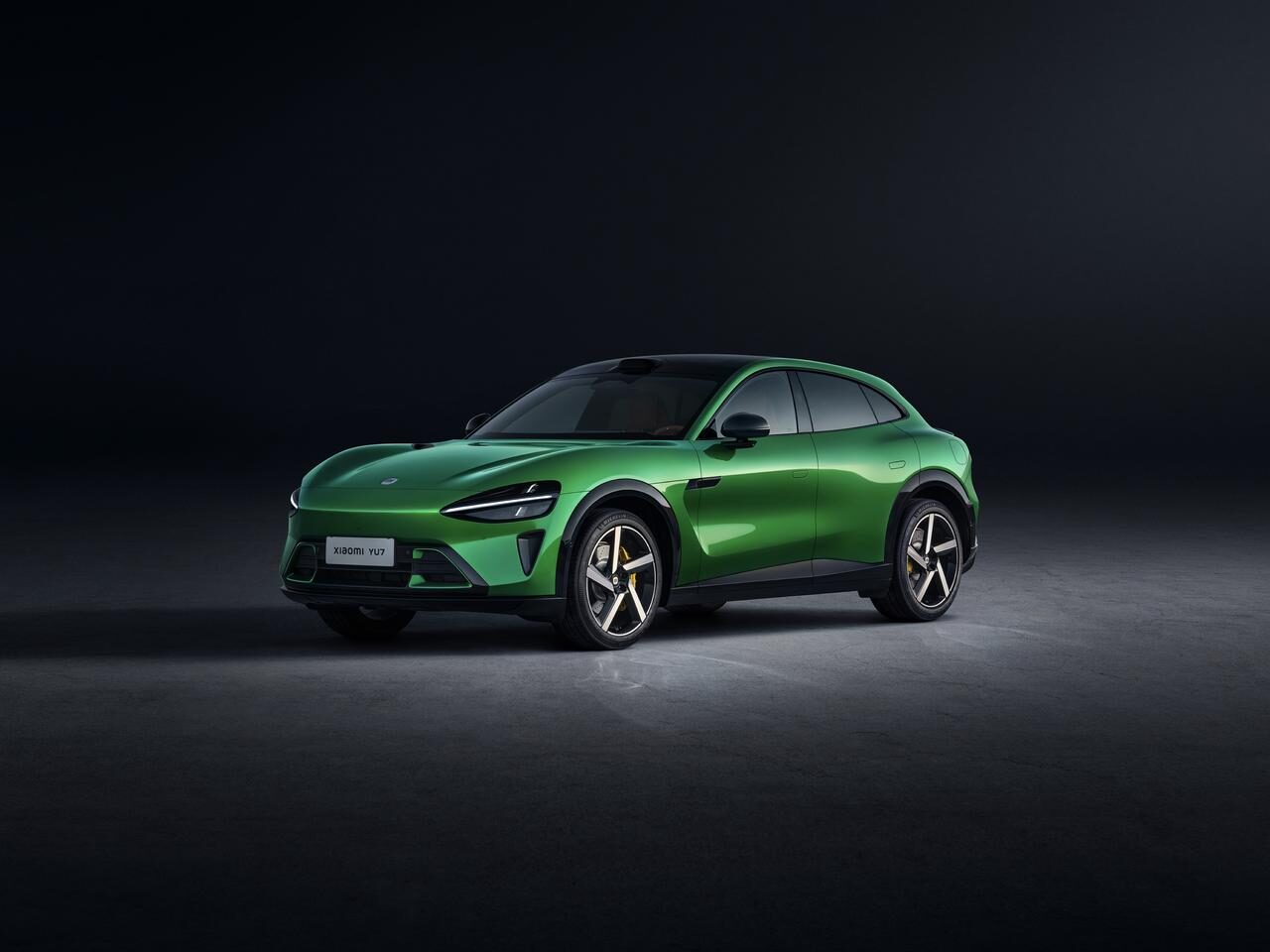
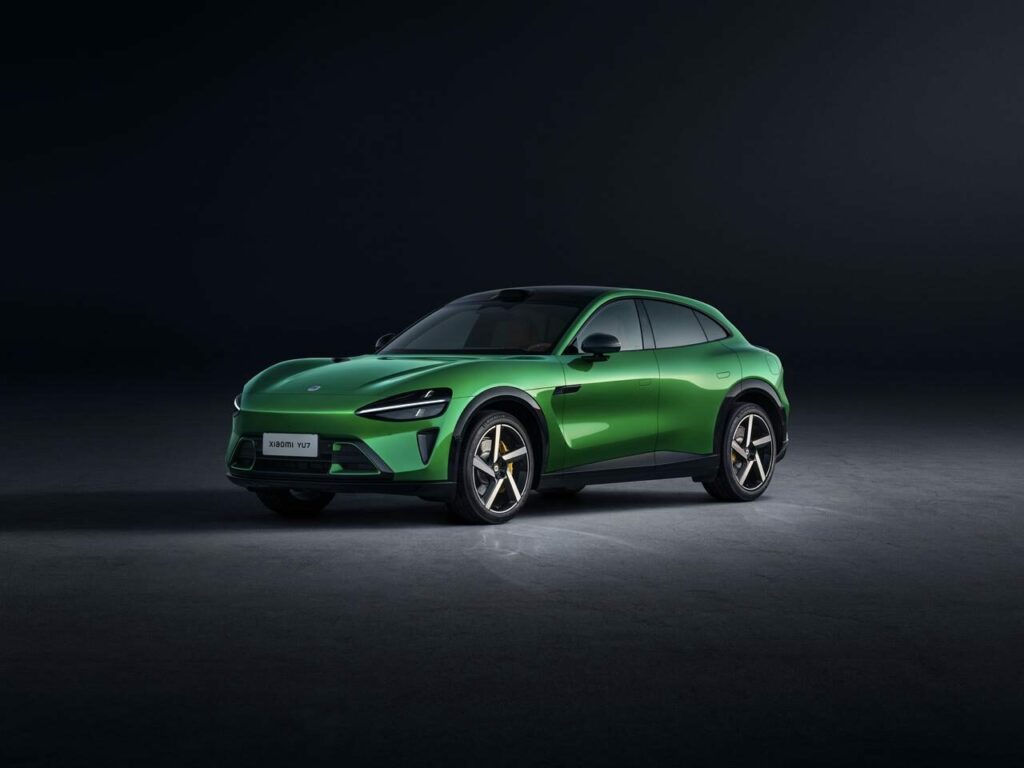
    Just a few months after setting a lap record on the Nürburgring circuit with the SU7 Ultra (in its class), Xiaomi is striking again in the electric car industry. On 2 July 2025, the Chinese brand is launching the Xiaomi YU7: a sporty electric SUV with the look of an Italian supercar, designed to dethrone the various Tesla and BYD models already well established on the market.

    Photo of the Xiaomi YU7, Xiaomi's sporty electric SUV in 2025
    Credit: XIAOMI

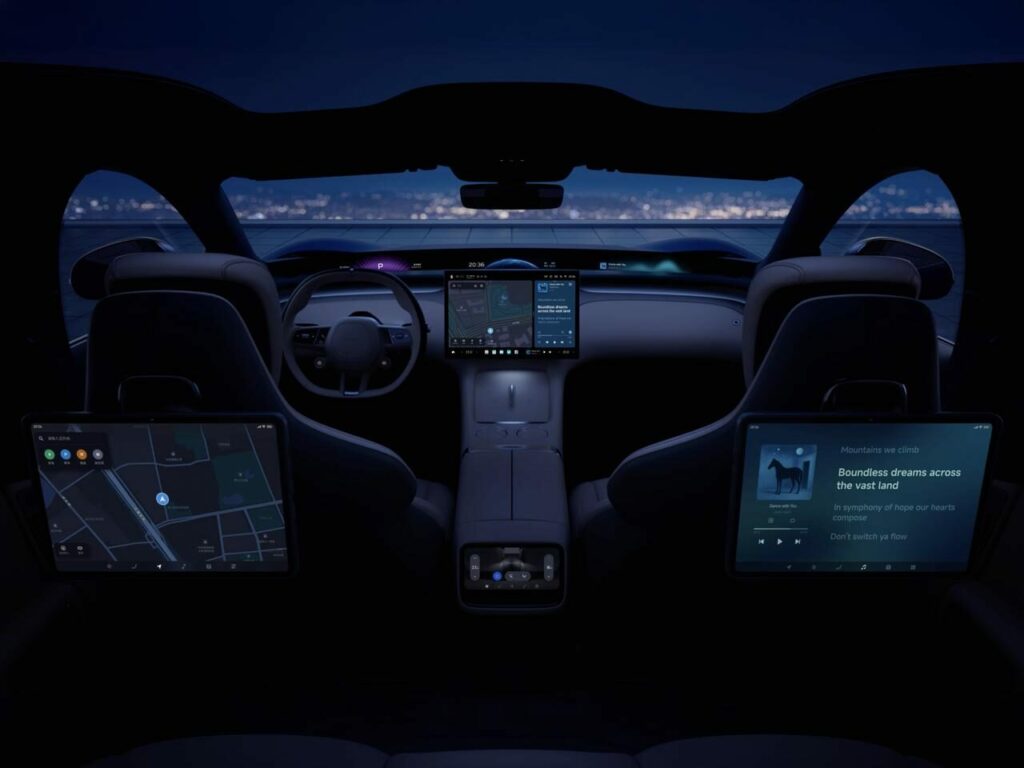
    The Xiaomi YU7 is an electric SUV with supercar-like performance… available in three versions: Standard, Pro and Max. The top of the range, Max, is powered by two 690hp engines, accelerates from 0 to 100km/h in 3.23 seconds and reaches a top speed of 253km/h. That’s impressive performance compared with the competition.

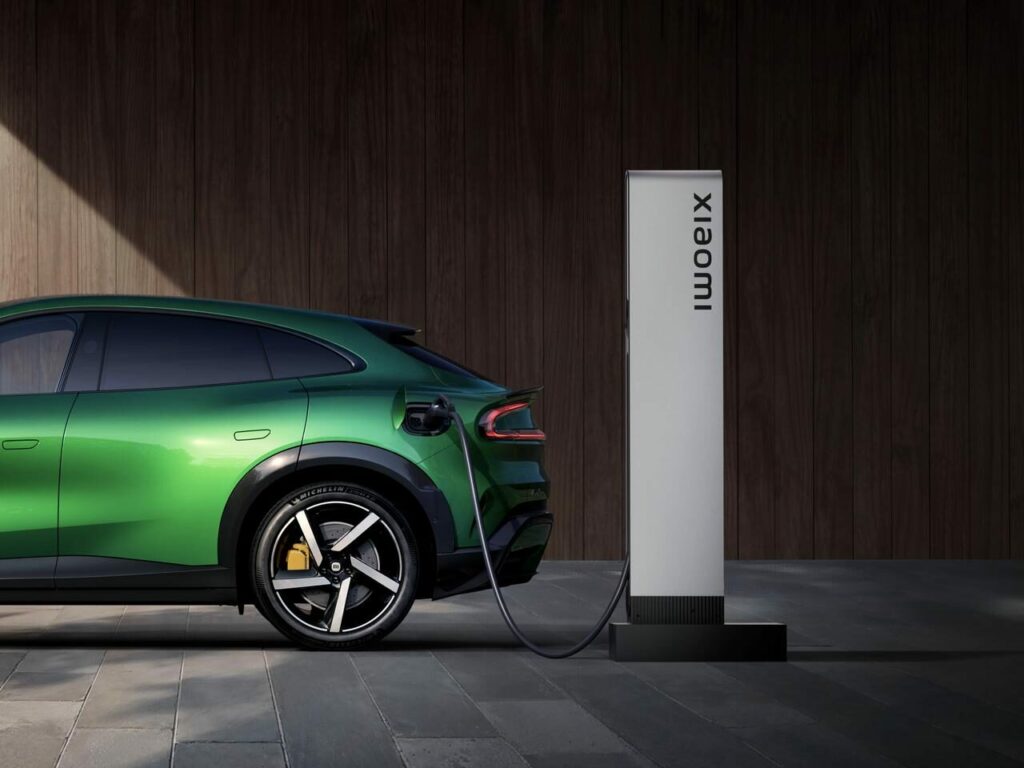
    When it comes to recharging, this Xiaomi SUV goes from 10% to 80% in just 12 minutes. As for maximum range, Xiaomi claims 760 km CLTC (remember that CLTC range is often optimistic: actual range is usually less).

    Technology and chassis

    The YU7 combines double wishbone suspension at the front, multi-link at the rear, and a continuous adaptive damping system (the dampers adapt to their environment in real time). On paper, all these high-tech elements ensure both comfort and sporty handling.

    The brakes, supplied by Brembo (with four pistons), allow braking from 100 to 0 km/h in just 33.9 metres, making the YU7 Max one of the most dynamic electric SUVs on the market.

    An aesthetic from elsewhere…

    In terms of design, the YU7 has curved front and rear wings, emphasising its muscular stance. The wheel arches are painted black, accentuating its high-slung silhouette and reinforcing the image of a premium SUV. The fluid lines of the bodywork evoke the elegance of Italian coupés, such as the Alfa Romeo Stelvio.

    Technological interior of the Xiaomi YU7 Max SUV
    Credit: XIAOMI

    But what struck the editors most were the numerous similarities with the Ferrari Purosangue, released in 2023. The front end has a very similar look, an almost identical light signature, and curves and flanks that border on copying. This resemblance is no accident: it bears witness to the enduring influence of the great European sports cars, which are now being imprinted on the visual identity that Xiaomi wants to adopt.

    Commercial ambitions?

    Xiaomi is aiming to replicate the success of its SU7 saloon, which has sold more than 258,000 units since March 2024. The Chinese manufacturer has announced an annual production capacity of 300,000 units at its Beijing plant. Xiaomi’s industrial ramp-up is designed both to meet growing demand and to tackle head-on the mid-range and premium segments, where Tesla’s Model Y and BYD’s various SUVs operate.

    The YU7 Max’s price positioning is also advantageous… Priced from €39,300, even in its most advanced version, Xiaomi’s SUV is less expensive than the entry-level model of its direct rival, the Tesla Model Y, priced at €44,990 excluding options. Xiaomi is targeting customers looking for a sporty, high-tech family SUV, without sacrificing a competitive price.

    Record orders and exceptional waiting times

    The Xiaomi YU7 confirmed its sales offensive as soon as bookings opened: 200,000 pre-orders in three minutes, 289,000 in an hour, then 240,000 confirmed orders in just 18 hours, well before reaching annual production capacity…

    Rear view of the Xiaomi YU7 with its supercar-inspired lines
    Credit: XIAOMI

    The rush for this family SUV led to unprecedented delivery times in the car industry: between 56 and 59 weeks for the Standard model and 37 to 40 weeks for the Max. These exorbitant delivery times have provoked a wave of complaints from customers who were not warned of the delay before paying the non-refundable deposit! (According to Reuters.)

    The results of the launch of the YU7 are clear: record orders and problems delivering to all its buyers… A pretty big constraint for a brand that, until 2021, was selling only phones and televisions…