Category: News

  • Jaguar Land Rover postpones launch of electric Range Rover

    Jaguar Land Rover postpones launch of electric Range Rover

    Jaguar Land Rover (JLR) has officially announced the postponement of the launch of its top-of-the-range SUV. According to The Guardian, the electric Range Rover, originally planned for late 2025, will not be launched until 2026. The postponement of the Range Rover Electric reflects a strategy of prudence in the face of demand and market conditions.

    Range Rover electric profile 2026, model delayed by Jaguar Land Rover
    The electric Range Rover shown in profile, whose launch has been postponed to 2026 by Jaguar Land Rover (Credit: Range Rover).

    A cautious strategy

    The manufacturer recently informed its customers that the model would be launched at a later date. This postponement will allow the test phases to be extended and give demand time to recover. JLR is adopting a gradual approach, unlike other brands that are speeding up their electric transition.

    According to sources close to the matter, quoted by The Guardian, other Jaguar electric models will experience similar delays. Jaguar’s first 100% electric vehicle, the Type 00, is due to go into production in August 2026. A second model is expected in December 2027.

    Difficult trading environment

    JLR’s decision comes at a time of economic and political uncertainty. The high tariffs imposed by the United States in recent months have had a major impact on the Group. As a result, JLR recorded a 15.1% fall in sales in the second quarter, due to the temporary suspension of exports to the US market.

    This delay also allows JLR to continue selling its hybrid and combustion models, which remain more profitable. At the same time, the brand’s transition coincides with the start-up of the future battery gigafactory being built by Tata in Somerset, scheduled to come on stream at the end of 2027.

    A target maintained for 2030

    Despite these adjustments, JLR is reaffirming its ambition. The manufacturer wants to offer electric versions of all its brands by 2030. It says it wants to remain flexible and launch its models “at the right time”, according to market expectations.

  • Delhi extends its electric vehicle policy until March 2026

    Delhi extends its electric vehicle policy until March 2026

    The Delhi government has officially extended its policy on electric vehicles until 31 March 2026. The aim is to finalise a new, more ambitious version following public consultation.

    Electric vehicle charging station in New Delhi, EV infrastructure in the city centre
    Electric vehicle charging points in New Delhi, illustrating the expansion of EV infrastructure in the Indian capital. (Credit: Bhaven Jani)

    An extension approved by the Delhi government

    At a meeting chaired by Chief Minister Rekha Gupta, the Delhi government approved the extension of its EV policy. It will remain in force until 31 March 2026, or until a new policy is adopted, whichever comes first.

    Extended public consultations prior to version 2.0

    Transport Minister Pankaj Kumar Singh has said that this period will allow for extensive public consultations. Citizens, industry players, environmental experts, companies and institutions will be invited to contribute to the development of the future EV policy.

    Recharging, subsidies, batteries: the main themes

    Delhi’s future electric vehicle policy will focus on several key points:

    • Development of EV recharging infrastructure,
    • Revision of subsidies for two-wheelers, rickshaws and utility vehicles,
    • Introduction of standards for the management of batteries and electronic waste.

    Thermal two-wheelers soon to be banned

    The draft policy includes two key measures:

    • Ban on two-wheel petrol, diesel and CNG vehicles from 15 August 2026
    • Electric autorickshaws to be available everywhere from August 2025

    An ambitious but progressive vision

    This extension marks Delhi’s determination to prepare a structured electric transition, involving all the stakeholders. The aim: a realistic EV policy that can be implemented over the long term, and that will benefit both the environment and the local economy.

  • Germany opposes the ban on combustion-powered rental cars from 2030

    Germany opposes the ban on combustion-powered rental cars from 2030

    The European Commission wants to ban the purchase of combustion-powered cars by rental companies from 2030. Germany, supported by the industry, considers this measure premature and inappropriate.

    German and European flags in Berlin, symbols of the discussions on banning internal combustion cars.
    Flags of Germany and the European Union flying in front of the Reichstag building in Berlin (Credit: Roman Babakin)

    A European measure to speed up the electricity transition

    The European Union plans to force rental and leasing companies and large fleets to buy only 100% electric vehicles from 2030. This initiative is in line with the ban on the sale of new combustion-powered cars planned for 2035. The aim is to force a more rapid electrification of the company car fleet, which currently accounts for almost 60% of new car registrations in Europe, according to the Bild newspaper.

    Germany rejects decision as unrealistic

    German Chancellor Friedrich Merz reacted strongly to the proposal. He believes it ” completely misses the common needs of Europe ” and warns of the consequences for the automotive industry. For Berlin, relying exclusively on electric vehicles at such an early date is risky, especially given the inequalities in access to charging points and the lack of technological maturity in some regions.

    Rental professionals sound the alarm

    Concern is growing among the companies affected. Nico Gabriel, a member of Sixt’s board of directors, warns that this measure could curb the use of hire cars, particularly by holidaymakers. He cites the higher cost of electric car hire and the difficulties of recharging outside major cities as major obstacles. Some major groups, such as BMW and Mercedes, even believe that the EU may have to review the 2035 deadline.

    A debate still open in Brussels

    The Commission’s proposal has not yet been officially tabled, but a text could be presented to the European Parliament by the end of the summer. In the meantime, the debate is likely to intensify between Member States. Germany, in the front line, is calling for greater technological flexibility and a more realistic timetable to avoid upsetting a market that is already under strain.


  • Hanoi to ban petrol-powered motorbikes from its city centre from July 2026

    Hanoi to ban petrol-powered motorbikes from its city centre from July 2026

    Hanoi, the capital of Vietnam, has received official orders to ban petrol-powered motorbikes and scooters from the city centre from July 2026. This measure, decided by Prime Minister Pham Minh Chinh in a directive published on 12 July 2025, is part of a national strategy to reduce urban pollution.

    Scooters on a Vietnamese street, a symbol of urban traffic in 2025
    Vietnam has more than 70 million motorised two-wheelers in circulation(Credit: Nguyễn Tiến Thịnh)

    The ban will apply to the area within the perimeter of Ring Road 1, which runs through the heart of the city and includes the Old Quarter. It marks the first stage in a progressive plan to make the Vietnamese capital a low-emission city.

    Towards an extension to all internal combustion vehicles by 2030

    By 2028, restrictions will be extended to petrol cars in the areas defined by Ring Roads 1 and 2. Then, by 2030, all fossil-fuelled personal vehicles will be banned within Ring Road 3.

    The government is requiring the city to finalise a Low Emission Zone (LEZ) plan by the end of 2025, including the modernisation of public transport, the extension of charging stations, and the gradual banning of polluting fuels. By 2030, the public transport network will have to link the main traffic arteries, densely populated areas and transit centres using electric buses and metro lines.

    A transition supported by incentives and a strengthened framework

    The city plans to introduce tax incentives for companies that produce or assemble electric vehicles. Thermal vehicles remaining in the zones concerned will be subject to higher registration and parking fees.

    Man on a motorbike in a narrow street in Ho Chi Minh City in 2025
    Internal combustion motorbikes are still omnipresent in the streets of Ho Chi Minh City on the eve of the changeover. (Credit: Khanh Nguyen)

    Other measures include a ban on single-use plastics in city-centre establishments from the end of 2025, and tougher environmental laws. Industrial facilities will have to be equipped with real-time monitoring sensors, and offenders will risk service cuts or financial penalties.

    The transition plan also includes the development of a national air quality database, tighter controls and the use of intelligent technologies to monitor emissions. Local authorities will be held accountable for their implementation, and cases of corruption or obstruction of environmental standards will be investigated by the Ministry of Public Security.

  • The Kia PV5, the electric van that changes the rules

    The Kia PV5, the electric van that changes the rules

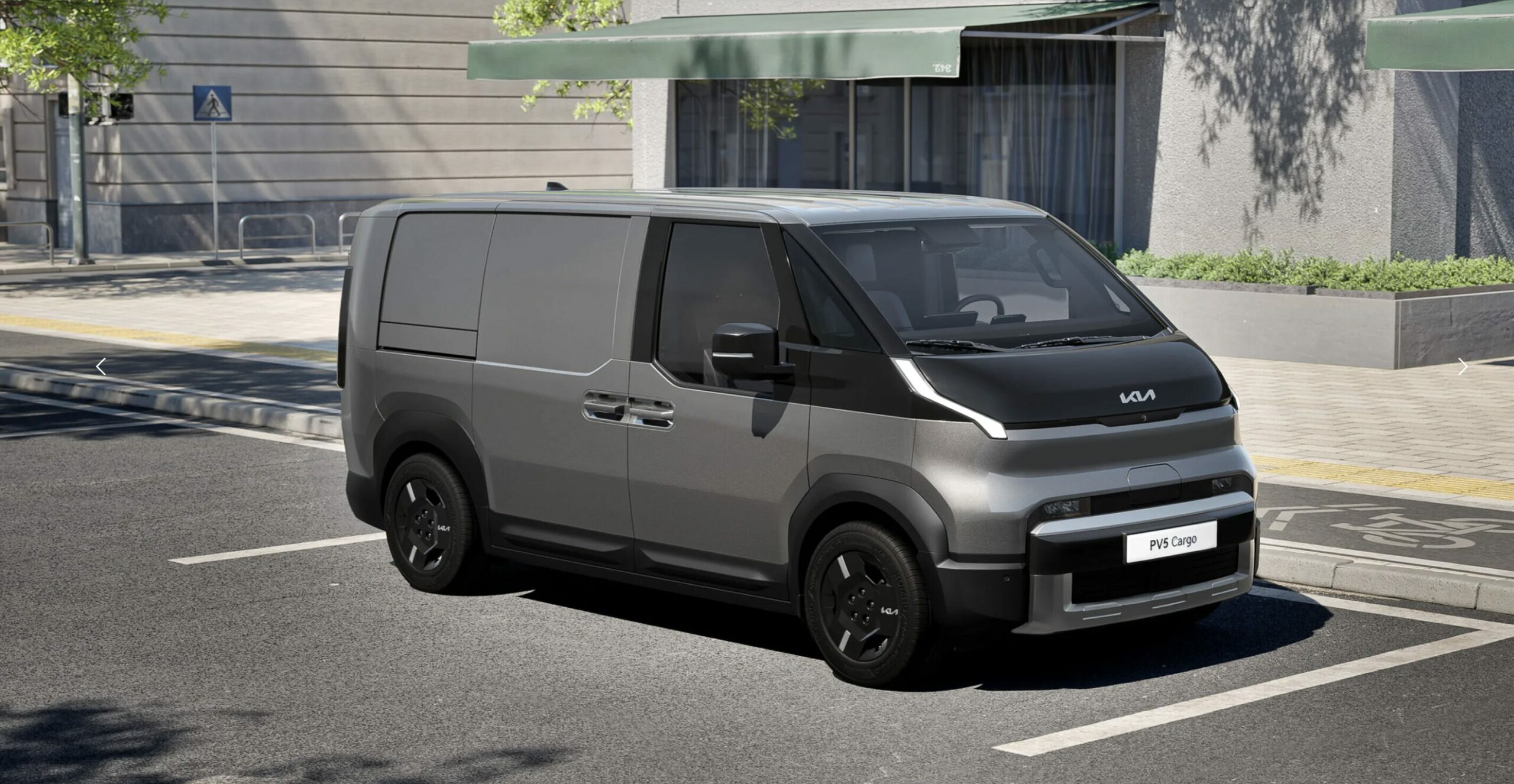
    Revealed at Kia EV Day in February 2025, the PV5 is not just another electric vehicle. With deliveries due to start at the end of 2025, it embodies Kia’s vision for the future of business mobility: more modular, more flexible and cleaner. Designed for corporate fleets, whether as a company vehicle or a simple van for logistics, but also for service operators and local authorities, the PV5 symbolises a major change in the way the general public thinks about commercial vehicles.

    View of the Kia PV5, a modular electric utility vehicle for professionals
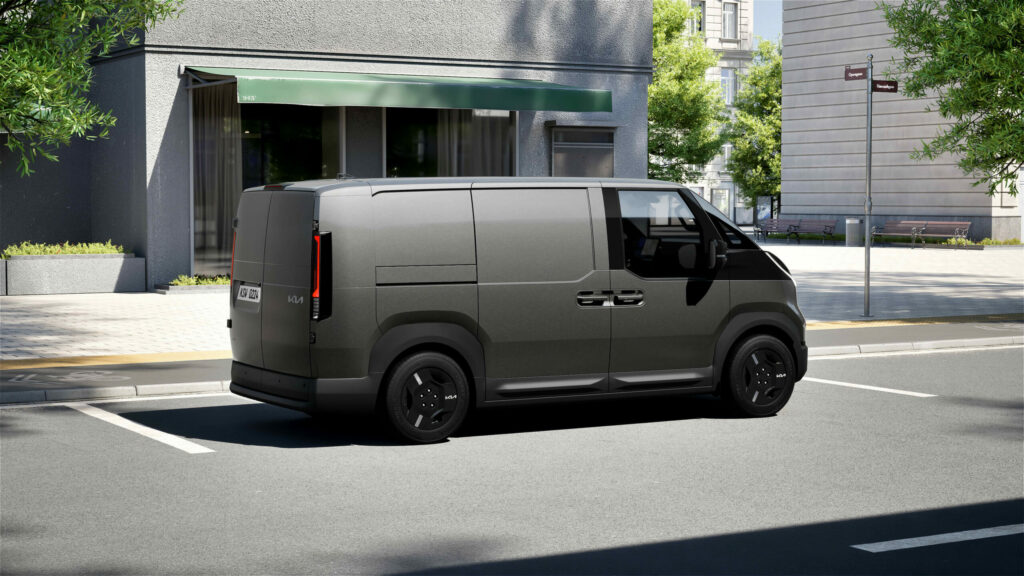
    The logistics version of the Kia PV5, designed for urban fleets (Credit: Kia)

    The PV5 is based on an e-GMP-S platform. Derived from the architecture used on the Ioniq 5 and EV6, this new platform has been optimised to accommodate a wide variety of body styles. The concept is simple: a single technical base, a fixed cabin and an interchangeable rear end. Depending on requirements, the vehicle can be transformed into a delivery van, a minibus, a refrigerated version, or even a van for people with reduced mobility. This unprecedented versatility allows companies to rethink the use of their vehicles, adapting them to each mission rather than buying multiple models. The PV5 then becomes much more than an electric van: it becomes a mobile solution with variable configuration.

    A symbol of intelligent electric mobility

    This choice of modularity is not just anecdotal… It responds to a growing demand for fleet rationalisation, in a context where costs need to be marginalised and the carbon footprint reduced. In the city, where low-emission zones are on the increase, the benefits of a 100% electric van are clear. By reducing dependence on several models, simplifying maintenance and optimising use, the PV5 enables fleet managers to make real savings, while respecting the environmental commitments of their companies or countries. With a claimed range of around 400 km, and a fast recharge rate designed to go from 10% to 80% in less than 30 minutes at a 150 kW charging point, the PV5 is an ideal vehicle for urban and suburban use.

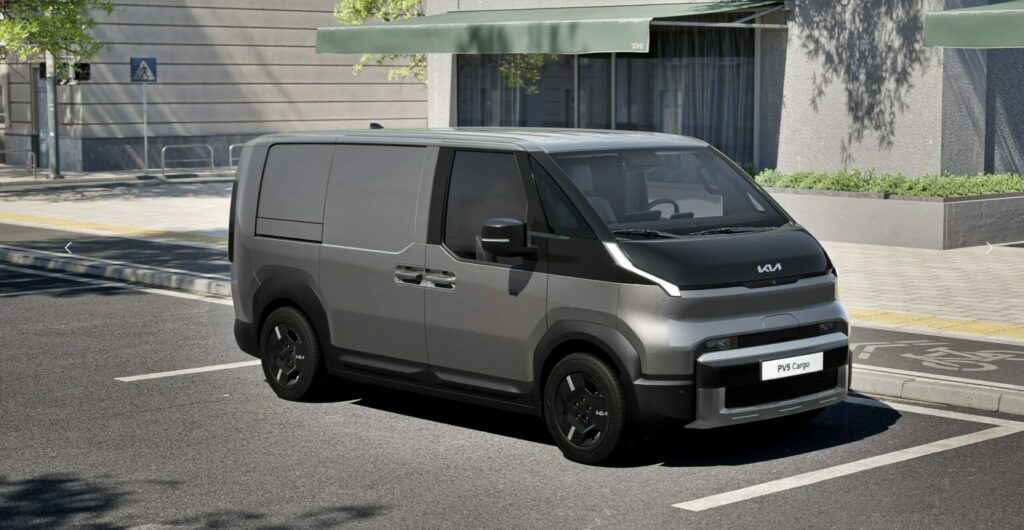
    The Kia PV5 modular electric utility vehicle presented at Kia EV Day 2025
    The Kia PV5, a utility vehicle designed for the future of professional fleets. (Credit: Kia)

    Beyond the figures, it is its philosophy that marks a turning point. The PV5 does not seek to reproduce what already exists and transform it into an electric version: it seeks to anticipate changes in the sector. It embodies an electric mobility that is no longer just an alternative, but an opportunity to do things better, to do things more practically.

  • China launches an ambitious plan to electrify its roads: 100,000 ultra-fast charging points by 2027

    China launches an ambitious plan to electrify its roads: 100,000 ultra-fast charging points by 2027

    China has announced an ambitious national plan to deploy 100,000 ultra-fast charging stations by the end of 2027, to support the rapid growth of electromobility in the country. The programme, steered by the National Development and Reform Commission (NDRC), is the most ambitious reform of charging infrastructure ever undertaken by Beijing.

    Ultra-fast charging station installed in China with solar panels and battery storage - NDRC 2025-2027 plan
    A Chinese high-power solar-powered charging point, installed as part of the 2025-2027 plan. (Credit: Sanya)

    Open, fast, universal stations

    Unlike fragmented or proprietary networks, these new stations will be compatible with all electric vehicles. The plan is to allow charging from 10% to 80% in less than 30 minutes for 800 V models.

    Each terminal will be linked to local solar generation and stationary storage batteries. The aim is to relieve the strain on the national grid. Dynamic pricing will be introduced to encourage users to recharge at off-peak times.

    An urgent need in the face of a gigantic electricity fleet

    At the end of 2024, China had more than 31 million electric vehicles, but only 3.3 million public charging points, according to official figures. This imbalance is prompting Beijing to act quickly to avoid saturating the network.

    The government is introducing a system of long-term leases (10 years) for operators and raising local bonds to finance the network. A concrete example can already be seen in Guiyang, where a station combines ultra-fast recharging, solar power and V2G (vehicle-to-grid) technology.

    With this plan, China is not just catching up: it is laying the foundations for a global standard in intelligent, decentralised and sustainable recharging.

  • Volkswagen ID.3: 160,000 km and still not used up? ADAC Institute study

    Volkswagen ID.3: 160,000 km and still not used up? ADAC Institute study

    As the world of electric cars is often criticised for its reliability or its durability, the ADAC research institute has taken the initiative of carrying out various evaluations to assess the average durability of a classic electric city car. Few models have had the opportunity to prove their endurance over the very long term. So the Volkswagen ID.3 Pro S was subjected to a 160,000 kilometre reliability test. The result? A generally glowing verdict… but the ID.3 does have its limits…

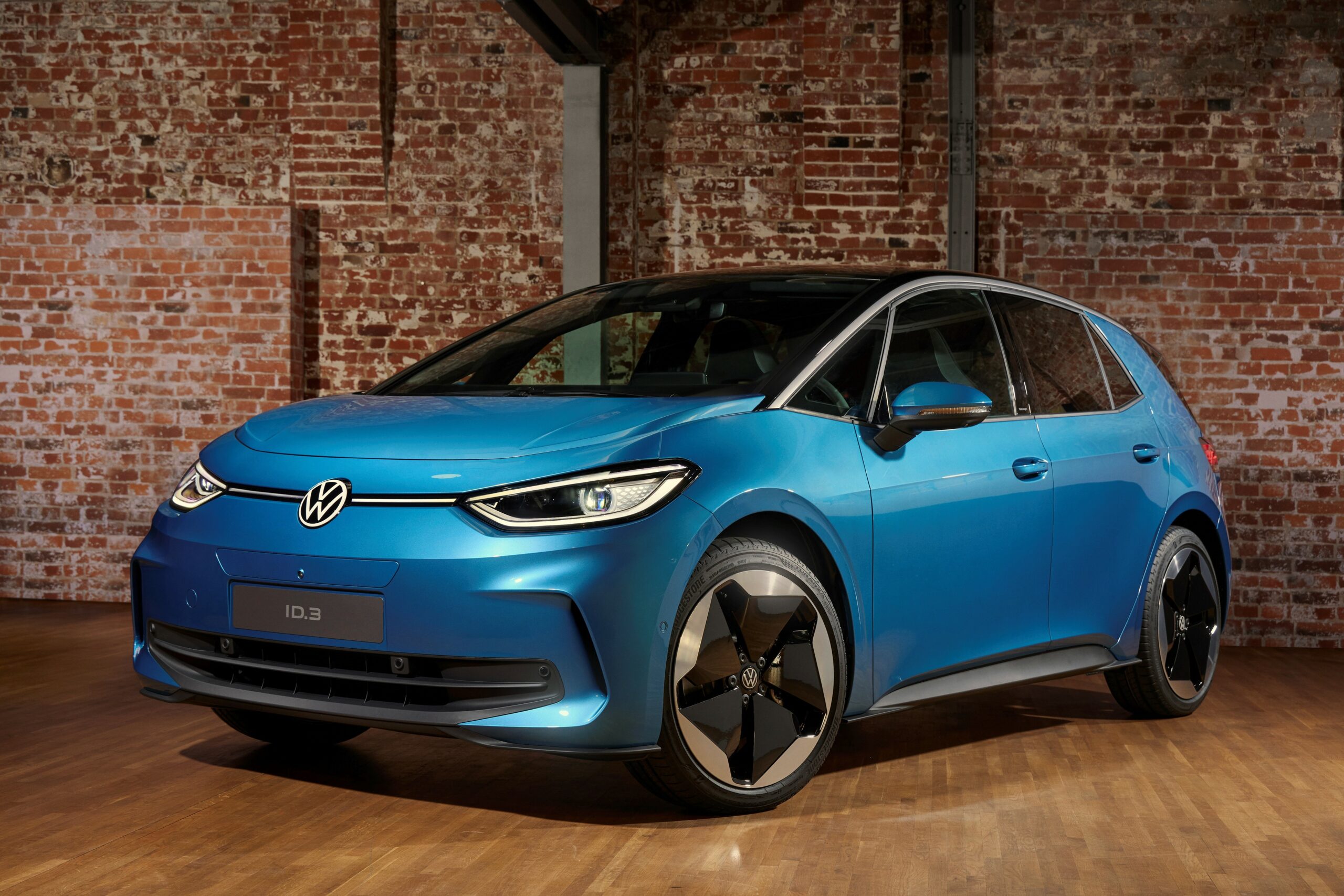
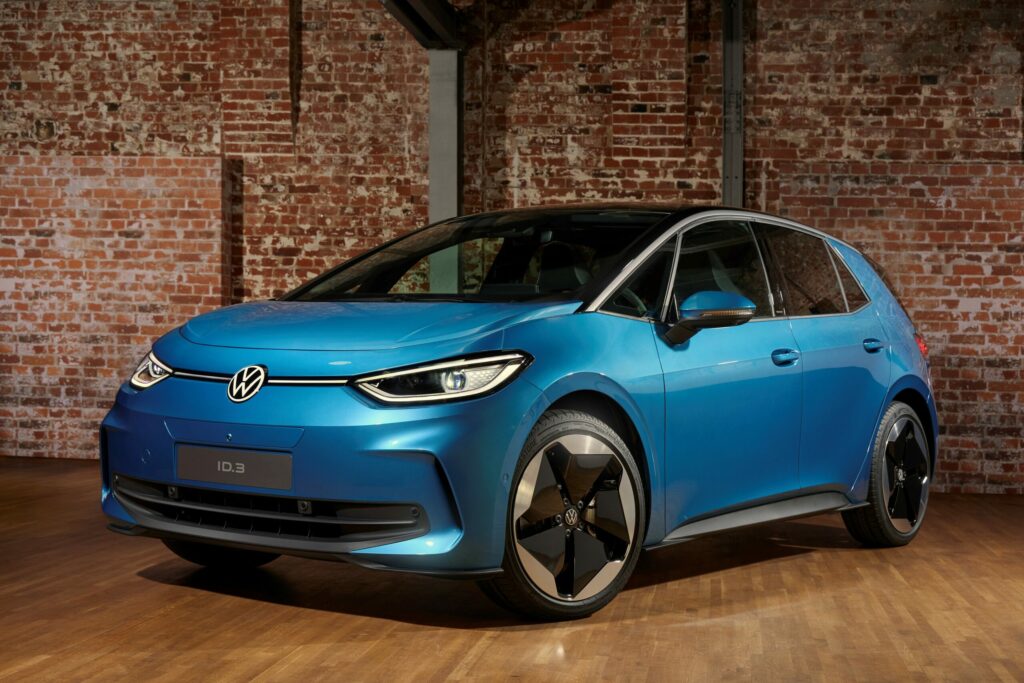
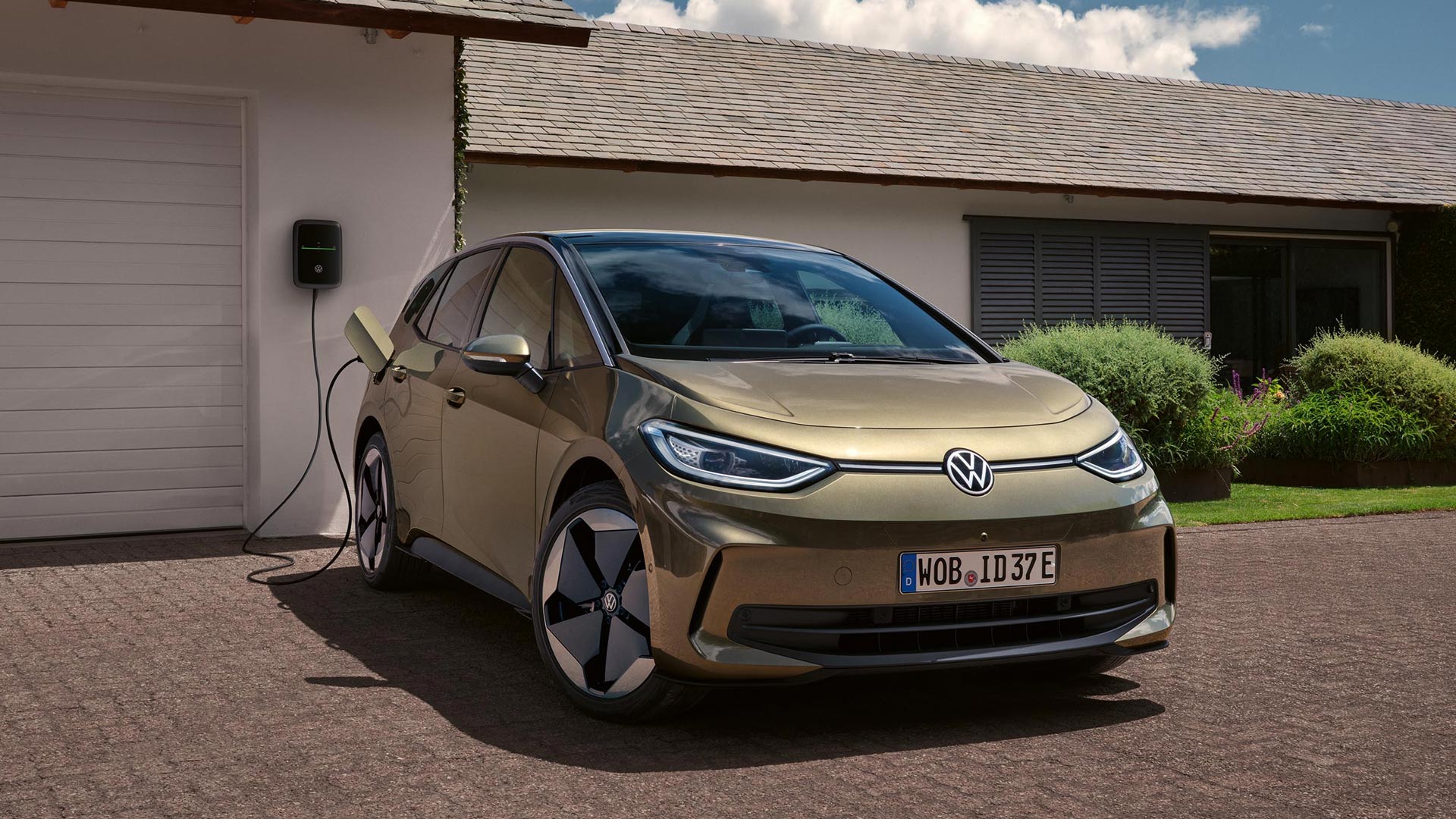
    Shot of the Volkswagen ID.3 against a neutral background
    The Volkswagen ID.3, a 100% electric city car tested by ADAC (Credit: Volkswagen)

    An exemplary battery

    This is the heart of the electric vehicle, and one of the most widely analysed and discussed criteria… The battery’s state of health (or SoH for State of Health). In order to maximise the veracity and reliability of this test, the 160,000 km were driven in driving conditions that were far from gentle: frequent 100% charges, regular use of the rapid recharge system, recharging without disconnecting the vehicle once 100% had been reached, journeys at altitude in sub-zero temperatures, etc. After being subjected to such abuse, the battery still showed 91% of its initial capacity (measured on several occasions by the BMS and confirmed by the independent laboratory Aviloo). Well above the 70% guaranteed by Volkswagen. Clearly, even when battered, the model’s battery is holding up well, even better than expected. A demonstration of electrical robustness that confirms the German manufacturer’s technological advances.

    Reassuring performance in real use

    On the road, in normal conditions, the VW ID.3 is consistent; its average range stabilises at around 400 km, dropping to 300 or 320 km in winter… To keep up with the pace, electricity consumption has fallen over the months, from 20 kWh/100 km to 18.3 kWh/100 km. Efficiency has therefore improved over time, thanks in particular to OTA software updates (available to anyone with an ID.3), which have enhanced the vehicle’s functionalities (“E-Route Planner” or intelligent GPS, better thermal management, rapid charging increased to 170 kW).

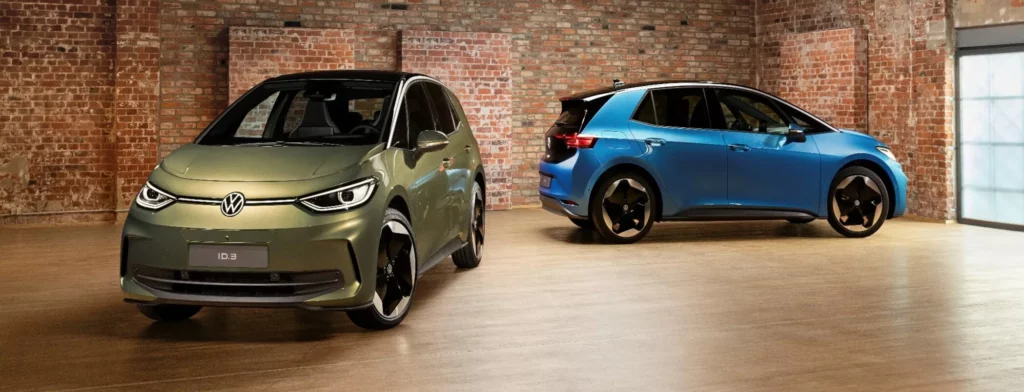
    Two Volkswagen ID.3 side by side
    Long-term test of the ID.3: stable range over 160,000 km (Credit: Volkswagen)

    But if there’s one black spot identified during these 160,000 km, it’s, despite the update, the thermal management system, which can still be improved. The battery, for example, cannot be manually preheated before a quick recharge. As a result, in cold weather, the charging speed decreases, with no possibility of anticipation or user intervention. A software weakness that Volkswagen would be well advised to correct.

    Overall reliability and minimum maintenance

    As well as the battery, the chassis, suspension, steering and bodywork have held up well over time. The ID.3 shows no critical wear and tear after four years of sustained use. Only a few isolated faults have disrupted the journey: replacement of the GPS/eCall module – €525, a software bug affecting door opening, resolved by an OTA update, and a charging hatch repaired for €227.

    When it comes to servicing, the budget remains under control, with a major overhaul costing around €427, plus €200 for the air conditioning system…

    But in fact, this long-term analysis in real-life conditions proves Volkswagen right… The ID.3 is a solid, hard-wearing electric car, well designed for everyday use, even if it’s intensive. Its battery, in particular, is among the best on the market. The only fly in the ointment is the software ergonomics, which are still locked in place, sometimes hampering the user experience. A strong message, at a time when, more than ever, electric vehicles need to be convincing.

  • A symbolic milestone for Porsche: the one millionth Macan sold goes electric

    A symbolic milestone for Porsche: the one millionth Macan sold goes electric

    On 16 July 2025, Porsche celebrated its one millionth Macan rolling off the production line at the Leipzig plant. A historic number. The Macan has always been seen as a sporty compact SUV that helped Porsche establish its commercial success back in 2014.

    Eleven years later, the one millionth car to leave the factory is no longer powered by an internal combustion engine, but by an electric motor. Since 2024, the revival of the world’s best-known German carmaker has mirrored the global transition. With this milestone reached, Porsche is proving that electromobility is no longer a gamble, but an industrial reality adopted on a large scale, even by the most emblematic manufacturers in motorsport.

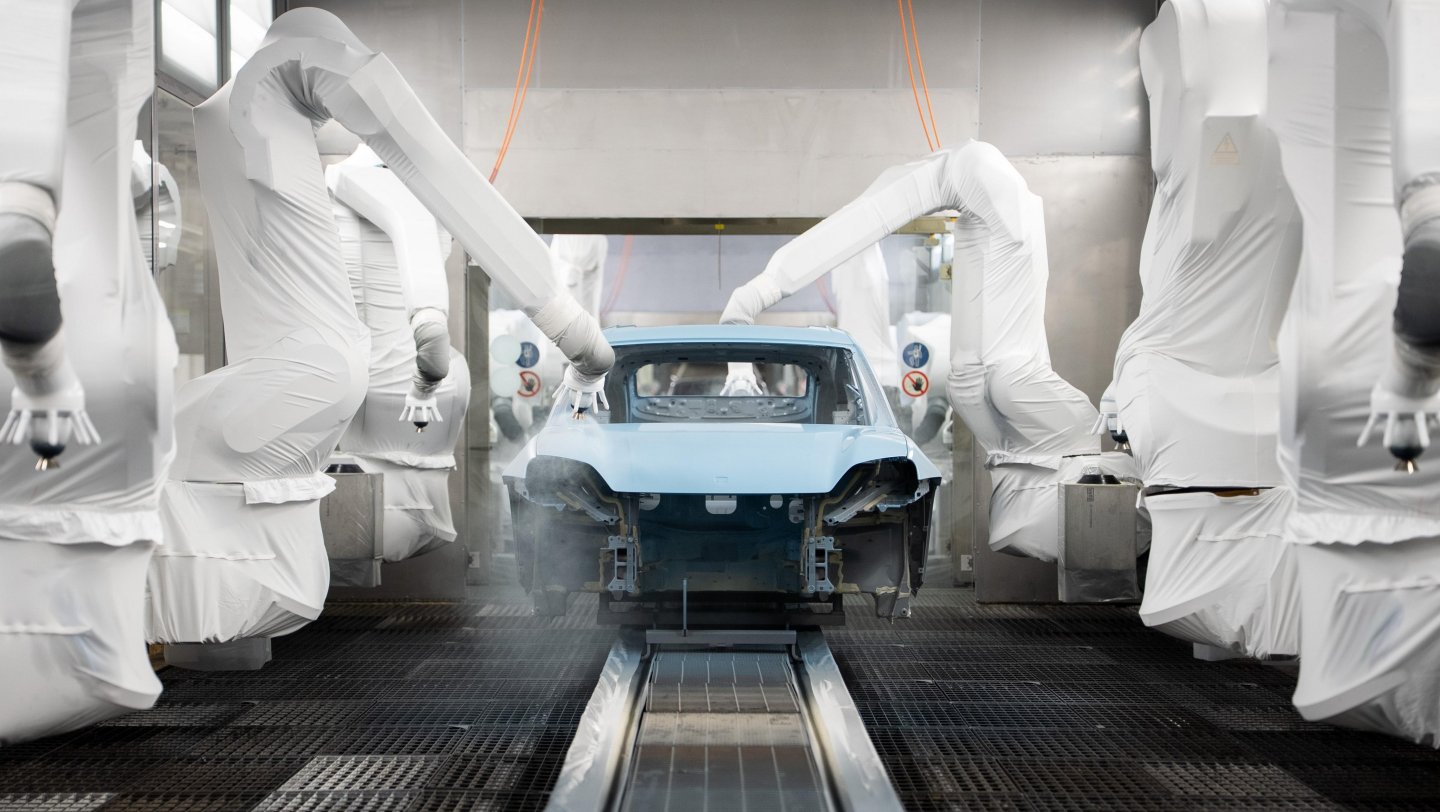
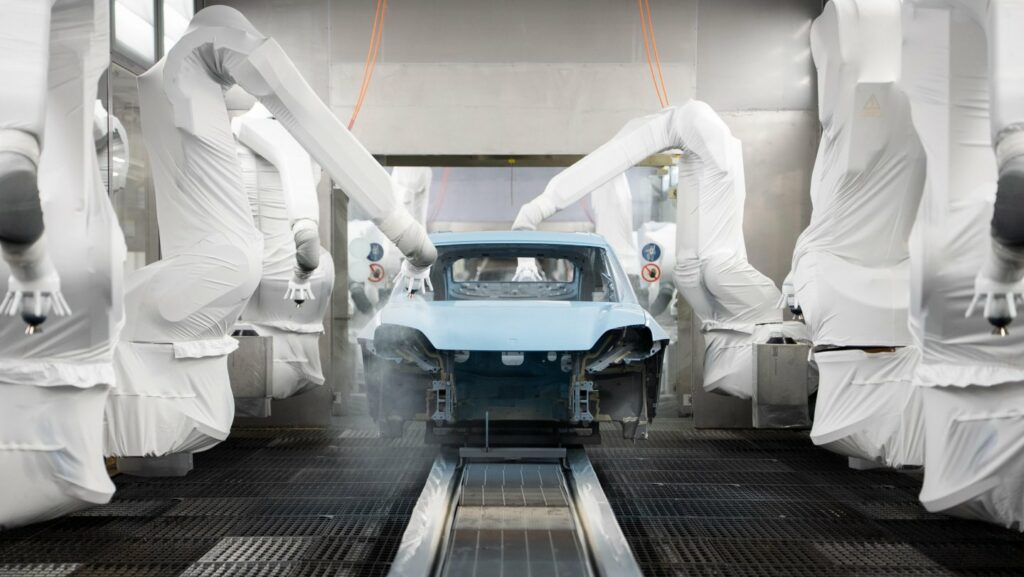
    Electric Porsche Macan being assembled at the Leipzig plant
    Production of the electric Macan at the Porsche plant in Leipzig, illustrating the growing popularity of electromobility.

    The electric Macan takes the lead

    Unveiled at the beginning of 2024, the new generation Macan will be sold exclusively as a 100% electric version. And the figures confirm the craze: although the old combustion-powered Macans are still available in Porsche’s catalogue, in the first half of 2025, more than 60% of Macans sold were electric, according to official Porsche figures. Better still: according to Porsche’s press release of 8 July 2025, the electric Macan outsold the legendary 911 in 2024… Further proof of a shift in demand, even among the German brand’s demanding and loyal customers.

    Optimised production for clear ambitions

    The electric Macan is assembled at the Leipzig plant, which has been completely modernised to accommodate the production of electric vehicles. Porsche has invested more than half a billion euros to adapt its production lines to the PPE (Premium Platform Electric), developed in partnership with Audi. In concrete terms, Porsche produces electric cars using a technical base developed in partnership with Audi called PPE. The ‘PPE’ platform is to Audi and Porsche what the ‘STLA Medium’ platform is to Stellantis: a common base (chassis, battery location, etc.; in other words, the car’s ‘skeleton’, etc.). This means that production can be carried out faster, more efficiently and with shared top-of-the-range technologies.

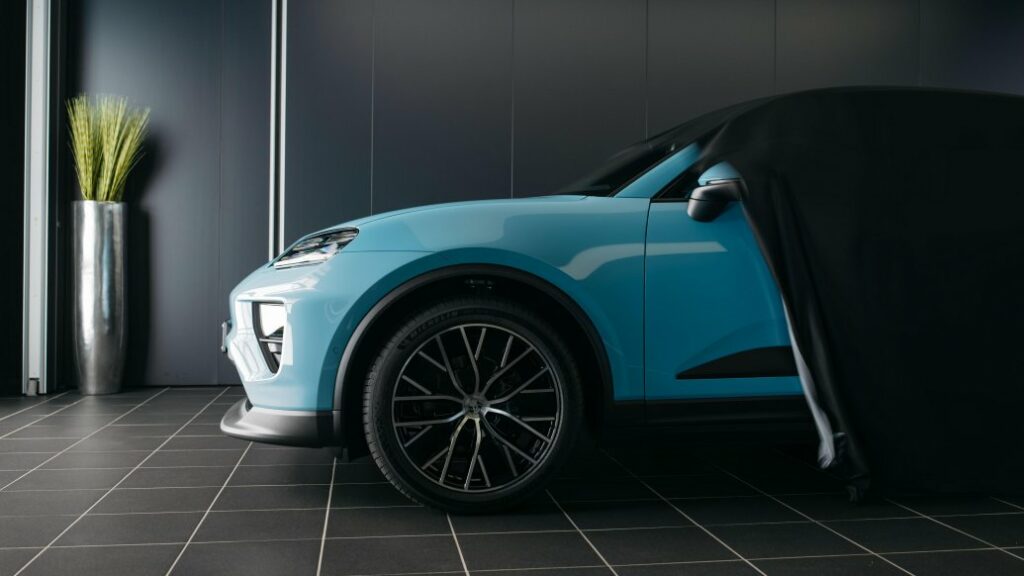
    Partial unveiling of the new generation 100% electric Porsche Macan
    The new generation of the electric Porsche Macan is officially revealed, marking a new era for the sporty compact SUV.

    As a result, the Macan’s electrical production is based on a line derived from that of the internal combustion models, but radically modernised to accommodate the PPE platform, illustrating the desire for flexibility and rapid industrial ramp-up.

    A 100% electric future

    With two 100% electric models already in the catalogue (the Taycan, now the Macan), the recent 911 type 992.2 adopting a slight hybridisation and finally a potential zero emission version of the Cayenne for 2026, the objective is clear. More than 80% of Porsche sales will be 100% electric by 2030, announced Oliver Blume (CEO of Porsche AG) in March 2022.

    This millionth electric Macan is therefore much more than just a milestone: it’s a message, both to competitors and to the global market, and the message is clear: yes, it is possible to combine performance, design and electrification. And yes, electromobility is gaining ground, including among the historic manufacturers.

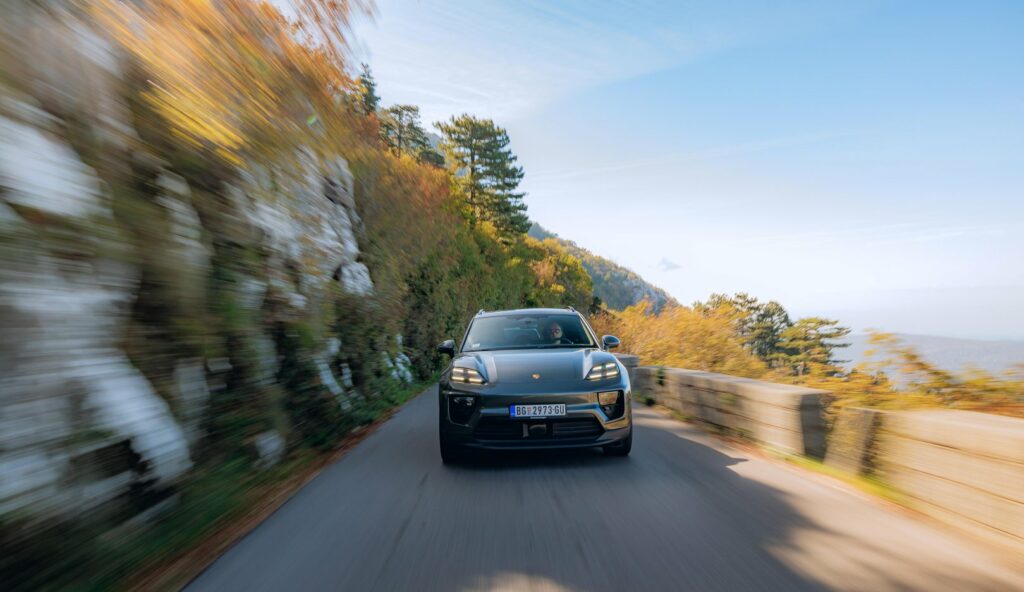
    orsche Macan electric outside, side view on the road
    The electric Porsche Macan reveals its dynamic, sporty design outdoors, a symbol of performance and electrification.

    And what about performance?

    The success of this electric Macan 4 is no accident:

    • 408 hp,
    • 0 to 100 km/h in just 5.2 seconds,
    • 612 km range claimed,
    • Ultra-fast 100 kW recharge (10-80% in 21 minutes).

    This performance confirms that electric is no longer synonymous with compromise, but with progress and sportiness.

  • Canada plans to open its market to European electric vehicles

    Canada plans to open its market to European electric vehicles

    The Canadian federal government recently blocked the entry into the national market of the world’s cheapest electric vehicles (EVs), manufactured in China, by imposing 100% customs duties. In response, electric mobility advocates are calling on Canada to make it easier to import affordable models from Europe, which are currently held back by technical standards.

    Volkswagen ID.3 European electric car not available in Canada
    The Volkswagen ID.3, a compact electric model popular in Europe, is not yet on sale in Canada (Credit: Volkswagen).

    Why it’s difficult today

    European vehicles are not easily imported into Canada, as they do not meet certain Canadian certification requirements. Foreign certification rules are not automatically sufficient to meet the safety needs of Canadian road users, due to a distinct road environment, generally larger vehicles, and specific conditions.

    Modifications may include bumpers, headlights or other technical features. This process can be long and costly, which discourages importers.

    Press to open

    Daniel Breton, President of Electric Mobility Canada, is calling for vehicles approved in Europe to be able to enter Canada without having to be recertified or modified. He believes that the Canadian requirements are unjustified, since “if these cars are safe enough for European roads, they are safe enough for ours “.

    A survey of 2,585 Canadians conducted by Clean Energy Canada in June 2025 shows that 70% of them are in favour of opening up the market to approved European vehicles.

    A tense business environment

    This desire for openness comes against a backdrop of growing commercial pressure. The North American market is unstable: the withdrawal of subsidies in Canada, 100% tariffs on Chinese EVs, and the Trump administration’s decisions in the United States are complicating access to affordable vehicles.

    The Canadian government is considering this option to diversify its sources of supply and meet growing demand for compact models that are currently unavailable, such as the Volkswagen ID.3, or brands that are absent from the Canadian market (Citroën, Opel, Peugeot, etc.).

  • BYD reinvents electric recharging: 400 km in 5 minutes thanks to an ultra-fast charging point

    BYD reinvents electric recharging: 400 km in 5 minutes thanks to an ultra-fast charging point

    Chinese manufacturer BYD is once again hitting the electric mobility industry with its Super e-Platform, a revolutionary 1,000 V architecture dedicated to ultra-fast electric charging. Combined with its new “Megawatt Flash Charger” charging point delivering up to 1,000 kW, it can recover no less than 400 km of range in just 5 minutes – that’s 2 km of range every second.

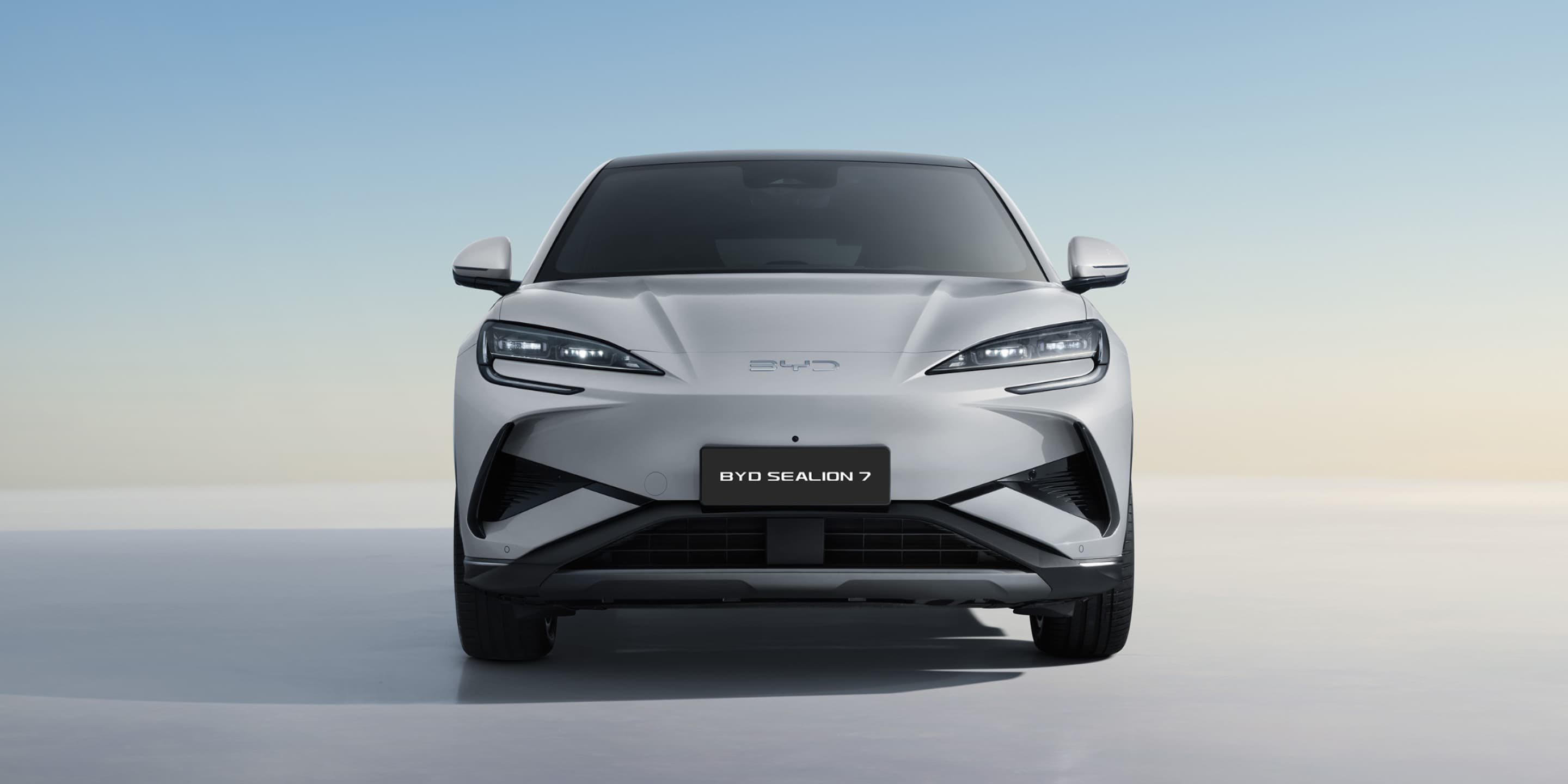
    BYD Sealion 7 being ultra-fast recharged
    BYD’s Sealion 7 is compatible with the 1,000 kW charging point, providing 400 km of range in just 5 minutes. (Credit: BYD)

    This performance is made possible by a special battery, designed to withstand very powerful recharging without overheating, and highly resistant electronic components that efficiently manage this enormous amount of energy. Recharging becomes as quick and easy as a trip to the petrol pump… At the launch in spring 2025, BYD unveiled two models compatible with this technology: the Han L saloon and the Tang L SUV, both capable of covering 400 km in 5 minutes. In terms of performance, the Han L has an engine running at 30,000 rpm and offers up to 788 bhp (580 kW), propelling it from 0-100 km/h in just 2.7 seconds…

    Mass deployment in China

    China is planning a national roll-out to match its ambitions… BYD has already installed more than 4,000 ultra-fast charging stations in the Middle Kingdom, with the first 500 arriving in April 2025. These kiosks are equipped with liquid cooling and a dual connector, capable of delivering up to 1,360 kW peak power.

    And in practice?

    Yes, it works… and very well indeed, at least in China, where the entire ecosystem has been designed with this in mind. The result: users can recharge with a smooth, reliable experience. The only limitation is that, for the moment, there are not many of these stations, and they are very expensive to set up… but the technology is there, fast, efficient, and already in daily use by thousands of drivers.

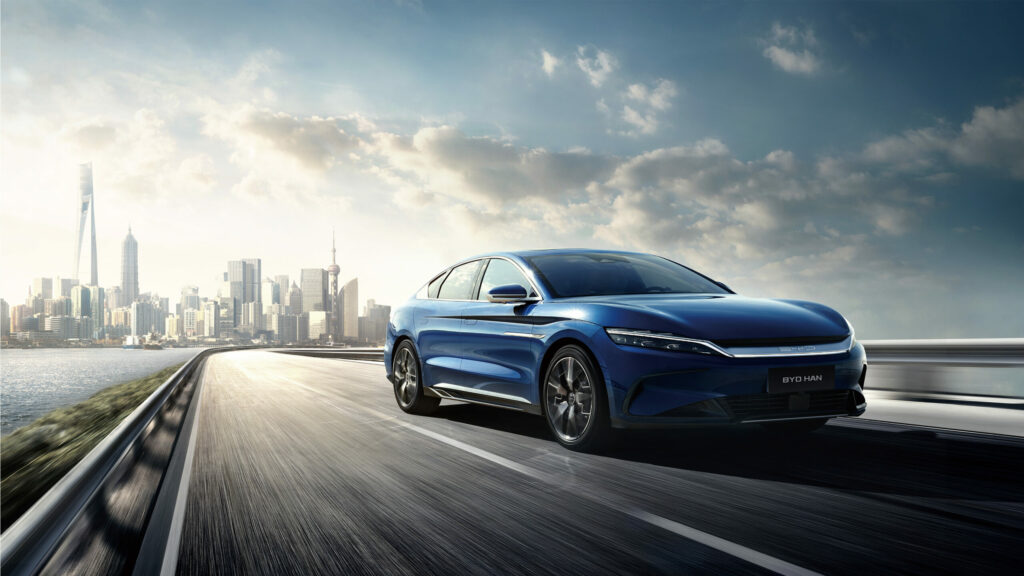
    BYD Han L high-performance electric saloon
    The BYD Han L reaches 788 hp and recharges 400 km in 5 minutes thanks to the new ultra-fast charging point. (Credit: BYD)

    Impact on competition

    BYD’s technology is shaking up the industry: Tesla, with its 250-350 kW superchargers (or even 500 kW in the future), is now lagging behind… European manufacturers (Mercedes, BMW, Renault) are also stepping up their efforts, but BYD’s leap towards the megawatt remains unparalleled.

    What does this mean for Europe?

    As far as Europe is concerned, BYD has clearly indicated its intention to bring this innovation to Europe. But feasibility will depend on the ability of electricity grids to support such high loads, and on the adoption of suitable charging stations. What’s more, only certain top-of-the-range models will be able to benefit from it, limiting the spread to the general public.

    In concrete terms, with this breakthrough, BYD has brutally raised the bar for electric charging with its Super e-Platform and its network of megawatt charging stations, making charging almost as fast as filling up a petrol-powered vehicle. The brand is now ushering in a new era in which electro-mobility is no longer held back by range or charging time. It remains to be seen whether this revolution will quickly spread beyond China…