Category: International

  • The era of clean energy: why rising oil prices and global conflicts are accelerating the electric vehicle revolution

    The era of clean energy: why rising oil prices and global conflicts are accelerating the electric vehicle revolution

    The ongoing tensions between the United States and Iran serve as yet another reminder to the world of just how deeply intertwined global politics and the oil markets are. Whenever instability arises in major oil-producing regions, the effects quickly ripple out across the global economy. Rising oil prices, higher fuel costs and supply disruptions are often the first signs of such crises. As petrol prices soar and uncertainty spreads across energy markets, a key question is once again being asked around the world: is the future of transport electric?
    Here are the main reasons why the current oil crisis and geopolitical instability are strengthening the case for electric vehicles.

    1. Oil wars have always shaped the global economy

    For over a century, oil has been one of the most strategically important resources on Earth. Countries have formed alliances, waged wars and shaped their foreign policies around energy supplies.

    When conflicts break out in major oil-producing regions, the markets react immediately. Shipping routes become vulnerable, supply chains are threatened and energy prices rise sharply.

    The Middle East remains one of the world’s most important oil-producing regions. A large proportion of global oil exports passes through strategic narrow sea lanes such as the Strait of Hormuz. Any military escalation in the region immediately raises concerns about disruptions to oil supplies.

    source: FMM Graphic Design Studio

    History has repeatedly shown that global conflicts in oil-producing regions can lead to significant price rises. These price rises affect transport, manufacturing, agriculture and almost every sector of the economy.

    2. Rising oil prices have a direct impact on consumers

    When oil prices rise, the most immediate impact is felt at the petrol pump. Drivers suddenly find themselves facing higher fuel costs, which can significantly increase household expenditure.

    Higher petrol prices also affect the cost of goods and services. Transport companies have to spend more on fuel, airlines face higher operating costs, and freight rates are rising. These increased costs often feed through to the wider economy, contributing to inflation.

    Families who rely heavily on petrol-powered vehicles feel the pinch most acutely. Long commutes, transport needs and daily journeys become more expensive when oil prices rise.

    This cycle has repeated itself time and again throughout modern history whenever geopolitical tensions have disrupted energy markets.

    3. Electric vehicles are breaking our dependence on oil

    Electric vehicles offer a key advantage over traditional petrol cars: they do not rely on oil.

    Instead of petrol or diesel, EVs run on electricity, which can be generated from a variety of energy sources, including natural gas, nuclear power, hydroelectricity, solar power and wind power.

    This flexibility significantly reduces the impact of oil market volatility on transport. When oil prices rise due to a conflict, drivers of electric vehicles are largely shielded from these price shocks.

    Electromobility enables countries to rely more on domestic energy production rather than on imported oil, thereby strengthening national energy security.

    4. Lower operating costs for drivers

    One of the main advantages of electric vehicles is that they are cheaper to run than petrol cars.

    Electricity is generally cheaper than petrol on a per-kilometre basis. Even when electricity prices fluctuate, they rarely experience the dramatic spikes that oil markets often face.

    EV drivers can also charge their vehicles at home, avoiding the need for frequent stops at petrol stations.

    In the long term, fuel savings can add up to a significant amount, particularly during periods when petrol prices rise due to geopolitical crises.

    5. Electric vehicles require less maintenance

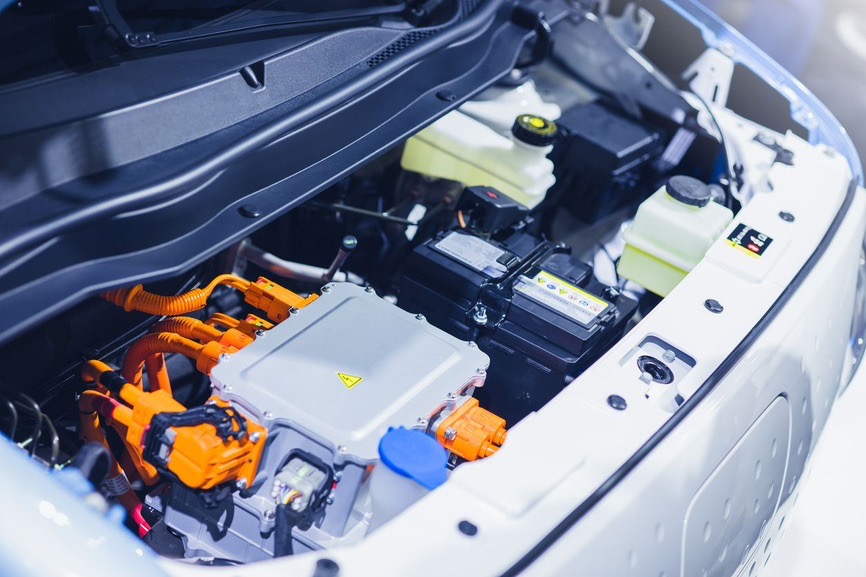
    Traditional petrol engines contain hundreds of moving parts, including pistons, valves, exhaust systems and complex mechanical components.

    These systems require regular maintenance, such as oil changes, engine servicing and exhaust repairs.

    Electric vehicles are much simpler mechanically. They use electric motors with far fewer moving parts and do not require engine oil, spark plugs or complex transmission systems.

    This reduced mechanical complexity means that EV owners often incur lower maintenance costs over the vehicle’s lifetime.
    source: LaCentrale

    6. Battery technology has improved rapidly

    The first electric vehicles were criticised for their limited range and long charging times. However, battery technology has advanced dramatically in recent years.

    Modern EVs can now travel hundreds of kilometres on a single charge, making them practical for both daily commutes and long-distance journeys.

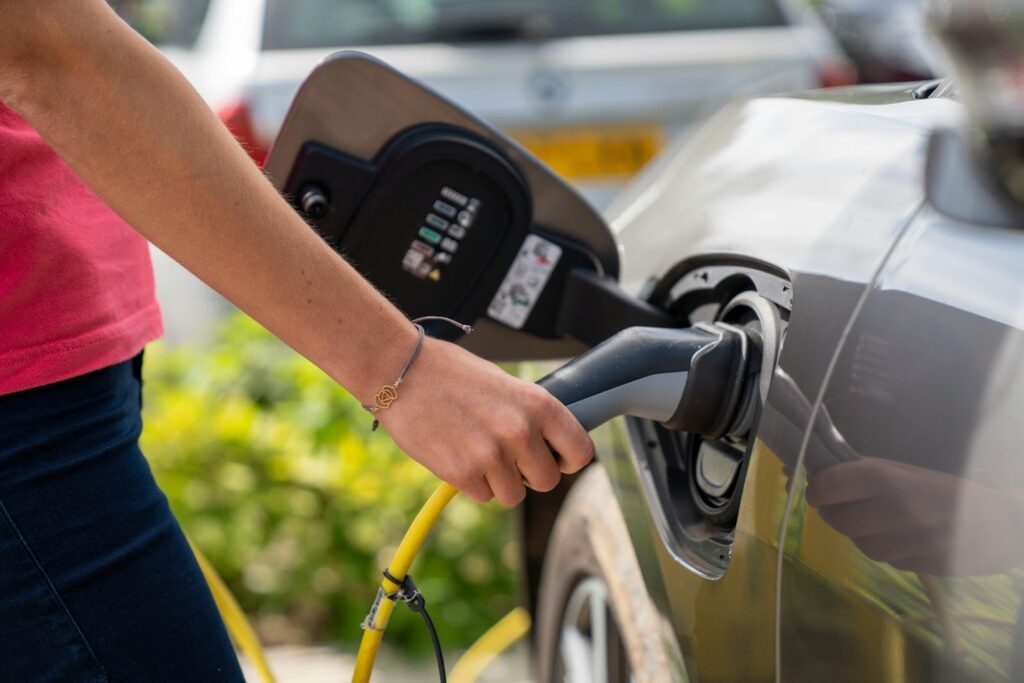
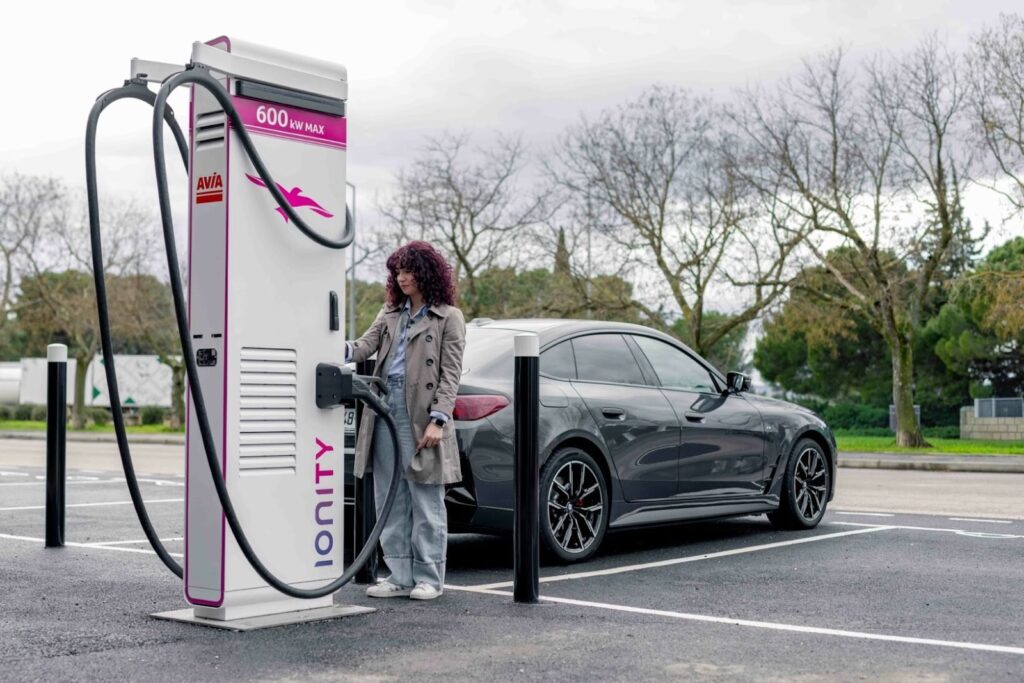
    Fast-charging networks are expanding rapidly, enabling drivers to recharge a significant portion of their battery in a short space of time.

    As battery costs continue to fall and efficiency improves, electric vehicles are becoming more affordable and accessible to a wider range of consumers.
    source: Ionity


    7. Expanding charging infrastructure

    One of the main challenges to EV adoption in the past was the lack of charging infrastructure. This situation is changing rapidly.

    Governments and private companies are investing billions of dollars in expanding charging networks in cities, on motorways and in rural areas.

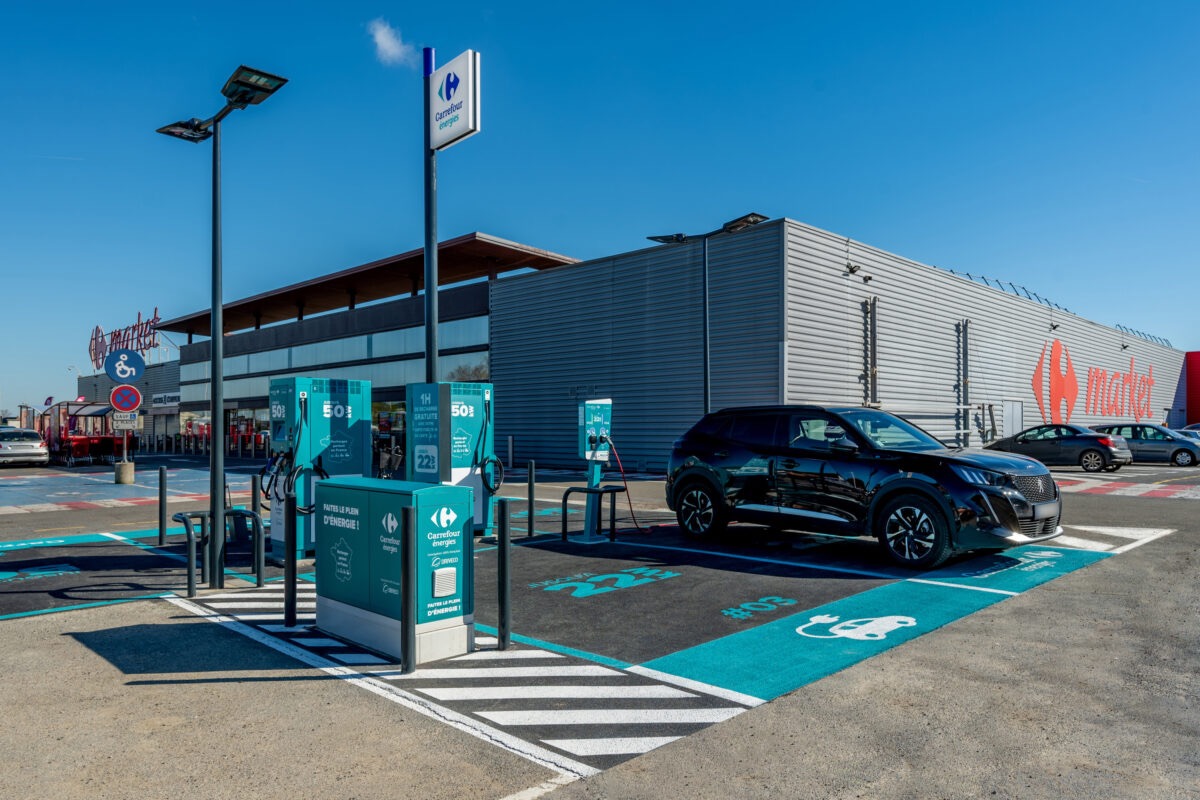
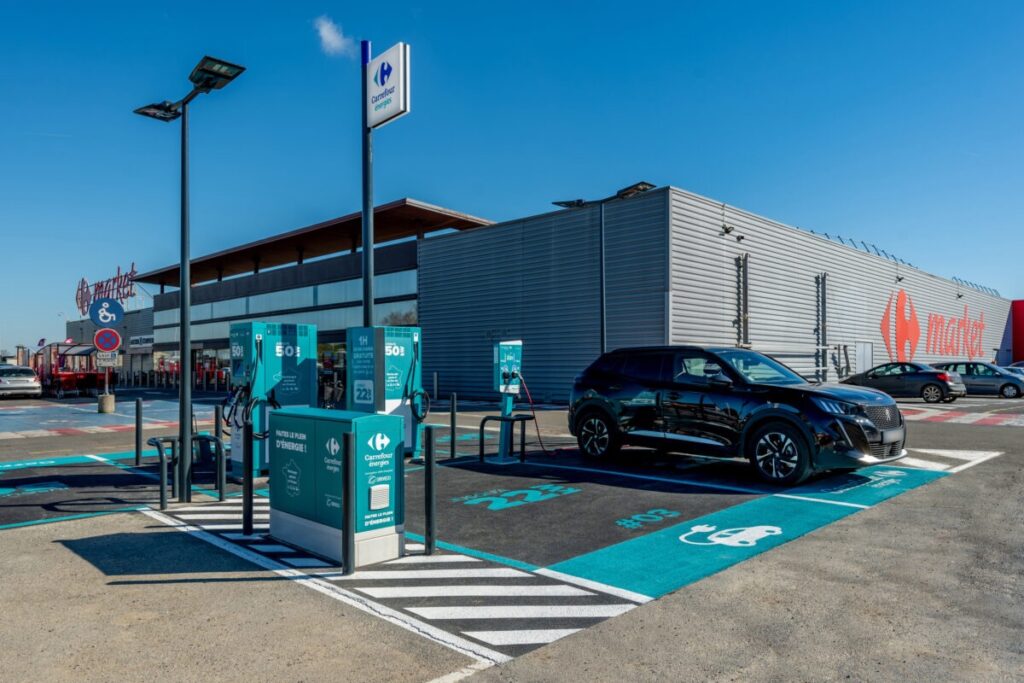
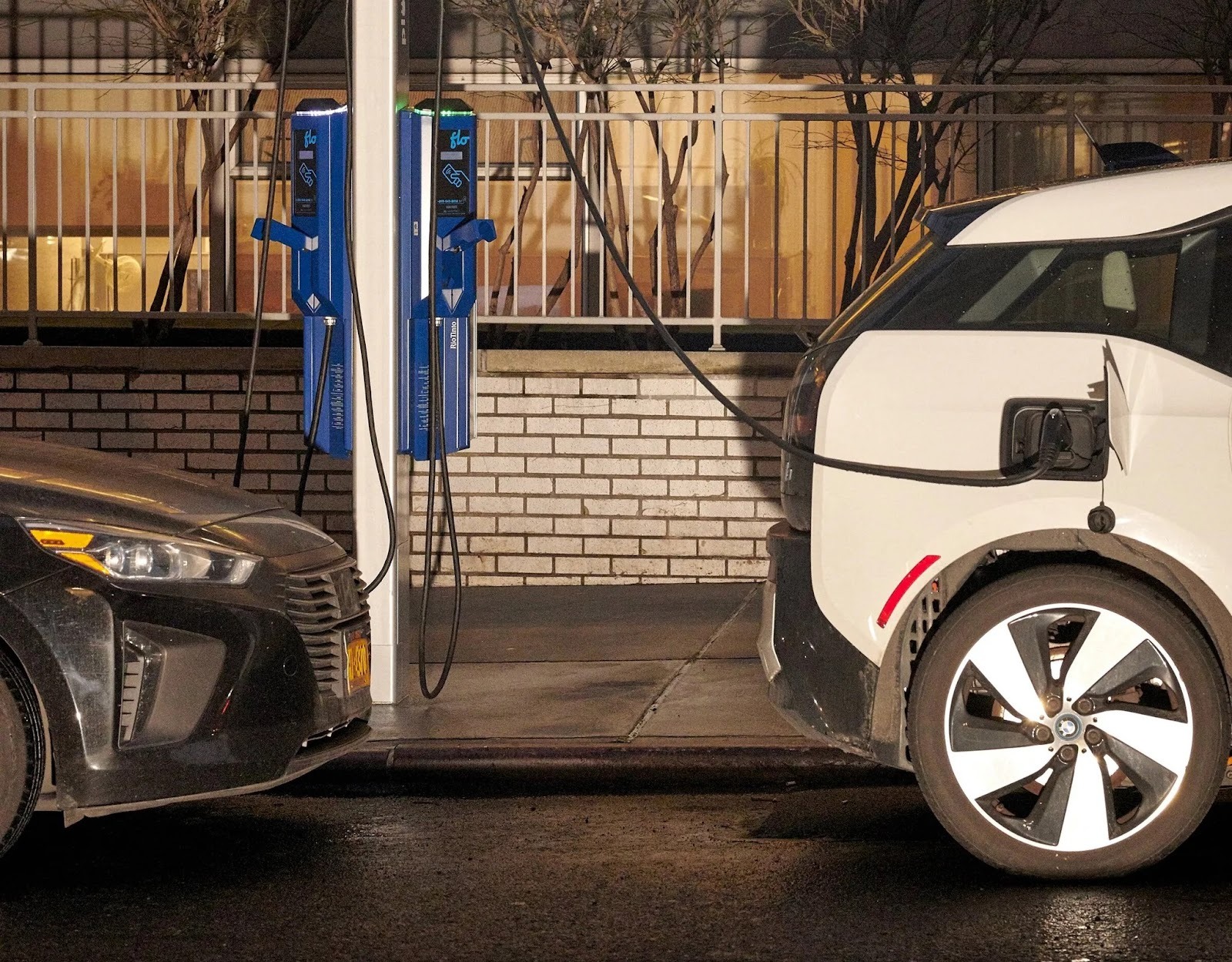
    Public charging stations are becoming more common in shopping centres, office buildings, car parks and residential areas.

    As charging networks expand, owning an electric vehicle is becoming more convenient and accessible for millions of drivers.
    source: Driveco

    8. Environmental benefits of electric vehicles

    Electric vehicles produce no exhaust emissions, which helps to reduce air pollution in cities.

    Transport is one of the biggest contributors to global carbon emissions, and the switch to electric vehicles can significantly reduce the environmental impact.

    Cleaner transport also improves public health by reducing harmful pollutants that contribute to respiratory diseases.

    As renewable energy sources continue to expand, the environmental benefits of electric vehicles will increase even further.

    9. Economic opportunities in the EV industry

    The electric vehicle revolution is creating major economic opportunities around the world.

    New industries are emerging in the fields of battery manufacturing, charging infrastructure, software systems and electric mobility services.

    Countries that invest heavily in EV technology can secure leading positions in the future automotive market.

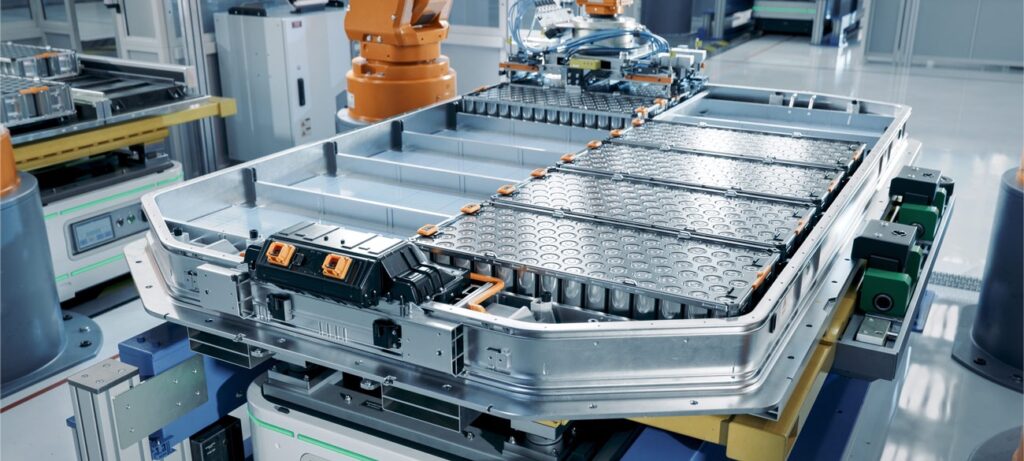
    Battery manufacturing, in particular, is becoming a strategic industry, as batteries power both electric vehicles and renewable energy storage systems.
    10. Energy independence for nations

    Reducing dependence on imported oil can strengthen national security and economic stability.

    Countries that are heavily reliant on oil imports are often vulnerable to international conflicts and supply disruptions.

    Electric vehicles enable countries to power their transport systems using locally generated electricity, thereby reducing their dependence on global oil markets.

    This change could lead to more stable energy systems and reduce geopolitical vulnerabilities.

    source: econord

    11. Consumer demand is growing rapidly

    Public interest in electric vehicles has grown significantly over the past decade.

    Many drivers are attracted by the combination of lower running costs, environmental benefits and advanced technology.

    Car manufacturers are responding to this demand by expanding their ranges of electric vehicles and investing heavily in electrification.

    As more models become available, consumers have more choice when switching to electric vehicles.
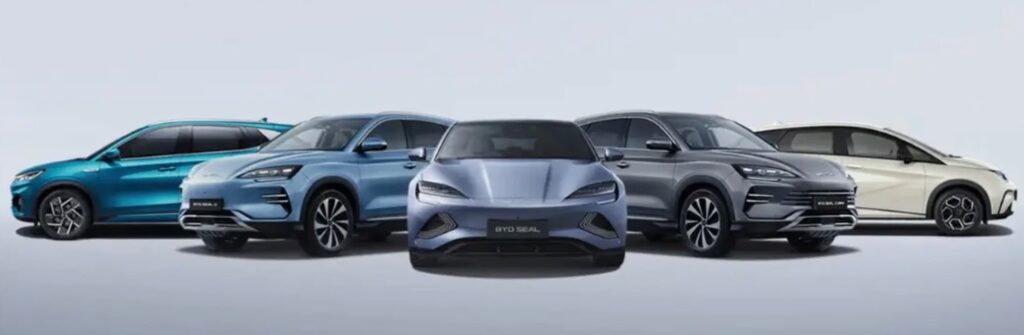
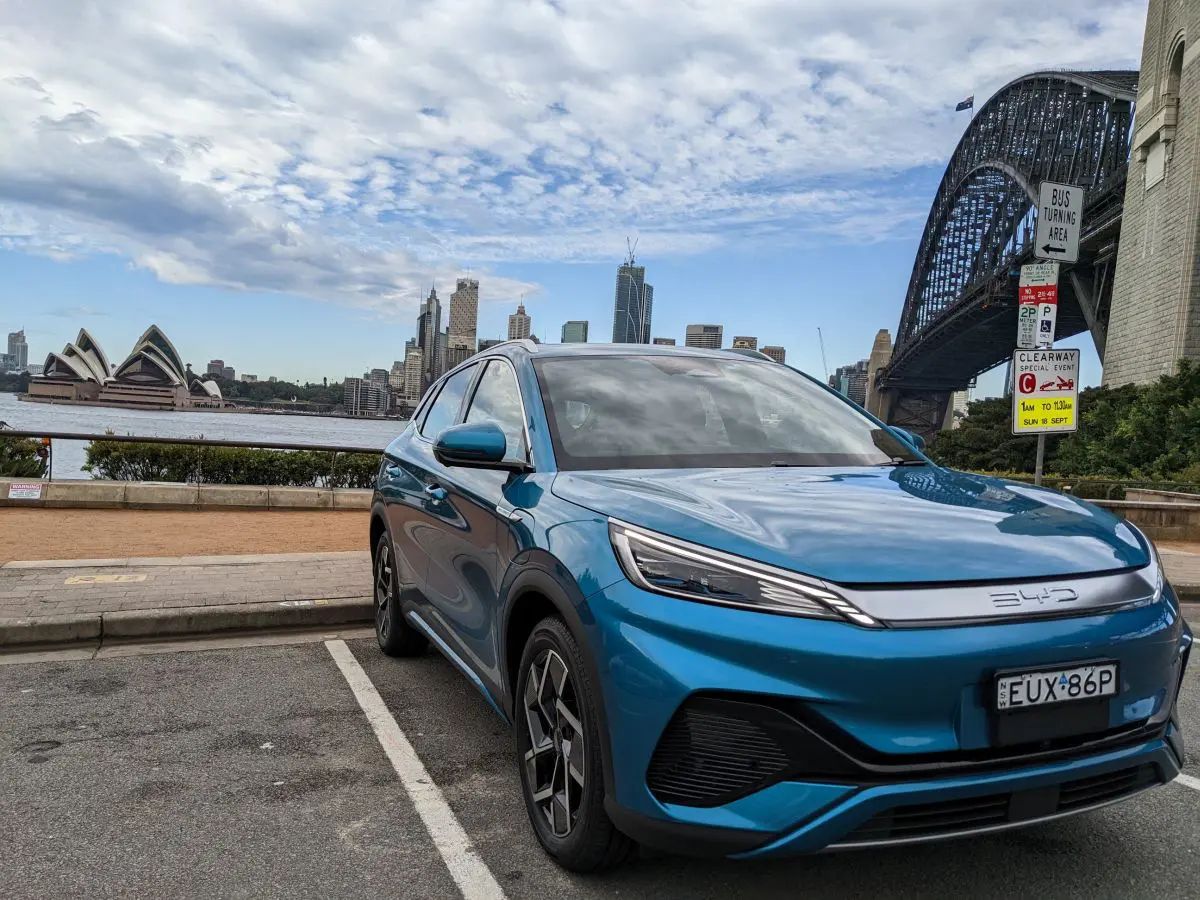
    source: BYD

    12. Geopolitical conflicts are accelerating the transition

    Whenever the oil markets are disrupted by conflict or political instability, the appeal of electric vehicles increases.

    Rising petrol prices highlight the vulnerability of transport systems that rely on oil.

    Electric vehicles offer a path towards more stable and predictable transport costs.

    For many consumers, repeated oil crises reinforce the view that moving away from petrol-powered vehicles could be the wisest choice in the long term.

    Conclusion

    The current tensions affecting global oil markets serve as a reminder of just how vulnerable traditional energy systems can be. When geopolitical conflicts disrupt oil supplies, the economic consequences are felt around the world.

    Electric vehicles offer a powerful alternative to this cycle. By reducing dependence on oil and enabling transport to run on a variety of energy sources, EVs can help create a more resilient and stable energy future.

    Technological advances, infrastructure expansion and growing consumer interest are already driving the global shift towards electric mobility.

    As global conflicts continue to affect the oil markets, the transition to electric vehicles could accelerate even further.

    What began as a technological innovation is now becoming a cornerstone of the future transport system. The electric vehicle revolution is no longer a distant possibility; it is rapidly becoming a defining feature of the modern energy era.
  • The US courts oppose the scrapping of the NEVI programme

    The US courts oppose the scrapping of the NEVI programme

    On 23 January 2026, a court ruling was handed down that sent shockwaves through the US electric vehicle sector: a federal judge ruled that President Donald Trump’s administration had unlawfully suspended a funding programme for EV charging infrastructure. The ruling comes after months of legal battles between a coalition of states, led by Democrats, and the federal government. A standoff that is symptomatic of the Trump administration’s transport policy choices since its return to the White House.

    source: New York Times

    A key programme cancelled

    At the heart of the controversy lies the National Electric Vehicle Infrastructure (NEVI) initiative, a federal plan launched in 2021 under President Joe Biden. The programme was worth $5 billion over five years, earmarked for building a national network of EV charging stations strategically located every 50 miles (80 km) along major motorways, as well as in urban and rural areas. This funding was intended to support the procurement, installation, maintenance and network integration of fast chargers, covering up to 80% of eligible costs in infrastructure plans submitted by the states. In theory, its aim was to remove one of the main barriers to the widespread adoption of electric vehicles: access to a dense and reliable charging infrastructure for all Americans.

    However, despite this momentum, with the re-election of the Trump administration in 2025, the programme was abruptly put on hold. In a memo addressed to state transport departments, the Federal Highway Administration (FHWA) simply revoked the guidelines governing the implementation of NEVI, suspended the approval of infrastructure plans and, in effect, froze the spending of billions already approved.

    A significant and welcome court ruling for electric mobility

    It was precisely this suspension that was ruled unlawful by a federal court in Seattle. Judge Tana Lin found that the administration had acted “beyond the bounds of the law”, failing to follow the procedures laid down in the legislation passed by Congress.

    source: Wikipedia

    This court ruling is good news for the US electric vehicle industry, as it now blocks any attempt to withdraw or withhold funds. It is therefore a victory for the states that brought the case and for environmental groups, who had condemned the freeze as a direct attack on federal climate policies.

    Why this standoff is not merely an administrative formality

    To understand what is at stake, this debate must be viewed within the broader context of the energy transition in the United States. America has long claimed a leading position in electric mobility, thanks in particular to the rise of companies such as Tesla, which quickly gained a clear technological lead over the competition in the 2010s and early 2020s. This same firm has also invested heavily in charging infrastructure, notably through the creation of the Supercharger network, one of the most widely used by EV manufacturers.

    Under the Biden administration, this trend has gained significant political and financial momentum. Indeed, numerous initiatives have been launched, including the introduction of grants and federal tax credits, as well as requirements for the installation of public charging points. In terms of charging infrastructure, an ambitious plan has been set out: to install 500,000 public charging points by 2030.

    According to official government figures, the number of charging stations had doubled during the early years of the Biden administration, with more than 9,200 charging points installed across 29 states.

    But with Donald Trump’s return, US transport policy has taken a sharp U-turn. Not only has the NEVI been put on hold (in defiance of Congress’s wishes, according to the judges), but other measures have been reconsidered or simply scrapped. The administration has scrapped the target of ensuring that 50% of new vehicle sales are electric by 2030, a roadmap deemed too aggressive by certain industrial interests.

    source: Shealeah Craighead

    Beyond the rhetoric, the facts speak for themselves: federal tax credits for the purchase of electric vehicles (up to $7,500 for new vehicles and $4,000 for used ones) were scrapped ahead of schedule, and federal emissions standards – which had been significantly tightened under Biden – have been relaxed or scrapped. Together, these decisions have slowed the uptake of electric vehicles, even though the market continues to grow (nearly 1.3 million EVs sold in 2025).

    Obviously, the problem is that the suspension of the NEVI scheme prevents Americans from considering the purchase of a clean vehicle since, as we noted earlier, easy access to a charging point is one of the main obstacles. And for a country that aimed to drastically reduce its CO₂ emissions and regain the technological initiative in the face of Chinese and European competition, this change of course could have lasting effects.

    A ruling that turns the tide

    The judge’s ruling represents a victory for the states and environmental groups, but it is in fact the starting point for a new political round. Indeed, the decision no longer rests solely with the White House. The NEVI remains enshrined in federal law, and the ruling obliges the executive to lift its suspension. In the long term, only Congress will be able to truly challenge this programme, either by amending it or by cutting funding during the next budget votes. Until then, the states are waiting; the funds exist and must be made available again.

    The United States has once again demonstrated that it can be a pioneer in the electric vehicle sector. It remains to be seen whether it will maintain this advantage in a world where the transition to low-carbon mobility is already well underway.

  • European micro-States and electrification: a surprising state of play

    European micro-States and electrification: a surprising state of play

    At a time when the electric mobility revolution is gathering pace in Europe, the micro-States of Andorra, Liechtenstein, Monaco, San Marino and the Vatican have their own unique dynamics. Although their populations are small, these states face specific challenges in terms of electromobility. These include infrastructure, incentives, fleet changeover and geographical constraints.

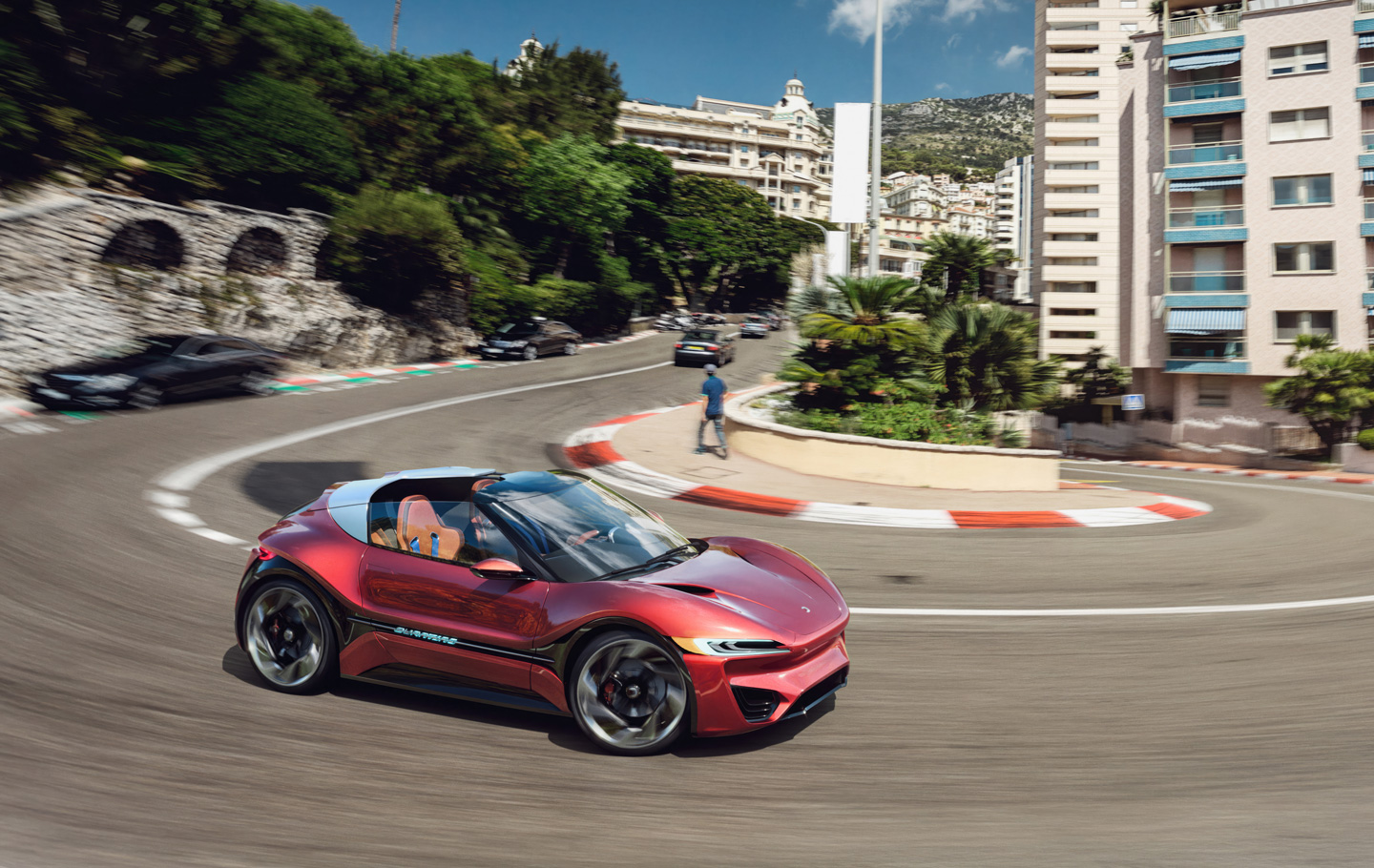
    QUANTiNO Twentyfive electric car on show in Monaco
    The QUANTiNO Twentyfive embodies the strategy of micro-states like Monaco to accelerate high-end electric mobility. (Credit: nanoFlowcell)

    A broader European dynamic

    In Europe, the car market grew by 10% in September 2025, with 888,672 registrations. Electric vehicles accounted for 18.9% of sales over the month, or 167,586 units. Over nine months, their share reached 16.1%, up 24.1% on 2024. However, according toACEA, this pace is still insufficient for the energy transition. However, this indicator masks major disparities between countries and, above all, between the “size” of individual countries.

    Micro-States often escape clear visibility in European statistics. Nevertheless, public recharging infrastructure has seen a significant acceleration since the roll-out of the AFIR regulation, which has been in force since April 2024. In May 2025, there were almost 970,000 public charging points in the European Union, an increase of almost 40% in one year. However, 40% of these charging points are still concentrated in the Netherlands, Germany and France, accentuating regional imbalances. The European objective remains ambitious: to have fast charging points of at least 400 kW every 60 km on major roads by 2026. As a result, even the smaller countries now have to make up for their structural shortcomings. They will have to be integrated into this continent-wide harmonised network.

    Monaco: the urban pioneer

    The case of the Principality of Monaco is particularly well documented. The “Monaco ON” network, launched in 2020, aims to deploy free and accessible charging stations throughout the Principality. By the end of 2023, “clean” vehicles (electric or hybrid) already accounted for almost 16% of the total fleet. Around 7.6% of vehicles were 100% electric.

    By 2024, the figures show a total ‘green’ figure of 40.3% for the period. There are many incentives: purchase subsidies (up to 30% of the price, capped), free public recharging, free street parking for EVs, and free annual vignettes.

    Despite this, Monaco still faces a number of challenges. These include the high cost of electric vehicles in a very high-end fleet. There is also the dependence on imported electricity and the need to optimise the use of charging points. However, the Monaco model proves that even a micro-State can make rapid progress when it combines incentives, infrastructure and a coherent policy.

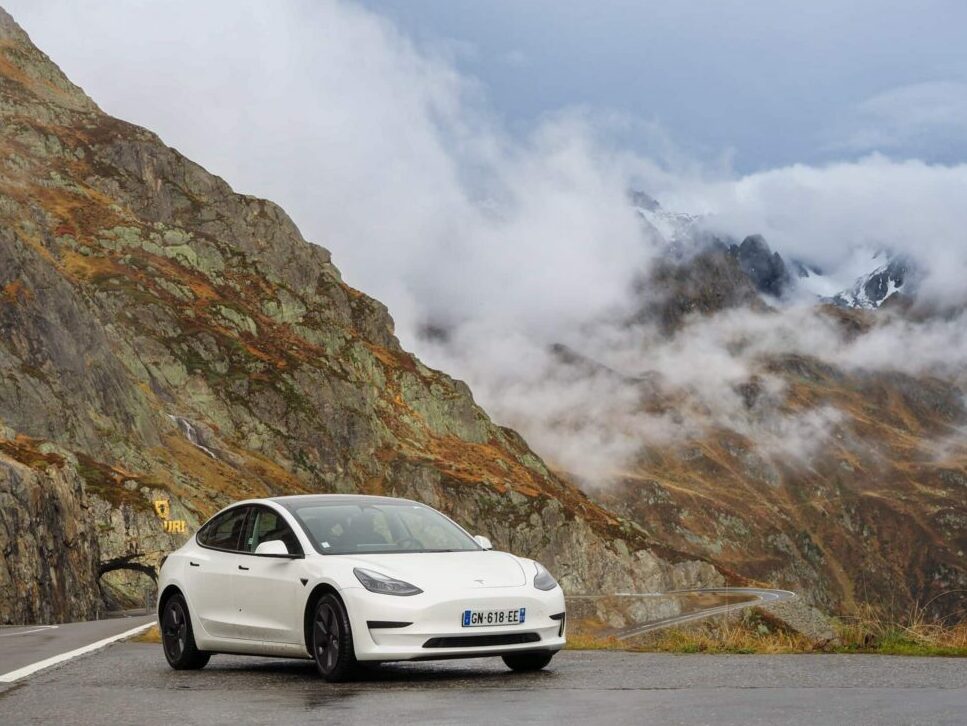
    Tesla Model 3 charging in the mountains of Andorra
    A Tesla Model 3 in the Andorran Pyrenees. This is a reflection of the green shift that Europe’s micro-States are undergoing. (Credit: myevtrips.com)

    Andorra: a discreet but tangible rise

    In the Principality of Andorra, although precise data on the overall electric vehicle fleet is limited, several indicators point to real progress. At the end of 2024, Andorra had 87 public charging stations, covering an area of 468 km². The number of megawatt-hours consumed at public charging stations rose from 128 to 464 MWh between 2020 and 2024, an increase of 262% in four years. In addition, some public tariffs encouraged EVs via the first two hours free of charge in transit zones. However, there is little data on the market share of EVs in registrations or in the vehicle fleet. The twofold objective for Andorra is therefore to strengthen statistics, but also to stimulate uptake by providing new incentives and extending the infrastructure.

    Liechtenstein: modest but on the move

    Liechtenstein, a small Alpine state, also has a modest take-up rate. At the end of June 2023, 100% electric cars accounted for around 4% of the total vehicle fleet. In terms of new vehicle registrations, in March 2025, 23 out of 134 cars registered were fully electric. Incentives are limited: no national subsidy for EVs in 2025, but exemption from the annual EV tax and some municipalities offering free parking. There are currently around 56 public charging points across the country. The main challenge is to raise the profile of EVs and develop the supply of fast infrastructure to encourage potential buyers.

    San Marino and the Vatican: data too limited

    For the other two micro-States – the Republic of San Marino and the Vatican City State – public data on electric vehicles remains limited or partial. This scarcity can be explained by their very small size, the low number of registrations and the absence of any obligation to publish detailed statistics.

    In San Marino, however, the E-Way project illustrates a clear political will to promote more sustainable mobility. The territory has 22 charging stations for electric cars, each equipped with two 11 kW and 22 kW sockets, as well as six dedicated stations for electric bicycles. These facilities, supplied by ABB, allow full recharging in less than an hour and are compatible with most models on the market, while meeting the strictest safety standards. Although still modest, this infrastructure marks an important step towards the adoption of low environmental impact mobility in the Republic.

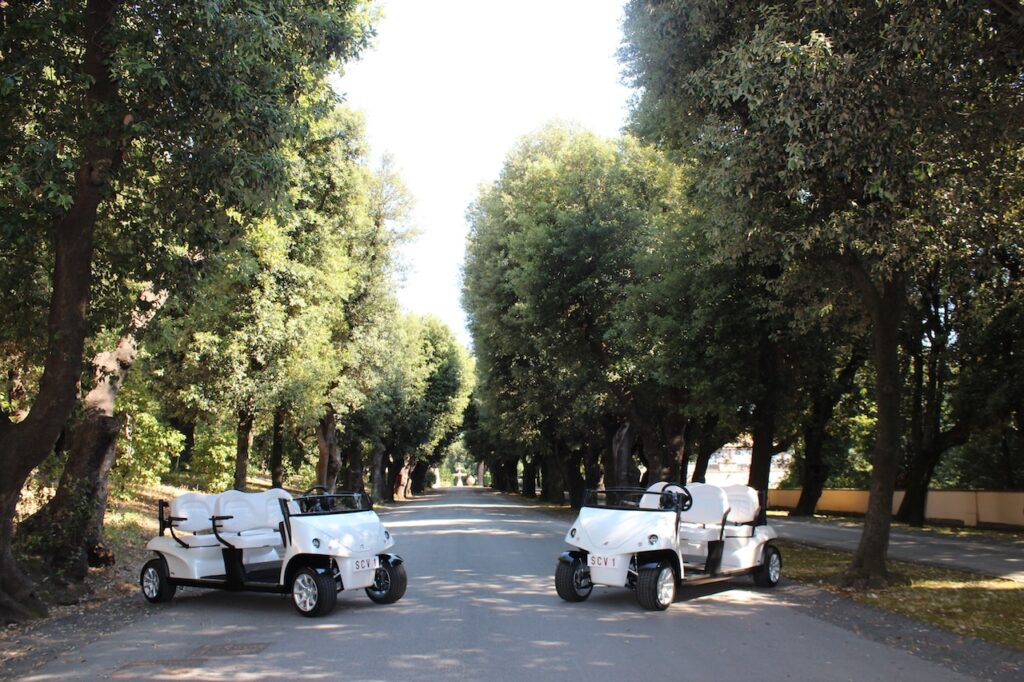
    Exelentia electric vehicles used by the Pope at the Vatican
    Two Exelentia vehicles for the Vatican services. They are symbols of the Pontifical City’s ecological transition. (Credit: Vatican City State)

    For its part, the Vatican recently took a symbolic step in its transition to environmentally-friendly transport. In collaboration with Exelentia, the Vatican’s Governorate has launched a new fleet of electric vehicles for internal services and for use in the Papal Villas at Castel Gandolfo. These vehicles, which range from vans to shuttle buses for visitors, are now being used by the Gendarmerie, the Fire Brigade and maintenance teams. This initiative illustrates the Holy See’s growing commitment to reducing its carbon footprint and promoting zero-emission mobility in its symbolic spaces. In 2020, the Vatican announced a major plan to replace its vehicles.

    Despite these advances, the uptake of electric vehicles in both San Marino and the Vatican is still limited, due to the lack of a significant civilian fleet and consolidated data that would make it possible to accurately measure their spread.

    What are the challenges facing these micro-States?

    On the one hand, the small size of these territories is a potential advantage: a standard, a network or a policy can be implemented more quickly than on a national scale. On the other hand, the obstacles are specific: dependence on imported energy or infrastructure, very small purchasing markets that limit economies of scale, and parking or housing issues (particularly for residents without garages). The development of fast or ultra-fast charging stations has yet to be fully documented in these countries. Furthermore, if it is projected that Europe as a whole will need to install up to 3.5 million charging points by 2030 to support electromobility, the micro-States are not exempt from the effort. Finally, statistical monitoring remains a gap that needs to be filled as a matter of urgency in order to accurately track changes in market share, particularly for San Marino and the Vatican City.

    Under-exploited but growing potential

    In short, Europe’s micro-States show a variety of trajectories. Monaco appears to be one of the most advanced models in this category. Andorra is making good progress with its infrastructure, while Liechtenstein is making progress, but remains at a modest stage of adoption. San Marino and the Vatican remain on the sidelines for lack of data.

    The challenges are now clear for all concerned. Incentives need to be increased and the network of charging points strengthened. It is also essential to simplify the adoption of electric vehicles and improve the monitoring of indicators. In a rapidly accelerating European context, these small countries have a real opportunity. But they also have a responsibility not to be left behind.

  • European capitals and the electromobility challenge

    European capitals and the electromobility challenge

    Against a backdrop of urgent energy transition, Europe’s capital cities are stepping up their commitment to electromobility. They are focusing on electric cars, hybrids and recharging infrastructures. Berlin, Luxembourg City, Madrid and Lisbon illustrate four different but ambitious approaches. Each city has strong objectives and faces specific challenges. Urban planning, financing and infrastructure are their main short-term challenges.

    Berlin: a German metropolis on the move

    The German capital is stepping up initiatives to electrify its vehicles and develop a vast network of charging stations. By 1ᵉʳ January 2025, Berlin had around 80,000 registered electric cars and nearly 35,000 charging points installed in the city. Of these, more than 5,000 were accessible to the public, according to municipal data. This development is part of an overall strategy to meet the rising demand for electricity. The operator Stromnetz Berlin is forecasting a capacity of 4.5 GW in 2035, compared with just 2 GW in 2024. The federal government is supporting this effort with a €6.3 billion plan to strengthen infrastructures. The aim is ambitious: to have one million charging points in Germany by 2030. “Berlin is a pioneer in electromobility. Thanks to good networking between politics, science and business,” says Kai Wegner, Mayor of Berlin.

    Despite this progress, the development of electromobility is still hampered by a number of constraints: most of Berlin’s charging points are located in private areas (homes, businesses) – around 80%, according to the authorities – and extending them to densely populated areas is still an obstacle.

    In terms of atmosphere, this dynamic reflects a growing urban awareness: electric mobility is presented not only as a lever for quality of life (reduction in emissions and noise), but also as a growth potential for mobility players.

    On the other hand, the interconnection of infrastructures, particularly in condominiums or shared buildings, remains a major project in Berlin.

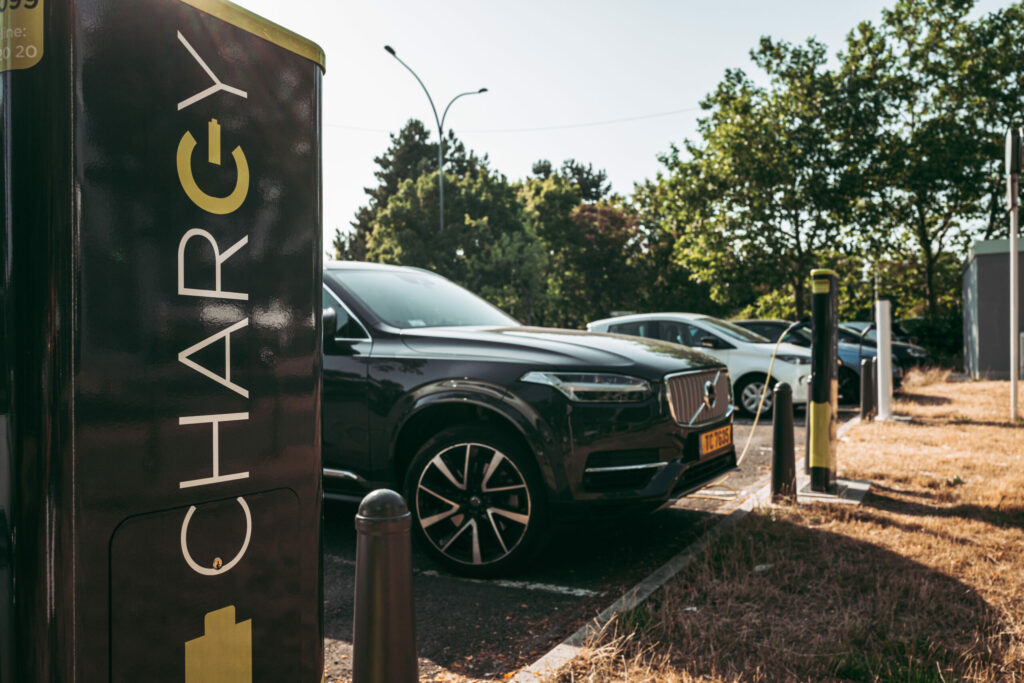
    Electric vehicles recharging in Luxembourg
    Several electric cars connected to public charging points in Luxembourg City.

    Luxembourg City: a small country with big ambitions

    The capital of the Grand Duchy and its conurbation have set themselves an ambitious target: to electrify 49% of the car fleet by 2030. This ambition is accompanied by concrete measures to support the deployment of charging stations. In June 2025, an invitation to tender awarded a seven-year concession to a private consortium to install the charging network. The country is also offering targeted grants to businesses, covering up to 50% of the cost of installing public or professional charging stations. These charging points can deliver at least 175 kW to meet users’ needs. The “Stroum beweegt” scheme brings together more than 40 public and private players around a shared commitment to electric mobility.

    Despite this, the results show that petrol and diesel vehicles still account for almost 90% of the total fleet. The challenge is therefore considerable: to maintain the pace of vehicle replacement while intensifying the infrastructure network in a very dense area.

    The atmosphere here is one of determination: the country sees itself as a compact laboratory for sustainable mobility. This gives it a relative advantage in terms of the density of terminals per inhabitant and strong incentive measures.

    Madrid: Spain focuses on fast infrastructure

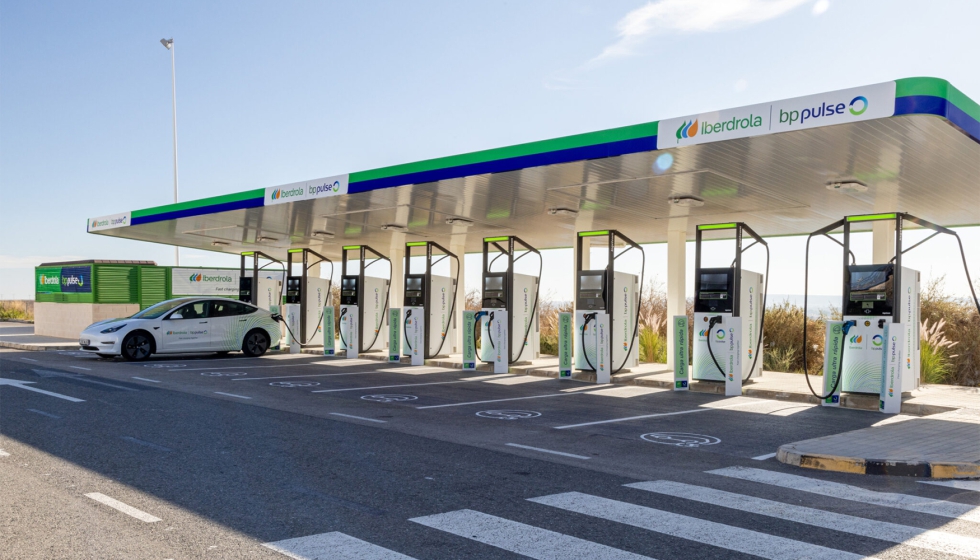
    In the Spanish capital, deployment is focused on massive charging infrastructures. Public support for the purchase of electric vehicles complements these efforts. The MOVES III national subsidy programme has been extended to 2025. It has an additional budget of 400 million euros to encourage the purchase of electric vehicles and the installation of charging stations. In terms of equipment, the Madrid region and Iberdrola España inaugurated a fast-charging hub in June 2025. This hub has 47 charging points, 15 of which can recharge 80% of a battery in less than 15 minutes.

    In addition, the urban transport company Empresa Municipal de Transportes (EMT) in Madrid has signed a €50 million loan with the European Investment Bank for the purchase of 250 electric buses and 10 hydrogen buses, as well as the corresponding infrastructure.

    The atmosphere in Madrid favours the large rapid terminal model combined with national subsidies. The main challenge remains complete urban coverage. We also need to integrate charging stations into residential areas. Finally, developing the use of electric vehicles in dense and peripheral areas remains a major challenge.

    Ultra-fast charging hub for electric cars in Madrid, a commitment to electromobility
    Ultra-fast recharging hubs in Madrid, enabling 80% of a battery to be recharged in less than 15 minutes.

    Lisbon: a step towards intensive electrification

    Lisbon and Portugal are showing strong signs of progress. In January 2025, battery electric vehicles accounted for 22.5% of new registrations in the country. In terms of infrastructure, Galp has inaugurated ultra-fast 300 kW charging points in the Lisbon region. As in Berlin, a pilot solution for recharging via street lamps has also been deployed. In addition, Lisbon’s public transport company, Carris, plans to have 90% of its fleet “clean energy” by 2028. This corresponds to around 300 electric buses in the entire fleet.

    In Lisbon, there has been a marked acceleration in the pace of development, but there are still some areas that need to be filled. The number of public car parks remains moderate, but is increasing rapidly. The main challenge is to transform historic residential areas without individual garages. We also need to improve coordination between public and private players.

    In short, Lisbon combines promising indicators with the obstacles typical of older cities: parking, heritage, density.

    Carris fleet electric train in Lisbon
    The Carris electric train in Lisbon, a symbol of electromobility.

    What this comparison reveals

    A comparison of these four capitals reveals several key points.

    • Firstly,recharging infrastructure remains essential. Madrid is banking on ultra-fast hubs, Berlin and Luxembourg on a dense network, and Lisbon on innovative urban solutions. Easy access to recharging has a major influence on user choice.
    • Secondly, financial support policies are essential. Purchase subsidies, support for the installation of charging points and public-private programmes facilitate the deployment of electric vehicles.
    • Thirdly, the local context plays an important role. Urban density, housing type, heritage and available energy all influence the speed of deployment.
    • Finally, communication and partnerships are essential. Cities, operators, energy suppliers and industry work together with varying degrees of effectiveness. Berlin and Luxembourg are good examples of such cooperation.

    Despite these efforts, challenges remain. Buildings with communal car parks need to be managed, dense areas need to be connected, charging standards need to be harmonised, and hybrids and heavy vehicles need to be integrated. Cities will have to keep up the pace if they are not to slow down the transition.

    Future prospects

    Over the coming years, these four capitals are set to continue their efforts. They will be extending the network of charging points and encouraging the renewal of private and public fleets. Madrid is developing exchangeable batteries and Lisbon is experimenting with street lamps fitted with charging points. European synergies, via EU funds or transnational mechanisms, will play an important role. In conclusion, electromobility is more than just a change of engine. It is a central element in the urban, economic and energy transition.

  • Electromobility in Australia: September 2025 confirms the acceleration

    Electromobility in Australia: September 2025 confirms the acceleration

    Australia, the new player in the automotive transition…

    Long perceived as a country where the electromobility market lags behind Europe, China and the United States, Australia has seen a real acceleration in the adoption of electric mobility over the past two years. According to the monthly VFACTS report published by the FCAI (Federal Chamber of Automotive Industries) and the Electric Vehicle Council, September is a perfect illustration: more than 30% of new vehicle sales are now electrified (hybrid, plug-in hybrid or 100% electric).

    This figure, unthinkable just a few years ago, brings the country closer to the standards of pioneering markets such as Norway and the UK, even if the recharging infrastructure is still lagging behind outside the major cities.

    Change is not just technological. It’s also cultural. In a country where the ute (utility vehicle) and the 4X4 are king, it’s true that seeing Tesla Model Ys, BYD Sealion 7s and even Chery Tiggo 4s in the top-selling vehicle rankings reflects a real shift in usage.

    Record figures

    In September 2025, 106,891 new vehicles were registered, up 7% on 2024. Since January, the market has sold a total of 938,959 vehicles, putting 2025 on track to surpass the previous all-time record (1,220,607 units).

    In a national context of inflation that is still perceptible, this dynamic performance can be explained by the overhaul of corporate fleets (+11.5%), the strength of the private customer channel and a revival in leasing (+8.5%). Conversely, government purchases fell by 13%.

    Geographically, Victoria and Western Australia are the main drivers of this growth.

    Manufacturers: Japanese dominance, Chinese breakthrough

    The car market is still dominated by Toyota, Ford, Kia, Mazda and Hyundai, but the real revolution is coming from China. In September, no fewer than four Chinese brands made it into the top 12 vehicle sellers: BYD, GWM, MG and Chery. And the least we can say is that their growth rates are staggering: +178% for BYD, +172% for Chery, +30.1% for GWM and +4.4% for MG.

    This growth is reflected in the appearance of three Chinese models in the top 10 best-selling vehicles in Australia, namely the Chery Tiggo 4 (6ᵉ), the BYD Sealion 7 (8ᵉ) and the GWM Haval Jolion (10ᵉ). They are therefore competing with local icons (Toyota HiLux, Ford Ranger, Isuzu D-Max). The Tesla Model Y, the third best-selling vehicle and number one SUV on the market, is a good illustration of this shift towards new preferences.

    This trend is not only reflected in sales figures, but also in import flows. Although Japan remains in first place as a country of origin of vehicles, with 26,590 units imported in September 2025, China, with 25,587 units, is now neck and neck. Thailand remains competitive with 20,996 vehicles imported in September 2025. China was ranked 3ᵉ in vehicle importing countries at mid-year with 102,938 deliveries, far behind Japan and its 187,078 deliveries. This evolving trend indicates that Beijing has a very strong chance of becoming Australia’s leading supplier of cars by the end of the year.

    Electrification: accelerated change

    The figures for the electrification of the Australian car fleet speak for themselves:

    12,076 battery electric vehicles (BEVs) sold in September, up 88% on September 2024.

    4,491 plug-in hybrids (PHEV), up 81% on September 2024.

    14,811 hybrids (HEV), a figure that confirms the role of this type of vehicle in this transition.

    In total, electrified vehicles will account for 30.5% of the market, while pure petrol will account for less than 40%. This is a rapid rise, given that by 2021, the share of BEVs will be no more than 2%.

    This growth can be explained by the increasing number of vehicles on offer, the fall in average prices and the visibility given to electric models. But it is also due to the aggressive strategy of Chinese manufacturers, who are filling a gap left by European brands that are hesitant, too expensive or too upmarket.

    A vigorous market, but under pressure

    There is every reason to believe that 2025 will be a record year for the Australian automotive industry. Yet beneath the surface, the situation is more fragile. All volume manufacturers are now resorting to massive discounting to clear their stocks, which is squeezing margins. Volume may be growing, but profitability remains under threat.

    This phenomenon is not unique to Australia: in Europe and the United States, the price war on electric cars – initiated by Tesla and followed by BYD – has forced most brands to reduce their margins in order to remain competitive.

    A month of change

    September 2025 marks a strategic turning point for the Australian car industry. SUVs and utes continue to dominate, but electrification is now establishing itself as a player in its own right and, above all, as the industry’s growth driver. The arrival in force of Chinese brands is accelerating this transformation and reshuffling the cards in a market historically dominated by Japan and Korea.

    These figures and facts confirm that Australia is no longer a market on the fringes of the global transition: it is becoming a country where tradition and modernity coexist.

  • Electric Cars: France vs China, Germany, and the United States

    Electric Cars: France vs China, Germany, and the United States

    A Global Revolution at Different Speeds

    The transition to electric cars knows no borders, but nations approach this shift with varying energy, strategies, and goals. In France, electrification of the vehicle fleet is progressing, driven by public incentives, growing demand, and gradual engagement from automakers. But in this global race, the question remains: can France keep pace with giants like China, the undisputed leader in electromobility, Germany, methodical and powerful, or the United States, recently energized by massive investment plans?

    The global market is evolving rapidly. According to the International Energy Agency (IEA), electric vehicle (EV) sales grew by over 25% in 2024, reaching 17.1 million units—nearly one in four cars worldwide. British consultancy Rho Motion predicts sales could rise another 17% in 2025, surpassing 20 million units. China alone absorbs almost two-thirds of the market. Meanwhile, Europe struggles to keep pace amid industrial, social, and environmental challenges, while the U.S. has strategically turn toward industrial and energy sovereignty.

    In this landscape, France brings its strengths and ambitions, but also its vulnerabilities. To understand its position, we must observe how other major players are progressing—in factories, on roads, in batteries, and in public policies.

    France: Progress Underway but Still Fragile

    Verkor electric battery factory under construction in France
    Verkor’s battery gigafactory in France, part of Europe’s push for EV and energy sovereignty.

    In 2024, one in five new cars sold in France was electric. This steady rise is supported by incentives like the ecological bonus, low-emission zones (ZFE), and the 2035 ban on new combustion vehicle sales. Renault, Peugeot, and Citroën have multiplied their announcements, firmly setting the course.

    Renault emerged as the hybrid leader in France in 2024, with 118,591 units sold and a 24.7% market share. On the fully electric front, Renault registered 55,309 units, a 37.5% increase, holding 17.4% of the market.

    Yet, challenges remain. The range of 100% French electric models is limited, particularly for entry-level vehicles. Charging infrastructure, though strengthened with over 155,000 stations installed, remains unevenly distributed. The industrial apparatus is reorganizing around sites like Douvrin, Flins, and Douai, but must further accelerate.

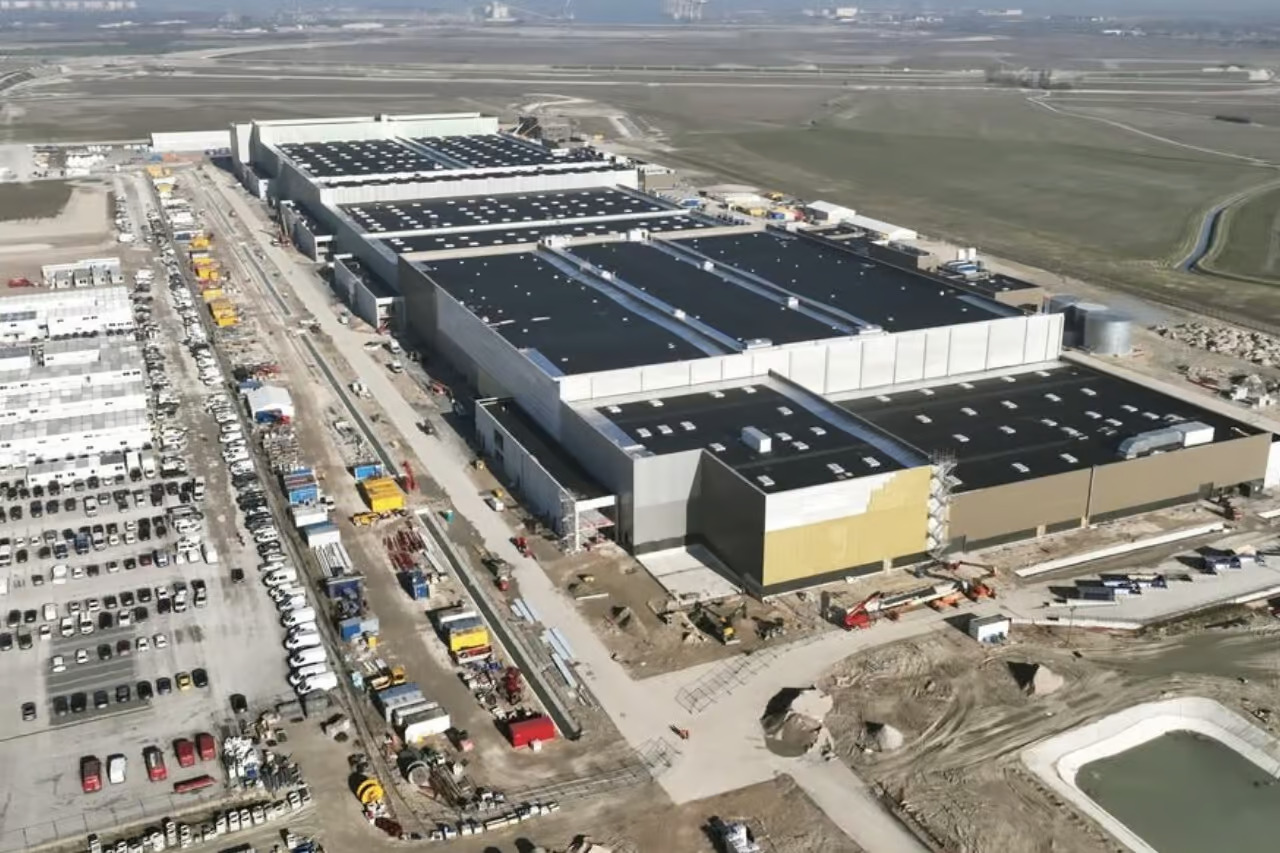
    On batteries, France is trying to catch up. Dependence on Asia remains high, though three gigafactories (ACC, Verkor, ProLogium) are under construction. However, ProLogium has delayed its launch to 2028. France is progressing but is not yet a leader, seeking its model between ecological ambition, industrial competitiveness, and social acceptance.

    China: The Electric Giant

    China is the undisputed champion. Early political will, massive subsidies, and an unparalleled industrial network have propelled it forward. In 2024, nearly two-thirds of global EV sales were in China, with a 40% year-on-year growth. According to the China Passenger Car Association (CPCA), China sold 10.9 million hybrid or electric models—a record representing almost half of all vehicles sold nationally.

    Local manufacturers like BYD, NIO, Xpeng, and Li Auto dominate. BYD even surpassed Tesla in both sales and revenue ($107.2 billion vs. $97.7 billion). Chinese brands master the full value chain—from battery to embedded software—while CATL supplies much of the world’s batteries.

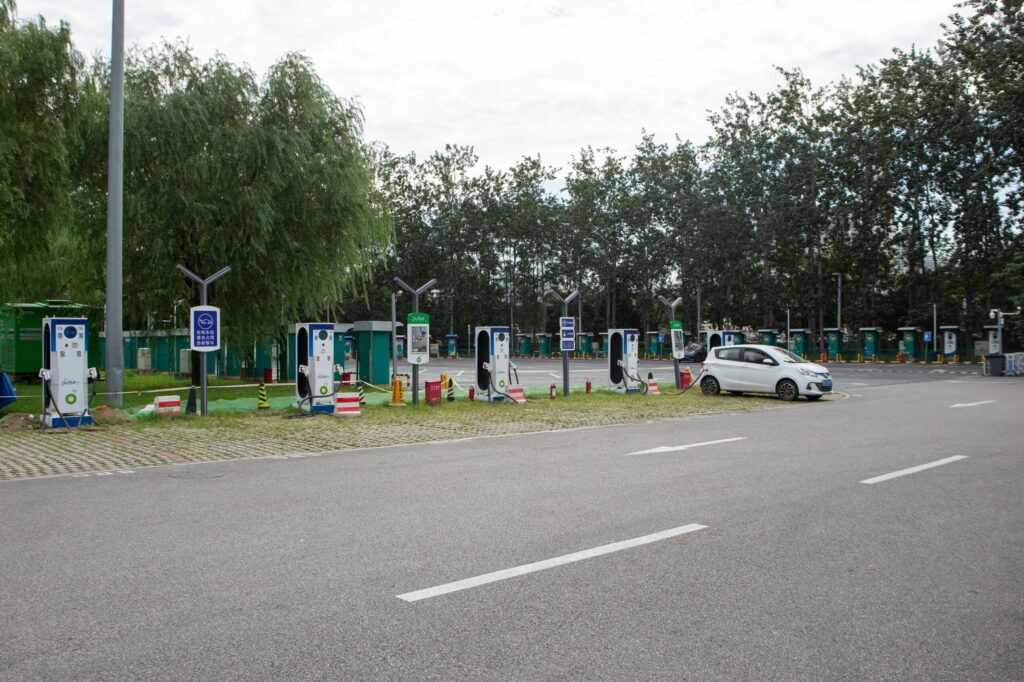
    EV charging at a large-scale power station in Beijing, China
    China continues expanding its EV charging network, with over 12 million stations by the end of 2024.

    Charging infrastructure is booming, with 12.82 million charging points by end-2024. According to the China Electric Vehicle Charging Infrastructure Promotion Alliance (EVCIPA), public chargers rose 49% year-on-year, with one charging point for every 2.7 EVs. China plans to add 73,000 new stations and over 1 million public chargers in 2025.

    This expansion supports rapid market growth: in 2024, new energy vehicles (NEVs) made up 40.9% of new car sales. At this pace, 50% could be reached by 2025. Yet, this dominance stirs tensions: the U.S. and EU accuse China of unfair practices and are imposing trade barriers that may intensify.

    Germany: The Industrial Method

    Germany was not the fastest to embrace EVs, but advanced rigorously. Major automakers (Volkswagen, Mercedes-Benz, BMW) reoriented post-Dieselgate, investing heavily in electrification. Volkswagen alone invested over €100 billion in EV production.

    Germany also focuses on industrial sovereignty, with several battery factories underway and partnerships with France (ACC) and Sweden (Northvolt, which recently filed for bankruptcy).

    Its charging network expands rapidly thanks to initiatives like Ionity. However, the German EV market shows signs of slowdown. The end of public subsidies led to an 18% drop in new EV registrations in 2024. Exports to China and the U.S. struggle.

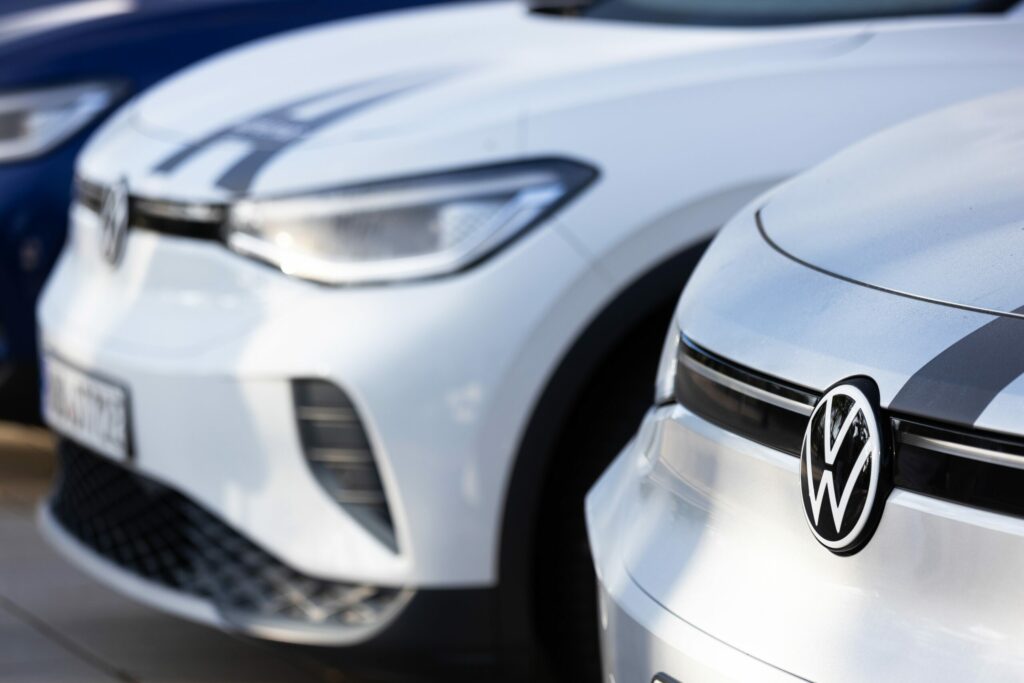
    Line of Volkswagen EVs at Wolfsburg production facility in Germany
    Volkswagen EVs ready for delivery from the Wolfsburg factory, the heart of Germany’s auto industry.

    Overproduction now exceeds demand, creating wage pressures, job cuts, and factory closure fears. German unions push for a “fair” transition to avoid massive layoffs. Industry morale is low, similar to pandemic levels. Still, some observers remain optimistic. According to them, the temporary slump could lower EV prices, which might boost demand and benefit consumers.

    United States: Biden’s Electric Shock

    Long behind, the U.S. is back in the game thanks to the 2022 Inflation Reduction Act (IRA), a $369 billion investment plan favouring domestically made EVs and batteries.

    Tesla remains the U.S. flagship, far ahead of Ford, GM, and Rivian, though they are catching up. In 2024, 1.2 million EVs were sold—a 49% increase from 2023—with EVs now making up 7.6% of new car sales.

    Tesla’s Supercharger network continues to expand, now open to other brands. The main challenge remains infrastructure, particularly in rural areas, and adoption varies greatly between states. California leads with more electric chargers than gas stations. According to Governor Gavin Newsom, California had 178,549 charging units by 2024—almost 50% more than gas stations.

    Tesla Motors dealership sign in Southern Nevada
    Tesla showroom in Las Vegas, part of the EV giant’s expanding U.S. network.

    However, political shifts could threaten momentum: a new Trump administration could slow EV adoption. In many regions, like the Midwest and South, combustion engines still dominate.

    Culturally, large electric SUVs top sales, while compact models lag. In 2024, according to Kelley Blue Book, the average EV price was $50,789, though prices are gradually falling thanks to Tesla’s cuts and government incentives.

  • Who Can Compete with China in the Electric Vehicle Battery Manufacturing Market?

    Who Can Compete with China in the Electric Vehicle Battery Manufacturing Market?

    China, the undisputed leader in battery manufacturing, has produced more than two-thirds of the lithium-ion batteries currently in circulation. This dominance can be attributed to an immensely powerful industrial network that allows for full internalization of the supply chain. It is also due to competitive manufacturing costs and easy access to raw materials thanks to China’s strong economic ties with key supplier countries.

    Aerial view of the ACC gigafactory in Billy-Berclau, a major battery manufacturing site in France.
    The ACC gigafactory in Billy-Berclau, France, is a leading European battery manufacturing facility focused on advancing EV battery production. (Credit: ACC)

    However, with the recent and spectacular rise of electric vehicles (EVs), Europe and the United States, among others, are investing heavily in developing their own production capacities to secure energy independence.

    At the same time, promising technological innovations are emerging, aiming to revolutionize battery performance and sustainability—particularly in terms of size (and therefore weight).

    They also focus on the use of minerals whose extraction often sparks controversy.

    “Made in Europe” Batteries: Between Strategic Independence and Chinese Investments

    It’s clear—based on both government announcements and the inauguration of new factories in recent years—that Europe is aiming to become a major player in electric vehicle battery production. By 2033, it’s estimated that nearly 250 factories will be established across the continent.

    This surge is driven by key projects in France, Germany, Italy, Spain, and Norway, among others. If some of them are failing, because of a still fragile market, companies such as Verkor and ACC (initially founded by Stellantis and Total, now with Mercedes-Benz among its shareholders) in France, and Italvolt in Italy are taking the lead.

    This vibrant European ecosystem has quickly attracted the attention of… the Chinese! Envision, based in Shanghai, has built gigafactories in Douai, France, and Sunderland, UK, in partnership with Renault and Nissan, respectively.

    Similarly, CATL, the undisputed global leader in EV battery manufacturing, has teamed up with Stellantis—the two companies that plan to invest over €4 billion—to build a factory in Zaragoza, Spain. This will be CATL’s third factory in Europe after Germany and Hungary, with a fourth already in the pipeline. Its location has yet to be announced.

    Finally, BYD, the new global leader in EV sales, has already opened two factories in Europe and is considering a third. These partnerships and installations highlight the complex challenge facing European governments: developing a domestic industry to achieve energy independence, while also relying on the very players they hope to free themselves from. This allows them to benefit from their funding and technical expertise.

    The American Industrial Boom

    Lithium-ion battery for Ford electric vehicles made in the USA.
    This lithium-ion battery is manufactured in the USA for Ford electric vehicles, highlighting America’s growing battery manufacturing industry. (Credit: Ford)

    In the United States, the 2022 Inflation Reduction Act (IRA) has sparked a true boom in the construction of EV battery factories. An unprecedented surge has brought dozens of gigafactories, most still under construction, within the “Battery Belt” spanning ten states from Georgia to Michigan.

    In addition to Tesla, which is already well-established, Ford, General Motors, Hyundai, Toyota, and others are investing heavily, supported by federal tax credits provided by the IRA. From just two such factories in 2019, the U.S. now has around thirty that are either operational or nearing completion. There are over 200 battery-related projects.

    There’s also a wave of startups creating battery recycling solutions that ensure batteries remain within the country for their entire lifecycle. The question remains: what will the Trump administration do about this electrification movement? The 47th President of the United States is a strong supporter of the oil industry.

    Yet he also launched a trade war with China and promised to massively reduce unemployment. Domestic battery manufacturing helps reduce reliance on Chinese imports and, according to several estimates, could create over 100,000 jobs.

    So, between protectionism—fueled by industrialization and electrification—and conservatism—rooted in continued oil reliance—two core features of Trump’s platform, the administration will have to make a choice. But which one?

    New Batteries: Lighter and More Durable

    Scientist working in an electric battery research laboratory.
    A cutting-edge research lab dedicated to developing innovative and sustainable battery technologies for the electric vehicle market. (Credit: ThisisEngineering)

    Far from these geopolitical concerns, technological innovation is steadily progressing and lies at the heart of the battery sector’s transformation.

    Recently, U.S.-based Paraclete Energy developed SILO Silicon, a silicon anode material that reduces battery weight by 50% while doubling range. An 80 kWh pack could drop from 565 kg to just 150 kg. It could also offer a range of over 930 km. A promising outlook!

    Stellantis is also exploring promising alternatives. In partnership with Zeta Energy, the group is developing lithium-sulfur batteries, which are lighter, cheaper, and contain no cobalt or nickel. This dramatically reduces the need for controversial raw materials. These batteries could hit the market by 2030 and be compatible with existing infrastructure.

    Finally, semi-solid battery technology is advancing. Stellantis plans to test Dodge Chargers equipped with these batteries starting in 2026. They offer higher energy density and compatibility with current production lines.

    Whether powered by sand, seawater, air, or carbon—whether they charge as quickly as a gas tank fills, or even offer virtually unlimited lifespans—the batteries of the future are already on their way!

  • Electric mobility’s key figures in 2024-2025

    Electric mobility’s key figures in 2024-2025

    The year 2024 marked a major milestone in electric vehicles (EVs) expansion worldwide. 17.1 million EVs were sold globally, representing an impressive +27% increase compared to 2023. Development is mainly driven by three key markets: The United States, Europe, and China, which together represent over 90% of all EV sales globally. This rapid growth is backed by a thriving business ecosystem, with nearly 14,000 start-ups exclusively focused on electric vehicles and electric mobility worldwide. In Europe alone, the EV market is expected to generate $224.9 billion in revenue by the end of 2025.

    Europe: The North is spearheading

    Several European countries are showing particularly high EV adoption rates. Norway, of course, continues to lead the continent (and the world), with 88.9% of new car sales in 2024 being electrified. Denmark follows with 51% and Sweden with 35%.

    Electric vehicle driving in a city street, global EV adoption
    Forte adoption des véhicules électriques dans les centres urbains en 2024-2025 (Credit: redcharlie)

    Infrastructure is also expanding rapidly. As of spring 2025, the Netherlands leads with 183,000 public charging stations, followed by France (160,000) and Germany (153,000). On a per-capita basis, the Netherlands stays at the top with 10.04 chargers per 1,000 inhabitants, followed by Belgium (6.54) and Iceland (6.48).

    The electric mobility startup scene is vibrant, particularly in the United Kingdom, home to 1,100 startups in the sector. Germany follows with 700, and France with 400. 

    Public incentives also play a crucial role in the EVs market growth. Norway, for instance, offers VAT exemptions for EVs priced below €44,000. In France, buyers can receive up to €4,000 for an EV priced under €47,000. The Netherlands, on the other hand, provides multiple tax breaks for both buyers and companies, including deductions for businesses that install charging stations.

    Rest of the world: China and its underdogs 

    The EV shift is also accelerating in other parts of the world. In China, 25% of vehicles sold in 2024 were 100% electric (almost 50% electrified), making it the world’s largest EV market in terms of volume. Canada followed with 11,4% and the USA with 8%.

    In terms of charging infrastructure, China still dominates with 3.2 million public charging stations, well ahead of South Korea (405,000) and the United States (200,000). South Korea has the best EV-to-charger ratio in the world, with just 1.7 vehicles per public charger, followed by China (2.5) and Mexico (20).

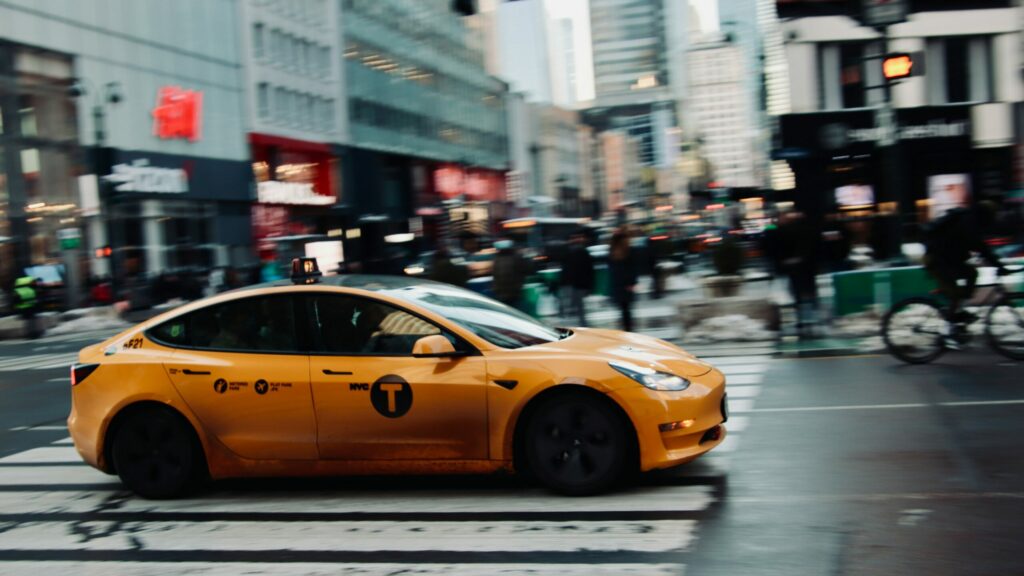
    Electric taxi driving in New York City street, 2025
    Taxi électrique circulant dans les rues de New York en 2025, symbole de la transition vers la mobilité durable. (Credit: Paul Cuad)

    When it comes to innovation, the United States leads with 2,500 startups dedicated to electric mobility, followed closely by India (1,800) and China (1,700).

    Last year saw some interesting growth in emerging markets, with Vietnam posting a +197% increase in EV sales between 2023 and 2024, Indonesia +104%, and Brazil +90%.

    Some countries are also setting bold ambitions for the future. India aims for 80% of two-wheelers to be electric by 2030. Ethiopia has banned the import of combustion vehicles and is now importing 100,000 electric vehicles every month. Meanwhile, Singapore has set its sights on a 100% electric vehicle fleet by 2040.

  • A World Tour of the Most Ambitious Electric Mobility Policies

    A World Tour of the Most Ambitious Electric Mobility Policies

    While we’re becoming increasingly familiar with the electric vehicle (EV) policies of major European countries, China, and North America, they’re far from the only players showing ambition and determination in transitioning from combustion engines to electric mobility.

    Global transition to electric mobility with charging stations and EVs
    The global shift toward electric vehicles and sustainable transport. (Credit: kindel media)

    Costa Rica, renowned as one of Central America’s most environmentally conscious nations—hardly surprising given its motto “Pura Vida”—was quick to jump on the electric mobility bandwagon. Among the wealthiest countries in the region, Costa Rica aims to achieve carbon neutrality by 2050. To that end, it has incentivized electric vehicle adoption by eliminating import taxes on cars under $33,000 and expanding its public charging infrastructure.

    Ethiopia, on the other side of the Atlantic, has also taken bold steps to electrify its vehicle fleet. First, in 2022, it slashed or eliminated import taxes on EVs depending on their country of manufacture (including exemptions from VAT and excise duty). Then, in an even bolder move in 2024, it outright banned the import of combustion-engine vehicles. Now that’s taking initiative…

    Australia hasn’t gone as far as banning combustion vehicles, but the “Land Down Under” is not passive when it comes to EV development. It began by focusing on its bus fleet and government vehicles, followed by a strategic plan to boost domestic mineral extraction and battery manufacturing. The latest announcement: the introduction of new standards for vehicle distributors, requiring a 60% reduction in CO₂ emissions by 2029. A strong incentive to sell more EVs!

    India, meanwhile, is betting big on electrifying two-wheelers—understandably so, since 80% of Indians use them as their primary mode of transport. The government is investing heavily in stabilizing the power grid, building dedicated charging infrastructure, and boosting local manufacturing of both vehicles and batteries—reducing costs in the process. The goal? 80% of two-wheelers on Indian roads will be electric by 2030. The government also promises that, within five years, 30% of passenger cars and 70% of commercial vehicles will be electric too. Will it be enough to give New Delhi some breathable air again?

    Electric two-wheelers in India supported by national mobility policies
    India’s government is boosting electric two-wheeler adoption through targeted policies. (Credit: Ather Energy)

    Japan isn’t planning to be left behind. A longtime leader in tech and industrial innovation, the country surprisingly lags in full-electric development. Its major automakers—pioneers in hybrid technology—seem hesitant to let go of their market dominance in that sector. The government, for its part, is focusing on hydrogen, a technology that has yet to deliver on its promise. As a result, Japanese automakers have few EV models in their catalogue and the archipelago has scarce charging infrastructures, resulting in dismal local sales (only 1.4% of new car sales in 2024 were fully electric). But there’s a glimmer of hope: the government has finally taken action and announced the rollout of 300,000 charging stations by 2030. If Japanese manufacturers ramp up their EV development as planned—bringing their knack for innovation that made their hybrids so successful—Japan could catch up faster than anyone expects.

    Germany, following a court ruling in late 2023, had no choice but to end public subsidies aimed at promoting EV purchases. The fallout? 140,000 fewer EVs sold in 2024 compared to 2023. Proof, if needed, that public policy—especially financial incentives—plays a crucial role in EV adoption, even in an automotive powerhouse with high purchasing power (overall new car sales in Germany stayed about the same year over year). In response, Germany recently introduced new incentives targeted at businesses, offering tax breaks for switching to electric. With a bold target of 15 million EVs on the road by 2030, Germany will have to keep supporting the transition—one way or another.

    Saudi Arabia, long associated with oil, is nonetheless making massive investments to develop the electric vehicle market within the Kingdom. First, $1.5 billion was poured into building a factory capable of producing 155,000 “Made in Saudi Arabia” cars per year. This was followed by the large-scale development of solar panels and, eventually, charging stations, along with energy giant Aramco’s ambitions in lithium extraction. While the electric vehicle market is still far from dominant in Saudi Arabia, new car sales have seen double-digit growth every year for over two decades—and there’s a place for electric vehicles to take hold!

    China and the European Union, particularly represented by Germany, entered into negotiations this spring over the import of Chinese electric vehicles. Europe currently imposes tariffs of up to 45% on Chinese EVs, limiting their market penetration. In retaliation, China threatened to impose tariffs on European goods heading in the opposite direction—potentially hitting French spirits producers hard. To ease tensions—especially after the U.S. also flexed its muscles—talks resumed between Brussels and Beijing to consider setting minimum prices for Chinese vehicles instead of applying new tariffs. To be continued…

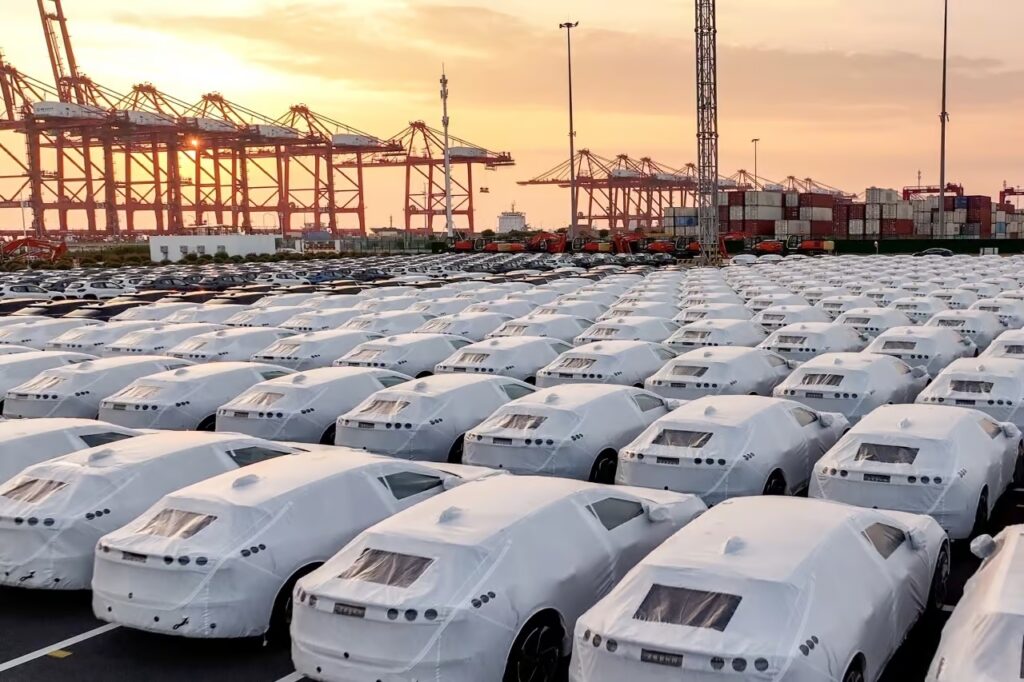
    Export of Chinese electric vehicles to the European market
    China exports electric vehicles to Europe, reshaping global car markets. (credit: Zeekr)
  • The Second-Hand Electric Vehicle Market: Between Growing Maturity and Falling Prices

    The Second-Hand Electric Vehicle Market: Between Growing Maturity and Falling Prices

    While there are local specificities from one country to another, the major trends in the global second-hand electric vehicle (EV) market are emerging with striking similarities. Whether in the UK, France, the United States or China, a common dynamic is observable: a surge in supply, growing buyer interest, and a significant price drop. These combined factors are naturally boosting the volume of transactions. While range anxiety remains the main barrier to buying a new EV, the second biggest obstacle is undoubtedly the purchase price. The second-hand market now offers a tangible solution to this issue.

    Crédit : Jim Witkowski

    A More Mature Market, a Broader Supply

    In just a few years, the second-hand EV market has matured significantly. The steady rise in new electric vehicle sales year after year is now being reflected in the used car market. Over 17 million electric vehicles were sold worldwide in 2024—an impressive increase of nearly 3 million units compared to 2023—which is mechanically feeding the second-hand market. As a result, the stock of used EVs is rapidly growing, especially in Europe and the United States. For instance, the Society of Motor Manufacturers and Traders (SMMT) recently reported a record rise in used EV sales in the UK in early 2025, with a year-on-year growth of 57% in the fully electric vehicle segment. Across the Channel, in France, second-hand EV transactions have risen by 54%, driven by the growth of social leasing schemes and fleet renewals. In the U.S., the figure reaches as high as 60%. This increase in supply is accompanied by a natural consequence: falling prices.

    Crédit : DR
    Crédit : DR

    The Good News: Falling Prices

    Another key driver of this new market momentum is the rapid depreciation of electric vehicles. Their value drops faster than that of combustion engine models in the first few years. In 2024, some of the most popular electric models lost up to 30% of their value in just one year! While this may be concerning for first owners, it is excellent news for potential buyers, making it possible to purchase a used EV at very competitive prices—sometimes for under €15,000 on the French market, for example. In the UK, the average price of a second-hand EV dropped by nearly 20% in a year, and by 15% over the same period in the U.S. This price drop is finally opening up the electric vehicle market to a broader customer base, often excluded from buying new, leading to a kind of “democratization” of the electric vehicle. This is even more evident in the world’s largest EV market: China. There, the average price of a second-hand electric vehicle is around €10,200—still higher than the average price of a used combustion vehicle (€6,500). But it’s worth noting that more than half of second-hand EV transactions take place below the €6,000 mark, meaning they’re in fact cheaper than the average combustion vehicle. Add to that the fact that used EVs for sale in China are on average less than four years old, and it becomes clear that one can now afford a cheaper and more recent electric vehicle than a comparable combustion model. The second-hand market is now playing a crucial role in the transition toward more sustainable mobility. More accessible and more diverse, it’s becoming a strategic gateway for many households looking to drive clean without breaking the bank. As prices continue to drop and supply expands, 2025 could well be the tipping point for the second-hand EV boom—a turning point that may accelerate the global adoption of electric mobility, far beyond the early adopters.