Author: Eva Pellerin

  • Peugeot reinvents the car in Fortnite with Polygon Concept

    Peugeot reinvents the car in Fortnite with Polygon Concept

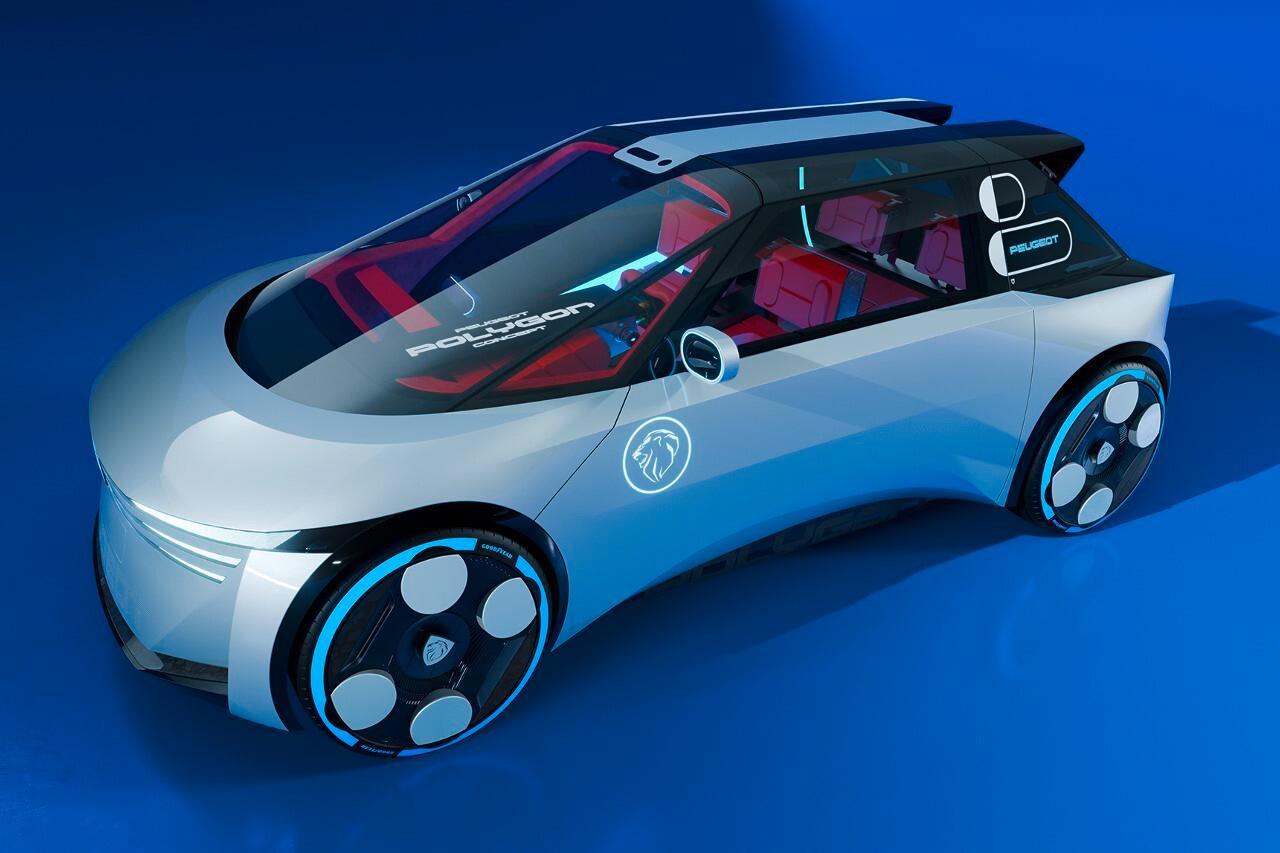
    Since yesterday, Peugeot fans and gaming enthusiasts have been able to explore Polygon City in Fortnite. A virtual island dedicated to the Polygon Concept car, before its official unveiling tomorrow. This initiative combines futuristic design, technology and an interactive universe. It offers an unprecedented level of immersion, enabling visitors to discover the vehicle from every angle. With this approach, Peugeot is not only offering a preview of the concept, but also a participative experience that combines fun and creativity.
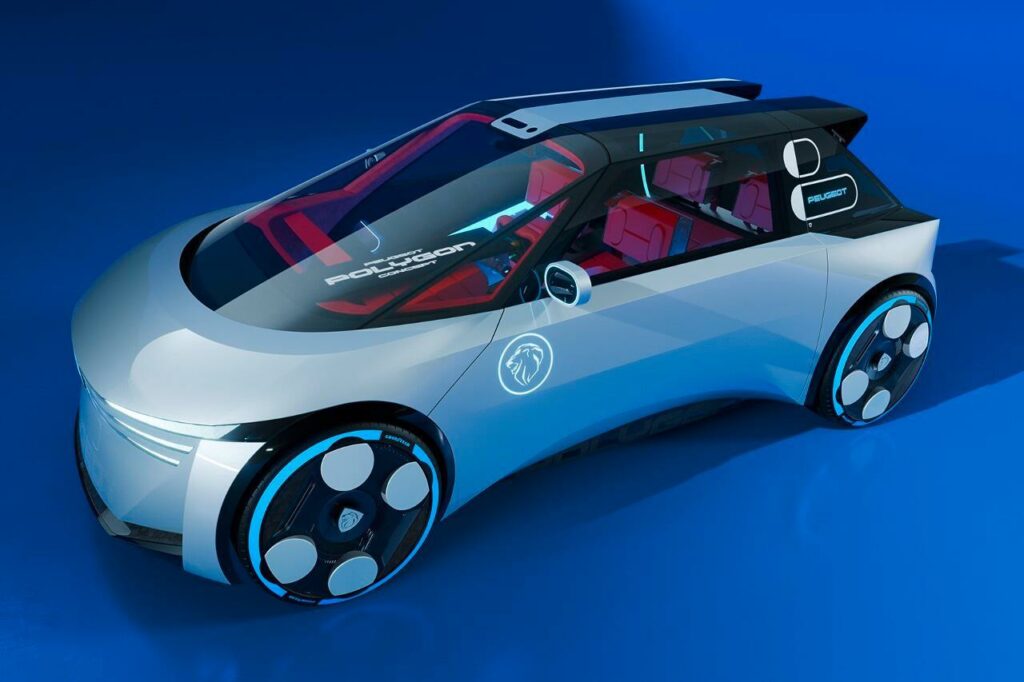
    Peugeot Polygon Futuristic concept with Hypersquare steering wheel and sculpted bodywork
    The Peugeot Polygon Concept, combining sculptural design and innovative technology, before its official unveiling. (Credit: Peugeot)

    A futuristic concept car with a sculptural design

    The Polygon Concept reflects all the boldness and feline style so dear to Peugeot. The interior has been completely redesigned around the Hypersquare® steering wheel and Steer-by-Wire technology. These guarantee a fluid, intuitive and totally connected driving experience. Every detail of the vehicle has been designed to transform mobility into a genuine emotion, where technology and sensations meet. The angular, sculptural bodywork illustrates the creativity of the designers and gives the concept a strong visual identity. In this way, the Polygon Concept becomes both an objet d’art and a technological showcase, embodying Peugeot’s vision of the car of the future.

    Polygon City: a virtual island to discover the concept

    Polygon City has been available in Fortnite since 10 November. This island, created by Gameloft in collaboration with Peugeot designers, reproduces the shapes of the Hypersquare® steering wheel and offers total immersion. Players can fly over the city, discover the concept car and take part in a number of mini-games to earn tokens. These tokens give players the chance to customise the Polygon Concept down to the smallest detail. You can personalise the body colour, the wheels, the Hypersquare® and the light signatures. Players can create their own unique version of the vehicle, combining exploration, creativity and entertainment. This interactive experience brings Peugeot fans and gamers together around a shared vision of automotive innovation.
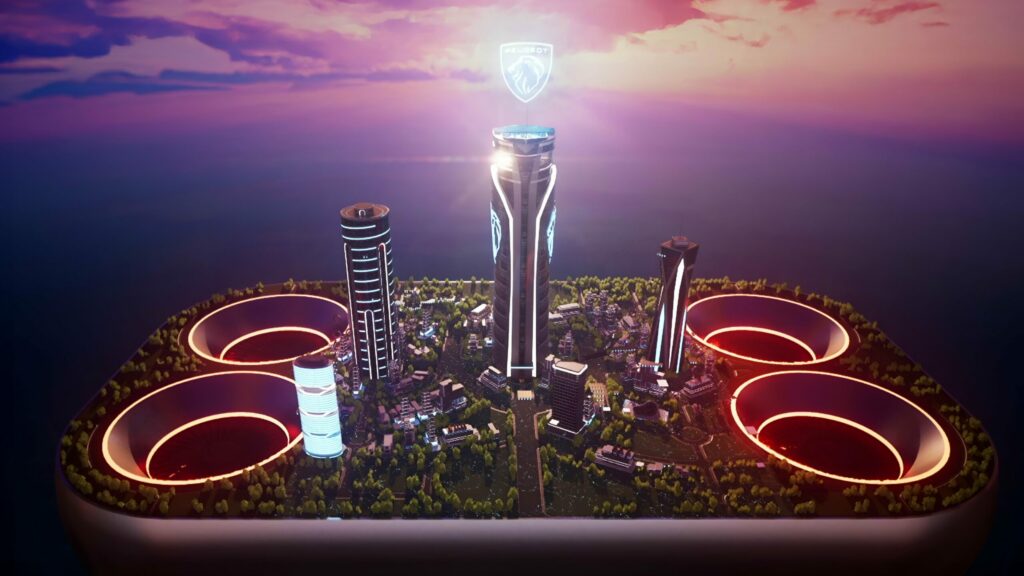
    Polygon City in Fortnite, an immersive virtual island inspired by the Peugeot Polygon Concept
    Explore Polygon City in Fortnite, an interactive island inspired by the Peugeot Polygon Concept car (Credit: Stellantis)

    A digital strategy to reach new generations

    Polygon City illustrates Peugeot’s desire to engage with new generations through gaming and digital worlds. Phil York, Global Marketing Director, explains that the concept offers “a multi-faceted vehicle”, making it possible to show all the possible configurations of the Polygon Concept even before its official unveiling. Jean-Baptiste Godinot, Vice President of Gameloft for Brands, points out that the island is an interactive expression of Peugeot’s core values and engages younger generations in a fun and immersive experience. This approach demonstrates how the brand is reinventing automotive communications, combining innovation, design and digital culture, while creating a strong anticipation for tomorrow’s event.

    An immersive experience before the official reveal

    For gamers and fans alike, Polygon City offers the chance to explore a futuristic, interactive and creative environment. The island lets you discover the Hypersquare® shape from the air, explore each district and test the vehicle’s customisation in exchange for tokens. This fun and immersive experience transforms a simple concept car into a truly participative event, combining exploration, fun and creativity. By interacting with the Polygon Concept before its official unveiling, players can make the vehicle their own and experience its unique design in an engaging virtual context.
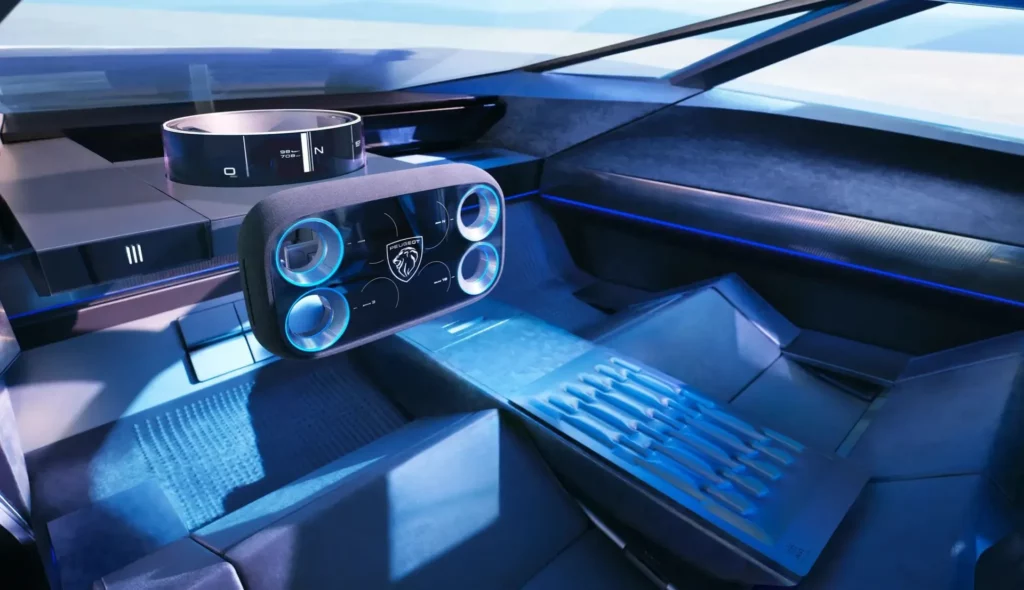
    Peugeot Polygon Concept Hypersquare® steering wheel with Steer-by-Wire technology
    The Hypersquare® steering wheel in the Peugeot Polygon Concept, a symbol of innovation and intuitive driving. (Credit: Peugeot)

    Tomorrow, the official reveal on YouTube

    On 12 November at 1pm, Peugeot will officially present the Polygon Concept during a keynote broadcast on its YouTube channel. In the meantime, the Fortnite experience allows you to discover the vehicle, experiment with its customisation and immerse yourself in a world that combines innovation, design and digital culture. Peugeot has succeeded in transforming a concept car into a participative adventure. In this way, the brand offers a vision of the mobility of the future that combines technology, creativity and immersion. This approach demonstrates that the automobile can now be experienced as an interactive event, accessible to all, where each player becomes a player in the discovery.
  • Bruno Saby, Lancia and Monte-Carlo: a comeback that electrifies history

    Bruno Saby, Lancia and Monte-Carlo: a comeback that electrifies history

    Thirty-seven years after his triumph at the wheel of a Lancia Delta HF 4WD, Bruno Saby returned to the Principality of Monaco. This time, the driver from Grenoble was no longer carried away by the roar of an internal combustion engine, but by the powerful silence of a 100% electric Lancia Ypsilon HF. At 76, the man who left his mark on rallying in the 1980s is proving that passion never dies out. This comeback also symbolises Lancia’s sporting renaissance, on the eve of a major worldwide comeback scheduled for 2026.

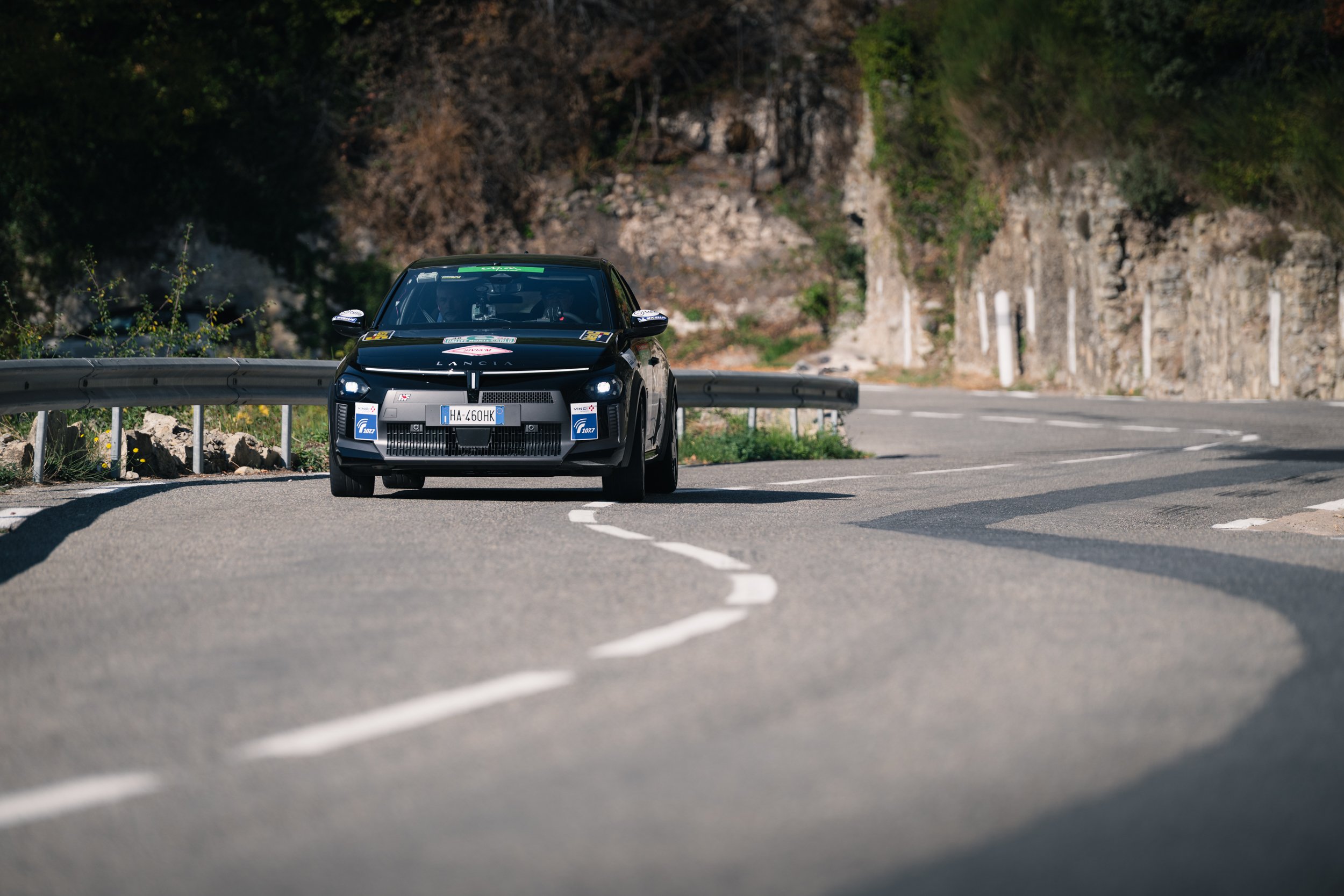
    Lancia Ypsilon HF electric 280 hp on mountain roads
    The 100% electric Lancia Ypsilon HF takes to the winding roads of the Alps at the 2025 E-Rallye Monte-Carlo. (Credit: Stellantis)

    An emotional and symbolic return

    When Bruno Saby took the start of the 2025 E-Rally Monte-Carlo, the scenery had changed, but not the spirit. The former winner of the classic Monte-Carlo was back on familiar roads, those of the Col de Turini and the Alpes-Maritimes, this time at the wheel of a 280hp electric compact. At his side was his faithful co-driver Christophe Marquès, who had already been a partner when he won the E-Rallye France Auvergne Rhône-Alpes a few weeks earlier.

    For the driver, this return was no mere media stunt. “Returning to Monte Carlo with Lancia is a powerful symbol,” he confided before the start. His career, marked by victory in 1988 and successes in the World Championship, finds a new echo in this modern adventure. Lancia, for its part, has seized the opportunity to celebrate its glorious past while affirming its electric ambitions.

    Lancia Ypsilon HF: the bridge between tradition and innovation

    The Ypsilon HF is not just a tribute to history. It’s a statement of intent. Beneath its compact silhouette, it conceals a 100% electric motor delivering 280 bhp, a lowered chassis and a Torsen differential. All designed for the winding roads of Monte Carlo, where precision and traction are essential.

    During the event, the Lancia stood out for its efficiency and reliability. Despite covering more than 1,000 kilometres, often at altitudes of over 2,000 metres, the Saby-Marquès team only recharged at night. A remarkable performance that underlines the progress made by Italian technology. The duo finished just off the podium, fourth in the regularity ranking and fifth in efficiency. A result that confirmed the competitiveness of the model and the relevance of Lancia’s return to modern competition.

    Bruno Saby to drive the Lancia Ypsilon HF at Monte-Carlo 2025
    Rally legend Bruno Saby takes the wheel of the 100% electric Lancia Ypsilon HF at the E-Rallye Monte-Carlo (Credit: Stellantis)

    Bruno Saby, the undiminished passion of a champion

    At 76, Bruno Saby has lost none of his enthusiasm. Having excelled in world rallying, the Dakar and rallycross, he remains an active ambassador for the discipline. Committed to the association Espoir contre le cancer (Hope against Cancer), he is now putting his talent at the service of a worthy cause. “I still love driving. It’s a deep passion that you can’t let go of”, he recently declared.

    This vitality has found new impetus in electric regularity rallies. Far from being a minor challenge, these competitions demand precision, strategy and energy management. For Saby, it’s a way of continuing to learn and pass on his experience. Through his example, he embodies the continuity between the golden age of rallying and the electric era, with emotion and innovation.

    Lancia’s revival on the world stage

    The year 2025 will be Lancia’s big comeback. After years of absence, the Italian brand is preparing its sporting resurrection with ambition. From January 2026, the new Ypsilon Rally2 HF Integrale will make its debut on the Rallye Monte-Carlo, in the WRC2 category. A decisive step for the most successful brand in the history of the World Rally Championship.

    Under the impetus of Luca Napolitano, Managing Director of Lancia, and two-time world champion Miki Biasion, Lancia returns to world competition. The programme is based on a complete range: Ypsilon Rally4 HF, Rally HF Racing and now the Rally2 HF Integrale. A range designed for professional drivers and private teams alike, aimed at putting Lancia back at the heart of international motor sport.

    Lancia Rally HF range: Ypsilon, Rally4 and Rally2 HF Integrale
    The Lancia Ypsilon HF, Rally4 HF and Rally2 HF Integrale come together to illustrate the heritage and future of Italian rallying. (Credit: André Ferreira / DPPI)

    A living heritage, a future on the move

    The Trofeo Lancia 2025 confirmed this momentum. With an increase in participation and some outstanding victories, the brand was back in touch with its public. The Rallye Sanremo, the final round of the season, crowned Gianandrea Pisani and Nicola Biagi, symbols of the new generation of Lancia ambassadors. On the roads of Italy, passion was passed on from one era to the next, from the Delta Integrale of yesterday to the Ypsilon HF of today.

    In the Lancia villages, the public was able to rediscover the legendary models – Delta, 037, Integrale – alongside the electric vehicles of the new era. A reminder that technology does not erase emotion, but rather extends it. Lancia has understood this: to return to the top, it must rely on the soul of its history.

    Monte-Carlo, still the common thread

    The E-Rallye, Monte-Carlo remains the point of convergence between past and future. Bruno Saby has once again written a fine page in his legend, while Lancia is preparing its world return to these same roads in January. Both demonstrate that the passion for rallying knows neither the wear and tear of time nor the limits of technology.

    This joint comeback, between memory and modernity, marks more than just a race. It embodies the rebirth of a legendary brand and the loyalty of a champion to its history. In the silence of electric propulsion, the music of motor sport continues to vibrate.

  • “Electric performance is above all the joy of driving” Didier Malga

    “Electric performance is above all the joy of driving” Didier Malga

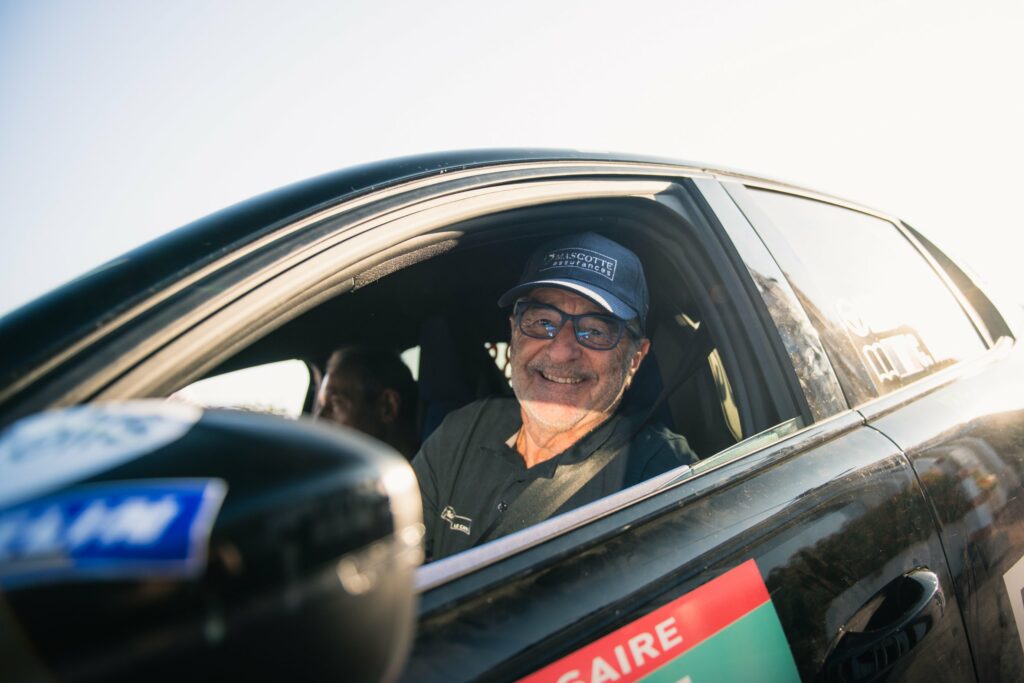
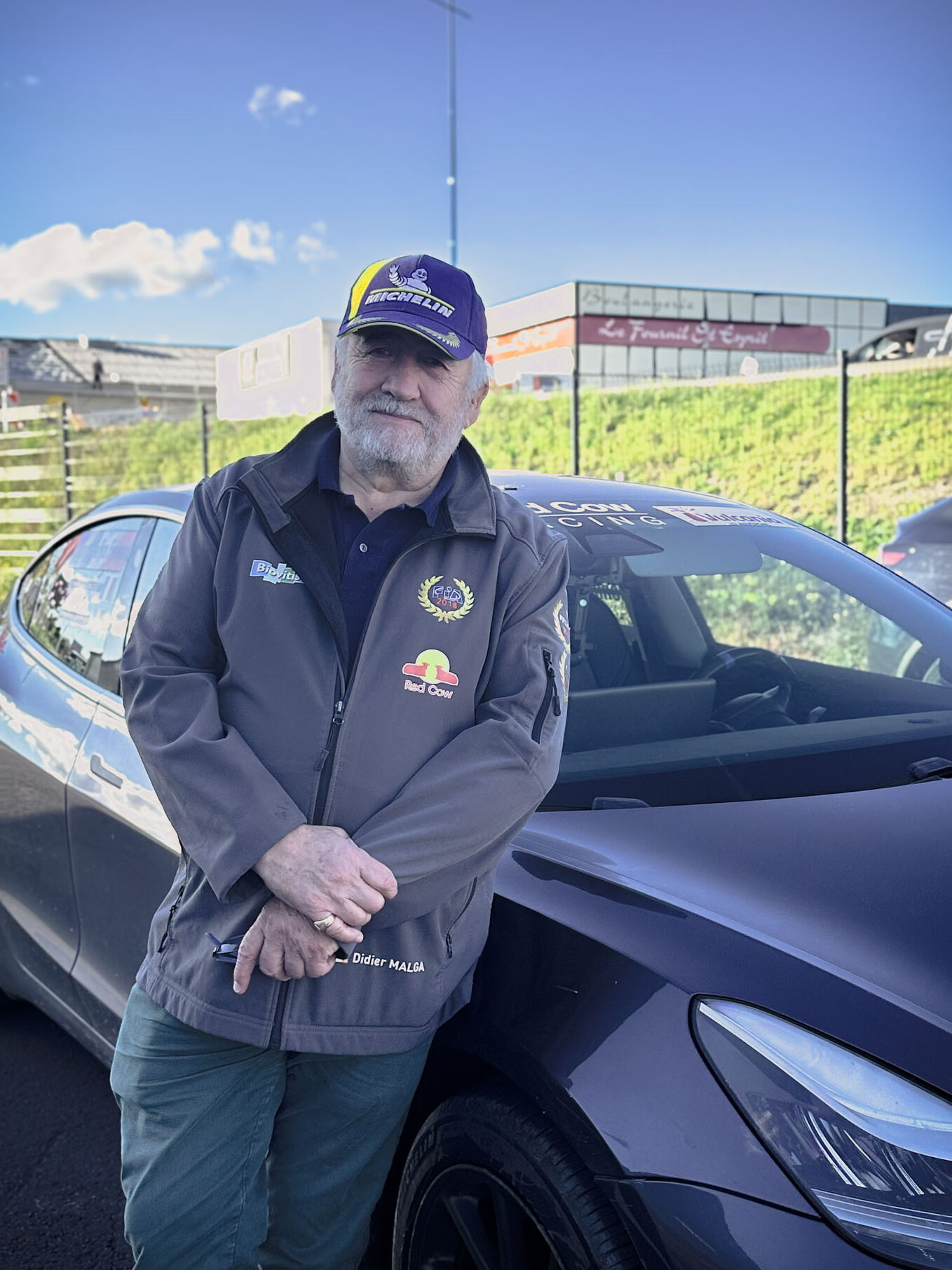
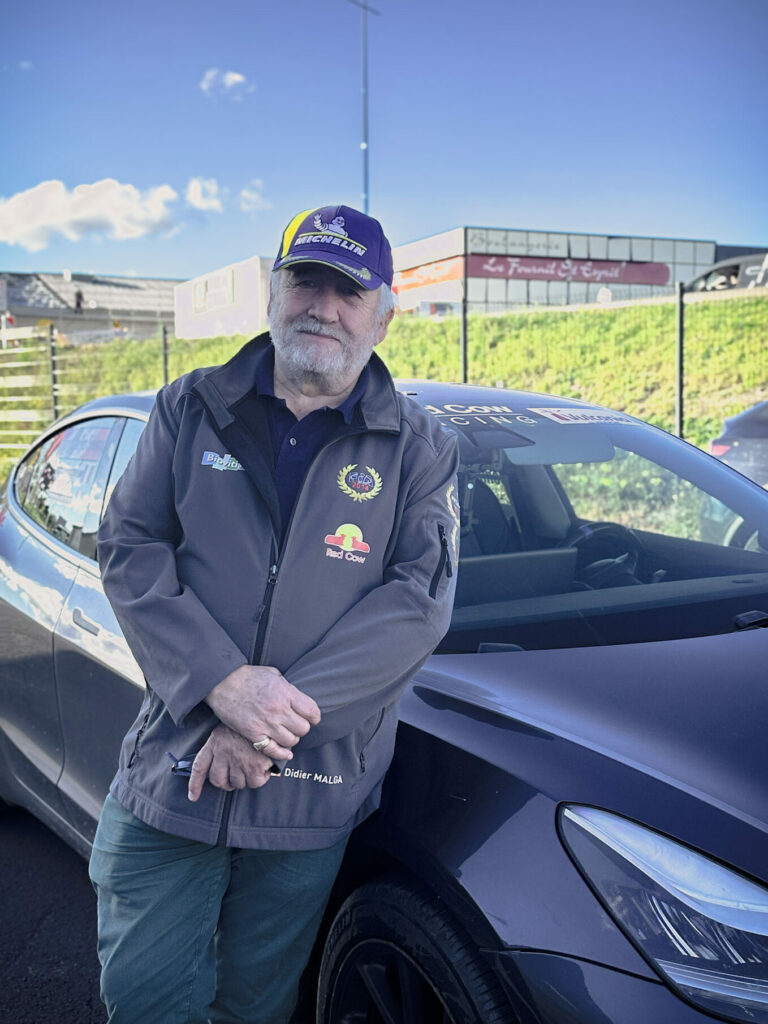
    Didier Malga is a passionate motorsport driver, specialising in electric and hydrogen vehicles. After competing in regional rallies, he discovered new energy vehicles in 2015. He quickly established himself as a leading figure in electric rallying, becoming a world champion in his first season. He is now behind the creation of the French round of the World Championship of Énergies Nouvelles rallies, which will take place in Auvergne-Rhône-Alpes in June 2026.

    Didier Malga electric rally driver
    Didier Malga, world electric rally champion and organiser of the 2026 French round. (Credit: Eva Pellerin)

    Can you tell us about your motorsport background?
    Didier Malga: II started very young with regional tarmac rallies, driven by passion. I competed for several years before pausing to focus on my professional and family life. I returned in the late 2000s, initially with historic vehicles, including 1970s sports cars, and then, by chance, entered the field of new energy vehicles in 2015.

    We discovered this discipline during our participation in the E-Rallye Monte-Carlo, on the suggestion of the Automobile Club of Monaco, alongside my co-driver. At the time, the “alternative energy” category was very broad: electric, hydrogen, E85, biofuels… We competed with a 208 GTI running on E85 and finished fifth. The following year, with a Tesla, we finished third, then won in 2017. This victory allowed us to enter the World Championship, where we became champions in our very first season.

    Since then, we have continued our involvement, despite seasons complicated by crew availability and the pandemic. This led us to focus on the French Championship and the creation of our French round, to provide a true driving force for electric motorsport in France.

    What attracts you to electric rallying?
    D.M. : What appealed to me most was the novelty and the sense of discovery. Electric vehicles behave very differently, with a low centre of gravity, instant acceleration, and exceptional handling. It’s a real pleasure to drive, even managing powers from 400 to 700 horsepower.
    Didier Malga's Tesla for the electric rally
    Didier Malga’s Tesla ready for the rally, complete with official stickers and sponsors (Credit: Eva Pellerin)

    In addition, organising it is much simpler: no heavy support is needed as in combustion engines, maintenance is minimal, and budgets are more accessible. This also attracts financial partners, drawn to the innovation and modern image of the discipline.

    We regularly run driving experiences and electric driving coaching to show participants that these vehicles are not only environmentally friendly, but also high-performing and fun to drive.

    What is the future of electric motorsport in your view?
    D.M.: The future is clear and irreversible. Two main drivers are pushing it forward: public health and climate. Over 40,000 deaths in France each year are linked to fine particles, making the energy transition inevitable.

    Electric motorsport plays an educational role: it demonstrates performance and driving pleasure, encouraging the public to adopt electric mobility faster and in a positive way. It is a tangible catalyst for change.

    The E-Rallye Auvergne Rhône-Alpes in June 2026: what is it?
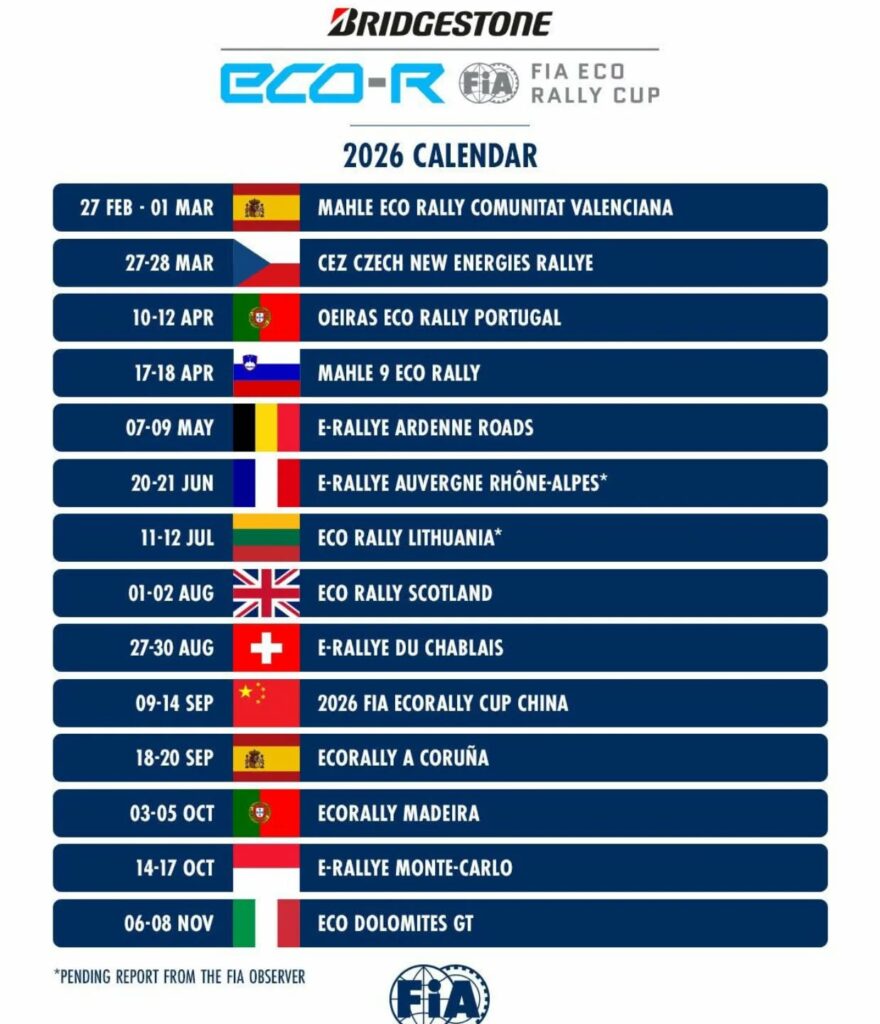
    D.M. : After competing internationally, we positioned ourselves to create the French round of the World Championship — which didn’t exist until now. After years of administrative work and organising a first test in late September 2025 with an FIA observer, our event is finally part of the FIA calendar.

    This French round, taking place from 19–21 June 2026, is designed as a true showcase for electric motorsport in France. It will bring together world championship drivers and attract new participants, who can later feed into a future French Championship.

    The goal is to make the event sustainable, showcase the discipline to the public, and encourage both professionals and enthusiasts to embrace electric mobility.

    FIA New Energy Rally Calendar 2026
    The official 2026 FIA New Energies Championship calendar. (Credit: FIA)

    Why did you choose Auvergne-Rhône-Alpes for the French round?
    D.M. : It’s our region, and the route crosses a wide variety of landscapes, from the Alps to the volcanoes of Auvergne, creating an exciting “raid” dimension for participants. Support from the regional council has been crucial, and the route highlights the geographical and tourist richness of the area.

    What are your long-term goals for electric rallying in France?
    D.M.: To secure and develop the French round, with organisation comparable to the largest international events. We also want to energise electric motorsport across France, including rallies, circuits, and endurance racing.

    Advances in batteries and range will soon allow 12- or 24-hour races on circuits, day and night. We are also considering integrating circuit stages into rallies, as is already done for combustion vehicles, to enrich the sporting experience.

    Can you tell us about the association created for this round?
    D.M.: We created the “E-Rallye Auvergne-Rhône-Alpes” association, stemming from our teams Red Cow Racing and Green Motion, to manage organisation, communication, and finances autonomously. This ensures the event’s longevity and development, keeping its budgets and activities separate from our other operations.

    FIA and Michelin logos on Didier Malga's car
    The FIA and Michelin logos on Didier Malga’s competition car. (Credit: Eva Pellerin)

    Is France behind Europe in electric motorsport?
    D.M. : Not really. France already has four world champions in various electric disciplines: Jean-Éric Vergne in Formula E, Adrien Tambay in ETCR, Sébastien Loeb in Extreme E, and myself in electric rallying. While the daily energy transition is slower, we are ahead in e-motorsport. These successes should be used to promote the discipline and electric mobility to the public.

    Any final words?
    D.M. : Electric mobility is all about simplicity and enjoyment: less fatigue, minimal maintenance, no fuel, incredible sensations. Range is improving quickly, allowing very long distances without constraint. It’s a modern, accessible, innovative, and exciting sport, showing that the energy transition can be both high-performance and fun.

  • The “5C Battery”: what does this term really mean?

    The “5C Battery”: what does this term really mean?

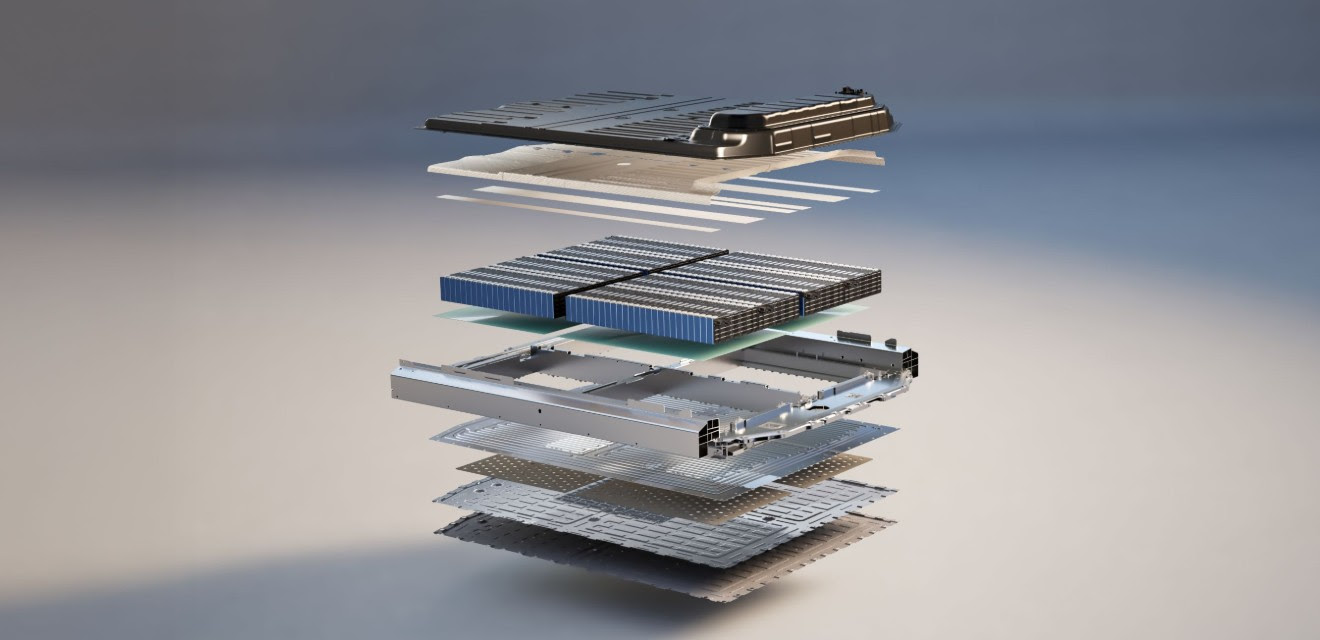
    The “5C battery” is a type of battery that can be charged or discharged very quickly. This number indicates the maximum speed at which it can operate without being damaged. Understanding this term helps you to use it correctly and choose the right battery for your needs.

    XPENG 5C lithium battery for rapid charging and discharging
    A 5C battery is capable of charging and discharging very quickly, making it ideal for intensive use. (Credit: XPENG)

    What is the “5C”?

    The “C” of a battery is a simple way of measuring its rate of charge or discharge in relation to its total capacity. If a battery is rated 1C, this means that it can be completely discharged in one hour with a current equivalent to its rated capacity. A battery rated 5C can be discharged or refilled in just 12 minutes, because it accepts five times as much current.

    This provides a lot of energy very quickly, but increases the heat generated and wear and tear on the battery if it is used too often at this speed. Not all batteries are designed to withstand a 5C rate, so it’s essential to be familiar with its characteristics before using it. The C-rate, and in particular the 5C, not only reflects the speed, it also influences the available power, safety and lifespan of the battery, which is crucial for intensive or critical applications.

    What’s it for?

    A 5C battery is useful in situations where a lot of power is needed quickly. Powerful electric tools, such as professional drills or saws, often need a lot of energy in a short space of time, which justifies the use of 5C-capable batteries. Electric vehicles and some emergency systems also use these batteries to provide immediate power when needed. This prevents loss of performance or interruptions in the operation of the appliance or vehicle.

    However, it is important to bear in mind that frequent use of a battery at full speed can reduce its life and increase the risk of overheating, especially if thermal management is inadequate. 5C batteries therefore offer a balance between performance and instantaneous power, but only if they are used correctly and within the limits laid down by the manufacturer.

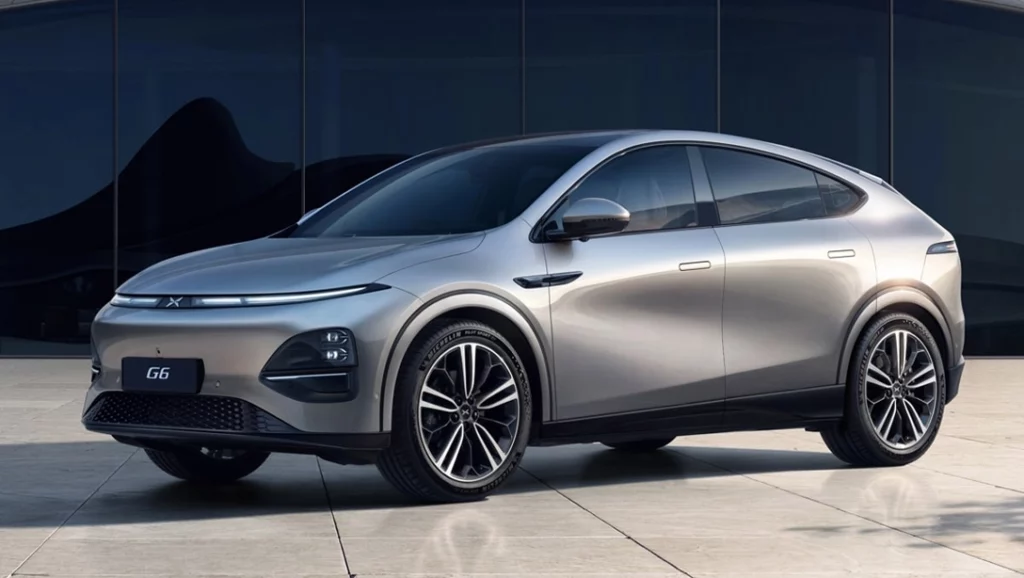
    Xpeng G6 electric car side view
    The Xpeng G6, a high-performance electric vehicle combining range and power thanks to its advanced batteries. (Credit: XPENG)

    Precautions to be taken

    Even if a battery is designed for a 5C rate, it should not be used at this rate all the time. Excessive use at full speed can generate a lot of heat and accelerate the degradation of internal materials, reducing its life. It is advisable to follow the manufacturer’s instructions, check for the presence of a battery management system, known as a BMS, which limits excessive charging and discharging, and ensure that the temperature remains within safe limits.

    The BMS helps to protect the battery and optimise its life by monitoring current and temperature, which is essential when using a battery with a high C-rate. Users should also understand that even a 5C battery has limits and that daily use should not always push its maximum capacity to the limit.

    Advantages and disadvantages

    The main advantage of a 5C battery is its ability to supply or receive a lot of energy in a very short time, which is crucial for professional, sports or emergency applications. It also provides greater responsiveness and can prevent downtime or loss of performance. On the other hand, the disadvantages are related to the heat generated, faster wear and tear if used incorrectly, and the need for effective protection systems. So you always need to balance power requirements with the desired life of the battery. For domestic or undemanding use, a lower rate may be preferable to preserve the battery.

    To sum up, a 5C battery is one that can charge or discharge very quickly, making it ideal for intensive use or applications where immediate power is essential. It offers a major performance advantage, but requires certain precautions to be taken to avoid overheating and premature wear. Understanding the C-rate, and 5C in particular, means you can choose the right battery, anticipate its limits and use the power available in complete safety. A 5C battery is fast and powerful, but it must be used intelligently to ensure it lasts a long time and remains safe.

  • XPENG Starts a New Era of Physical AI with VLA 2.0 and Innovative Products

    XPENG Starts a New Era of Physical AI with VLA 2.0 and Innovative Products

    At XPENG AI Day 2025, the company unveiled four major physical AI applications. These innovations include VLA 2.0, Robotaxi, Next-Gen IRON and two ARIDGE flight systems. XPENG thus confirms that physical AI is no longer a hypothetical future, but an imminent reality.

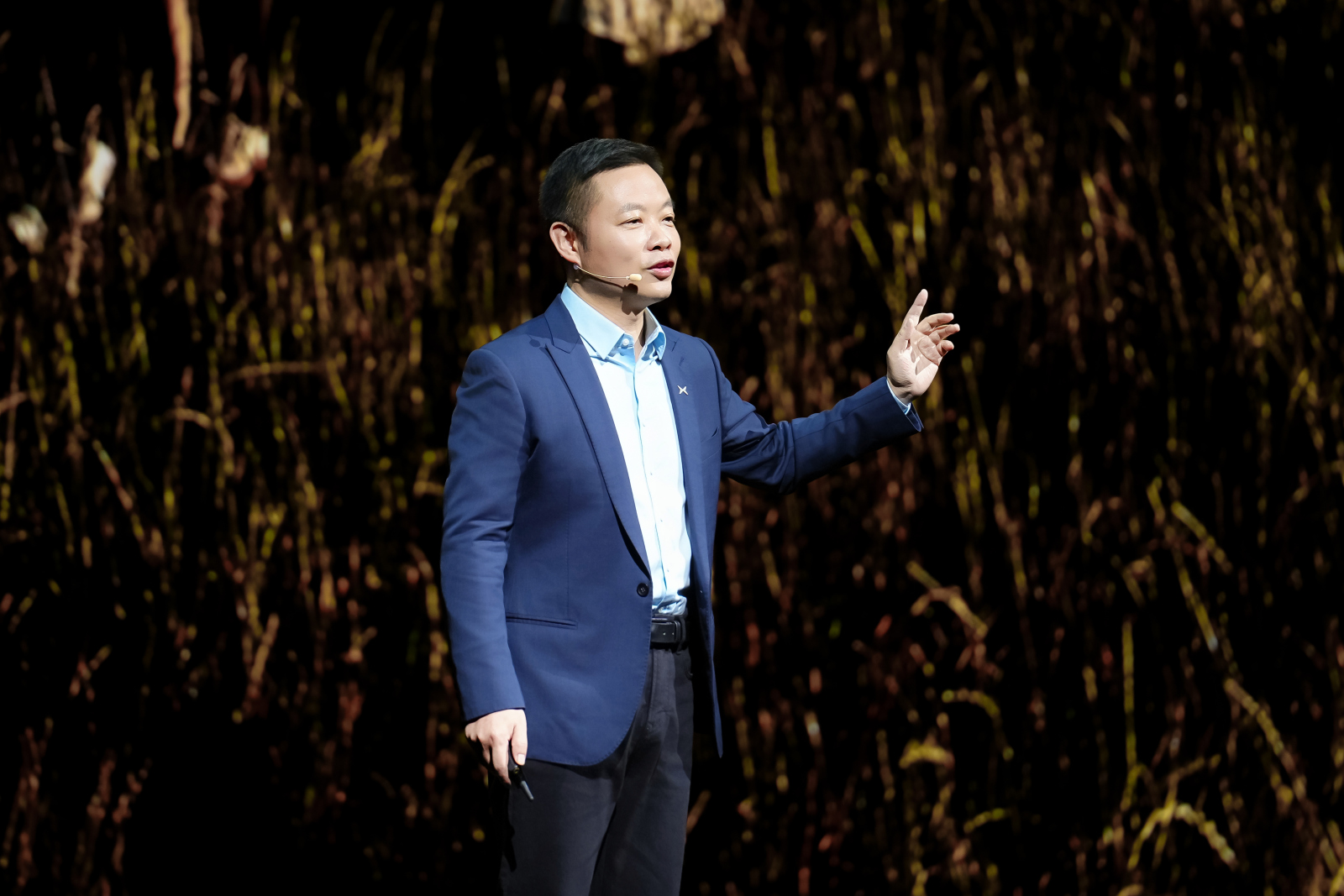
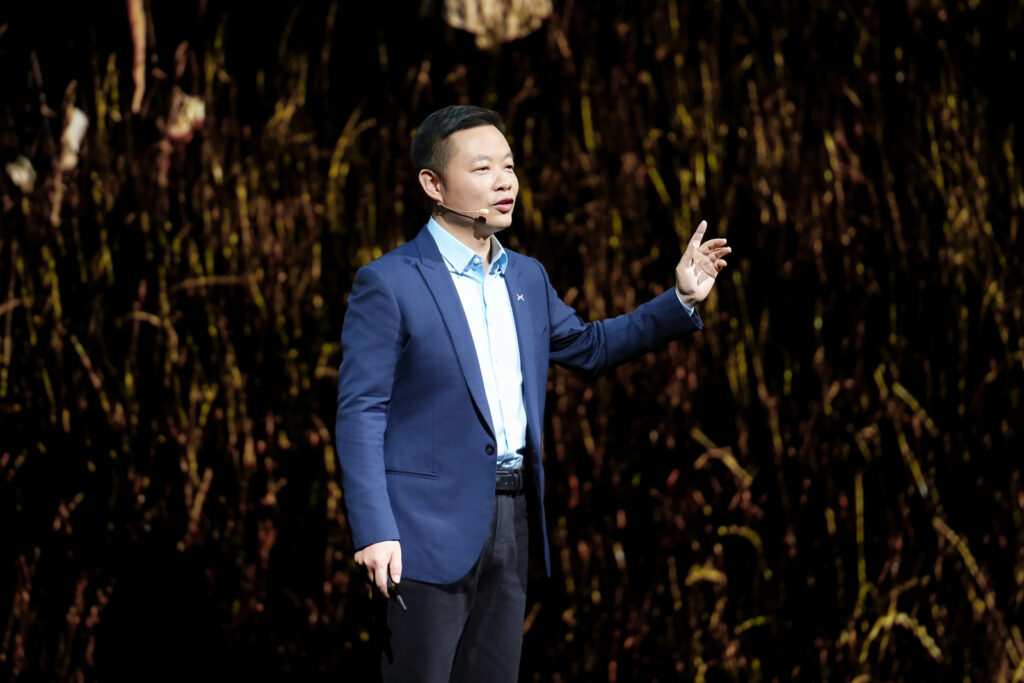
    He Xiaopeng presenting XPENG innovations at AI Day 2025
    He Xiaopeng, President and CEO of XPENG, unveils the latest advances in physical AI (Credit: XPENG)

    XPENG reinvents physical AI

    XPENG is now positioned as the only Chinese company to master a complete physical AI system. CEO He Xiaopeng has announced the company’s transition to a global mobility explorer. The aim: to merge digital intelligence and physical applications to transform mobility.

    VLA 2.0: the new benchmark for physical AI

    VLA 2.0 does away with traditional visual-language translation, generating actions directly from images. This “Vision-Implicit Token-Action” approach revolutionises the way AI models interact with the physical world. It can learn on its own while understanding the laws of real interaction, for cars, robots and flying vehicles. With 2250 TOPS of computing power on the Turing AI chip, the model is ready for mass production.

    Tests show that VLA 2.0 manages complex situations, recognising gestures and traffic lights. The “Narrow Road NGP” function improves driving on narrow roads, multiplying control autonomy by 13. XPENG expects full deployment in 2026, with the ecosystem opened up to global partners, led by Volkswagen.

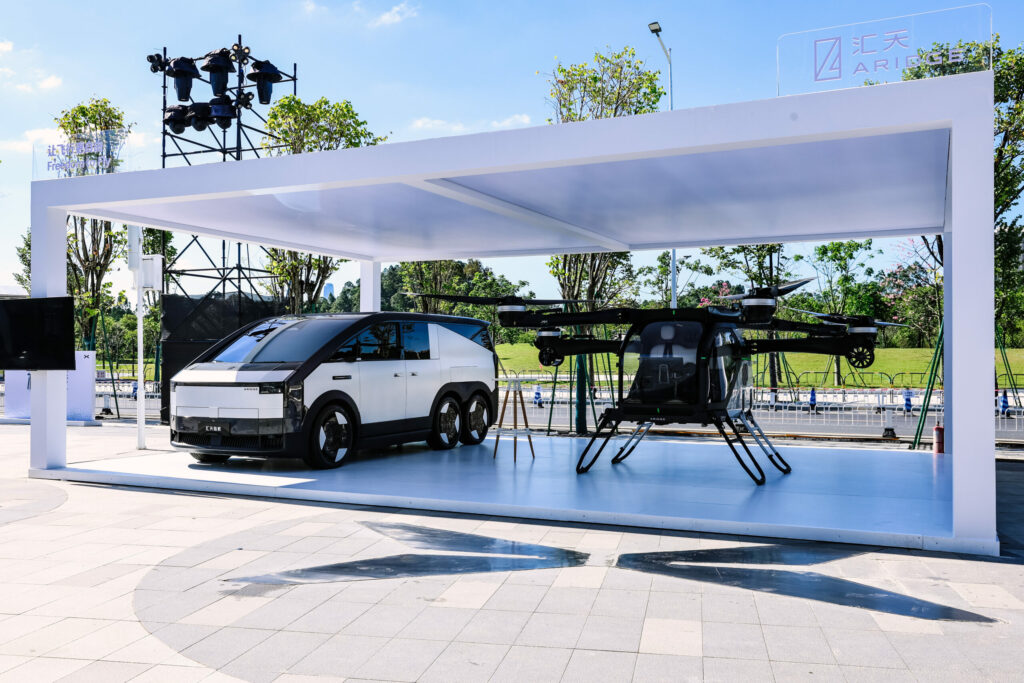
    XPENG Robotaxi and A868 flying car on display at XPENG AI Day
    The autonomous Robotaxi and the A868 hybrid flying car, revealed at XPENG AI Day 2025. (Credit: XPENG)

    Robotaxi: autonomous mobility reinvented

    XPENG introduces China’s first fully autonomous Robotaxi, designed for personal and commercial use. Four Turing AI chips provide 3,000 TOPS, surpassing current global standards. The system is based on pure vision without lidar or high-precision maps, guaranteeing global adaptability.

    Safety is enhanced by a redundant architecture, ensuring continuity even in the event of hardware failure. The vehicle interacts with its environment via an external sun screen and voice system, creating a unique human-machine link. The strategy includes shared Robotaxi and proprietary L4 models, with the intelligent “Robo” trim from 2026. The collaboration with Amap will enable global expansion, boosting the adoption of autonomous mobility.

    Next-Gen IRON: the ultra-realistic humanoid

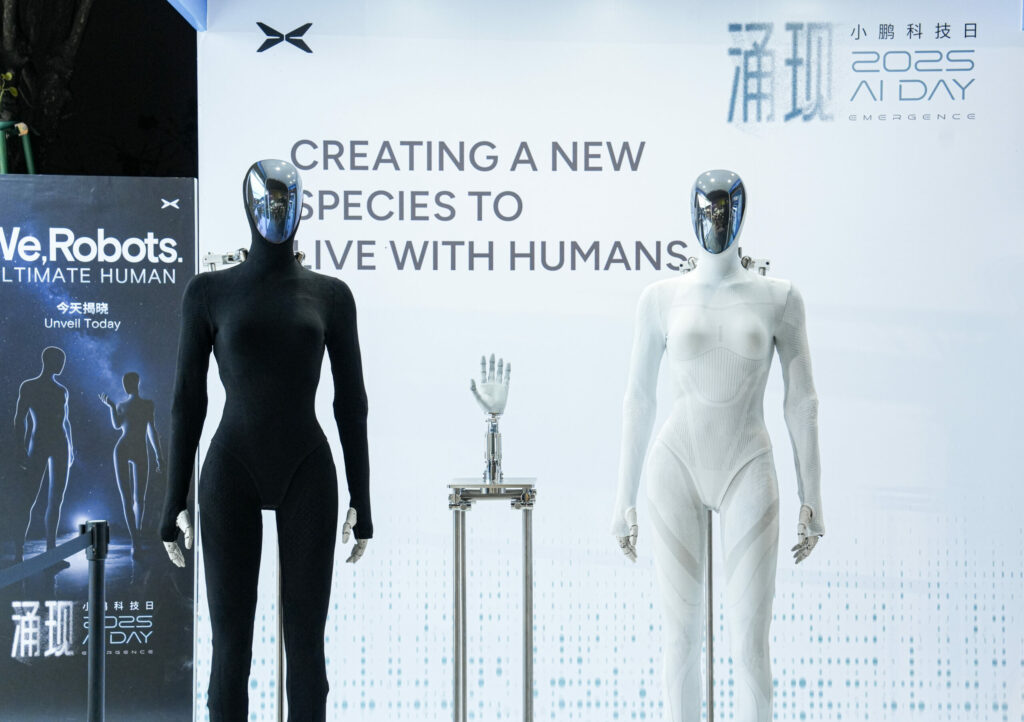
    XPENG unveils an exceptionally realistic humanoid robot, combining 82 degrees of freedom with bionic muscles. Flexible skin covers the entire body, while the spine and joints reproduce human biomechanics. The Next-Gen IRON uses 3 Turing AI chips, reaching 3000 TOPS, and integrates the VLA, VLT and VLM models for conversation, walking and interaction. Energy optimisation is based on all-solid, lightweight and safe batteries, suitable for industrial and commercial scenarios.

    XPENG is planning large-scale production from 2026 and is working with Baosteel for industrial applications. The robot respects confidentiality and the laws of robotics, while remaining open to developers to create a global ecosystem.

    Two Next-Gen IRON humanoid robots from XPENG on display
    XPENG’s Next-Gen IRON humanoid robots combine anthropomorphism and advanced intelligence (Credit: XPENG)

    Flying Cars: ARIDGE and air mobility

    XPENG ARIDGE presents the A868 tiltrotor, with a range of 500 km and a top speed of 360 km/h. The “Land Aircraft Carrier” goes into production with 7,000 controls, offering an intelligent cockpit accessible to novices. The systems incorporate full redundancy for safety, ensuring continuity in the event of failure of two rotors.

    Mass production will be at a rate of one aircraft every 30 minutes, with an initial annual capacity of 5,000 to 10,000 units. In 2026, the first autonomous low-altitude tourist route will open in Dunhuang, introducing an unprecedented three-dimensional journey.

    Towards an emerging technology

    For over a decade, XPENG has been innovating at the intersection of AI, automotive, robotics and aerial mobility. The Science Park brings together more than 10,000 talents to create ideas and technologies with strong synergies. Physical AI becomes tangible, offering mobility, interaction and new experiences to users around the world.

    XPENG demonstrates that the era of embodied intelligence is no longer a futuristic concept, but a rapidly expanding reality.

  • Electric mobility in France 2025: adoption, uses and obstacles

    Electric mobility in France 2025: adoption, uses and obstacles

    On Thursday 6 November 2025, ECO MOTORS NEWS was invited by DRIVECO to discover the results of the 2ᵉ edition of its Deep Drive Barometer on the French and electric mobility, carried out with Toluna Harris Interactive. According to this study, the electric car is no longer a promise, but a reality experienced by millions. However, the transition to action remains partial. Young people and urban dwellers are showing greater interest, while certain generations are still hesitant.

    Electric car being charged at a modern public charging point, symbolising sustainable mobility in France
    An electric car recharges at a public charging point, illustrating the growing adoption of EVs in France.

    An improving image, but still mixed

    According to the survey, which questioned 3,300 French people, 53% now have a positive image of the electric vehicle, a slight increase on 2024. However, the cost of purchase, range and access to charging points are still holding back adoption. Younger people and people living in the Greater Paris region are more likely to favour electric vehicles, while older people and people living outside the Paris region remain cautious.

    EV owners have a record level of satisfaction, at 98%, thanks to the comfort and ease of use. What’s more, 72% use their vehicle for all kinds of journeys, including long-distance journeys and holidays. This positive experience is reflected in increased loyalty: only 13% are considering a return to conventional vehicles.

    Diversification of uses

    Fast charging is transforming EV use, with 54% of users now favouring these stations. As a result, electric vehicles are becoming increasingly popular not only for everyday use, but also for long-distance travel, demonstrating their growing reliability.

    Price remains the main obstacle for 57% of French people, followed by what they see as insufficient range and uneven network coverage. So making electric cars more affordable, accessible and visible remains essential to convince those who are reluctant.

    Contrast between young and old

    The 18-35 age group use their EVs regularly for leisure and travel, demonstrating a concrete commitment. What’s more, they see the electric vehicle as environmentally friendly, modern and suitable for all types of journey, well beyond urban use.

    Among those aged 65 and over, only 38% have a positive image of EVs, and 65% cite price as the main obstacle. These age groups also remain wary of the real ecological impact of EVs, which calls for targeted educational efforts.

    Outlook: making electric vehicles accessible to all

    To make the transition a success, three levers are essential: democratising the offer, deploying a robust network of charging points, and strengthening confidence and information. Only collective action will make it possible to achieve mass, sustainable adoption.

  • Renault calls for a ten-year freeze on European rules for small electric cars

    Renault calls for a ten-year freeze on European rules for small electric cars

    Faced with rising prices and competition from China, Renault is proposing an ambitious strategy. The group wants to freeze European regulations on small electric vehicles for ten years. The aim of this initiative would be to create more affordable cars adapted to urban needs.

    Renault logo in yellow and black, French car manufacturer
    Emblematic logo of Renault, the French manufacturer of electric and internal combustion vehicles

    Towards a new category of electric vehicles

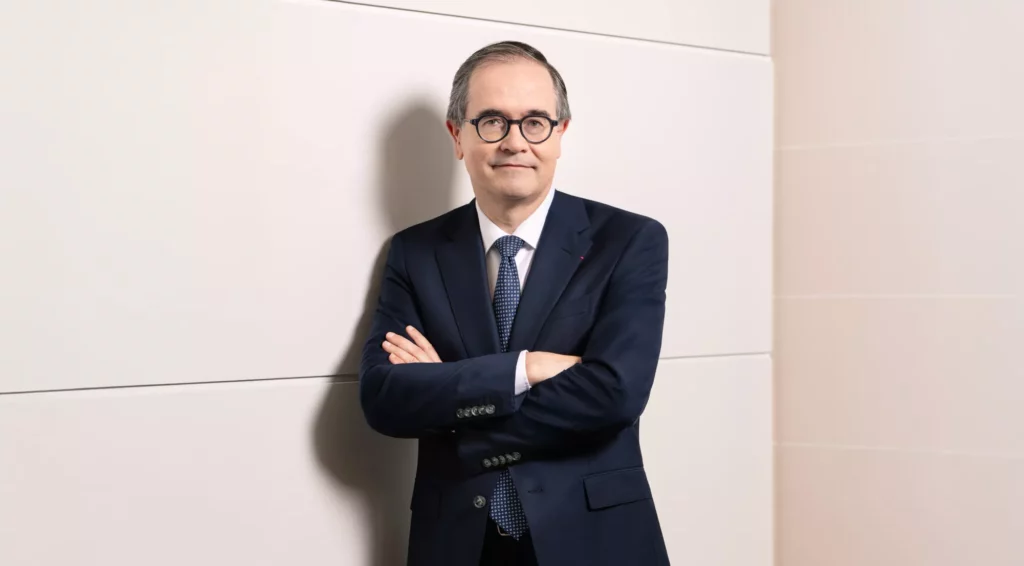
    According to Reuters, at the Journée de la filière automobile organised by the PFA in Paris, Renault CEO François Provost presented his plan. He proposes to create electric cars less than 4.20 metres long, longer than the Renault 5 and Renault 4. Battery capacity would be limited to 50-60 kWh, in order to reduce costs and offer an affordable price.

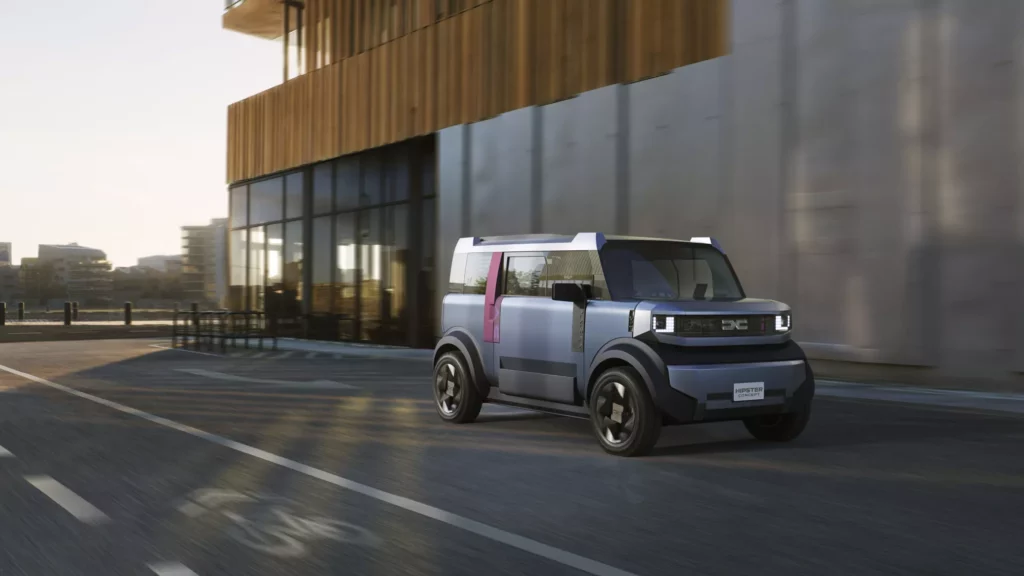
    To illustrate his point, François Provost mentioned Dacia’s Hipster prototype, inspired by Japanese kei cars. In his view, freezing regulations for 10 to 15 years would enable models to be standardised and costs to be optimised. The aim is clear: to make electric vehicles accessible to a wide public, while maintaining their status as “real cars” rather than quadricycles.

    An “M1-e” category to compete effectively

    The European Commission is currently working on the creation of an intermediate category between light quadricycles (L7) and conventional cars (M1). François Provost suggests calling it “M1-e” to differentiate these urban vehicles from licence-free models such as the Citroën Ami. This category would make it possible to limit the costly equipment imposed by the current rules, while guaranteeing basic safety.

    At the same time, the Vice-President of the European Commission, Stéphane Séjourné, announced decisions to be taken on 10 December. These measures should make it easier to market electric vehicles priced between €15,000 and €20,000. This is an attractive price for European consumers, while providing a stable legal framework for manufacturers.

    François Provost, CEO of Renault, at the Journée de la filière automobile (Automotive Industry Day)
    François Provost, Managing Director of Renault, presents his proposals for small electric cars. (Credit: Renault)

    European targets deemed too restrictive

    At the 4ᵉ Journée de la filière event at La Villette, several leaders warned of the proliferation of standards. Between now and 2030, 107 new regulations will come into force, some as yet undefined. François Provost pointed out that 25% of the time spent by engineers at the Technocentre is devoted to regulatory compliance. This situation is slowing down innovation and reducing competitiveness with Chinese manufacturers.

    To illustrate the difficulty, he compared the situation to an athletics race: “While next to us, our competitors are sprinting for 100 metres, we are successively hurdling 110 metres”. This observation underlines the urgent need to simplify the rules to enable the rapid and effective development of electrics in Europe.

    A united European industry

    Since 2019, the Journées de la filière (Industry Days) have taken up the spirit of the 2009 Estates General on the Automobile. The aim of these events was to strengthen solidarity between manufacturers and equipment suppliers in the wake of the global economic crisis. Luc Chatel, former Secretary of State for Industry, reminded industry players of the importance of coming together to obtain adjustments from the European executive.

    The current Chairman of the PFA praised the new-found cohesion: “In an industry often divided by competing interests, you have managed to pull together. This unity is considered essential for influencing Brussels’ decisions and preparing the market for the regulatory changes announced in December.

    Dacia Hipster prototype, a small electric car inspired by Japanese kei cars
    The Dacia Hipster prototype, a compact electric model serving as an example for the future M1-e category. (Credit: Dacia)

    Affordable electric cars, but at what price?

    Europe wants electric vehicles to cost between €15,000 and €20,000. However, reaching this price point means making concessions. Manufacturers will have to reduce certain features, such as passive safety and battery size. Consumers will therefore have to accept compromises in order to benefit from attractive prices.

    Despite these adjustments, demand is there. The popularity of models such as the Dacia Spring shows that city dwellers are ready to adopt these vehicles. Similarly, certain cars such as the Citroën e-C3 show that affordable electric models are already possible, albeit with limited range. Safety and range will therefore remain the main levers that manufacturers will use to reduce costs.

    A European reaction expected in December

    On 10 December, the European Commission will present a regulatory framework tailored to small electric cars. The aim is to boost European production, increase competitiveness against Chinese imports and meet consumer expectations. These measures could mark a turning point for the European market, which has long been held back by complex standards and high costs.

    The question remains: will the public accept cars with less safety or range in order to benefit from affordable prices? The European car industry hopes that the answer will be positive, in order to revive the industry while preserving innovation and jobs.

  • AURA AERO focuses on Florida and Defence to accelerate carbon-free aviation

    AURA AERO focuses on Florida and Defence to accelerate carbon-free aviation

    AURA AERO is taking a new step forward in its international ambitions by establishing a presence in the United States, on the Space Coast. The innovative company is also preparing to ramp up its presence in the military market with a clear dual strategy. Between industrial expansion and green innovation, the French manufacturer aims to become a global leader in aeronautics.

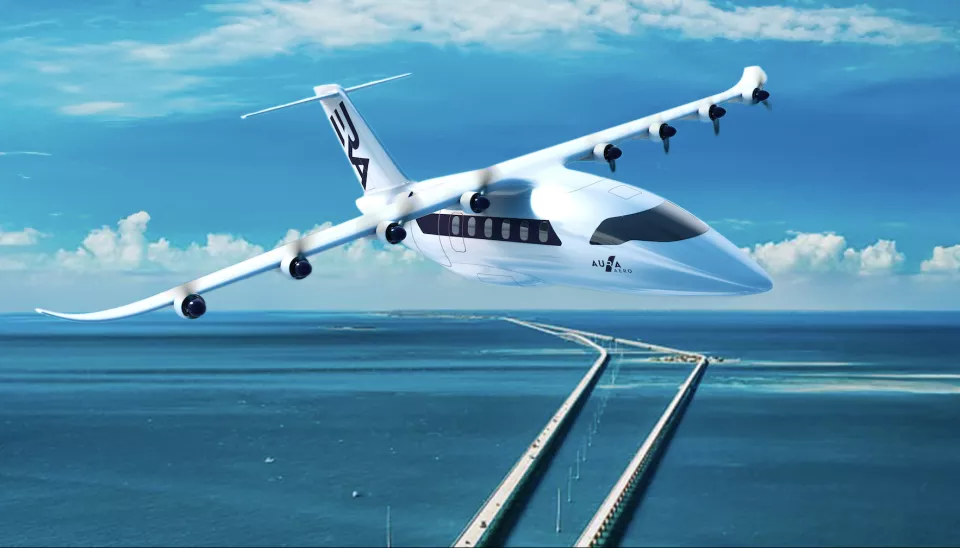
    AURA AERO ERA hybrid-electric regional jet
    ERA, AURA AERO’s 19-seat hybrid-electric regional jet (Credit: AURA AERO)

    A strategic site in Florida

    AURA AERO has inaugurated its North American headquarters and first production site in the Embry-Riddle Aeronautical University Research Park. This move strengthens AURA AERO’s access to the world’s leading market for pilot training. It is also part of a drive to create an industrial bridge between France and the United States. The campus will also house a delivery and customer support centre dedicated to the INTEGRAL programme. These facilities will lay the foundations for the future development of ERA, a hybrid-electric regional aircraft.

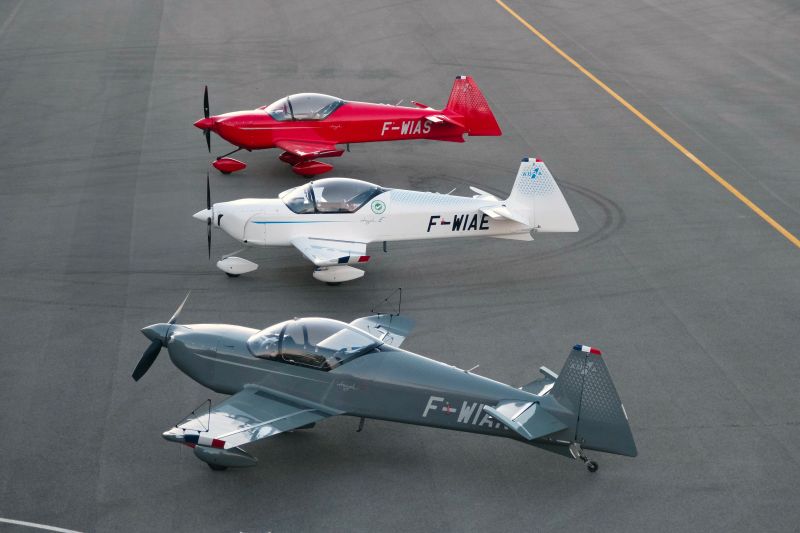
    The Florida site will host the first production line for the INTEGRAL family. These two-seater aerobatic aircraft will be available with piston engines, followed by a fully electric version. The American market has around 600 approved flight schools and more than 75,000 pilots. The strong demand for modern, cost-effective aircraft therefore represents a major opportunity. Recently certified by EASA, the INTEGRAL family is now targeting FAA certification.

    The first hybrid-electric regional jet

    In 2028, AURA AERO plans to open a 50,000 m² factory in Daytona Beach for the ERA aircraft. This 19-seat model aims to become the world’s first mass-produced hybrid-electric regional aircraft. It will be assembled on production lines in both France and the United States. The United States already accounts for one-third of ERA’s order commitments. The company anticipates this figure will increase to around half of the global total.

    ERA claims more than 650 orders, valued at over $10.5 billion. The aircraft promises a significant reduction in noise and up to 80% fewer emissions. Its hybrid configuration involves eight electric motors supported by two turbogenerators. This architecture promotes efficiency and reduced maintenance costs. The opening of the site follows a partnership with Embry-Riddle dating back to 2023. Space Florida is also supporting this project, which will create more than 1,000 jobs.

    AURA AERO INTEGRAL aerobatic training aircraft
    AURA AERO’s INTEGRAL aircraft for pilot training (Credit: AURA AERO)

    Strong political support in Florida

    Local authorities welcome the choice of AURA AERO as proof of Florida’s aerospace leadership. Secretary of Commerce J. Alex Kelly highlights a dynamic driven by innovation and talent attraction. He recalls a journey that began at the Paris Air Show and was reinforced at Farnborough the following year. The state is banking on a new generation of aerospace industry that creates specialised and sustainable jobs.

    Embry-Riddle sees this move as a unique opportunity for its students. President Barry Butler welcomes a concrete partnership around sustainable aviation. He refers to an enriched research ecosystem focused on hybrid and electric technologies. For its part, Space Florida is promoting a strategy aimed at attracting players who are redefining the future of air transport. The arrival of AURA AERO illustrates this ambition in a rapidly changing sector.

    A strategy to accelerate military markets

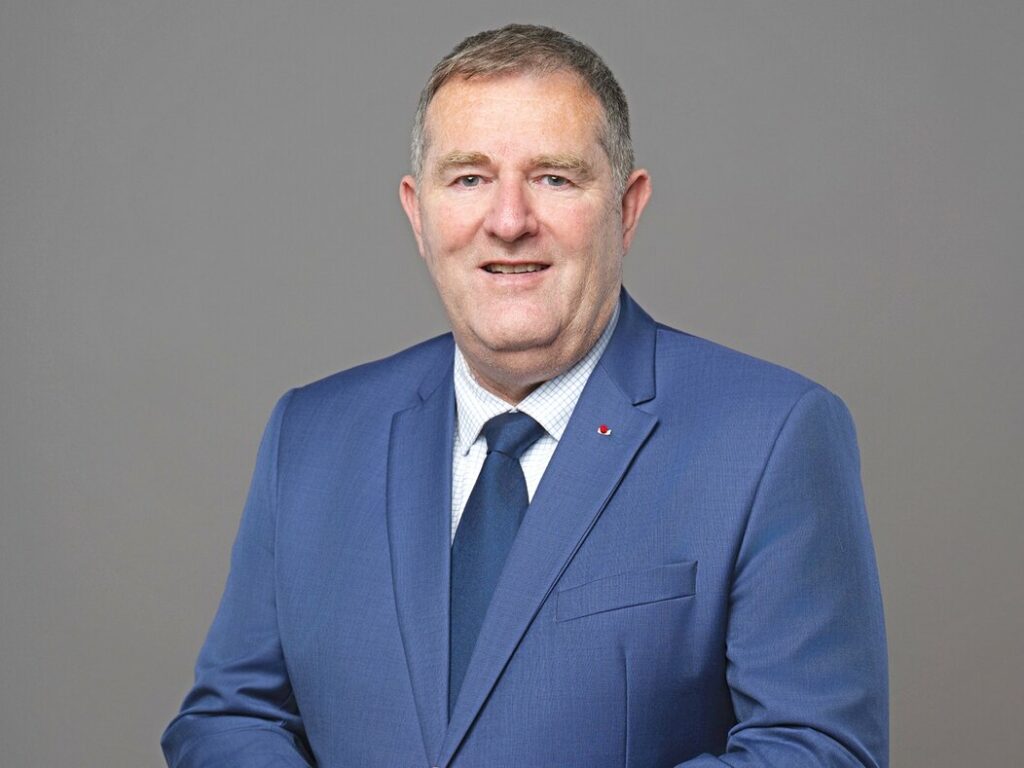
    In parallel with its expansion in the United States, AURA AERO is strengthening its defence capabilities. The company has appointed Air Force General (2S) Stéphane Mille to the position of Chief Defence Officer. This decision marks a significant step forward in the management of dual civil and military programmes. The General will lead discussions with the government and European partners to support this ambition. He will also be responsible for structuring a sovereign supply chain.

    Former Chief of Staff of the Air and Space Force, General Mille brings more than thirty years of experience to the role. As a fighter pilot and key player in external operations, he has a thorough understanding of the needs of modern forces. His expertise will strengthen the operational relevance of the military versions of the INTEGRAL and ERA aircraft. He will also support the ramp-up of ENBATA, a sovereign multi-mission MALE drone.

    General Stéphane Mille Chief Defense Officer AURA AERO
    General Stéphane Mille joins AURA AERO to head up its Defence business. (Credit: AURA AERO)

    Three programmes to serve modern forces

    INTEGRAL is an ideal aircraft for initial military pilot training. Its electric version promises significant reductions in operating costs and a winning ecological transition. The aircraft has already attracted interest from several foreign armed forces thanks to its versatility. Electric certification is scheduled for 2026, with deliveries starting in 2027. This aircraft could become a key component of next-generation training fleets.

    ERA was designed for dual use from the outset. It can transport troops, carry out medical evacuations or perform special missions. Its ability to operate on short or unprepared runways increases its flexibility. It is a solution suited to a variety of theatres of operation. Entry into service is targeted for before 2030, supported by a solid international order book.

    ENBATA, unveiled at the 2025 Paris Air Show, embodies French sovereign innovation in the field of drones. Its maximum weight is two tonnes with a payload of one tonne. Its autonomy can be up to 55 hours depending on the mission. Designed without ITAR dependency, it meets industrial sovereignty requirements. This programme is supported by major partners such as Safran, Thales, Aresia and Merio.

    A breath of fresh air

    With its presence in the United States and a strengthened defence strategy, AURA AERO is accelerating its global development. The company is positioning its technology to meet the ecological and strategic challenges of global aviation. Between civil and military ambitions, the French manufacturer wants to leave a lasting mark on the skies of tomorrow. Concerned with sovereignty and innovation, it is focusing on hybrid and electric solutions capable of transforming an entire sector.

  • BYD at the Japan Mobility Show 2025: launch of the K-EV RACCO

    BYD at the Japan Mobility Show 2025: launch of the K-EV RACCO

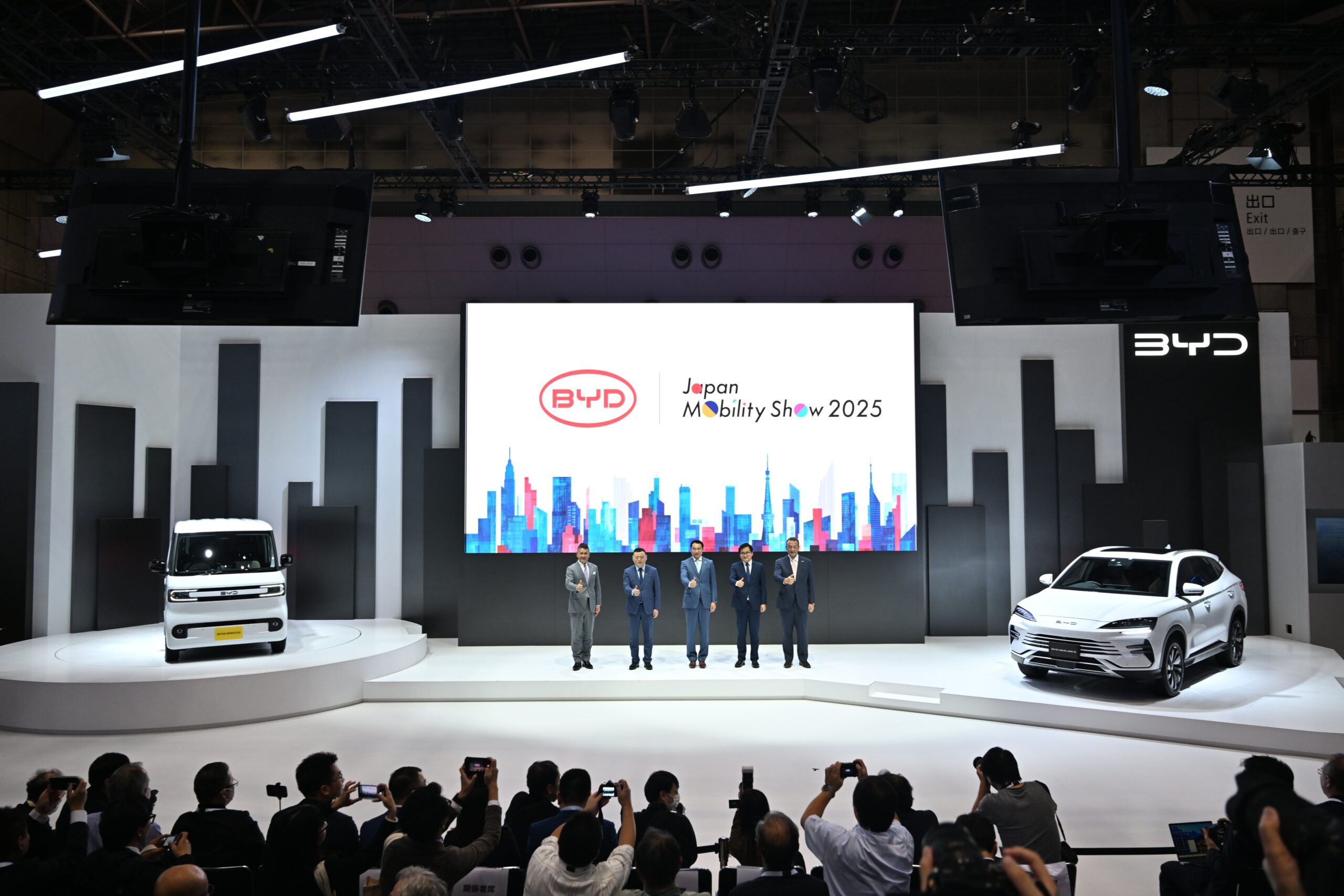
    Chinese manufacturer BYD is taking part in the Japan Mobility Show for the first time. It will be unveiling several strategic launches to strengthen its local presence. The Japanese market will discover a brand new K-EV and an innovative plug-in hybrid.

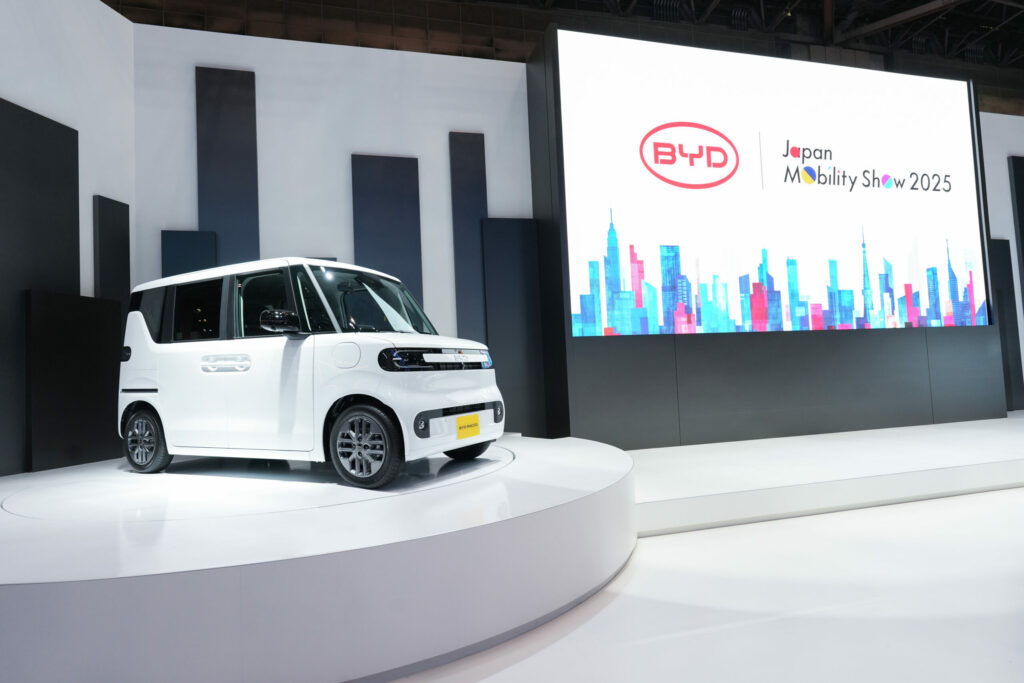
    BYD press conference at the Japan Mobility Show 2025 with BYD RACCO and SEALION 6 DM-i
    Two flagship models were unveil, the K-EV RACCO and the SEALION 6 DM-i, at the show’s press conference (Credit: BYD)

    BYD causes a sensation at the Japan Mobility Show

    BYD is taking advantage of this event to present the BYD RACCO. This all-electric K-EV is aimed exclusively at Japanese drivers. It is the brand’s first zero-emission light vehicle for this demanding country. BYD is also introducing the SEALION 6 DM-i. This plug-in hybrid model inaugurates the dual “EV + PHEV” strategy for Japan. With this approach, the brand aims to meet the varied expectations of a highly technophile market. Under the unifying theme of “ONE BYD”, the company is exhibiting both passenger cars and commercial vehicles. This approach illustrates its long-term commitment to a global energy transition. It also confirms the company’s commitment to building a complete range of vehicles adapted to Japanese infrastructures and uses.

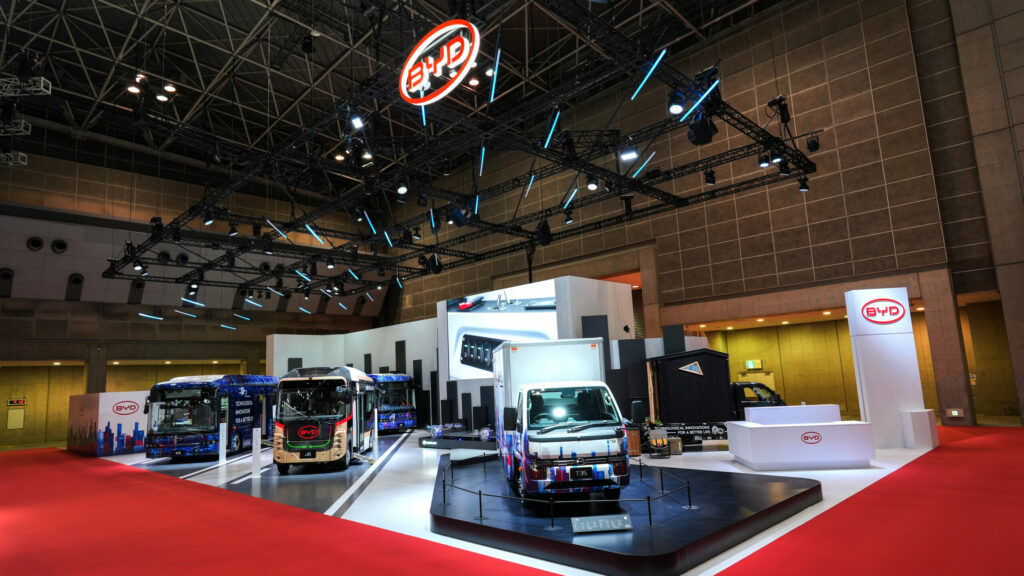
    The BYD stand dedicated to passenger cars also features the ATTO 3, the DOLPHIN, the SEAL and the spectacular YANGWANG U9. This supercar embodies the brand’s premium dimension. Together, these models form an already rich offering, designed to appeal to a customer base that values technology and design. The declared aim is to raise BYD’s profile and develop a genuine ecosystem around electric mobility in Japan.

    BYD sales stand at the Japan Mobility Show 2025 with electric and hybrid vehicles
    Here, the BYD stand showcases its entire range of electric and hybrid vehicles, from the RACCO to the YANGWANG U9 (Credit: BYD).

    The RACCO, a K-EV designed for Japan

    The mini electric car segment is proving crucial in Japan. K-cars meet everyday needs in a dense urban environment. The BYD RACCO fits into this strategic category, with its compact size and clean mobility. Thanks to its specific design, it aims to make electric vehicles accessible to a very broad public. Its technology is designed to offer comfort, safety and energy efficiency.

    With the BYD RACCO, the brand is strengthening its understanding of the local market. It is also demonstrating its ability to adapt its global innovations to Japanese standards and regulatory expectations. This global launch in Tokyo represents a symbolic step for the brand’s growth in the country.

    Since 2022, BYD has been making rapid progress in the Japanese passenger car market. Its ATTO 3, DOLPHIN, SEAL and SEALION 7 models have met with growing success. The brand has a clear ambition: to offer seven to eight electric or hybrid models by 2027. As a result, it is developing a solid sales network, with sixty-six sales outlets already on the archipelago. This network is designed to keep pace with sales growth and guarantee reliable service.

    BYD expands its range of electric vans

    In addition to cars, BYD is also tackling the commercial vehicle market. The manufacturer is unveiling the BYD T35 electric truck for the first time anywhere in the world. This model meets Japanese regulatory dimensions. It uses BYD’s famous Blade Battery, renowned for its safety and durability. The vehicle is due to go on sale in Japan in 2026. BYD is also presenting the J6 Living Car concept, which explores new mobile solutions for professionals.

    The J7 and K8 electric buses complete this range of utility vehicles. They are already in service in many Japanese cities. Since 2015, around five hundred BYD buses have been put into service in Japan. They operate from Hokkaido to Okinawa. This strong presence makes BYD the leader in electric buses in Japan. The company is thus helping to modernise public transport networks, with improved performance and a significant reduction in emissions.

    BYD RACCO K-EV 100% electric for the Japanese market
    The new BYD RACCO, a 100% electric K-EV, is designed specifically to meet the needs of Japanese drivers. (Credit: BYD)

    BYD strengthens its presence with a clear strategy

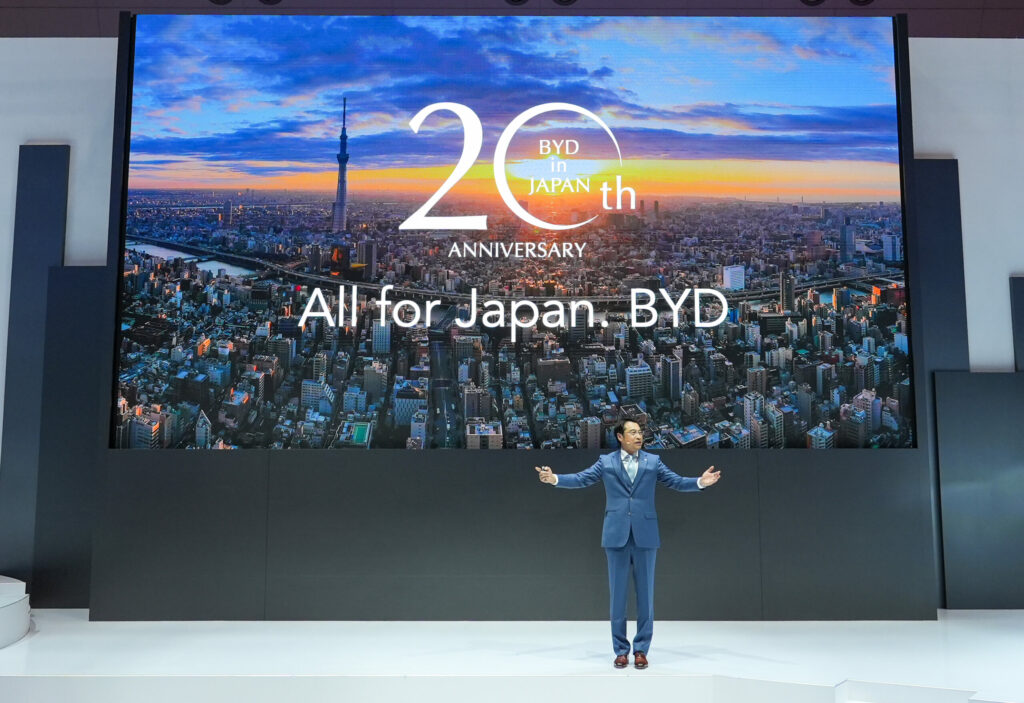
    According to Liu Xueliang, General Manager of BYD’s Asia-Pacific Automotive Sales Division, this year is particularly significant. It marks BYD’s 20th anniversary in Japan, as well as the first time that its passenger car and commercial vehicle ranges have been brought together on the same stand. This moment underlines the maturity and vision of the group in a market where technical demands remain very high. BYD promises to further improve its services and to work closely with Japanese customers.

    Throughout Asia-Pacific, BYD continues to expand its solutions. More than twenty countries and regions benefit from its cars, buses, rail systems and forklift trucks. This diversification testifies to the solidity of its strategy in new energies. With the arrival of the BYD RACCO and the SEALION 6 DM-i, BYD is confirming its full deployment, including compact urban vehicles, electric saloons, high-performance hybrids and commercial vehicles for professionals. This versatility is a direct response to developments in the Japanese market, which is looking for cleaner mobility solutions without sacrificing functionality.

    Towards a more sustainable future for Japanese mobility

    BYD says it wants to actively support Japan’s ecological transformation. Its investments, innovations and growing network are the pillars of this ambition. By expanding its portfolio, the brand is creating additional value for Japanese society. It is also counting on closer collaboration with local players.

    Liu Xueliang, Managing Director BYD Asia-Pacific, at the Japan Mobility Show 2025
    Liu Xueliang, Managing Director of BYD Asia-Pacific, talks about the brand’s electric and hybrid innovations (Credit: BYD)

    For BYD, sustainable mobility must combine performance, safety and accessibility. With its new energy vehicles, the company is consolidating an already significant position. It is establishing itself as a major partner in the country’s energy transition. Its commitment to sustainability points to a future in which zero-emission solutions will become the norm. With models such as the BYD RACCO and the T35, the brand aims to meet every need, from urban drivers to professional hauliers. BYD is therefore taking another decisive step forward at the Japan Mobility Show 2025, with a clear vision: to help Japan accelerate the shift towards environmentally-friendly mobility that benefits everyone.

  • Car market: all-time record for electric cars, with the Renault 5 in the lead

    Car market: all-time record for electric cars, with the Renault 5 in the lead

    October was a decisive month for the French car market. Electric cars have saved sales and reshaped the landscape. Thanks to social leasing, electric cars are finally becoming a mainstream choice for the French. A record share, spectacular growth. Electric cars now account for 24% of sales, demonstrating a profound change in purchasing habits.

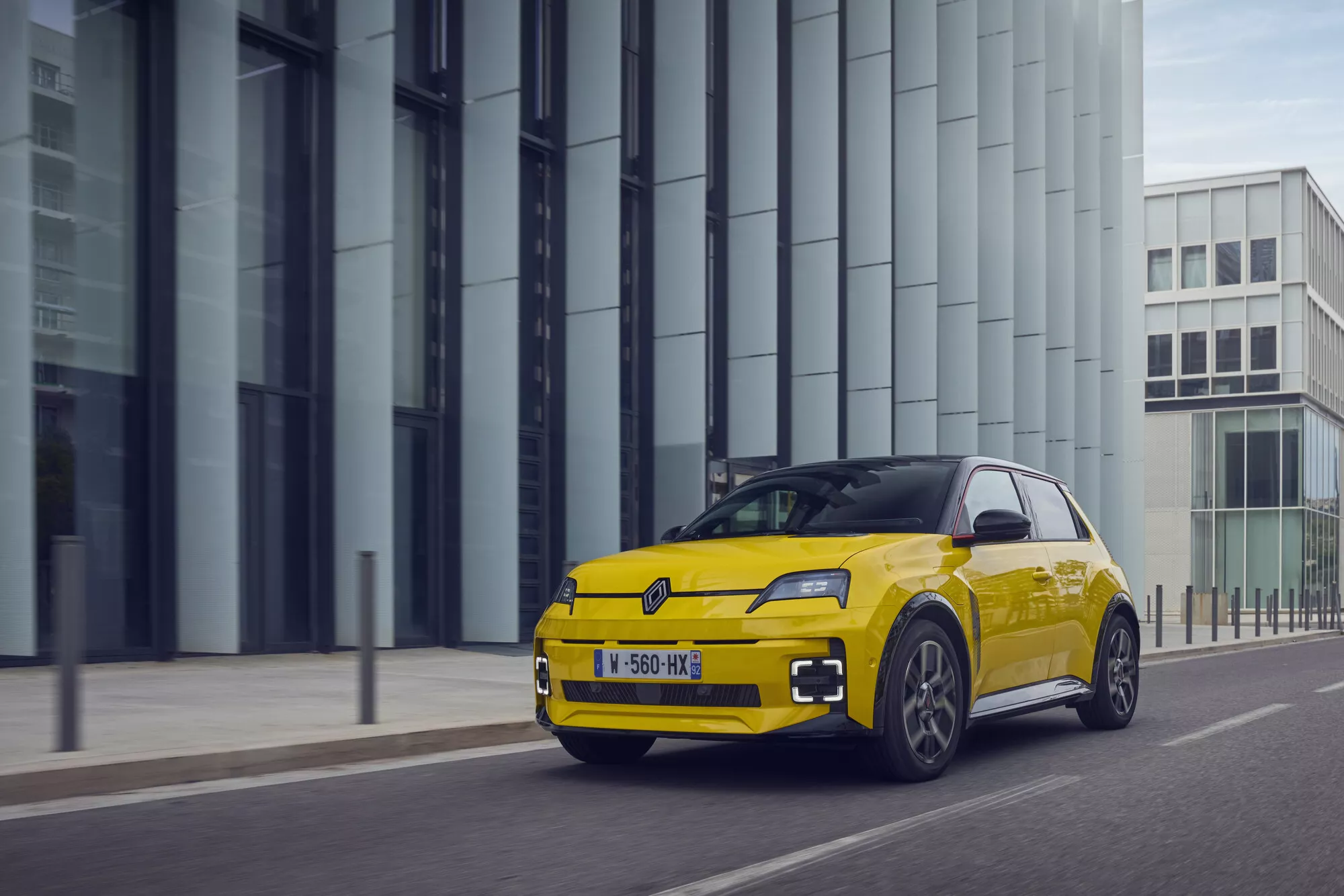
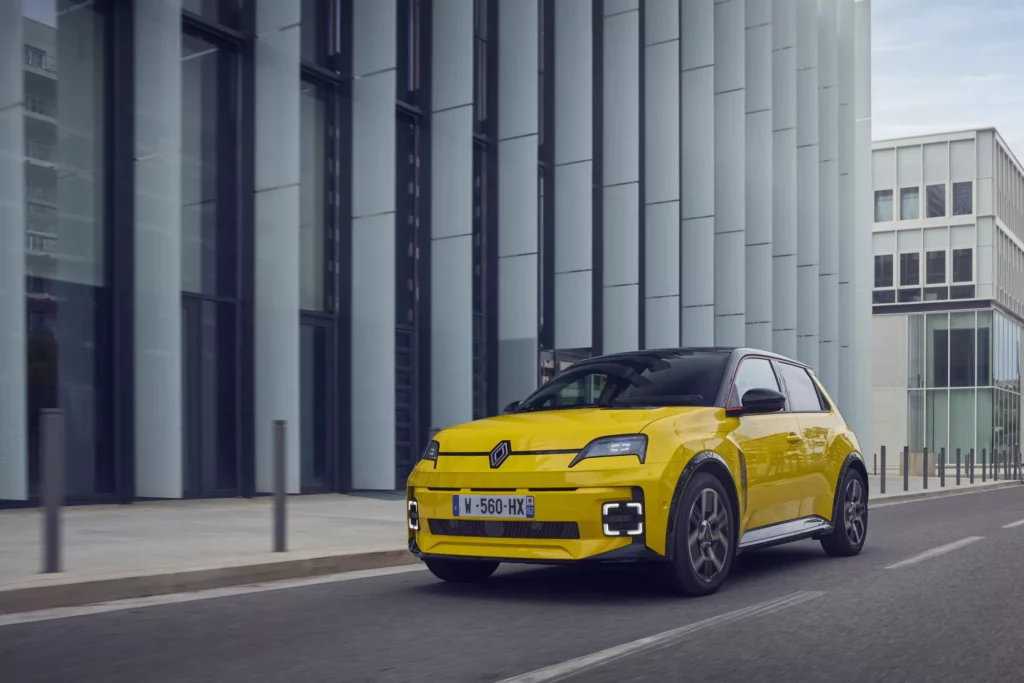
    Renault 5 city electric, 2025 model
    The Renault 5 will dominate electric car sales in France in October 2025. (Credit: Renault)

    Electric cars rock the French market

    The French car market regained some strength in October, although the situation remains fragile. New car sales rose by 2.9% year-on-year. But behind this small increase lies a real change. Sales of electric cars have rocketed by 63%. From 20,899 to 34,108 registrations in one month. This is an unprecedented record. Today, one in four cars sold in France is electric. The 24% market share marks a real turning point. Electric cars are no longer the preserve of companies or pioneering drivers. Private individuals are also choosing this engine.

    This strong growth is no accident. It is being driven by substantial public subsidies. The social leasing scheme, which came back into effect at the end of September, allows you to drive an electric car for between 100 and 200 euros a month. French and European subsidies also provide essential support. As a result, manufacturers are speeding up deliveries to keep pace with demand. Fleet sales are even down slightly, proving that households are driving the market. Electric cars are finally becoming an accessible solution for many French people.

    Renault back in the lead with the Renault 5

    Renault has had an excellent month, resuming its leading role in France. The brand doubled its sales of electric cars and made a successful comeback. The Renault 5 became the star of the moment. It benefited greatly from social leasing. More than 10,000 orders were received and 4,551 cars were delivered in October. It is well ahead of other electric cars in terms of sales. Renault is thus regaining momentum in this market. The brand now offers a varied range of electric cars to suit different budgets. Between the Spring, the Mégane and the Scénic, every customer can find a suitable model.

    The Scénic also had a very good year. It came third in October, even at a higher price. It shows that the more upmarket electric segment can operate without too much support. Renault is improving its image and consolidating its entire industry in France. Volumes are increasing, reassuring the industry. But not everything is perfect. The new Renault 4 got off to a slower start. With 1,201 registrations, it was struggling to keep up with the success of the R5. Renault will therefore have to adjust its strategy to avoid too great a gap between its models.

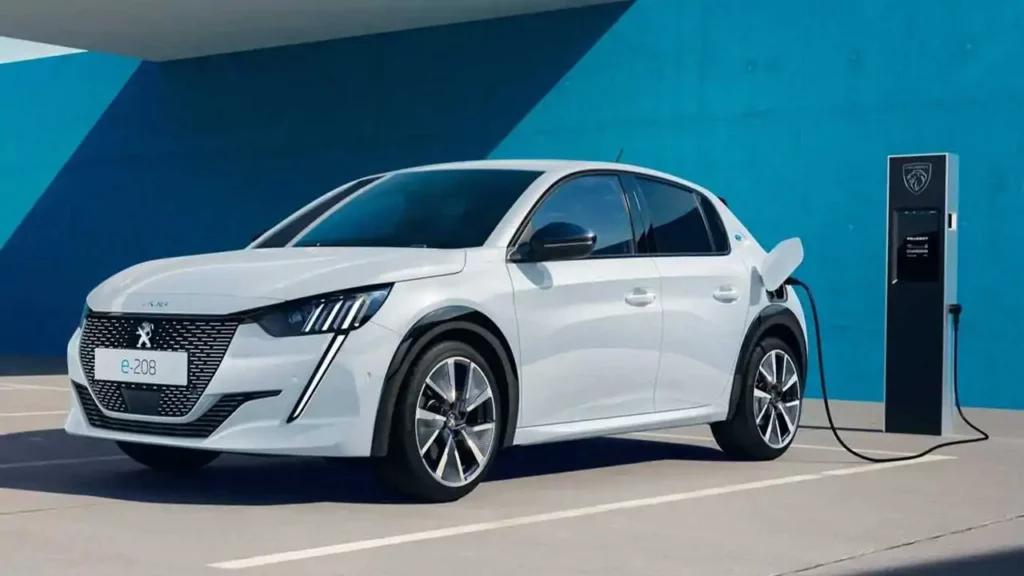
    Peugeot e-208 electric
    The Peugeot e-208 ranks second in electric sales in October 2025. (Credit: Peugeot)

    Stellantis limits the damage thanks to Peugeot and Citroën

    Peugeot is also benefiting from social leasing. The e-208 takes second place in the rankings with 2,436 deliveries. It even achieved its best month of the year. The Peugeot 2008 is back in the top 5, showing that the brand remains strong in the major segments. Citroën is experiencing a more difficult situation. The new ë-C3, despite being very affordable, has so far disappointed. It only came sixth with 1,391 registrations. Available volumes are still insufficient, despite its attractive price.

    The Stellantis Group’s results are therefore uneven. Some brands are responding well to demand, while others need to react more quickly. Competition is becoming increasingly fierce in the electric sector.

    Tesla remains solid

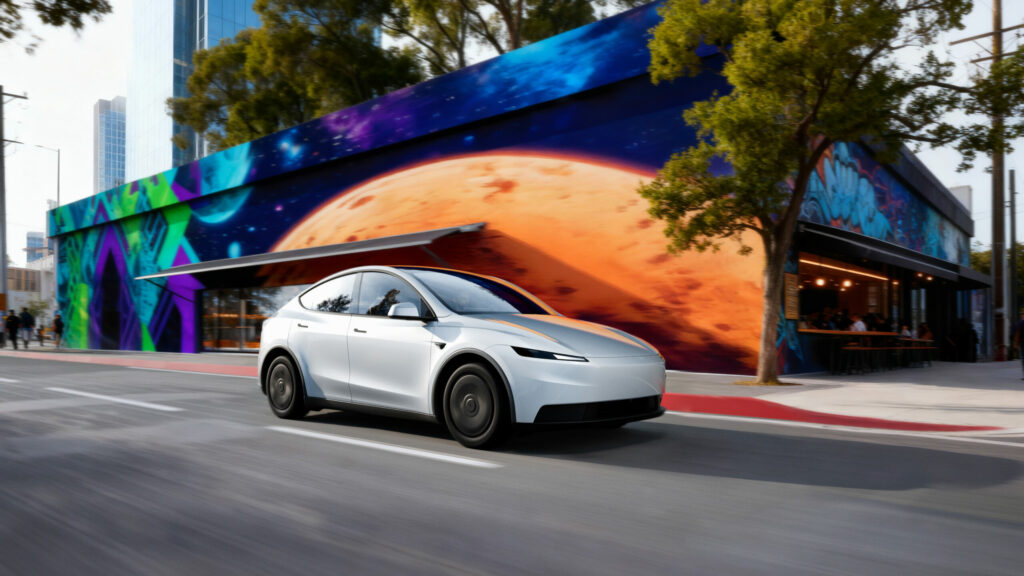
    Tesla is holding up well despite the revival of the European market. The Model Y remains in the top 5 with 1,660 registrations. The French continue to support the brand for its technologies. Its Supercharger network remains a major advantage for long-distance drivers. However, Tesla’s dominance is no longer as strong as before. The new public subsidies now favour vehicles produced in Europe. This is changing the hierarchy and reducing Tesla’s lead. Local competition is becoming serious and credible.

    Another important point is that the second-hand market is changing. Model Ys are selling more and buyers are finding more alternatives. This shows that the market is becoming mature and diversified. Tesla needs to adapt quickly to maintain its technological and commercial lead. Even a recognised pioneer is seeing a tougher environment.

    An exploding market… but dependent on public funding

    The democratisation of electric cars is finally becoming a reality in France. Prices are more accessible thanks to subsidies. Social leasing is attracting new customers. Private individuals are taking the plunge. Second-hand car sales are also rising, with electric cars up 34% in October. Residual values are stabilising and batteries are more reassuring. So the transition is no longer just a matter for dealerships.

    But one question remains: what will happen when aid is reduced? Will the market be able to remain strong without public support? Today, the answer remains uncertain. The dependence on subsidies is clear, and manufacturers are aware of it. They are developing more affordable models adapted to European criteria. The next few months will be crucial. Without a steady fall in list prices, sales could quickly plummet.

    Tesla Model Y electric on the road
    The Tesla Model Y remains in the top 5 of electric car sales in France, despite local competition. (Credit: Tesla)

    Infrastructure also remains a challenge. Heavy drivers are still hesitant. Real range is not always convincing. Charging points are still inadequate in some regions. The switch to electric vehicles still has to overcome a number of major obstacles.

    The top 10 confirms a real change in the market

    This change is clearly reflected in this month’s best-seller rankings. The Renault 5 comes out well ahead. The e-208 follows, just ahead of the Scénic. Tesla is still present, but is coming under increasing local pressure. The Renault 2008 and the ë-C3 complete a very French top. Skoda, BMW and Cupra are making rapid progress. Asian brands such as Hyundai are also showing great ambitions. The market is becoming more varied and dynamic. Each manufacturer is now seeking to have its own popular model.

    ModelsOctober 2025
    1Renault 54 551
    2Peugeot 2082 436
    3Renault Scénic1 670
    4Tesla Model Y1 660
    5Peugeot 20081 630
    6Citroën C31 391
    7Renault 41 201
    8Renault Megane1 166
    9Skoda Elroq891
    10BMW iX1812

    A fragile but promising success story

    October 2025 will remain an important month for electric cars in France. The French are finally embracing this change with enthusiasm. French brands are taking full advantage. Electric cars are becoming more accessible thanks to public subsidies.

    But we must remain cautious. Such a rapid transition can be fragile. Prices must continue to fall. More charging points are needed everywhere. Cars still need more range. The real challenge starts now: making electric cars sustainable, even without financial support.

    For the moment, let’s make the most of progress. The electric car is no longer a futuristic project. It’s already all around us. Thanks to the choices made by the French, the market is evolving and preparing for the future.