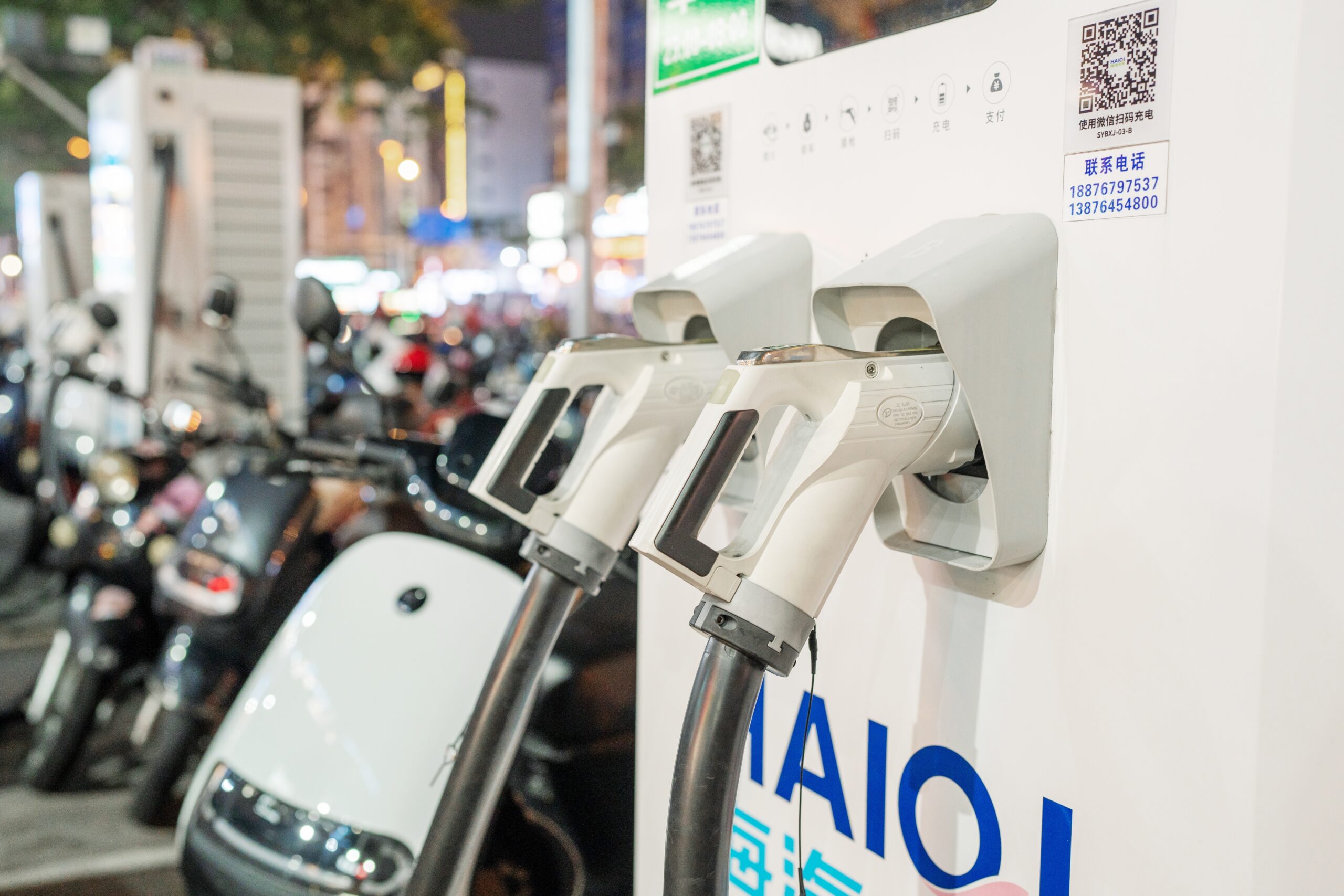
China has announced an ambitious national plan to deploy 100,000 ultra-fast charging stations by the end of 2027, to support the rapid growth of electromobility in the country. The programme, steered by the National Development and Reform Commission (NDRC), is the most ambitious reform of charging infrastructure ever undertaken by Beijing.
A Chinese high-power solar-powered charging point, installed as part of the 2025-2027 plan. (Credit: Sanya)
Open, fast, universal stations
Unlike fragmented or proprietary networks, these new stations will be compatible with all electric vehicles. The plan is to allow charging from 10% to 80% in less than 30 minutes for 800 V models.
Each terminal will be linked to local solar generation and stationary storage batteries. The aim is to relieve the strain on the national grid. Dynamic pricing will be introduced to encourage users to recharge at off-peak times.
An urgent need in the face of a gigantic electricity fleet
At the end of 2024, China had more than 31 million electric vehicles, but only 3.3 million public charging points, according to official figures. This imbalance is prompting Beijing to act quickly to avoid saturating the network.
The government is introducing a system of long-term leases (10 years) for operators and raising local bonds to finance the network. A concrete example can already be seen in Guiyang, where a station combines ultra-fast recharging, solar power and V2G (vehicle-to-grid) technology.
With this plan, China is not just catching up: it is laying the foundations for a global standard in intelligent, decentralised and sustainable recharging.
The Canadian federal government recently blocked the entry into the national market of the world’s cheapest electric vehicles (EVs), manufactured in China, by imposing 100% customs duties. In response, electric mobility advocates are calling on Canada to make it easier to import affordable models from Europe, which are currently held back by technical standards.
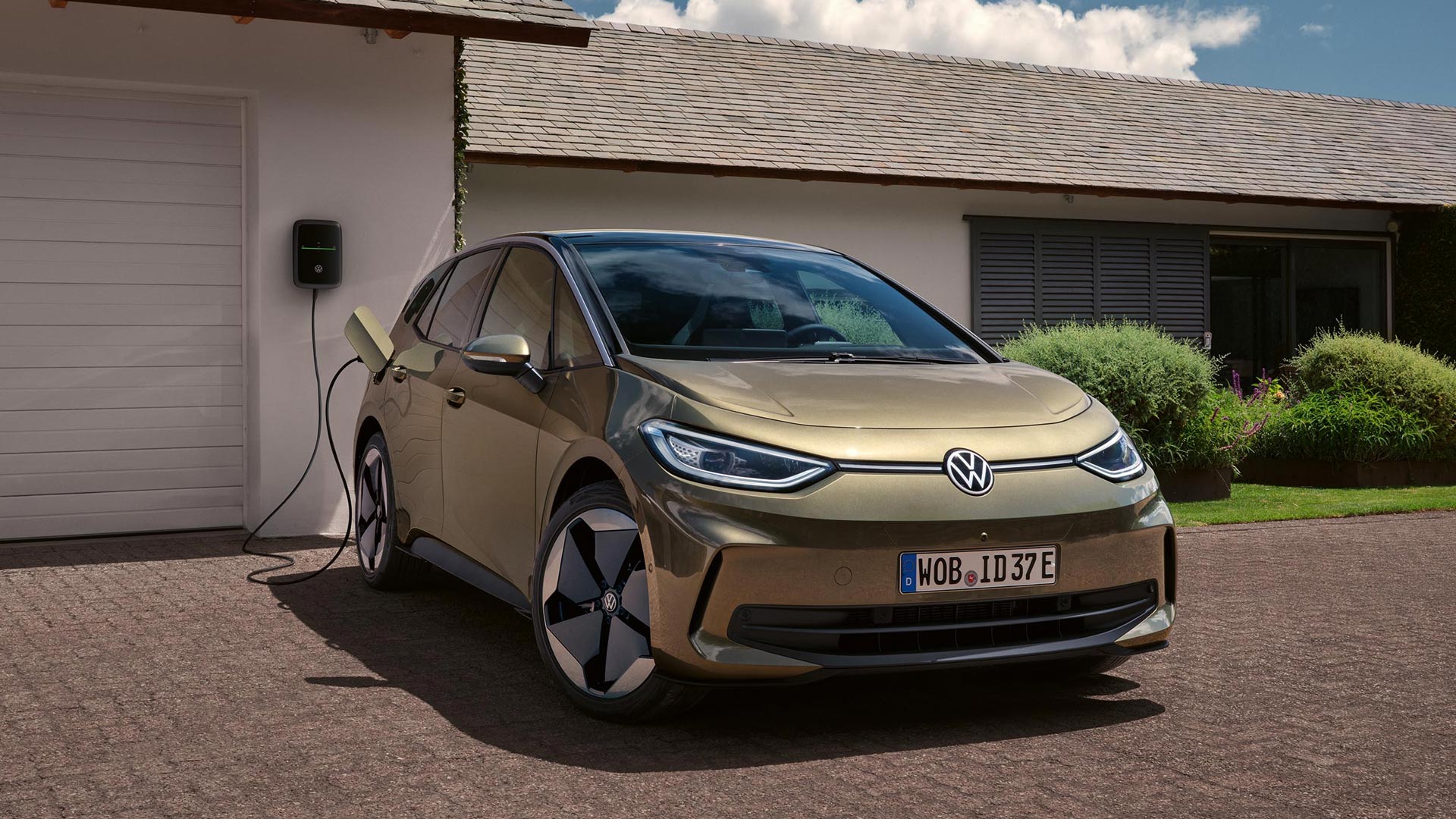
The Volkswagen ID.3, a compact electric model popular in Europe, is not yet on sale in Canada (Credit: Volkswagen).
Why it’s difficult today
European vehicles are not easily imported into Canada, as they do not meet certain Canadian certification requirements. Foreign certification rules are not automatically sufficient to meet the safety needs of Canadian road users, due to a distinct road environment, generally larger vehicles, and specific conditions.
Modifications may include bumpers, headlights or other technical features. This process can be long and costly, which discourages importers.
Press to open
Daniel Breton, President of Electric Mobility Canada, is calling for vehicles approved in Europe to be able to enter Canada without having to be recertified or modified. He believes that the Canadian requirements are unjustified, since “if these cars are safe enough for European roads, they are safe enough for ours “.
A survey of 2,585 Canadians conducted by Clean Energy Canada in June 2025 shows that 70% of them are in favour of opening up the market to approved European vehicles.
A tense business environment
This desire for openness comes against a backdrop of growing commercial pressure. The North American market is unstable: the withdrawal of subsidies in Canada, 100% tariffs on Chinese EVs, and the Trump administration’s decisions in the United States are complicating access to affordable vehicles.
The Canadian government is considering this option to diversify its sources of supply and meet growing demand for compact models that are currently unavailable, such as the Volkswagen ID.3, or brands that are absent from the Canadian market (Citroën, Opel, Peugeot, etc.).
The 2025 Tour de France marks a turning point in the history of the Grande Boucle, not only in terms of sporting performance, but also in terms of its commitment to the environment. This year, the support vehicles, essential to the smooth running of the race, are adopting electric power on a massive scale, reducing their carbon footprint and noise pollution.
Škoda: a committed partner
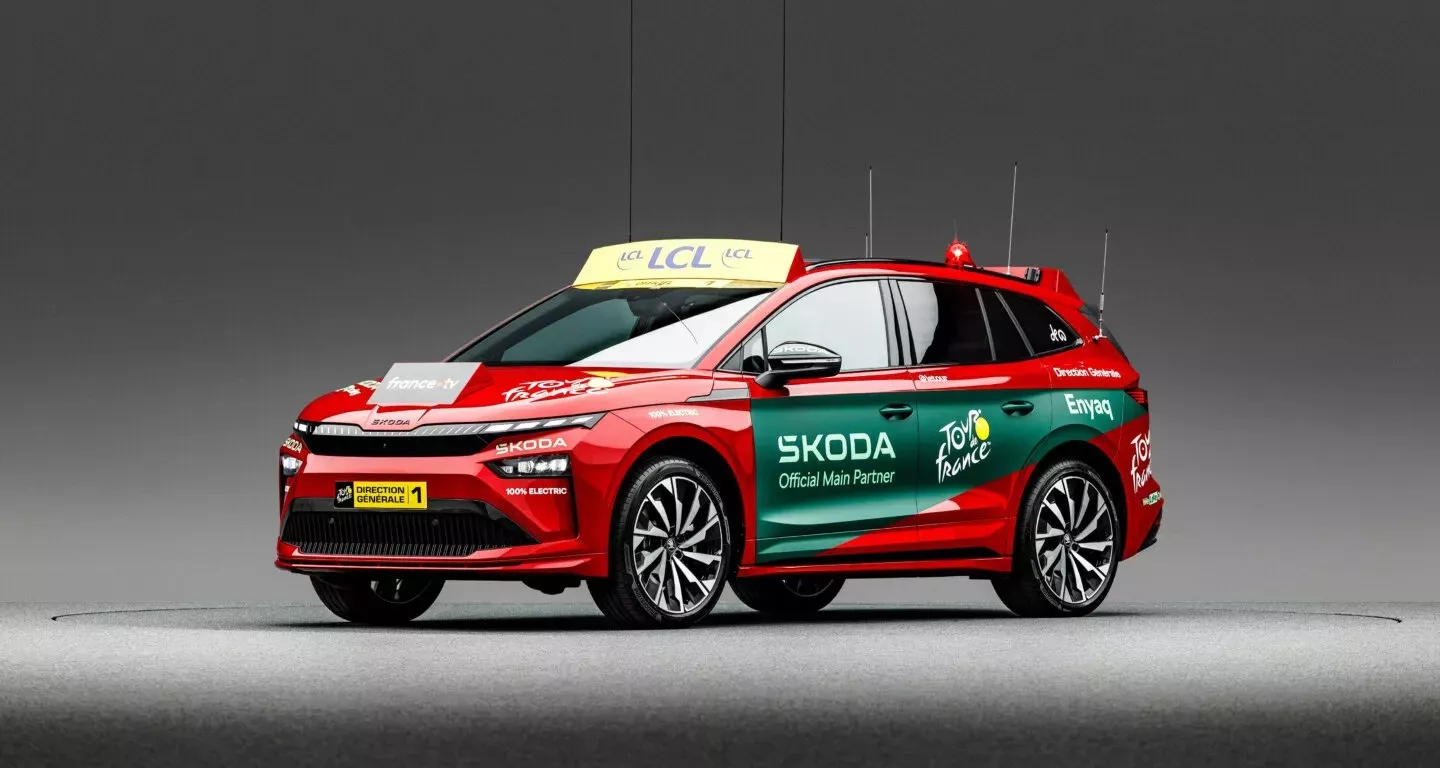
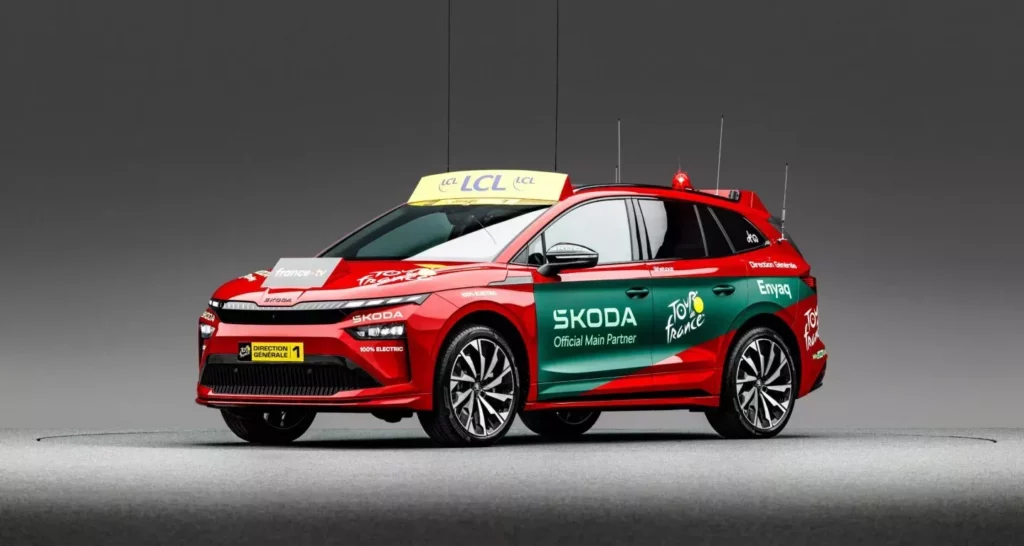
For more than 20 years, Škoda has been the official supplier of vehicles for the Tour. For this 112th edition, the Czech brand has gone one step further by putting 225 100% electric or rechargeable hybrid vehicles on the road. Among them, the Škoda Enyaq iV and the new Škoda Elroq will take on the roles of lead car and steering car. In addition to their performance, these vehicles offer a silent, emission-free drive, contributing to a more pleasant experience for racers and spectators alike.
The Skoda Enyaq iV model, used by the 2025 Tour de France teams (Credit: Skoda)
The advertising caravan goes green
Traditionally made up of noisy, polluting vehicles, the Tour de France publicity caravan is also changing. In 2025, several electric vehicles, including models from Volkswagen and Renault, will be integrated into the caravan, reducing the environmental impact of this emblematic event.
Cadillac: a first on the roads of the Tour
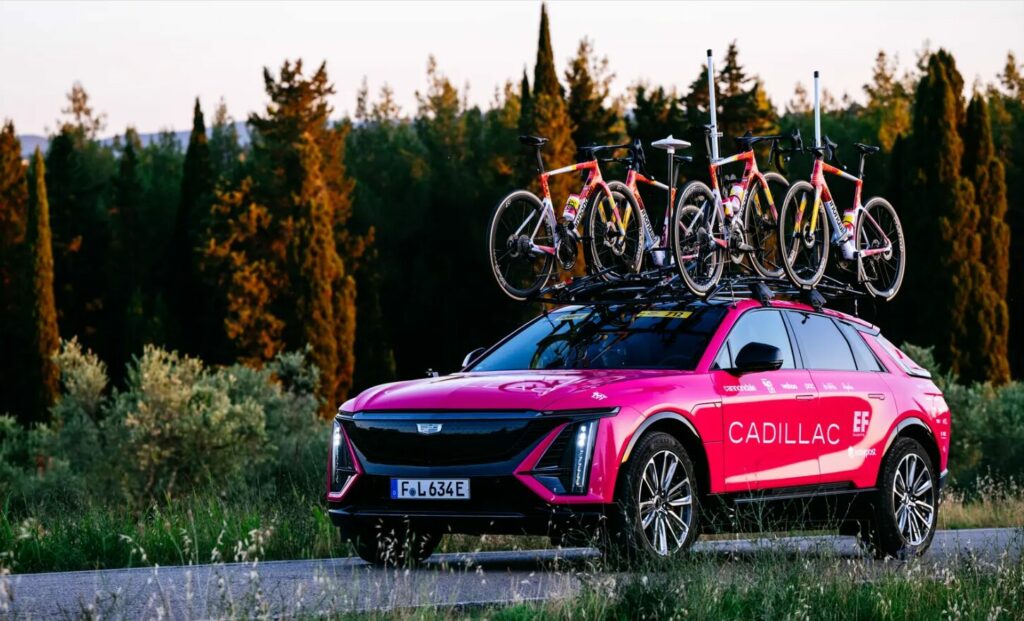
For the first time, the American brand Cadillac is taking part in the Tour de France by supplying electric vehicles to the EF Pro Cycling team. The all-electric Lyriq model will accompany the riders throughout the race, underlining Cadillac’s commitment to sustainable mobility and strengthening its presence on the European market.
The Cadillac Lyriq accompanies the EF Pro Cycling team on the Tour de France 2025. (Credit: EF Pro Cycling)
Adapted infrastructures
To support this transition to electric vehicles, recharging facilities will be set up along the route. Rexel, a partner of the Tour, is providing a map of the charging points close to the route, making it easier to manage the electric vehicle fleet.
A greener race
This move towards electric and rechargeable hybrid vehicles reflects a shared desire on the part of the organisers, partners and teams to make the Tour de France more environmentally friendly. By reducing greenhouse gas emissions and noise pollution, the Tour de France 2025 is part of an eco-responsible approach, while retaining its festive and popular character.
In this way, the Tour de France 2025 is not just a high-level sporting event; it is also becoming a model of energy transition, showing the way forward for other large-scale events.
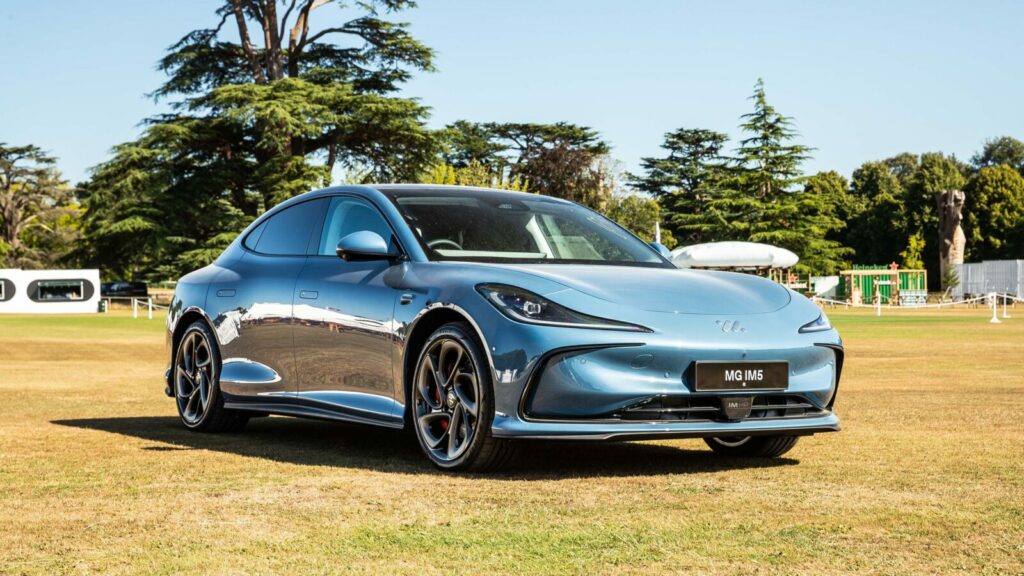
MG, through its new premium electromobility brand “IM Motors”, has officially unveiled two new electric vehicles at the Goodwood Festival of Speed : the IM5 saloon and the IM6 SUV coupé. The presentation marks an important step in MG’s strategy to strengthen its presence in the premium electric vehicle segment.
MG IM5: a high-performance, efficient electric saloon
The MG IM5 is a 5-door saloon with an 800-volt electric architecture that optimises performance and recharging times. The carmaker offers two battery configurations: a standard battery of around 75 kWh and a Long Range version of 100 kWh, offering a claimed range of around 655 kilometres according to the official WLTP cycle.
This high-voltage architecture also means that the IM5 can be recharged very quickly, from 10% to 80% in just 17 minutes, provided that compatible charging points are used. In terms of performance, MG has announced a Performance version capable of accelerating from 0 to 100 km/h in just over 3 seconds, positioning the IM5 as a direct competitor to current premium models on the electric market.
The MG IM5, a 100% electric saloon unveiled at Goodwood 2025. (Credit: MG)
MG IM6: a powerful electric SUV coupé
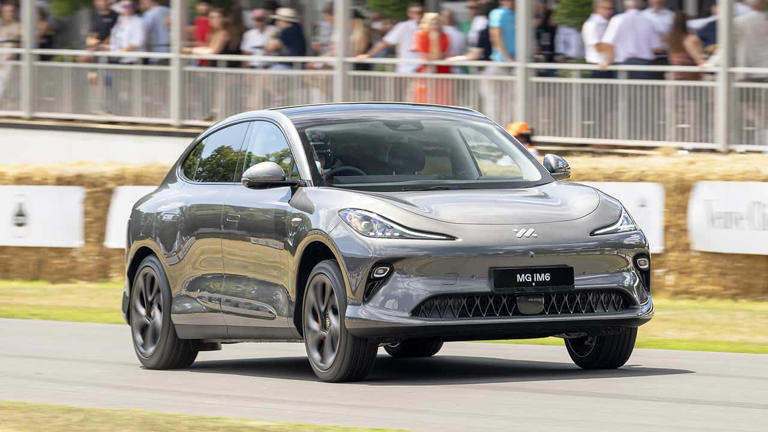
The second model presented, the MG IM6, is a coupé SUV that combines sporty design and high performance. It is powered by a 750 hp engine and has a 100 kWh battery. MG has announced a range of 555 kilometres, according to the WLTP cycle, putting it on a par with the best in the segment.
Like the IM5, the IM6 uses an 800-volt electric architecture, guaranteeing very fast recharging times and optimised energy efficiency. MG also highlights the quality and technology on board this SUV coupé, aimed at customers looking for an electric vehicle that is both powerful and elegant.
The MG IM6, a 750bhp 100% electric SUV, unveiled at Goodwood 2025 (Credit: MG)
Marketing and target markets
MG has stated that the IM5 and IM6 models will be sold mainly in certain international markets, notably the UK. To date, no official launch has been announced in France. This commercial strategy appears to be aimed at maximising the brand’s impact in markets where demand for premium electric vehicles is growing strongly.
In a nutshell
With the IM5 and IM6, MG IM Motors is taking a new step forward by offering top-of-the-range electric vehicles that combine performance, range and advanced technologies, all based on a modern 800-volt electrical architecture. Although their availability is limited to certain countries for the time being, these models demonstrate the Chinese manufacturer’s ambition to emerge as a key player in premium electric mobility.
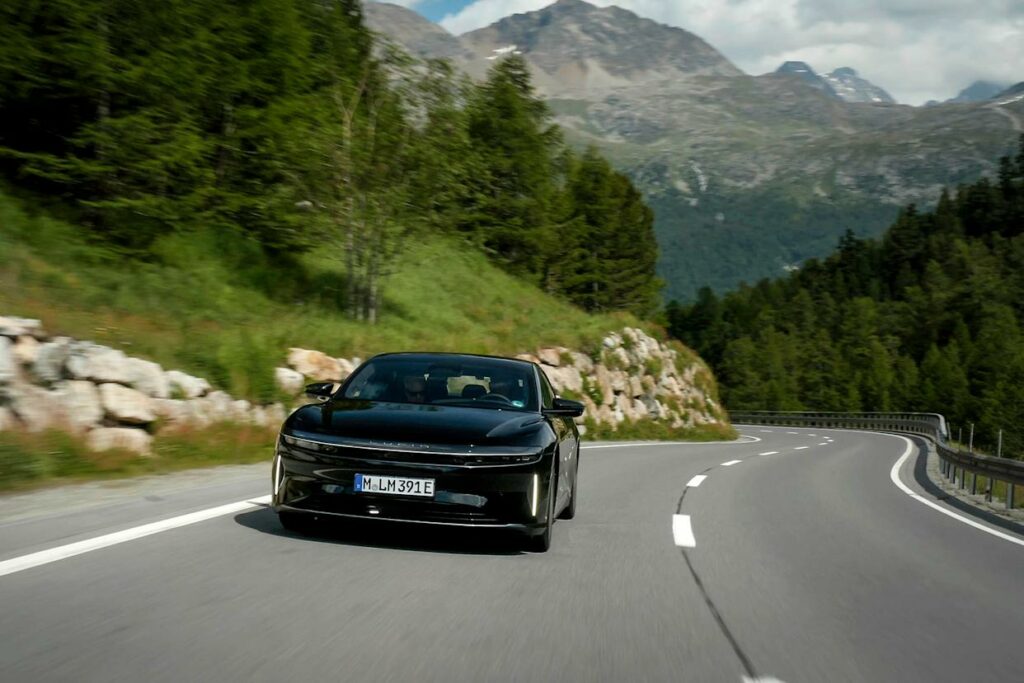
Lucid Motors has broken a world range record with its Air Grand Touring electric saloon, covering 1,205 kilometres without recharging. The journey, made between St. Moritz (Switzerland) and Monaco in Bavaria (Germany), was certified by Guinness World Records at the beginning of July 2025. The aim was to demonstrate the energy efficiency of its electric propulsion system.
The Lucid Air Grand Touring travelled 1,205 km from St. Moritz to Munich without recharging (Credit: Lucid).
A cross-border route, a global performance
The performance was achieved at the beginning of July 2025 by Turkish pilot Umit Sabanci, aboard a production Lucid Air Grand Touring. The journey covered 1,205 km in real-life conditions, without recharging or modifying the vehicle. The departure point was in St. Moritz, Switzerland, and the arrival in Munich (Monaco of Bavaria), Germany.
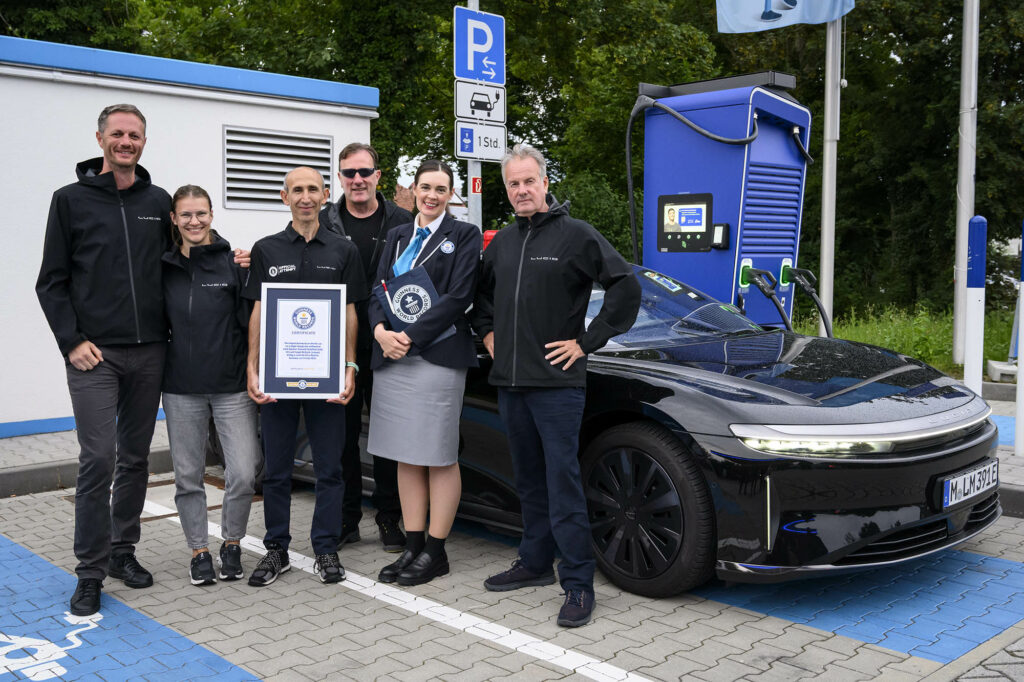
The feat was officially validated by Guinness World Records, which confirmed that the vehicle was genuine, that the distances were respected and that no recharging was required during the journey.
A technical record to match
The Lucid Air Grand Touring has a useful 112 kWh battery, according to the manufacturer’s specifications. Its propulsion system is based on a 900-volt architecture, giving it high energy efficiency. The vehicle also boasts a coefficient of drag (Cx) of 0.197, one of the lowest on the market.
The model is approved in Europe and is among the electric saloons with one of the longest ranges currently available.
A life-size demonstration
The record is part of a strategy to demonstrate Lucid technology in real-life conditions. The driver complied with speed limits and traffic regulations on open roads. No external charging or assistance devices were used, in line with Guinness World Records requirements.
“This range record is a significant milestone. It’s another clear demonstration of the technological leadership that defines Lucid,” said Eric Bach, Senior Vice President of Product and Chief Engineer at Lucid Motors.
Umit Sabanci poses with the Lucid Air Grand Touring and the Guinness certificate, after travelling 1,205 km without recharging. (Credit: Lucid)
A benchmark in the electric vehicle market
Lucid has now surpassed the previous record set by Mercedes with the Vision EQXX, which covered 1,045 km on a single charge. Unlike the Mercedes prototype, the Lucid Air Grand Touring is a marketed model, available in Europe from 2023.
This record not only validates Lucid’s technological ambitions, but also shows that production electric vehicles are now capable of covering distances worthy of the best combustion-powered saloon cars. A symbolic but very real milestone for electromobility.
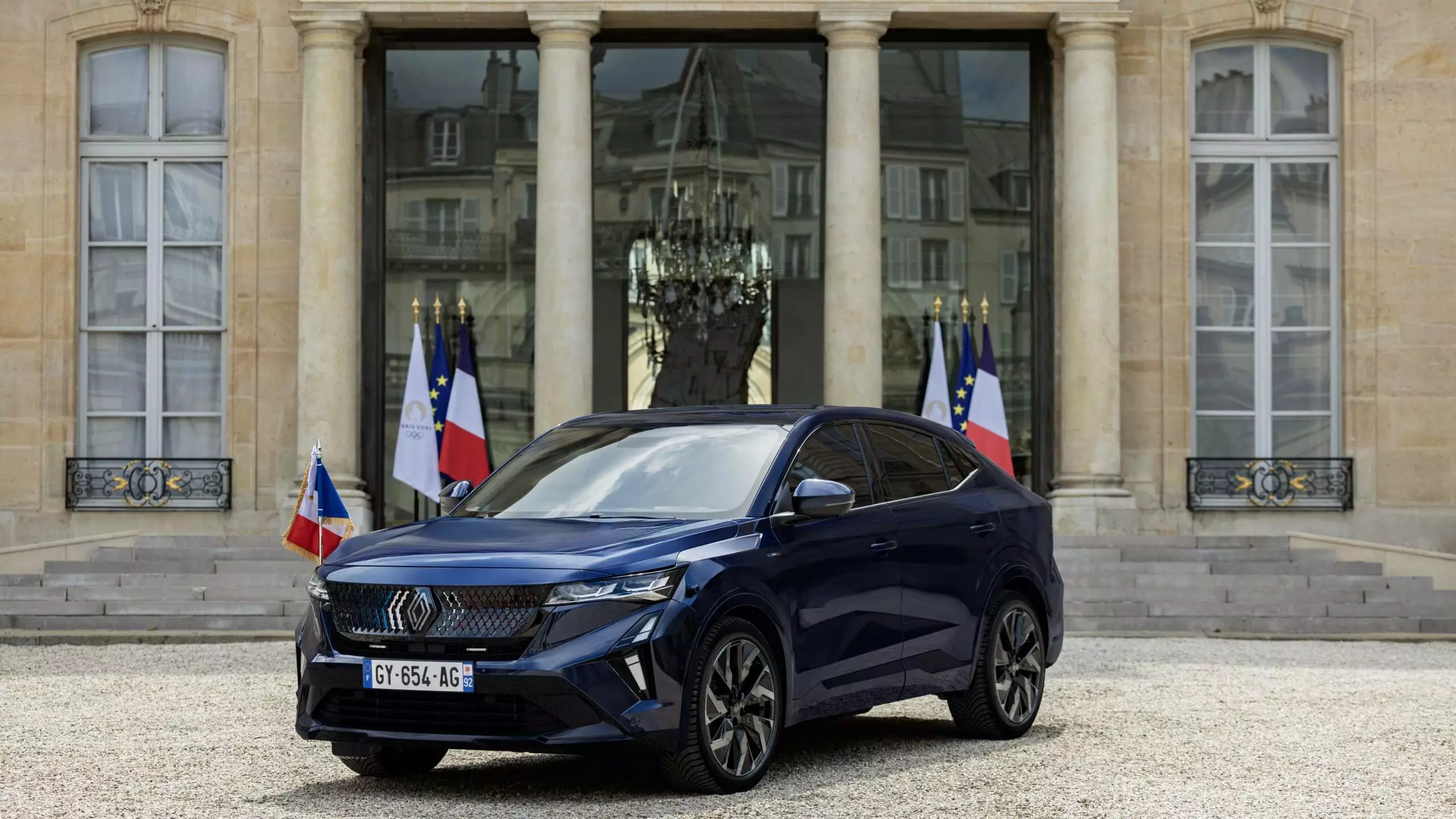
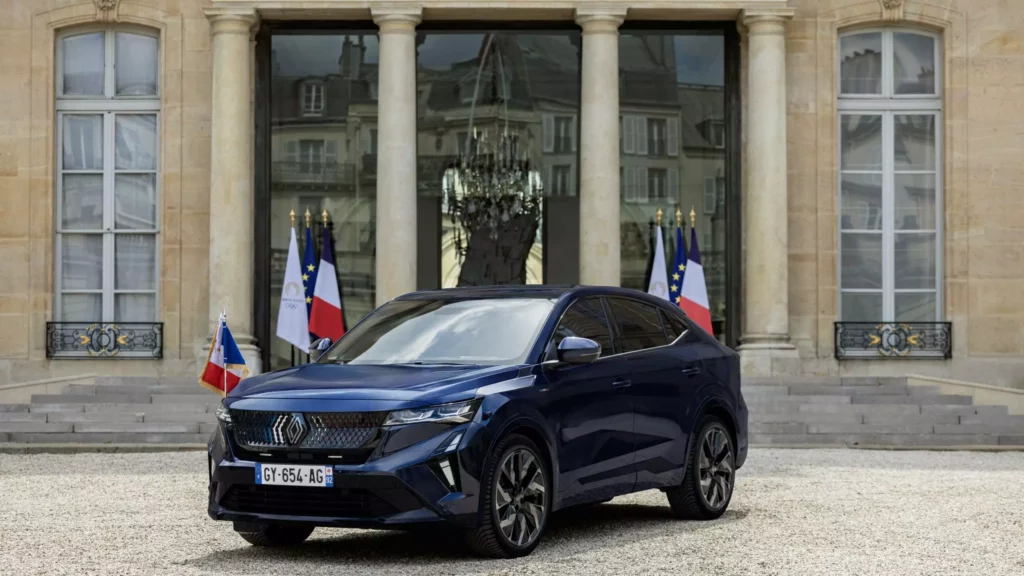
Paris, 14 July – It’s official: today, the President of the Republic opens the 14 July parade aboard the Renault Rafale, symbolising the emblematic return of the brand to the Élysée Palace garage. This choice marks a new stage in the history of French motoring.
The Renault Rafale, the French President’s official vehicle for the 14 July 2024 parade in Paris.
A prestigious return to our roots
For the first time since 2012, a Renault vehicle is being used as the official car of the Head of State, taking over from the DS 7 Crossback Élysée. This return reinforces Renault’s historical ties with presidents dating back to the Renault 40 CV in 1920. This presidential version has a specific dark blue body, a tricolour grille and armouring that meets the Élysée’s safety standards.
High-performance, efficient hybrid powertrain
Based on the CMF-CD platform, the Rafale offers two E-Tech engines. The 200hp front-wheel drive version combines a 1.2-litre turbo petrol engine with two electric motors to deliver a combined output of 200hp, 410Nm of torque, a 0-100kph time of 8.9s, fuel consumption of 4.7 to 5.0l/100km and CO₂ emissions of around 105g/km.
The 300hp E-Tech 4×4 plug-in hybrid version combines a second electric motor on the rear axle and a 22 kWh battery, providing up to 105 km of 100% electric range, 1,000 km of total range, 0-100 km/h in 6.4 s, extremely low combined fuel consumption (~0.5-0.9 L/100 km) and emissions of 15-19 g/km CO₂.
A technological and responsible interior
The cabin is modern and connected, with a dual 12″ OpenR Link screen (instrumentation + infotainment), Android Automotive with Google Maps and voice assistant. The system includes driving aids such as Level 2 semi-autonomous driving, adaptive cruise control and the 4Control advanced system with controlled suspension for maximum comfort.
Options such as the Solarbay® opaque panoramic roof, Alpine Esprit seats, 21″ wheels and Alpine luxury trim complete the premium experience.
A strong political image
The choice of the Renault Rafale as the presidential car is a clear affirmation of the desire to promote the French automotive industry, by combining prestige, innovation and ecological commitment. This presidential vehicle reflects a modern Republic that cares about its image, looks to the future and respects its environmental commitments.
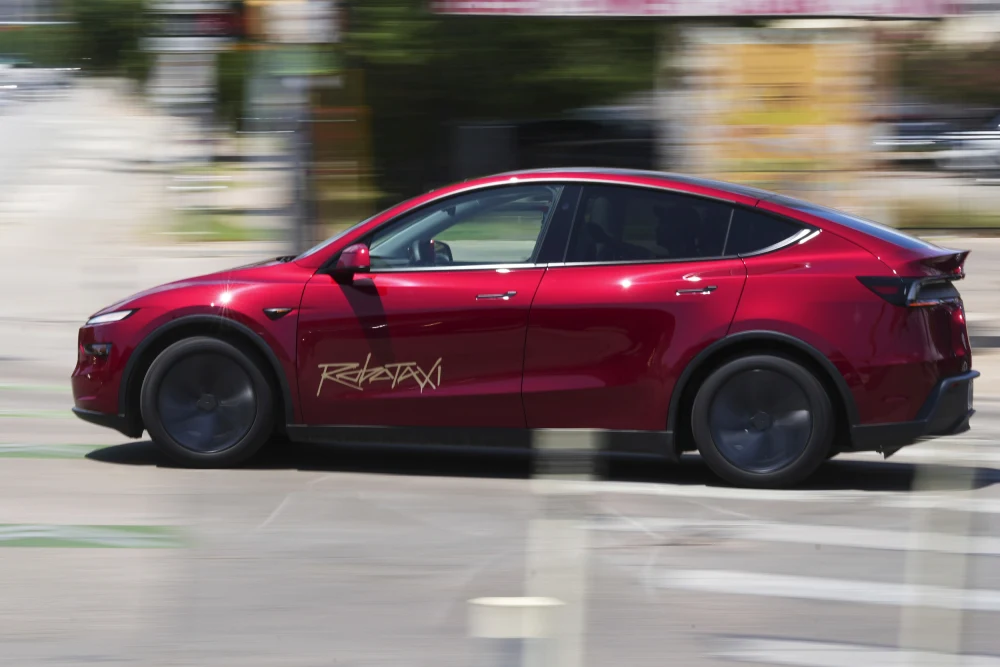
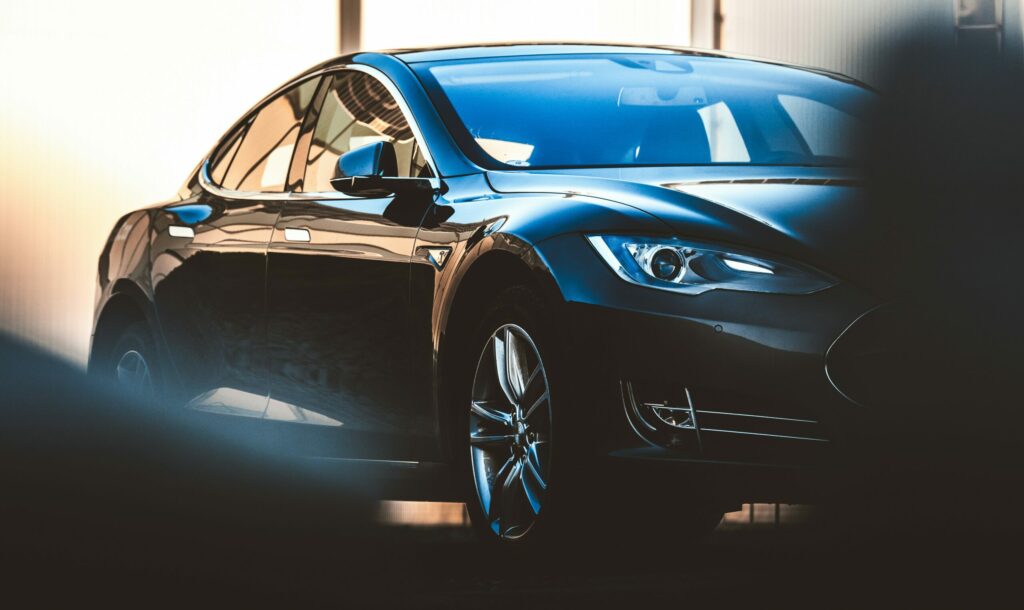
Tesla has announced the extension of its operating area for robot taxis in Austin (Texas), continuing its offensive in the field of autonomous vehicles. This decision comes against a backdrop of falling global sales and increasing competition in the electromobility market.
Credit: Eric Gay / AP
Extension of robotaxis confirmed in Austin
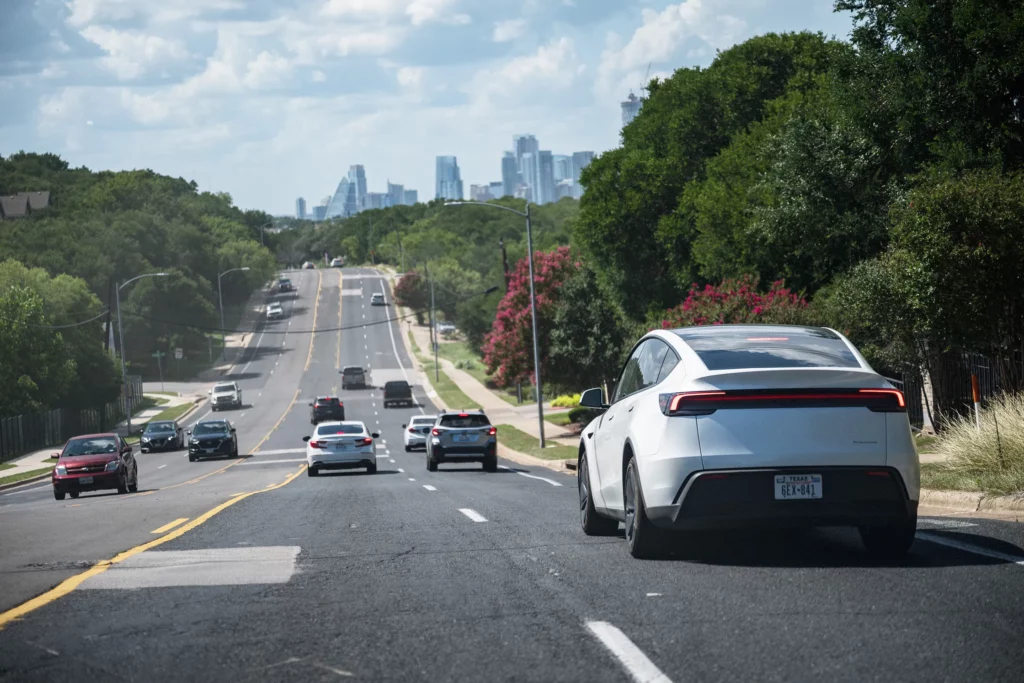
According to the Austin American-Statesman, Elon Musk has said that Tesla will expand the geographical area served by its robot taxis in the city of Austin. The service, initially limited to a restricted area since 22 June 2025, will cover a wider area in the coming days. For the time being, the vehicles will continue to operate with a safety driver on board, in accordance with local regulations.
A response to a difficult economic climate
This announcement comes at a time when Tesla is facing a drop in its worldwide deliveries. The company sold 384,122 vehicles in the second quarter of 2025, down 13.5% on the same period last year.
Despite this context, the market reacted positively to the announcement of the expansion of robot taxis. Tesla shares rose by 4.7% on the stock market after Elon Musk’s statement.
Grok chatbot integration under scrutiny
At the same time, Musk confirmed that Tesla plans to integrate the Grok chatbot, developed by xAI, into its vehicles in the near future. This functionality will be available with the next update of the on-board systems.
Credit: Eli Hartman/Getty Images
However, the integration of Grok is raising questions. Users have reported inappropriate responses from the chatbot in certain situations. The company has not detailed the measures planned to govern this integration.
Robotaxis still subject to strict regulations
The development of robot taxis in the United States is still subject to strict regulations. Since the incidents involving Cruise (a subsidiary of General Motors) in 2023, several states, including California, have tightened the conditions for testing autonomous vehicles. Tesla, which has not yet obtained a licence to operate without a safety driver, is still being closely monitored by local regulators.
Increased amounts, a new financing system and the maintenance of eligibility criteria: the ecological bonus will change from 1st July 2025. Without calling its existence into question, the government is modifying its architecture to make it more sustainable, without dipping further into the State budget. Here are the key points to remember.
Credit: Taneli Lahtinen
A new source of funding: energy suppliers in the driving seat
Since 1st July, the ecological bonus is no longer financed by the State, but via the Certificats d’Économies d’Énergie (CEE), a scheme requiring energy suppliers to contribute to the financing of the ecological transition.
According to the French Ministry for Ecological Transition, the aim of this change is to ensure the long-term future of the scheme, while applying the “polluter pays” principle. The aim is also to relieve public finances while maintaining strong support for the electrification of the car fleet.
Amounts revalued for all households
The bonus is now more generous for all households, whatever their level of tax income. There is even a significant increase for the most affluent households, who will receive a level of assistance comparable to that in 2023.
Reference tax income per unit
Before
Since 1st July 2025
Low-income households (deciles 1 to 5)
4 000 €
4 200 €
Middle classes (deciles 6 to 8)
3 000 €
4 200 €
Affluent households (deciles 9 to 10)
2 000 €
3 100 €
The aim of the increase is to widen access to electricity without making a sharp break with the old scales.
Eligibility criteria unchanged
The conditions for qualifying for the bonus remain unchanged. The vehicle must be 100% electric, cost less than €47,000 including tax, weigh less than 2.4 tonnes, and have a sufficiently high environmental score.
This score still penalises models produced outside Europe, particularly Chinese electric cars. There are no plans to relax these criteria.
A transitional period until 30 September
Vehicles ordered before 1st July 2025 remain eligible for the old scheme if invoicing or the first rental takes place before 30 September.
The aim of this measure is to avoid a “cut-off” effect for buyers and to avoid penalising delivery times. Dealers had been calling for this buffer period.
Social leasing back in action this autumn
Suspended at the beginning of 2025, social leasing will return in September. It will enable certain low-income households to lease an electric vehicle for less than €100 a month over a three-year period.
This scheme, which has been relaunched alongside the new bonus, is designed to promote access to electric cars for households on limited incomes.
Things to remember
The ecological bonus is now financed by energy suppliers via CEE.
The amounts are increasing for all households, including the most affluent.
The eligibility criteria remain unchanged.
A transitional period has been set aside to secure old orders until 30 September.
Social leasing makes a comeback in September for low-income households, until at least 2030.
As France prepares to ban the sale of new combustion-powered cars from 2035, the electric car is gradually establishing itself as the mainstay of tomorrow’s mobility.
By 2035, as announced by the French Ministry of Ecological Transition, all new cars in France will be electric, because it will be forbidden to sell combustion-powered cars. In 10 years’ time, the face of France will have changed radically. More autonomous, more intelligent, more connected, the car of the future promises a major transformation in usage.
Autonomy boosted tenfold by technology
Fears about range, long considered to be the main obstacle to the adoption of electric cars, could be lifted in the next decade. A Blue Solutions gigafactory is planned in France to produce solid batteries with a range of up to 1,000 kilometres and recharge times of 20 minutes. These batteries, which have an energy density 30% to 40% greater than current lithium-ion cells, should be in large-scale production by 2030.
In terms of infrastructure, France expects to see a marked acceleration: according to ADEME, more than 400,000 public charging points will be deployed by 2030, compared with around 120,000 today. In addition, players such as Renault and Stellantis believe that ultra-fast charging technologies will enable 80% of the battery to be recovered in less than ten minutes in the medium term.
Credit: Ante Samarzija
Artificial intelligence at the wheel
The real revolution is likely to come from on-board intelligence. According to a study published in March 2025 by European researchers, level 4 or 5 autonomous vehicles could account for a significant proportion of new vehicle registrations in Europe by 2035. These vehicles would be capable of travelling without human intervention under certain conditions, transforming the driving experience.
In France, companies are already working on systems incorporating cameras, lidars and artificial intelligence capable of managing driving in complex urban environments. According to IFP Énergies Nouvelles, these systems will learn to anticipate road behaviour, adapt to the user’s driving style and optimise journeys in real time.
France 2035, an electric car that’s always connected
In 2035, the car will also be a mobile digital terminal. Thanks to 5G – or even 6G – networks, vehicles will be in constant communication with their environment: other cars, road infrastructure, the user’s home, etc. This connectivity will enable remote software updates, seamless interaction with connected objects in the home, and even the integration of voice assistants. This connectivity will enable remote software updates, seamless interaction with connected objects in the home, and the integration of ultra-personalised voice assistants.
The Software République project, launched by Renault with Atos, Dassault Systèmes, STMicroelectronics and Thales, illustrates this trend towards a car that becomes a digital service: users will be able to manage their diary, calls, entertainment and even home automation from their dashboard.
A technological… and social revolution
But this revolution also poses human challenges. According to the France 2030 report presented by the government, major efforts will have to be made to support this transition: support for the purchase of electric vehicles, training in automated driving, and retraining for jobs in the automotive industry. The issue of digital inclusion and access to technology for all will also be at the heart of the debate.
In ten years’ time, the car will no longer be a simple mechanical object. It will become an intelligent, connected space, integrated into our lifestyles and infrastructures. Provided that this development remains at the service of sustainable, accessible and equitable mobility.
Luc Julia, an artificial intelligence (AI) engineer, has been working in this field for over 40 years, 32 of them spent in Silicon Valley.
As Chief Scientific Officer at Renault, Luc Julia is putting his expertise at the service of the company’s digital transformation, integrating AI at all levels of production and in vehicles. In this interview, he shares his vision of AI in the automotive industry, its impact on electromobility, its safety challenges and its prospects for the future.
“Artificial intelligence is a tool, we’re the ones holding the stick”.
How is AI transforming Renault today, both in production and in vehicles? Luc Julia : At Renault, my role as Chief Scientific Officer is to put AI into practice throughout the company. Obviously, this applies to cars, with clear objectives: to improve safety, reduce accidents and make vehicles more intuitive and more pleasant to use. But beyond cars, we are integrating AI into factories and other areas of the company. This means that teams, whether they are workers or office staff, can work more efficiently using these new technologies.
Is AI a reliable tool for improving cyber security, particularly in the automotive sector? Luc Julia: Cyber security is a race. AI plays a key role. On the one hand, it helps us to detect and correct errors, but on the other, it can also be used by malicious actors to bypass our defences. The important thing is to understand these tools and not to panic. AI needs to be used with discernment, just as it can be an asset in detecting threats. It’s a race in which you have to be constantly vigilant.
Vehicle autonomy: how do you see the future of autonomous cars? Luc Julia: I think that total autonomy for vehicles (level 5) will never happen. I don’t think it’s realistic. However, cars are becoming increasingly autonomous in specific contexts. They can see better than we can, brake more effectively, and are capable of performing many tasks better than humans in particular conditions. Nevertheless, human assistance will still be necessary, even in a future where cars are largely autonomous. Partial autonomy is a positive development, particularly in terms of enhancing safety and improving the driving experience.
Credit: Yves Forestier
How do you see the automotive industry evolving over the next 5 to 10 years? Luc Julia: Cars will become safer and safer, and we will be able to enjoy a more comfortable and connected environment. One of the major developments will be the possibility of doing something other than driving, thanks to connectivity and AI technologies. Autonomous cars, even if only partially, will open up new possibilities, and innovative services will be offered on board, transforming the way we interact with our vehicles.
“I don’t support the use of fossil fuels.
Can AI be considered a gadget or is it already a real asset in modern vehicles? Luc Julia: There are technologies that are absolutely not gadgets. Driving aids, which have been around for over 10 years, have proved that they save lives. Entertainment systems also provide valuable services. They are not gadgets, but essential features that make driving more enjoyable and safer.
What do you think of the idea of harmonising technological innovation with digital restraint in connected cars? Luc Julia: One of the good things for vehicles is that many technologies are handled locally, directly in the car. This makes them more economical in terms of energy consumption, because not everything goes through the cloud. This is an advantage over systems based on remote servers, which consume a lot of energy. There are also opportunities for cars to generate their own energy, for example via solar panels or through braking, making them even more autonomous and sustainable.
And personally, do you use an electric car? Luc Julia: Yes, I’ve been driving electric cars for over 10 years in the United States. What I particularly like is the acceleration, which is a real pleasure, even if I’m careful. And then there’s the convenience of not having to go to the petrol pump. The fact that you can recharge your car at home really makes life easier, especially here in the United States where the infrastructure is fairly well developed. I wouldn’t go back to internal combustion for these two reasons, and I don’t support the use of fossil fuels.