Author: Eva Pellerin

  • Mercedes steps up its electric drive: 15 models by 2027

    Mercedes steps up its electric drive: 15 models by 2027

    Mercedes is preparing an unprecedented offensive with 32 new models between 2026 and 2027, half of which will be 100% electric. This marks a strategic shift for the German manufacturer as it seeks to revive its commercial momentum and catch up with the competition.
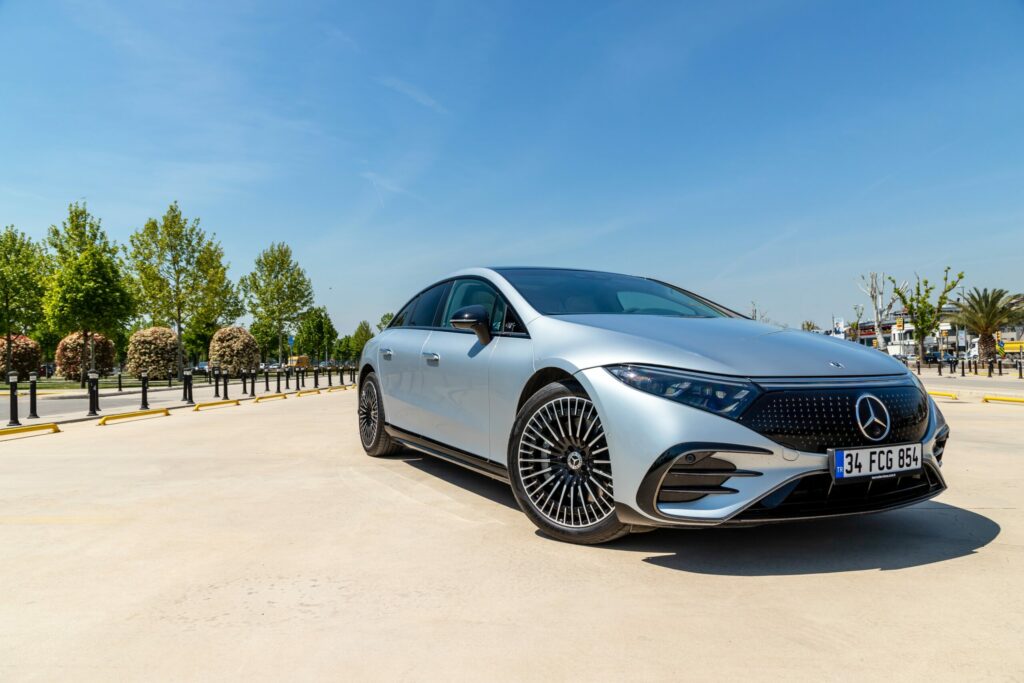
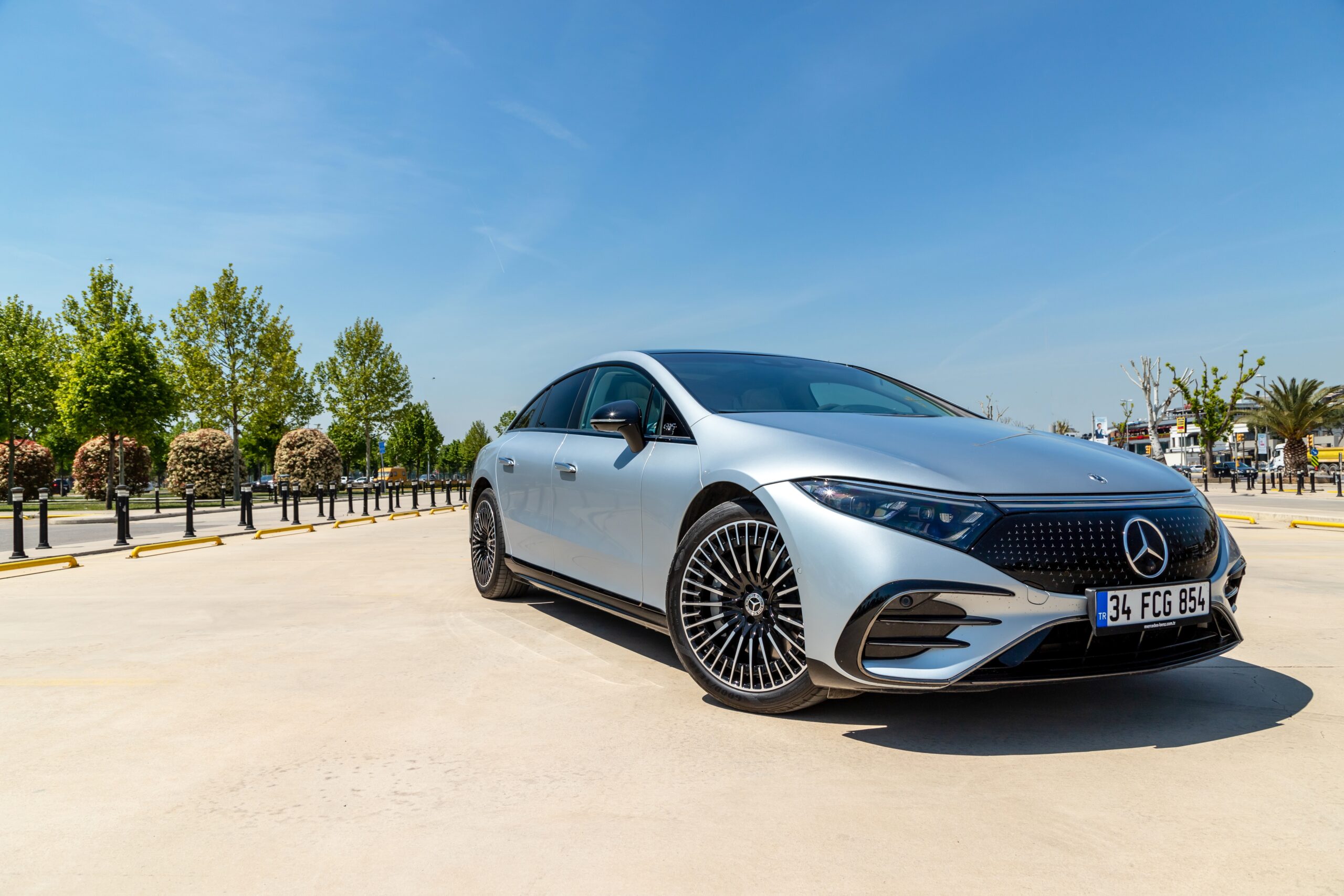
    Mercedes EQS luxury electric saloon in Istanbul, Turkey, May 2022
    The Mercedes EQS, an electric luxury saloon, illustrates Mercedes-Benz’s growing commitment to the electrification of vehicles, photographed in Istanbul in May 2022.

    A response to falling sales

    Mercedes is going through a difficult period, with sales down by 3% in 2024 and 6.2% in the first half of 2025. To reassure its investors and counter the rise of Tesla and Chinese brands, the manufacturer is betting on the most ambitious product plan in its history.

    From 2026, 18 models will be launched, followed by a further 14 in 2027. Of these, 15 will be 100% electric vehicles, across all segments.

    Electrification across the range

    Mercedes is planning a complete overhaul of its range. At entry level, the new GLA, GLB and CLA Shooting Brake will be offered in both internal combustion and electric versions.

    At the heart of the range, the brand is preparing an electric GLC (presented at the Munich Motor Show 2025) and a zero-emission C-Class, both based on the new MB.EA platform.

    The top of the range is not to be outdone, with ten launches planned, including a restyled EQS, a new small electric G-Class, and an electric version of the AMG GT 4-door.
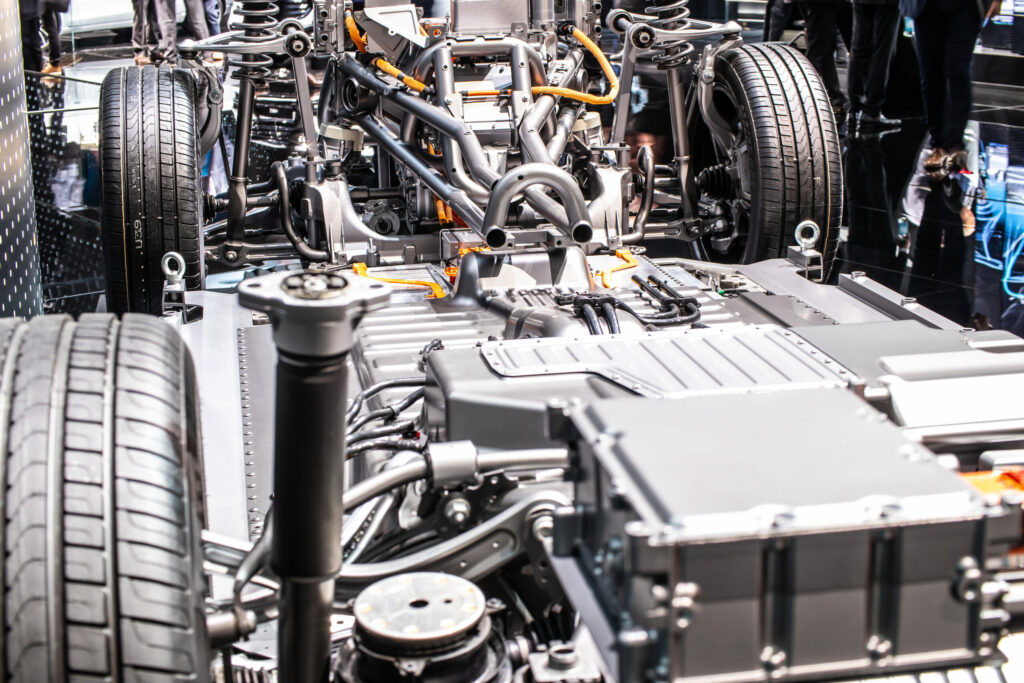
    Battery cross-section of the Mercedes EQC 400 4Matic electric SUV at the 2019 Geneva Motor Show
    Cross-section of the battery of the Mercedes EQC 400 4Matic, the electric SUV presented at the 2019 Geneva Motor Show, which showcases the technology of Mercedes’ EQ range.

    End of the EQ range announced

    Mercedes is also planning to rethink its design approach. The aesthetic differences between combustion and electric models will disappear, marking the gradual end of the EQ range. Eventually, all vehicles will share the same styling language, whatever their engine.

    AMG enters the electric era without abandoning the V8

    The AMG sports division will accompany the transition with new electric models, including a high-performance SUV and a saloon derived from the GT XX concept. At the same time, Mercedes has confirmed the return of the naturally-aspirated V8 from 2027, which will remain in the catalogue “until the middle of the next decade”.

    A strategic shift, but not a break with the past

    Contrary to its earlier plans, Mercedes will not be phasing out combustion engines in 2030. The manufacturer prefers to use a mix of technologies, in response to the diversity of markets and geopolitical uncertainties.

    With this dual strategy – ambitious electrification and the retention of combustion engines – Mercedes hopes to regain ground in a premium market that is more competitive than ever.
  • Tesla revises its prices in France thanks to the new CEE incentives

    Tesla revises its prices in France thanks to the new CEE incentives

    Tesla is adjusting its prices in France for the Model Y and Model 3, taking advantage of the new CEE bonus scheme, now financed by energy suppliers via Energy Savings Certificates.

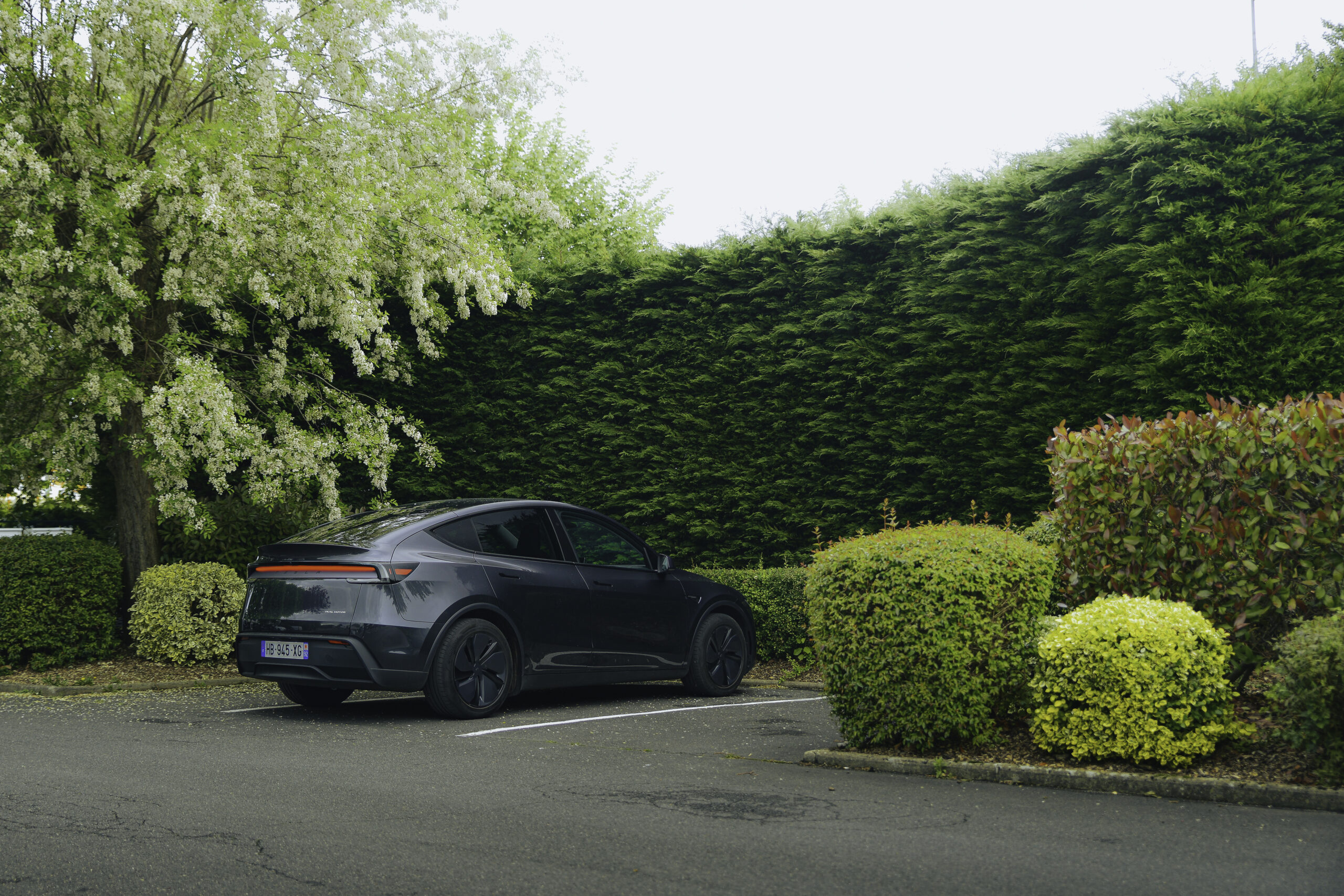
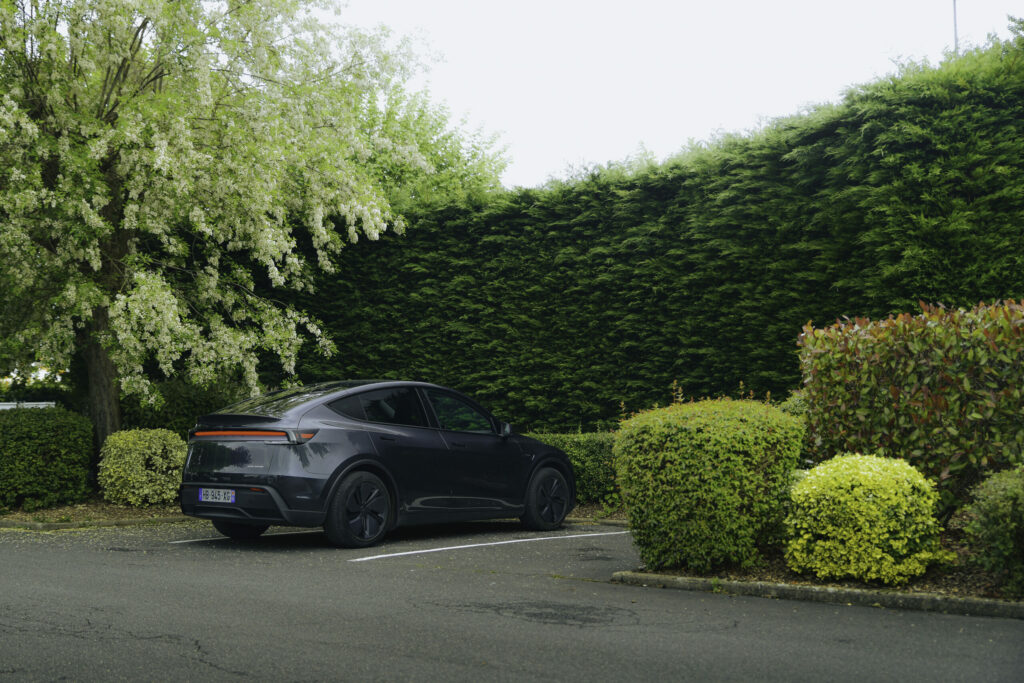
    Tesla Model Y seen from the back, eligible for the EEC bonus in 2025
    The Model Y is becoming more affordable thanks to the CEE bonus, with up to €4,200 in assistance depending on the profile (Crédit : Mathis Miroux)

    Model Y: substantial discounts

    Previously excluded from the environmental bonus, the restyled Model Y (“Juniper”) is now eligible for the “electric vehicle incentive”. The rear-wheel drive version drops from €44,990 to €41,810, and even €40,790 for the most modest households. The Grande Autonomie Propulsion version, meanwhile, drops to €42,790.

    These offers are accompanied by an attractive LOA (lease with purchase option), from €299 per month over 36 months, with an initial deposit of €8,450 for a resident of Hauts-de-France.

    Model 3: a direct price cut

    Produced in China and excluded from the main incentives, the Model 3 benefits from a direct discount of €3,100 granted by Tesla, reducing its entry price to €36,980, or even €36,554 with a ‘small’ CEE bonus of €350.

    Offers are valid for all orders placed before 31 December 2025 (Model Y) with deliveries until 30 June 2026, or 27 September 2025 (Model 3), with deliveries before 30 of the same month.

  • Electric and hybrid cars: contrasting growth in a crisis-hit automotive market

    Electric and hybrid cars: contrasting growth in a crisis-hit automotive market

    The new French car market is going through a complicated period. In July 2025, sales were still 7.7% down on last year. Even though the government is proposing subsidies to encourage electric cars, the sector is not really picking up. On the other hand, electric and hybrid cars continue to sell well, or at least better than conventional cars.

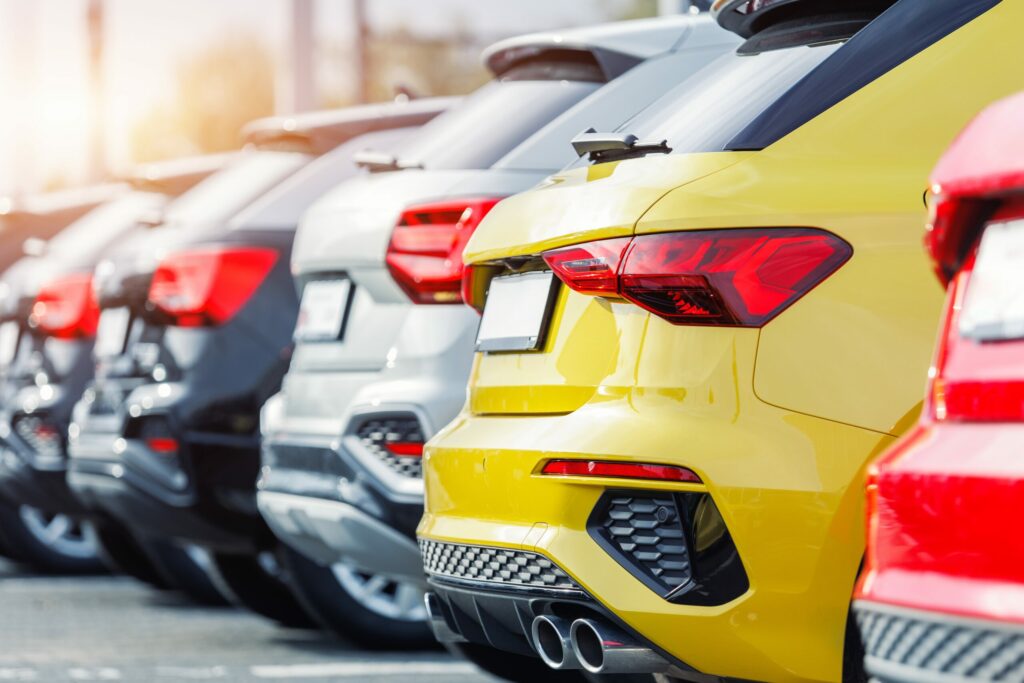
    A fleet of modern multi-coloured SUVs at a dealership, illustrating the fast-changing French car market.
    A wide choice of modern SUVs in a dealer fleet, reflecting current trends in the French car market.

    A declining overall market

    Just over 116,000 new cars were sold in France in July, according to figures published on Friday by the French car manufacturers’ association (PFA). Since the start of the year, fewer than one million cars have been purchased, which is a fairly low figure compared with previous years. All types of buyer have been affected: private individuals are buying fewer cars, as are businesses, AAA Data said in a press release. The exception is car rental companies, which are selling more vehicles on a short-term basis.

    Petrol and diesel cars down sharply

    Traditional cars, which run on petrol or diesel, are seeing their sales fall sharply. In 2025, petrol sales fell by 34% and diesel sales by 41% compared with the previous year. This trend shows that buyers are gradually turning away from these engines.

    Hybrid and electric cars are gaining ground

    Hybrid cars, which combine a combustion engine with an electric motor, now account for more than half of all sales (53% in July). These models are becoming increasingly popular, as they consume less fuel.

    100% electric cars are also making progress, accounting for around 17% of the market in July, with sales up by 15%. This increase is mainly due to purchases by companies. However, private customers are still somewhat reluctant to switch to electric cars, despite the financial assistance available.

    Brands and their performance

    Renault remains the leader in electric cars in France, with sales up sharply by 24.4%. BMW, Mini, Ford, MG and BYD are also making good progress, thanks in particular to their new electric or hybrid models. On the other hand, some brands such as Peugeot and Tesla are seeing their electric car sales fall.

    What are the prospects?

    The French car market is still fragile. The new ecological bonus and the electric leasing scheme are due to arrive in September. They could encourage more private customers to buy electric cars. But for the moment, the recovery is not yet visible.

    In the meantime, hybrid cars remain the preferred choice for many buyers. They represent an intermediate solution between conventional cars and 100% electric cars.

  • Ford to make major electric vehicle announcement on 11 August

    Ford to make major electric vehicle announcement on 11 August

    Ford is preparing to mark a historic turning point in its electric adventure. Jim Farley, the American manufacturer’s CEO, announced a key date during a conference call on 30 July. According to him, August 11 will be a crucial day for the company. A major announcement relating to electric vehicles is scheduled for that day. Farley believes that this event could be as significant as the launch of the legendary Model T in 1908.

    Jim Farley, Ford CEO, announces new electric strategy on 30 July 2025
    Ford CEO Jim Farley outlines the carmaker’s new electric strategy at a conference on 30 July 2025. (Credit: Ford)

    At the event, Ford will unveil its plans for the design and manufacture of a revolutionary electric vehicle and a new platform, all developed on American soil, in the state of Kentucky to be precise.

    This new family of vehicles promises to combine technological innovation, fuel efficiency, optimised interior space and advanced features to meet market expectations while competing with the advances of Chinese manufacturers.

    An ambitious strategy in the face of Chinese competition

    Jim Farley was particularly impressed by the progress made in China in the field of electric vehicles. During a recent visit, he highlighted the fact that the American industry is lagging behind its Chinese competitors, going so far as to say that without a rapid response, the battle would be lost. He also revealed that he drives a Chinese model, the Xiaomi SU7, on a daily basis, and praises its qualities.

    Behind the scenes, Ford has set up a specialised, relatively independent team to develop a new electric platform. This should enable the mass production of vehicles that are more compact, less costly to manufacture, yet profitable enough to ensure the company’s long-term future.

    If Ford succeeds in offering small, affordable and profitable electric vehicles, it could profoundly change the car industry. This shift would be comparable to that represented by the Model T at the beginning of the 20th century.

    The date is set for 11 August. Car enthusiasts and observers alike are waiting with bated breath to find out more about this electric strategy. It could reshape the mobility landscape for a long time to come.

  • Chevrolet relaunches the Bolt: return expected in 2027

    Chevrolet relaunches the Bolt: return expected in 2027

    General Motors (GM) has confirmed that the Chevrolet Bolt will make a comeback in 2027, with a commercial launch scheduled for 2026.

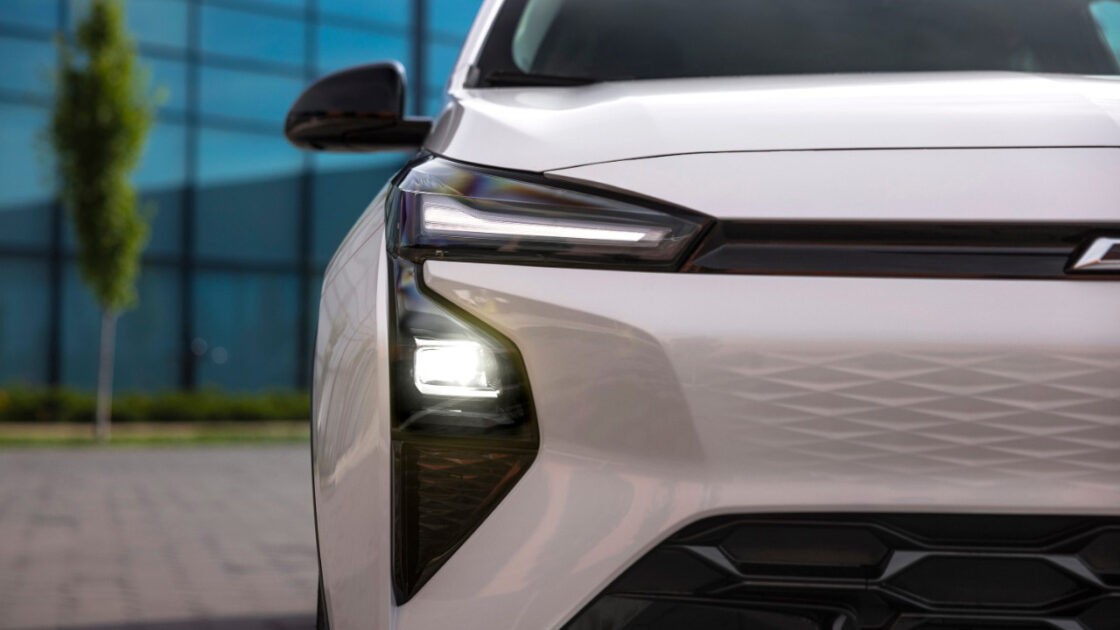
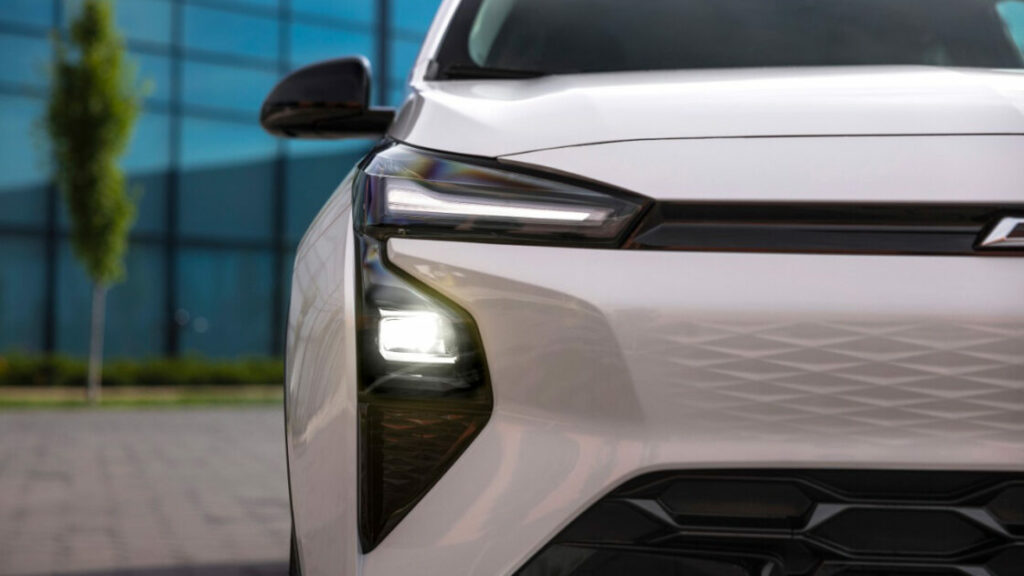
    Chevrolet Bolt 2027 LED headlights with redesigned look
    Redesigned vertical LED lights for the 2027 Bolt (Credit: Chevrolet)

    Although the model was discontinued at the end of 2023 after years of production, GM is responding to demand. The manufacturer is offering a modernised version based on the Ultium. The first teaser images show that the new Bolt shares a chassis, roof and windscreen with the Bolt EUV. At the same time, it adopts a revised design: a redesigned grille and bumper, more pronounced rear lights and refined black wheels. The brand says that more details will be revealed this autumn.

    New technical developments

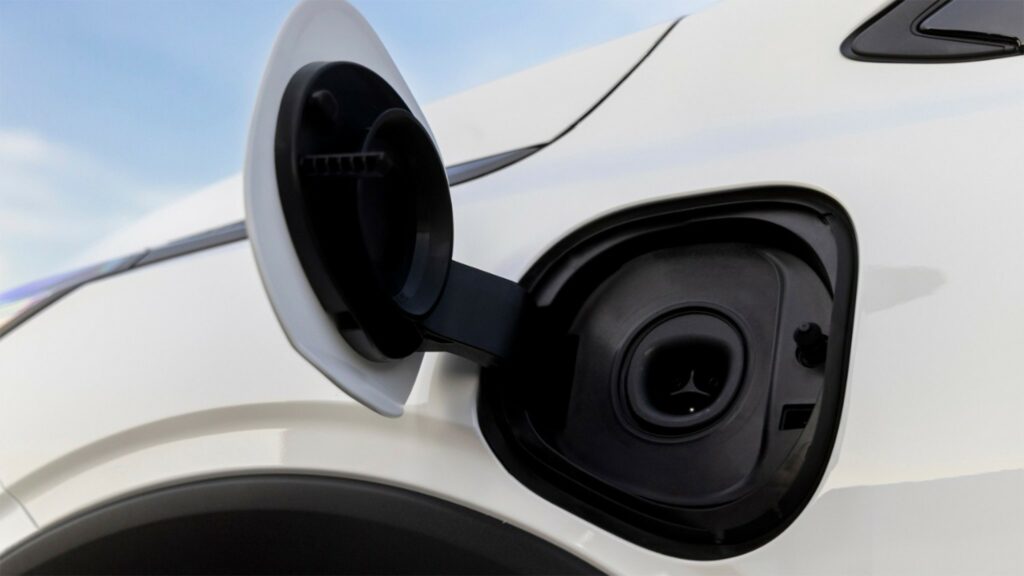
    • NACS (North American Charging Standard)charging port now standard, providing direct access to Tesla’s Supercharger network.
    • Lithium-iron-phosphate (LFP) battery, a more economical and longer-lasting technology than the lithium-ion batteries of the previous model. Estimated range of around 300 miles (~480 km EPA).
    • Significantly improved DC fast charging. Capacity much higher than the 50-55 kW of the old Bolt, reaching around 150 kW.
    Chevrolet Bolt 2027 NACS socket for fast charging
    New NACS connector compatible with Tesla charging stations (Credit: Chevrolet)

    Production and price positioning

    • Production is scheduled to begin at the end of 2025 at the Fairfax Assembly site (Kansas City, Kansas).
    • Deliveries are expected to start in mid-2026, before going on sale as a 2027 model.
    • Although the official price has not been announced, GM is targeting a price of around USD 30,000, similar to that of the original Bolt.

    What it changes

    The new Bolt retains its compact crossover/hatchback format. It brings a number of notable improvements, including a reworked design, faster charging and lower running costs. The direct integration of the NACS port facilitates access to Tesla charging points, the densest network in the United States. The LFP battery, which is simpler and more durable, also reduces costs and maintenance.

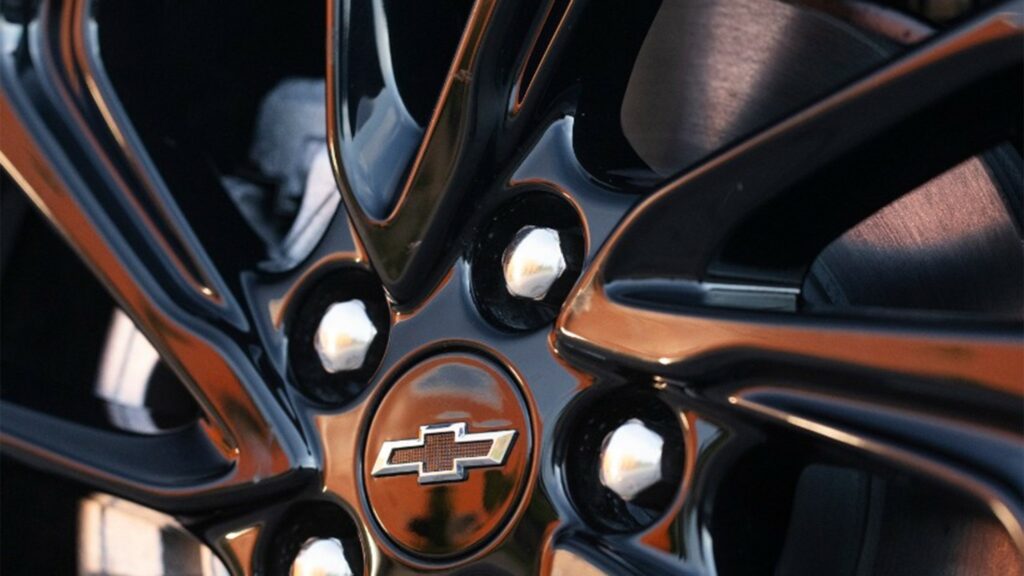
    Aerodynamic black wheels for the Chevrolet Bolt 2027
    Redesigned wheels for improved aerodynamics (Credit: Chevrolet)

    In short, the Chevrolet Bolt returns as a 2027 model with a neat restyling and technical updates focused on accessibility. It is based on the Ultium platform and features the NACS port, an LFP battery and improved fast charging. The new model is positioned as an affordable and efficient electric solution, with an estimated price of around USD 30,000. Expected to hit dealerships in 2026, the Bolt is aimed at customers looking for a reliable, easy-to-maintain vehicle that is also technologically advanced.

  • Honda makes the N-ONE e official: a new electric city car for the Japanese market

    Honda makes the N-ONE e official: a new electric city car for the Japanese market

    Honda officially presented the N-ONE e, a 100% electric version of its minicar, at a press conference in Japan on 29 July. This model, which comes from the “kei car” segment, is intended for urban use and marks a new stage in the manufacturer’s electrification strategy.

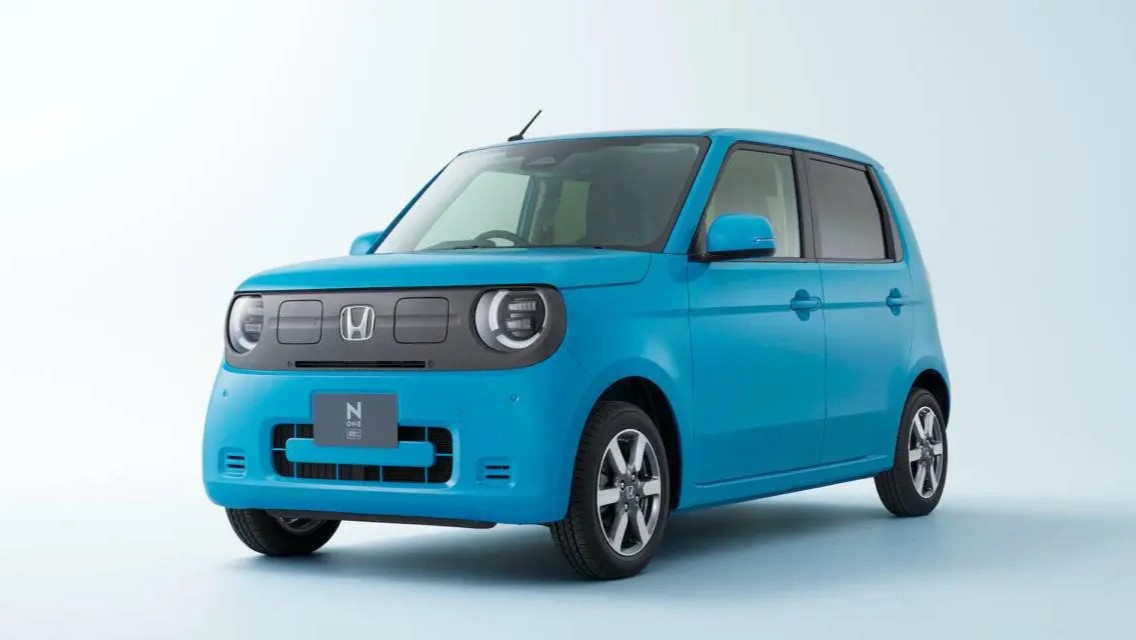
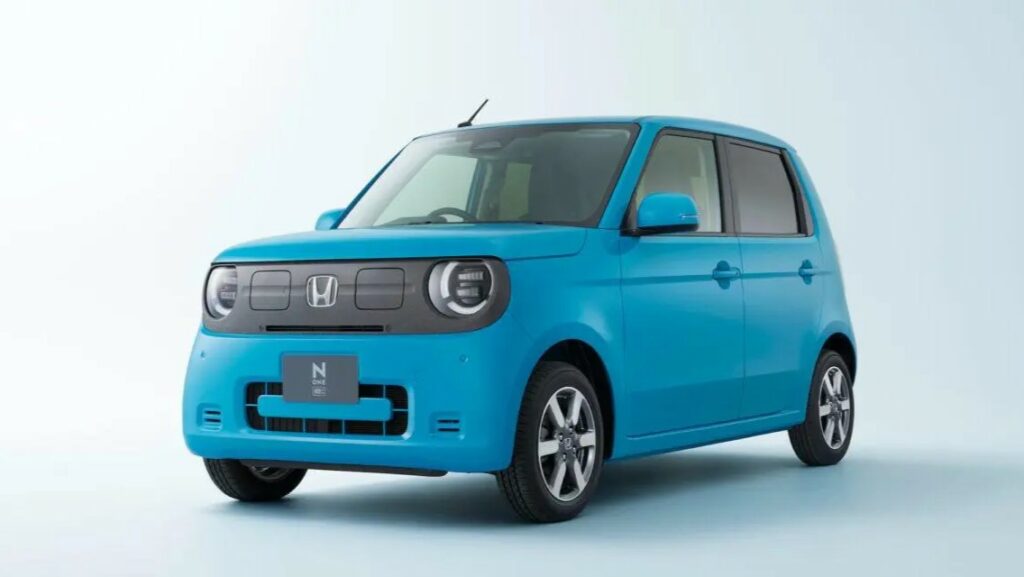
    Honda N-ONE e compact Japanese electric city car front view
    The Honda N-ONE e, a new compact electric city car to be launched in Japan in 2025. (Credit: Honda)

    A range of over 270 kilometres

    According to data published by Honda, the N-ONE e has a range in excess of 270 kilometres according to the WLTP cycle. It is based on the technical platform of the N-Van e, from which it takes its powertrain. The engine develops 47 kW (64 bhp) and 162 Nm of torque, which corresponds to the legal limits for kei cars in Japan.

    Fast charging is provided via a 50 kW DC port, enabling the battery to go from 10% to 80% in around 30 minutes. Honda has not yet released details of AC charging or the exact capacity of the battery, although it is estimated to be around 30 kWh due to its similarity to the N-Van e.

    Integrated V2L function

    The N-ONE e could also feature a Vehicle-to-Load (V2L) function, enabling external electrical devices to be powered via a special adapter. This feature is available on other Honda models, but has not yet been officially confirmed for the N-ONE e.

    Streamlined interior design

    Inside, the city car features a minimalist dashboard with a horizontal layout. Depending on the version, it may not have a central screen, but a version with a 9-inch touchscreen compatible with the Honda Connect system will certainly be offered. The main controls are provided by physical buttons and a touch-sensitive gear selector. The rear bench seat can be folded in two (50/50) to maximise cargo space.

    Marketing and outlook

    The N-ONE e will go on sale in Japan in autumn 2025, following a pre-order phase which opened in August. The manufacturer has not yet announced an official price for the domestic market, nor confirmed the foreign markets targeted. However, Honda has announced that a European presentation is planned for the autumn, probably at the IAA in Munich.

    The model could thus form part of the brand’s electric expansion strategy in Europe, although no definitive technical specifications or pricing details have been released for the continent.

  • Jaguar Land Rover postpones launch of electric Range Rover

    Jaguar Land Rover postpones launch of electric Range Rover

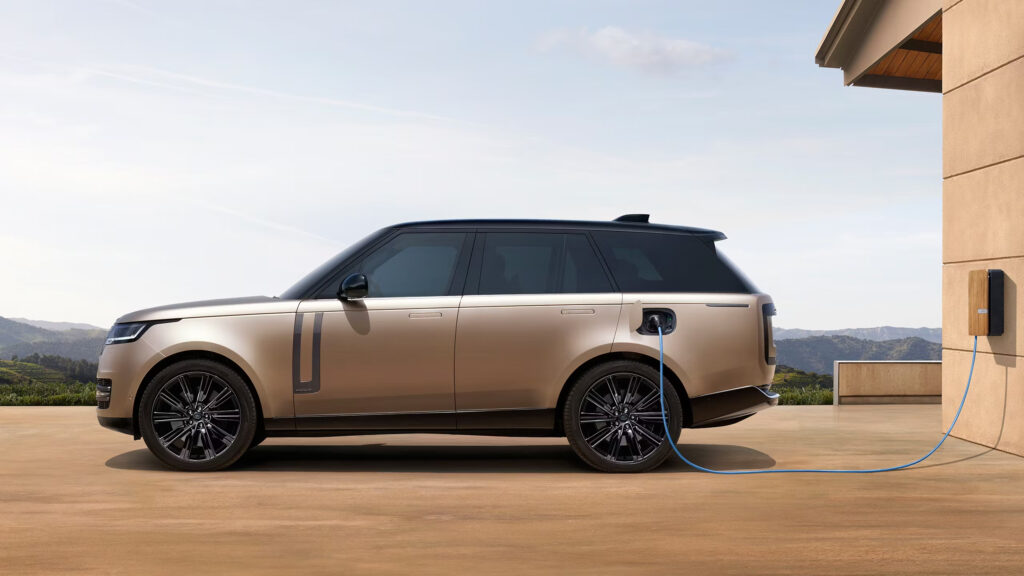
    Jaguar Land Rover (JLR) has officially announced the postponement of the launch of its top-of-the-range SUV. According to The Guardian, the electric Range Rover, originally planned for late 2025, will not be launched until 2026. The postponement of the Range Rover Electric reflects a strategy of prudence in the face of demand and market conditions.

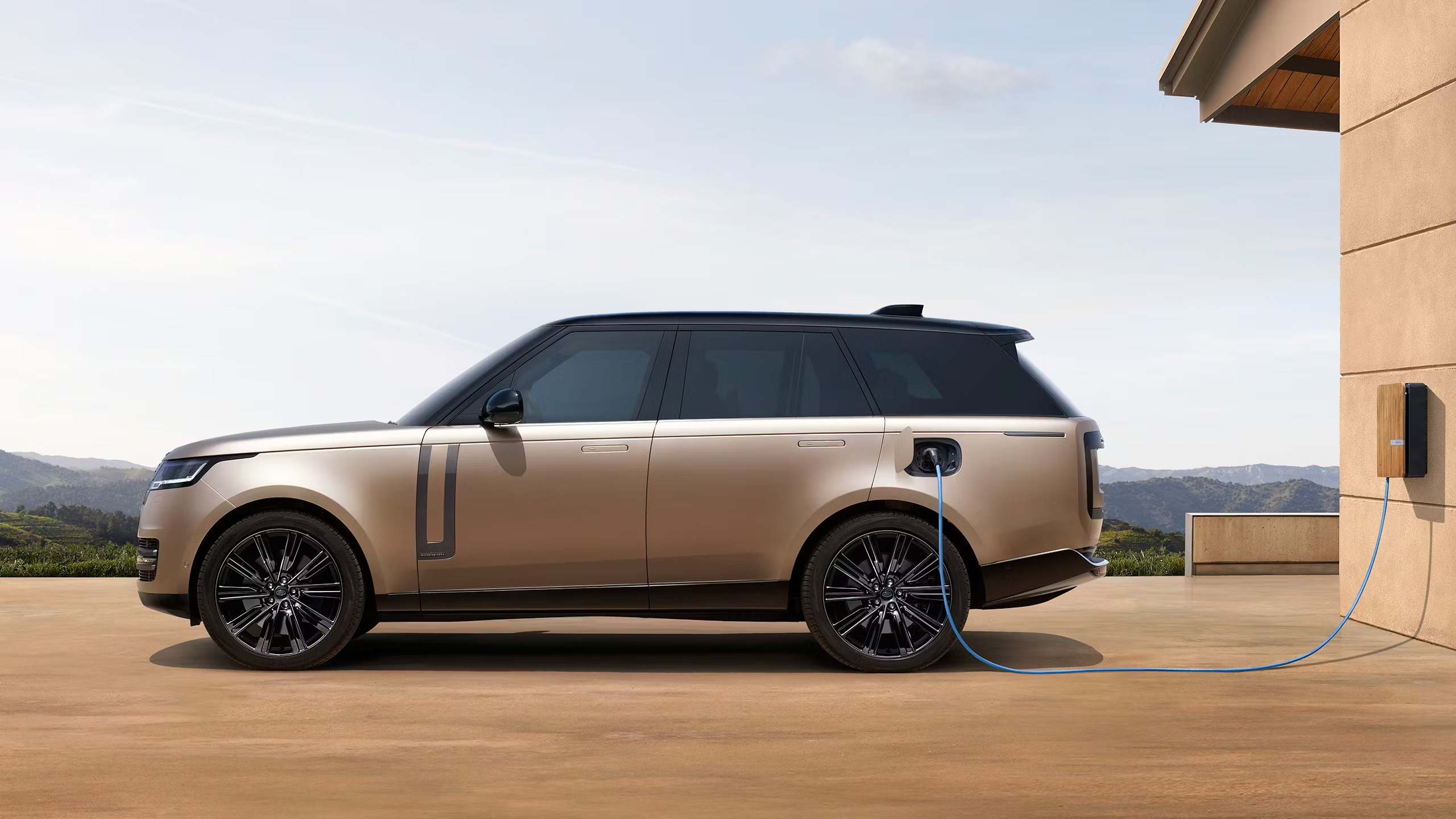
    Range Rover electric profile 2026, model delayed by Jaguar Land Rover
    The electric Range Rover shown in profile, whose launch has been postponed to 2026 by Jaguar Land Rover (Credit: Range Rover).

    A cautious strategy

    The manufacturer recently informed its customers that the model would be launched at a later date. This postponement will allow the test phases to be extended and give demand time to recover. JLR is adopting a gradual approach, unlike other brands that are speeding up their electric transition.

    According to sources close to the matter, quoted by The Guardian, other Jaguar electric models will experience similar delays. Jaguar’s first 100% electric vehicle, the Type 00, is due to go into production in August 2026. A second model is expected in December 2027.

    Difficult trading environment

    JLR’s decision comes at a time of economic and political uncertainty. The high tariffs imposed by the United States in recent months have had a major impact on the Group. As a result, JLR recorded a 15.1% fall in sales in the second quarter, due to the temporary suspension of exports to the US market.

    This delay also allows JLR to continue selling its hybrid and combustion models, which remain more profitable. At the same time, the brand’s transition coincides with the start-up of the future battery gigafactory being built by Tata in Somerset, scheduled to come on stream at the end of 2027.

    A target maintained for 2030

    Despite these adjustments, JLR is reaffirming its ambition. The manufacturer wants to offer electric versions of all its brands by 2030. It says it wants to remain flexible and launch its models “at the right time”, according to market expectations.

  • Delhi extends its electric vehicle policy until March 2026

    Delhi extends its electric vehicle policy until March 2026

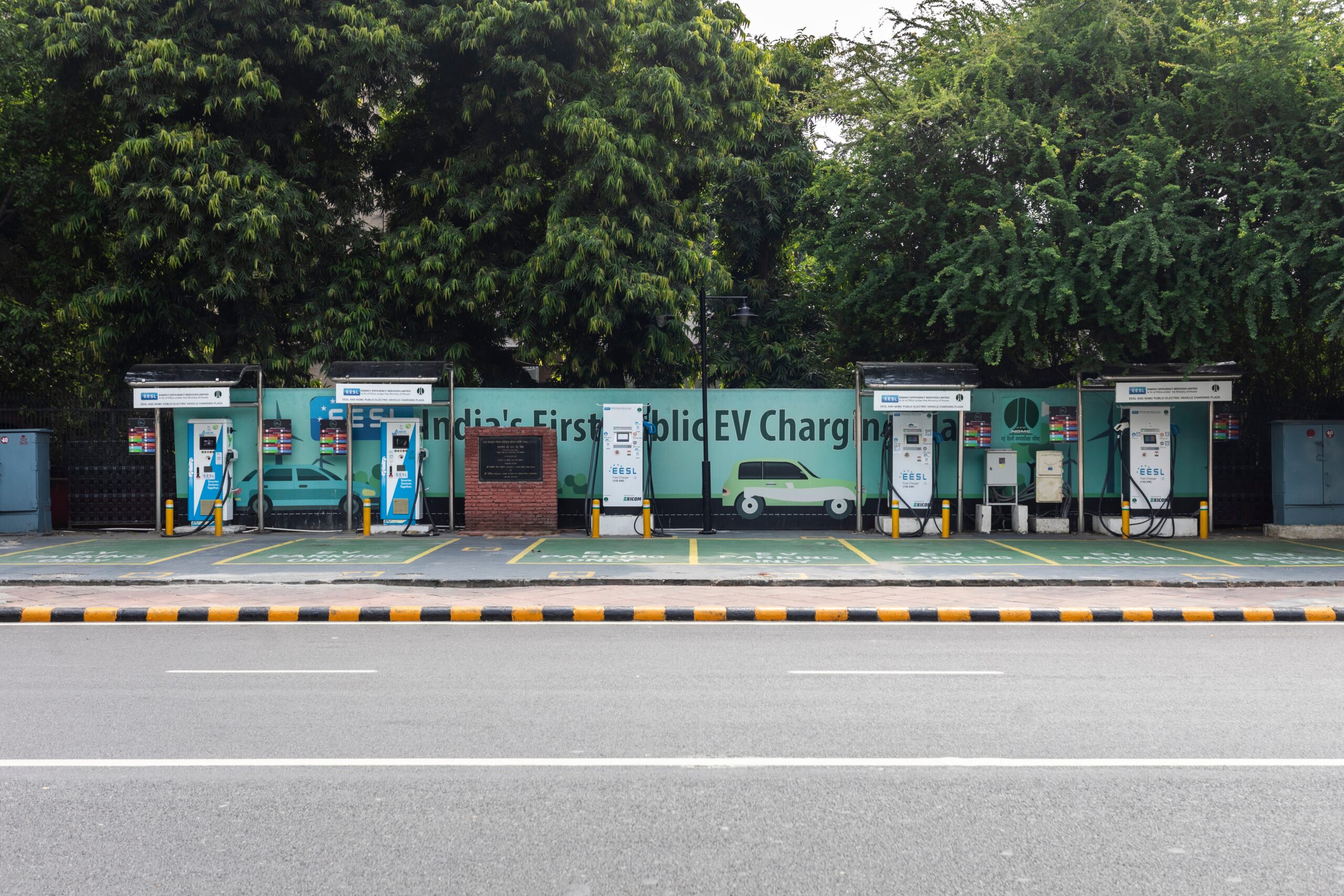
    The Delhi government has officially extended its policy on electric vehicles until 31 March 2026. The aim is to finalise a new, more ambitious version following public consultation.

    Electric vehicle charging station in New Delhi, EV infrastructure in the city centre
    Electric vehicle charging points in New Delhi, illustrating the expansion of EV infrastructure in the Indian capital. (Credit: Bhaven Jani)

    An extension approved by the Delhi government

    At a meeting chaired by Chief Minister Rekha Gupta, the Delhi government approved the extension of its EV policy. It will remain in force until 31 March 2026, or until a new policy is adopted, whichever comes first.

    Extended public consultations prior to version 2.0

    Transport Minister Pankaj Kumar Singh has said that this period will allow for extensive public consultations. Citizens, industry players, environmental experts, companies and institutions will be invited to contribute to the development of the future EV policy.

    Recharging, subsidies, batteries: the main themes

    Delhi’s future electric vehicle policy will focus on several key points:

    • Development of EV recharging infrastructure,
    • Revision of subsidies for two-wheelers, rickshaws and utility vehicles,
    • Introduction of standards for the management of batteries and electronic waste.

    Thermal two-wheelers soon to be banned

    The draft policy includes two key measures:

    • Ban on two-wheel petrol, diesel and CNG vehicles from 15 August 2026
    • Electric autorickshaws to be available everywhere from August 2025

    An ambitious but progressive vision

    This extension marks Delhi’s determination to prepare a structured electric transition, involving all the stakeholders. The aim: a realistic EV policy that can be implemented over the long term, and that will benefit both the environment and the local economy.

  • Germany opposes the ban on combustion-powered rental cars from 2030

    Germany opposes the ban on combustion-powered rental cars from 2030

    The European Commission wants to ban the purchase of combustion-powered cars by rental companies from 2030. Germany, supported by the industry, considers this measure premature and inappropriate.

    German and European flags in Berlin, symbols of the discussions on banning internal combustion cars.
    Flags of Germany and the European Union flying in front of the Reichstag building in Berlin (Credit: Roman Babakin)

    A European measure to speed up the electricity transition

    The European Union plans to force rental and leasing companies and large fleets to buy only 100% electric vehicles from 2030. This initiative is in line with the ban on the sale of new combustion-powered cars planned for 2035. The aim is to force a more rapid electrification of the company car fleet, which currently accounts for almost 60% of new car registrations in Europe, according to the Bild newspaper.

    Germany rejects decision as unrealistic

    German Chancellor Friedrich Merz reacted strongly to the proposal. He believes it ” completely misses the common needs of Europe ” and warns of the consequences for the automotive industry. For Berlin, relying exclusively on electric vehicles at such an early date is risky, especially given the inequalities in access to charging points and the lack of technological maturity in some regions.

    Rental professionals sound the alarm

    Concern is growing among the companies affected. Nico Gabriel, a member of Sixt’s board of directors, warns that this measure could curb the use of hire cars, particularly by holidaymakers. He cites the higher cost of electric car hire and the difficulties of recharging outside major cities as major obstacles. Some major groups, such as BMW and Mercedes, even believe that the EU may have to review the 2035 deadline.

    A debate still open in Brussels

    The Commission’s proposal has not yet been officially tabled, but a text could be presented to the European Parliament by the end of the summer. In the meantime, the debate is likely to intensify between Member States. Germany, in the front line, is calling for greater technological flexibility and a more realistic timetable to avoid upsetting a market that is already under strain.

  • Hanoi to ban petrol-powered motorbikes from its city centre from July 2026

    Hanoi to ban petrol-powered motorbikes from its city centre from July 2026

    Hanoi, the capital of Vietnam, has received official orders to ban petrol-powered motorbikes and scooters from the city centre from July 2026. This measure, decided by Prime Minister Pham Minh Chinh in a directive published on 12 July 2025, is part of a national strategy to reduce urban pollution.

    Scooters on a Vietnamese street, a symbol of urban traffic in 2025
    Vietnam has more than 70 million motorised two-wheelers in circulation(Credit: Nguyễn Tiến Thịnh)

    The ban will apply to the area within the perimeter of Ring Road 1, which runs through the heart of the city and includes the Old Quarter. It marks the first stage in a progressive plan to make the Vietnamese capital a low-emission city.

    Towards an extension to all internal combustion vehicles by 2030

    By 2028, restrictions will be extended to petrol cars in the areas defined by Ring Roads 1 and 2. Then, by 2030, all fossil-fuelled personal vehicles will be banned within Ring Road 3.

    The government is requiring the city to finalise a Low Emission Zone (LEZ) plan by the end of 2025, including the modernisation of public transport, the extension of charging stations, and the gradual banning of polluting fuels. By 2030, the public transport network will have to link the main traffic arteries, densely populated areas and transit centres using electric buses and metro lines.

    A transition supported by incentives and a strengthened framework

    The city plans to introduce tax incentives for companies that produce or assemble electric vehicles. Thermal vehicles remaining in the zones concerned will be subject to higher registration and parking fees.

    Man on a motorbike in a narrow street in Ho Chi Minh City in 2025
    Internal combustion motorbikes are still omnipresent in the streets of Ho Chi Minh City on the eve of the changeover. (Credit: Khanh Nguyen)

    Other measures include a ban on single-use plastics in city-centre establishments from the end of 2025, and tougher environmental laws. Industrial facilities will have to be equipped with real-time monitoring sensors, and offenders will risk service cuts or financial penalties.

    The transition plan also includes the development of a national air quality database, tighter controls and the use of intelligent technologies to monitor emissions. Local authorities will be held accountable for their implementation, and cases of corruption or obstruction of environmental standards will be investigated by the Ministry of Public Security.