Author: Eva Pellerin

  • BYD hits back with two new models acclaimed by Euro NCAP

    BYD hits back with two new models acclaimed by Euro NCAP

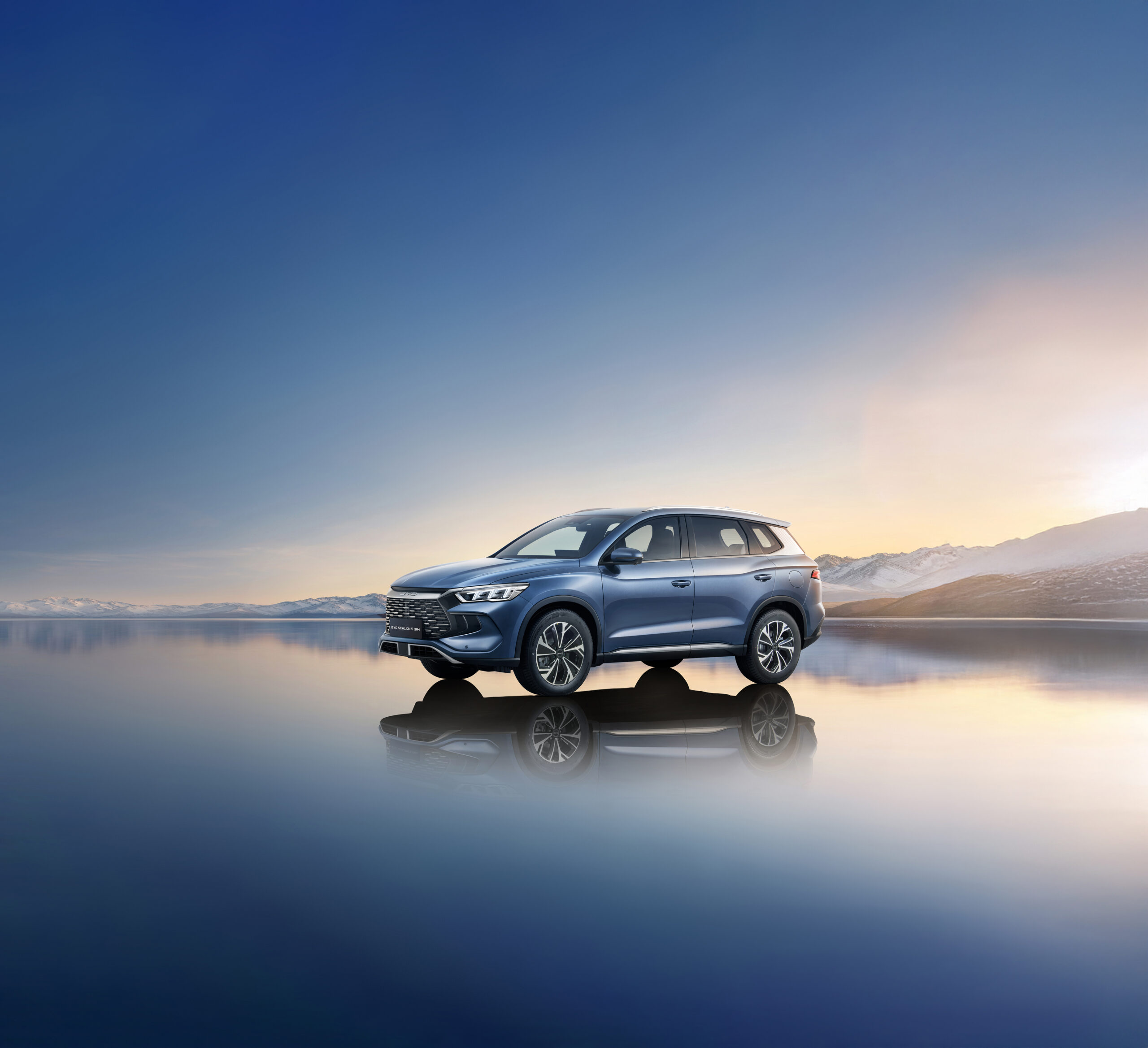
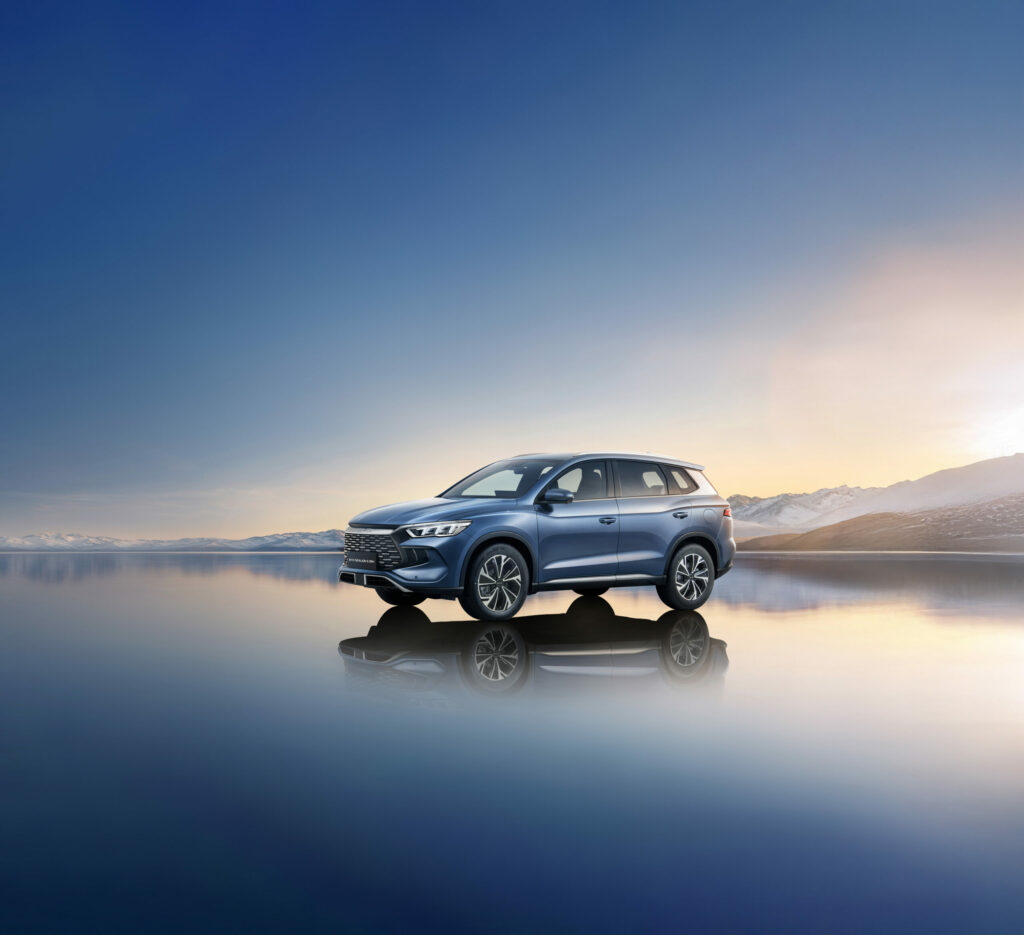
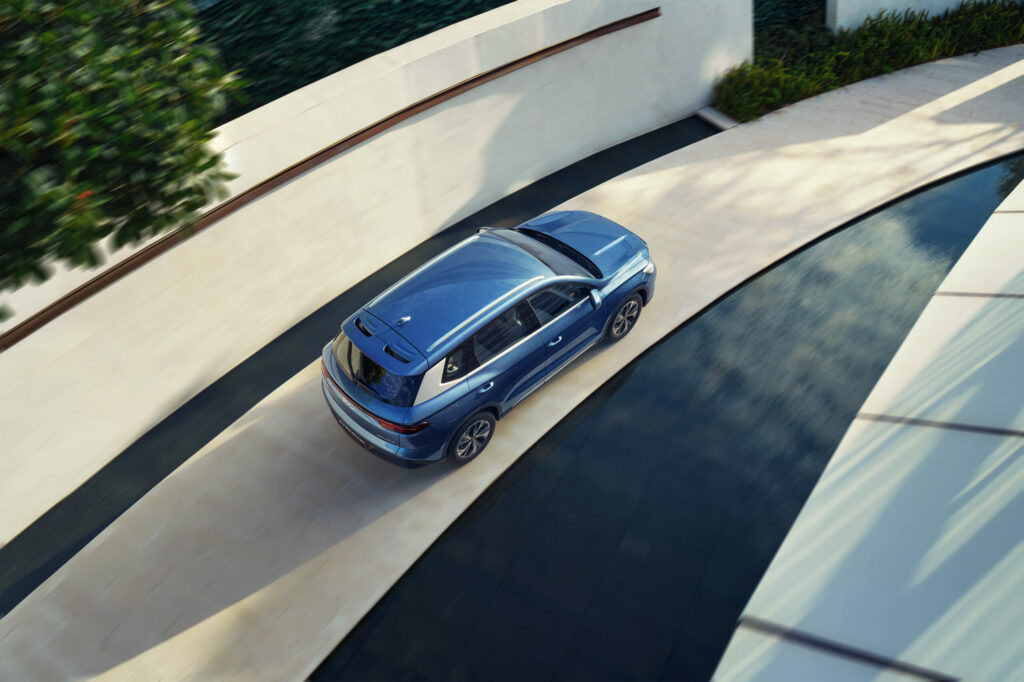
    The new BYD SEAL 6 DM-i is winning over the European market with its exemplary safety. The saloon and estate versions have been awarded five stars thanks to their consistent performance. These hybrid models confirm BYD’s ambitions in strategic family segments.
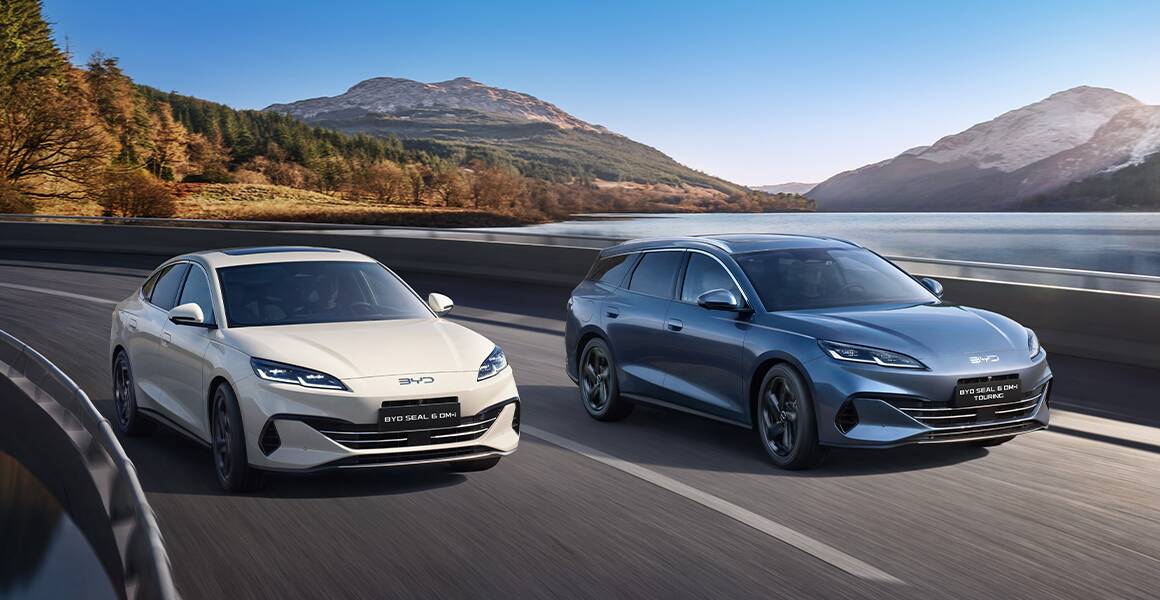
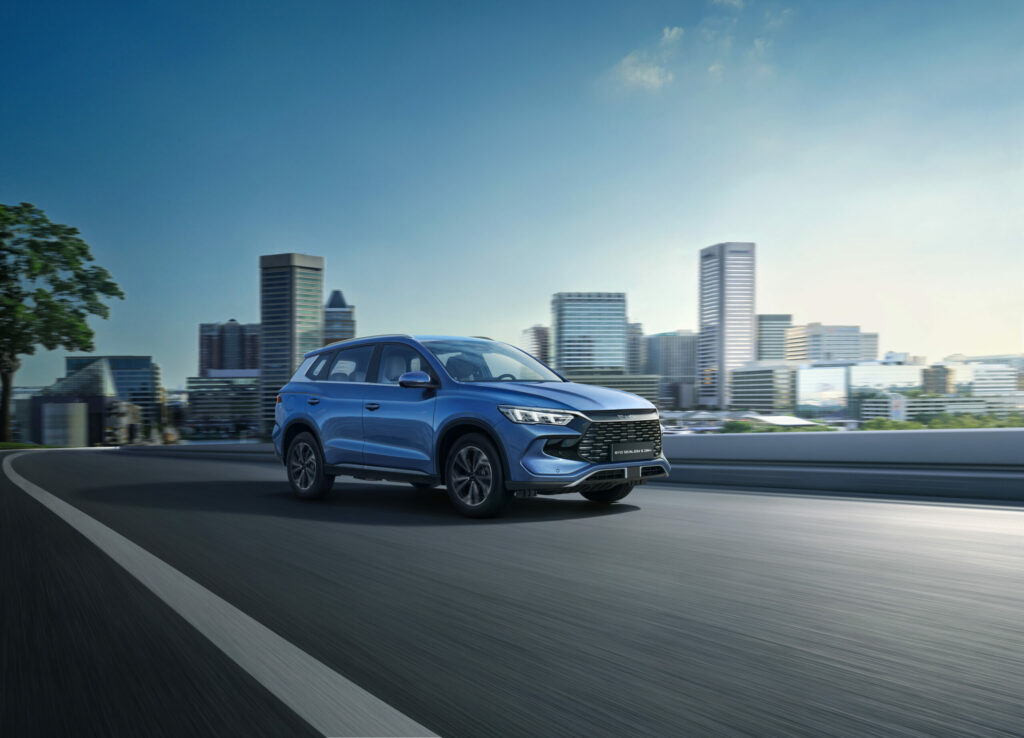
    BYD SEAL 6 DM-i and SEAL 6 DM-i Touring in motion on the road
    The BYD SEAL 6 DM-i saloon and estate drive on the road, combining performance and safety. (Credit: BYD)

    Results boost BYD’s credibility in Europe

    Both SEAL 6 DM-i models scored top marks in the Euro NCAP tests, underlining their rigorous design and the manufacturer’s technological maturity. This result reflects in-depth work on the vehicle’s structure, particularly in side impacts, where the saloon scored maximum points. This performance rewards development work focused on structural strength and energy management during complex impacts.

    Adult occupant protection reaches 92%, a score rarely achieved in this category. The manufacturer is thus demonstrating its ability to offer safety solutions adapted to the constraints of the modern road. This high score is reassuring for drivers looking for a vehicle capable of offering safe and comfortable journeys, even over long distances.

    One of the best levels of child protection in its category

    Child protection performance reaches 90%, thanks to exemplary results in frontal offset and side impact tests. This level reflects BYD ‘s focus on family safety, an essential element in a market where this criterion strongly influences purchases. Fastening systems, seat configuration and crash force management have been optimised to ensure maximum safety.

    This performance strengthens the position of the SEAL 6 DM-i among families who want to combine autonomy, technology and protection. The European market, which is highly sensitive to these criteria, is seeing the arrival of two models capable of competing with the best references in the segment.

    Overall safety praised by Euro NCAP

    The other two categories assessed by Euro NCAP also scored very well. Protection of vulnerable road users reached 84%, demonstrating the finesse of the sensors and the effectiveness of the exterior surveillance systems. These systems enable rapid detection of pedestrians and cyclists, reducing the risks in dense urban environments.

    Driver assistance systems scored 85%, reflecting the quality of the technologies on board. Euro NCAP describes these systems as excellent, in particular because of their precision and consistency in real-life situations. This recognition is a major asset for BYD, which is banking on software innovation to stand out in an industry in the throes of transition.
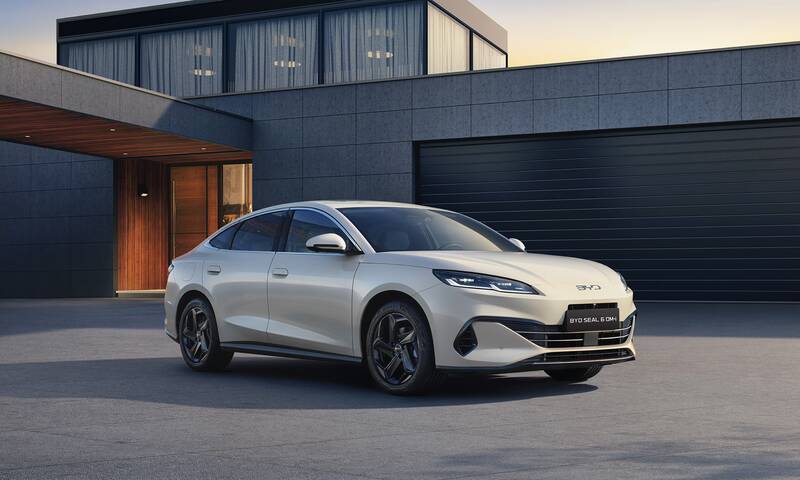
    BYD SEAL 6 DM-i parked in front of a modern house
    The SEAL 6 DM-i, with up to 105 km of 100% electric range and a combined range of 1,505 km (Credit: BYD)

    Recognition as part of a sustainable dynamic

    The SEAL 6 DM-i becomes the ninth BYD car to be awarded five stars since the brand’s arrival in Europe at the end of 2022. This new distinction adds to the success of a range that has consistently won top marks in safety assessments. The Chinese firm is thus demonstrating a rare consistency in its approach, enabling it to rapidly win the confidence of consumers.

    Previous award-winning models such as the DOLPHIN, the ATTO 3 and the SEAL U DM-i have further enhanced this reputation. BYD is now established as a major player in the electric and hybrid market. These results demonstrate a strategy focused on reliability and transparency, two essential elements for winning over customers in Europe.

    A stronger position

    Since their launch in September, the SEAL 6 DM-i and SEAL 6 DM-i TOURING have won over a wide range of customers thanks to their range and versatility. Super Hybrid technology enables long distances to be covered using an efficient combination of battery and combustion engine, an advantage appreciated in regions where recharging facilities are limited. This hybrid solution also makes it possible to reduce overall fuel consumption, which meets drivers’ ecological and economic expectations.

    The saloon version offers up to 105 km in electric mode, while the Touring version reaches 100 km, a remarkable performance for this type of powertrain. The combined range is well in excess of current standards, with 1,505 km for the saloon and 1,350 km for the estate. These figures allow drivers to plan their journeys without constraint, while enjoying a smooth, silent drive.
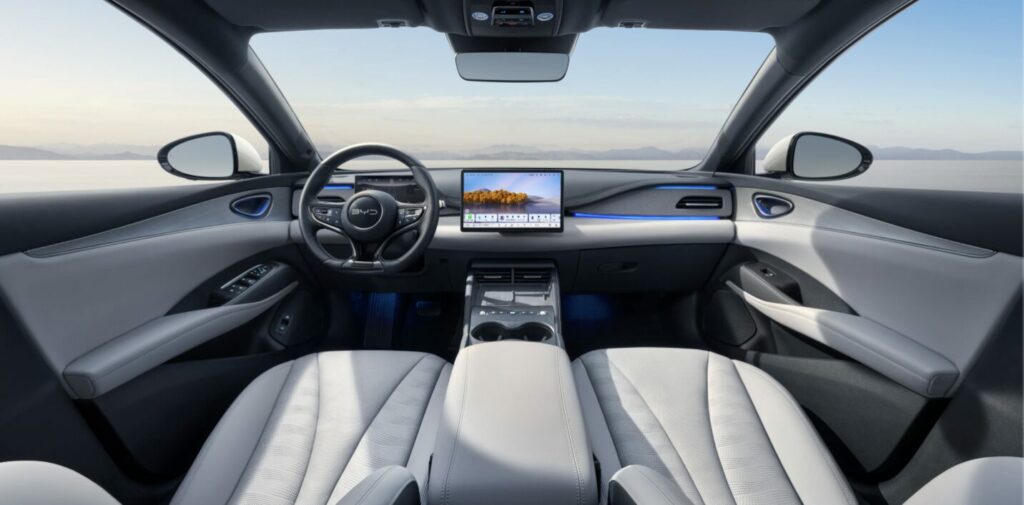
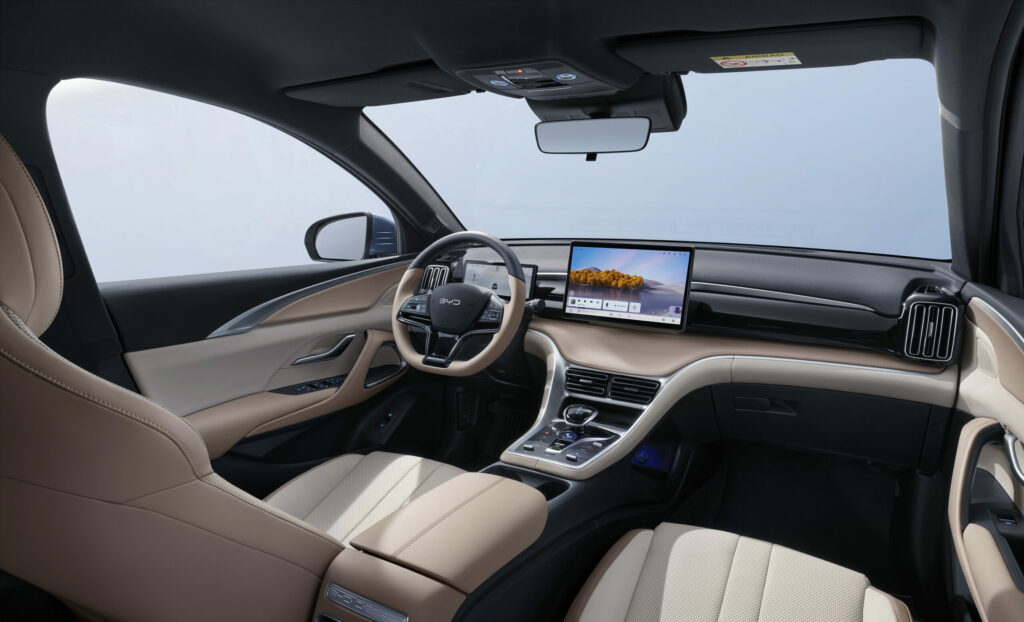
    Modern, high-tech interior of the BYD SEAL 6 DM-i
    The spacious, connected interior of the SEAL 6 DM-i with touchscreen and on-board technologies. (Credit: BYD)

    A user experience enhanced by practical technologies

    Both models incorporate iconic BYD features such as Vehicle-to-Load. This technology makes it possible to power external devices, a feature much appreciated during business trips or outdoor activities. It illustrates BYD’s commitment to offering vehicles that are versatile and suitable for multiple uses.

    The 12.8″ or 15.6″ infotainment touchscreens provide fluid, intuitive navigation. Access to the vehicle via smartphone using the NFC card simplifies everyday life for users. These innovations add to the overall appeal of both models, and complete an already solid offering in terms of safety and autonomy.


  • Hydrogen, a key energy for tomorrow’s world

    Hydrogen, a key energy for tomorrow’s world

    Hydrogen is attracting growing interest as the energy transition gathers pace. Despite its long history of use, hydrogen is now back at the heart of global industrial strategies. Its potential is immense, particularly in terms of decarbonising high-emission sectors. However, understanding what hydrogen really is remains essential if we are to grasp its environmental, economic and technological challenges.

    hydrogen cell for clean electricity production
    A hydrogen cell capable of producing electricity without polluting emissions.

    The simplest and lightest element in the universe, hydrogen is a versatile resource. It is very abundant in space but rare in its pure state on Earth, and must always be extracted from the molecules with which it is associated. This technical constraint has a major influence on its carbon impact and its uses.

    A simple but essential element

    Hydrogen is a colourless, odourless gas made up of two linked atoms. Highly flammable, it has long been used as a fuel in industry, and later in the space industry. Although non-toxic, it must be handled with care because of its lightness and explosive power. In the 19th century, it was already powering lighting networks, demonstrating its early energy potential. Even today, it is used in refining and in the manufacture of ammonia and methanol. These industrial uses account for global consumption exceeding seventy million tonnes every year.

    However, the hydrogen we use does not occur directly in nature. It is found in water, hydrocarbons and biomass. To recover it, we need to use chemical processes capable of breaking down the molecules to isolate the dihydrogen. This principle governs the entire process and influences its ecological footprint. Depending on the method used, hydrogen can be either clean or extremely polluting.

    Production methods with very different impacts

    Firstly, steam reforming of natural gas remains the most widespread technique. It involves exposing methane to very hot steam to release the hydrogen it contains. The process is simple and cost-effective, which explains its widespread use. However, it generates large quantities of CO2 that are not captured. This hydrogen, known as carbon-based, is responsible for high emissions and still accounts for most of the world’s production. As a result, it cannot be considered a sustainable solution for the energy transition.

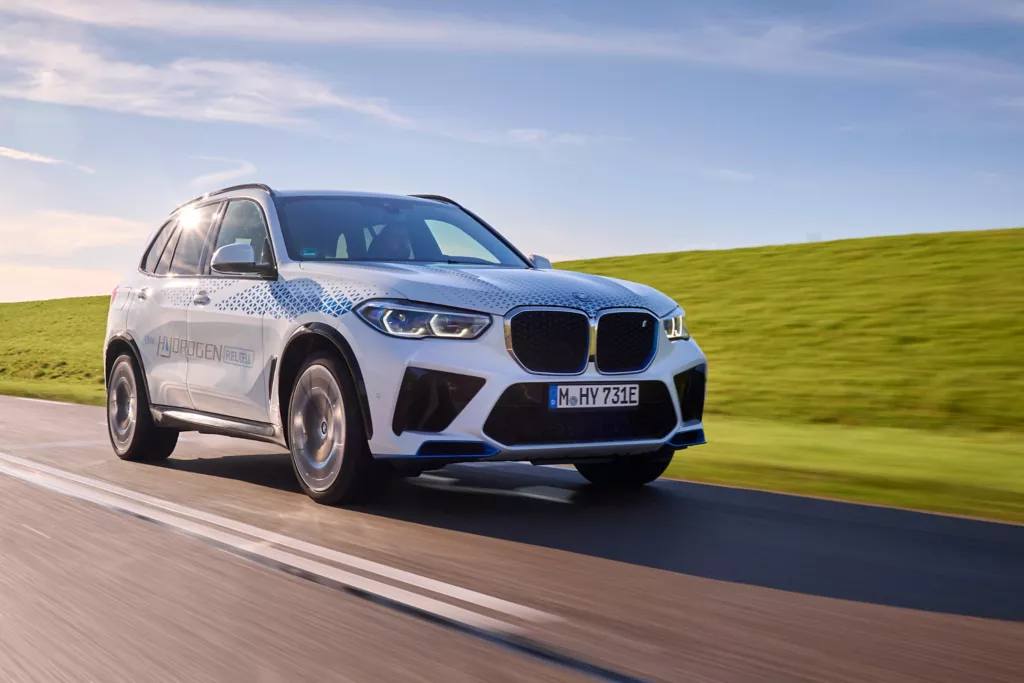
    BMW iX5 hydrogen fuel cell electric vehicle
    The hydrogen-powered BMW iX5 combines luxury, performance and respect for the environment. (Credit: BMW)

    Secondly, water electrolysis offers a clean and safe alternative. This technique uses an electric current to separate the hydrogen and oxygen present in water. When the electricity used is low-carbon, the hydrogen produced is also low-carbon. If it comes from renewable energy sources such as solar or wind power, it becomes “green”. This is currently considered to be the most promising way of reconciling energy efficiency and reduced emissions.

    Using colour to understand our carbon footprint

    To make it easier to understand the different production methods, we use a colour code. Black or brown hydrogen comes from coal, which makes it the most polluting. Grey hydrogen, produced from natural gas, is still widely used but emits a lot of greenhouse gases. It turns blue when the CO2 generated is captured and then stored. Yellow hydrogen is produced using nuclear power, which means it has a limited footprint. Finally, green hydrogen is based on renewable energies and represents the most virtuous path. This classification enables decision-makers, manufacturers and consumers to easily assess the environmental challenges of each type of hydrogen.

    However, other approaches do exist and are worth mentioning. Biomethane from biowaste can be used to produce renewable hydrogen through reforming. The CO2 generated can be captured before being released into the atmosphere, providing a truly circular solution. These innovations open up new prospects, particularly for regions seeking to make the most of their local resources.

    A strategic challenge for industry and transport

    Hydrogen is a major lever for reducing emissions in industry. In France, industrial use accounts for almost eight million tonnes of CO2 emissions every year just from the manufacture of carbon-based hydrogen. Replacing this production with low-carbon hydrogen is a fast and effective way of reducing the climate impact of heavy industries such as chemicals and steel. With one million tonnes produced each year, France has made this transition a national priority.

    What’s more, hydrogen is emerging as a fuel for heavy-duty mobility. It can power buses, trains, lorries and even boats. Its fuel cells offer long range and rapid refuelling, which meets the needs of freight transport. Thanks to its high energy density, it is becoming a strategic vector for uses where the electric battery is showing its limitations.

    A storage solution for renewable energies

    Renewable energies, although crucial, suffer from intermittence. Sometimes they produce too much electricity, sometimes not enough. Hydrogen is the ideal solution for storing this surplus. Thanks to electrolysis, surplus electricity can be transformed into hydrogen and then reused at a later date, as and when required. This flexibility enhances grid stability and facilitates the massive integration of clean energies.

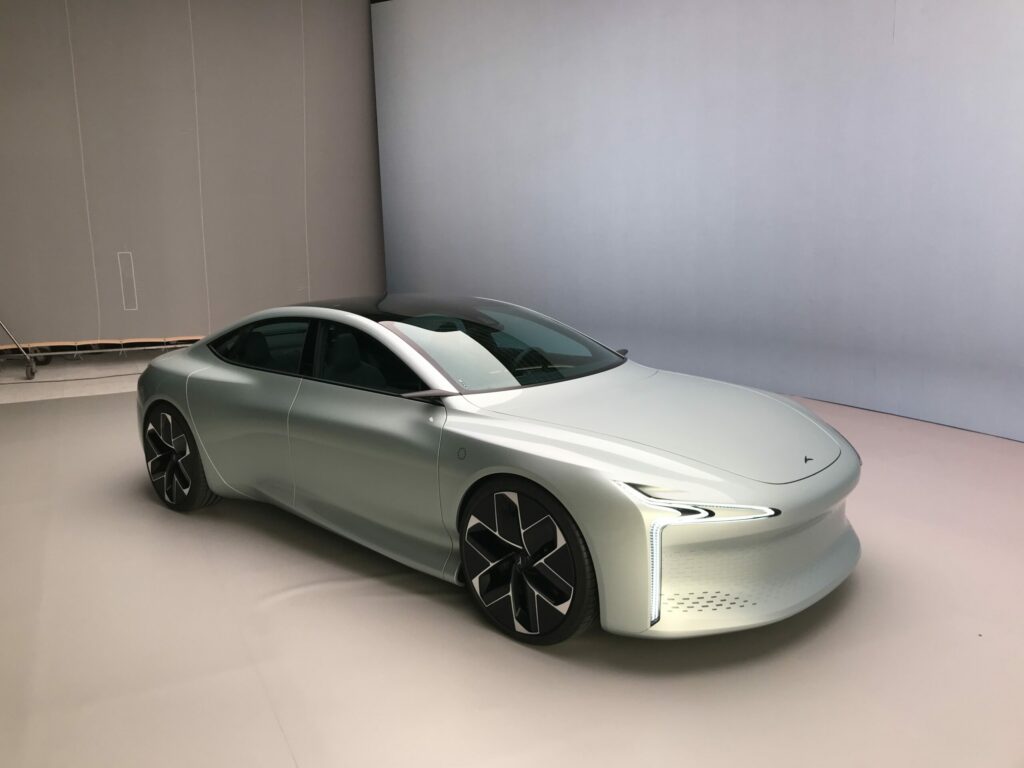
    Hopium Machina futuristic hydrogen car
    Hopium Machina, a luxury car powered by hydrogen, symbolises the sustainable mobility of tomorrow (Credit: Hopium)

    This long-term storage role is a major advantage in a context of strong growth in electricity demand. Thanks to its conversion and restitution capacities, hydrogen is becoming a pillar of the world’s future energy architecture. Its versatility offers a solution to technical problems that are still difficult to resolve.

    Growing commitment from companies and governments

    For several years now, France has been actively supporting the development of low-carbon hydrogen. The government has launched an ambitious national strategy aimed at installing several gigawatts of electrolysers by 2030. These investments are helping to structure a competitive industry and reduce our dependence on fossil fuels. Similarly, the France 2030 plan is mobilising €9 billion to accelerate decarbonisation.

    Large companies are also playing a key role in this development. Veolia, for example, is developing green hydrogen projects using biomethane and electrolysis fuelled by energy from waste recovery. This initiative is part of a circular economy approach and aims to optimise the resources available in local areas. The aim is to offer local solutions for heavy mobility, heating and industry.

    Towards a future shaped by hydrogen

    At a time when the world’s population is growing and resources are becoming increasingly scarce, new energy models are urgently needed. Hydrogen is emerging as a credible alternative, capable of meeting growing needs while reducing emissions. Thanks to increasingly efficient low-carbon processes, it is becoming an essential vector for achieving the ecological transition.

    So action remains the watchword. The technologies exist, the solutions are progressing and investment is multiplying. To make hydrogen a sustainable pillar, we need to continue these efforts, accelerate research and strengthen cooperation between public and private players. By working together, we can build a cleaner, more resilient and more responsible economy.

  • Porsche 911: why plug-in hybrid will remain impossible

    Porsche 911: why plug-in hybrid will remain impossible

    The Porsche 911 will never have a charging socket, at least not with current technology. Despite years of research, the brand considers the option too complex. Between technical constraints, architectural limitations and historical philosophy, plug-in hybrids just don’t fit with the 911.

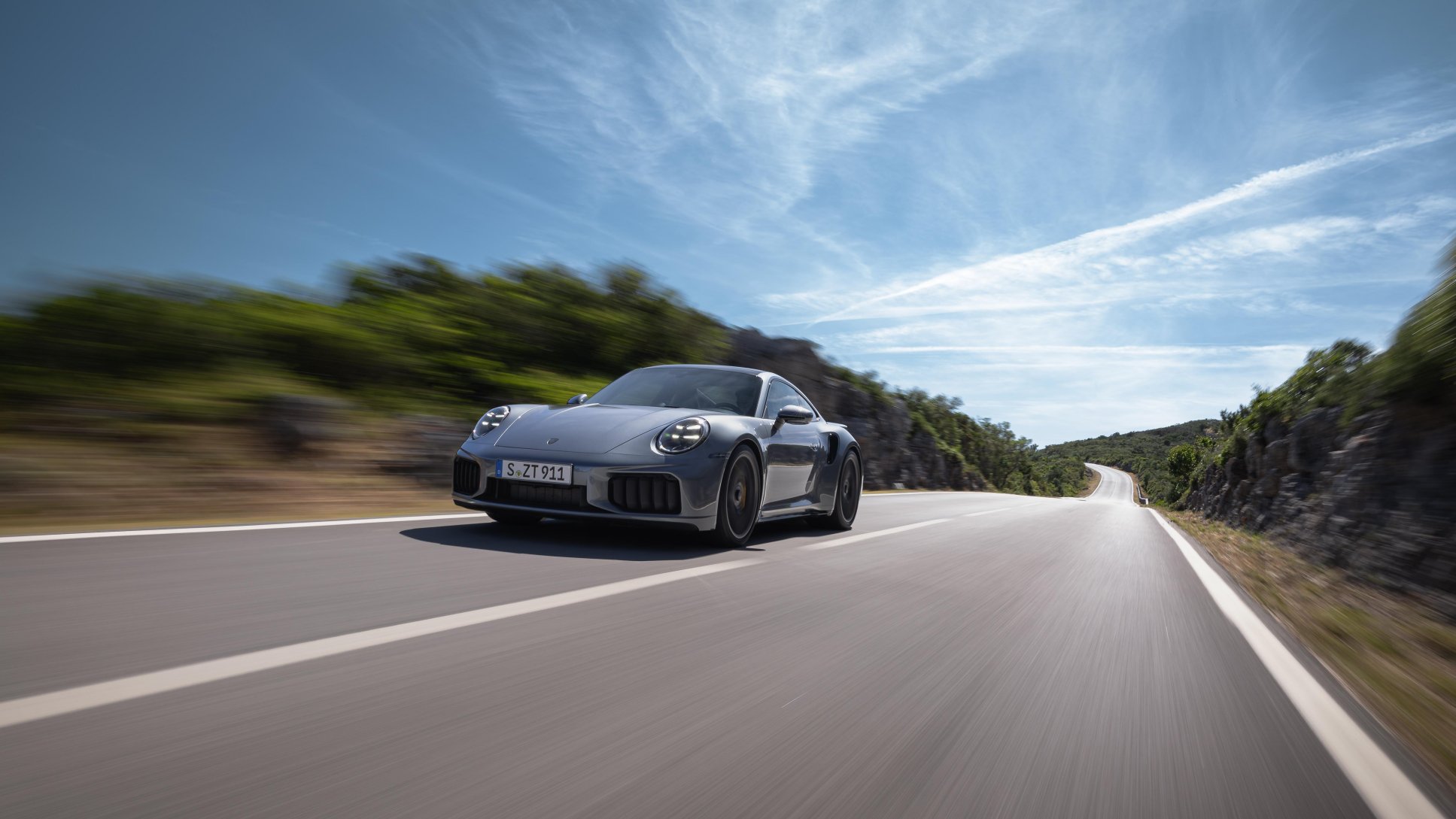
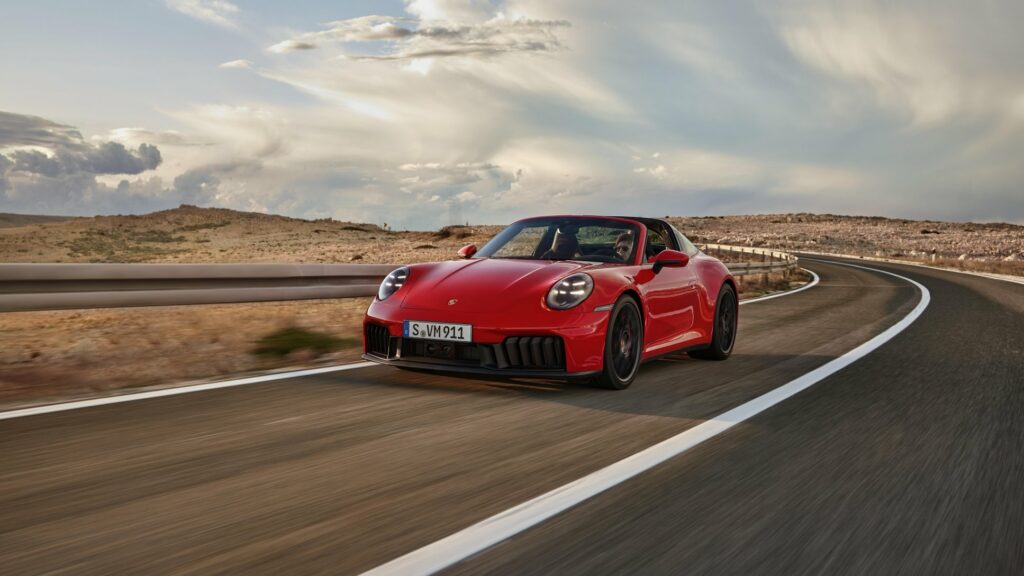
    Porsche 911 Turbo S T-Hybrid on the road
    The Porsche 911 Turbo S T-Hybrid, the latest high-performance evolution of the famous Flat-6. (Credit: Porsche)

    Porsche ‘s announcement puts an end to a debate that has agitated the community for almost a decade. Engineers have spent years modelling a 911 plug-in hybrid, without ever coming up with a satisfactory solution. The car would have to be extensively modified, which the brand categorically refuses to do. Preserving the DNA of this iconic model has become the top priority in the face of electrification pressures.

    Architecture too unusual to accommodate a charging point

    The Porsche 911 has a unique platform that determines its legendary balance. Each component is placed with extreme precision to ensure exemplary roadholding. According to Frank Moser, who is responsible for the 911 and 718 models, integrating a rechargeable hybrid system would mean upsetting this fragile whole. He reminds us that the 911 must not become more imposing, because its design is based on meticulous proportions.

    To install a larger battery, a powerful electric motor, an on-board charger and specific electronics, the entire rear of the car would have to be redesigned. This would change the weight distribution and alter the original architecture. Porsche has always refused to cross this red line. The 911 is a model that evolves slowly, with targeted adjustments rather than a structural revolution. For decades, its concept has been based on a balance between sportiness, efficiency and tradition. To change its proportions would be tantamount to creating a different car that would bear the same name without sharing its essence.

    Porsche 911 GTS T-Hybrid in dynamic driving
    The 911 GTS inaugurates T-Hybrid technology, integrated without compromising on size (Credit: Porsche).

    The failure of a long-studied project

    Porsche did not rule out the idea of a plug-in hybrid 911 from the outset. The technical teams explored this avenue as early as the launch of the 992 generation. Former chief engineer August Achleitner even mentioned the possibility, drawing on experience gained with the Cayenne, Panamera and 918 Spyder. However, as the tests progressed, the engineers realised that the operation involved too many compromises.

    Even to offer three or four kilometres of electric range, hundreds of kilos of batteries and equipment would have had to be added. This would have made the model heavier, wider and less agile. In the end, Porsche decided that this transformation was not compatible with the philosophy of the 911. The expectations of customers, accustomed to a car that is responsive and connected to the road, also weighed in the decision. A silent 911 in electric mode, which would be heavier and less responsive, would run the risk of failing to win over its most loyal customers.

    T-Hybrid, a compromise accepted by engineers

    Faced with these constraints, Porsche has developed another type of electrification. The T-Hybrid system introduced on the latest 911s, notably the GTS and Turbo S, does not allow the car to be driven in electric mode. It does, however, deliver a significant gain in power and eliminates turbo lag. The ingenuity of the system lies in its meticulous integration. The 400-volt high-voltage battery is exactly the same size as the old 12-volt battery. It is positioned in the same place, so there is no need to modify the technical package.

    No changes have been made to the weight distribution or available volume. This system works like a very advanced light hybrid. It provides additional breathing space for the Flat-6 while respecting the historical constraints of the model. For Porsche, this is the maximum acceptable. The presence of an axial electric motor, which is more compact and lighter than a conventional motor, further enhances the efficiency of the system without compromising the car’s agility.

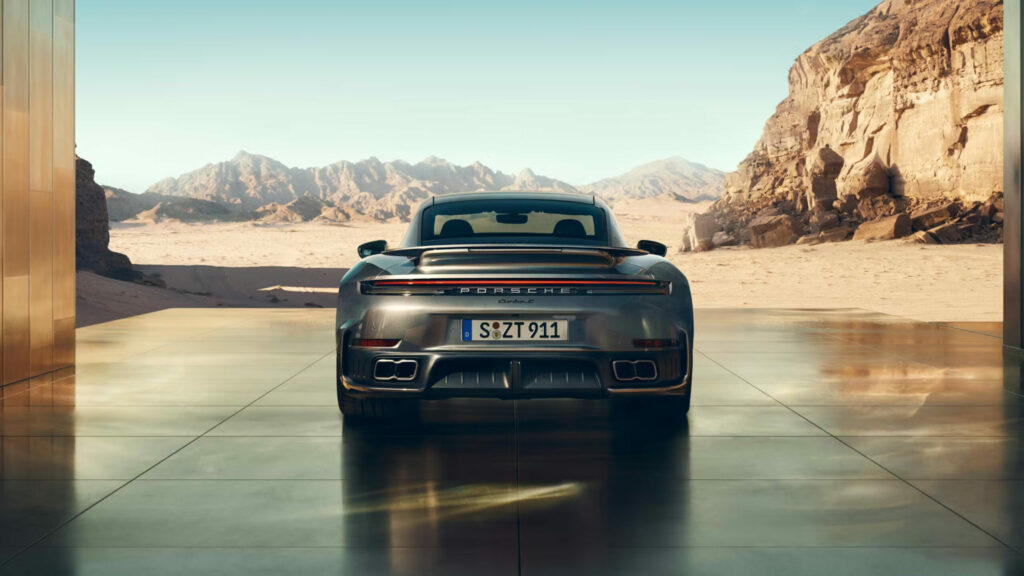
    Porsche 911 rear view
    The iconic rear silhouette of the 911, unchanged despite technological advances (Credit: Porsche)

    A strategy guided by the future… and by prudence

    Porsche is keeping a close eye on developments in battery technology. The brand believes that more compact batteries could reopen the debate in the future. However, there are no concrete developments to suggest that rechargeable hybrids will be available in the next few years. For the time being, the 911 must remain faithful to its architecture and historical identity. Porsche prefers to take things one step at a time rather than give in to a technological trend that could harm its most legendary model.

    In the meantime, the next Porsche to offer full electric drive will be the 718, scheduled for 2027. The challenge will be to keep weight down while respecting the sporting philosophy of the Boxster and Cayman. As for the 911, it will continue on its way thanks to measured electrification, as illustrated by the recent 711bhp Turbo S T-Hybrid. The brand from Stuttgart never says never, but it knows that the 911 must remain a 911. It is this loyalty that explains the definitive abandonment of the plug-in hybrid, at least for this technological generation.

  • Norway passes a historic milestone

    Norway passes a historic milestone

    Norway has just made a major shift in world motoring history. The Nordic country now has more electric cars than diesel models on its roads. This revolution comes against a backdrop of record sales and decisive tax changes.

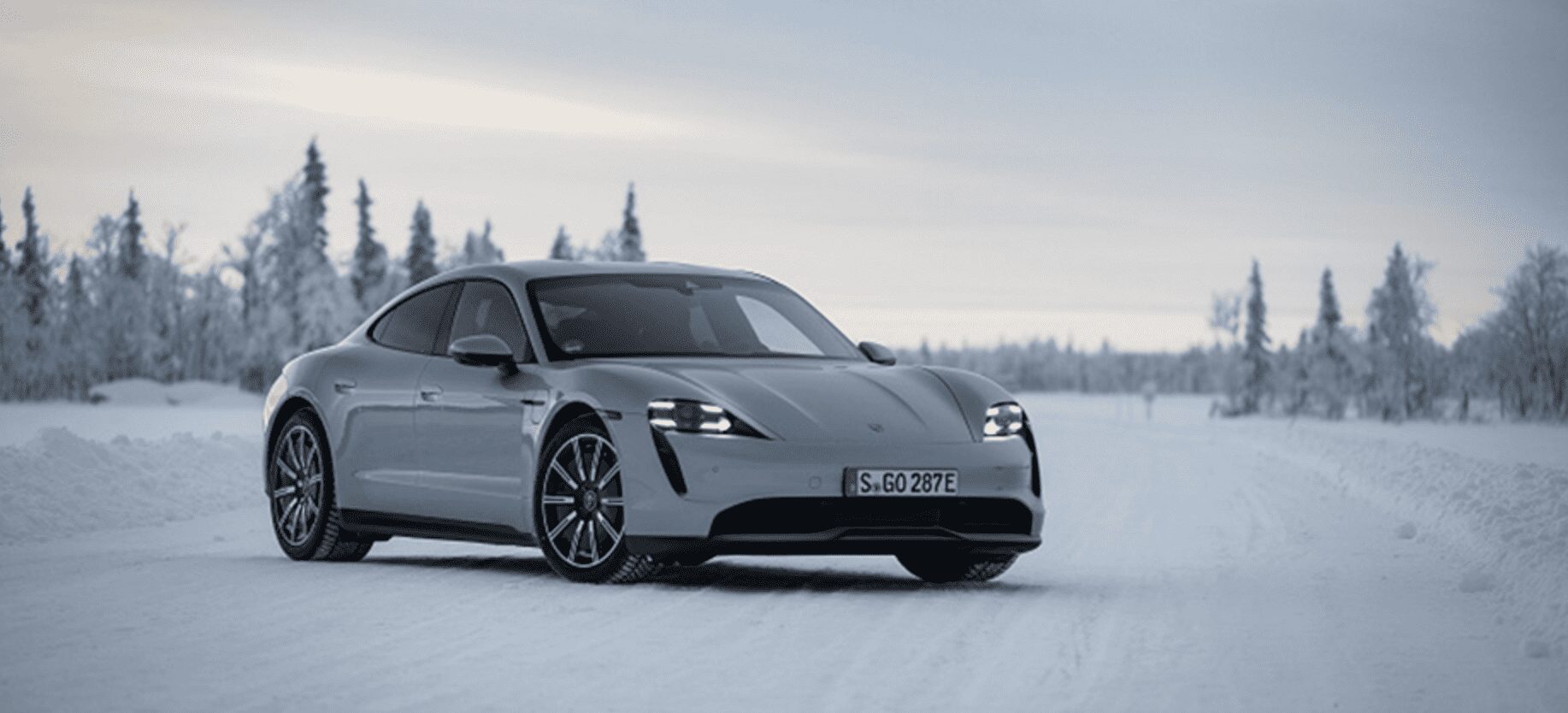
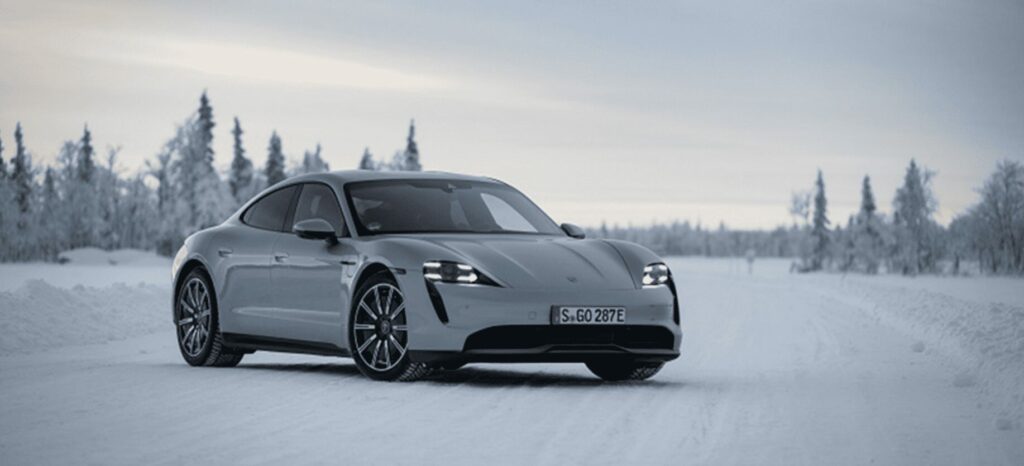
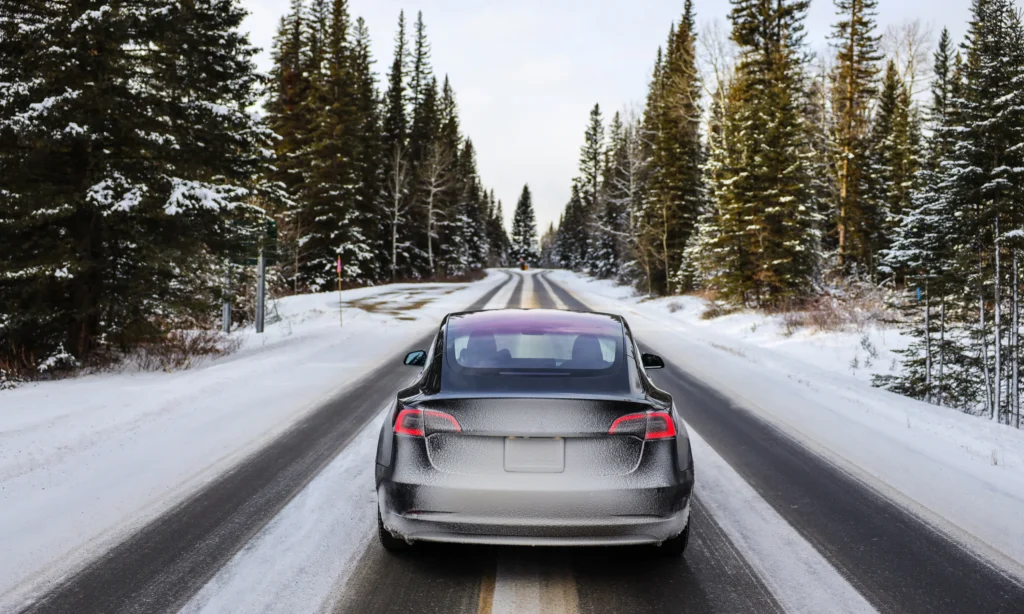
    electric car driving in the snow
    An electric car on a snow-covered road in Norway.

    The figures published confirm a spectacular advance. The authorities and specialist associations are hailing a turning point that has been years in coming. However, this success is also based on a paradox linked to the country’s large hydrocarbon production.

    A world first that marks a turning point for the automotive industry

    Norway has become the first country in the world where electric cars outnumber diesel models. TheNorwegian Electric Vehicle Association counts 918,000 electric cars on the road, slightly more than diesel-powered vehicles. This symbolic milestone comes on top of another major one, as petrol models had already been overtaken by electric cars in mid-September. According to Christina Bu, General Secretary of the association, this development confirms the effectiveness of the policy pursued for several years. She also points out that the complete absence of VAT on electric vehicles will be maintained until 2027, thanks to a hard-fought political compromise.

    This progress is based on a powerful policy of incentives, which has become a pillar of the national strategy. Electric vehicles benefit from a VAT exemption of 25% up to €42,500, which greatly reduces their purchase cost. The government wanted to abolish these benefits more quickly, but a political agreement has pushed back the deadline to 2028, with an intermediate stage in 2027. The prospect of tougher tax rules is providing a major boost to car purchases. Sales of electric cars have rocketed in recent weeks, confirming a trend that is already well established in the country.

    An almost totally electrified car market

    Norway has been recording almost 100% electric vehicle registrations for several months now. In November 2025, the country even reached a near-perfect level, with 97.6% electric vehicles out of 19,899 registrations. This figure represents an all-time record in terms of both volume and proportion. The contrast is striking, given that petrol, diesel and hybrid vehicles now account for only a marginal share of the market. This performance reflects a combination of factors, including end-of-year promotions and concerns about tax reform in 2026.

    Tesla occupies a dominant position in this very dynamic market. The American manufacturer sold 6,215 vehicles in November, accounting for more than 31% of the month’s sales. It is ahead of Volkswagen, Volvo and BMW, who complete a podium largely dominated by electric models. Tesla also retained its top spot for the year as a whole, with more than 28,600 units sold. Despite the difficulties encountered in several European countries, the brand is enjoying considerable brand loyalty in Norway, and demand remains buoyant.

    electric car wheels in the snow
    Close-up of the wheels of an electric car on a snow-covered road.

    A transition made possible by oil revenues

    Yet the Norwegian paradox remains visible. The country remains Europe’s leading producer of oil and natural gas, excluding Russia. This wealth of energy largely finances ambitious policies to support electric mobility. The immense revenues from hydrocarbons make it possible to offer tax incentives that are difficult to replicate elsewhere. However, this situation raises a number of questions. Norway is seeking to reconcile its role as a major producer of fossil fuels with a national strategy focused on reducing emissions.

    This contrast also reflects the limits of a model based on the redistribution of oil revenues. The country is moving towards complete electrification of its car fleet, but continues to export hydrocarbons that are responsible for global warming. This contradiction regularly fuels political debate. However, the results achieved in the automotive sector demonstrate the country’s determination to reduce domestic emissions. The authorities have stated their ambition to become a world model for sustainable mobility.

    An acceleration before a stricter fiscal future

    The VAT reform debate is having a major impact on recent purchases. Many Norwegians are anticipating the tax changes expected in 2026. According to Geir Inge Stokke, head of the Norwegian Road Information Council, there is considerable concern about the planned increase in VAT. Motorists prefer to buy now to take advantage of current benefits. Carmakers are also benefiting from this trend. End-of-year promotions and a favourable economic climate are boosting demand.

    The coming months will be closely scrutinised. Analysts are wondering whether the country can break the records already set. December sales could confirm this exceptional trend, or mark the beginning of a stabilisation. The deadline of 2028, when VAT exemptions are due to be abolished once and for all, will be a decisive step for the market. How consumers react to these changes will probably define the sector’s new trajectory.

    back of an electric car in a snow-covered forest
    An electric car backfires through a snow-covered forest.

    A transformation that inspires but remains unique

    Norway’s success is attracting international attention, but it is difficult to replicate. Few countries have the same financial resources or such a solid political consensus on the ecological transition. Norway benefits from a dense network of terminals, a powerful fiscal framework and a population that is highly aware of climate issues. The combination of these factors has produced exceptional results. Other nations are watching this development with interest, but have to deal with different economic realities.

    Norway continues to lead the way in sustainable mobility. With electric vehicles now in the majority and sales almost entirely electrified, the country has confirmed its status as a world pioneer. This spectacular trajectory underlines the importance of public policy in the adoption of new technologies. It also shows that a massive transition remains possible when all the players are moving in the same direction.

  • Plug-in hybrids overtake diesel in Europe

    Plug-in hybrids overtake diesel in Europe

    Diesel, once king of the European market, is in unprecedented decline. Plug-in hybrids have just overtaken it. This change marks a major step forward for the European car industry.

    Hybrid logo on a modern car, a symbol of electrification
    Plug-in hybrids: 9.1% of new car sales in Europe in 2025.

    A historic turning point for diesel

    Ten years ago, more than one in two new vehicles in Europe ran on diesel. Today, that share has fallen to just 8%. In October 2025, rechargeable hybrids will account for 9.4% of the market, relegating diesel to fourth place. This development symbolises the end of an era when diesel dominated the roads.

    Dieselgate accelerated this fall. Since 2017, petrol has regained the lead, followed by conventional hybrids in 2021, then electric vehicles in 2022. Plug-in hybrids are now the bronze medal. Buyers and manufacturers are adapting to this new reality.

    Multiple factors behind the decline

    There are several reasons for this fall. Firstly, the European Union’s strict anti-pollution standards have forced manufacturers to invest in electrification. Secondly, small urban diesel models have all but disappeared from the market.

    What’s more, financial support and environmental bonuses clearly favour hybrid and electric engines. The planned ban on new combustion engines from 2035 is also encouraging customers and investors to abandon diesel. The combination of these factors makes a comeback unlikely.

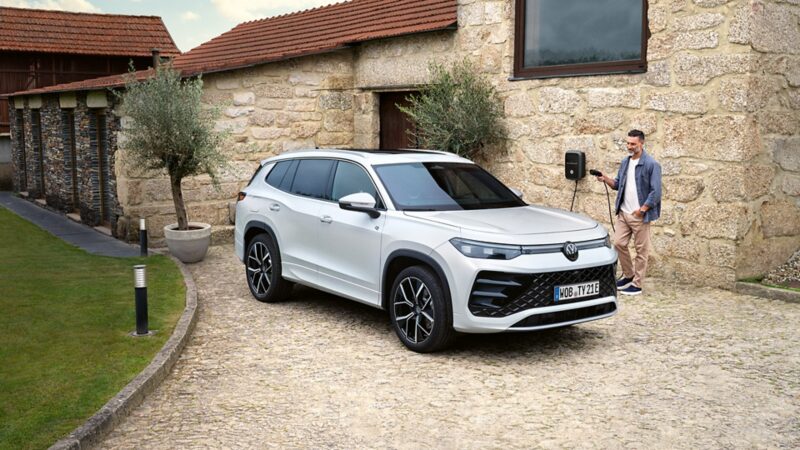
    Volkswagen Tayron eHybrid, plug-in hybrid SUV in Europe
    Volkswagen Tayron eHybrid, an example of a plug-in hybrid vehicle that is winning over European buyers. (Credit: Volkswagen)

    The rise of hybrid and electric vehicles

    By 2025, hybrids will dominate the European market, accounting for 34.7% of registrations. Petrol will account for 26.9%, while electric vehicles will account for 18.3%. This breakdown should change further with the arrival of more affordable electric vehicles.

    Renault and Volkswagen are actively preparing for this transition. Renault is unveiling its electric Twingo, while Volkswagen is planning the ID.Polo in 2026 and the ID.Every1 in 2027. The influx of competitive Chinese models should also speed up the adoption of electrified vehicles.

    New car sales up sharply

    In October 2025, more than 916,000 new vehicles were sold in the European Union, an increase of 5.8% compared with October 2024. This increase is being driven by hybrids and electric cars, which are growing in popularity month by month.

    Plug-in hybrids now account for 9.1% of registrations, compared with 7% a year ago. Electric cars are also continuing to make progress, with a market share of 16.4% over ten months, although this is still insufficient to meet the 2035 targets.

    Significant differences between manufacturers

    Volkswagen remains the leader with 264,069 sales in October and 2.478 million over ten months. Stellantis was slightly up in October, but down for the year as a whole. Renault, on the other hand, posted a solid increase of 10% over the month and 7% over ten months, accounting for over 11% of the market.

    Tesla continues to decline sharply, with a fall of almost 48% in October and 39% over ten months, confirming the American manufacturer’s difficulty in keeping up with the European dynamic. These figures reflect a market in the throes of transformation, where electrification is now dictating the rules.

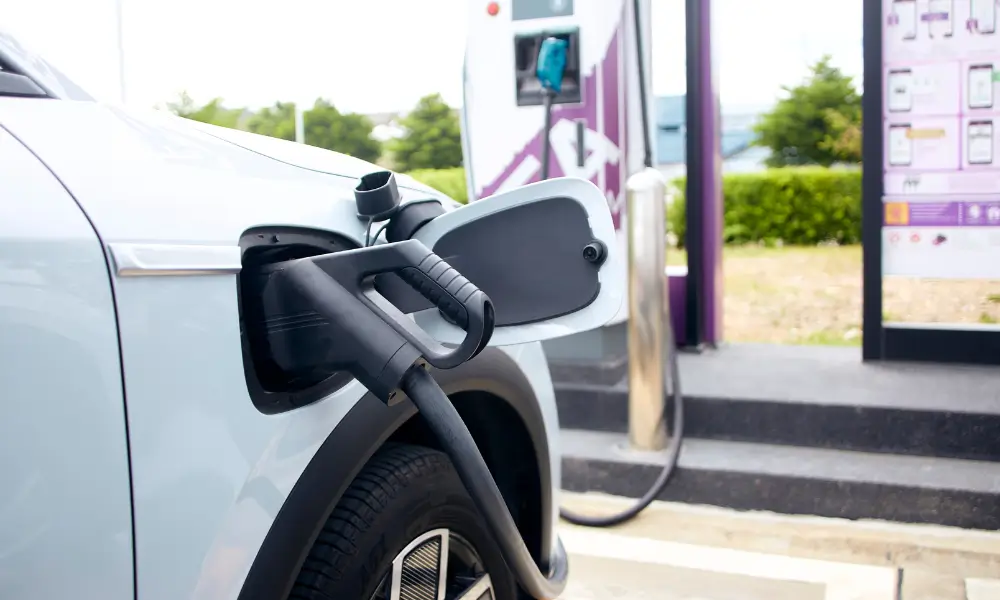
    Electric car being charged at a public charging point
    Recharging electric cars, with a 16.4% share of the European market by 2025.

    Towards a 100% electrified Europe?

    Diesel dominance is a thing of the past. Plug-in hybrids and electric vehicles are shaping the future of the European car. Sales and technological innovations show a clear trend towards mass electrification.

    By 2035, Europe could no longer be selling any new combustion-powered vehicles. This rapid and sustained transition illustrates Europe’s determination to reduce emissions and promote more sustainable mobility. Diesel, once a staple, is now a thing of the past on the continent’s roads.

  • BYD SEALION 5 DM-i: hybrid family SUV

    BYD SEALION 5 DM-i: hybrid family SUV

    A new plug-in hybrid SUV is arriving on the market with a clear ambition. BYD wants to appeal to families looking for greater efficiency and versatility. The SEALION 5 DM-i combines space, technology and sobriety with an attractive launch offer.

    BYD SEALION 5 DM-i profile view, hybrid family SUV
    Side view of the BYD SEALION 5 DM-i, combining style and habitability for families. (Credit: BYD)

    An SUV designed for modern families

    The launch of the SEALION 5 DM-i marks an important milestone for BYD, as the brand aims to offer a credible alternative to conventional combustion-powered models. Thanks to its optimised architecture and long wheelbase, it offers remarkable interior space that is precisely what families want.

    In addition, Super Hybrid technology with DM aims to reduce daily expenditure while ensuring a high level of autonomy. This approach combines comfort, practicality and low running costs. In addition, the vehicle is based on the Blade battery and the Xiaoyun petrol engine, two key elements in BYD’s technological offering. These innovations are accompanied by modern features such as NFC access via smartphone and the Vehicle-to-Load function, which can power external devices. These features make the model even more attractive to drivers looking for versatility.
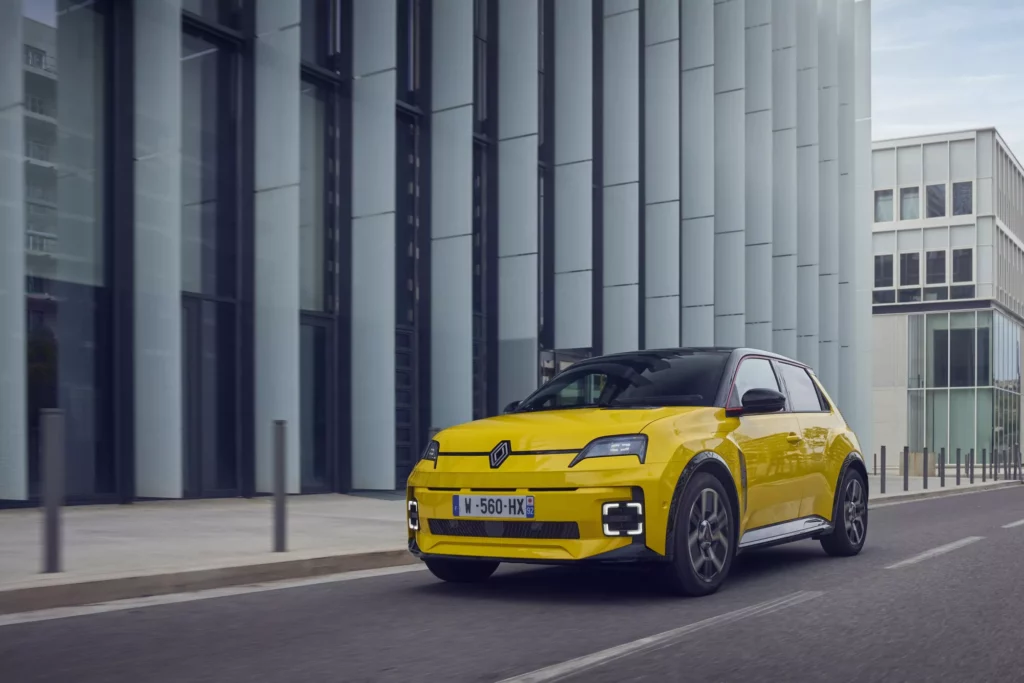
    An exterior design that combines style and utility

    The SEALION 5 DM-i boasts an assertive silhouette that combines clean lines and muscular surfaces. Its front end stands out thanks to the full LED headlamps and a sculpted grille that visually widens the vehicle. This styling choice gives the car a dynamic presence without compromising its overall sobriety.

    Next, the flanks feature sleek lower panels and a contrasting D-pillar. This approach creates a floating roof effect that adds a more premium feel. At the rear, the light strip runs across the entire width, reinforcing the SUV’s modern identity. This light signature, combined with the integrated spoiler, improves aerodynamics while providing an elegant finish. Finally, the generous dimensions ensure that the interior volume is among the best in the segment.

    BYD SEALION 5 DM-i close-up, detailed exterior design
    Close-up of the BYD SEALION 5 DM-i, revealing the design details and meticulous finish of the hybrid SUV (Credit: BYD)

    A cabin inspired by nature

    Inside, the SEALION 5 DM-i features flowing lines and a light atmosphere. The two central screens structure the dashboard and enhance ergonomics. In addition, the 12.8-inch interface features a comprehensive infotainment system with voice commands, integrated connectivity and OTA updates. This technological approach makes for intuitive everyday use.

    What’s more, three-finger gestures make it easy to adjust heating or ventilation. This ergonomic choice improves safety by reducing distractions. On-board space is also generous, allowing five adults to travel in comfort. The boot offers 463 litres, and the modular design means that the car can be folded 40/60 to give a total of 1,410 litres. The Design trim adds a motorised tailgate to make loading easier. Last but not least, the standard V2L function opens up new uses, particularly when out and about, by powering appliances of up to 3.3 kW.

    Super Hybrid technology

    The DM-i system is based on intelligent management that favours electric driving. The petrol engine mainly powers the battery and the electric motor, ensuring that the car behaves like a 100% electric vehicle. As a result, the smoothness of the drive remains constant, even on long journeys. When power demand increases, the system can operate in parallel. This flexibility ensures a smooth transition between the two modes. With up to 86 km of electric range, the SEALION 5 DM-i can drastically reduce fuel consumption. What’s more, combined fuel consumption can be as low as 2.1 litres/100 km, a major advantage for cost-conscious drivers. The total range exceeds 1,000 km, allowing long journeys to be made without constraint.

    BYD interior, dashboard and touchscreen
    BYD SEALION 5 DM-i dashboard with touchscreen and voice commands for a connected experience. (Credit: BYD)

    Two finishes to suit different needs

    The Comfort trim level uses a 12.96 kWh battery offering up to 62 km of electric range. It accelerates from 0 to 100 km/h in 7.7 seconds and reaches a top speed of 170 km/h. This version is aimed at users looking for a balance between price, efficiency and versatility.

    Secondly, the Design trim level features an 18.3 kWh battery for an electric range of 86 km. Despite slightly different acceleration, it retains the same top speed. This version adds more advanced comfort and safety features. In both cases, the total power of 156 kW ensures smooth performance in all situations.

    Enhanced safety

    The SEALION 5 DM-i places safety at the heart of its comprehensive ADAS suite. As a result, the driver benefits from advanced assistance features such as lane keeping, blind spot detection and collision warning. The model also includes seven airbags and i-Size compatible ISOFIX mountings. This system is designed to protect families in all conditions. Finally, each trim level offers generous equipment. The Comfort version includes 18-inch wheels, LED headlights, electric seats and a full multimedia screen. The Design version adds premium technologies such as a 360° camera and wireless charger.

    BYD, hybrid family SUV
    Top view of the BYD SEALION 5 DM-i, highlighting its compact design and elegant roof (Credit: BYD)

    An attractive retail offering

    BYD is offering the SEALION 5 DM-i from €30,990 in Comfort trim and €33,990 in Design trim. However, an introductory offer reduces these prices to €29,990 and €31,990 respectively. Leasing packages start at €329 per month, depending on the configuration chosen. Thanks to this positioning, the model is a competitive alternative to traditional combustion-powered SUVs.

  • Betting on solar and wind power to electrify French trains

    Betting on solar and wind power to electrify French trains

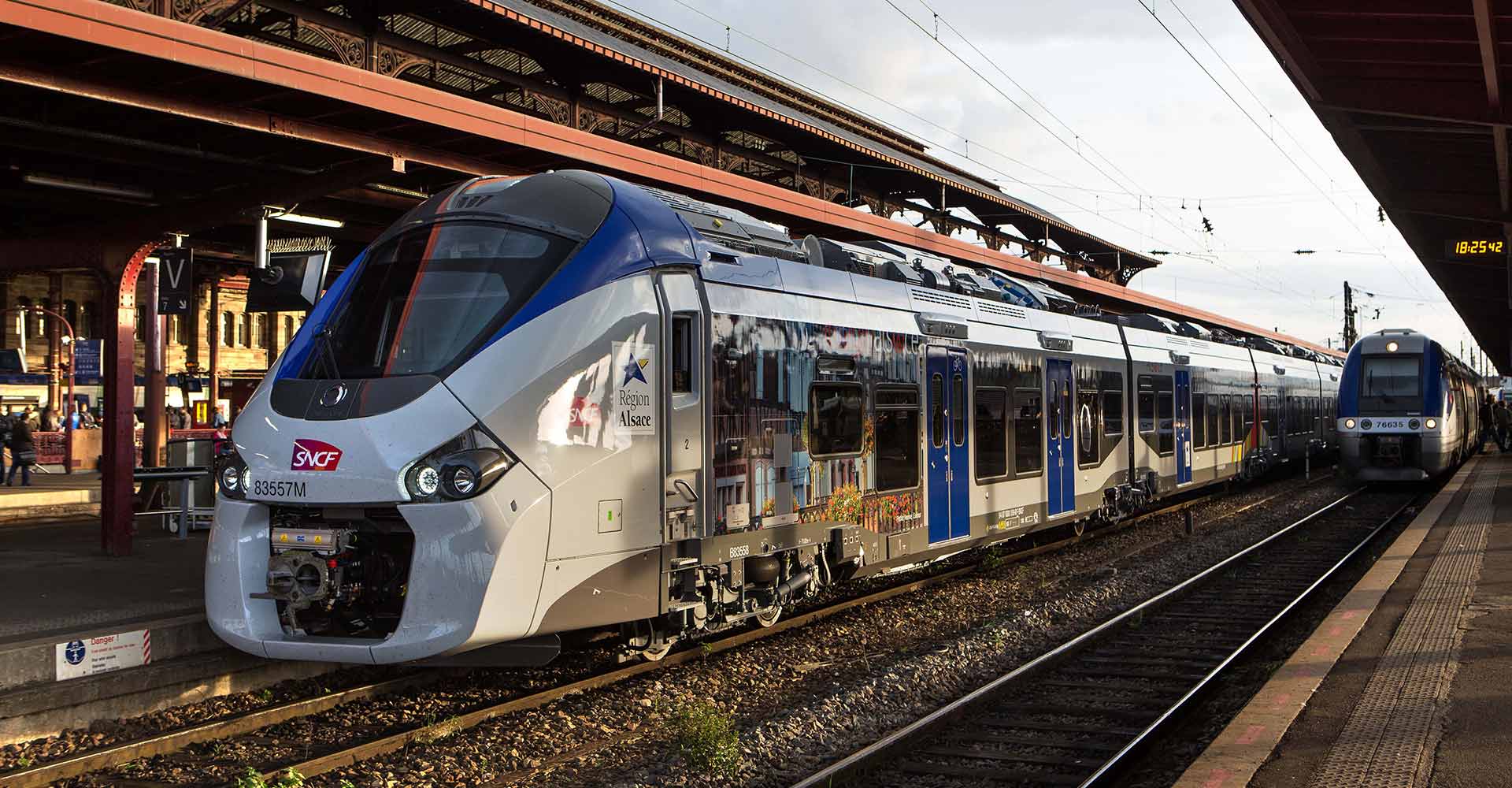
    The SNCF is speeding up its energy transition by focusing on renewable electricity. Long-term renewable electricity purchase contracts (PPA) ensure a stable supply. The aim is to use 40-50% green electricity for train traction by 2030.

    SNCF train running on tracks in France, a symbol of electric and sustainable mobility
    An SNCF train powered by green electricity from solar and wind power. (Credit: SNCF)

    Sustainable partnerships for green energy

    Since 2018, SNCF Energie has been piloting the “corporate PPA” programme to secure renewable electricity. These long-term contracts enable electricity from photovoltaic and wind power stations to be purchased directly. The aim is to achieve a 40-50% share of renewable energies in the electricity mix for trains, 20% of which will come from PPAs. This strategy also meets the expectations of the Autorités Organisatrices de la Mobilité (AOM).

    The main contracts concern Neoen, France’s leading independent producer, which will supply 137 GWh per year from January 2026. The output will come from four solar farms: Romilly, Loirécopark, Champblanc and Labouheyre. This electricity covers the annual consumption of 11,000 Paris-Bordeaux TGV train journeys.

    These contracts, which run for 20 to 25 years, provide security of supply and limit exposure to fluctuations in the electricity market. For Neoen, they provide a stable income, enabling investment in the maintenance and development of new power stations. For SNCF Voyageurs, these agreements guarantee a virtually fixed price and strengthen long-term energy competitiveness.

    Wind power for low-carbon mobility

    The Cheniers Énergies wind farm in the Marne region of France is an example of SNCF Energie’s commitment. Inaugurated in May 2025, it produces 93 GWh a year thanks to eight 180-metre wind turbines. This production is equivalent to the electricity consumed by more than 20,000 homes, and avoids 4,278 tonnes of CO2 every year.

    The site will power the Paris-Strasbourg, Paris-Nancy and Strasbourg-Nantes TGV lines. The direct purchase contract signed with VALOREM for 25 years ensures the long-term future of this renewable energy. SNCF Voyageurs is thus continuing its proactive policy to reduce emissions and meet the requirements of the transport authorities.

    Regional photovoltaic power stations complete the mix

    In the Auvergne-Rhône-Alpes region, a 20-year contract with CVE will cover a quarter of the electricity consumed by regional TER trains. The Genêts power station, currently under construction in Domérat, will supply around 60 GWh a year from February 2027.

    This initiative is part of SNCF Voyageurs’ strategy to achieve 40-50% renewable electricity in its mix by 2026. It also secures supply costs over the long term and reduces the carbon footprint of regional transport.

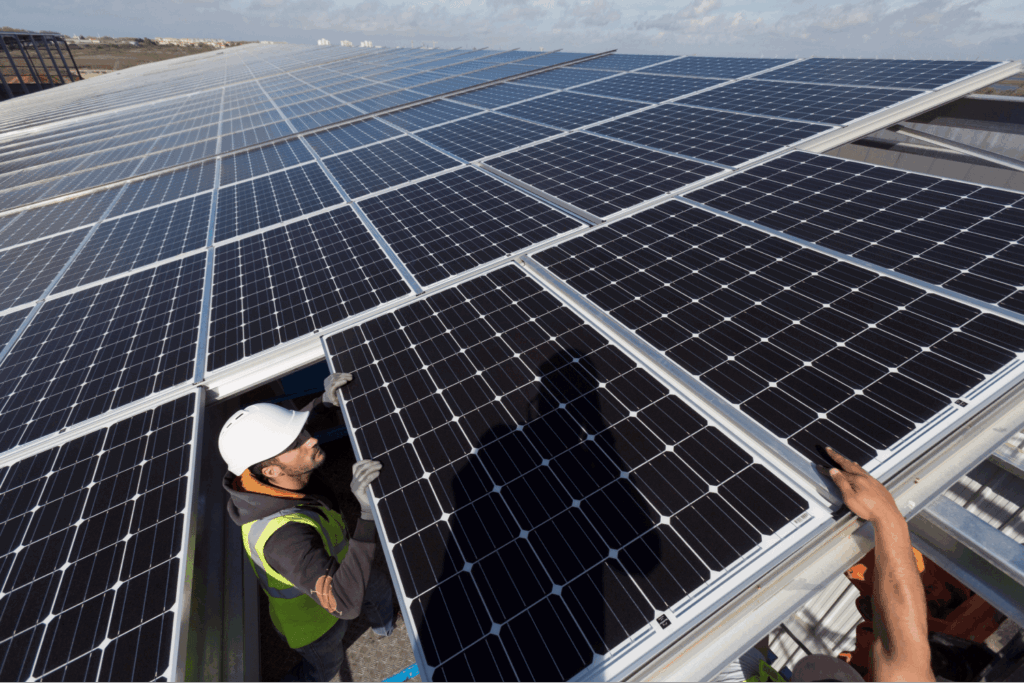
    Photovoltaic solar panels producing renewable electricity for rail traction
    Solar panels supplying green electricity to the SNCF to reduce CO2 emissions. (Credit: CVE)

    Structuring solutions for decarbonisation

    SOLVEO Energies is also contributing to the effort with a wind farm in the Cher department, commissioned in May 2024. This site supplies 32.5 GWh per year to SNCF Energie, equivalent to the consumption of 6,780 homes. The 25-year agreement will save 35,000 tonnes of CO2.

    These long-term contracts stabilise prices and guarantee a reliable supply. They are part of a global vision of energy transition, with solar and wind power becoming the pillars of low-carbon mobility. SNCF Voyageurs is thus consolidating its role as a responsible leader in rail transport in France.

    A clear, quantified ambition

    Today, SNCF Energie has contracted over 830 GWh via PPAs. The goal is to reach 1,100 GWh of renewable electricity by 2026. Partnerships with Neoen, CVE, VALOREM and SOLVEO illustrate the long-term strategy. These initiatives demonstrate that the energy transition can be reconciled with industrial performance and public service.

    By integrating solar and wind power, the SNCF is reducing its emissions while securing its supply. It is meeting the expectations of the authorities and the general public. French trains are now moving to the rhythm of green electricity, symbolising more sustainable and responsible mobility.

    This transition to green electricity illustrates SNCF’s determination to become an exemplary player in sustainable mobility. By combining innovation, solid partnerships and long-term planning, the company is showing that transport and respect for the environment can go hand in hand. Passengers, too, are becoming players in this energy revolution, travelling every day on trains powered by the sun and the wind, thus making a tangible contribution to reducing greenhouse gas emissions in France.

  • Fuel prices: why your fill-up will cost more

    Fuel prices: why your fill-up will cost more

    French motorists can expect further fuel price rises from 2026. The energy transition is adding to the bill. Between additional taxes and European regulations, the price of petrol could exceed levels already considered high by the public. Some experts suggest that anticipating the switch to electric vehicles could limit the additional costs for drivers on a day-to-day basis.

    Total Beuzeville Nord service station with cars and petrol pumps
    The Total station at Beuzeville Nord, where prices at the pump will rise from January 2026 to finance the transition to electric vehicles.

    An inevitable increase from January 2026

    From 1 January 2026, prices at the pump will rise by between four and six centimes per litre. This increase is the result of a tax on energy saving certificates. Fuel and gas suppliers will be affected. Francis Pousse, President of service stations at Mobiliance, told RMC Story: “We’re not affecting our margins. The tax is paid upstream. The average price of SP98 is currently stable at €1.821/l, while diesel is at €1.712/l, despite the slight increase announced.

    Motorists under pressure

    For many people, the ever-increasing cost of energy is a real burden. French people are seeing their spending curtailed, while fuel prices remain high overall in relation to average incomes. The distributors remain clear: the increase does not benefit the service stations. Margins remain fixed and the additional cost is passed on in full. So it is directly the owners of combustion-powered vehicles who are helping to finance the ecological transition.

    A tax to finance electric mobility

    Energy saving certificates will now be used to finance the purchase of electric vehicles, in line with the polluter pays principle. This sixth period will see contributions increase from 3 cents in 2019 to a total of 15 cents from January 2026. The Cour des Comptes has criticised this diversion, which was initially intended for the energy renovation of buildings. The financing of electric cars is a consequence of this. The ecological bonus will be maintained and could reach €5,700 in 2026, to encourage the purchase of electric vehicles.

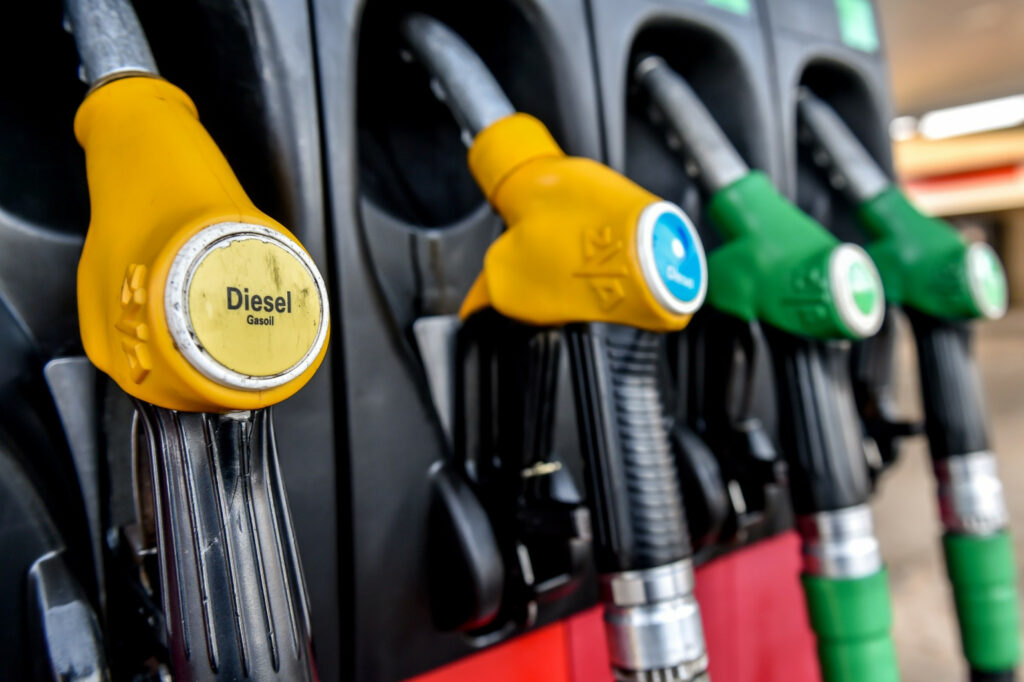
    Petrol pumps at a service station
    A close-up look at the petrol pumps affected by the increase from four to six centimes per litre in 2026, impacting motorists.

    ETS2 and rising fuel prices in 2027

    In 2027, Europe will extend its ETS2 carbon quota system to road transport and fuels, including E85. If suppliers pass on all the costs, a litre could rise by up to 17 centimes excluding tax, or around €8 for a standard tank of petrol. These regulations apply to all Member States, but the increases will vary from country to country. Spain could see faster adjustments, while France could see its price rise more quickly, accentuating the interest in recharging across the border.

    What impact will this have on motorists?

    For a motorist consuming 6.5 litres per 100 km and driving 25,000 km a year, the extra cost could be around €200 a year, or just under €17 a month. Admittedly, this is not dramatic financially, but the increase remains symbolically heavy, especially in an already tense context for purchasing power. It remains unclear exactly how prices will change, depending on the allowances purchased and their actual cost. The experts recommend that you start thinking about electric cars now, especially for those without regular recharging facilities, in order to anticipate future price rises.

    Energy transition: between constraints and opportunities

    The transition to electric vehicles is not just environmentally friendly: it could represent real savings in the long term. However, take-up is still being held back by the lack of charging infrastructure in buildings and by the initial cost of electric cars. Additional support and practical assistance are needed to make electric cars accessible on a daily basis, while limiting dependence on fossil fuels.

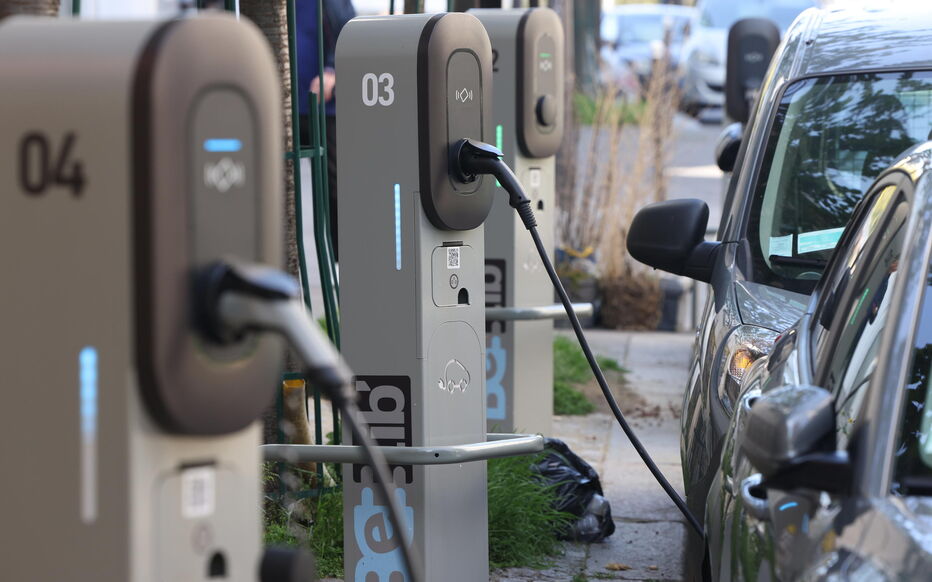
    Electric charging points for electric vehicles
    Focus on electric charging points partly financed by owners of combustion-powered vehicles, as part of the 2026 ecological bonus. (Credit: Le Parisien / Arnaud JOURNOIS)

    Conclusion: anticipate to better manage rises

    The 2026 increases and the 2027 European regulations are forcing motorists to rethink their mobility. Switching to electric vehicles could limit future additional costs, while contributing to the energy transition and reducing CO2 emissions. Even if the initial investment may seem high, making the switch now can represent a significant financial and ecological gain in the medium term.

  • Ecological bonus: greater support for electric cars from 2026

    Ecological bonus: greater support for electric cars from 2026

    The French government has confirmed that the ecological bonus for electric vehicles will be maintained in 2026. The maximum amount will be increased to €5,700. This decision is designed to support French and European production.

    Happy family in front of an electric car
    A family enjoying their new electric vehicle, supported by the 2026 environmental bonus.

    An extended and reinforced helping hand

    The French Minister for the Economy, Roland Lescure, announced on France Inter on Wednesday that the ecological bonus would be extended. According to him, it will even be increased for certain categories of vehicle. This measure is part of the drive to promote electrification and local production. In 2025, the bonus will reach €4,200 for low-income households and €3,100 for others. In 2026, it could exceed these amounts for vehicles manufactured in Europe.

    This increase should benefit a greater number of buyers, particularly those who are still hesitating for financial reasons. The eligibility criteria will remain the same: only new electric cars that comply with the eco-score and are produced in Europe will be eligible. What’s more, the additional bonus for European batteries could bring the total aid up to €6,700.

    Encouraging French and European production

    Roland Lescure insists on the importance of supporting local industry. According to him, “the best-selling electric vehicle in France is a Renault 5 manufactured in Douai”. This success underlines the role of national production in the ecological transition. The government’s aim is to stimulate both responsible purchasing and the development of low-carbon electricity.

    Support for European manufacturing is also part of a wider industrial strategy. By favouring vehicles produced on the continent, the government hopes to reduce dependence on imports and secure jobs in the automotive sector. This approach is accompanied by support for households to make the switch to electric cars easier.

    Renault 5 electric made in France
    The Renault 5, the best-selling electric model in France, is manufactured in Douai (Credit: Renault).

    Assistance modulated according to income and vehicle characteristics

    Since July 2025, the ecological bonus has been reformed in the form of the “coup de pouce véhicules particuliers électriques” bonus. The amount varies according to income, and can be as much as €4,200 for low- and middle-income households. The most affluent households receive a smaller bonus of €3,100.

    From October 2025, an additional bonus of €1,000 will be added for cars fitted with a European battery. By 2026, support could rise to €5,700 for low-income households, €4,700 for low-income households not on low incomes, and €3,500 for others. If the European battery bonus is maintained, the total amount could exceed €6,000.

    A strategic lever for the energy transition

    The extension and increase in the ecological bonus is part of France’s drive to reduce CO₂ emissions and modernise the car fleet. The financial incentives encourage the adoption of electric vehicles and promote investment in decarbonised energy.

    At the same time, the government is betting on the electrification of uses, including individual and professional mobility. The measures adopted aim to combine ecology, industrial competitiveness and economic accessibility. Households, manufacturers and the energy industry are being invited to participate in this transformation.

    Automotive plant in Douai producing electric vehicles
    The Douai plant manufactures electric vehicles, supported by ecological bonuses to encourage local production. (Credit: La voix du Nord)

    Towards a more accessible electric future

    This announcement should boost sales of electric cars and reinforce France’s image as a player in the energy transition. The combination of the ecological bonus and the additional premium could make electric vehicles more affordable for many French people.

    By supporting national and European production, the government hopes to create a virtuous circle: more sales, more local production, and a reduced environmental impact. The measure, which comes into force in 2026, promises to send out a strong signal to industry and consumers alike.

  • Avatr 06: the Chinese electric saloon challenging Tesla and BYD

    Avatr 06: the Chinese electric saloon challenging Tesla and BYD

    The new Avatr 06 is attracting attention for its exceptional range and futuristic design. It could quickly win over the European market. With a competitive price and advanced Huawei technology, it is positioned as an ambitious model for 2025.

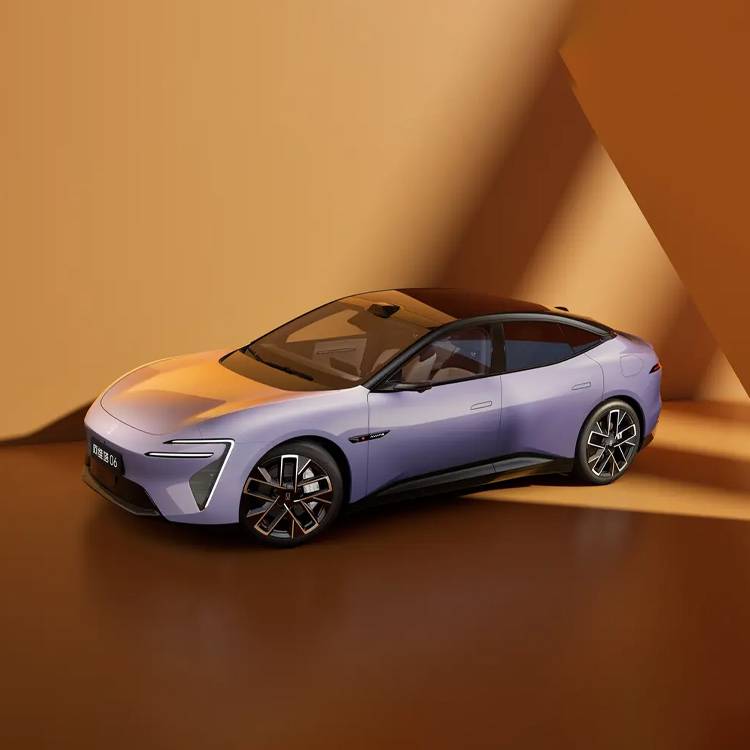
    Avatr 06 electric saloon front view and profile
    The Avatr 06 electric saloon reveals its futuristic design and elegant lines seen from the front and in profile. (Credit: Avatr)

    Record range to appeal to demanding drivers

    Avatr 06 will be available as a 100% electric vehicle or as a range-extending hybrid. The BEV version features a 72.88 kWh LFP battery supplied by CATL, offering up to 650 km on the CLTC cycle. The single-motor model delivers 252 kW, while the dual-motor version develops 440 kW, with a range of 600 km.

    This EREV (extended-range electric vehicle) version combines a 231 kW electric motor with a 1.5-litre turbocharged combustion engine. This configuration acts as a generator to extend the range to 800 km. Thanks to the 800-volt architecture, rapid recharging is also possible, considerably reducing waiting times and improving driving comfort.

    Futuristic design and luxurious interior

    The design of the Avatr 06 is inspired by the Avatr 2.0 concept, with modern, balanced lines. Its dimensions are adapted to European roads: 4.85 m long, 1.96 m wide and 1.45 m high. Recessed handles and optional rear-view mirrors with screens improve the Cx (coefficient of drag) and give it a very futuristic look.

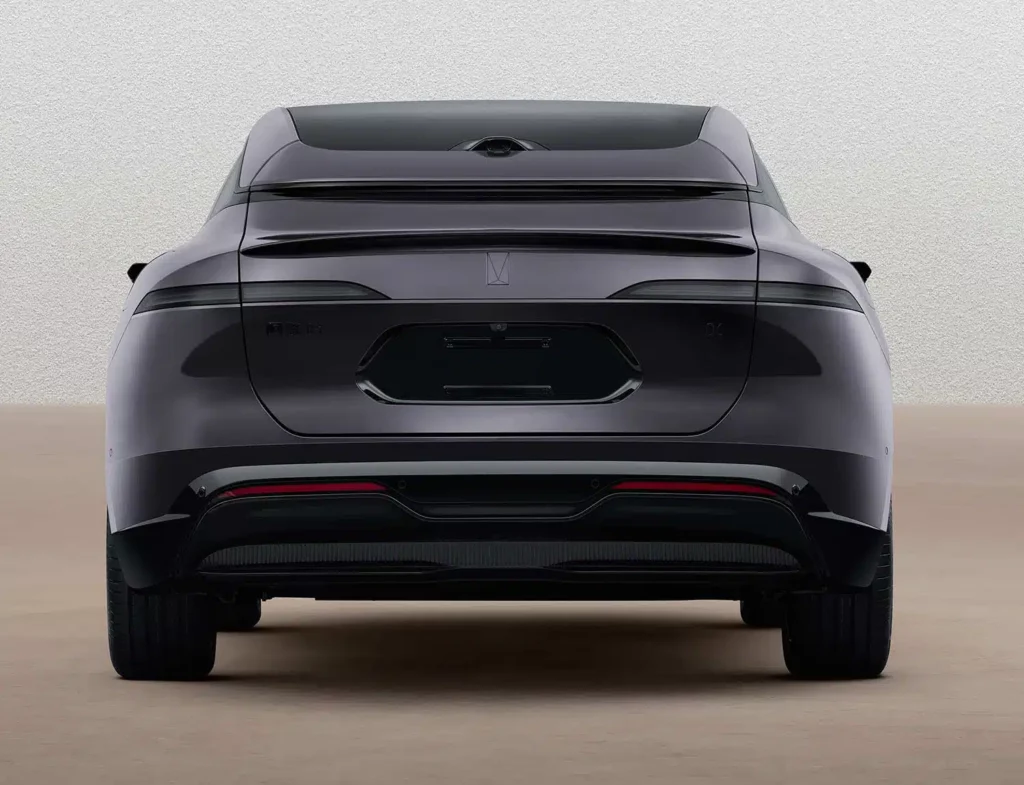
    Avatr 06 electric saloon rear view
    The Avatr 06 offers a sleek rear design with LED light signature and elegant sporty lines. (Credit: Avatr)

    Inside, the 7m² cabin features premium materials and zero-gravity front seats with 16-point massage. The 25-speaker Meridian audio system delivers immersive sound, while Huawei’s Harmony OS provides a seamless interface. ADS 3.0 assisted driving is based on high-precision lidar and 27 sensors for optimum safety.

    A clear international strategy

    Since its appearance at the Munich Motor Show in 2024, Avatr has been demonstrating its European ambitions. This car is designed to meet the expectations of Western drivers, with dimensions adapted to their needs and a practical hybrid option. The brand is targeting a public that appreciates technology, comfort and long range.

    The trio of Changan, CATL and Huawei are each contributing their expertise to create a competitive saloon. Changan provides the automotive know-how, CATL supplies reliable batteries, and Huawei develops the on-board technology and driving aids. This combination could make the Avatr 06 a direct rival to the Tesla Model 3 and BYD Han.

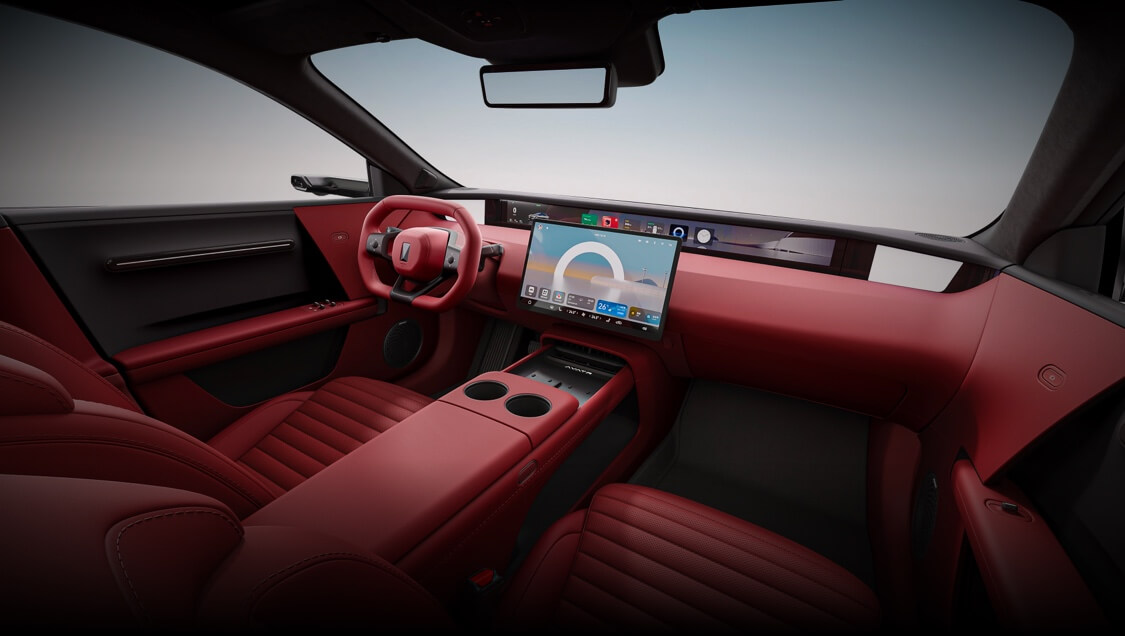
    Avatr 06 dashboard with HarmonyOS screens
    The cockpit of the Avatr 06 combines panoramic screen, central screen and Huawei HarmonyOS technology for a premium experience. (Credit: Avatr)

    Performance, technology and comfort: a winning trio

    The Avatr 06 stands out for its range, power and ultra-connected cabin. Its twin electric motors rival those of Western models, while the EREV version provides extended range for long journeys. Huawei components offer an advanced multimedia system and powerful semi-autonomous driving, enhancing the user experience.

    Its sleek design, luxurious materials and comfort-enhancing technologies will appeal to discerning drivers. Scheduled for launch in China in the second quarter of 2025, the Avatr 06 could quickly become a benchmark among premium electric saloons. In Europe, its optimised dimensions and range-extending hybrid technology could appeal to a wide audience, offering a credible alternative to Western vehicles.

    A look at the competition

    The Avatr 06 enters an already highly competitive market, with established models such as the Tesla Model 3, BYD Han and Nio ET5. These cars offer ranges close to 600 km, but often at higher prices or with less on-board technology. The Avatr 06 is an attractive alternative, thanks to its range/price ratio and powerful engine.

    Compared with Tesla, the 06 offers a comparable technological experience, notably with Harmony OS and ADS 3.0 assisted driving. Compared with BYD Han and Nio ET5, it offers a reliable CATL battery and a hybrid version with range extender. This combination of range, performance and comfort could appeal to a demanding European public, ready to try out an innovative Chinese manufacturer.