Author: Mathis Miroux

  • Honda & Sony collaboration: The “Afeela 1” enters pre-production, a historic step for Sony and electro-mobility

    Honda & Sony collaboration: The “Afeela 1” enters pre-production, a historic step for Sony and electro-mobility

    Sony is leaving the show floor to take to the pavement – a major first for the renowned tech brand. After Xiaomi’s arrival on the market with its YU 7 and SU7 Ultra, it’s Sony’s turn. The Japanese brand, historically known for its televisions, consoles and cameras, is taking an unprecedented step into the automotive sector. It is now entering the pre-production phase of the Afeela 1, its first 100% electric car.

    Designed and built in partnership with Honda, assembly of the model began on Wednesday 30 July 2025. It will take place at Honda’s East Liberty plant in Ohio, USA. This is a decisive step in making the project a reality.
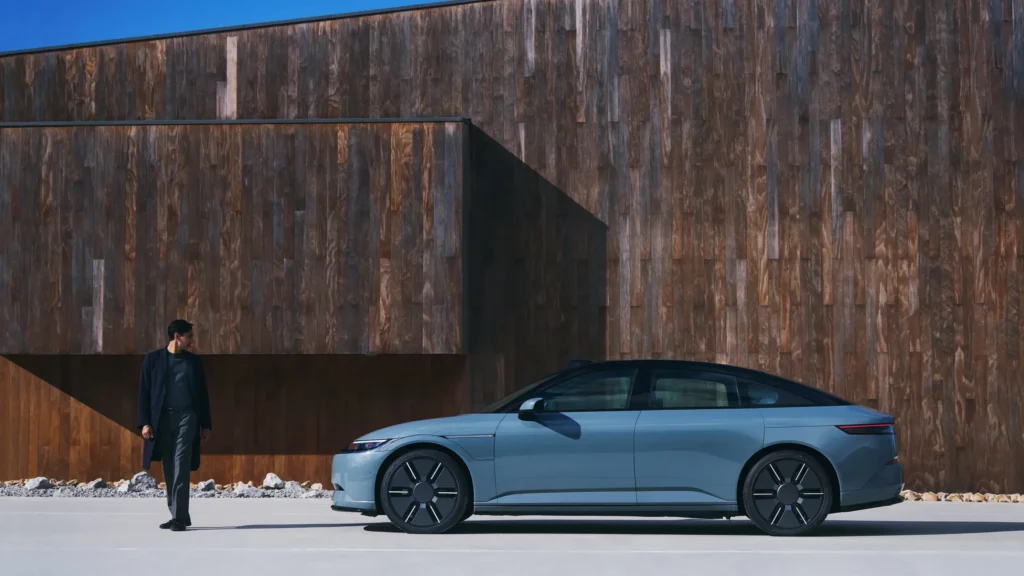
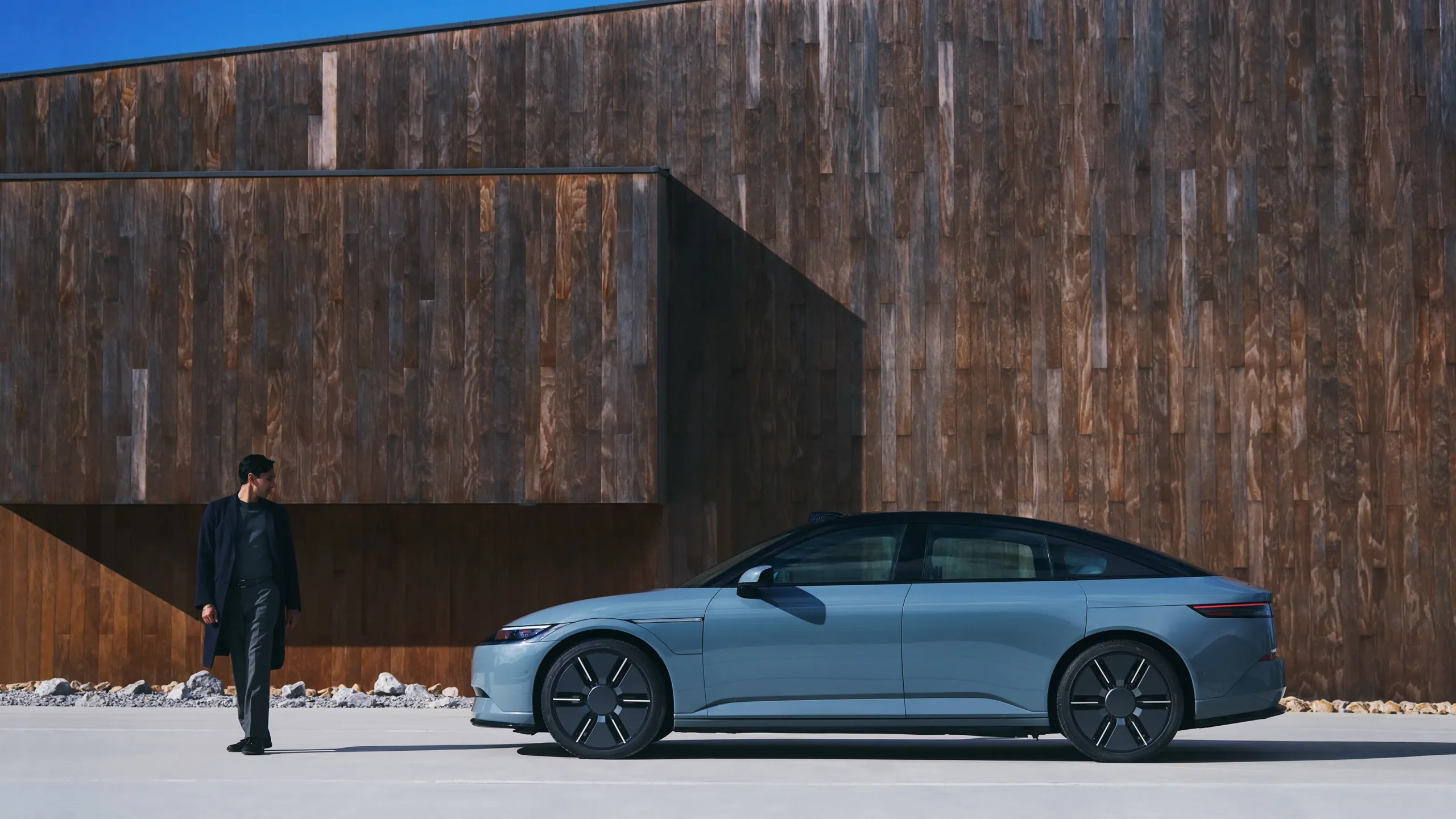
    Sony Afeela 1 electric car exterior view in pre-production
    The Afeela 1 electric saloon, the fruit of collaboration between Sony and Honda (Credit: Sony)

    Presented in prototype form at CES in Vegas in 2023, and then in a near-complete version in January 2025, the Afeela 1 was until then no more than a “promising concept”. It is now becoming a concrete industrial product in the making, with deliveries scheduled from mid-2026 for the first American customers.

    A strategic turning point for Sony

    This is the first time that Sony has entered the automotive industry in such a concrete way. And it’s no mean feat. The company is bringing to this project its expertise in key areas: sensors, on-board software, interfaces, AI – everything that is shaping the future of the connected car today. The Afeela 1 is as much a saloon car as a digital terminal on wheels. With screens all over the dashboard, facial recognition at the entrance, high-level in-car entertainment and cutting-edge driver assistance systems, technology is not just an add-on, it’s at the heart of the project.

    Where are we now?

    This entry into pre-production is much more than a simple test phase. In this pivotal phase, the engineers go through every stage of assembly with a fine-tooth comb. They check the fit of the parts, the quality of the materials, the precision of the welds and the robot chains. This is when we check that what has been designed on screen can actually be mass-produced, without a hitch or error. In concrete terms, we move from theory to practice. We test the vehicle, but above all we test the factory itself. Because a car as technologically advanced as the Afeela cannot tolerate any approximations. Pre-production allows us to correct any remaining faults. It also serves to fine-tune industrial processes and anticipate sticking points before the launch. In short, this is the stage that transforms a concept into a reliable product.

    Interior of the Sony Afeela 1 electric car with a driver on board
    Immersive digital interface on board the Afeela 1, with a real-life driver. (Credit: Afeela)

    In designing this vehicle, Sony could not have gone so far without Honda. The two companies signed a partnership agreement in 2022 with the creation of Sony Honda Mobility, forming an unprecedented collaboration between the tech and automotive industries, which, given the cross-fertilisation of these two sectors, could inspire other companies to join forces. The launch of pre-production shows that the collaboration is working. The assembly lines are in place, assembly tests are beginning, and the production rate will be gradually increased over the coming months.

    An example paving the way for new alliances?

    Behind the scenes, this initiative is also sending out a message to the general public: the energy transition is no longer just a matter for traditional car manufacturers. The growing involvement of technology players like Sony is helping to accelerate the integration of electric cars into the public arena. And if other companies of this calibre follow suit, world opinion could move more quickly towards mass adoption, making electric mobility truly universal.

    Too much technology?

    The fact remains that this rise in technological power is not universally accepted… In barely two decades, the automotive world has moved from a world centred on the driving experience, mechanical sensations and the feel of the chassis to an environment increasingly controlled by technology, where panoramic screens, on-board algorithms and voice assistants now play a central role in the driving experience. Emotion, on the other hand, cannot be downloaded. It remains to be seen whether this energy transition will really lead to the end of the car that moves.
  • Audi A6 e-tron Sportback: A German saloon has never been so aero…

    Audi A6 e-tron Sportback: A German saloon has never been so aero…

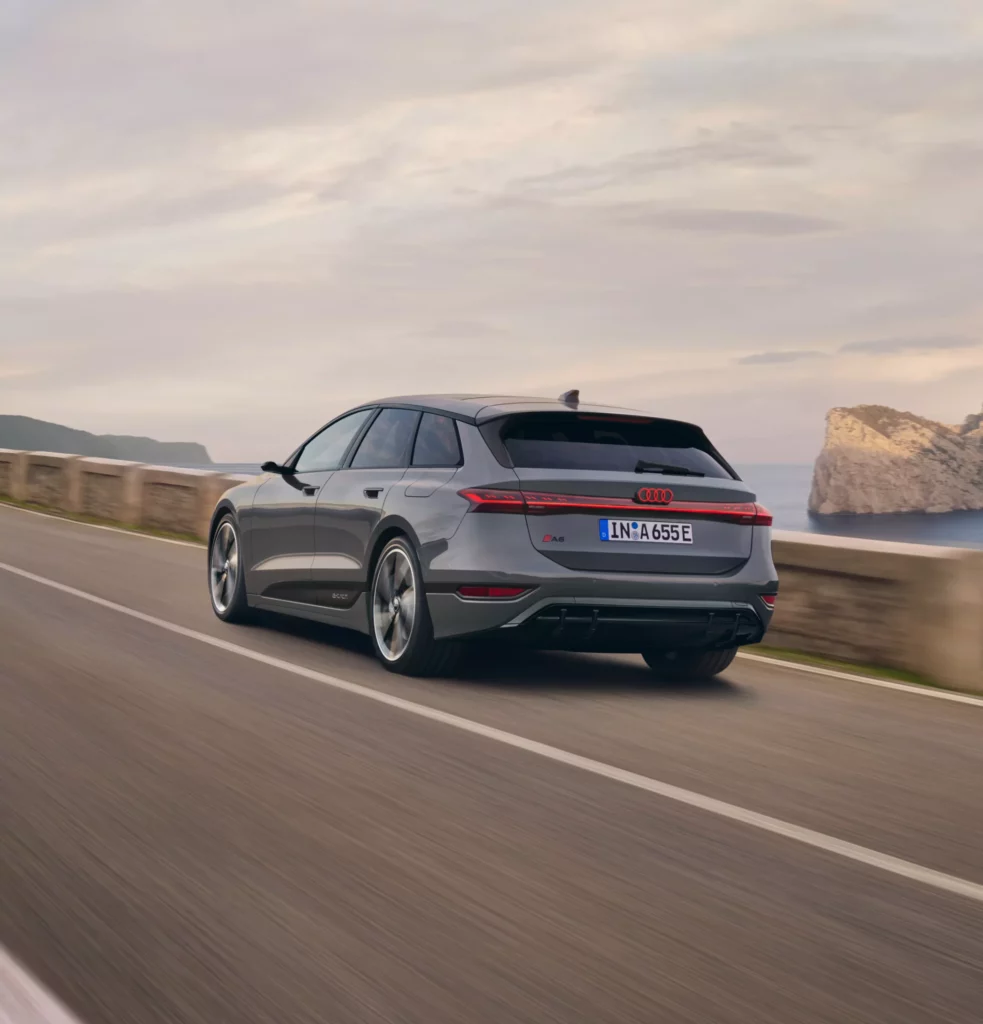
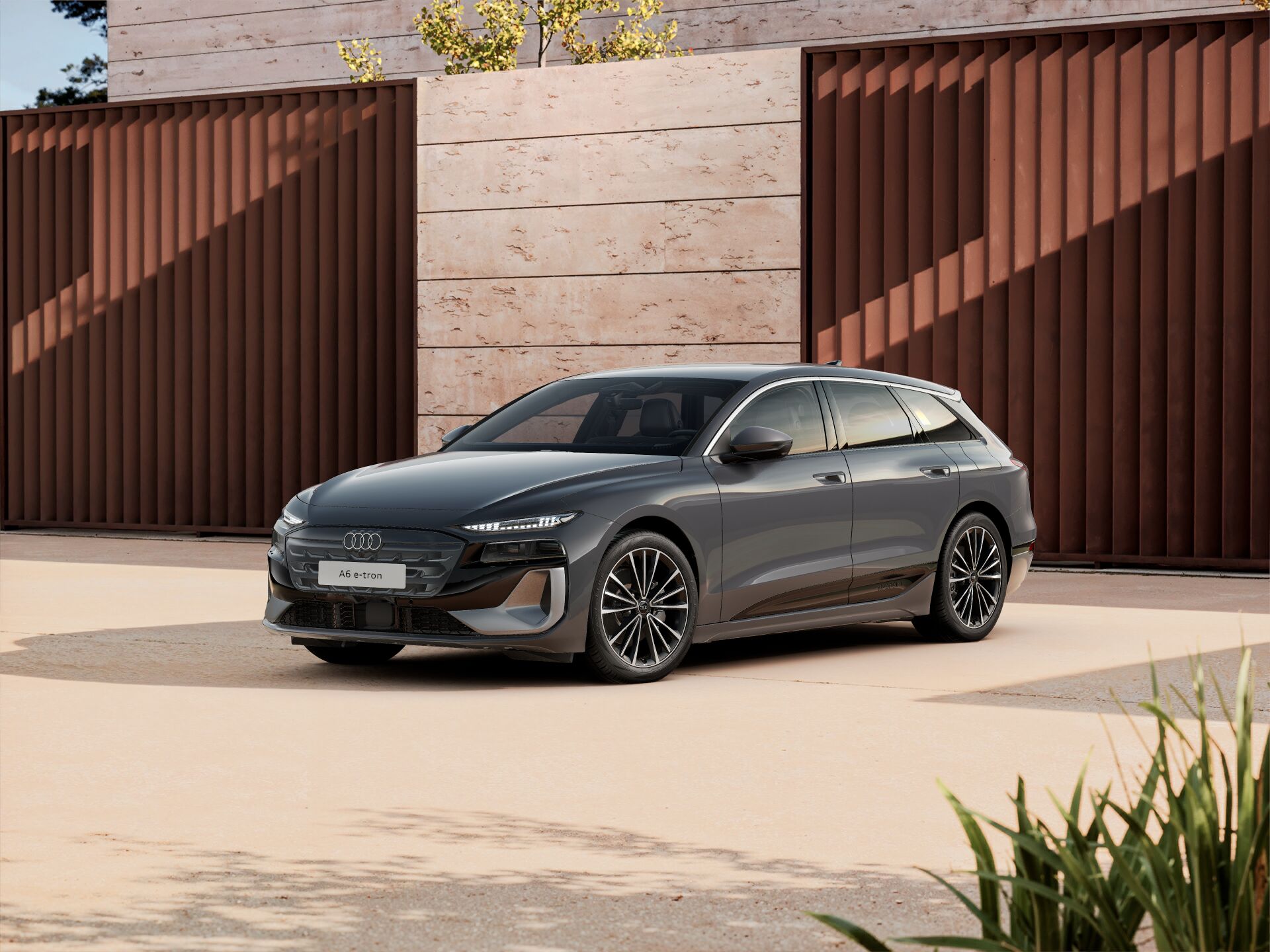
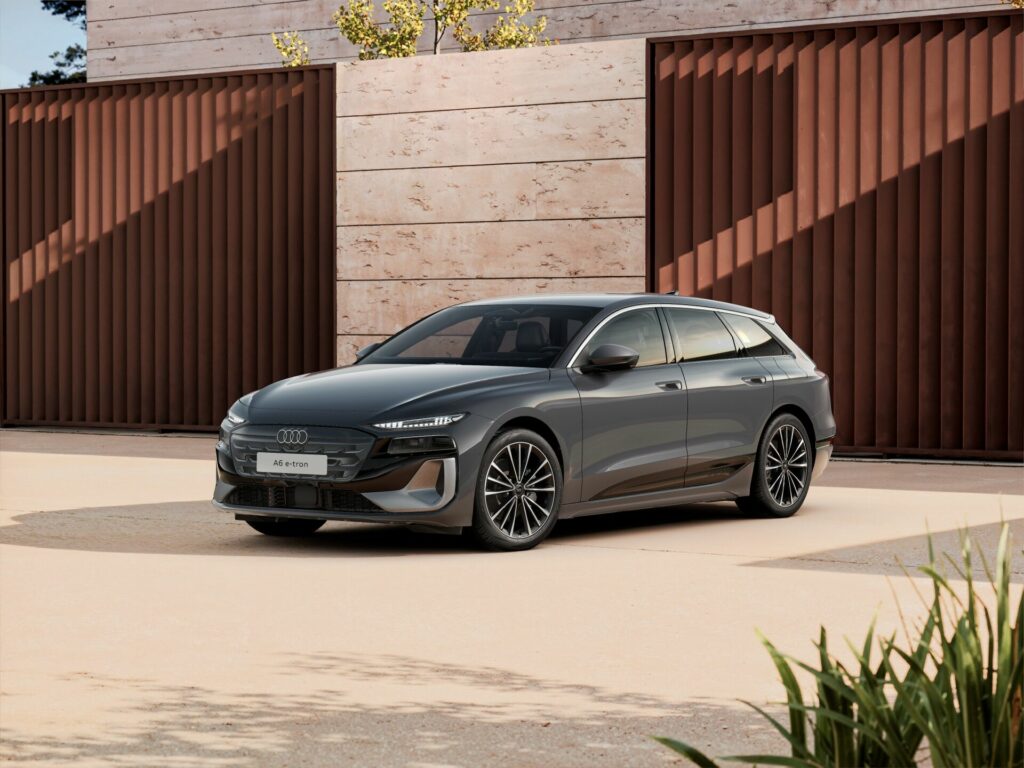
    With a coefficient of drag (Cx) of 0.21, Audi has produced its most aerodynamic car ever. A concrete step towards greater electric efficiency. The new A6 e-tron Sportback boasts an extremely low coefficient of drag, making it one of the most aerodynamic cars on the European market – and the most aerodynamic ever produced by the Volkswagen Group.

    Audi A6 e-tron Sportback front and side view, aerodynamic design
    Front and side view of the Audi A6 e-tron Sportback, with its flowing design and elegant light signature (Credit: Audi)

    A body that approaches aerodynamic perfection

    To put this figure into perspective, the lower the Cx, the less air resistance the vehicle encounters. The result: lower energy consumption, and therefore greater range. By way of comparison, a combustion saloon like the Audi RS6 has a Cx of around 0.35, while the Tesla Model S, often cited as a benchmark, has a Cx of 0.20…

    2,800 simulations, 1,000 hours in the wind tunnel: the quest for detail

    Audi has left nothing to chance. To achieve this level of aerodynamic finesse, the brand carried out 2,800 digital simulations, followed by 1,000 hours of wind tunnel testing. Every detail of the bodywork was studied, rethought and optimised.

    Notable innovations include:

    • Smoothed rims, designed to reduce turbulence around the wheels.
    • A lower body equipped with air deflectors, which channel the air and guide it fluidly under the car.
    • A flat bottom coupled with a refined rear diffuser, accelerating airflow to reduce drag.


    All these improvements give the new A6 2025 a silhouette worthy of a drop of water in the air, naturally the most aerodynamic shape.

    Audi A6 e-tron Sportback 2025 rear view, aerodynamic diffuser
    Rear view of the A6 e-tron Sportback, with diffuser and sculpted aerodynamic lines. (Credit: Audi)

    750 kilometres of range: when form meets function

    Beyond the raw numbers, this quest for efficiency is reflected in concrete terms on the road. Thanks to its advanced aerodynamics and optimised energy management, the A6 e-tron Sportback is claimed to have a range of up to 750 kilometres. A symbolic threshold that repositioned Audi as a serious player in top-of-the-range electric competition.

    A strong signal for the future of electric mobility

    With this saloon, Audi confirms that the future of electromobility lies not only in batteries and engines, but above all in the shape of the vehicles themselves. In the all-electric era, the bodywork is becoming a key element of performance. So the A6 e-tron Sportback is more than just a styling exercise: it’s the symbol of a strategic shift, where every hundredth of a Cx becomes a kilometre gained.

  • Tesla: sales down by mid-2025; far from alarming, but worrying…

    Tesla: sales down by mid-2025; far from alarming, but worrying…

    In the second quarter of 2025, Tesla saw several of its financial indicators fall: sales down 12%, net profit down 16% and free cash flow in freefall… While the company remains financially solid, it is facing increasingly fierce competition, particularly in Europe and Asia, but above all it is confronted with the loss of momentum of its flagship models. The first six months of the year confirm the trend: overall deliveries are down 13% on 2024…

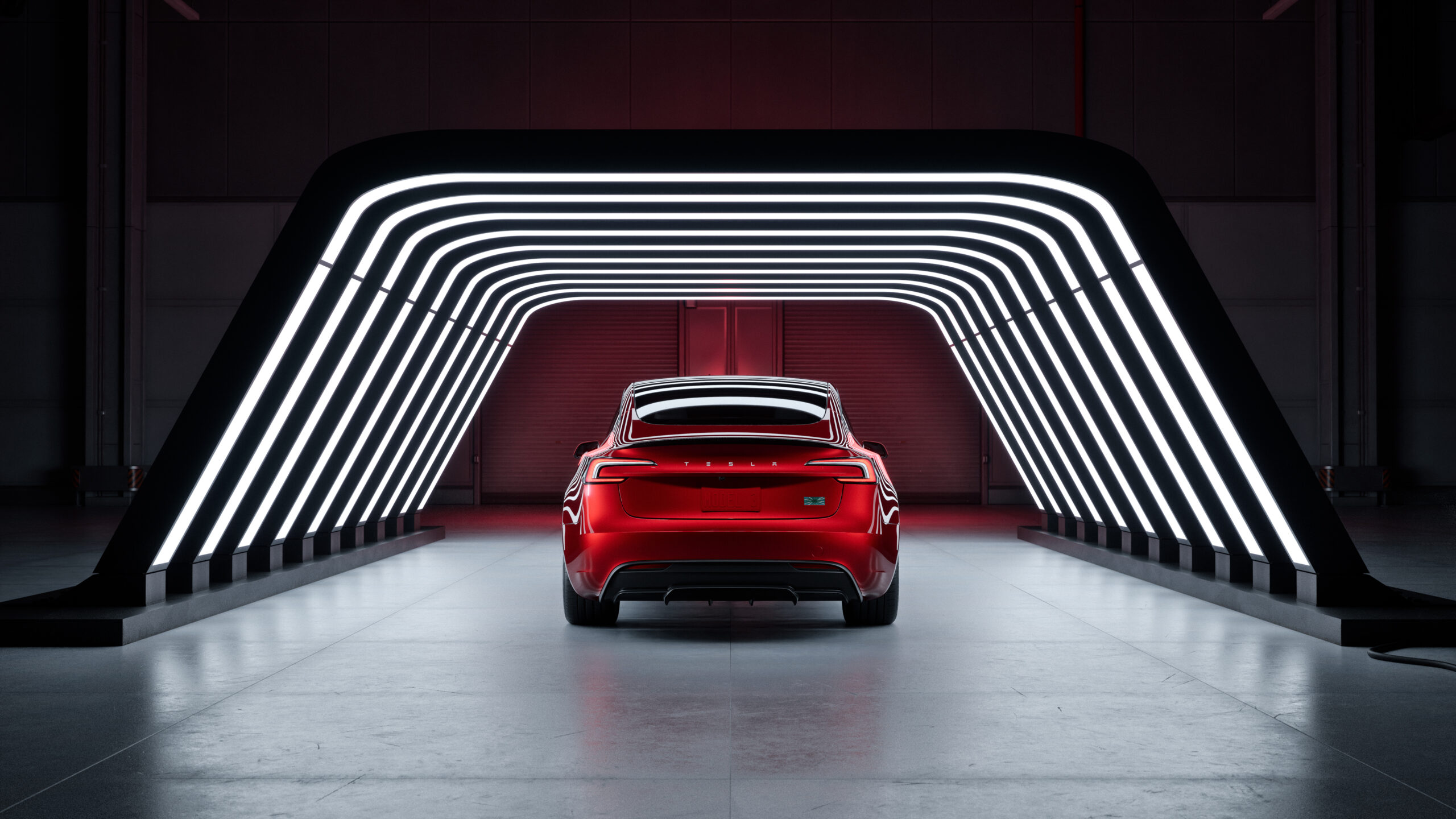
    Tesla Model 3 Performance rear view, sporty design
    Rear view of the Tesla Model 3 Performance, the American manufacturer’s flagship model (Credit: Tesla)

    Figures down, solidity preserved

    Over the last three months (April to June), Tesla posted sales of $22.5 billion, down 12% on the second quarter of 2024. Net profit, meanwhile, followed the same downward slope, falling by 16% to $1.17 billion. The operating margin fell to 4.1%, compared with over 6% a year earlier.

    More worryingly, free cash flow plunged 89% in one year, to just $146 million. This means that, despite its significant sales and investments, the company is creating little new cash over this period. However, with almost $37 billion in available cash, Tesla has a solid financial reserve to see it through this difficult phase. This kitty enables it to continue investing and operating without any immediate constraints, even if the results for a given period are poor…

    Deliveries down, model in question

    Tesla delivered 384,122 vehicles in the second quarter, around 14% more than in the first quarter, but down 13% on the same period in 2024. Models 3 and Y still account for the overwhelming majority of sales (almost 95%), reflecting the lack of diversity in the range at a time when the competition is stepping up the number of vehicle launches.

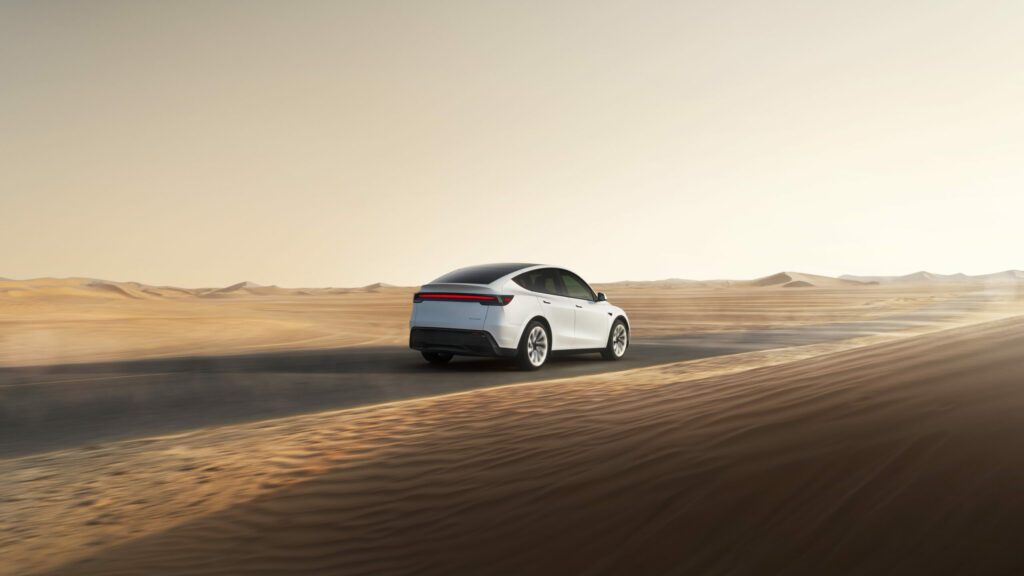
    Tesla Model Y mid-range electric SUV
    The Tesla Model Y, a compact 100% electric family SUV (Credit: Tesla)

    Over the first half of the year as a whole, Tesla sold 720,803 vehicles, compared with 830,766 over the same period last year. This represents a fall of 13.2% over one year, which is having a serious impact, particularly in Europe, where registrations are plummeting in the face of the meteoric rise of Asian rivals such as BYD. Market share is eroding, particularly in France, where deliveries were down by almost 40% in the second quarter compared with the same period last year… The slowdown in sales may also be explained by a price war unleashed by Tesla itself, which is squeezing its margins to stimulate demand.

    In addition, revenues from carbon credits were halved in one year (from $890 million to $439 million), which must have had a major impact on their cash flow (or free cash flow).

    An accepted but risky transition

    Faced with these results, Elon Musk speaks of a “transition period”, assuming several difficult quarters before a rebound expected in the second half of 2026. The stakes are high: Tesla will have to stabilise its deliveries, preserve its cash flow, and successfully make the shift to more varied models, while defending its technological leadership in a market that has become ultra-competitive.

    In concrete terms, even though Tesla will need to return to more robust results in the medium term to ensure its growth and preserve its cash position, the company has a piggy bank that is colossal enough to afford this kind of slippage. However, this trend must be reversed in the long term, or risk seeing the American company’s reserves melt away.

  • Mercedes steps up the pace on solid state batteries: 2030 target…

    Mercedes steps up the pace on solid state batteries: 2030 target…

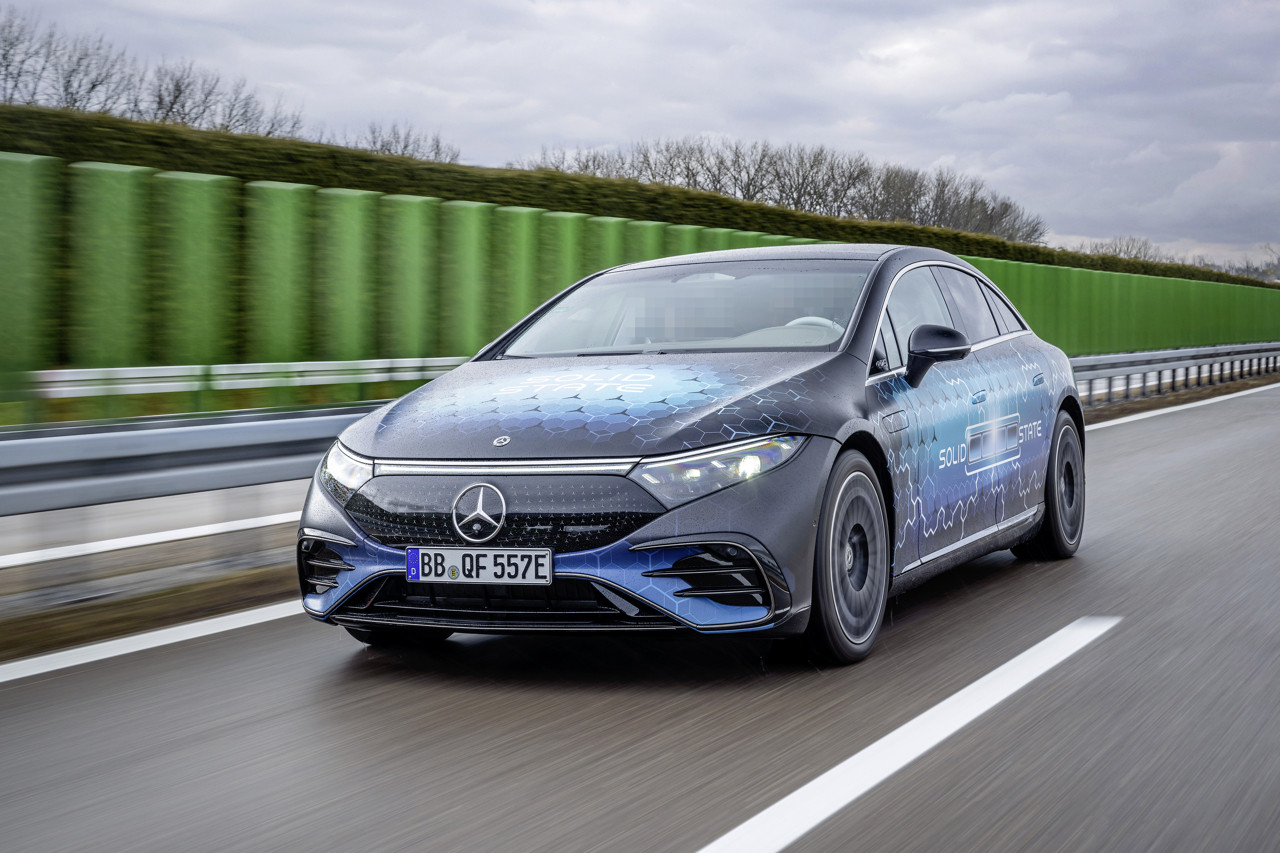
    Mercedes-Benz has officially announced that it plans to market an electric vehicle with a solid electrolyte battery by 2030. Markus Schäfer, head of development at Mercedes, made the official announcement on 16 July 2025.

    Prototype Mercedes electric car with solid battery in 2025
    Mercedes’ first prototype electric vehicle equipped with a solid-state battery, presented in 2025. (Credit: Mercedes)

    A strategic partnership for the Mercedes solid state battery

    This is a major step in the automotive industry’s energy transition, and a real technological challenge for Mercedes-Benz. But the German firm is not going it alone. It has joined forces with the American start-up Factorial Energy, a pioneer in the development of solid-state batteries. Together, the two companies hope to gain a head start in the “super-battery” race. And the advantages of this new technology are numerous: up to 25% more range than conventional lithium-ion batteries, which are now ubiquitous in electric vehicles.

    Another major advantage: significant weight savings. A crucial point for the electric sports car industry, where every kilo counts. Less mass means more agility, more performance… and more efficiency.

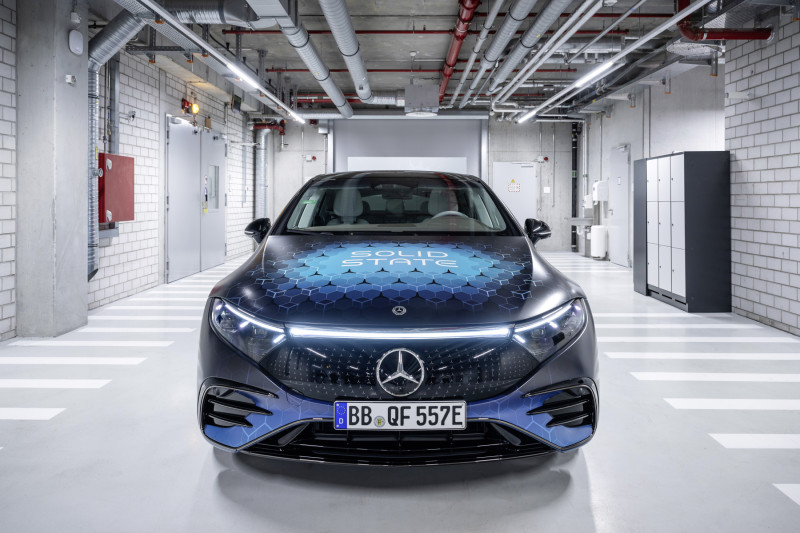
    Mercedes EQS tested with a solid-state battery boasting a range of over 1,000 km
    The Mercedes EQS electric saloon in the test phase, with a solid battery and a range of over 1,000 km.

    When it comes to safety, solid batteries also score well. The absence of liquid electrolyte considerably reduces the risk of overheating or even fire. Last but not least, these batteries allow shorter recharging times because of their solidity and the fact that overheating is almost impossible at the moment. A decisive factor in the mass adoption of EVs.

    A prototype based on the EQS electric saloon has already been on test since early 2025. In terms of range, Mercedes claims a theoretical range in excess of 1,000 kilometres.

    With this announcement, Mercedes confirms its entry into the global race for the battery of tomorrow, alongside BMW and Stellantis, but above all in the face of a China that is already far ahead. Europe, for its part, is investing massively so as not to remain a spectator. Ultimately, this is where the real revolution in electro-mobility will come from: a lighter, safer, higher-performance battery…

  • The Kia PV5, the electric van that changes the rules

    The Kia PV5, the electric van that changes the rules

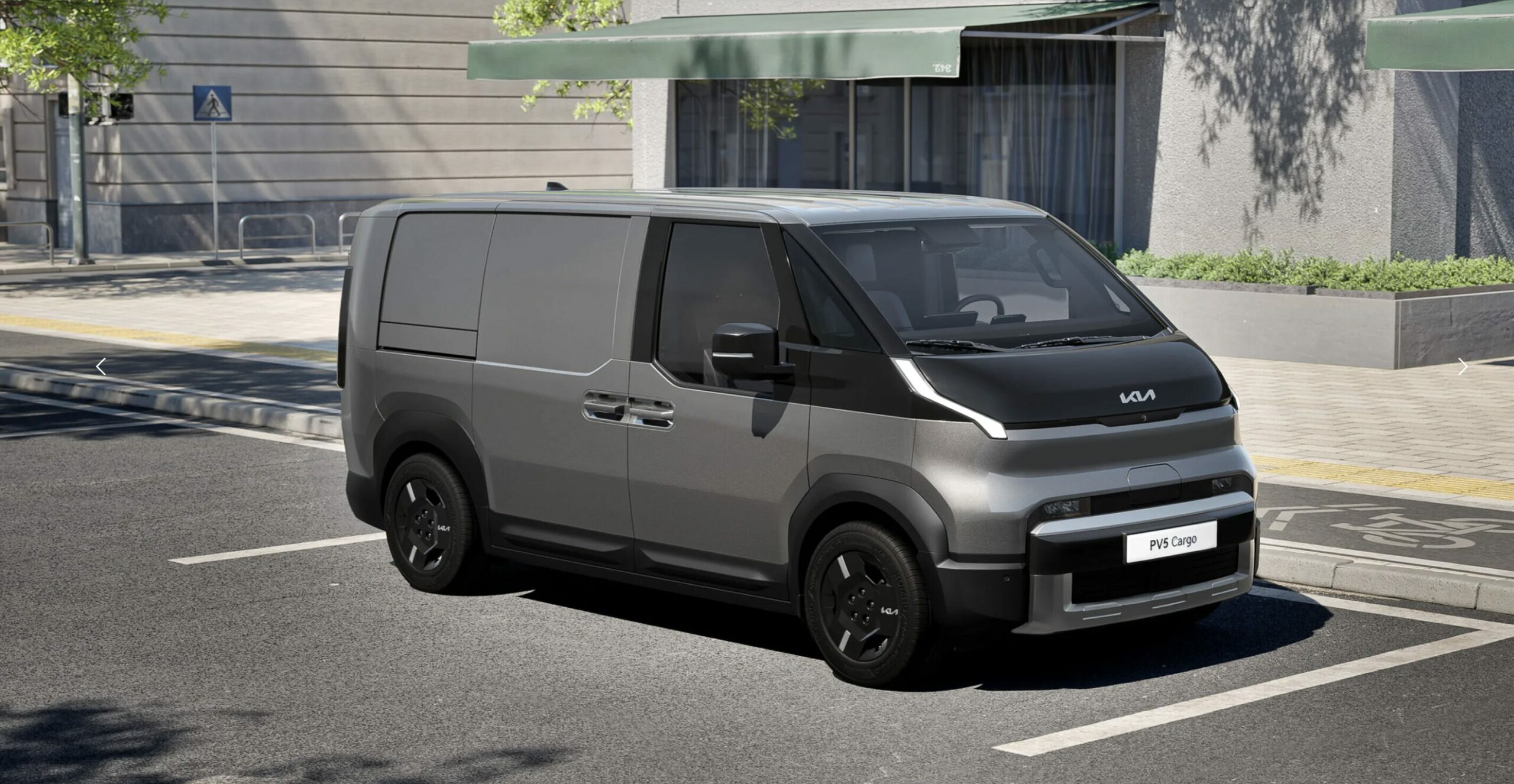
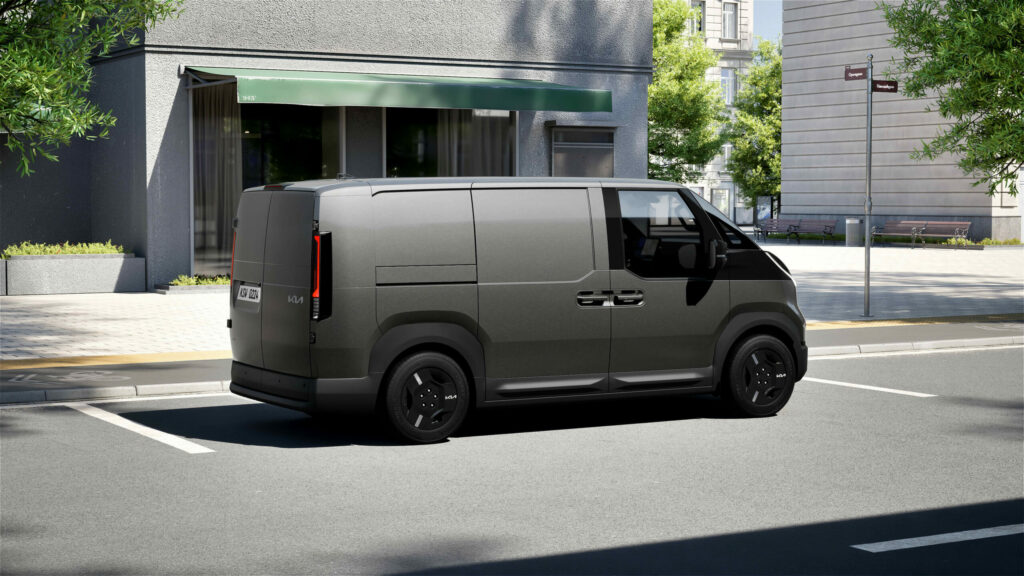
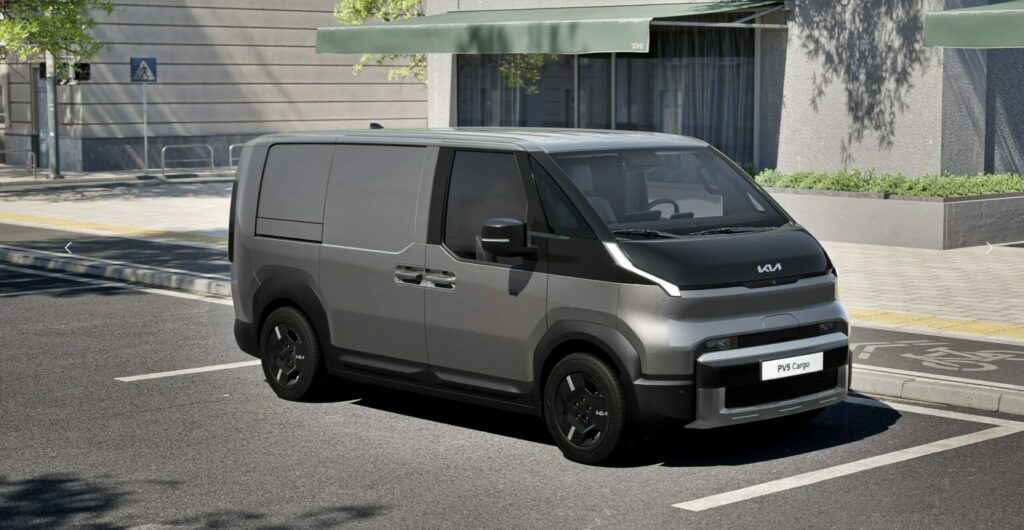
    Revealed at Kia EV Day in February 2025, the PV5 is not just another electric vehicle. With deliveries due to start at the end of 2025, it embodies Kia’s vision for the future of business mobility: more modular, more flexible and cleaner. Designed for corporate fleets, whether as a company vehicle or a simple van for logistics, but also for service operators and local authorities, the PV5 symbolises a major change in the way the general public thinks about commercial vehicles.

    View of the Kia PV5, a modular electric utility vehicle for professionals
    The logistics version of the Kia PV5, designed for urban fleets (Credit: Kia)

    The PV5 is based on an e-GMP-S platform. Derived from the architecture used on the Ioniq 5 and EV6, this new platform has been optimised to accommodate a wide variety of body styles. The concept is simple: a single technical base, a fixed cabin and an interchangeable rear end. Depending on requirements, the vehicle can be transformed into a delivery van, a minibus, a refrigerated version, or even a van for people with reduced mobility. This unprecedented versatility allows companies to rethink the use of their vehicles, adapting them to each mission rather than buying multiple models. The PV5 then becomes much more than an electric van: it becomes a mobile solution with variable configuration.

    A symbol of intelligent electric mobility

    This choice of modularity is not just anecdotal… It responds to a growing demand for fleet rationalisation, in a context where costs need to be marginalised and the carbon footprint reduced. In the city, where low-emission zones are on the increase, the benefits of a 100% electric van are clear. By reducing dependence on several models, simplifying maintenance and optimising use, the PV5 enables fleet managers to make real savings, while respecting the environmental commitments of their companies or countries. With a claimed range of around 400 km, and a fast recharge rate designed to go from 10% to 80% in less than 30 minutes at a 150 kW charging point, the PV5 is an ideal vehicle for urban and suburban use.

    The Kia PV5 modular electric utility vehicle presented at Kia EV Day 2025
    The Kia PV5, a utility vehicle designed for the future of professional fleets. (Credit: Kia)

    Beyond the figures, it is its philosophy that marks a turning point. The PV5 does not seek to reproduce what already exists and transform it into an electric version: it seeks to anticipate changes in the sector. It embodies an electric mobility that is no longer just an alternative, but an opportunity to do things better, to do things more practically.

  • Volkswagen ID.3: 160,000 km and still not used up? ADAC Institute study

    Volkswagen ID.3: 160,000 km and still not used up? ADAC Institute study

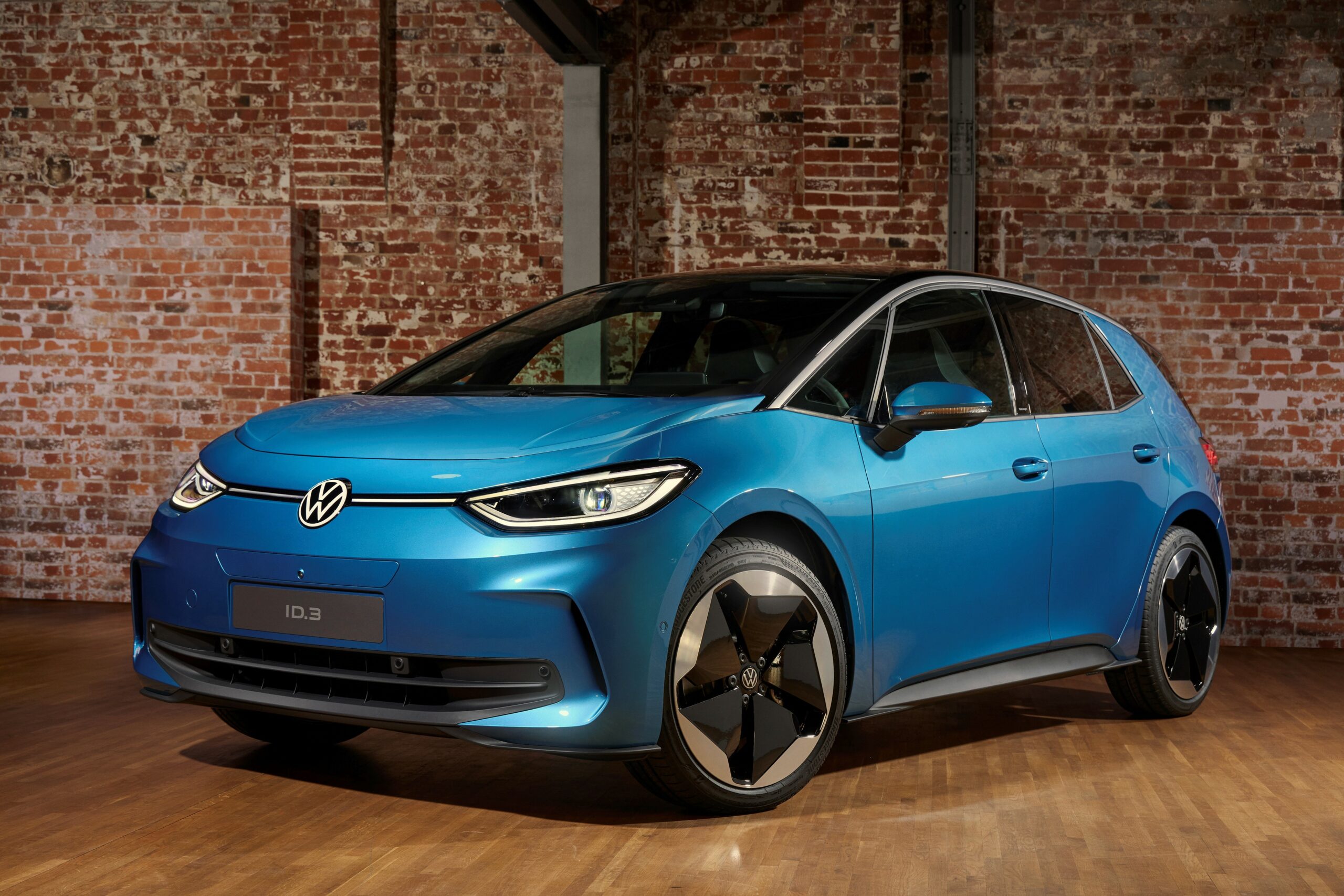
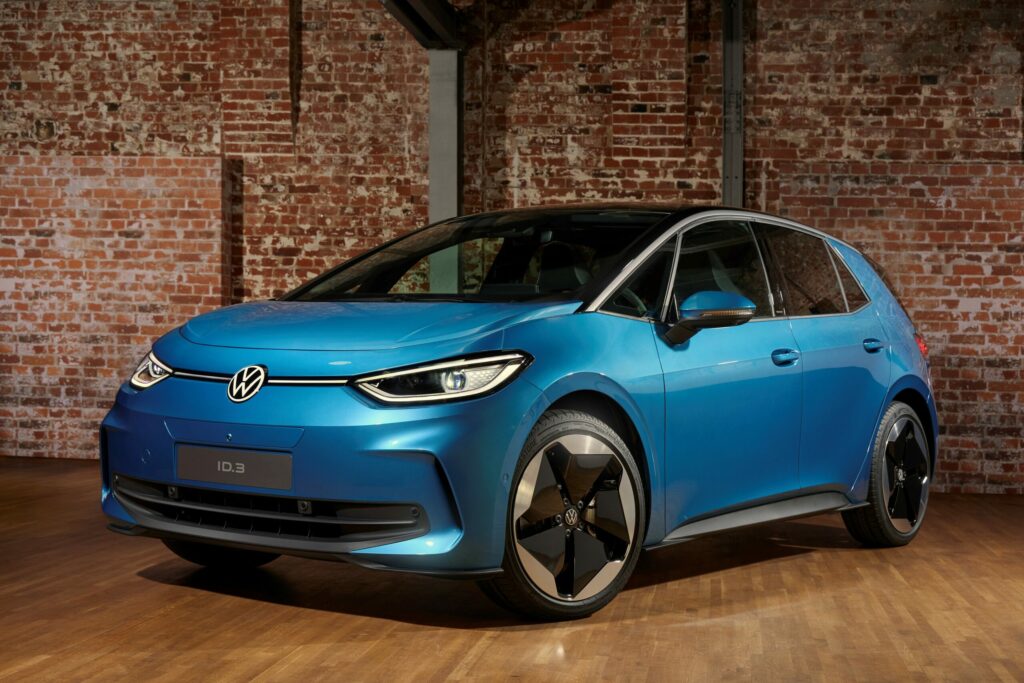
    As the world of electric cars is often criticised for its reliability or its durability, the ADAC research institute has taken the initiative of carrying out various evaluations to assess the average durability of a classic electric city car. Few models have had the opportunity to prove their endurance over the very long term. So the Volkswagen ID.3 Pro S was subjected to a 160,000 kilometre reliability test. The result? A generally glowing verdict… but the ID.3 does have its limits…

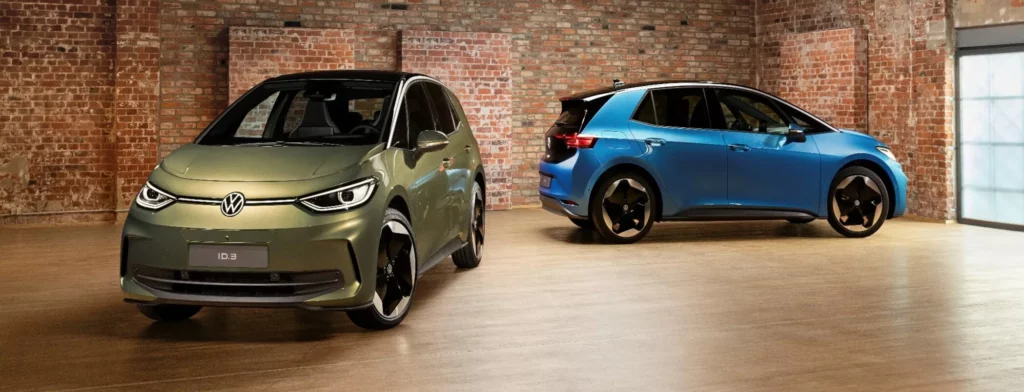
    Shot of the Volkswagen ID.3 against a neutral background
    The Volkswagen ID.3, a 100% electric city car tested by ADAC (Credit: Volkswagen)

    An exemplary battery

    This is the heart of the electric vehicle, and one of the most widely analysed and discussed criteria… The battery’s state of health (or SoH for State of Health). In order to maximise the veracity and reliability of this test, the 160,000 km were driven in driving conditions that were far from gentle: frequent 100% charges, regular use of the rapid recharge system, recharging without disconnecting the vehicle once 100% had been reached, journeys at altitude in sub-zero temperatures, etc. After being subjected to such abuse, the battery still showed 91% of its initial capacity (measured on several occasions by the BMS and confirmed by the independent laboratory Aviloo). Well above the 70% guaranteed by Volkswagen. Clearly, even when battered, the model’s battery is holding up well, even better than expected. A demonstration of electrical robustness that confirms the German manufacturer’s technological advances.

    Reassuring performance in real use

    On the road, in normal conditions, the VW ID.3 is consistent; its average range stabilises at around 400 km, dropping to 300 or 320 km in winter… To keep up with the pace, electricity consumption has fallen over the months, from 20 kWh/100 km to 18.3 kWh/100 km. Efficiency has therefore improved over time, thanks in particular to OTA software updates (available to anyone with an ID.3), which have enhanced the vehicle’s functionalities (“E-Route Planner” or intelligent GPS, better thermal management, rapid charging increased to 170 kW).

    Two Volkswagen ID.3 side by side
    Long-term test of the ID.3: stable range over 160,000 km (Credit: Volkswagen)

    But if there’s one black spot identified during these 160,000 km, it’s, despite the update, the thermal management system, which can still be improved. The battery, for example, cannot be manually preheated before a quick recharge. As a result, in cold weather, the charging speed decreases, with no possibility of anticipation or user intervention. A software weakness that Volkswagen would be well advised to correct.

    Overall reliability and minimum maintenance

    As well as the battery, the chassis, suspension, steering and bodywork have held up well over time. The ID.3 shows no critical wear and tear after four years of sustained use. Only a few isolated faults have disrupted the journey: replacement of the GPS/eCall module – €525, a software bug affecting door opening, resolved by an OTA update, and a charging hatch repaired for €227.

    When it comes to servicing, the budget remains under control, with a major overhaul costing around €427, plus €200 for the air conditioning system…

    But in fact, this long-term analysis in real-life conditions proves Volkswagen right… The ID.3 is a solid, hard-wearing electric car, well designed for everyday use, even if it’s intensive. Its battery, in particular, is among the best on the market. The only fly in the ointment is the software ergonomics, which are still locked in place, sometimes hampering the user experience. A strong message, at a time when, more than ever, electric vehicles need to be convincing.

  • A symbolic milestone for Porsche: the one millionth Macan sold goes electric

    A symbolic milestone for Porsche: the one millionth Macan sold goes electric

    On 16 July 2025, Porsche celebrated its one millionth Macan rolling off the production line at the Leipzig plant. A historic number. The Macan has always been seen as a sporty compact SUV that helped Porsche establish its commercial success back in 2014.

    Eleven years later, the one millionth car to leave the factory is no longer powered by an internal combustion engine, but by an electric motor. Since 2024, the revival of the world’s best-known German carmaker has mirrored the global transition. With this milestone reached, Porsche is proving that electromobility is no longer a gamble, but an industrial reality adopted on a large scale, even by the most emblematic manufacturers in motorsport.

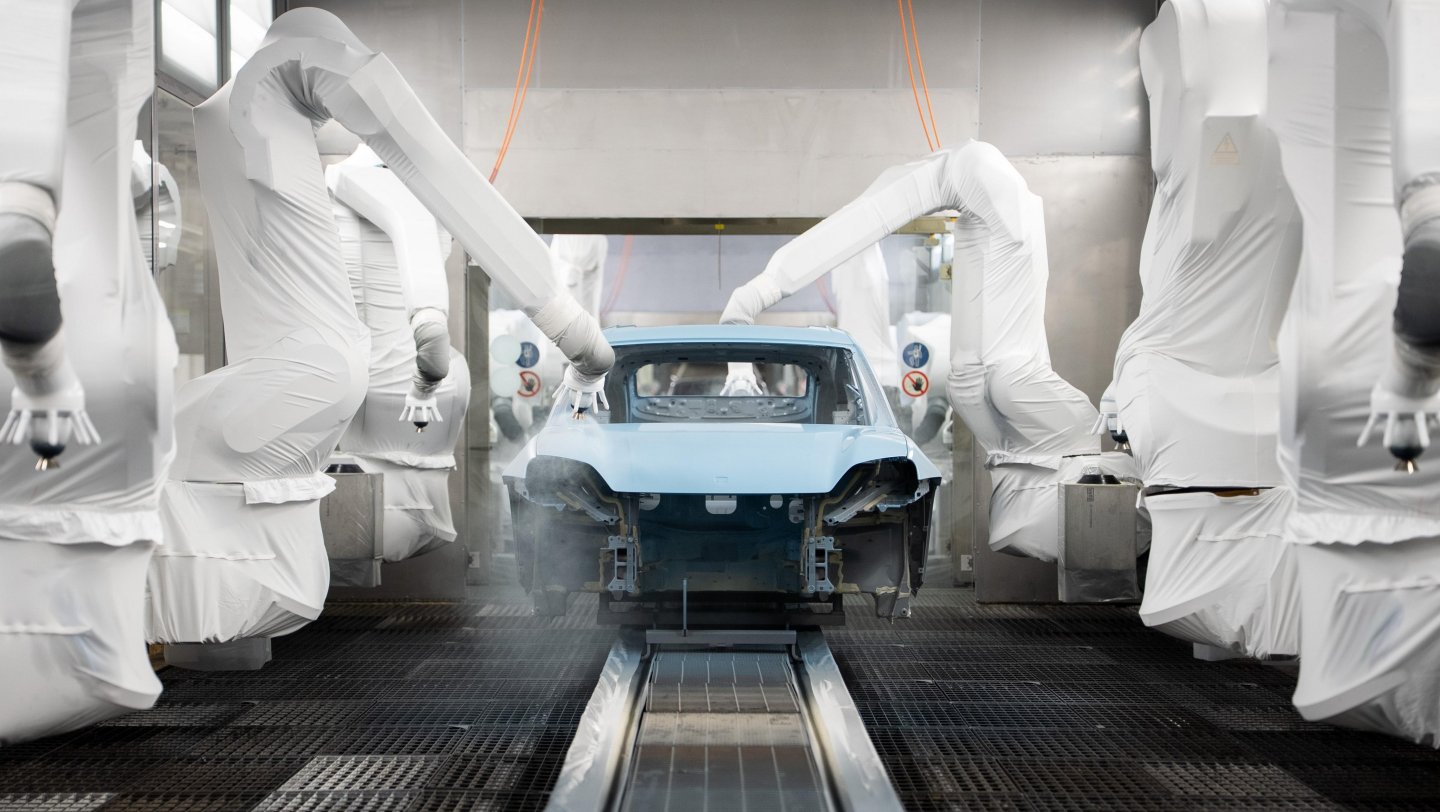
    Electric Porsche Macan being assembled at the Leipzig plant
    Production of the electric Macan at the Porsche plant in Leipzig, illustrating the growing popularity of electromobility.

    The electric Macan takes the lead

    Unveiled at the beginning of 2024, the new generation Macan will be sold exclusively as a 100% electric version. And the figures confirm the craze: although the old combustion-powered Macans are still available in Porsche’s catalogue, in the first half of 2025, more than 60% of Macans sold were electric, according to official Porsche figures. Better still: according to Porsche’s press release of 8 July 2025, the electric Macan outsold the legendary 911 in 2024… Further proof of a shift in demand, even among the German brand’s demanding and loyal customers.

    Optimised production for clear ambitions

    The electric Macan is assembled at the Leipzig plant, which has been completely modernised to accommodate the production of electric vehicles. Porsche has invested more than half a billion euros to adapt its production lines to the PPE (Premium Platform Electric), developed in partnership with Audi. In concrete terms, Porsche produces electric cars using a technical base developed in partnership with Audi called PPE. The ‘PPE’ platform is to Audi and Porsche what the ‘STLA Medium’ platform is to Stellantis: a common base (chassis, battery location, etc.; in other words, the car’s ‘skeleton’, etc.). This means that production can be carried out faster, more efficiently and with shared top-of-the-range technologies.

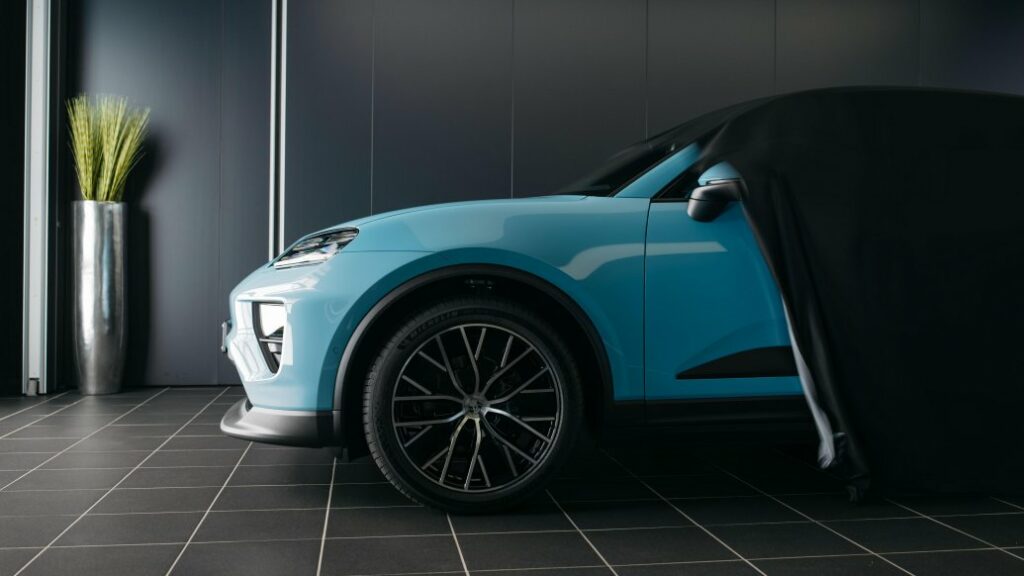
    Partial unveiling of the new generation 100% electric Porsche Macan
    The new generation of the electric Porsche Macan is officially revealed, marking a new era for the sporty compact SUV.

    As a result, the Macan’s electrical production is based on a line derived from that of the internal combustion models, but radically modernised to accommodate the PPE platform, illustrating the desire for flexibility and rapid industrial ramp-up.

    A 100% electric future

    With two 100% electric models already in the catalogue (the Taycan, now the Macan), the recent 911 type 992.2 adopting a slight hybridisation and finally a potential zero emission version of the Cayenne for 2026, the objective is clear. More than 80% of Porsche sales will be 100% electric by 2030, announced Oliver Blume (CEO of Porsche AG) in March 2022.

    This millionth electric Macan is therefore much more than just a milestone: it’s a message, both to competitors and to the global market, and the message is clear: yes, it is possible to combine performance, design and electrification. And yes, electromobility is gaining ground, including among the historic manufacturers.

    orsche Macan electric outside, side view on the road
    The electric Porsche Macan reveals its dynamic, sporty design outdoors, a symbol of performance and electrification.

    And what about performance?

    The success of this electric Macan 4 is no accident:

    • 408 hp,
    • 0 to 100 km/h in just 5.2 seconds,
    • 612 km range claimed,
    • Ultra-fast 100 kW recharge (10-80% in 21 minutes).

    This performance confirms that electric is no longer synonymous with compromise, but with progress and sportiness.

  • BYD reinvents electric recharging: 400 km in 5 minutes thanks to an ultra-fast charging point

    BYD reinvents electric recharging: 400 km in 5 minutes thanks to an ultra-fast charging point

    Chinese manufacturer BYD is once again hitting the electric mobility industry with its Super e-Platform, a revolutionary 1,000 V architecture dedicated to ultra-fast electric charging. Combined with its new “Megawatt Flash Charger” charging point delivering up to 1,000 kW, it can recover no less than 400 km of range in just 5 minutes – that’s 2 km of range every second.

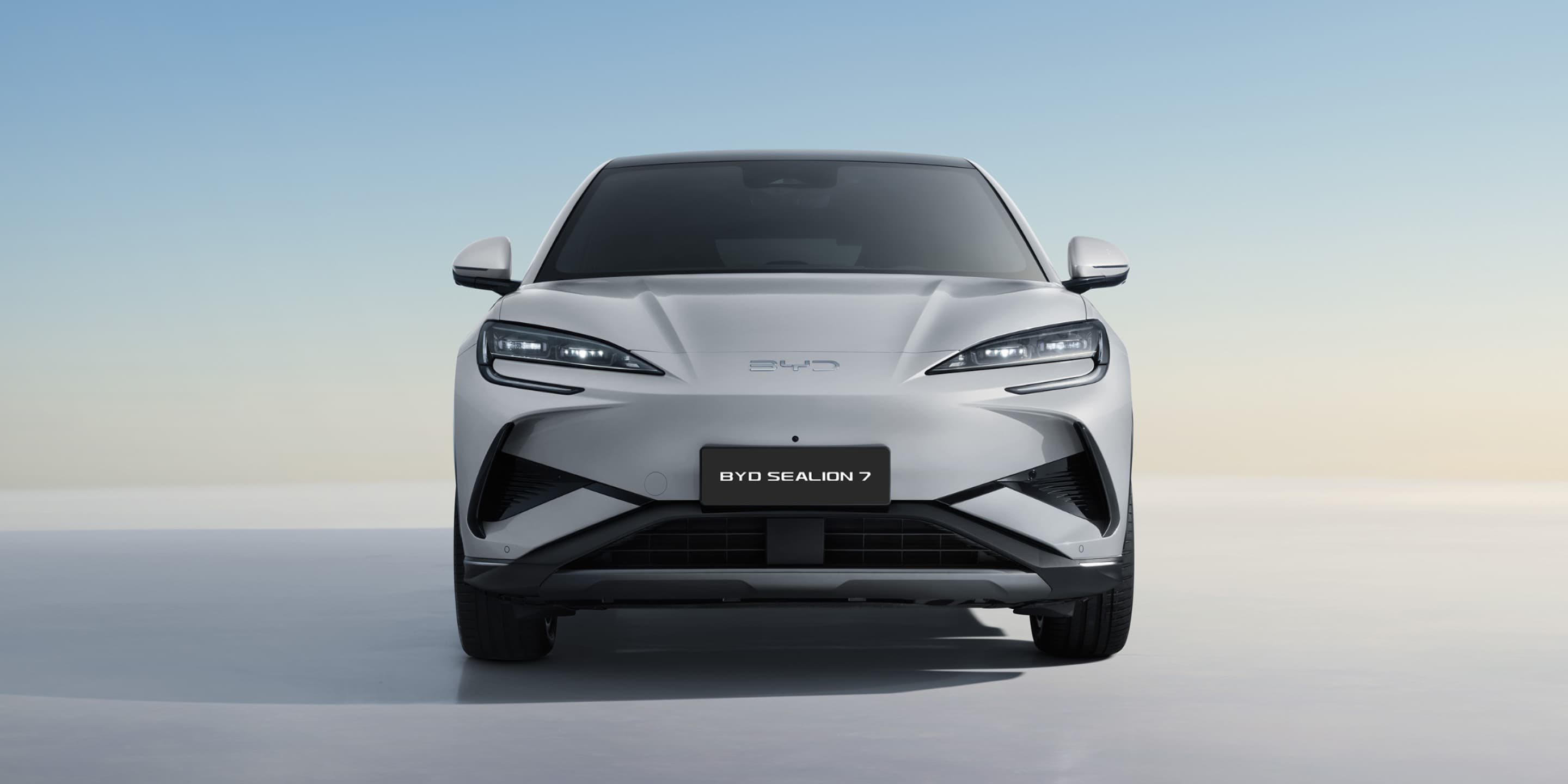
    BYD Sealion 7 being ultra-fast recharged
    BYD’s Sealion 7 is compatible with the 1,000 kW charging point, providing 400 km of range in just 5 minutes. (Credit: BYD)

    This performance is made possible by a special battery, designed to withstand very powerful recharging without overheating, and highly resistant electronic components that efficiently manage this enormous amount of energy. Recharging becomes as quick and easy as a trip to the petrol pump… At the launch in spring 2025, BYD unveiled two models compatible with this technology: the Han L saloon and the Tang L SUV, both capable of covering 400 km in 5 minutes. In terms of performance, the Han L has an engine running at 30,000 rpm and offers up to 788 bhp (580 kW), propelling it from 0-100 km/h in just 2.7 seconds…

    Mass deployment in China

    China is planning a national roll-out to match its ambitions… BYD has already installed more than 4,000 ultra-fast charging stations in the Middle Kingdom, with the first 500 arriving in April 2025. These kiosks are equipped with liquid cooling and a dual connector, capable of delivering up to 1,360 kW peak power.

    And in practice?

    Yes, it works… and very well indeed, at least in China, where the entire ecosystem has been designed with this in mind. The result: users can recharge with a smooth, reliable experience. The only limitation is that, for the moment, there are not many of these stations, and they are very expensive to set up… but the technology is there, fast, efficient, and already in daily use by thousands of drivers.

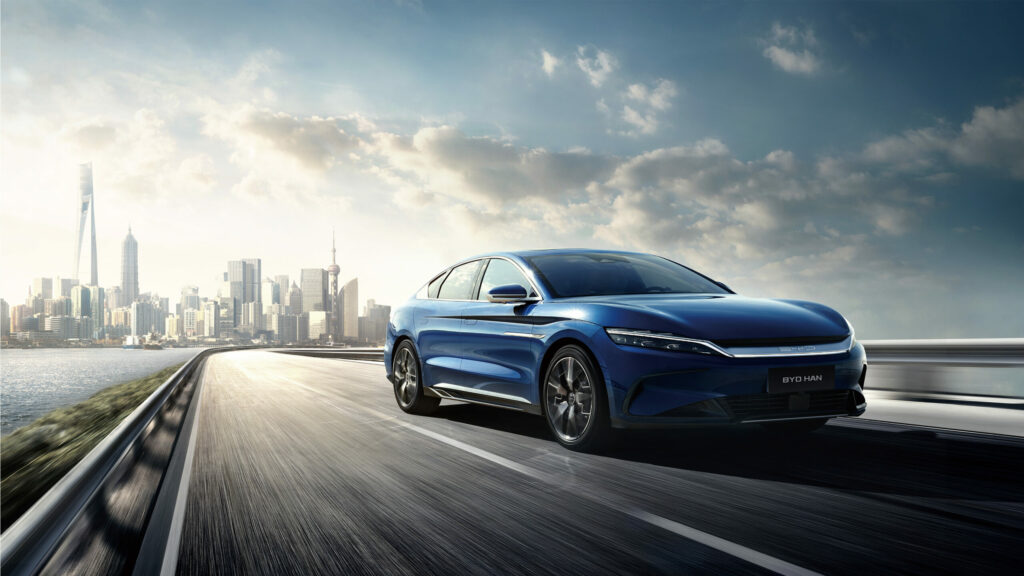
    BYD Han L high-performance electric saloon
    The BYD Han L reaches 788 hp and recharges 400 km in 5 minutes thanks to the new ultra-fast charging point. (Credit: BYD)

    Impact on competition

    BYD’s technology is shaking up the industry: Tesla, with its 250-350 kW superchargers (or even 500 kW in the future), is now lagging behind… European manufacturers (Mercedes, BMW, Renault) are also stepping up their efforts, but BYD’s leap towards the megawatt remains unparalleled.

    What does this mean for Europe?

    As far as Europe is concerned, BYD has clearly indicated its intention to bring this innovation to Europe. But feasibility will depend on the ability of electricity grids to support such high loads, and on the adoption of suitable charging stations. What’s more, only certain top-of-the-range models will be able to benefit from it, limiting the spread to the general public.

    In concrete terms, with this breakthrough, BYD has brutally raised the bar for electric charging with its Super e-Platform and its network of megawatt charging stations, making charging almost as fast as filling up a petrol-powered vehicle. The brand is now ushering in a new era in which electro-mobility is no longer held back by range or charging time. It remains to be seen whether this revolution will quickly spread beyond China…

  • Electric cars: social leasing makes a comeback on 30 September

    Electric cars: social leasing makes a comeback on 30 September

    Launched with great fanfare on 1 January 2024, social leasing for electric cars was a victim of its own success. The government scheme, which enables low-income households to lease an electric vehicle for as little as 100 euros a month, will make a comeback from 30 September next year, the Ministry of the Economy announced on 15 July 2025. The aim is to widen access to electromobility while supporting the growth of the French automotive industry.

    Social leasing 2025: electric cars accessible to low-income households
    Social leasing for electric cars: a scheme relaunched in September 2025 to give low-income households easier access to electromobility. (Credit: les numériques)

    A better prepared recovery

    The scheme was a huge success from the outset, with around 90,000 applications registered in just six weeks, for just 25,000 vehicles available. Faced with this saturated situation, the government suspended the scheme just a month and a half after its initial launch, on 15 February 2024… The government has therefore taken the time to structure the scheme and, above all, to coordinate with the players in the market concerned to ensure that social leasing is implemented effectively from the following year, 2025.

    This time, the executive is thinking bigger: 150,000 vehicles will gradually be made available over the next two years. Manufacturers, for their part, are being encouraged to offer models produced in France or Europe in order to benefit from the public aid, in a bid to promote industrial sovereignty. Renault, Stellantis and others should therefore be adapting their offerings from the autumn.

    Electric cars available on social leasing for low-income households in 2025
    French carmakers are adapting their offer for social leasing of electric cars from autumn 2025. (Credit: mag de la conso Ouest France)

    More social electrification

    Reserved for low-income households that use their car mainly for home-to-work journeys, social leasing is also intended to bridge a persistent divide: the gap between those who can afford to buy an electric car and those who can’t… The scheme targets French people whose annual household income is less than €15,400 per participant, who drive more than 8,000 km a year, and who also live a long way from public transport… The criteria are certainly numerous, but this scheme can probably resolve a few thousand situations…

    In the midst of the energy transition, this relaunch of the social electric leasing programme is an attempt to speed up the conversion of the French car fleet while taking social realities into account. It remains to be seen whether the available supply will match demand. For the executive, the challenge is clear: electric cars must not remain a luxury.

  • UK relaunches incentives for electric cars: up to €4,700 bonus

    UK relaunches incentives for electric cars: up to €4,700 bonus

    Against a backdrop of sluggish electric car sales, the UK government announced on 14 July 2025 the return of a scheme to support the purchase of electric cars by private individuals. The scheme will come into effect on 16 July 2025. The aim is to revive flagging sales momentum, while the UK is still aiming to ban the sale of new combustion-powered cars by 2035.

    The UK relaunches support for the purchase of electric cars in 2025
    Up to €4,700 bonus for buying an electric vehicle in the UK from 16 July 2025. (Credit: nrqemi)

    A bonus of up to £3,750 for the “greenest” vehicles

    The £650 million (approx. €750 million) scheme will enable buyers of 100% electric vehicles costing up to £37,000 (approx. €43,000) to benefit from a purchase discount. This can be as much as £3,750 (around €4,500) for models deemed to be the “greenest”, with optimised emissions and energy efficiency levels.

    Less ‘virtuous’ but still eligible vehicles will be eligible for a more modest bonus of up to £1,500 (€1,755). The aid will be paid directly to the dealer, reducing the cost to the consumer.

    A response to market stagnation

    This aid reflects a worrying situation: after sustained growth between 2020 and 2023, sales of electric vehicles in the UK are stalling. According to the Society of Motor Manufacturers and Traders (SMMT), private customers will account for just 40% of EV sales in 2025, compared with 55% in 2022. Business fleets now dominate the market.

    In addition to its other measures, the government intends to boost private demand by investing a further £63 million in developing the network of charging points, particularly in rural and peri-urban areas.

    A return to subsidies… two years after they were abolished

    Until June 2022, the UK already offered a plug-in grant of £1,500. This was abruptly withdrawn in the name of “sufficient market maturity”, according to the authorities at the time. The reality is quite different: the transition to electric cars is still fragile and consumers are struggling to take the plunge, not least because of the still high price of new models. This revival of subsidies, welcomed by many players in the sector, marks a pragmatic U-turn. It remains to be seen whether it will be enough to convince private customers to electrify their garages.