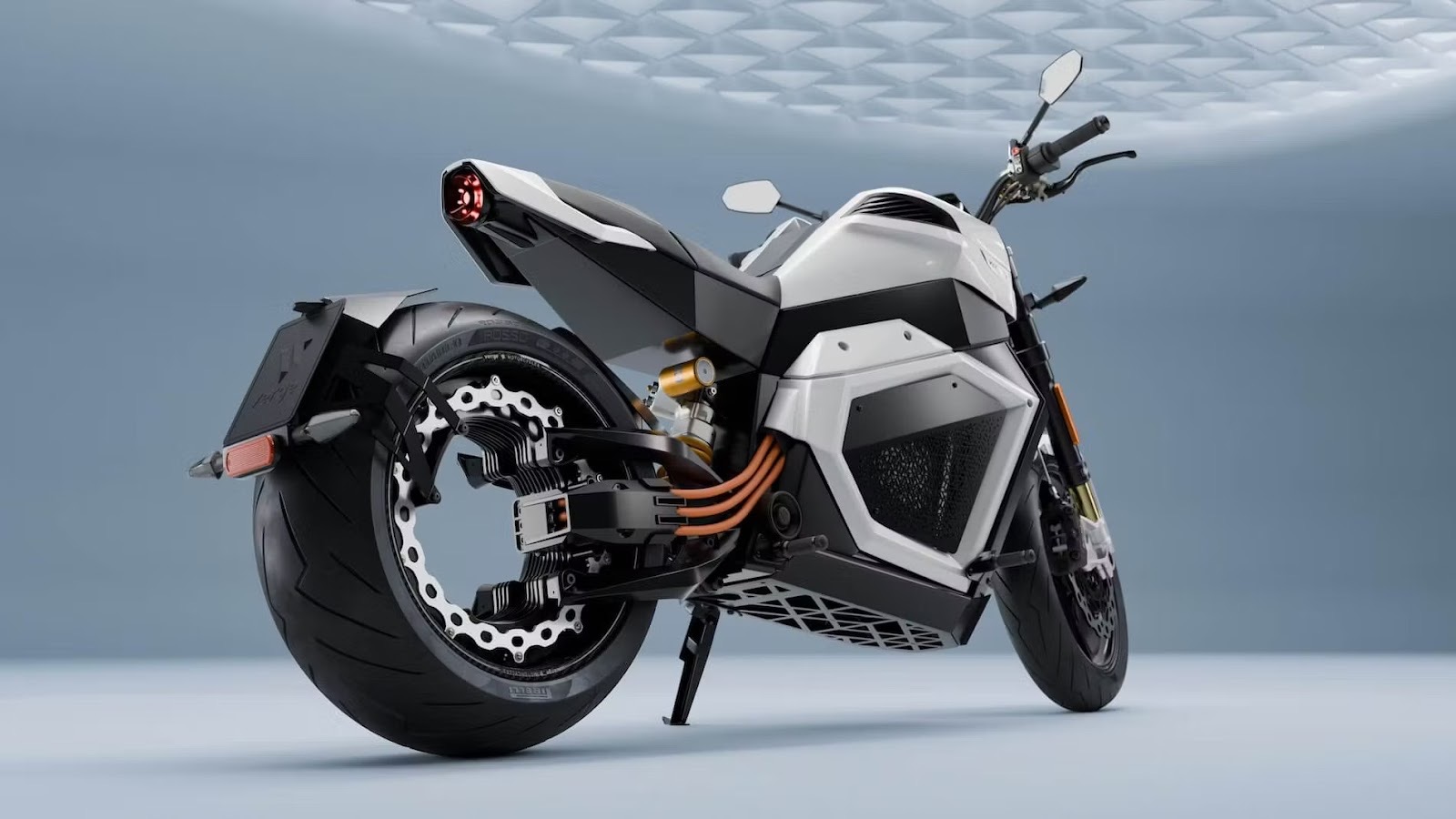
At CES 2026 in Las Vegas, the electric two-wheeler segment was marked by an announcement from Finland. Hyvinkää-based start-up Verge Motorcycles presented a major evolution of its TS Pro, now equipped with a solid electrolyte battery developed in partnership with Donut Lab. A technological advance that the brand claims to be a world first for a production motorbike, but which has yet to be validated by independent testing.
Credit: Verge
From technological promise to industrial ambition
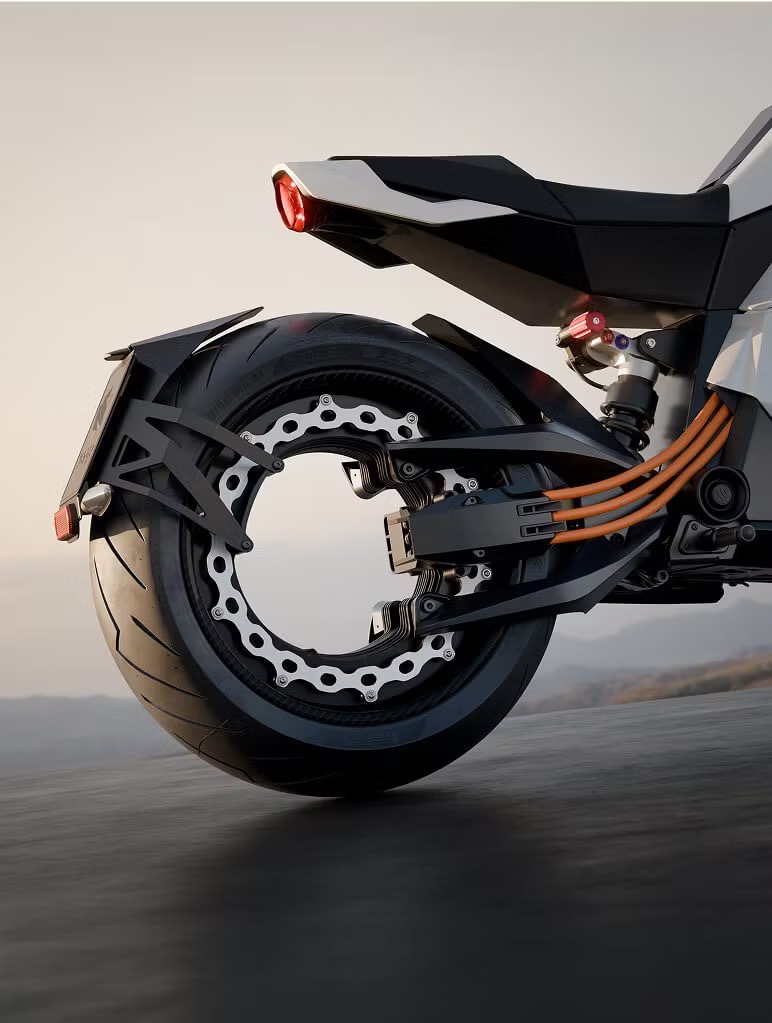
From the outset, Verge has built its business around a radical concept: rethinking the very architecture of the electric motorbike. A few years after introducing its hubless motor integrated into the rear wheel, the brand is taking a new step forward with this TS Pro Solid-State, presented not just as a concept, but as a production version, with the first deliveries scheduled for mid-2026, according to the manufacturer.
Verge claims that it wants to be the first manufacturer to offer a production-approved motorbike equipped with an all-solid battery. It’s a strong claim, echoed at CES, but at this stage it’s based solely on statements from the manufacturer and its technology partner.
Architecture faithful to the Verge DNA
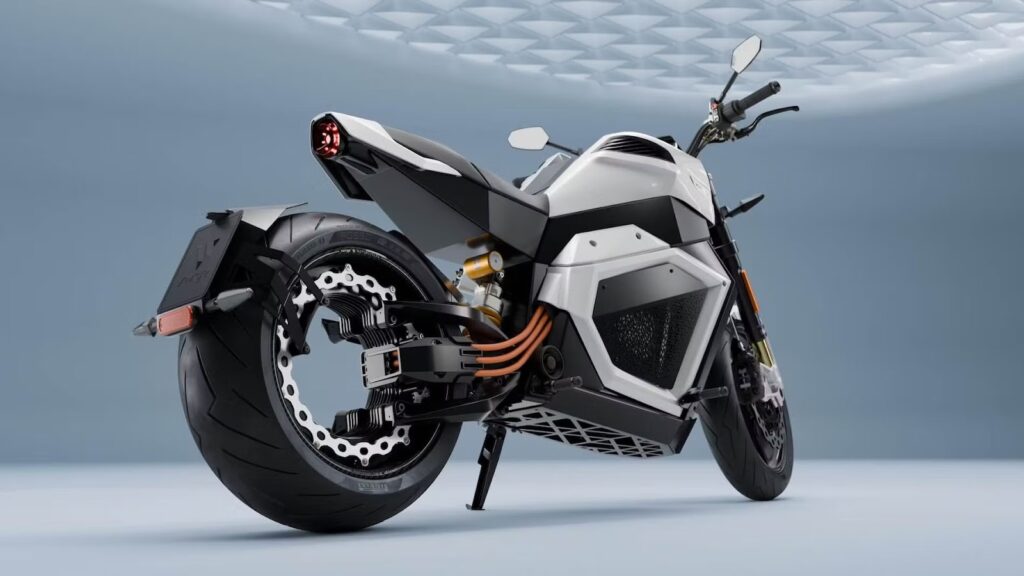
Visually, the TS Pro Solid-State remains true to the futuristic aesthetic of the Verge range. On the CES stand, it featured a hubless rear wheel, a sculptural frame, extensive use of carbon fibre and an aggressive stance reminiscent of a sports bike.
Credit: Verge
The batteries, dubbed the ‘Donut Battery’, are integrated directly into the structure of the motorbike. Each module has a capacity of around 5 kWh, enabling Verge to offer different energy configurations depending on use.
Impressive figures
The main innovation lies in the adoption of solid electrolyte batteries, which Donut Lab presents as ready for large-scale industrial application. According to the data provided by the two protagonists, this technology will enable :
a claimed energy density of around 400 Wh/kg,
a range of up to 600 km with the highest capacity battery configuration,
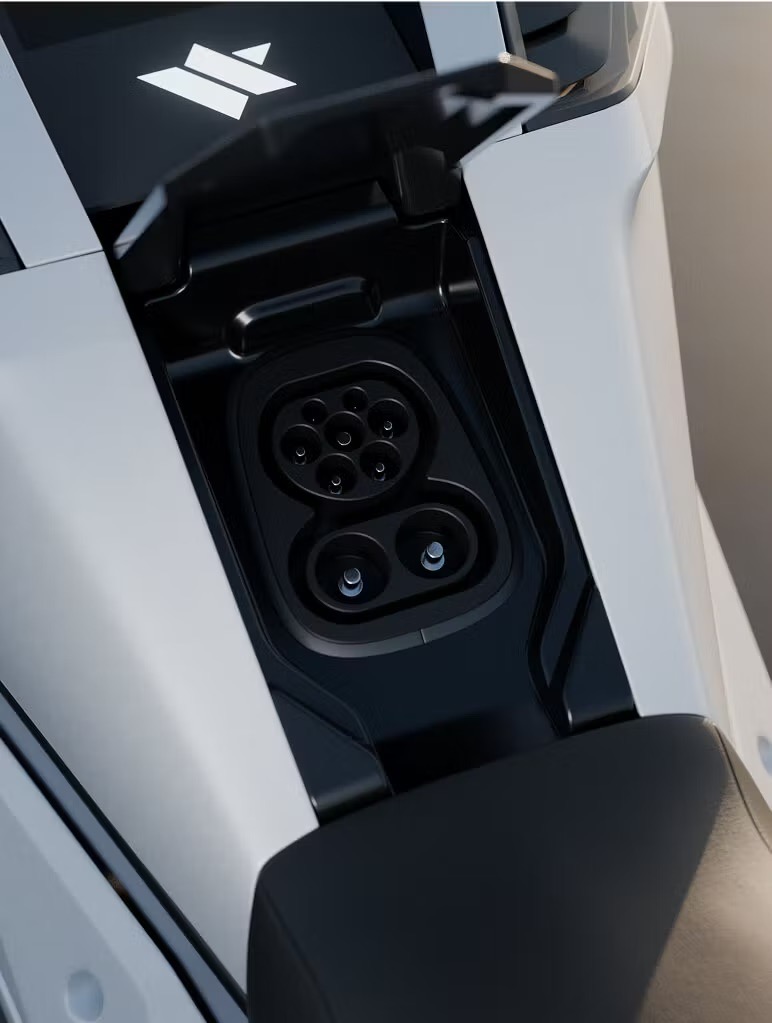
ultra-fast charging, with up to 300 km of range recovered in around ten minutes from a fast charging point.
source : Verge
In terms of powertrains, the TS Pro Solid-State retains the electric motor integrated into the rear wheel, claimed to deliver up to 200 kW (around 270 bhp) and instant torque of 1,000 Nm. The manufacturer claims a 0 to 100 km/h time of around 3.5 seconds.
These are impressive figures, but they should be regarded as manufacturer data, awaiting validation by independent tests.
A clear ambition for top-of-the-range electrics
With this TS Pro Solid-State, Verge is clearly demonstrating its objective: to establish itself as a global benchmark for premium electric motorbikes. The partnership with Donut Lab brings additional technological credibility to a project long considered experimental.
Credit: Verge
If the announced performances are confirmed by the first independent tests, this motorbike, expected in the first quarter of 2026, could send a strong signal to established manufacturers, both European and Japanese.
Year after year, BYD confirms that its French strategy is no longer a gamble. In 2025, the Chinese manufacturer of new energy vehicles (NEVs) registered 14,311 vehicles in France, representing growth of 145.3% compared with 2024, in a car market that was nevertheless down by almost 5%. Behind these figures lies a reality: BYD has above all offered a credible hybrid alternative to motorists who are still hesitant.
Source : BYD
SEAL U DM-i: the game-changing PHEV
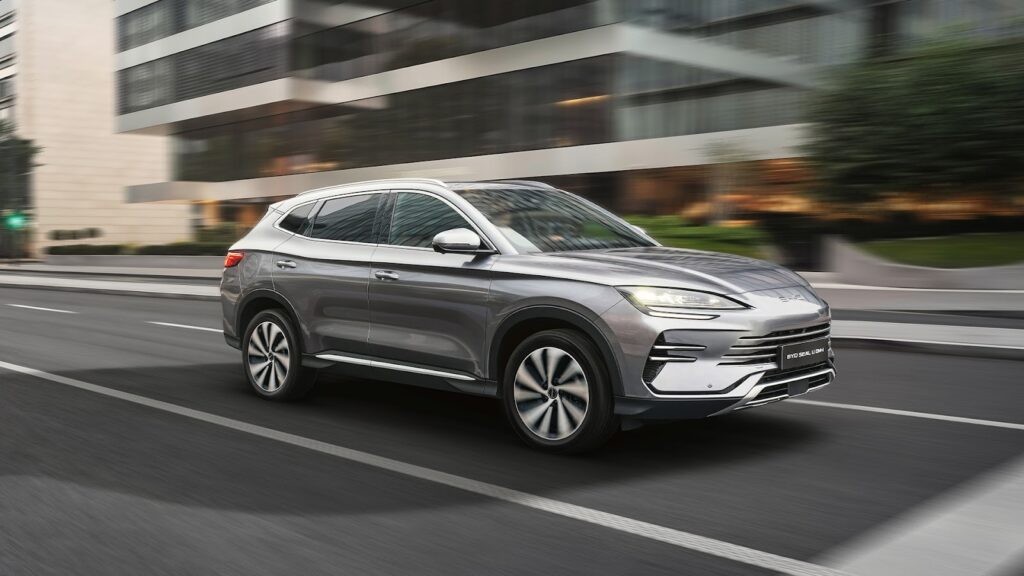
The year 2025 saw the BYD SEAL U DM-i become the brand’s real powerhouse. This Chinese SUV was BYD’s best-selling model in France in 2025, with 6,058 registrations, up 194.5% year-on-year. In December, it even became the best-selling PHEV in France, with 1,797 units, giving BYD a 1.5% market share.
This success can be explained by the positioning of DM-i Super Hybrid technology: a predominantly electric drive for everyday use, coupled with a combustion engine for long journeys, with a combined range of up to 1,505 km. It’s a pragmatic response to fears about range, which are still widespread in France.
Source : BYD
A well-established electric range
In addition to the SEAL U DM-i, BYD has a complete and coherent electric range. In 2025, the brand’s podium will reflect this growing power:
BYD SEAL (electric saloon): 1,835 registrations (+70.4%)
BYD SEALION 7 (electric SUV): 1,811 units
BYD DOLPHIN: 1,108 registrations
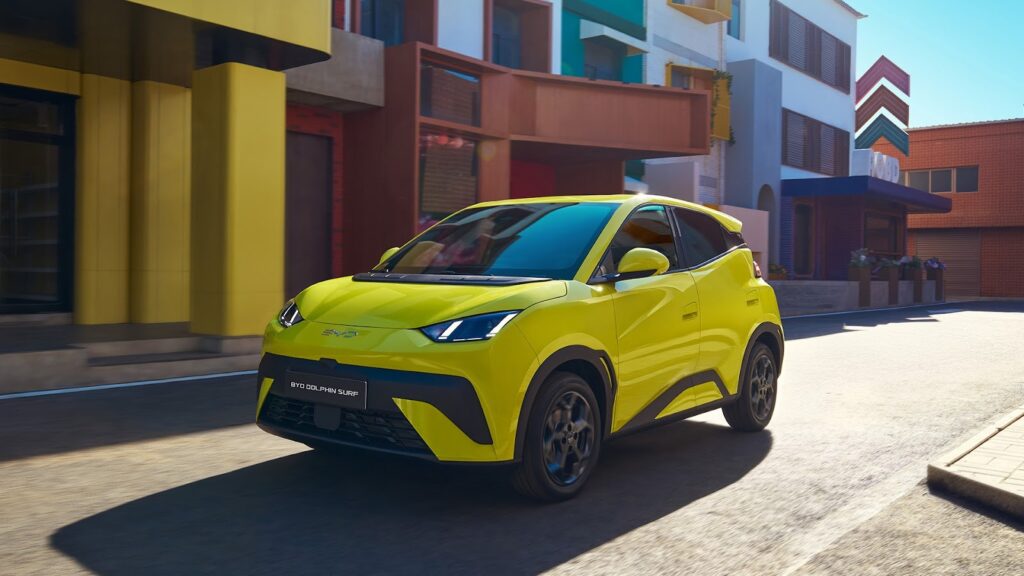
BYD DOLPHIN SURF: 1,049 units
The latter, an affordable electric city car, marked the year with its World Urban Car of the Year title, its 5-star Euro NCAP rating and a starting price of €19,990, confirming BYD’s strategy of making electromobility accessible without compromising on technology or safety.
Source : BYD
2025: a pivotal year for BYD France
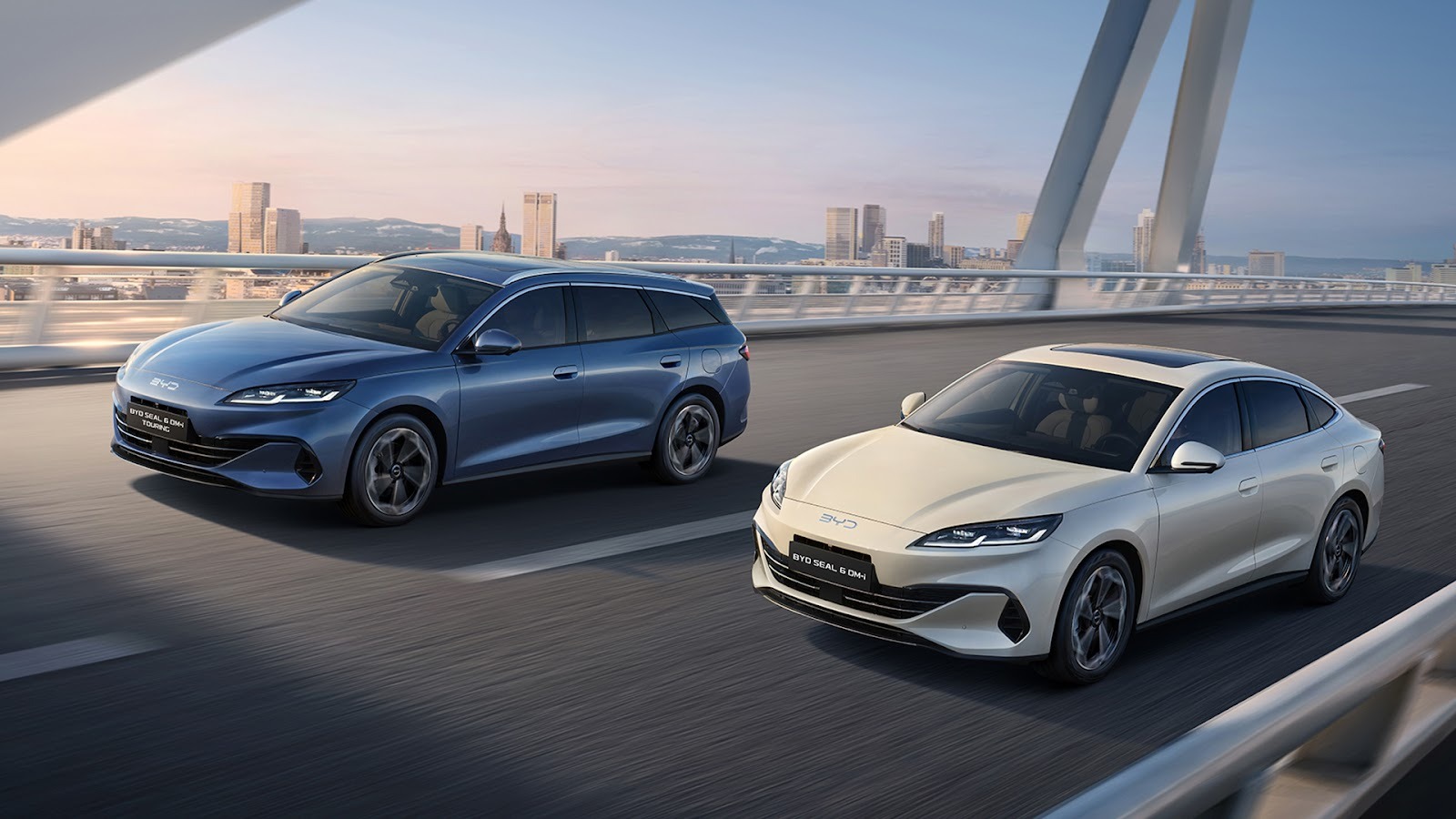
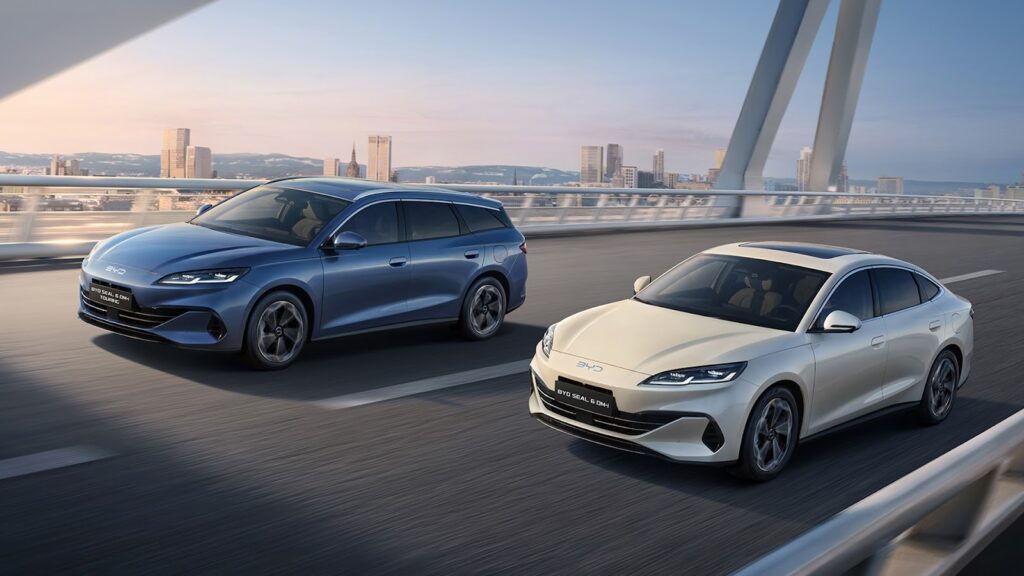
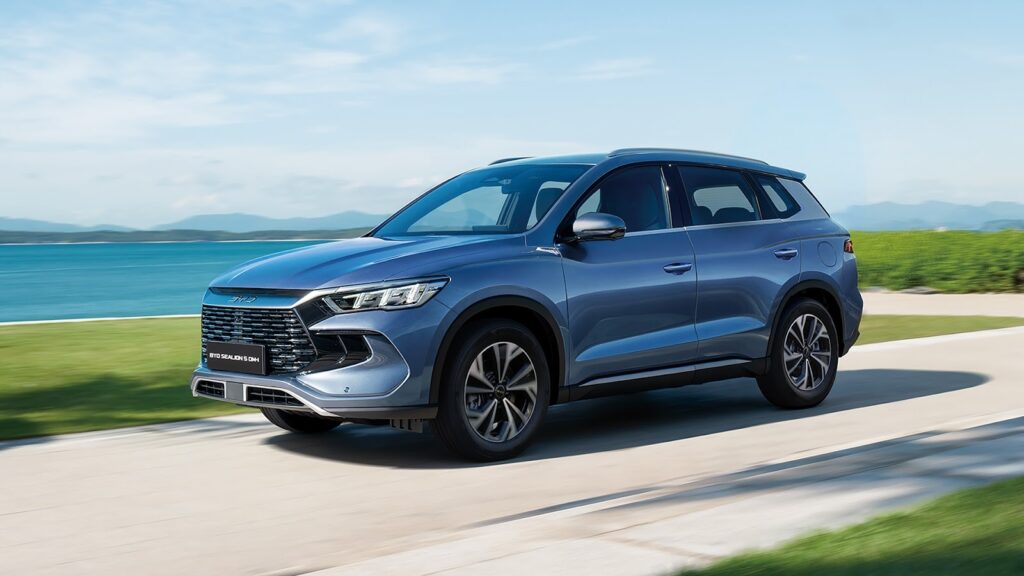
Last year also saw the arrival of a number of ground-breaking new models from the Chinese brand. The ATTO 2, an urban SUV with city-friendly dimensions, available in electric and DM Super Hybrid versions, the SEAL 6 DM-i and SEAL 6 DM-i Touring, saloon and estate cars with a range of up to 1,505 km, and the SEALION 5 DM-i, a family SUV with a combined range of 1,016 km, all saw the light of day in 2025.
Source : BYD
At the same time, BYD is continuing to expand its network, reaching almost 90 sales outlets by the end of 2025, with a clear target of 200 dealerships by 2026.
2026: Upmarket and technological acceleration
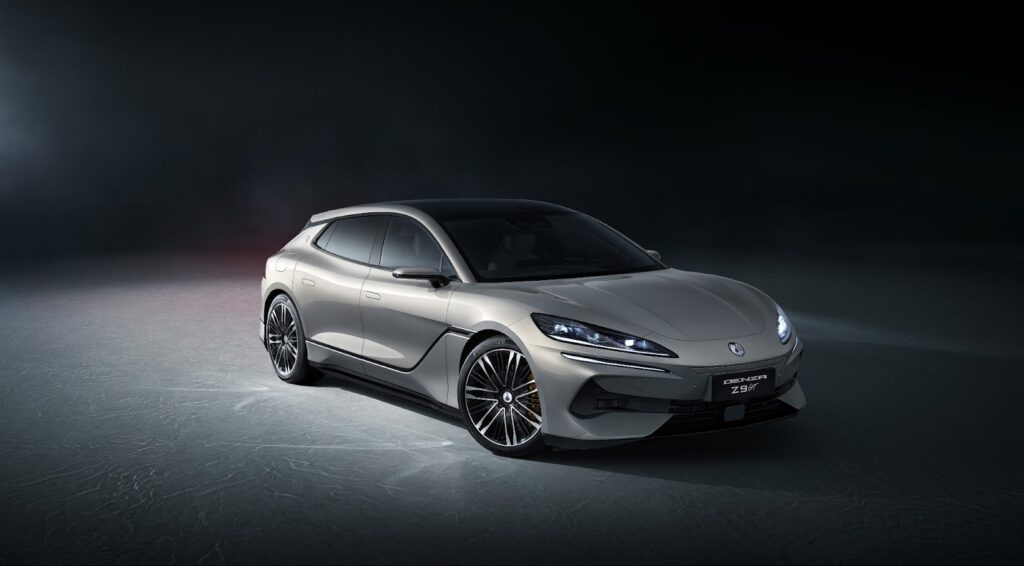
And the year ahead will see BYD do even more. In 2026, the premium DENZA brand will be launched in France, spearheaded by the Z9GT, developed specifically for the European market. Added to this is the roll-out of the Flash Charging network, capable of reaching 1,000 kW and recovering up to 400 km of range in 5 minutes.
Source : BYD
“In just one year, we have almost trebled our sales in France and recorded almost 4,000 orders in December alone,” points out Dorothée Bonassies, Managing Director of BYD France. “A solid base from which to continue our development.
Hybrids as a gateway to electric vehicles
As the first carmaker in the world to abandon pure combustion engines, BYD is capitalising on its Blade batteries, e-Platform 3.0 and DM-i technologies to establish itself in a French market that is still in transition. By 2025, the brand has demonstrated that plug-in hybrids can accelerate electromobility.
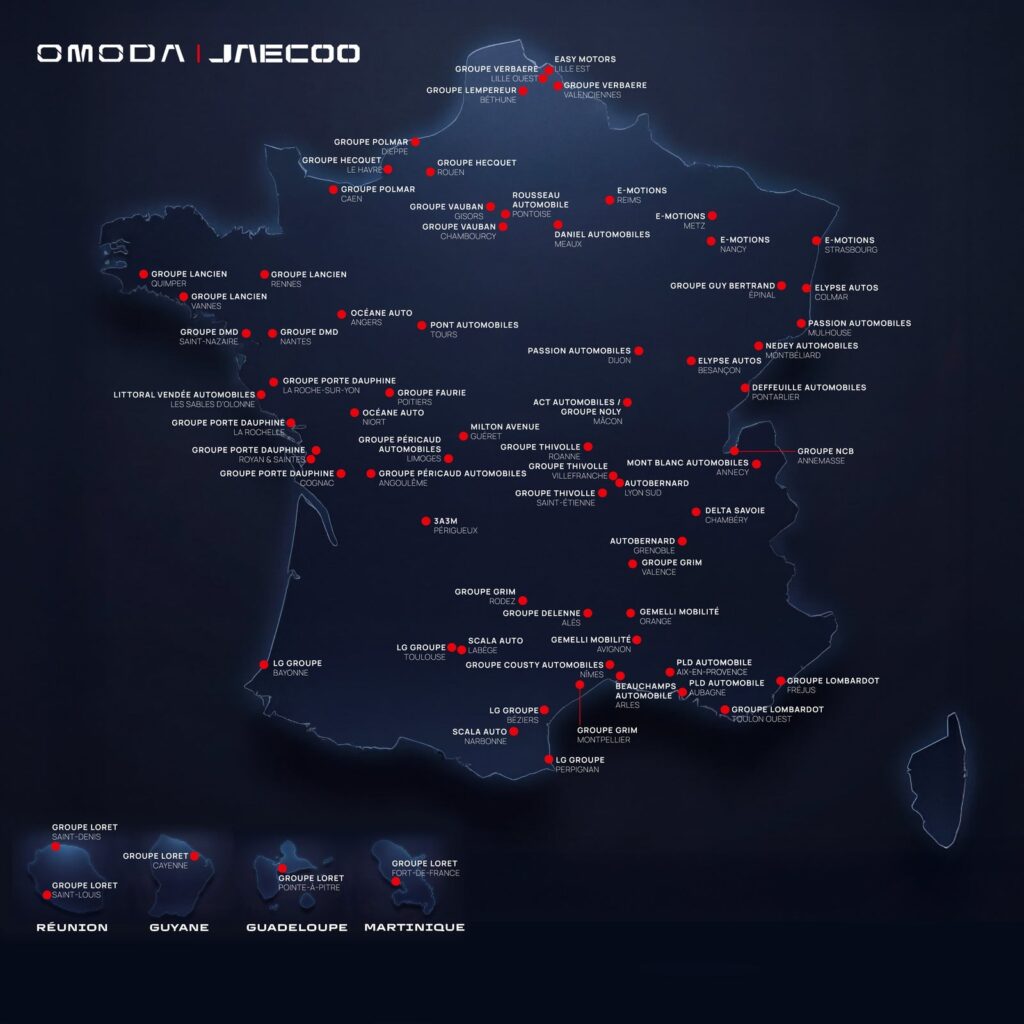
As the French automotive market continues its transition to electrification, OMODA & JAECOO, a subsidiary of the Chinese Chery group, have chosen to deploy a dense, structured network to support the commercial launch as effectively as possible. From spring 2026, 74 dealerships and approved repairers will be operational in France, with a clear ambition of 130 sales outlets by the end of the year.
source: OMODA & JAECOO
A highly developed national network
OMODA & JAECOO have already made their mark throughout France. From major cities to strategic regional areas, everyone in France will have a brand new dealership nearby. For example, major French cities such as Paris, Lyon, Marseille, Lille, Toulouse, Bordeaux and Nantes will be set up alongside intermediate towns such as Bayonne, Niort, Quimper, Rodez and Mâcon, reflecting a clear determination to leave no territory behind.
Significantly, the network also includes the French overseas territories, with dealerships planned for Guadeloupe, Martinique, French Guiana and La Réunion – a rare choice for a brand in its launch phase.
source: OMODA & JAECOO
The stated aim is clear: to guarantee, in the long term, a point of service within 45 minutes of each customer’s home.
Standardised dealerships focused on the customer experience
According to the Chinese brand’s press release, each point of sale will comply with uniform standards, with immersive showrooms of at least 200 m² and dedicated after-sales workshops. For the group, this is an approach designed to ensure a “consistent experience”, wherever the purchase is made, and to reassure customers who are still sometimes wary of new entrants.
“Our priority is to guarantee real proximity to our French customers, throughout the country. We’re not just looking for a geographical presence, but a relevant service”, says Antoine Roussel, OMODA & JAECOO France Sales and Network Development Director.
Well-identified distribution groups
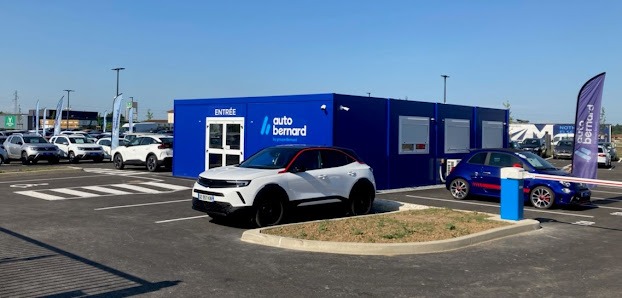
According to the press release, the strength of this XXL roll-out in France will lie in the quality of the partners selected. OMODA & JAECOO are relying on distribution groups that are already well established, often multi-site and experienced, such as Autobernard, Deffeuille, DMD, Elypse, Faurie, Grim, Hecquet, Lempereur, LG, Loret, Nedey, Passion, Péricaud, PLD, Polmar, Porte Dauphine, Vauban, Rousseau, Scala Auto and Thivolle.
These are well-known names on the French automotive scene, guaranteeing stability, expertise and mastery of the aftersales market, particularly in business sales.
source : Autobernard
And on the financing side, to secure the launch, the brand has also entered into a partnership with CGI Finance, which is responsible for financing distributor stocks.
A 100% electrified range designed for Europe
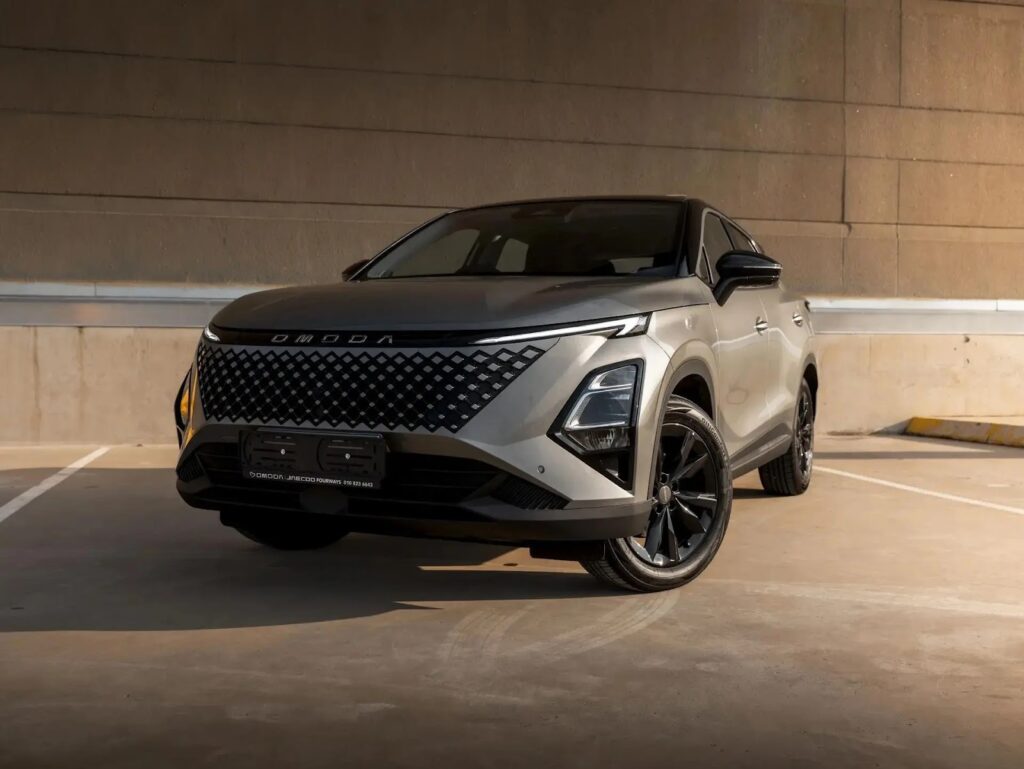
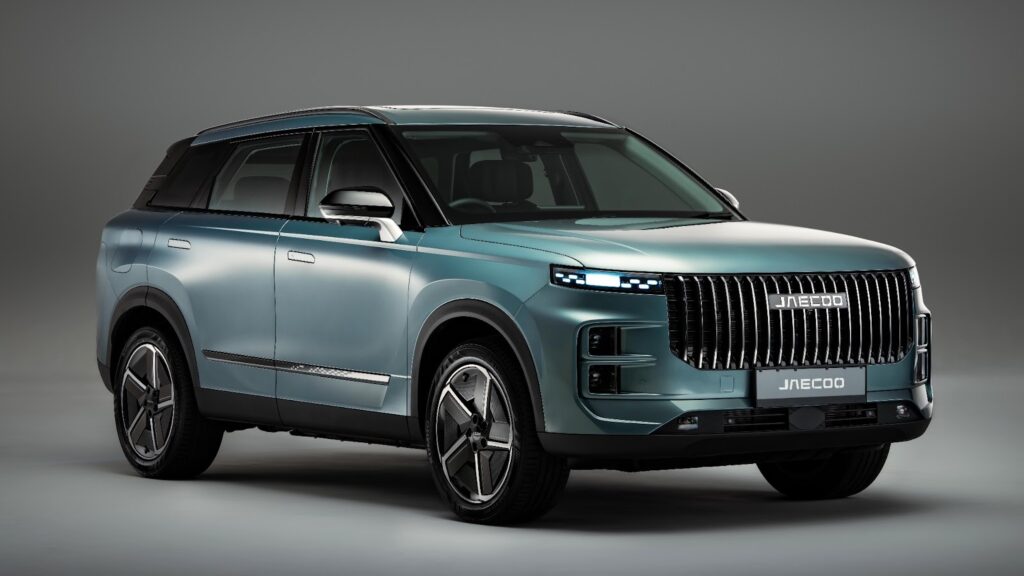
In terms of products, OMODA & JAECOO are focusing on a fully electrified range, developed specifically for European use. OMODA’s crossovers offer comfort and technology, while JAECOO’s SUVs are more robust and versatile, equally at home in urban environments or off the beaten track.
source: Omoda.co
Advanced driver assistance technologies, next-generation connectivity and a strong design are the pillars of this product offensive.
“The French market is a benchmark for high standards and innovation. We are convinced that our technological approach, our quality standards and our network will bring new value to French motorists”, explains Hanbang Yu, Managing Director of Chery France.
source: TopGear
A long-awaited launch in spring 2026
The first dealerships are due to open in spring 2026, marking the official start of sales in France. With a target of 130 sales outlets by the end of 2026, OMODA & JAECOO aim to establish themselves rapidly as a credible new player on the French electrified car scene, focusing as much on the product as on the service.
At CES 2026 in Las Vegas, one of the most unexpected stands was not that of a traditional car manufacturer… but that of a Chinese manufacturer of hoovers and household robots: Dreame Technology. The group, known for its top-of-the-range household appliances, unveiled the Dreame Nebula Next 01, an ultra-vitamined electric concept car that is already causing a stir.
source : Dreame
A chaotic start and designer revenge
The Next 01 adventure began in 2025, when Dreame announced its intention to create “the fastest car in the world”. At first, some people thought it was a PR stunt or a joke. But car enthusiasts were not at all convinced. Indeed, the first concept drawings circulating online bore an uncanny resemblance to a revisited Bugatti Chiron, leading to the brand being mocked and accused of shamelessly copying the iconic Molsheim design.
source : Dreame
This bad patch is now a thing of the past. On the stand at CES 2026, Dreame showed a vehicle with a more assertive and original style: ultra-low lines, tapered headlamps, a metallic green body enhanced by large carbon fibre surfaces, a fixed rear spoiler and a double-stage rear diffuser, giving it the aggressive look of a true hypercar.
A specification sheet that turns heads
Although the Nebula Next 01 remains a concept car, the data published by Dreame are already spectacular. Four individual electric motors are integrated to produce a combined power of up to 1,399 kW, or just under 1,900 horsepower. All this means that Dreame’s technological jewel can reach 100 km/h in just 1.8 lunar seconds.
For the moment, no official figures for maximum speed or range have been released, and the interior has not been revealed. Dreame repeats that this is a concept, but that the technology could serve as the basis for future models destined for the market as early as 2027. So we’ll have to be patient.
source : Dreame
World-class performance
Although these figures are theoretical at this stage, they place the Nebula Next 01 squarely in the category of the most extreme electric hypercars:
The Xiaomi SU7 Ultra boasts a 0-100 km/h time of just 1.98 seconds and a claimed power output of over 1,350 kW.
The BYD Yangwang U9, already a Chinese electric legend, holds speed records and often exceeds 1,300 bhp. To date, the world speed benchmark remains the record set by the U9 of over 490 km/h on the racetrack.
Today, the Rimac Nevera remains the absolute benchmark among production electric vehicles, with 1,914 bhp, a 0 to 100 km/h time of 1.81 seconds and a top speed of over 412 km/h, setting numerous official records and serving as a benchmark for the industry.
source : Rimac
On paper, this puts Dreame ahead of the Xiaomi SU7 Ultra and in the same league as the Yangwang U9 and Rimac Nevera.
Looking to Europe
Dreame’s ambitions don’t end with a spectacular appearance at CES. According to several specialist media, the brand has expressed its desire to target the European market, with plans for a factory in Europe, particularly in Germany, and significant investment to establish its Dreame Cars / Kosmera subsidiary on the Old Continent.
source : Dreame
If these plans come to fruition, the Nebula Next 01 would not only be an impressive concept, but could become a symbol of the rise of Chinese technology in the ultra-premium segment, a sector long dominated by incumbent European manufacturers. It remains to be seen whether this paper performance will one day translate onto the road, but at CES 2026, the automotive world took note.
Isuzu, the century-old Japanese manufacturer best known for its robust commercial vehicles and heavy goods vehicles, is preparing to take a major step towards electrification. With 2026 shaping up to be a pivotal year, the company is rolling out an ambitious roadmap combining electric pick-ups, hydrogen buses and new EV development infrastructures, all in line with its low-carbon industrial strategy.
source: ISUZU
From internal combustion to electric: the D-Max EV leads the way
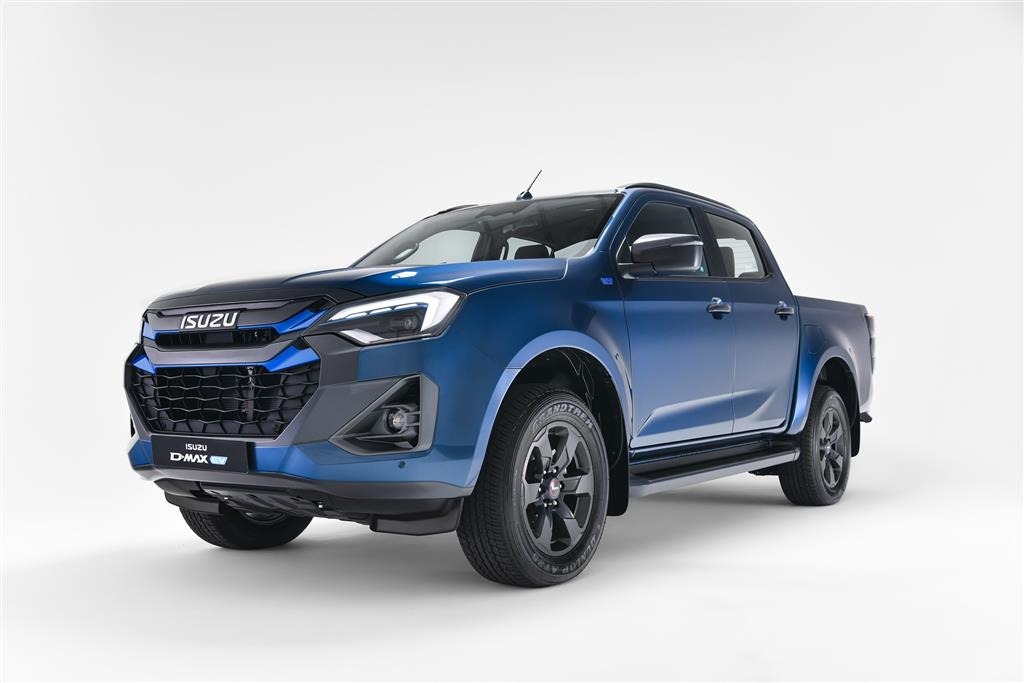
The first concrete milestone in this transformation is the arrival of the Isuzu D-Max EV, the 100% electric version of the famous D-Max pickup. Presented exclusively at the Commercial Vehicle Show 2025 in Birmingham, this model represents Isuzu’s first real entry into the production electric pickup segment.
Based on the proven and efficient D-Max chassis, the EV retains the robust attributes for which the D-Max is renowned, while adopting a 140 kW (190 hp) electric powertrain and 325 Nm of torque. It boasts a WLTP range of 263 km and a towing capacity of 3,500 kg, with a payload of one tonne, making it an operational, clean and uncompromising professional vehicle.
source: Isuzu
Production of this pickup began in 2025. While the first deliveries were expected from the end of last year for certain European markets, increased availability will not be operational until 2026.
Hydrogen-powered buses: Isuzu x Toyota, a strategic partnership
In another dimension of zero-emission mobility, Isuzu has been working for several years with Toyota and Hino Motors via the J-Bus joint venture to develop alternative solutions to battery-powered electric vehicles.
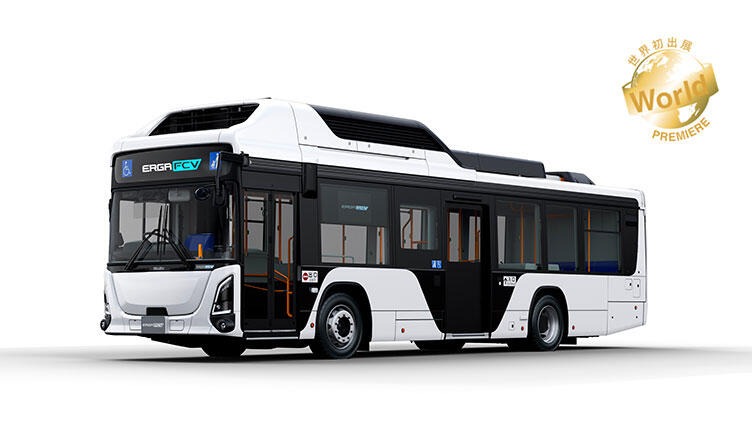
At the end of September 2025, Isuzu and Toyota announced the series launch of the new ERGA FCV fuel cell bus, based on the flat-floor electric bus platform already designed by Isuzu and produced by J-Bus. Production is scheduled to start in April 2026 at the J-Bus site in Utsunomiya, Japan.
This vehicle combines the EV platform of the existing electric version with a hydrogen system developed by Toyota, maintaining a flat floor while guaranteeing zero emissions.
This collaboration illustrates the desire of both manufacturers to multiply the routes to carbon neutrality, with hydrogen as a complement to a BEV range that has become traditional.
source: Isuzu
New EV infrastructure: Fujisawa, innovation at the heart of Isuzu
In addition to this drastic transition towards the intense electrification of its fleets, Isuzu is also working on its engineering and testing capabilities. Indeed, for the brand, 2026 is the year in which the Fujisawa site, dedicated to electric vehicles, will be extended and modernised.
The aim of the centre will be to accelerate the development of future EV systems, integrate software and hardware innovations, and strengthen in-house expertise on next-generation electrical architectures, preparing Isuzu for a broader EV offering by 2030.
source: Isuzu
A look back at 5 to 10 years of electrification at Isuzu
While 2026 marks a pivotal year for Isuzu, this turning point was not born yesterday. The Japanese brand’s progress in electromobility goes back several years, following a cautious but structured logic.
It all began in the first half of the 2010s with the exploration of lightweight hybrid and electrified solutions, aimed at reducing emissions from commercial vehicles and preparing fleets for increasingly stringent environmental standards.
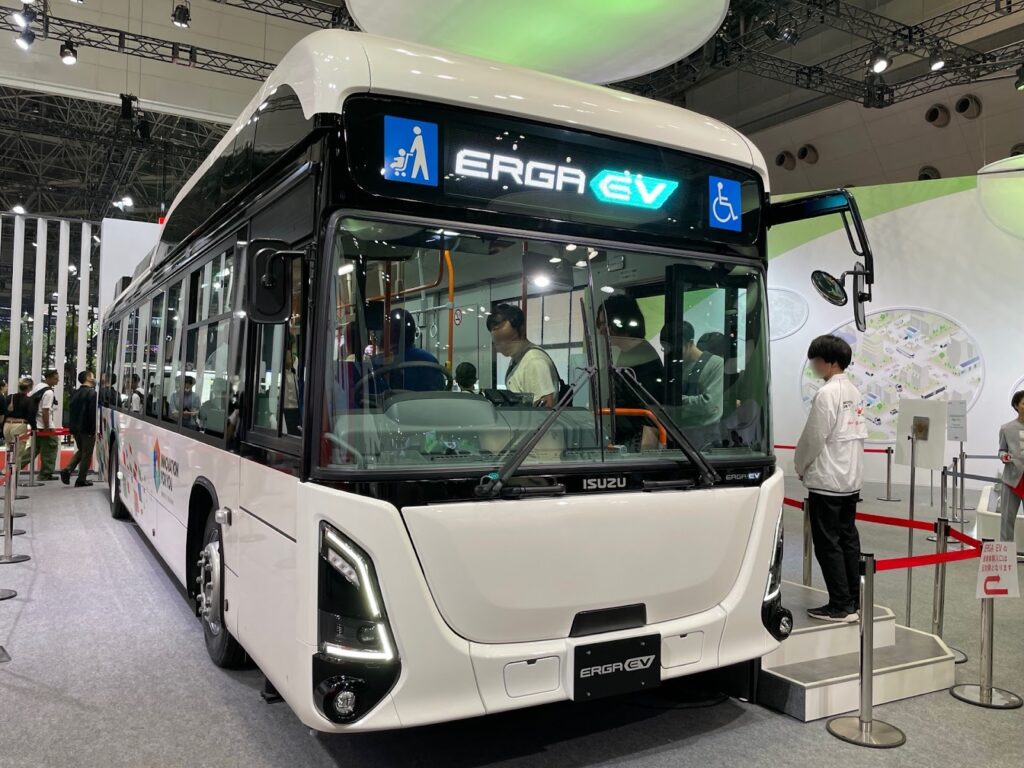
The first real realization comes with the ERGA EV, a flat-floor city bus to be launched around 2024. This model symbolises Isuzu’s entry into the world of urban BEV buses. At the same time, the brand is developing an electric version of its emblematic N-Series, a light truck designed for commercial fleets.
Then comes 2026, with the mass production of the D-Max EV, Isuzu’s first mass-produced electric pickup, the production of its FCV buses, developed in collaboration with Toyota and J-Bus, and the expansion of the Fujisawa site.
This development is part of the ISUZU Transformation (IX) programme, which has set an ambitious target of integrating carbon-neutral vehicles in all categories by 2030, with a portfolio combining BEVs, FCVs and hybrids.
2026 appears to be the year when Isuzu moves from experimentation to a tangible, operational roadmap: a first robust electric pickup, hydrogen buses ready for series production, and a new generation of R&D infrastructures to support the brand’s next phase of transformation. It’s an electrified renaissance for a Japanese giant, and one that could well reshape the shape of business mobility in the years to come.
Stellantis has announced a major strategic change in its industrial organisation: the future replacement for the Citroën C4, currently produced at Madrid-Villaverde, will be assembled at the Kénitra plant in Morocco. This decision reflects the growing importance of the Moroccan site within the Group’s global ecosystem, and illustrates a rationale for optimising production costs while consolidating Stellantis’ offering in the popular compact SUV segments.
source : Largus
Kénitra: a factory reinventing itself as a major industrial hub
The Stellantis plant in Kénitra, inaugurated in 2019, reached a new milestone in July 2025 with the inauguration of its extension, in the presence of the Moroccan authorities. This major project is part of an industrial partnership initiated in 2016 between the Kingdom and Stellantis.
Key figures and industrial scope
The extension will double the site’s production capacity from 200,000 to 400,000 vehicles a year, bringing it to 535,000 units a year across all categories (including electric micromobility).
The total investment amounts to 1.2 billion euros, a significant part of which is dedicated to developing local suppliers, thereby strengthening the national industrial base.
The gradual ramp-up aims to achieve a local integration rate of 75% by 2030, a strong indicator of skills transfer and local value creation.
The expansion is expected to generate more than 3,100 additional direct jobs, on top of the thousands already on site.
More broadly, the expansion of Kénitra is helping to position Morocco as a competitive automotive hub on a continental and global scale, with a total annual production capacity (all sites combined) of over one million vehicles by 2030. Ryad Mezzour, Minister of Industry and Trade, who was present at the inauguration last July, had this to say about the extension of the Kénitra plant: “This is a historic day for the Kingdom. This complex is now one of the most efficient in the world, and we are proud of what is being achieved in Morocco”.
source: country reports
From 2025 to 2026: what’s been done and what’s on the way
Since its inauguration last summer, the extension has already seen a number of industrial projects implemented at the Kénitra site come to fruition:
Increased production of electric micromobility. Models such as the Citroën Ami, Opel Rocks-e and Fiat Topolino are now being produced on a larger scale, with capacity almost trebling to around 70,000 units a year.
source : DR
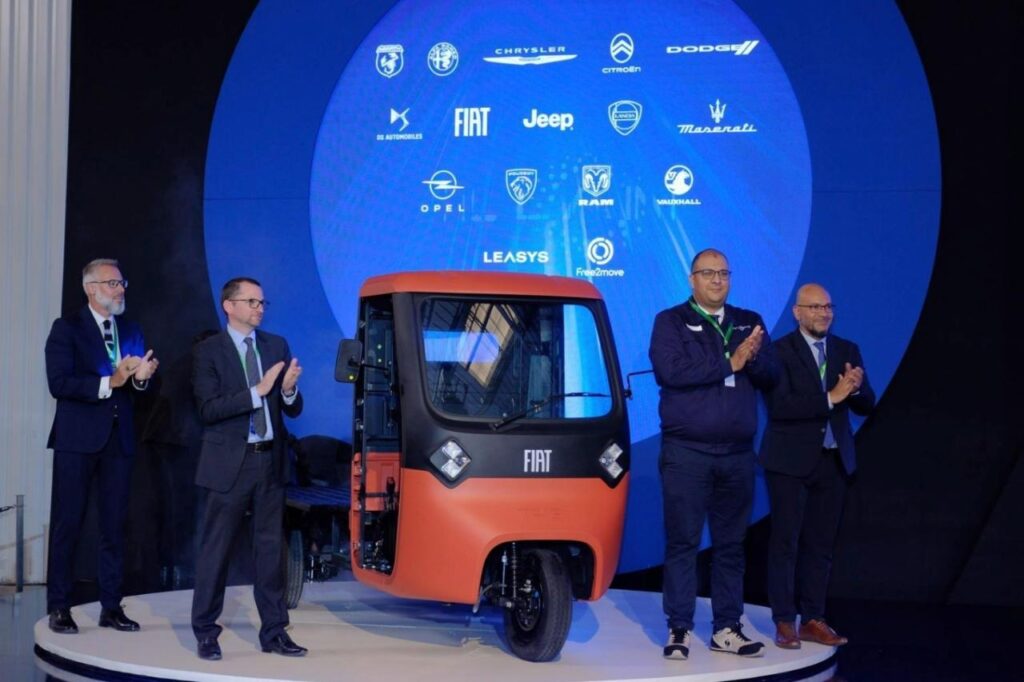
Light three-wheeled electric vehicles: a new production line dedicated to these vehicles, designed by the Moroccan technical centre Stellantis (ATC), started up in July 2025, with around 65,000 units planned annually.
Production of electric charging stations. The Kenitra line now includes the manufacture of charging stations, with a projected annual capacity of 204,000 units, consolidating the site’s role in the electric mobility ecosystem.
Hybrid engine assembly (MHEV): a new generation of Mild Hybrid engines began to be assembled in May 2025, and Stellantis plans to add a machining phase from November 2026.
What happens in 2026 and beyond
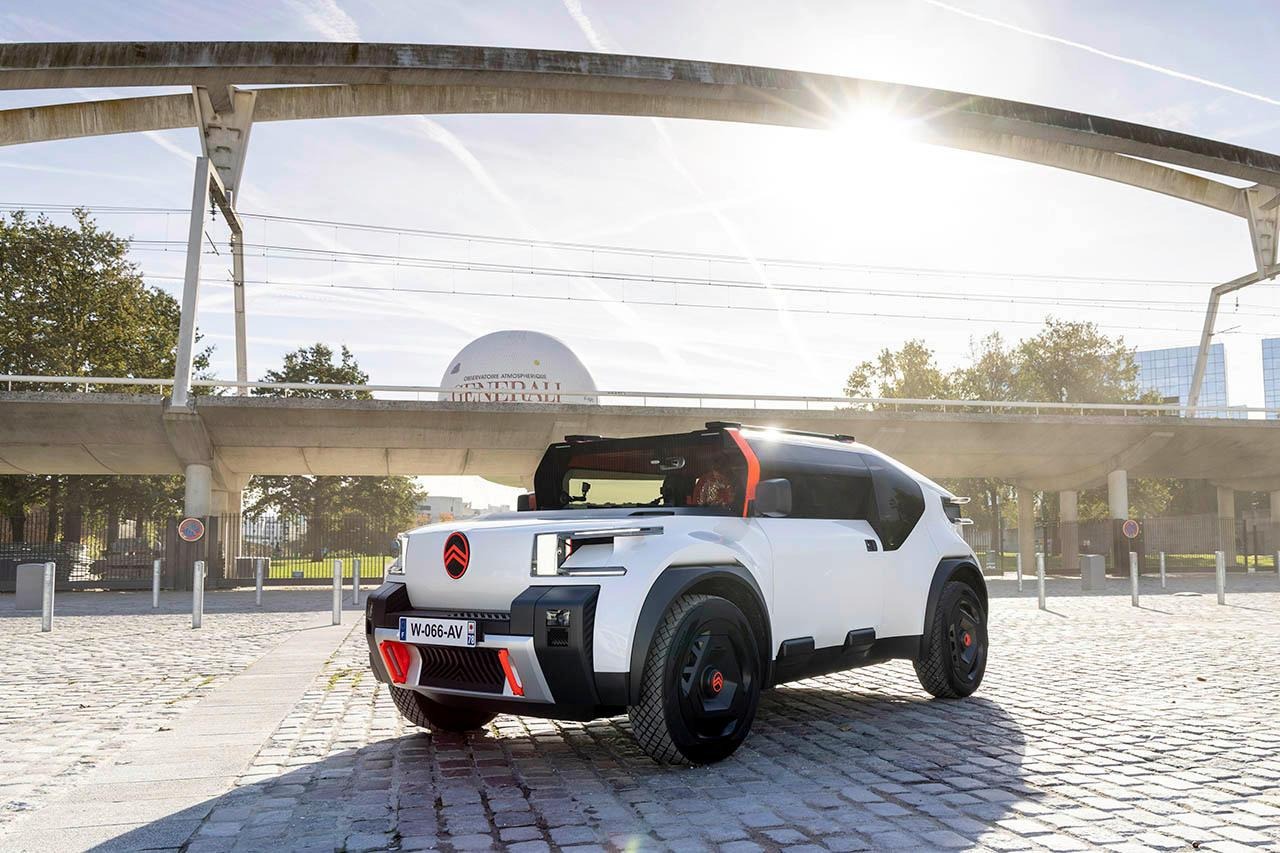
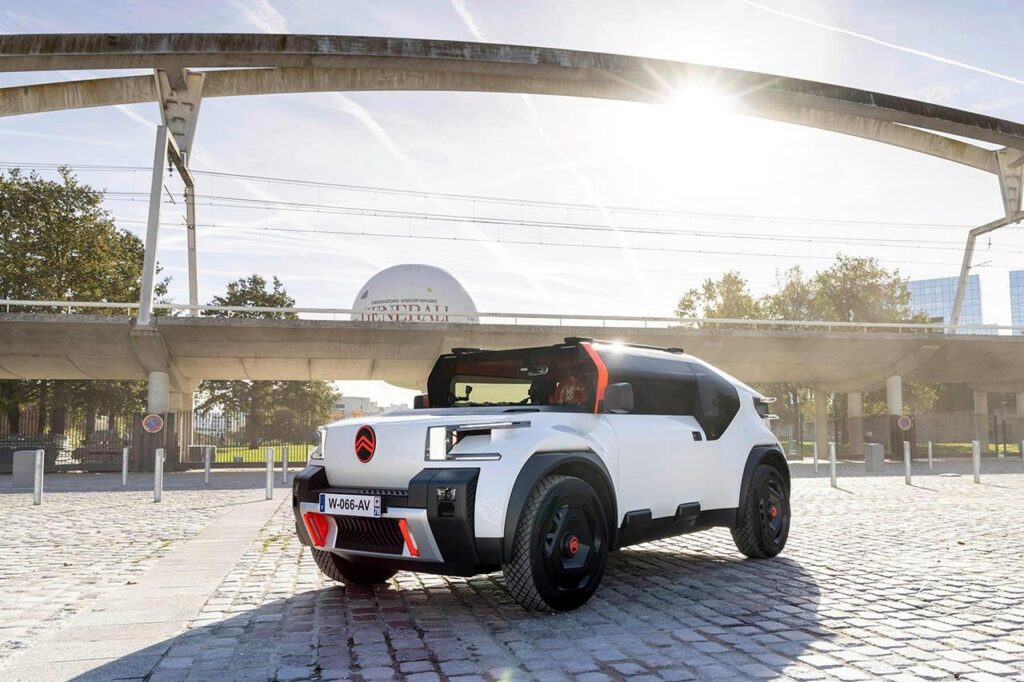
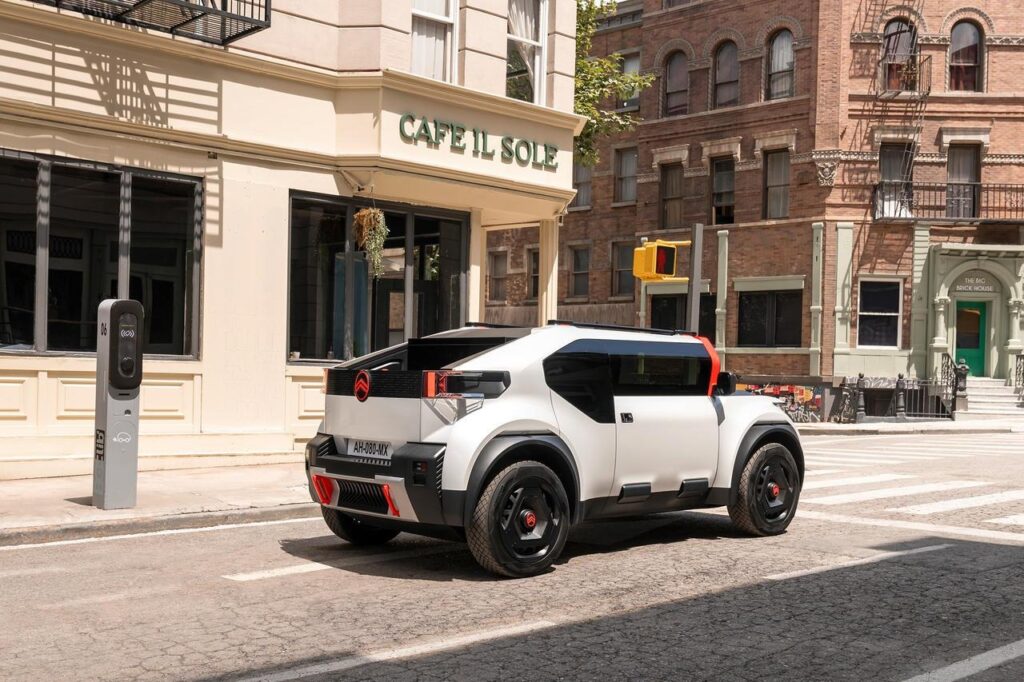
Launch of new vehicles on the Smart Car platform in February 2026: this step is essential for the large-scale production of future Stellantis models, in particular the C4’s replacement, which will benefit from this modular architecture. It will be taller and bolder than the current model, 70% inspired by the OLI concept unveiled in 2022, and will compete with the Dacia Duster, which is the leader in the affordable SUV segment in Morocco and Europe.
source : Largus
Growing production capacity: thanks to the Smart Car platform, the site will be able to produce up to 400,000 passenger cars a year, reinforcing its strategic role within the Group.
Strengthening the local ecosystem: the increase in local integration should attract more automotive-related suppliers and services, creating a knock-on effect for the entire Moroccan industrial fabric.
A site at the heart of the Stellantis strategy and electromobility
The development of the Kénitra site is more than just an assembly plant: it is part of a global industrial strategy combining the production of alternative energy vehicles, hybrid engines, recharging solutions and electric mobility devices.
The planned transfer of production of the future Citroën C4 illustrates the extent to which Morocco has become a centre of industrial attraction, capable of supporting large volumes while contributing to the Group’s competitiveness in European and African markets.
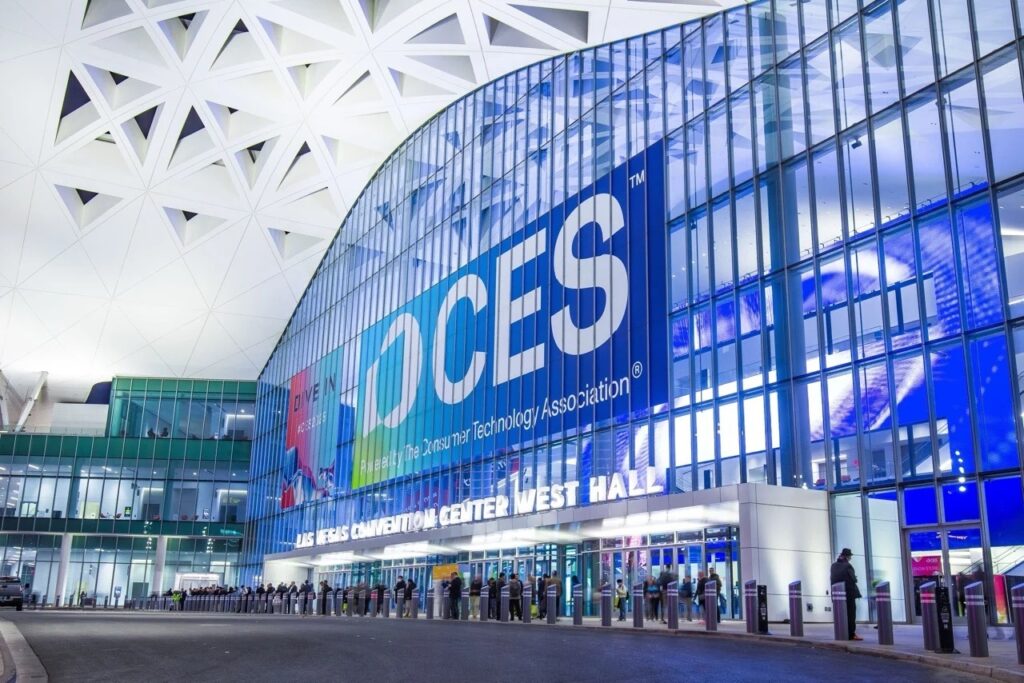
CES 2026, which opened on Sunday 4 January, has once again transformed Las Vegas into the world capital of technological innovation. But above all, this year’s show confirms a trend that is now impossible to ignore: electromobility is an integral part of the show. This year, the focus is more on AI and autonomous driving than on the new EVs themselves.
source CES
Created in 1967 in New York, CES was originally a B2B show dedicated to consumer electronics. Almost 60 years later, it brings together more than 4,000 exhibitors and nearly 200,000 professionals, generating several billion dollars in contracts. Above all, it has established itself as a barometer of major technological revolutions, from the video recorder to the smartphone, right up to this 2026 edition where electric vehicles, batteries and software-defined vehicles are emerging as major players.
Monday 5 January: electric hardware comes into line
Right from the start of the press days, Valeo took a stand with its integrated electric platforms: motors, power electronics and thermal management. Meanwhile, Bosch and Siemens are deploying their heavy artillery for low-carbon transport, in particular highlighting specialised batteries for heavy goods vehicles, ultra-fast recharging infrastructures, and partnerships with Caterpillar. These solutions address the urgent need for logistics fleets that are still finding it difficult to make their fleets greener.
Tuesday 6 January: Autonomous driving takes centre stage
From today, the show enters its spectacular phase. Sony Honda Mobility with AFEELA and Waymo will be showing off their new cutting-edge technological creations: level 4 robotaxis in full-scale demonstration, sensors tested in real-life conditions, virtual drivers confronted with the organised chaos of Las Vegas. At the same time, Nvidia already prepared the ground yesterday with its keynote on AI chips dedicated to autonomous vehicles – the cornerstone that transforms EVs into intelligent platforms.
Wednesday – Friday
The last three days will be crucial. Under the neon lights of the Convention Center, strategic panels will dissect the real battles: dependence on Asian batteries in the face of European and American relocation, the monetisation of OTA updates (software updates sent remotely to the car, as you do with a smartphone), and on-board subscriptions that will transform EVs into recurring services. Various players in the sector, including Siemens, Geely Auto and Doosan Bobcat, among others, will be unveiling their detailed industrial roadmaps. These will be important and interesting days, as they will reveal the players who will be equipping the world’s roads between now and 2027-2030.
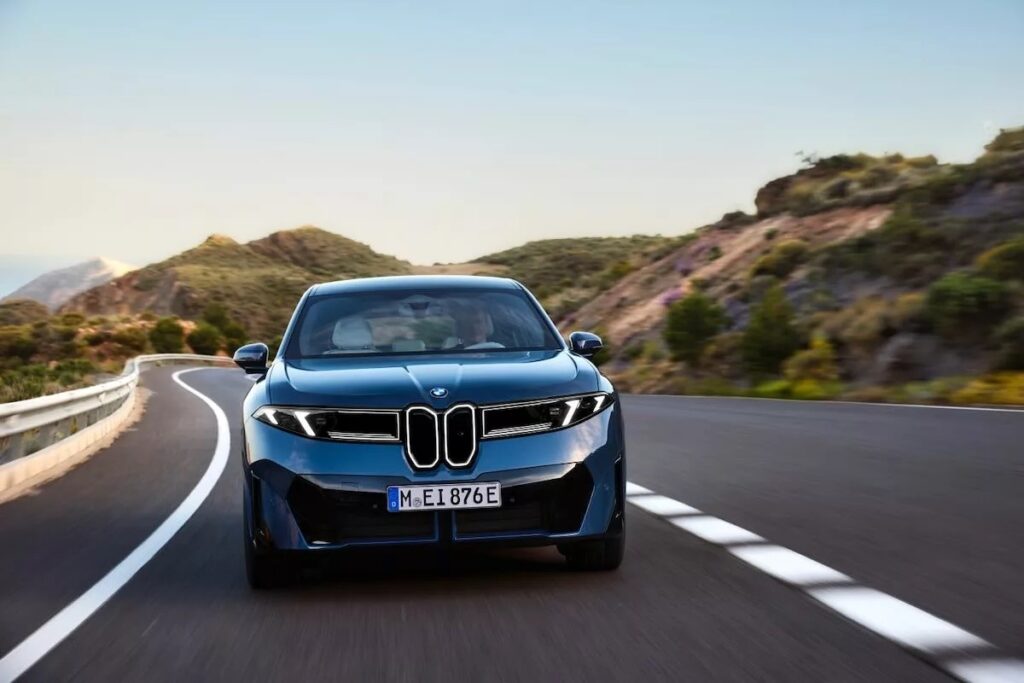
BMW will be there, for example, to reintroduce the recent BMW iX3, but it will also be an opportunity for the German brand to give hints about future models due in the coming months, such as the iX1 and the much-anticipated i3.
Source : BMW
Chinese start-up Kosmera will be making its world premiere with two ‘new energy’ (probably EV) models: a 1,877bhp hypercar (ultra-light chassis, AR driving AI) and a large Taycan-style saloon. The aim is to get the electric car world talking before the crucial stage of commercialisation.
Honda is also exhibiting at the show developments of its 0 Saloon (an aggressive electric saloon) and 0 SUV concepts, based on EV architecture. These two models are due to go into production in 2026.
source : Shutterstock
Once again this year, CES 2026 confirms that electromobility has definitively moved beyond the conceptual stages and into a structured industrialisation phase, where innovation never stops.
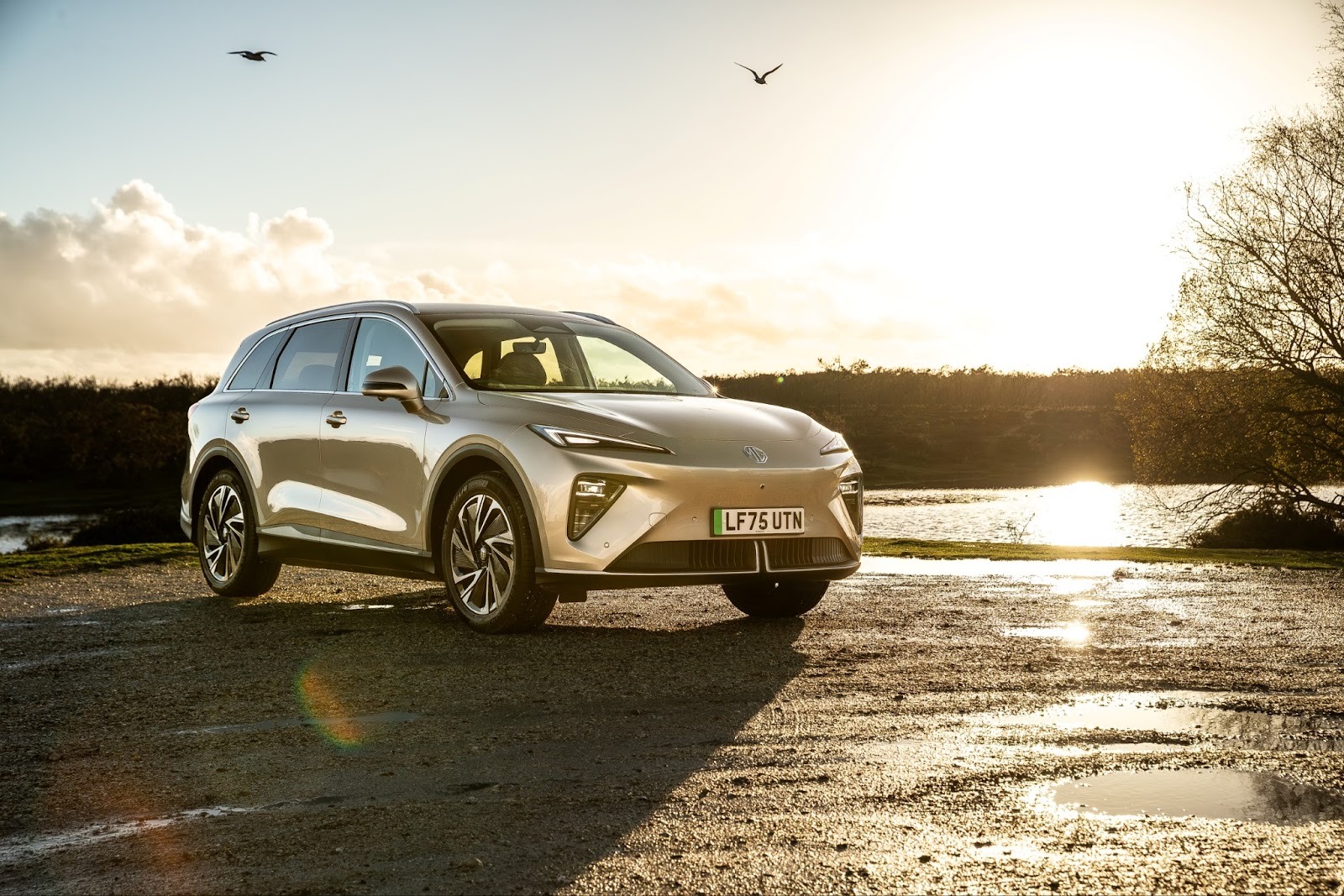
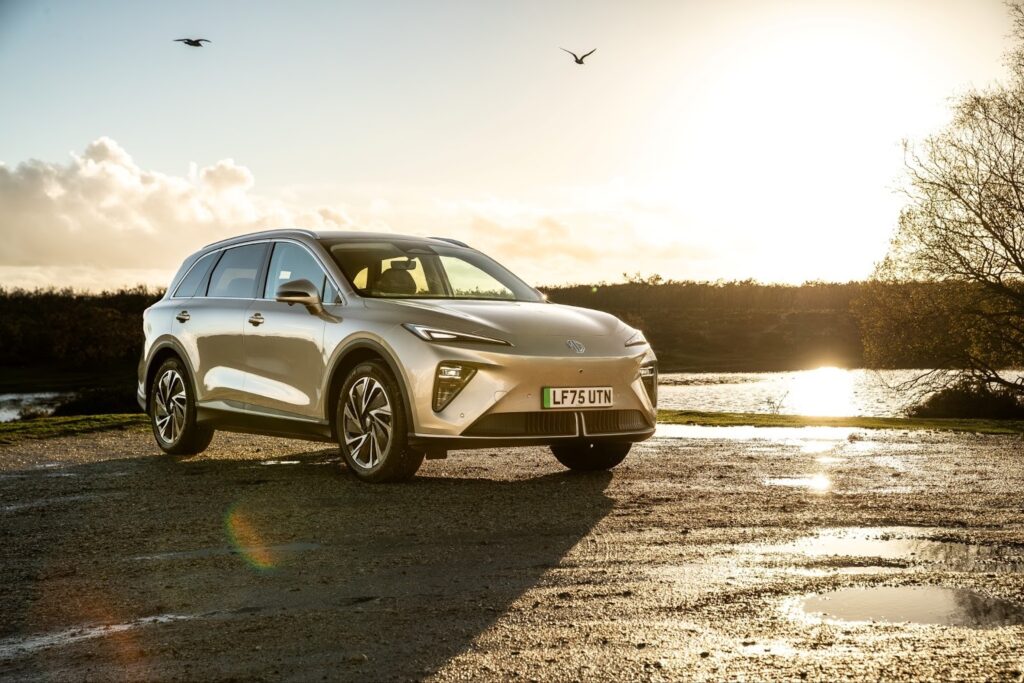
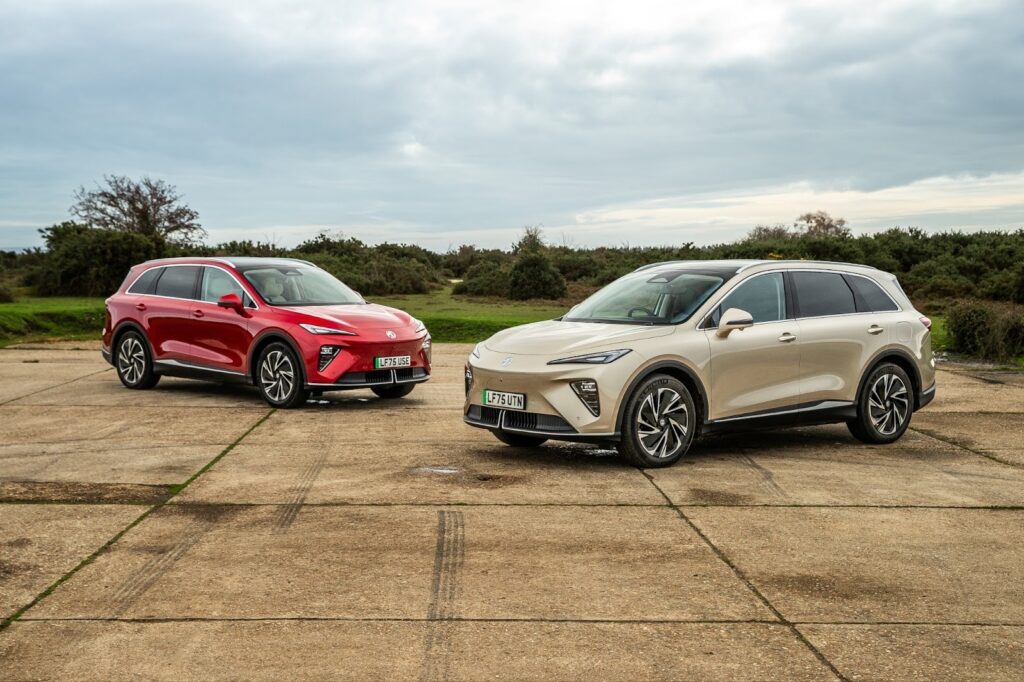
MG is taking the next step in its electrification strategy with the arrival of the MGS6 EV, a 100% electric family SUV expected in Europe in early 2026. Larger, more refined and better equipped than its predecessors, this new model aims to make its mark in the EV SUV segment against the market leaders. The new model is part of the brand’s drive to become a major player in the electric vehicle sector.
MGS6 EV technical sheet
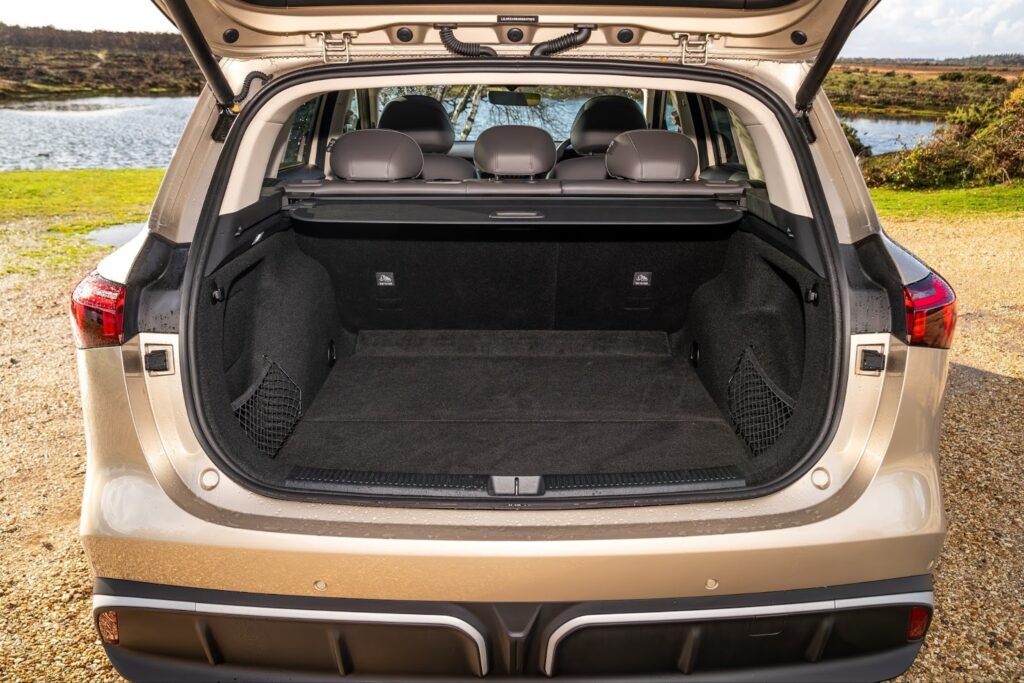
The MGS6 EV is based on the MSP modular electric platform, designed to offer space, comfort and efficiency, and already tried and tested on models such as the MG4. According to the manufacturer, it will be 4.71 m long and 1.91 m wide, with a generous wheelbase of around 2.84 m – dimensions that are conducive to space on board. The boot is rated at 674 litres in five-seat configuration, expandable to almost 1,910 litres with the bench seat folded down.
On the technical front, MG has opted for simplicity, with a 77 kWh NCM battery compatible with fast recharging up to 144 kW. Two configurations are planned: a rear-wheel drive version developing 244 bhp, and a Dual Motor version with all-wheel drive peaking at 361 bhp. The claimed WLTP range is around 530 km for rear-wheel drive and just under 500 km for the most powerful version, while recharging from 10 to 80% takes just under 40 minutes on a fast charging point, a time on paper slightly shorter than that of some direct competitors.
Design and interior ambience: moving upmarket without sacrificing appetite
Aesthetically, the MGS6 EV marks a clear break with the more ‘low-cost’ image historically associated with certain MG models. Externally, it is closer to the codes of modern SUVs: short bonnet, slightly receding roof, neat lighting signature.
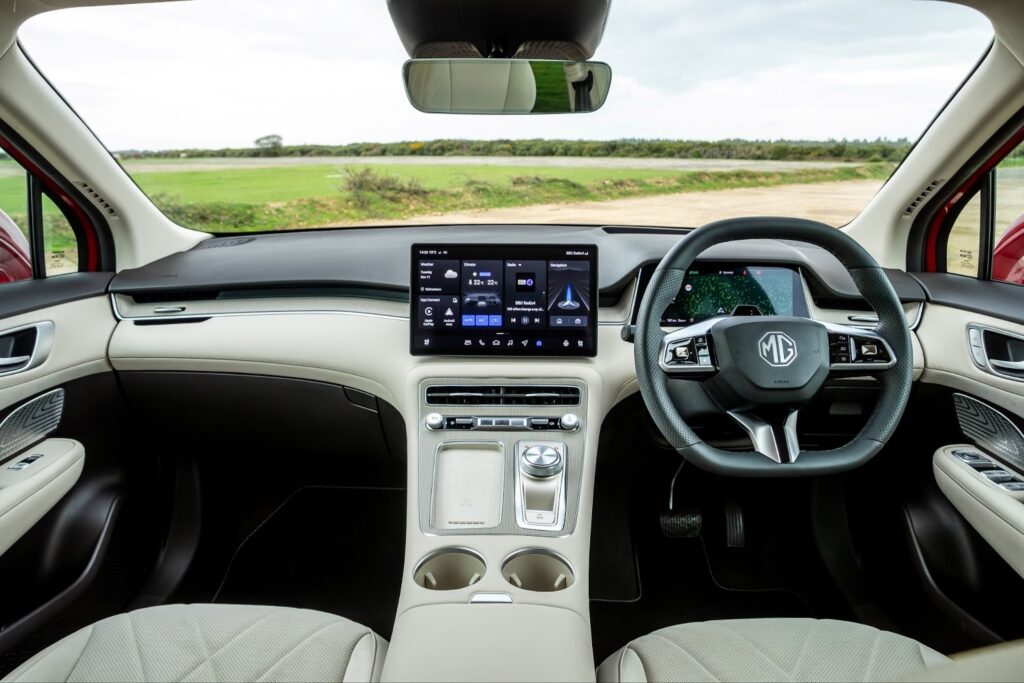
Inside, the British-born brand, now controlled by the Chinese SAIC group, has opted for a more premium ambience. The MGS6 EV features a large 12.8-inch central screen accompanied by a 10.25-inch digital instrument cluster. Materials have been upgraded with metallic inserts and foamed surfaces, complemented by ambient lighting and heated and ventilated front seats depending on version. The generous wheelbase ensures excellent rear-seat space, in keeping with the SUV’s family ambitions.
In terms of safety, this model boasts a host of top-of-the-range features, including lane keeping, adaptive cruise control, emergency braking, blind spot monitoring and other advanced systems.
MG / SAIC’s electric ambitions: a trajectory set to 2030
MG’s electrical strategy is based on several phases:
Phase 1 (≈2019-2022): entry into the European market with affordable EVs such as the ZS EV and MG5 EV.
Phase 2 (2022-2024): launch of the MSP platform and models such as the MG4.
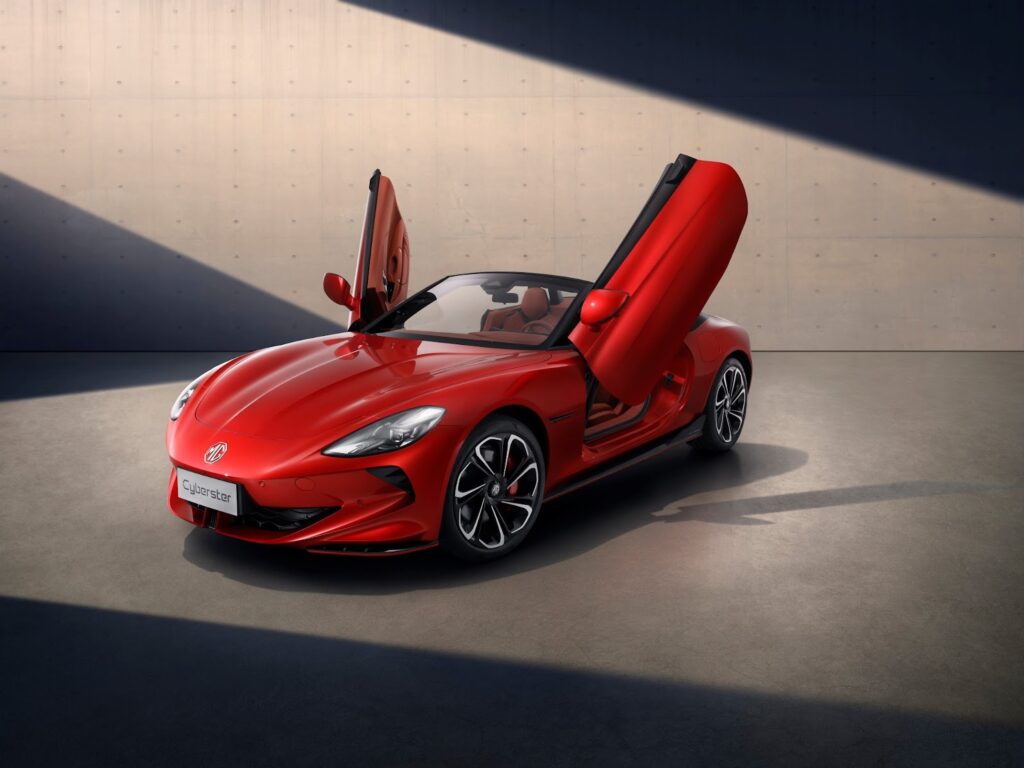
Phase 3 (2024-2026): moving up the range with vehicles such as the Cyberster (a 100% electric roadster) and now the MGS6 EV, both showcases of technology and volume.
MG and its parent company SAIC aim to offer an almost entirely electric range in several European markets around 2030, in line with the progressive bans on sales of new combustion-powered vehicles. At the same time, in China, SAIC, which owns the brand, is rolling out a similar technical base under several brands, with the aim of achieving a total transition to pure electric by 2035 at the latest.
Production sites and industrial issues
Like the brand’s other electric models, the MGS6 EV is assembled in China, in the factories of the SAIC Motor group, which now centralises MG’s global production. This industrial strategy, based on the integration of key components (batteries, motors, electronics), enables the brand to offer electric vehicles that are competitive in terms of price and performance.
This industrial layout goes a long way towards explaining MG’s ability to position the MGS6 EV as a spacious, powerful and richly equipped family SUV, while remaining below the price levels of many of the European offerings in this segment.
However, this organisation remains exposed to changes in European regulations, particularly concerning rules of origin, customs duties and the carbon footprint of imported vehicles. Against this backdrop, MG and its parent company SAIC have already raised the possibility of partial industrialisation in Europe in the medium term, particularly for batteries and final assembly, although no precise timetable has been set out.
Conclusion
The MGS6 EV represents MG’s move upmarket, offering a vehicle that combines family space, performance, modern technology and, above all, a competitive price. MG has taken a significant step forward and is now targeting the established players in the electric SUV segment in Europe.
Renault is stepping up its transition to electric vehicles with a well-structured product offensive for 2026, in line with a strategy initiated several years ago. The French brand, with its strong European heritage, intends to reconfirm its legitimacy on the EV scene while responding to the growing pressure from global and Chinese players.
source : Renault
A year 2026 structured around two key areas
The year 2026, which has just begun, is synonymous for Renault with the launch of several new 100% electric vehicles covering both the urban segment and commercial vehicles:
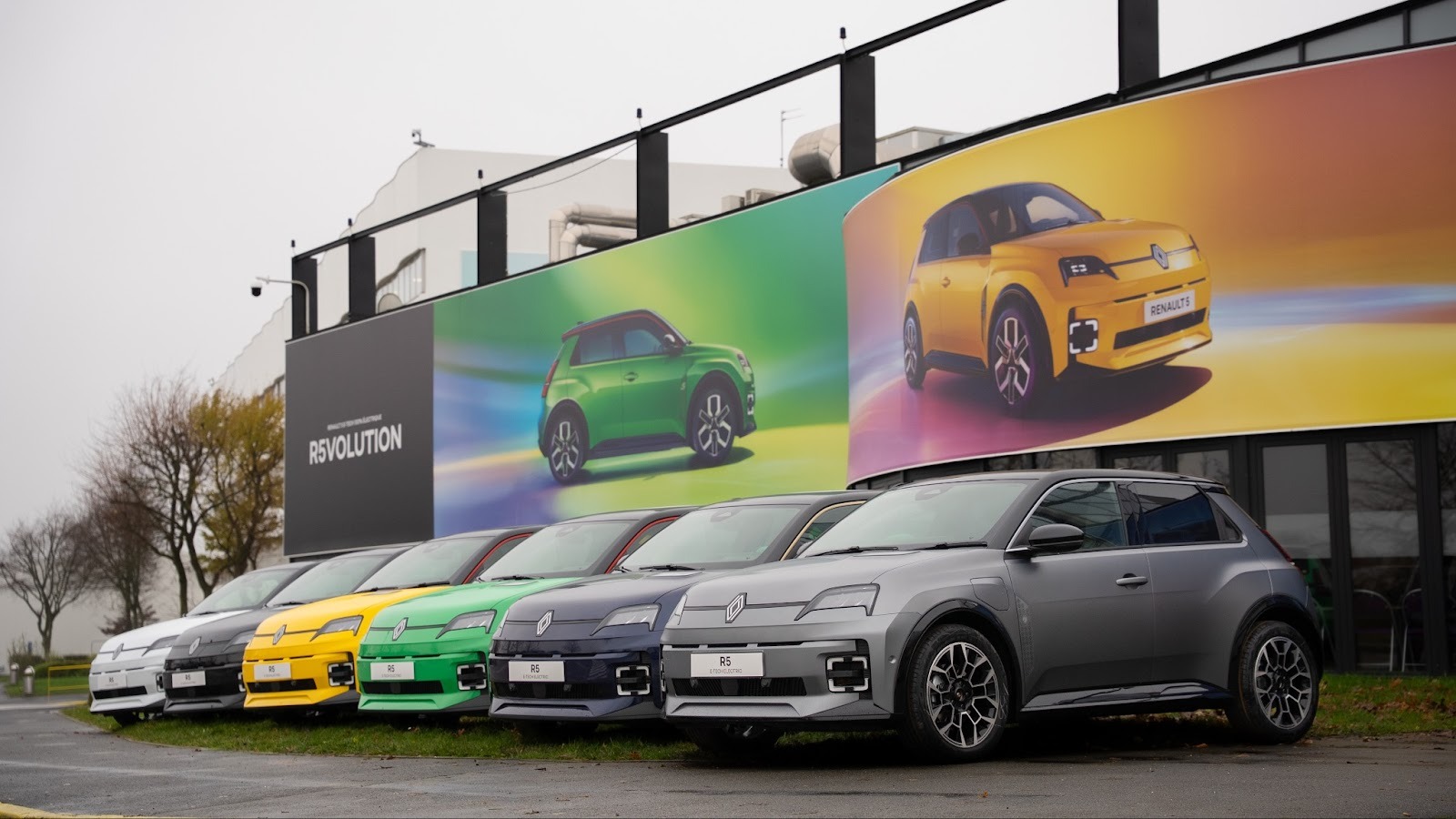
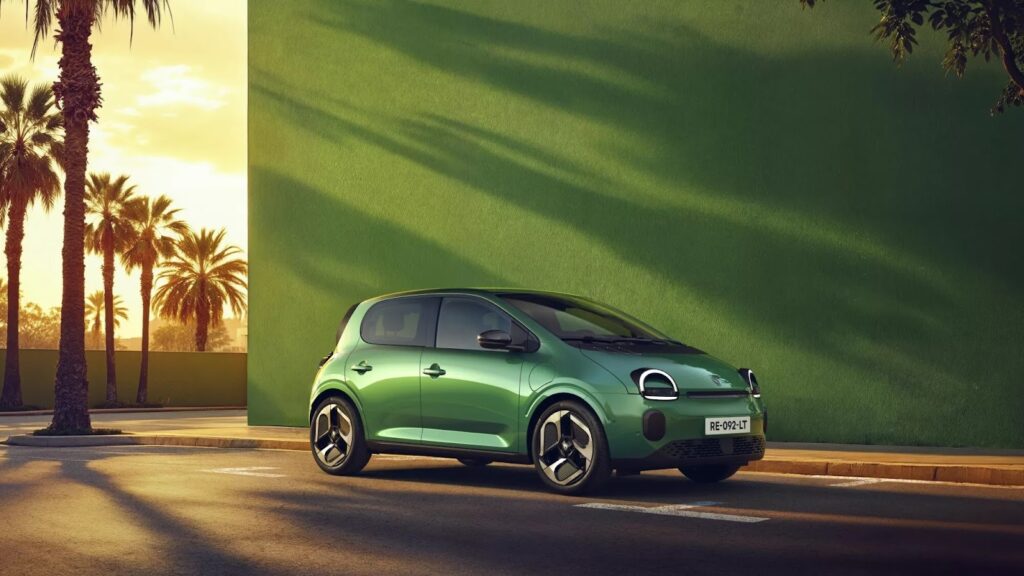
The return of the iconic Twingo E-Tech electric. The small city car is being reborn in a 100% electric version with a clear ambition: to offer an EV that is affordable at under €20,000 before subsidies, a rarity in the A segment in Europe. The city car will be produced from early 2026 at the Novo Mesto plant in Slovenia, with a WLTP range of around 260 km and modern features (connectivity, fast charging, driver assistance functions). The idea behind the French brand is to meet everyday urban needs.
source : Renault
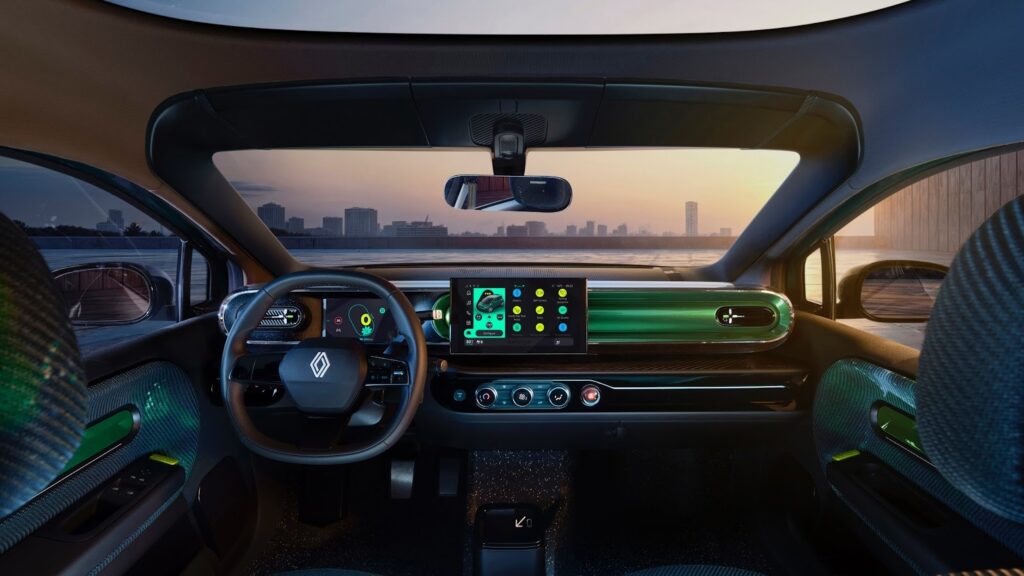
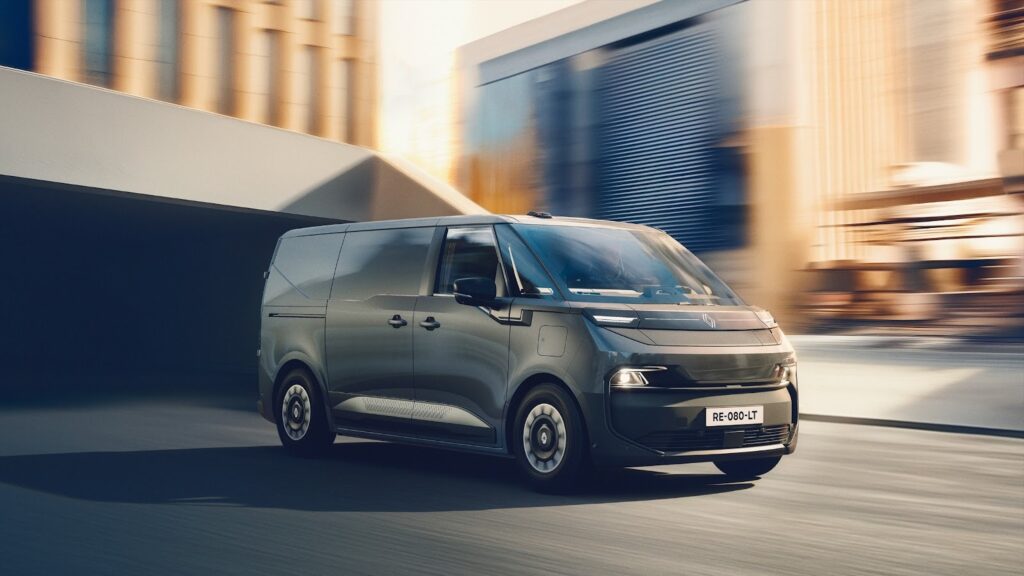
The other Renault vehicle to see the light of day is the Trafic E-Tech / FlexEVan on the electric LCV front. With this innovation, Renault is extending its range with 100% electric vans scheduled for 2026, designed for professional fleets and urban use. Based on the group’s latest EV platforms, these vans will incorporate advanced technologies and a software-defined vehicle configuration to optimise fleet management and day-to-day operations.
source : Renault
Market access facilitated by increased aid
Renault isn’t just betting on its vehicles: it’s also focusing on affordability. In 2026, the French government has renewed the enhanced CEE scheme. Thanks to the entry price of the Twingo E-Tech electric combined with various “Classic” and “Helping Hand” bonuses, the price of the latter will be reduced to around €13,750 for households on the lowest incomes. The brand’s commercial vehicles will also be eligible for various incentives from the start of the year.
A long-term electricity strategy
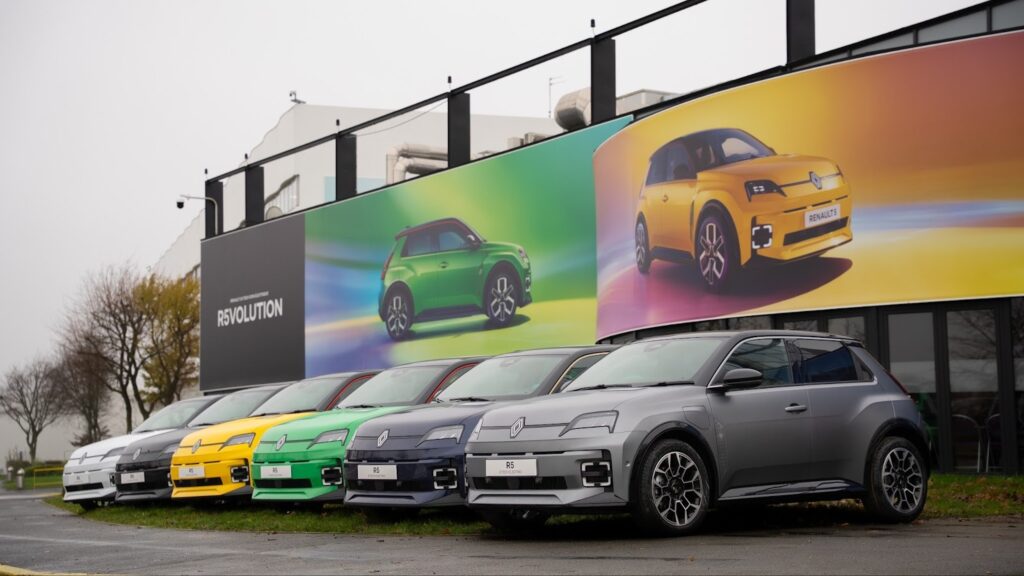
The products 2026 offensive is part of a longer-term strategic roadmap, supported by the Renaulution plan, which aims to give Renault a strong position in European and global electromobility.
ElectriCity & batteries in Europe Renault has consolidated its industrial capacity around the ElectriCity cluster in northern France, bringing together plants in Douai, Maubeuge and Ruitz to optimise EV production. Nearby, an AESC gigafactory in Douai produces competitive low-carbon batteries, with the aim of achieving a capacity of up to 24 GWh by 2030. A second Verkor site is planned to produce around 10 GWh of batteries from 2026, strengthening the Group’s industrial autonomy.
source : Renault
In-house technologies and platforms Renault is also pushing ahead with the development of proprietary electric motors, integrated power electronics solutions and dedicated platform architectures such as CMF-BEV to reduce production costs and improve the efficiency and competitiveness of its EV models.
Electric vehicle mix targets The Group’s ambition is to have a sales mix with more than 65% electric and electrified vehicles by 2025, with a progression towards a predominant BEV mix by 2030, in line with European emission reduction standards.
A European perspective: Renault and the competition
In Europe, Renault’s efforts must be seen in the context of its main competitors:
Volkswagen Group, with a vast ID range and projects such as the ID.Polo, scheduled for 2026, remains a heavyweight in the European EV market. VW is counting on high volumes and a strong presence in all consumer segments.
Stellantis (Peugeot, Citroën, Opel, etc.) is pursuing a more ‘mixed’ strategy, combining electric and hybrid technologies while targeting affordable light commercial vehicles and city cars.
Chinese players such as BYD are pushing European players to review their pricing and innovation strategies, particularly in the urban/very affordable segments, while at the same time creating partnerships (e.g. Renault-Ford alliance announced to develop small EVs from 2028).
Renault stands out for its product strategy covering city cars, SUVs and electric light commercial vehicles, and for its strong industrial integration in Europe, which gives it an advantage in the race for electrification on the Old Continent.
Conclusion
With 2026 as its pivotal year, Renault is setting its EV strategy on a clear course: a structured product offensive, easier economic access, strengthened industrial capacities and assertive European ambitions. With the Twingo E-Tech electric city car designed to make electromobility accessible to all, and LCVs to meet the needs of professionals, Renault is positioning itself as a major European player, ready to take on its rivals while continuing the profound transformation that has already been underway for several years.
The UK is approaching the end of 2025 as one of Europe’s most advanced markets for electromobility, with a high share of the electric market, an ever-growing recharging infrastructure and a policy framework now structured around the ZEV mandate, but still with real obstacles in terms of purchase costs, future taxation and regional disparities.
Market and sales volumes
For once, the UK market accelerated in 2025. Between January and the end of November 2025, no fewer than 426,000 100% electric cars (BEVs) were registered in the UK. This significant figure represents an increase of 26% compared with 2024, giving EVs a 22.7% share of the new car market. Number of cars on the road: around 1.75 million 100% electric cars, or 5.2% of the 34 million cars on the road in the UK.
In terms of hybrid technology, 208,000 PHEVs were sold over the same period last year, for a market share of just over 11%. As for HEVs, 260,000 new vehicles were registered, representing a market share of 14.0%.
For electric light commercial vehicles (LCVs), although public data remains patchy for the year 2025 as a whole, monthly statistics from the SMMT (Society of Motor Manufacturers and Traders) show a sharp rise in sales of electric vans, with around 27,000 registrations to the end of November, representing an increase of almost 45% over one year.
Number of charging points and recharging network
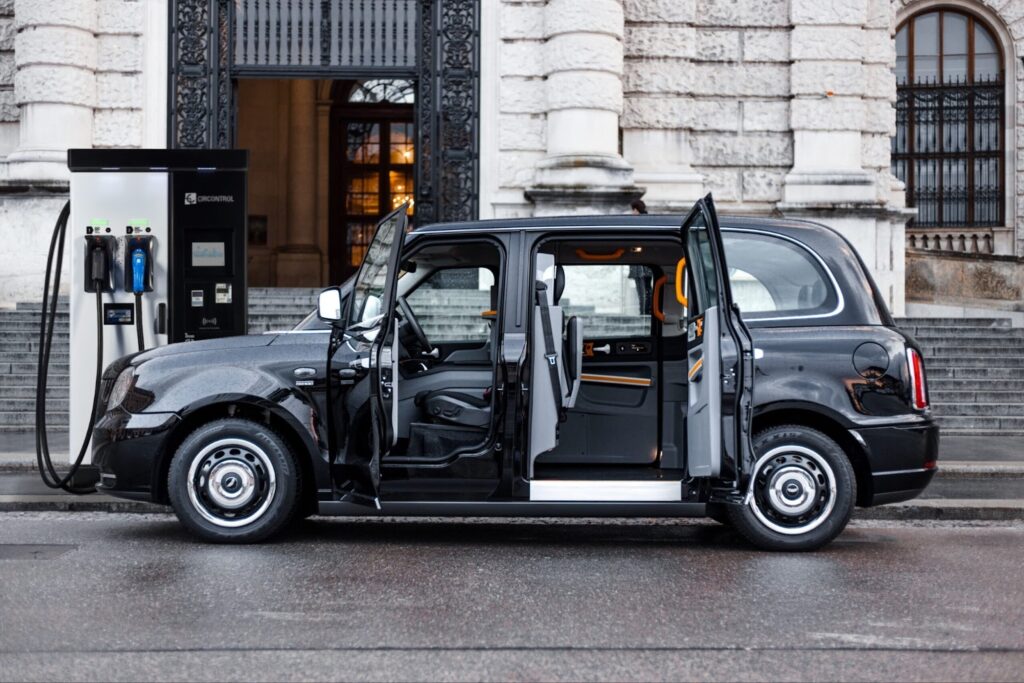
Charging infrastructure has grown significantly since 2020, with a clear political target of 300,000 public charging points by 2030. It’s an ambitious target, but one that still seems a long way from being achieved. In fact, at the end of November 2025, the UK had more than 87,000 public charging points, with a dense but still very uneven network between regions. These solutions are spread over 44,326 separate sites and offer a total of 121,364 connectors. The average density is 127.3 chargepoints per 100,000 inhabitants, but there are wide variations, reflecting the fact that access is still very patchy. In London, for example, there are 300.8 terminals per 100,000 inhabitants, compared with 38.6 in Northern Ireland.
source : circontrol
In 2025, 13,469 chargepoints were added across the country, including 6,220 slow chargepoints and 3,358 fast or ultra-fast chargepoints. Although this figure is significant and represents an annual increase of around 18%, it is the smallest increase since 2022.
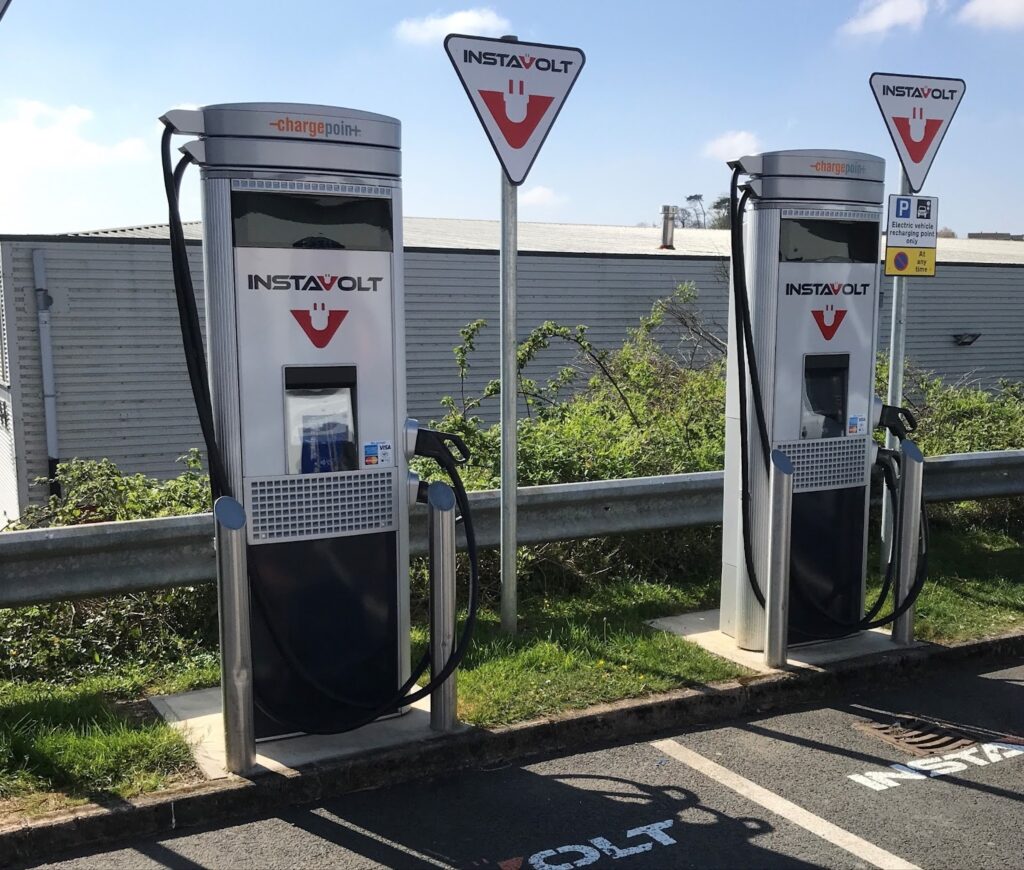
The major private operators now dominate the fast-grid landscape: InstaVolt (2,169 fast/ultrarapid kiosks), Tesla (2,026) and Osprey (1,351) make up the top three by the end of 2025.
source: Instavolt
Public policy, aid and taxation
With the aim of developing this market as effectively as possible and enabling EVs to become more widely available, legislation and incentives have been introduced. The UK framework is based on two pillars: a tight regulatory mandate for manufacturers (ZEV mandate) and targeted subsidies, notably relaunched in 2025 with a new “plug-in grant”.
ZEV mandate: the regulatory framework imposes on manufacturers a target of 28% sales of 100% electric vehicles by 2025, with a gradual trajectory leading to the end of sales of new combustion engine cars within the decade. By autumn 2025, the market share of BEVs was around 26%, slightly below this overall target, even though the scheme provides flexibility mechanisms for manufacturers.
Plug-in Grant 2025: a new purchase aid for electric cars was relaunched in the summer of 2025, with a twelve-month extension announced as part of the budget presented by Chancellor Rachel Reeves. The grant is deducted directly from the purchase price at the dealership.
Additional support: the scheme is complemented by OZEV grants for the installation of home and business charging points, as well as funding programmes dedicated to local authorities, in particular the LEVI fund for the local deployment of infrastructure.
Taxation: the planned end of the exemption from Vehicle Excise Duty (VED) for electric vehicles is fuelling questions about the economic attractiveness of electric vehicles in the medium term, particularly for households.
source: Automobile propre
Top-selling models and industry players
In terms of sales and best-selling models, the market is still dominated by the major global generalists rather than by national manufacturers, but the UK ecosystem has specialised in recharging and services.
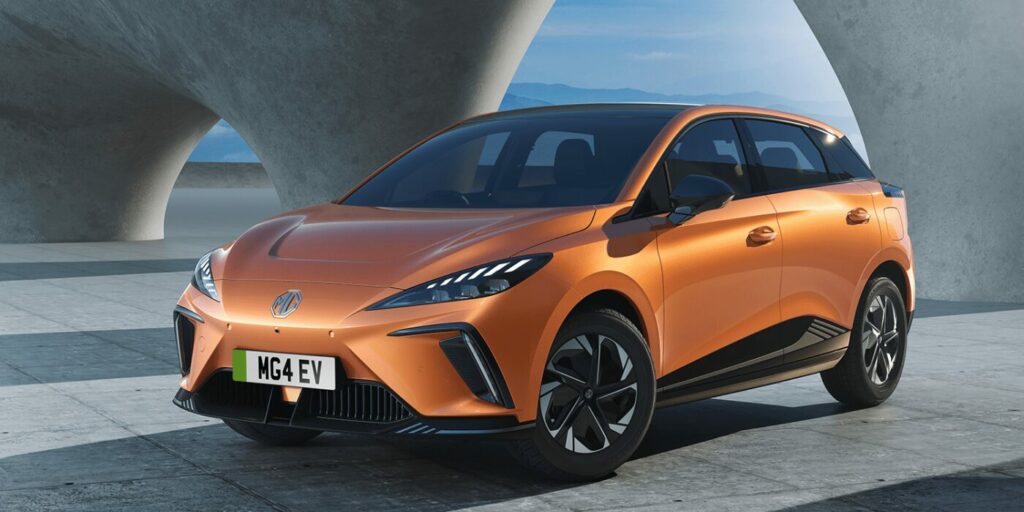
Best-selling vehicles: in 2025, the UK electric car market continues to be dominated by the Tesla Model Y, which remains the most popular BEV model, closely followed by the MG4 EV and other electric SUVs and saloons such as the Tesla Model 3, Volkswagen ID.4 or Volvo EX30.
source : MG
Plug-in hybrids (PHEVs) are making rapid progress, with models such as the BYD Seal U DM-i among the most popular in this segment, which is particularly popular with fleets and commuters.
Conventional hybrids (HEV) continue to have a strong presence in the general market, notably with the Toyota Corolla Hybrid and the Ford Puma Hybrid, which combine affordability with low fuel consumption.
The range of electric and hybrid cars available in the UK now exceeds 150 models, with an average price of around £46,000, while the entry-level segment is expanding rapidly, with vehicles available for under £30,000, led by the Dacia Spring.
The UK has a fast-growing ecosystem of companies involved in electric mobility.
Charging operators: InstaVolt, Osprey, BP Pulse (BP), Shell Recharge UK and others are developing networks of fast charging points and high-power hubs throughout the country, with a particularly dense network in the south and around London.
Services and leasing: many local players – rental companies, brokers and leasing platforms – specialise in electric fleet management and recharging solutions for individuals and businesses.
Production and R&D: the UK is home to several battery and electrified vehicle production sites operated by foreign groups, as well as gigafactory projects, although the sector remains less integrated than in Germany or China.
Brakes and friction points
Despite solid figures, the transition to electromobility in the UK remains gradual, with a number of structural obstacles:
Purchase cost: the average price of a new electric vehicle is around £46,000, driven in part by premium models such as Tesla and Audi. The entry-level range is growing, with models under £30,000 (MG4, BYD Dolphin, Citroën ë-C3), but is still a minority in terms of volume. Public subsidies, such as the Plug-in Grant and OZEV subsidies, partially reduce the additional cost compared with combustion vehicles.
Uneven infrastructure: the major conurbations in the south and London benefit from a well-developed network of charging stations, but there are still “white zones” in the north, in Northern Ireland and in certain rural areas, particularly for fast and ultra-fast charging stations.
Tax uncertainties: the gradual end of the exemption from VED (road tax) for EVs and the prospect of a kilometre tax by 2028 are fuelling a degree of caution among households.
Car culture and usage: many drivers remain attached to combustion-powered vehicles for long journeys. Concerns remain about the real range, residual value and long-term reliability of batteries, sometimes putting the brakes on the decision to buy.
To sum up, the UK now ticks most of the boxes for a mature EV market: high market share, fleet in excess of 5%, dense recharging network and ambitious policy framework. But the next step, that of mass adoption beyond the ‘early adopters’, will depend on the ability to reduce the entry ticket, fill the infrastructure gaps and stabilise the fiscal framework.