Author: Marceau Nio

  • Tesla Superchargers: at the heart of fast charging

    Tesla Superchargers: at the heart of fast charging

    Tesla, a multinational company founded in 2003 by a group of engineers and led by Elon Musk, was founded with the ambition of moving the world towards a more sustainable way of travelling. A leader in electromobility, Tesla has not stopped at building high-performance 100% electric vehicles: the company has also created a fast-charging network that has become emblematic: Superchargers.
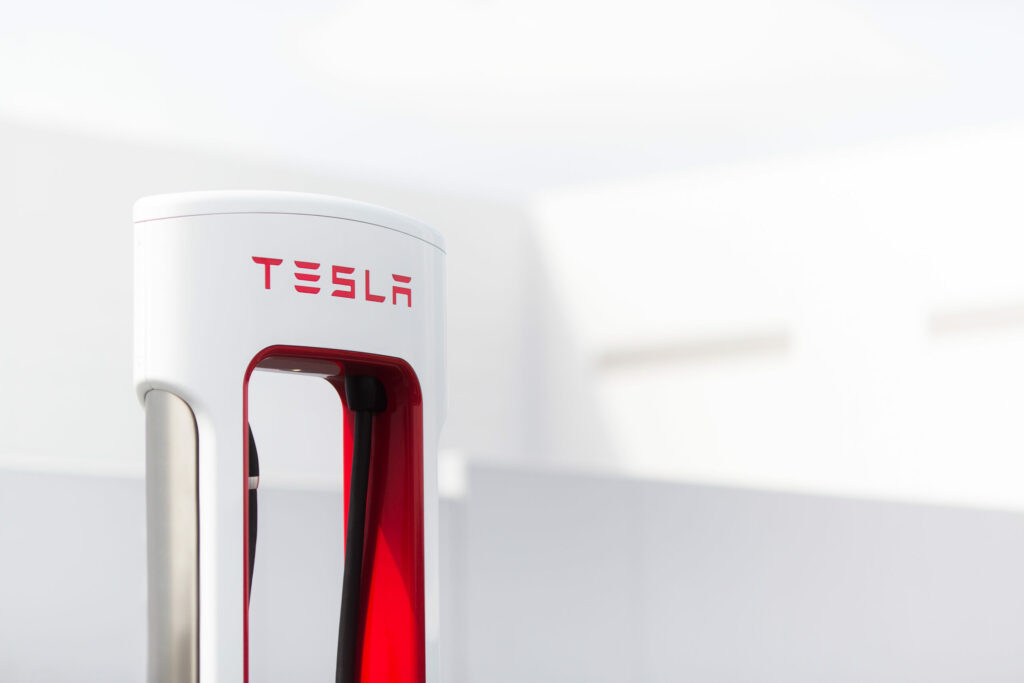
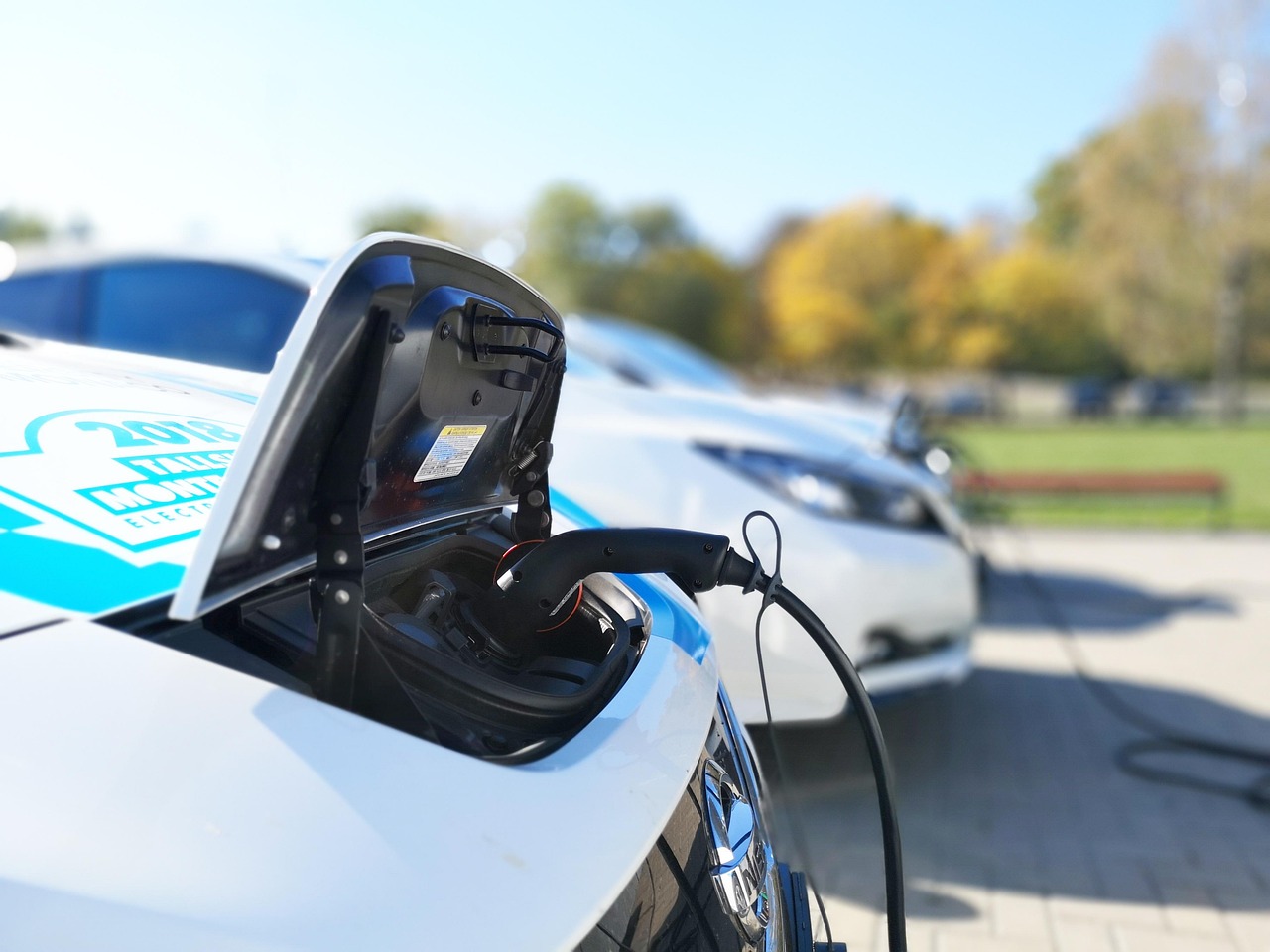
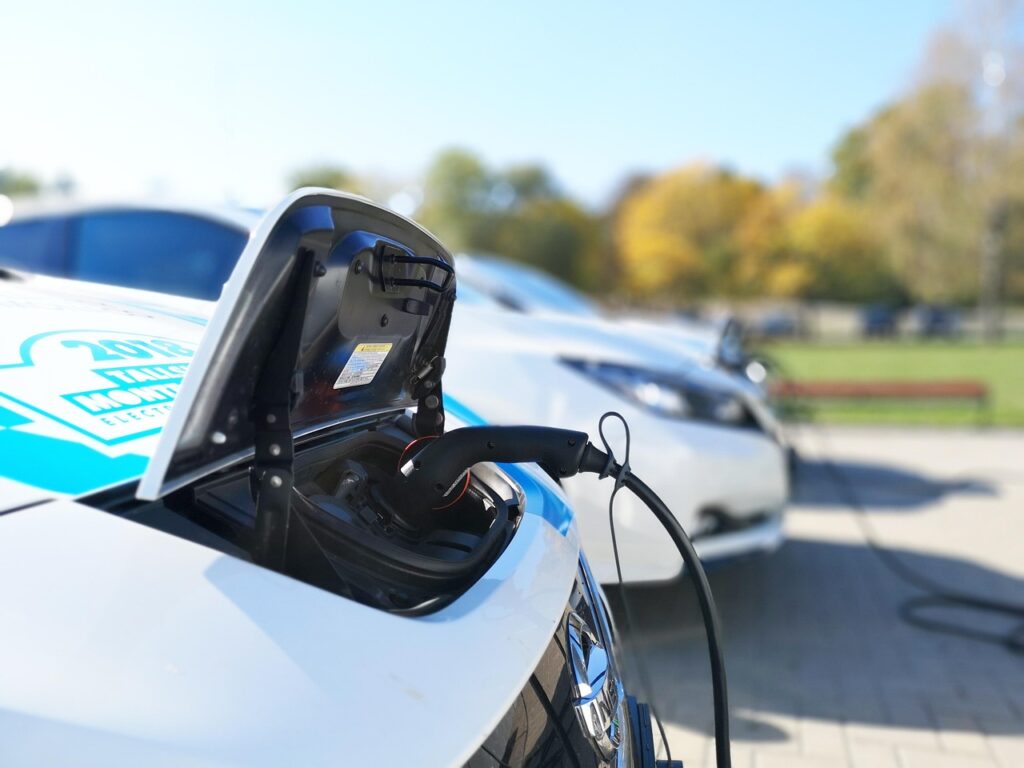
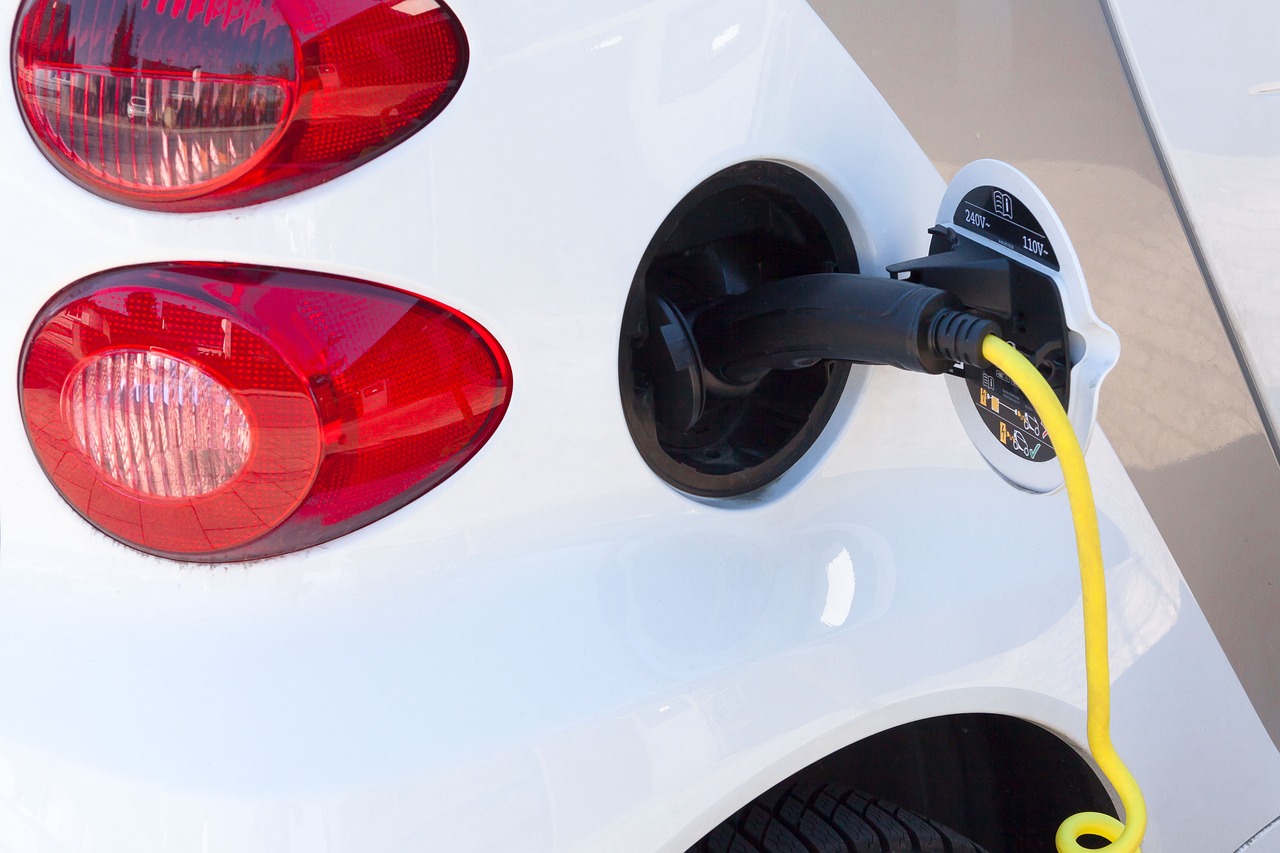
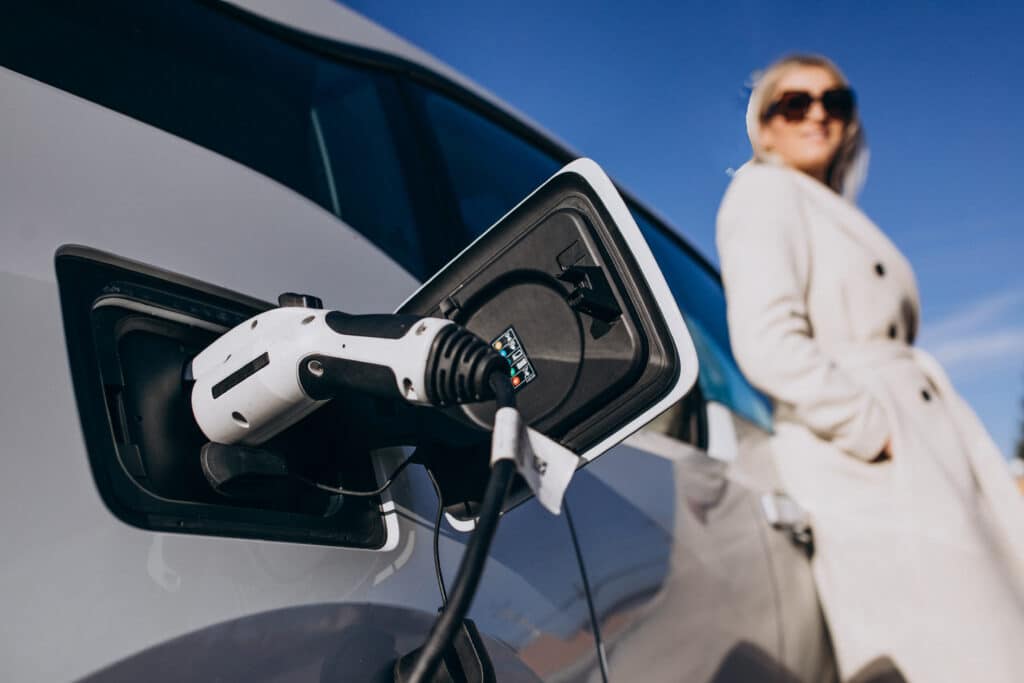
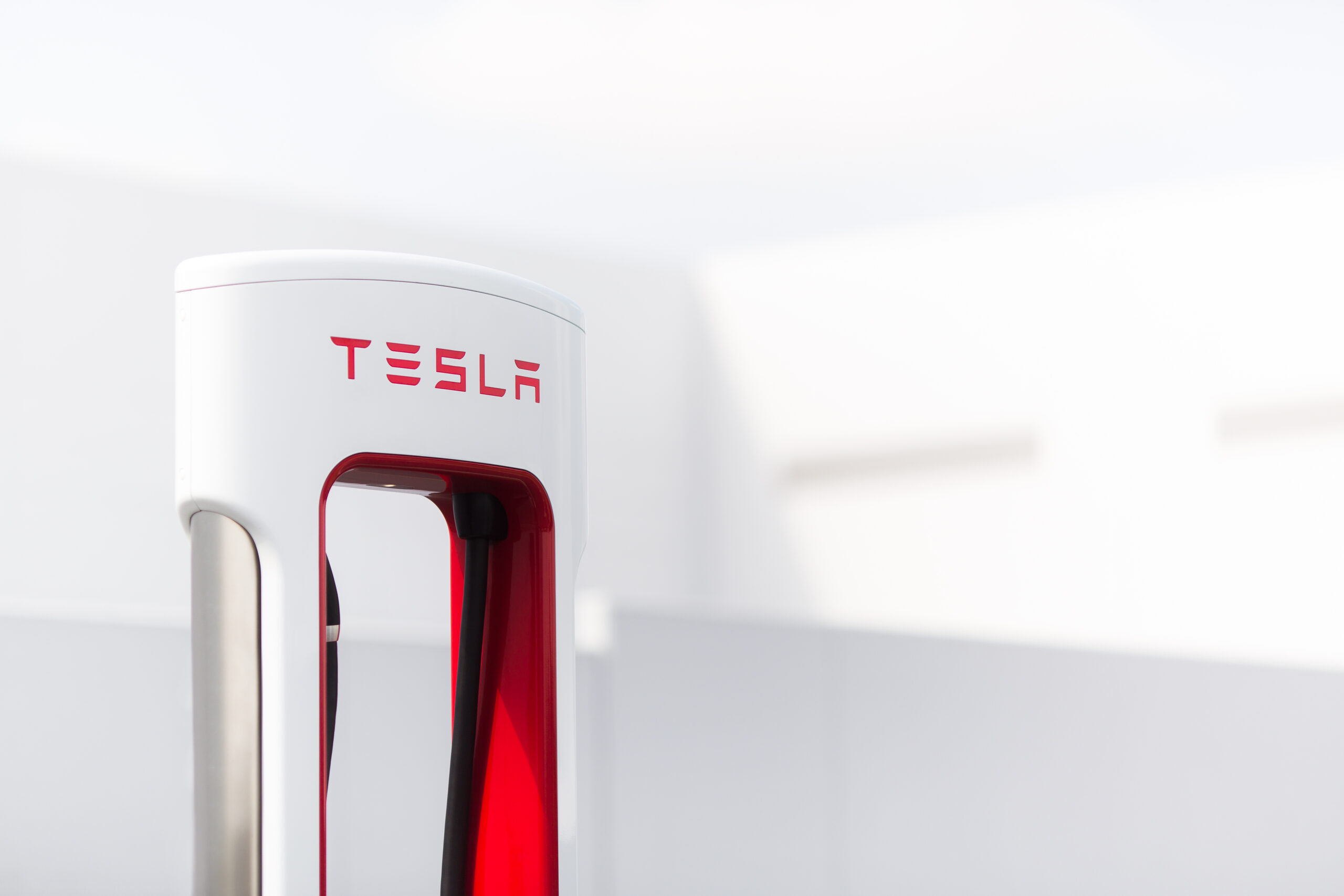
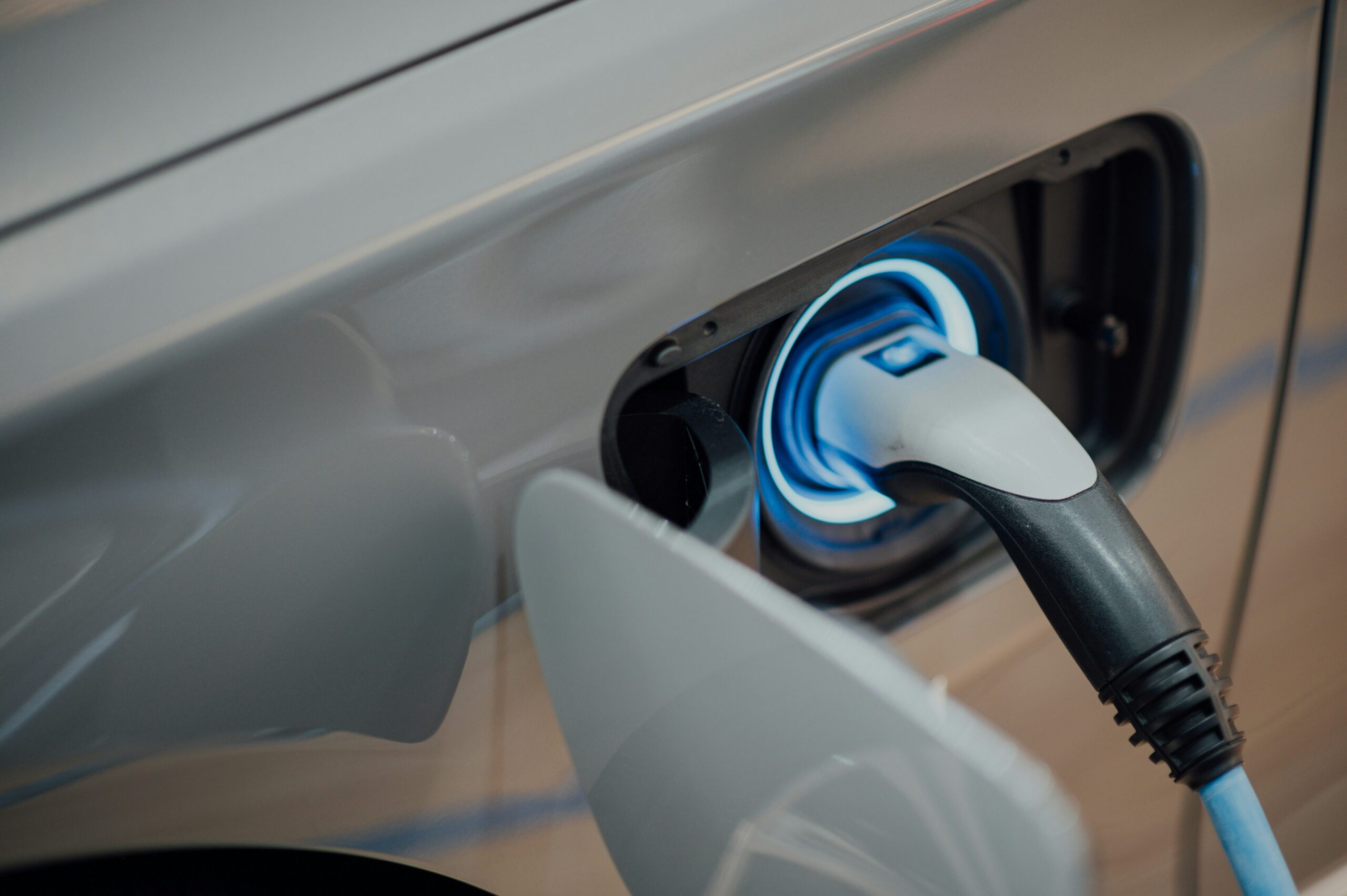
    Close-up of a Tesla Supercharger station in operation
    Zoom in on a Tesla Supercharger, the symbol of fast, intuitive charging. (Credit: Tesla)

    The mission of Tesla Superchargers

    Eliminate the fear of running out of battery power, reduce the recharging time for electric cars (EVs), and thus enable motorists to travel long distances without constraint. Launched in 2012, initially in the United States, the Supercharger network has expanded at breakneck speed to keep pace with the growing popularity of electromobility. These ultra-fast recharging stations can recover hundreds of kilometres of range in just a few minutes – a major advance that has made a significant contribution to the democratisation of the electric vehicle.

    Constantly improving recharging technology

    Superchargers have come a long way since their launch. While the first versions were already capable of quickly recharging an electric car, with a power of up to 150 kilowatts, Tesla has taken things a step further in 2019 with the V3 Superchargers.

    This third generation offers much higher performance: a maximum power of 250 kW per vehicle, with no sharing between the charging points, enabling much more efficient recharging, even when several cars are connected simultaneously. In concrete terms, a vehicle can recover up to 120 kilometres of range in just 5 minutes, and reach 80% of its battery in less than 25 minutes, depending on the weather conditions and the model.

    Since 2021, this charging solution is no longer exclusive to Tesla: electric vehicles of any brand can benefit from it, via the Tesla app.

    More recently, Tesla began installing an even faster version, called V4, capable of delivering up to 500 kW. This new generation of charging points will be available from the third quarter of 2025, and will be used to recharge powerful vehicles (Cybertruck, as well as certain Hyundai, Porsche and Kia models, etc.). The new charging points are also designed to accommodate the technologies of tomorrow, such as two-way charging (V2G – Vehicle-to-Grid), which will enable vehicles to return electricity to the grid when needed. However, current vehicles, whether Tesla or not, are limited to a charging capacity of 250 kW and will not yet be able to take advantage of this maximum power.
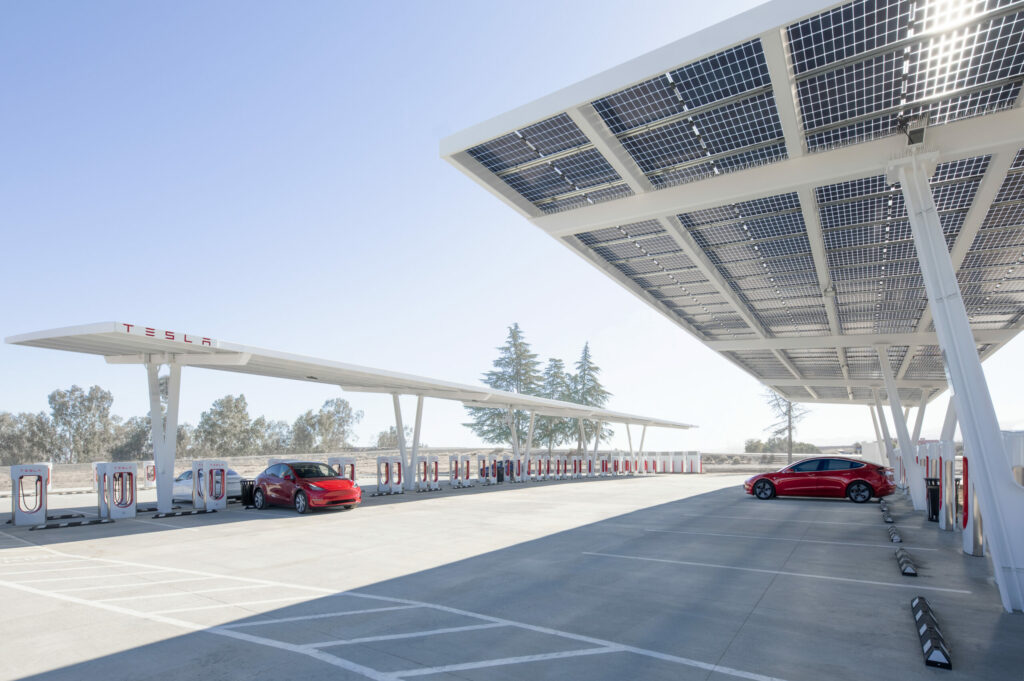
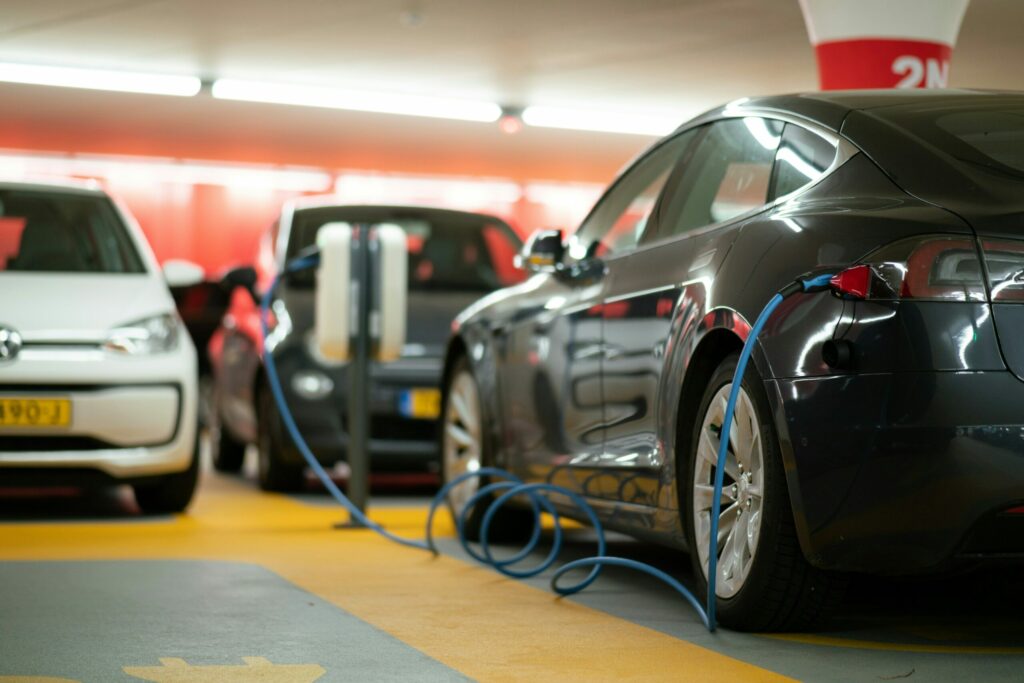
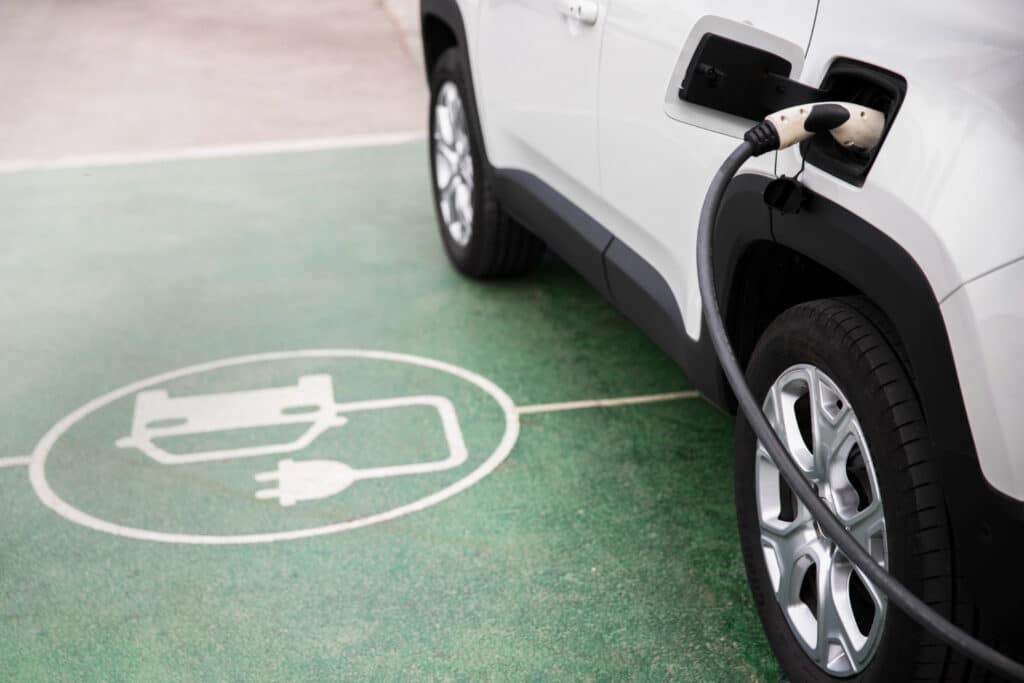
    Tesla Supercharger stations installed in an urban car park
    Several Tesla charging points installed in a car park accessible to the public. (Credit: Tesla)

    Massive international deployment

    Since their launch, the deployment of these charging solutions has been impressive: by the end of the first quarter of 2025, Tesla had more than 60,000 Superchargers at over 6,000 stations worldwide. This network covers North America, Europe, Asia and certain strategic areas in Africa, the Middle East and Oceania.

    This dense network represents one of the largest ultra-fast charging networks in the world, and above all one of the most reliable, with an availability rate of over 99%.

    France is not to be outdone

    France, a pioneer of electromobility in Europe, is no exception to the trend. France benefits from a particularly well-developed Tesla network. In May 2025, the network of Tesla Superchargers in France exceeded 3,000 fast-charging stations, spread across some 180 locations across the country.

    With a high concentration along major motorway routes (A6, A10, A7, A1, etc.), but also in shopping centres and suburban areas, these stations are strategically located, making it easier for motorists to access recharging facilities.

    Simplified use

    What sets Tesla Superchargers apart, beyond their performance, is their ease of use, designed from the outset to be fluid, intuitive and almost invisible. For Tesla owners, all they have to do is park, plug the cable into their vehicle… and that’s it. No badge, no bank card, no application to manipulate: the vehicle is identified automatically and billing is linked directly to the user account.
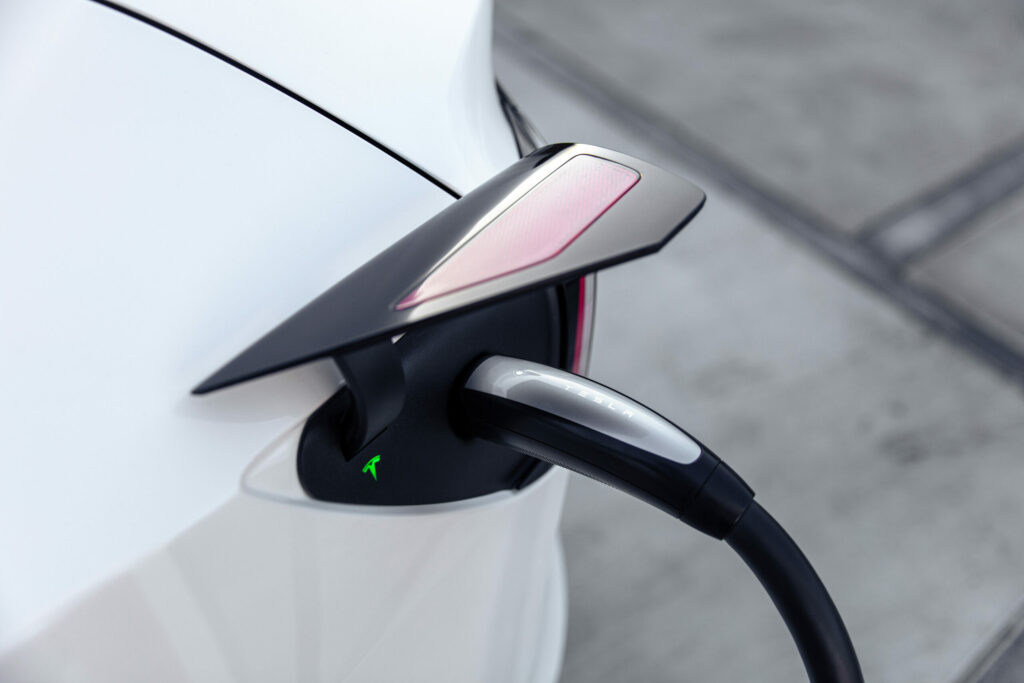
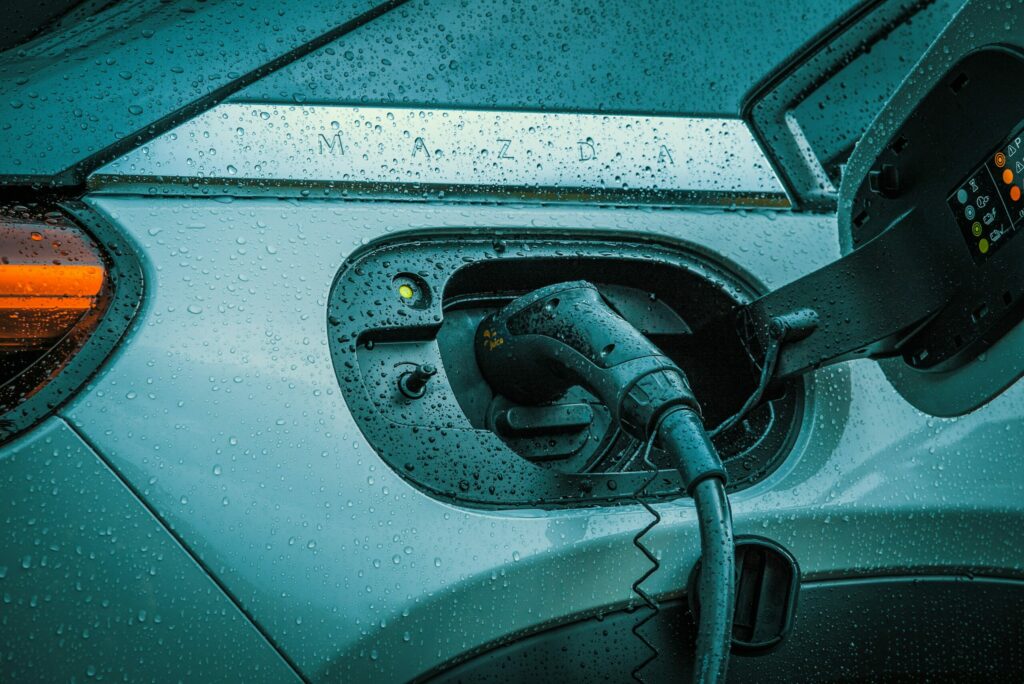
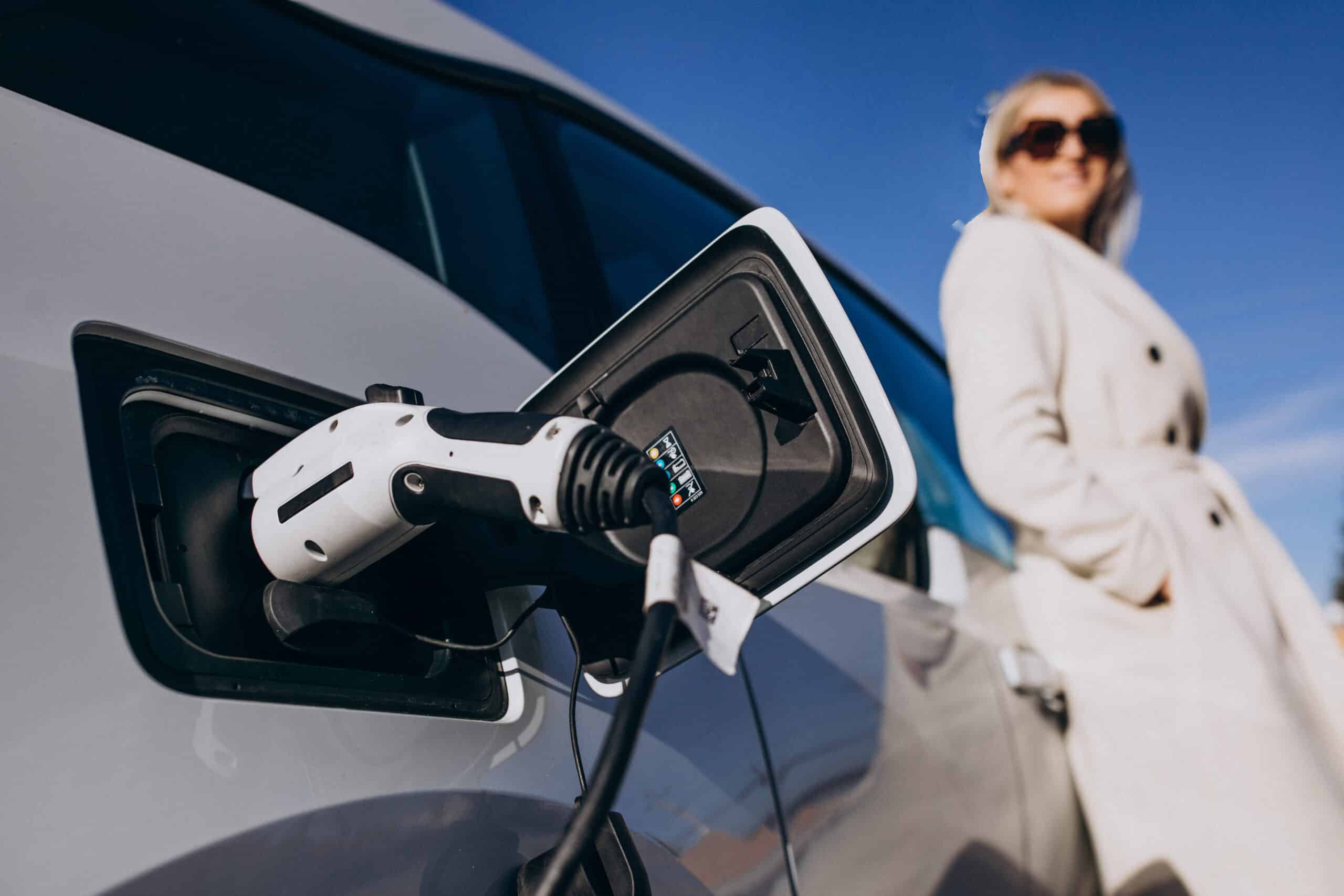
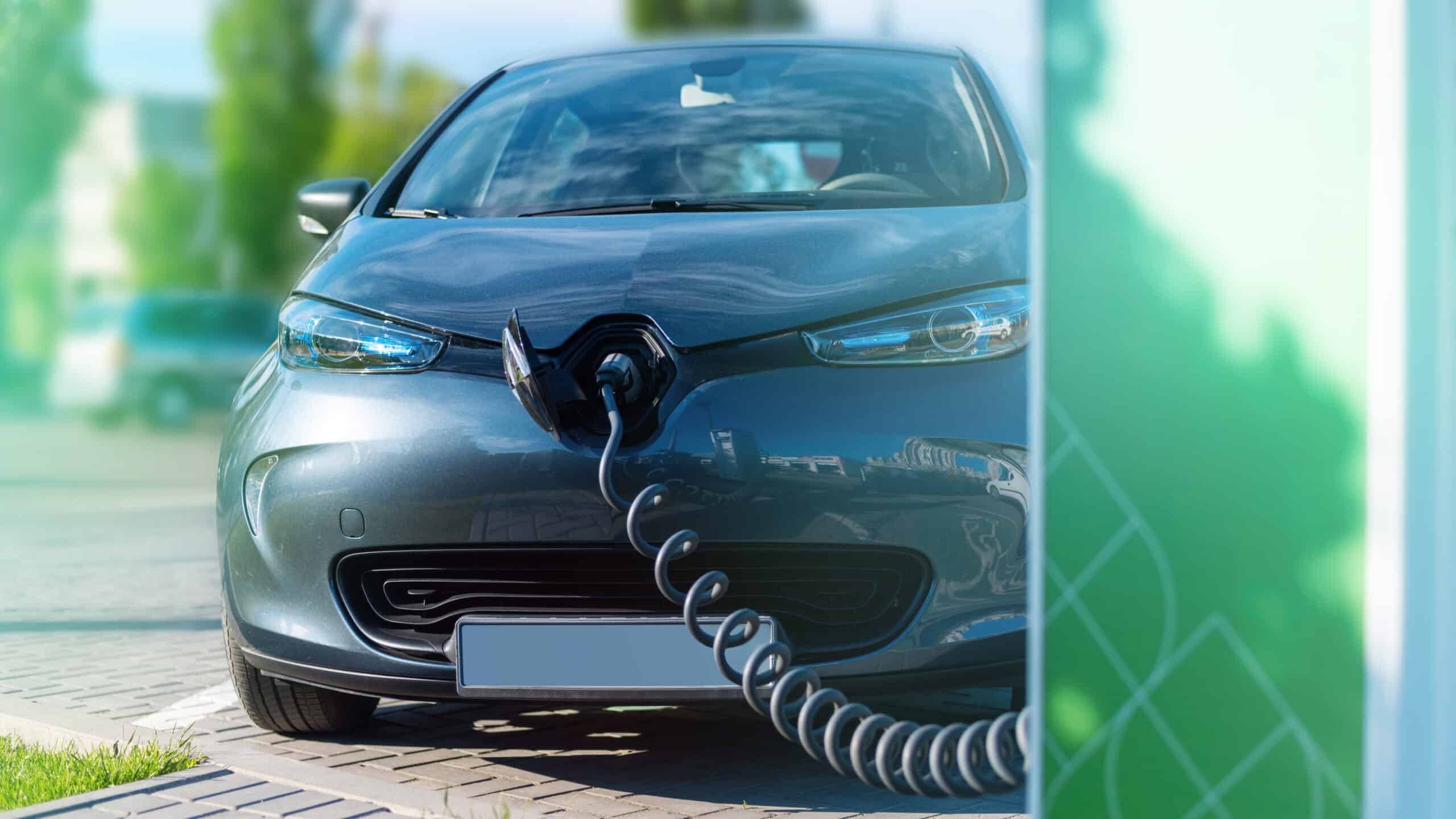
    Tesla Supercharger cable connected to a recharging electric car
    Close-up of the Tesla charging cable connected to an electric car (Credit: Tesla)

    Even for drivers of electric vehicles of other makes, the experience remains seamless via the Tesla app, which enables users to locate a charging point, check its availability in real time and launch a charging session in just a few clicks. Payment is made simply by credit card registered in the app, with rates adjusted according to whether the user recharges on a one-off basis or opts for a monthly subscription. It’s a seamless process that makes recharging a pleasant experience, without the smells or the noise.

    Towards an electric future

    Tesla Superchargers embody more than just a recharging network: they illustrate an ecosystem that has been thought through in its entirety, where every detail is at the service of a fluid, rapid and accessible energy transition. Through this global deployment and ease of use, Tesla is redefining what electric mobility should be: not an alternative, but a matter of course.
  • Bidirectional charging: when the car becomes an electricity producer

    Bidirectional charging: when the car becomes an electricity producer

    Long confined to its role as a means of transport, the electric car is becoming more emancipated. It can now also power a house, an appliance or even help to stabilise the electricity grid. The reason: the rise of a still little-known but promising technology – bi-directional charging. An innovation that could well turn every electric car into an active link in our energy transition.

    A two-way flow of energy

    Today, recharging an electric vehicle is a simple, one-way process: plug in, recharge, unplug.

    Credit: CHUTTERSNAP

    But with bi-directional charging, a new dynamic is taking shape. Energy no longer flows only from the grid to the car, but can also circulate from the car to the grid, the home or a third-party device.

    Technically, everything hinges on the bi-directional inverter, integrated either in the charging point or directly in the vehicle. This component converts direct current (DC) from the battery into alternating current (AC), ready to be fed into a domestic system or the public grid.

    Communication between the vehicle and the infrastructure is via the ISO 15118 protocol, and an intelligent management system(EMS) automatically controls energy flows according to needs and tariff periods.

    Three concrete uses, three complementary functions

    The technology currently has three main applications:

    V2G (Vehicle-to-Grid): the vehicle returns electricity to the grid to help manage peak consumption or integrate renewable energies.
    V2H (Vehicle-to-Home): the battery supplies electricity directly to a home, optimising consumption according to the time of day or any power cuts.
    V2L (Vehicle-to-Load): the car becomes a portable battery, capable of powering an external device via a simple 220 V socket.

    Some models already offer this feature, such as the Hyundai Ioniq 5, the Kia EV6 and the MG4, allowing you to plug in a computer, a construction tool or a fridge when camping, for example.

    Credit: Michael Fousert

    A technology that is still costly, but on the way to democratisation

    For the time being, access to two-way charging remains the preserve of a niche market.

    A two-way bollard currently costs between €3,000 and €5,000, excluding installation costs. A substantial investment, but one that is set to fall as the technology becomes more widespread.

    A number of public aid schemes are being studied to support this transition and encourage both private individuals and local authorities to invest.

    A reservoir of energy in motion

    The energy potential of this technology is considerable.

    A car with a 60 kWh battery (the current standard) can power a household for 2 to 3 days in the event of a power cut. If 1 million vehicles each injected 10 kWh, this would represent 10 GWh that could be mobilised instantly: the equivalent of the output of several power stations for several hours.

    So we can imagine a future in which cars, far from being passive consumers, become mobile energy reservoirs, playing an active part in managing the grid.

    Which vehicles are compatible with two-way charging?

    Not all electric vehicles are yet capable of supplying energy externally. Three conditions must be met:

    1. An on-board charger capable of operating in reverse mode;
    2. A BMS(Battery Management System) compatible with controlled discharge;
    3. A communication protocol such as ISO 15118 or CHAdeMO (in the case of the Nissan Leaf).

    Several manufacturers have already incorporated this technology into their current or future models:

    Nissan Leaf, pioneer via CHAdeMO ;
    Kia EV6, Hyundai Ioniq 5, Volkswagen ID. Buzz;
    Renault Scénic E-Tech (2024);
    – And soon Tesla, with its new V4 Superchargers, designed for V2G.

    Credit: Juice

    A technology under development in several regions of the world

    France is no exception. EDF, Enedis, Renault and Stellantis are piloting several experiments with the support of local authorities.

    Other countries are making rapid progress in this area:

    Japan: a pioneer with Nissan, which is deploying its vehicles in post-disaster scenarios;
    Netherlands: experimentation on the scale of entire neighbourhoods;
    United States (California): school fleets and public services being tested;
    Germany: integration of EVs in virtual power plants managed by energy companies.

    Fast-growing technology players

    In addition to manufacturers, specialist companies are developing innovative solutions:

    Nuvve (United States): world leader in V2G, particularly for fleets;
    Wallbox (Spain): its Quasar 2 residential terminal enables V2H/V2G in the home;
    The Mobility House (Germany): a pioneer in intelligent energy management;
    – In France, start-ups such as Mobilize Power Solutions and Ijenko are positioning themselves in this niche.

    Towards a network player car

    Two-way charging is redefining the role of the car in our daily lives.

    It is no longer just a mobility tool, but a piece of the energy puzzle. It makes it possible to make the most of stored energy, optimise self-consumption, deal with unforeseen circumstances and, above all, support an increasingly busy electricity grid.

    In the future, plugging in your car won’t just mean “filling up”. It could also mean “giving back to the system”. And making a silent contribution to the energy balance of tomorrow.

  • Electromobility: challenges and future prospects

    Electromobility: challenges and future prospects

    If electromobility is now taking centre stage, it’s not just a passing fad, but one of the pillars of an ongoing global transition. Reducing emissions, energy independence, industrial recovery: there are many issues at stake, and the solutions offered by electric vehicles go far beyond a simple change of engine. So why electromobility? Let’s find out.

    Ecological issues: less CO₂, but not without impact!

    Road transport accounts for 15% of global greenhouse gas emissions. Replacing combustion-powered vehicles with electric vehicles, powered by increasingly low-carbon energy, will have a direct impact on this major source of pollution.

    electric-car-recharge.jpg
    Credit: Nerijus jakimavičius

    To measure the positive impact of these vehicles on the ecosystem, the entire life cycle of an electric vehicle must be taken into account. According to the French Environment and Energy Management Agency (ADEME), an electric vehicle emits on average three times less CO₂ than a combustion-powered vehicle over its entire life cycle, provided that the electricity used comes from renewable sources.

    Another major advantage is the absence of local emissions. Zero tailpipe emissions means fewer fine particles, less nitrogen oxides (NOₓ) and less noise pollution. According to the WHO, air pollution causes more than 300,000 premature deaths every year in Europe, with a significant proportion linked to transport. In cities, this would translate directly into better air quality, with clear benefits for public health.

    But the environmental picture is not all rosy. Batteries, the heart of electric vehicles, pose real environmental challenges. They take a lot of energy to produce and rely on the extraction of materials such as lithium, cobalt and nickel, the extraction processes for which raise questions. Fortunately, recycling processes, while still in their infancy, are promising. Today, French start-ups are able to recycle 90-95% of a battery.

    Energy challenges: moving away from oil and embracing flexibility

    Electromobility is also a strategy for independence. By 2025, the European Union will be importing over 90% of its oil.

    Powering a car with electricity is a way of freeing ourselves from this dependence and regaining a form of energy sovereignty, especially if we rely on local, low-carbon sources of electricity: solar, wind and nuclear.

    electric-car-recharge.jpg
    Credit: M W

    But we need to think ahead. The increase in the number of electric vehicles will drive up demand for electricity. If this demand is met by carbon-based energies, the gains could be cancelled out. That’s why European leaders in recharging (such as Spark Alliance) are offering electric vehicle drivers the chance to use 100% renewable energy.

    Economic stakes: a new industry… but risks to manage

    As well as being good for the environment, electromobility represents a major economic opportunity for manufacturers. New sectors are being created: batteries, charging stations, on-board software, connected services, etc. In Europe, “gigafactories” are being created, and investment is running into billions – enough to enable new players to gain a foothold in an automotive sector that has historically been difficult to access.

    From the user’s point of view, the cost of ownership is often more advantageous than for internal combustion over the long term: maintenance is considerably reduced, recharging costs less than filling up, and the government offers ecological bonuses. The brakes on access are beginning to fall, thanks in particular to the development of the second-hand market for electric vehicles.

    Credit: Mabel Amber

    But this transformation is not without its upheavals. The traditional automotive industry involves hundreds of thousands of jobs, particularly on assembly lines, in garages and with subcontractors. The retraining of skills is a major social challenge, to enable all these women and men to continue a suitable professional activity. In February 2025, the European Commission adopted the Clean Industrial Deal. This pact aims to support the transition of industrial sectors to low-carbon technologies, with a strong emphasis on electric mobility. It promises to create 500,000 new jobs in electromobility by 2030.

    Electromobility represents a major step towards a more sustainable and independent future. While the environmental and economic challenges are many, the benefits for public health, energy independence and industrial recovery are undeniable. It is crucial that we continue to innovate and invest in sustainable solutions to maximise these benefits.

  • Summer 100% electric: stress-free recharging on France’s motorways

    Summer 100% electric: stress-free recharging on France’s motorways

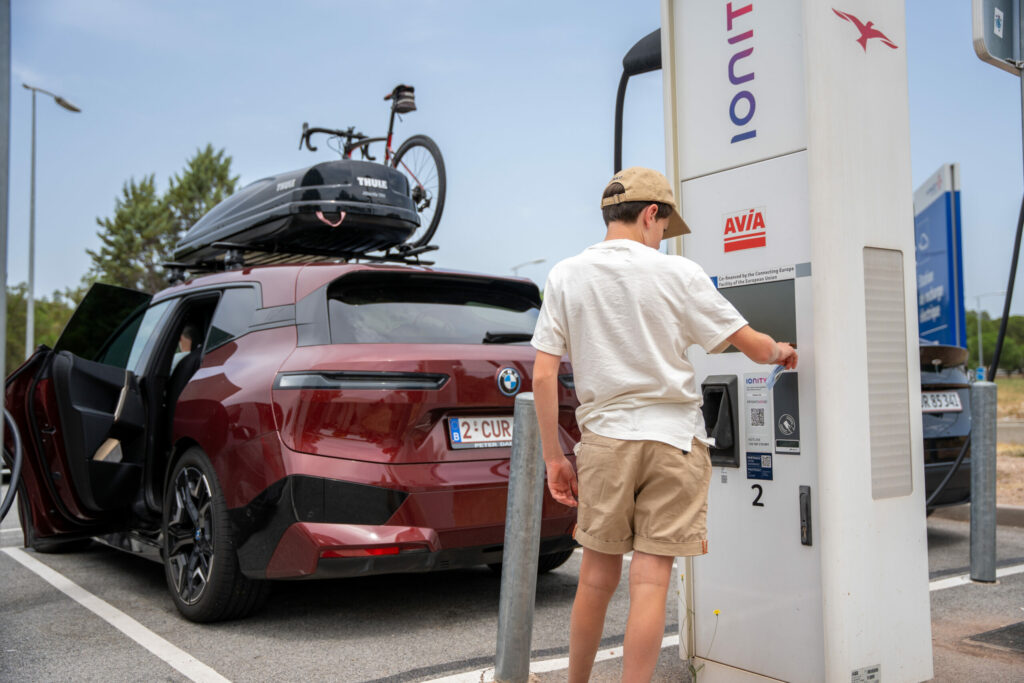
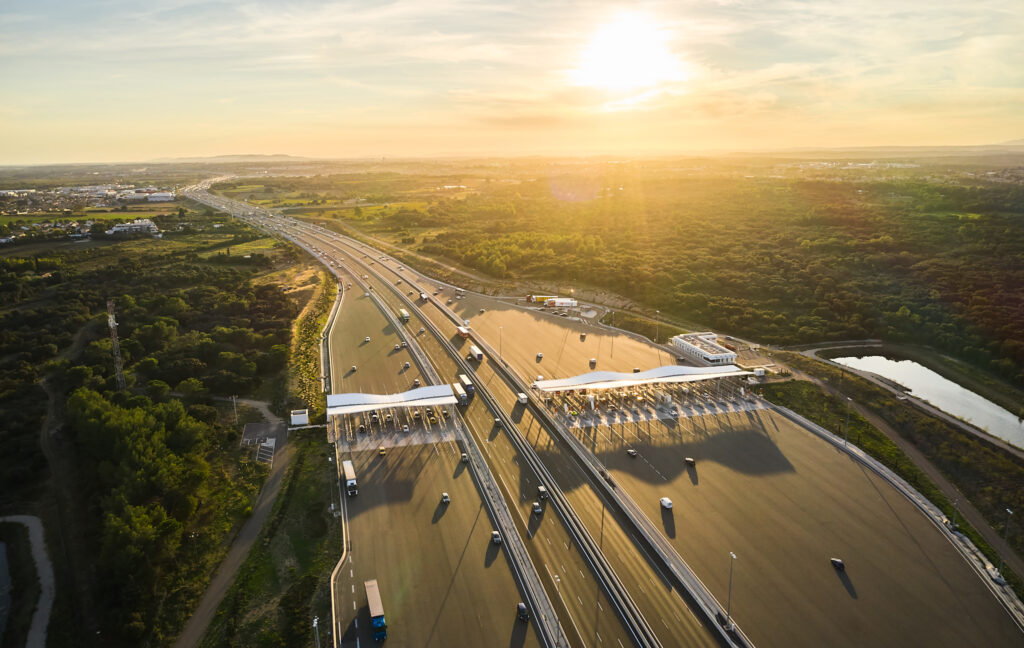
    Summer holidays are approaching, and for more and more motorists, they’ll be at the wheel of an electric vehicle. While the driving comfort and silence of an electric car may be appealing, one question remains: how do you manage recharging on the road when you’re on holiday? On French motorways, particularly those in the VINCI network, the infrastructure is ready. You just need to know how to deal with it. Here’s a practical article to help you travel with a clear head, with insights from Olivier Granier, Director of Commercial Installations at VINCI Autoroutes.

    Credit: Cyril Crespeau
    Credit: Cyril Crespeau


    A charging point every 80 km: a promise kept

    The good news is that recharging on the motorway is no longer a headache. On major routes such as the A7, A10, A61 and A75, among others, all service areas are now equipped with fast-charging stations. VINCI Autoroutes, which manages more than 4,400 km of the network, has already equipped 100% of its service areas, i.e. more than 300 recharging stations and 90% coverage of ultra-fast charging points.

    We have embarked on a vast programme of equipment from 2020, in partnership with the major operators in the sector, to respond to the increase in the number of electric vehicles, particularly during the summer period “, explains Olivier Granier. The objective that the French group had set itself has been achieved: to offer a station every 80 kilometres or less on the network, to guarantee peace of mind on long-distance journeys.

    A wide range of partners and a user experience at the heart of the system

    The chargepoints installed generally recharge 80% of the battery in less than 30 minutes. Some stations offer up to 16 simultaneous charge points, and the diversity of operators present – Ionity, TotalEnergies, Fastned, Driveco, Tesla, etc. – ensures good interoperability, whatever the vehicle model.

    But technical performance is not the only concern of those involved in recharging: the user experience is even more important. To facilitate this transition and help EV drivers with the recharging process, VINCI Autoroutes has launched Operation Gilets Bleus, a summer initiative that mobilises its staff on the ground to help, inform and ensure the safety of drivers at service areas during major holiday periods.

    Credit: Jacques Wisdorff
    Credit: Jacques Wisdorff


    Simplified payment and digital tools to the rescue

    This convenience extends to payment, because today you don’t need to be an expert to recharge on the motorway. Most chargepoints accept payment by credit card or QR code. You can also use the operators’ mobile applications or multi-network badges such as Chargemap or Shell Recharge. In terms of digital services, the Ulys application developed by VINCI Autoroutes helps users on their journeys on French motorways. ” Our application allows drivers to locate charging points, check their availability in real time, and plan their itinerary to include recharging breaks ,” explains Olivier Granier.

    Anticipate to avoid peaks in visitor numbers

    During the summer, some service areas can be very busy, especially on Saturdays known as “black Saturdays”. VINCI Autoroutes is aware of this, and steps up its technical surveillance and maintenance operations at this time of year. ” We have put in place centralised supervision and teams mobilised 24 hours a day, particularly for major departures ,” says Olivier Granier.

    His advice to motorists: don’t wait until the last minute to recharge. So plan your stops in advance, recharge as soon as your range falls below 30%, and regularly check the status of charging points on specialist applications. It’s better to plan a stop at an area a little earlier in the journey than to risk waiting in the middle of the heat.

    VINCI AUTOROUTES; Ulys; Montpellier; Telepeage


    The motorway is ready, now it’s up to you to get organised

    The coverage of the network, the diversity of operators, the digital tools and the comfort offered at the rest areas make the electric car a credible option for holidays. The key is to plan ahead. Recharging should be incorporated into your journey as a useful and enjoyable break, rather than a constraint. This summer, go away connected, go away serene.

  • Charging stations: what’s the current state of deployment in your region?

    Charging stations: what’s the current state of deployment in your region?

    As electric mobility gains ground, the question of recharging infrastructure becomes central. Recharging your vehicle should no longer be a constraint, but a formality, accessible throughout the country.

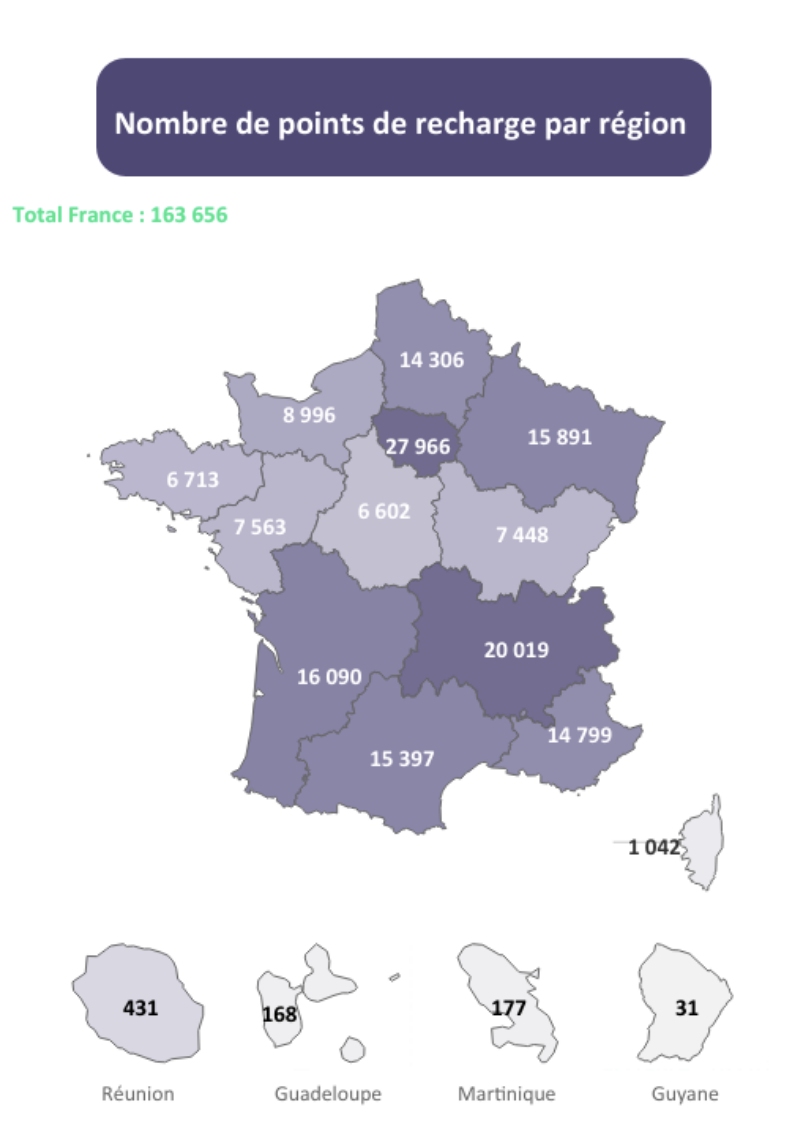
    France currently has more than 163,000 charging points open to the public, spread across all its regions. Behind this figure lies a genuine transition effort, led by both public and private players to support the growth of electric vehicles.

    This map, published by the Association nationale pour le développement de la mobilité électrique (AVERE), shows the number of charging points open to the public, region by region. Its role is to inform users about the current momentum, driven by a shared desire to guarantee fair access to recharging and to support motorists in this transition.

    As part of this energy transition, the government has set a target of 200,000 charging points by 2026, and 400,000 by 2030, including at least 50,000 fast-charging points. This is a major ambition, designed to meet the growing demand for infrastructure for electric vehicles.

    IRVE Barometer
    IRVE Barometer – AVERE FRANCE
  • Charging and electric cars: who’s shaping the future?

    Charging and electric cars: who’s shaping the future?

    There are countless electric cars on the road, electric charging points and adverts promoting ‘cleaner’ mobility. Electromobility is no longer an emerging trend; it has become an everyday reality that is established throughout the world.

    But behind this term with its technical meaning lies a real upheaval. Electromobility isn’t just about replacing an internal combustion engine with an electric battery, it’s about transforming an entire ecosystem: from historic carmakers to innovative start-ups and equipment manufacturers, let’s take a look at the pillars of global electromobility.

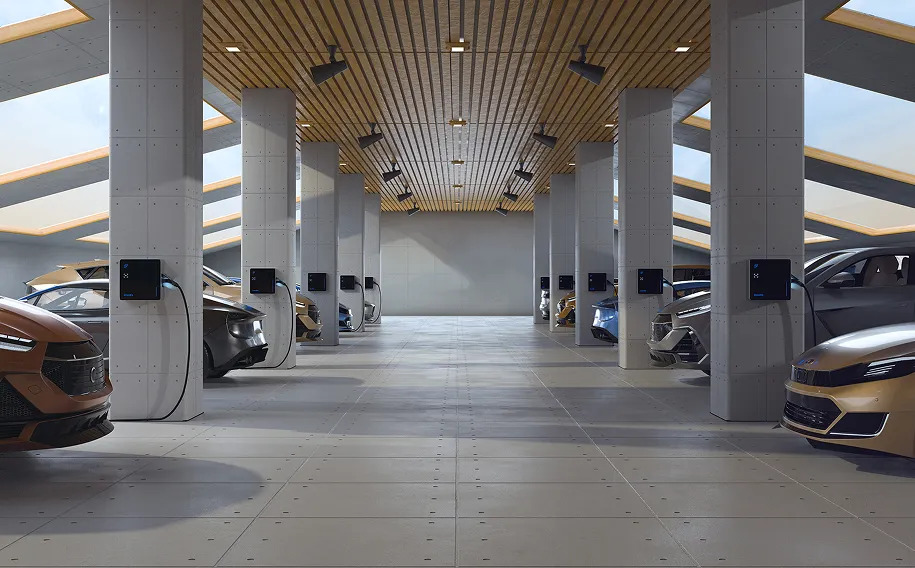
    Credit: Qovoltis
    Credit: Qovoltis


    Car manufacturers: the global battle rages on

    For more than a decade, a number of manufacturers have been leading the way in electric cars. Tesla, of course, remains the symbol of this revolution. With its innovative models, the Californian firm has shaken up the established order and forced the giants of the sector to adapt. With almost 1.8 million electric vehicles sold in 2024, Tesla remains the best-selling brand in the world.

    But this dominance could waver, as Chinese manufacturers continue to play a major role in the sale of 100% electric vehicles: BYD (1,764,992 vehicles sold in 2024), GEELY, SGMW, NIO and Xpeng, among others, account for 28% of the market and make China the world’s leading market. This is because China produces on a large scale and now exports to Europe. The Middle Kingdom is banking on an integrated industrial strategy, backed by massive state support.

    To stay in the race on a global scale, European manufacturers are reinventing themselves. Nissan and Renault have been pioneers since 2010, when the Nissan Leaf and Renault Zoé enabled thousands of drivers to switch to electric cars. Today, the majority of European car market leaders such as Volkswagen, BMW, Mercedes-Benz, Renault and Stellantis are stepping up their efforts to electrify their ranges, with initiatives to offer affordable models at around €25,000.

    Equipment manufacturers: the craftsmen of electromobility

    Behind every electric car are specialist suppliers who design the key components: batteries, motors, electronic management systems and recharging stations. These equipment manufacturers play a fundamental role in this ecosystem.

    CATL (China), LG Energy Solution (South Korea) and Panasonic (Japan) dominate the global lithium-ion battery market. Between them, they power millions of electric cars. In Europe, things are much more laborious. Although companies like ACC (backed by the PSA Group, Total and Mercedes-Benz) and Verkor are emerging, Europeans are still unable to compete with the Asian giants.

    In addition to batteries, other essential components, such as driving assistance systems and engines, are developed by renowned equipment manufacturers such as Valeo, Bosch and Continental.

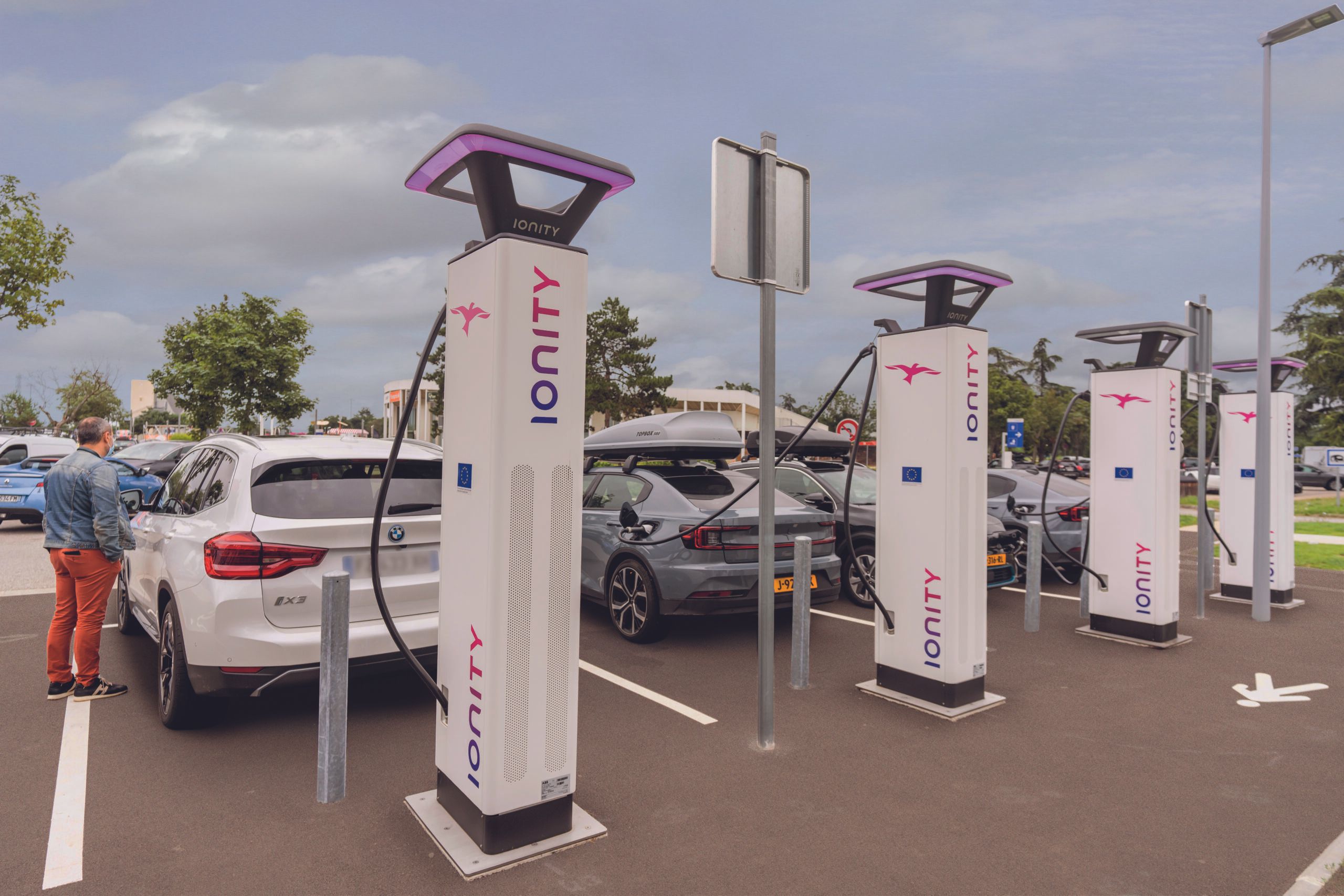
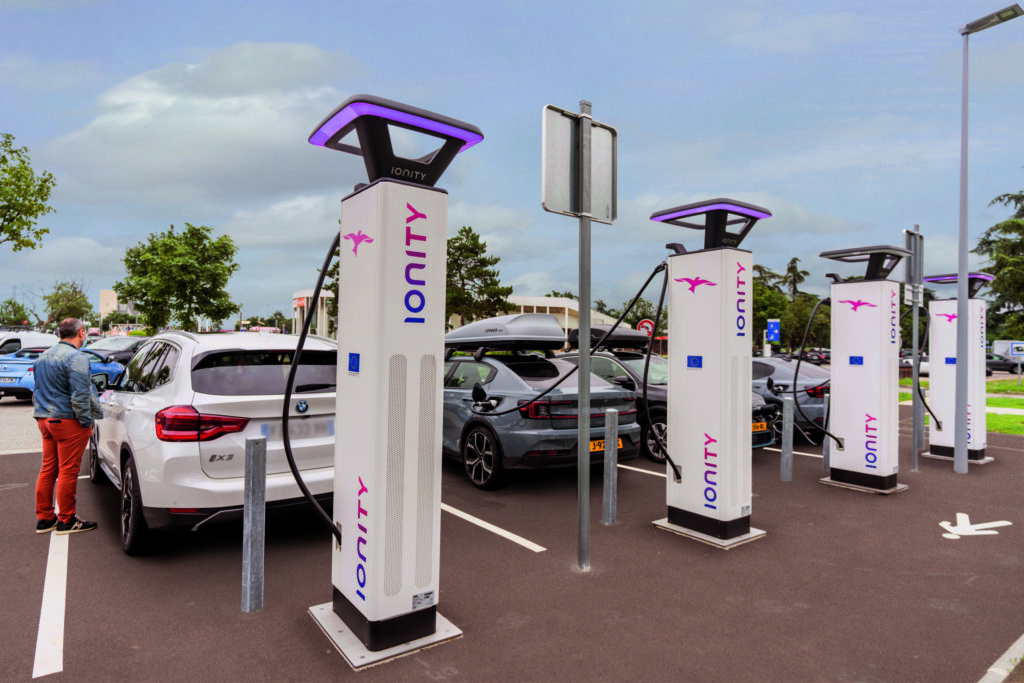
    The recharging station sector, essential to all electric mobility, is booming. Tesla is one of the market leaders with its Superchargers, but competition is intensifying. Atlante, IONITY, Electra and Fastned recently joined forces to form the Spark Alliance, with a clear objective: to become the largest ultra-fast charging network. This is a strong sign that the Old Continent is gaining ground in this field.

    Start-ups: innovation for tomorrow’s mobility

    Start-ups play a key role in innovation in electric mobility. In France, Gireve facilitates the interoperability of charging points, while Qovoltis offers intelligent charging solutions.

    Internationally, a number of projects aimed at improving the comfort of motorists are emerging. These include StoreDot, which is developing ultra-fast-charging batteries that can go from 0 to 80% in just 5 minutes, and Pulsetrain, a German start-up that designs integrated systems for electric vehicles that extend battery life by up to 80%.

    These start-ups are providing practical solutions to the technical and user challenges of electric mobility. From intelligent recharging to battery optimisation, they are already shaping the car of tomorrow.

    Credit: This_is_Engineering
    Credit: This_is_Engineering

    In 2025, electromobility is no longer a gamble on the future; it’s a global race that’s well under way. Tesla retains its benchmark status, Chinese manufacturers dominate large-scale production, and Europe is playing the innovation card: industrial alliances and disruptive start-ups to stay in the race.

    Behind this transformation, an entire ecosystem is mobilising, with a common objective: to create more sustainable, intelligent and accessible mobility. And one thing is certain: the shift to electric vehicles has only just begun.

  • Electric charging: the French government tightens up its plan

    Electric charging: the French government tightens up its plan

    As the electric car gradually gains ground, the government is stepping up its support for the installation of charging points. The aim is to make life easier for motorists, remove disincentives to recharging, and ensure equitable access across the country.

    Credit: stux
    Credit: stux

    400,000 terminals in the pipeline: France moves up a gear

    With more than 168,000 public charging points in May 2025, France is aiming for 400,000 by 2030, including 50,000 fast charging points. From cities to rural areas, all locations are covered: car parks, motorways, supermarkets… so that every French person can recharge easily, wherever they live.

    This is in response to the strong growth in sales of electric vehicles and the forthcoming ban on combustion-powered cars, voted by the European Parliament for 2035.

    Home terminal: soon simpler, faster

    In conjunction with Enedis, the government is preparing a plan to simplify the installation of charging points in communal housing: the aim is to have less than six months between the agreement of the co-ownership and commissioning.

    To lighten the bill (between €1,500 and €2,500), the State provides financial assistance, in particular via the Advenir programme, to encourage private individuals to take the plunge.

    Smart tariffs and cars that give energy back

    To continue to attract new users, preferential tariffs should be introduced at times of peak renewable energy production (“solar hours”), as well as at night and at weekends.

    The government is also pushing ahead with the development of V2G, an innovative technology that allows cars to return electricity to the grid when consumption peaks. The government’s aim is to roll out V2G across Europe by 2026.

    Reliable terminals, available 24 hours a day: a promise of trust

    With a technical availability rate of 93%, the French network is already performing well. But to go even further, the government intends to strengthen its partnerships with operators to ensure a seamless service, with terminals that are maintained, repaired quickly and accessible 24 hours a day.

    A challenge to match climate ambitions

    Supporting the rise of the electric car is much more than a matter of comfort: it’s a necessity if we are to meet the climate targets set at European level. Because a clean car is worth nothing… without a charging point nearby.

  • What is electromobility?

    What is electromobility?

    Over the last few years, the term electromobility has become part of our conversations, in the media, but also – and above all – on our roads. But what exactly does it mean? In addition to the electric cars we see on the road more and more, electromobility refers to a profound change in the way we think about travel, placing electricity at the heart of sustainable mobility. Let’s take a closer look at the history, principles and prospects of this silent revolution.

    Credit: Senivpetro

    An idea over 100 years old

    Contrary to what you might think, electromobility is not a recent idea. At the end of the 19th century, electric vehicles were already competing with steam and petrol cars. The first vehicle in history to break the symbolic 100 km/h barrier was designed in 1899 by Belgian engineer Camille Jenatzy. Known as the Jamais Contente, this car was powered by electricity.

    At the time, electric vehicles were appreciated for their silence and ease of use. In the United States, they even accounted for a third of the car market between 1900 and 1910.

    However, during the 20th century, the rise of internal combustion engines – which were cheaper to produce and had greater range thanks to cheap oil – pushed electromobility into the background. It was only at the turn of the 21st century, in the face of climate change and the need to reduce our dependence on fossil fuels, that electric mobility
    is making a comeback.

    The foundations of electromobility

    Electromobility encompasses all transport solutions using electrical energy. This includes not only cars, but also bicycles, scooters, electric buses and even some regional trains.

    More broadly, electromobility is based on a complete ecosystem: intelligent charging stations, low-carbon electricity networks, optimised energy management, integration of renewable energies, etc. The principle is simple: replace fossil fuels with electricity to power our journeys.
    our journeys.

    But behind this apparent simplicity lies a major technological transformation, far more profound than a simple change of fuel. It involves rethinking mobility as a whole, incorporating concepts of energy efficiency, reducing CO2 emissions and respect for the environment.

    Why electromobility is the way forward

    ● Reducing greenhouse gas emissions
    According to the French Environment and Energy Management Agency
    (ADEME), an electric vehicle emits on average three times less CO2 than a combustion vehicle over its entire life cycle, provided that the electricity used comes from renewable sources.

    Reduced noise pollution
    Electric vehicles are almost silent, offering greater driving comfort for users and a quieter environment for local residents. This silence is gradually transforming the soundscape of our cities.

    ● Energy independence

    By diversifying our energy sources and encouraging the local production
    (solar, wind, hydro), countries can reduce their dependence on oil imports.
    reduce their dependence on imported oil.

    ● Efficient and responsible batteries
    Technological advances in lithium-ion batteries have also played a key role in this renaissance. They enable vehicles to achieve much greater ranges, and contrary to popular belief these batteries are 95% recyclable.

    ● An expanding recharging network

    In recent years, recharging electric vehicles has become more accessible.
    become more accessible. Numerous innovative projects have been launched at all levels to democratise and improve charging infrastructure.

    Towards an electromobile future

    Today, electromobility is an essential pillar of the energy transition. It is more than just a technological development; it represents a genuine change in society.

    Tomorrow’s mobility will be smoother, cleaner and smarter. By adopting electromobility on a massive scale, we are helping to build more breathable cities, preserve our natural resources and shape responsible mobility for future generations.

  • Which countries are leading the electromobility race?

    Which countries are leading the electromobility race?

    Electric cars, charging points, state-of-the-art batteries:
    electromobility is everywhere. But not all countries are moving at the same pace: which are the most committed to this revolution? Between industrial strategies, public policies and technological innovations, the battle for electromobility is being fought on a global scale.

    Credit: frimufilms

    China, the locomotive of electromobility

    It’s hard to compete with China. The Middle Kingdom has not only theorised electromobility, it has industrialised it at lightning speed. Since the early 2000s, the Chinese government has invested heavily in this technology, with massive subsidies, quotas imposed on manufacturers and support for local companies such as BYD, NIO and CATL.

    The result: with a market share of almost 28%, China is the world leader in electric vehicles. What’s more, the country already has more than 13 million charging points and is exporting cars, batteries and charging points to Europe on a massive scale. We’re no longer talking about a local market, but a global industrial powerhouse.

    Europe: ambitious… but heterogeneous

    In Europe, electromobility is making great strides, driven by clear objectives: an end to sales of new combustion-powered cars by 2035, increasingly strict CO2 standards, purchase subsidies and the deployment of charging stations across the continent. Europe also stands out for its innovation ecosystem, particularly in recharging infrastructure (Spark Alliance) and batteries (Verkor, ACC).

    But behind these ambitions lie very different realities:

    ● Norway is the all-round champion: over 90% of new cars are electric.

    ● France, Germany and the Netherlands are making steady progress, with a growing network of charging points and increasingly accessible vehicles.

    ● Other European countries, such as Italy and Spain, are still lagging behind, held back by the cost of electric vehicles.
    held back by the cost of vehicles or the lack of infrastructure.

    For the European Union, the battle is not over. The Old Continent remains dependent on Asia for some of its components, and there are still major differences between countries. To catch up, Europe is counting on its start-ups and industrial innovation.

    Credit: Freepik

    United States: Tesla in the lead, but mixed fortunes

    When it comes to electromobility, the United States is often associated with Tesla, the powerhouse of the global market. But beyond Elon Musk’s company, the country is lagging behind in a number of areas. Although the adoption of electric vehicles is growing (around 15% of sales), it is still held back by a network of charging points that is still inadequate, particularly outside the major cities.

    With the election of Joe Biden in 2020, the situation has changed. The government introduced a number of key measures, including purchase subsidies, support for local battery manufacturing and a target of 50% electric vehicles by 2030.

    But the US territory is vast, and the States are uneven in their commitments: while California is pushing hard, other States such as Wyoming remain cautious. What’s more, competition between manufacturers is still dominated by Tesla, in the absence of a genuine made-in-the-USA alternative… for the time being.

    Electromobility is no longer an option: it’s a global trend. And basically, everyone is moving in the same direction. What’s changing is the method: China is imposing itself, Europe is supervising and innovating, and the United States is relying on its leader. But one thing is certain: the race is on, and more and more countries are getting involved in this battle, which will be won not just by the number of cars sold, but also by batteries, charging stations, innovation and the ability to involve an entire population in this change.