Author: Marceau Nio

  • Toyota presents 3 new models and focuses on diversity

    Toyota presents 3 new models and focuses on diversity

    Toyota has presented three new electrified models: the BZ4X, the CH-R+ and the AYGO Cross Hybrid. Three vehicles with different positioning, but all reflecting a clear strategy: to remain true to the brand’s values – reliability, quality and adaptability – while accelerating its contribution to the energy transition.

    BZ4X: the zero-emission SUV that leads the way

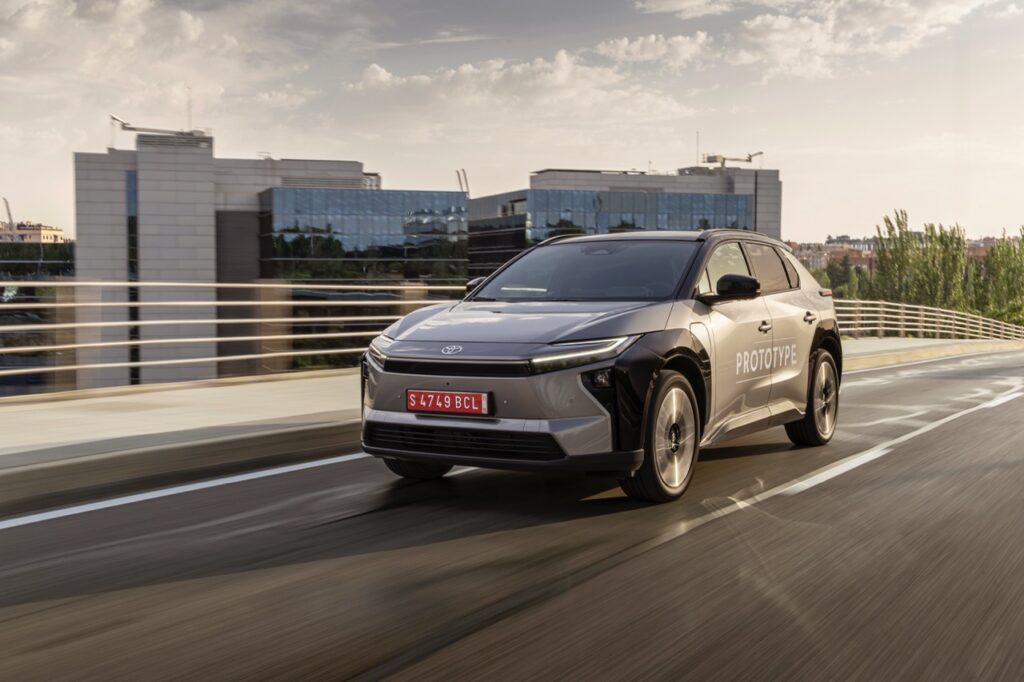
    The BZ4X is Toyota’s first true 100% electric SUV. Available with a choice of engines and two battery sizes, it boasts a range of up to 569 km. It can be recharged with up to 22 kW of alternating current, and battery preconditioning ensures optimum efficiency, especially in winter.

    Toyota is seeking to prove that it can make up for lost time in the electric segment. But in a market already occupied by Tesla, Hyundai and BYD, the challenge will be to offer a competitive alternative in terms of price and services.
    Toyota Credit

    CH-R+: the electric standard-bearer

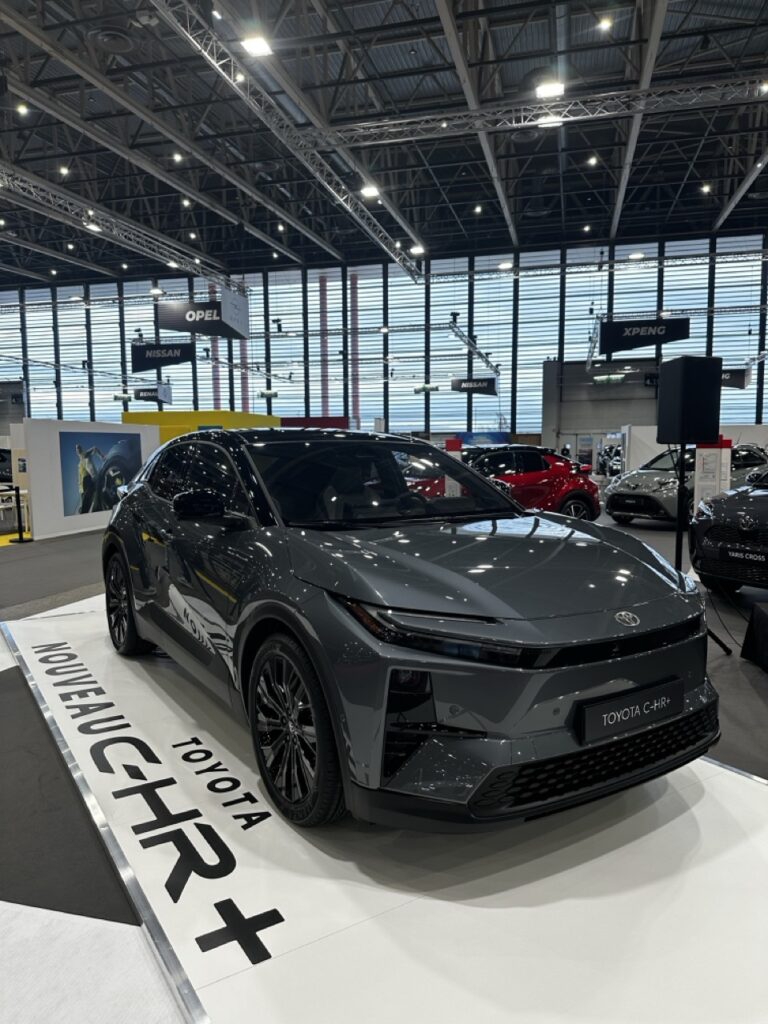
    With its bold styling and 343bhp, the CH-R+ boasts unusual performance figures for an SUV of its size: 0-100kph in 5.2 seconds and a claimed range of up to 600km. Toyota has made it the flagship of its electrified range.

    It remains to be seen whether this balance between sportiness and versatility will appeal to a market where simple hybrids are beginning to show their limitations in the face of zero-emission requirements in urban areas.

    AYGO Cross Hybrid: the pragmatic entry-level model

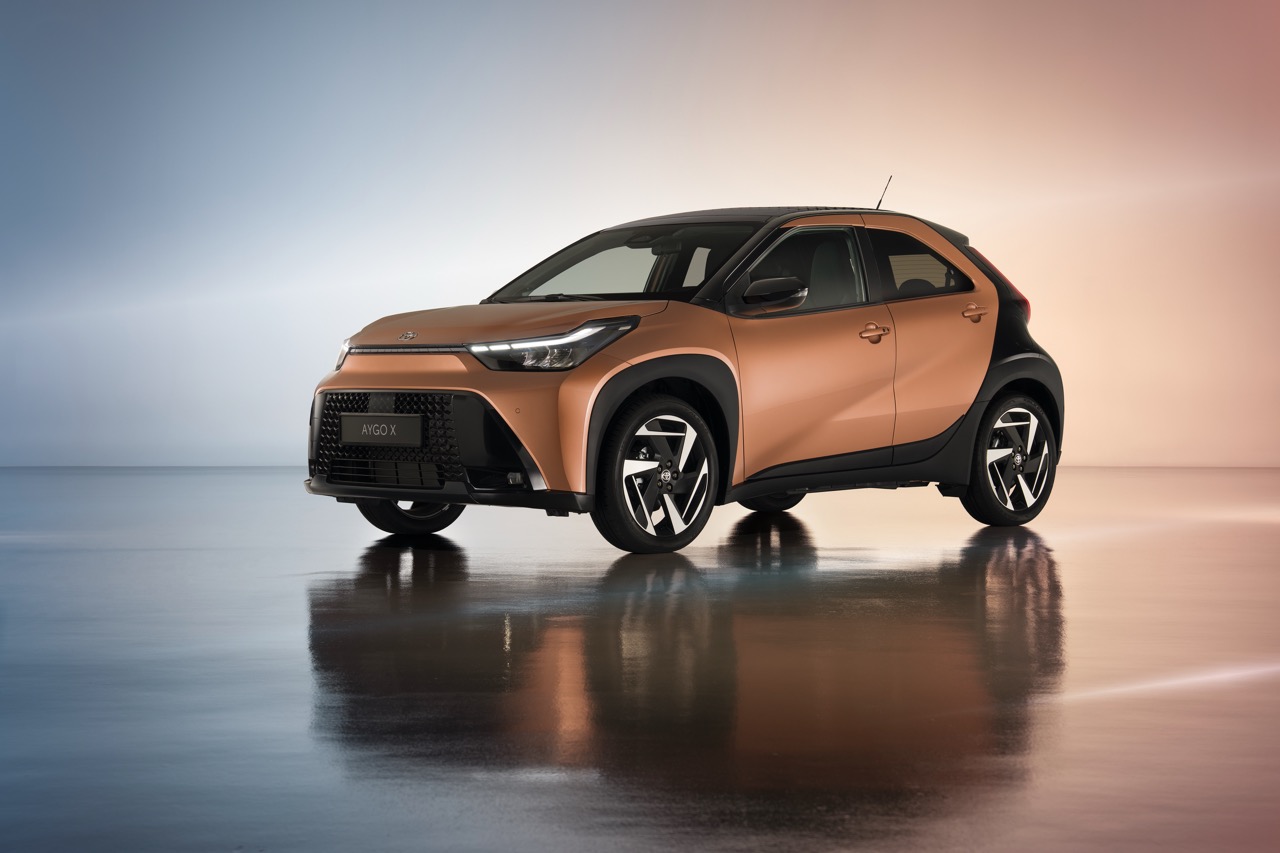
    With the AYGO Cross Hybrid, Toyota is playing the accessibility card. Compact and designed for the city, it is the urban SUV that “ticks all the boxes”. Accessible and agile, it remains a hybrid at a time when some European cities are already moving towards 100% electric vehicles.

    It’s a response to the expectations of city dwellers, but perhaps a short-term solution in the face of forthcoming regulations.
    Toyota Credit

    More than a range: a strategy

    Beyond the models, the manufacturer’s message is clear: electrification is not a one-off, it has to be multiple. By combining electric SUVs, high-performance hybrids and city cars, Toyota is betting on a multi-technology strategy. However, this diversification may be seen as a hesitant strategy in the face of competitors who are betting everything on 100% electric cars.

    “My Toyota is fantastic”: between emotion and transition

    These launches will be accompanied by a new advertising campaign, with the slogan “My Toyota is fantastic”. Behind the emotion and the attachment to the brand, there is a strategic challenge: to convince people that Toyota remains a safe bet in the automotive world, while adapting to the needs of a rapidly changing market.
  • Social leasing 2025: which cars are eligible?

    Social leasing 2025: which cars are eligible?

    The 2025 social leasing scheme has just made a comeback in France, and manufacturers have had to comply with the government’s requirements to offer leases of less than €200/month excluding options, and at least one offer for less than €140/month. City cars, SUVs or family cars – which models are eligible?

    France
    Naturally, as part of a French initiative, French manufacturers are offering a wide range of cars. At Renault, the objective is clear, and the Managing Director of Renault France, Guillaume Sicard, confirmed this on his social networks: to facilitate access to electric mobility for all French people, without sacrificing quality, innovation or local production. The Renault 5 E-Tech electric is available from €120/month, the Renault 4 E-Tech electric from €155/month and the Mégane E-Tech electric from €195/month.

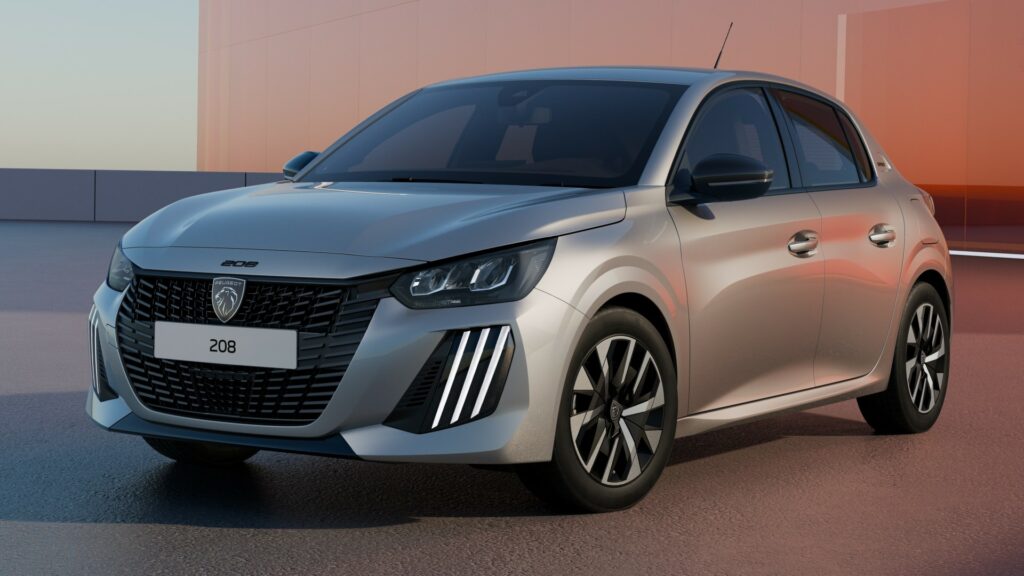
    Peugeot offers a wide range of models: the e-208 Allure from €120/month, the e-2008 Style from €150/month, the e-308 Style from €200/month and the e-Rifter Allure from €155/month. Citroën completes the range with the ë-C3 You from €95/month, the ë-C3 Aircross You from €119/month, the ë-C4 You from €179/month and the ë-Berlingo Plus from €149/month.

    Crédit Peugeot

    Germany
    Our neighbours across the Rhine are also offering a number of vehicles. Opel is offering three models: the Corsa at €119/month, the Mokka Edition SUV at €149/month and the Frontera Edition at €119/month.
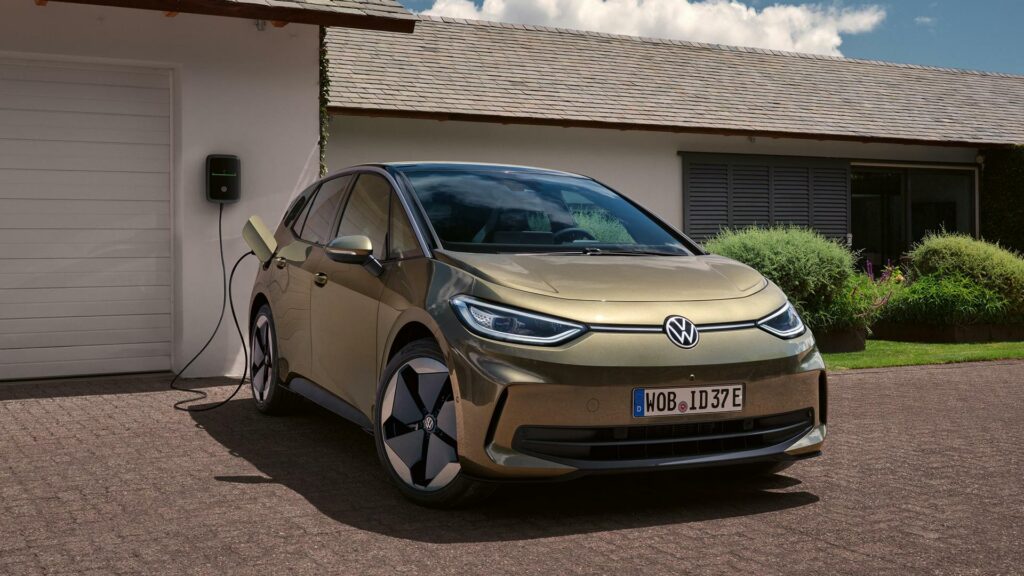
    Volkswagen is promoting the compact ID.3 Life Max at €139/month and the SUV ID.4 Life Max at €169/month.
    Skoda, a Group subsidiary, is lining up its Elroq SUV: City at €149/month and Element at €189/month.
    Finally, at Cupra, the Born One compact is priced at €189/month.

    Volkswagen ID.3 European electric car not available in Canada
    The Volkswagen ID.3, a compact electric model popular in Europe, is not yet on sale in Canada (Credit: Volkswagen).

    Italy
    Three manufacturers are representing our transalpine neighbours. Fiat is banking on accessibility: Grande Panda Red at €95/month, 500e Red at €129/month and 600e Pop at €145/month.
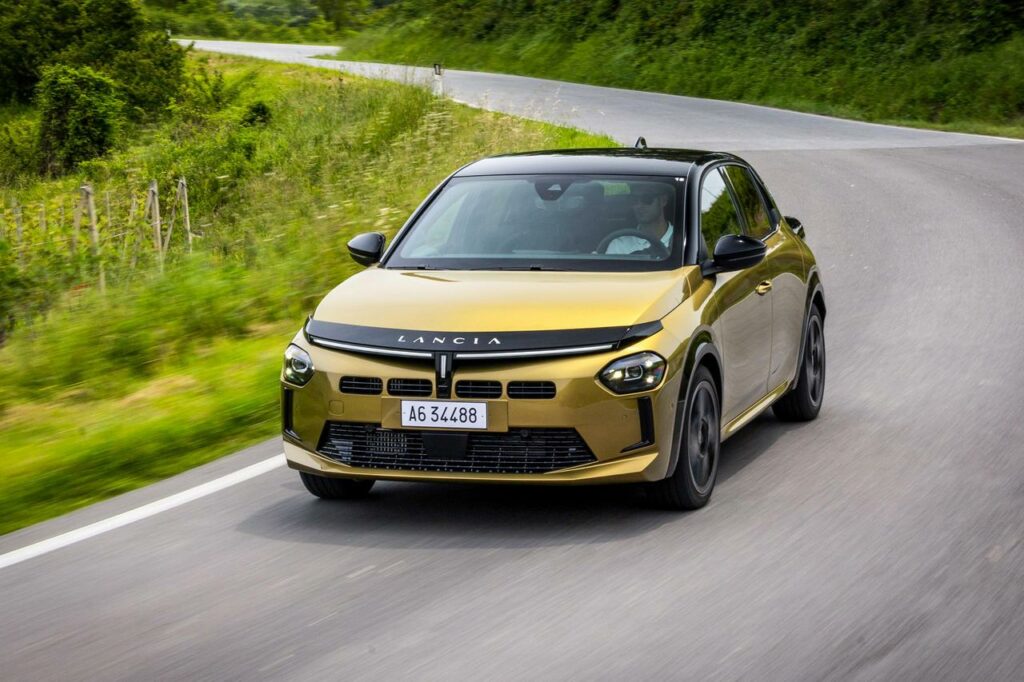
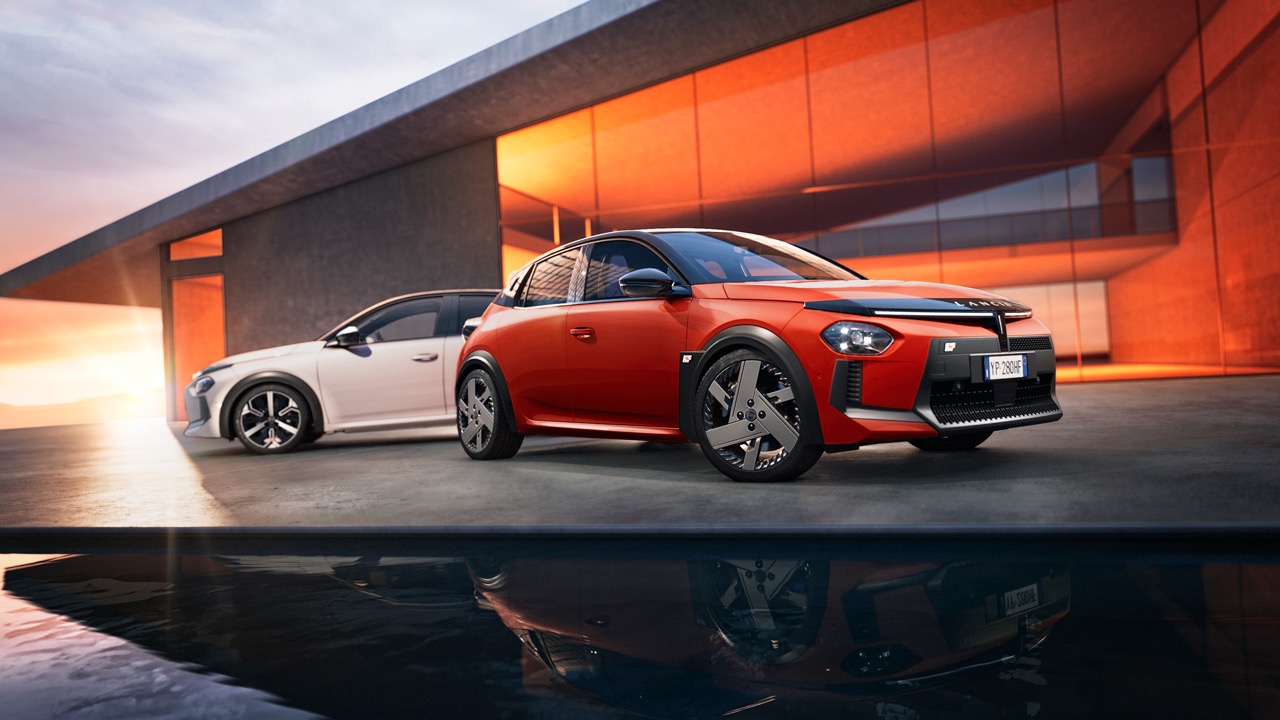
    Lancia is back with the Ypsilon LX at €179/month.
    Alfa Romeo joins the scheme with the Junior Speciale at €199/month.

    Lancia Credit

    United States
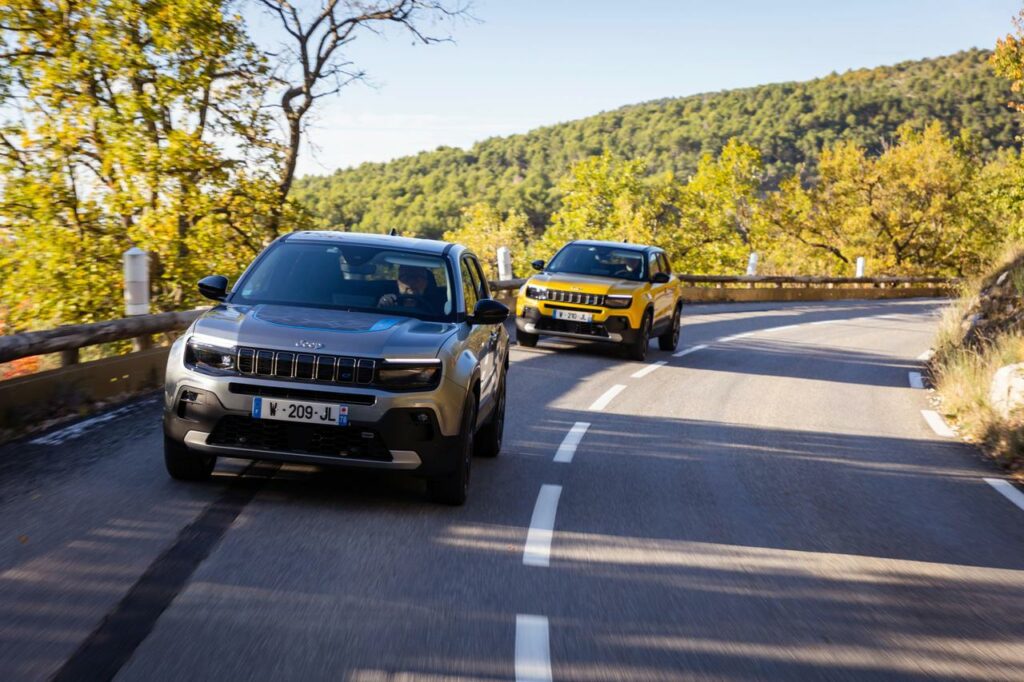
    For this initiative, Jeep is representing the United States and offering the Avenger Altitude, an electric SUV priced at €179/month.

    Jeep Credit

    South Korea
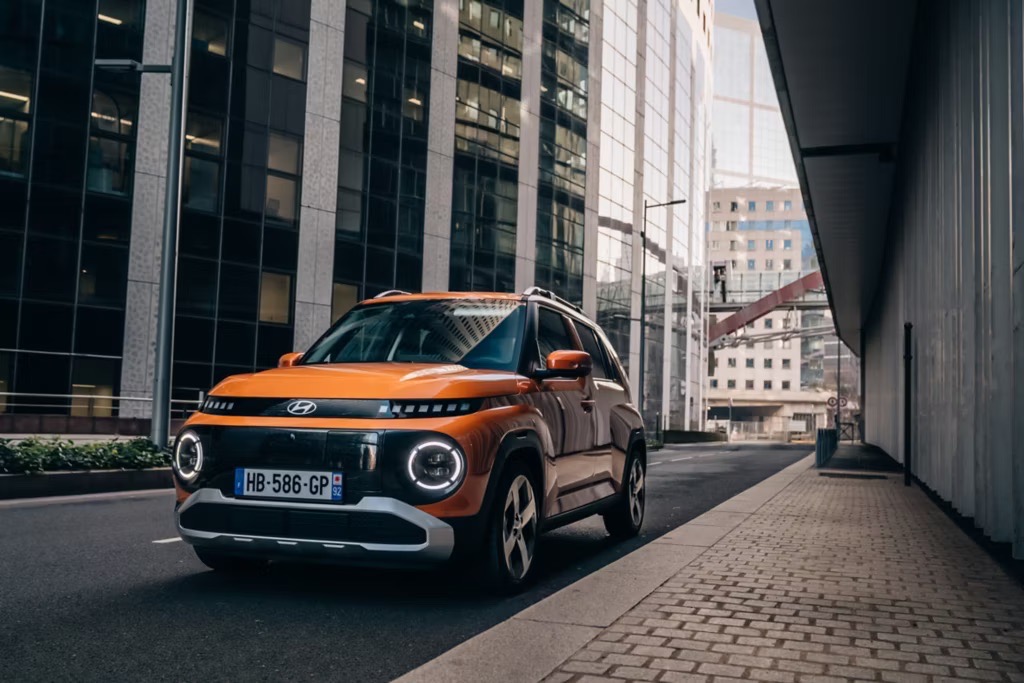
    In Asia, Hyundai is banking on the brand new Inster, available at €99 per month.
    With more than thirty models on offer under the 2025 social leasing scheme, and rental prices ranging from €95 to €200 per month, every eligible household should be able to find a vehicle to suit their needs.

    Hyundai credit
  • Amazon joins forces with Europe to accelerate the energy transition in transport

    Amazon joins forces with Europe to accelerate the energy transition in transport

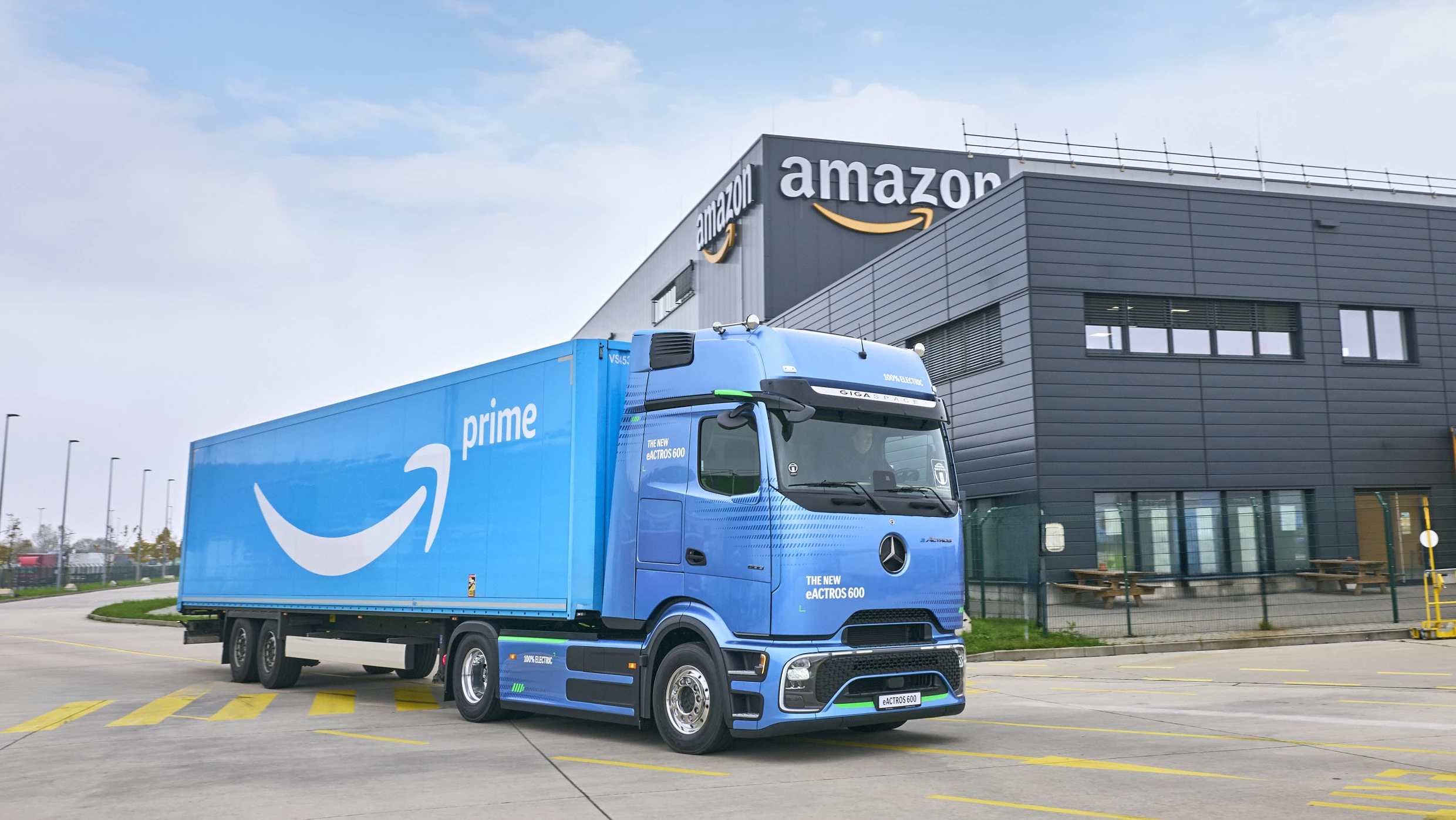
    The e-commerce giant has joined the European E-Mobility E Logistics Hub initiative, a coalition of manufacturers, energy companies and public decision-makers working to promote the electrification of heavy goods vehicles on the Old Continent. The stated aim is to accelerate the electrification of urban and inter-urban logistics, by bringing together public and private players.

    A collective dynamic

    Until now, each player has generally acted separately, making deployment slow and costly. Now, with this hub, the objective is clear: to speed up the introduction of zero-emission HGVs and the appropriate charging points. The idea is to bring together manufacturers, hauliers and logistics operators around the same table. Amazon is joining this circle to put its economic weight behind large-scale electrification.

    The importance of electrifying logistics transport

    When we talk about electric mobility, we think mainly of cars, and it’s true that in this area, electric vehicles are gaining ground on private cars. But logistics is still lagging behind: it is difficult to decarbonise. And that’s a cause for concern when you consider that lorries still account for almost a quarter of European road transport emissions. Without massive electrification, the EU’s climate targets will not be met. By joining this hub, Amazon is sending out a strong signal: its deliveries, often singled out for their carbon footprint, will have to become cleaner.

    A solid foundation

    Amazon is no novice when it comes to the ecological transition in transport. The world leader in e-commerce already operates several thousand electric vans for its urban deliveries in Europe. Its commitment to the E-Mobility E-Logistics Hub proves that it has no intention of stopping there, taking the electrification of HGVs one step further.

    What are the hopes for this project?

    The success of this project will depend on the speed of deployment of ultra-fast charging stations capable of handling trucks and vans. Without this, electrification will remain limited. But the arrival of a player like Amazon shows that the sector is ready to change scale.

  • Stellantis presents “IBIS” and moves ahead with the battery of the future.

    Stellantis presents “IBIS” and moves ahead with the battery of the future.

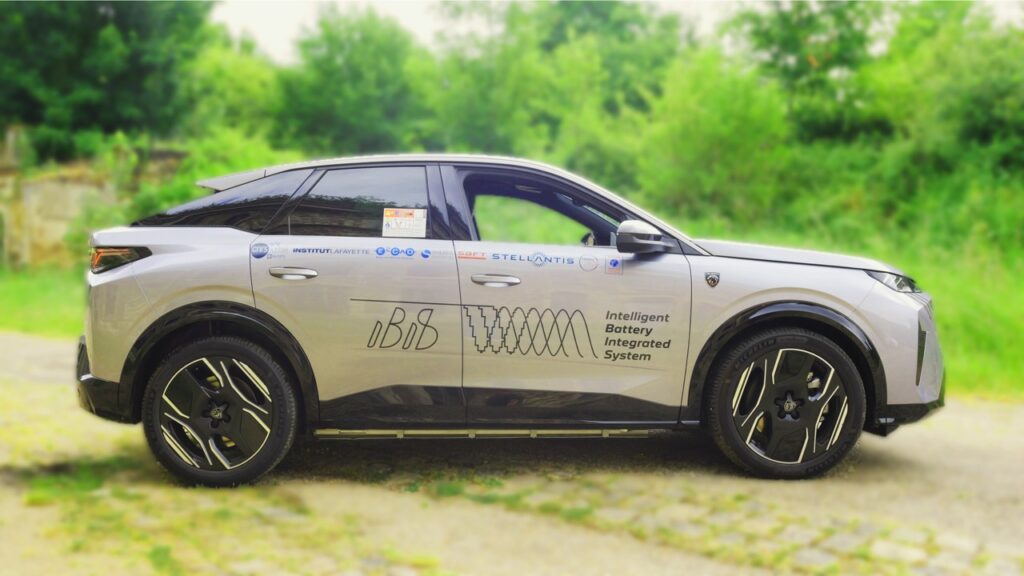
    While the issue of batteries for electric cars remains central, Stellantis unveiled its new battery prototype in September, a technology called IBIS (Intelligent Battery Integrated System). The aim is to make tomorrow’s cars simpler, lighter and, of course, more efficient.

    Credit Stellantis

    A simplified, more efficient battery

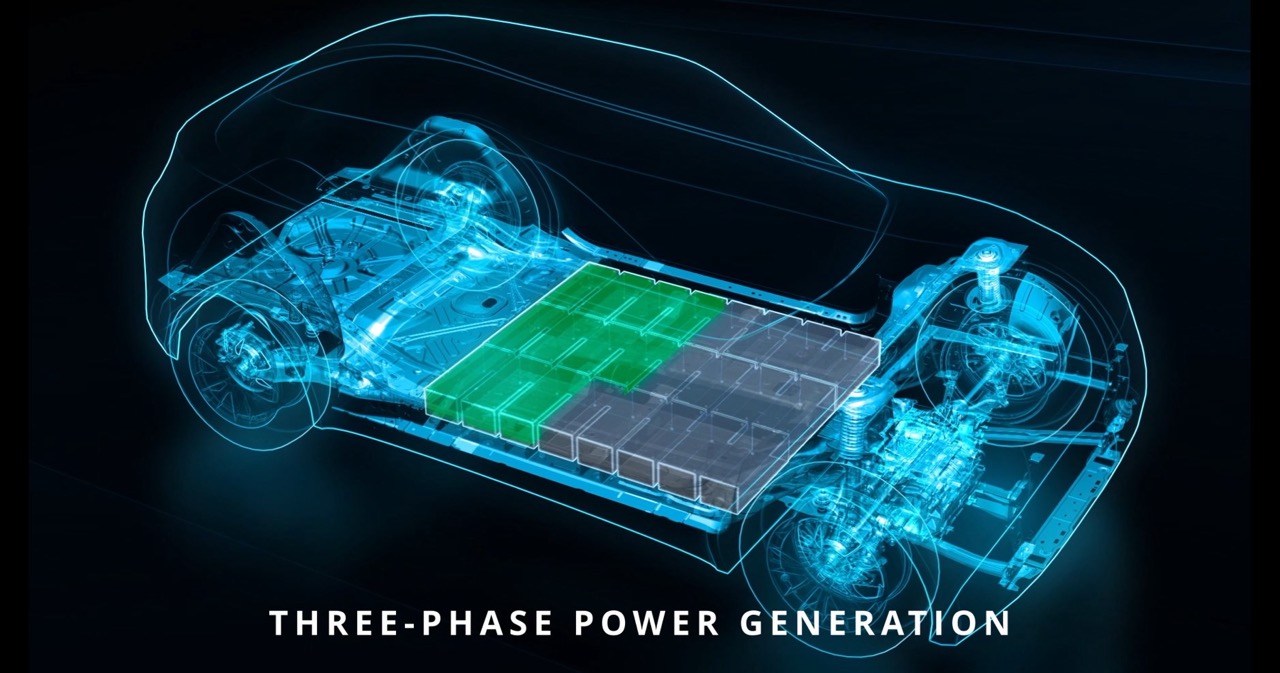
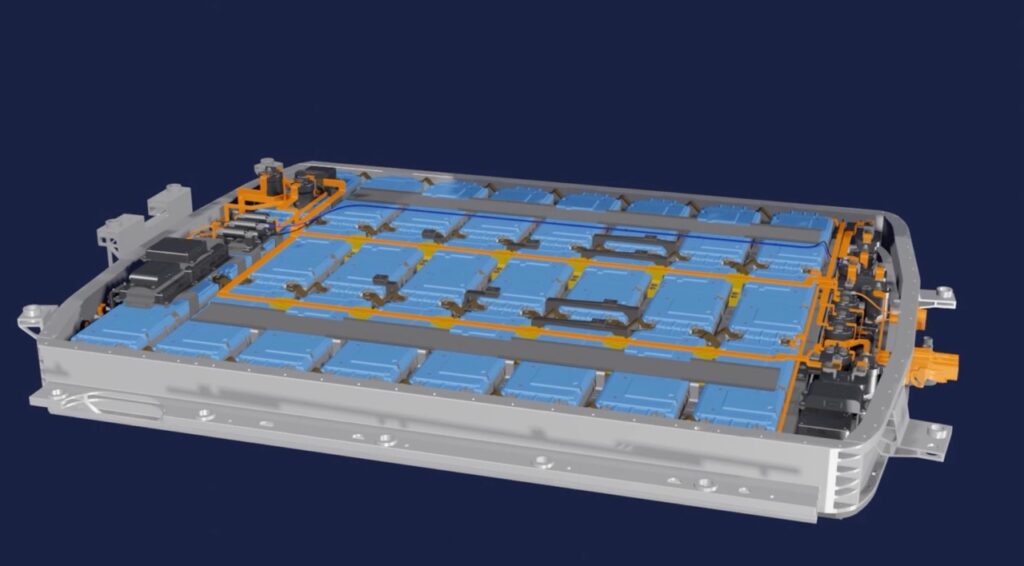
    Designed in partnership with Saft, a subsidiary of TotalEnergies, this innovation is currently being tested on a prototype Peugeot e-3008. Unlike conventional batteries, where the inverter and charger are independent components of the battery, the IBIS prototype integrates them directly into the battery pack. This combination delivers a 10% gain in energy efficiency, reduces the vehicle’s weight by 40 kg and frees up 17 litres of extra space. Based on initial results, the Stellantis Group has announced that recharging times could also be reduced by around 15%, i.e. one hour less than a standard AC recharge.

    Challenges to solve

    While this project looks convincing on paper, there are still some questions to be answered. With so many components in the same block, there is the question of how to manage the heat generated. Another challenge is to move from prototype to industrial production, a costly and complex stage, even if the Group can rely on its European battery production partners to support them in this probable ramp-up.

    Credit Stellantis

    A future yet to be written

    While Stellantis plans to test these batteries in a demonstration fleet as early as 2026, we will have to wait until the end of the decade to see them developed in series.

    With IBIS, Stellantis hopes to catch up with Asian giants BYD and CATL, who still largely dominate the sector.

  • Social leasing: everything you need to know about what will change on 30 September 2025.

    Social leasing: everything you need to know about what will change on 30 September 2025.

    More than a year after the success of the 2024 social leasing scheme, this aid scheme is making a comeback on 30 September. The government’s stated aim is to widen access to electric cars for the poorest households, but with a stricter framework and rethought financing.

    A project not funded by the State.

    Until now, it was the State that put its hand in the pocket. From 30 September 2025, the scheme will come under the CEE (Certificats d’Économie d’Énergie) umbrella. To put it simply, from now on it will be the energy suppliers who finance it, for a total budget of €370 million over 2025-2030, with maximum support per vehicle estimated at €7,000 (compared with €13,000 previously).

    Stricter eligibility conditions.

    The conditions remain tight: you need to have a reference tax income per unit of less than €16,300, be over 18, live in France, and prove that your car is used for a journey of at least 15 km between home and work, or at least 8,000 per year for business reasons.

    Another rule is that this aid cannot be combined with the ecological bonus or the conversion premium. To compensate for this, and to remain true to its promise of accessibility, the scheme ensures that rental prices will remain controlled: maximum €200/month, and each supplier will have to offer at least one product at €140/month or less.

    Eligible vehicles.

    This year, eligible vehicles will have to meet certain criteria: they must be 100% electric, cost less than €47,000 and weigh less than 2.4 tonnes. The possibilities are therefore limited, and certain models such as the electric Citroën C3, the Renault 5 E-Tech and the Fiat e500 are expected to qualify.

    Crédit: Pexels

    An almost obvious success.

    Following on from the success of its predecessor in 2024, social leasing 2025 is likely to be a runaway success, with Stellantis claiming to have already received more than 120,000 applications, and Renault, tens of thousands. The government is making 50,000 vehicles available under this social leasing scheme, and this quota is likely to be reached quickly.

    With this new framework, social leasing aims to remain a gateway to electricity for low-income households, while reducing the public bill. The new scheme is more structured, less generous and, above all, designed to last.

  • Honda Prelude: The Japanese manufacturer resurrects this icon of the 1980s and 2000s

    Honda Prelude: The Japanese manufacturer resurrects this icon of the 1980s and 2000s

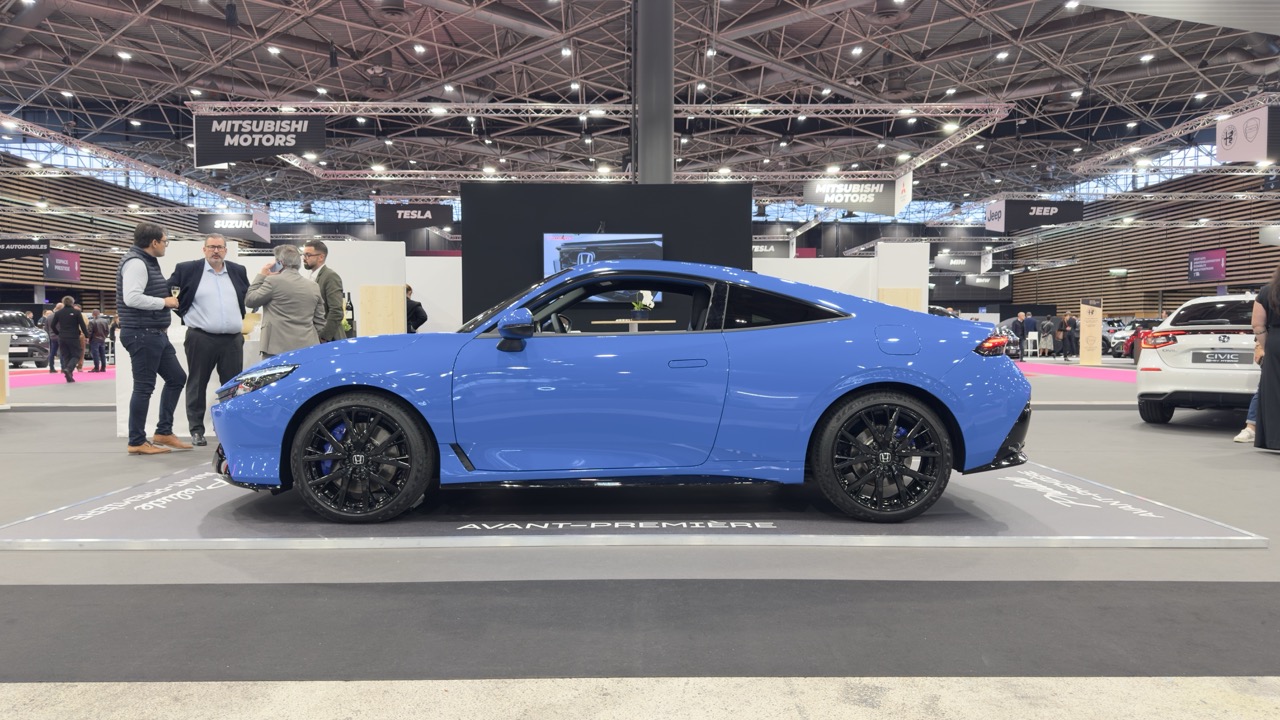
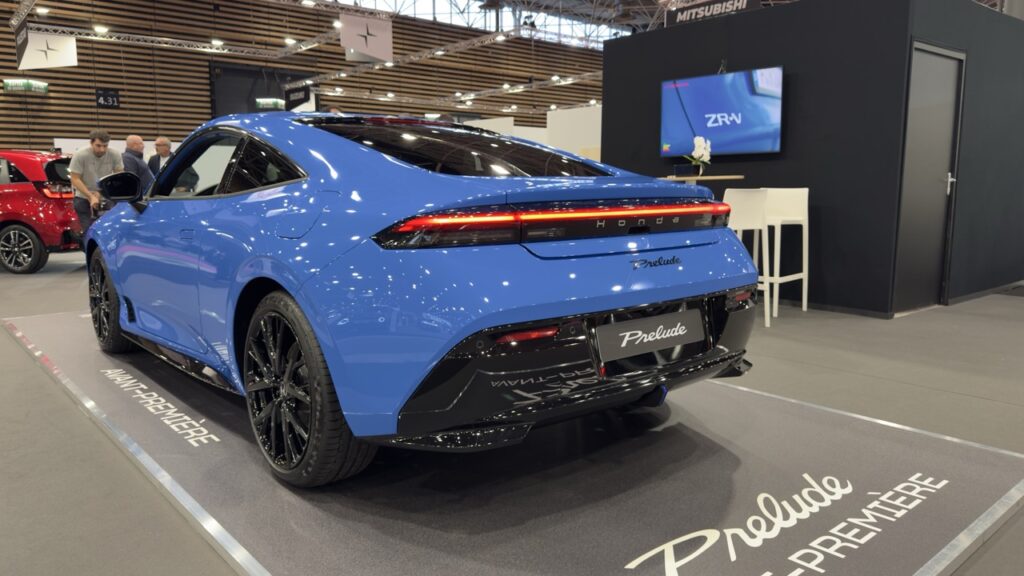
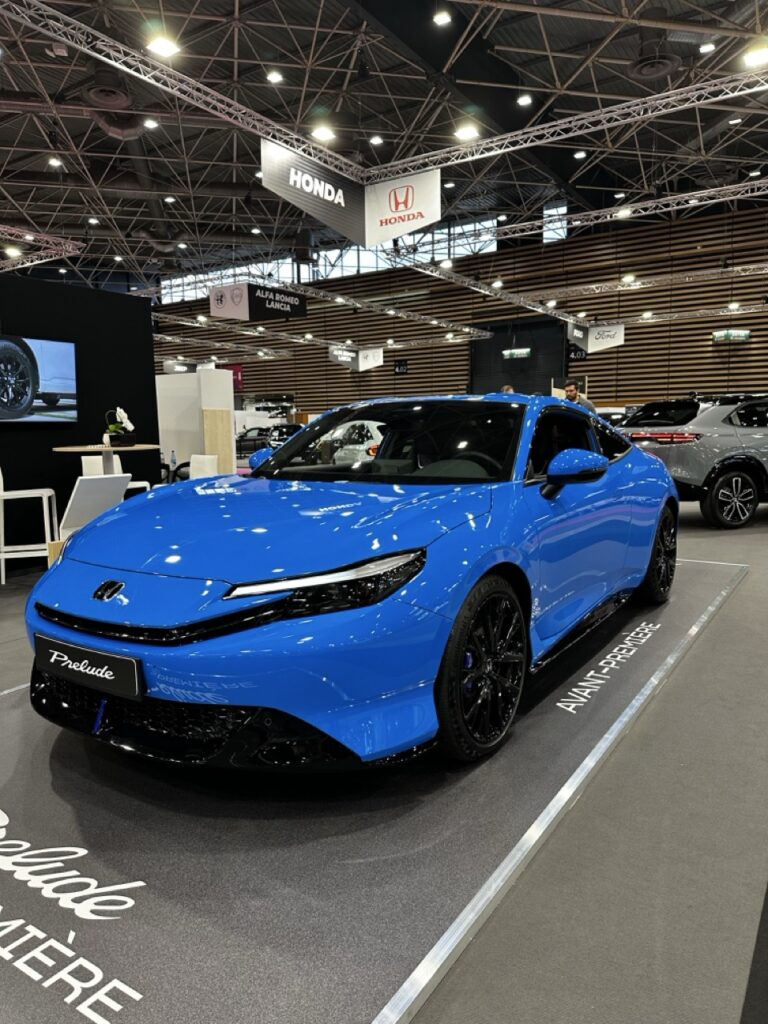
    It’s when you stop expecting them that the nice surprises come! That was the case when we discovered the new look of the 6ᵉ generation Honda Prelude in the bays of the Lyon 2025 Motor Show. More than twenty years after it ceased production, the Japanese sports car that marked an entire generation is making its grand return to Europe.

    A successful blend of heritage and modernity

    At first glance, it’s obvious: the Prelude of 2026 is not the car of yesteryear. Like its ancestors, it retains its sporty silhouette, low lines and dynamic profile – in short, the codes that made it such a success. There’s a sharp front end and a distinctive light signature. The modern touch, meanwhile, is reflected in its compact appearance, aerodynamic details and unmistakable refinement, confirming Honda’s desire to make a sports coupé that is as seductive as it is efficient.

    Powertrains and performance: hybrid as a matter of course

    The powertrain has been confirmed: the Honda Prelude will be equipped with an e:HEV hybrid powertrain, combining a combustion engine and two electric motors. The chassis is strongly inspired by that of the Honda Civic Type R, a guarantee of sportiness, and the brand is introducing a new S+ clutch mode, which simulates automatic gear changes for a more engaging driving experience. All the more reason to take full advantage of the 200bhp developed by this sports car.

    In Lyon, the new Honda Prelude was presented as a model steeped in history, with a modernised silhouette and a hybrid powertrain, a sign that Honda wants to combine heritage and energy transition. It remains to be hoped that this version, which is due to arrive in Europe in early 2026, will be able to stand on its own two feet and not remain in the shadow of its predecessors.

  • Lexus ES and RZ: the new models from the Japanese luxury brand finally unveiled to the French public.

    Lexus ES and RZ: the new models from the Japanese luxury brand finally unveiled to the French public.

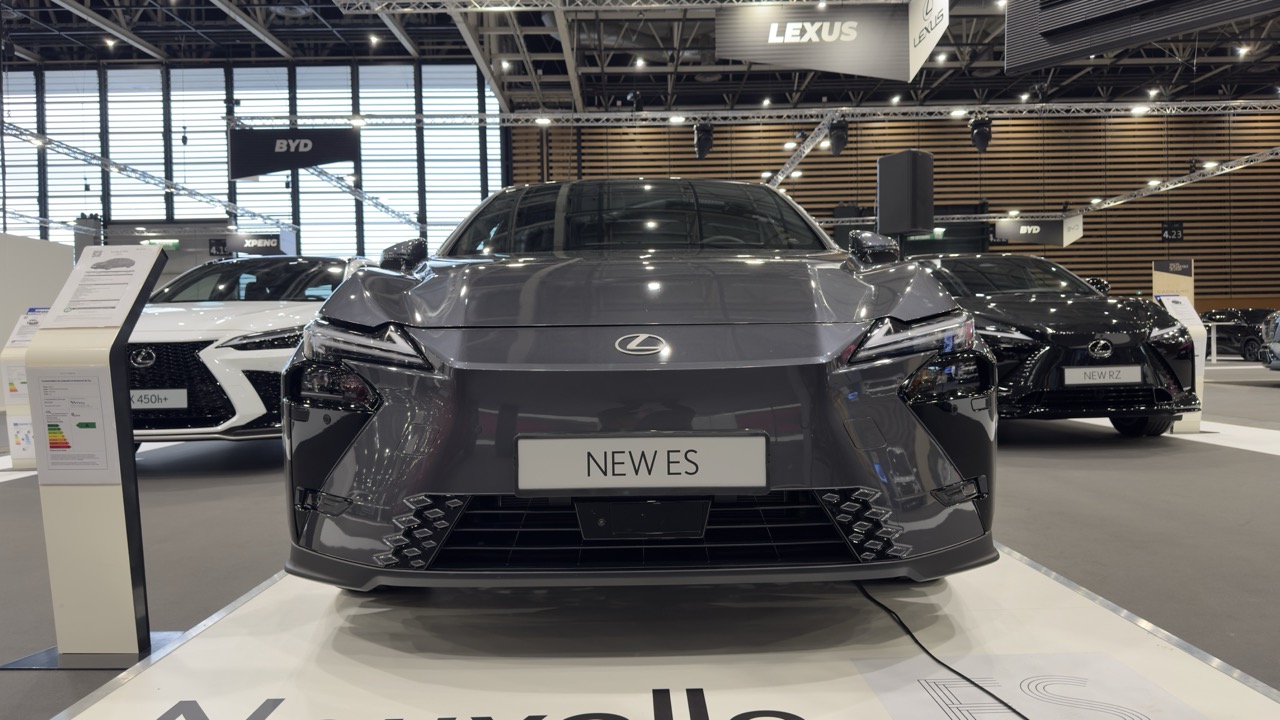
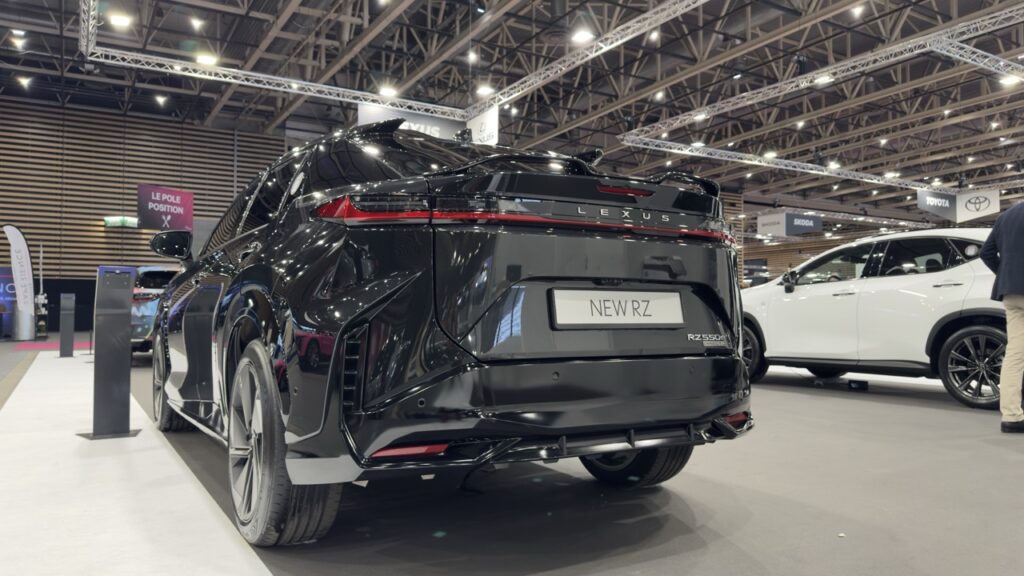
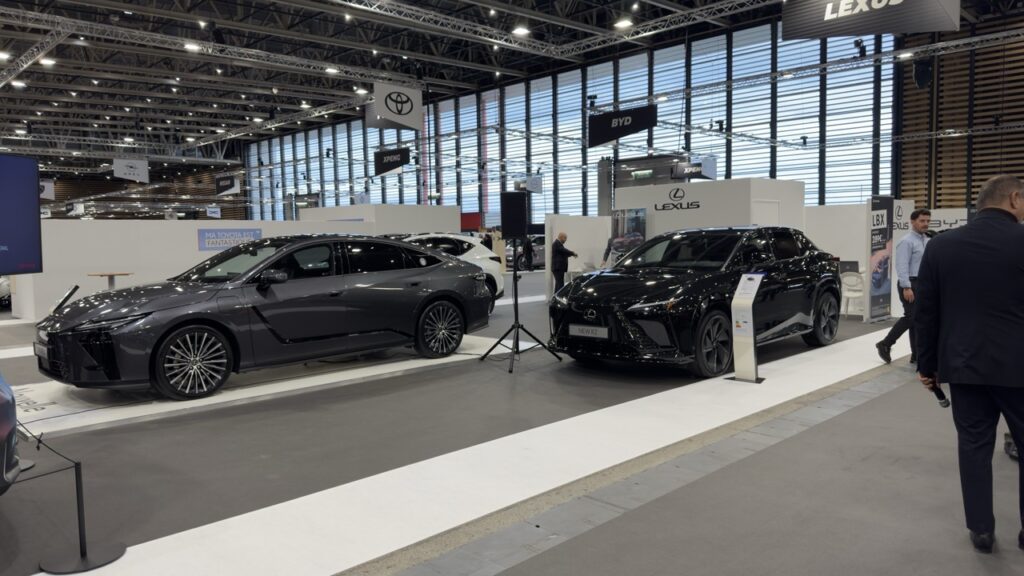
    ECO MOTORS NEWS was at the Lyon Motor Show for its second edition. This year, Lexus made its mark by presenting two brand new models for the first time in France: the new ES saloon and the RZ electric SUV. These two vehicles embody the Japanese premium brand’s multi-technology strategy and confirm its ambitions for the European market.

    The new Lexus ES: elegance and electrification

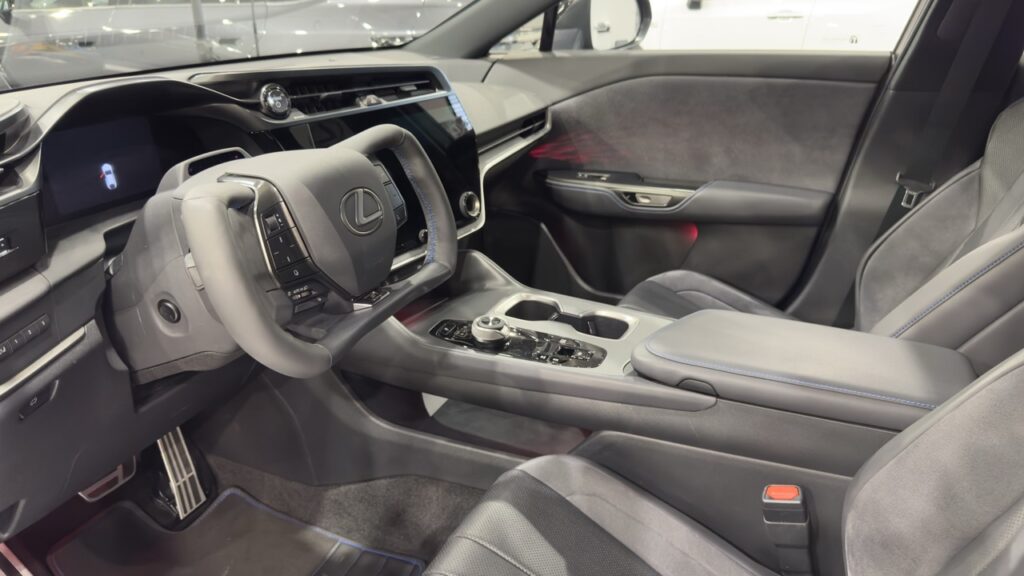
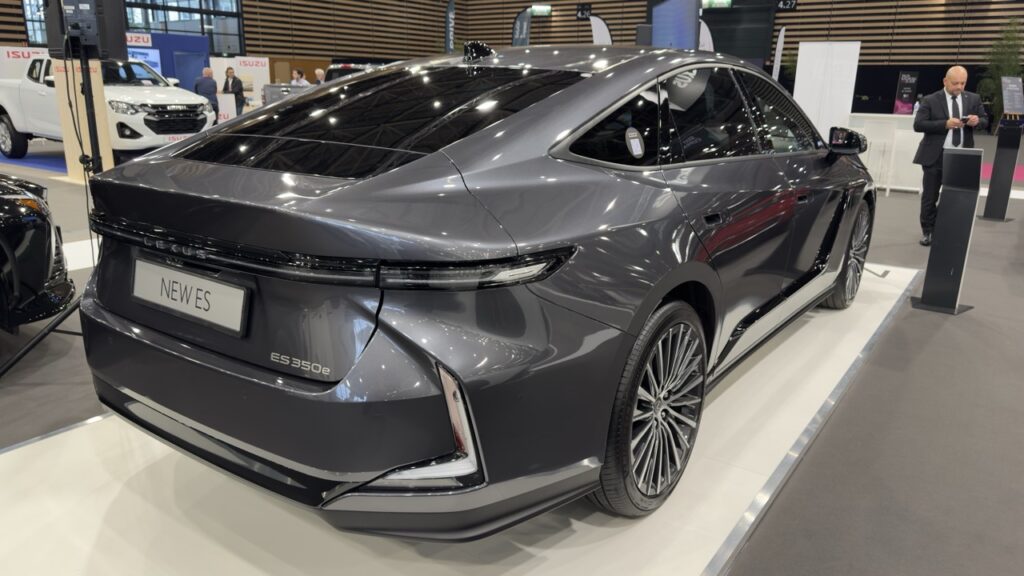
    This year, the 8th generation of this large saloon is being updated. At 5.14 metres long, the new Lexus ES boasts a refined design, with clean, assertive lines. Inside, Lexus is true to its image: the emphasis is on sobriety and quality, with the use of noble materials such as bamboo.

    When it comes to engines, the Toyota Group brand will offer you a choice: either its hybrid version or its 100% electric version with a range of 530 km. It’s a strategy that could pay off in the competition with European premium saloons. The launch is scheduled for summer 2026.

    The Lexus RZ: sporty and innovative

    On the same Lexus stand, the RZ plays the dynamism card. A 100% electric SUV, it focuses on driving pleasure and features the latest Lexus innovations, including a steer-by-wire system and a Formula 1-style steering wheel. As for the engine, Lexus is clear: the driver must be able to have fun with this SUV. And indeed, with 400 bhp, the promise seems to be kept. As for the announced range, Lexus’s Managing Director for France admits that, at 588 km, it is not one of the best performers on the market, but that it is the quality of the user experience that is prioritised.

    The RZ will cost between €61,000 and €80,000, depending on the range. It will be available in March 2026.

    The Toyota Group, a definite sales force

    These launches were of great interest, especially as the parent brand Toyota unveiled three new vehicles at the same time: the Toyota BZ4X, the CH-R+ and the AYGO Cross Hybrid. Once again, the Japanese brand is proving that its strength lies in 3 principles: reliability, quality and adaptability to customer needs.

  • Tyres made from cooking oil: Continental’s daring innovation

    Tyres made from cooking oil: Continental’s daring innovation

    Innovation knows no bounds. The latest example is continental’s idea to reuse cooking oil in the creation of their tyres.

    Known as one of the leaders in the global tyre market, the German tyre manufacturer is continuing its journey towards carbon neutrality. Following in the footsteps of recycled polyester and natural rubber, Continental is making further progress, this time using used cooking oil to produce rubber. By 2024
    almost 26% of the raw materials used by the company were renewable or recycled. The objective is clear: to reach 40% by 2030 and aim for 100% sustainable materials by 2050.

    How does it work?

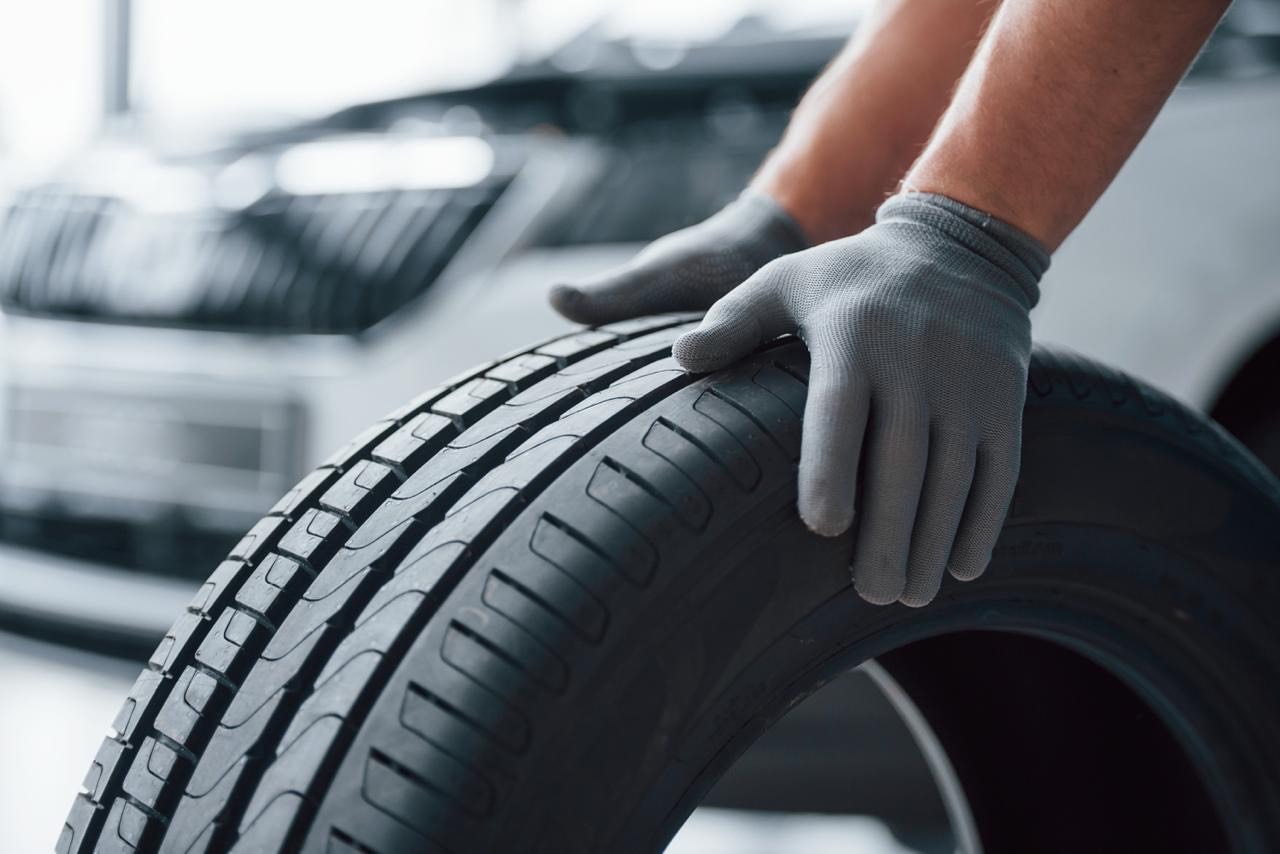
    After being harvested and treated, the cooking oil is processed to obtain a raw material that can replace synthetic rubber. A tyre is made up of two types of rubber: natural rubber, which is extremely resistant to wear, and synthetic rubber, which has superior braking and rolling resistance characteristics. By replacing part of the latter, Continental limits the use of fossil resources while guaranteeing identical performance and lifespan according to its own tests.

    A market where innovation makes the difference

    Faced with competitors such as Bridgestone, Michelin and Goodyear, Continental is banking on its lead in sustainable tyres to stand out from the crowd. In a sector where the reduction of emissions and the circularity of materials are becoming major criteria, the German firm is establishing itself as a major player. It remains to be seen whether this innovation will catch on on a large scale and pave the way for other similar initiatives.

  • BMW IX3: the new SUV with solid arguments

    BMW IX3: the new SUV with solid arguments

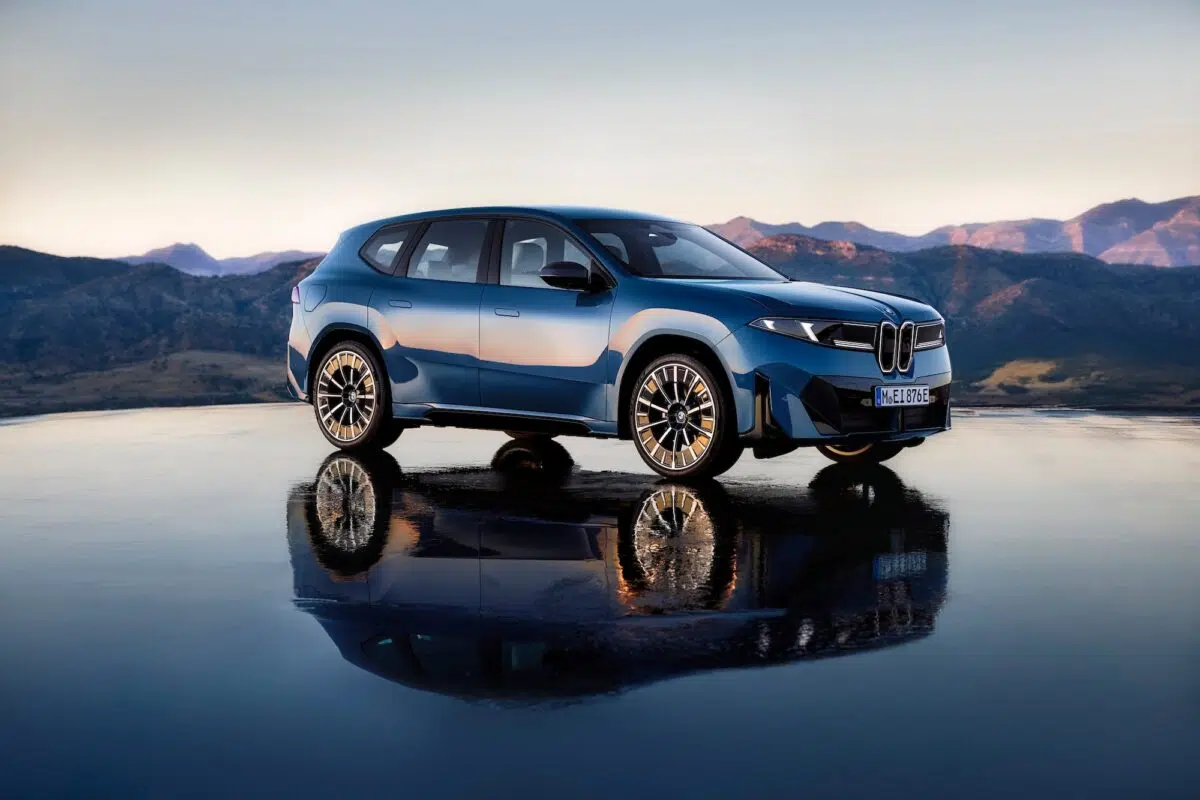
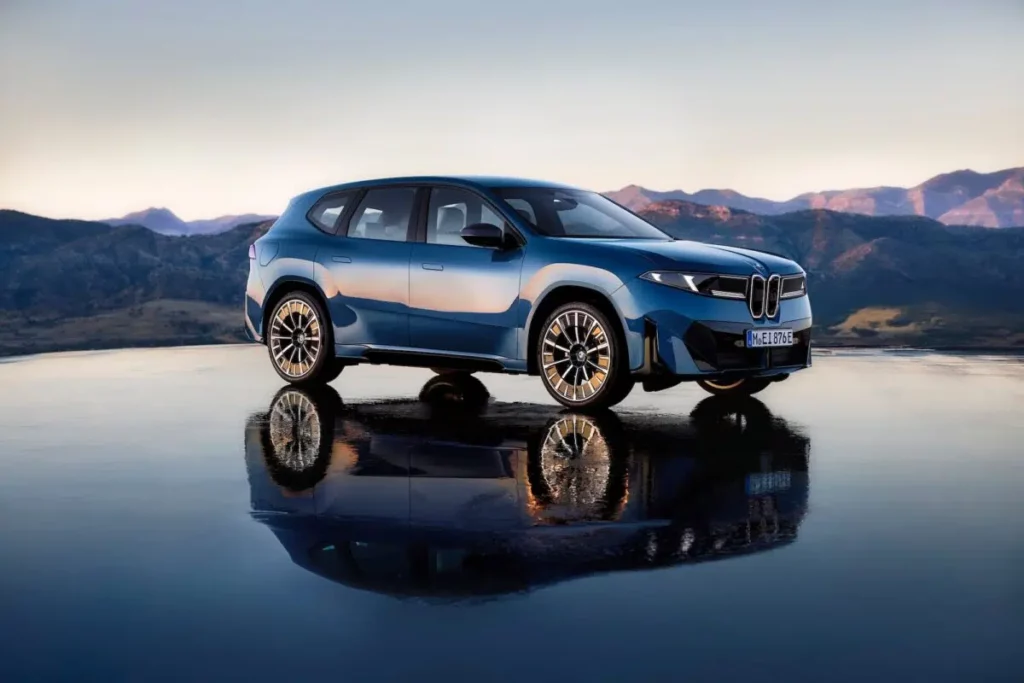
    On Monday 8 September, Eco Motors News travelled to Bavaria for the opening of theIAA Mobility, the Munich International Motor Show. Among the show’s leading innovations, BMW unveiled its 100% electric SUV: the new BMW iX3, the cornerstone of the Neue Klasse electric platform.

    BMW iX3 2026 (Credit: BMW)
    BMW iX3 2026 (Credit: BMW)

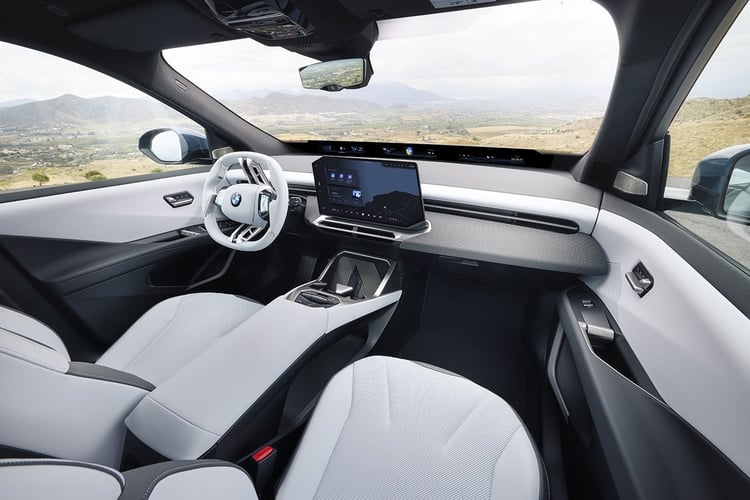
    With its imposing but not restrictive size (4.78m long and 1.90m wide), the German brand has made the most of the interior space offered by this SUV. It is equipped with the all-new Panoramic iDrive, a 1.10-metre touchscreen display in the style of a windscreen with an 18-inch screen and a driver-centred interface. The steering wheel has also evolved and differs from that of its 2020 predecessor: an aerodynamic design that matches the cockpit atmosphere.

    The cabin is practical: there are three real seats in the rear, a spacious 520-litre boot (up to 1,750 litres with the seats folded down), and a 58-litre frunk.

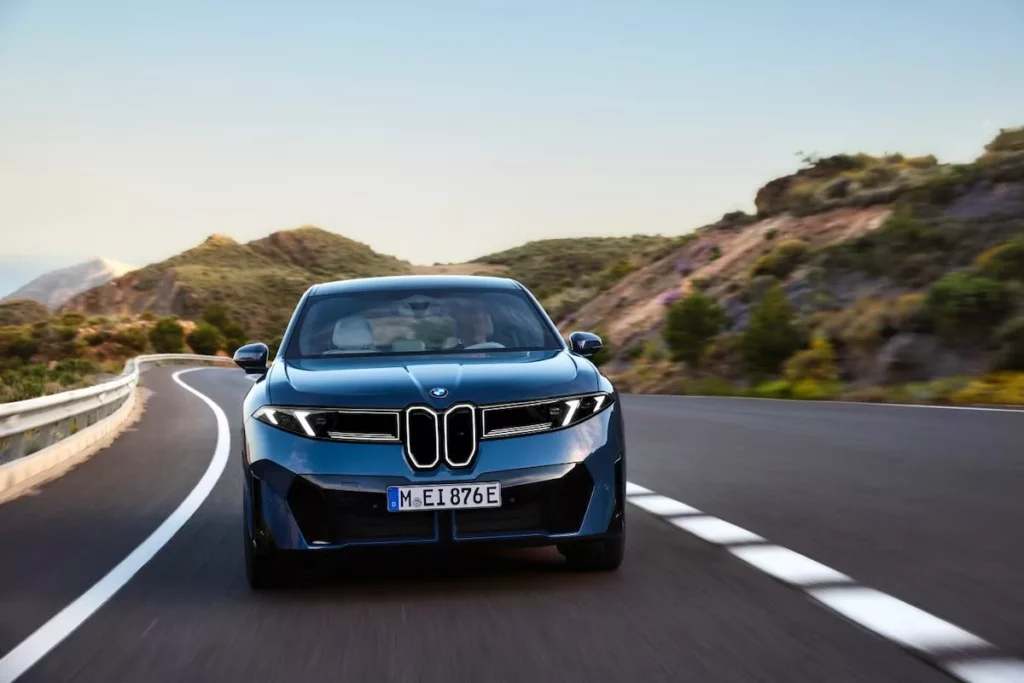
    As an electric vehicle, BMW has reworked the IX3’s aerodynamics. And it works! With its twin engines (synchronous at the rear and asynchronous at the front), the iX3 delivers 463 bhp and 645 Nm: 0 to 100 kph in 4.9 seconds, top speed 210 kph. Not bad for this handsome baby weighing in at over 2,300 kg.

    BMW iX3 2026 (Credit: BMW)

    On the battery front, the IX3 is also very impressive. It inherits the new generation NMC battery, with a capacity of 108 kWh. This gives the car a range of 800 km. And if you thought such a powerful battery would take a long time to recharge, you’d be wrong! When charged, it is capable of handling up to 400 kW thanks to its 800 V architecture, which means that you can go from 10% to 80% battery power in just 21 minutes.

    With a carbon footprint 30% smaller than its predecessor, BMW is counting on this first Neue Klasse model to regain market share, particularly in Asia, and lay the foundations for the mobility of tomorrow, centred on the user experience, technology and the energy transition.

    BMW iX3 2026 (Credit: BMW)

    While production of the BMW iX3 begins in November 2025, you’ll have to wait until March 2026 to be able to buy it for around €70,000.

  • SCAPE: the European project to rethink the electric power of EVs

    SCAPE: the European project to rethink the electric power of EVs

    The SCAPE project is funded by the 27 European countries as part of the Horizon Europe programme and led by the Energy Research Institute of Catalonia (IREC). The aim is to revisit the power electronics used in electric vehicles. What are SCAPE’s ambitions? To achieve an efficiency of over 97.5%, double the power density and halve the cost per kWh compared with current solutions.

    With the market for electric vehicles constantly evolving, carmakers still face many challenges. Such is the case with power electronics: all the electronic components that transform and control the electricity in an electric car.

    The key idea behind the SCAPE project is modular technology. Rather than designing a different converter for each vehicle, IREC engineers are developing a “standard brick” called a switching cell. These small bricks can be stacked in series, like Lego, to obtain exactly the power required. These chains are then assembled to form a complete converter for the motor or charging system. The result is a common base that is equally suited to small city cars, vans and HGVs, promoting standardisation and reducing costs.

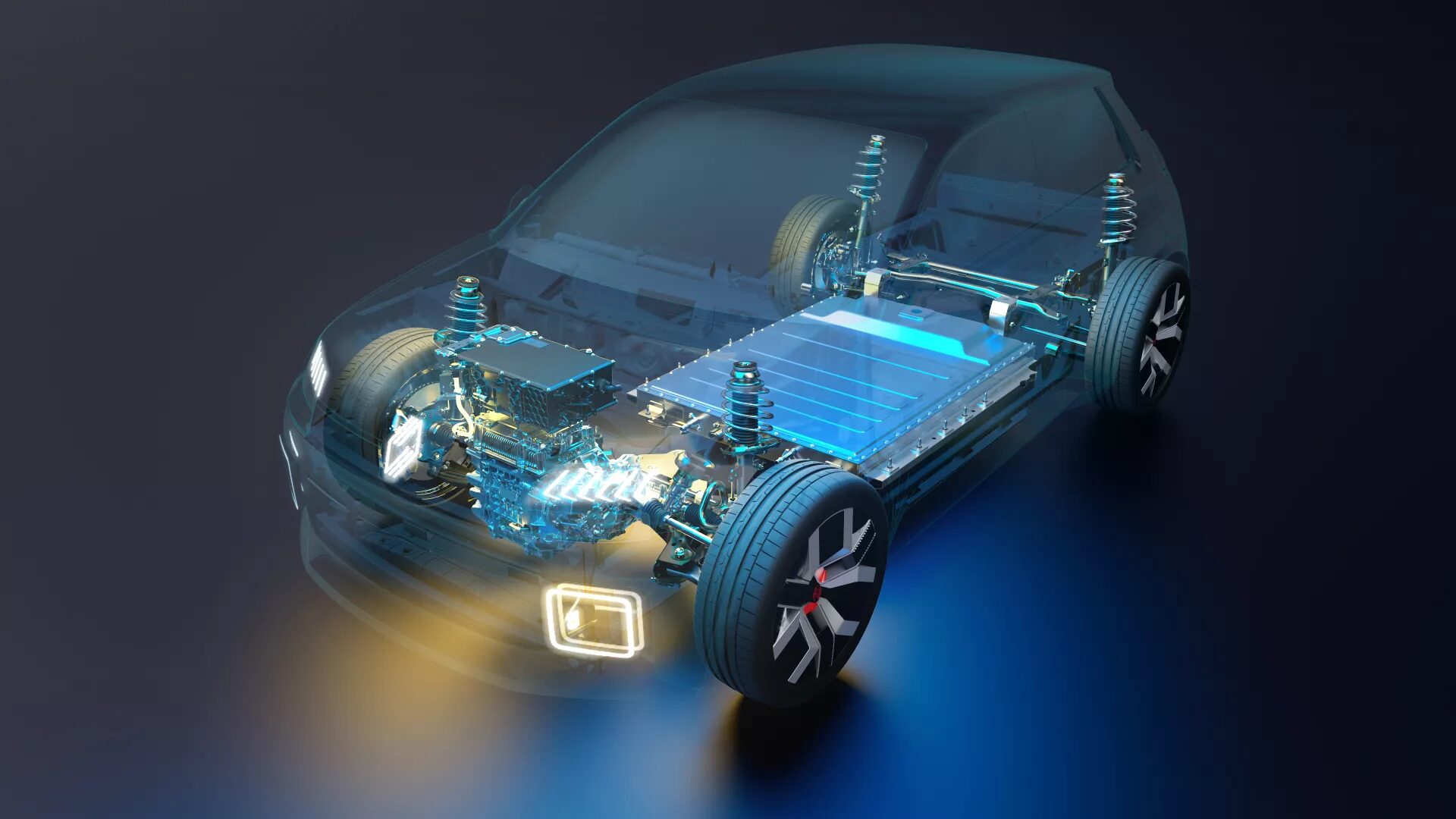
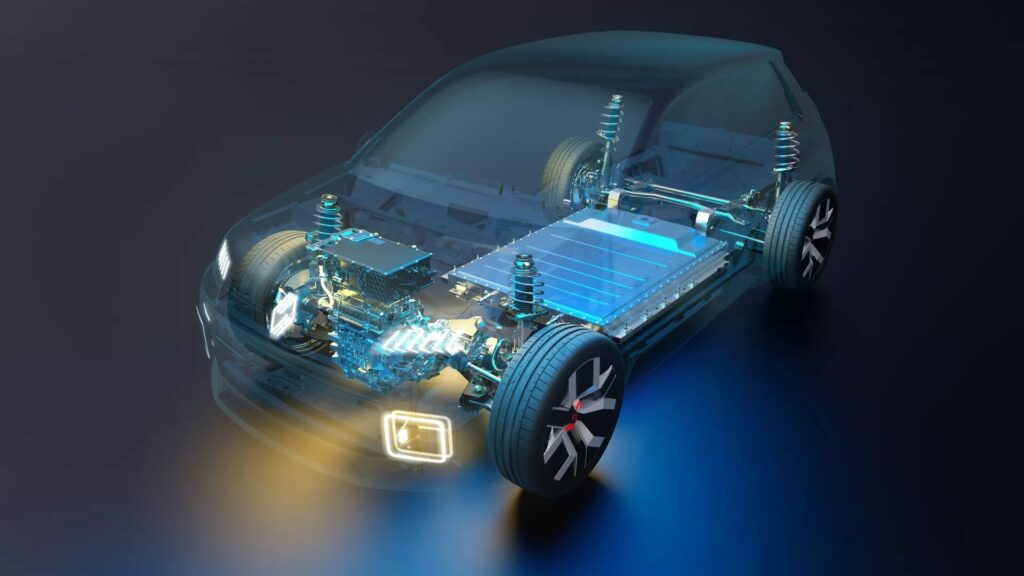
    renault 5 electric platform
    Renault

    With an efficiency of over 97.5%, SCAPE hopes to improve the recharging performance of our electric vehicles. The project also aims to combine certain functions: traction inverters and on-board chargers can coexist in the same module, simplifying design and reducing the number of components required.

    Not only that, but the power chips will be integrated directly into the electronic circuit boards. This innovation will improve cooling, reduce energy losses and increase the lifespan of the vehicle and its components.