As we know, range remains the number one obsession of electric car drivers, holding back the spread of all-electricity. Faced with this challenge, a number of innovative solutions are emerging to offer greater freedom of movement. Among them, Far-A-Day is relaunching the concept of an external battery trailer, promising up to 300 km of extra range.
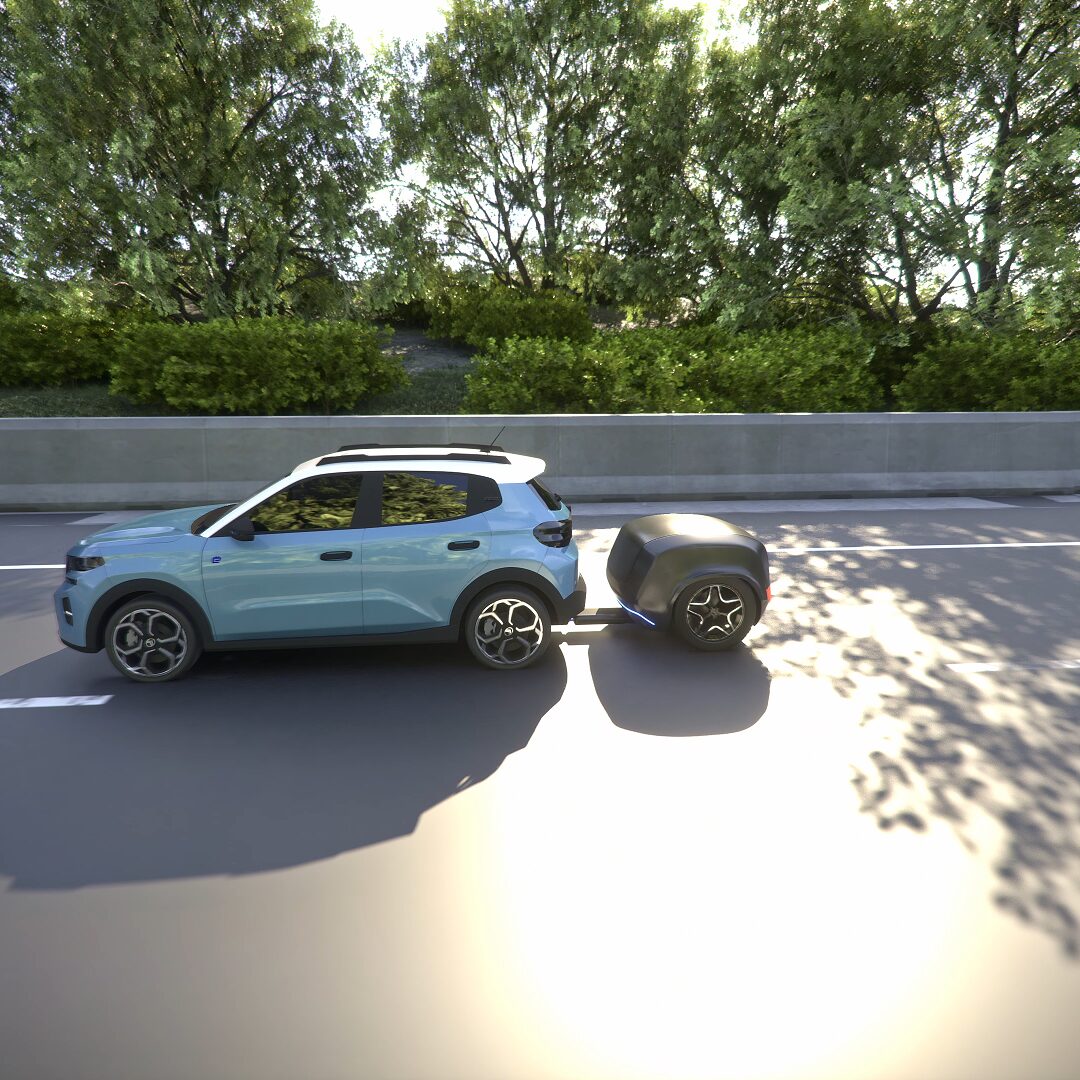
An electric car equipped with the Far-A-Day battery trailer on the road, to extend its long-distance journeys. (Credit: Far-A-Day)
Autonomy, the number one obstacle for motorists
The number 1 obstacle to the adoption of an electric car for motorists remains range. According to a recent study by Avere-France, 65% of drivers cite the fear of running out of battery before reaching their destination as the main obstacle to buying an EV. According to Connaissance des Énergies, the average range of EVs currently on the road in France is around 350 km in real-life conditions. A figure that is constantly rising, but one that hardly reassures those who are planning long journeys or frequent trips outside built-up areas.
Far-A-Day: an innovative approach to pushing back the boundaries
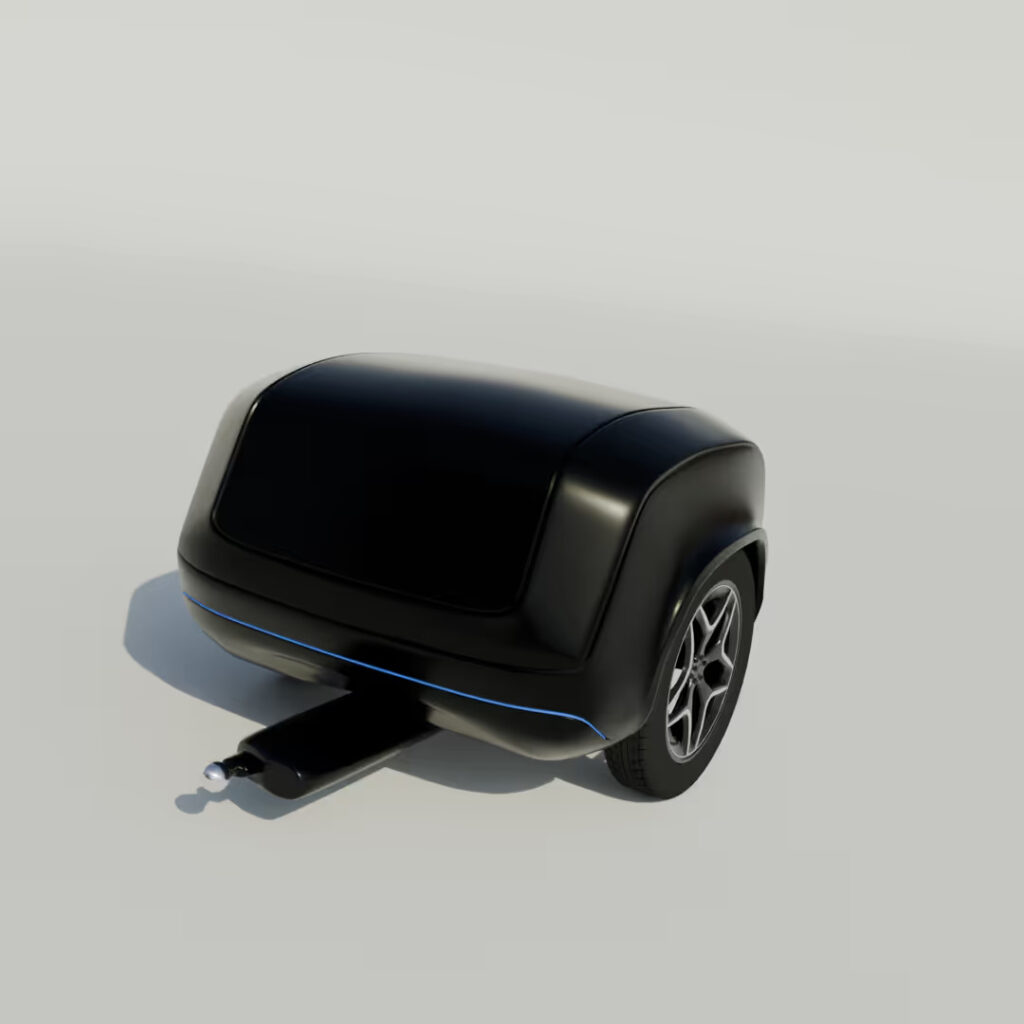
In the face of this scepticism, a number of innovative solutions are emerging to increase autonomy ever more effectively. Following the failure of EP Tender two years ago, French start-up Far-A-Day has recently revived an innovative concept. The idea is simple: a 60 kWh external battery trailer capable of adding up to 300 km of range. It’s no less simple to use: motorists go to a swap station specially designed for this service, book their equipment in advance using a mobile app, and in less than two minutes, without having to leave the passenger compartment, a battery trailer is attached. Once connected, it supplies the vehicle’s main battery while driving.
A solution designed for all vehicles
Far-A-Day aims to transform the way we think about long EV journeys. Arthur Darde, CEO, points out: “The Far-A-Day trailer is not just a battery extension, it’s a revolution in the user experience, making it possible to travel further without compromise, on vehicles that are often ill-suited to towing.” In fact, this Far-A-Day battery trailer is designed to be compatible with the majority of electric vehicles authorised to travel on the motorway. All you need to do is install a towbar specific to each vehicle model, incorporating a custom-developed electrical connection. Weighing in at just 500kg and offering considerable energy capacity (60kWh more range), the device promises to broaden the range of uses for EVs, particularly in regions where recharging infrastructure is still limited.
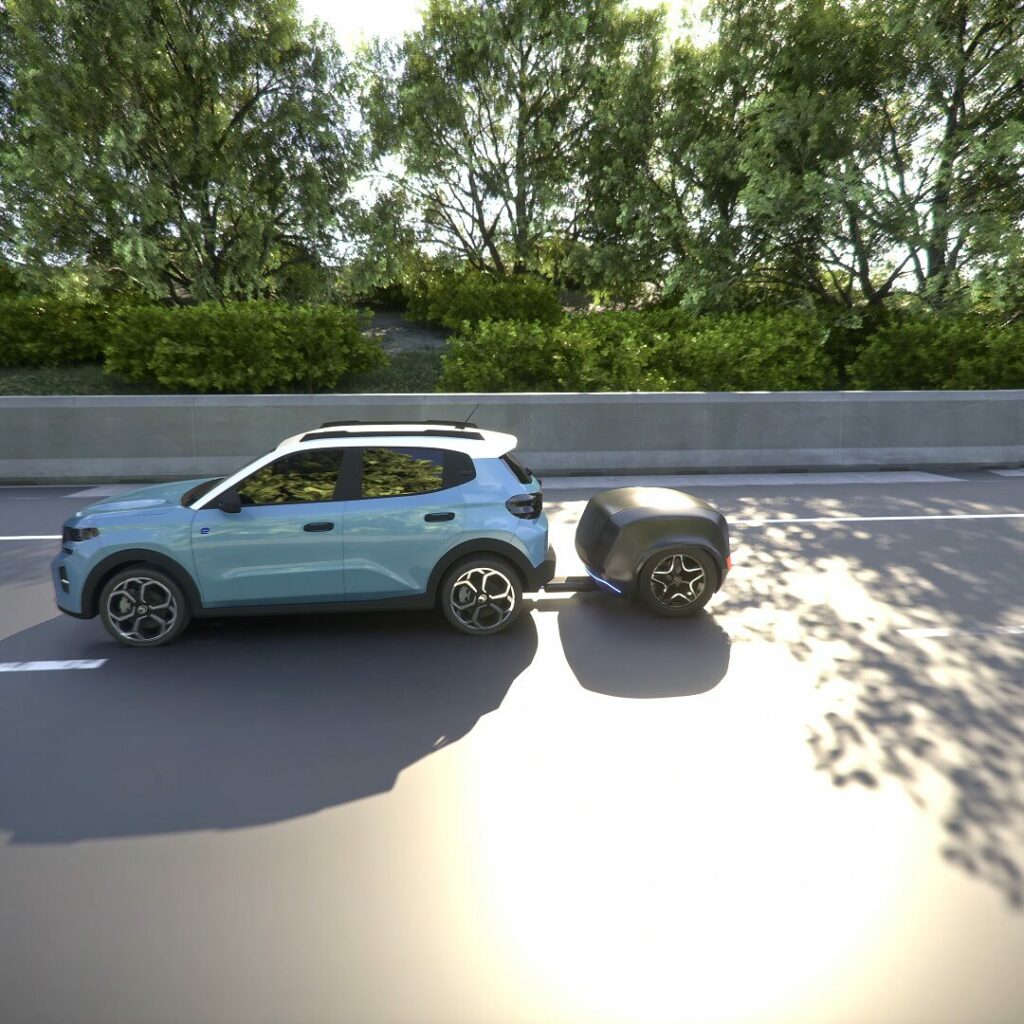
The Far-A-Day battery trailer adds up to 300 km of range to electric vehicles. (Credit: Far-A-Day)
A network of swap stations for greater efficiency
The French company has announced that, with more than 200,000 km covered by validated prototypes using patented technology developed over several years of R&D, it plans to set up a network of swap stations in France. From next year, a pilot Paris-Bordeaux corridor will be put into action. As part of this far-reaching ambition to change carbon-free mobility, Far-A-Day hopes to open 30 stations by 2027, covering 80% of long-distance journeys in France.
Other players come into play
This technology is not an isolated approach. For several years now, the market has seen the emergence of a number of bold players, all looking for answers to the public’s expectations:
Ample, with its interchangeable modular battery system, entered into a partnership with Stellantis in December 2023, beginning active deployment for certain models such as the Fiat 500e in Madrid from 2024.
In 2023, Ford filed a patent for an innovative emergency battery positioned on the roof of the vehicle, a simpler solution that is still at the conceptual stage.
In November 2025, EV Clinic will unveil an additional universal 18 kWh battery, capable of connecting to the high-voltage circuit of EVs and compatible with several brands.
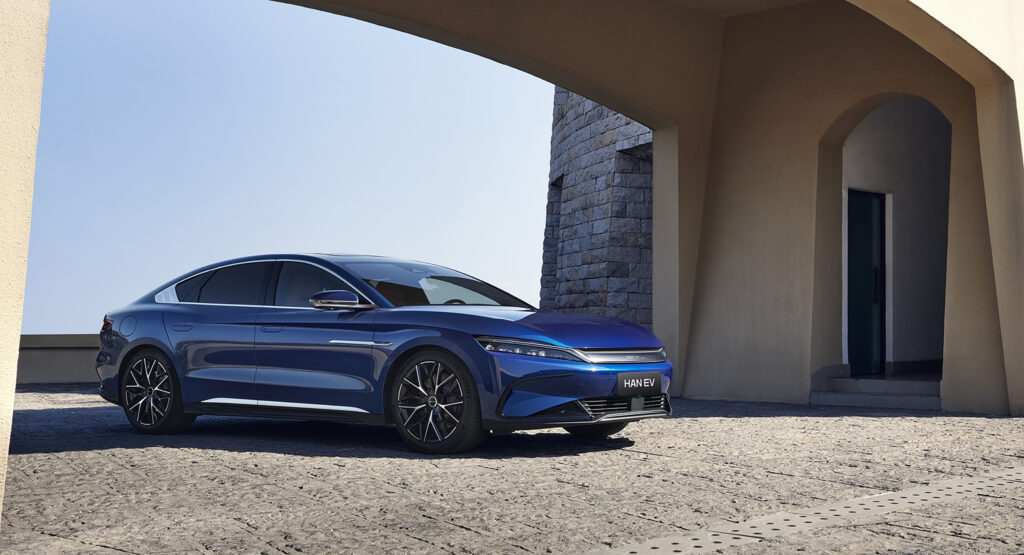
The HAN EV car can recharge its battery using the Far-A-Day battery trailer, which is compatible with most electric vehicles.
A promising future for electric mobility
With Far-A-Day’s concrete promise to extend drivers’ freedom of movement, electromobility could reach a new level in the next few years. It remains to be seen whether vehicles that are not approved for towing can be adapted, and whether the business model will find its audience. These innovations illustrate that sustainable mobility is not just about a battery, but about an intelligent ecosystem that adapts to the needs of motorists.
The Emirate of Dubai is establishing itself as a major regional player in electromobility in the Middle East. Backed by a proactive political strategy and rapid infrastructure deployment, Dubai is attempting to chart its course toward carbon neutrality by 2050. However, this transition faces challenges posed by the desert climate and a market still dominated by combustion engine vehicles.
A clear political ambition
Dubai is part of the United Arab Emirates’ overall strategy, the “Clean Energy Strategy 2050,” which aims to achieve carbon neutrality by 2050. To this end, government authorities, primarily the Dubai Electricity and Water Authority (DEWA) and the Roads and Transport Authority (RTA), launched the “Green Mobility Strategy 2030” in 2015 with the “EV Green Charger” program.
The stated objective is clear: to adopt cleaner mobility in private and public transportation. The RTA aims to completely eliminate emissions from its transport network by 2050, including the gradual conversion of buses, taxis, and public fleets to electric or hydrogen power. This strong political commitment places the city nicknamed the “Tiger of the Gulf” among the most influential territories in the Gulf in terms of electromobility.
A rapidly growing fleet
In Dubai, the number of electric vehicles continues to rise. At the end of 2022, Dubai had 15,100 electric vehicles. By the end of 2023, this number had climbed to 25,929 vehicles, representing a 72% increase in one year. By the end of the first half of 2025, Dubai is expected to have more than 40,600 EVs out of a total fleet of ~2.5 million vehicles. These figures are certainly on the rise, but they seem low when you consider that
484,223 vehicles (all types combined) were registered in Dubai in 2024, according to figures from the UAE Ministry of Interior.
This rapid growth reflects a market that is clearly moving towards electric vehicles, driven by public policy, infrastructure, and growing user interest. The United Arab Emirates as a whole is not limited to 100% electric vehicles: more than 147,000 electric vehicles were registered in 2023, a figure that is also on the rise.
A study by PwC Middle East indicates that electric vehicles will account for 15% of new sales in the Emirates by 2030, and 25% by 2035. For Dubai, the goal is to reach 42,000 electric cars by 2030. This is certainly an ambitious goal, but the market is showing strong annual growth of +30% between 2022 and 2028.
Tesla dominates, the Chinese are coming
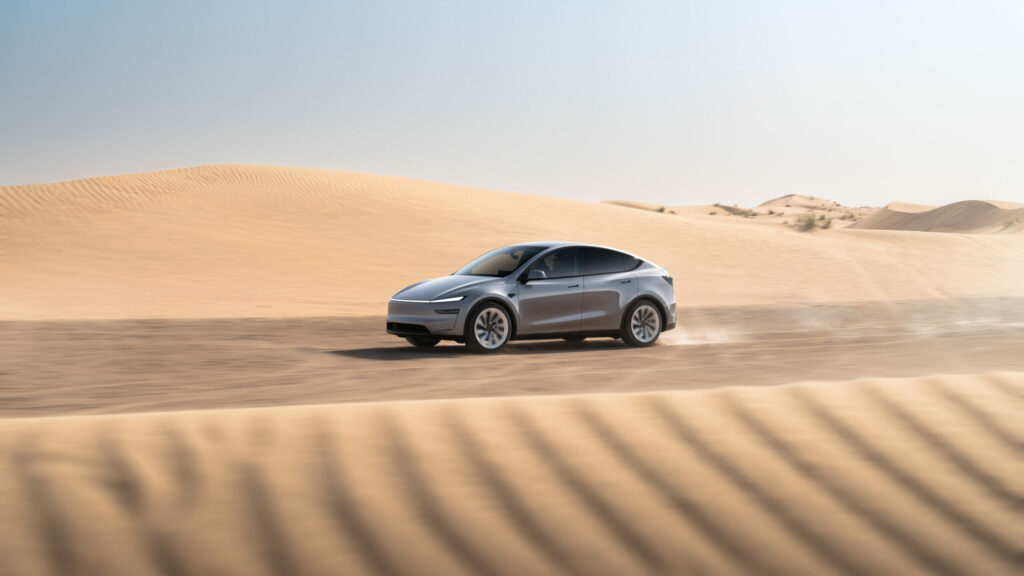
As everywhere else in the world, the giant EV manufacturers are battling it out to sell the most cars. Tesla still reigns supreme in this game, with 43% of the electric vehicle market share in the Emirates at the beginning of 2025. The Model Y retains its top spot in Dubai.
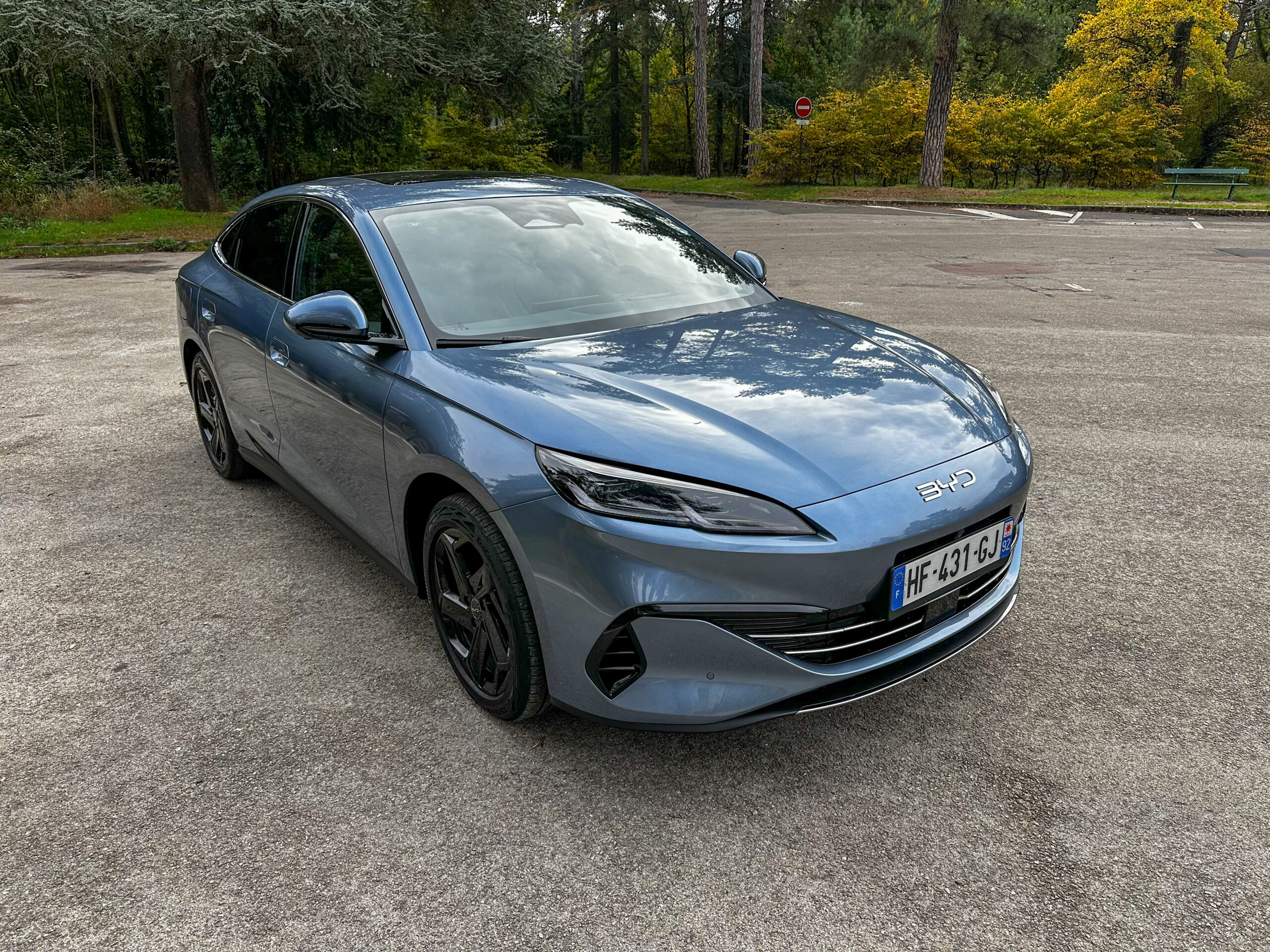
But as everywhere else, Chinese competition is gaining momentum. BYD, Geely, Chery, MG, Jetour, Nio, and Haval have established themselves in the Gulf country with the same ambition: to offer motorists affordable models. And it’s working: internet searches for Chinese electric vehicles have increased by 64%. For example, global leader BYD offers the Atto 3, a compact SUV starting at 149,900 dirhams (around €37,000), and the Seal. These models are adapted to the desert climate with better thermal management, the menus are adapted and delivered in Arabic, and, as always, they offer competitive range.
A rapidly expanding charging network
Of course, zero emissions and an increase in low-carbon vehicles mean charging infrastructure. With this in mind, the EV Green Charger program (Dubai’s first public charging infrastructure for electric vehicles) was launched in 2015. While it had only 14 users and a few charging stations when it started, by the end of 2025 there were 1,270 EV Green Charger stations available in Dubai. The goal for 2030 is 10,000 public charging stations.
DEWA, the organization that manages and deploys the EV Green Charger program in Dubai, offers attractive rates to encourage the population to switch to electric vehicles. The government organization offers a charging rate of 29 fils per kilowatt-hour (€0.075), as well as free charging to encourage adoption.
The American giant TESLA is also present with its Supercharger network, which has more than 20 stations in the Emirates.
The conversion of public transport
While private individuals are gradually adopting electric vehicles, the RTA is preparing to convert its public fleets, a major technical challenge in the desert. That is why, in June 2025, the RTA signed a 1.1 billion dirham ($270 million) agreement to purchase 637 new buses, including 40 fully electric buses, the largest order ever placed in the Emirates.
These Chinese buses, manufactured by Zhongtong, are designed for Gulf conditions and will be delivered between late 2025 and early 2026. They are responsibly produced, as they comply with European “Euro 6” standards. This huge purchase is not a leap into the unknown, as in April 2025, the same organization (RTA) launched a test of a Volvo bus. With a 470 kWh battery offering a range of 370 kilometers, it convinced local authorities that electric mobility is suitable for all types of transportation.
A major technical challenge: climate
Gulf countries experience high temperatures in summer, with readings sometimes exceeding 95°F. As we know, these harsh conditions put lithium-ion batteries to the test. Thermal management is crucial to prevent premature degradation or reduced range, which could discourage drivers. Tests show that some vehicles lose 10% of their range in extreme heat. Even though concrete solutions are slow to emerge, manufacturers are committed to enabling drivers around the world to switch to cleaner four-wheeled transportation. This is the case, for example, with BYD, whose Blade battery limits this loss to 5%.
In the coming years, solid-state batteries are expected to become more widespread. They are resistant to high temperatures and more chemically stable, but their production is limited and they are likely to be used in high-end EVs over the next five years.
For electric buses, continuous air conditioning consumes a lot of energy, so the RTA tests each model and favors the most resistant vehicles.
Attractive incentives
With the goal of achieving carbon neutrality by 2050, the Dubai government has introduced several incentives:
Free parking: Electric vehicle owners benefit from free parking spaces in many public areas.
Fee exemptions: Reduced registration fees and exemption from tolls on certain roads.
Subsidized charging: controlled charging rates and periods of free charging.
Priority lanes: access to reserved lanes to facilitate traffic flow.
These measures, combined with a relatively clean electricity mix, largely supplied by imports from neighboring countries and a growing share of local renewable energy, enable electric vehicles to have a carbon footprint well below the regional average.
A burgeoning local industry
On the local industry side, M Glory Holding Group launched what is billed as the first electric vehicle production plant in the Emirates in 2022, located in Dubai Industrial City. The plant has an ambitious capacity of up to 55,000 electric vehicles per year. These are encouraging figures for Dubai, although in reality, the situation is less clear-cut, as since 2023, no public data on production, sales, etc. has been released by the company.
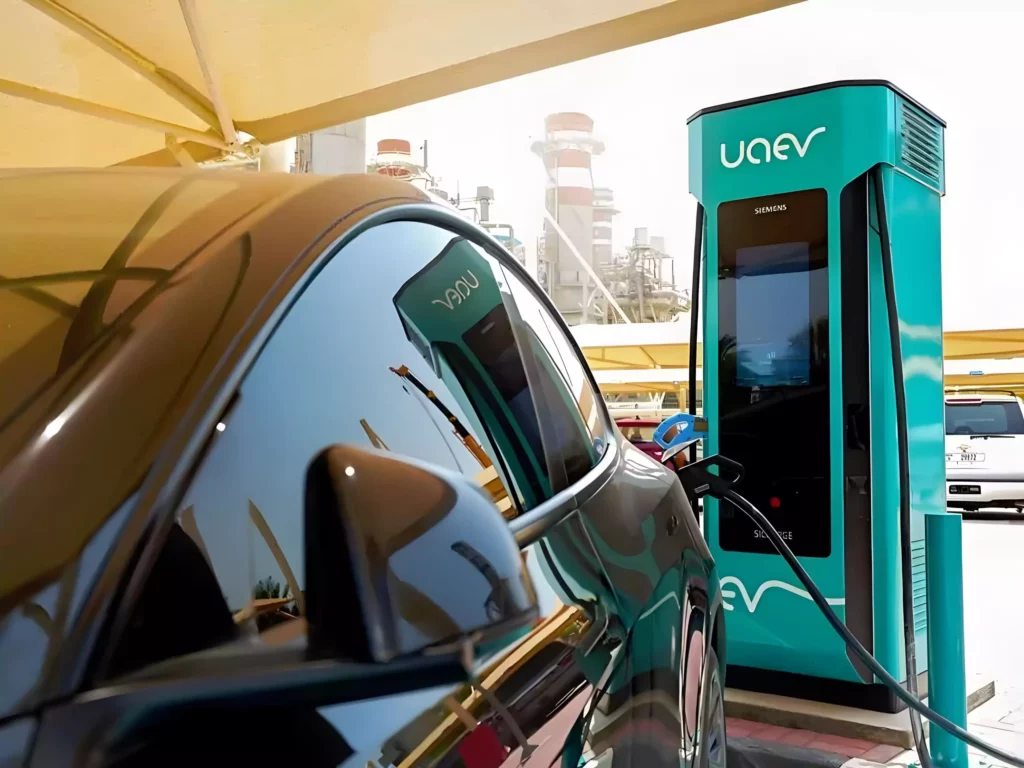
In terms of charging infrastructure, local companies are developing. UAEV, an EV infrastructure company, obtained its license as an independent charging station operator in Dubai in October 2024, giving it the right to operate public charging stations autonomously. Since then, the company has been fully active and is collaborating with several companies and local authorities.
Major distributors such as Al-Futtaim play a key role in distributing brands such as BYD, Tesla, and other international manufacturers, contributing to the democratization of electric vehicles in the emirate.
But while a few local players are developing to support this transition, the market remains largely dominated by international distributors and importers. The role of local companies remains limited, focusing more on assembly and infrastructure development than on the mass production of electric models.
The challenges ahead
Despite rapid progress in the electrified mobility ecosystem, several obstacles remain: The still small share of electric vehicles: despite strong growth, electric vehicles still represent a minority share of the total vehicle fleet in the emirate. The road to maturity for electromobility remains long.
Purchase cost: even with incentives, electric vehicles remain more expensive than their combustion engine equivalents, limiting access to these vehicles, even the most affordable ones.
Accelerated battery wear: the hot climate accelerates battery degradation, reducing their lifespan and increasing maintenance costs.
Dependence on robust infrastructure: the continued expansion of the charging network remains essential to remove barriers to adoption, particularly for long journeys and interurban travel.
A region taking flight
Dubai is no longer in the experimental stage. The city is positioning itself as a spearhead for carbon-free mobility in the Gulf thanks to a proactive strategy, rapid infrastructure deployment, and growing adoption, although still too modest.
However, the city is working on this transition: incentives, conversion of public fleets, and planning towards 2050 are essential levers for democratizing this means of transportation.
However, the city is working on this transition: incentives, the conversion of public fleets, and planning for 2050 are essential levers for democratizing this means of transportation.
Dubai is a fertile ground for electromobility: strong growth potential, political support, and a need for innovation to adapt electromobility to the local context. Despite the natural difficulties linked to climatic conditions in particular, the path forward has been laid out.
ECO MOTORS NEWS had the opportunity to get hands-on with the BYD SEAL 6 DM-i Super-Hybrid, the Chinese manufacturer’s plug-in hybrid saloon that aims to shake up European standards. A vehicle that embodies the new generation of electrification: accessible and with a long range. For two days, we put it to the test in a variety of conditions: local roads, city centres, motorways and expressways.
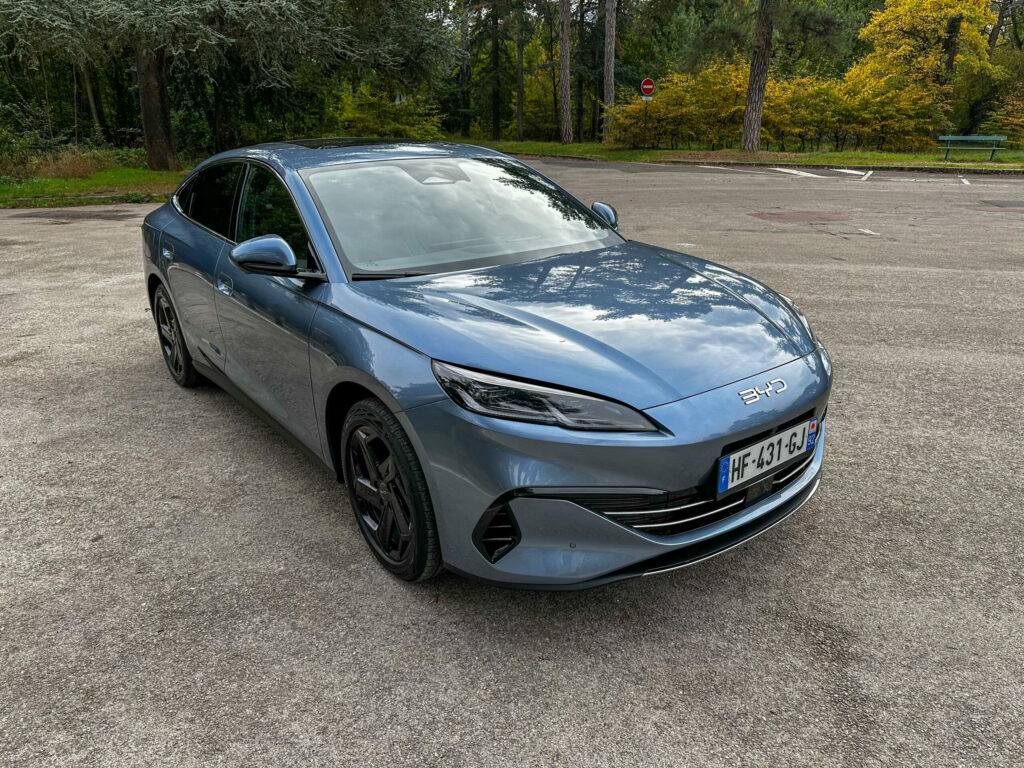
Front view of the BYD SEAL 6 DM-i, revealing its elegant, dynamic design (Credit: Marceau NIO)
First impressions: dynamic elegance, Chinese style
At first glance, the SEAL 6 shows its ambitions. At 4.84 metres long and almost 1.88 metres wide, it is positioned in the large saloon segment. What sets it apart from its competitors is its fastback silhouette, which gives it a resolutely dynamic look. Even though it ends in a conventional boot rather than a hatchback, this rearward-sloping line gives the car a sporty character.
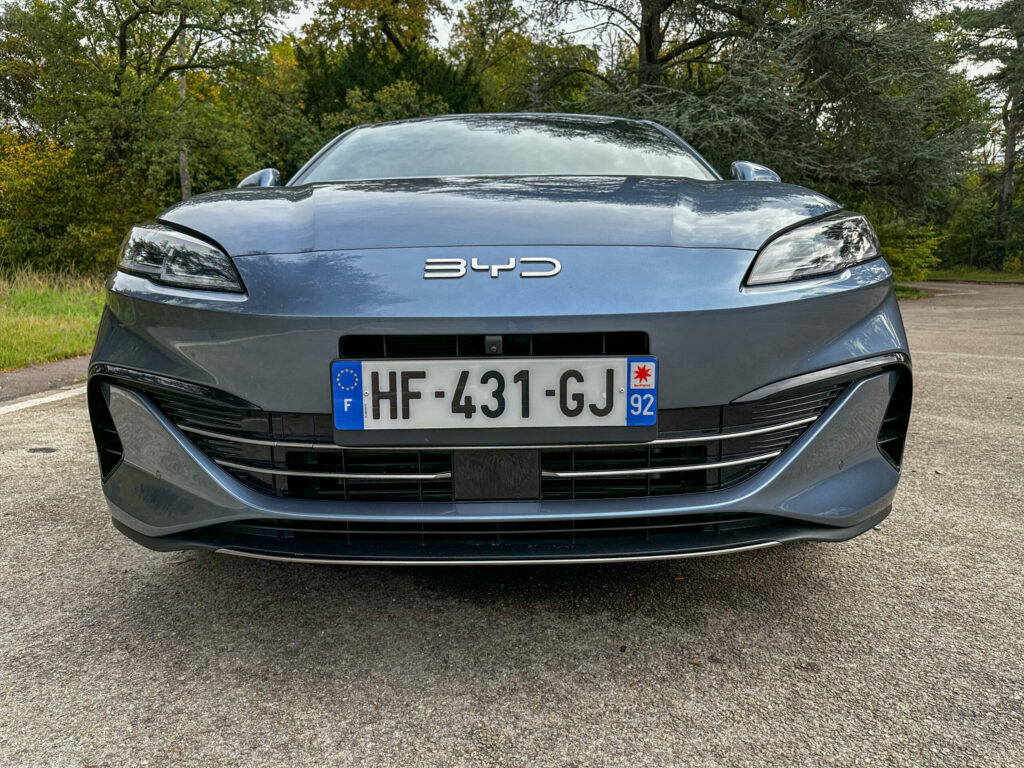
True to what BYD calls ‘Ocean Aesthetics’, the design remains modern and uncluttered. At the front, the SEAL 6 is adorned with sharp, double-L-shaped LED headlights that catch the eye and give it the air of a large European sports saloon, which is quite successful. The flowing, taut lines of the bonnet reinforce this impression of dynamism, while the active grille optimises aerodynamics with a drag coefficient of just 0.25 Cx.
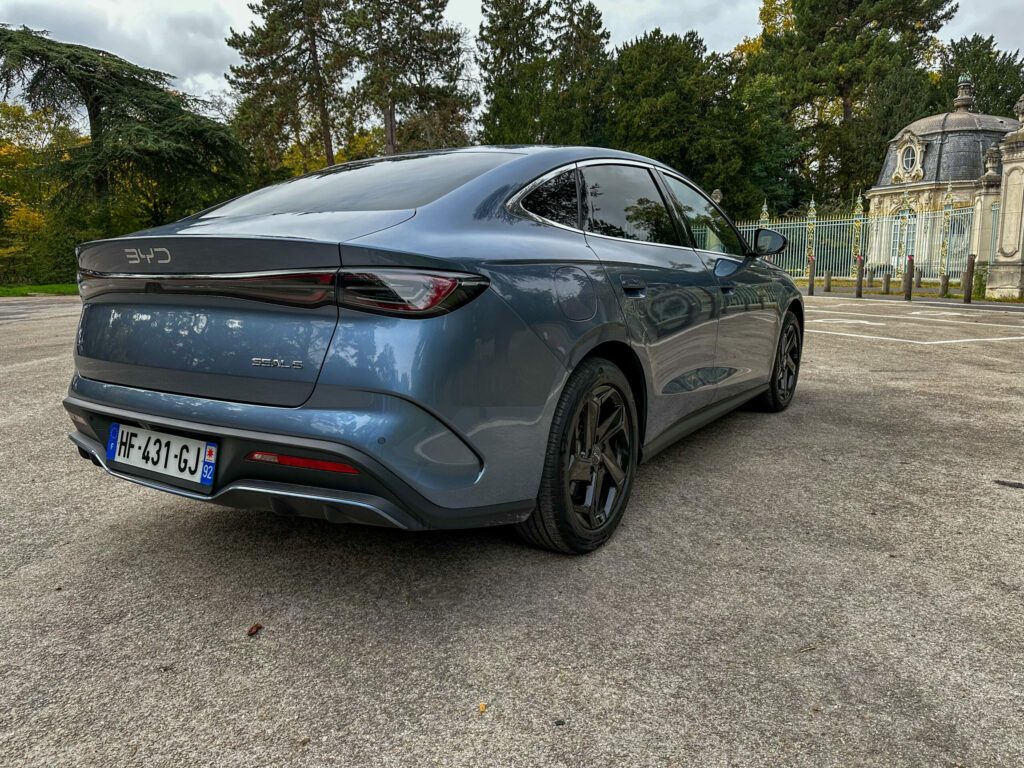
At the rear, it’s modern, recognisable and as faithful as ever to the brand’s maritime inspirations, even if personally, we’re still a little divided on the fastback/classic hatchback combination, as a matter of taste.
A detail that could make all the difference to city-dwellers: the 18-inch wheels with their ‘Flying Axe’ design are set slightly lower than the tyres, which have particularly thick sidewalls. It’s a detail we found pleasing, since this configuration favours comfort and protection for the rims when manoeuvring in town.
Side view of the BYD SEAL 6 DM-i, highlighting its fluid lines and modern style. (Credit: Marceau NIO)
The boot has a volume of over 490 litres, which is certainly appreciable and generous, but – and there is a but – access is a little narrow. When it comes to stowing bulky items, such as a large suitcase, this quickly becomes a problem. This is due to the fastback design: you gain in aesthetics, but lose a little in practicality. But that’s far from being a problem: everyday needs are largely covered, and weekends away or holidays are still perfectly feasible for a family.
The interior: sleek, digital and efficient
Let’s climb aboard, where the BYD philosophy is immediately apparent: sobriety, minimalism and everything done digitally. The first thing that strikes you when you get behind the wheel is how accessible the controls are. The controls fall quite naturally to hand. Whether it’s starting the car, operating the electric windows (a classic, but one that can sometimes get lost) or opening the panoramic sunroof fitted to our test model, everything is intuitive and logical.
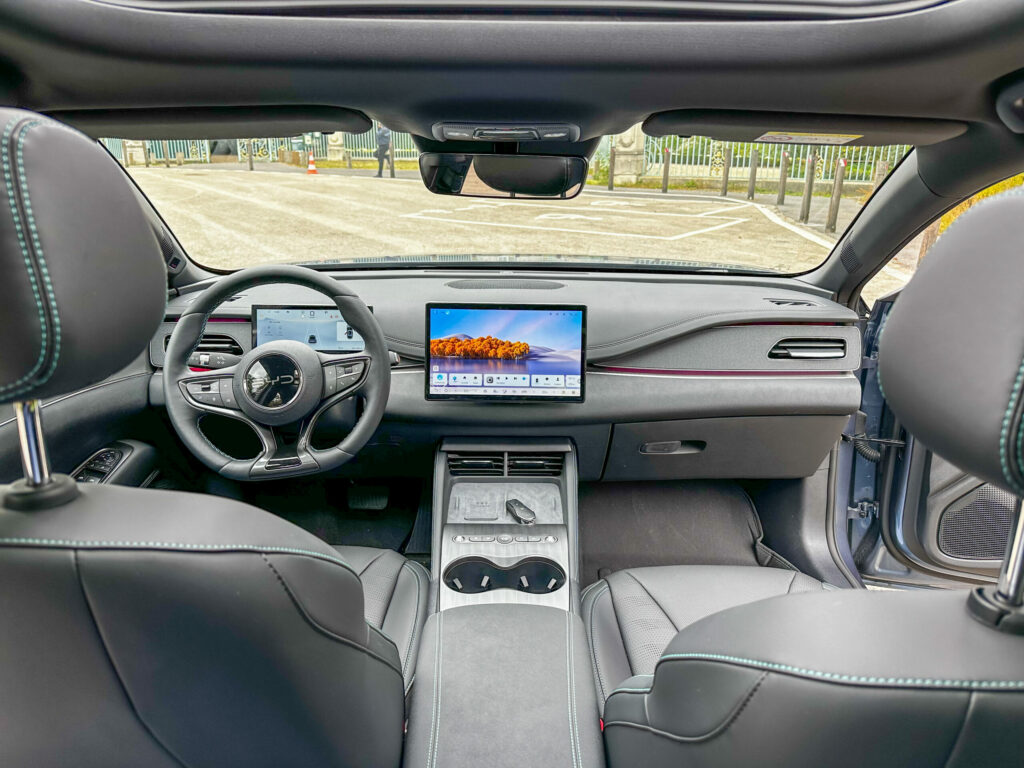
As with most modern vehicles, everything is centralised on a large touchscreen. Here, BYD has fitted a large 15.6-inch screen, compatible with Android Auto and Apple CarPlay, positioned right in the centre of the dashboard. Compared to what’s available on the market, what I found particularly appreciable was being able to navigate the interface at the click of a button, without plunging into complex menus. Our Comfort version is equipped with heated seats that can be adjusted directly from this same panel. It’s ergonomically designed for real-life use, so there’s no need to fiddle around. On the other hand, as part of the ongoing development process, you have to accept the almost total absence of physical buttons: only a few controls remain, notably on the steering wheel.
Rear-seat view of the digital dashboard and 15.6-inch touchscreen (Credit: Marceau NIO)
As far as the quality of materials is concerned, BYD is pretty well off the mark. There are very few hard plastics in the cabin. The seats are made of perforated textile, are ventilated and heated, and also have a memory function. The materials are sober and of a frankly very satisfactory quality, even if you can imagine that you won’t find the level of finish of a German premium saloon or a British SUV; in any case, that’s not the brand’s ambition. A package perfectly suited to the vehicle’s price positioning.
At the rear, for a vehicle almost 5 metres long, there’s plenty of room to spare. And the SEAL 6 delivers. Thanks to a generous wheelbase of 2.79 metres, three real seats are available, with a bench seat of the same quality as up front. Long journeys are no torture. There’s plenty of legroom and decent headroom, so when it comes to transporting children, friends or even belongings, it clearly gets the job done.
Behind the wheel of the BYD SEAL 6 DM-i Super-Hybrid
This 2ᵉ hybrid model from BYD that we tested benefits from Dual Mode Super Hybrid technology, which intelligently combines pure electric propulsion and a combustion engine in series or parallel. The system features a combustion engine developing around 98 bhp, combined with an electric motor delivering up to 212 bhp in Comfort trim, for a combined output of 217 bhp.
In pure electric mode, it’s silent and smooth when you ramp up the power – exactly what you’d expect from city driving in a hybrid. It also handles well for its size. The range in 100% electric mode can reach up to 140 km WLTP thanks to the 19 kWh battery, which more than covers the daily needs of most motorists.
Close-up of the BYD logo and elegant bonnet design (Credit: Marceau NIO)
But as soon as you apply a little more pressure to the accelerator, the vehicle reveals its true character. The SEAL 6 DM-i has the punch of an electric car, with very strong instantaneous power. Personally, I really enjoyed driving the SEAL 6. BYD has clearly aimed for the best of both worlds: the range and versatility of the combustion engine combined with the power, smoothness, silence and environmental credentials of electric motors. The system intelligently manages the transition between modes, and most of the time you don’t even feel when the combustion engine takes over.
Driving the SEAL 6 on fast roads is just as enjoyable. It’s well anchored to the ground, thanks in particular to its high weight (over 1.7 tonnes), and its 2.79-metre wheelbase gives it reassuring stability, even at high speeds. Handling is firm and confident. Dynamic handling is well-balanced, and the steering is sufficiently precise, even if it can sometimes lack a little sparkle in tight sequences.
In terms of fuel consumption, the hybrid system is extremely efficient. The combined range can reach around 1,350 kilometres WLTP, with a claimed fuel consumption of around 1.5 to 1.7 L/100 km in the combined cycle. In reality, in a variety of driving conditions (city, road, motorway), fuel consumption remains very low, well below what an equivalent internal combustion vehicle would achieve: another point for the hybrid.
Back view of the BYD SEAL 6 DM-i, showing its fastback styling and classic boot (Credit: Marceau NIO).
Conclusion: the affordable hybrid that keeps its promises
It’s hard to remain unmoved after this test drive. The BYD SEAL 6 DM-i Super-Hybrid brilliantly combines efficiency, range, versatility and a formidable price tag. With an entry-level price of under €40,000, it is clearly aimed at customers looking for efficiency and rationality, without sacrificing driving pleasure or comfort. It’s not perfect, but its qualities far outweigh its faults. It was a very pleasant test drive: we enjoyed ourselves, and driving pleasure is ‘almost’ the most important thing.
Admittedly, the interior materials don’t rival those of a Mercedes E-Class, BMW 5 Series or Audi A6. But for the price on offer, the value for money is undeniable. BYD is true to its ambitions: to be the market leader by focusing on technology, range and price.
At a time when countries are developing their energy transitions for transport, are France’s overseas territories, which are often overlooked in major national plans, being left behind when it comes to electromobility? Logistical challenges, a unique energy mix, ambitions that are sometimes thwarted: territory by territory, let’s find out where electromobility stands off the French mainland in 2025.
An electric car drives along a mountain road in the middle of nature, illustrating sustainable mobility in green landscapes.
La Réunion
Réunion is the leader in electromobility in the French overseas territories, with the highest penetration rate. With a total of 6,005 new vehicles sold in the first quarter of 2025, the island is down 8.4% on last year. The same applies to electrified vehicles: 742 electric vehicles sold, a fall of 32.1%.
In these figures, BEVs account for 631 units (10.5% market share), while PHEVs represent 111 units (1.8% market share). These declines are largely due to the abolition of the local tax exemption and higher prices.
It also has the highest density of charging points (462 public points), supported by local operators such as EZDrive. The region has a high overall electrification rate (49.9%), but remains highly sensitive to economic and political uncertainties.
Martinique
By 2025, the region will have 211 public charging points, a figure that is rising but still insufficient to support motorists. They are deployed by various operators: EZDrive, VoltDom and TotalEnergies, who offer competitive average tariffs.
The market for electric vehicles remains modest (4.9% market share in 2024).
There are several reasons for this low penetration:
A road network that consumes a lot of energy (steep gradients, almost constant air conditioning);
a limited range of models that are not always adapted to local constraints ;
a tense economic and social context.
Guadeloupe
Guadeloupe has more than 184 public charging points, a number that is still low but growing steadily, supported by players such as gmob, EZDrive and TotalEnergies.
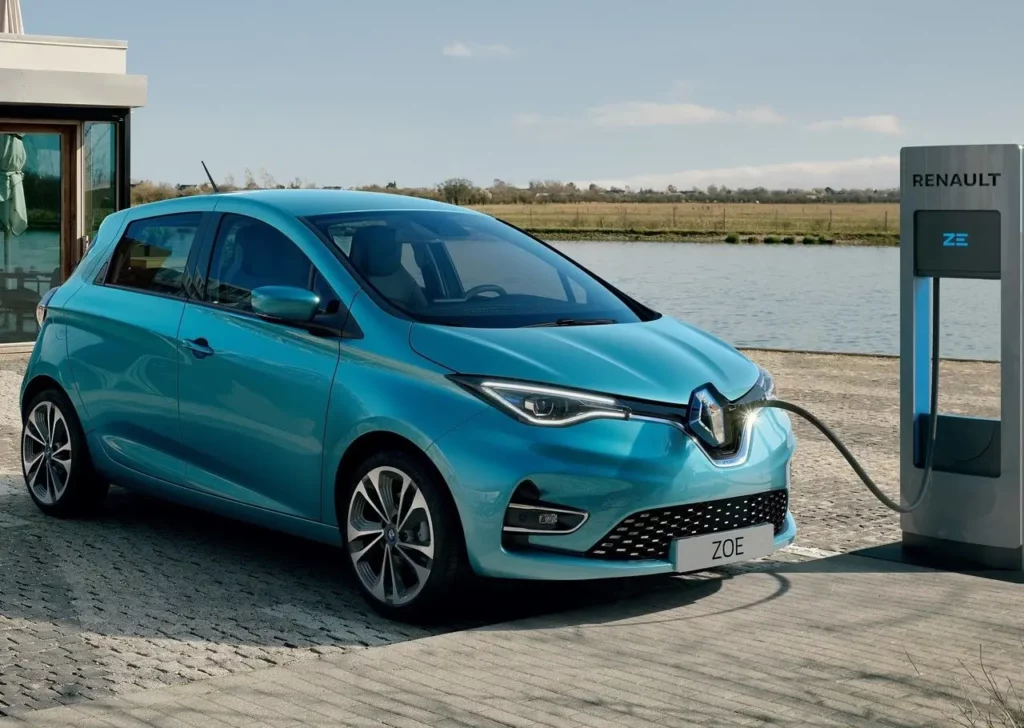
A Renault Zoe recharges at a charging point, illustrating the boom in electric vehicles in the French overseas territories.
In terms of sales, the results are encouraging: despite an overall decline in the passenger car market (-6.1% in 2024), the share of electric vehicles is between 5 and 6%, representing an increase of around 20%.
As well as cars, electromobility is also making headway on two-wheeled vehicles: in recent years, the majority of mopeds sold have been electric.
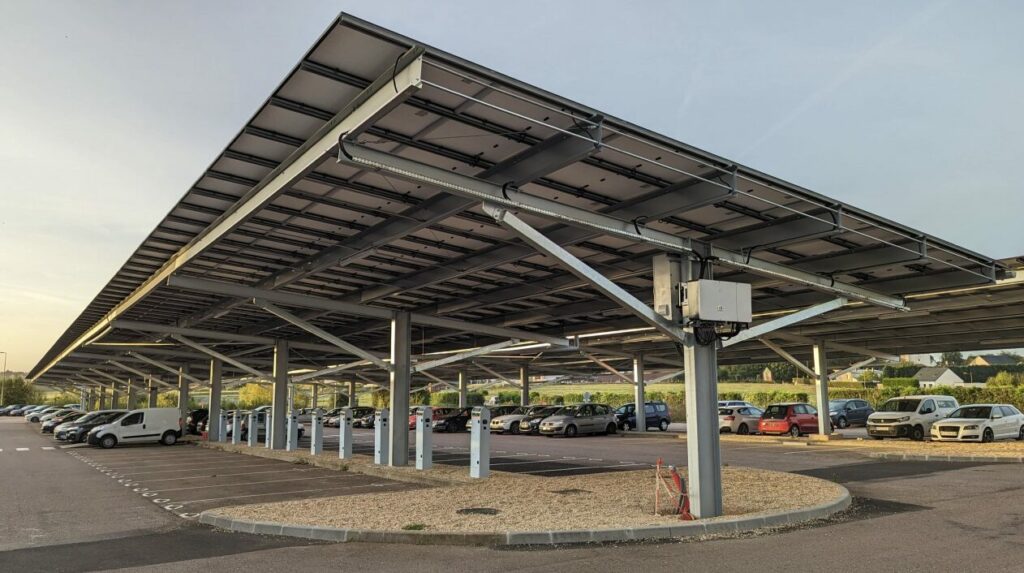
EDF Guadeloupe has also launched the D.R.I.V.E. project, an experiment designed to measure the benefits of photovoltaic shading dedicated to recharging, with intelligent control to favour hours of sunshine.
French Guiana
Despite having the largest territory in French overseas territories, electromobility in French Guiana is struggling to take off. The public network has just 30 charging points, making it the least equipped territory. This shortfall is a major obstacle, and the market share of BEVs remains below 3%.
Paradoxically, French Guiana is one of the most advanced regions in terms of carbon-free electricity production, thanks to the Petit-Saut dam and its hydroelectric potential, which covers almost 70% of electricity needs.
Mayotte
Probably the most troubled territory, Mayotte suffers from a very fragile economy. The car market is in crisis, with a 12.6% fall in second-hand cars by 2024, and a low penetration of pure electric cars (just over 3%).
Despite this, the rate of hybrid electrification is high (30.2% by 2022). The transition is underway, but is severely hampered by local economic constraints.
Data on infrastructure is non-existent: this lack of public information means that the region is significantly behind the times.
New Caledonia
In 2022, New Caledonia adopted an Energy Transition Plan (STENC 2) with a clear objective: 18,500 electric vehicles by 2030. The territory has already made progress: around 1,000 EVs are on the road, there are some forty charging points (Hivy network), and the first 150 kW hypercharging point was inaugurated in 2025.
Local aid also supports the transition:
bonus of 600,000 CFP francs (around €5,030) for the purchase of an EV;
preferential electricity tariff for charging points: 8 francs/kWh during the day and 20 francs/kWh at night (compared with 34.96 francs for the standard tariff).
However, the transition is still being held back by cultural (strong attachment to 4×4 vehicles), economic and political factors.
The BYD Seal U drives along a coastal road in the sunshine, a typical landscape found in many overseas territories. (Credit: BYD Guyane)
French Polynesia
The market is still in its infancy, with only 2 to 3% electric cars and around 150 sold each year. Unlike New Caledonia, Polynesia offers no significant subsidies, which is holding back adoption.
Scaling up is limited by the almost non-existent infrastructure, particularly in view of the very recent authorisation (2024) to install chargeable charging stations of more than 3 kW.
Saint-Barthélemy & Saint-Martin
In these areas, electromobility is still a niche mode of transport, at the top end of the market: the transition is mainly being made by importing luxury models, often hybrids. Public charging points are rare, and local support is virtually non-existent.
Other overseas territories
In Saint-Pierre-et-Miquelon and Wallis and Futuna, markets are marginal or non-existent. With no recorded infrastructure and a low population density, the entire market depends on imports, with demand remaining very low.
Integration into national policies
France has been encouraging electromobility for years, particularly through public subsidies. But while national schemes (ecological bonuses, social leasing) are theoretically open to the French overseas departments and territories, their application is proving complex.
The government has increased the bonus for the DROMs by €1,000, up to a maximum of €8,000 depending on resources. However, the conversion bonus has been abolished for private individuals since December 2024.
A €500 tax credit for the installation of a home charging point has been extended until 2027. The ADVENIR ZNI programme, set up by ADEME, finances up to €2,160 per charging point in non-interconnected zones. In particular, it encourages solar charging to avoid peaks in consumption.
However, these aids are not always as successful as expected: high logistical costs, import prices, lack of take-back structures, low terminal density and local tax policies limit their impact.
Solar recharging stations in Martinique, an example of innovative solutions adapted to the energy realities of overseas France. (Credit: Terre Solaire)
Cross-cutting challenges and strengths
The overseas territories present an energy paradox: heavy dependence on fossil fuels, but considerable renewable potential (sun, wind, hydroelectricity).
Their status as non-interconnected zones means that the cost of electricity production can be up to ten times higher than in mainland France. This context complicates the emergence of sustainable electromobility, where optimising recharging and coordination with local energies are essential.
There are also socio-economic constraints (poverty, high prices, unsuitable models) and the intensive use of air conditioning, which consumes a lot of battery power. However, the short distances between islands are an advantage: they make them natural laboratories for the energy transition, particularly through mini-grids, solar shading and intelligent management of recharging.
Conclusion
While La Réunion is leading the way, with a penetration rate in excess of 10%, the transition remains very uneven across France’s overseas territories. Martinique, Guadeloupe, French Guiana and Mayotte are lagging behind, while New Caledonia and Polynesia have ambitions despite a still limited market.
There is real integration with the aid available in mainland France, but their effectiveness requires differentiated support and wider access to recharging. The decade 2025-2035 will be decisive: the challenge is clear – to make the overseas territories major levers for sustainable mobility.
At a time when the automotive industry is undergoing one of the biggest transformations in its history, driven by environmental regulations, Jaguar Land Rover (JLR) is charting an electrified course while retaining its DNA.
In an exclusive interview, Léo Lubrano, Head of Press & PR France at JLR, talks to us about the British group’s vision, dilemmas and ambitions.
The JLR Group’s two flagship brands, Jaguar and Land Rover
JLR, a complete luxury brand
Born in 2013 from the union of two icons of British motoring, Jaguar and Land Rover(JLR) has built on a heritage of luxury and automotive prestige.
Jaguar stands for elegance, sportiness and exceptional motoring performance, while Land Rover, parent company of Range Rover, Defender and Discovery, embodies ruggedness, adventure and world-renowned off-road expertise, becoming over the decades synonymous with refinement and absolute comfort.
“The Group’s objective is really to create a universe for each brand. They each have their own universe, always guided by strong ambitions for robustness, elegance and purity of line, in order to target the luxury segment of the automotive sector.”
Jaguar is now the embodiment of modern, assertive luxury, guided by the logic of ‘copy nothing’ (vehicles that are seen nowhere else and that break the mould). Jaguar is completely renewing itself with a 100% electric range.
At Range Rover, “we really cultivate luxury, elegance, charisma and pure lines. To achieve this, we explore the alpine, nautical and design worlds.
“The Defender, on the other hand, embodies the values of robustness, adventurousness and adventure. We’re putting more emphasis on what we call top luxury. It’s still a JLR Group brand, but this time it’s developed around the adjectives that have made the brand’s reputation: surpassing oneself and taking on new challenges.
Finally, Discovery retains its role as a versatile, top-of-the-range family SUV with a focus on travel.
A long-term vision
In order to meet European standards for the electrification of vehicle fleets, the British group has had to adapt and transform its models. The first of the Group’s brands to become 100% electric is Jaguar: “While our aim is to make this change as smoothly as possible, with Jaguar it has been much more radical. We have decided to relaunch the brand by producing vehicles powered solely by electric motors from 2026.
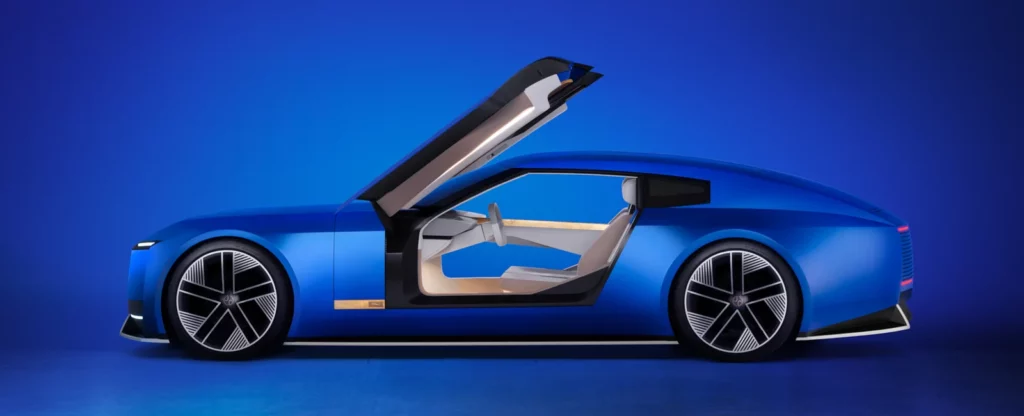
Jaguar is therefore completely changing its vision, embodied by the Jaguar Type 00, which will be the symbol of the brand’s renewal. “It will serve as a template for future vehicles to be released, the first of which will be the 100% electric 4-door GT Coupé.”
The Jaguar Type 00, symbol of the brand’s 100% electric revival (Credit: Jaguar)
For the other brands in the JLR Group, the change will come in stages: “Apart from Jaguar, the first zero-emission vehicle will be the 100% electric Range Rover, which will come out in 2026. And then the EV range will gradually follow for all the brands”.
This is a clear, progressive policy for a group with clear ambitions: “The Group’s objective is to achieve zero carbon emissions for all its activities by 2039, including production. This fundamental transition therefore involves our ability to increase our electricity production, with the first solar projects starting up at JLR’s production centres in Gaydon, Haywood and Wolverhampton. Above all, we are maintaining our production capacity by refurbishing our factories.
As Mr Lubrano explains, JLR’s intention is not to make this transition abrupt, but to take the time to produce ultra-luxurious vehicles: “We have to adapt to the laws in terms of fleet electrification, but our aim is to produce efficient cars because one of the primary characteristics of our vehicles, whether for Defender, Range Rover, Discovery or Jaguar, is to make ultra-high-performance vehicles.”
Beyond the performance aspect, another of the brand’s strong personality traits is the comfort found in Range Rover, and with the entry into the range of 100% electric vehicles, this comfort will only increase: “This electrification will go in the direction of additional comfort. So for us, the message of transition to the brand’s regular customers is easy to deliver. All these facts mean that we have nothing to deny, quite the contrary. Going electric will be a real advantage for Range Rover. We’ll be able to go even further in creating this cocoon, this real living room on wheels.
Scepticism soon forgotten
The switch to electric vehicles means an entire ecosystem has been turned upside down. While manufacturers are having to adapt, so too are customers and consumers – a change that could have upset them.
The JLR Group brings together a number of the world’s iconic automotive brands. Jaguar, a century-old brand that has built its reputation as an engine manufacturer with the Le Mans 24 Hours, among others, faces a real challenge in maintaining the confidence of the brand’s fans.
“The announcement of the 100% electric car was greeted with a little scepticism, but that’s to be expected because the change has been radical. The launch of the Type 00 at the beginning of the year at Place Vendôme in Paris gave us the opportunity to invite loyal customers and journalists to explain why and how we got to this point and why we succeeded in creating this vehicle. If people were sceptical, after hearing the reasons for the change, they were completely unanimous that this is a spectacular vehicle that breaks the mould, but is true to the philosophy of Jaguar and its founder William Lyons.”
William Lyons, founder of Jaguar, icon of British automotive elegance
As for the Group’s other vehicles, while the transition to 100% electric vehicles is not yet complete, Léo Lubrano is not worried about how they will be received by the public. For him, it’s going to happen quite naturally “because one of the brand’s hallmarks is comfort and the living-room-on-wheels aspect, so it’s going to be quite simple to build around that”. I’m convinced that this transition will take a few years, and that’s normal.
Revised sales targets
This change in approach has led to a rethink of the British brand’s sales targets. “For the last few years, there has been growth, so obviously the aim is to keep up the momentum. The year 2025 is a bit special for the luxury car sector at the moment.
Indeed, the global economic context (economic slowdown, high inflation and high interest rates) is putting off purchases by luxury customers, a tense situation for a sector that is not immune.
For the JLR Group, there are a number of factors that make it impossible to draw any conclusions about sales figures: “In addition to this national and international context, there was a cyber-incident that we suffered in September, when production lines were interrupted. Obviously, this had a direct impact on sales, so for us it’s difficult to draw any interpretable sales results from it.”
Despite the difficulties faced by the entire automotive sector, Jaguar Land Rover explains that its sales ambitions have been rethought in the light of the brand’s clear desire to establish itself in the luxury segment of the sector:
“Since the launch of the Reimagine strategy, production volume has been reduced, especially initially, in order to move upmarket. The quality of our vehicles has improved, with purer materials and increasingly high-performance equipment; conversely, production volume has fallen slightly to move away from the premium vehicle segment and closer to the world of luxury”.
“For the coming year, we know it’s going to be a year of transition. Sales are going to follow, thanks to our iconic models, which are proving highly successful. One of the Group’s strong characteristics is resilience, and when we look back at past events, we always manage to generate growth. True luxury is to endure in a changing world.
ECO MOTORS NEWS had the opportunity to get hands-on with the Range Rover Velar P400e, the British manufacturer’s plug-in hybrid SUV. It’s a vehicle that embodies the brand’s DNA, while embracing the energy transition. For four days, from Thursday to Monday, we had plenty of time to put it through its paces in a wide variety of conditions.
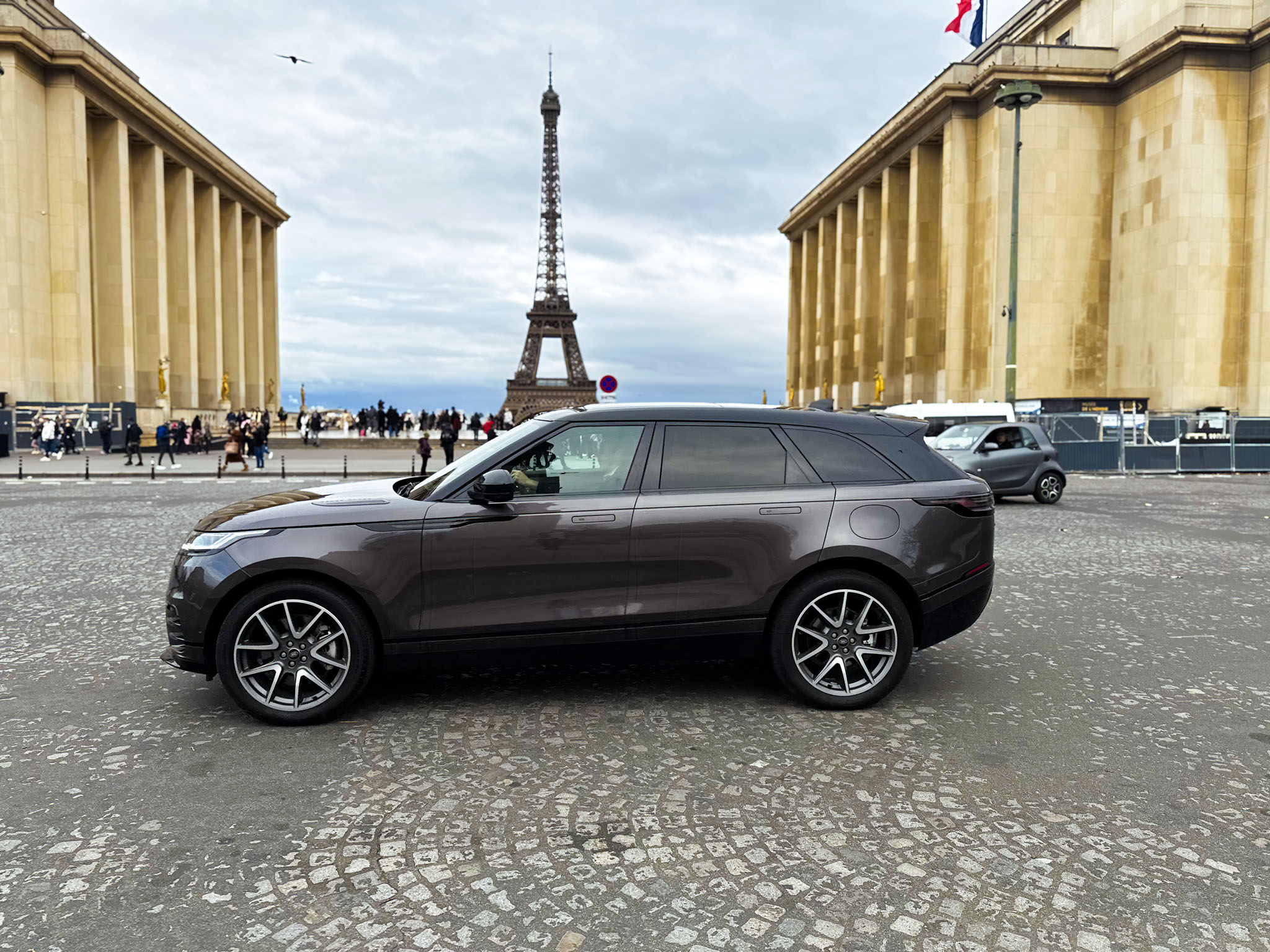
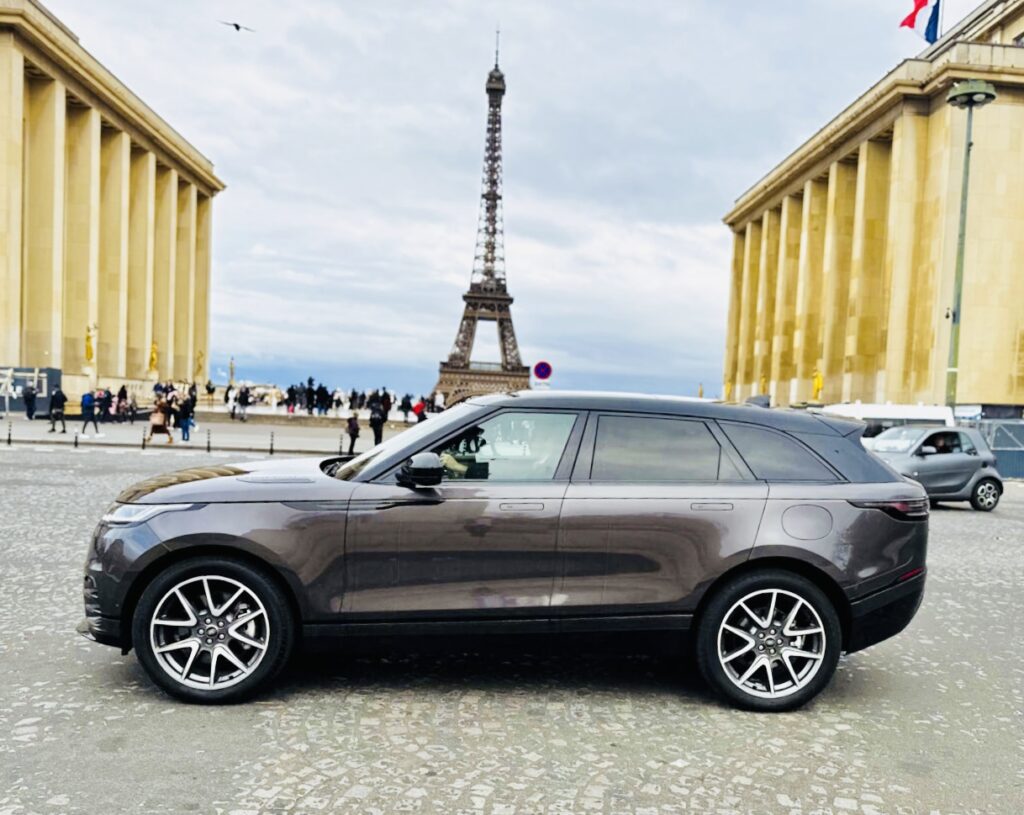
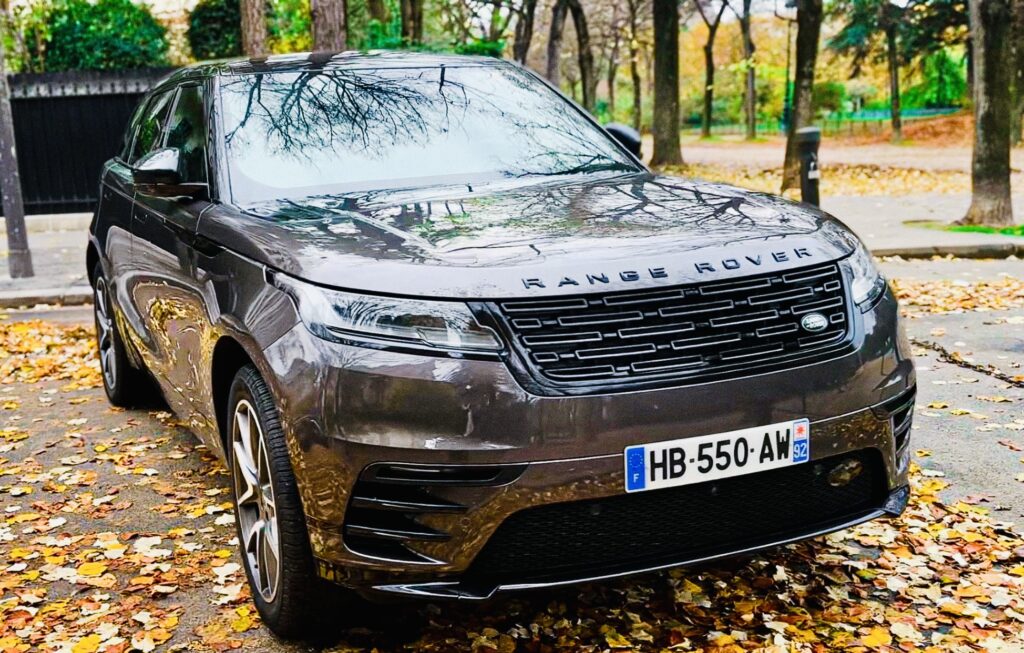
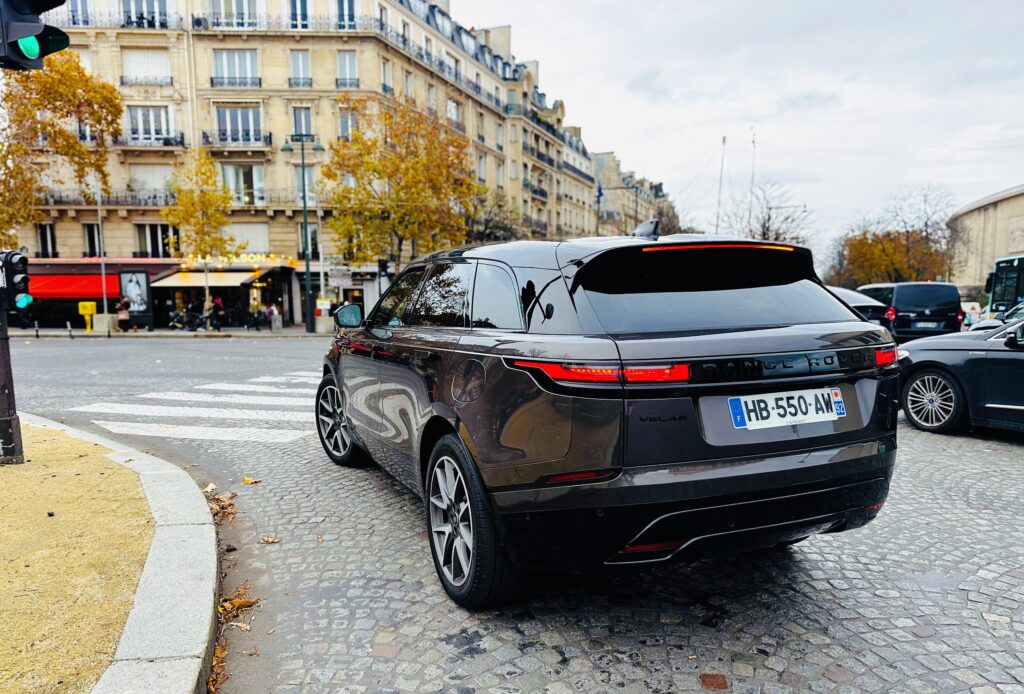
The Range Rover Velar P400e 2025, a luxury hybrid SUV, elegantly positioned in front of the Trocadero, offering a breathtaking view of the Eiffel Tower (Credit: Marceau NIO)
The appointment is made at the Argenteuil agency, where our steed awaits us. Dressed in its Chawton Grey livery, this Range Rover Velar P400e in Dynamic HSE finish is ready to devour the kilometres we’ve set aside for it: local roads, city centre, Paris inner city, the legendary Paris ring road, departmental roads, motorways and expressways. A complete tour to put this British behemoth through its paces in every situation.
First impressions: modern British elegance
At first glance, the Velar stands out from its Range Rover cousins with a slightly more fluid silhouette. At 4.80 metres long and almost 2 metres wide (including 2.15 m rear-view mirrors), it remains imposing, as Range Rover is obliged to do. What makes it unique, however, is the more dynamic appearance it achieves thanks to its sloping rear profile, a departure from the flat roofline and the iconic, almost rectangular profile of the Range Rover Sport and Evoque. From the outside, the design remains true to the brand’s DNA: charisma, visual power and that immediately obvious impression of luxury. This is a vehicle that makes a statement without being ostentatious, that asserts its status while retaining a certain elegance.
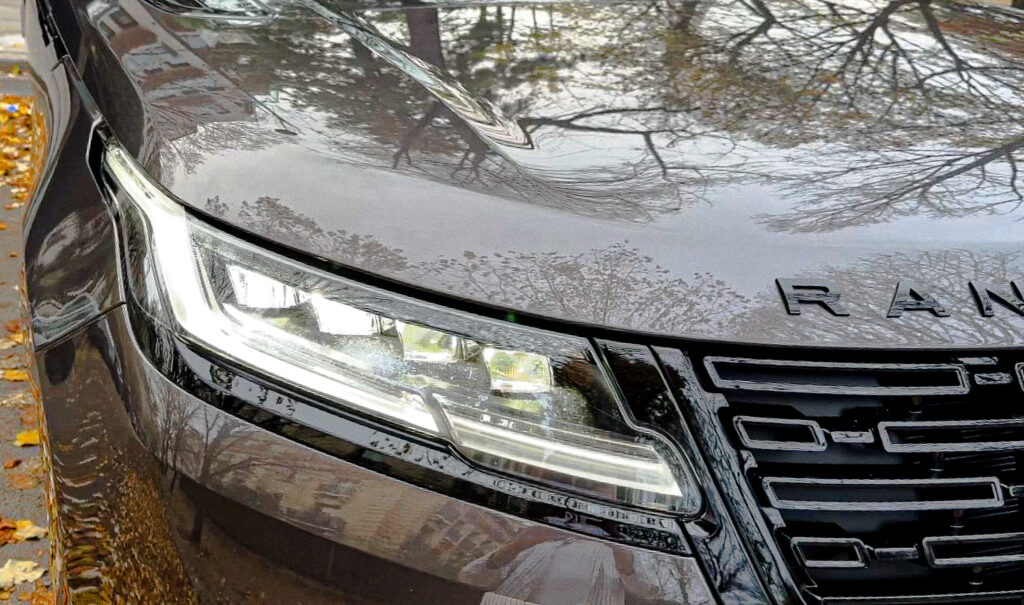
The front lights have been updated compared with previous versions. Tapered LEDs and a more modern daytime running light signature have been added, maintaining the original image of the Velar: elegant and refined. The rear lights have also been updated, forming a continuous band of light that emphasises the vehicle’s width and reinforces its premium character. These are welcome changes that modernise the vehicle, but do not detract from it.
Detail of the Velar P400e’s updated LED headlights, highlighting the modern daytime signature and refined design. (Credit: Marceau NIO)
At the rear, what you’d expect from a vehicle of this size is a large boot. It has a volume of 673 litres and conceals a 17.1 kWh battery, which is still very generous for a plug-in hybrid of this size. There’s plenty of space for everyday luggage and family weekends.
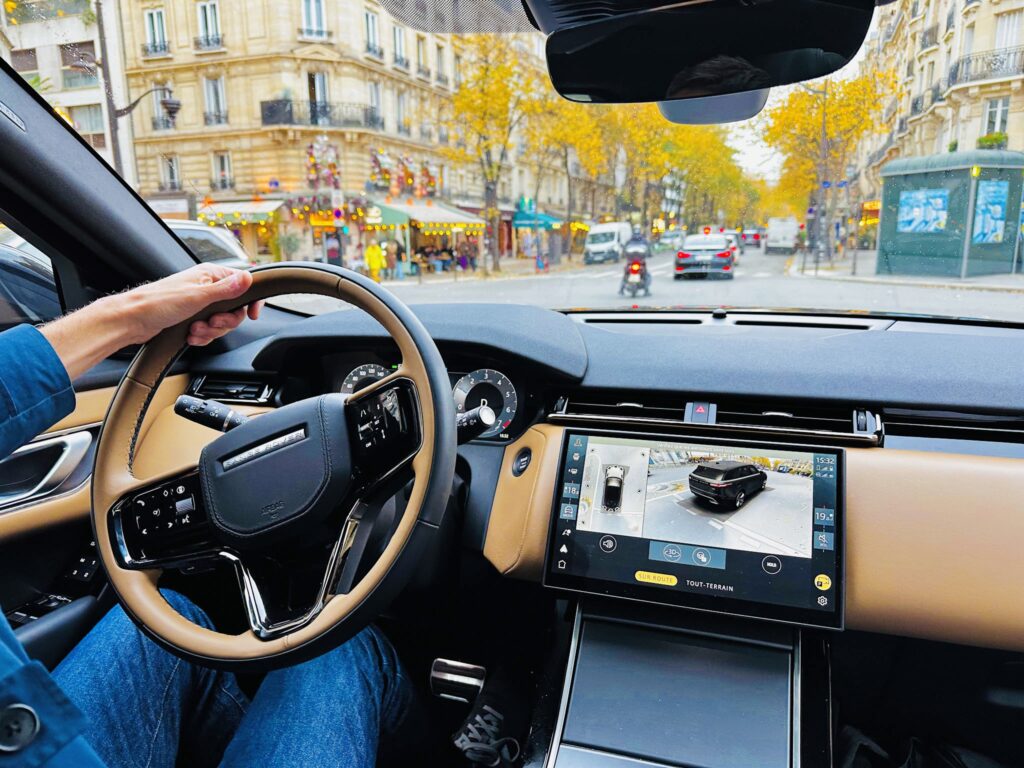
As for the interior, it perfectly reflects the philosophy of the JLR Group: luxury, yes, but not flashy. There’s leather on the dashboard, perfectly assembled materials and impeccable finishes. The ergonomics are classic, even refined, with a well-positioned 11.4-inch central screen that incorporates all the main functions. The build quality is consistent with the group’s objective of positioning all its vehicles in the luxury segment. With the Velar, there’s no mistaking the fact that we’re offered a really beautifully crafted cabin.
At the rear, three spacious and comfortable real seats, with the same level of finish, comfortably accommodate passengers. We’re talking about ‘real seats’ here, because legroom is generous, thanks in particular to a wheelbase of 2.87 metres.
At the wheel of the Range Rover Velar P400e
One thing is clear from the very first few kilometres: you quickly feel at ease. The visual sensation of accessibility to the controls is immediately confirmed, it’s well thought out, well laid out, and from the very first pedal strokes, the car exudes an immediate smoothness. The Velar P400e combines the advantages of combustion and electric power, and you can feel it. In pure electric mode, the car is silent, smooth as it revs up, almost subdued. Perfect for urban journeys or for enjoying a zen drive on a country lane. But as soon as you apply a little more pressure to the accelerator, the 300bhp 2.0-litre combustion engine takes over, backing up the 143bhp electric motor to deliver a combined output of 404bhp and a colossal 640Nm of torque.
The sleek, luxurious interior of the Range Rover Velar P400e, with its 11.4-inch central touchscreen and impeccable finishes. (Credit: Marceau NIO)
The acceleration is firm and present, and even if there is a slight lag time – which is when the vehicle’s 2.3 tonnes become noticeable – the response is immediate and powerful. The 0 to 100 km/h time of 5.4 seconds is impressive for an SUV of this size. On the motorway, you can feel at ease: the combination of smoothness and power makes it a very pleasant road companion. Despite its weight, roadholding remains at a decent level, even on small, winding roads. You feel confident and protected from road imperfections. You feel like you’re in a big car, and that’s particularly pleasant.
But not everything is ideal. In town, the Velar has some inherent limitations. With a turning circle of almost 12 metres and a substantial width, manoeuvring in town centres or cramped car parks requires a great deal of anticipation. This is clearly not its ideal playground, even if the equipment does help.
In terms of fuel consumption, the hybrid system is efficient: in town and at low speeds, it’s the electrics that take over, allowing you to drive without using a drop of petrol for the 62-63 km of electric range (WLTP). As soon as the engine revs up or the battery is drained, the internal combustion engine takes over.
In mixed use (motorway + dual carriageway), actual consumption was around 6 to 7 L/100 km, which is still reasonable for a 404 bhp SUV of this size. This is much higher than the 2.2-2.6 L/100 km announced by JLR in WLTP, but consistent with varied daily use where the battery does not always need to be fully recharged. In terms of total range (electric + internal combustion), the Velar P400e claims up to 684 km, according to Land Rover’s press release.
Screenshot
No-frills connected luxury
When it comes to equipment, the striking thing is the sobriety of the technology. No unnecessary gadgets, but ultra-efficient connectivity. As mentioned earlier, the touch-screen manages the essentials, and the 3D camera system with its all-round view of the surrounding environment is particularly useful for manoeuvring a vehicle of this size in an urban environment. According to JLR, 80% of the most frequently used actions can be performed with just two taps from the home screen. The absence of physical buttons (except for those on the steering wheel) reinforces the ‘all digital’ design, but some people may miss the pure tactile feel (particularly for functions such as quick climate control adjustment).
The heated and massaging seats, combined with the natural comfort of the cushions, offer optimum comfort on long journeys, a formality for a ‘luxury’ vehicle. The audio system, while not the most striking feature, does the job properly.
Conclusion: British-style hybrid luxury
It’s hard to hand back the keys after four days of testing. The Range Rover Velar P400e brilliantly combines comfort, power, versatility and prestige. It is a vehicle that is clearly aimed at CSP+ customers in search of refinement, performance and an impeccable level of finish. The JLR group has succeeded in its challenge: to create a vehicle positioned in the luxury segment, with quality materials, a design unique to the brand and an interior that is refined but of superior quality.
The rear of the Velar P400e, recognisable by its continuous light strip that accentuates the vehicle’s width and premium character. (Credit: Marceau NIO)
Admittedly, the Range Rover Velar’s price tag of between €80,000 and €100,000, depending on equipment, may give pause for thought. But when you look at the prices of the competition (BMW X5 hybrid, Mercedes GLE hybrid, Audi Q7 e-tron, Porsche Cayenne E-Hybrid), this price does not seem excessive. The performance is there, the plug-in hybrid technology adds real value to everyday life, and the driving pleasure is undeniable.
The Velar P400e is a real success for anyone looking for a premium SUV, or even a ‘luxury’ SUV as the manufacturer wishes, capable of combining British luxury and performance. It’s not perfect, but its qualities far outweigh its faults. It’s a very pleasant vehicle, and a real pleasure to drive. It’s clear that British luxury still has a bright future ahead of it…
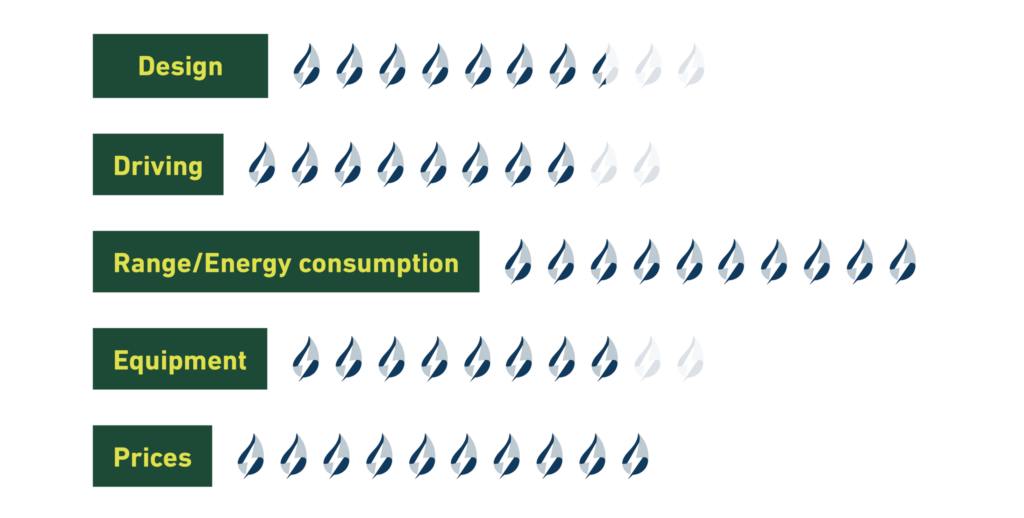
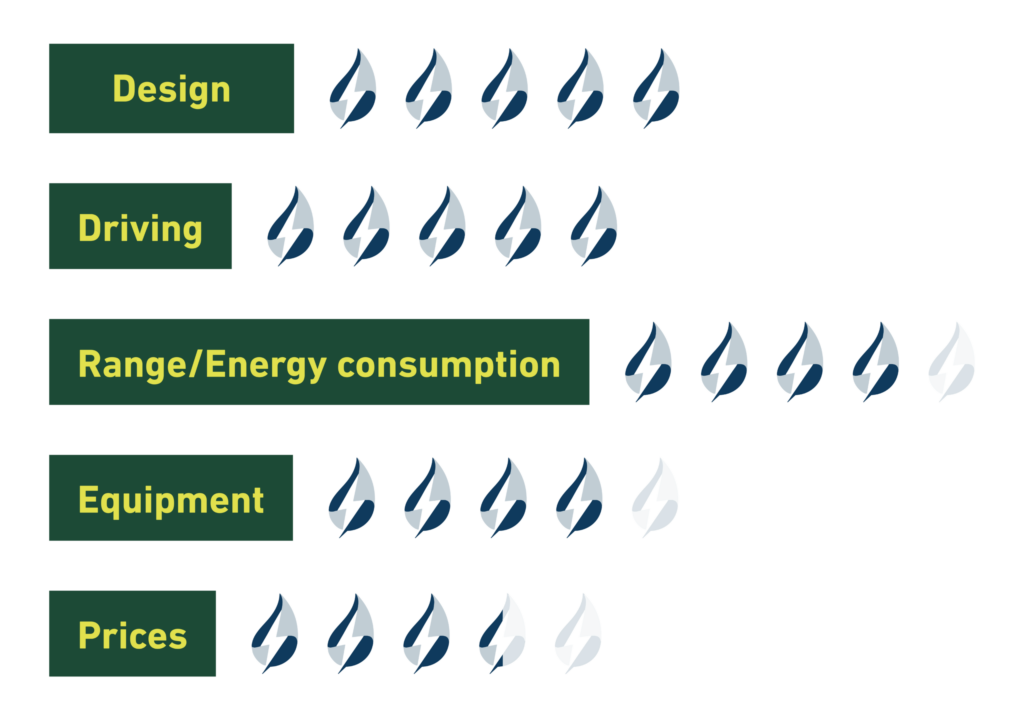
ECO MOTORS NEWS scores for the Range Rover Velar P400e
From 12 to 14 November 2025, the Istanbul Expo Center hosted the EV Charge Show. This is one of the only trade fairs in the world entirely dedicated to recharging infrastructure for electric vehicles. The event has now come to an end, and it’s time to take stock of what went on.
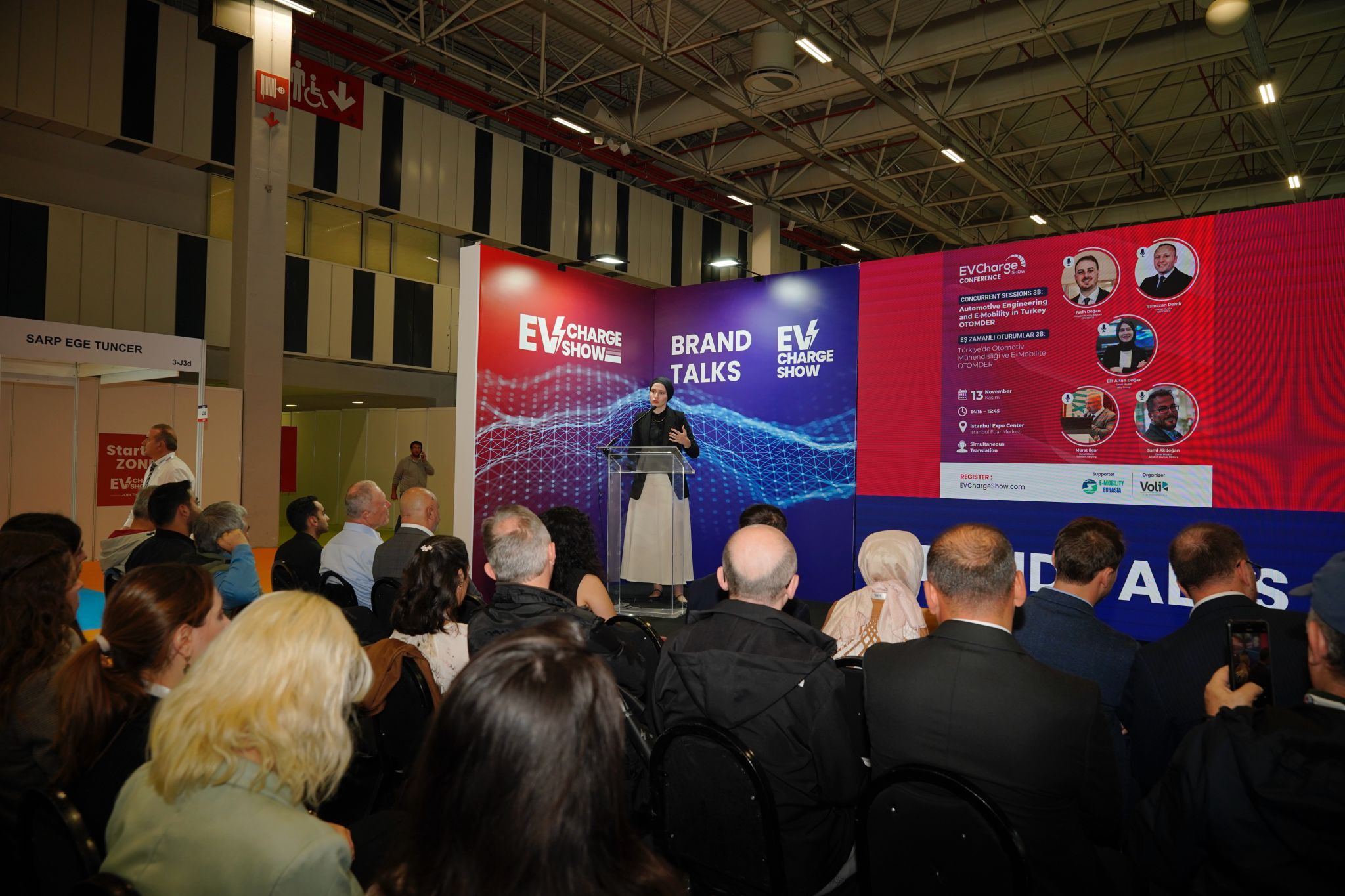
Conference at the EV Charge Show 2025 on the future of electric charging technologies (Credit: EVCharge Show)
A not-to-be-missed event
Since its launch in 2022, the show has rapidly established itself as a key platform for a sector undergoing rapid change. Located at the crossroads of Europe, Asia and the Middle East, Istanbul is a strategic location for many international innovations. Since the launch of the show, the Turkish city has also been attracting players in the recharging sector. They include manufacturers of charging stations, energy suppliers, software developers, network operators and manufacturers of storage solutions.
Over the editions, the number of brands present on site has evolved considerably. The total has risen from 151 in 2022 to over 300 at this 4ᵉ edition. A high volume for a show specialising solely in recharging infrastructures.
Megawatt Charging in the spotlight
The main focus of the 2025 show was on the electrification of heavy fleets. One of the most eagerly awaited areas was dedicated to the Megawatt Charging Standard (MCS). Visitors were able to discover prototype chargers capable of developing electrical power of ~1,000 kW (1 MW). They also found liquid-cooled cables, as well as solutions for electric trucks and logistics fleets.
The electrification of heavy goods vehicles is an environmental necessity. These vehicles account for over 25% of road transport emissions and around 6% of total EU emissions. The introduction of ultra-powerful recharging networks is therefore essential to accelerate their transition to electric vehicles.
The message is clear: the electrification of heavy goods vehicles is no longer a pipe dream; it is a tangible reality that is in full swing.
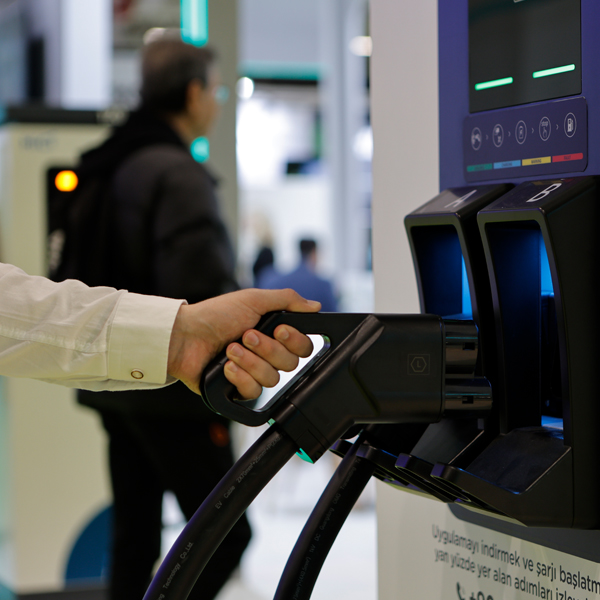
Fast charging station exhibited at the EV Charge Show 2025. (Credit: EV Charge Show)
Faster, smarter terminals
The recharging sector is mainly made up of recharging stations, and there is constant innovation in the quest for faster, smarter and more integrated recharging stations. A number of companies were present in Istanbul to showcase their innovations.
The Chinese company Pilot/Sino unveiled fast charging stations incorporating a storage module, reducing pressure on the grid. Tonhe Technology, another Chinese company, presented its new 30 and 40 kW high-efficiency modules for DC stations.
Overall, the companies present at the EV Charge Show had modularity, interoperability and energy optimisation as their watchwords.
The central role of software
But the future of electric recharging lies not only in physical infrastructure, but also in intelligent software solutions. International players such as ABB and Siemens, as well as Chinese companies such as Tonhe Technology and Workersbee, presented supervision platforms capable of controlling energy, optimising costs and managing entire fleets.
And technological innovation inevitably means artificial intelligence. It plays a central role in anticipating demand, smoothing consumption peaks and coordinating the integration of solar energy, storage and V2G (Vehicle-to-Grid).
The charging station thus becomes a veritable energy hub. A development that confirms that the charging station management software is also a key player in tomorrow’s mobility.
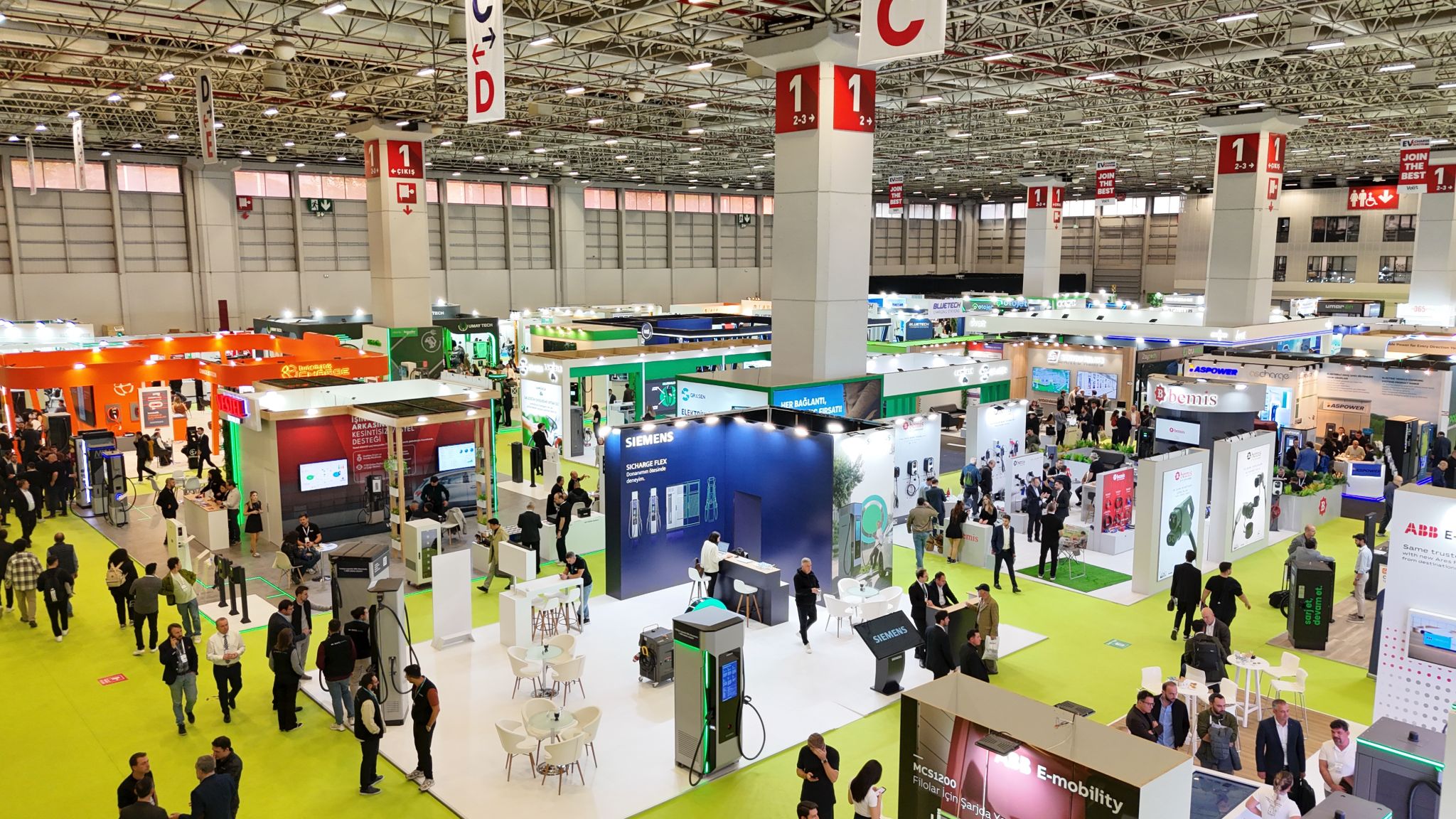
Overview of the halls at the EV Charge Show 2025 in Istanbul (Credit: EV Charge Show)
What this means for the future
This 2025 edition has highlighted several key trends for the coming months:
The electrification of heavy goods vehicles is accelerating, paving the way for ultra-powerful recharging networks that are essential to support the transition in road transport, but also offering the opportunity to reduce the polluting waste associated with this sector.
Stations are becoming more autonomous thanks to the integration of local storage modules and energy management algorithms, often combined with artificial intelligence. These innovations make it possible to smooth out consumption peaks, optimise costs and transform each station into a genuine energy hub.
Istanbul is establishing itself as an international hub for recharging technologies. The diversity of the players present (European, Asian and local) confirms that the city has become a strategic location for global electromobility.
The EV Charge Show 2025 proved that the electrification of heavy goods vehicles is on the move. Fast charging stations, AI and integrated storage: electric mobility is becoming more professional, and Istanbul is asserting itself as a global hub for sustainable transport.
The global electromobility market continues to grow at a steady pace. According to the latest figures published by analyst firm Rho Motion, sales of 100% electric vehicles (BEVs) and plug-in hybrids (PHEVs) reached 1.9 million units in October 2025, an increase of 23% on last year. This figure confirms that electric vehicles are becoming a permanent fixture on the global automotive landscape, although not everywhere at the same speed.
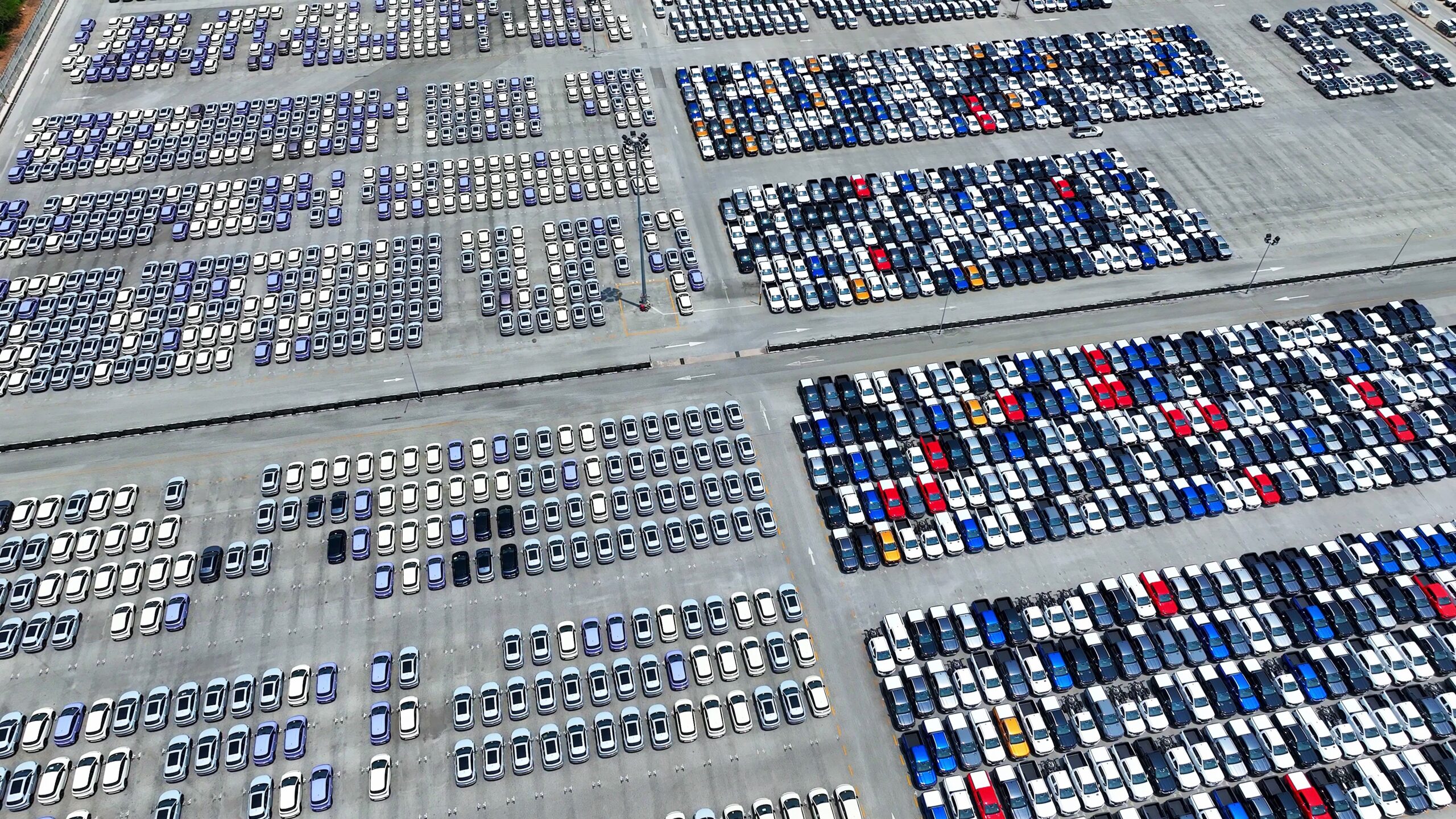
A car park full of electric cars, illustrating the growth of the global market
China keeps the lead, Europe accelerates
Unsurprisingly, China remains the world’s biggest market. With almost 1.3 million sales in one month, the “Middle Kingdom” continues to dominate the sector, even if its growth is slowing slightly (+6%). This growth could accelerate further before a likely drop in sales. This would follow recent political announcements, namely the reduction in the tax exemption rate for new-energy vehicles by the end of 2025.
Europe, meanwhile, put in a remarkable performance: up 36% in one year, with 372,786 units sold. This performance was driven by the rise in popularity of more affordable models and by public policies that still largely support the purchase of zero-emission vehicles.
North America in difficulty
Conversely, North America (United States and Canada) is going through a more difficult period. Sales fell by around 41% in October. The main reason for this sharp fall is the expiry in the US of the $7,500 federal tax credit, which acted as a pillar for sales of electric models and which will disappear on 30 September 2025.
Analysts say that this drop is mainly due to the fact that electrified vehicles in the US are still much more expensive than combustion-powered vehicles. In their opinion, this figure is also a “lag effect”, as many American buyers anticipated their purchases before the end of the budget incentives.
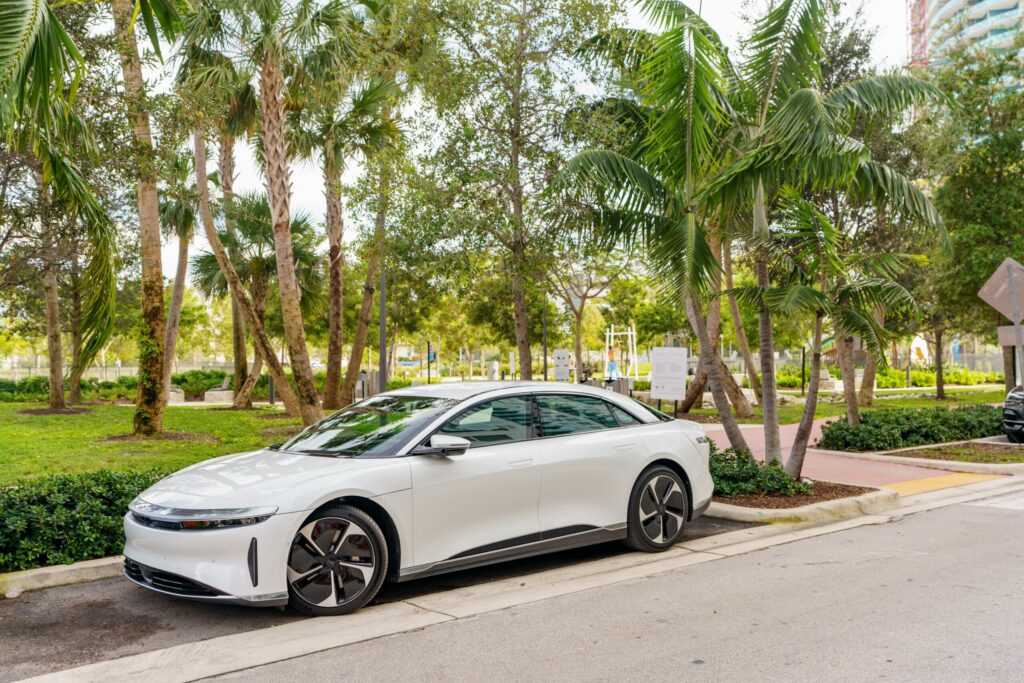
An electric Lucid parked in Miami, representing the US market in transition
The “rest of the world”: rapid but still limited growth
Behind the three major historical blocs (China, Europe and North America), the ‘rest of the world’ encompasses highly heterogeneous markets: South Asia, the Middle East, Africa, Oceania and parts of Latin America.
According to Rho Motion, these regions recorded average growth of +37% in October. This significant growth was driven by :
In India, electrification programmes have accelerated under the Modi government, which is targeting a 30% market share for electric vehicles by 2030. The country is increasing tax incentives and developing battery and assembly plants.
In the Middle East, various countries are investing colossal sums in recharging infrastructure.
The rise of new markets such as Thailand, Australia and Brazil.
But despite this acceleration, the “rest of the world” represents only a tiny fraction of the global ecosystem.
A solid market overall, but one that is increasingly contrasted
In all, more than 16.5 million electrified vehicles were sold worldwide between January and October 2025, at the same rate (+23%) for the year as a whole. While this growth remains robust, it also reflects the maturing of the market: growth is no longer uniform, and the regions are now moving forward at very different speeds:
Europe is confirming its upward trajectory and wants to stay in touch with the Chinese giant, despite the economic tensions.
China remains a key market, with large volumes driving the global market.
North America is lagging behind, revealing that the country is still too dependent on fiscal policies and budgetary incentives.
The “rest of the world”, meanwhile, is showing dynamic growth (+37%). An encouraging figure, but still too marginal in terms of volumes.
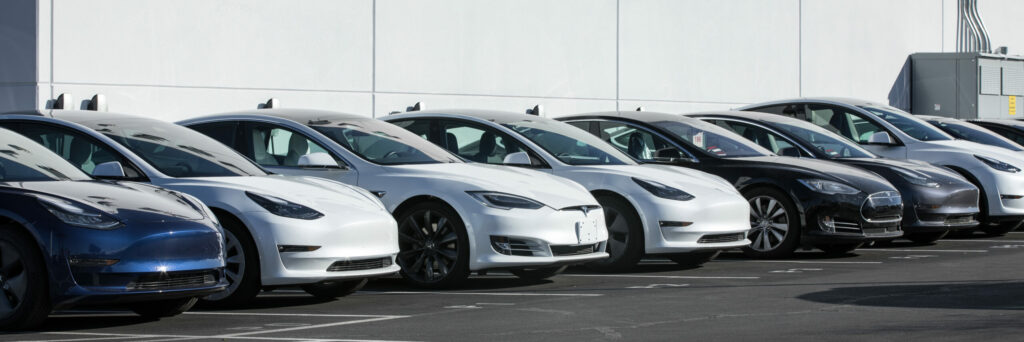
Different Tesla models lined up, symbolising the growing diversity of electric vehicles
The transition is progressing, but not at the same pace everywhere
These figures are a reminder of one fact: electromobility is not a linear phenomenon. It is growing, but with very different dynamics on different continents. The size of the Chinese market makes any global analysis highly dependent on Chinese figures, which can mask weaker situations in other regions.
Electromobility is moving forward, but at different speeds.
Canada’s ambitions are among the highest in the world, with a target of 100% zero-emission vehicle sales by 2035. But by 2025, the reality on the ground is quite different: sales of electric vehicles are plummeting, the infrastructure is struggling to keep up and the government incentives that boosted the market have abruptly disappeared.
An electric vehicle drives along a Canadian mountain road, illustrating the challenges of autonomy in cold, isolated terrain.
Stable car market, but electric cars in freefall
The Canadian car market is relatively stable, with around 159,000 vehicles sold in October 2025, down 1.8% on October 2024. A slight drop, but over the first nine months of the year, Canada sold almost 1.45 million units, up 5.9% on the same period last year. So the overall market is in good shape, but unfortunately these figures mask a much bleaker reality for the electric mobility sector.
Zero emission vehicles (ZEVs) are having a catastrophic year in 2025. In the second quarter, their market share fell to 9.2%, compared with 9.7% in the first quarter. What is even more striking is that in June 2025, 14,090 zero-emission vehicles were sold, representing a significant fall of 35.2% compared with June 2024. Over the first six months of 2025, the figure was the same: 79,476 electric vehicles were sold, a fall of 29.8% compared with the same period in 2024. This spectacular fall is mainly due to the end of subsidies.
The end of incentives: a major blow
As explained above, the country’s objective for the energy transition in transport is ambitious. To achieve a drastic increase in the uptake of EVs, the government has had to introduce budgetary incentives. The federal iZEV (Incentives for Zero-Emission Vehicles) programme, launched in May 2019, offered up to CAD 5,000 in rebates for the purchase of a new electric vehicle. This scheme enabled more than 185,000 Canadians to switch to electric vehicles.
But in January 2025, the government announced the suspension of the programme, having exhausted its budget. This decision had an immediate effect: sales of BEVs fell by 57% between the fourth quarter of 2024 and the first quarter of 2025. Plug-in hybrids are not to be outdone either, with sales down 44% over the same period.
Quebec, the historic powerhouse of electromobility in Canada (strong financial incentives, high EV adoption rates and a well-developed recharging network), also suspended its provincial incentives in February and March 2025. In that province, Tesla registrations fell from 5,097 vehicles in the fourth quarter of 2024 to just 524 in the first quarter of 2025, a staggering 90% drop. Despite this, Canadian provinces have autonomy over certain policies, and Quebec was able to relaunch the “Roulez Vert” incentive programme on 1 April 2025, giving Quebecers up to $4,000 CAD in assistance towards the purchase of an electrified vehicle.
These figures reflect our dependence on public subsidies and reveal the fragility of the Canadian market: when subsidies stop, sales immediately plummet.
Hybrids: the big winners in 2025
This drastic fall in sales has benefited conventional hybrid vehicles, which have managed to hold their own. For the first time in 2025, they have overtaken zero-emission vehicles in terms of market share. In the second quarter, conventional hybrids accounted for 12.9% of sales, compared with 9.2% for all ZEVs.
This shift is due to a number of factors common to other countries: electric vehicles are considered too expensive by motorists, and there are still too few recharging facilities in Canada. Hybrids appear to be a compromise.
Map showing the location of public charging stations and the uneven distribution of the network across Canada (Credit: electricautonomy.ca).
An inadequate recharging network
Canada had around 33,767 public charging points spread across 12,955 stations in March 2025, an increase of 24.2% on the previous year. This is encouraging progress, but it falls far short of what is needed, because with its 39 million inhabitants and vast territory of almost 10 million km², Canada suffers from a dispersed geographical coverage, making long-distance journeys more difficult for electric vehicle users.
By way of comparison, France has over 163,000 points for 67 million inhabitants, spread over “only” 551,000 km².
According to a study by Dunsky Energy and Climate, Canada would need 100,520 charging points to achieve its targets. In 2021, the same firm estimated that the country would need 52,000 charging points by 2025. So the development gap is definitely there.
Regional disparities are marked. Most of the infrastructure is concentrated in British Columbia and Quebec. The Atlantic provinces, the Prairies and Northern Canada remain largely under-equipped.
Tesla’s Supercharger network remains the largest in the country. In 2025, Tesla opened up its charging stations to vehicles from other brands. Promising initiatives are emerging: in February 2025, the Australian company Jolt received 194 million dollars to install up to 1,500 chargers in urban centres.
General Motors dethrones Tesla
This year has also seen a major change in terms of manufacturer supremacy: General Motors has become the leading seller of electric vehicles in Canada, dethroning Tesla. GM has an expanded portfolio of 13 electric models, divided between Chevrolet, Cadillac and GMC.
Tesla, which held almost 50% of the electric vehicle market share at the start of 2022, accounted for just 10% in April 2025. This fall can be explained by the arrival of new competitors on the market.
A Tesla photographed in Vancouver, a symbol of the recent decline in sales despite the manufacturer’s strong presence in Canada.
Key Canadian players
Canada is gradually developing its EV industrial chain:
Lion Électrique, a Quebec manufacturer of electric buses and trucks, plans to have more than 1,400 vehicles on the road by 2025.
DANA TM4, also based in Quebec, designs and produces electric motors for buses, trucks and industrial vehicles in Canada and abroad.
Electrify Canada, a network of ultra-fast charging stations, is rolling out its infrastructure in several provinces, but is still limited in relation to needs.
These players exist and are growing, but their market share remains modest, and no local player dominates the national EV market.
The 2035 mandate: an unrealistic objective
With a view to validating its transport energy transition targets, the Canadian government had previously imposed progressive sales targets on manufacturers: 20% VZE by 2026, 60% by 2030 and 100% by 2035. But in September 2025, the government suspended the targets for the 2026 model year. Prime Minister Mark Carney justified this pause by the need to give manufacturers “flexibility”.
Quebec, for its part, has adjusted its targets: in September 2025, the government replaced the objective of 100% zero-emission vehicle sales by 2035 with a target of 90%, now including plug-in hybrids, a decision it justifies as a pragmatic compromise in view of the “North American realities” of the market.
The question now is: how can Canada hope to achieve 100% electric sales in 2035 when it is struggling to exceed 10% in 2025?
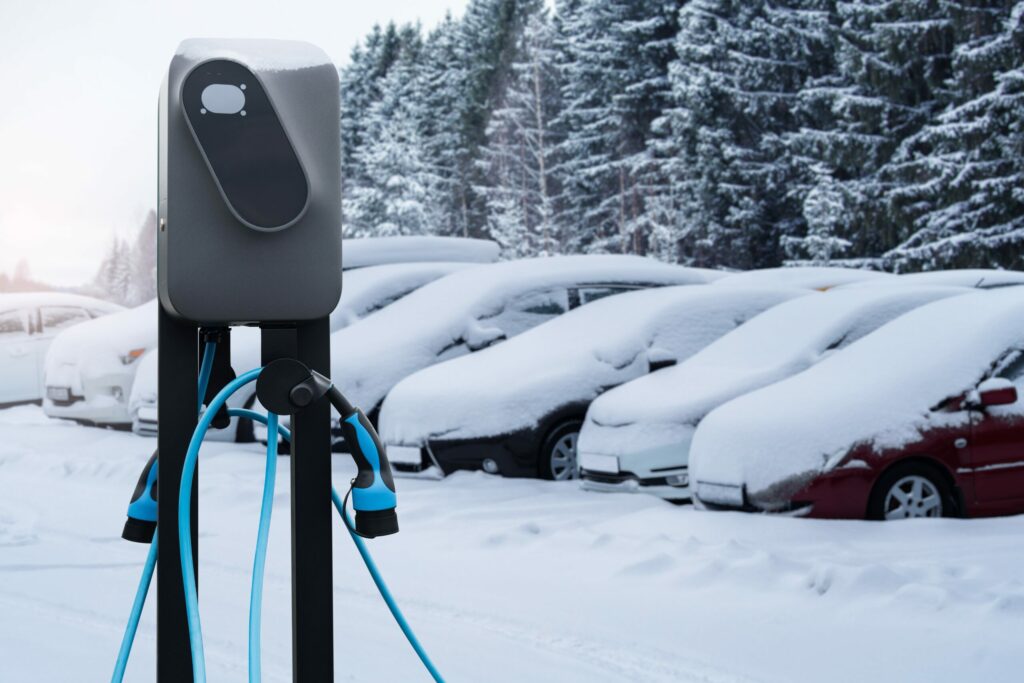
A charging point covered in snow, illustrating the impact of harsh winters on the use of electric vehicles in Canada.
Structural challenges persist
Canada faces a number of major obstacles:
Purchase price: without subsidies, electric vehicles remain out of reach for many Canadians. While in Europe several entry-level models are available for less than €25,000, and China has some of the most affordable electric vehicles in the world, Canada has a much more limited range. The cheapest models start at around $30,000 CAD (around €19,000). Despite this equivalent price level, the choice of genuinely accessible vehicles remains limited, reinforcing the idea that, without government support, electric vehicles will remain difficult to access for a large proportion of Canadian households.
Climatic conditions: harsh winters reduce battery life by 20-40%, a challenge for manufacturers and motorists alike, who have to adapt to these demanding and restrictive regional conditions. With such a well-developed recharging network, the adoption of EVs is complicated.
Regional disparities: this vast territory is not developed on the same scale. While British Columbia and Quebec have electric vehicle market shares of 11.8% or more, Ontario, Alberta and the Atlantic provinces are lagging far behind, particularly in terms of recharging infrastructure.
Attachment to pick-ups: Canada is one of the countries with the highest proportion of vans and pick-ups in the world. But electric pick-ups are expensive, and their range drops sharply in winter or when towing. For many Canadians, the current electric range does not meet their real needs (towing, long distances, outdoor work).
Canada, an ambitious but limited country
In 2025, Canada will embody the contradictions of the electricity transition. With some of the most ambitious regulations in the world, the country is lagging behind Europe and China.
Yet Canada has considerable assets: huge reserves of critical minerals, an established automotive industry and a relatively clean electricity mix. But these assets will not be enough. Without a clear strategy, massive investment in infrastructure and stable incentives, Canada runs the risk of seeing its 2035 ambitions unfulfilled. Canada’s electric transition is currently on hold.
On Wednesday 12 November 2025, ECO MOTORS NEWS had the privilege of being invited to Montigny-le-Bretonneux for a press test of the new 100% electric eSprinter, in its chassis cab version, by Mercedes-Benz. A technical day devoted to discovering this new electric version of the famous German van.
The Mercedes eSprinter 100% electric chassis cab, ready to be bodied for professional use. (Credit: Mercedes)
The eSprinter chassis: a new stage for Mercedes
Launched in April 2025, the eSprinter is the latest addition to the Mercedes-Benz range of electric vans, which has already sold more than 40,000 vehicles since the first eVito in 2010. This chassis version opens up new possibilities for the electrification of commercial vehicle fleets. To suit different uses, this version of the 100% electric eSprinter is designed to be specifically bodied.
This versatile van from the German brand has been designed to meet the needs of professionals. The vehicle is available in two lengths (5.90 m or 6.70 m) and four GVWs (Gross Vehicle Weight Rating): 3.5 t, 3.95 t, 4.15 t and 4.25 t.
Two engines are also available: 136 bhp (100 kW) or 204 bhp (150 kW). Three battery capacities are available: 56 kWh (around 210 km range), 81 kWh (around 300 km) and 113 kWh for intensive use. Rapid recharging can deliver up to 115 kW in direct current.
With this chassis version, Mercedes-Benz is aiming directly at small businesses, local authorities and specialist fleets, a segment that has yet to be electrified, but which is undergoing rapid change.
A full day of testing
Accompanied by five fellow journalists, various bodybuilder representatives and, of course, several members of the Mercedes group, the day began with a technical and historical presentation of the Mercedes eVans range and the eSprinter chassis.
Once we’d learned all we needed to know about this vehicle, we were treated to a presentation of the five eSprinter bodies, each built by its respective bodybuilder: Corsin, Laloyau, Trouillet, Labbé and JPM. Tipper, flatbed or specialised configuration, each vehicle has been ingeniously designed to meet the needs of professionals.
After a question-and-answer session with the various players present on the day, we journalists divided up the different vehicles to carry out our tests.
In total, we covered around a hundred kilometres on a route covering different types of road (town, country, motorway), divided into three test slots allowing us to test three different body configurations.
A recharging workshop was also on offer: an opportunity for the Mercedes group to demonstrate its impressive linear recharging capacity, with an average power output of around 116 kW.
The front design of the Mercedes eSprinter chassis highlights the closed grille and modern lines of the German electric van. (Credit: Mercedes)
A full test to come
As mentioned earlier, ECO MOTORS NEWS was able to test several configurations of the eSprinter chassis during the day. Road behaviour, real autonomy, ergonomics, bodywork adaptation: all aspects were tested on the roads of the Paris region.
A full, detailed test will shortly be published in our columns, with figures, measurements and feedback on this electric van. What we can already tell you is that Mercedes-Benz has perfected the adaptation of its vans to electrified mobility.
Confirmation that the electrification of commercial vehicles is no longer an option, but a tangible industrial reality.