Author: Marceau Nio

  • A connected tyre designed for electric vehicles: Goodyear Eagle Xplore

    A connected tyre designed for electric vehicles: Goodyear Eagle Xplore

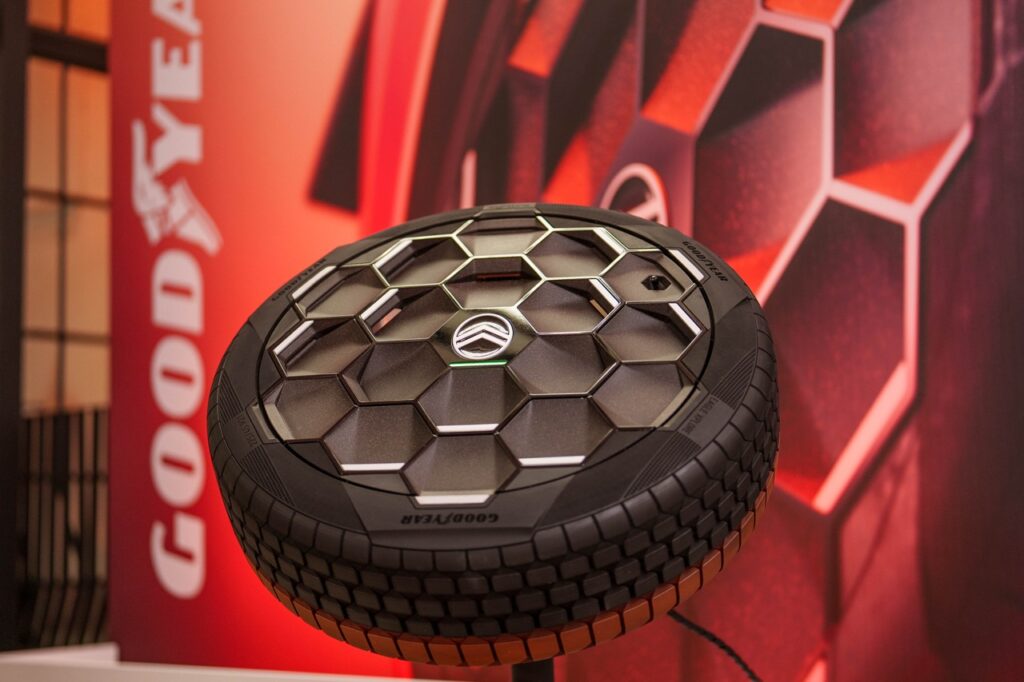
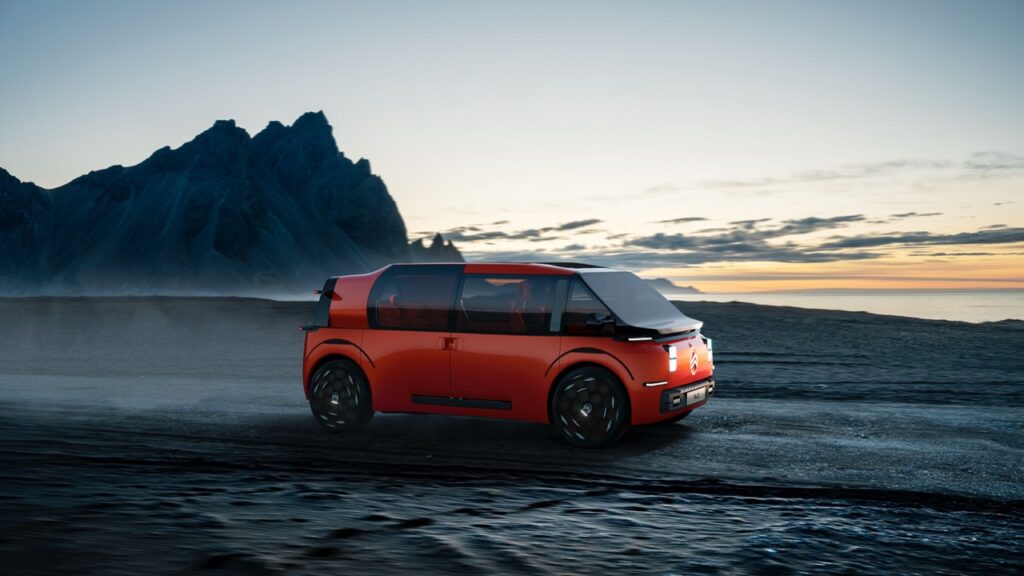
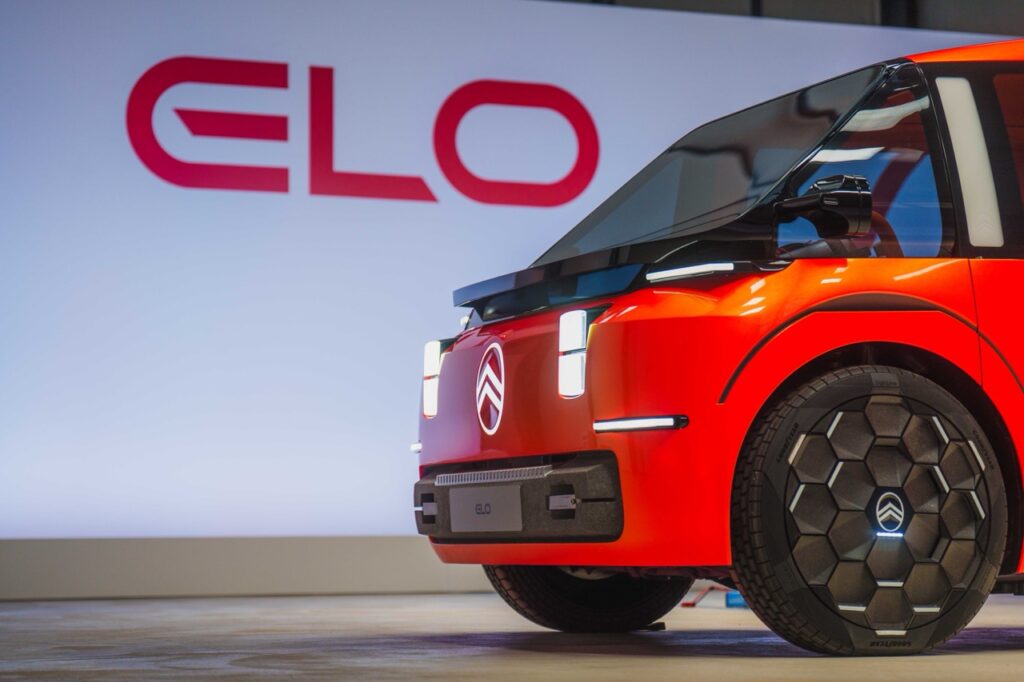
    On 9 December 2025, Goodyear unveiled the Eagle Xplore, a concept tyre for the new Citroën ELO concept car. A genuine technological showcase, it transforms the tyre into an intelligent sensor and visual interface. With its personalised design, SightLine technology and LED display on the rim, the Eagle Xplore illustrates the transformation of the tyre in the era of connected electromobility.
    credit: Goodyear

    A tailor-made tyre for performance and adventure

    The Eagle Xplore is not part of any standard Goodyear range. It’s the result of blending the sporting DNA of the Eagle line with the ruggedness of the Wrangler range, renowned for off-road use. The result? A tyre designed for versatile electric vehicles capable of tackling both tarmac and tracks.

    The tread is structured to combine fuel efficiency and grip. One section is optimised to maximise range, while the other focuses on grip for off-road driving. This dual approach fits in perfectly with the positioning of the Citroën ELO: an electric concept car built for adventure and designed to explore different environments.

    In terms of design, the Eagle Xplore has a bright orange sidewall, a nod to the colour of the ELO concept. This strong aesthetic choice makes the tyre an element of personalisation in its own right, going well beyond its functional role to become a genuine visual signature.
    credit: Goodyear

    SightLine: when tyres become intelligent sensors

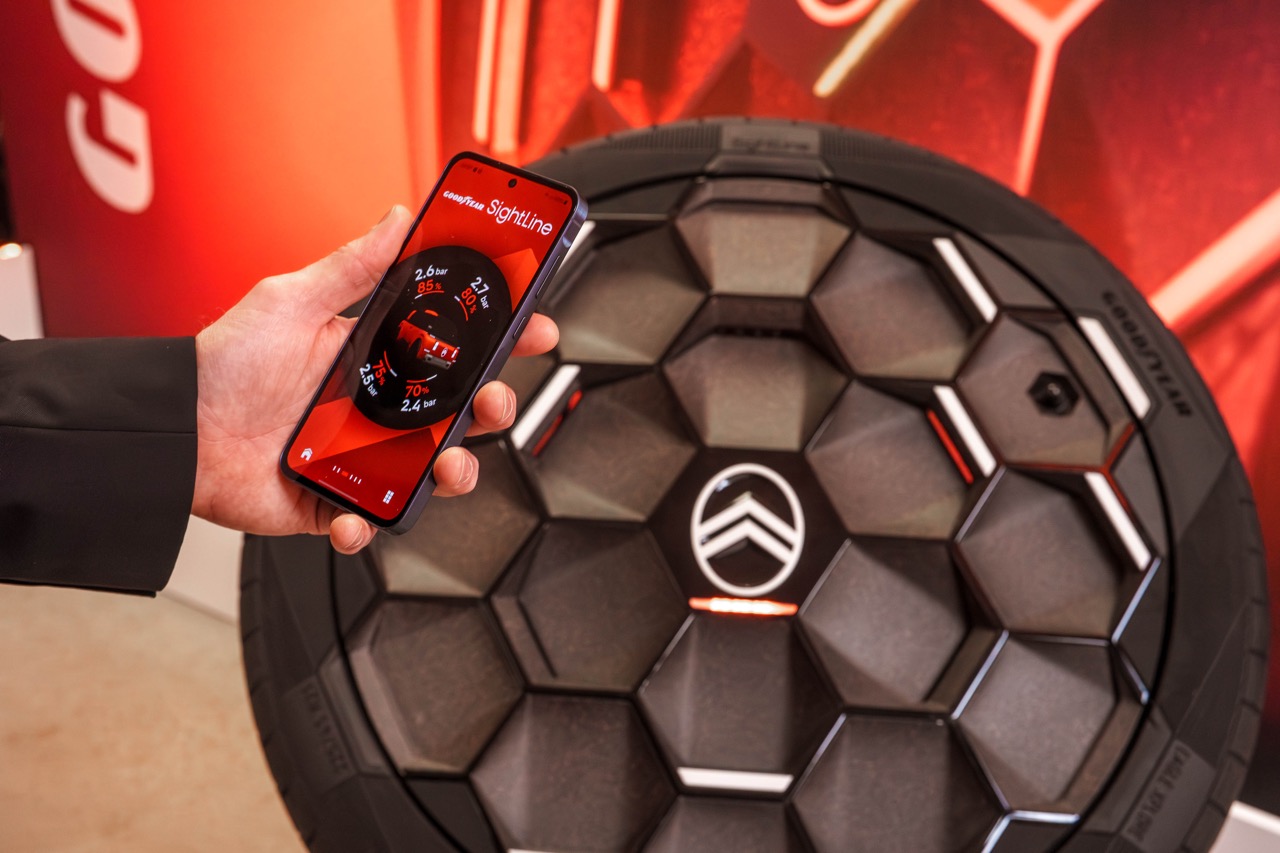
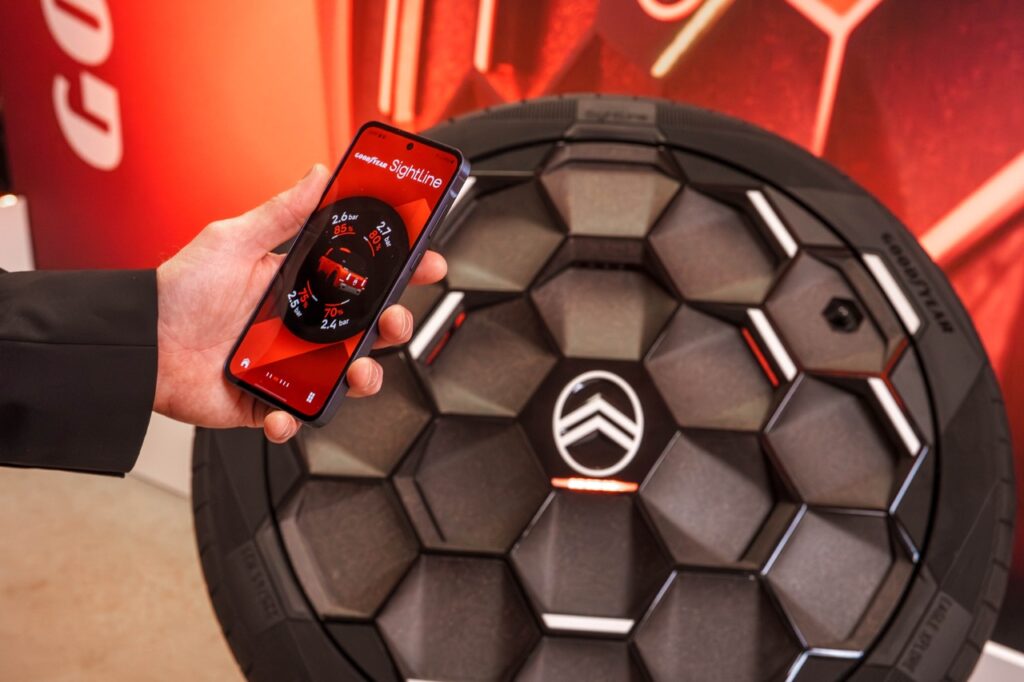
    What’s great on paper is the integration of Goodyear SightLine technology. This intelligent innovation transforms the tyre into a connected sensor capable of continuously monitoring pressure, total vehicle weight and state of wear. The data is transmitted in real time to the dashboard and the vehicle’s dedicated application.
    credit: Goodyear

    The most spectacular innovation? A side LED bar integrated directly into the rim. This visual display system instantly indicates the state of pressure: green for optimum pressure, red when adjustment is required. No need for a pressure gauge or audible warning: the information is visible at a glance.

    As well as being practical, SightLine incorporates predictive functions. The system aims to maintain vehicle stability, optimise tyre wear and extend tyre life by maintaining the ideal tyre pressure. For an electric vehicle, where every element has an impact on autonomy, intelligent tyre pressure management is crucial.

    A demonstrator for the electrical ecosystem of tomorrow

    Let’s be clear: the Eagle Xplore is not intended for imminent commercialisation. Goodyear is presenting it as a pure technological concept, a demonstrator of what tyres could become in the connected electric vehicle ecosystem. However, no release date or price has yet been announced.

    This positioning is indicative of a wider trend in the automotive industry. The tyre is no longer a simple interchangeable component, but an active element in the driving experience. With SightLine, they become a source of data for driver assistance systems (ADAS), contribute to optimising energy consumption and can be integrated into the on-board software like any other electronic module.

    The partnership between Citroën and Goodyear on the ELO project also illustrates the evolution of collaboration between carmakers and equipment manufacturers. The manufacturer is no longer content simply to supply suitable tyres: it is actively involved in the vehicle’s technological narrative, co-designing the user experience and contributing to the DNA of the concept.
    credit: Goodyear

    Towards 4.0 tyres in sustainable mobility

    The Eagle Xplore raises an essential question: how far will tyre technology integration go? If this concept becomes reality, tomorrow’s tyres could inform drivers directly, communicate with active safety systems and even automatically adjust their characteristics according to road conditions. A system like SightLine could make it possible to gain several dozen kilometres of driving range simply by maintaining optimum tyre pressure at all times.

    It remains to be seen whether Goodyear will follow up this concept commercially. The manufacturer is remaining silent on any production. One thing is certain: with the Eagle Xplore, Goodyear is sending out a strong signal about its vision of intelligent tyres in the world of electric and connected mobility.

  • Energy transition: the European Commission under pressure

    Energy transition: the European Commission under pressure

    With just six days to go before the announcement of the European Commission’s automotive package, Ursula von der Leyen’s desk has just received two open letters with opposing views. While they both touch on the future of the electric vehicle transition, they do not focus on exactly the same battles. Together, they reveal the extent of the tensions shaking the European automotive sector.

    Monday 8 December: 67 players reject fleet quotas

    On 8 December, a coalition of 67 major players in the automotive industry sent a letter to the President of the European Commission, Ursula von der Leyen. These players include manufacturers such as BMW and Toyota, rental giants such as Avis and Hertz, and leasing companies such as Arval and Ayvens. Their message: mandatory quotas for the electrification of company fleets would be “extremely damaging”.

    The stakes are high, because business fleets (including company cars) account for between 50 and 60% of new car sales in the EU, according to the European Automobile Manufacturers Association (ACEA). The December 16 package should include proposals on this key segment.

    According to these players, the real obstacles to the adoption of EVs remain purchase and running costs, as well as insufficient recharging infrastructure. Imposing binding targets would put companies in a dilemma: keep their vehicles longer or reduce their purchases of new vehicles. A counter-productive action in both cases, according to the plaintiffs.

    Faced with these problems, various European countries have found a solution: in those European countries where adoption is growing fastest, it is the combination of financial incentives and massive investment in infrastructure that is making the difference. The letter also stresses the need for incentives for the second-hand market, given that many leased vehicles are resold after two or three years.

    These demands seem understandable. However, the Climate Group is arguing in favour of maintaining strict targets. It points out that more than 120 companies, including EDF, Ikea, Siemens and Unilever, have already committed themselves to converting their fleets to 100% electric.

    Wednesday 10 December: 200 signatories defend the 2035 target

    Two days later, another letter, this time on global targets, was sent to von der Leyen. E-Mobility Europe and ChargeUp Europe, supported by almost 200 signatories including Polestar and Volvo Cars, are calling on the Commission to firmly maintain the target of zero emissions for new cars by 2035.

    “We are deeply concerned by recent efforts to water down your targets,” they write. The target of this letter: to thwart the pressure exerted by certain German manufacturers and the ACEA to obtain more flexibility on the CO₂ targets and to relax the ban on sales of combustion cars in 2035.

    In particular, the concern is about reopening the door to plug-in hybrids and CO₂-neutral fuels. In their view, this approach would create uncertainty and slow down the transition to electric, at a time when Chinese manufacturers are making rapid progress and cutting costs.

    The message is clear: “Every delay in Europe only widens the gap with China”. For these players, any setback would jeopardise the investments already underway and widen the gap with the Asian giant once and for all.

    16 December, the day of truth

    The automotive package, whose publication has already been delayed by a week, is crystallising all the attention. It could grant more flexibility on CO₂ targets, relax the ban on combustion engines in 2035, and include specific measures on company fleets.

    The dossier has been the subject of frenetic lobbying in recent weeks, with a flood of letters flooding into Brussels ahead of the announcement.

    These two positions, while not dealing with exactly the same issues, reveal the dividing lines in the sector. On the one hand, there are players calling for pragmatism and flexibility. On the other, defenders of the transition who fear that any relaxation could compromise Europe’s climate ambitions and its competitiveness vis-à-vis China.

    December 16 will provide answers on several fronts: the level of ambition maintained for 2035, the flexibility granted on CO₂ targets, the fate of hybrids, and possible obligations for fleets. The compromise promises to be a delicate one.

  • The iconic MINI becomes an electric brand

    The iconic MINI becomes an electric brand

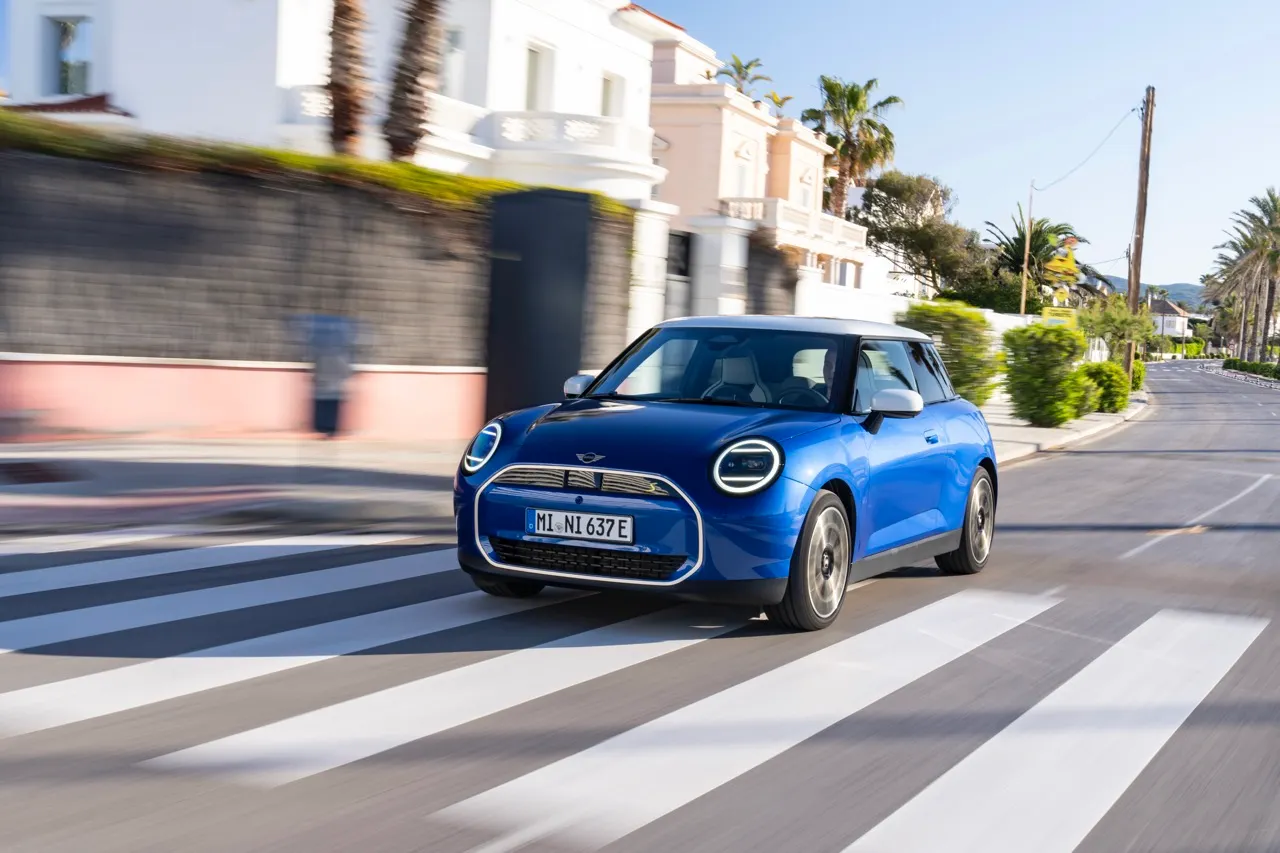
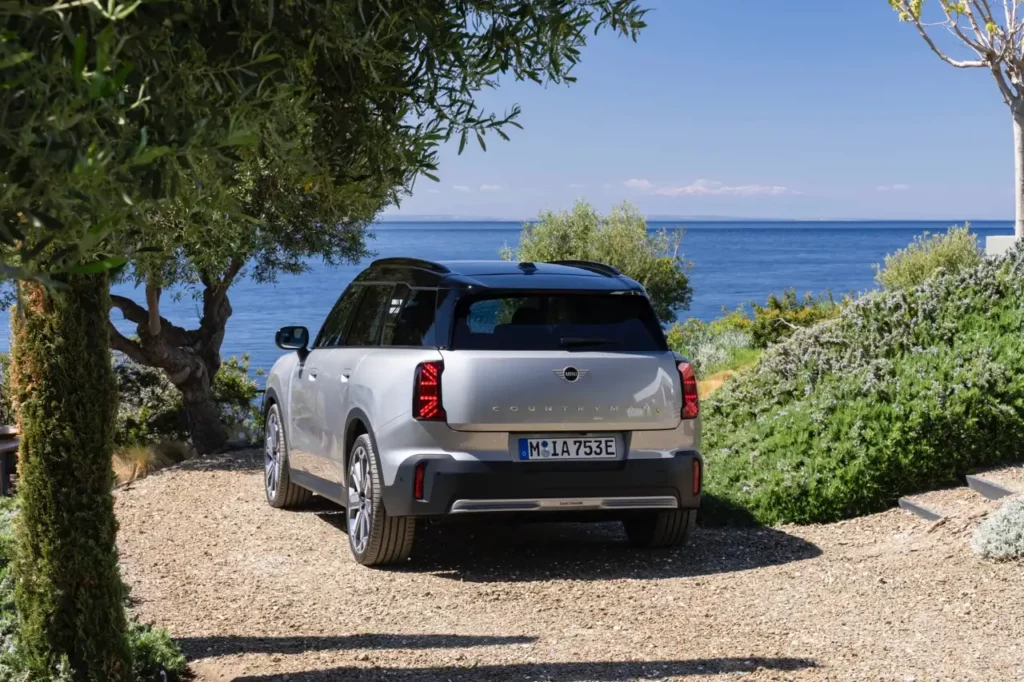
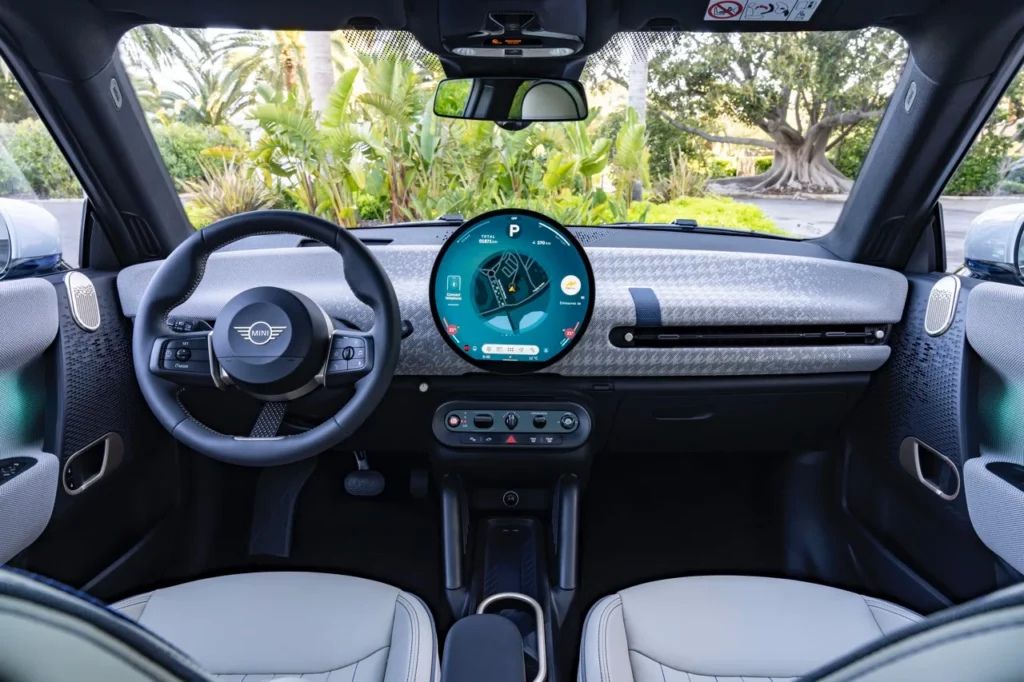
    The end of the year is approaching, and as the transition to electric vehicles gathers pace in Europe, the BMW Group’s British brand is making its 100% electric models a crucial part of its volume. Worldwide sales have returned to growth this year, driven by the new generation Cooper and Countryman, while in France Mini Electric has established itself in the top 10 of BEV sales and hopes to stay there with the arrival of the Aceman next year.

    Credit: Mini

    2025 to be driven by electric vehicles

    According to initial figures published in the autumn, MINI delivered 133,778 vehicles worldwide in the first half of 2025, an increase of 17.3% on the same period in 2024. For the first nine months of the year, another report shows sales of over 200,000 units. This brings the brand closer to the 300,000 mark for annual sales (the average for several years). These satisfactory figures for MINI coincide directly with the ramp-up of the new Cooper and Countryman, whose electric versions are boosting orders at European dealerships.

    The most telling signal comes from France: in the first eleven months of 2025, the electric Mini (new Cooper Electric) racked up 10,171 registrations, putting it in the top 10 best-selling electric cars in the country, behind heavyweights such as the Renault 5 E-Tech, the Citroën ë-C3 and the Peugeot e-208. In November 2025, it even recorded a month of 1,439 registrations, making it the fifth best-selling BEV on the market behind the R5, the e-208, the Scénic E-Tech and the ë-C3.

    credit: bmw group

    In other words, current market data suggest that a significant proportion of MINIs sold in France in 2025 will be 100% electric, although the manufacturer has not yet published a detailed percentage by engine.

    Cooper and Countryman Electric: the figures that change everything

    The new Cooper Electric, now available in E and SE versions, features much larger batteries than the previous Cooper SE and more powerful engines. Available figures indicate a power output of around 135 to 160 kW (i.e. up to 215 bhp) and battery capacities of between 40 and just over 50 kWh, giving a range of between 250 and 320 km, depending on the version.

    The Countryman Electric, on the other hand, relies on a 64 kWh pack and an all-wheel drive system developing over 300 bhp, for a claimed range of over 330 km in the most demanding conditions.

    credit: bmw group

    On the ground, these figures put MINI back in the game: where the old Cooper SE was penalised by a battery that was too small, the new generation can finally cover 250 to 300 km in mixed use. Although these figures are not very impressive, they do correspond to the majority of urban and suburban journeys in Europe. According to information published by the BMW Group, orders for electric cars doubled in the first quarter of 2025 compared with Q1 2024, confirming that MINI customers are embracing the transition as long as the product meets their needs.

    A European context that works in MINI’s favour

    The French and European context is working in favour of this switch. In France, 100% electric cars reached a record market share of 24% in October 2025, then 26% in November, with more than 34,000 private vehicles sold in a single month. The momentum is being fuelled by social leasing and the arrival of more affordable compact models, but it is also benefiting premium-urban players who are well positioned in terms of price and usage, including MINI.

    credit: bmw group

    As mentioned above, in the first eleven months of 2025, the electric Mini was one of the ten best-selling BEVs, with just over 10,000 registrations. This is in stark contrast to the situation faced by a number of its long-standing rivals, such as the Tesla Model 3 and certain premium saloons, where sales of EVs are falling sharply. MINI is therefore capturing some of the customers who are turning away from large electric SUVs in favour of city cars and compact cars with a smaller footprint and a more affordable budget.

    2026: the Aceman to secure the heart of the electric range

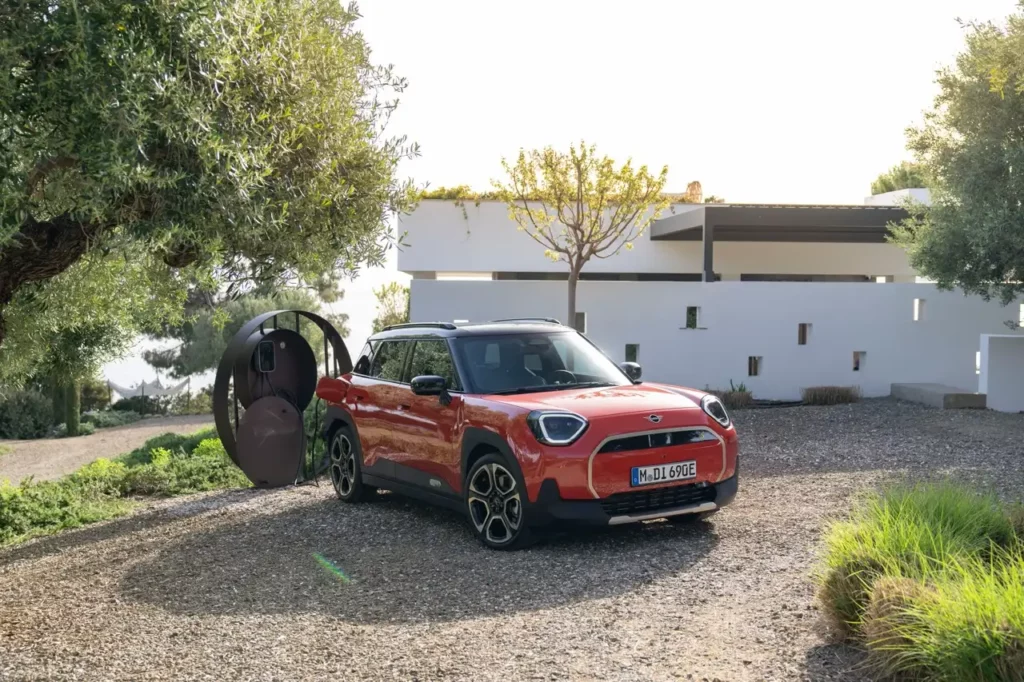
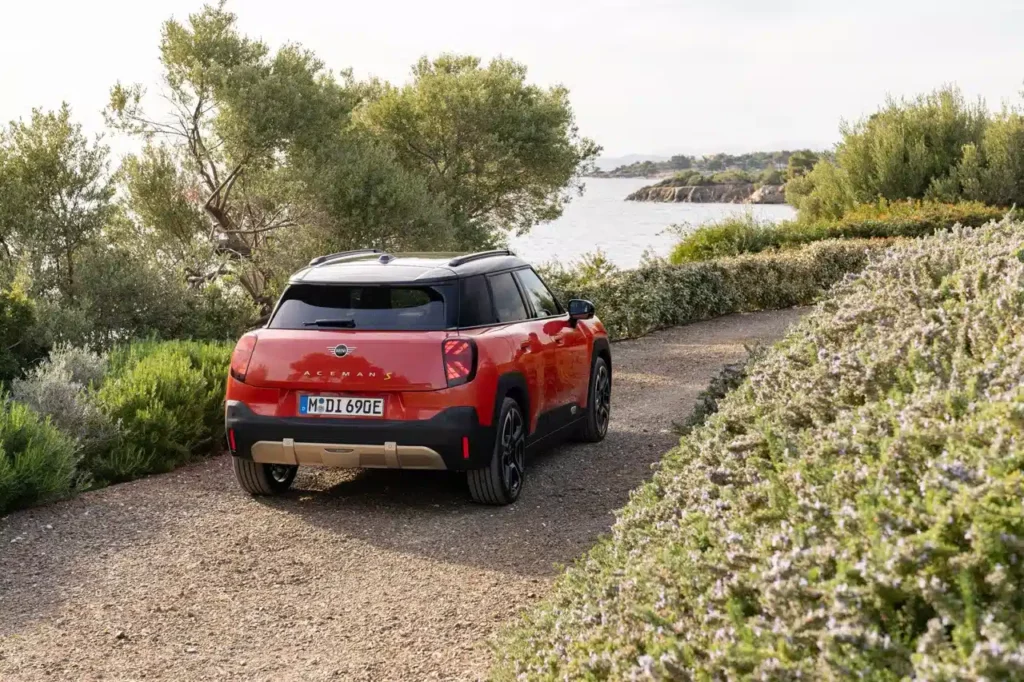
    The challenge for MINI in 2026 is to industrialise and make available a truly complete electric range. Alongside the Cooper and the Countryman, the well-known Aceman will be the third pillar. Its role is to be the British brand’s 100% electric compact crossover, designed to bridge the gap between the 3/5-door city car and the family SUV.

    Information already published suggests two main variants, Aceman E and Aceman SE, with power outputs of around 180 to 215 bhp and batteries comparable to those of the Cooper Electric, at around 42 to 54 kWh. The aim is clear: to compete head-on with the Volvo EX30, Jeep Avenger EV, DS 3 E-Tense and top-of-the-range Citroën ë-C3 in the €30,000 to €40,000 electric crossover segment.

    Credit: Mini

    Pragmatic electrification

    For a while, MINI suggested that its last new internal combustion engine would be launched in 2025 and that the brand would go fully electric in the early 2030s, a trajectory in line with the sector’s most aggressive ambitions. The reality at the end of 2025 is more nuanced: the Group has confirmed that it is aiming for double-digit growth in sales of electric cars. That said, the brand has not announced the imminent end of petrol engines for MINI, preferring to talk about an “optimised mix”, as Michael Peyton, Vice-President of MINI in America, states: “Internal combustion engines are still very popular and will remain so for a long time”. The goal of 100% electric cars by 2030 has therefore been postponed.

    For electromobility in Europe, MINI is becoming an interesting case study: a brand that is succeeding in significantly increasing its BEV volumes, placing a model like the Mini Electric in the French top 10, while at the same time maintaining combustion and hybrid powertrains in areas where infrastructure or purchasing power are not yet available.

    The year 2026, with the arrival of the electric Aceman and the ramp-up of the zero-emission Cooper and Countryman, will tell whether this strategy can hold up in the face of European regulatory pressure and the offensive by new Chinese entrants.

  • Fiat goes electric: the 500 Hybrid and the Panda Pop are here!

    Fiat goes electric: the 500 Hybrid and the Panda Pop are here!

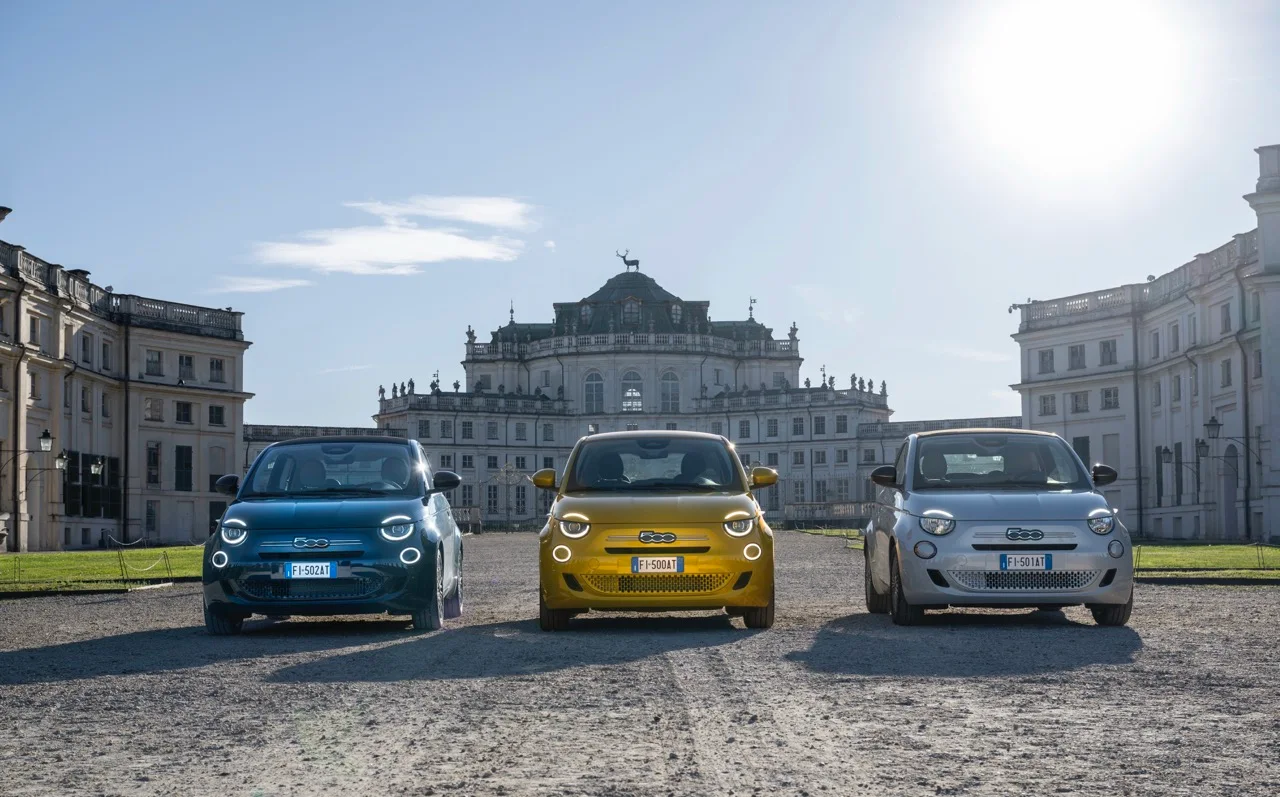
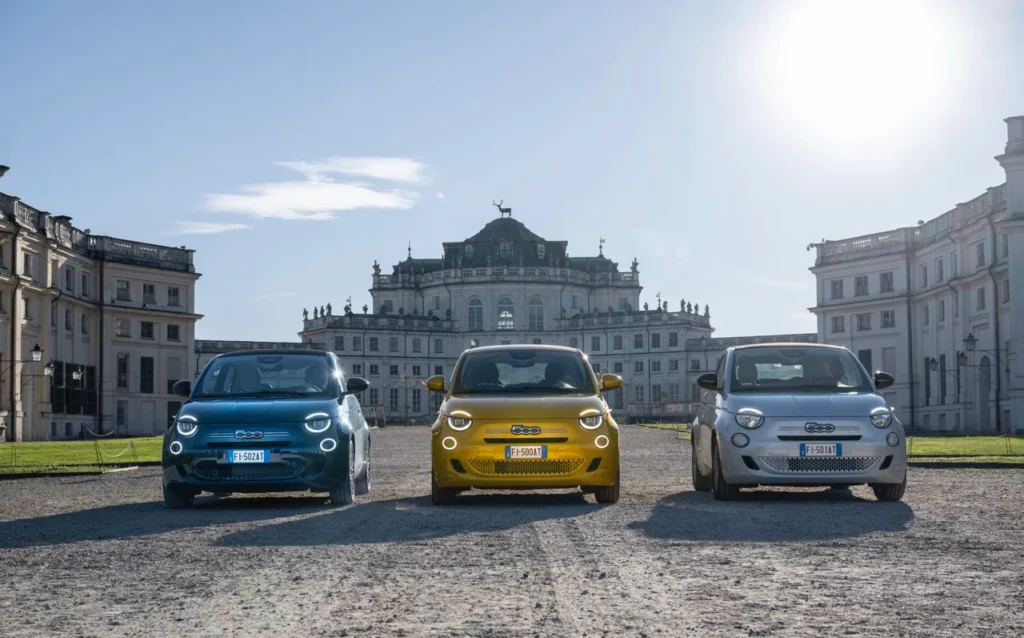
    As 2025 draws to a close, Fiat is confirming its commitment to affordable electrified mobility with the launch of the new 500 Hybrid, produced at the emblematic Mirafiori plant in Turin, while the Grande Panda continues to be rolled out in electric and hybrid versions. These two complementary models are aimed at city dwellers and those on a budget, while responding to the urgent need to protect the environment.

    Credit: Fiat

    The 500 Hybrid marks a pragmatic return to its roots

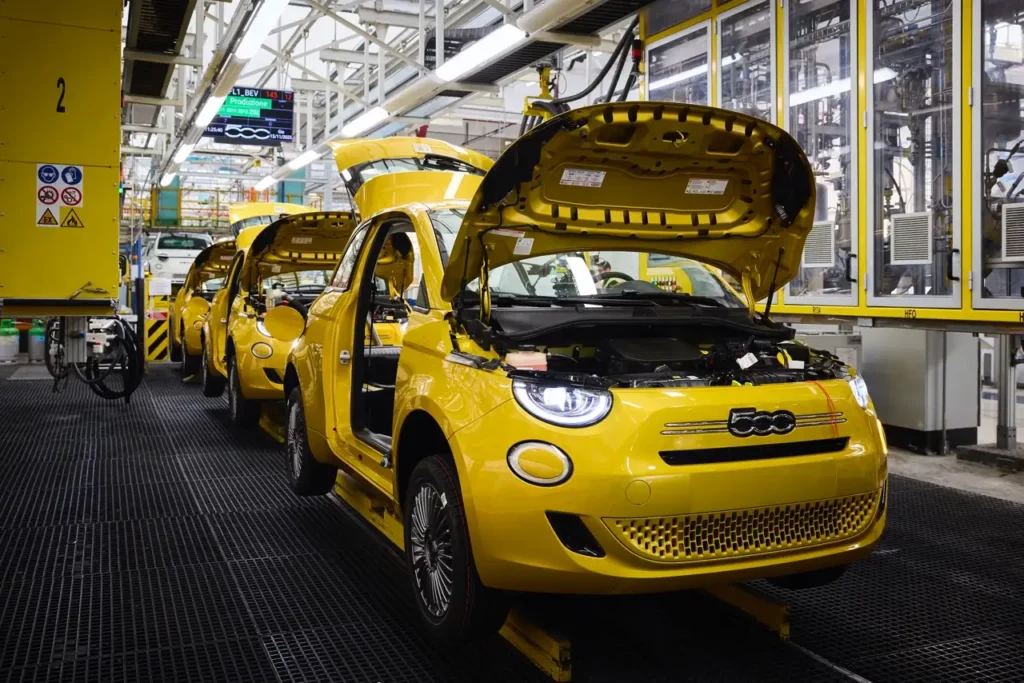
    Presented in Turin at a special press event from 21 to 28 November, the new Fiat 500 Hybrid is now available to order for all lovers of this iconic Italian vehicle. It is available in classic 3-door and 3+1 versions, as well as in a convertible version, with a range of finishes from POP to LA PRIMA, plus a special launch series called “Torino”.

    In terms of engines, Fiat has opted for a petrol engine coupled to a 12 V micro-hybrid system, offering a combined power output of around 70 bhp, which is necessary for the often very urban use of this vehicle. This lightweight hybrid system is particularly fuel-efficient, with an average fuel consumption of 5.2 litres/100 km WLTP, according to official figures.

    Its dimensions have not changed, and it remains true to the standards that made it such a success. In fact, it remains compact (around 3.63 m long), faithful to the city spirit of the original model. Its elegantly retro exterior design incorporates modernised details: a revamped radiator grille, LED headlights and soft lines, while the interior features a streamlined dashboard with a central 10.25-inch touchscreen, quality materials and a carefully designed lighting ambience focused on comfort and practicality.

    The press release announcing the launch event, which took place on 21 November, made a point of emphasising the historic nature of this release: “This special moment also marks the model’s link with the Mirafiori factory in Turin, the original birthplace of the 500 in 1957. Production of the new 500 Hybrid officially began in November at the Carrozzerie Mirafiori plant in Turin, with a target of 5,000 units by the end of the year”. Fiat is highlighting this strong link with its industrial history, combining heritage and innovation in a model ready to meet the needs of everyday urban life.

    Credit: Fiat

    The entry-level price starts at €19,400 inc VAT, and at this price, after a first electric wave with mixed sales, is a realistic compromise between performance, range and practicality.

    Grande Panda EV: urban versatility at an affordable price

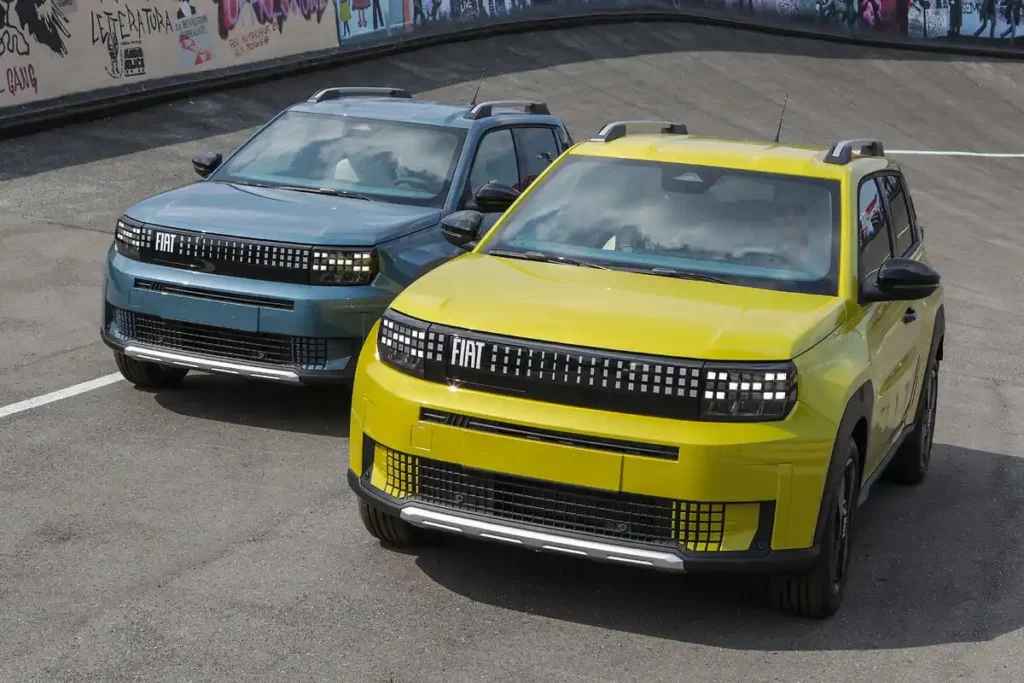
    The Grande Panda boasts a comprehensive range of engines, with petrol, hybrid and 100% electric versions available. The big news at the end of the year is that the Italian brand has declared that each engine will be available in the affordable entry-level ‘POP’ version. A real boost for motorists who want to switch to more environmentally-friendly mobility without breaking the bank.

    Credit: Fiat

    The 100% electric version, priced at €23,900 list price, boasts a WLTP range of up to 320 km thanks to its 44 kWh battery. Its engine develops 113 bhp (≈ 83 kW) and 122 Nm of torque. Its top speed is capped at 132 km/h for a 0 to 100 km/h time of less than 11 seconds. Classic performance, but for this kind of affordable, economical vehicle, speed and responsiveness are not the criteria on which the manufacturer has focused.

    The light hybrid version, priced from €18,900, is aimed at providing an economical alternative to conventional combustion-powered city cars. Fiat is playing its card on a combination of attractive price, urban style and versatility of use, to appeal to a wide range of profiles. Talking of performance, this hybrid features a petrol engine combined with a 48 kW electric motor that develops 100 bhp. Top speed is 160 km/h, with a 0 to 100 km/h time of 10 seconds. This POP version of Fiat’s hybrid consumes 5 litres/100 km in the combined cycle, a decent average for this type of vehicle.

    The POP version for these two types of engine offers a good ‘viable minimum’: 7 different colours, 16-inch wheels, basic but effective connectivity, and so on. It’s an interesting option for buyers looking for a simple, efficient EV (or hybrid/petrol city car) without superfluous options.

    A clear commitment to the democratisation of electromobility

    With the 500 Hybrid and the Grande Panda ‘POP’, Fiat has adopted a pragmatic strategy: to revive an accessible best-seller by adapting electric power to the reality of the European market, which is still hesitant, with hybrid as the gateway.

    The diversification of powertrains, local production and affordable prices reflect the ambition for electrified mobility on a large scale.

  • Autonomous driving: Tesla puts the French to the test.

    Autonomous driving: Tesla puts the French to the test.

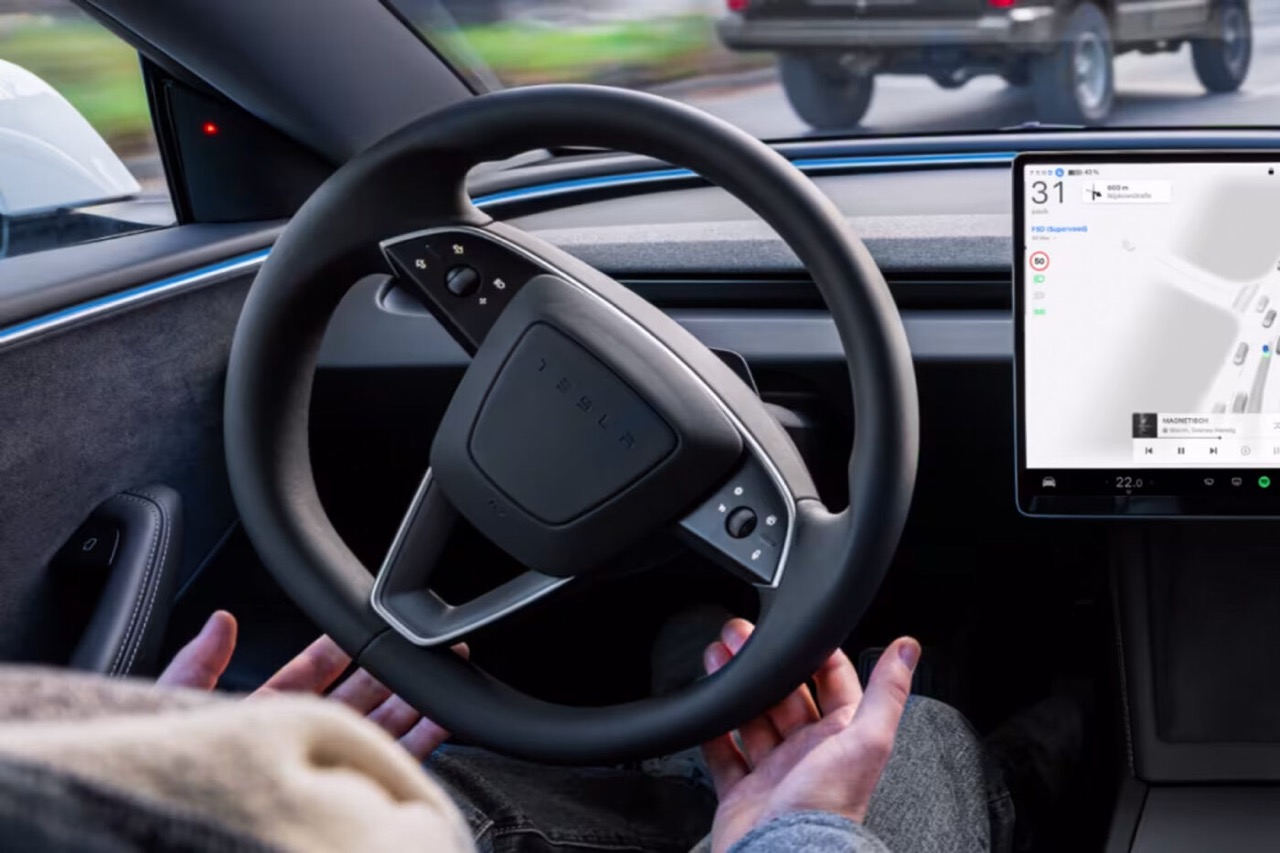
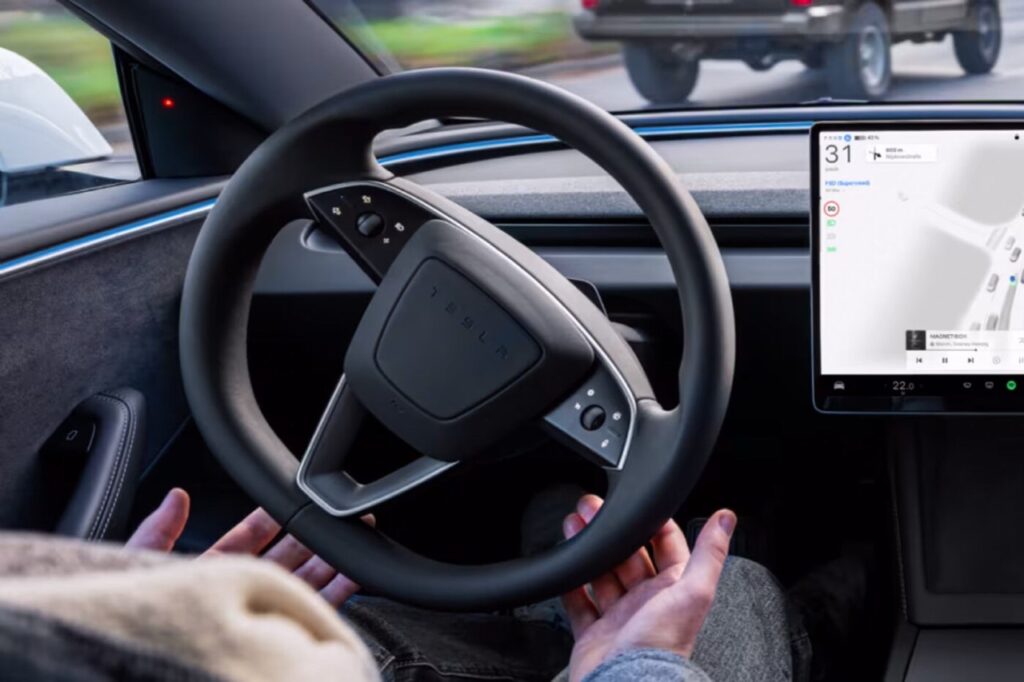
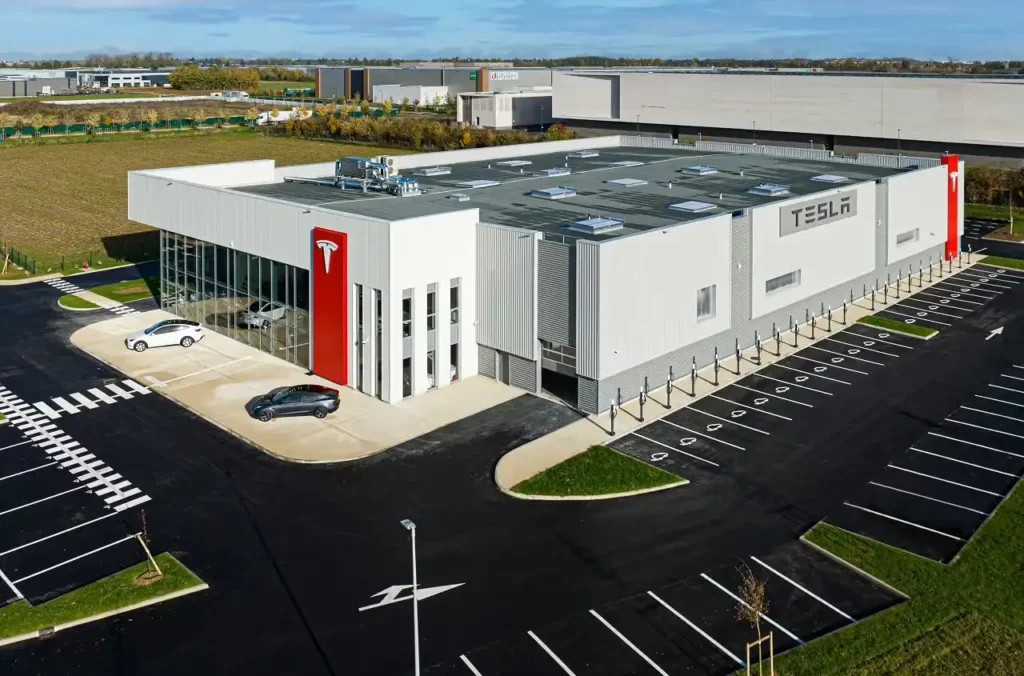
    Since 1 December, Tesla has been transforming 10 of its French centres into autonomous driving showcases, managed by FSD (Full Self-Driving) in “supervised” mode. Until 31 December 2025, curious onlookers will be able to discover this technology, which is still banned in Europe.

    Source : Tesla

    Tesla FSD: the technology that challenges European roads

    This autonomous ride through French cities is possible thanks to a technology that the American firm has been developing for over 9 years. In 2025, the most recent high-performance version is v14, based on the “vision only” approach: eight high-resolution cameras and a powerful on-board computer analyse the environment in real time via a neural network. The big innovation is that this motor intelligence does not use radar.

    In practical terms, to get from trip A to trip B, the driver enters a destination via the screen, which generates an itinerary with suggested lane changes, motorway exits and bends. The FSD follows this route, selecting the right forks and adjusting in real time (detours, road closures). The system therefore manages steering, acceleration, braking, lane changes, intersections and pedestrians, mimicking human decisions based on billions of kilometres accumulated in the United States.

    However, it remains classified as level 2 according to the SAE (Society of Automotive Engineers) classification of automation levels, which ranges from 0 to 5. It requires constant human supervision, with the driver remaining legally responsible.

    Where can you test the SDF as a passenger?

    It’s the announcement of the end of the year: Tesla is opening its centres from 1 to 31 December 2025 for supervised test drives in France. In all, more than 10 Tesla Centres across France will be open to the more curious. Nantes, Bordeaux, Paris-Est, Lille, Cannes, Toulouse, Marseille, Strasbourg, Paris-Nord and Lyon-Est: these are the locations selected by Elon Musk’s brand.

    Source : Tesla val d’europe

    Registrations can be made via the Tesla France website, in limited time slots, with an employee at the wheel for the entire duration. The scheme will run in Europe (Italy and Germany) until 31 March 2026.

    A typical test route

    With the aim of proving that this technology, which makes drivers reluctant, is effective and reliable, each session reproduces a home-work journey. The car will drive through dense urban areas, roundabouts and the ring road, but will also wander along suburban roads and high-traffic areas to test stressful everyday scenarios. The FSD will be piloting these stages alone (insertions, priorities, pedestrian crossings), under immediate supervision. It is expected to take around 20-30 minutes around the Tesla Centre.

    Source : Tesla

    When will this be authorised?

    In France and Europe, full approval for customer use is based on the DCAS/UNECE R171 phase 3 regulation. This regulation, which recently came into force on 22 September 2024, authorises lane changes and manoeuvres initiated by the system under human supervision.

    At present, no European territory has authorised this technology. Nevertheless, Tesla is trying to convince the RDW, which is the independent Dutch authority for all motorised vehicles. The American brand is targeting February 2026 in the Netherlands and hopes to extend the technology to other countries in late 2026/early 2027. Elon Musk is lobbying hard, criticising the “obsolete” rules, despite a number of changes (e.g. France banning “fully autonomous” advertising).

    For everyone, these journeys offer a unique opportunity to observe technology on our roads, in the face of our markings, our signage and our very European way of driving. All of which will fuel the debate on the real role that autonomous driving will play in tomorrow’s electrified mobility.

  • Electromobility in Japan: A half-hearted transition

    Electromobility in Japan: A half-hearted transition

    Japan began its energy transition in transport 20 years ago. And while the development of 100% electric cars is well advanced, it is more complicated. Domestic manufacturers are betting on a gradual transition: hybrids, PHEVs, hydrogen and, more timidly, BEVs. The result: a very solid industry, advanced battery R&D, but slower-than-expected adoption by the general public.

    Panoramic night view of Tokyo illuminated
    Panoramic night view of Tokyo illuminated

    A clear national strategy… but a multi-pronged one

    Japan has ambitious targets for electromobility. Carbon neutrality is to be achieved by 2050. With this in mind, the country has adopted a greenhouse gas reduction target of -60% by 2035 (compared with 2013) as an intermediate step.

    With the aim of boosting the uptake of electrified vehicles, the government is supporting the transition through a range of incentives. The State has introduced direct subsidies for buyers of electric vehicles. These subsidies can be as much as €5,200 per vehicle, to boost sales in relation to the American and European markets. These amounts are intended to stimulate sales in the face of slow adoption of EVs, despite targets of 100% electrified passenger cars by mid-2030 and carbon neutrality by 2050.

    In addition, the Japanese Ministry of the Environment is providing a 30% subsidy (up to 100 million yen, or around €552,000) for companies to install solar panels and batteries, indirectly boosting electromobility via green energy.
    In short, the Japanese government is encouraging its compatriots and businesses to change the mobility industry towards a cleaner source of energy, through a variety of support measures.

    Electromobility in Japan: BEVs stagnate, hybrids reign supreme

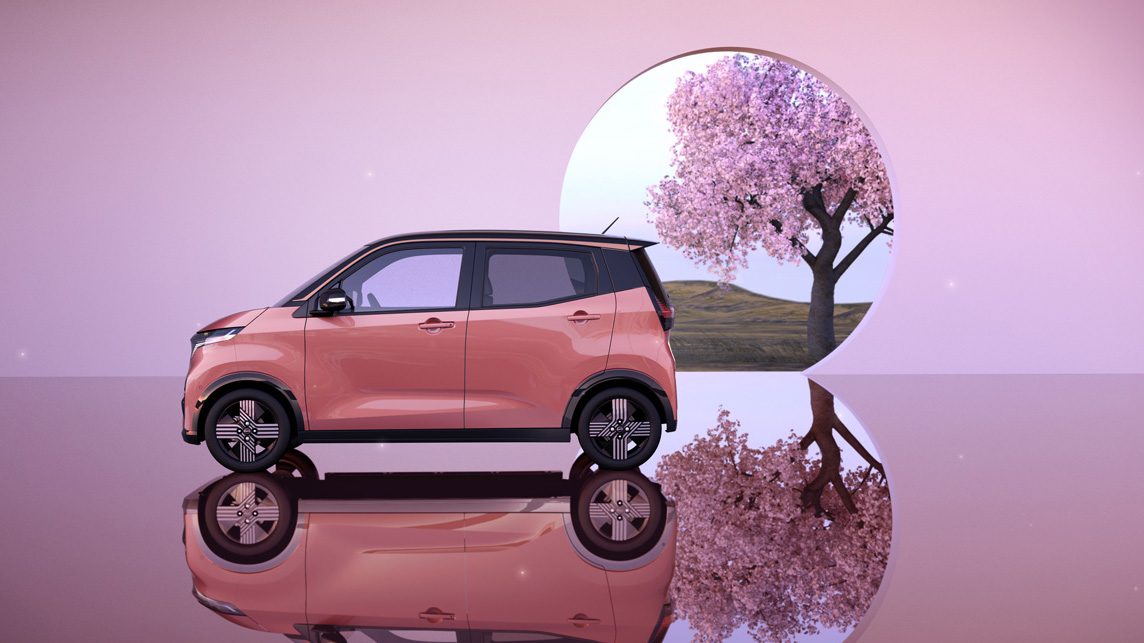
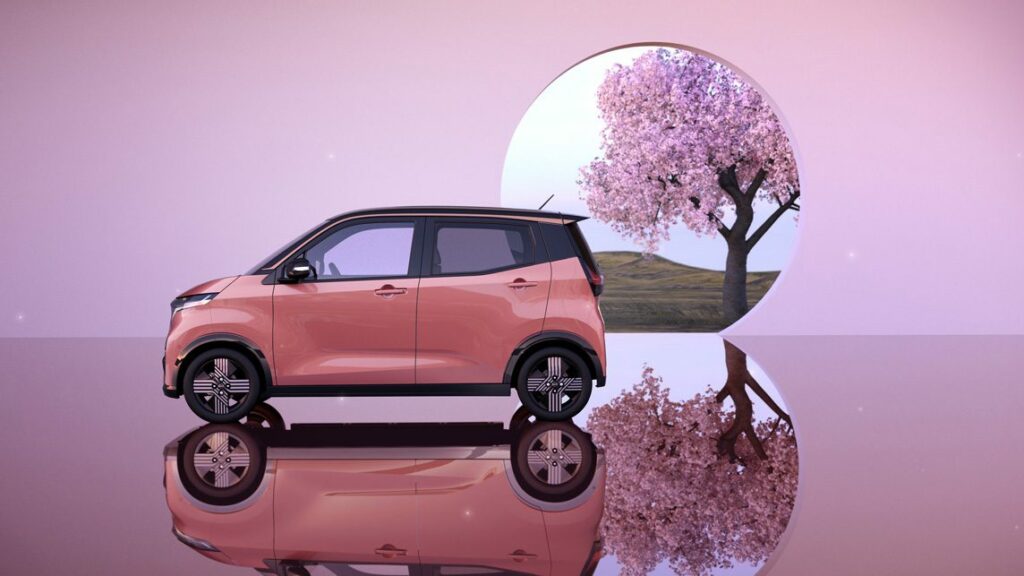
    The penetration of 100% electric cars (BEVs) remains low in Japan, at around 3-4% of new sales in 2024 according to several observers, with a marked drop in volumes: only 54,224 BEVs sold, compared with 86,762 in 2023. Nissan dominates this relatively unprofitable segment thanks to the Sakura kei car (22,926 units, despite a 38% drop), followed by Tesla (around 5,000 units) and BYD, which surprised by outselling Toyota (2,223 vs 2,038 units for the €35,000 bZ4X).

    Nissan Sakura electric pink. credit: nissan
    Nissan Sakura electric pink. credit: nissan

    Hybrids (HEV / PHEV): dominant segment

    Non-rechargeable hybrids (HEVs) and rechargeable hybrids (PHEVs) are the vehicles that dominate the market, thanks in particular to the help of its global manufacturer Toyota. The overall market for EVs (BEV+PHEV) has fallen by 33% to 60,000 units in 2024, with HEVs more than making up for this thanks to subsidies maintained at 850,000 yen (~€5,200).

    The land of the rising sun is aiming for 100% electrified new car sales (BEV, PHEV) by mid-2030 and carbon neutrality by 2050, but the conversion is not progressing as well as it should, due to a lack of competitive BEV offerings, affordable prices and, above all, infrastructure. Without acceleration, local manufacturers like Toyota risk losing ground to Chinese imports.

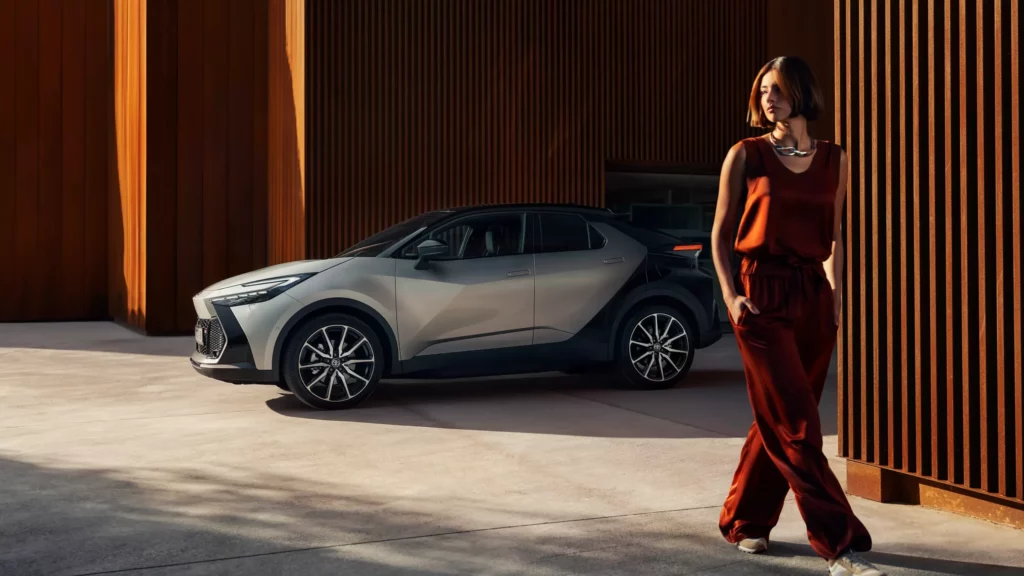
    Toyota C-HR grey
    Toyota C-HR grey

    Infrastructure: accelerating deployment, but uneven coverage

    We’ve been talking about it: the Japanese recharging network is developing well, but not fast enough to allow BEVs to make the most of their potential. However, motorway operators (NEXCO) and utilities (TEPCO, ENEOS), which are public service companies, as well as municipalities, are multiplying the number of fast and AC stations.

    In December 2025, according to the latest estimates, Japan will be stagnating at around 30,000-31,600 public EV charging points (including 8,200 fast ones), with an almost zero year-on-year growth rate of just over 0%, held back by the low take-up of BEVs and high costs. These figures are low, and a long way from the 300,000 connectors targeted by 2030.

    Of the rapid charging points installed, only 60% exceed 50 kW, and the ratio of 1.7 charging points/100 km (2021) remains meagre compared with China (35 charging points/100 km) or France (8.4 charging points/100 km).

    Coverage remains uneven, with rural areas, building car parks and some residential areas still lacking easily accessible solutions. Japan needs to go through a capillarity stage before BEVs become a mass-market option.

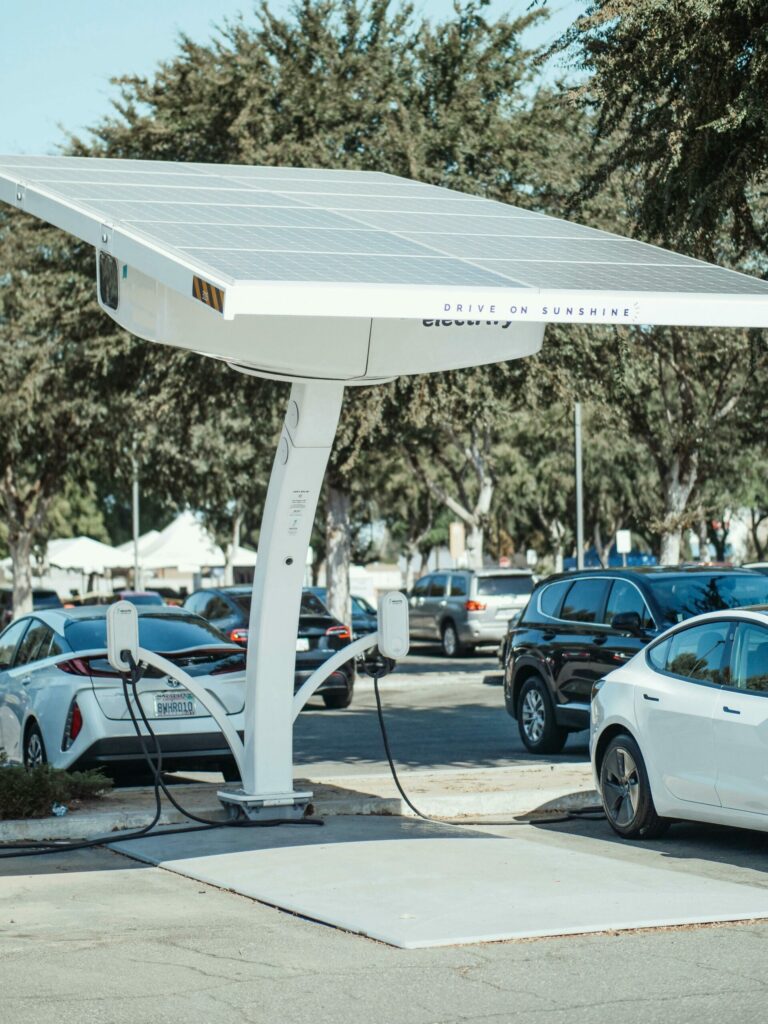
    Electric vehicle charging station with solar panels on the roof.
    Electric vehicle charging station with solar panels on the roof.

    Infrastructure: accelerating deployment, but uneven coverage

    Manufacturers: Toyota in the lead, Nissan a pioneer, the others on the move

    • Toyota: national and international hybrid champion. The brand is adopting a cautious BEV strategy, although 2026 seems to be a turning point, with major investment in solid electrolyte batteries (R&D, partnerships).
    • Nissan: with its Leaf model, Nissan has paved the way for the BEV made in Japan. Now the brand must step up a gear in the face of global competition.
    • The other manufacturers, influential both nationally and internationally (Honda, Mazda, Subaru, Mitsubishi, Suzuki), are opting for a variety of strategies. Some are opting for hybrids, while others are stepping up the pace on BEVs.

    Players in battery production :

    Panasonic, GS Yuasa and Toshiba dominate the history of lithium-ion cells and packs in Japan: Panasonic the world leader (Gunma 2028 gigafactory, target 150 GWh/year by 2030 with Toyota/Nissan for $6.97 billion invested), GS Yuasa (develops batteries for Mitsubishi, Boeing 787, 90% of the world’s motorbikes), Toshiba (SCiB™ sustainable fast charge). The trio benefits from subsidies ($2.4 billion in 2024) to boost national production in the face of China.

    Entrance to Panasonic Corporation headquarters. credit: Panasonic.
Images
    Entrance to Panasonic Corporation headquarters. credit: Panasonic.
    Images

    Solid-state: a strategic challenge. Toyota and its partners (Idemitsu in particular) are launching pilot projects and investing in the industrialisation of solid-state electrolytes, which could provide a thermal and safety advantage for hot and demanding markets. But industrial mass production is still some way off.

    Infrastructure & energy :

    NEXCO, TEPCO, ENEOS and regional utilities are deploying fast charging points on motorways and at city stations. Local and foreign suppliers of chargepoints (ABB, Siemens) are working together to develop the largest possible number of chargepoints.

    Brakes: why Japan isn’t exploding with BEVs

    • A strong hybrid heritage: present on the market for over 20 years, consumers know and trust hybrids. In fact, these vehicles enable people to adopt reduced fuel consumption without relying heavily on infrastructure. And manufacturers have understood and capitalised on this preference.
    • Partial infrastructure: the network is making progress, but actual availability (charging points close to homes, building car parks, motorways) remains insufficient to reassure all BEV buyers to take the plunge.
    • Costs and supply chain: BEV + expensive cooling systems/batteries weigh on the price of vehicles, which are inevitably more expensive than hybrids.
    • Cautious industrial strategy: the major groups are favouring a multi-technology approach (hybrid + hydrogen + BEV) rather than switching straight to pure BEV. This cautious approach is holding back the growth in BEV volumes.

    Technologies to watch: solid-state and hydrogen

    Japan is banking heavily on solid-state battery technology, as it offers several key advantages: it is less sensitive to heat, making it more suitable for hot climates; it has a higher energy density and is potentially safer due to its more stable chemistry. Toyota is investing heavily in this technology with Idemitsu Kosan. If these efforts lead to industrial mass production by the end of the decade, Japan could regain a clear industrial advantage over global competition in the battery sector.

    At the same time, the country is maintaining a robust strategy in favour of hydrogen fuel cell vehicles (FCEV), positioning this technology as a credible solution, particularly for heavy vehicles and specific uses where range and recharging are essential.

    Conclusion – a Japanese balance, not a blind race

    The speed of transition is twofold for Japan, which is following a different logic. Here, electromobility is being built up in stages, hybrids first, then BEVs, with a technological race on batteries that can change everything. The end of the decade will tell whether the gamble on solid-state technology and the ramp-up of industrial production will have transformed this organised strategy and the power of mobility.
  • Peugeot electrifies on a massive scale: 2025 review and 2026 ambitions

    Peugeot electrifies on a massive scale: 2025 review and 2026 ambitions

    As the energy transition gathers pace in France, Peugeot is establishing itself as the undisputed leader in the country’s electrification market. With more than 130,000 hybrid and electric vehicles sold in the last eleven months, the lion-faced carmaker dominates a market in the throes of change. We take a closer look at an offensive strategy that is already preparing for 2026.

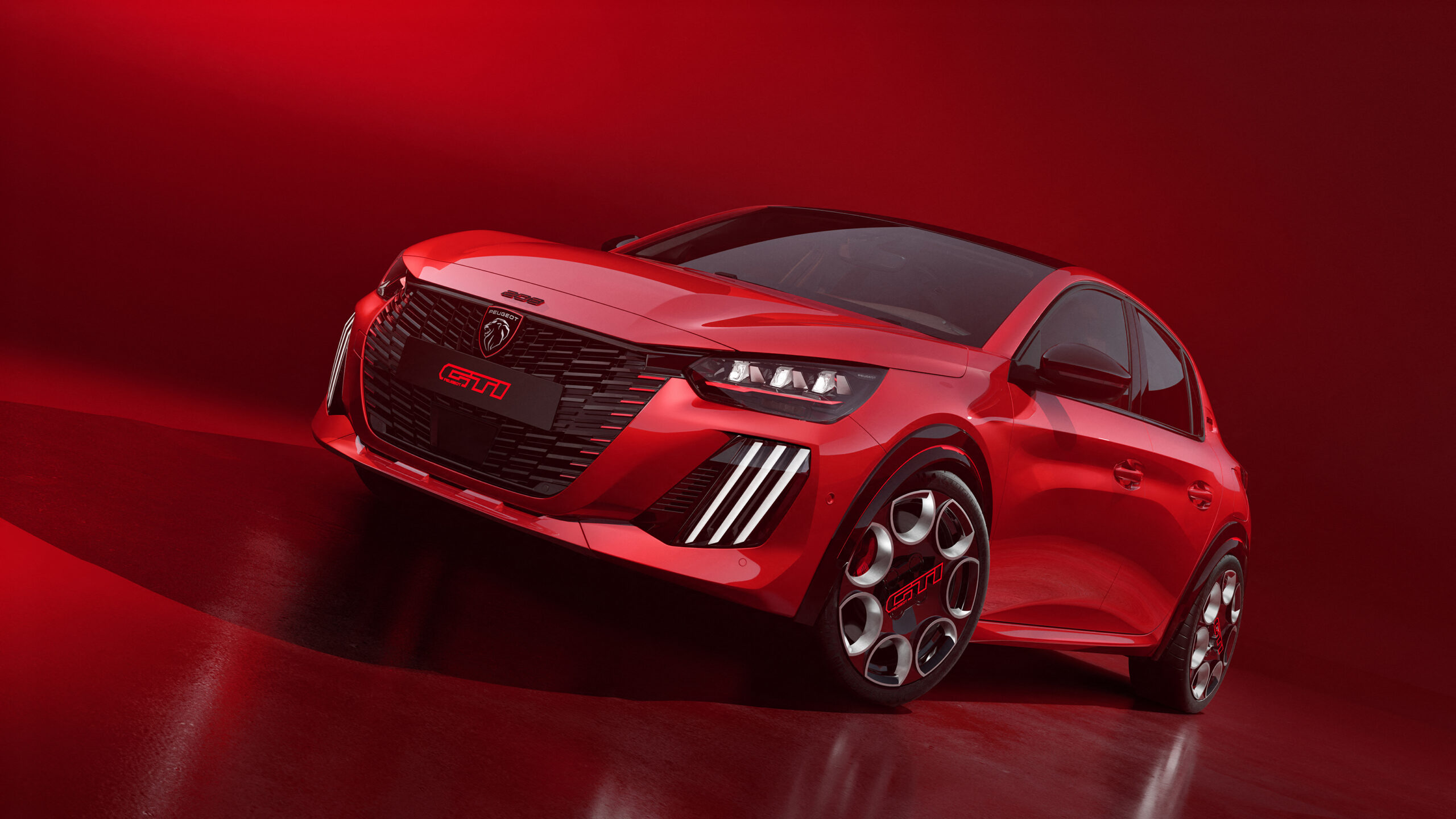
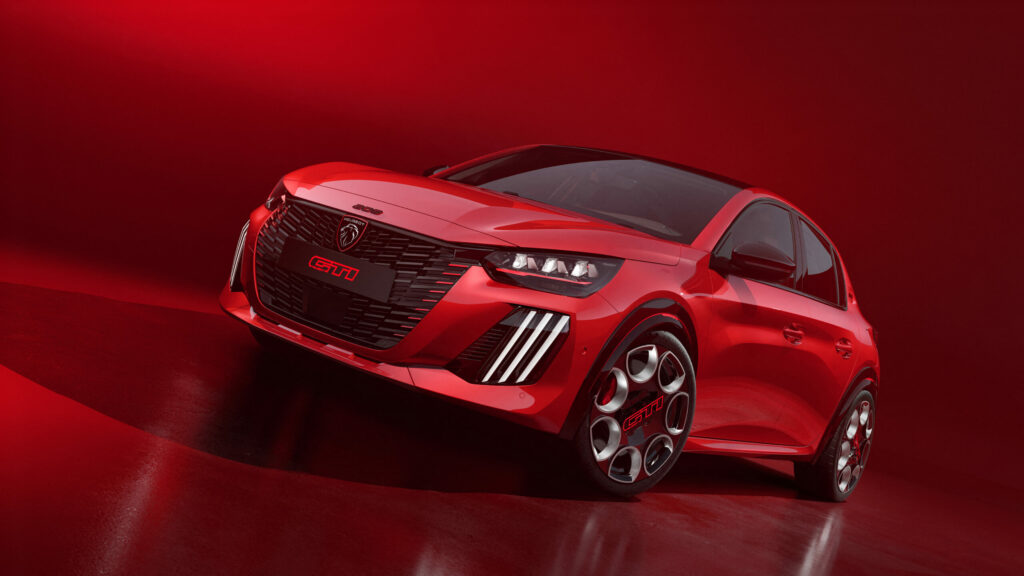
    Peugeot 208 GTI red
    Peugeot 208 GTI red

    2025 to be driven by electrified models

    After eleven months completed in 2025, according to AAA Data/PFA/Stellantis, Peugeot has sold around 85,000 electrified Peugeots in France (BEV + hybrids, excluding LCVs). These sales, which include all forms of electrification, break down as follows:

    • 25,000 BEVs, including the e-208, French market leader with 12,388 units, and the e-2008 / e-3008 duo with around 15,000 cumulative sales.
    • 60,000 hybrids, driven by the 3008, 2008 and 308, which account for the bulk of volumes.

    Peugeot is a major contributor to the Stellantis group’s results: around 60% of Stellantis’ electrified sales come from the marque au lion. That’s an impressive figure when you consider that Stellantis is also responsible for some of the world’s automotive giants, including Renault, Citroën, Fiat, Opel and others.

    Image of the Stellantis logo Credit: Stellantis
    Image of the Stellantis logo Credit: Stellantis

    The improvement in Peugeot sales is part of a positive trend: Peugeot electric vehicle registrations are up 20% compared with 2024, thanks in particular to social leasing and the increase in purchases by professional fleets.

    Peugeot’s best-selling electrified models in 2025

    The 2025 sales figures speak for themselves. The Peugeot 208 retains its crown with impressive volumes, closely followed by a range that now covers all segments. Here are the best-sellers from the marque with the lion:

    Ranking of best-selling models in Peugeot's electric range in 2025

    E-Lion: a strategic framework that is gradually being rolled out

    Renault is not going into the unknown and has developed a strategy for the electrification of its vehicle fleet. Called the E-Lion strategy, it was announced in 2023, and is taking full shape this year. Renault’s objectives for E-Lion are clear:

    • an all-electric range from 2025,
    • carbon neutrality brought forward to 2038,
    • 75% BEV sales in Europe by 2030.

    The environmental aspect is also being strengthened: recycled materials in the new models, as on the new E-3008, 85% of the materials used are recyclable, optimisation of the battery life cycle and systematic re-use in the European supply chain.

    Major technological innovations:

    In order to survive and dominate the French market for many years to come, Peugeot is developing reliable, quality vehicles. The manufacturer is massively deploying its Hybrid 48V technology across the range (208, 2008, 308, 3008, 5008, 408). This solution offers extra torque at low engine speeds and reduces fuel consumption by up to 15%. In town, these models can run in 100% electric mode up to 50% of the time.

    For the rechargeable hybrid, the 195 bhp versions (available on the 308, 408, 508, 3008 and 5008) offer up to 87 km of electric range, with certified fuel consumption of just 0.9 l/100 km on the 3008.

    On the pure electric side, the E-3008 and E-5008 Grande Autonomie will boast a range of 701 km for the former and 668 km for the latter, thanks to ACC batteries manufactured in France.

    The ACC gigafactory: France’s bid for sovereignty

    At the heart of Peugeot’s strategy continues to be the ACC plant in Billy-Berclau/Douvrin, Hauts-de-France. The first building has a production capacity of 15 GWh, and the ramp-up is accelerating. The target is to produce enough modules to supply 150,000 batteries by 2025, 250,000 by 2026, and 2 to 2.5 million units by 2030.

    This gigafactory, a joint venture between Stellantis, TotalEnergies and Mercedes-Benz, symbolises Europe’s ambition to regain the upper hand against the Asian giants. The first batteries are already equipping the Peugeot E-3008 and E-5008 Long Range, as well as the Opel Grandland.

    Outlook for 2026: ramping up production and product renewal

    The year 2026 is set to be a milestone for Peugeot. Several new products are expected:

    • a new e-208 on the STLA Small platform, with a range of around 400 km, and a target price of under €25,000;
    • the launch of the e-5008, offering a range of over 500 km;
    • continued industrial development, notably at Douvrin, Trémery and the Zaragoza battery gigafactory.
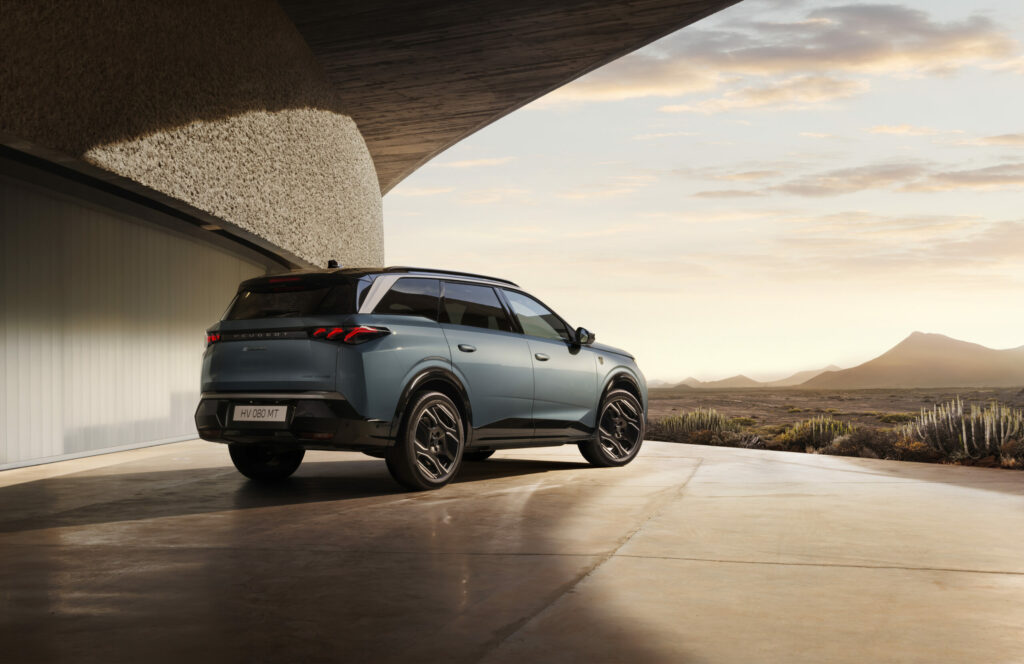
    Blue-grey Peugeot 5008 SUV
    Copyright Cédric Viollet @ ContinentalProductions

    Stellantis is still aiming for an electric car market share of close to 30% in France by 2027, a target to which Peugeot will make a major contribution thanks to the renewal of its range and the support of public schemes (ZFE, social leasing).

  • YangWang U8: an amphibious vehicle soon to be available in Europe?

    YangWang U8: an amphibious vehicle soon to be available in Europe?

    As electric vehicles gradually become the norm, carmakers are stepping up their innovations. And if there’s one brand that likes to push back the boundaries of what’s possible, it’s YangWang, BYD’s ultra-premium brand. After impressing the world with its electric know-how, the Chinese giant is now tackling the amphibious market with the YangWang U8.

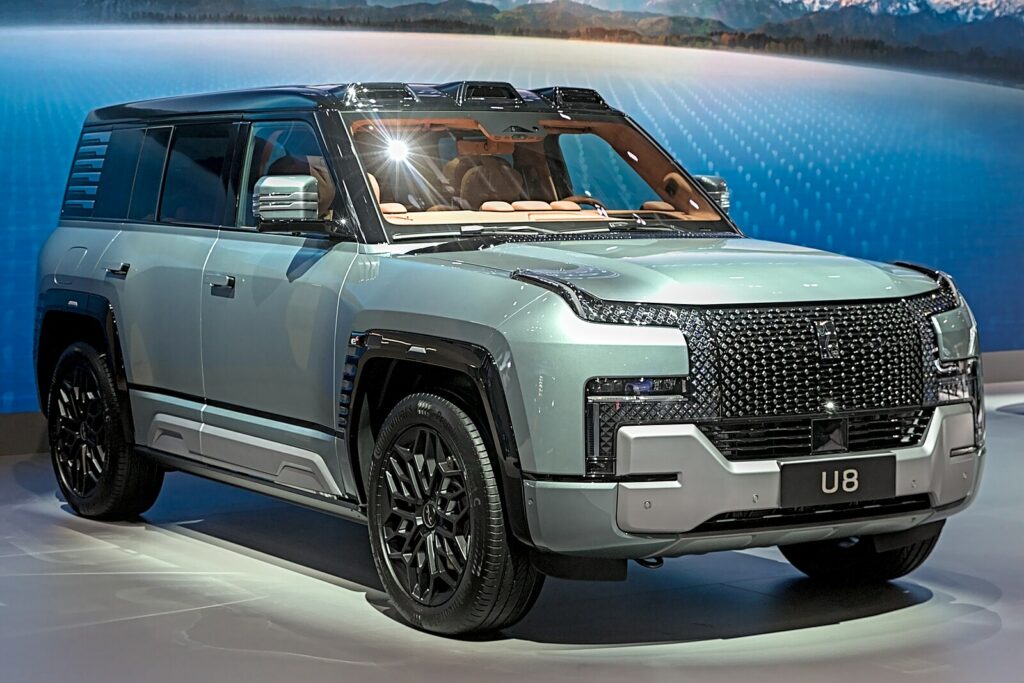
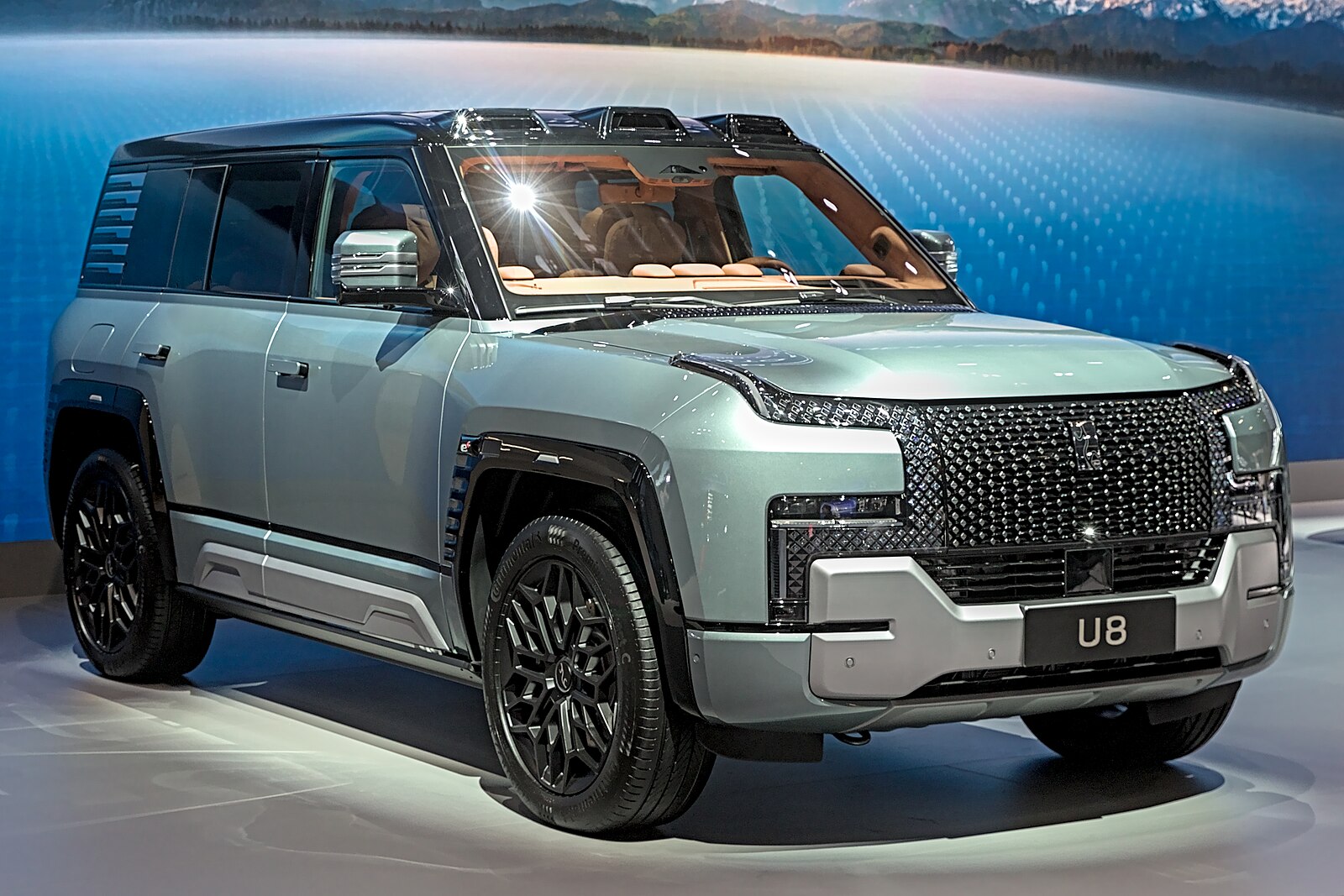
    The YangWang U8 SUV on display at an exhibition, showing off its square, massive design.  Source : Wikimedia Commons
    The YangWang U8 SUV on display at an exhibition, showing off its square, massive design. Source : Wikimedia Commons

    A vehicle that swims

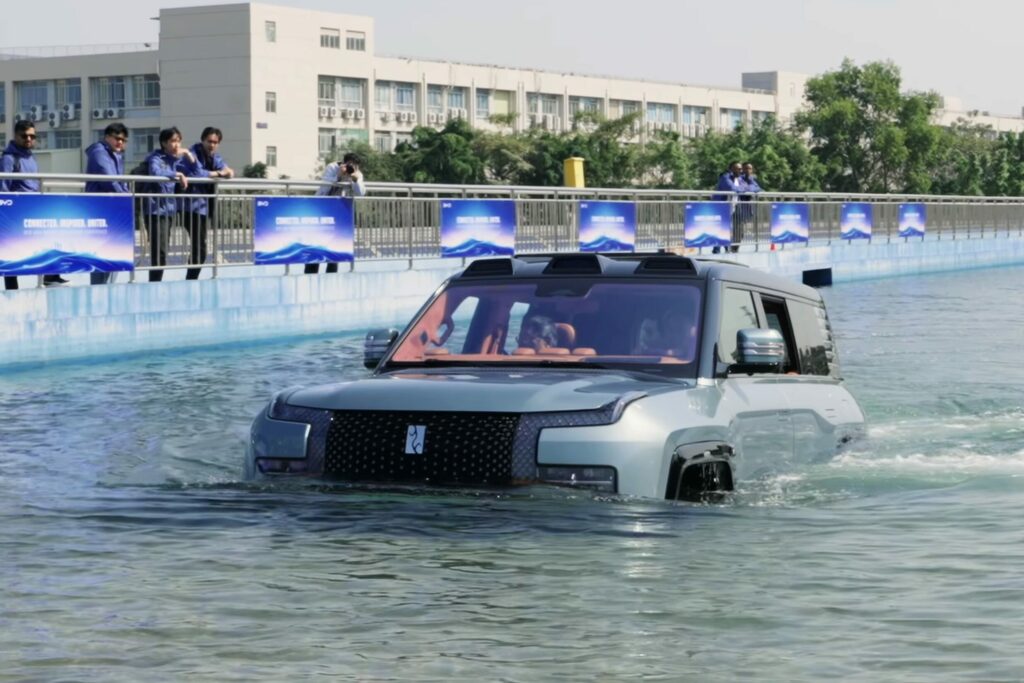
    Presented for the first time at the end of 2023 and marketed in China during 2024, the YangWang U8 has become one of the world’s most viral car attractions in just a few months. And the reason? Because it floats and swims! The U8 is capable of withstanding partial immersion, floating for more than thirty minutes thanks to its “emergency floating” mode, and above all of moving forward and performing a “tank turn”.

    So how does it work? The interior and battery are designed to withstand water, and the vehicle is declared with an IP68 waterproof rating according to BYD. Once submerged, the engine is switched off immediately, and the hydropneumatic suspension raises the chassis to the maximum to improve draught and help maintain buoyancy. The doors and windows lock and the sunroof opens (for ventilation, but also as an emergency exit if the situation gets complicated).

    To move around, four electric motors are placed close to the tyres and activate to set this wheeled behemoth in motion. The maximum speed is 3 km/h, which is not very fast, but is still sufficient in critical situations.

    Grey YangWang U8 in amphibious mode sailing in a basin. Source : Wikimedia Commons
    Grey YangWang U8 in amphibious mode sailing in a basin. Source : Wikimedia Commons

    A concentrate of technology

    The U8 is based on BYD’s e4 platform and, as already mentioned, is equipped with four electric motors, one at each wheel, for a combined power of over 1,100 bhp. This combination enables the U8 to accelerate from 0 to 100 kph in less than 4 seconds, to reach a top speed of 200 kph, to offer exceptional traction on all types of terrain and to keep going even if a tyre bursts.

    Equipped with a 49.05 kWh battery, it has a range of 180 km on 100% electric power according to the Chinese CLTC test cycle. As a hybrid car, the combined range (electric + combustion) reaches 1,000 km according to some data sheets.

    Exterior design: massive, bold and spectacular

    As you’d expect, the Chinese brand hasn’t stopped at a ‘simple’ amphibious car. The U8 is no small European SUV: it’s a behemoth, over 5.3 metres long with a wheelbase of 3.05 metres. In terms of width, it’s just over 2 metres long, and in terms of height, it measures 1.93 metres.

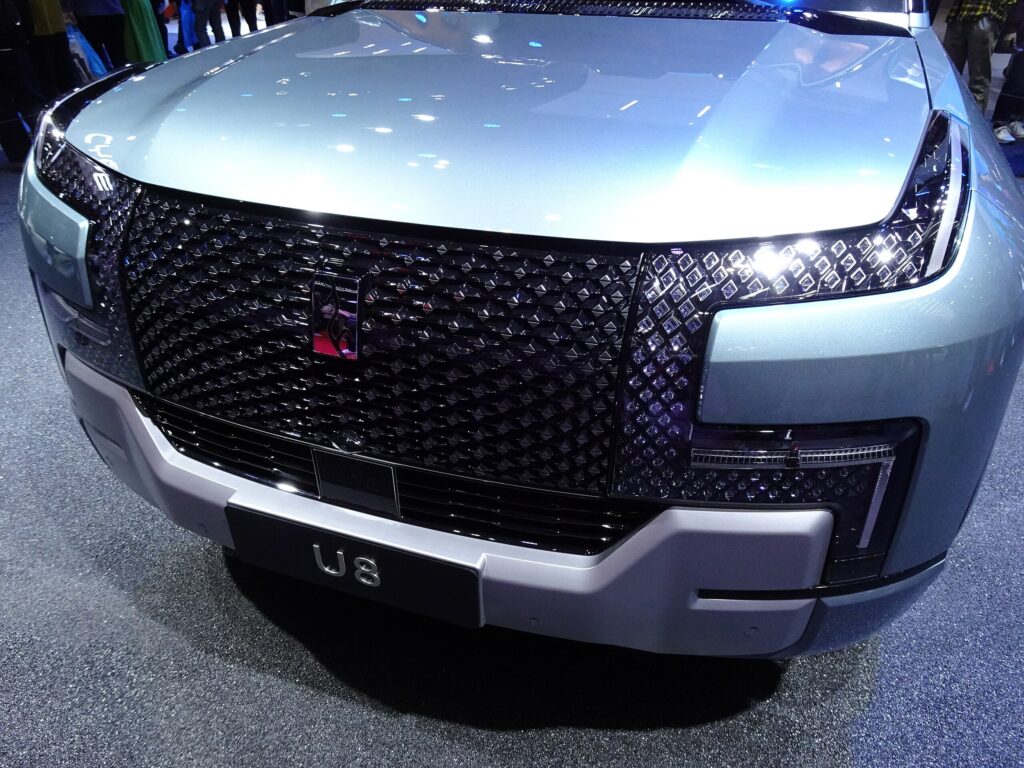
    Aesthetically, the YangWang U8 makes a statement. Its design oscillates between luxury 4×4 and high-tech expedition vehicle, with a visual presence that is hard to ignore. The wide wheel arches, generous ground clearance and LED ‘tactical headlamp’ lighting signature accentuate its appearance as a modern colossus. At the front, the massive, almost sculptural grille asserts an ultra-premium positioning, halfway between an electrified Defender and a civilised military concept car.

    Close-up of the large black radiator grille with diamond pattern and the YangWang U8 logo. Source: Wikimedia Commons
    Close-up of the large black radiator grille with diamond pattern and the YangWang U8 logo. Source: Wikimedia Commons

    A rolling high-tech show

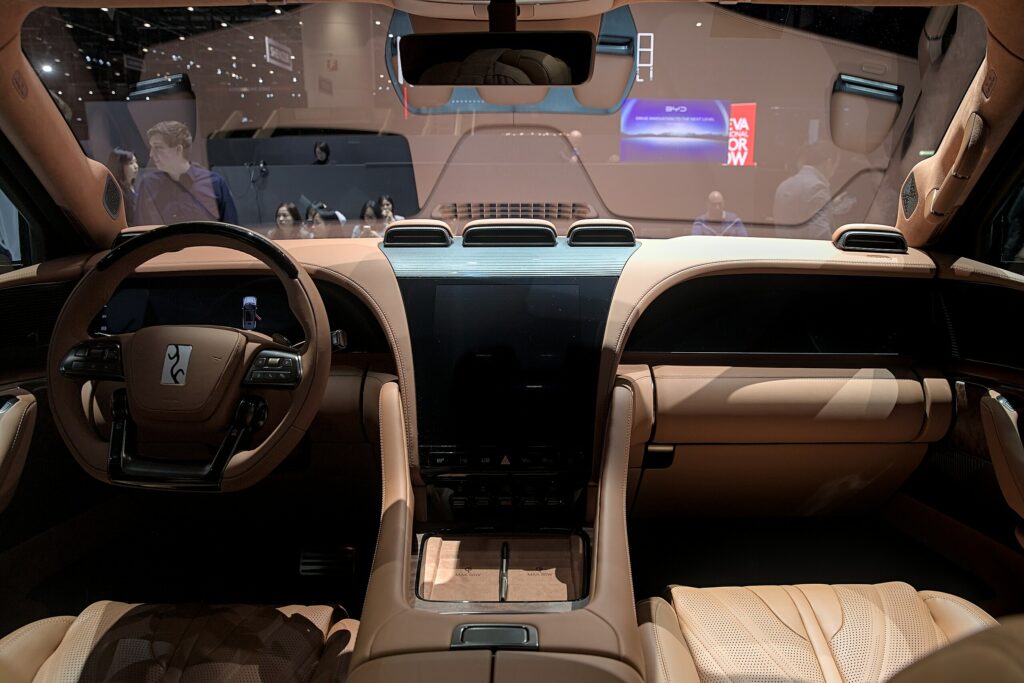
    Positioned in the ultra-premium range, the interior of the U8 reflects this desire. According to YangWang, top-of-the-range leather covers many of the vehicle’s surfaces. In terms of equipment, three XXL screens dominate the space, complemented by a premium audio system for “total immersion”. According to YangWang, this trim level puts the U8 in competition with ultra-luxury segment benchmarks such as the BMW XM, Mercedes-Maybach GLS and Range Rover SV, while retaining YangWang’s own avant-garde touch.

    View of the luxurious interior of the YangWang U8 Source: Wikimedia Commons
    View of the luxurious interior of the YangWang U8. Source: Wikimedia Commons

    Why such a vehicle?

    Through its YangWang brand, BYD has developed a vehicle designed to withstand the flooding that is common in certain regions of China, a challenge that few other vehicles can meet. In addition, the brand wants to demonstrate its total mastery of electrification, even in extreme programmes such as an aquatic environment.

    Too heavy for Europe: the major obstacle

    But while this vehicle has been on sale in China for over a year, its arrival in Europe may well be delayed for holders of a B licence. With an unladen weight of over 3.4 tonnes and a total permissible gross weight well in excess of 3.5 tonnes, the U8 is classified as a heavy vehicle by European standards.

    In practical terms, this means :

    • a licence other than a B licence,

    • traffic restrictions in certain towns,

    • higher taxation,

    • more expensive insurance,

    • a very complex certification process.

    Clearly, this type of vehicle is not suited to the European market, where exceeding the 3.5 tonne mark is almost prohibitive for family use. This is one of the reasons why, for the time being, the U8 will be reserved for China and a few Middle Eastern countries.

    On the other hand, this model shows the direction in which BYD and its luxury brand YangWang intend to move forward: innovate, surprise and push back the limits of electric power.

    A symbol of an industry in the throes of transformation

    Clearly, the U8 is perhaps one of the most spectacular vehicles of this new electric era. It is a perfect illustration of the shift the industry is undergoing: from now on, anything seems possible, even creating an amphibious electric SUV with 1,100 horsepower.

    Between you and me, whether you like this kind of extravagance or not: it’s exactly what makes electromobility so exciting today.

  • Cadillac Optiq: the American giant comes electric to Europe

    Cadillac Optiq: the American giant comes electric to Europe

    American luxury is now electric. With the Optiq, Cadillac is hitting hard and proving that Detroit has got the message right: the future of motoring, even premium motoring, is battery-powered. This 100% electric compact SUV will arrive in Europe in early 2026, and is set to shake up the market for affordable top-of-the-range electric SUVs.

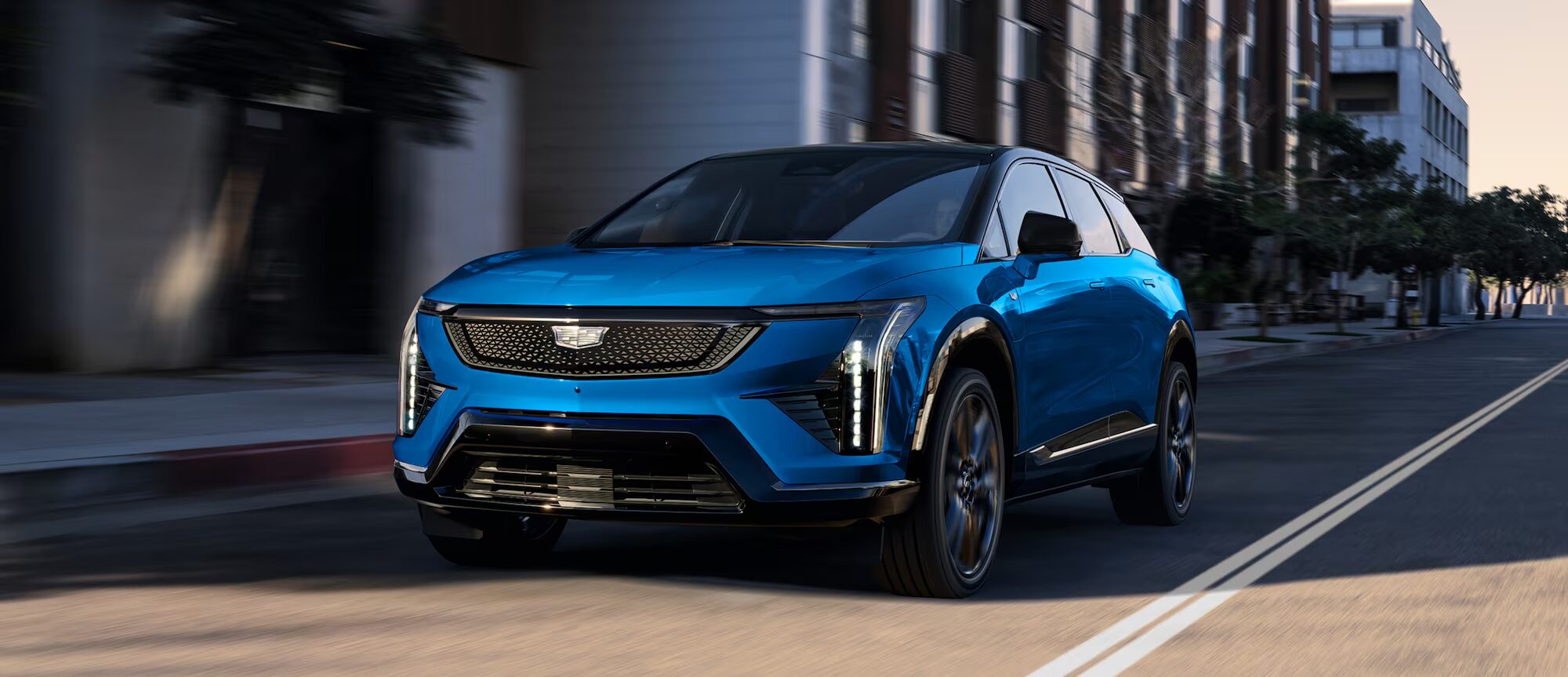
    The front of the Cadillac Optiq driving around town. Sources: CadillacEurope
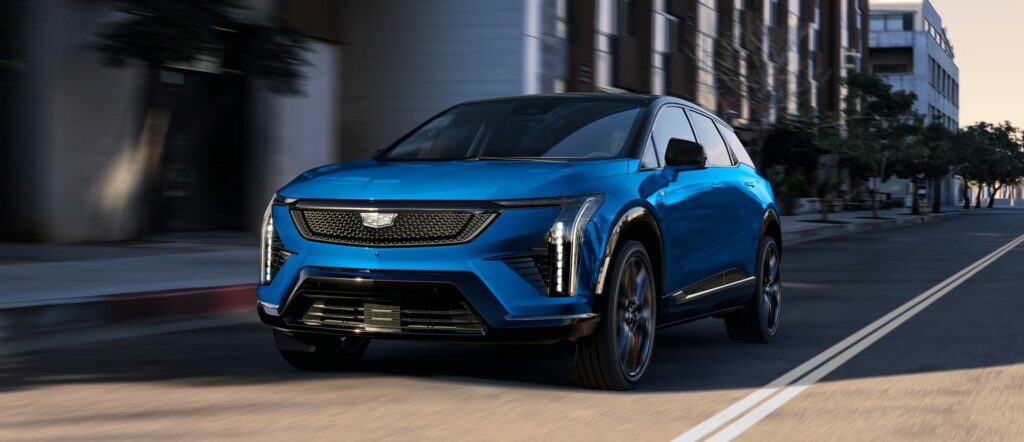
    A city-side view of the Cadillac Optiq . Sources: CadillacEurope

    Affordable top-of-the-range electric SUVs

    Historically, the American firm, which is part of the GMC group, is the emblematic brand of American luxury, often associated with the elite and prestige cars. In terms of performance too, it’s in the brand’s DNA to produce high-flying vehicles, and the Optiq is no exception to the rule. Under the bonnet, it features two electric motors with all-wheel drive (AWD as standard), developing 304 bhp and 480 Nm of torque. That’s enough to accelerate from 0 to 100 kph in 6.3 seconds, despite weighing 2,355 kg, and to climb to a maximum speed of 184 kph (restricted speed). On paper, these statistics are not impressive, but they are more than enough for everyday use.

    In terms of range, Cadillac has announced 425 km on the WLTP cycle, thanks to a 75 kWh battery. This puts the Optiq in the mid-range of its segment. Fast DC recharging is also included, making it an indispensable asset for long journeys.

    The Optiq recently received top marks (5/5) in Euro NCAP’s rigorous safety and crash tests. This reflects the reliability of the American model in terms of impact protection and reliable accident avoidance equipment. Cadillac is thus reassuring Europeans that the model is safe and ready to take to the roads.

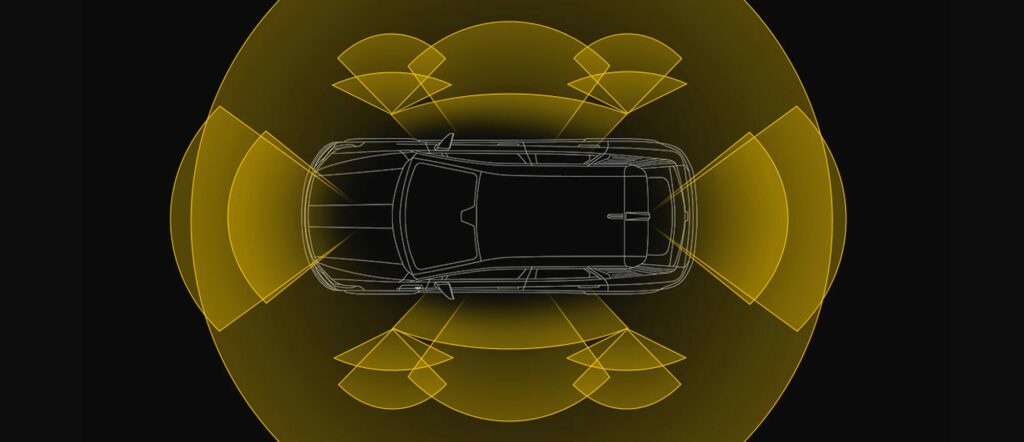
    Diagram of the radars all around the car. Sources: CadillacEurope
    Diagram of the radars all around the car. Sources: CadillacEurope


    Design, Cadillac’s real playground

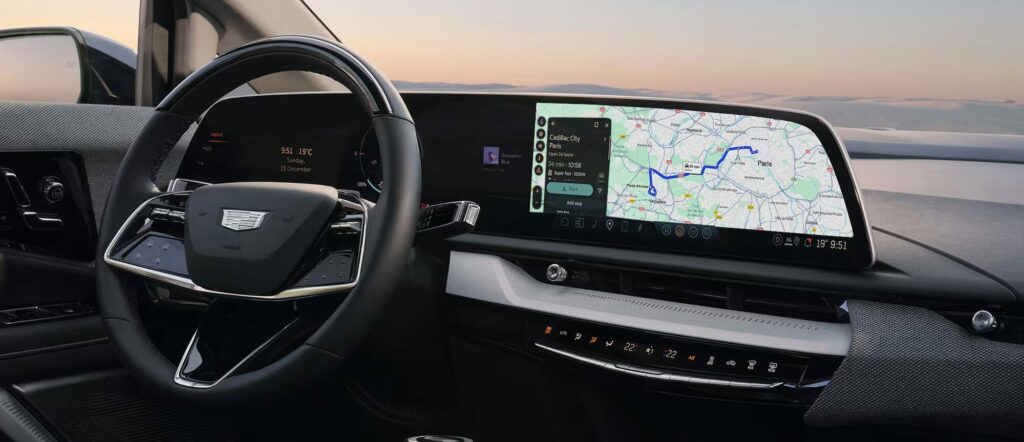
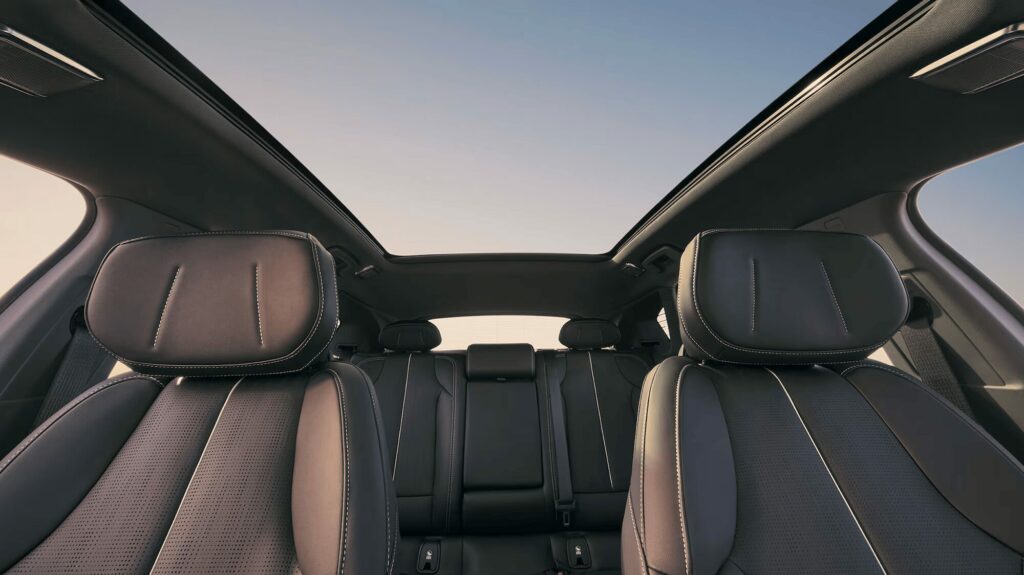
    As explained earlier, it’s in the design department that Cadillac applies its expertise. Inside, the standard panoramic sunroof, ventilated front seats and meticulous finish all exude premium. On the driver’s side, the 33-inch curved screen is an immediate eye-catcher, and the Dolby Atmos audio system promises an immersive sound experience.

    The dashboard and its large GPS screen Sources: CadillacEurope
    The dashboard and its large GPS screen Sources: CadillacEurope

    At the rear, as with any SUV, there are three real seats. With a length of 4.82 metres and a wheelbase of almost 3 metres, there’s plenty of space. The boot is also substantial, with a capacity of 744 litres when the rear seats are up, ideal for stowing bulky luggage or equipment.

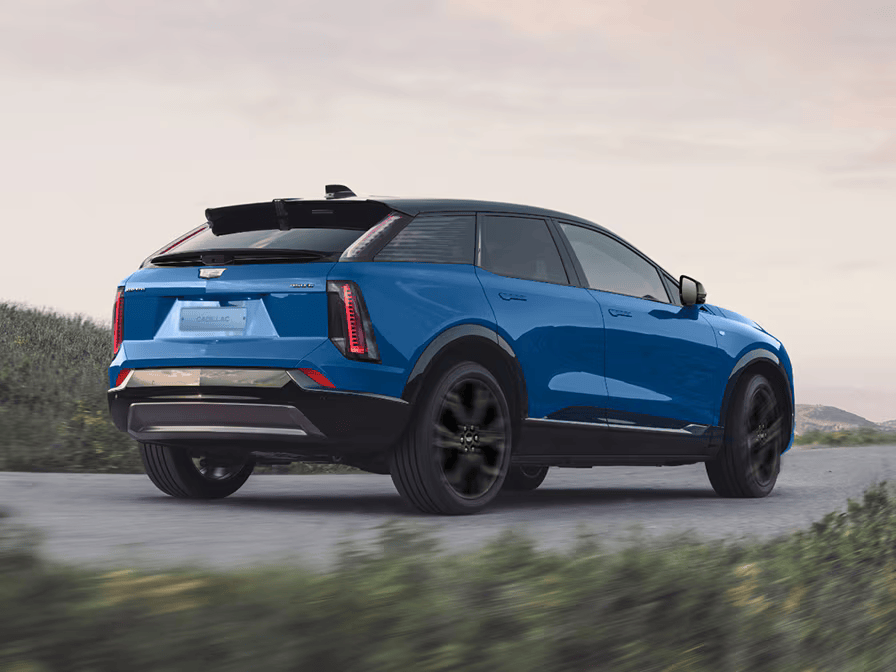
    In the collective ideal, when we think of Cadillac, we think of big, massive vehicles. Here, with the Optiq, the exterior design is more compact and focuses on a dynamic silhouette, with flowing lines that taper slightly towards the rear. Two trim levels will be available: ‘Premium Luxury’ and ‘Premium Sport’. The 21-inch wheels, crystal black grille and slimline LED lights complete a package that leaves no doubt as to the vehicle’s luxury positioning. This is particularly noteworthy given that the Optiq is positioned in the ‘premium compact’ segment without any obvious loss of quality.

    View of the sky through the glass roof. Sources: CadillacEurope
    View of the sky through the glass roof. Sources: CadillacEurope


    Who is it for? Who?

    The advantage of the Optiq is that Cadillac is aiming wide: city dwellers looking for a quiet, manoeuvrable electric SUV, small families looking for a well-balanced vehicle for day-to-day use, and anyone who wants premium without going down the more expensive ultra-luxury route, even though it will cost just under €70,000 to buy.

    With its contained dimensions (4.82 m in length, 1.64 m in external height and 2.13 m in width, offering comfortable interior space but which can be awkward in city driving), it avoids the ‘American behemoth’ syndrome while retaining the brand’s comfortable DNA.

    What this means for Europe

    Since 15 October 2025, orders have been open in Europe, and the launch is not without significance: it shows that American carmakers are finally adapting their electric models to European expectations (reasonable size, urban use, versatility).

    The rear of the blue Cadillac Optiq SUV on the road. Sources: CadillacEurope
    The rear of the blue Cadillac Optiq SUV on the road. Sources: CadillacEurope

    The launch is not without significance: it shows that American manufacturers are finally adapting their electric models to European expectations (reasonable size, urban use, versatility).

    For consumers, this is excellent news. More choice in the premium-accessible segment, more competition, and above all, proof that the electrification of fleets will not just take place in Europe or Asia, but that the United States, one of the world’s greatest industrial powers, is still in the game.

    The questions that remain

    On paper, the dossier looks attractive, but a number of points still need to be verified on the ground. The WLTP range of 425 km is all well and good in theory, but what will be the reality in real European conditions? Will availability in French dealerships live up to expectations? Will Europeans be interested in this brand, which is well known but underdeveloped in Europe? And above all, will the reliability and after-sales service be up to scratch, especially for a brand that is still relatively unknown in Europe?

    The Optiq is a perfect example of the transition that is taking place: the historic brands, even the premium/luxury brands, are moving towards electric vehicles with intelligence and adaptability. It remains to be seen whether Cadillac will succeed in its European venture.

  • New electric cars 2026: the massive offre that will transform the French car market?

    New electric cars 2026: the massive offre that will transform the French car market?

    Are 100% electric vehicles set to conquer European dealerships for good in 2026? After a year 2025 marked by record registrations in several countries, such as the Netherlands with over 40% market share for BEVs in October, manufacturers are stepping up their electrification strategy. Next year will see the arrival of at least forty new flagship models, covering all segments. This wave comes at a time when ultra-fast charging points (400 kW) are becoming more widely available in Europe, and when French public subsidies are stable, supporting mass adoption.

    Electric city cars: democratisation at a shock price for the city

    The number of electric cars in our towns and cities is likely to explode next year as more and more affordable models become available:

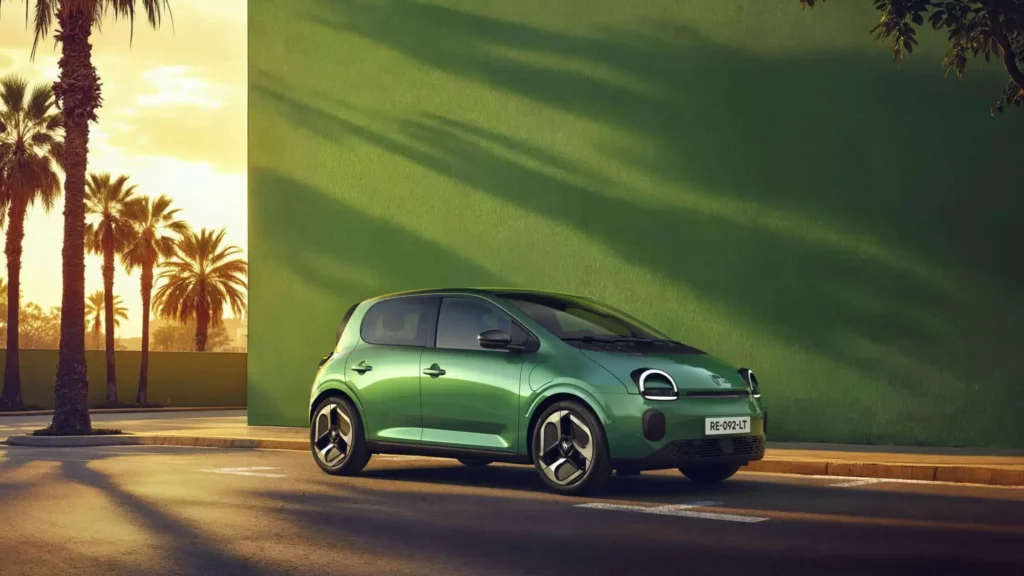
    Green Renault Twingo E-Tech. credit:Renault
    Green Renault Twingo E-Tech. credit : Renault

    • In France, Renault is launching the iconic Twingo E-Tech in spring 2026. It will be able to cover a total of 300 km according to WLTP tests, and will be equipped with a 113 bhp engine for a price of €19,990.

    • Even more affordable, Dacia is fighting back with its new-generation Spring (225 km range for €16,900), with enhanced battery and connectivity.

    • From next year, Citroën will position the ë-C3 as a potential best-seller, with a range of 320 km at a price of €19,900, 113 bhp under the bonnet and a 100 kW recharge.

    • The Renault 5 E-Tech follows logically (410 km, €24,990), taking on the retro charisma of the iconic 5.

    • Volkswagen, too, is aiming to make its mark in the rankings of the biggest sellers. And with the ID.2 (estimated 600 km, ~€28,000), the European manufacturer has every chance of being successful.

    • 2026 will also see the return of Peugeot, which this year presented its electric e-208 GTi, a ‘bombshell’ heir to the 205 GTI with over 200 bhp and a 0-100 km/h time of less than 7 seconds.

    SUVs and crossovers: the family offre explodes in volume and range

    Electric SUVs are dominating expectations, with ever-greater ranges. In fact, some models can cover as much as 700 km at really attractive prices.

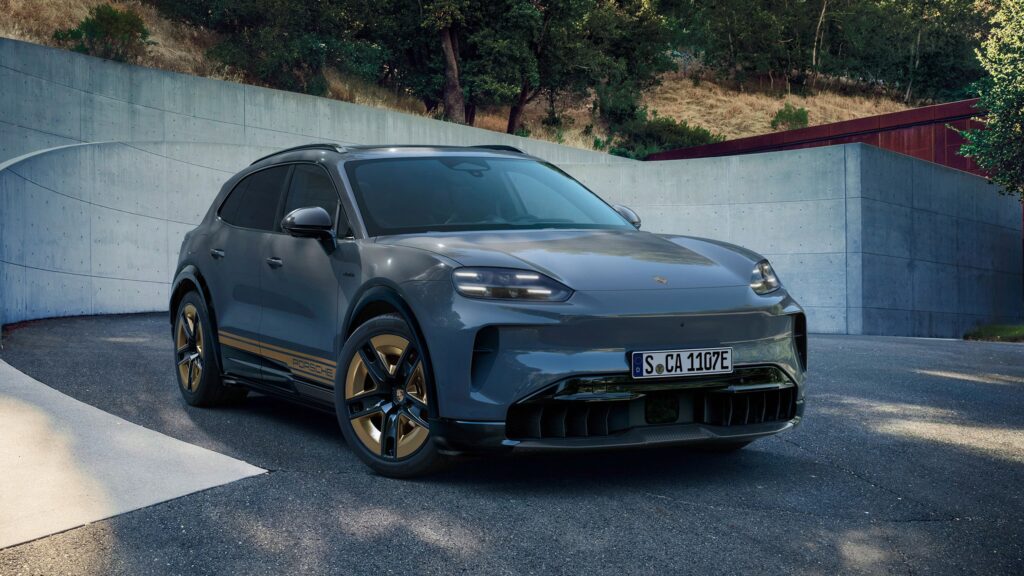
    Porsche Macan Electric grey. Credit: Porsche
    Porsche Macan Electric grey. Credit: Porsche

    • Skoda opens the ball with the Elroq, which claims 573 km WLTP from just €33,430. This spacious crossover is based on the MEB platform, and is a more affordable sibling of Volkswagen’s ID.4.

    • Mini Aceman brings British fun to the compact segment, with an estimated entry price of around €34,000, a range of around 400 km WLTP and an electric motor producing around 180 bhp.

    • On the Chinese side, of course, there will be plenty of new models: BYD and its Atto 2 and Sealion 7, among others, but also Zeekr and its premium 7X, are aiming for unbeatable value for money.

    • Crossover = adventure, so Suzuki eVitara, co-developed with Toyota, will see the light of day in 2026 and will target urban adventurers with a minimum range of 450 km.

    • At the top end of the range, Germany’s Mercedes will be deploying a veritable armada with the electric GLC EQ and GLA, expected from early 2026. They will boast a range of over 550 km, between 200 and 300 bhp depending on the version, and an ultra-fast 400 kW recharging capacity.

    • Hyundai Ioniq 9 (7 seats, 600+ km) and Mitsubishi compact SUV (on Nissan platform) complete the Japanese offer.

    • Next year’s absolute star? Perhaps it’s the 100% electric Range Rover: over 700 km WLTP, up to 1,000 bhp and still luxurious materials and comfort. Pricing will be in the region of €150,000.

    • But watch out, Porsche is responding with the electric Cayenne, which can also be equipped with an electric motor producing more than 1,000 bhp and achieving a 0-100mph time of 3s according to tests carried out by the German manufacturer. True to the brand’s philosophy, it will combine luxury and sportiness.

    These electric behemoths meet the needs of French families, where SUVs account for 50% of new car registrations.

    Hatchbacks and station wagons: premium electrics for long journeys

    Electric saloons are making their mark for professionals and long-distance drivers looking for comfort and efficiency at every level.

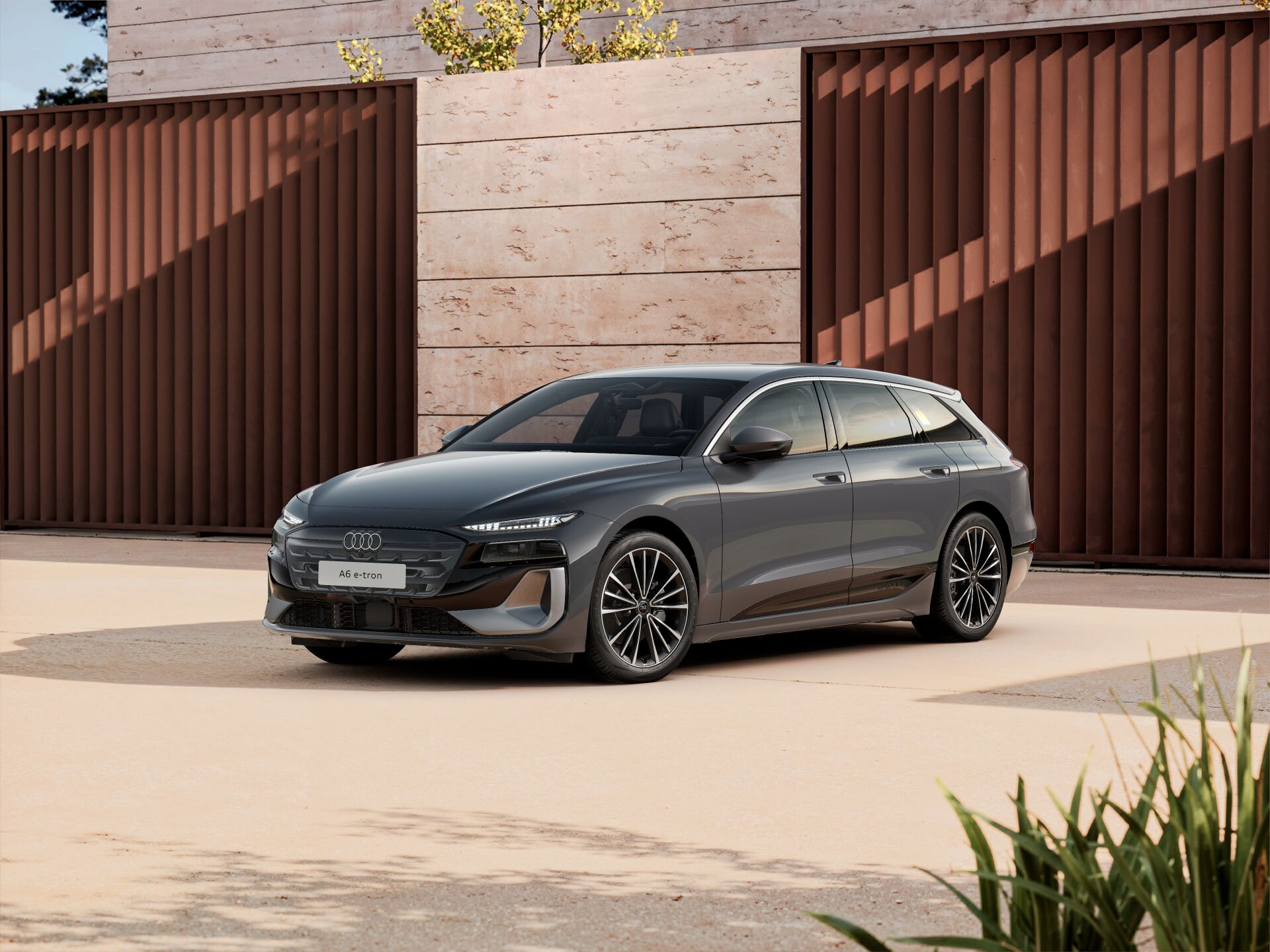
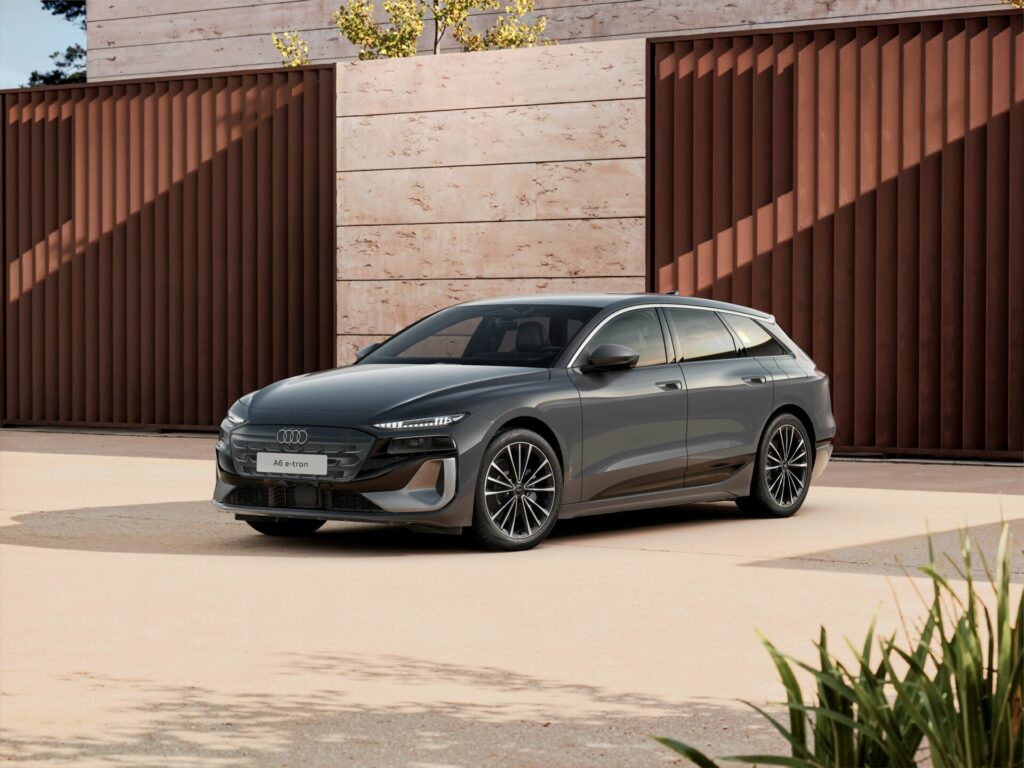
    Audi A6 e-tron Avant 100% electric luxury estate Credit: Audi
    Audi A6 e-tron Avant 100% electric luxury estate Credit: Audi

    • The electric Mercedes CLA Shooting Brake is aiming for a range record of almost 791 km WLTP, supported by an ultra-aerodynamic design (Cx less than 0.23) and the integration of new-generation Hyperscreen technology, offering a panoramic and customisable digital experience, according to the manufacturer.

    • Still in Germany, BMW and its new-generation iX3 promise up to 800 km of range thanks to the latest-generation batteries, more than 300 bhp and ultra-fast 400 kW recharging.

    • Next year, Audi will launch the A6 e-tron, based on the PPE platform. It will offer a range of around 700 km, combined with an engine that can exceed 400 bhp and a top-of-the-range cabin featuring the XXL Virtual Cockpit, designed for long journeys and premium comfort.

    • The Hyundai Ioniq 3 is a premium compact aimed at the top end of the range, with a more accessible price tag, a range of around 500 km, a 200 bhp engine and refined interior architecture inspired by Hyundai’s ‘Living Space’ concepts.

    • The Volvo ES90, a large, refined Swedish saloon, is aimed at the premium family, with a range approaching 600 km, power of up to 350 bhp depending on the version and a minimalist Scandinavian interior combining natural materials and on-board Google technologies.

    • The Kia EV4 completes the Korean range with a range of around 625 km, an angular design inspired by the EV4 concept, powertrains ranging from 170 to 230 bhp, and an aggressive price positioning to compete with European electric saloons.

    These models, with their solid batteries and OTA software, are turning motorways into conquered territory, just as France is rolling out its network of ultra-fast charging points.

    Sports cars and hypercars: electric excitement without compromise

    Electricity is making its presence felt among enthusiasts. Like every year, the leading manufacturers are making a splash with their eagerly-awaited releases.

    • One of the great things to look forward to in 2026 in the automotive world is the arrival of the first hypercar from one of, if not the most iconic manufacturers in automotive history. Ferrari has announced that 2026 will see the launch of its first 100% electric supercar, the Elletrica. The performance? More than 1,000 bhp, 0 to 100 km/h in less than 2 seconds. It will feature F1-inspired active aerodynamics and an innovative thermal management system. Of course, its design is faithful to the Ferrari idiom, and its price is expected to be well over €500,000.

    • For its part, Alpine is relaunching the electric A110, which is light (1,200 kg), agile and purely French. With an engine delivering around 300 bhp, a 0 to 100 km/h time of less than 4 seconds, a range of around 400 km WLTP and an ultra-agile chassis.

    Market context: why 2026 changes everything

    This offensive comes at an ideal time. In France, BEVs are approaching 25% of the monthly market, supported by subsidies (€4,000-7,000 bonus) and a network of 100,000 public charging points. The Netherlands is leading the way with 40% BEV, thanks to a dense network and stable incentives – a model for Europe. Faced with competition from China (BYD, MG, Zeekr), Europeans are reacting with aggressive pricing and sovereign technology (French gigafactories). The result: electric vehicles will increase from 20% to 35% of sales by 2026, boosted by the gradual end of pure combustion engines in 2035.

    These new products are not just a catalogue: they embody accessible, high-performance and integrated sustainable mobility. For professionals and private customers alike, 2026 marks the end of excuses, with a plethora of choices aligned with climate and economic challenges. ECO MOTORS NEWS will be following these launches closely, with test drives to back them up.